Wine Advisor



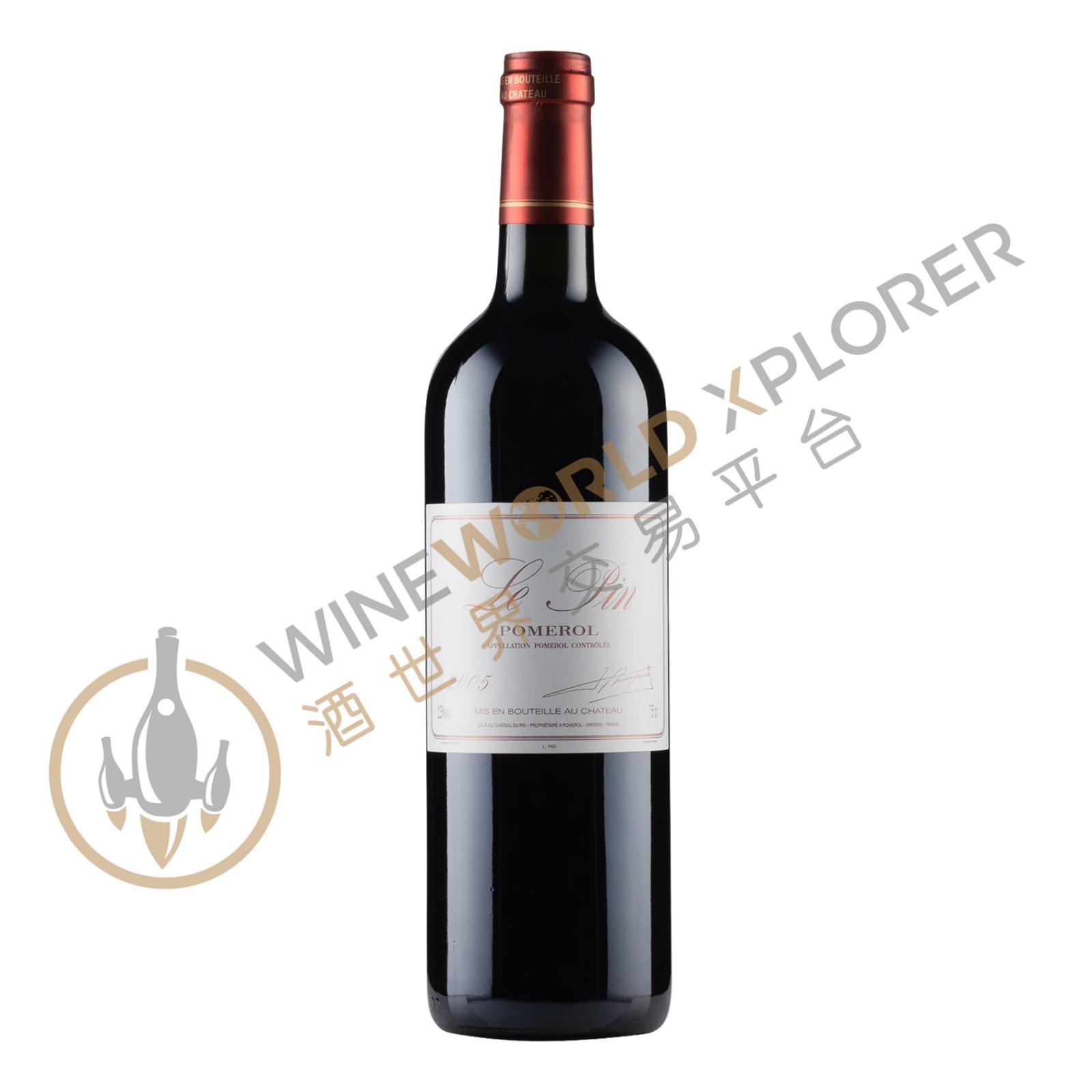
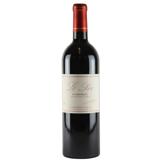
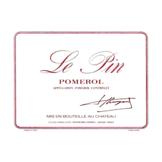
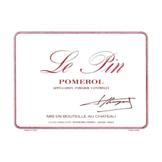
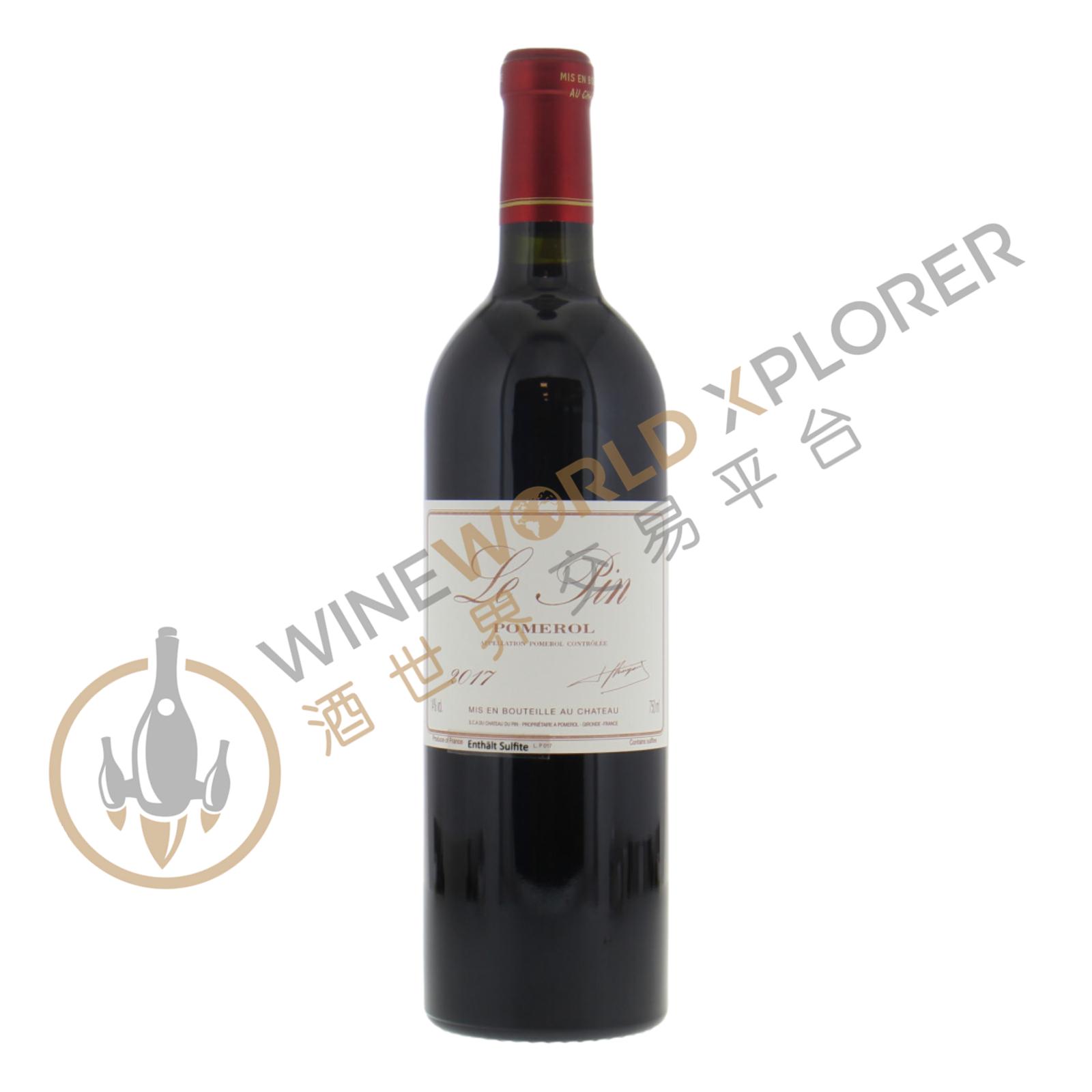
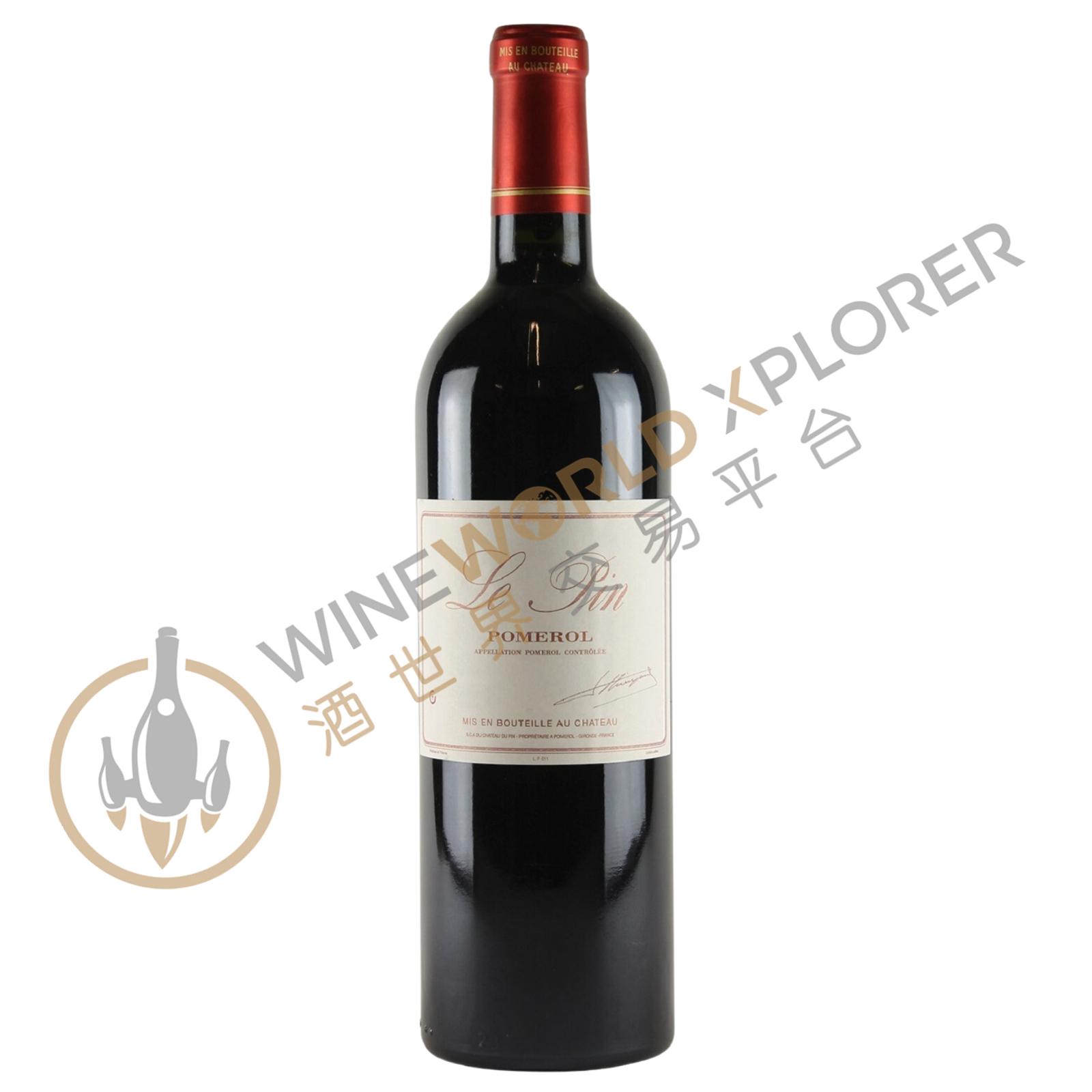
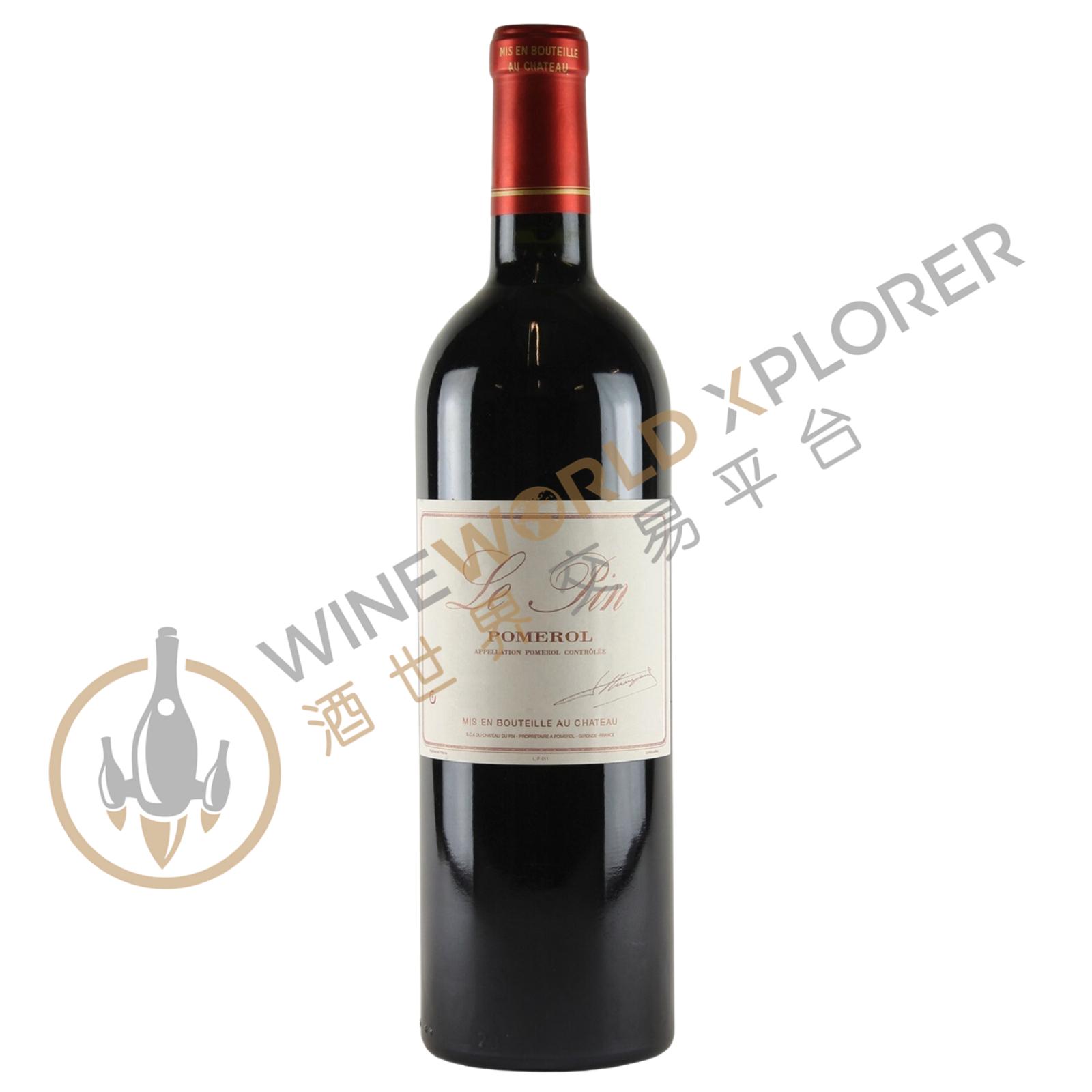
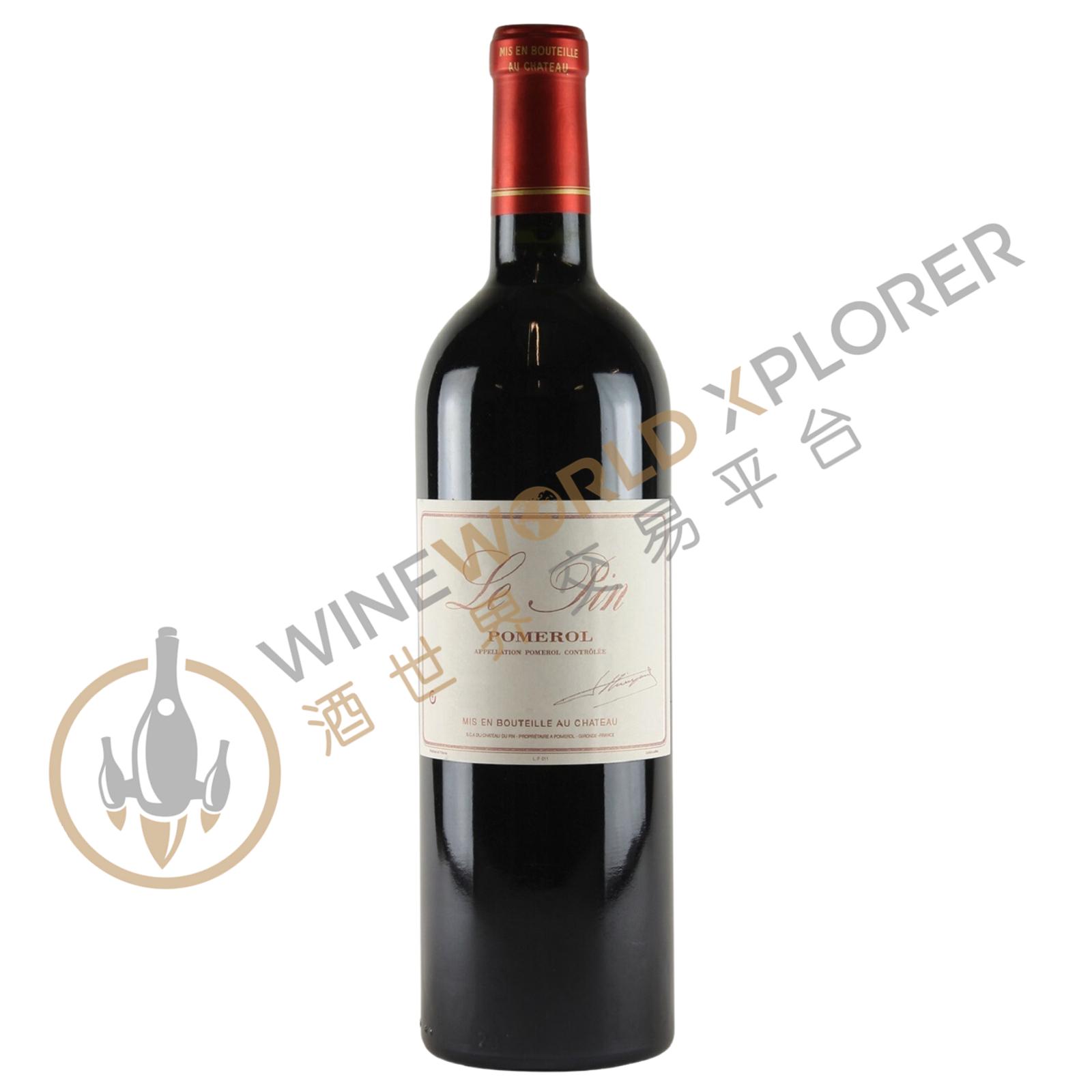
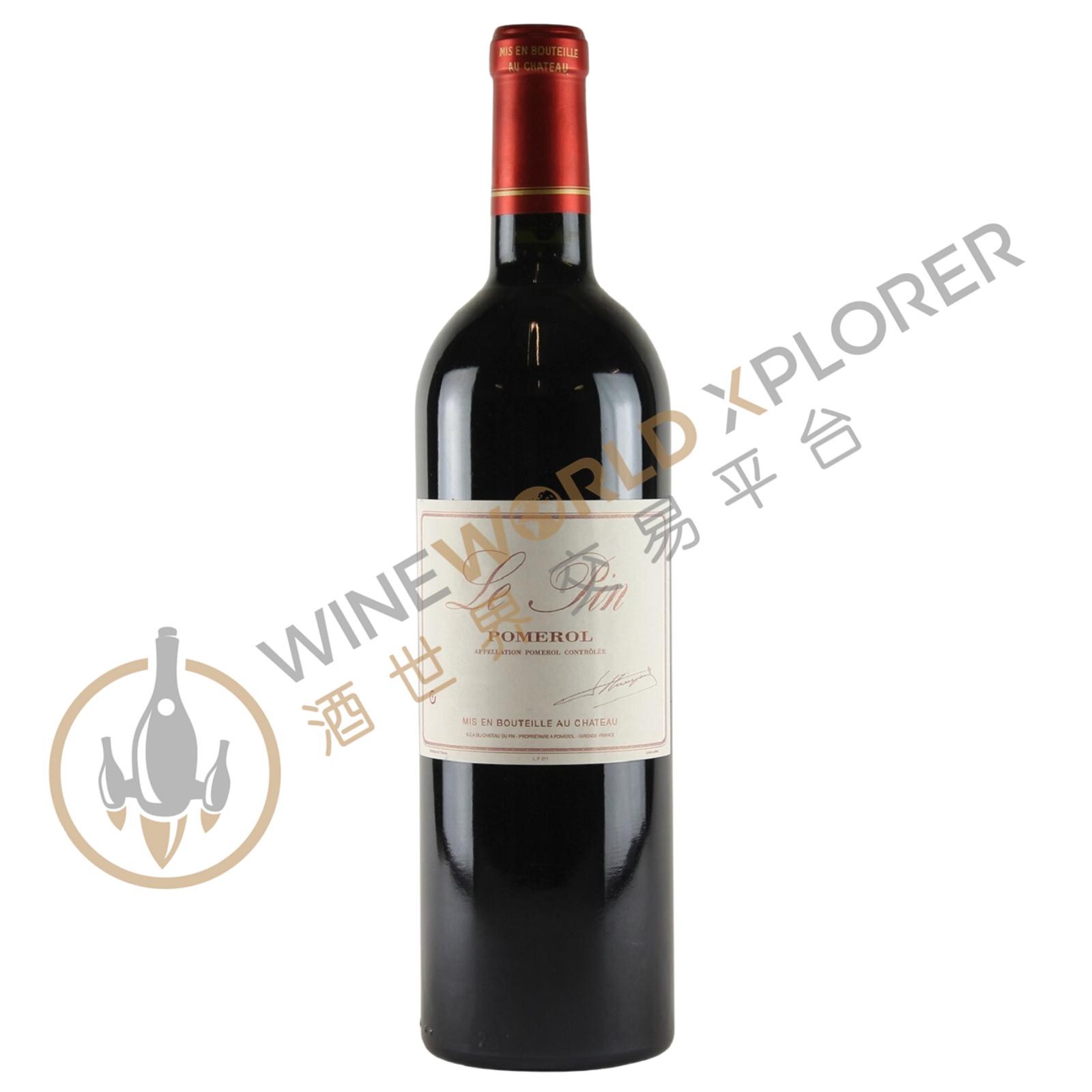
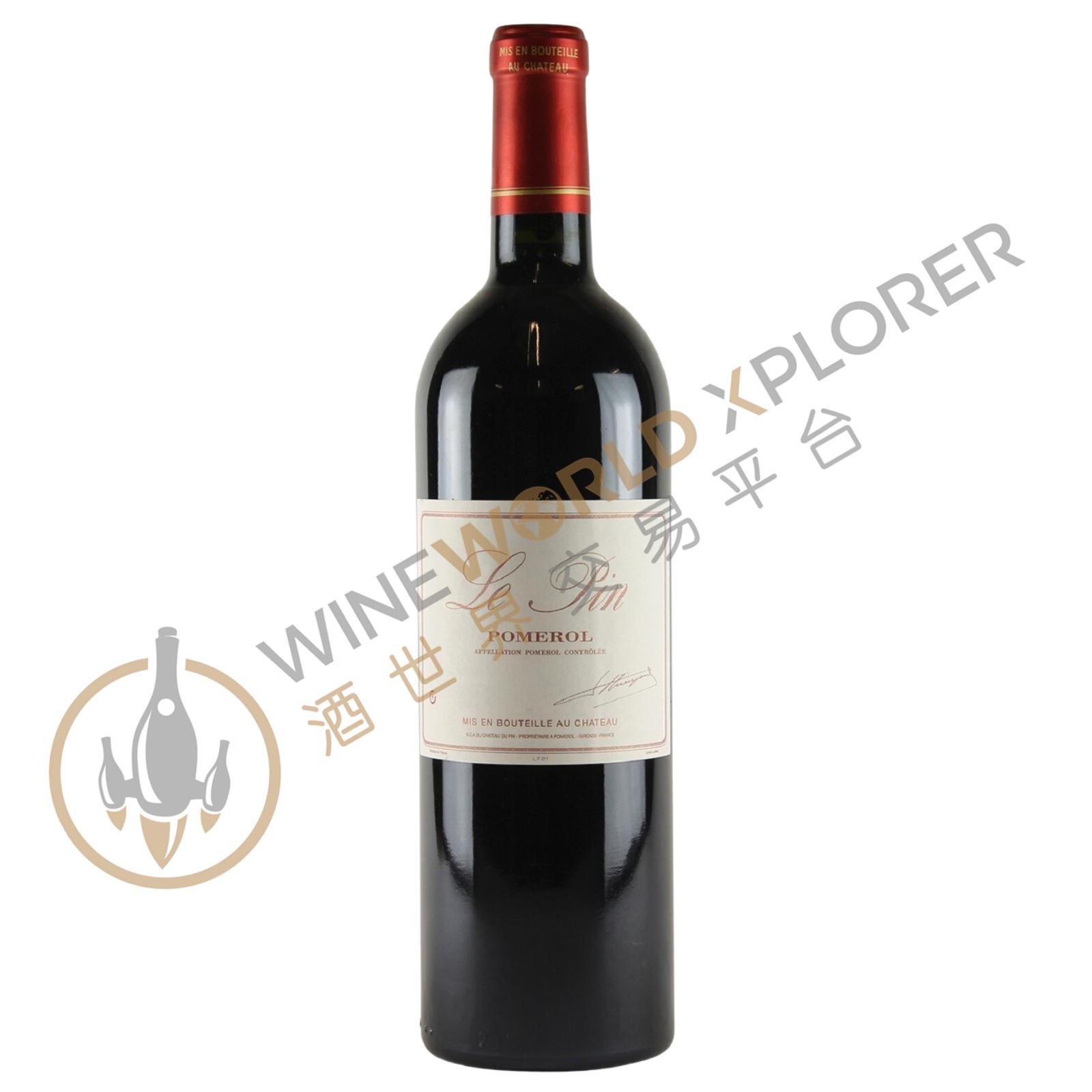
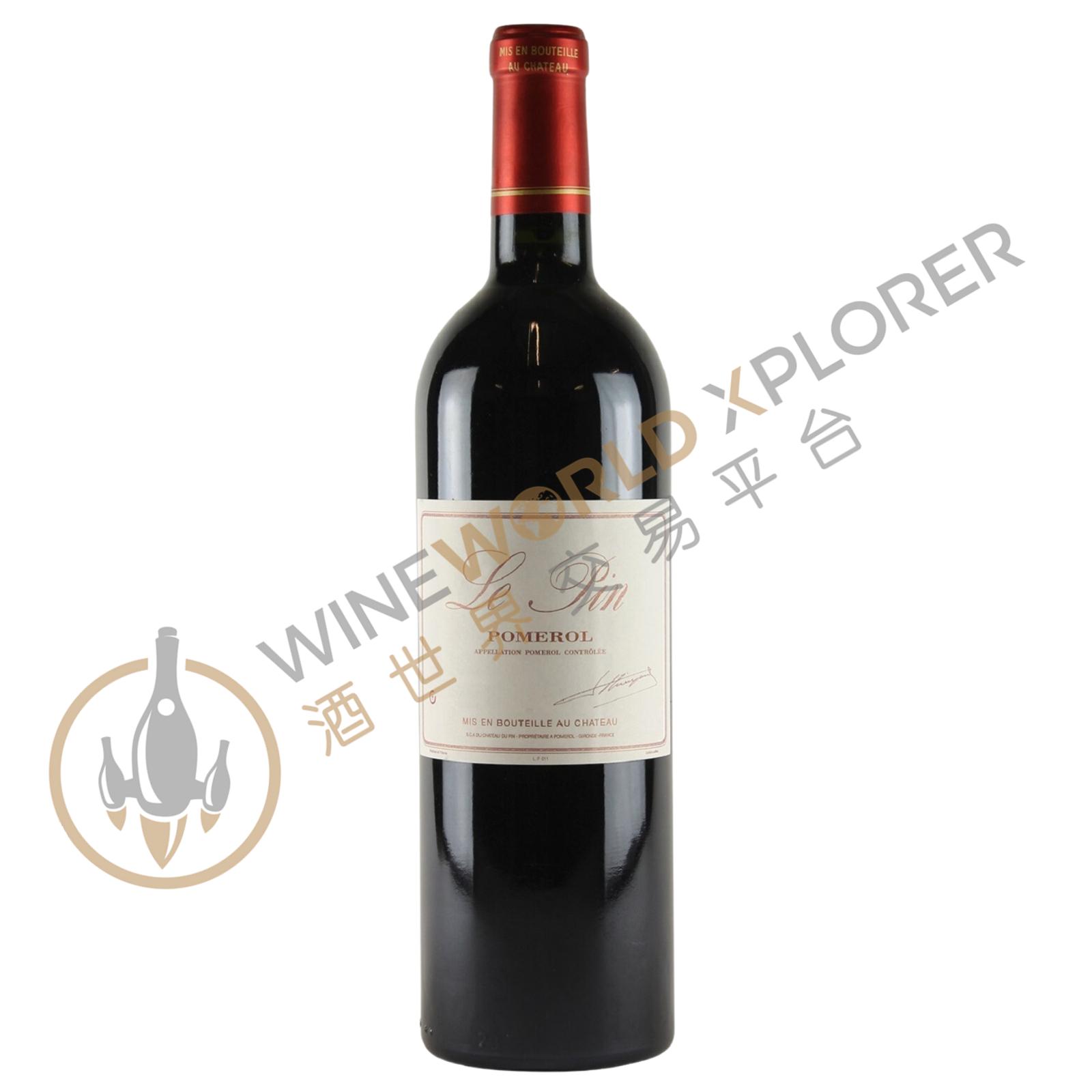
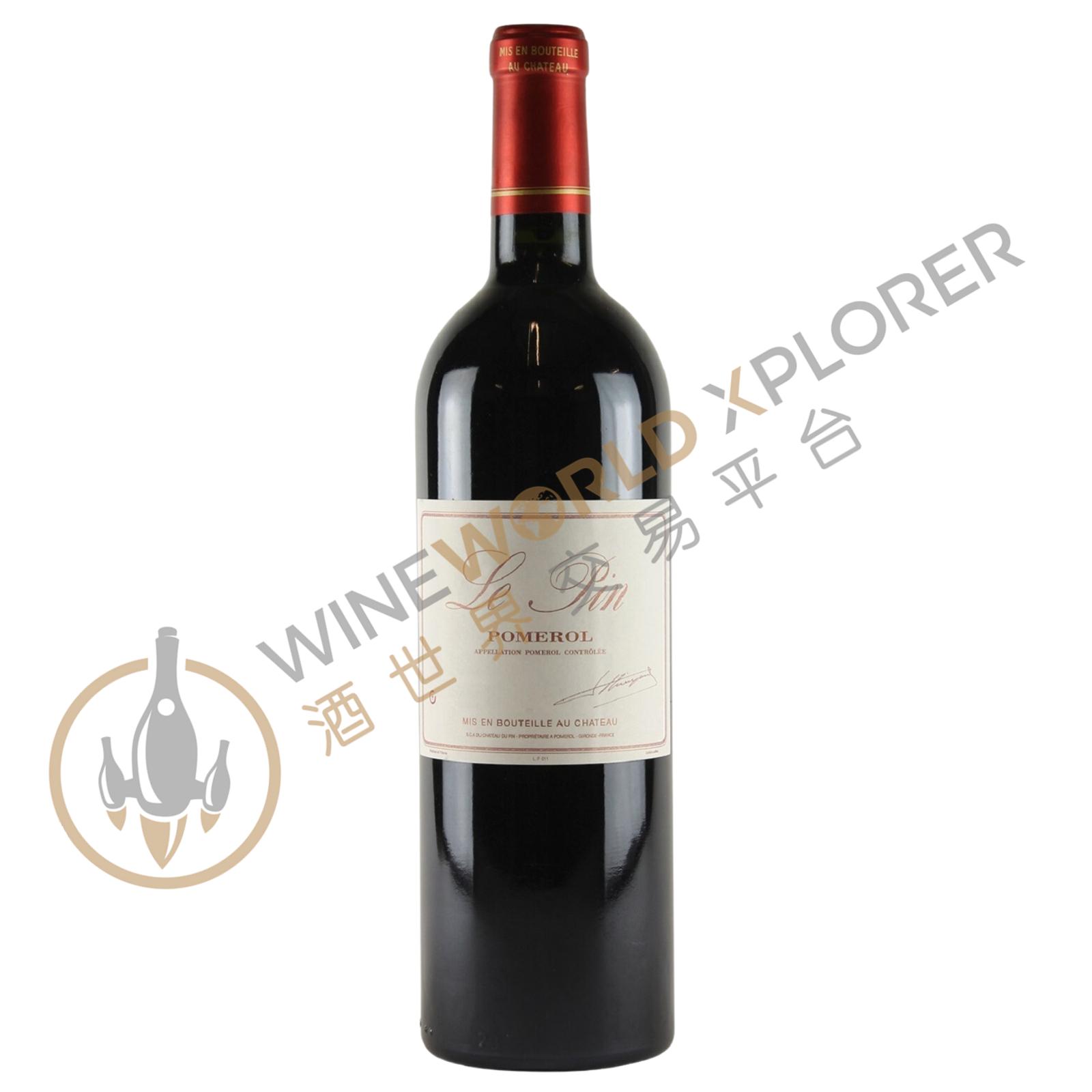
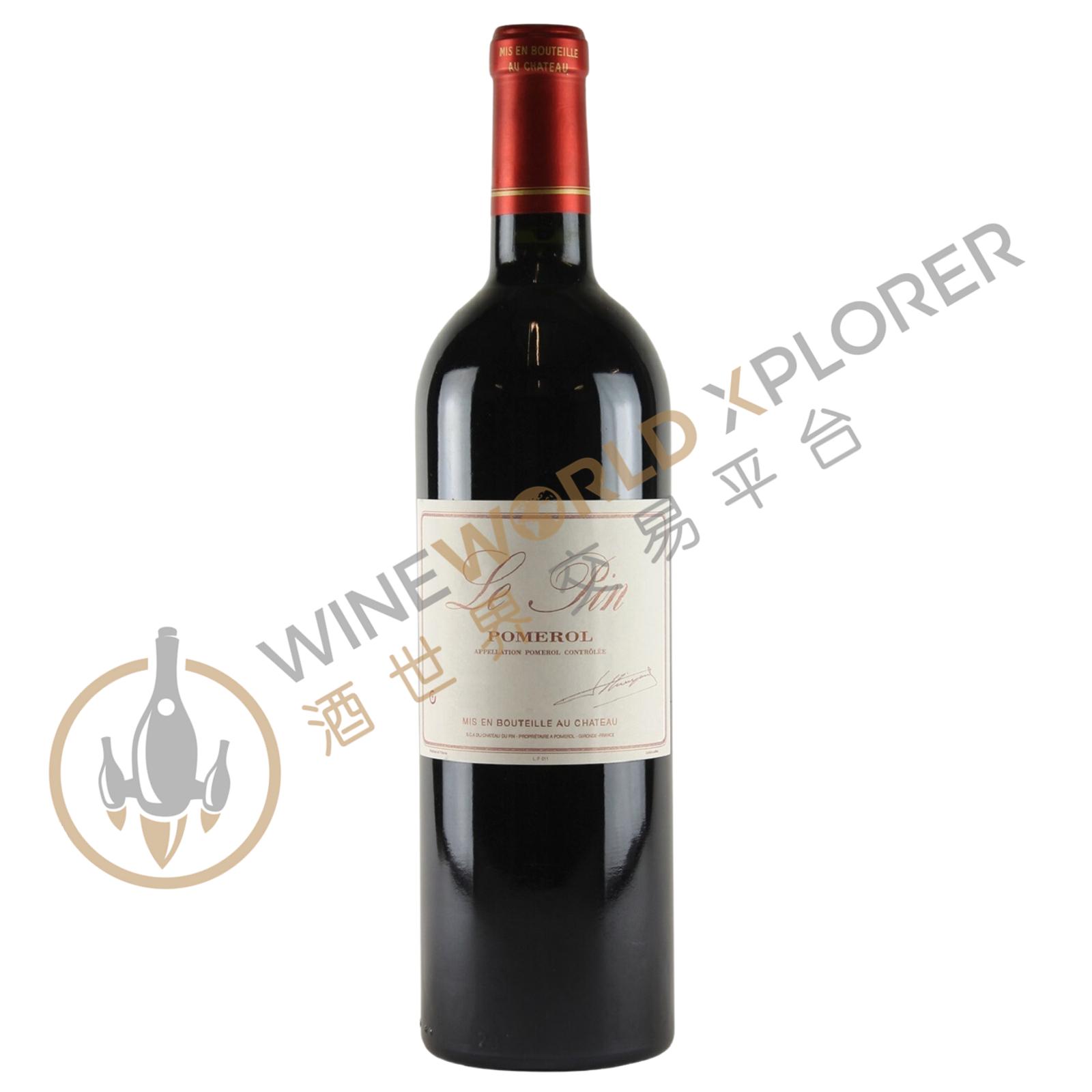
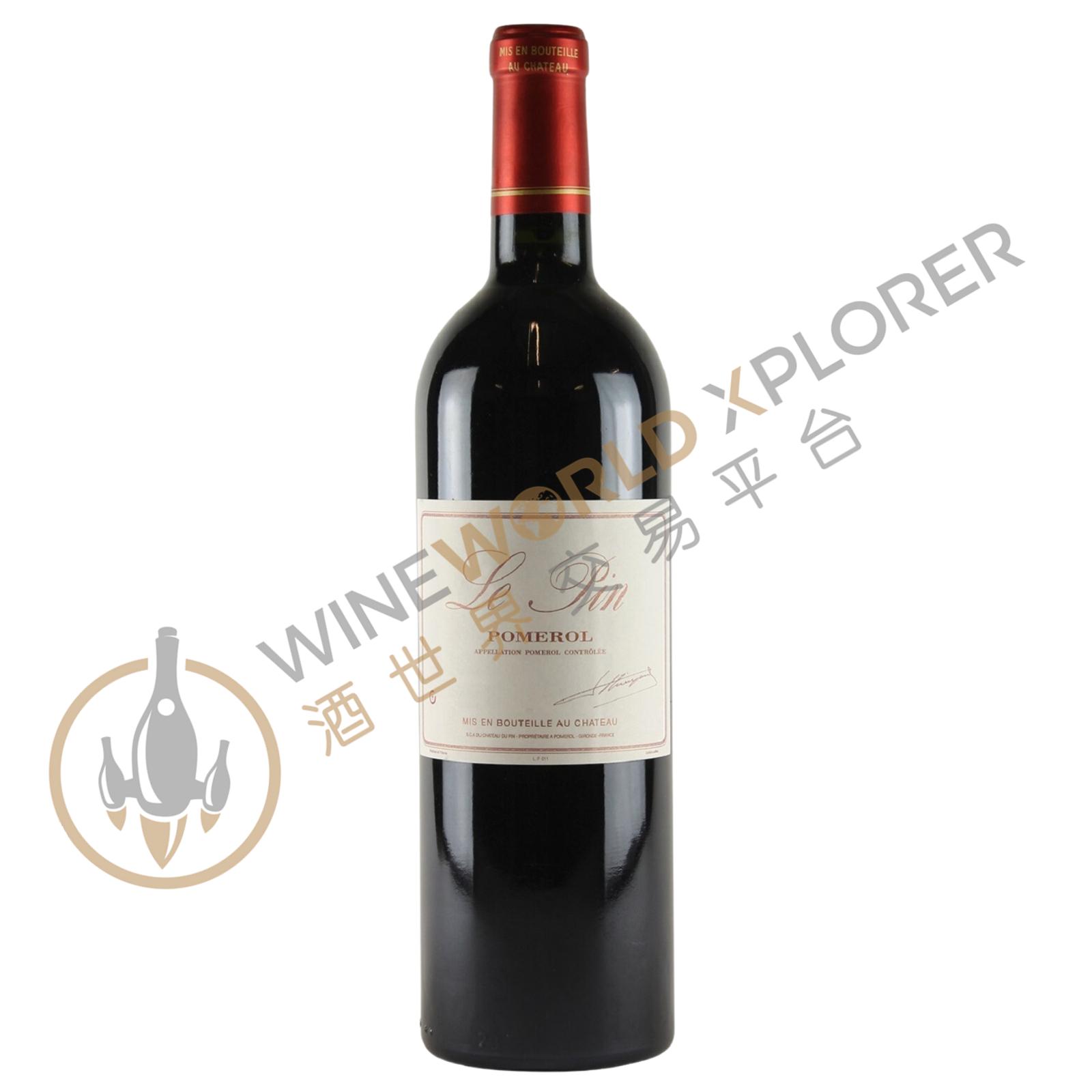
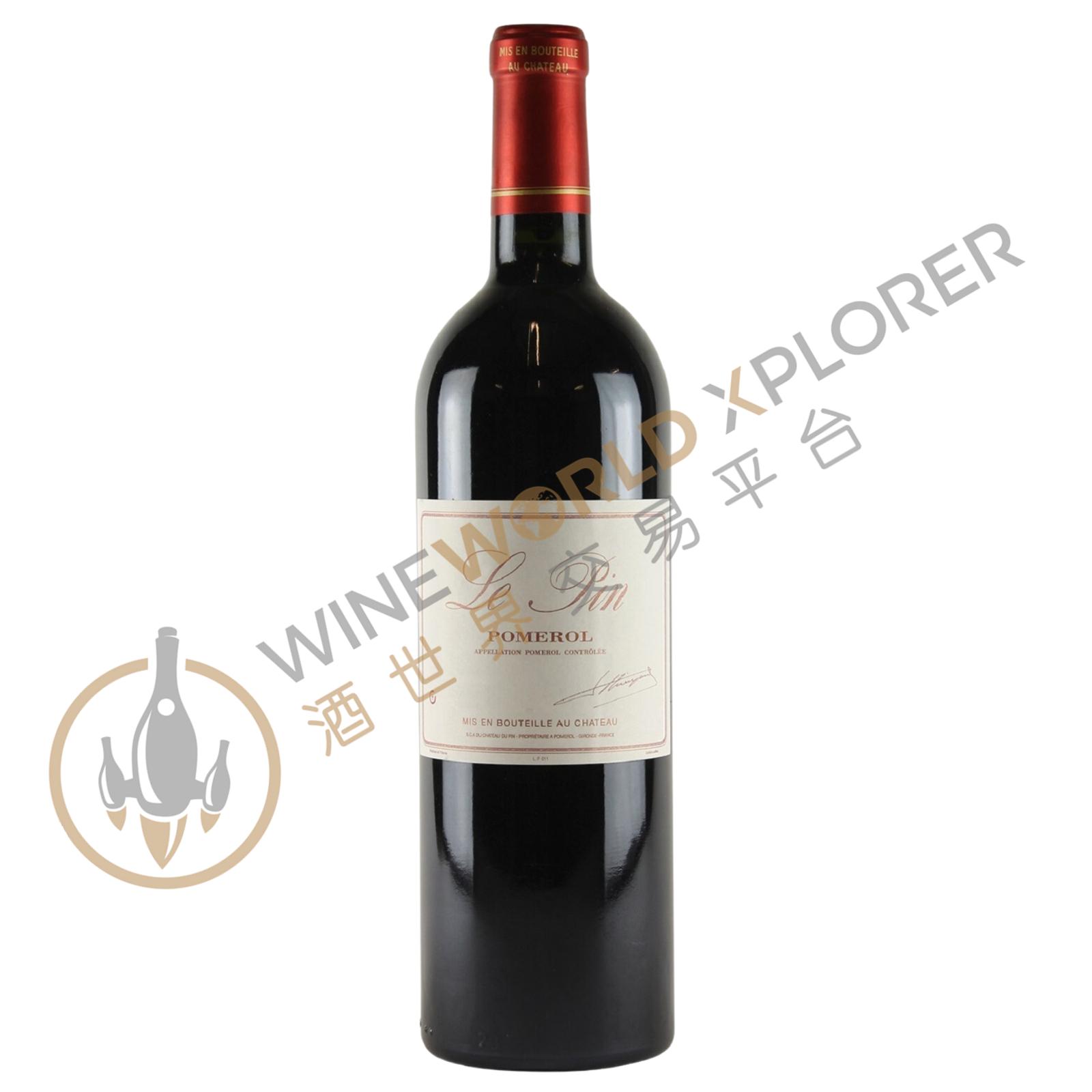
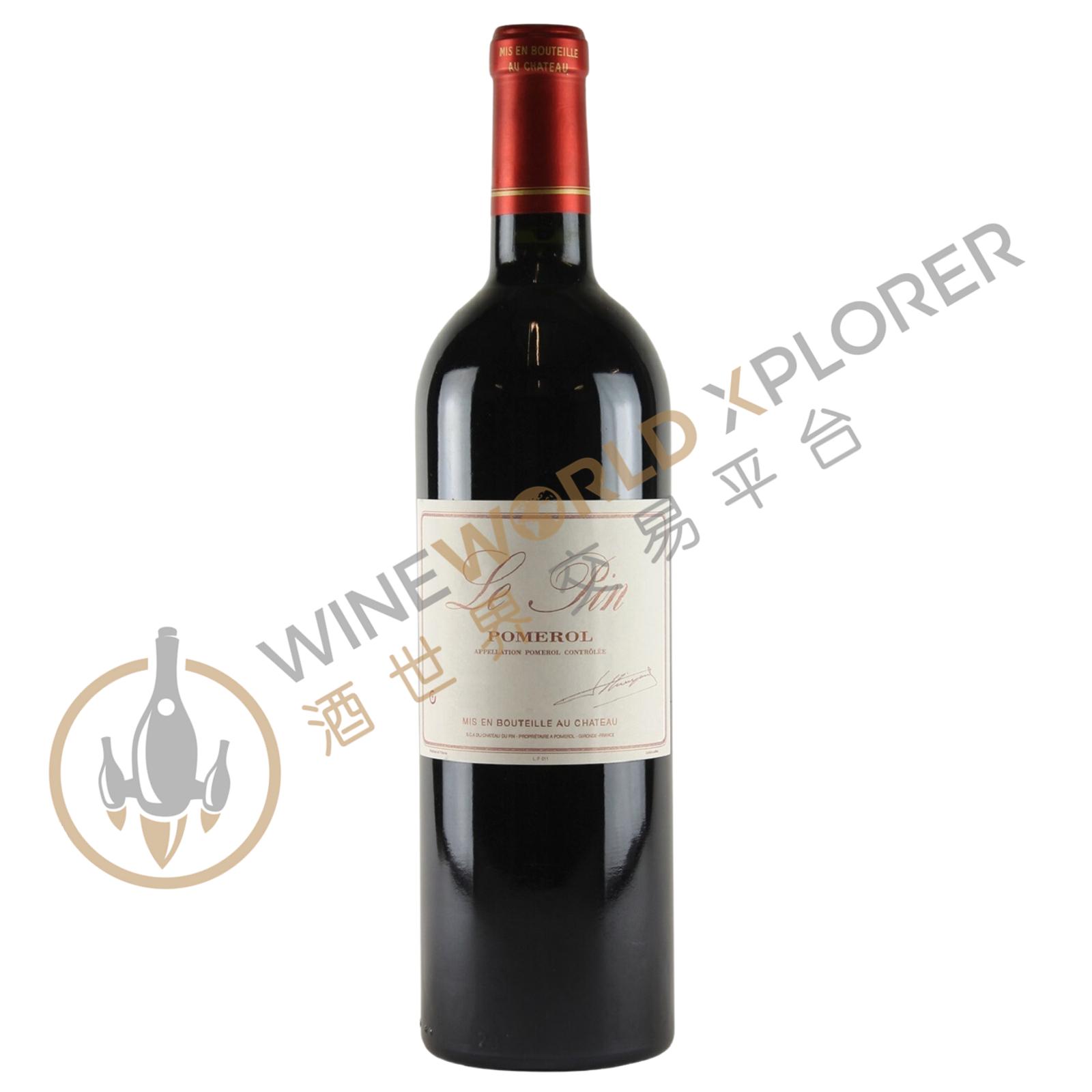
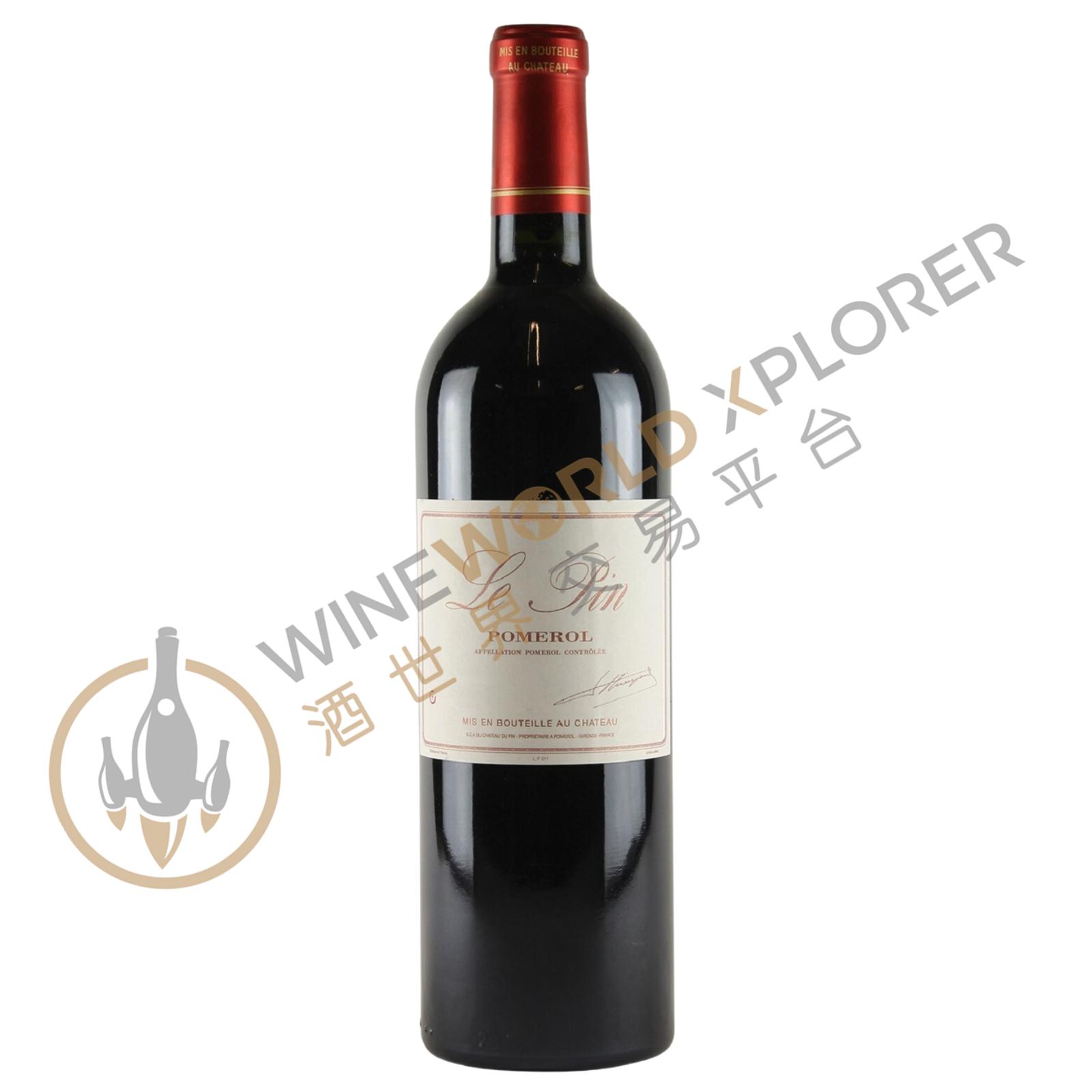
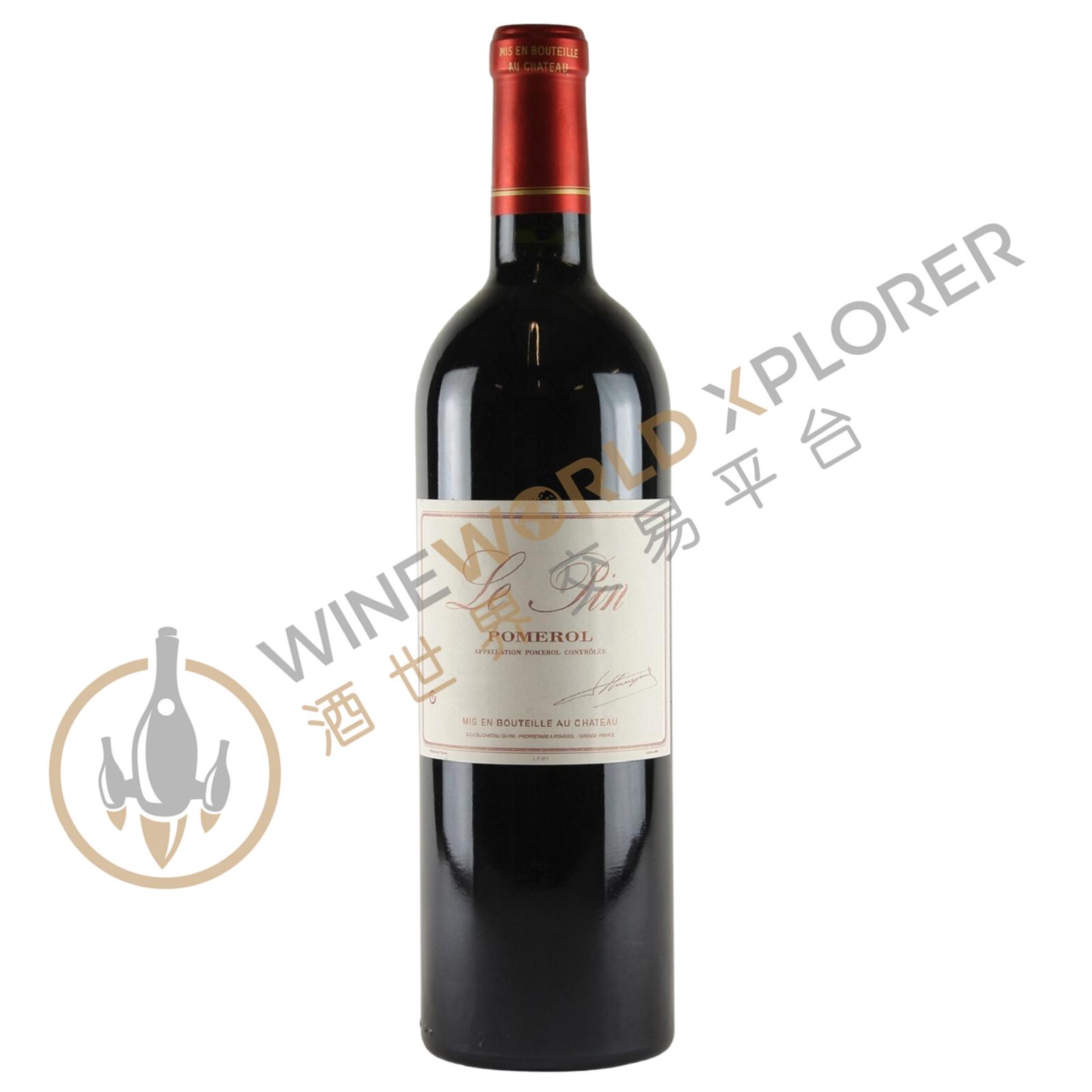
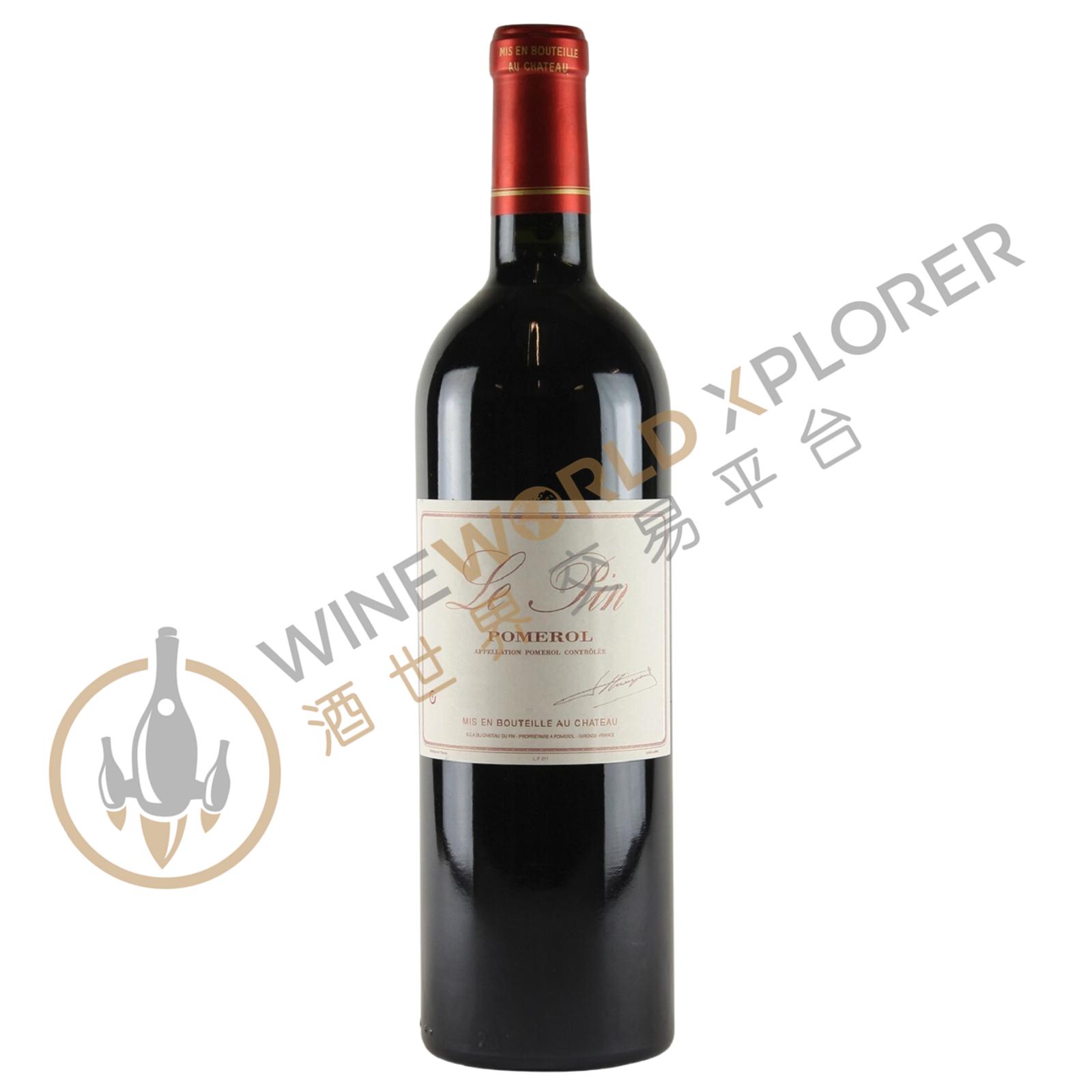
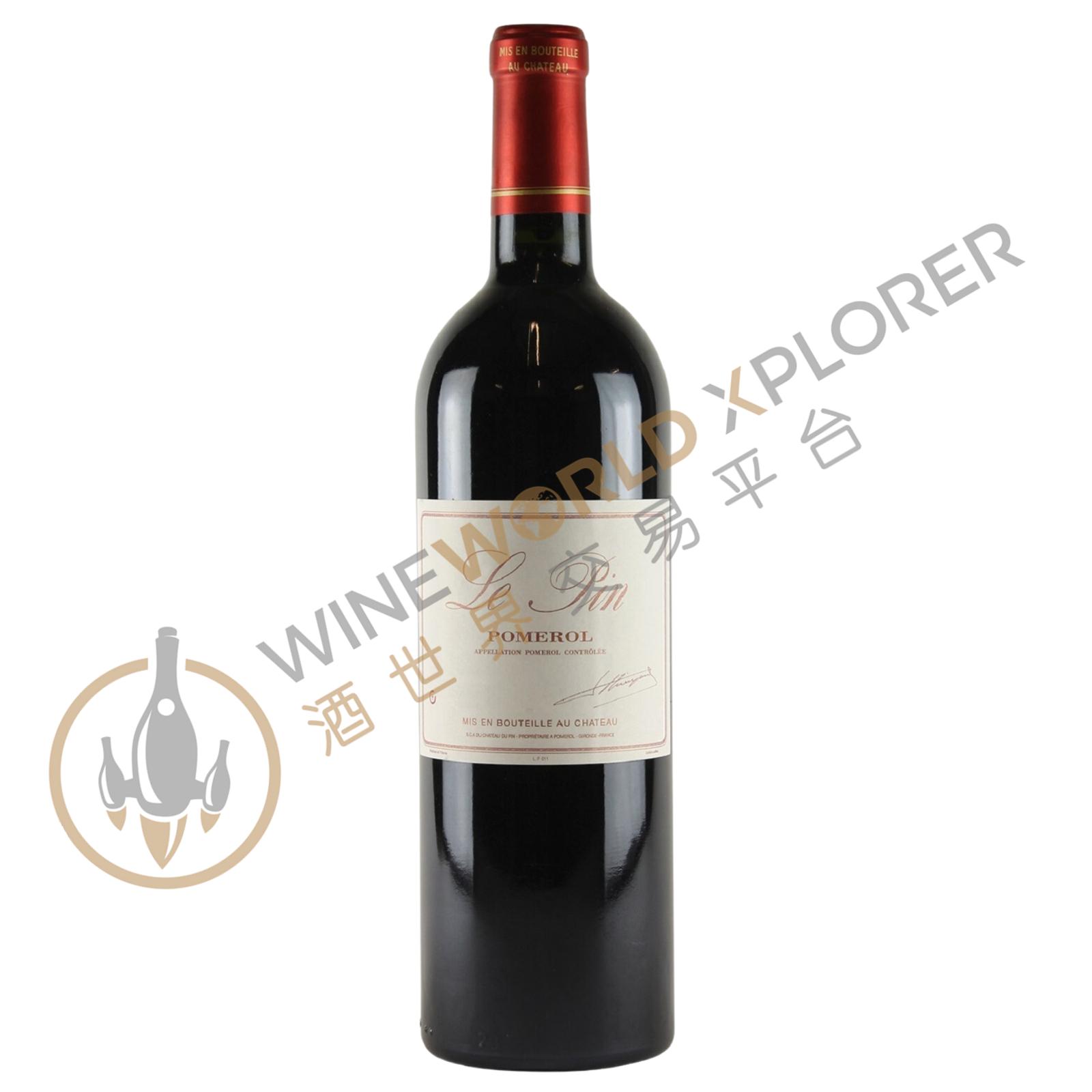
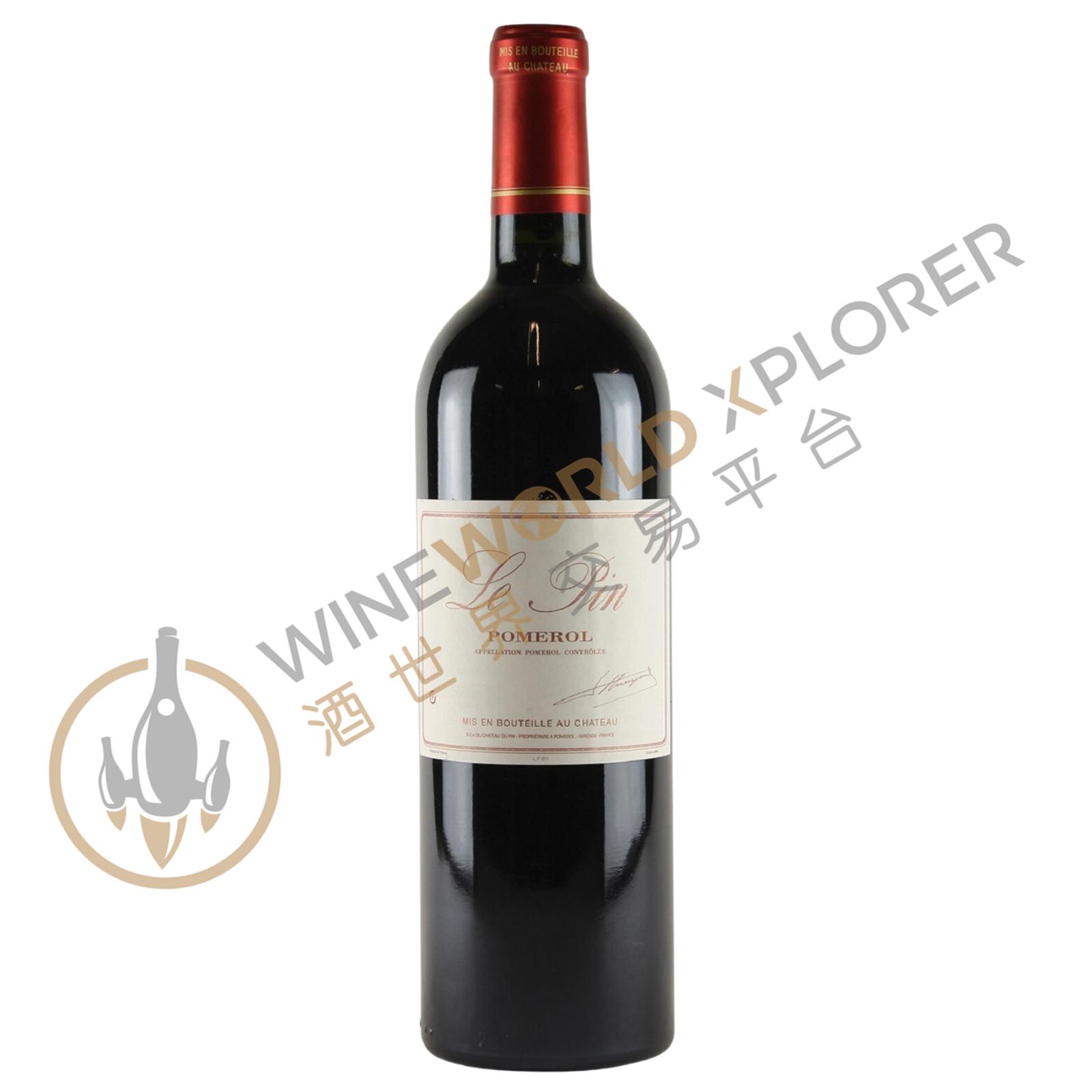
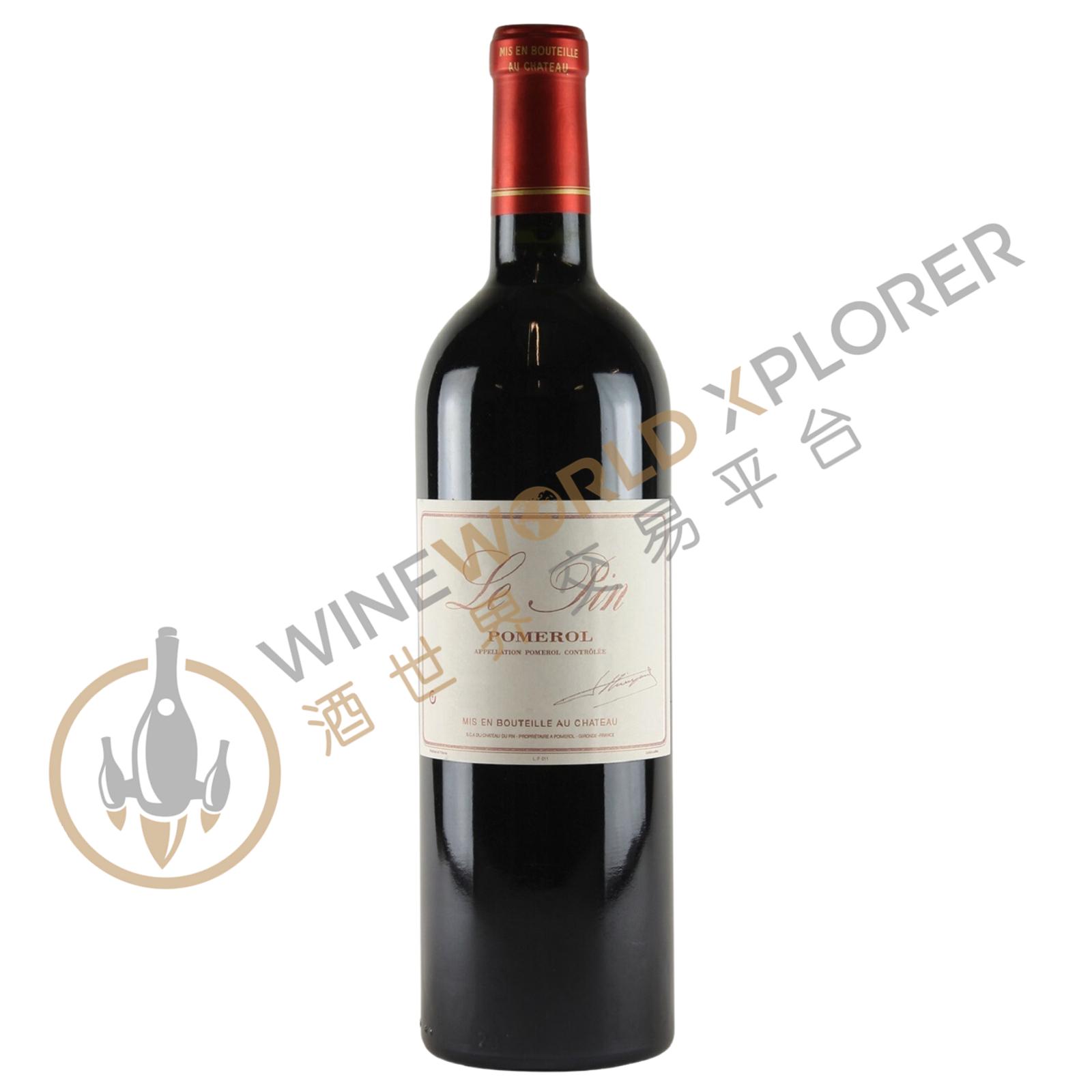
Le Pin 2023
 View analysis
Description
Tasting notes

Reviewed by: William Kelley
The 2023 Le Pin is another strong effort for this small Pomerol winery, wafting from the glass with aromas of wild berries, violets, exotic spices and creamy new oak. Medium to full-bodied, polished and suave, it's velvety and refined, with attractive purity of fruit, lively acids and a long, gently vanillin-inflected finish. It's the result of multiple harvests, starting with young vines, between September 11 and 23.
Reviewed by: Neal Martin
The 2023 Le Pin is all sensuality. Rich, deep and explosive, the 2023 possesses notable depth. It is an especially exuberant, dense Le Pin. Dark-toned fruit, iron, leather, scorched earth and incense gradually unfurl in the glass. The long, sustained finish is suggestive of what is certain to be a very bright future. I tasted the 2023 from the en primeur blend and then directly from barrels crafted by Seguin-Moreau, the historical cooper of choice here, and Taransaud, a more recent addition. I found young wines of tremendous freshness and verve. This is a magnificent showing from Jacques Thienpont, Fiona Morrison MW and Guillaume Thienpont.
Reviewed by: James Suckling
Shows the exotic nature of Le Pin with blackberries, milk chocolate and hints of spices, as well as coffee beans from the ripe seeds in the grapes. It's medium-bodied with focused and creamy tannins. Also plenty of nectarine and clementine character. This is so classic Le Pin at the finish. It lasts for minutes in your mouth. Silky and flavorful. 100% merlot magic.
Reviewed by: William Kelley
The 2023 Le Pin wafts from the glass with aromas of sweet cherries and cassis mingled with hints of mint and rose petals, along with notions of pencil shavings and a touch of dark chocolate. Medium- to full-bodied, pillowy and fleshy, it's rich but suave, with a seamless core of fruit framed by ripe, sweet tannins. Sensual and demonstrative, this will offer an especially broad drinking window.
About the Producer
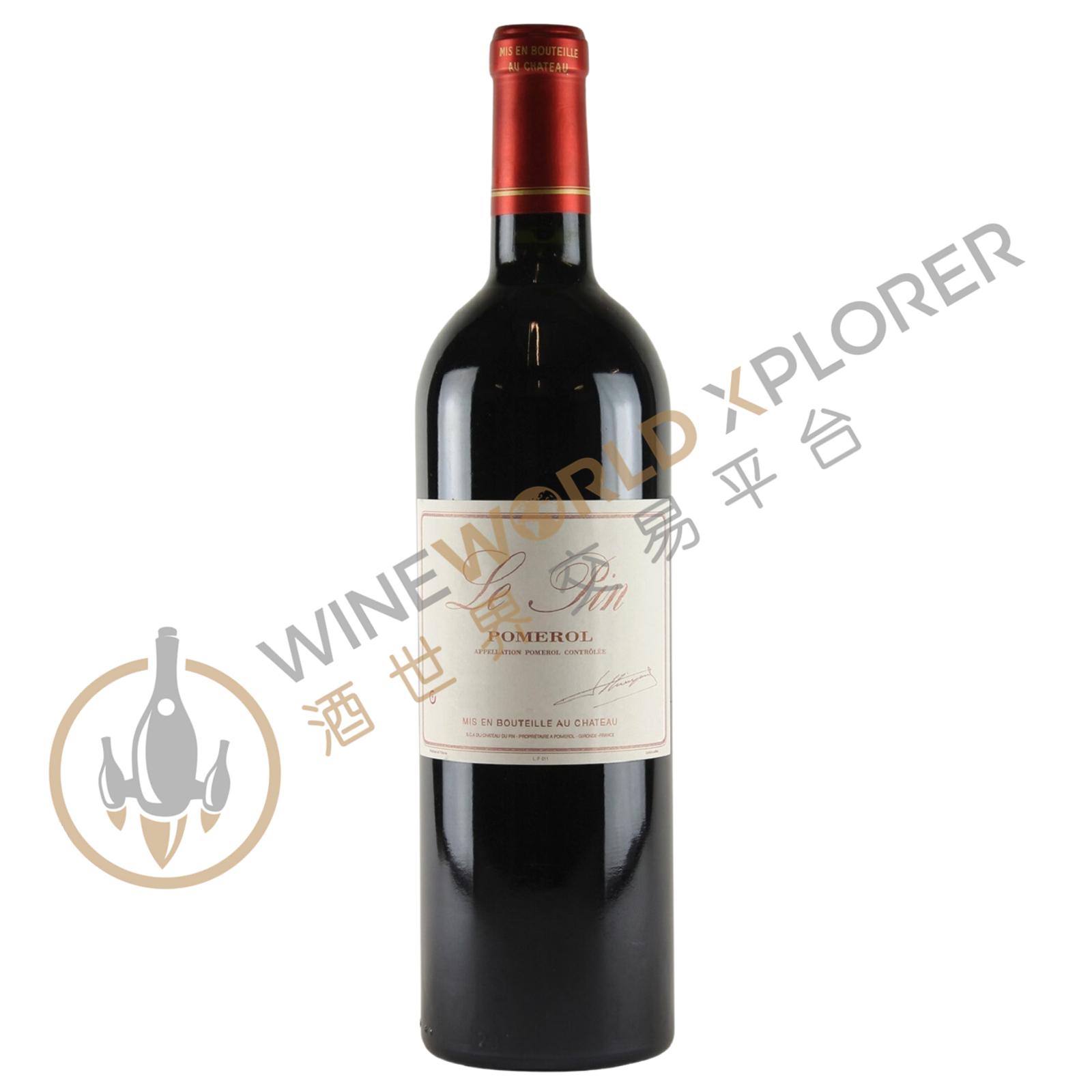
Le Pin is the most expensive wine in the world. Jacques Thienpont purchased the meagre 1.6 hectares of land for one million francs in 1979. The Thienpoints named their wine Le Pin after a solitary pine tree that shaded the property. By acquiring tiny adjoining plots of land, Jacques has doubled the size of Le Pin to five acres. The south-facing vineyard on a well-drained slope of gravel and sand is planted with Merlot (about 92%), and a small amount of Cabernet Franc. Le Pin's soil is a mixture of gravel and clay with a little sand and is exceptionally low yielding (between 30 to 35 hl/hc). The grapes are hand-harvested and are fermented in stainless steel before being matured in`200%` new oak barriques for between 14 and 18 months. Dany Rolland, wife of cult-oenologist Michel Rolland, is a consultant here. Le Pin produces just 600 to 700 cases each year (Lafite Rothschild produces approximately 29,000 cases of wine a year and and Pétrus about 4,000) and its rarity is one of the driving forces behind its high prices. Le Pin produces super-concentrated, decadent, lush and lavishly oaked wines - they can be drunk young but are best with 7-10 years of bottle ageing.
1985(1)1986(1)1988(2)1989(1)1990(1)1991(2)1992(1)1993(1)1994(3)1995(3)1996(3)1997(4)1998(4)1999(4)2000(2)2001(5)2002(2)2004(11)2005(8)2006(4)2007(7)2008(5)2009(8)2010(2)2011(15)2012(16)2014(9)2015(10)2016(8)2017(11)2018(15)2019(22)2020(13)2021(15)2022(6)
Package Size