Wine Advisor



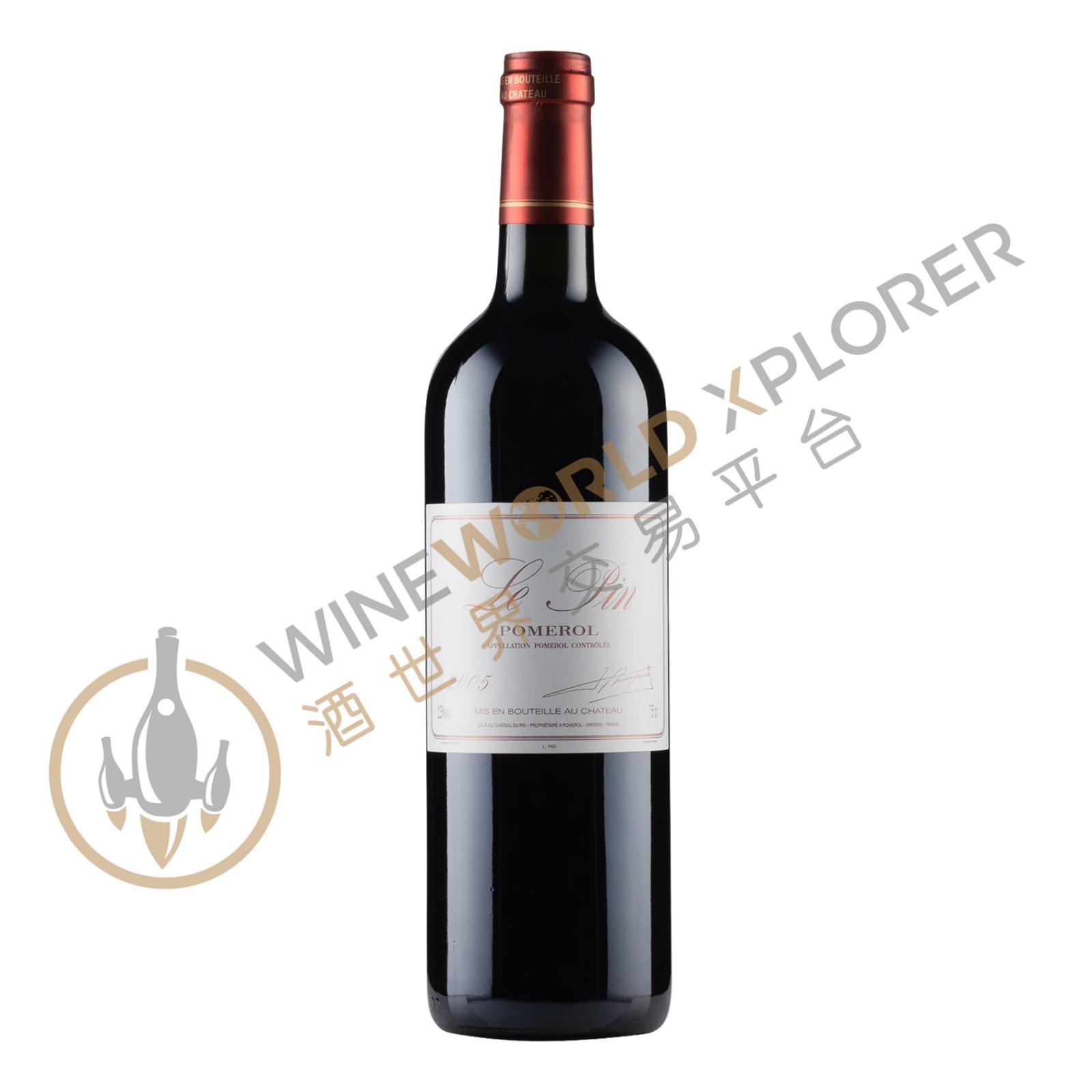
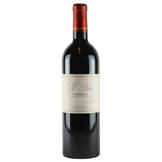
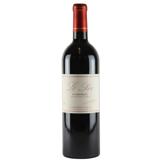
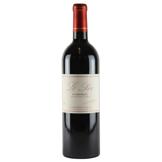
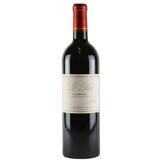
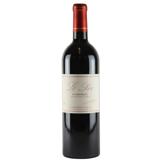
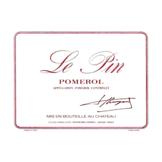
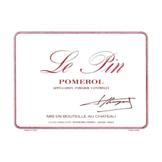
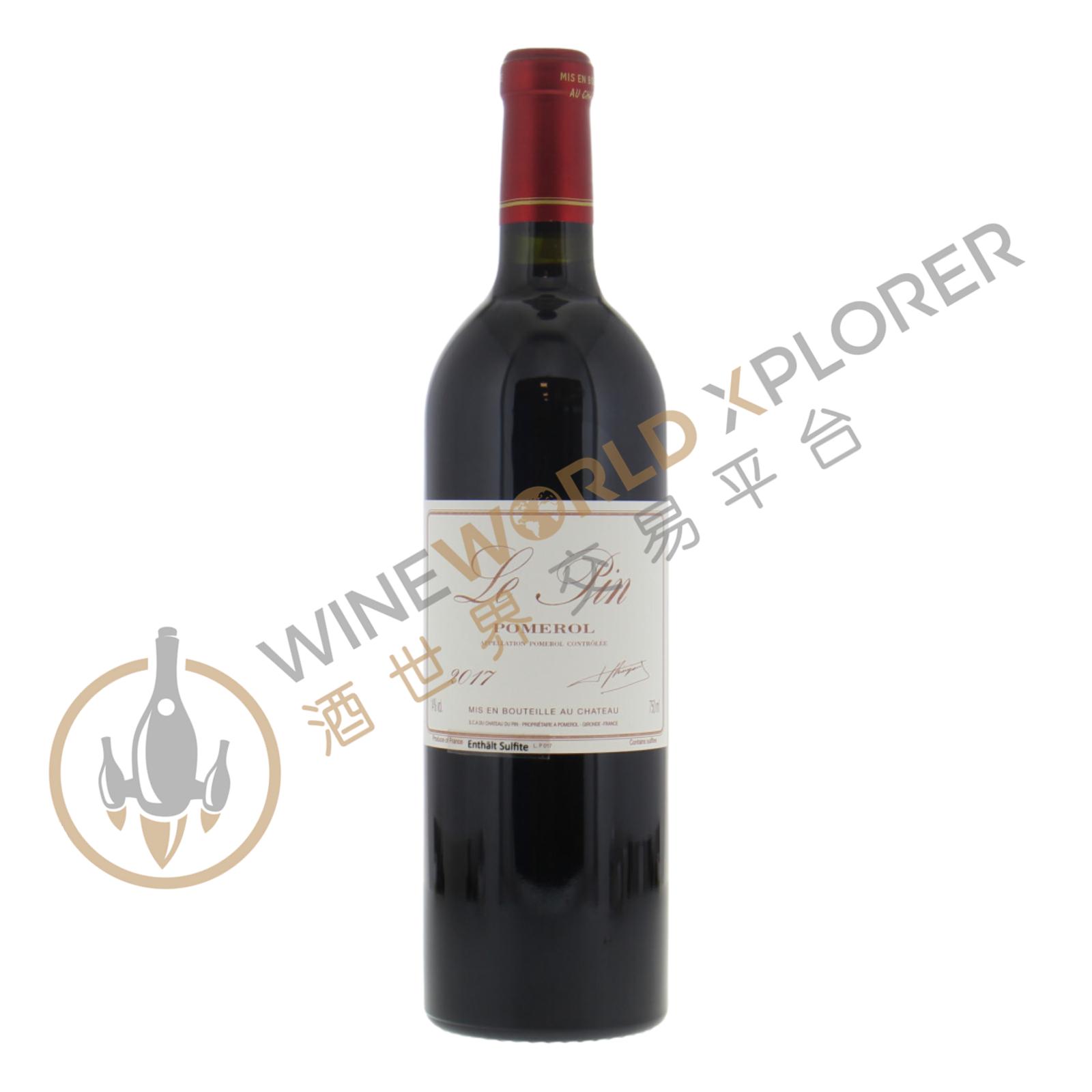
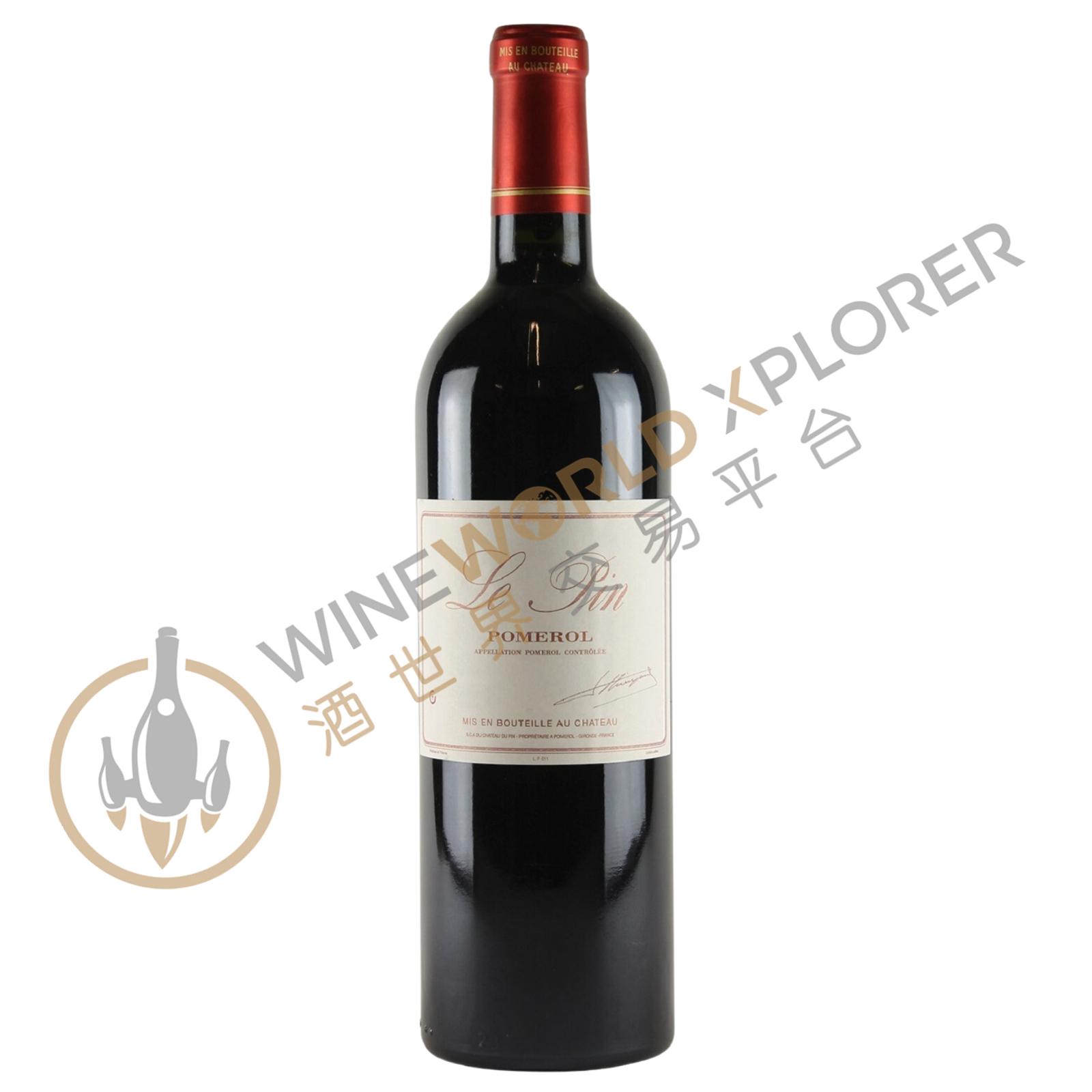
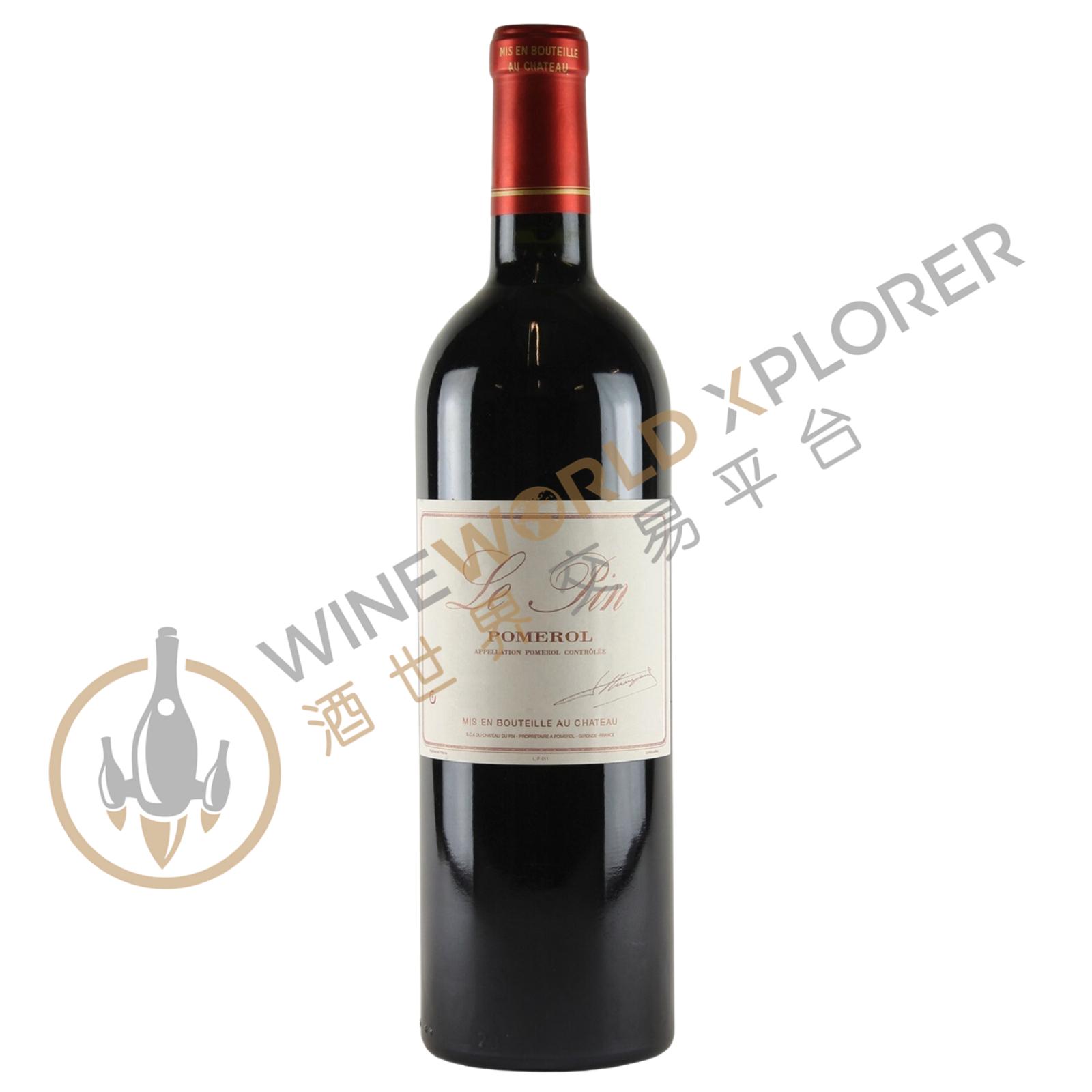
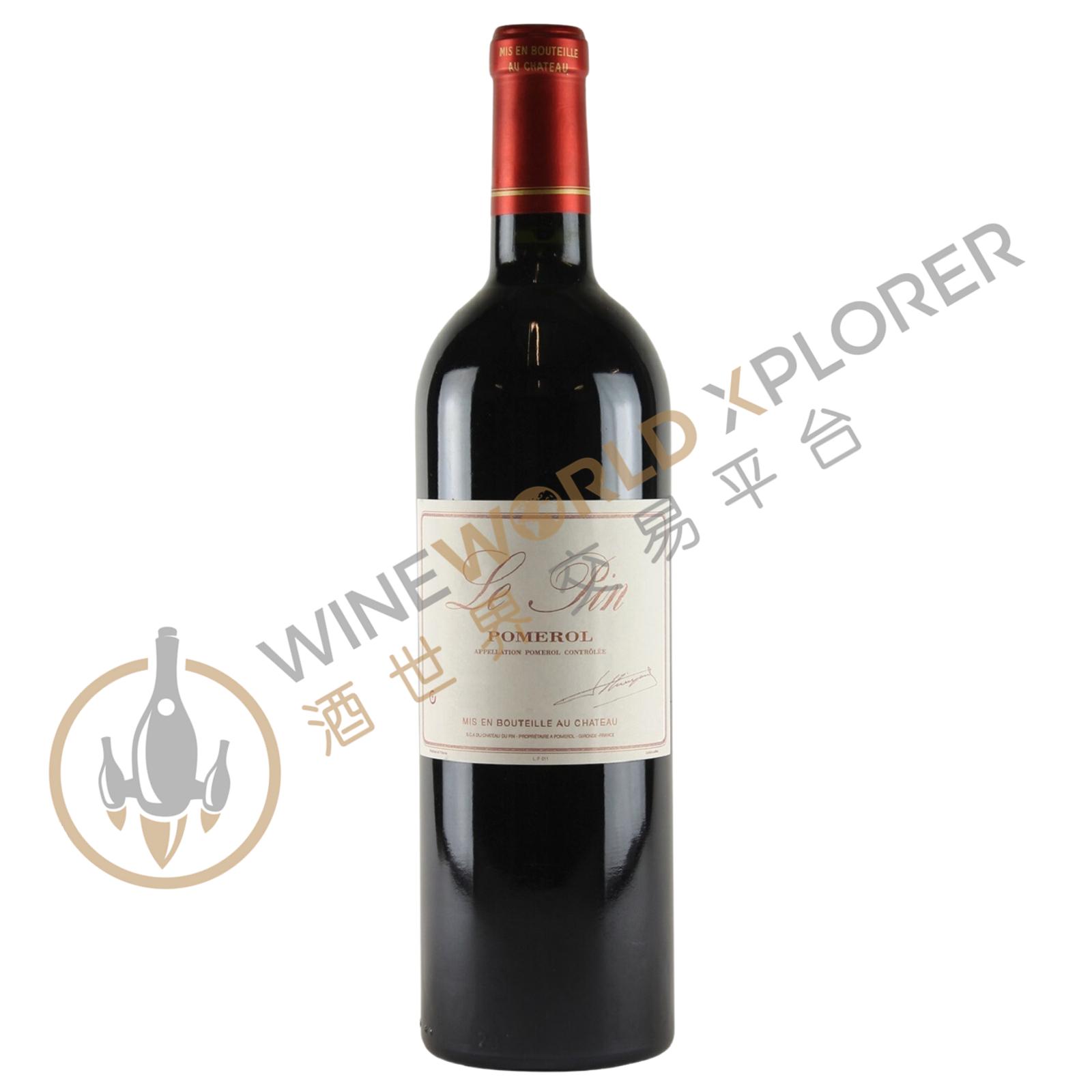
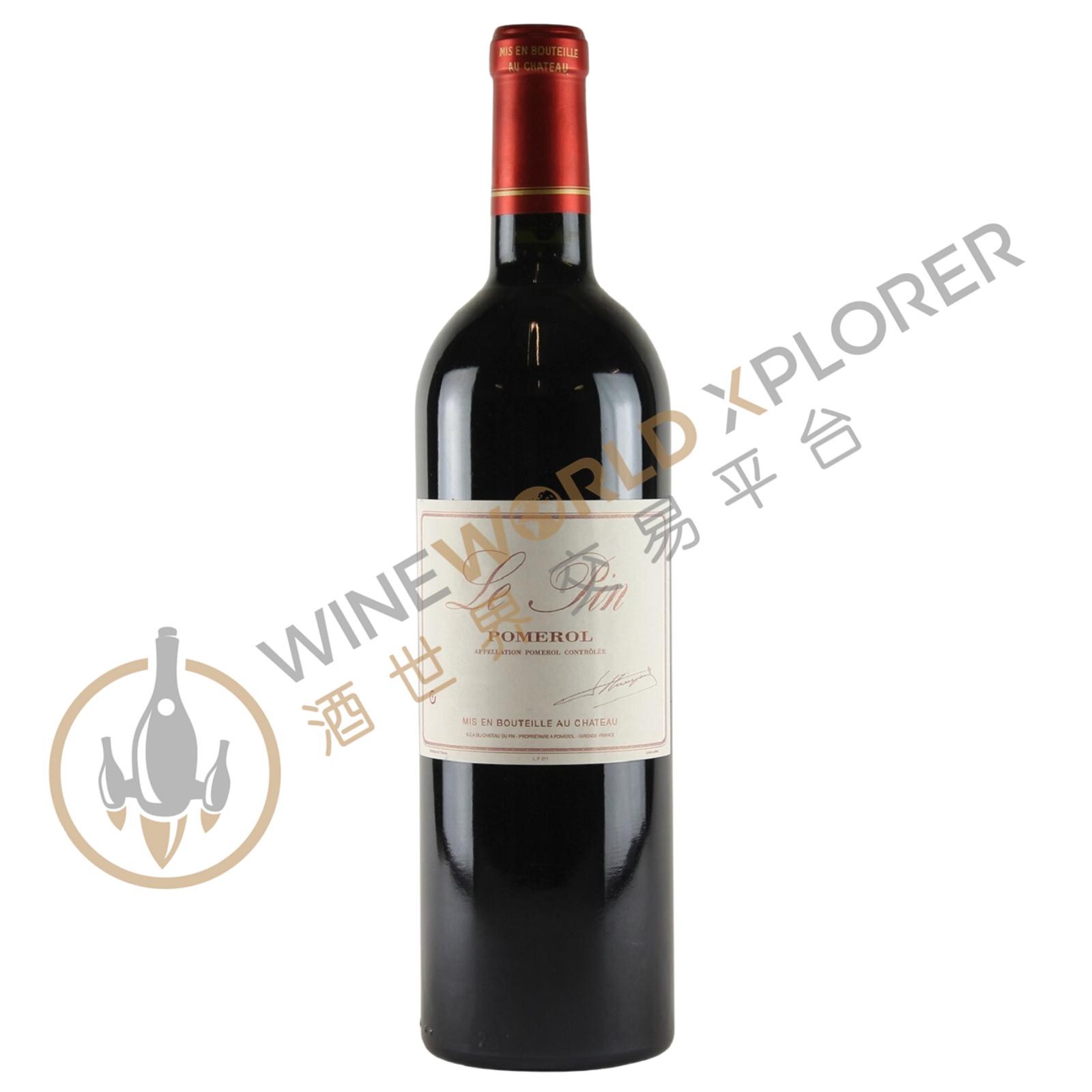
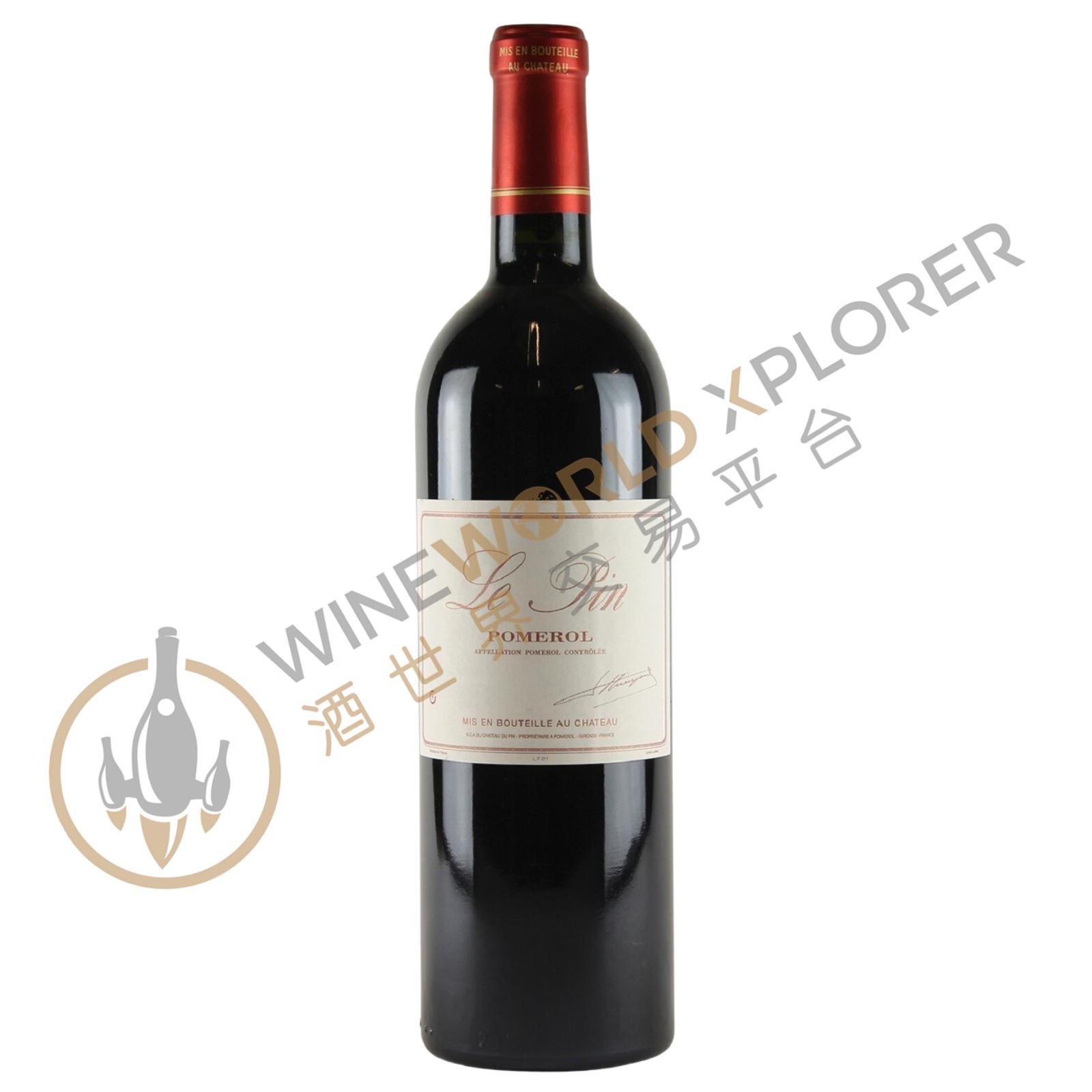
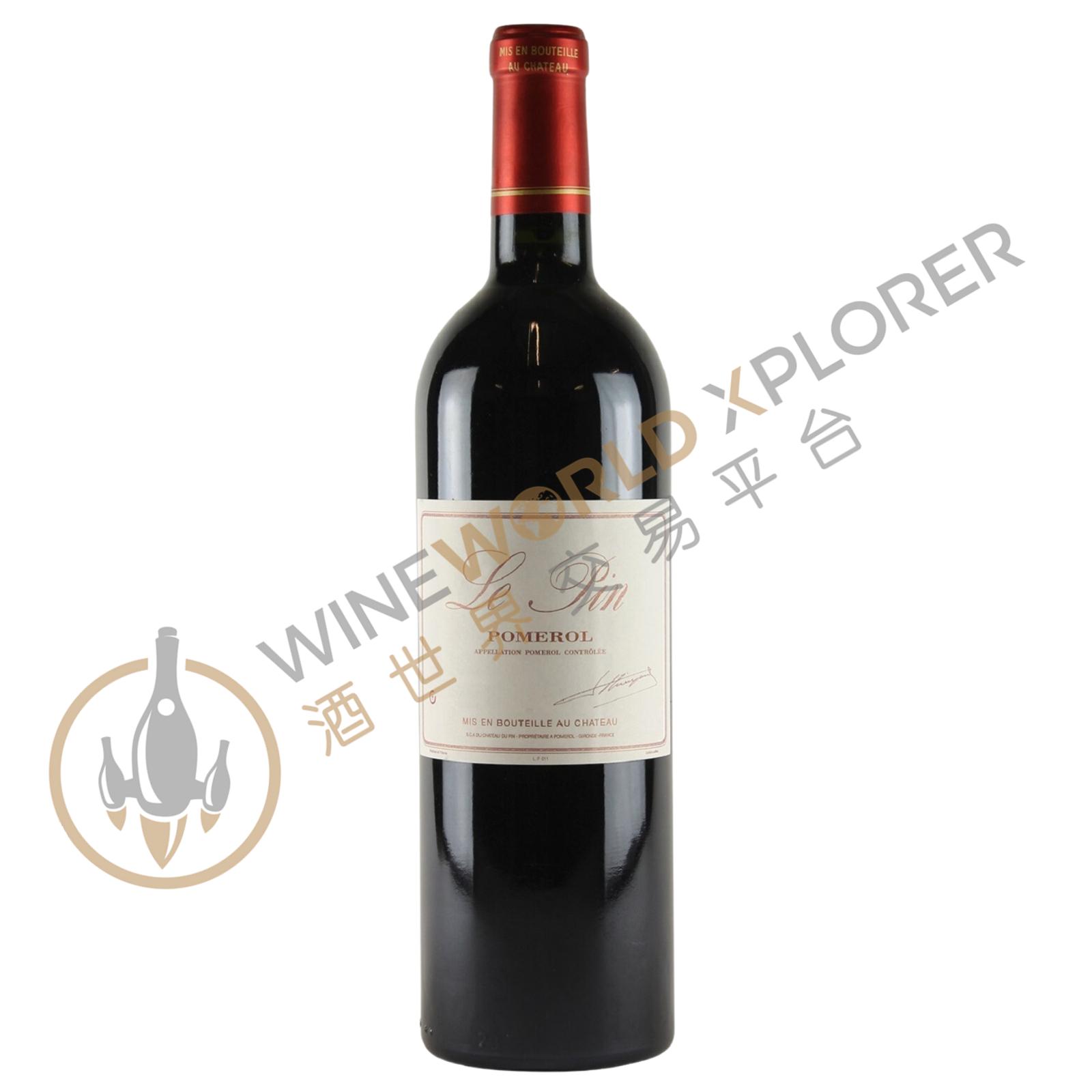
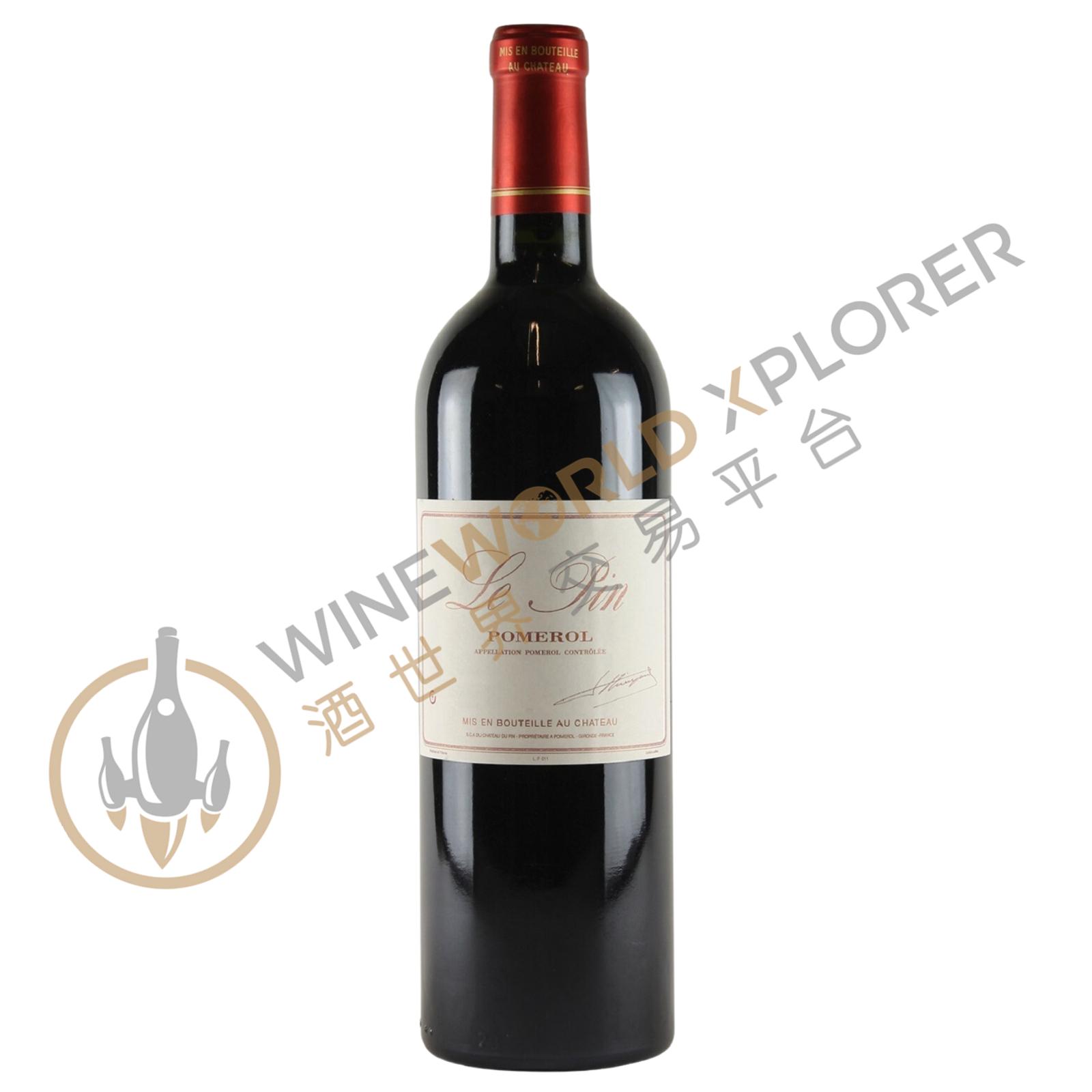
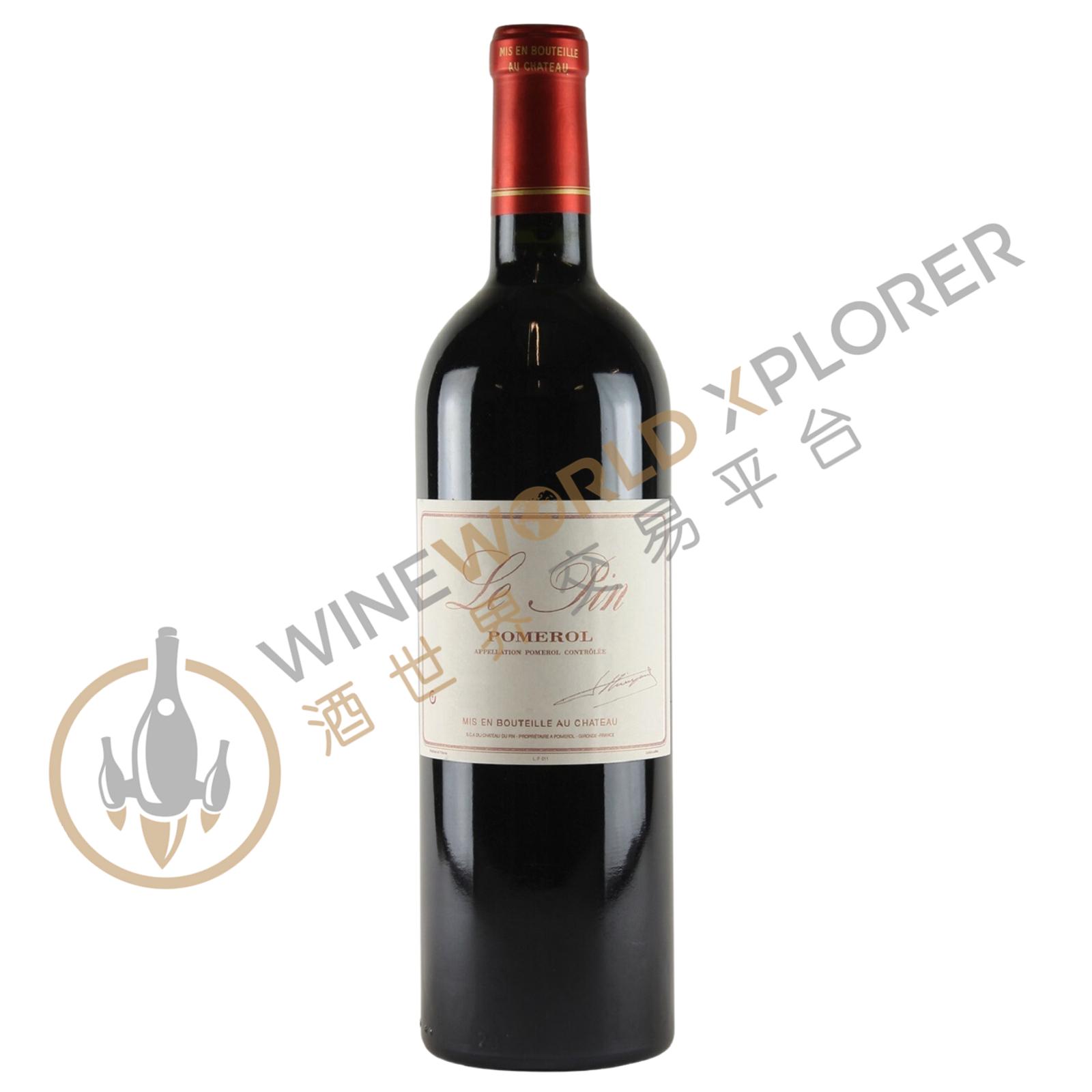
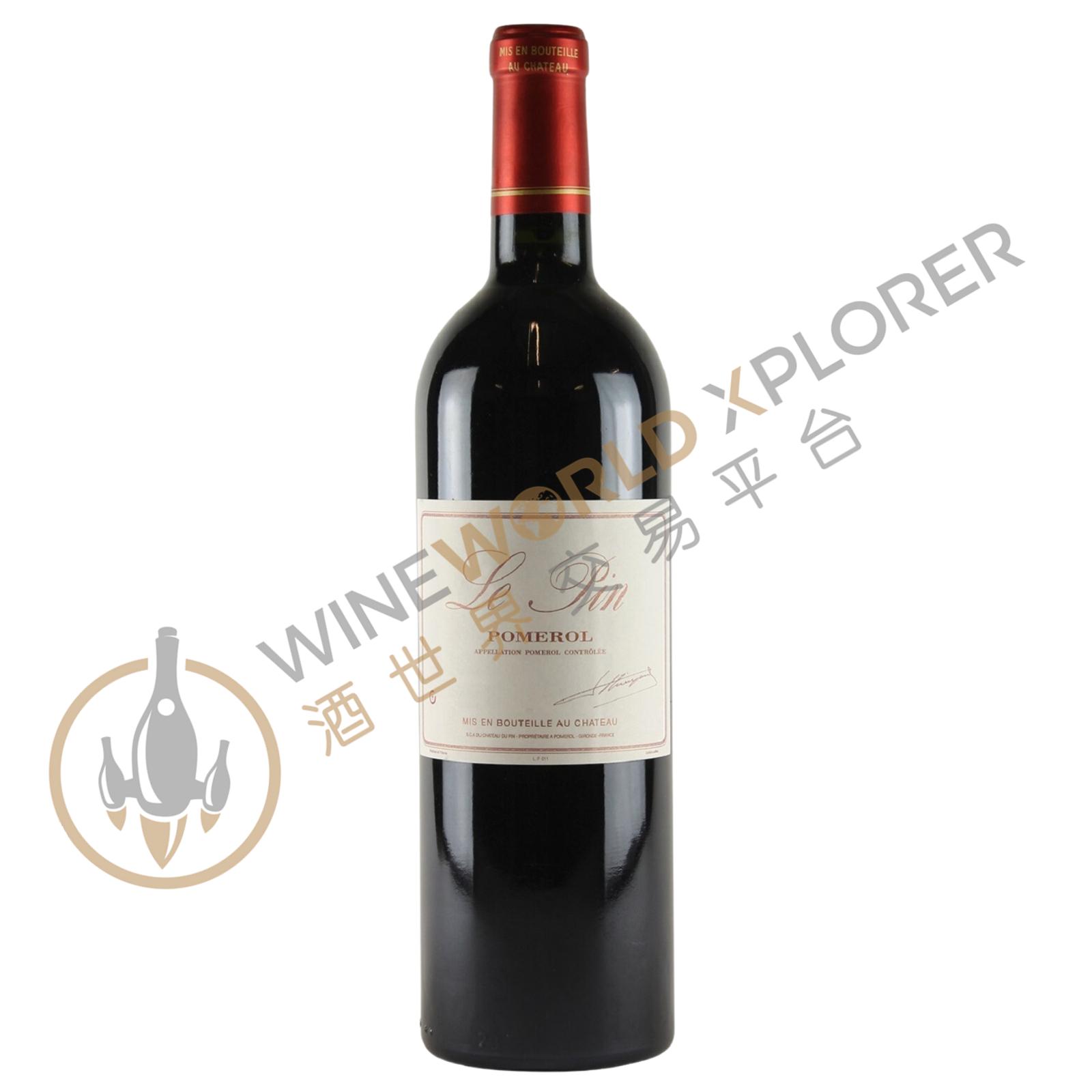
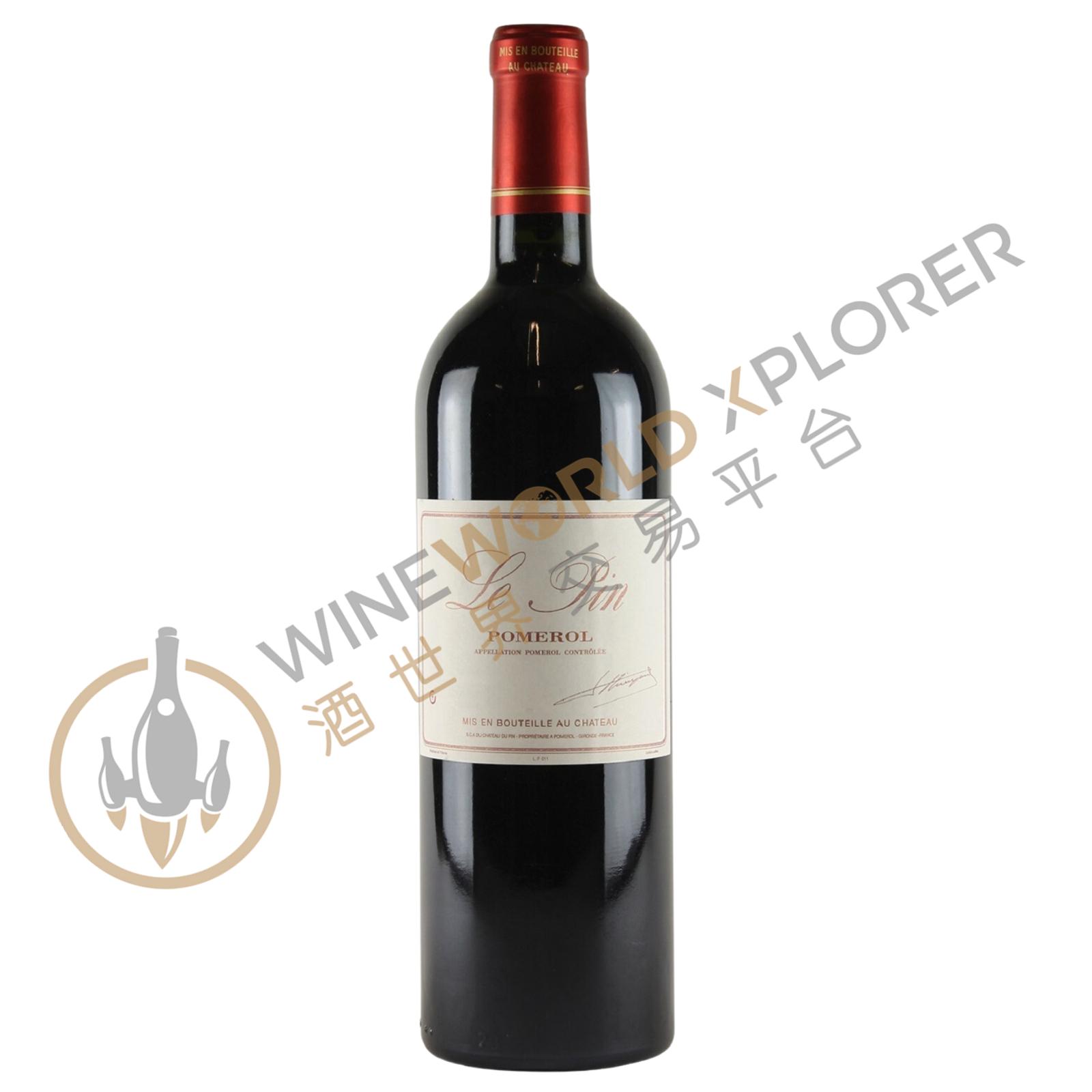
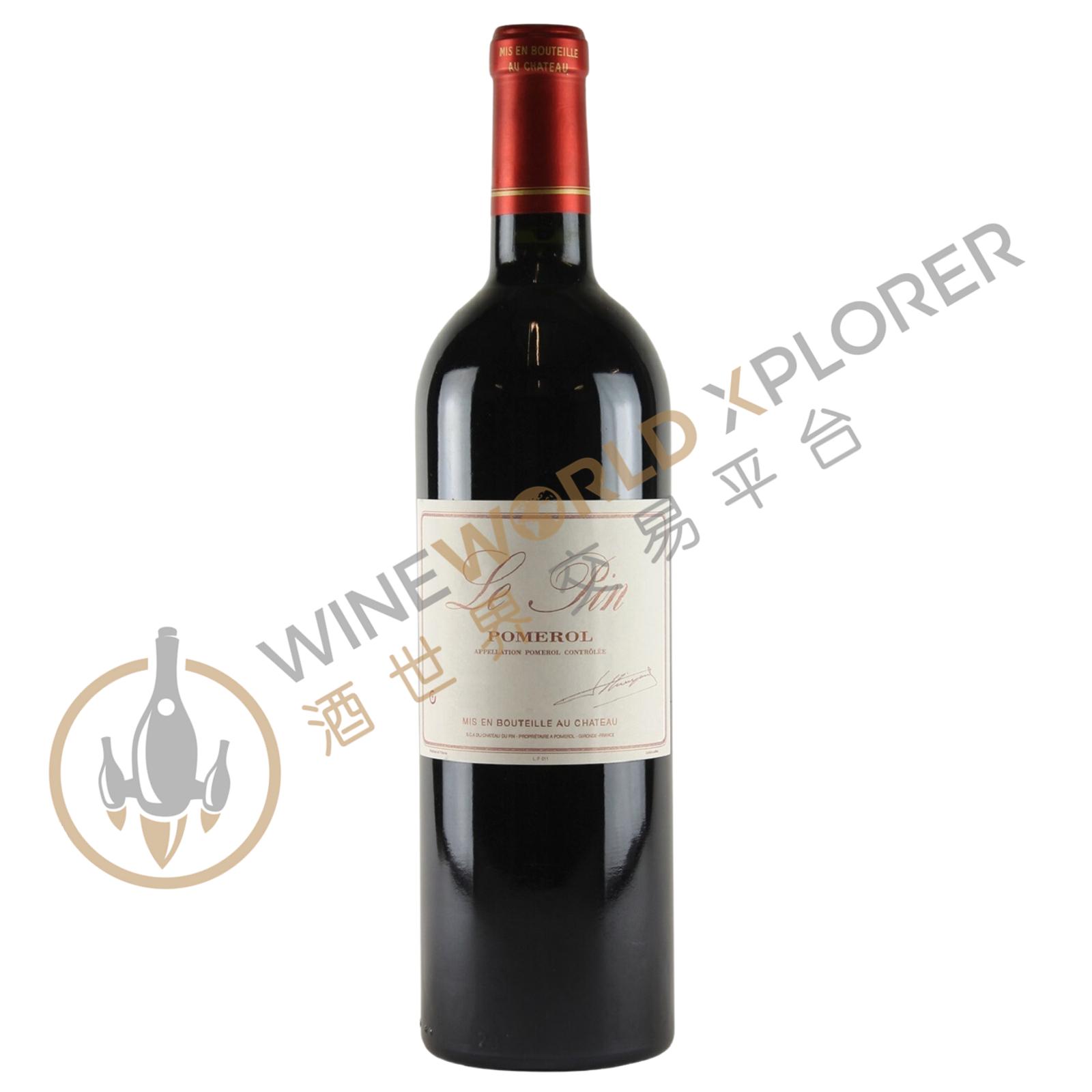
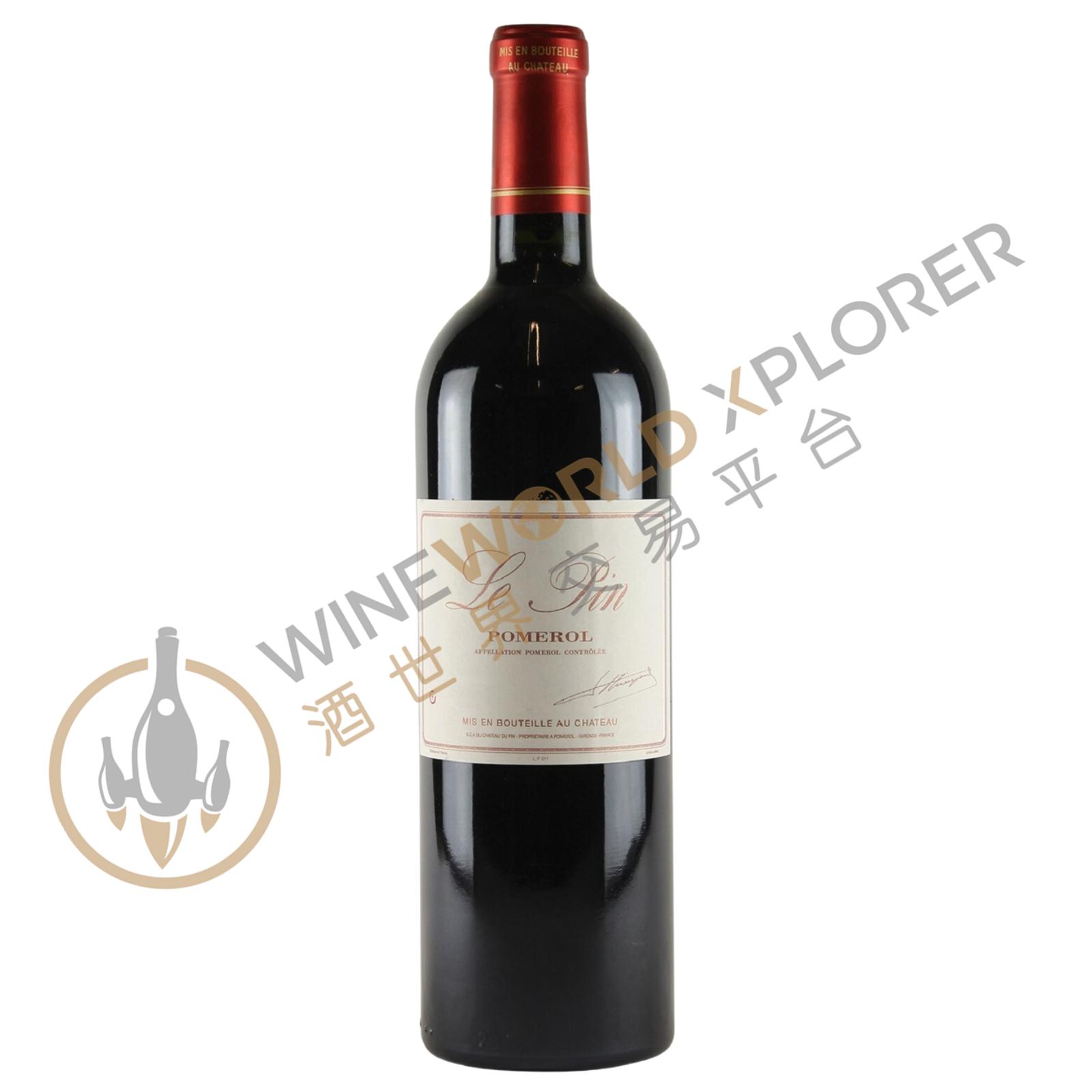
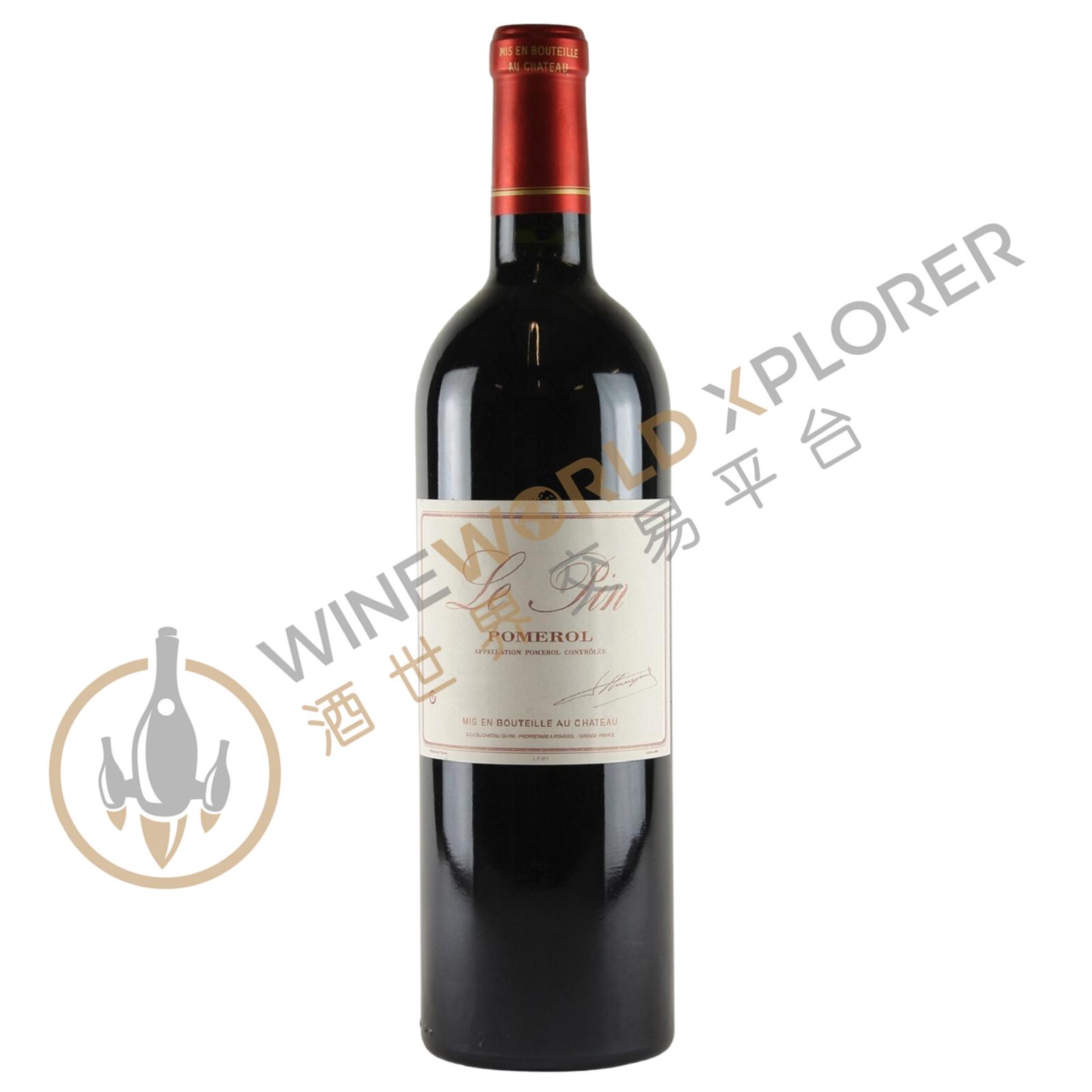
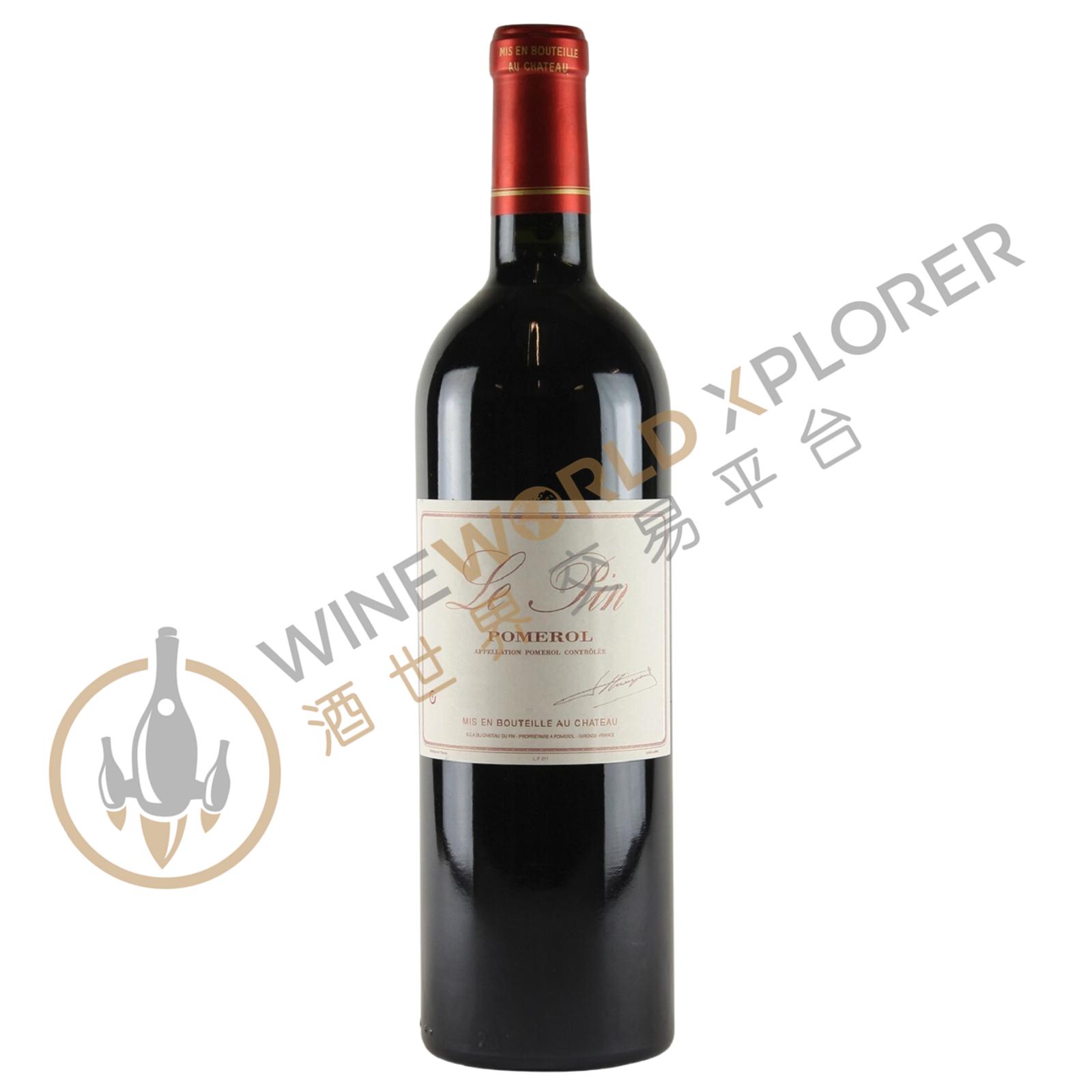
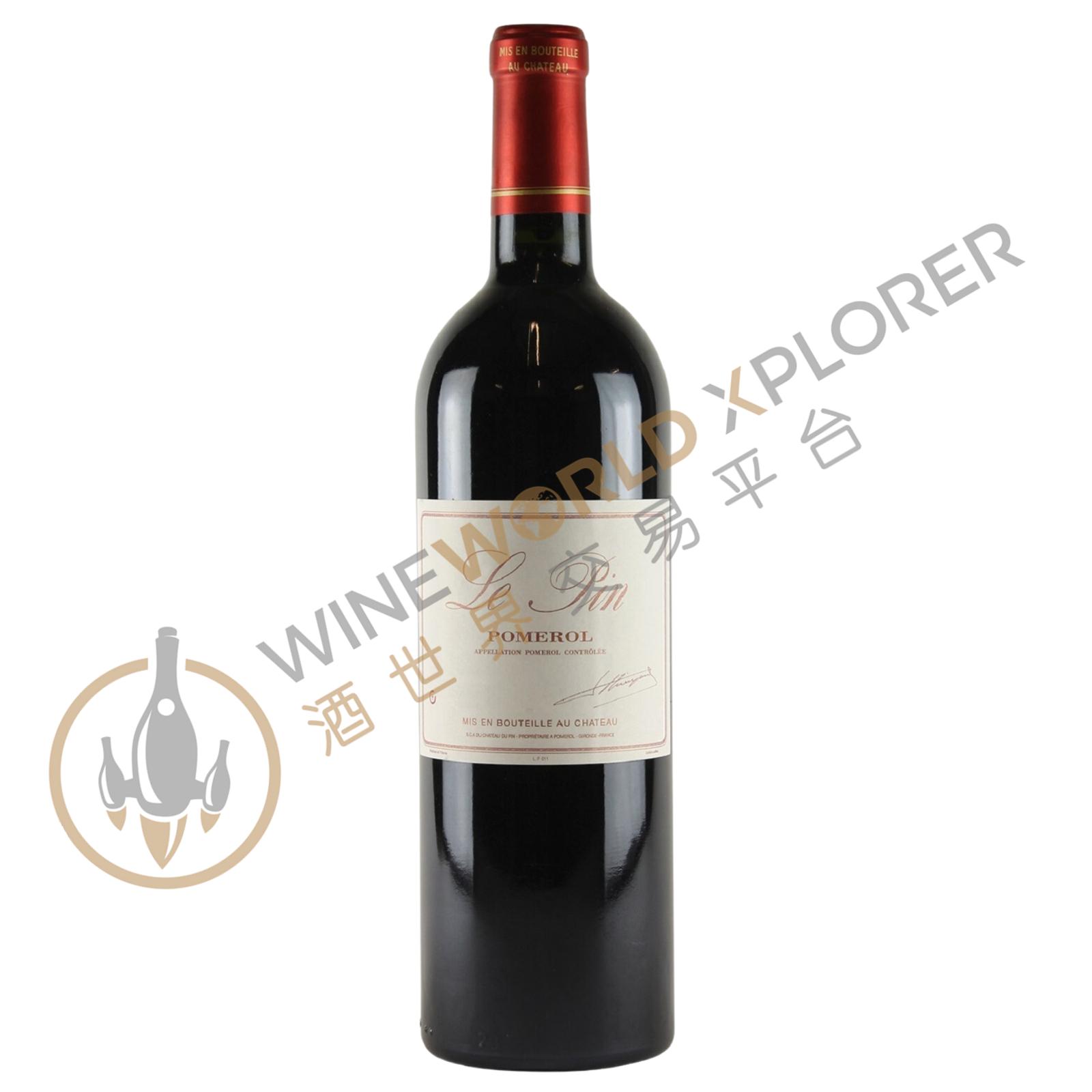
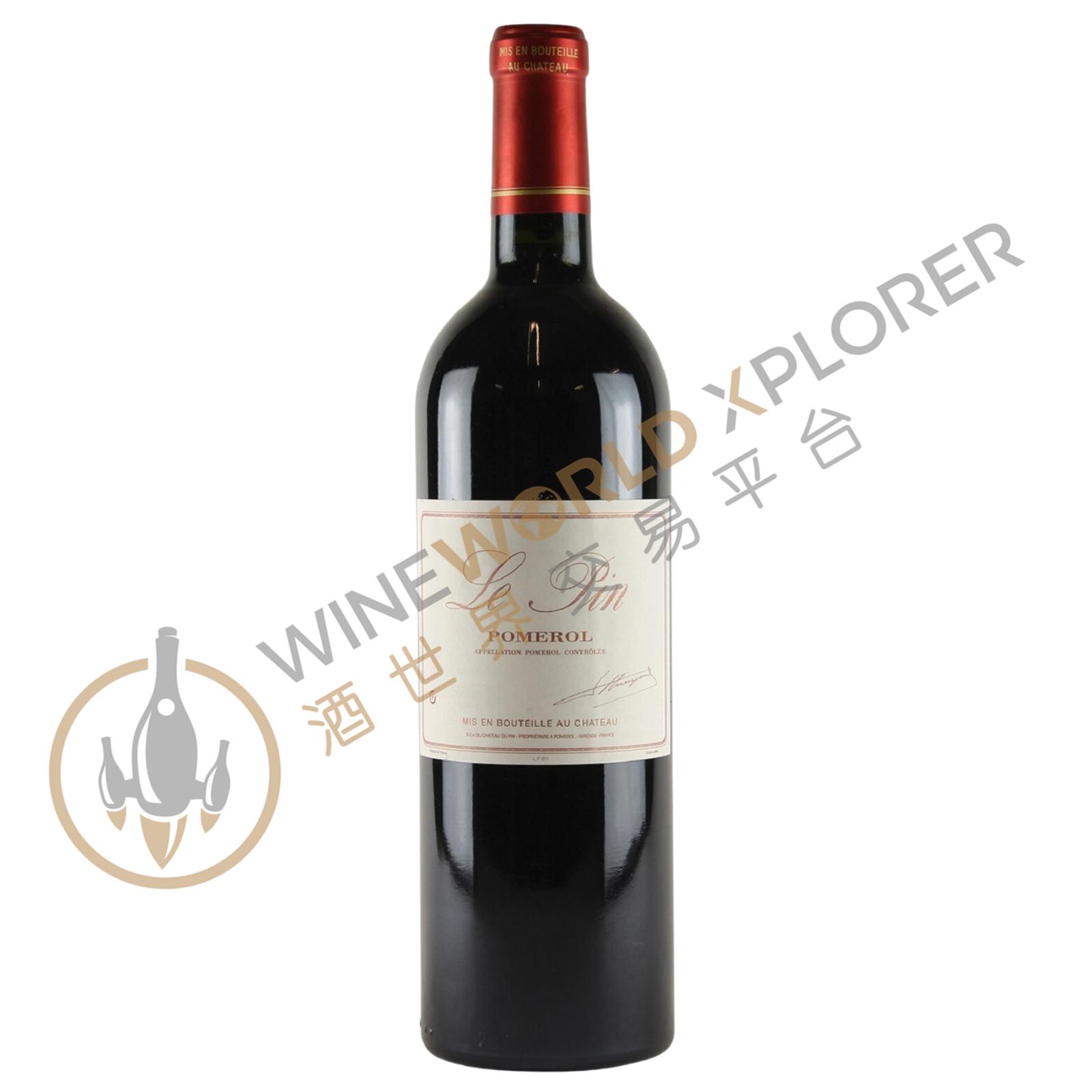
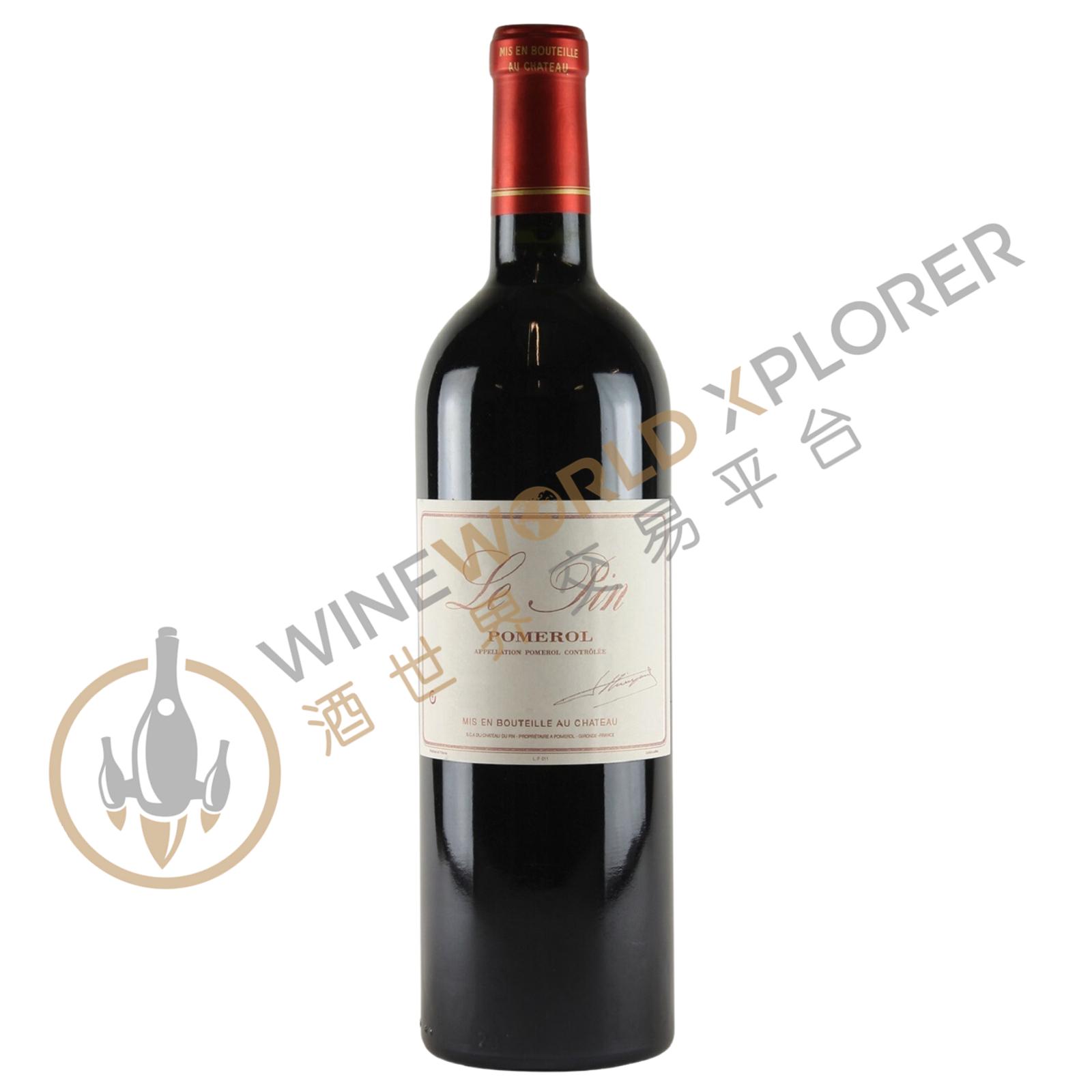
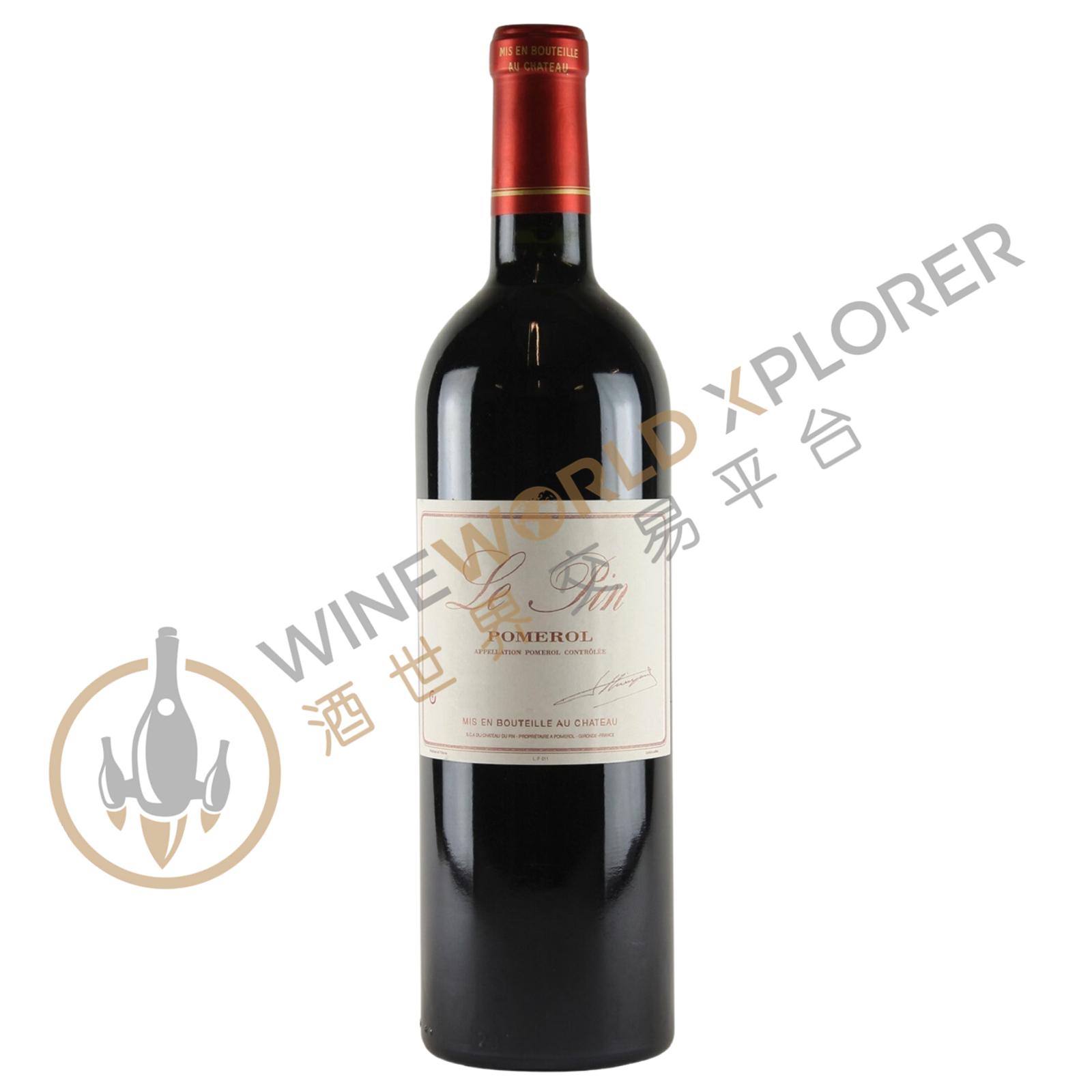
Le Pin 2001
 View analysis
Description
Tasting notes

Reviewed by: Neal Martin
A huge rich nose, massive extraction with damson, tinned prune, orange peel – very exotic and ostentatious. Pavie? The palate is rich, opulent, silky smooth, very polished but still there is a sense of balance. Very atypical Bordeaux, super-Tuscan in style with a saturated finish. Still an utterly seductive wine. Tasted October 2007.
Reviewed by: Robert M. Parker, Jr.
Once again, Le Pin is the leading candidate for the sexiest, kinkiest, most exotic wine of the vintage. Aromas and flavors of overripe black fruits intermixed with coconut, vanilla, toast, and espresso beans are present. Fleshy and succulent, with low acidity, ripe tannin, and a pure, seductive personality, it will be at its finest between 2005-2020.
Reviewed by: Neal Martin
Tasted blind at Bordeaux Index’s 10-Year On horizontal. This has a decadent bouquet with immense richness and voluptuousness, an almost honeyed bouquet with marmalade and sloes, Maraschino cherries and apricots. The palate is medium-bodied with a very sweet, luscious entry, rounded and generous with I suspect a lower acidity level than its peers. That honeyed theme continues right to the finish, although it slightly detracts from the essence of Bordeaux and could actually be a very fine Napa wine. Tasted March 2011.
Reviewed by: Robert M. Parker, Jr.
Le Pin is the leading candidate for the sexiest, kinkiest, most exotic wine of the vintage. Aromas and flavors of overripe black fruits intermixed with coconut, vanilla, toast, and espresso beans nearly overwhelm the taster. It is fleshy and succulent, with low acidity, ripe tannin, and a pure, sensual personality. Jacques Thienpont produces 575 cases of this exotic, over-the-top, ripe Pomerol. Yields were 32 hectoliters per hectare in 2001. Anticipated maturity: 2005-2015.
Reviewed by: Neal Martin
Tasted at Bipin Desai’s Le Pin vertical in Los Angeles. Like the Le Pin 2000, this has a remarkably deep colour. The nose has great lift and definition, again just a little Burgundian, not as complex as the 2000 but with lovely damson, blueberry and black cherries; the palate medium-bodied, very pure with touches of fruit cake and superb mineralite. Like the previous bottle, there is a sense of Tuscan vivaciousness here with seductive, exotic black fruits towards the finish. I feel this is still a little backward, so allow it another 2-3 years in the cellar. This has the potential to merit a higher score in the future. 420 cases made. Drink 2011-2020+ Tasted November 2008.
Reviewed by: Neal Martin
The 2001 Le Pin is hands down one of the finest wines that Jacques Thienpont has made. It’s cut from a completely different cloth than the 2000, delivering almost clinically defined black cherries, boysenberry, crushed stone and violet scents with laser-like precision. The medium-bodied palate is taut and fresh, with fine tannins, beguiling pure fruit and stunning focus on the finish. Jacques Thienpont seemed as excited as I was by the showing of this wine at 20 years. It is a stellar Pomerol and simply one of the best vintages of Le Pin ever made.
Reviewed by: Stephen Tanzer
Bright ruby-red. Aromas of bitter cherry, roast coffee, dark chocolate and tobacco. Fairly dense and thick, but still youthfully tight; a bit heavy for this wine at this stage. Flavors of bitter cherry, dark chocolate and spicy oak. Finishes long and firmly tannic. A second barrel showed a more perfumed, Burgundian nose; hints of herbs and tobacco leaf on the palate; and less obvious sweetness but more complexity. Will this have the concentration for outstanding? Carrying just 12.2% alcohol, but then these stressed vines rarely produce freakishly high grape sugars.
Reviewed by: Robert M. Parker, Jr.
A tremendous effort, this 500-case cuvee (one of Bordeaux’s original garage operations) is even better in 2001 than it was in 2000. Its deep ruby/plum/purple color is accompanied by an extraordinary perfume of creme de cassis, cherry liqueur, plums, licorice, caramel, and sweet toast. This flamboyant, opulently textured, rich, concentrated Pomerol is a brilliant success as well as one of the wines of the vintage for 2001. Its low acidity and extraordinary ripeness suggest early drinkability, but it has proven it can last for 18-20 years.
About the Producer
Le Pin is the most expensive wine in the world. Jacques Thienpont purchased the meagre 1.6 hectares of land for one million francs in 1979. The Thienpoints named their wine Le Pin after a solitary pine tree that shaded the property. By acquiring tiny adjoining plots of land, Jacques has doubled the size of Le Pin to five acres. The south-facing vineyard on a well-drained slope of gravel and sand is planted with Merlot (about 92%), and a small amount of Cabernet Franc. Le Pin's soil is a mixture of gravel and clay with a little sand and is exceptionally low yielding (between 30 to 35 hl/hc). The grapes are hand-harvested and are fermented in stainless steel before being matured in`200%` new oak barriques for between 14 and 18 months. Dany Rolland, wife of cult-oenologist Michel Rolland, is a consultant here. Le Pin produces just 600 to 700 cases each year (Lafite Rothschild produces approximately 29,000 cases of wine a year and and Pétrus about 4,000) and its rarity is one of the driving forces behind its high prices. Le Pin produces super-concentrated, decadent, lush and lavishly oaked wines - they can be drunk young but are best with 7-10 years of bottle ageing.
1985(1)1986(1)1988(2)1989(1)1990(1)1991(2)1992(1)1993(1)1994(3)1995(3)1996(3)1997(4)1998(4)1999(4)2000(2)
Package Size