Wine Advisor



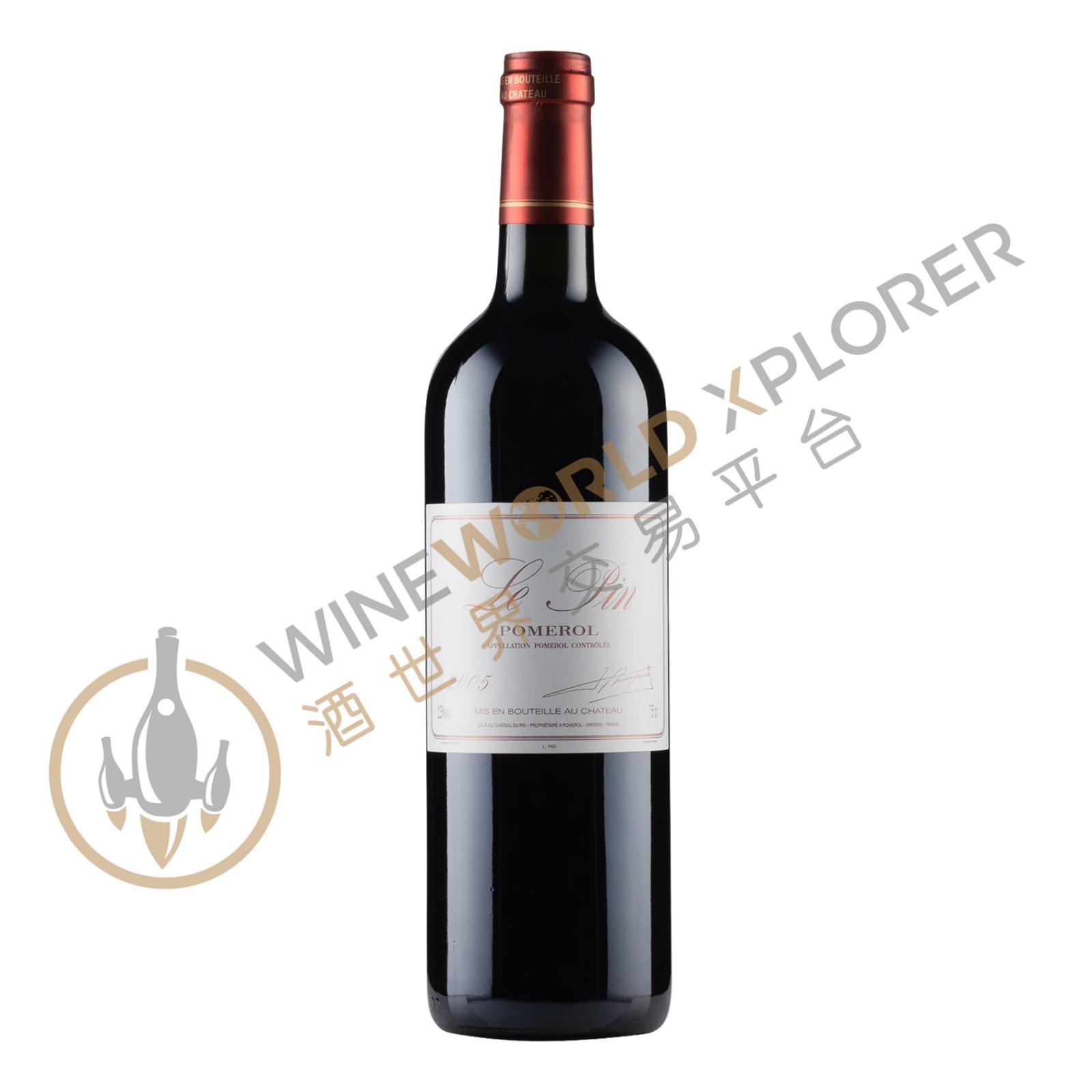
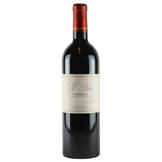
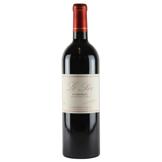
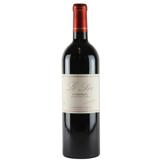
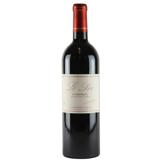
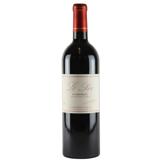
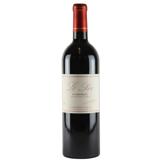
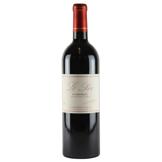
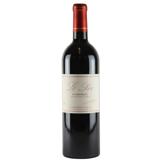
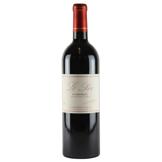
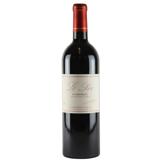
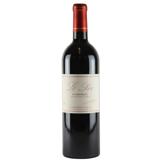
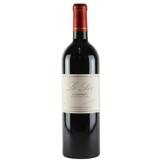
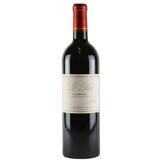
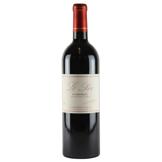
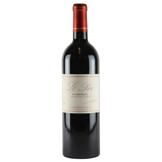
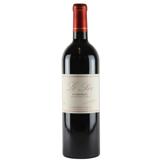
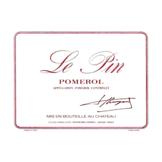
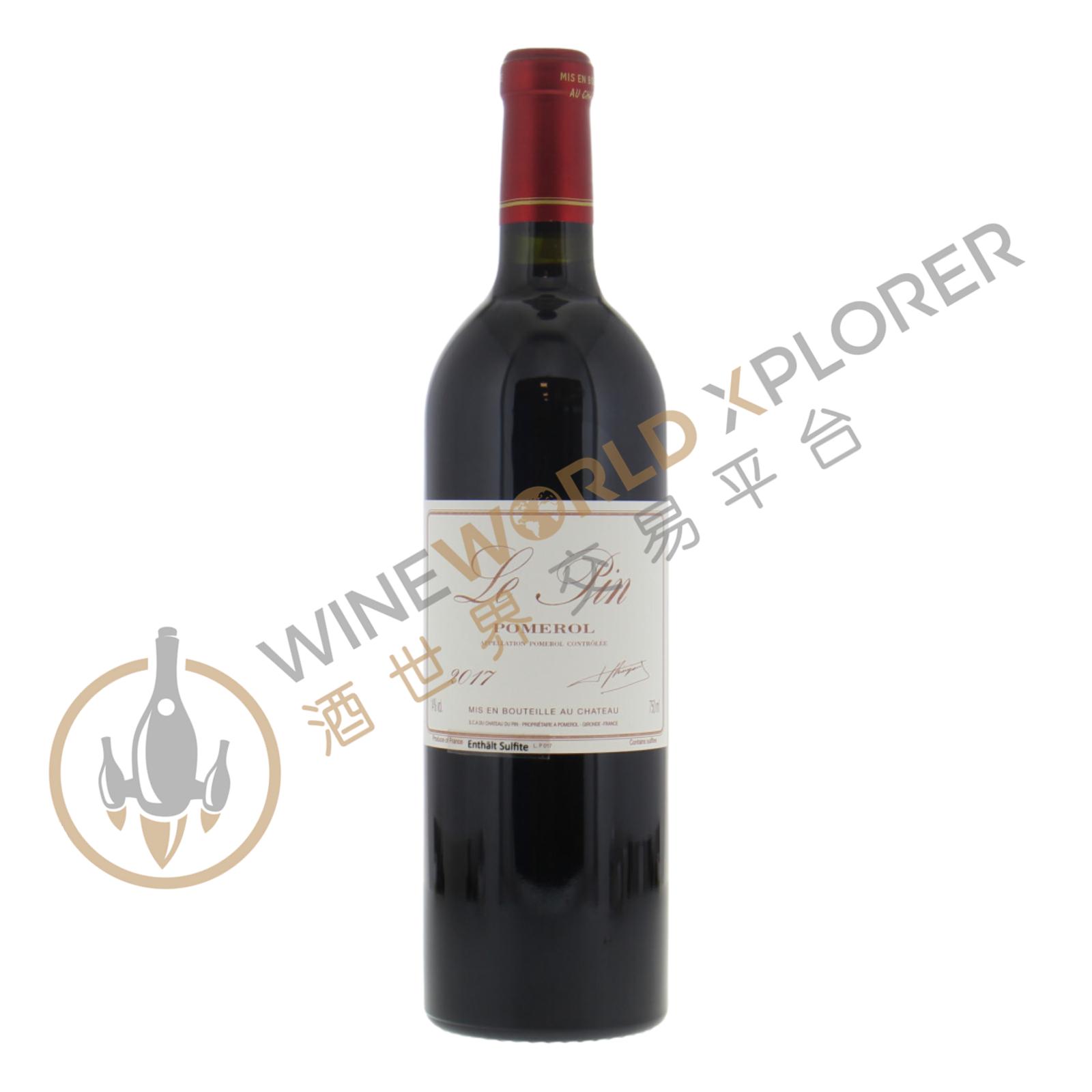
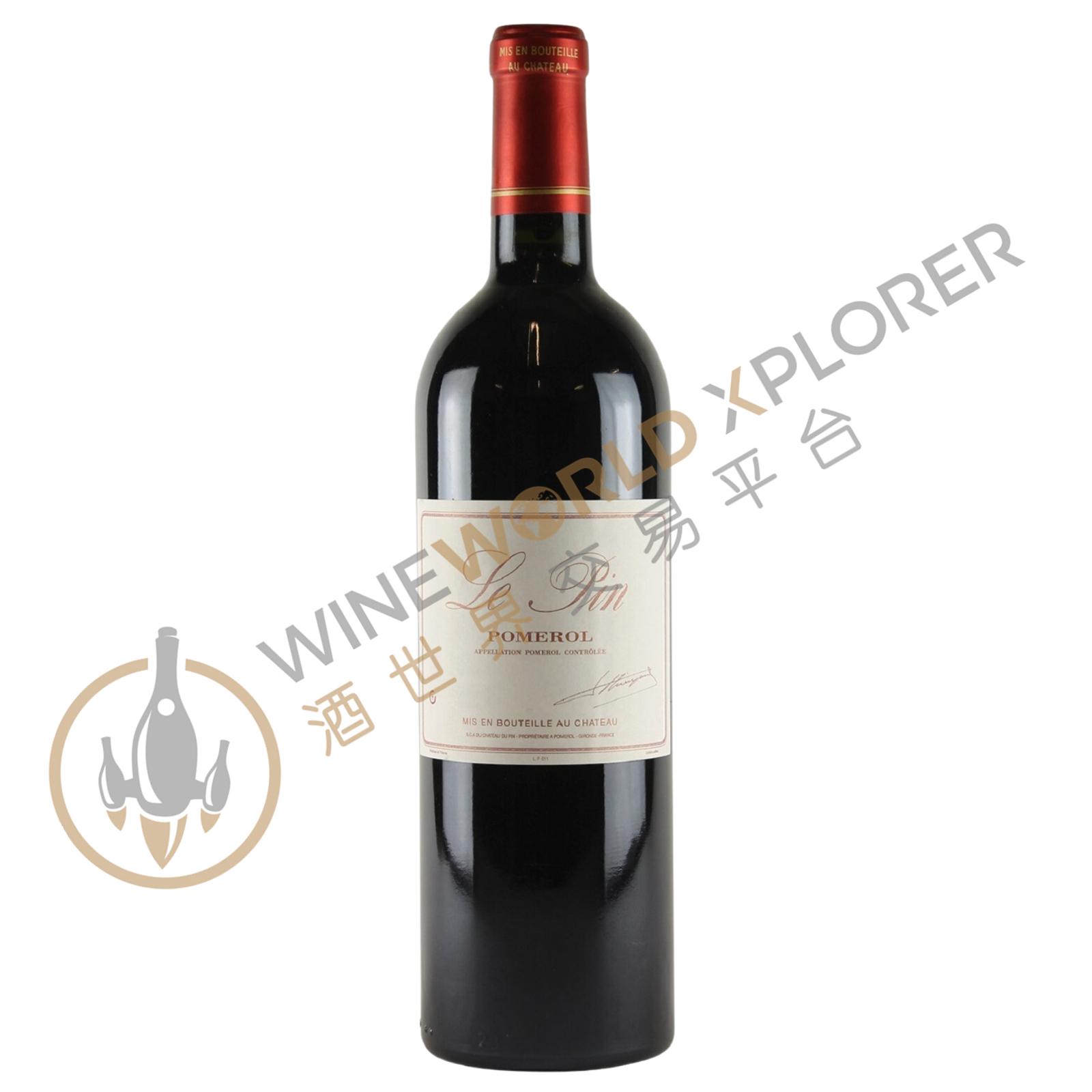
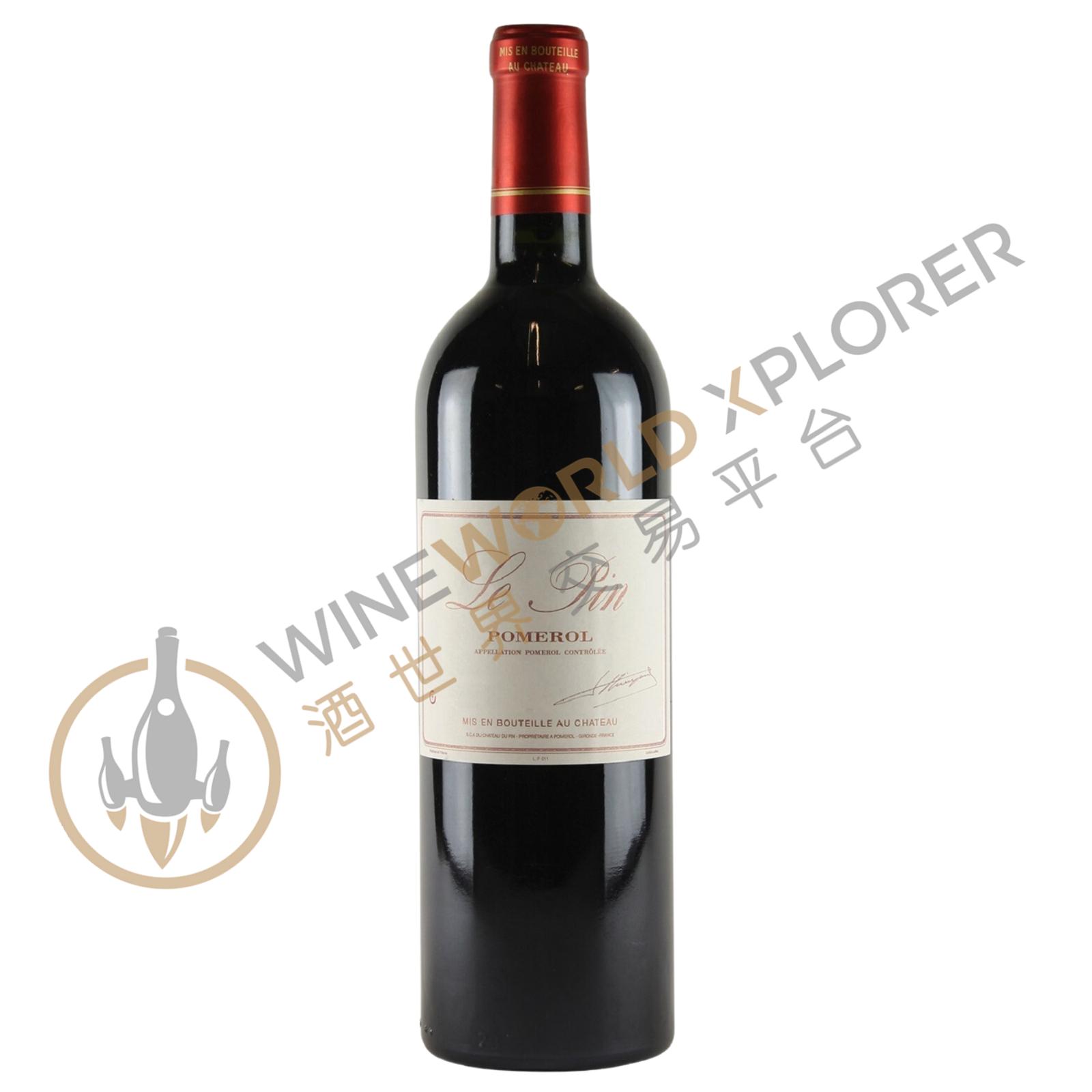
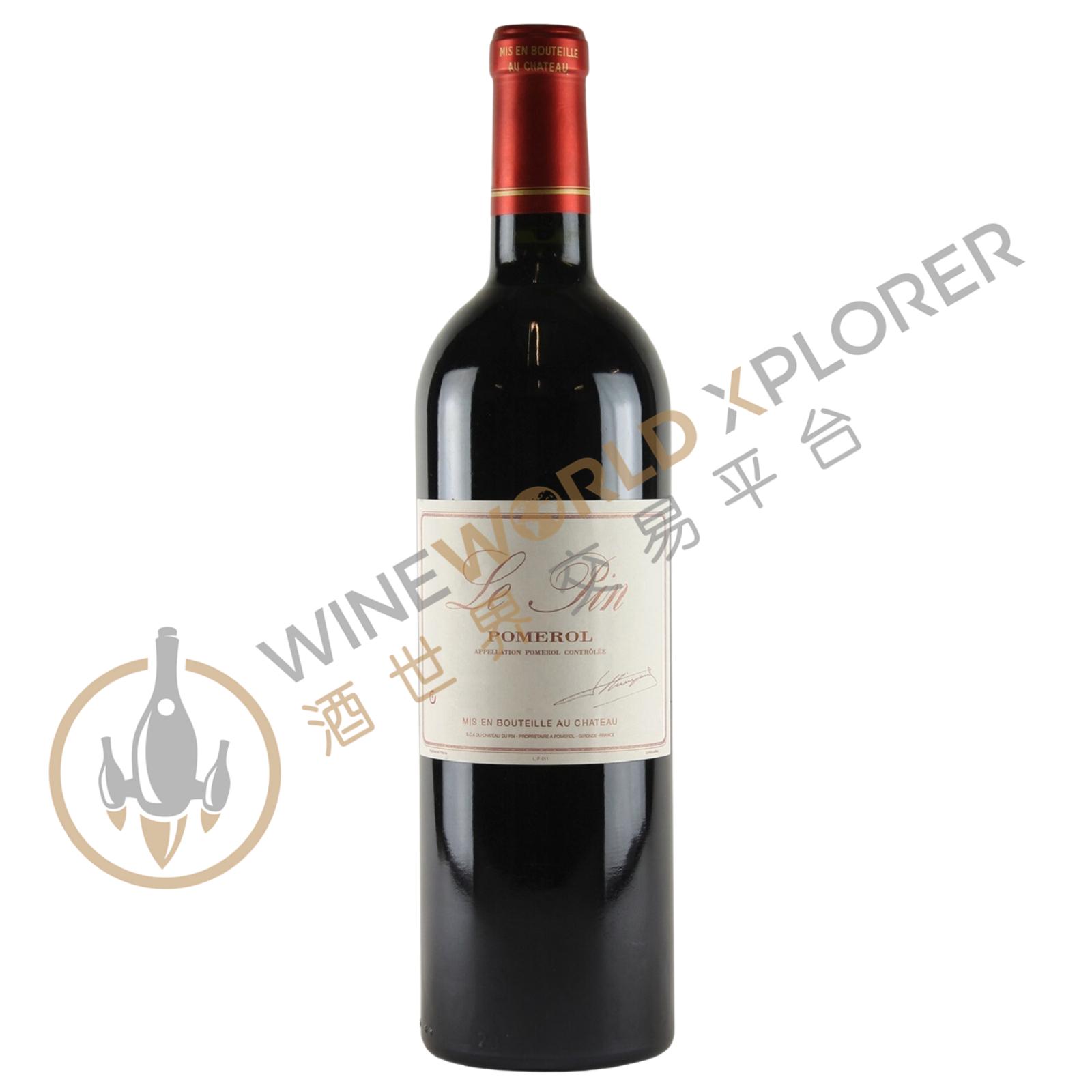
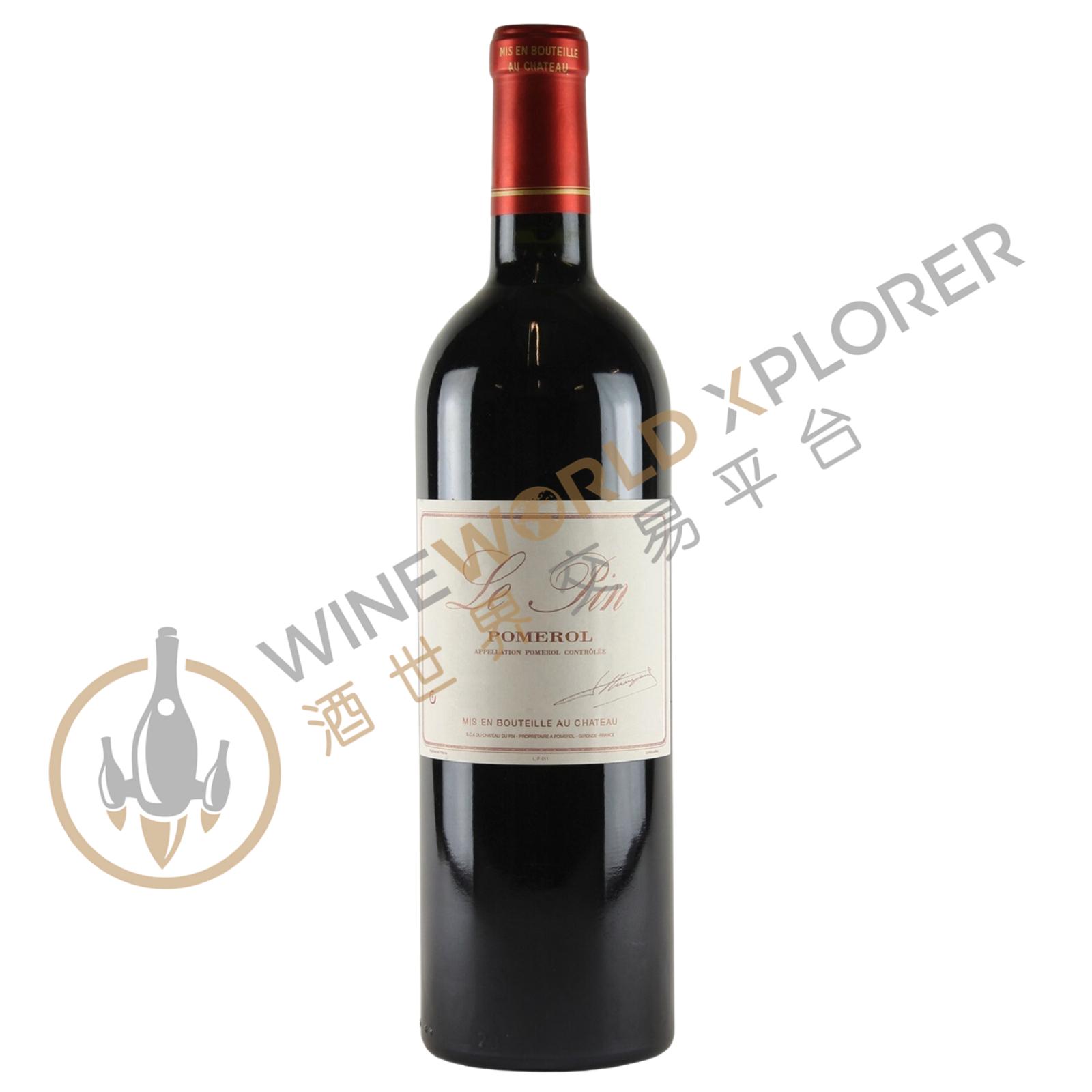
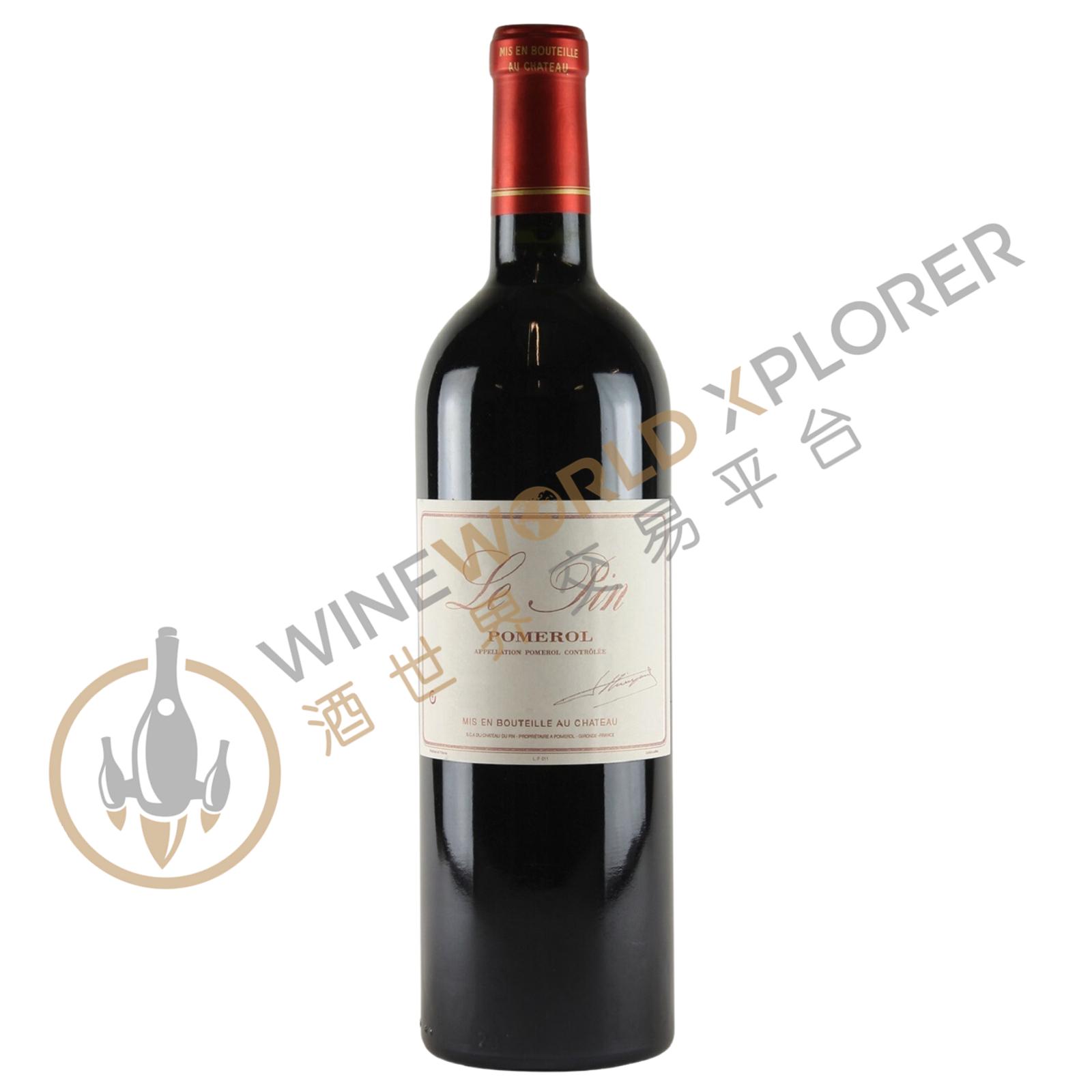
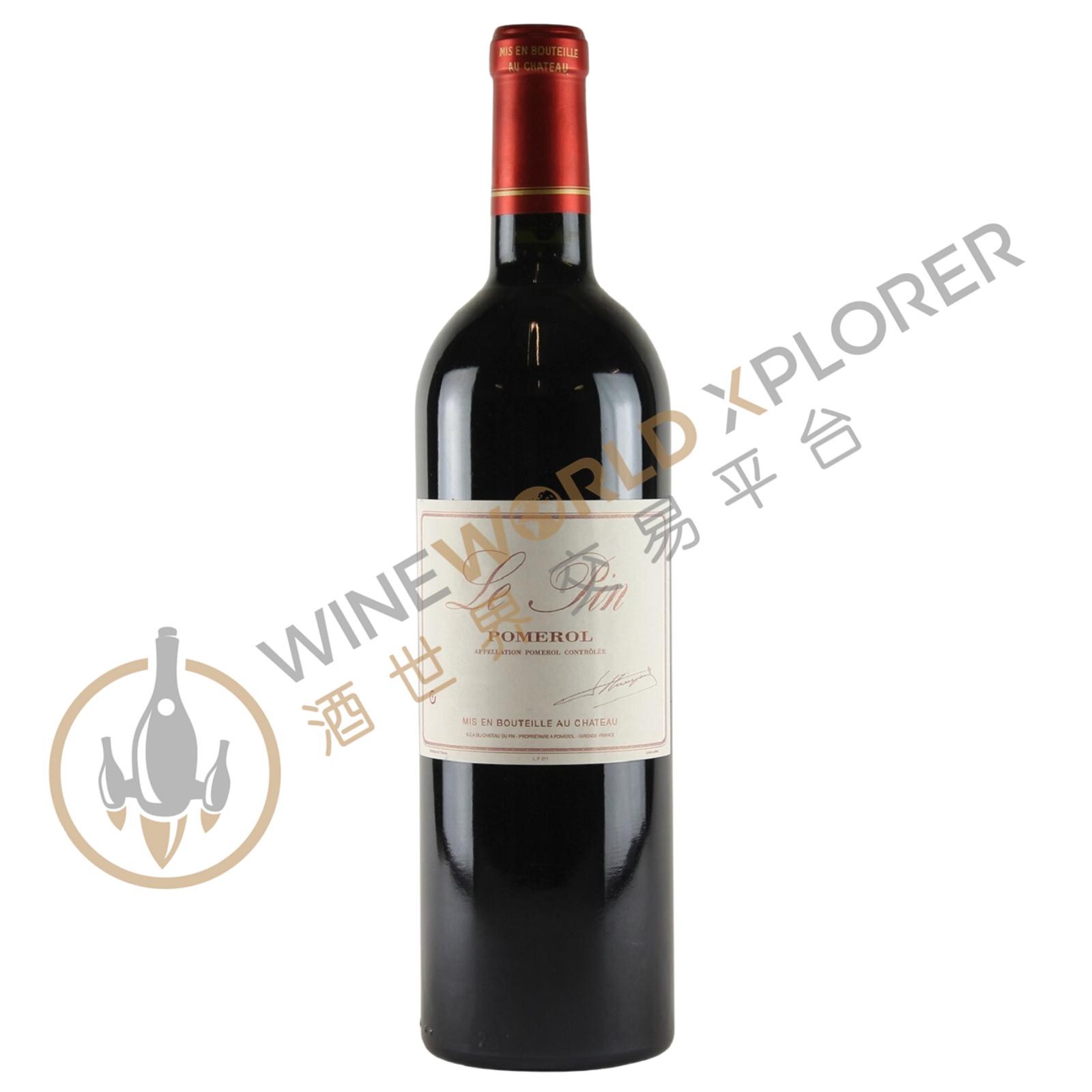
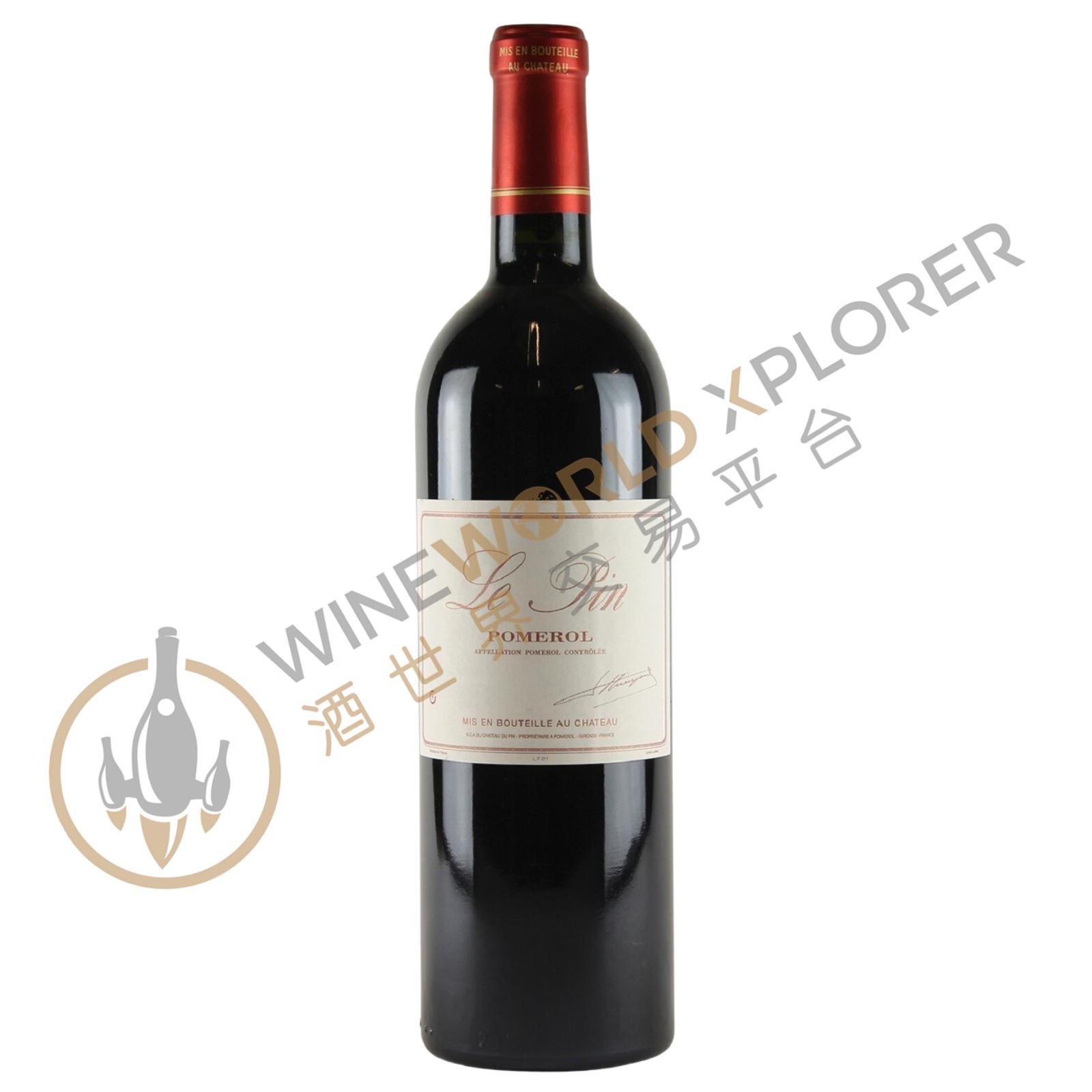
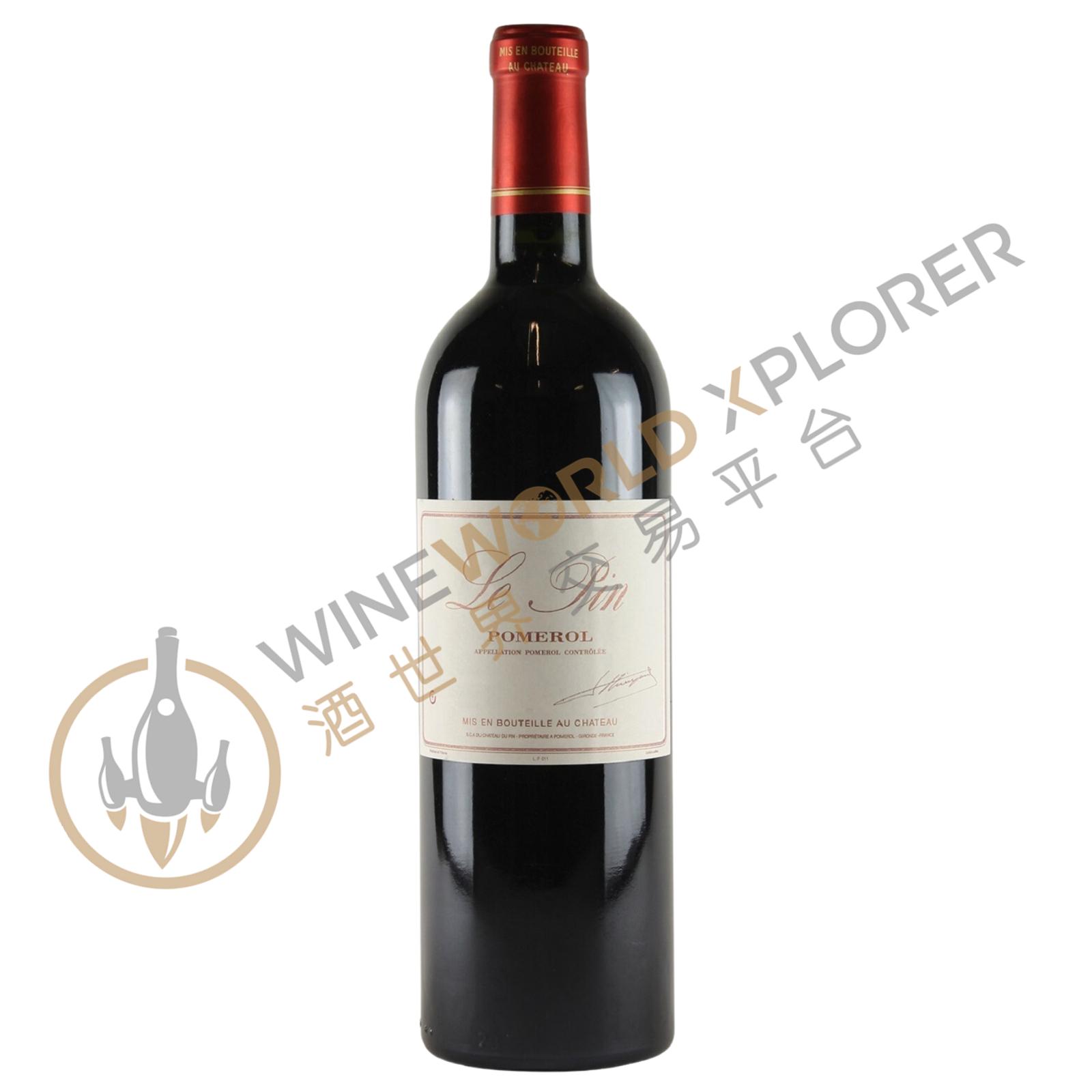
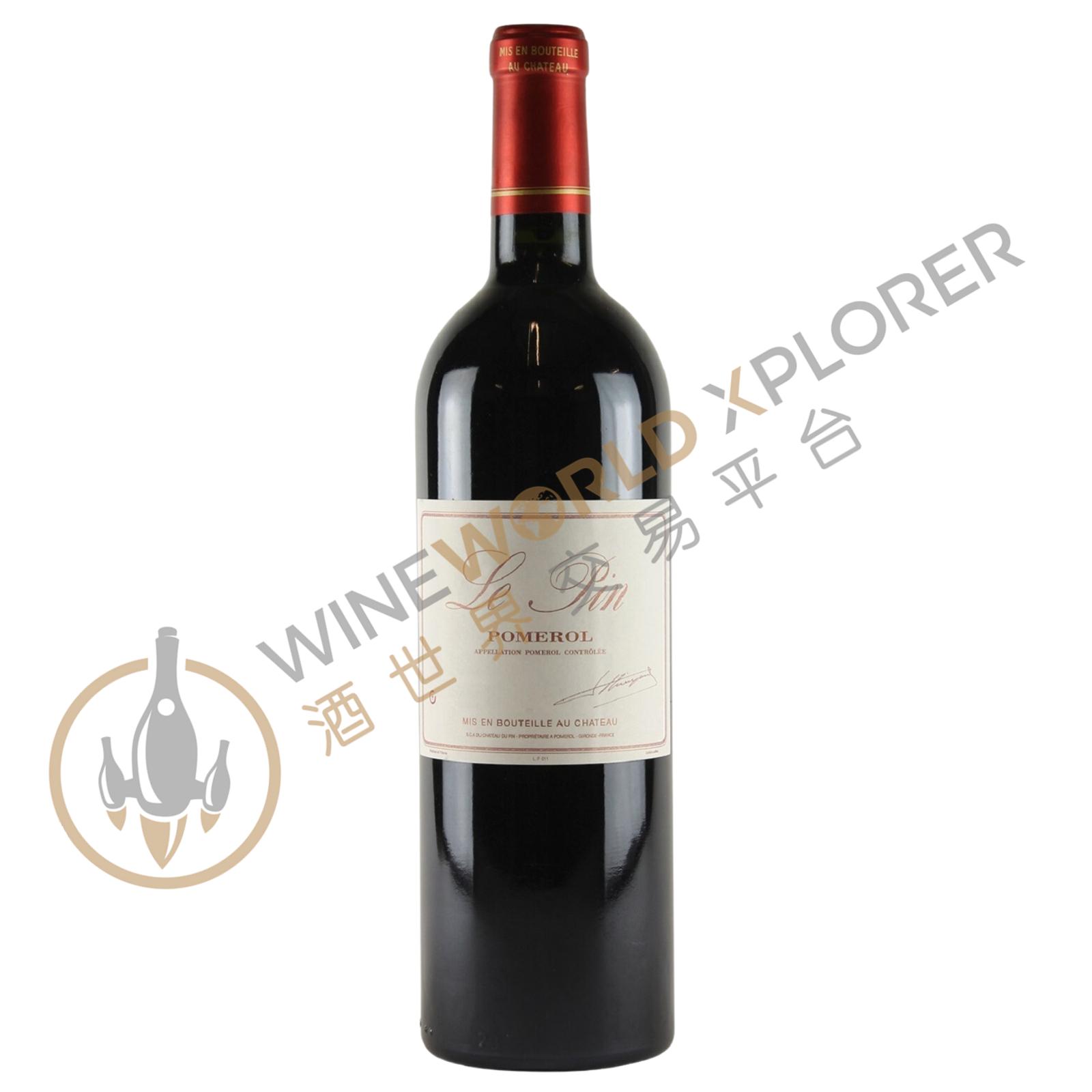
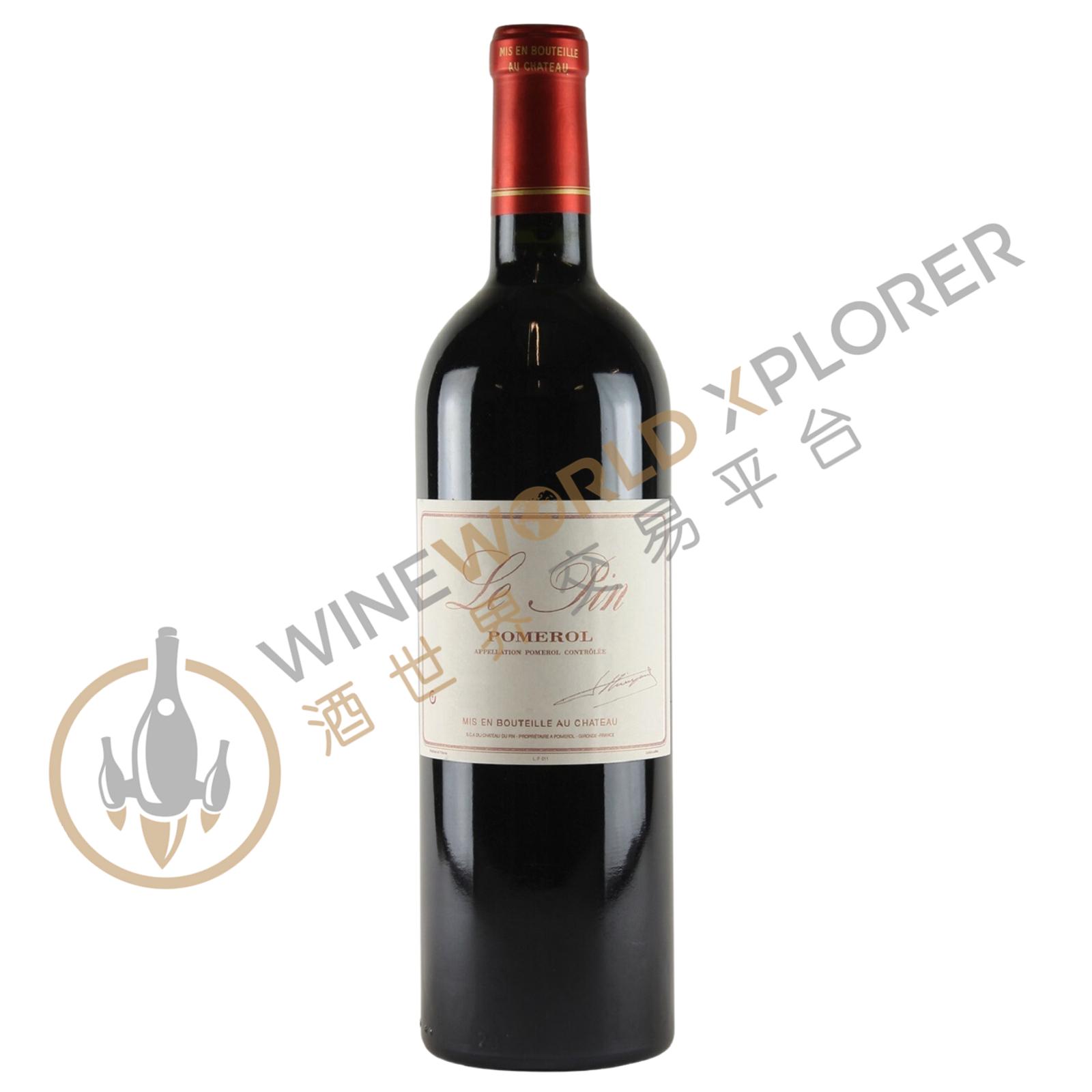
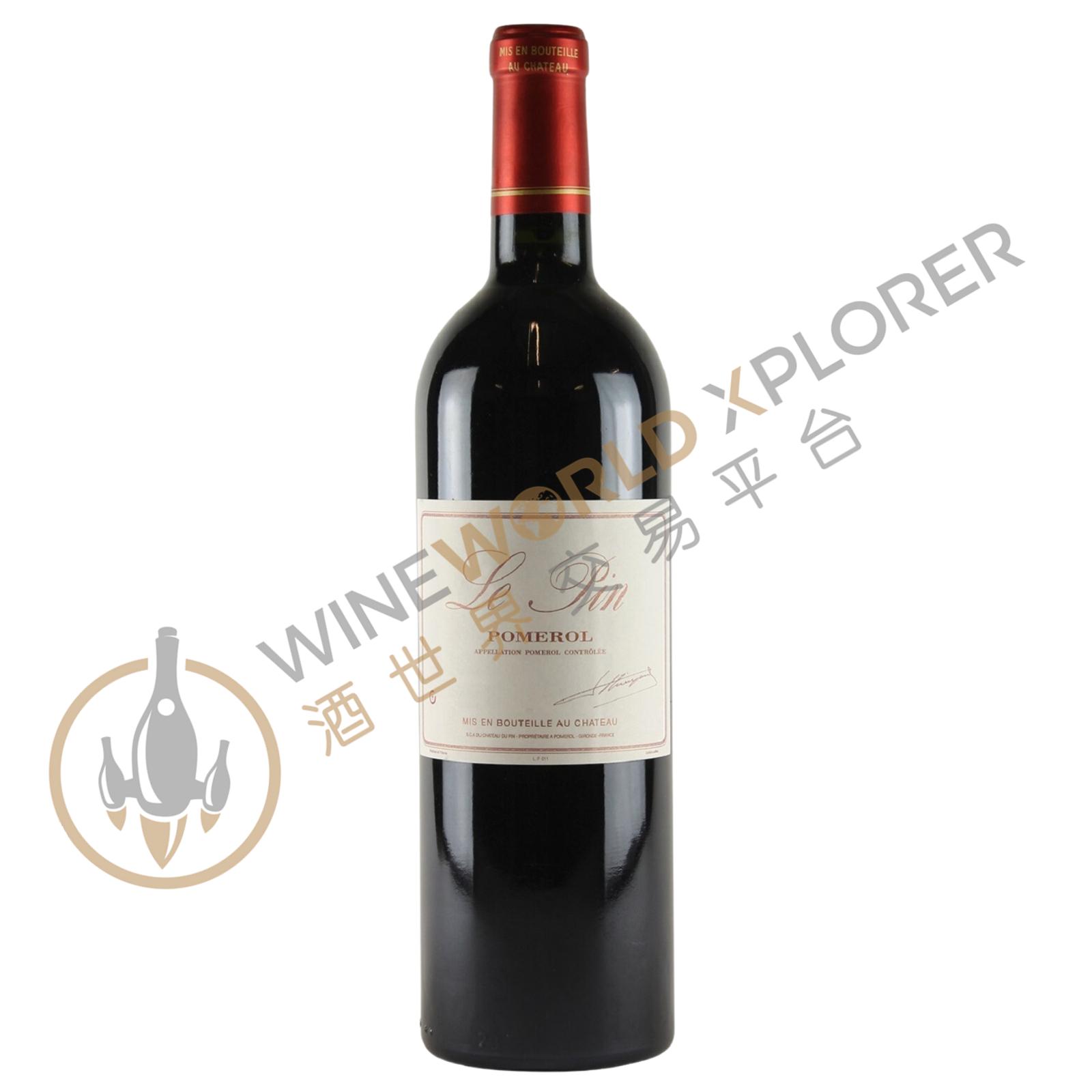
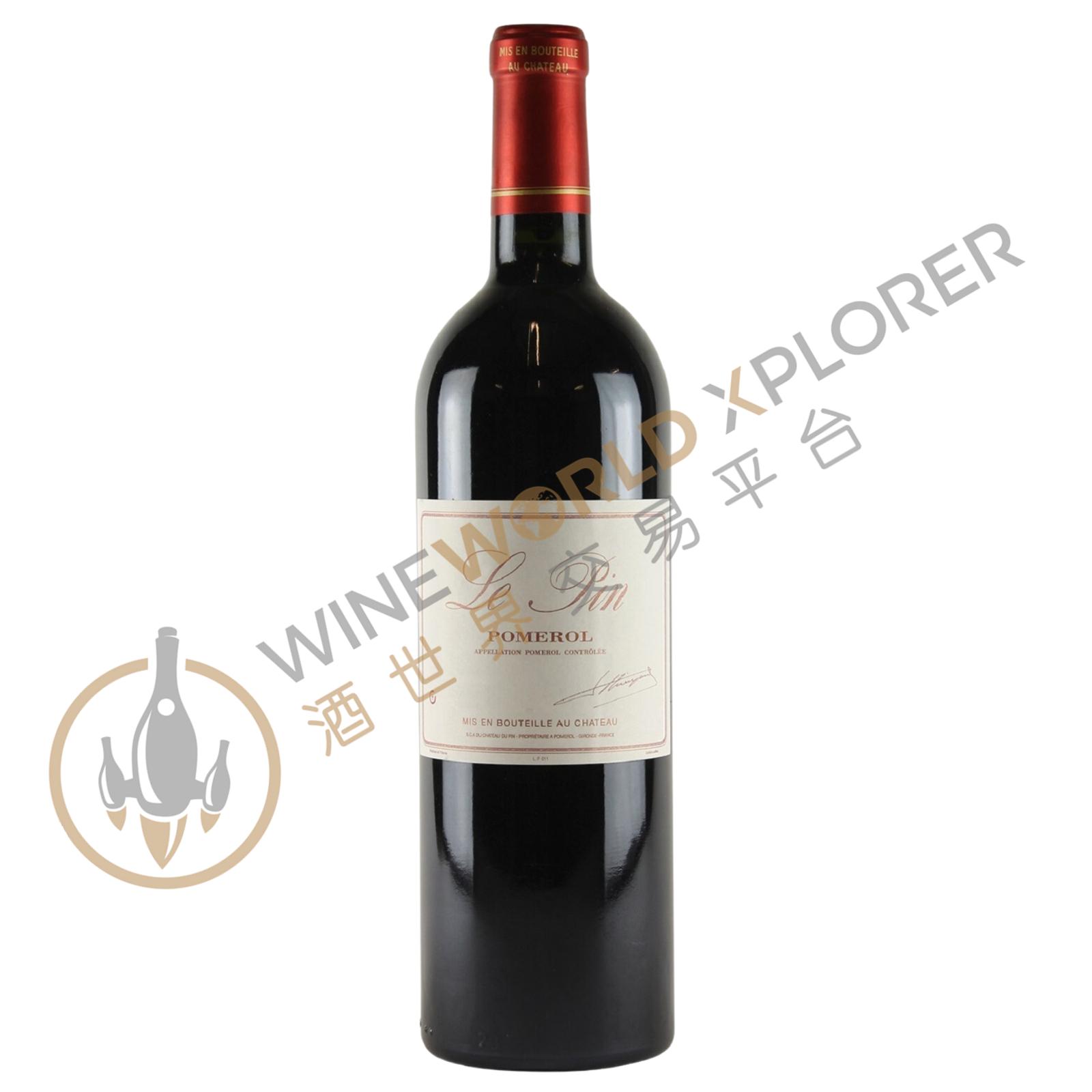
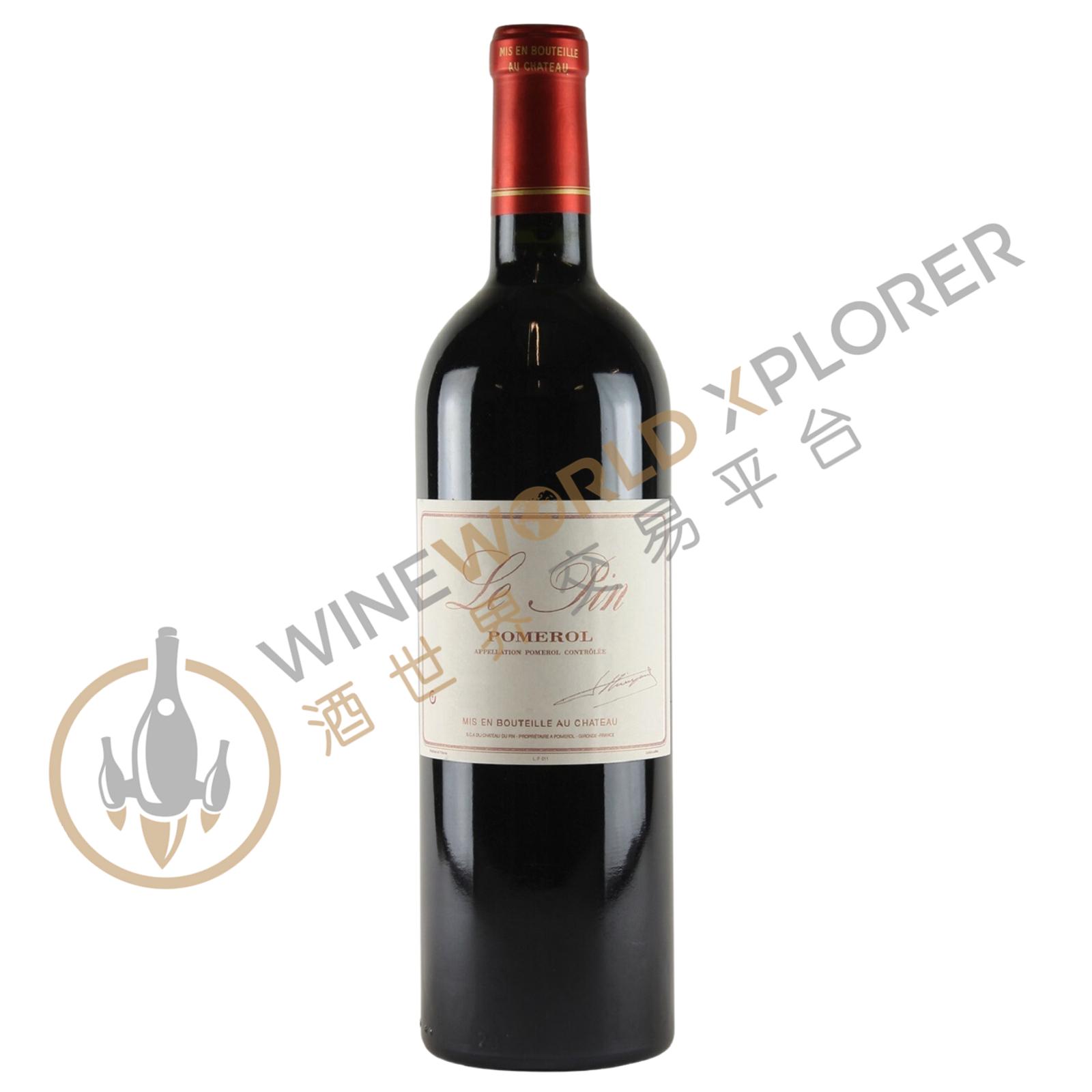
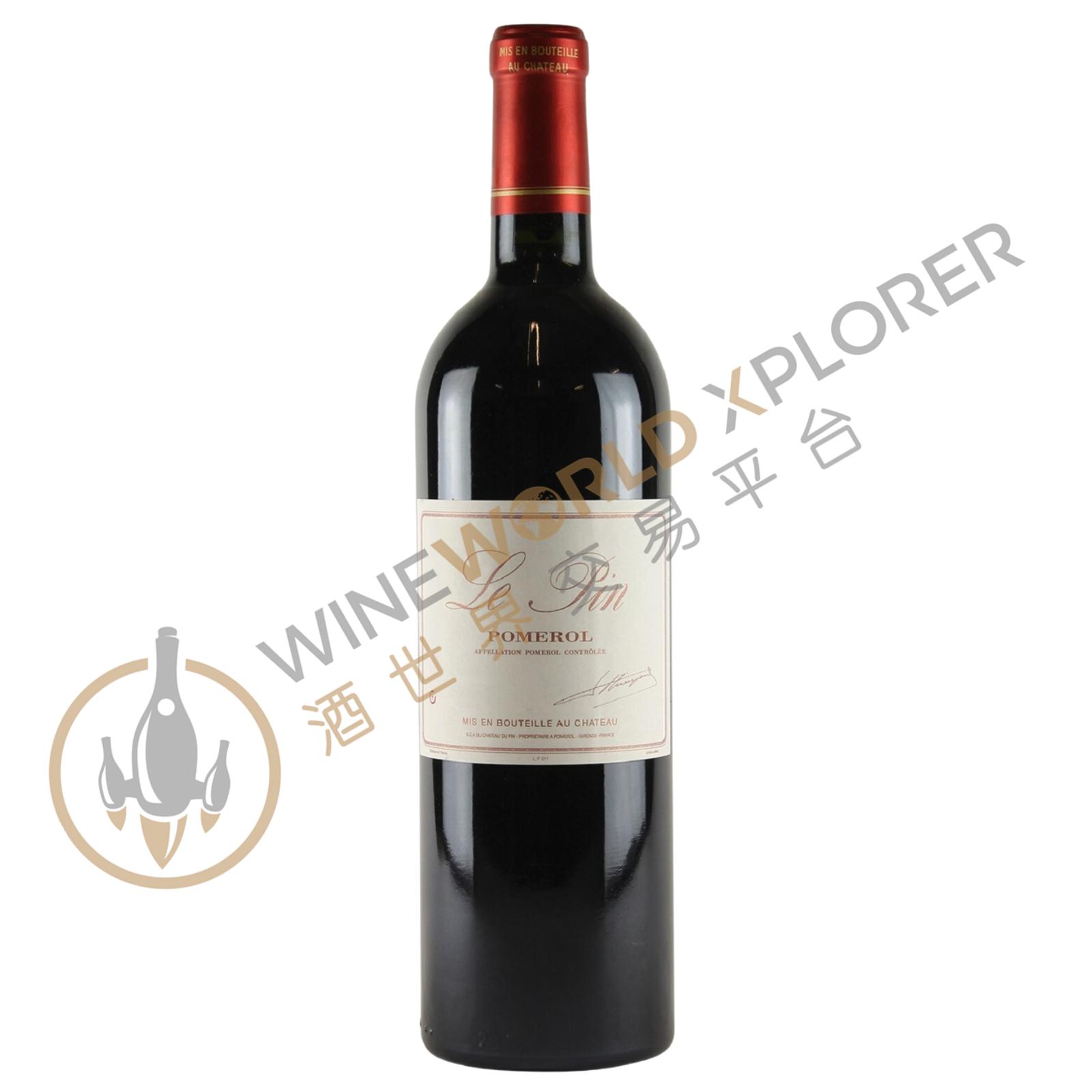
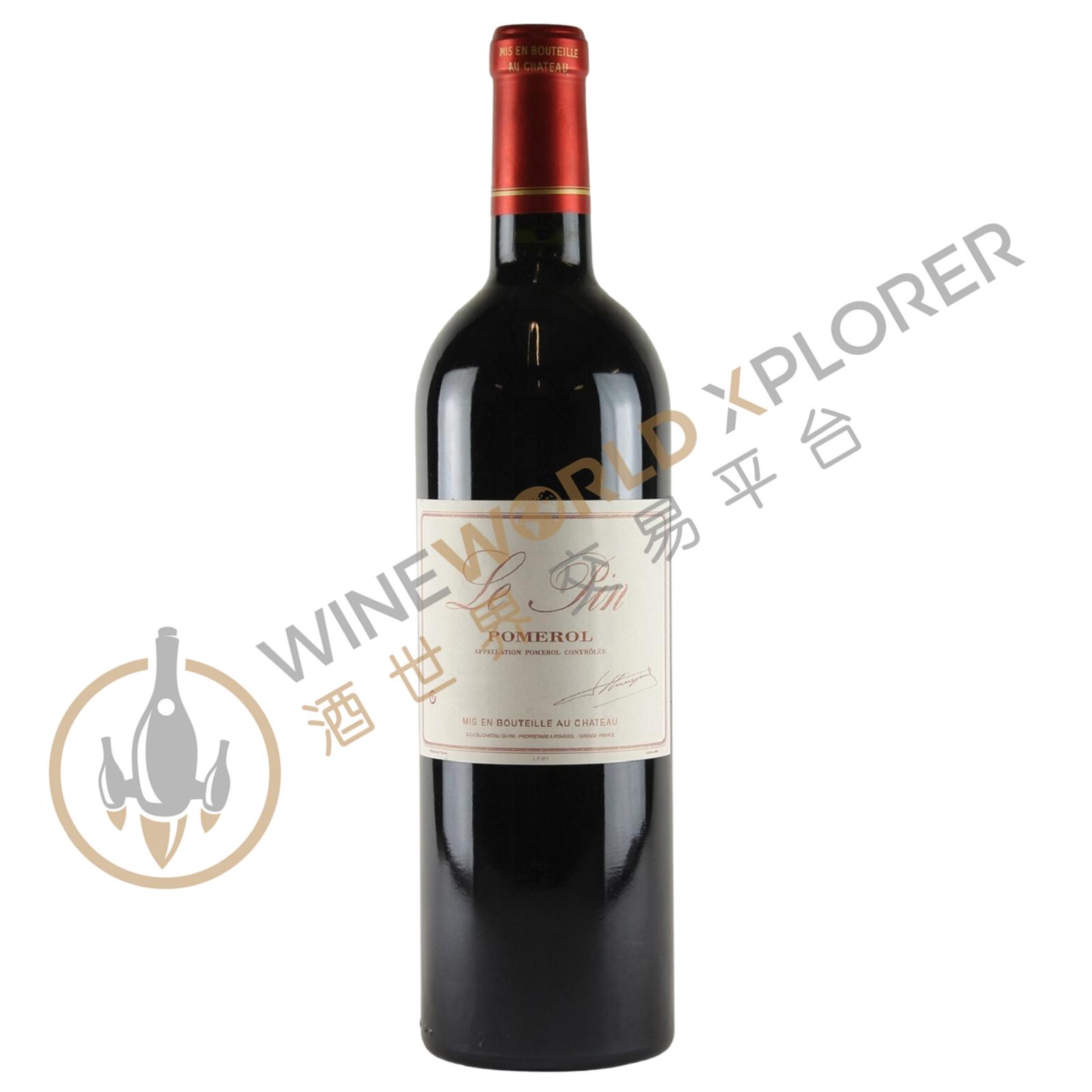
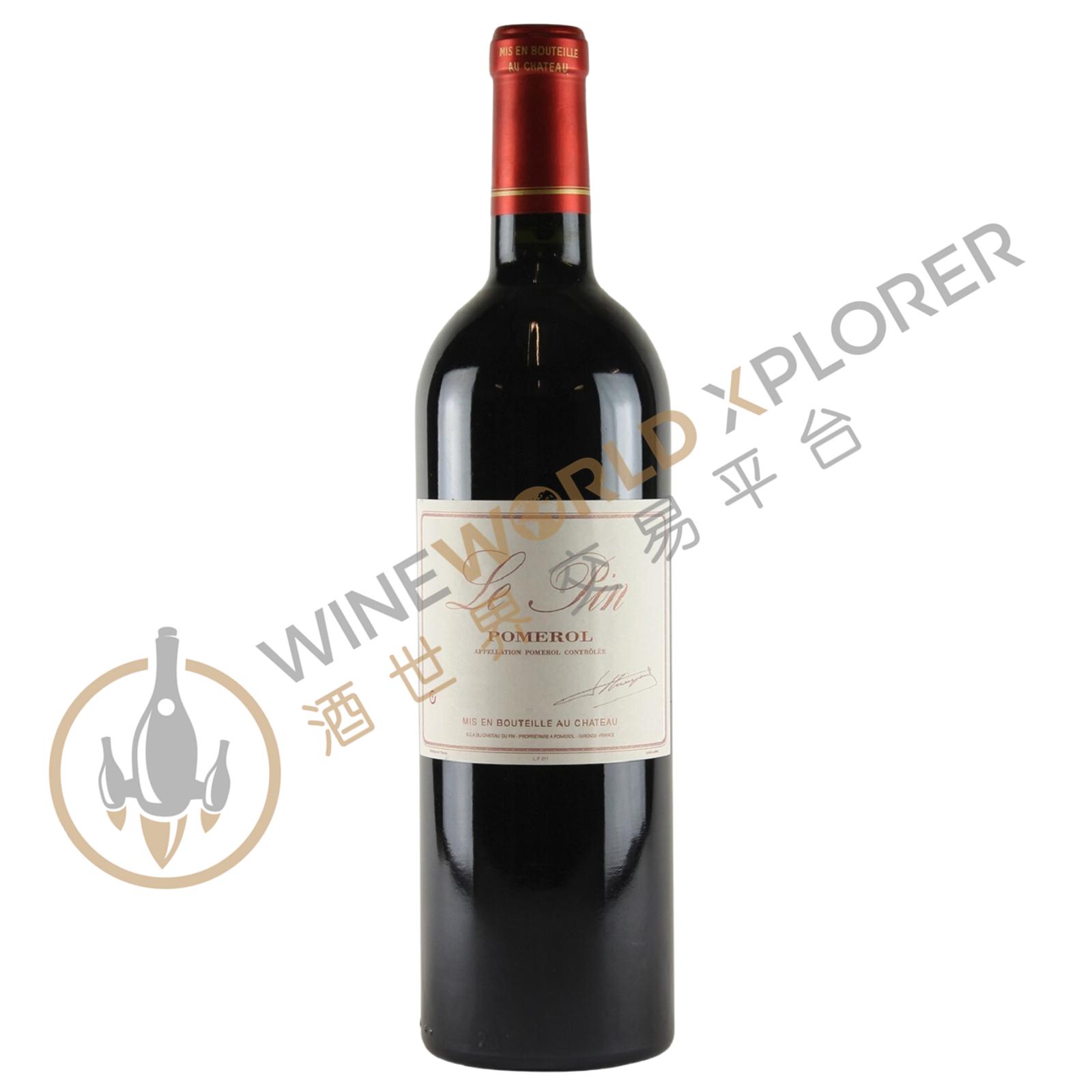
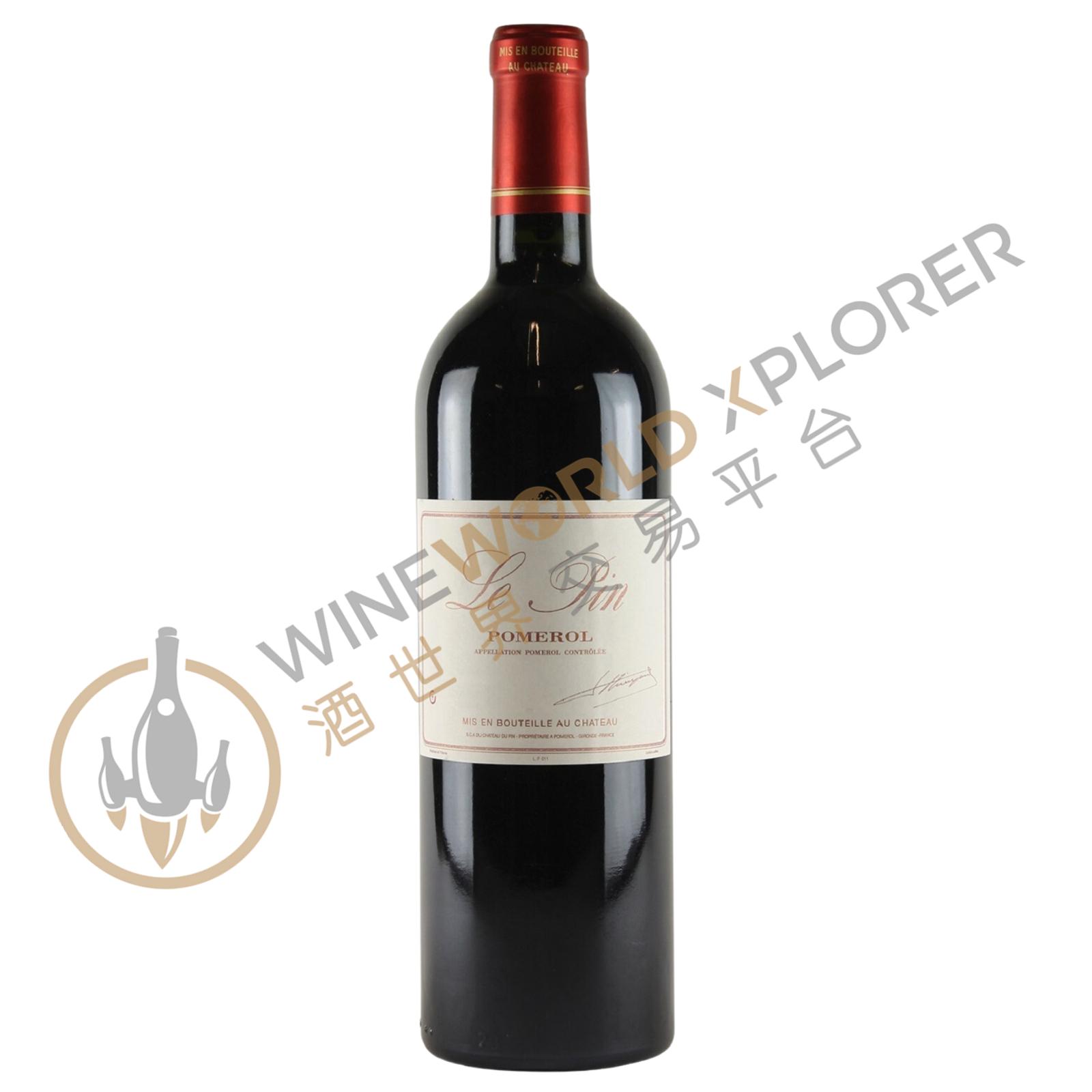
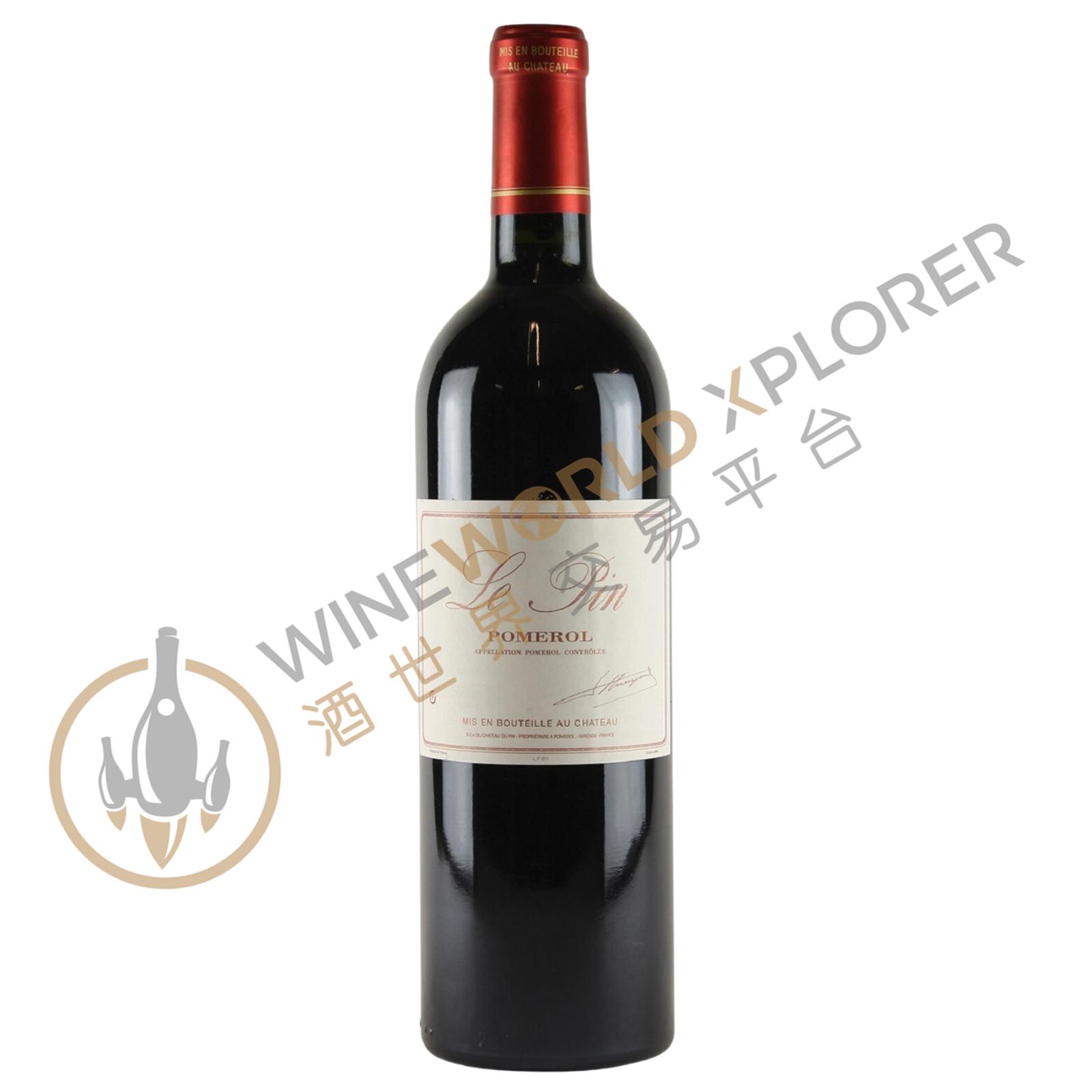
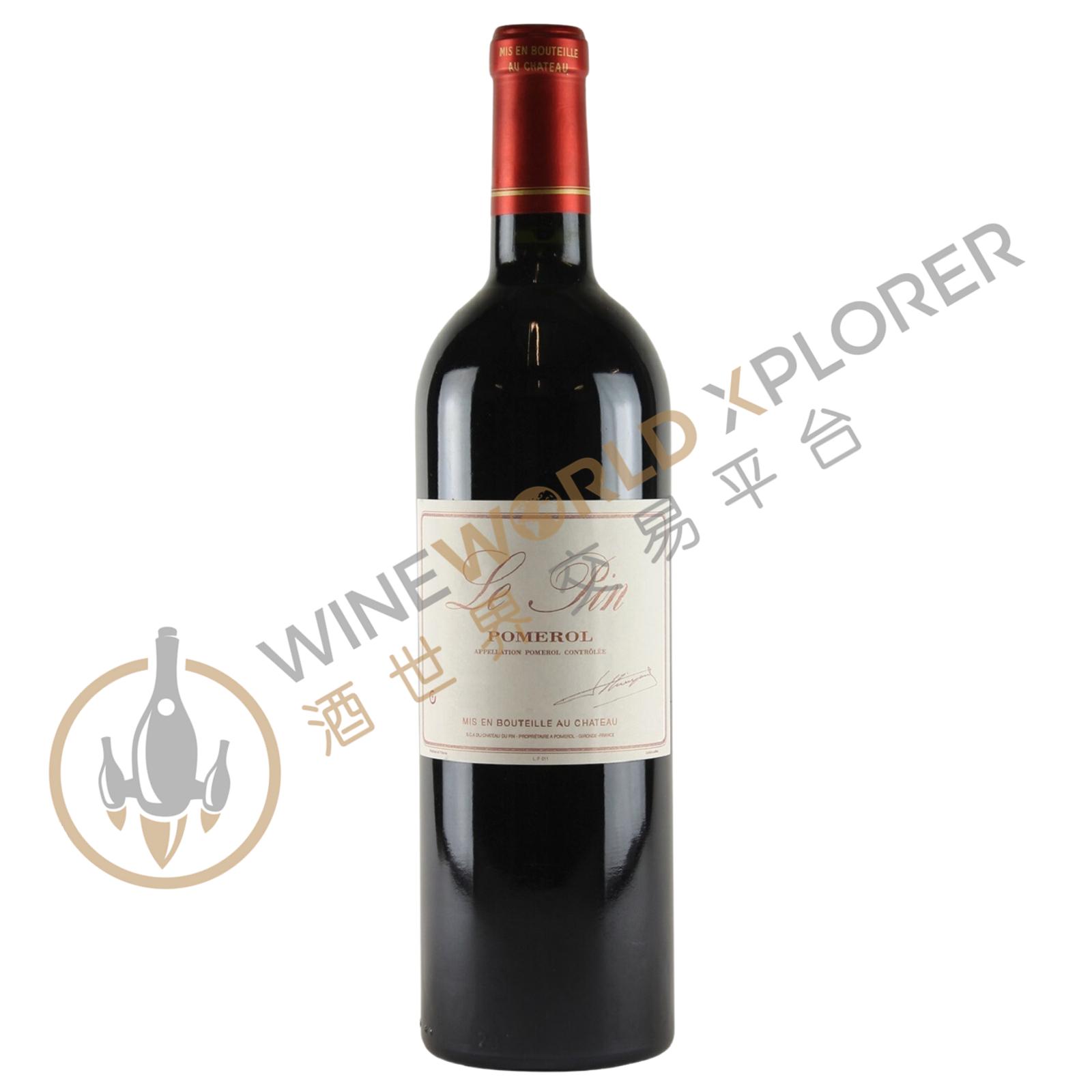
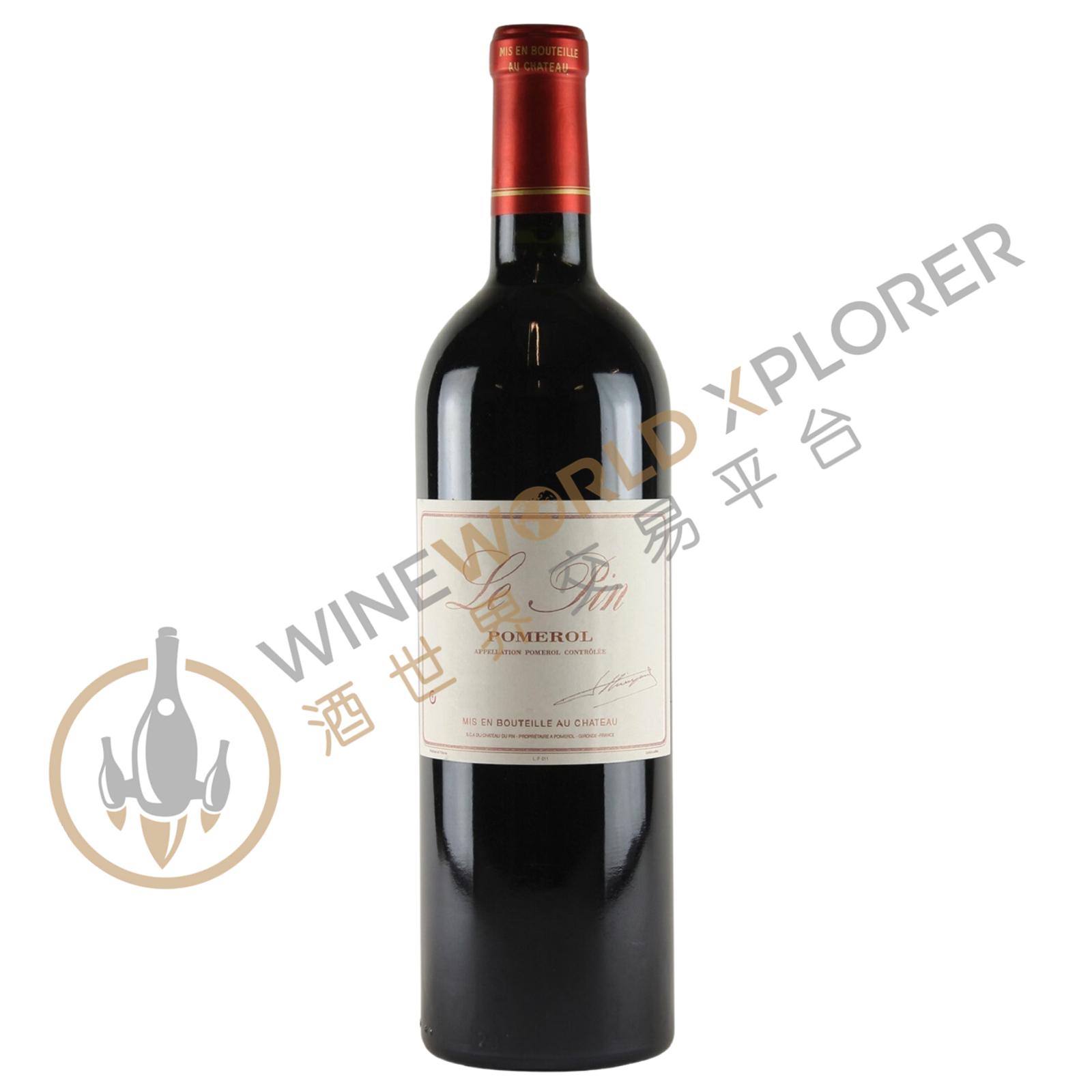
Le Pin 2022
 View analysis
Description
Tasting notes

Reviewed by: William Kelley
The elegance and harmony of the 2022 Le Pin took me aback. Harvest began at this small estate on September 6th, proceeding bit by bit until all 10 blocks were picked, and the resulting wine is maturing in 65% new oak. Wafting from the glass with aromas of minty blackberries and cassis mingled with hints of licorice, spices and rose petals, it's medium to full-bodied, bright and fleshy, with a sensual, seamless profile and terrific integration at such an early stage. It's one of the finest vintages at this address in the last decade or more.
Reviewed by: William Kelley
The 2022 Le Pin has turned out very well, retaining impressive energy for such an early-ripening, well-draining site in so warm a year. Offering up aromas of sweet cherries, berries, licorice and violets, framed by a creamy patina of new oak, it's full-bodied, layered and exotic, with a sweet core of ripe fruit, polished tannins and a layered, seamless profile.
Reviewed by: Antonio Galloni
The 2022 Le Pin was certainly more closed than the L'Hêtre or L'If upon initial taste, so I gave my decanted glass another decant, pouring from one glass to another several times. That helped to reveal a very perfumed bouquet with black cherries, raspberry, hints of cigar humidor and a light anise scent in the background. This has razor-sharp delineation. The palate boasts a silky texture on the entry that immediately caresses the mouth. There is very fine depth here, displaying a mixture of red and black fruit mixed with marmalade and allspice as it fans out wonderfully toward the finish. If you intend to drink this, a) decant it, and b) invite me. Otherwise, cellar this for several years before broaching.
Reviewed by: James Suckling
Such is the ripeness and richness of the vintage but the wine remains so fresh and balanced. Medium-bodied with subtle and juicy tannins. It's a little fuller-bodied than the perfect 2020 but it is just as weightless and gorgeous. Cashmere texture throughout. Only 65% new wood.
Reviewed by: James Suckling
This shows purity of fruit with energy and focus. Medium-bodied, it has a precise and micro-polished palate giving refined, seamless tannins that are very silky and tensioned. Wow. Touches of iron, black pepper, hazelnuts and some finely etched wood spices and cream that will take a few years to digest. Hints of dark earth/mushrooms, citrus and black sesame as well. Long, vibrating and beautiful, with focus at the end. A more approachable young Pomerol, but it will hold beautifully for the next 20 years. Drink from 2028.
About the Producer
Le Pin is the most expensive wine in the world. Jacques Thienpont purchased the meagre 1.6 hectares of land for one million francs in 1979. The Thienpoints named their wine Le Pin after a solitary pine tree that shaded the property. By acquiring tiny adjoining plots of land, Jacques has doubled the size of Le Pin to five acres. The south-facing vineyard on a well-drained slope of gravel and sand is planted with Merlot (about 92%), and a small amount of Cabernet Franc. Le Pin's soil is a mixture of gravel and clay with a little sand and is exceptionally low yielding (between 30 to 35 hl/hc). The grapes are hand-harvested and are fermented in stainless steel before being matured in`200%` new oak barriques for between 14 and 18 months. Dany Rolland, wife of cult-oenologist Michel Rolland, is a consultant here. Le Pin produces just 600 to 700 cases each year (Lafite Rothschild produces approximately 29,000 cases of wine a year and and Pétrus about 4,000) and its rarity is one of the driving forces behind its high prices. Le Pin produces super-concentrated, decadent, lush and lavishly oaked wines - they can be drunk young but are best with 7-10 years of bottle ageing.
1985(1)1986(1)1988(2)1989(1)1990(1)1991(2)1992(1)1993(1)1994(3)1995(3)1996(3)1997(4)1998(4)1999(4)2000(2)2001(5)2002(2)2004(11)2005(8)2006(4)2007(7)2008(5)2009(8)2010(2)2011(15)2012(16)2014(9)2015(10)2016(8)2017(11)2018(15)2019(22)2020(13)2021(15)
Package Size