Wine Advisor



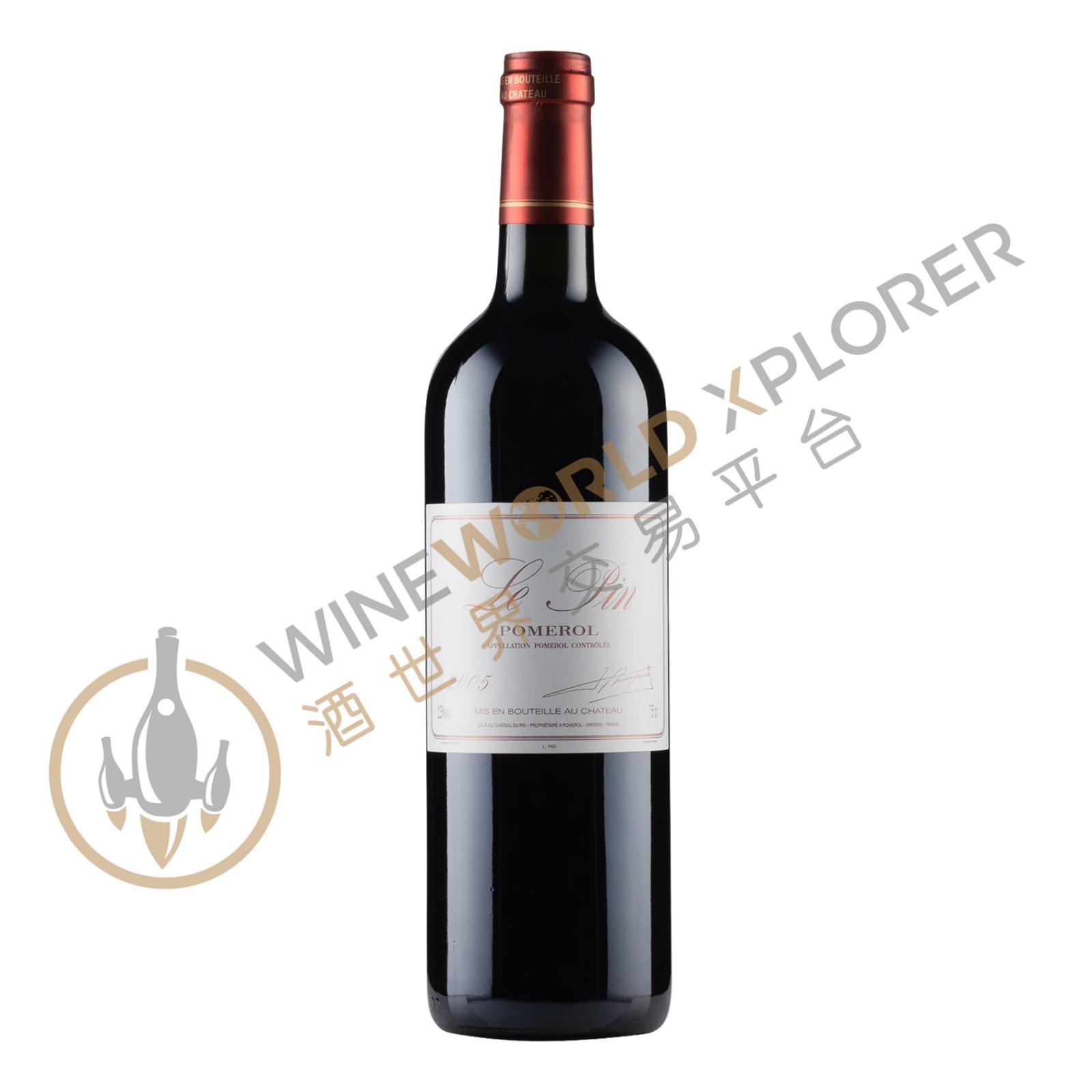
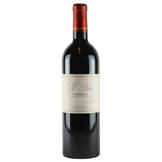
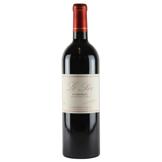
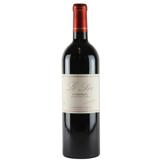
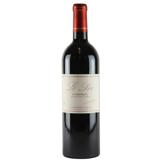
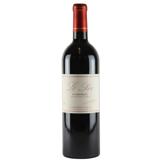
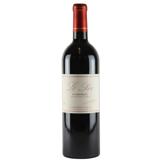
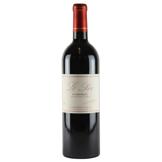
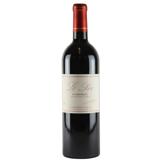
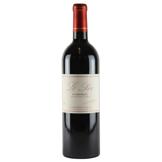
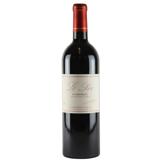
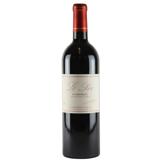
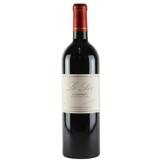
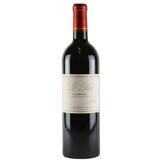
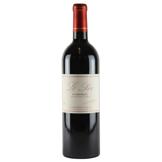
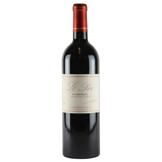
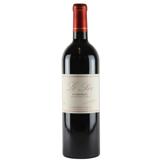
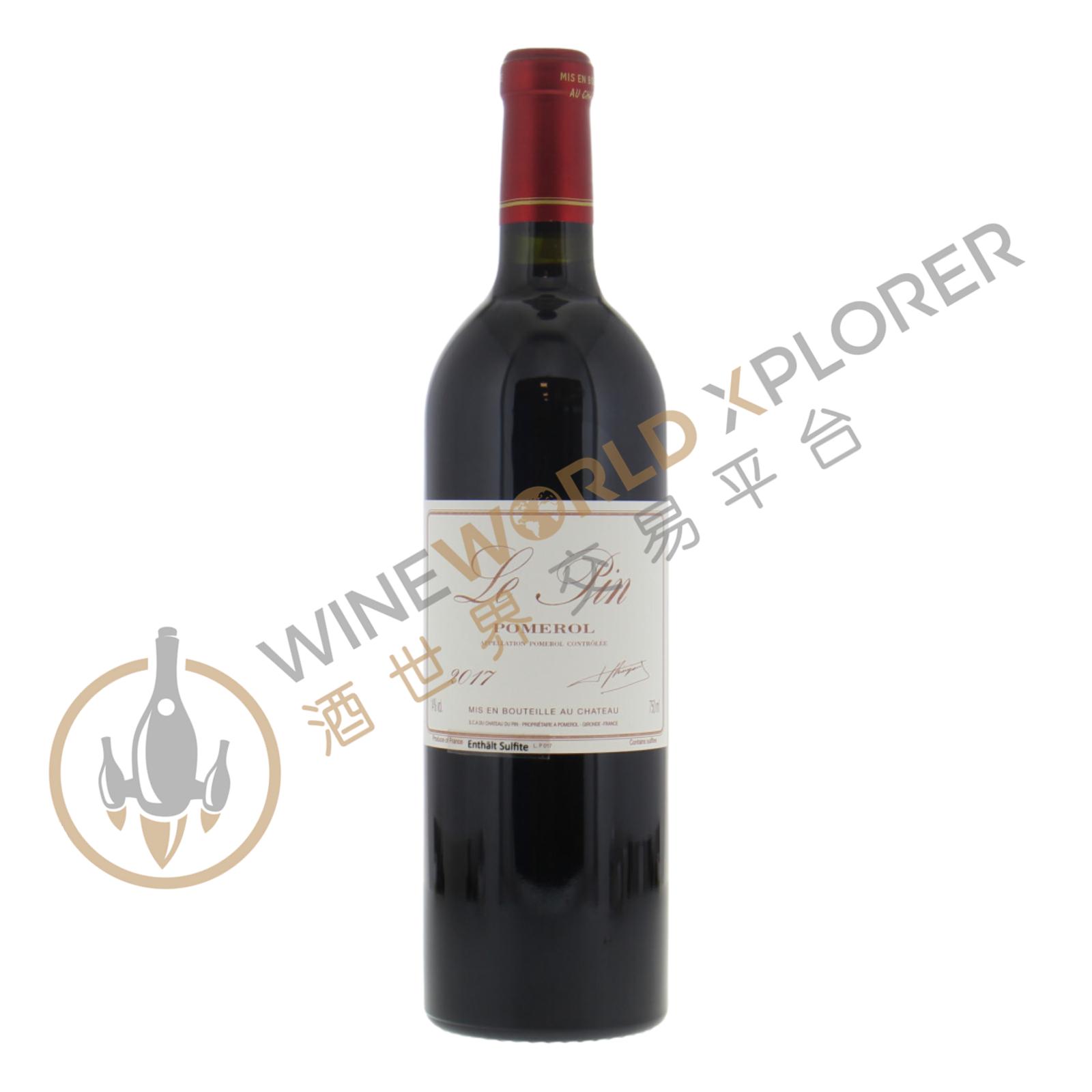
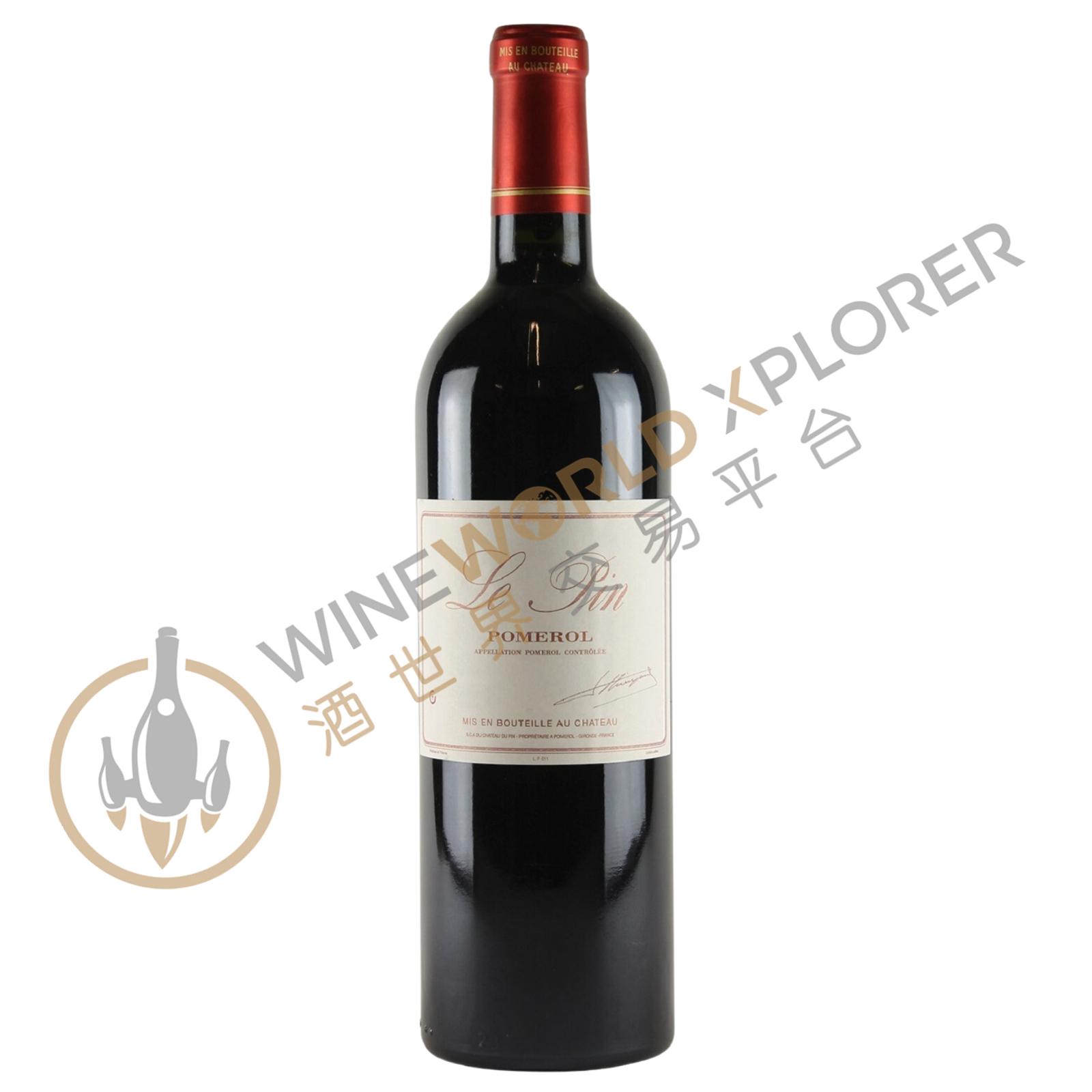
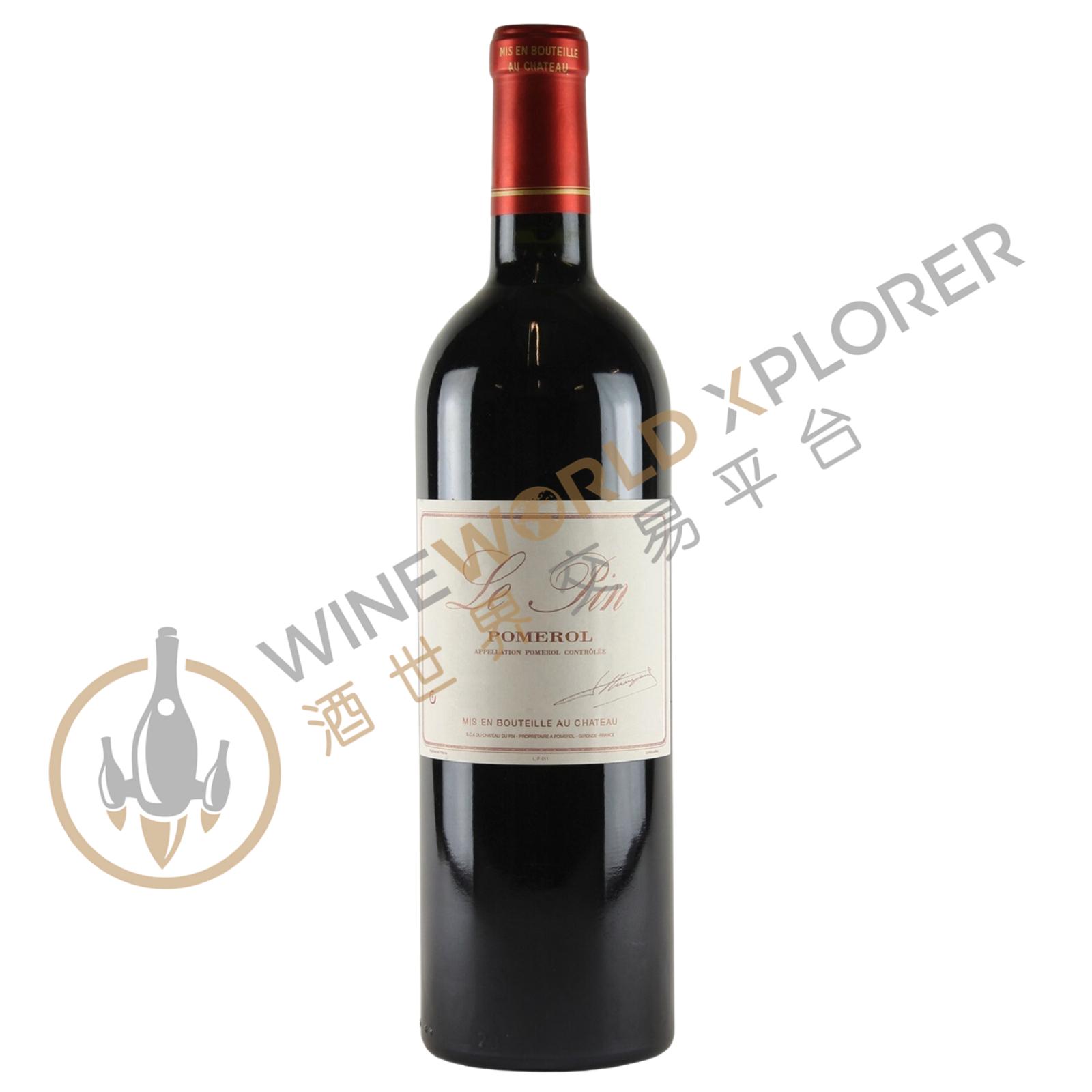
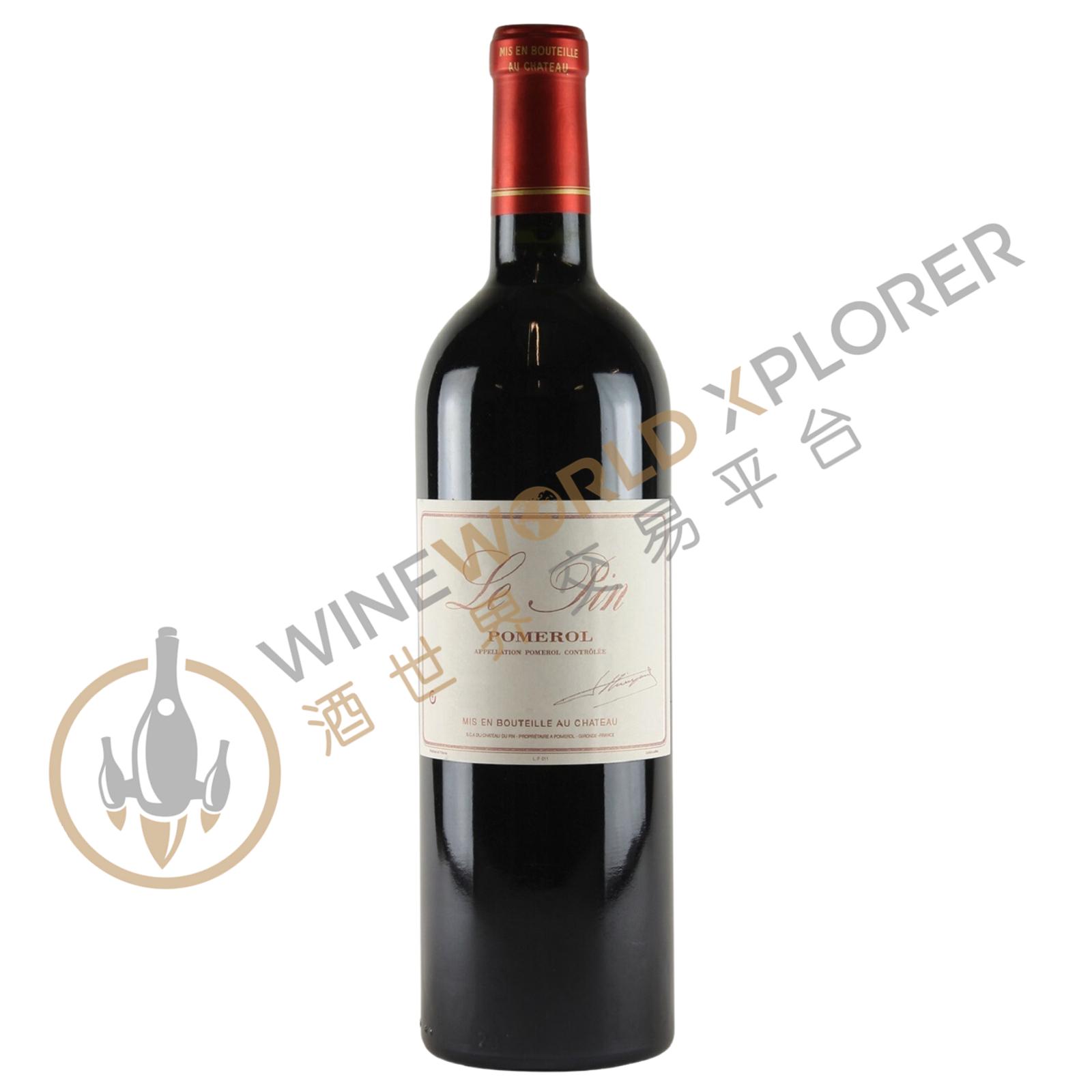
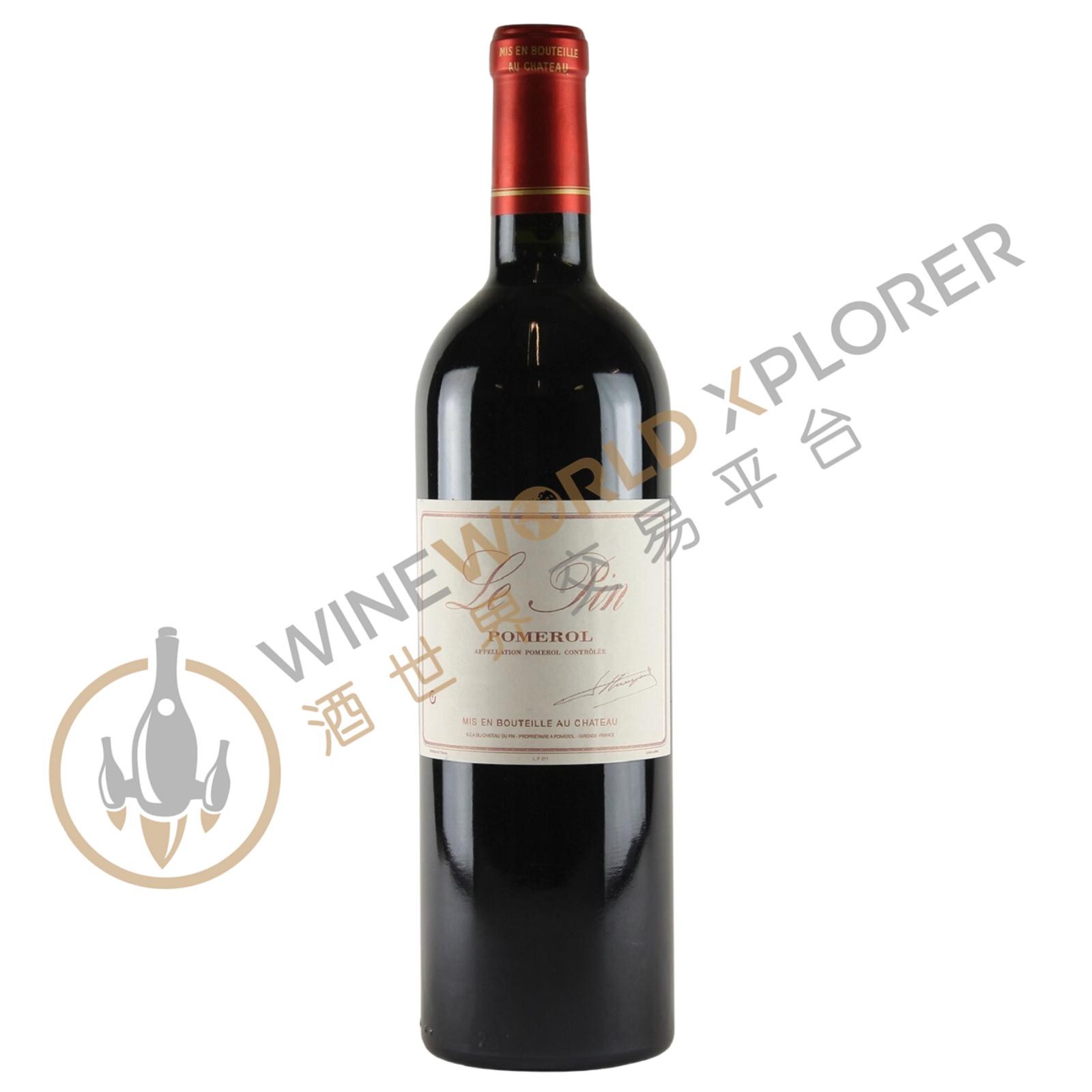
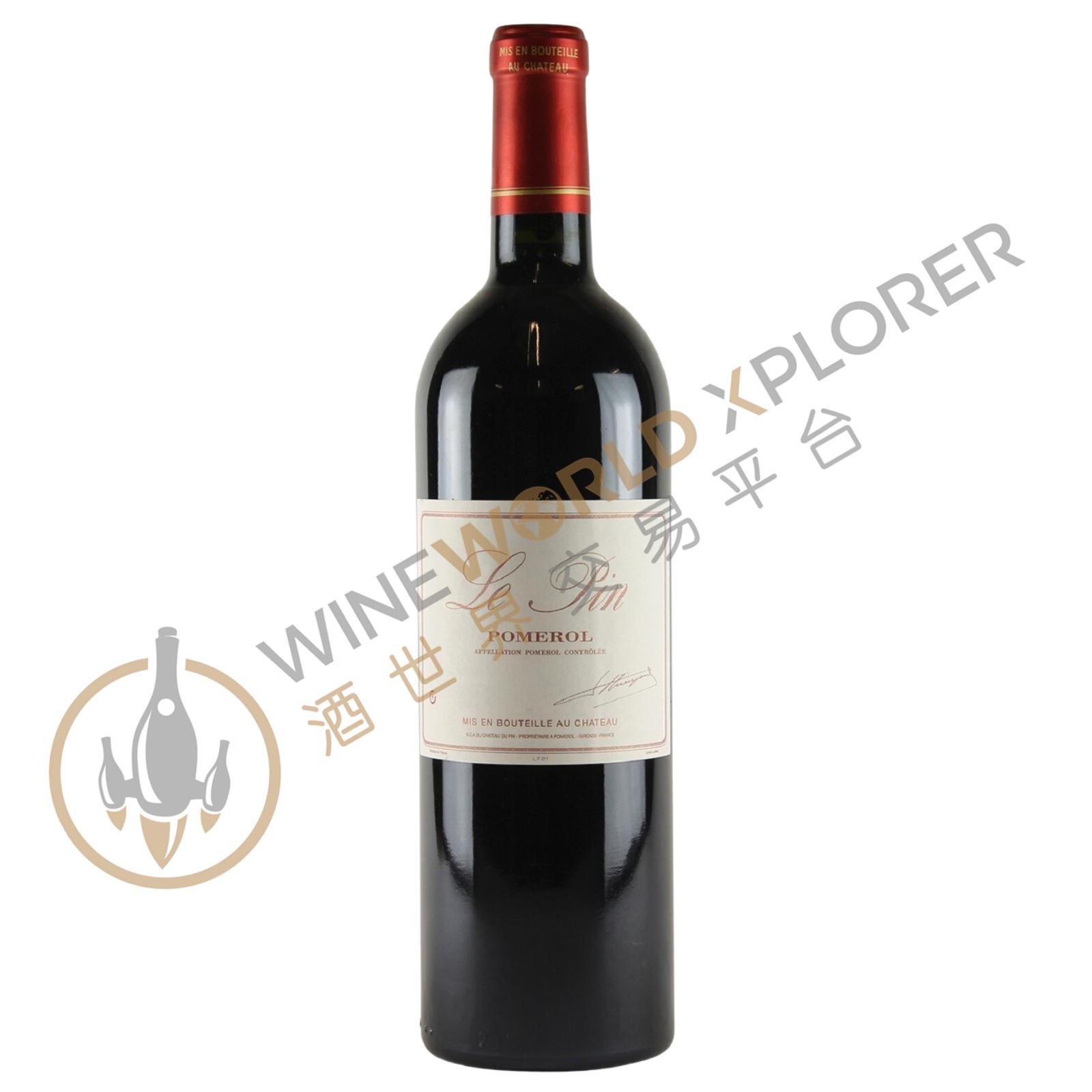
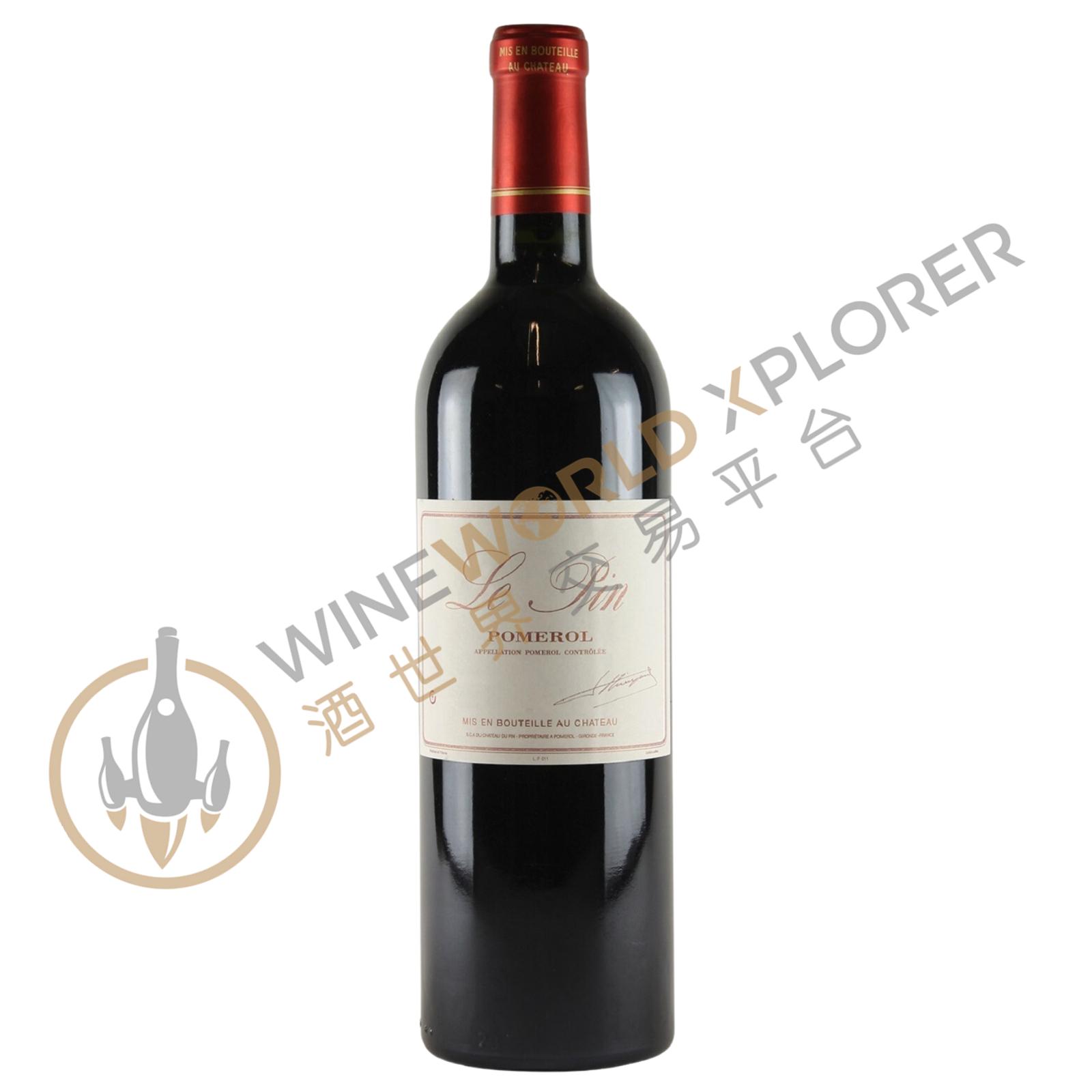
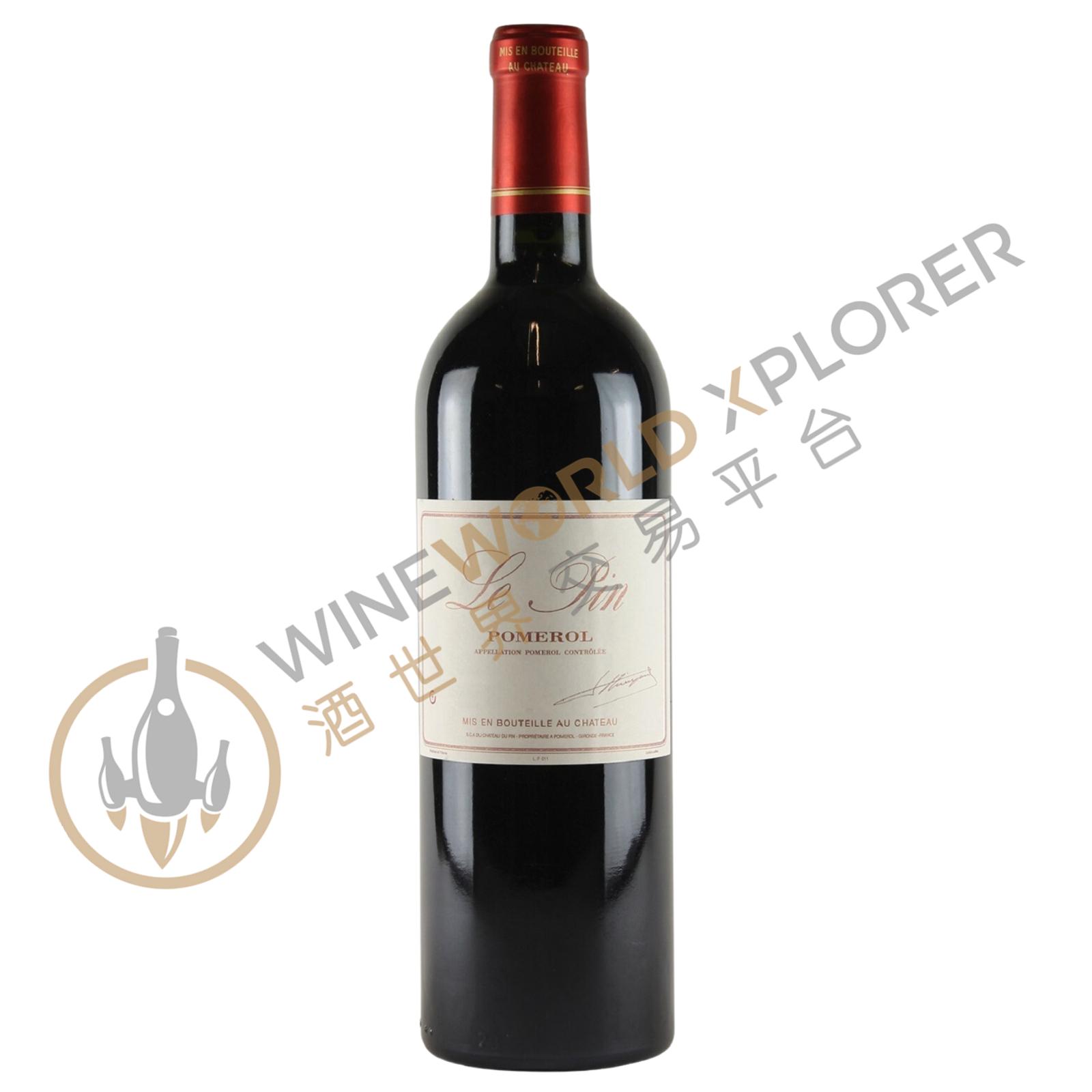
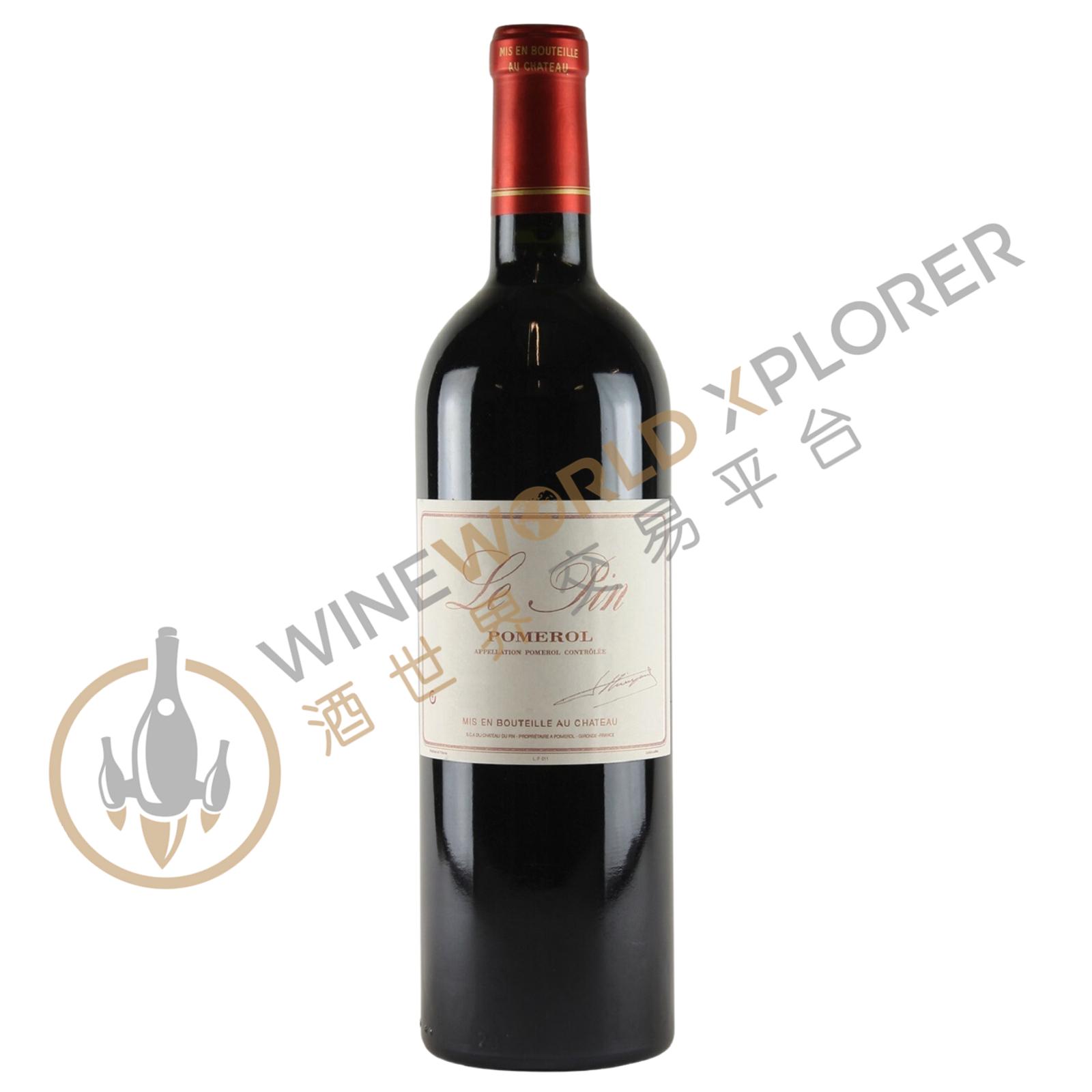
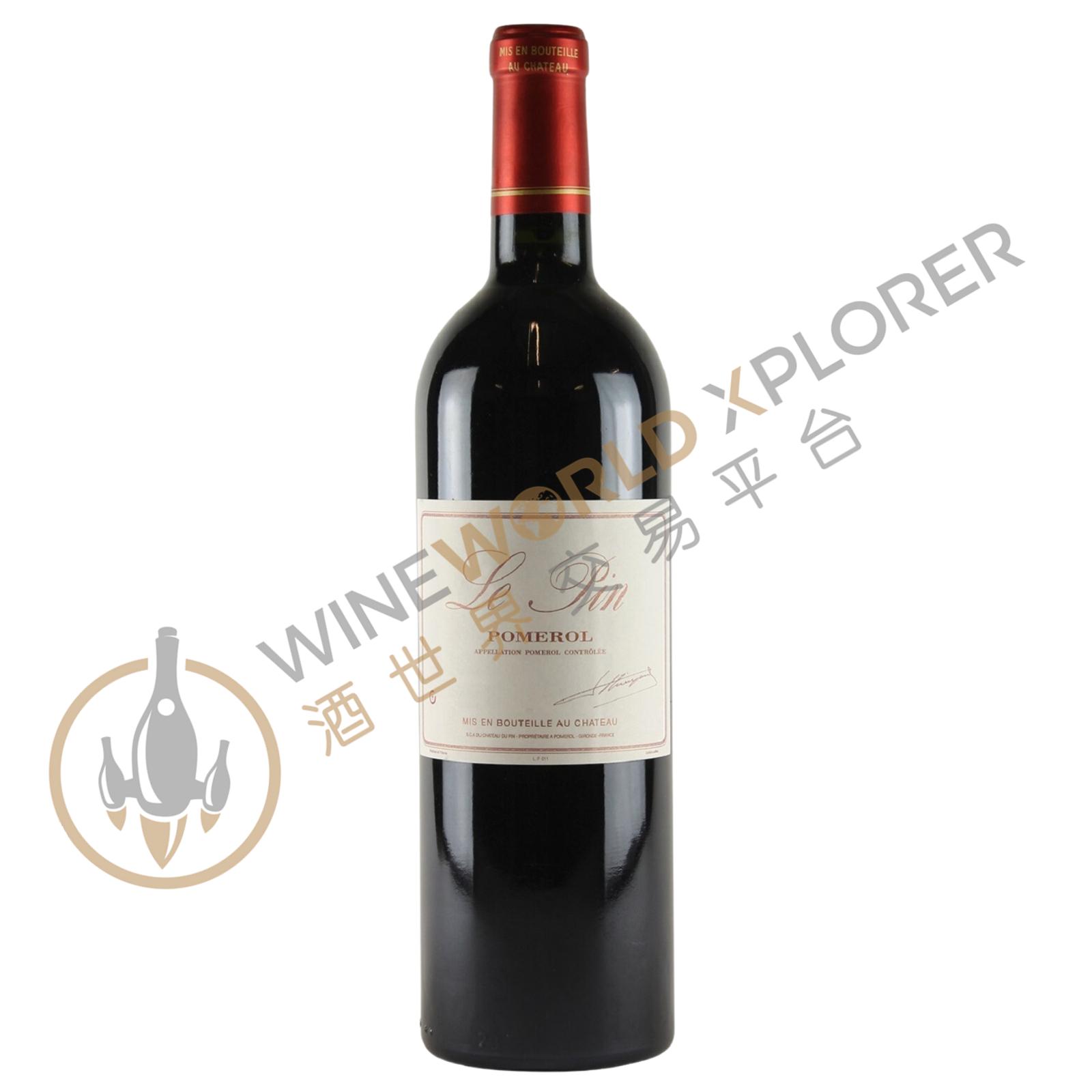
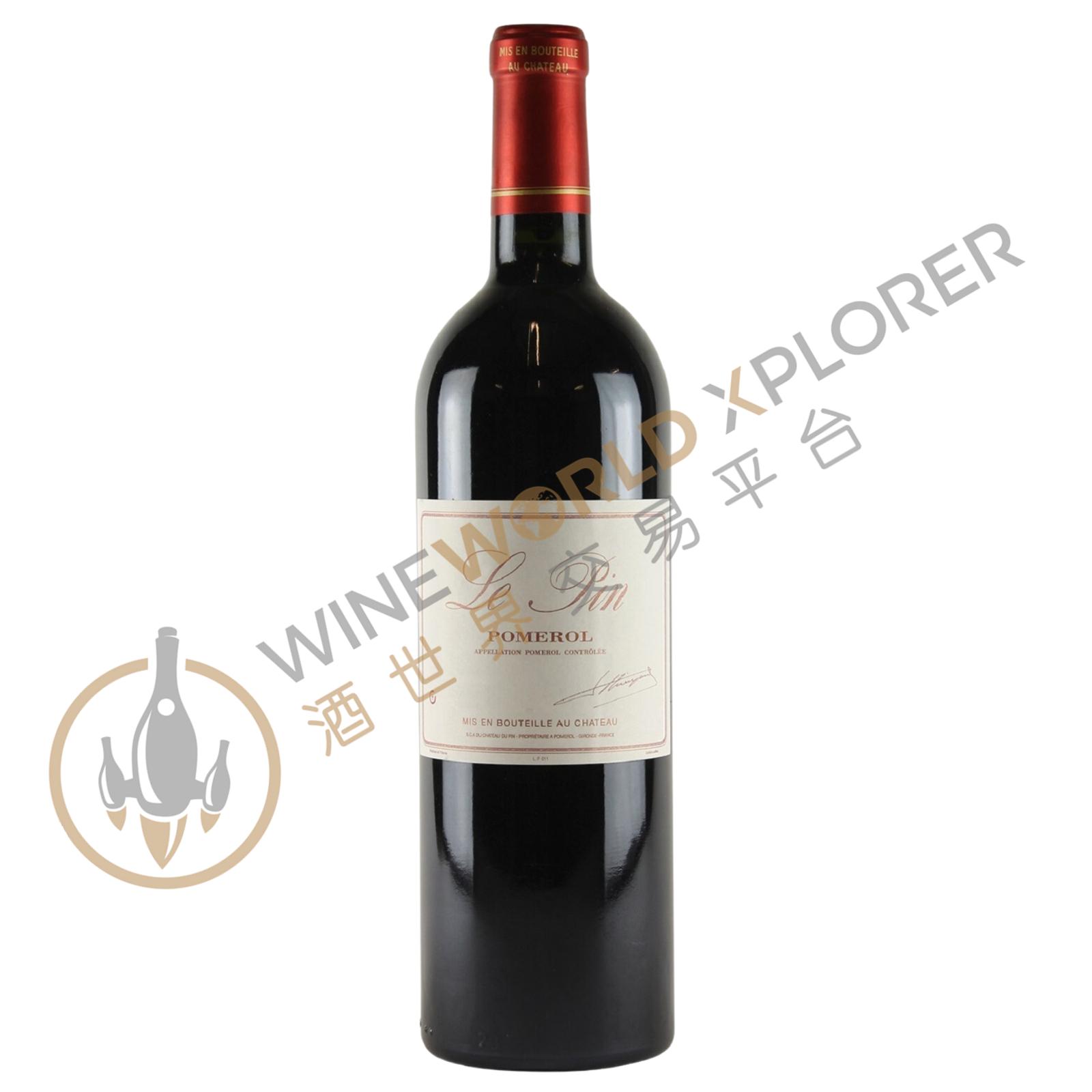
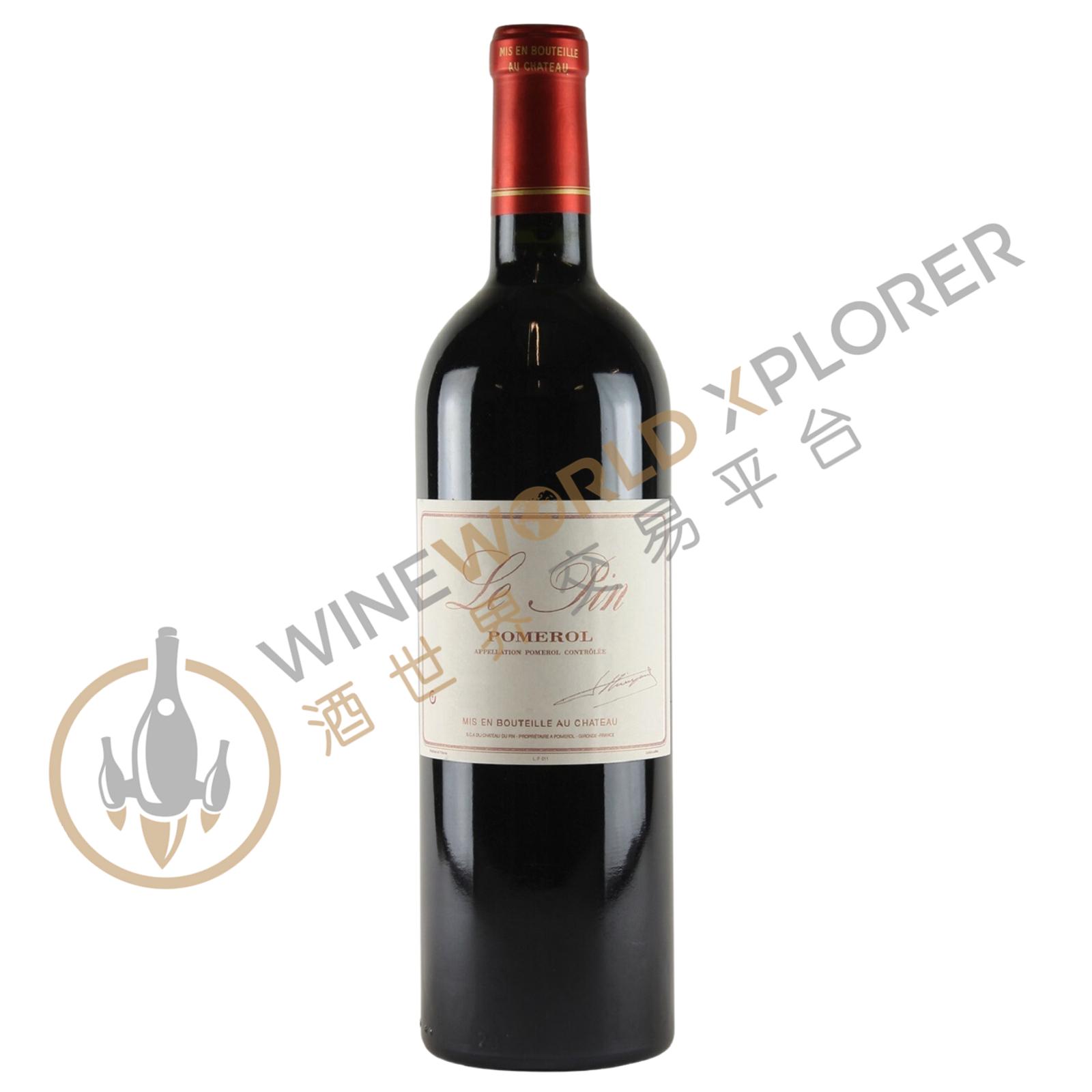
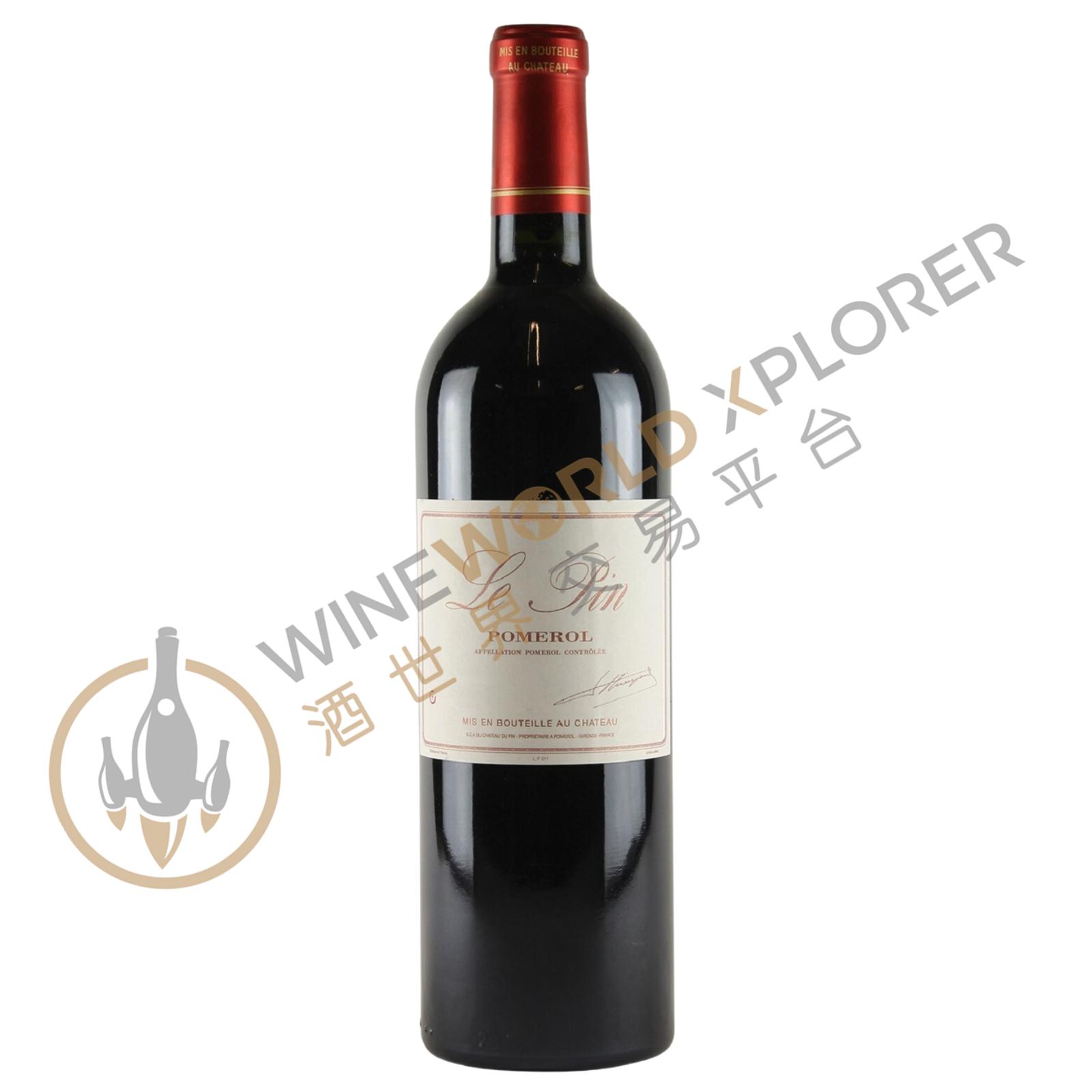
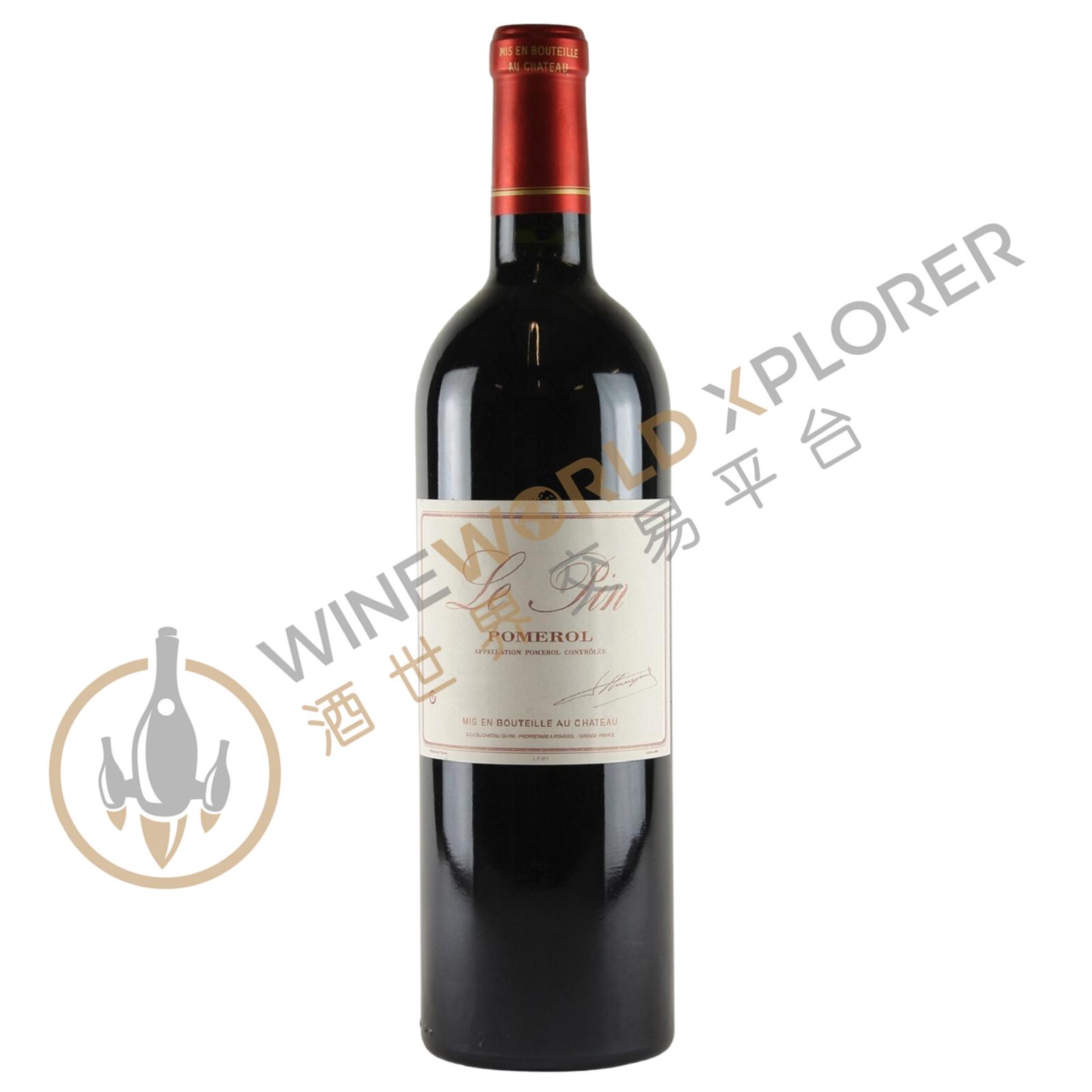
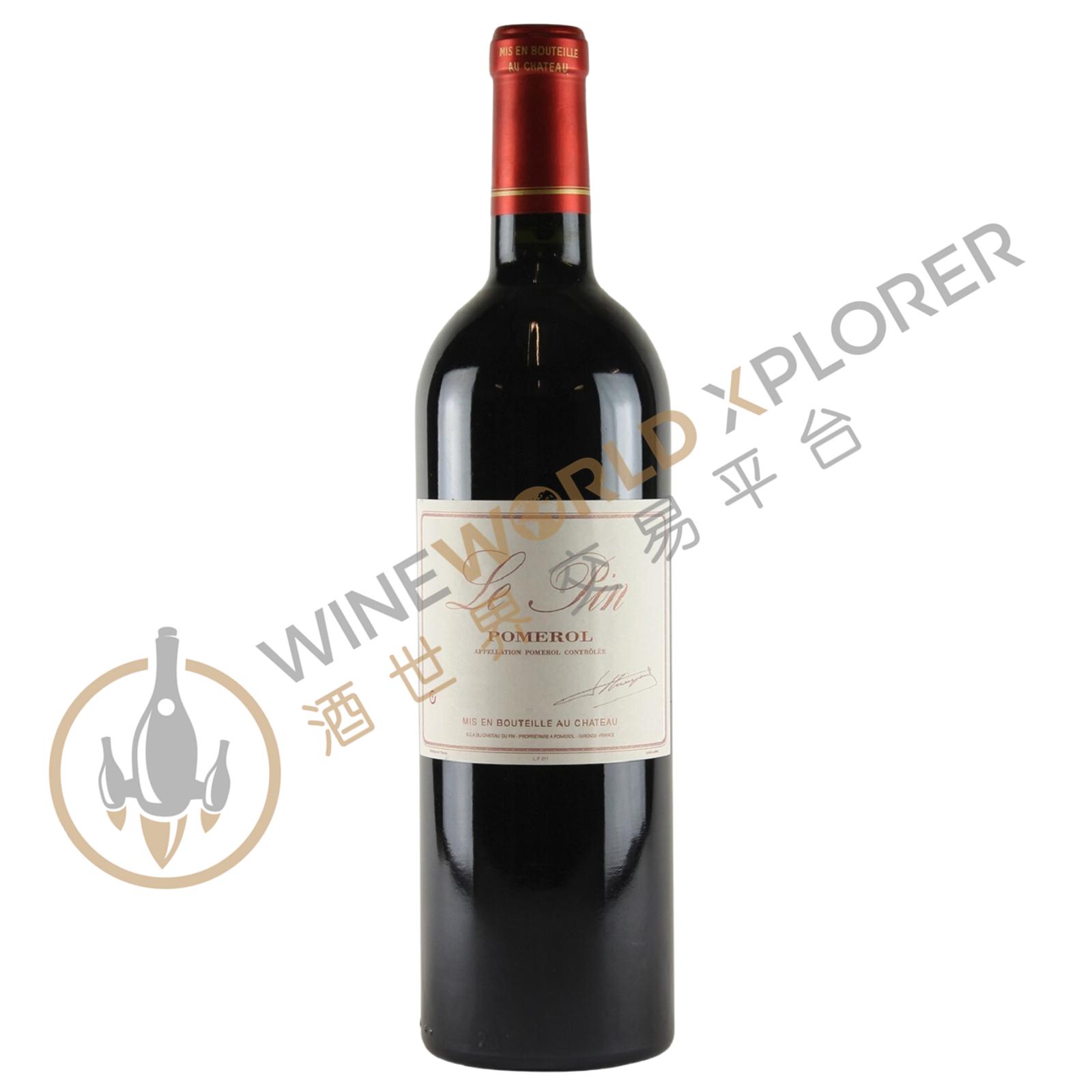
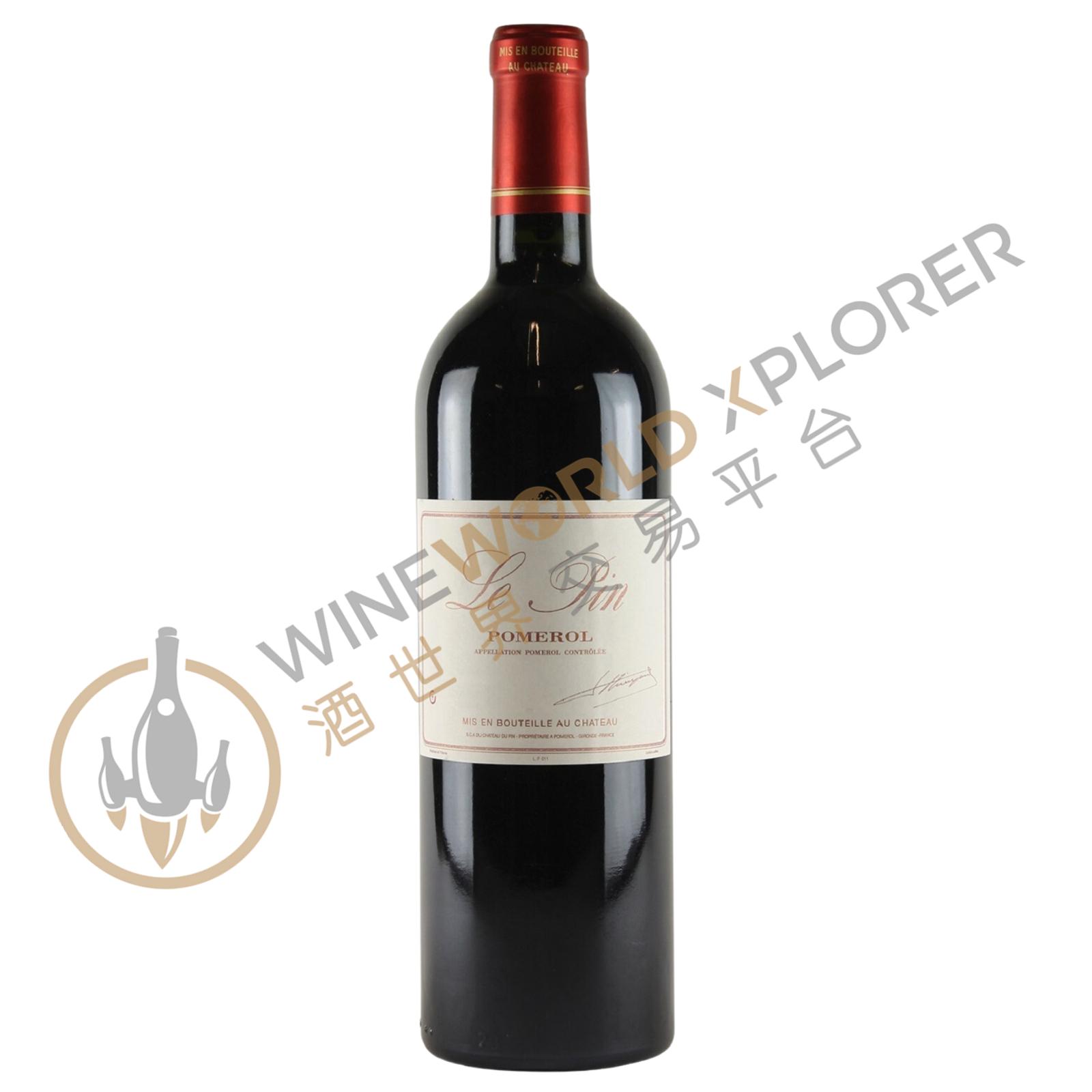
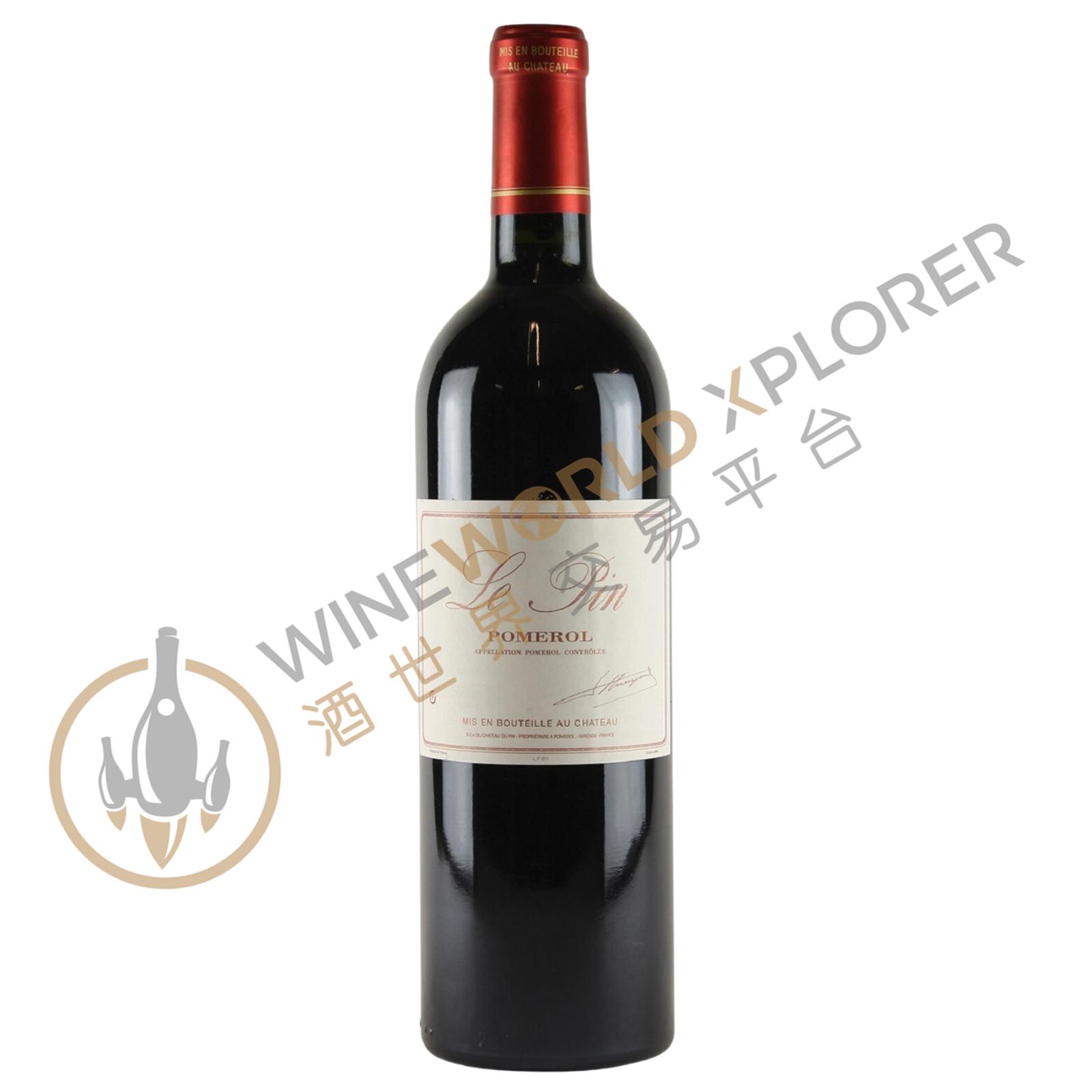
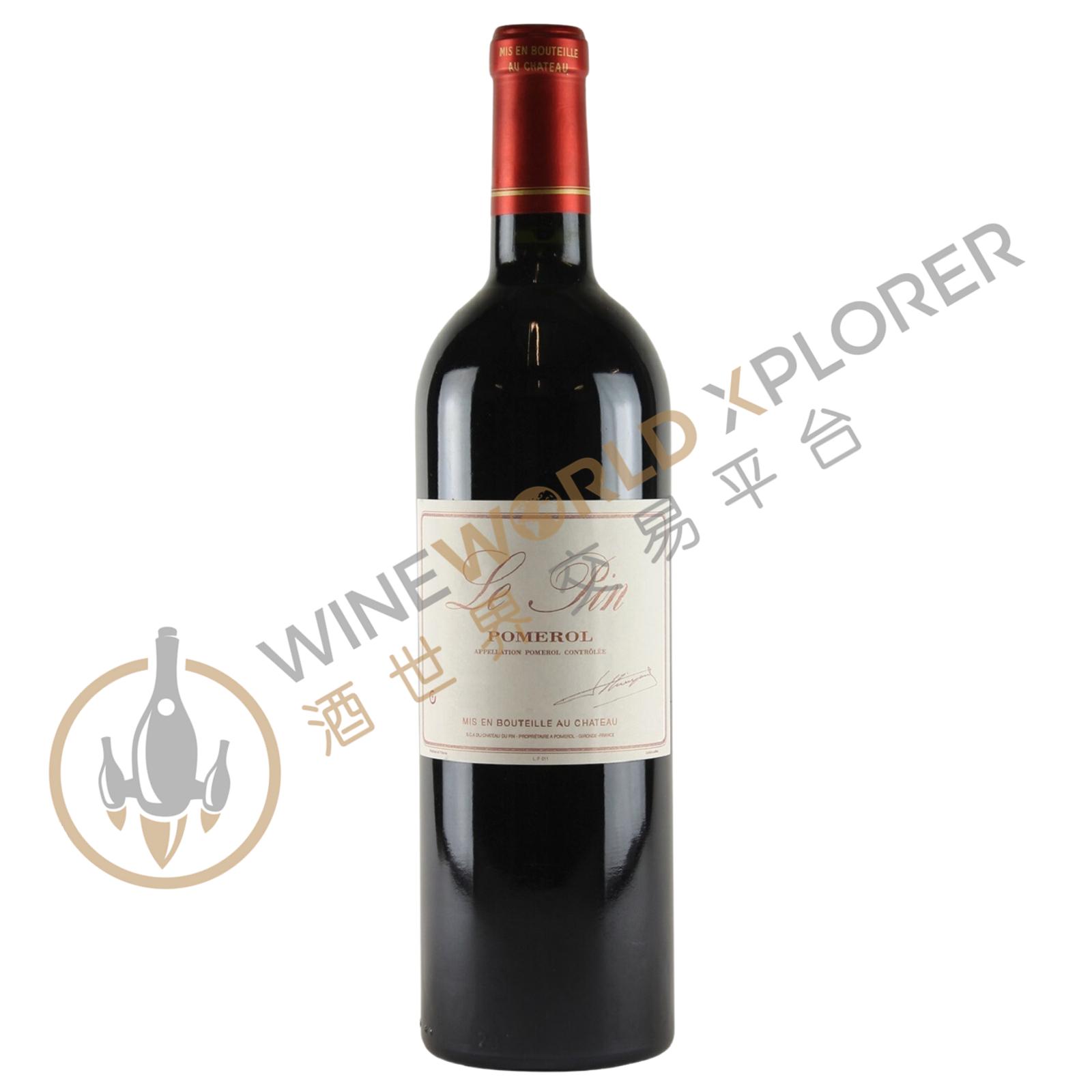
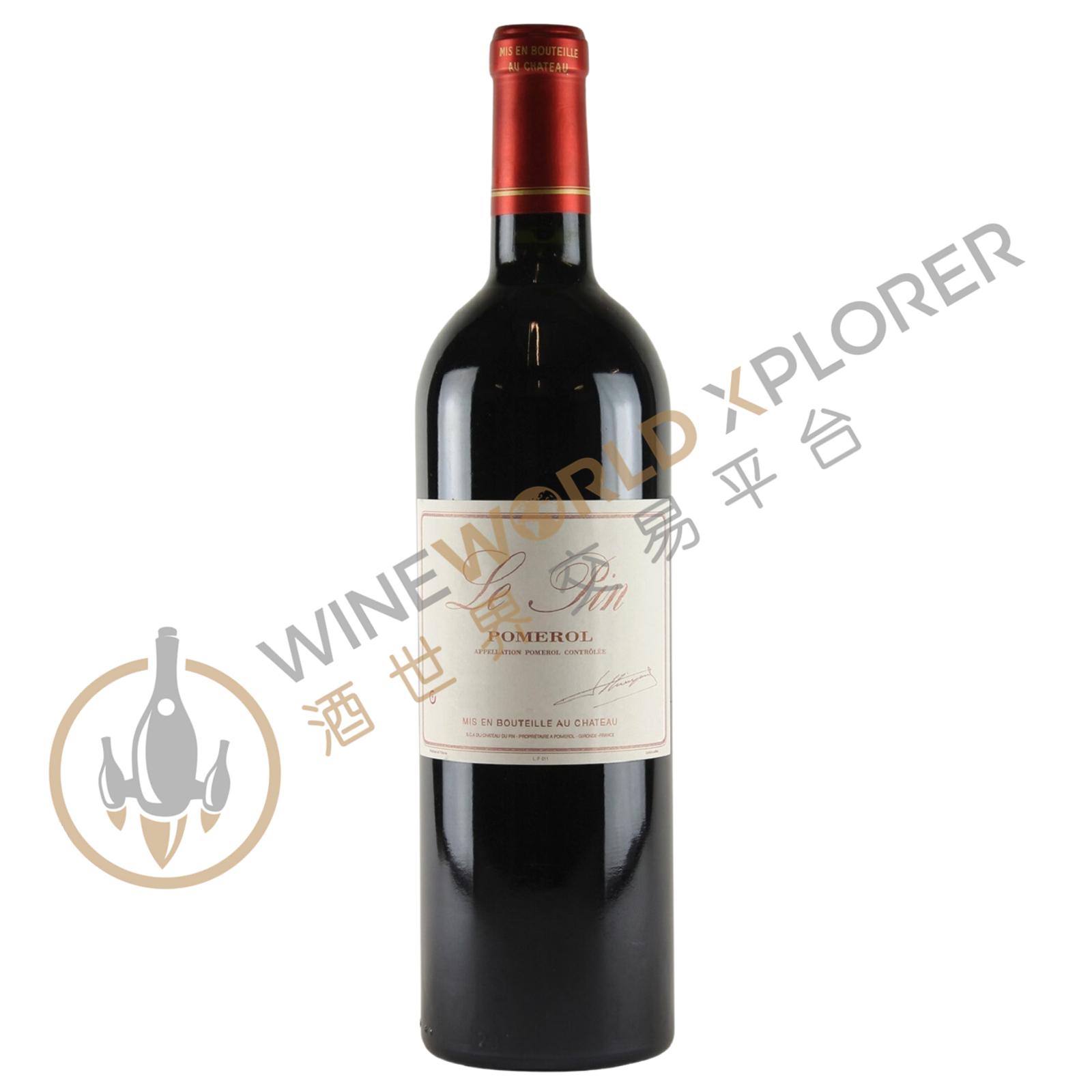
Le Pin 1989
 View analysis
Description
Tasting notes

Reviewed by: Robert M. Parker, Jr.
The 1989 is remarkably drinkable at present, which surely must raise doubts in some circles about its longevity. It may ultimately merit a higher score even though it is already a gloriously hedonistic wine. With dazzling concentration, low acidity, and masses of new oak and fruit, this wine tries to redefine the word decadent. Similar to the 1982, but less tannic and viscous, the 1989 Le Pin should be consumed between now and 2004. Last tasted, 7/93.
Reviewed by: Robert M. Parker, Jr.
Last Tasted 6/92 This wine has put on weight in the last several months. A sweet, smoky, herb, and plum-scented nose is followed by a wine with huge reserves of decadently rich fruit, tons of toasty vanillin flavors from new oak, and a dense, chewy, unctuous mouthfeel. As with most young Le Pins, it is already a delight to drink. Consume it over the next 10-12 years.
Reviewed by: Neal Martin
The Le Pin 1989 is deeper in colour than the 1988 with a sensual melee of macerated black cherries, kirsch, warm bricks and gravel. This is a glorious bouquet, immensely complex and mercurial, offering more Provencal aromas of white fennel and broom with continued aeration. The palate demonstrates superb weight in the mouth - a Pomerol with volume and ambition. But it is the texture that leaves you smitten: cashmere tannins, melted and harmonious, not so much rounded but spherical. This is a three-dimensional Le Pin with so many facets for you to discover and on this occasion, it dares surpass the gargantuan 1990 in terms of its nuance and finesse. This multi-dimensional Le Pin should drink for another 15 to 20 years. Tasted December 2013.
Reviewed by: Robert M. Parker, Jr.
The 1989, which is already drinkable, raising doubts about its longevity, offers a gloriously hedonistic mouthful of wine. With very low acidity, as well as masses of new oak and fruit, this wine defines the word decadent. Drink this yummy wine young. Anticipated maturity: Now-2000.
Reviewed by: Neal Martin
Needed a lot of aeration. Dark chocolate, herbs on an intense, complex Petrus-like nose. Soft suppler sweet tannins with minerally ripe black fruits. Very deep and expressive. Less exuberant than the 1990. This may last longer than the 1990 but now it is still a sulky wine. Very classy and long. Another 5 years. Tasted July 2002.
Reviewed by: Robert M. Parker, Jr.
It is a toss-up as to whether Le Tertre-Roteboeuf, Lafleur, or Le Pin is Bordeaux's most exotic and kinky wine. Le Pin has taken on a mythical reputation, as evidenced by the absurdly stratospheric prices top vintages tend to fetch. There have been some great vintages of this wine, which possesses one of the most dramatic and ostentatious bouquets of any Bordeaux. Additionally, the micro-production of 500-600 cases guarantees a chic rarity that has also helped propel the price to astronomical levels. When it is great (1982, 1983, 1989, 1990, and 1995), Le Pin provides one of the most gloriously hedonistic mouthfuls of wine produced in Bordeaux. Critics of Le Pin feel it is too obvious, too tasty, and perhaps not as long-lived as its near-by neighbors of Petrus, Lafleur, and L'Evangile. Yet my experience suggests Le Pin improves significantly in the bottle. Tasted just before or just after bottling, the wine can often reveal a blatant, aggressive oakiness that dominates the wine's fruit. After 5-6 years of bottle age, the toasty, pain grillee aromas become less aggressive and better-integrated in the wine's personality. This has happened with every vintage to date. With that in mind, I am not surprised by just how splendidly the 1989 and 1990 have turned out. Both wines appeared in the blind tasting in the same series as Petrus, and they were not out-classed. The 1990 Le Pin is a point or two superior to the 1989, but at this level of quality, comparisons are indeed tedious. Both are exceptional vintages, and the scores could easily be reversed at other tastings. The 1989 is slightly tighter, with more noticeable tannin than the softer, lower-acid 1990. Both take flavor intensity and exoticism to the maximum. The huge, coconut, exotic spice, jammy black fruit, sweet, expansive flavors of these two vintages of Le Pin are to die for. The oak in both wines is more well-integrated than it was only a year ago, and thus the wines no longer seem disjointed. At present, the 1990 reveals a more expansive, chewier texture than the more firmly-structured 1989, but both wines are decadently rich, hedonistic, and opulently textured. I realize the pricing of Le Pin (can a top vintage of this wine really be selling at $4000 a bottle?) precludes most rational people from purchasing it, yet forgetting the hoopla and surreal pricing, these are great wines that are capable of two decades of cellaring. I would opt to drink them earlier rather than later. The 1989 should be drunk over the next 12-20 years.
Reviewed by: Robert M. Parker, Jr.
Pomerol and Bordeaux's most exotic and flamboyant wine is already remarkably drinkable, which surely raises doubts about its longevity. The 1989 offers a gloriously hedonistic mouthful of wine, but it is not nearly as concentrated as previous efforts (i.e., 1982, 1983, 1985, and 1986). With very low acidity, as well as masses of new oak and fruit, this wine tries to redefine the word decadent. It is similar to the 1985, but less rich. As a side note, opened bottles of the 1989 Le Pin oxidized within 8 hours, not an encouraging sign with respect to its potential for longevity. Drink this yummy wine young. Anticipated maturity: Now-2000. Tasted six times. Inconsistent notes.
Reviewed by: Robert M. Parker, Jr.
A slightly firmer, more structured wine than the 1990, with similarly low acid but more noticeable tannin, the color remains a very healthy saturated ruby/purple. The nose needs more coaxing and offers up noted of coconut, roasted herbs, jus du viande, along with plenty of black currant and sweet cherry fruit with nicely integrated toasty oak. The wine has similarly high levels of glycerin to the 1990, but less accessibility, and more structure and possibly power. This is a remarkable wine, and certainly one of the great vintages for Le Pin. Anticipated maturity: 2005-2022. Last tasted, 12/01.
Reviewed by: Robert M. Parker, Jr.
The 1989's dark ruby/purple color may have slightly more saturation than the 1990. The wine reveals a sweet, roasted herb, coconut, and jammy black currant-scented nose with plenty of smoky new oak. Full-bodied, with massive concentration, huge layers of glycerin, and more noticeable tannin than is found in the 1990, this is a fabulous and fascinating wine, as well as one of extraordinary singularity. It is unquestionably a compelling wine. But is it worth the $4000-$6000 a bottle that top vintages of Le Pin were fetching at auctions in late 1997? Anticipated maturity: 1999-2012. Last tasted 12/96
Reviewed by: Neal Martin
Tasted at Bipin Desai’s Le Pin vertical in Los Angeles. What a fabulous Pomerol this is! A markedly different bouquet to the Le Pin ’90, with notes of melted dark chocolate, macerated black cherries, mulberry, Medjool dates and with time, cloves. It seems to gain intensity in the glass. Conversely the full-bodied palate displays more restraint than the ’90, good acidity and fine tannins, vibrant and beautifully poised with a citrus seam running from start to finish. It comes across as less exotic and ostentatious than the ’90, but it remains a svelte, seductive wine that is relishing its peak. If it were a actress, it would be prime Jane Russell. 710 cases produced. Drink now-2018. Tasted November 2008.
Reviewed by: Robert M. Parker, Jr.
It is a toss-up as to whether Le Tertre-Roteboeuf, Lafleur, or Le Pin is Bordeaux's most exotic and kinky wine. Le Pin has taken on a mythical reputation, as evidenced by the absurdly stratospheric prices top vintages tend to fetch. There have been some great vintages of this wine, which possesses one of the most dramatic and ostentatious bouquets of any Bordeaux. Additionally, the micro-production of 500-600 cases guarantees a chic rarity that has also helped propel the price to astronomical levels. When it is great (1982, 1983, 1989, 1990, and 1995), Le Pin provides one of the most gloriously hedonistic mouthfuls of wine produced in Bordeaux. Critics of Le Pin feel it is too obvious, too tasty, and perhaps not as long-lived as its near-by neighbors of Petrus, Lafleur, and L'Evangile. Yet my experience suggests Le Pin improves significantly in the bottle. Tasted just before or just after bottling, the wine can often reveal a blatant, aggressive oakiness that dominates the wine's fruit. After 5-6 years of bottle age, the toasty, pain grillee aromas become less aggressive and better-integrated in the wine's personality. This has happened with every vintage to date. With that in mind, I am not surprised by just how splendidly the 1989 and 1990 have turned out. Both wines appeared in the blind tasting in the same series as Petrus, and they were not out-classed. The 1990 Le Pin is a point or two superior to the 1989, but at this level of quality, comparisons are indeed tedious. Both are exceptional vintages, and the scores could easily be reversed at other tastings. The 1989 is slightly tighter, with more noticeable tannin than the softer, lower-acid 1990. Both take flavor intensity and exoticism to the maximum. The huge, coconut, exotic spice, jammy black fruit, sweet, expansive flavors of these two vintages of Le Pin are to die for. The oak in both wines is more well-integrated than it was only a year ago, and thus the wines no longer seem disjointed. At present, the 1990 reveals a more expansive, chewier texture than the more firmly-structured 1989, but both wines are decadently rich, hedonistic, and opulently textured. I realize the pricing of Le Pin (can a top vintage of this wine really be selling at $4000 a bottle?) precludes most rational people from purchasing it, yet forgetting the hoopla and surreal pricing, these are great wines that are capable of two decades of cellaring. I would opt to drink them earlier rather than later. The 1989 should be drunk over the next 12-20 years.
Reviewed by: Neal Martin
Tasted at the Pomerol Comparative Exploration tasting in London, the 1989 Le Pin has always been a sensual wine, not as exotic as the 1982, perhaps a bit more "grown up". Here it has a luxuriant bouquet of black cherries, crème de cassis, terracotta tiles and clove. There is a patina of warmth still emanating from that warm summer. The palate is velvety smooth, voluptuous and decadent yet the acidity keeps everything in check. I noticed a wild mint note that I have not seen on previous bottles, building in the mouth towards a multi-faceted, caressing finish, like a loved one begging you not to leave. It is simply ridiculously pleasurable from start to finish.
About the Producer
Le Pin is the most expensive wine in the world. Jacques Thienpont purchased the meagre 1.6 hectares of land for one million francs in 1979. The Thienpoints named their wine Le Pin after a solitary pine tree that shaded the property. By acquiring tiny adjoining plots of land, Jacques has doubled the size of Le Pin to five acres. The south-facing vineyard on a well-drained slope of gravel and sand is planted with Merlot (about 92%), and a small amount of Cabernet Franc. Le Pin's soil is a mixture of gravel and clay with a little sand and is exceptionally low yielding (between 30 to 35 hl/hc). The grapes are hand-harvested and are fermented in stainless steel before being matured in`200%` new oak barriques for between 14 and 18 months. Dany Rolland, wife of cult-oenologist Michel Rolland, is a consultant here. Le Pin produces just 600 to 700 cases each year (Lafite Rothschild produces approximately 29,000 cases of wine a year and and Pétrus about 4,000) and its rarity is one of the driving forces behind its high prices. Le Pin produces super-concentrated, decadent, lush and lavishly oaked wines - they can be drunk young but are best with 7-10 years of bottle ageing.
1985(1)1986(1)1988(2)
Package Size