Wine Advisor



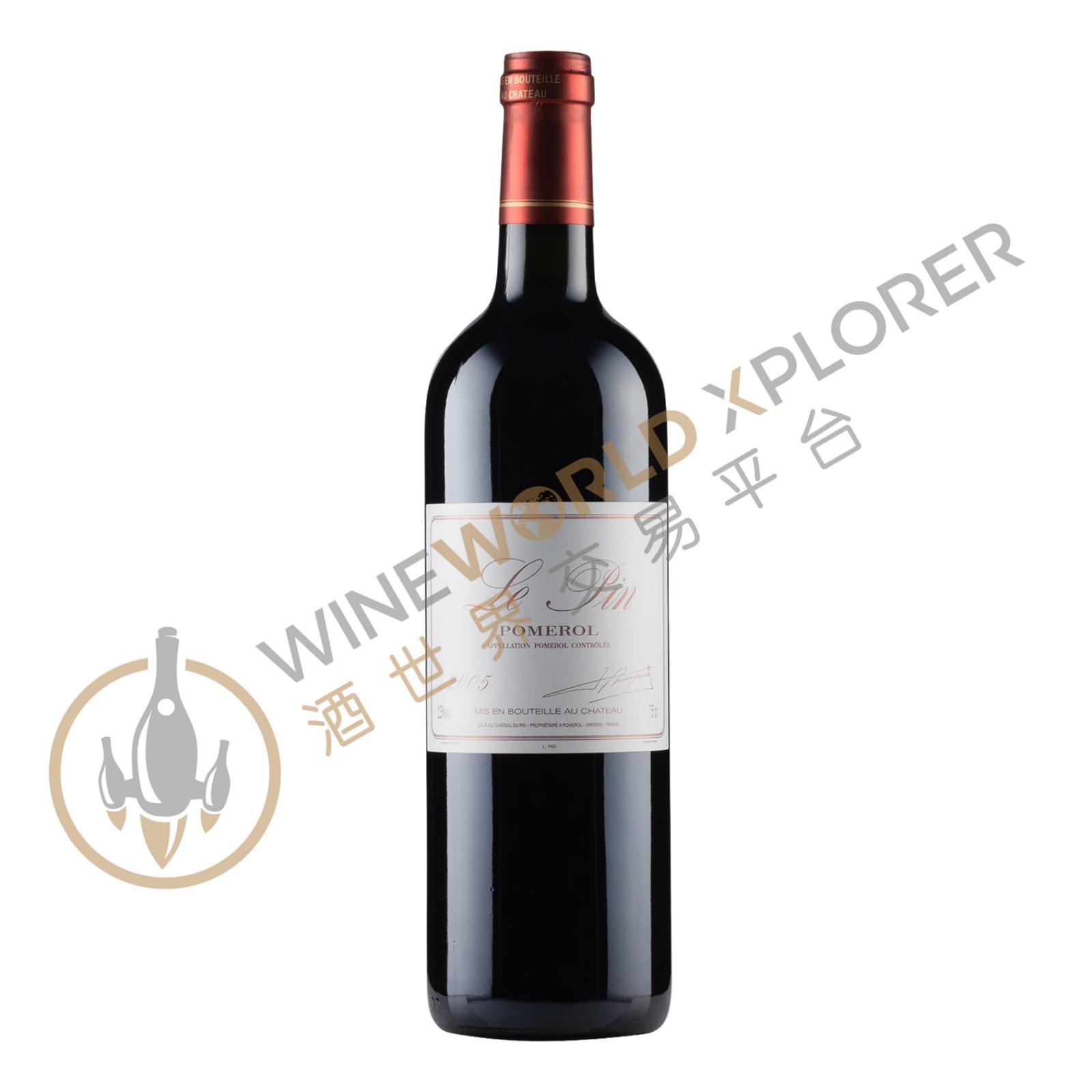
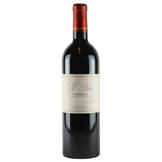
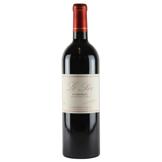
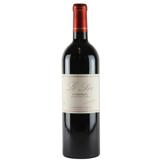
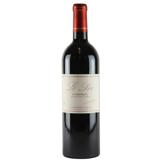
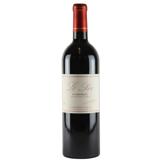
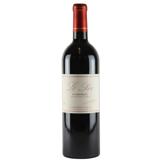
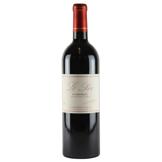
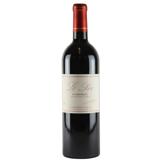
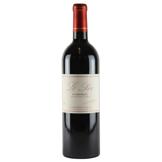
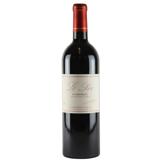
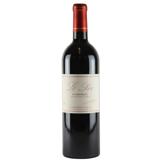
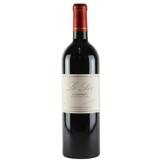
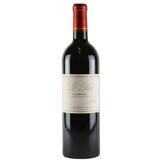
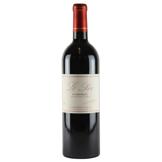
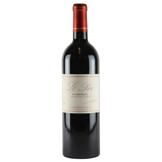
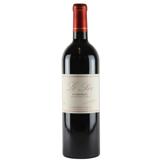
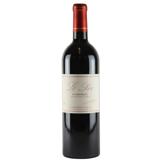
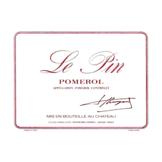
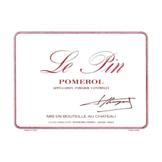
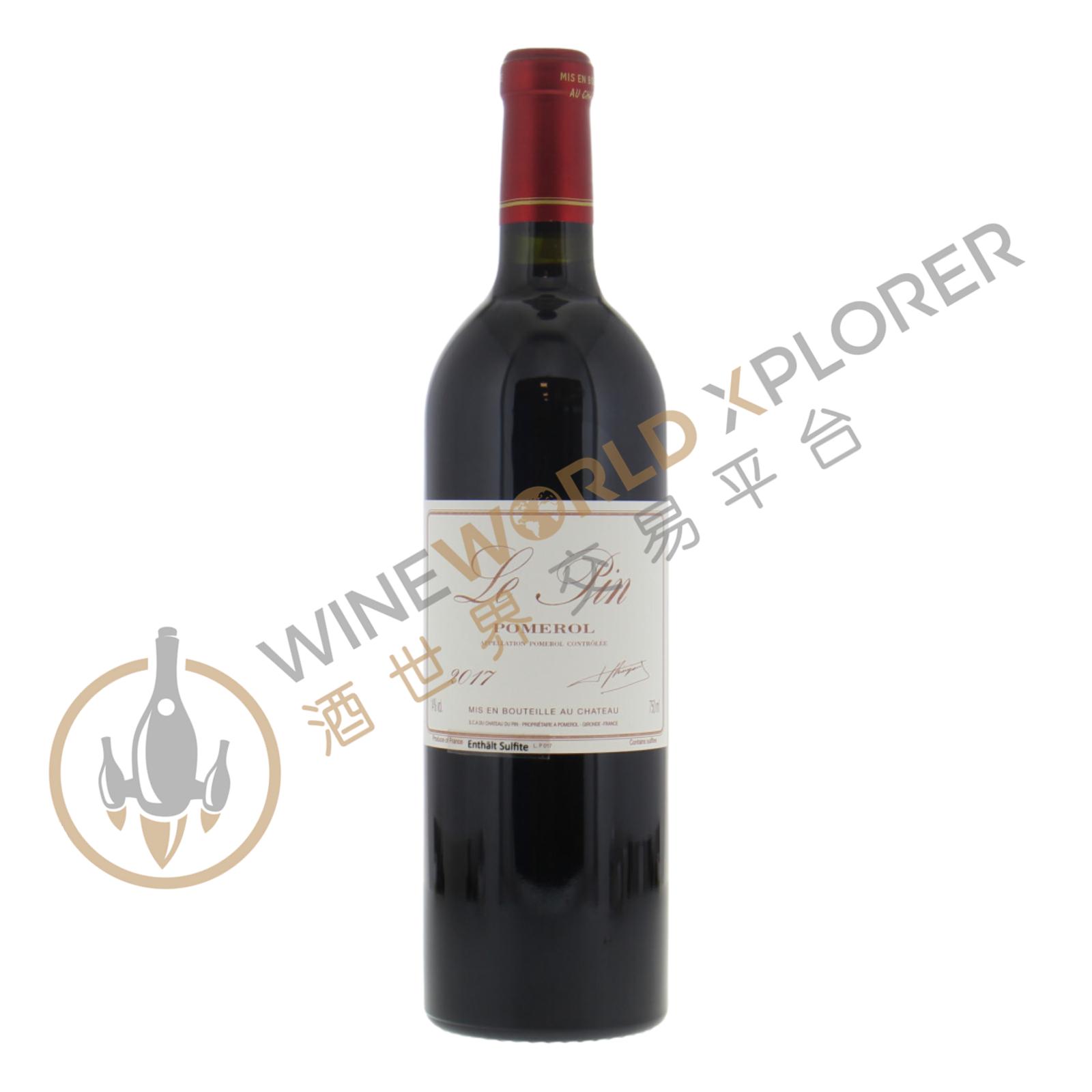
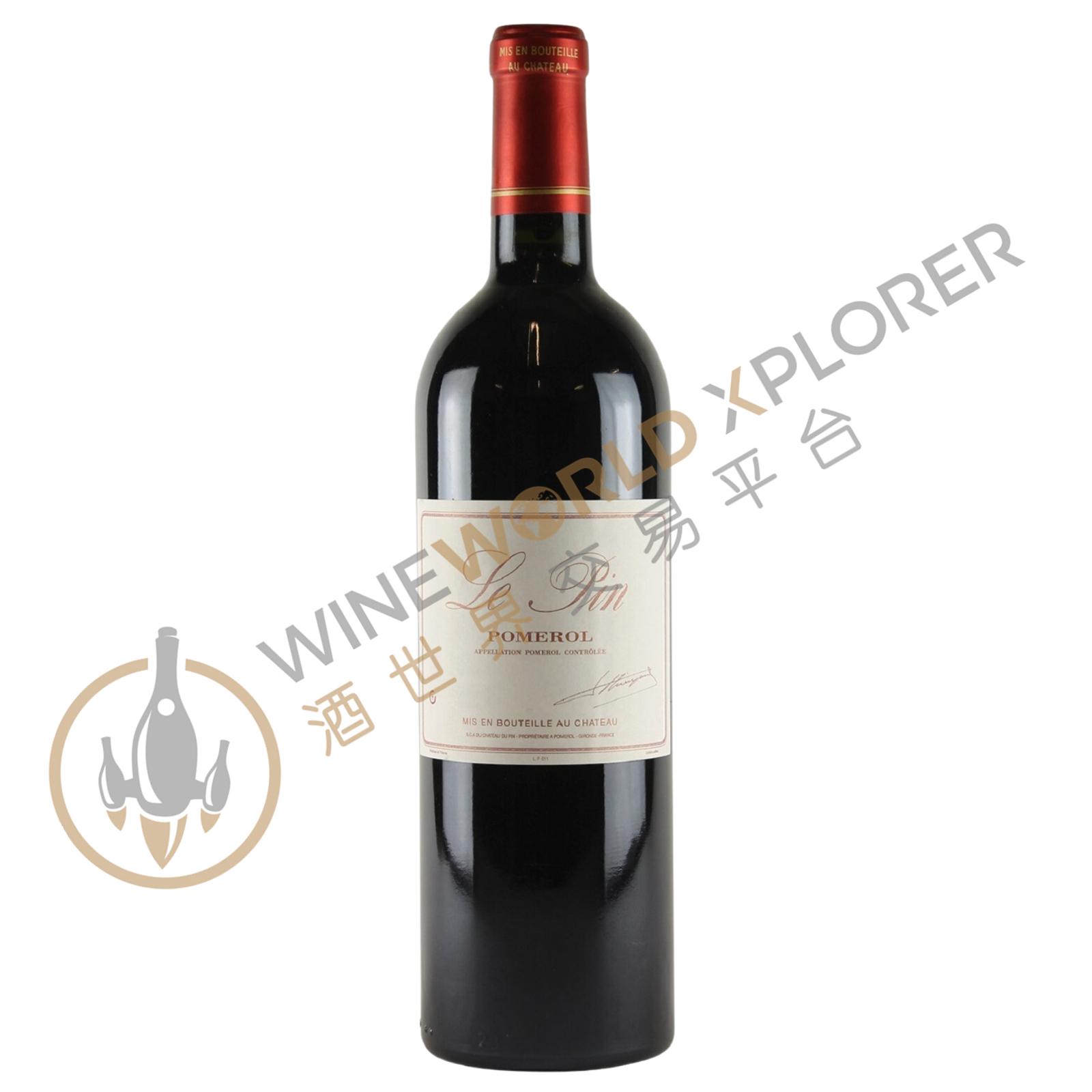
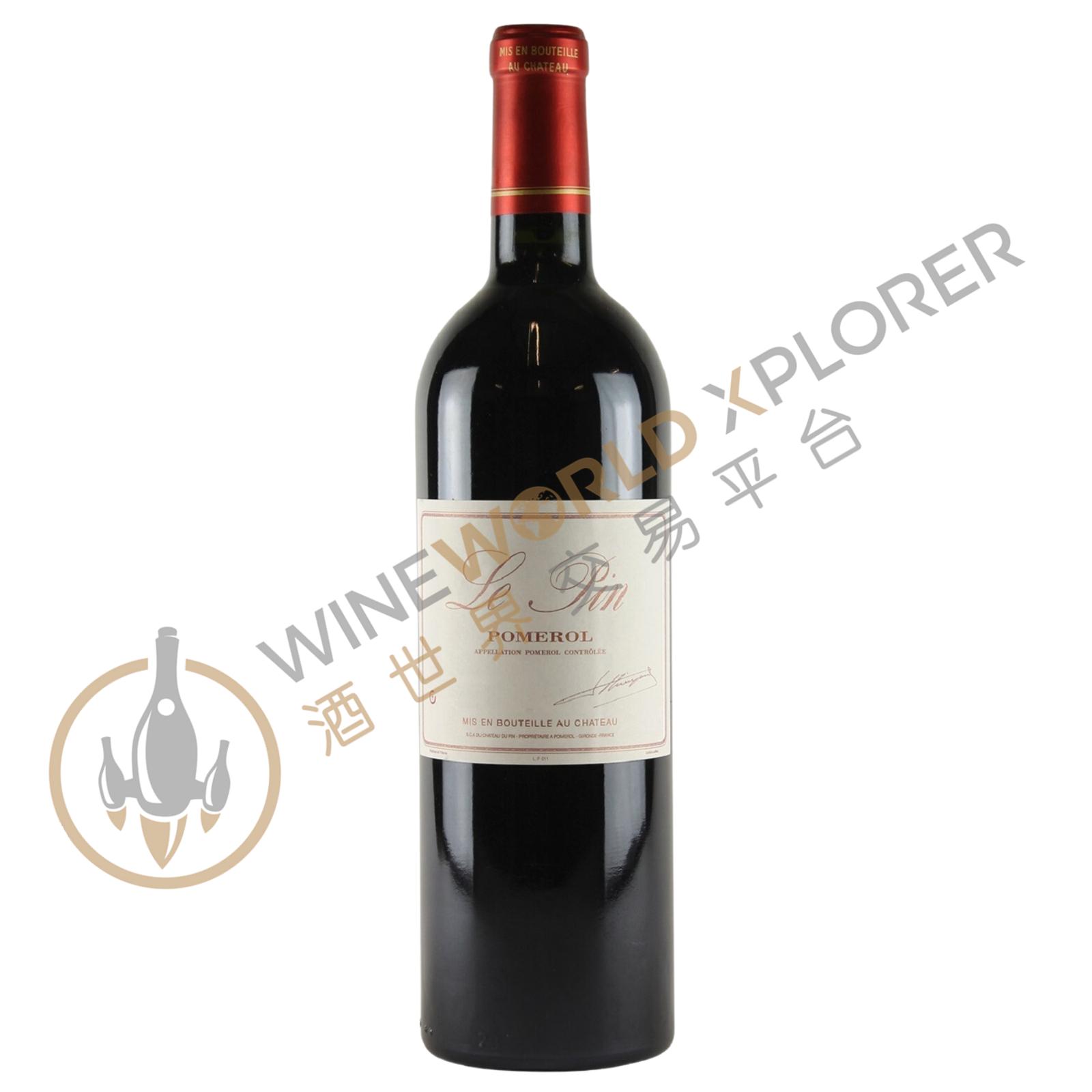
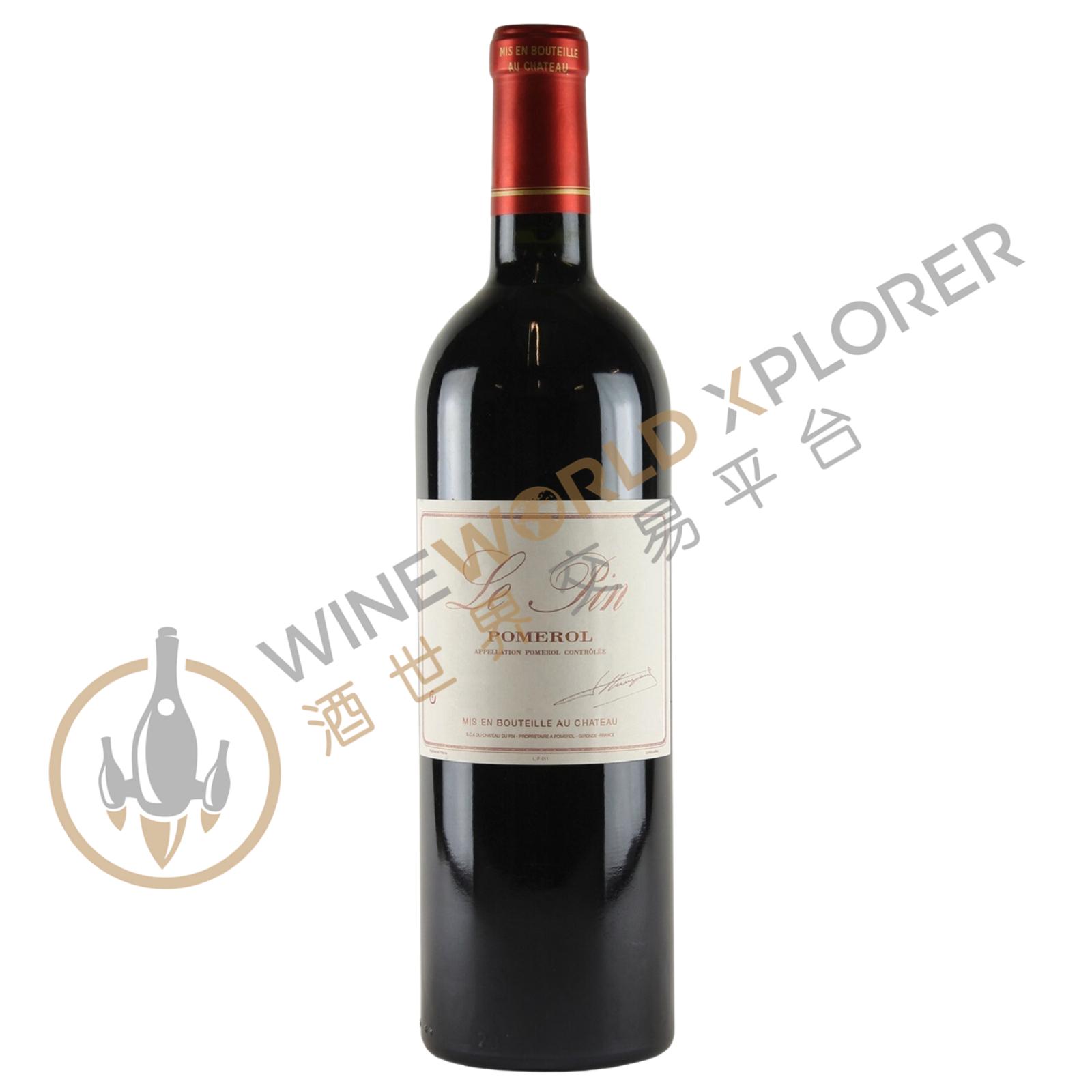
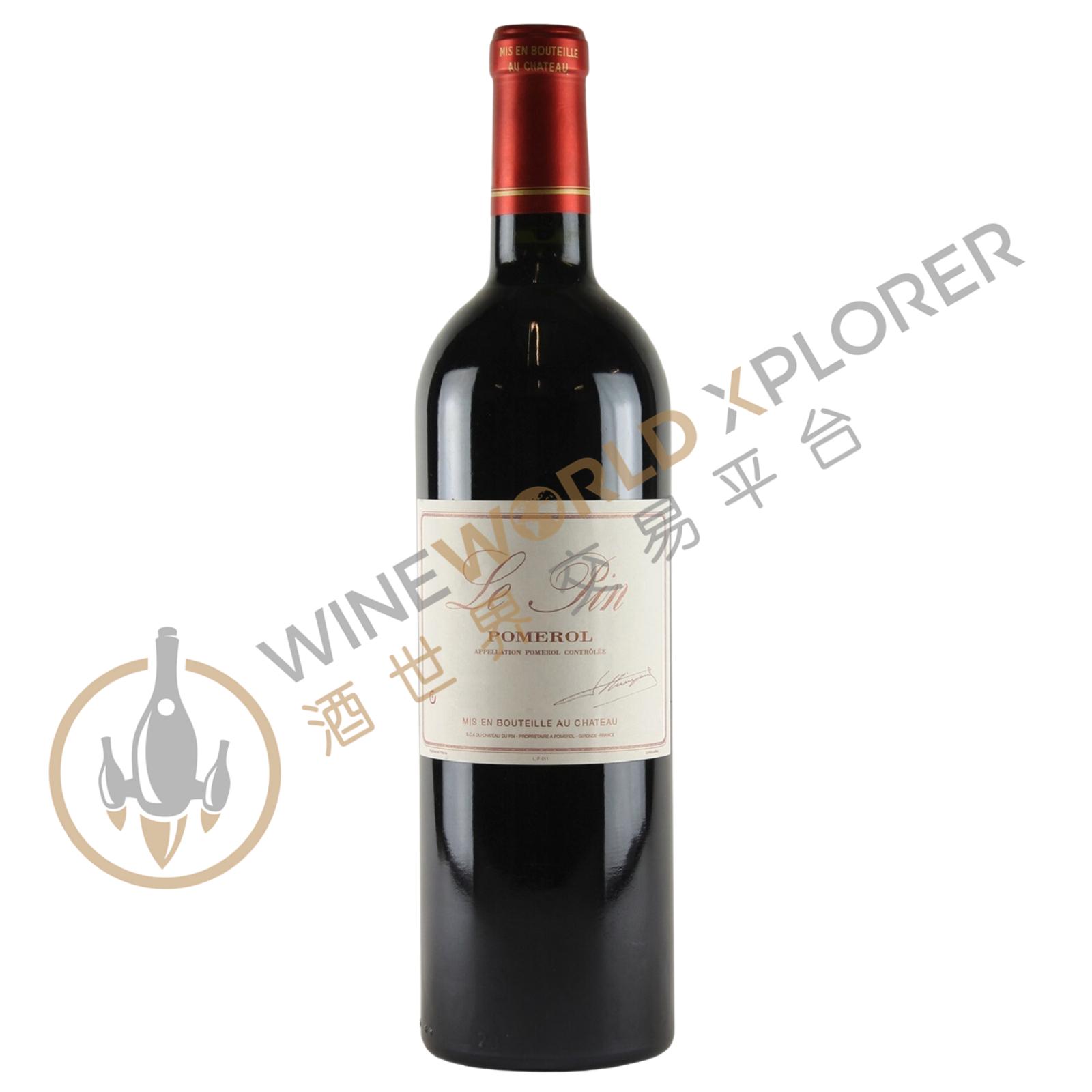
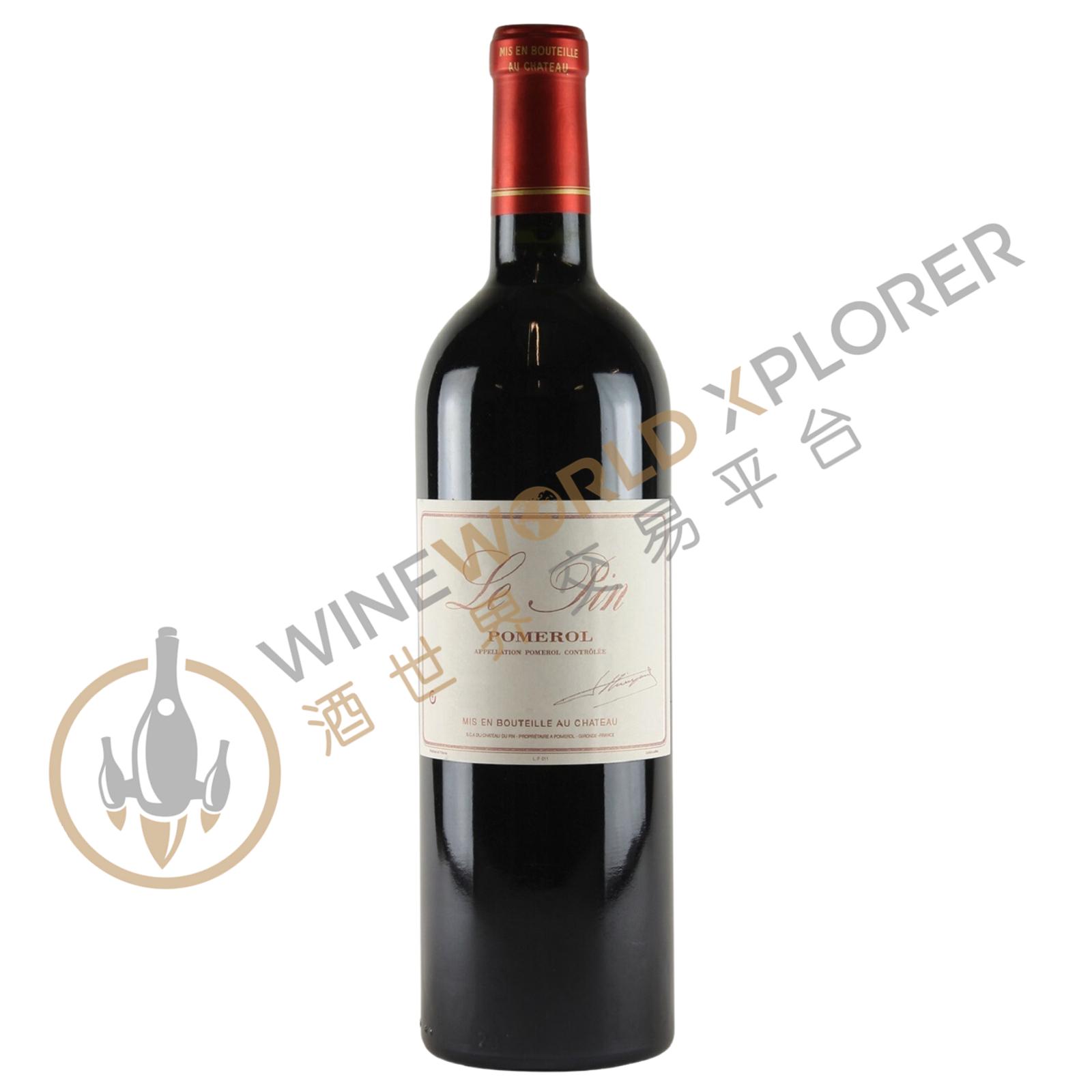
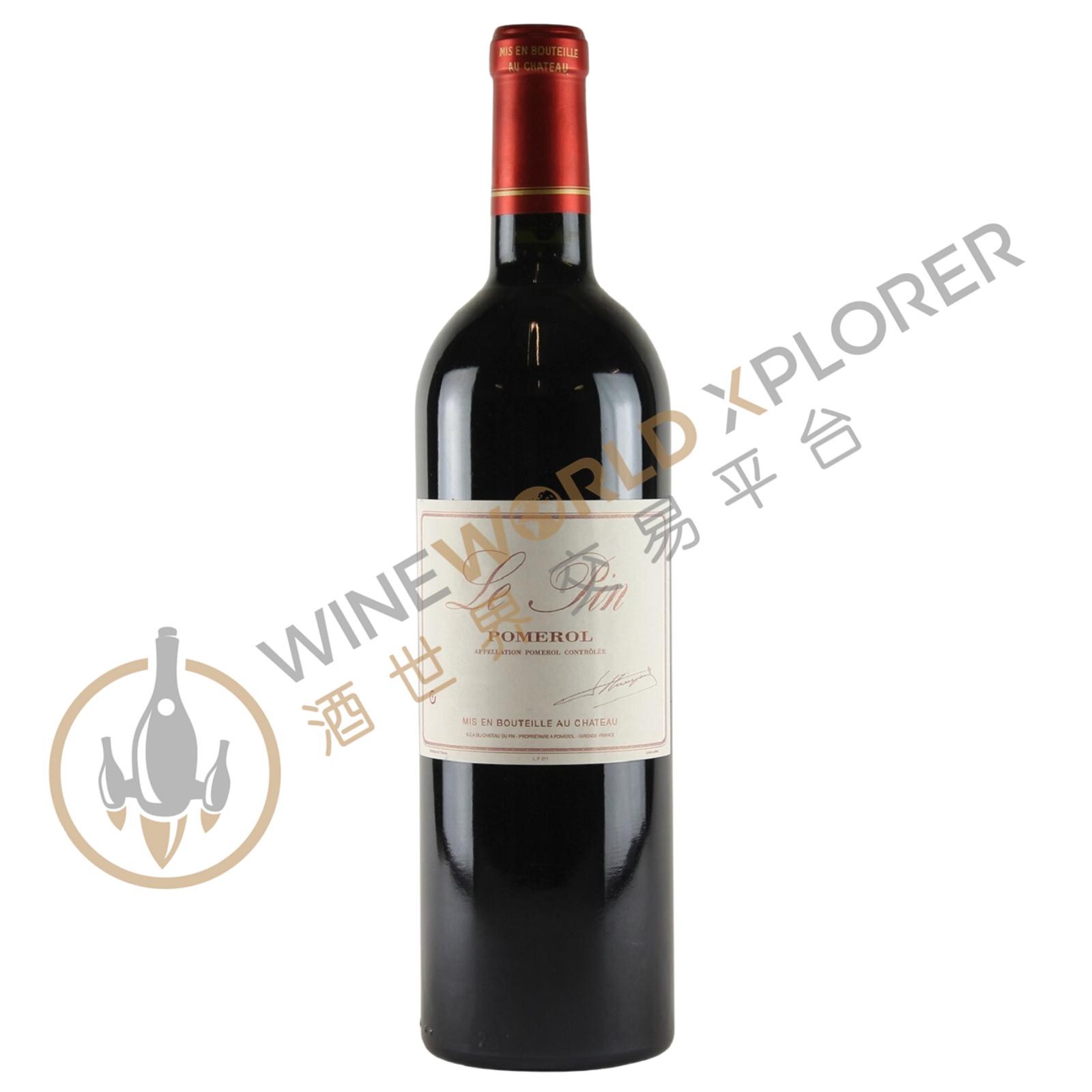
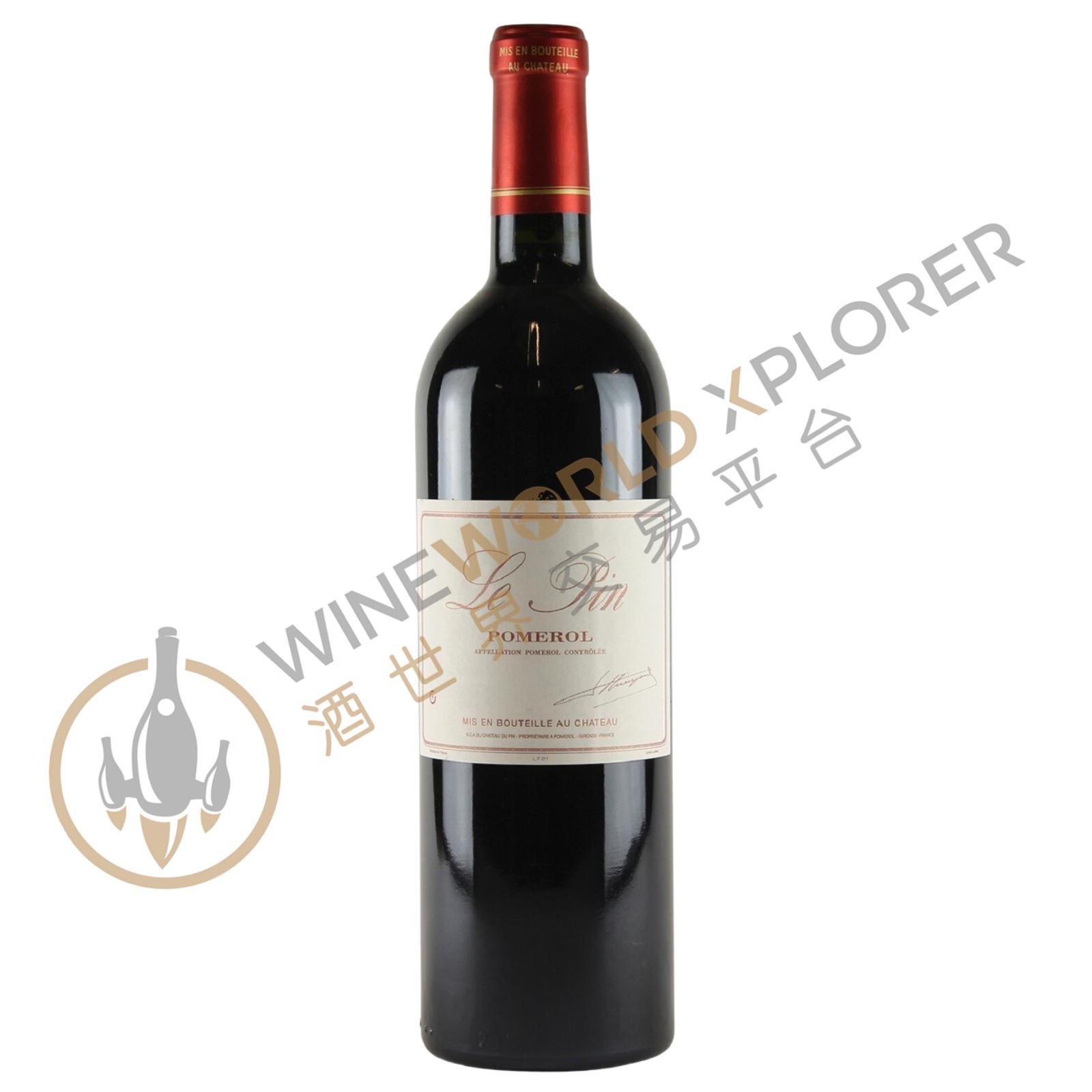
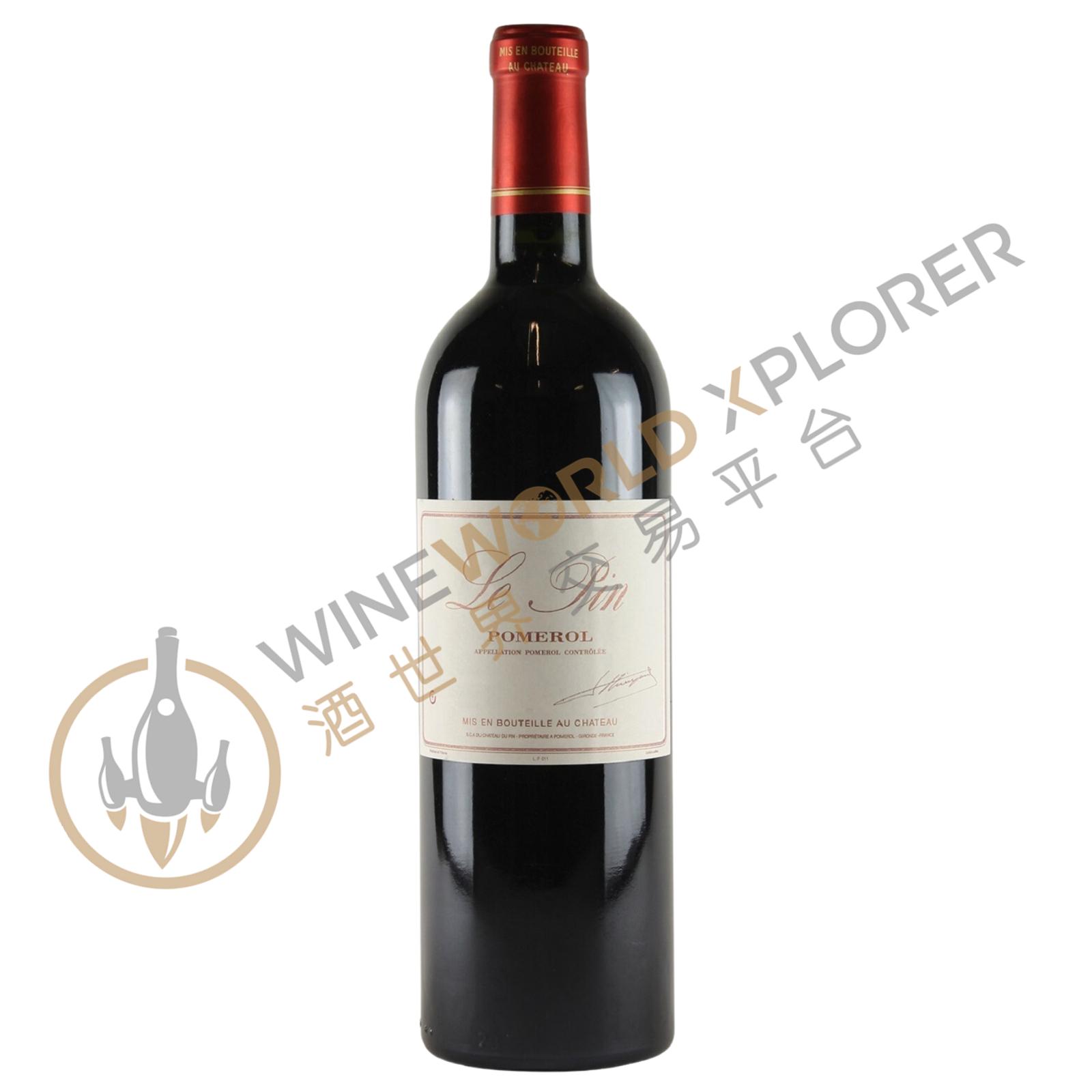
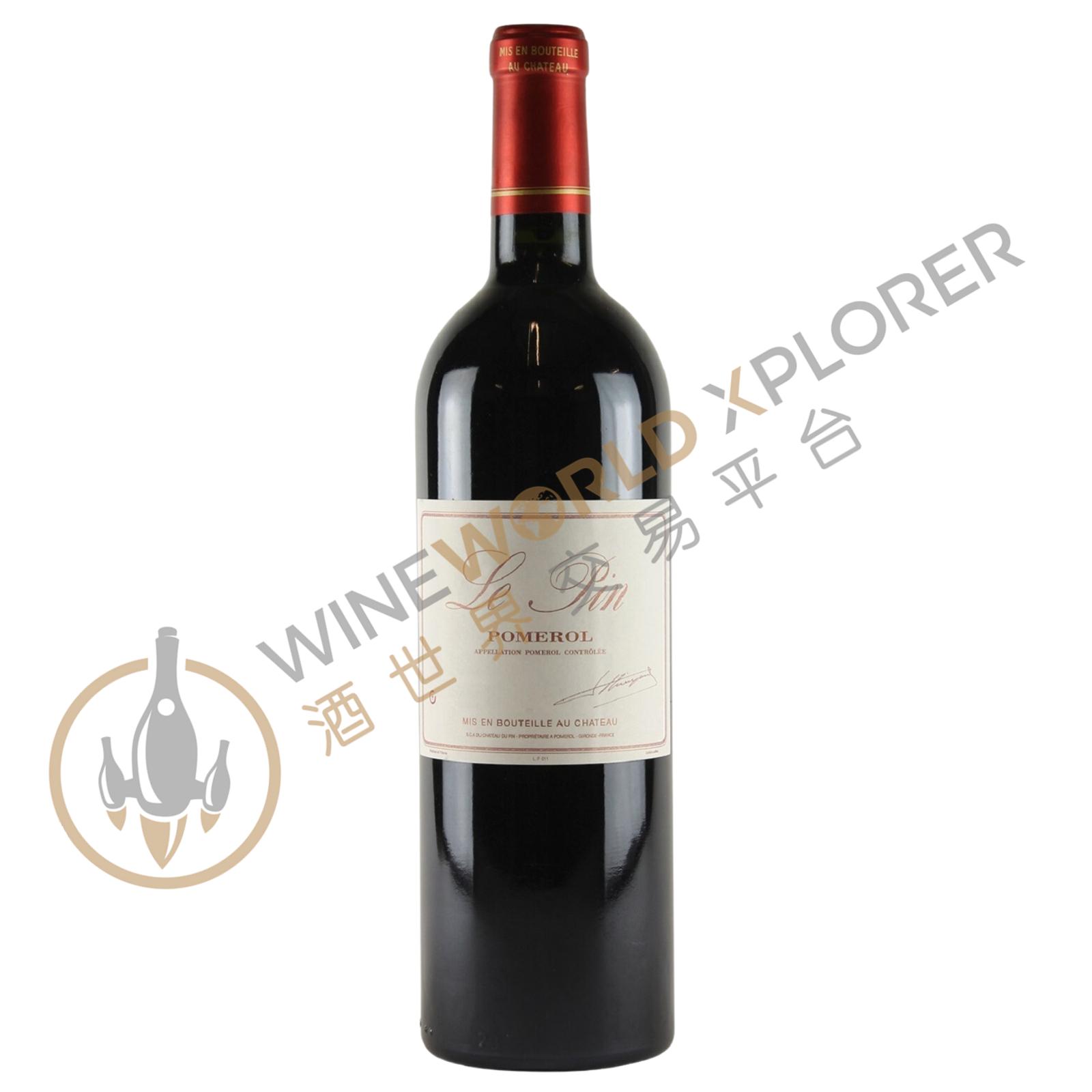
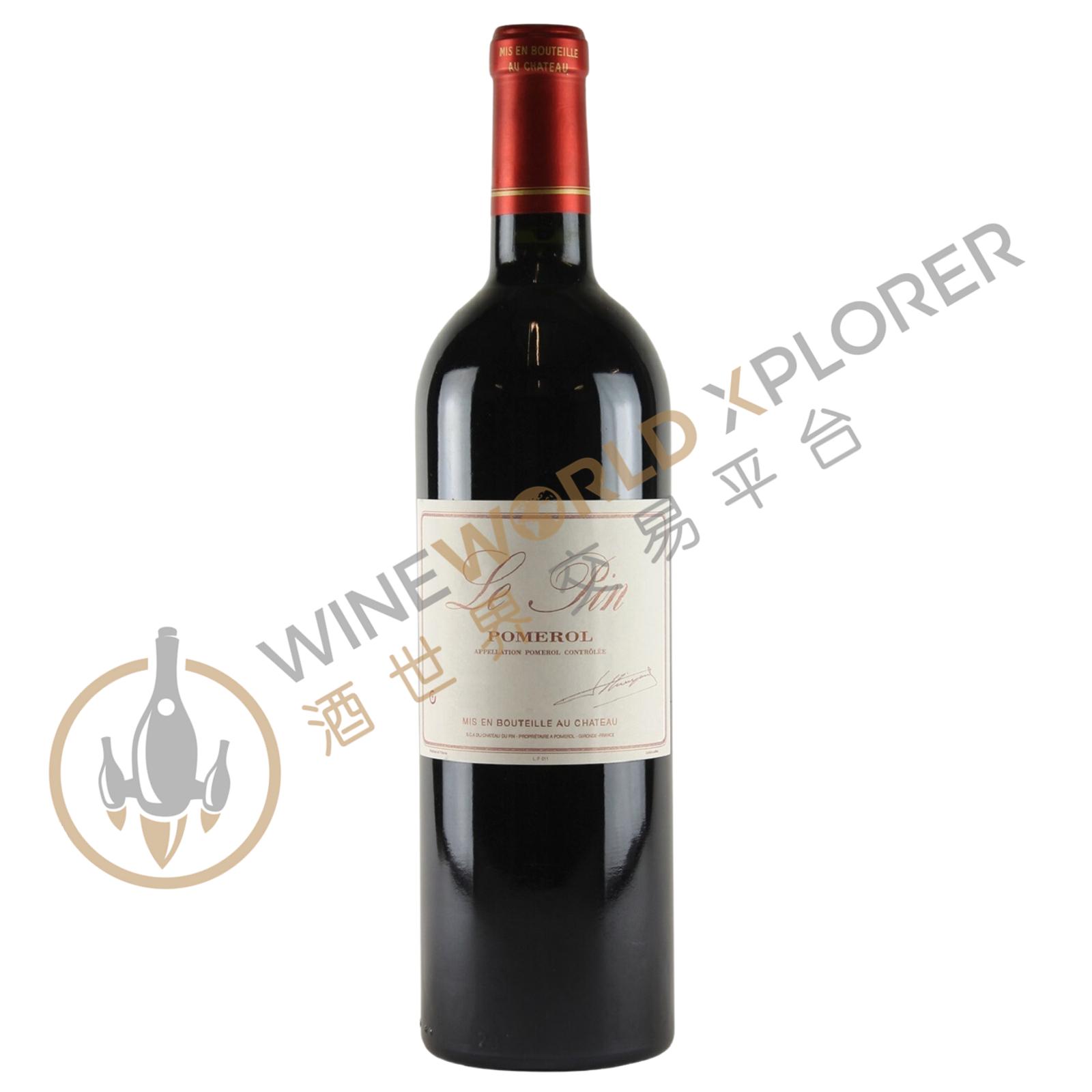
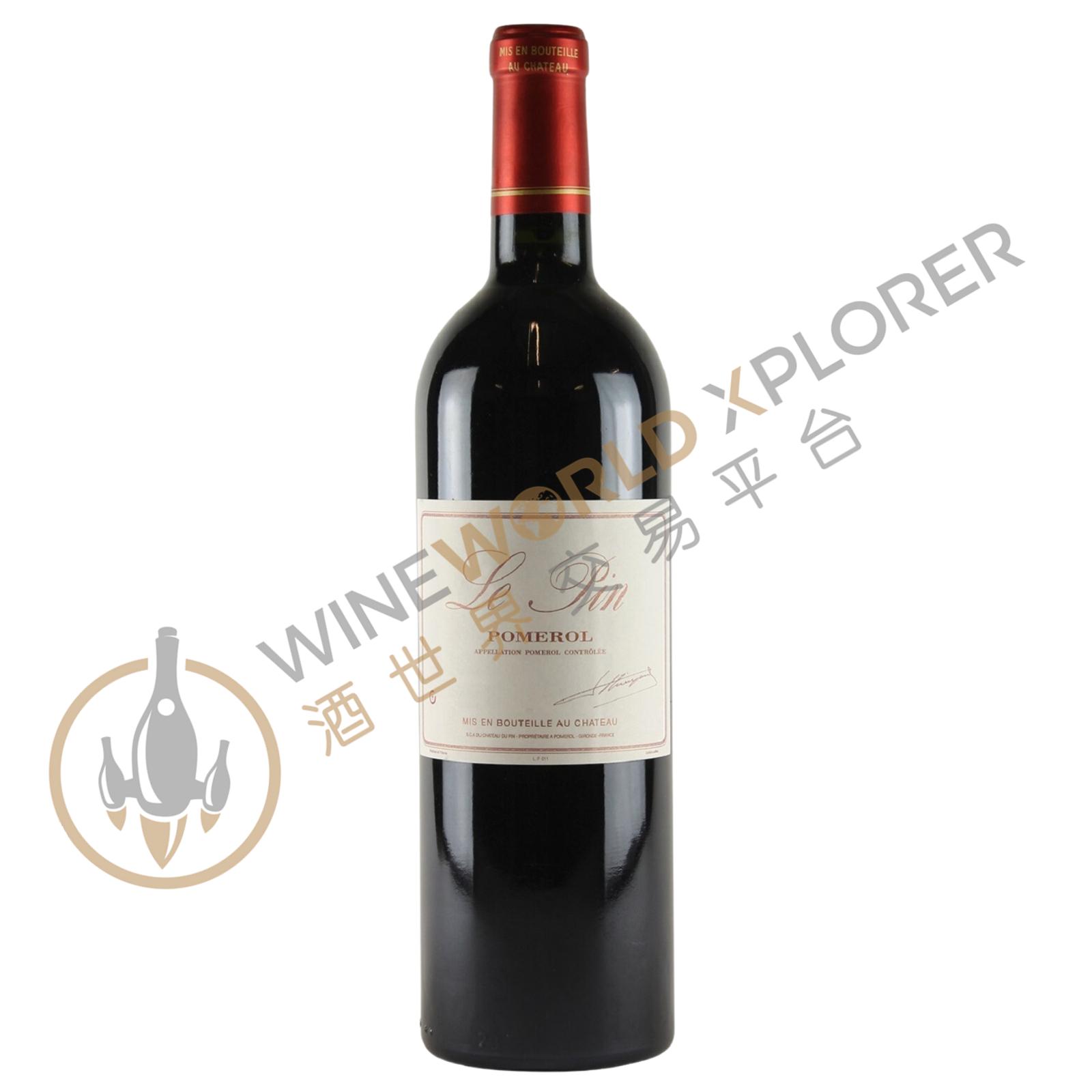
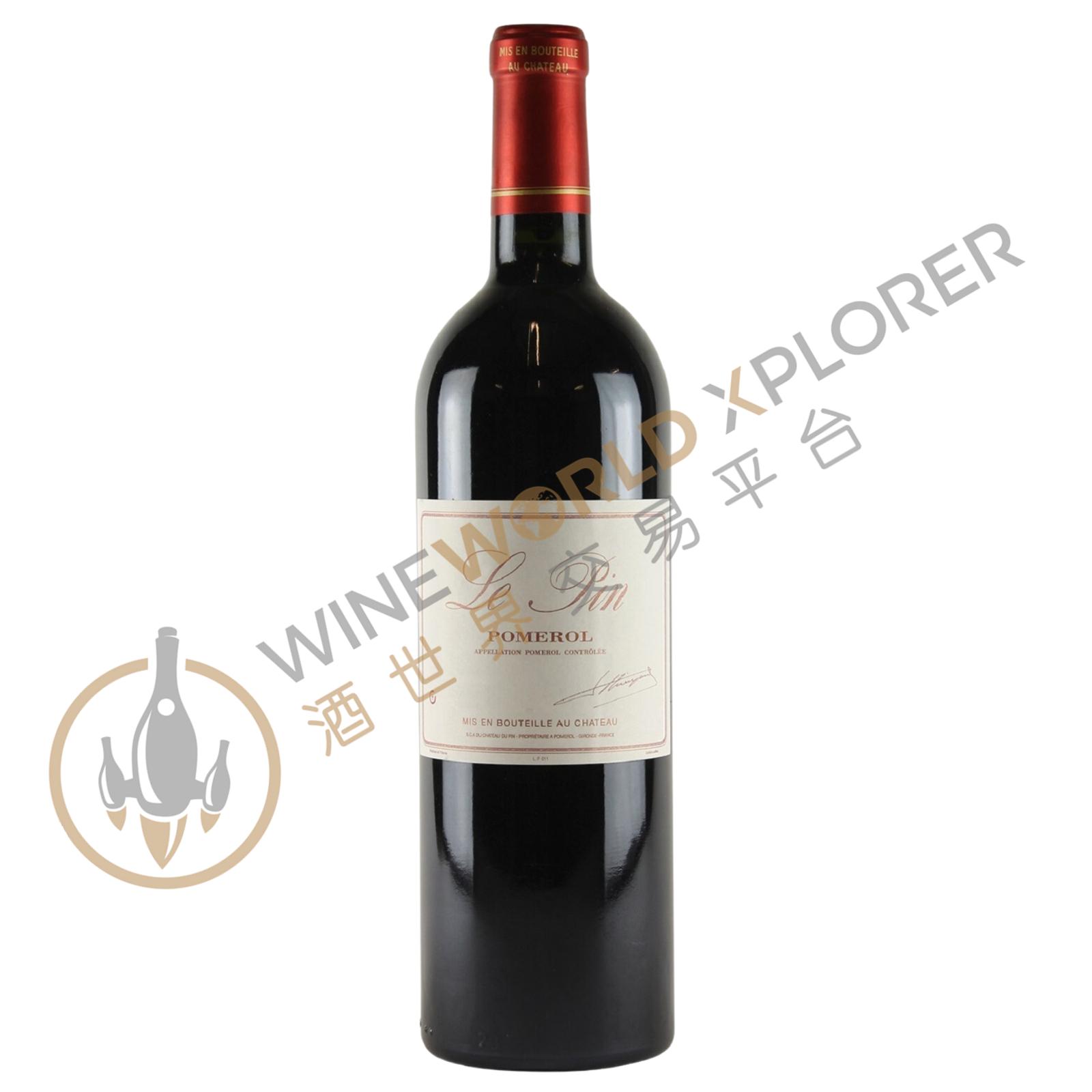
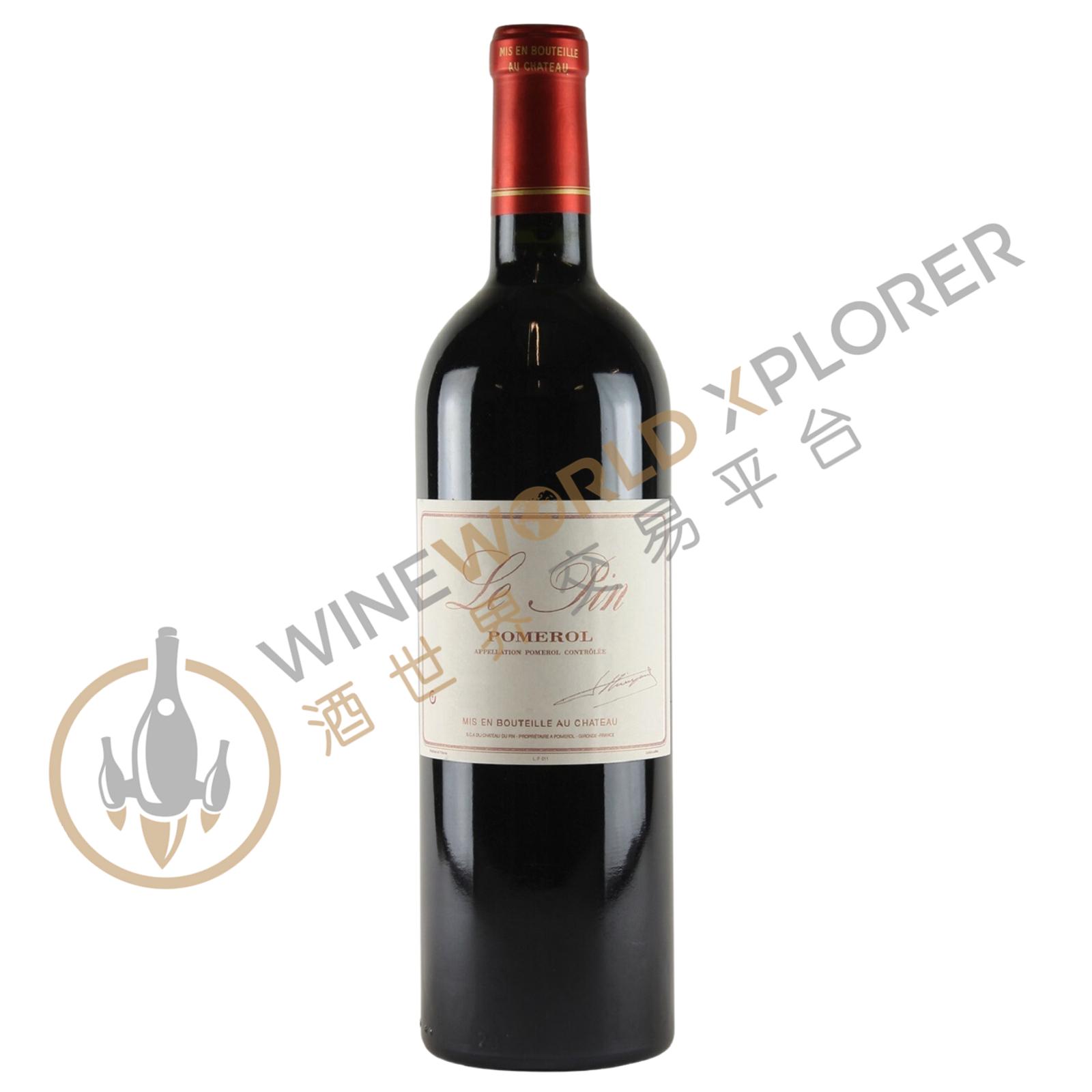
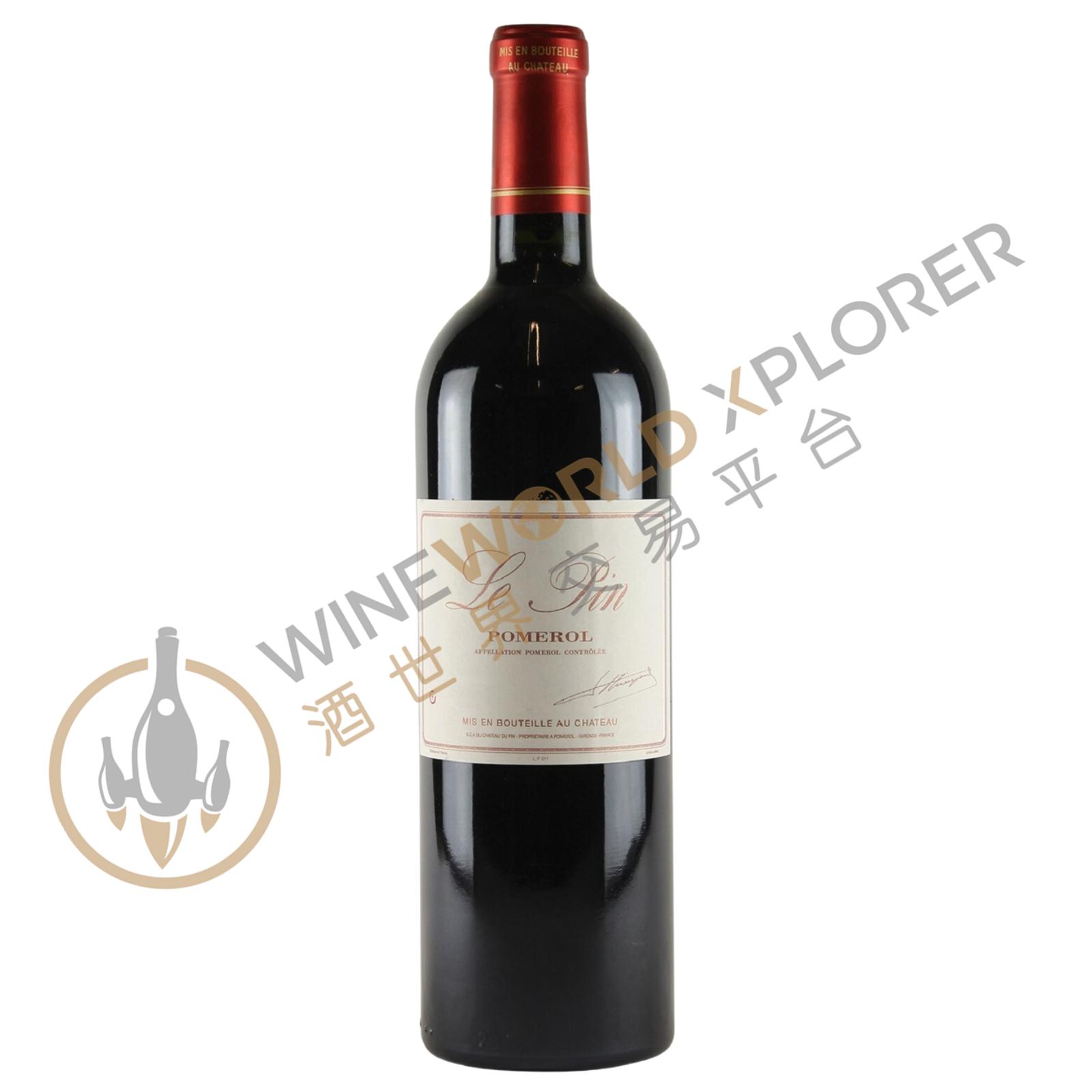
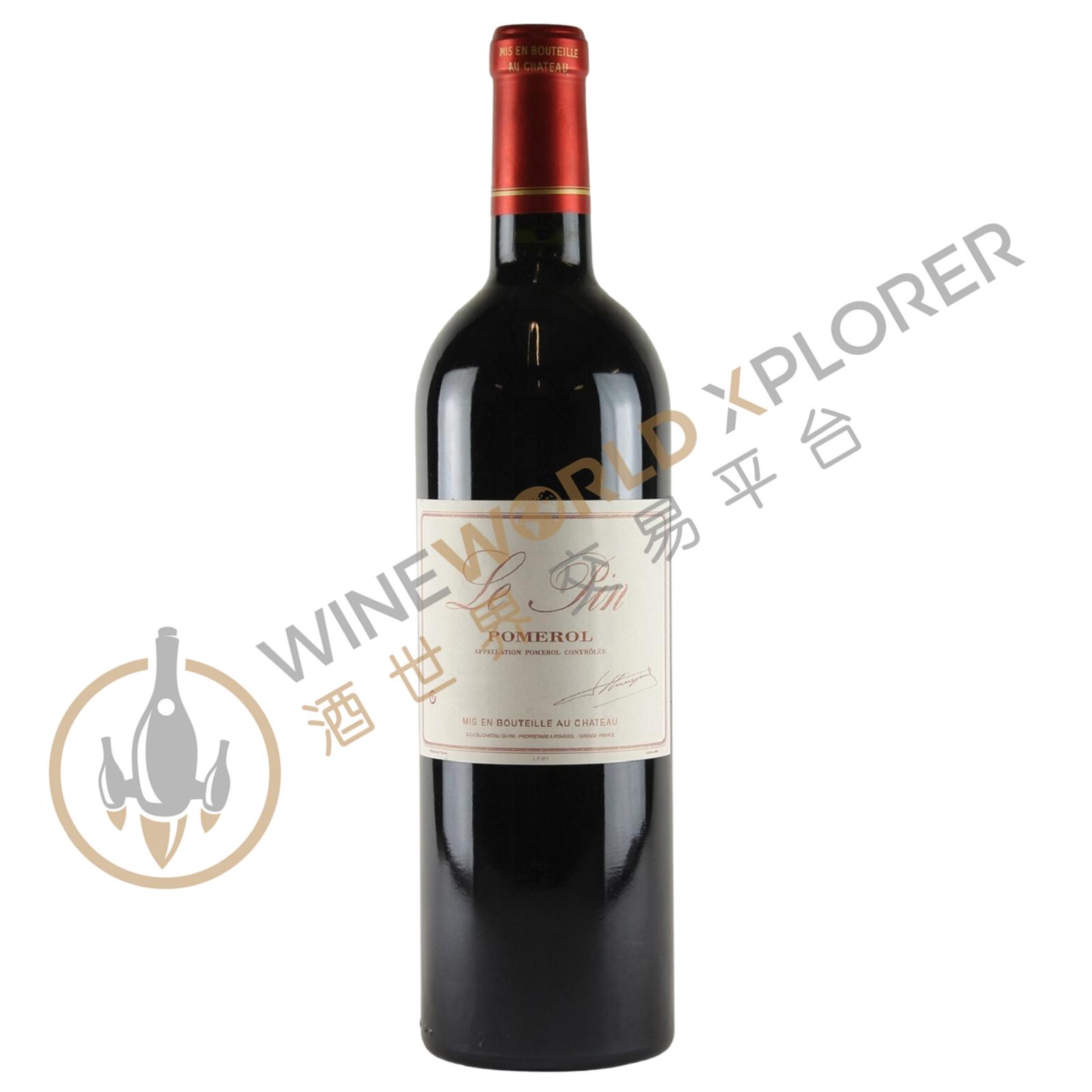
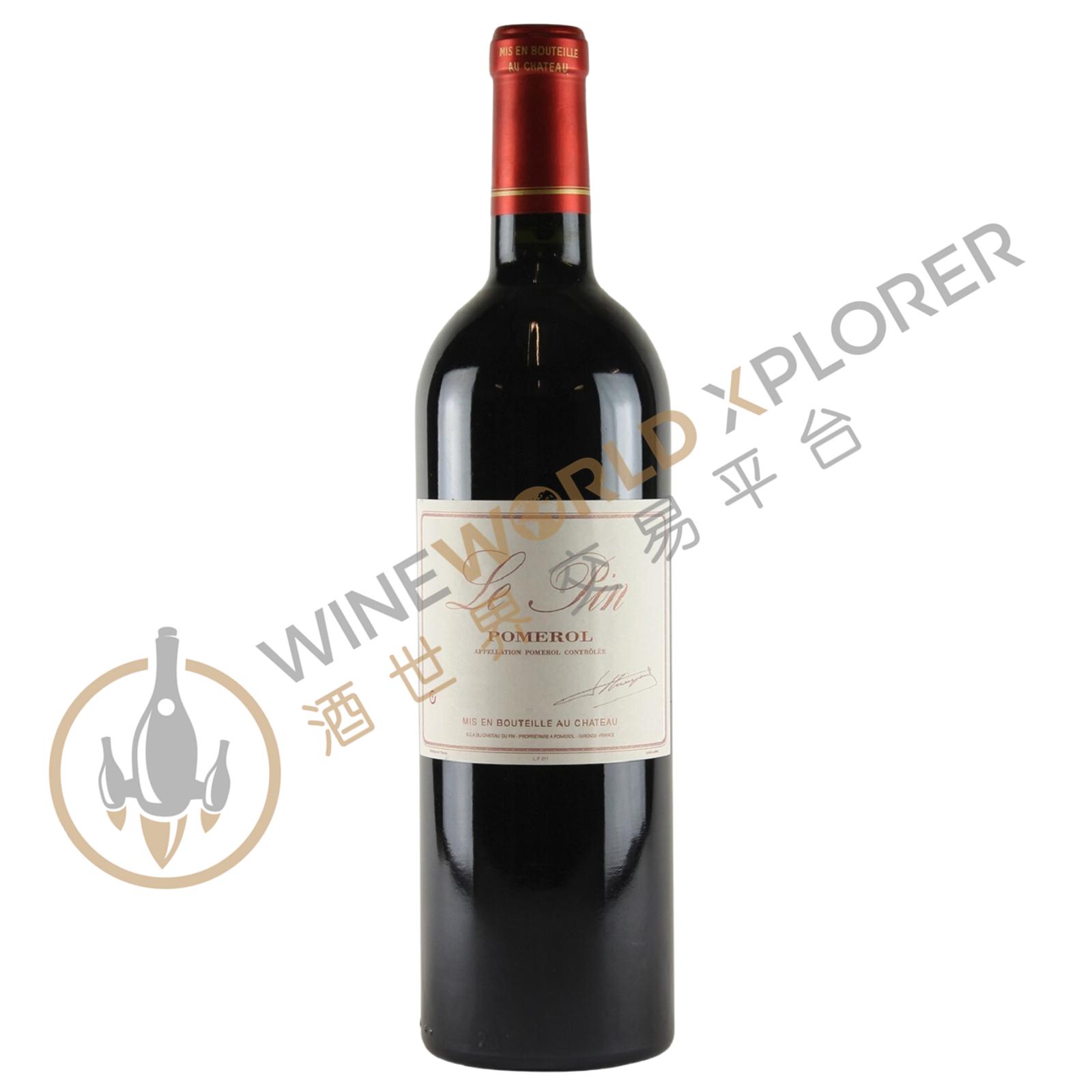
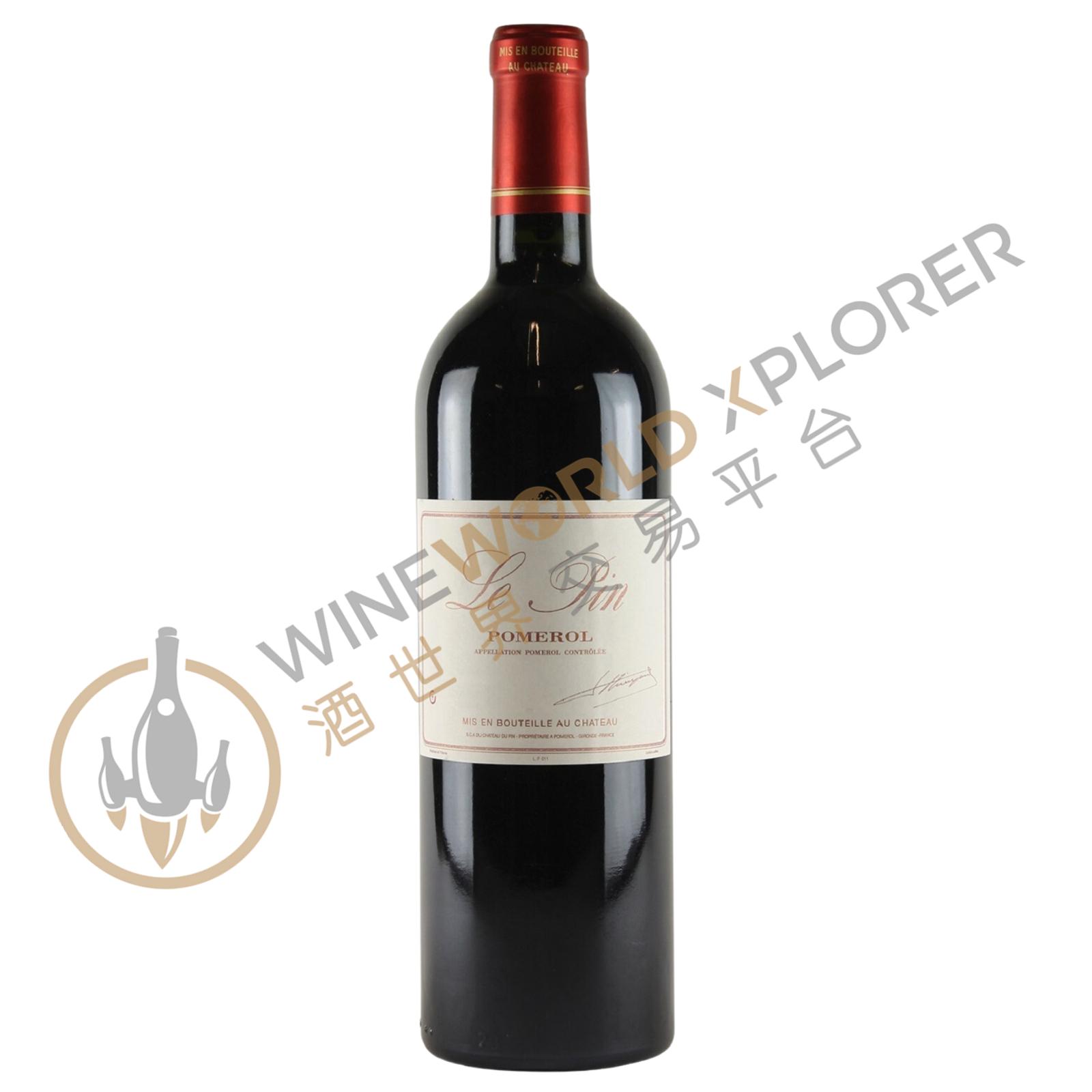
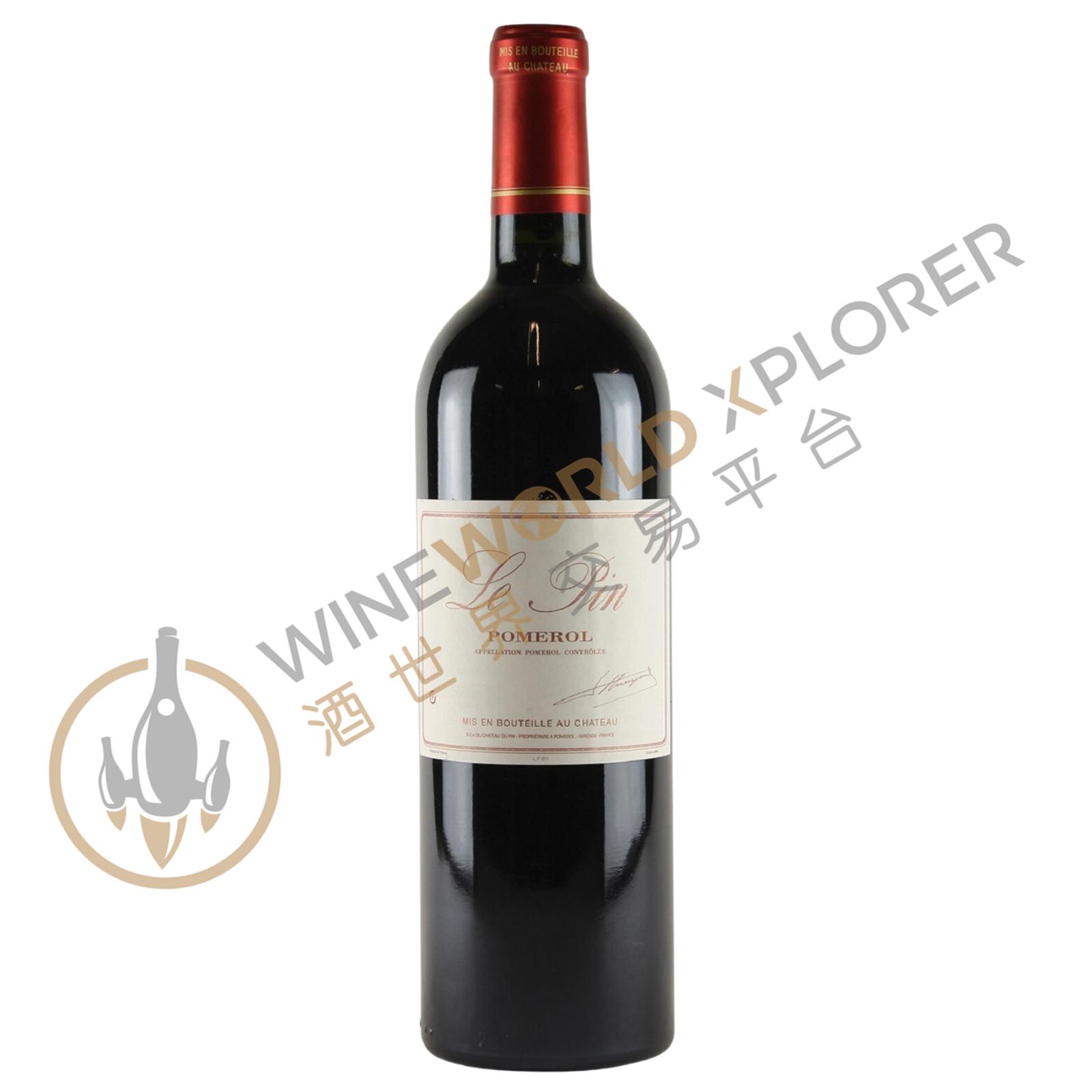
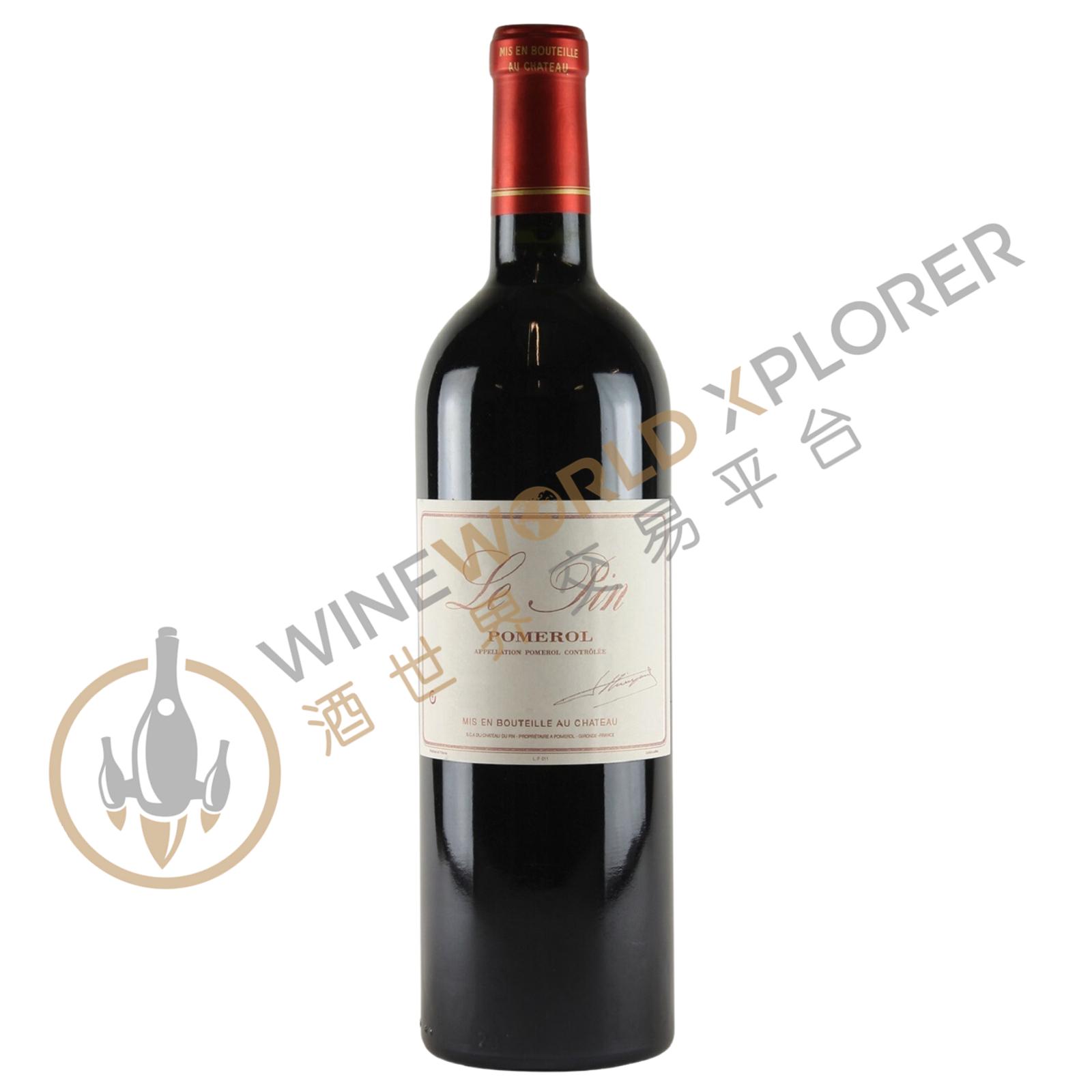
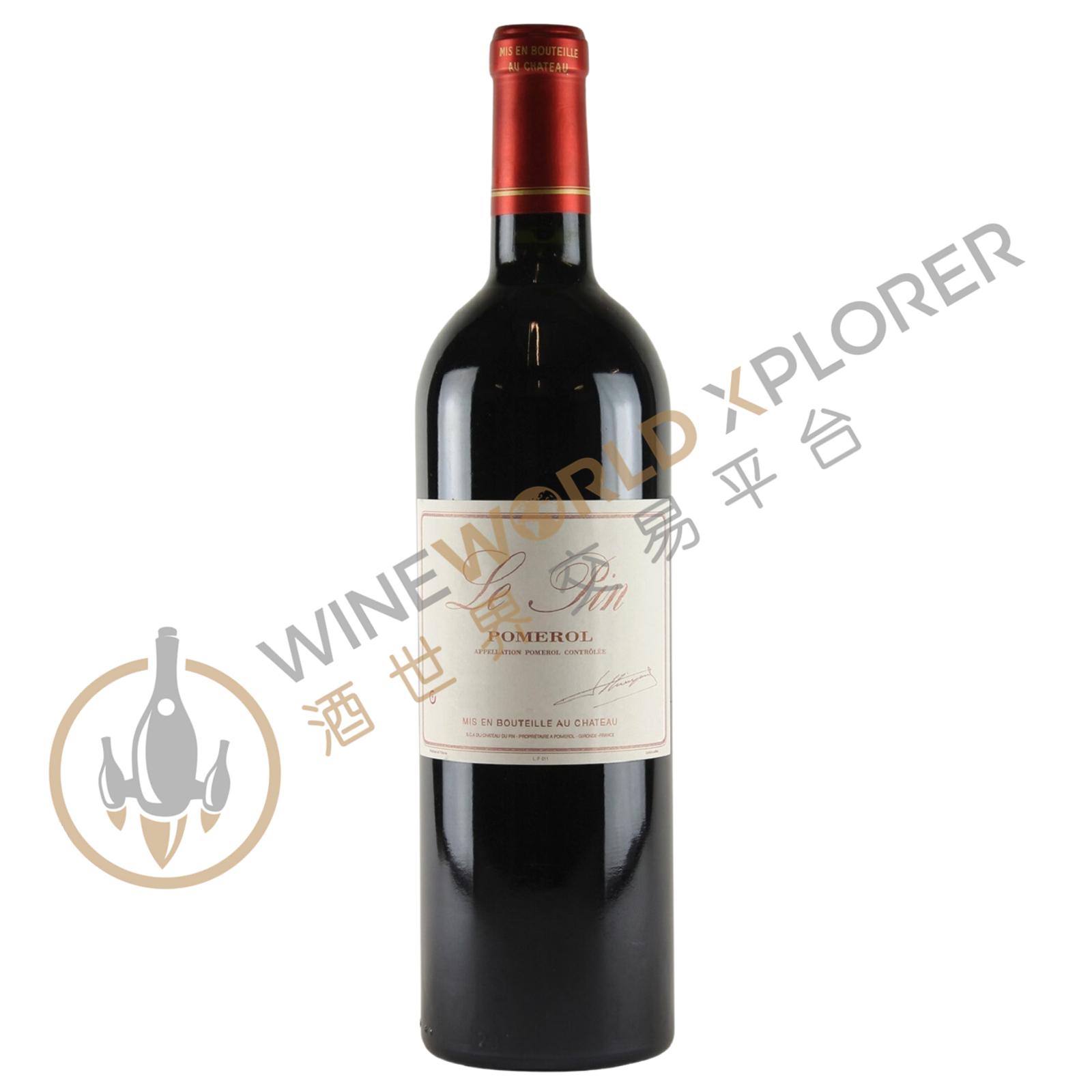
Le Pin 2021
 View analysis
Description
Tasting notes

Reviewed by: William Kelley
I tasted the 2021 Le Pin several times this spring, and on every occasion the wine showed brilliantly. Wafting from the glass with aromas of dark berries, plums, exotic spices, vine smoke and carnal nuances, it's medium to full-bodied, sumptuous and enveloping, with a velvety attack, supple tannins and a long, penetrating finish. Seamless and impressively concentrated, it demonstrates how precocious, well-drained sites such as Le Pin came into their own in the 2021 growing season. As usual, it's 100% Merlot, and this year it checks in at 13.4% alcohol.
Reviewed by: William Kelley
The 2021 Le Pin has turned out beautifully in bottle, bursting with aromas of raspberries and blackberries mingled with notions of pencil shavings, spices, black truffle and licorice, framed by a discreet touch of new oak (only 55% new this year). Medium to full-bodied, ample and enveloping, it's suave and sensual, with a fleshy core of fruit and beautifully refined tannins and concludes with a long, rose-inflected finish. Le Pin, after all, is an early-ripening, well-drained terroir, so it's hardly surprising that it should perform especially well in a vintage like 2021.
Reviewed by: Antonio Galloni
The 2021 Le Pin showed impressively from barrel. Now in bottle since the beginning of June 2022, it has evolved since then, developing more depth and delineation. Oddly, you might misconstrue this as containing some Cabernet Franc (though, of course, it is 100% Merlot). The palate is medium-bodied with finely chiseled tannins. It has a wonderful symmetry and, although it declines to fan out on the finish like a top growing season, it is fresh and saline, beckoning you back for another sip. Lovely.
Reviewed by: James Suckling
This has a firm, seamless and velvety tannin structure, accompanying a deep core of dark plum fruit, peach stones, chocolate and mahogany. Layered and caressing. Supple, yet full and powerful. Silky and smooth at the end. It shows real structure for the vintage and will age really well. 100% merlot.
Reviewed by: James Suckling
This is really pure and primary with very clean and bright aromas of crushed grapes. Minerally and floral with brightness and vividness. Just a hint of smoke and meat. Medium-bodied with a tight and poised center palate and a racy finish. Structured in a classic, great Bordeaux way. Needs five or six years to come together and soften, but this is seamless and wonderful. Drink after 2030 and beyond.
About the Producer
Le Pin is the most expensive wine in the world. Jacques Thienpont purchased the meagre 1.6 hectares of land for one million francs in 1979. The Thienpoints named their wine Le Pin after a solitary pine tree that shaded the property. By acquiring tiny adjoining plots of land, Jacques has doubled the size of Le Pin to five acres. The south-facing vineyard on a well-drained slope of gravel and sand is planted with Merlot (about 92%), and a small amount of Cabernet Franc. Le Pin's soil is a mixture of gravel and clay with a little sand and is exceptionally low yielding (between 30 to 35 hl/hc). The grapes are hand-harvested and are fermented in stainless steel before being matured in`200%` new oak barriques for between 14 and 18 months. Dany Rolland, wife of cult-oenologist Michel Rolland, is a consultant here. Le Pin produces just 600 to 700 cases each year (Lafite Rothschild produces approximately 29,000 cases of wine a year and and Pétrus about 4,000) and its rarity is one of the driving forces behind its high prices. Le Pin produces super-concentrated, decadent, lush and lavishly oaked wines - they can be drunk young but are best with 7-10 years of bottle ageing.
1985(1)1986(1)1988(2)1989(1)1990(1)1991(2)1992(1)1993(1)1994(3)1995(3)1996(3)1997(4)1998(4)1999(4)2000(2)2001(5)2002(2)2004(11)2005(8)2006(4)2007(7)2008(5)2009(8)2010(2)2011(15)2012(16)2014(9)2015(10)2016(8)2017(11)2018(15)2019(22)2020(13)
Package Size