Wine Advisor



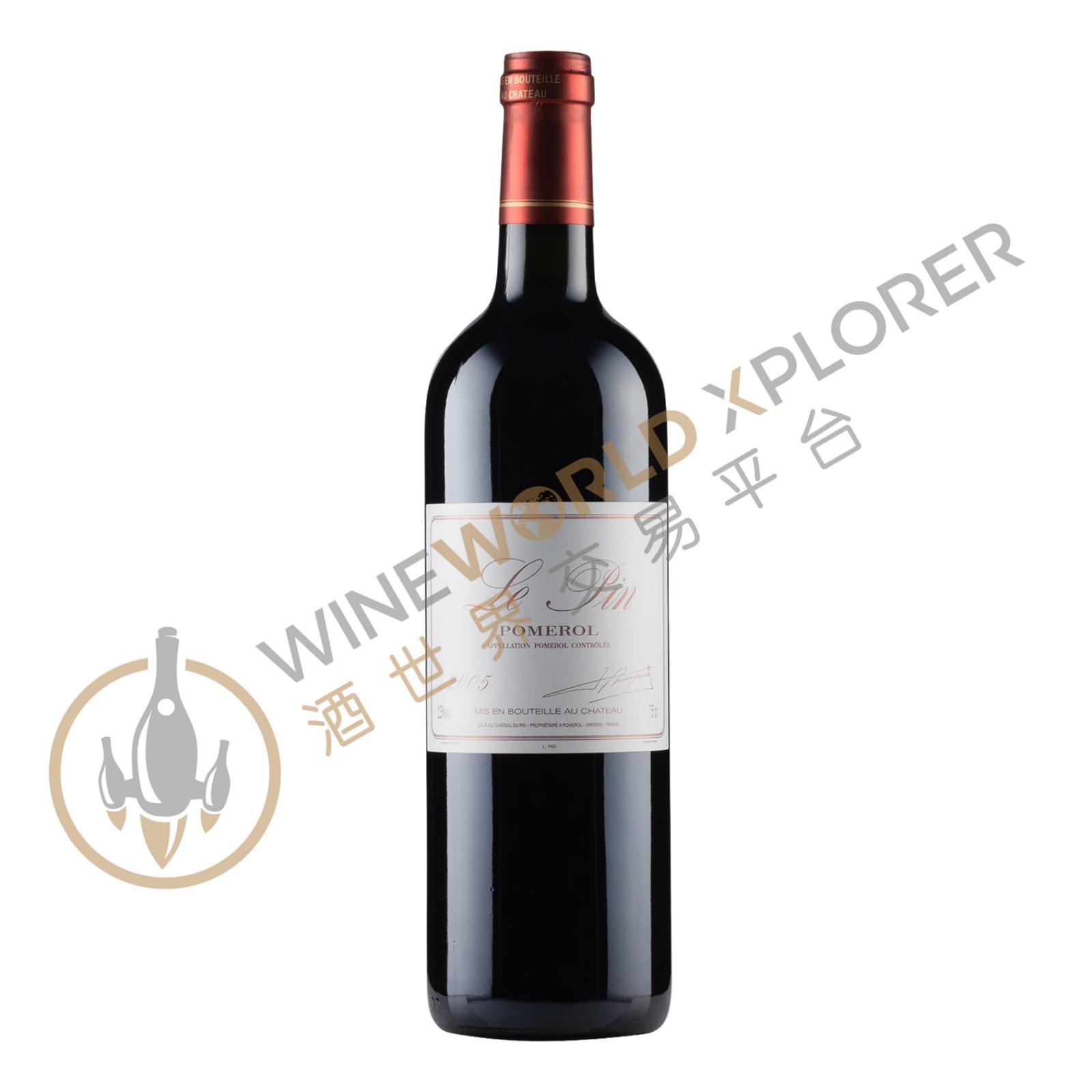
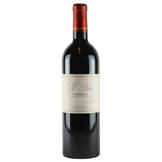
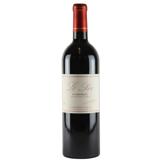
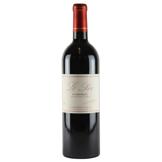
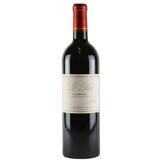
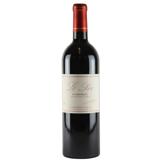
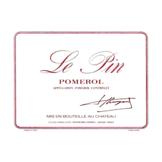
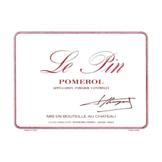
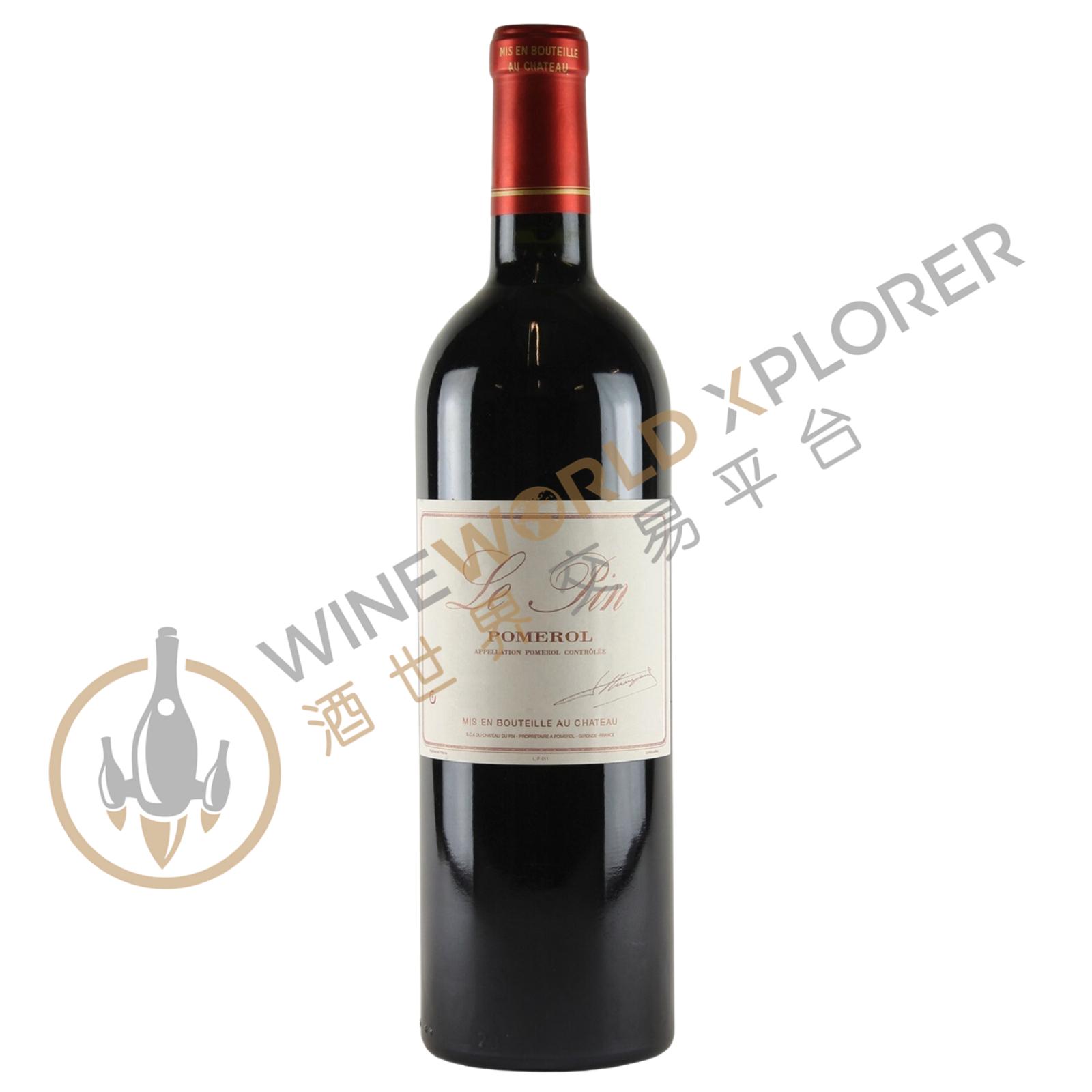
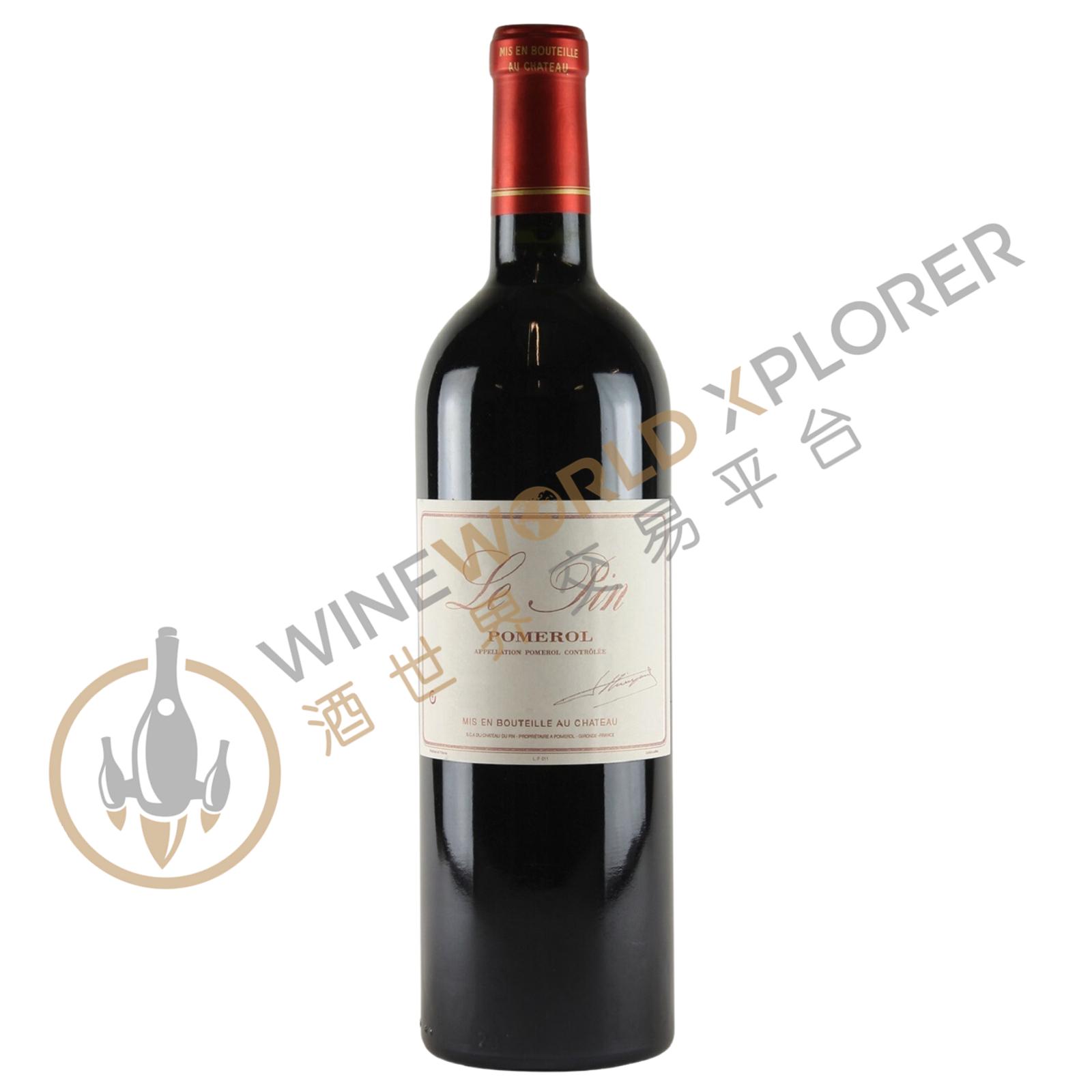
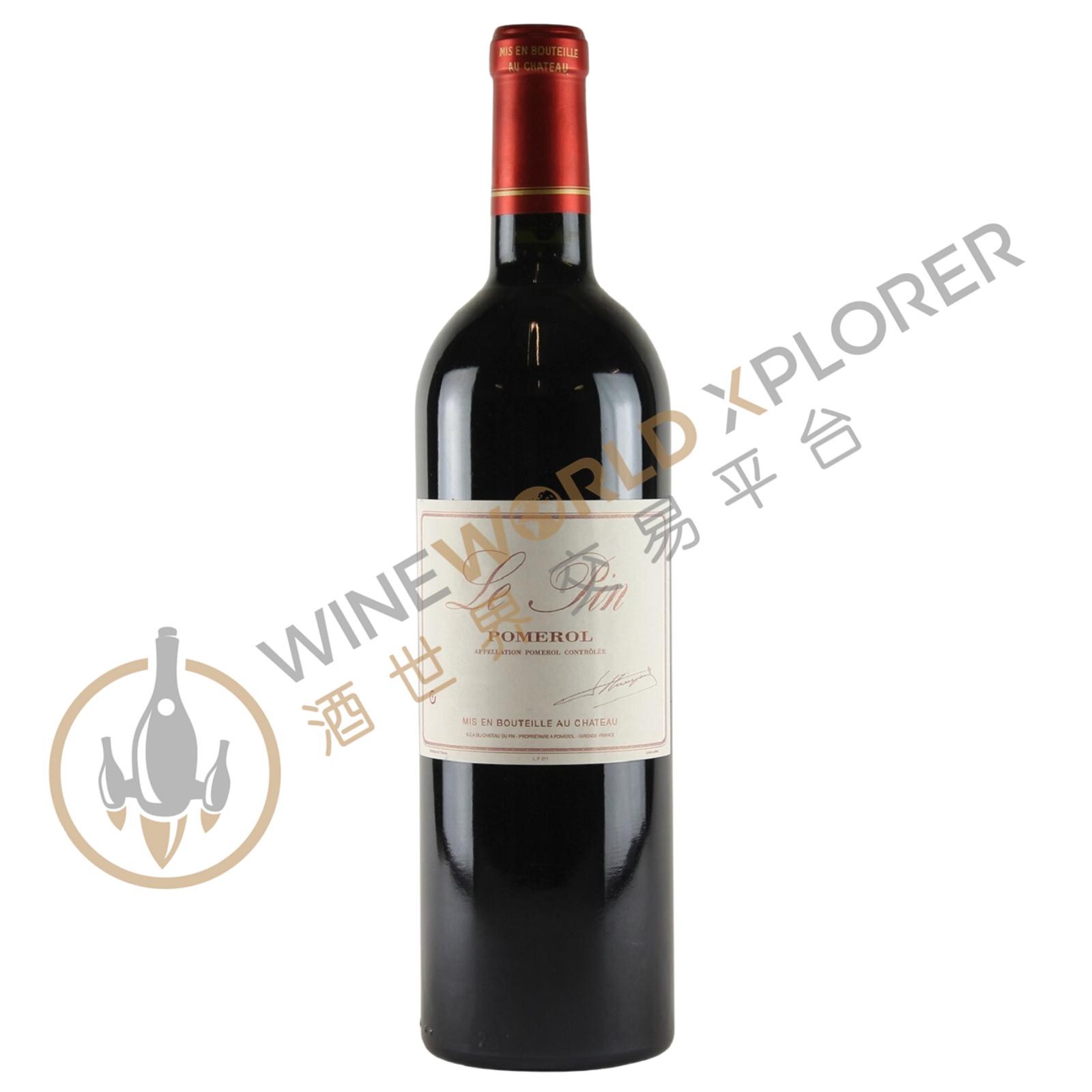
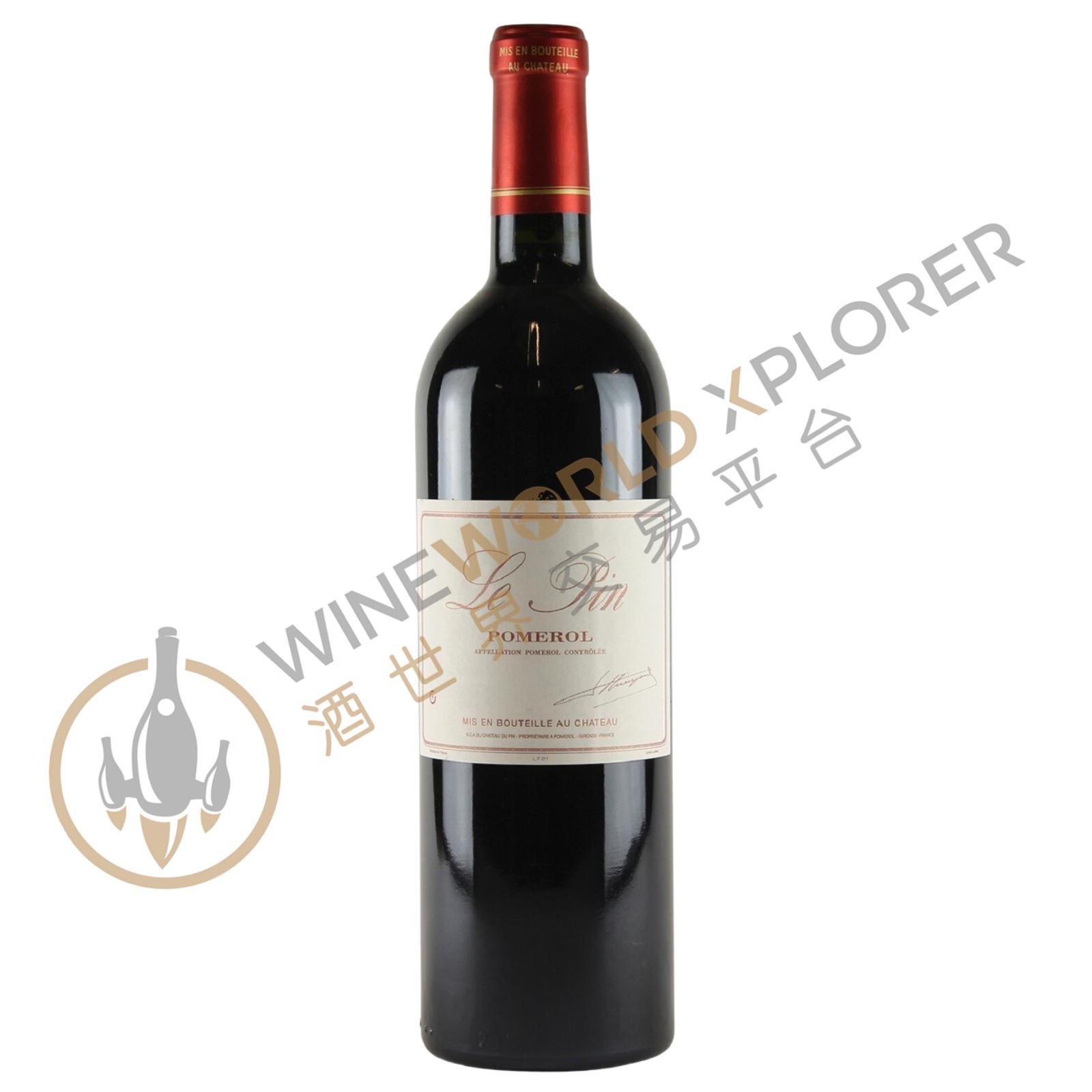
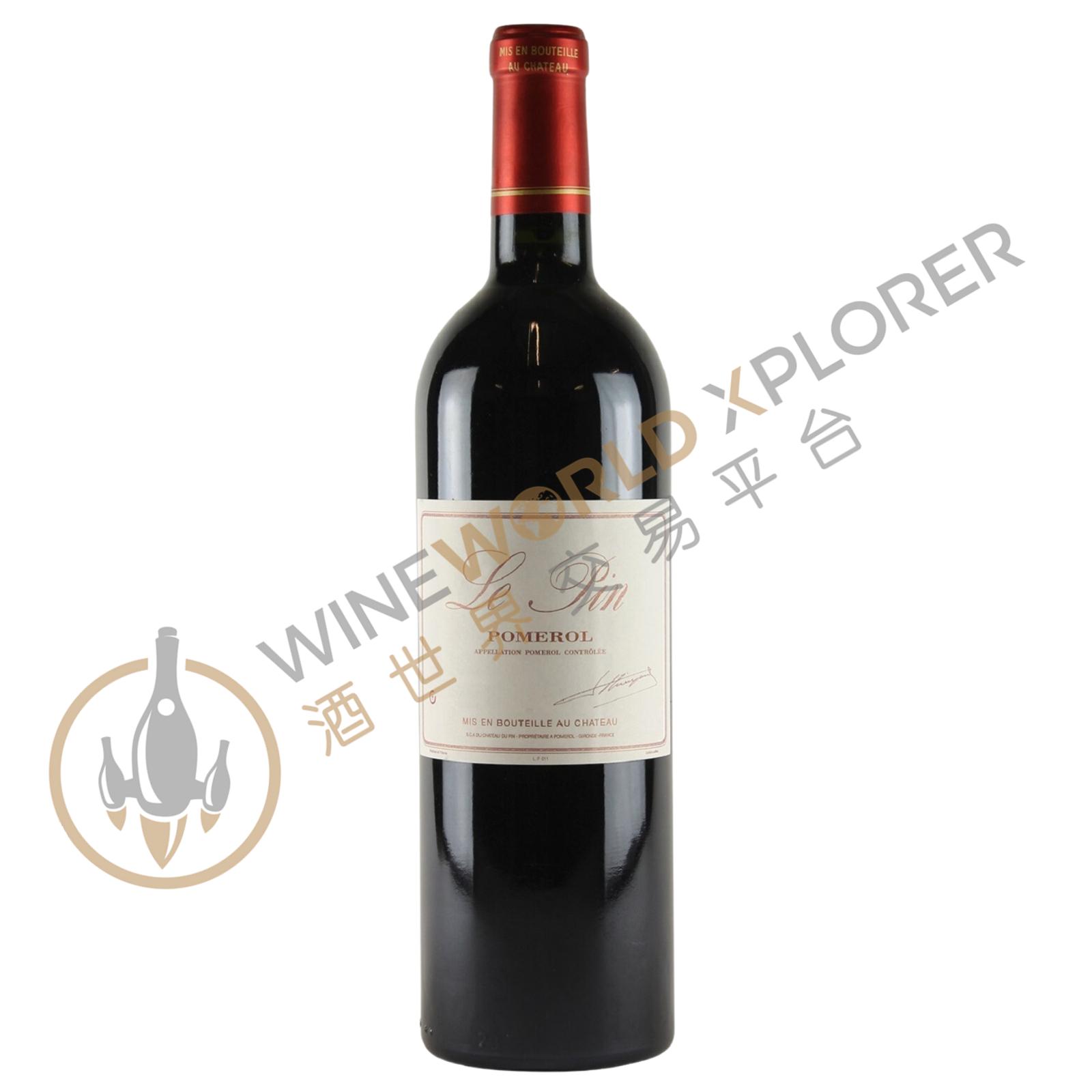
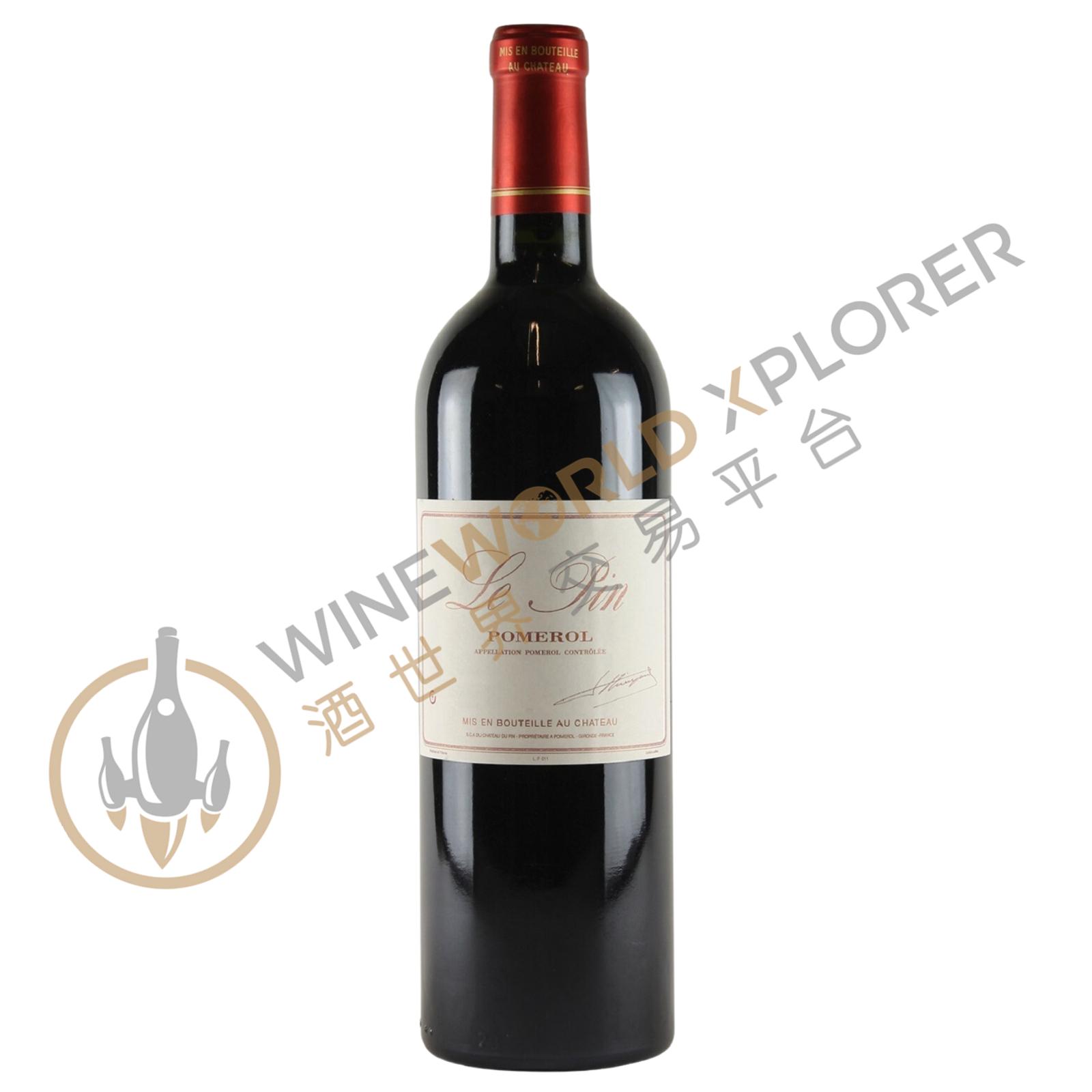
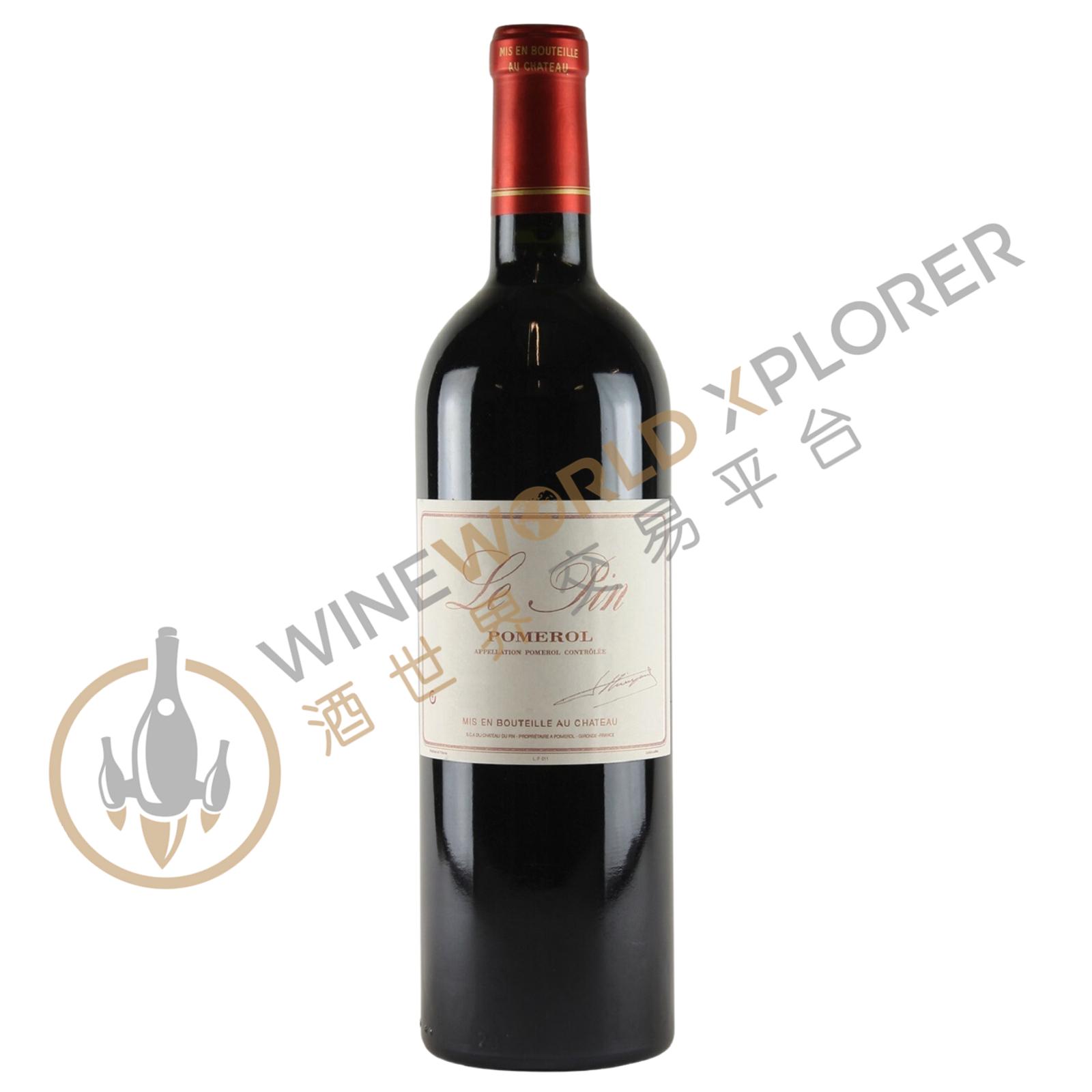
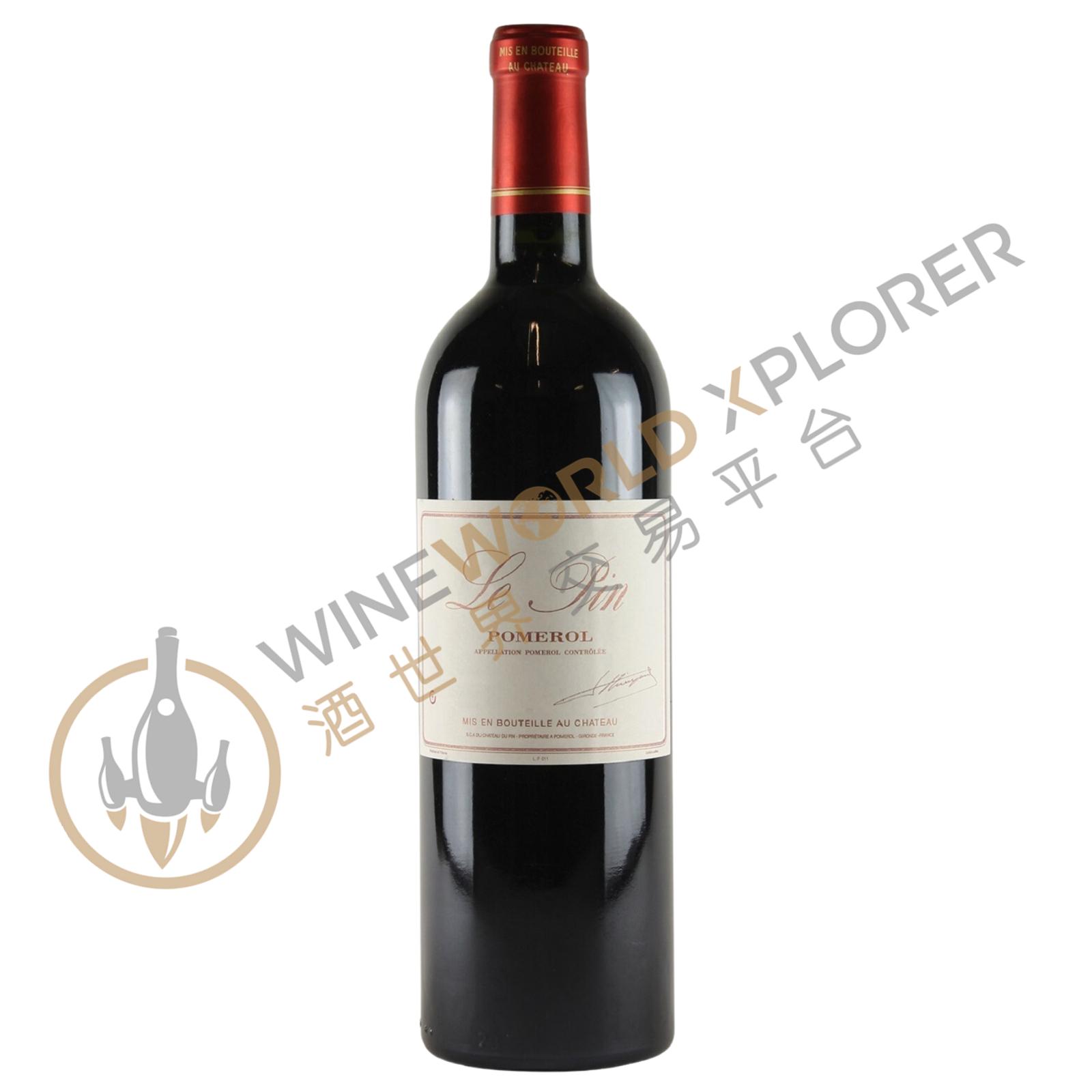
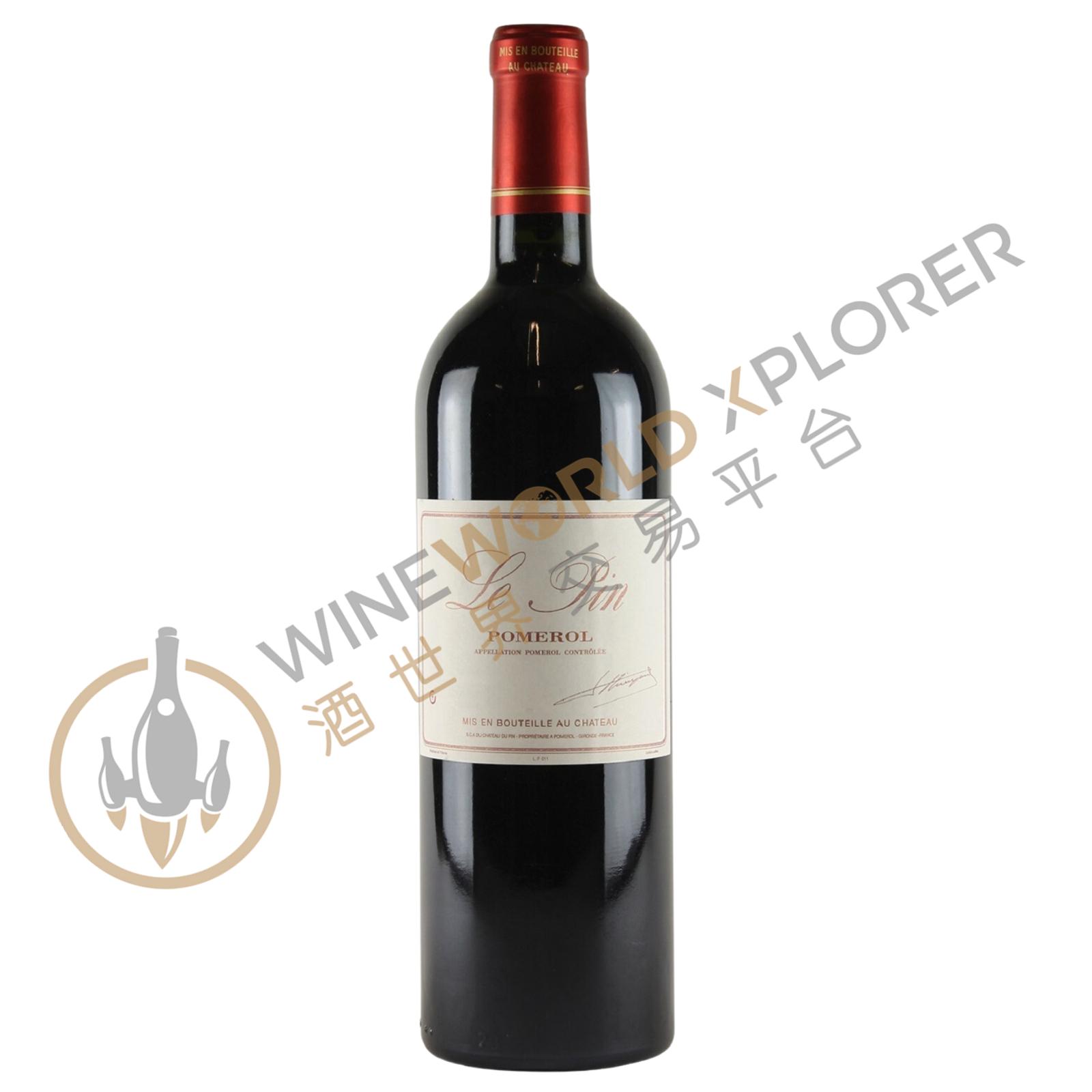
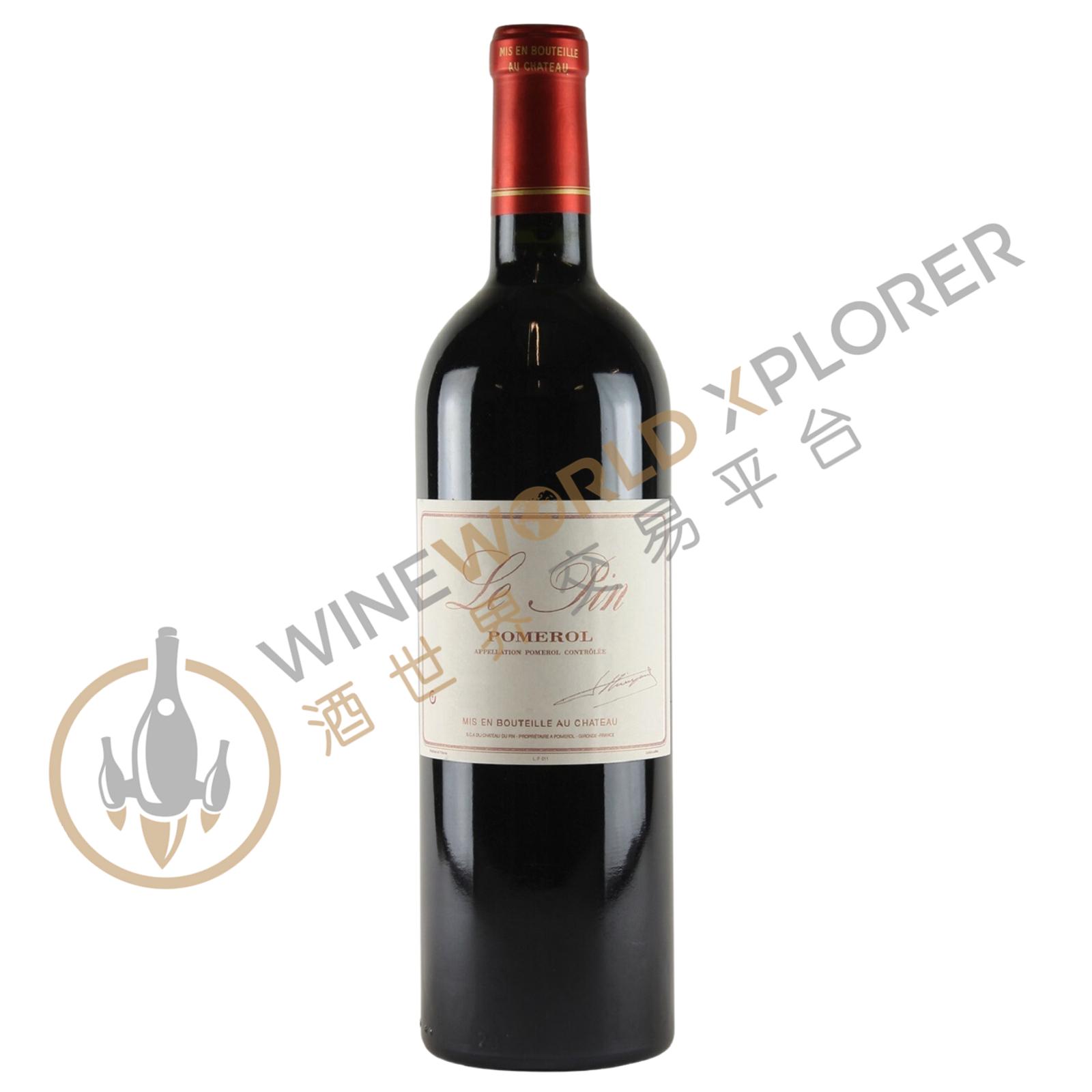
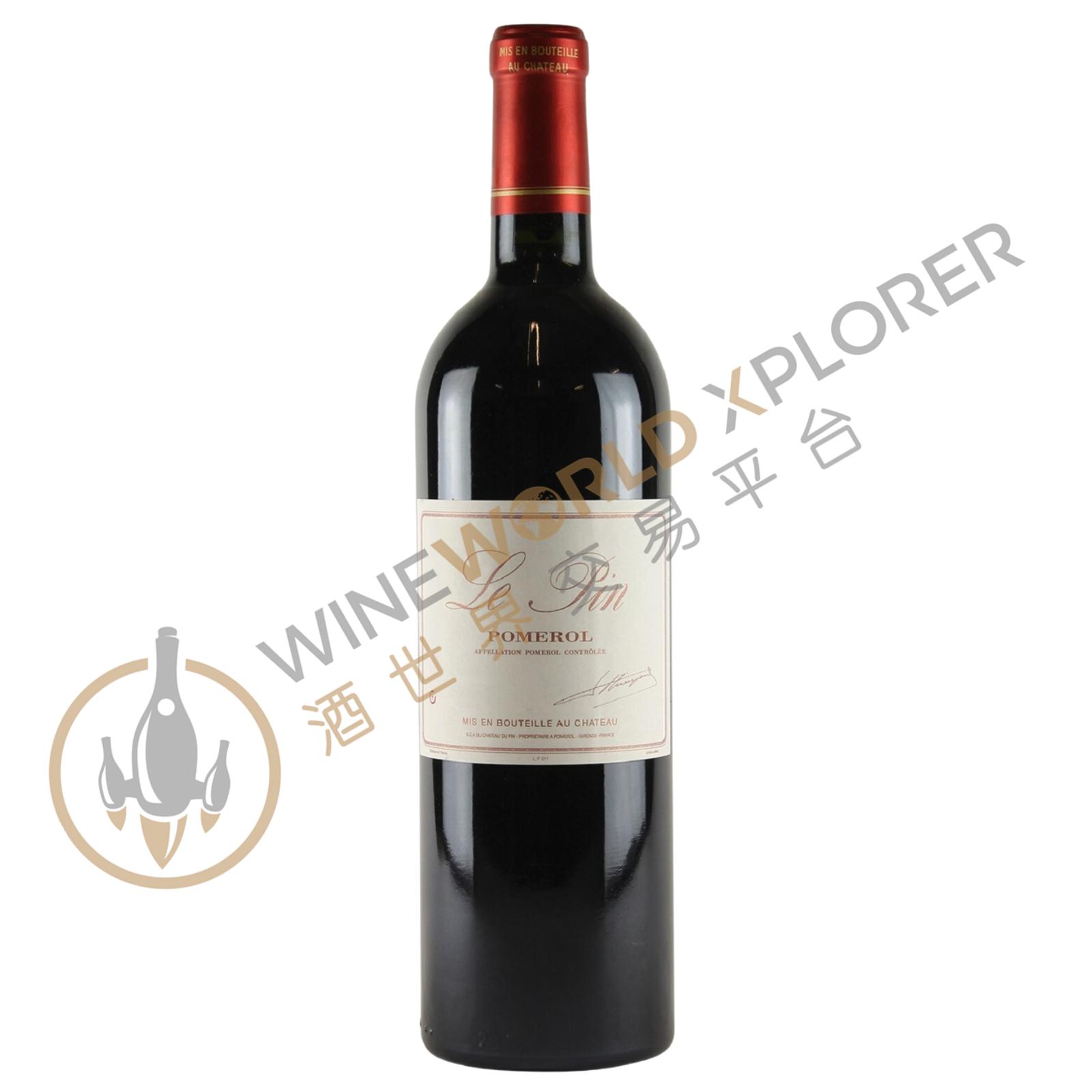
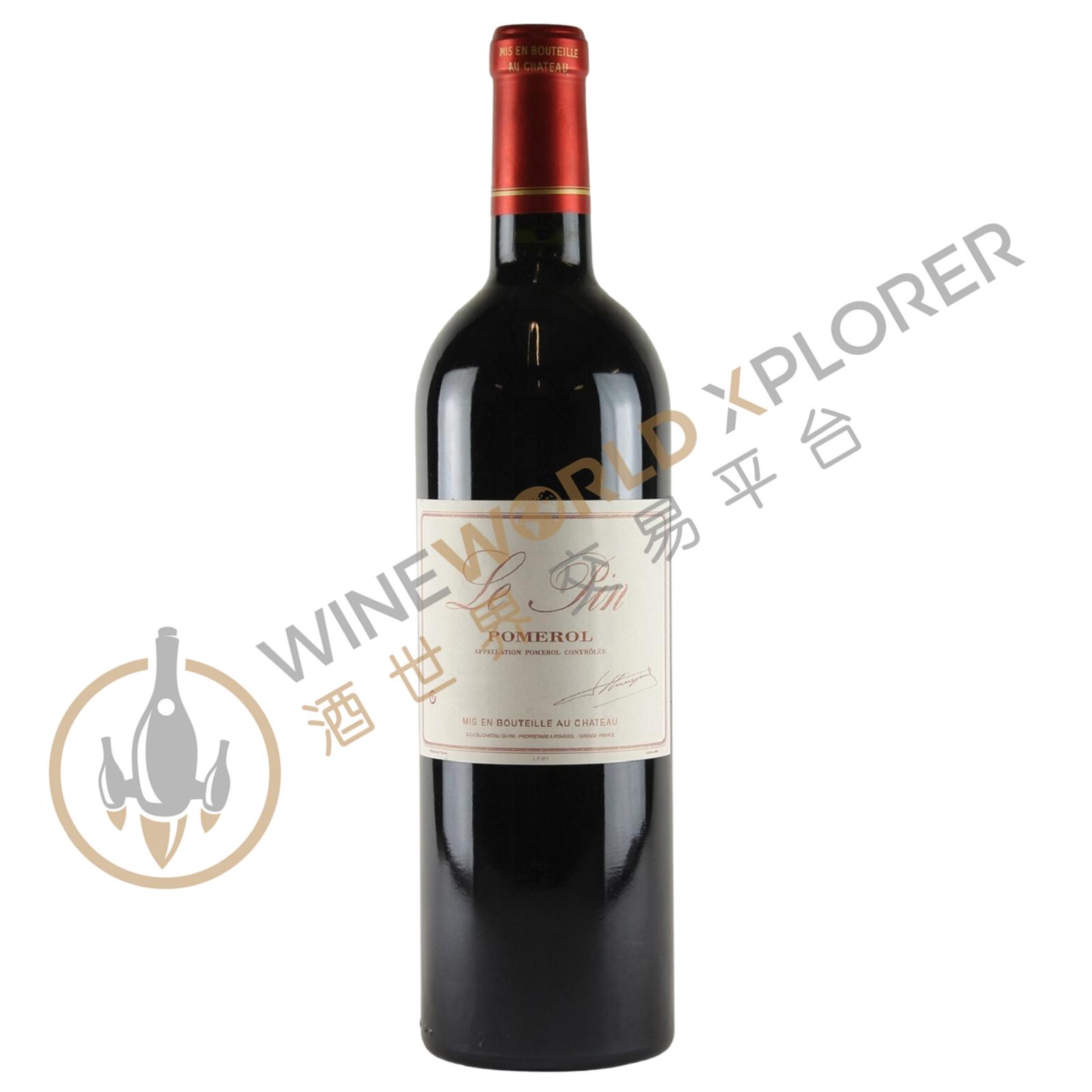
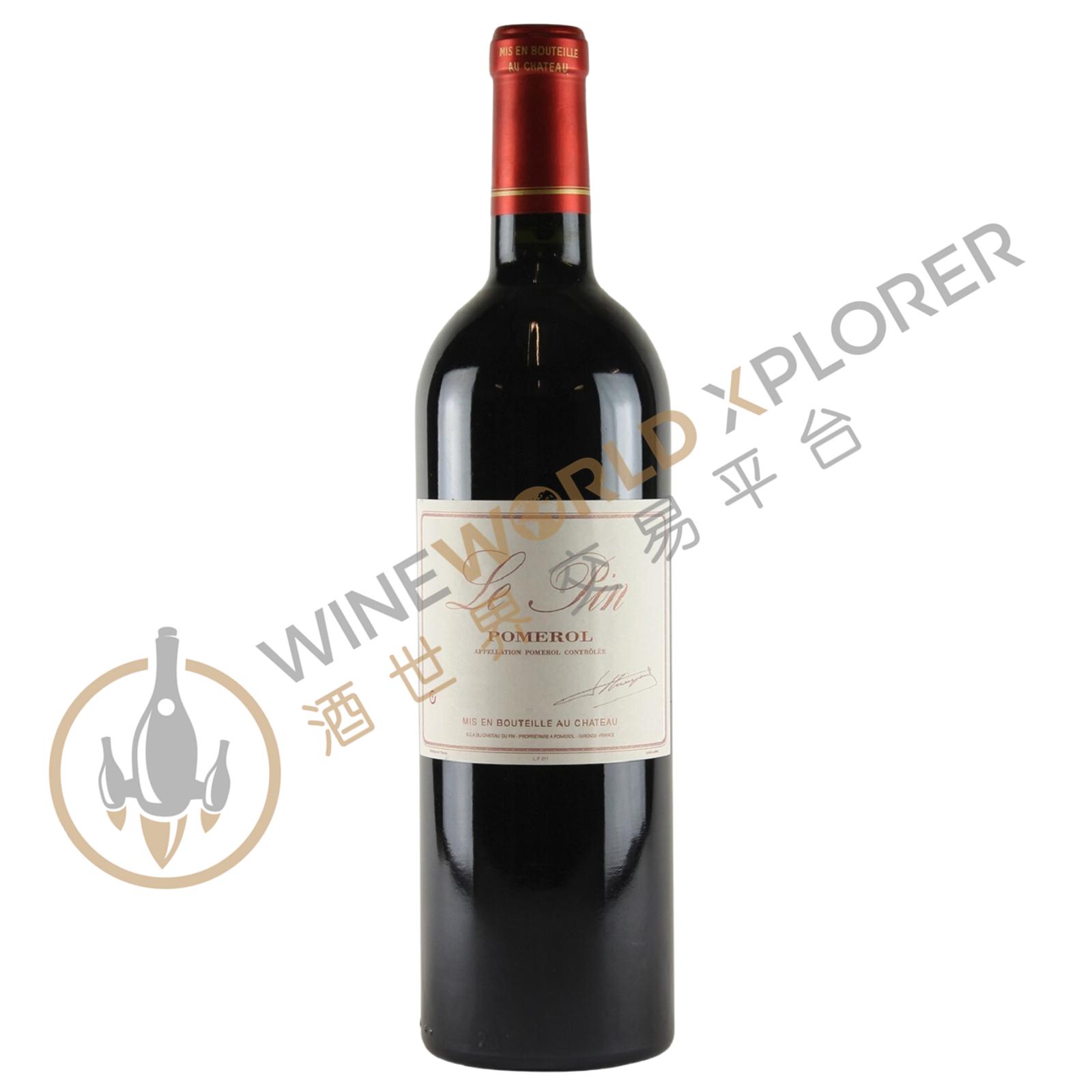
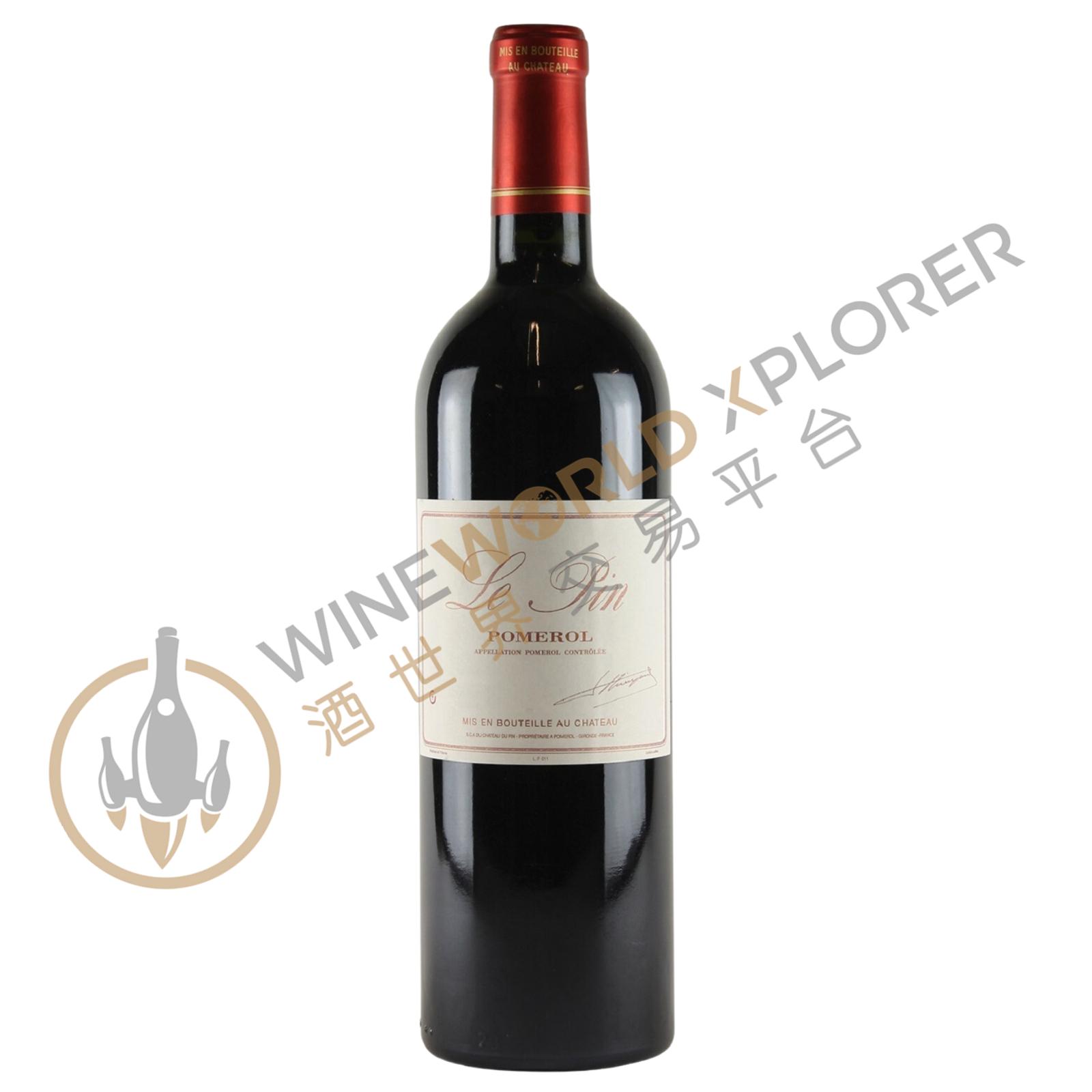
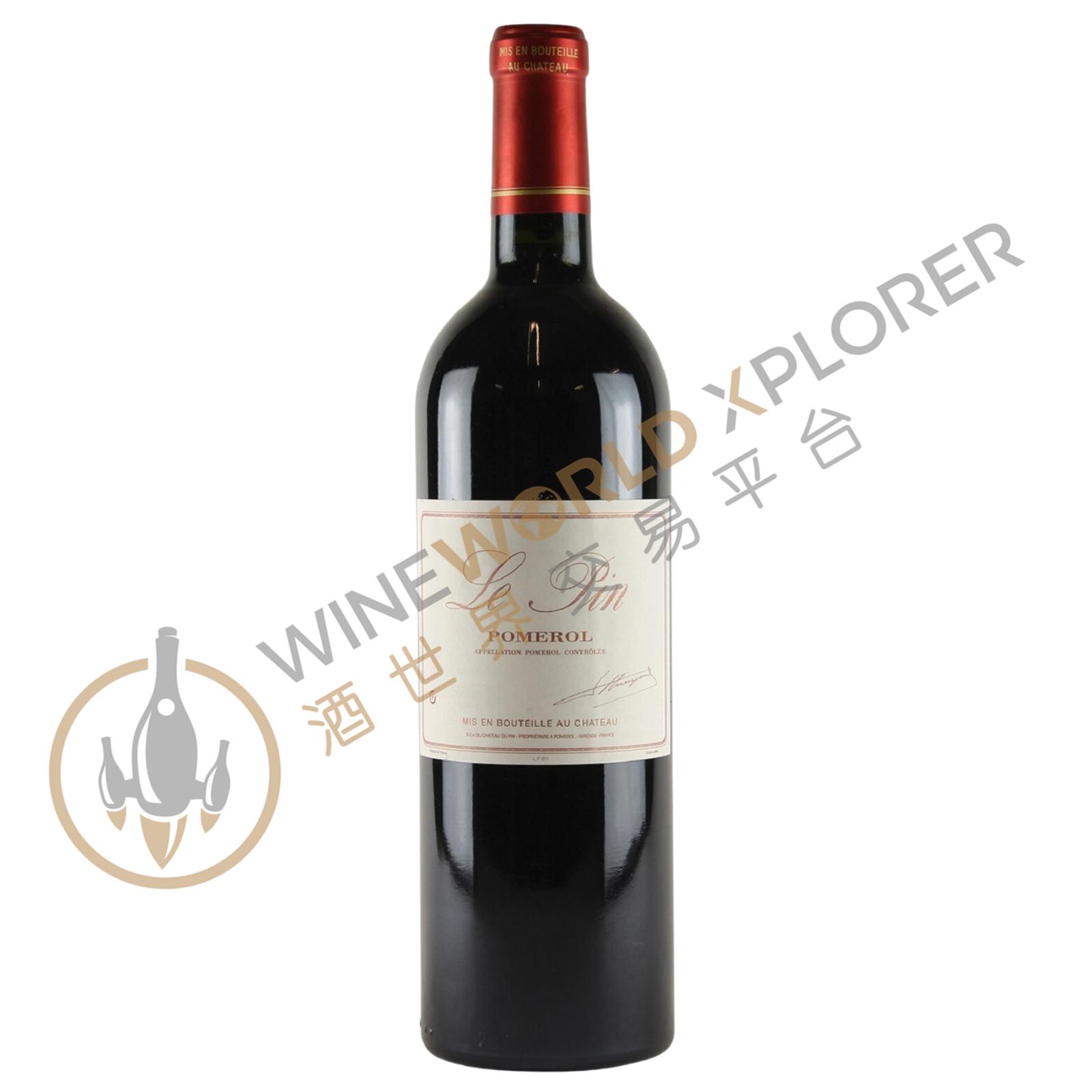
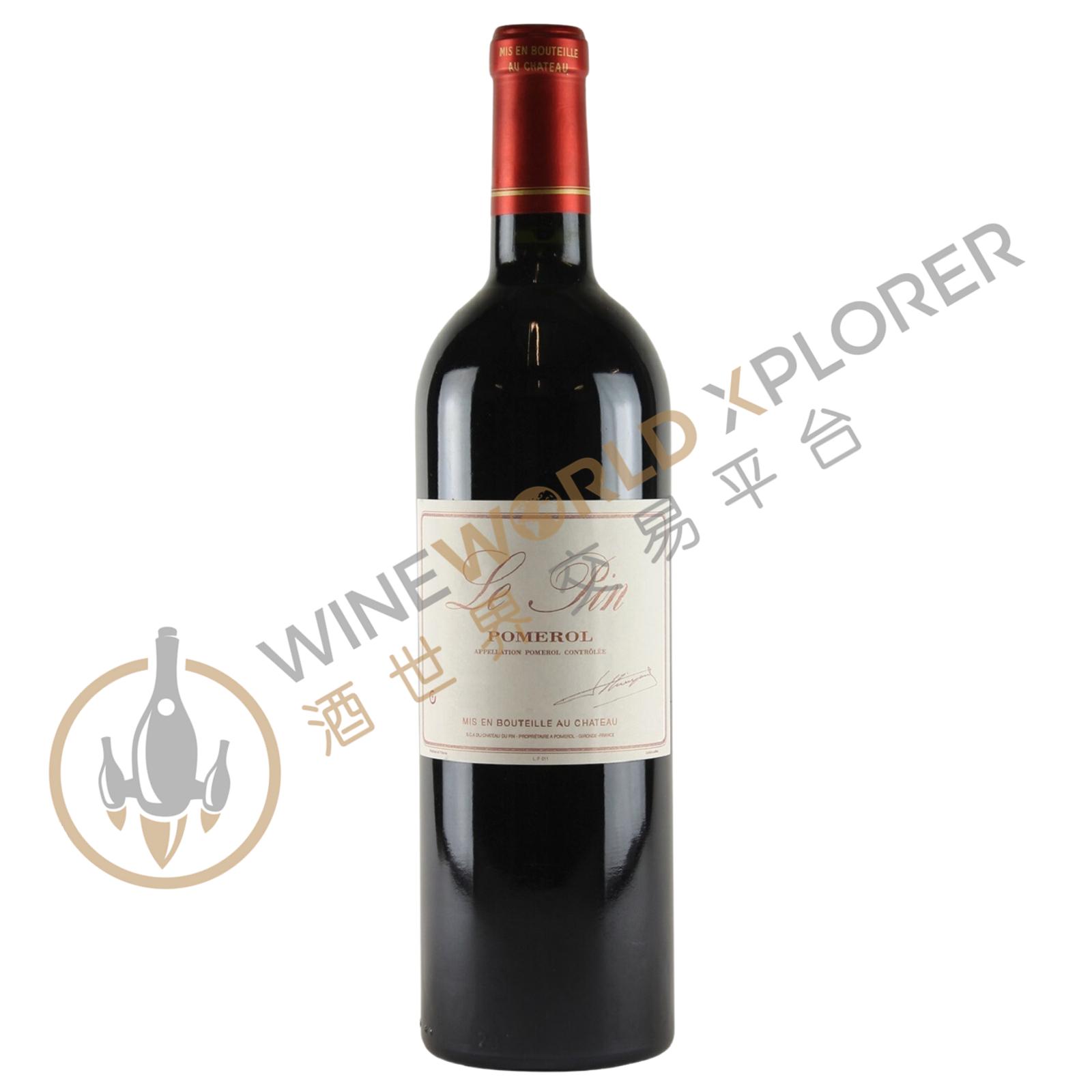
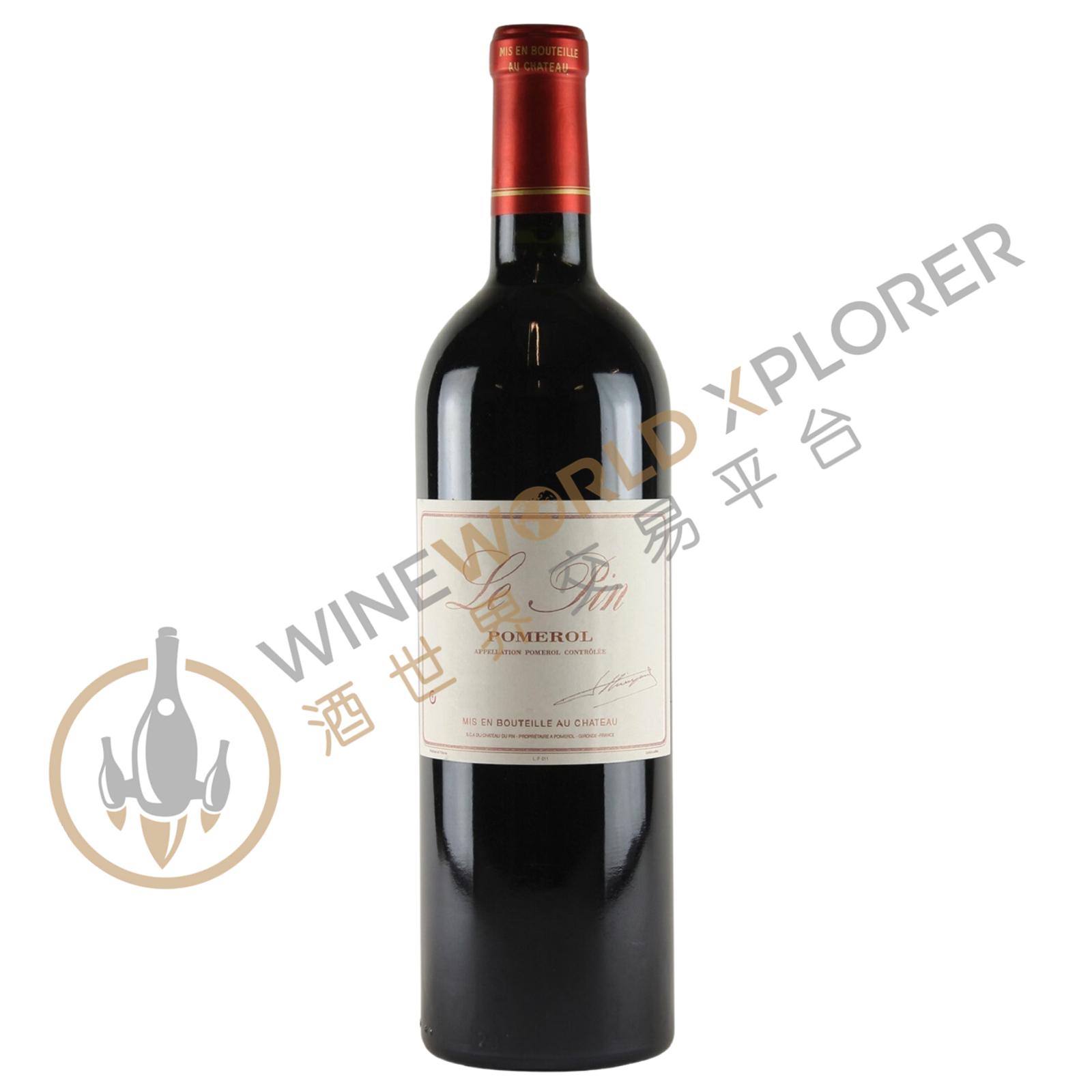
Le Pin 2010
 View analysis
Description
Tasting notes

Reviewed by: Neal Martin
Tasted blind, the Le Pin 2010 stick out like...well...a pin. The fruit is incredibly intense, much more so than just over a year ago, adorned with a hypnotic floral element that just explodes from the glass. The palate is medium-bodied and comes out of the blocks sprinting with vibrant spicy black fruit laced with cracked black pepper. The tannins feel firm in the mouth, lending this wondrous structure and precision, whilst the finish is extraordinarily long. Fabulous - Jacques Thienpont's wine is just getting into its stride. Tasted January 2014.
Reviewed by: Robert M. Parker, Jr.
The 2010 Le Pin is 100% Merlot, aged in 100% new oak, but the Thienponts never want to hear that this is one of those “cult wines.” It has been widely imitated by others thanks to its enormous success, and as I have written many times, it is a relatively exotic take on Bordeaux. The 2010 is the darkest colored Le Pin I have ever seen – black purple, no doubt due to tiny yields and the very small berries that were the result of the drought of 2010. Uber-concentrated, with fabulous cassis and black cherry fruit, licorice, and notes of subtle smoke and toast, the wine is full-bodied, with sweet tannin and remarkable thickness/unctuosity. It should prove to be one of the longest-lived Le Pins made in its first 30+ years of existence. Anticipated maturity: 2015-2030+.
Reviewed by: Neal Martin
The sample taken from a blend of young vines and old vines in Taransaud and Seguin Moreau barrels, the Le Pin was picked from 24th September until 25th September, cropped at 34hl/ha. It delivers 14.2% alcohol with a total acidity of 3.20 and pH of 3.75. There was no saignee like in 2009. Tasted with the pneumatic drills in the background, it has a very pure bouquet with blackberry, crushed strawberry, limestone and a touch of rose petals, quite understated compared to recent vintages. The palate is medium-bodied with tensile tannins, good mineralite and tension here with vibrant, pure dark plum, boysenberry and cassis. Superb precision towards the finish, much tauter than the 2009, the Le Pin 2010 is a great Pomerol from the Pomerol undergoing a complete renovation (due to be completed in June 2011.) Tasted April 2011.
Reviewed by: Neal Martin
Jacques Thienpont has crafted an impeccable 2010 Le Pin. Cropped at 34hl/ha and offering 14.2% alcohol, it has a sumptuous bouquet of luscious blackberries and bilberries, crushed stone elements and a touch of cassis. It has certainly comes out of its shell since its showing in barrel. The palate is medium-bodied with fine tannins, a sweet core of boysenberry and dark plum fruit, fresh acidity and a silky smooth, quite precocious cassis-driven finish that is long and sensual in the mouth. This is a beautiful ’10 Pomerol that deserves a decade in bottle. Tasted November 2012.
Reviewed by: Robert M. Parker, Jr.
Made from 100% Merlot (one percent for each rating point I’ve assigned), this wine is explosively rich and compelling. Dense plum/purple, it boasts the remarkable delineation and freshness that are hallmarks of this vintage. From a much smaller production than normal because of Merlot’s poor flowering, the very hot, dry growing and harvest conditions, this is a super-endowed, very rich Le Pin with its exotic new oak largely buried behind its extravagant concentration, power and richness. I don’t know what its natural alcohol level is, but I suspect it is pushing 15% in 2010. Rich, tannic, but exceptionally well-endowed, this is a sublime example of Merlot at its very finest. Forget it for 5-7 years (which is somewhat unusual for Le Pin) and drink it over the following three decades.
Reviewed by: Lisa Perrotti-Brown
The 2010 Le Pin is made from 100% Merlot. Deep garnet in color, it bursts from the glass with unbridled, hedonic notions of baked plums, Black Forest cake, Chinese five spice and blueberry pie plus wafts of smoked meats, candied violets, dark chocolate and cigar box. Medium-bodied, the palate exudes slow maturing black and blue berry layers, framed by firm, oh-so-plush tannins and oodles of freshness, finishing with incredible length and depth. Already drop dead gorgeous, this beautiful baby has a very long life ahead!
Reviewed by: Ian d'Agata
(100% merlot; 3.75 pH; 14.2% alcohol) Good, full ruby. Intense, h ighly perfumed aromas of blackcurrant, red cherry and violet. Juicy, tight and energetic, with very good cut and clarity to its black fruit and sweet spice flavors. Offers superb palate coverage and finishes with smooth, silky tannins. This should age splendidly: drink from 2020 through 2040. Readers should note that the last two vintages of Le Pin have shown less of the opulent, exotic perfume and mouthfeel for which this wine has become famous. Whether this is a stylistic change that is intentional, only time will tell.
Reviewed by: Neal Martin
The 2010 Le Pin is blessed with a supremely well defined and focused bouquet: red berry fruit, hints of star anis, black truffle and smoke that soar from the glass. The palate is very well balanced with fine grain tannins, a perfect line of acidity, very elegant in style with a precise, almost understated finish in context of the growing season. Outstanding. Tasted blind at Farr Vintners 10-Year On Bordeaux horizontal.
Reviewed by: Neal Martin
The 2010 Le Pin has a more extrovert and richer bouquet compared to Petrus, perhaps a little warmer with red berry fruit, gingerbread, dried blood and light earthy/ash-like aromas. The palate is medium-bodied with soft tannins on the entry. It is rounded in texture, more savoury and more advanced into its secondary phase compared to Petrus. Yet it is still a gorgeous Pomerol with a beguiling ferrous finish. Tasted from an ex-château bottle at the BI Wines & Spirits 10-Year On tasting.
Reviewed by: James Suckling
Dreamlike deep nose with blackberries, graphite and some smoky notes. Opens with licorice, vanilla and red fruit. Full and intensely fruity on the palate with lots of dark berries. Complex, dense and deeply structured with polished tannins and a great finish that just goes on and on. The balance is amazing. Even better than 2009. Drink from 2018.
About the Producer
Le Pin is the most expensive wine in the world. Jacques Thienpont purchased the meagre 1.6 hectares of land for one million francs in 1979. The Thienpoints named their wine Le Pin after a solitary pine tree that shaded the property. By acquiring tiny adjoining plots of land, Jacques has doubled the size of Le Pin to five acres. The south-facing vineyard on a well-drained slope of gravel and sand is planted with Merlot (about 92%), and a small amount of Cabernet Franc. Le Pin's soil is a mixture of gravel and clay with a little sand and is exceptionally low yielding (between 30 to 35 hl/hc). The grapes are hand-harvested and are fermented in stainless steel before being matured in`200%` new oak barriques for between 14 and 18 months. Dany Rolland, wife of cult-oenologist Michel Rolland, is a consultant here. Le Pin produces just 600 to 700 cases each year (Lafite Rothschild produces approximately 29,000 cases of wine a year and and Pétrus about 4,000) and its rarity is one of the driving forces behind its high prices. Le Pin produces super-concentrated, decadent, lush and lavishly oaked wines - they can be drunk young but are best with 7-10 years of bottle ageing.
1985(1)1986(1)1988(2)1989(1)1990(1)1991(2)1992(1)1993(1)1994(3)1995(3)1996(3)1997(4)1998(4)1999(4)2000(2)2001(5)2002(2)2004(11)2005(8)2006(4)2007(7)2008(5)2009(8)
Package Size