Wine Advisor



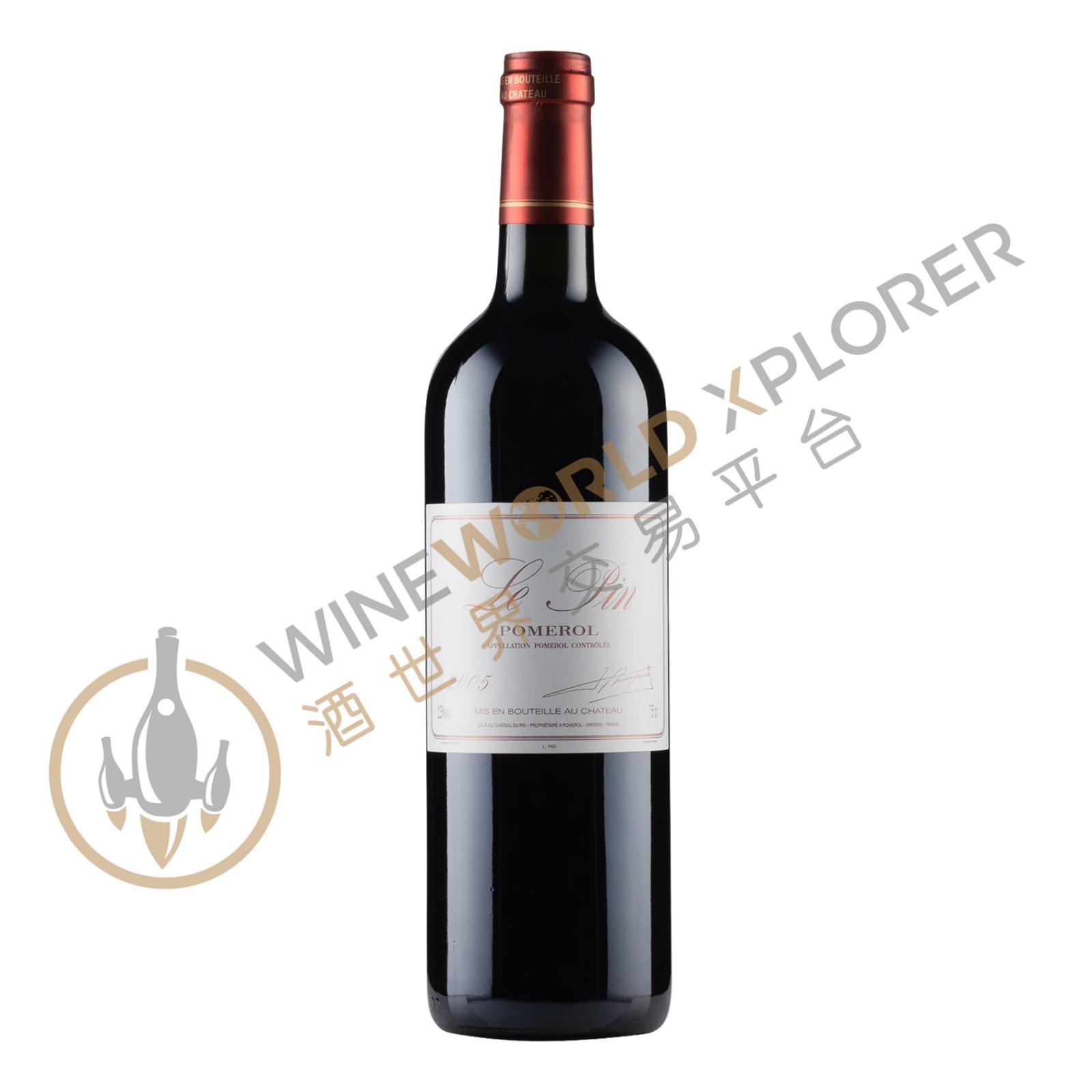
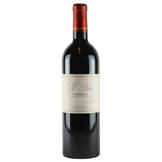
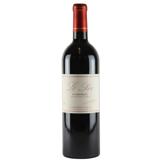
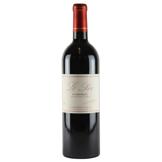
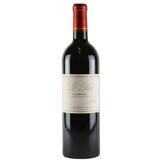
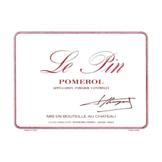
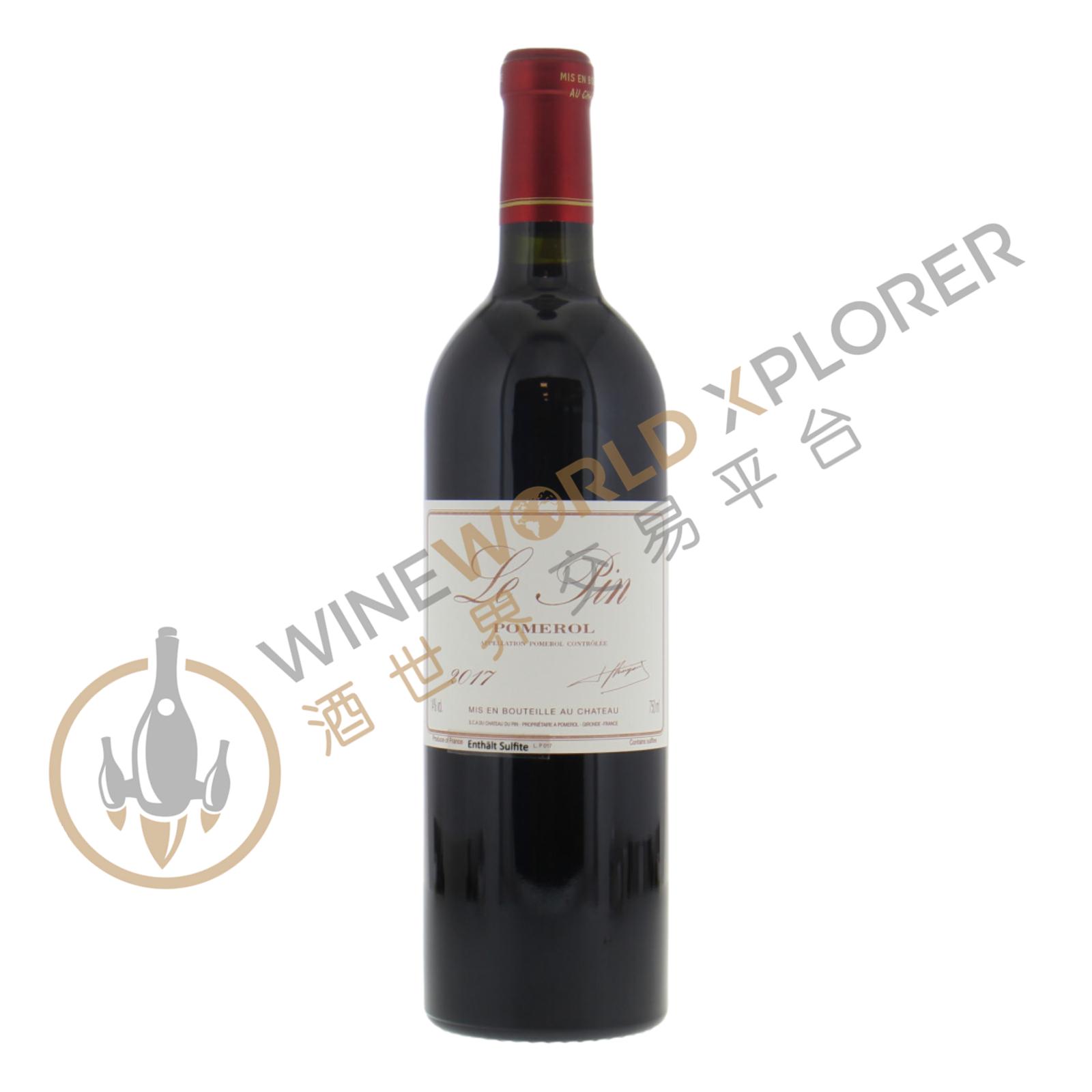
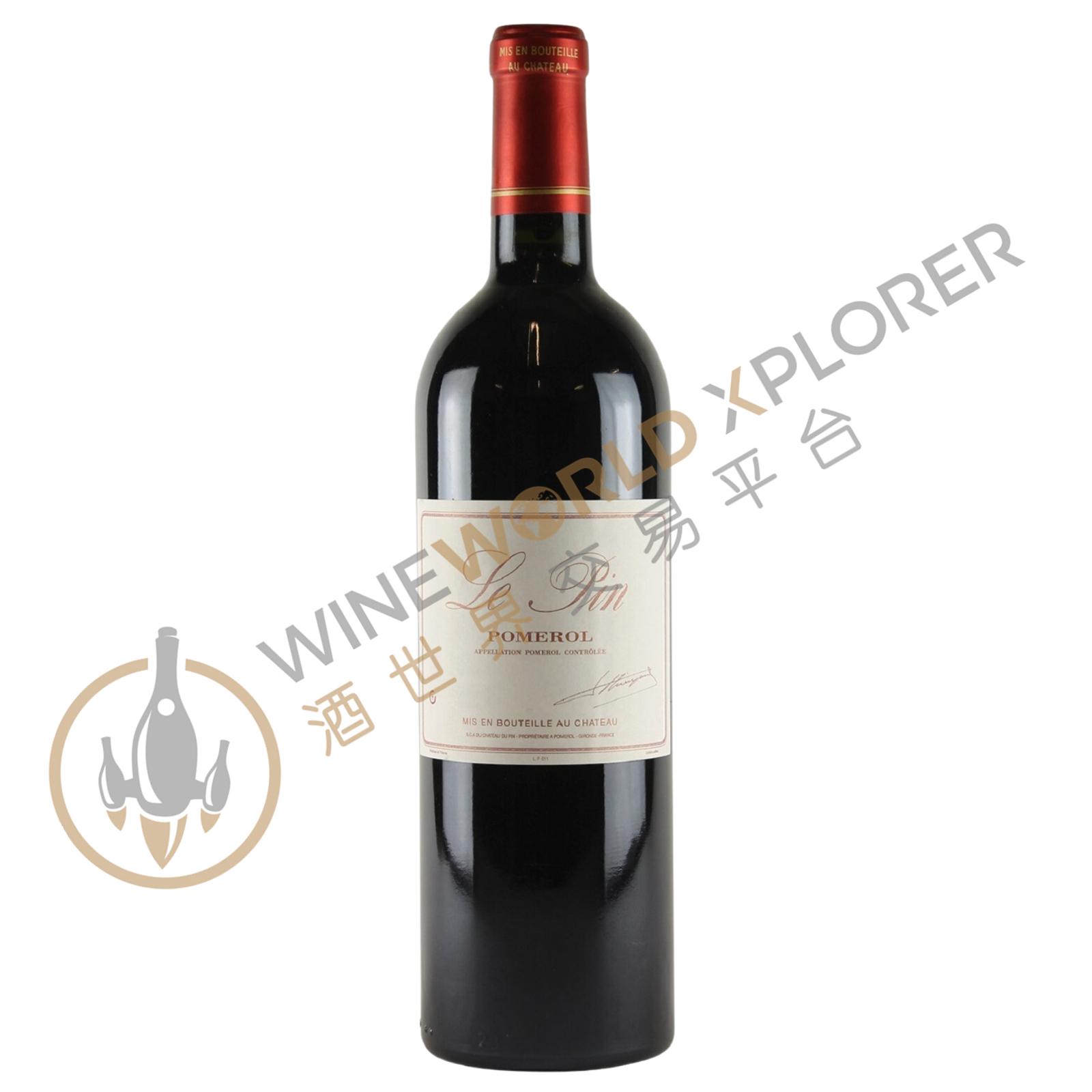
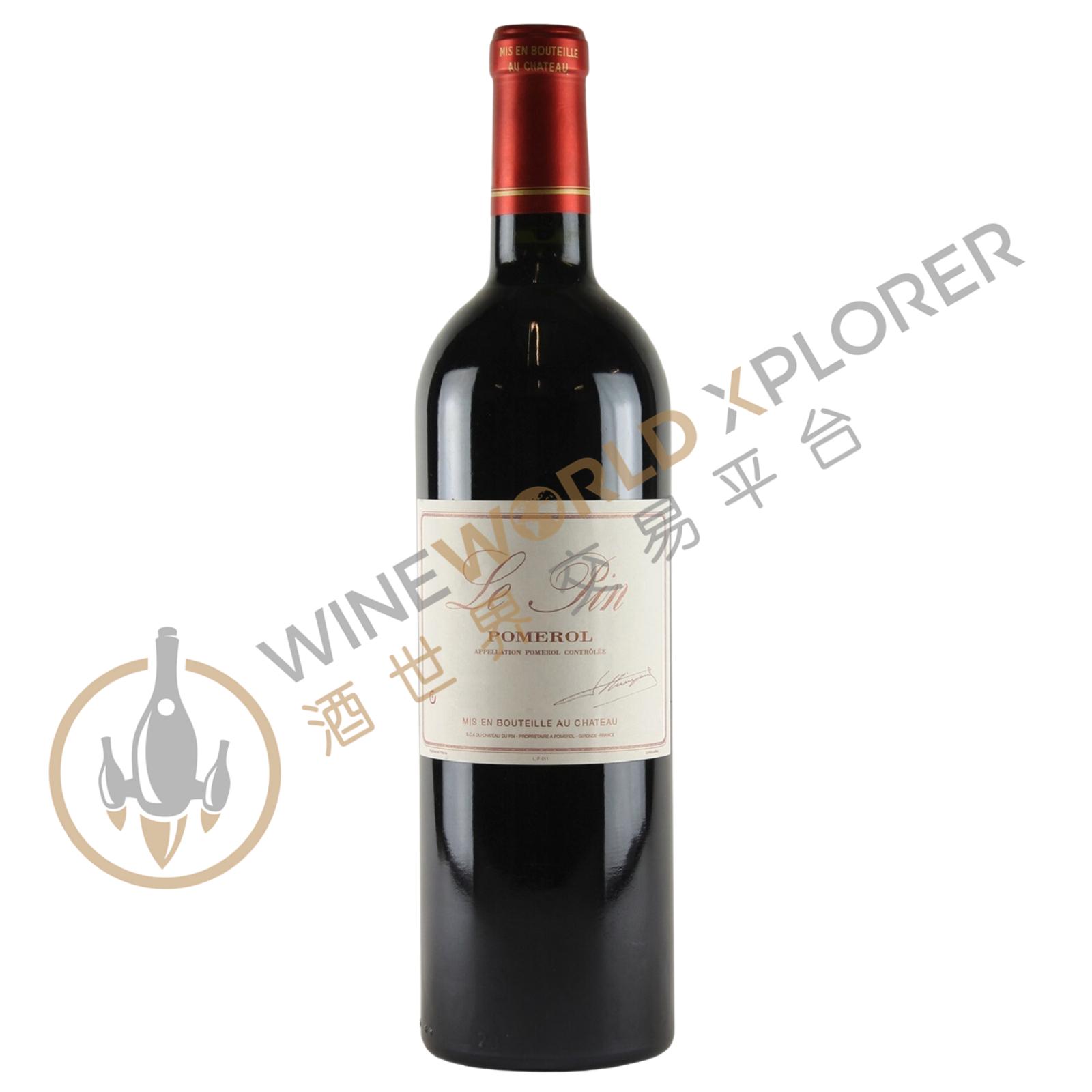
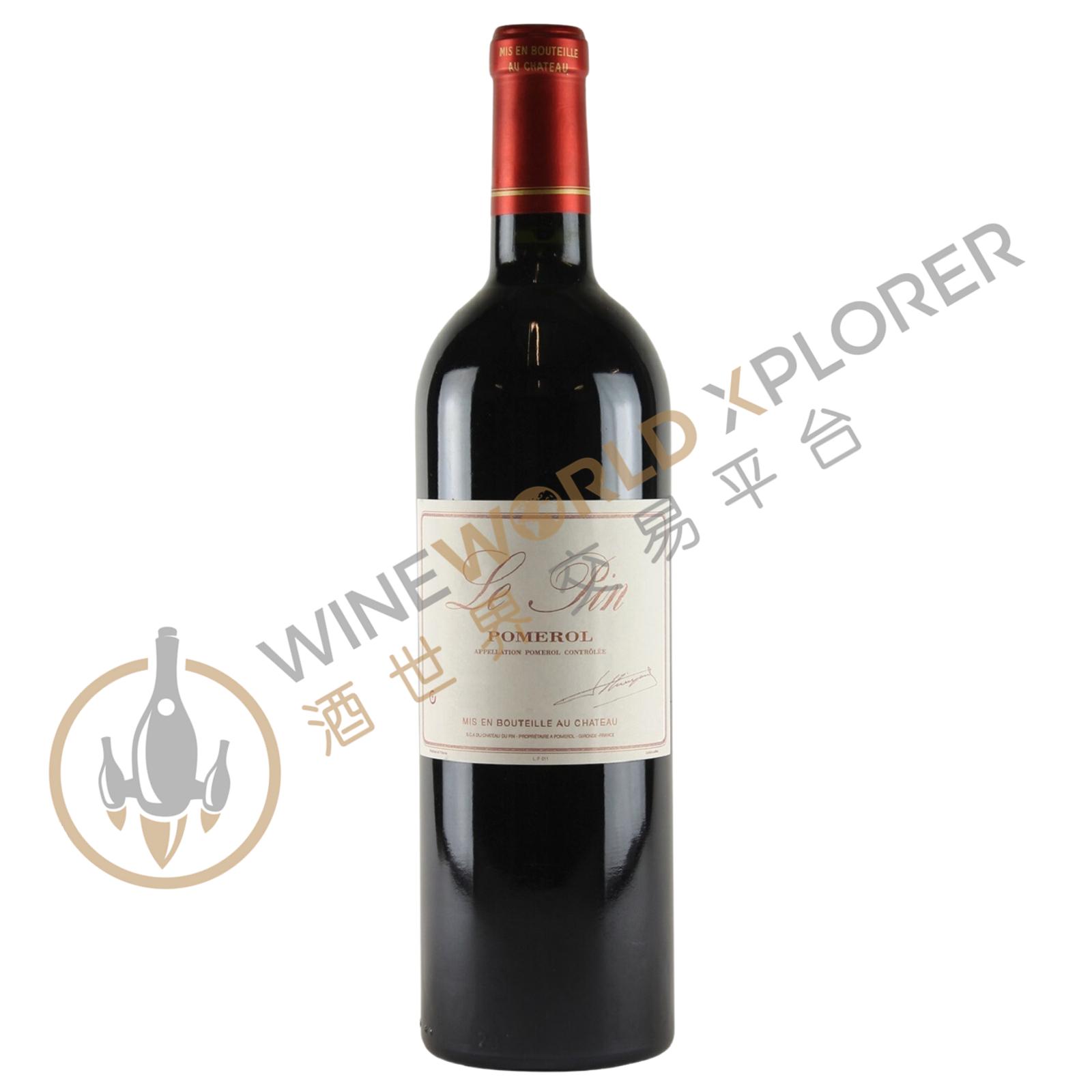
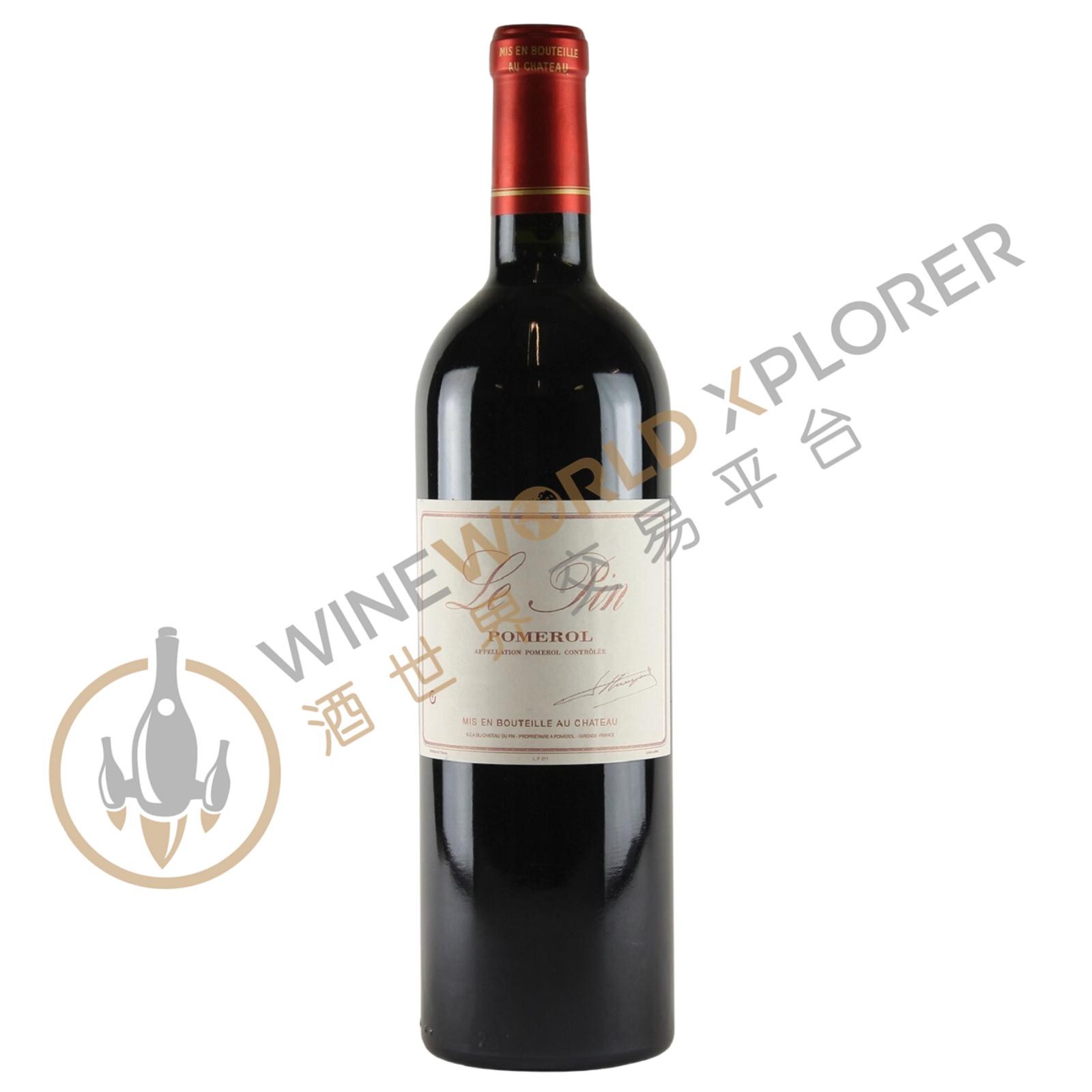
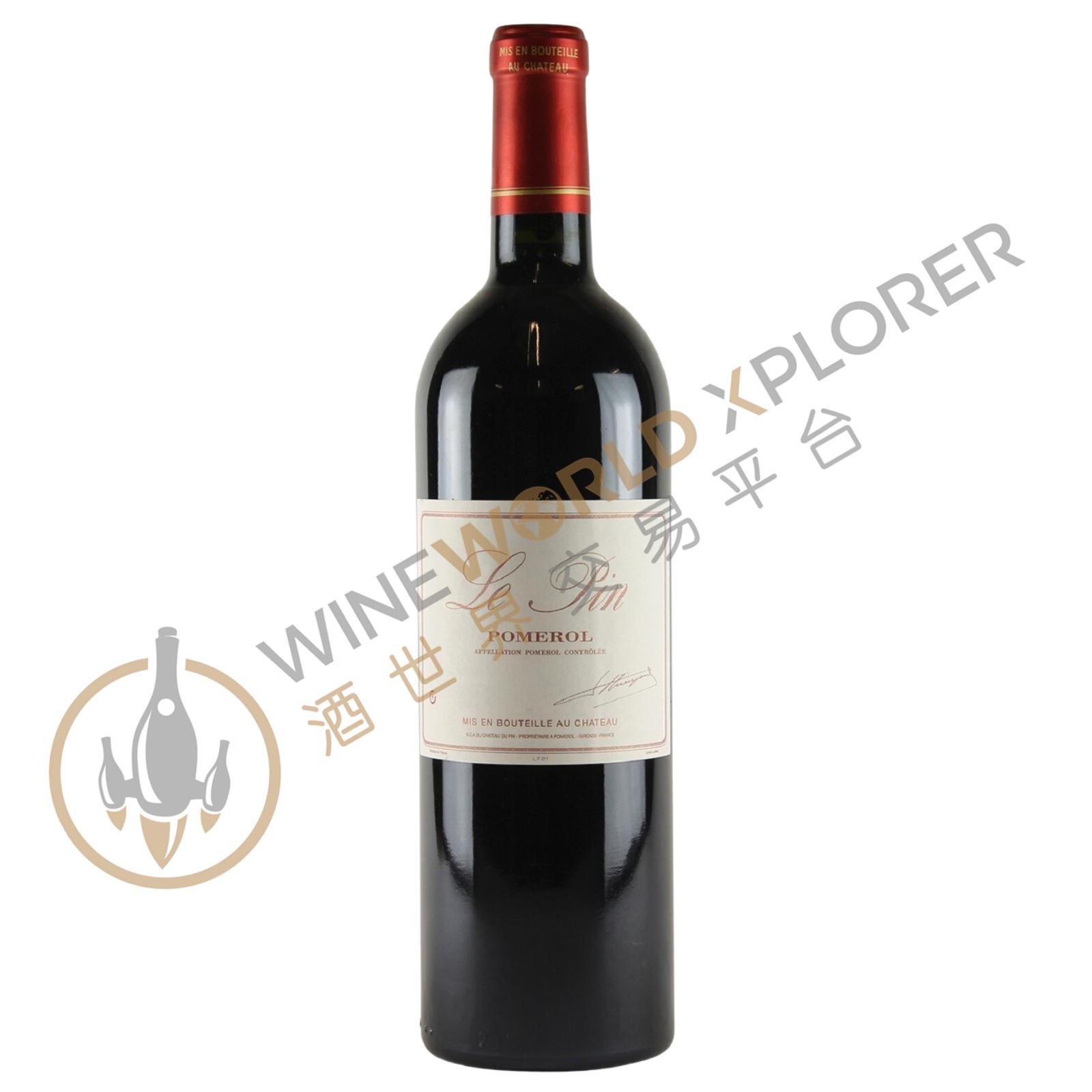
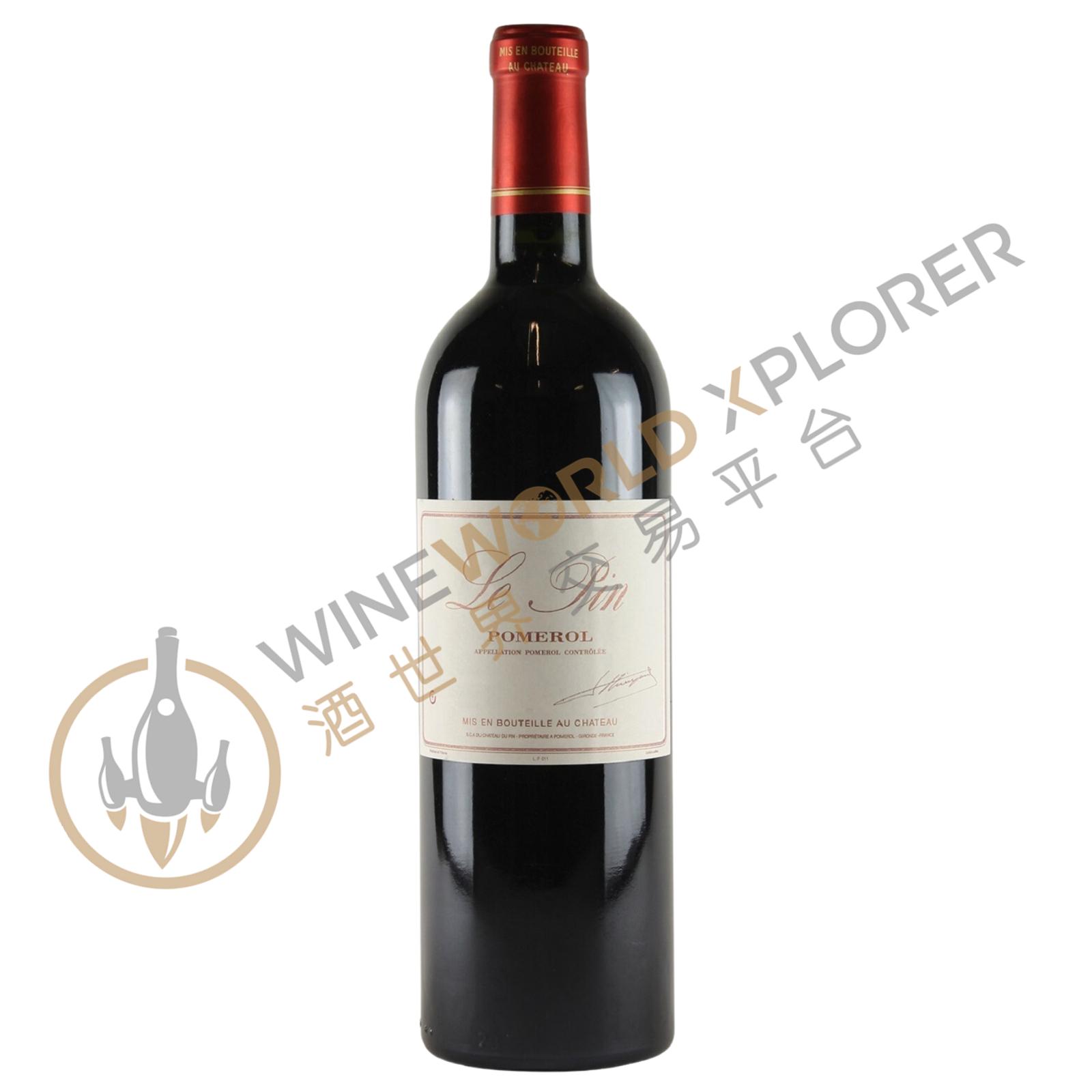
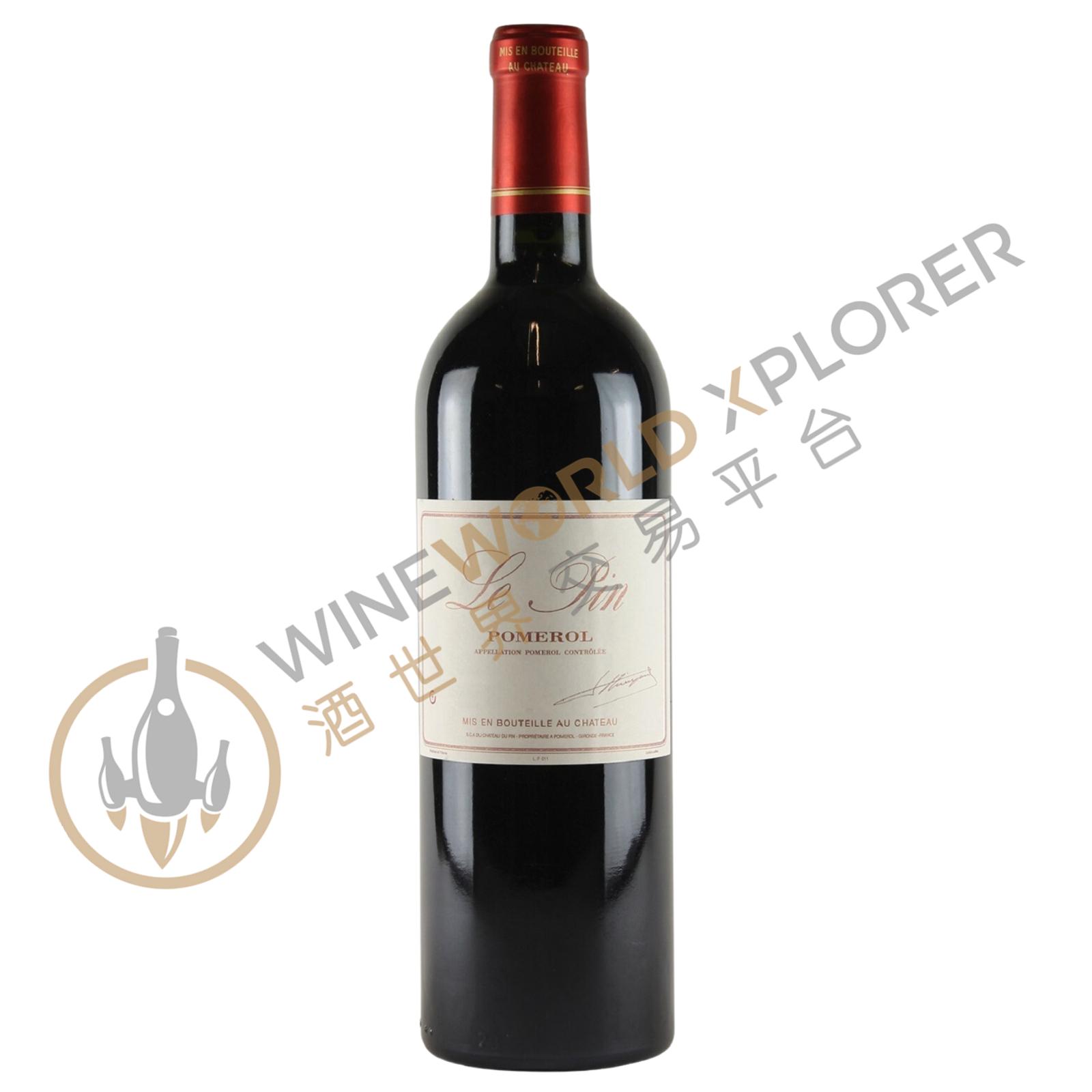
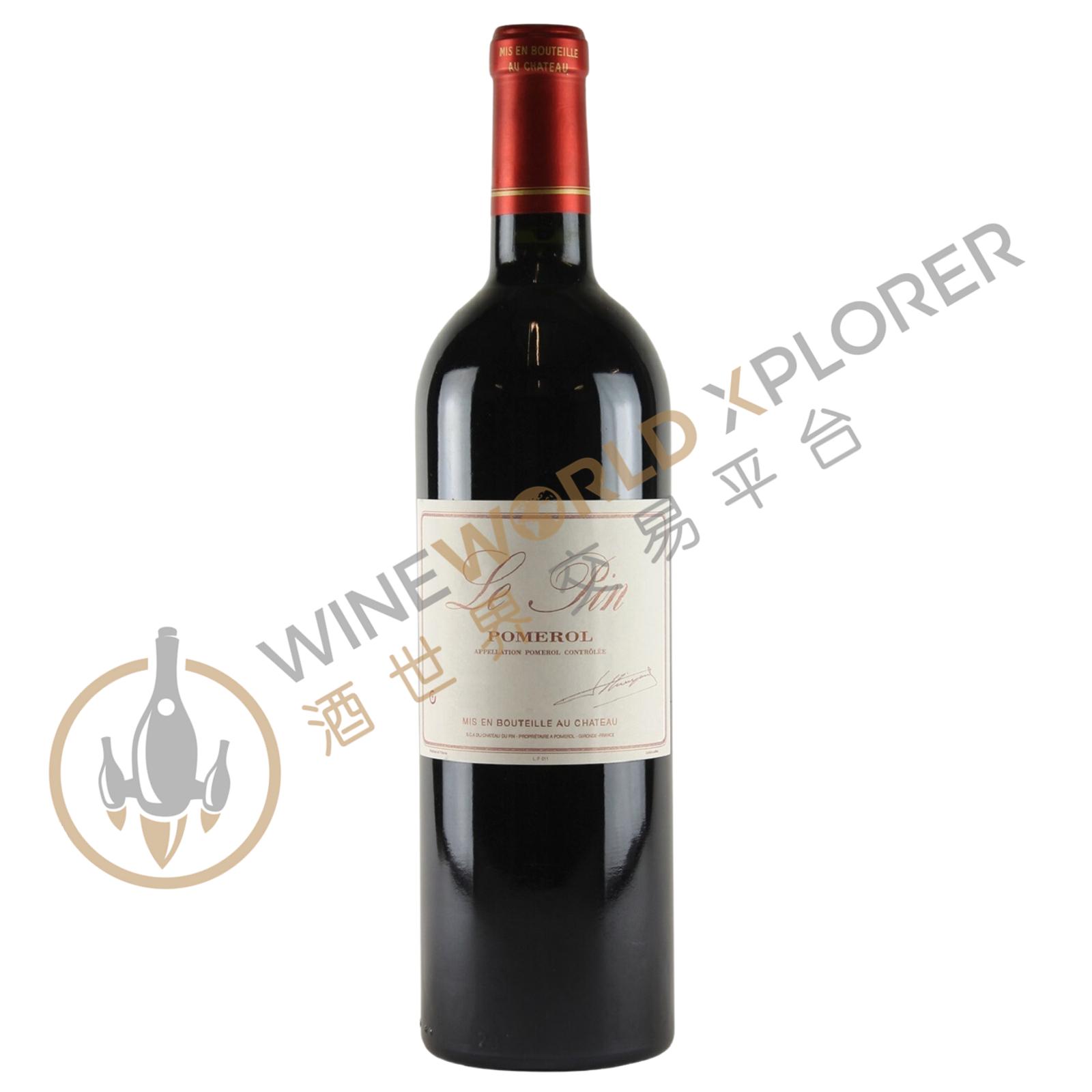
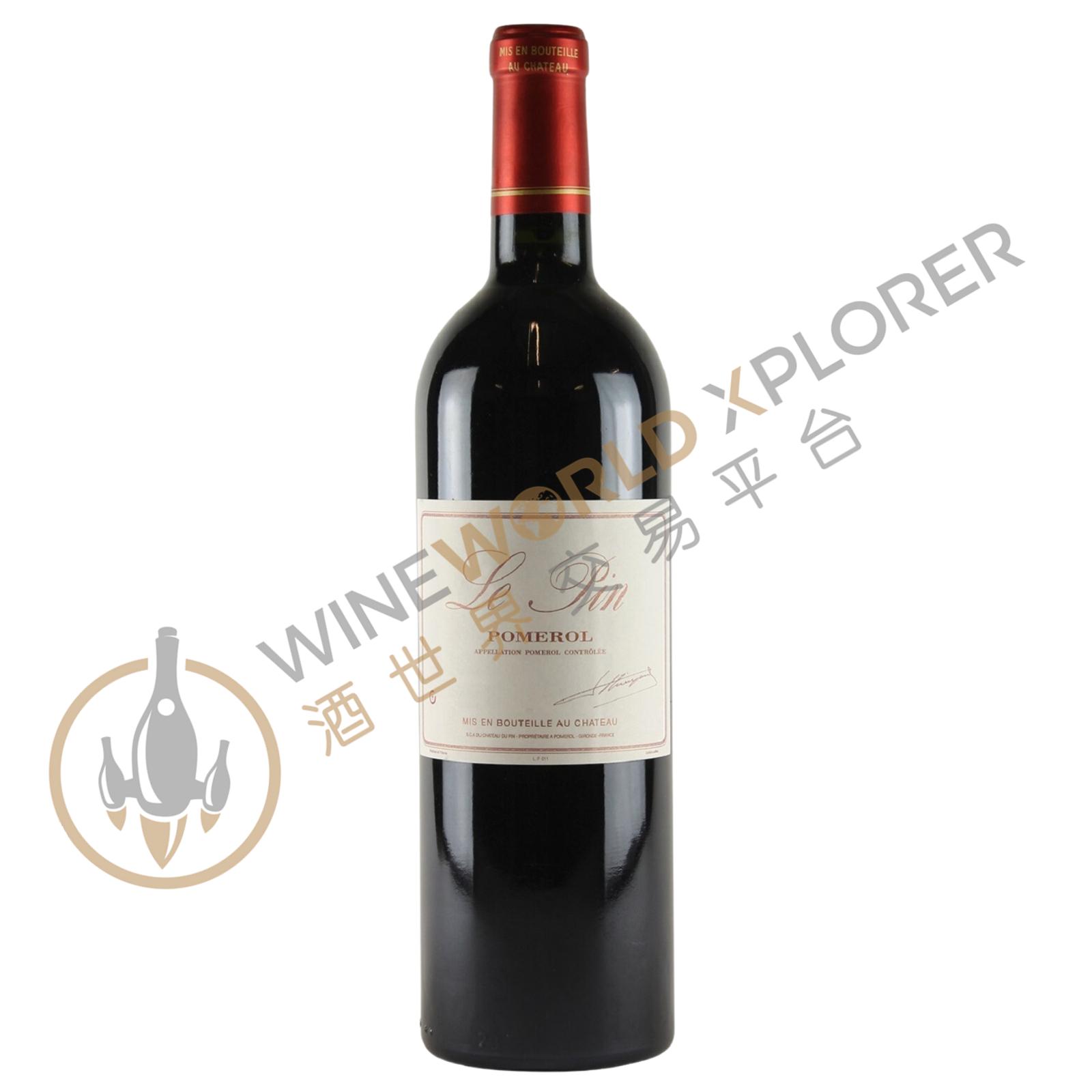
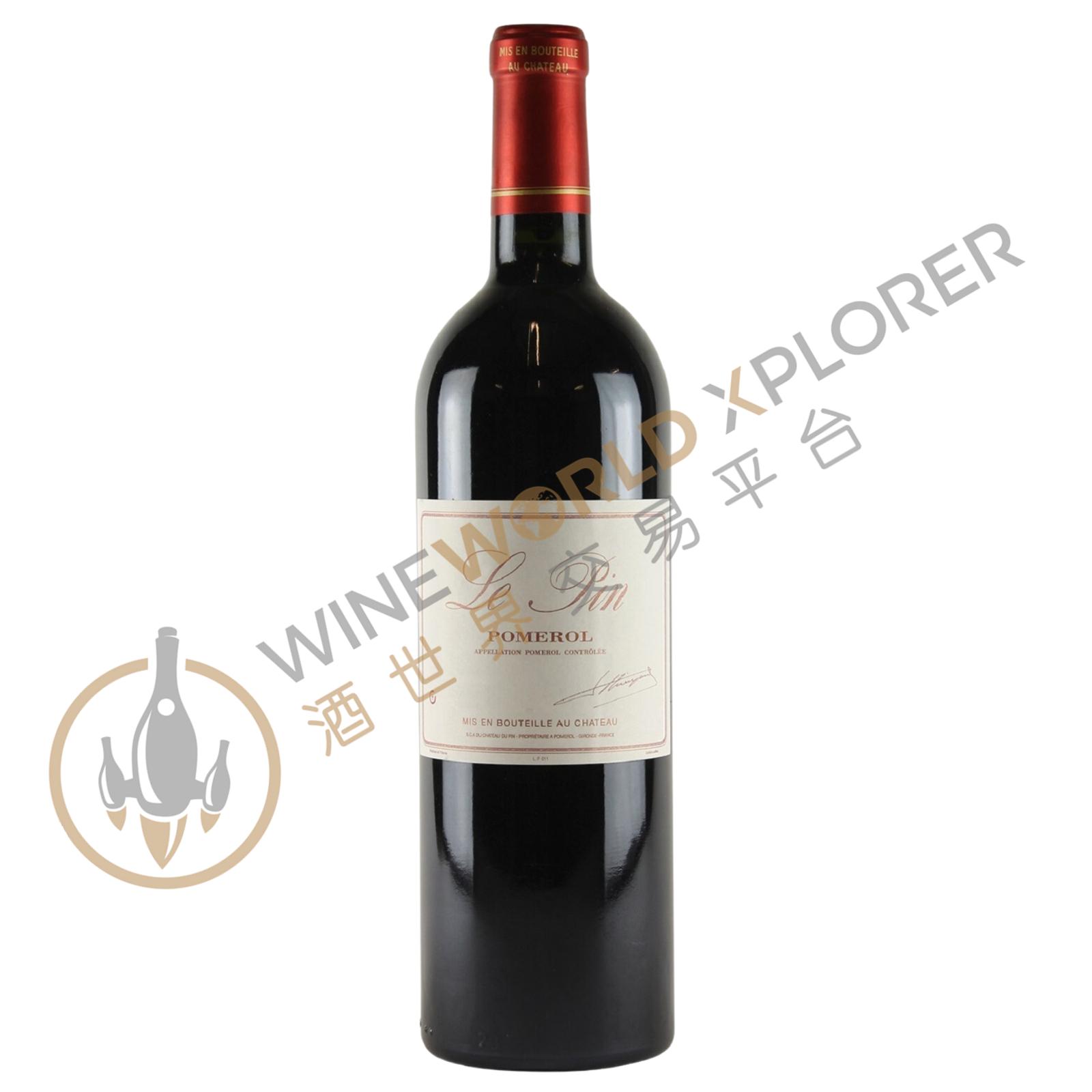
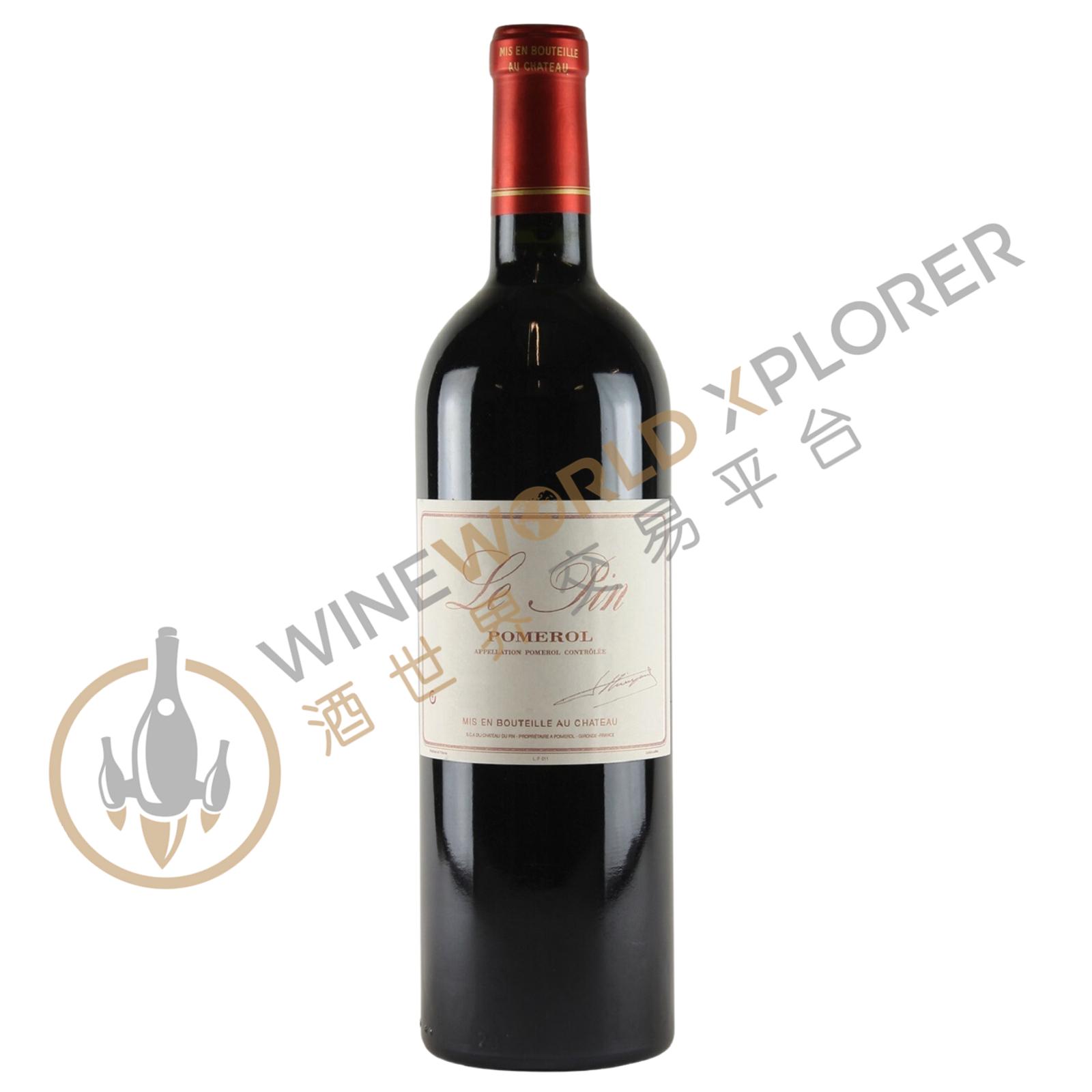
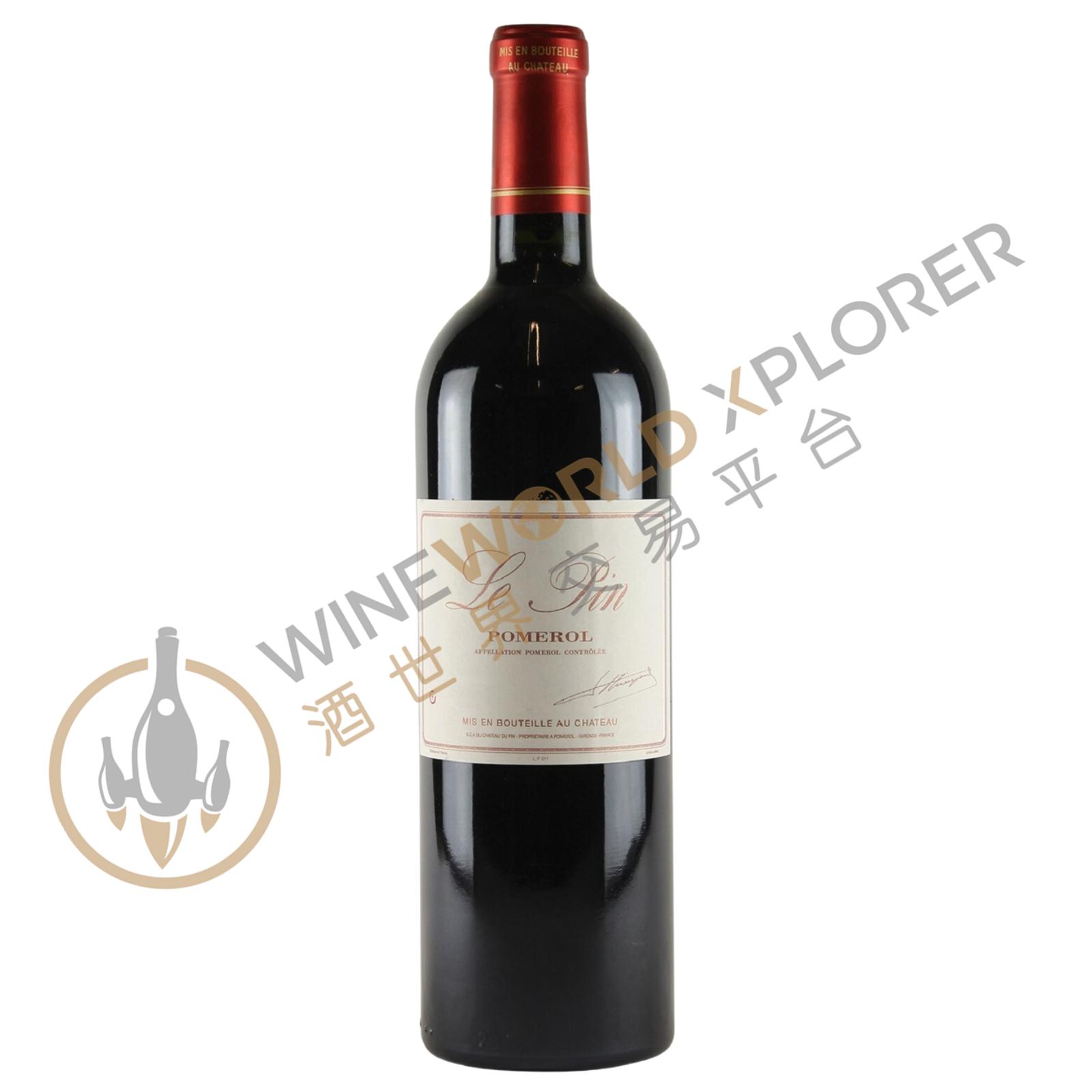
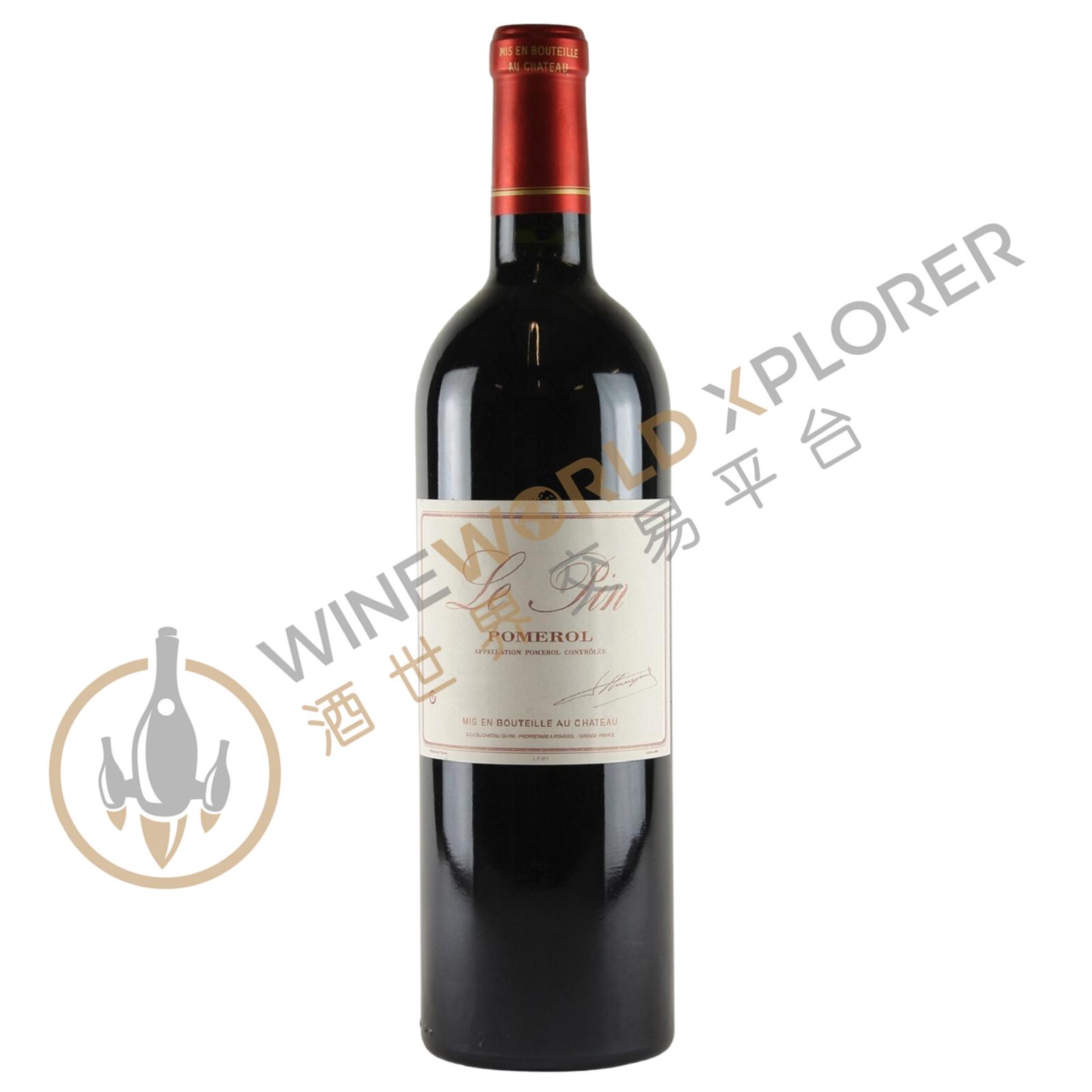
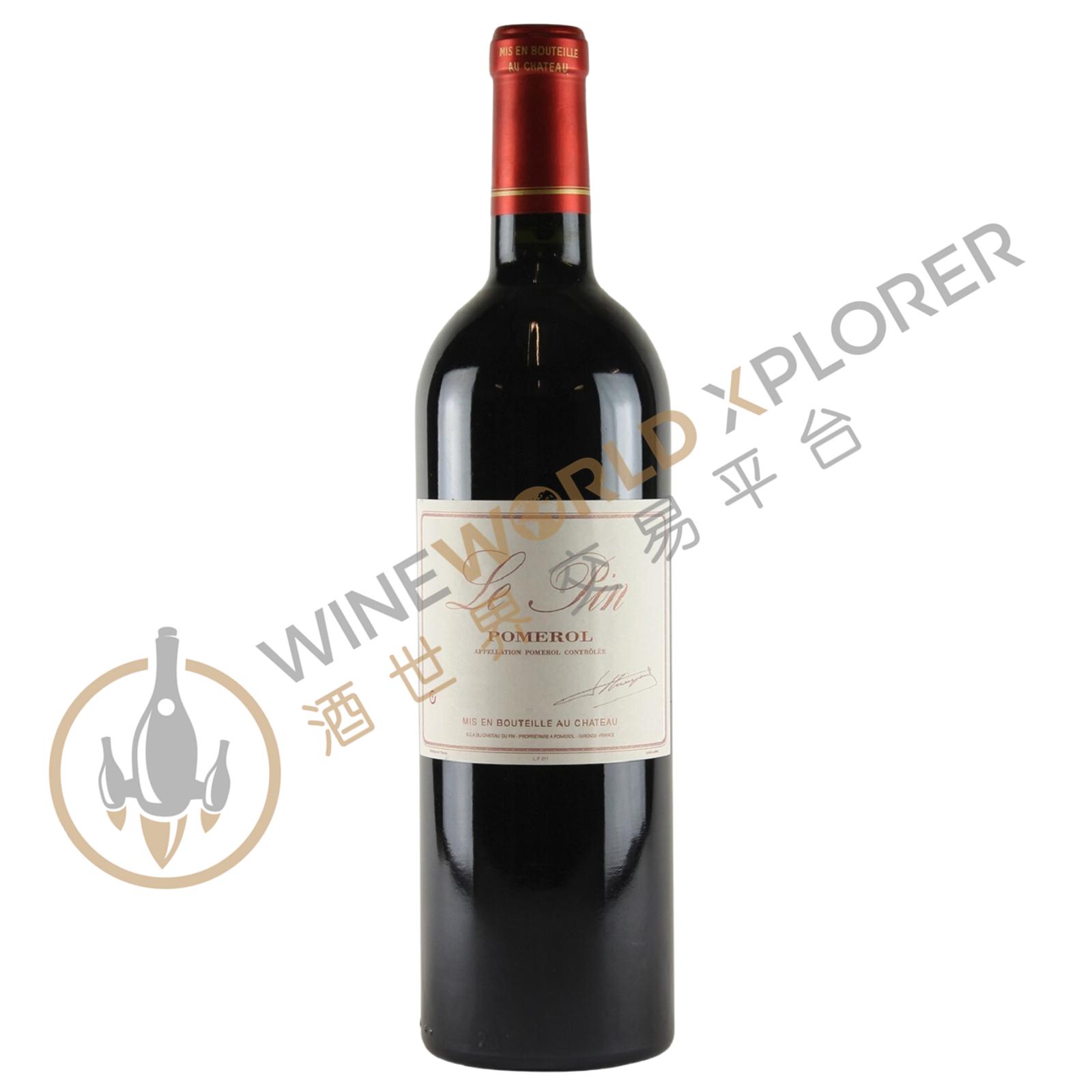
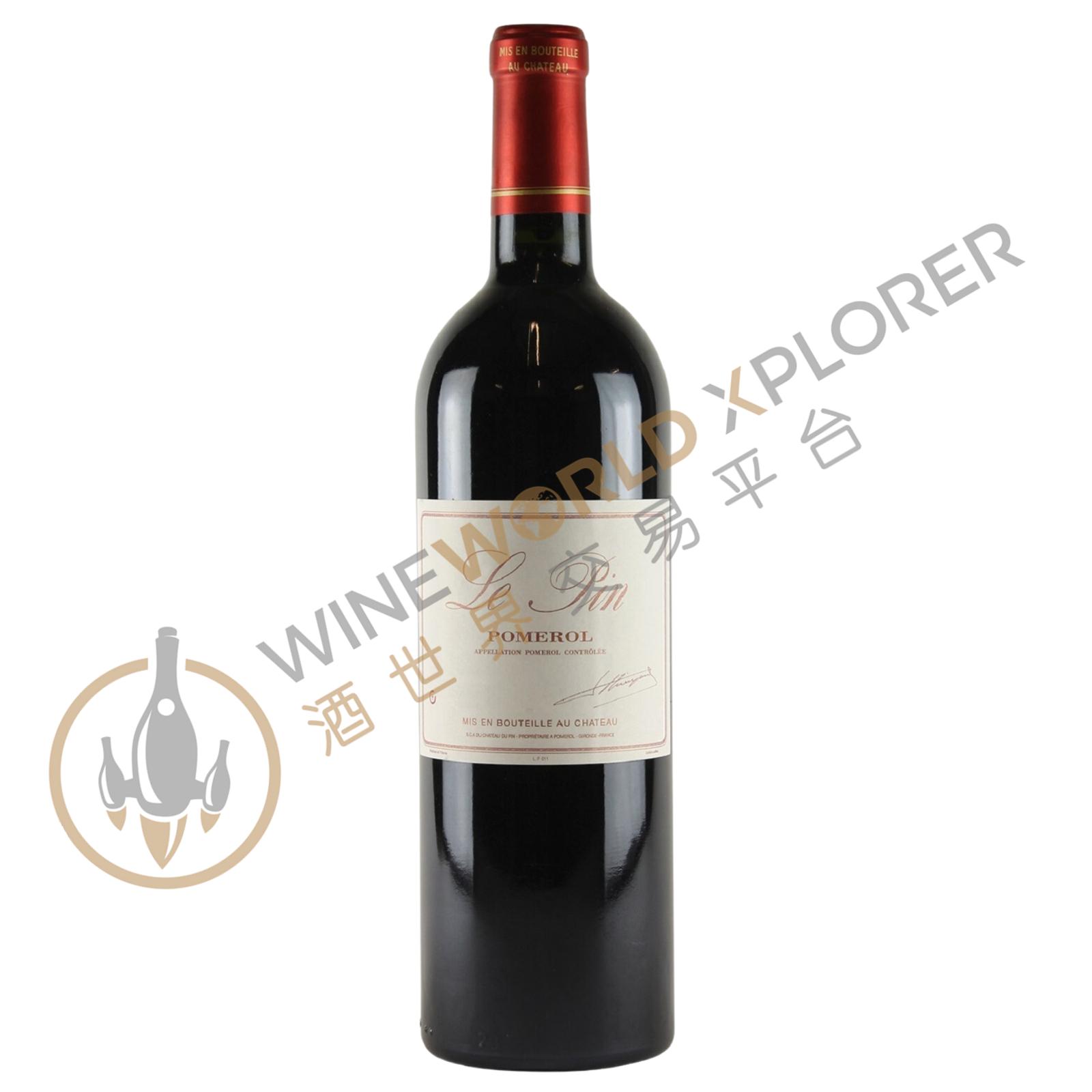
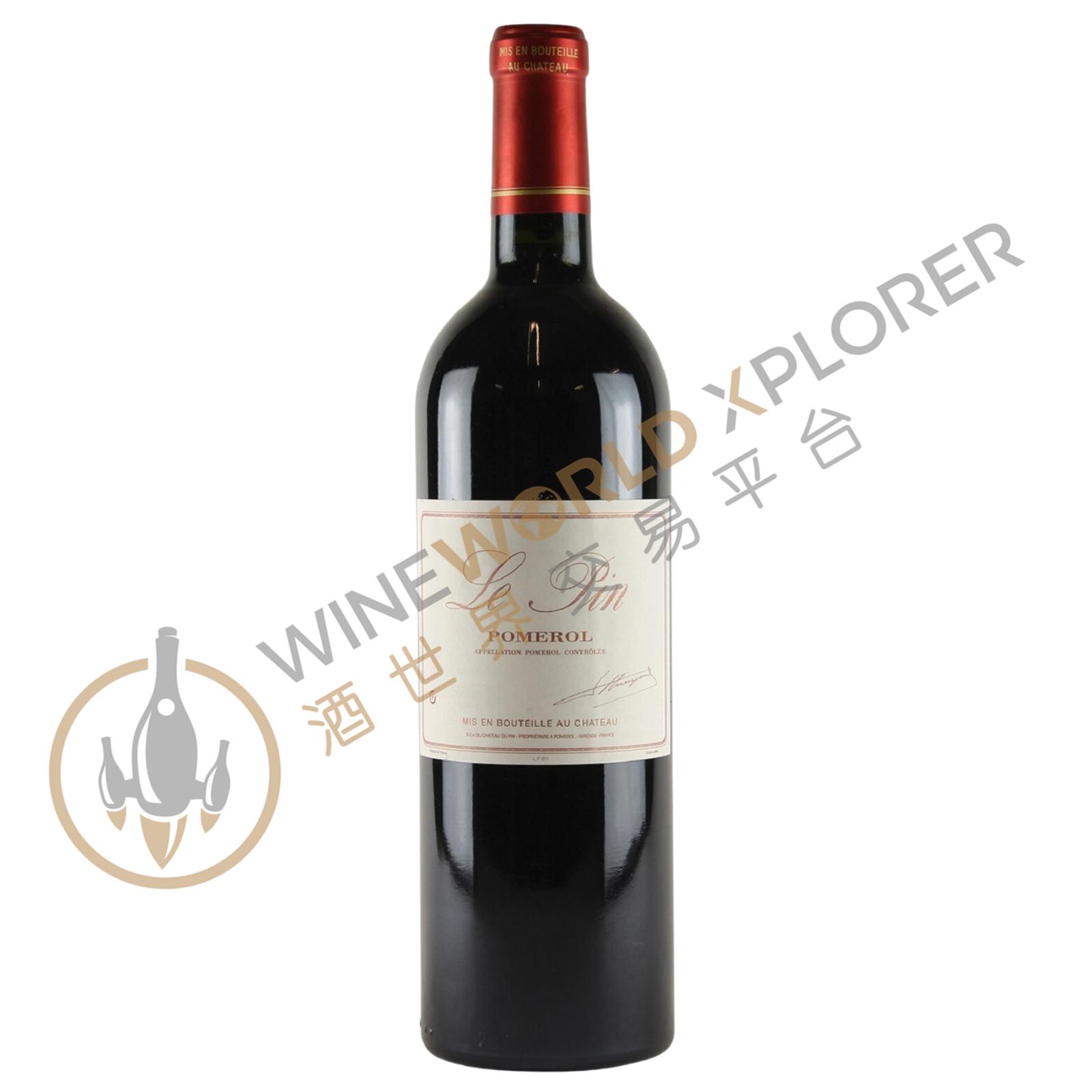
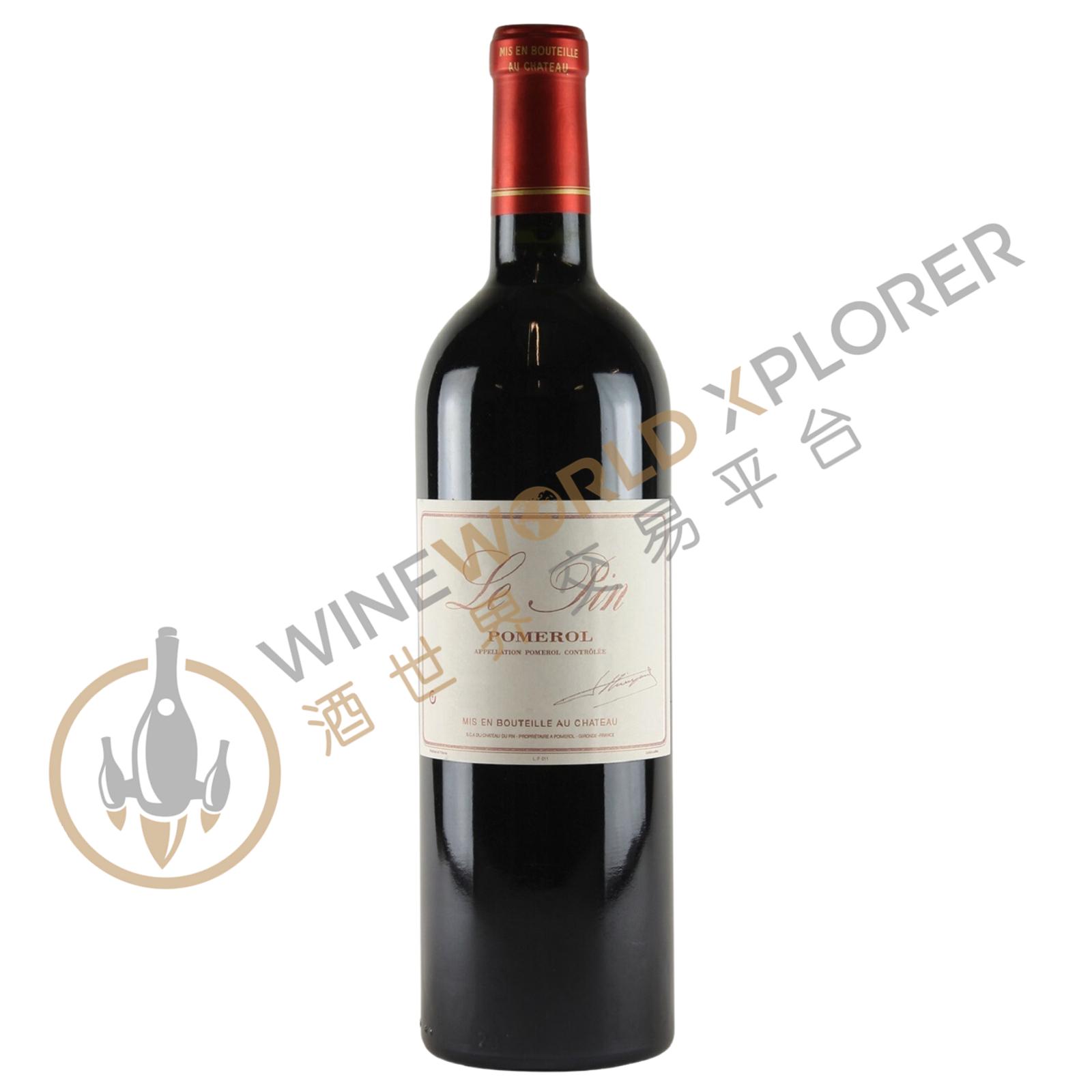
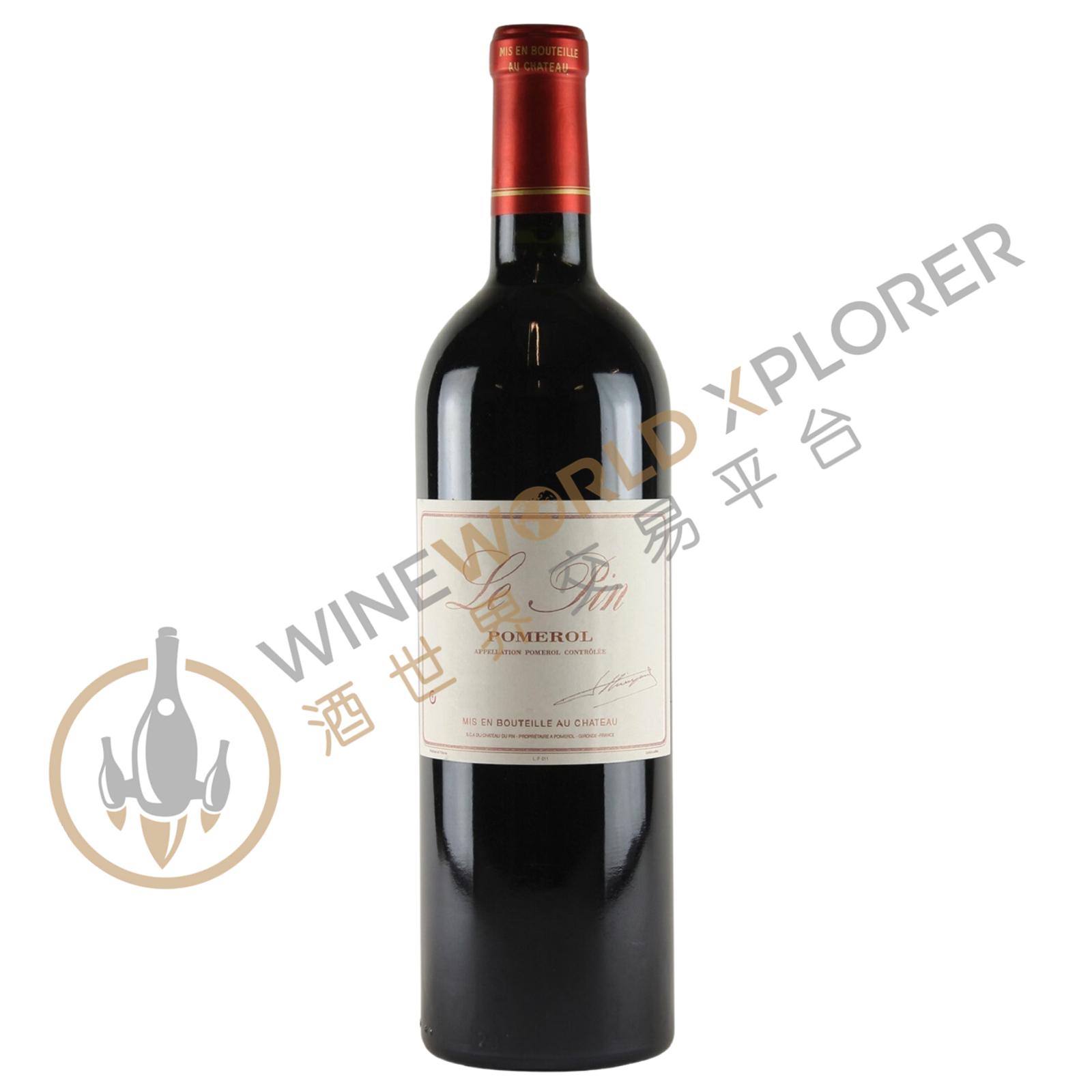
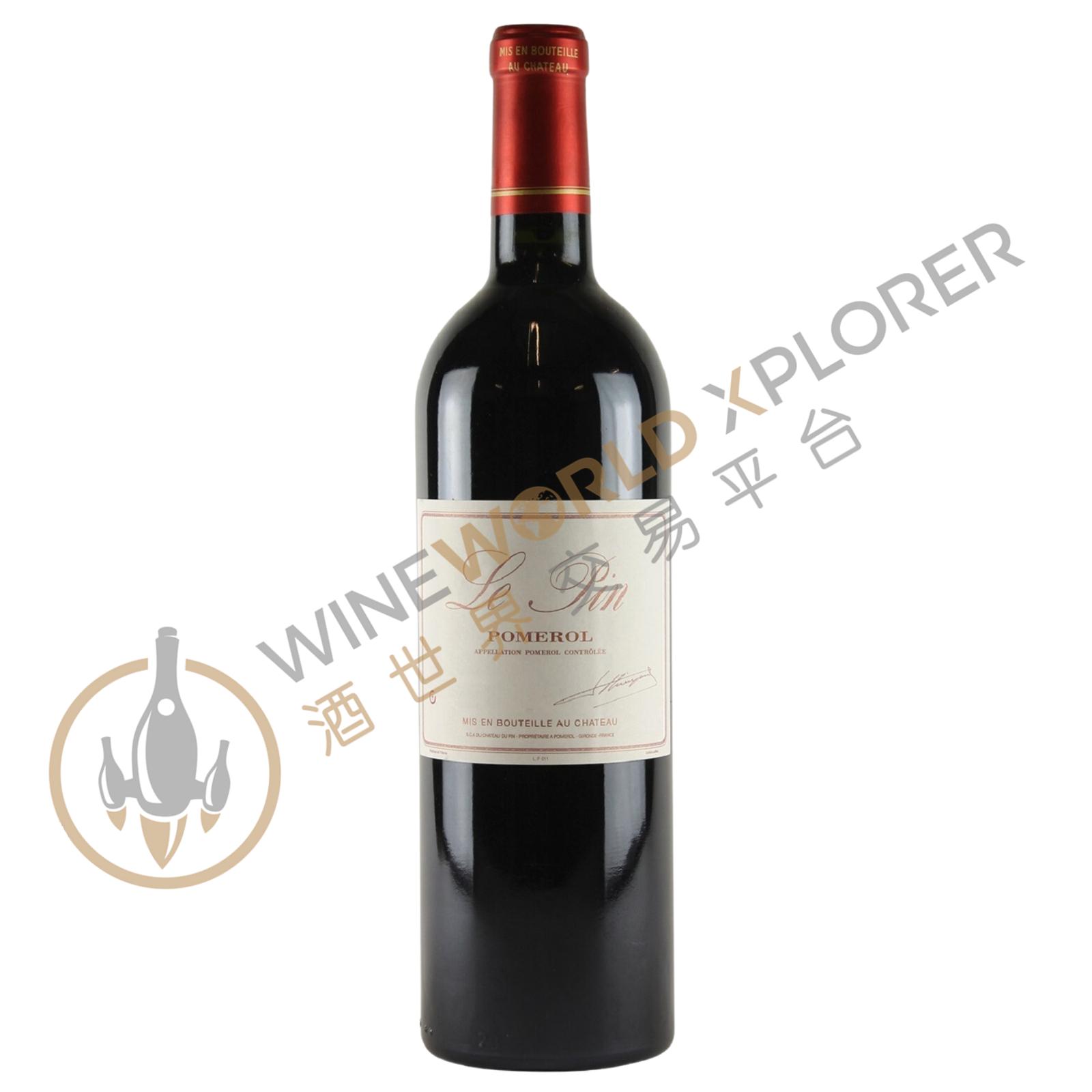
Le Pin 1988
 View analysis
Description
Tasting notes

Reviewed by: Robert M. Parker, Jr.
The 1988 is more subdued than the 1989. However, rich, curranty scents spiced with loads of new oak soar from the glass. Concentrated and rich, with a deep inner core of black fruit that lingers on the palate, the 1988 exhibits some aggressive tannins, but is still sweet, expansive, and velvety-textured. Anticipated maturity: Now-2003. Last tasted, 7/93.
Reviewed by: Robert M. Parker, Jr.
Last Tasted 6/92 Along with the 1986, this is a more structured and disciplined example of Le Pin. Nevertheless, the big, plummy, cassis nose intermingled with copious quantities of toasty oak is abundantly displayed. Dense, with much more noticeable tannin and less alcohol than riper examples of Le Pin, this medium-bodied wine displays a more conventional Bordeaux winemaking style. The finish is long and moderately tannic, suggesting that better things will emerge with several more years of cellaring. It should easily keep for 12-15 years.
Reviewed by: Neal Martin
The Le Pin 1988 reflects the vintage into which it was born. Atypically for Le Pin, there is a touch of green bell pepper interlacing the earthy black fruit, touches of black truffle and smoke joining the ride with aeration. The palate is underpinned by fine tannins, plenty of black fruit laced with truffle, cigar box and a touch of sea salt. Perhaps there is just a touch of dryness beginning to creep in on the sous-bois inspired finish, but this unassuming Le Pin continues to offer joy, if not the hedonism of the ensuing two vintages. Tasted December 2013.
Reviewed by: Robert M. Parker, Jr.
The 1988 is very oaky, concentrated, and rich, with a deep inner-core of black fruits (plums and prunes) that linger on the palate. It has more aggressive tannins than the 1989, but also more extract and structure. Anticipated maturity: Now-2003.
Reviewed by: Neal Martin
A limpid ruby/garnet core. An intriguing nose of overripe blackberry, orange peel and a touch of green pepper. Lacks the definition I was expecting. The palate is paradigmatic of the vintage, fairly tannic and masculine, though youthful and still a little tight. Blackberry, burnt toast, a little tinned prune and a touch of undergrowth on the finish that is quite understated and refined. Probably needs another two or three years judging by this bottle. Tasted November 2006. Drinking 2012-2018
Reviewed by: Robert M. Parker, Jr.
This wine has developed nicely in the bottle. The color is a deep ruby with purple nuances. The aggressive oakiness has melted away to reveal plenty of pain grille and sweet, rich black cherries, black currants, and a touch of prunes. Chocolatey and rich, this medium to full-bodied, super-concentrated Le Pin possesses more structure and tannin than is noticeable in many vintages. It is still a beautifully plump, hedonistic wine. Anticipated maturity: 2000-2010. Last tasted 11/97
Reviewed by: Neal Martin
Tasted at Bipin Desai’s Le Pin vertical in Los Angeles. This is a very fine ’88 Pomerol. The nose is well defined, better than the last bottle I encountered with touches of cedar, mint and sous-bois, developing subtle gamey aromas in the glass. The palate is medium-bodied with firm structure on the entry, a citrus edge lending it freshness and vitality with good focus. A charming Le Pin, it has an agreeable sous-bois character on the slightly dry finish. Good length. A Le Pin that must be imbibed over a meal rather than on its own, certainly one that reflects the personality of the vintage. 460 cases made Drink now-2016. Tasted November 2008.
Reviewed by: Neal Martin
This is the third time that I have tasted the 1988 Le Pin, a wine always destined to be overshadowed by the twin titans of 1989 and 1990. That is probably unfair because the 1988 is a perfectly fine Pomerol in its own right. It has a bewitching bouquet with blackberry, cloves and earthy black fruit, which here morph into roasted chestnut aromas. It blossoms in the glass, yearning to please and observed over an hour, it gains a little meatiness. The palate is medium-bodied and nicely balanced with its truffle-laced black fruit and a pleasant salinity. Yes, it is a little masculine and stoic compared to other vintages of Le Pin, but this classically styled wine will please those who prefer their Pomerols to be well-mannered and not too brash. A classicist Le Pin. Tasted July 2014.
Reviewed by: Neal Martin
The 1988 Le Pin was often overlooked, but it is a great Pomerol that gives much pleasure. This might actually represent the best example. Curiously, it dupes you into thinking there is some Cabernet Franc on the nose, and in fact, I mistook this for a Vieux Château Certan that was in the same flight. Plenty of ripe black fruit, hints of black truffle shavings and just a touch of graphite appear on the nose. The palate is beautifully balanced with pliant tannins, gaining complexity seemingly with every swirl of the glass. The precise finish makes a discrete nod to what you might term "more restrained Napa". Simply delicious. Tasted at the 1988 Bordeaux dinner at Noble Rot Mayfair.
About the Producer
Le Pin is the most expensive wine in the world. Jacques Thienpont purchased the meagre 1.6 hectares of land for one million francs in 1979. The Thienpoints named their wine Le Pin after a solitary pine tree that shaded the property. By acquiring tiny adjoining plots of land, Jacques has doubled the size of Le Pin to five acres. The south-facing vineyard on a well-drained slope of gravel and sand is planted with Merlot (about 92%), and a small amount of Cabernet Franc. Le Pin's soil is a mixture of gravel and clay with a little sand and is exceptionally low yielding (between 30 to 35 hl/hc). The grapes are hand-harvested and are fermented in stainless steel before being matured in`200%` new oak barriques for between 14 and 18 months. Dany Rolland, wife of cult-oenologist Michel Rolland, is a consultant here. Le Pin produces just 600 to 700 cases each year (Lafite Rothschild produces approximately 29,000 cases of wine a year and and Pétrus about 4,000) and its rarity is one of the driving forces behind its high prices. Le Pin produces super-concentrated, decadent, lush and lavishly oaked wines - they can be drunk young but are best with 7-10 years of bottle ageing.
1985(1)1986(1)
Package Size