Wine Advisor



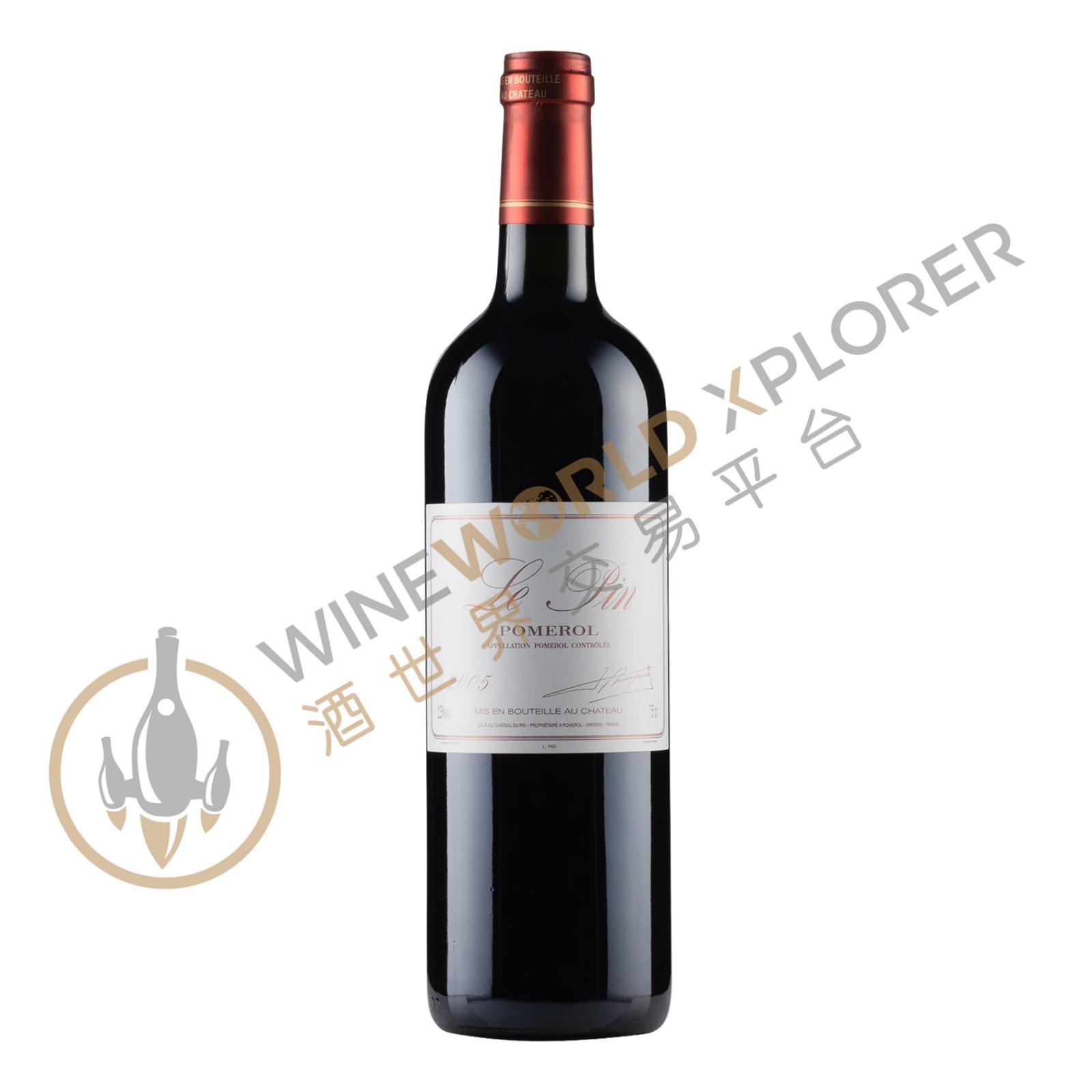
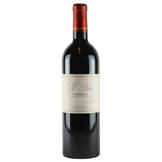
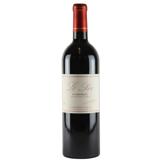
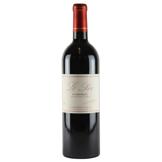
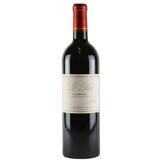
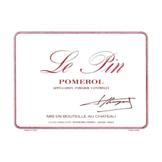
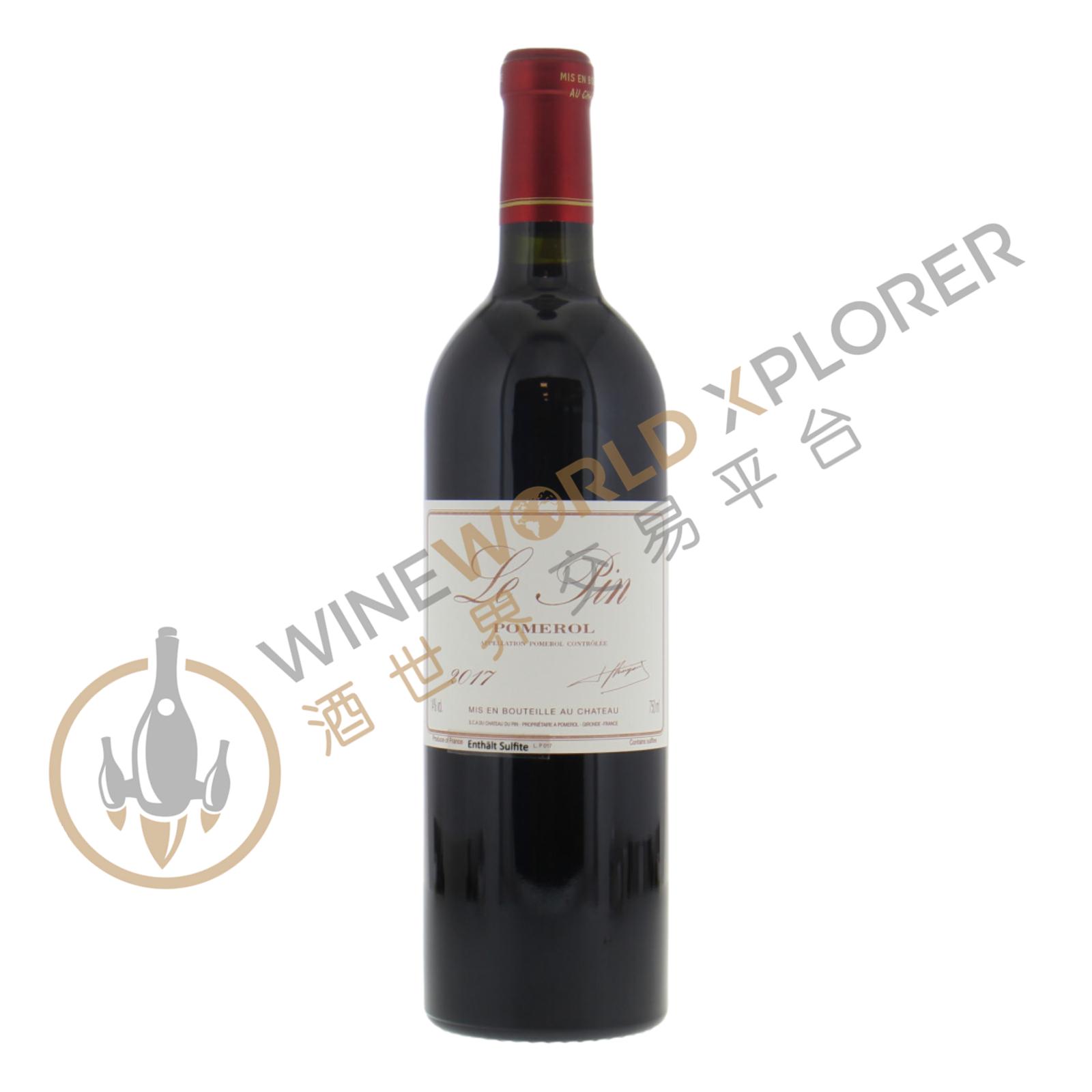
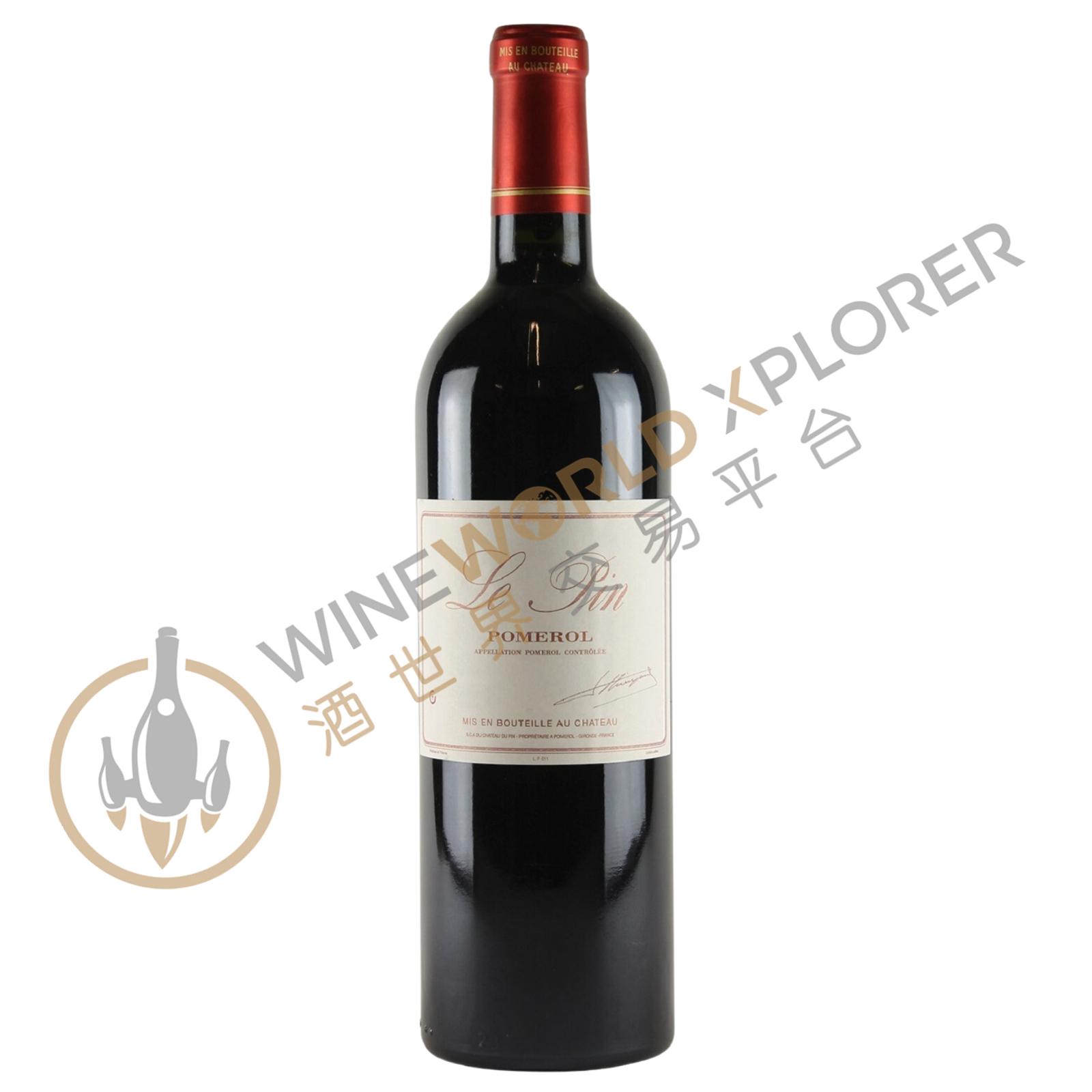
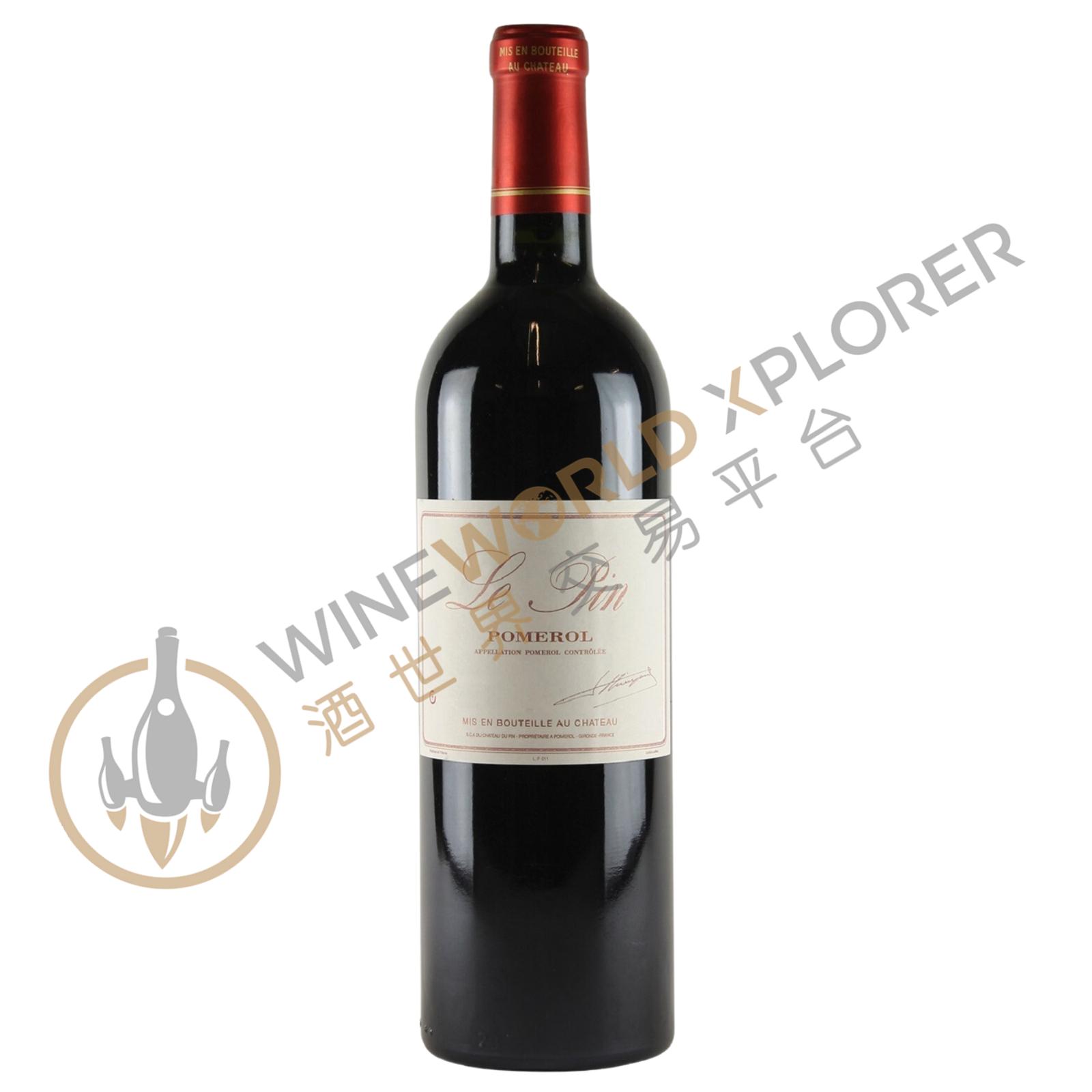
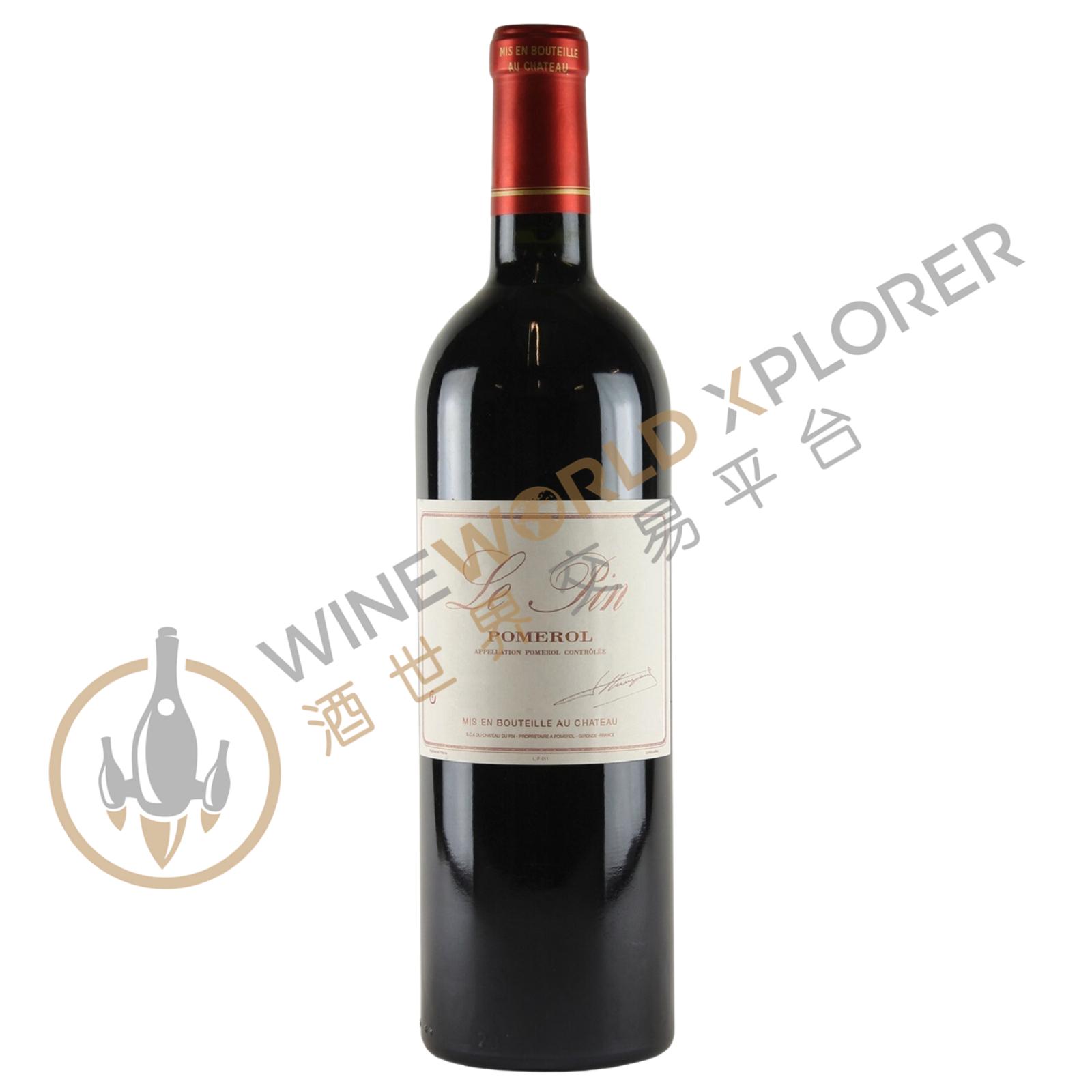
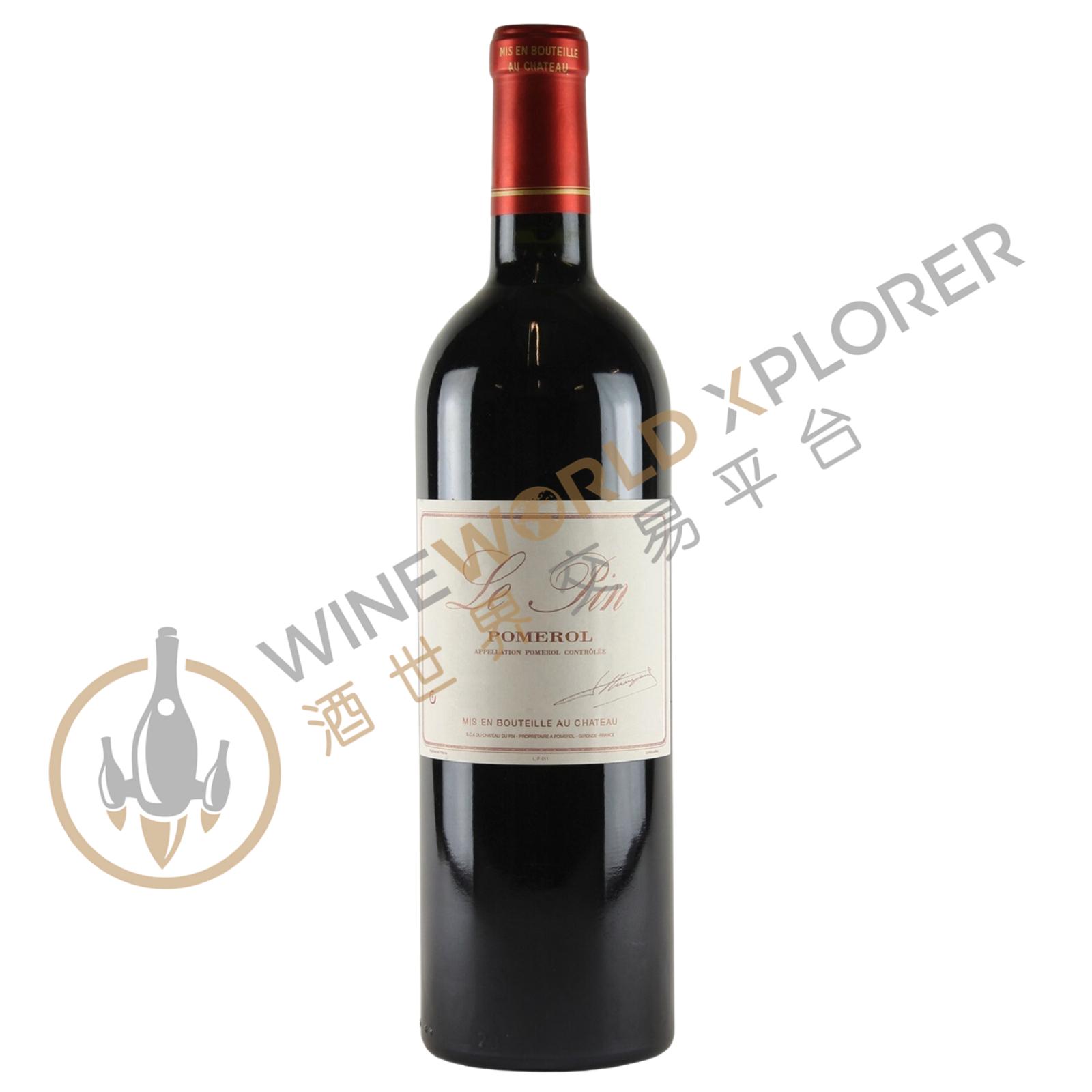
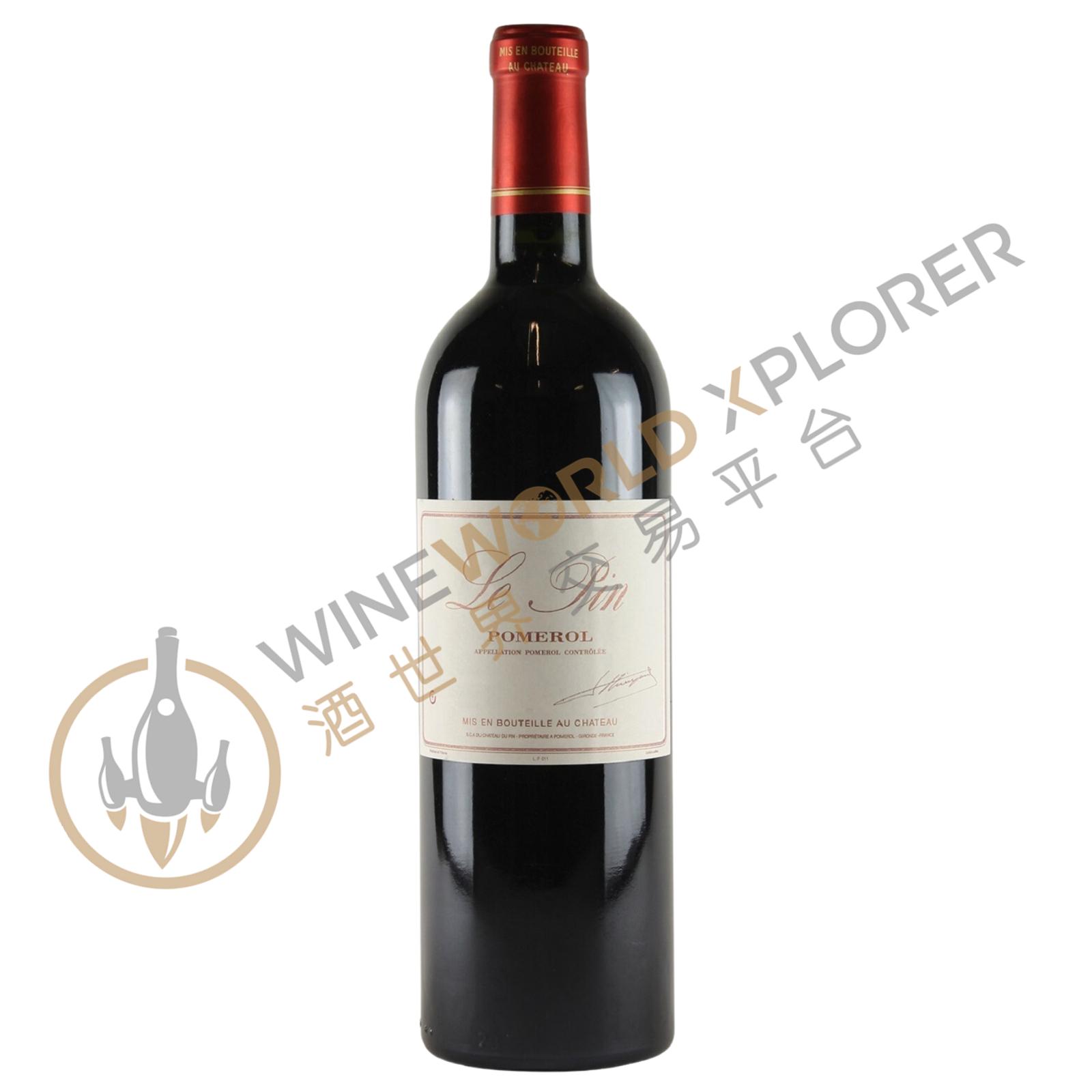
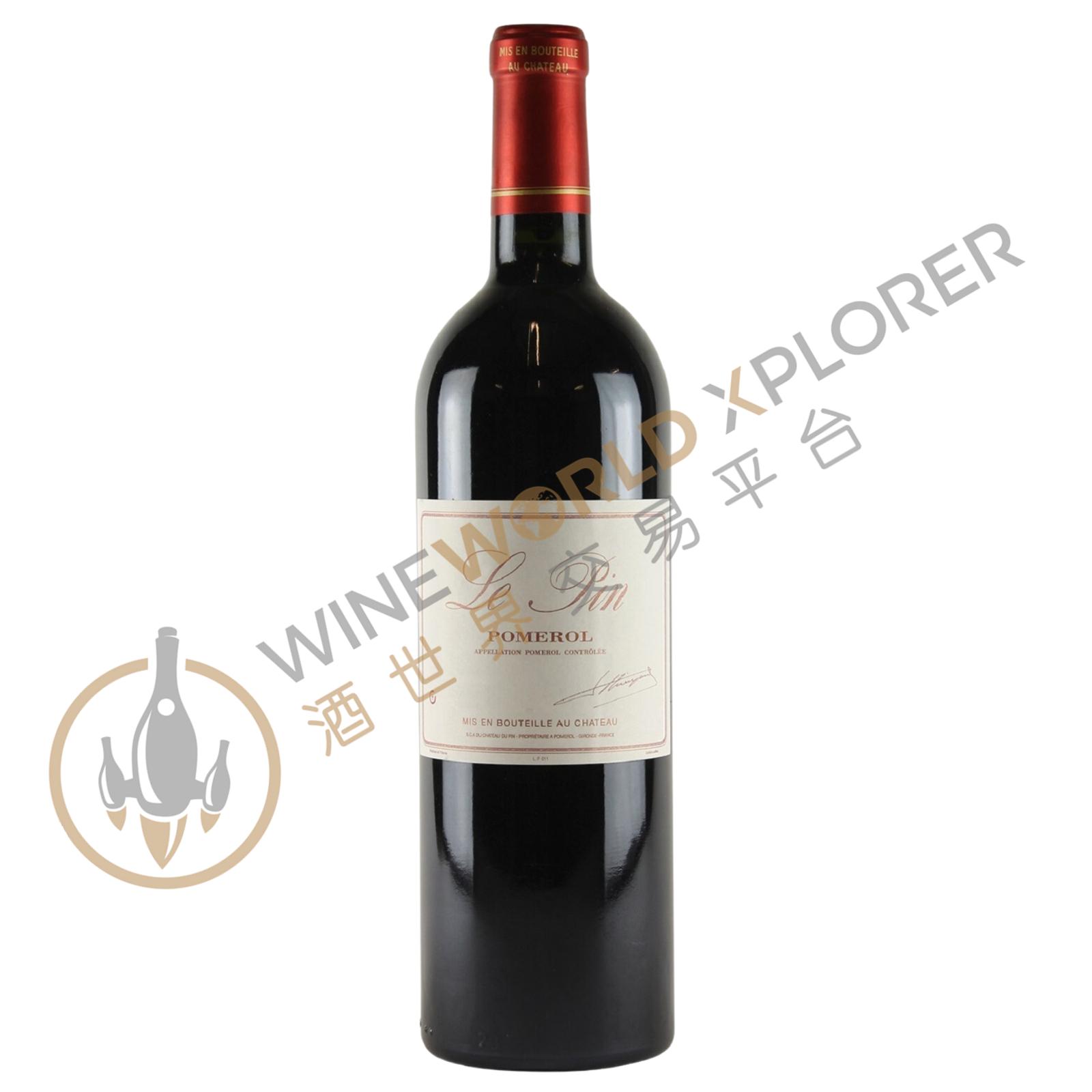
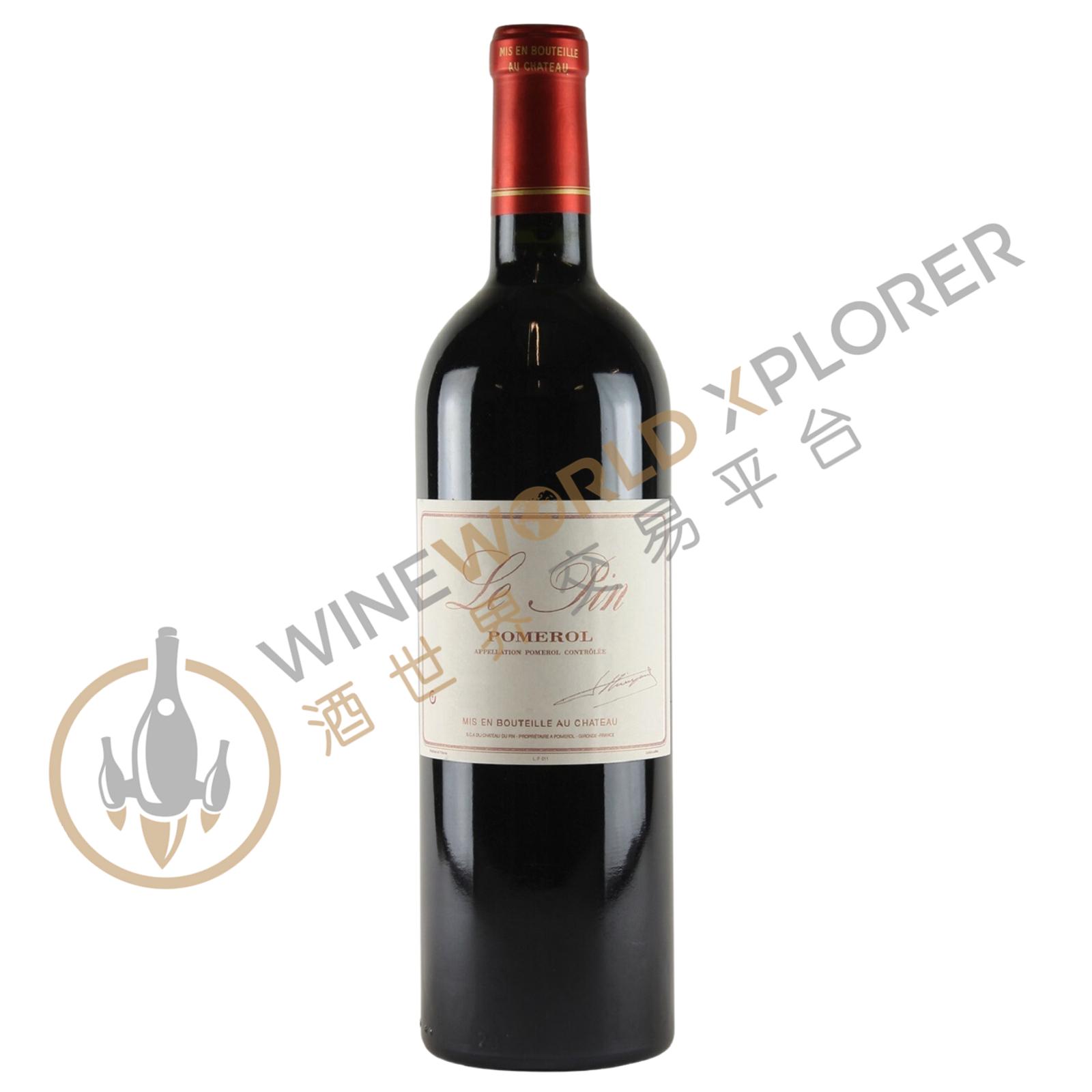
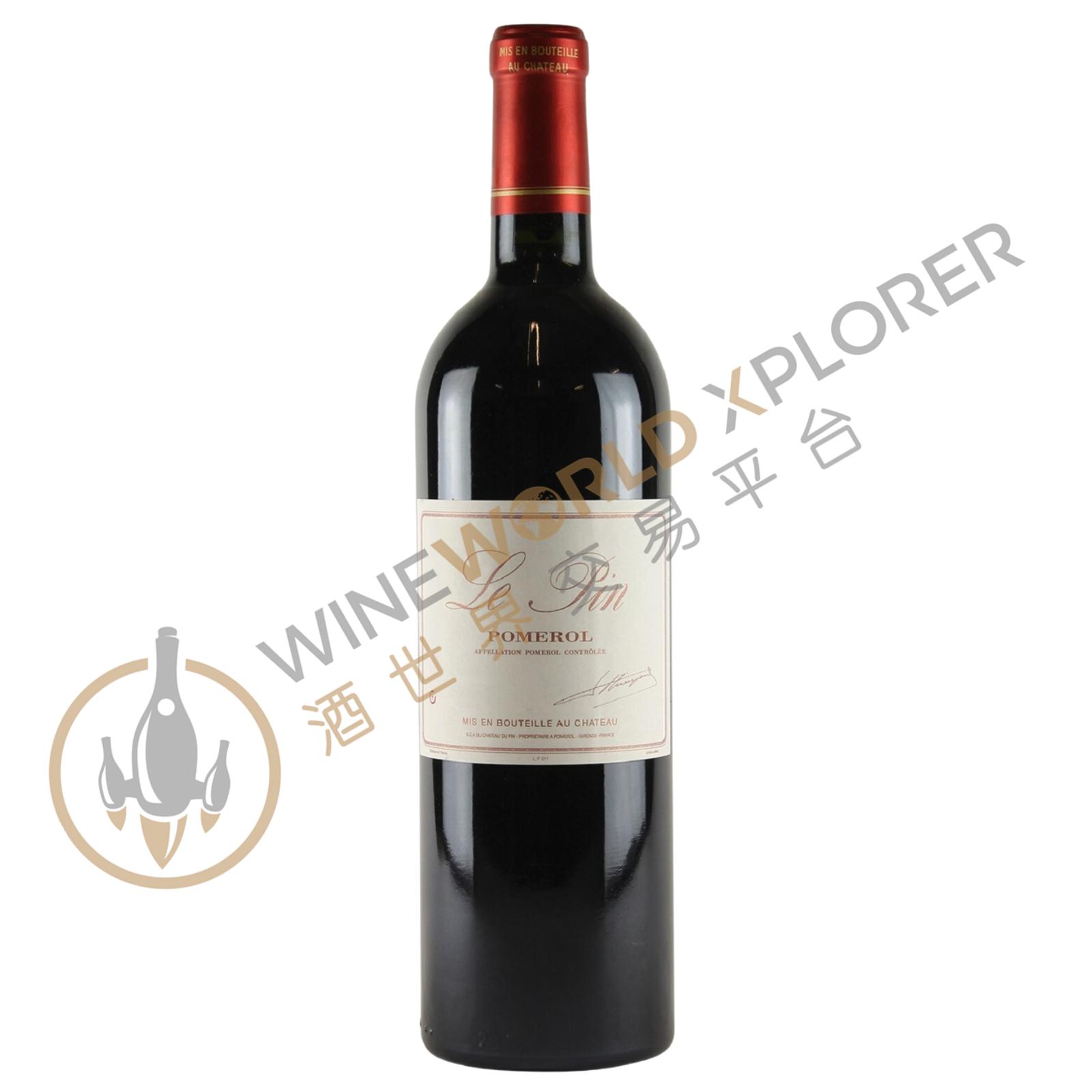
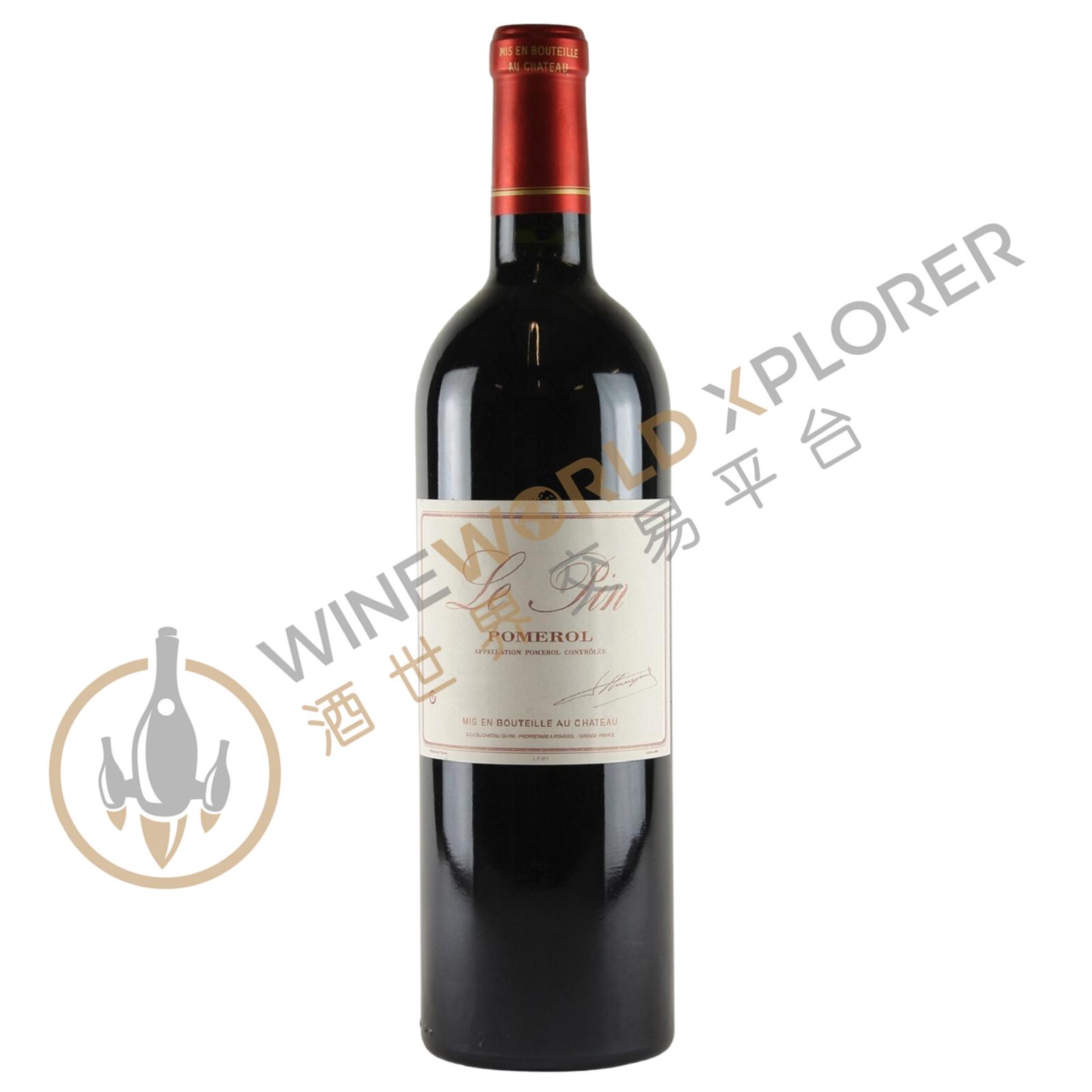
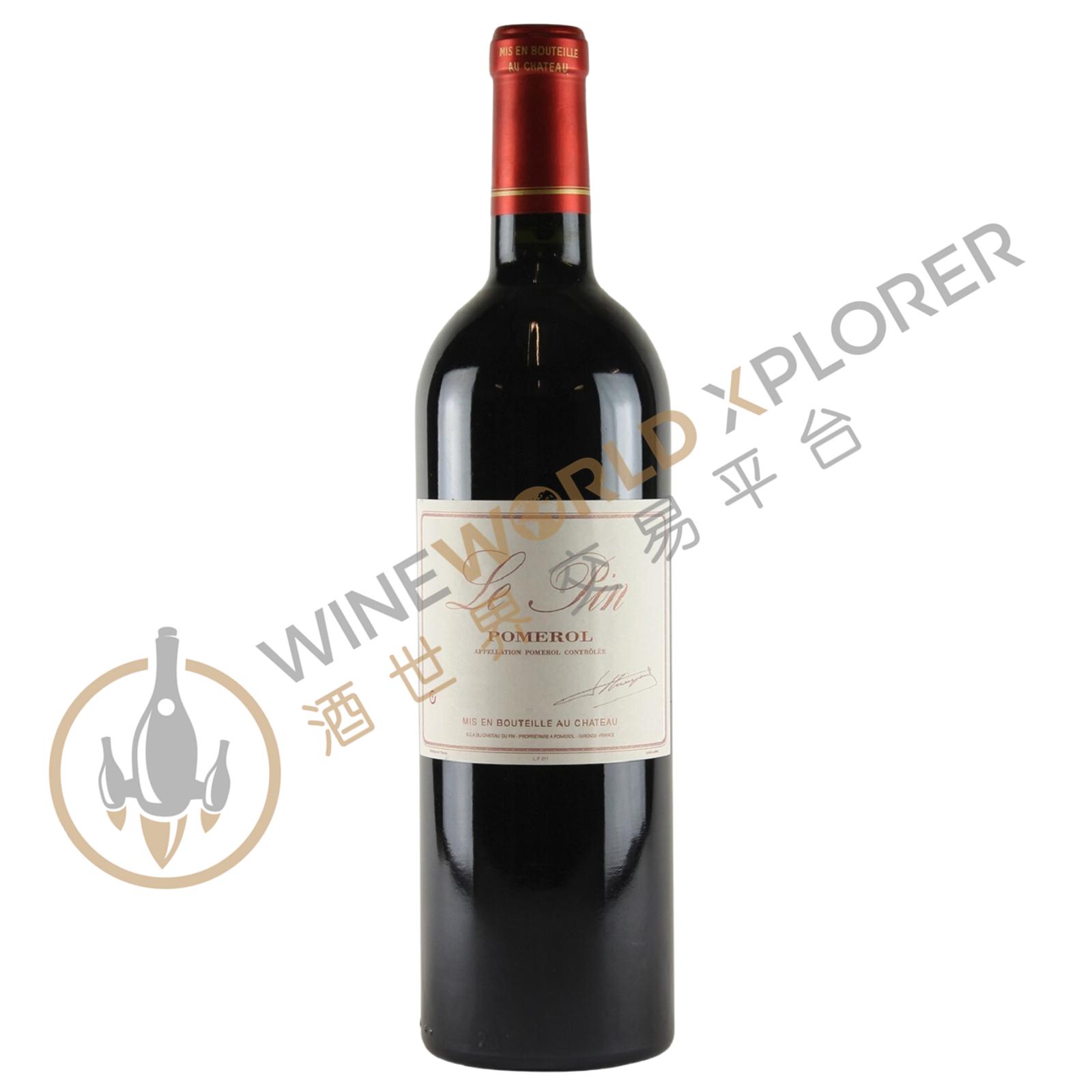
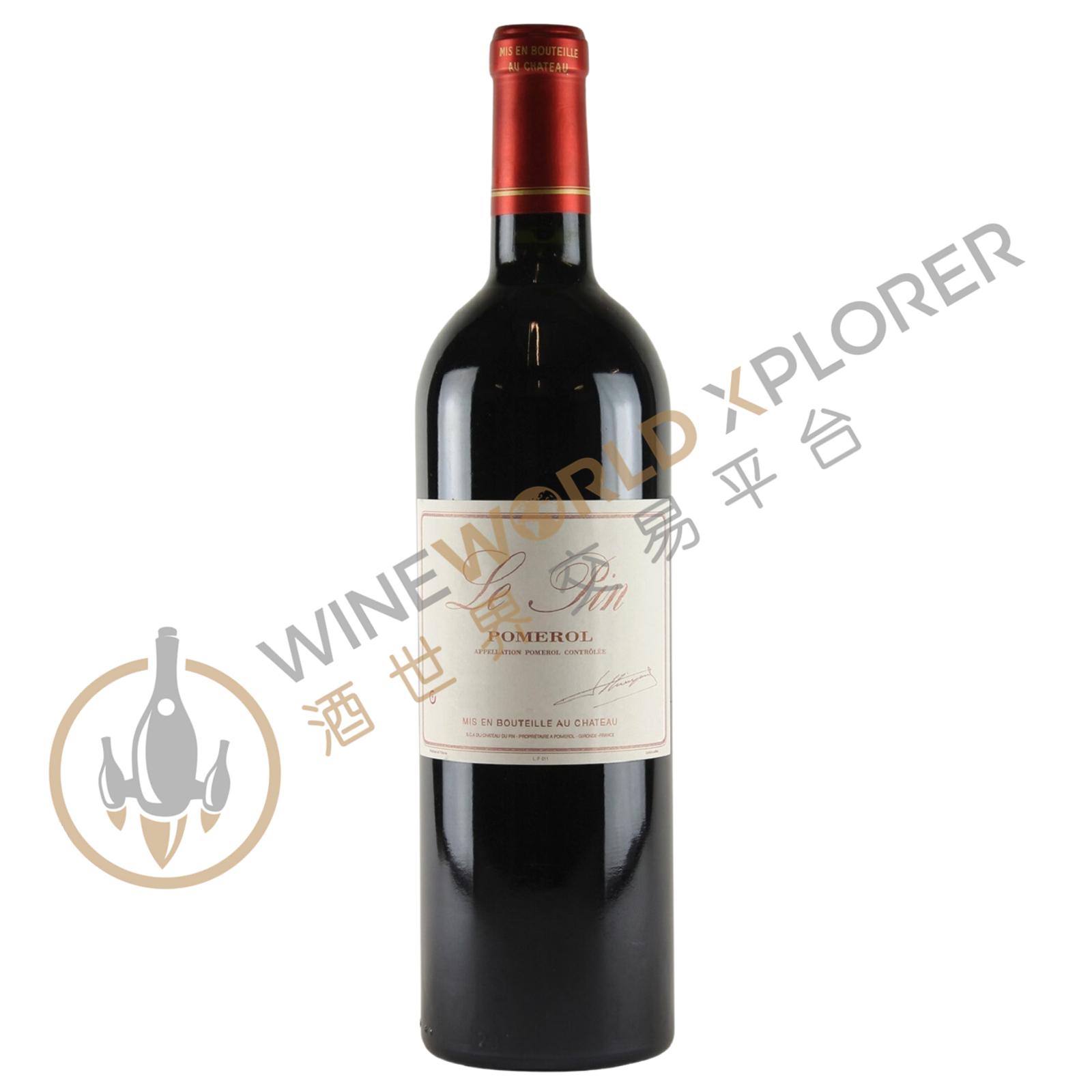
Le Pin 1986
 View analysis
Description
Tasting notes

Reviewed by: Robert M. Parker, Jr.
The 1986 offers up an extraordinary nose of smoky oak and plummy fruit. Concentrated and powerful, with abundant tannins, this may be the most structured Le Pin yet made. Medium to full-bodied, firm yet rich and expansive, this wine will benefit from another year or two in the cellar. Anticipated maturity: 1994-2005. Last tasted, 7/93.
Reviewed by: Robert M. Parker, Jr.
Last Tasted 6/92 The bouquet appears to have changed little since this wine was bottled, still revealing hefty quantities of new oak and sweet, jammy, nearly over-ripe fruit. In the mouth, the 1986 Le Pin does not display the expansiveness and opulence of several other vintages, and there is more noticeable tannin, but the rich, creamy fruit and hedonistic, even decadent style of winemaking is evident. The finish is long and soft. Since there has been little evolution in this vintage, I suspect more nuances, and perhaps more weight and richness will emerge in another 2-4 years. It can easily be kept for another decade.
Reviewed by: Neal Martin
Tasted from a half-bottle with owner Jacques Thienpont and Fiona Morrison MW at the property, the 1986 Le Pin put in a quite dazzling display. Who says demi-bouteilles cannot age! Still youthful in color, I was smitten by the precocious and intoxicating bouquet armed with seductive blueberry, vanilla and violet scents. Interestingly, it reminded me of a fine Chambertin and that Burgundy theme continues onto the palate. Like the nose, the palate remains very exuberant and lively, belying its age and disproving the theory that Le Pin cannot mature as well as other Pomerols. This is underpinned by filigree, quite firm tannin that are counterpoised by a sensual Burgundy-like texture, the finish offering wonderful precision and intensity. There is just a sense of effortlessness here. Probably at 30 years, it is at its peak. The 1986 Le Pin is a sterling success. For those fortunate enough to have bottles, well, you are in for a real treat. Tasted June 2016.
Reviewed by: Neal Martin
Certainly a modern style here, evident being tasted side by side with Petrus 1986. Nose is very pure and ripe but slightly stewed fruit? Very pure palate - more St. Emilion than Pomerol. Ripe cherry, plum. Well-integrated tannins. Not the weight or concentration of 1990 but better than Petrus. Drink over 5 -10 years. Tasted March 2002.
Reviewed by: Robert M. Parker, Jr.
One of the more structured examples of Le Pin, and still surprisingly youthful for a wine that critics say needs to be drunk in its first 5-10 years, this dark garnet-colored wine has notes of licorice, loamy soil scents, sweet black cherries and currants along with some truffle and vanilla. The wine is medium-bodied with a certain firmness and delineation, and less of the charm, glycerin, and opulence that the ripe, more generous vintages provide. The finish is long and almost Medoc-like. Anticipated maturity: Now-2015. Last taste, 12/01.
Reviewed by: Robert M. Parker, Jr.
The 1986 Le Pin is a less flattering and opulent wine than the unctuous, lavishly rich, fleshpot of a wine produced in 1985, but it is no ugly duckling. Its extraordinary nose of smoky oak and plummy fruit is followed by a wine that is very concentrated and powerful with the highest level of tannins produced by this vineyard since the first vintage was conceived a decade ago. It will not provide the up-front, precocious charm that the 1985, 1983, and 1982 have done, but for those with patience, the 1986 is sure to be an attention getter in any tasting. Anticipated maturity: Now-2008. Last tasted, 11/90.
Reviewed by: Neal Martin
Tasted at Bipin Desai’s Le Pin vertical in Los Angeles. A moderate garnet core with light brick rim. The nose is a little muffled at first with a slight vegetal edge, developing some subtle notes of cigar box, leather, wild mushroom and smoke, although it always seems to be a little morose. The palate is medium-bodied and dominated by firm, masculine tannins that is slightly out of kilter with the level of fruit that fades away towards the finish. But I cannot help admiring its aloofness, which is perhaps why my score might appear generous vis-a-vis verbiage. 600 cases produced. Drink now-2015. Tasted November 2008.
Reviewed by: Neal Martin
The 1986 Le Pin was tasted from another half-bottle with Fiona Morrison MW at the property. It confirms that this is a great wine considering the growing season that never favored Pomerol. Youthful in appearance, it offers a surprisingly precocious bouquet with blueberry and violet scents. Like before, it evokes a top-notch Chambertin. The palate is vigorous and disguises its age so well. It has a fine backbone that contrasts against its sensual texture, precise and nonchalant toward the finish. I feel that it is reaching the end of its drinking plateau, but what a fine Pomerol Jacques Thienpont crafted this year. Tasted at a private dinner in Pomerol.
About the Producer
Le Pin is the most expensive wine in the world. Jacques Thienpont purchased the meagre 1.6 hectares of land for one million francs in 1979. The Thienpoints named their wine Le Pin after a solitary pine tree that shaded the property. By acquiring tiny adjoining plots of land, Jacques has doubled the size of Le Pin to five acres. The south-facing vineyard on a well-drained slope of gravel and sand is planted with Merlot (about 92%), and a small amount of Cabernet Franc. Le Pin's soil is a mixture of gravel and clay with a little sand and is exceptionally low yielding (between 30 to 35 hl/hc). The grapes are hand-harvested and are fermented in stainless steel before being matured in`200%` new oak barriques for between 14 and 18 months. Dany Rolland, wife of cult-oenologist Michel Rolland, is a consultant here. Le Pin produces just 600 to 700 cases each year (Lafite Rothschild produces approximately 29,000 cases of wine a year and and Pétrus about 4,000) and its rarity is one of the driving forces behind its high prices. Le Pin produces super-concentrated, decadent, lush and lavishly oaked wines - they can be drunk young but are best with 7-10 years of bottle ageing.
1985(1)
Package Size