Wine Advisor



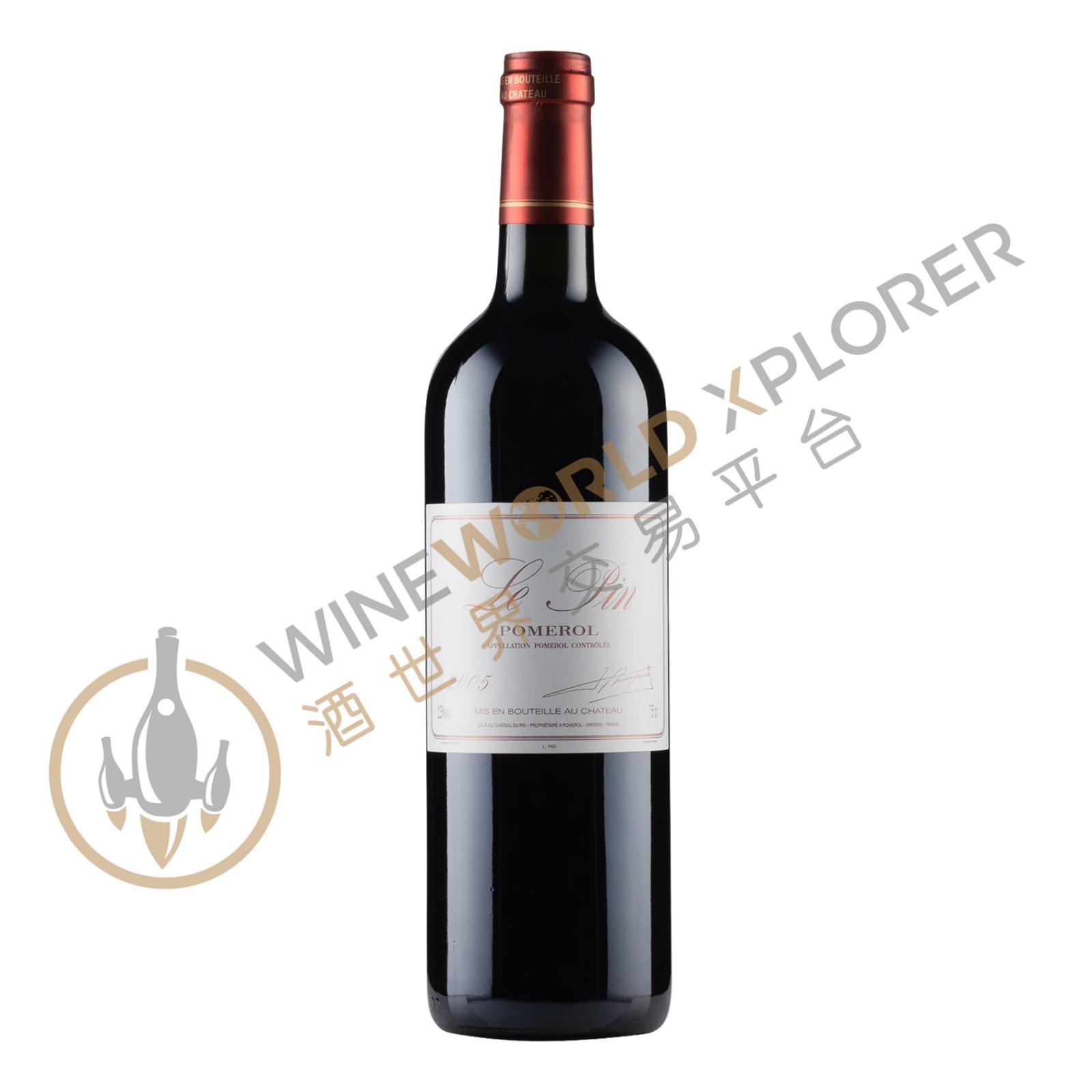
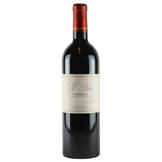
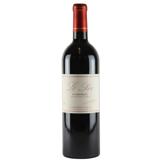
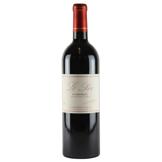
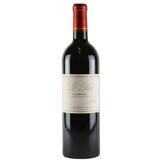
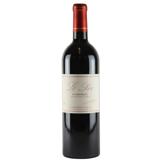
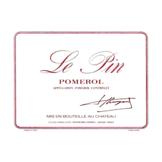
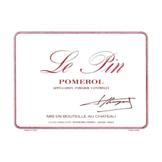
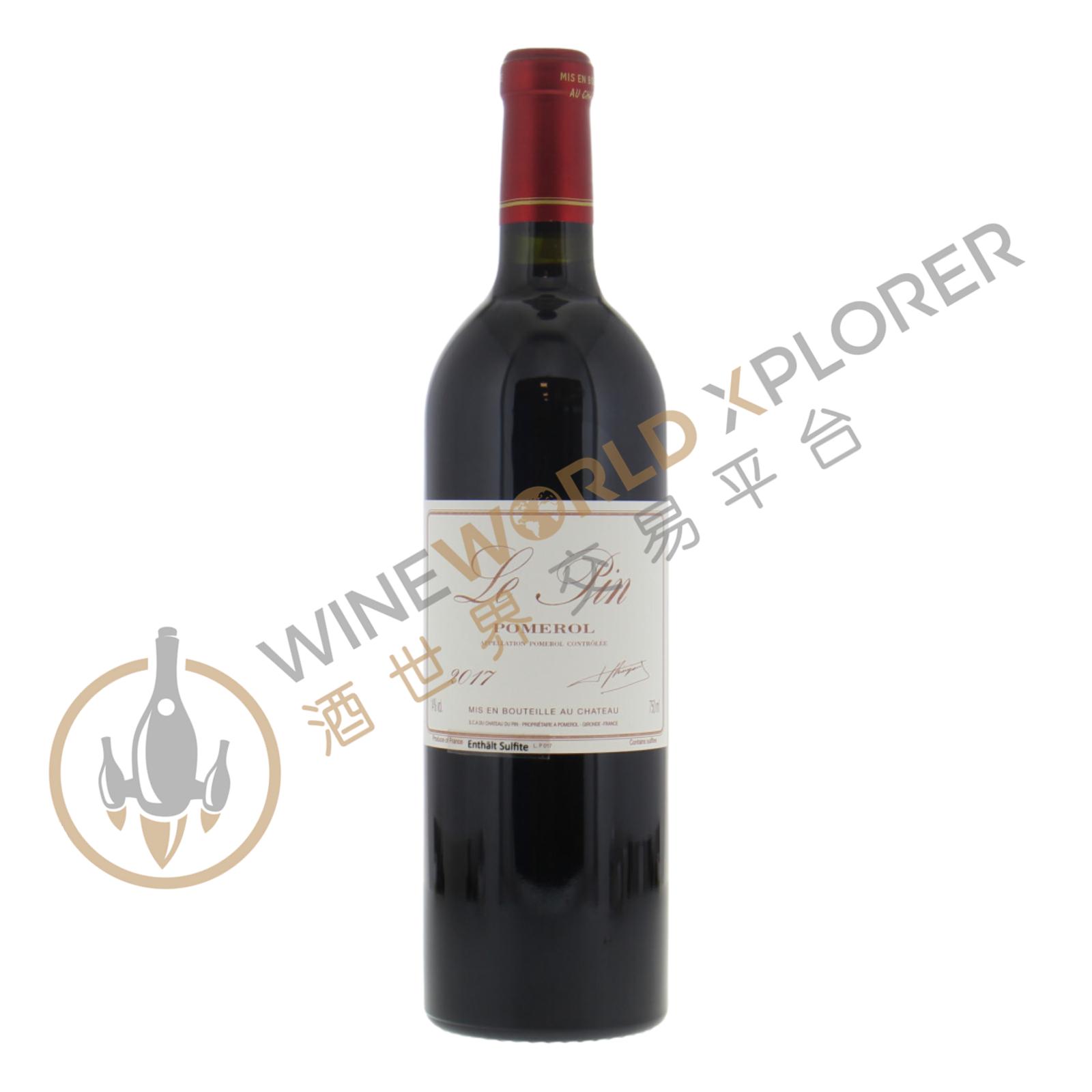
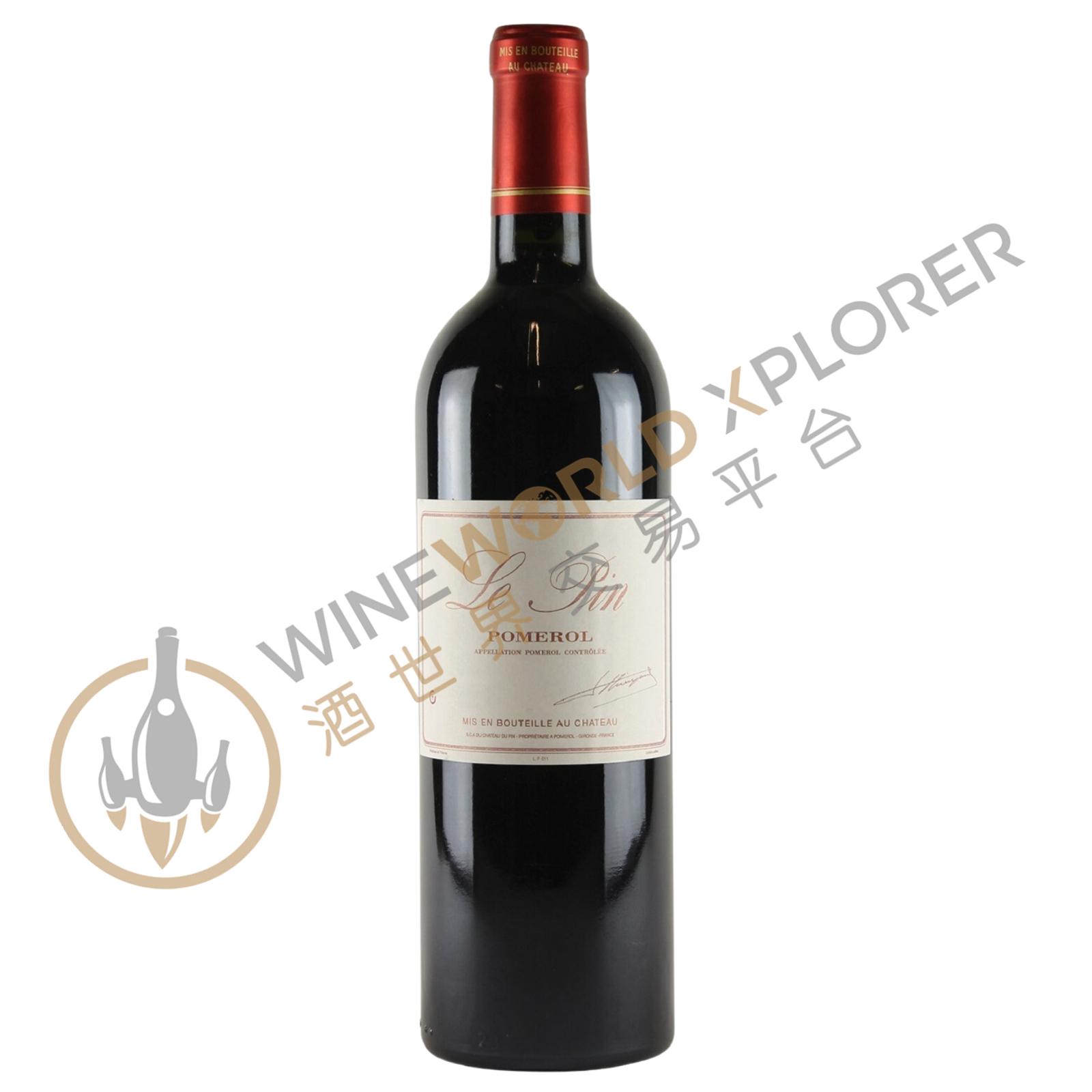
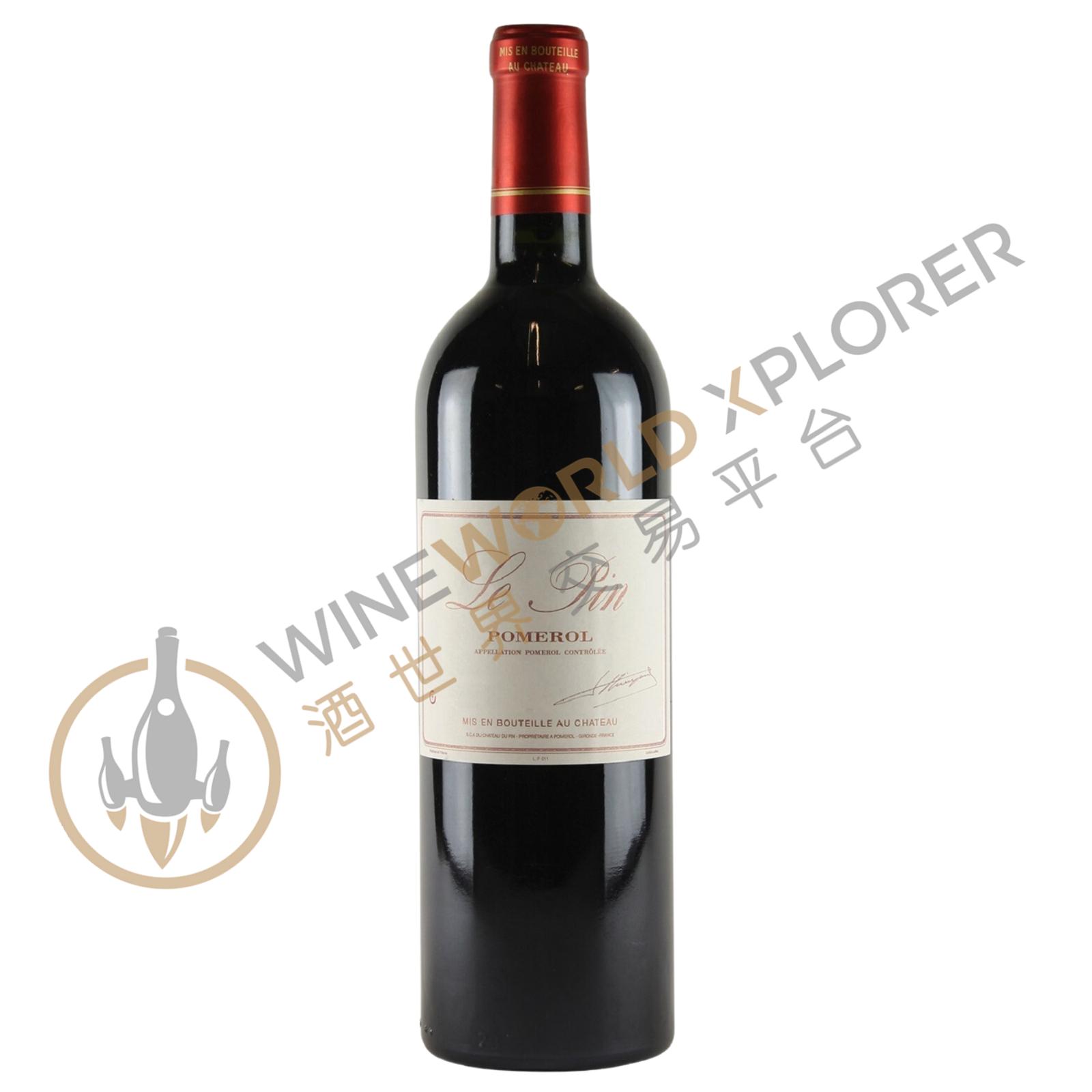
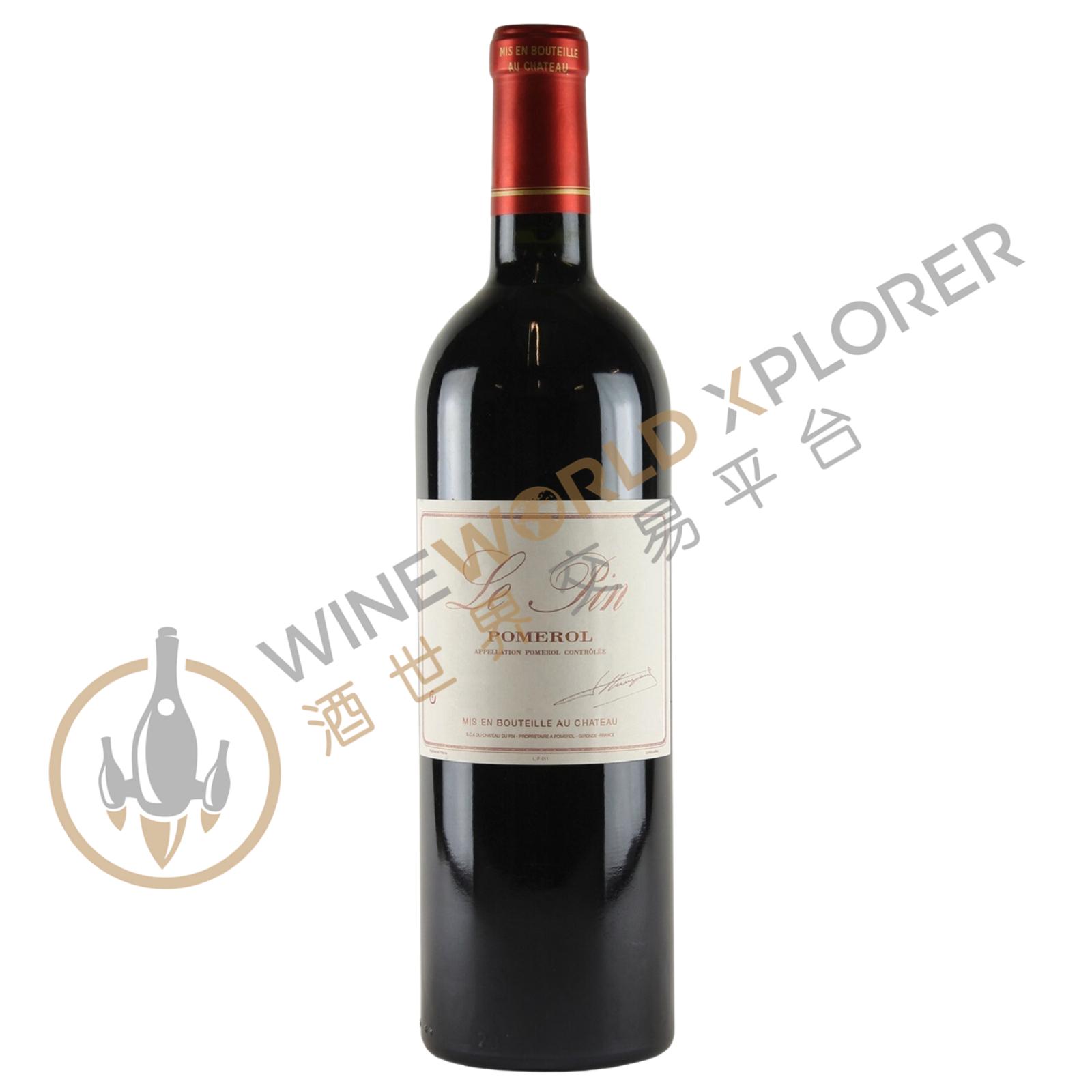
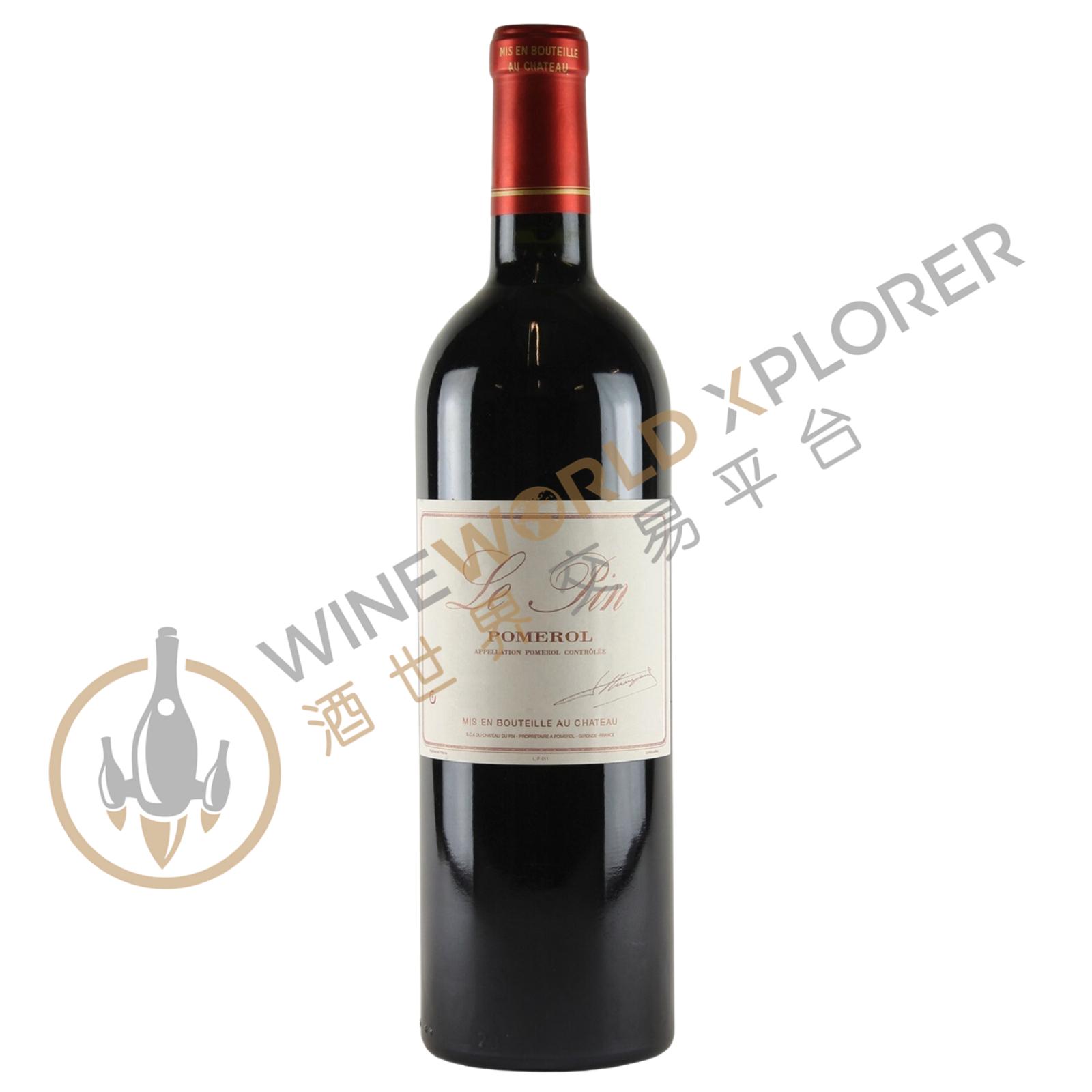
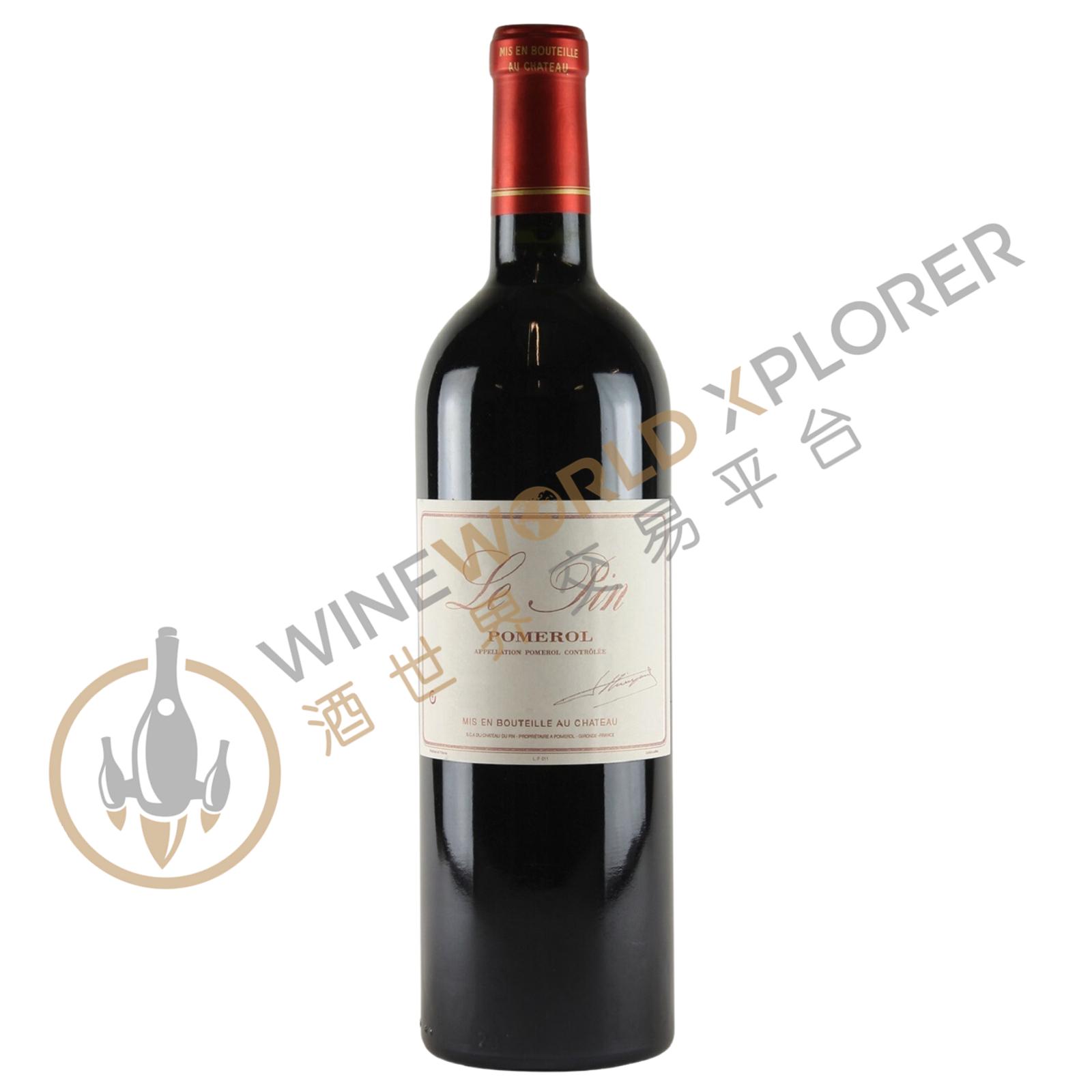
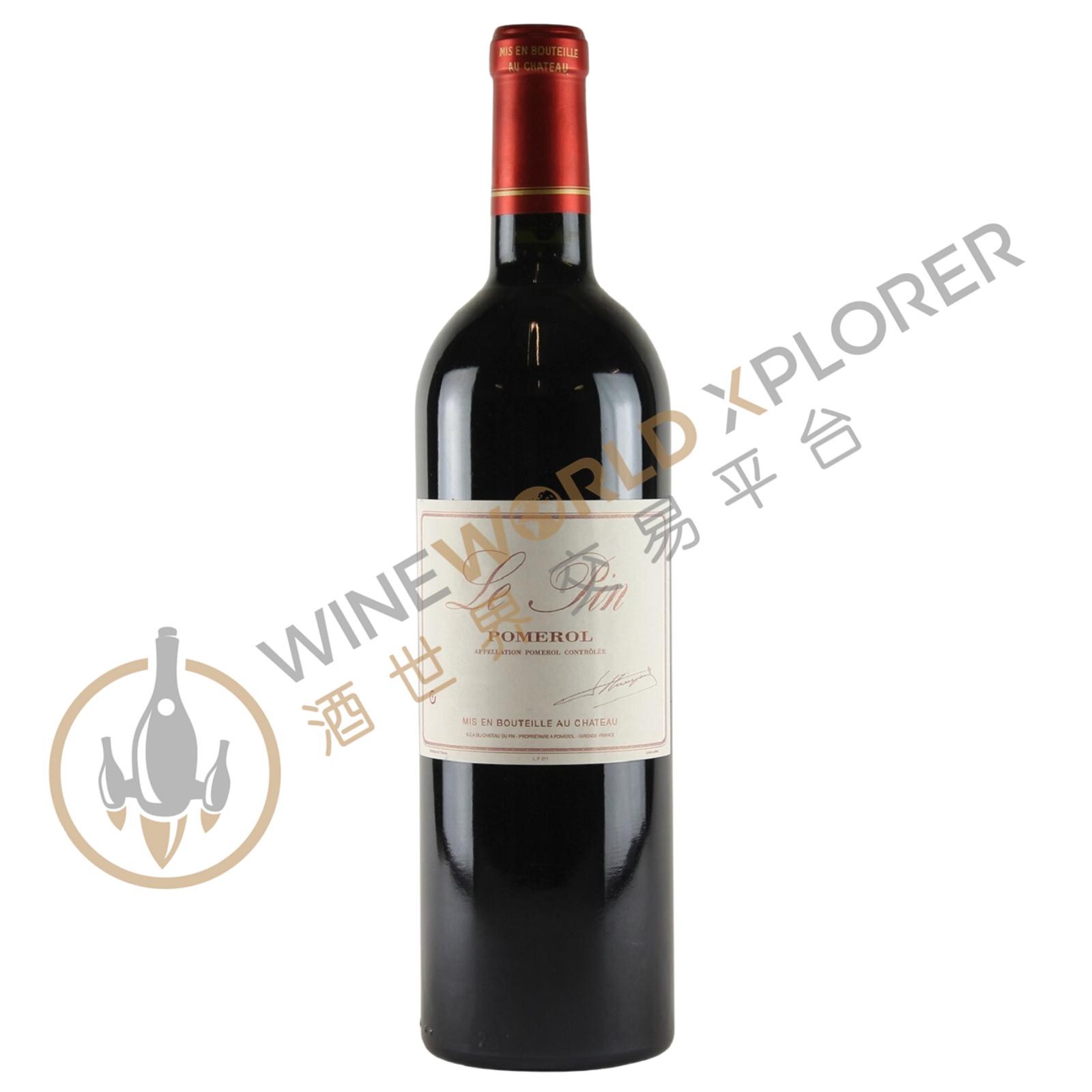
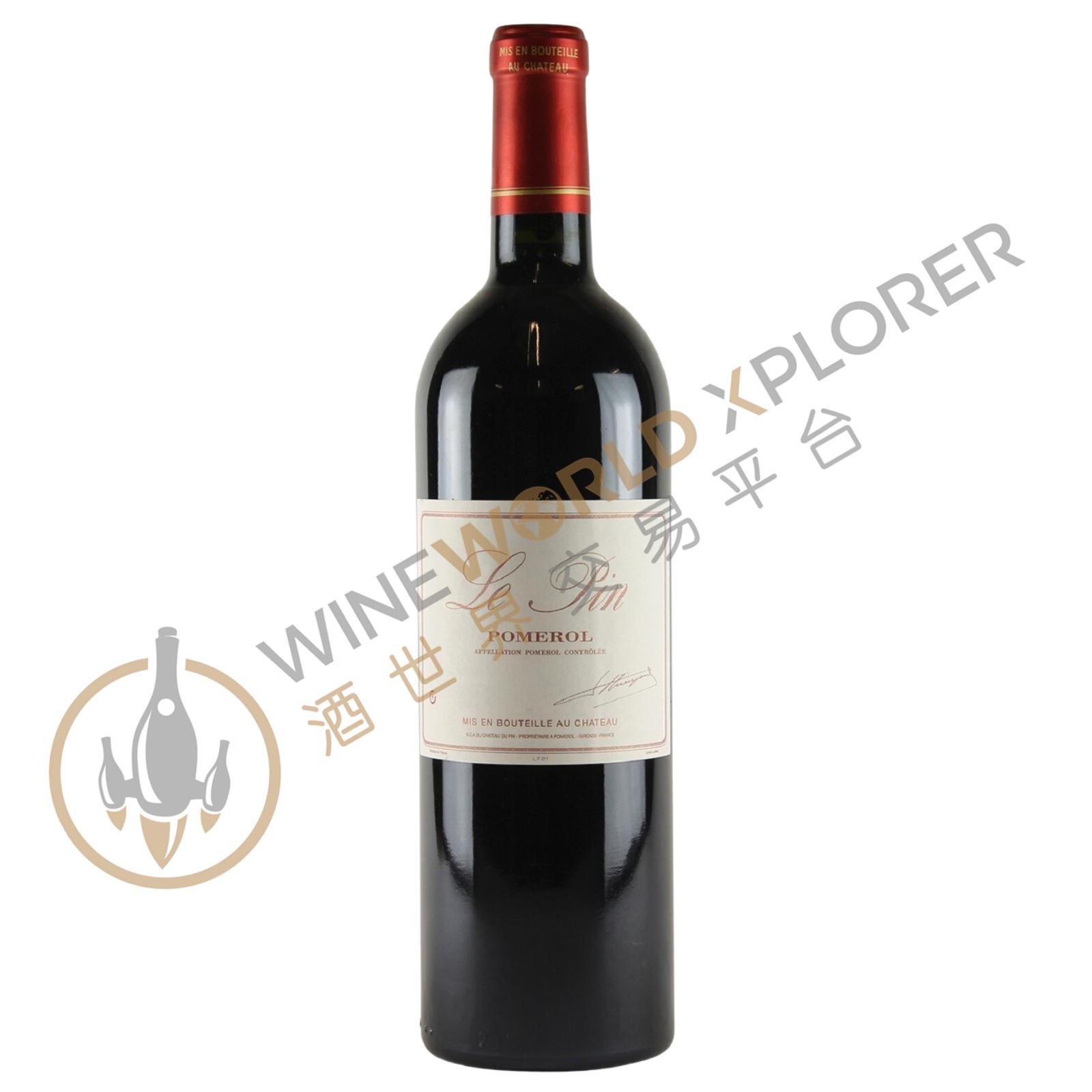
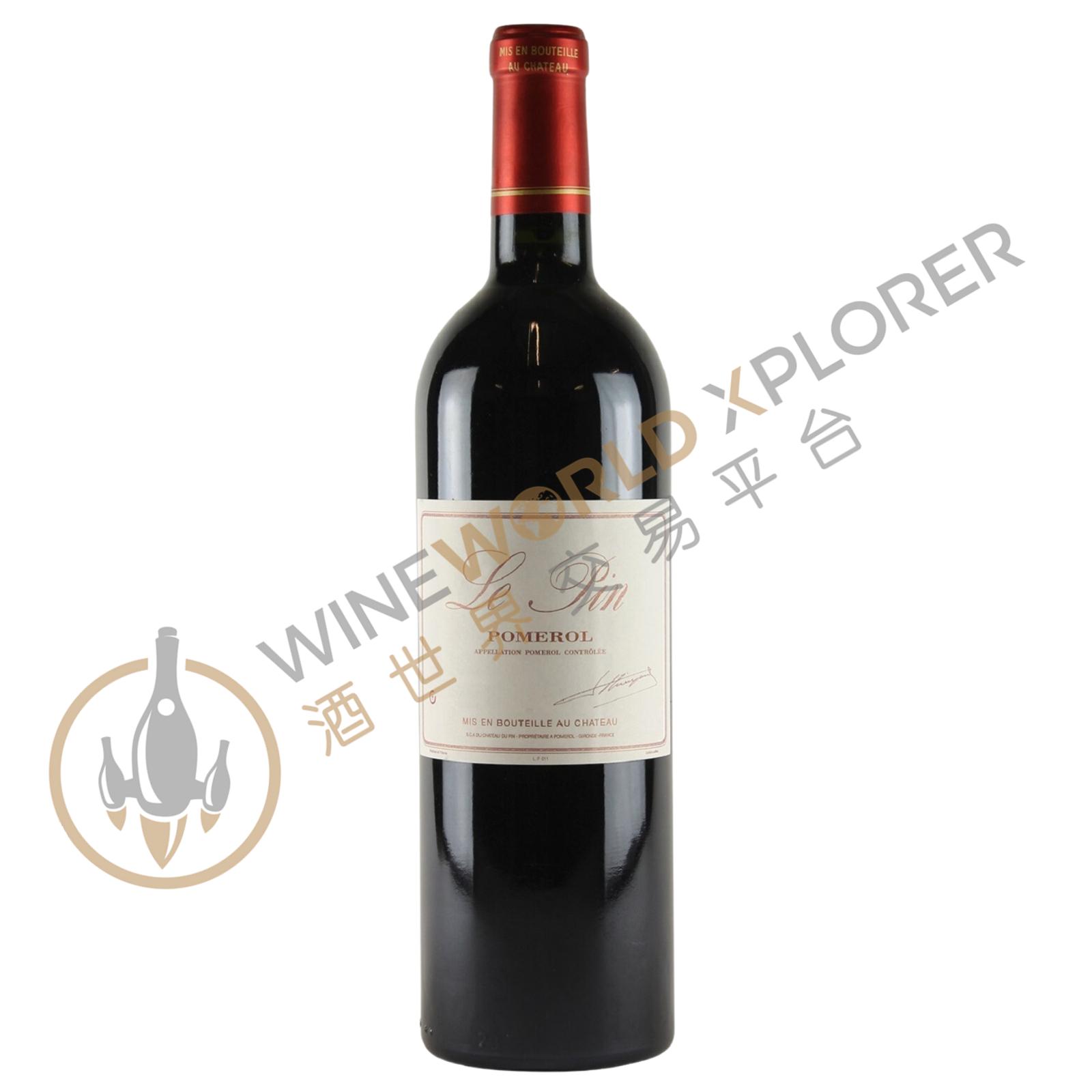
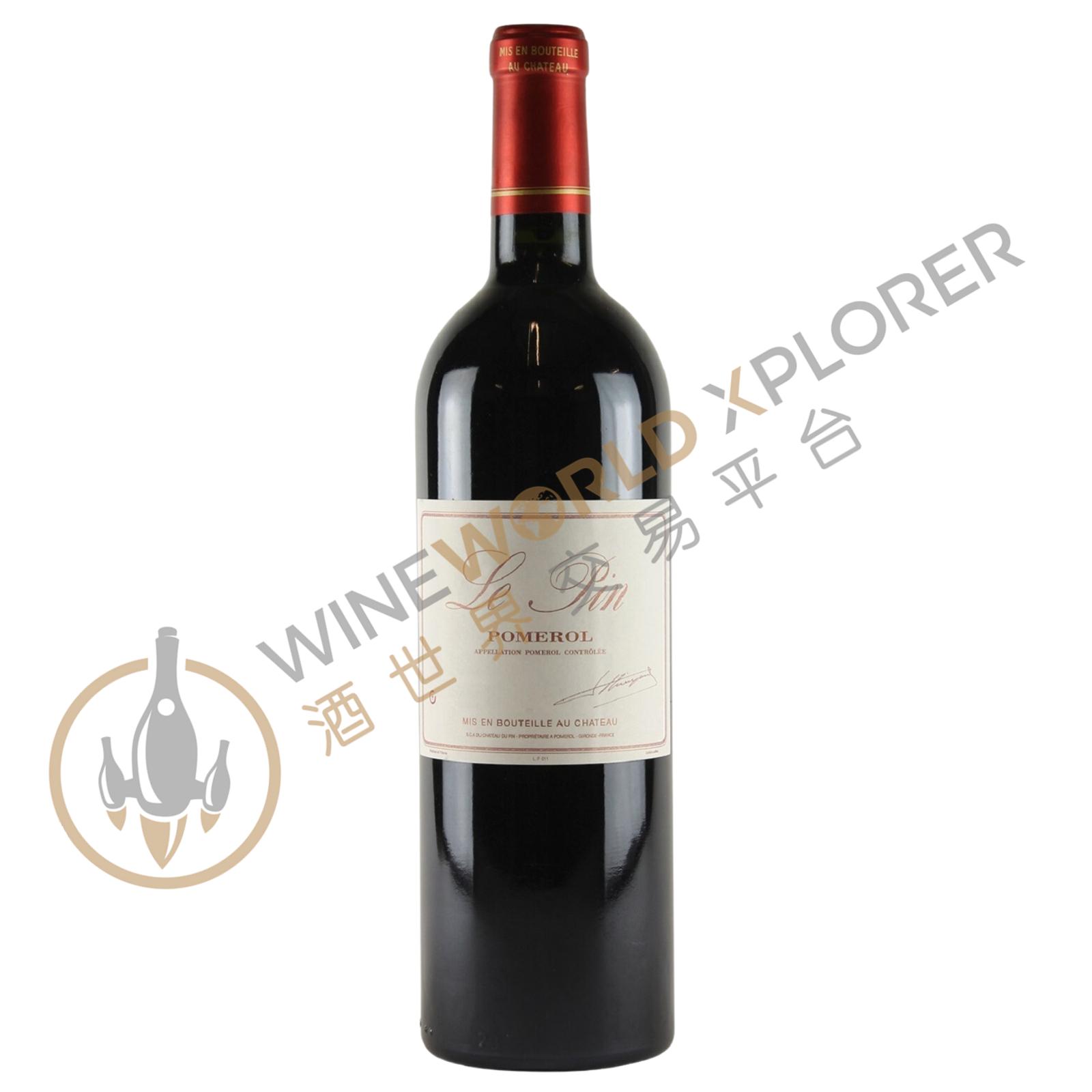
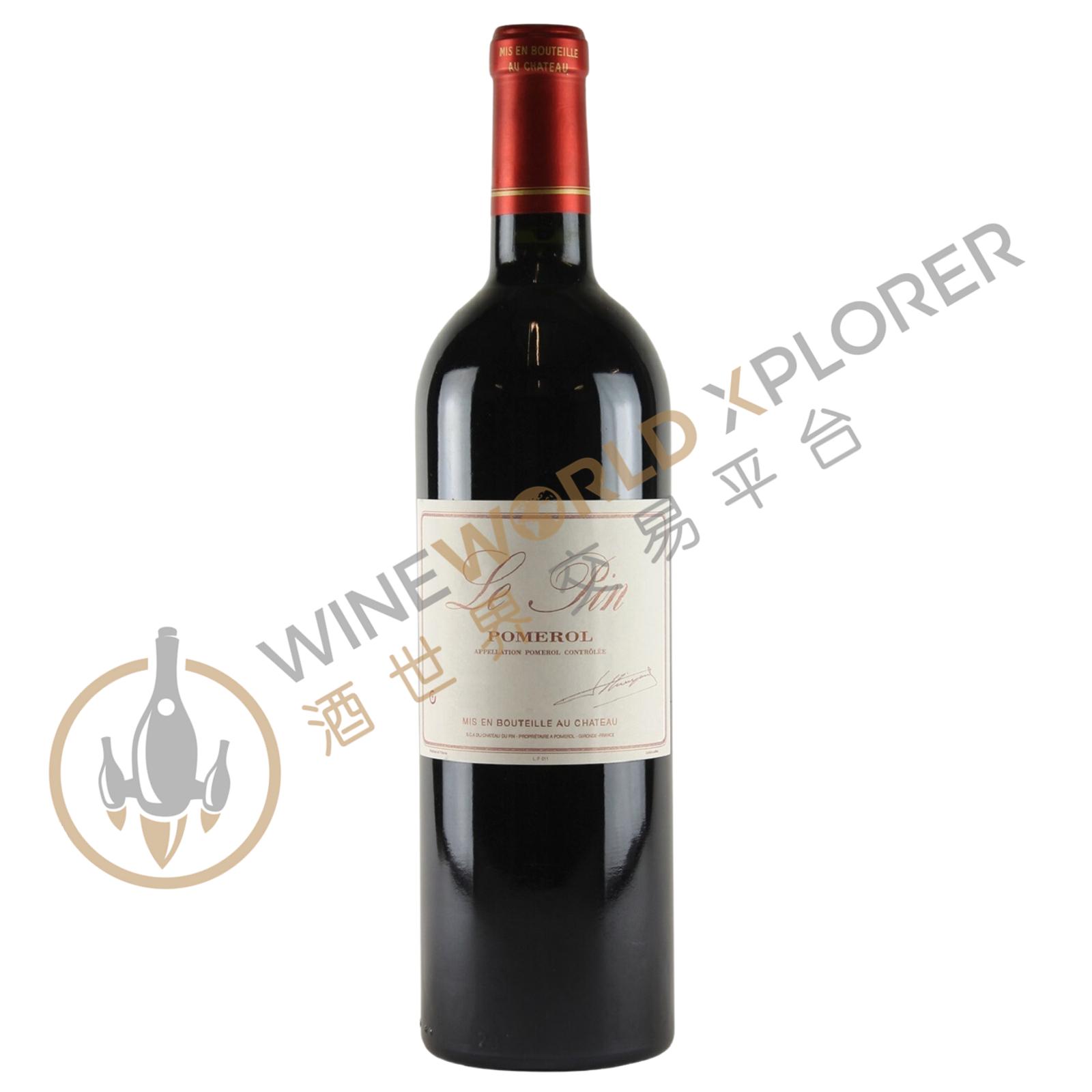
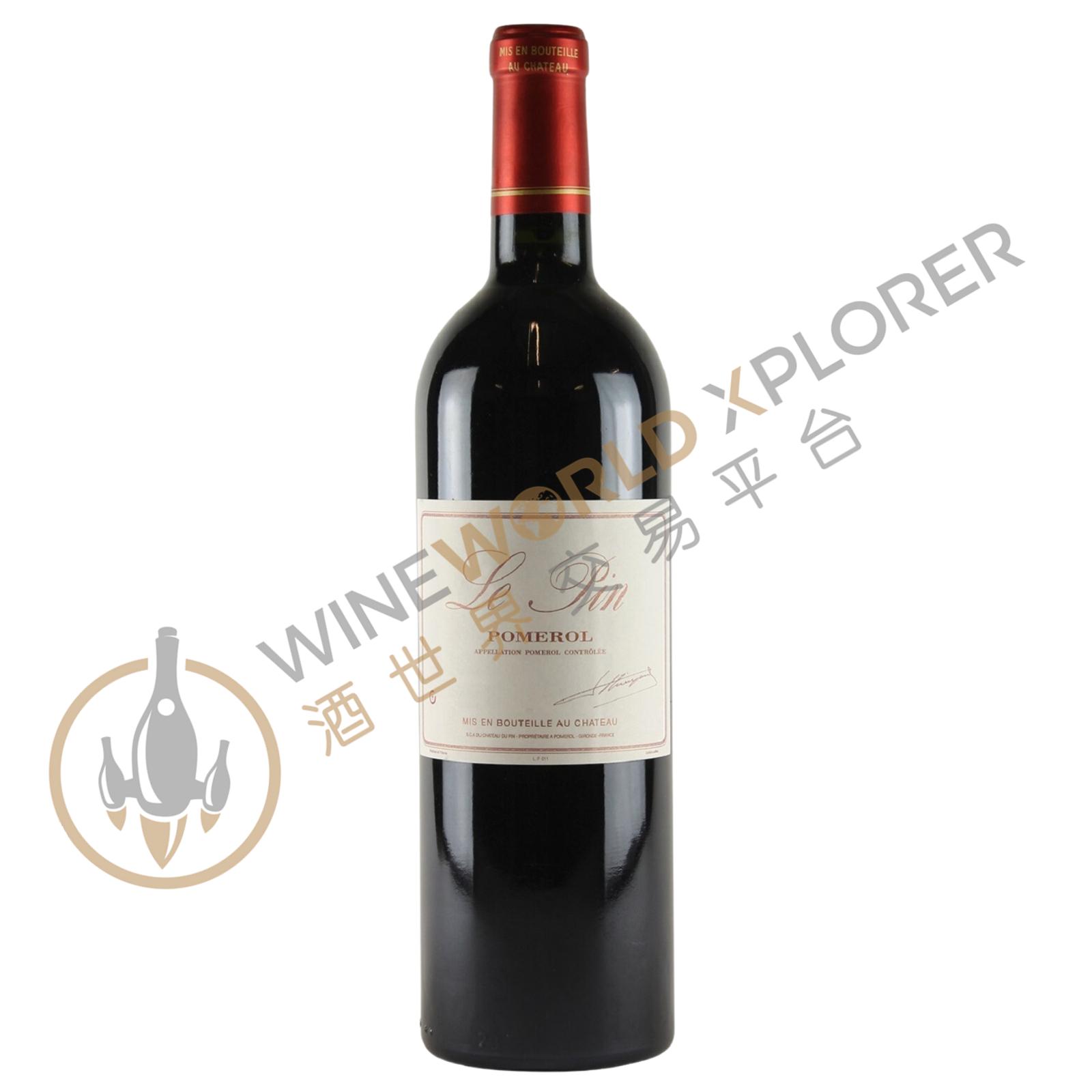
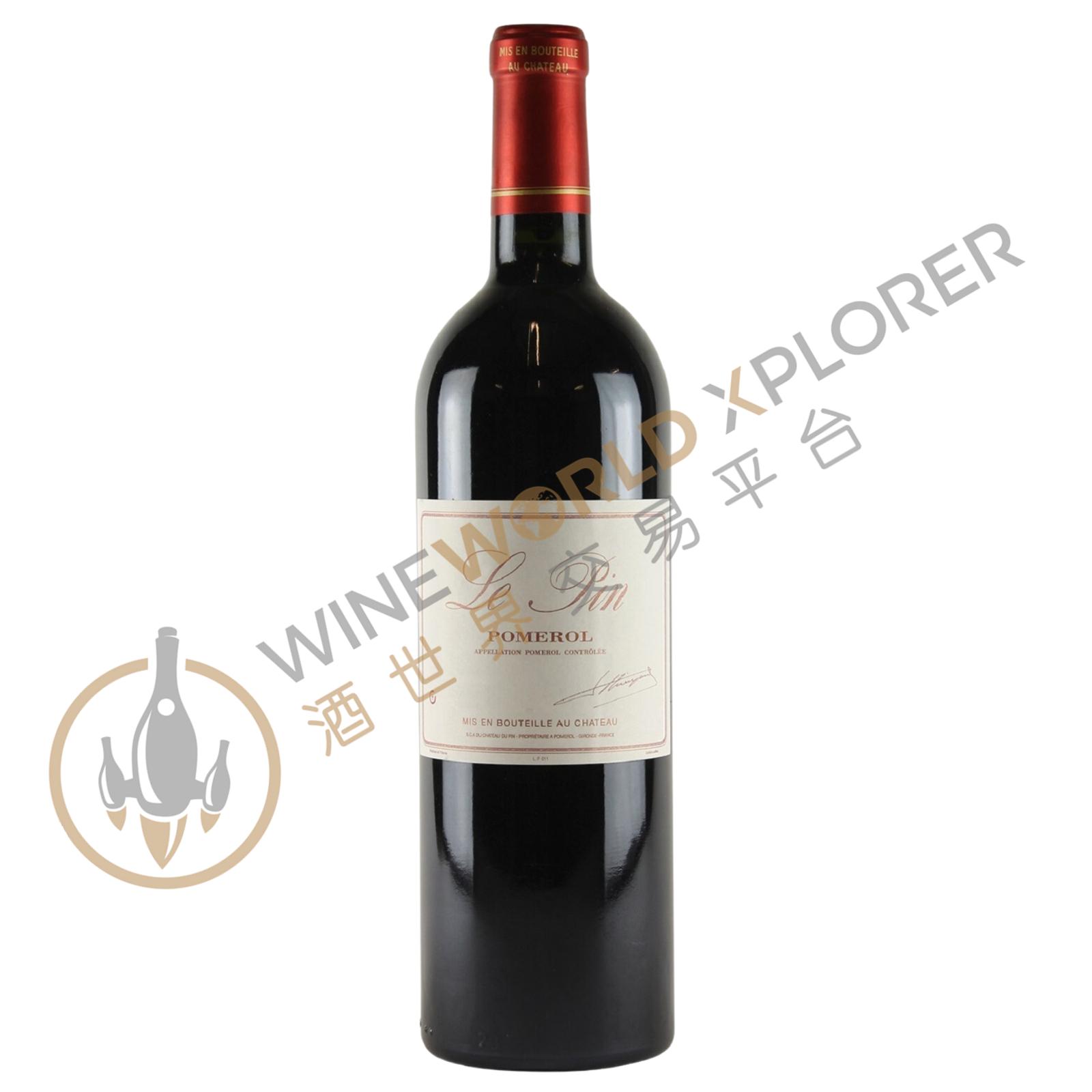
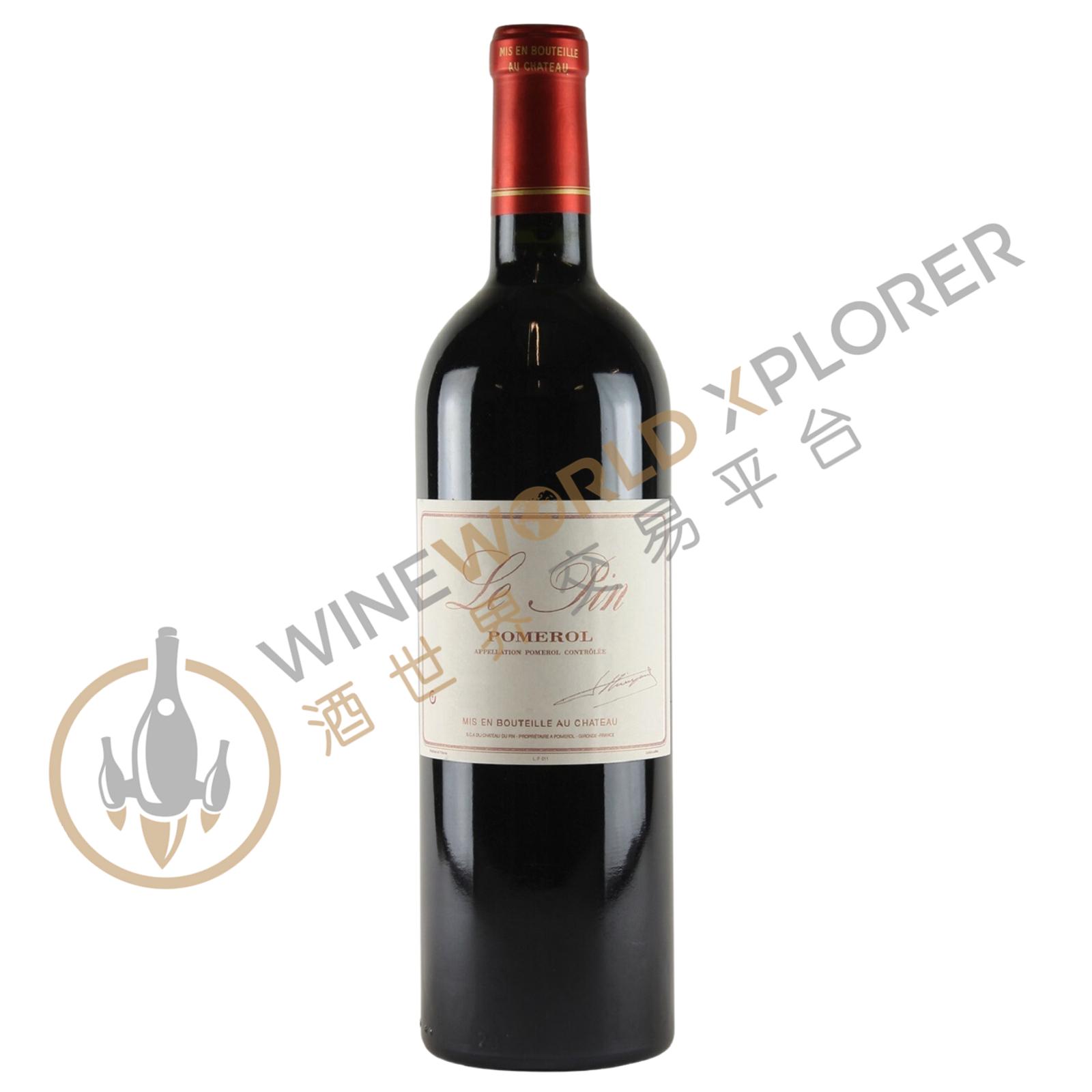
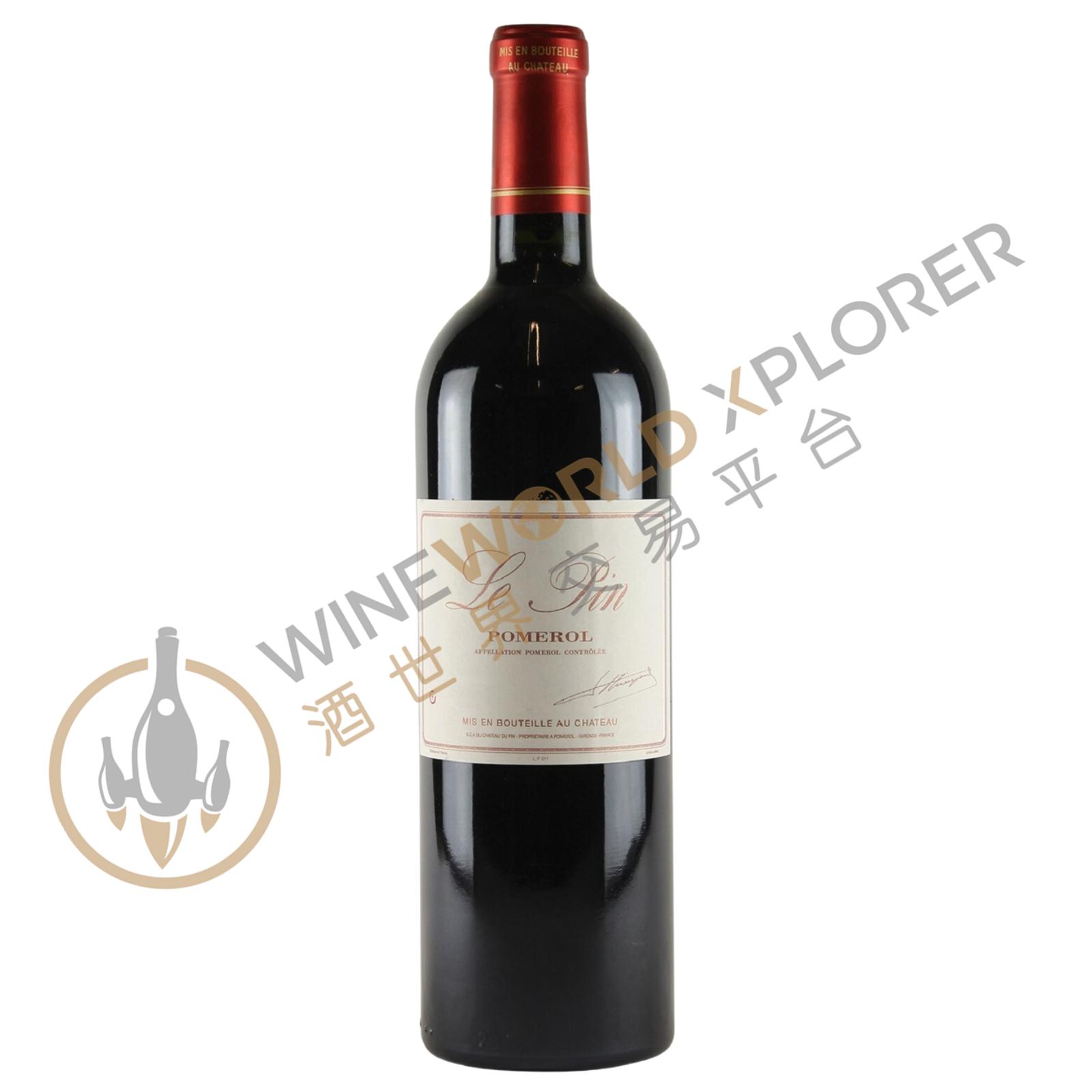
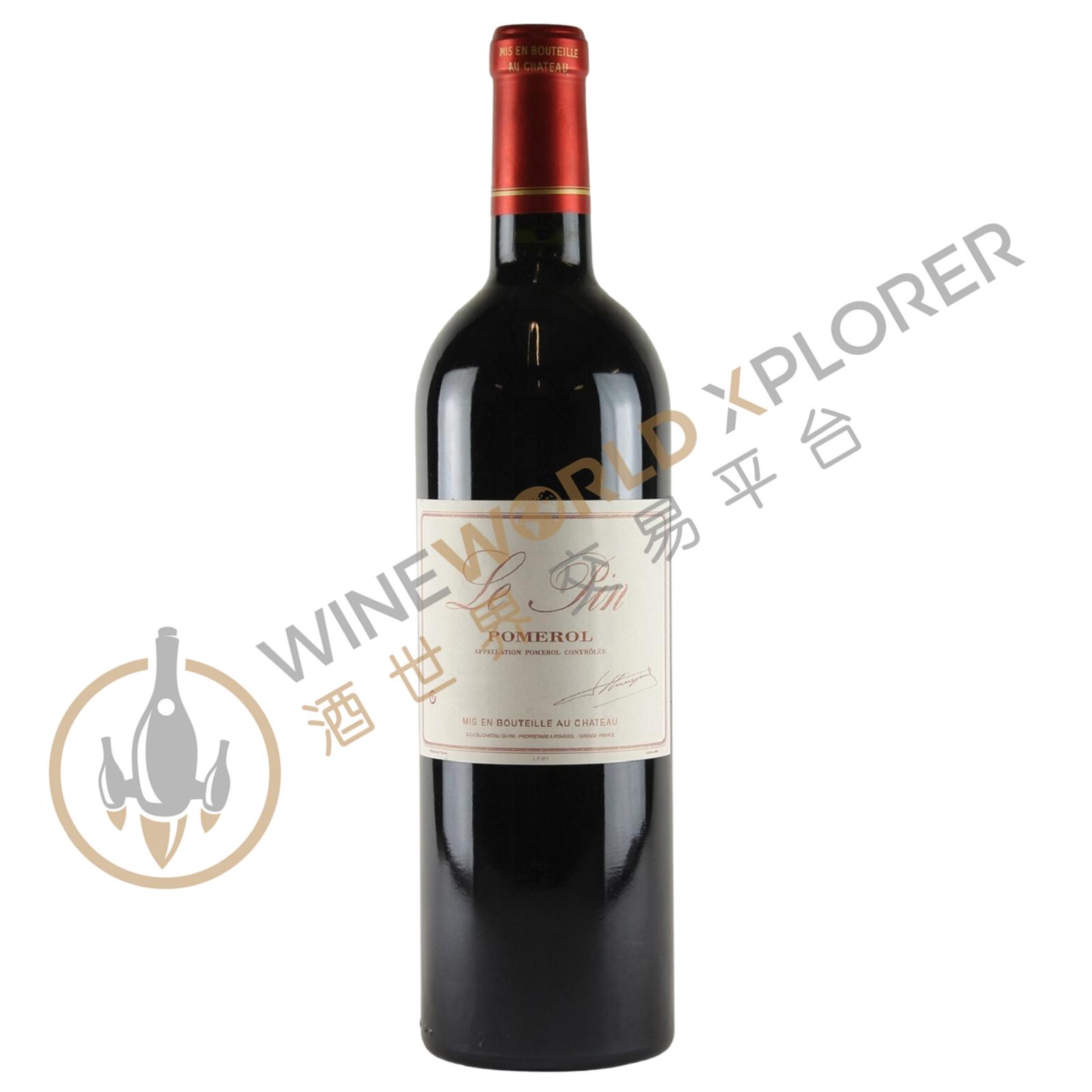
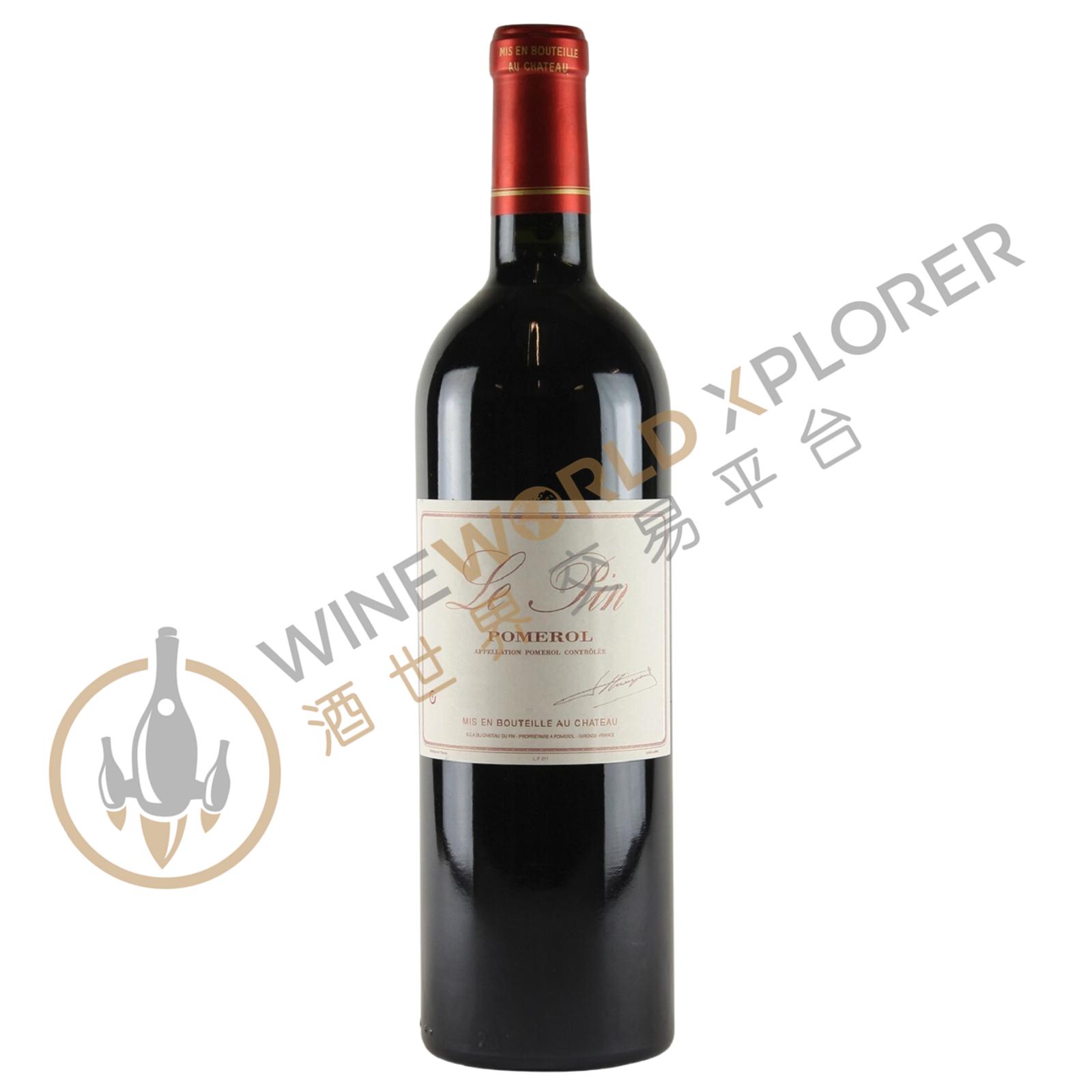
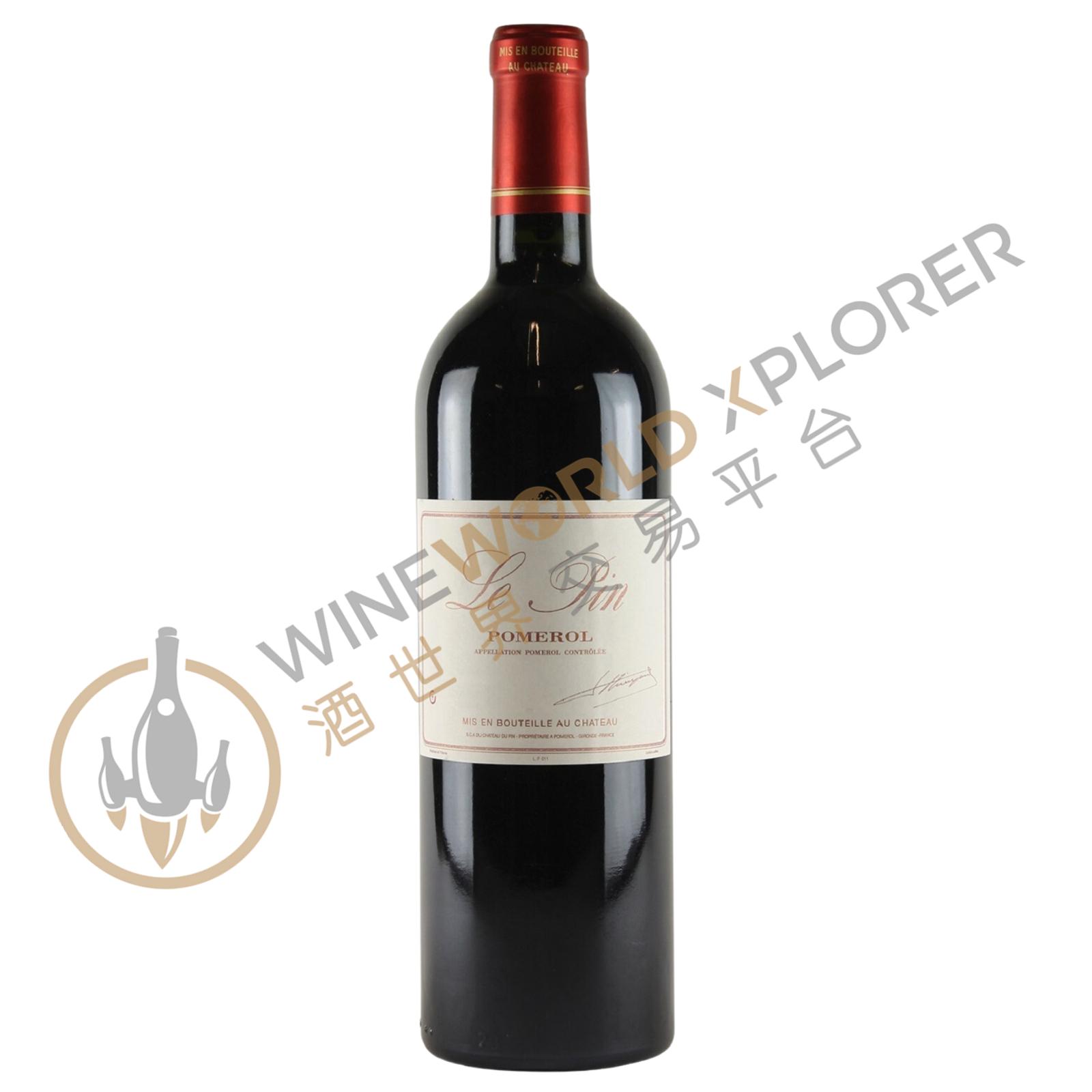
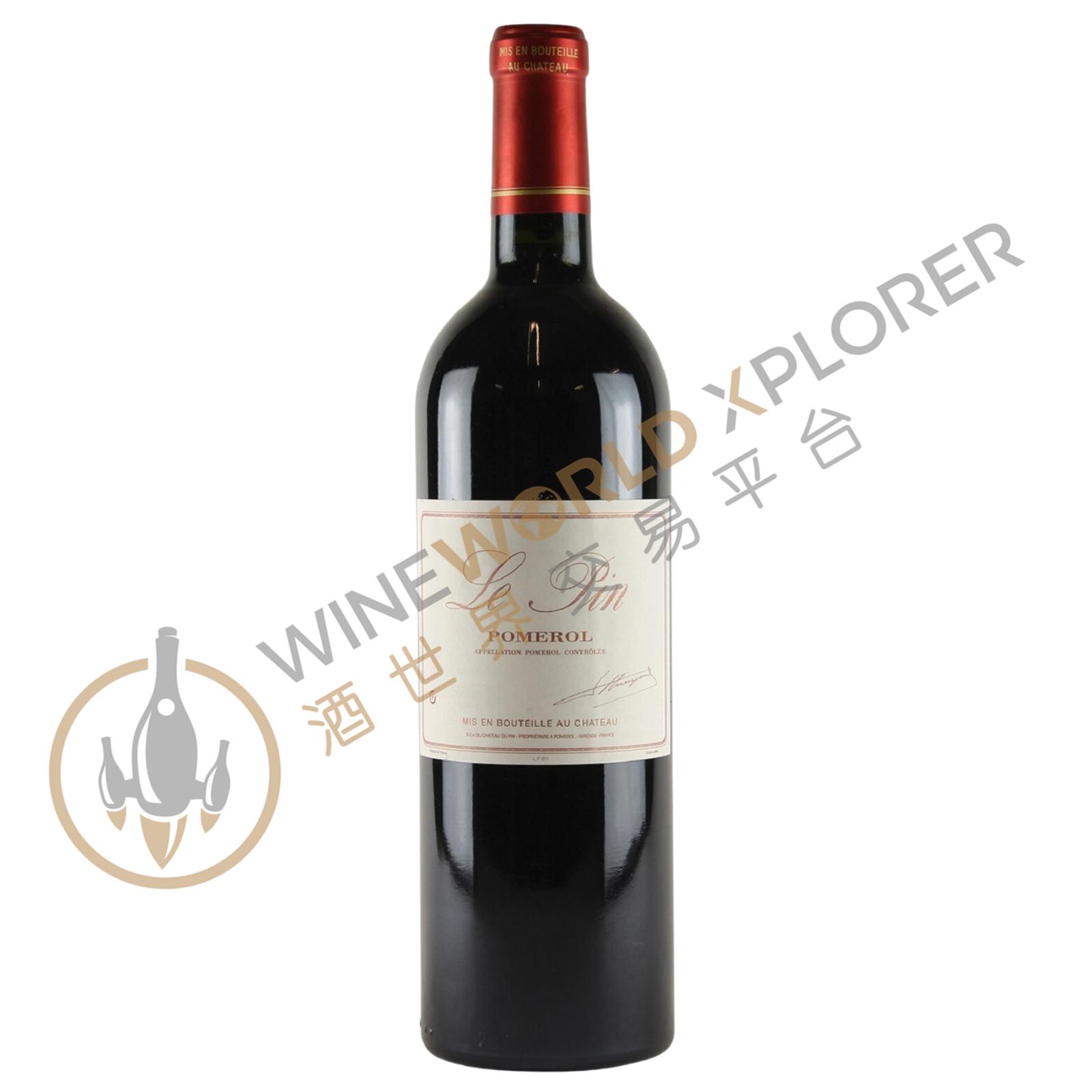
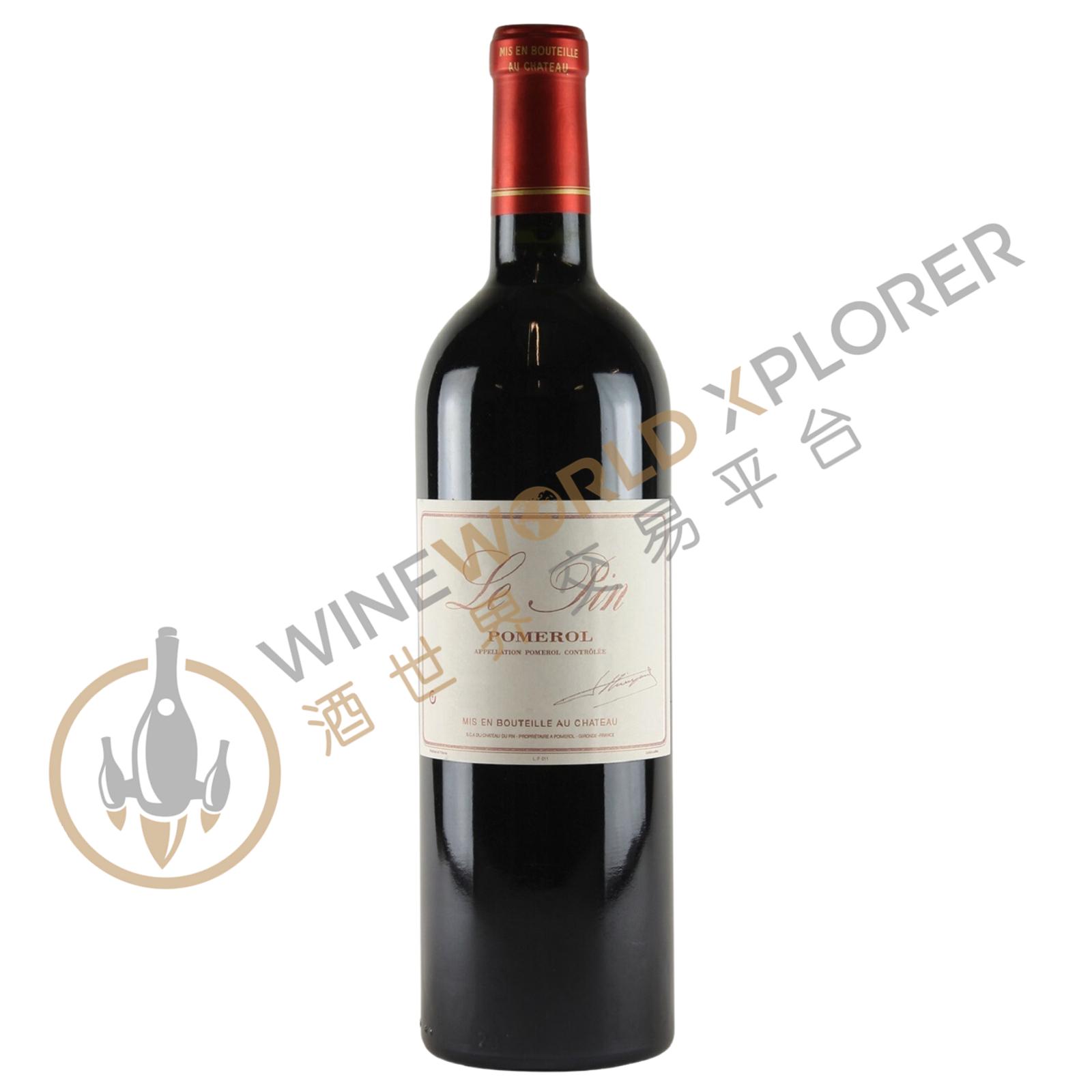
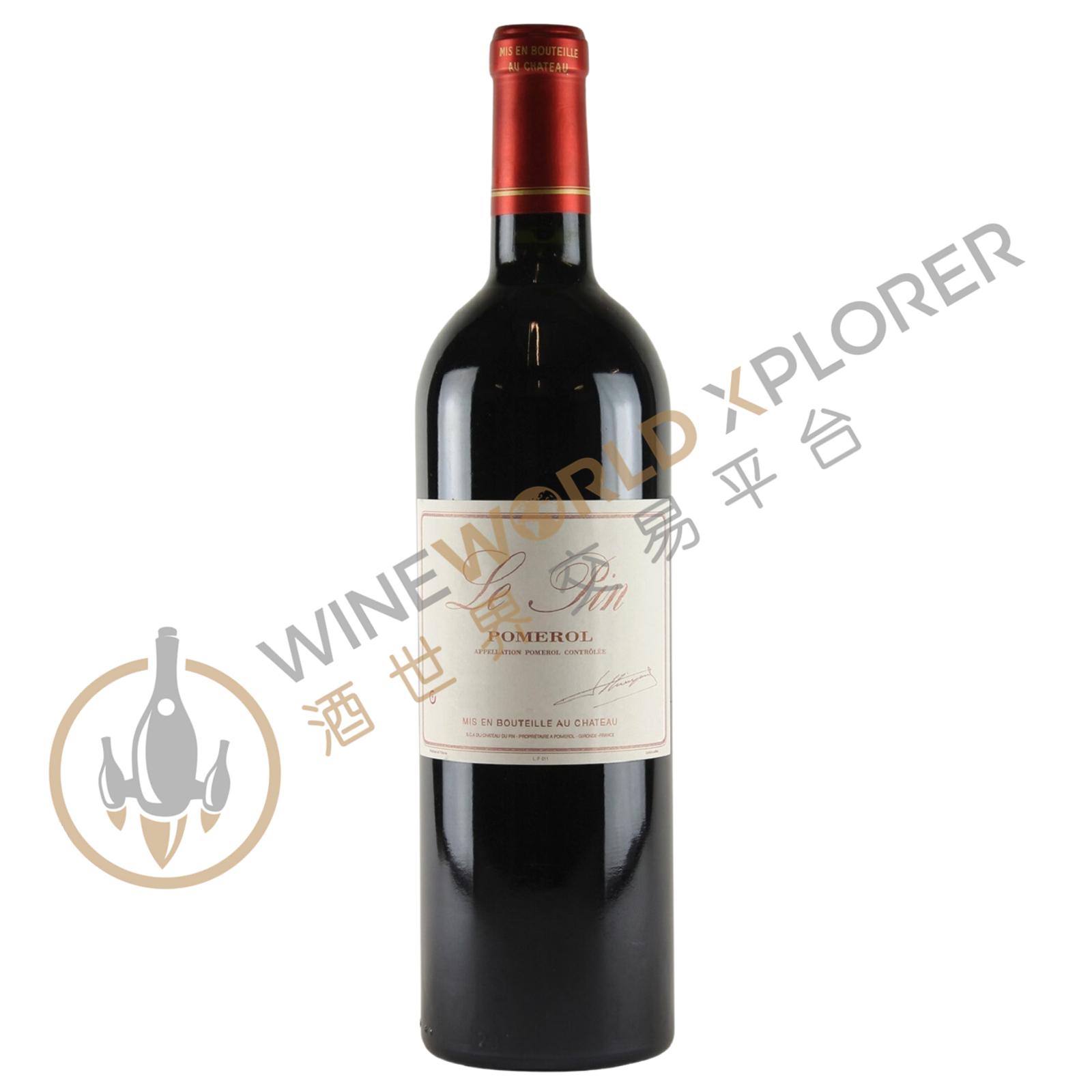
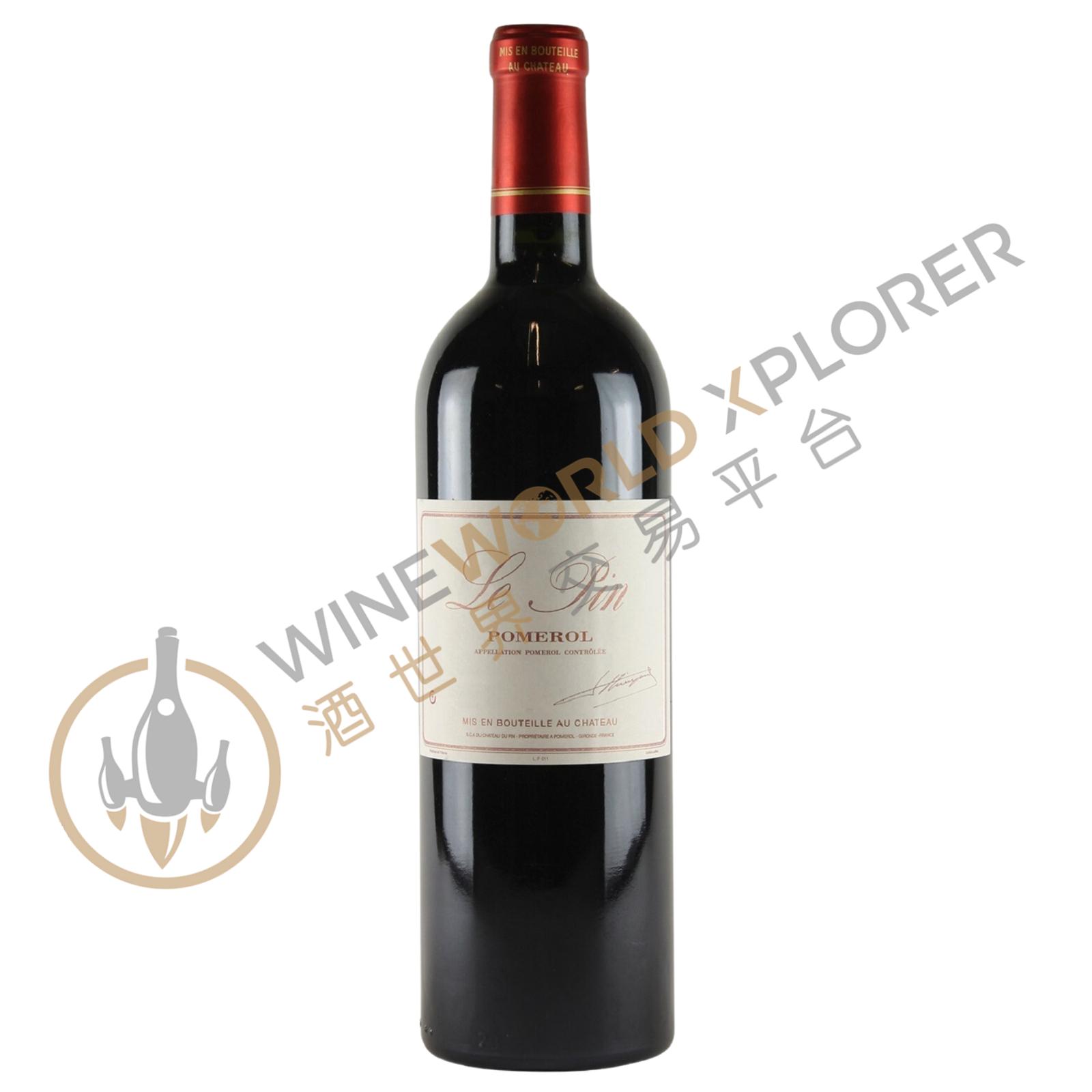
Le Pin 1993
 View analysis
Description
Tasting notes

Reviewed by: Robert M. Parker, Jr.
In some vintages this wine appears lighter and less concentrated than it ultimately turns out. The 1993 Le Pin is a significant improvement over the frightfully oaky, light-bodied 1992. While the wine's aggressive smoky, toasty new oak component is nearly excessive, there is plenty of sweet, ripe, jammy fruit, an attractive smoky, herb, mocha, and coffee-scented nose, and lush, ripe, exotic flavors exhibiting moderate tannin, medium body, and admirable sweetness and concentration. If the wine fills out and the tannin and oak both become less intrusive, the 1993 Le Pin has the potential to be an outstanding wine. At present, it appears to be an excellent rather than profound effort.
Reviewed by: Neal Martin
Tasted at Bipin Desai’s Le Pin vertical in Los Angeles. A deeper colour compared to the 1992. There is tangibly more fruit intensity on the nose than the previous two vintages with blackberry and black plum, complemented by subtle hints of smoky bacon and burning embers. Good definition and lift. The medium-bodied palate has superb acidity, very well poised with strawberry and raspberry leaf, but things begin to unravel towards the finish that is rather dry and attenuated, almost rustic even, leaving an unsatisfactory taste in the mouth. I am sure this has seen better days, but now it is reaching the end of its plateau. Drink now. 600 cases produced. Tasted November 2008.
Reviewed by: Robert M. Parker, Jr.
This micro-estate is easy to criticize given the absurd prices ($8,000-$12,000 per case!) the 500 or so cases fetch in the auction markets. Le Pin is one of the most exotic, concentrated, flashy wines of Bordeaux, but when it is selling at six times the price of wines such as Clinet, La Conseillante, L'Evangile, and La Fleur de Gay, readers are justified in thinking that some wine buyers have lost their sense of reality. The 1993 reveals the evolved dark plum/garnet color of Le Pin, as well as an exotic, kinky, oaky, herb, coffee, jammy, black-cherry-scented nose. The exaggerated aromatics are followed by a not-surprisingly decadent, delicious, low acid, medium-bodied wine crammed with fruit. Those of us who can remember as children gorging ourselves on lavishly rich banana splits, hot fudge sundaes, etc., will no doubt appreciate that in wine terms, this is what Le Pin offers. Anticipated maturity: now-2010.
Reviewed by: Neal Martin
The 1993 Le Pin is clearly deeper in hue than the disappointing previous vintage. There is noticeably more fruit intensity on the nose with blackberry and black plum aromas, subtle hints of smoked bacon and burning embers. It has fine definition and lift. The medium-bodied palate has superb acidity. The 1993 is very well poised with strawberry and raspberry leaf notes and then unravels toward a rather dry and attenuated finish. It is reaching the end of its plateau now. There were 600 cases produced. Tasted at Bipin Desai’s Le Pin vertical in Los Angeles in November 2008. Tasting note taken from the Pomerol book by Neal Martin.
About the Producer
Le Pin is the most expensive wine in the world. Jacques Thienpont purchased the meagre 1.6 hectares of land for one million francs in 1979. The Thienpoints named their wine Le Pin after a solitary pine tree that shaded the property. By acquiring tiny adjoining plots of land, Jacques has doubled the size of Le Pin to five acres. The south-facing vineyard on a well-drained slope of gravel and sand is planted with Merlot (about 92%), and a small amount of Cabernet Franc. Le Pin's soil is a mixture of gravel and clay with a little sand and is exceptionally low yielding (between 30 to 35 hl/hc). The grapes are hand-harvested and are fermented in stainless steel before being matured in`200%` new oak barriques for between 14 and 18 months. Dany Rolland, wife of cult-oenologist Michel Rolland, is a consultant here. Le Pin produces just 600 to 700 cases each year (Lafite Rothschild produces approximately 29,000 cases of wine a year and and Pétrus about 4,000) and its rarity is one of the driving forces behind its high prices. Le Pin produces super-concentrated, decadent, lush and lavishly oaked wines - they can be drunk young but are best with 7-10 years of bottle ageing.
1985(1)1986(1)1988(2)1989(1)1990(1)1991(2)1992(1)
Package Size