Wine Advisor



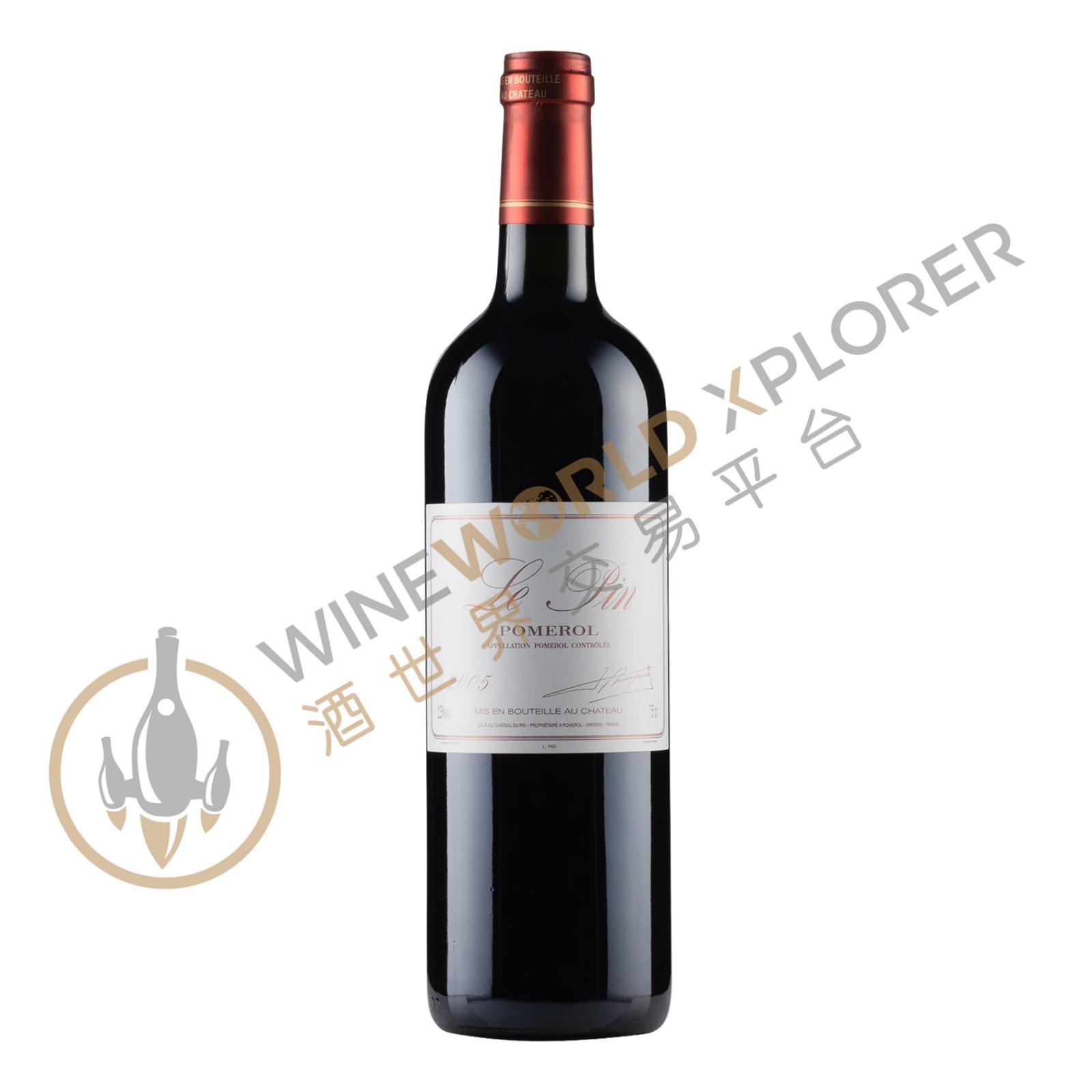
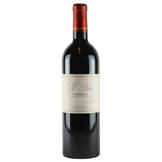
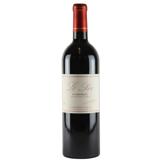
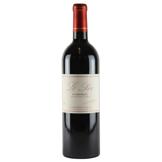
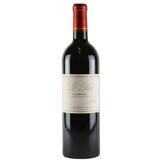
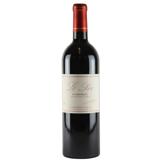
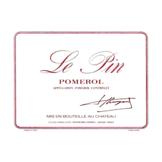
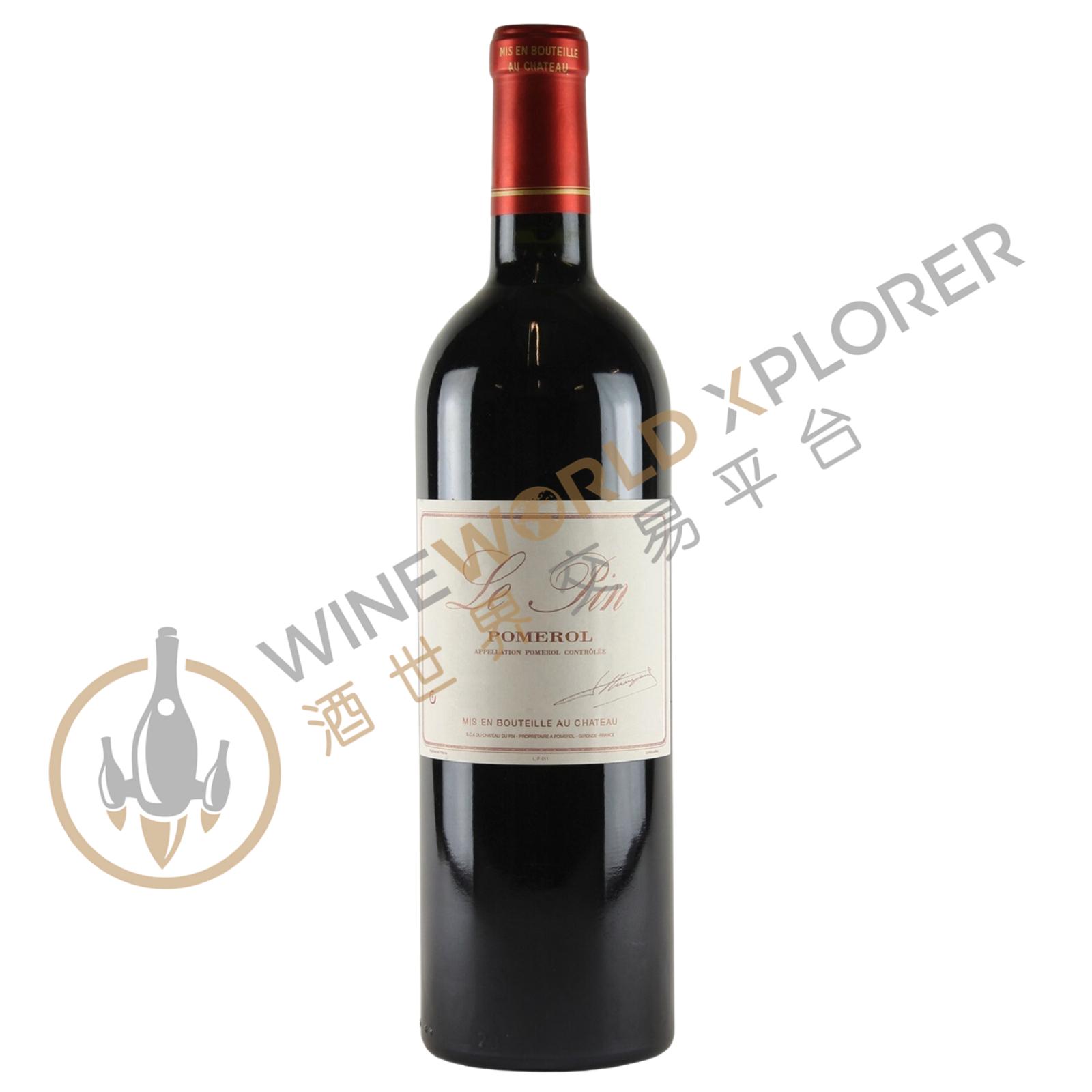
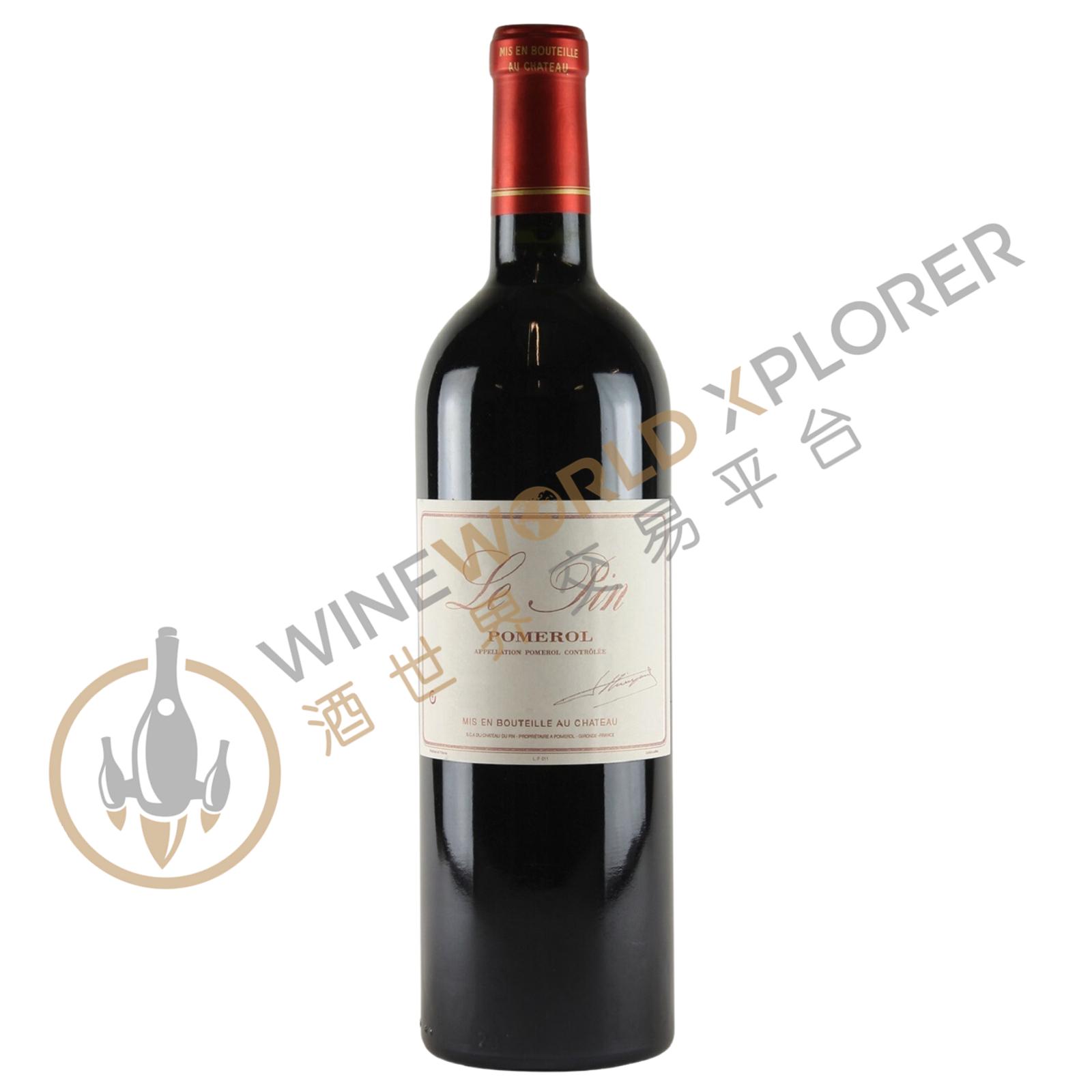
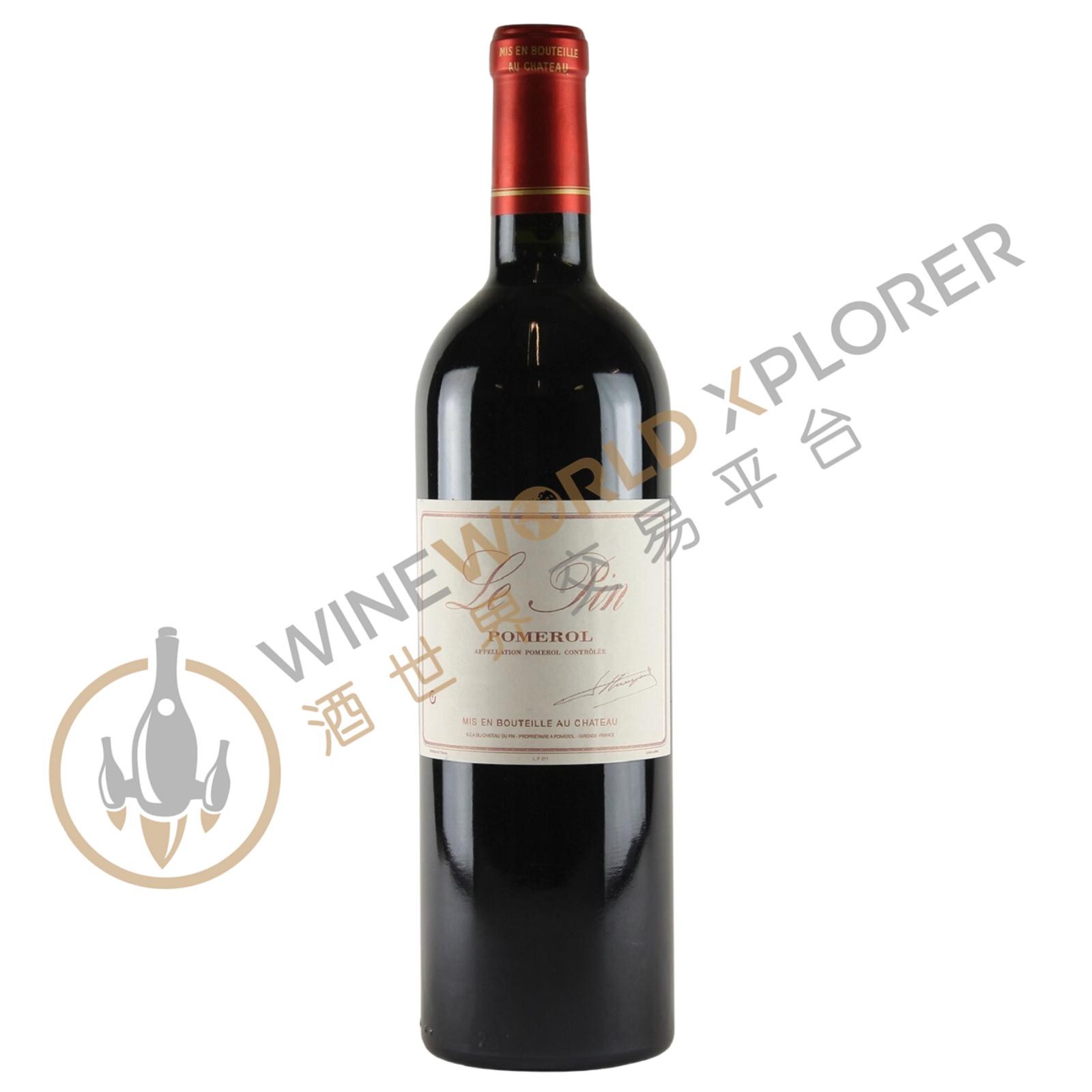
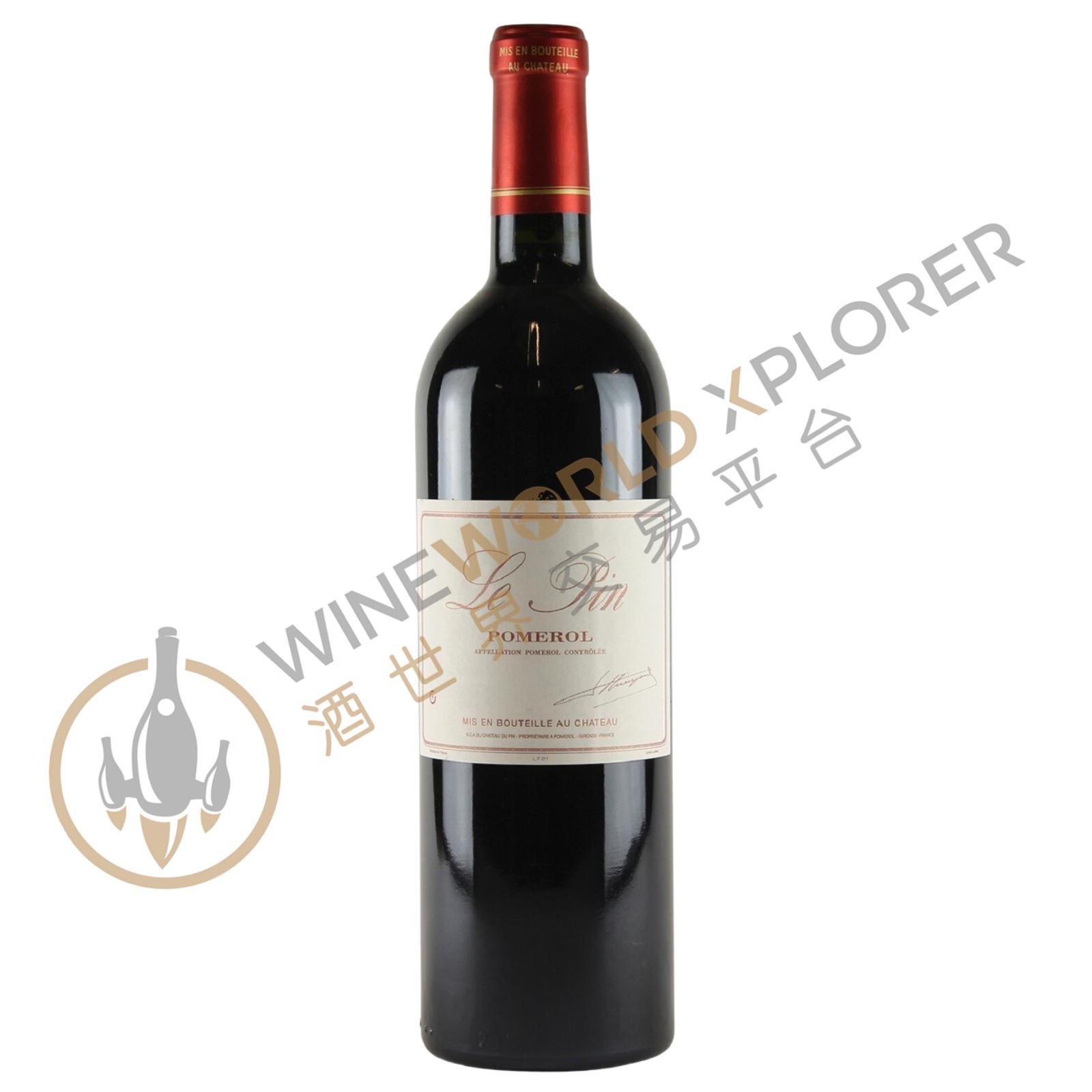
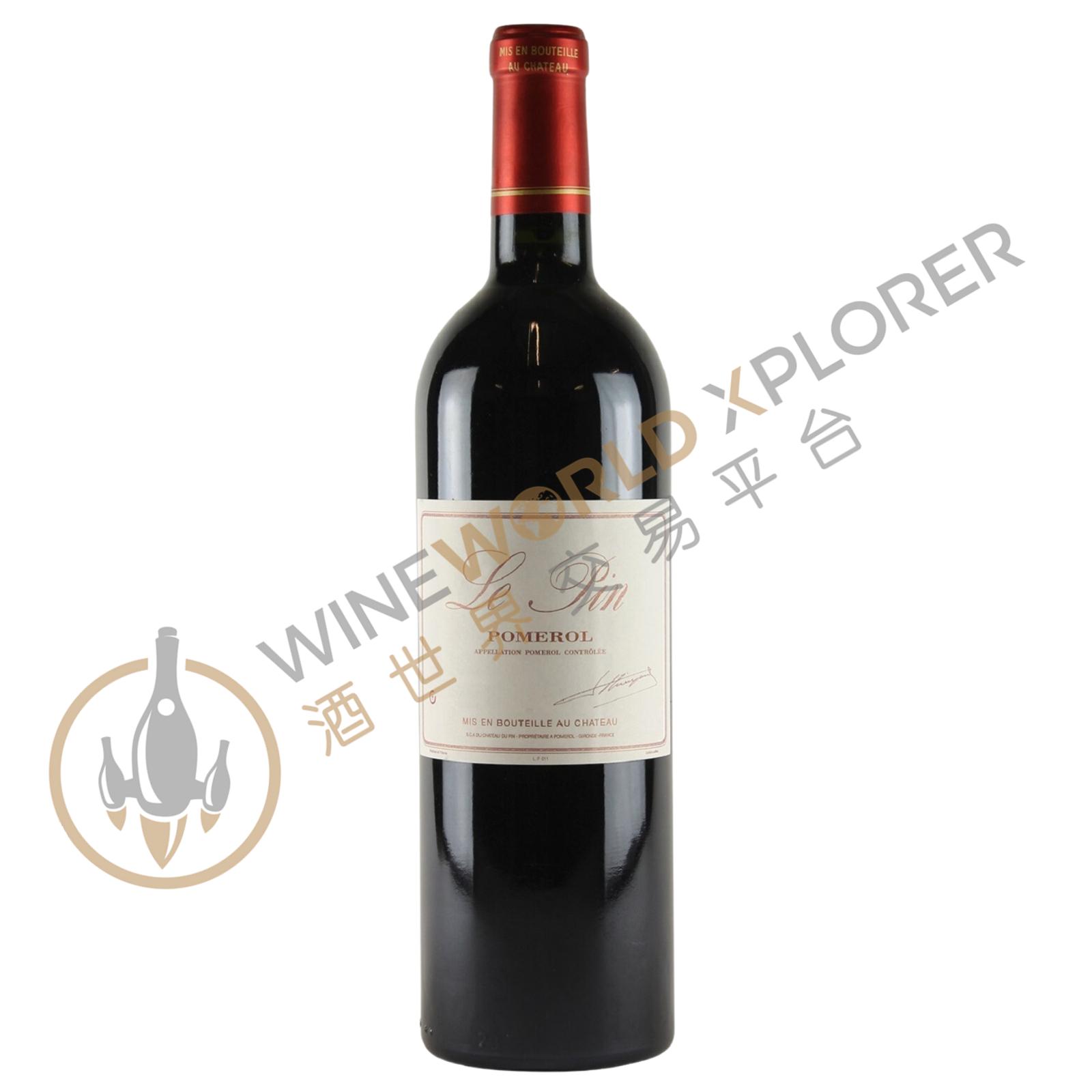
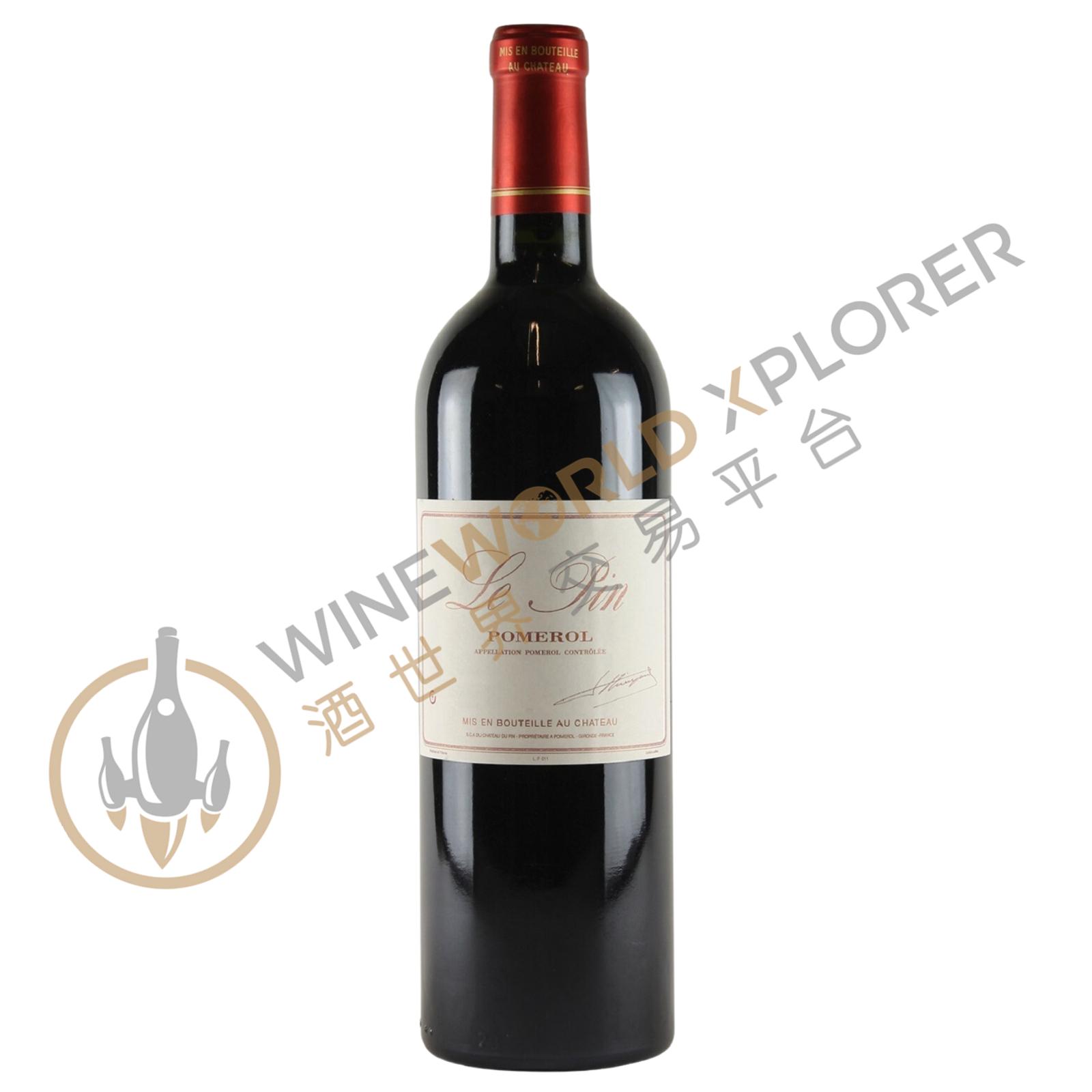
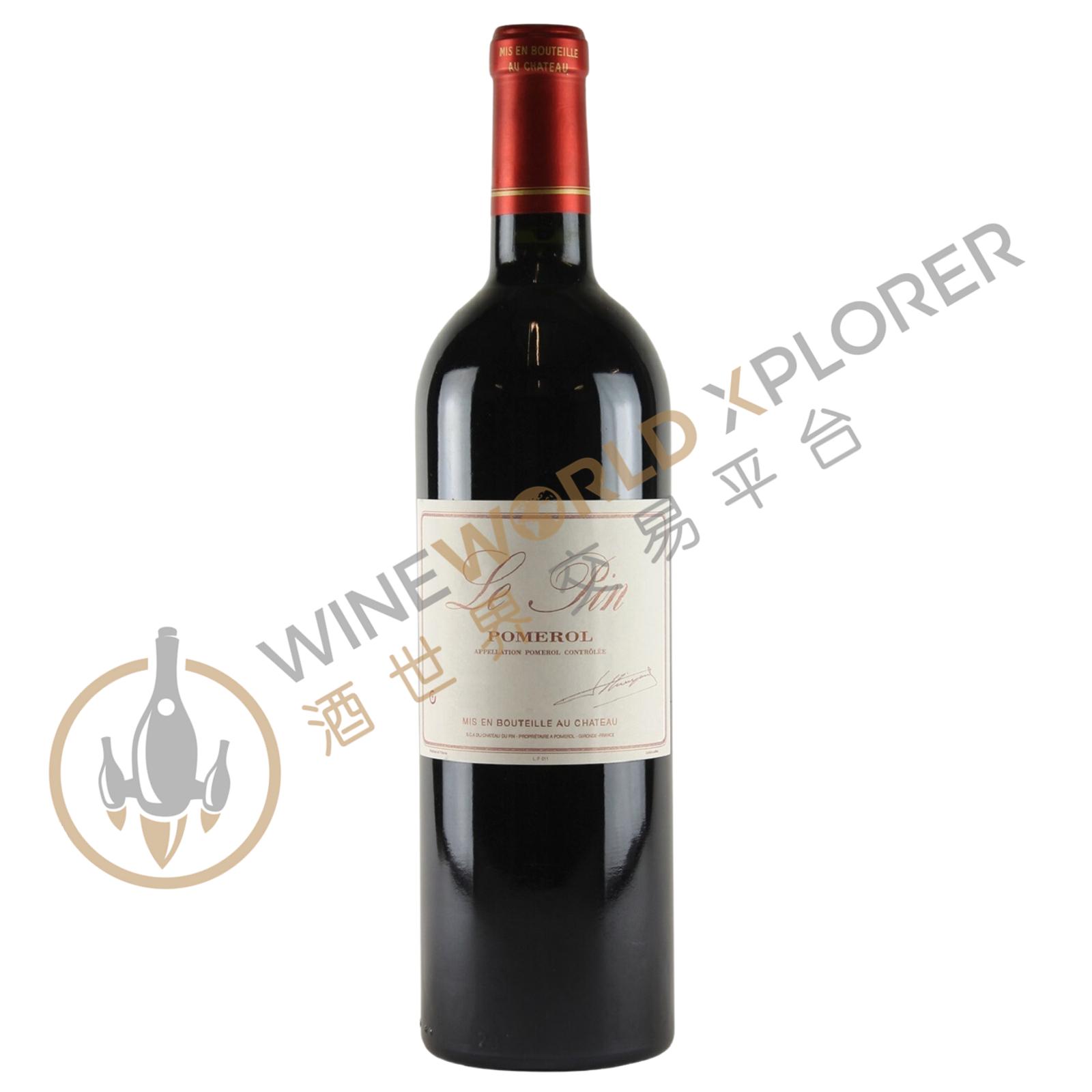
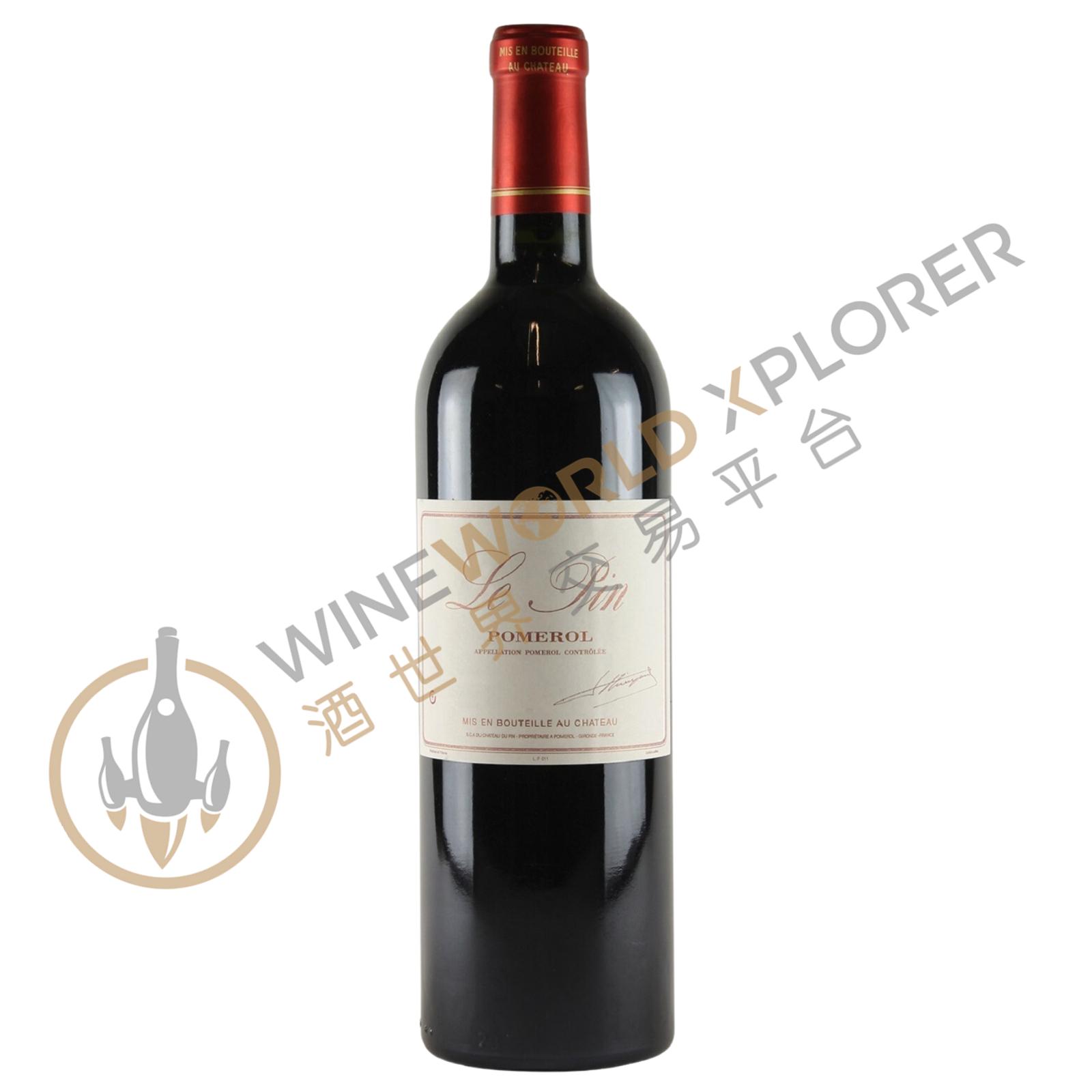
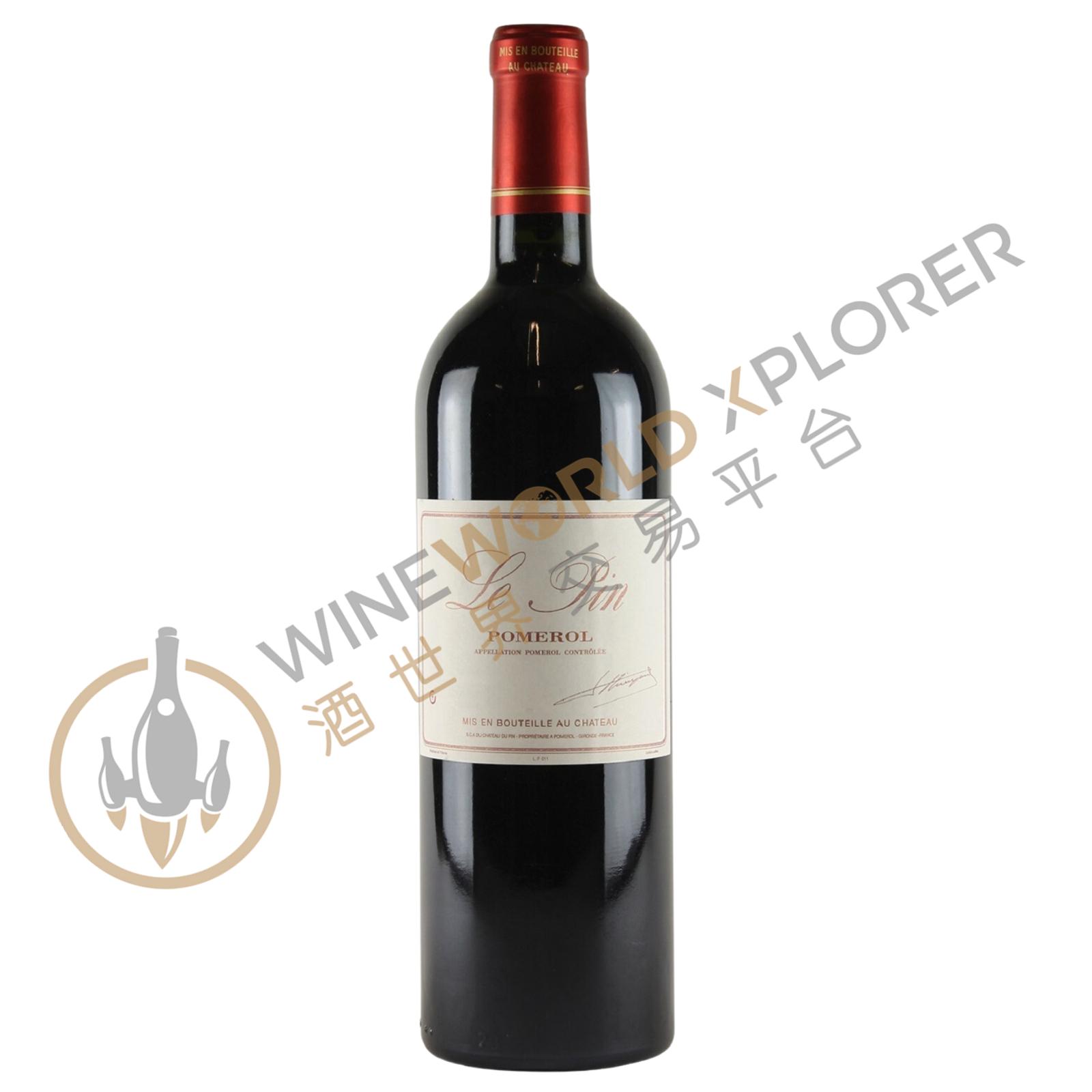
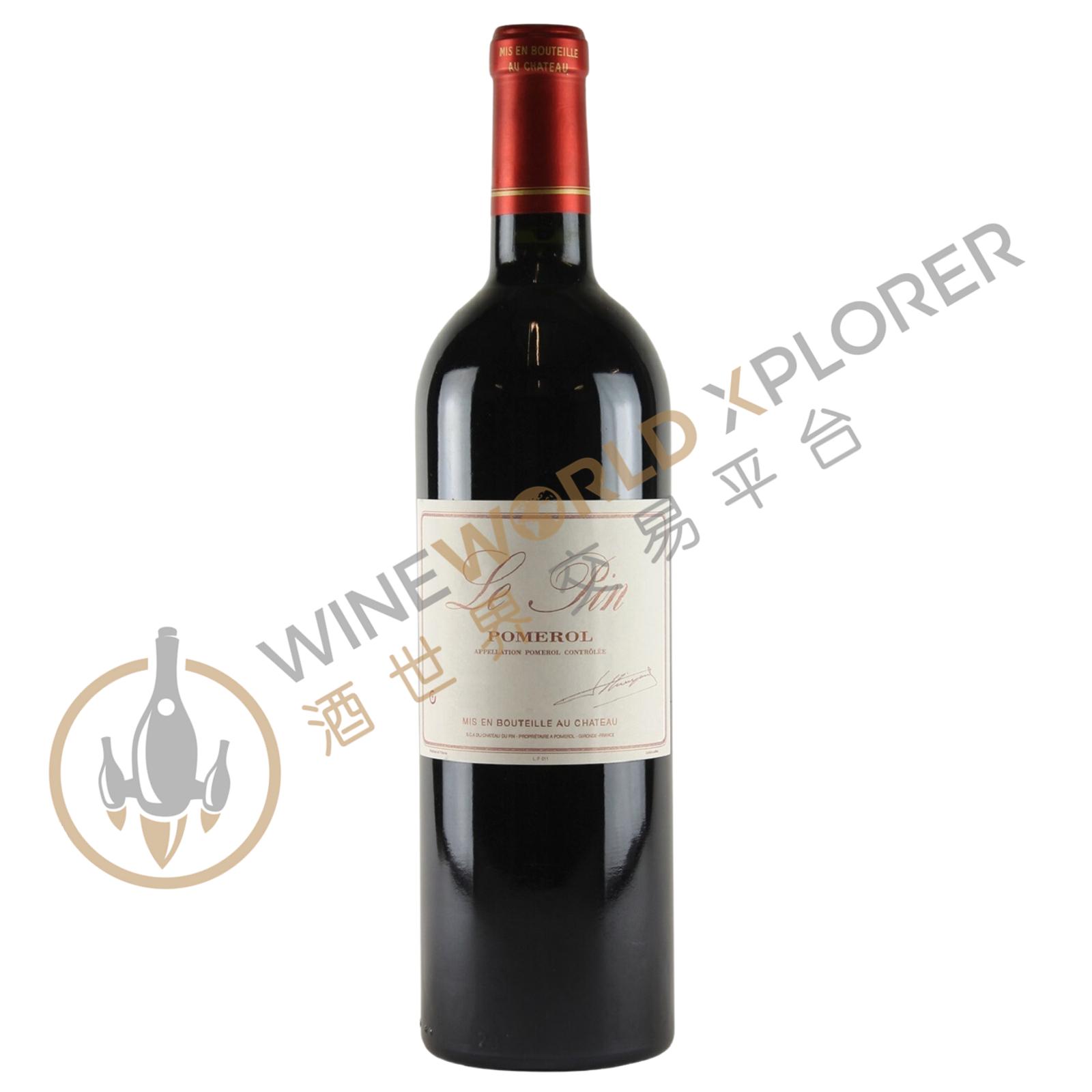
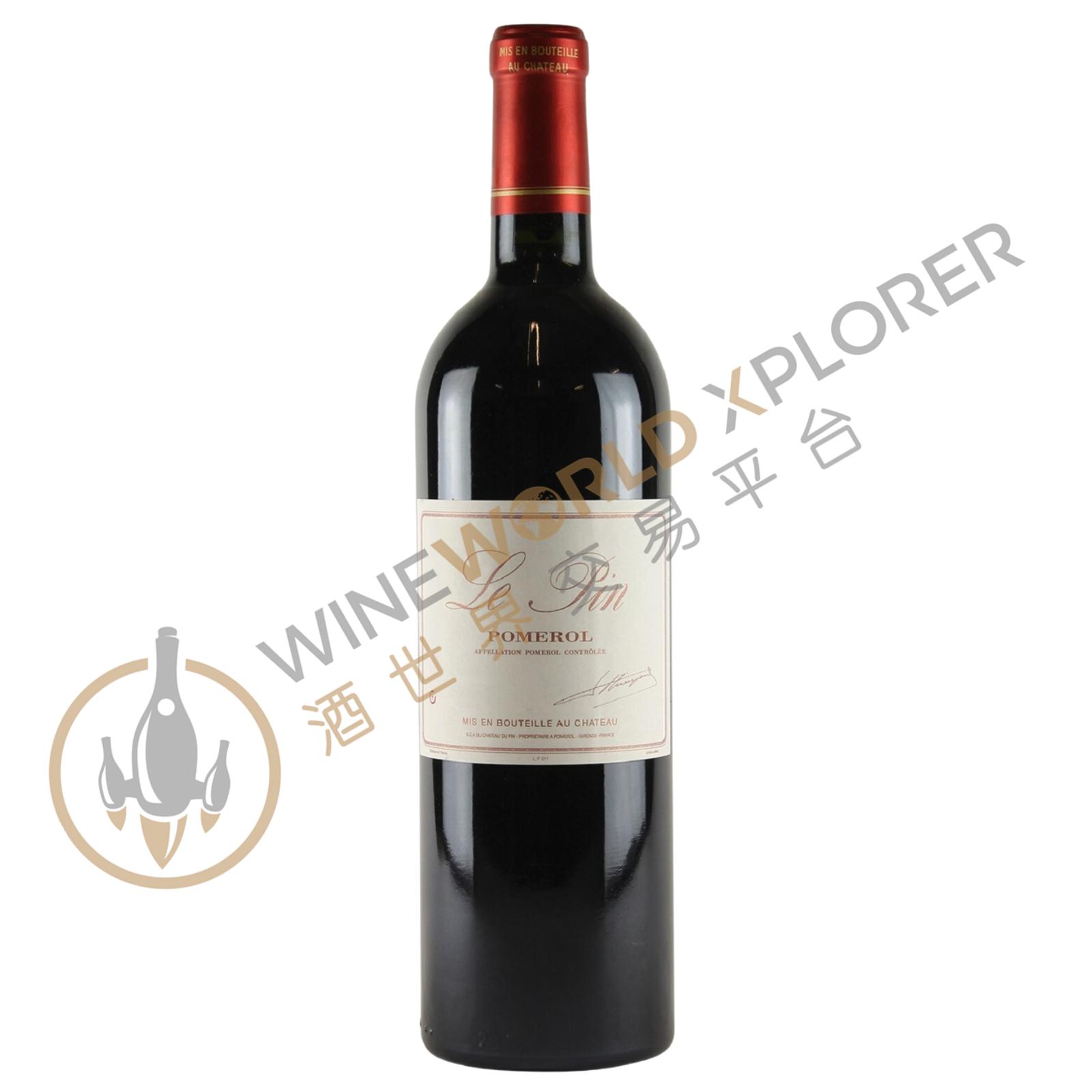
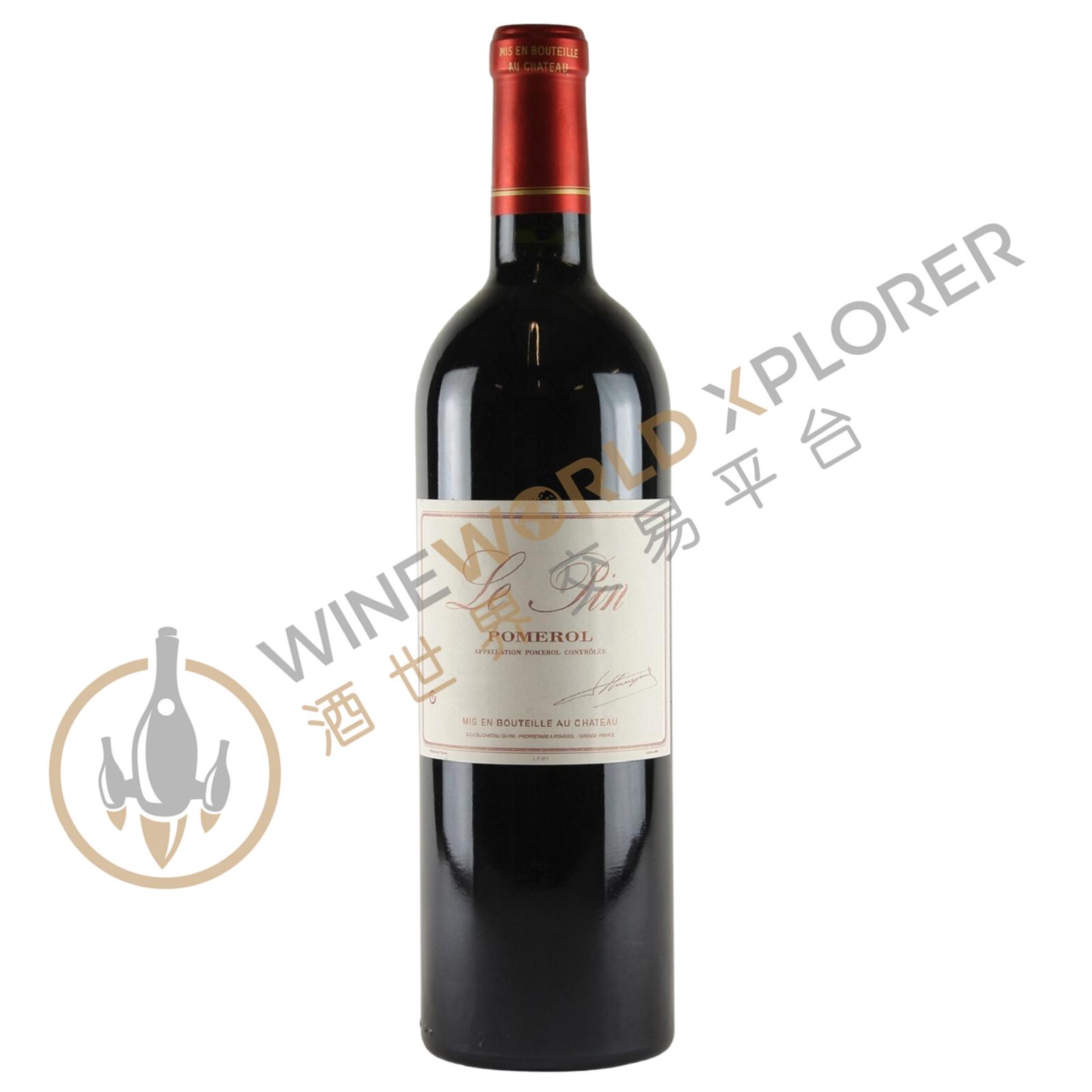
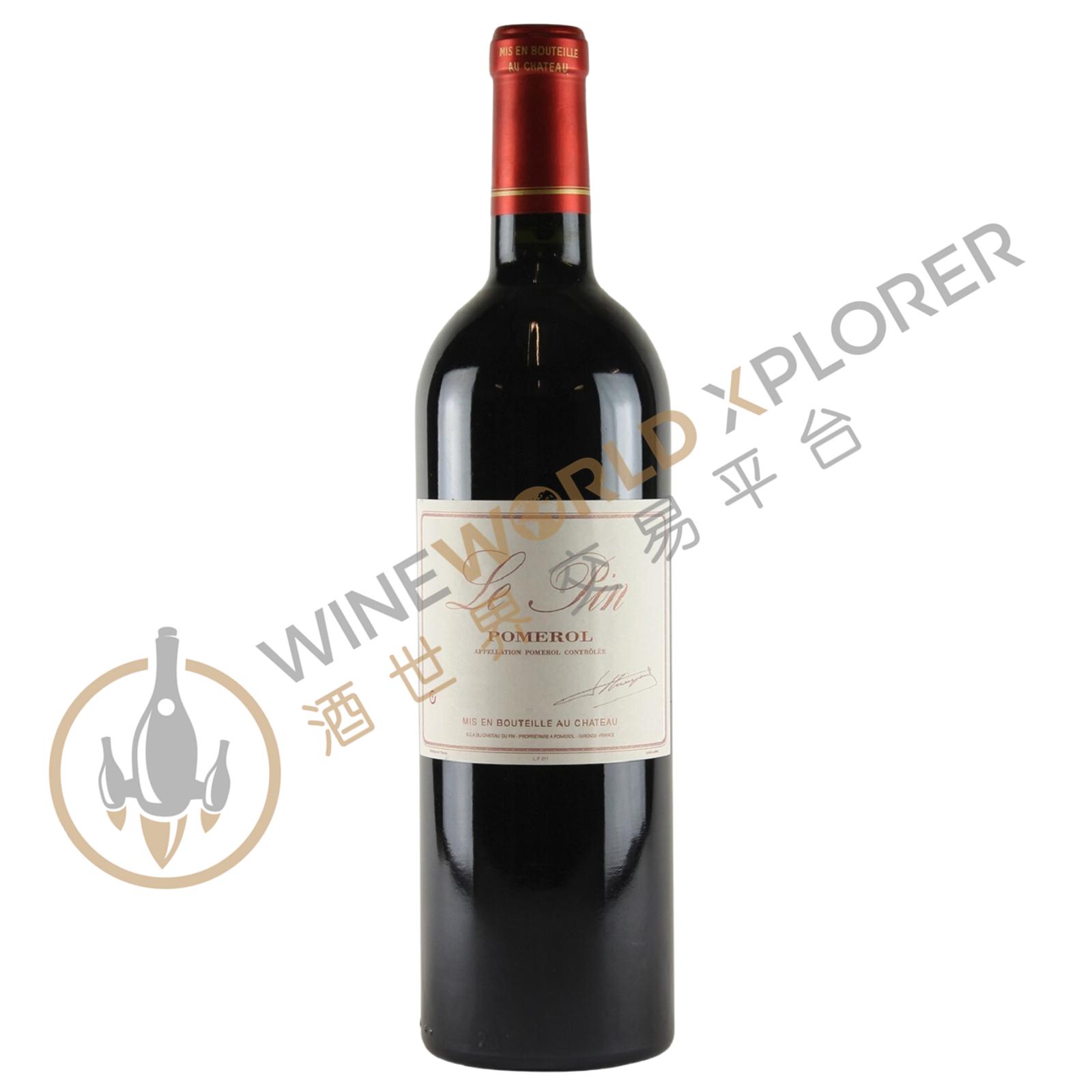
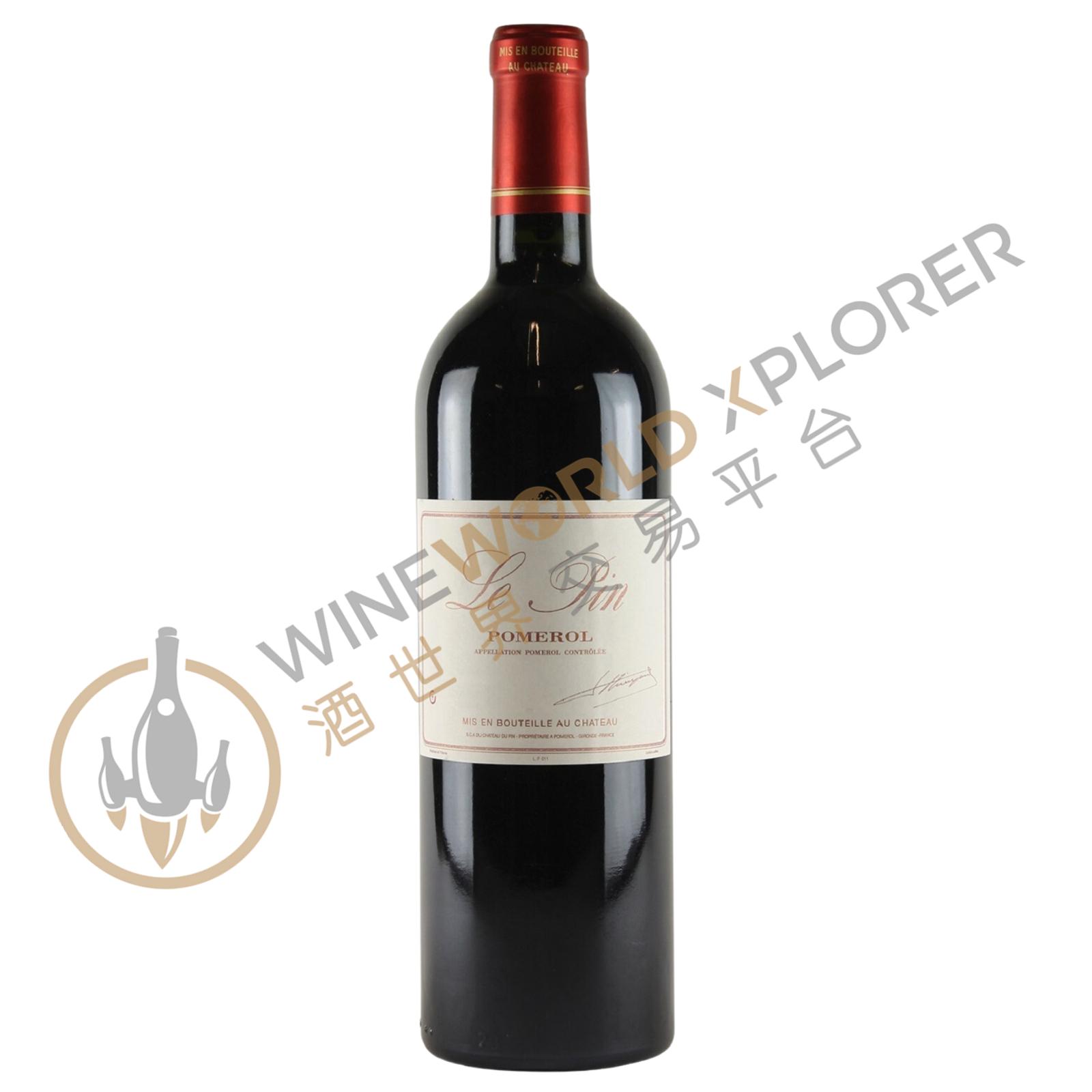
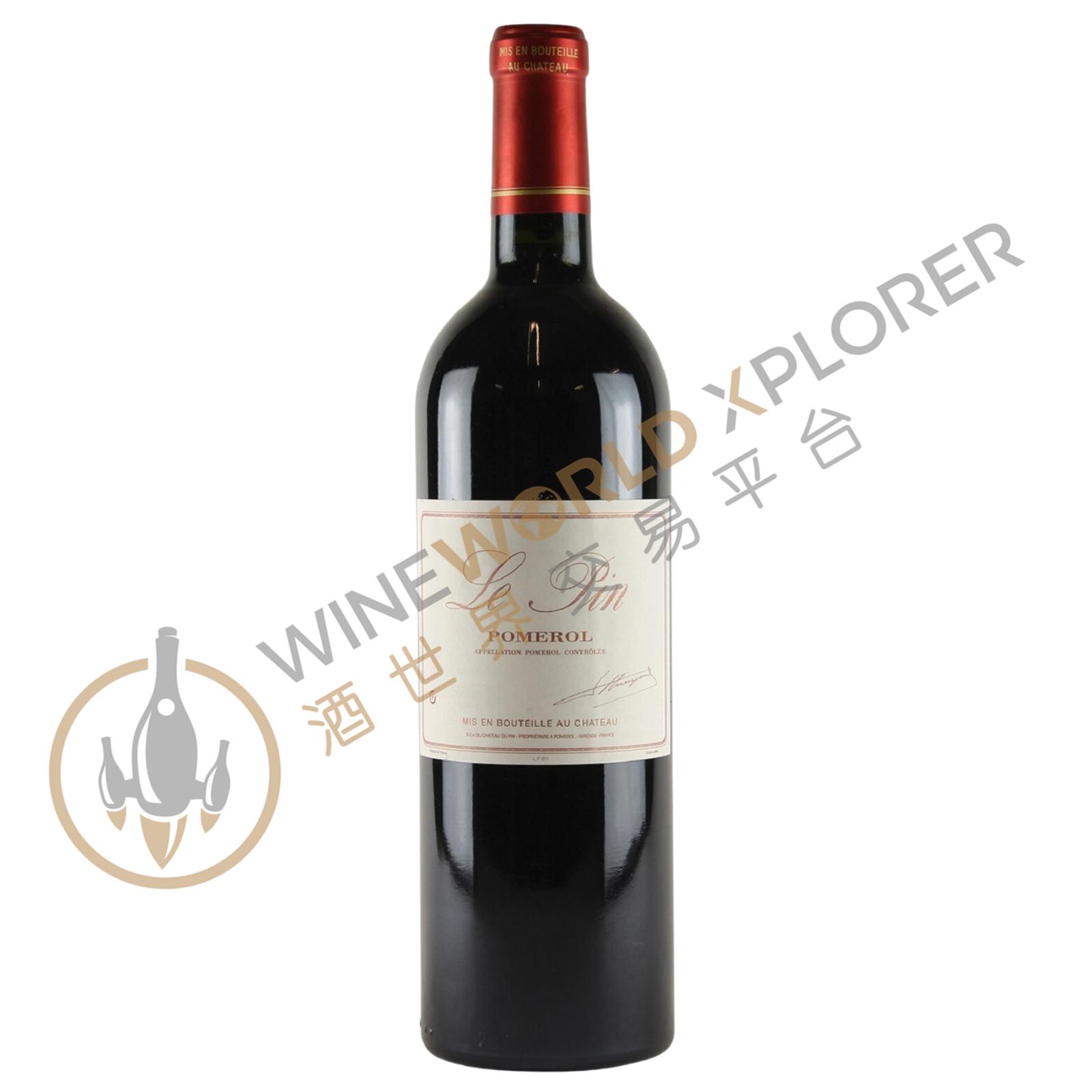
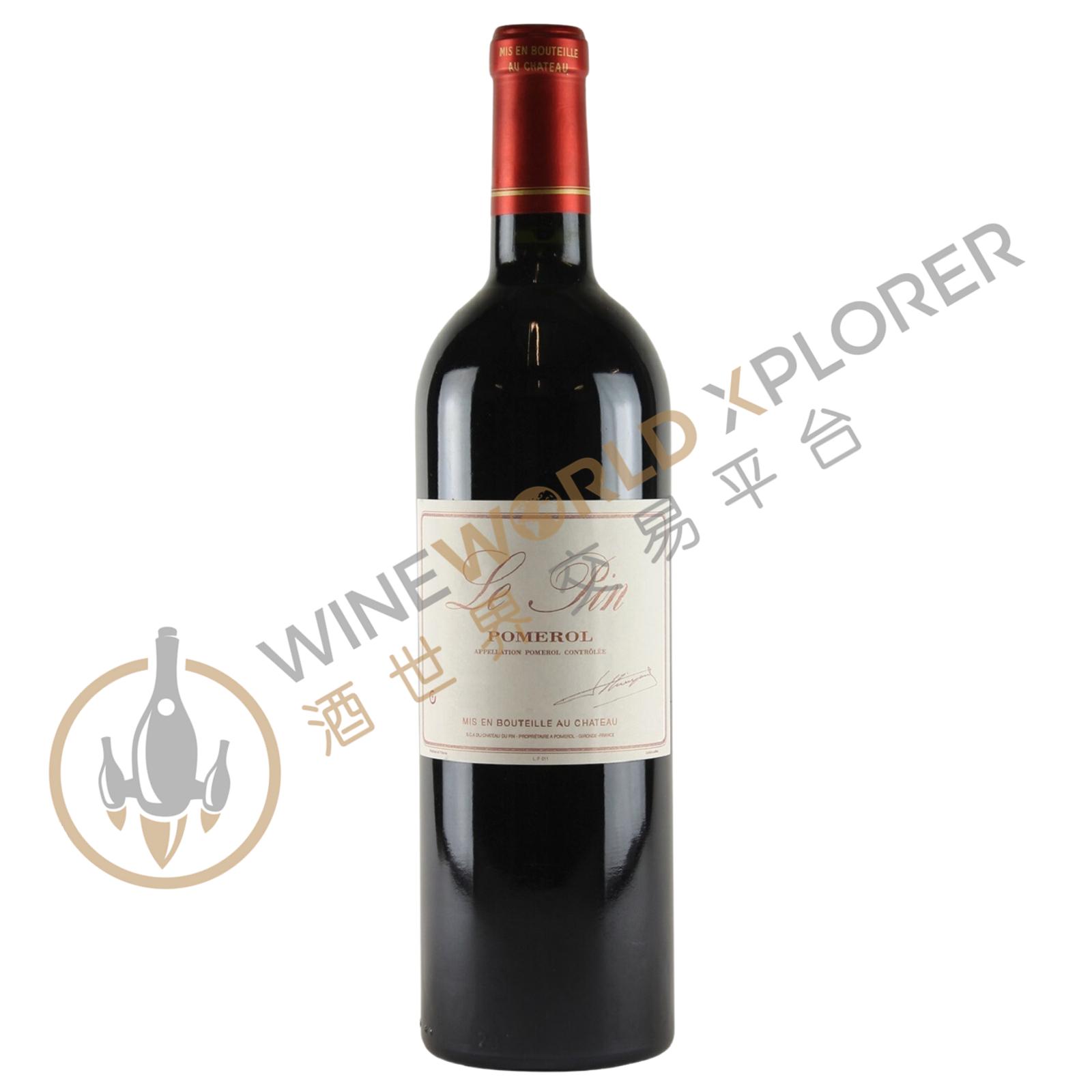
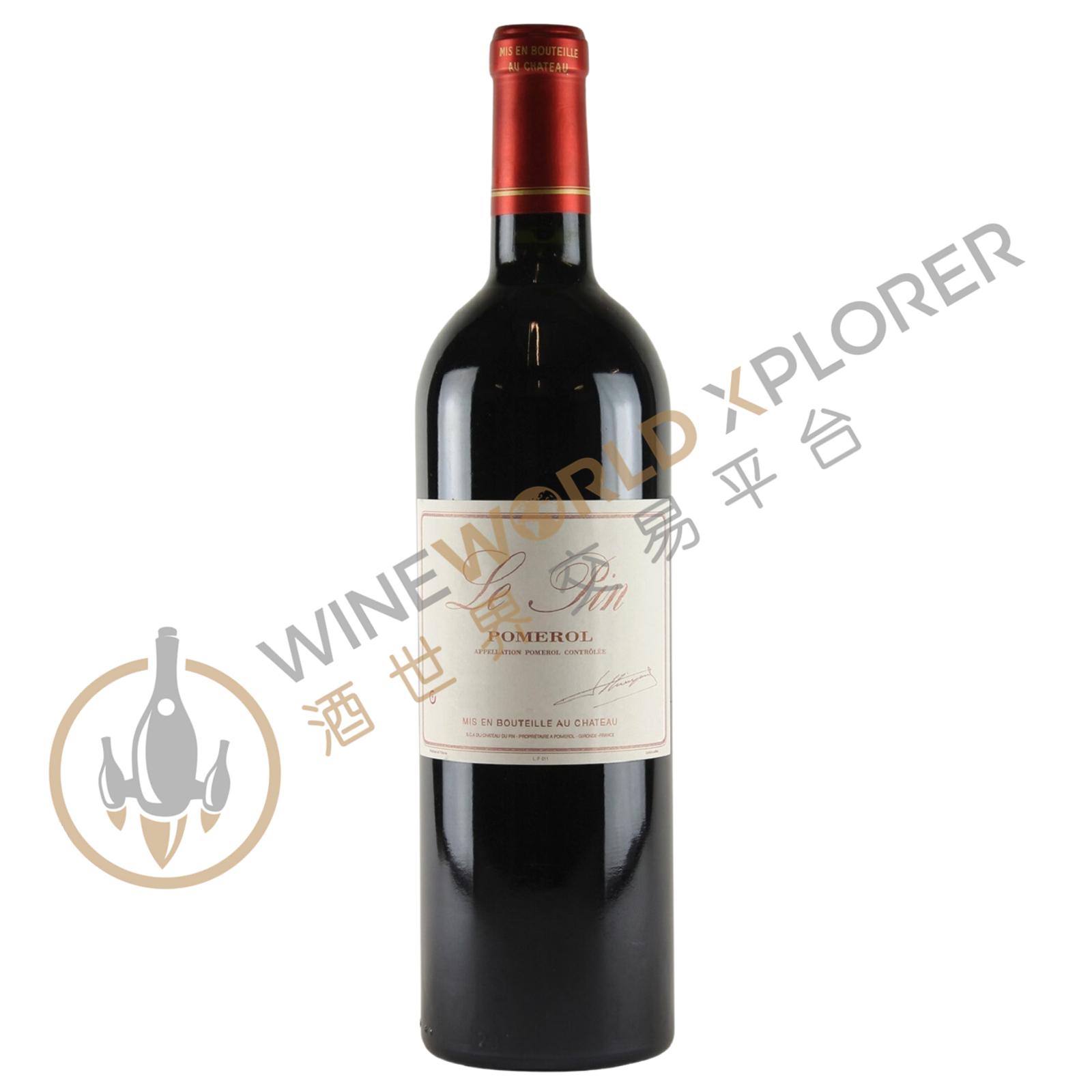
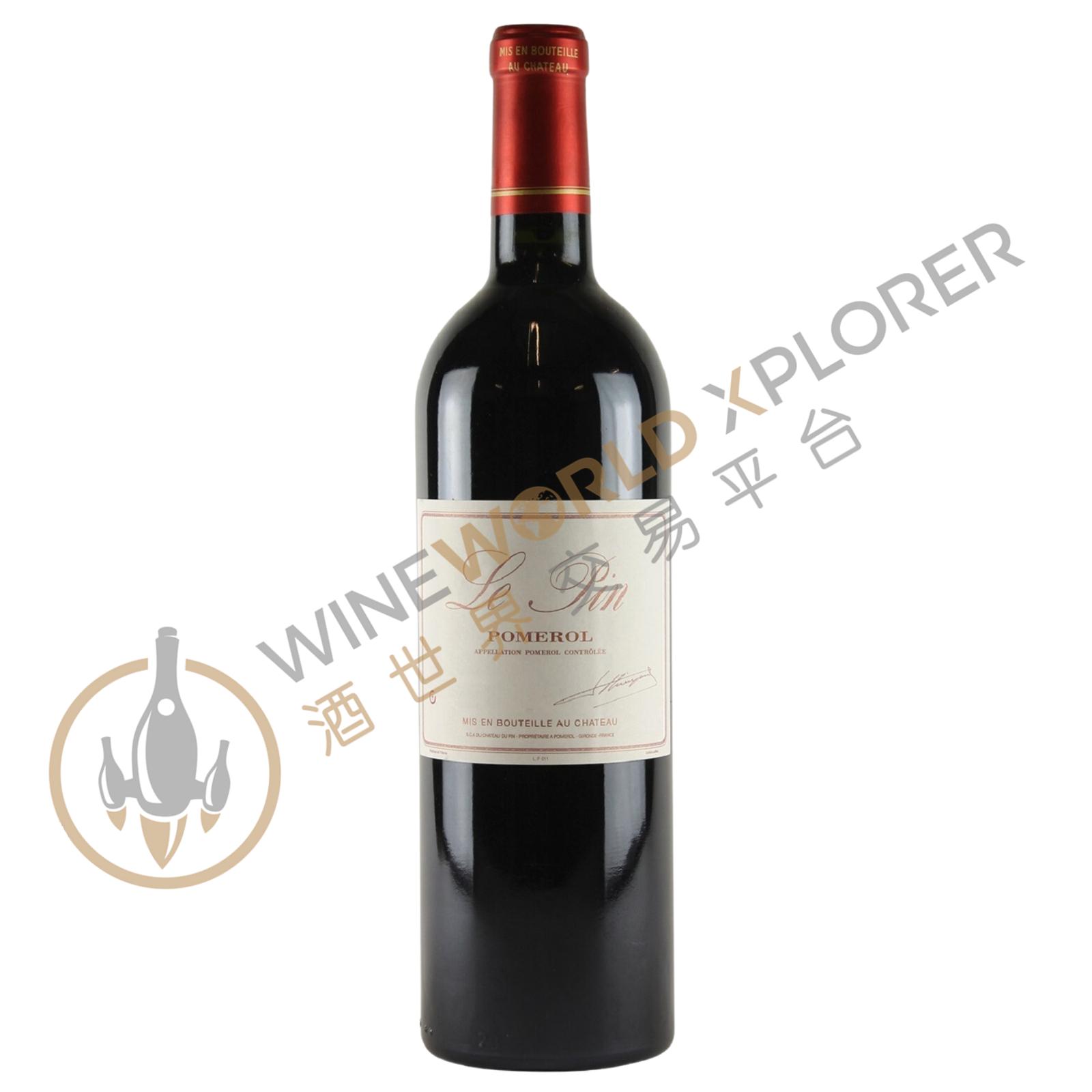
Le Pin 1995
 View analysis
Description
Tasting notes

Reviewed by: Neal Martin
Tasted blind at the CECWINE 1995 horizontal and following Ausone and Cheval Blanc. The nose seems to lack intensity. Sweet raspberry and strawberry. Lacks complexity, almost Burgundian in style. The palate lacks tannic structure and weight on the mid-palate. Linear, this does not explode on the palate like the previous two wines. Still quite a primal wine, but it lacks typicity. An unengaging wine. Drinking now. Tasted again at the Saint Julien restaurant in April 2006. A crimson core with signs of maturity on the rim. The nose is quite muted at first, then ripe raspberry, wild strawberry and vanilla emerge. The typical soft, cashmere mouth feel that Le Pin does so well, yet similar to my first encounter which was blind, it lacks complexity or profundity. Beautifully balanced, but there is little beneath that seductive sheen. More a study of winemaking than wine.
Reviewed by: Robert M. Parker, Jr.
A dense ruby-colored Le Pin, the 1995 offers up aromas of lead pencil, roasted nuts, smoke, spice, fruitcake, and black cherries intermixed with white chocolate. Luscious and full-bodied, with low acidity, but plenty of grip and tannin in the finish, this wine, with its abundant cola, kirsch, and black raspberry flavors, is revealing far more structure since bottling than it did in cask. It appears to be every bit as structured and tannic as the 1996. The 1995 Le Pin will take a few years to come around. Anticipated maturity: 2002-2018.
Reviewed by: Robert M. Parker, Jr.
This micro-estate is easy to criticize given the absurd prices ($8,000-$12,000 per case!) the 500 or so cases fetch in the auction markets. Le Pin is one of the most exotic, concentrated, flashy wines of Bordeaux, but when it is selling at six times the price of wines such as Clinet, La Conseillante, L'Evangile, and La Fleur de Gay, readers are justified in thinking that some wine buyers have lost their sense of reality. The 1995 was being fined and was not presented for tasting. Readers should refer to my report in issue #104 (4-26-96). At that time, I gave the 1995 a sensational review with an approximate scoring range of (92-95+).
Reviewed by: Robert M. Parker, Jr.
Some of the hard tannins this wine possessed early in life have sloughed off to reveal a wine that has a stunning nose of roasted herbs, caramel, smoke, barbecue notes along with fruitcake, blackberry, and black cherry jam, and a bit of white chocolate also entering the smorgasbord of scents. Full-bodied, with low acidity but still moderately high tannin, still a tightly knit, very concentrated wine that is surprisingly structured and backward for Le Pin. It is also a bit more massive than most vintages. Anticipated maturity: 2008-2025. Last tasted, 5/02.
Reviewed by: Robert M. Parker, Jr.
The 1995 Le Pin appears to be a classic. It displays far better integration of oak, which may be because the wine has terrific concentration and has already soaked up the wood so its presence is less overt than evident in the 1994. The wine is medium to full-bodied, with stunning concentration, an opulent, sweet mid-palate, and that layered feel that makes for a decadent and hedonistic mouthful of grape juice. The well-delineated 1995 should mature into one of this estate's great successes, but I doubt that it will equal the quality of the 1982 and 1983. However, keep in mind that at the same stage of development, this wine is being bestowed a higher rating than given the 1982 and 1983 at similar ages. Like most Le Pins, you can drink these wines exceptionally young, but they put on considerable weight in the bottle, with the oak becoming far less aggressive after 7-8 years of cellaring. Last tasted 11/97
Reviewed by: Robert M. Parker, Jr.
This micro-estate has turned out two brilliant wines in 1994 and 1995. The 1995 Le Pin appears to be a classic. It displays far better integration of oak, which may be because the wine has terrific concentration and has already soaked up the wood so its presence is less overt than evident in the 1994. The wine is medium to full-bodied, with stunning concentration, an opulent, sweet mid-palate, and that layered feel that makes for a decadent and hedonistic mouthful of grape juice. The well-delineated 1995 should mature into one of this estate's great successes, but I doubt that it will equal the quality of the 1982 and 1983. However, keep in mind that at the same stage of development, this wine is being bestowed a higher rating than given the 1982 and 1983 at similar ages. Like most Le Pins, you can drink these wines exceptionally young, but they put on considerable weight in the bottle, with the oak becoming far less aggressive after 7-8 years of cellaring. All of the wines in this segment were tasted between March 19 and March 28 in Bordeaux. Most of the important wines from both the 1994 and 1995 vintages were tasted three separate times during my ten-day stay in Bordeaux.
Reviewed by: Neal Martin
Tasted at Bipin Desai’s Le Pin vertical in Los Angeles. The Le Pin ’95 has never really convinced me of its quality. There is a slight taint on the bottle but I can see through that and sense the simple red-berried strawberry and raspberry nose that lacks some complexity. The palate is untainted with ripe redcurrant, wild strawberry and a touch of vanilla pod, with a touch of tobacco. It has a soft texture, but to the extent that I feel this wine lacks the backbone that other Right Bank 95 have. Just a little clipped on the finish as if it is a little ashamed by its performance. 750 cases produced. Drink now-2015. Tasted November 2008.
Reviewed by: Robert M. Parker, Jr.
A dense ruby-colored Le Pin, the 1995 offers up aromas of lead pencil, roasted nuts, smoke, spice, fruitcake, and black cherries intermixed with white chocolate. Luscious and full-bodied, with low acidity, but plenty of grip and tannin in the finish, this wine, with its abundant cola, kirsch, and black raspberry flavors, is revealing far more structure since bottling than it did in cask. It appears to be every bit as structured and tannic as the 1996. The 1995 Le Pin will take a few years to come around. Anticipated maturity: 2002-2018.
Reviewed by: Stephen Tanzer
Tasted at the Pomerol Comparative Exploration tasting in London, the 1995 Le Pin is a vintage that has never proven its pedigree. Now with two decades under its belt, the aromatics are strangely not that far from those of the 1995 Lafleur despite the absence of any Cabernet Franc. There is a pleasant mineralité here and impressive purity. The palate is fresh and vibrant, a mixture or red and black fruit with a subtle marine influence. Classy and sophisticated, this is unquestionably the finest bottle that I have encountered. Perhaps it was just a "late bloomer"? Anyway, I am happy to upgrade my score from previous encounters.
About the Producer
Le Pin is the most expensive wine in the world. Jacques Thienpont purchased the meagre 1.6 hectares of land for one million francs in 1979. The Thienpoints named their wine Le Pin after a solitary pine tree that shaded the property. By acquiring tiny adjoining plots of land, Jacques has doubled the size of Le Pin to five acres. The south-facing vineyard on a well-drained slope of gravel and sand is planted with Merlot (about 92%), and a small amount of Cabernet Franc. Le Pin's soil is a mixture of gravel and clay with a little sand and is exceptionally low yielding (between 30 to 35 hl/hc). The grapes are hand-harvested and are fermented in stainless steel before being matured in`200%` new oak barriques for between 14 and 18 months. Dany Rolland, wife of cult-oenologist Michel Rolland, is a consultant here. Le Pin produces just 600 to 700 cases each year (Lafite Rothschild produces approximately 29,000 cases of wine a year and and Pétrus about 4,000) and its rarity is one of the driving forces behind its high prices. Le Pin produces super-concentrated, decadent, lush and lavishly oaked wines - they can be drunk young but are best with 7-10 years of bottle ageing.
1985(1)1986(1)1988(2)1989(1)1990(1)1991(2)1992(1)1993(1)1994(3)
Package Size