Wine Advisor



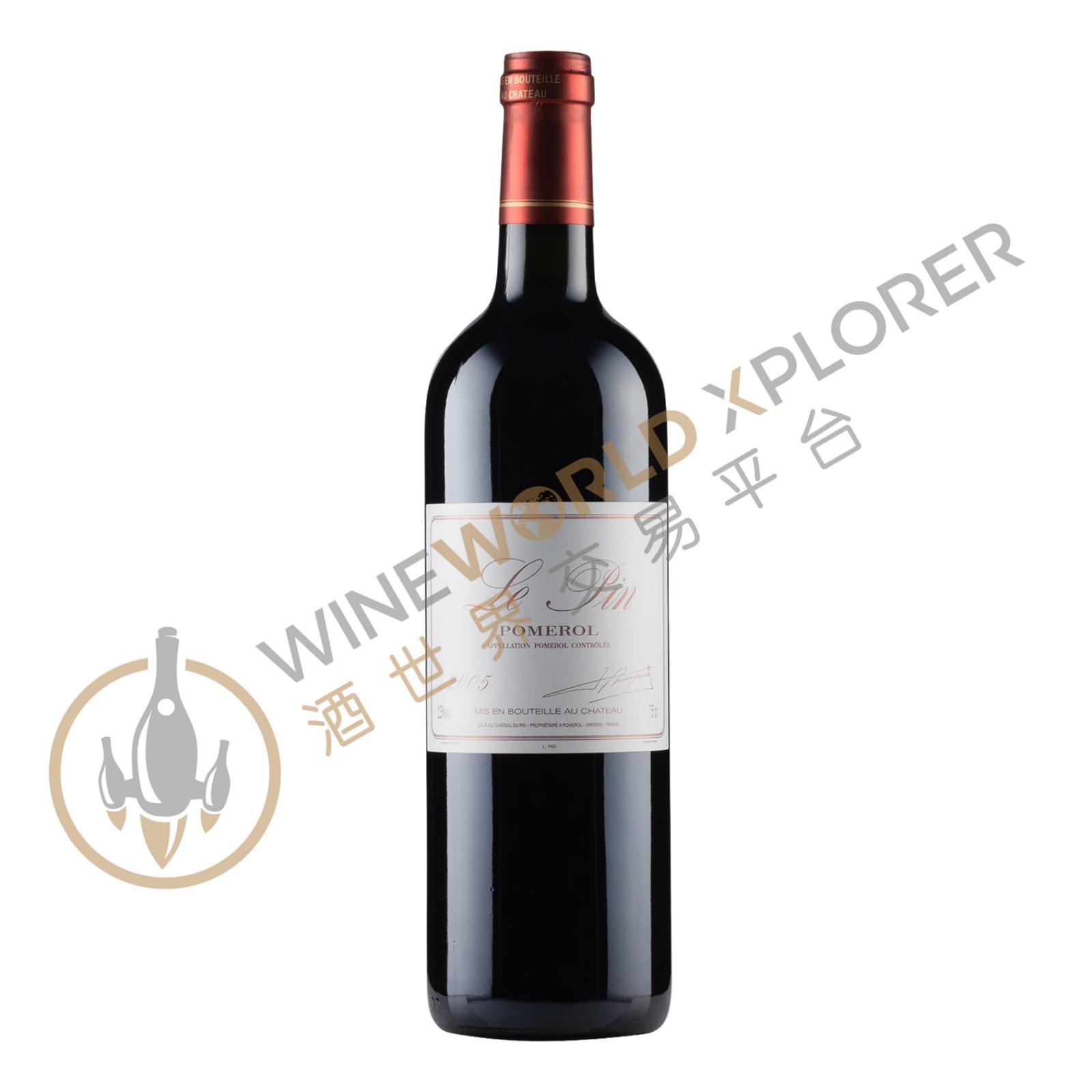
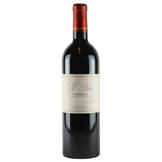
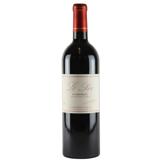
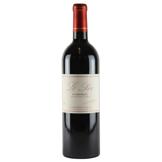
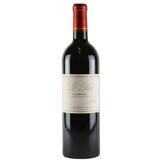
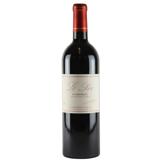
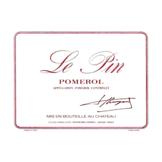
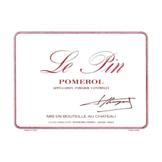
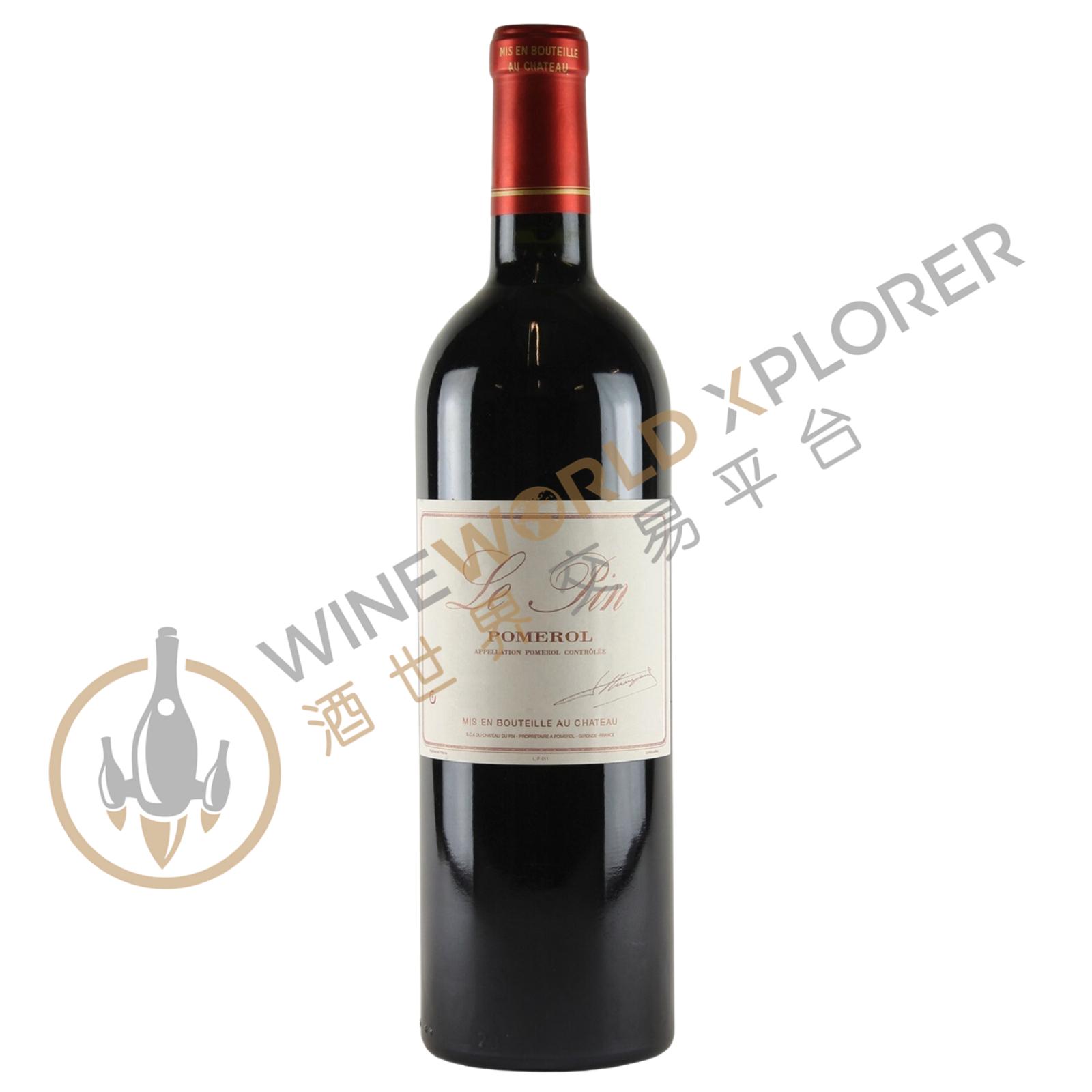
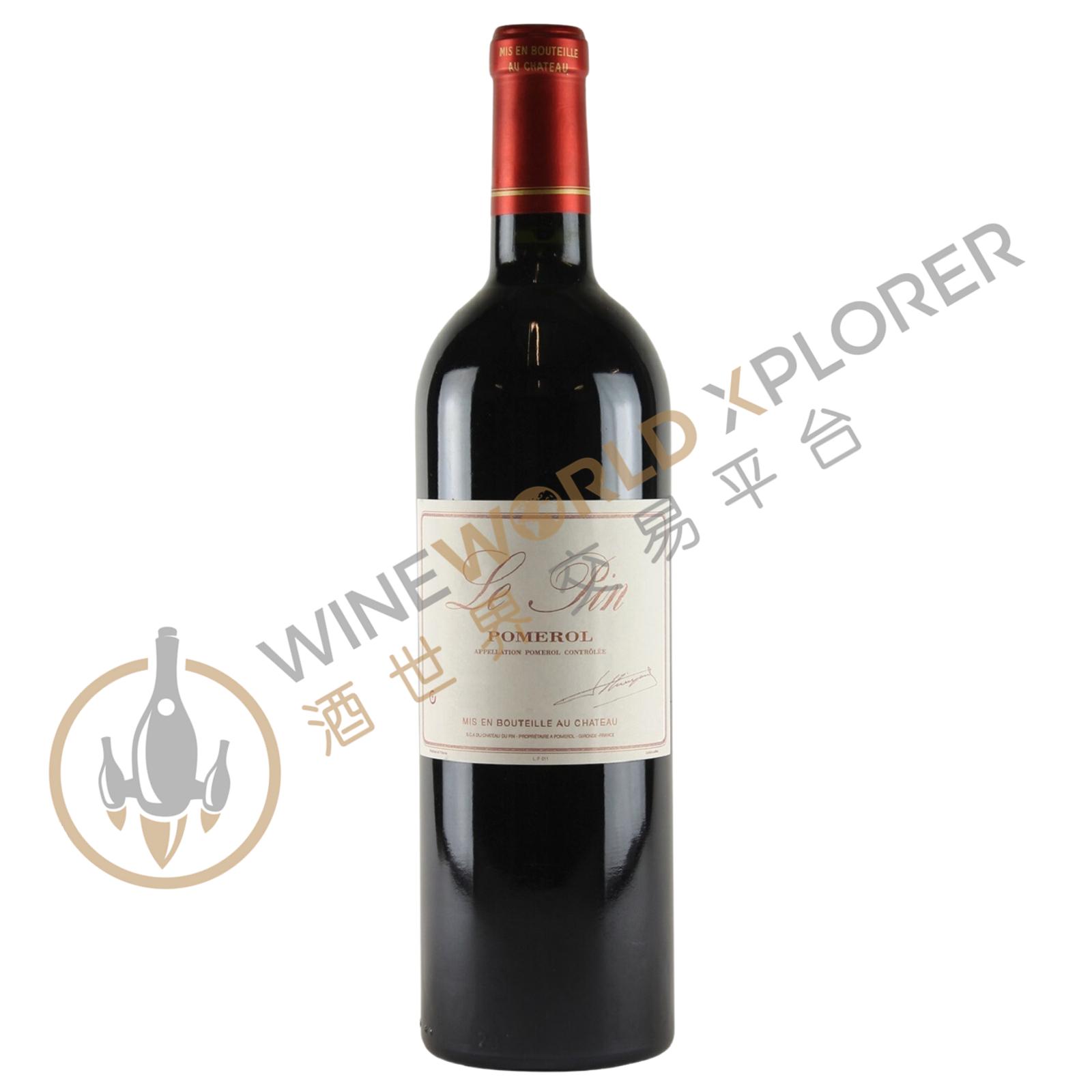
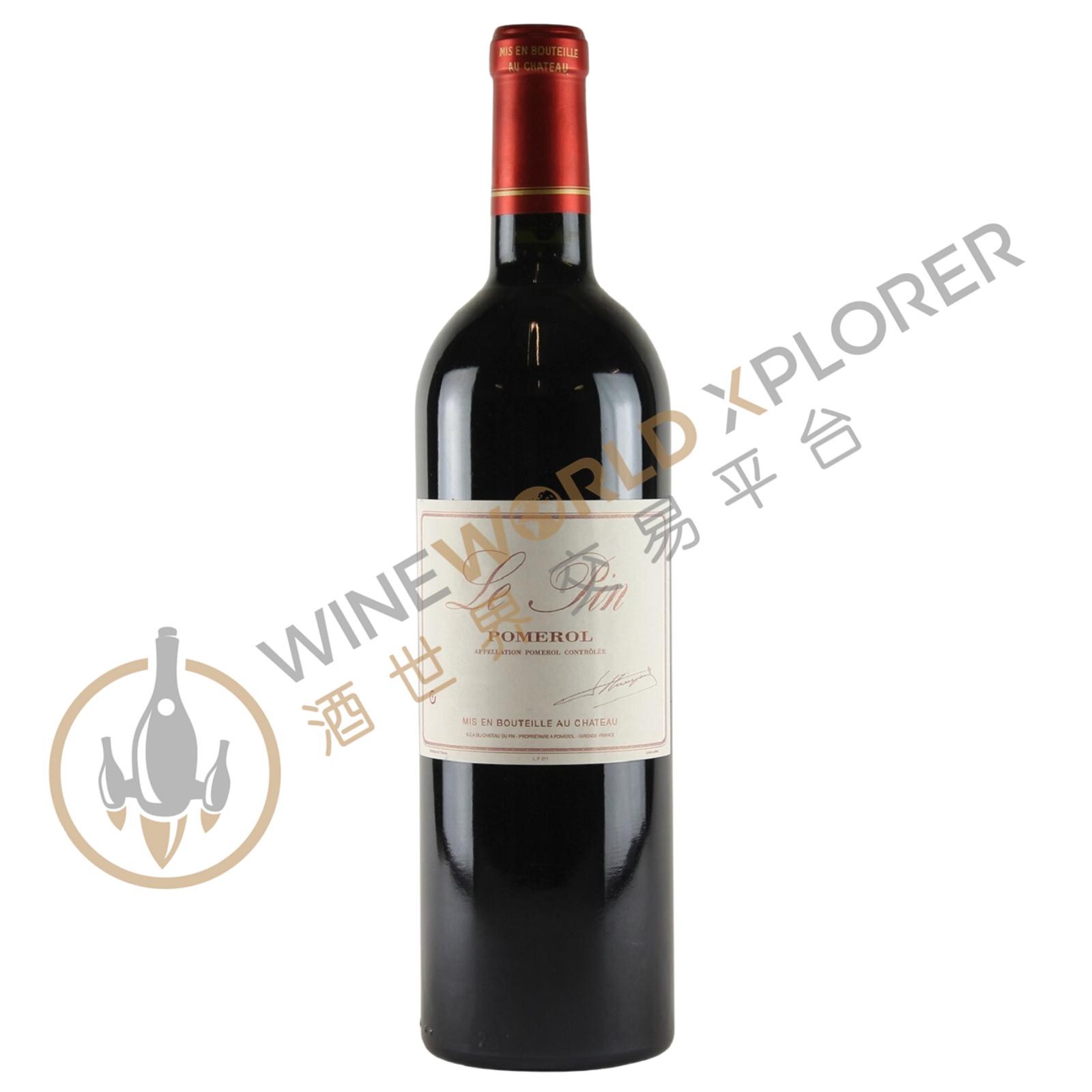
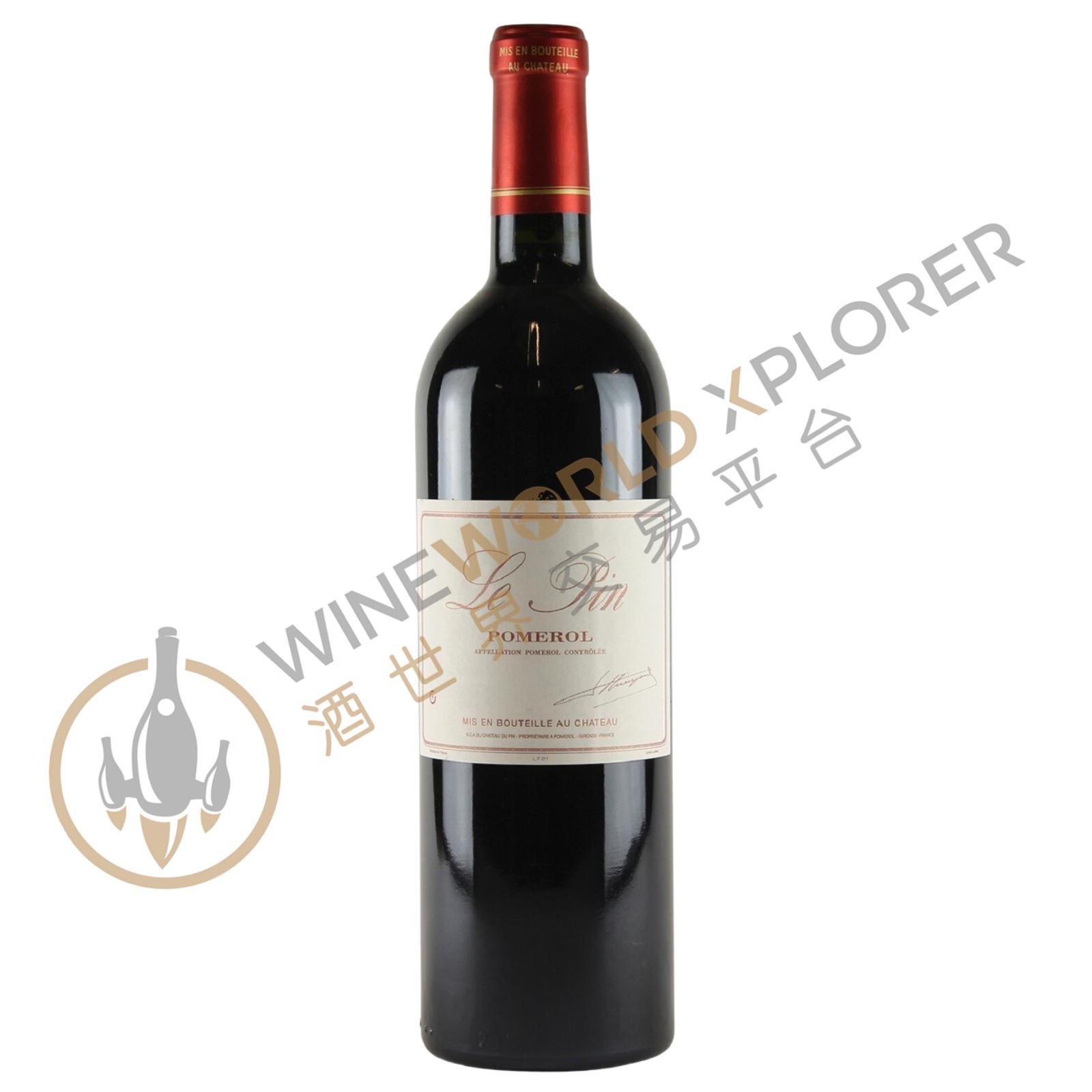
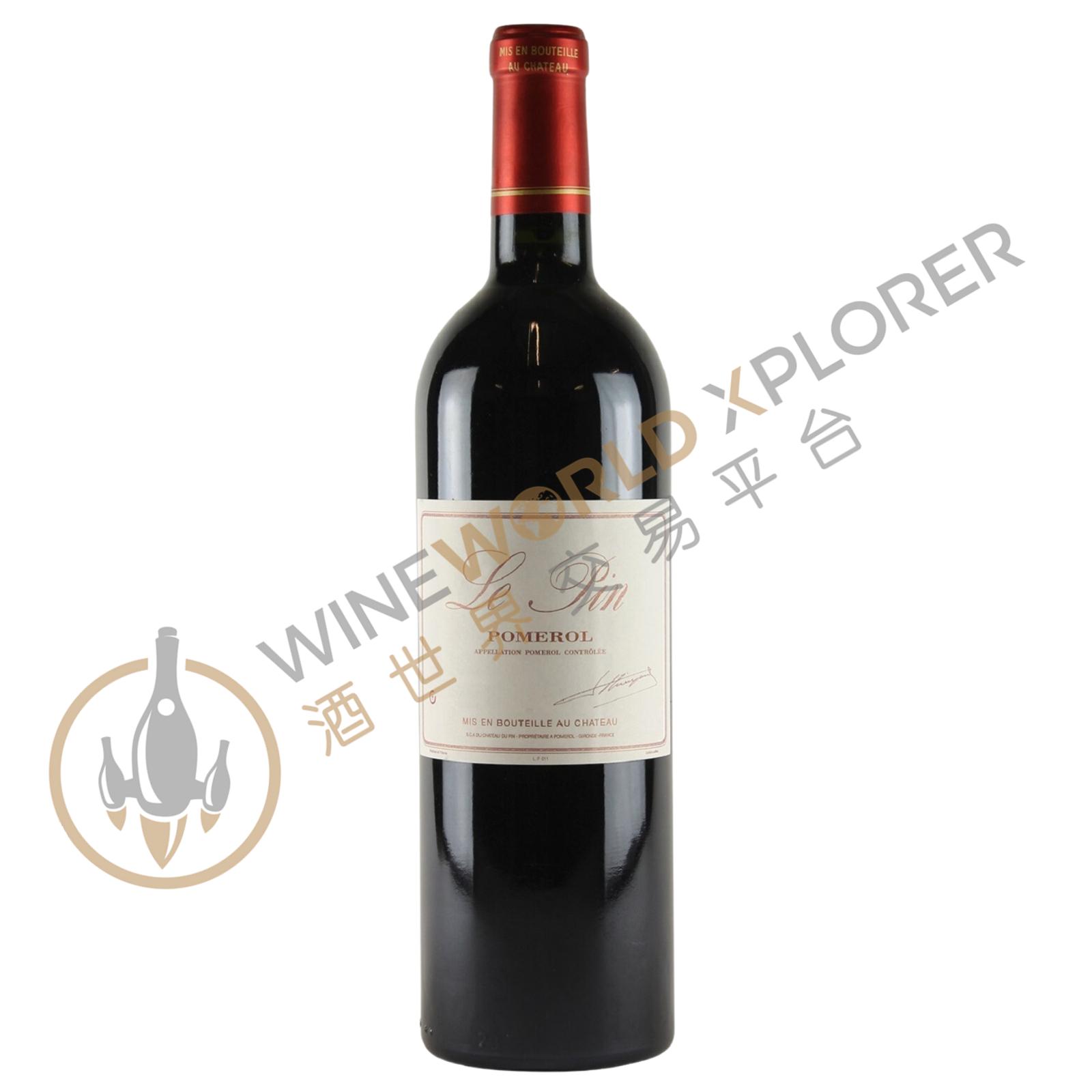
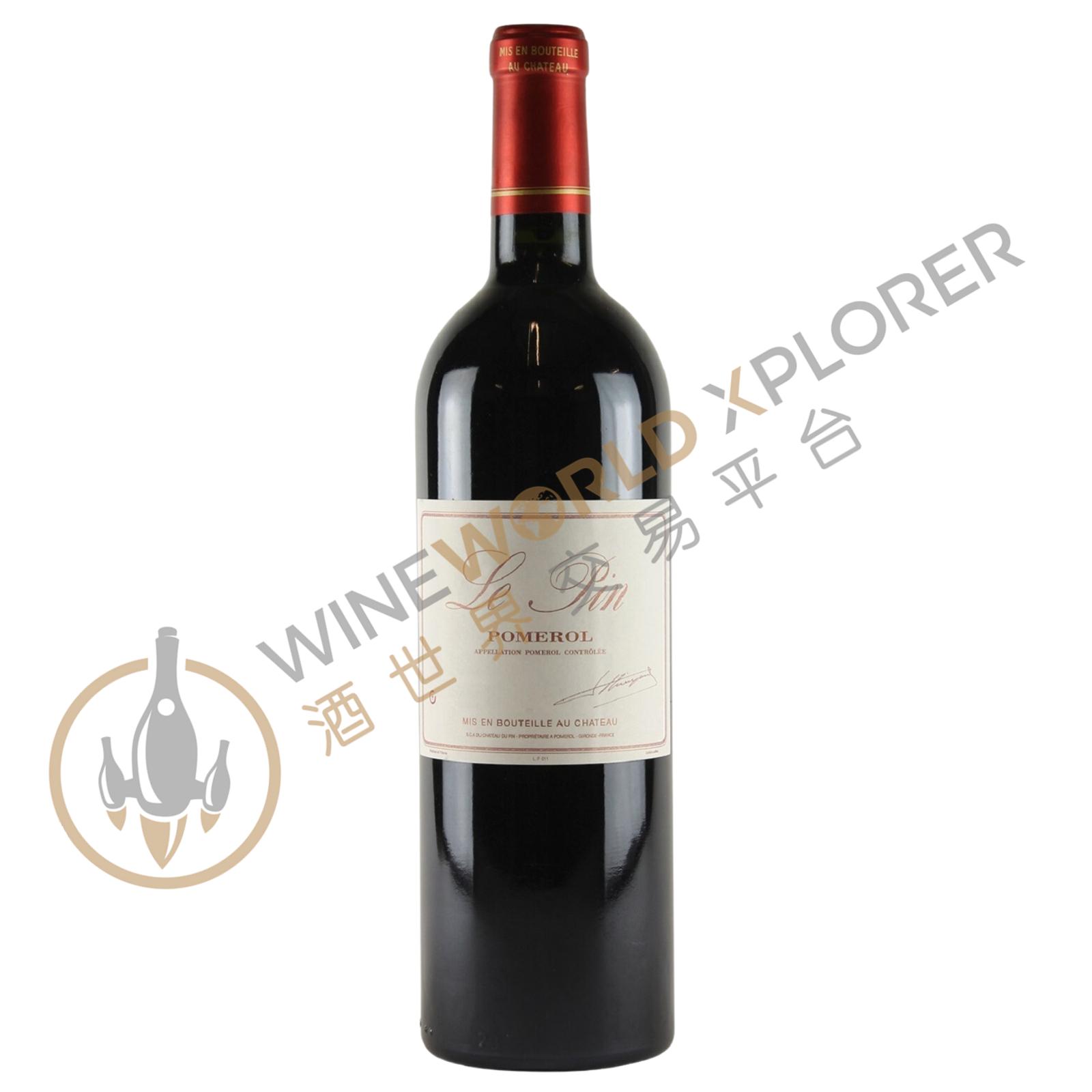
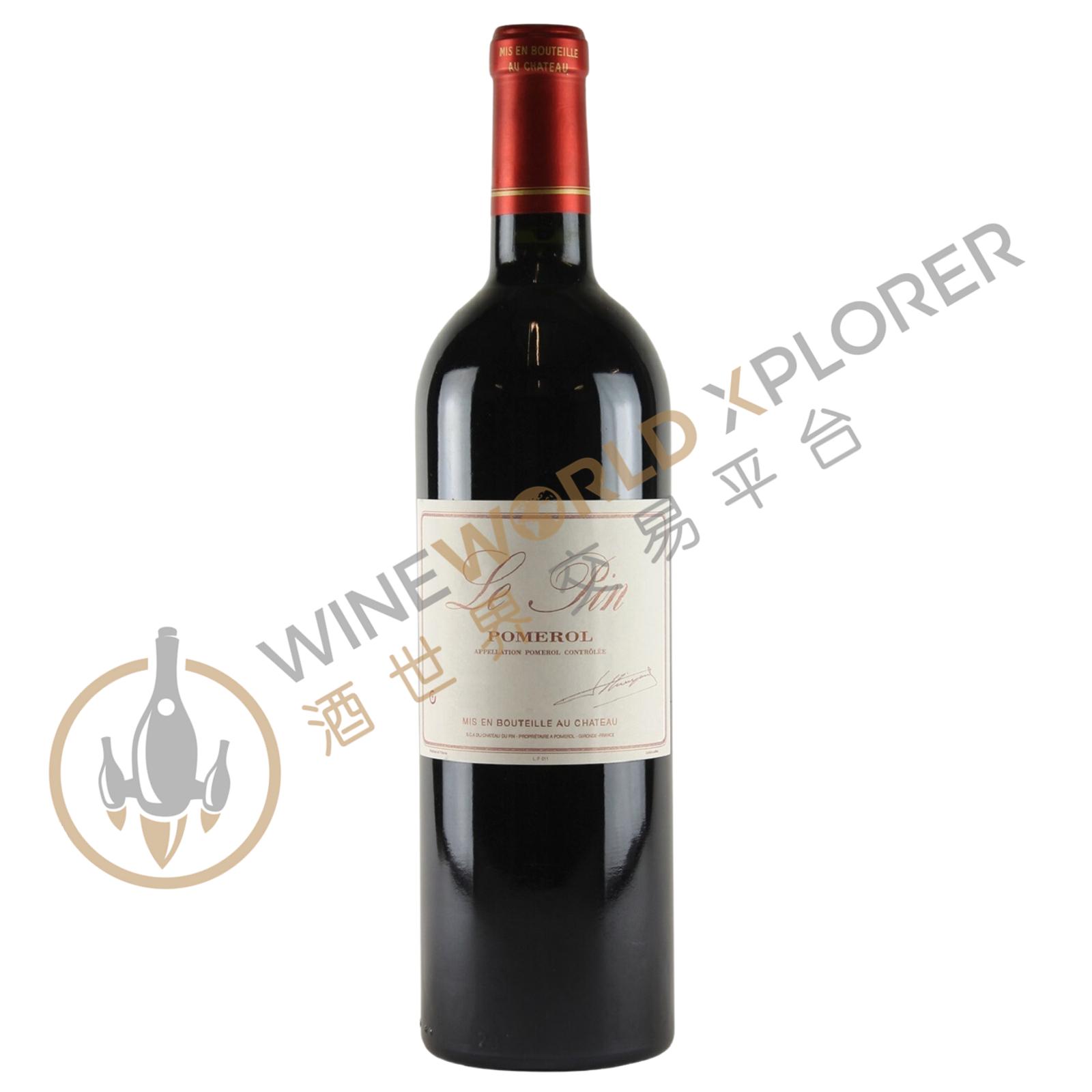
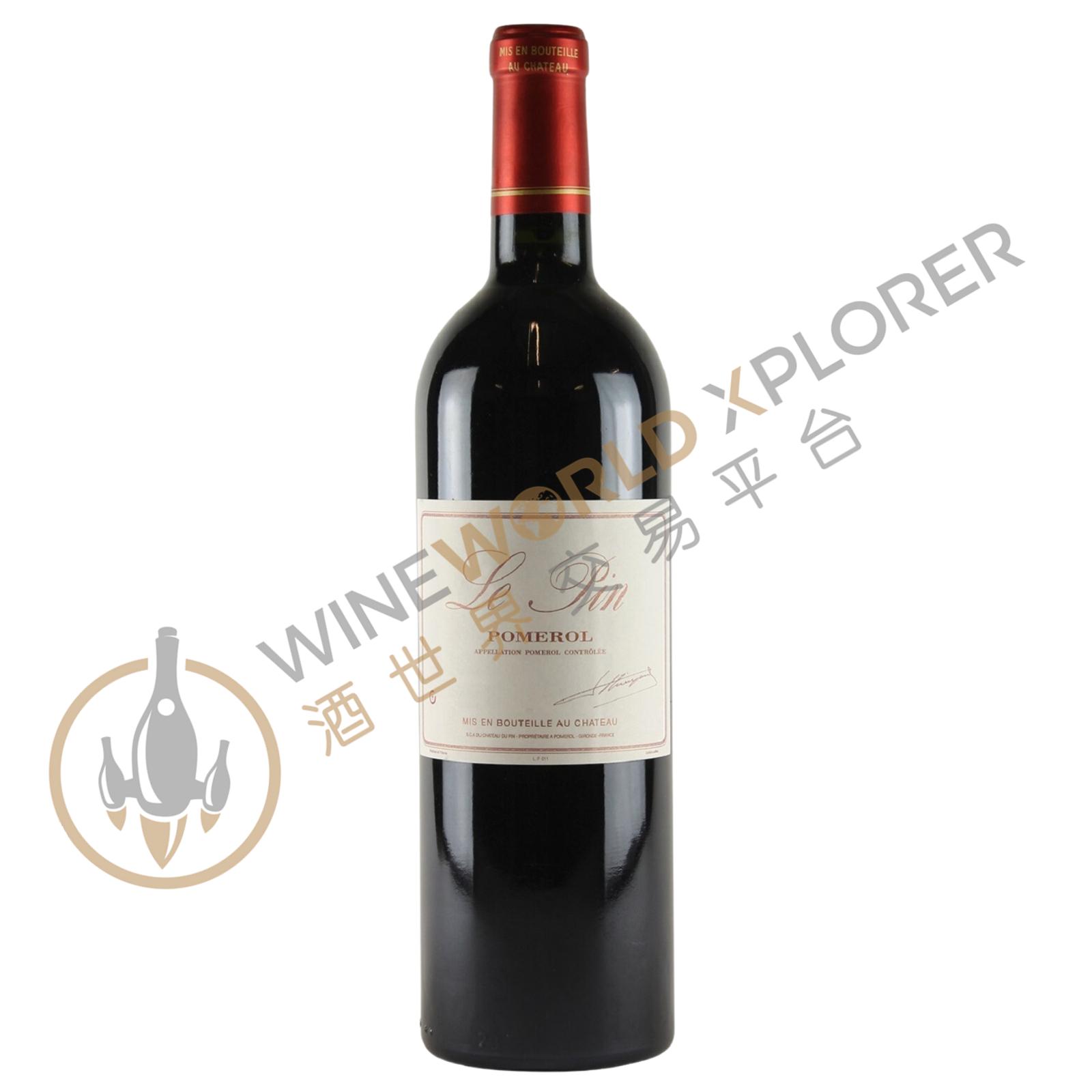
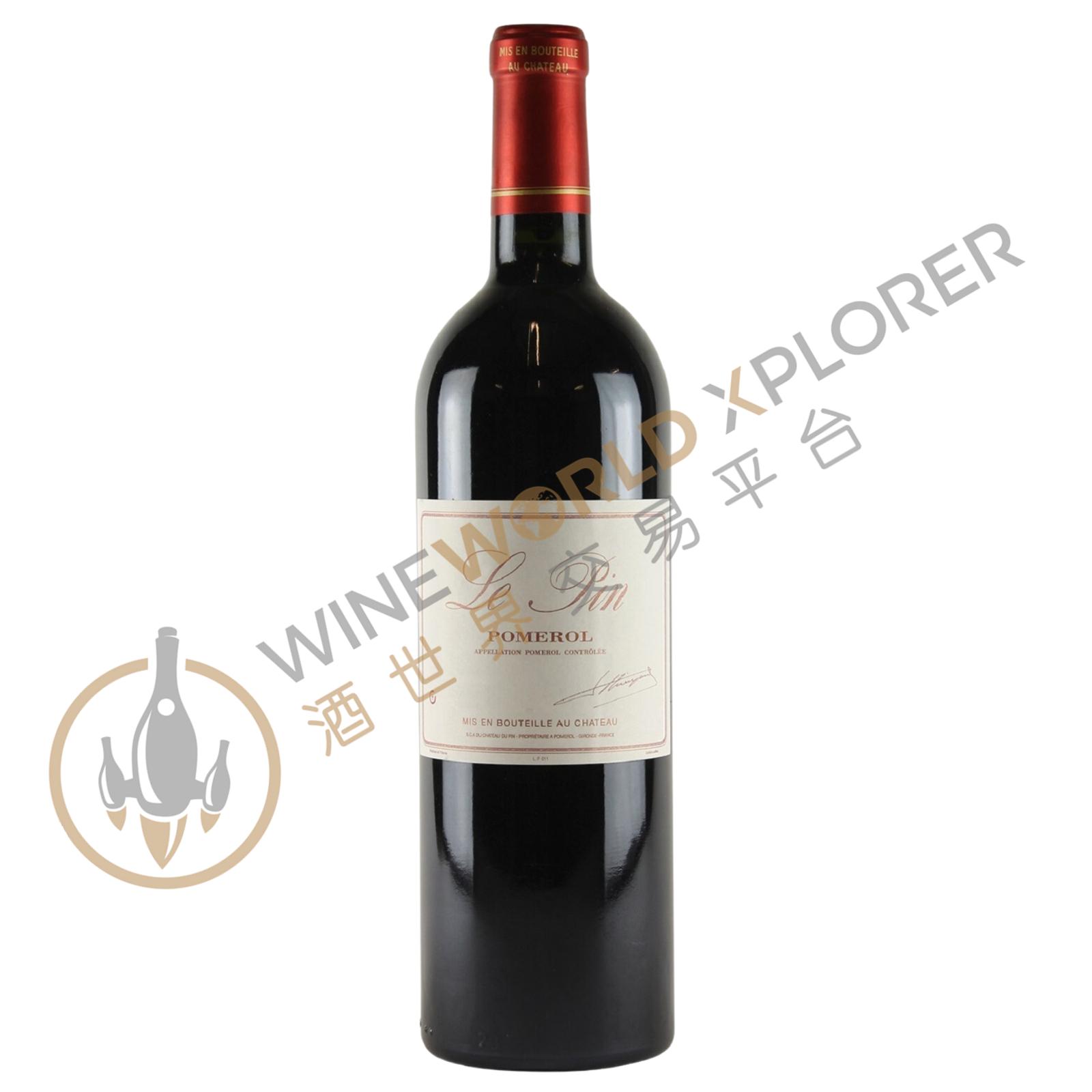
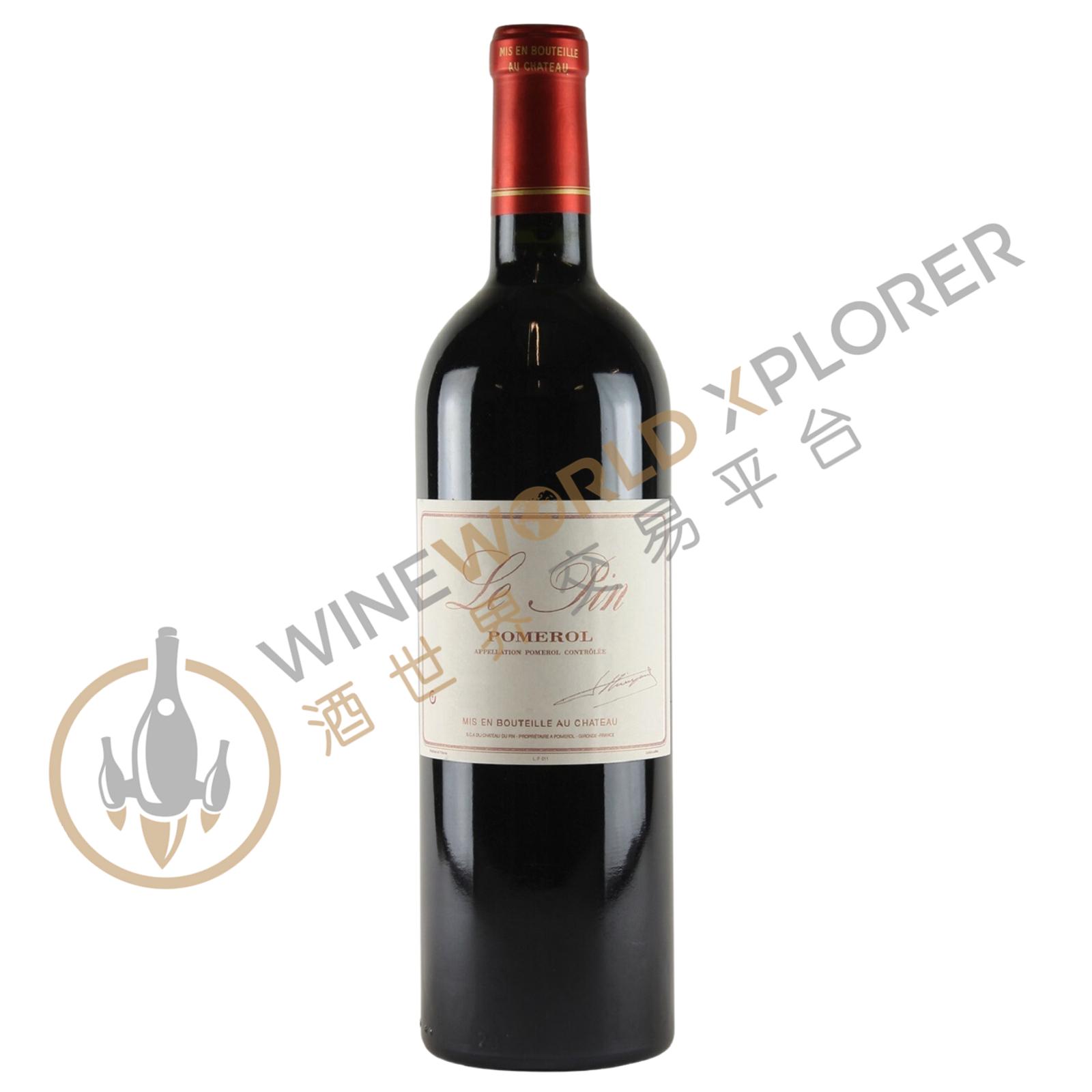
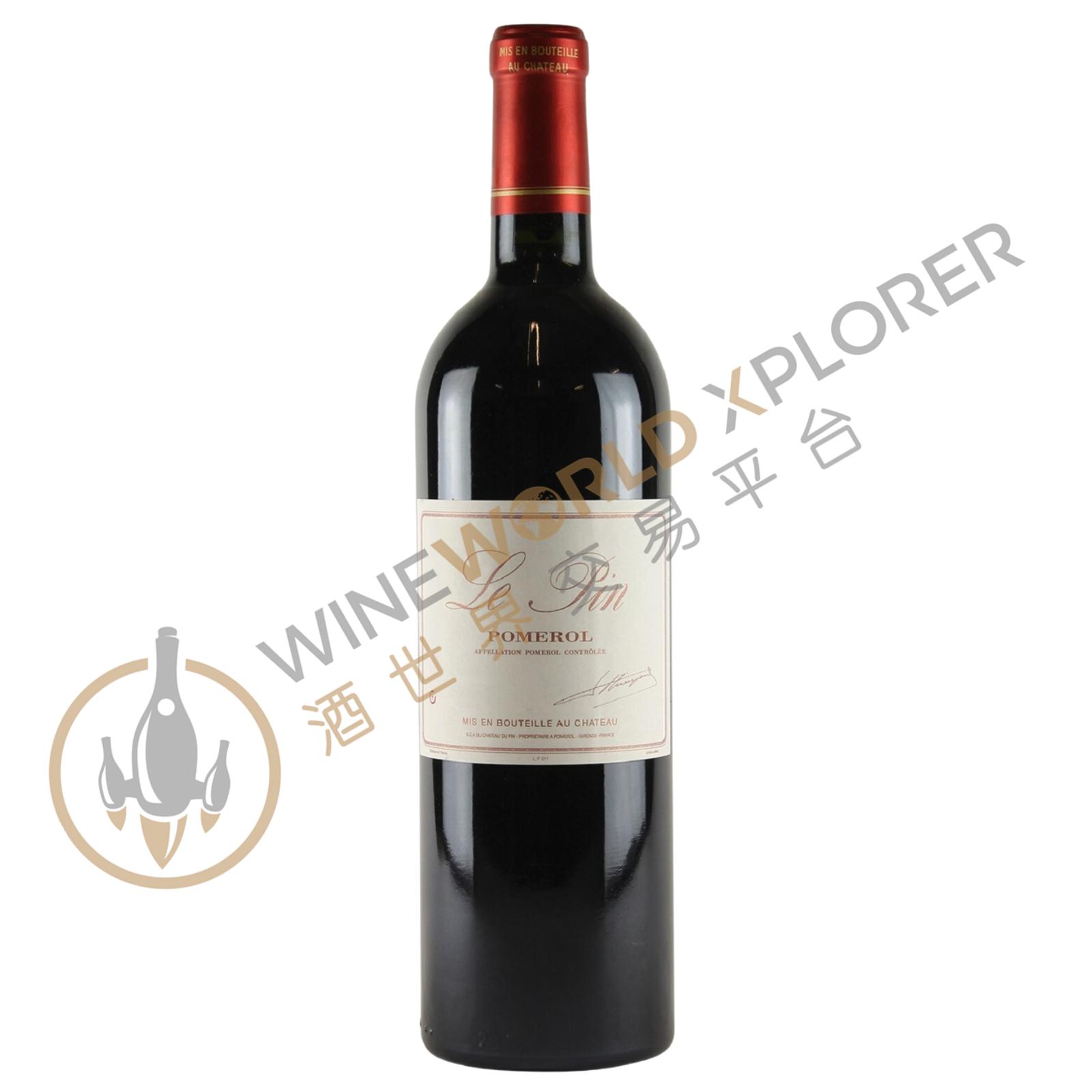
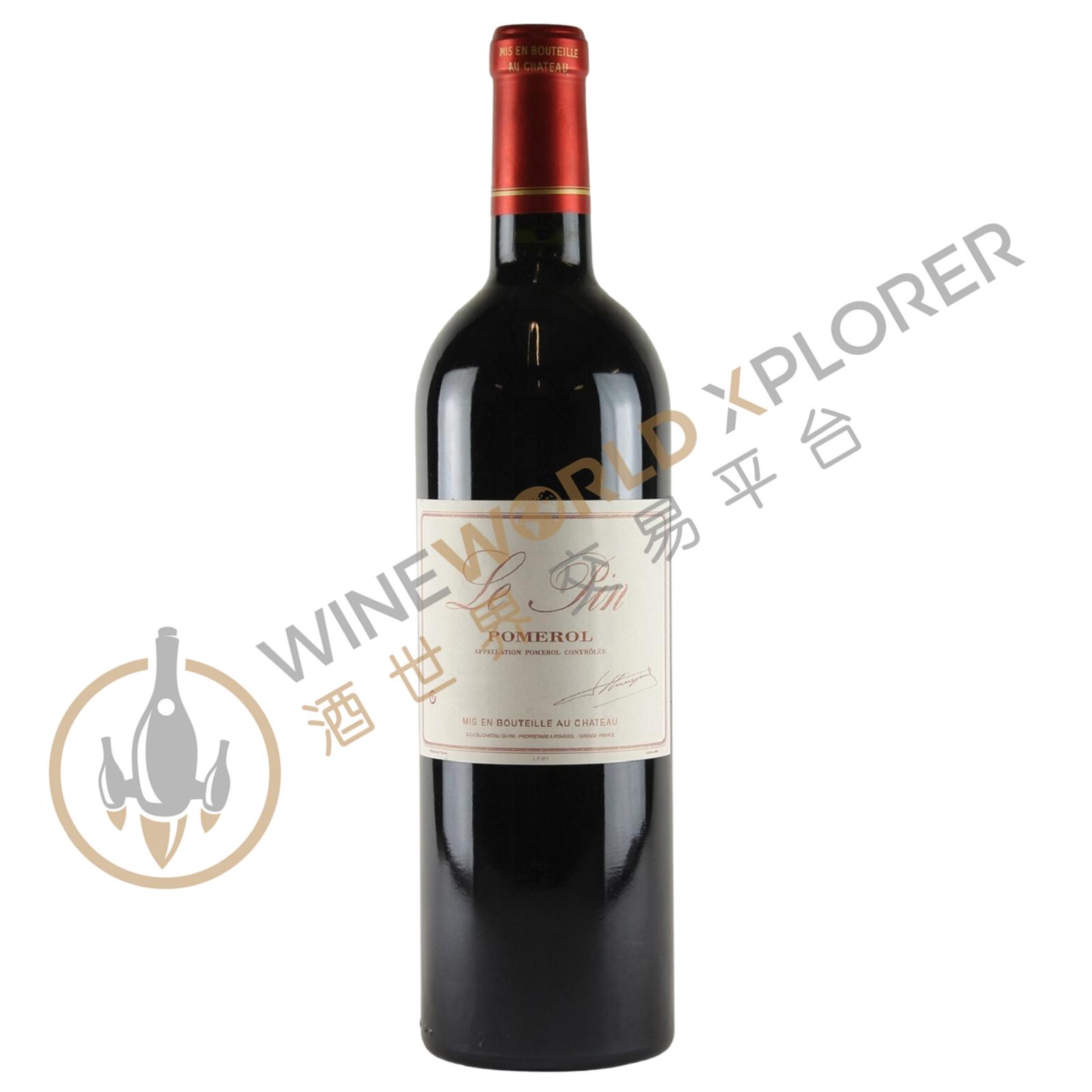
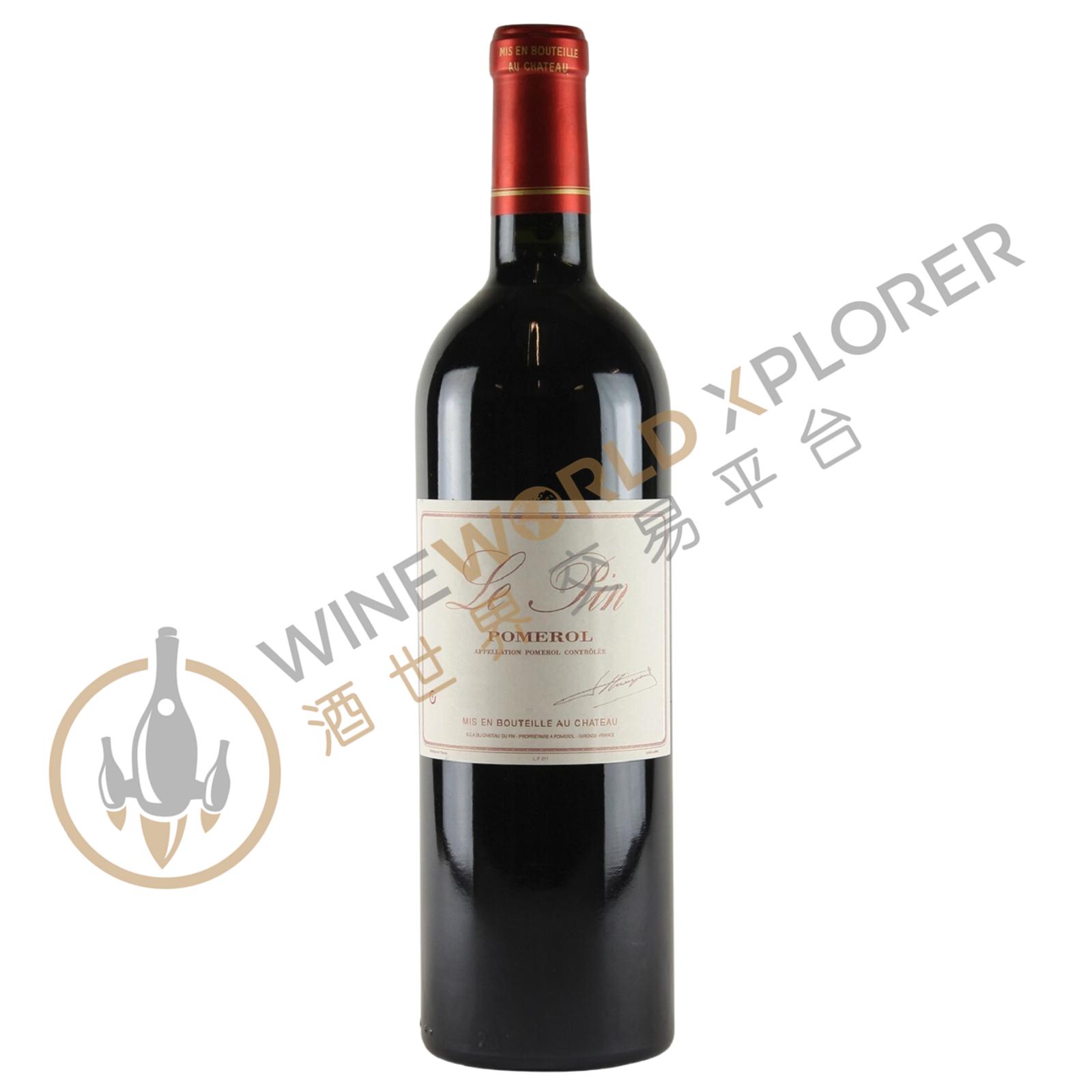
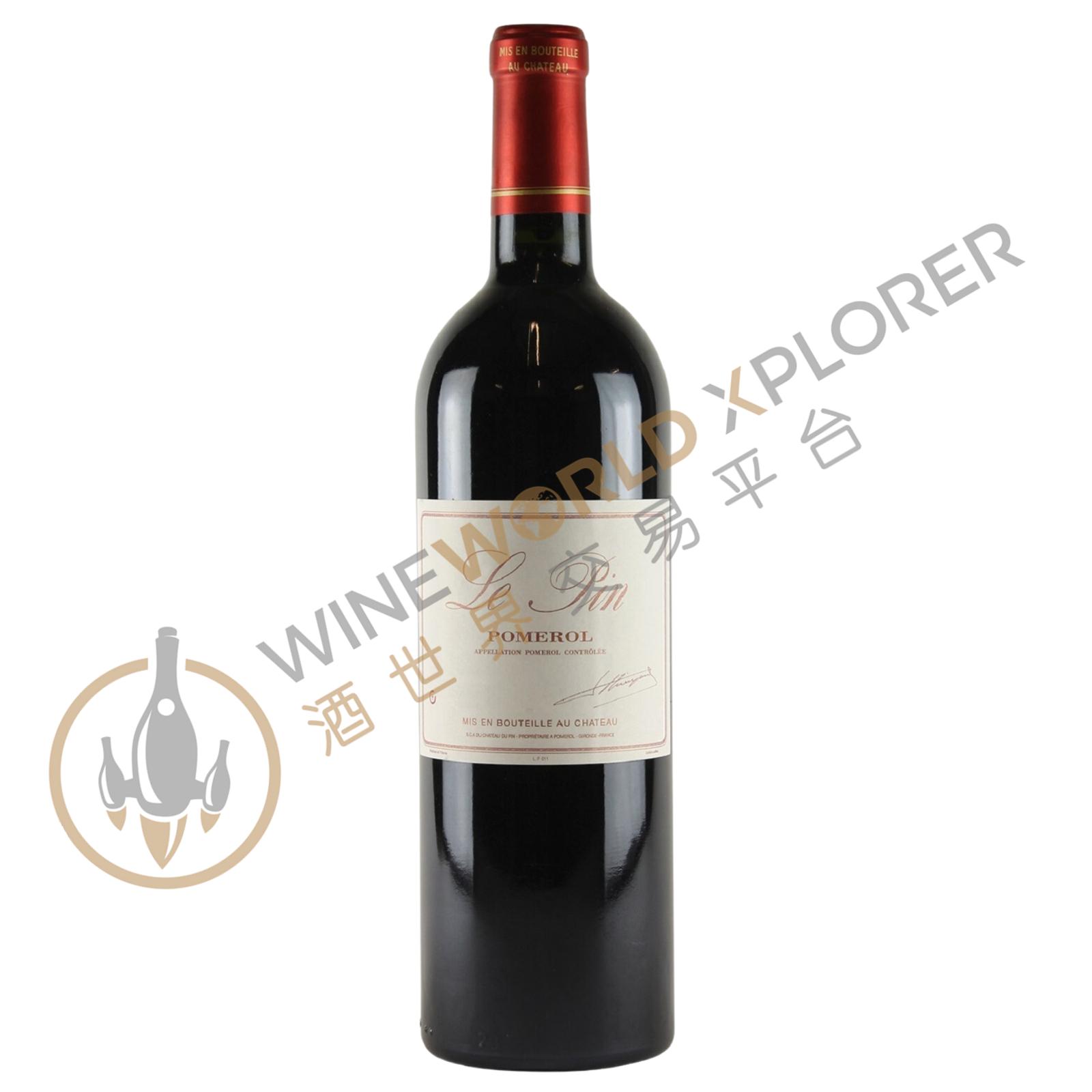
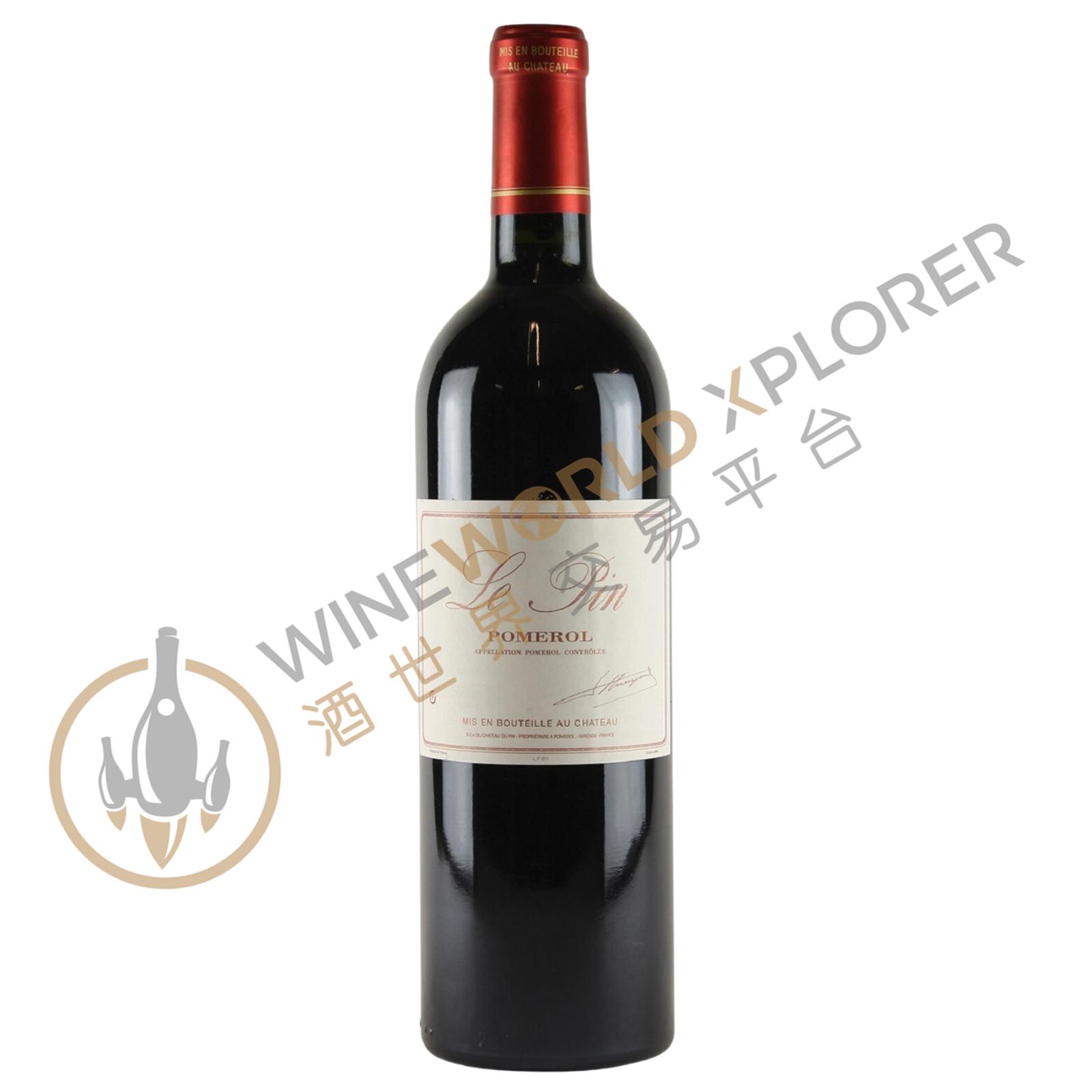
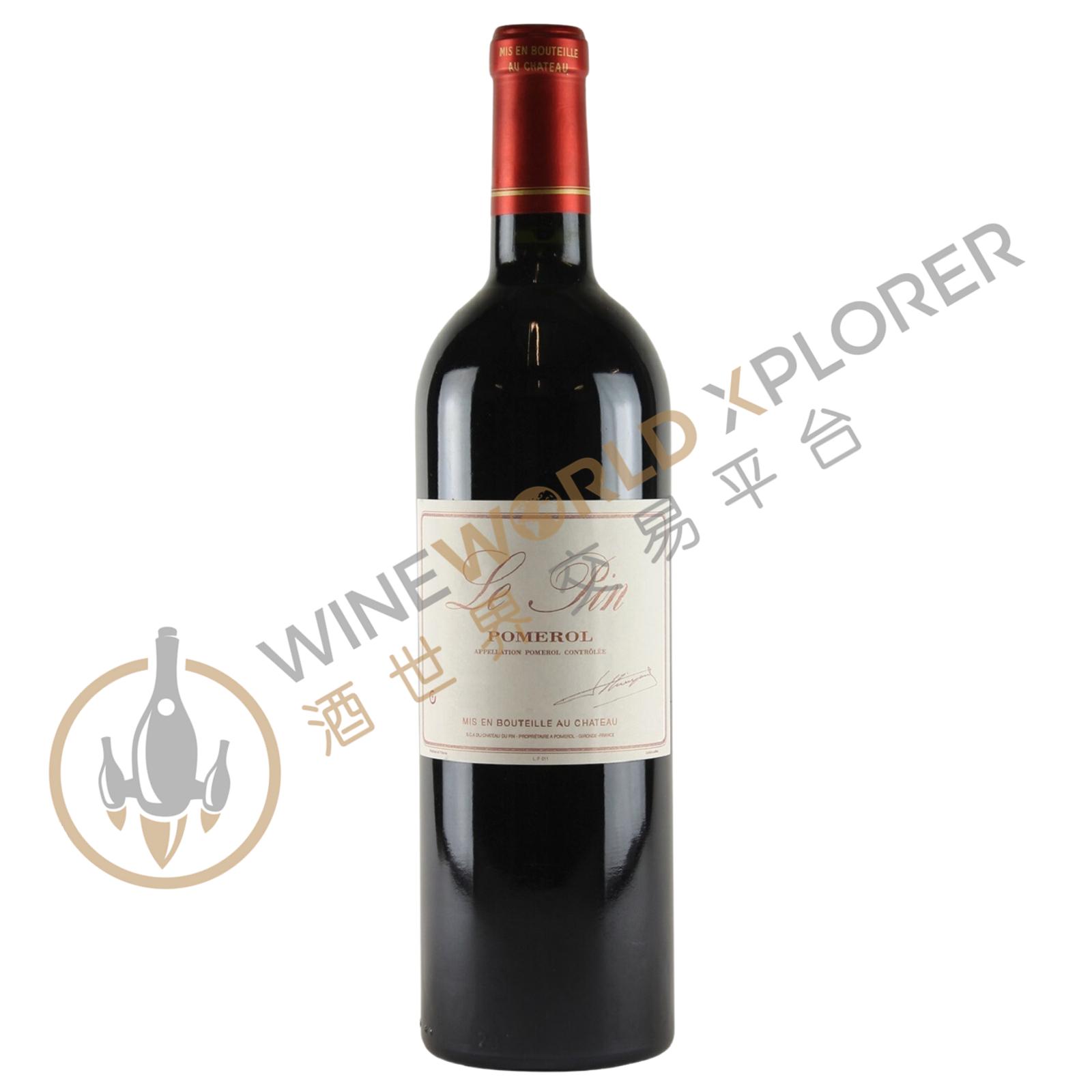
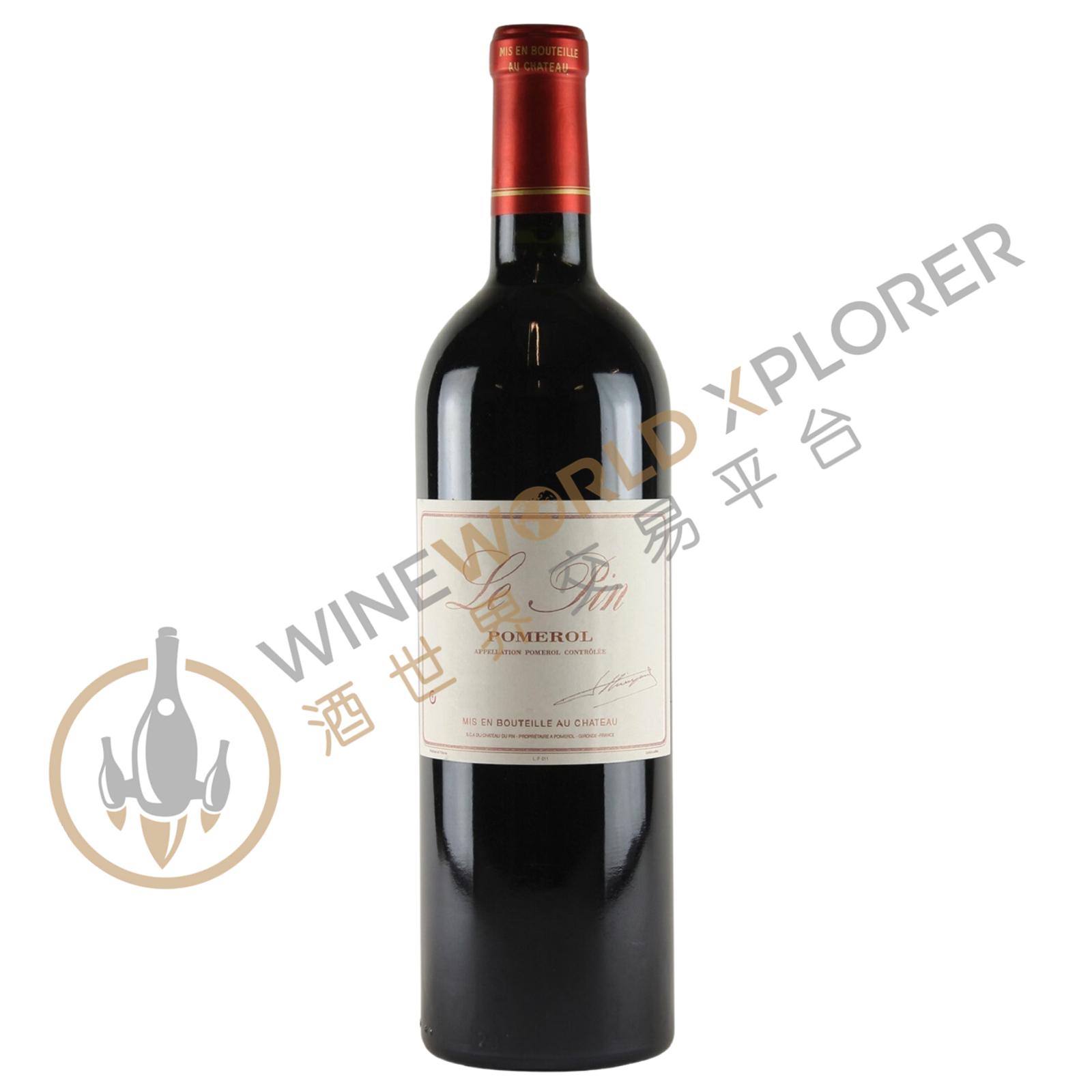
Le Pin 1992
 View analysis
Description
Tasting notes

Reviewed by: Robert M. Parker, Jr.
Note: At the time of this report it was uncertain whether a 1991 Le Pin would be released for sale. In January, 1993, I tasted a barrel sample of 1991 Le Pin that was herbal and bizarre, No bottled 1991 was presented for tasting in November, 1993. Le Pin's 1992 begins well with a tell-tale exotic, coffee/mocha, jammy, berry-scented nose intertwined with aromas of tobacco and herbs. However, once past the charming up-front ripeness and kinky perfume, the wine falls off quickly to reveal a shallowness, and lack of length and grip. The harvest rains obviously caused some dilution evident in the wine's mid-palate and finish. Le Pin does have a tendency to put on weight and perform better after several years, so readers may find this review too critical in several years. For now, I find the 1992 distinctly inferior to other so-called off vintages of Le Pin such as 1987 and 1984.
Reviewed by: Robert M. Parker, Jr.
This wine unquestionably possesses an excessive amount of toasty new oak for its fragile, delicate constitution. The wine displays medium to dark ruby color, an aggressively woody, slightly smoky, and herb-scented nose, and medium-bodied, black-cherry-like flavors that are insufficient to stand up to the veneer of wood. Low in acidity, slightly diluted, and full of cosmetic smoke, vanillin, and wood, it should be consumed over the next 5-6 years. Given the frightfully high price asked for the 500+ cases of Le Pin (usually an exotic as well as brilliant wine), this is a vintage when the proprietor should have declassified the wine.
Reviewed by: Neal Martin
Tasted at Bipin Desai’s Le Pin vertical in Los Angeles. A twist of fate meant that there was twice as much ’92 produced as the ’91 (670 cases for this vintage.) In retrospect, I feel this is a vintage that should have been declassified. The nose is very simple, facile even, with faint redcurrant and Morello scents that are all rather ephemeral. The palate is very simple and lacking vigour, disjointed on the entry with some bitterness towards the finish. It makes very little impression and the long and short of it, is that there are superior off-vintage Le Pins to be had at almost the same money. Past its best. Tasted November 2008.
Reviewed by: Neal Martin
Seemingly on a whim, Thienpont whipped out another vintage just a couple of hours earlier. The 1992 Le Pin came from a half-bottle. This has a light and leafy nose, indicative of a cooler growing season, touches of seaweed and autumn leaves, though cohesive and holding up well. The palate is medium-bodied, with slightly coarse tannins, at least for Le Pin, maybe a little attenuated towards the finish, but nevertheless, a respectable showing given that this was a dismal year for the appellation.
About the Producer
Le Pin is the most expensive wine in the world. Jacques Thienpont purchased the meagre 1.6 hectares of land for one million francs in 1979. The Thienpoints named their wine Le Pin after a solitary pine tree that shaded the property. By acquiring tiny adjoining plots of land, Jacques has doubled the size of Le Pin to five acres. The south-facing vineyard on a well-drained slope of gravel and sand is planted with Merlot (about 92%), and a small amount of Cabernet Franc. Le Pin's soil is a mixture of gravel and clay with a little sand and is exceptionally low yielding (between 30 to 35 hl/hc). The grapes are hand-harvested and are fermented in stainless steel before being matured in`200%` new oak barriques for between 14 and 18 months. Dany Rolland, wife of cult-oenologist Michel Rolland, is a consultant here. Le Pin produces just 600 to 700 cases each year (Lafite Rothschild produces approximately 29,000 cases of wine a year and and Pétrus about 4,000) and its rarity is one of the driving forces behind its high prices. Le Pin produces super-concentrated, decadent, lush and lavishly oaked wines - they can be drunk young but are best with 7-10 years of bottle ageing.
1985(1)1986(1)1988(2)1989(1)1990(1)1991(2)
Package Size