Wine Advisor



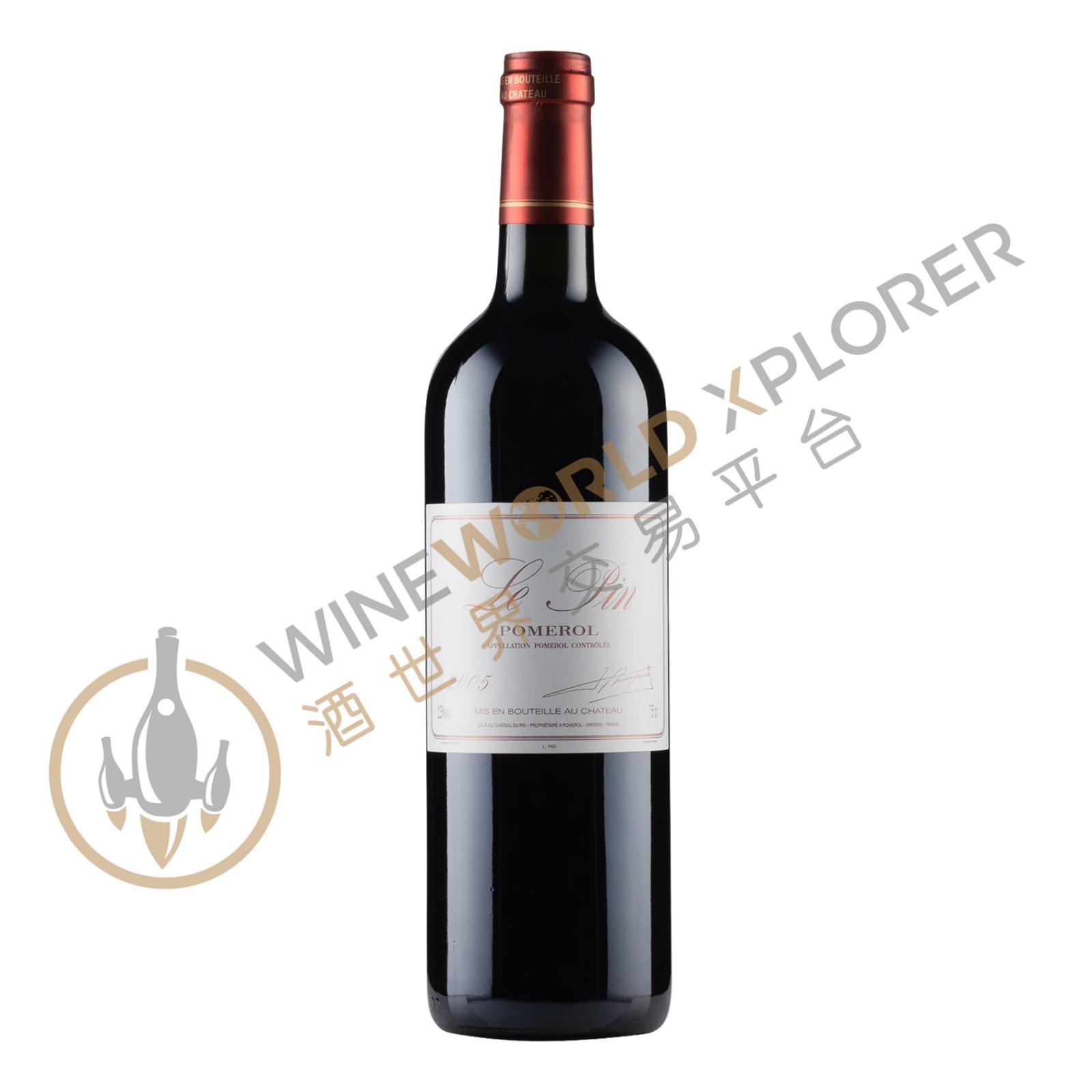
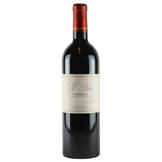
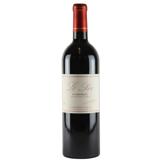
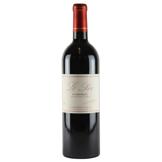
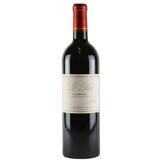
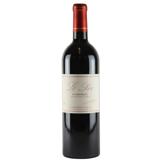
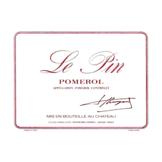
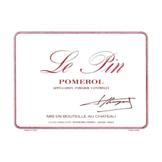
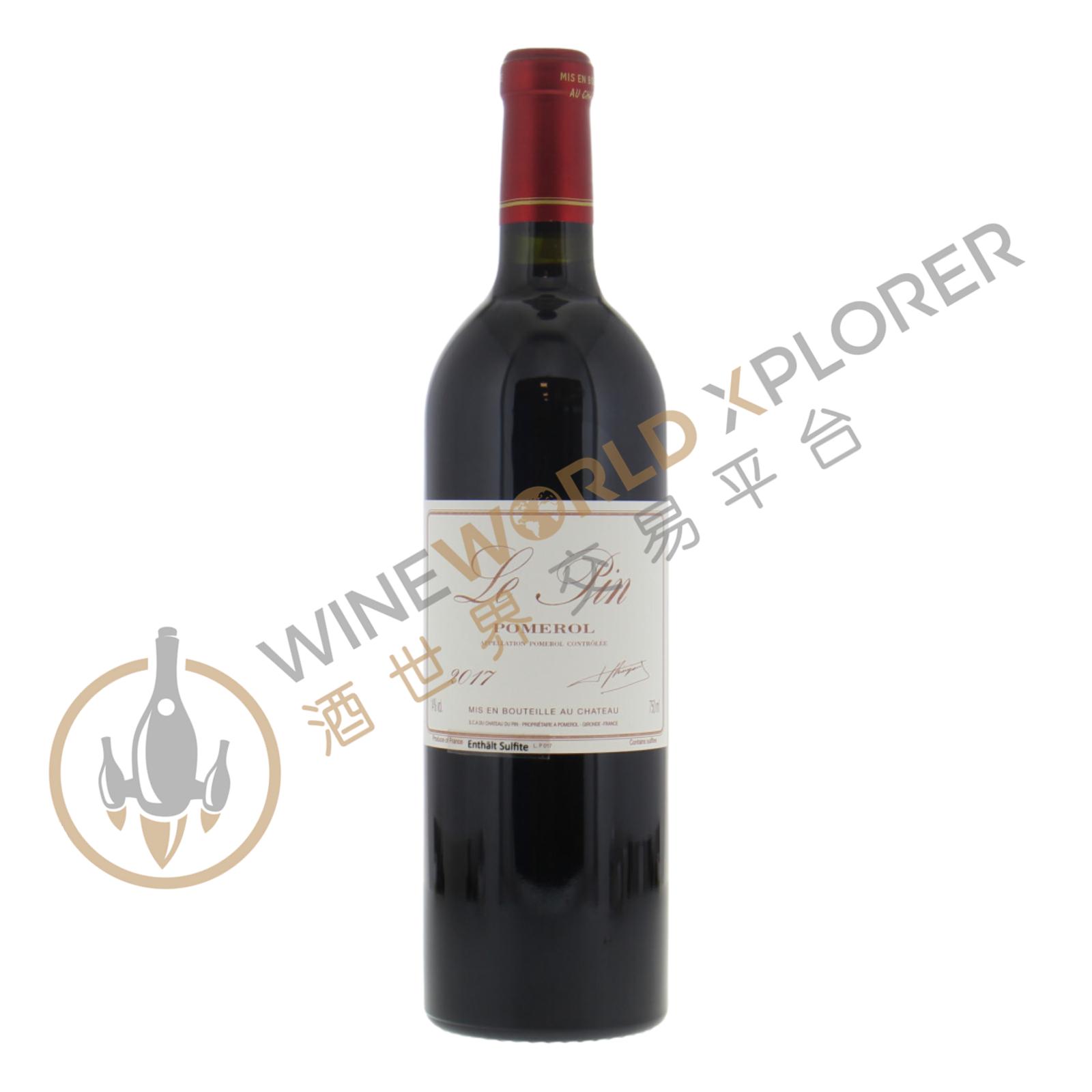
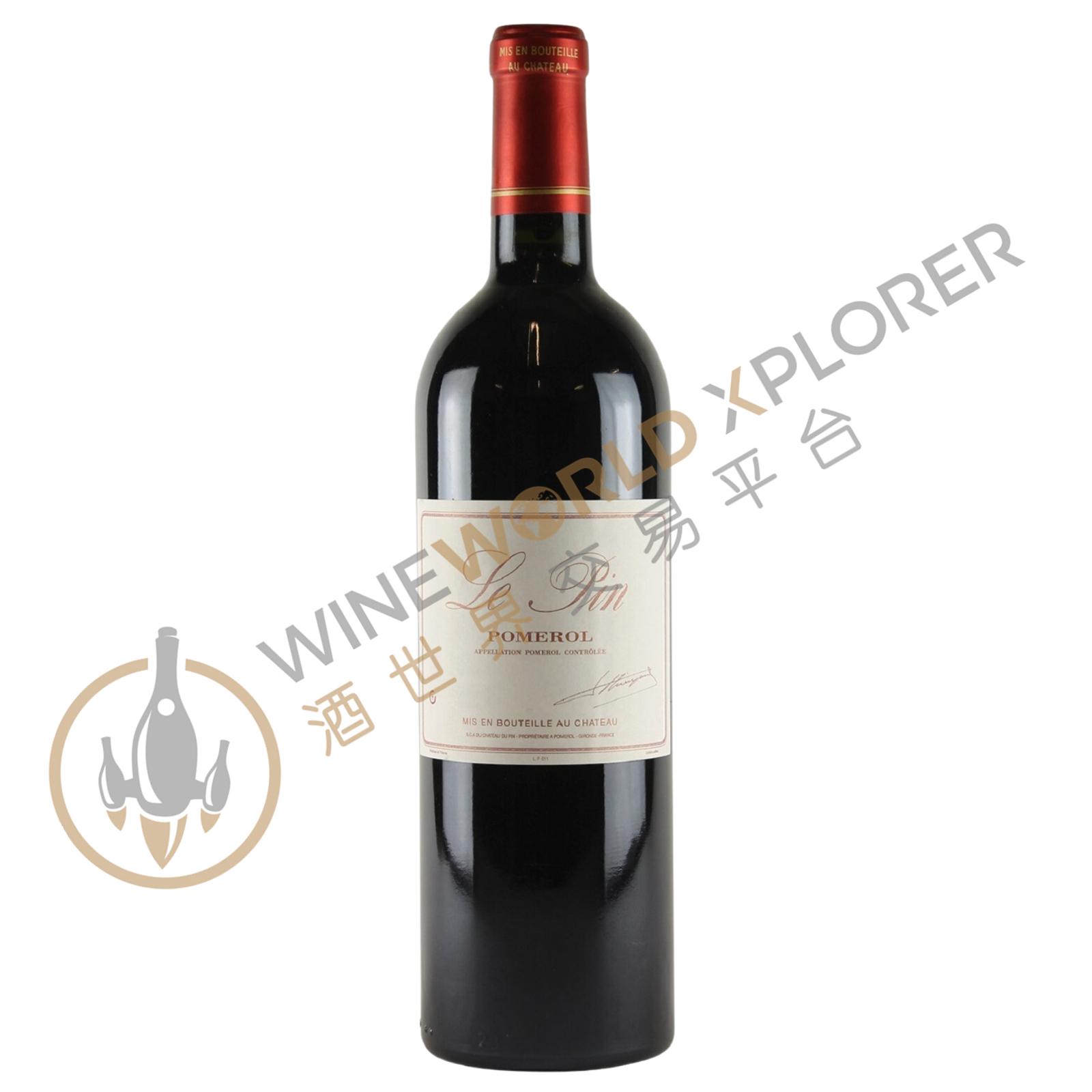
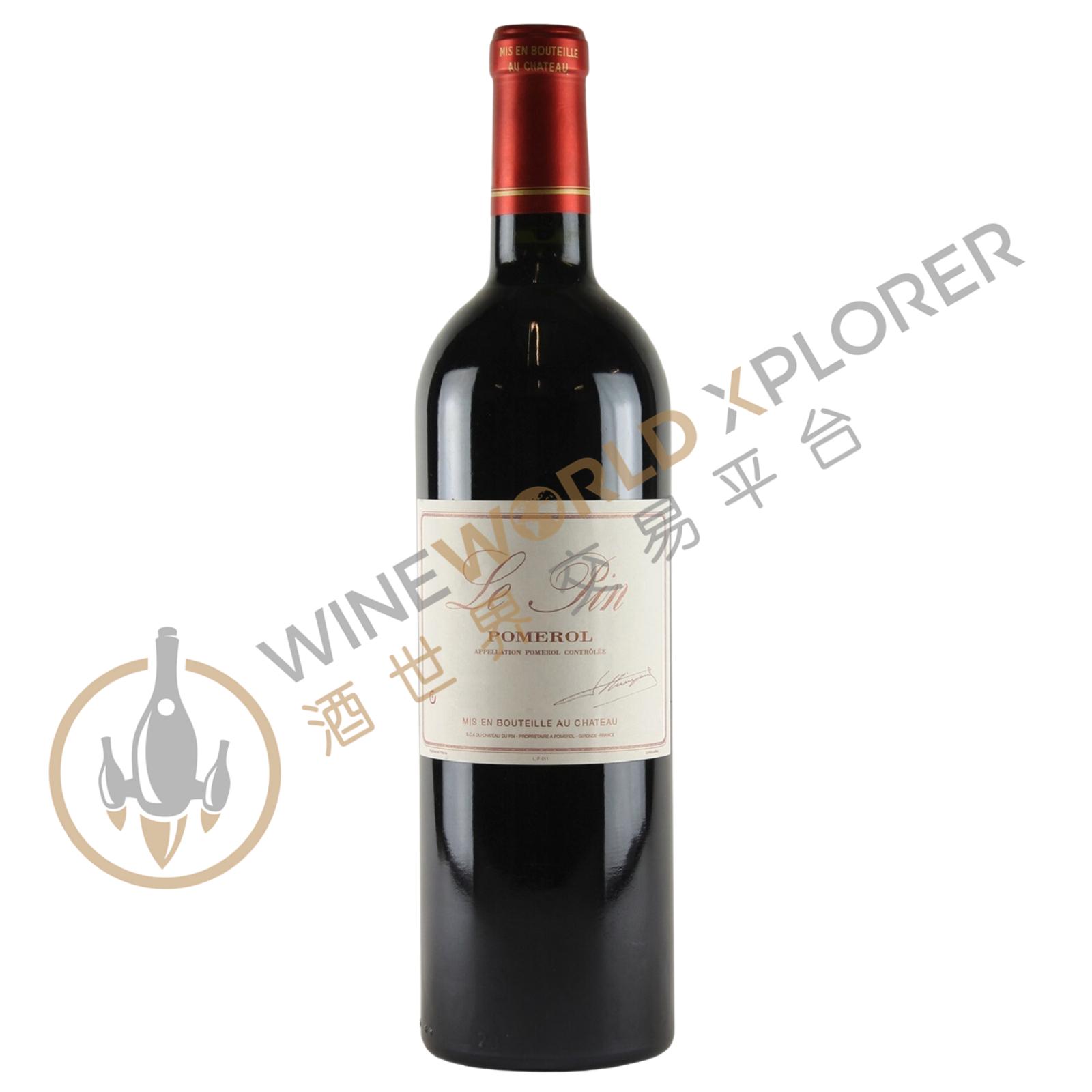
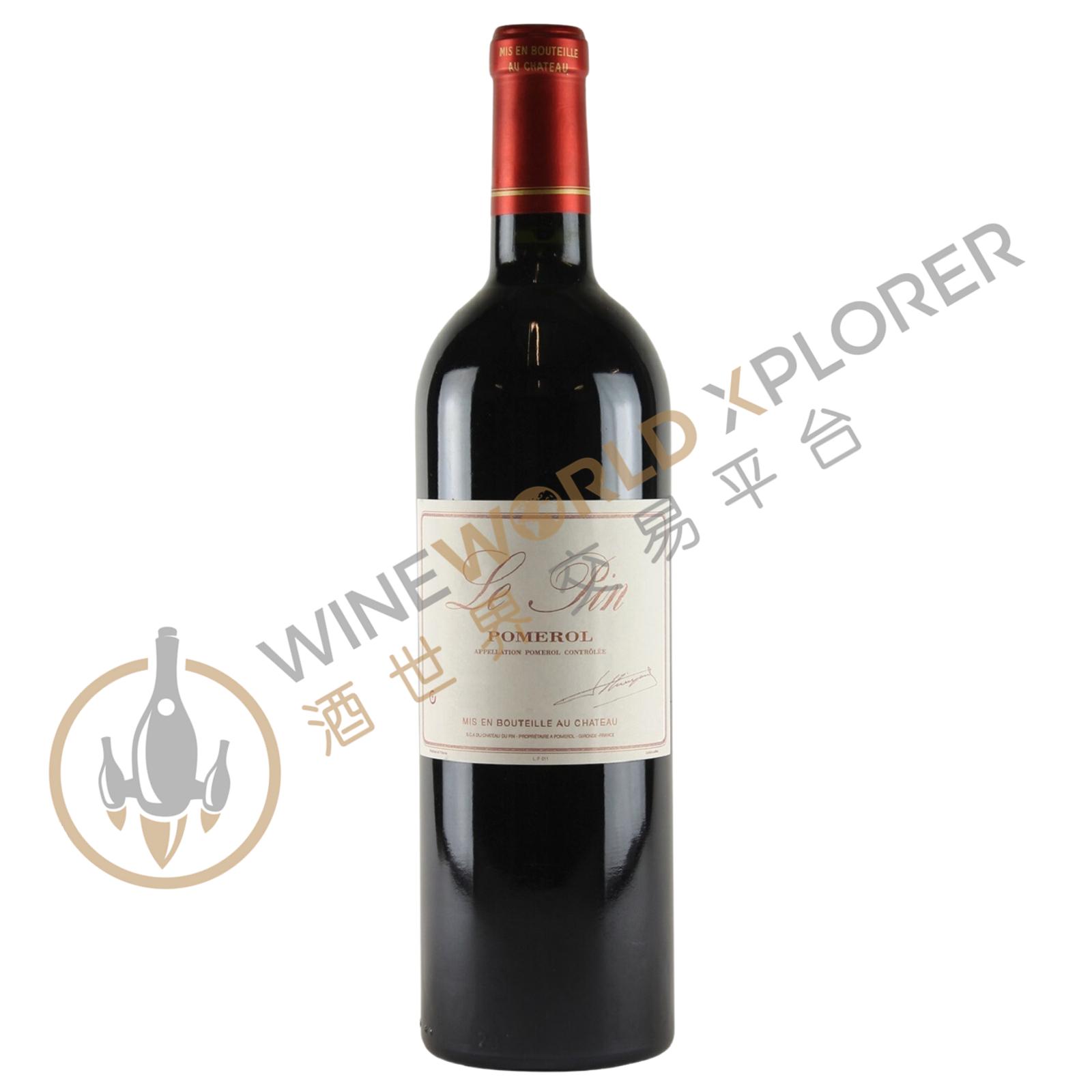
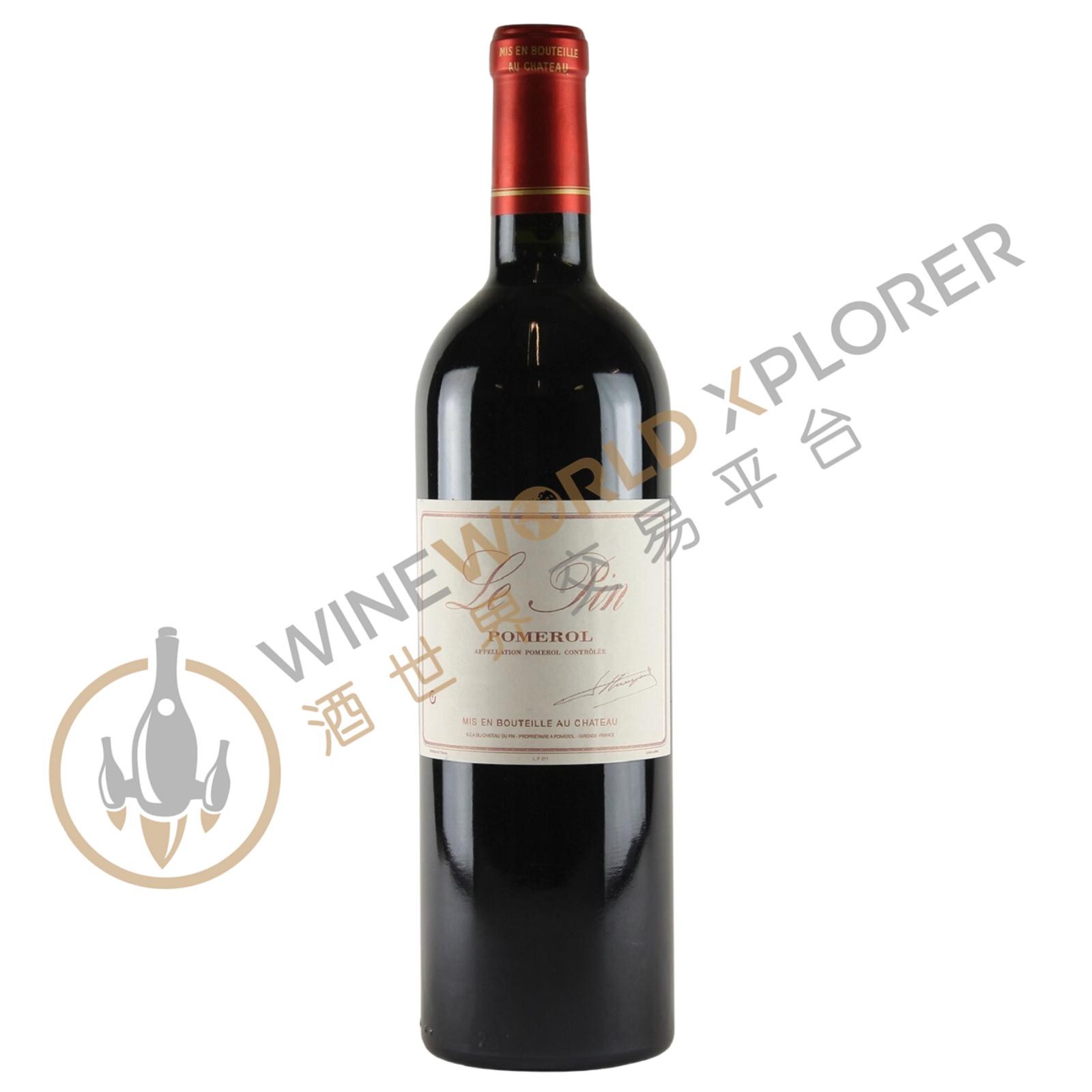
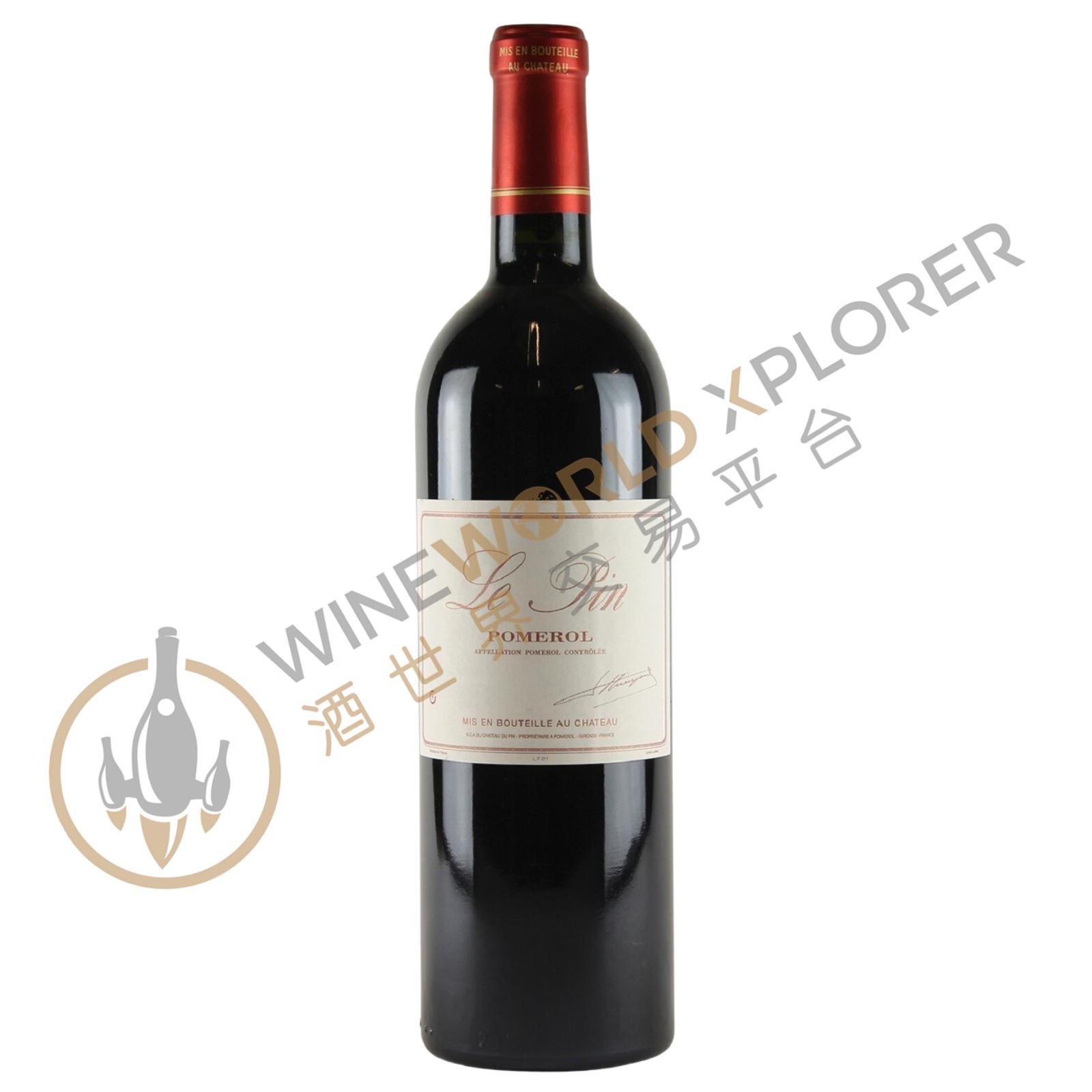
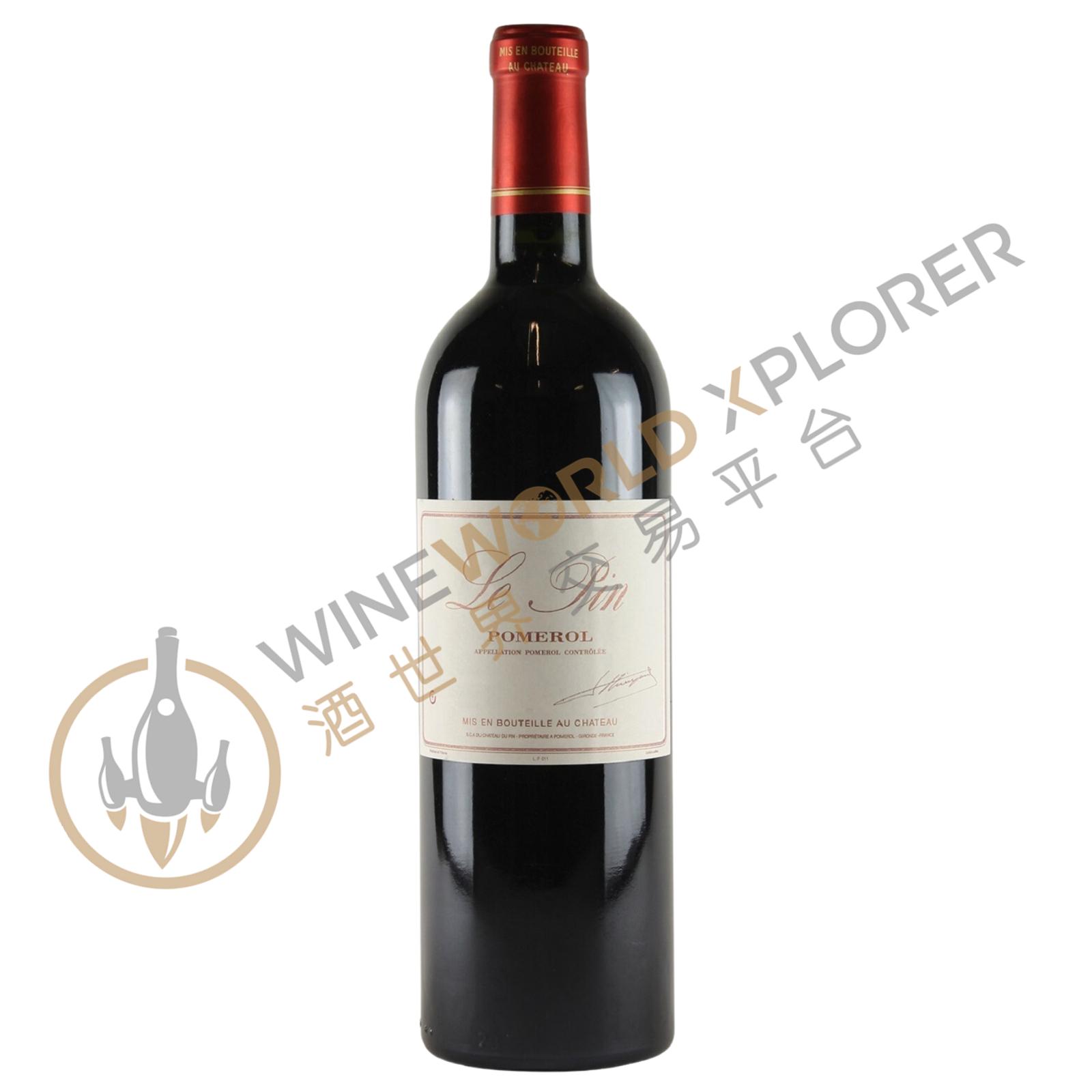
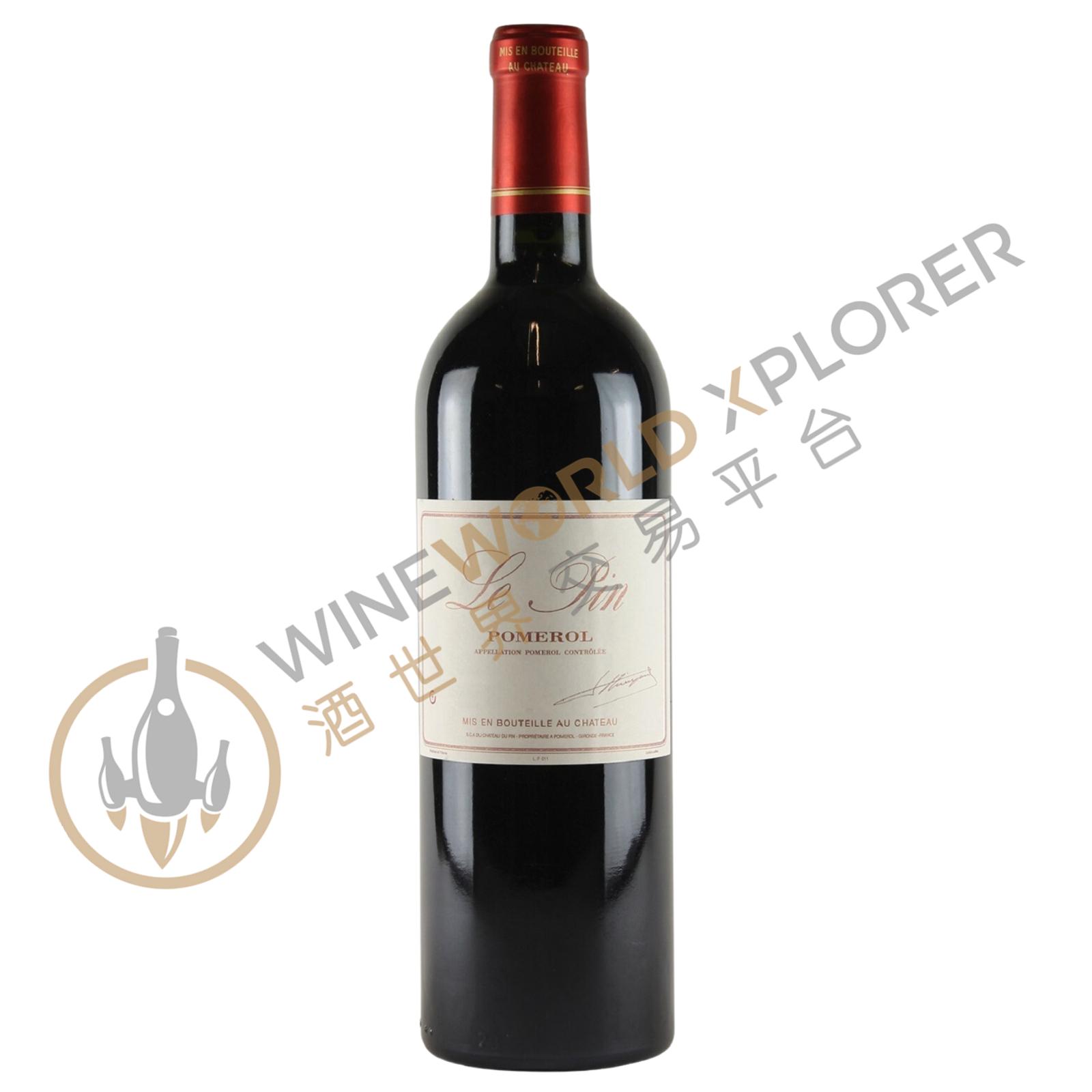
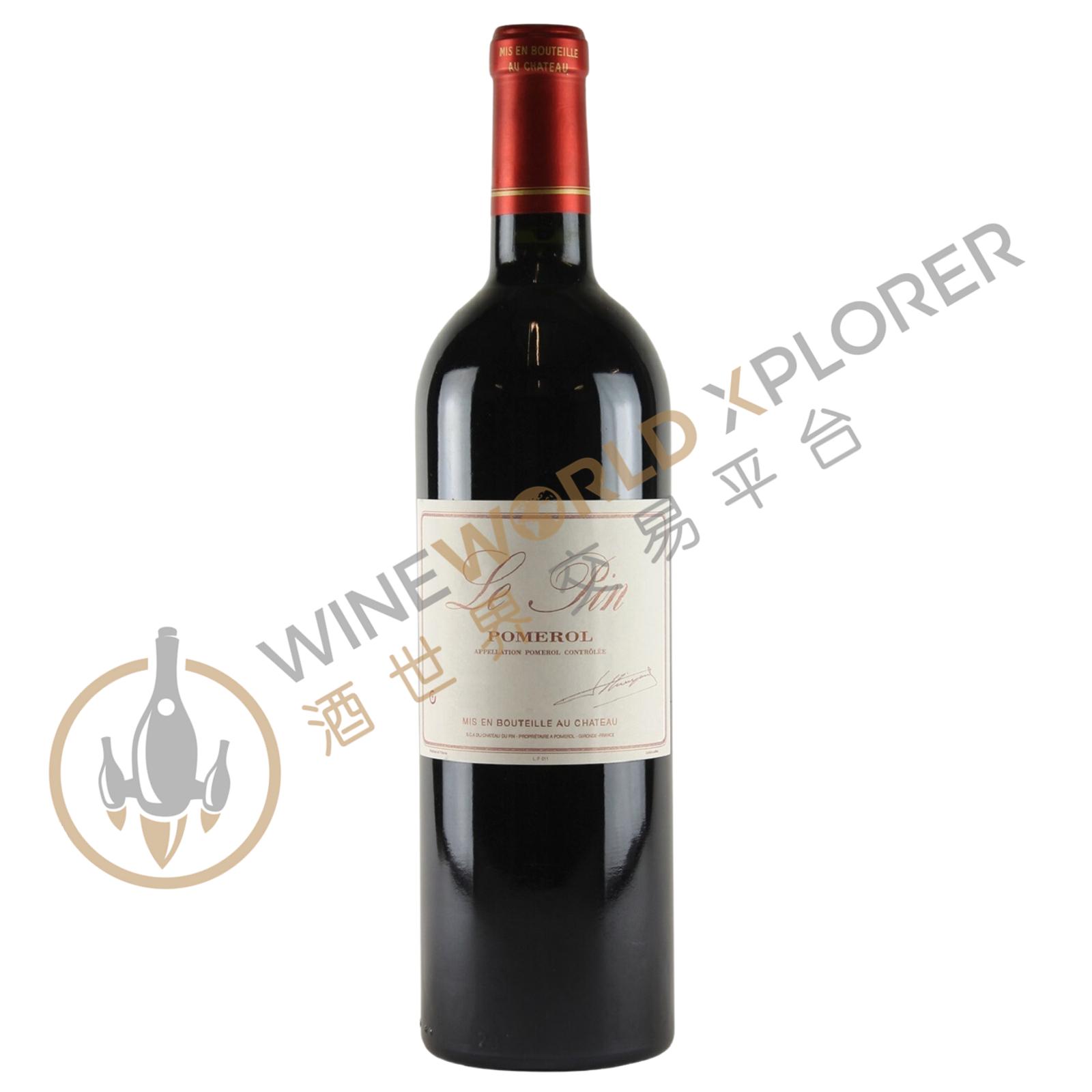
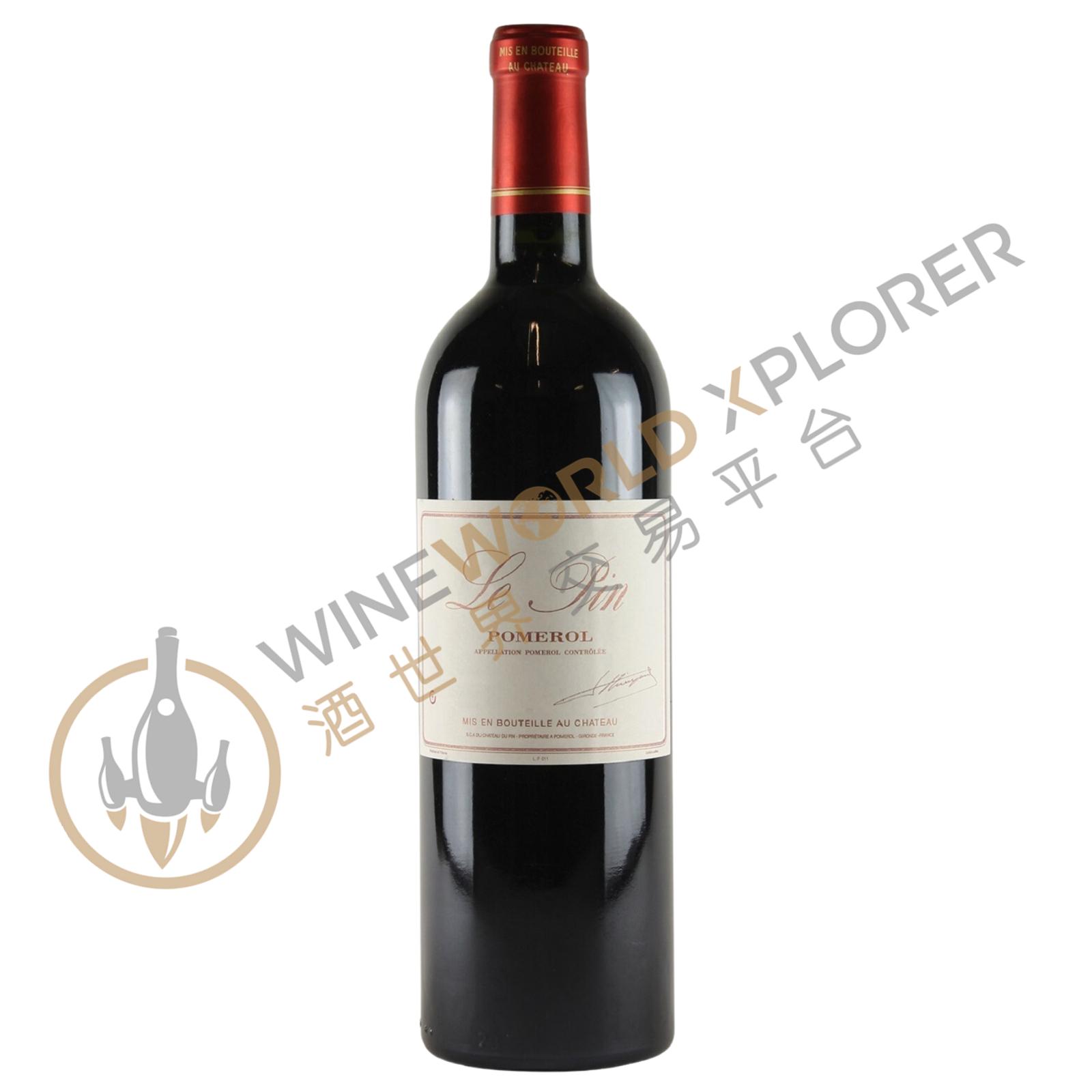
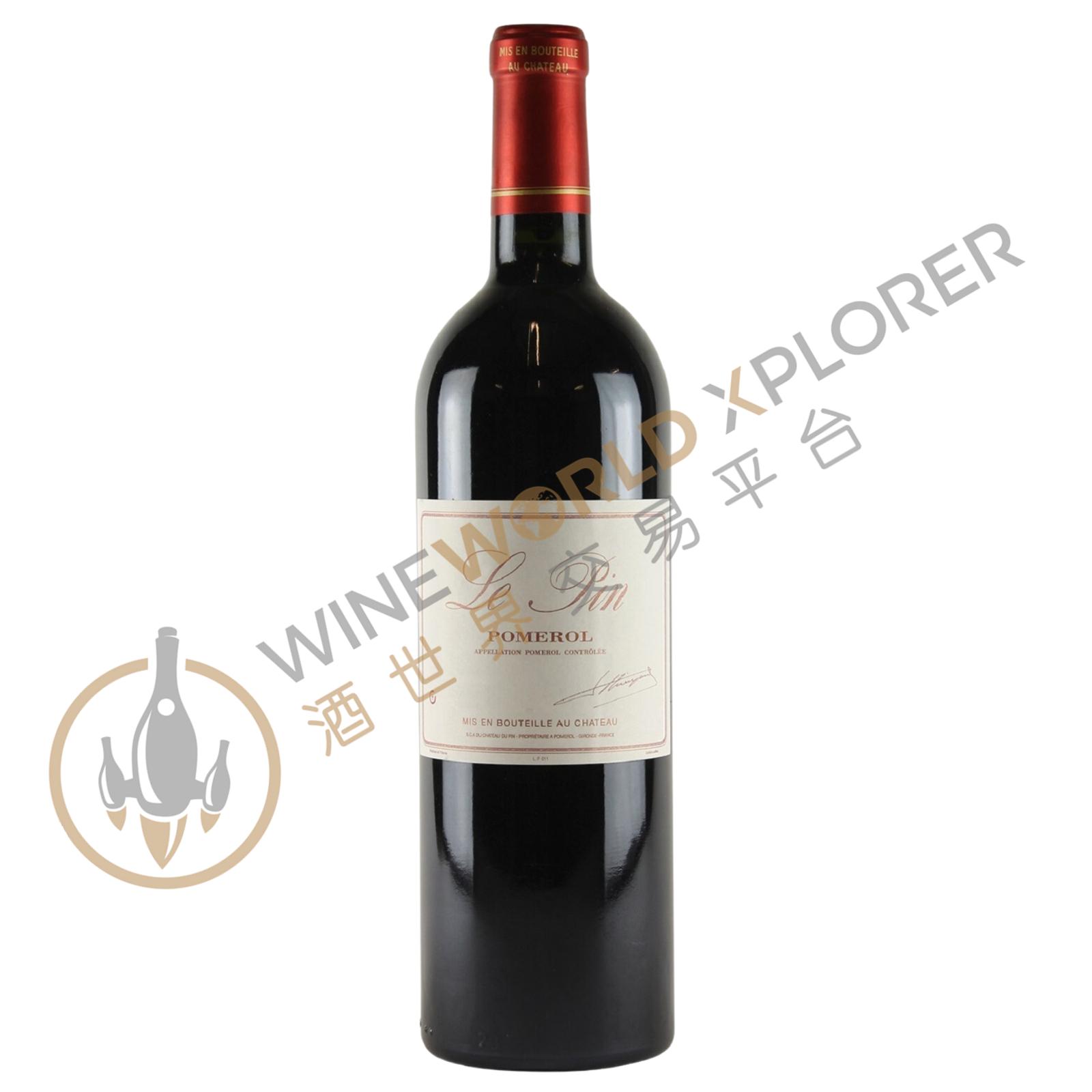
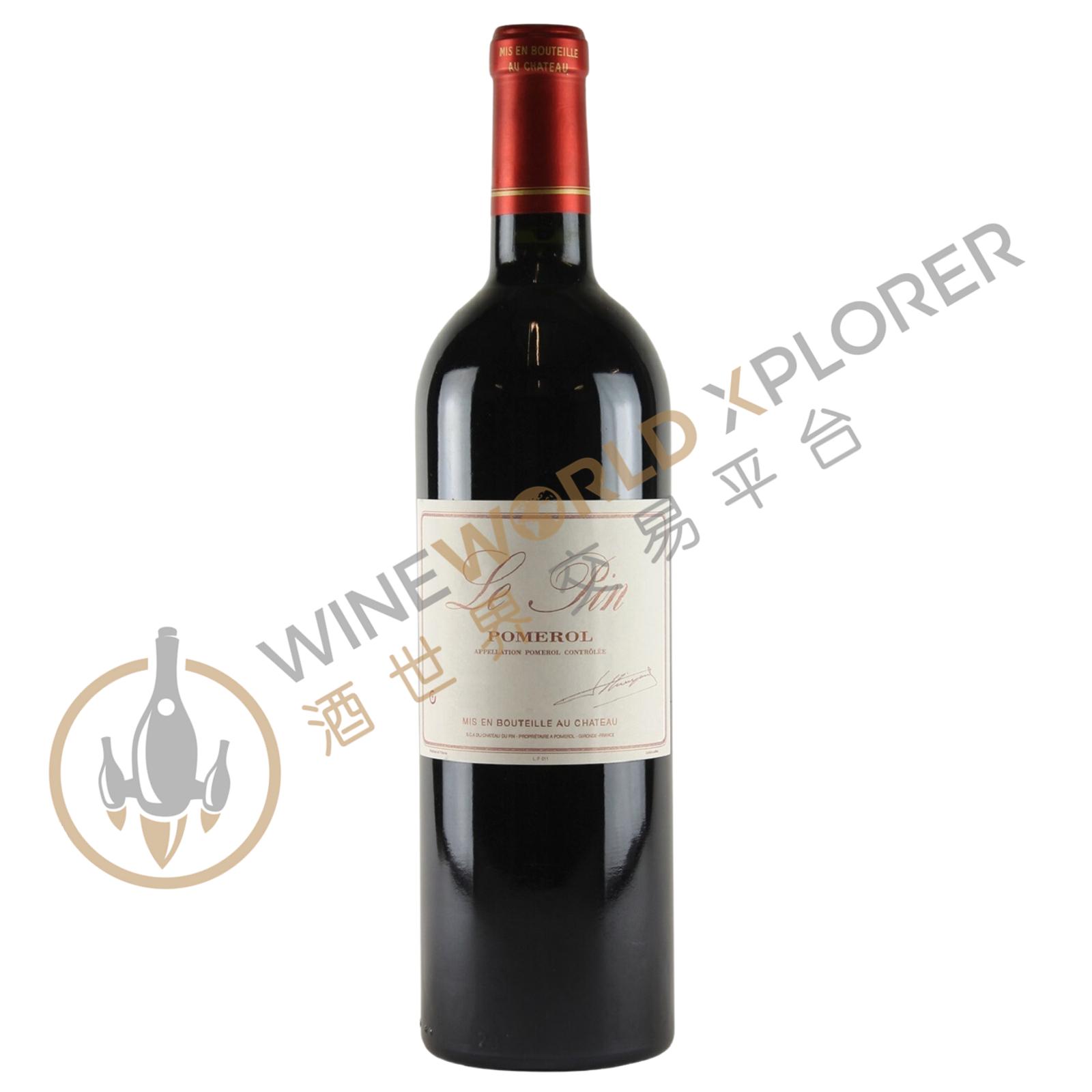
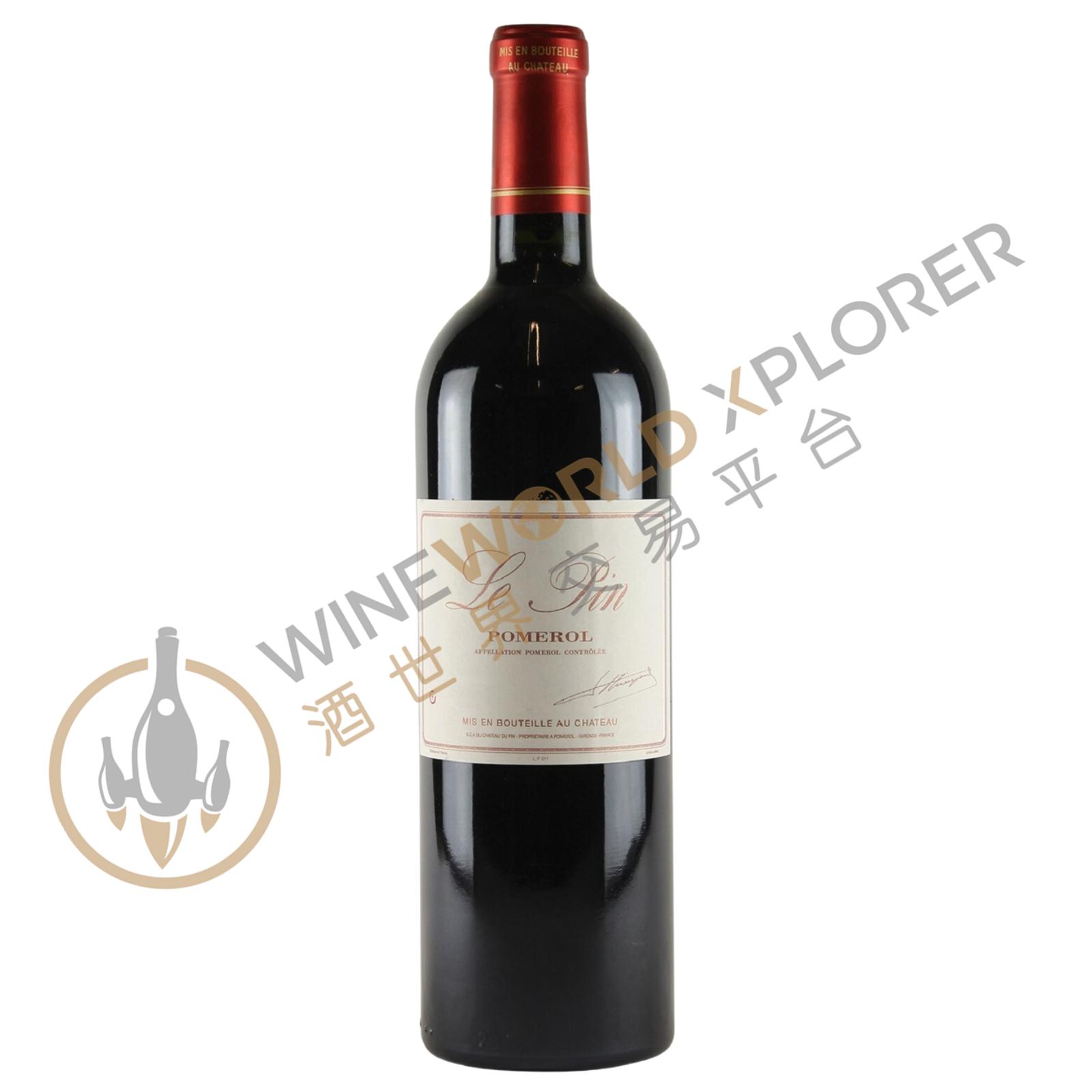
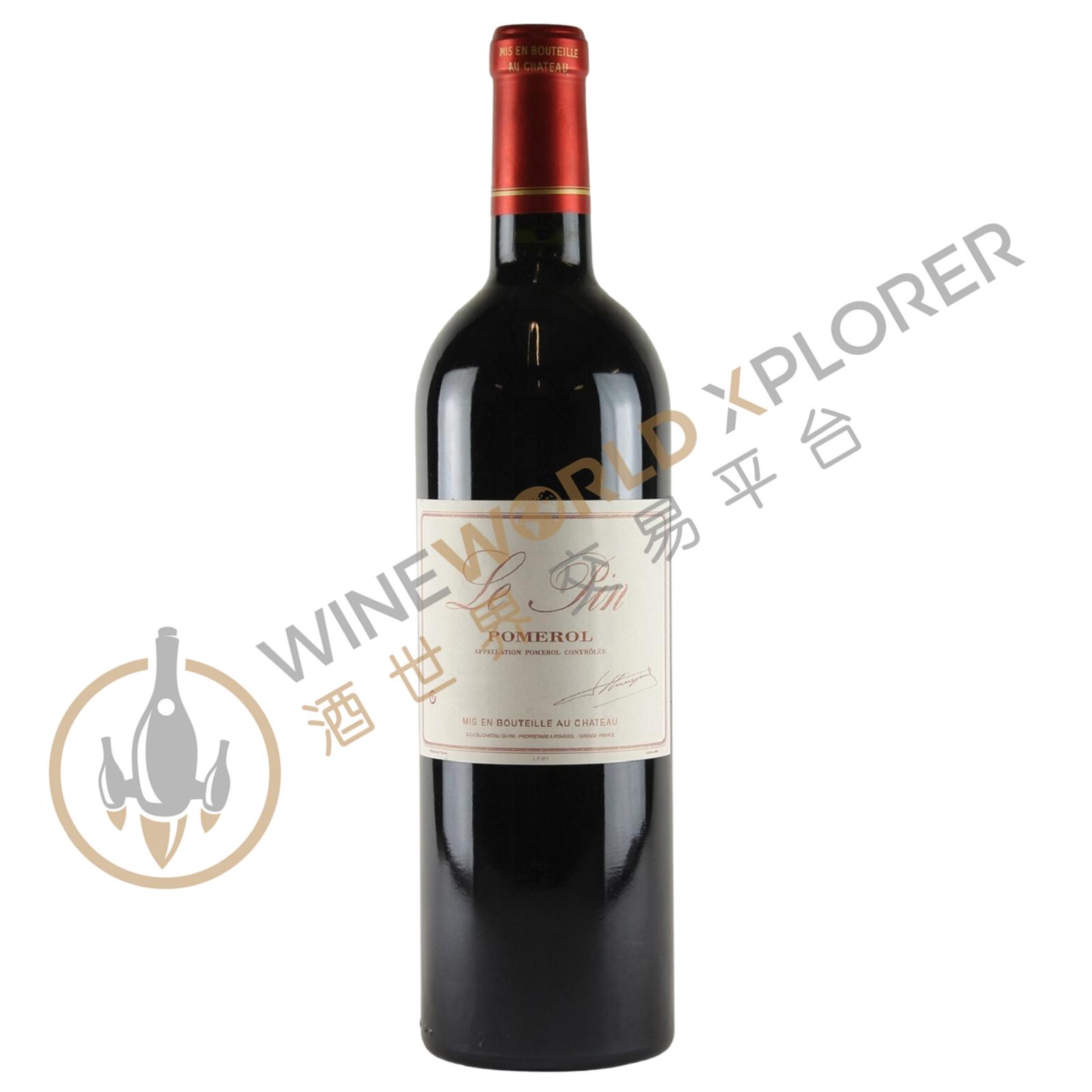
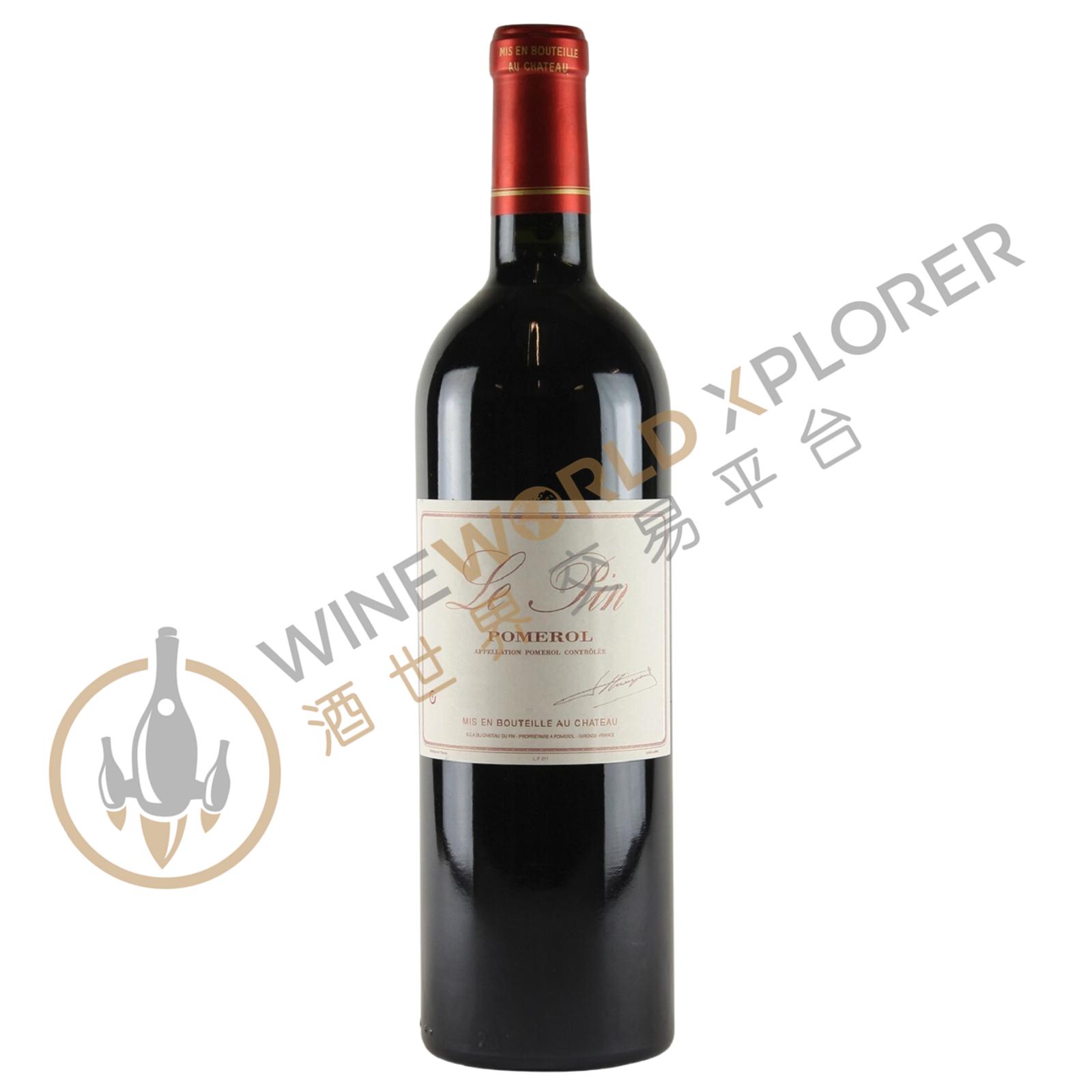
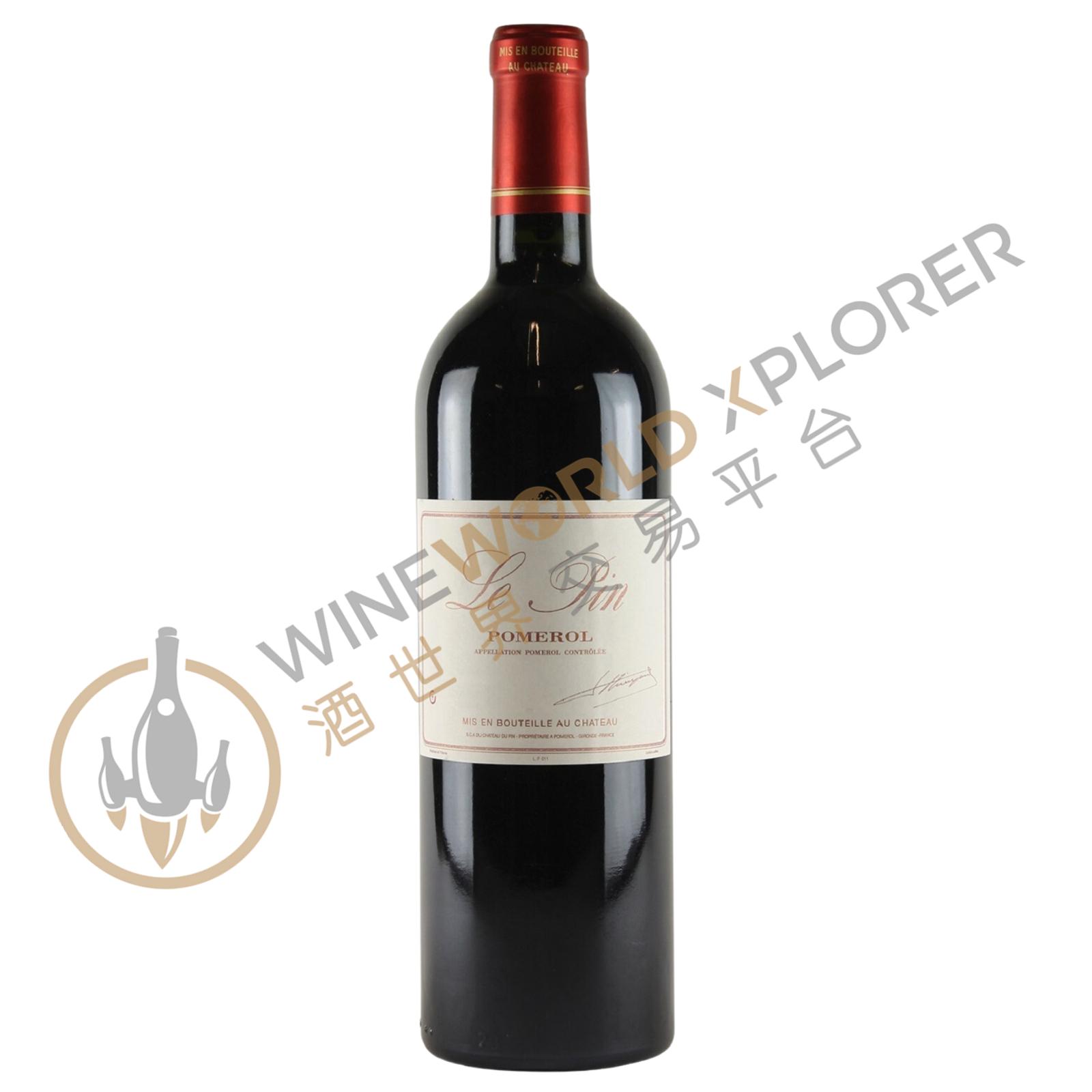
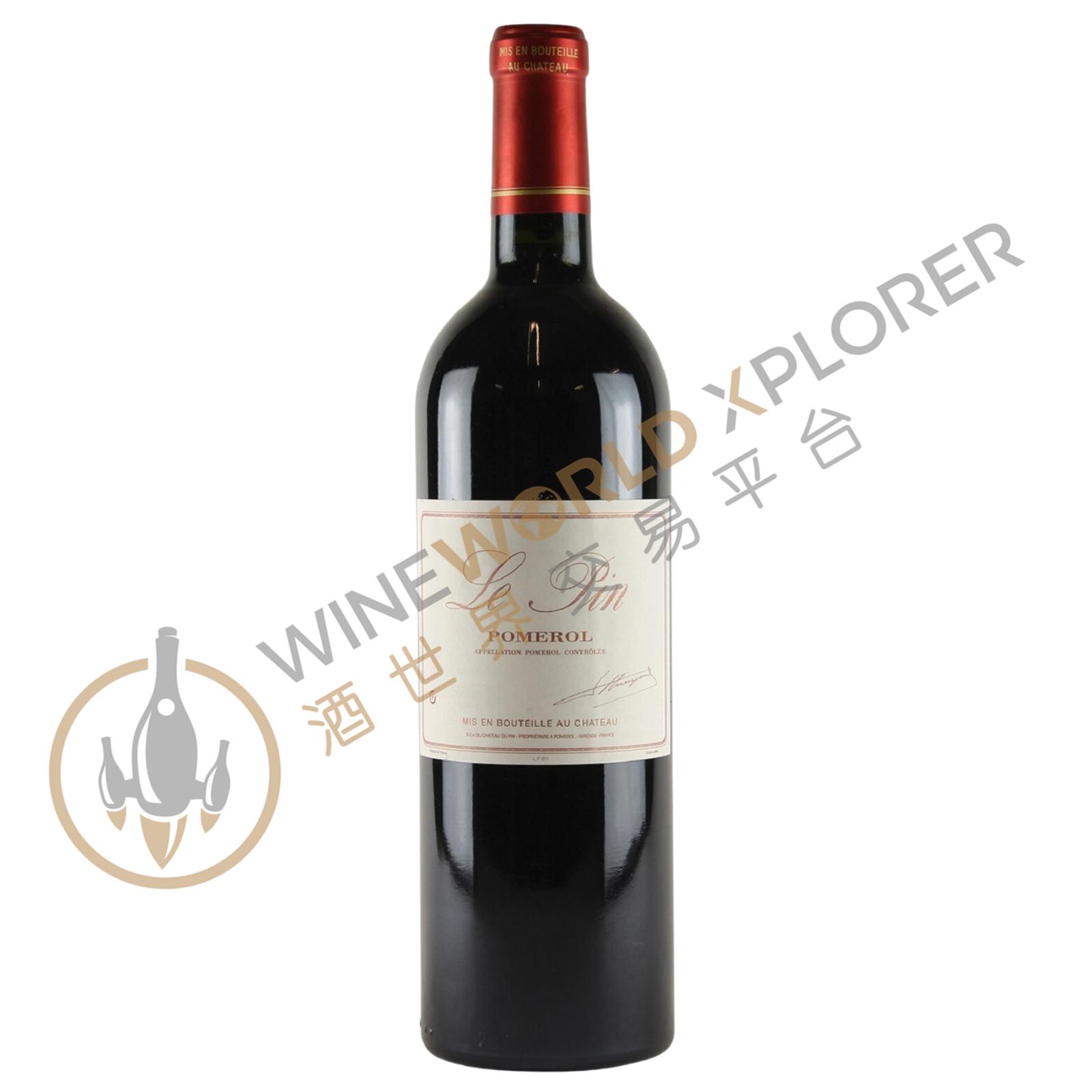
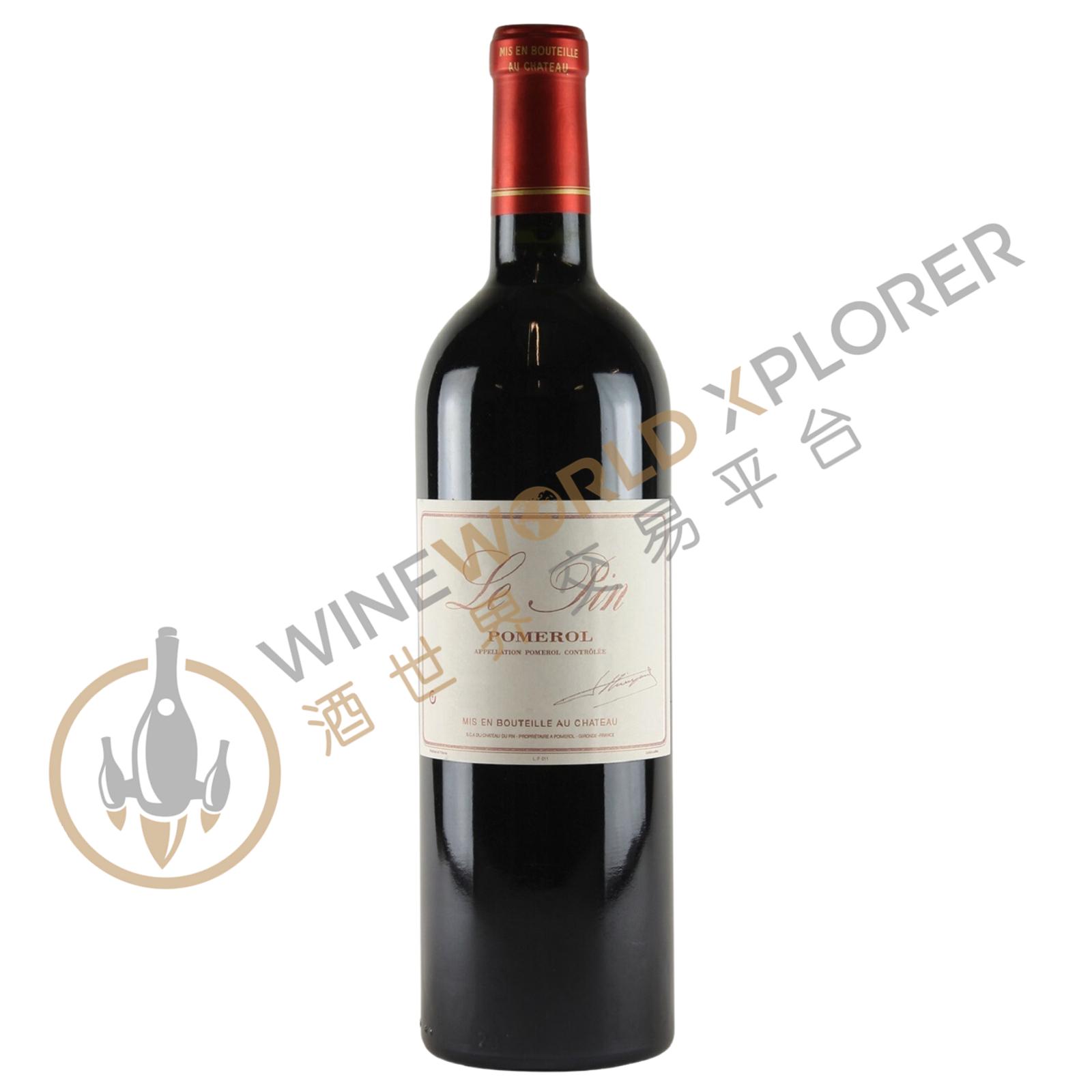
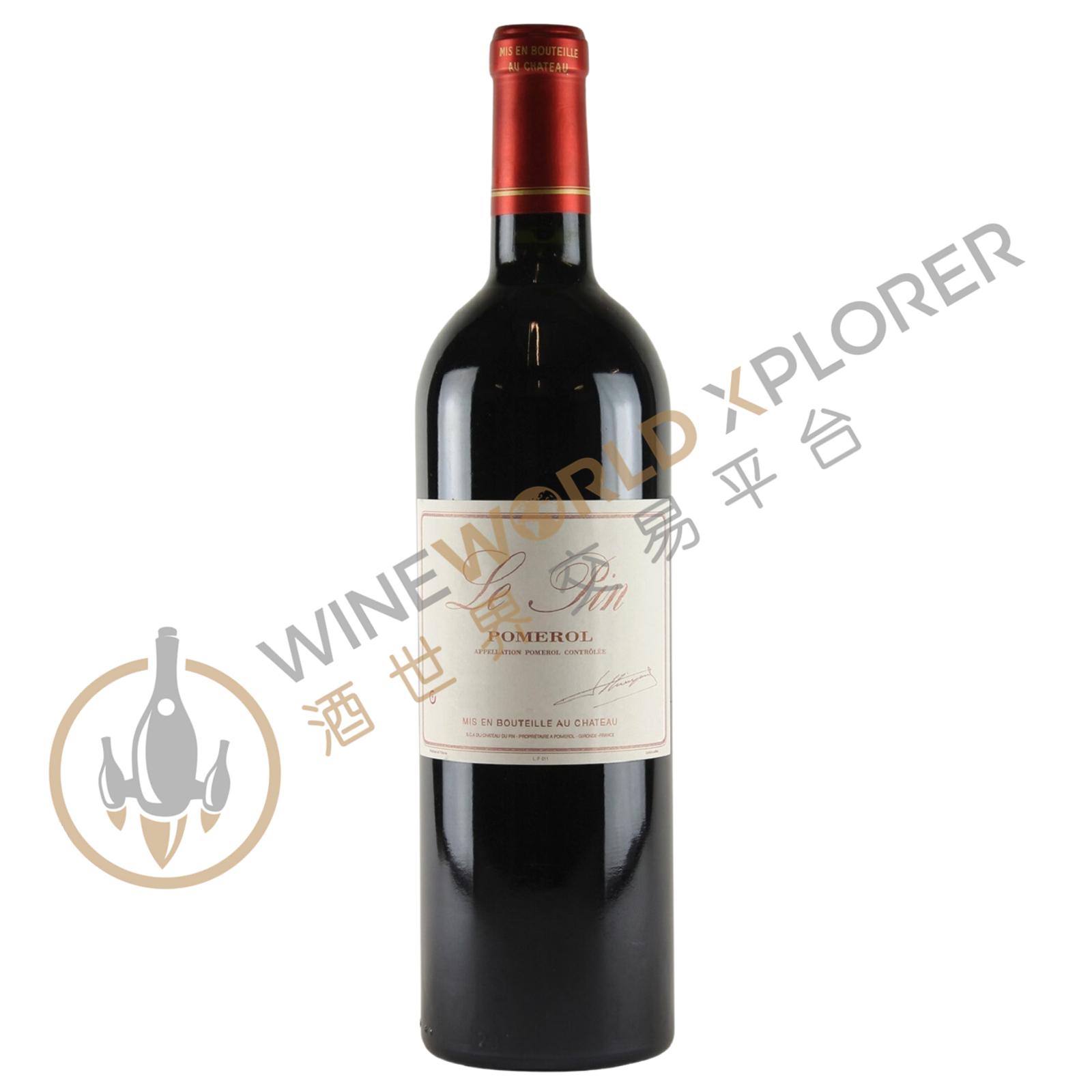
Le Pin 2020
 View analysis
Description
Tasting notes

Reviewed by: William Kelley
This estate occupies a well-draining, early-ripening site, and the 2020 Le Pin is certainly marked by the warmth and sunshine of the vintage, offering up a rich bouquet of jammy plums, kirsch, figs and licorice framed by a generous application of creamy new oak. Full-bodied, broad and expansive, it's rich and gourmand, with a layered mid-palate framed by plenty of powdery structuring tannin. While it can't match the purity and precision of the 2019, it's a strong effort.
Reviewed by: Antonio Galloni
The 2020 Le Pin is magnificent. What a wine. Seamless and exotic, the 2020 races across the palate with sumptuous dark fruit and a whole range of rose petal, spice and hard candy overtones that build into the explosive mid-palate and finish. I especially admire how the 2020 opens with some aeration. New oak is down from 100% to 70%, which really allows the purity of the fruit to shine through. Yields were 30 hectoliters per hectare, down from the more typical 35 or so, but overall production for Le Pin in bottles is much lower, as about only half of the vineyards were used. The rest went into the second wine, with the exception of a small parcel that is being redeveloped. In short: What more can I ask from a wine? Nothing.
Reviewed by: Neal Martin
The 2020 Le Pin is a smaller production of 4,000 bottles this year, a combination of lower yields and half a hectare pulled up because of court-noué virus. There is also less new oak at 70% and it was bottled in June. It has a precocious and quite opulent bouquet with layers of pure black cherries, blueberry, crushed violet and a touch of freshly-tilled loam. The palate is medium-bodied with sculpted tannins, fleshy and poised, the new oak succinctly assimilated (an astute decision to moderate that) with a lick of Valrona chocolate towards the finish. Very persistent in the mouth, this is a superb Pomerol from the Thienponts.
Reviewed by: Neal Martin
The 2020 Le Pin, tasted with Jacques Thienpont in Pomerol, is limpid in the glass. It has an impressively pixelated nose with layers of dark plum, raspberry, slate and subtle potpourri scents. Unlike some recent vintages, this politely asks you to be patient and then unfurls at its own stately pace. The palate is medium-bodied with supple tannins and a fine bead of acidity. This does not set out to be a powerful Le Pin, but it gently builds to deliver a very precise, quite spicy finish that has very long persistence. Superb salinity on the aftertaste, not a million miles away from Lafleur despite the differences in composition (“Don’t ask me why…” commented Jacques Thienpont when I enquired about that aspect.) Give this 4-6 years in bottle and watch it blossom over many.
Reviewed by: Neal Martin
The 2020 Le Pin has a more backward and primal bouquet than its peers. It opens with scents of black cherries, wild strawberry, violet and seamlessly integrated oak. The palate is medium-bodied, with fine tannins that frame the pure black fruit tinged with orange rind and minerals. Slightly confit-like fruit emerges toward the finish. This is a very serious 2022 Pomerol that may well merit a higher score in due course. Tasted blind at the annual Southwold tasting.
Reviewed by: James Suckling
The complexity of the wine shows incredible aromas of perfectly ripe tannins and fresh flowers such as lavender and rose stem. Mineral. Stone. Hints of wet earth and fresh bark. Subtle and complete. So much incredible character. Concentrated center palate. Weightless at the end. Perfect wine. You want to drink the bottle but it will age for decades.
About the Producer
Le Pin is the most expensive wine in the world. Jacques Thienpont purchased the meagre 1.6 hectares of land for one million francs in 1979. The Thienpoints named their wine Le Pin after a solitary pine tree that shaded the property. By acquiring tiny adjoining plots of land, Jacques has doubled the size of Le Pin to five acres. The south-facing vineyard on a well-drained slope of gravel and sand is planted with Merlot (about 92%), and a small amount of Cabernet Franc. Le Pin's soil is a mixture of gravel and clay with a little sand and is exceptionally low yielding (between 30 to 35 hl/hc). The grapes are hand-harvested and are fermented in stainless steel before being matured in`200%` new oak barriques for between 14 and 18 months. Dany Rolland, wife of cult-oenologist Michel Rolland, is a consultant here. Le Pin produces just 600 to 700 cases each year (Lafite Rothschild produces approximately 29,000 cases of wine a year and and Pétrus about 4,000) and its rarity is one of the driving forces behind its high prices. Le Pin produces super-concentrated, decadent, lush and lavishly oaked wines - they can be drunk young but are best with 7-10 years of bottle ageing.
1985(1)1986(1)1988(2)1989(1)1990(1)1991(2)1992(1)1993(1)1994(3)1995(3)1996(3)1997(4)1998(4)1999(4)2000(2)2001(5)2002(2)2004(11)2005(8)2006(4)2007(7)2008(5)2009(8)2010(2)2011(15)2012(16)2014(9)2015(10)2016(8)2017(11)2018(15)2019(22)
Package Size
1 x 75cl