Wine Advisor



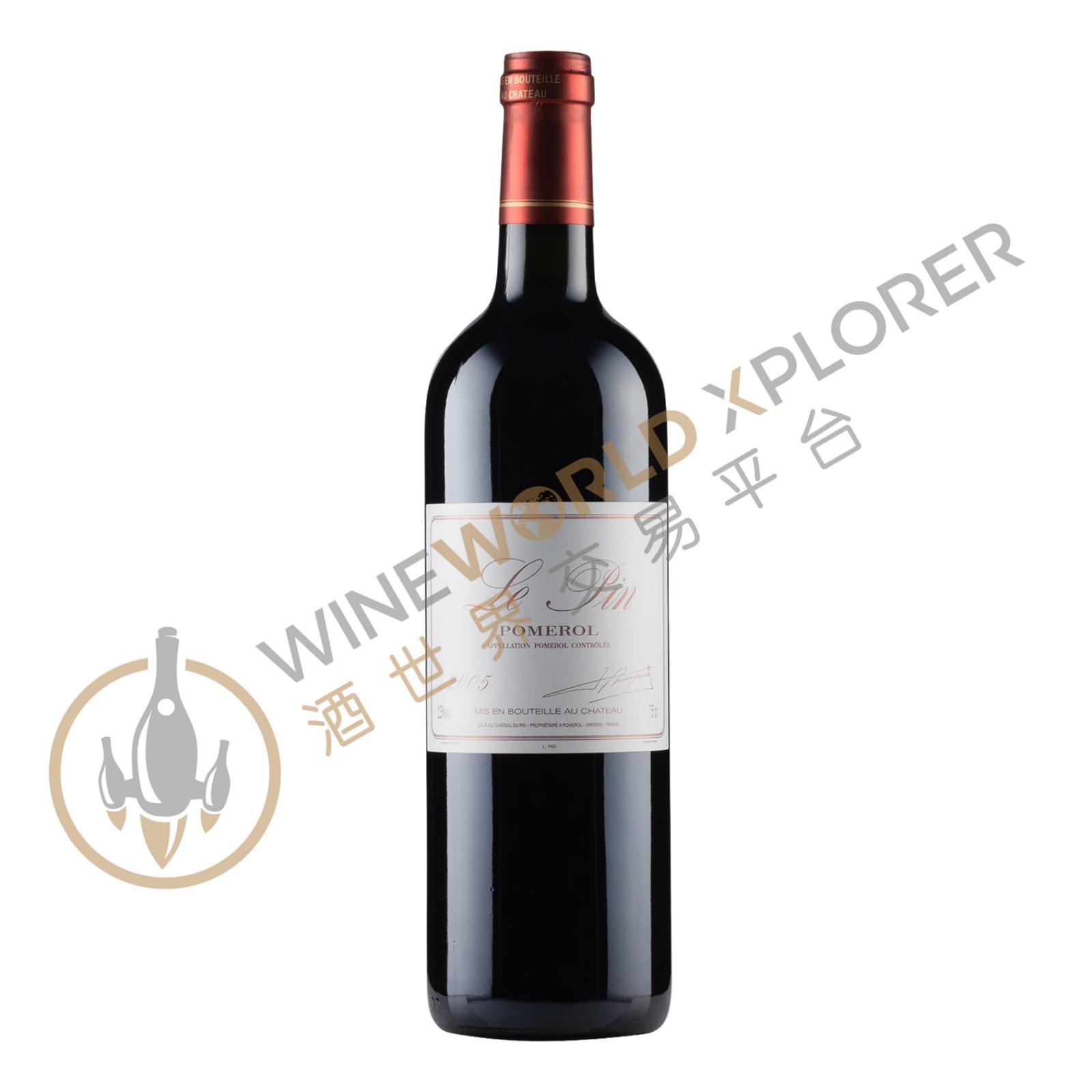
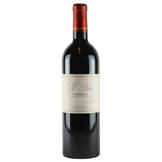
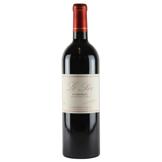
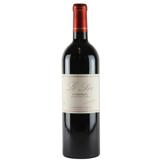
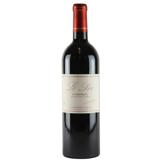
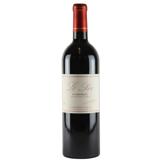
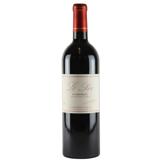
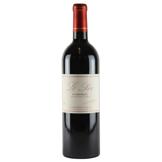
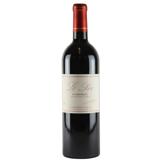
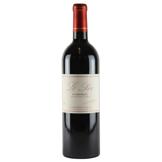
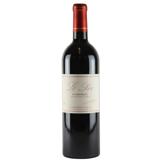
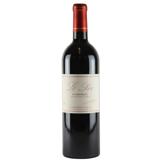
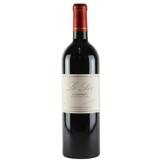
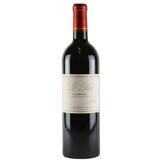
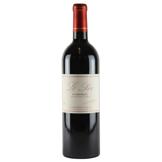
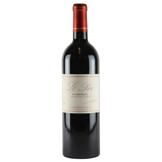
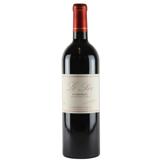
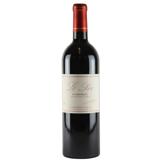
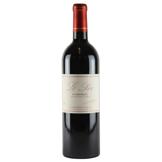
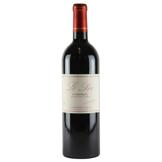
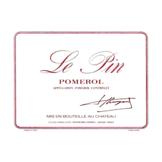
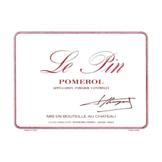
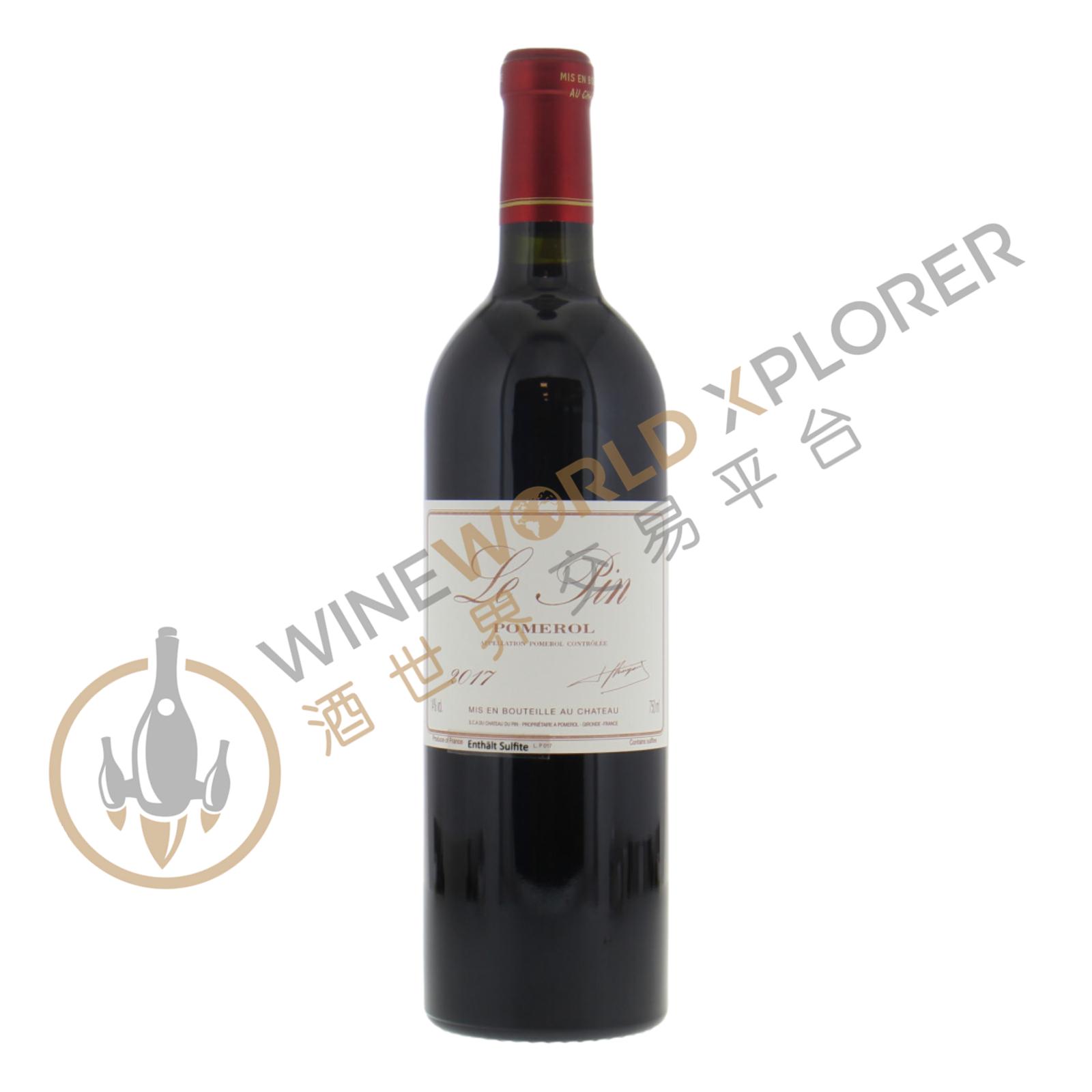
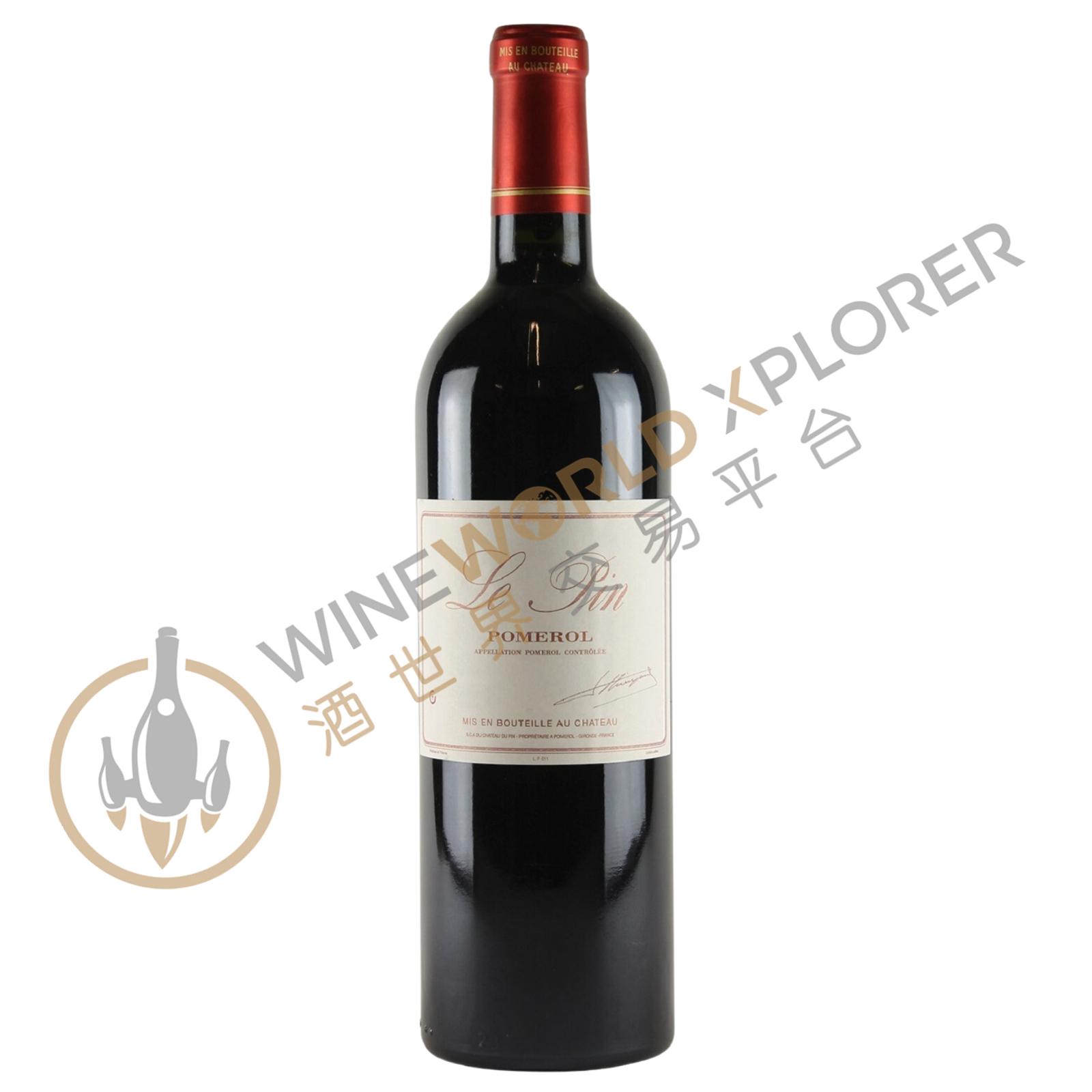
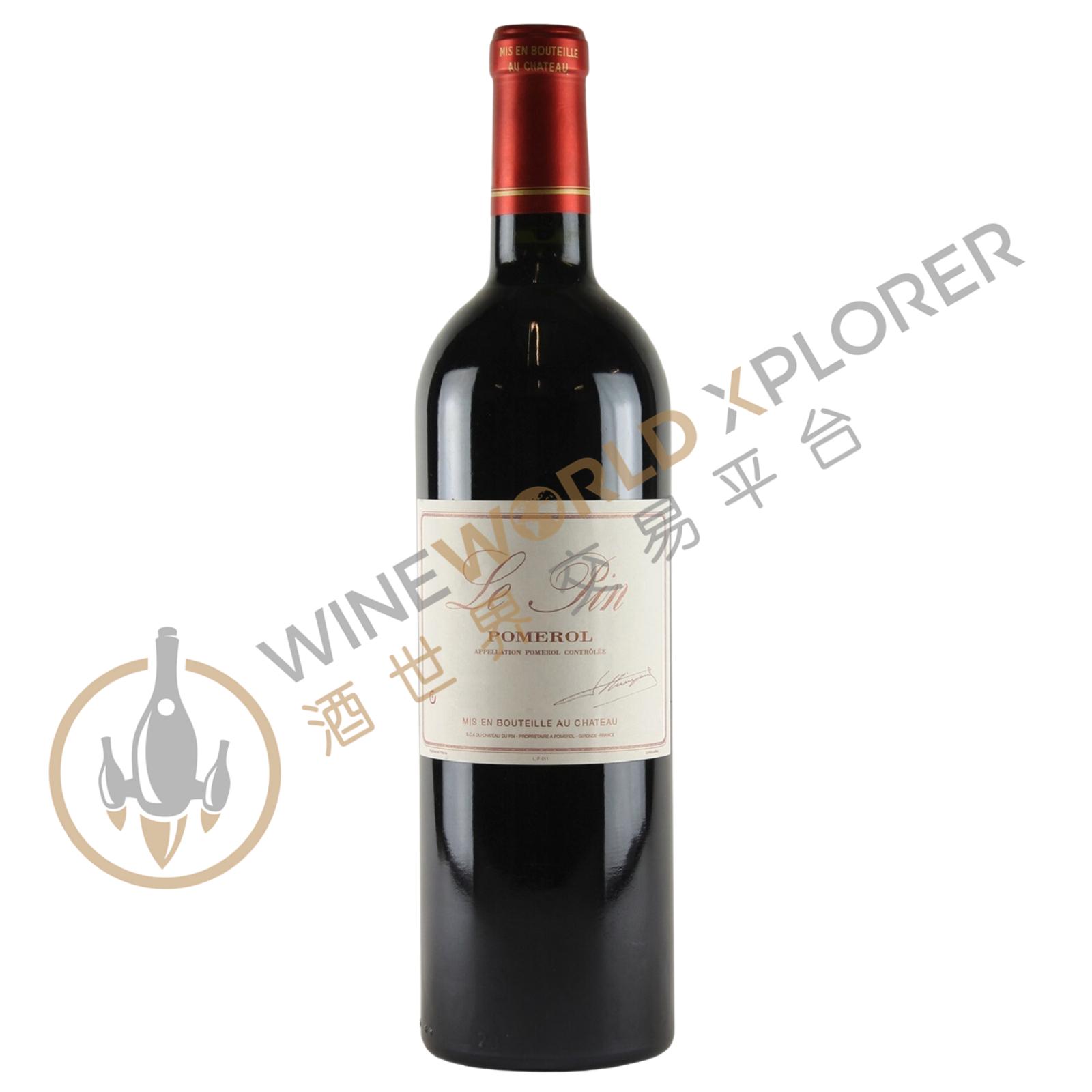
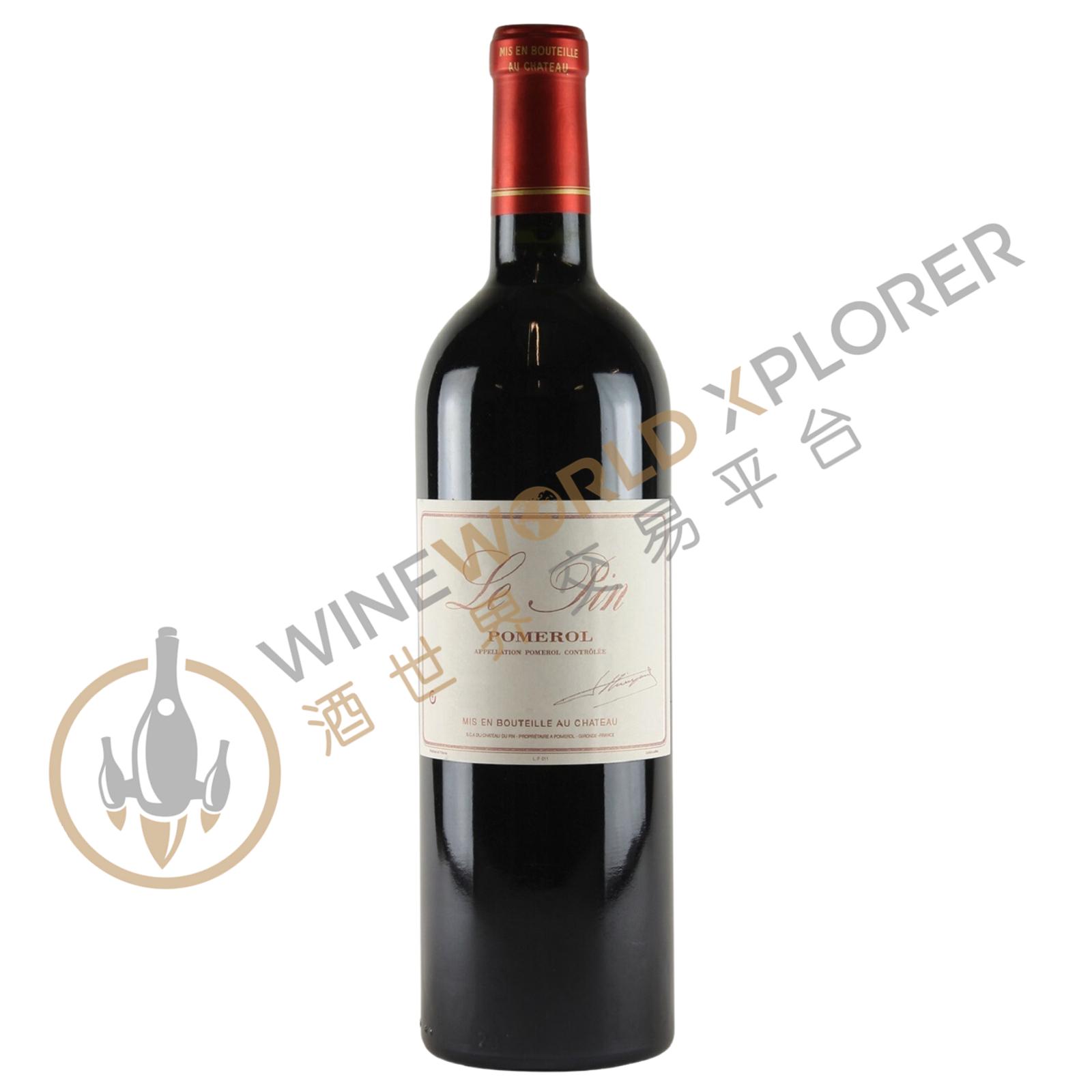
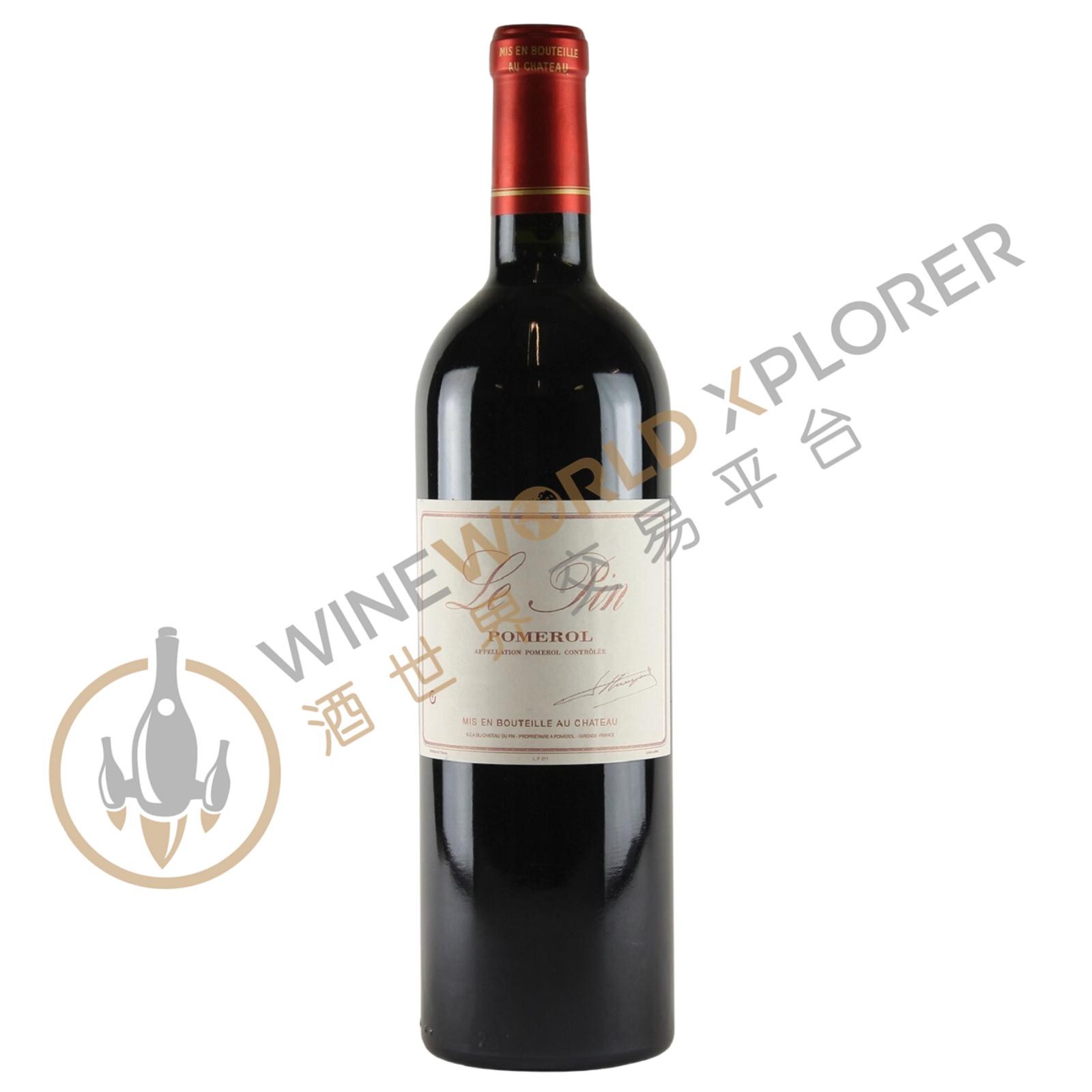
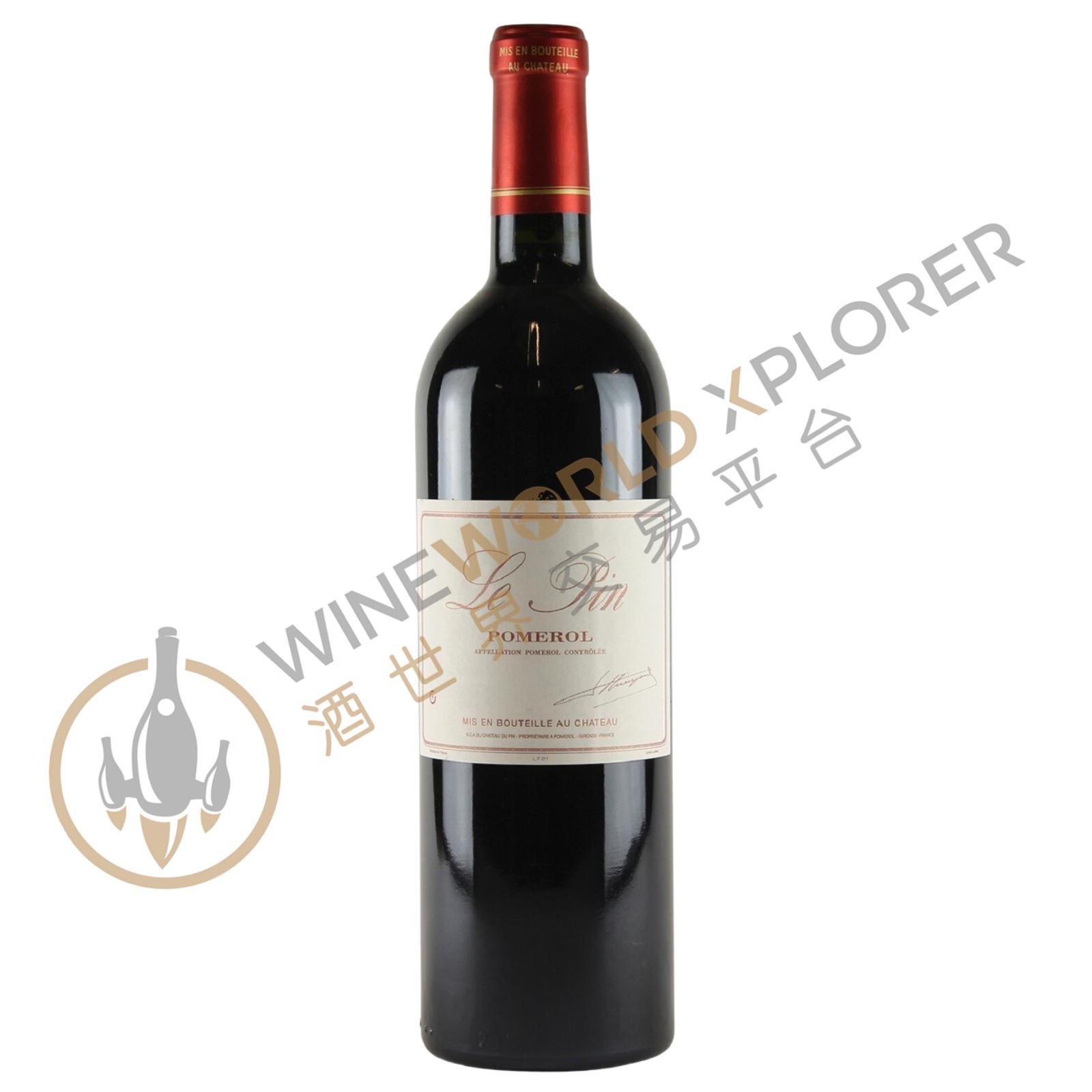
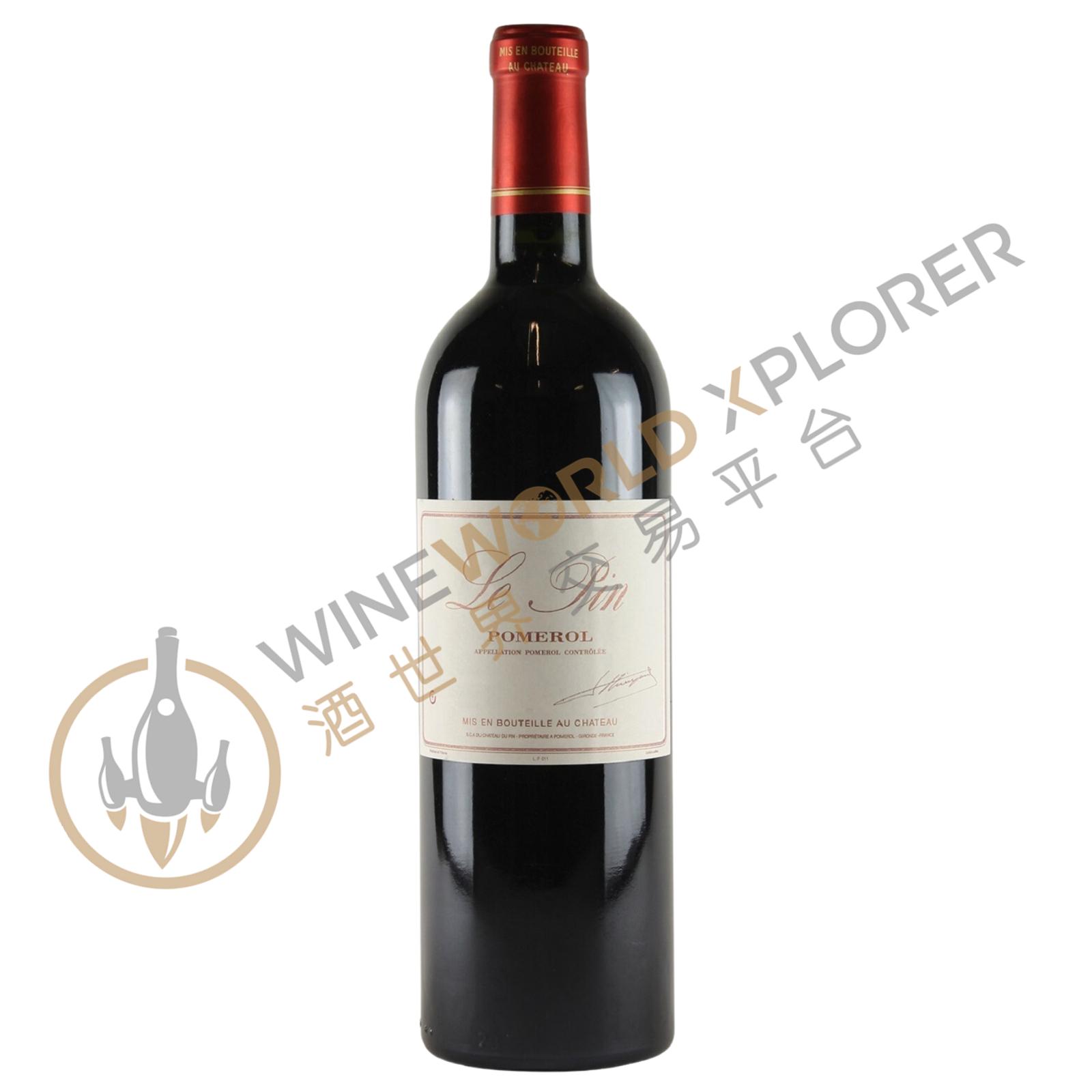
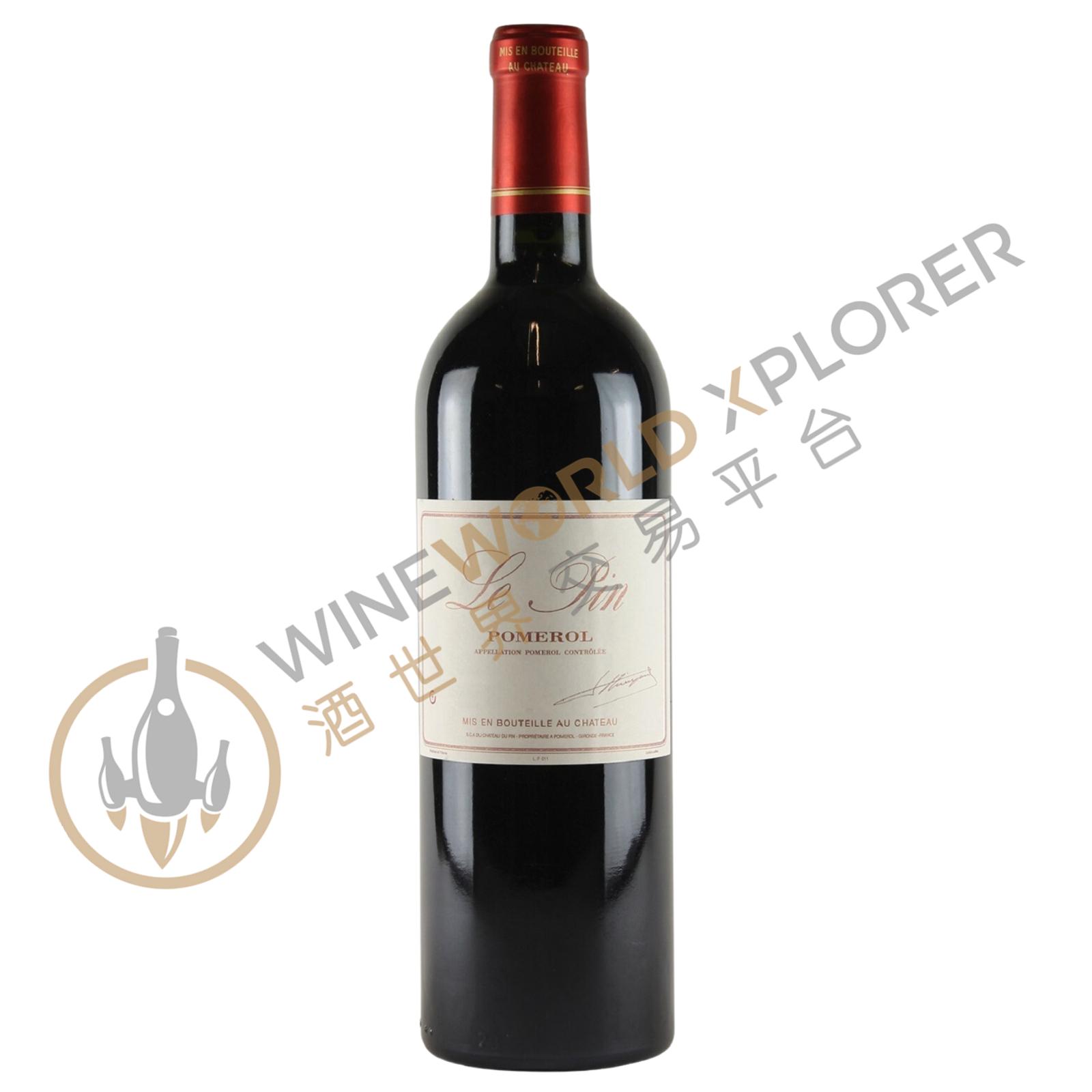
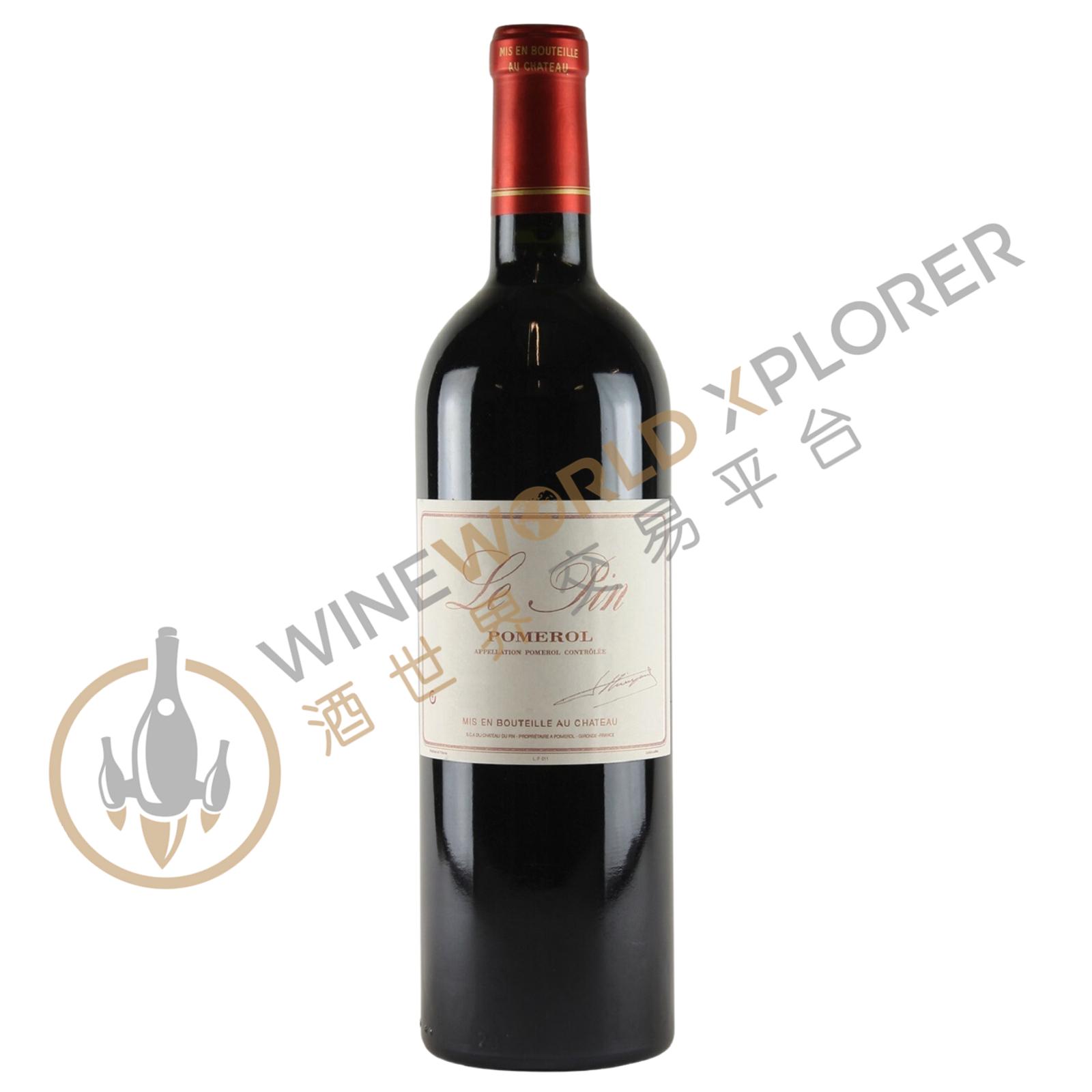
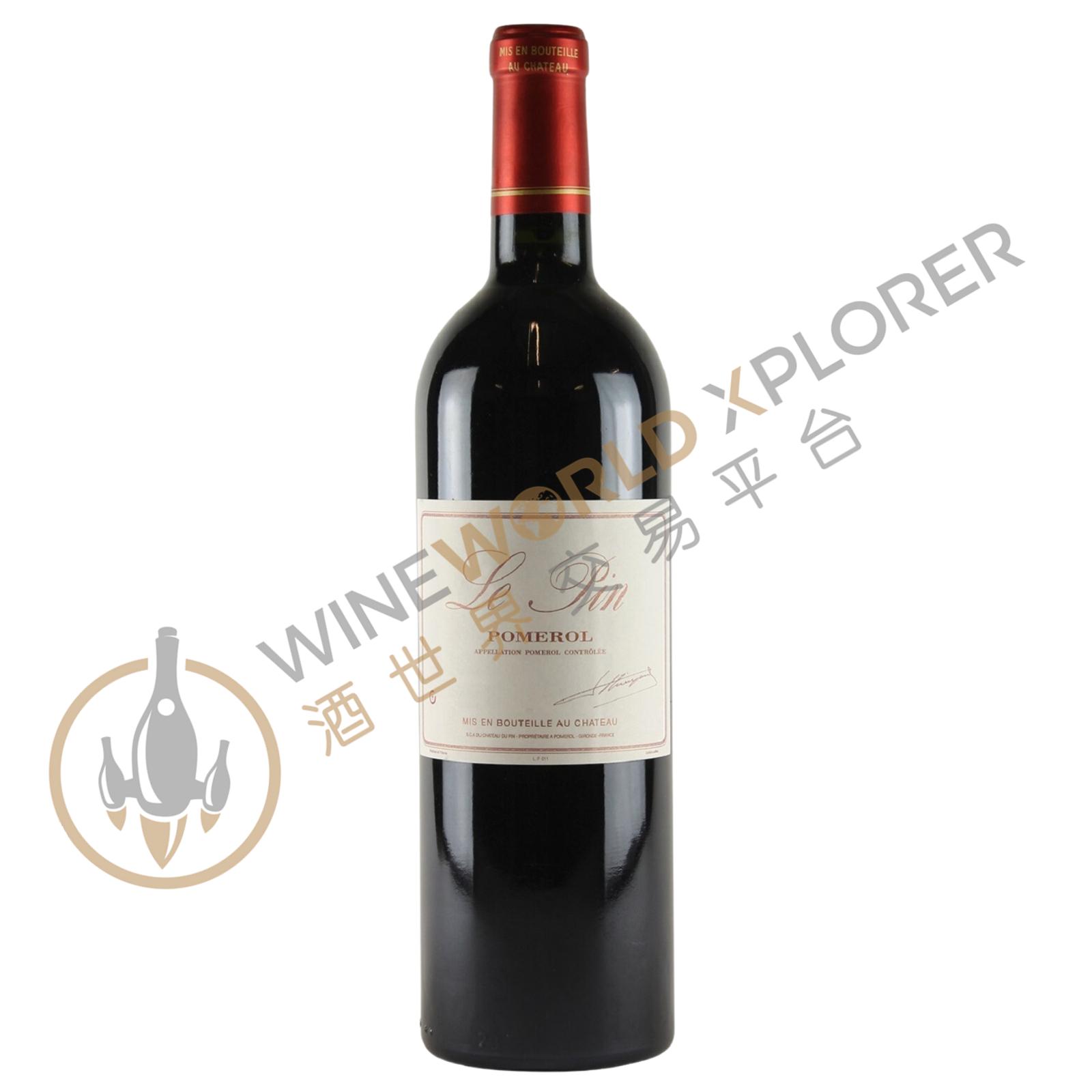
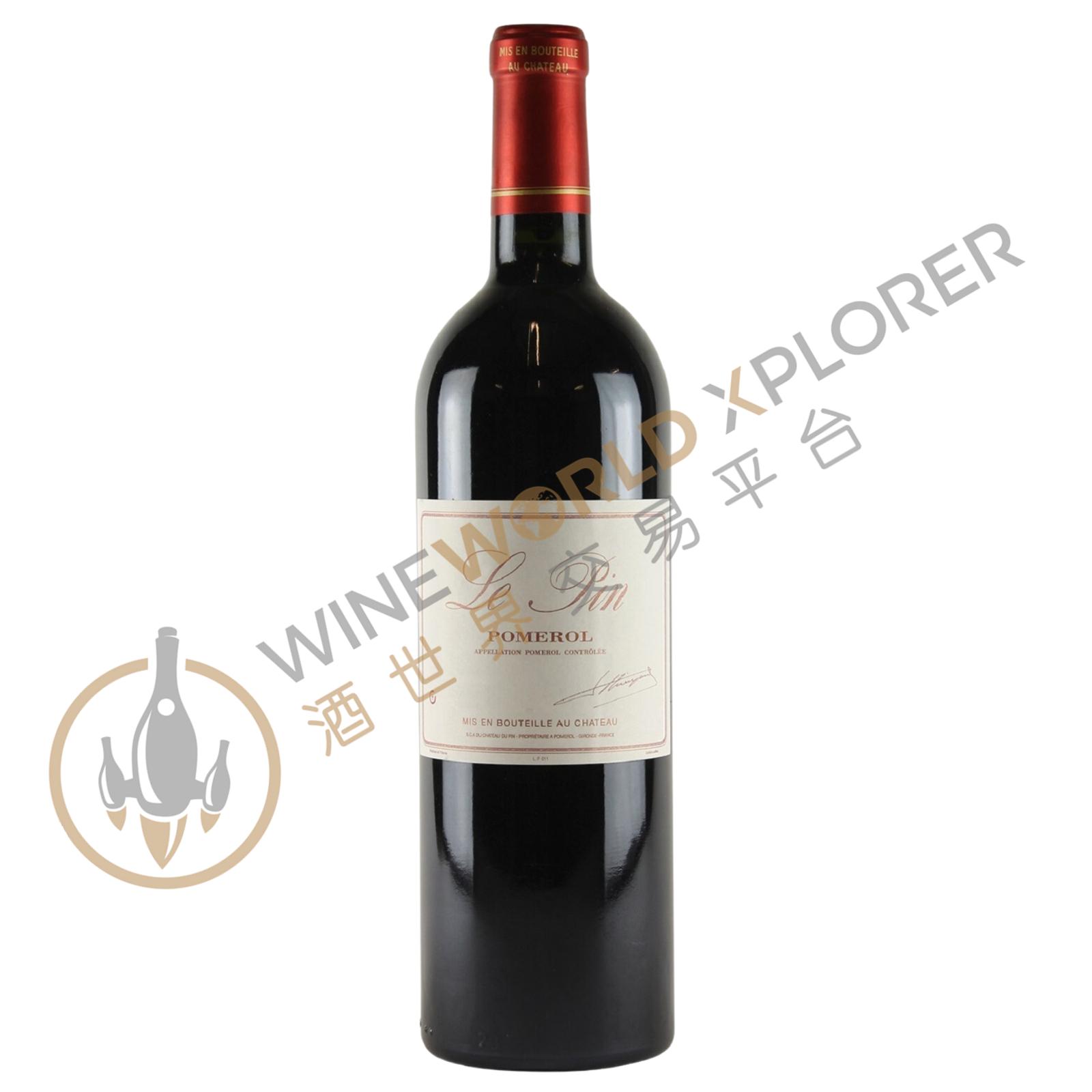
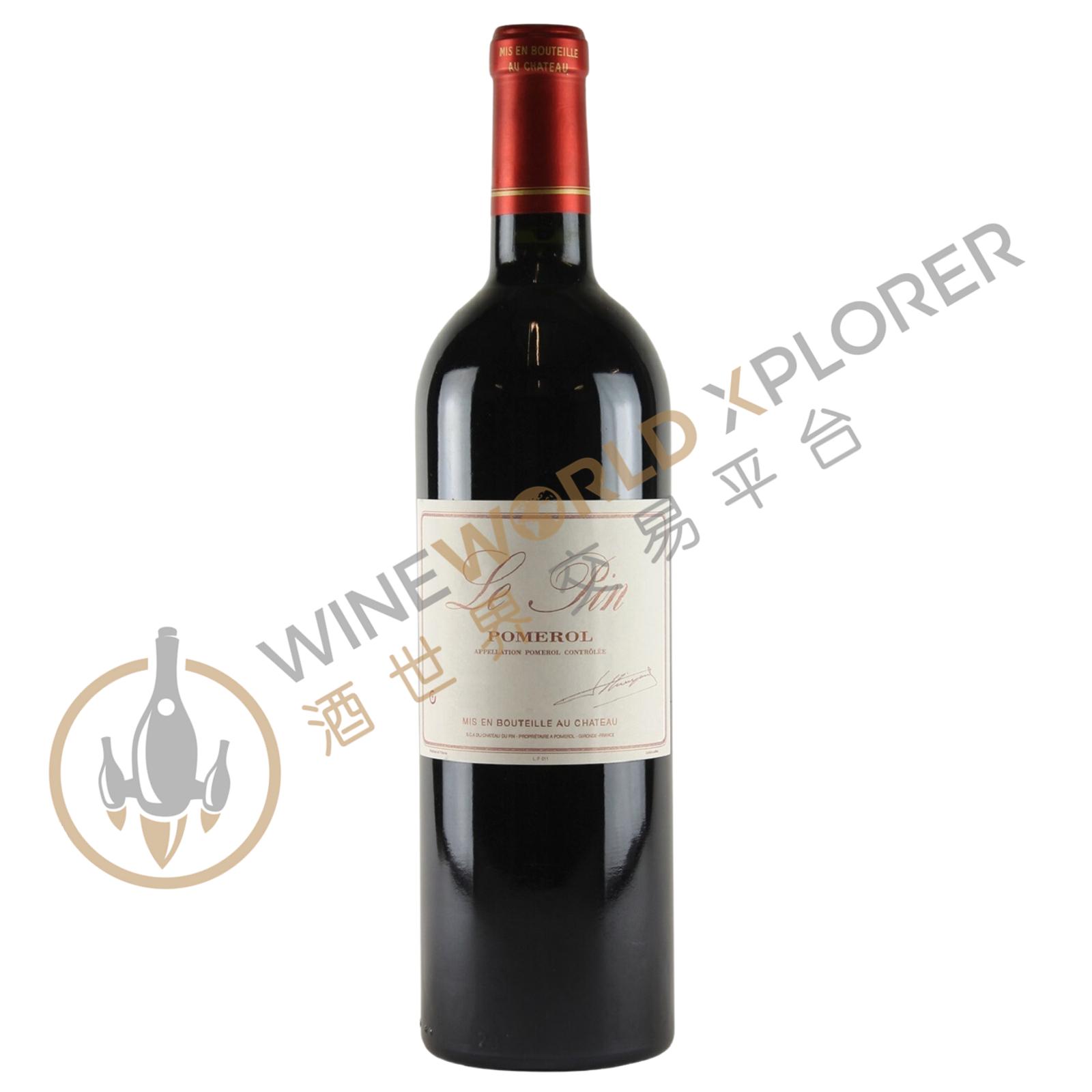
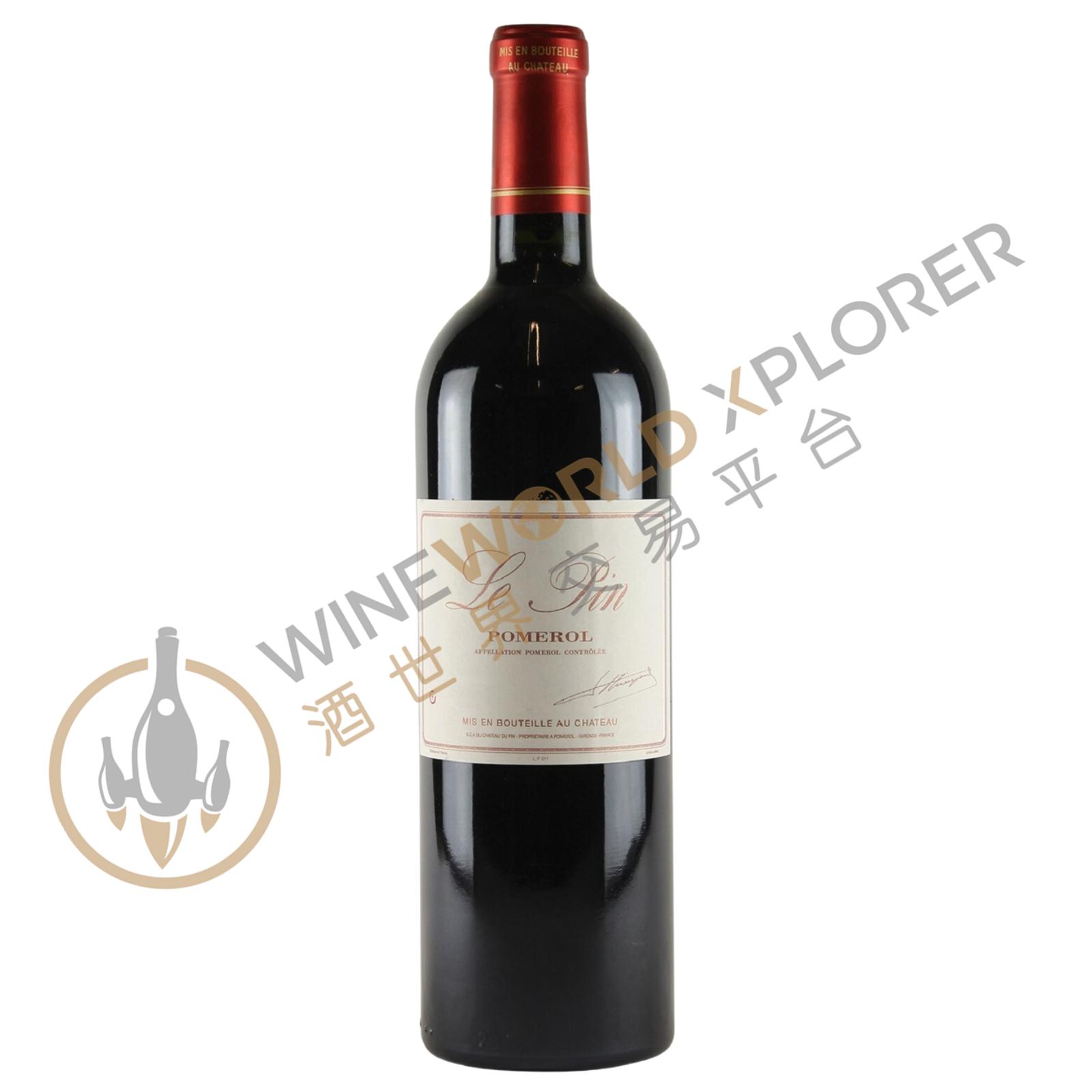
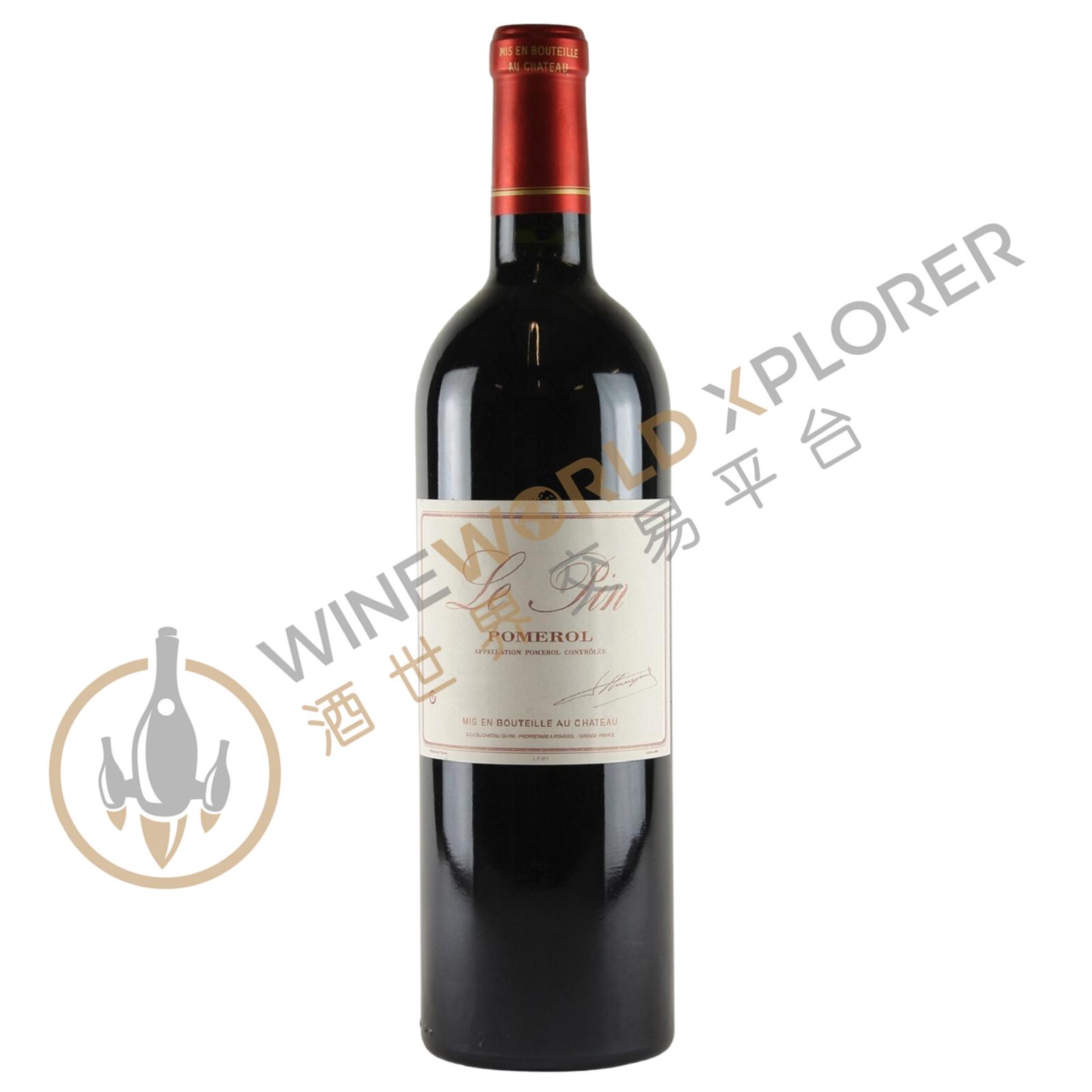
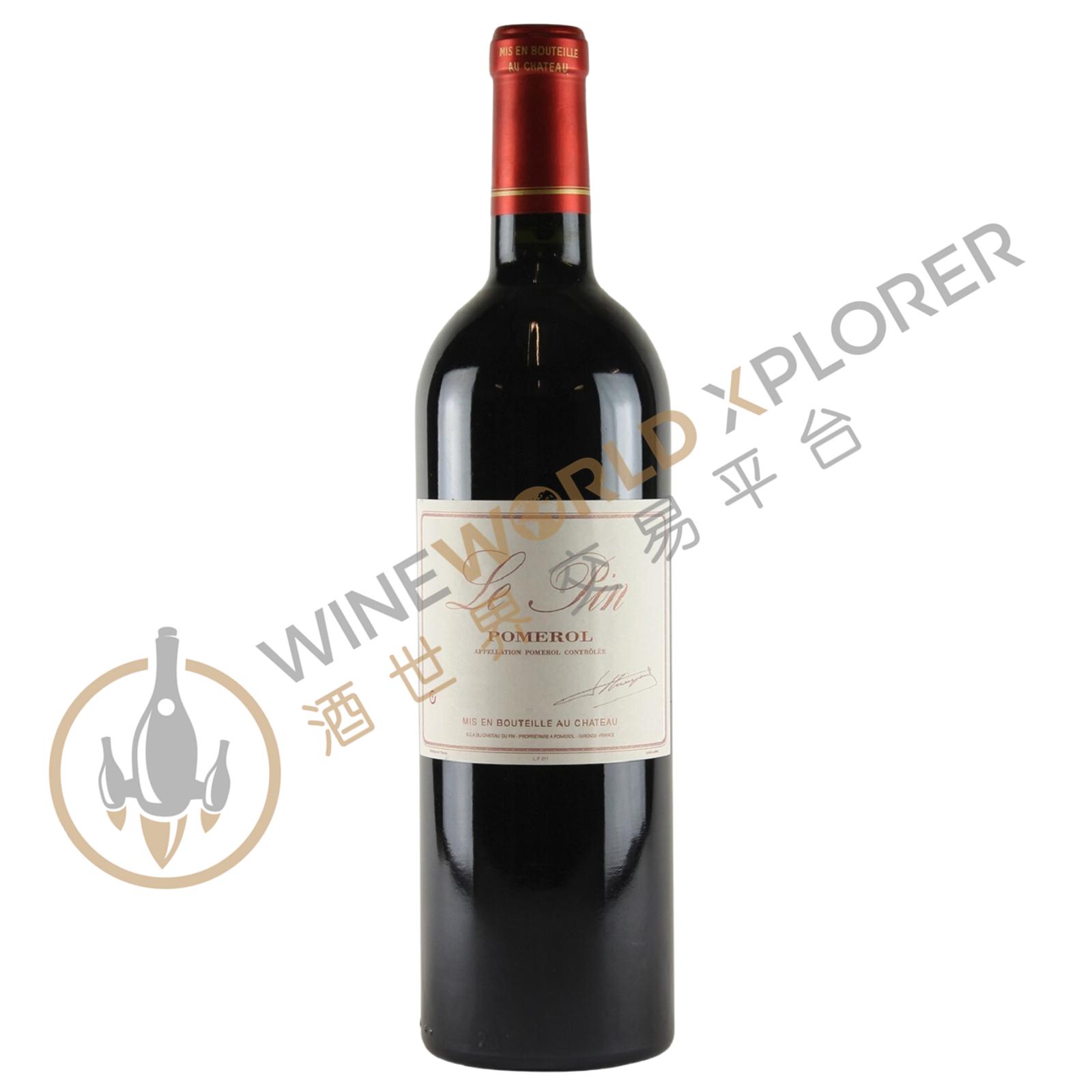
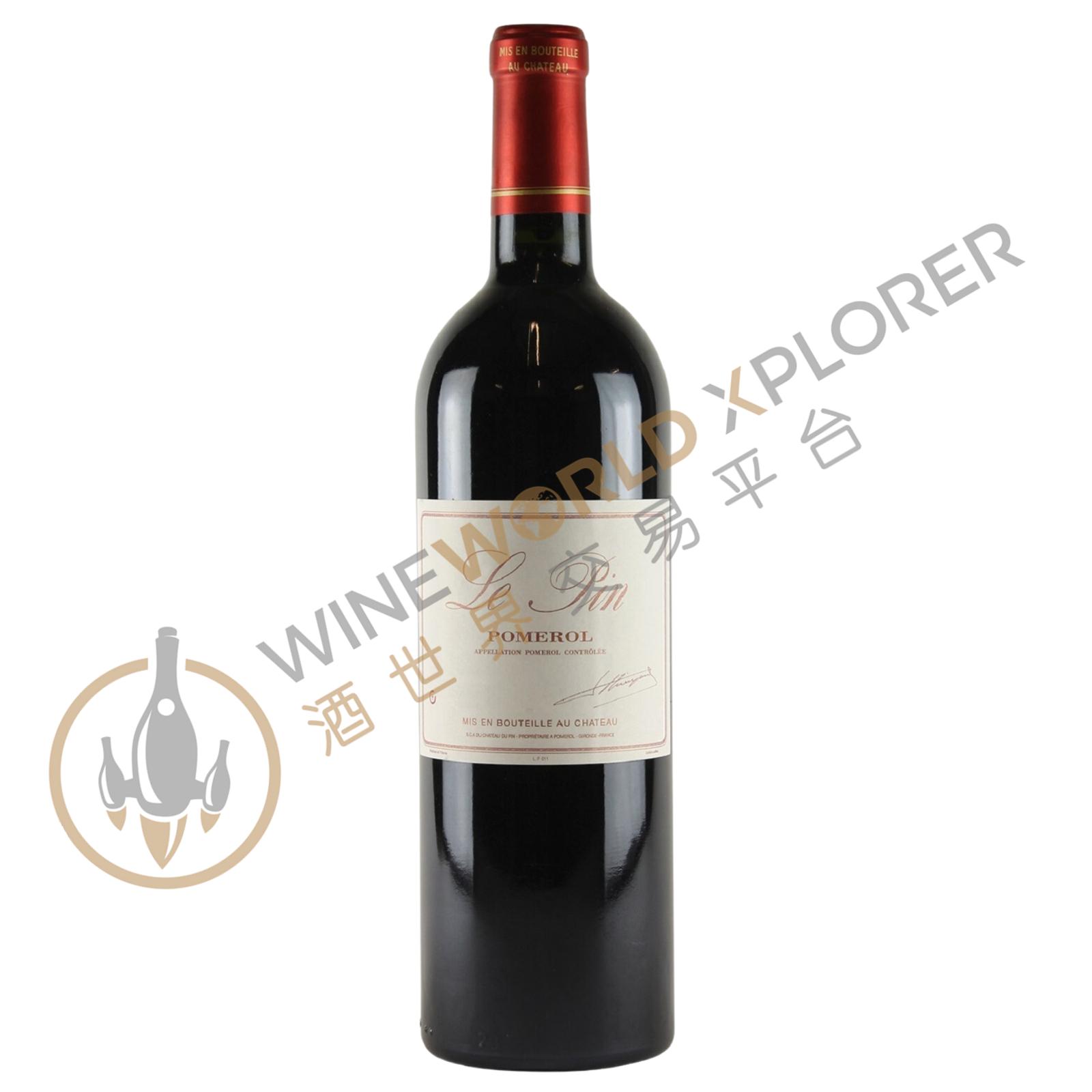
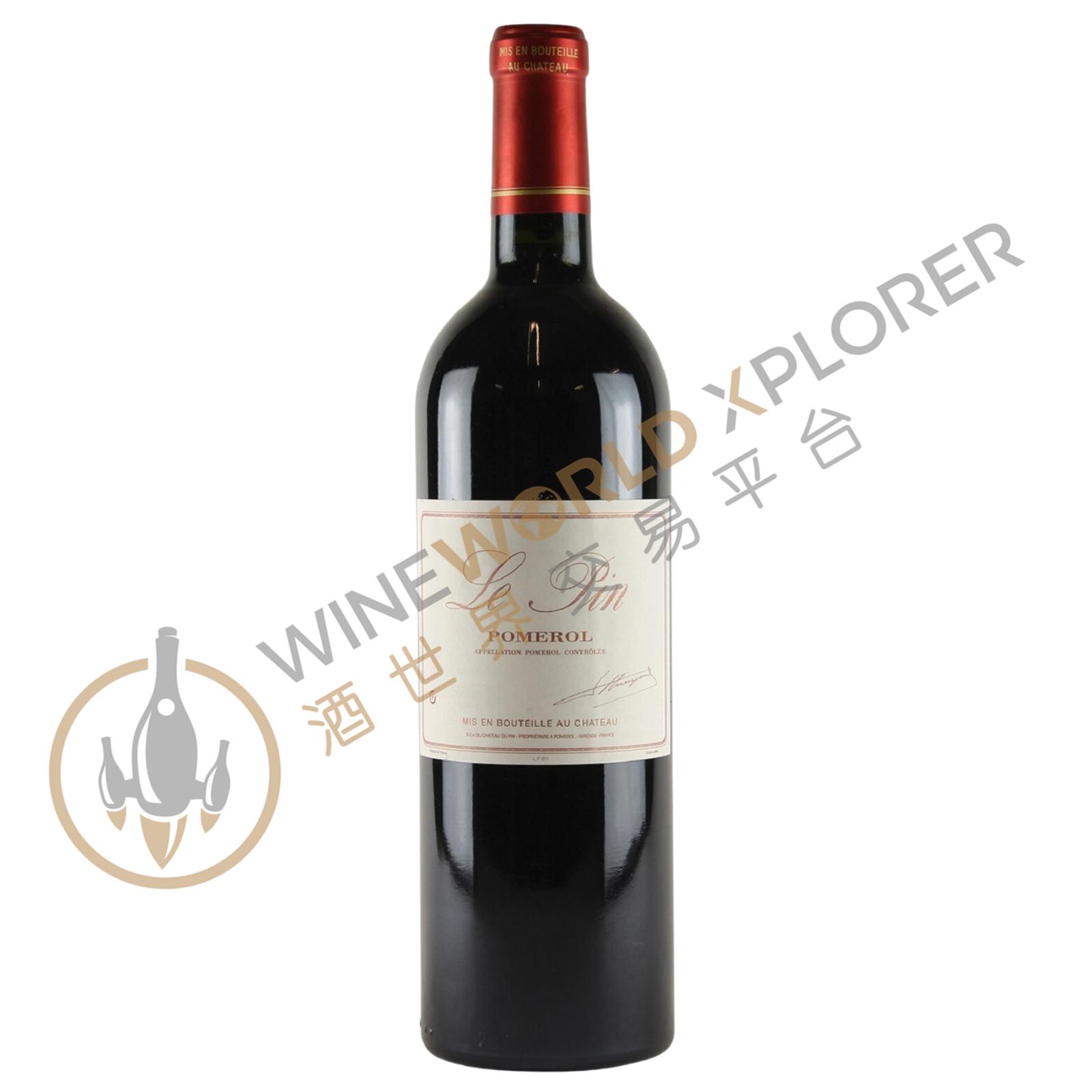
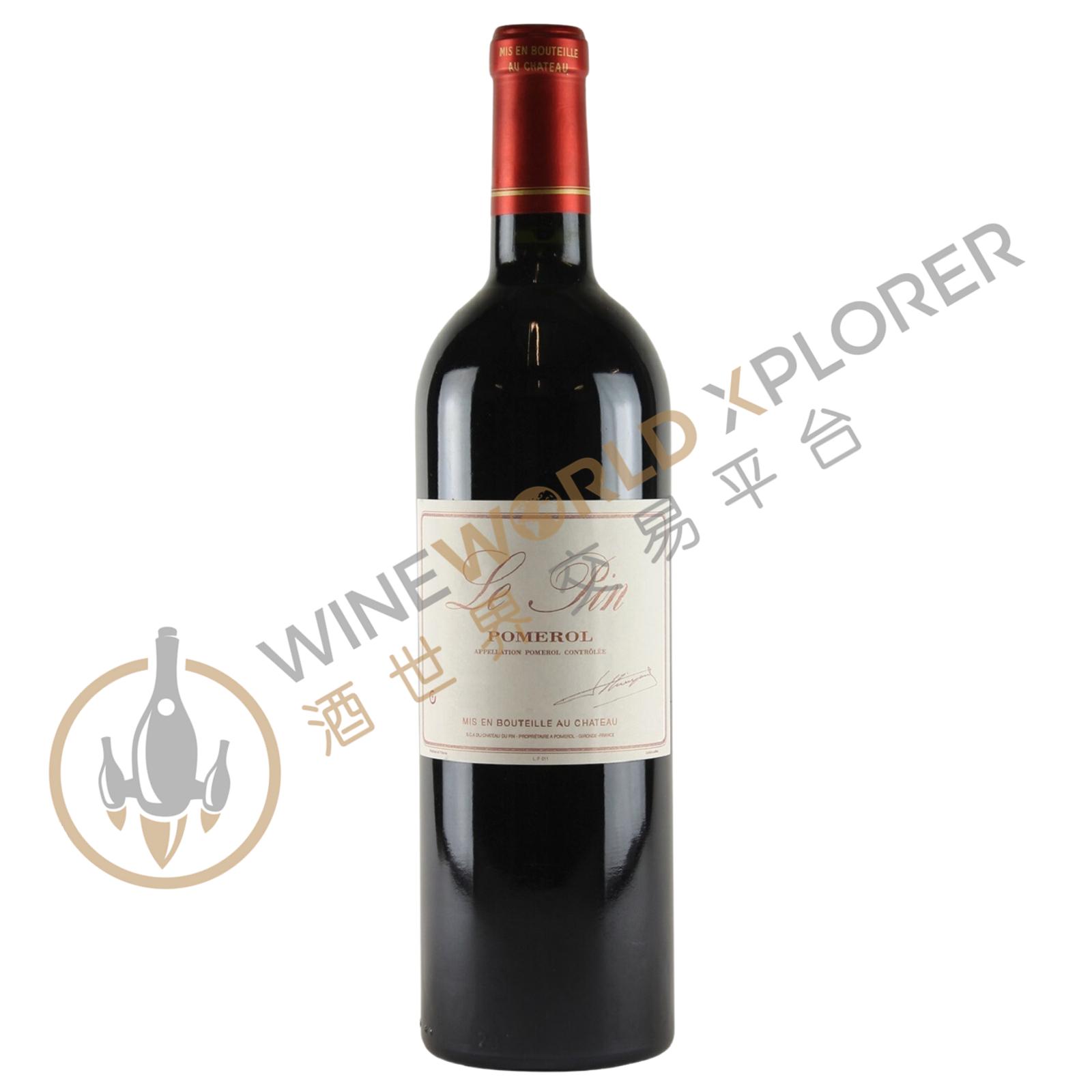
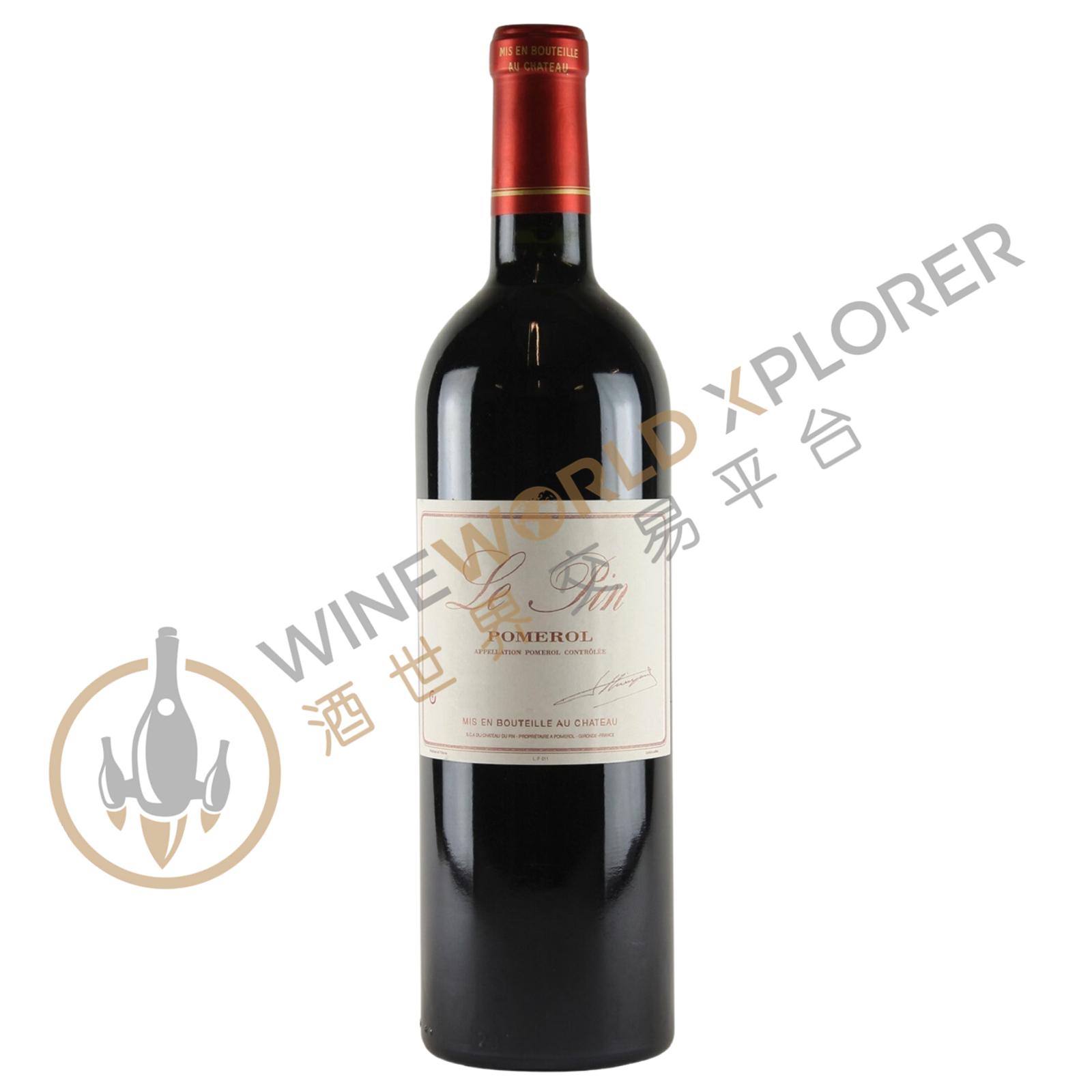
Le Pin 2019
 View analysis
Description
Tasting notes

Reviewed by: William Kelley
The 2019 Le Pin is a rich, expansive wine that soars from the glass with aromas of raspberry preserve, plums, wild berries, rose petals and licorice, framed by a deftly judged patina of creamy new oak. Full-bodied, supple and velvety, it's broad and enveloping, with a fleshy core of fruit that's framed by lively acids and powdery tannins, concluding with a long, aromatic finish. Rich in gravel on the surface, Le Pin's vines are rooted in clay, which no doubt helps to explain how this wine can perform so well in warm, dry vintages. As is the norm these days, the 2019 was matured in 70% new oak.
Reviewed by: Antonio Galloni
The 2019 Le Pin is magical. Soft, seamless and exceptionally beautiful, the 2019 is riveting right out of the gate. The wine's balance is just mind-blowing. In this vintage, the new oak is down to 80%, which works so well here in helping release an extra kick of freshness. Red/purplish fruit, rose petal, blood orange, mint, lavender and sweet spice build into the dramatic, sweeping finish. In a word: magnificent!
Reviewed by: Neal Martin
The 2019 Le Pin is more oak-driven on the nose than its peers, creamy black cherries and blueberry fruit, lacking the intellect that one might have expected at this stage. The palate is medium-bodied with a lot of oak tannins, creamy with a torrefactory, singed leather element towards the finish. I don't quite understand this Le Pin at the moment and wonder how it will evolve? A great wine being outmaneuvered by its peers at the moment. Tasted blind at the Southwold annual tasting.
Reviewed by: Neal Martin
The 2019 Le Pin is a Pomerol that I did not taste out of barrel when samples were being sent, so the first time I encountered it was with Jacques Thienpont in his office, together with his new right hand, Diana Berrouet-Garcia. It has a fragrant nose of brambly red fruit, touches of sous-bois and hints of dark chocolate emerging with time in the glass. The palate is medium-bodied with pliant tannins, moderate weight and a touch of black pepper and clove, the former becoming more prominent toward the finish. Cohesive throughout; perhaps the alcohol (14.7°) blurs a little of the definition, but this still feels reassuringly long and sensual. Gorgeous.
Reviewed by: Neal Martin
Speaking to co-proprietor Fiona Morrison, she told me that they preferred not to send samples of Le Pin this year, which I quite understand, and promised that I could taste it later in the year along with a complete vertical back to 1979. The second bit is a lie, but I will taste their 2019, hopefully in September.
Reviewed by: Neal Martin
The 2019 Le Pin is magical. Soft, seamless and exceptionally beautiful, the 2019 is riveting right out of the gate. The wine's balance is just mind-blowing. In this vintage, the new oak is down to 80%, which works so well here in helping release an extra kick of freshness. Red/purplish fruit, rose petal, blood orange, mint, lavender and sweet spice build into the dramatic, sweeping finish. In a word: magnificent!
About the Producer
Le Pin is the most expensive wine in the world. Jacques Thienpont purchased the meagre 1.6 hectares of land for one million francs in 1979. The Thienpoints named their wine Le Pin after a solitary pine tree that shaded the property. By acquiring tiny adjoining plots of land, Jacques has doubled the size of Le Pin to five acres. The south-facing vineyard on a well-drained slope of gravel and sand is planted with Merlot (about 92%), and a small amount of Cabernet Franc. Le Pin's soil is a mixture of gravel and clay with a little sand and is exceptionally low yielding (between 30 to 35 hl/hc). The grapes are hand-harvested and are fermented in stainless steel before being matured in`200%` new oak barriques for between 14 and 18 months. Dany Rolland, wife of cult-oenologist Michel Rolland, is a consultant here. Le Pin produces just 600 to 700 cases each year (Lafite Rothschild produces approximately 29,000 cases of wine a year and and Pétrus about 4,000) and its rarity is one of the driving forces behind its high prices. Le Pin produces super-concentrated, decadent, lush and lavishly oaked wines - they can be drunk young but are best with 7-10 years of bottle ageing.
1985(1)1986(1)1988(2)1989(1)1990(1)1991(2)1992(1)1993(1)1994(3)1995(3)1996(3)1997(4)1998(4)1999(4)2000(2)2001(5)2002(2)2004(11)2005(8)2006(4)2007(7)2008(5)2009(8)2010(2)2011(15)2012(16)2014(9)2015(10)2016(8)2017(11)2018(15)
Package Size
1 x 75cl12 x 75cl2 x 75cl3 x 75cl