Wine Advisor



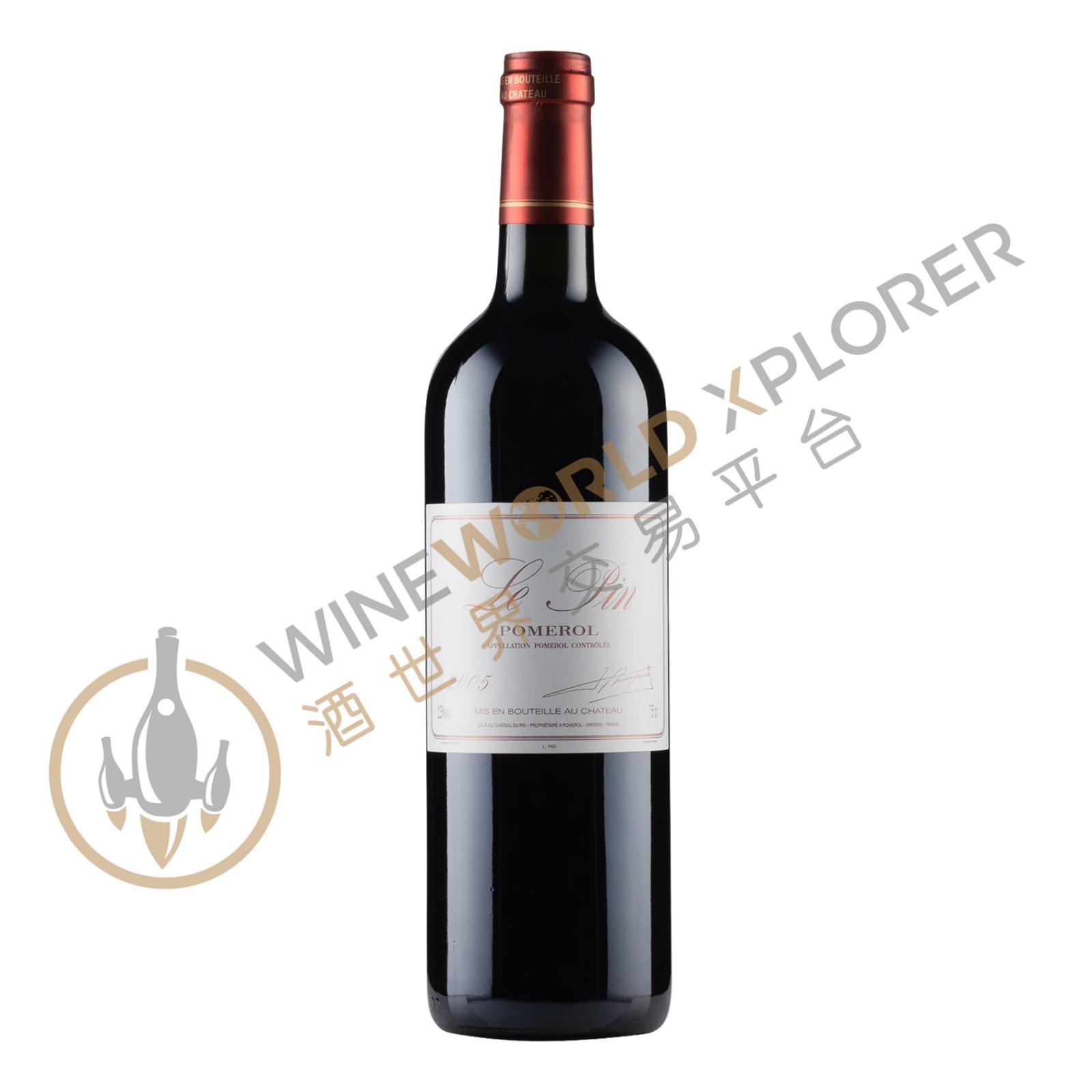
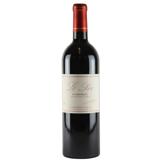
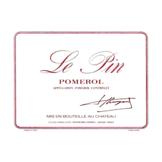
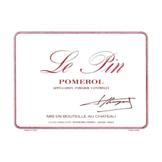
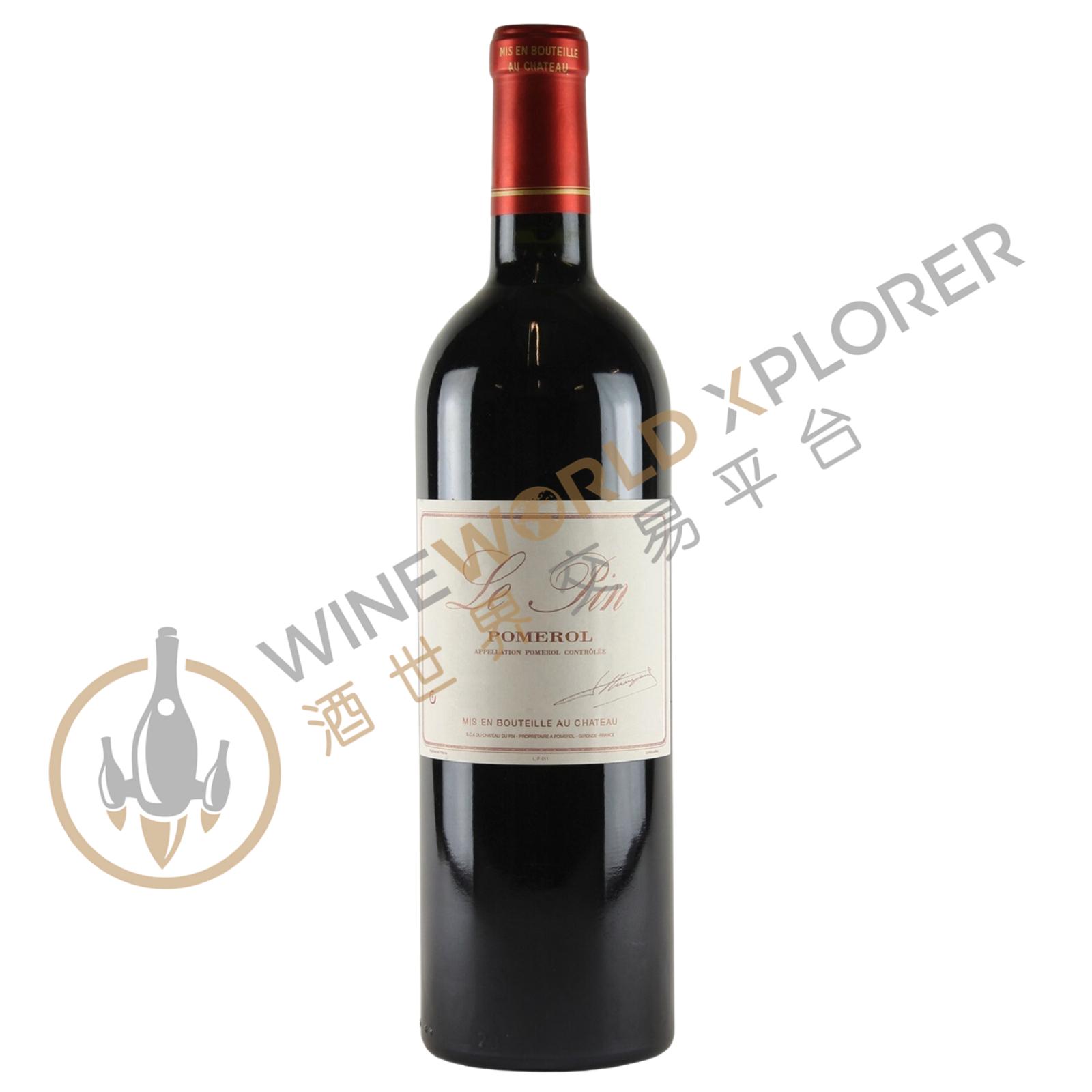
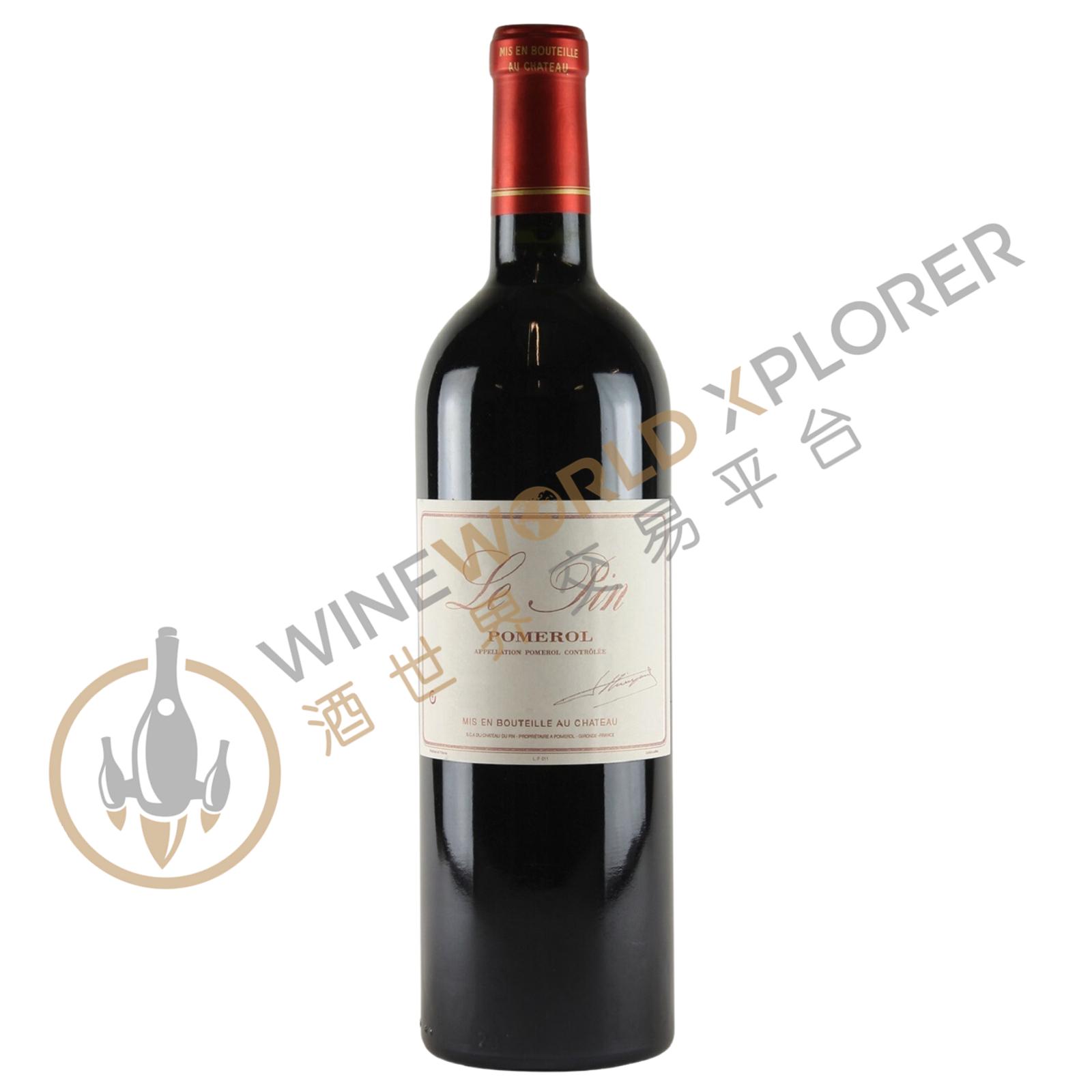
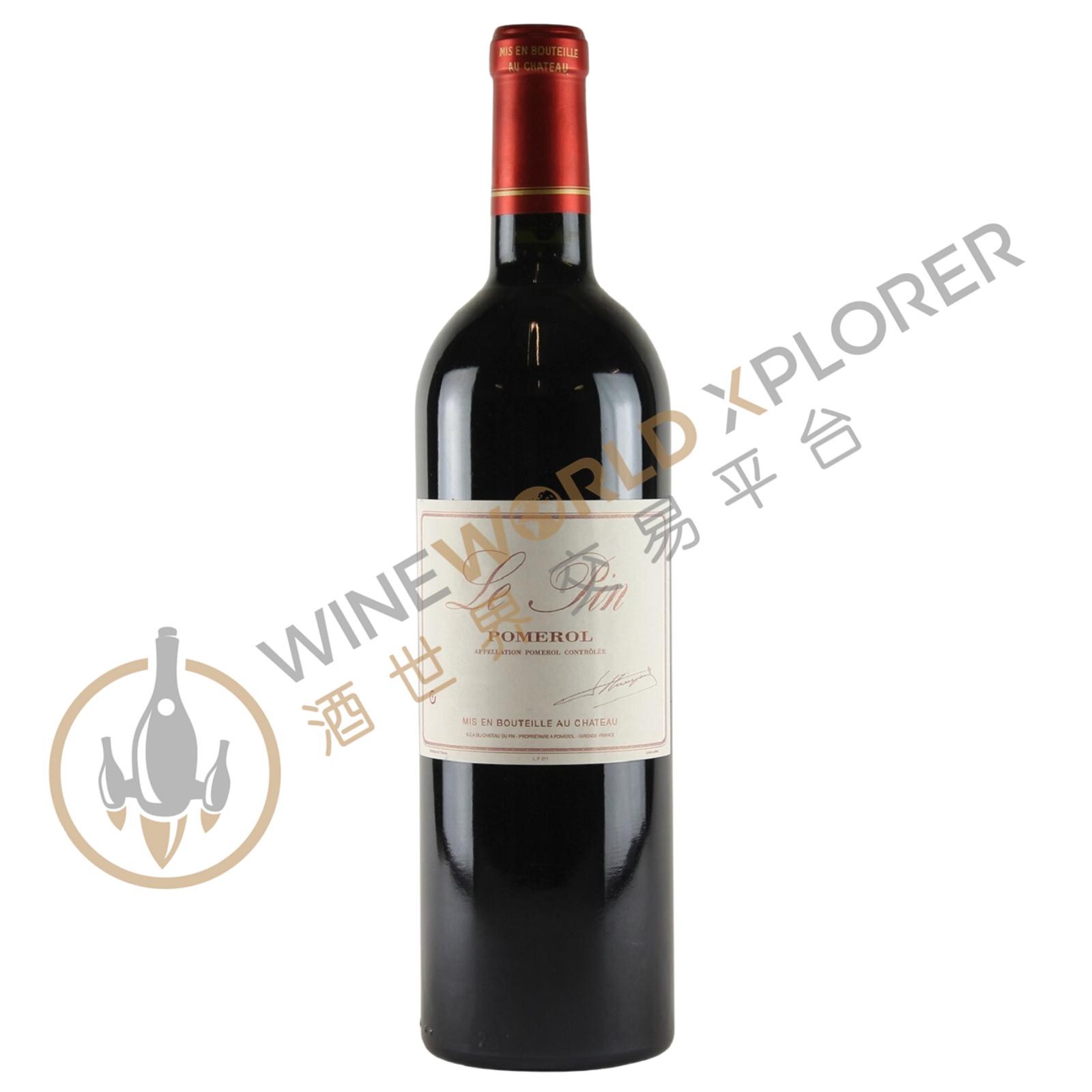
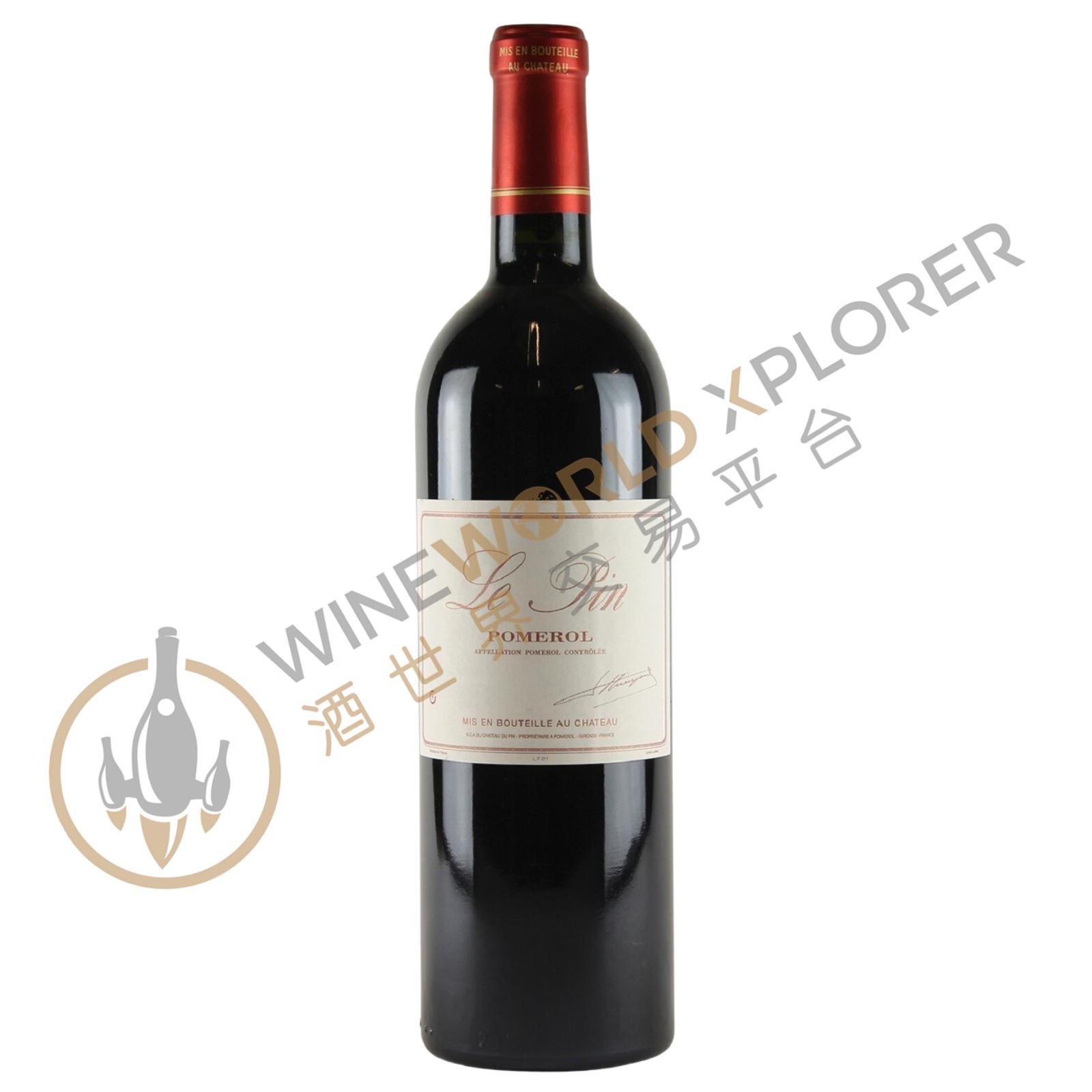
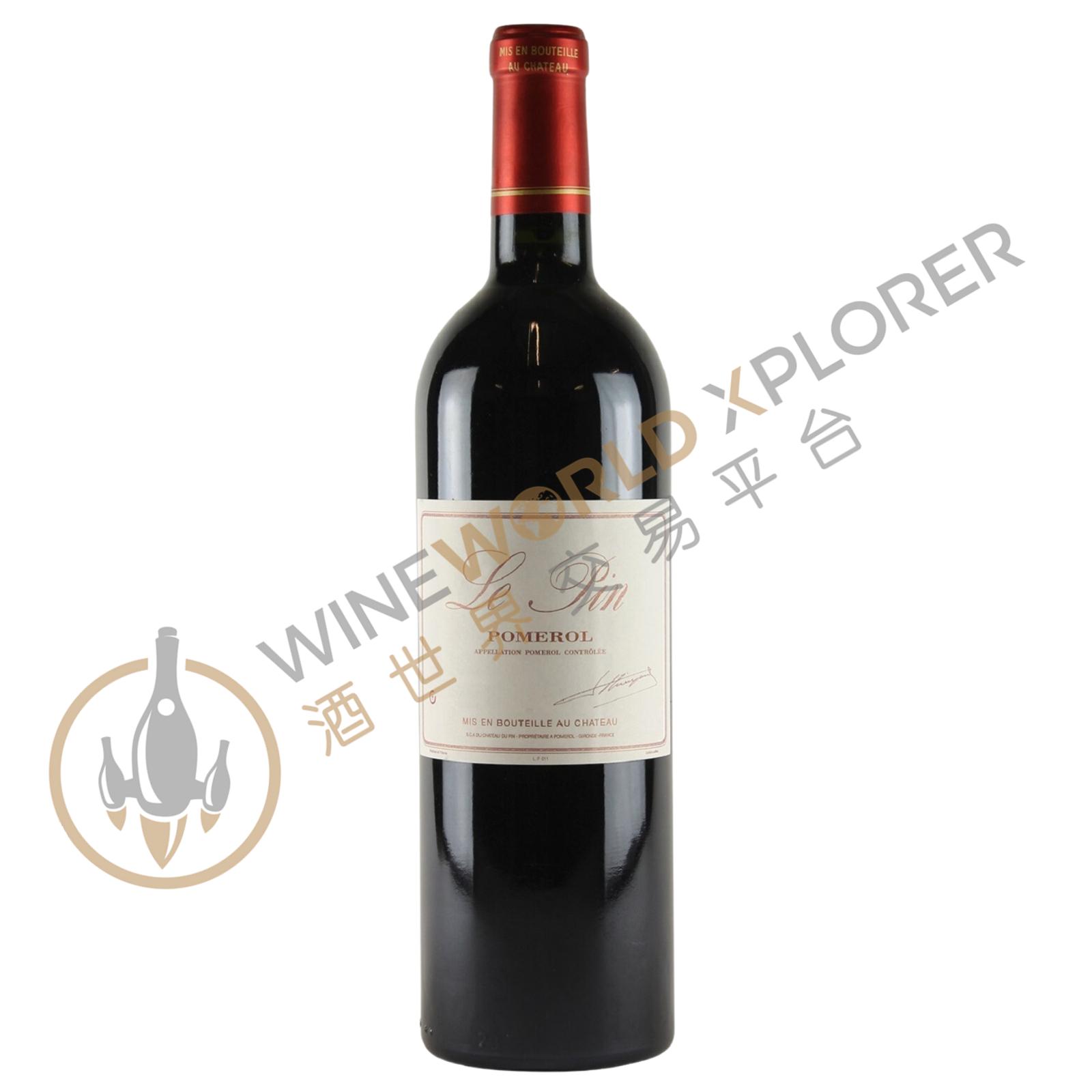
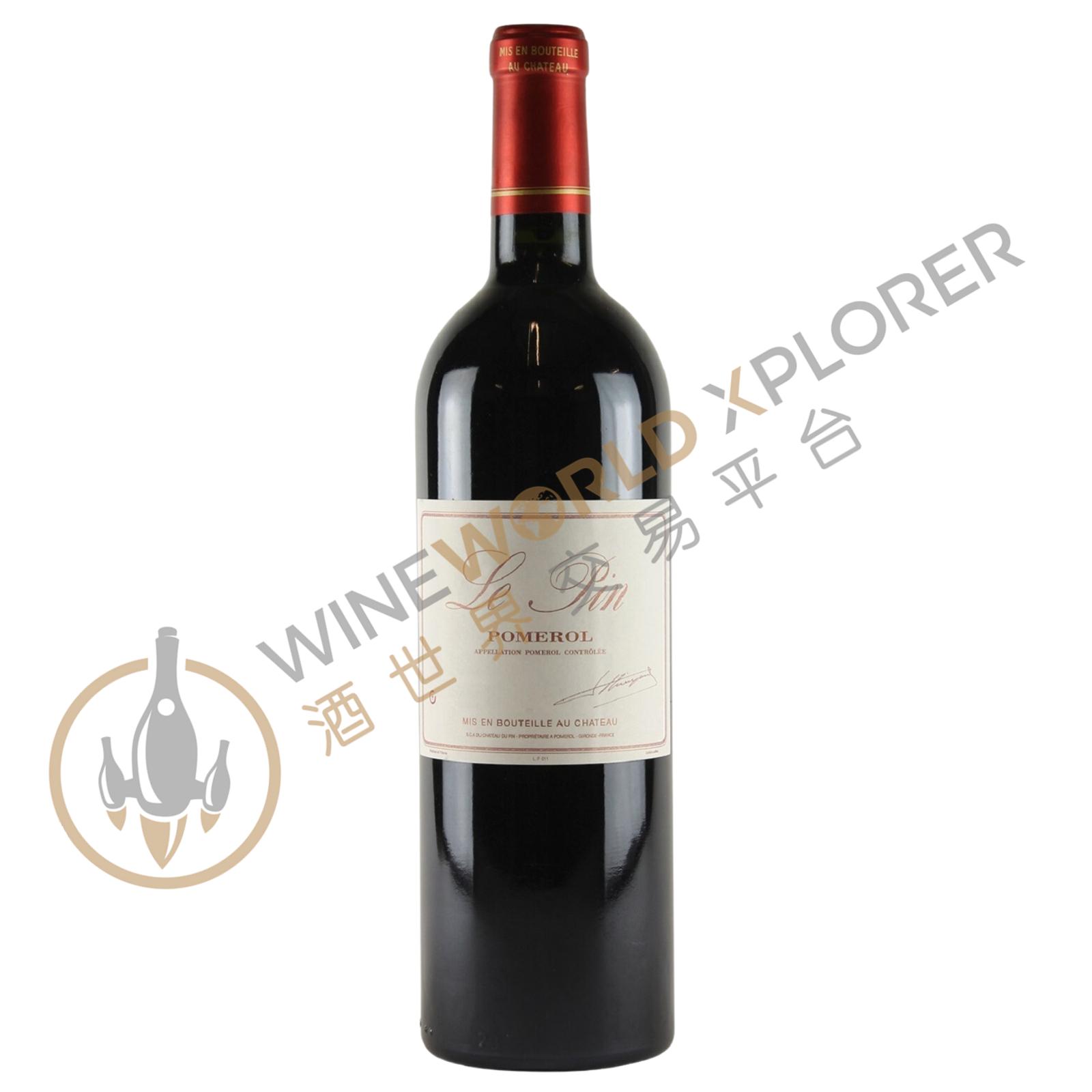
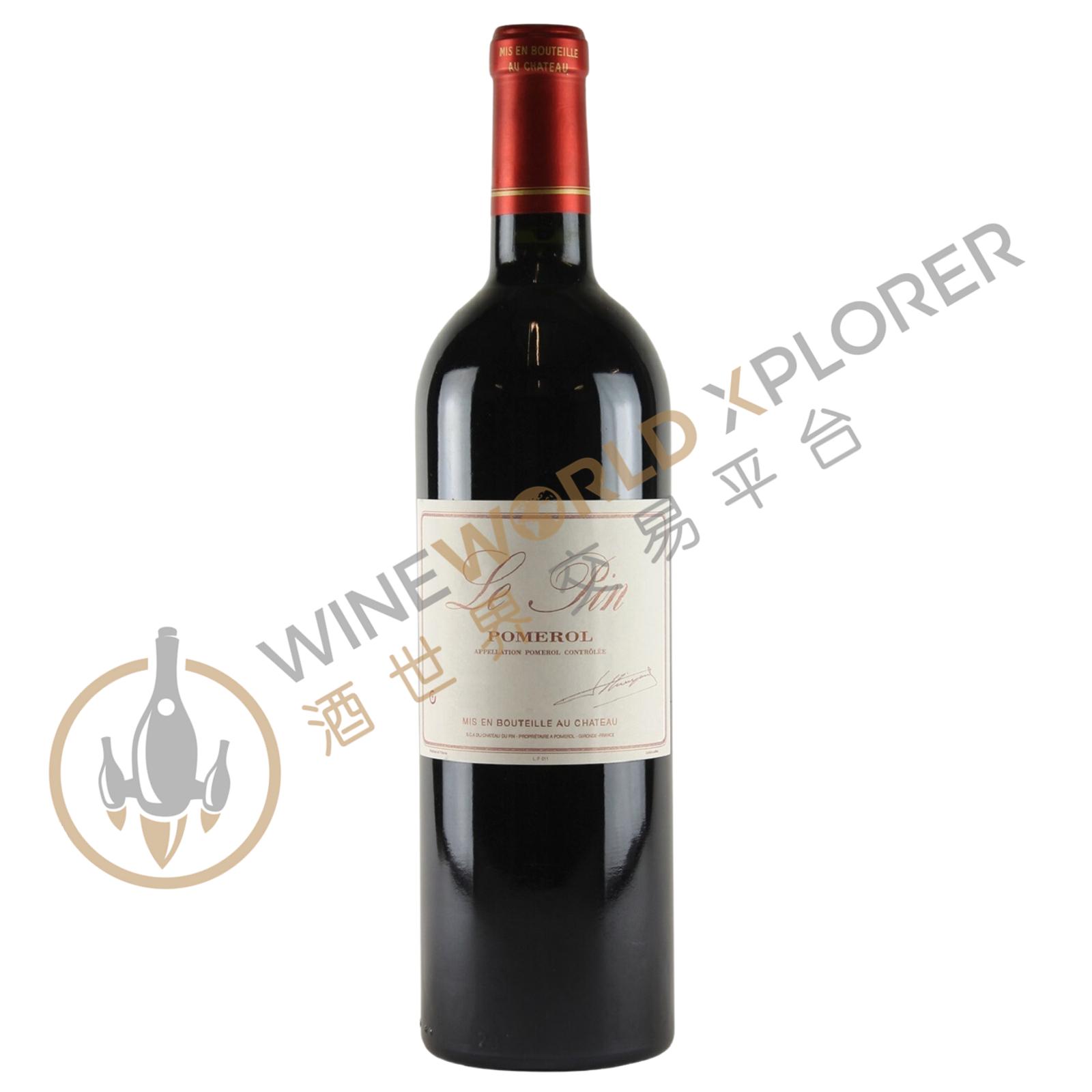
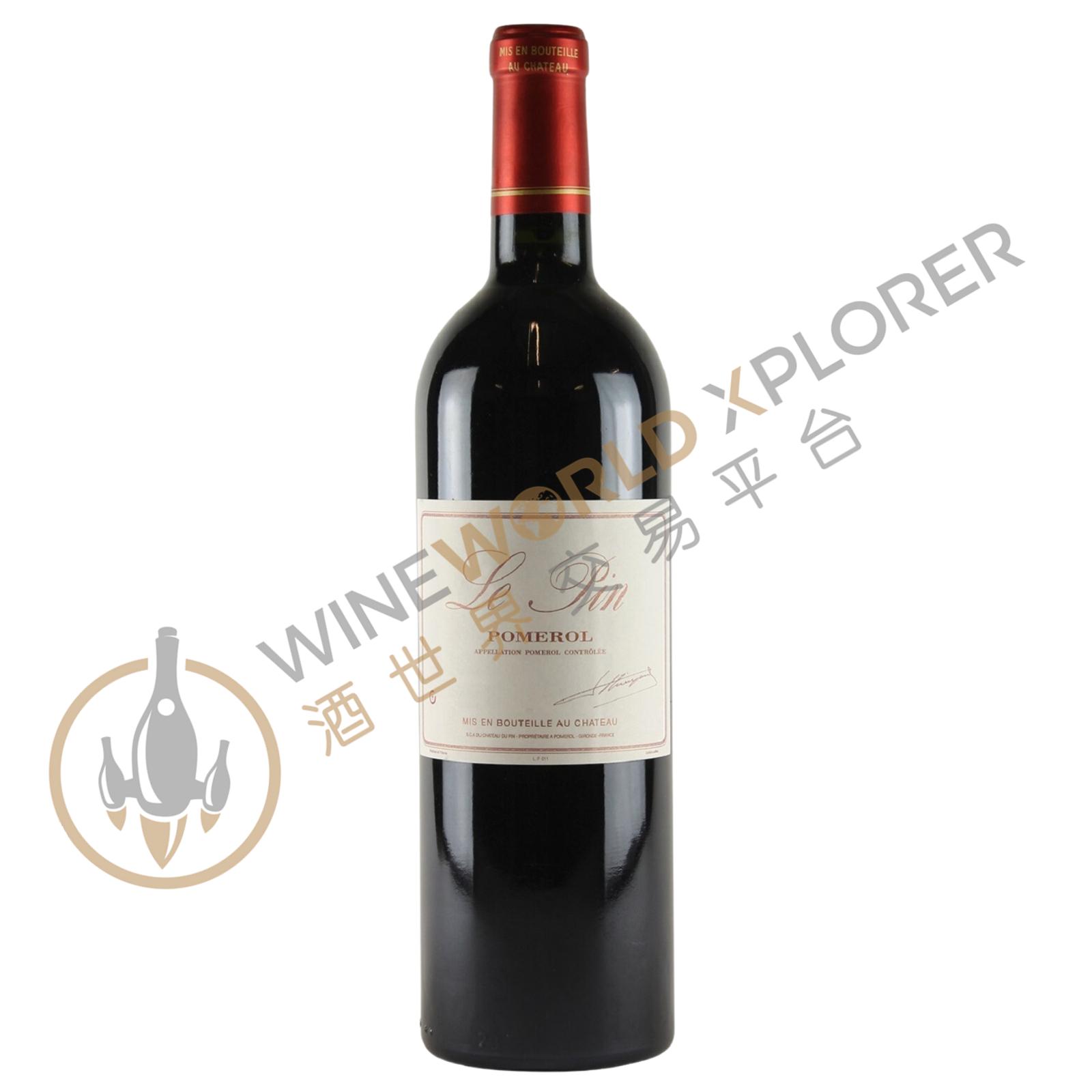
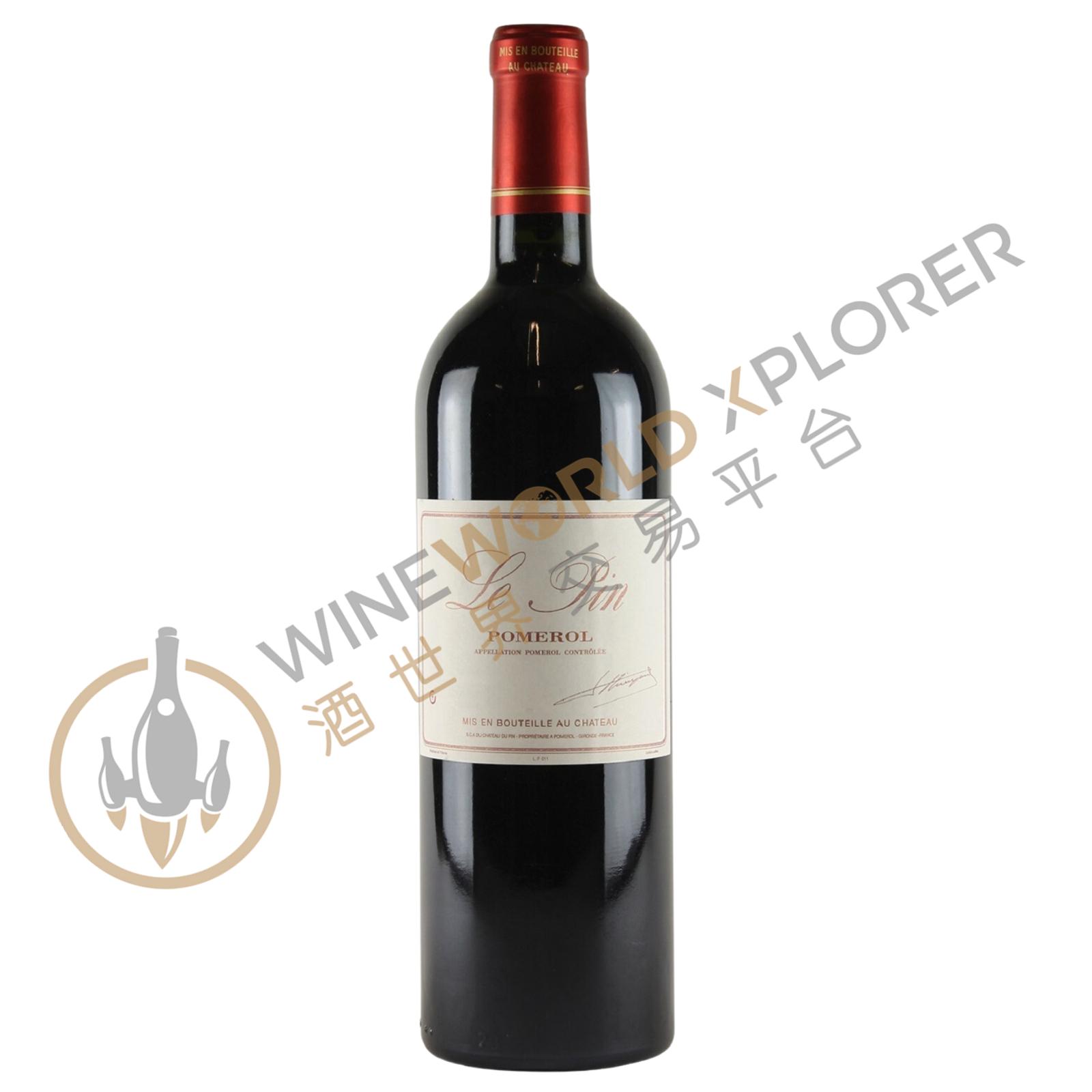
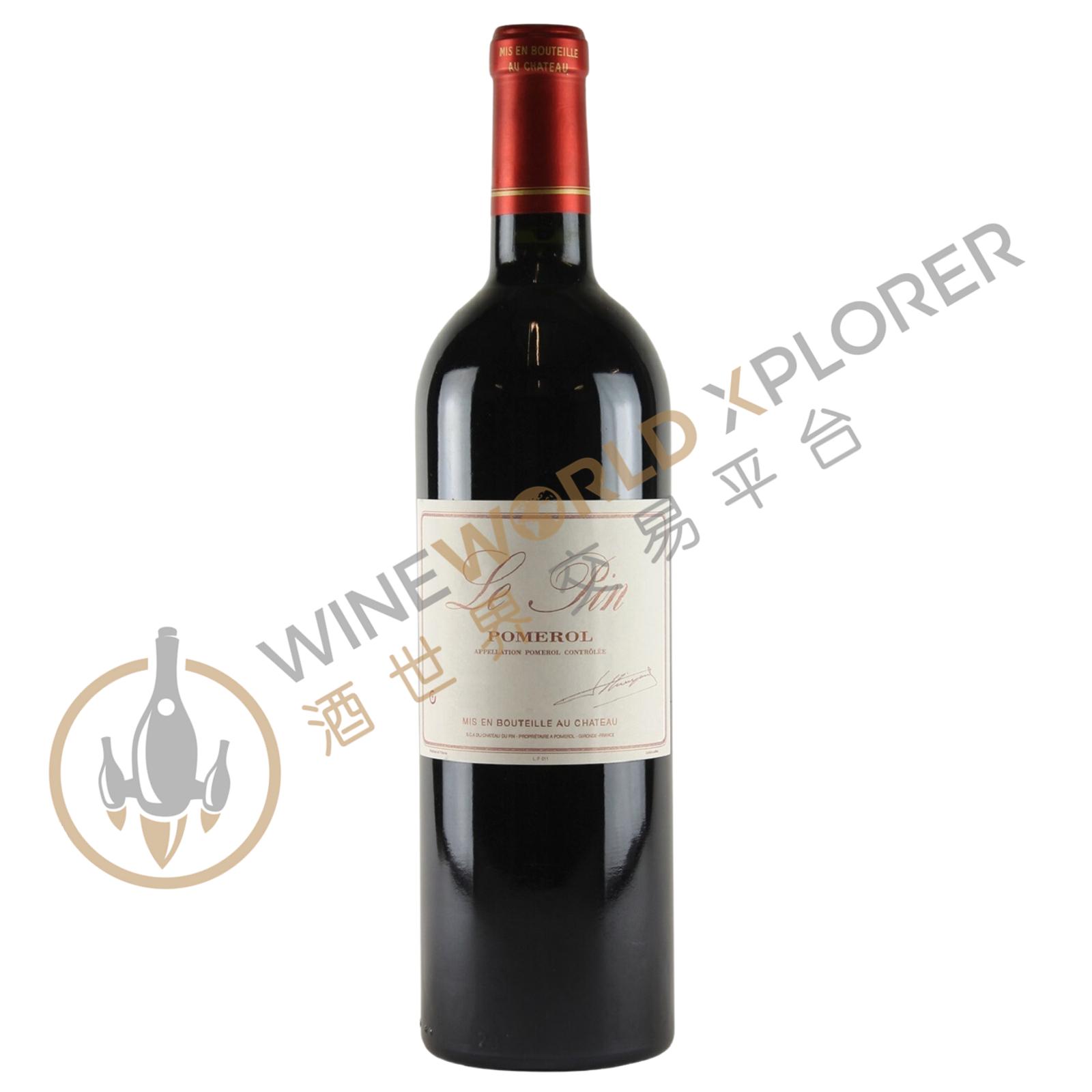
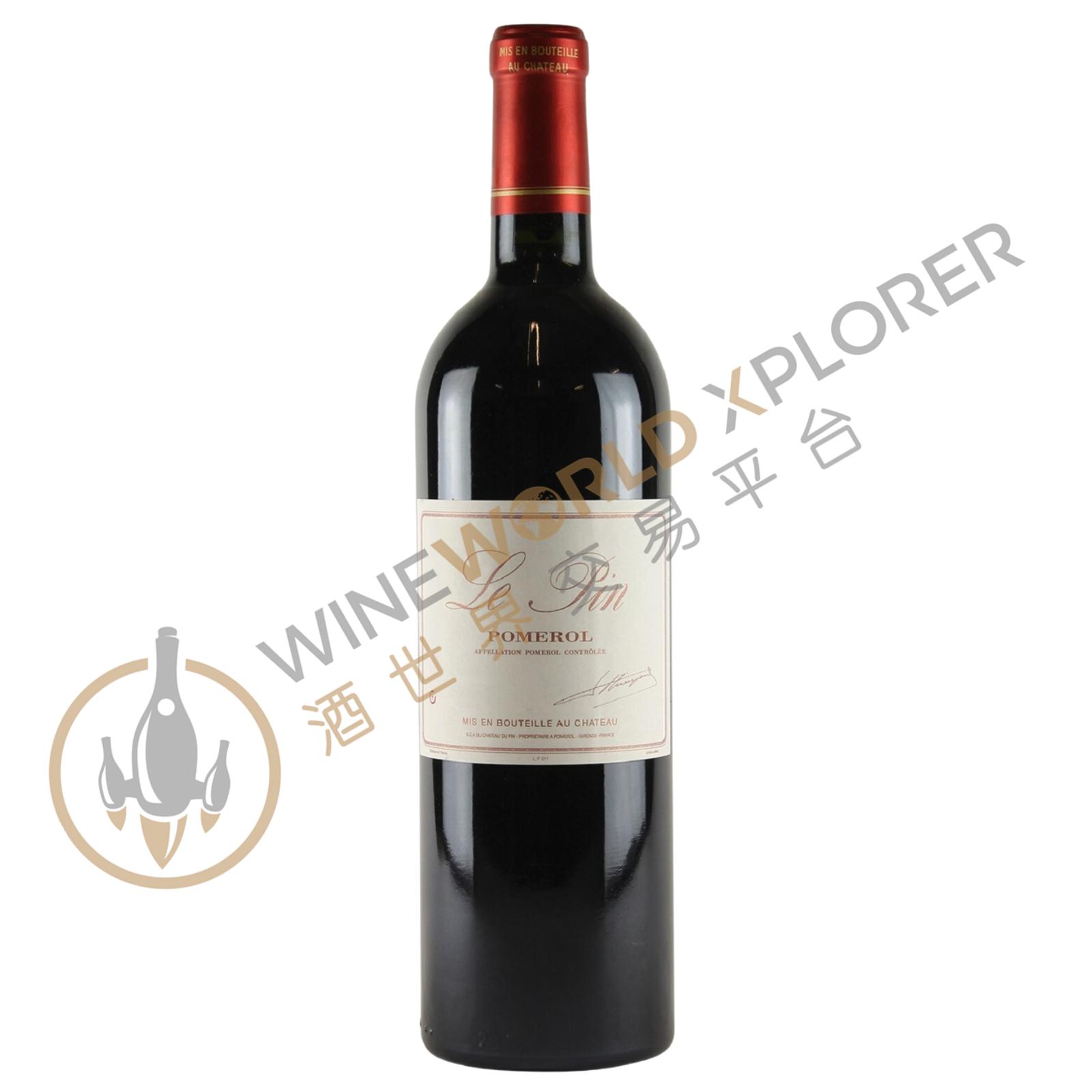
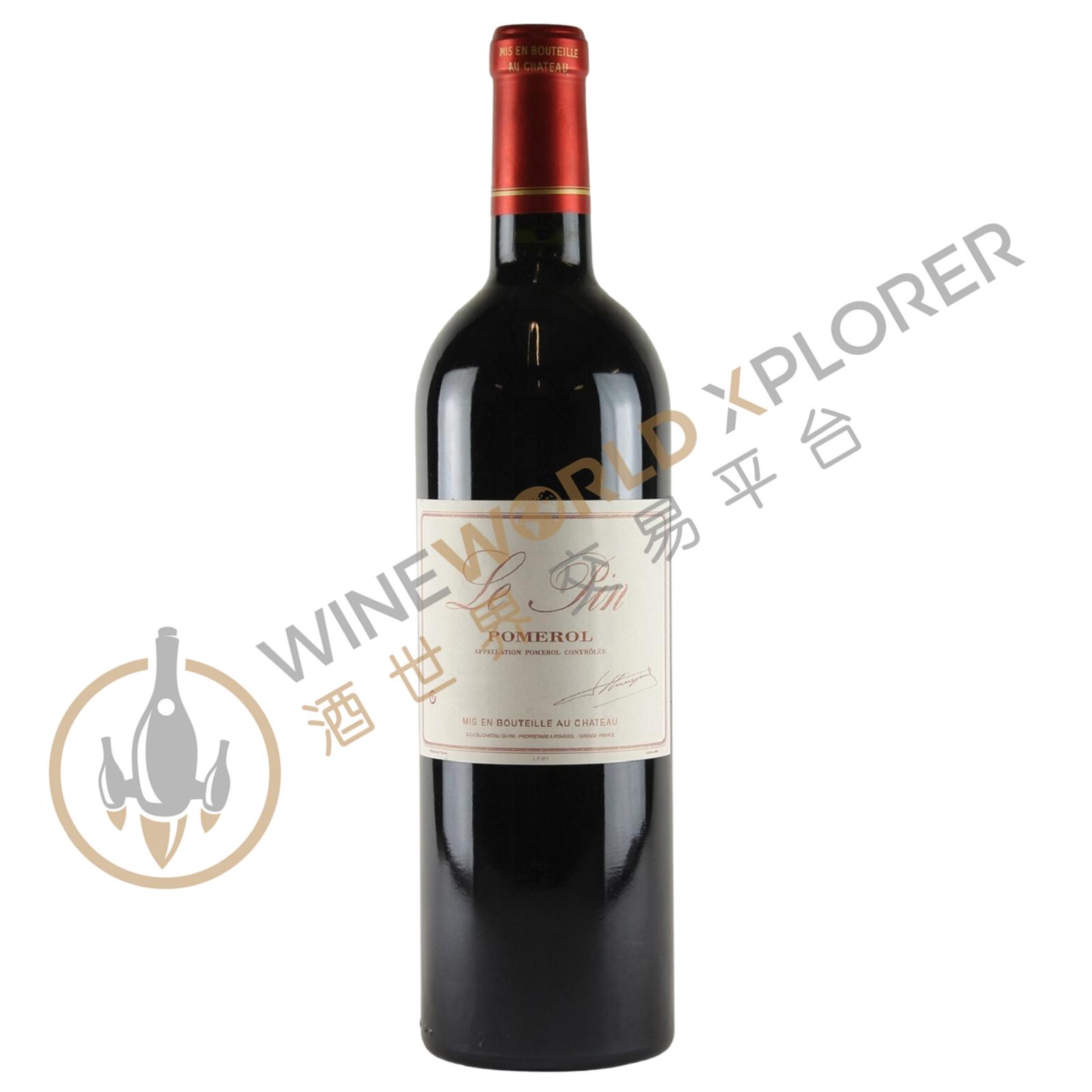
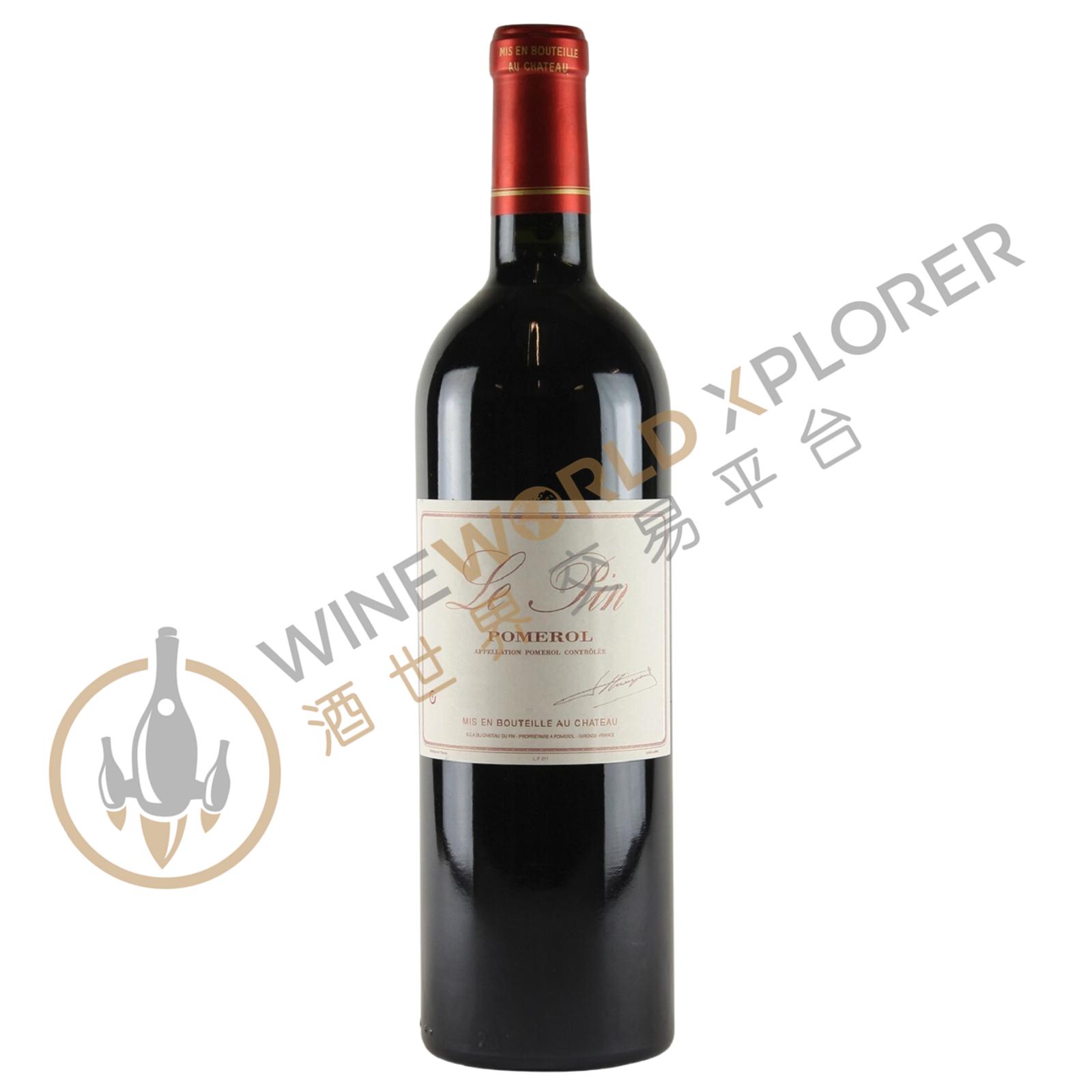
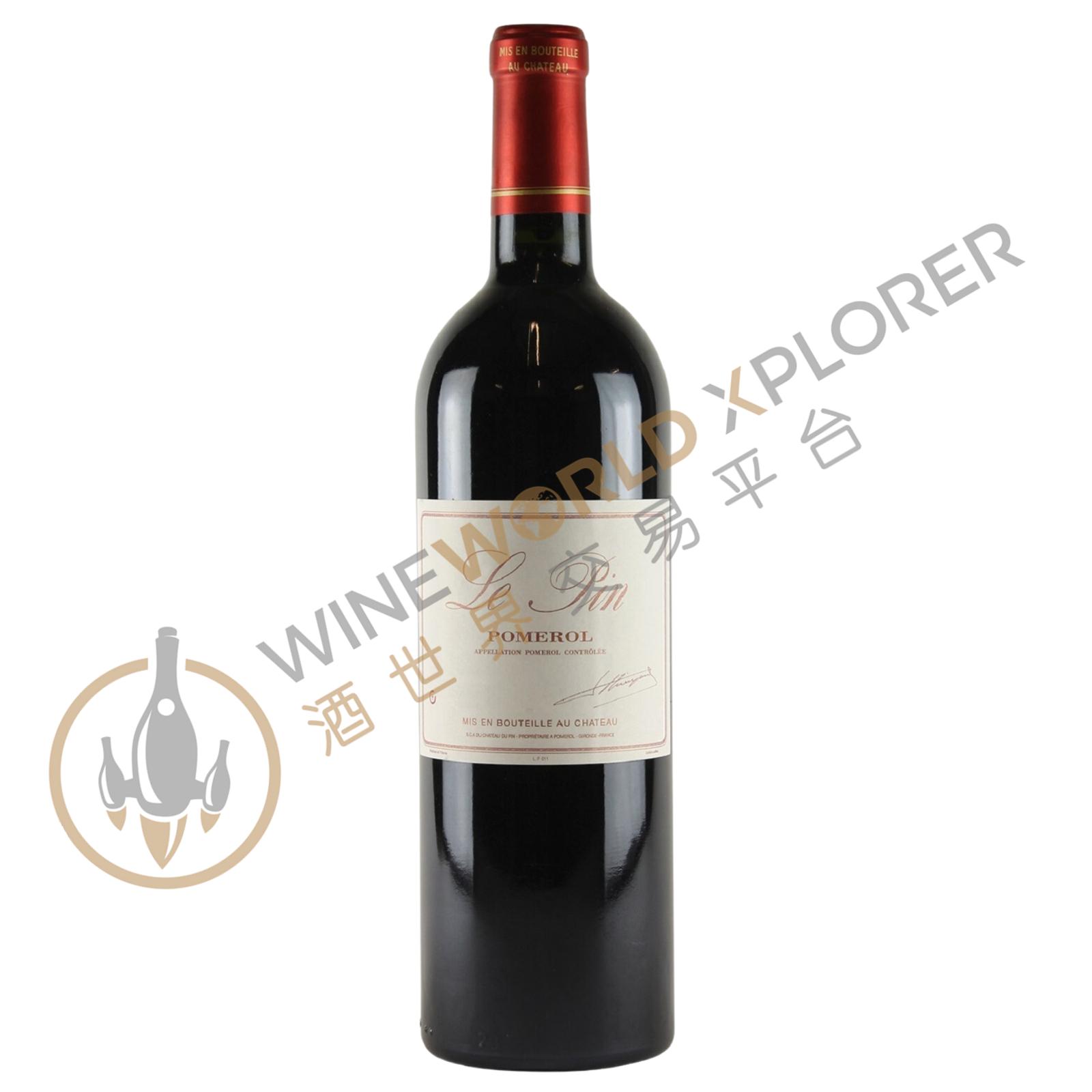
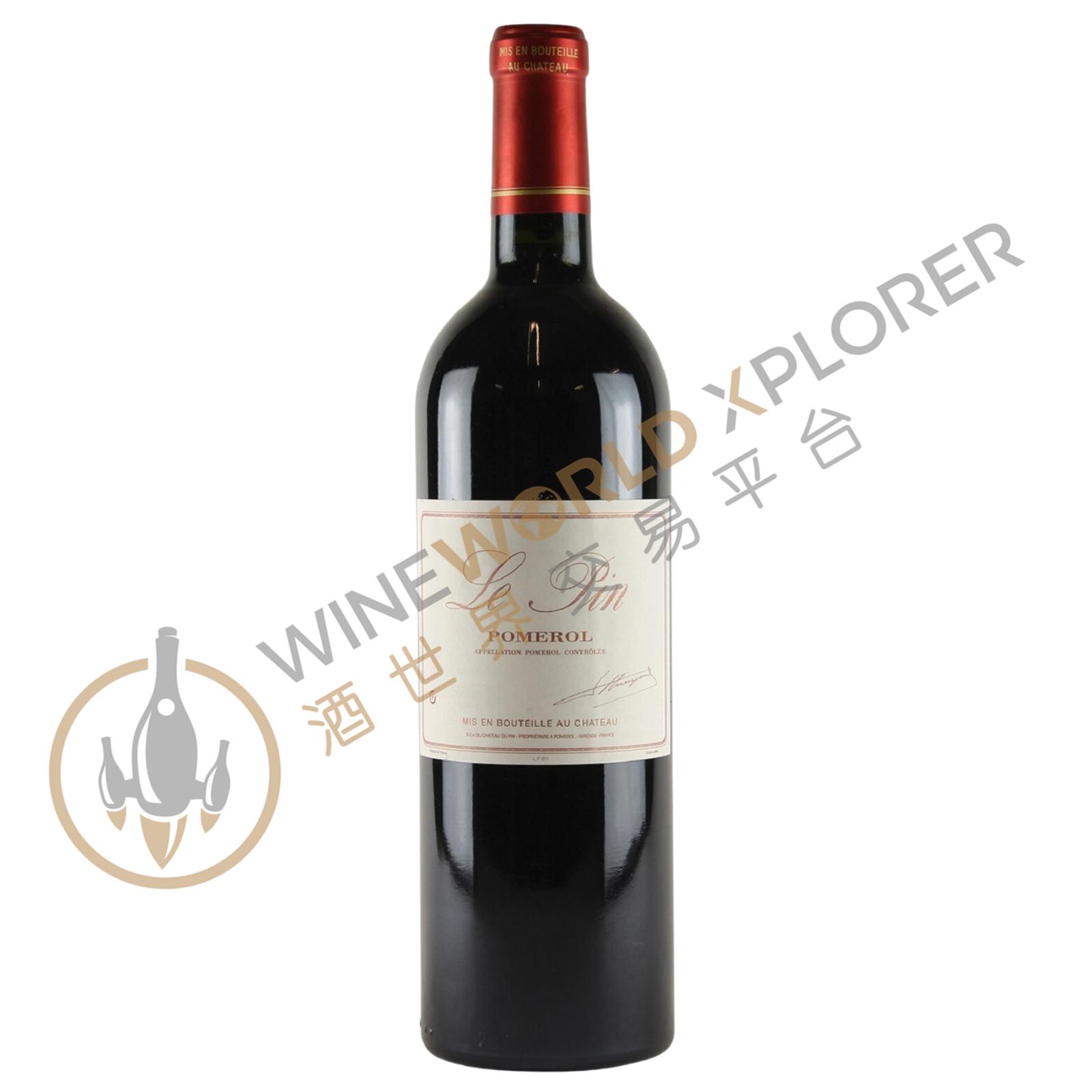
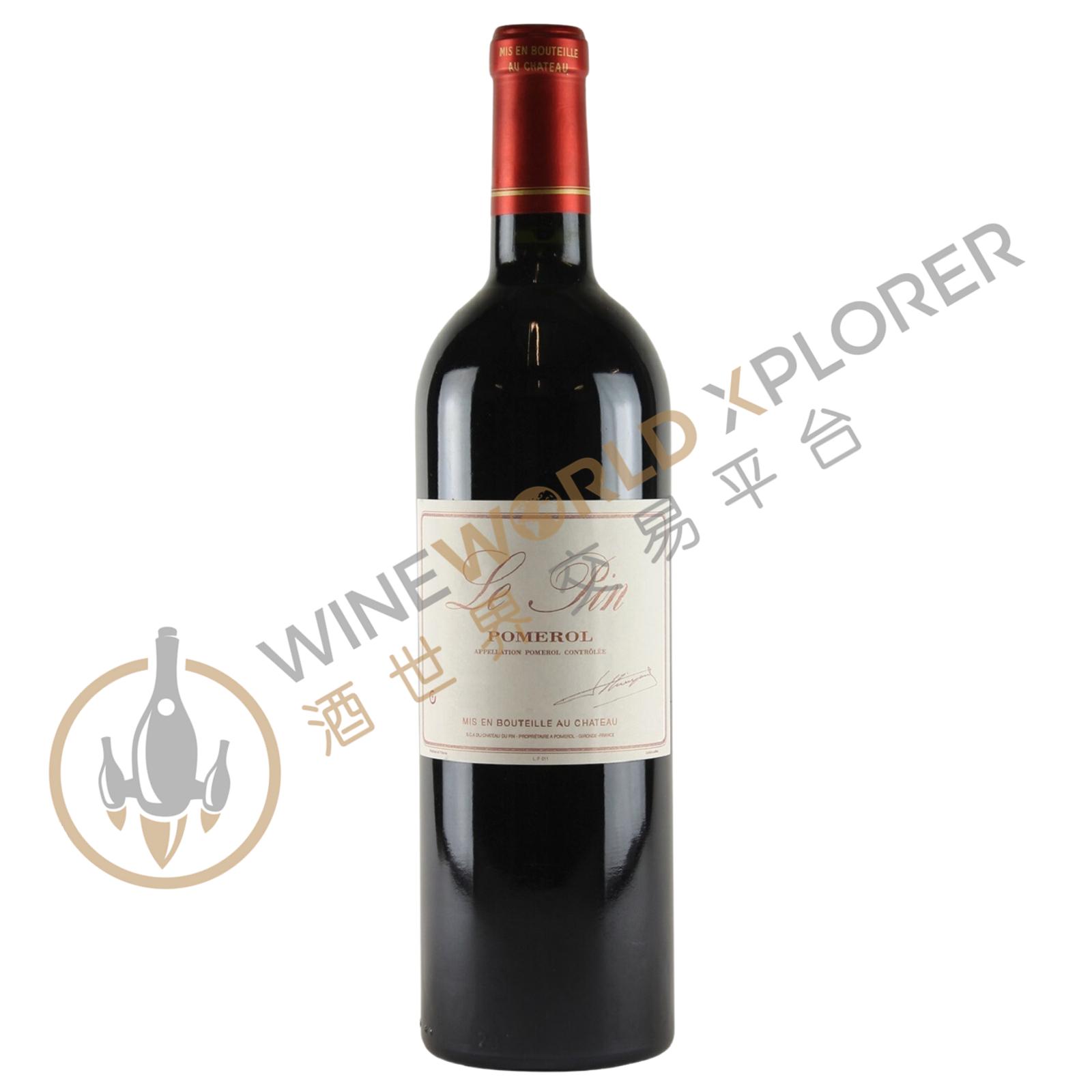
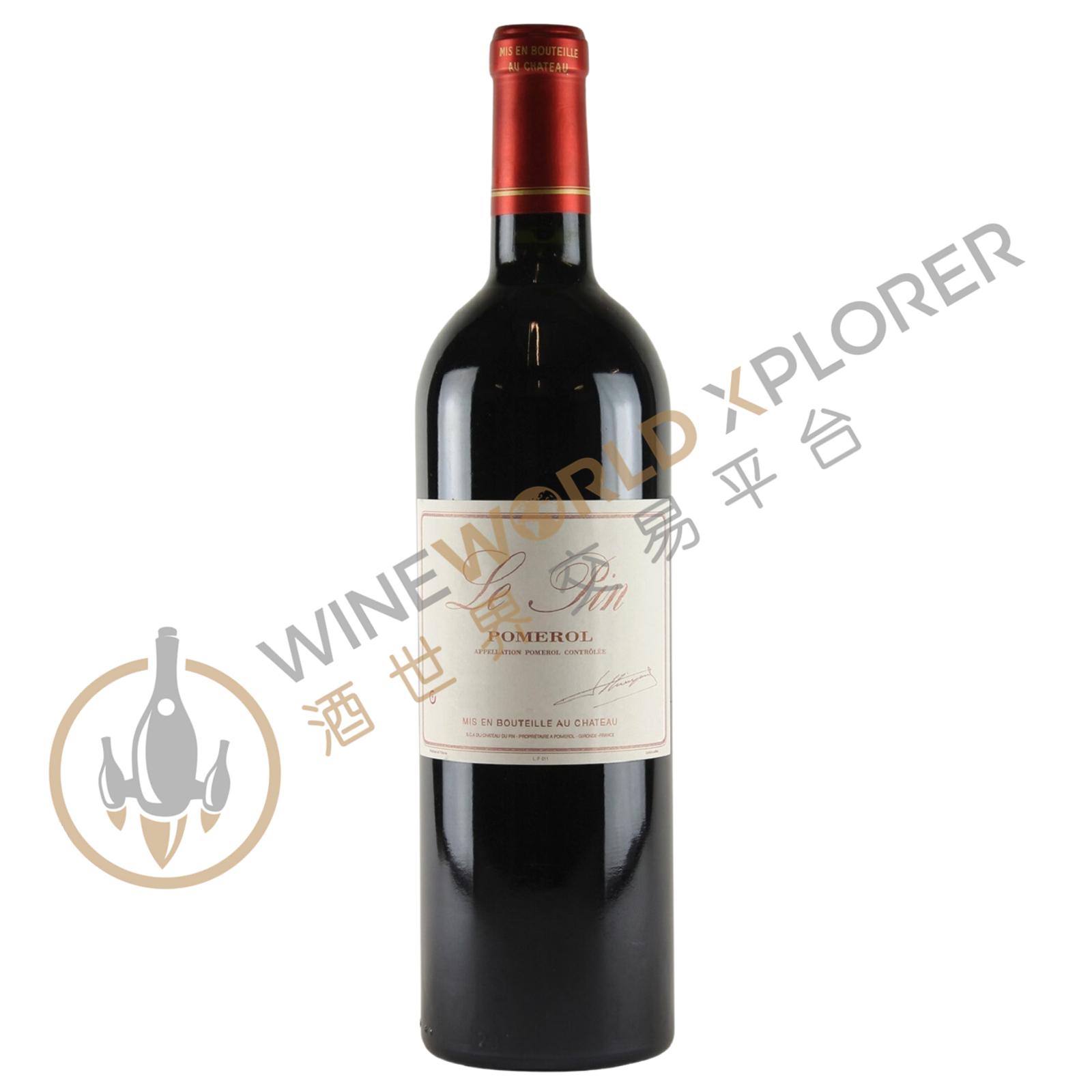
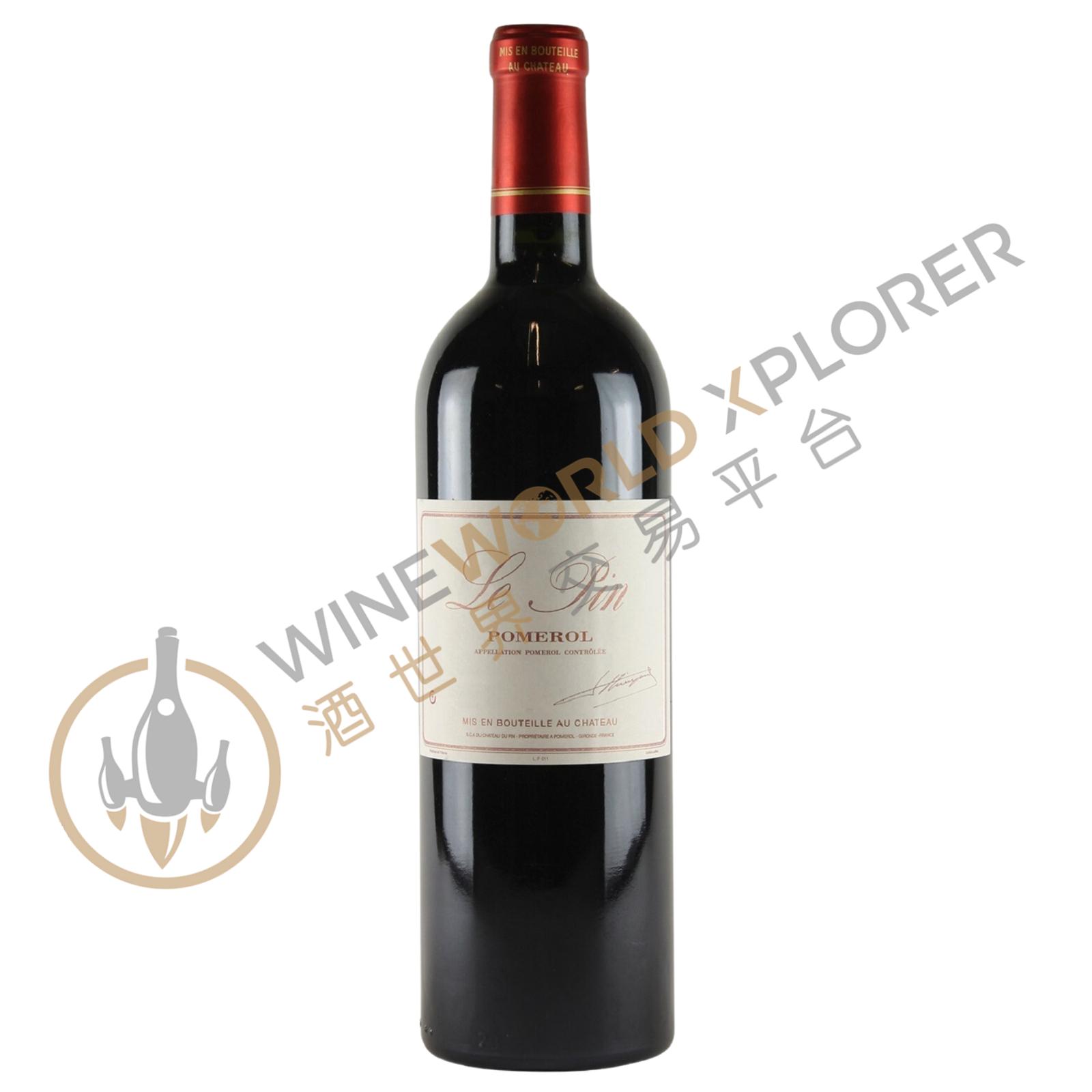
Le Pin 2014
 View analysis
Description
Tasting notes

Reviewed by: Neal Martin
Jacques Thienpont told me that the Le Pin 2014 was picked between 23 and 30 September at a yield of 24 hectoliter per hectare. The wine has 13% alcohol and a pH of 3.5. Of course, its gravelly soils would have been beneficial in coping with the rain compared to those on less well-drained clay soils. It has a well-defined, focused bouquet that is not as complex as a top vintage Le Pin but there is a pleasant underlying mineralité that I believe will be expressed in bottle. The palate is medium-bodied with edgy tannin, a little pinched on the mid-palate with a very linear finish with a saline, citrus fresh finish. This is one of the most tensile vintages that I have tasted in recent years: not as complex as others (and I've tasted them all except the four barrels of 2013), but it is full of nascent energy. Rather than thinking of this as Le Pin, it’s just a supremely well-crafted Pomerol.
Reviewed by: Neal Martin
The 2014 Le Pin has a powerful and quite showy bouquet with ample red berry fruit, black truffle, singed leather and a light marine influence that comes through with time in the glass. The palate is medium-bodied with supple tannin, a fine bead of acidity, fresh and lively with fleshy red cherry, crushed strawberry and white pepper notes on the satisfying finish. It is a fine Pomerol even if it does not quite match up to recent vintages from Jacques Thienpont. Tasted blind at the annual Southwold tasting.
Reviewed by: Neal Martin
The 2014 Le Pin has a really quite lovely bouquet. Tasted alongside its "cousin" Vieux-Château-Certan, it is more exotic and outgoing, yet it maintains fine delineation and complexity with upfront blueberry and black cherry fruit, quite a noticeable menthol note emerging with time. The palate is medium-bodied with a sweet and embracing entry, caressing in texture thanks to the succulent tannin, though these are counterpoised by the silver bead of acidity. There is just a touch of salted licorice that pops up on the finish. To quote Alexandre Thienpont (since Jacques and Fiona had to be in Belgium), this is a "classic" Le Pin, though I feel it will be overshadowed by the 2015.
Reviewed by: Antonio Galloni
The 2014 Le Pin has held on to its outgoing and potent bouquet with red plummy fruit, shavings of black truffle and sous-bois. Curiously, it has an almost Burgundian-like allure. Wonderful definition, however. The palate is medium-bodied with fleshy ripe tannins, a mouth-filling Pomerol that doesn't fully deliver the complexity and nuance of other vintages, notwithstanding a bit of dryness right on the finish. A fine Pomerol, one I would drink over the next 15 years, but other vintages will outlast it. Interestingly, the bottle served blind at Southwold showed better.
Reviewed by: James Suckling
A ravishing red that pours out aromas of crushed raspberries, blueberries and dried flowers. Black truffle skins and undertones of violets. Full-bodied yet so tight and refined with incredible finesse and polish. The beauty and chic runs on for minutes on the finish. A truly endless and breathtakingly harmonious wine. It just rolls off the palate. Drink in 2022.
About the Producer
Le Pin is the most expensive wine in the world. Jacques Thienpont purchased the meagre 1.6 hectares of land for one million francs in 1979. The Thienpoints named their wine Le Pin after a solitary pine tree that shaded the property. By acquiring tiny adjoining plots of land, Jacques has doubled the size of Le Pin to five acres. The south-facing vineyard on a well-drained slope of gravel and sand is planted with Merlot (about 92%), and a small amount of Cabernet Franc. Le Pin's soil is a mixture of gravel and clay with a little sand and is exceptionally low yielding (between 30 to 35 hl/hc). The grapes are hand-harvested and are fermented in stainless steel before being matured in`200%` new oak barriques for between 14 and 18 months. Dany Rolland, wife of cult-oenologist Michel Rolland, is a consultant here. Le Pin produces just 600 to 700 cases each year (Lafite Rothschild produces approximately 29,000 cases of wine a year and and Pétrus about 4,000) and its rarity is one of the driving forces behind its high prices. Le Pin produces super-concentrated, decadent, lush and lavishly oaked wines - they can be drunk young but are best with 7-10 years of bottle ageing.
1985(1)1986(1)1988(2)1989(1)1990(1)1991(2)1992(1)1993(1)1994(3)1995(3)1996(3)1997(4)1998(4)1999(4)2000(2)2001(5)2002(2)2004(11)2005(8)2006(4)2007(7)2008(5)2009(8)2010(2)2011(15)2012(16)
Package Size
1 x 3L1 x 75cl