Wine Advisor



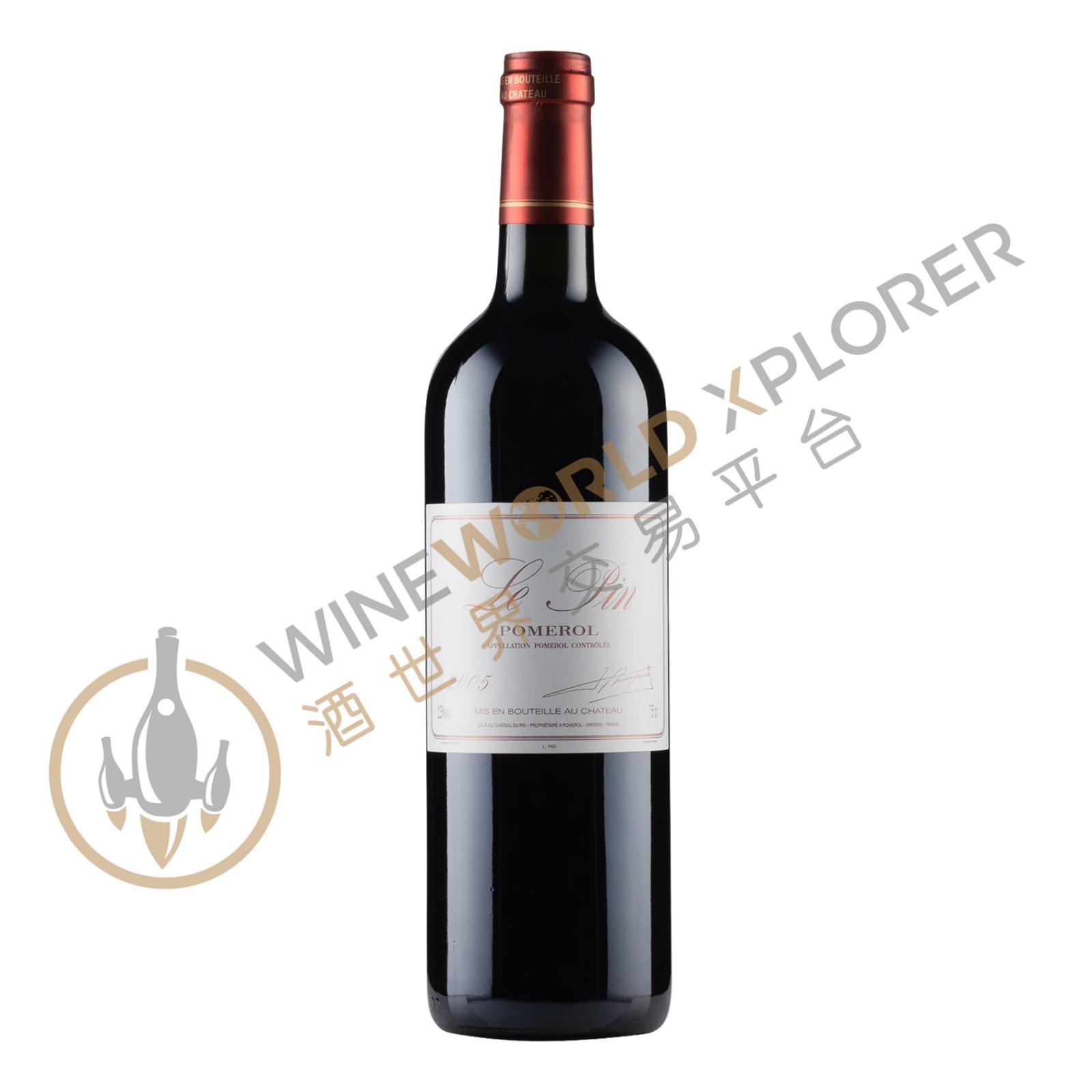
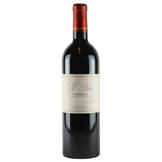
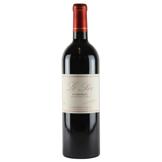
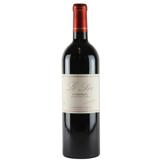
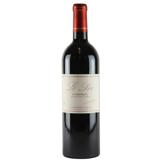
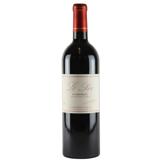
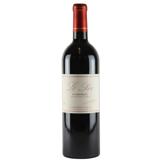
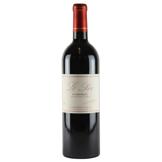
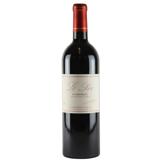
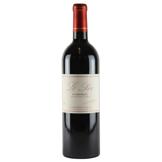
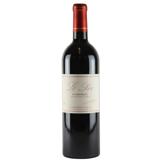
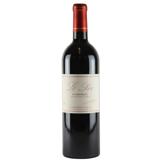
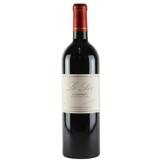
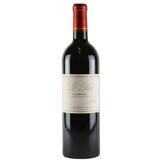
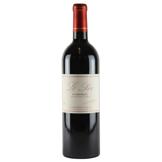
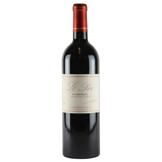
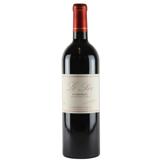
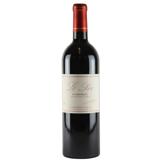
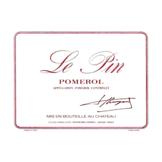
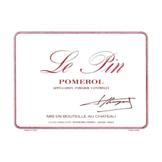
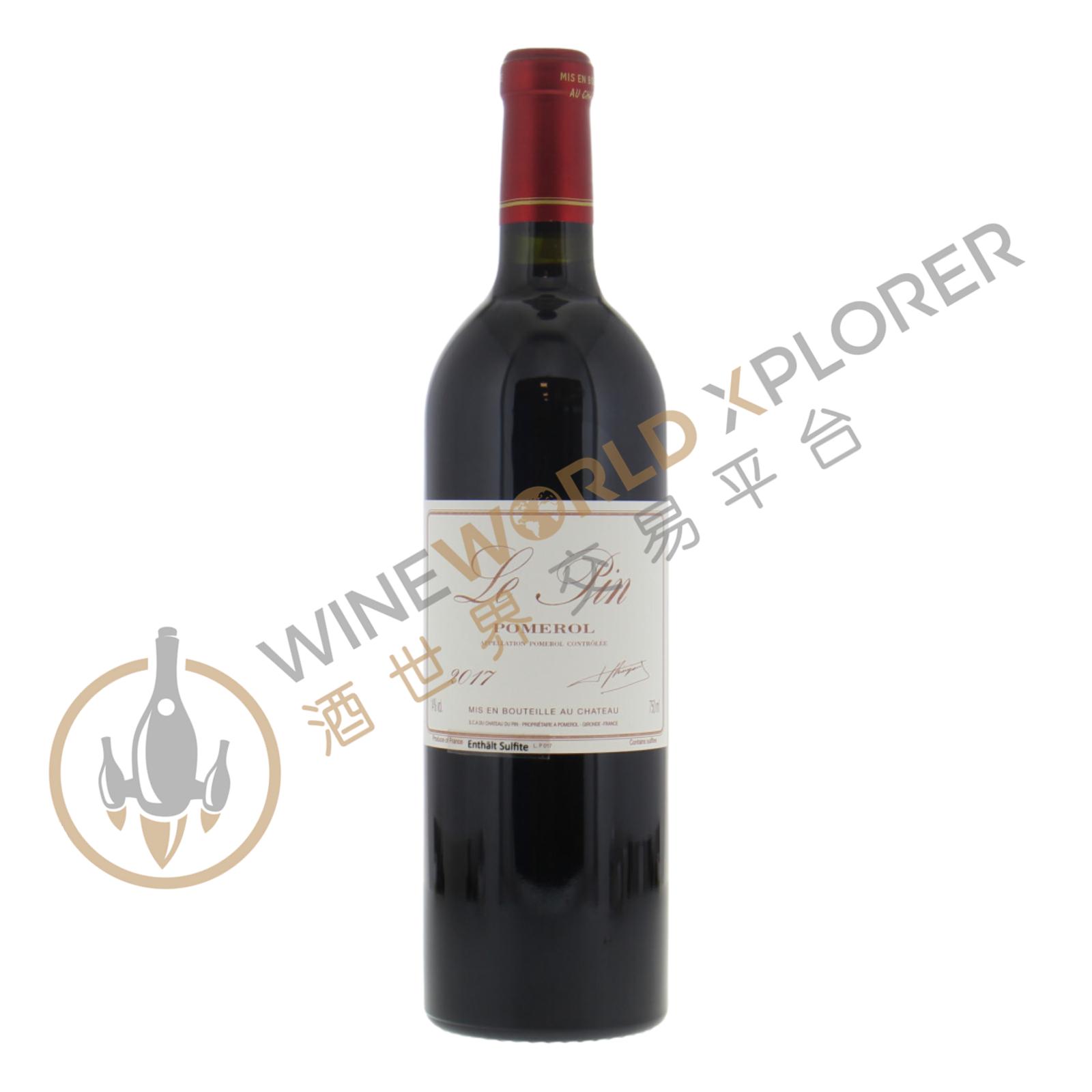
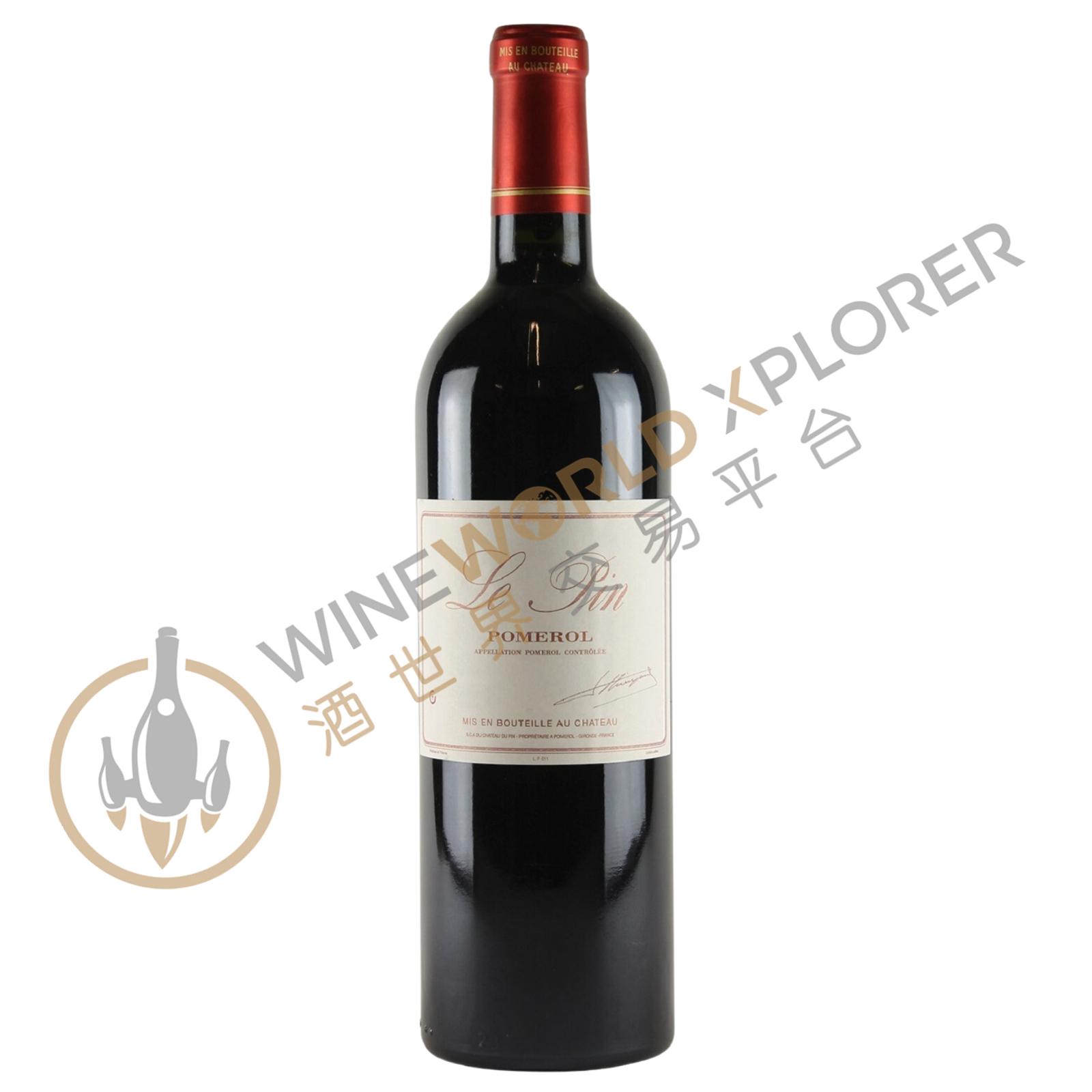
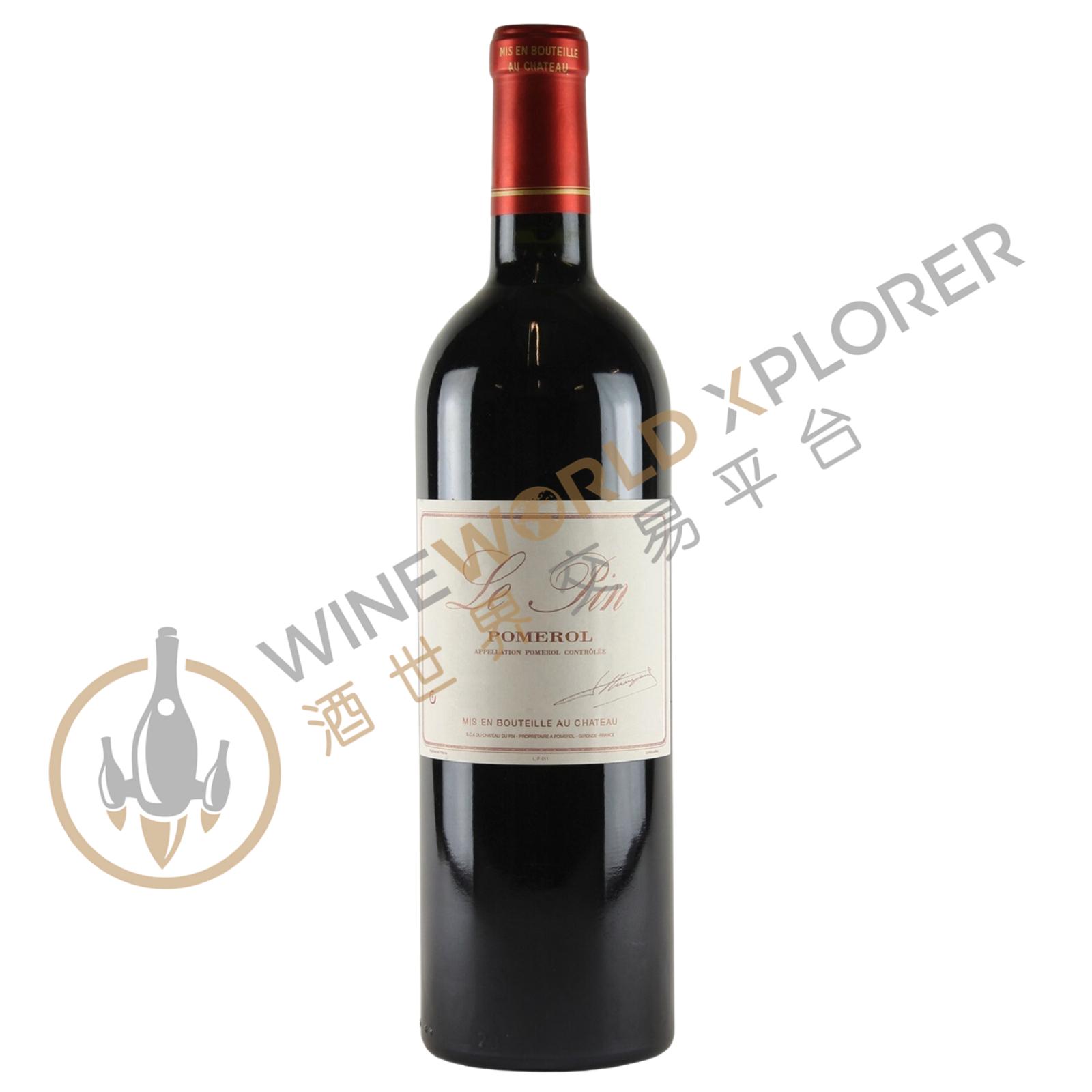
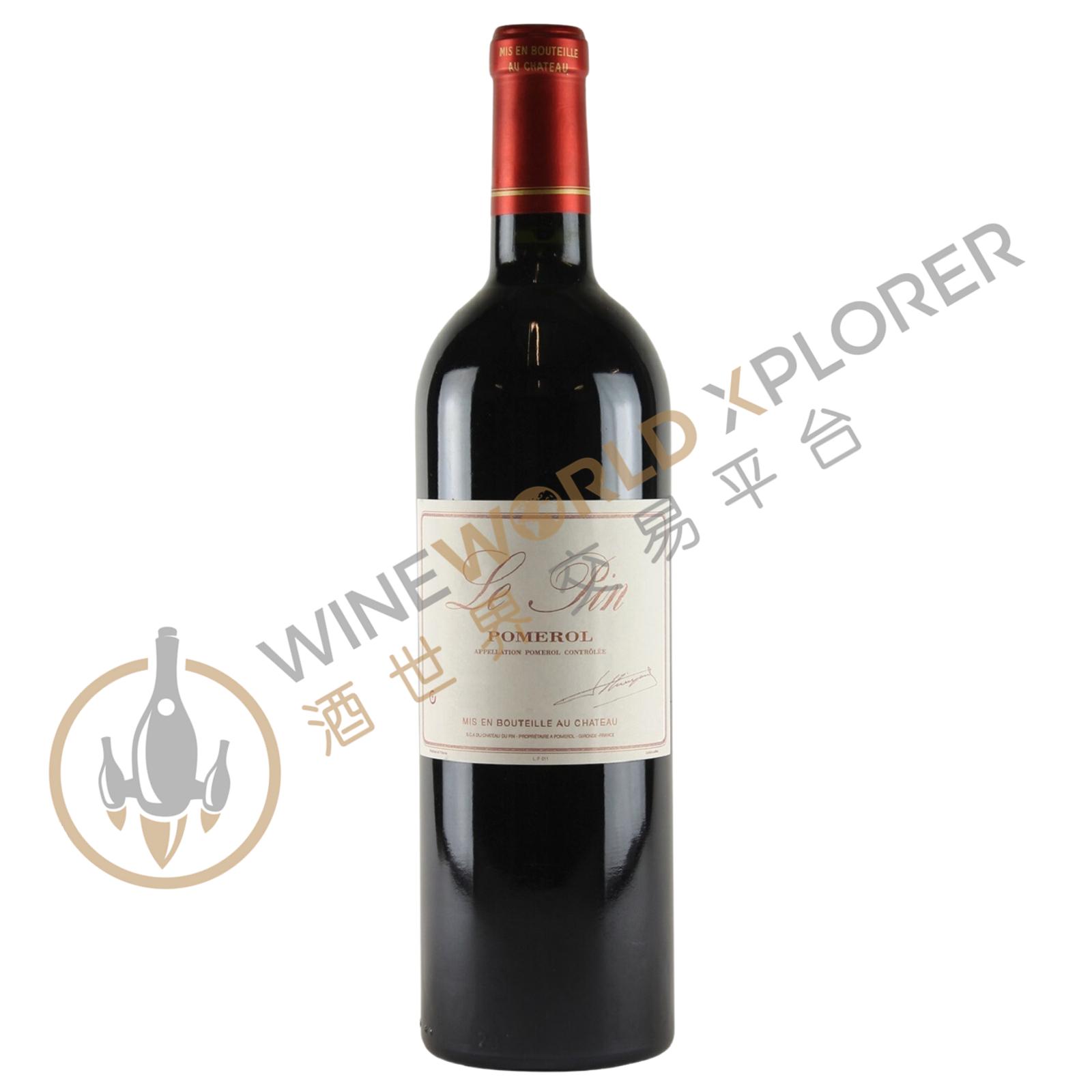
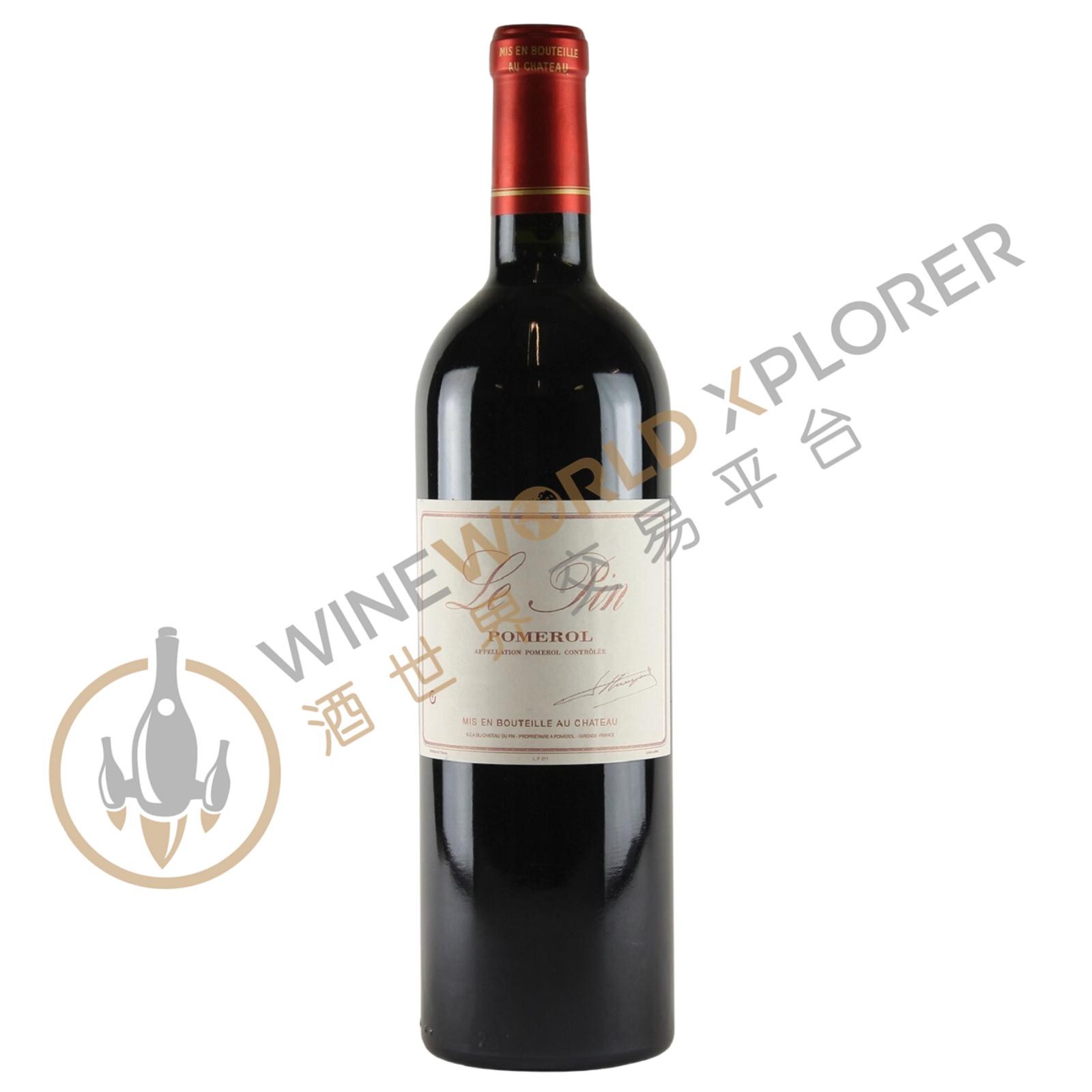
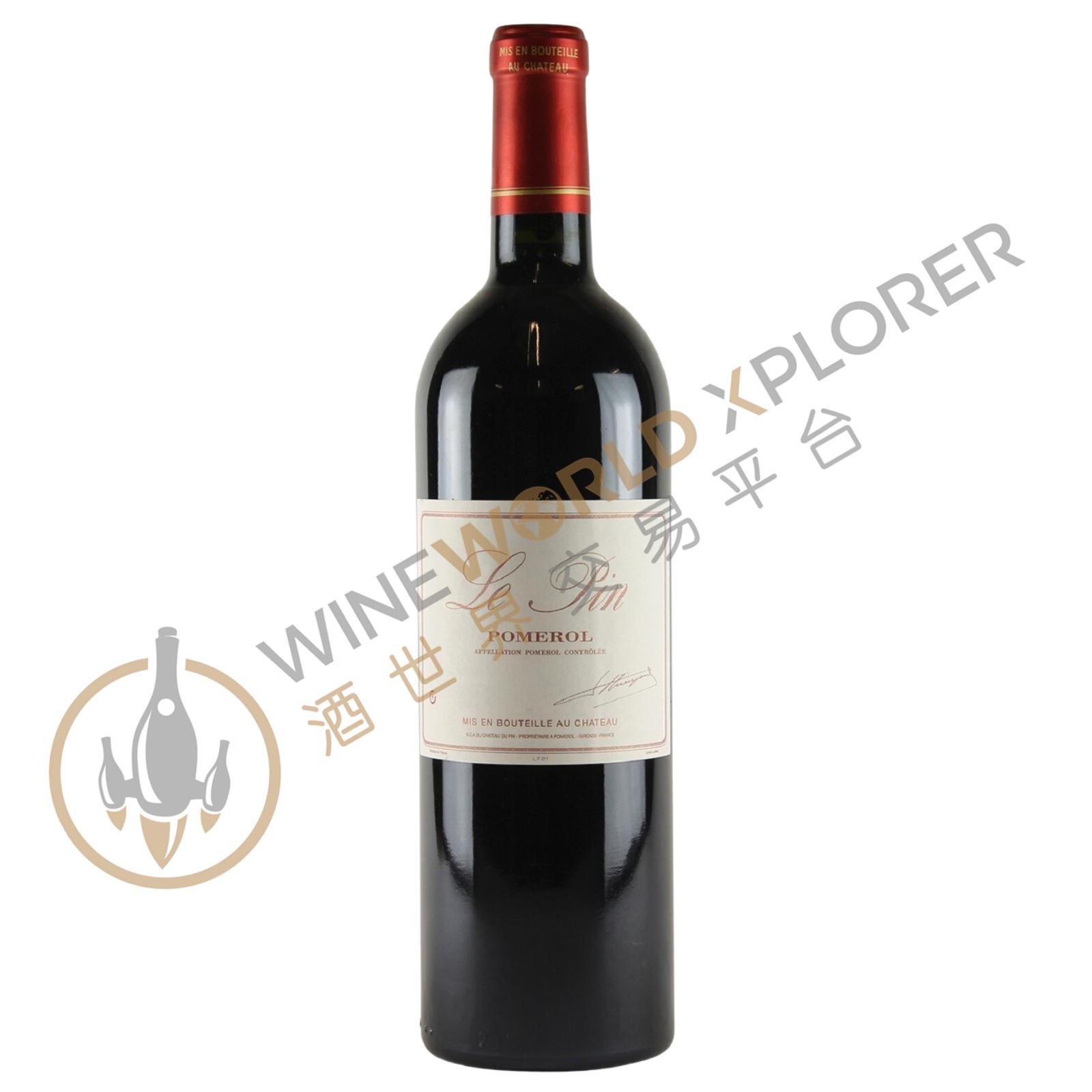
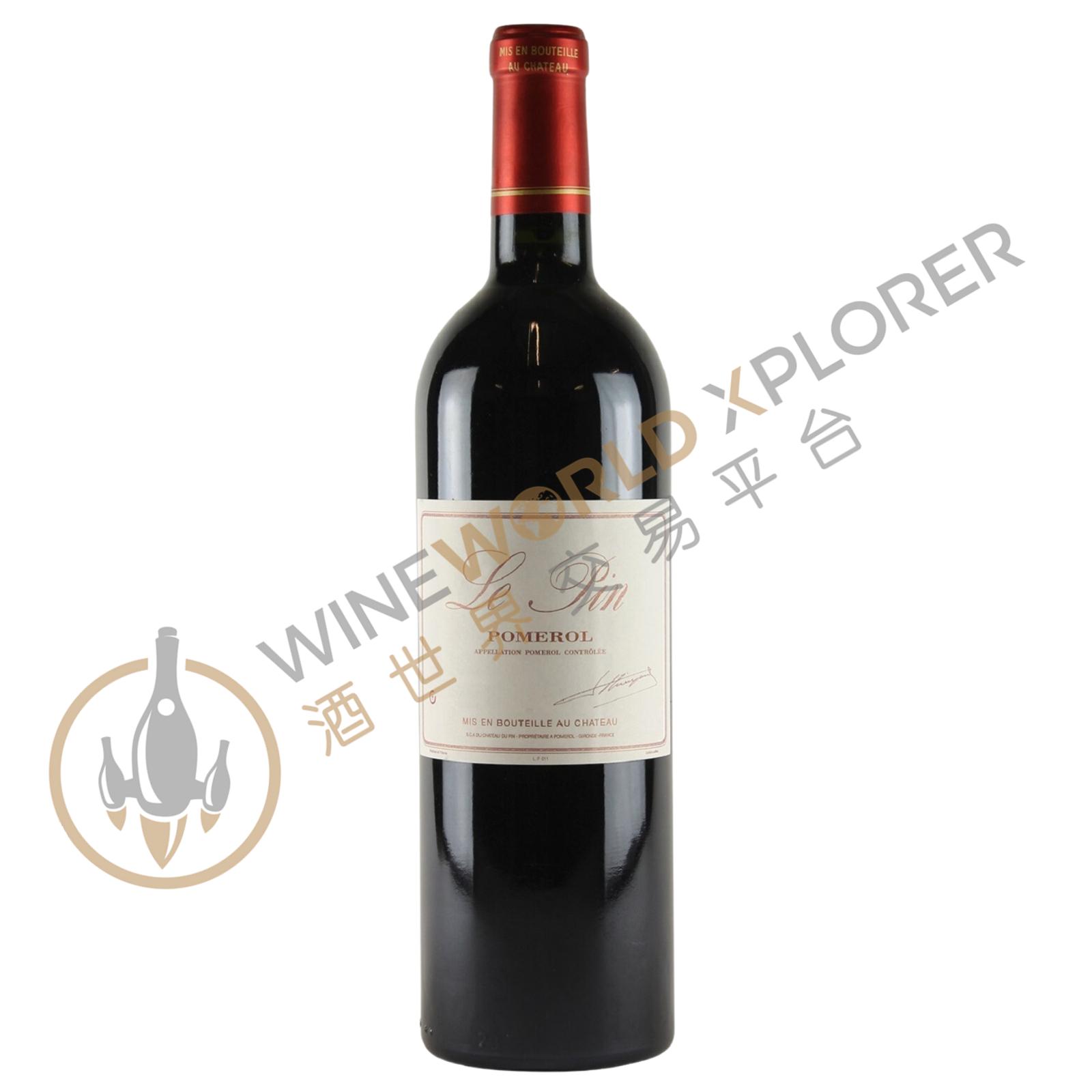
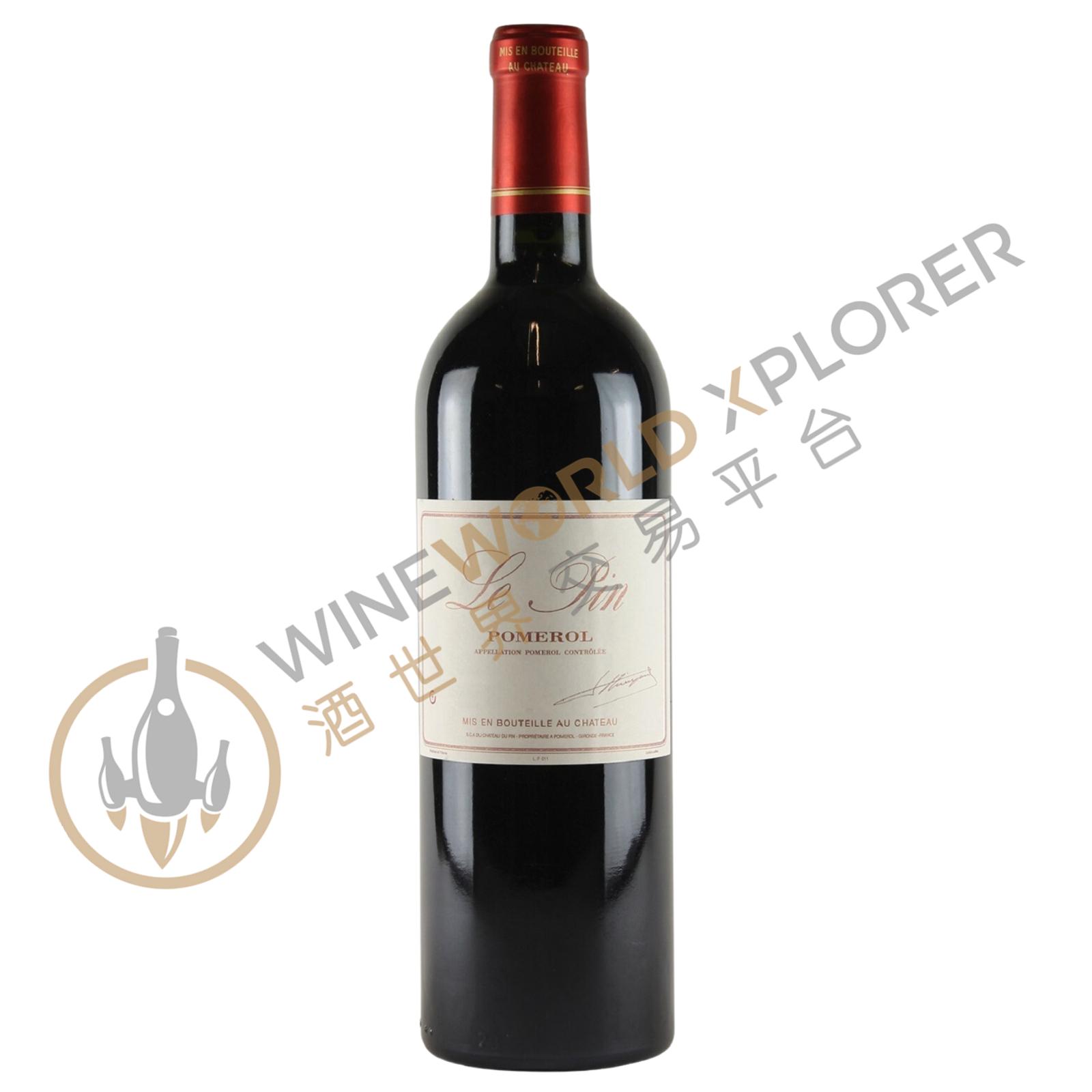
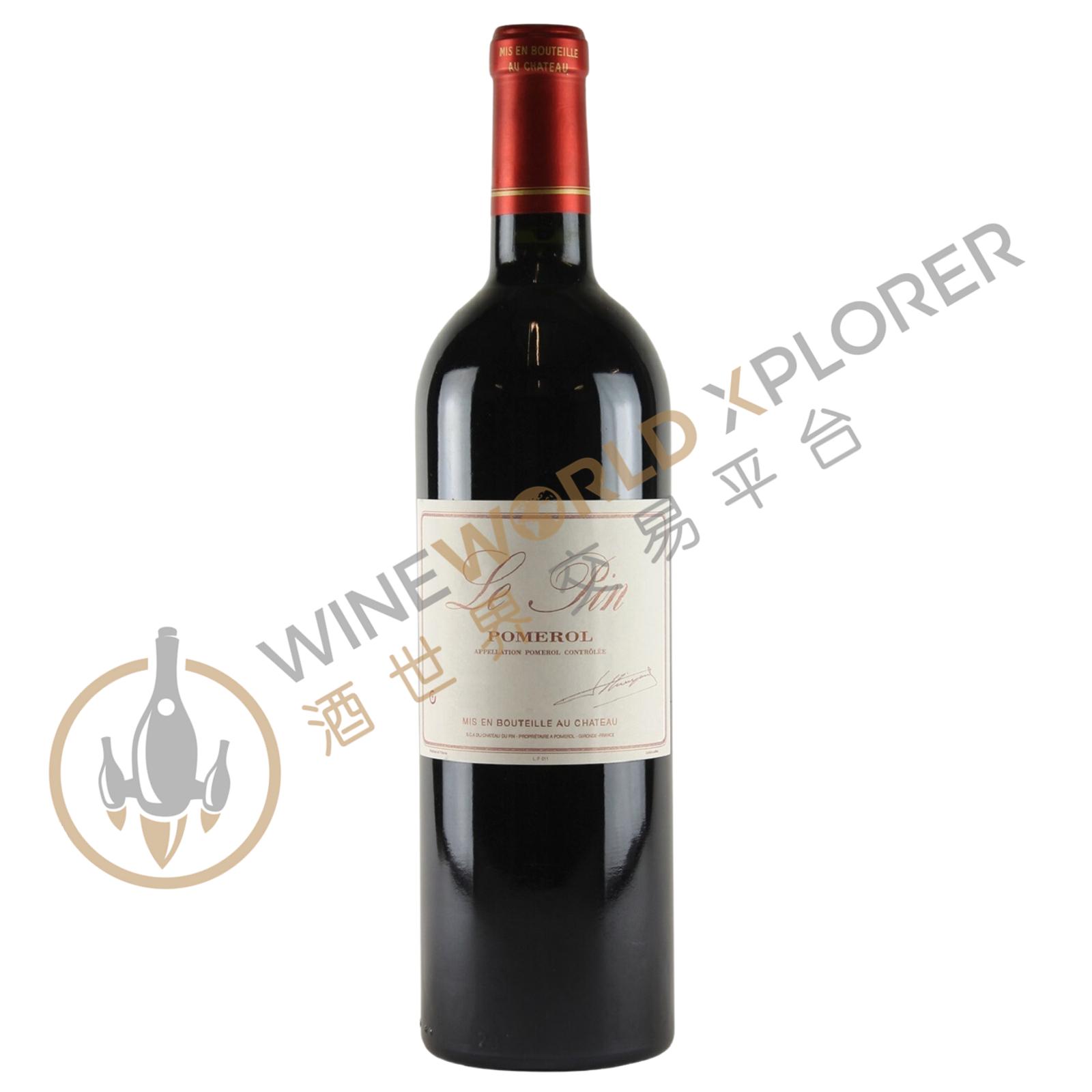
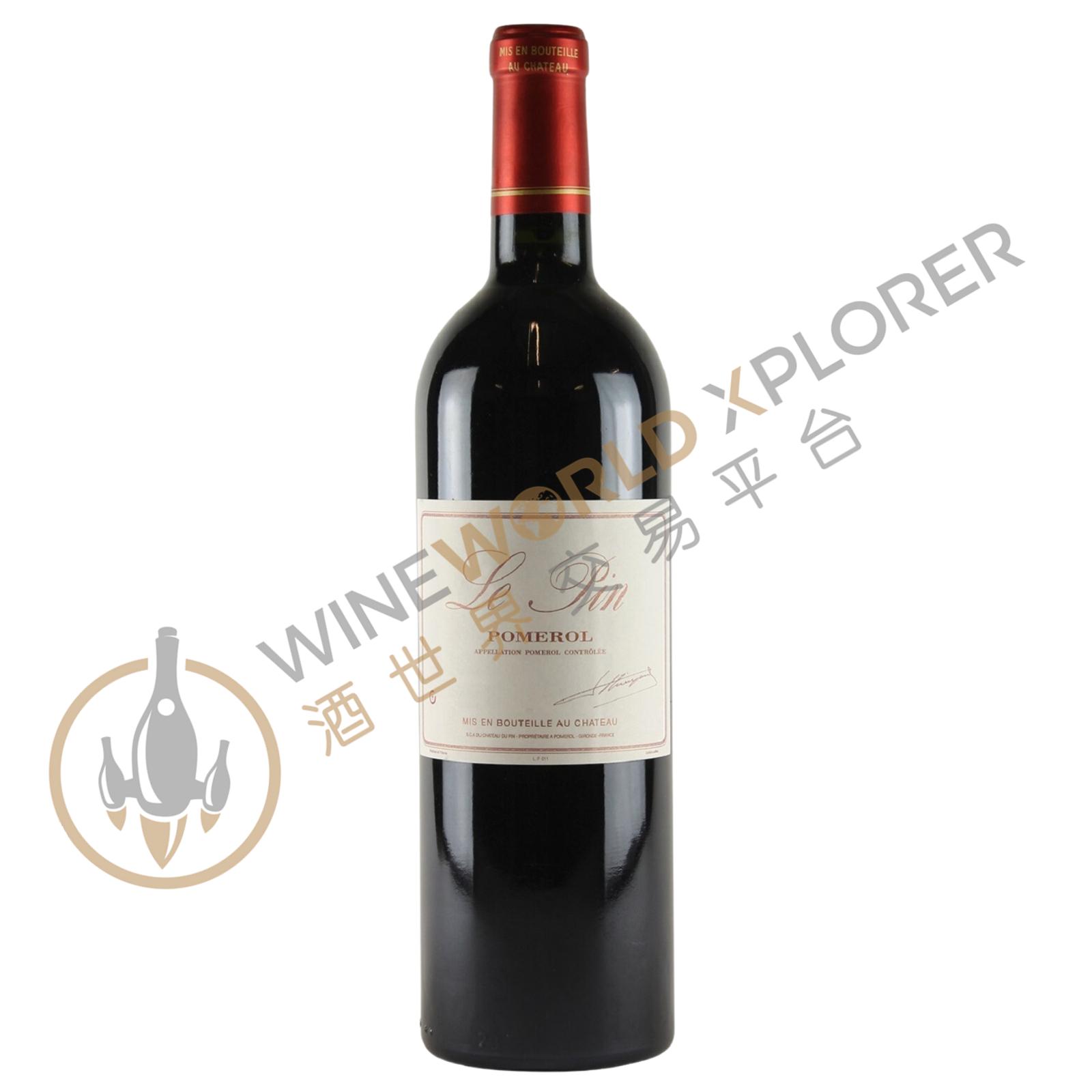
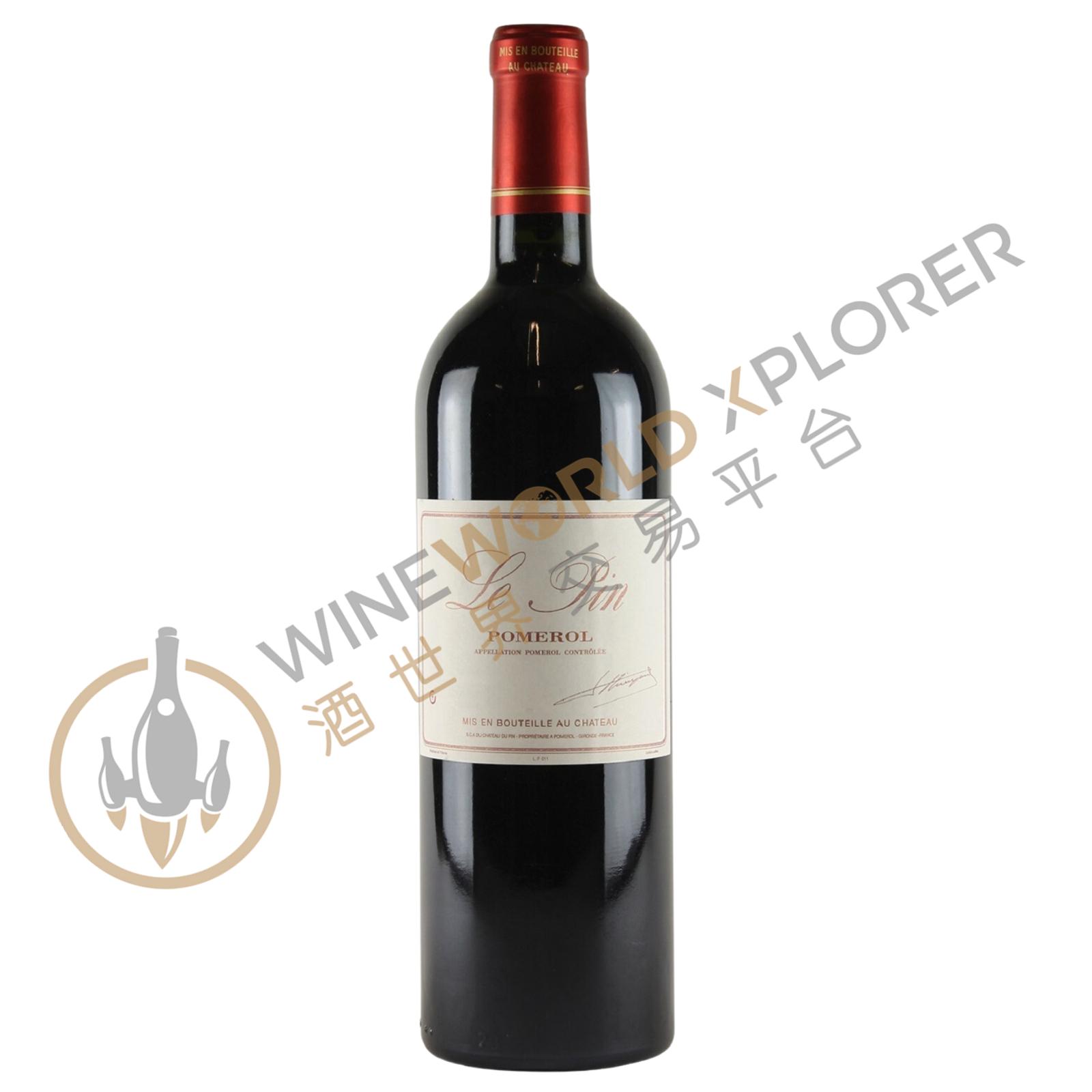
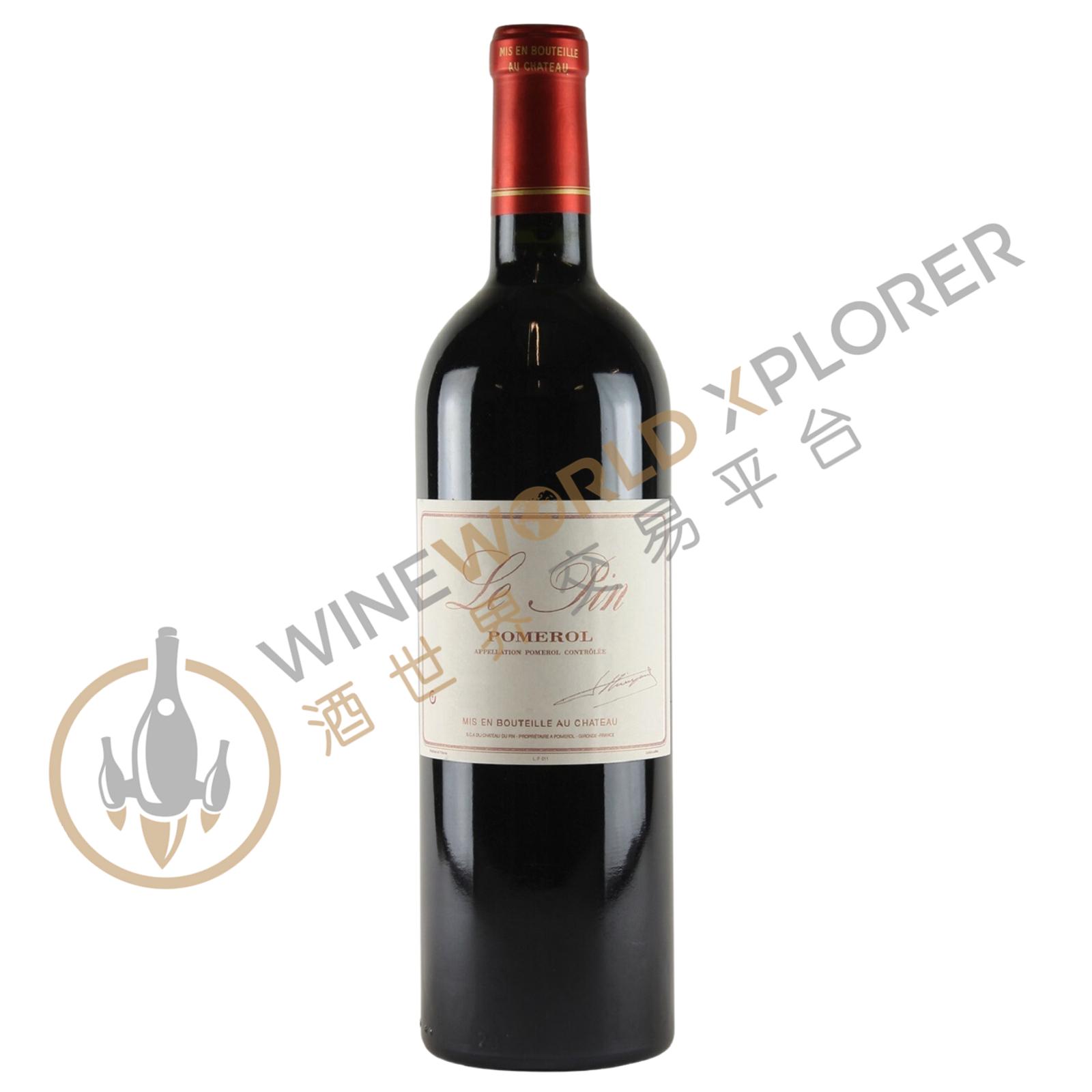
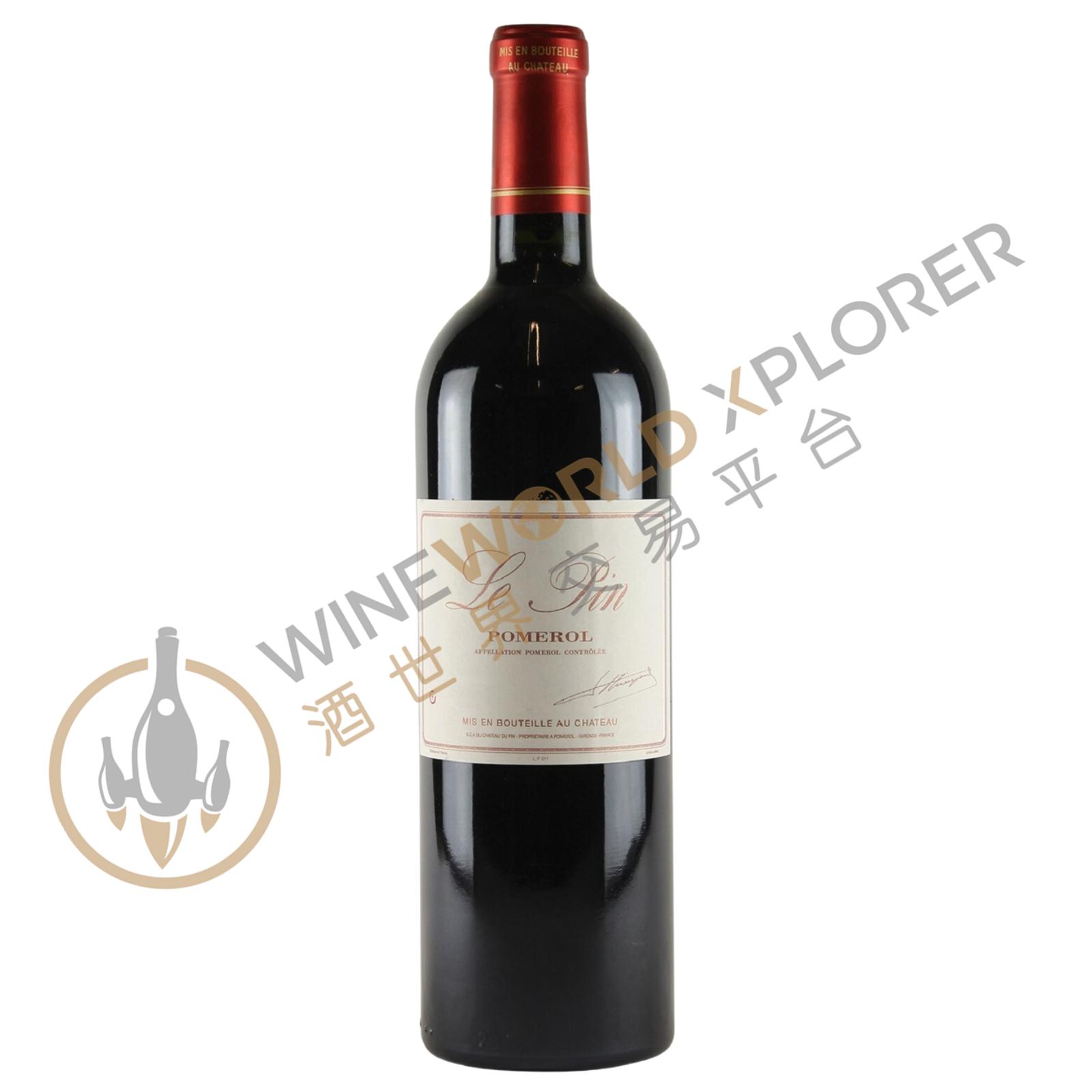
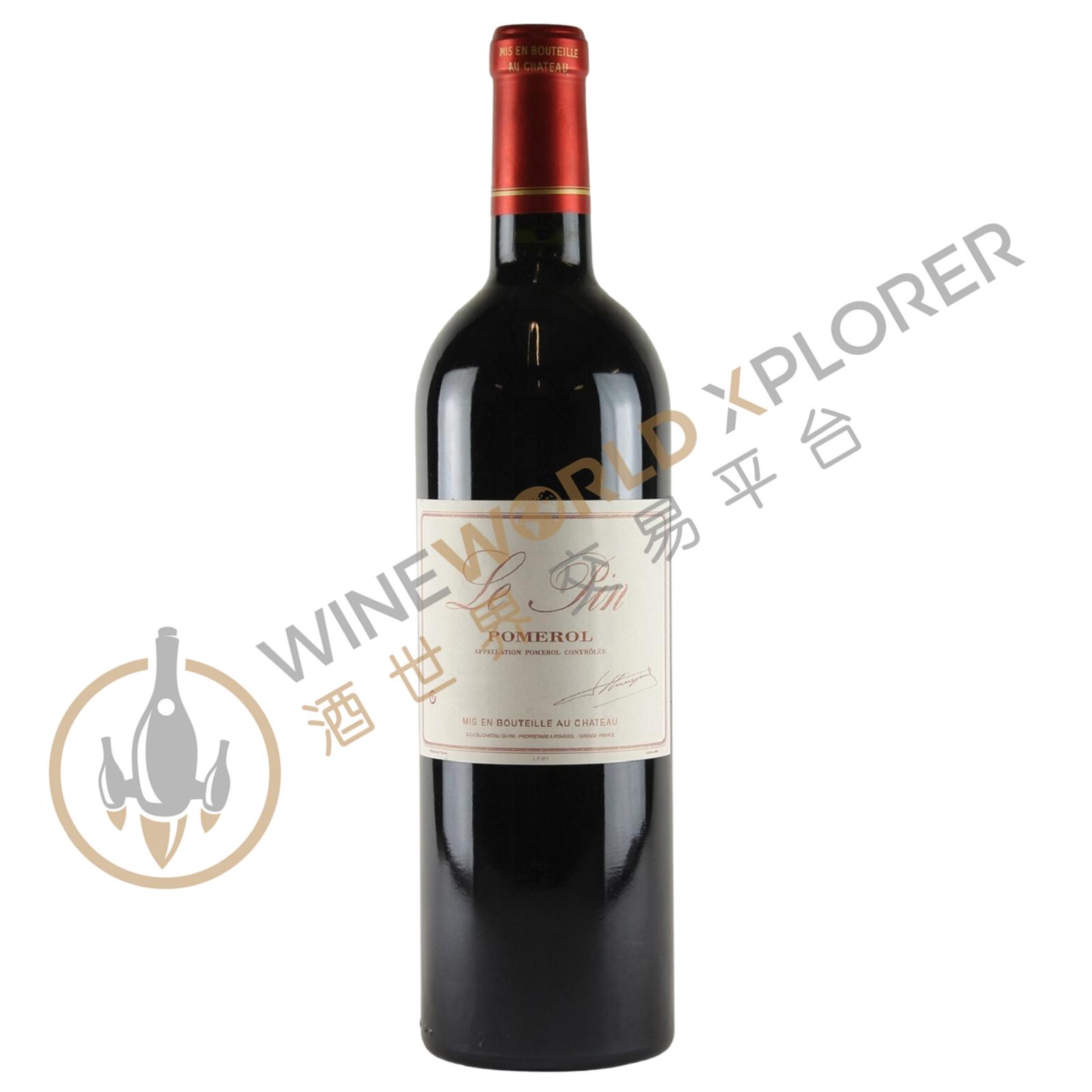
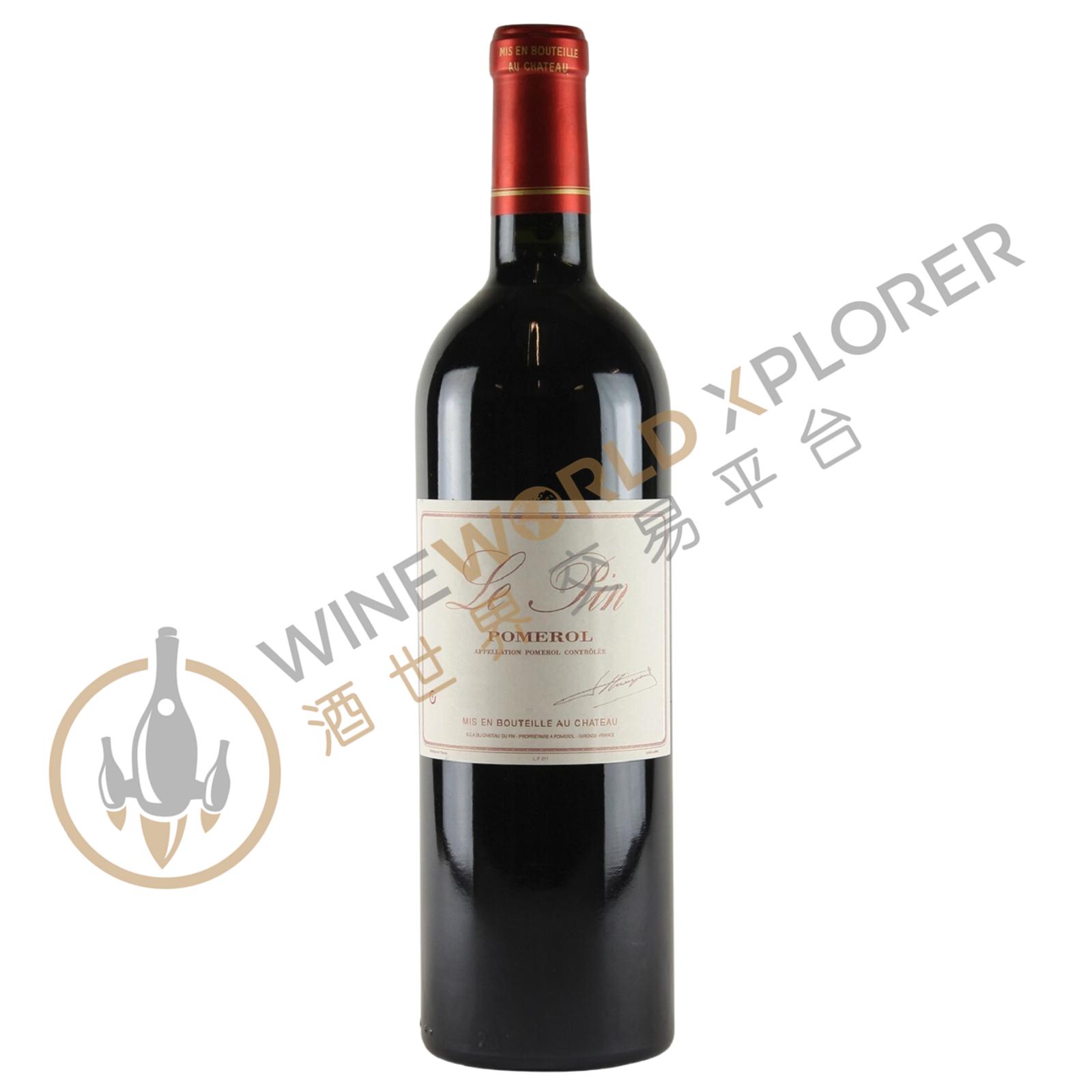
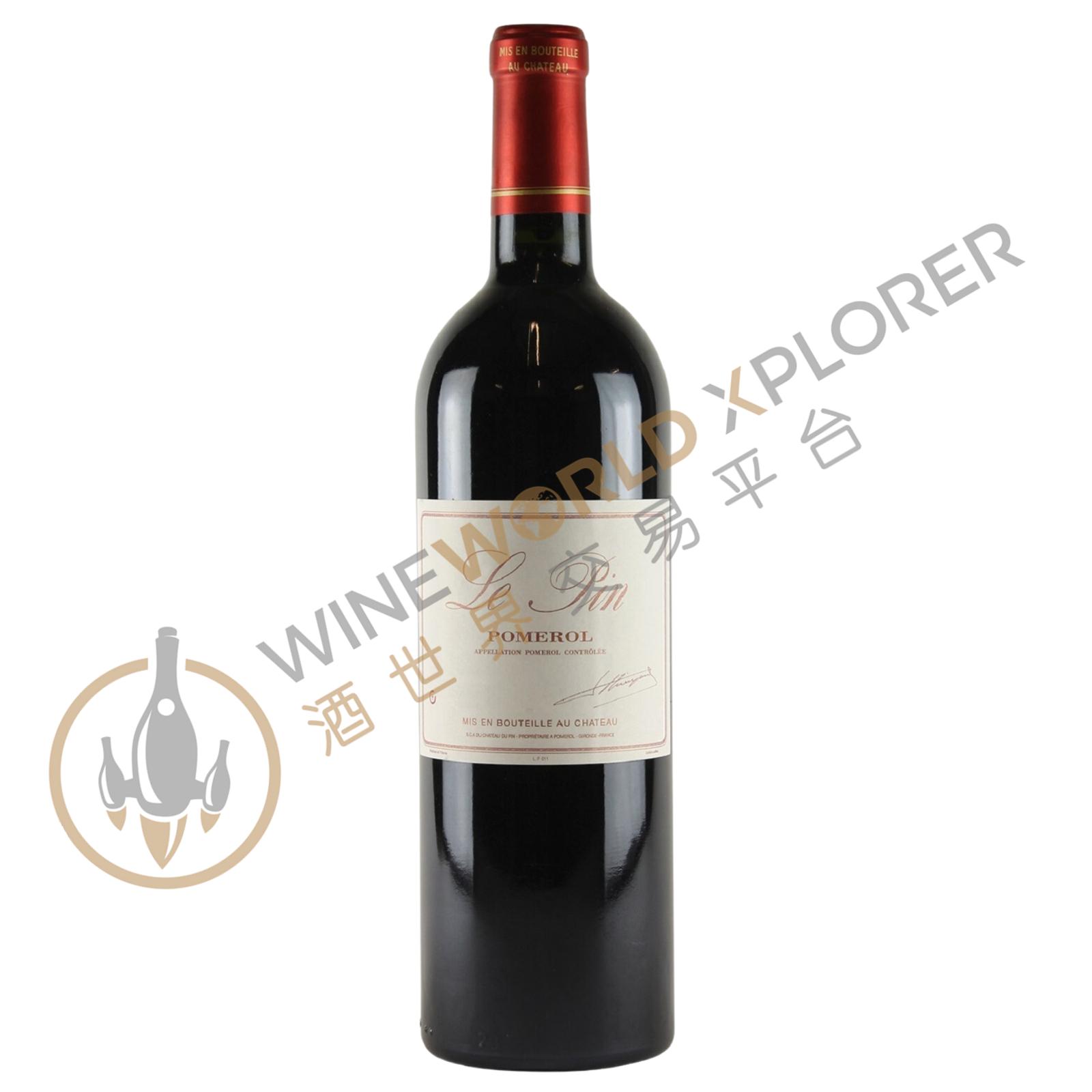
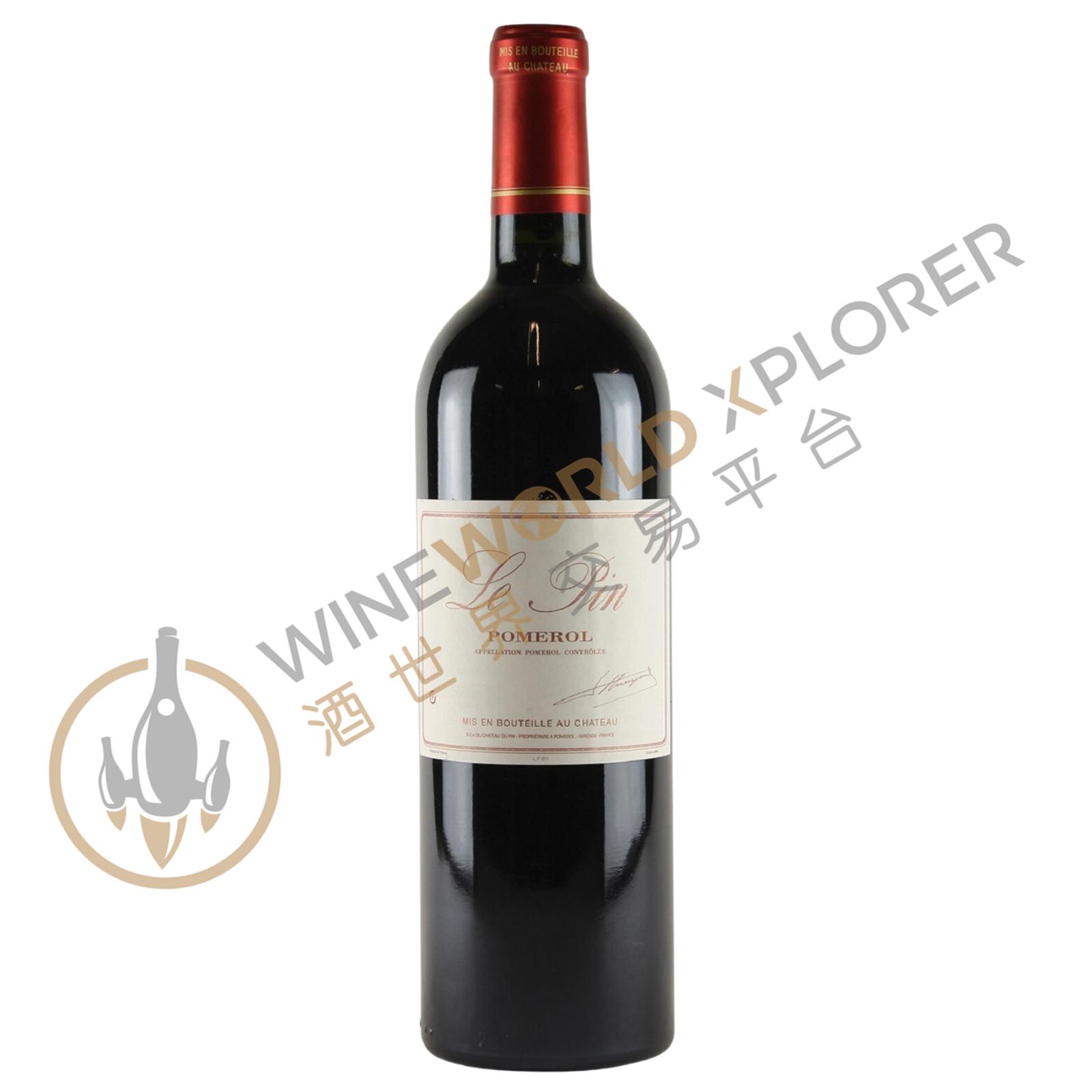
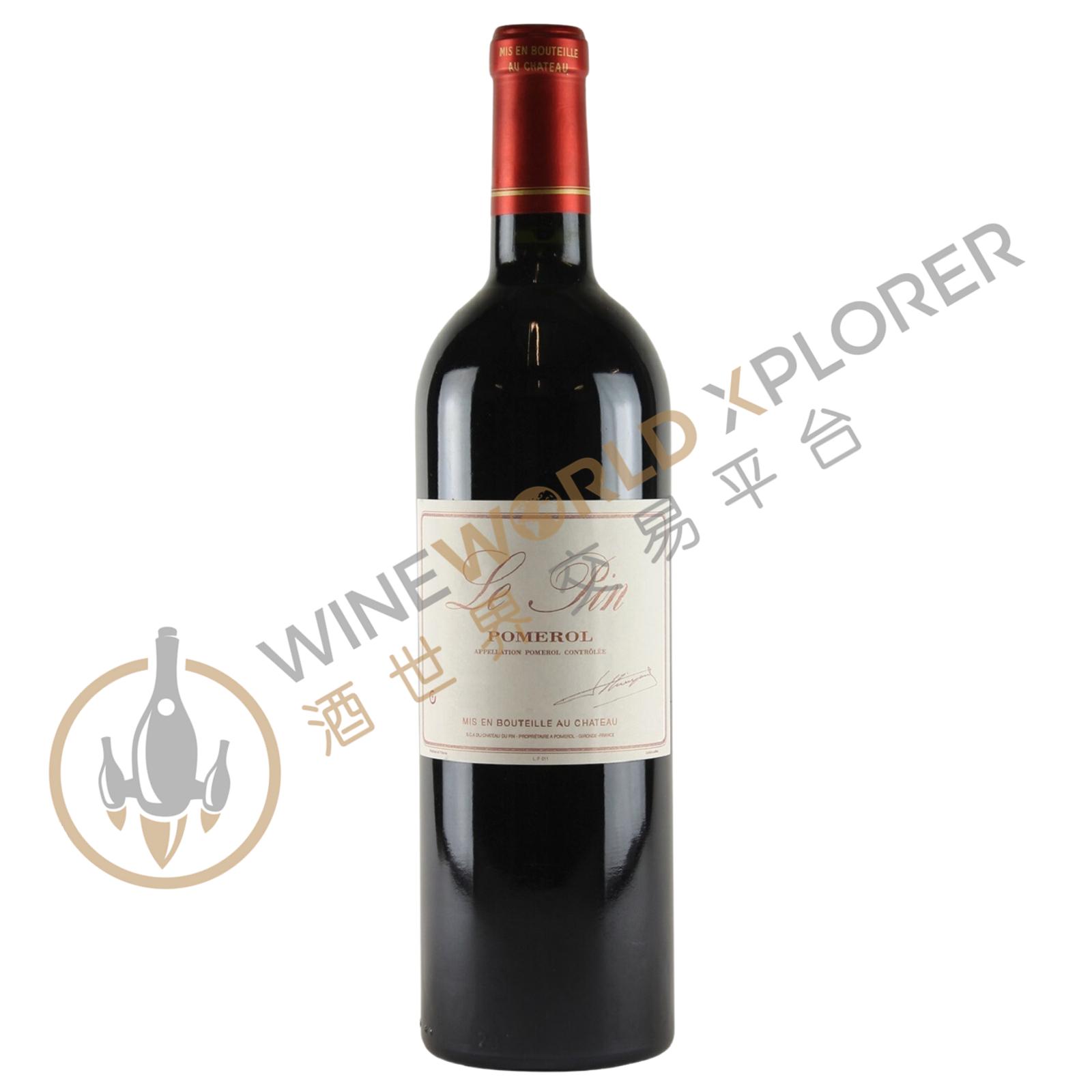
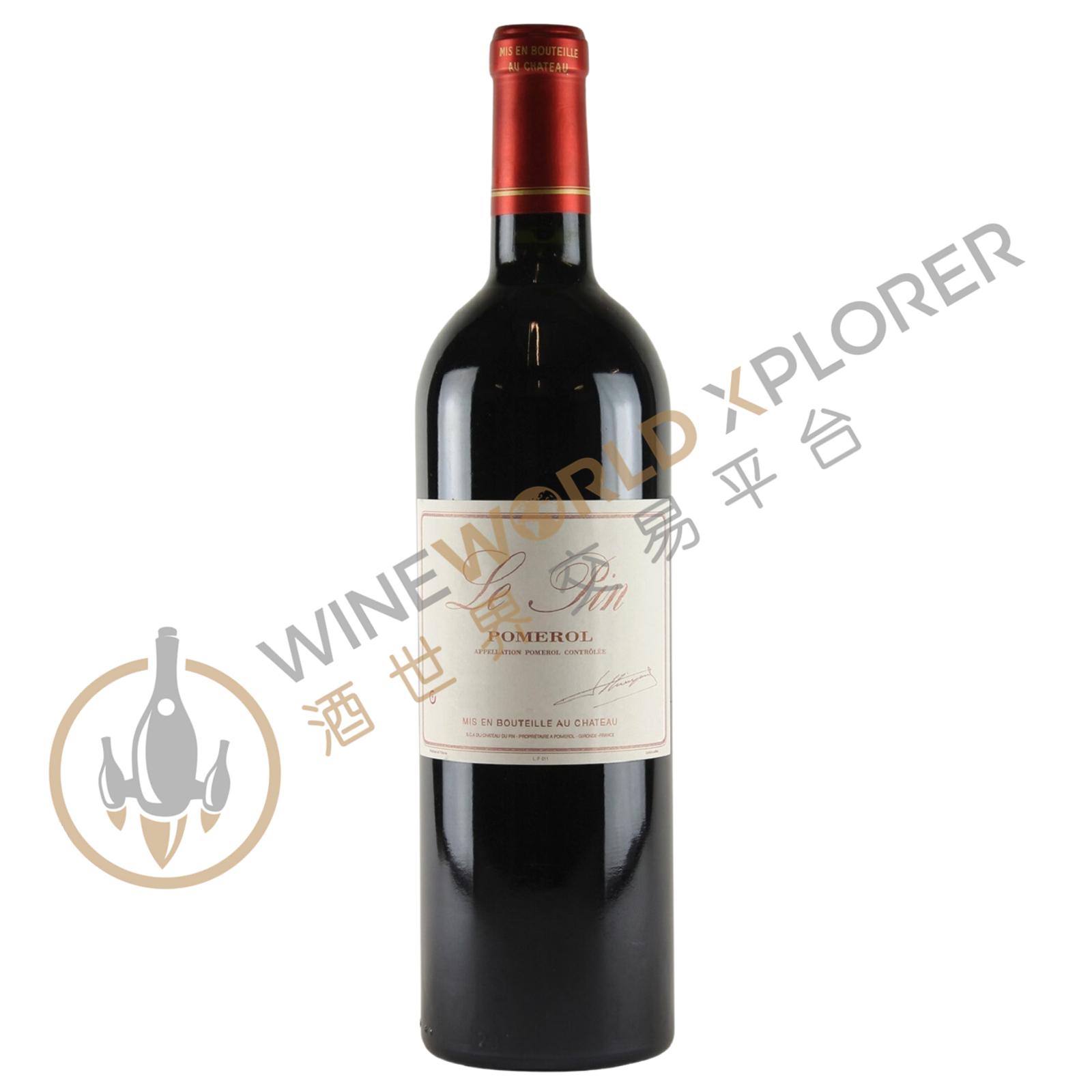
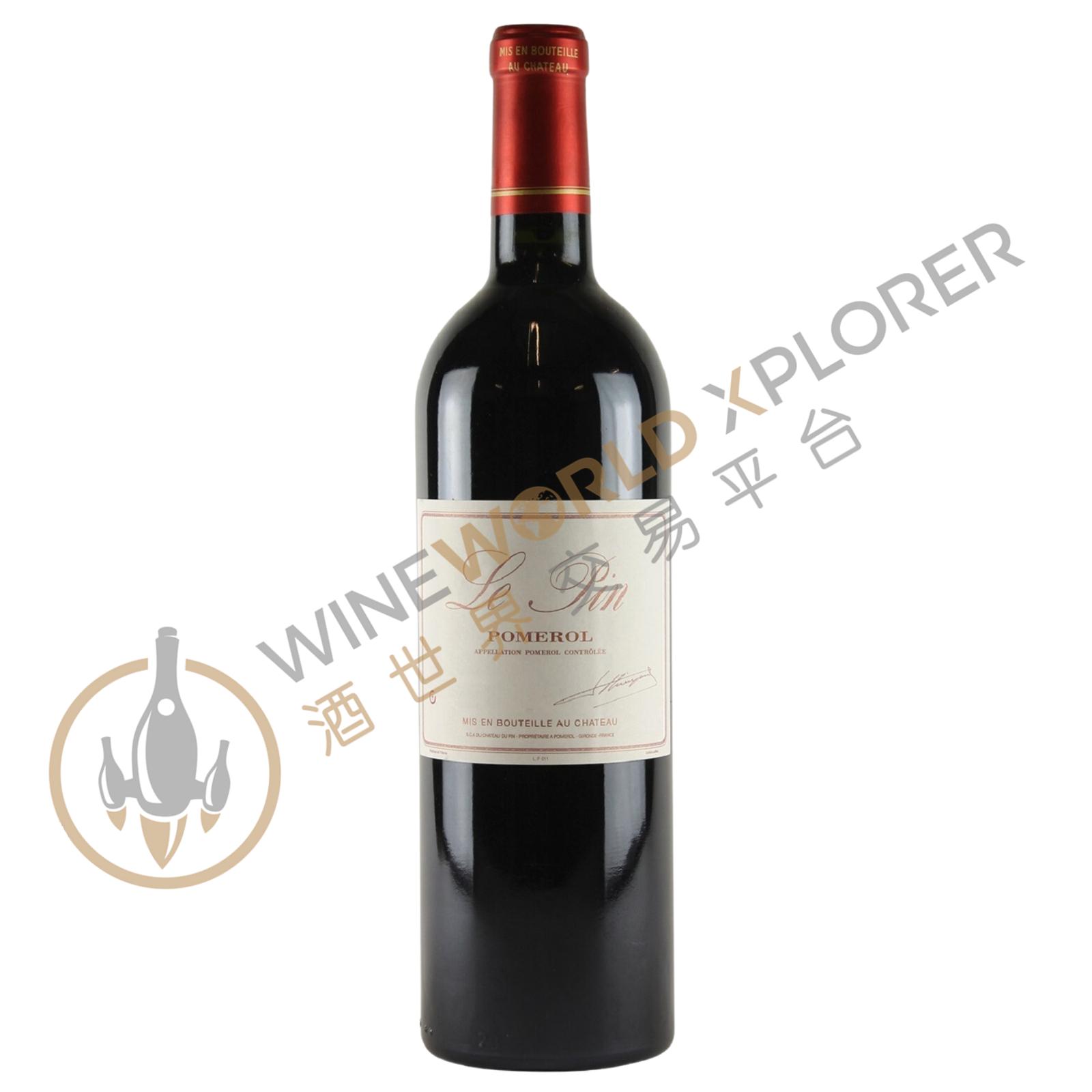
Le Pin 2004
 View analysis
Description
Tasting notes

Reviewed by: Neal Martin
This is not a powerful Le Pin, more elegant and refined. Wild strawberry and wet sand on the nose. Touch of savory fruit. Very graceful on the palate, moderate length. Understated: the tannins appear light, but there is great balance. My sample did not quite have the focus of VCC. Very fine. Tasted April 2005.
Reviewed by: Robert M. Parker, Jr.
One of the top Pomerols of the vintage, the impressive 2004 Le Pin boasts a classic, exotic perfume of caramelized black fruits, spicy new oak, espresso roast, and chocolate. It is well-delineated, opulent, and medium to full-bodied with refreshing acidity as well as a vigorous, long finish. It will probably close down over the next several years, re-emerge in 5-7 years, and drink well for the following 15+.
Reviewed by: Robert M. Parker, Jr.
Along with Lafleur, Petrus, and Clos l’Eglise, Le Pin is one of the Pomerols of the vintage. The good news (since the 2003 was completely declassified) is that there are 500 cases. The 2004 exhibits a classic, exotic Le Pin bouquet of ripe plum and black cherry fruit intermixed with sweet toasty oak, espresso roast, and a hint of dried herbs. Opulent, medium to full-bodied, and expansive, with moderate acidity, and a fleshy, heady finish, this knockout can be drunk young, or cellared for 15+ years.
Reviewed by: Neal Martin
Tasted at Bipin Desai’s Le Pin vertical in Los Angeles. A deep ruby colour. The nose is relatively linear compared to other vintages of Le Pin with red-berried fruit: cranberry, raspberry and traces of tar and dark chocolate. Good definition, albeit a little conservative. The palate is elegant and well balanced with a fine structure, notes of raspberry, cranberry and wild strawberry, a lightweight Le Pin with just a little dryness towards the finish. This is a Le Pin that opts to play it safe and should provide pleasurable medium-term drinking. A comparatively generous vintage of 780 cases. Drink now-2018. Tasted November 2008.
Reviewed by: Stephen Tanzer
(tasted from cuve Classic Le Pin perfume of raspberry, cocoa powder and toasty oak, with an ineffable topnote of orange peel. Wonderfully delicate and precise in the mouth, with flavors and texture that reminded me of great Burgundy. The vibrant, utterly pure flavors of crushed raspberry, minerals, flowers and spices go on and on on the aftertaste, which does not show the oaky torrefaction of the young 2005. A great and subtle expression of merlot on the Pomerol plateau. I am not sure that the 2005 will surpass this.
Reviewed by: Stephen Tanzer
Bright red-ruby. Black raspberry, dark chocolate and minerals on the nose. Juicy, precise and minerally, with a chocolatey flavor and some torrefaction notes from the oak. Not hugely sweet or fleshy, but quite finely etched, especially for merlot.
Reviewed by: Robert M. Parker, Jr.
There are 580 cases of the exotic, flamboyant 2004 Le Pin. Its dense plum/ruby color is accompanied by sweet aromas of kirsch, cassis, smoke, earth, and roasted herbs. Super-opulent for the vintage, it possesses wonderful fruit and glycerin, medium to full body, and a fleshy personality. It should drink well young, yet age nicely for two decades or more. The Pomerol of the vintage?
Reviewed by: Neal Martin
The 2004 Le Pin is deep ruby in hue. The nose is relatively linear compared to other vintages of Le Pin, featuring cranberry, raspberry, tar and dark chocolate aromas. There is fine definition, albeit it is a little conservative in style. The palate is elegant and well balanced, with a fine structure and raspberry and cranberry fruit tones. This is a leaner style of Le Pin due to the growing season with a safe, dry finish. It's not bad, though eclipsed by the following vintage. 780 cases produced. Tasting note taken from the Pomerol book by Neal Martin.
About the Producer
Le Pin is the most expensive wine in the world. Jacques Thienpont purchased the meagre 1.6 hectares of land for one million francs in 1979. The Thienpoints named their wine Le Pin after a solitary pine tree that shaded the property. By acquiring tiny adjoining plots of land, Jacques has doubled the size of Le Pin to five acres. The south-facing vineyard on a well-drained slope of gravel and sand is planted with Merlot (about 92%), and a small amount of Cabernet Franc. Le Pin's soil is a mixture of gravel and clay with a little sand and is exceptionally low yielding (between 30 to 35 hl/hc). The grapes are hand-harvested and are fermented in stainless steel before being matured in`200%` new oak barriques for between 14 and 18 months. Dany Rolland, wife of cult-oenologist Michel Rolland, is a consultant here. Le Pin produces just 600 to 700 cases each year (Lafite Rothschild produces approximately 29,000 cases of wine a year and and Pétrus about 4,000) and its rarity is one of the driving forces behind its high prices. Le Pin produces super-concentrated, decadent, lush and lavishly oaked wines - they can be drunk young but are best with 7-10 years of bottle ageing.
1985(1)1986(1)1988(2)1989(1)1990(1)1991(2)1992(1)1993(1)1994(3)1995(3)1996(3)1997(4)1998(4)1999(4)2000(2)2001(5)2002(2)
Package Size