Wine Advisor



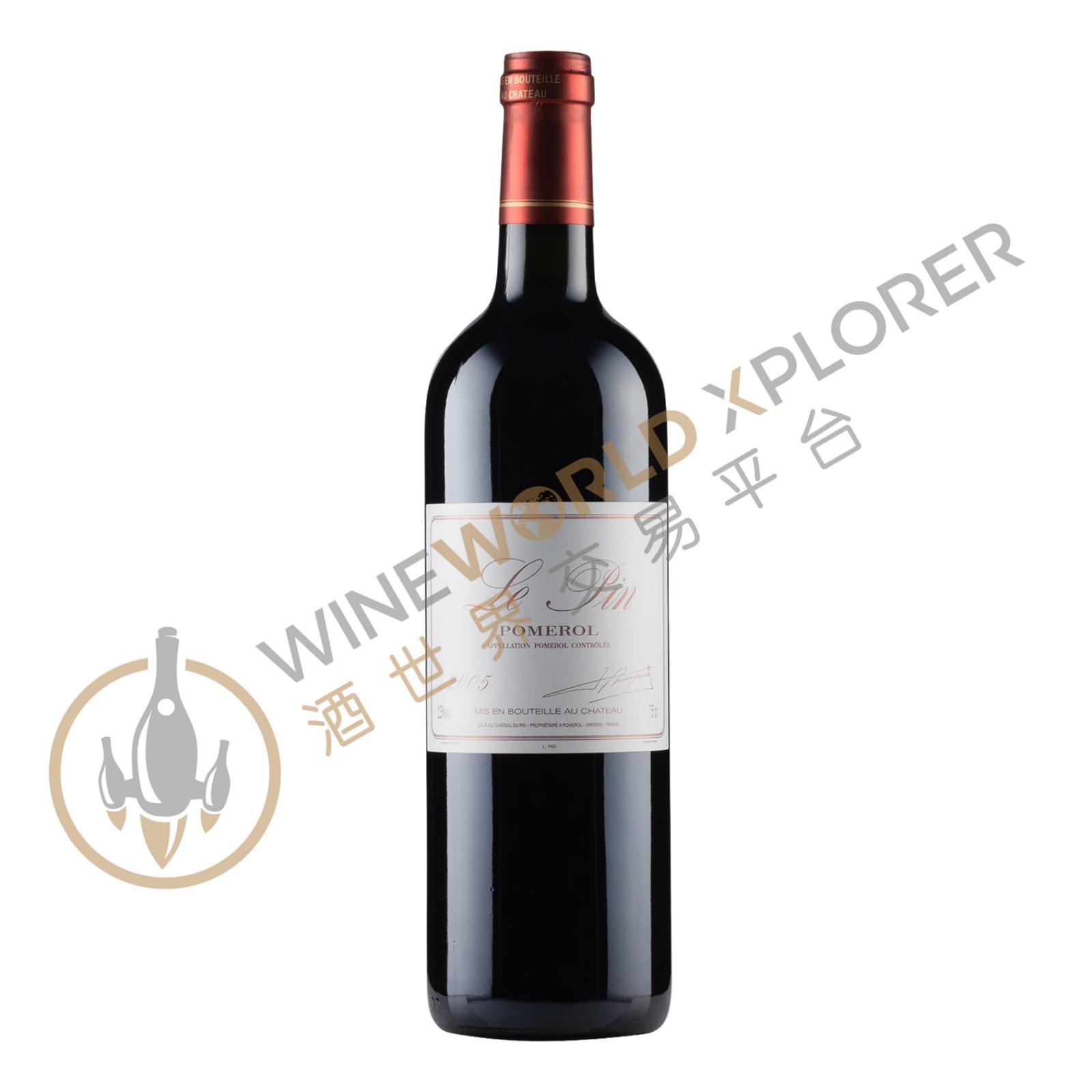
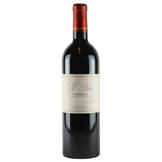
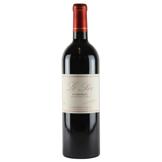
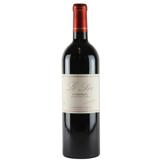
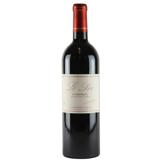
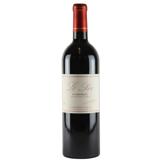
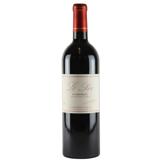
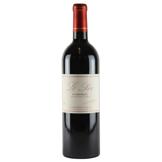
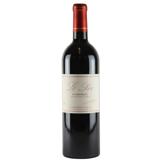
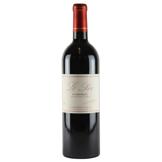
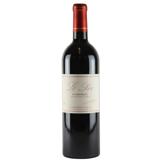
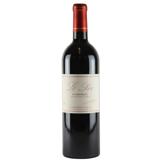
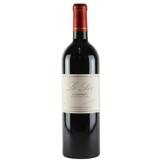
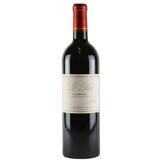
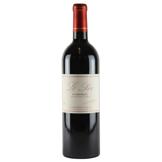
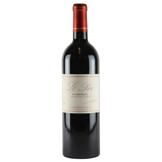
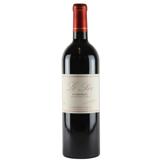
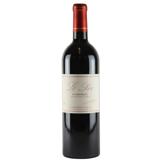
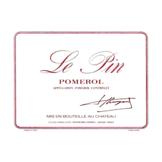
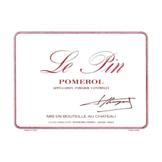
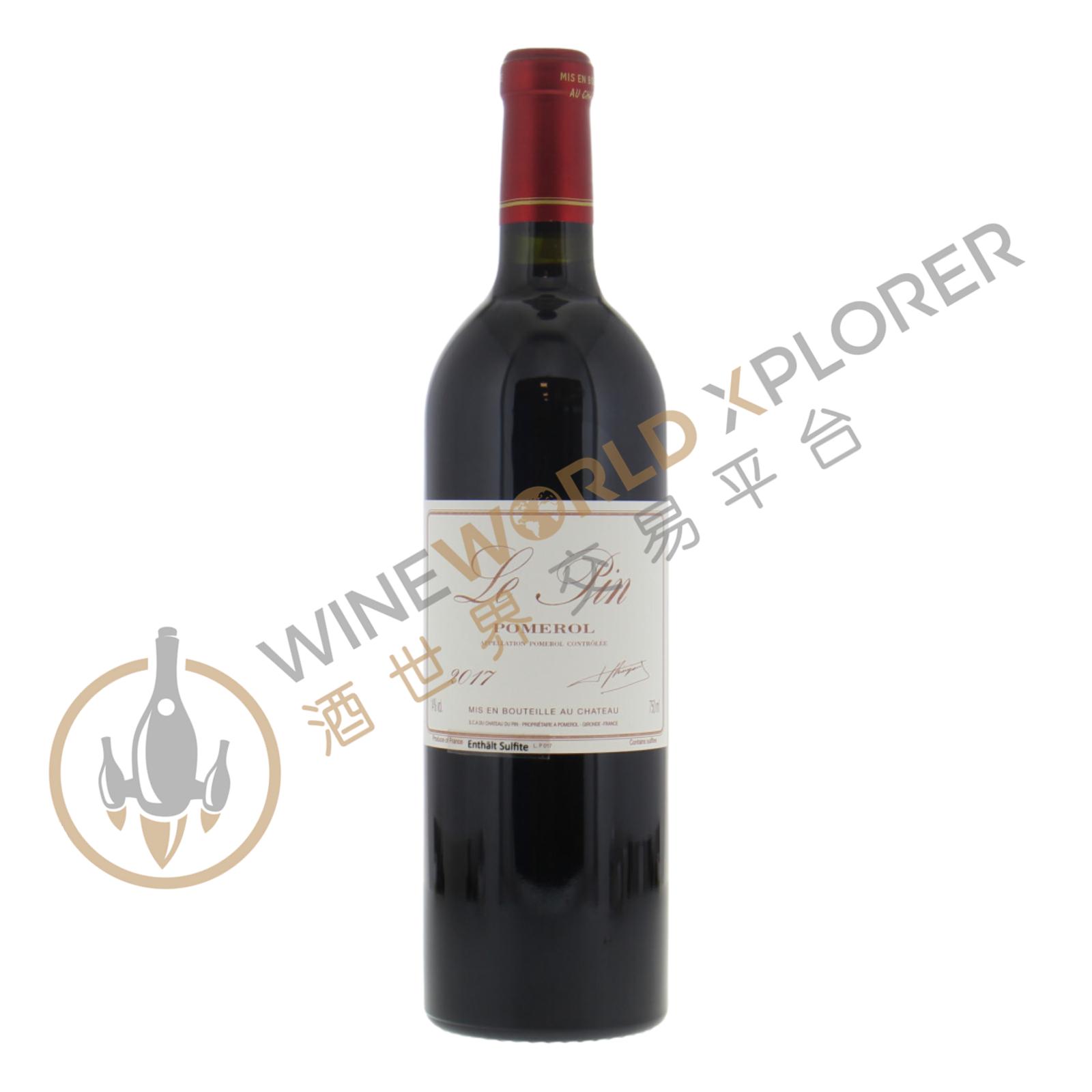
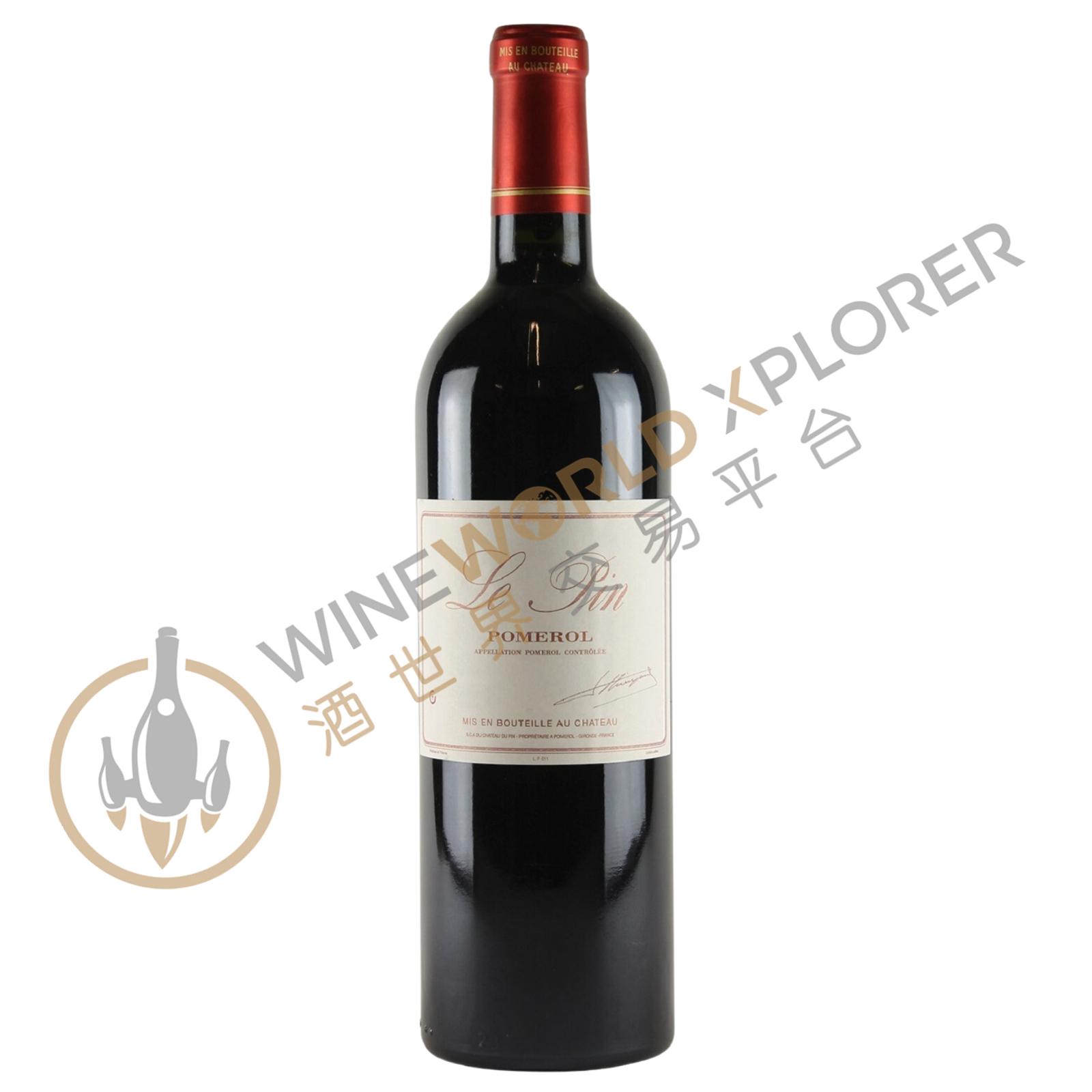
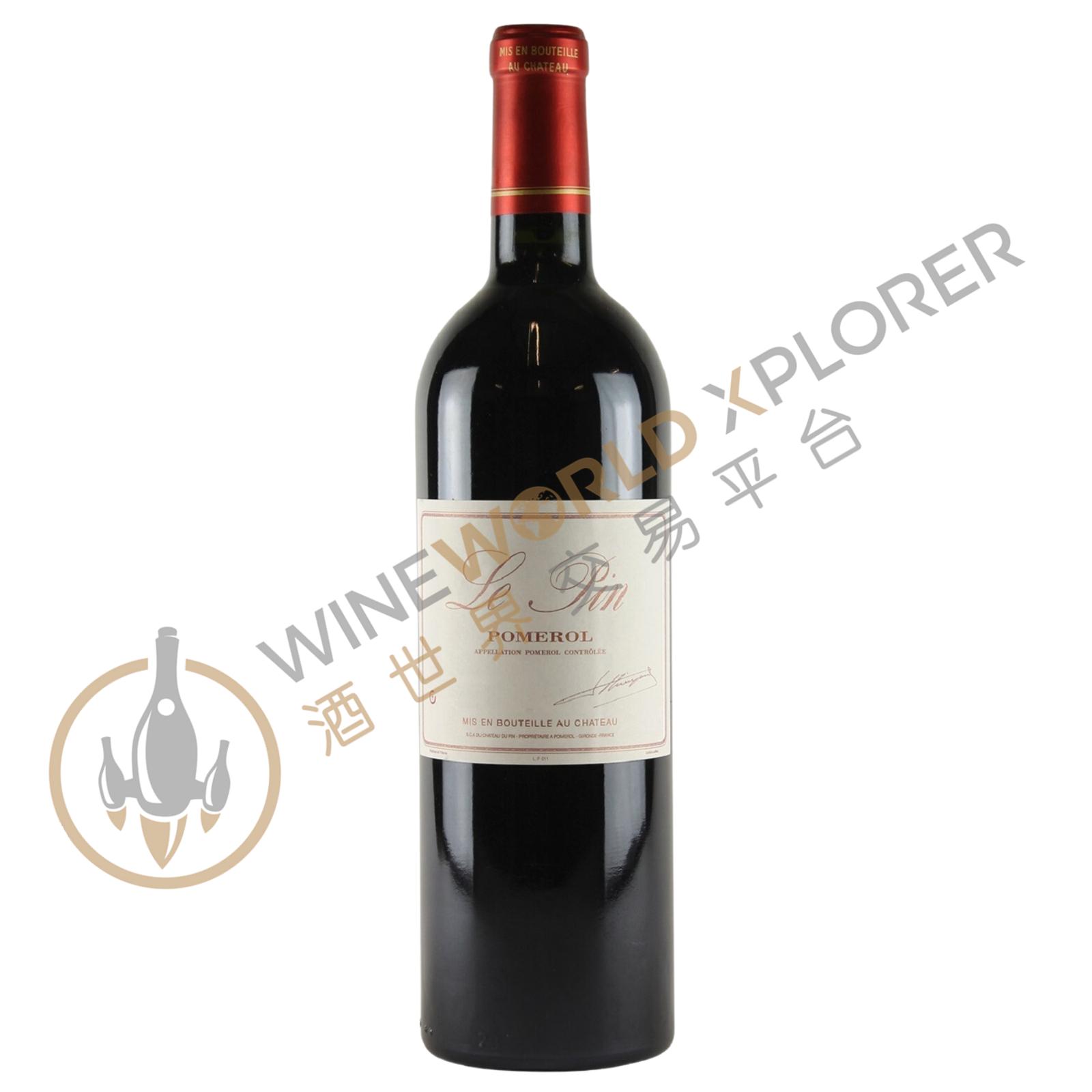
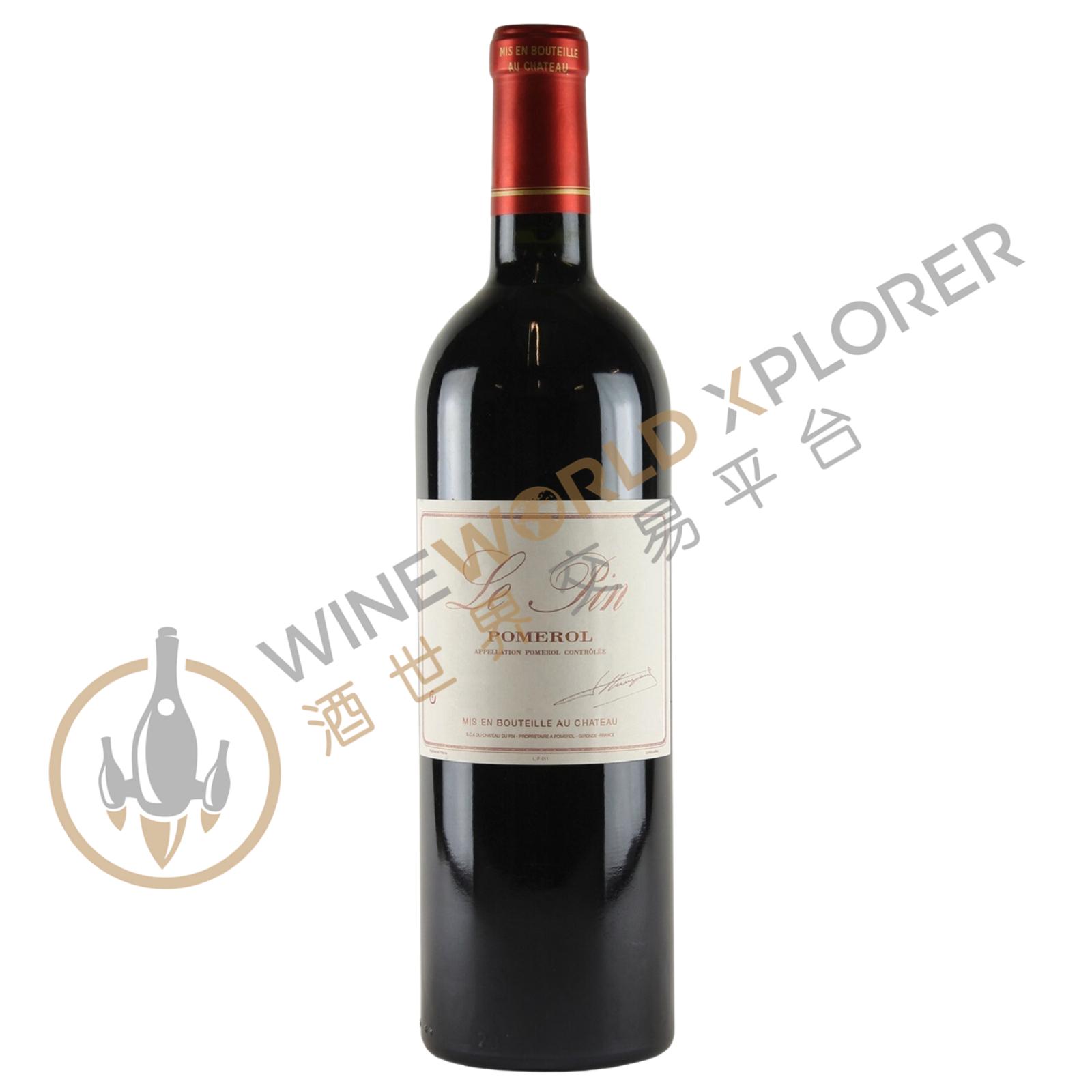
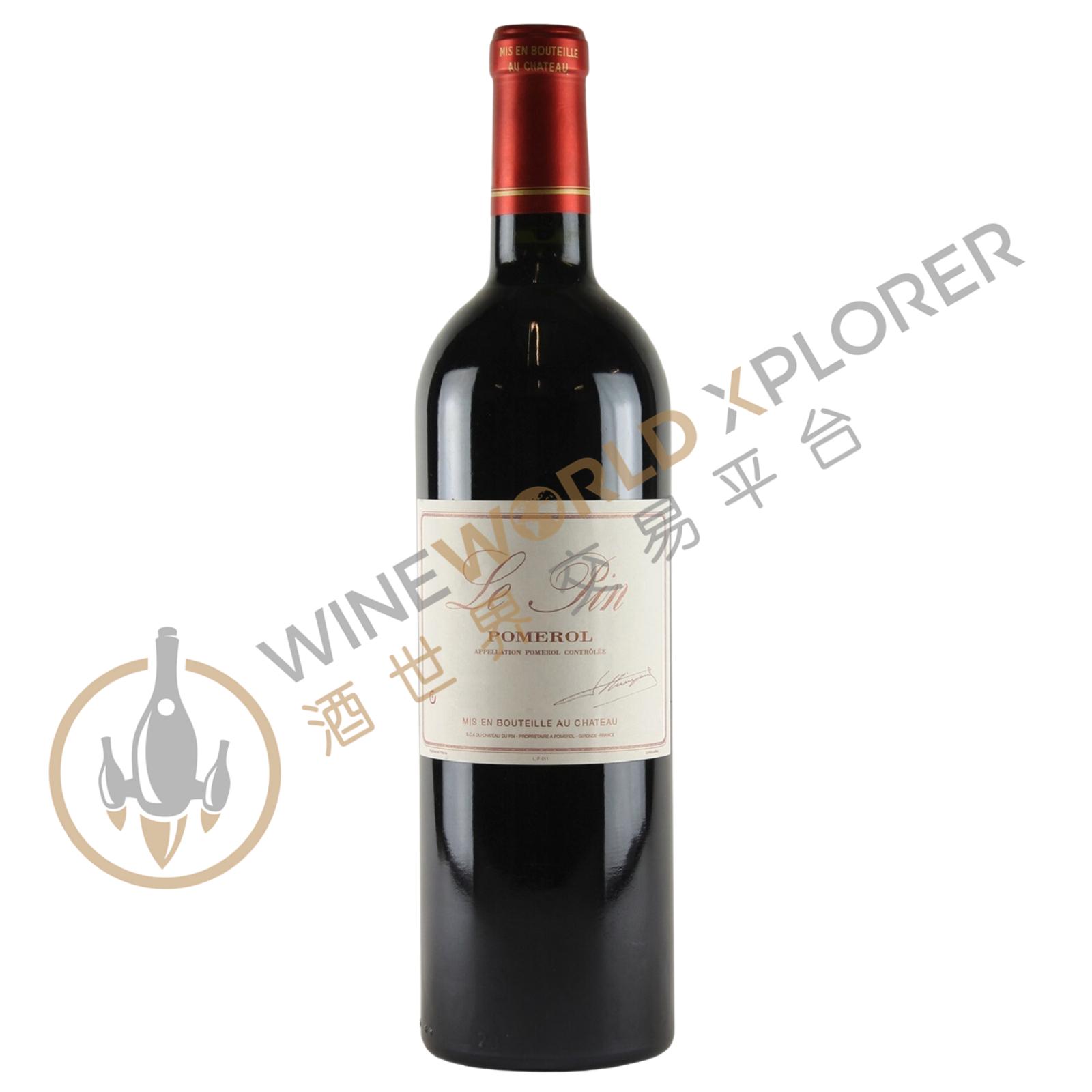
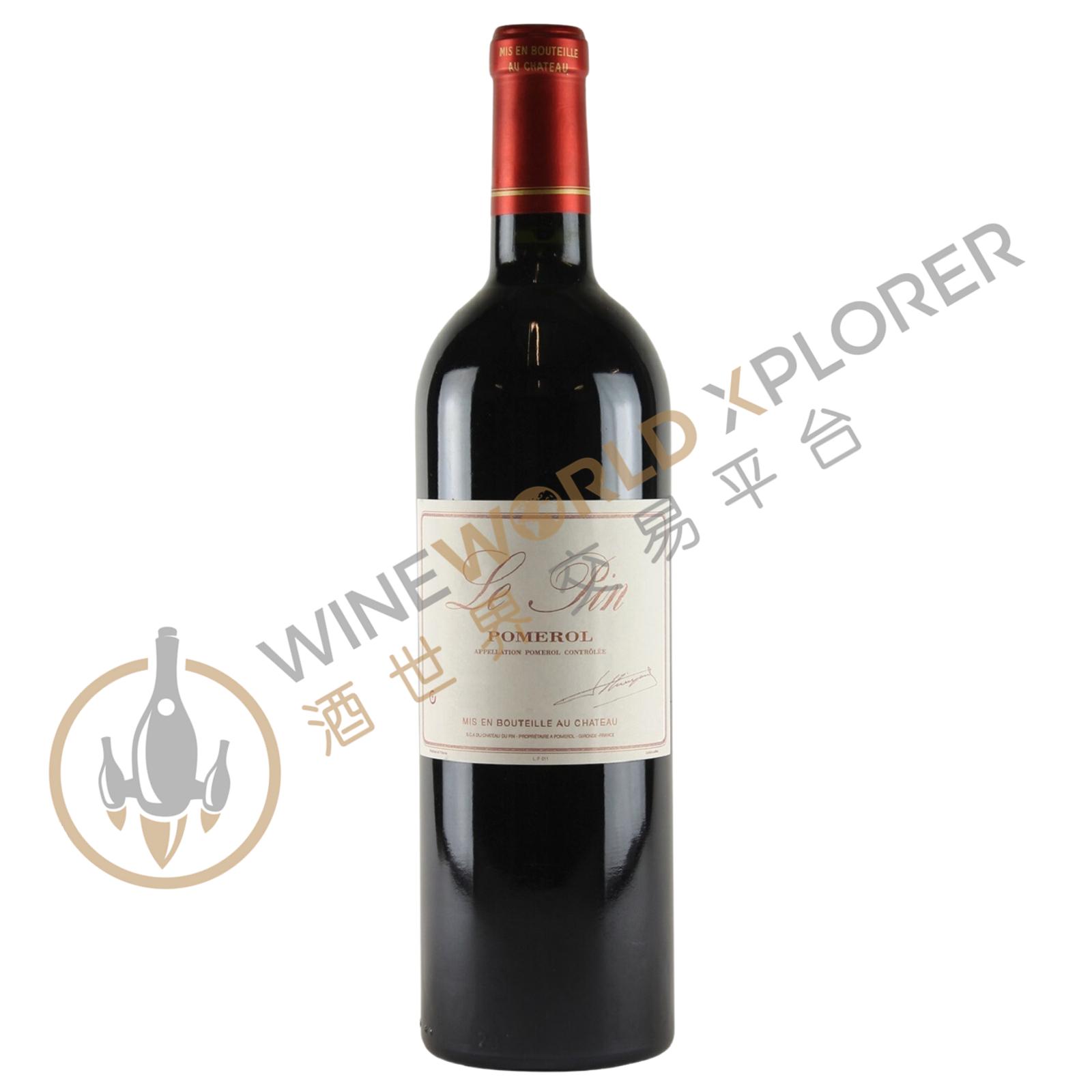
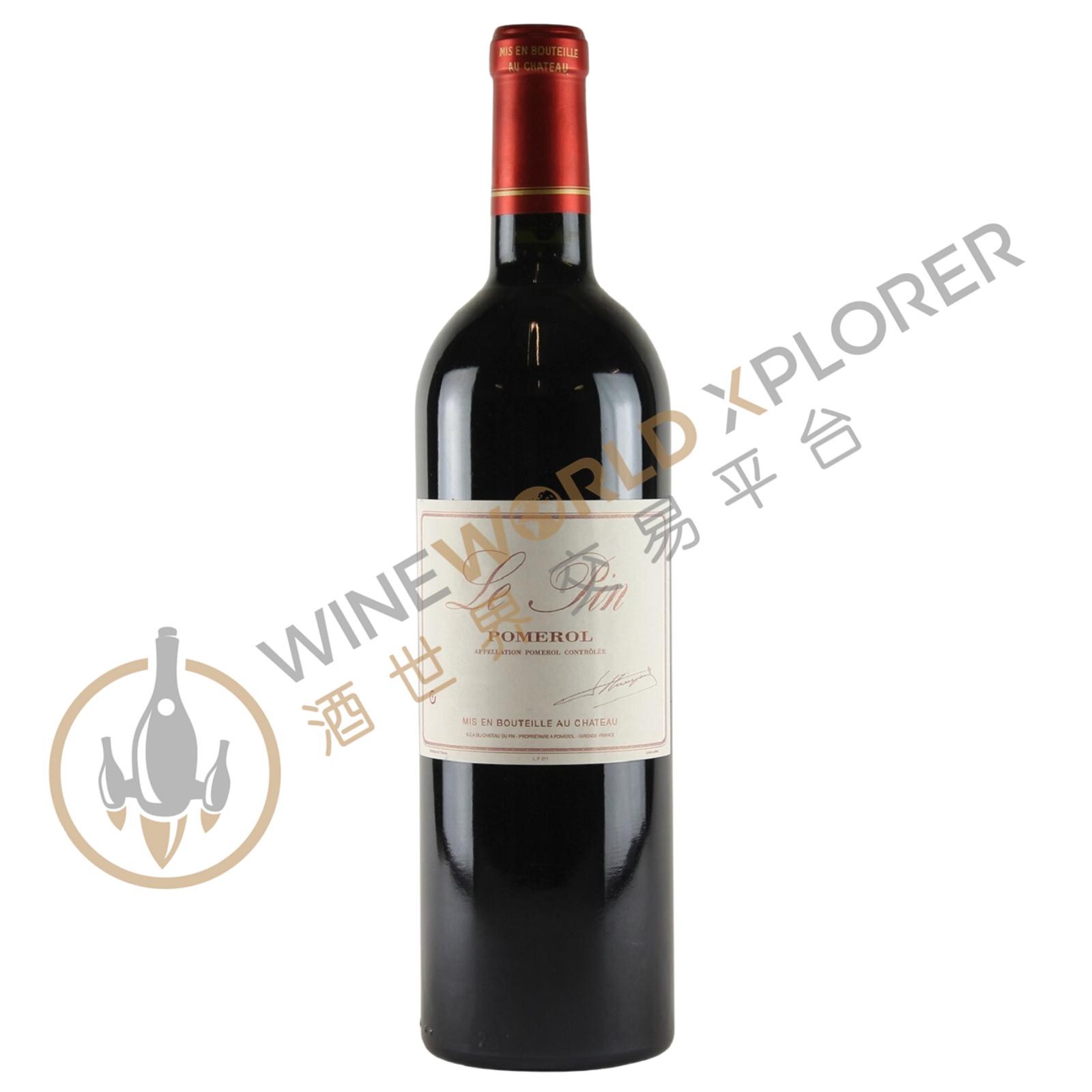
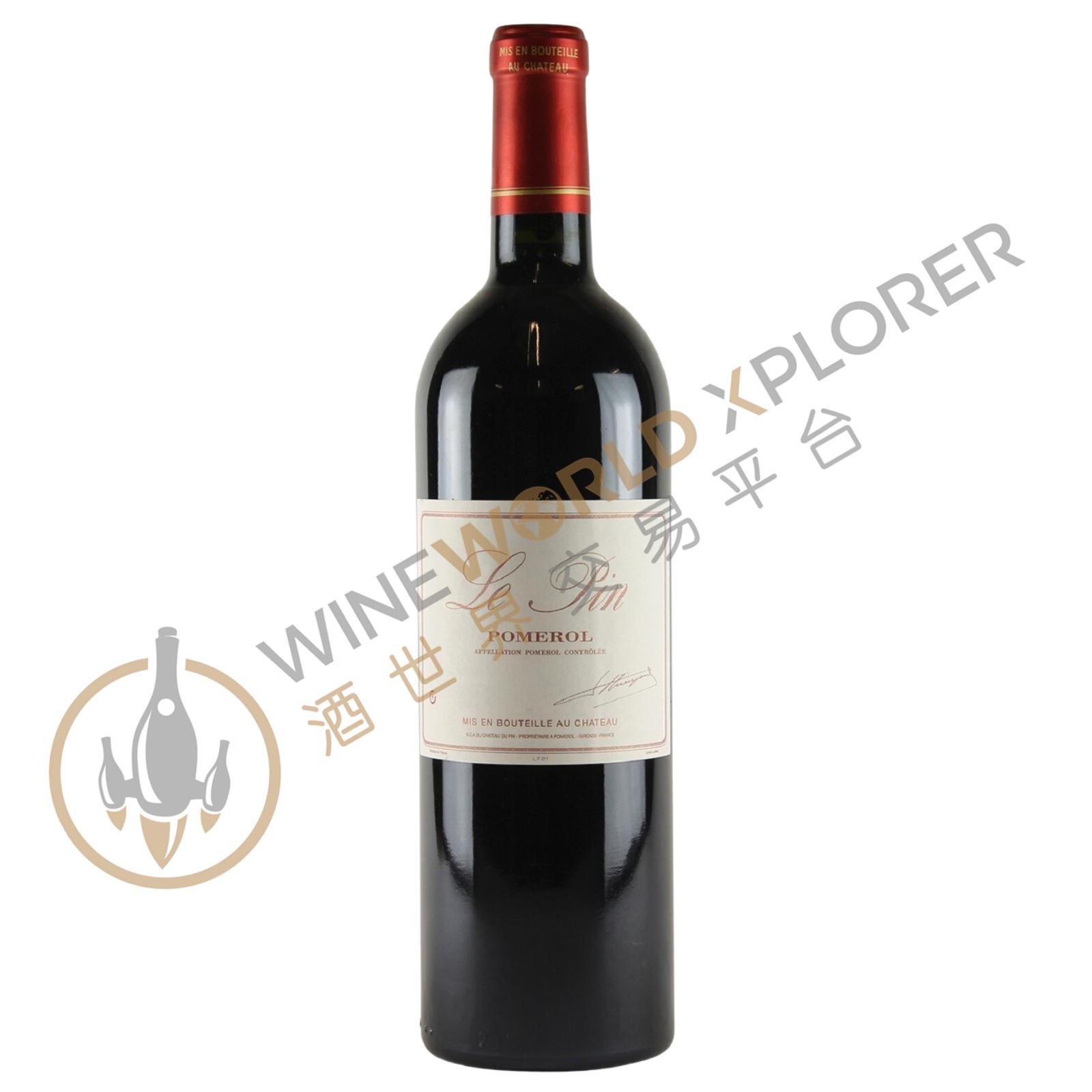
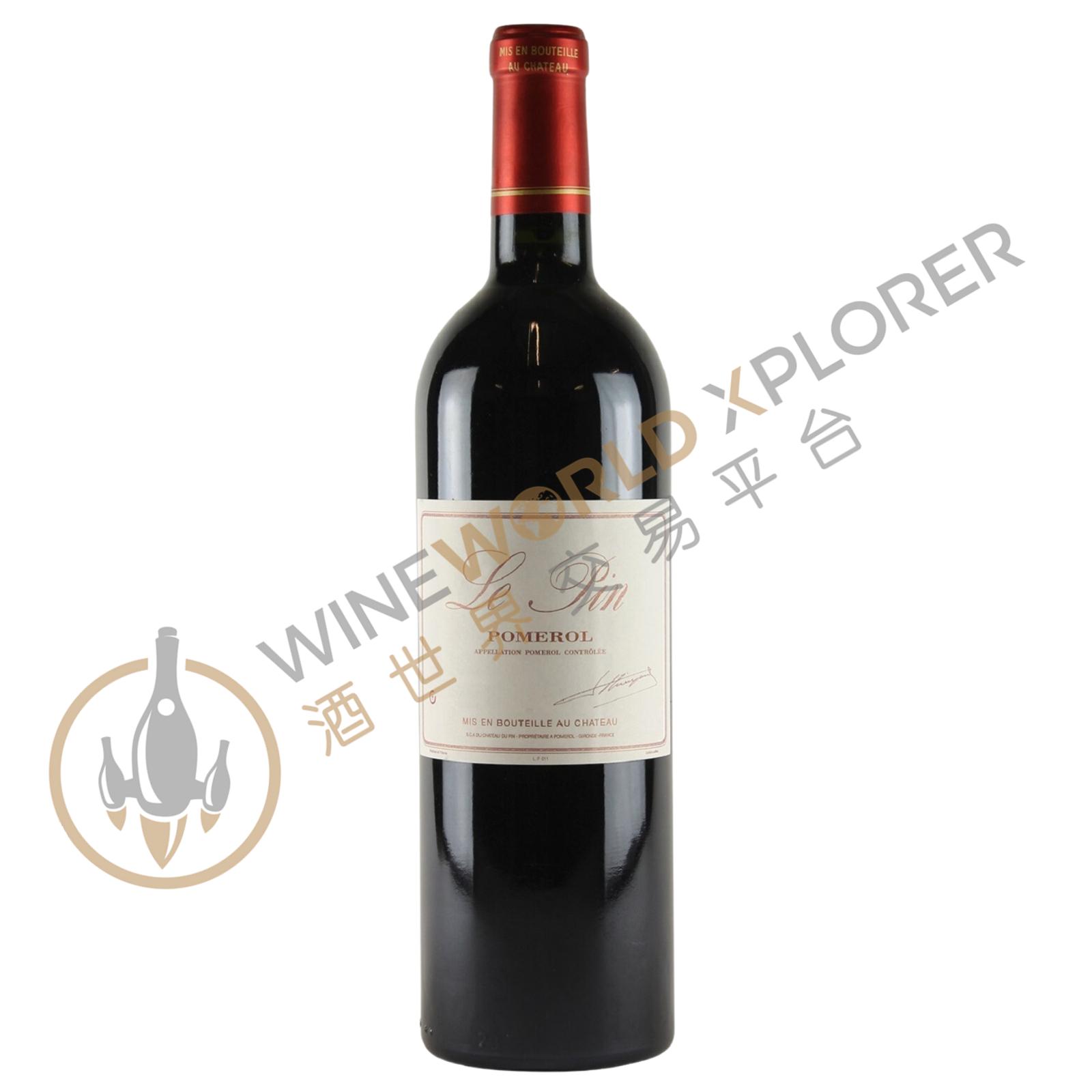
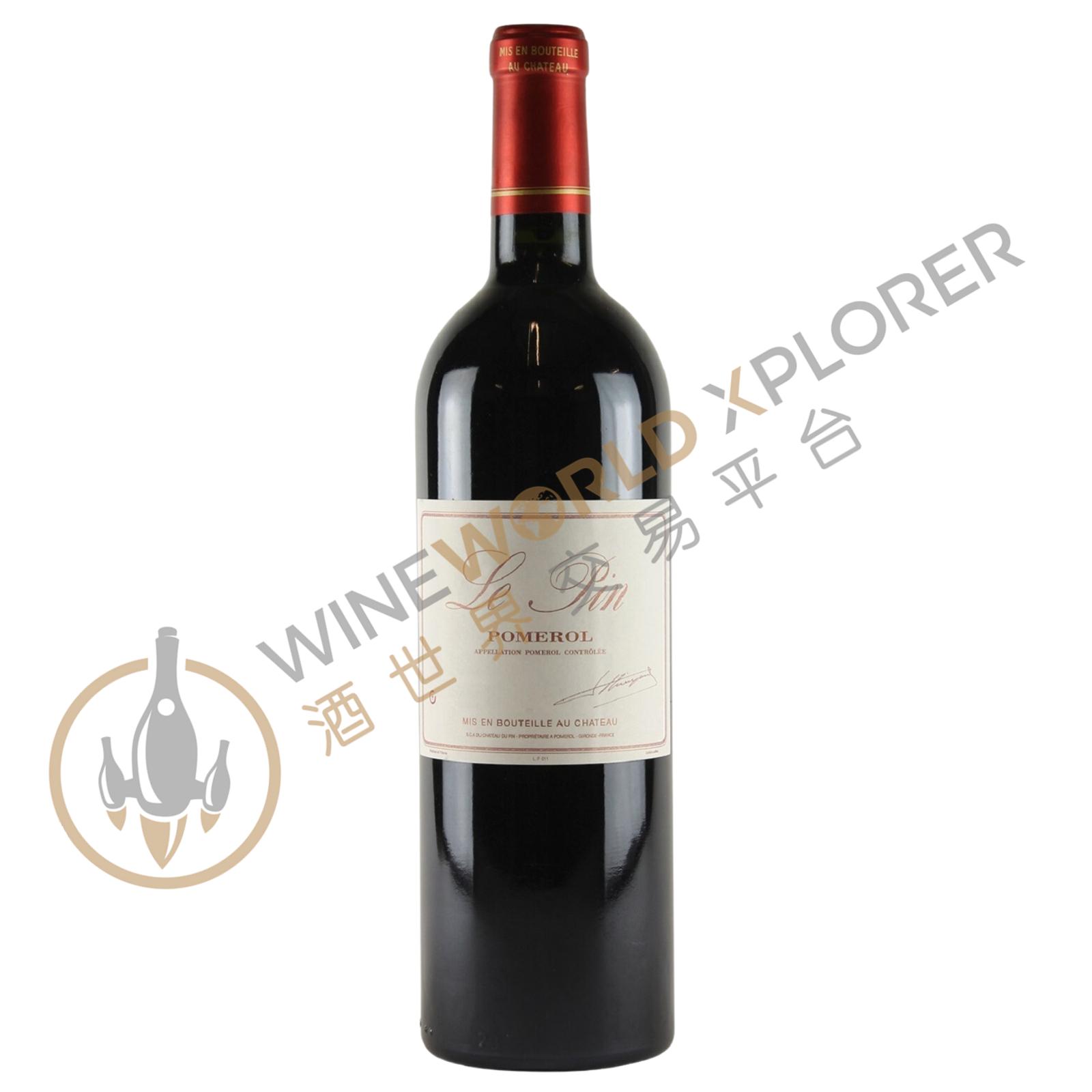
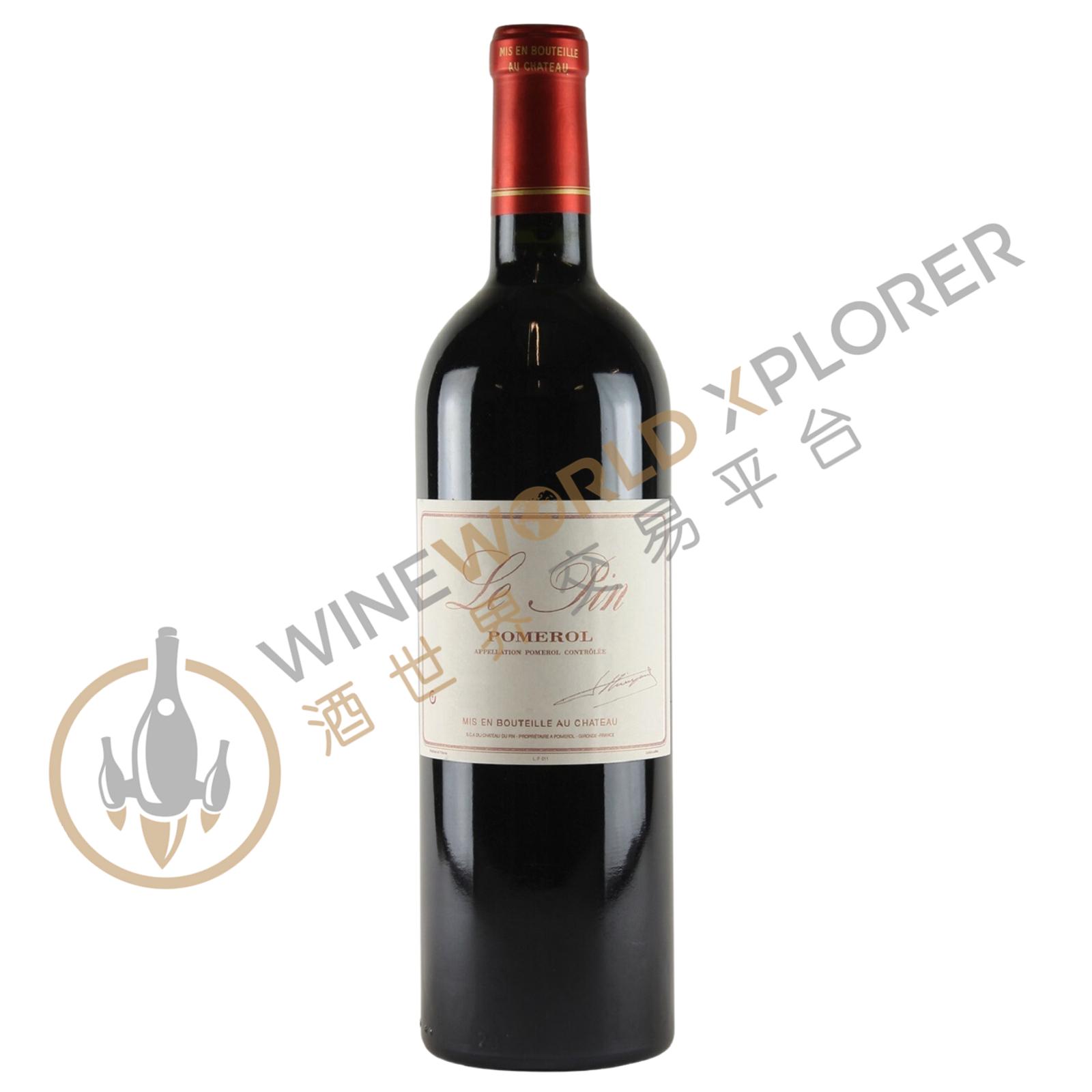
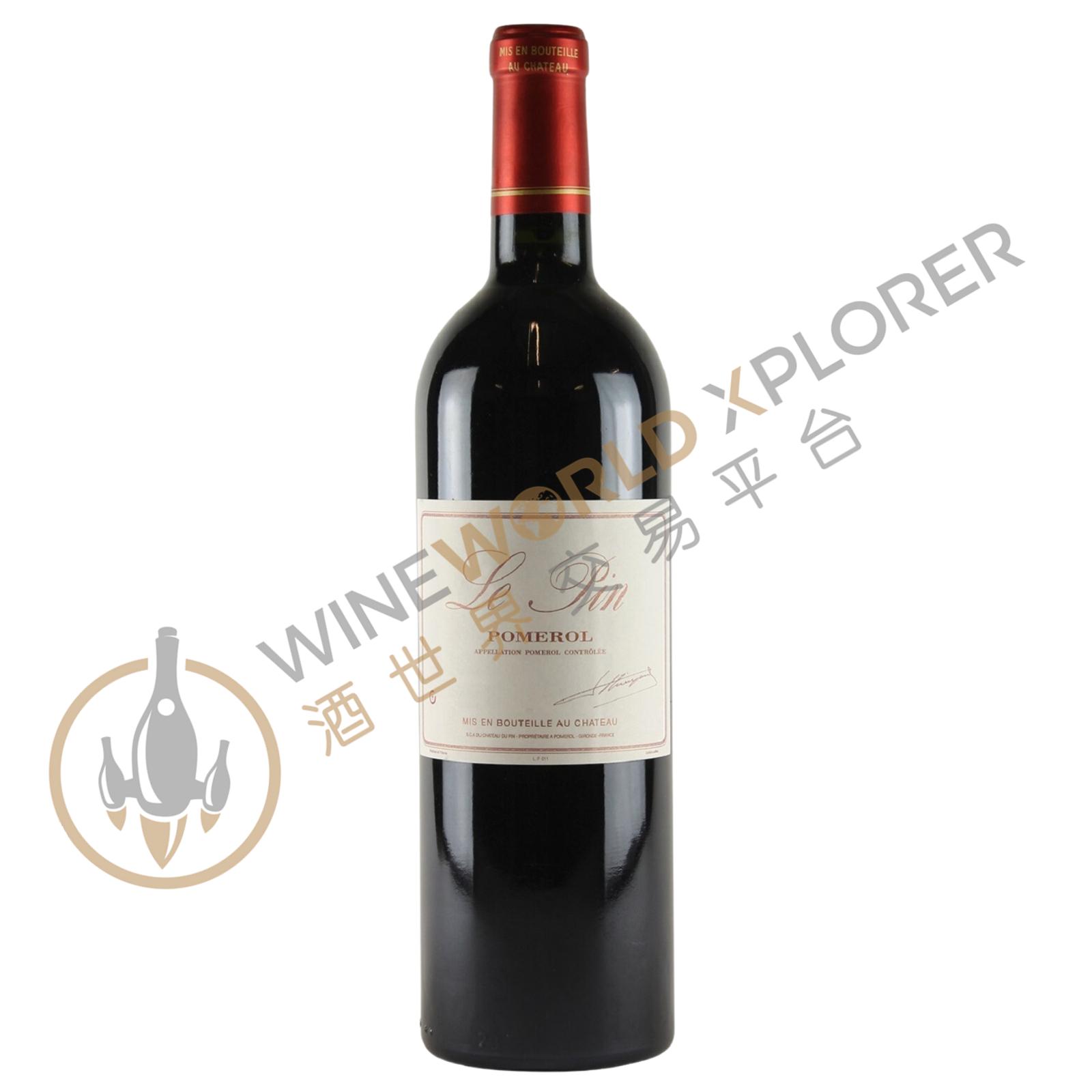
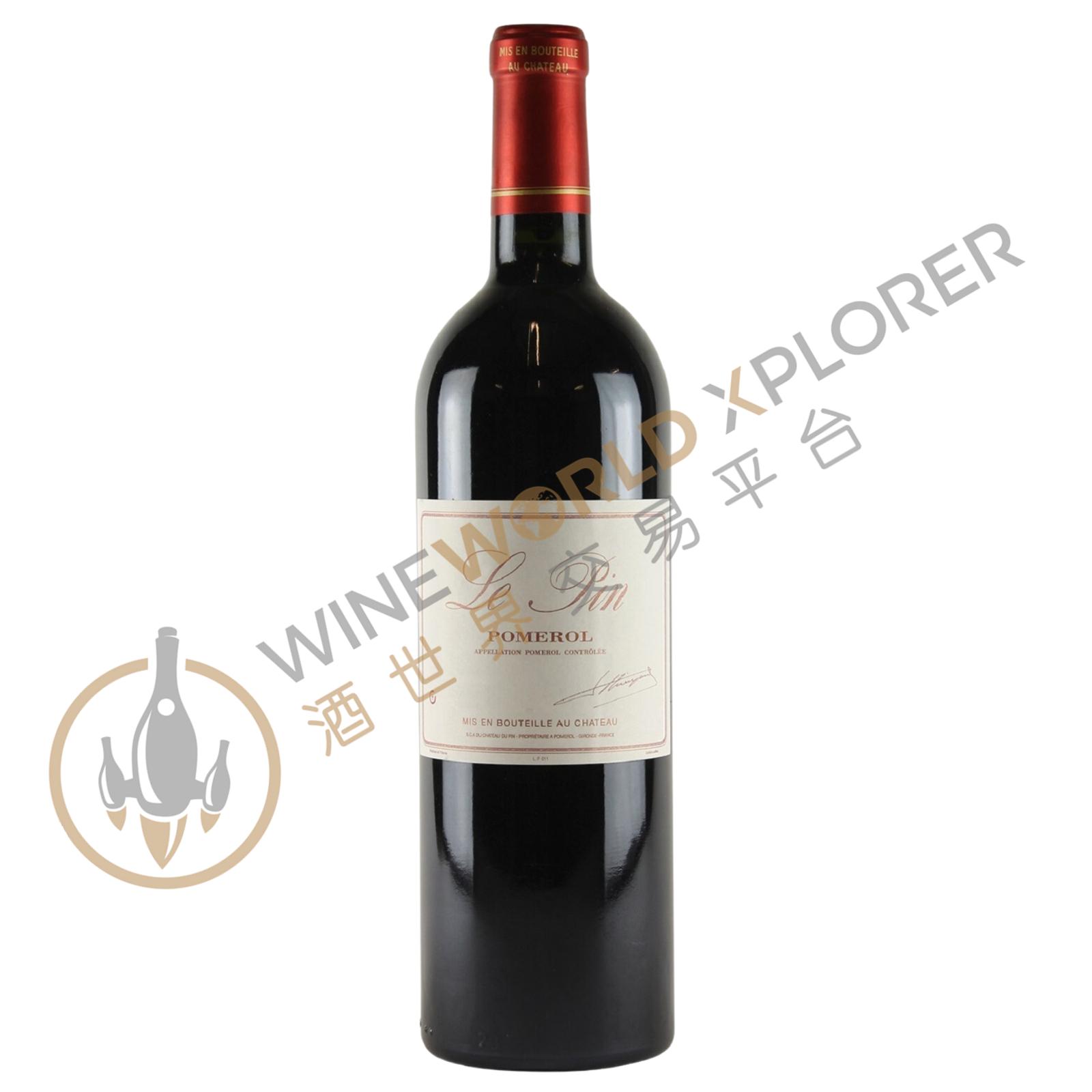
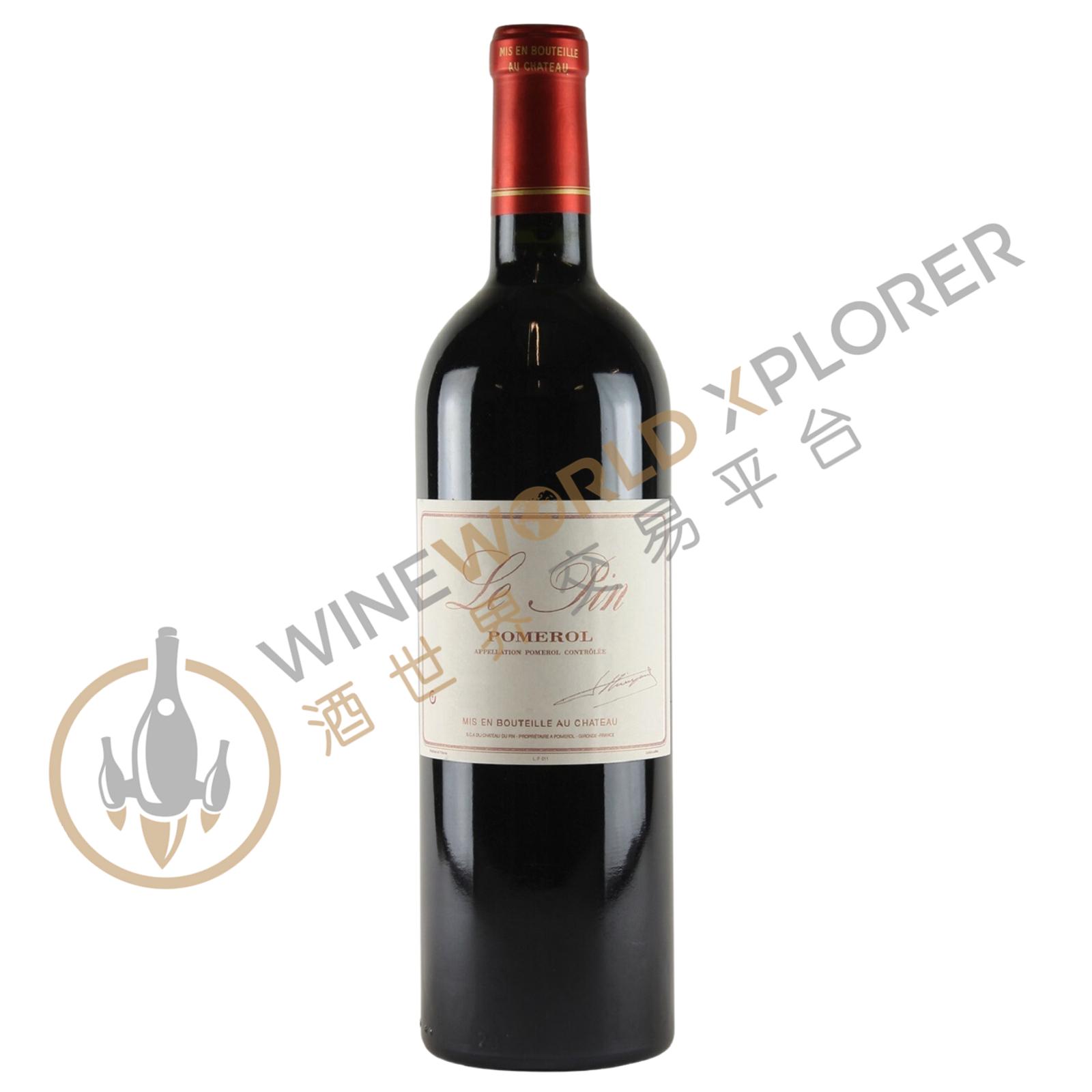
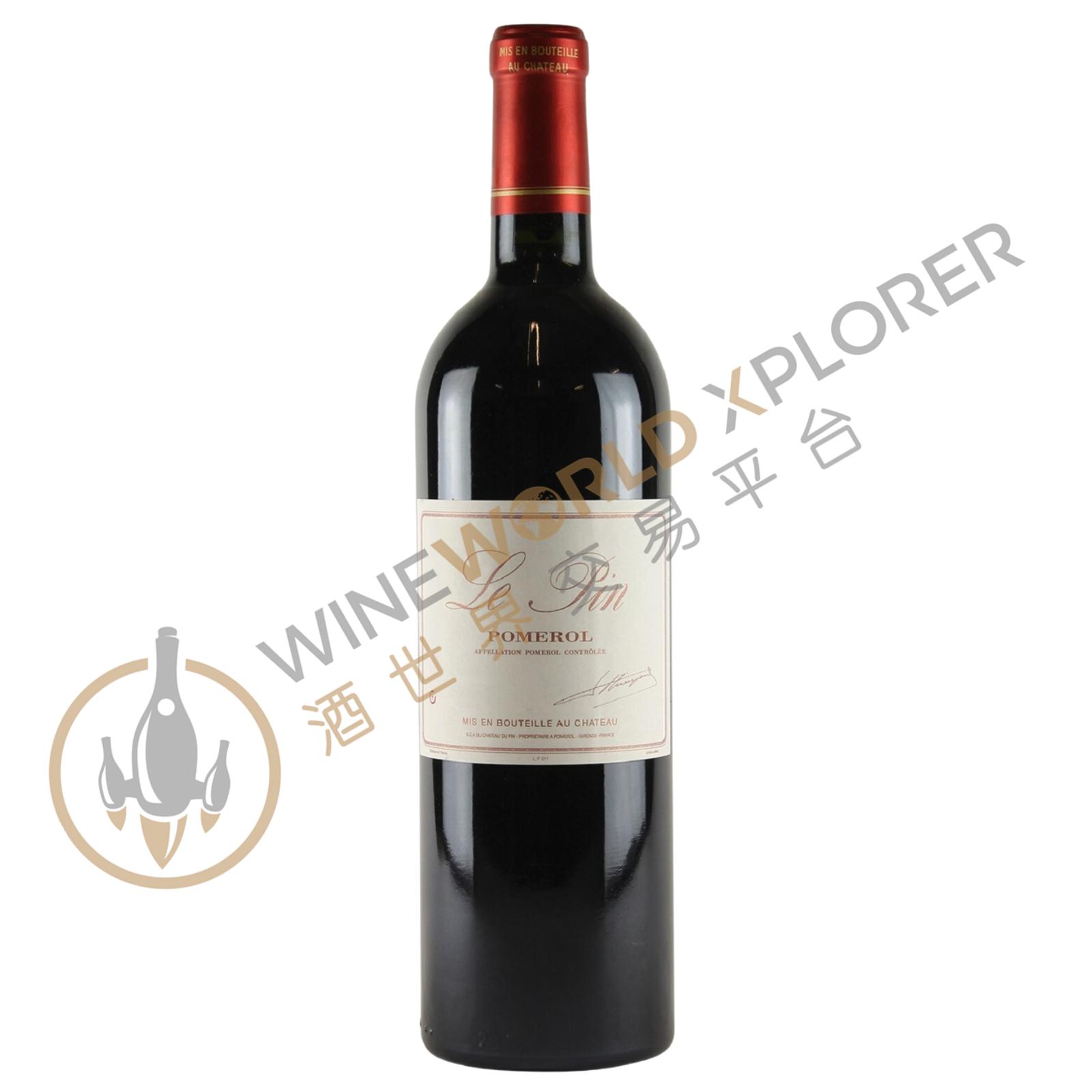
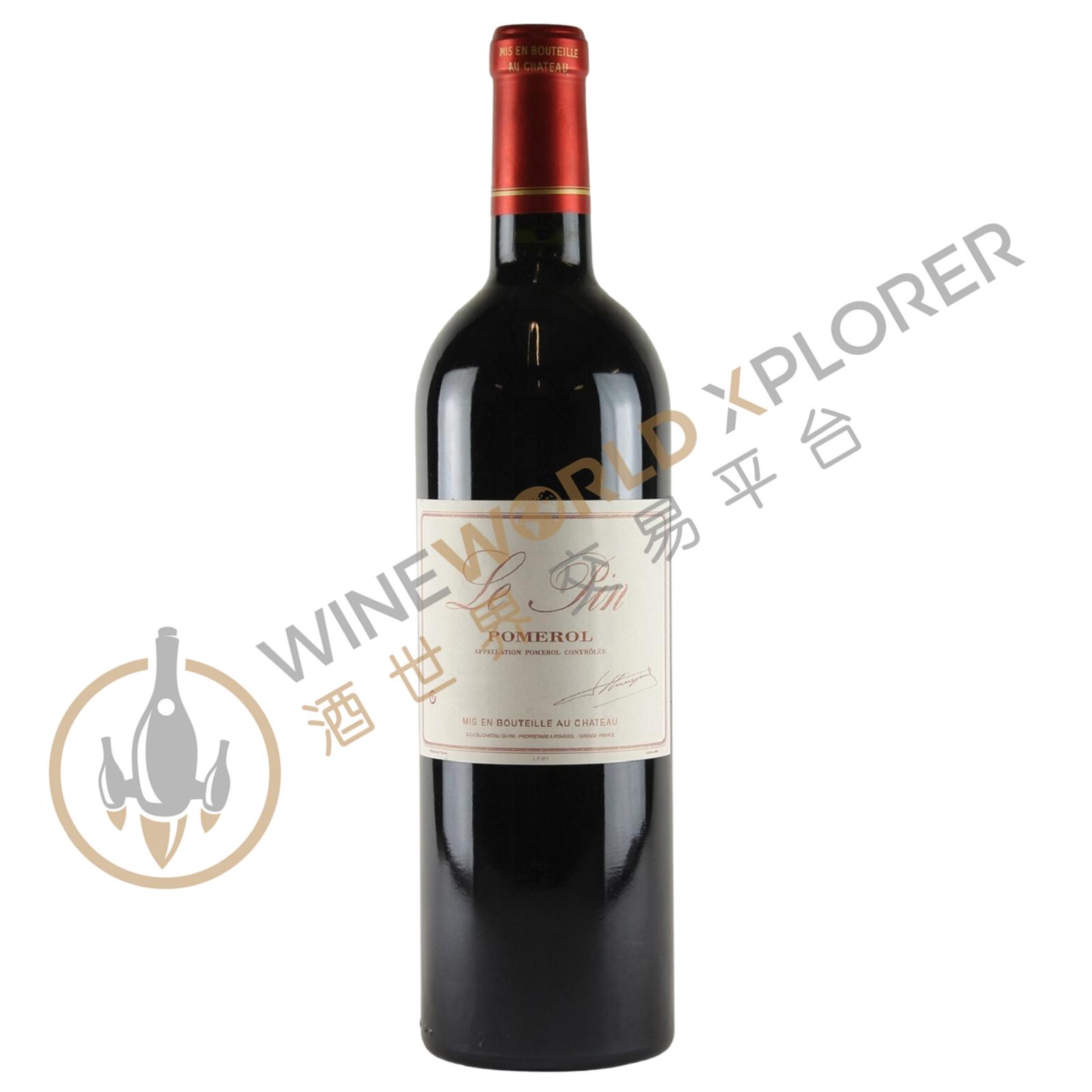
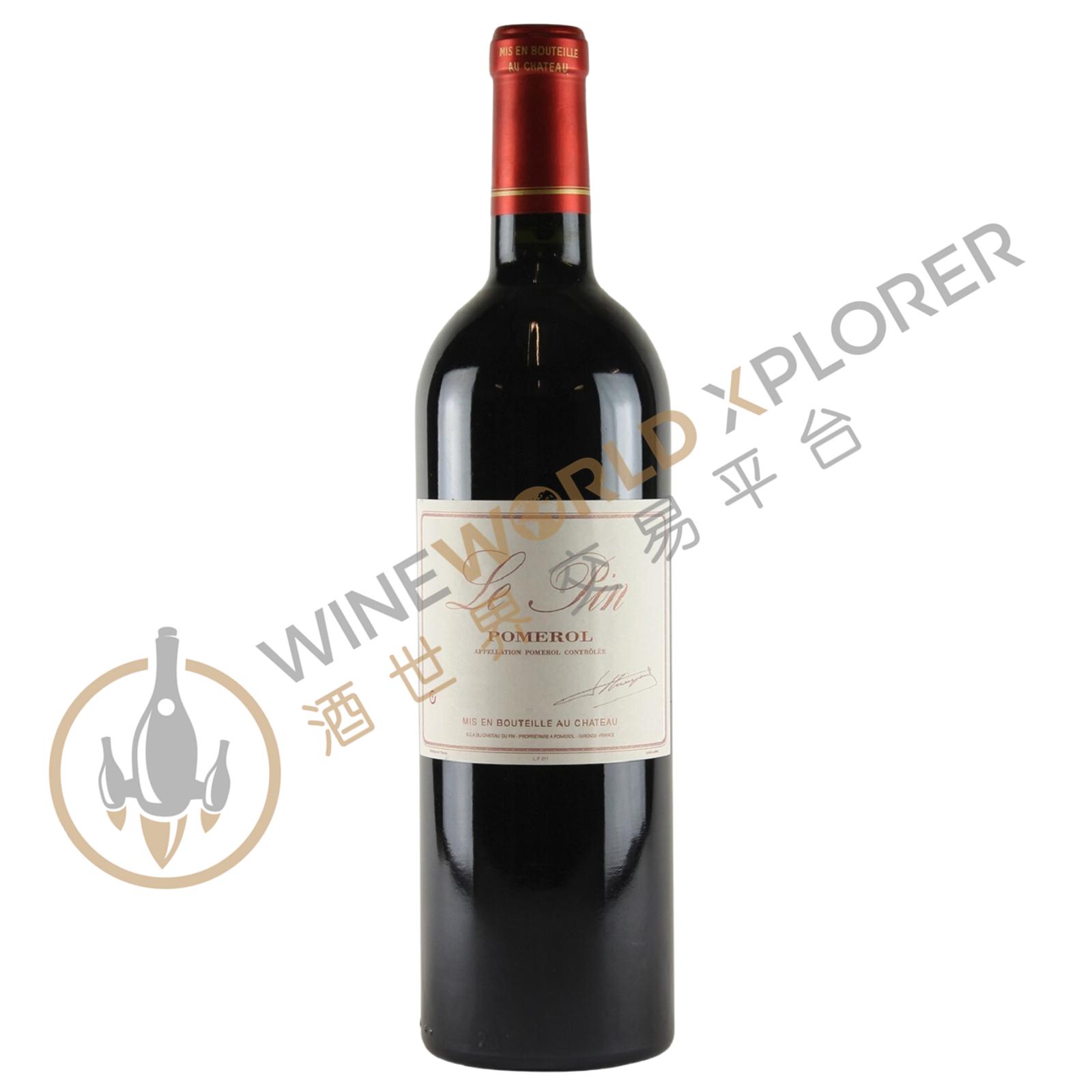
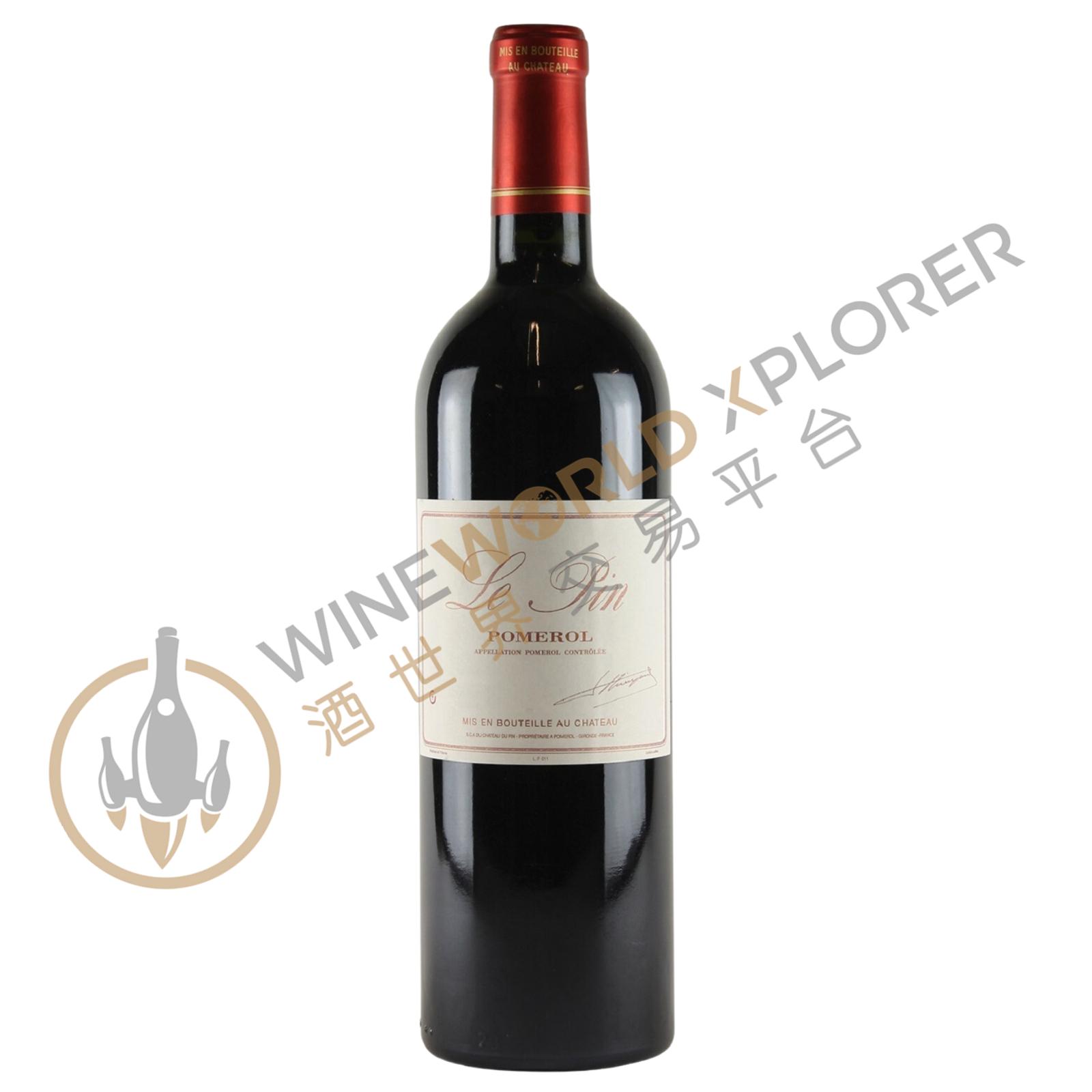
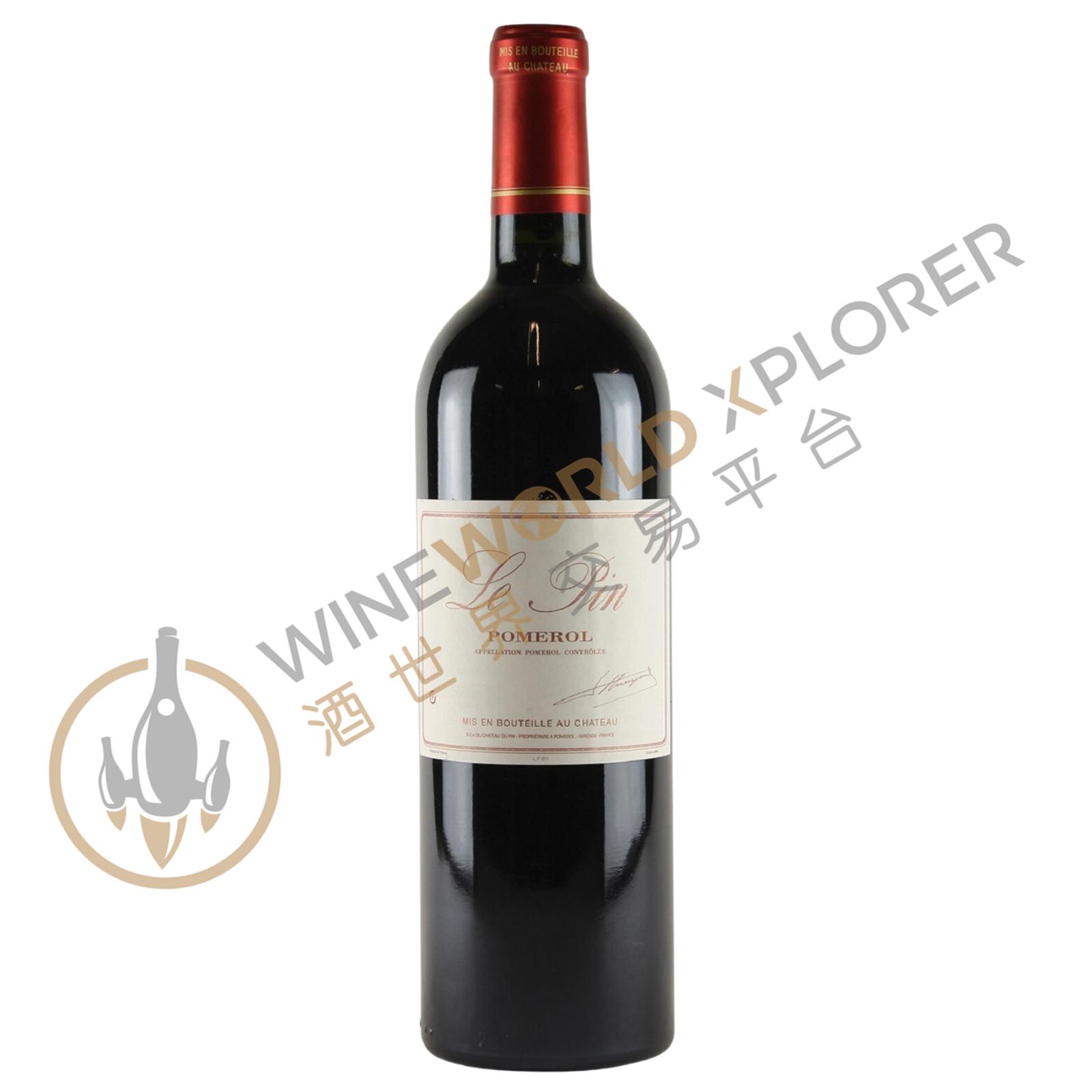
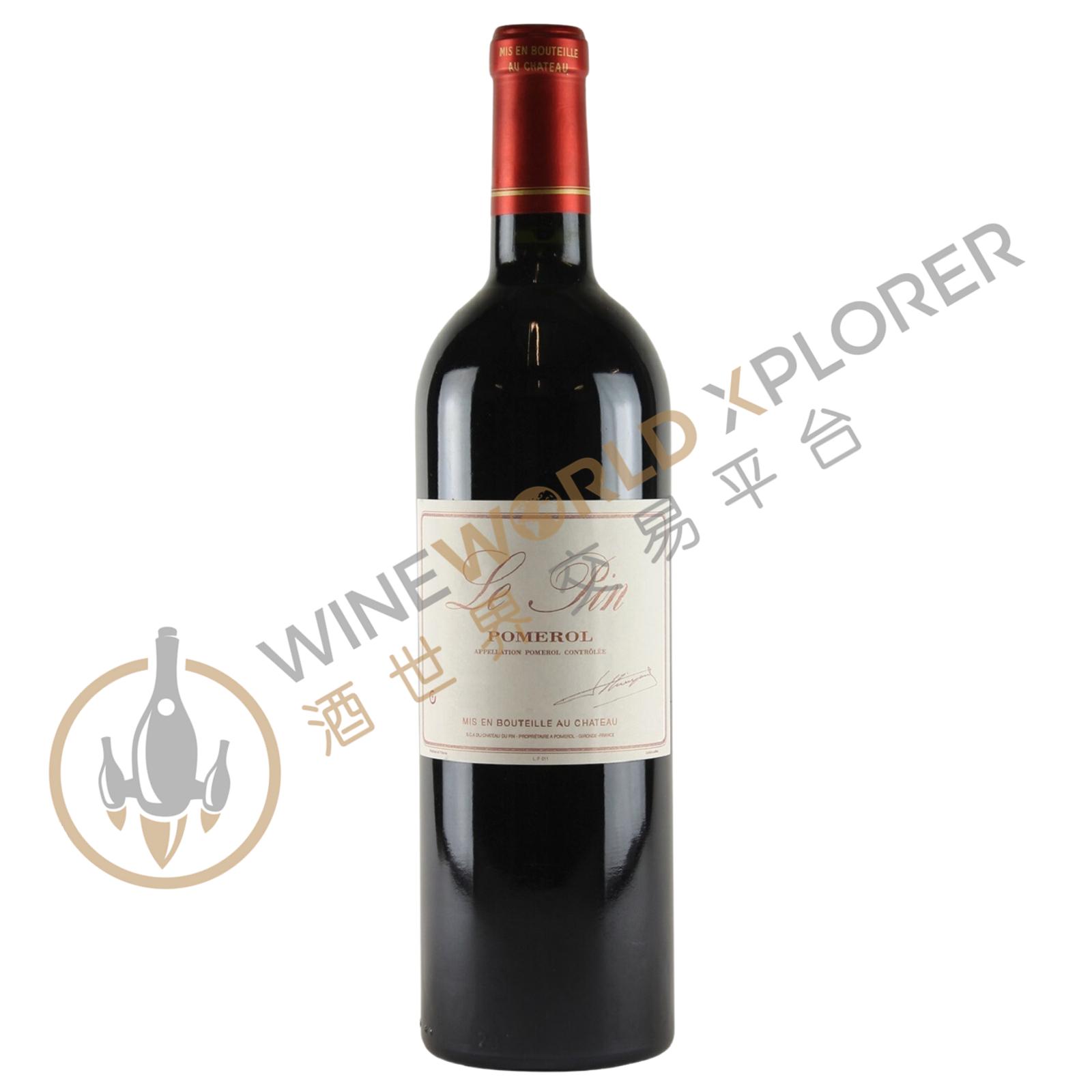
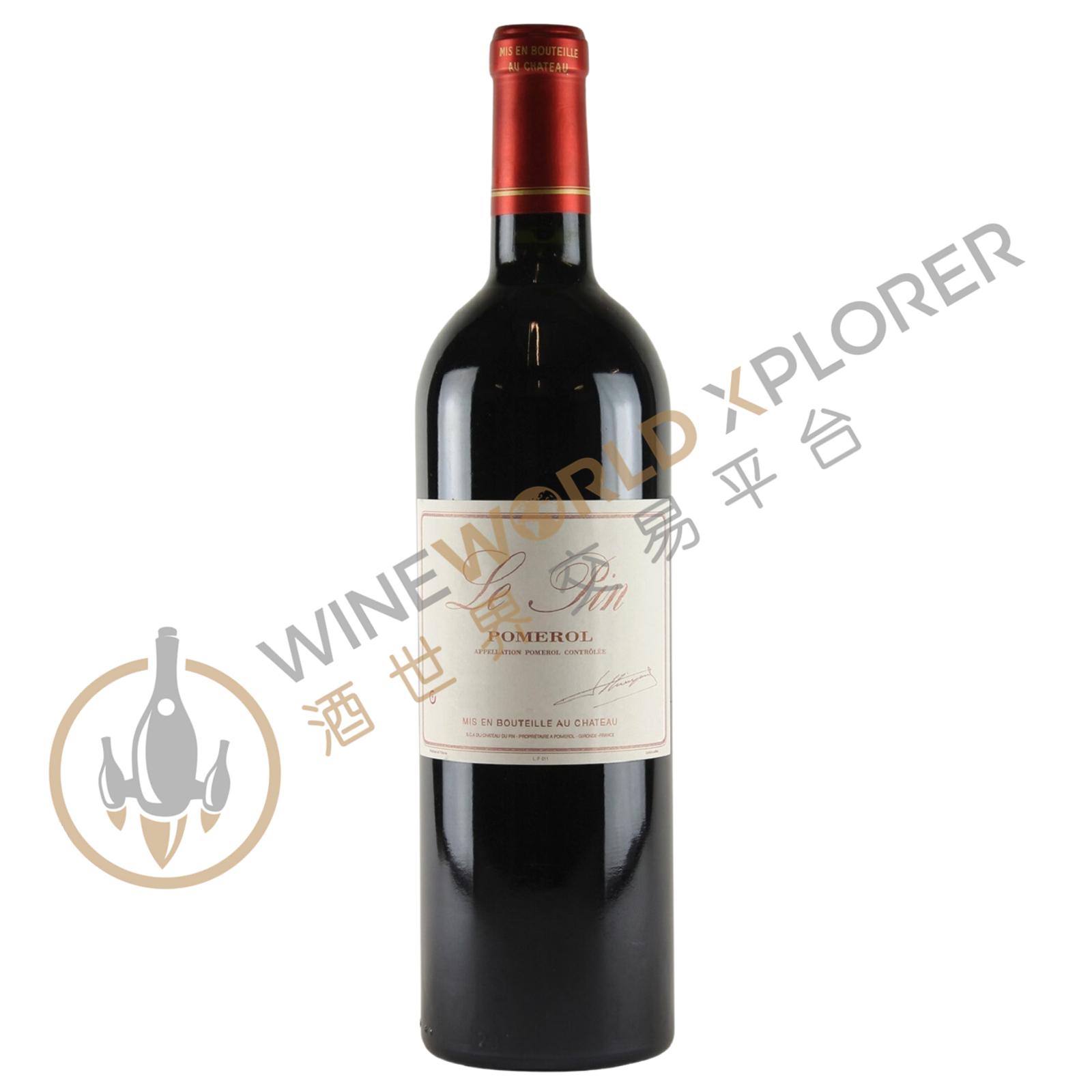
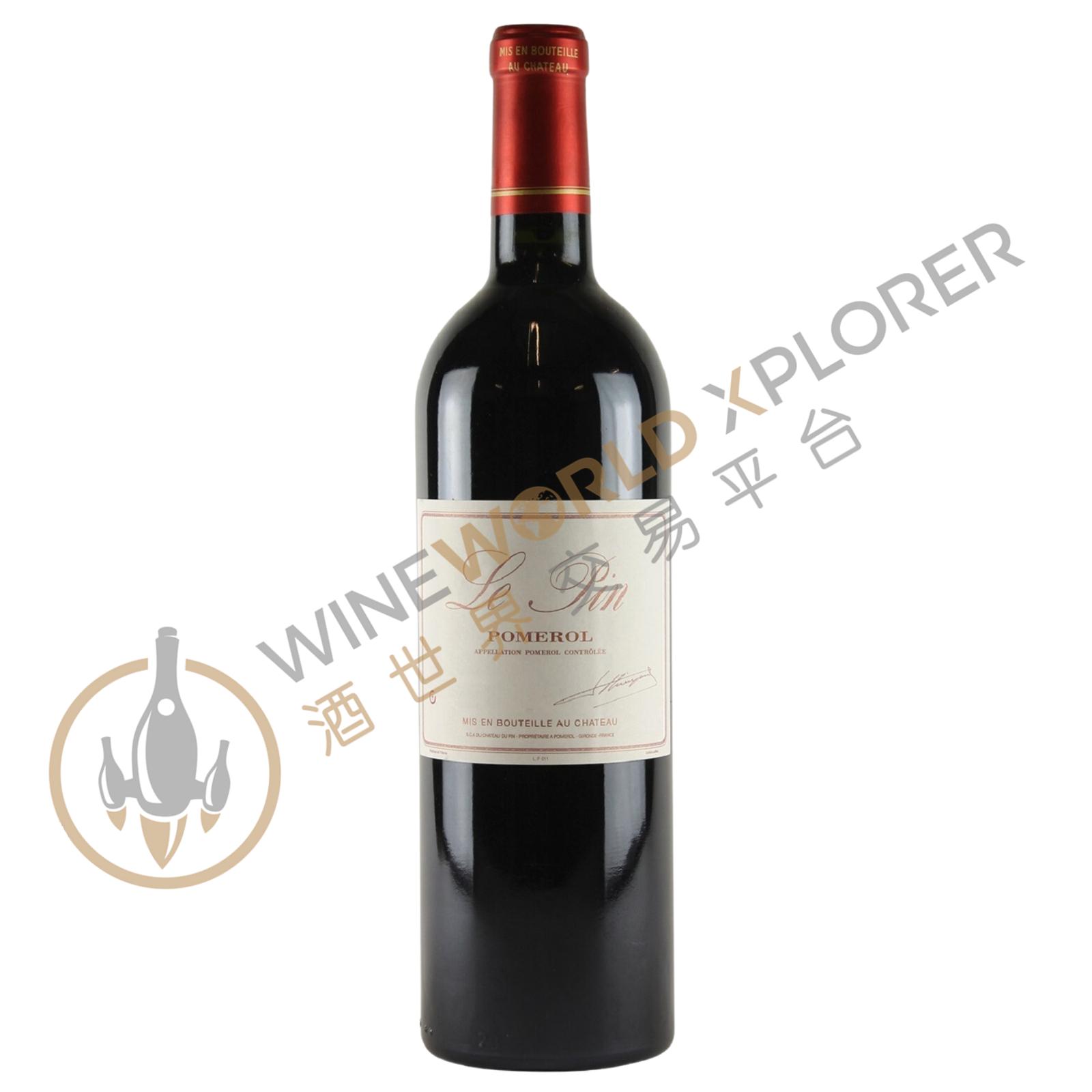
Le Pin 2002
 View analysis
Description
Tasting notes

Reviewed by: Stephen Tanzer
Full red-ruby. Ripe aromas of plum, dark raspberry, chocolate and espresso. Fat, lush and fruity, with a lovely pliant texture and impressive richness for the vintage; hints of espresso and roasted herbs. Alexandre Thienpont likes this wine very much but told me he gives the edge to the 2001, so I was pleasantly surprised by the high quality of this bottle.
Reviewed by: Stephen Tanzer
Bright ruby-red. Pungent spices, blackcurrant, crushed raspberry and licorice on the nose. Dense, minty and urgent, with excellent intensity and moderate depth. Finishes sweet and persistent, with a note of espresso. From the older vines: Medium ruby-red. More floral, nuanced, exotic aromas of mulberry, chocolate, flowers and sweet spices. Sweeter, fatter and riper than the juice from younger vines; offers uncanny sucrosity for a sample with just 12.3% alcohol. Very long and sweet on the finish. Some slightly rustic but very rich vin de presse will be added to the blend.
Reviewed by: Neal Martin
Tasted blind at Farr's 2002 Bordeaux tasting. An exotic, ripe bouquet with black cherries, dried orange peel and raspberry coulis with subtle tobacco notes developing with aeration. Superb clarity. The palate is rounded and sensuous, opening up with time, plush and generous with ripe strawberry, cassis and orange zest, but good structure underpinning everything. Great length and persistency, but only just out of the starting blocks. Tasted October 2009.
Reviewed by: Neal Martin
Tasted at Bipin Desai’s Le Pin vertical in Los Angeles. The Le Pin 2002 has a deep purple/garnet core. The nose is relatively backward to others, but reluctantly reveal scents of ripe black cherries, cedar and tobacco all with great definition. Very “correct”. Medium-bodied on the palate with quite firm, more masculine tannins, hints of tobacco and asphalt, this comes across as a more foursquare Le Pin. It definitely deserves time in either decanter of glass because it opens up with time and with every passing minute becomes a more sumptuous affair. This wine will develop more nuances with time and could be a dark horse. A small vintage with only 310 cases produced. Drink 2012-2020+ Tasted November 2008.
Reviewed by: Robert M. Parker, Jr.
One of the candidates for the Pomerol of this challenging vintage, Le Pin’s 2002 boasts a deep plum/purple color in addition to sweet aromas of dried herbs, roasted coffee, chocolate, plums, and sweet cherries. This luscious offering possesses terrific fruit, medium body, low acidity, and a long, heady finish. Drink it over the next 12-15 years. It is an amazing wine for the vintage!
About the Producer
Le Pin is the most expensive wine in the world. Jacques Thienpont purchased the meagre 1.6 hectares of land for one million francs in 1979. The Thienpoints named their wine Le Pin after a solitary pine tree that shaded the property. By acquiring tiny adjoining plots of land, Jacques has doubled the size of Le Pin to five acres. The south-facing vineyard on a well-drained slope of gravel and sand is planted with Merlot (about 92%), and a small amount of Cabernet Franc. Le Pin's soil is a mixture of gravel and clay with a little sand and is exceptionally low yielding (between 30 to 35 hl/hc). The grapes are hand-harvested and are fermented in stainless steel before being matured in`200%` new oak barriques for between 14 and 18 months. Dany Rolland, wife of cult-oenologist Michel Rolland, is a consultant here. Le Pin produces just 600 to 700 cases each year (Lafite Rothschild produces approximately 29,000 cases of wine a year and and Pétrus about 4,000) and its rarity is one of the driving forces behind its high prices. Le Pin produces super-concentrated, decadent, lush and lavishly oaked wines - they can be drunk young but are best with 7-10 years of bottle ageing.
1985(1)1986(1)1988(2)1989(1)1990(1)1991(2)1992(1)1993(1)1994(3)1995(3)1996(3)1997(4)1998(4)1999(4)2000(2)2001(5)
Package Size
1 x 1.5L