Wine Advisor



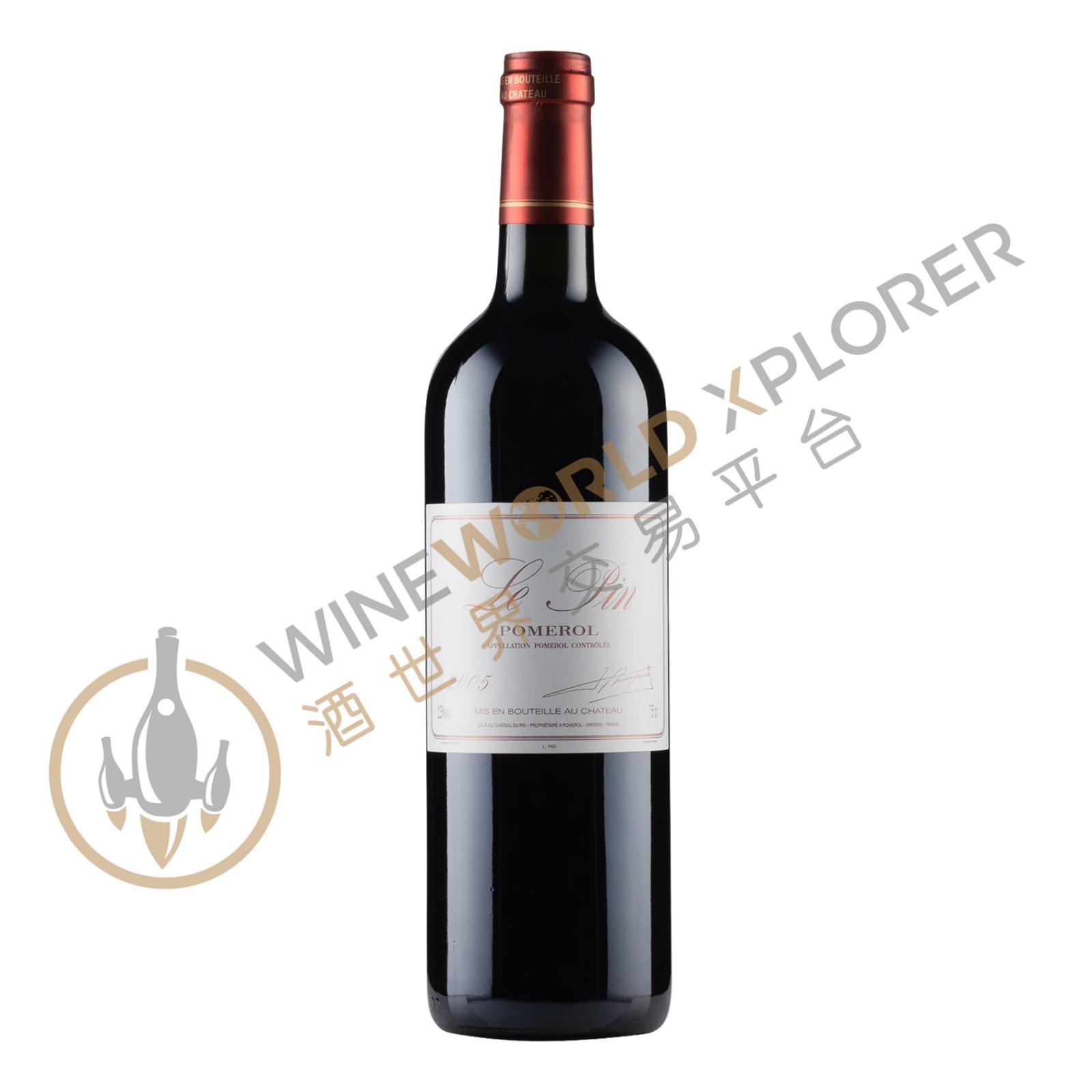
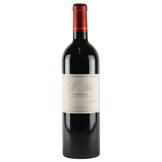
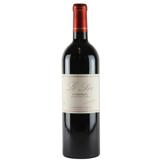
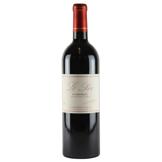
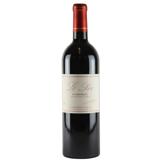
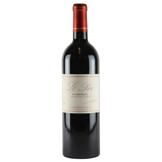
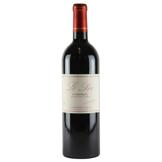
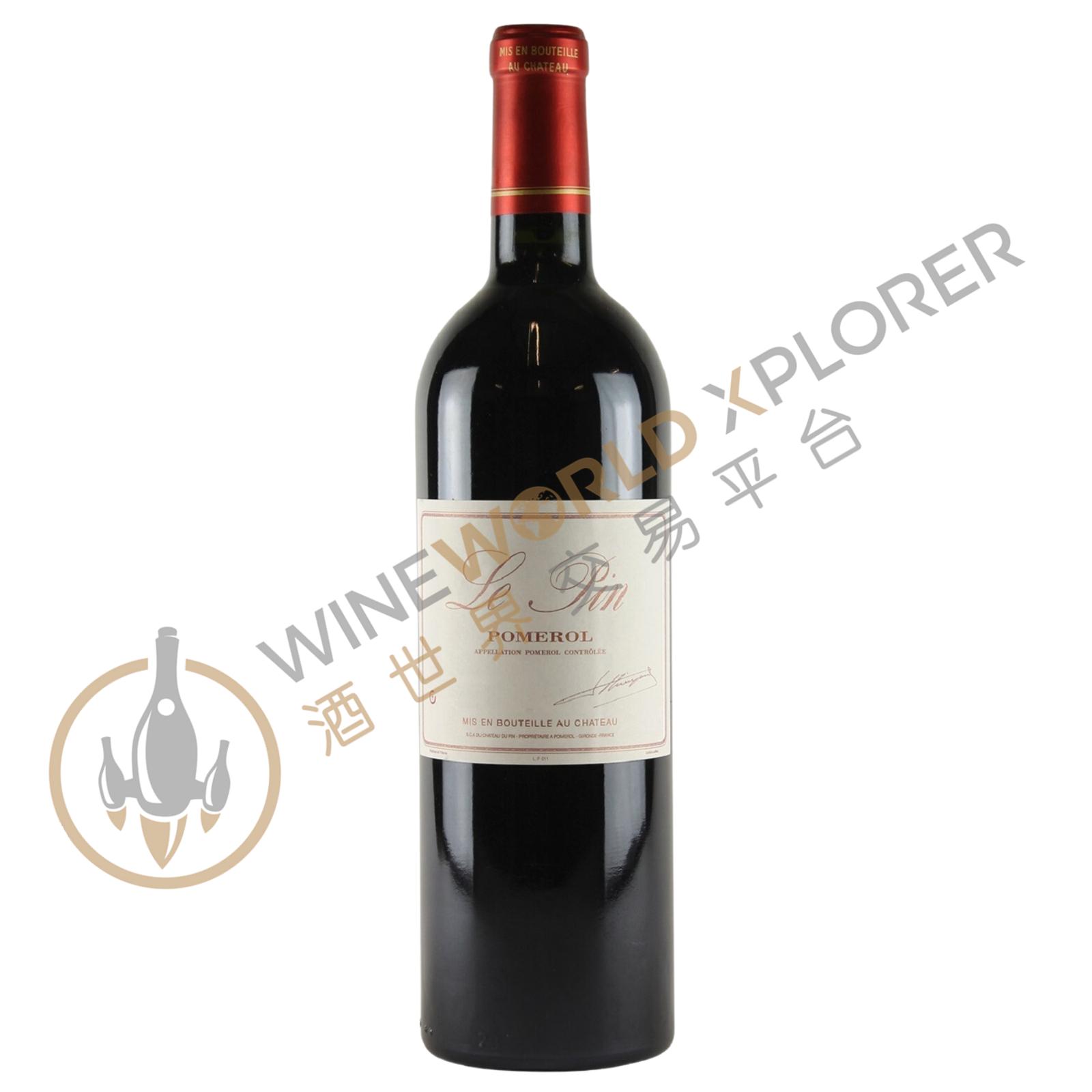
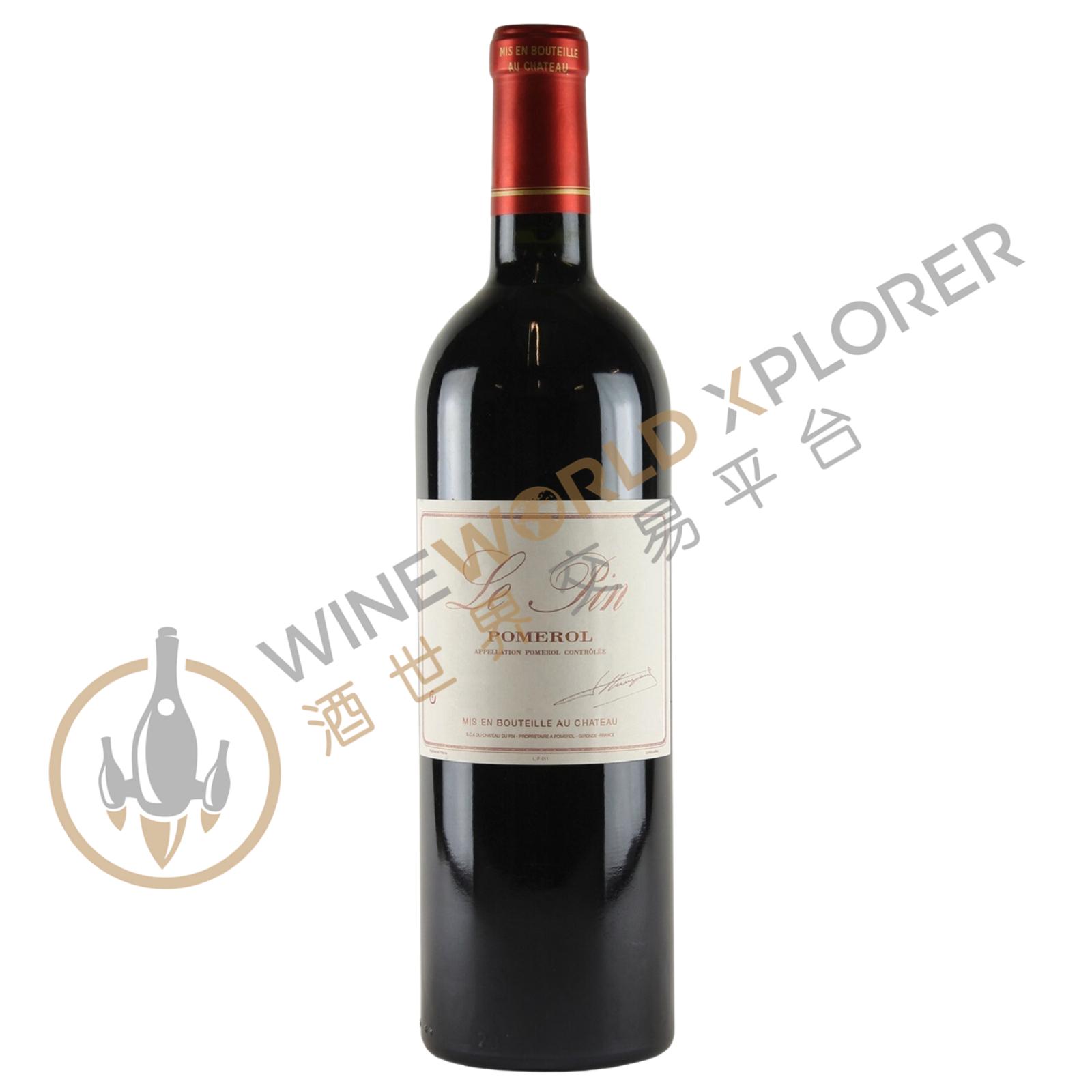
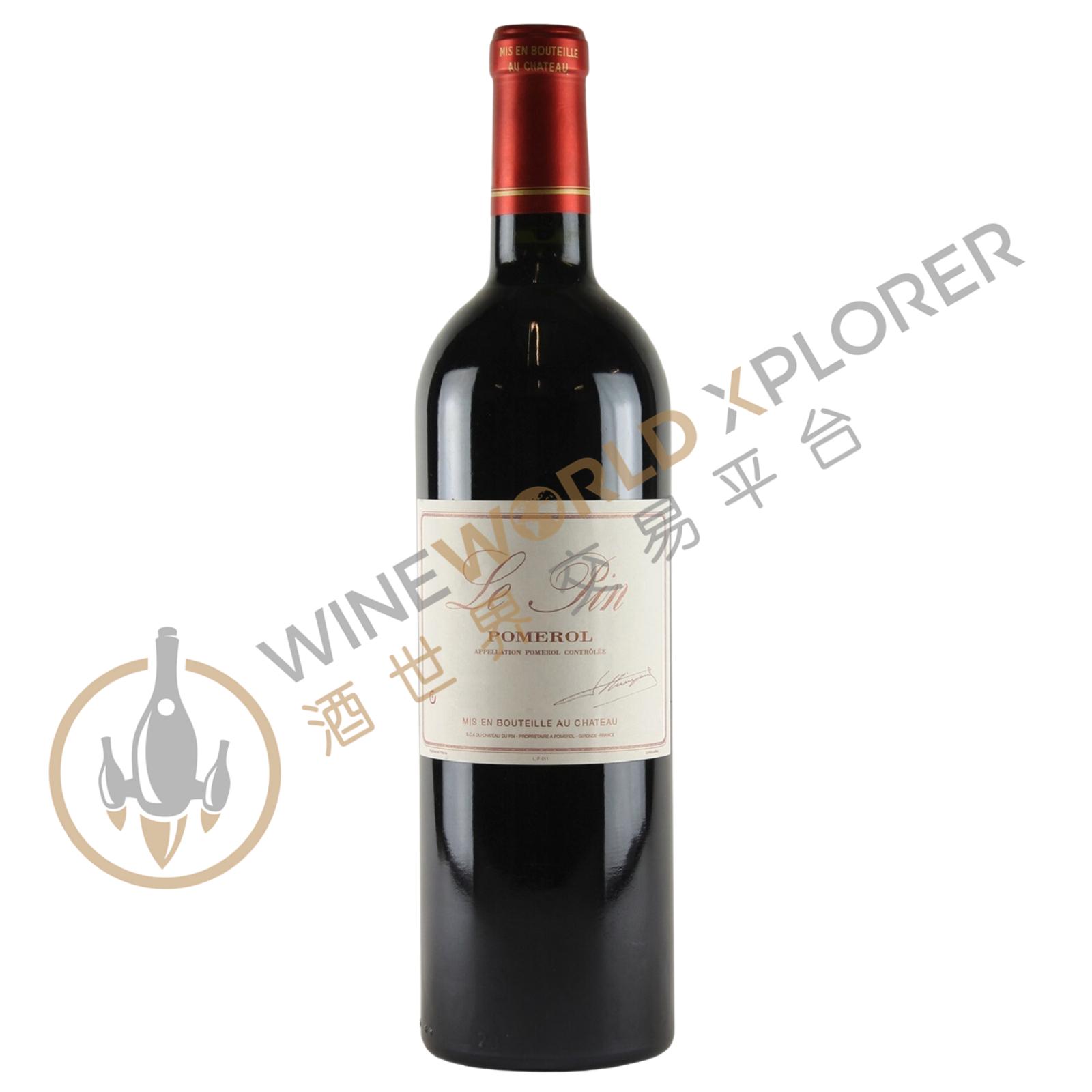
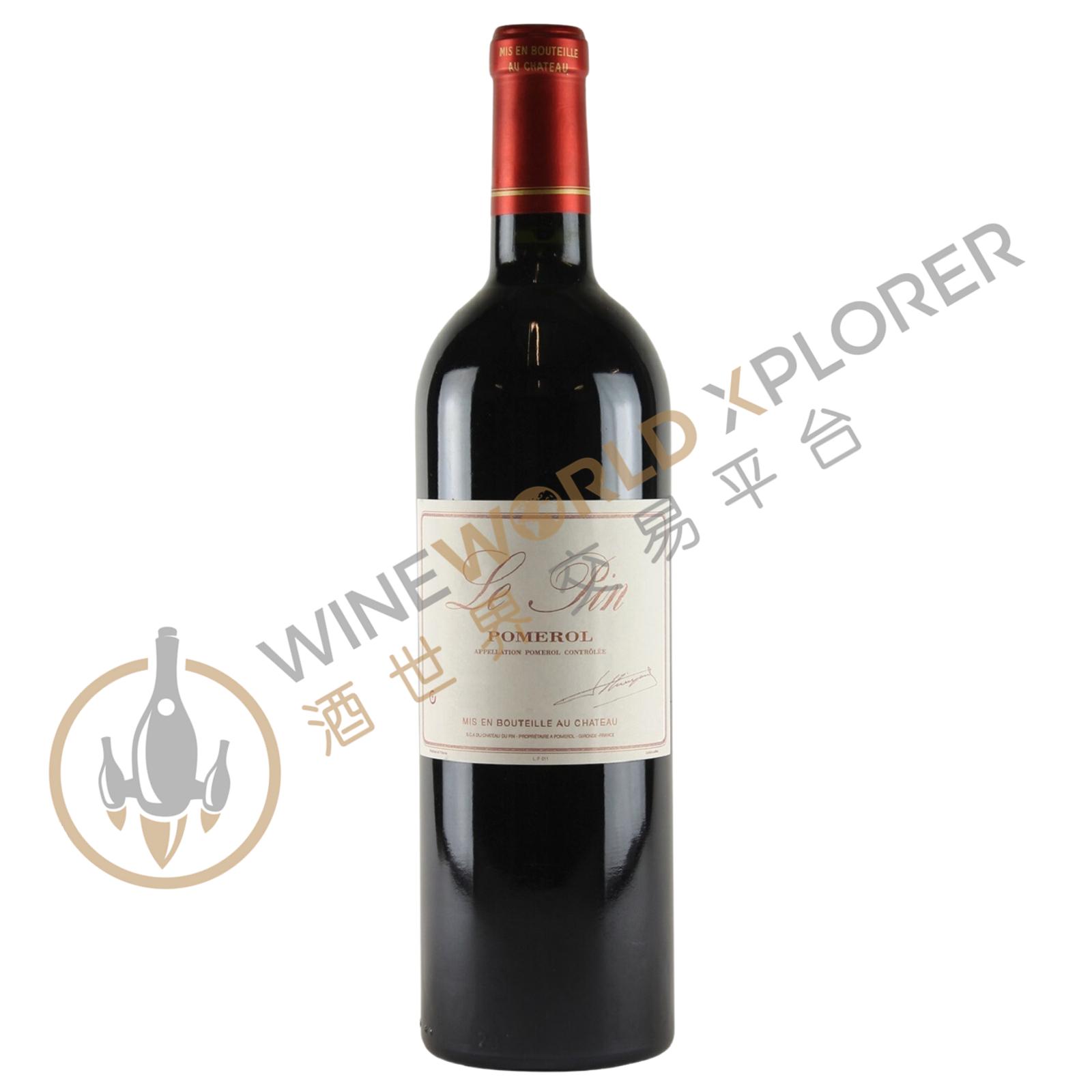
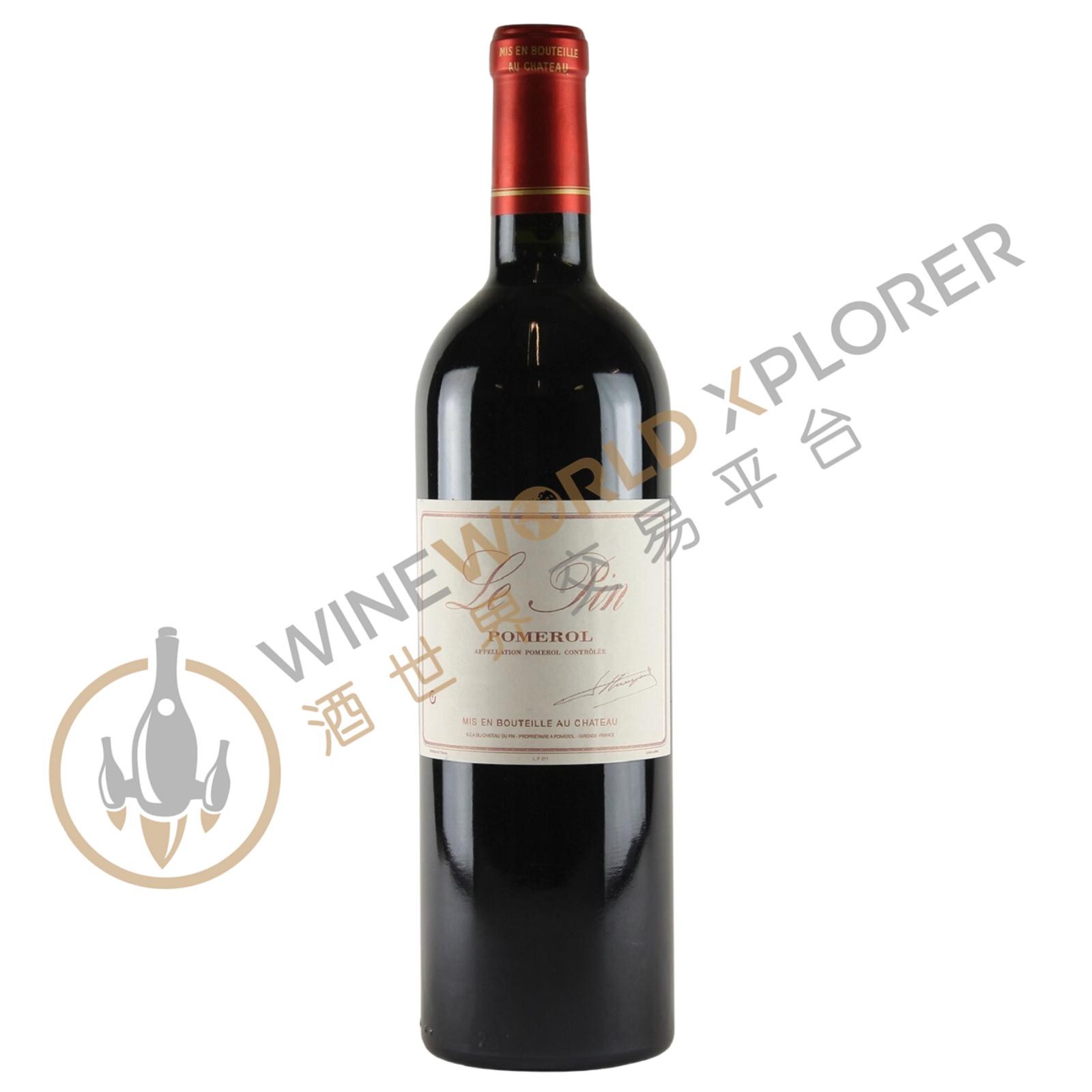
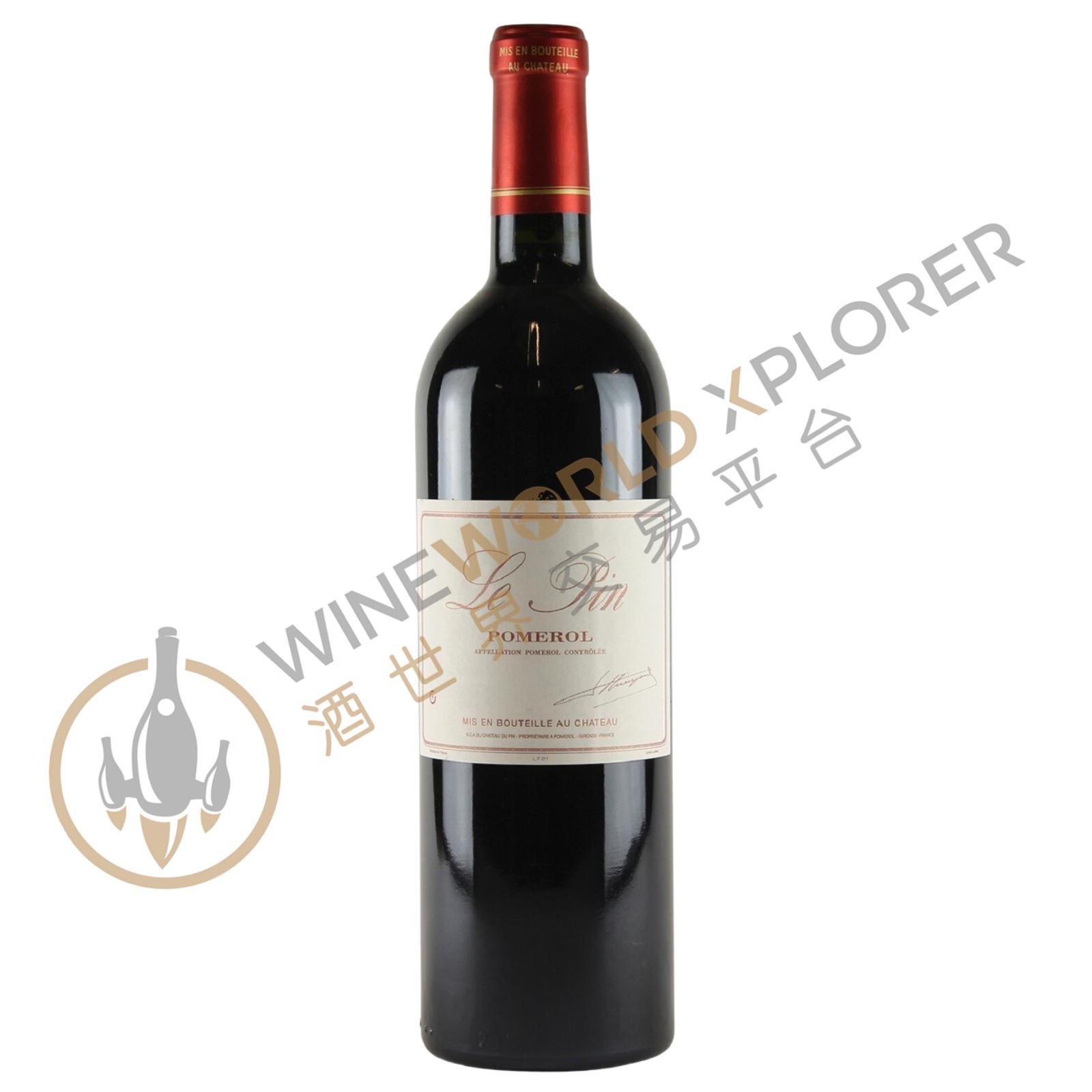
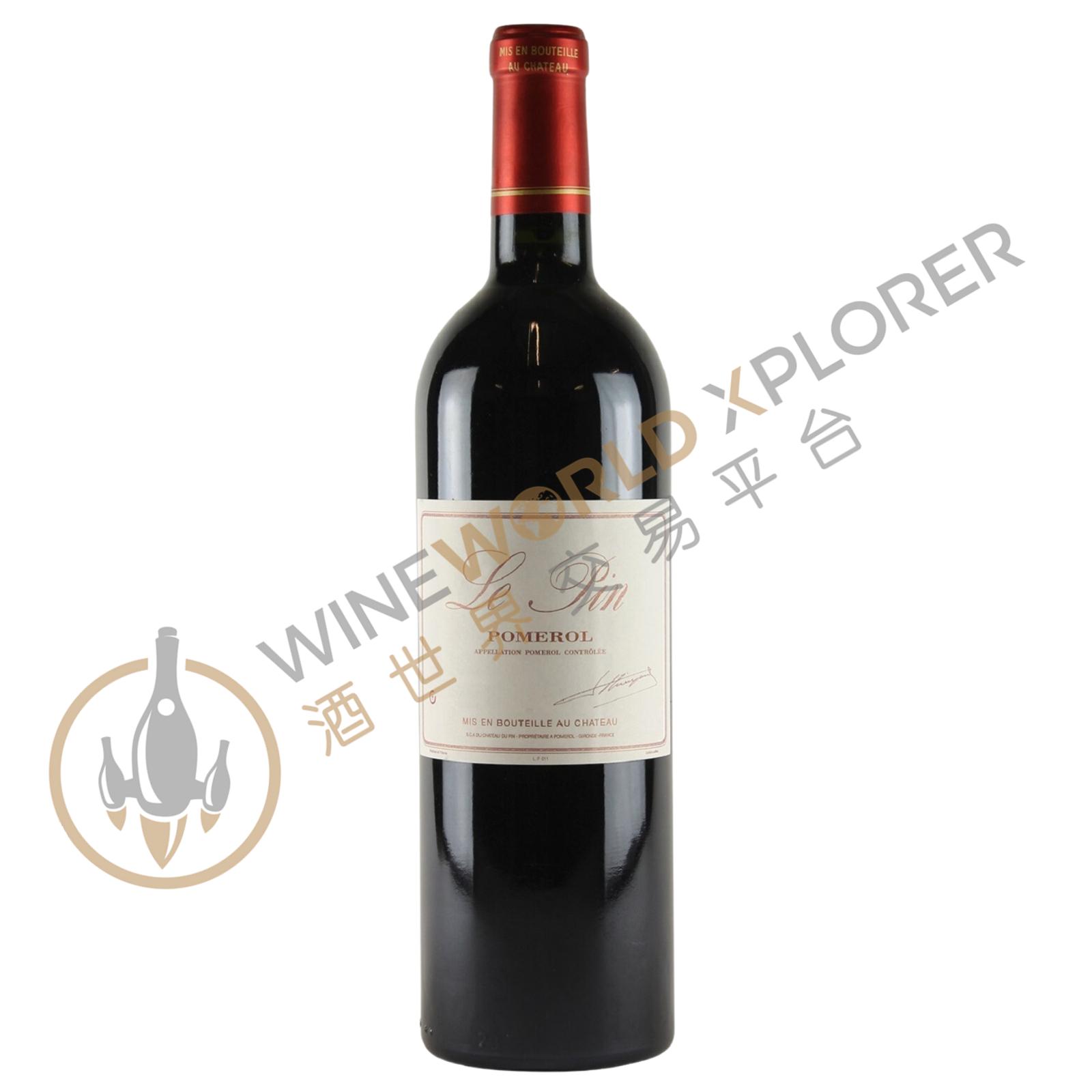
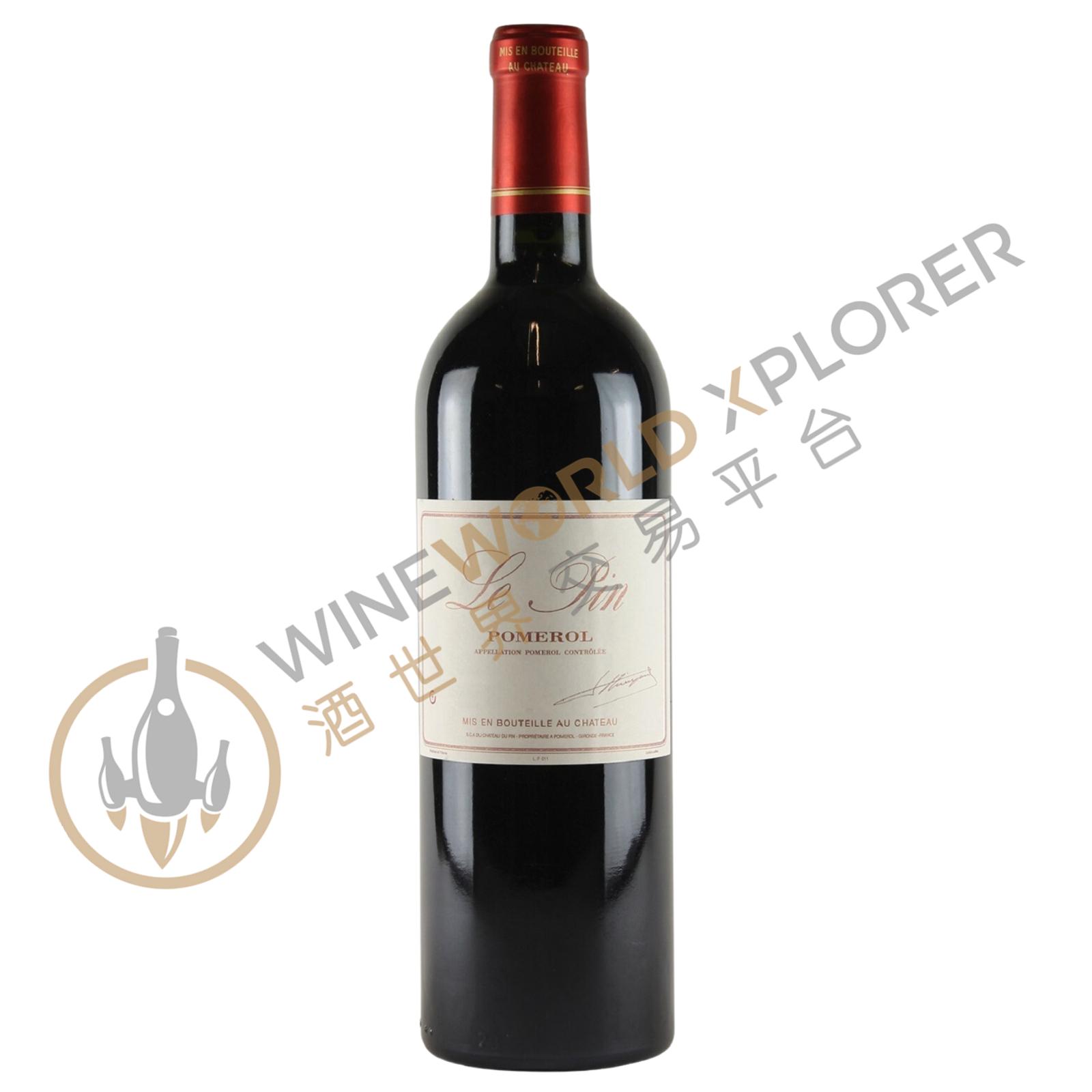
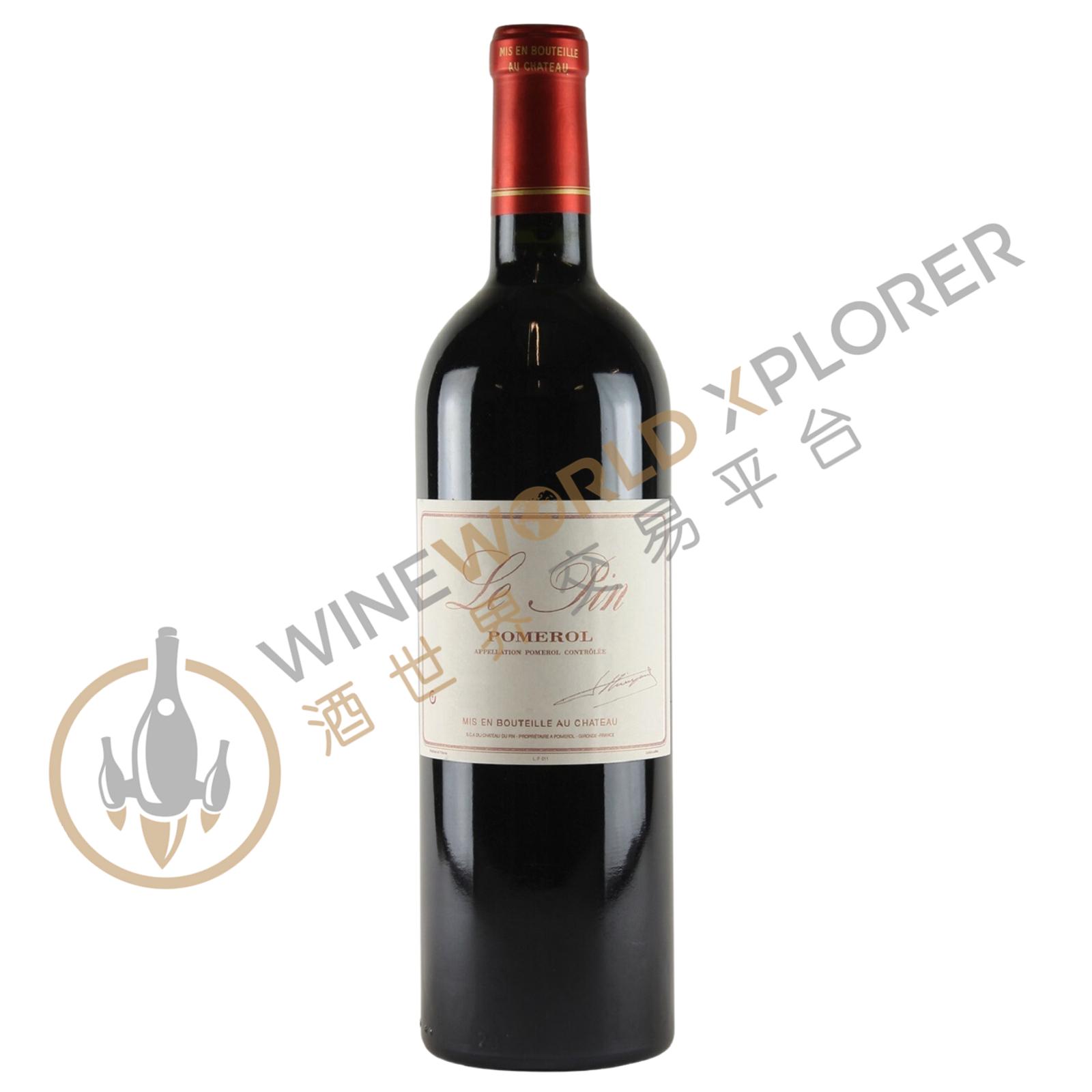
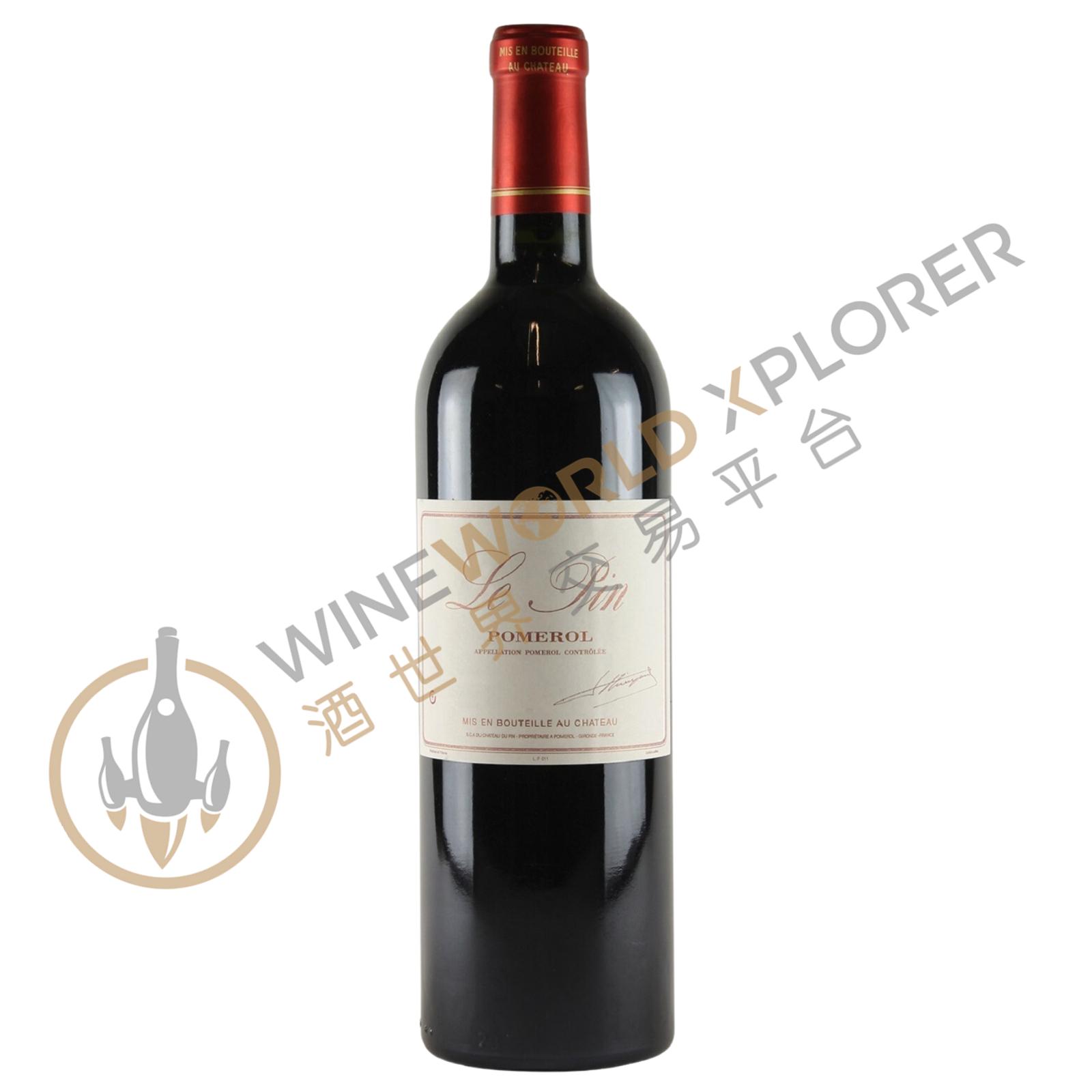
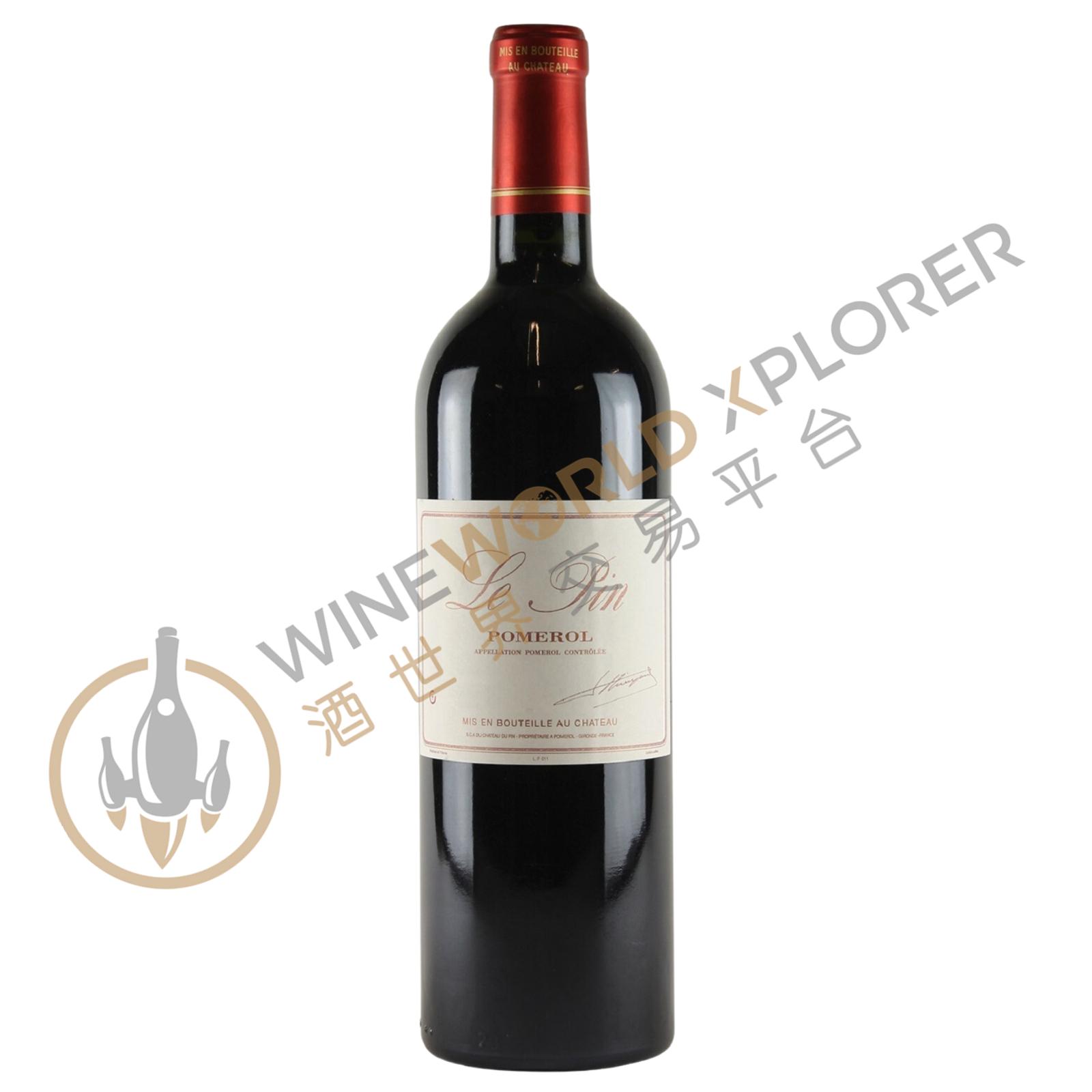
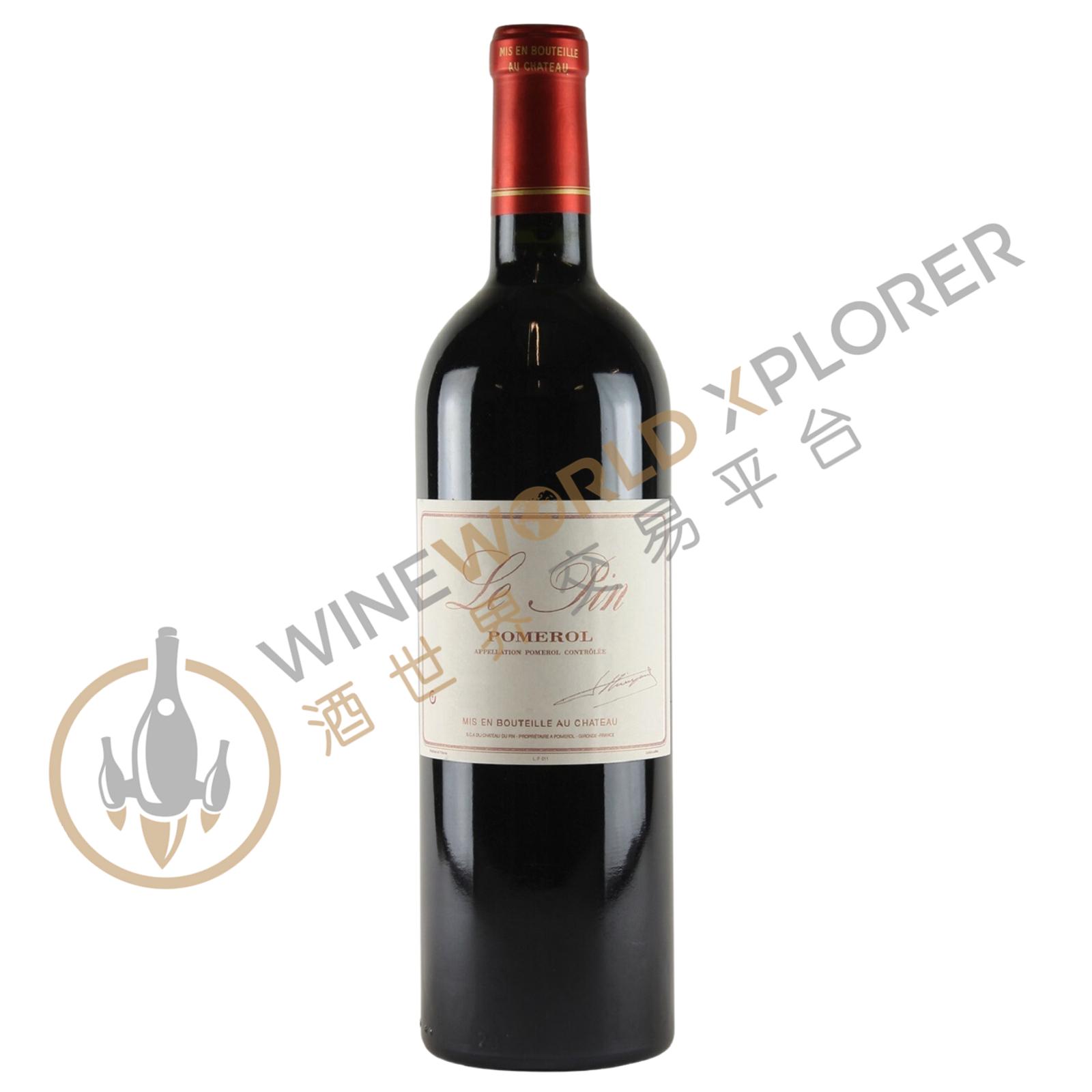
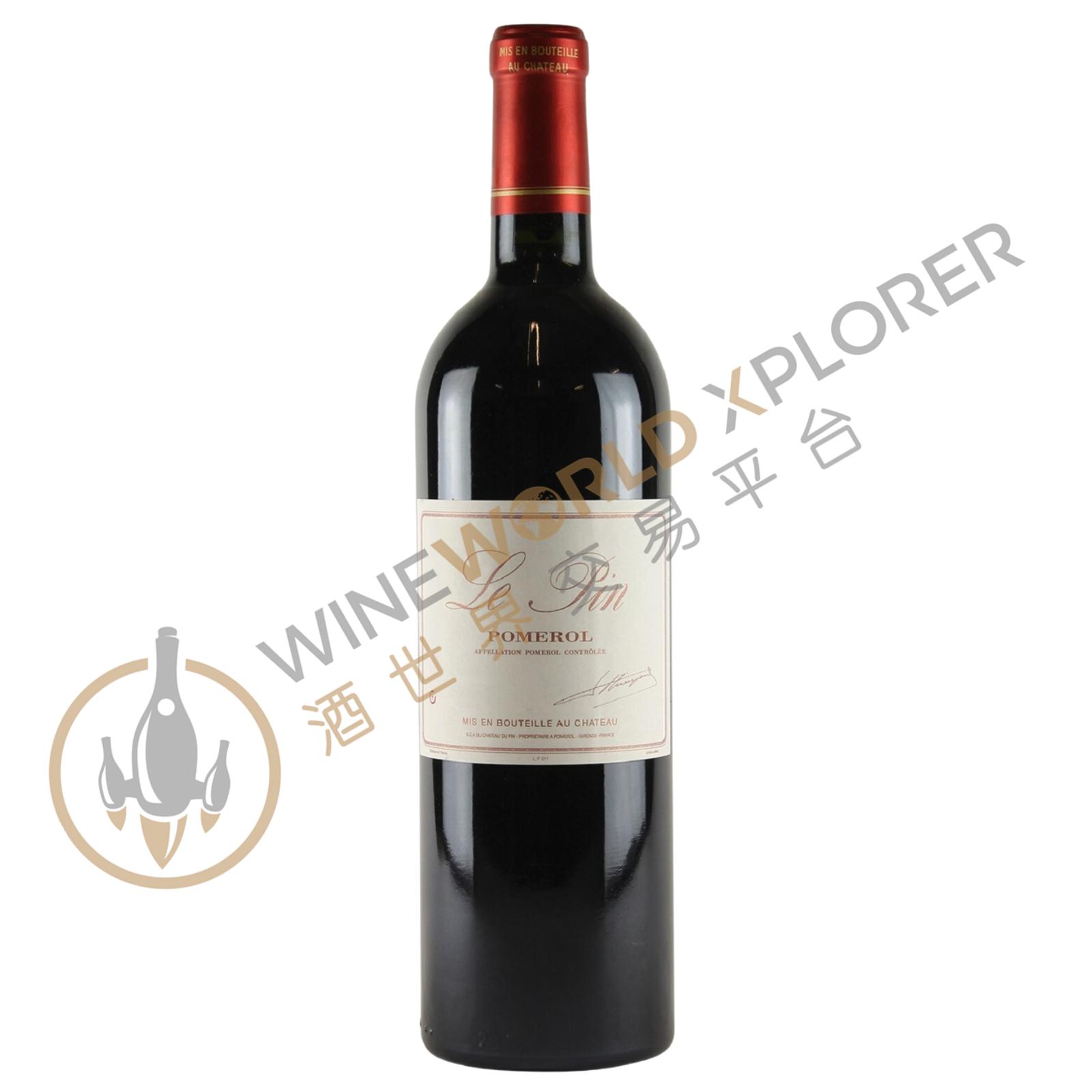
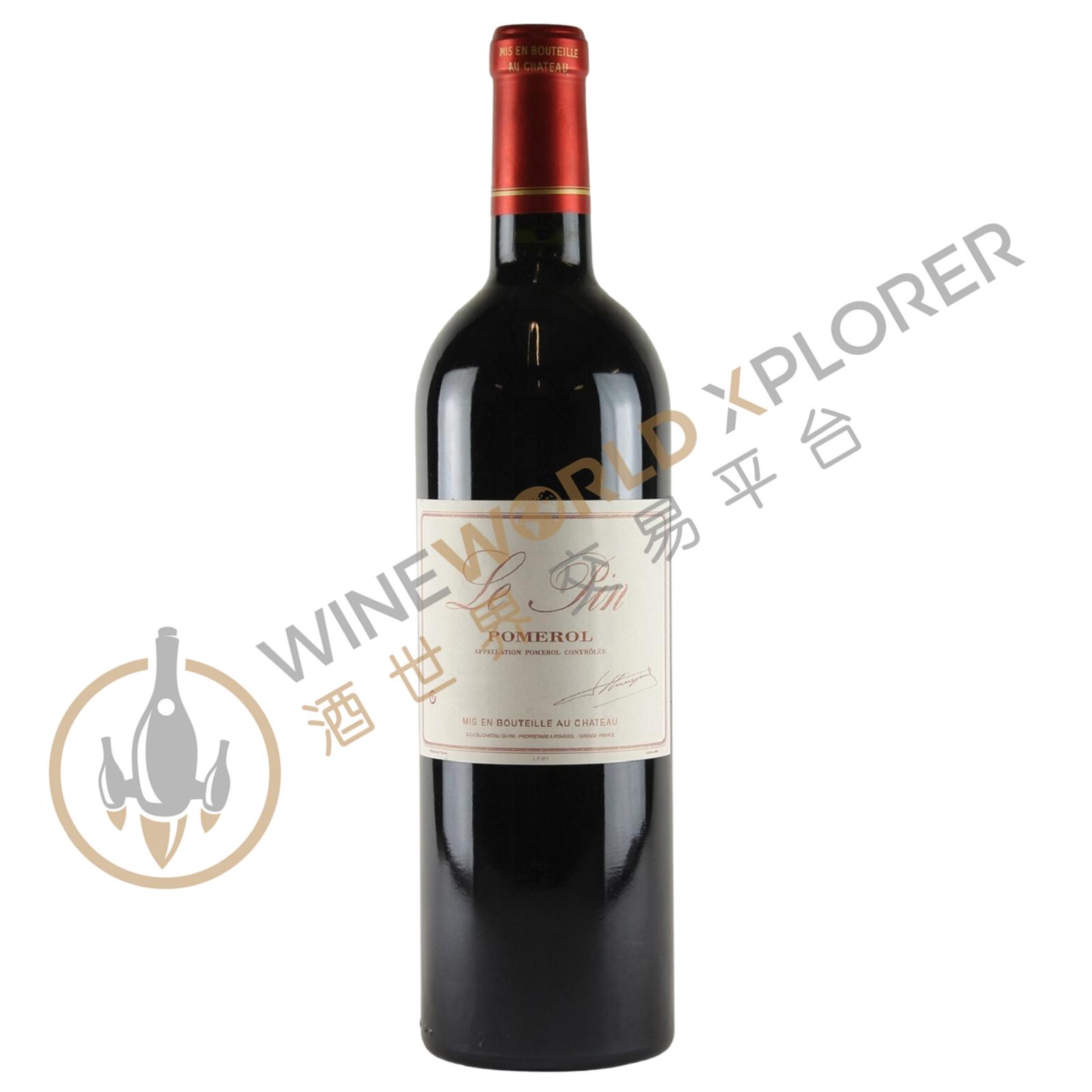
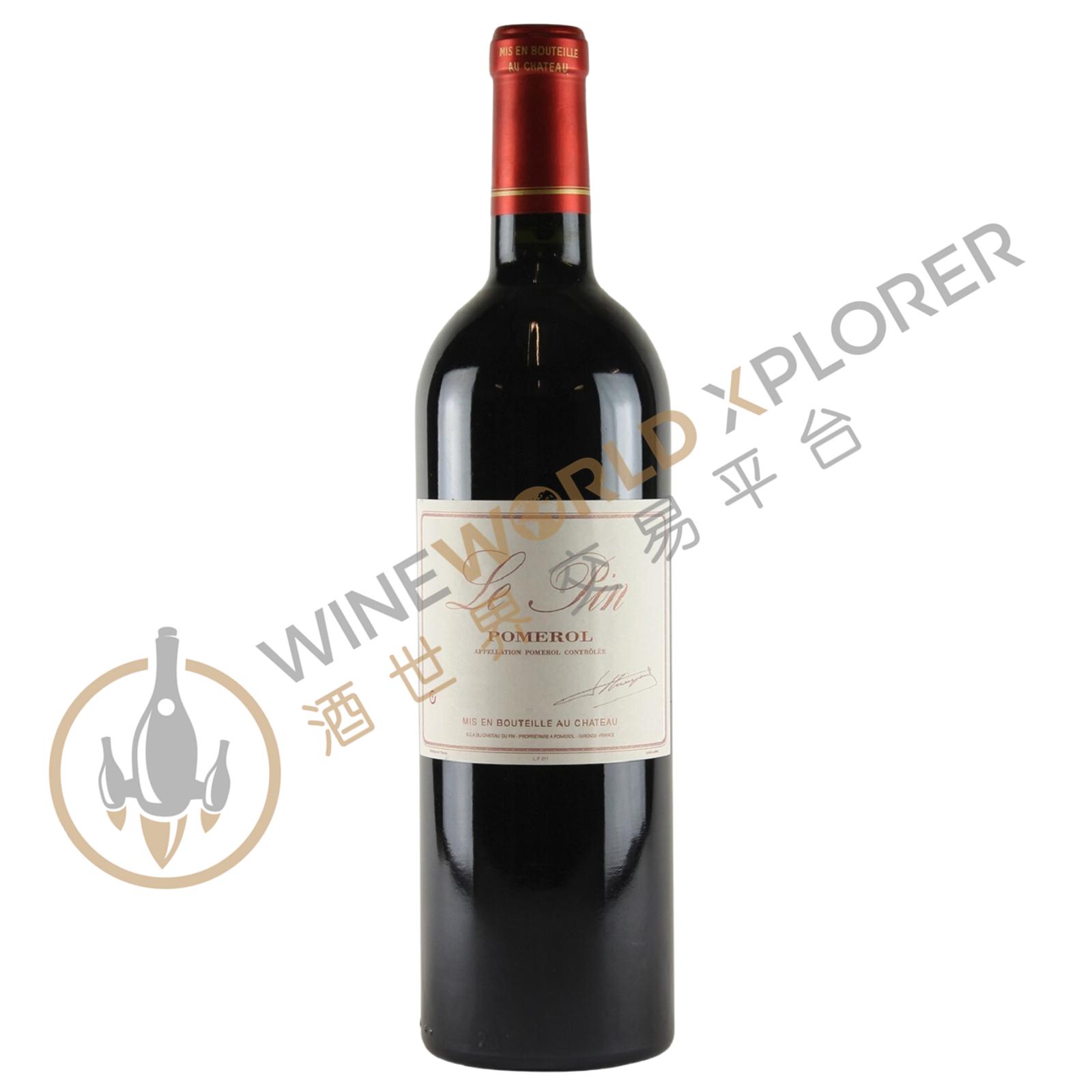
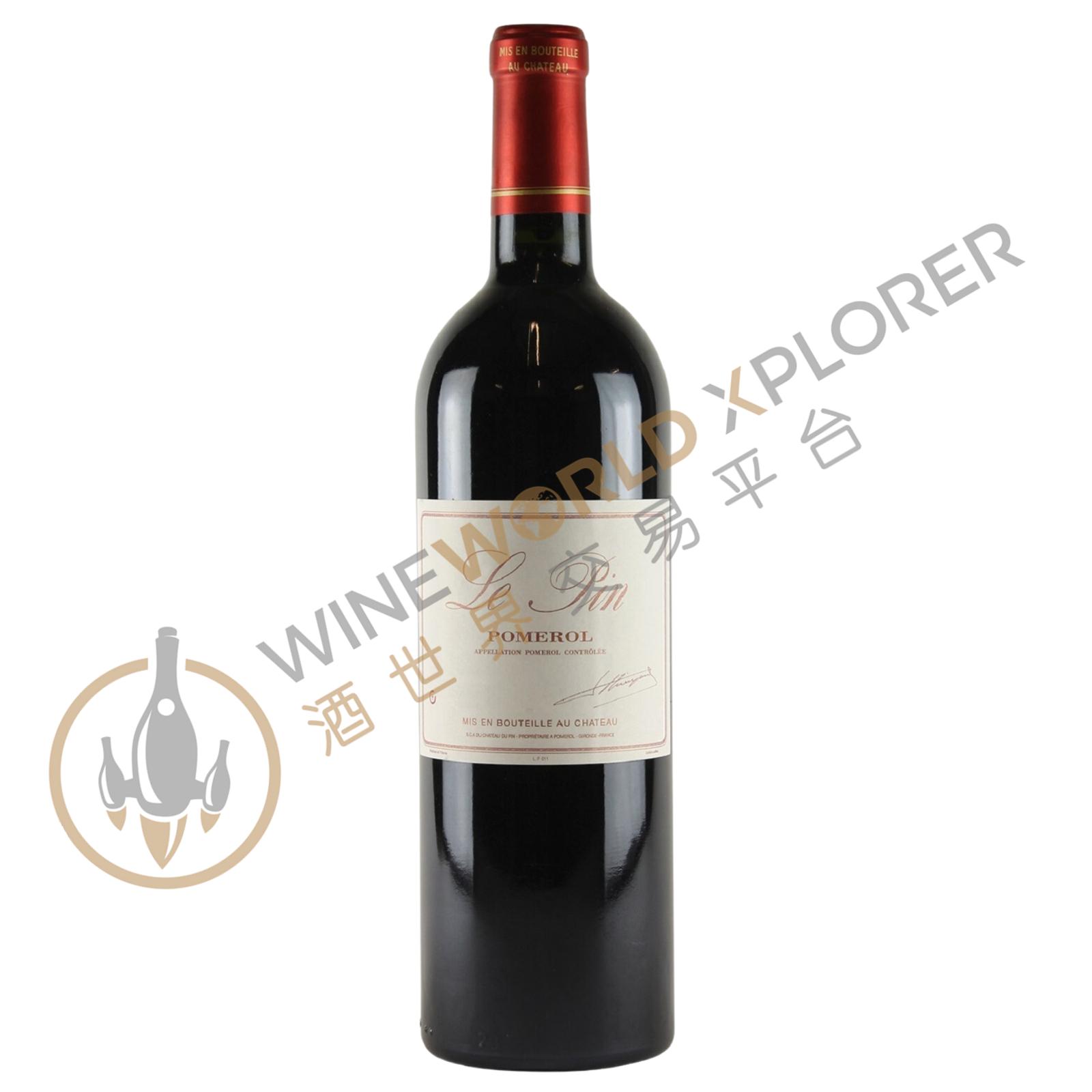
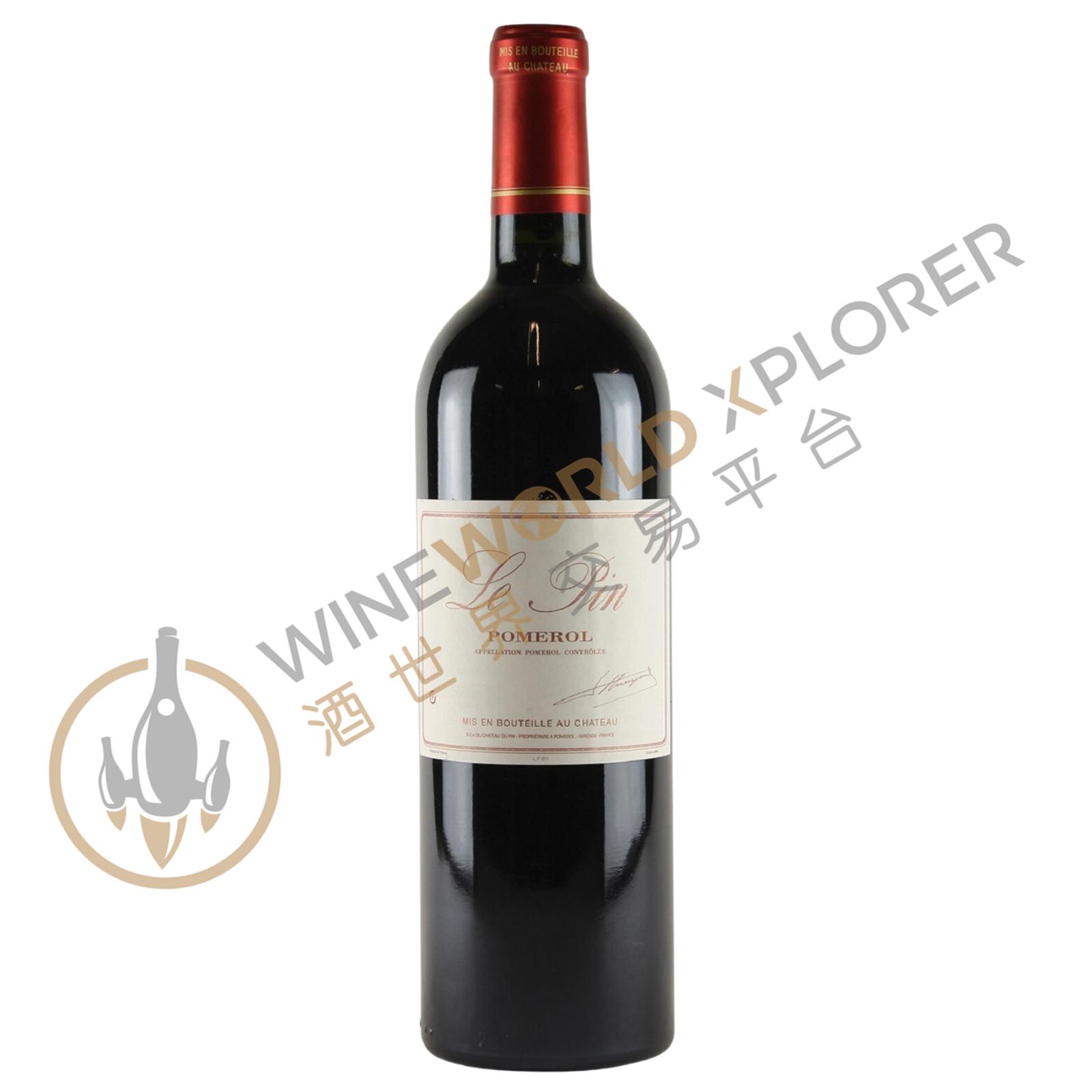
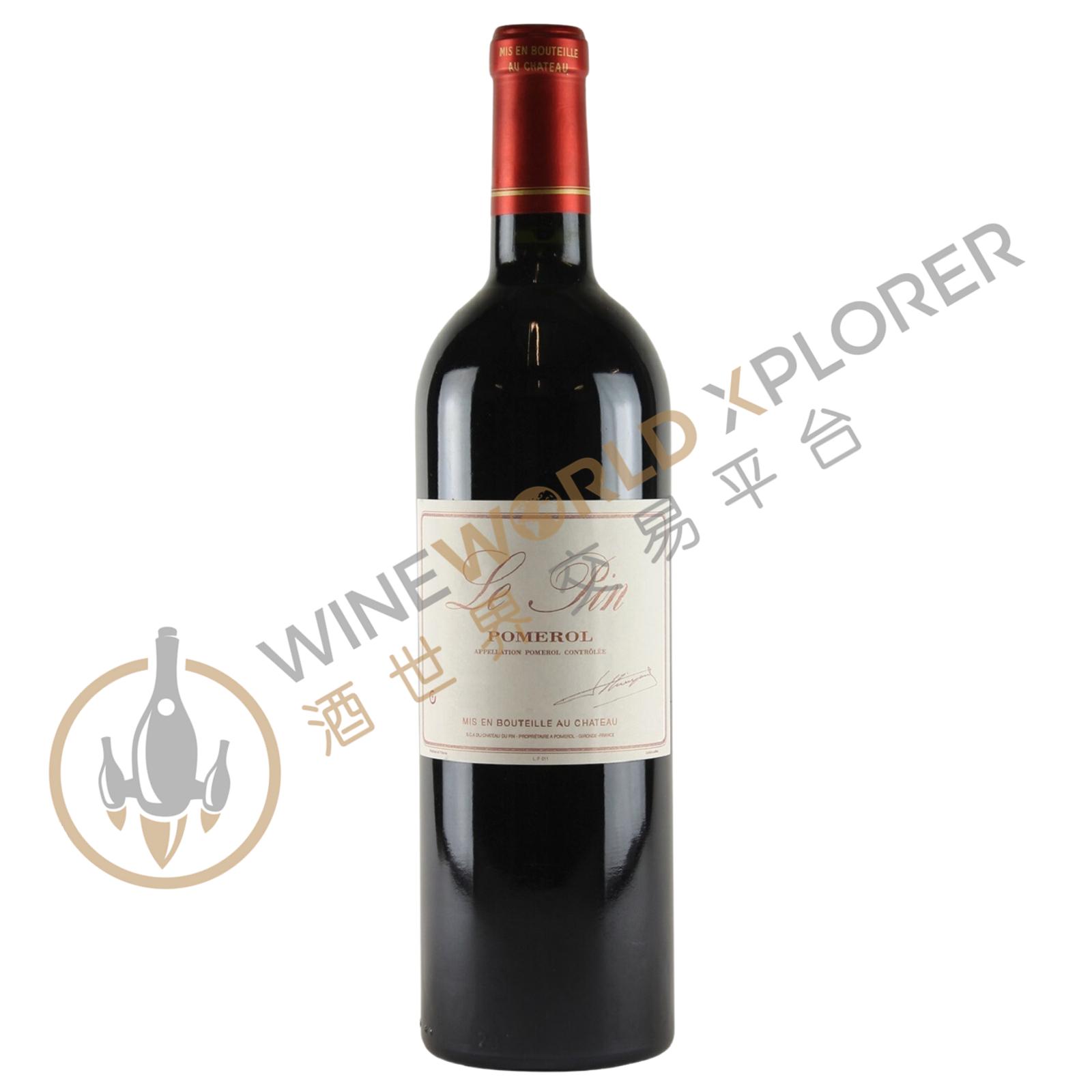
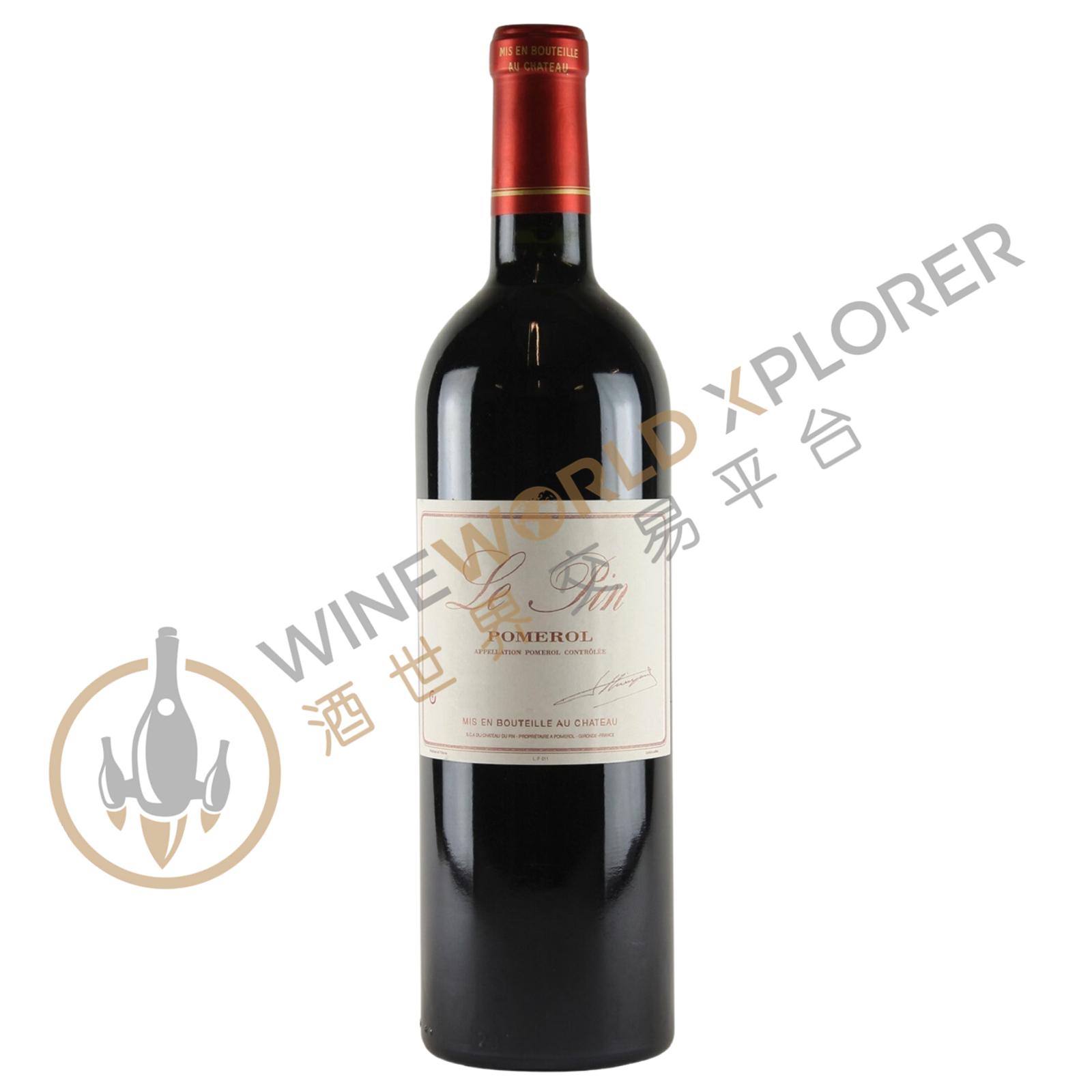
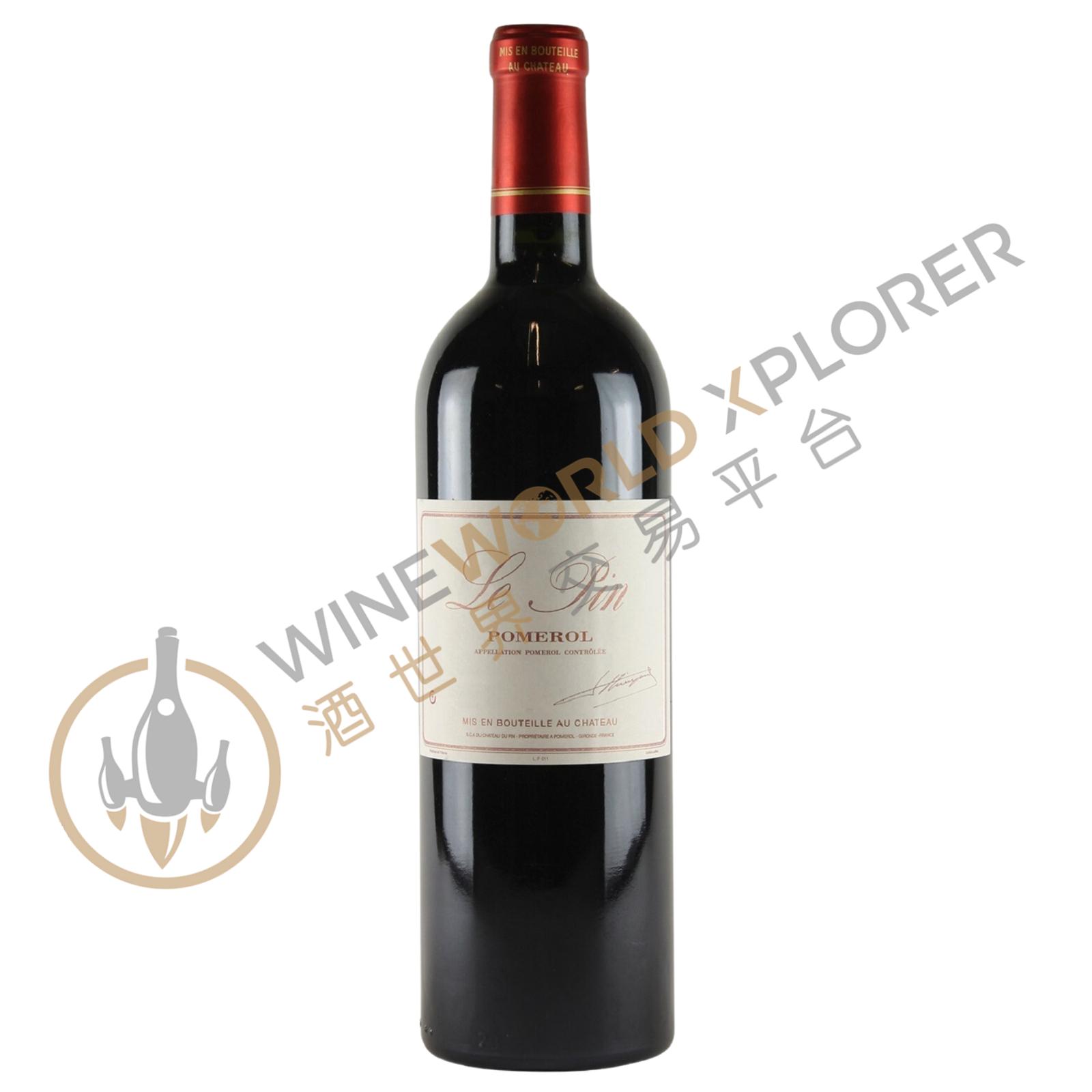
Le Pin 1997
 View analysis
Description
Tasting notes

Reviewed by: Robert M. Parker, Jr.
Le Pin's evolved 1997 displays complex aromatics consisting of roasted coffee, smoke, Provencal herbs, sweet kirsch liqueur, and black cherry fruit. In the mouth, the wine is round, with a velvety texture, low acidity, and excellent concentration and length. It is a succulent, juicy, captivating style of wine to consume during its first 10-11 years of life.
Reviewed by: Neal Martin
Tasted at Bipin Desai’s Le Pin vertical in Los Angeles. The ’97 Le Pin has a pleasurable, well-defined nose with raspberry, wild strawberry and cranberry-scented nose – conservative and straight-laced. The palate has quite chewy entry with good acidity, relatively simple compared to other vintages and lacking some tension and poise. Notes of black cherries, redcurrants and hints of tobacco and dried herbs, but it is a Pomerol with just a single emotion, it does not and has no desire to take you, the taster, anywhere of interest. There were 567 cases produced. Drink now-2014. Tasted November 2008.
Reviewed by: Robert M. Parker, Jr.
Le Pin's 1997 reveals an excessive amount of oak for the concentration of fruit. The wine possesses sweet currant and cherry fruit, abundant toasty oak, and a seductive style, but the oak is elevated. It will probably not last long enough for the wood to become fully integrated. Or, am I wrong about that? Anticipated maturity: now-2008.
About the Producer
Le Pin is the most expensive wine in the world. Jacques Thienpont purchased the meagre 1.6 hectares of land for one million francs in 1979. The Thienpoints named their wine Le Pin after a solitary pine tree that shaded the property. By acquiring tiny adjoining plots of land, Jacques has doubled the size of Le Pin to five acres. The south-facing vineyard on a well-drained slope of gravel and sand is planted with Merlot (about 92%), and a small amount of Cabernet Franc. Le Pin's soil is a mixture of gravel and clay with a little sand and is exceptionally low yielding (between 30 to 35 hl/hc). The grapes are hand-harvested and are fermented in stainless steel before being matured in`200%` new oak barriques for between 14 and 18 months. Dany Rolland, wife of cult-oenologist Michel Rolland, is a consultant here. Le Pin produces just 600 to 700 cases each year (Lafite Rothschild produces approximately 29,000 cases of wine a year and and Pétrus about 4,000) and its rarity is one of the driving forces behind its high prices. Le Pin produces super-concentrated, decadent, lush and lavishly oaked wines - they can be drunk young but are best with 7-10 years of bottle ageing.
1985(1)1986(1)1988(1)1989(1)1990(1)1991(4)1993(1)1994(2)1995(2)1996(3)
Package Size
1 x 1.5L1 x 3L