
 Wine Advisor



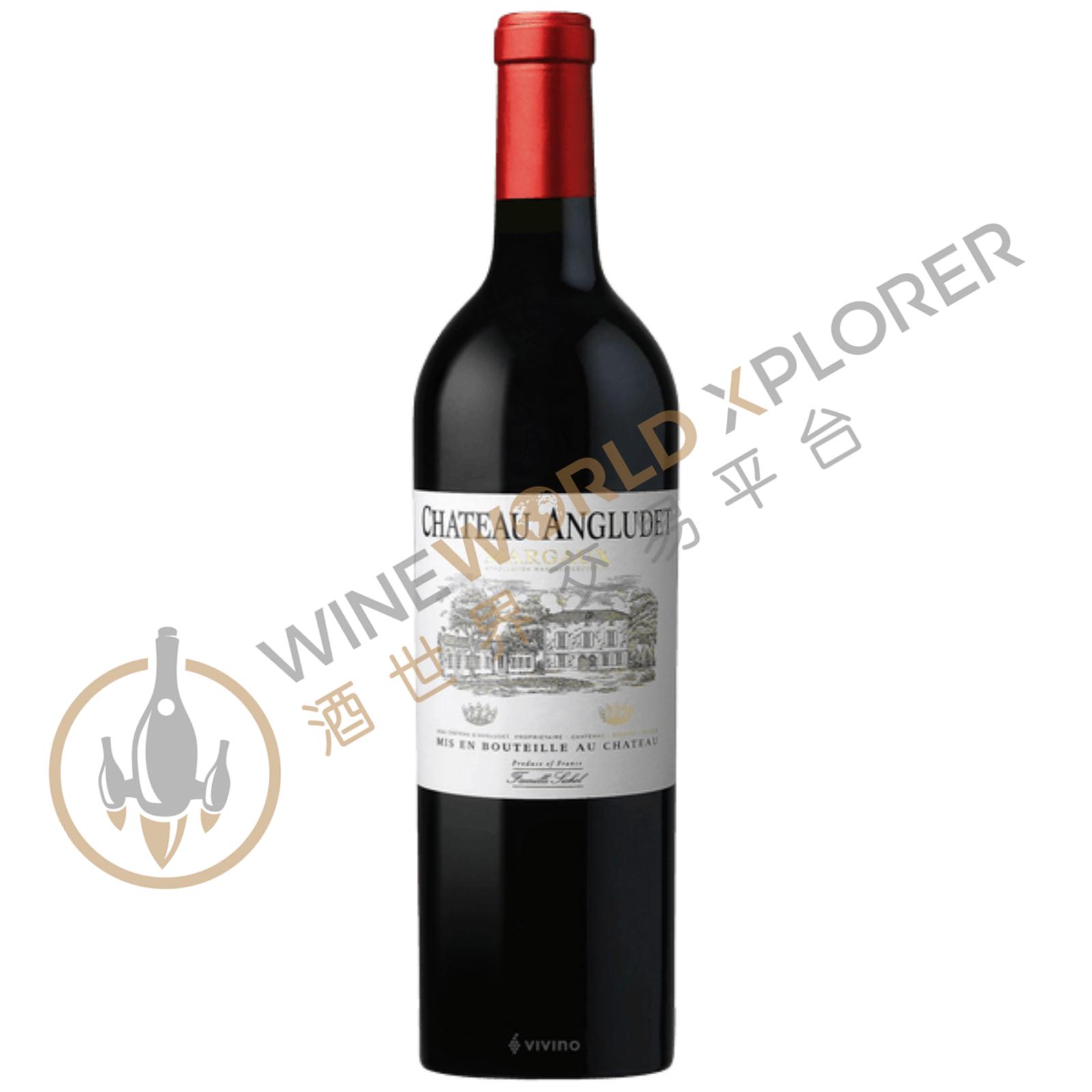
d'Angludet 2022
 View analysis


Description
Tasting notes

Reviewed by: William Kelley
The Bordelais machine has already begun to alienate potential consumers with exaggerated claims to the effect that 2022 is "the best vintage ever"; yet there are some wines that do actually appear to merit such hyperbole, and the 2022 D'Angludet is one of them. Offering up deep aromas of inky cassis, plums, pencil lead and subtle spices, it's medium to full-bodied, rich and fleshy, with a broad attack, ripe acids and a supple, seamless profile, concluding with an expansive finish.
Reviewed by: Neal Martin
The 2022 Château d'Angludet is the first vintage to contain more Merlot than Cabernet Sauvignon. Matured in 35% amphora plus 30% new oak, this is another Margaux sample where patience is necessary. It only opens after 10 minutes in the glass, revealing black cherries, black olive compote and pressed violet aromas. It has a gorgeous creamy texture, svelte and luxuriant, yet the finish has an underlying classicism and a sense of precision. This is frequently one of the best value wines on the Left Bank, and if you can think of a reason not to have any in your cellar, send a postcard to the usual address.
About the Producer
Château Angludet is a wine estate located in the Bordeaux region, specifically in the Margaux appellation in the Médoc, on the left bank of the Gironde River. The estate is managed by Benjamin Sichel, who passionately adopts biodynamic practices to craft exceptional red wines. Benefiting from the protective effect of the Gironde Estuary, the vineyard of Angludet has a rich viticultural heritage that spans over 300 years. The vineyard expresses the terroir to its fullest, characterized by sandy gravel soils that are particularly well-suited for grape cultivation. It is one of the oldest properties in the Médoc. Starting from 2017, Benjamin Sichel decided to incorporate three different species of fruit trees. A succession of apple trees, peach trees, and plum trees now accompany the vineyard work. Today, there are over 200 trees that have become an integral part of the viticultural landscape of Angludet.
