
 Wine Advisor



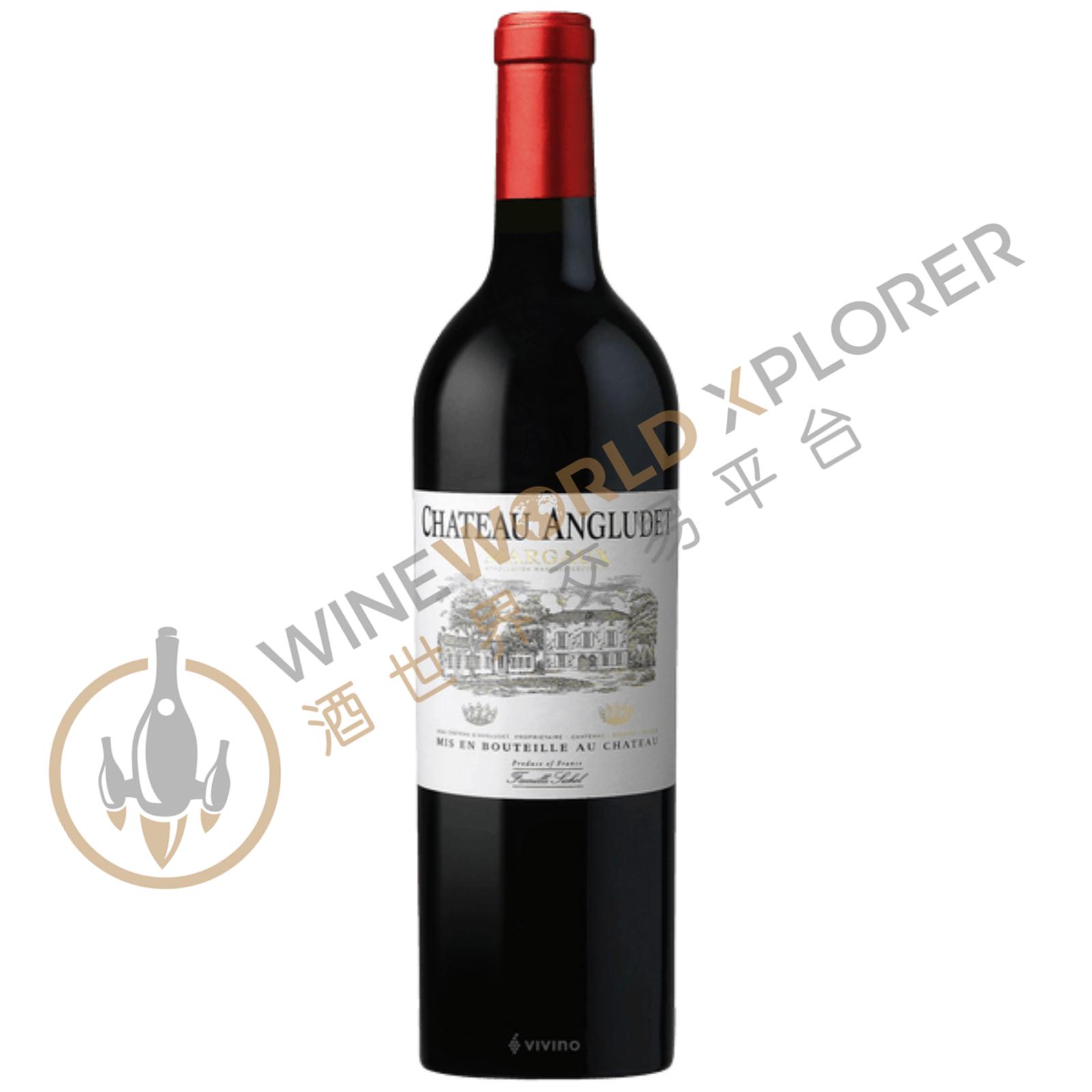
d'Angludet 2012
 View analysis


Description
Tasting notes

Reviewed by: Robert M. Parker, Jr.
A winner from this estate that has produced another major sleeper of the vintage; while not a classified growth, the 2012 d’Angludet may turn out to be outstanding if it puts on more weight. A fruit-forward, sexy, lush effort, it exhibits an endearing roundness along with a dark ruby/plum/purple color, silky tannins, medium body and abundant blue and black fruit notes as well as an attractive floral component. It should drink well for a decade or more.
Reviewed by: Neal Martin
Tasted from a barrel sample at en primeur. A blend of 12% Petit Verdot, 40% Merlot 40% and 48% Cabernet Sauvignon, the d’Angludet has a light bouquet of macerated red cherries and fresh strawberry. The palate is a little metallic on the entry and it never really musters the energy or fruit intensity that I am really seeking at this early stage. Tasted April 2013.
Reviewed by: Robert M. Parker, Jr.
Another truly exceptional wine from the Sichel family, the 2012 d’Angludet has a deep ruby/purple color, a sweet floral, blueberry and blackcurrant-scented nose with a touch of licorice, light tannins, low acidity and a nice, fleshy mouthfeel. This is a sexy, mouth-filling and satisfying wine from both a hedonistic and intellectual vantage point. Drink this sleeper of the vintage over the next decade.
About the Producer
Château Angludet is a wine estate located in the Bordeaux region, specifically in the Margaux appellation in the Médoc, on the left bank of the Gironde River. The estate is managed by Benjamin Sichel, who passionately adopts biodynamic practices to craft exceptional red wines. Benefiting from the protective effect of the Gironde Estuary, the vineyard of Angludet has a rich viticultural heritage that spans over 300 years. The vineyard expresses the terroir to its fullest, characterized by sandy gravel soils that are particularly well-suited for grape cultivation. It is one of the oldest properties in the Médoc. Starting from 2017, Benjamin Sichel decided to incorporate three different species of fruit trees. A succession of apple trees, peach trees, and plum trees now accompany the vineyard work. Today, there are over 200 trees that have become an integral part of the viticultural landscape of Angludet.
