
 Wine Advisor



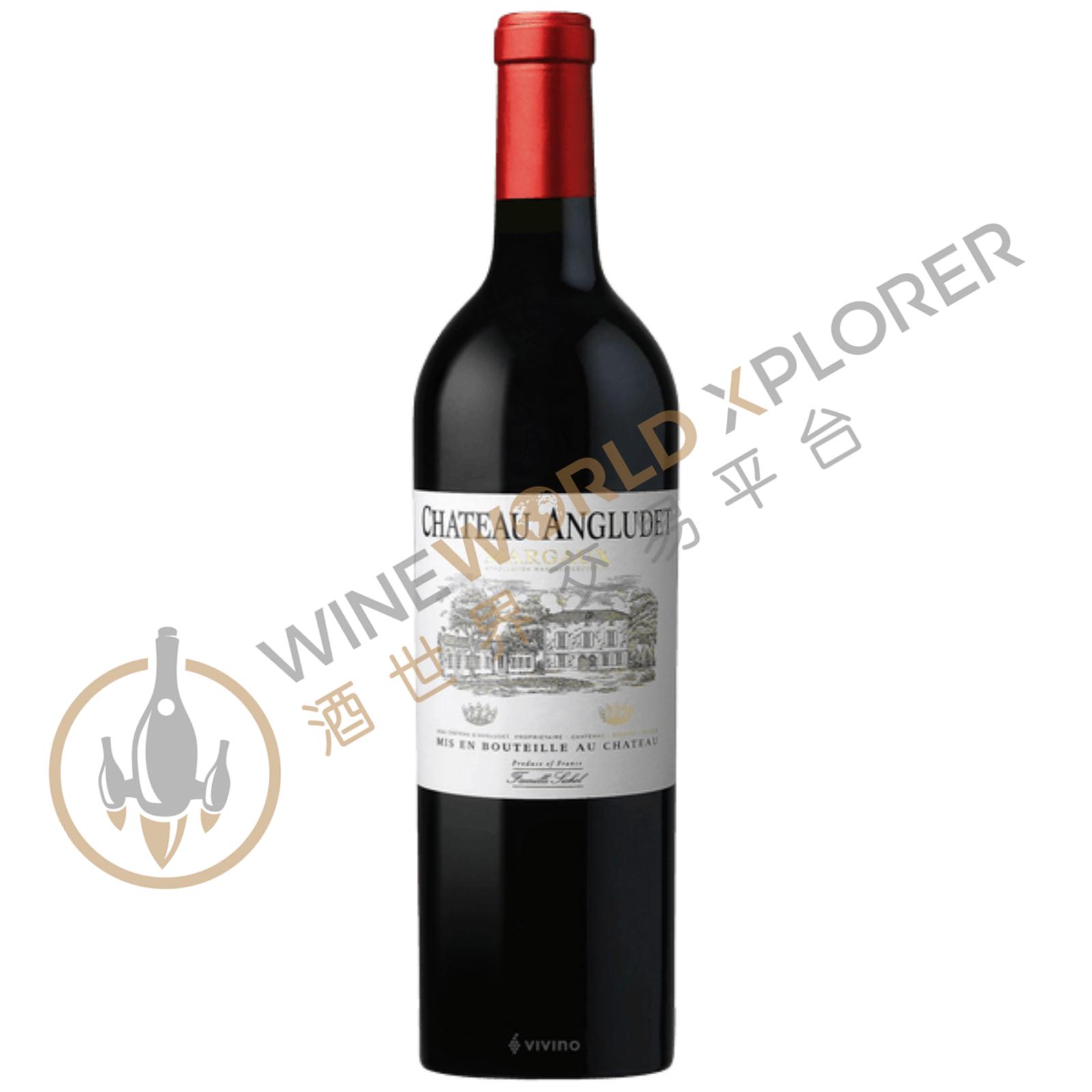
d'Angludet 2006
 View analysis


Description
Tasting notes

Reviewed by: Neal Martin
Tasted blind at Southwold ’06 Bordeaux tasting. There is a touch of greenness on the cranberry and strawberry-scented nose but there is fine definition, however, compared to others there is not the same level of fruit concentration. The palate is medium-bodied with firm tannins, grippy, ripe Cabernet here but the oak is heavy-handed towards the finish. Tasted January 2010.
Reviewed by: Neal Martin
Tasted at the UGC. A pinched nose that takes some coaxing from the glass. Soft blackberries, hedgerow and a touch of cranberry fruit. The palate is full-bodied and tannic with ripe blackberries and rather coarse tannins. Lacking a little poise and definition on the finish but good length. Rather cumbersome at the moment. Tasted April 2007.
Reviewed by: Robert M. Parker, Jr.
A touch of damp earth, sweet plum, and black cherry fruit are present in this spicy, earthy, medium-bodied wine. It is up-front and best drunk over the next decade. It is not all fun and fruit, as some austere tannins are in the finish, but they are not overwhelming, nor are they out of balance.
About the Producer
Château Angludet is a wine estate located in the Bordeaux region, specifically in the Margaux appellation in the Médoc, on the left bank of the Gironde River. The estate is managed by Benjamin Sichel, who passionately adopts biodynamic practices to craft exceptional red wines. Benefiting from the protective effect of the Gironde Estuary, the vineyard of Angludet has a rich viticultural heritage that spans over 300 years. The vineyard expresses the terroir to its fullest, characterized by sandy gravel soils that are particularly well-suited for grape cultivation. It is one of the oldest properties in the Médoc. Starting from 2017, Benjamin Sichel decided to incorporate three different species of fruit trees. A succession of apple trees, peach trees, and plum trees now accompany the vineyard work. Today, there are over 200 trees that have become an integral part of the viticultural landscape of Angludet.
