Wine Advisor



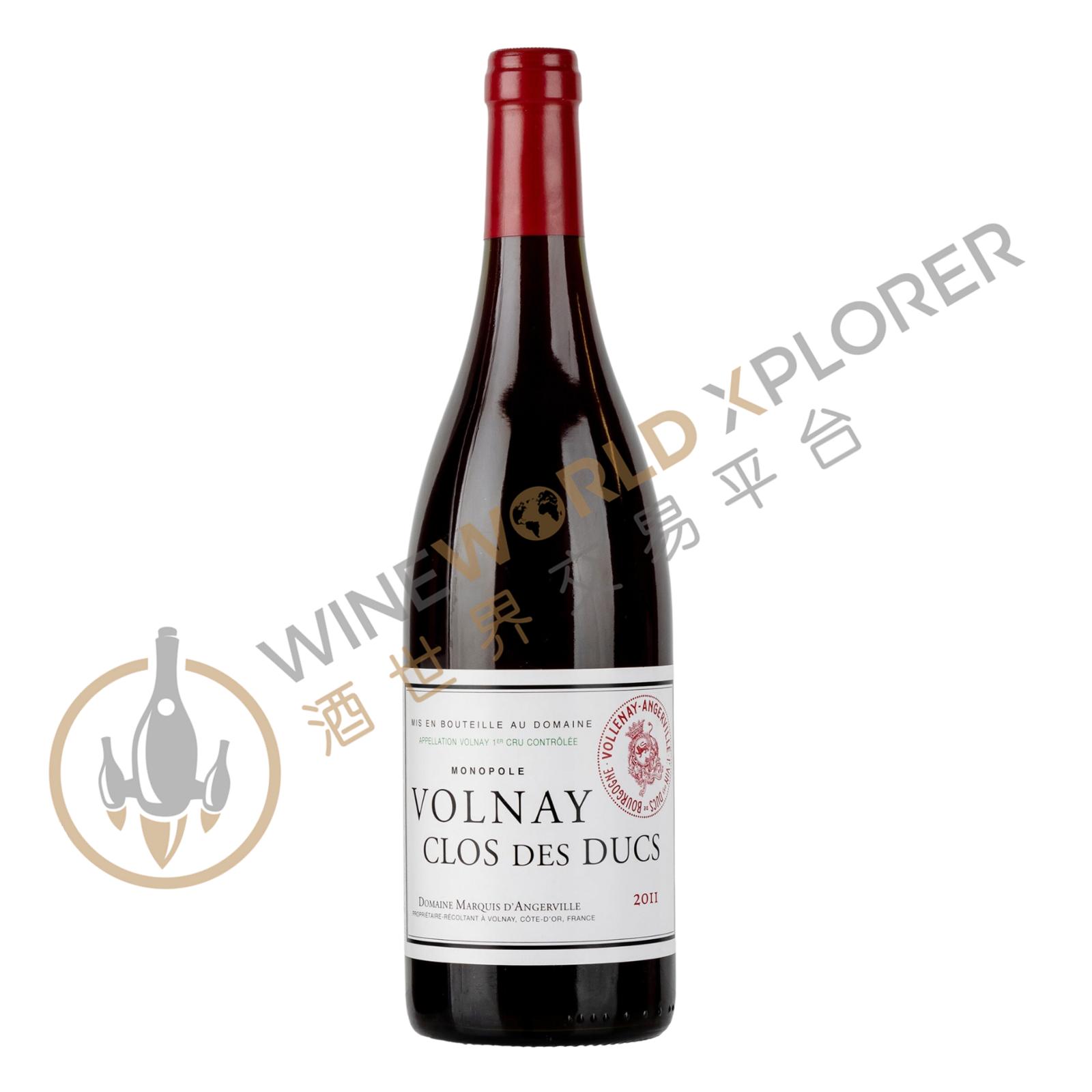
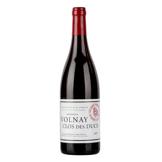
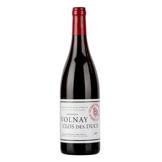
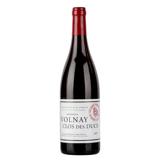
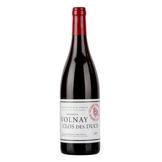
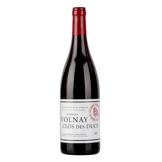
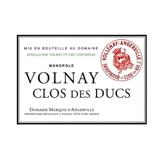
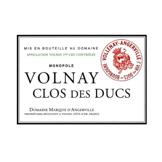
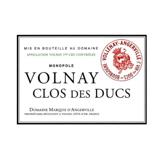
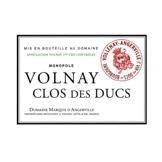
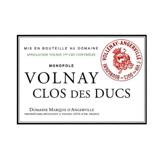
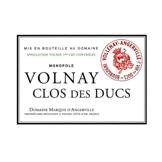
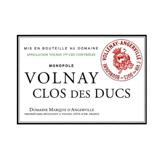
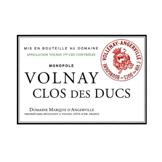
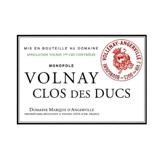
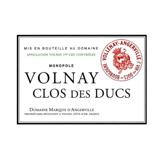
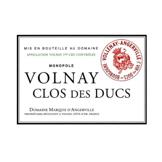
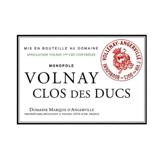
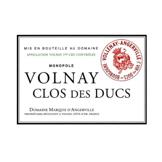
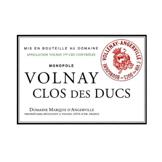
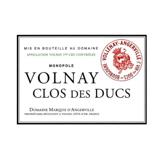
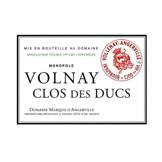
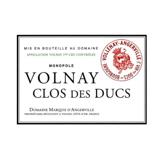
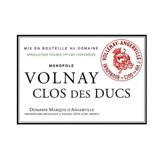
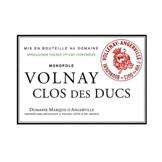
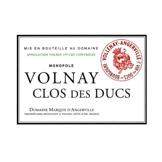
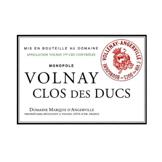
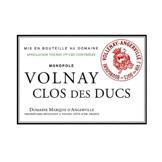
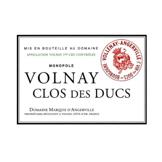
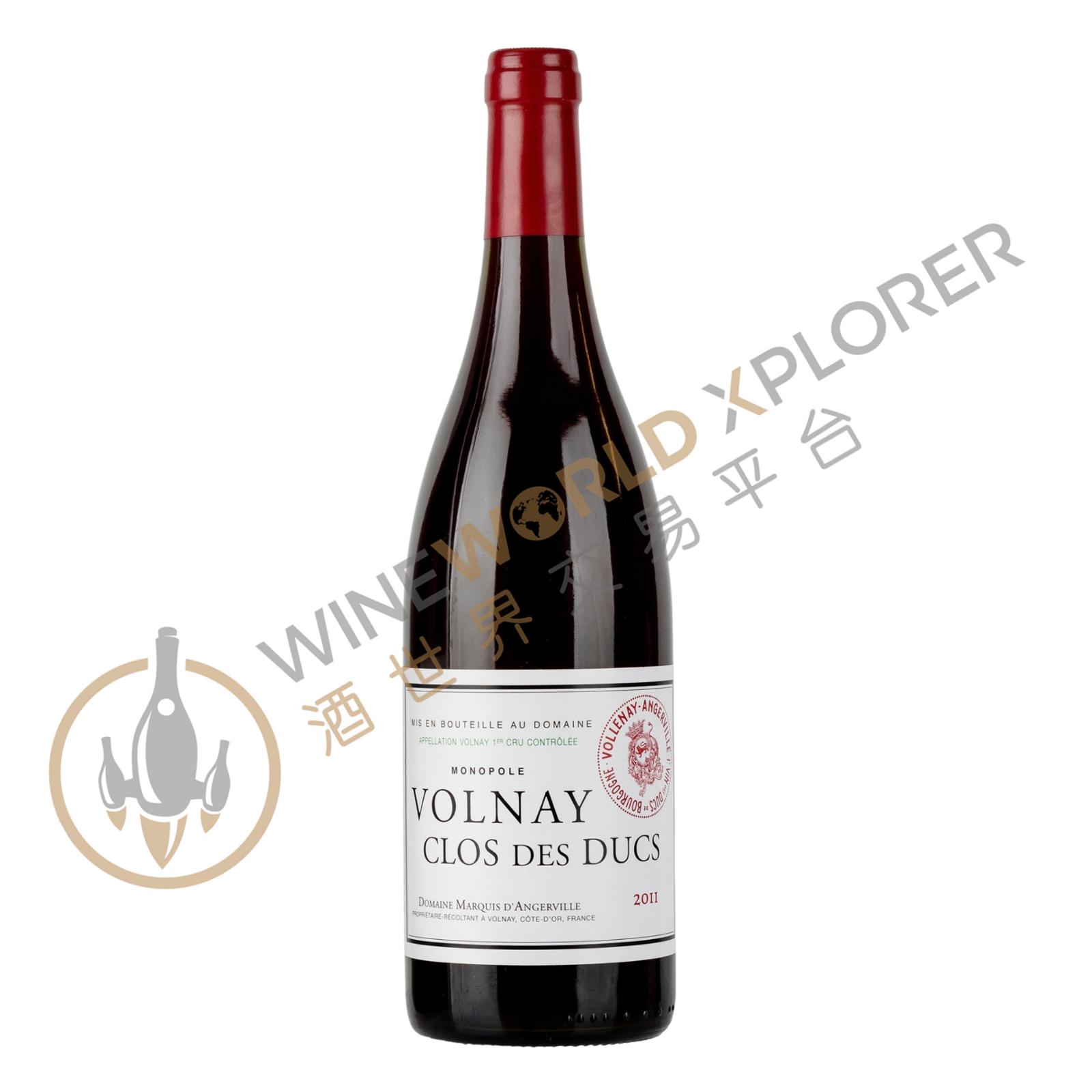
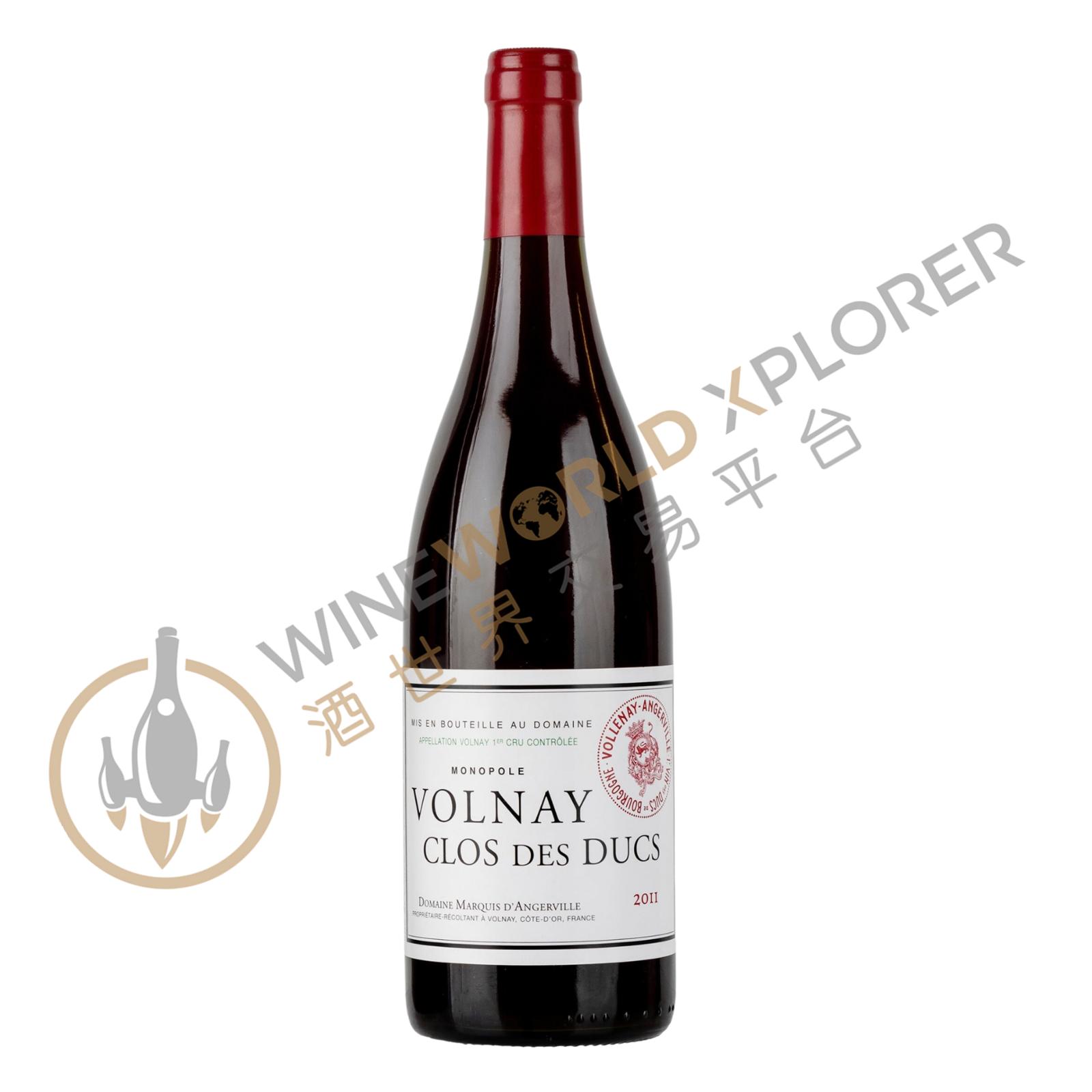
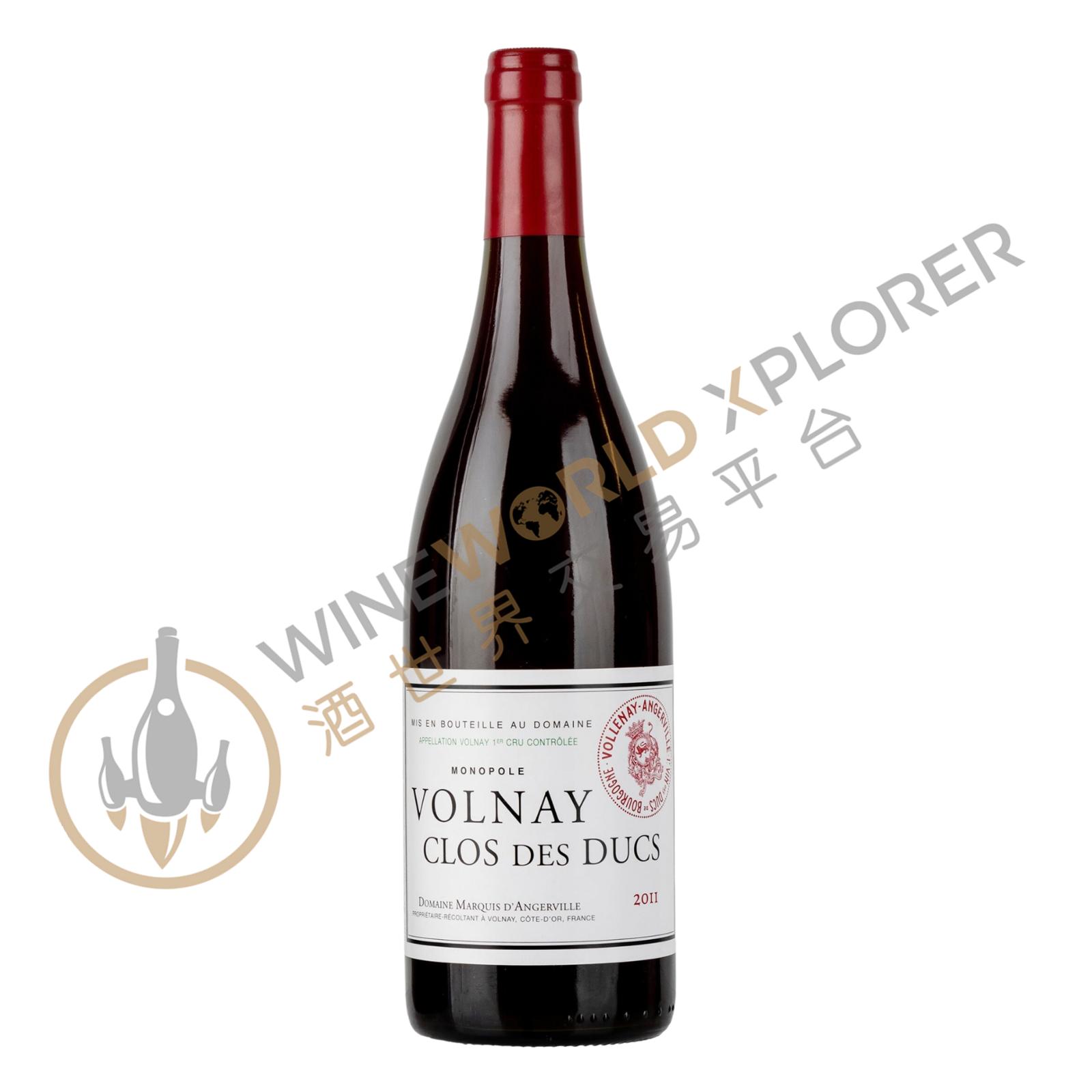
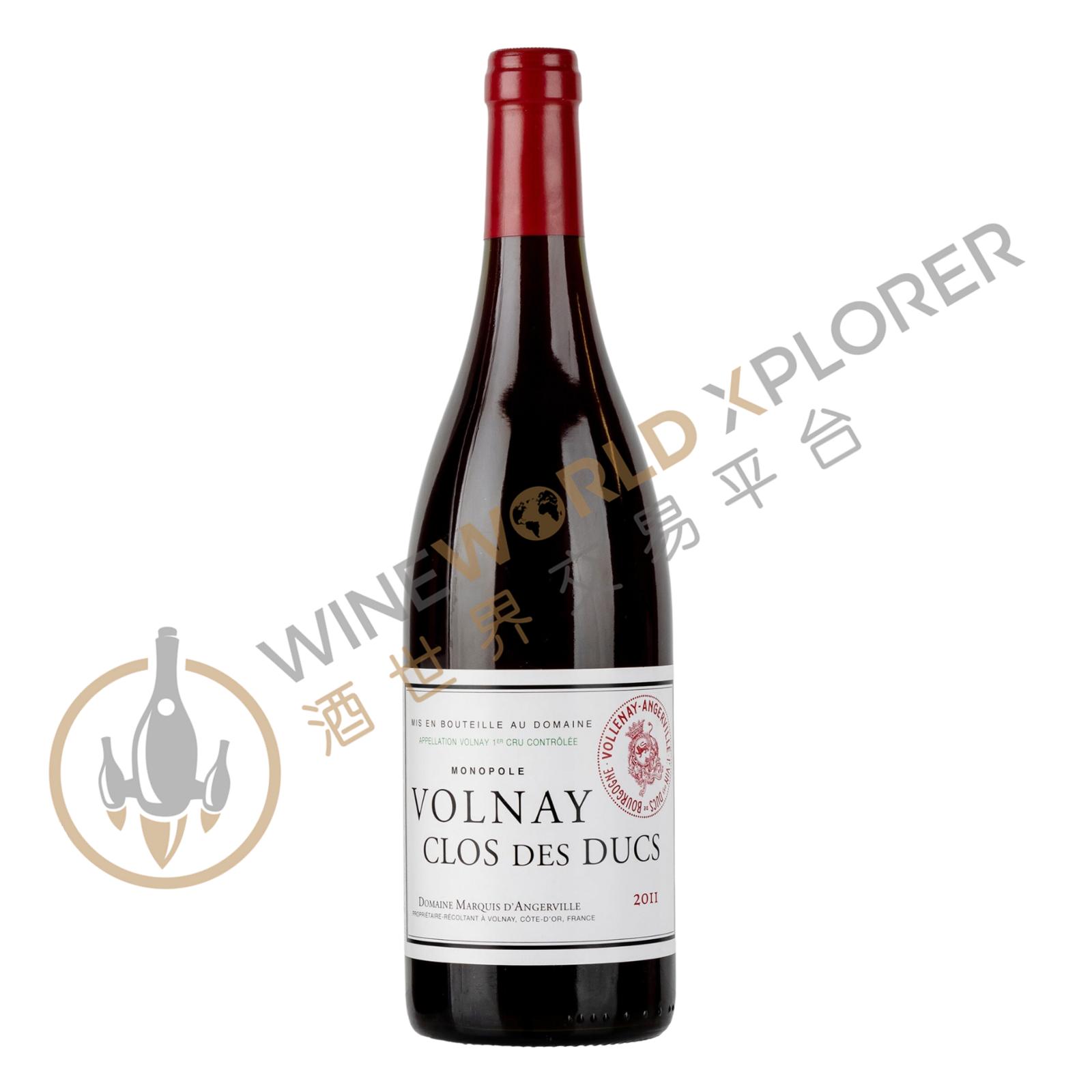
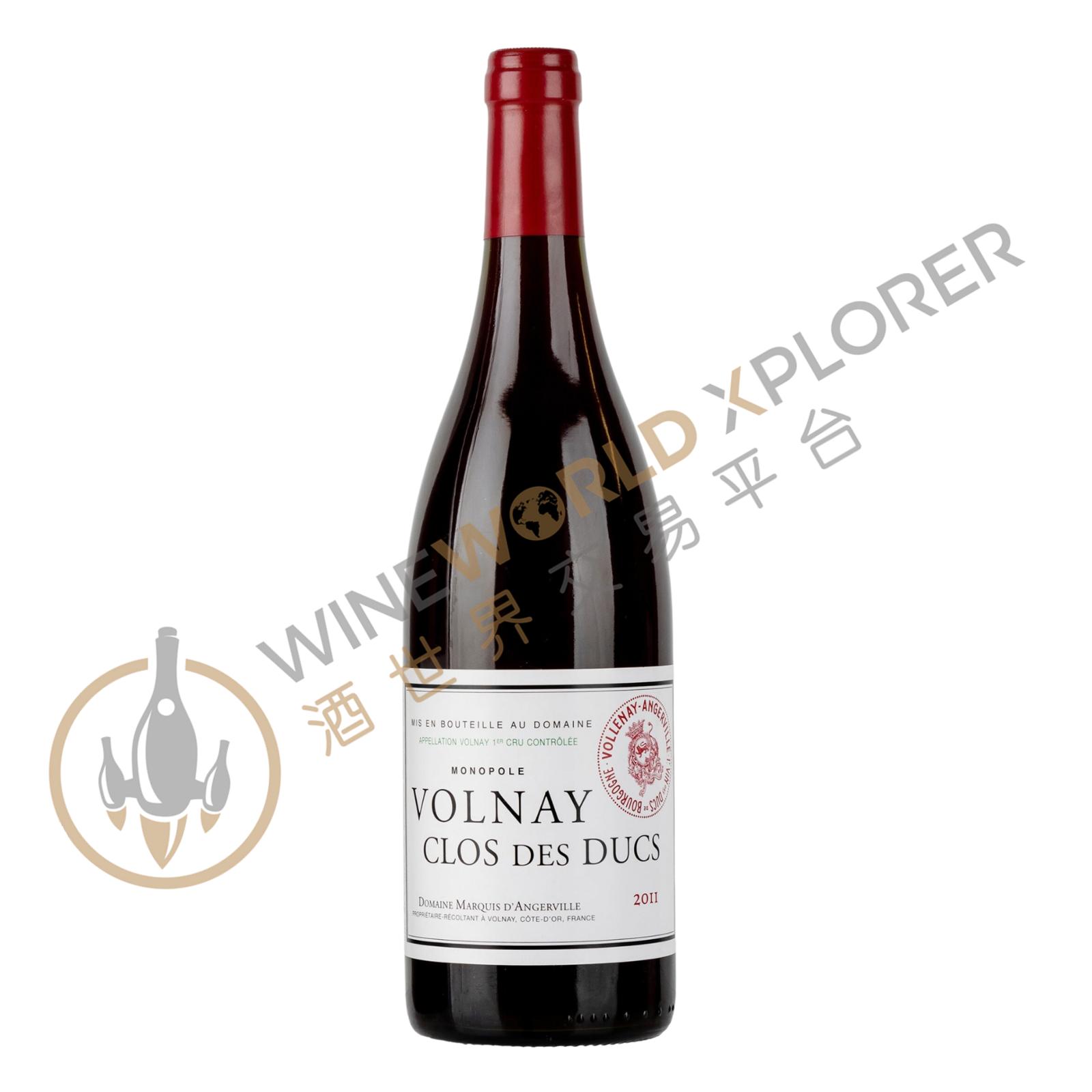
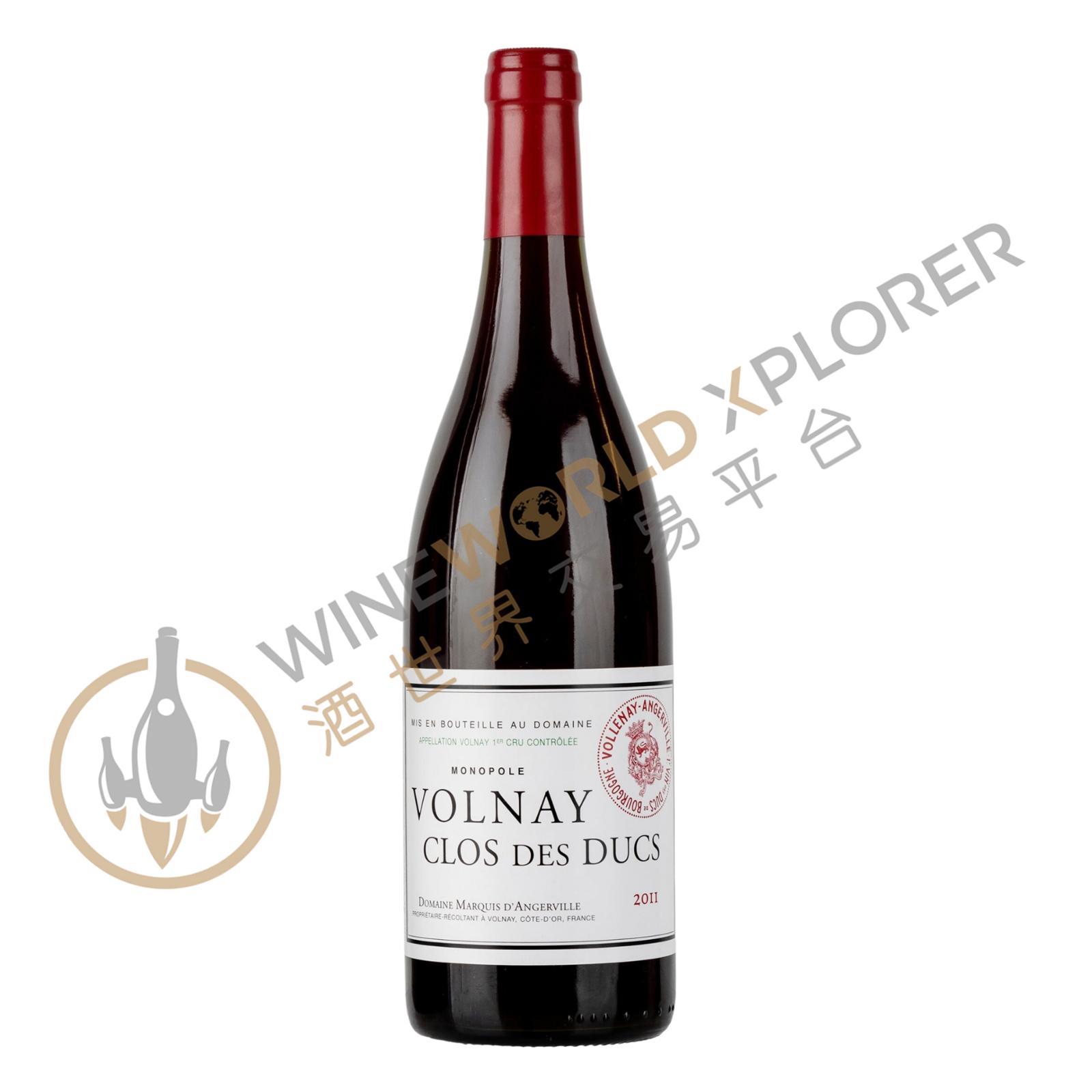
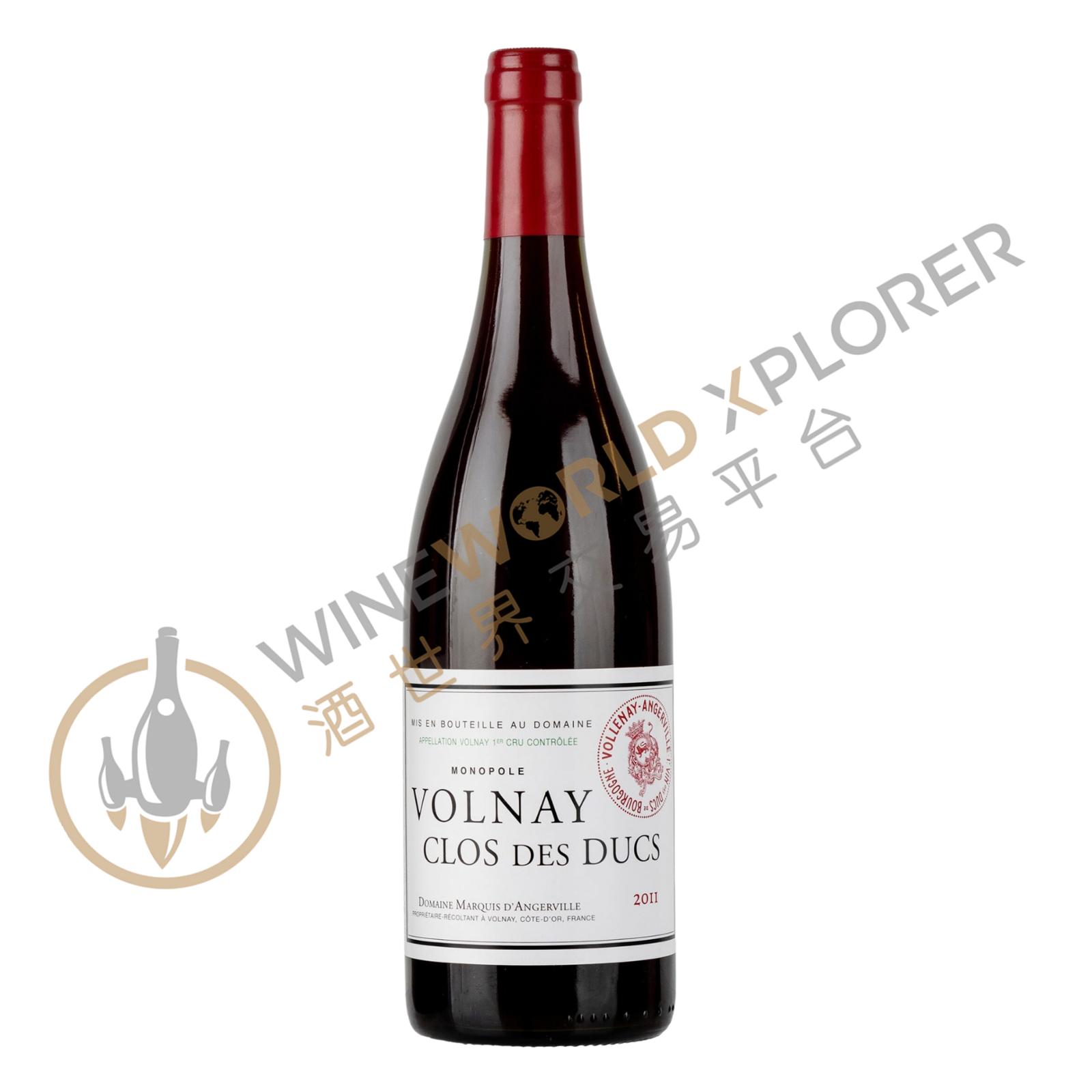
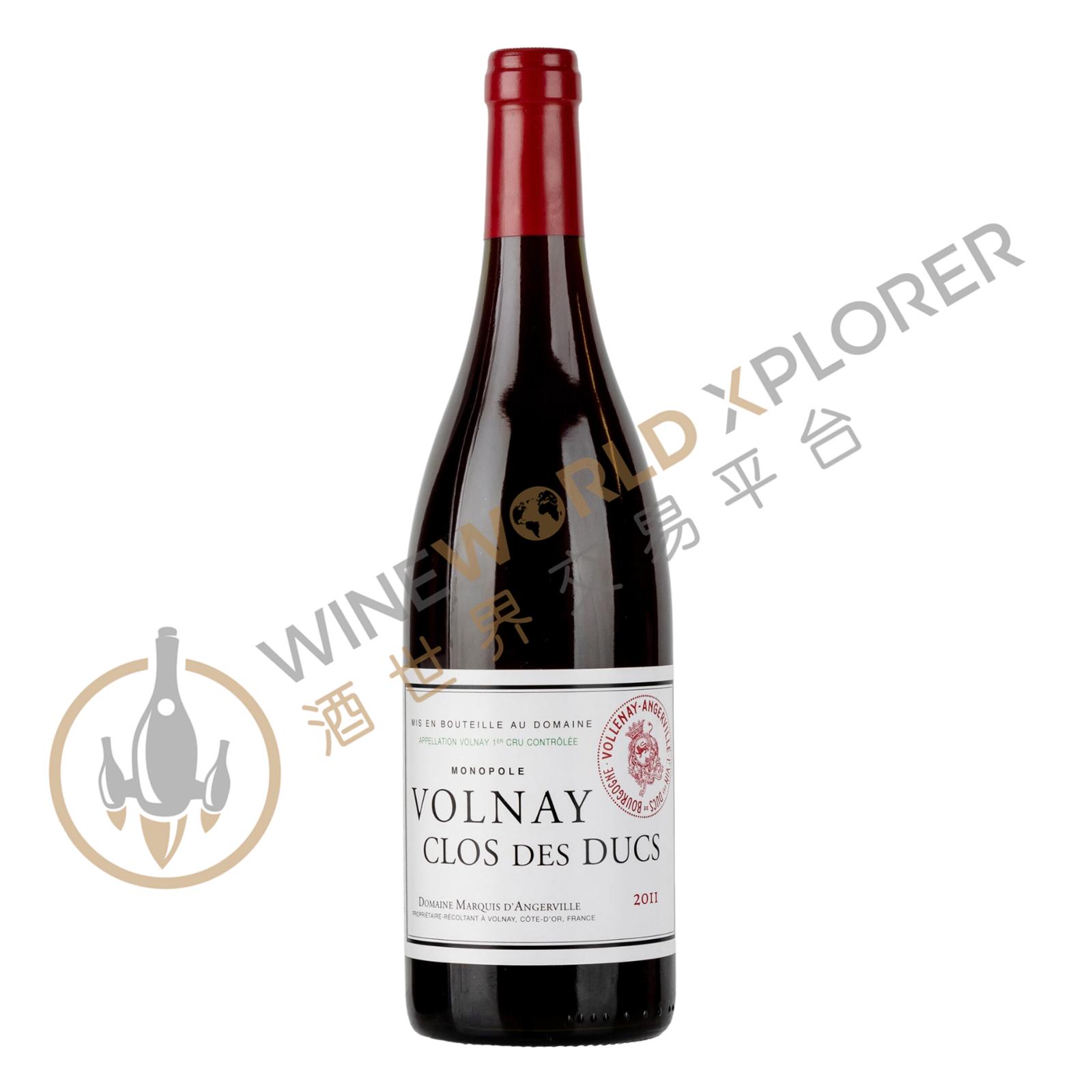
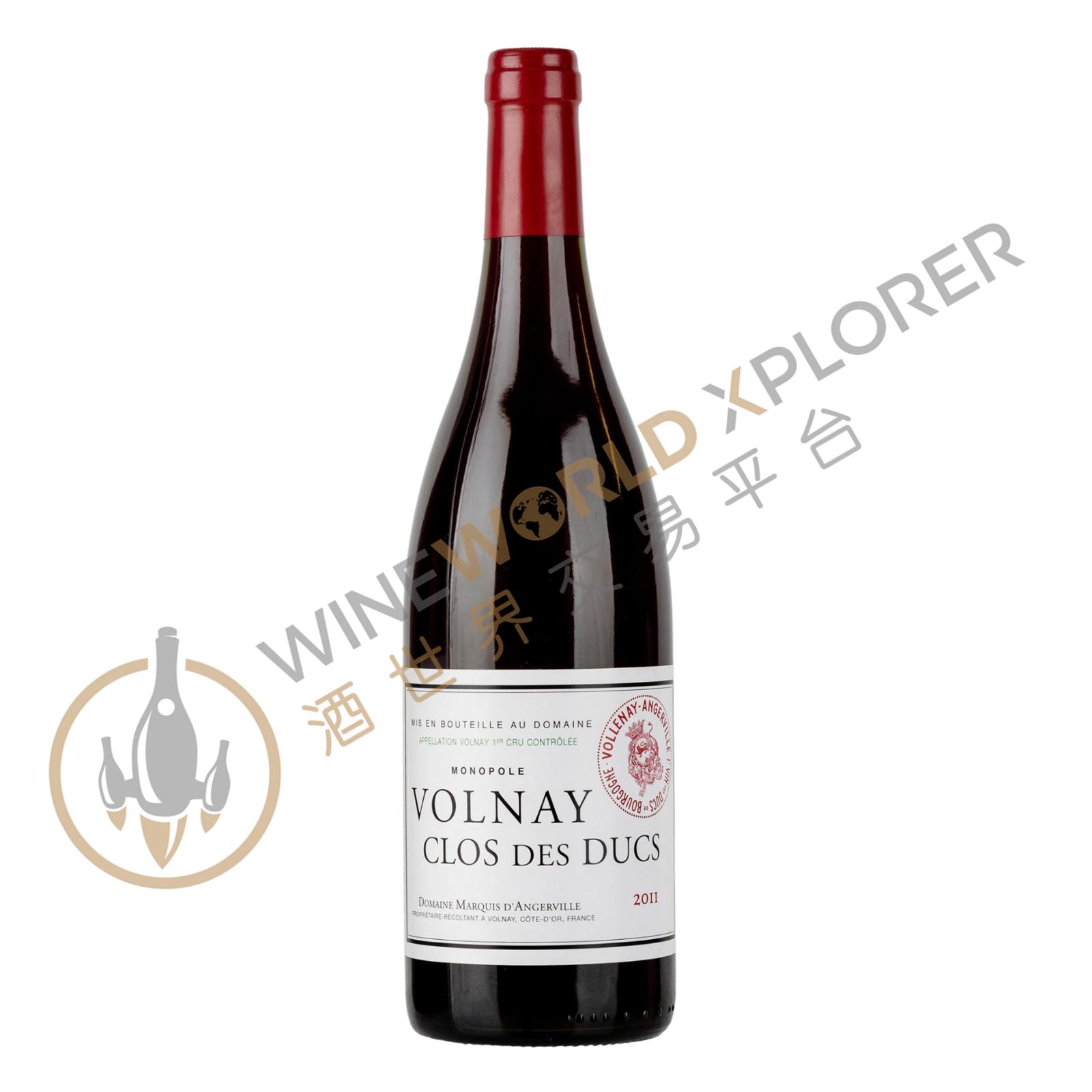
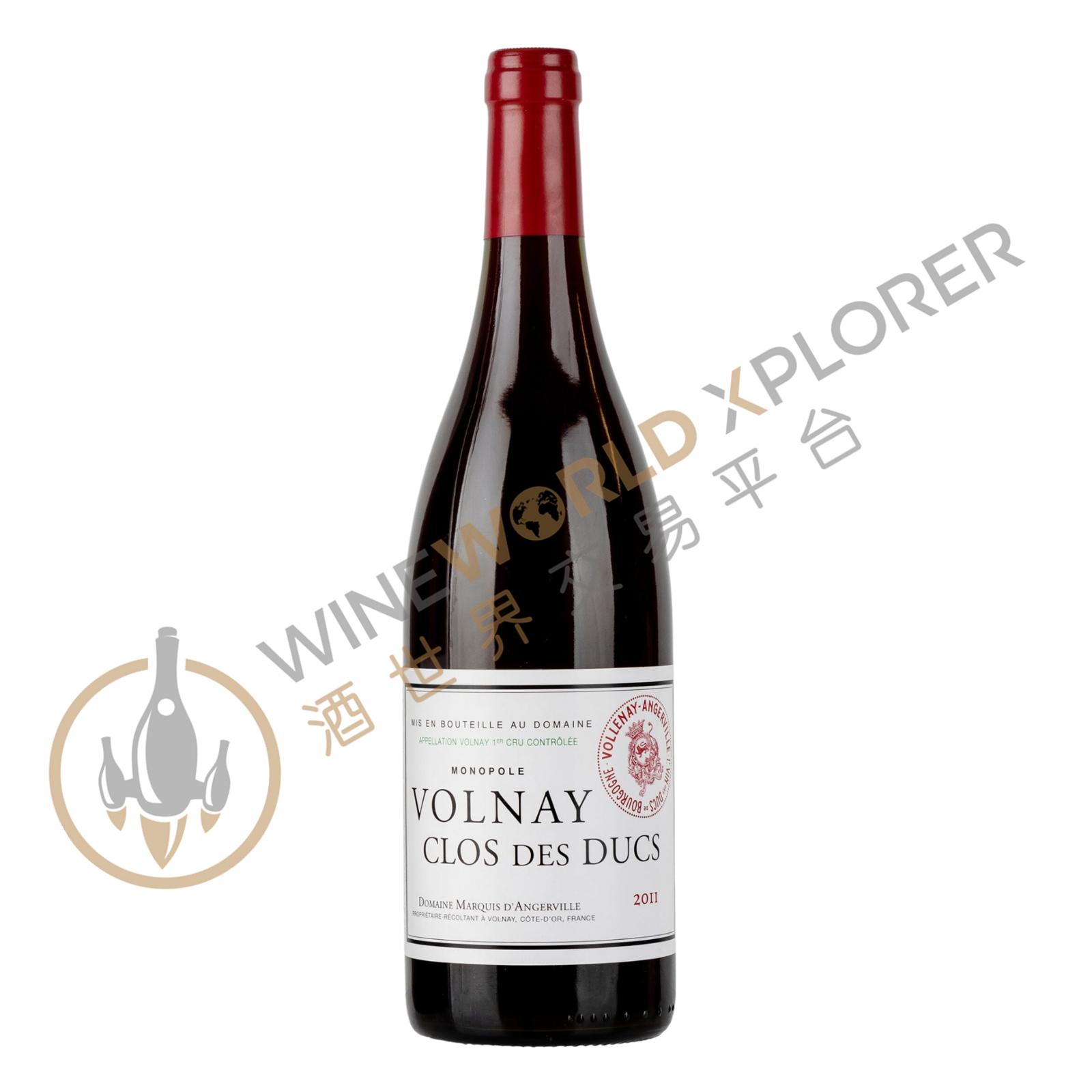
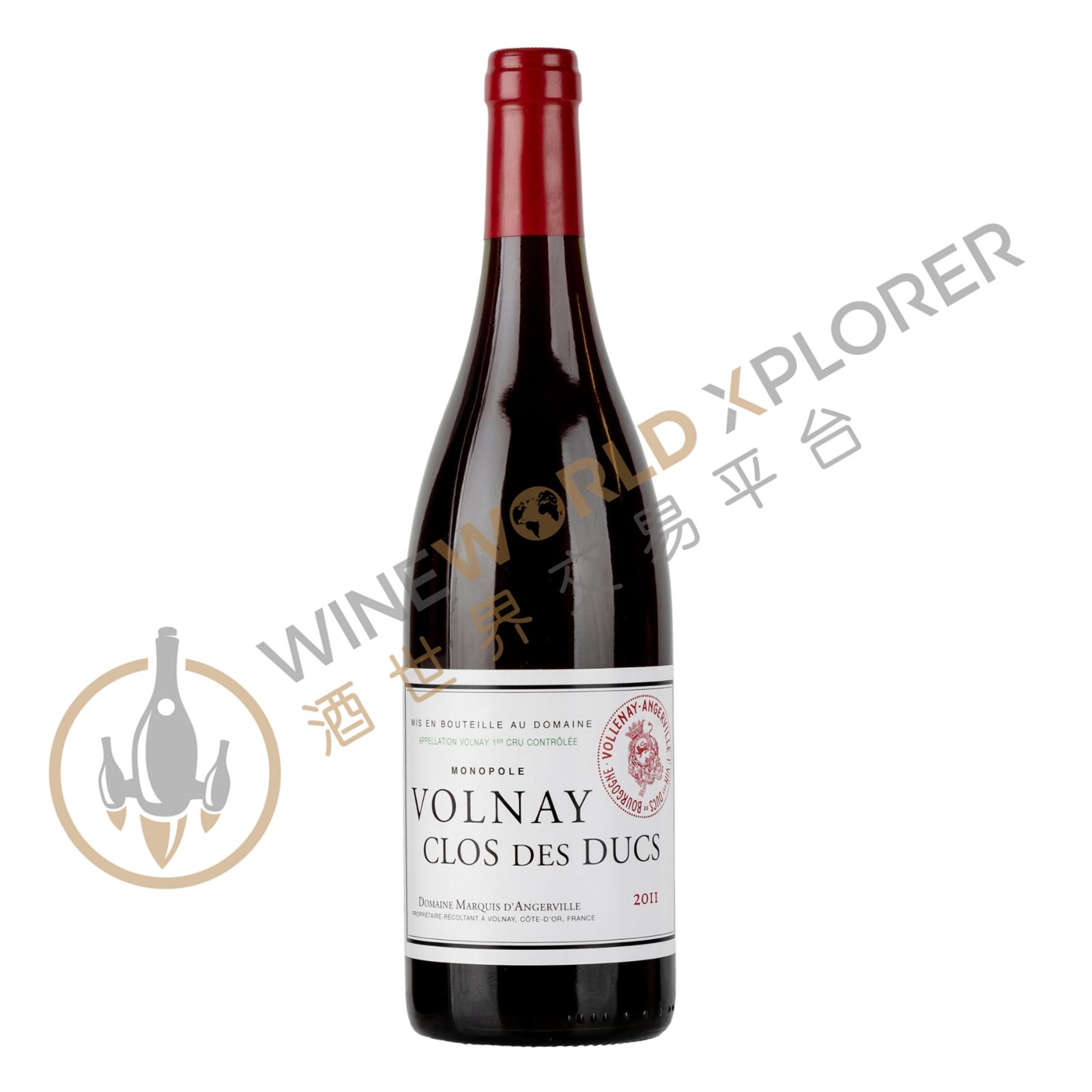
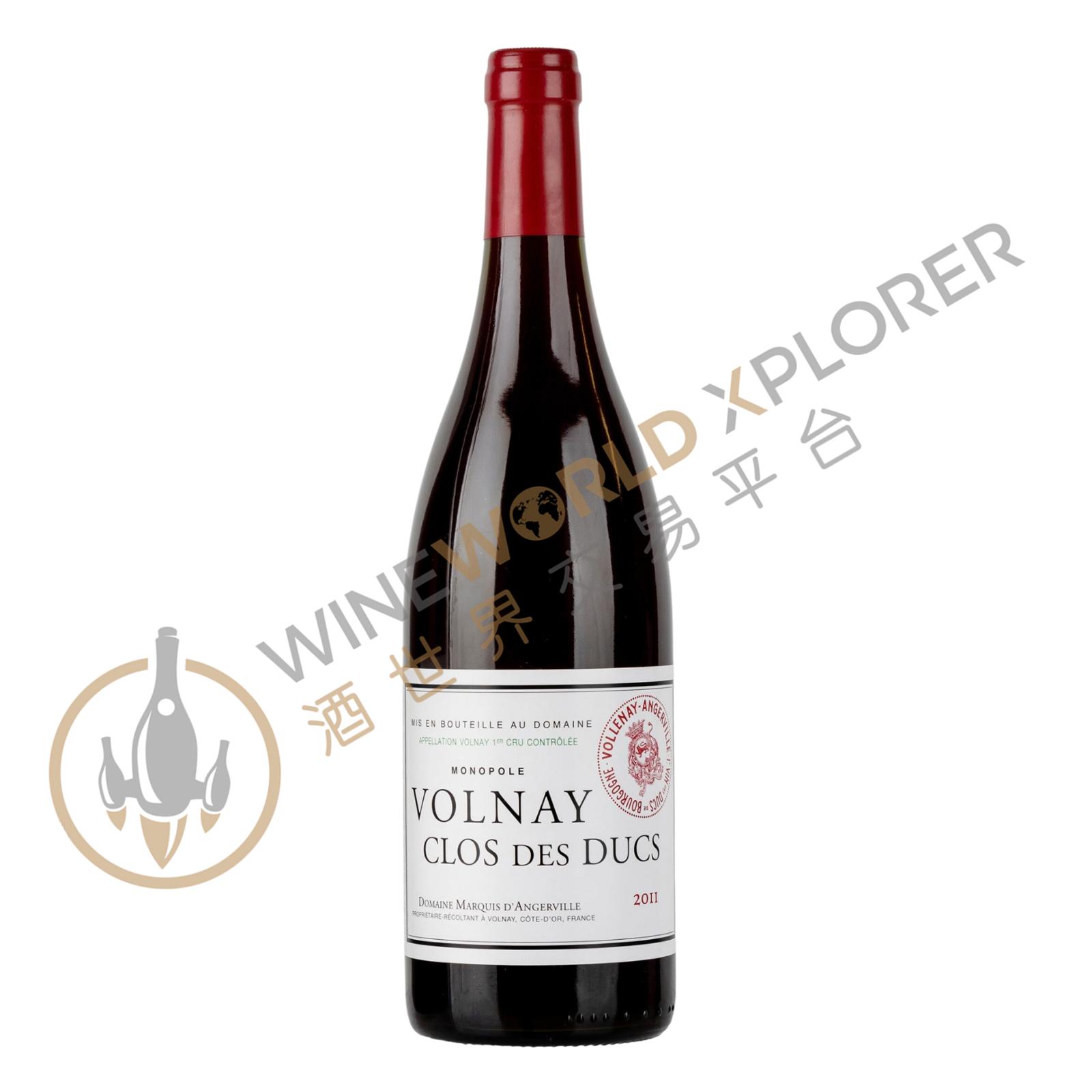
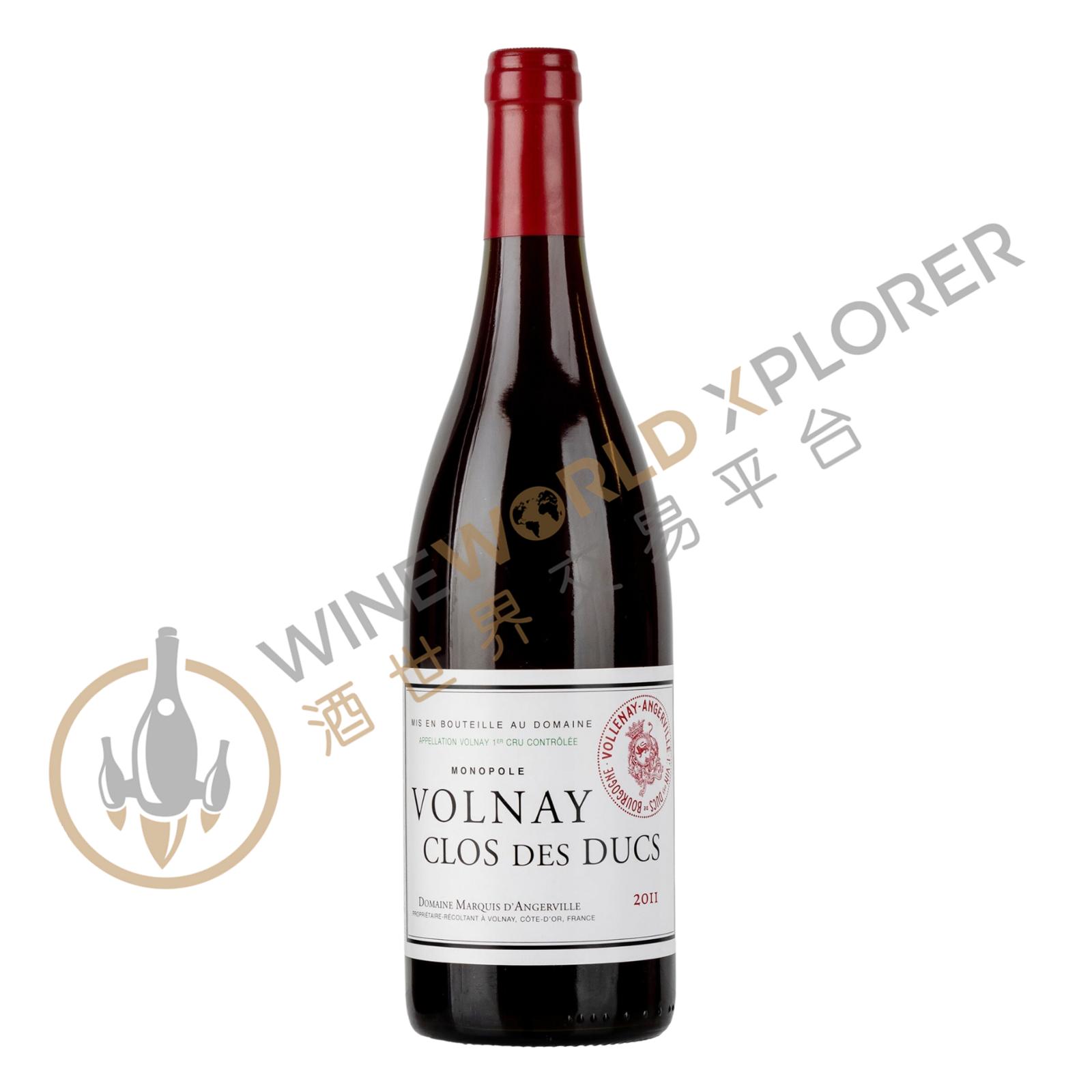
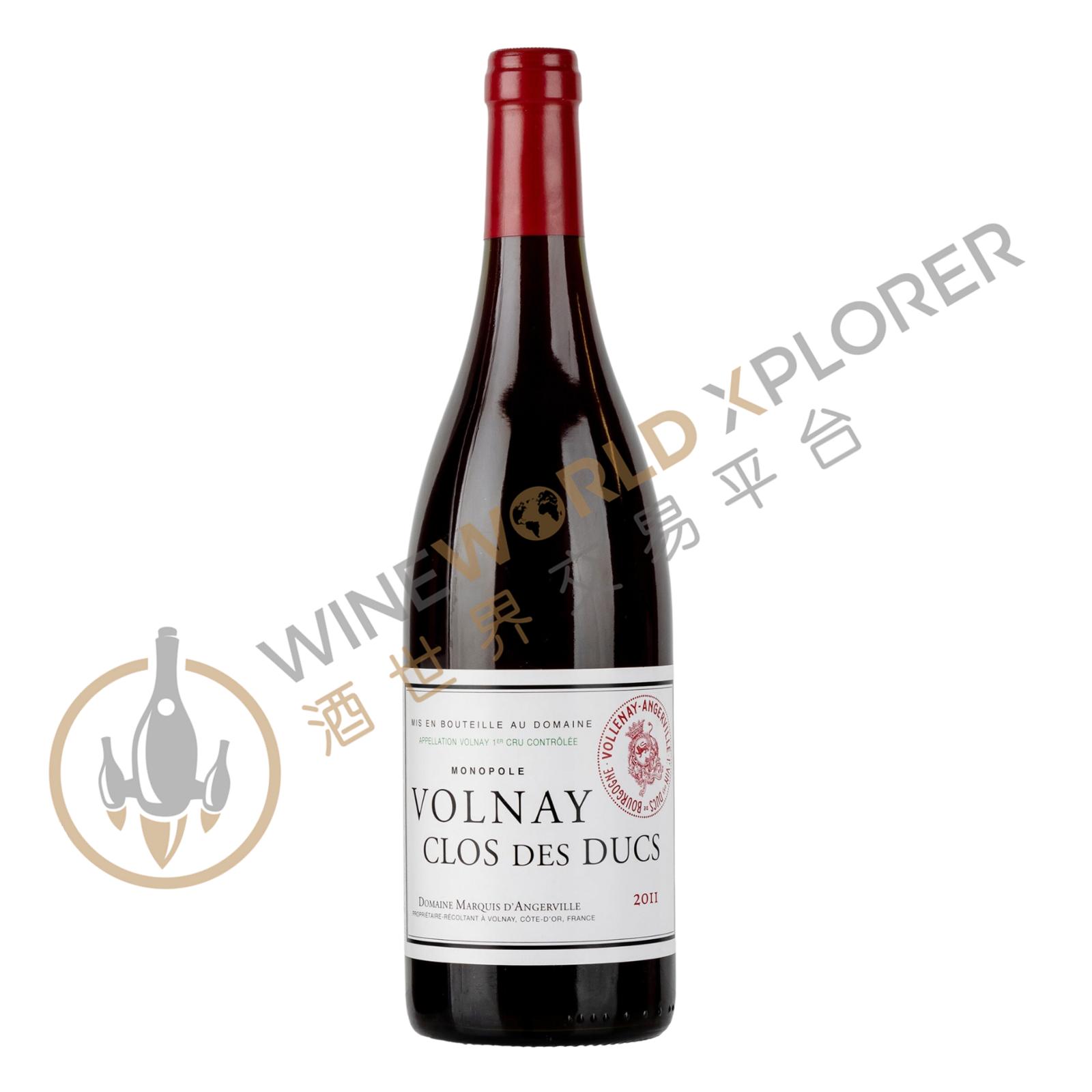
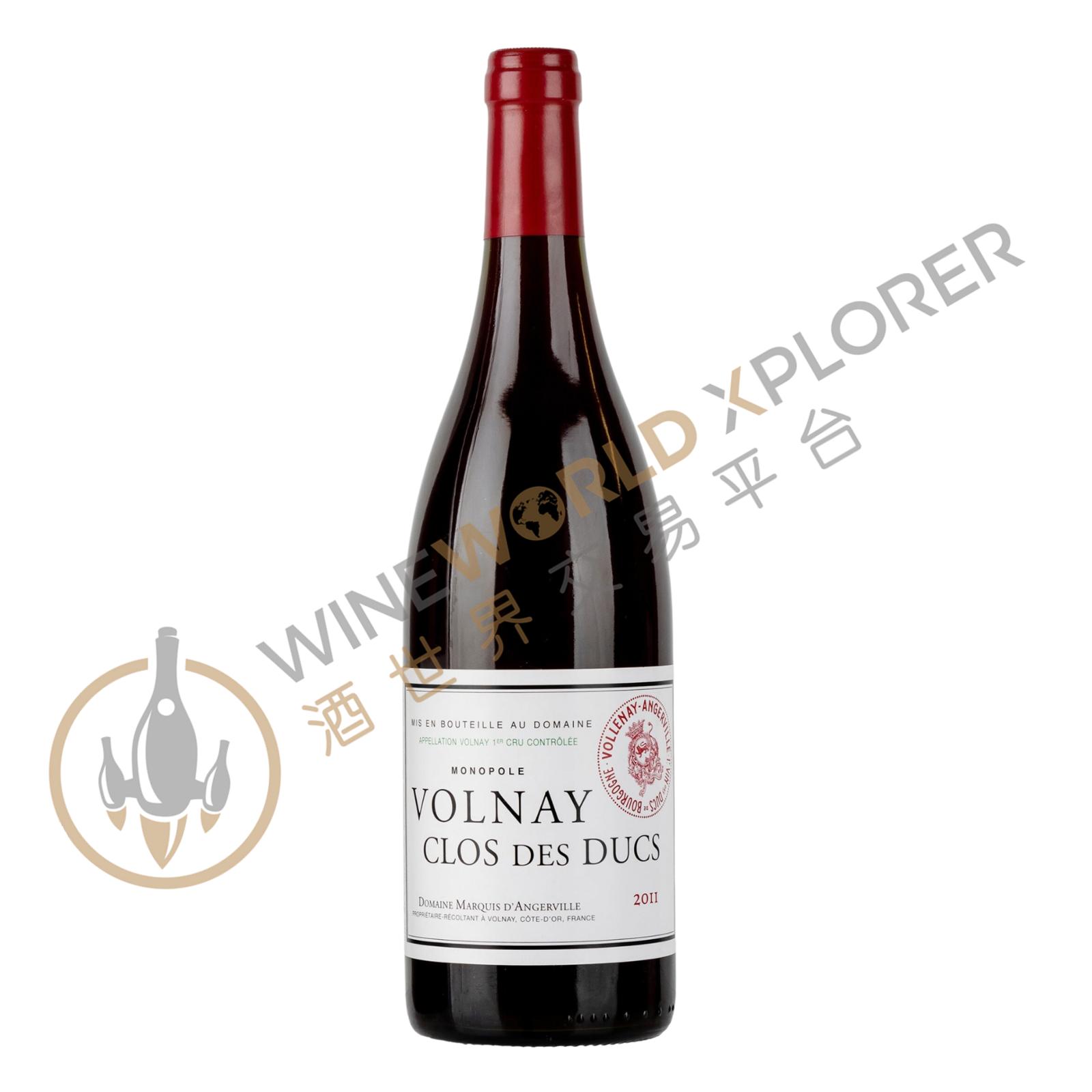
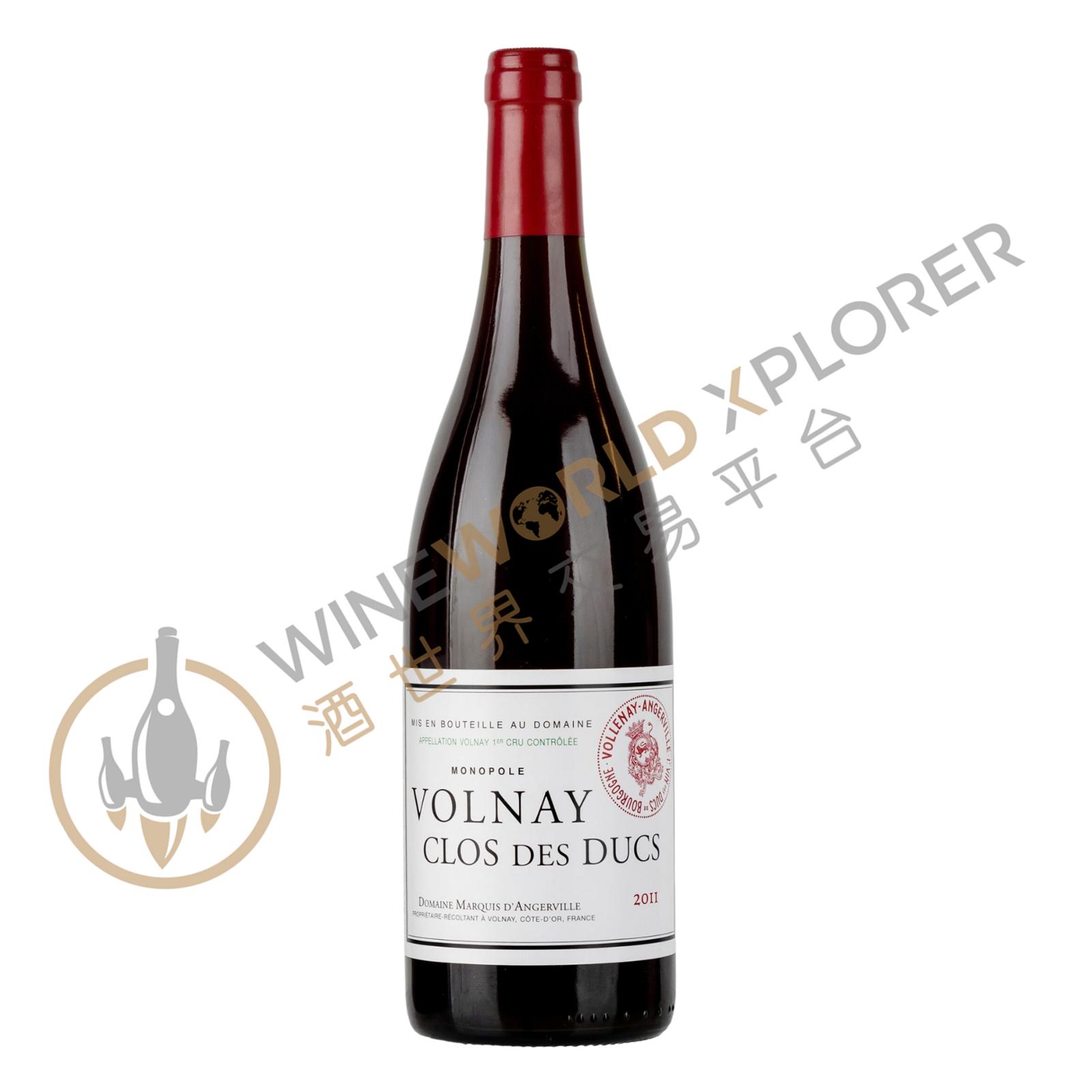
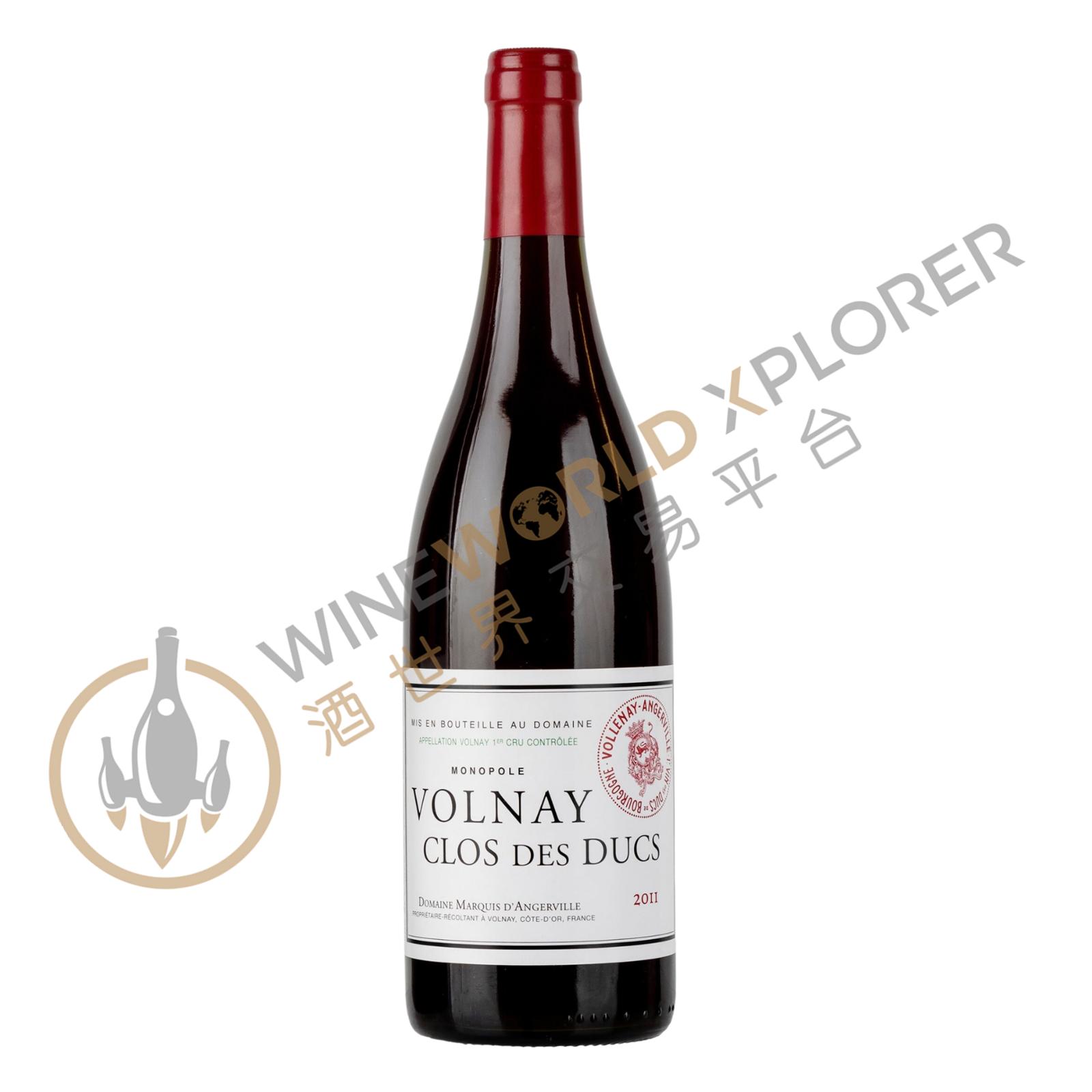
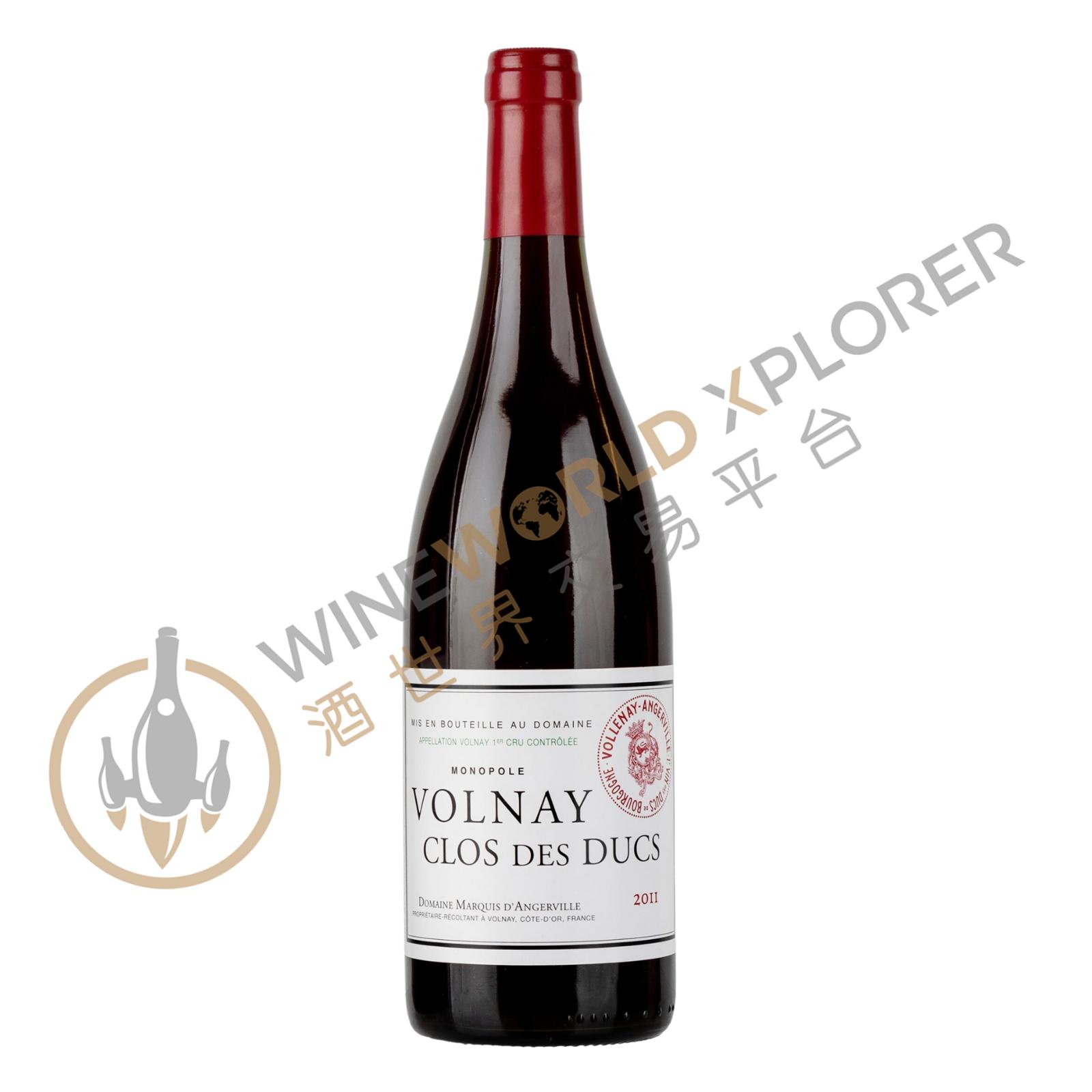
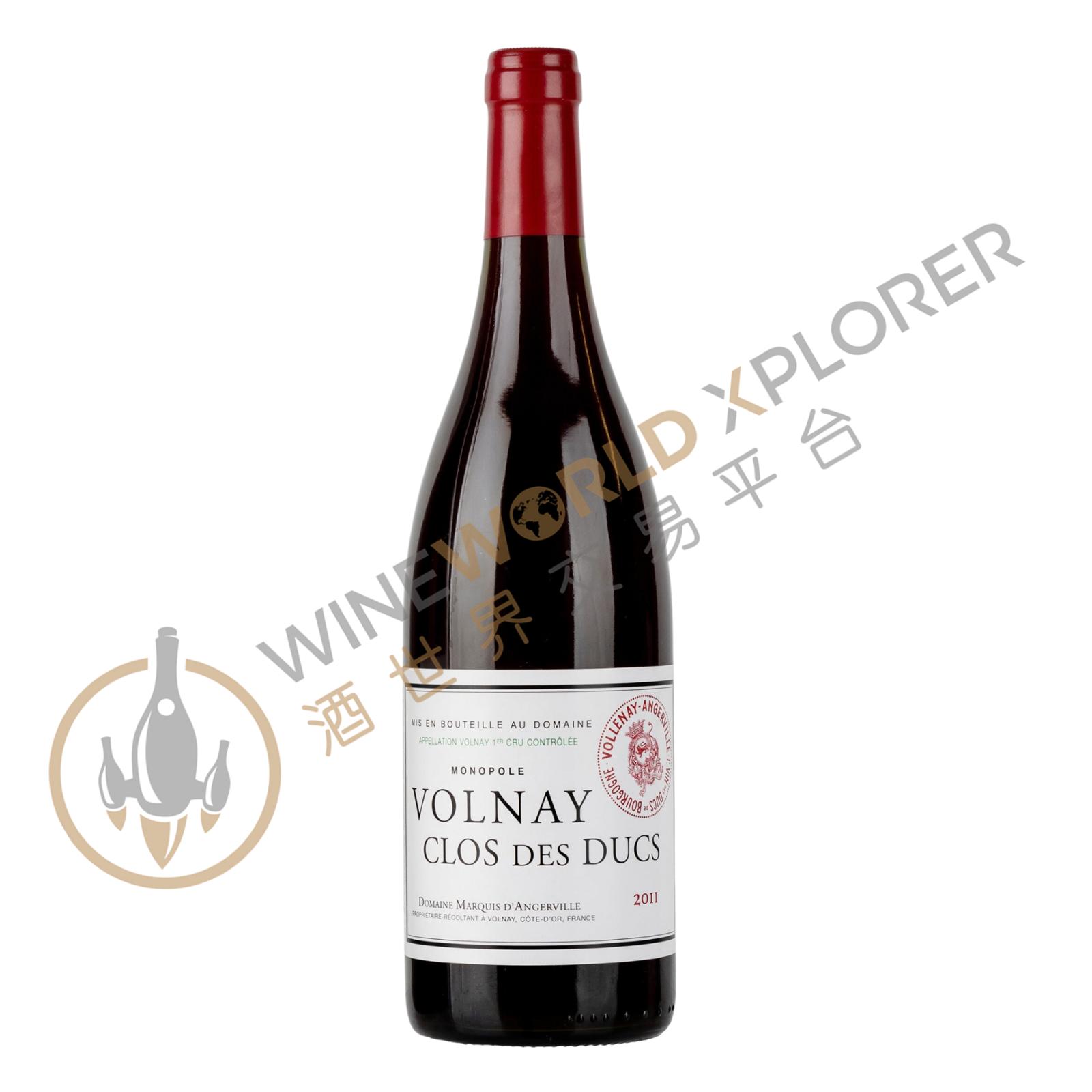
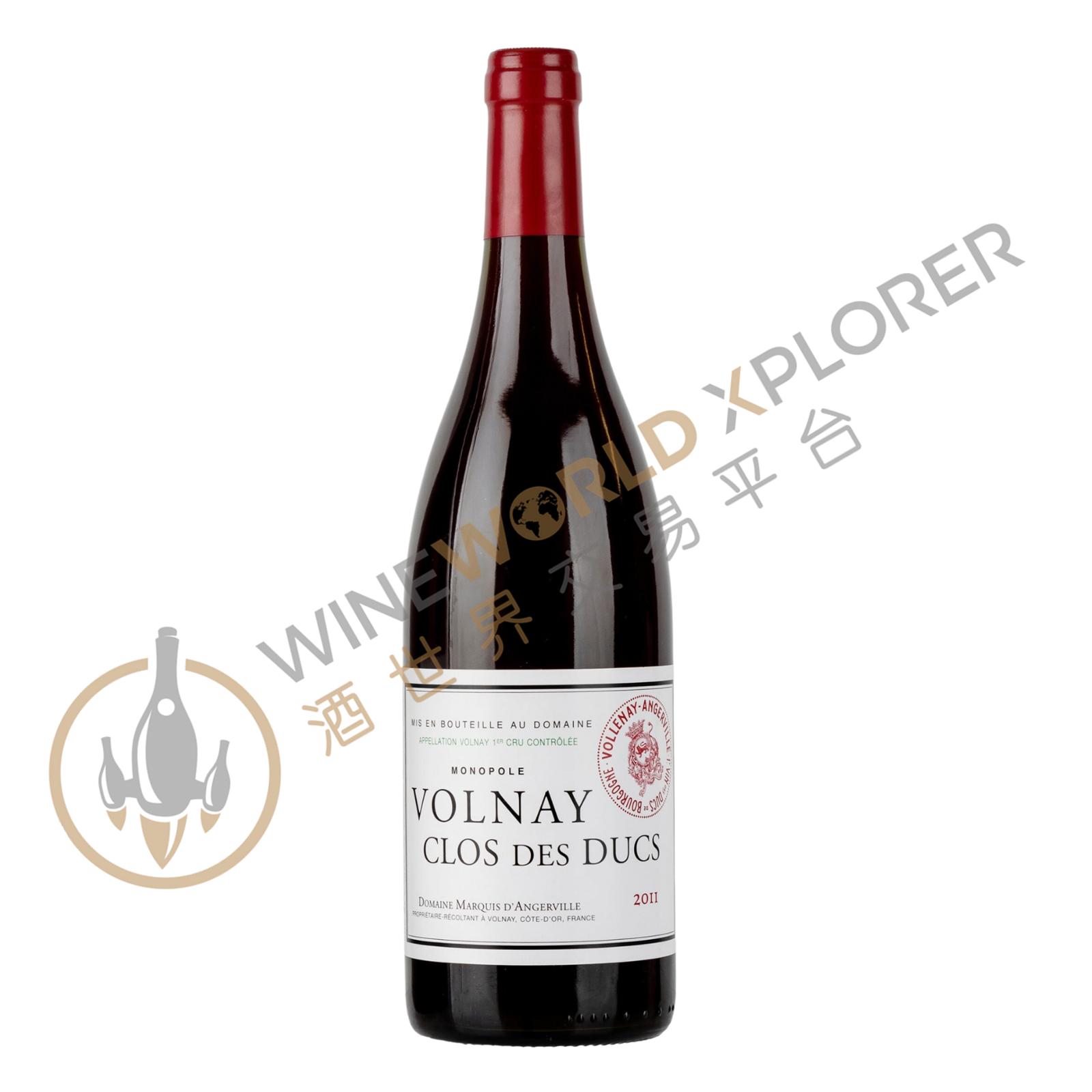
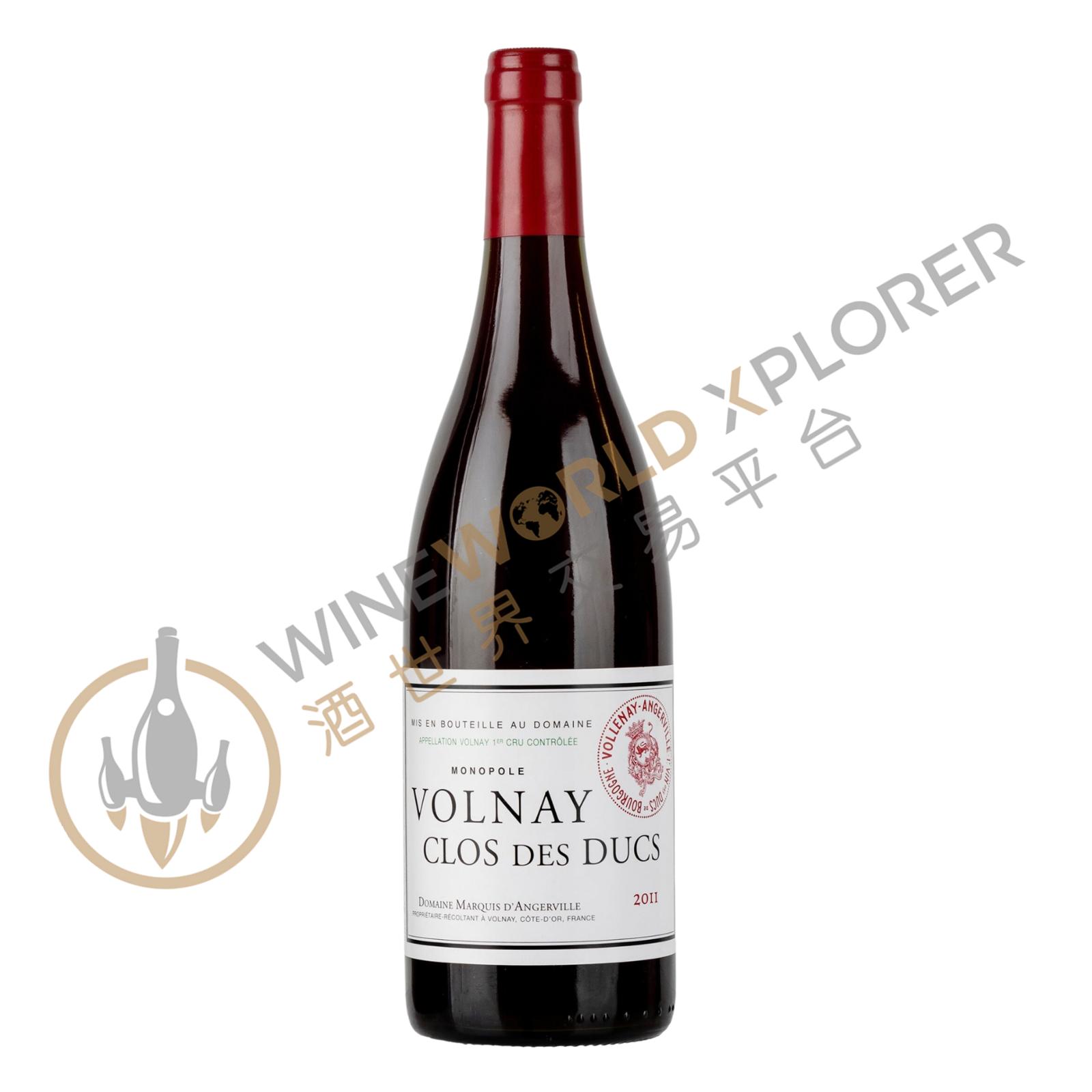
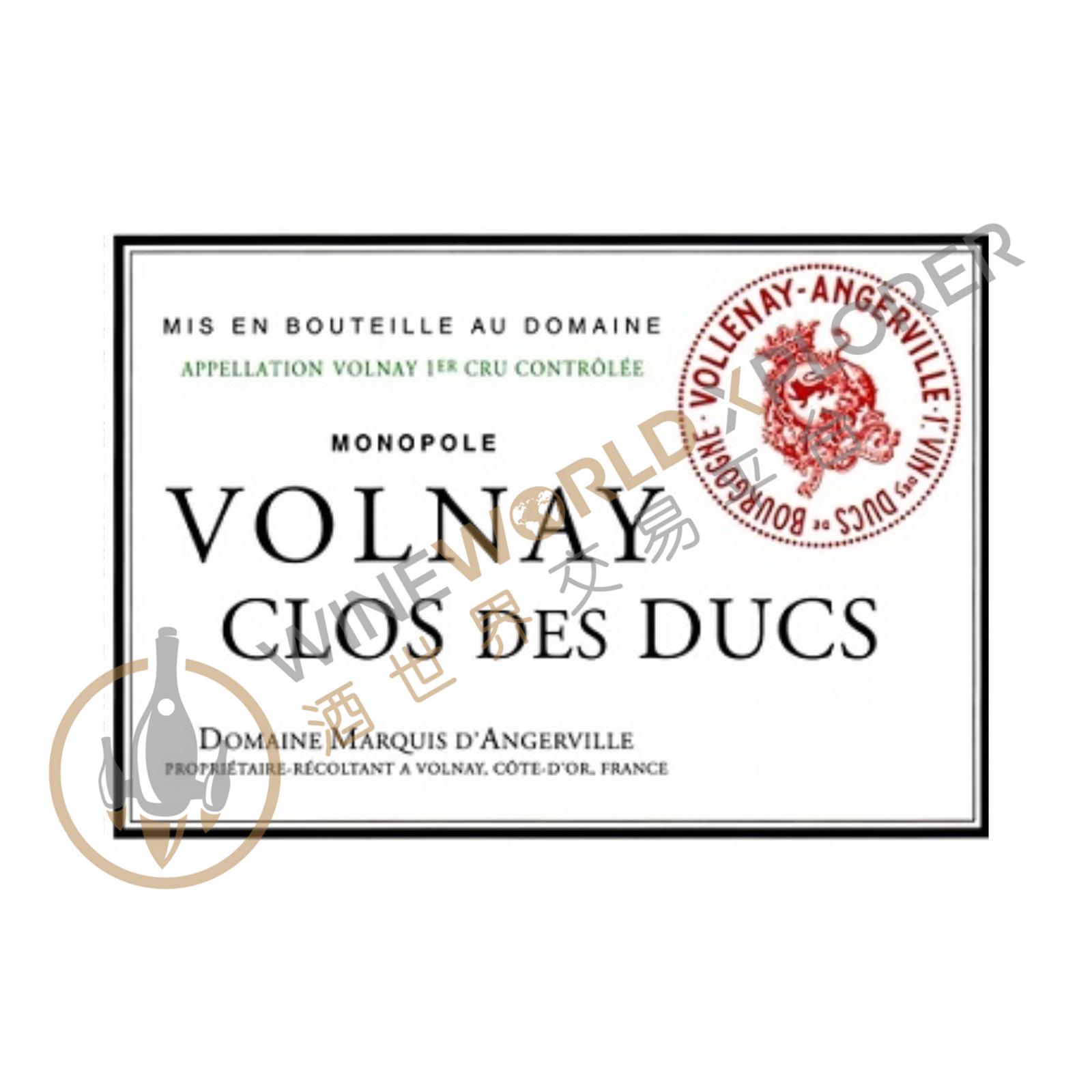
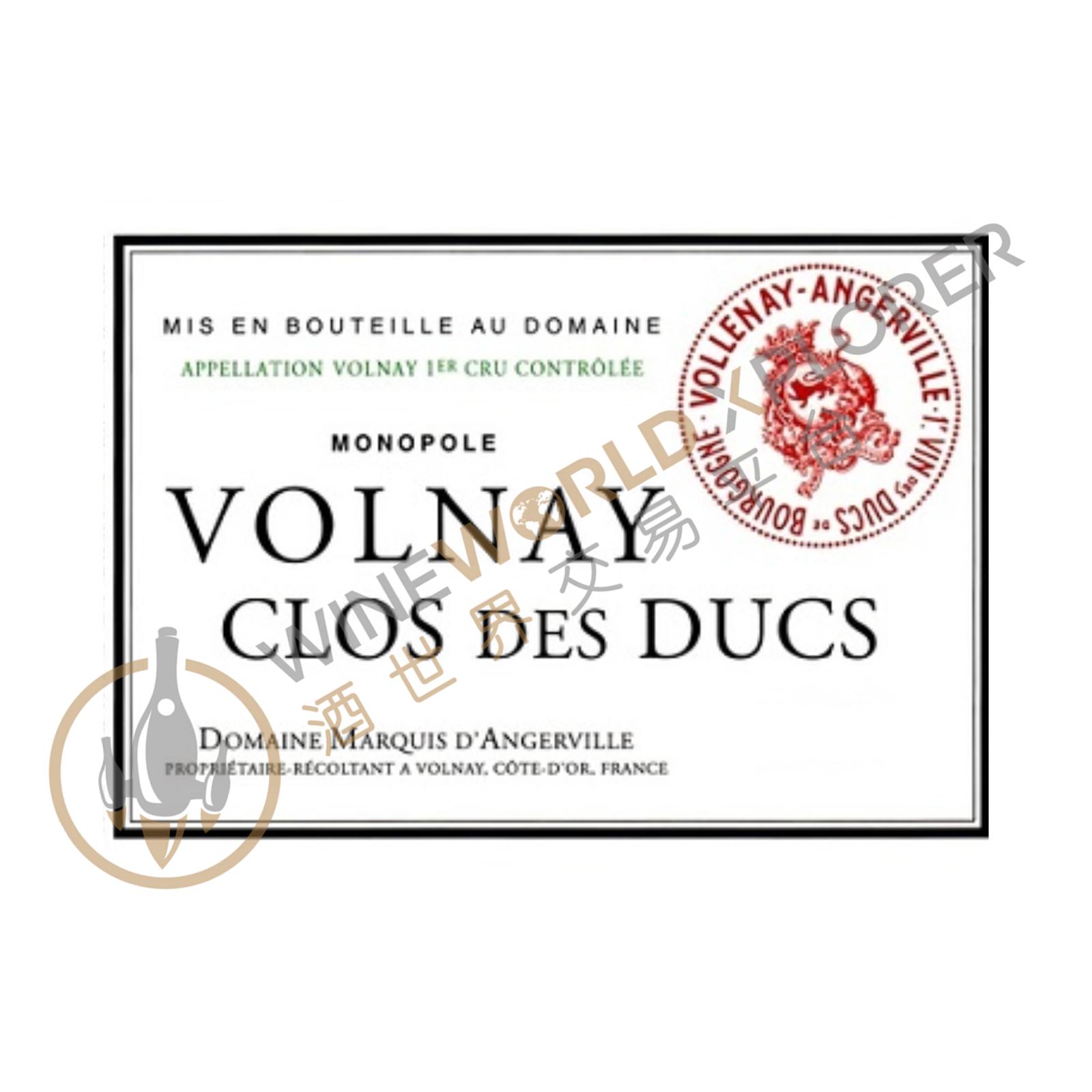
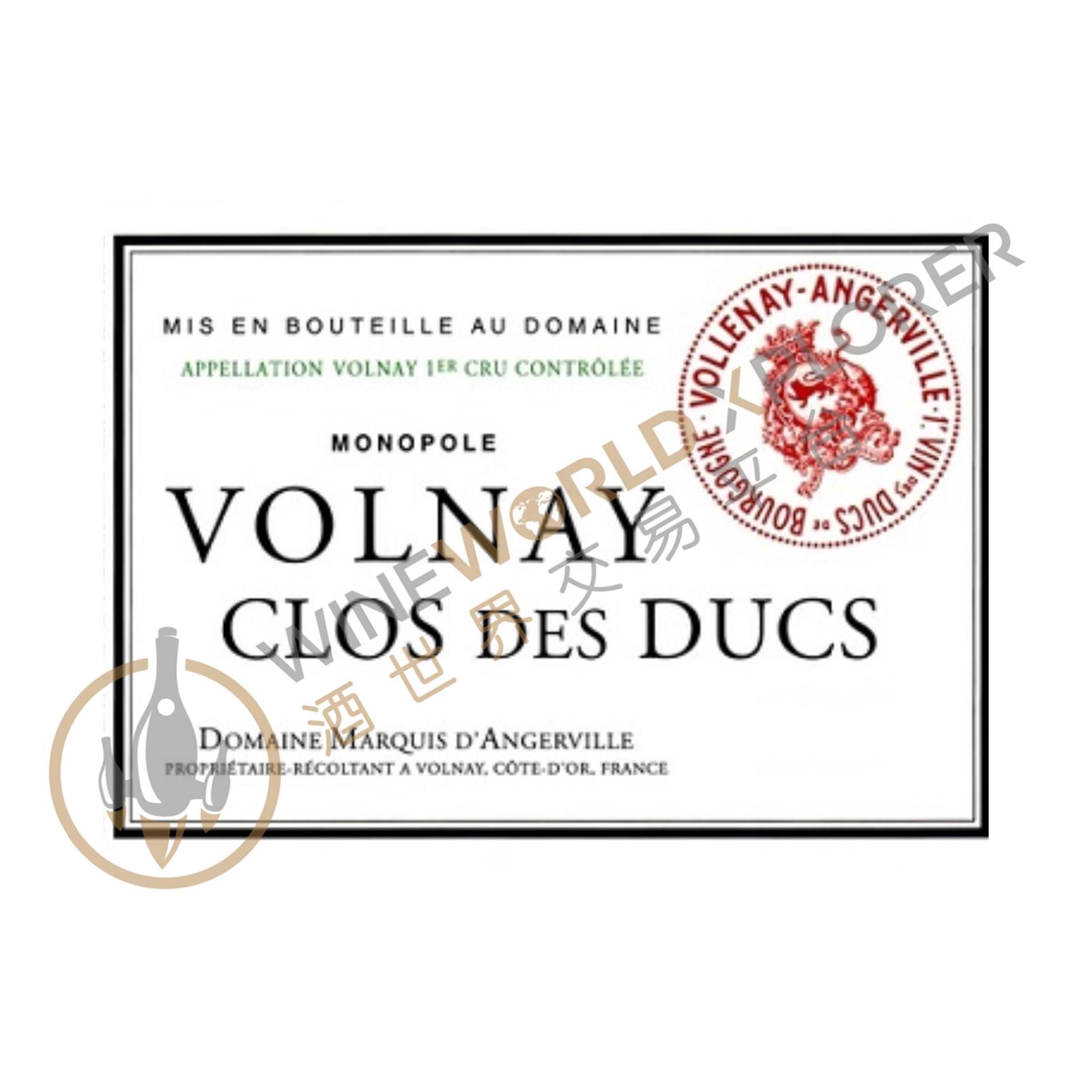
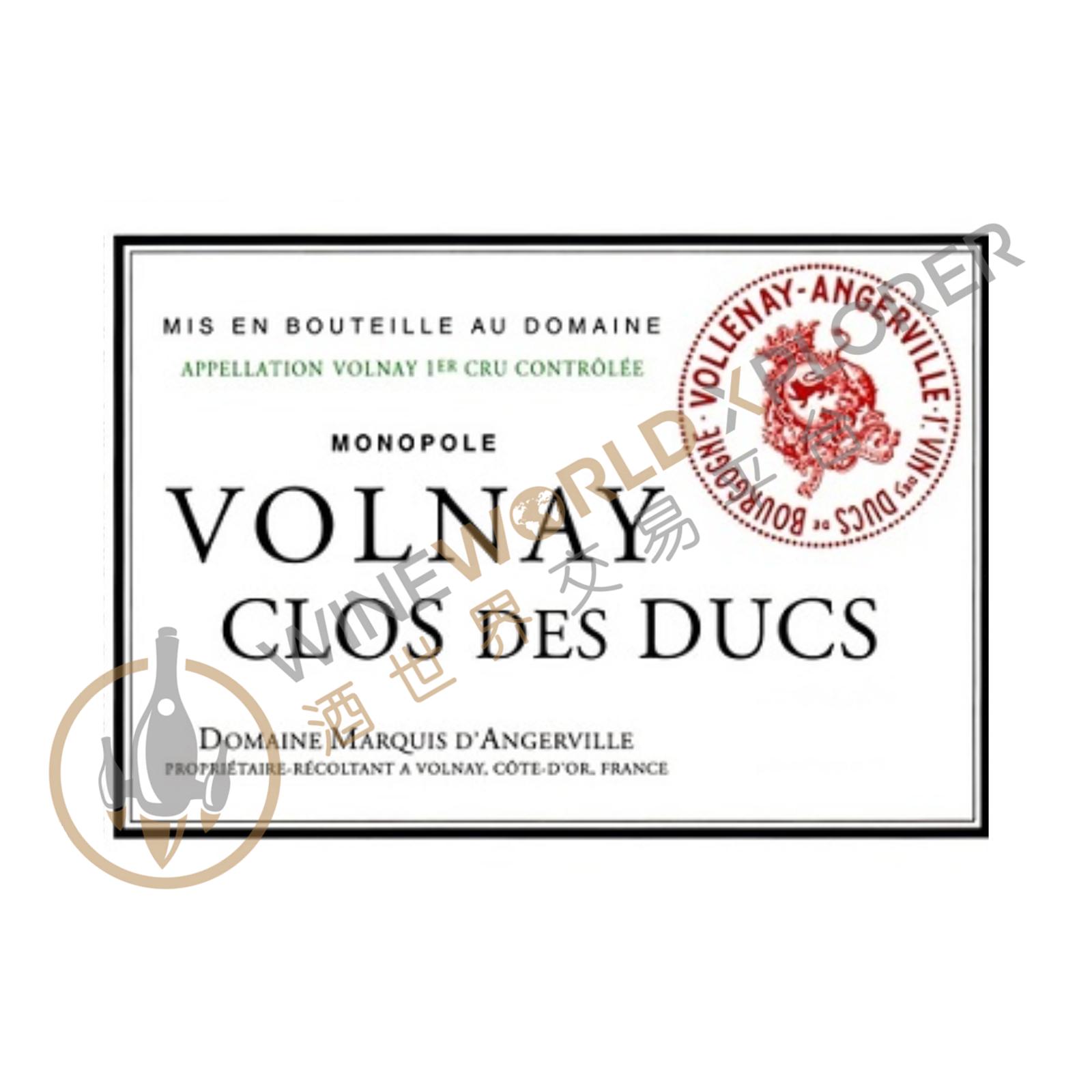
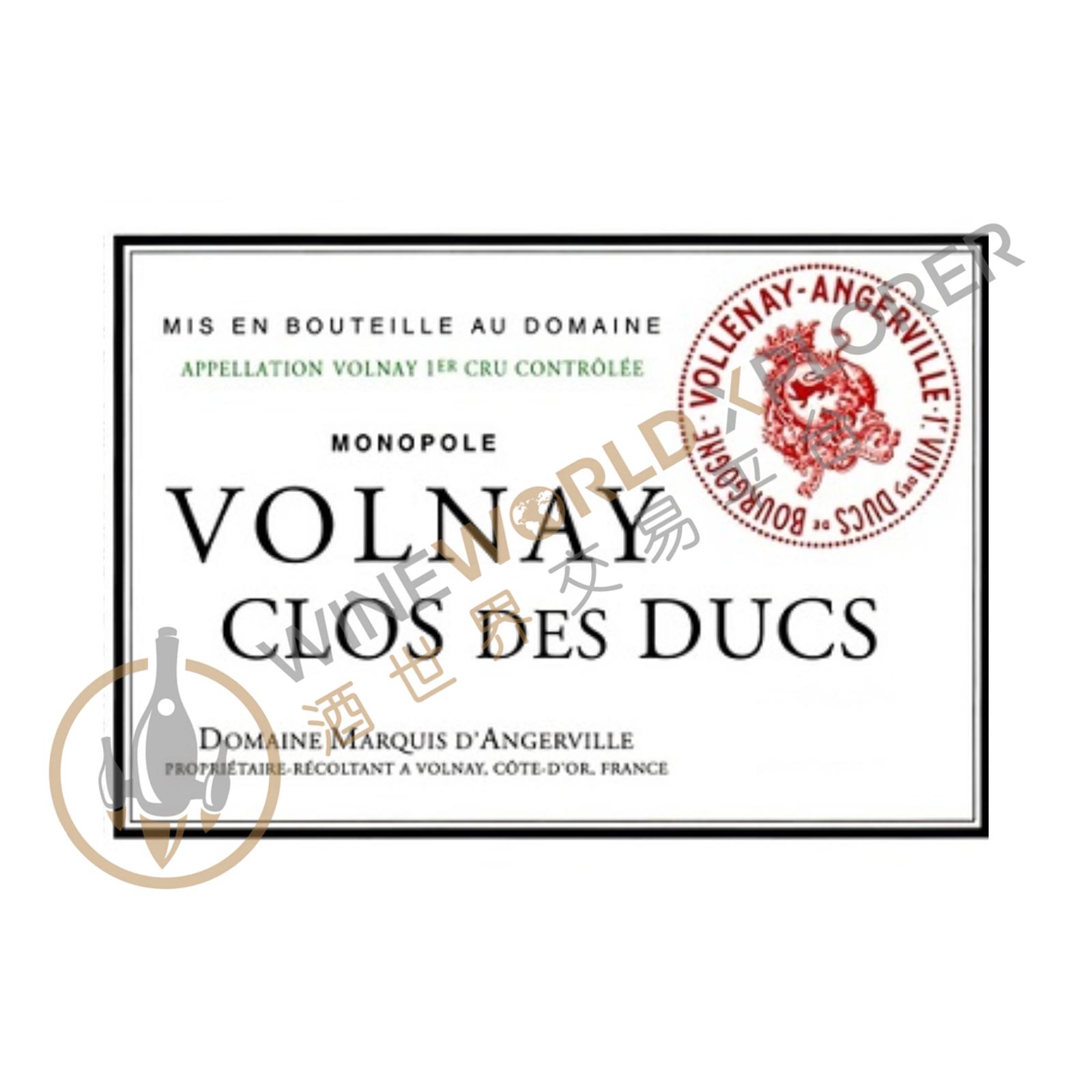
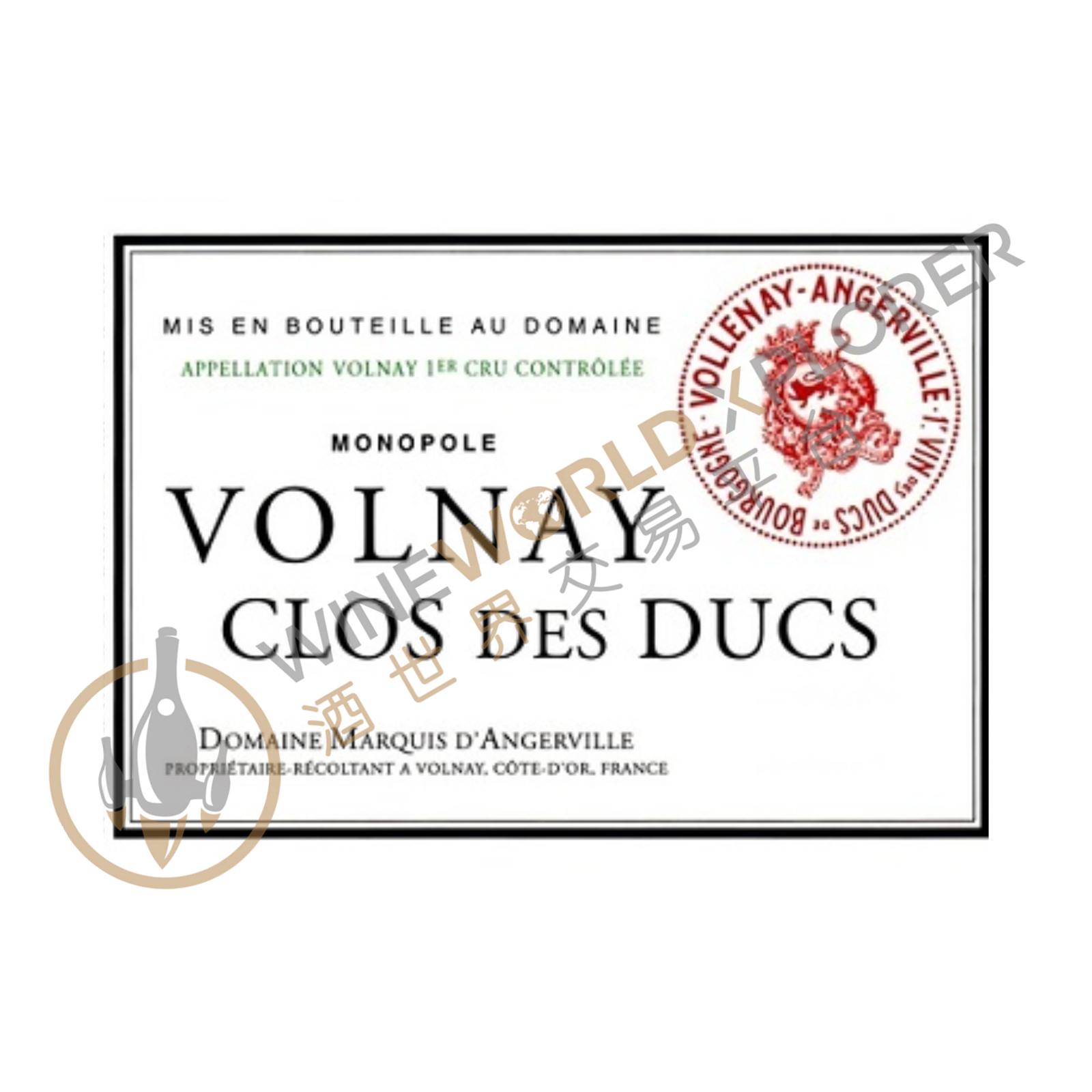
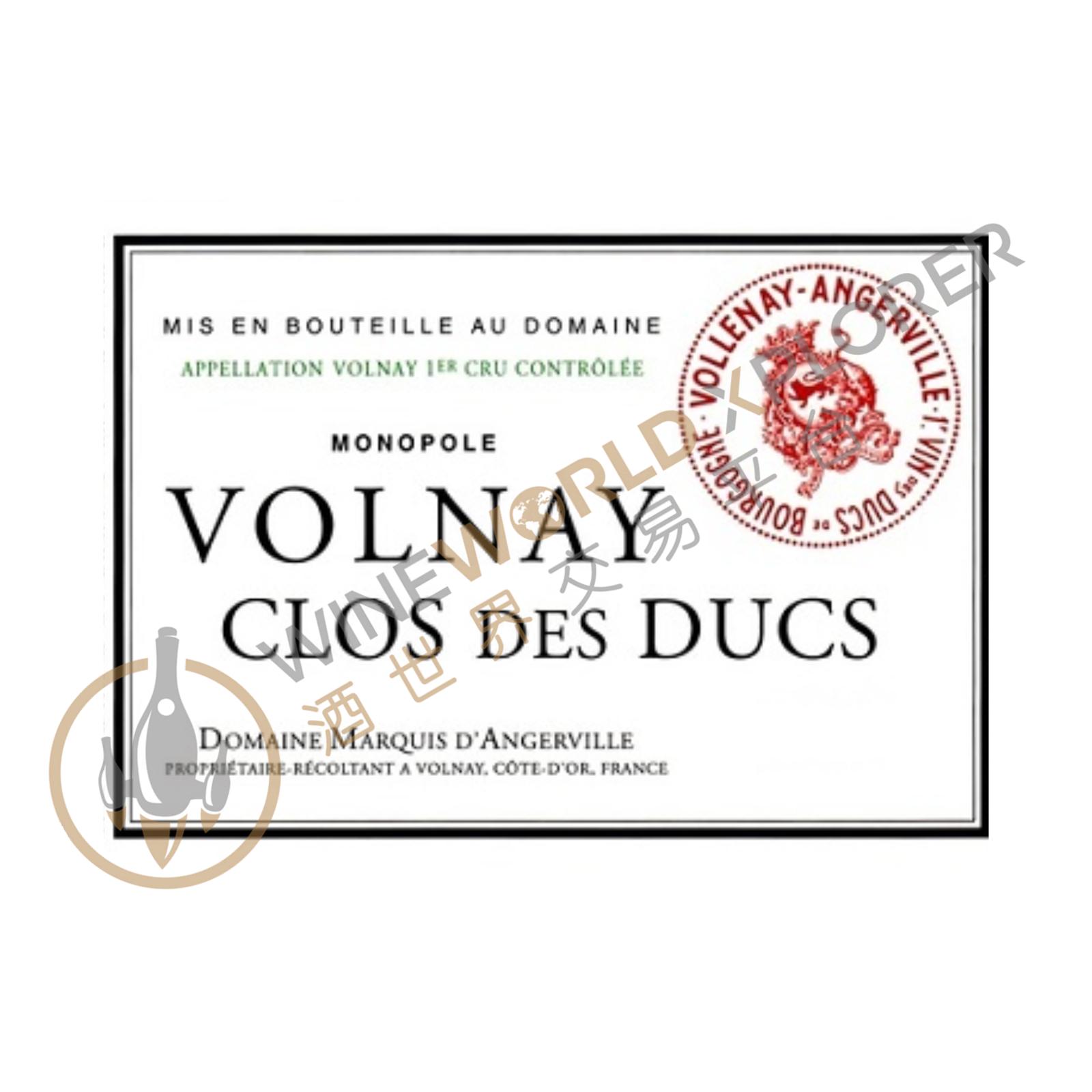
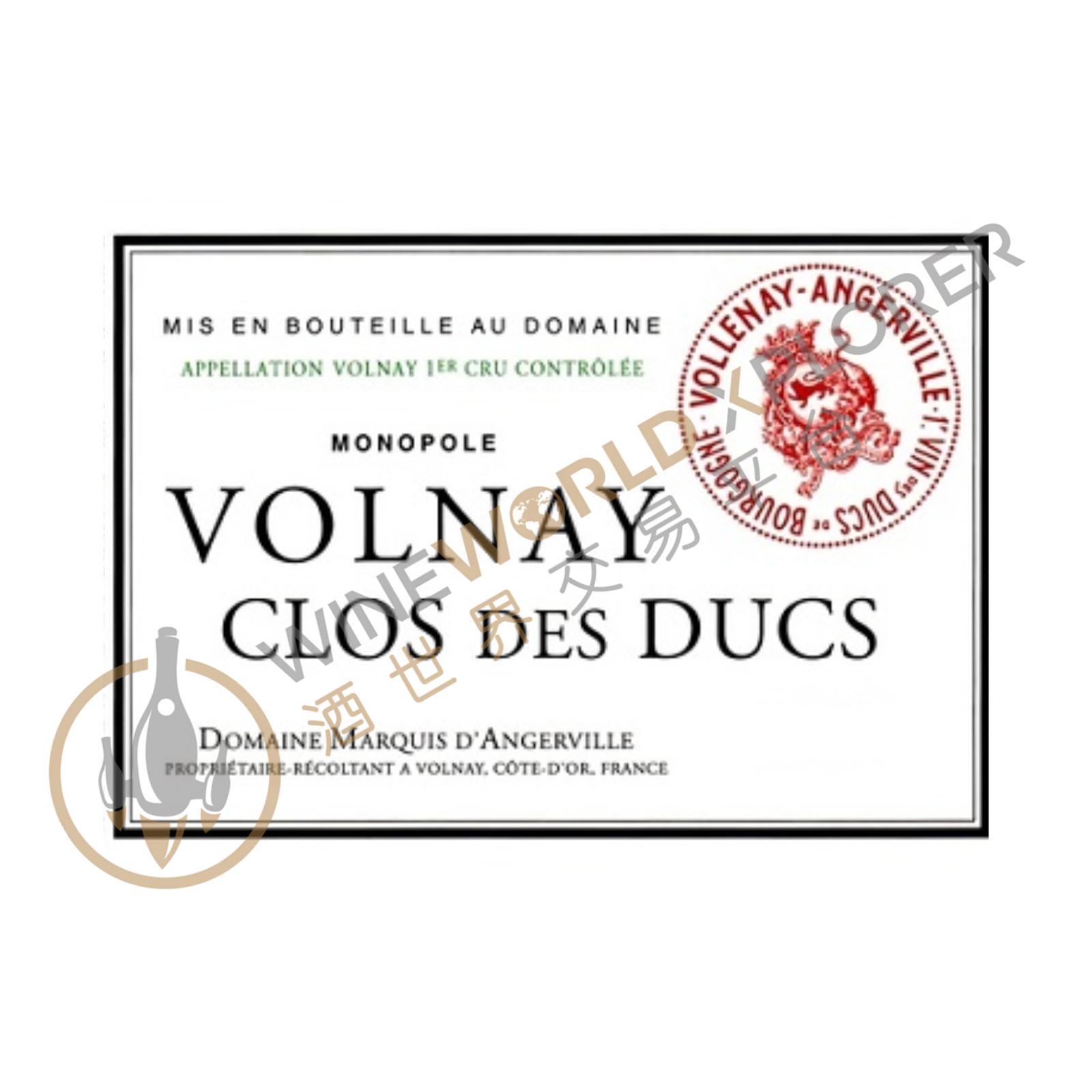
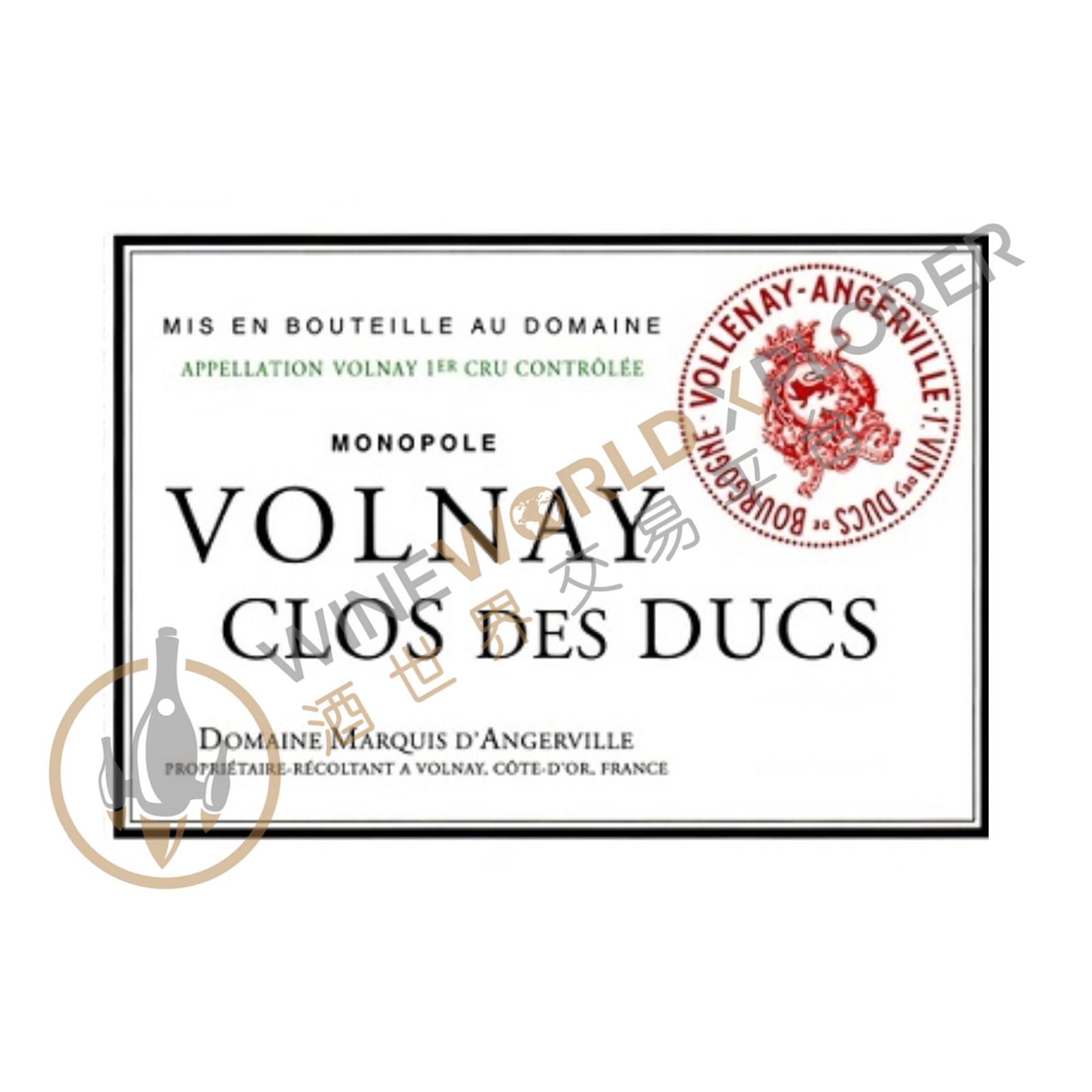
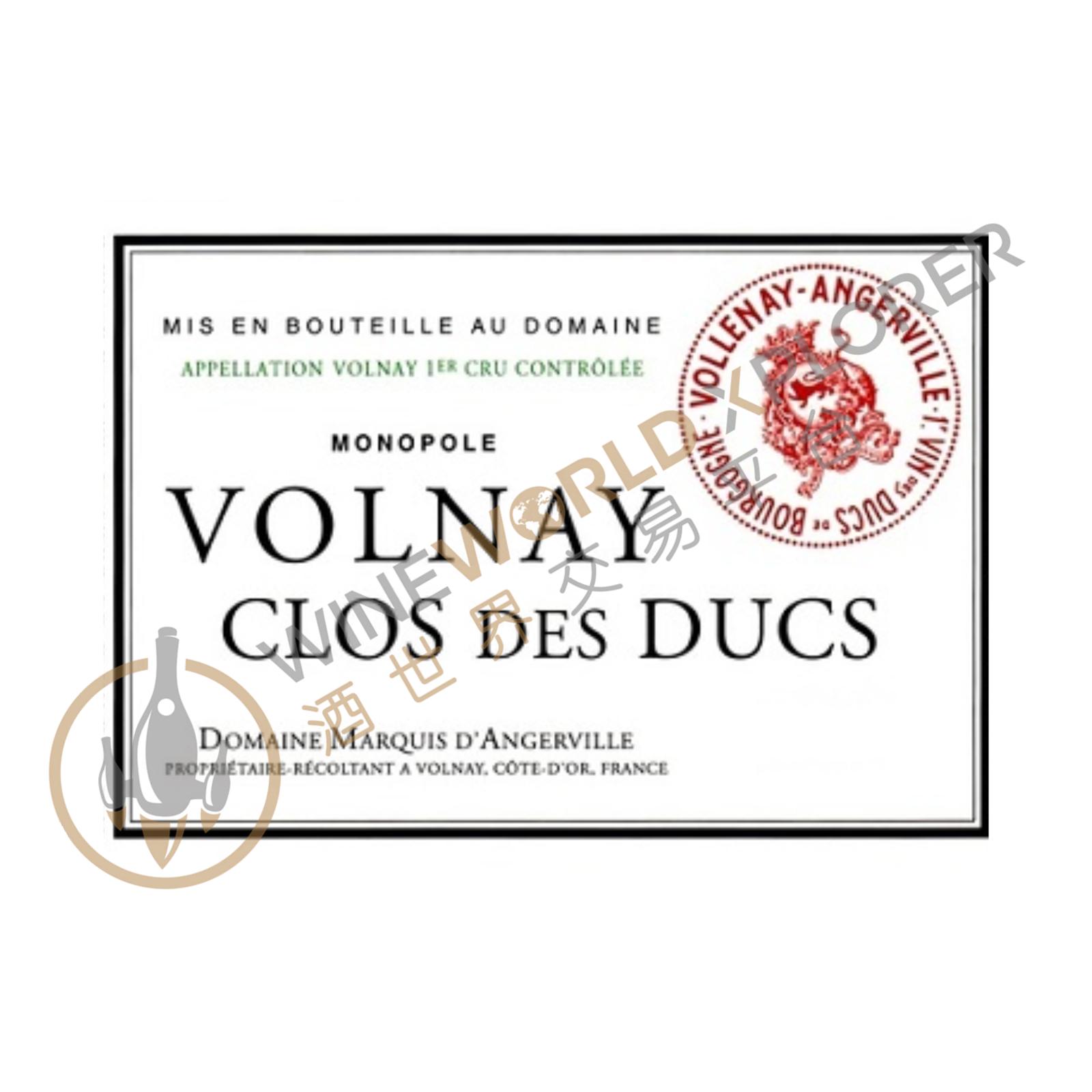
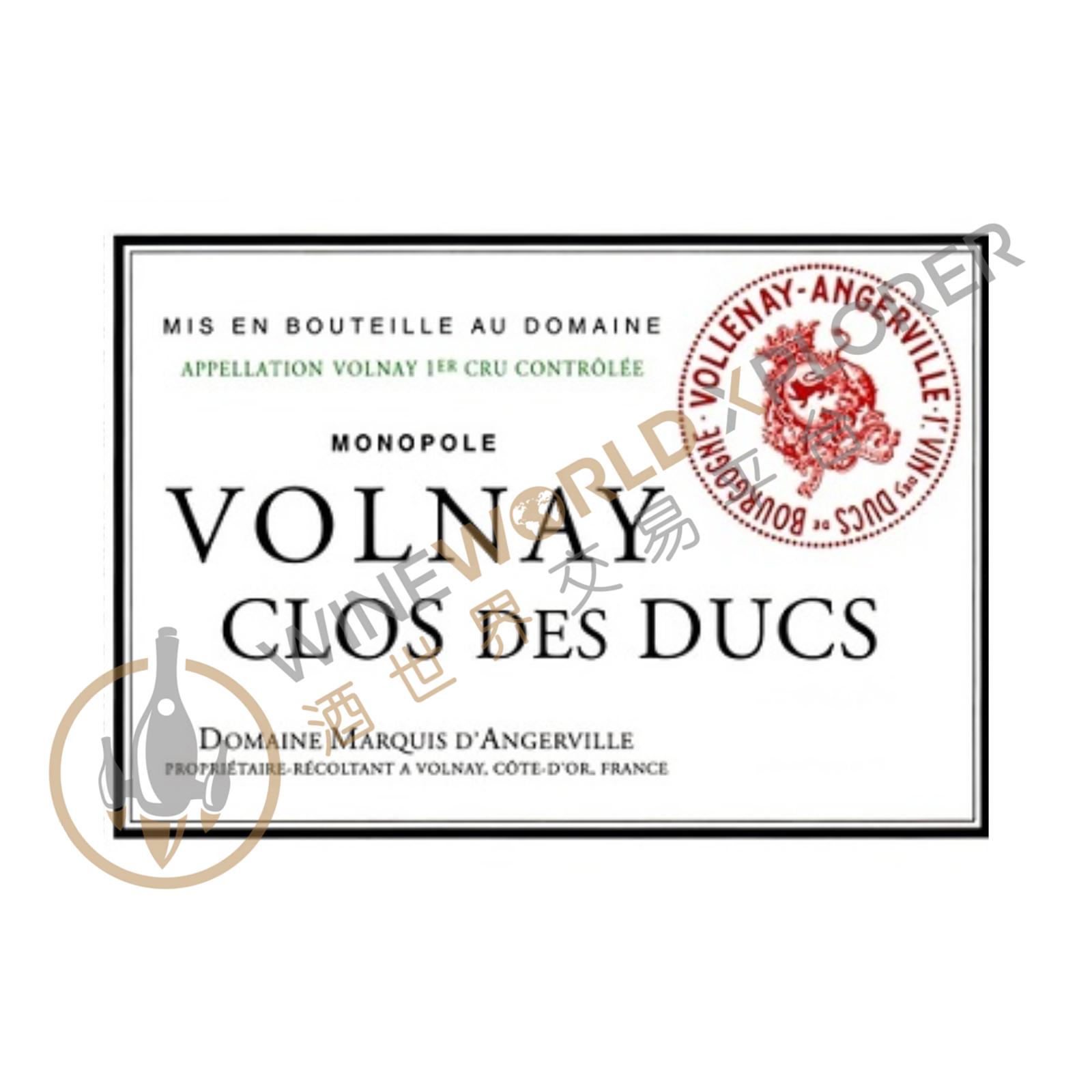
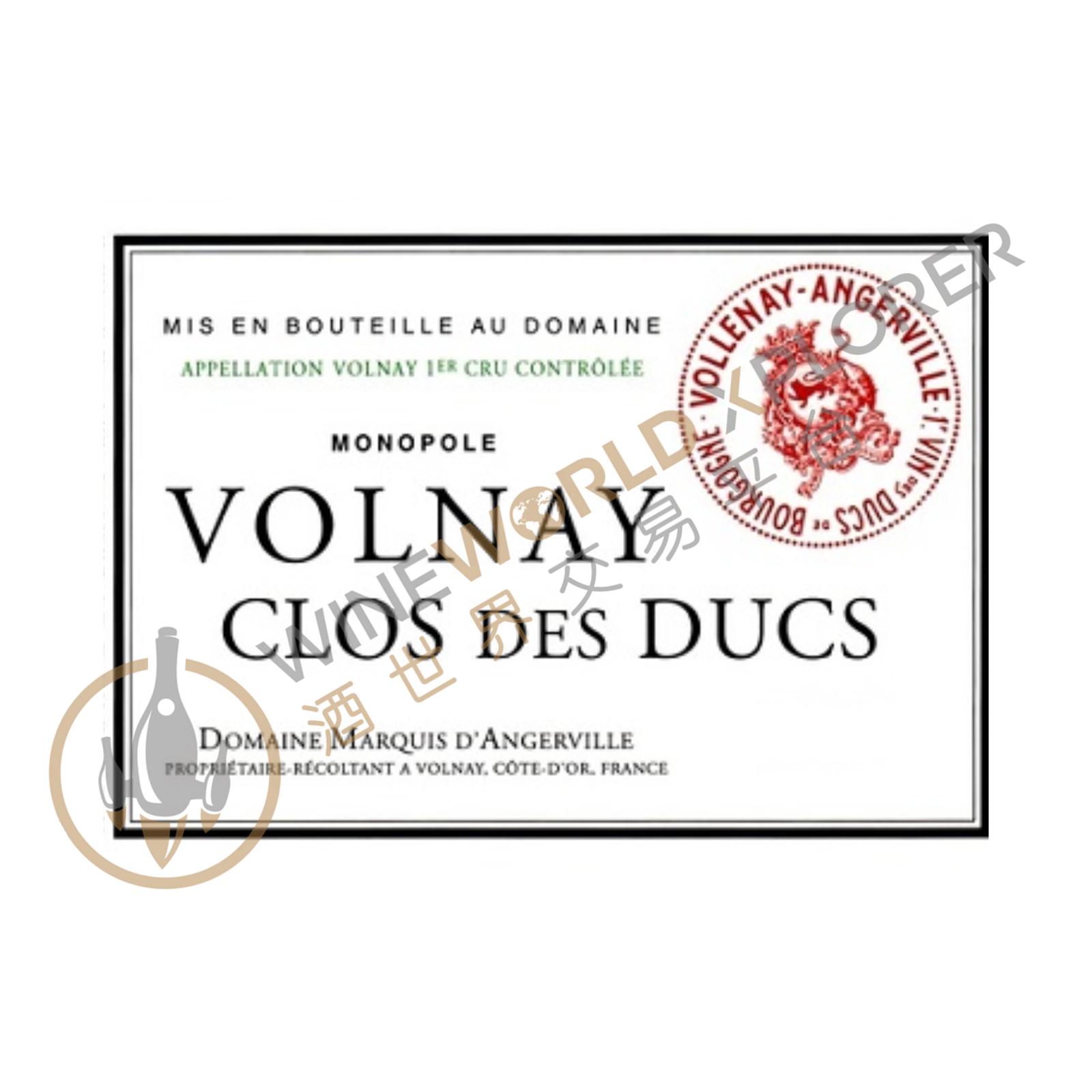
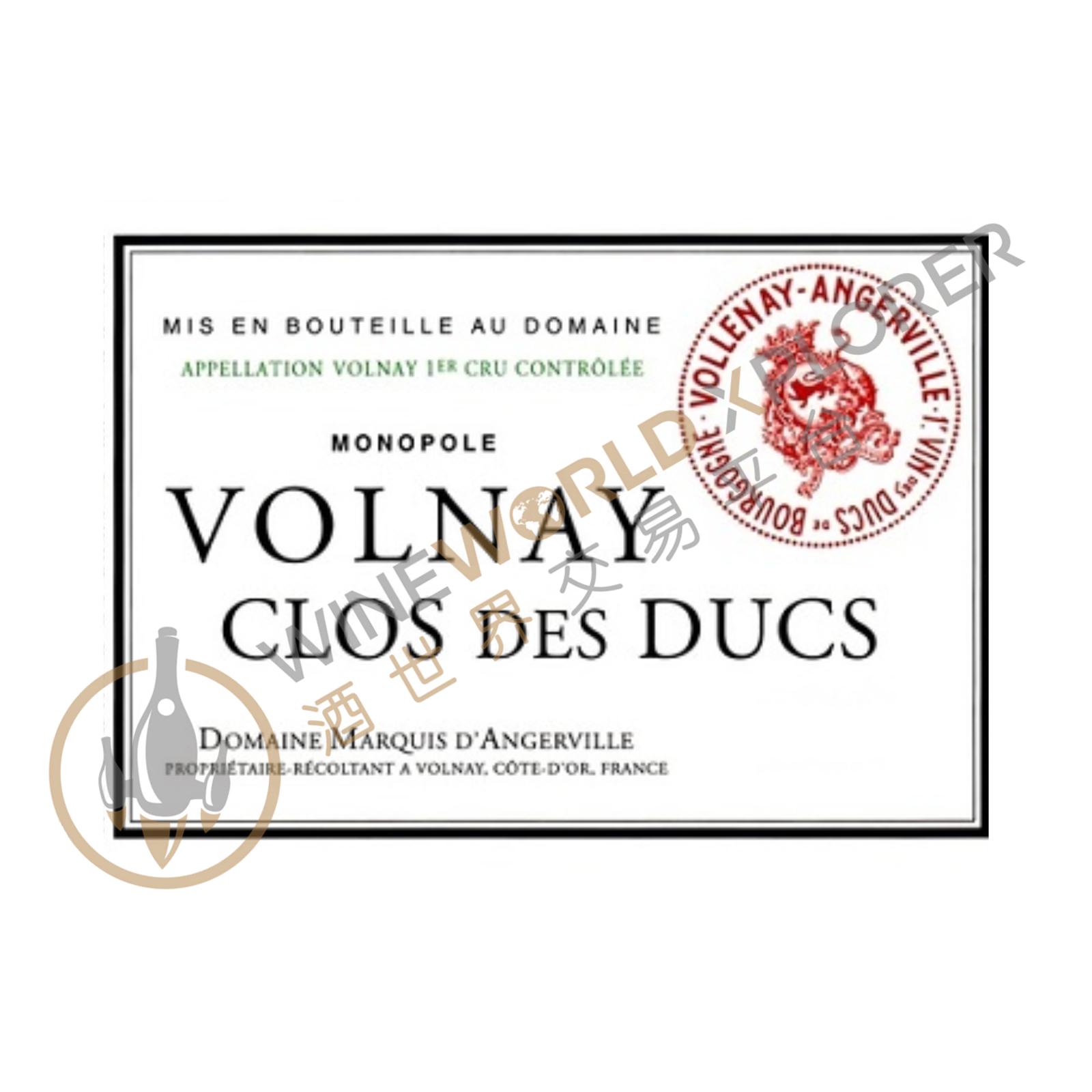
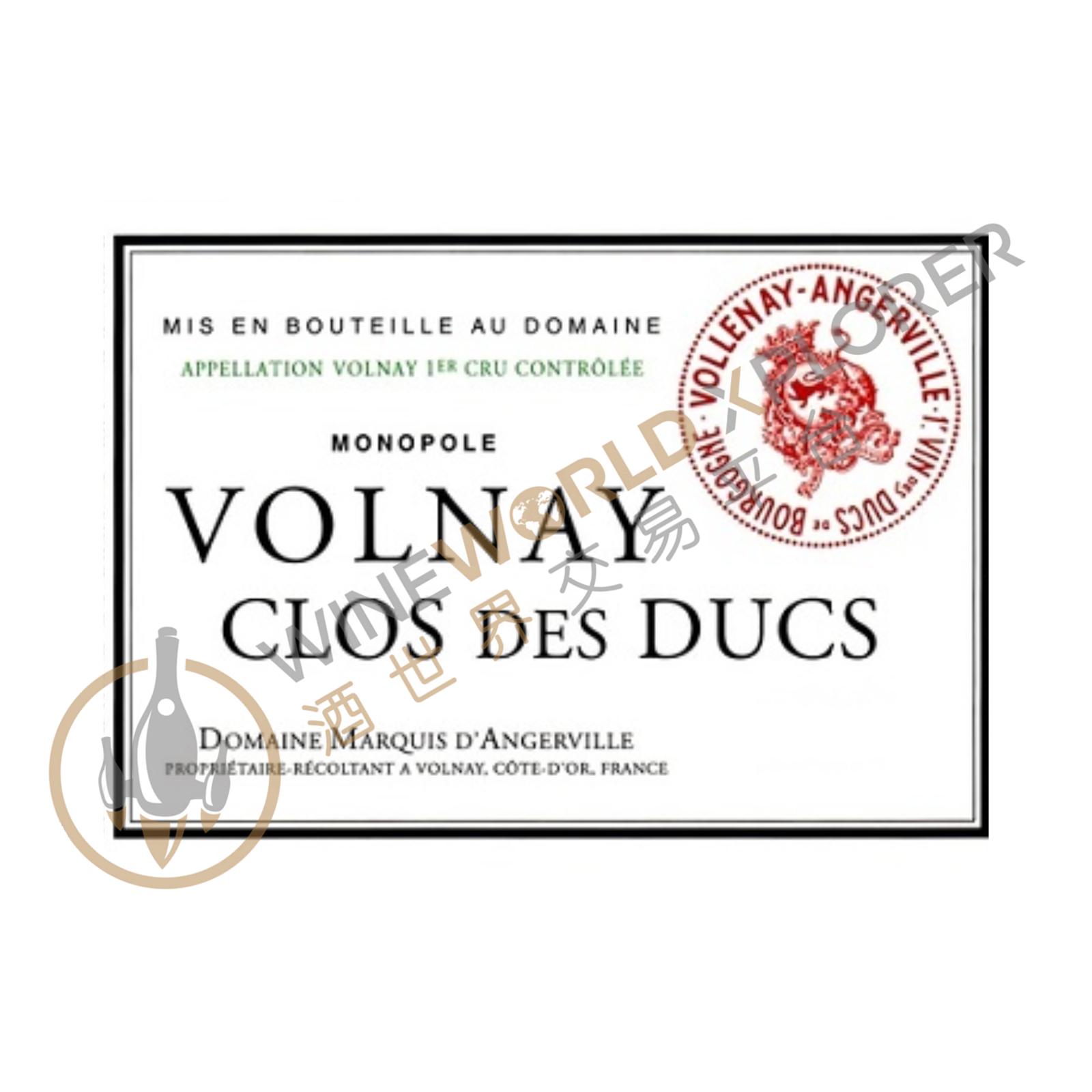
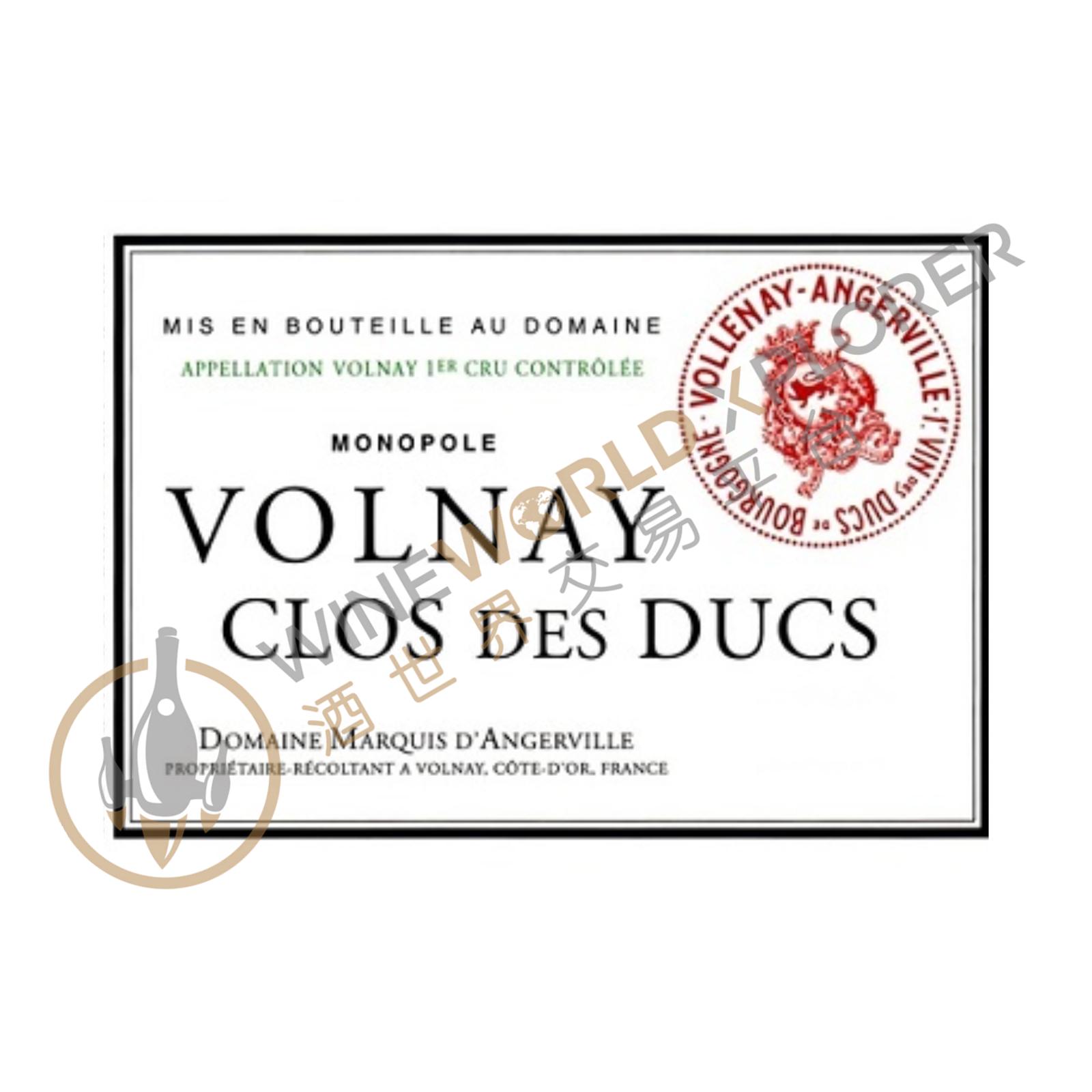
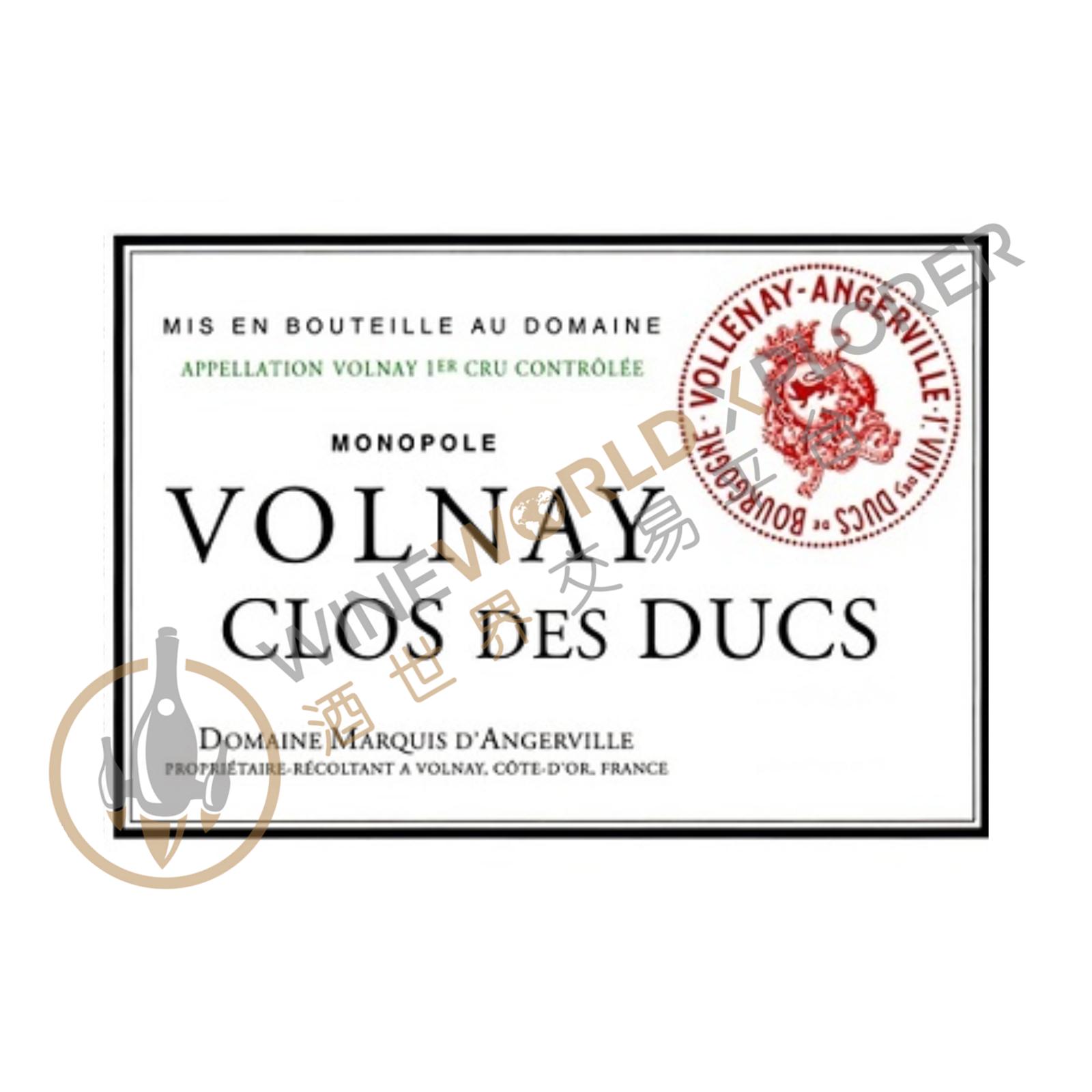
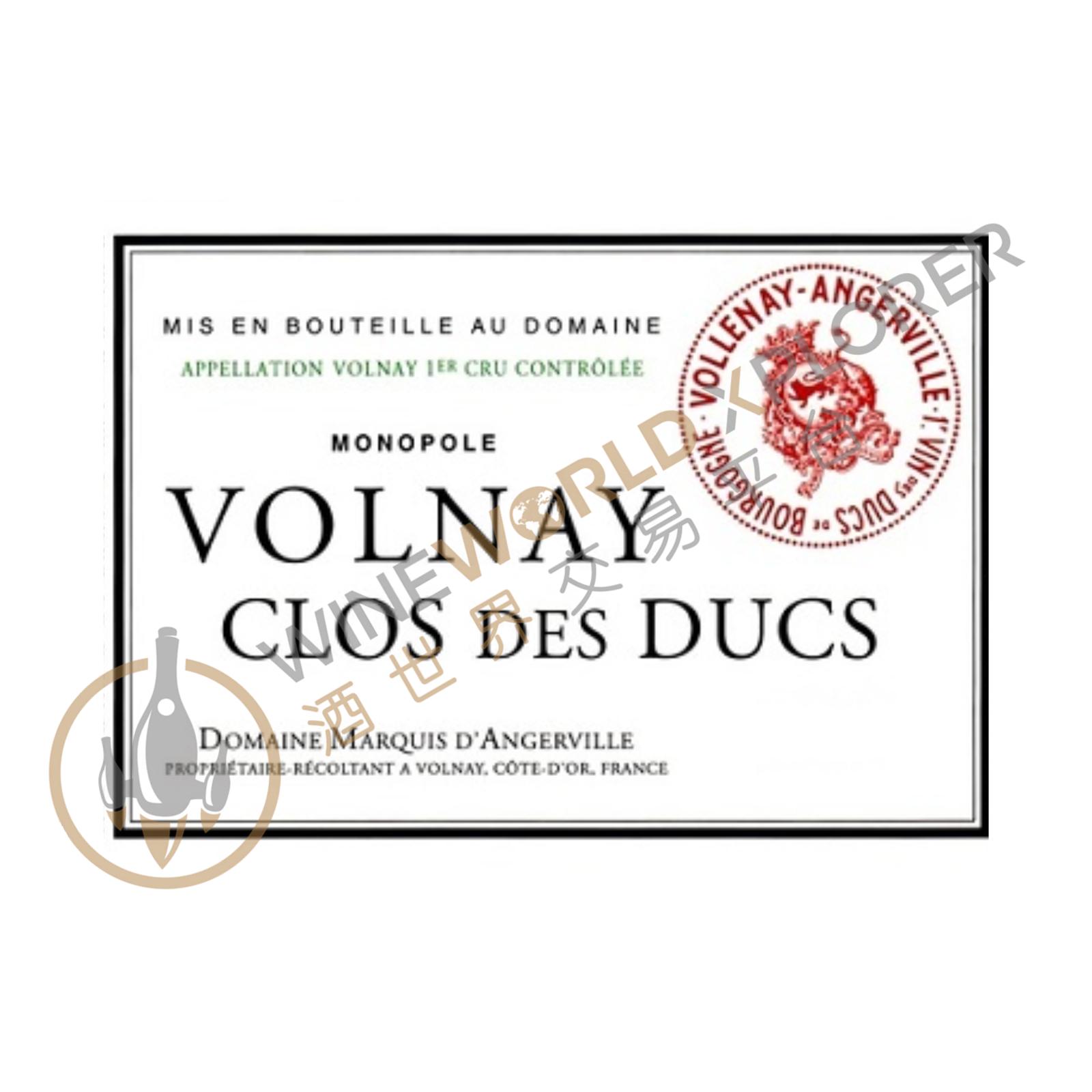
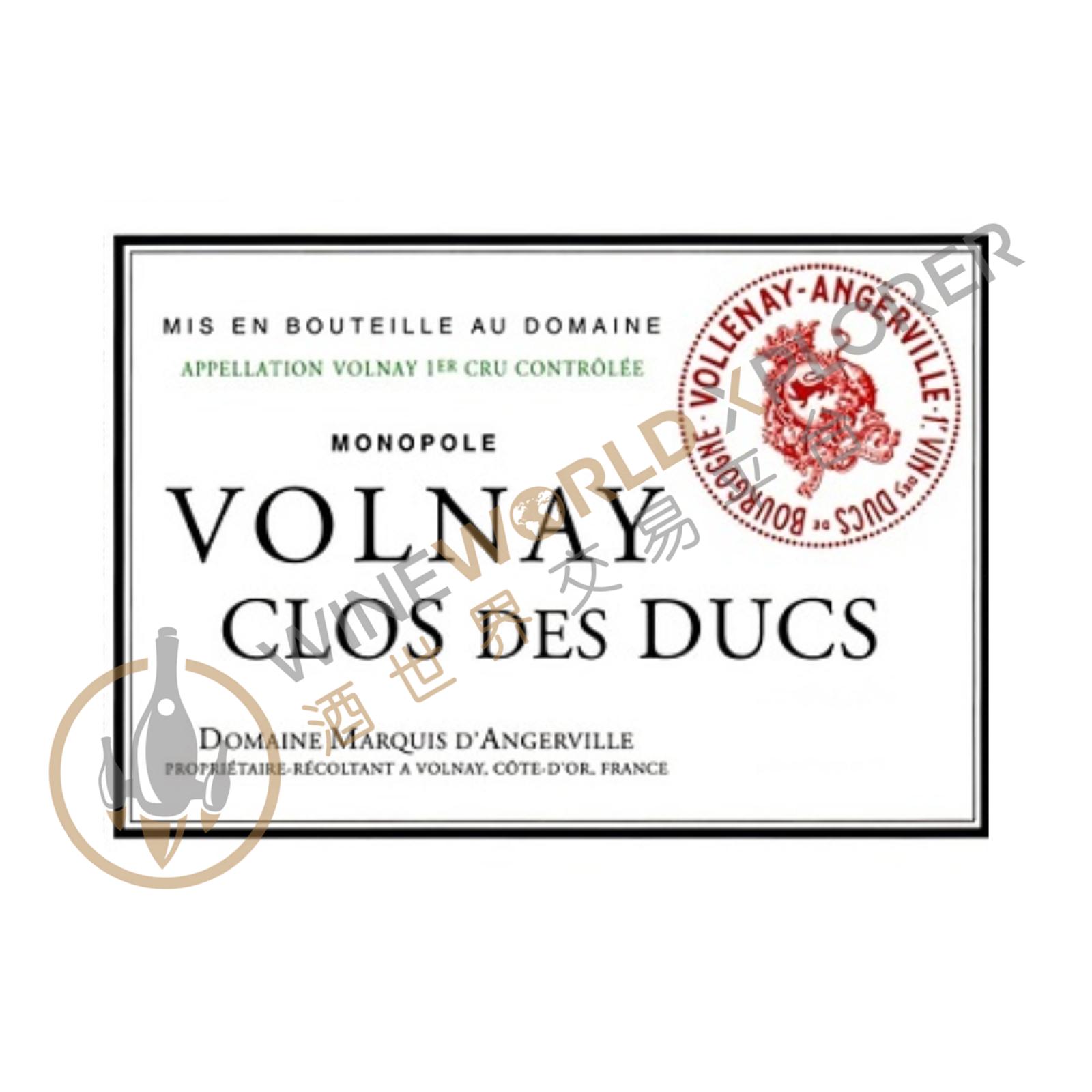
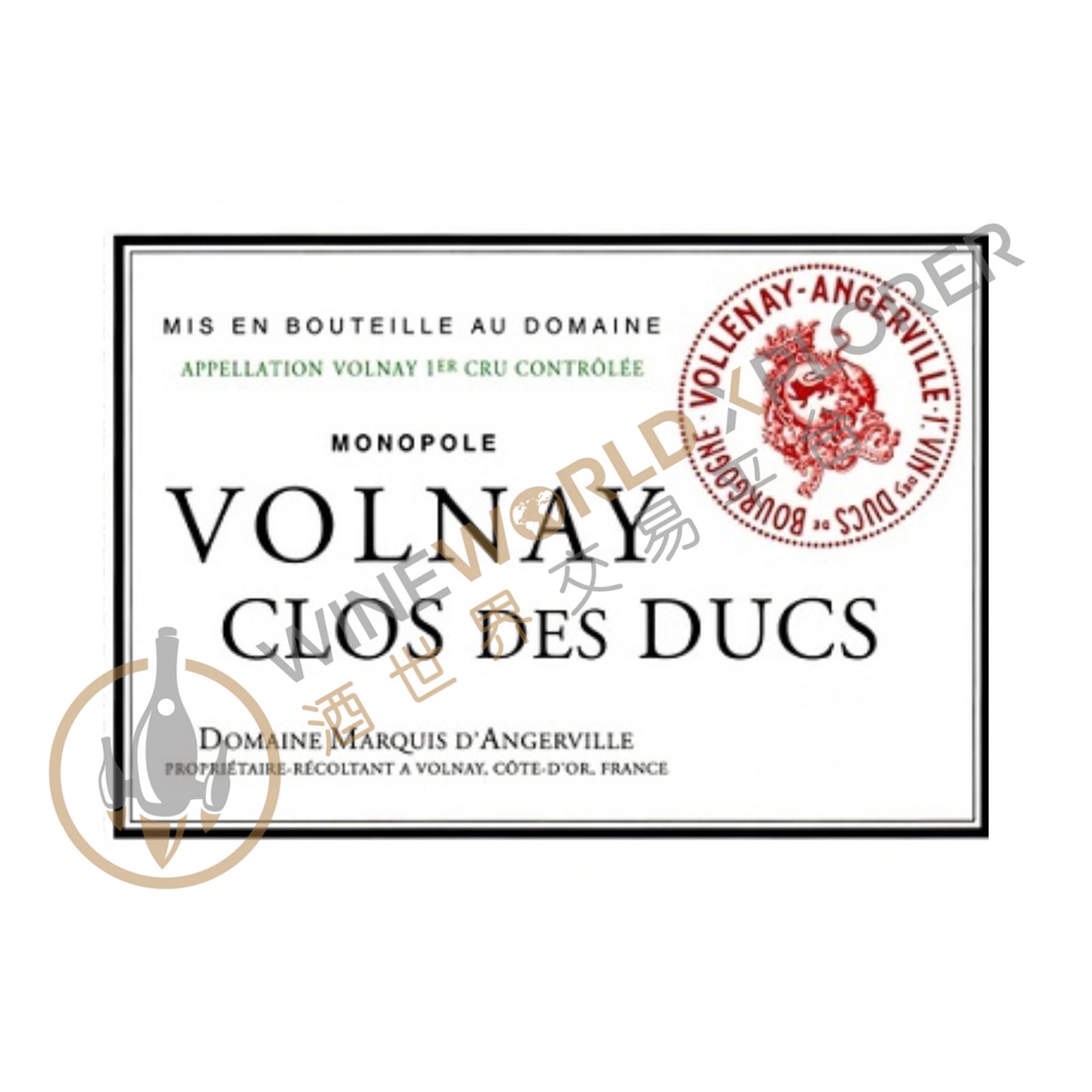
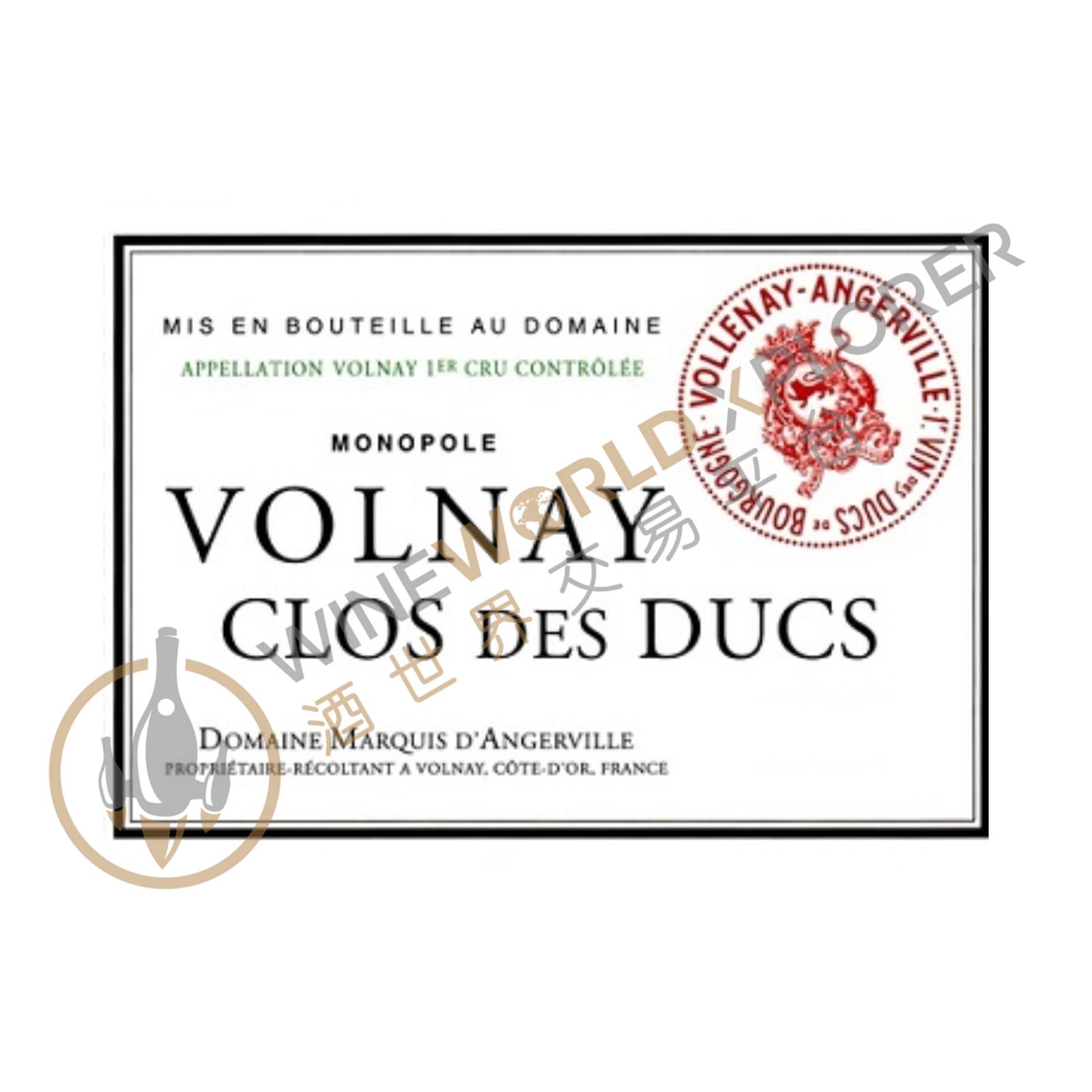
Marquis d'Angerville, Volnay 1er Cru Clos des Ducs 2017
 View analysis


Description
Tasting notes

Reviewed by: Neal Martin
The 2017 Volnay Clos des Ducs 1er Cru is the famous crown jewel monopole of the domaine, ostensibly the rear garden with its own spring. Initially it is showing some reduction on the nose, although it dissipates with aeration. It is certainly reticent at the moment. The palate is medium-bodied with a gentle grip on the entry. It provides that arching structure that defines this vineyard and gives it its longevity, yet paradoxically the mouth sensation is supple and smooth, with just a touch of spice tingling on the finish. Noble, and aristocratic - just how a Clos des Ducs ought to be.
Reviewed by: Stephen Tanzer
Bright medium red. Highly perfumed aromas and flavors of raspberry, cherry, licorice and flowers. On the lean side but with firm acidity giving cut to the aromatic palate. All about perfume today, and a bit dry on the back end. A second bottle showed a similar nose, but with some darker fruits emerging with air. It also offered considerably more mid-palate pliancy of texture as well as more stuffing to buffer its tannins. The finish is quite fresh, with nicely integrated acidity. My score, needless to say, is for the second bottle. (13.3% alcohol; the Clos des Ducs vines were harvested on September 7; 42 hectoliters per hectare produced; 3.63 pH; bottled three weeks before our tasting)
Reviewed by: William Kelley
The 2017 Volnay 1er Cru Clos des Ducs is the most incipiently complex wine in the cellar this year, unfurling in the glass with aromas of sweet red berries, grilled squab, dark chocolate and spices, as well as a lifted top-note of rose petal. On the palate, the wine is medium to full-bodied, satiny and layered, with good concentration at the core, a fine-grained but elegantly firm chassis of tannin and a long, mineral finish.
About the Producer
History Domaine Marquis D'Angerville began in the 19th century. In 1804, Baron du Mesnil, the sub-prefect of Autun in Burgundy commune acquires property Clos des Ducs in Volnay - the heart of the appellation Côte de Beaune. Surrounding areas were formerly part of the famous vineyards of Burgundy Dukes Taillepieds, Caillerets and Champans. After the phylloxera epidemic, devastating vineyards in the late 19th century, the nephew and godson Baron du Mesnil, Marquis Sam d'Arzhenvy begins restoration of historic vineyards, re-planting of Pinot Noir grapes. A staunch supporter of "authentic wines" d'Arzhenvy opposes corrupt wine merchants, whose reputation is not always perfect. He becomes the first manufacturer in the region of bottled wines, independently engaged and their subsequent implementation. Due to its unwavering commitment to quality and authenticity of the products d'Arzhenvy Sam was one of the founders of the National Institute of Origin and Quality (l'Institut National des Appellations d'Origine, (INAO)). Son of Sam d'Arzhenvy Jacques d'Arzhenvy, created his first vintage in 1945, and in 1952 he takes control of the estate. Following the tradition of Domaine Marquis d'Angerville, Jacques convinced that all the great wines are produced directly in the vineyards, and their success depends on the quality and the low yields of old vines. This approach, according to him, is more reasonable and effective than the "green fee" or thinning. Thus, after decades of observations and work on the selection of the best examples of Pinot Noir, the family d'Angerville received special honor to grow Pinot Noir under the naming "Pinot d'Angerville". From 1982 to 1987, Jacques d'Arzhenvy is chairman and honorary president of the Wine Academy of France. Throughout his life he devoted to the creation of the great wines of Volnay. After his father's death in 2003 his son William took control of the estate d'Arzhenvy in their hands, keeping the tradition of the manor transition from generation to generation. Currently he helps agronomist Renaud de Villette, who worked with Jacques d'Arzhenvy for fifteen years.
1993(1)1995(3)1996(1)1997(1)1998(1)1999(3)2000(2)2002(4)2003(1)2004(2)2005(3)2006(2)2008(1)2009(7)2010(5)2011(5)2013(4)2014(6)2015(8)2016(7)
Package Size