Wine Advisor



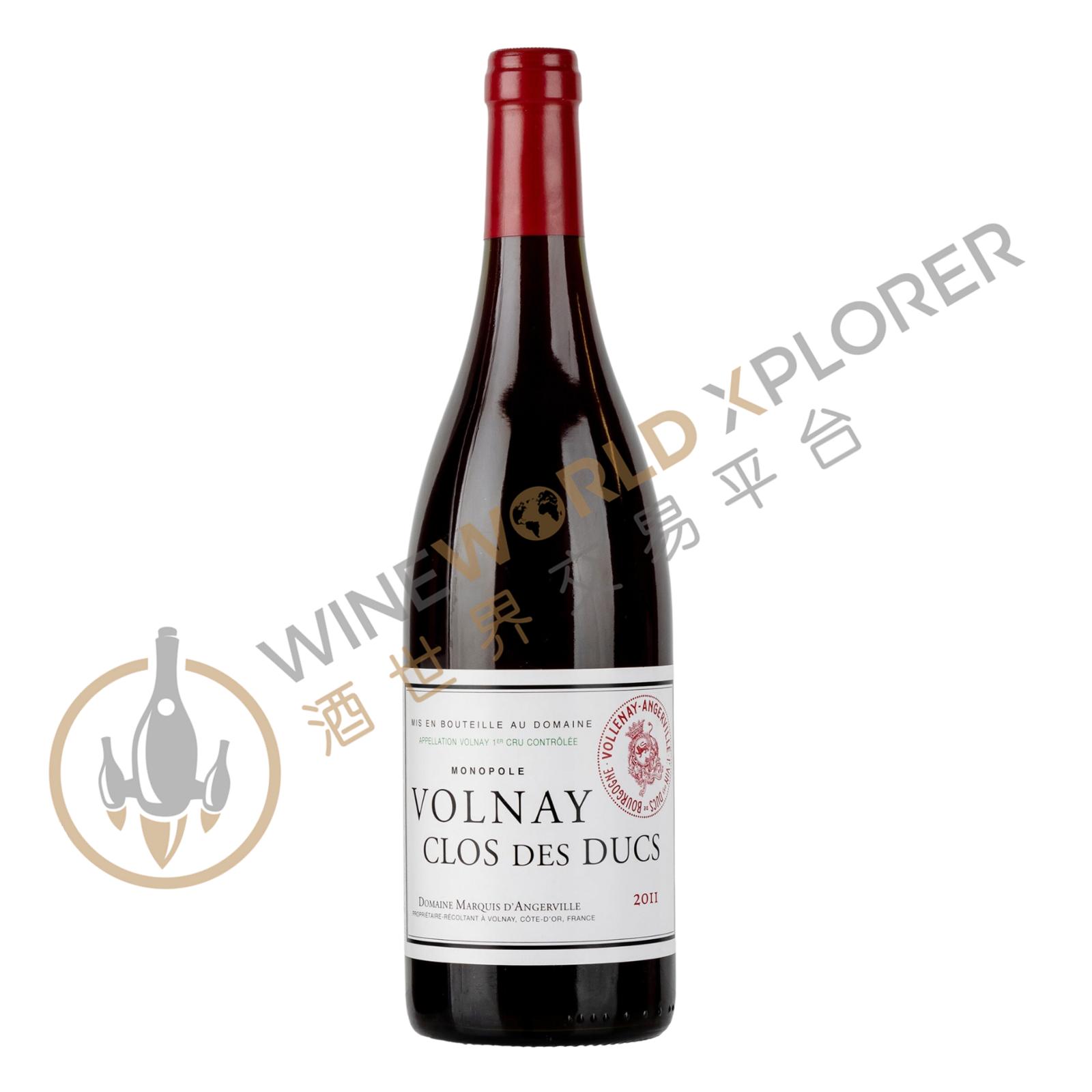
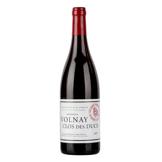
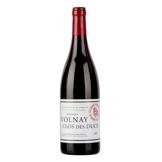
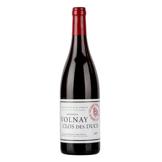
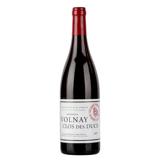
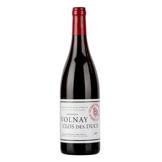
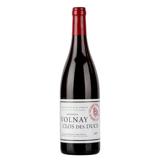
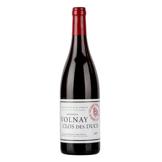
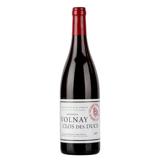
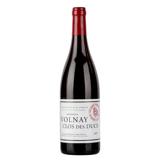
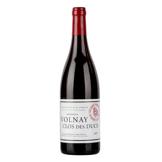
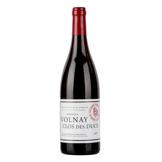
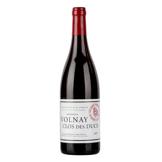
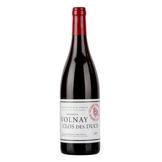
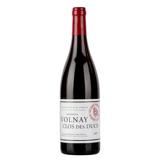
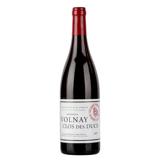
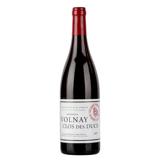
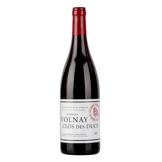
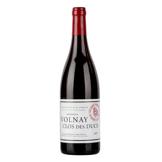
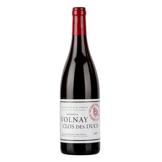
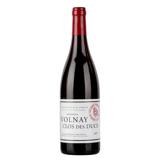
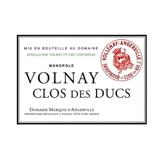
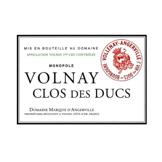
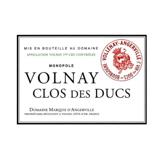
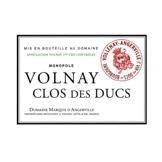
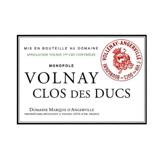
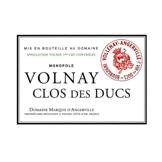
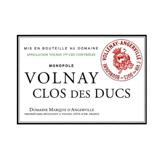
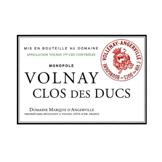
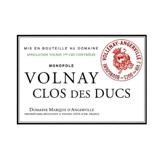
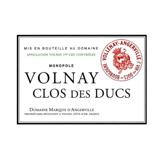
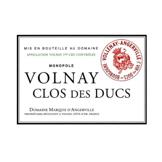
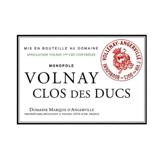
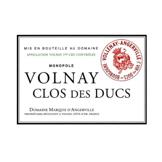
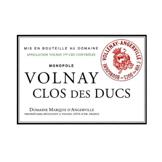
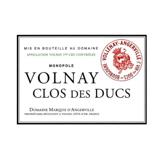
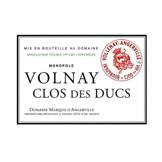
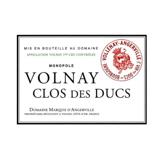
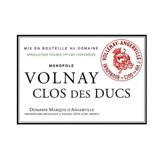
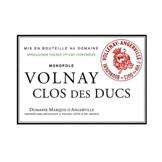
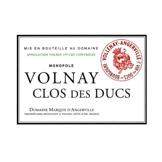
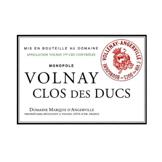
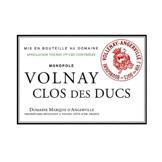
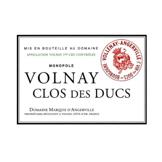
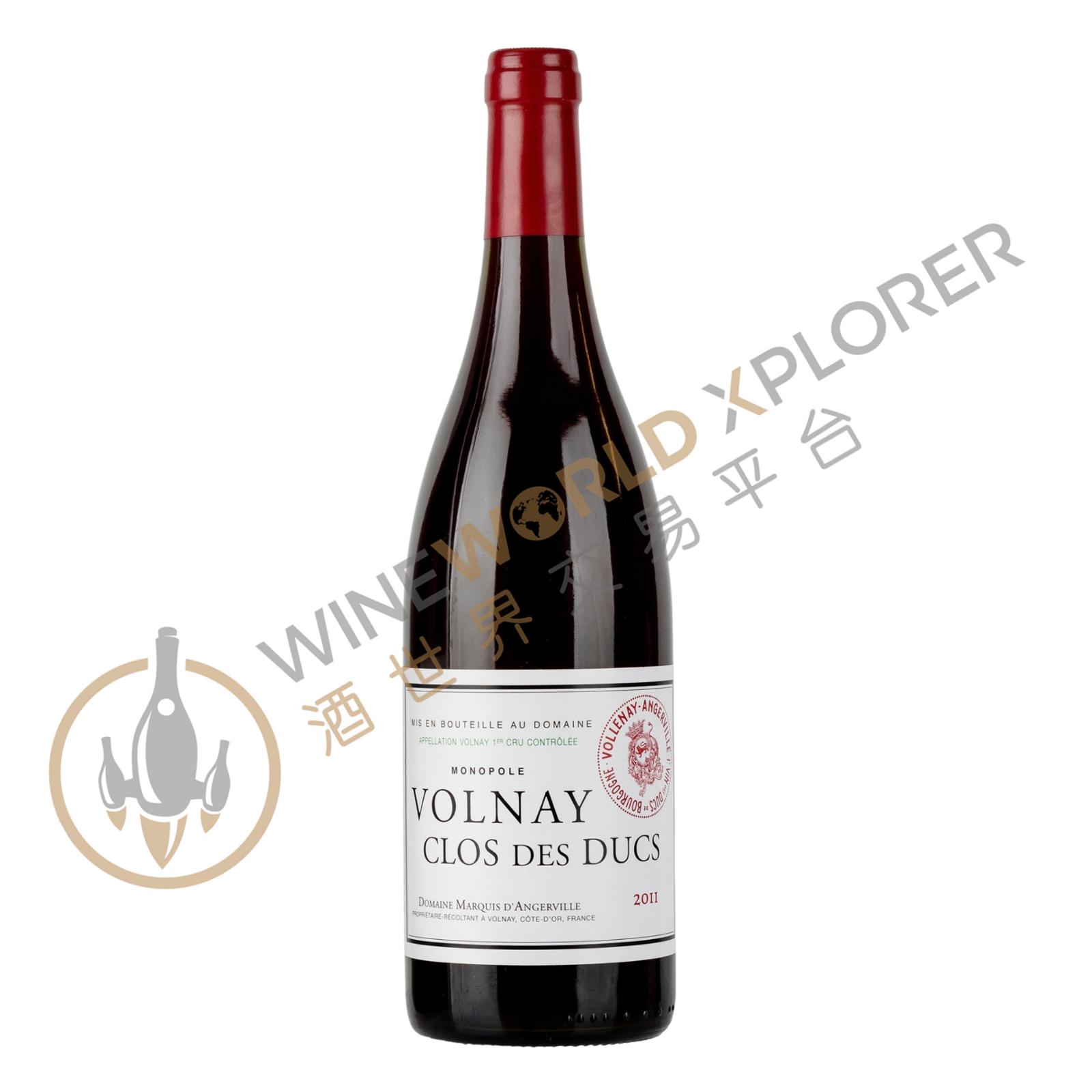
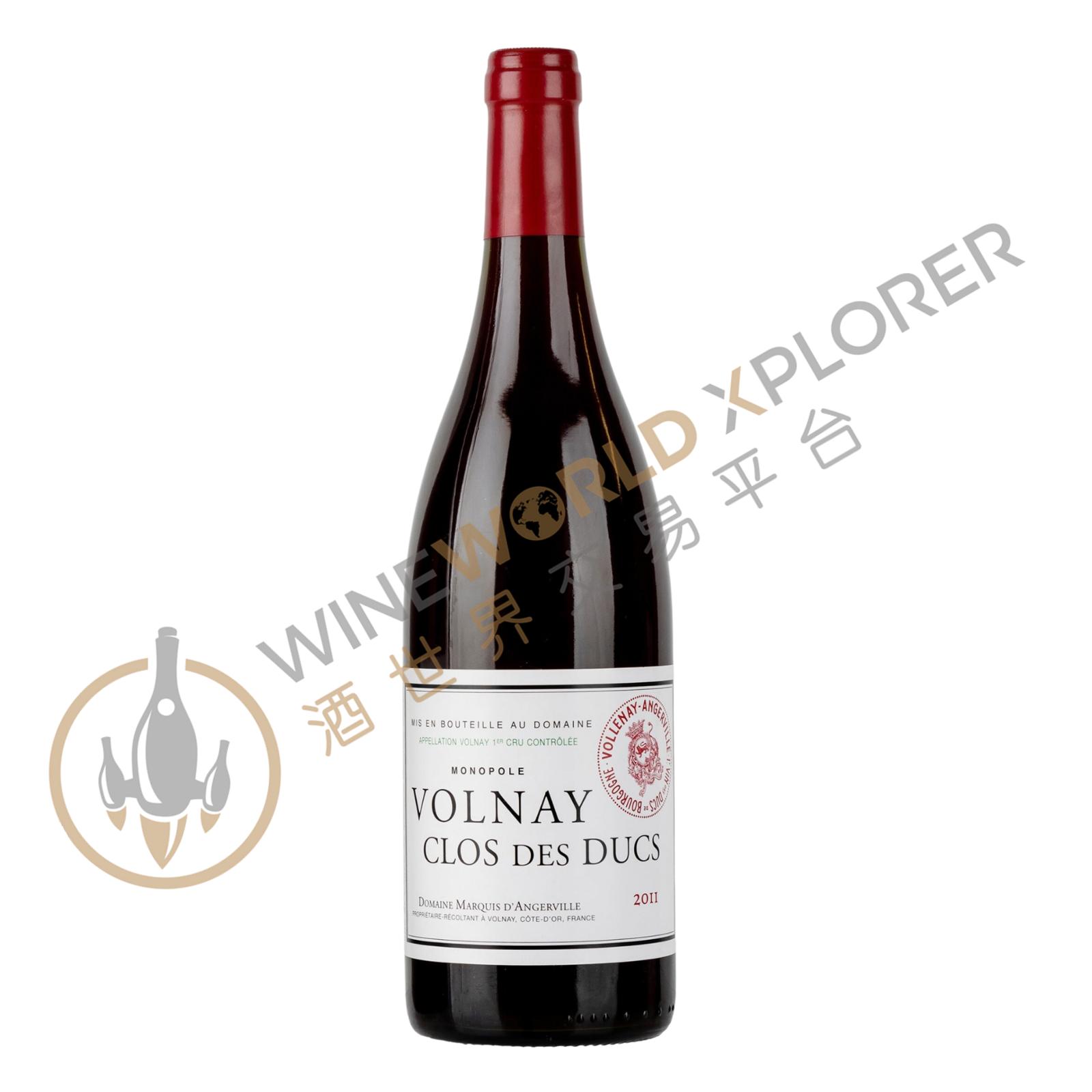
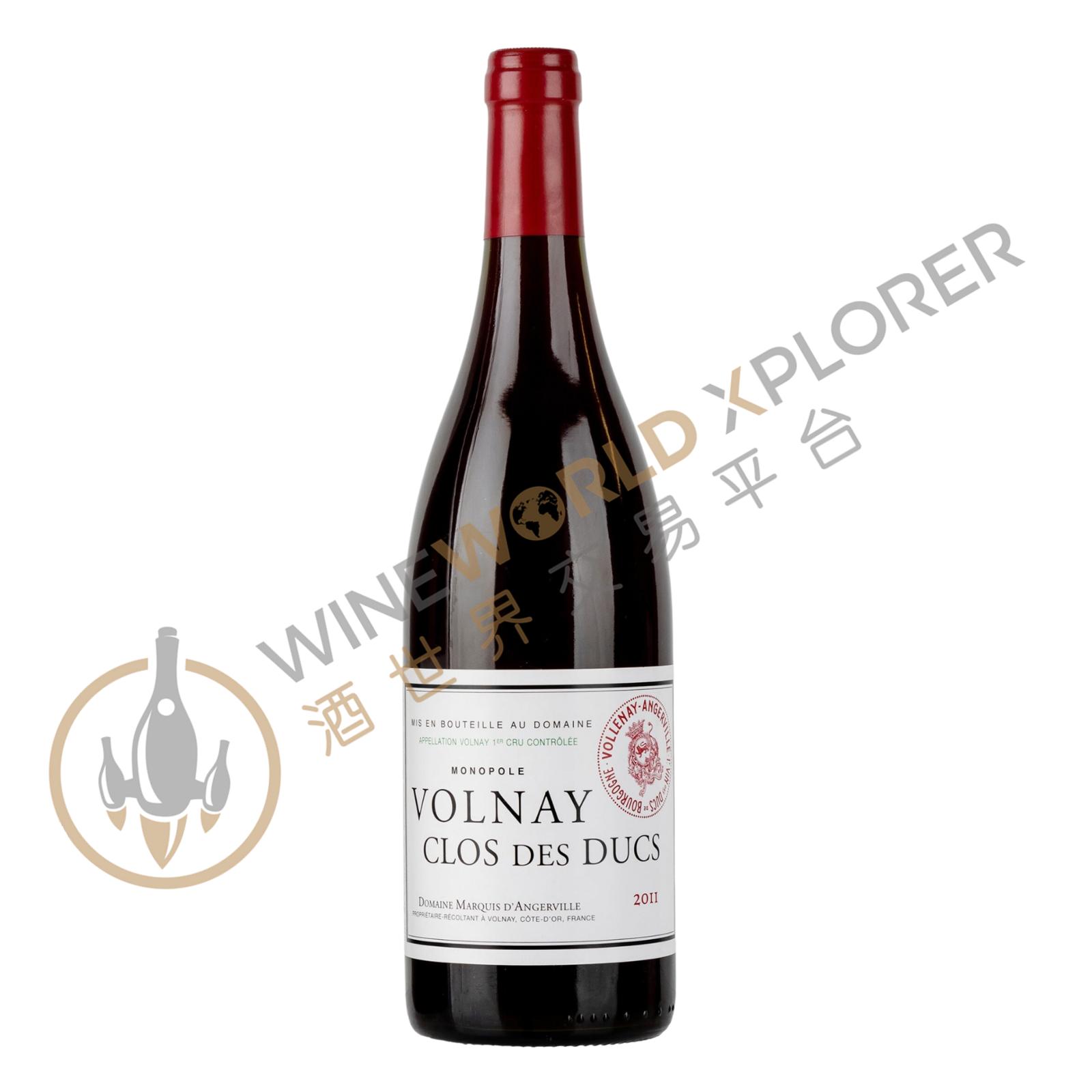
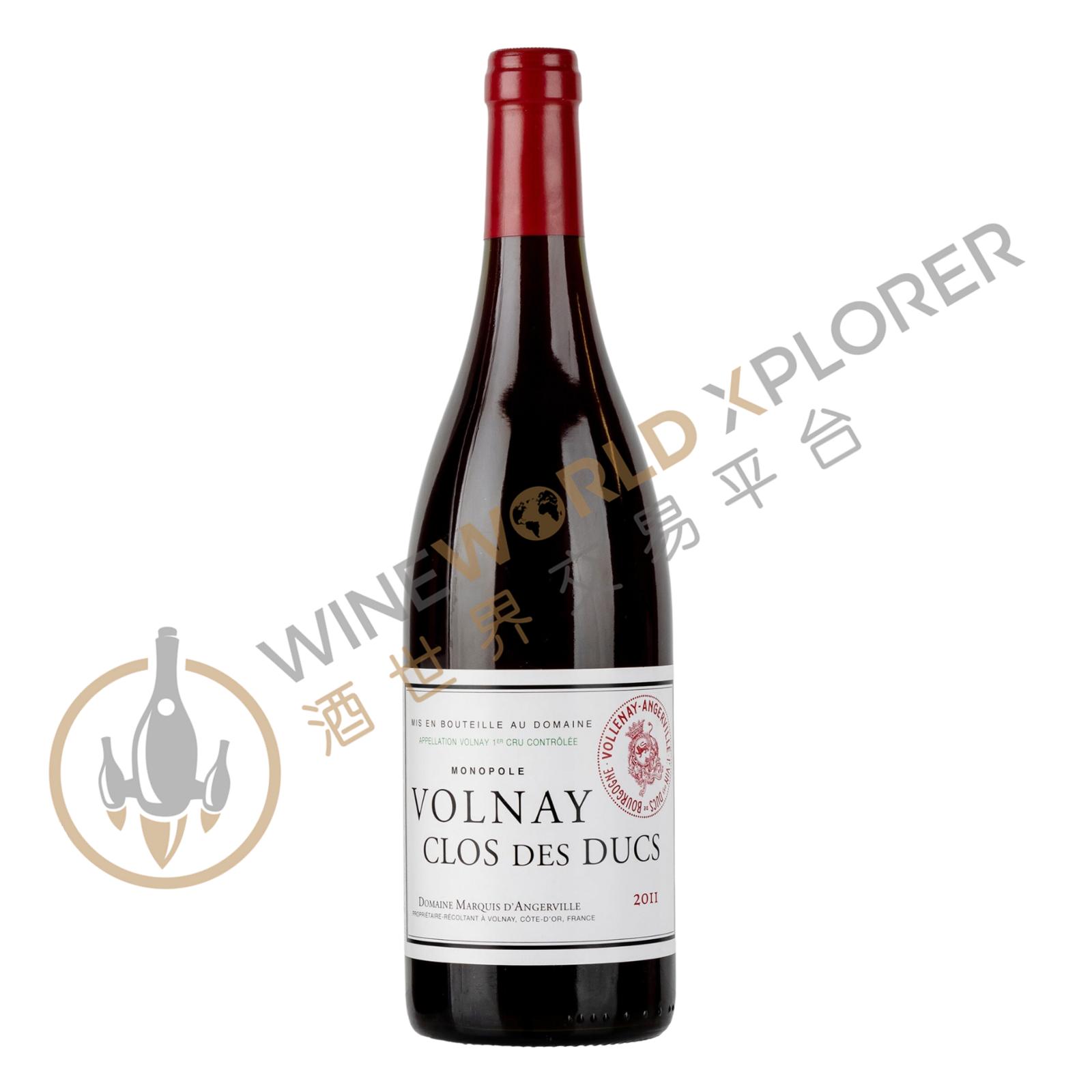
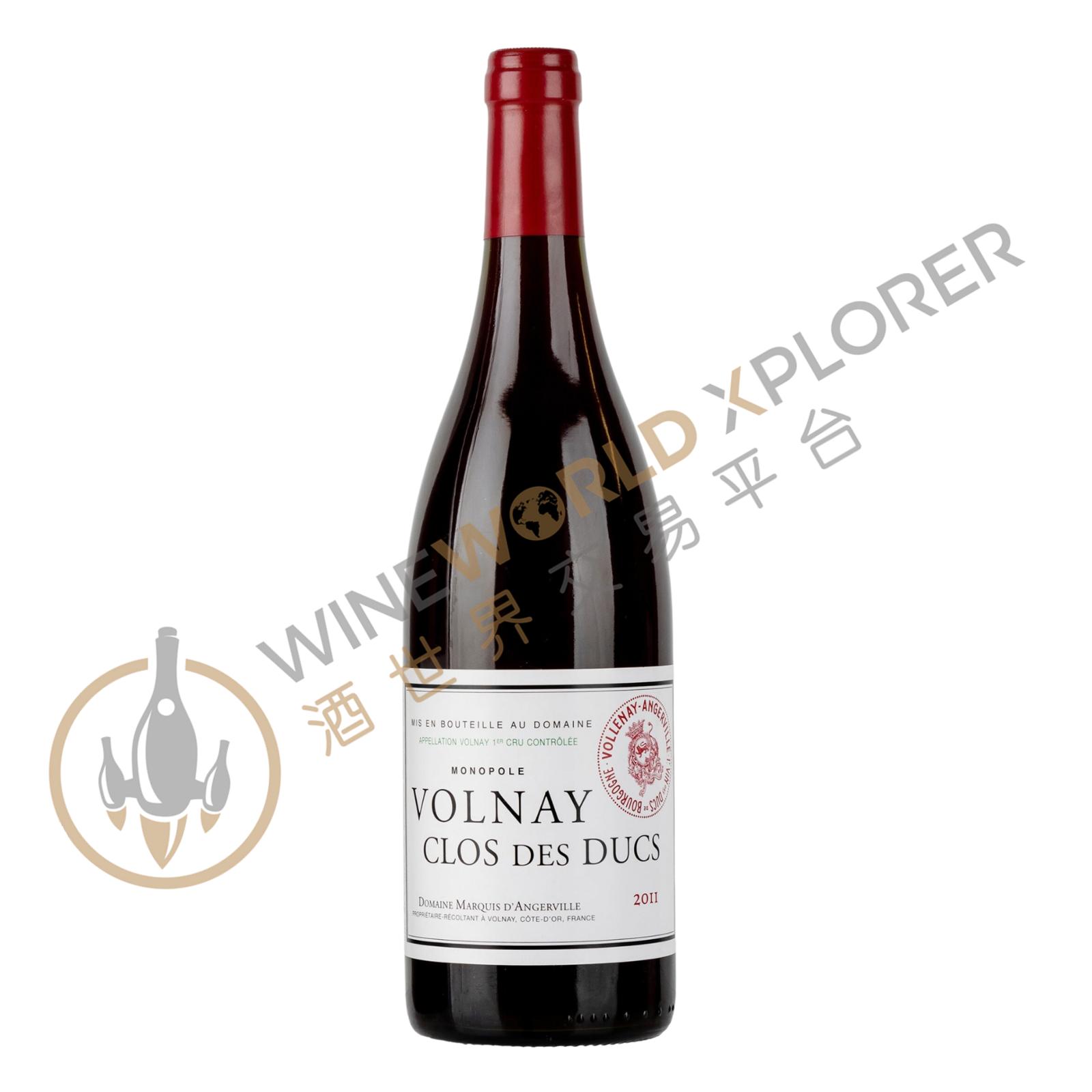
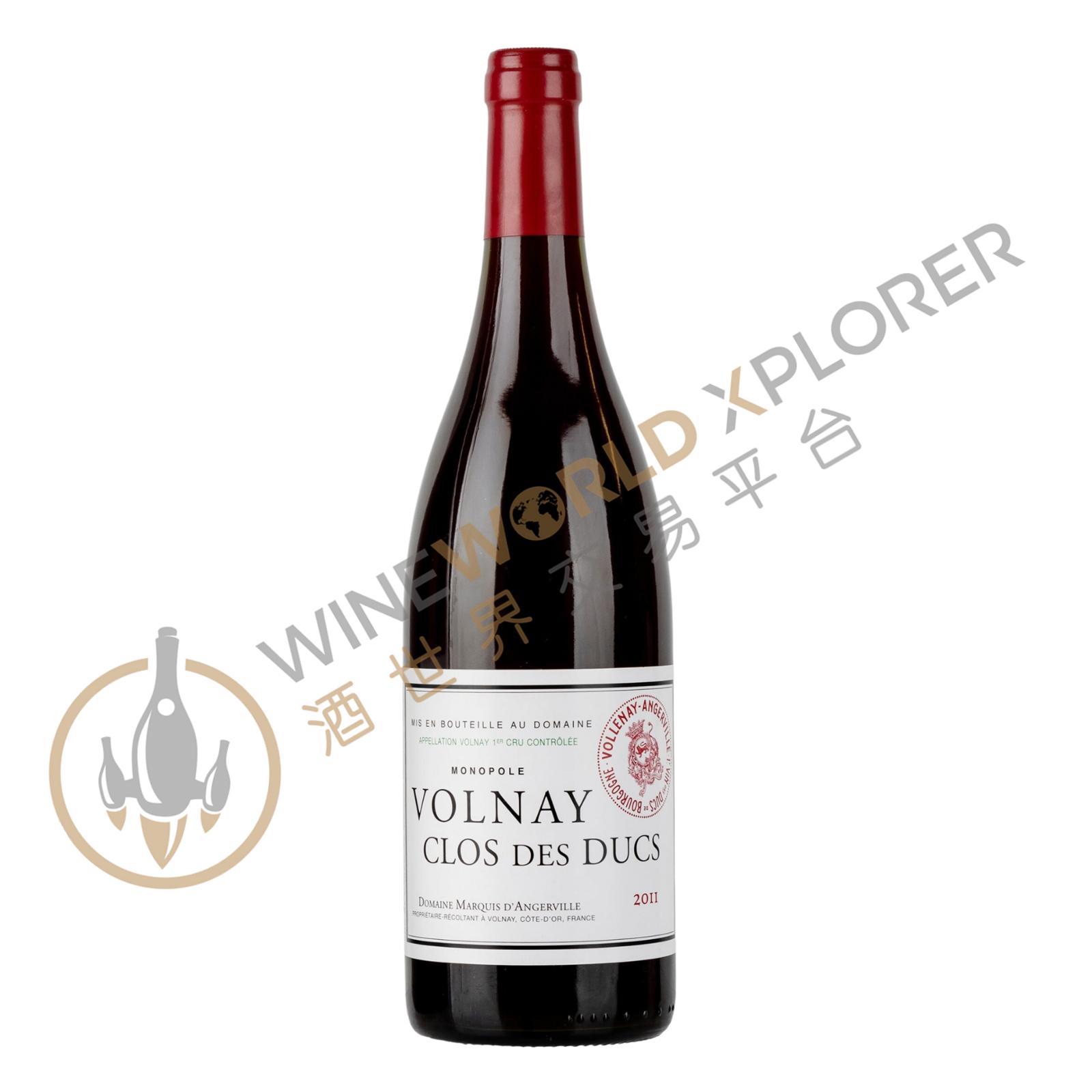
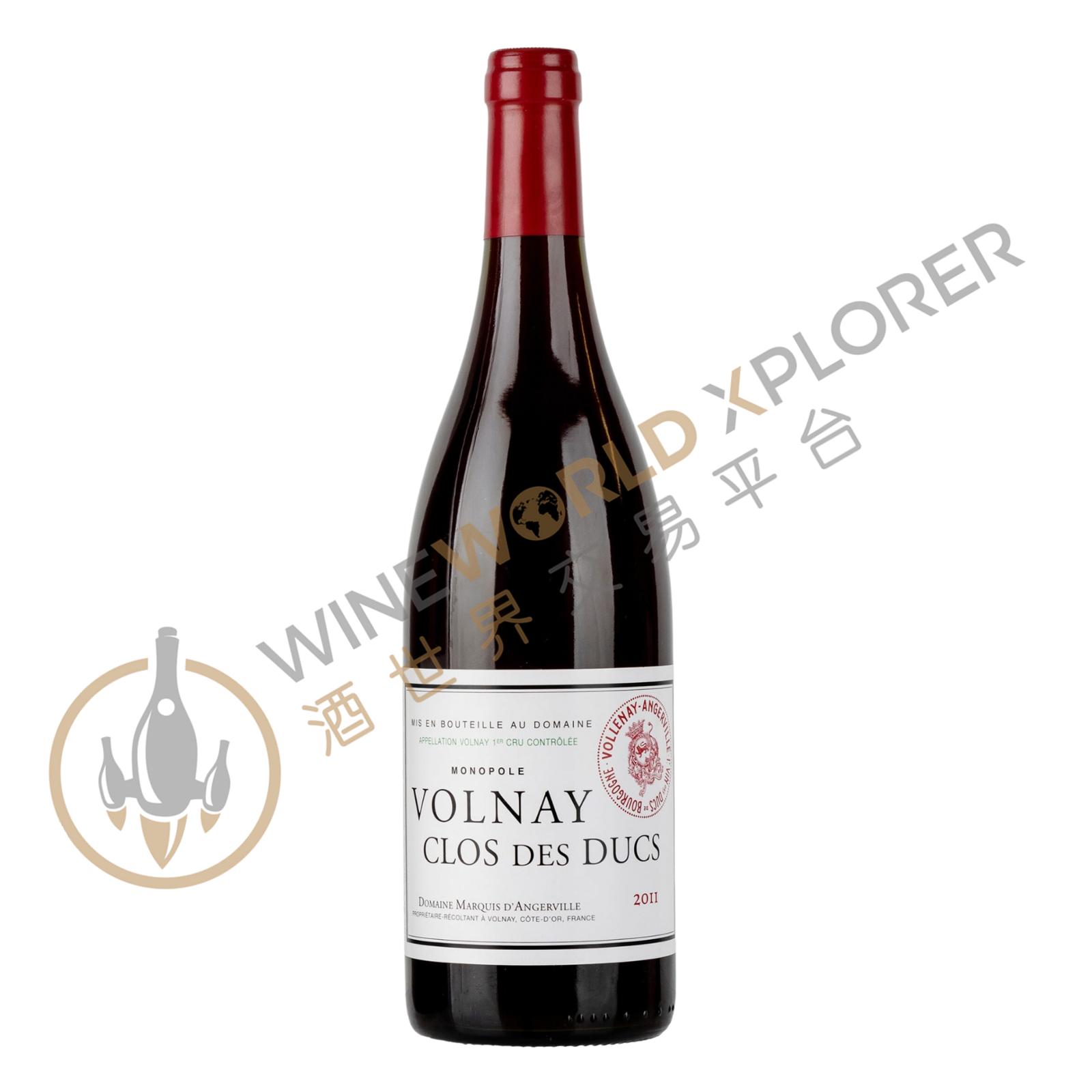
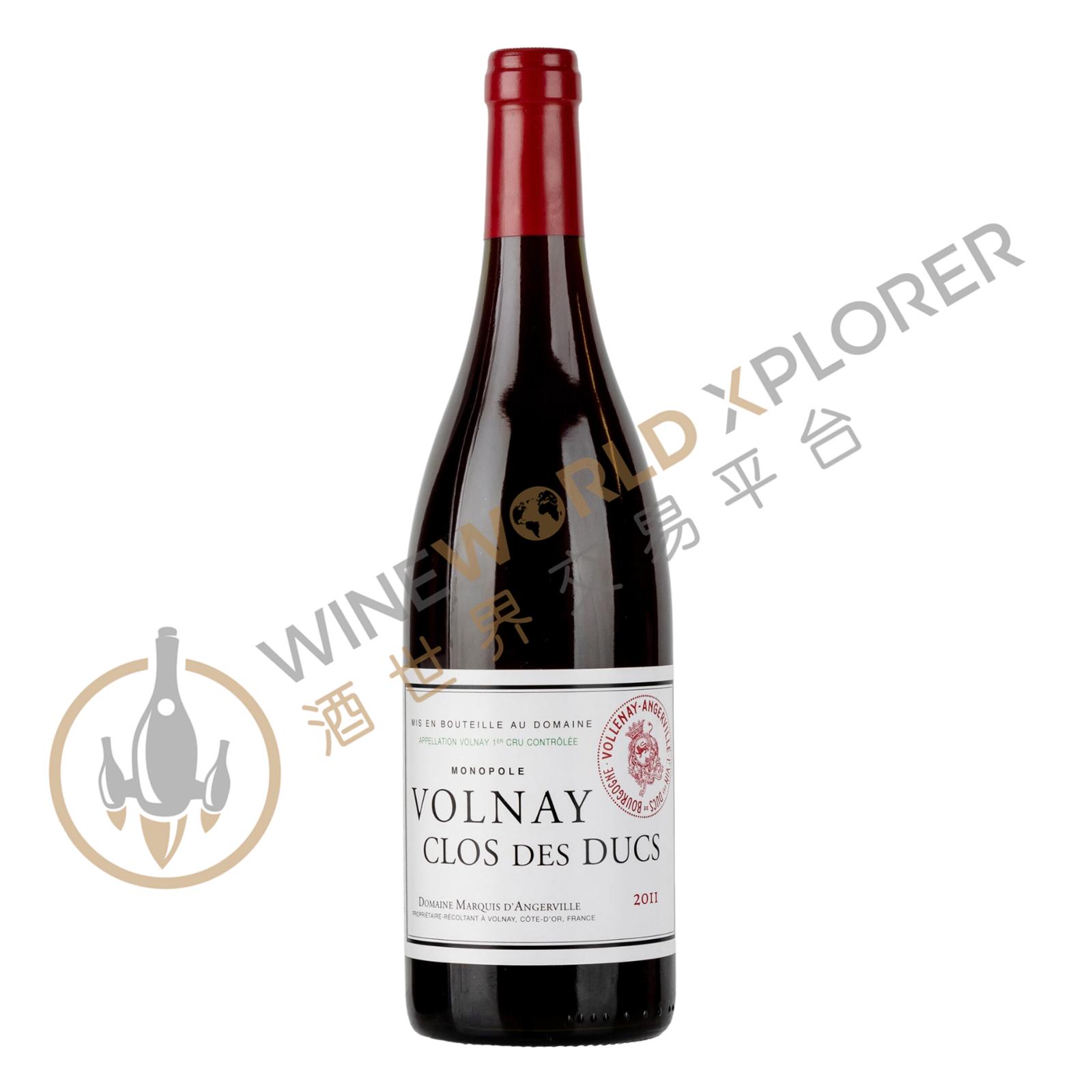
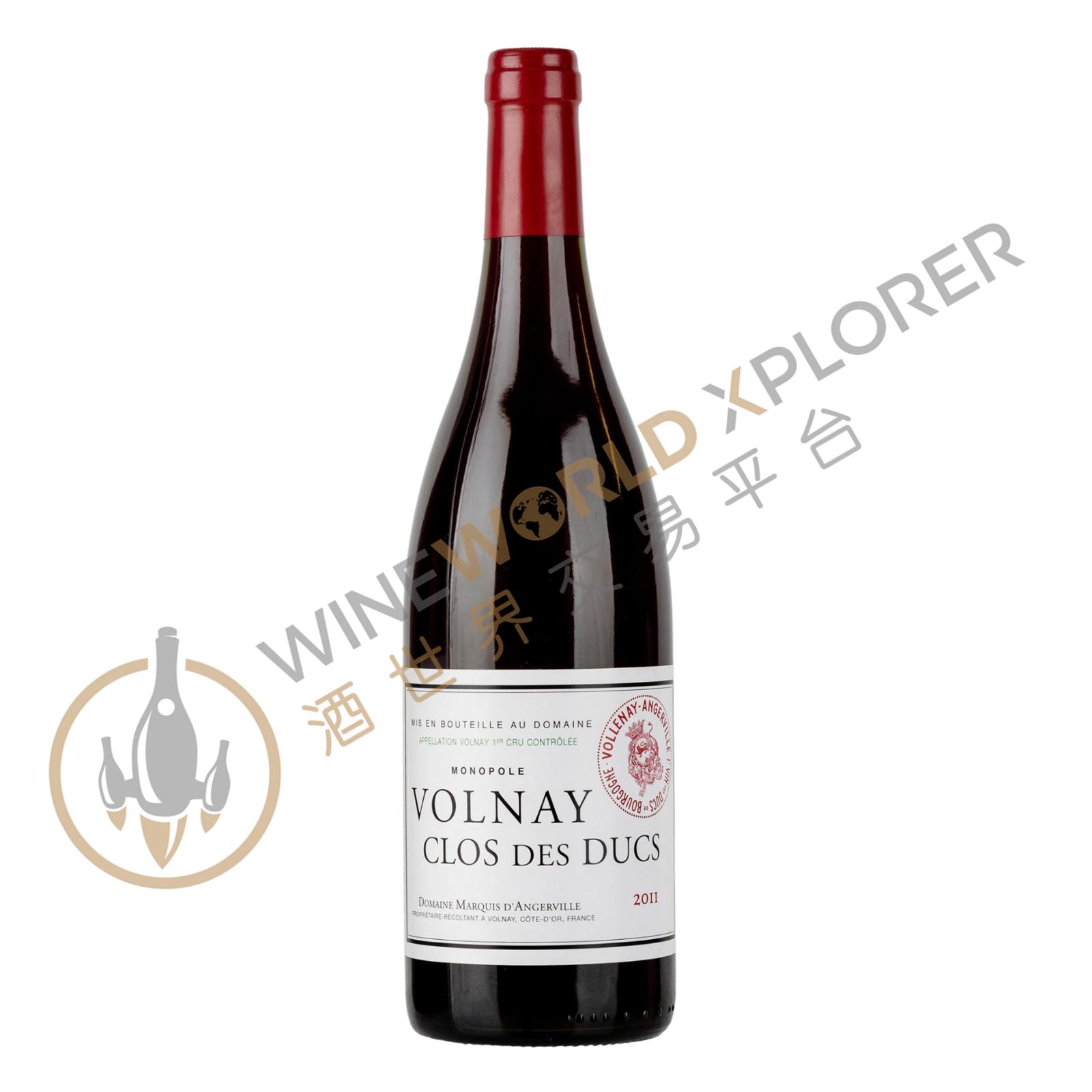
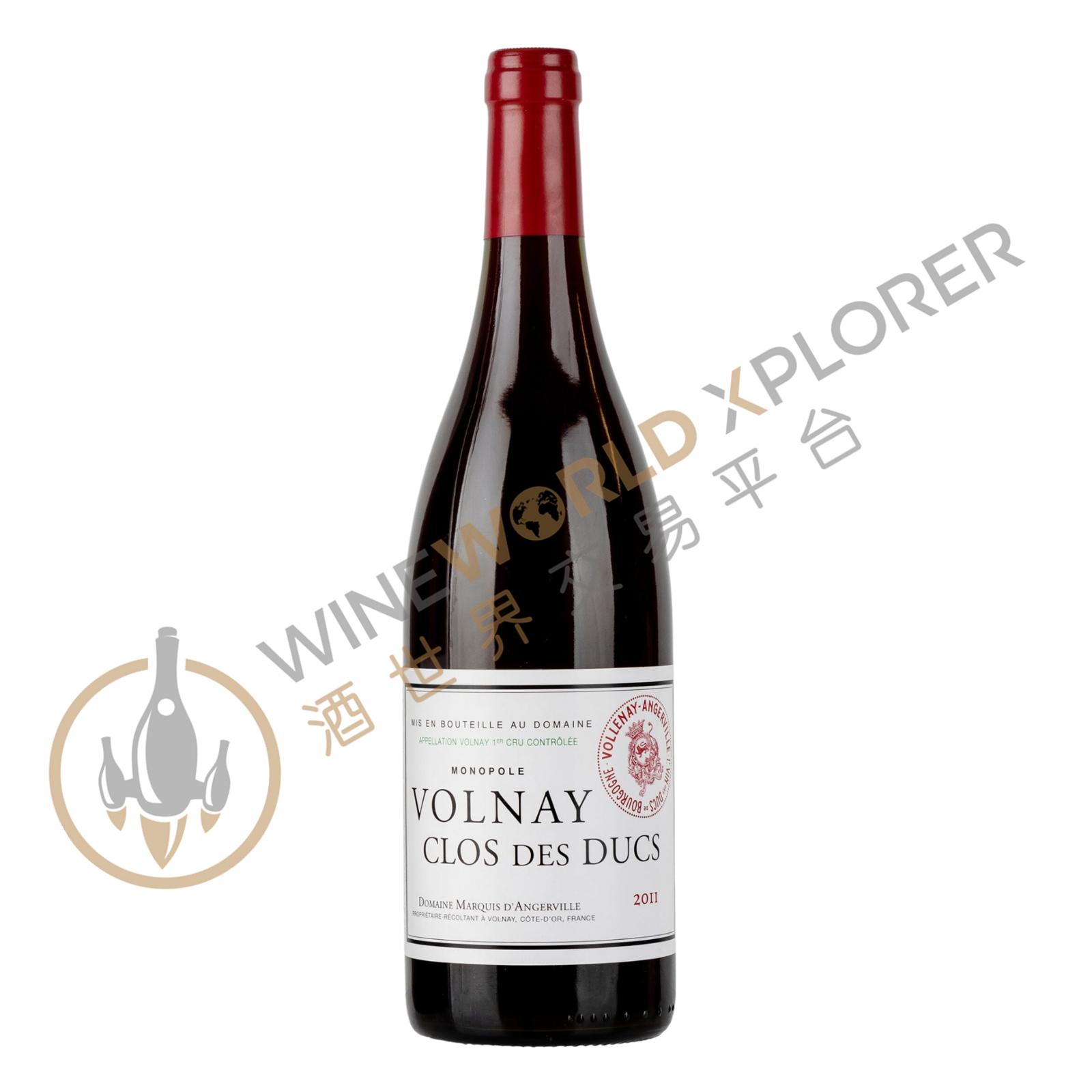
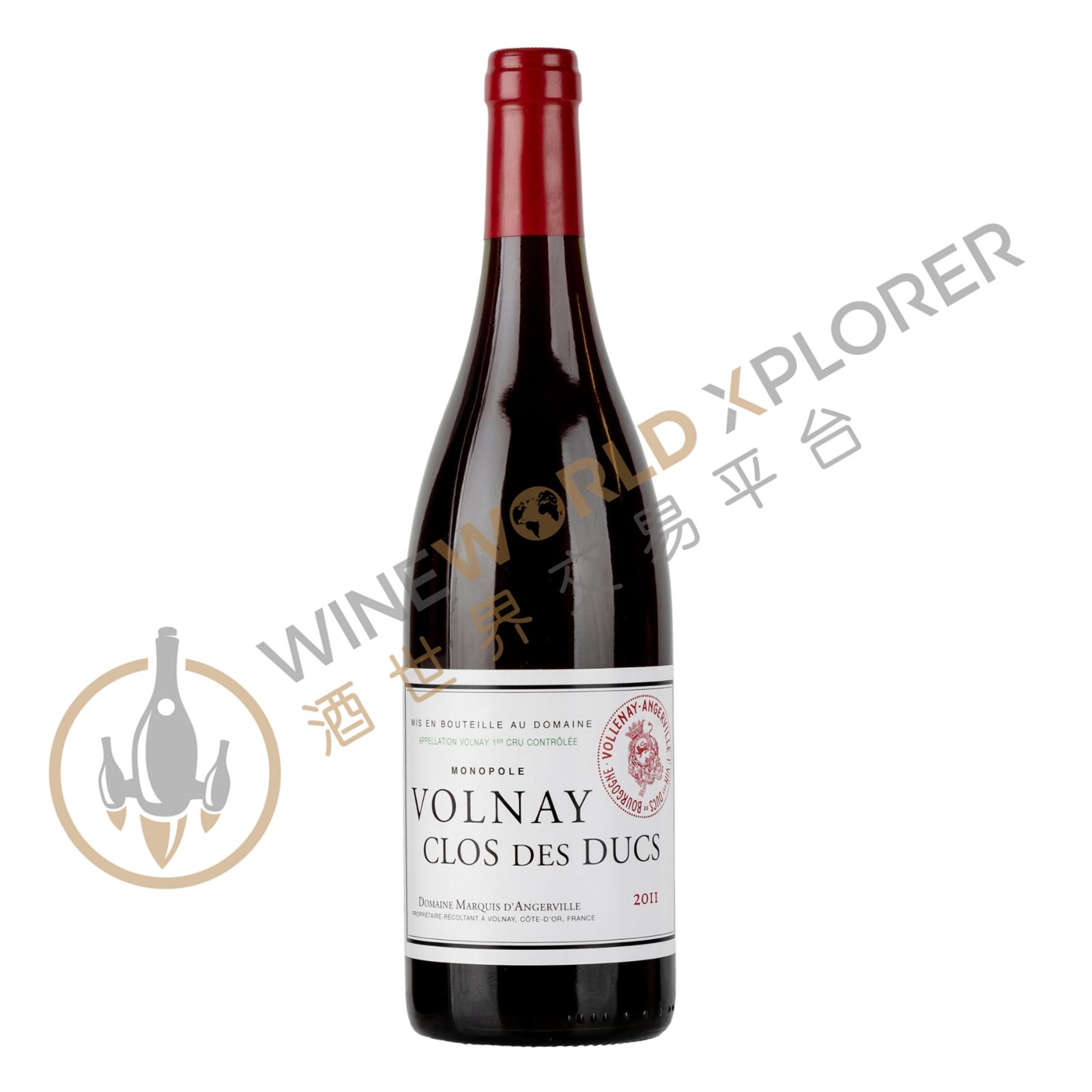
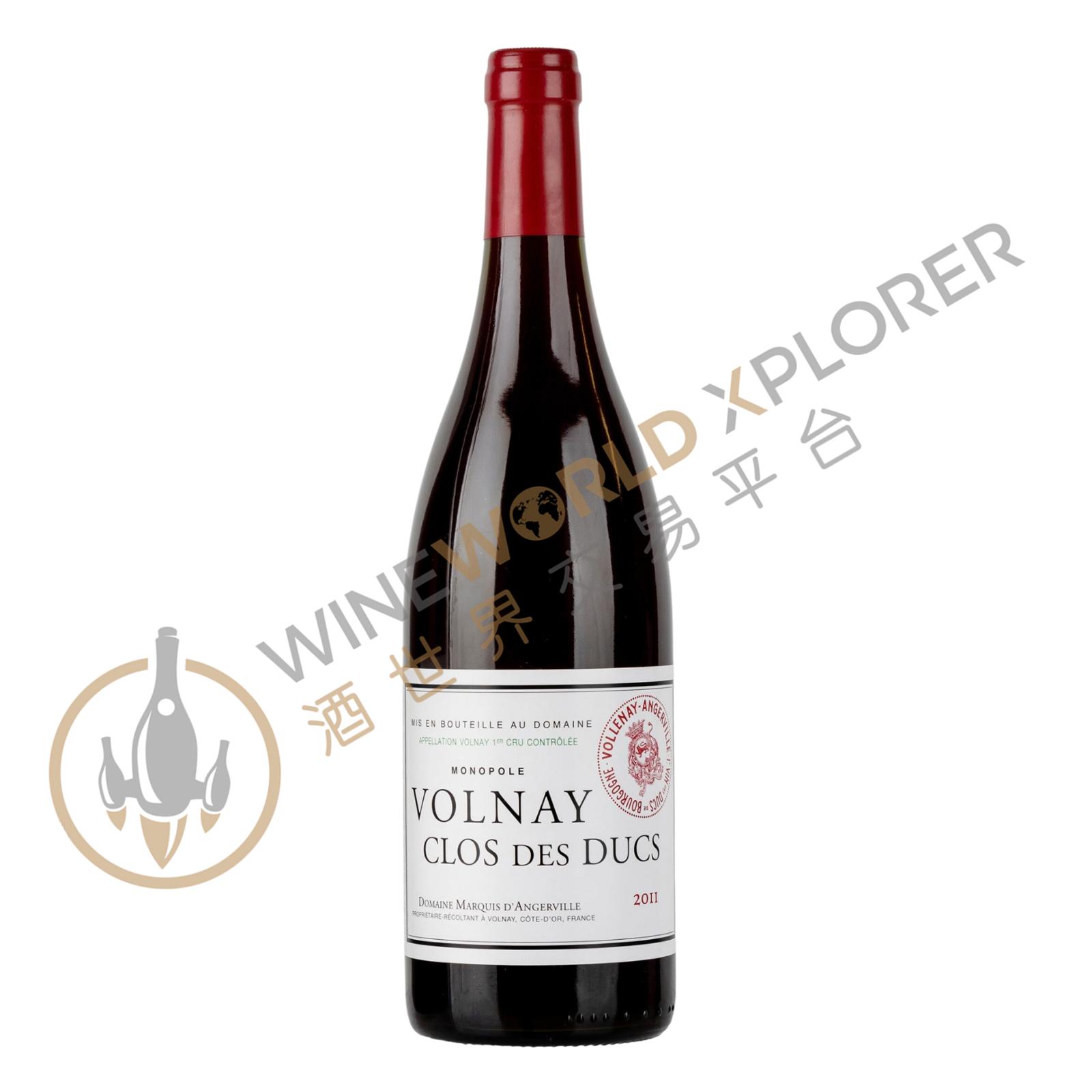
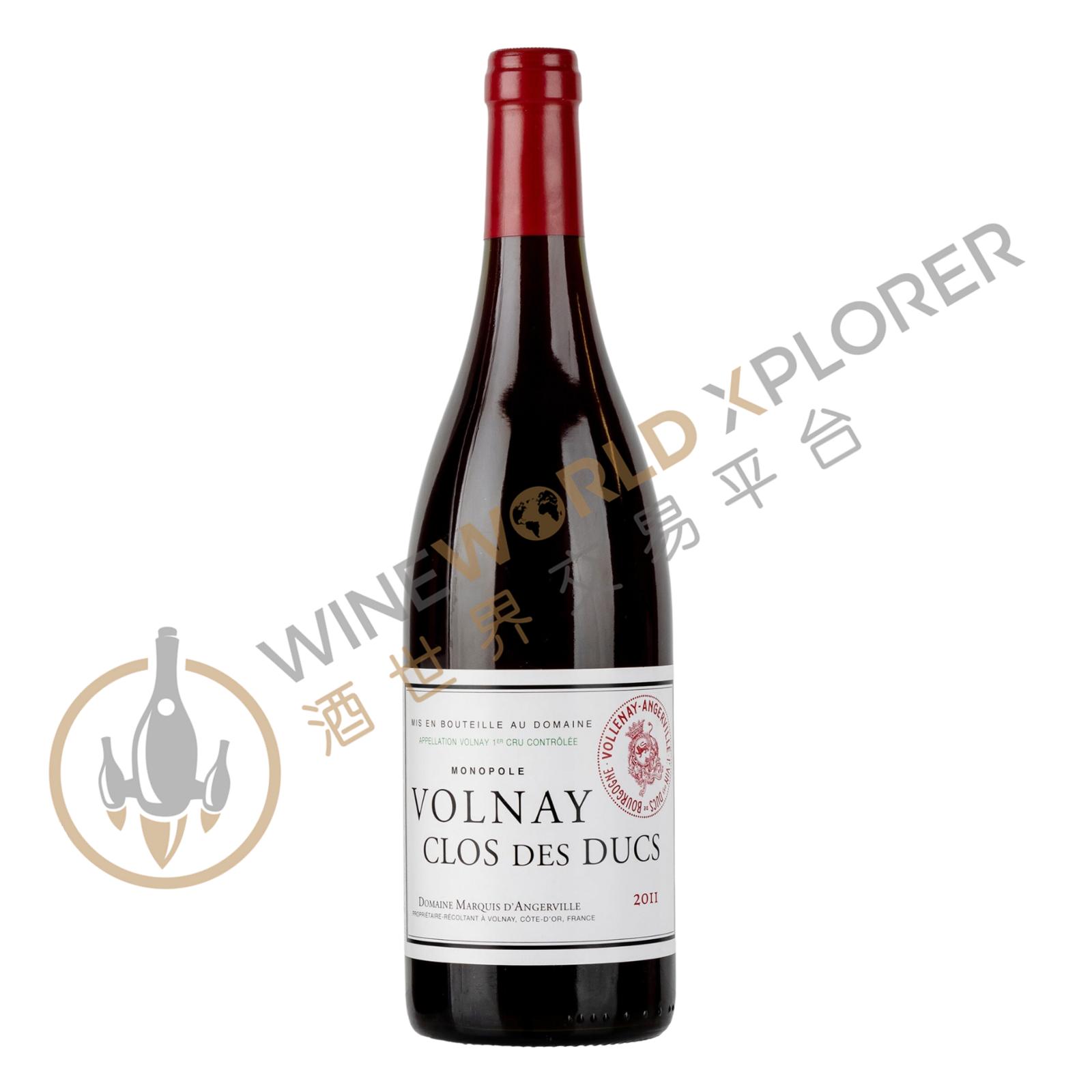
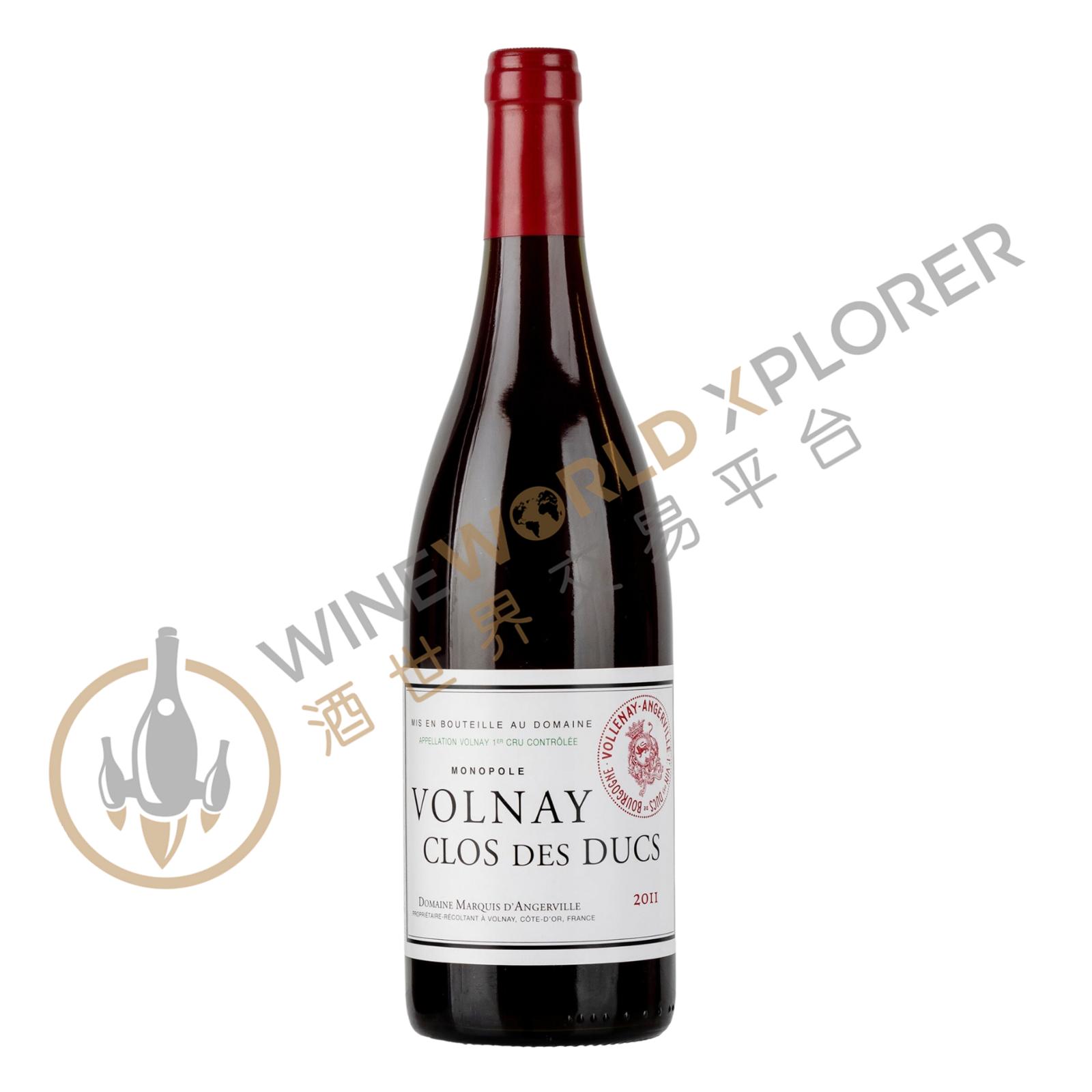
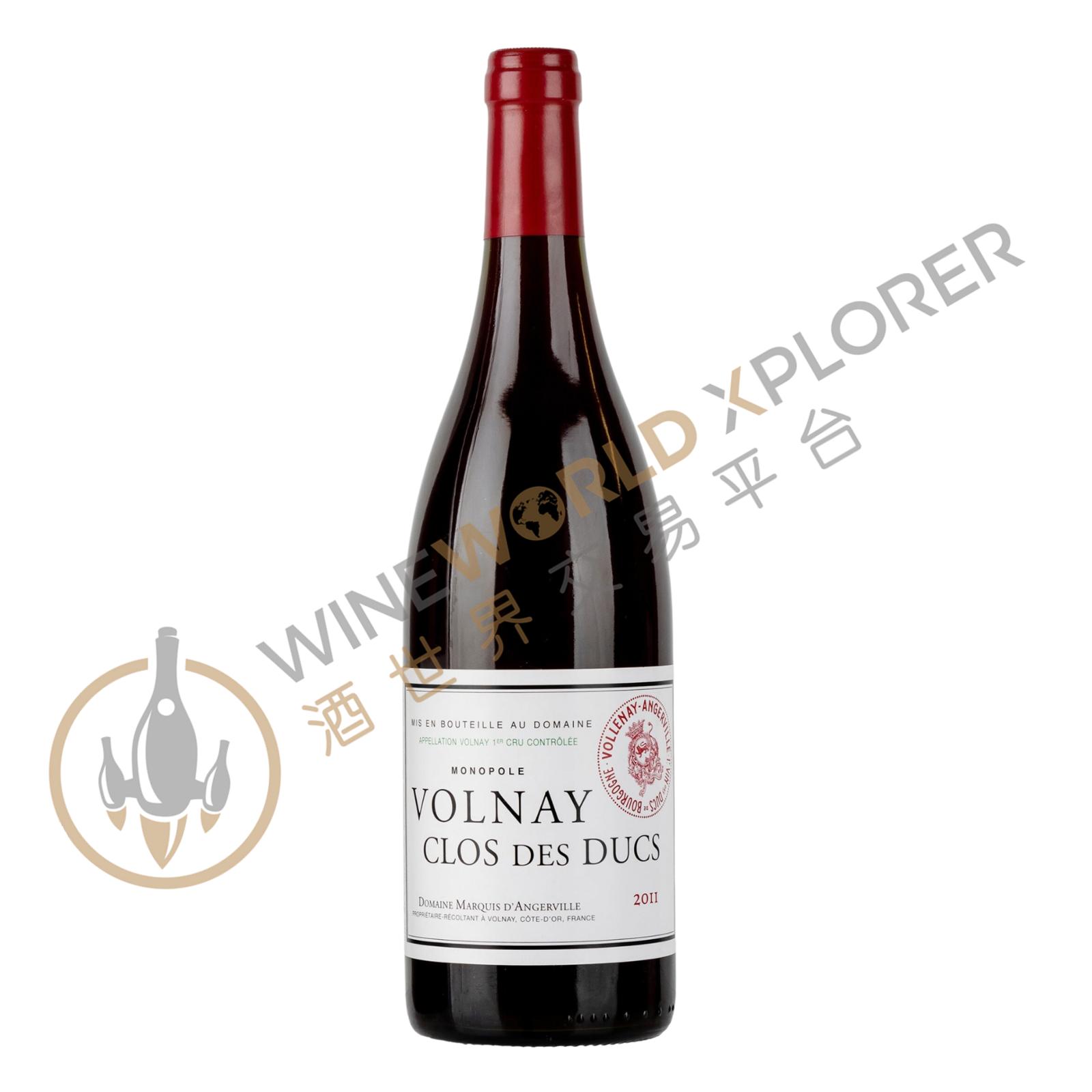
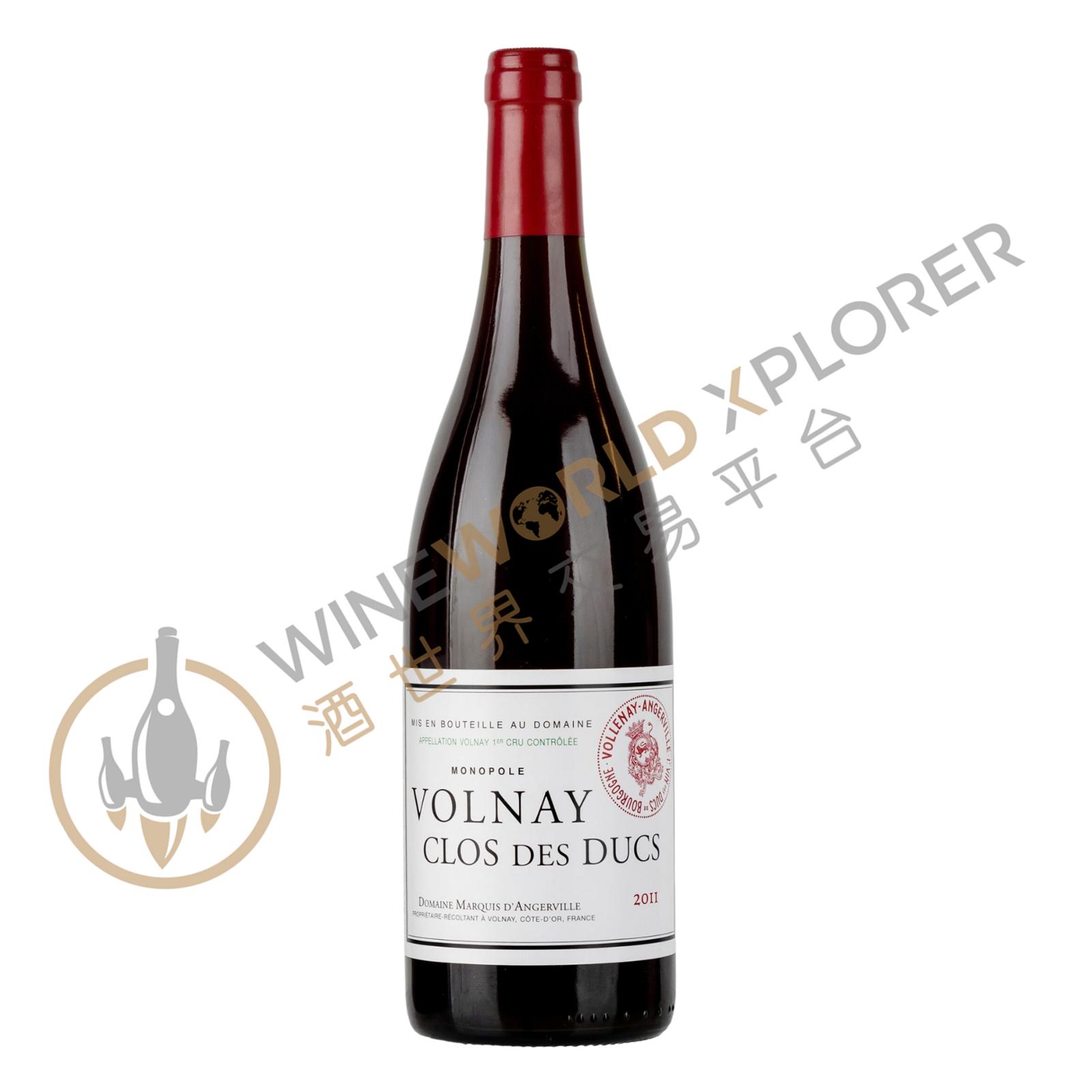
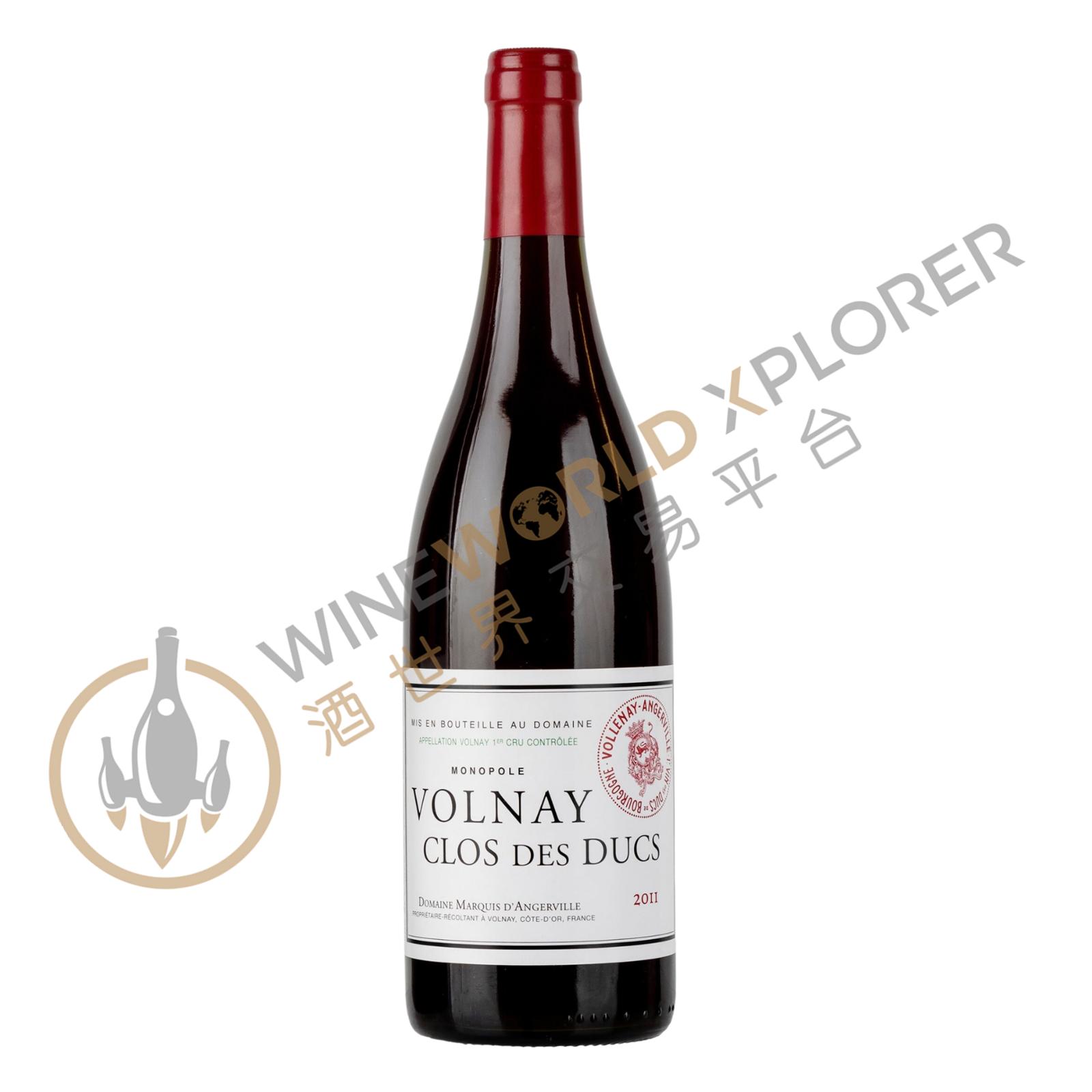
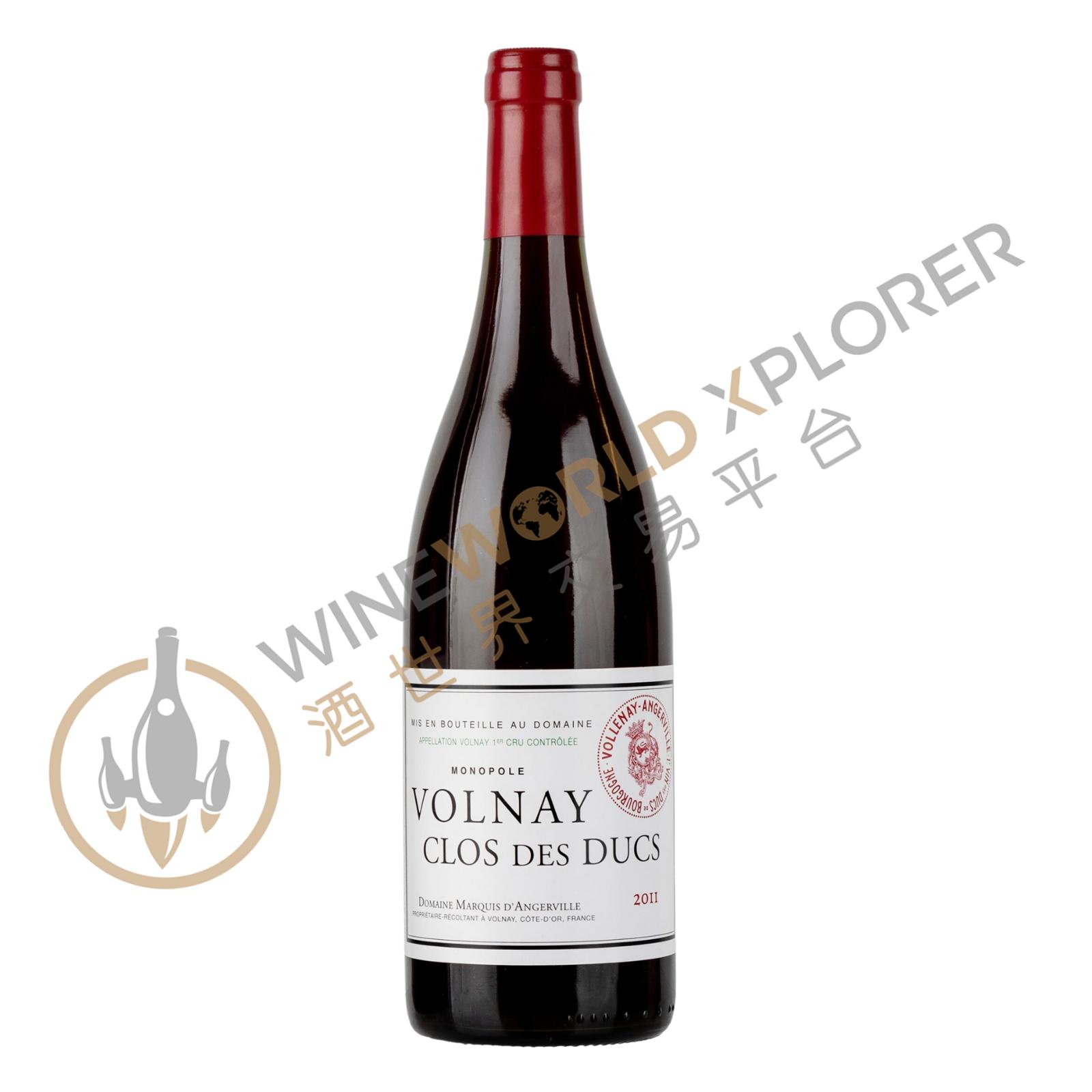
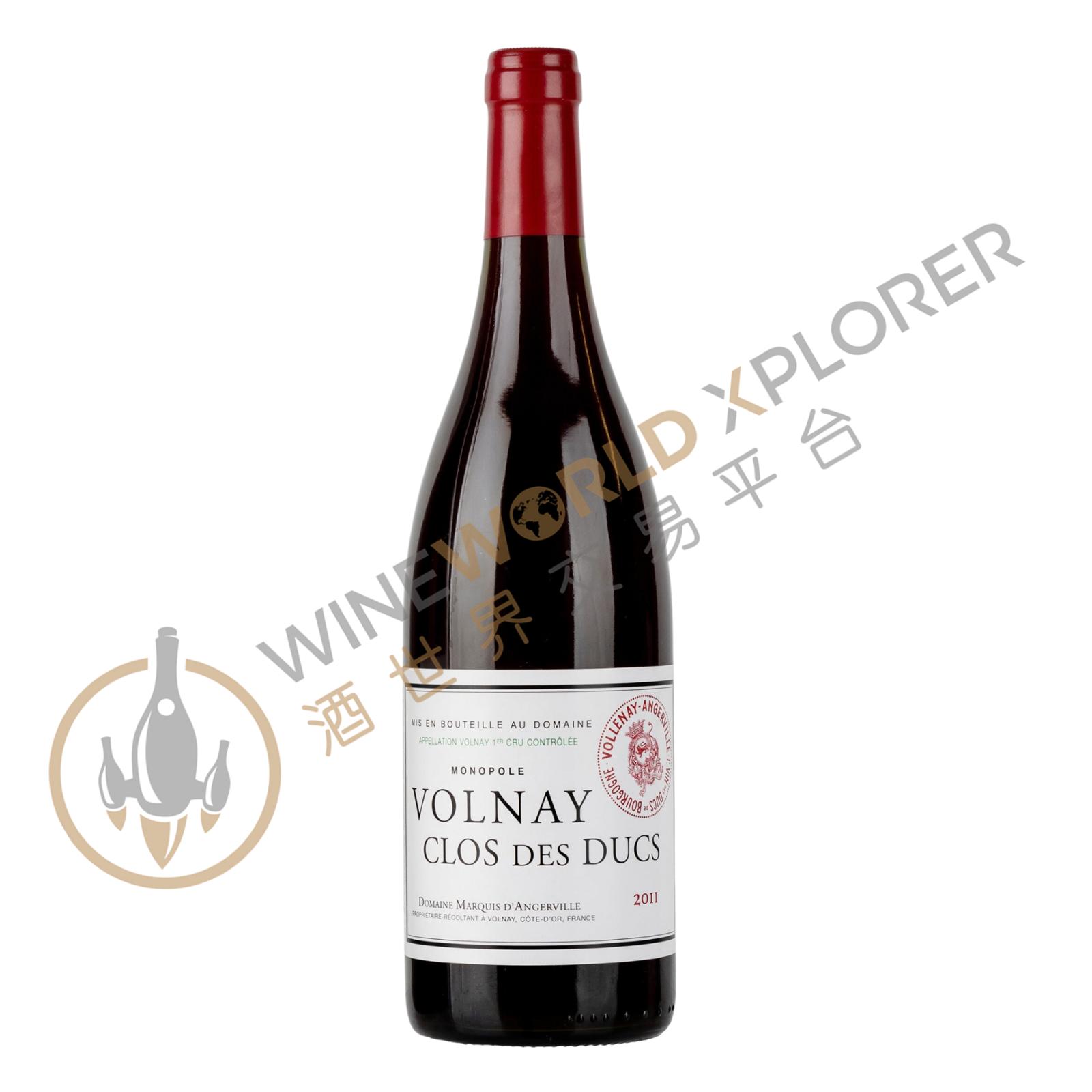
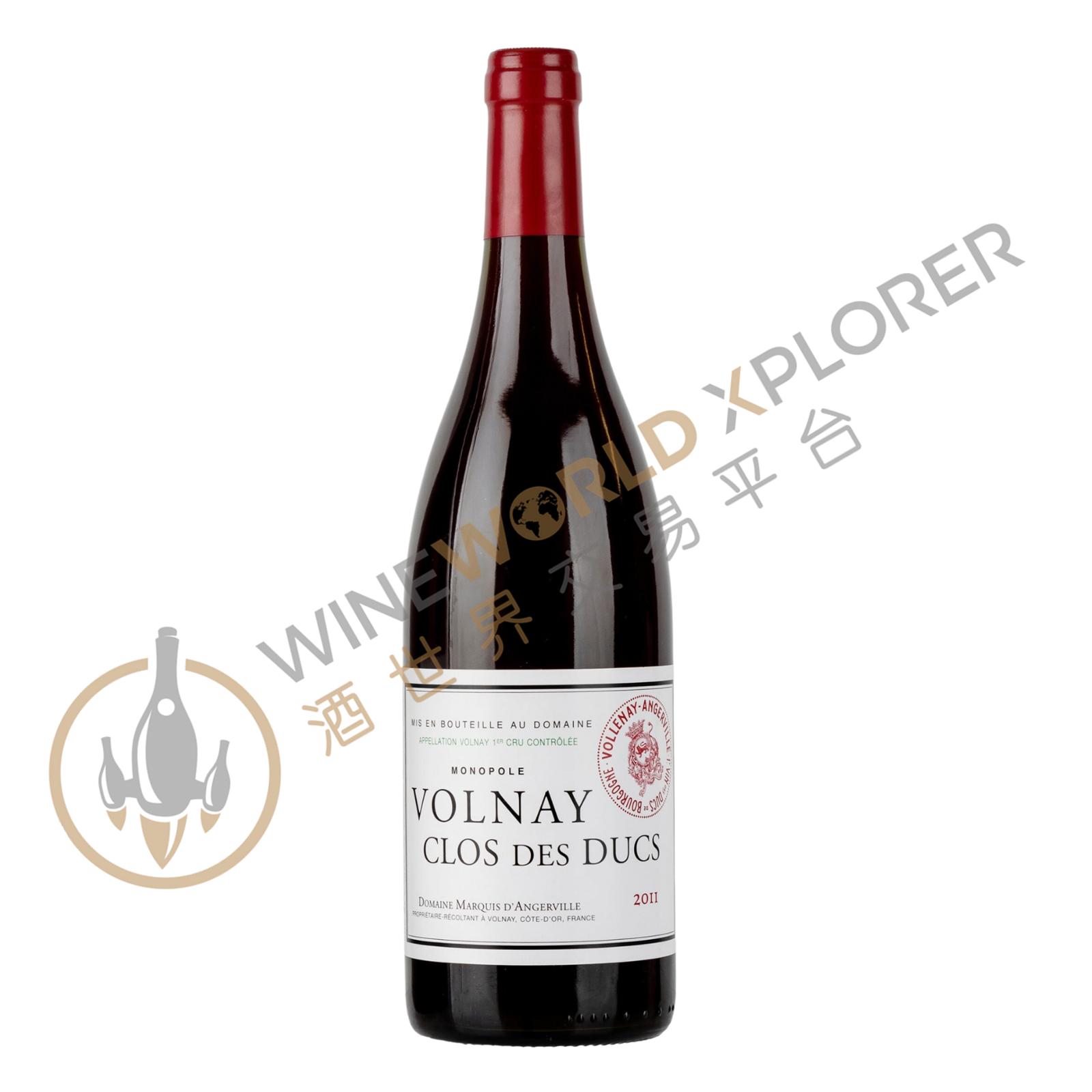
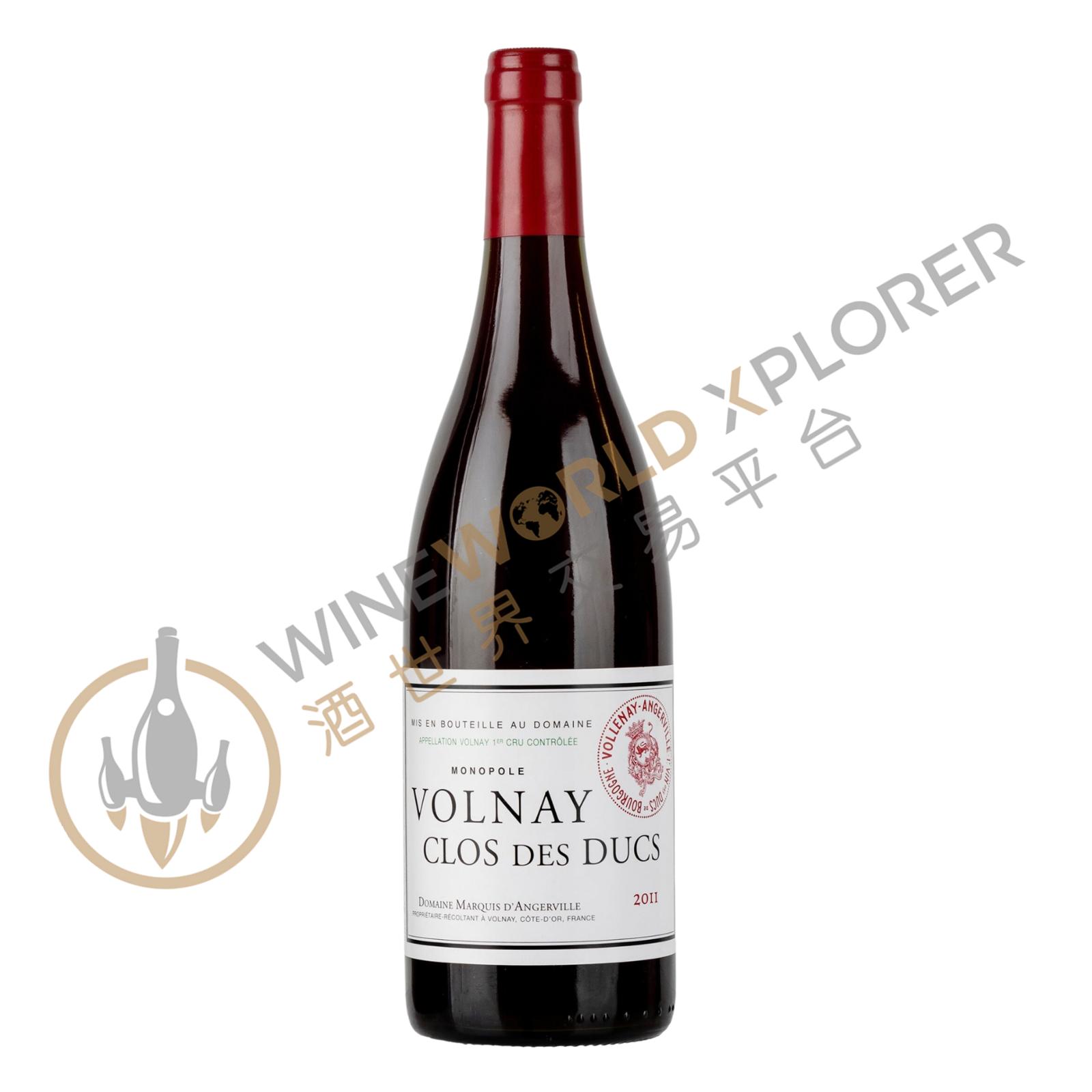
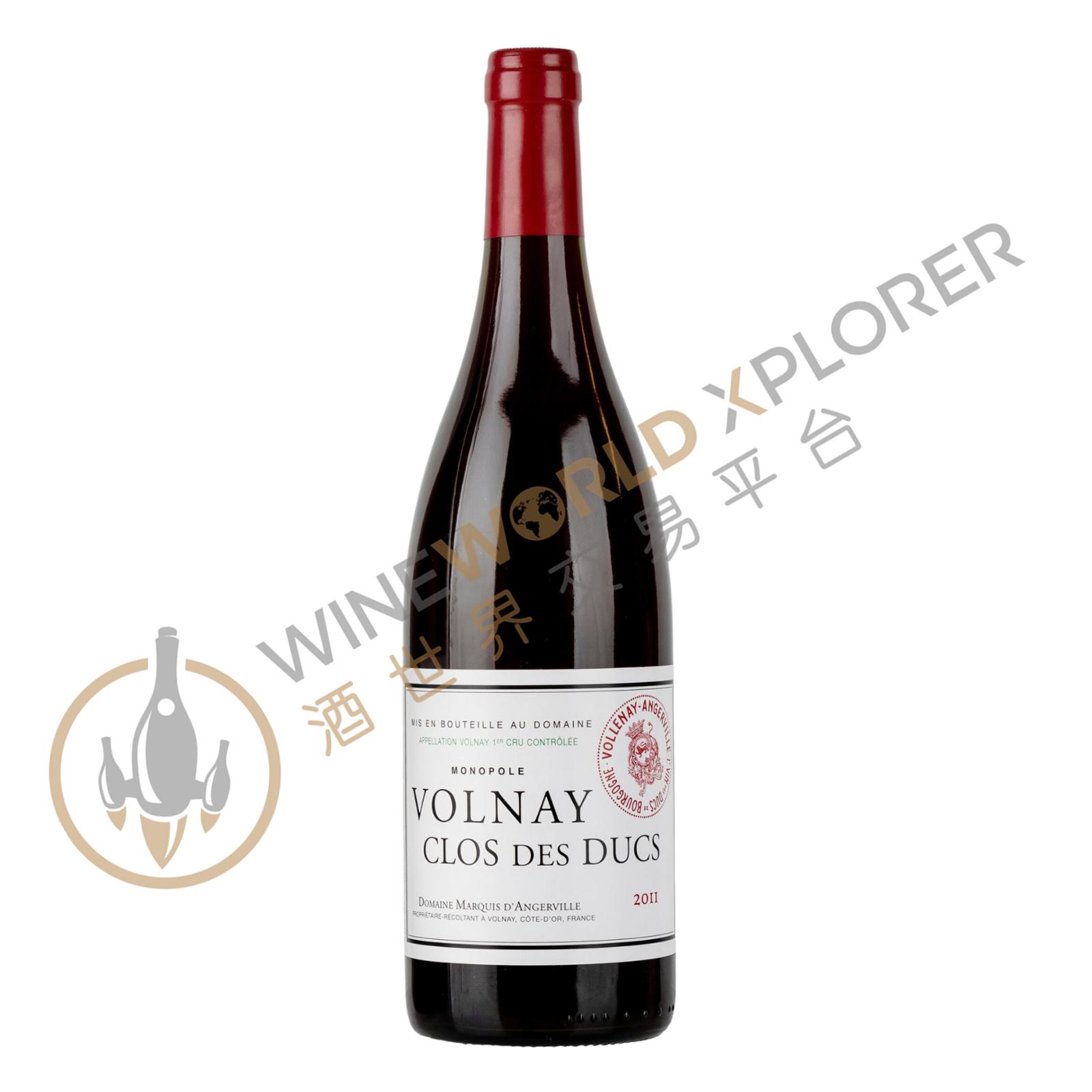
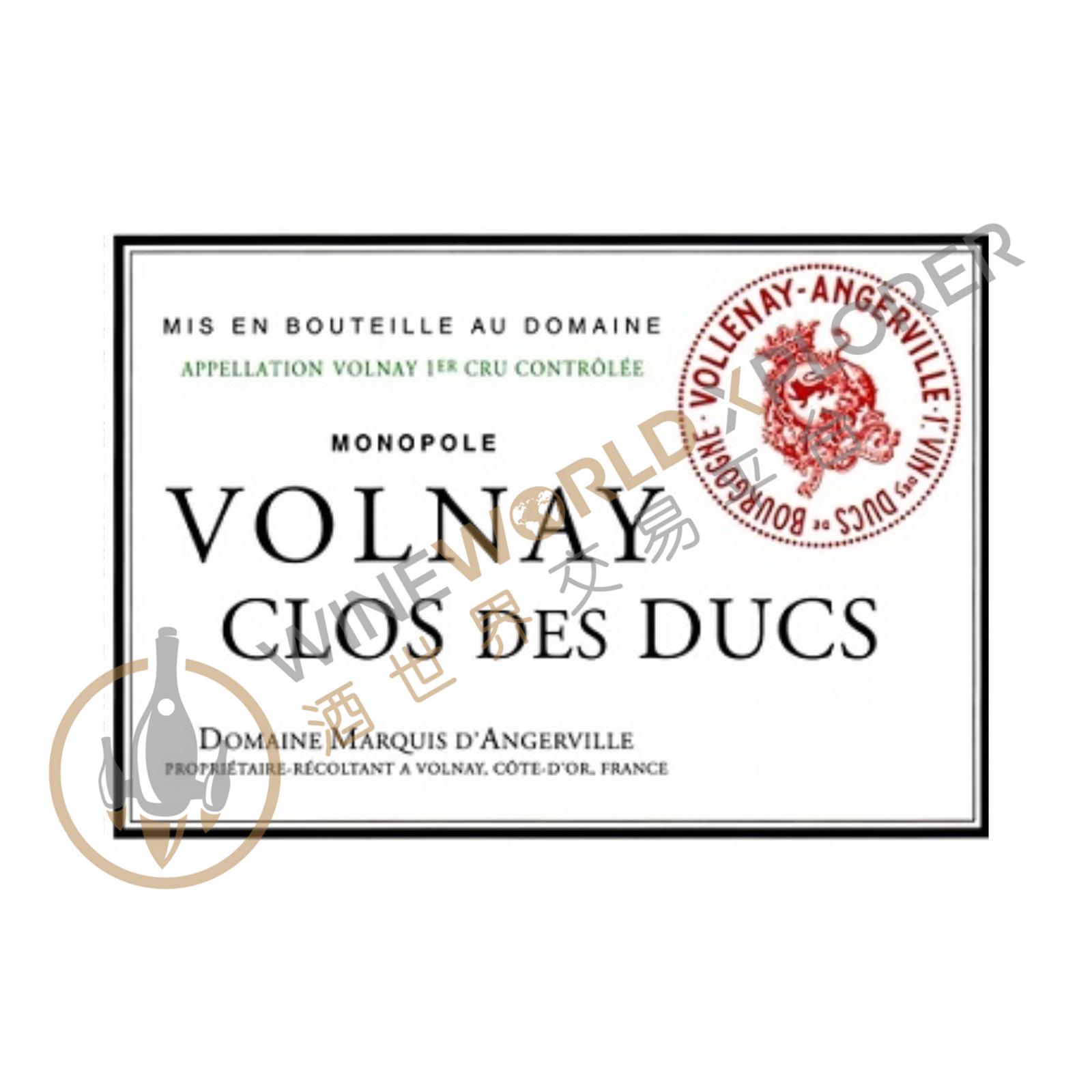
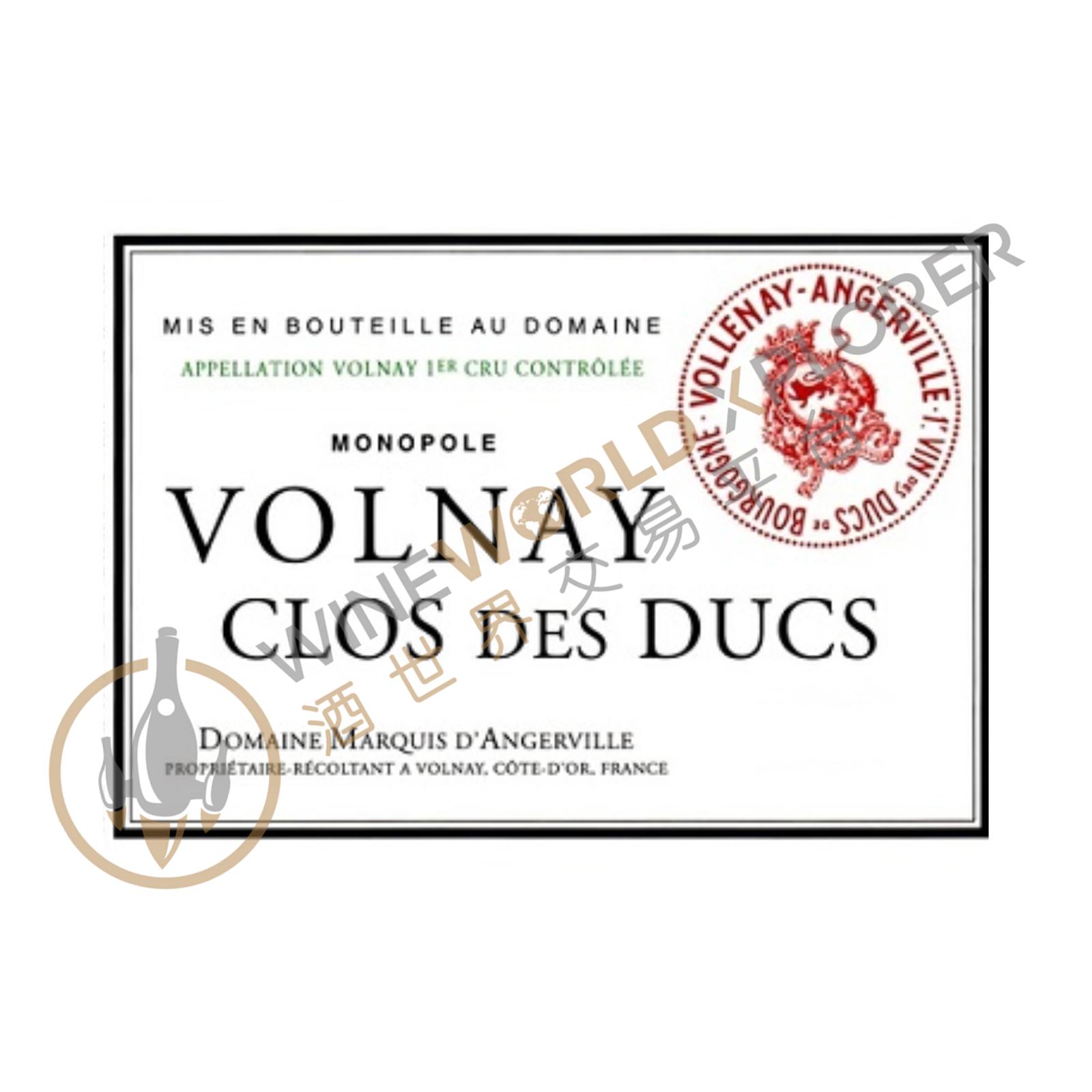
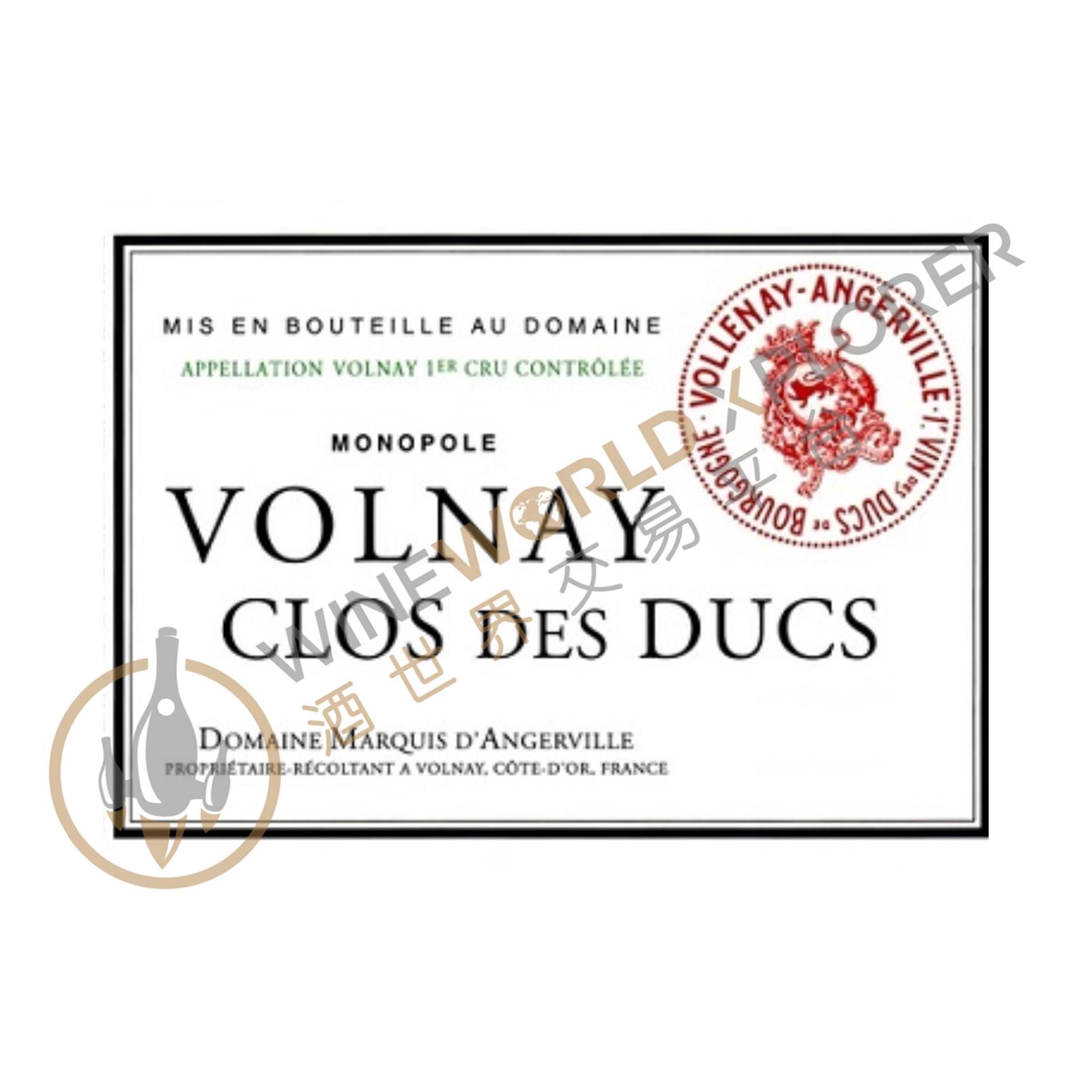
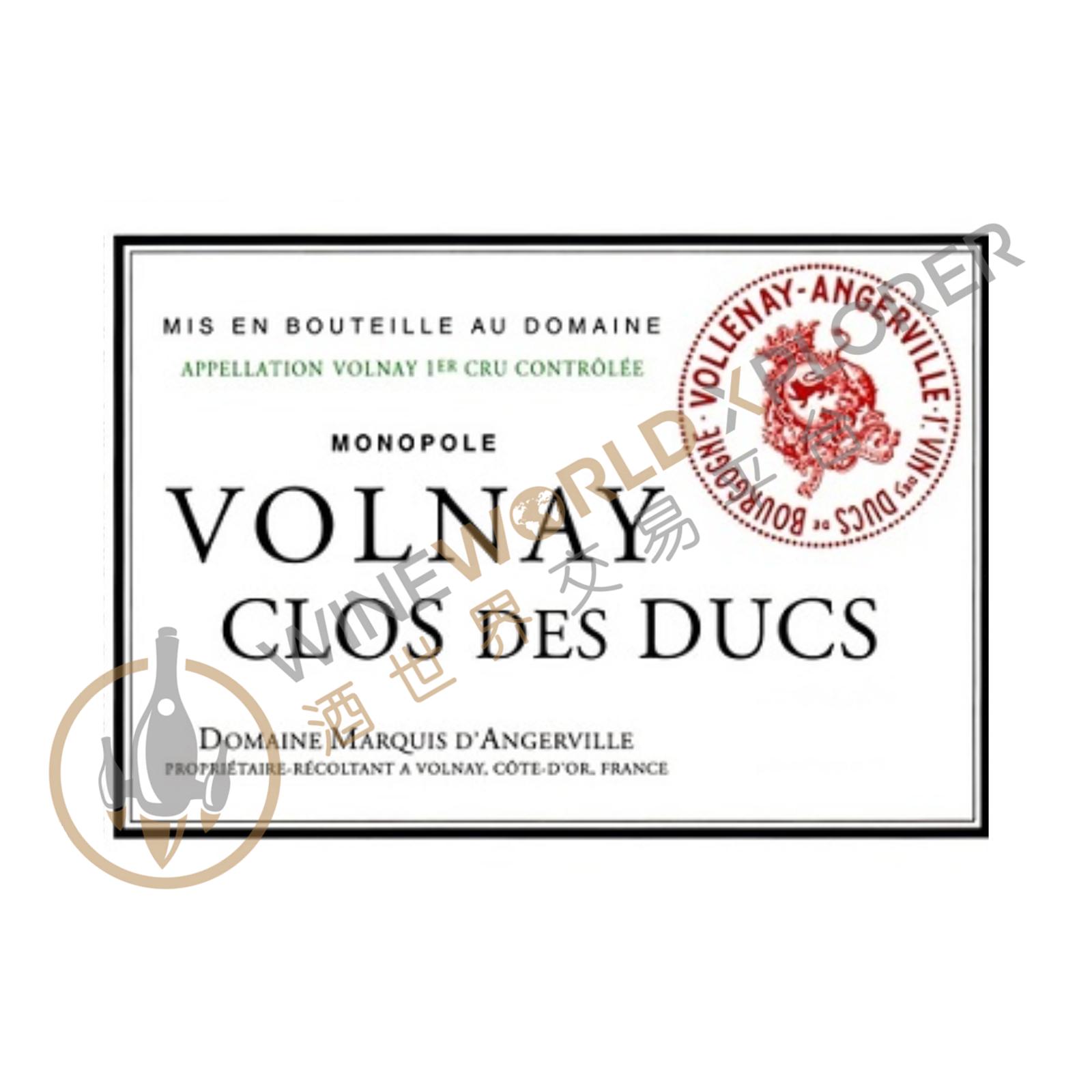
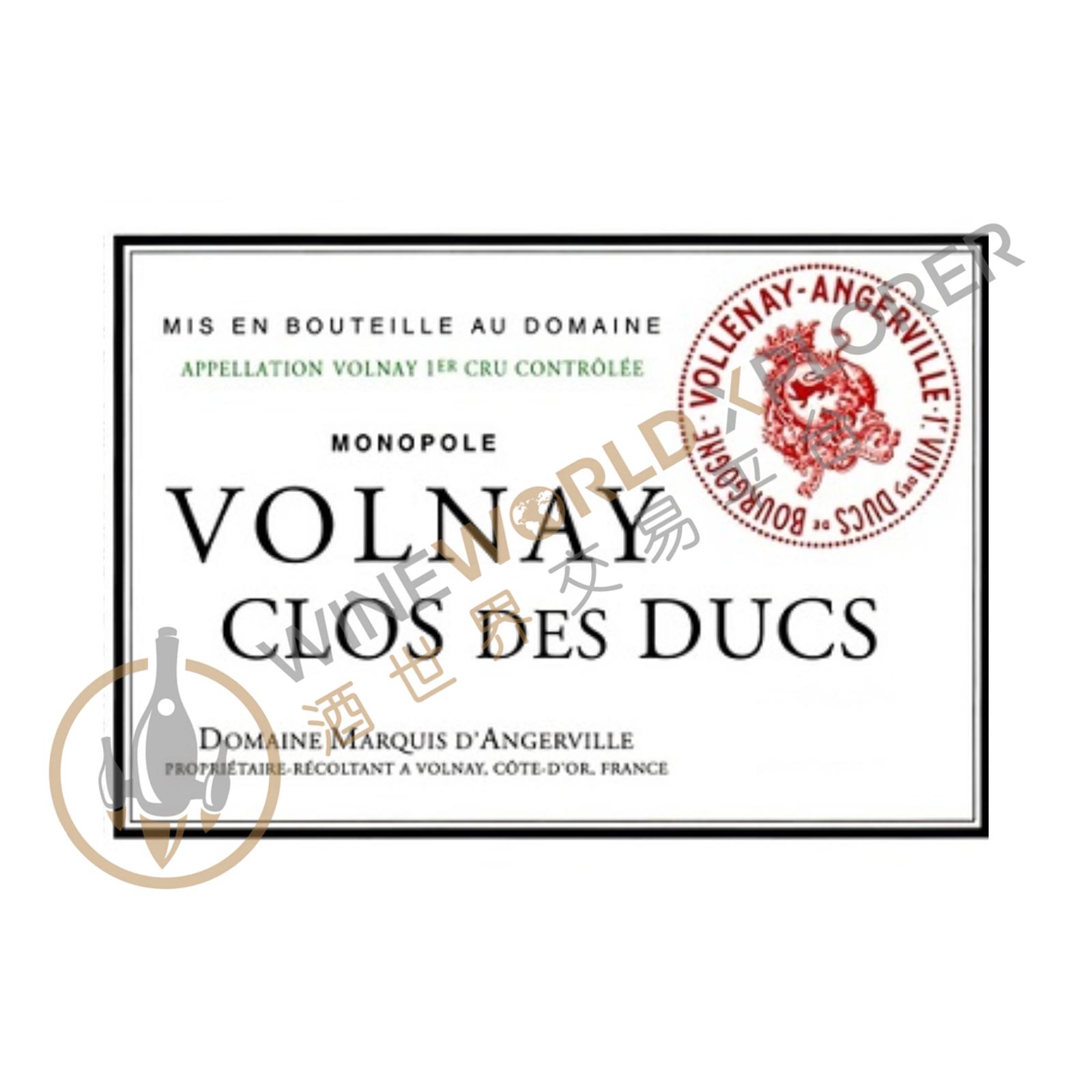
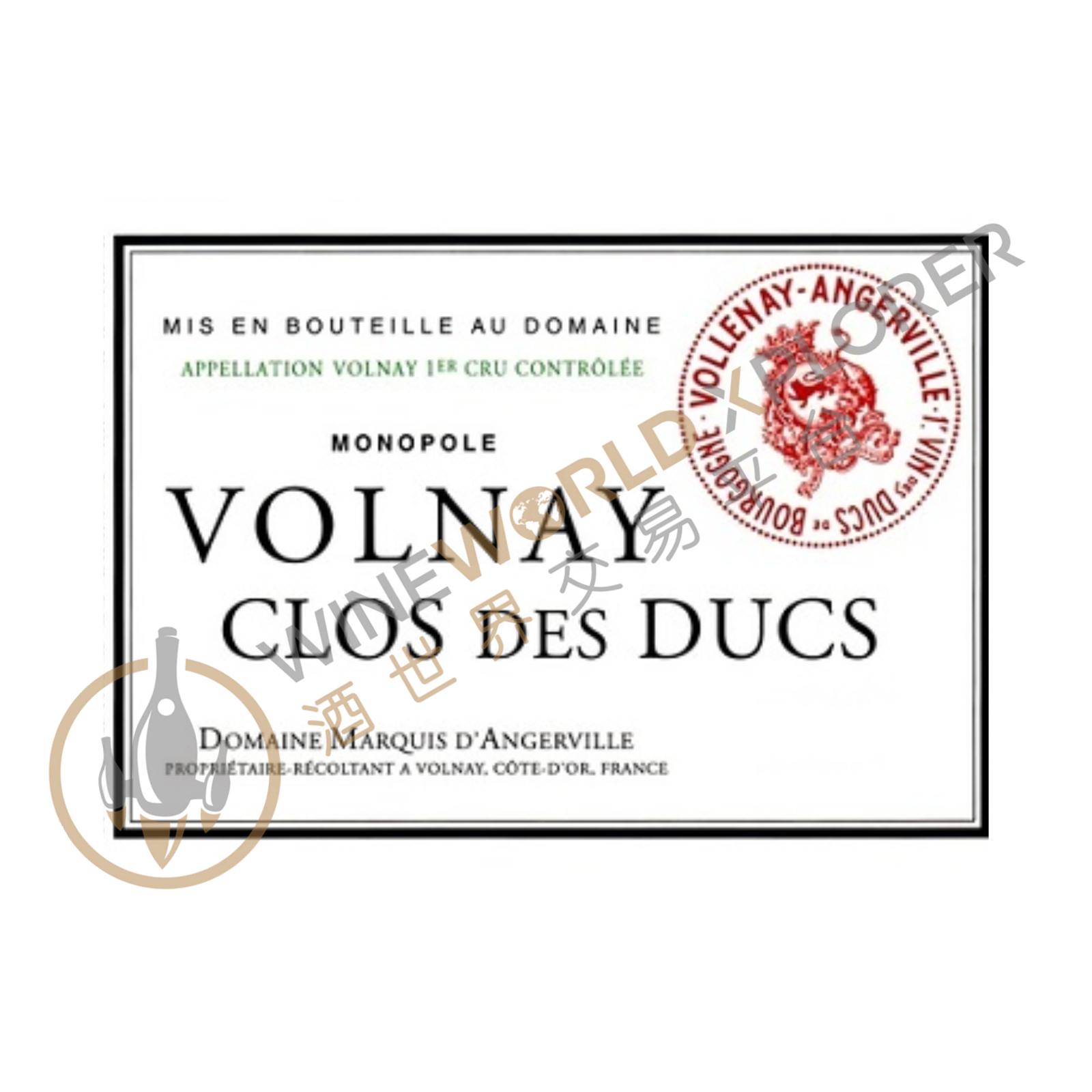
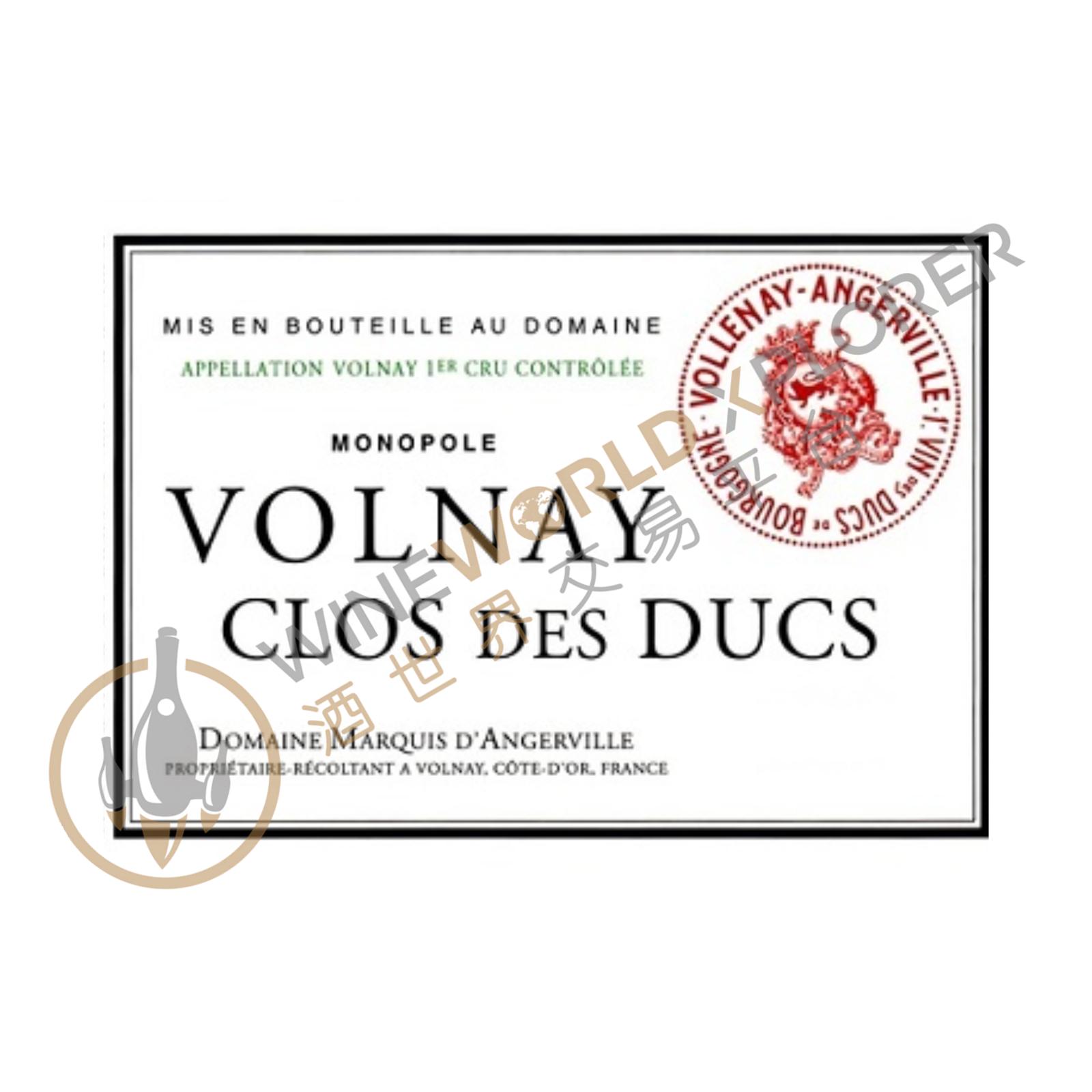
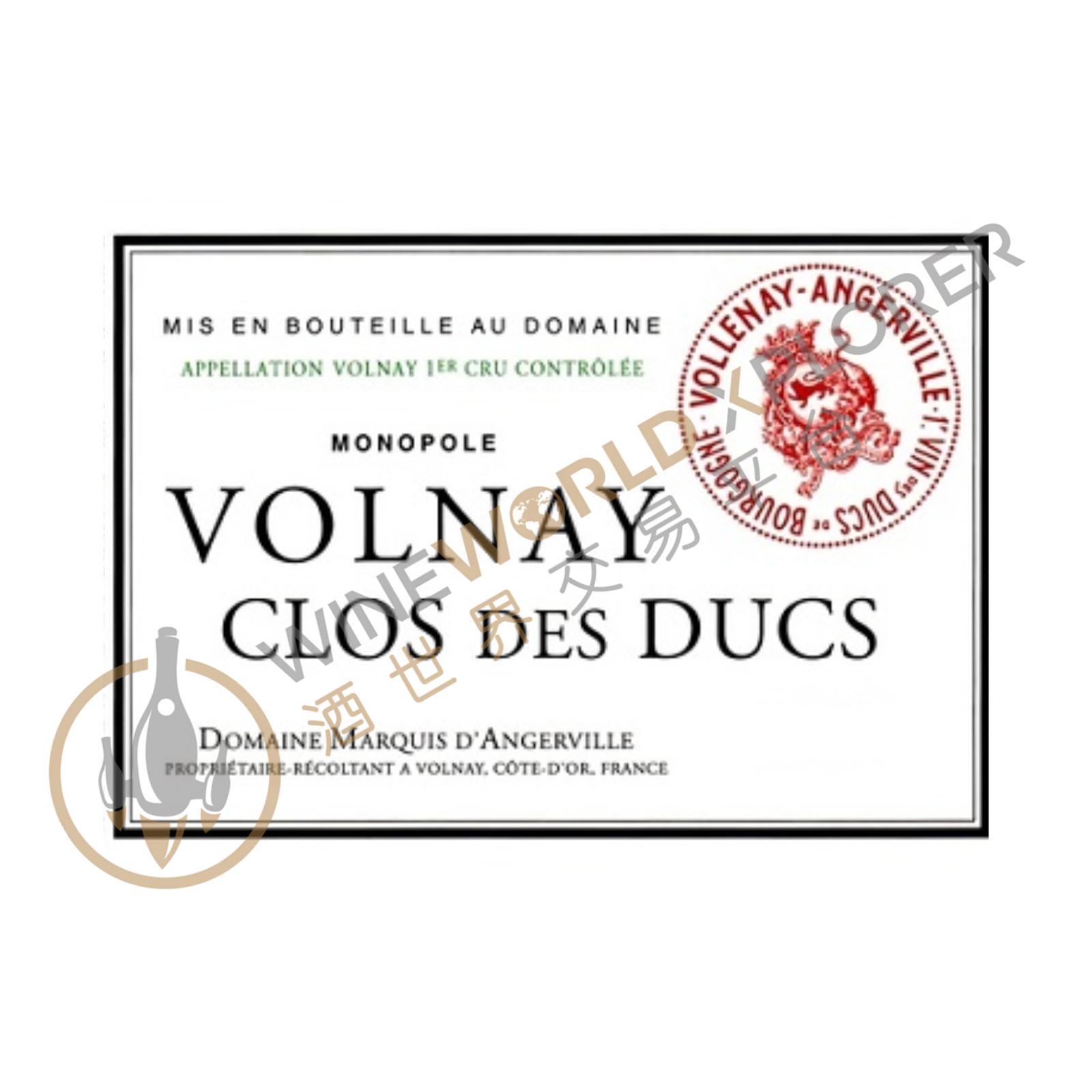
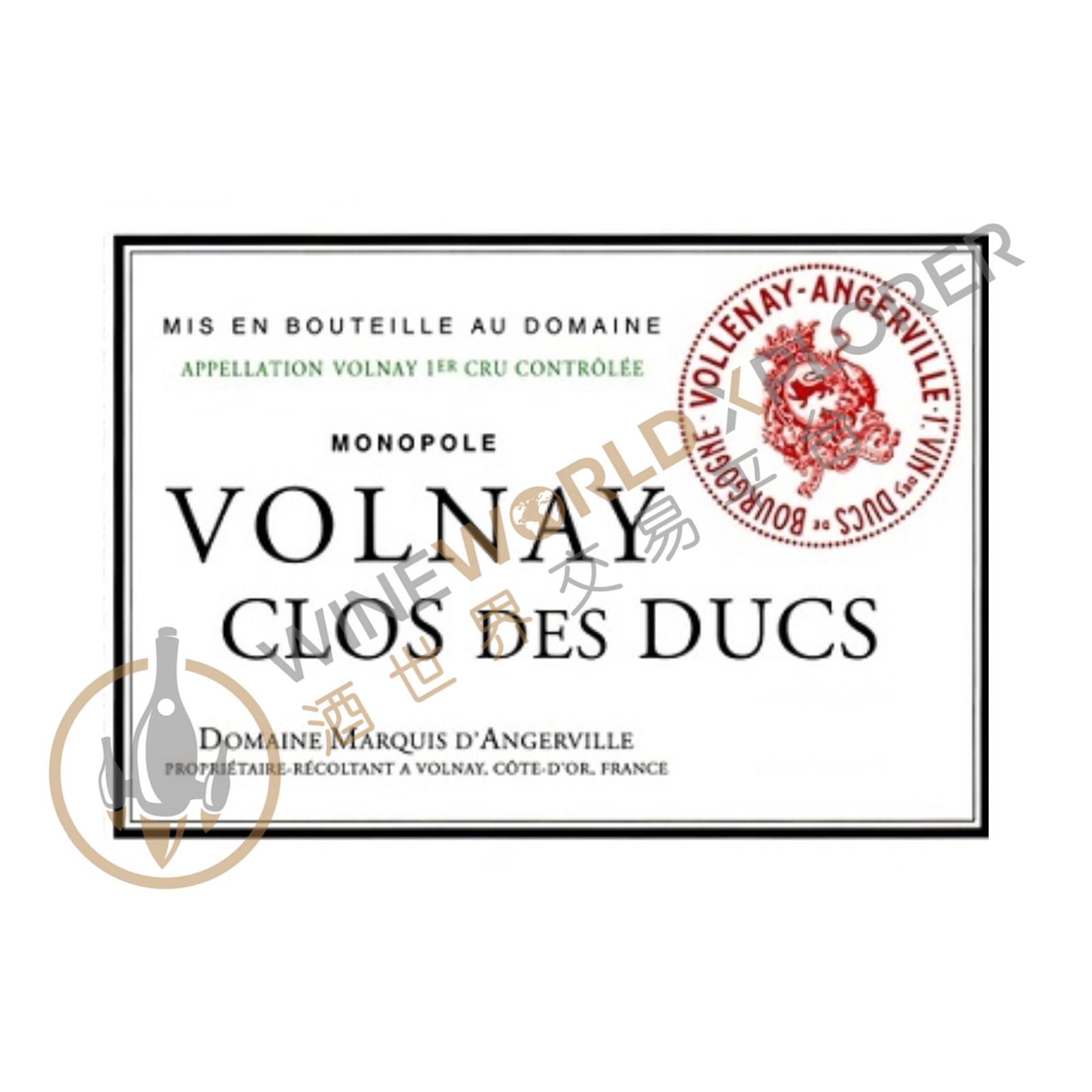
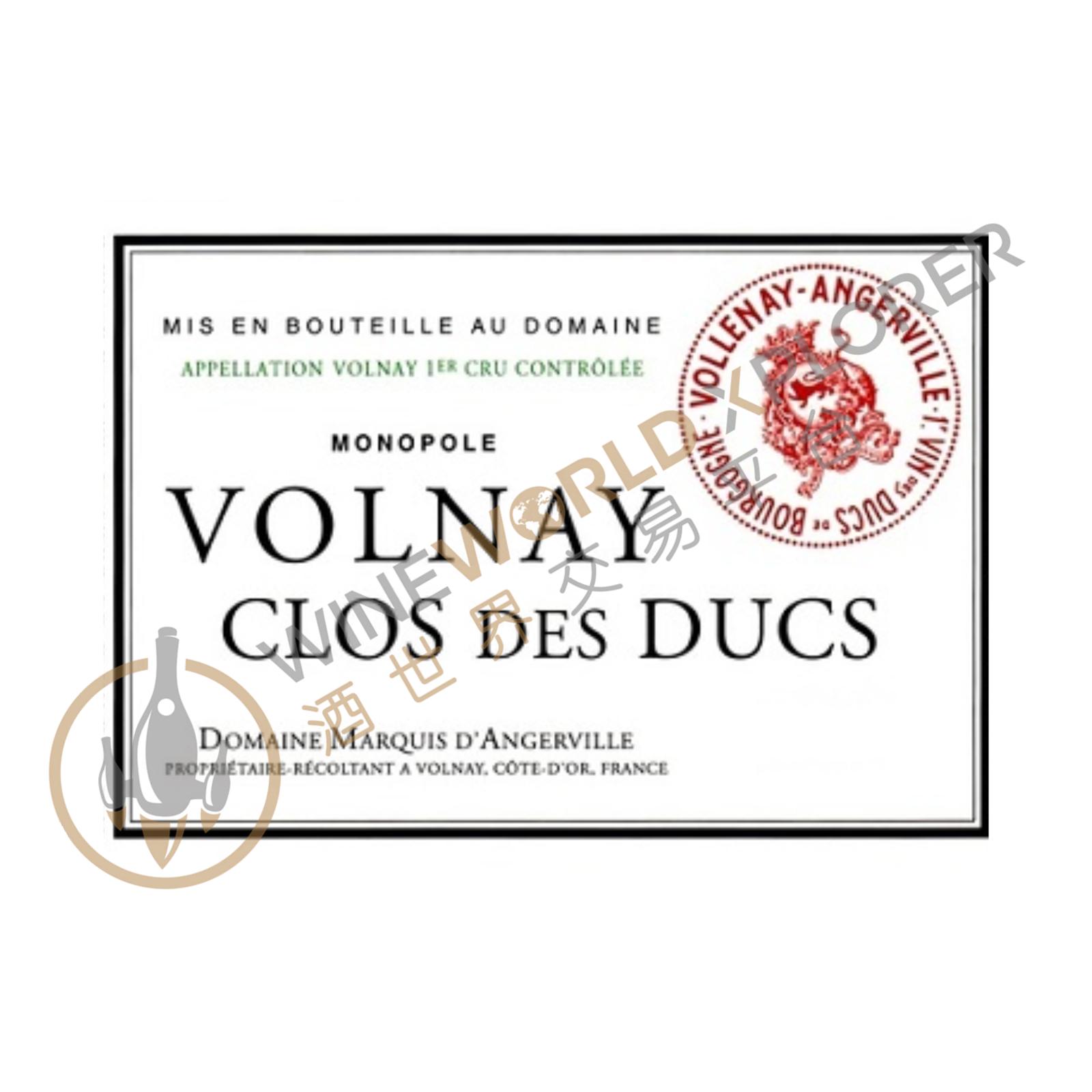
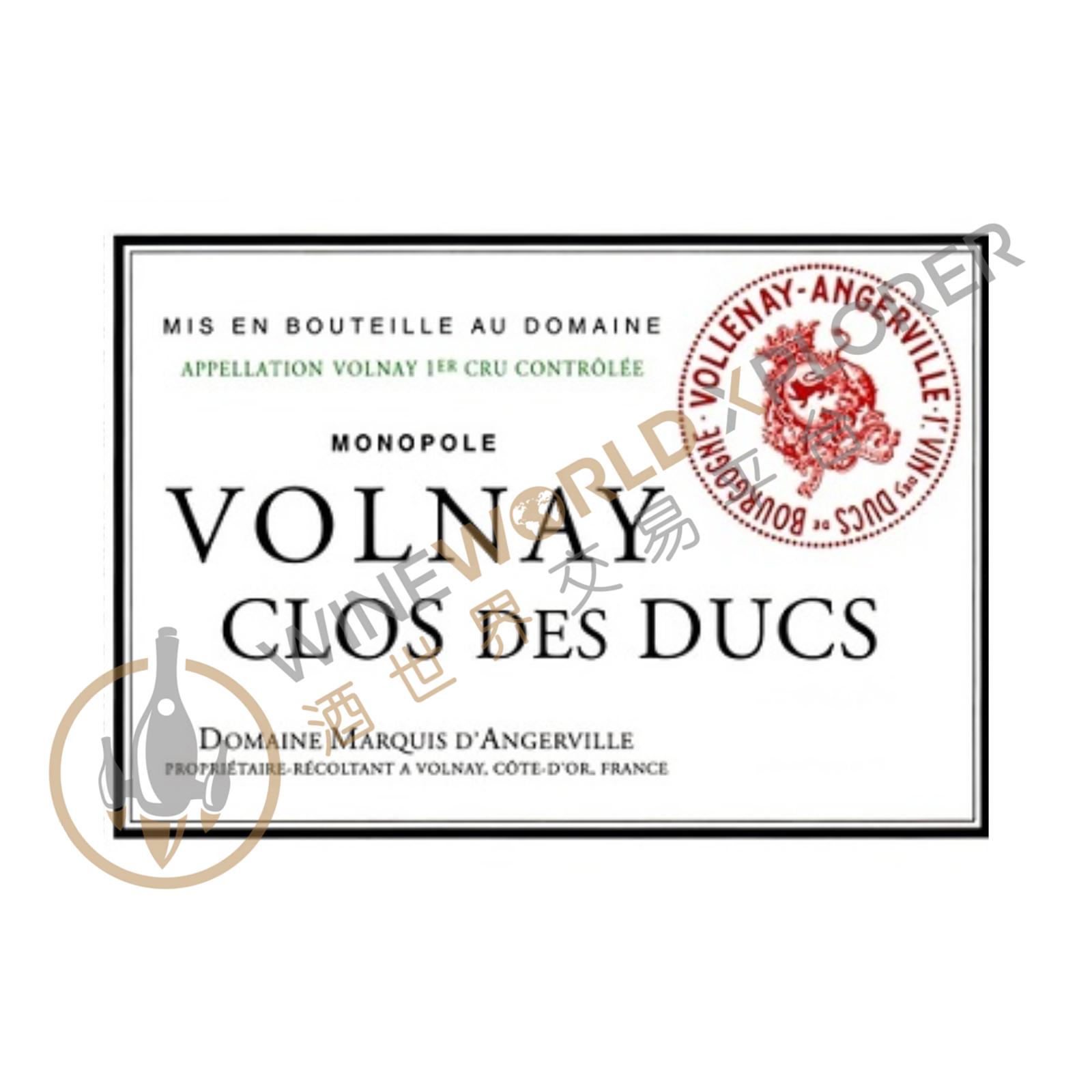
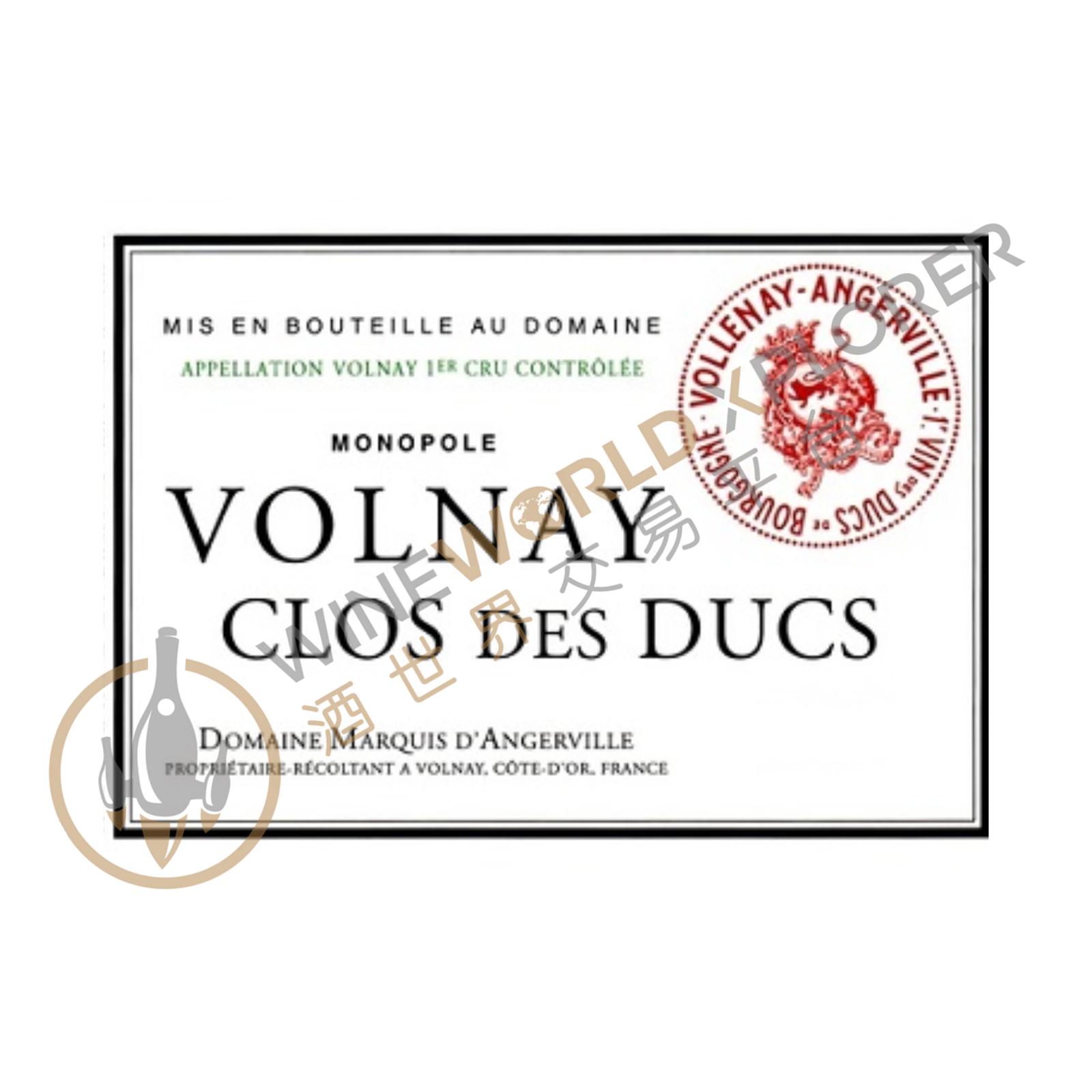
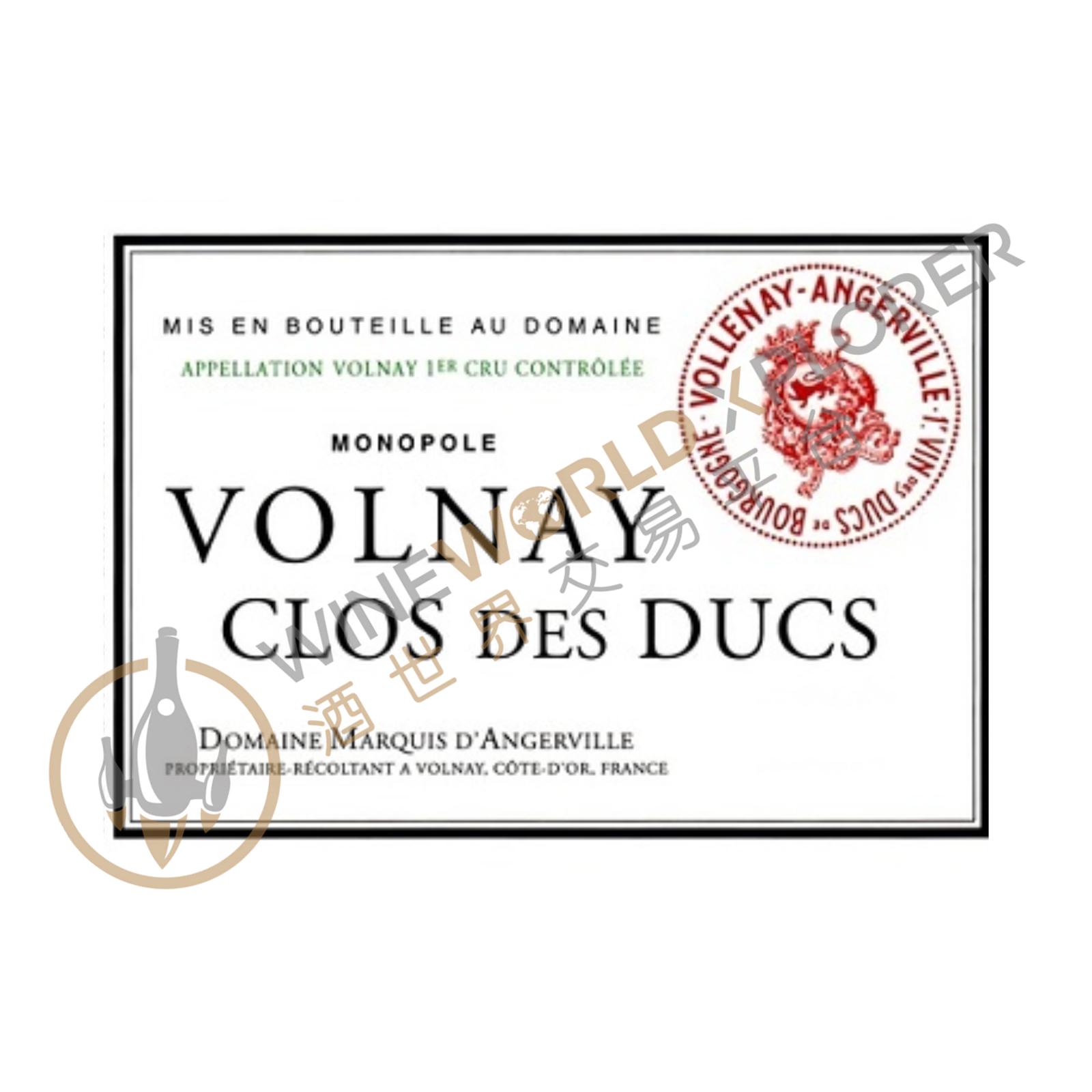
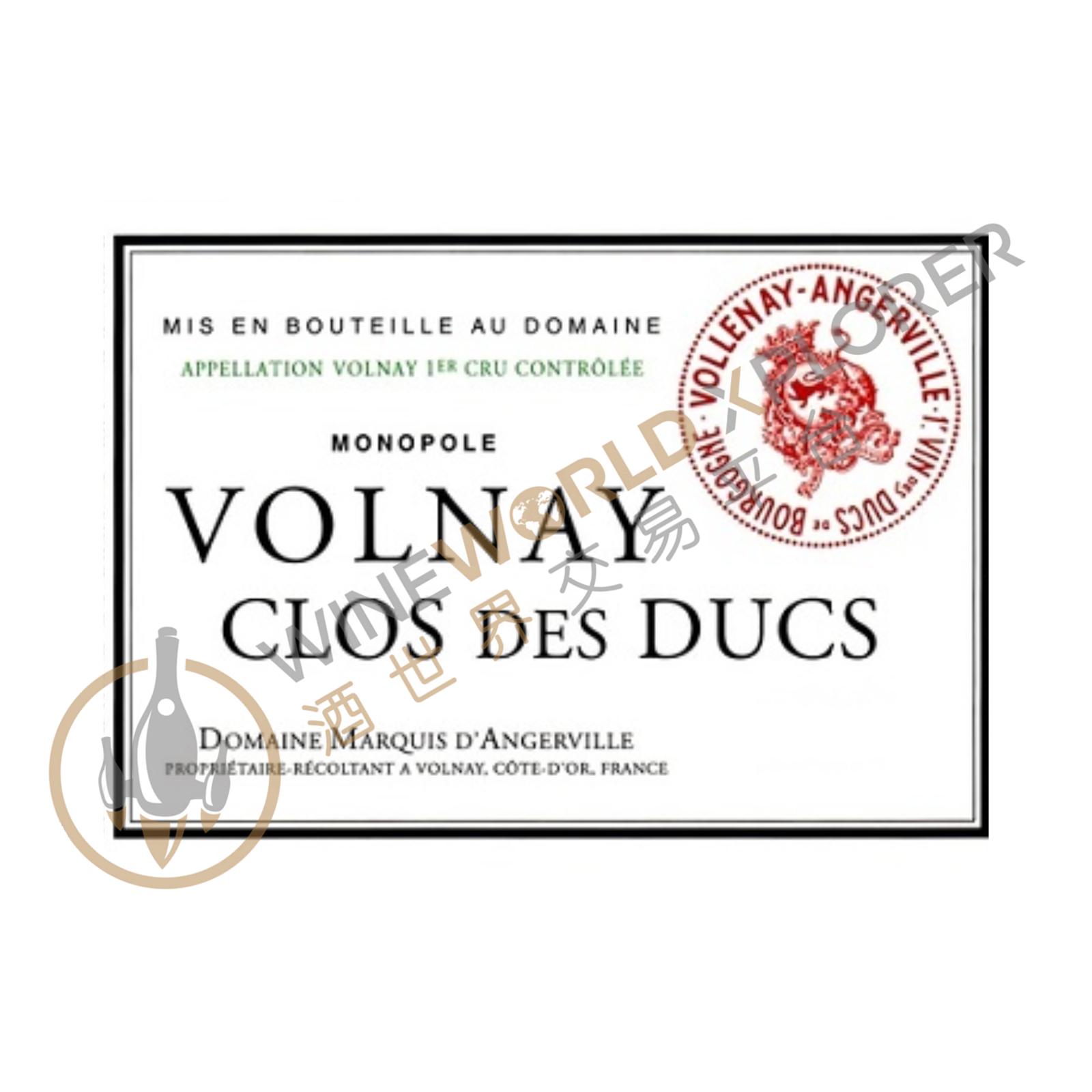
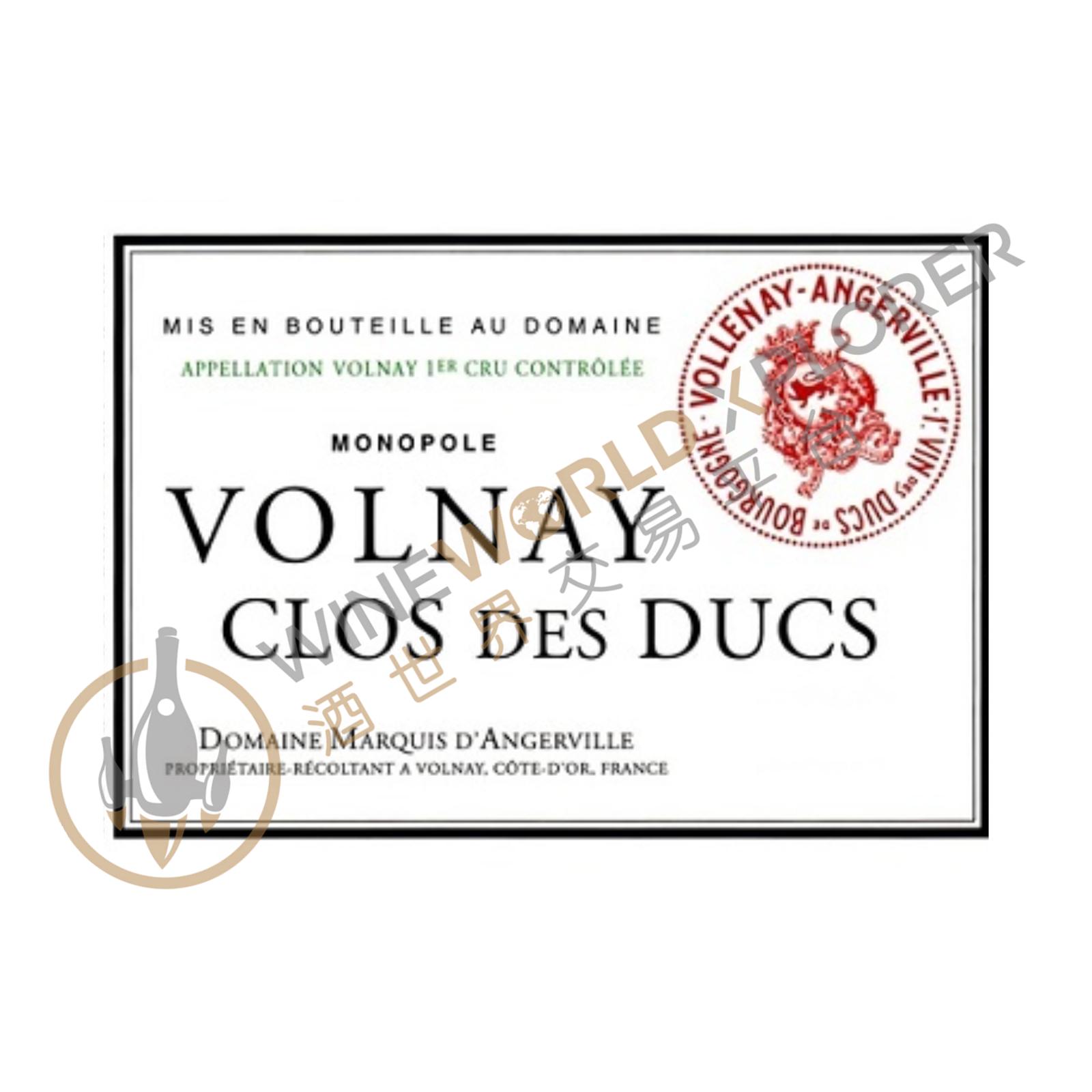
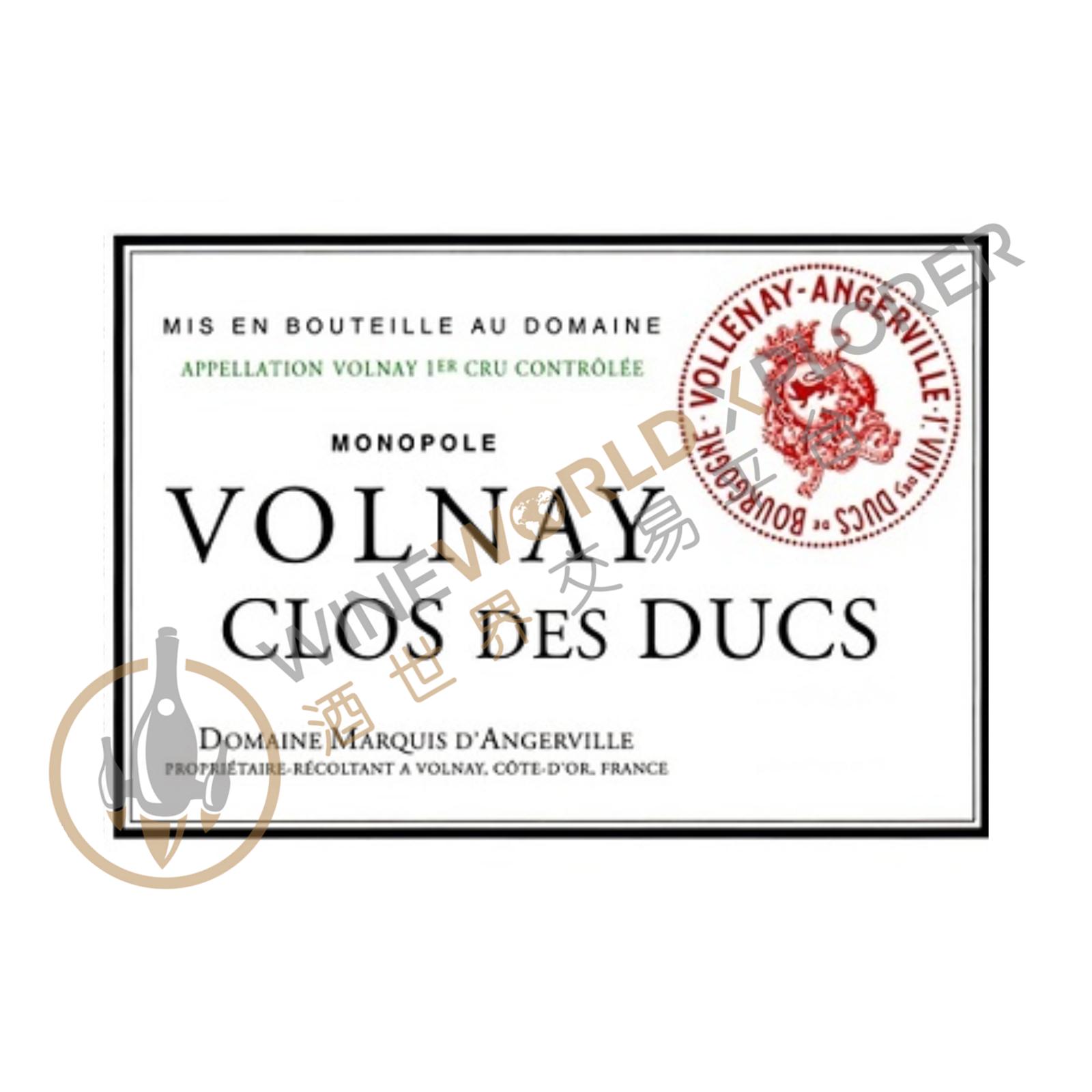
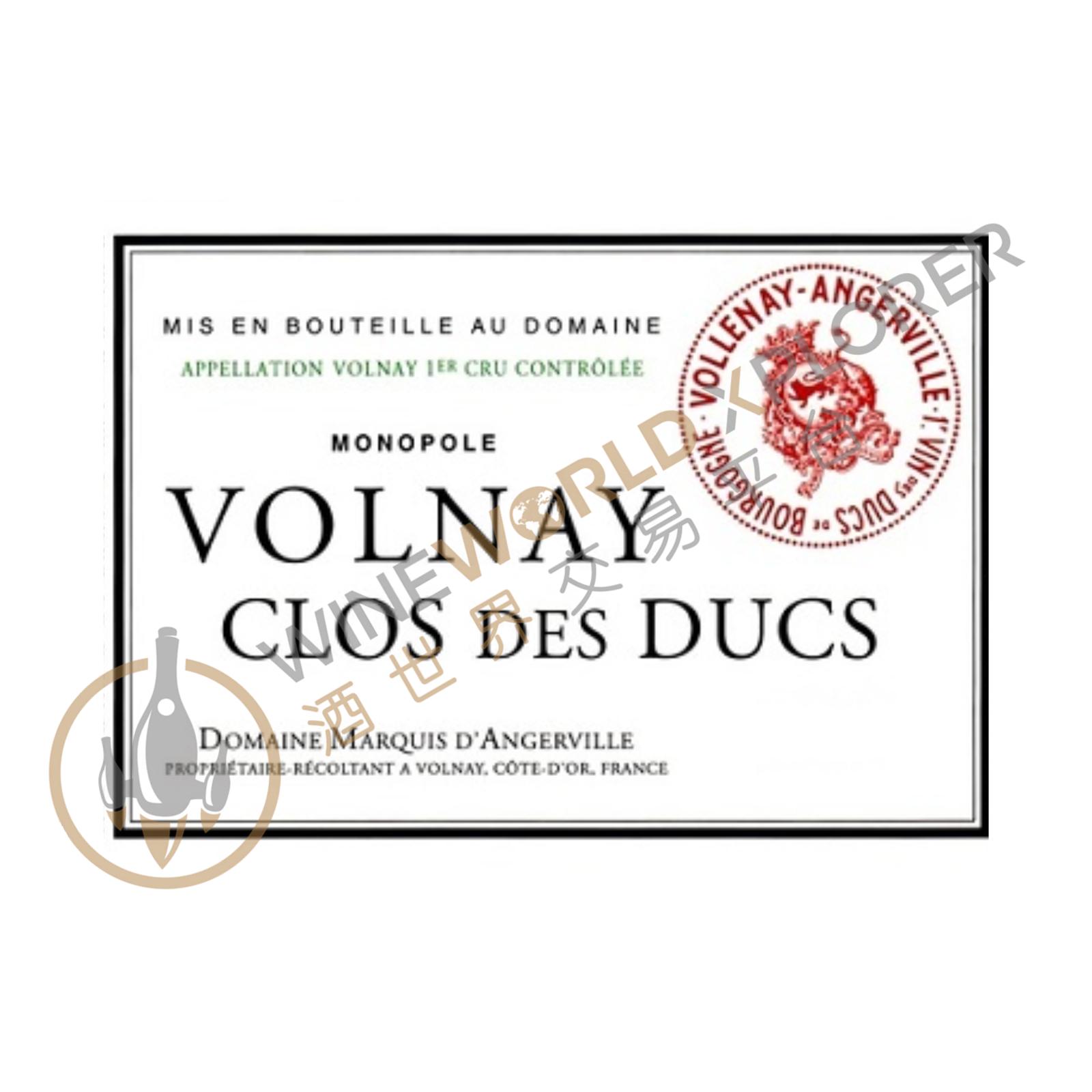
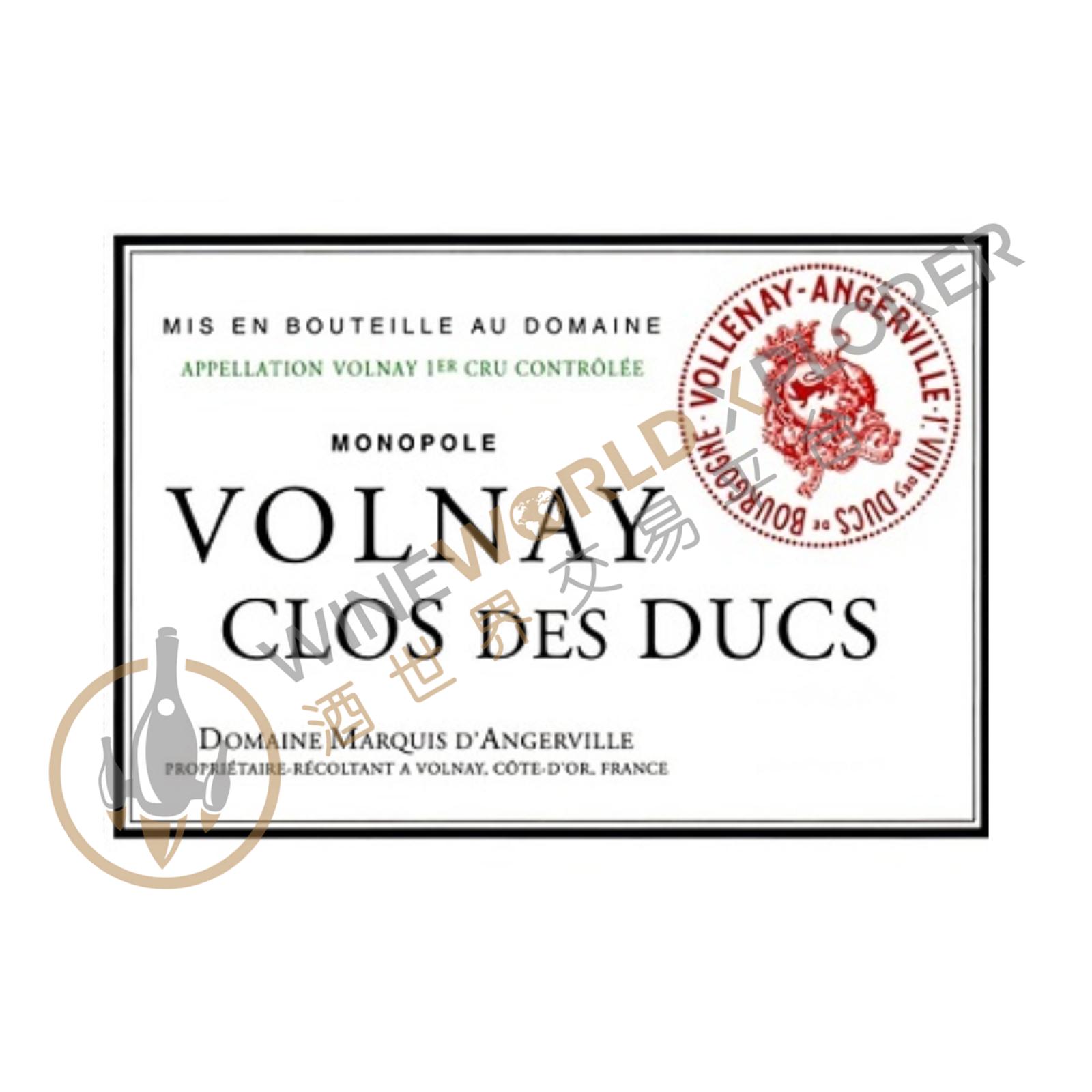
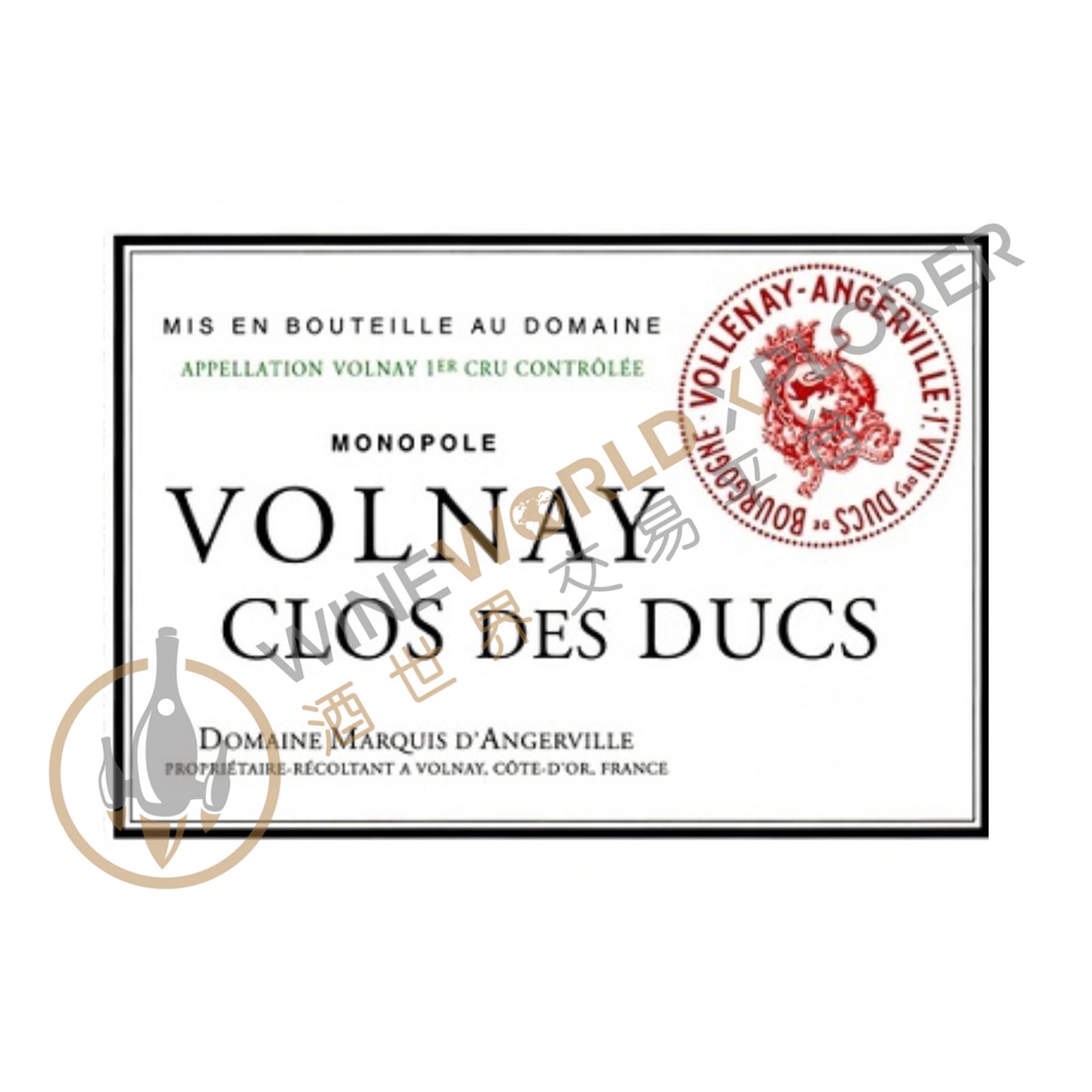
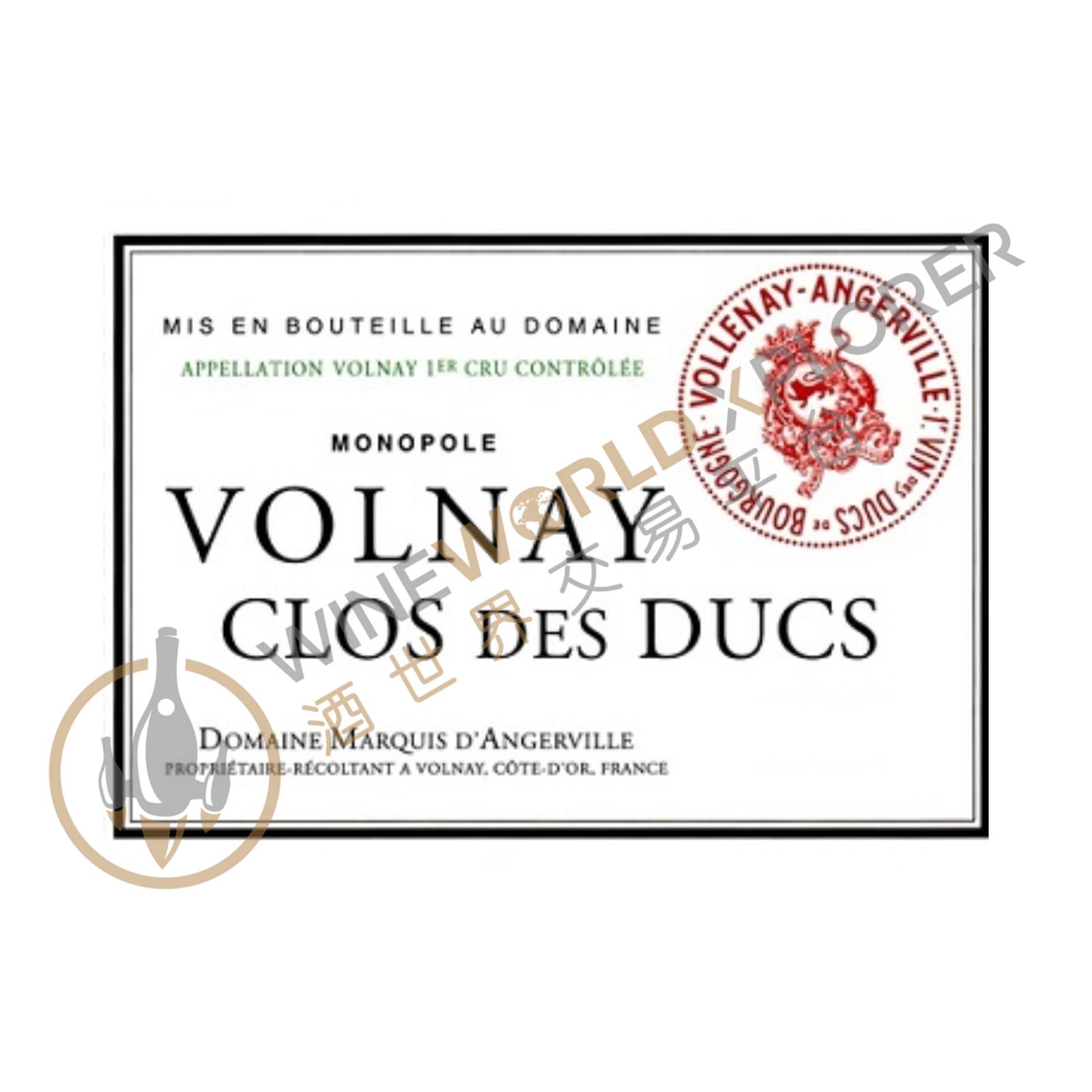
Marquis d'Angerville, Volnay 1er Cru Clos des Ducs 2002
 View analysis


Description
Tasting notes

Reviewed by: Neal Martin
Tasted at Fine Wine Experience’s Clos des Ducs vertical. The ’02 has a deep garnet/ruby core with quite a wide degraded rim. The nose is introverted, beautifully defined and imbued with a wondrous sense of transparency. Tomato vine, a touch of strawberry, redcurrant, a slight tinny note developing in the glass. The palate is medium-bodied with good acidity, very well balanced and nicely poised, although not incredibly complex. More a wine to drink with glee and not sit and intellectualize over, but the pleasure is all here. Drink now-2018.
Reviewed by: Neal Martin
The 2002 Volnay 1er Cru Clos des Ducs has meliorated since I last tasted it back in 2010. Here, it has a really quite entrancing bouquet, that transparency intact but the fruit enhanced with time: strawberry and red currant, almost a "flinty" mineralité underneath. The palate is very poised and has gained a little complexity, linear and regal. It has a crystalline finish, graceful and effervescent with touch of orange zest lingering on the aftertaste. Excellent.
Reviewed by: Pierre Rovani
Complex aromas of flowers, stones, and an assortment of red fruits can be found in the nose of the 2002 Volnay Clos des Ducs. It bursts forth with supple, lush red cherries and strawberries. Medium-bodied, and engaging, its core of fruit leads the taster to a firm finish with rugged tannin. Anticipated maturity: 2009-2018. Importer: Diageo Chateau and Estate Wines Company., New York, NY; tel. (212) 419-1400
Reviewed by: Neal Martin
Very earthy nose with a hint of horse manure and black truffle. Backward and tannic on the palate, it seems a little forced compared to the others. Sour cherry on the finish. Very good, but I expected much more.
Reviewed by: Stephen Tanzer
Good medium red. Sexy fresh red berries, balsamic mint and a cool menthol quality on the nose. Incredibly backward for 2002 but already shows outstanding sweetness of red berry fruit complicated by tobacco and black olive tapenade. Powerful, palate-staining Clos des Duc with a serious spine of tannins and acidity. Jacques d'Angerville vinified the 2002s and son Guillaume bottled them after his father's death in 2003.
About the Producer
History Domaine Marquis D'Angerville began in the 19th century. In 1804, Baron du Mesnil, the sub-prefect of Autun in Burgundy commune acquires property Clos des Ducs in Volnay - the heart of the appellation Côte de Beaune. Surrounding areas were formerly part of the famous vineyards of Burgundy Dukes Taillepieds, Caillerets and Champans. After the phylloxera epidemic, devastating vineyards in the late 19th century, the nephew and godson Baron du Mesnil, Marquis Sam d'Arzhenvy begins restoration of historic vineyards, re-planting of Pinot Noir grapes. A staunch supporter of "authentic wines" d'Arzhenvy opposes corrupt wine merchants, whose reputation is not always perfect. He becomes the first manufacturer in the region of bottled wines, independently engaged and their subsequent implementation. Due to its unwavering commitment to quality and authenticity of the products d'Arzhenvy Sam was one of the founders of the National Institute of Origin and Quality (l'Institut National des Appellations d'Origine, (INAO)). Son of Sam d'Arzhenvy Jacques d'Arzhenvy, created his first vintage in 1945, and in 1952 he takes control of the estate. Following the tradition of Domaine Marquis d'Angerville, Jacques convinced that all the great wines are produced directly in the vineyards, and their success depends on the quality and the low yields of old vines. This approach, according to him, is more reasonable and effective than the "green fee" or thinning. Thus, after decades of observations and work on the selection of the best examples of Pinot Noir, the family d'Angerville received special honor to grow Pinot Noir under the naming "Pinot d'Angerville". From 1982 to 1987, Jacques d'Arzhenvy is chairman and honorary president of the Wine Academy of France. Throughout his life he devoted to the creation of the great wines of Volnay. After his father's death in 2003 his son William took control of the estate d'Arzhenvy in their hands, keeping the tradition of the manor transition from generation to generation. Currently he helps agronomist Renaud de Villette, who worked with Jacques d'Arzhenvy for fifteen years.
1993(1)1995(3)1996(1)1997(1)1998(1)1999(3)2000(2)
Package Size