Wine Advisor



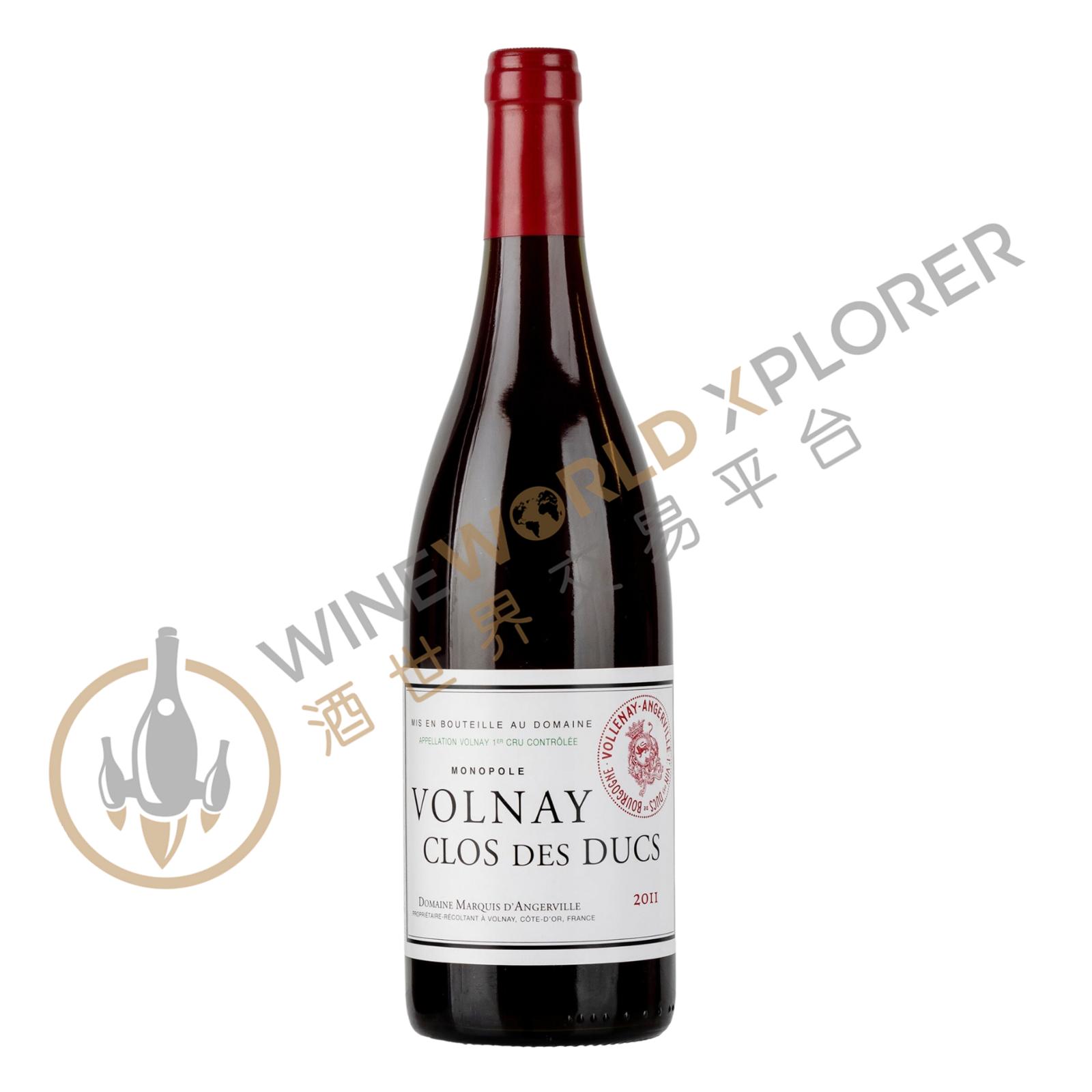
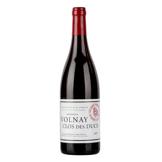
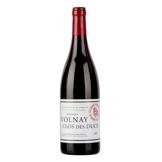
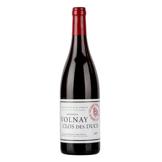
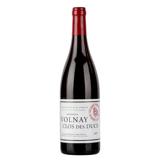
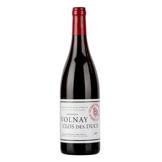
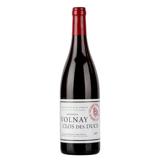
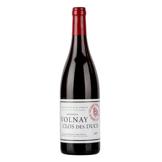
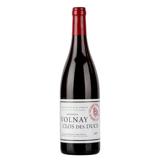
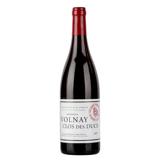
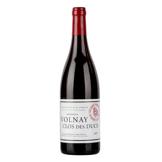
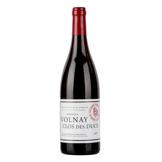
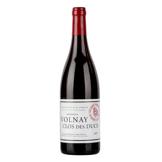
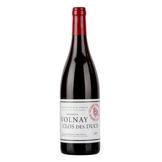
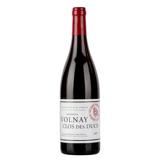
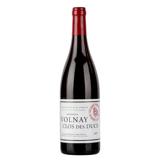
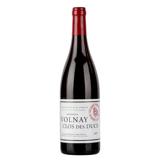
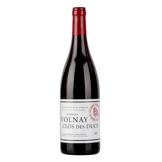
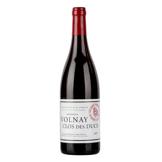
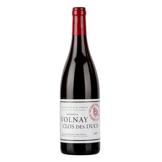
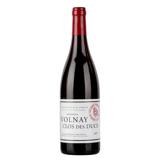
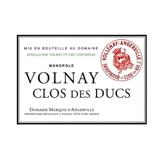
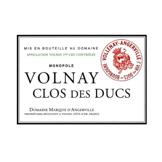
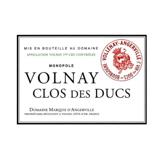
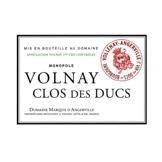
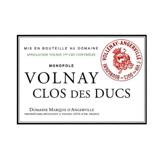
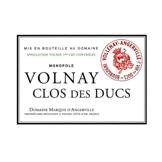
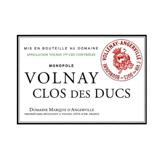
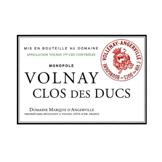
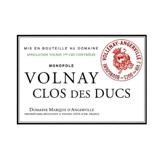
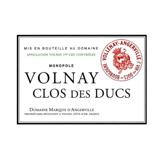
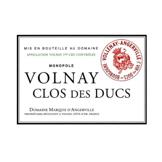
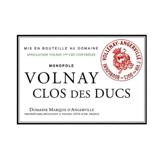
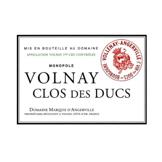
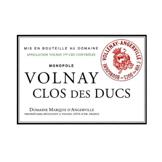
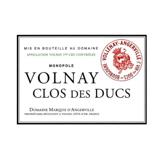
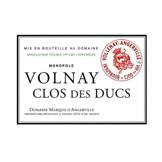
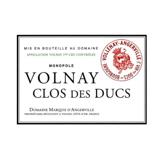
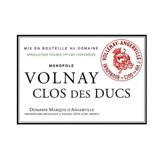
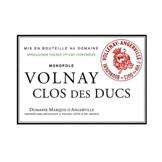
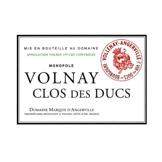
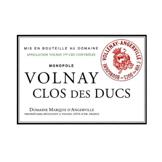
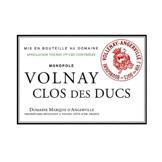
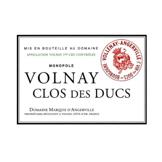
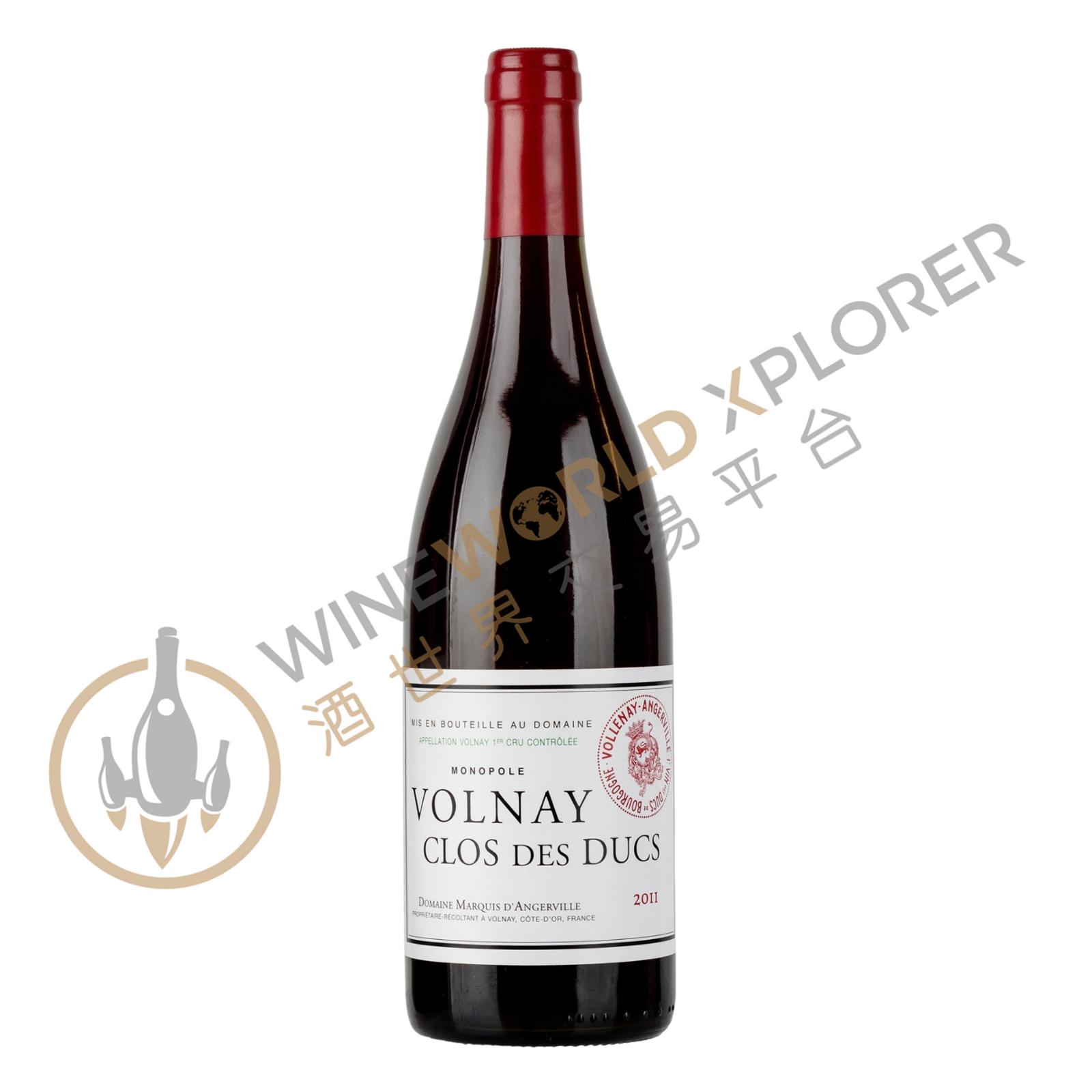
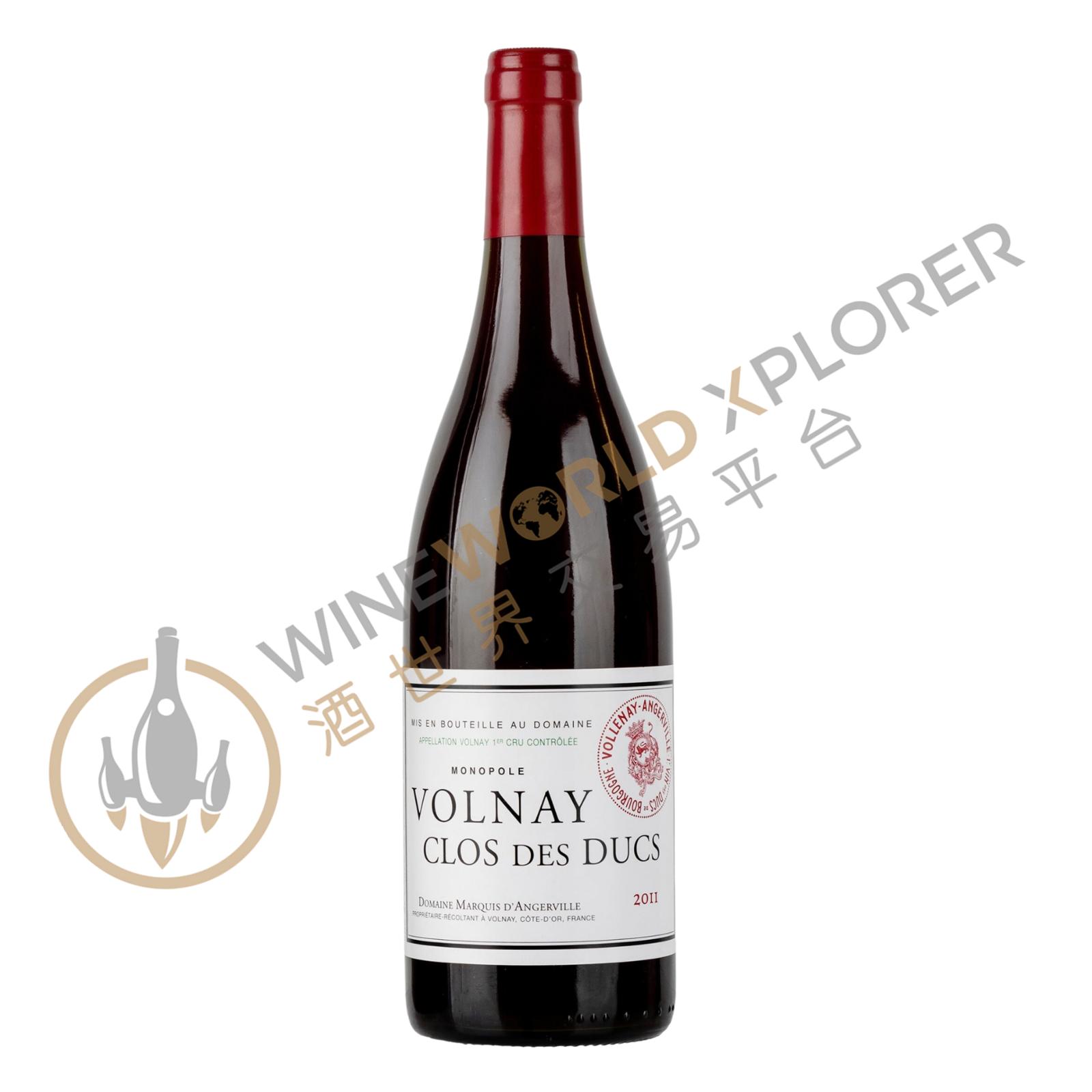
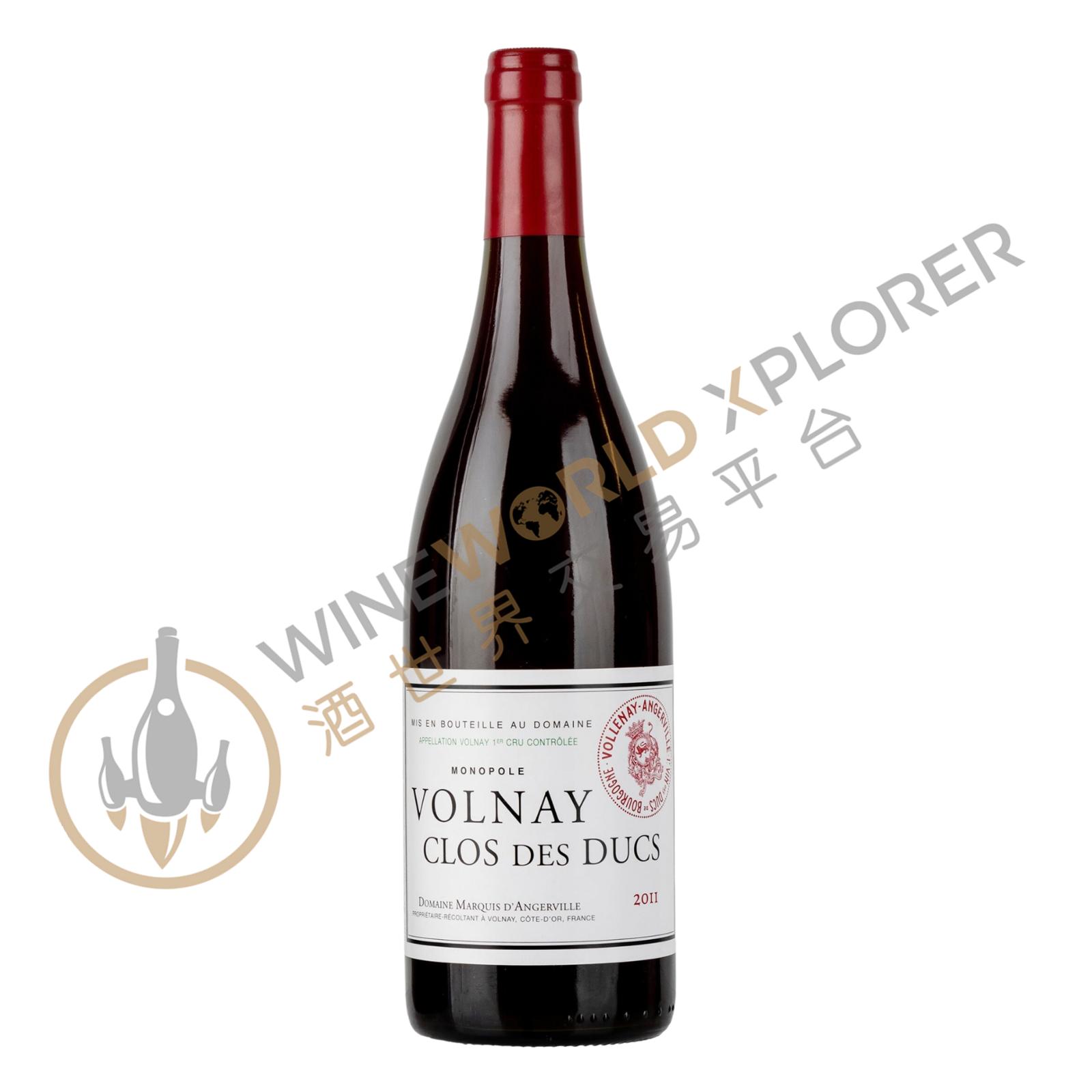
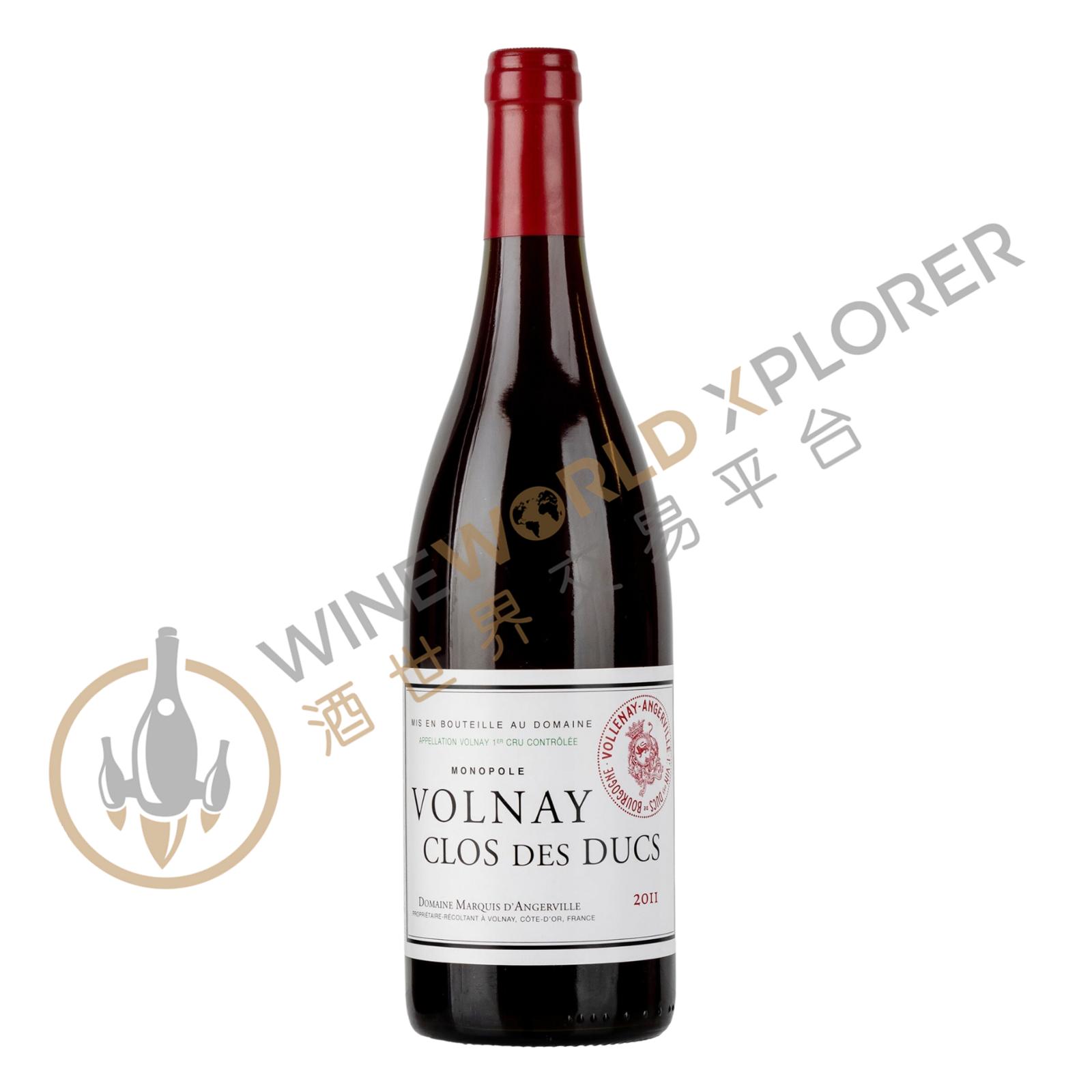
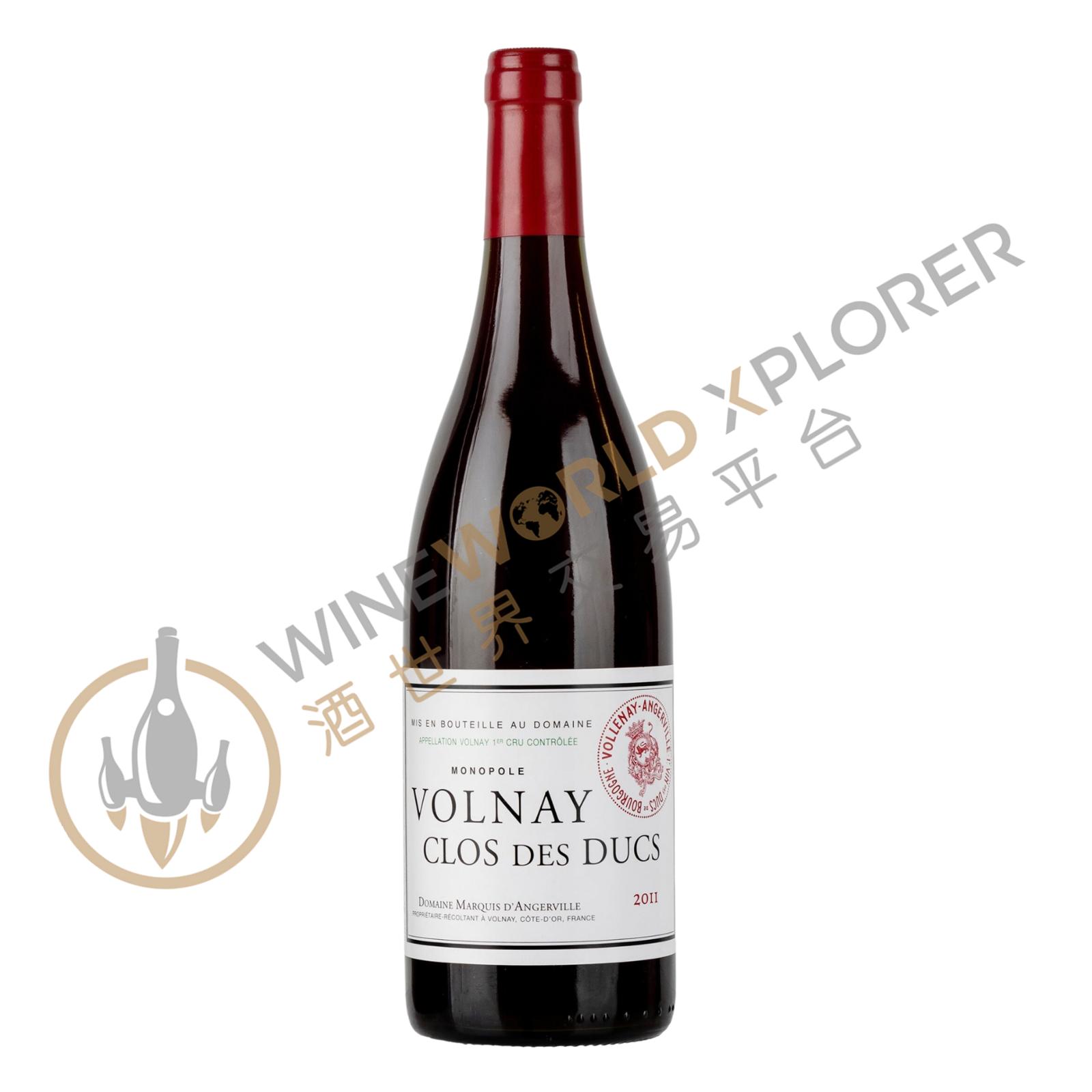
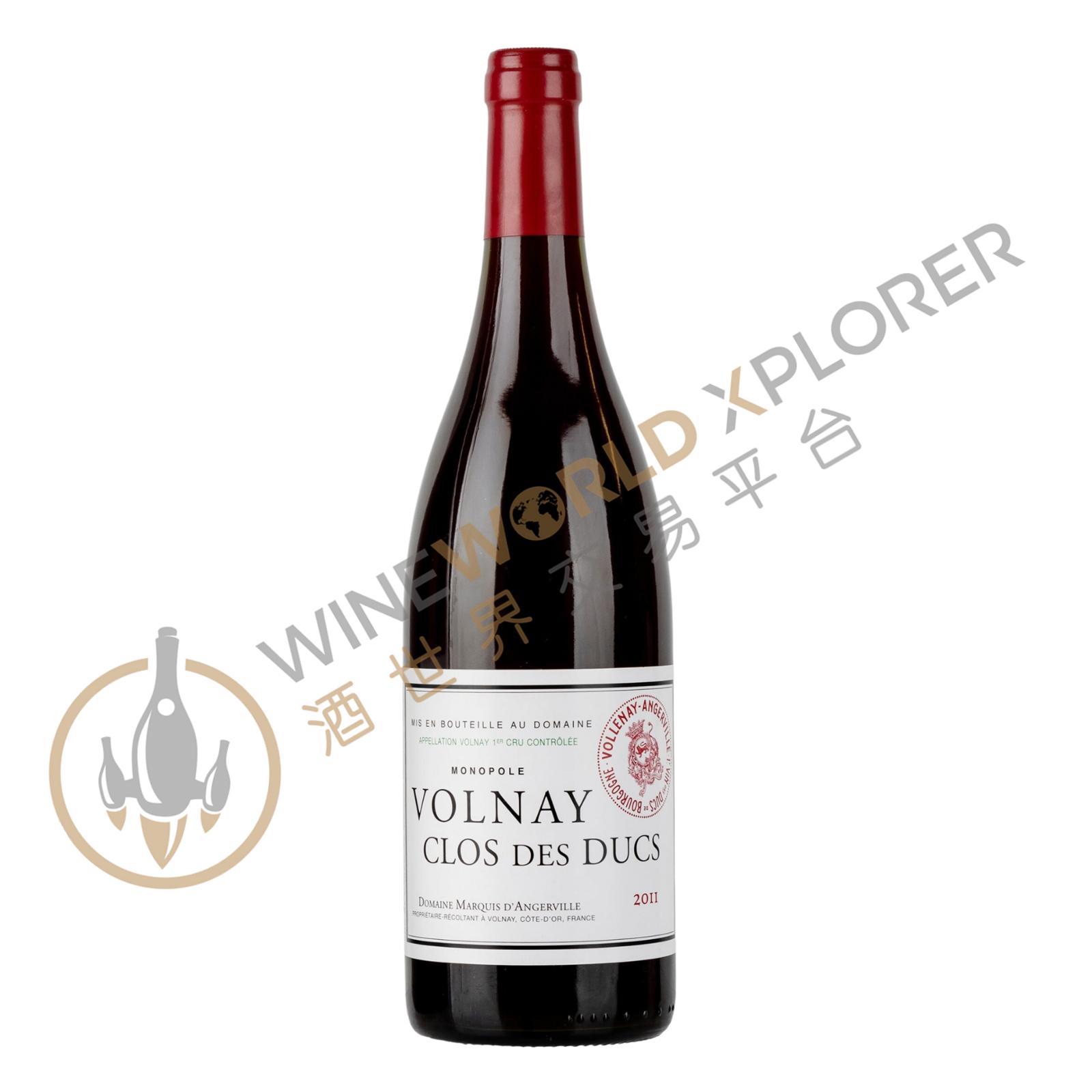
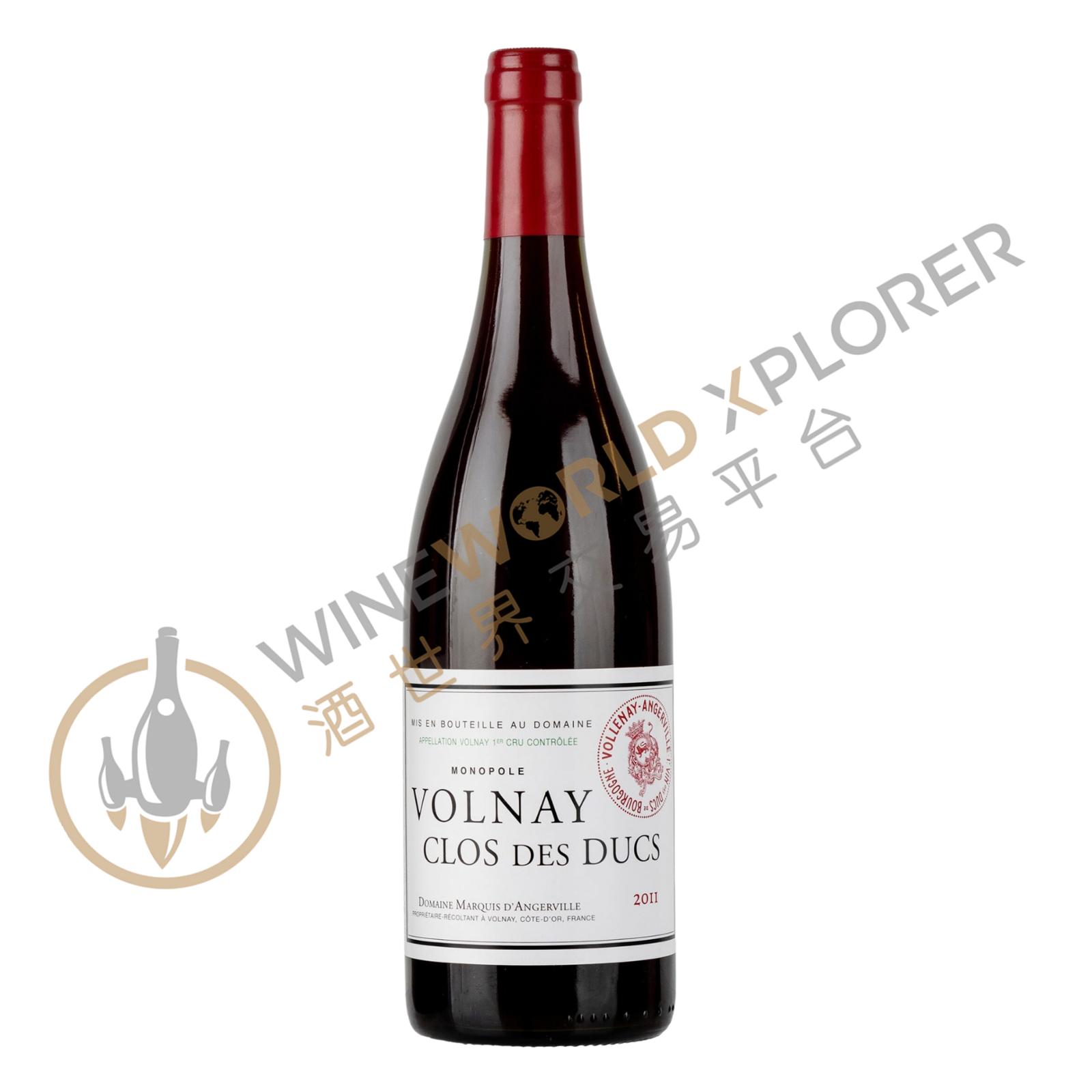
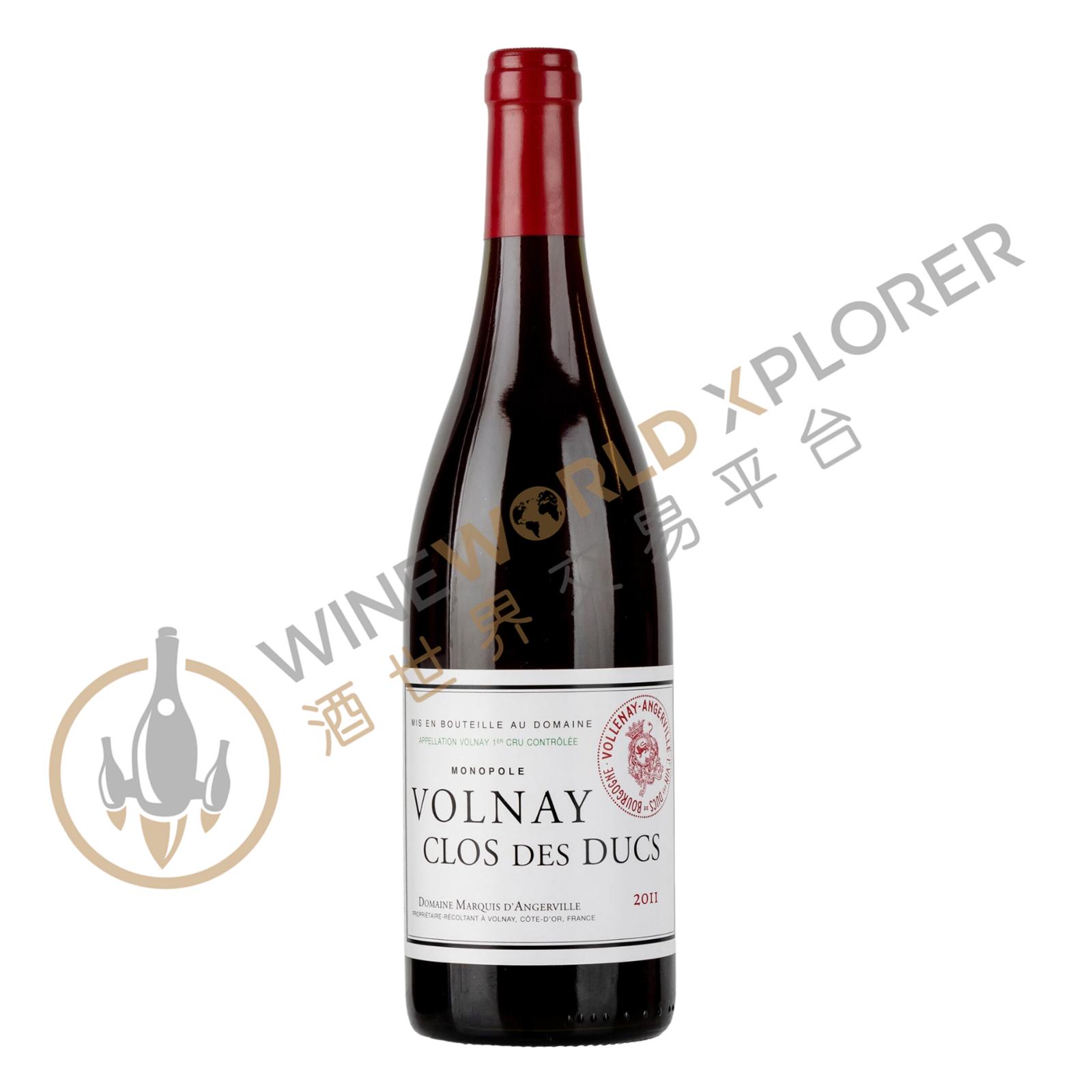
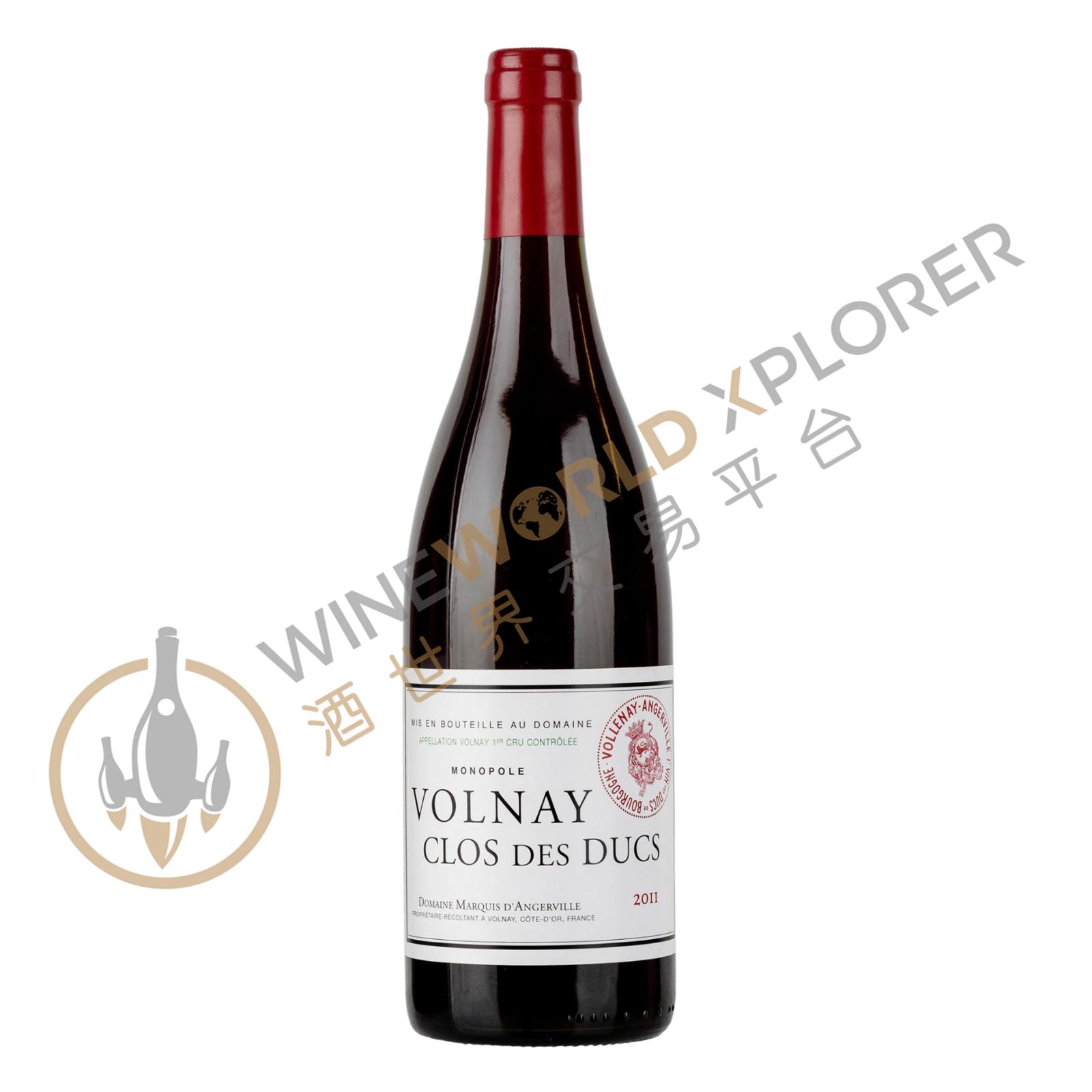
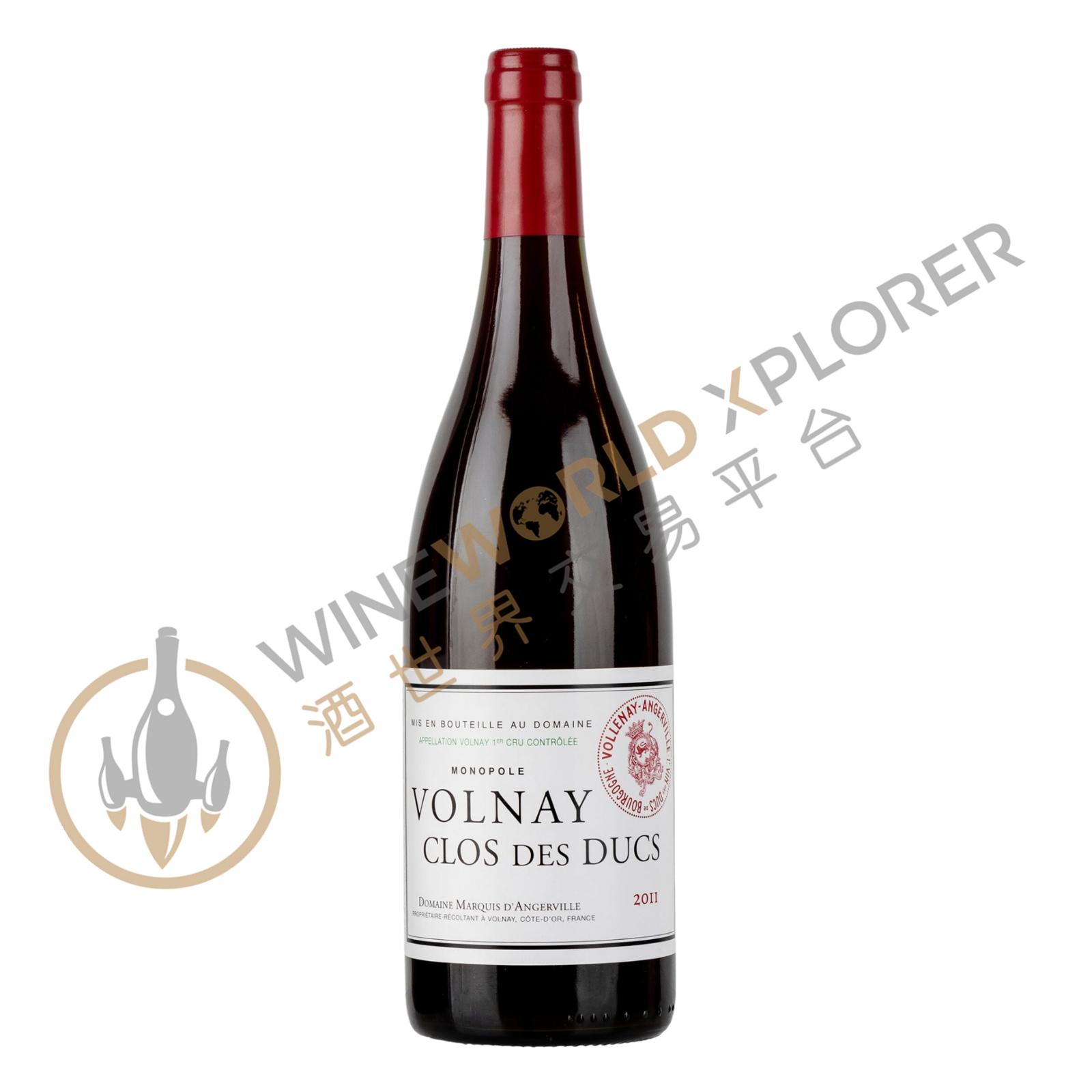
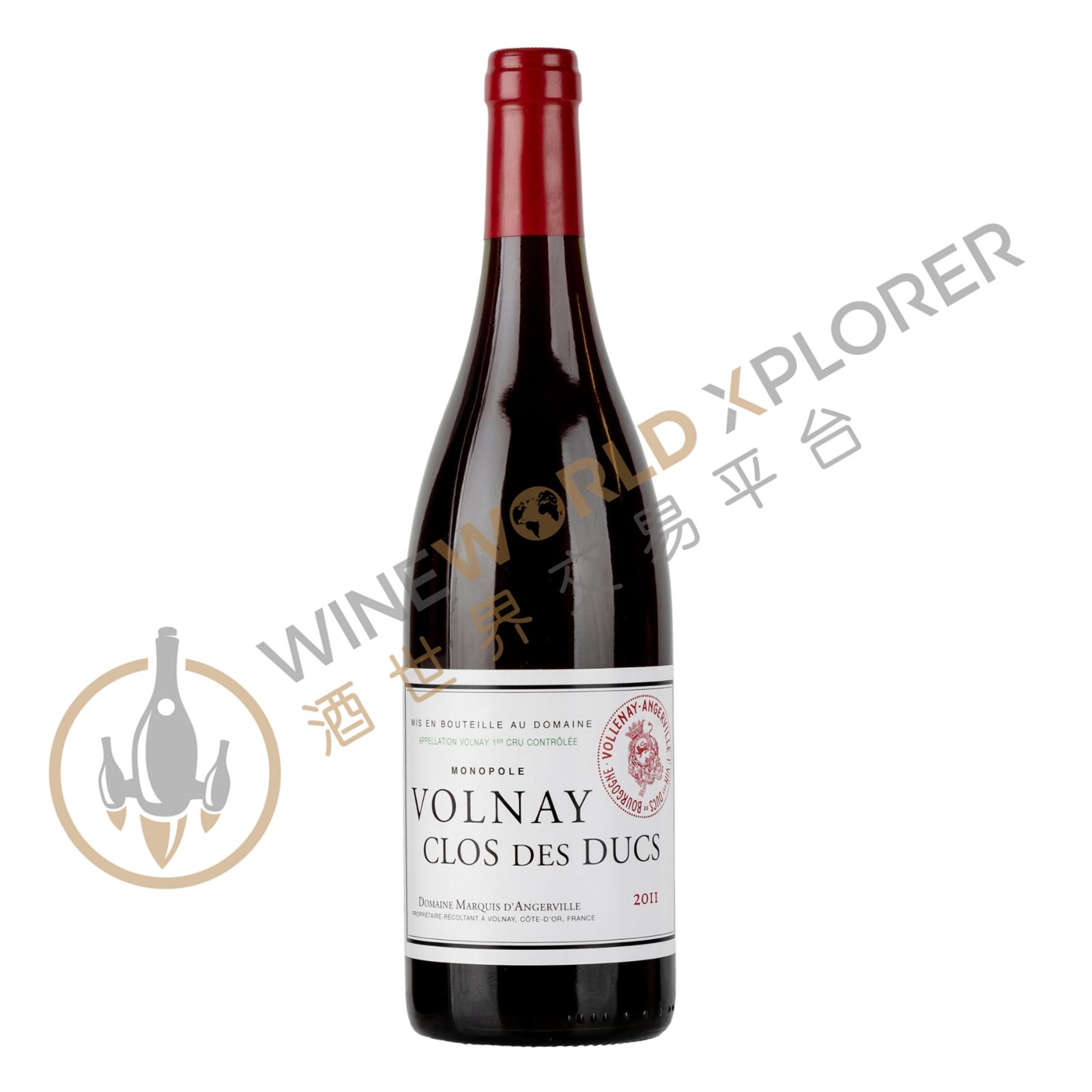
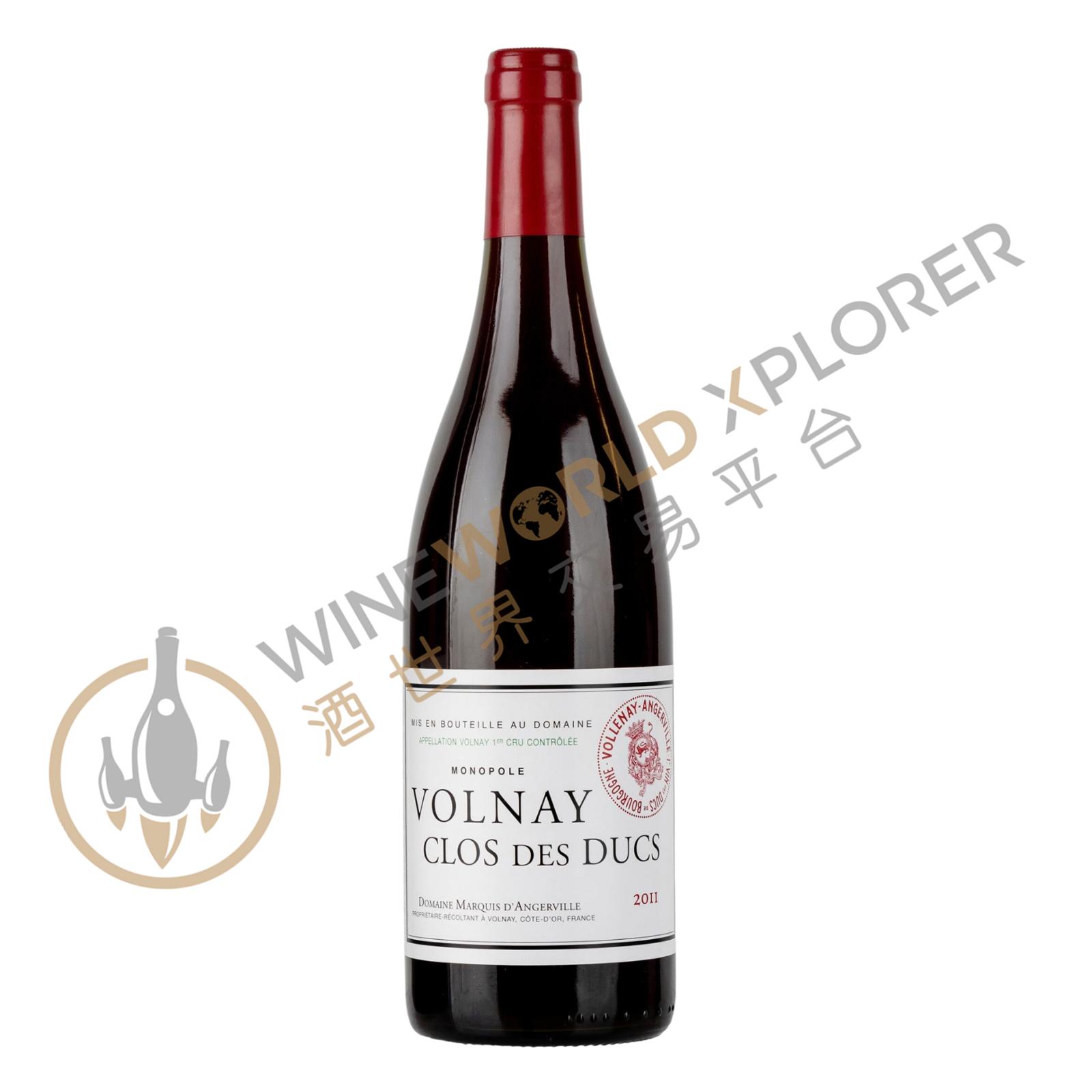
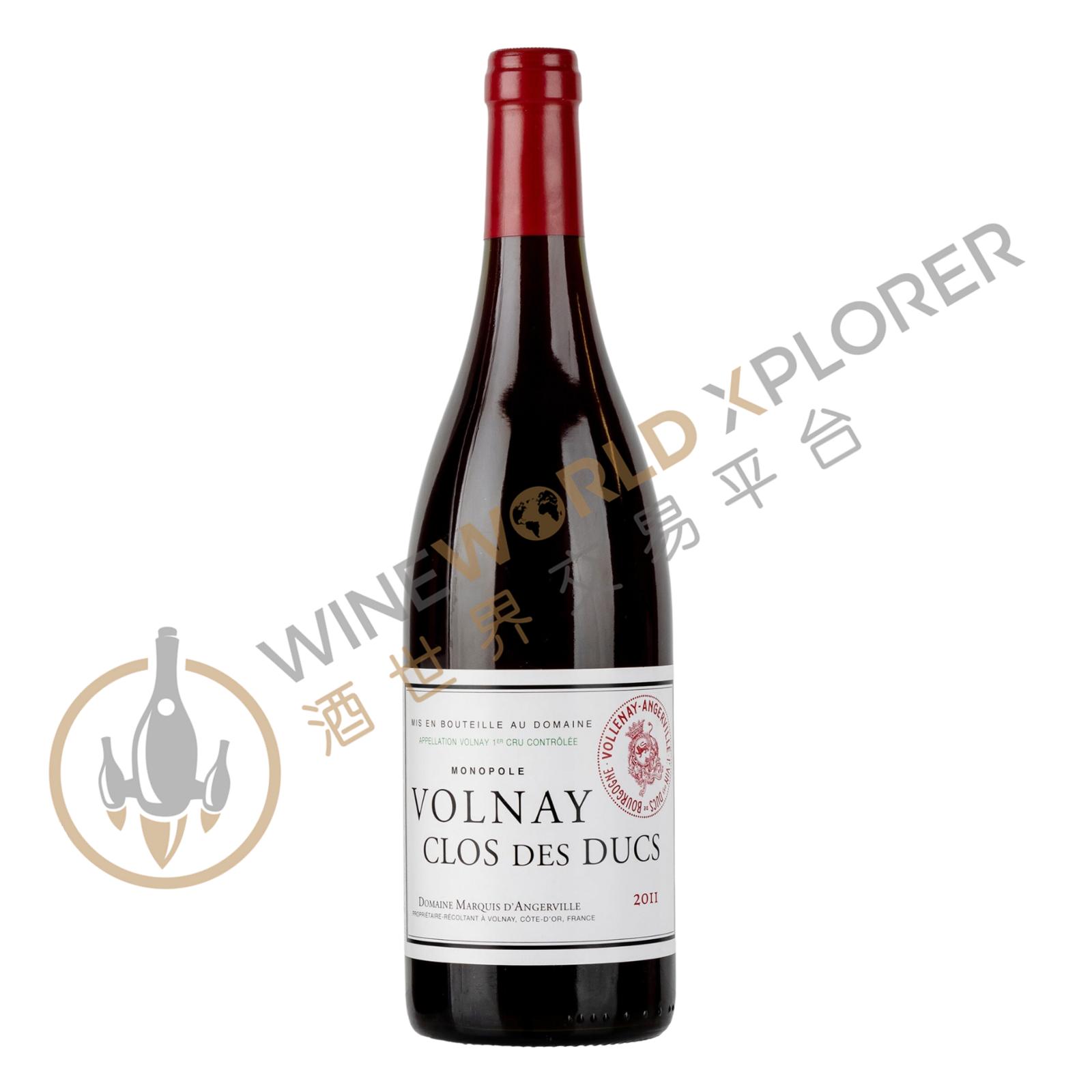
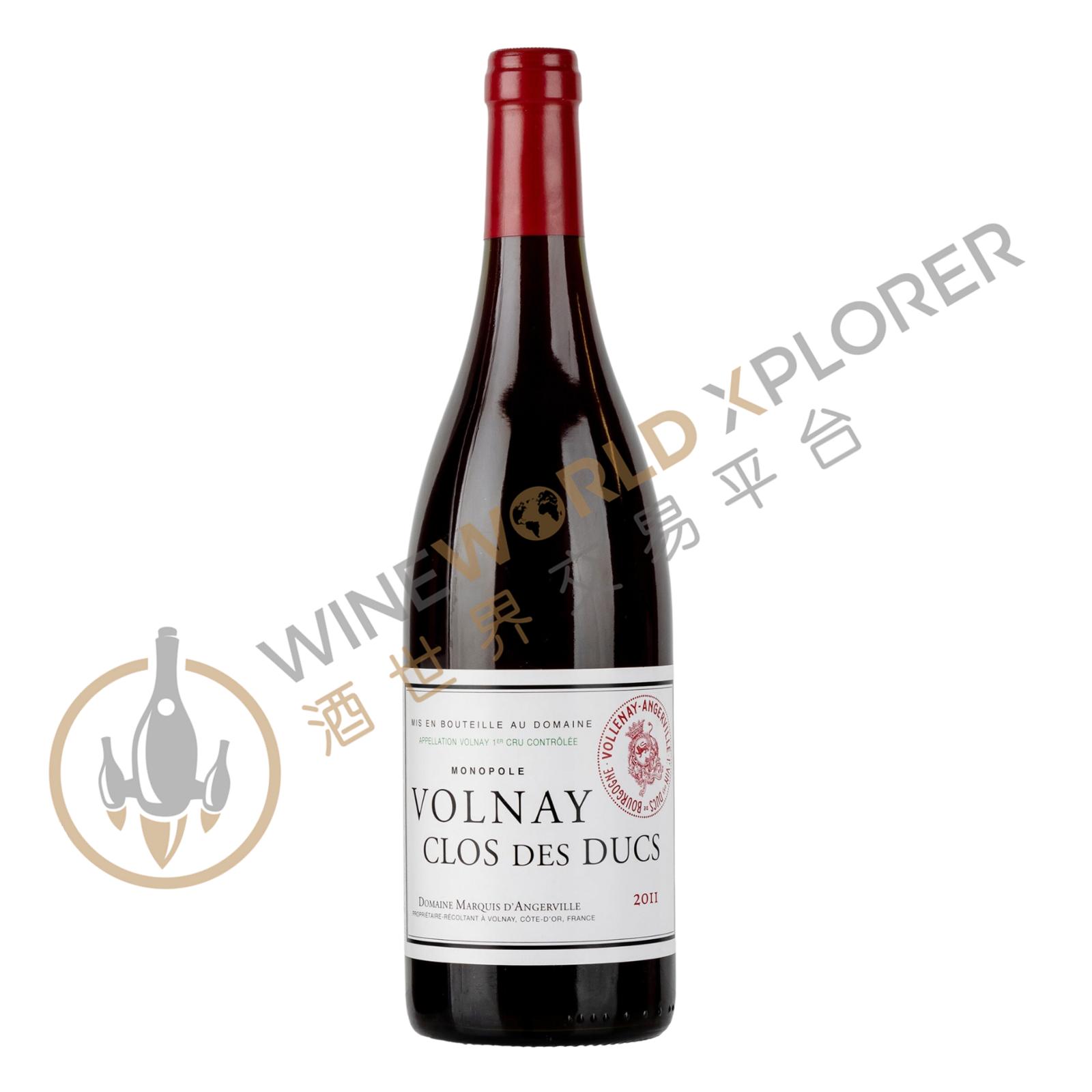
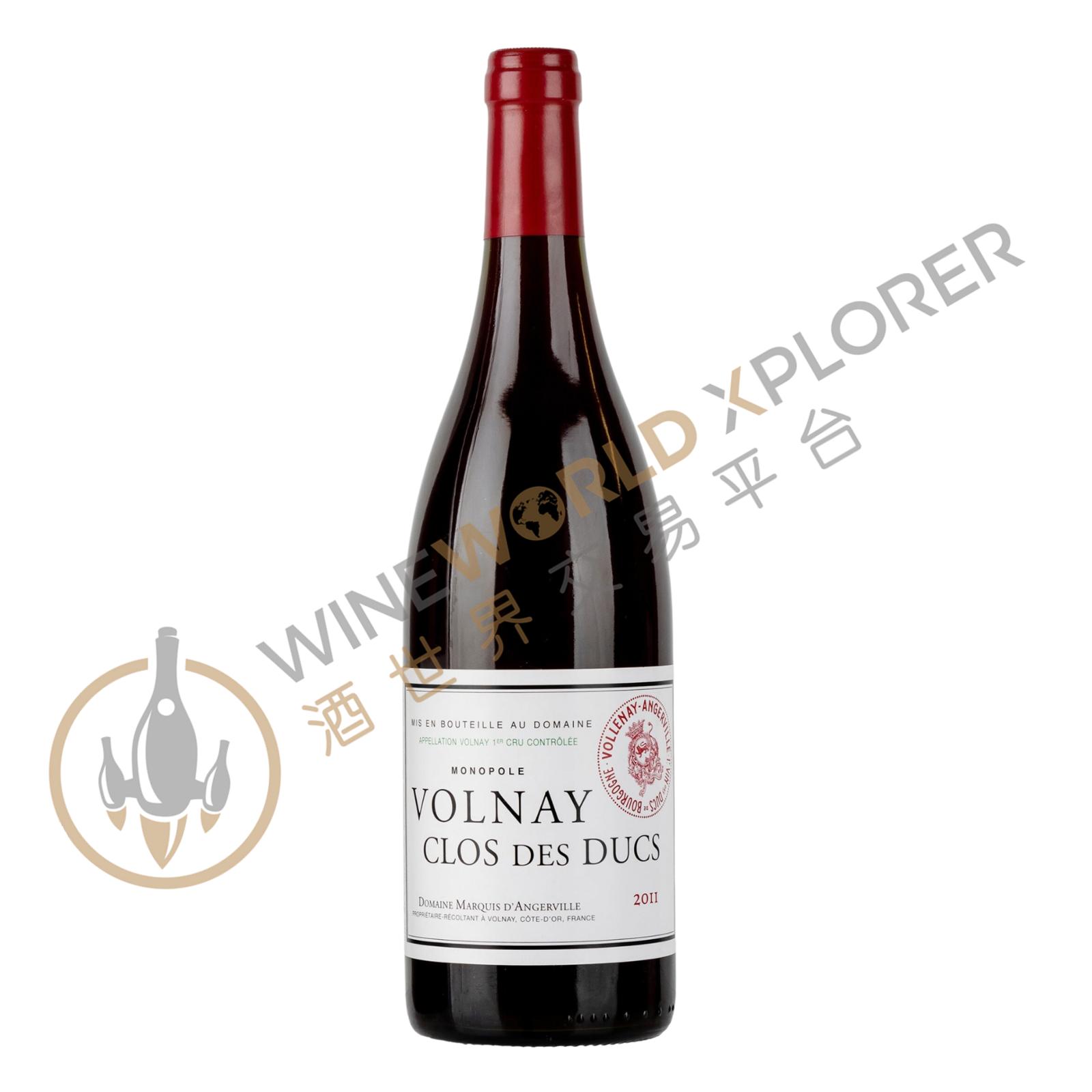
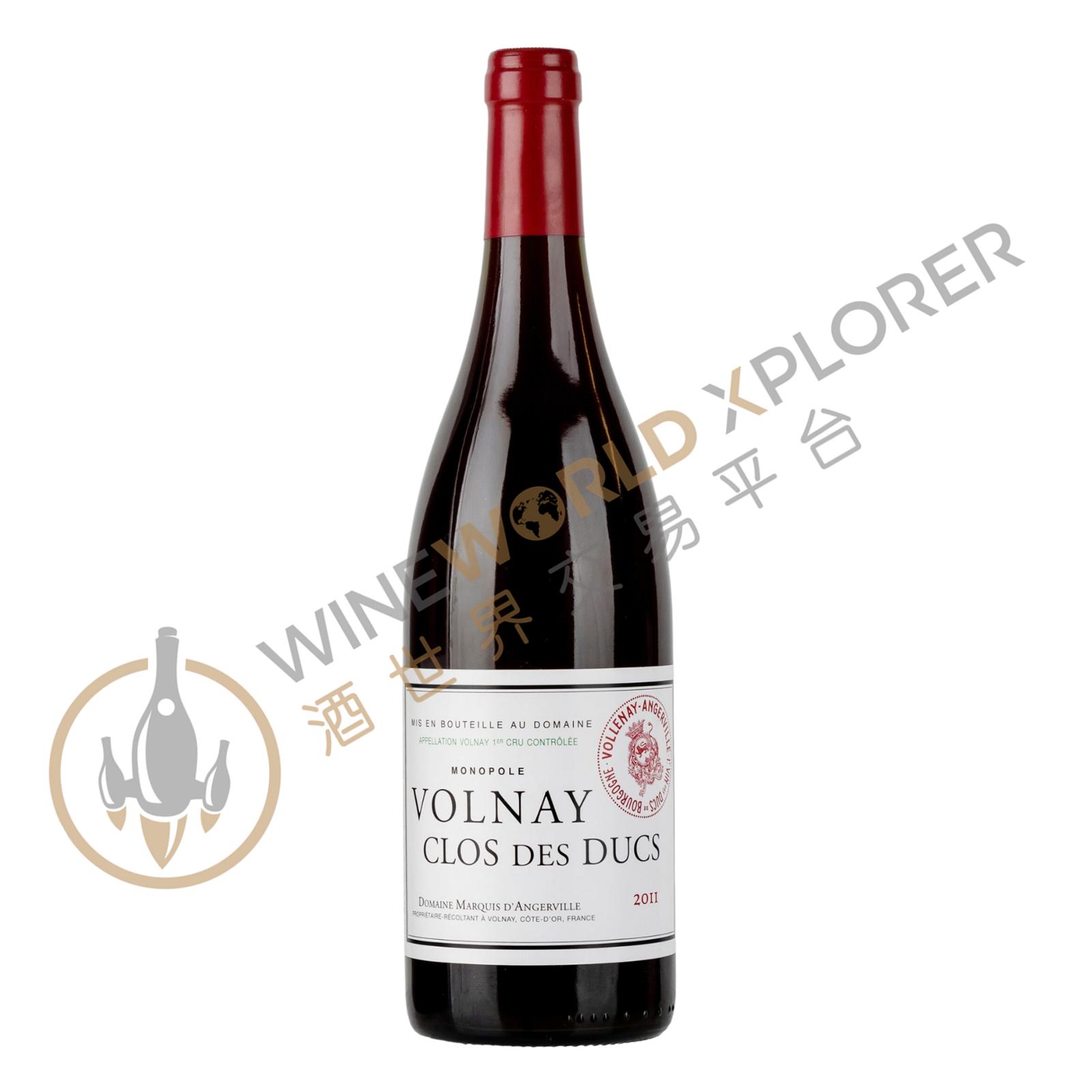
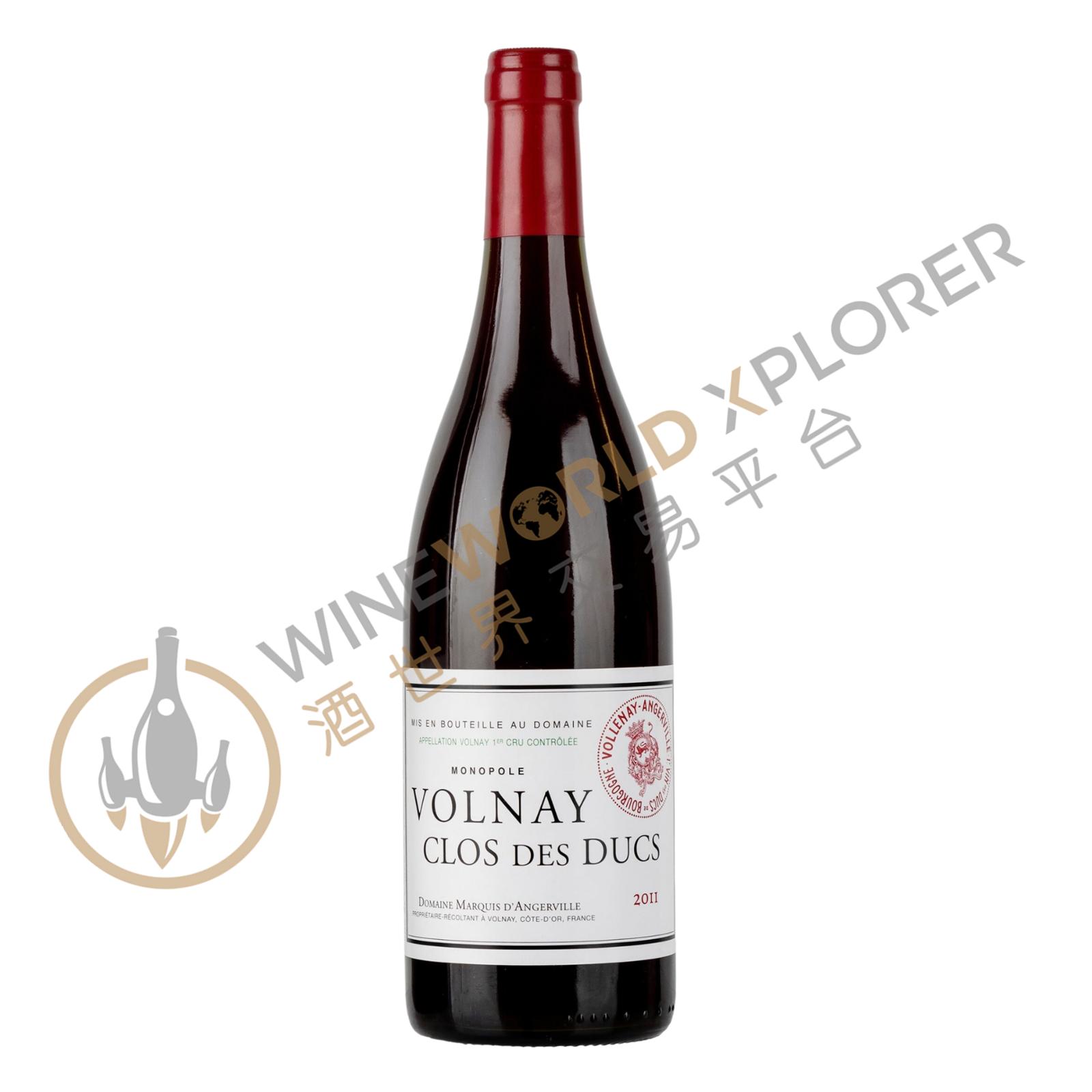
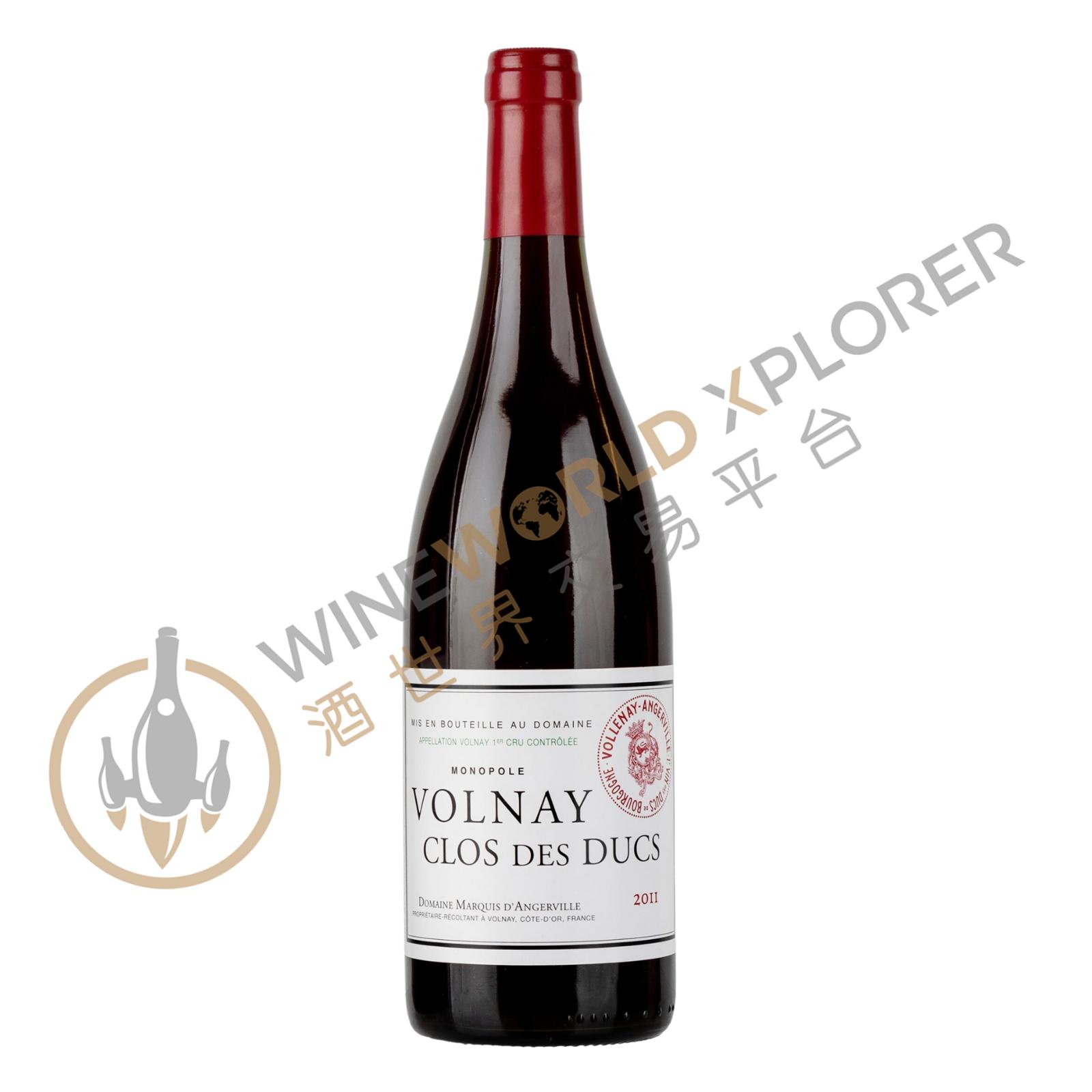
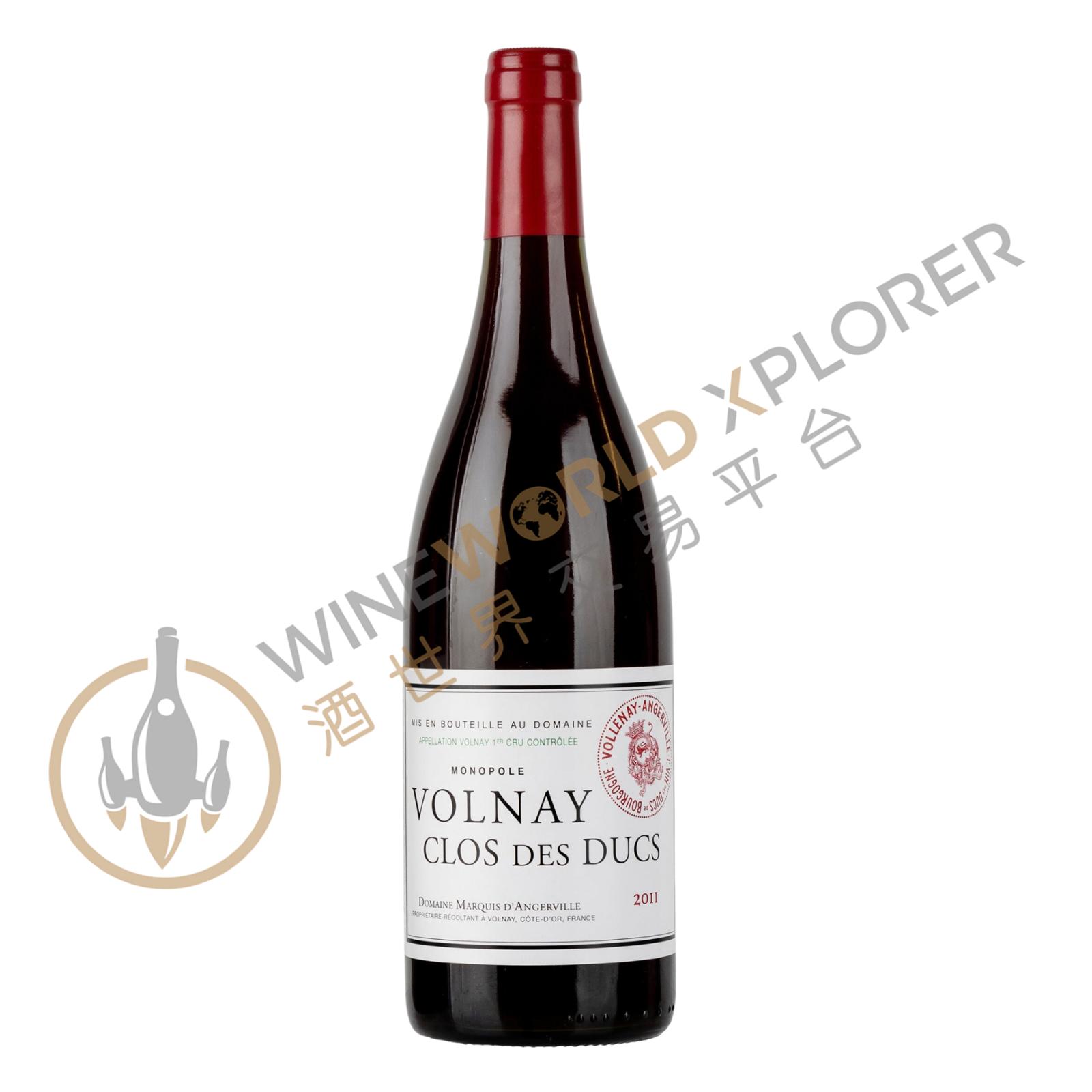
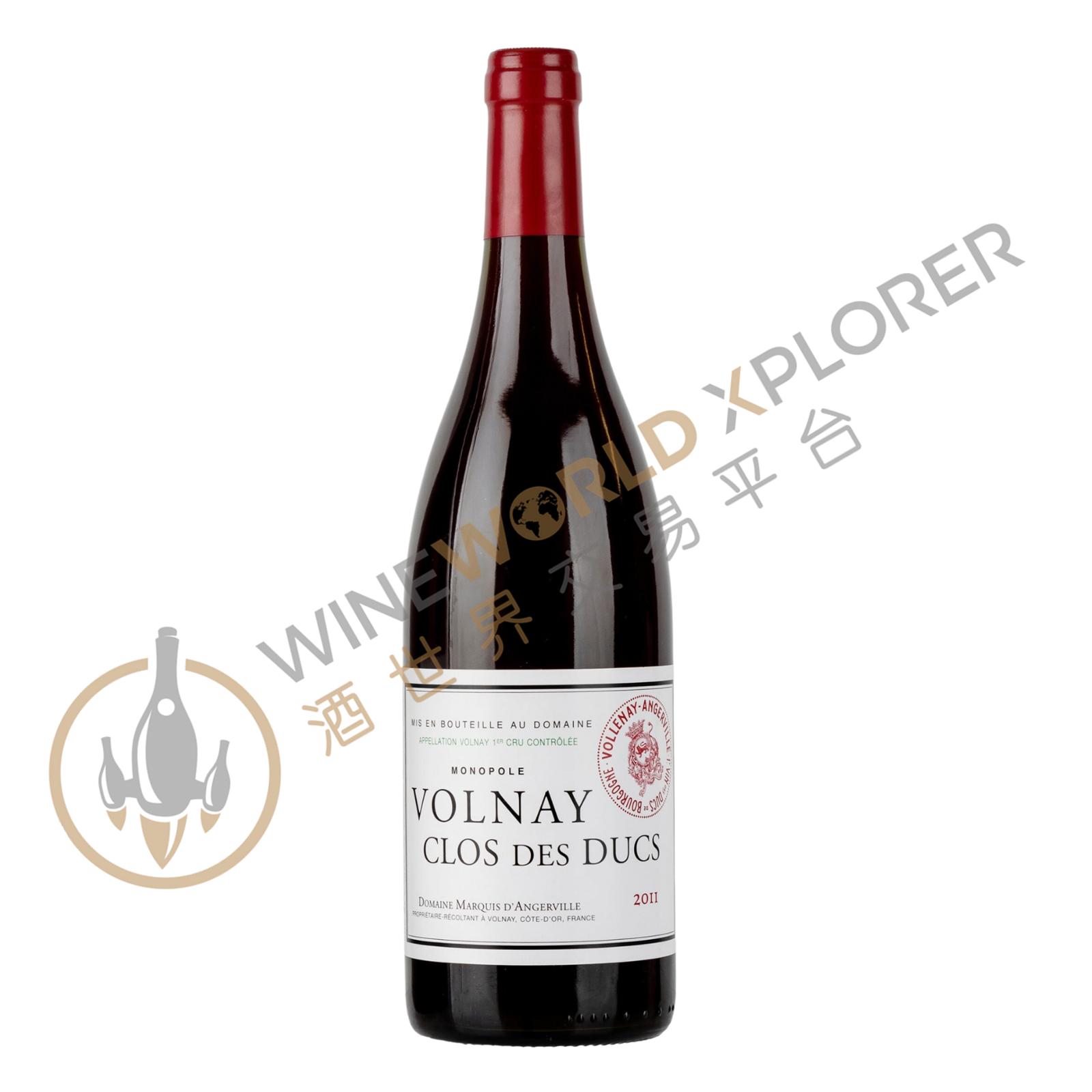
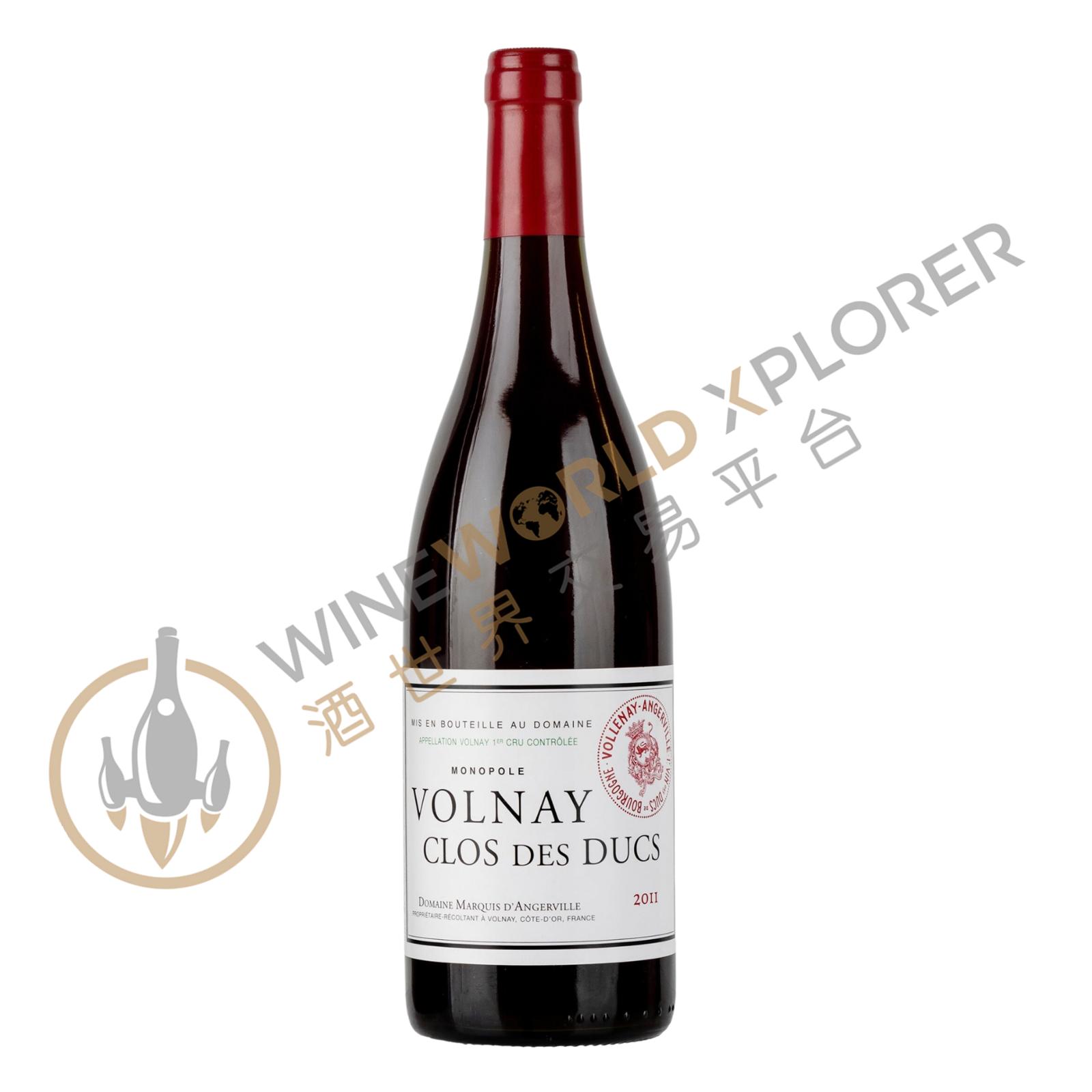
Marquis d'Angerville, Volnay 1er Cru Clos des Ducs 2008
 View analysis


Description
Tasting notes

Reviewed by: Neal Martin
The 2008 Volnay Clos des Ducs 1er Cru is much more complex on the nose than the Champans, with brambly red fruit, a touch of loam developing with aeration. The palate is medium-bodied with firm tannins, taut and crisp, tightly wound red fruit, still quite austere towards the finish, but it gains a little more flesh in the glass. Serious though, and I can see it continuing to age in bottle.
Reviewed by: Stephen Tanzer
Bright medium red. Pungent aromas of raspberry, cherry, minerals and spices. Lush and silky in the mouth but with terrific energy and a weightless character to the flavors of red fruits, spices and flowers. This round but very young wine has a terrific spine for development in bottle. Finishes with a fine dusting of tannins and noteworthy vibrancy. Has the most dimension of this set of 2008s.
Reviewed by: Stephen Tanzer
Good bright, full red. Knockout nose projects scents of red cherry, raspberry and flowers. Silky and concentrated, with a texture different from the other 2008s at this address. Has the spiciness of the vintage but this has more mid-palate stuffing and underlying minerality. Finishes linear and very long. This is mostly from older vines, as the younger vines here do not go into this cuvee
Reviewed by: Neal Martin
The Clos des Ducs has a much stonier nose that d’Angevilles other Crus. Very well defined, a little introverted but showing the quality of its terroir. The palate has a citric freshness, lovely poise and crispness, perhaps cutting away short on the finish. But the clarity of this Volnay is wonderful. The Clos de Ducs is exquisite medium-term drinking. Drink now-2022. Tasted January 2010.
Reviewed by: David Schildknecht
Game, leather, forest floor and black tea and peat smokiness are prominent in the nose of d’Angerville’s 2008 Volnay Clos Des Ducs in a way not approached by any of its siblings. Similarly, bittersweet, iris-like inner-mouth floral perfume lends a dimension dear to lovers of Volnay that was not in evidence in other d’Angerville 2008s, at least at this stage. These distinctions noted, there is red berry profusion here, too, and a sappy, energetic overall impression, encompassing a gripping finish, and with mineral diversity – chalk, salt, iodine, alkali, and I-don’t-know-what – that helps guarantee that this firmly and finely structured Volnay will remain dazzlingly complex, if handsomely lean, for the next 15 or more years. Guillaume d’Angerville and Renaud de Villette had good reason for their upbeat assessment of 2008 quality given the vintage’s travails, notably July hail that ravaged their Champans and parts of their villages and Bourgogne holdings, as well as touching other sites. The hail came too soon in the season, though, to have ill-effects on the eventual health of the fruit, and the team did not start picking until the 27th of September. With the exception of Clos des Ducs and Taillepieds – bottled the week of my April visit, but showing no ill-effects, au contraire – the 2008s were bottled in early March. Importer: Diageo Chateau and Estate Wines Company, New York, NY; tel. (212) 419-1400
Reviewed by: Neal Martin
The 2008 Volnay Clos des Ducs 1er Cru is much more complex on the nose than the Champans, with brambly red fruit, a touch of loam developing with aeration. The palate is medium-bodied with firm tannins, taut and crisp, tightly wound red fruit, still quite austere towards the finish, but it gains a little more flesh in the glass. Serious though, and I can see it continuing to age in bottle.
About the Producer
History Domaine Marquis D'Angerville began in the 19th century. In 1804, Baron du Mesnil, the sub-prefect of Autun in Burgundy commune acquires property Clos des Ducs in Volnay - the heart of the appellation Côte de Beaune. Surrounding areas were formerly part of the famous vineyards of Burgundy Dukes Taillepieds, Caillerets and Champans. After the phylloxera epidemic, devastating vineyards in the late 19th century, the nephew and godson Baron du Mesnil, Marquis Sam d'Arzhenvy begins restoration of historic vineyards, re-planting of Pinot Noir grapes. A staunch supporter of "authentic wines" d'Arzhenvy opposes corrupt wine merchants, whose reputation is not always perfect. He becomes the first manufacturer in the region of bottled wines, independently engaged and their subsequent implementation. Due to its unwavering commitment to quality and authenticity of the products d'Arzhenvy Sam was one of the founders of the National Institute of Origin and Quality (l'Institut National des Appellations d'Origine, (INAO)). Son of Sam d'Arzhenvy Jacques d'Arzhenvy, created his first vintage in 1945, and in 1952 he takes control of the estate. Following the tradition of Domaine Marquis d'Angerville, Jacques convinced that all the great wines are produced directly in the vineyards, and their success depends on the quality and the low yields of old vines. This approach, according to him, is more reasonable and effective than the "green fee" or thinning. Thus, after decades of observations and work on the selection of the best examples of Pinot Noir, the family d'Angerville received special honor to grow Pinot Noir under the naming "Pinot d'Angerville". From 1982 to 1987, Jacques d'Arzhenvy is chairman and honorary president of the Wine Academy of France. Throughout his life he devoted to the creation of the great wines of Volnay. After his father's death in 2003 his son William took control of the estate d'Arzhenvy in their hands, keeping the tradition of the manor transition from generation to generation. Currently he helps agronomist Renaud de Villette, who worked with Jacques d'Arzhenvy for fifteen years.
1993(1)1995(3)1996(1)1997(1)1998(1)1999(3)2000(2)2002(4)2003(1)2004(2)2005(3)2006(2)
Package Size