Wine Advisor



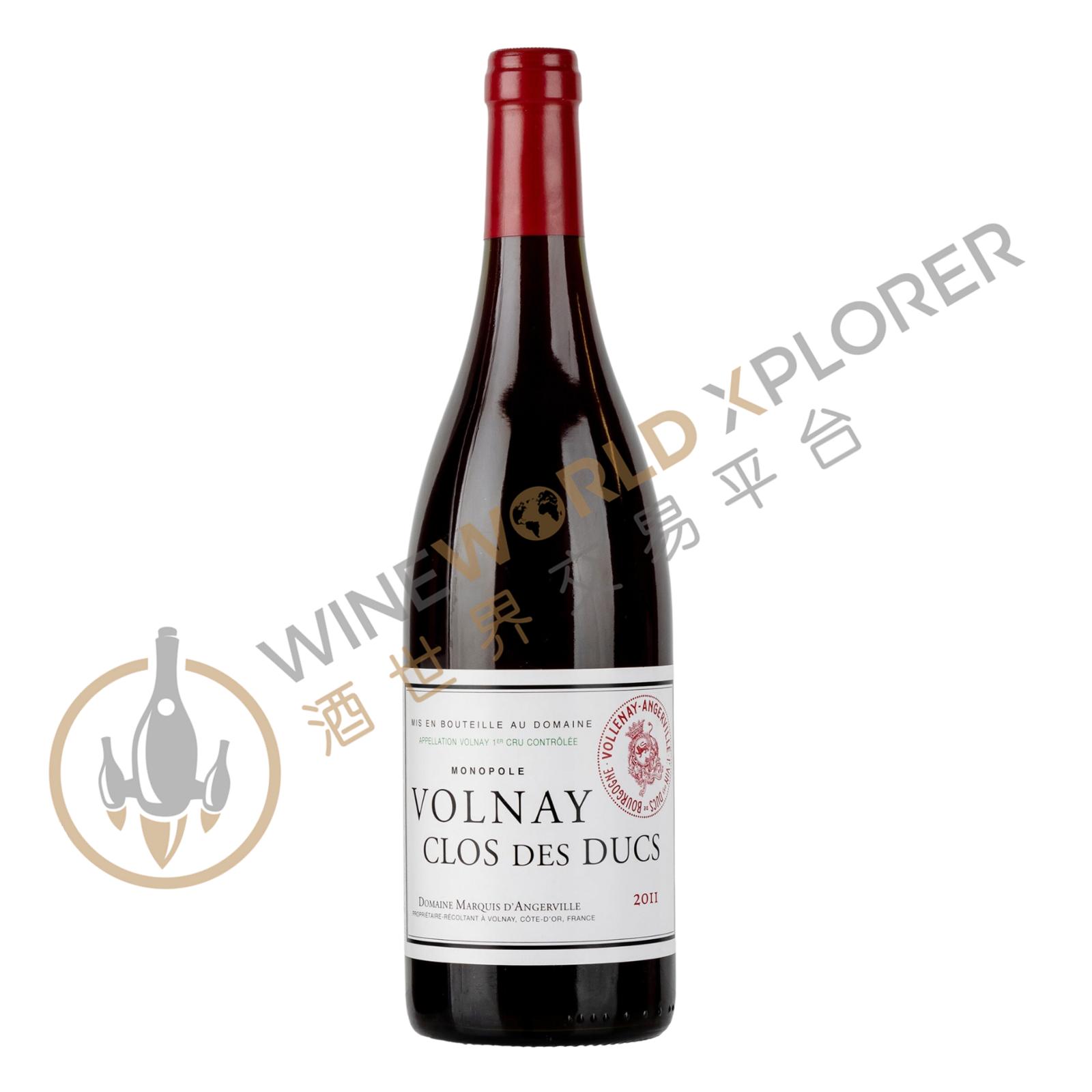
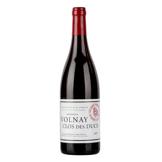
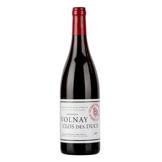
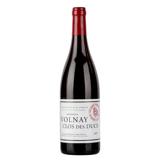
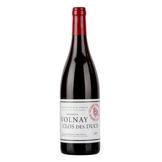
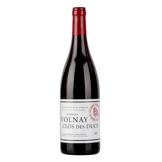
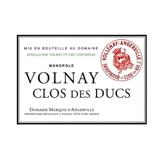
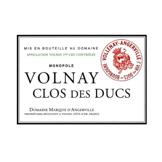
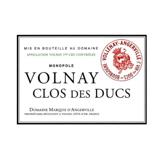
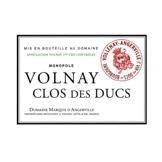
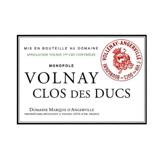
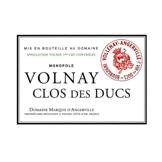
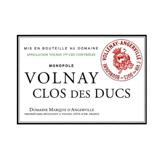
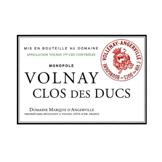
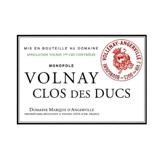
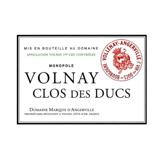
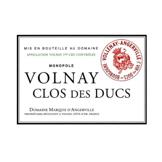
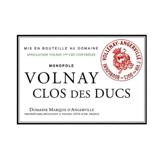
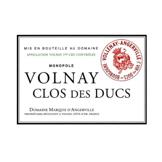
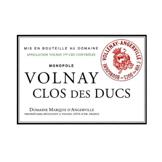
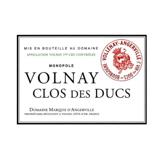
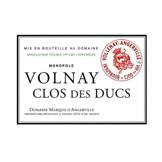
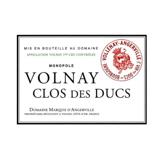
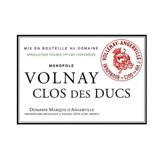
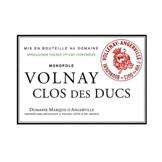
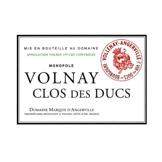
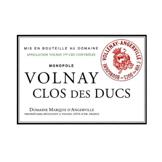
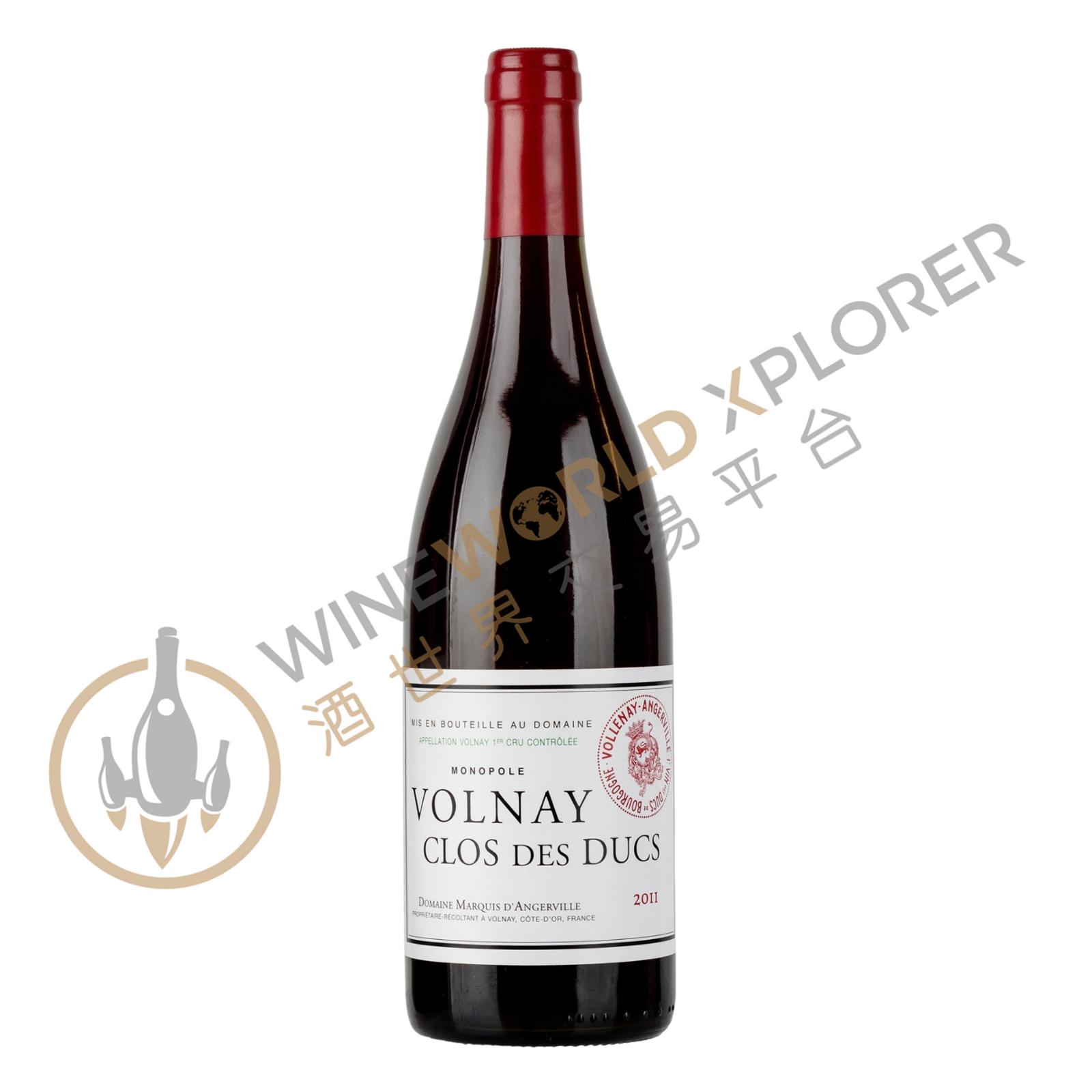
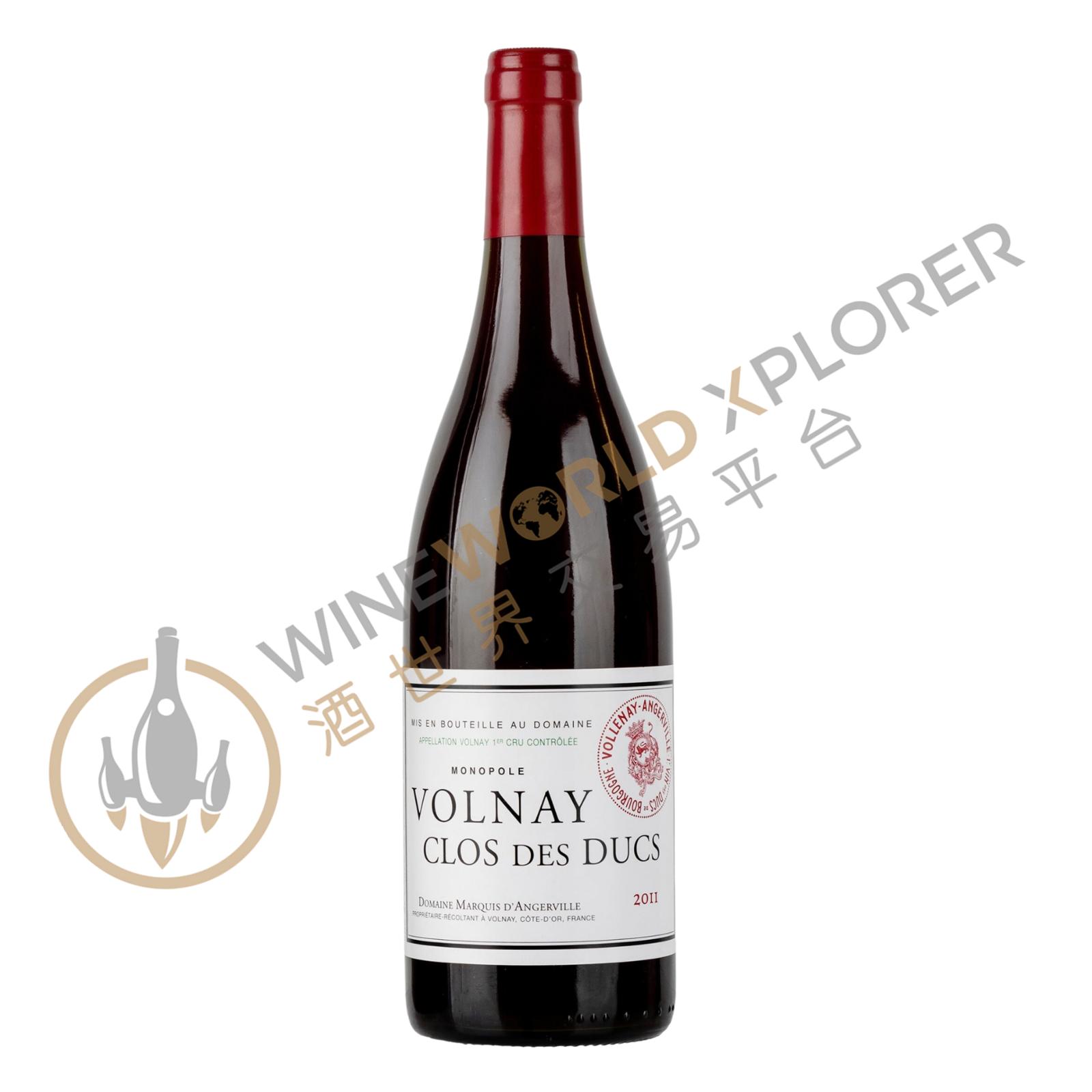
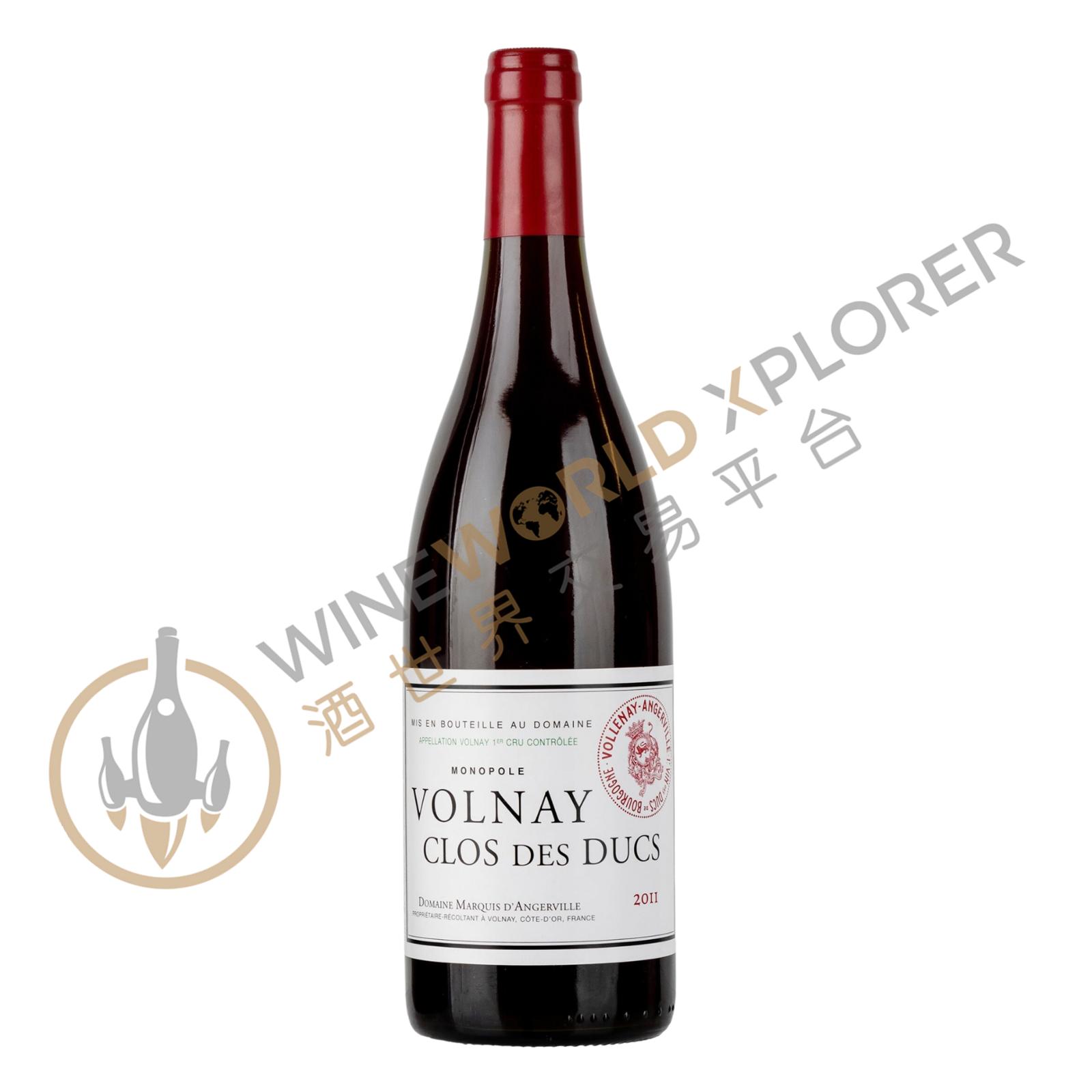
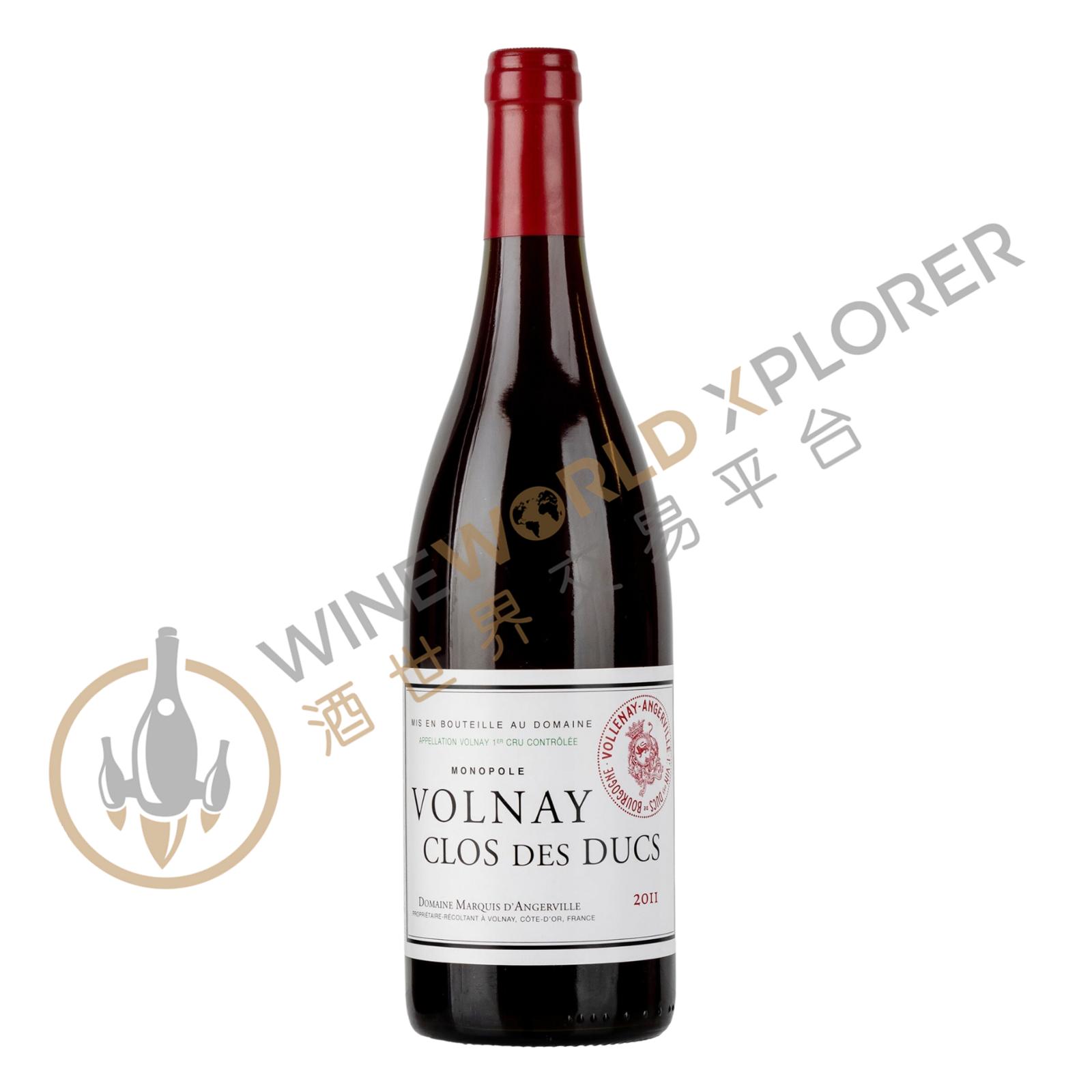
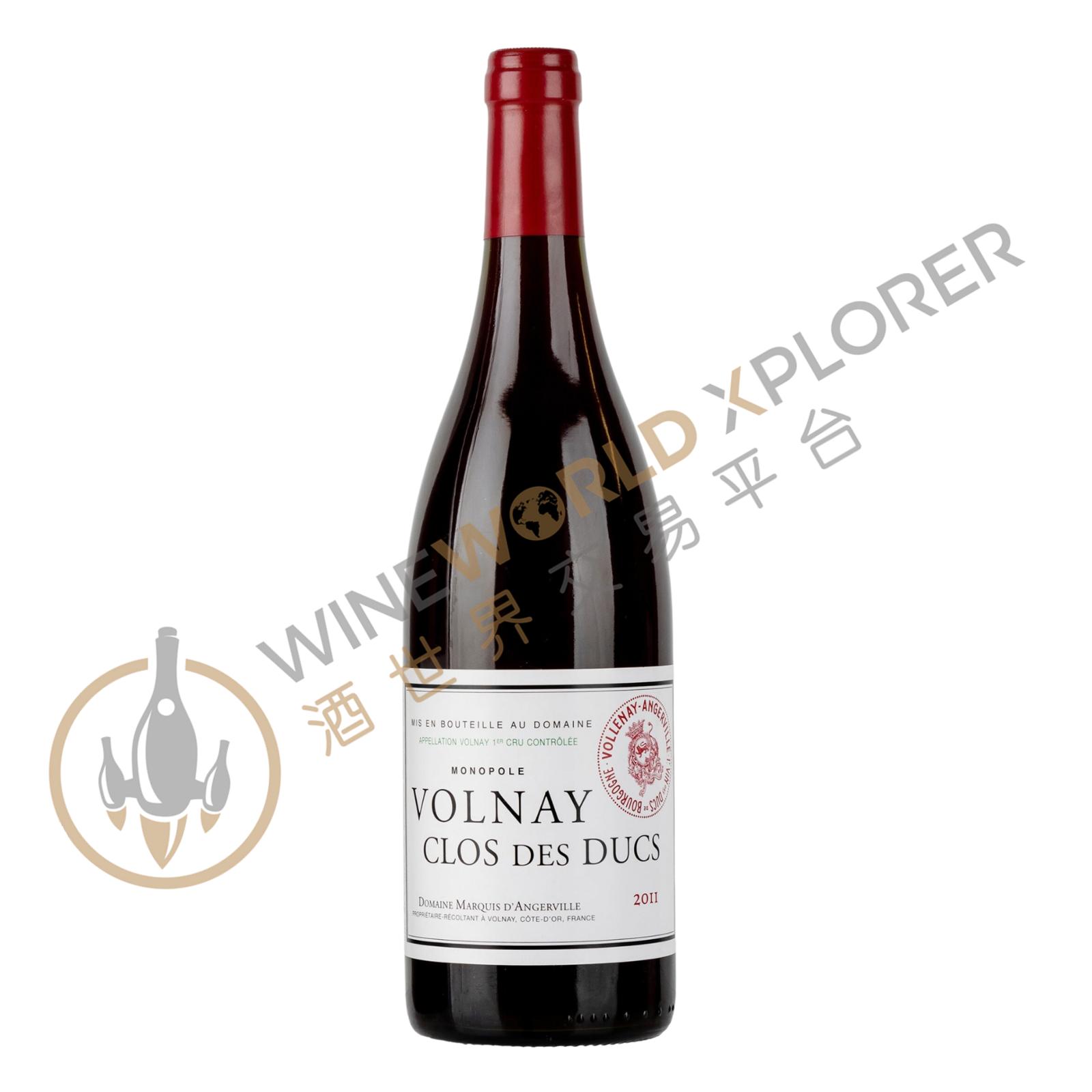
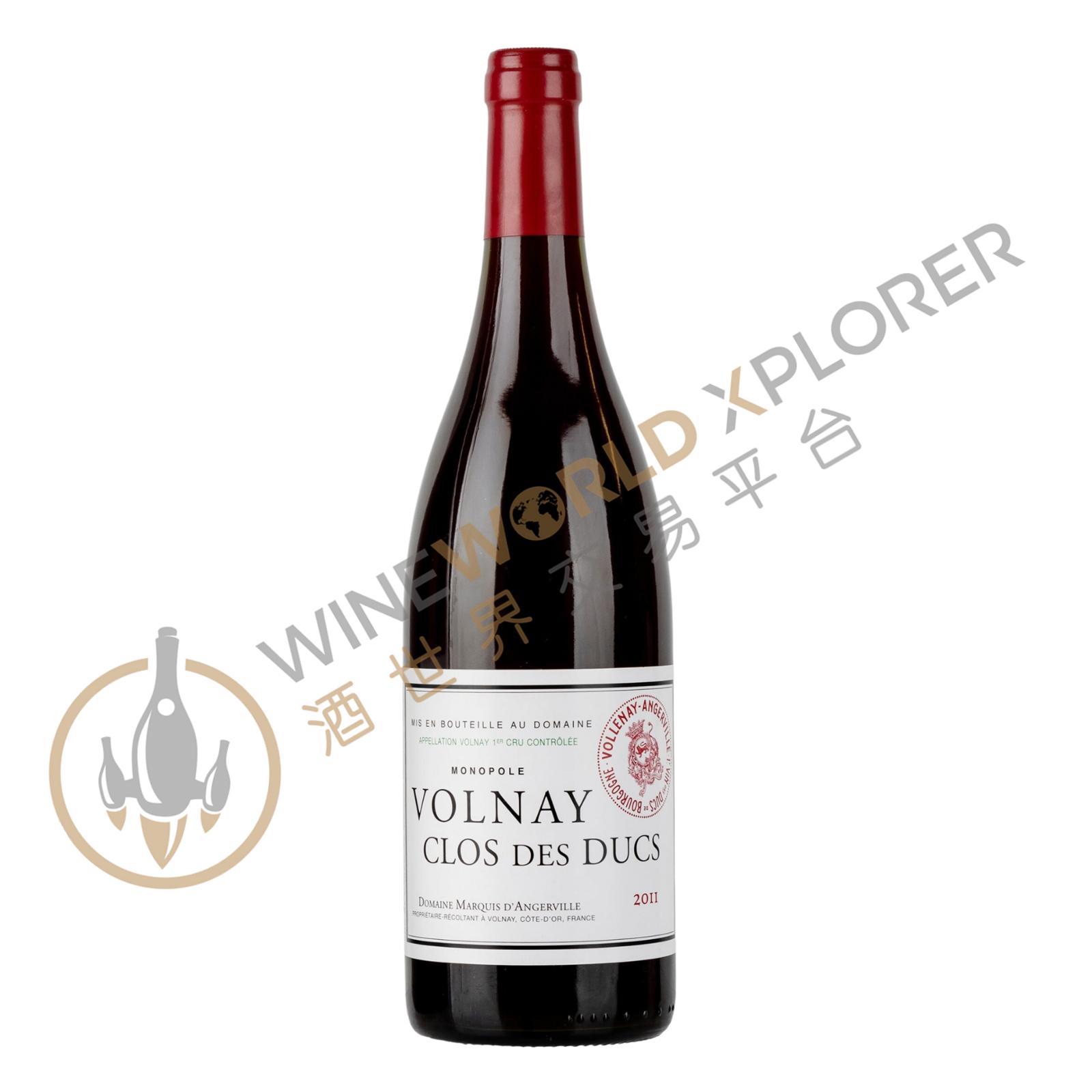
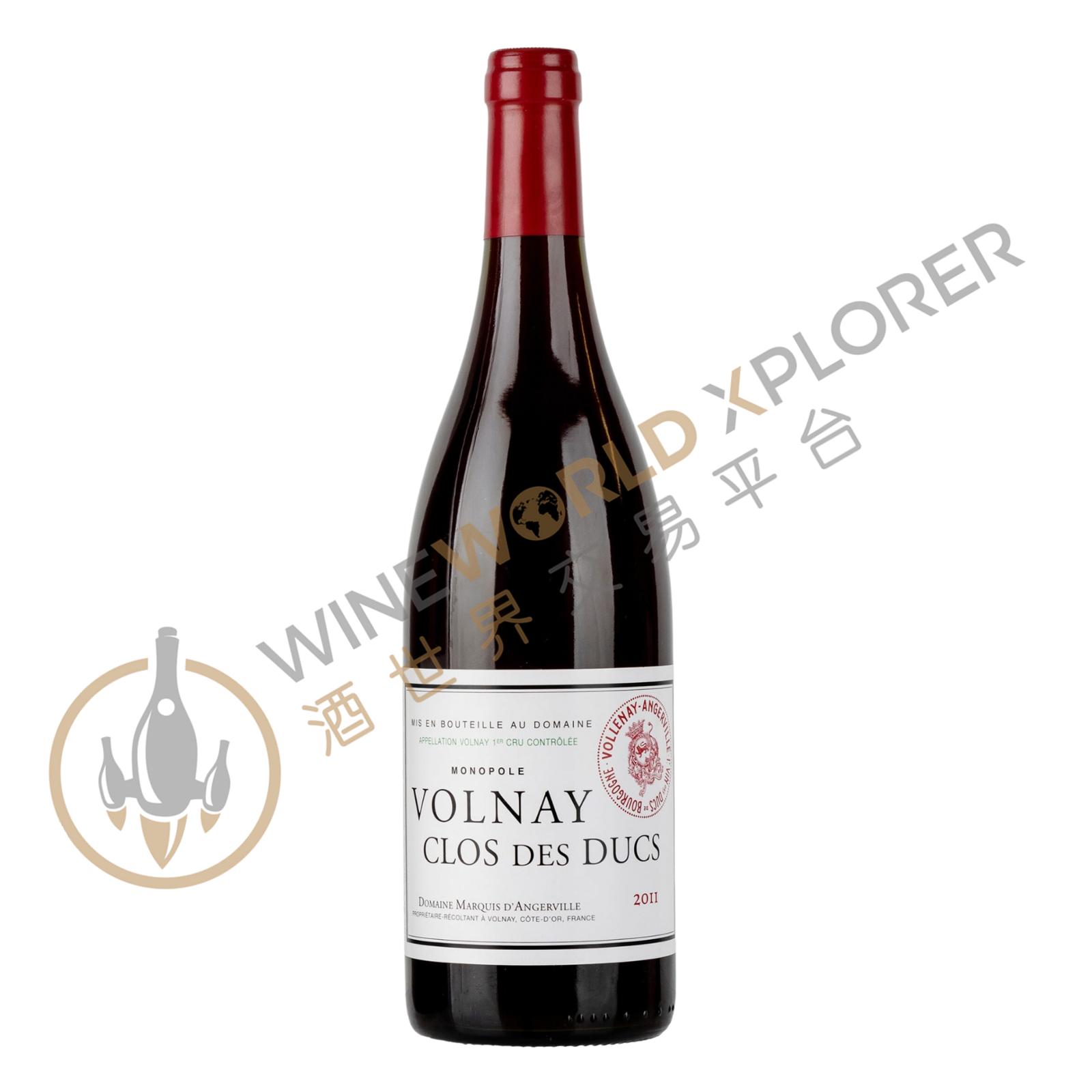
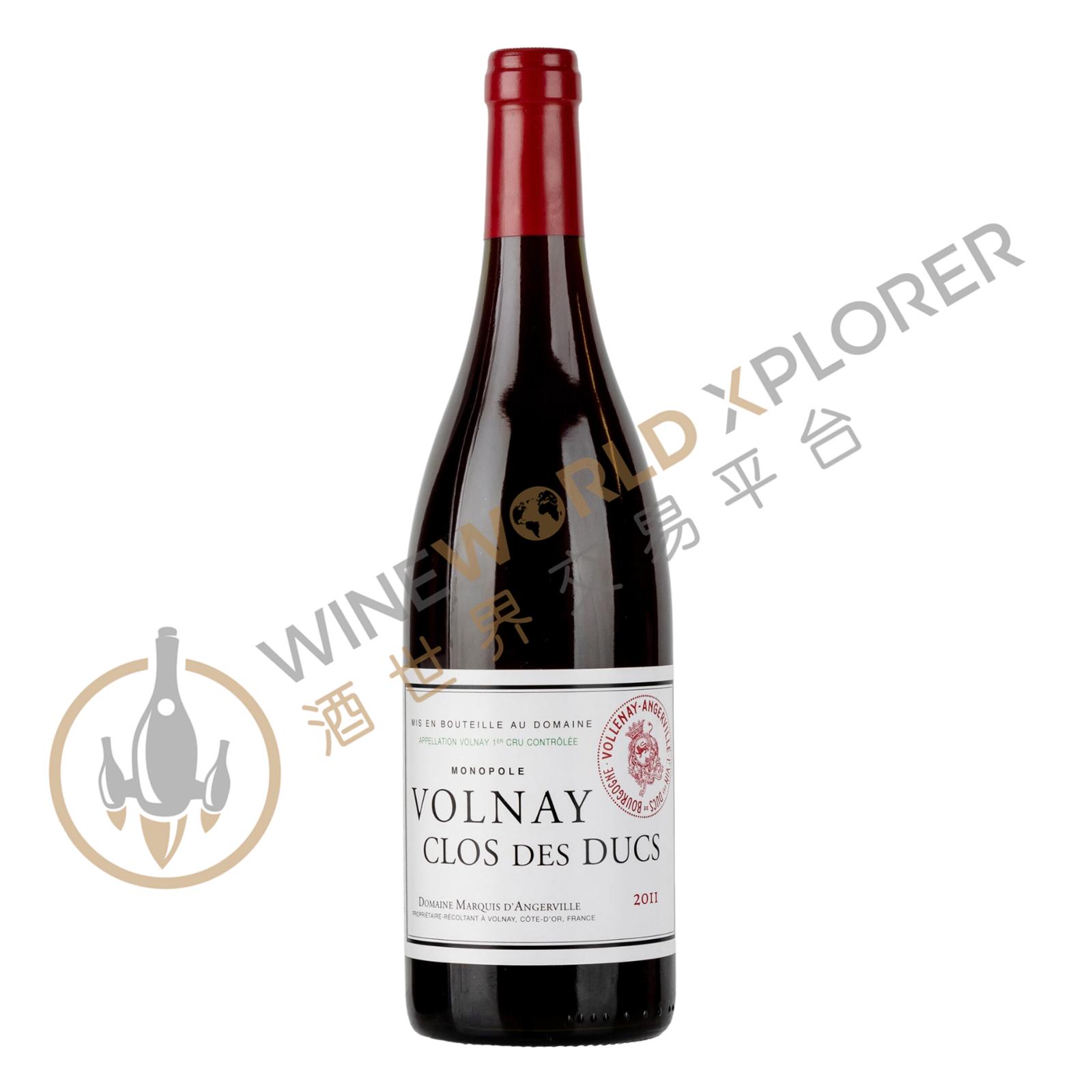
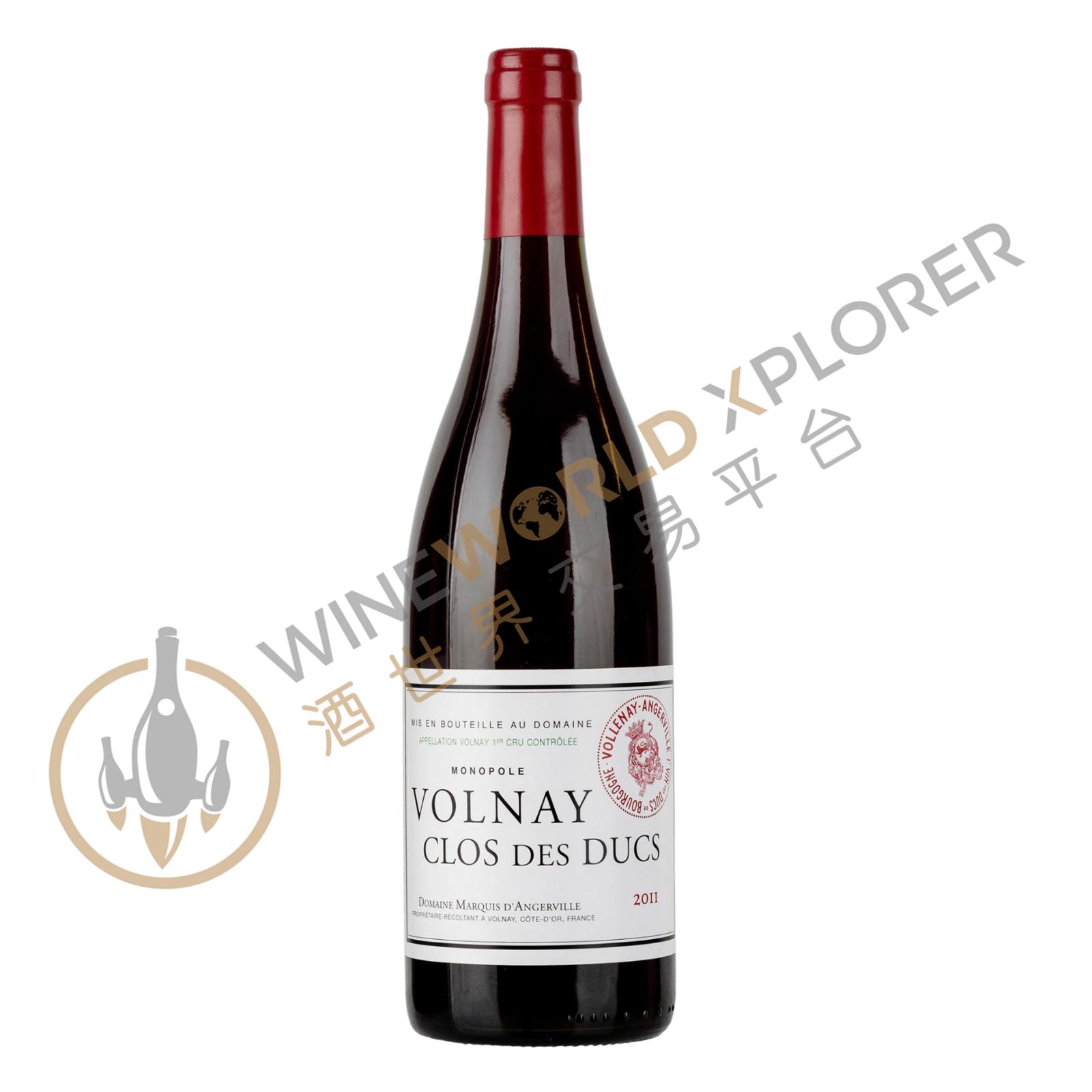
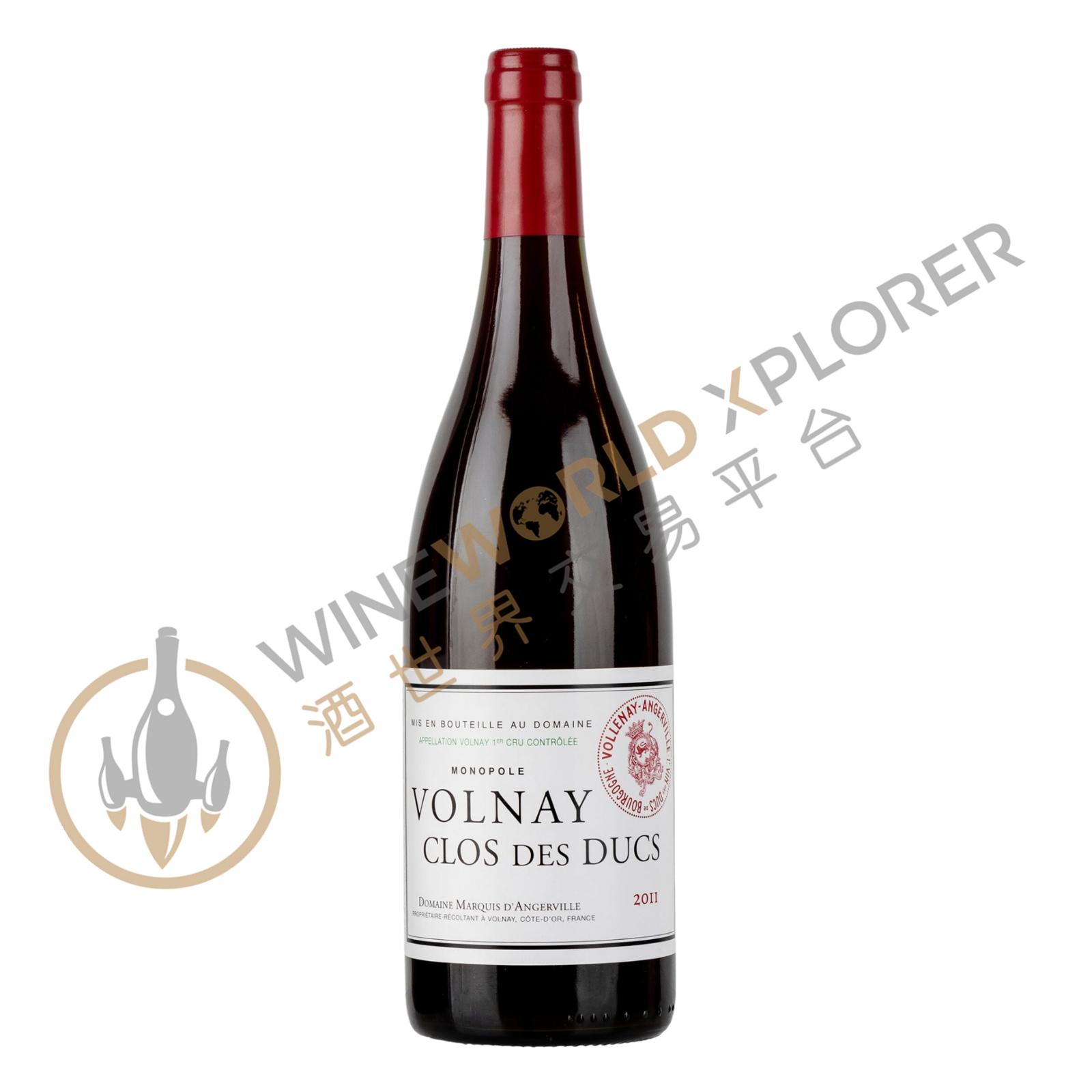
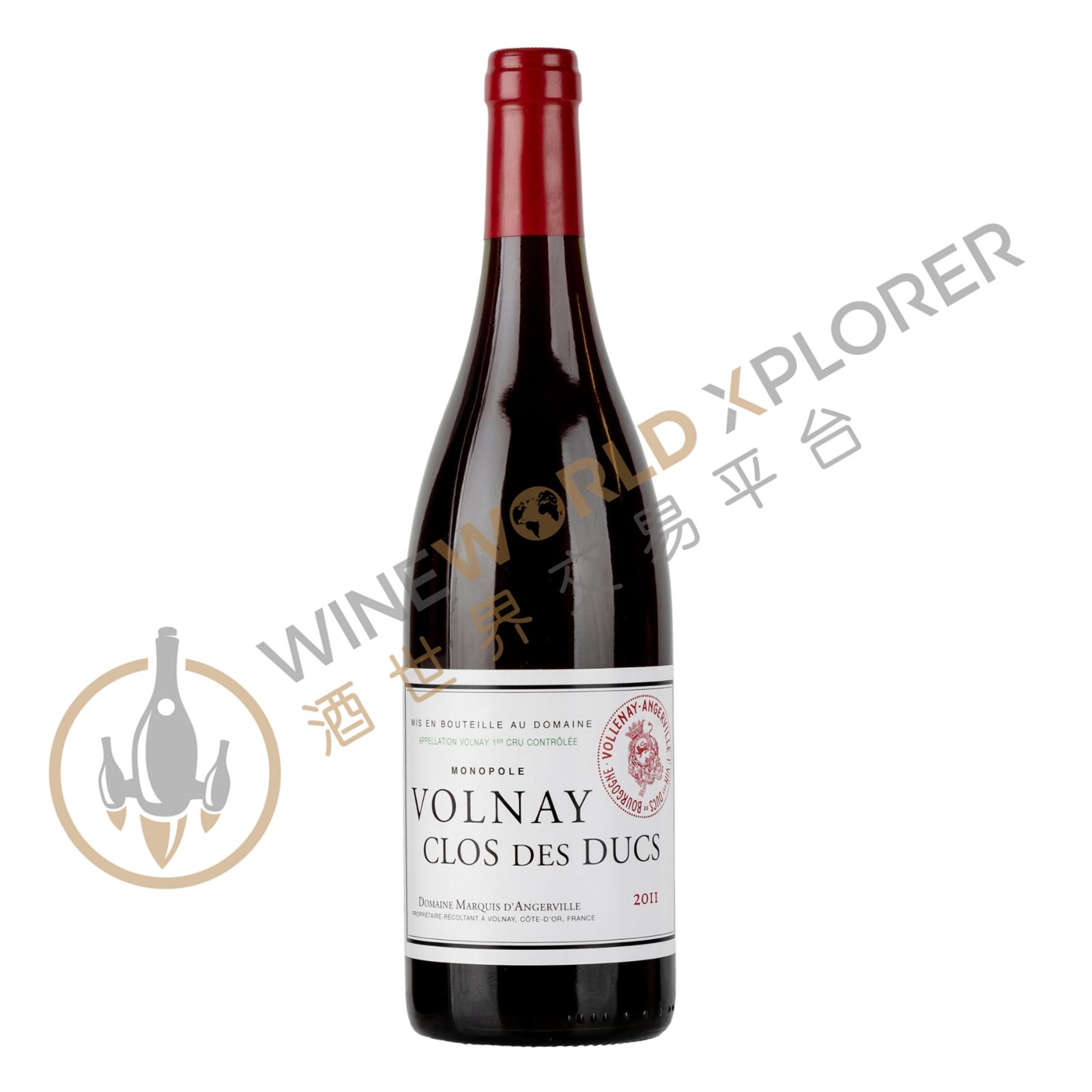
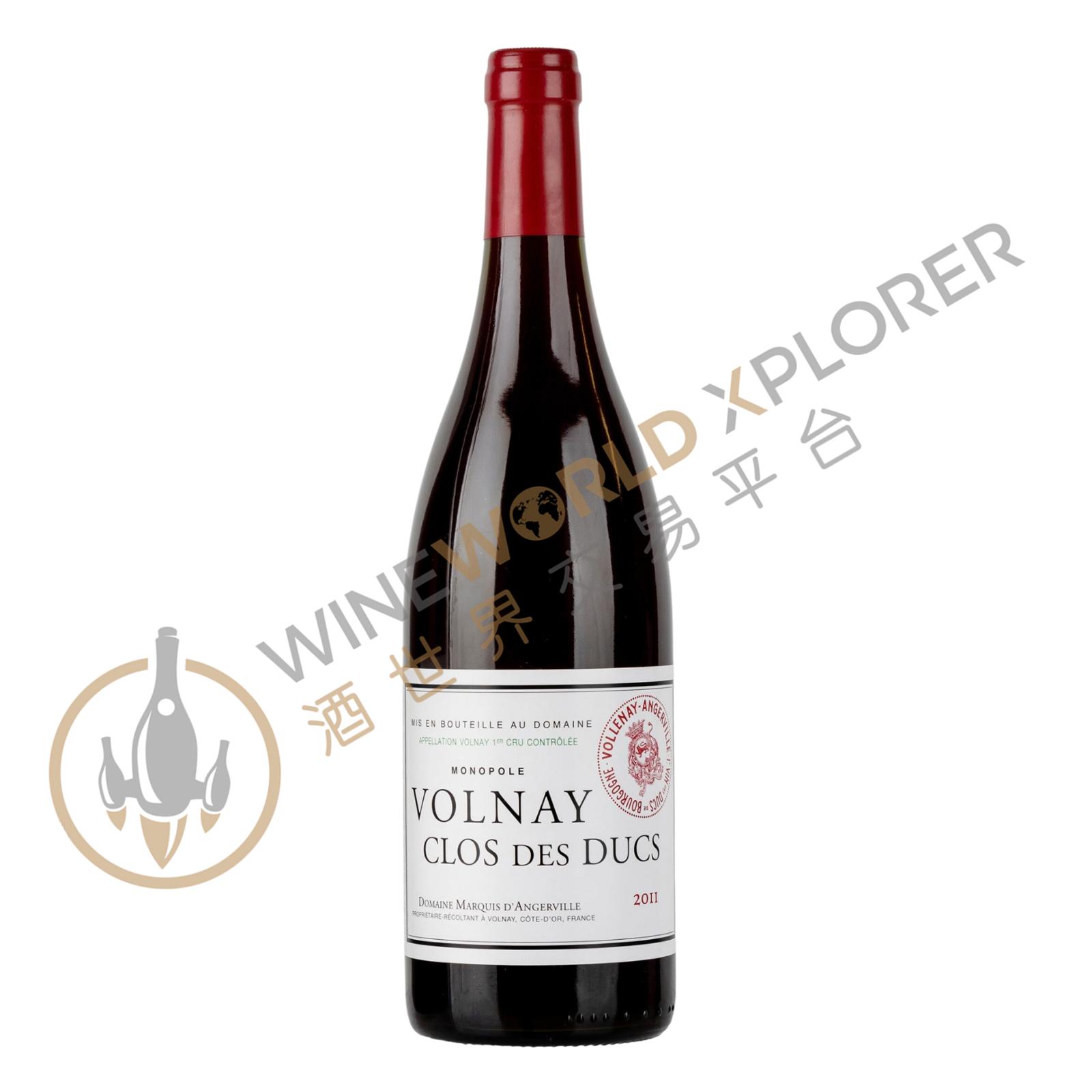
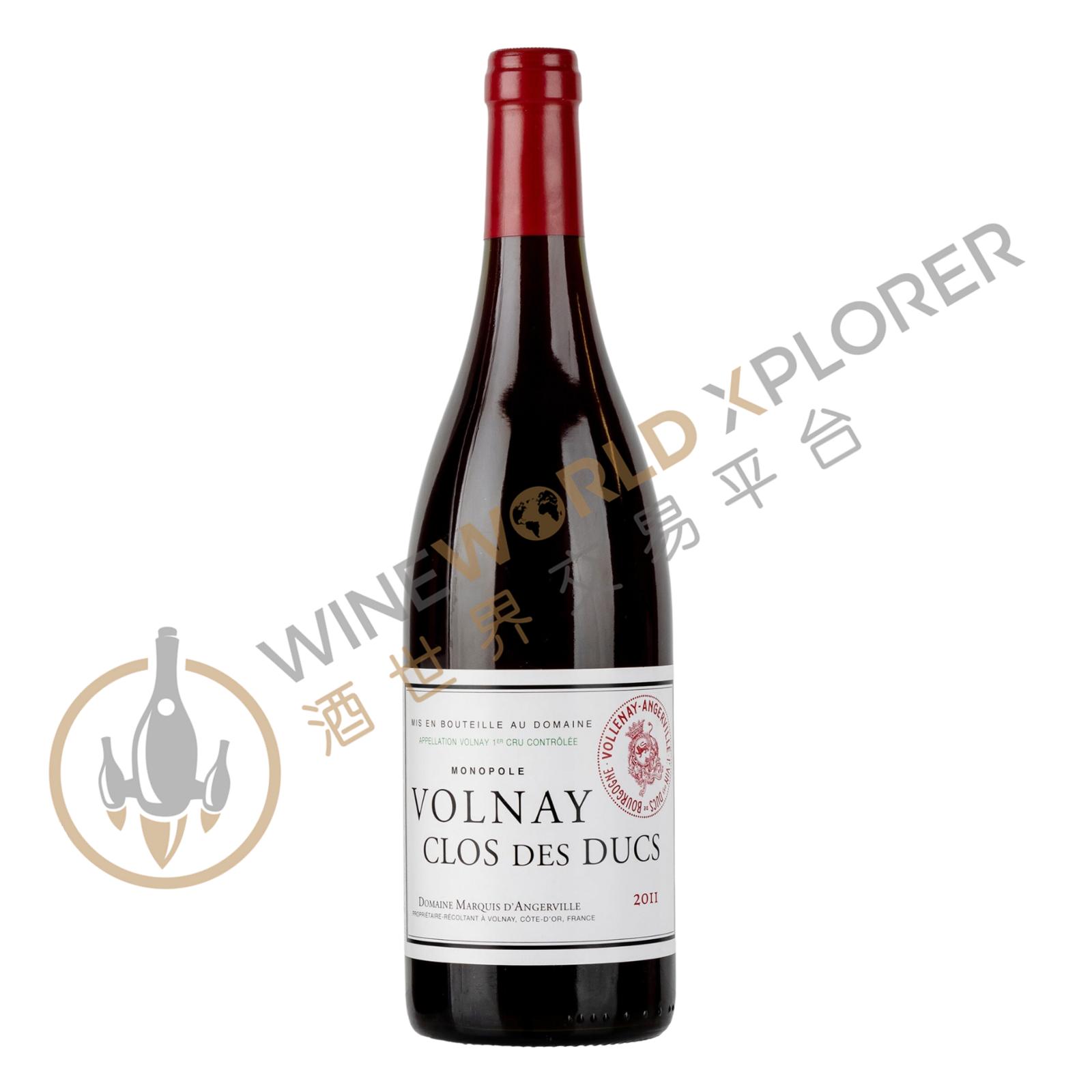
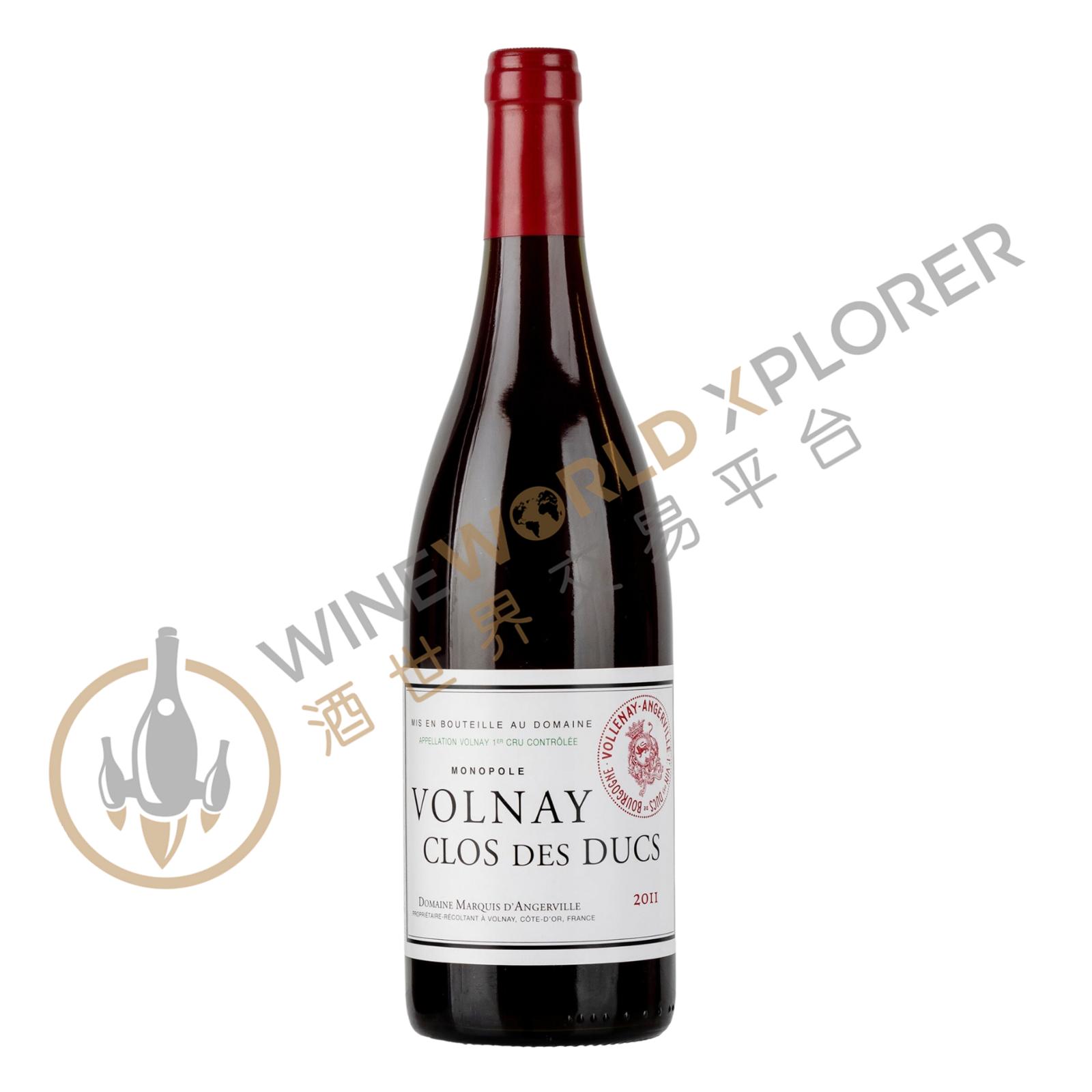
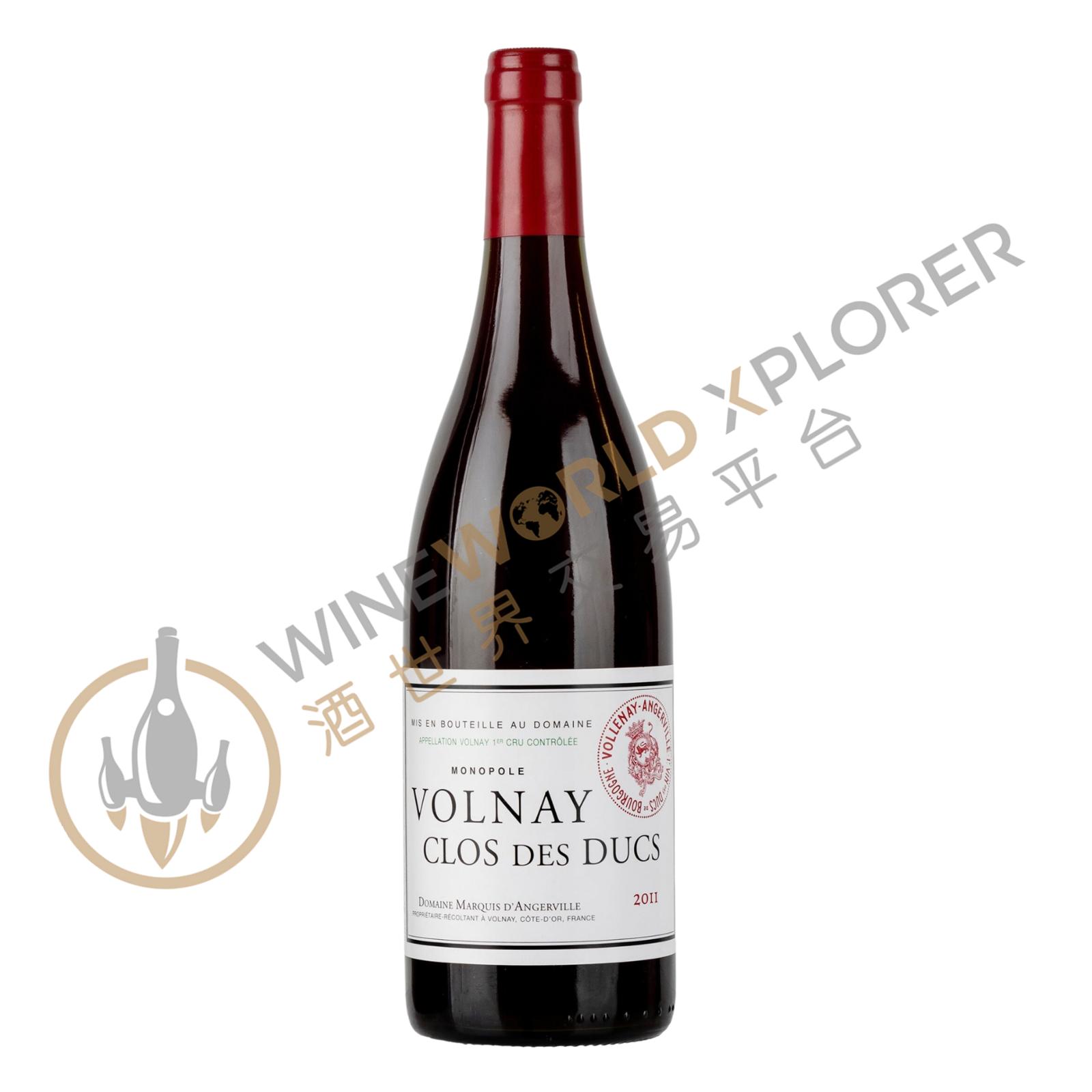
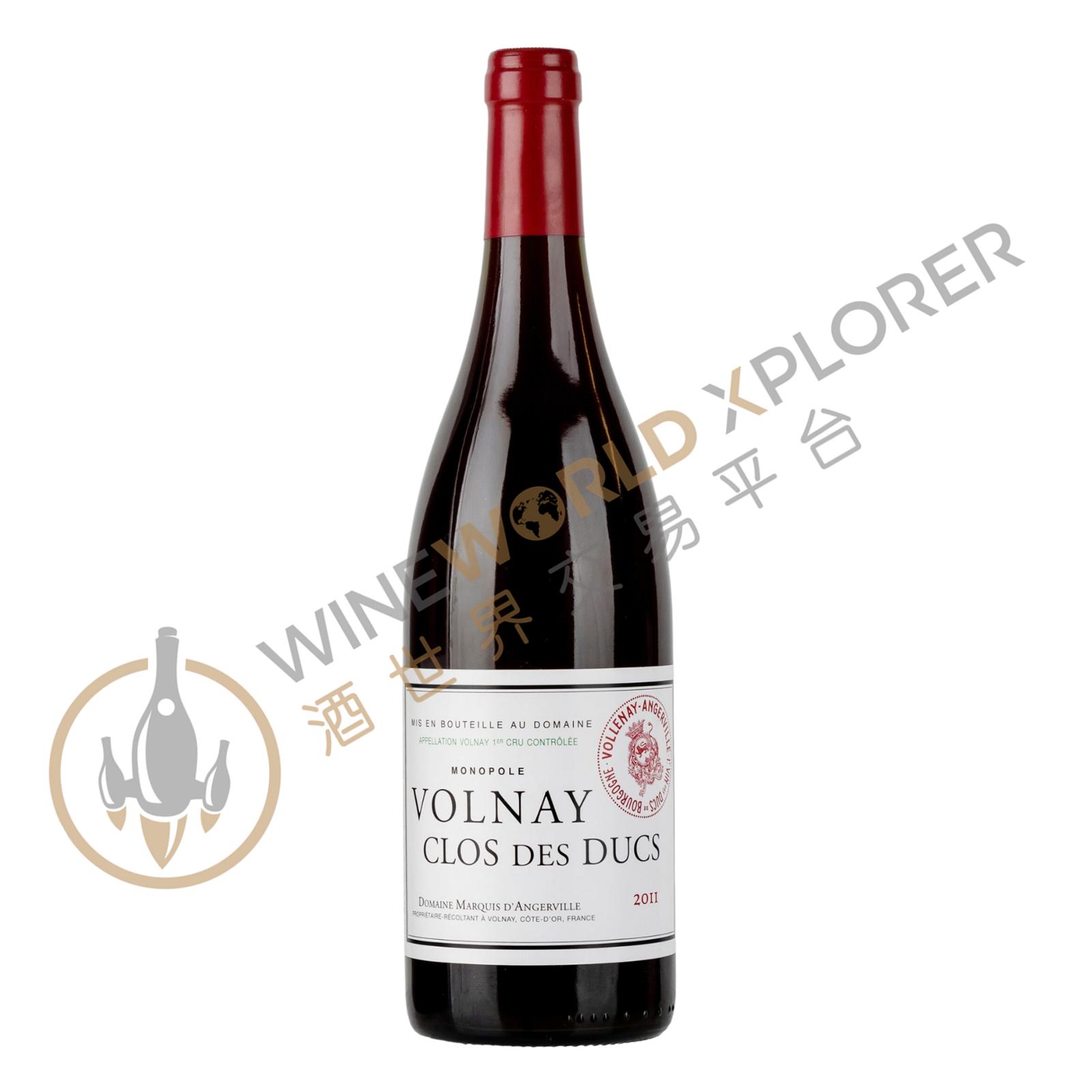
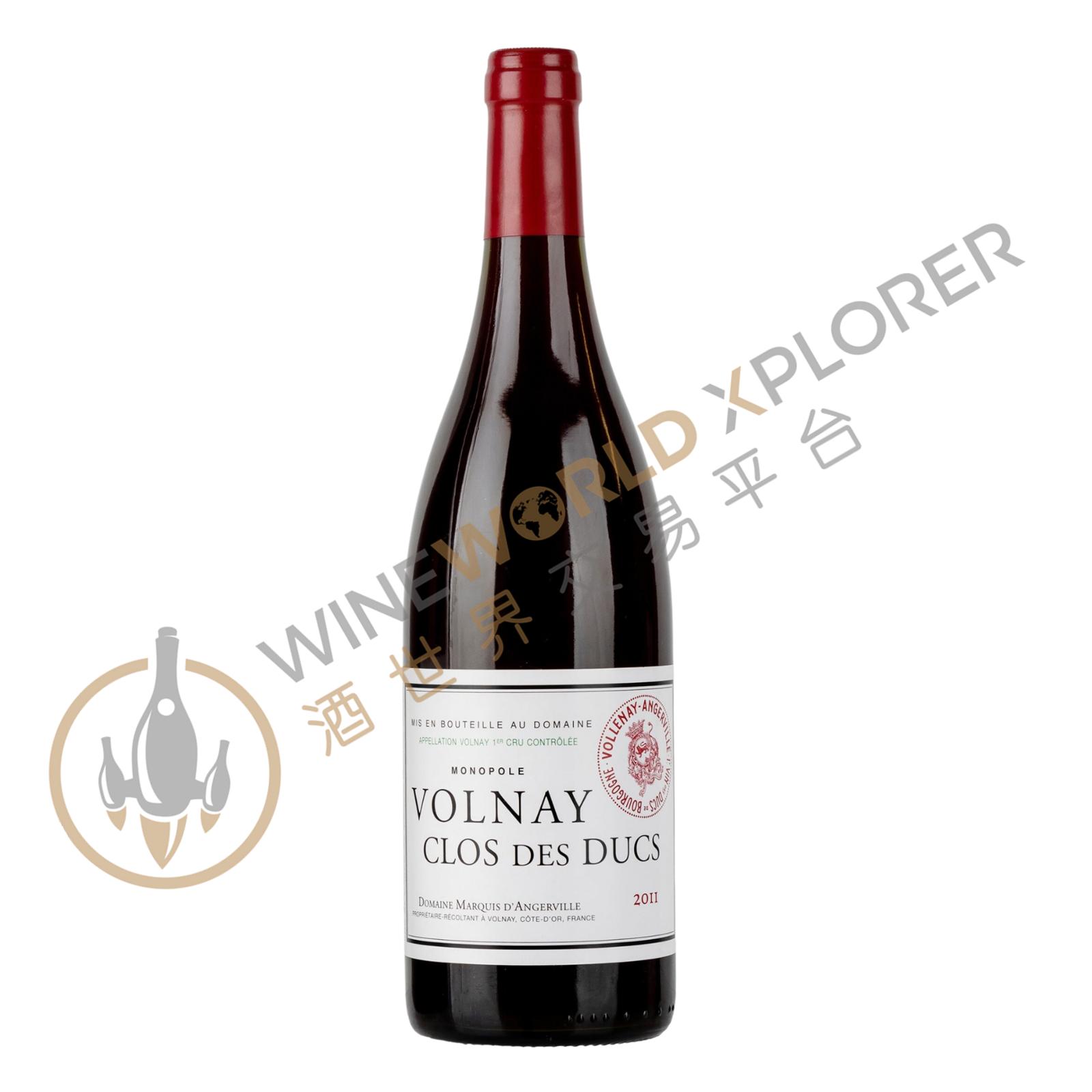
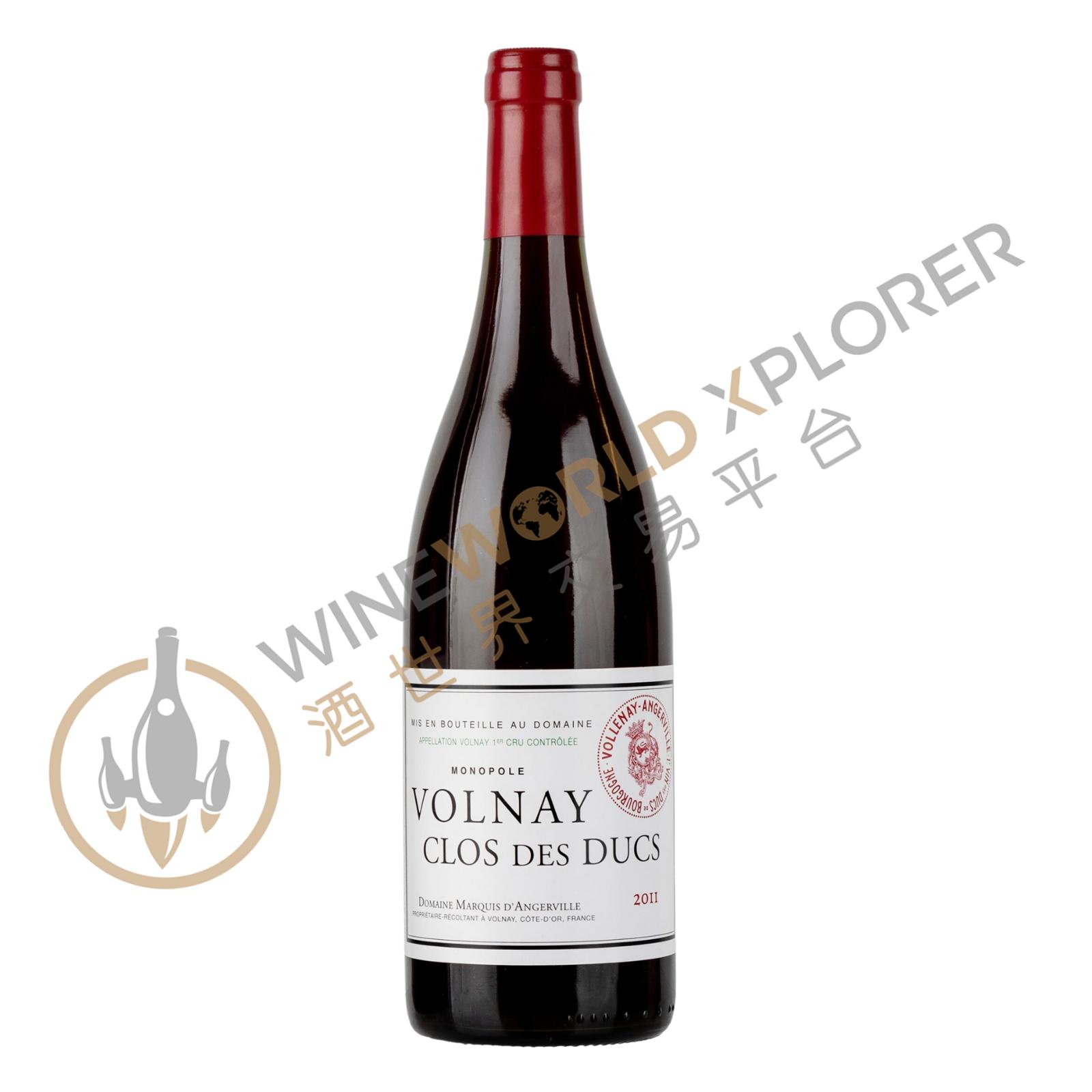
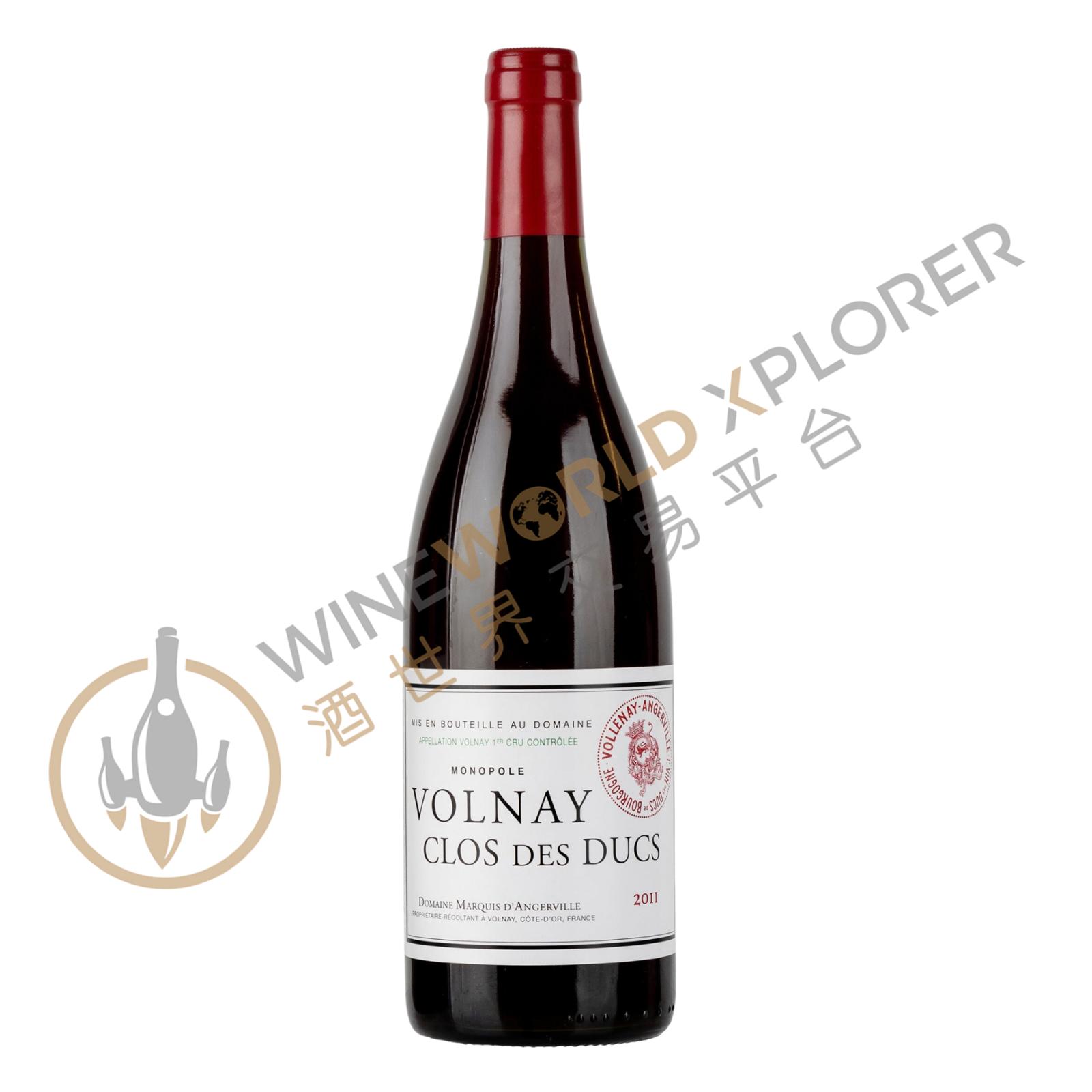
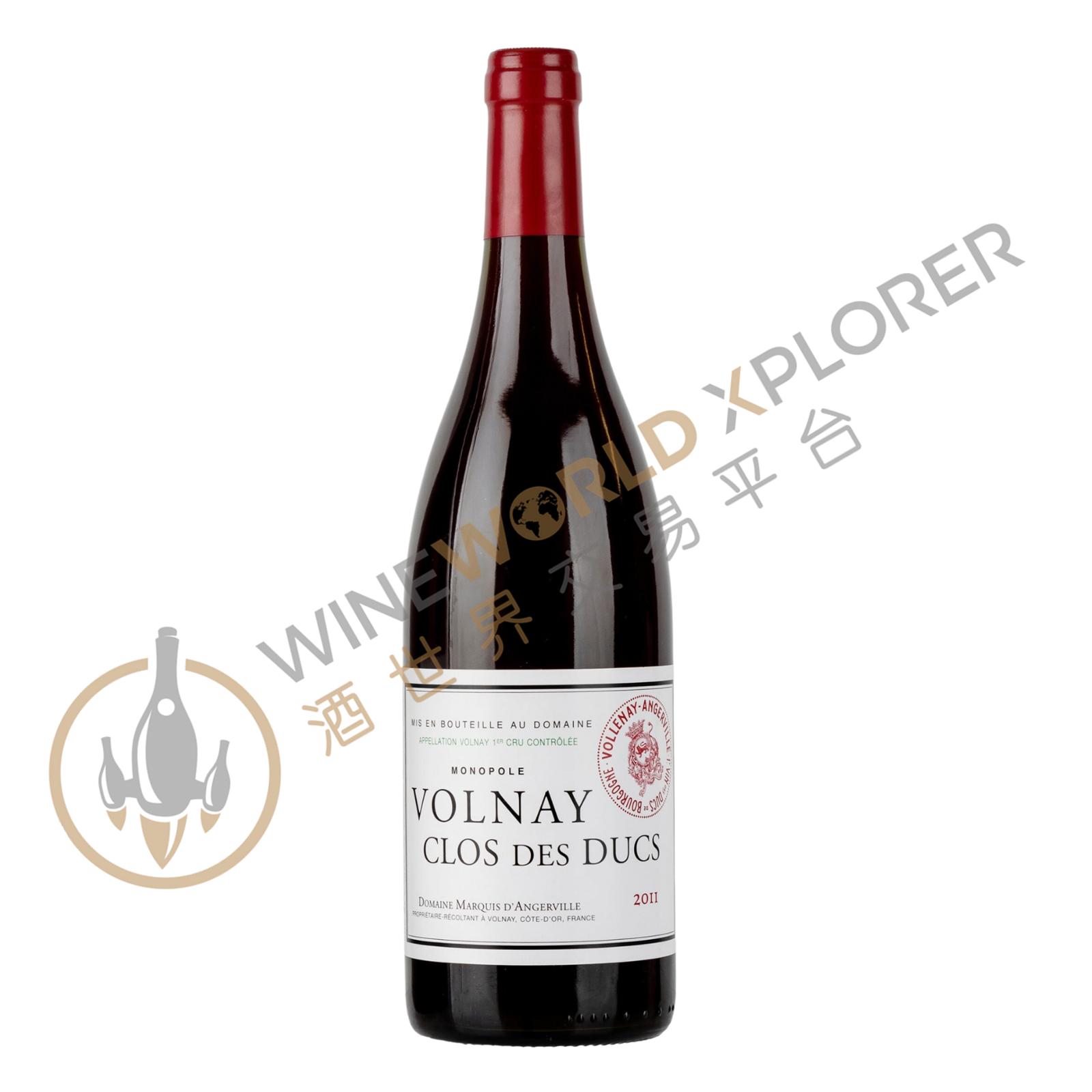
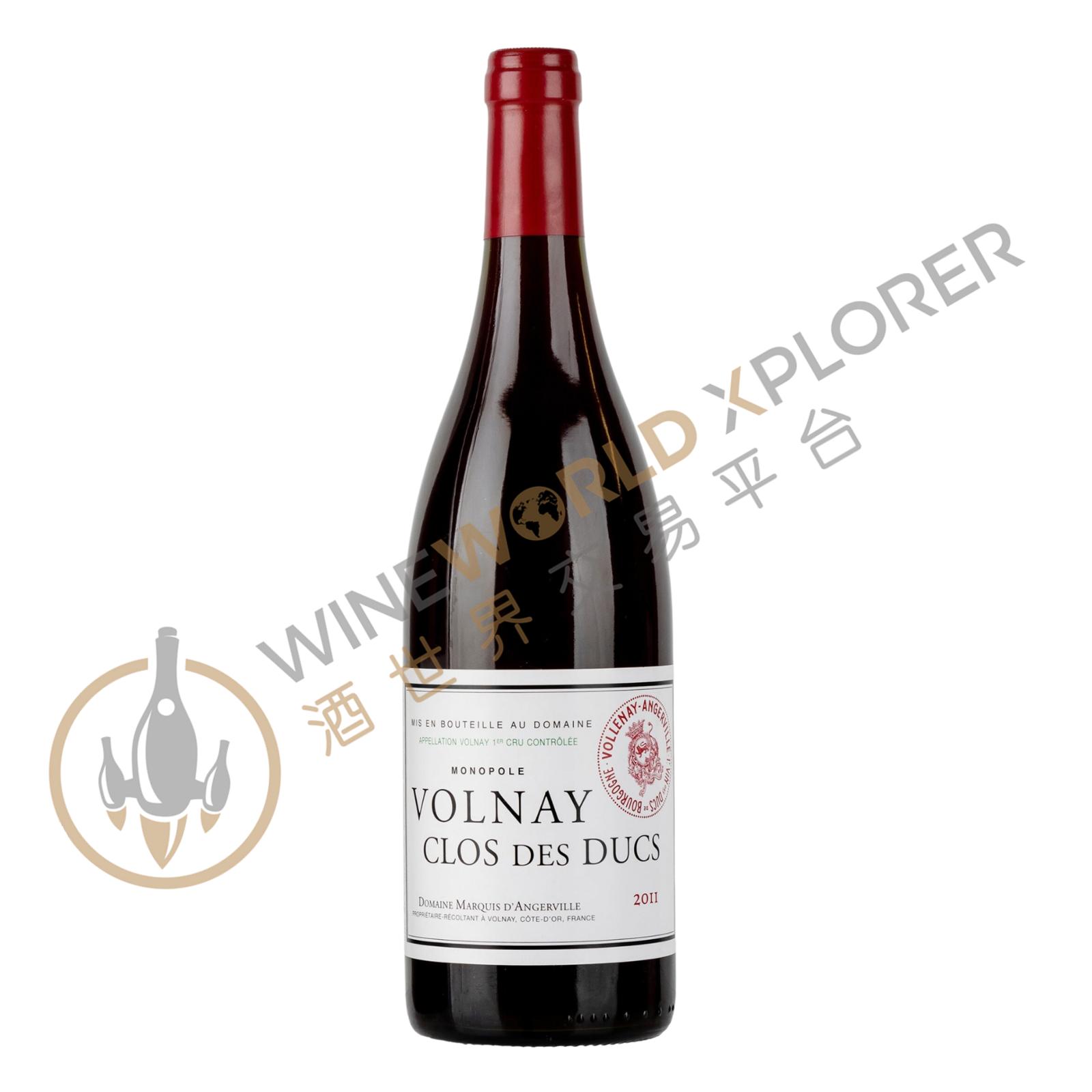
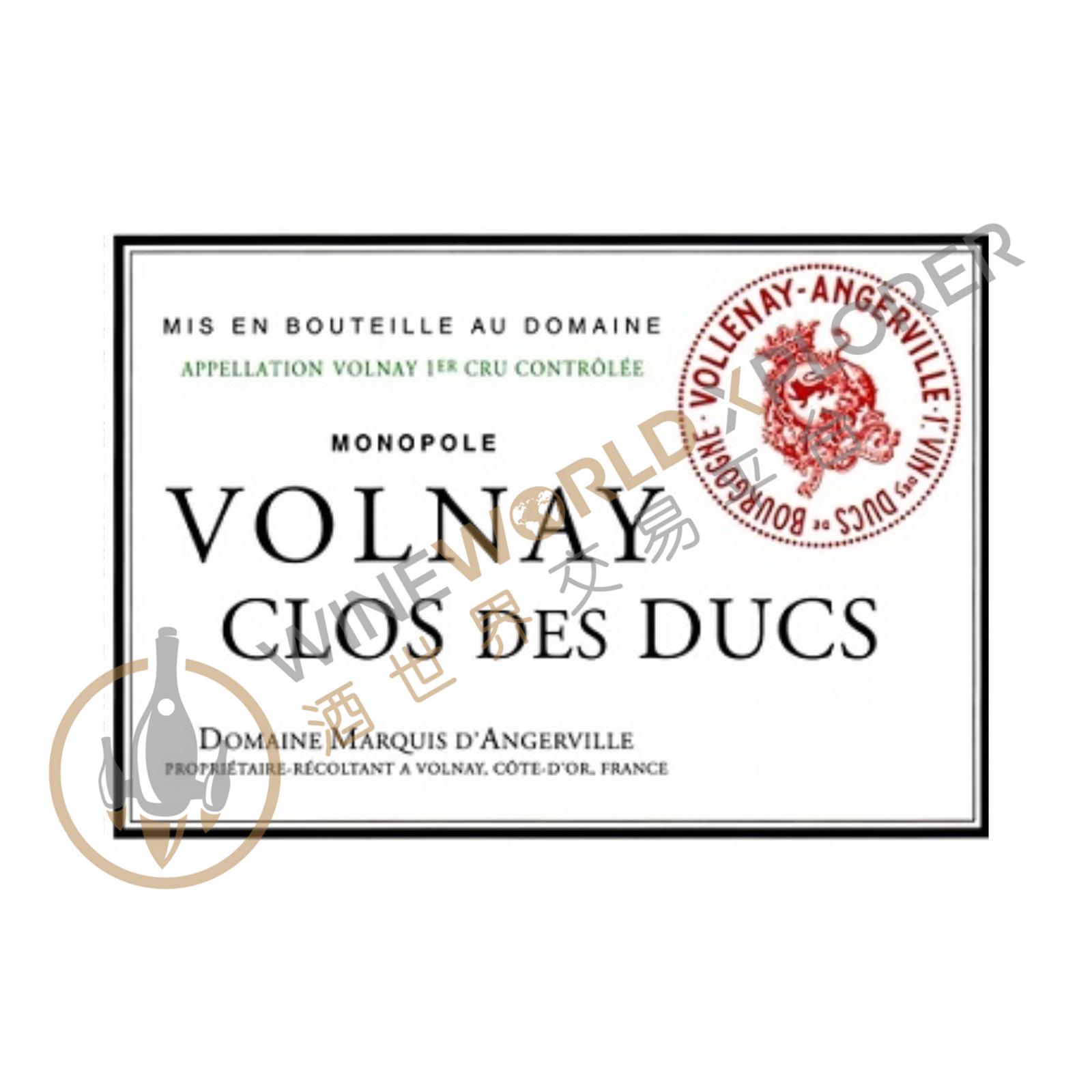
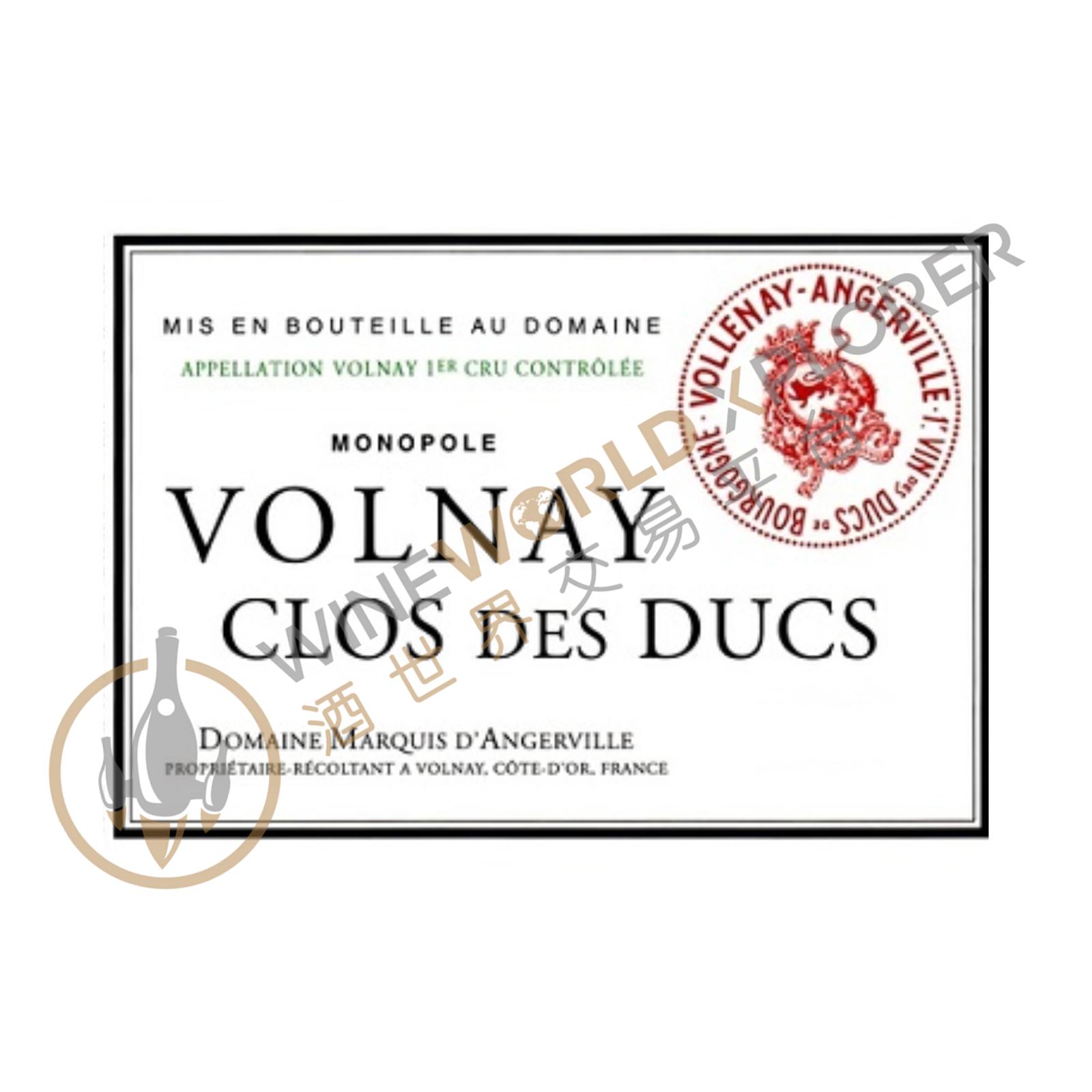
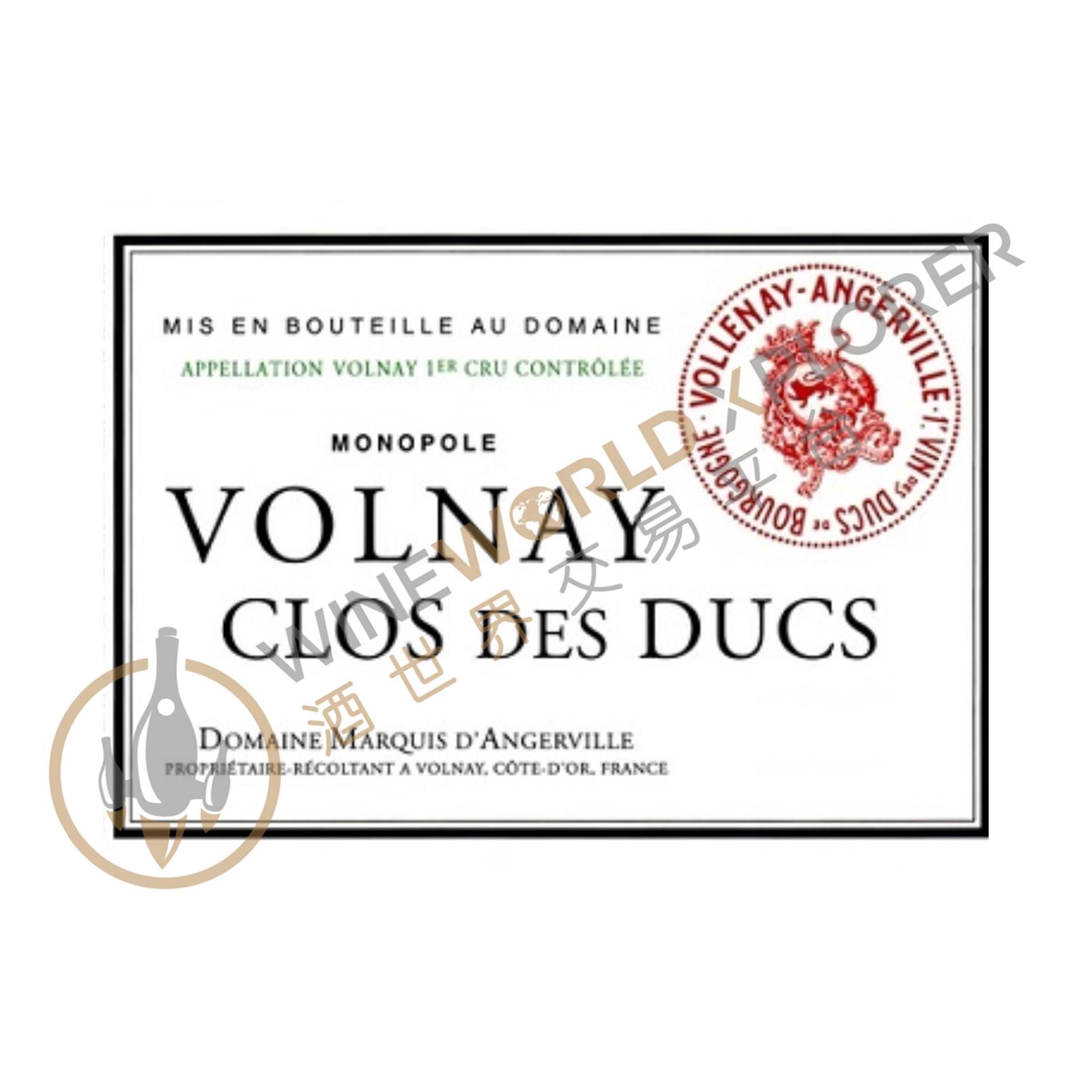
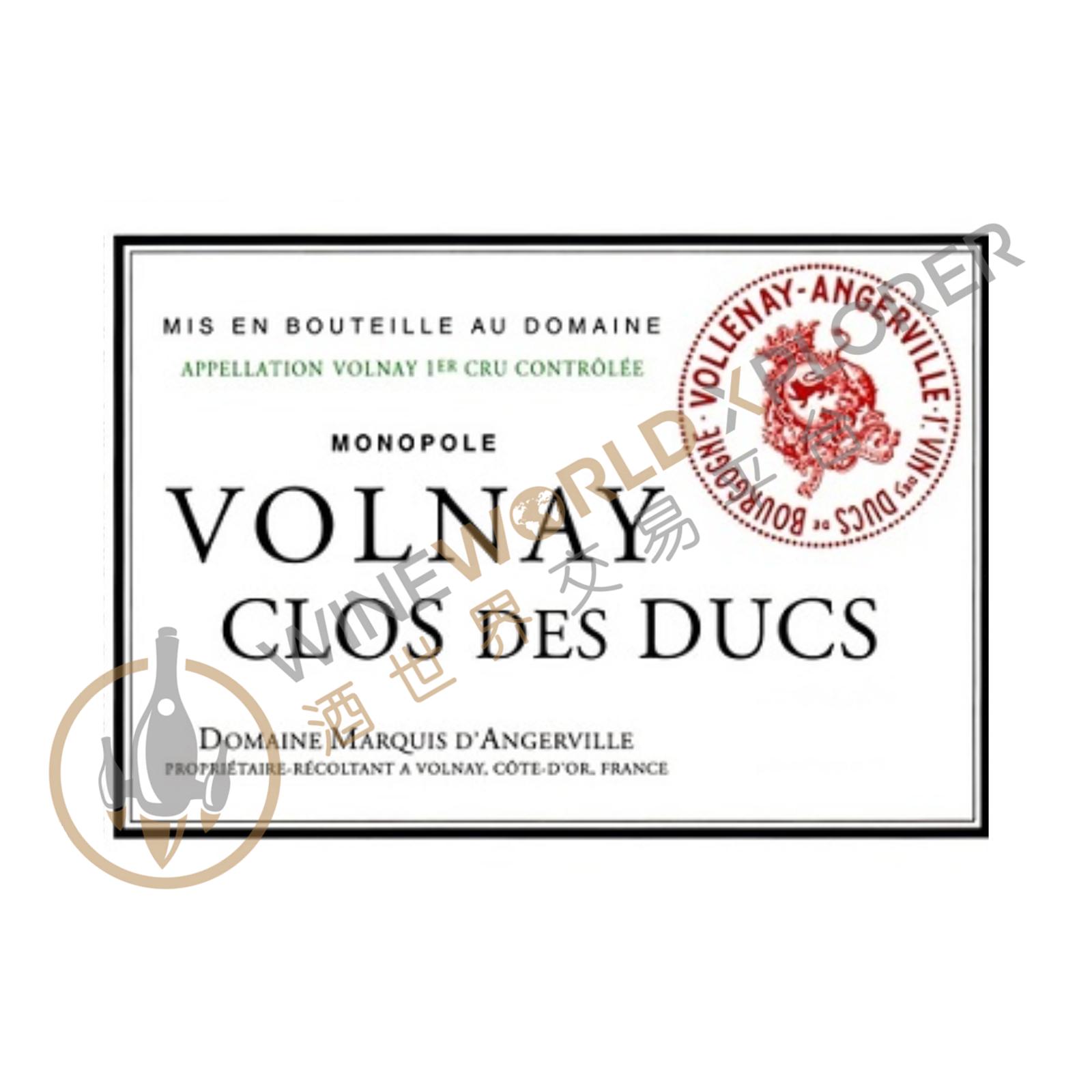
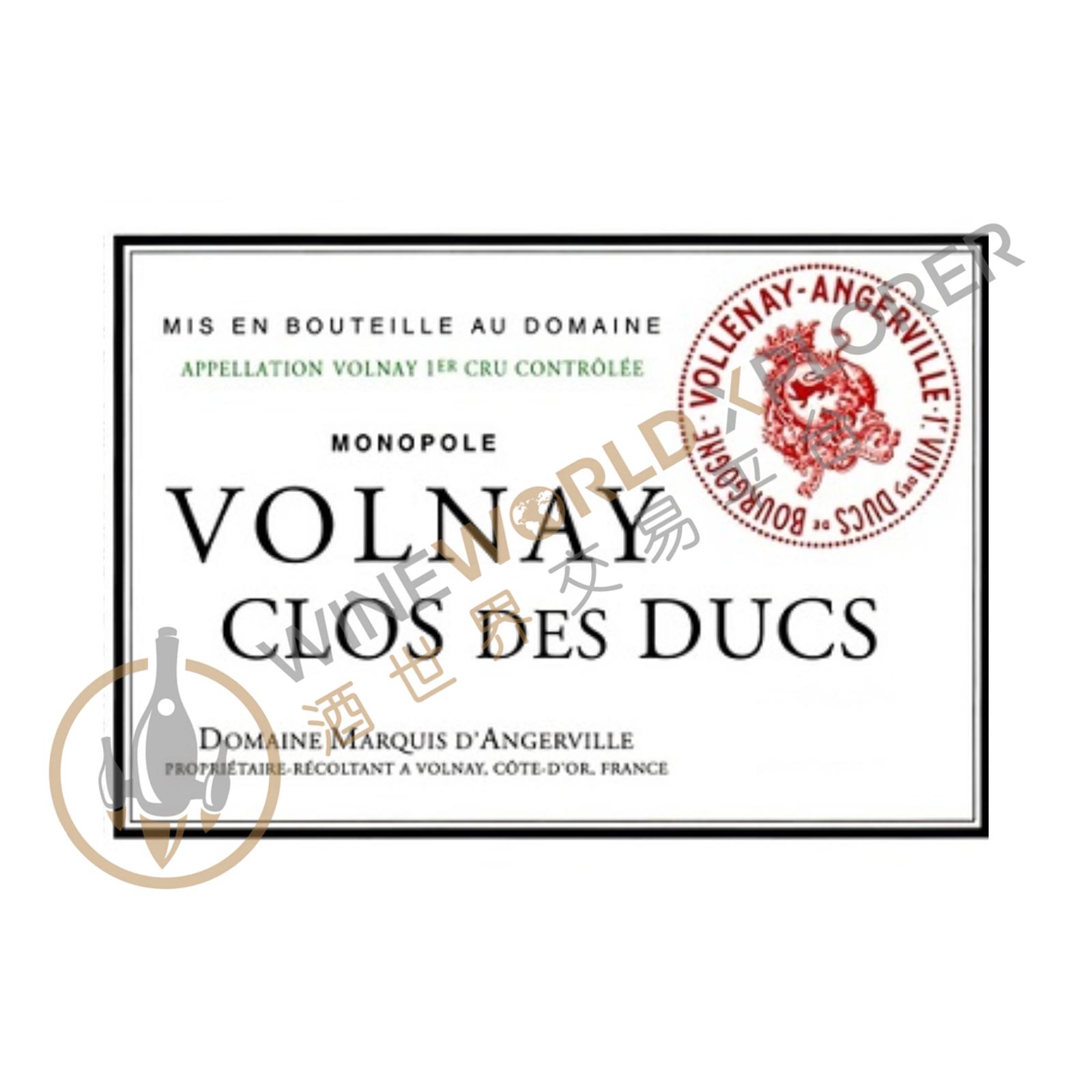
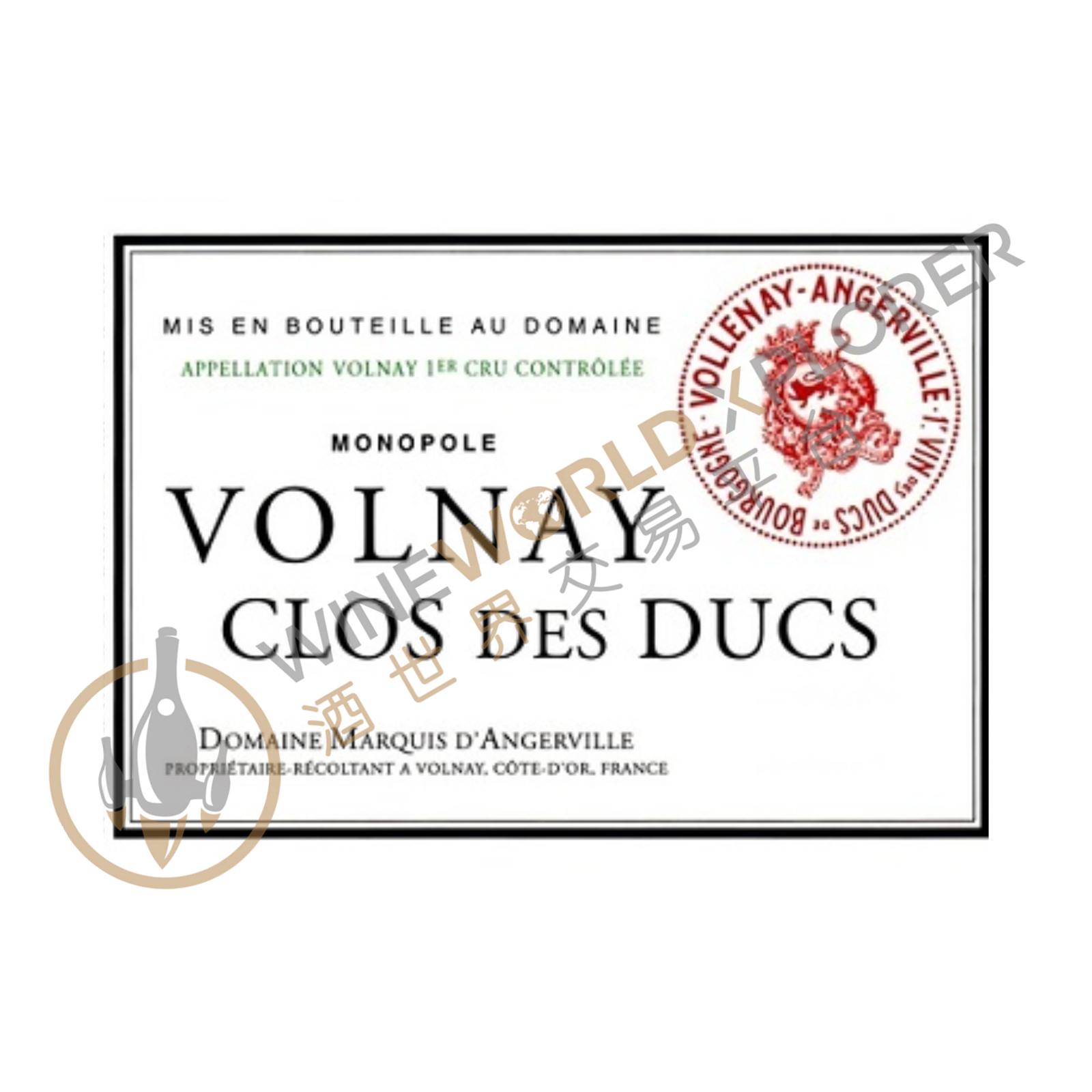
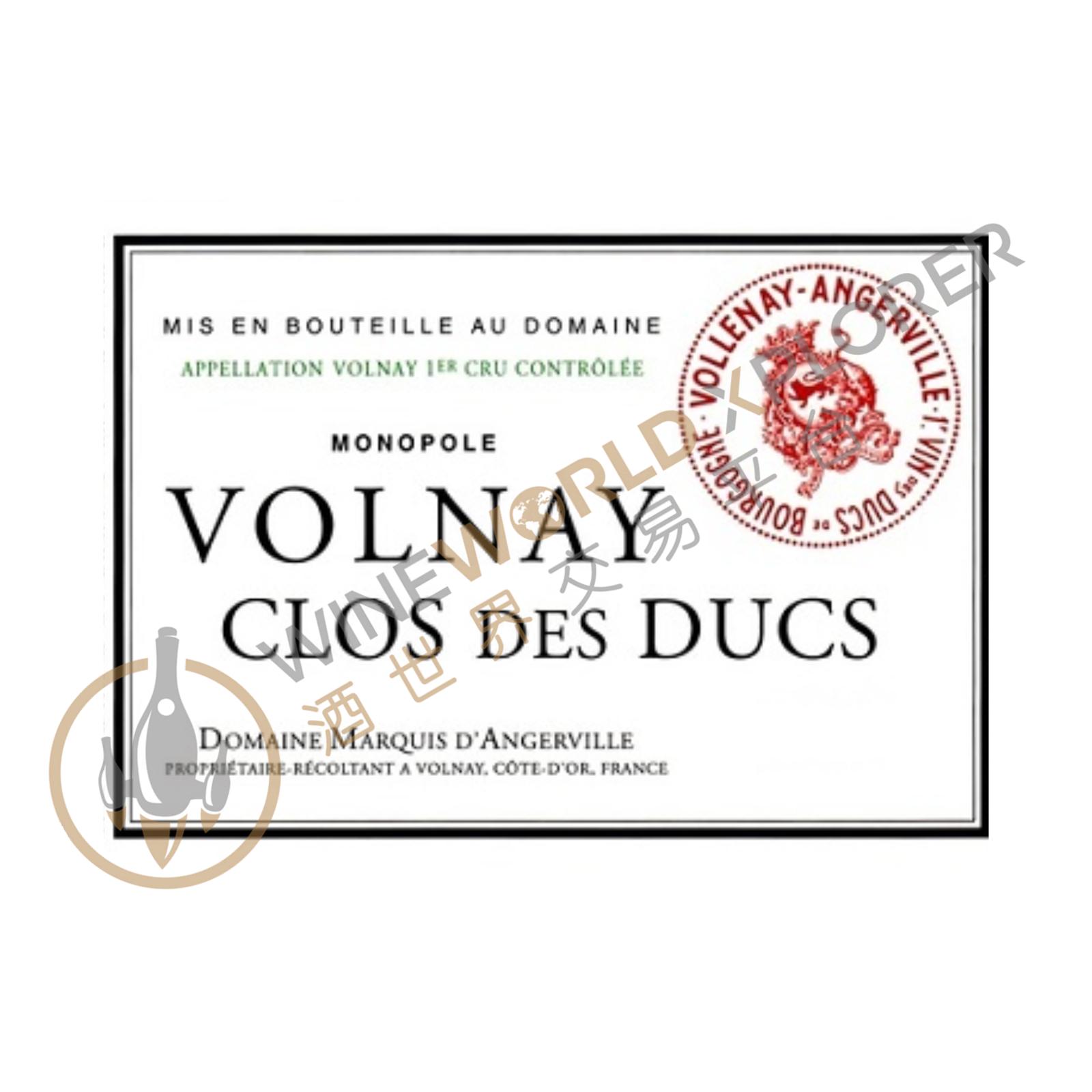
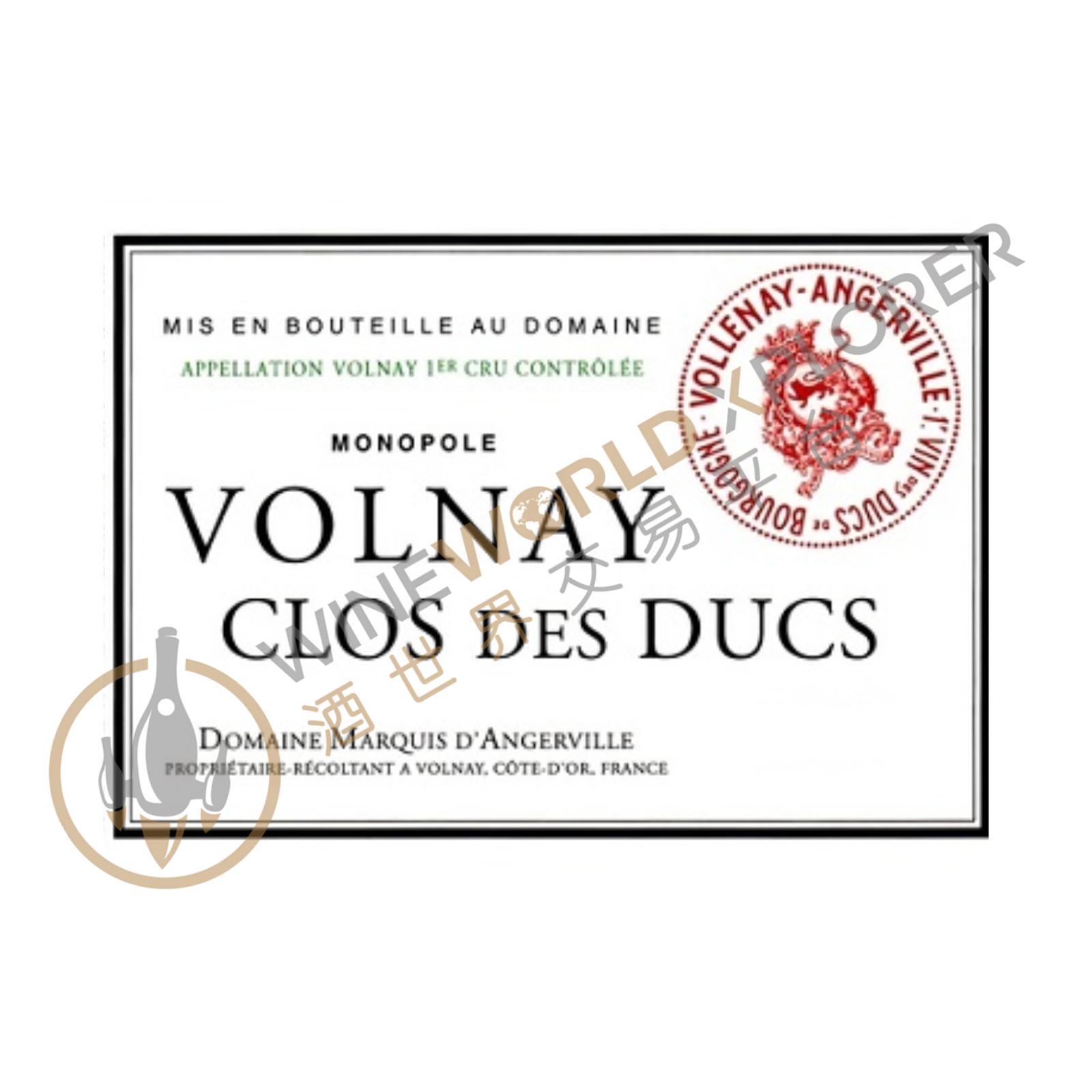
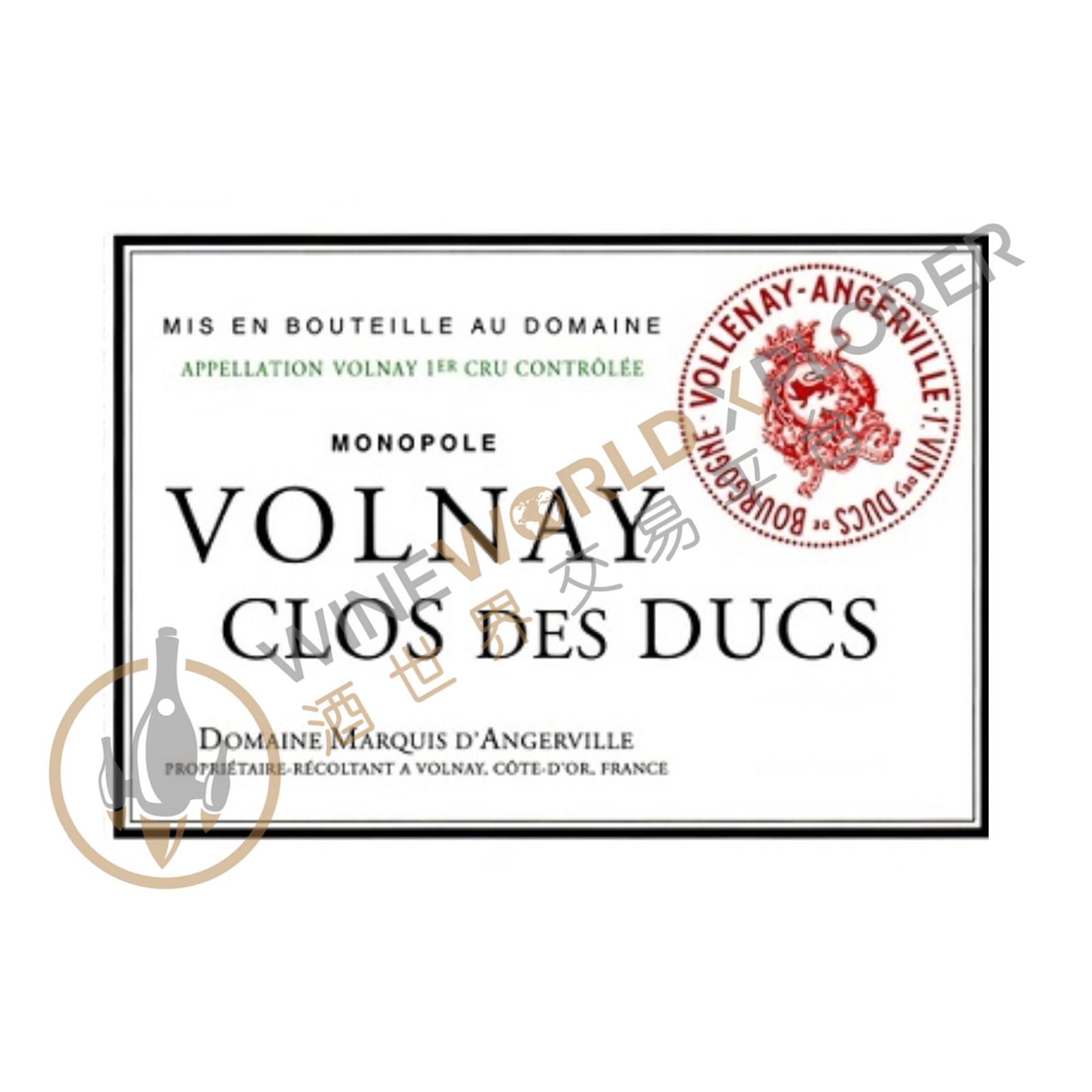
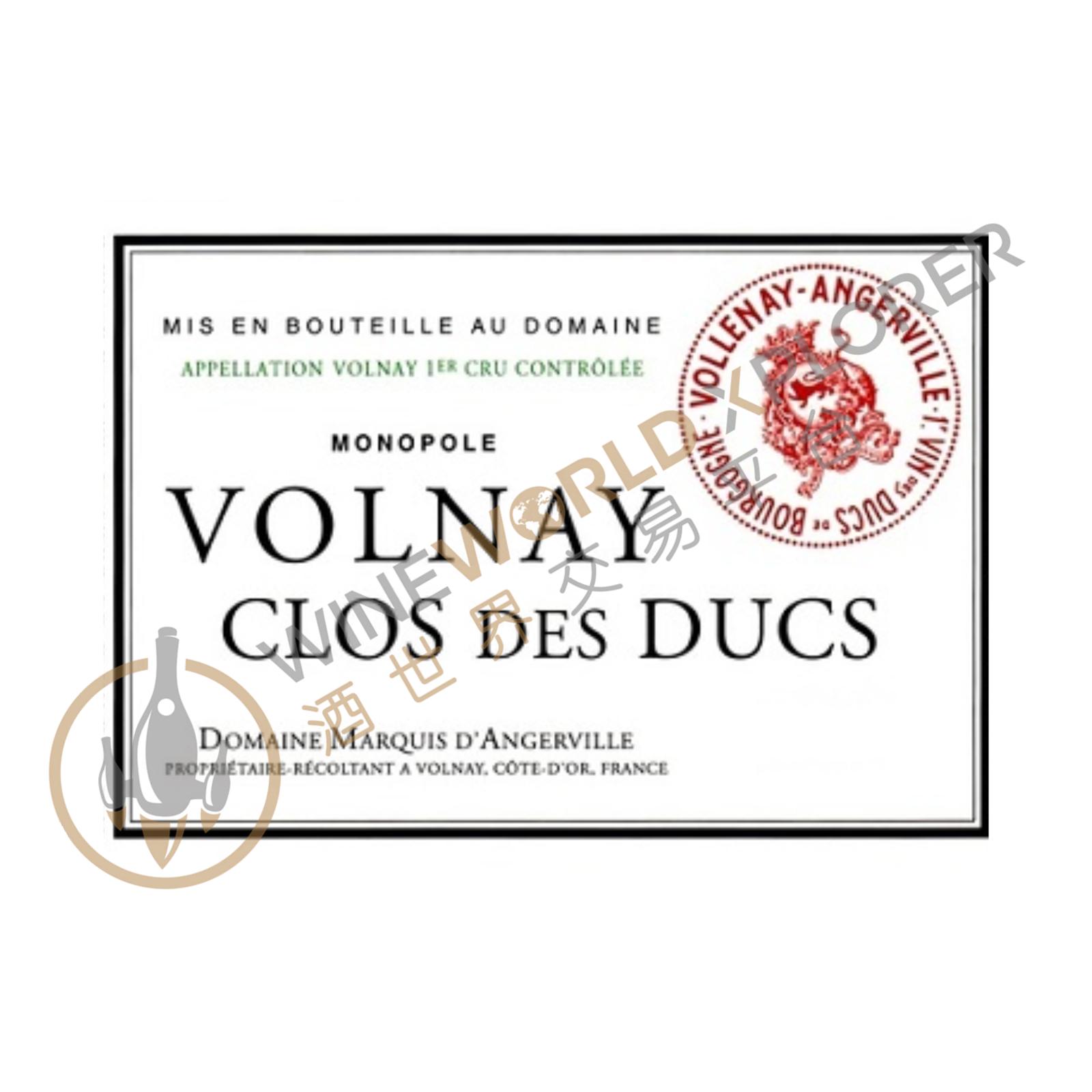
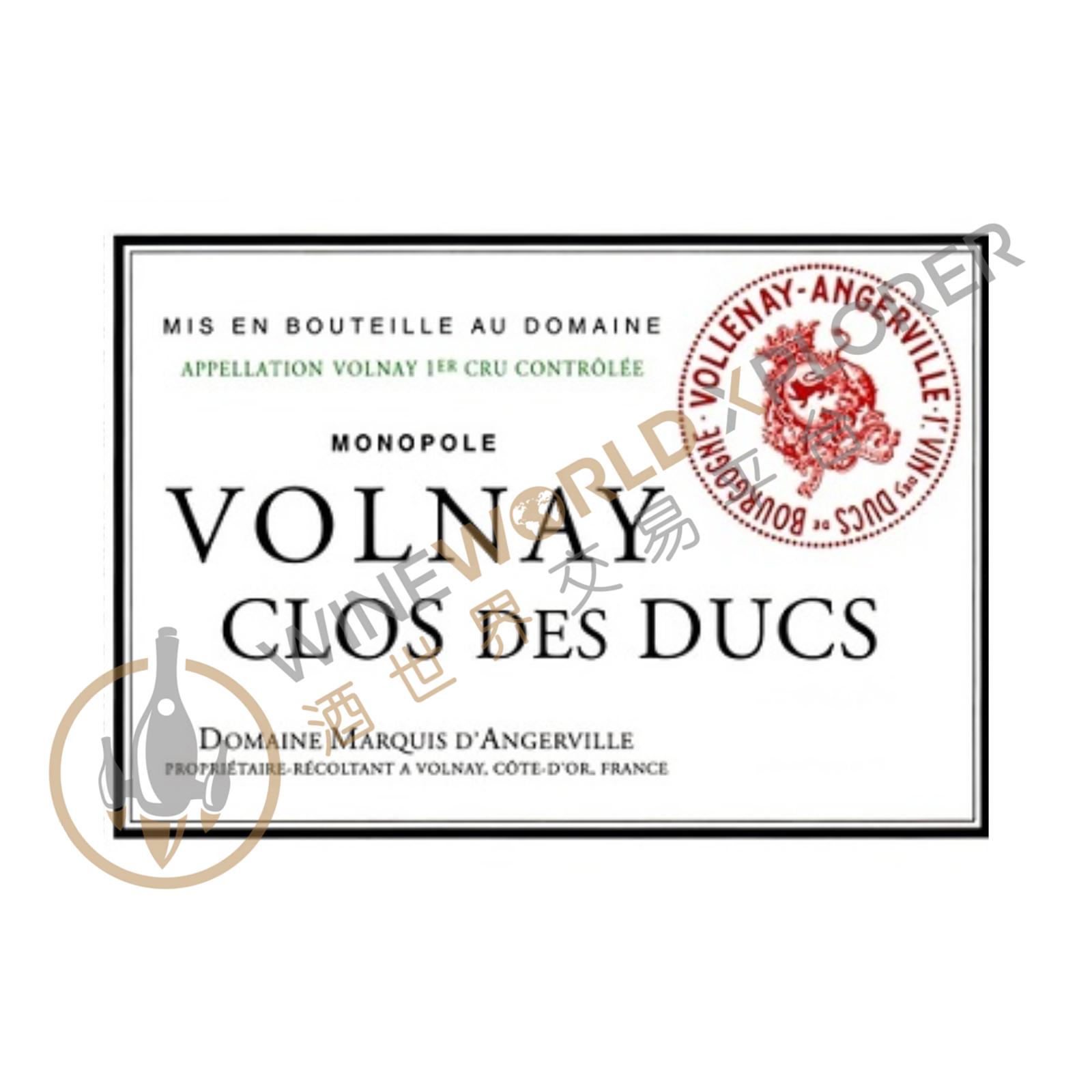
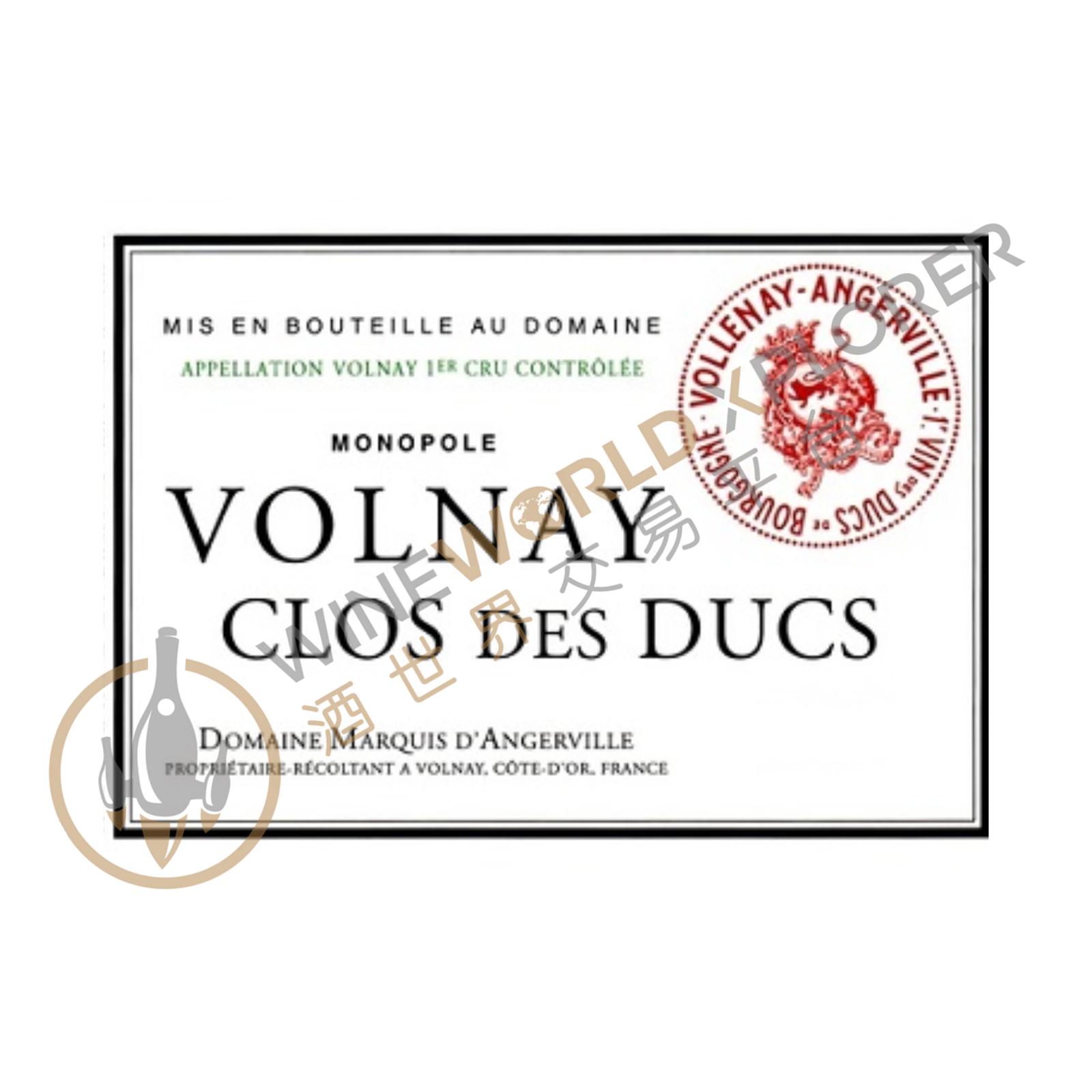
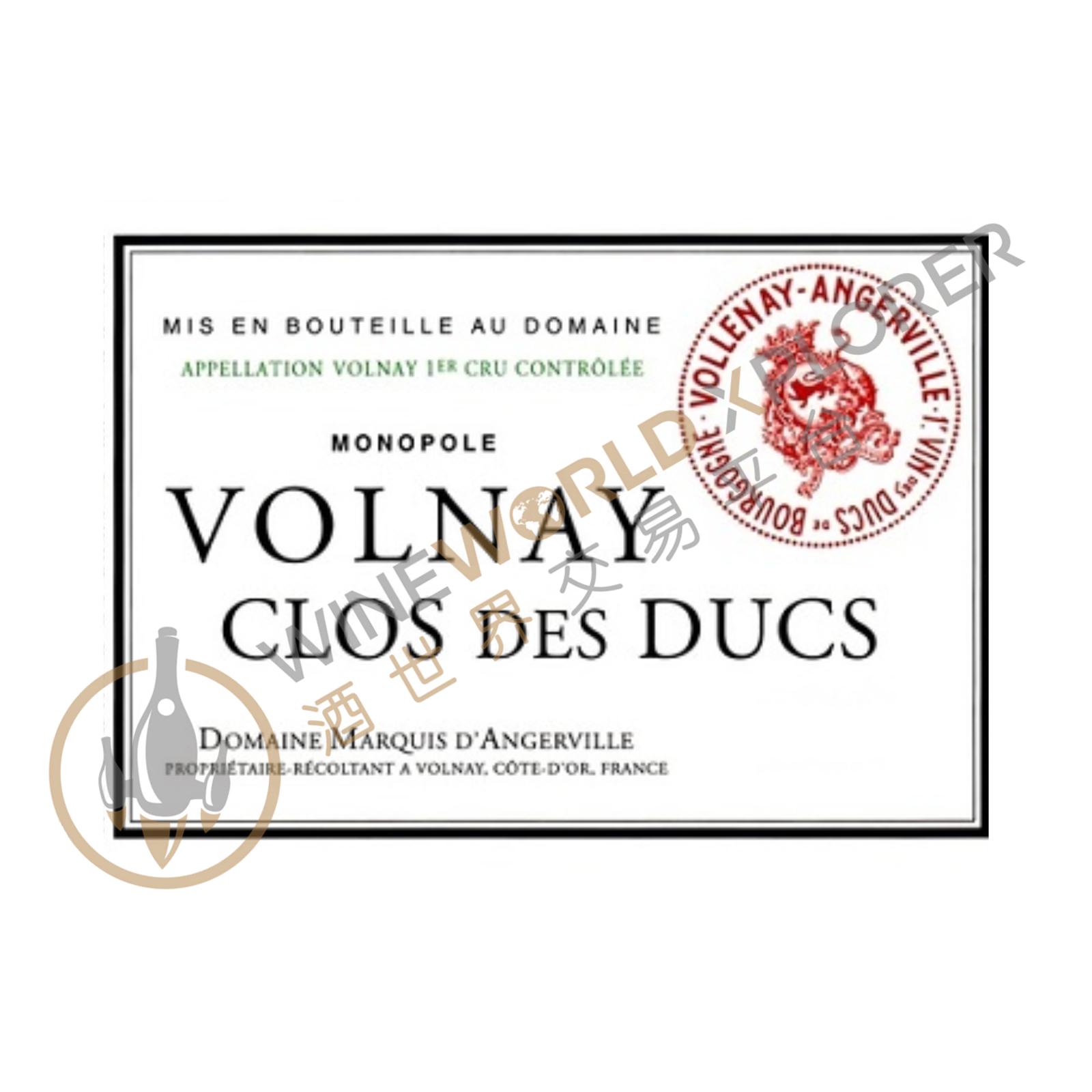
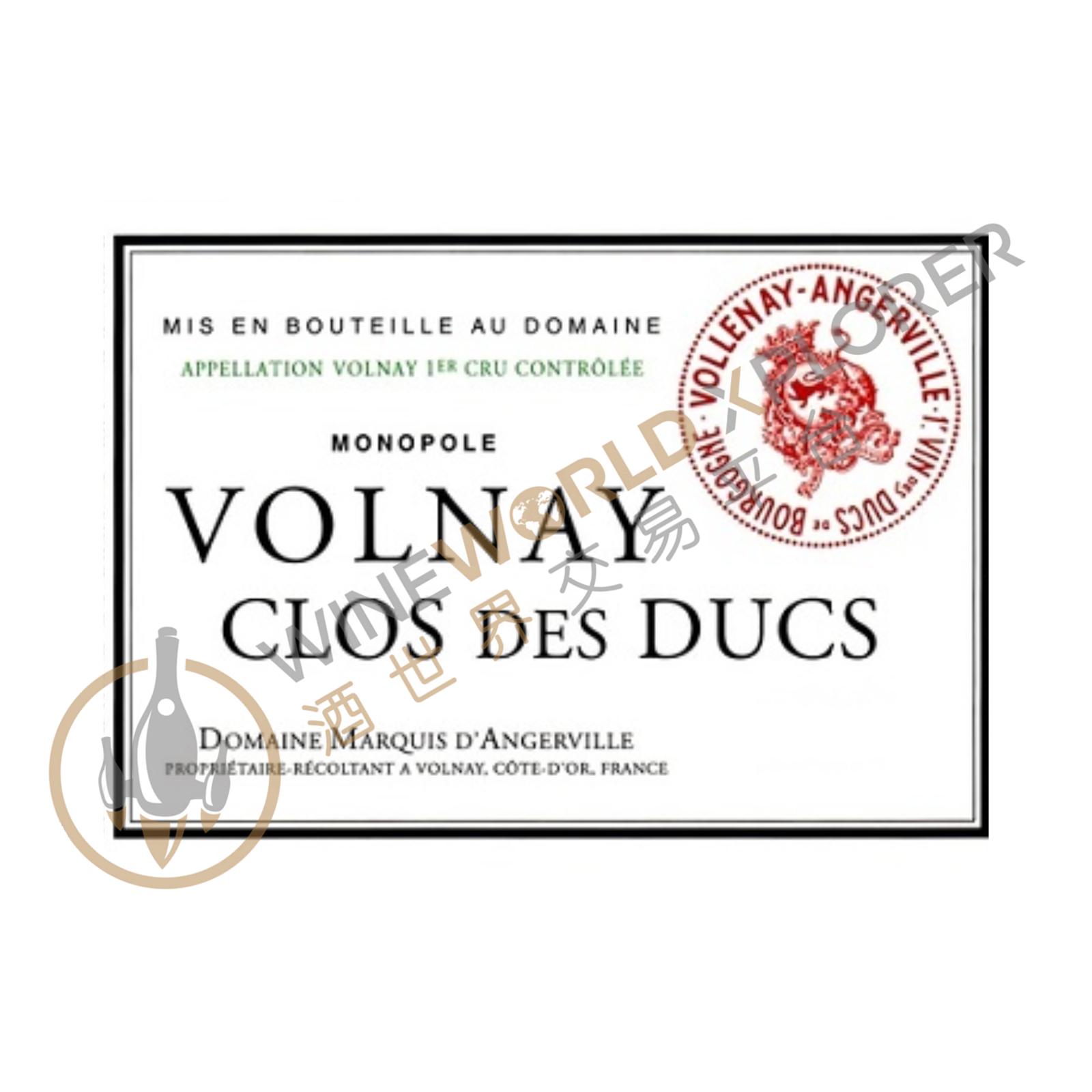
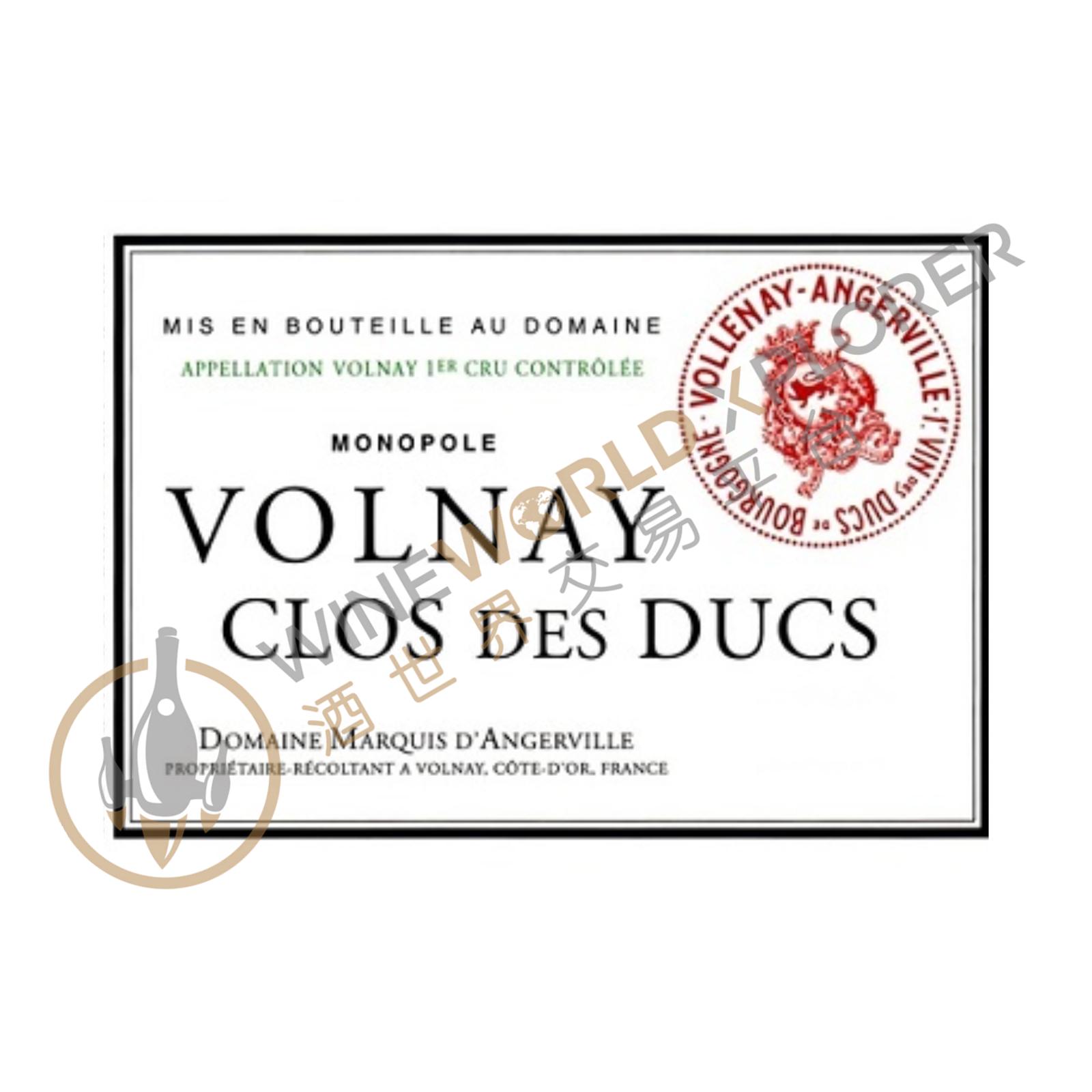
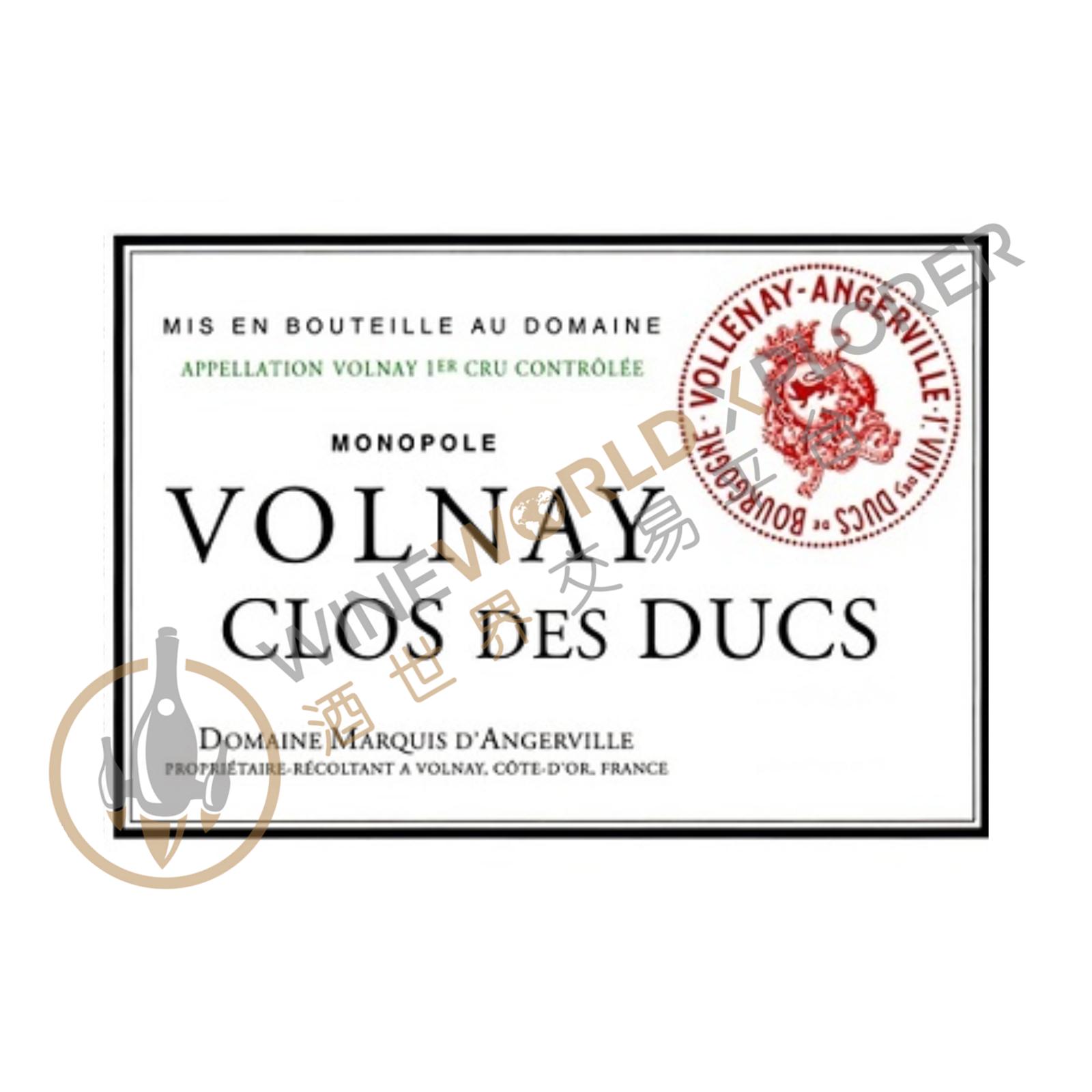
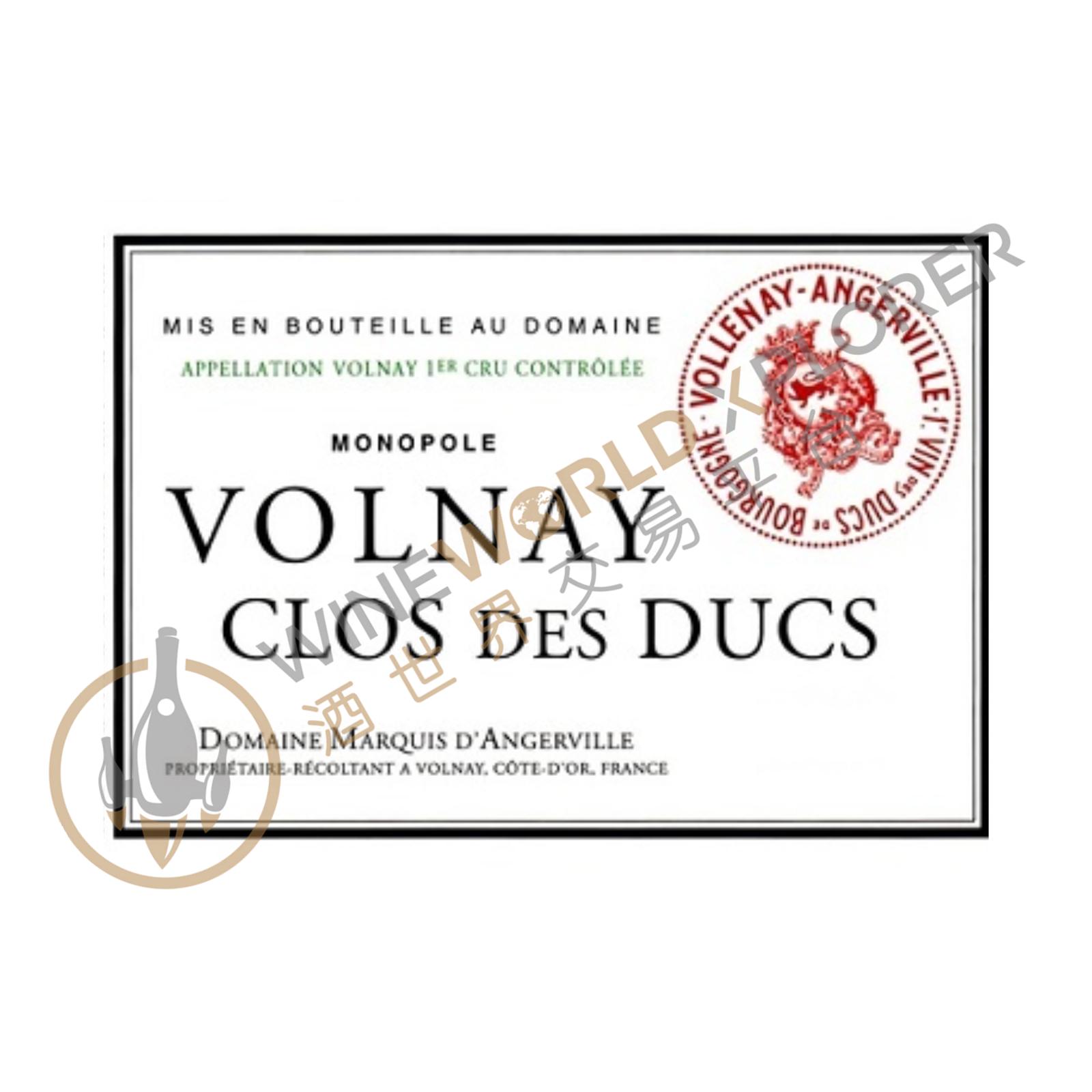
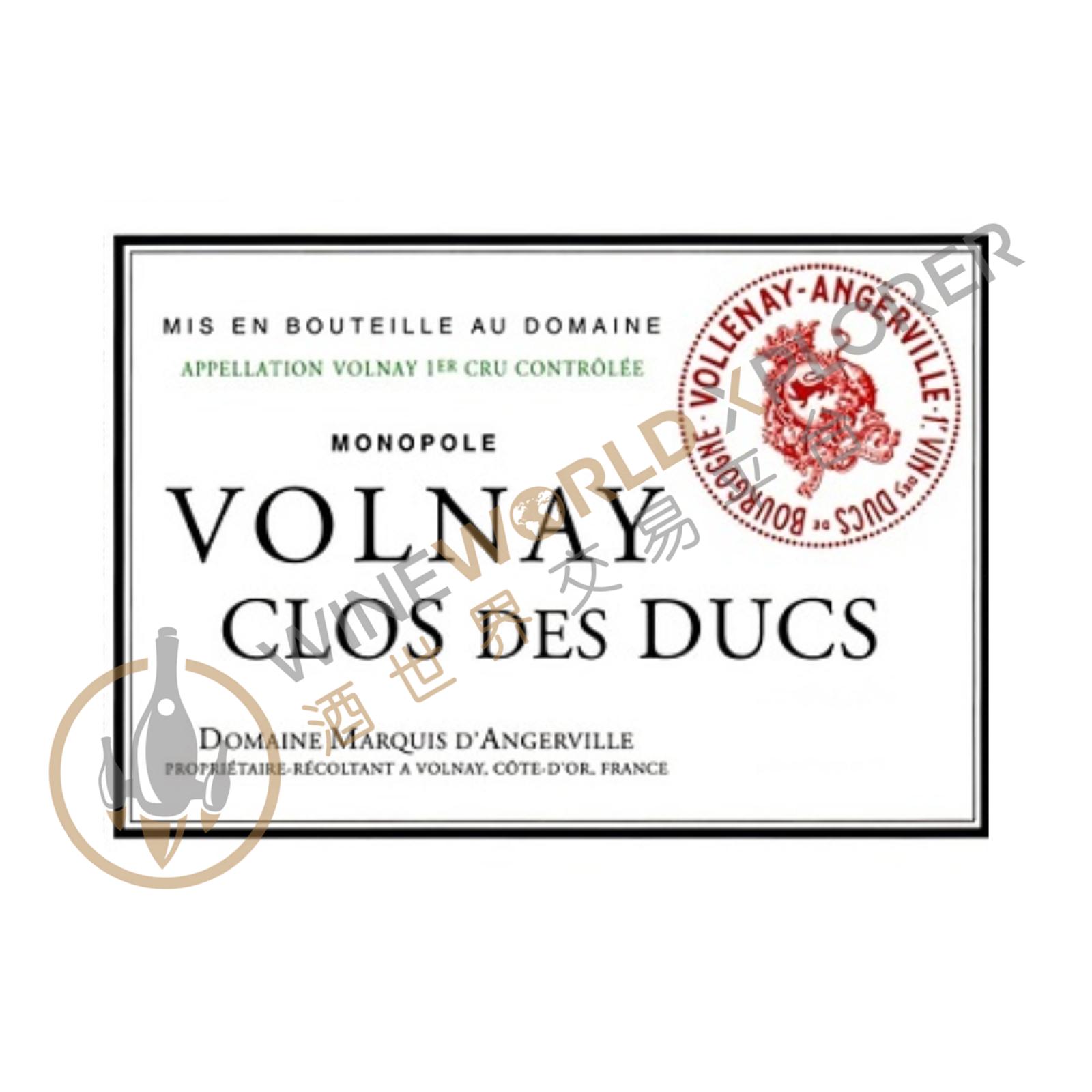
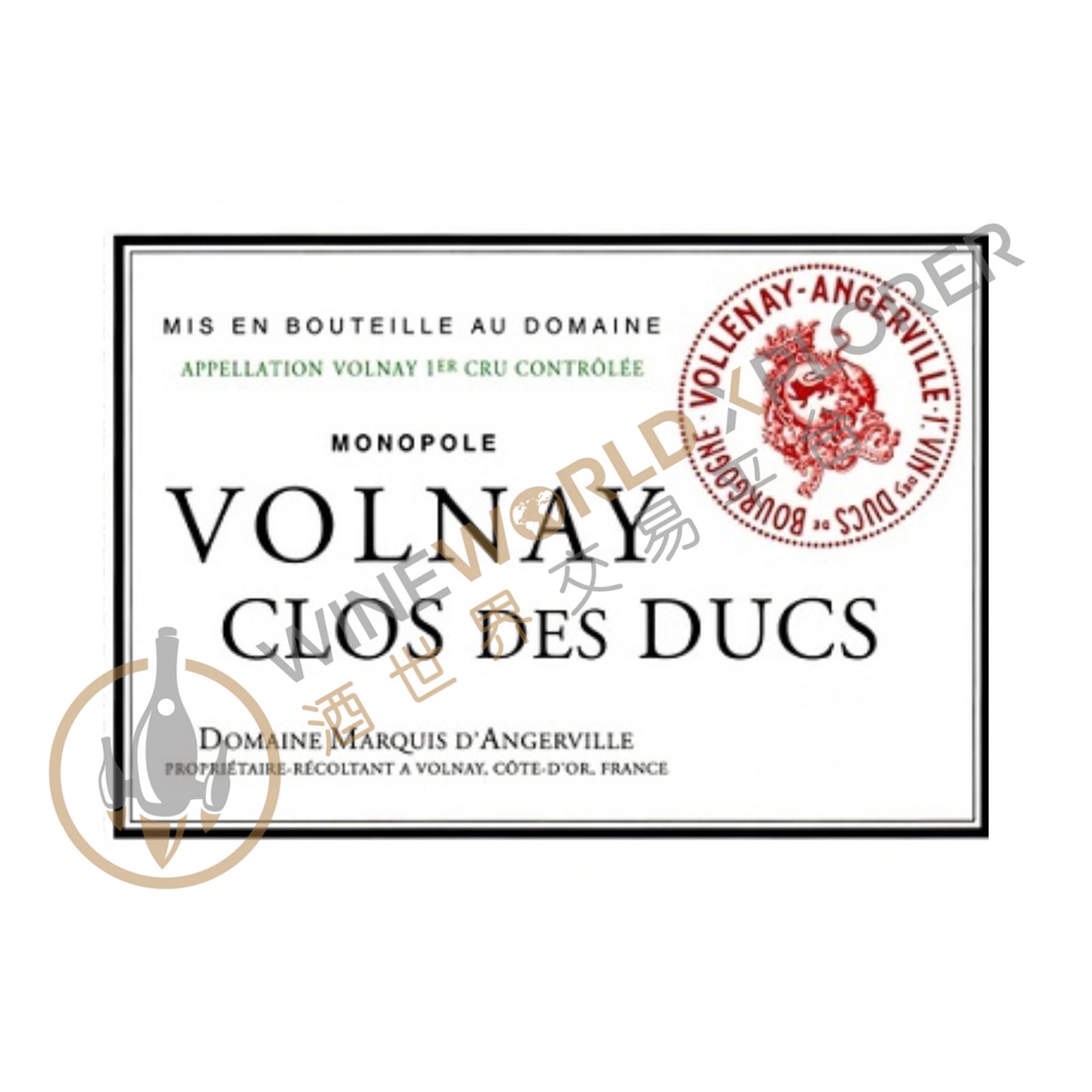
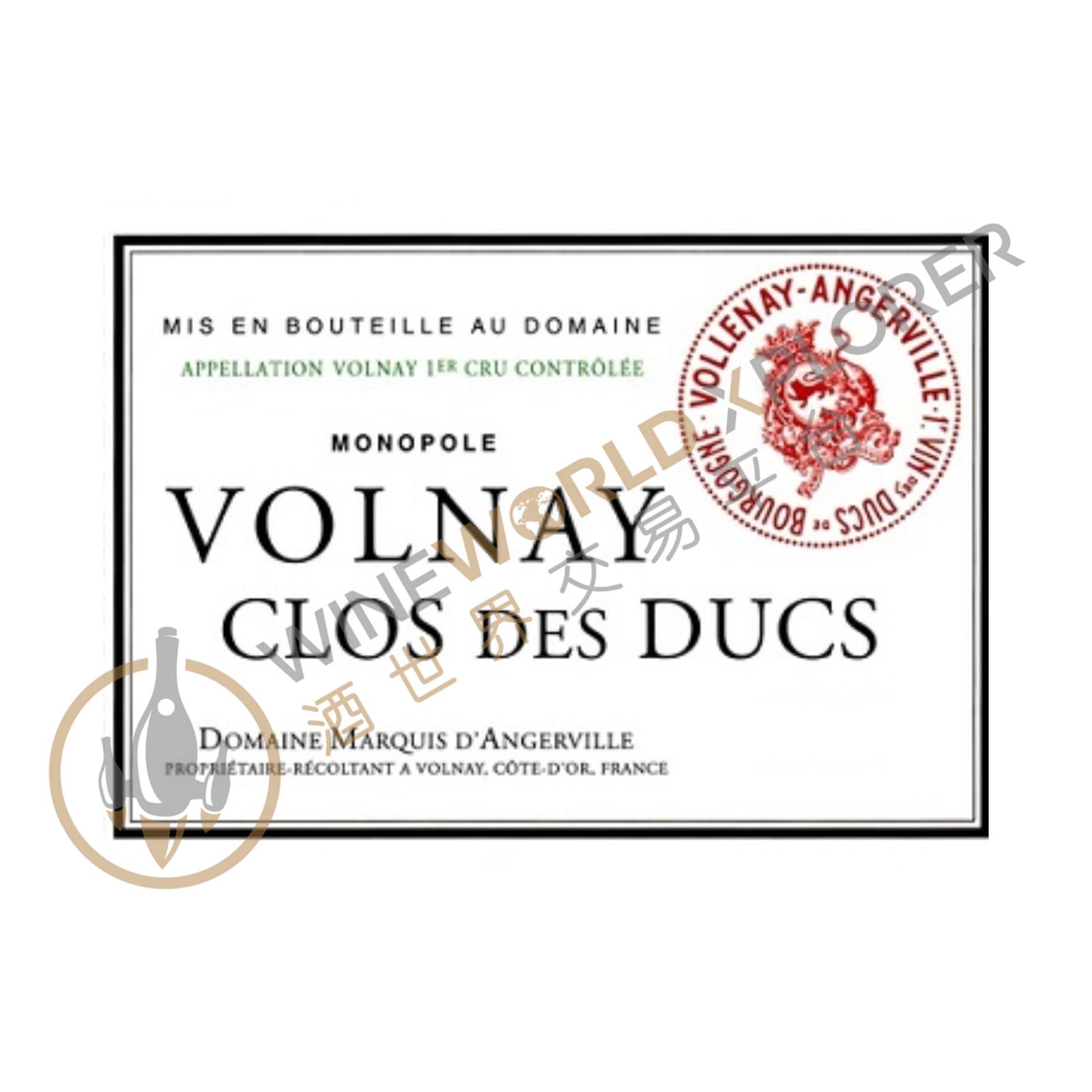
Marquis d'Angerville, Volnay 1er Cru Clos des Ducs 2003
 View analysis


Description
Tasting notes

Reviewed by: Neal Martin
Tasted at Fine Wine Experience’s Clos des Ducs vertical. Used very little new oak and the earliest harvest since 1894. Just showing the first signs of ageing on the rim. The nose is far more generous than the ’05, with dark berried fruit, dried fig, a touch of cranberry and wild hedgerow. Very fine definition, showing no sign of ageing. Touches of cooked meat, a little tertiary perhaps. The palate has a soft, supple entry, good acidity with a sweet ripe, feminine wild strawberry and tart cherry towards the finish that just lacks a little complexity and is too linear and shows a little heat. Moderate length. This is a great success in the context of the vintage, although it requires another 3-4 years ageing. Drink 2013-2022+
Reviewed by: Neal Martin
First tasted in Jan-05. Definitely my favourite d`Angerville wine of the tasting. Instantly there is that gorgeous, perfumed nose of wild strawberry, cherry and well-integrated oak. The definition is far superior than Champans or Fremiets. The palate is full-bodied and opulent with a firm grip. Dense mid-palate with a tannic, raspberry finish. Excellent. Drink from 2008. Then again in Mar-06 at the IMW horizontal. Another rich, slightly prune-scented nose. Figs and dates but all with good definition and clarity. Fine balance, well-integrated tannins, black cherries and burnt toast. Good grip on the finish - lacking a little typicity but very fine.
Reviewed by: Pierre Rovani
Dark cherries, black plums, and violets can be discerned in the aromatic profile of the 2003 Volnay Clos des Ducs (red). The most structured of d’Angerville’s 2003s, this medium-bodied wine displays outstanding depth of fruit, concentration, and length. Built for those with patience, it coats the palate with intense, powerfully flavored dark cherries as well as massive quantities of tannin. When tasting in mid-November, I sensed the tannin was beginning to melt, a feeling confirmed by d’Angerville who stated that it had been hard as a rock over the summer. Anticipated maturity: 2011-2020. Importer: Diageo Chateau and Estate Wines Company., New York, NY; tel. (212) 419-1400
About the Producer
History Domaine Marquis D'Angerville began in the 19th century. In 1804, Baron du Mesnil, the sub-prefect of Autun in Burgundy commune acquires property Clos des Ducs in Volnay - the heart of the appellation Côte de Beaune. Surrounding areas were formerly part of the famous vineyards of Burgundy Dukes Taillepieds, Caillerets and Champans. After the phylloxera epidemic, devastating vineyards in the late 19th century, the nephew and godson Baron du Mesnil, Marquis Sam d'Arzhenvy begins restoration of historic vineyards, re-planting of Pinot Noir grapes. A staunch supporter of "authentic wines" d'Arzhenvy opposes corrupt wine merchants, whose reputation is not always perfect. He becomes the first manufacturer in the region of bottled wines, independently engaged and their subsequent implementation. Due to its unwavering commitment to quality and authenticity of the products d'Arzhenvy Sam was one of the founders of the National Institute of Origin and Quality (l'Institut National des Appellations d'Origine, (INAO)). Son of Sam d'Arzhenvy Jacques d'Arzhenvy, created his first vintage in 1945, and in 1952 he takes control of the estate. Following the tradition of Domaine Marquis d'Angerville, Jacques convinced that all the great wines are produced directly in the vineyards, and their success depends on the quality and the low yields of old vines. This approach, according to him, is more reasonable and effective than the "green fee" or thinning. Thus, after decades of observations and work on the selection of the best examples of Pinot Noir, the family d'Angerville received special honor to grow Pinot Noir under the naming "Pinot d'Angerville". From 1982 to 1987, Jacques d'Arzhenvy is chairman and honorary president of the Wine Academy of France. Throughout his life he devoted to the creation of the great wines of Volnay. After his father's death in 2003 his son William took control of the estate d'Arzhenvy in their hands, keeping the tradition of the manor transition from generation to generation. Currently he helps agronomist Renaud de Villette, who worked with Jacques d'Arzhenvy for fifteen years.
1993(1)1995(3)1996(1)1997(1)1998(1)1999(3)2000(2)2002(4)
Package Size