Wine Advisor



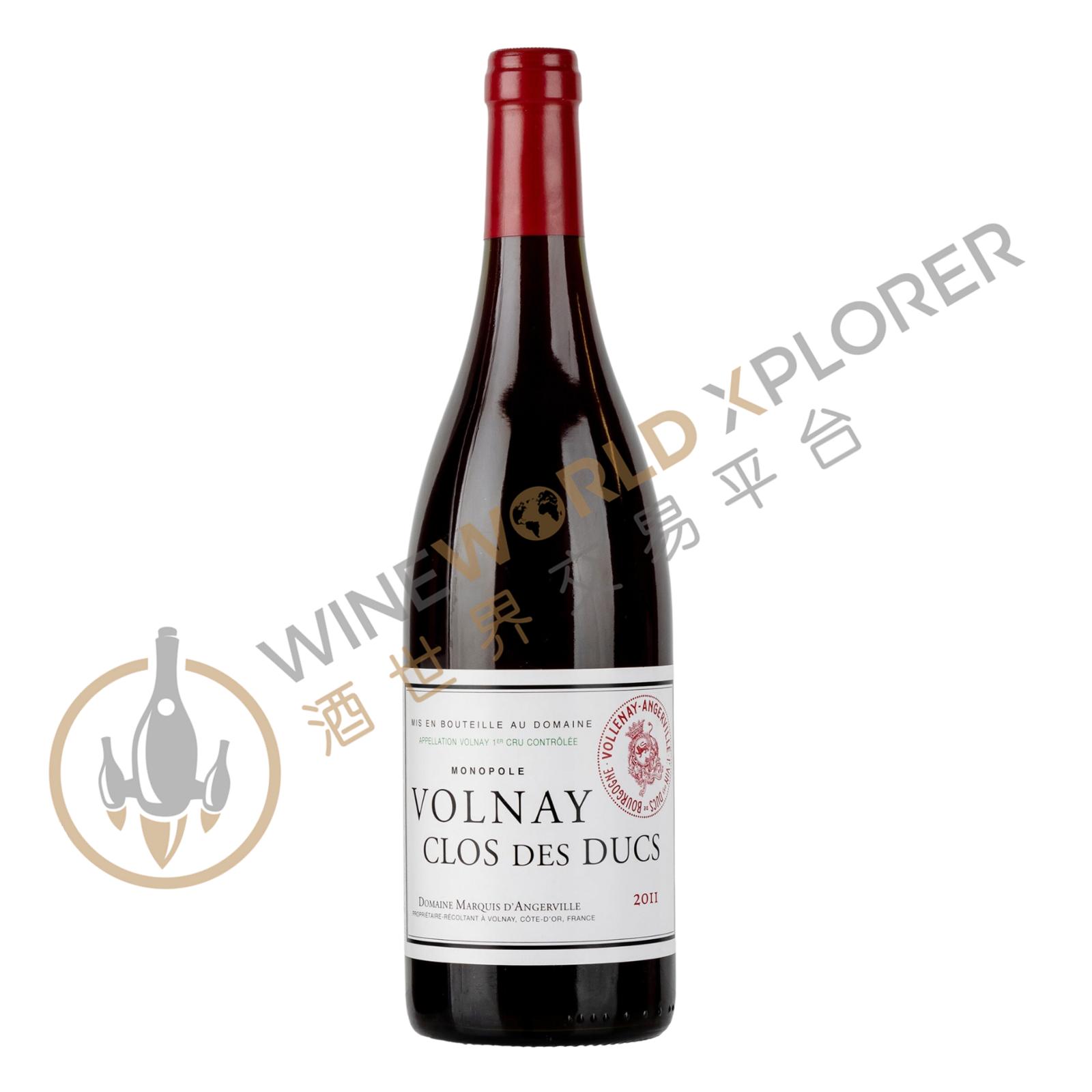
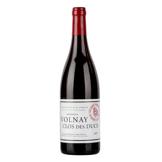
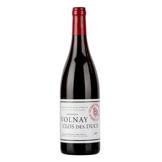
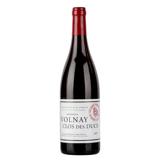
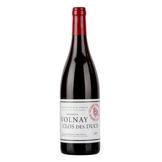
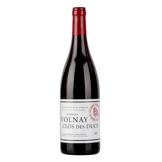
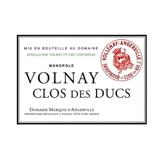
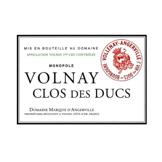
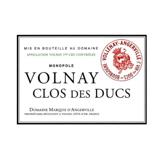
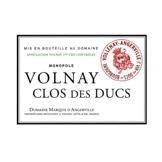
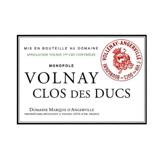
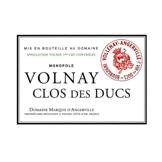
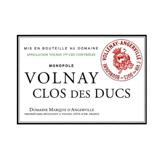
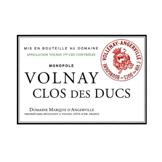
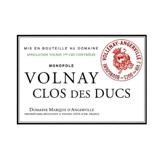
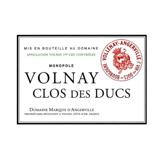
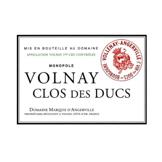
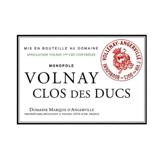
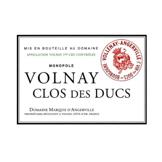
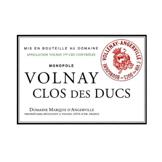
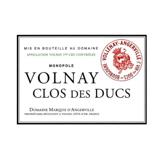
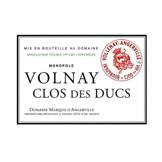
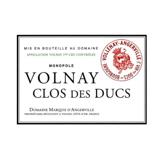
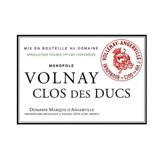
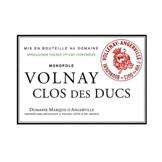
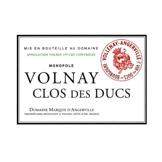
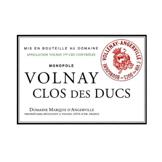
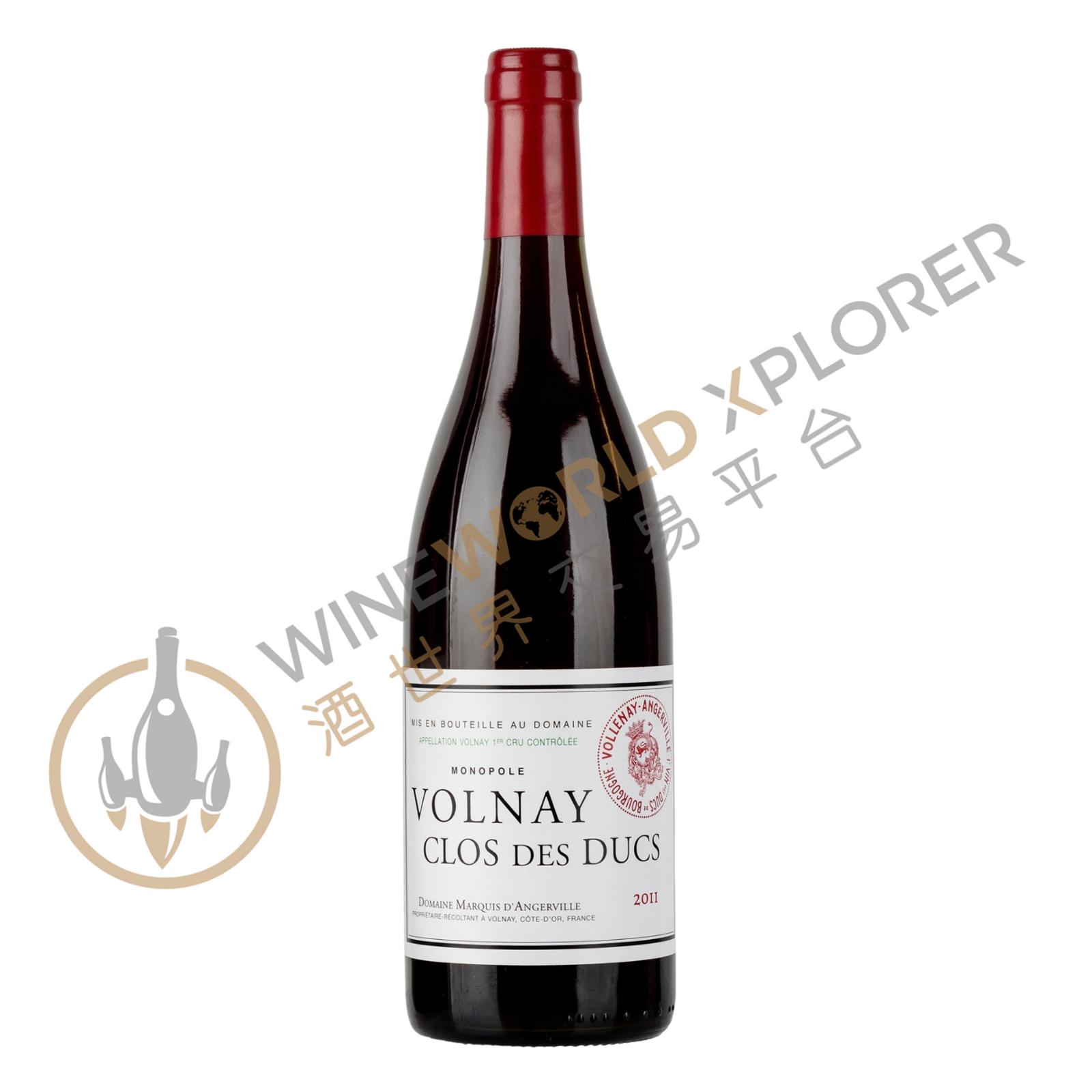
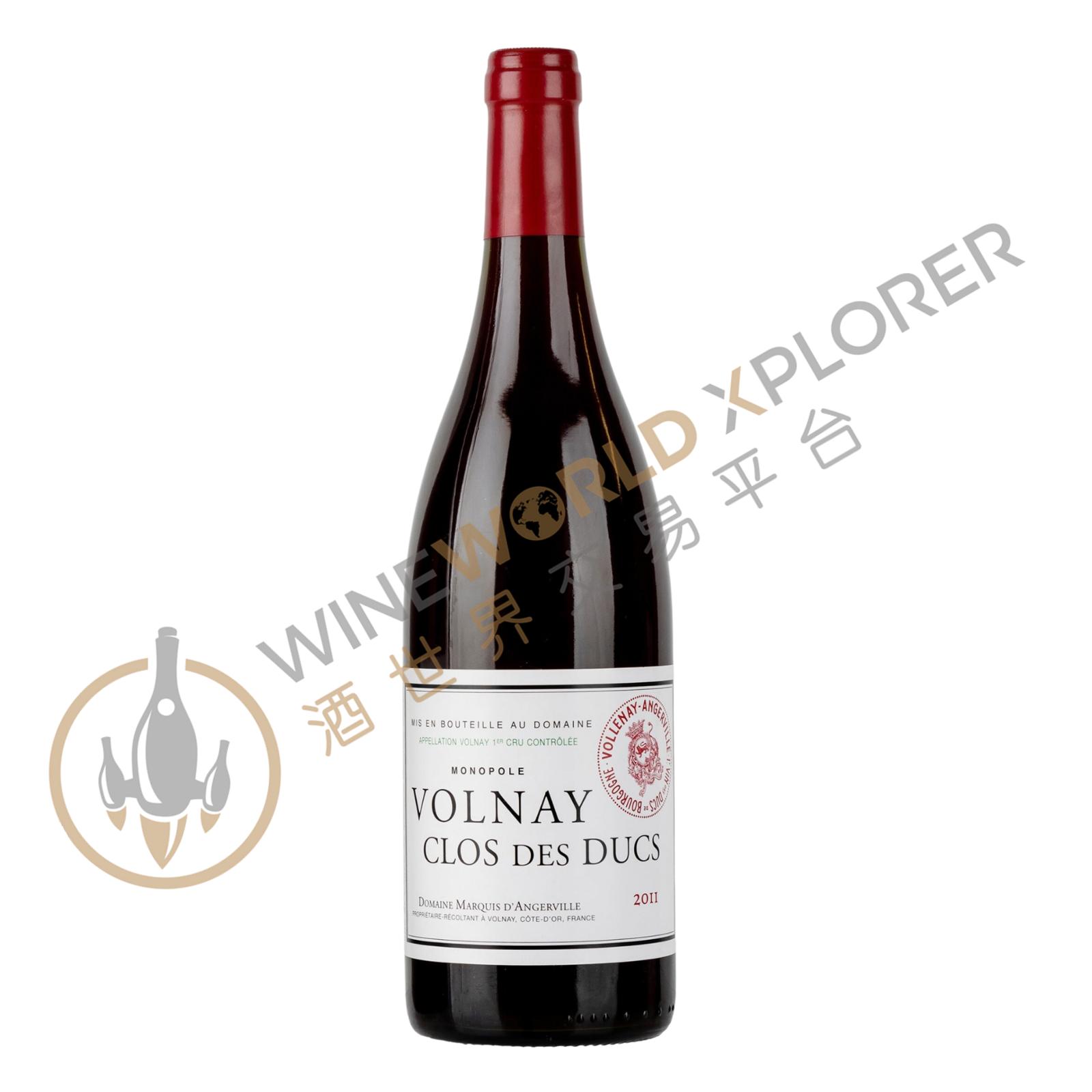
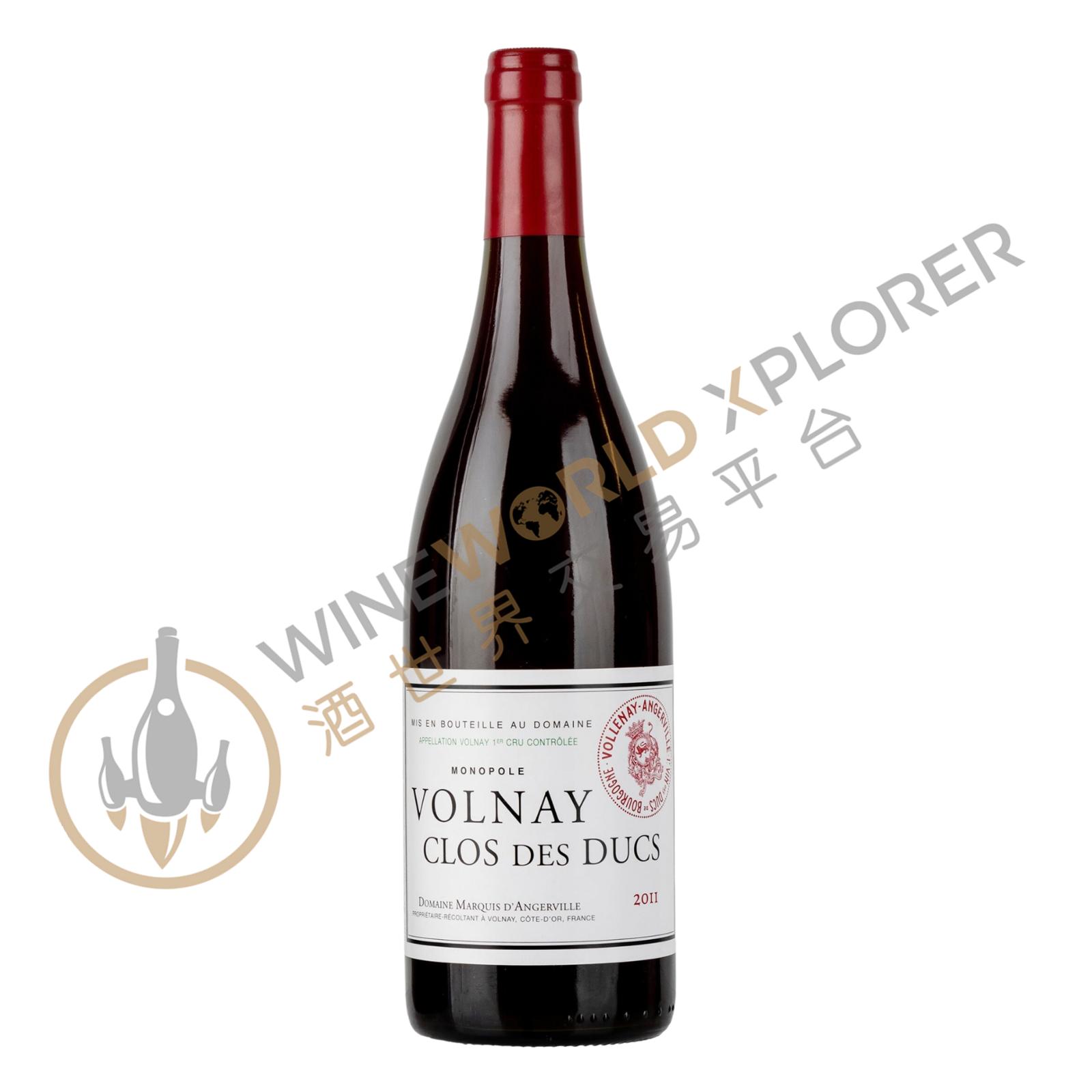
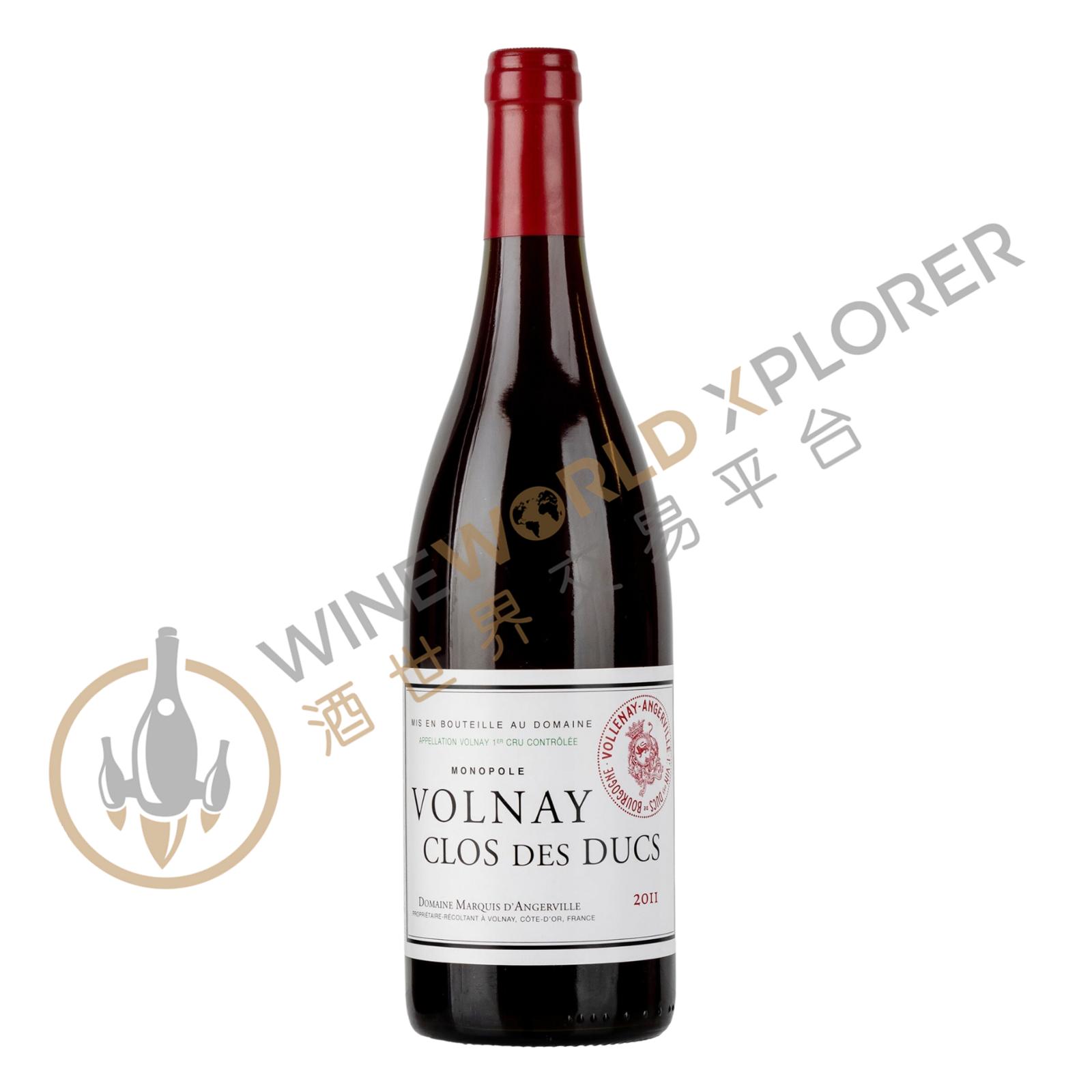
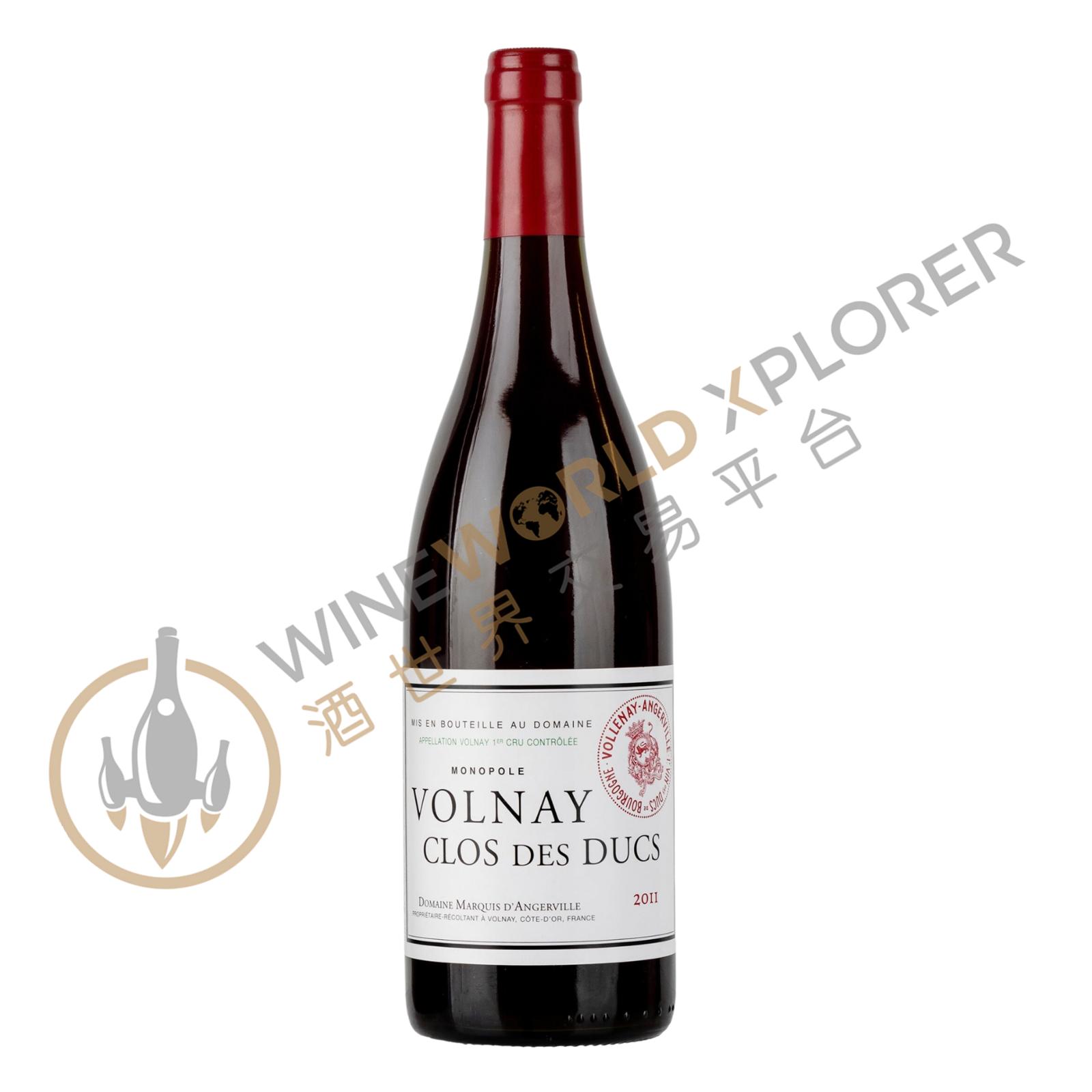
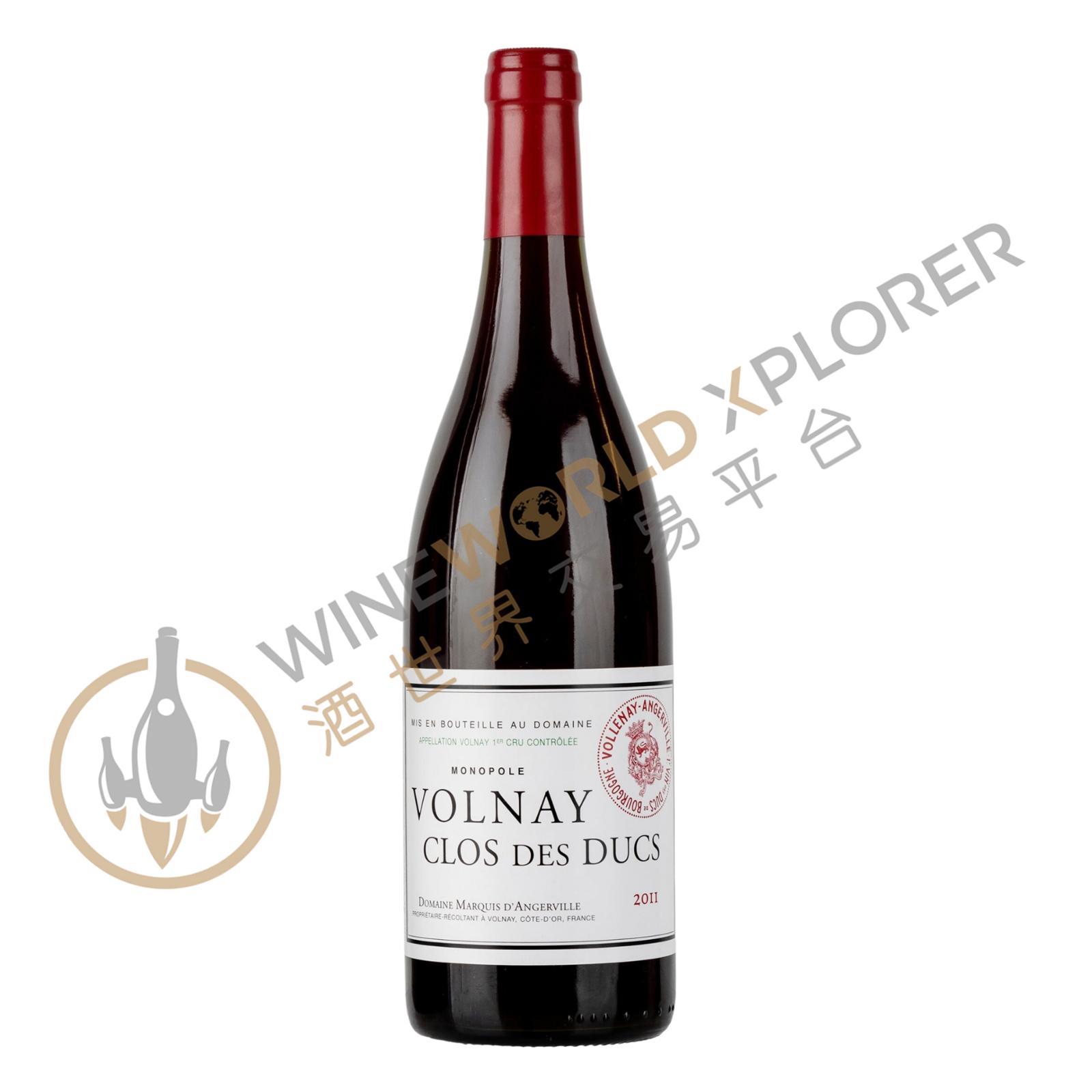
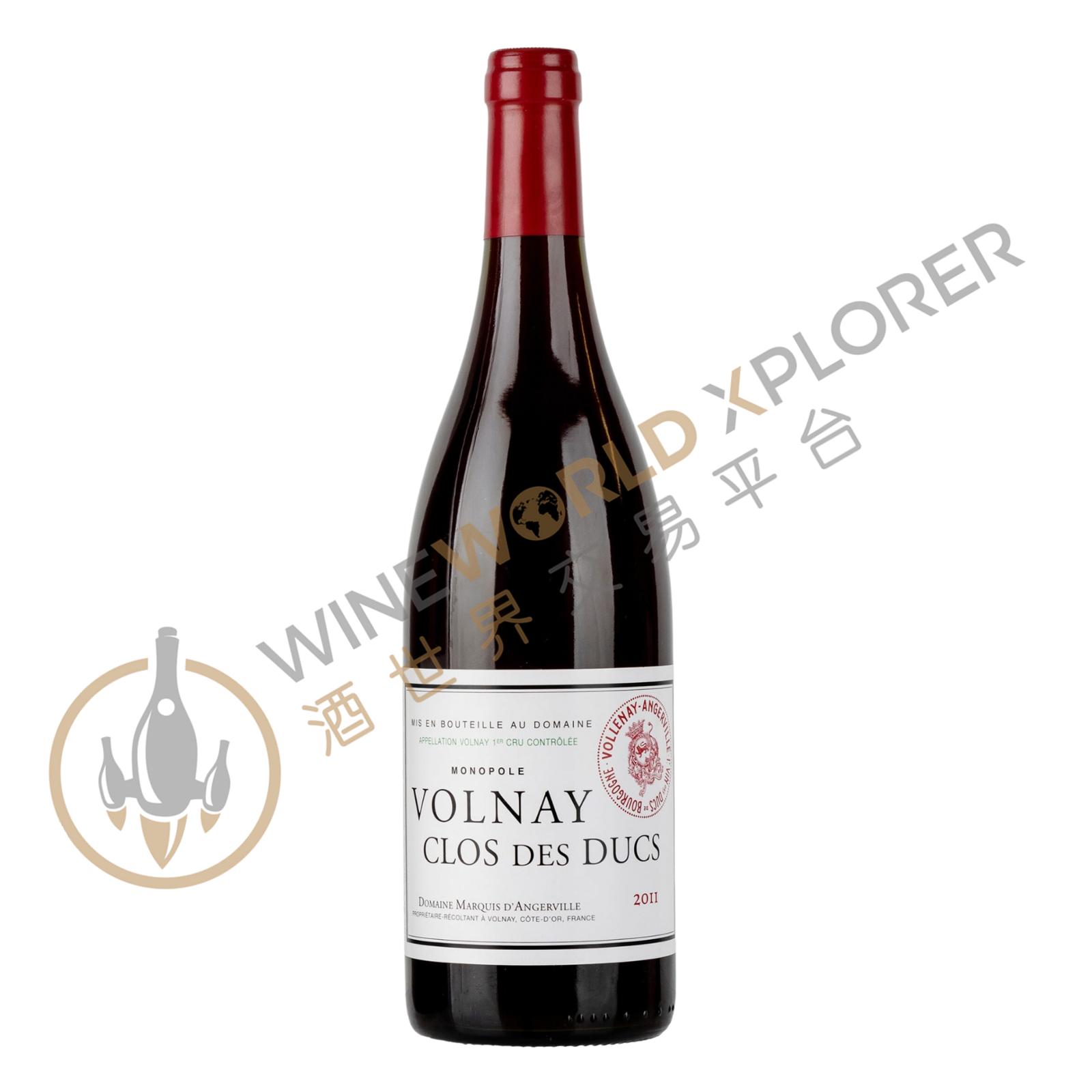
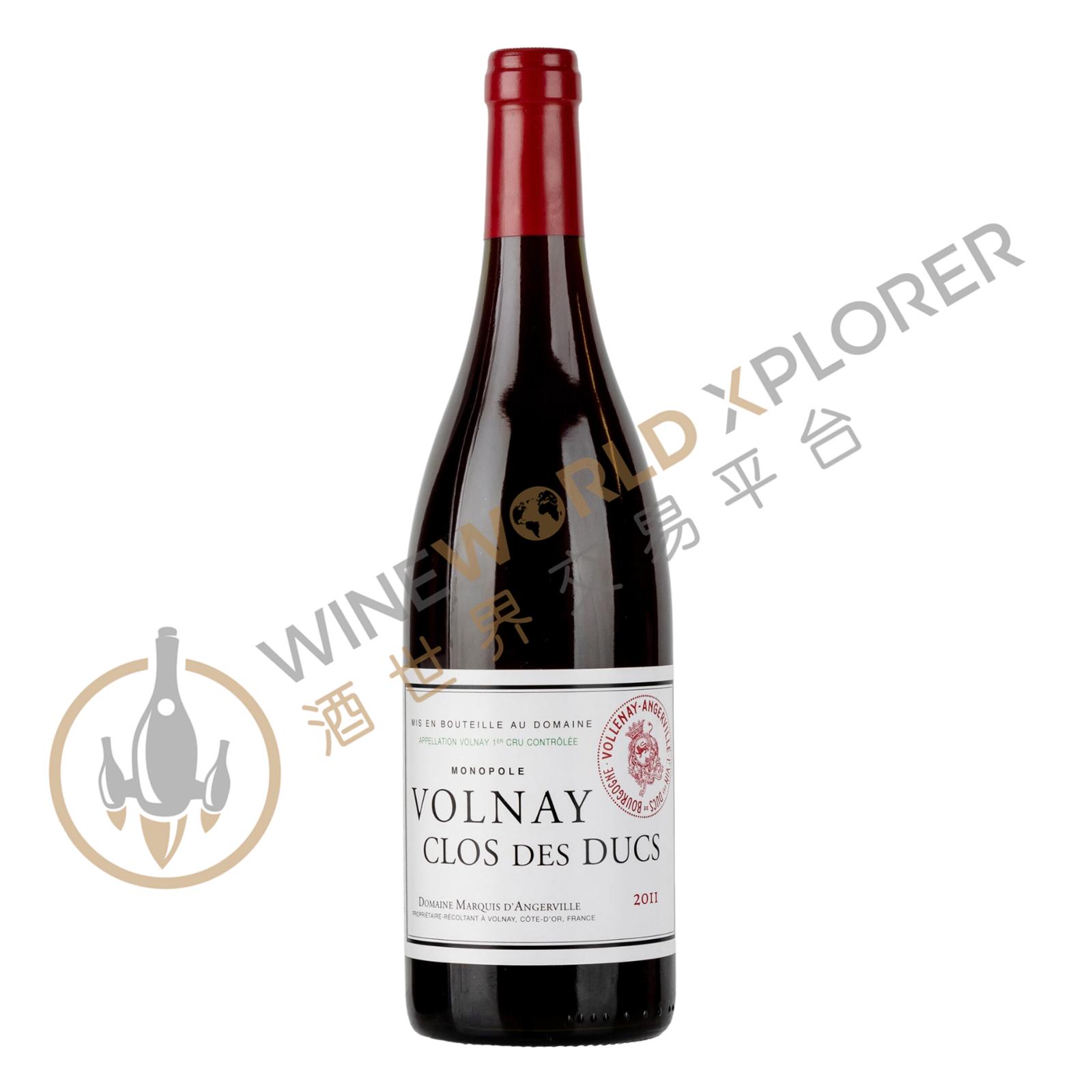
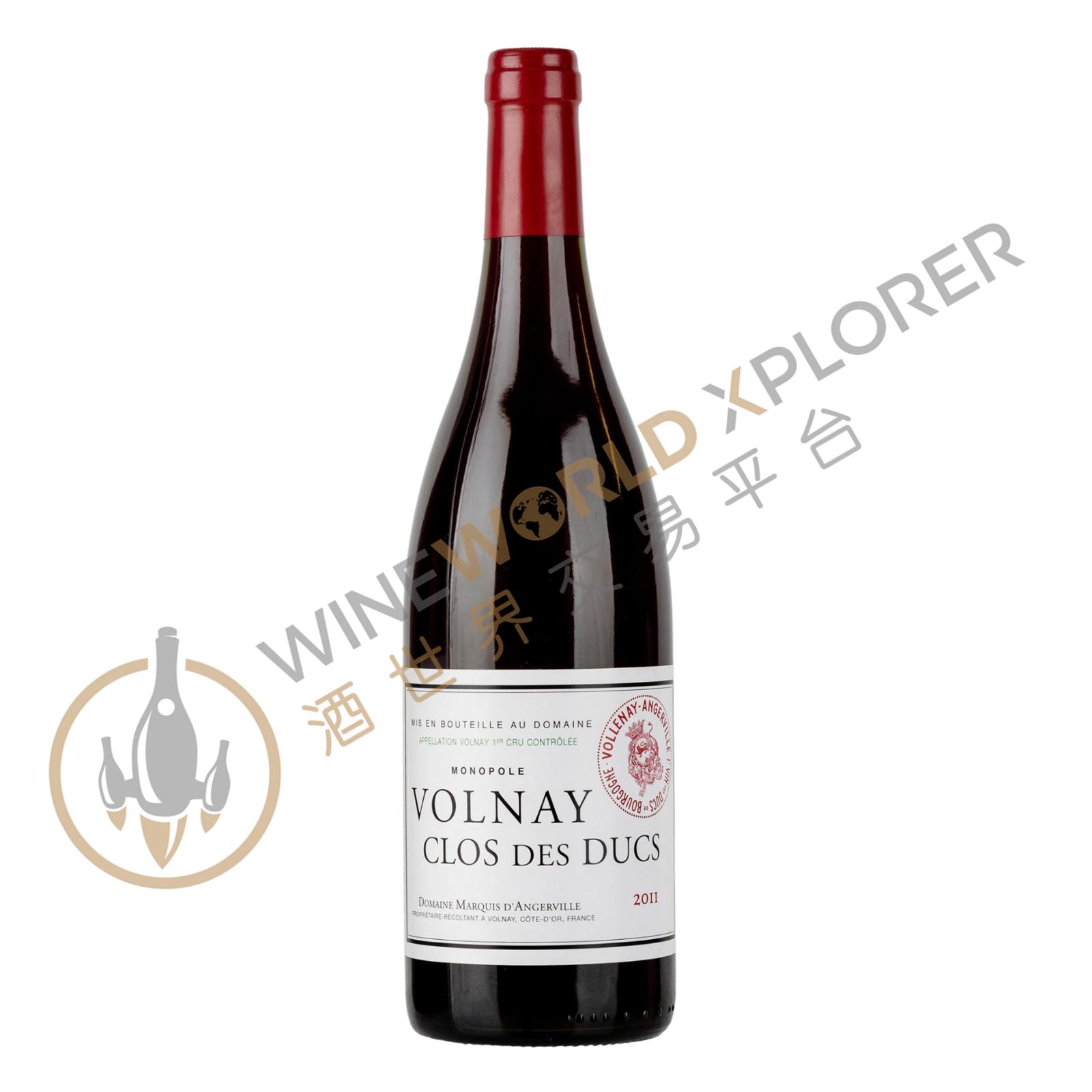
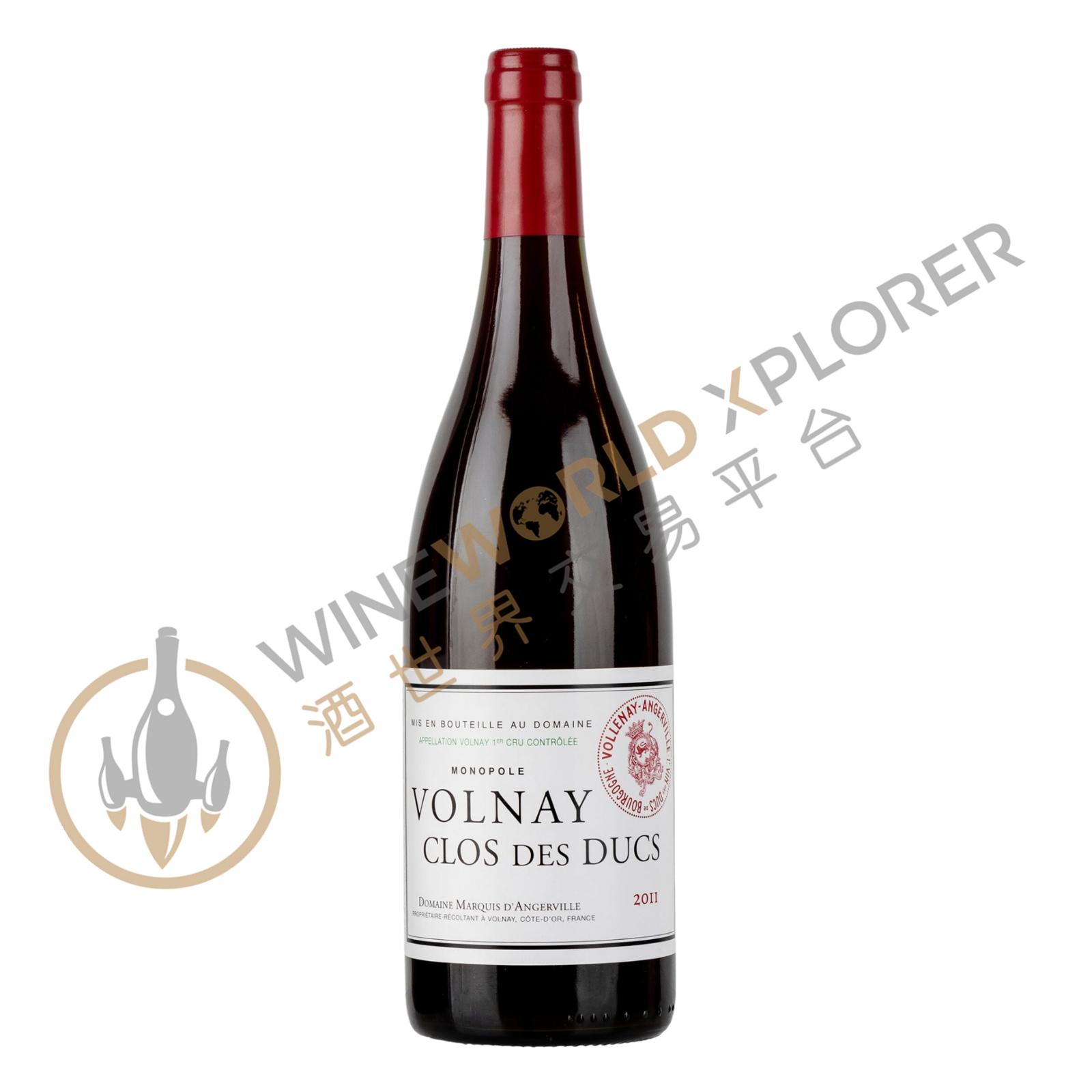
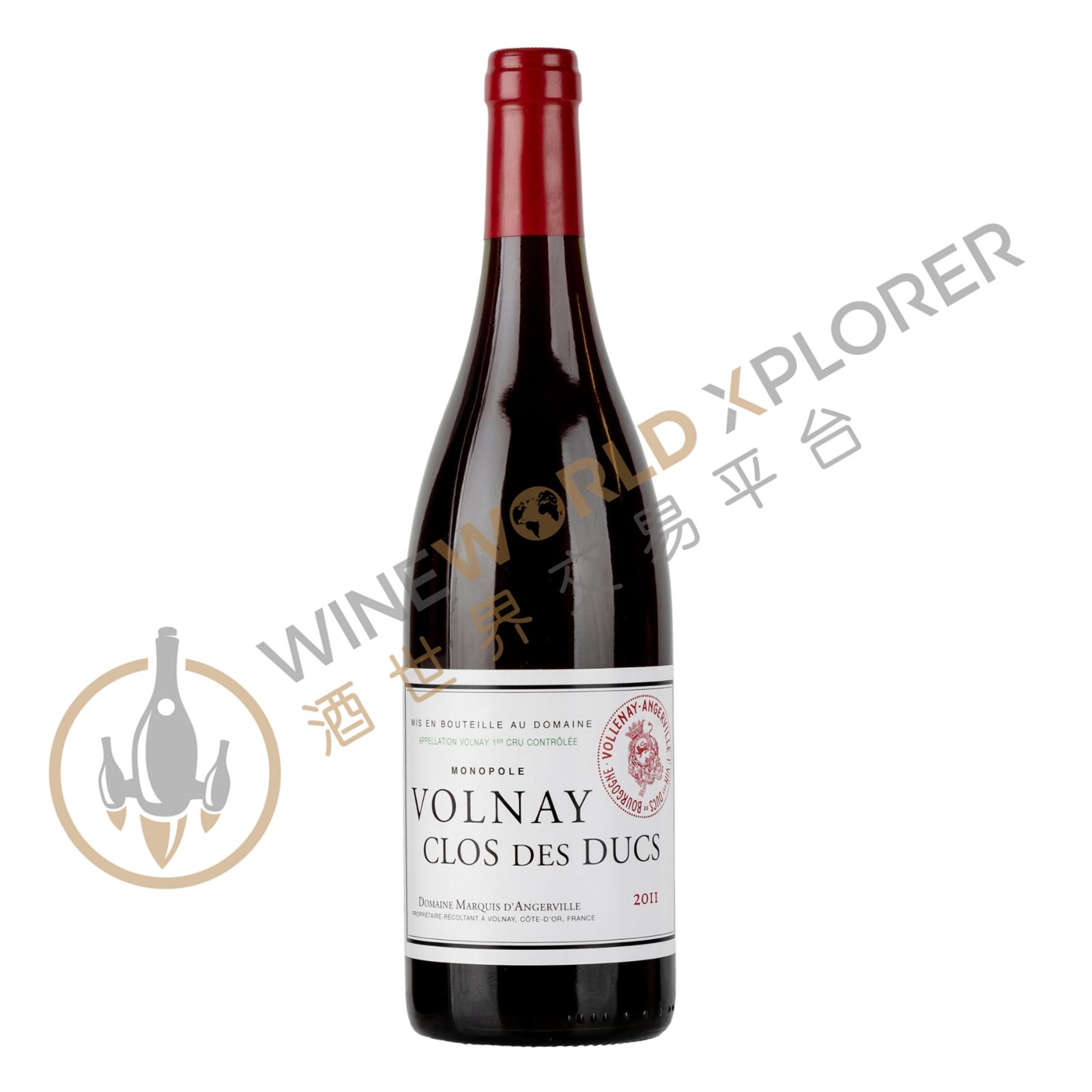
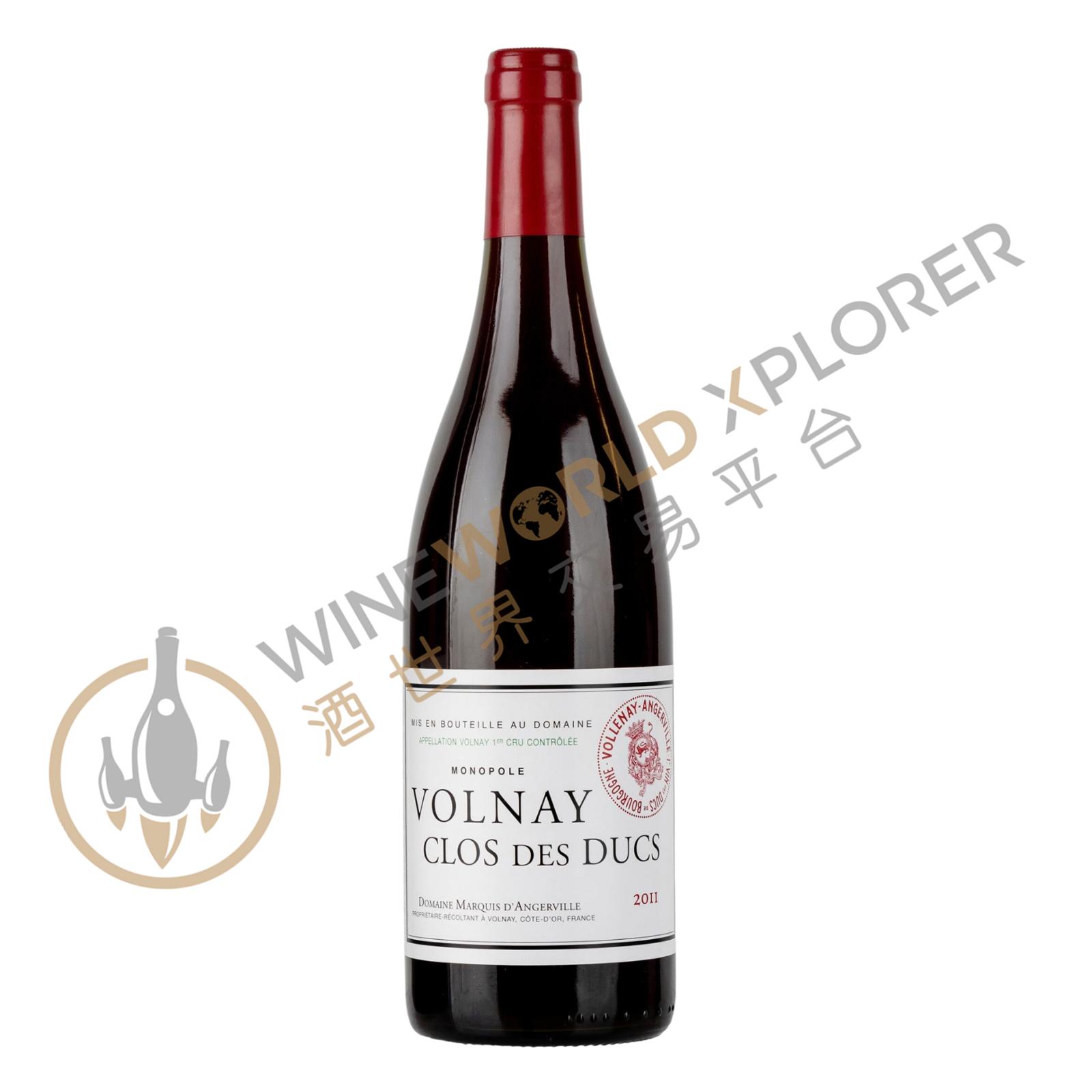
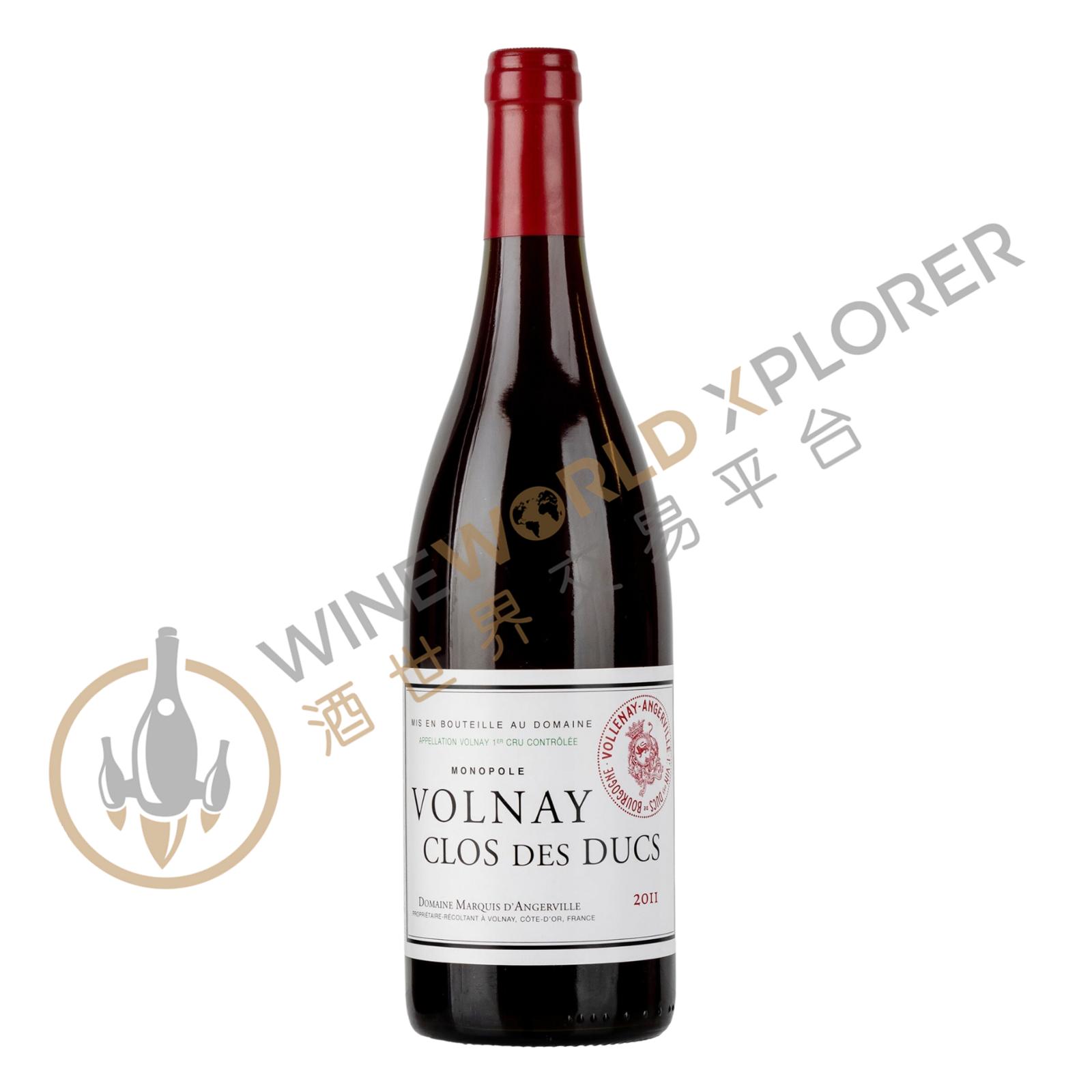
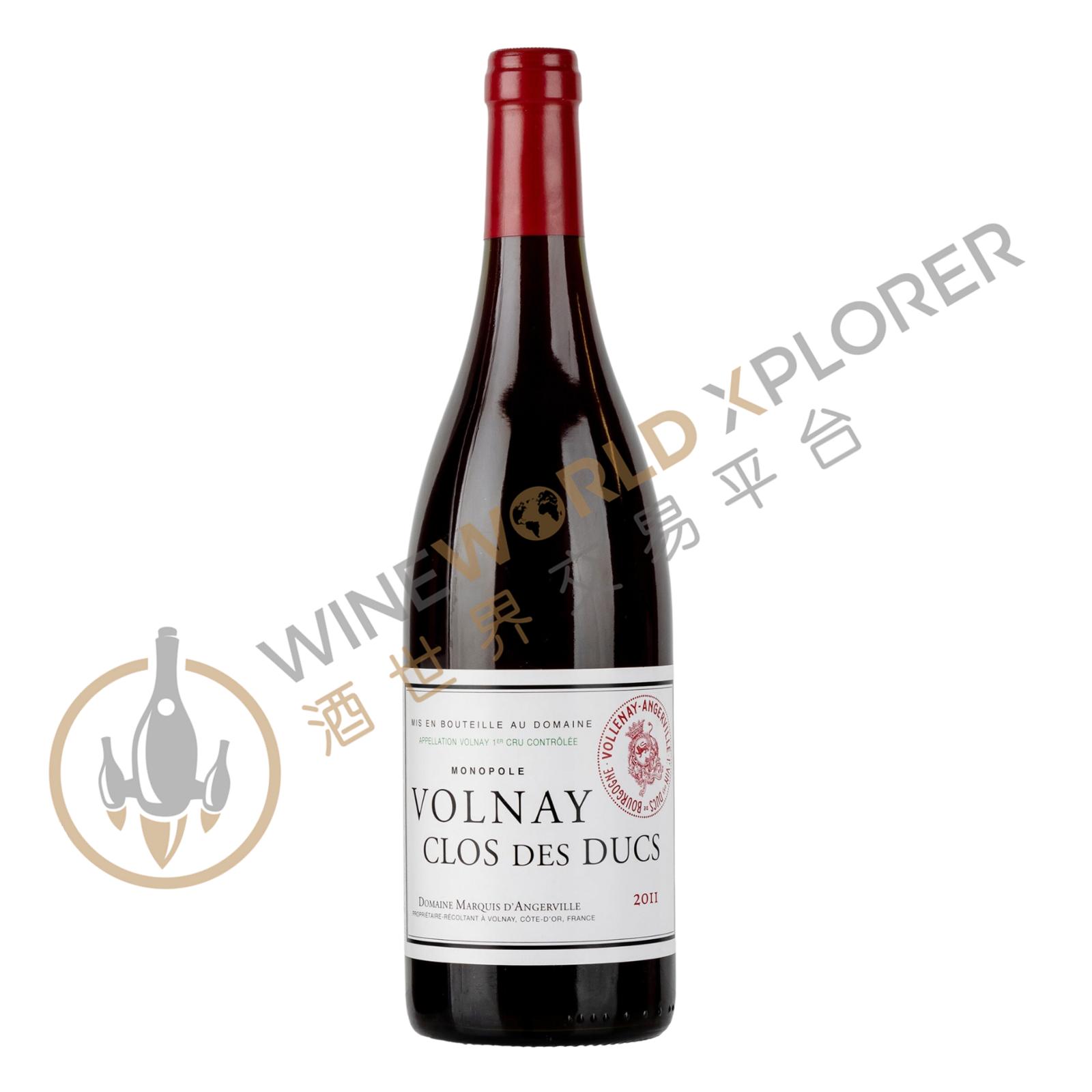
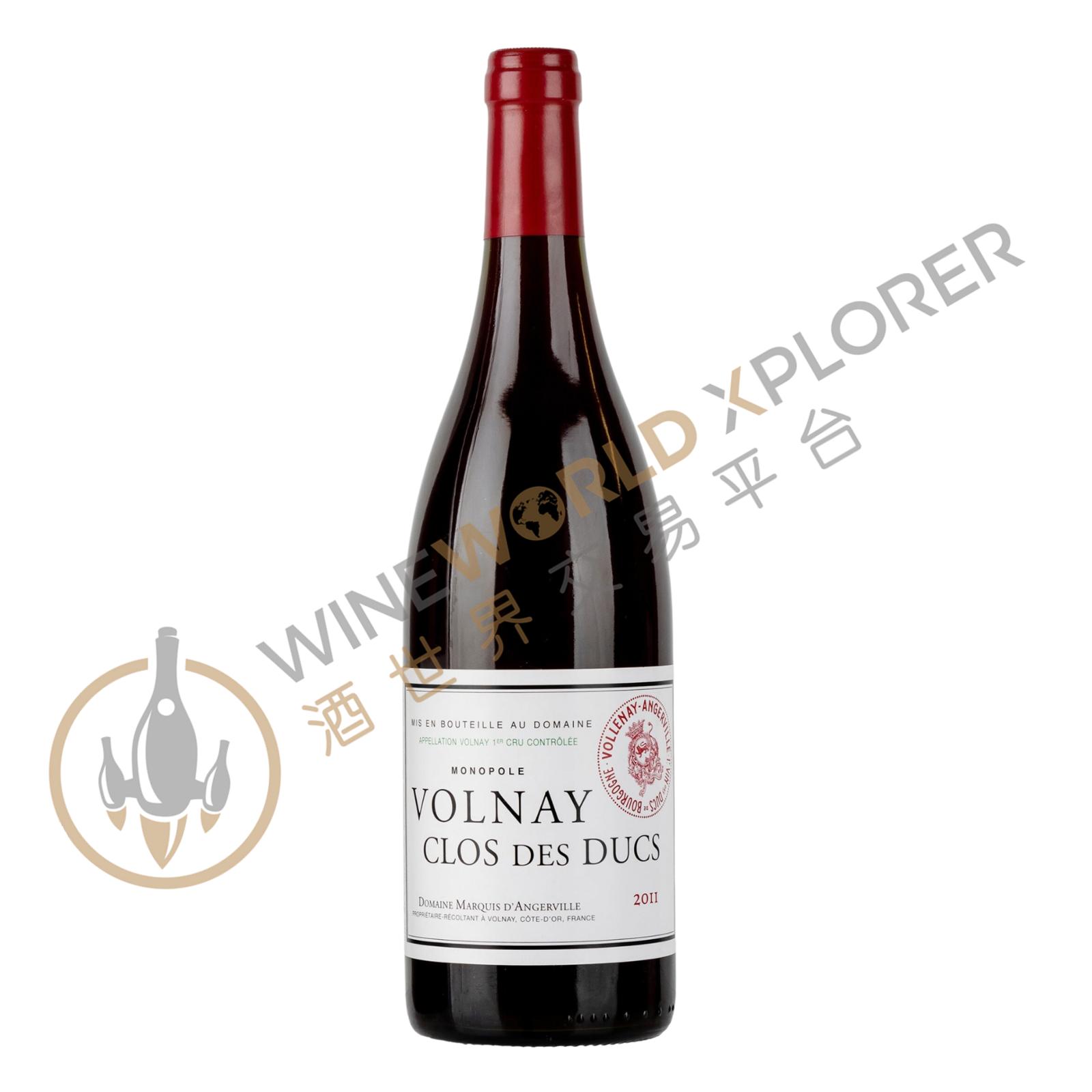
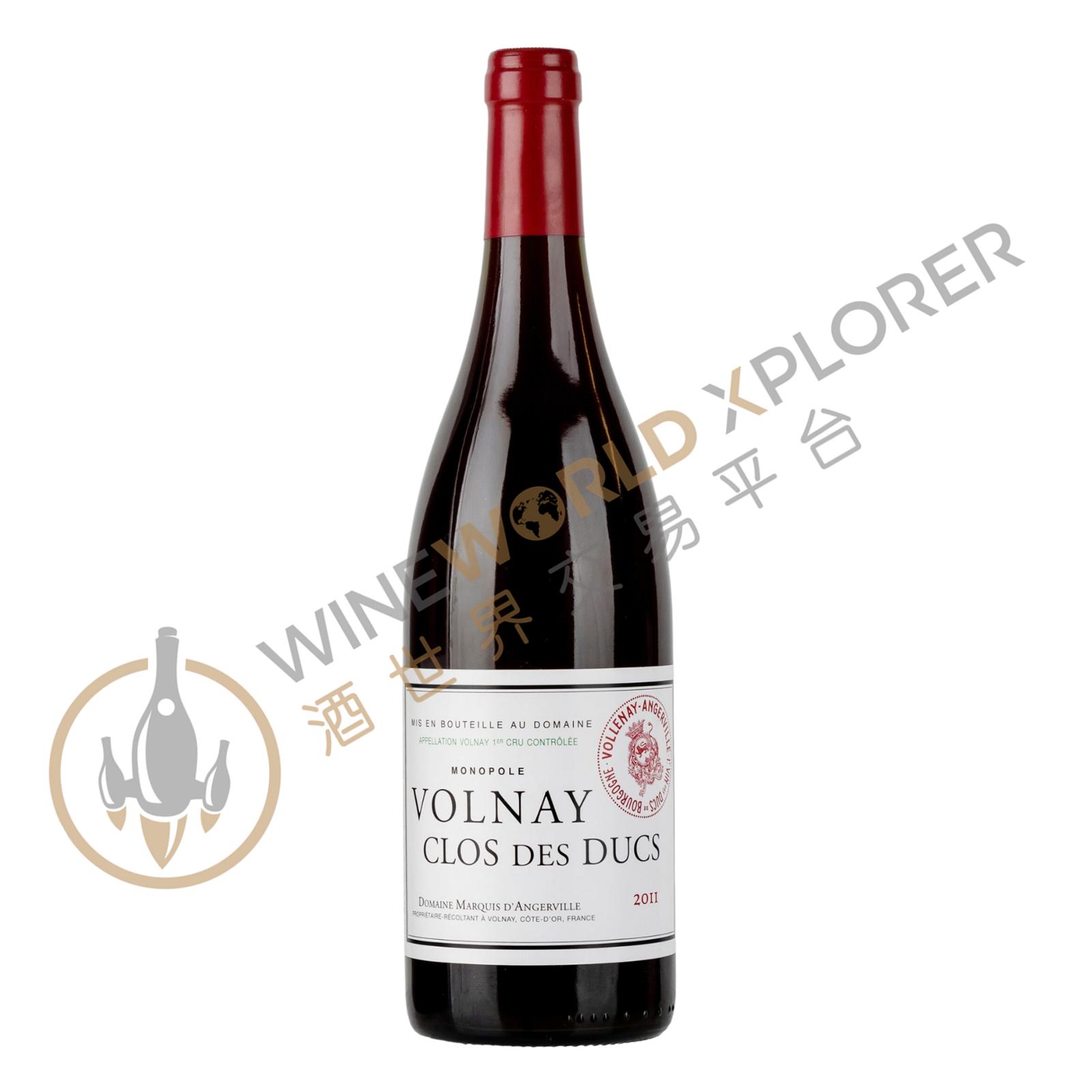
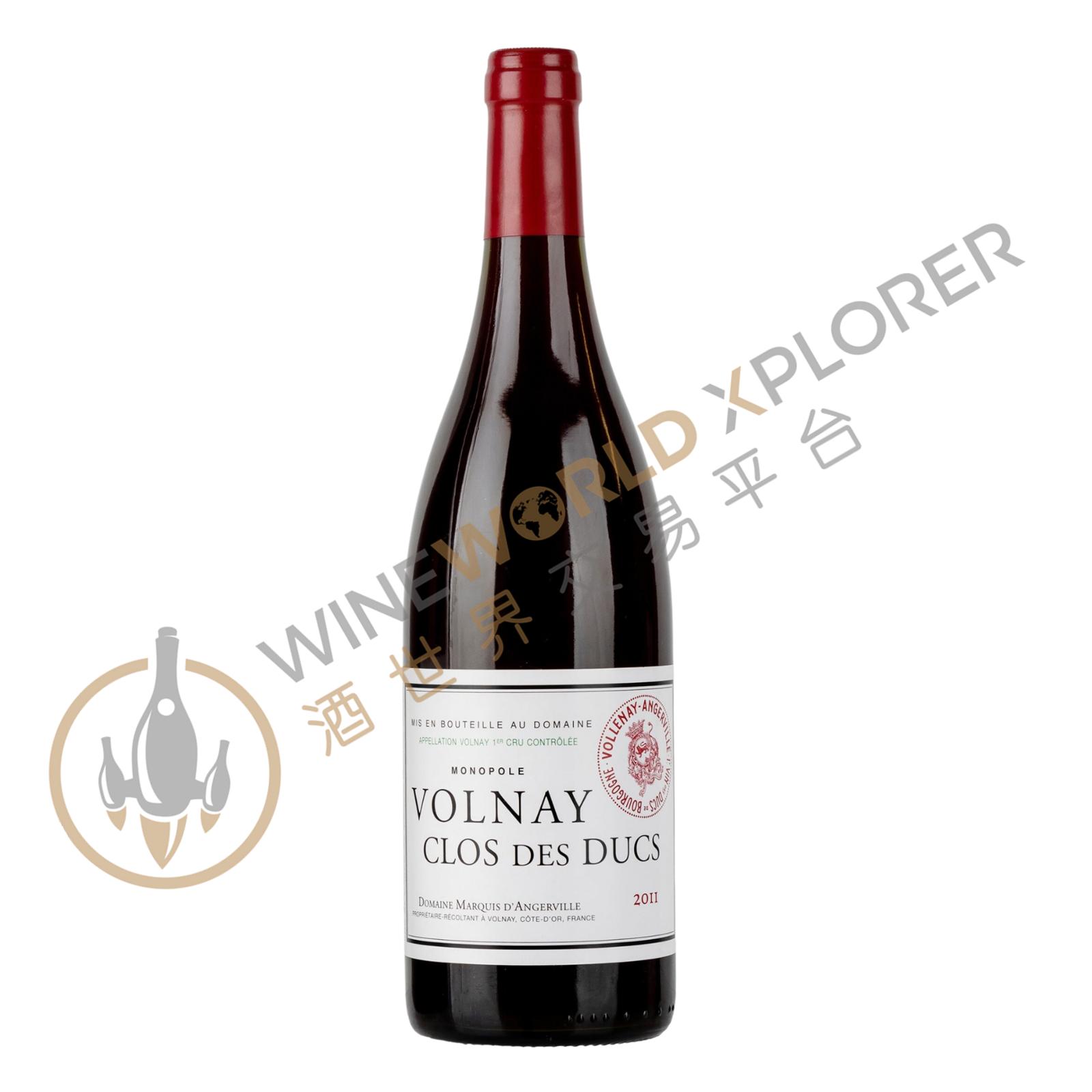
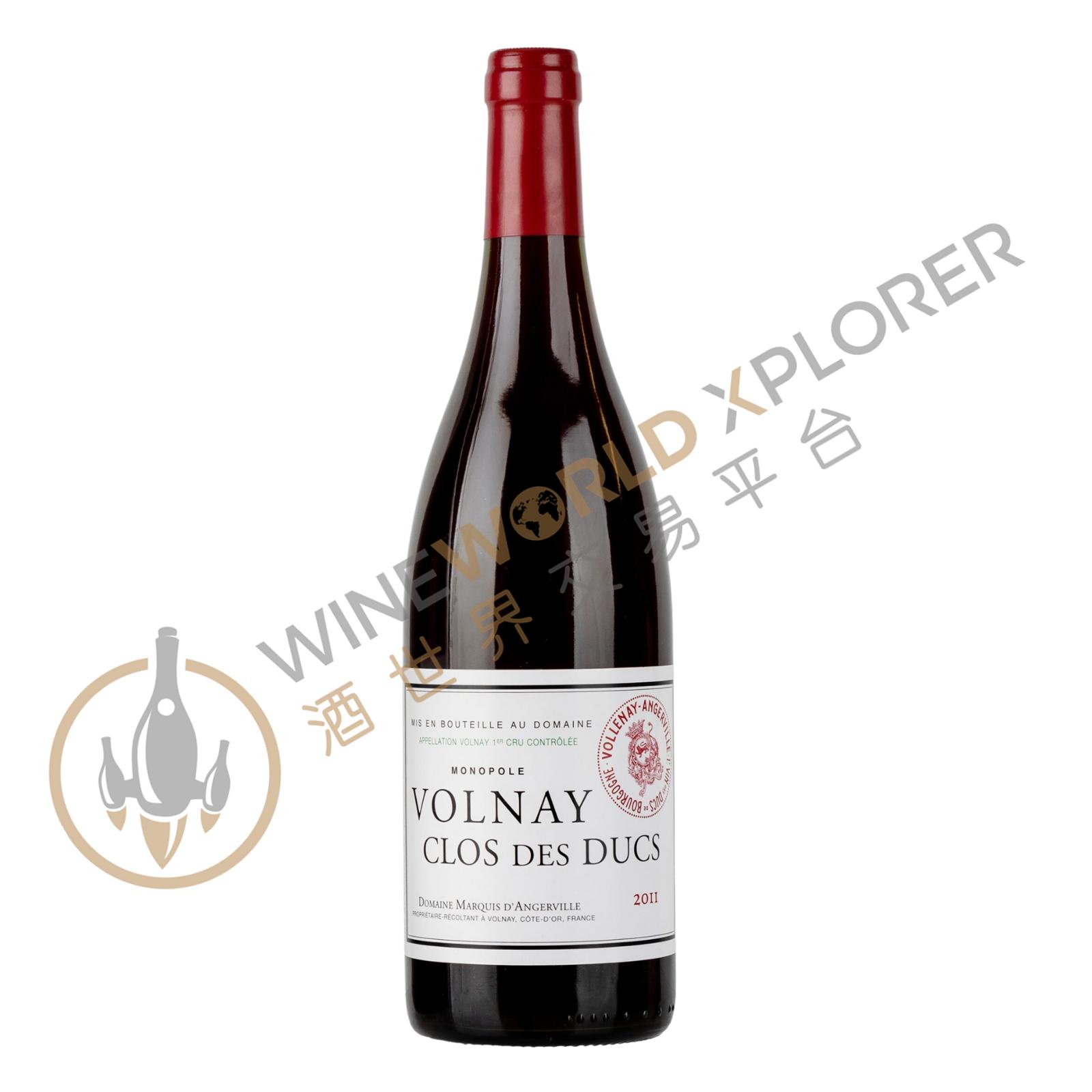
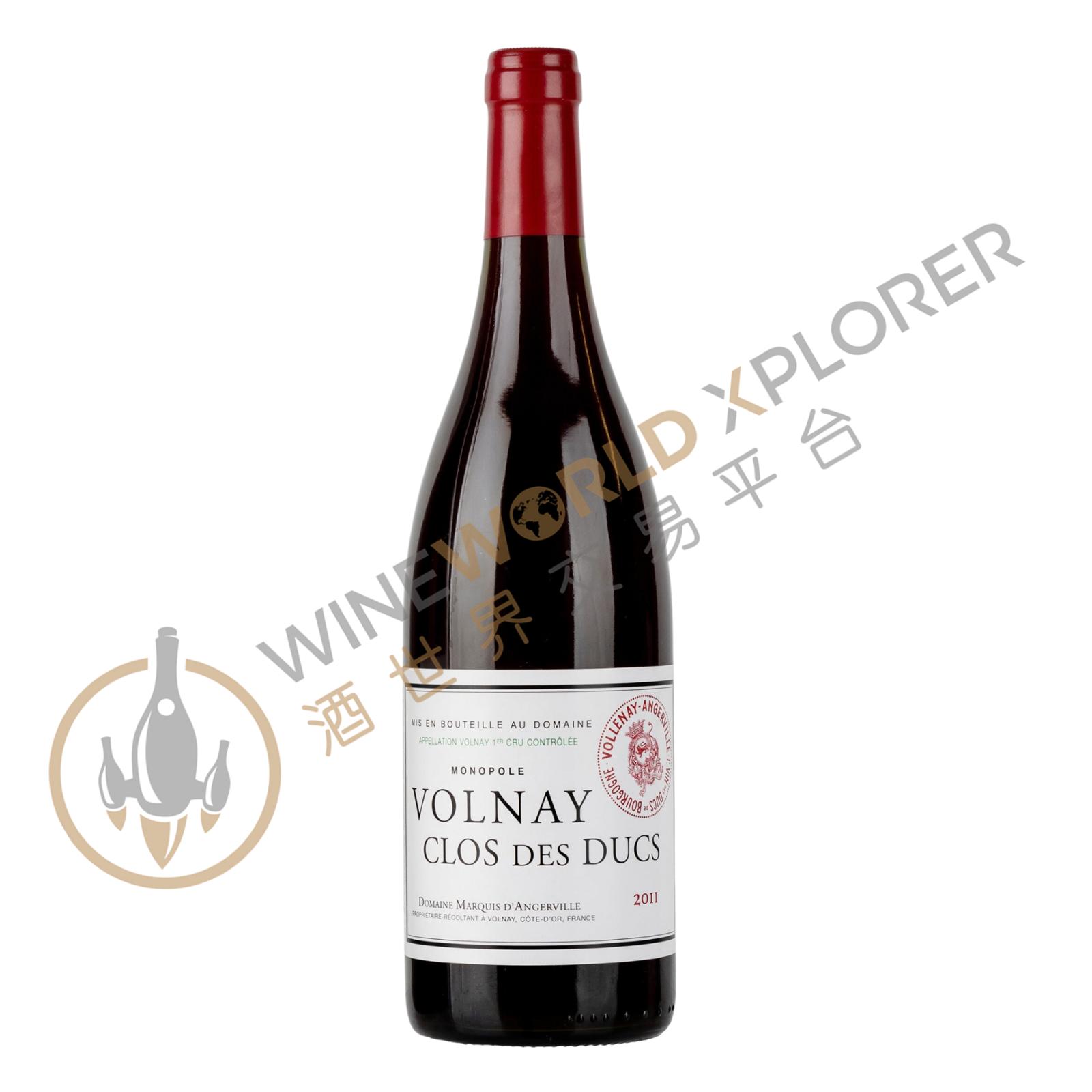
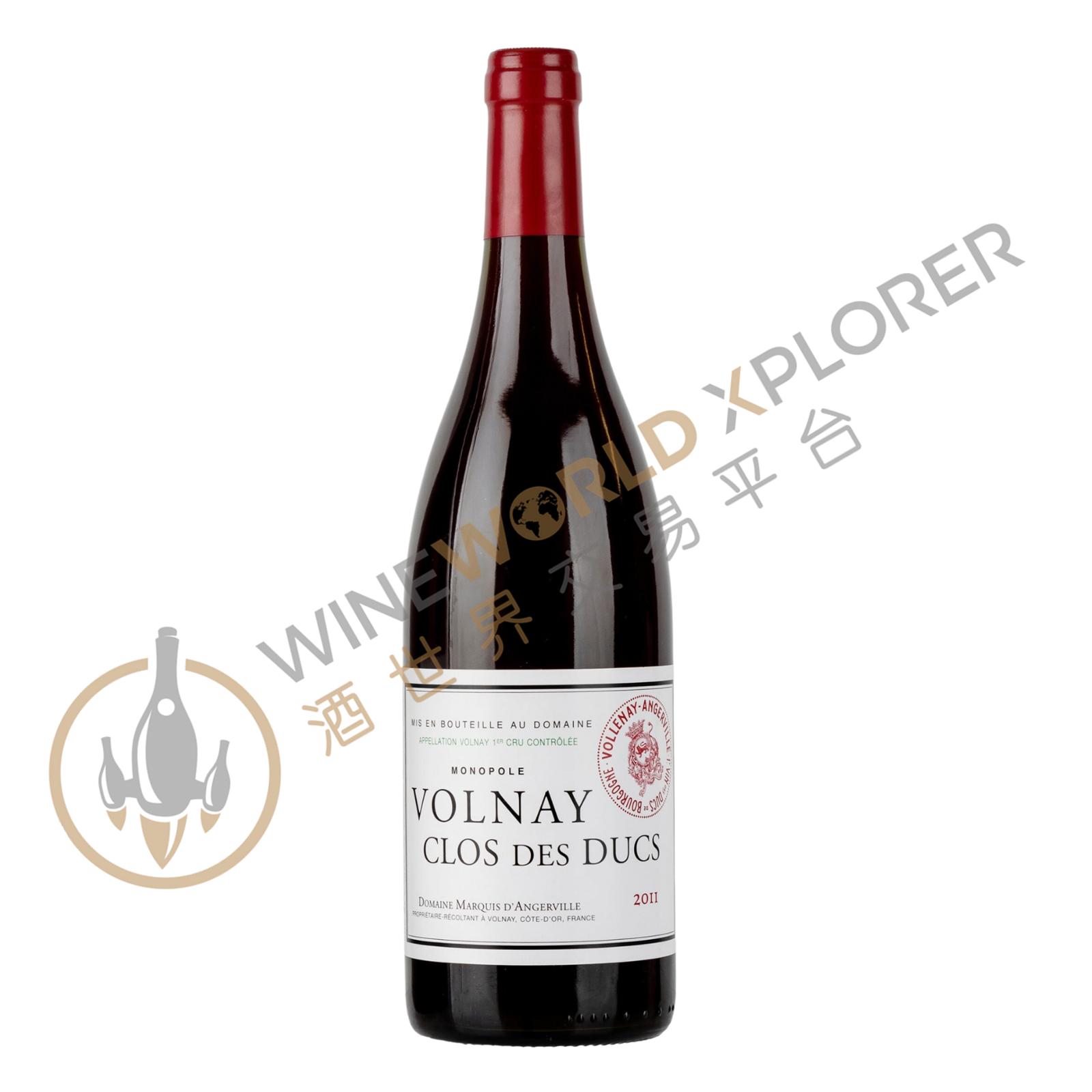
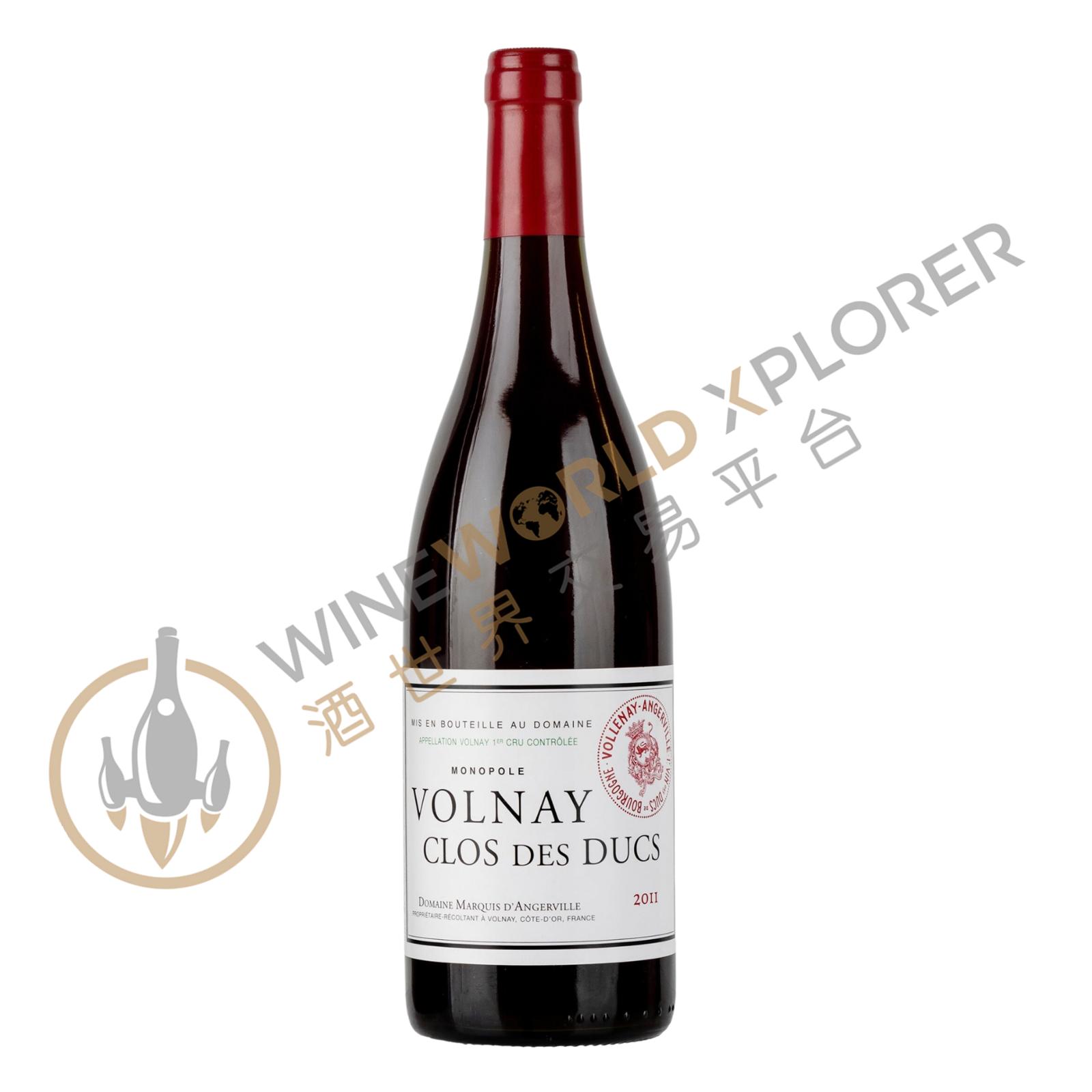
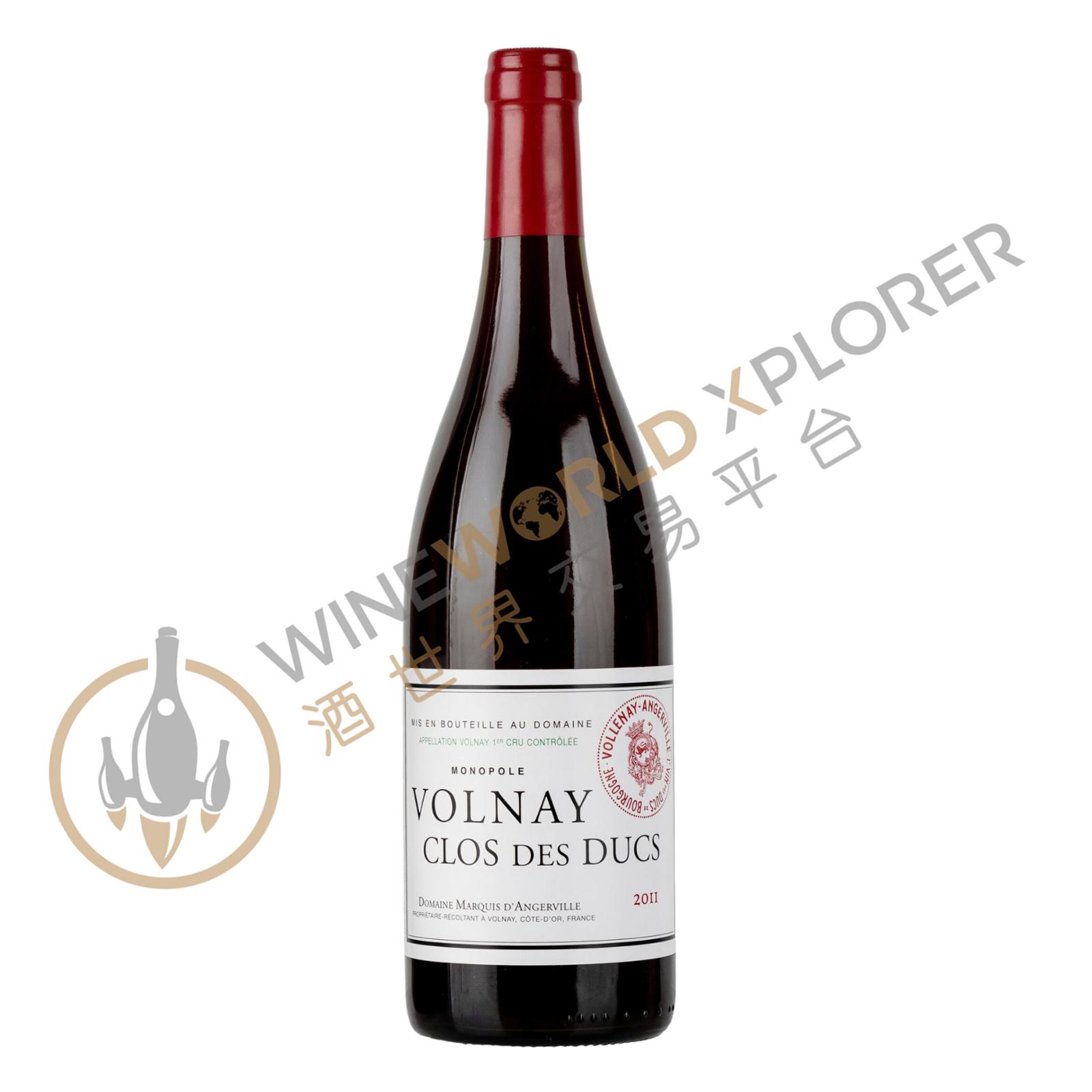
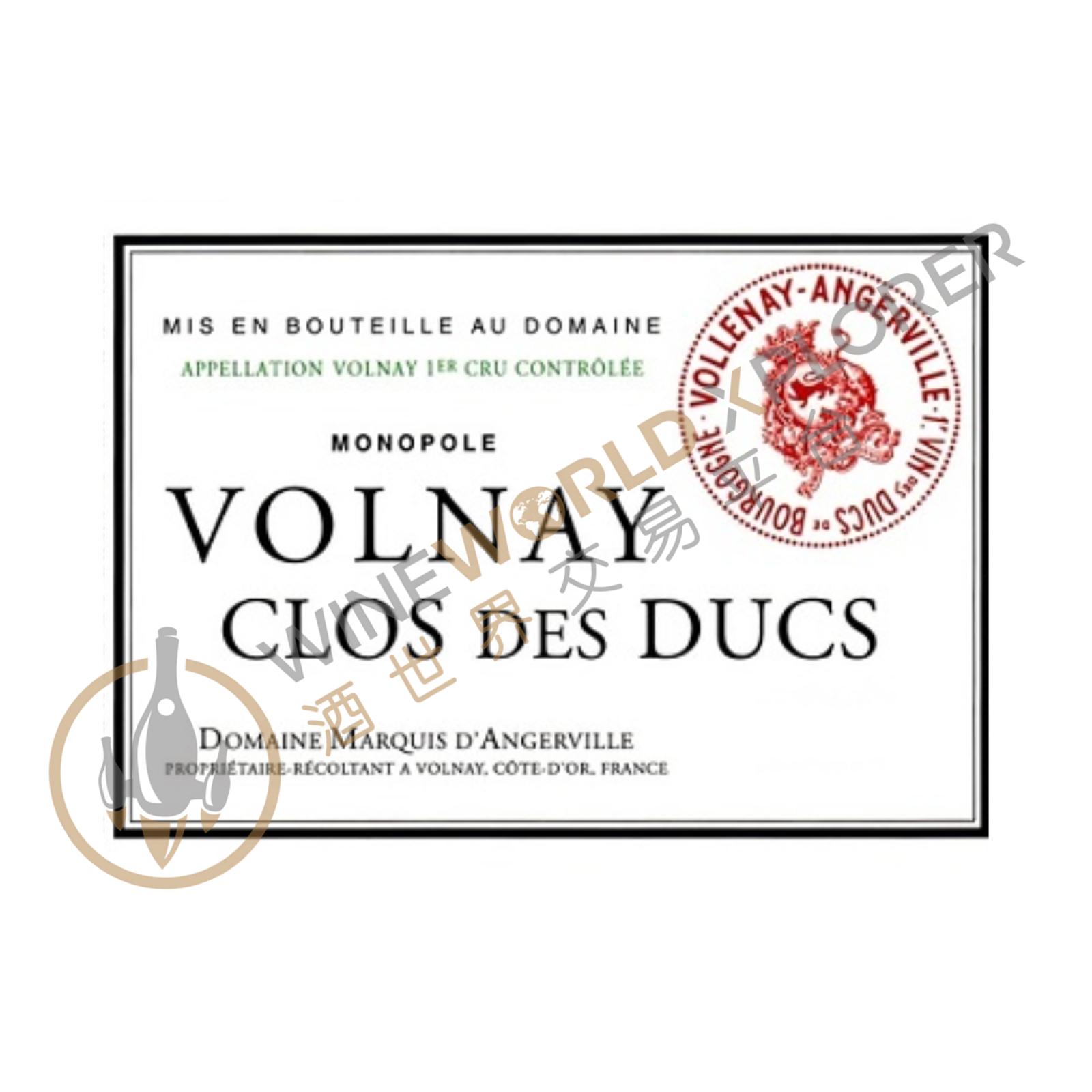
Marquis d'Angerville, Volnay 1er Cru Clos des Ducs 2006
 View analysis


Description
Tasting notes

Reviewed by: David Schildknecht
Bright black cherry fruit with a distilled overtone, augmented by sweetly pungent brown spices greets the nose from a glass of d'Angerville 2006 Volnay Clos Des Ducs. There is an overt sense of density and of chalky minerality, but – as with the more darkly-hued Taillepieds – that does not occlude the juicy flow of ripe fruit or a sense of lift and refinement. Well-knit and ineradicable in flavor as this is, I feel sure it will be worth following for ten or a dozen years, and strongly suspect that it is only showing hints of the complexity that will come in another 3-4. Like his illustrious father, Guillaume d’Angerville and estate director (and brother-in-law) Renaud de Villette have beaten the odds with their gentle art of winemaking (inter alia short maceration, no pigeage, promotion of late malo, low levels of new wood) in far more difficult vintages than 2006, so the generally high quality of their recent collection comes as no surprise. They waited until late September, and then brought in their entire crop in only five days. I have not had chance to taste the d'Angerville generic and village wines, nor their Champans it was bottled. Incidentally, this estate continues to routinely give its wines a course plaque filtration. Importer: Diageo Chateau and Estate Wines Company, New York, NY; tel. (212) 419-1400
About the Producer
History Domaine Marquis D'Angerville began in the 19th century. In 1804, Baron du Mesnil, the sub-prefect of Autun in Burgundy commune acquires property Clos des Ducs in Volnay - the heart of the appellation Côte de Beaune. Surrounding areas were formerly part of the famous vineyards of Burgundy Dukes Taillepieds, Caillerets and Champans. After the phylloxera epidemic, devastating vineyards in the late 19th century, the nephew and godson Baron du Mesnil, Marquis Sam d'Arzhenvy begins restoration of historic vineyards, re-planting of Pinot Noir grapes. A staunch supporter of "authentic wines" d'Arzhenvy opposes corrupt wine merchants, whose reputation is not always perfect. He becomes the first manufacturer in the region of bottled wines, independently engaged and their subsequent implementation. Due to its unwavering commitment to quality and authenticity of the products d'Arzhenvy Sam was one of the founders of the National Institute of Origin and Quality (l'Institut National des Appellations d'Origine, (INAO)). Son of Sam d'Arzhenvy Jacques d'Arzhenvy, created his first vintage in 1945, and in 1952 he takes control of the estate. Following the tradition of Domaine Marquis d'Angerville, Jacques convinced that all the great wines are produced directly in the vineyards, and their success depends on the quality and the low yields of old vines. This approach, according to him, is more reasonable and effective than the "green fee" or thinning. Thus, after decades of observations and work on the selection of the best examples of Pinot Noir, the family d'Angerville received special honor to grow Pinot Noir under the naming "Pinot d'Angerville". From 1982 to 1987, Jacques d'Arzhenvy is chairman and honorary president of the Wine Academy of France. Throughout his life he devoted to the creation of the great wines of Volnay. After his father's death in 2003 his son William took control of the estate d'Arzhenvy in their hands, keeping the tradition of the manor transition from generation to generation. Currently he helps agronomist Renaud de Villette, who worked with Jacques d'Arzhenvy for fifteen years.
1993(1)1995(3)1996(1)1997(1)1998(1)1999(3)2000(2)2002(4)2003(1)2004(2)2005(3)
Package Size