Wine Advisor



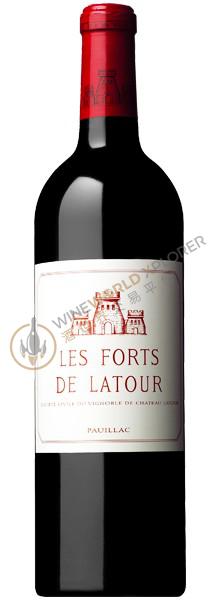
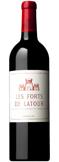
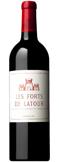
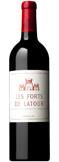
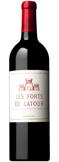
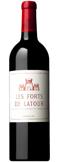
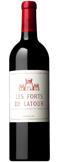
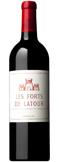
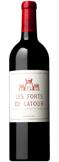
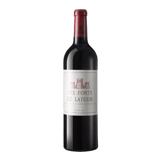
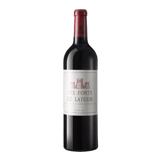
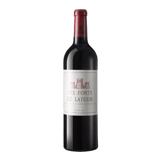
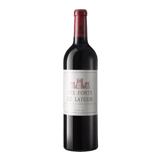
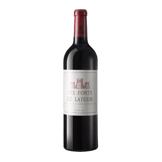
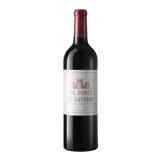
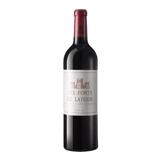
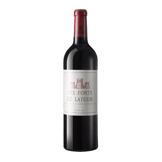
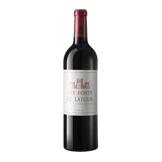
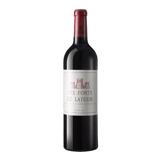
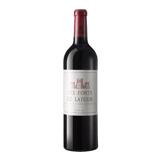
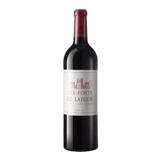
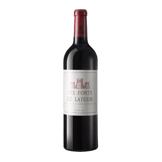
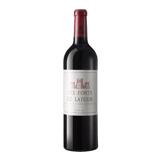
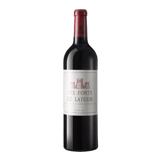
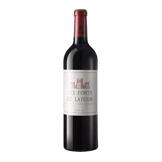
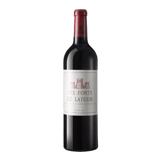
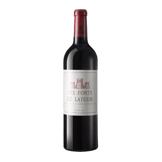
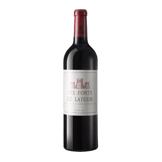
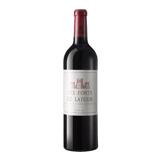
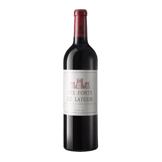
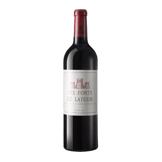
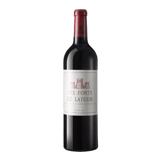
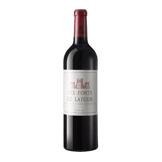
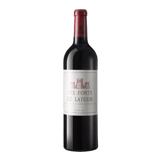
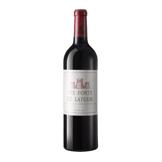
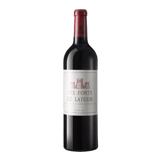
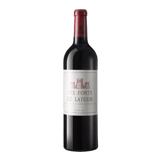
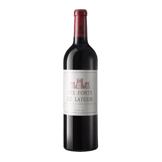
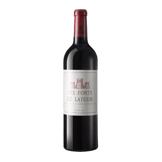
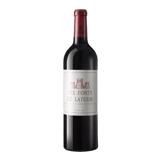
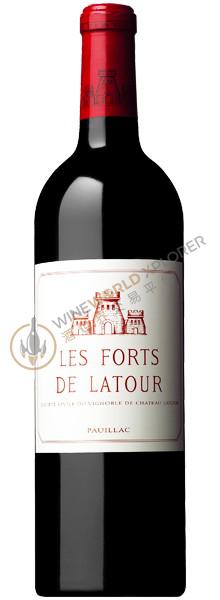
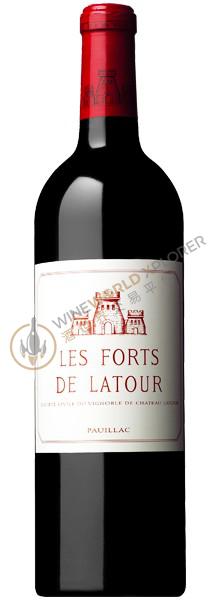
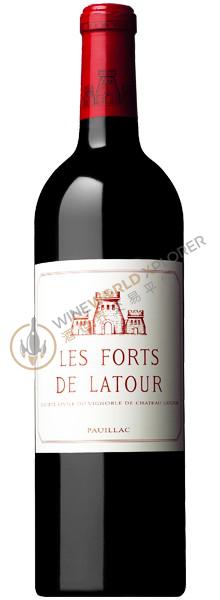
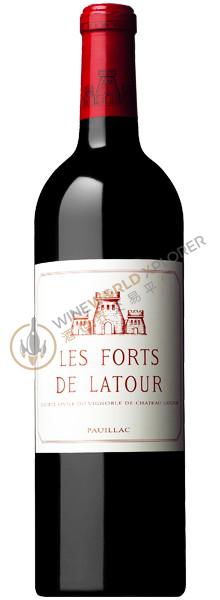
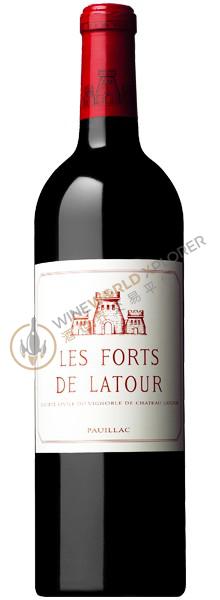
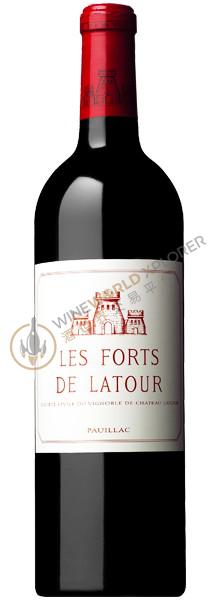
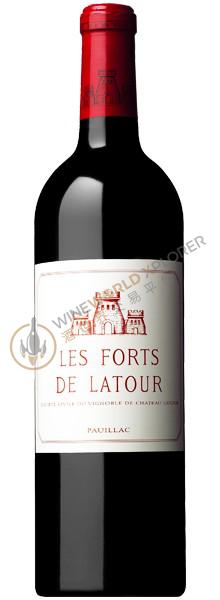
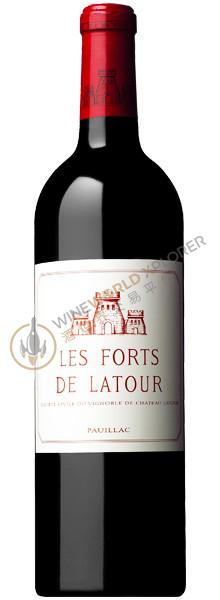
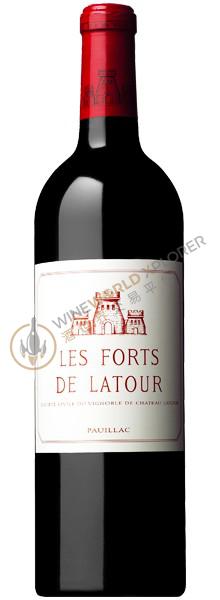
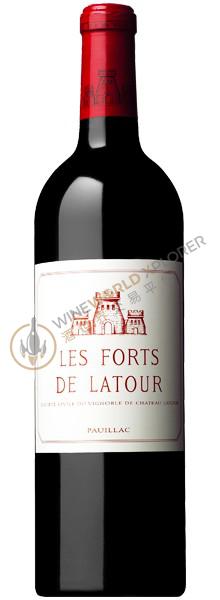
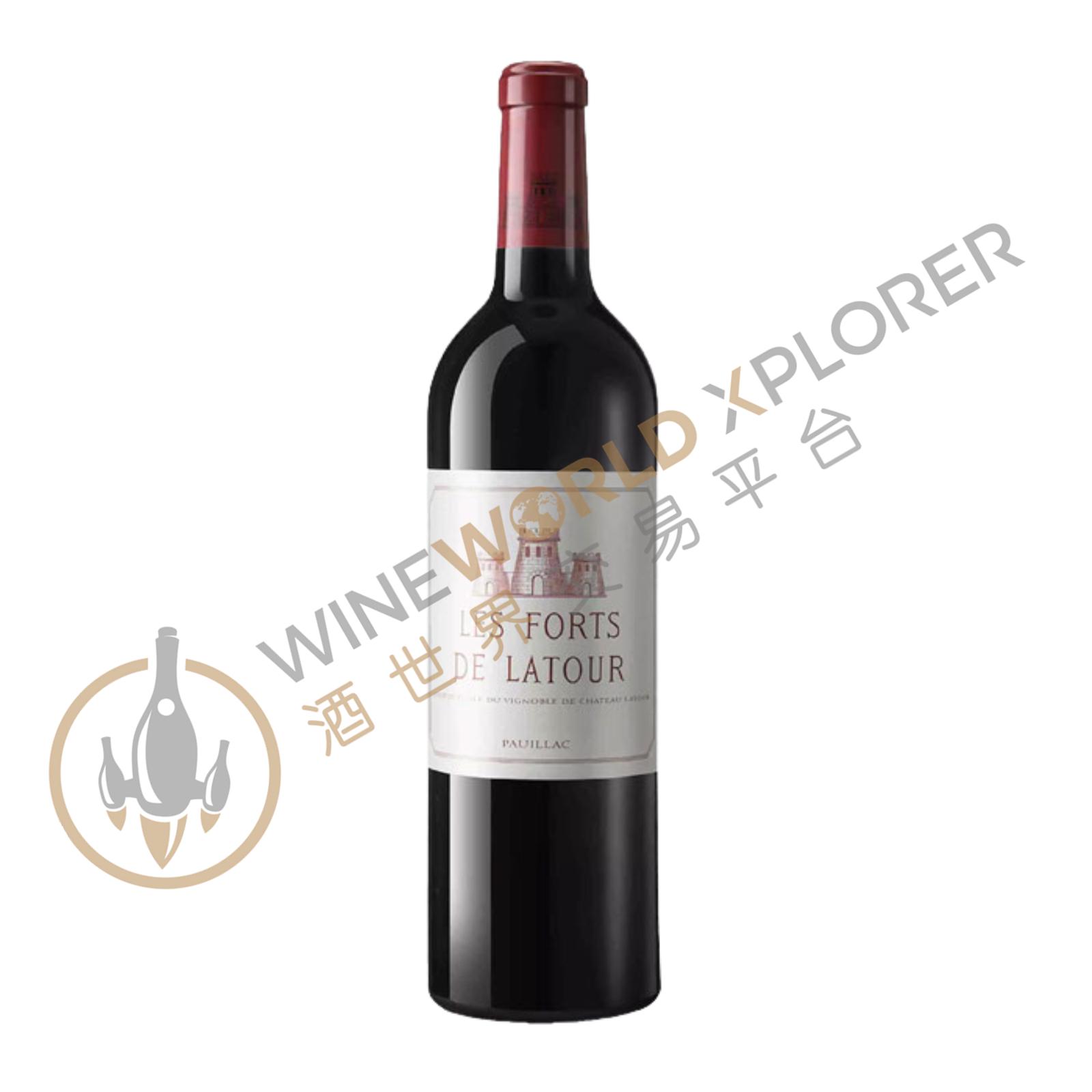
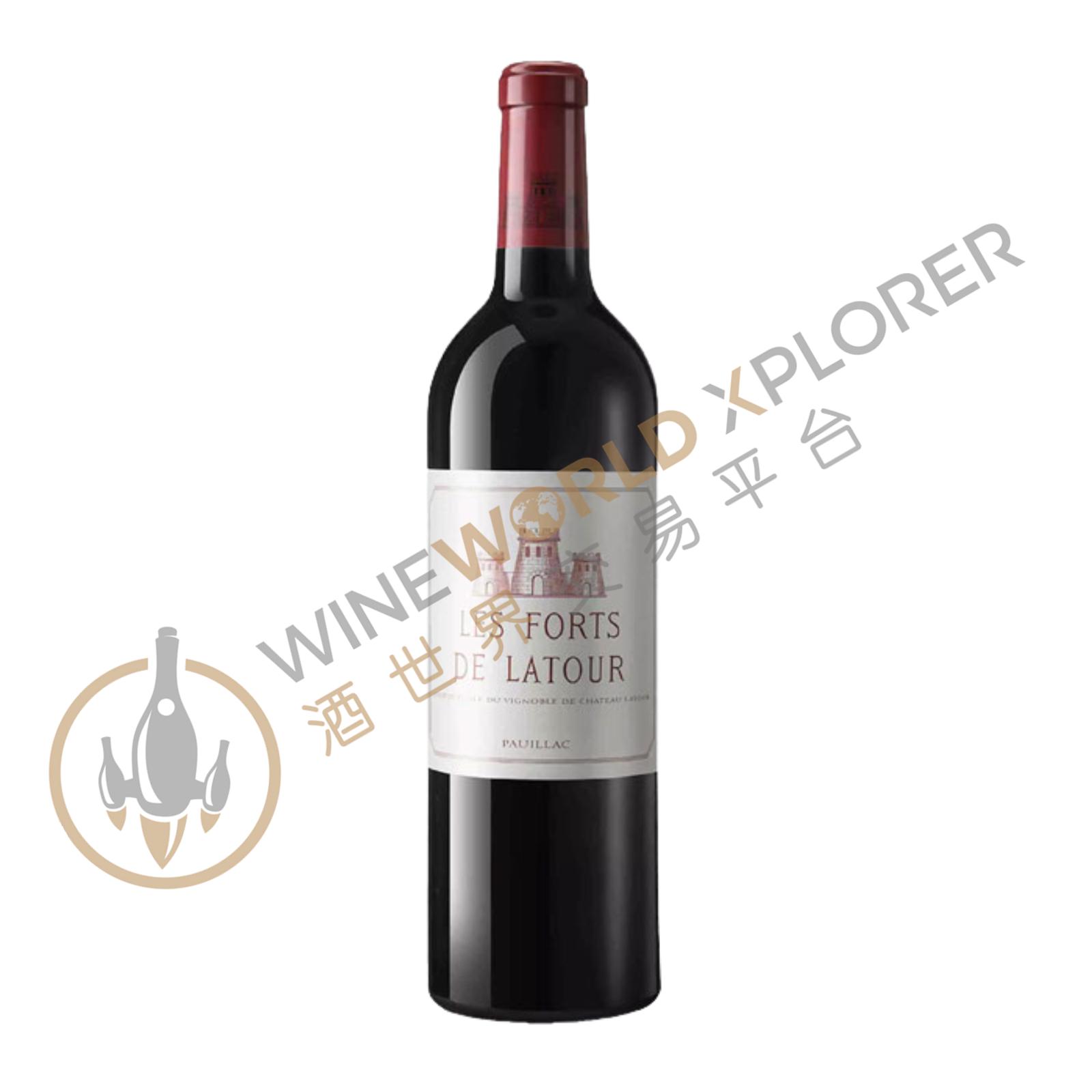
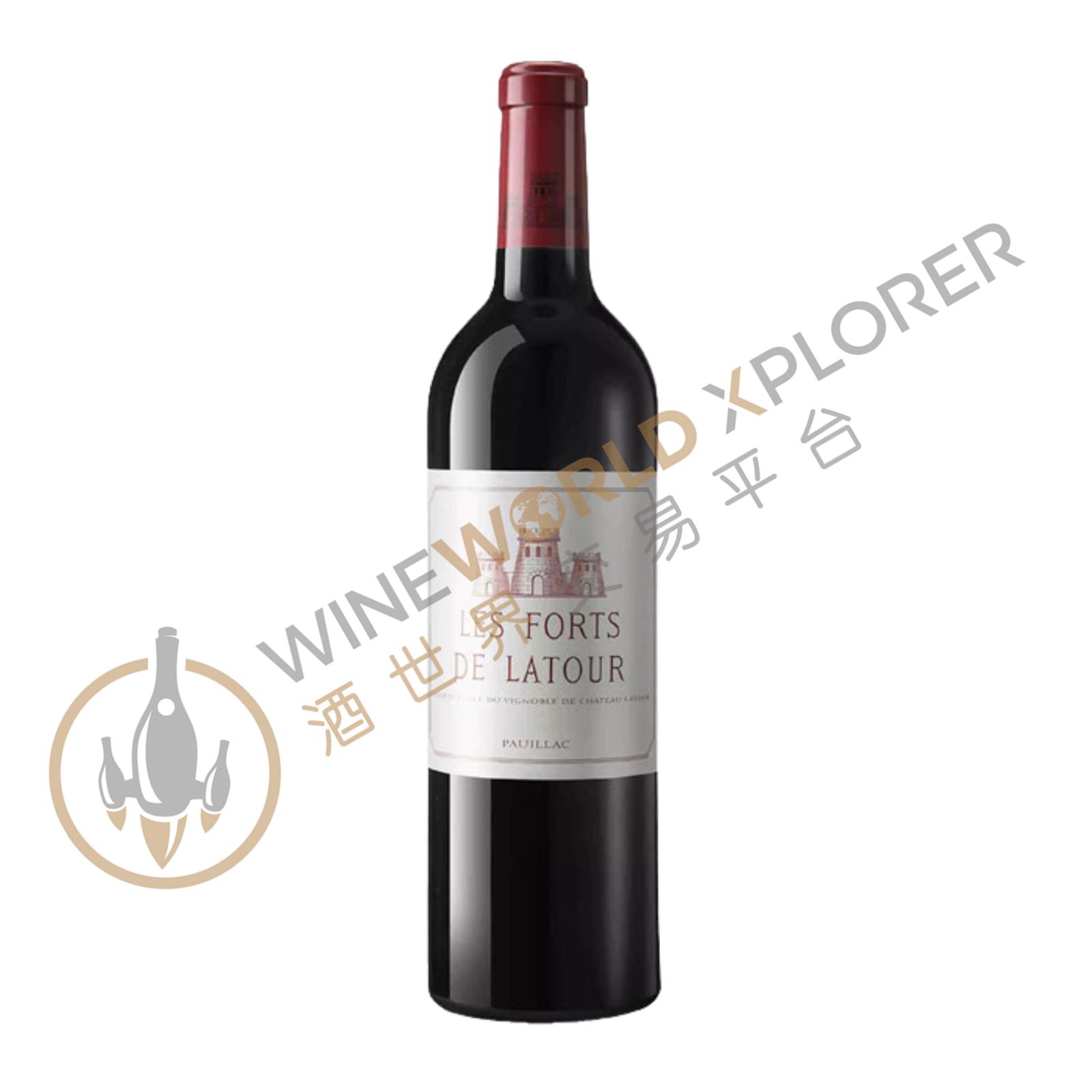
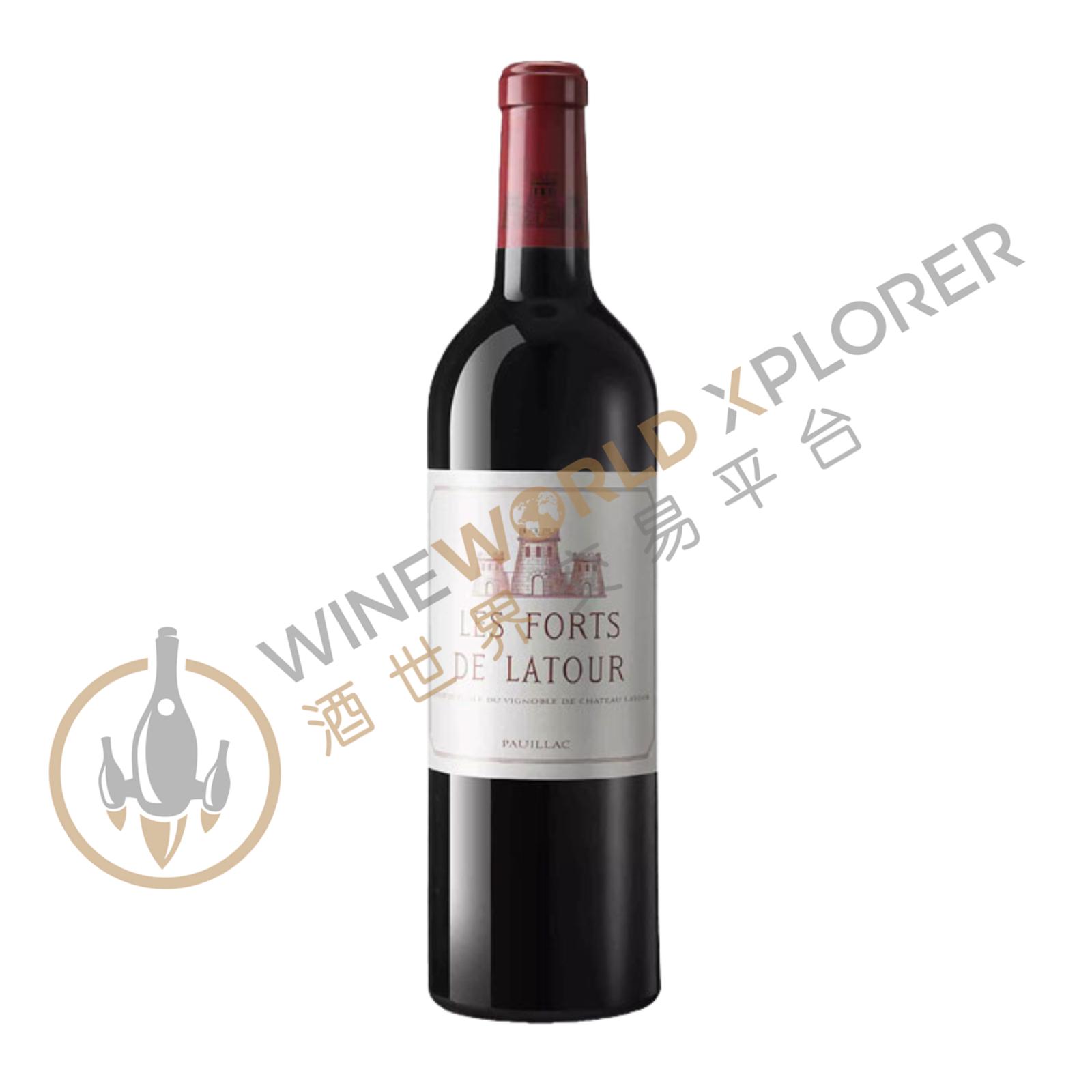
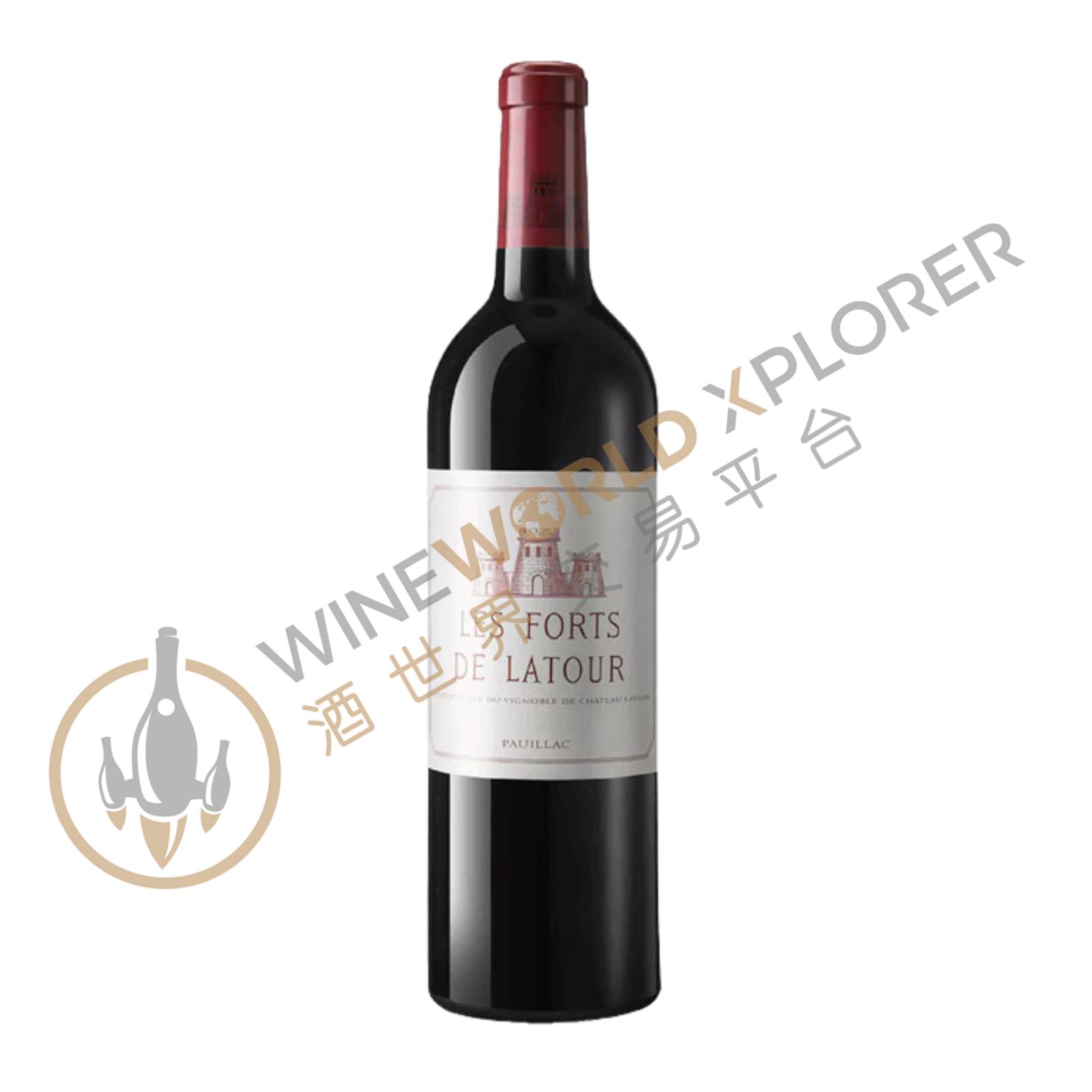
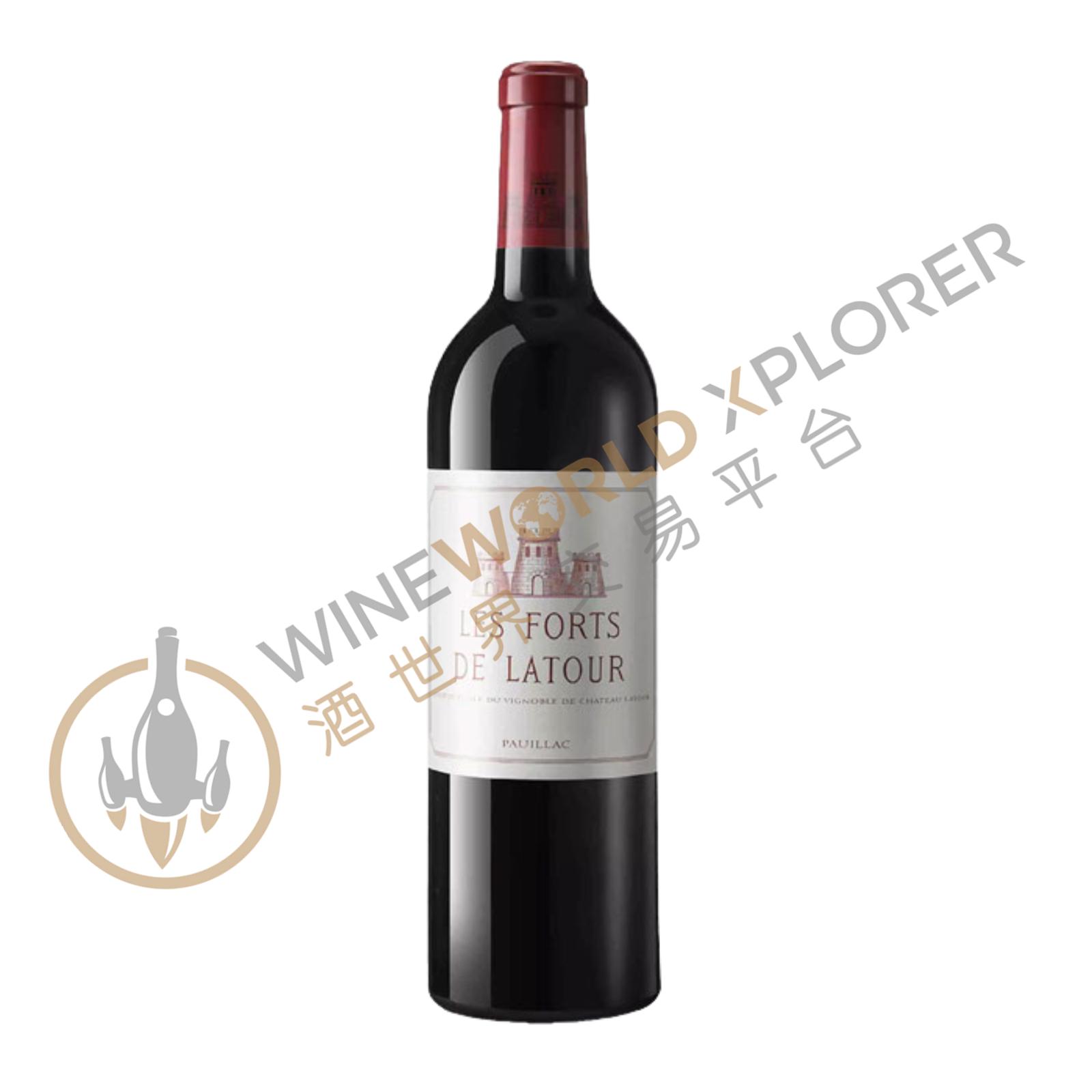
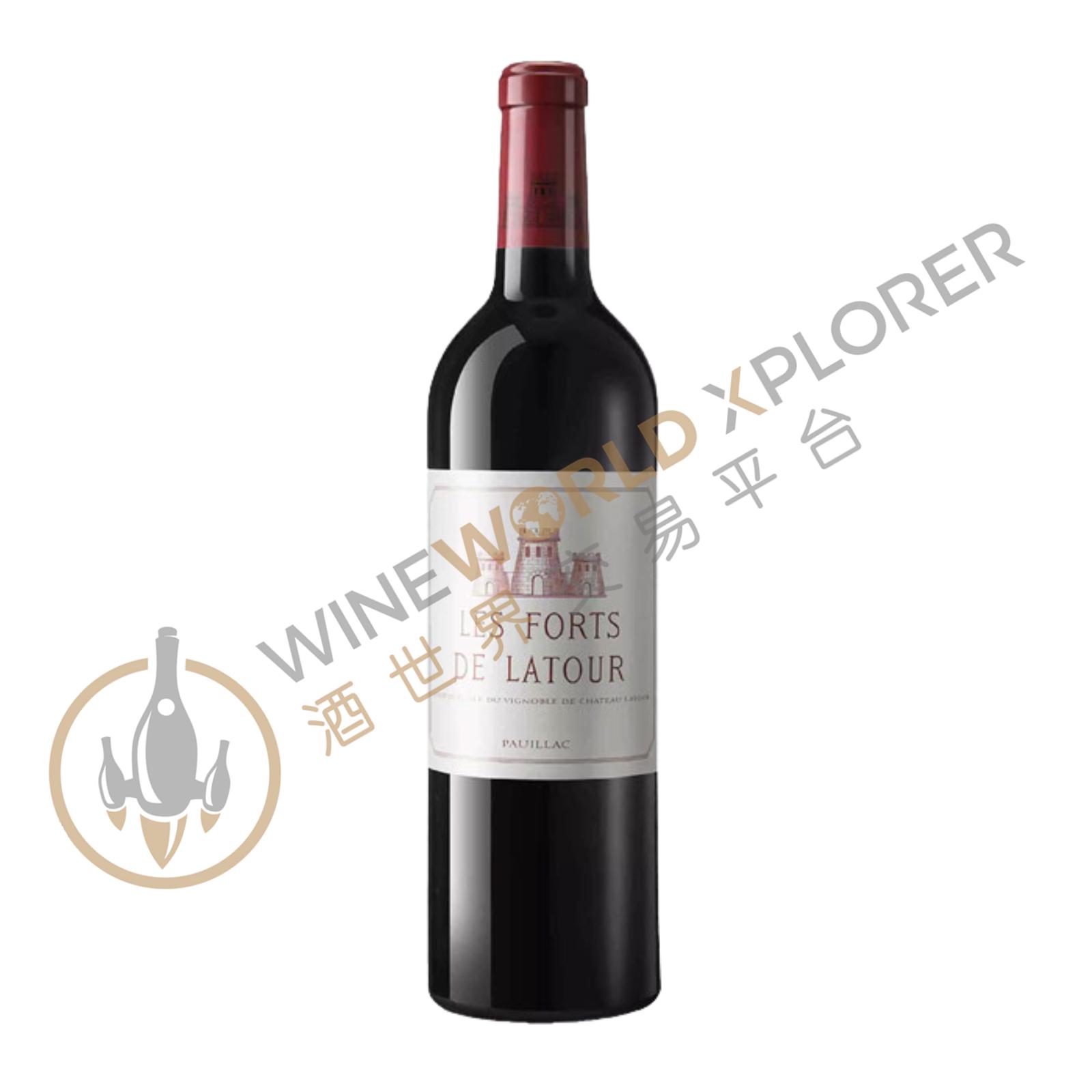
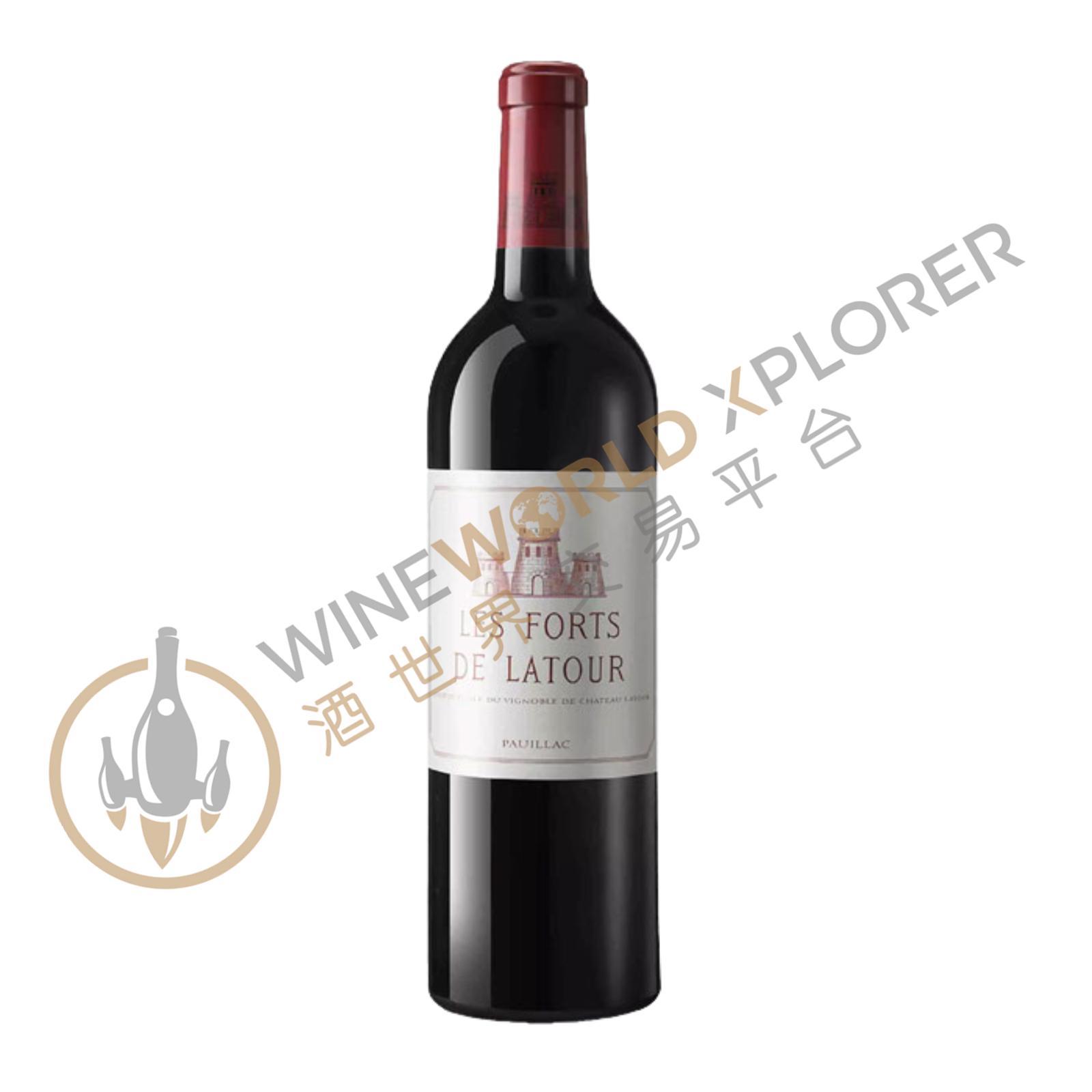
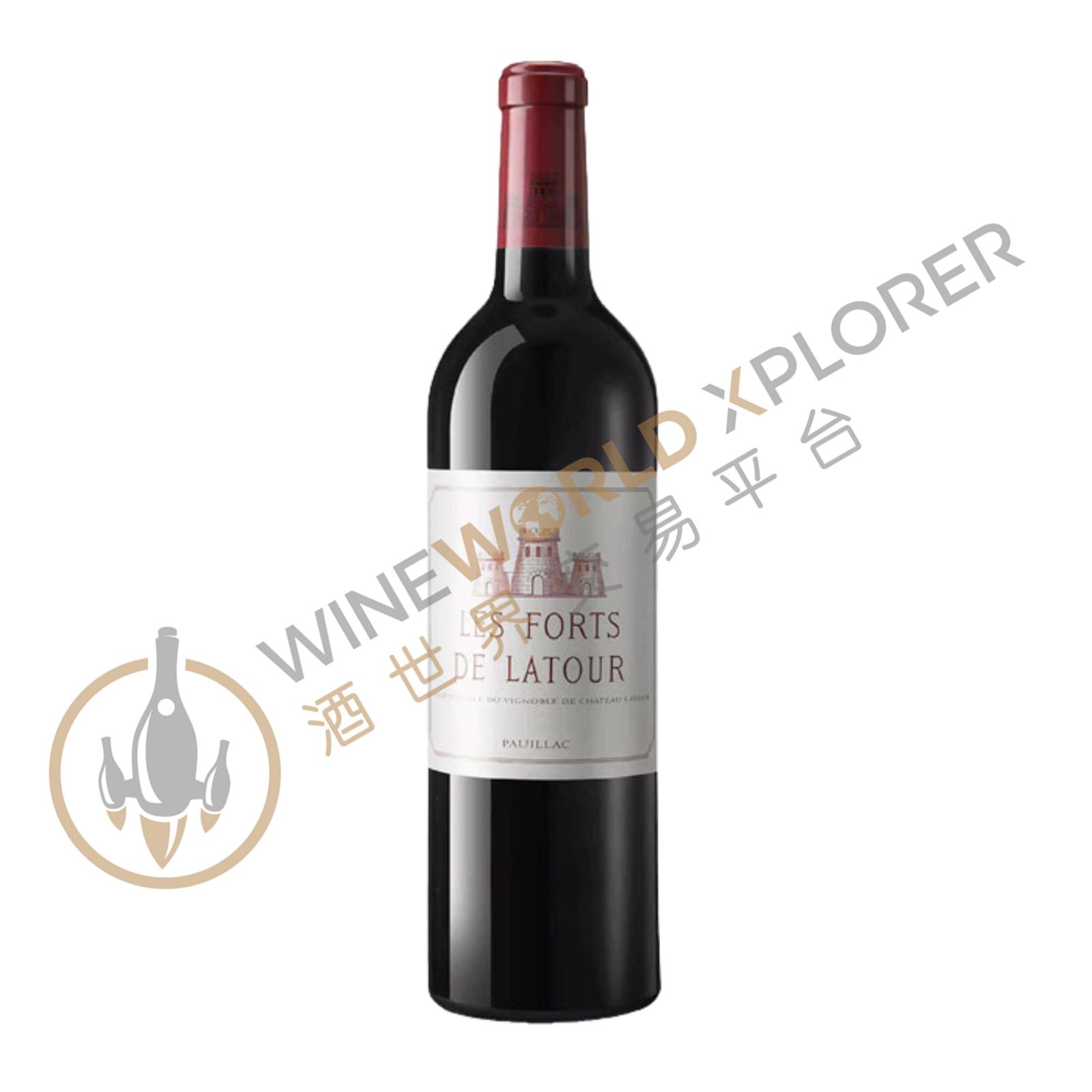
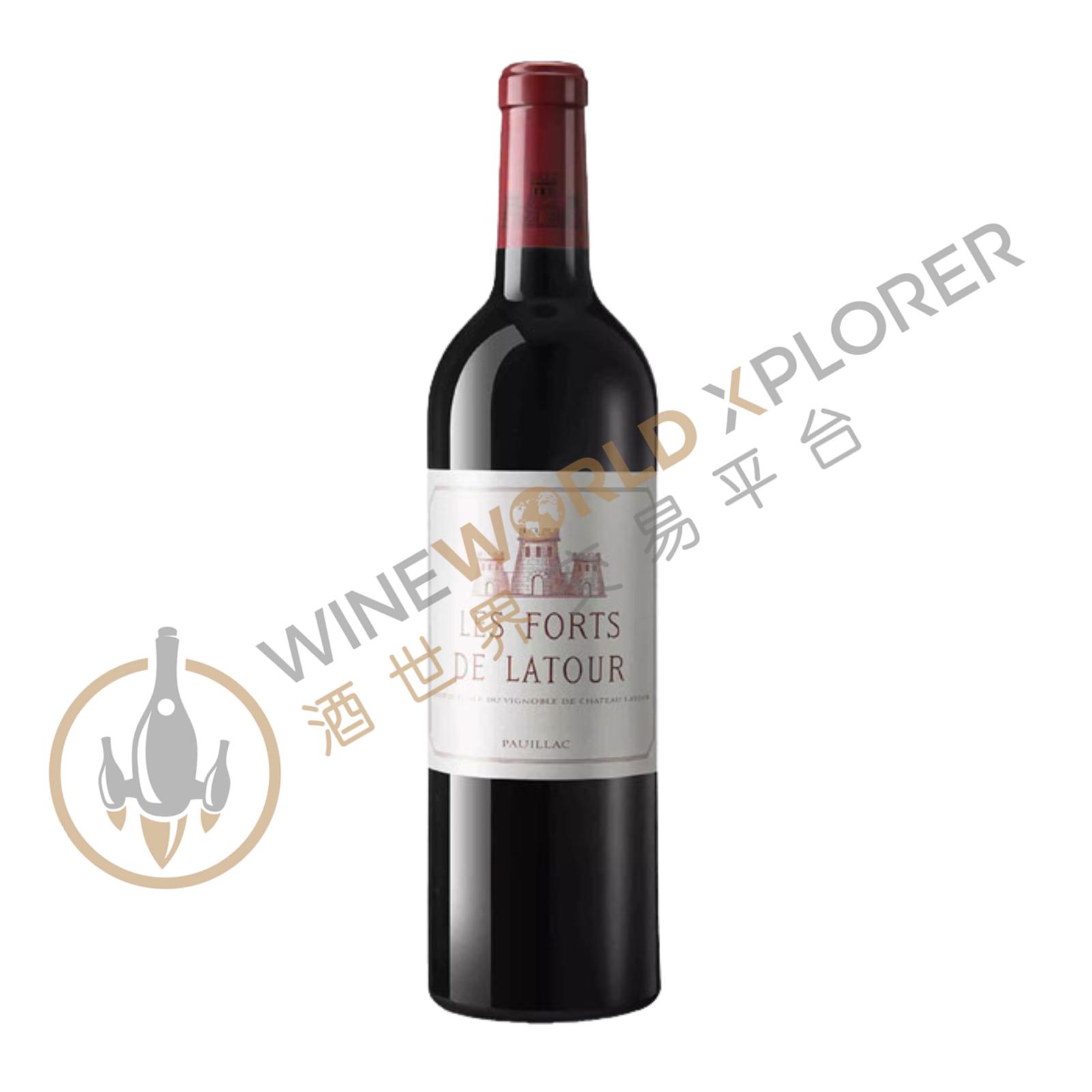
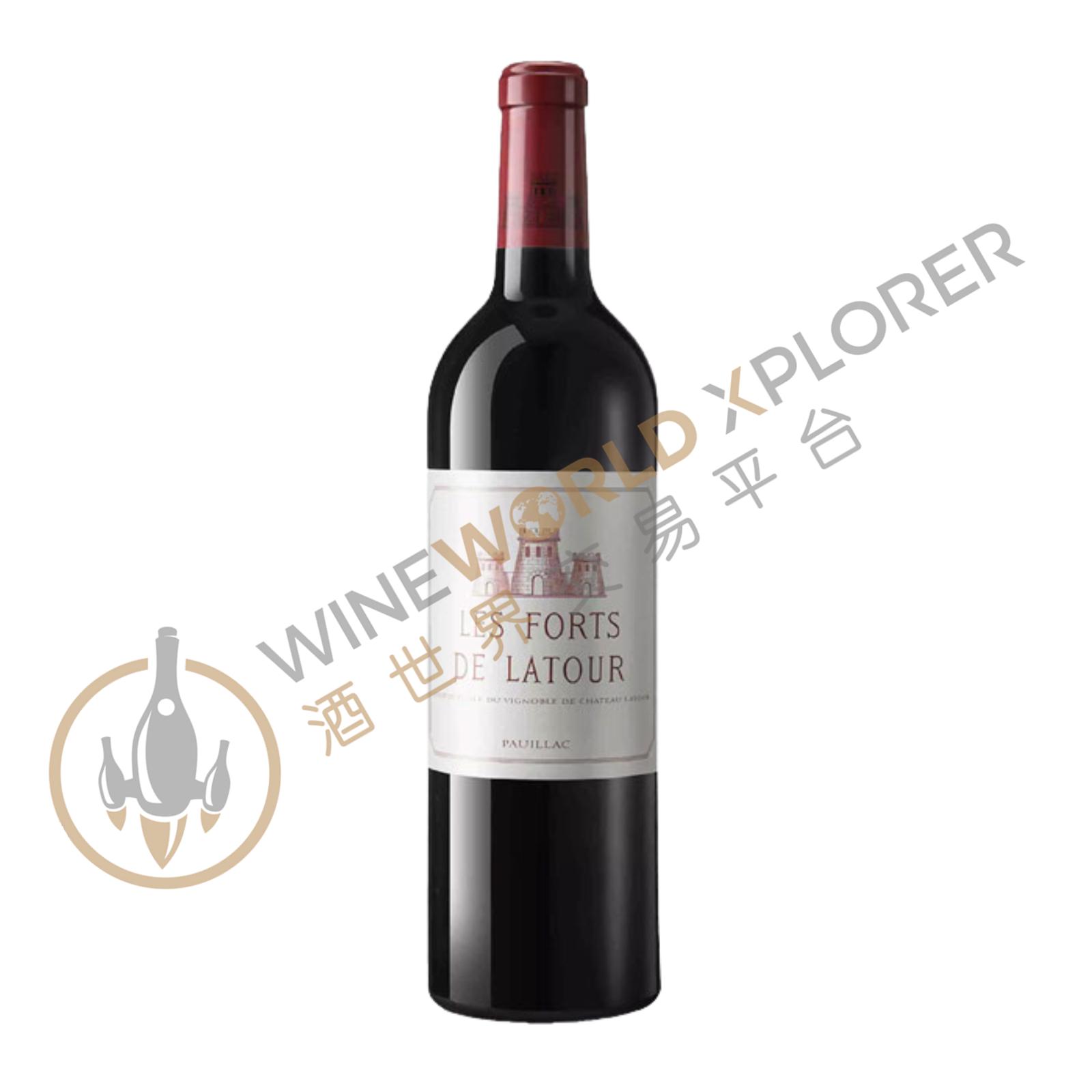
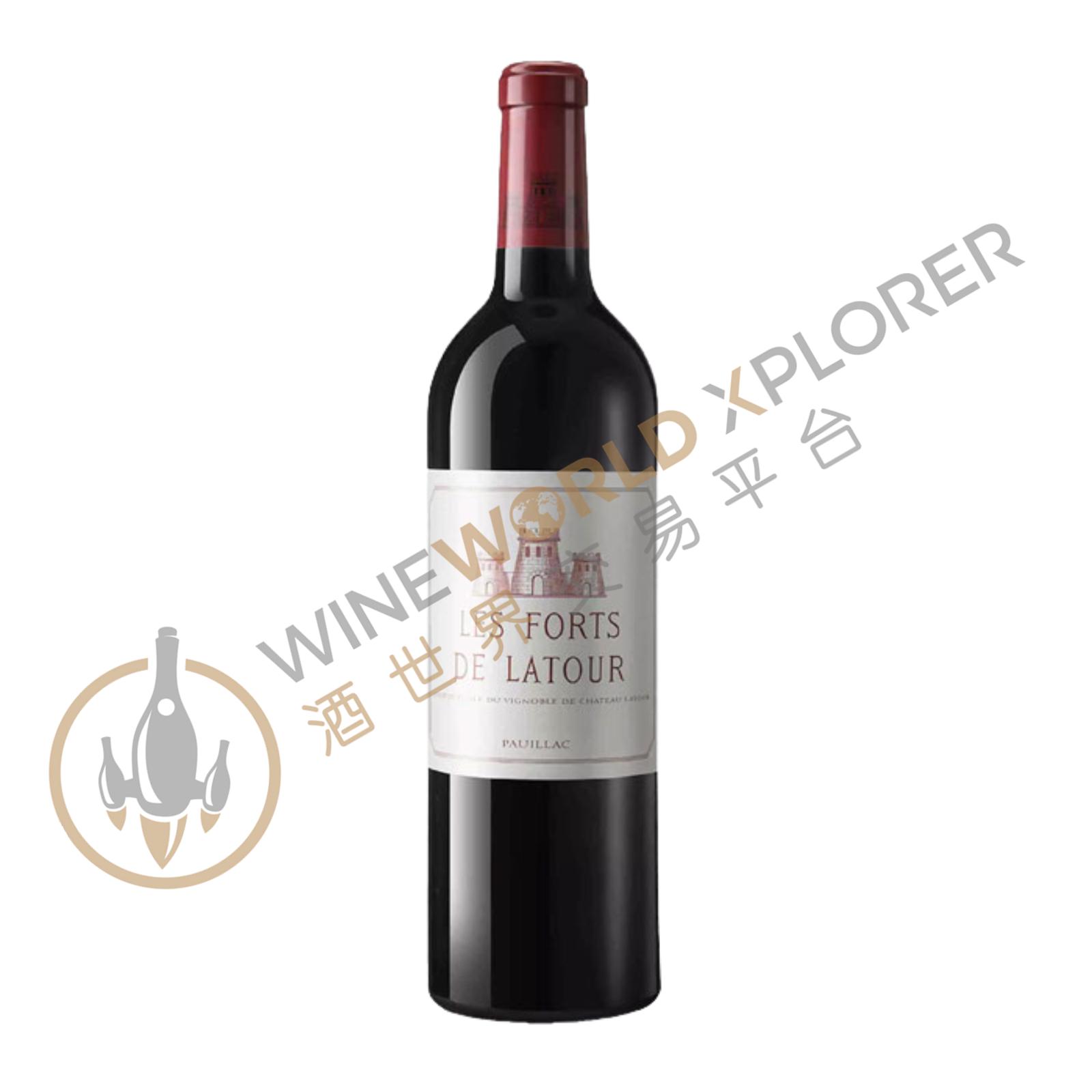
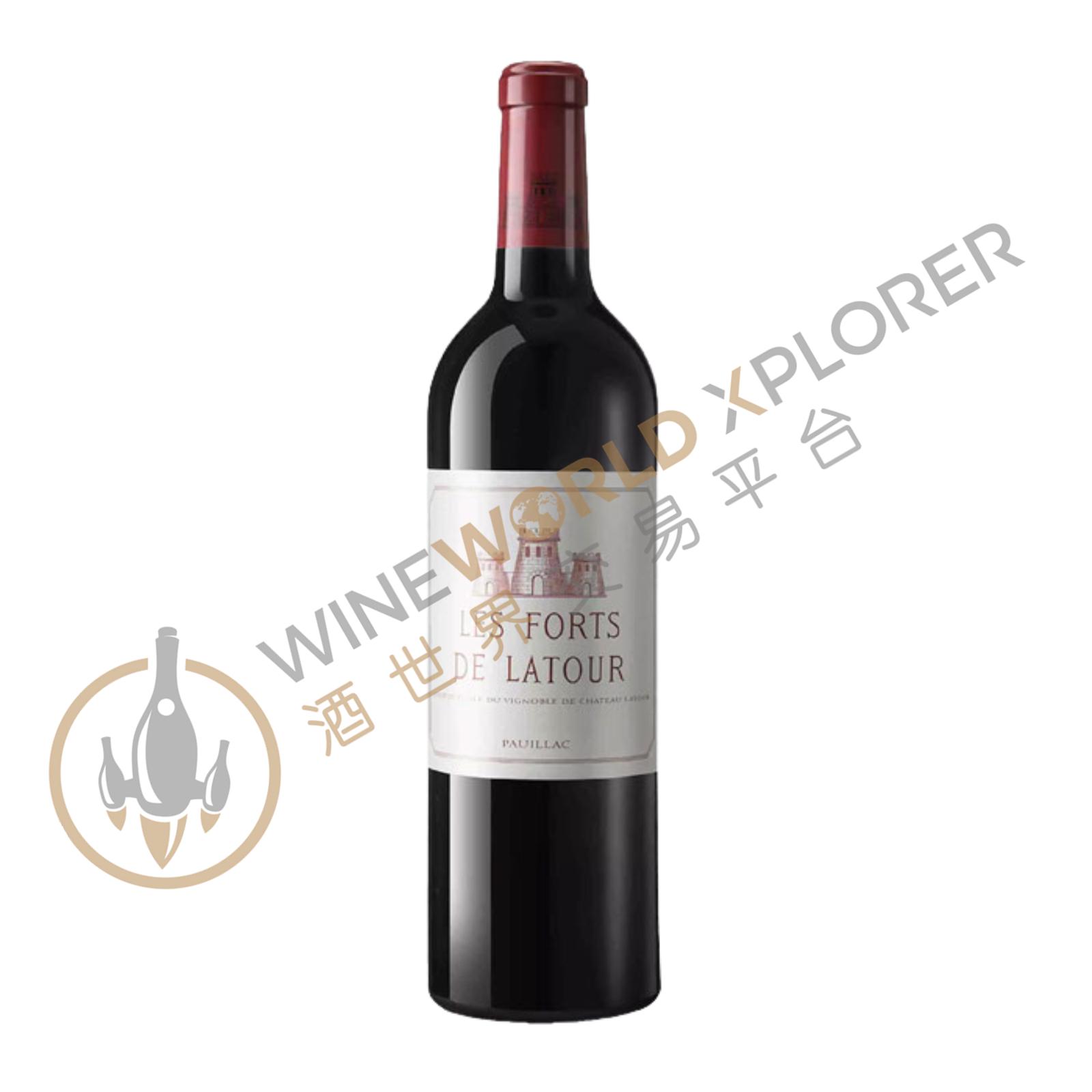
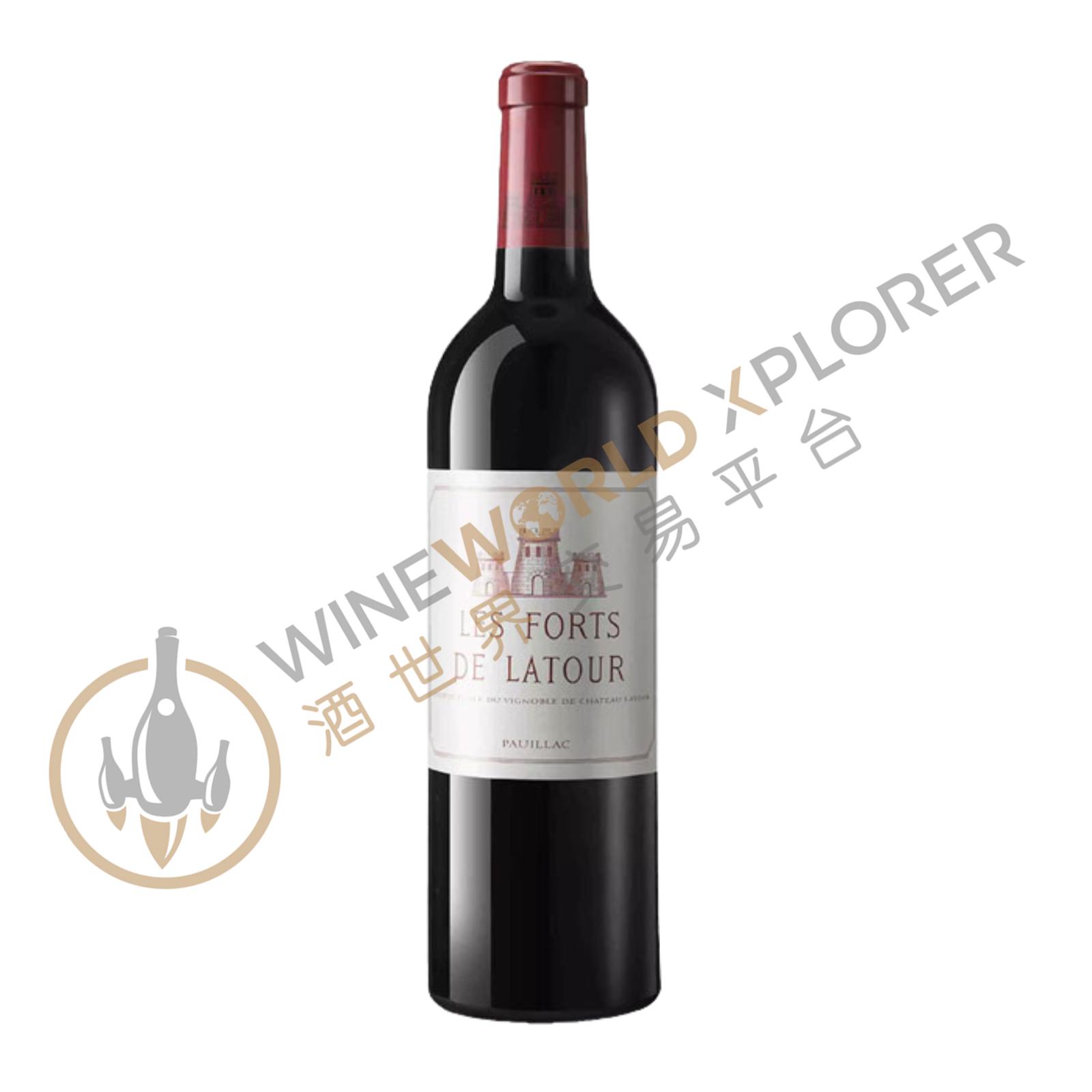
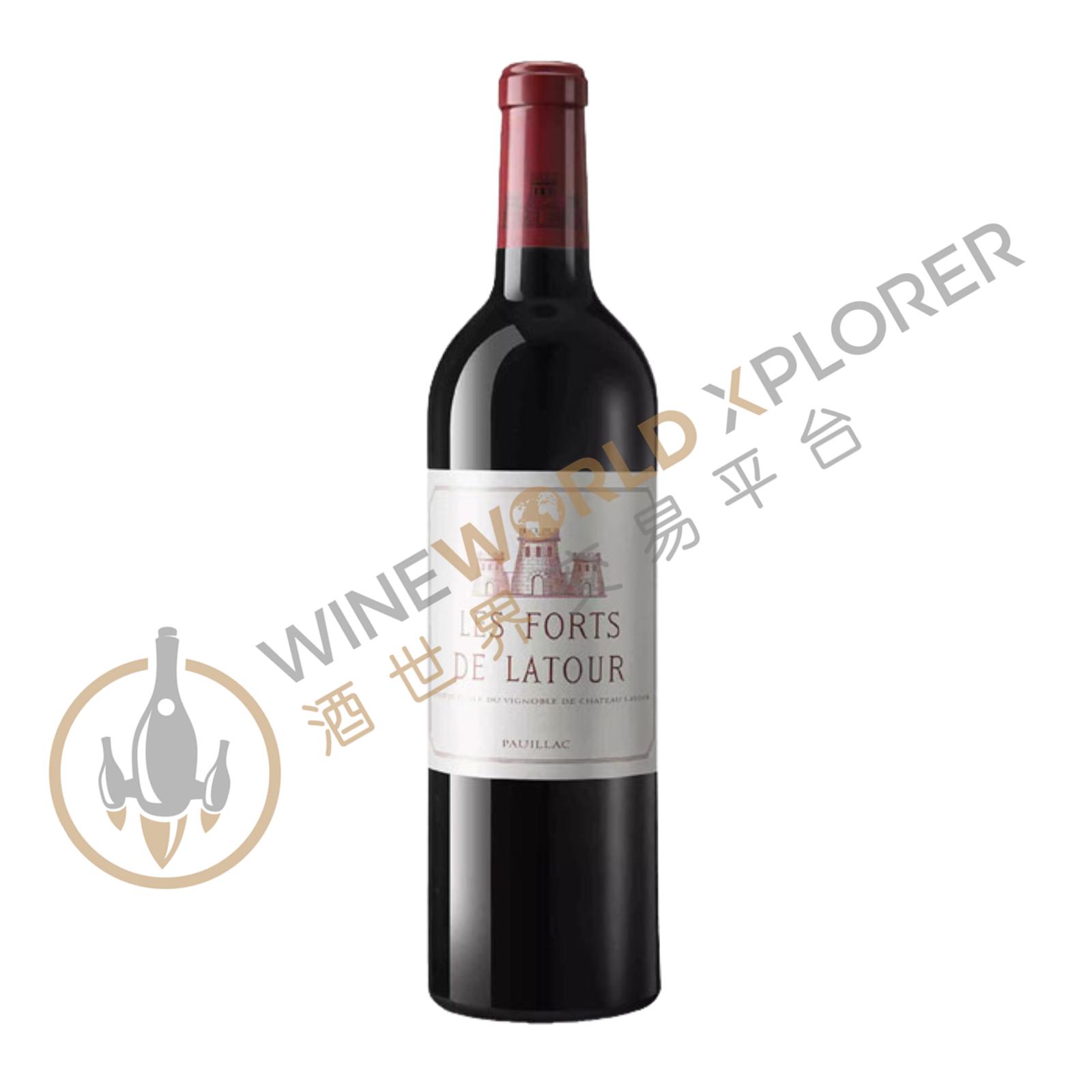
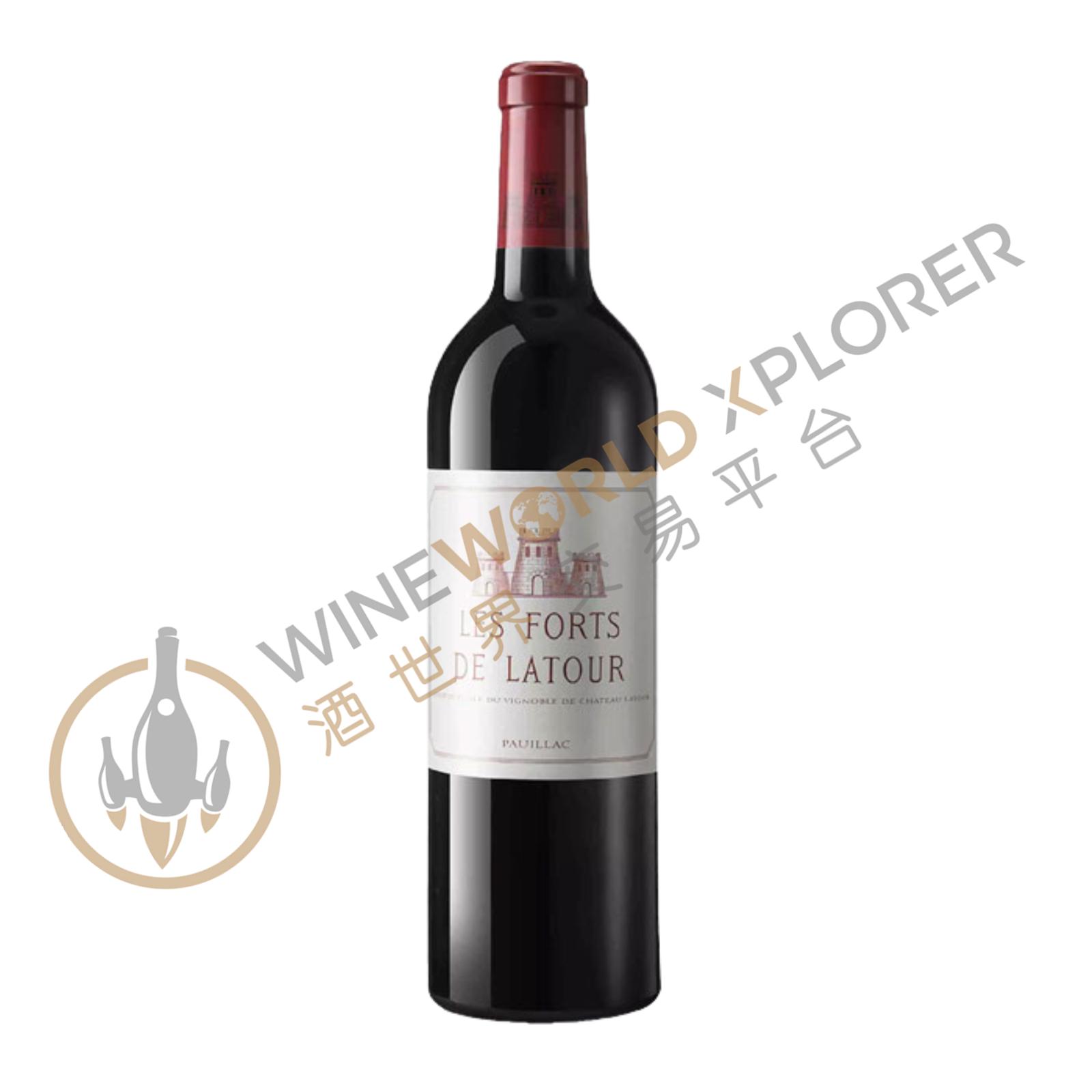
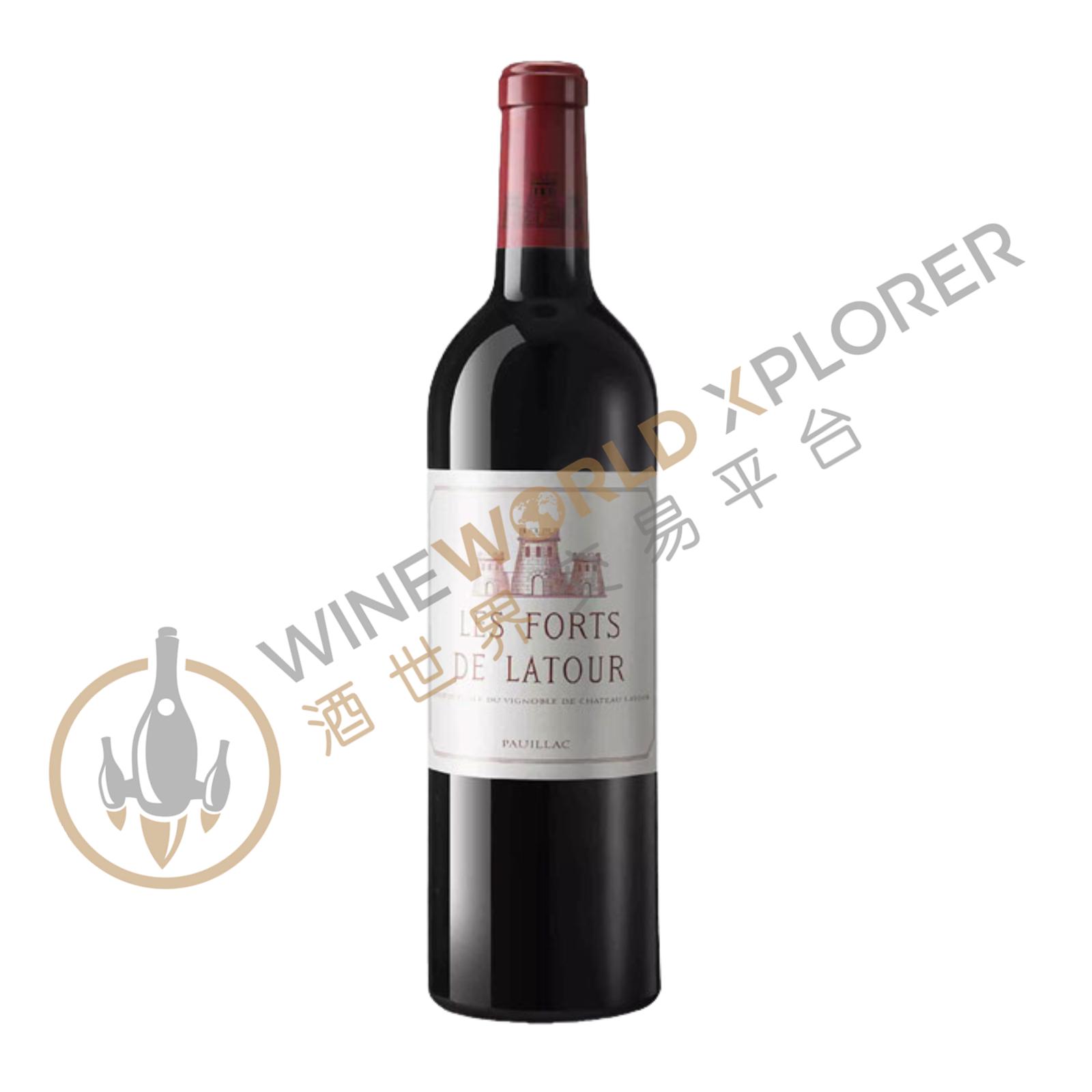
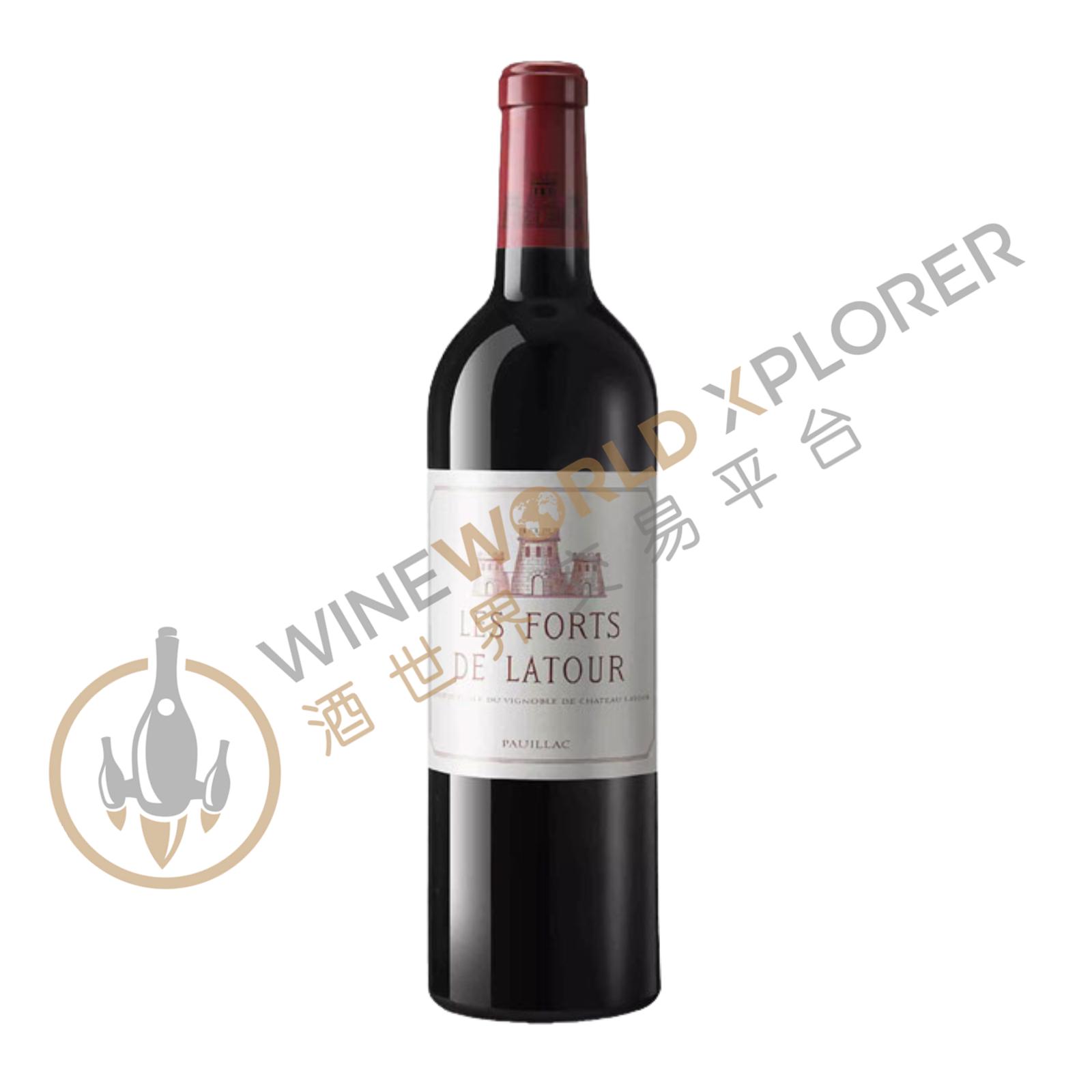
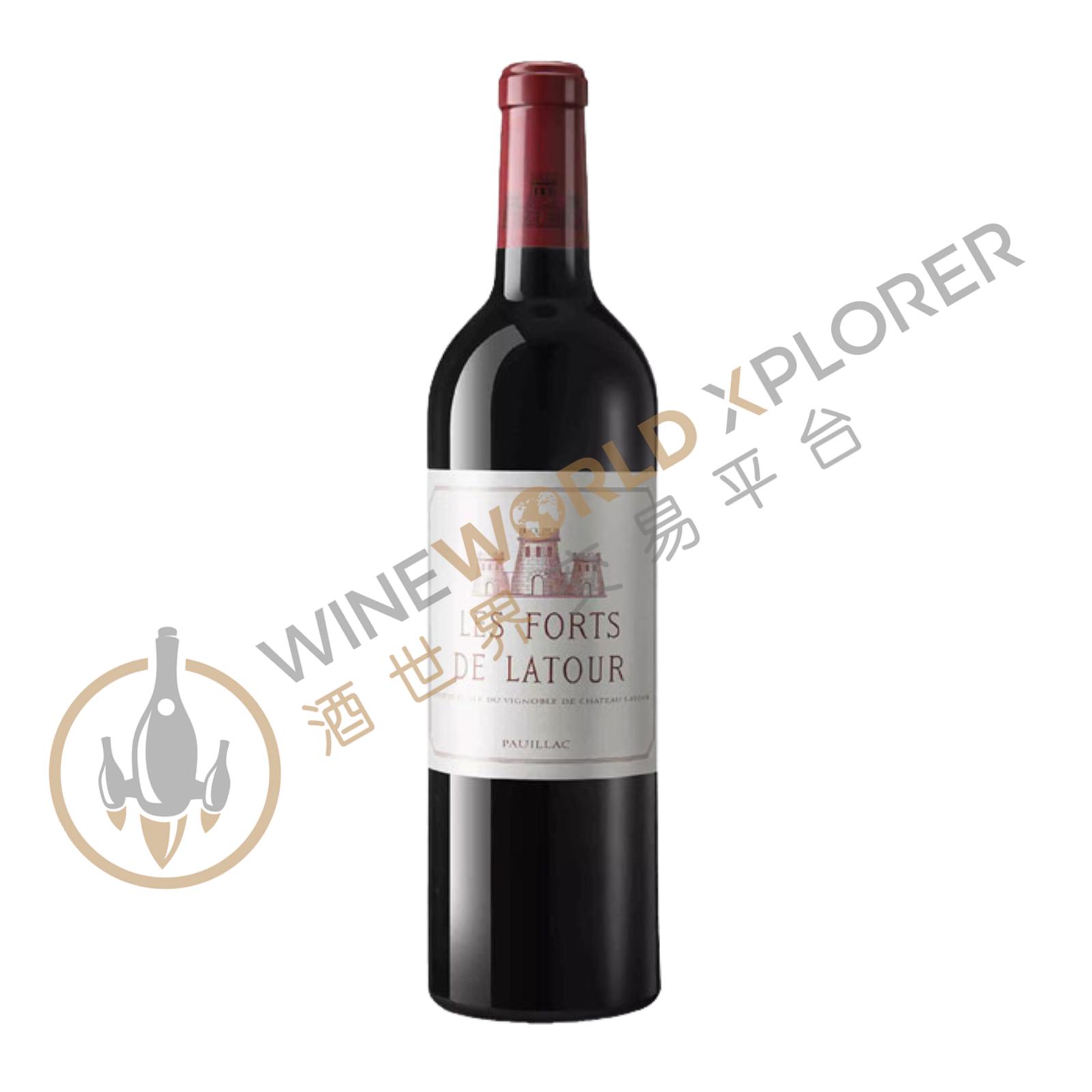
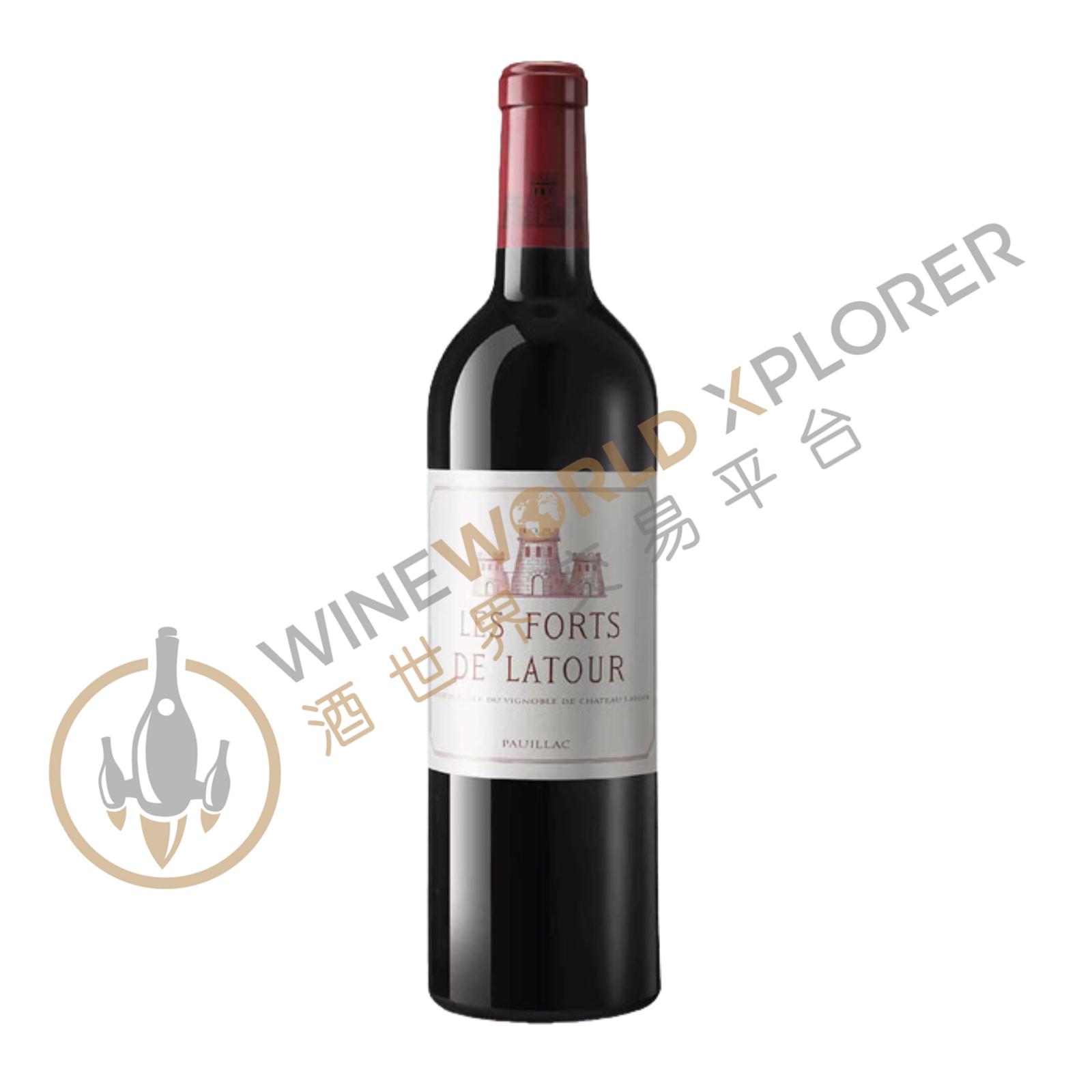
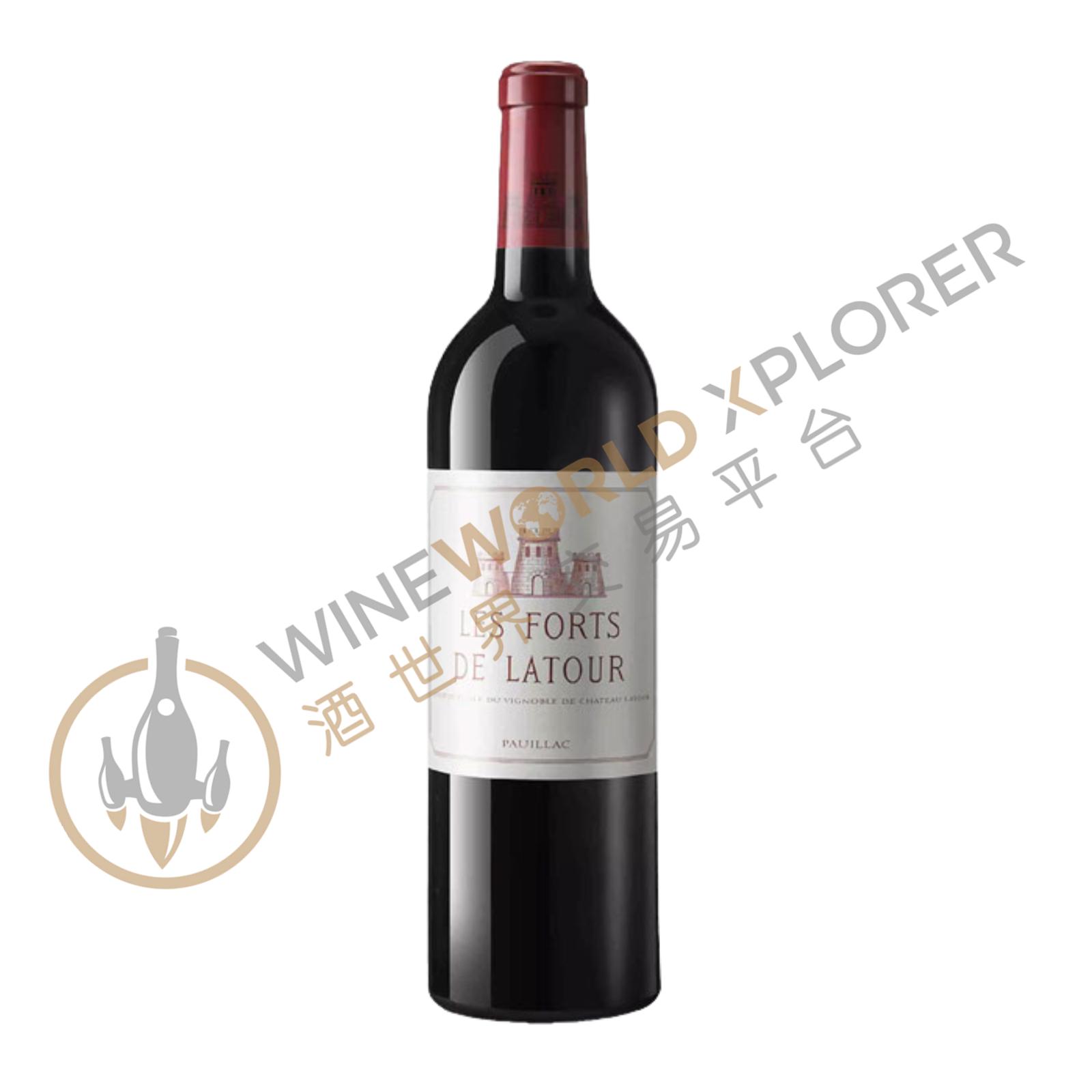
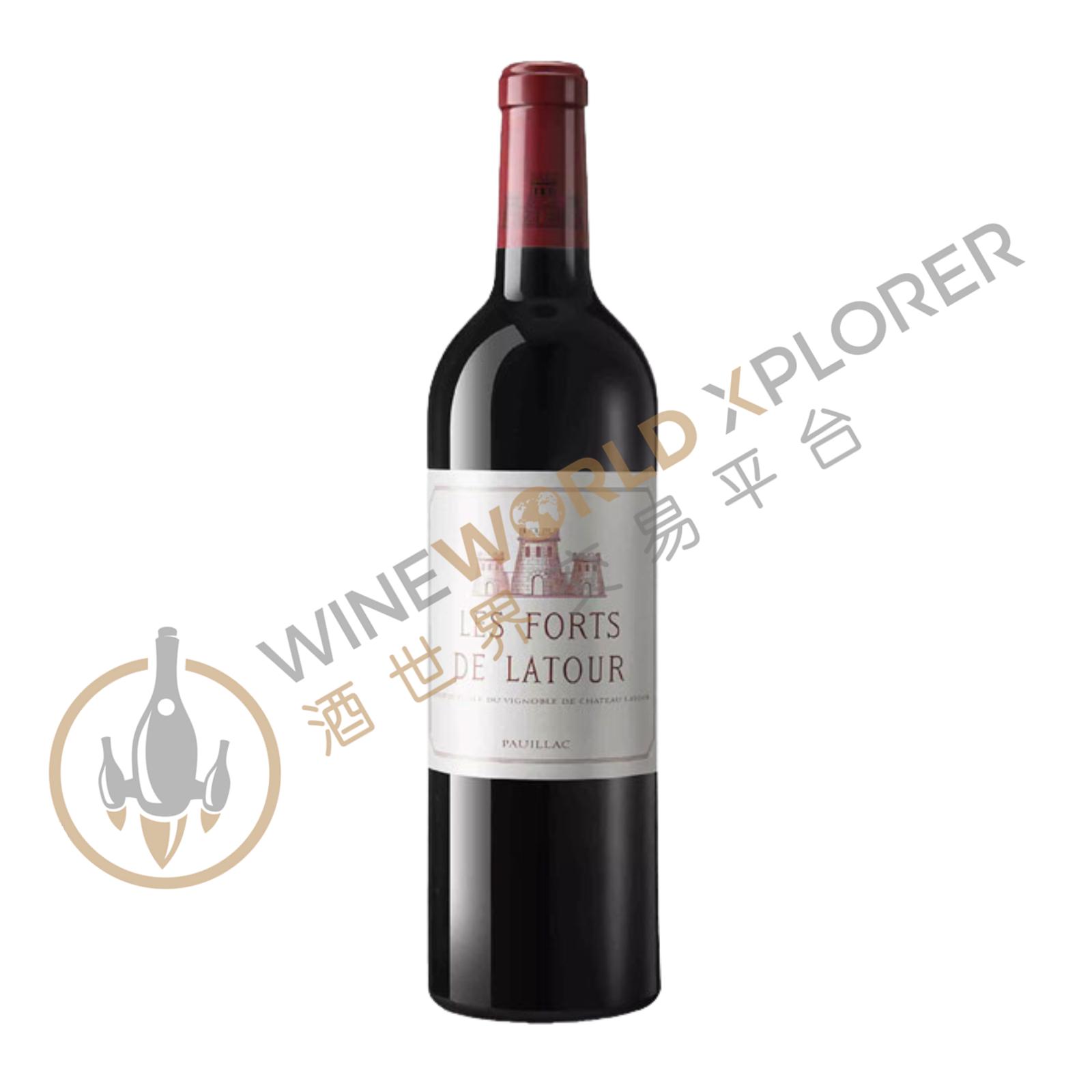
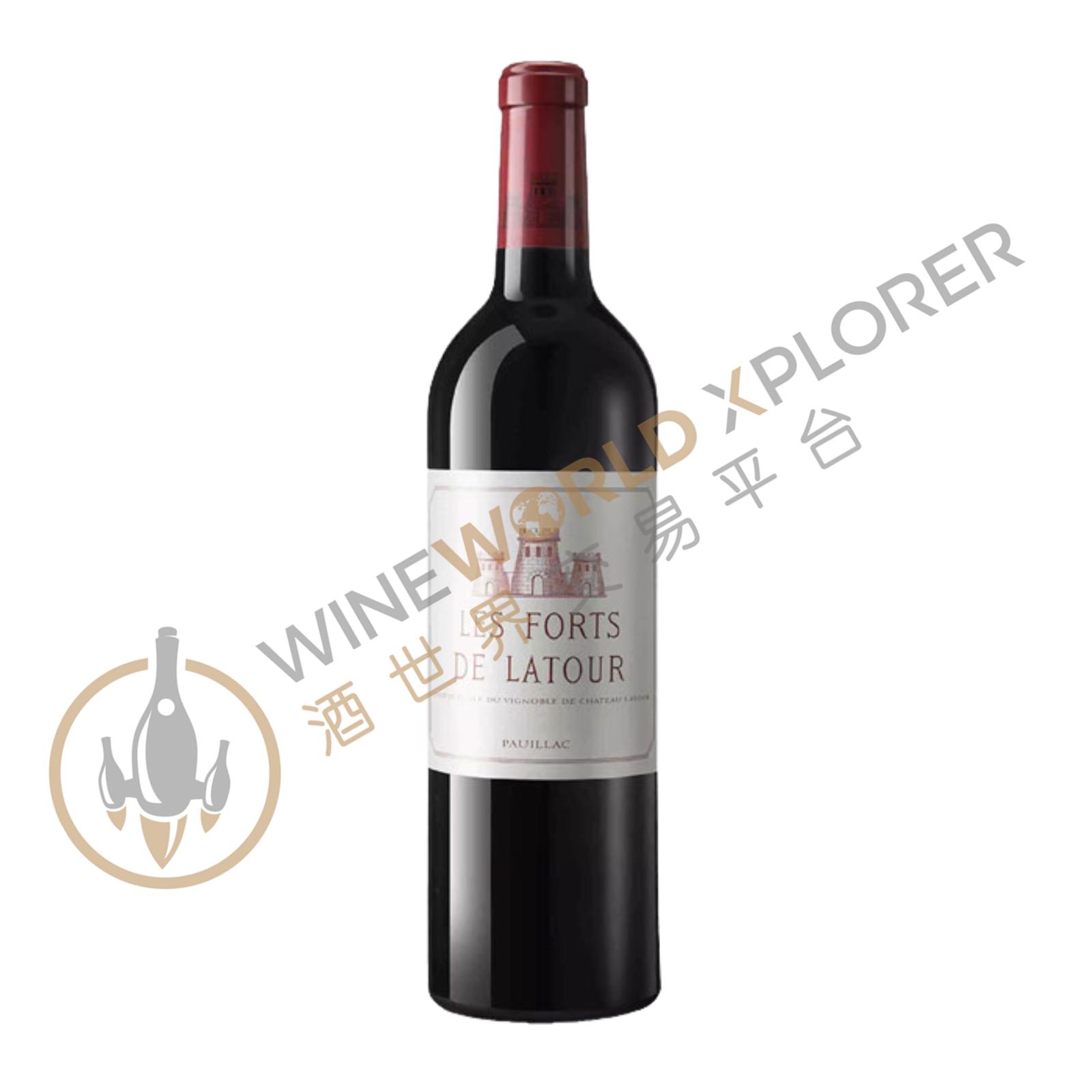
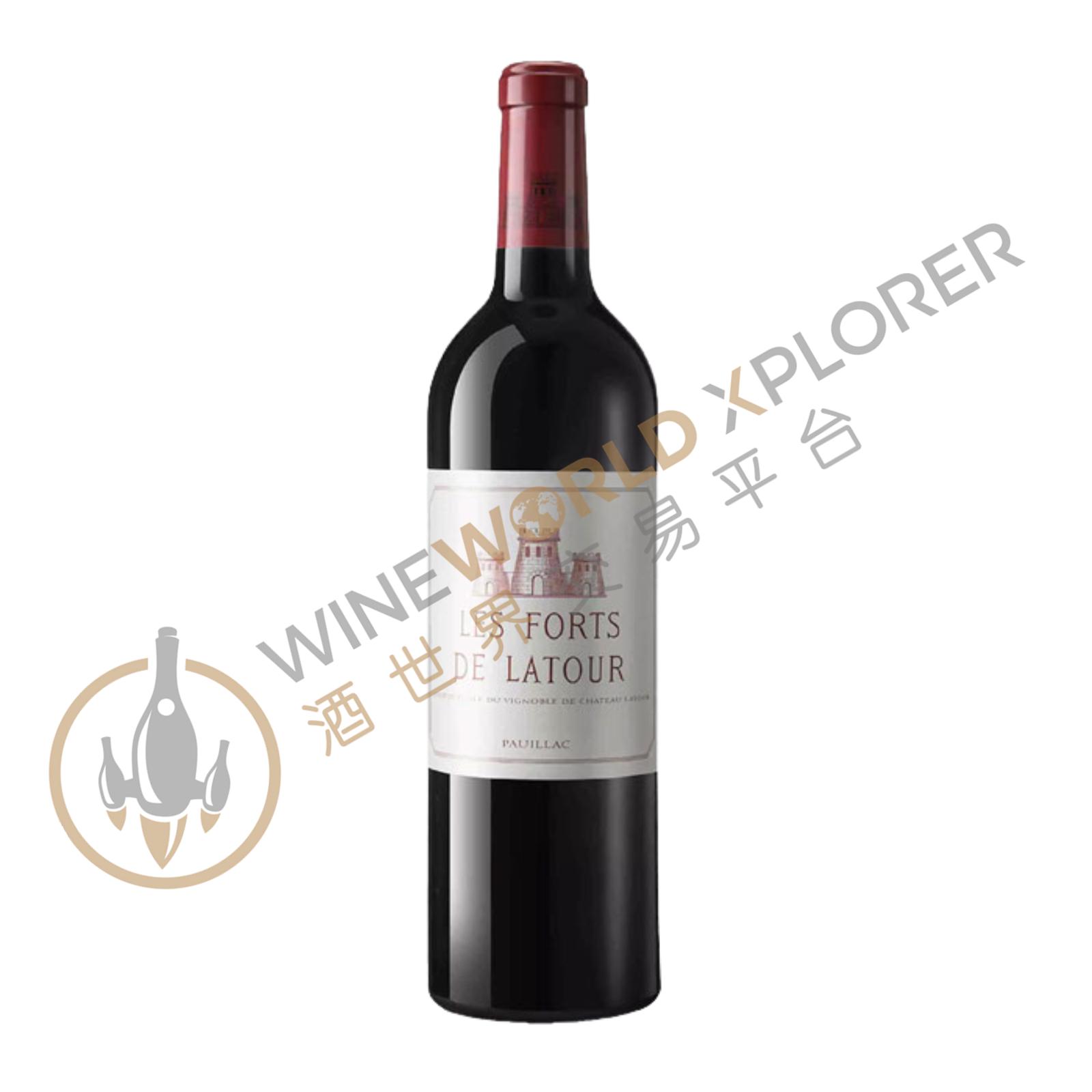
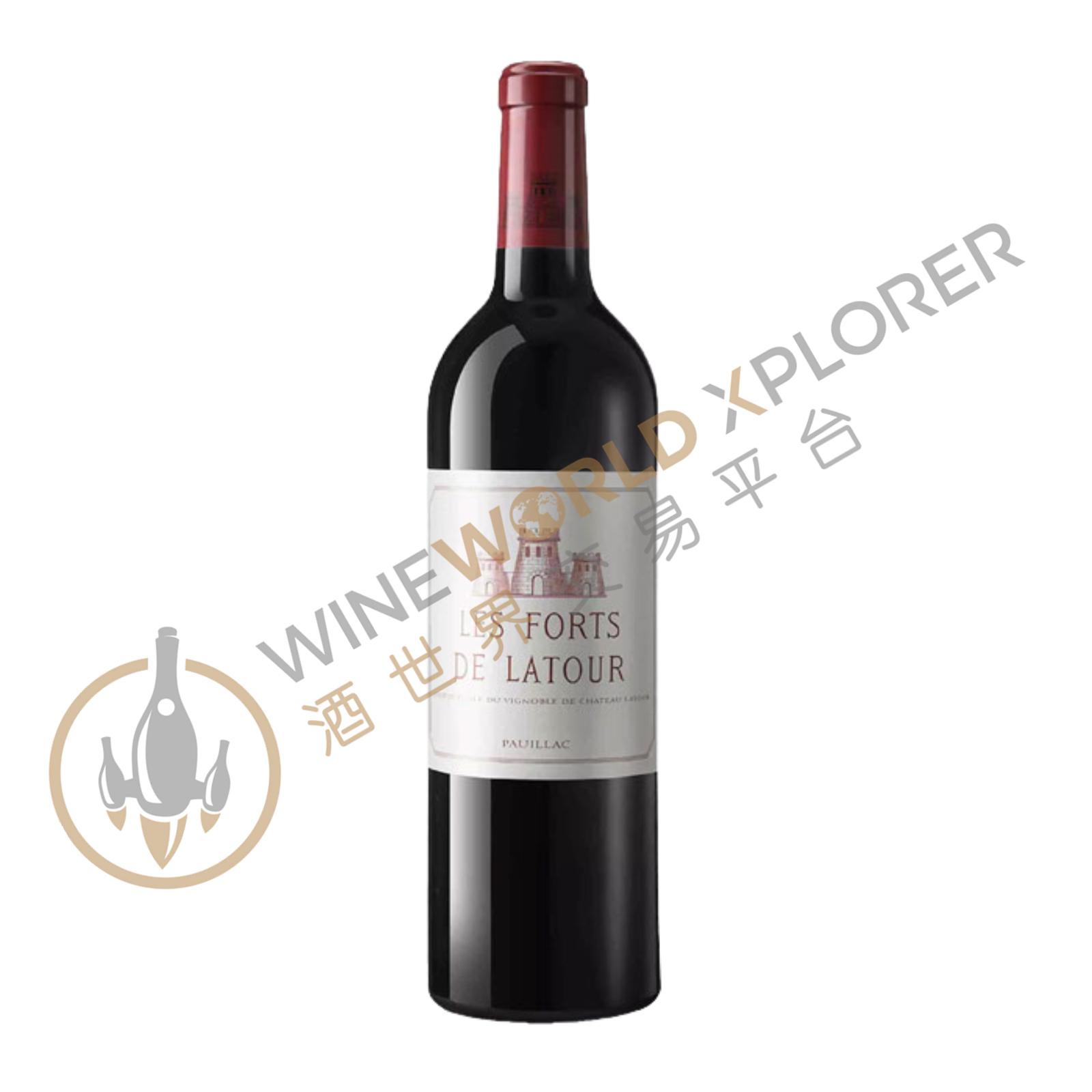
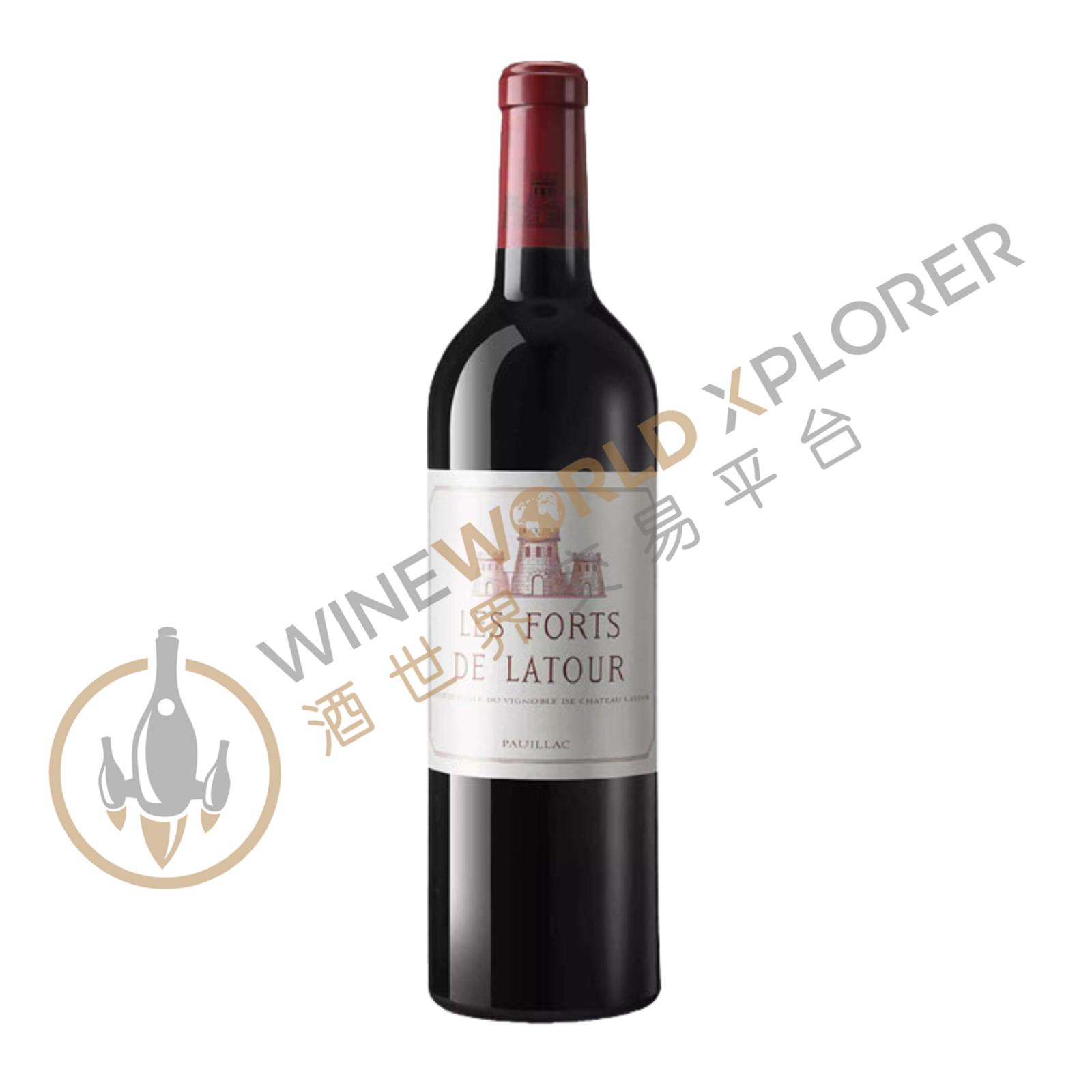
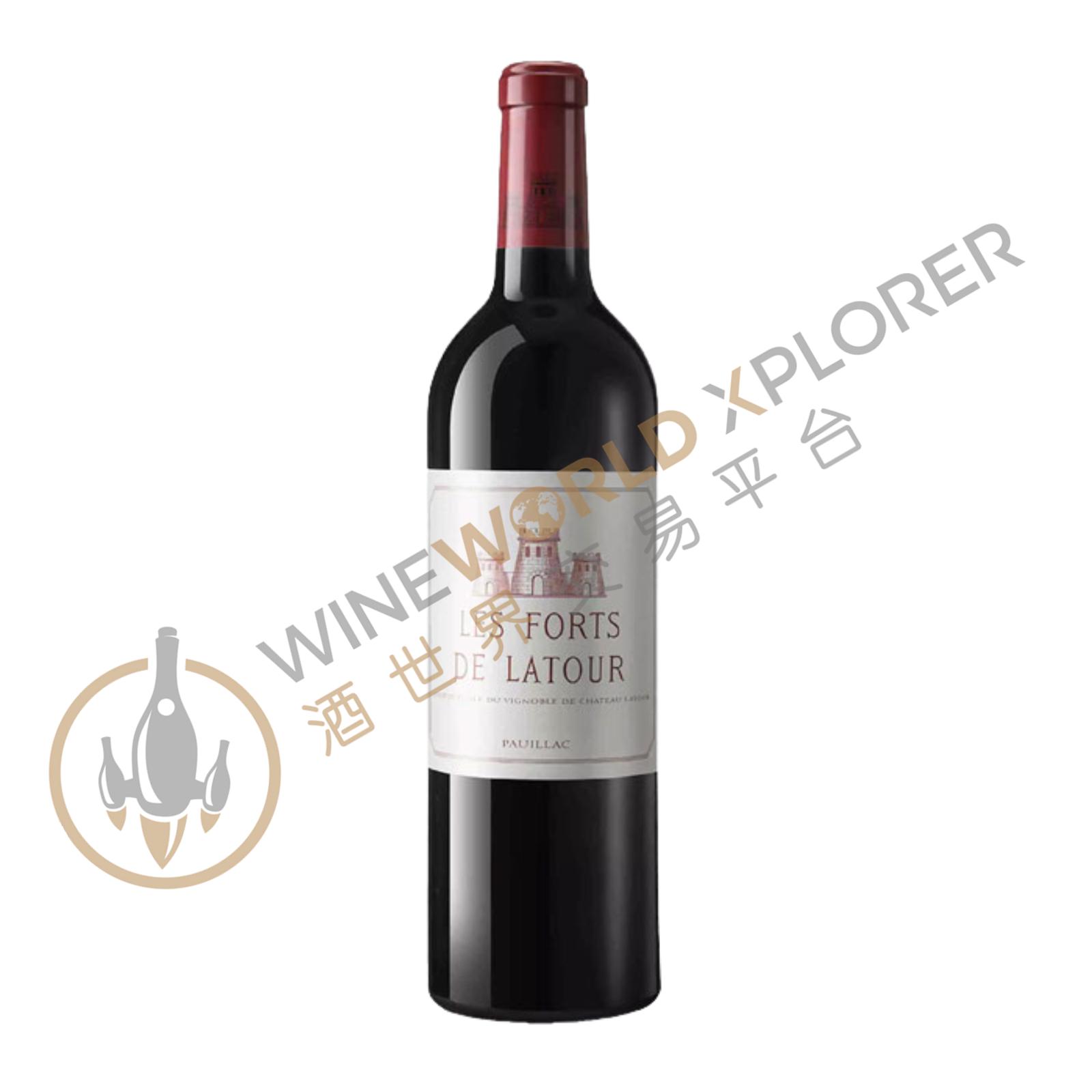
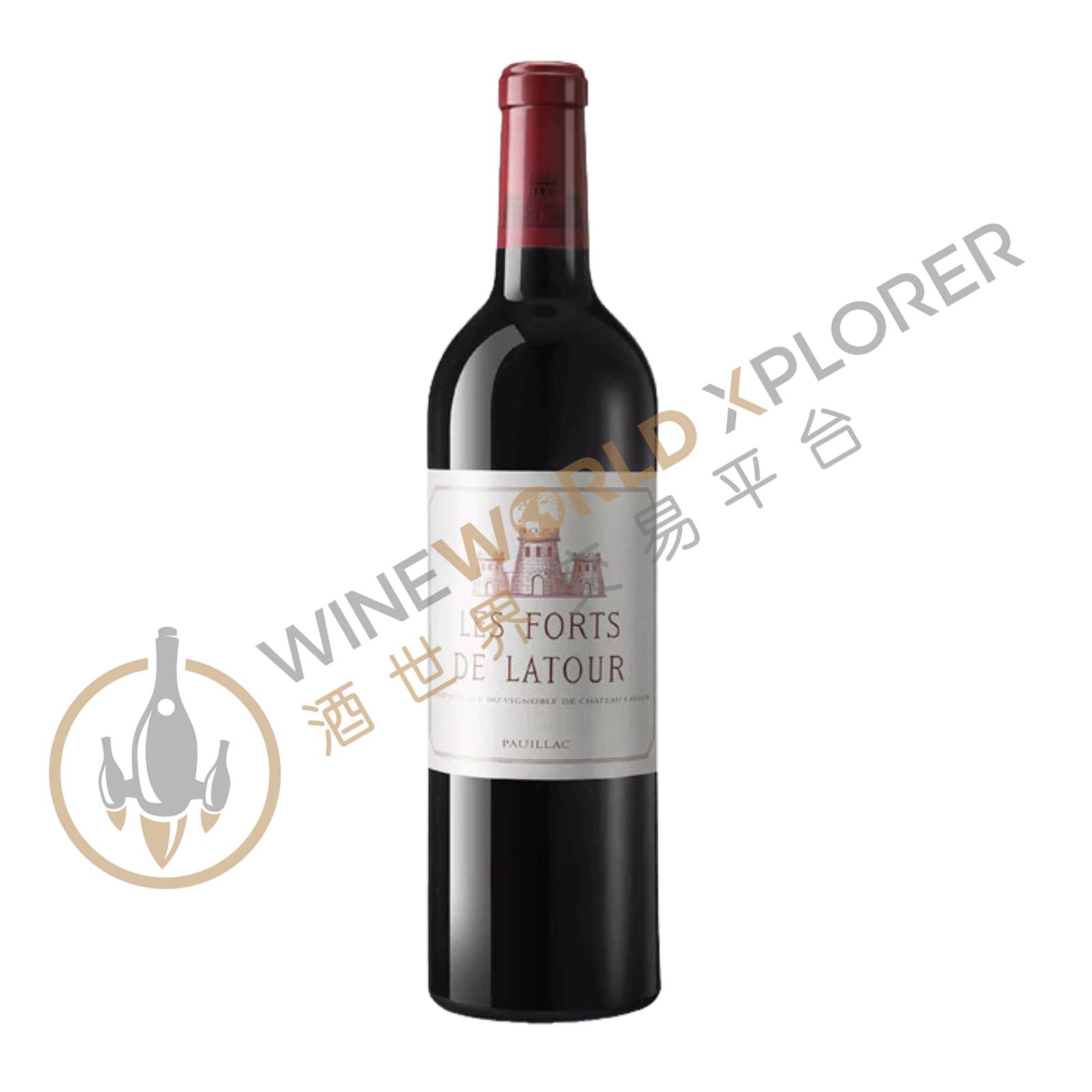
Les Forts de Latour 2020
 View analysis
Description
Tasting notes

Reviewed by: William Kelley
The 2020 Les Forts de Latour is composed of 70% Cabernet Sauvignon, 26.5% Merlot and 3.5% Petit Verdot, incorporating a 64-hectoliter tank of Merlot that would normally have been included in the Grand Vin but which didn't fit with this year's blend. Unwinding in the glass with aromas of minty cassis, plums, licorice, pipe tobacco and vanilla pod, it's medium to full-bodied, rich and velvety, with terrific depth at the core and a somewhat more textural, granular profile than the suave 2019.
Reviewed by: Neal Martin
The 2020 Les Forts de Latour has a fresh, delineated, precise and focused bouquet of graphite-infused black fruit. The oak is neatly integrated. The palate is medium-bodied with sapid black fruit, fine depth and ample grip. This builds momentum toward a structured finish, with a dash of spice lingering on the aftertaste. Excellent. Tasted blind at the annual Southwold tasting.
Reviewed by: James Suckling
Blue fruits and lead pencil come through here. Medium to full body. Firm and silky tannins and a crisp and citrusy finish. Nice zest. Floral and fruity. Al dente fruit. Needs four or five years to show its excellence. Try after 2028.
About the Producer
Latour was a jointly held lord's domain until the end of the 16th century, At that time, the property was not entirely covered by vines and yet production largely exceeded requirements. There was no proper storage for the wine and it had to be drunk within the year. The estate remained in the hands of the Mullet family until the late 17th century, and while direct use of the land gradually replaced the leasing system, the wine-making situation changed very little. In the early 18th century, England's aristocracy and wealthy middle classes developed refined tastes, particularly for wine, from Bordeaux, Oporto, Jerez and other southern vineyards. Wine exports had been restricted by various blockades imposed by the wars, but now enjoyed a period of relative freedom and trade with Bordeaux grew rapidly. As a result of this flourishing trade, the estate gradually came to specialise in wine production, with 38 hectares of vines in 1759 and then 47 hectares by 1794.
1975(2)1976(1)1979(1)1981(1)1982(1)1983(2)1990(1)1992(2)1994(2)1995(1)1996(2)1998(3)1999(2)2000(4)2001(6)2002(8)2003(5)2004(8)2005(5)2006(24)2007(13)2008(13)2009(24)2010(25)2011(9)2012(23)2013(9)2014(15)2015(22)2016(46)2017(33)2018(22)2019(26)
Package Size
1 x 3L1 x 6L