Wine Advisor



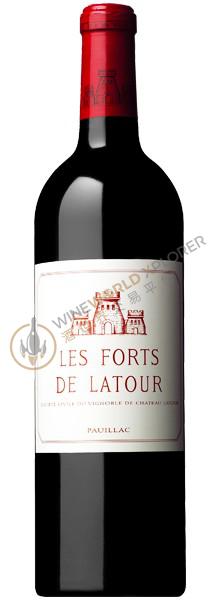
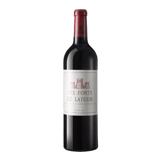
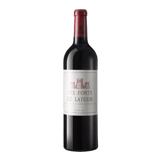
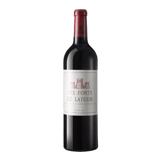
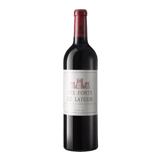
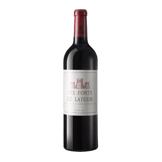
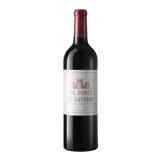
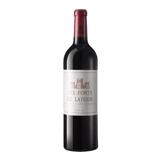
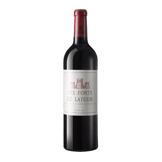
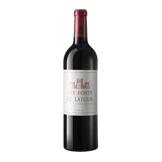
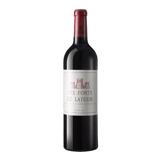
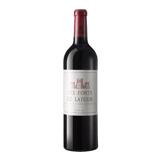
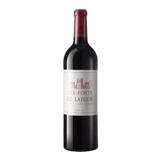
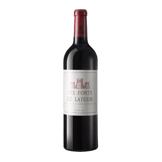
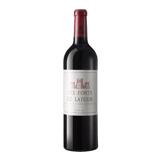
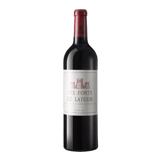
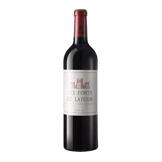
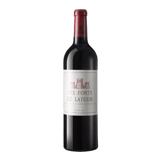
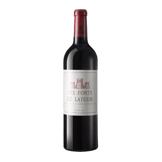
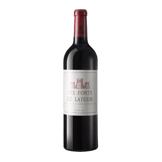
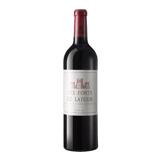
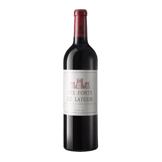
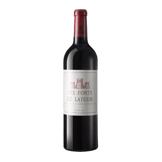
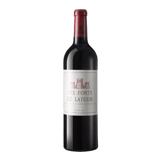
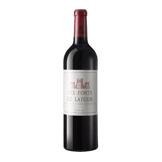
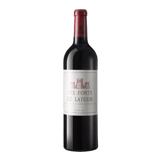
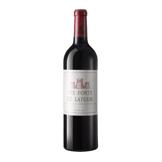
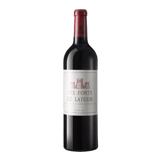
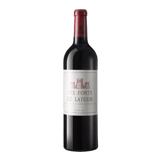
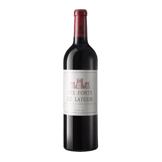
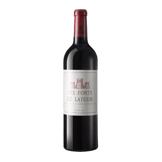
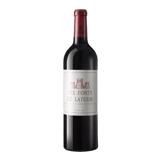
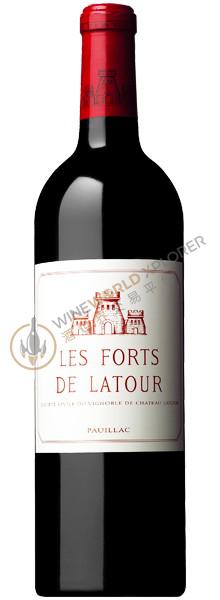
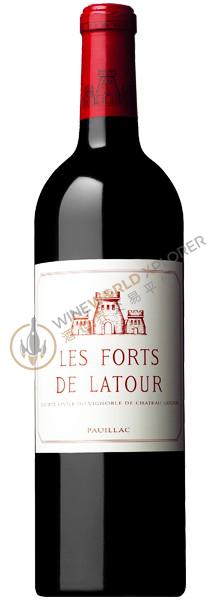
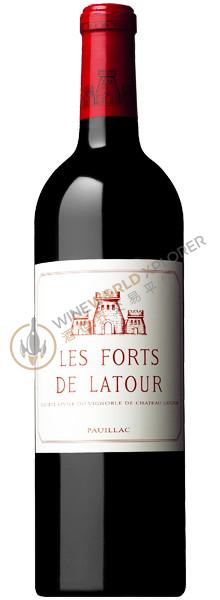
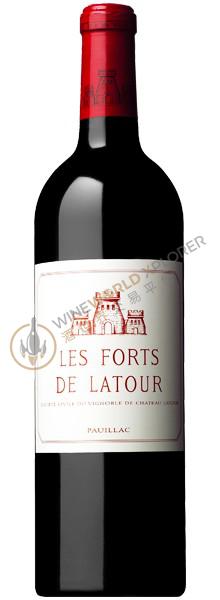
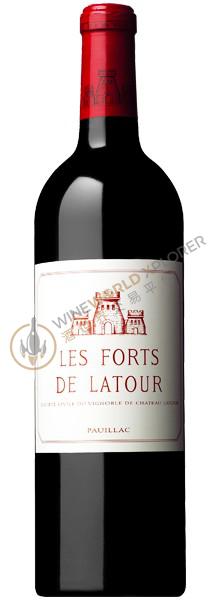
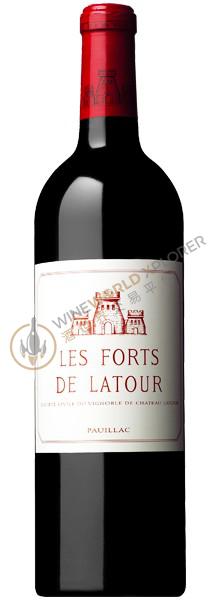
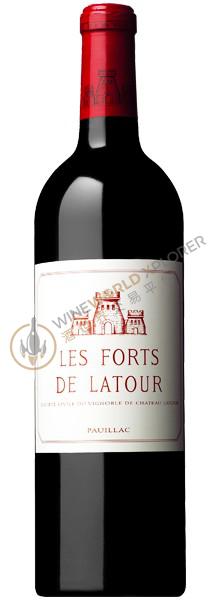
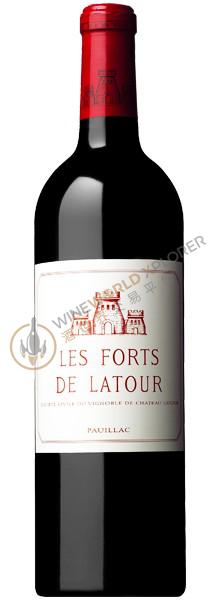
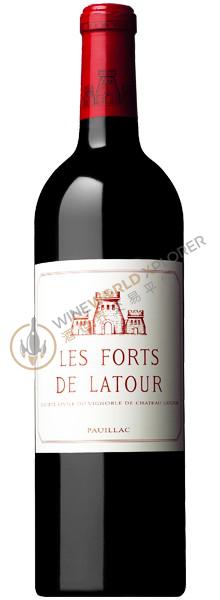
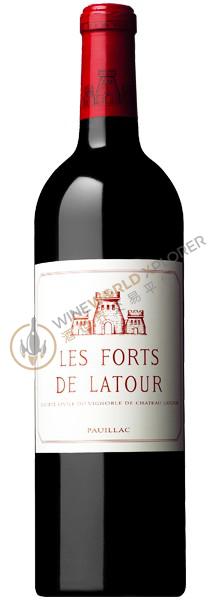
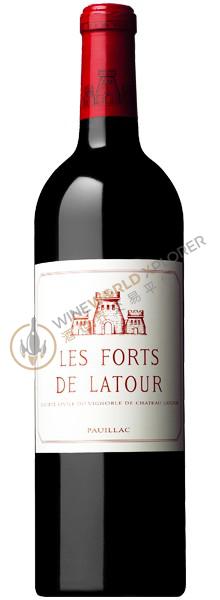
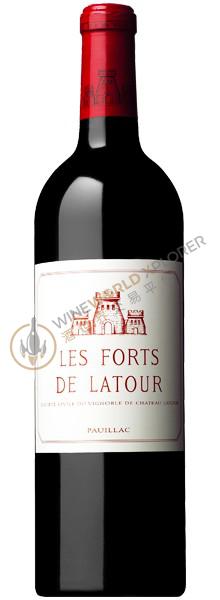
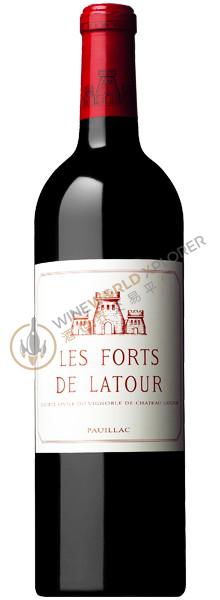
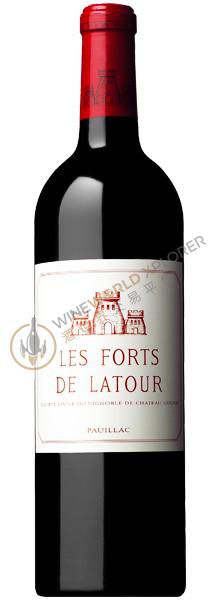
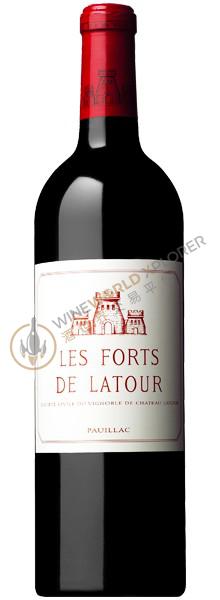
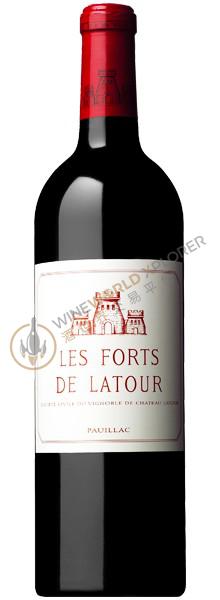
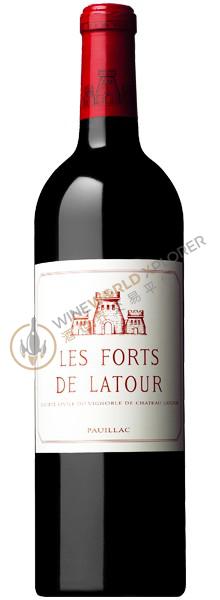
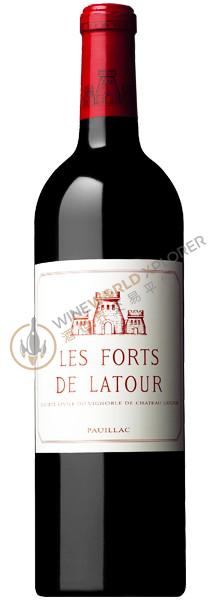
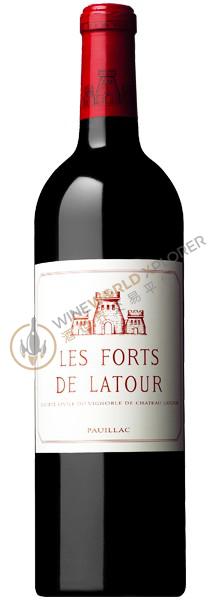
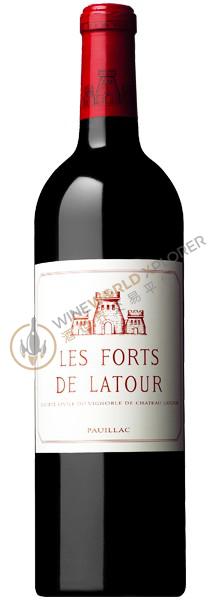
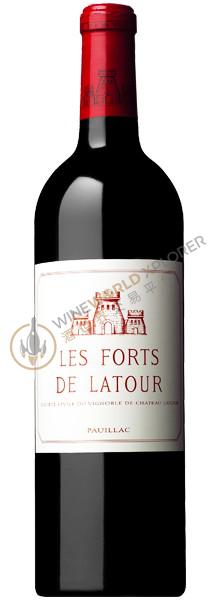
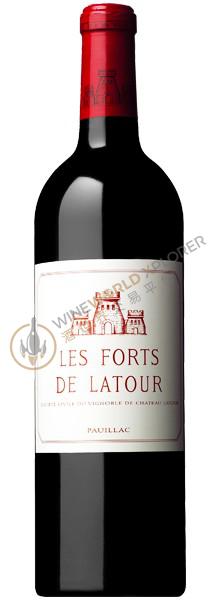
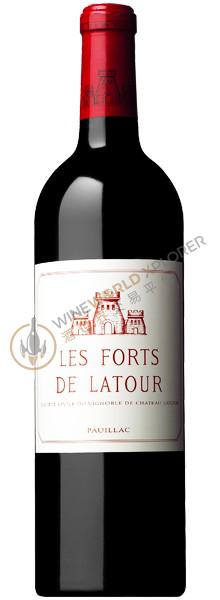
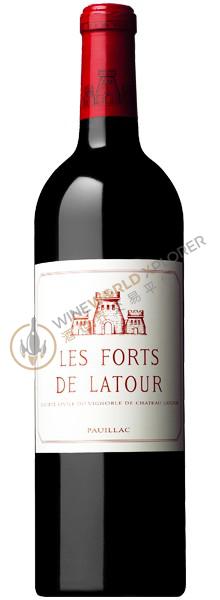
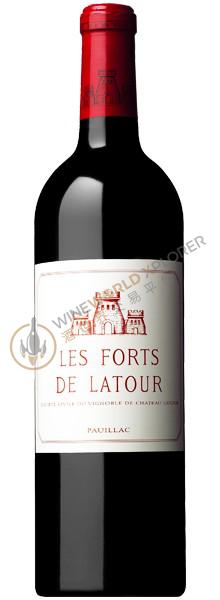
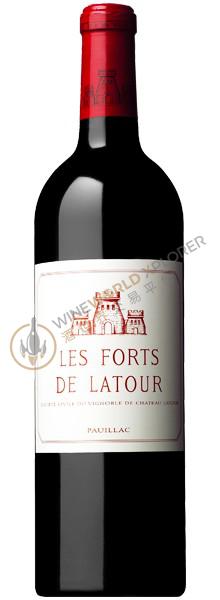
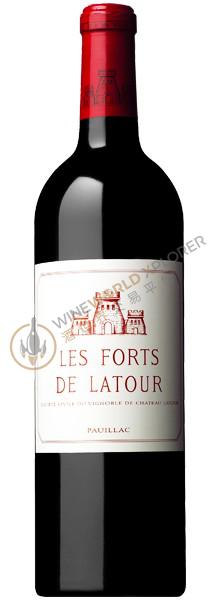
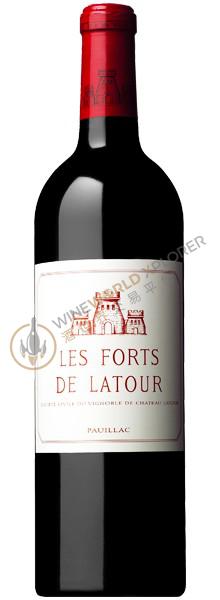
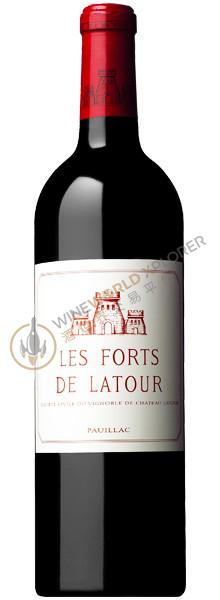
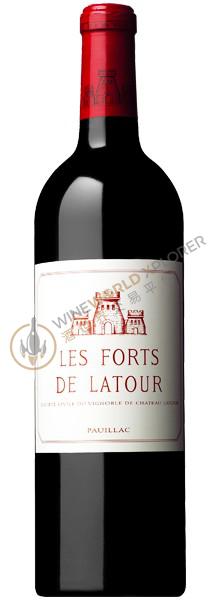
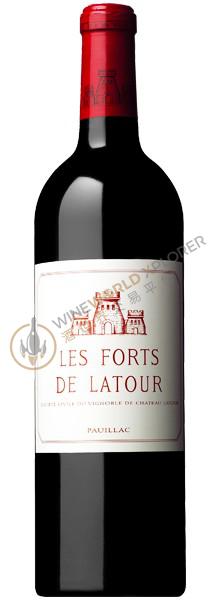
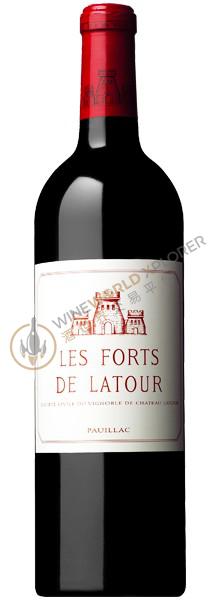
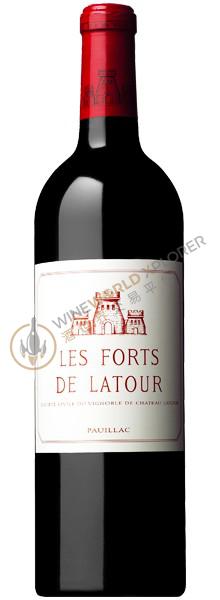
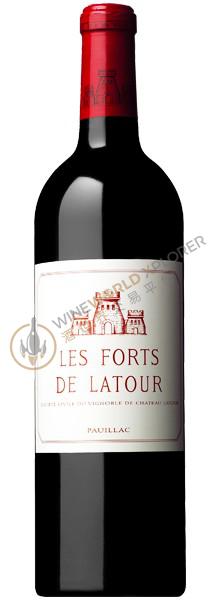
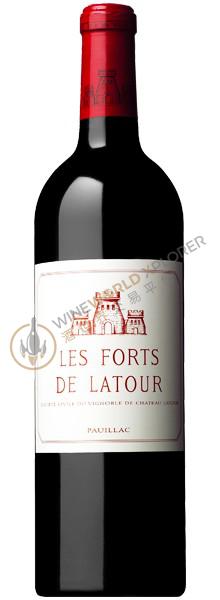
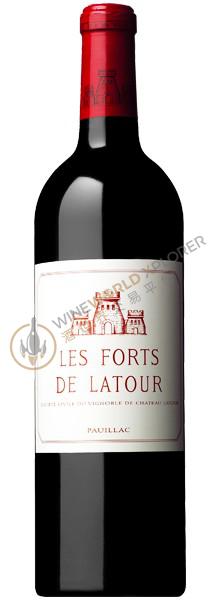
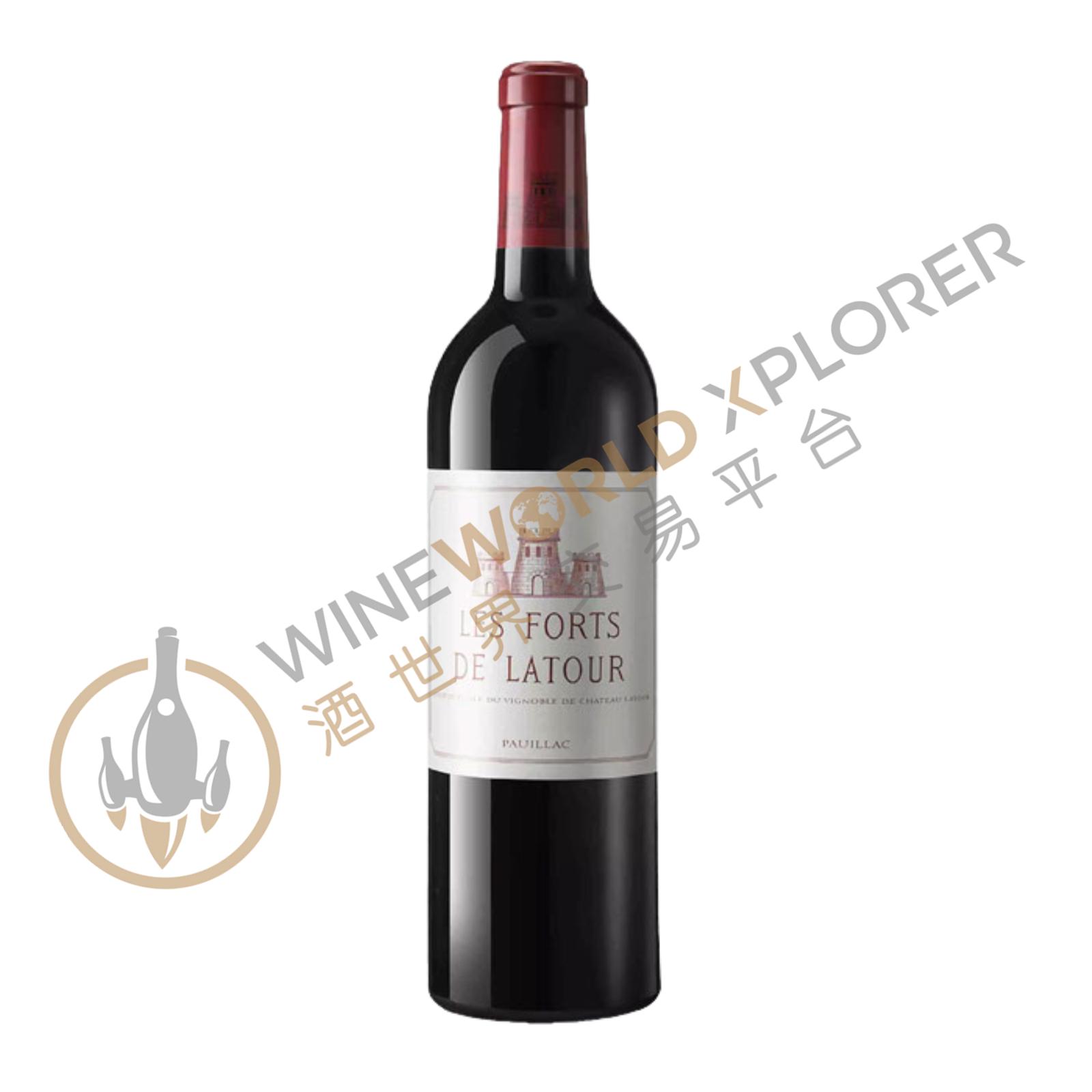
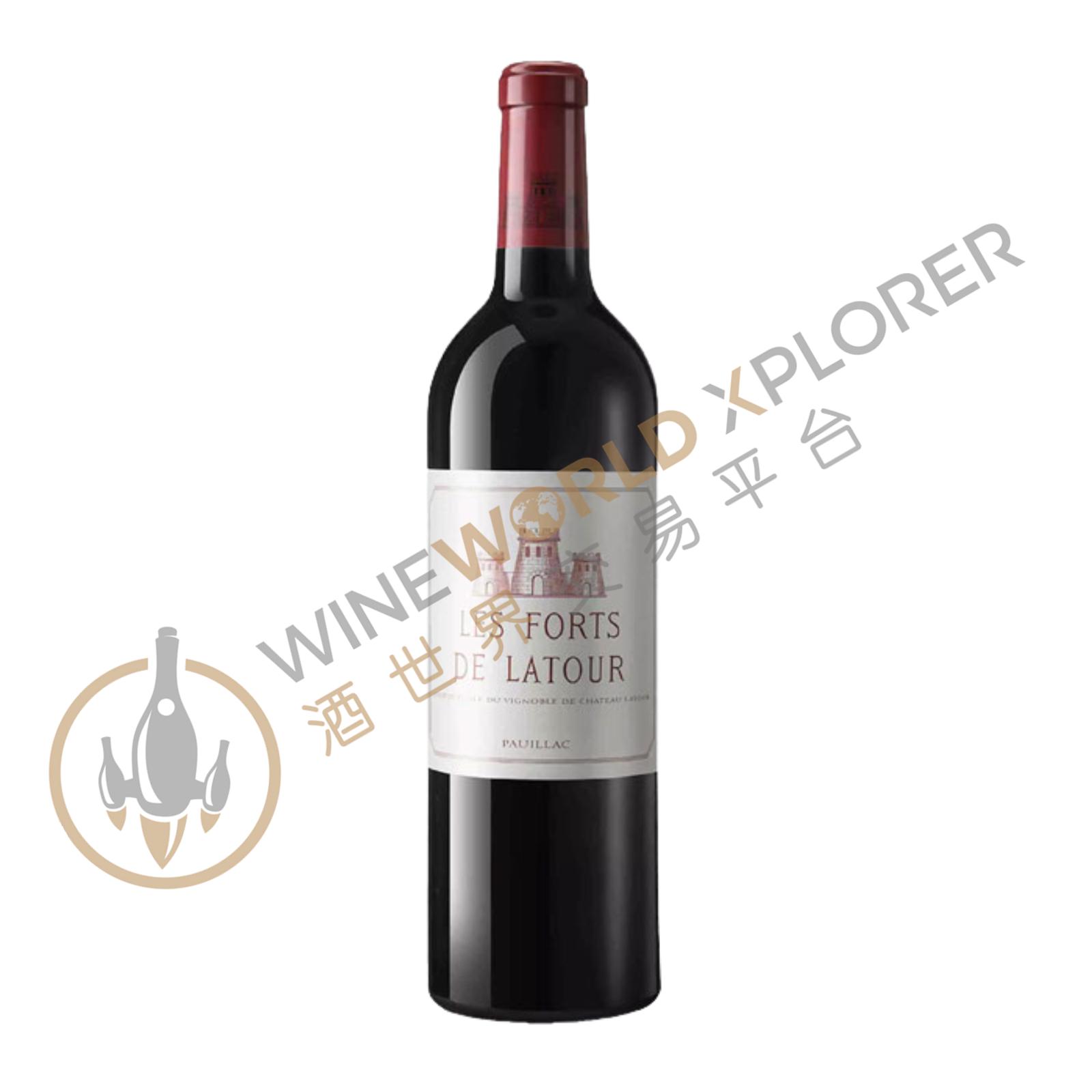
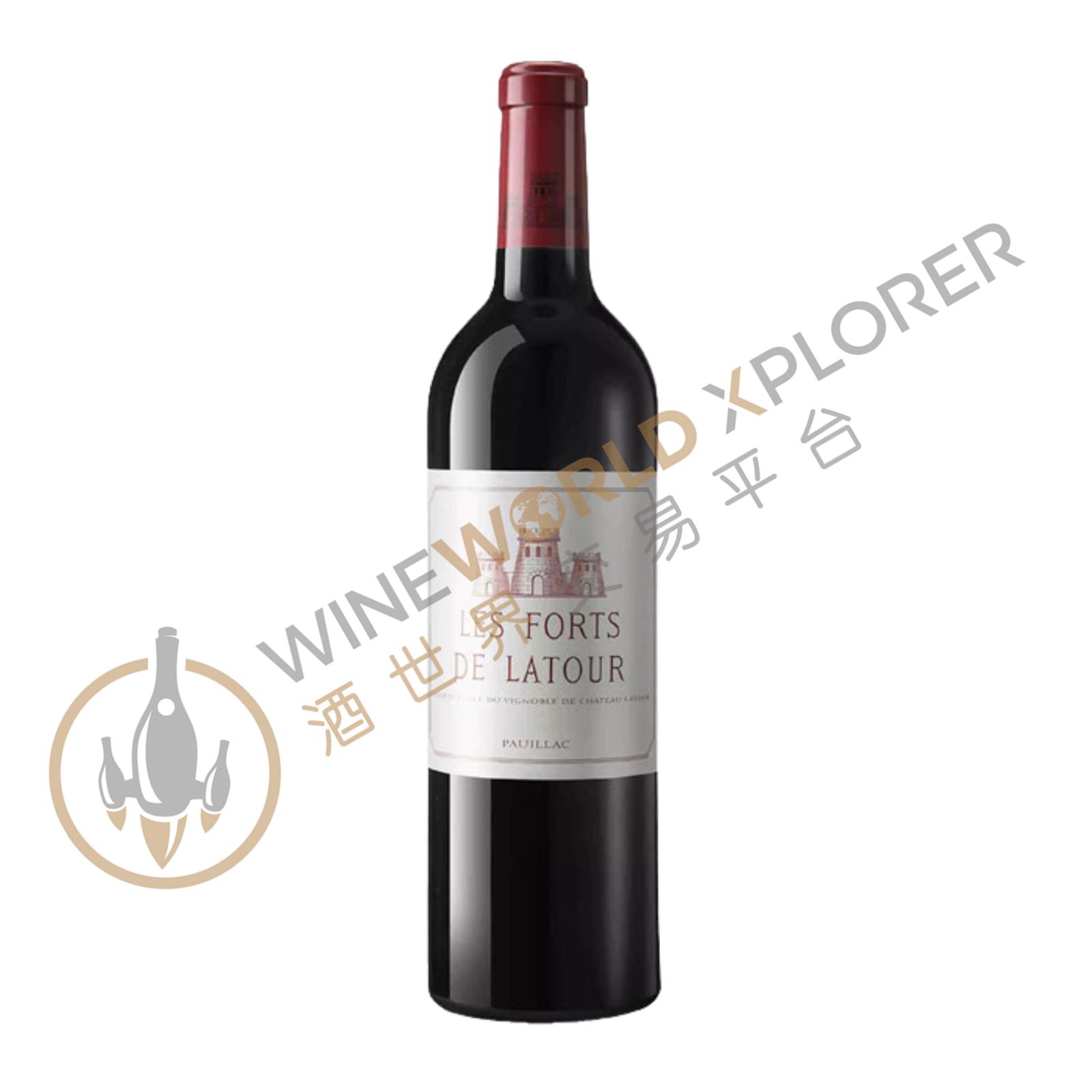
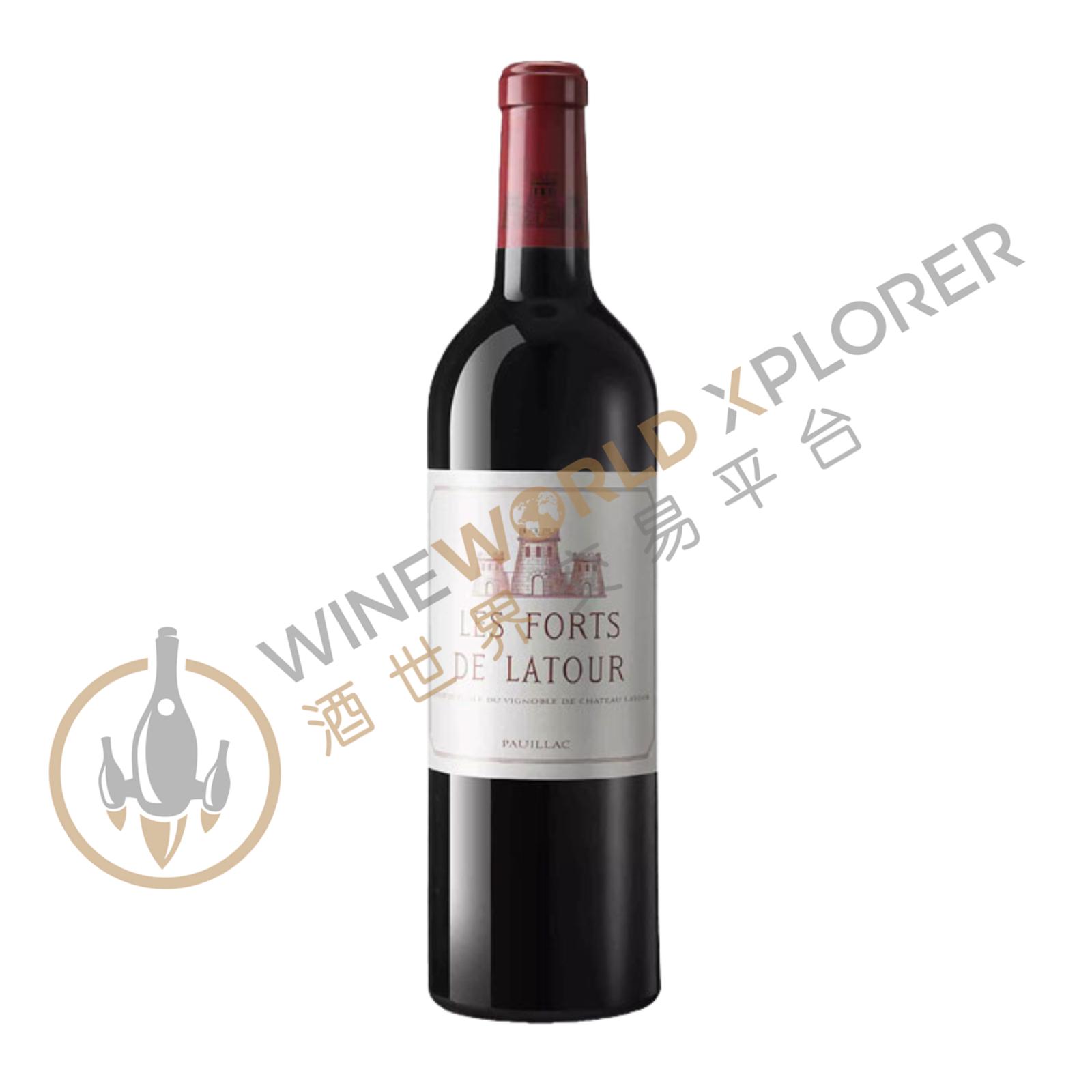
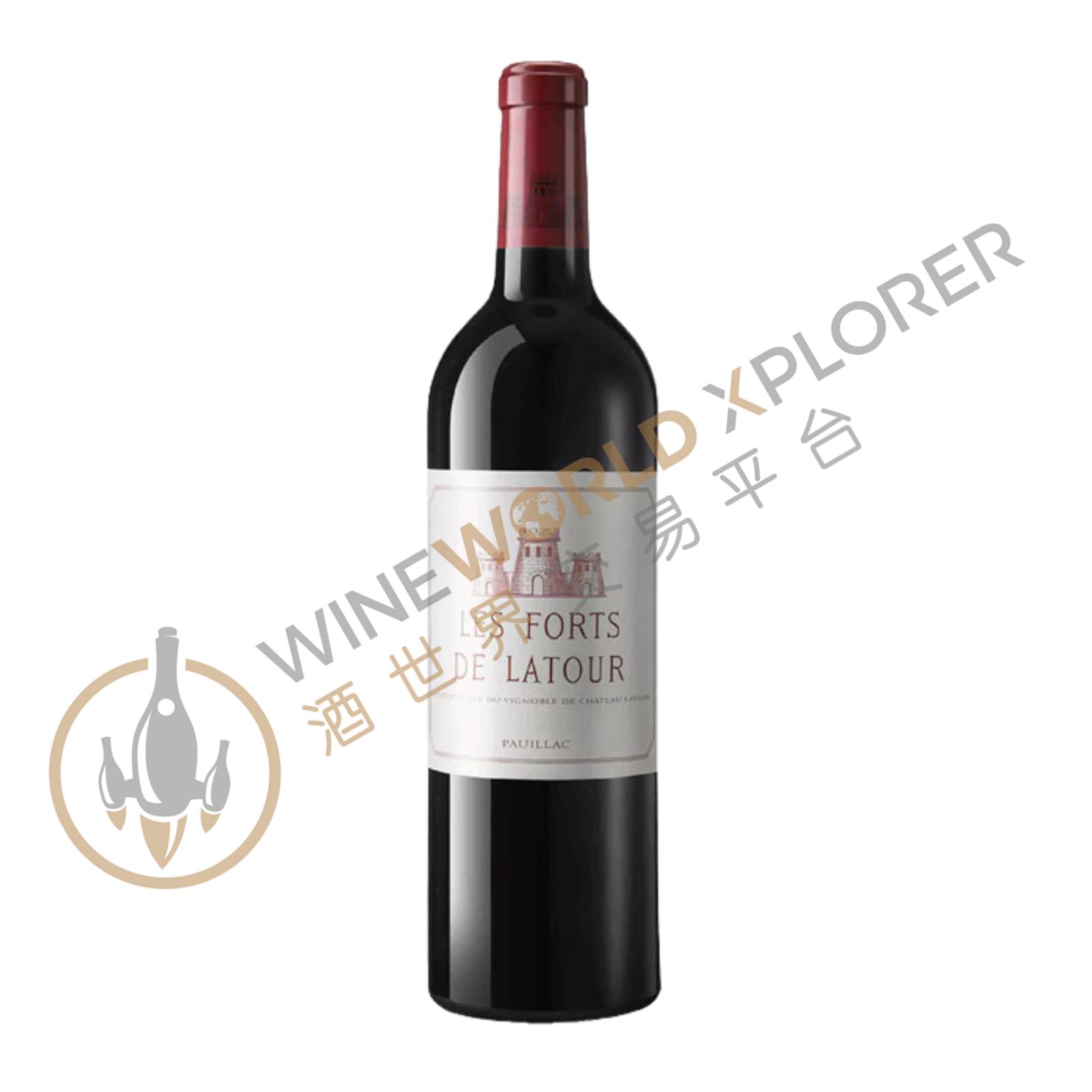
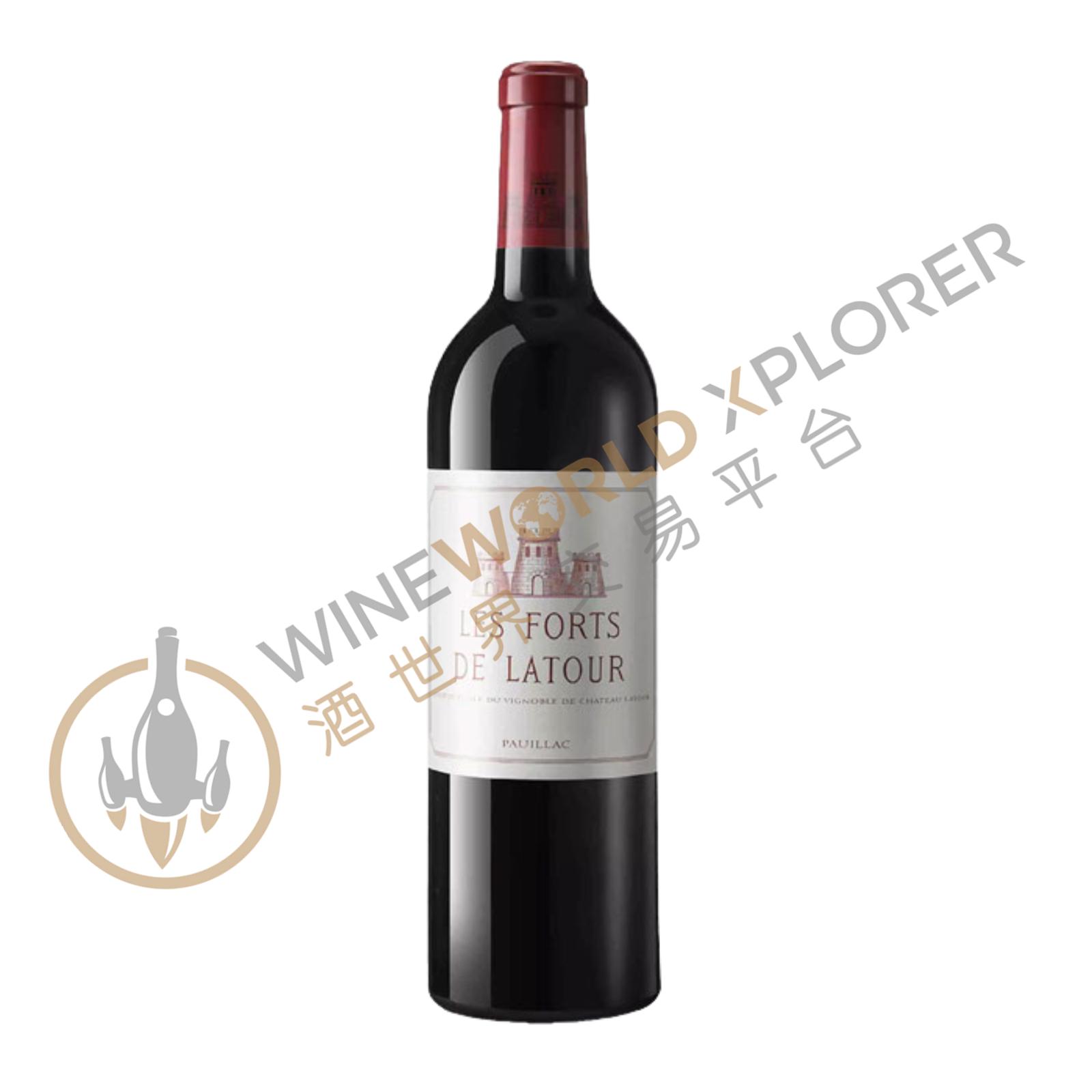
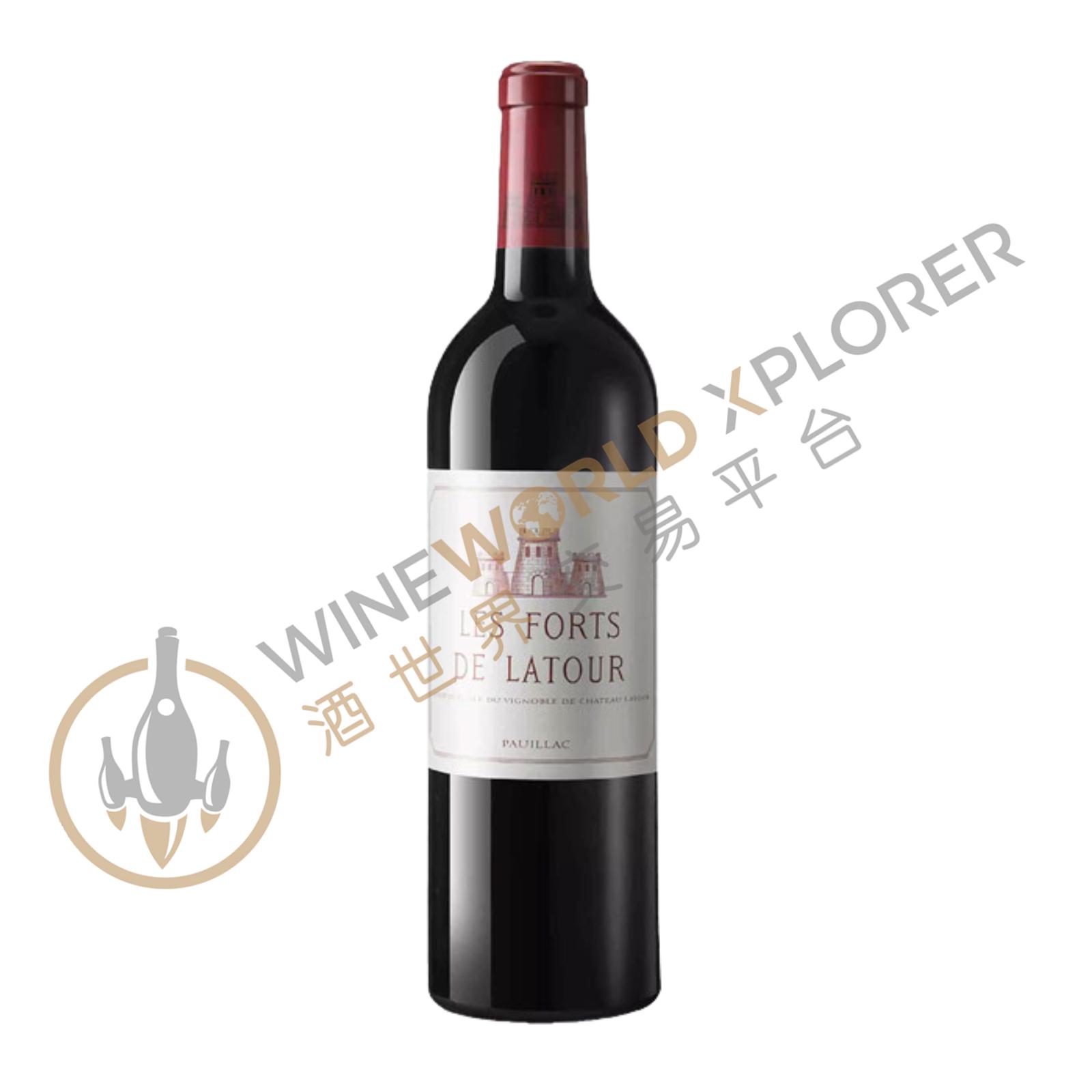
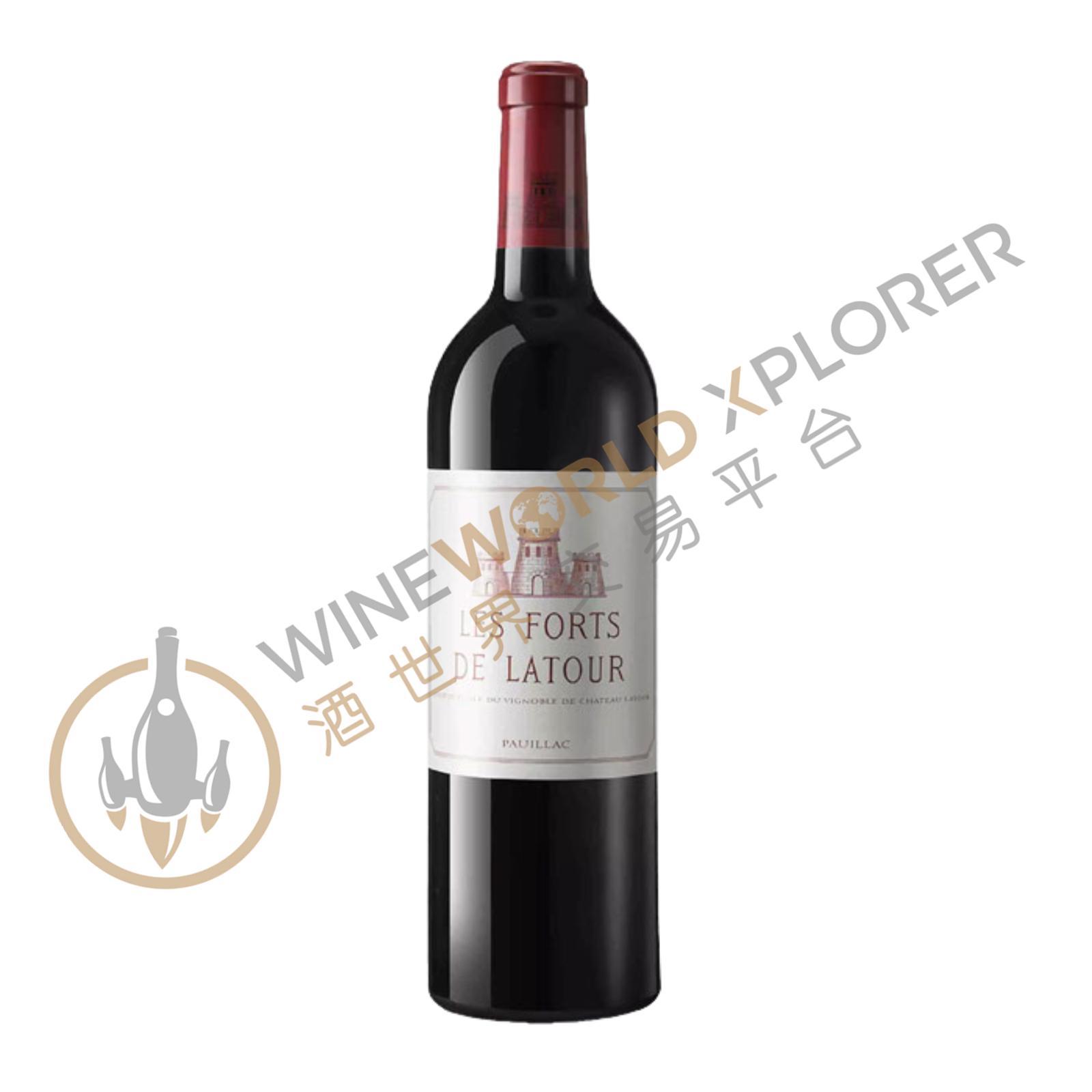
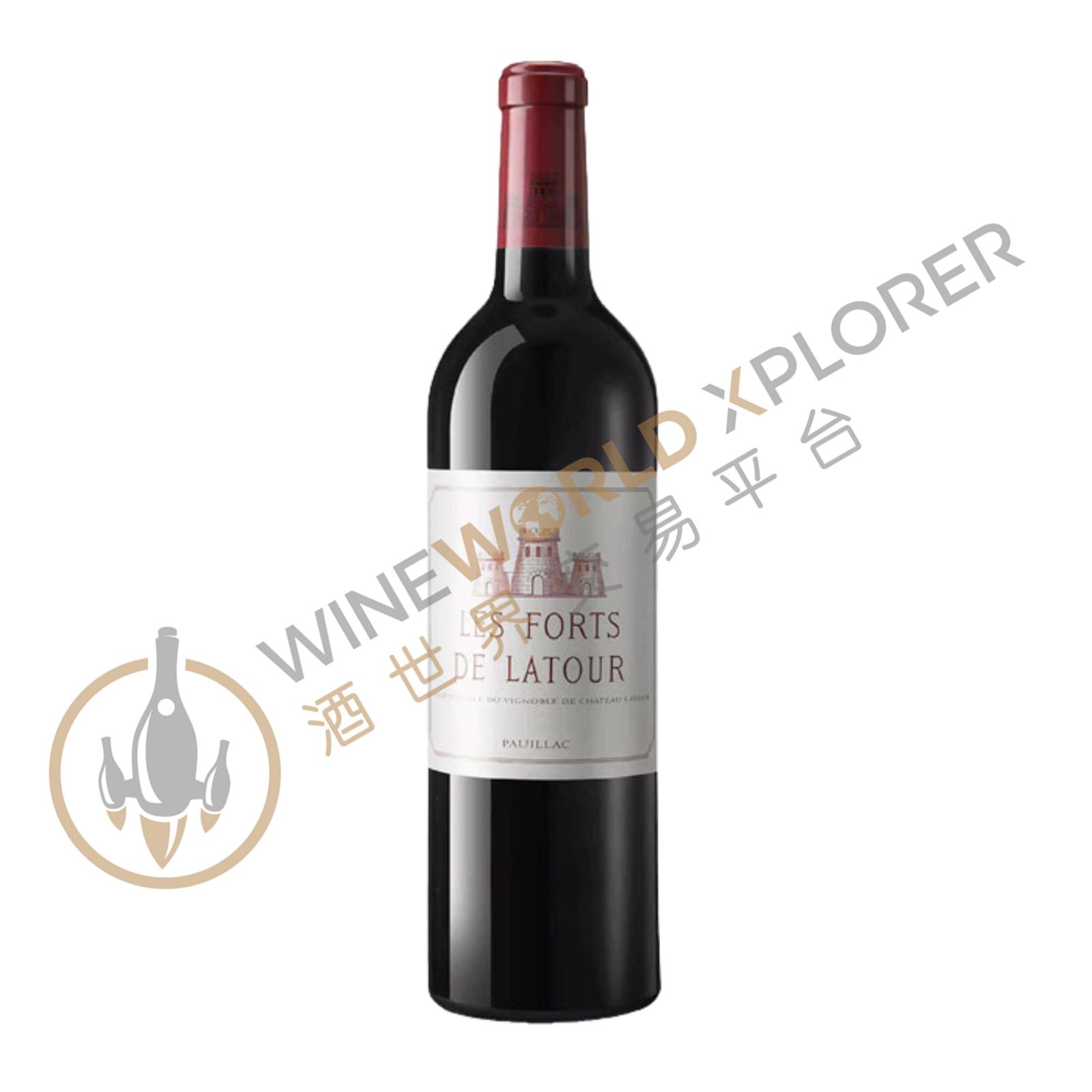
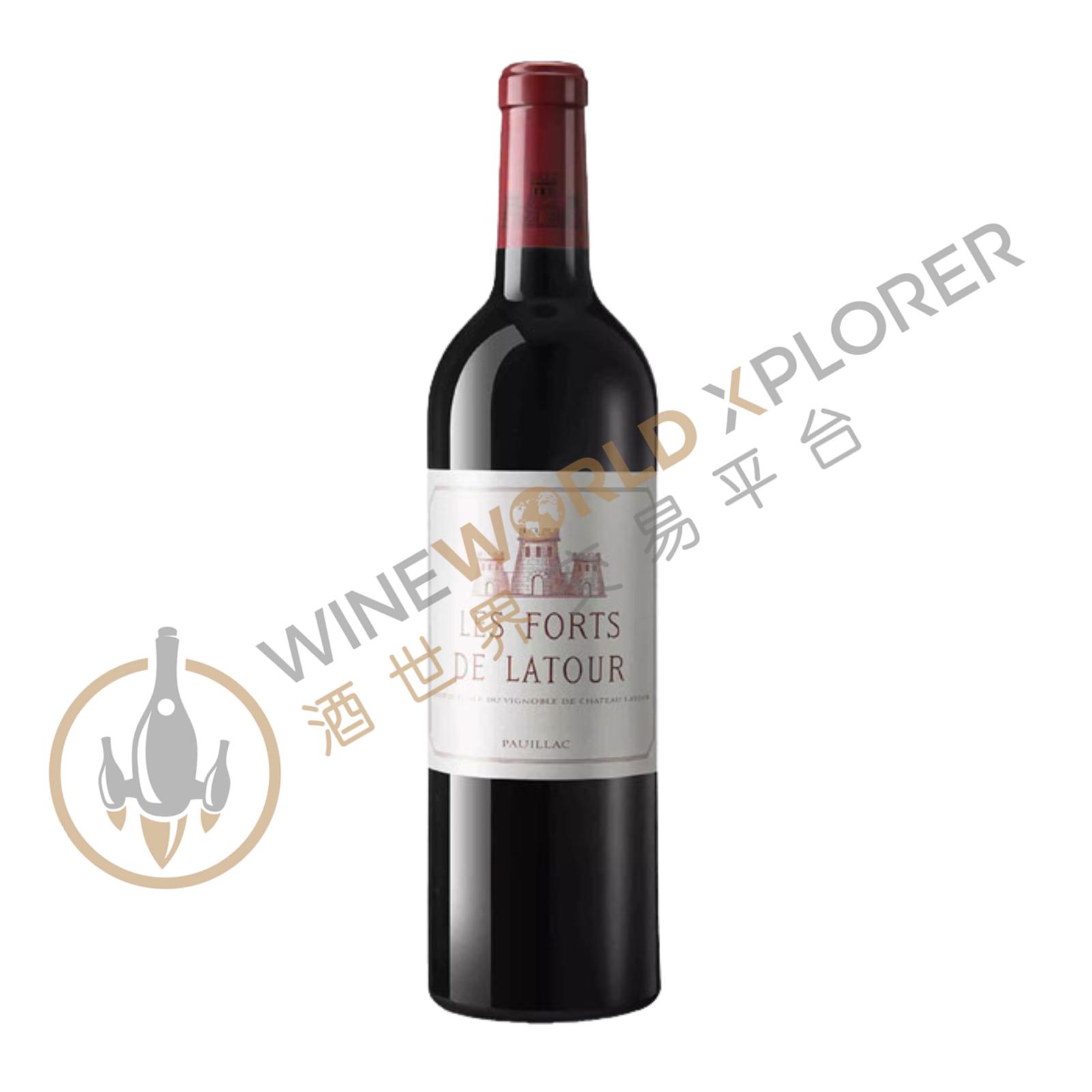
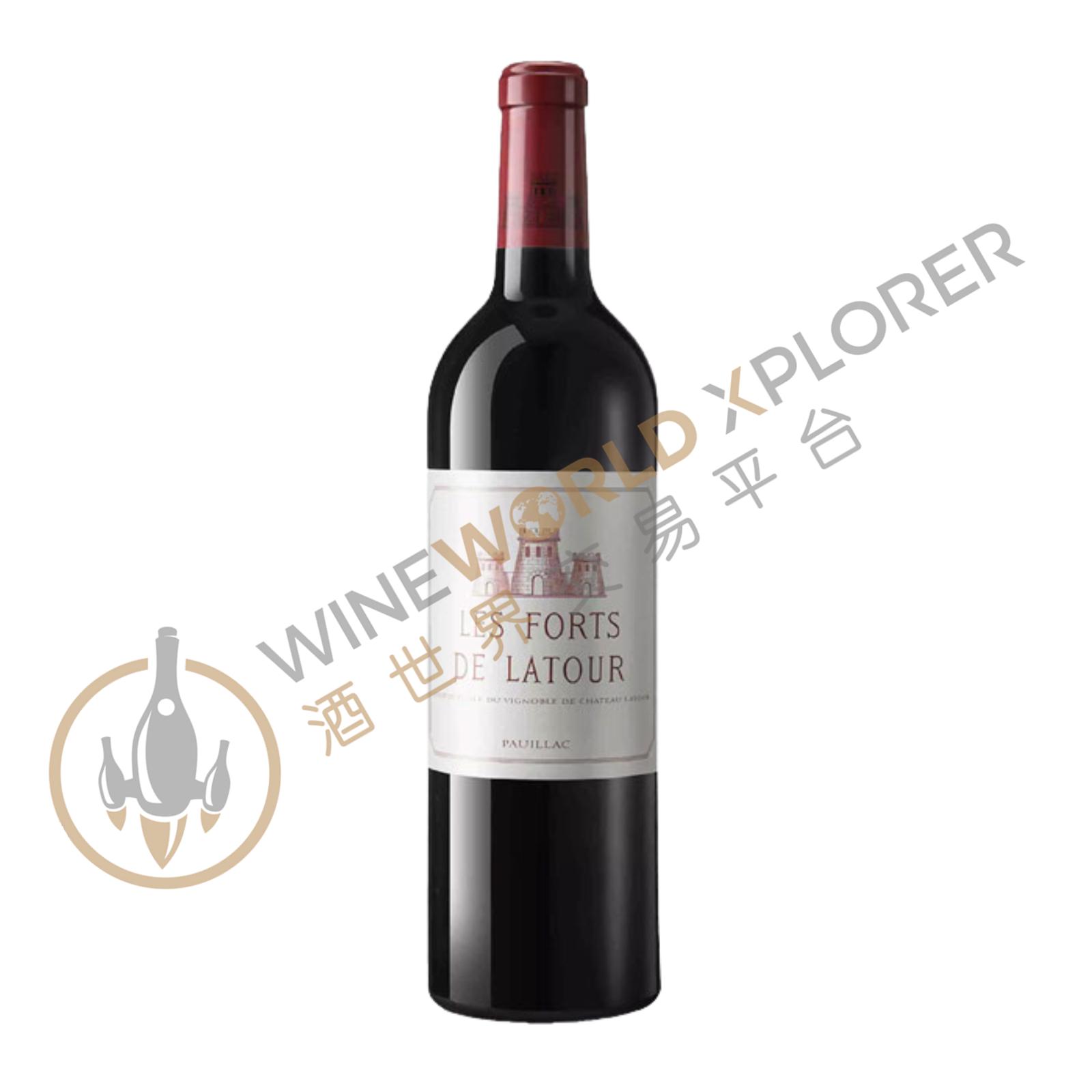
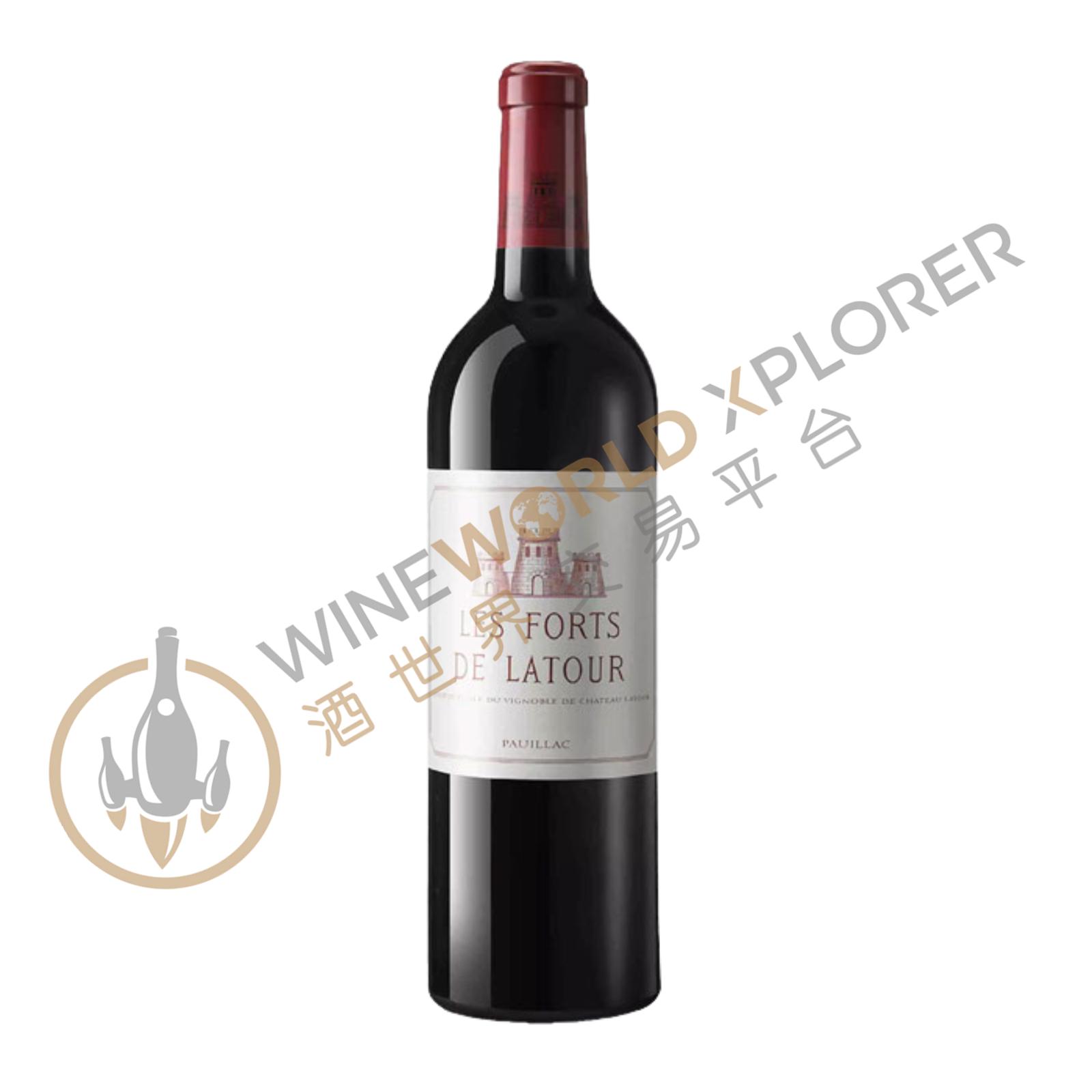
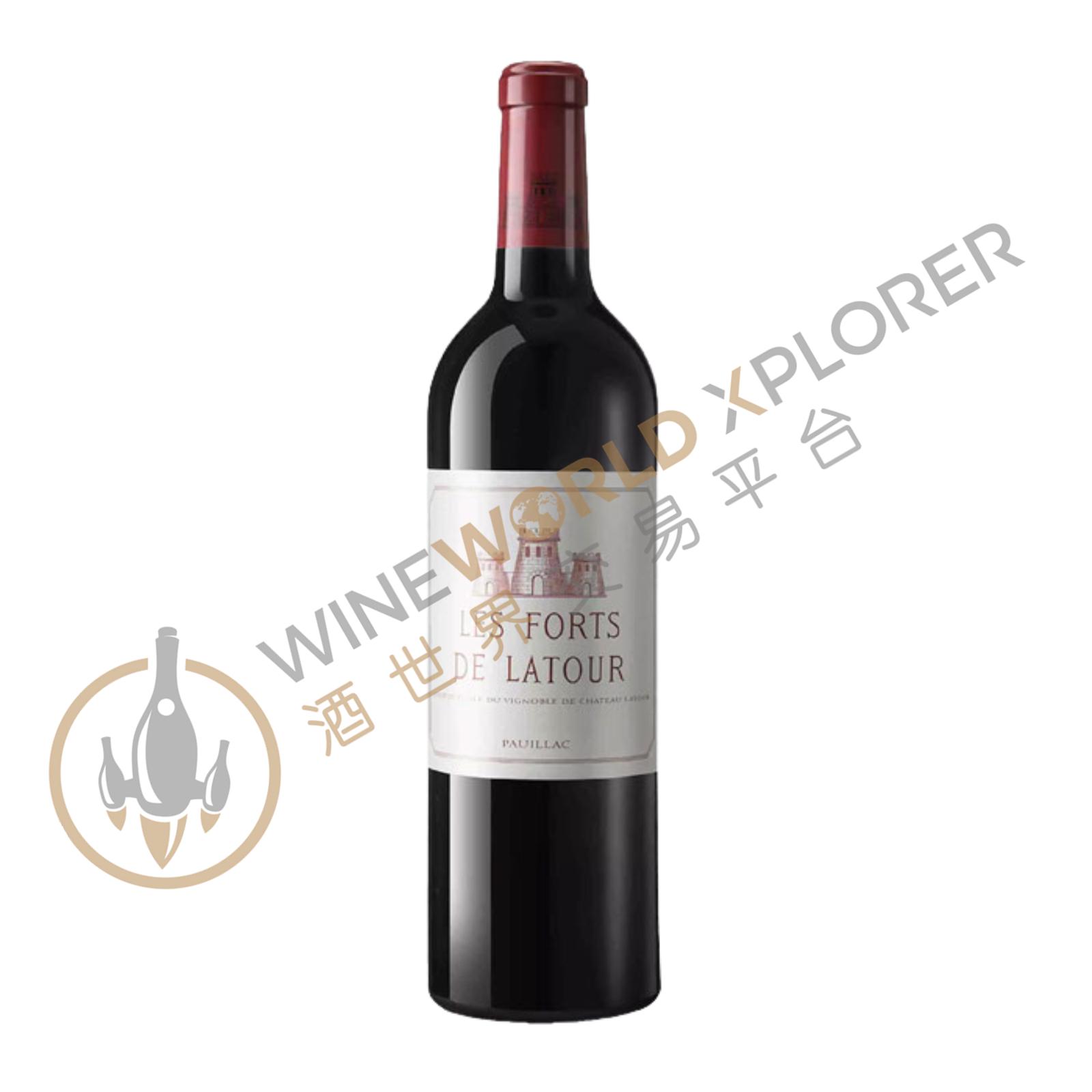
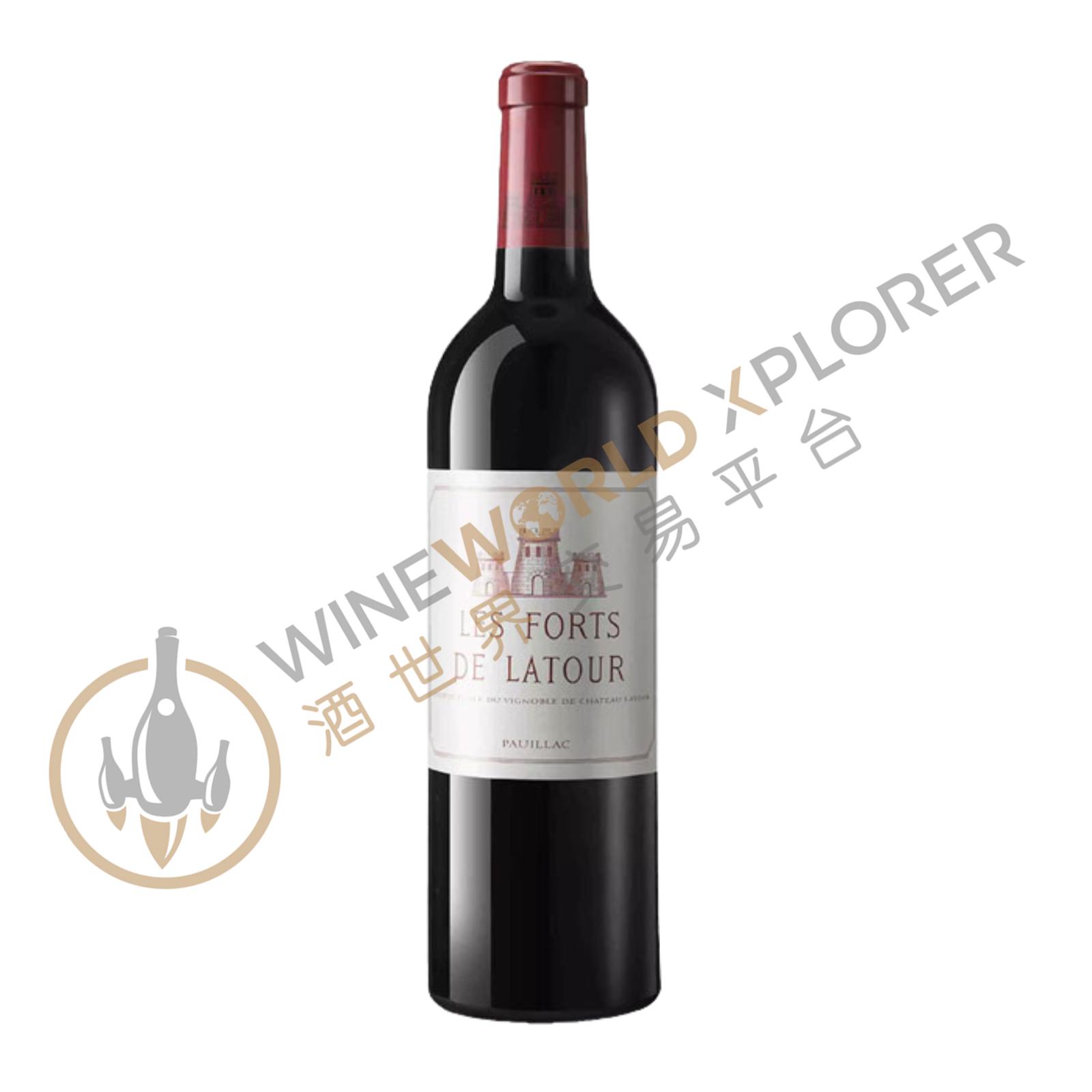
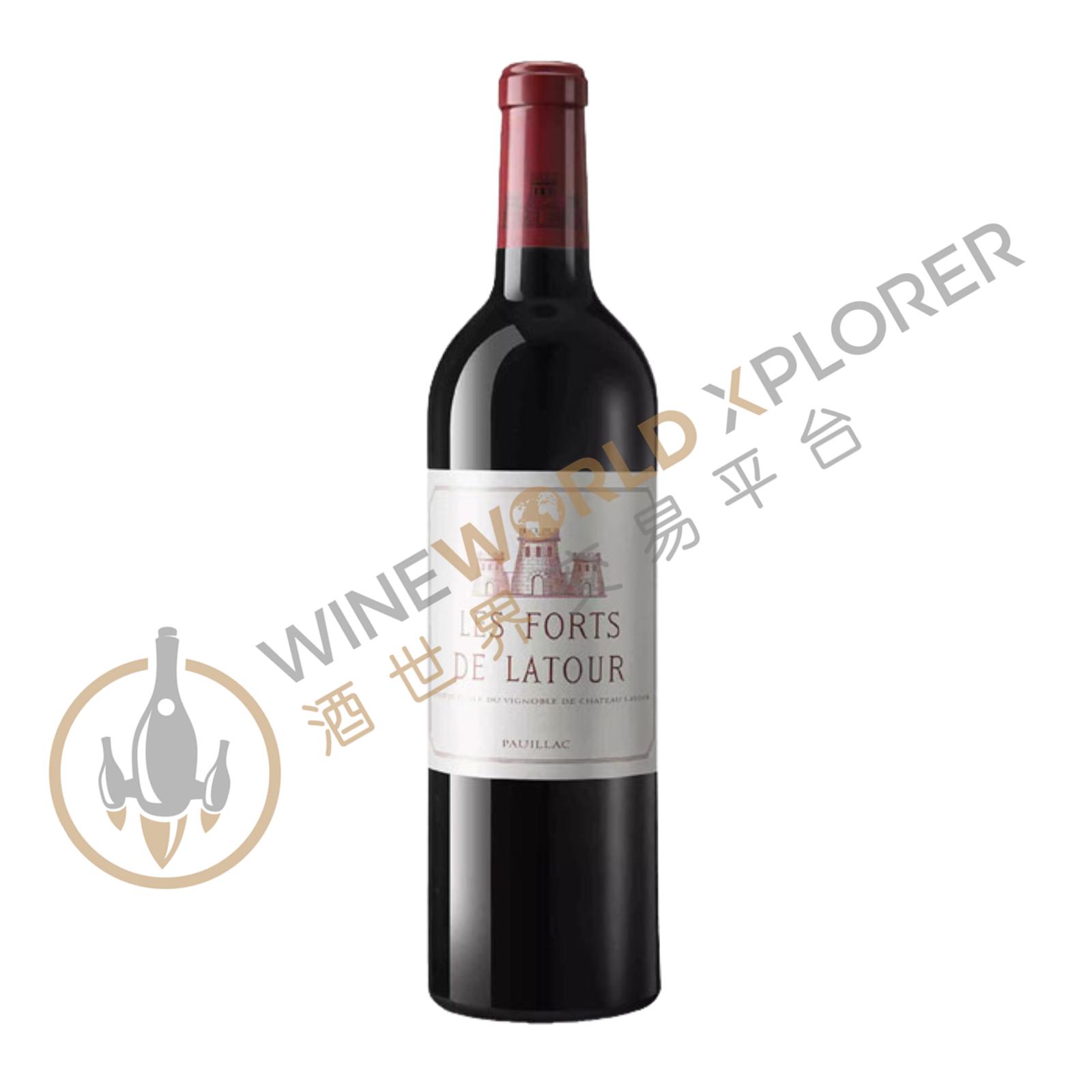
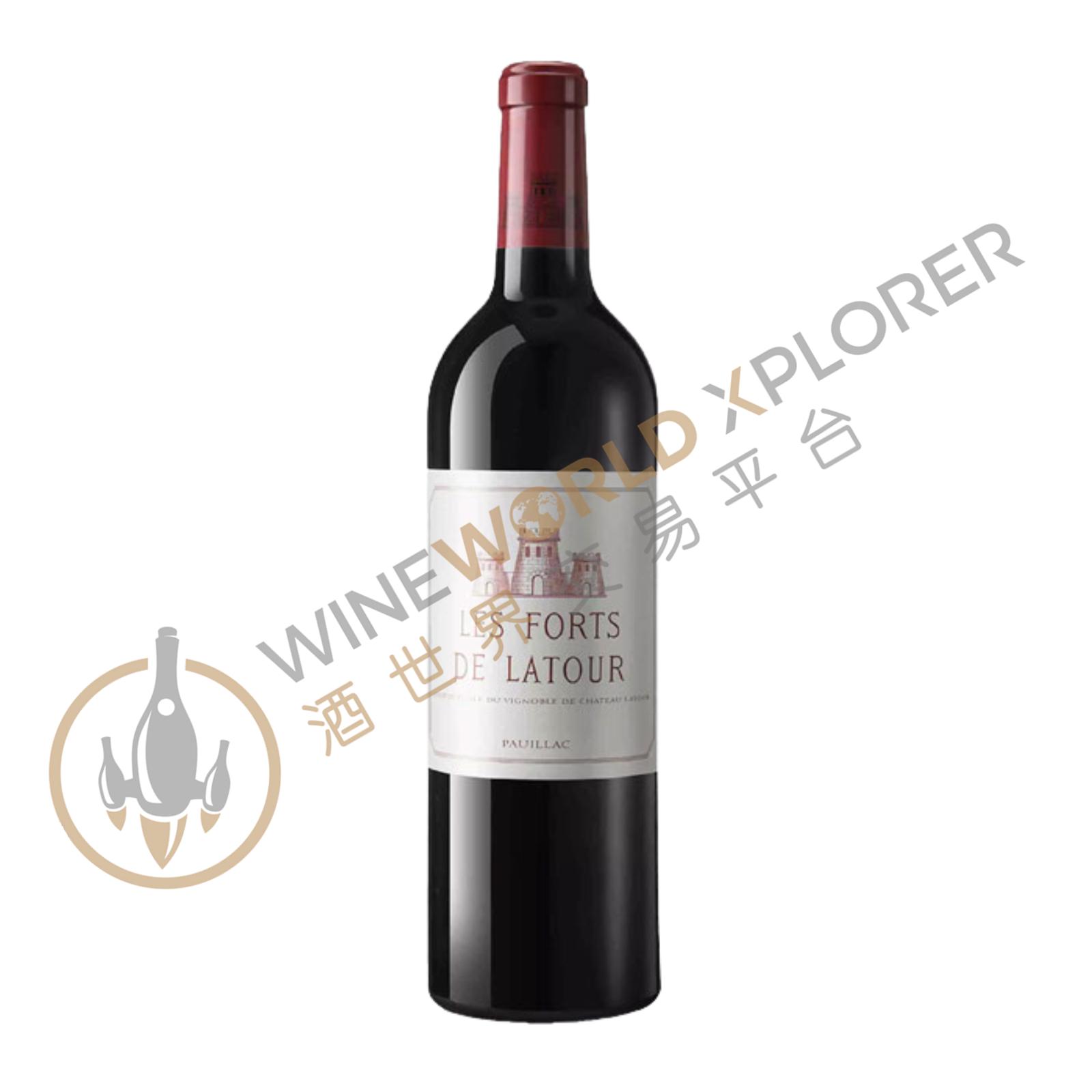
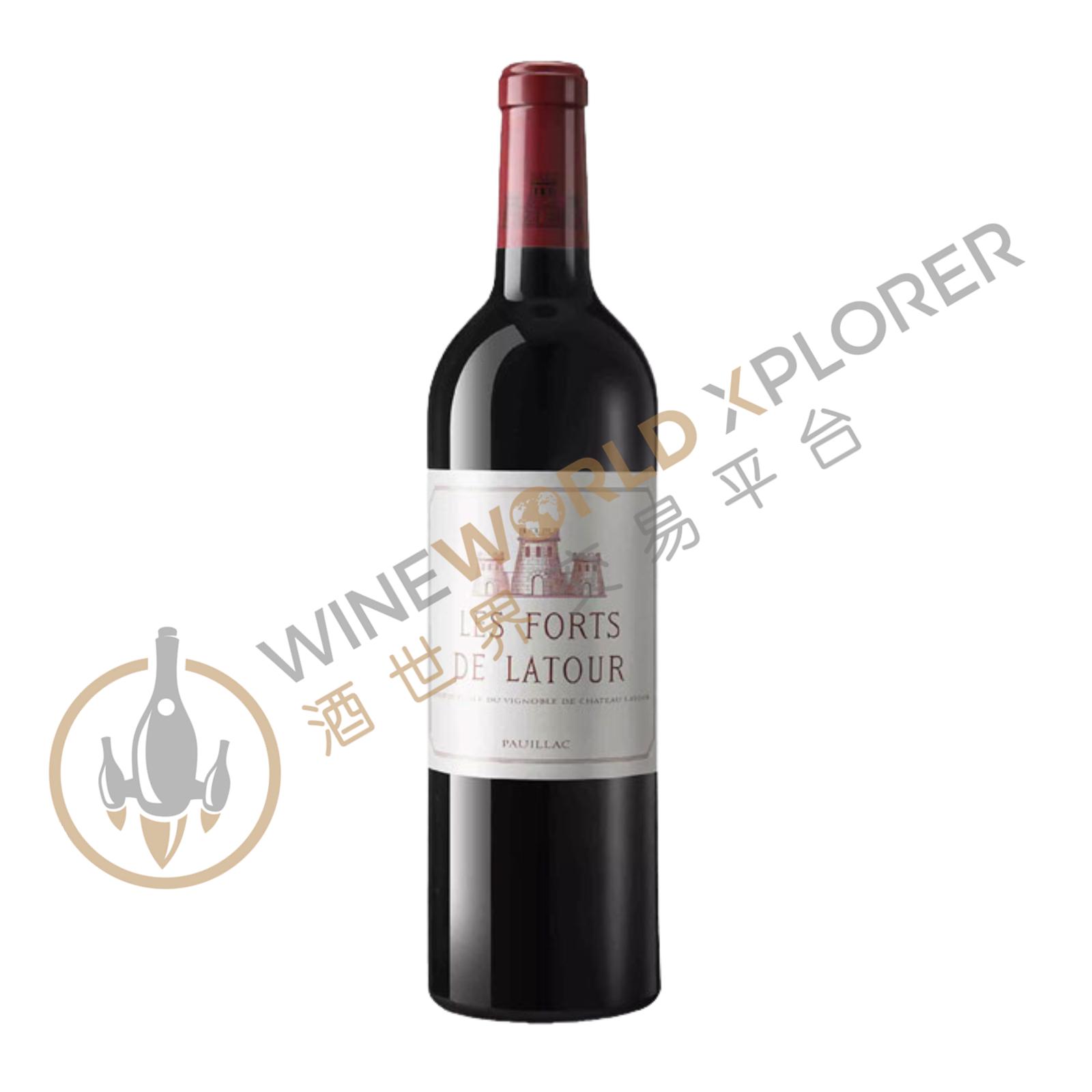
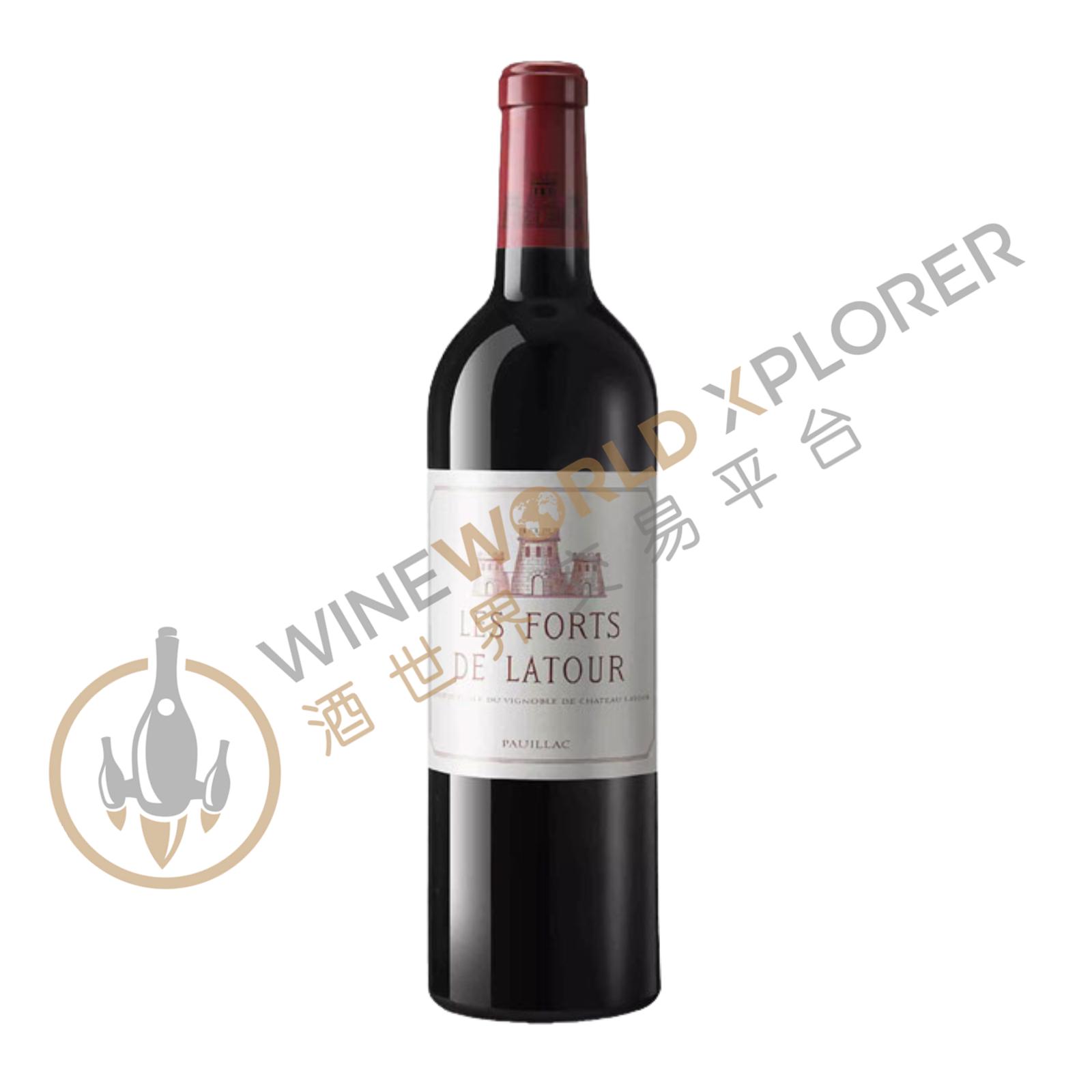
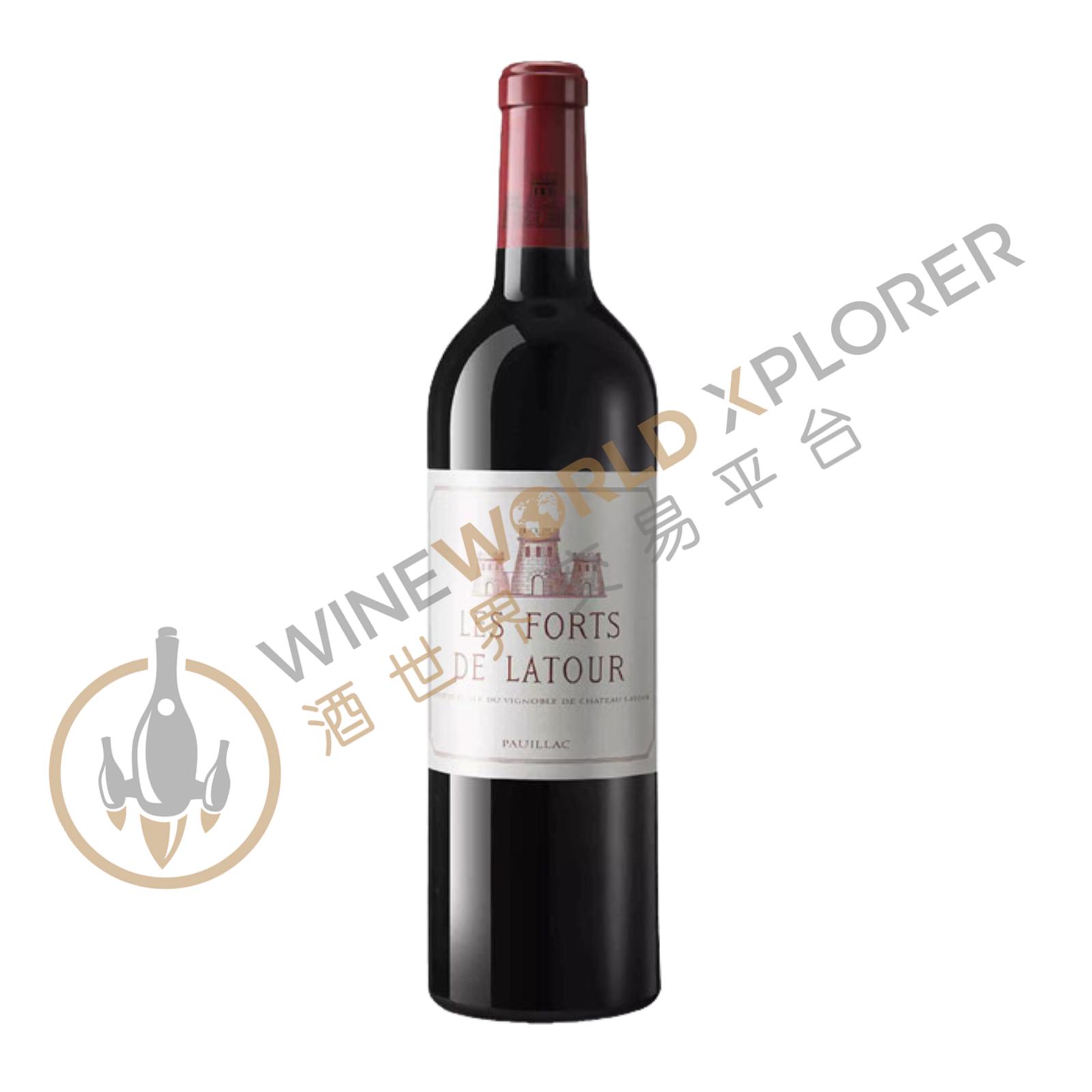
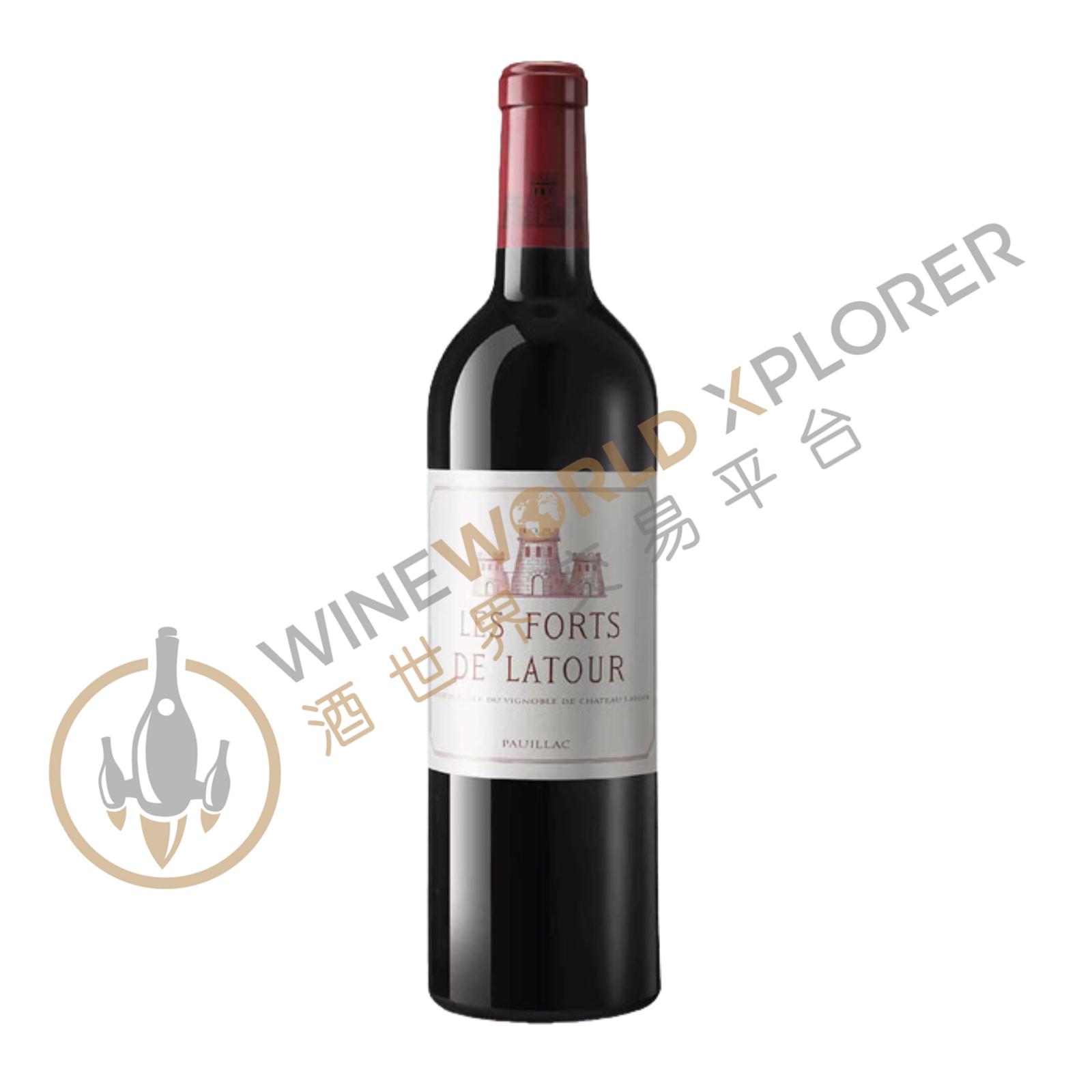
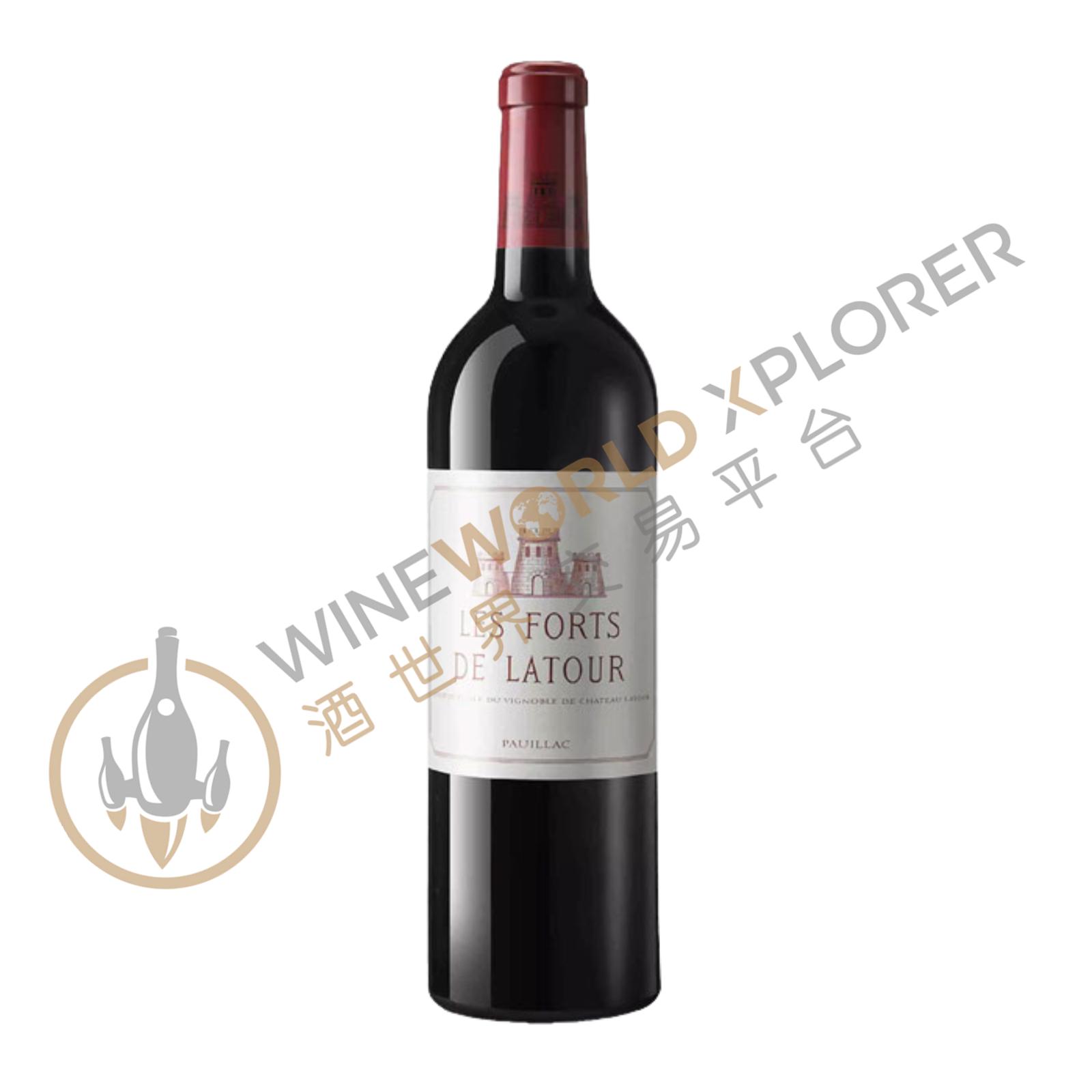
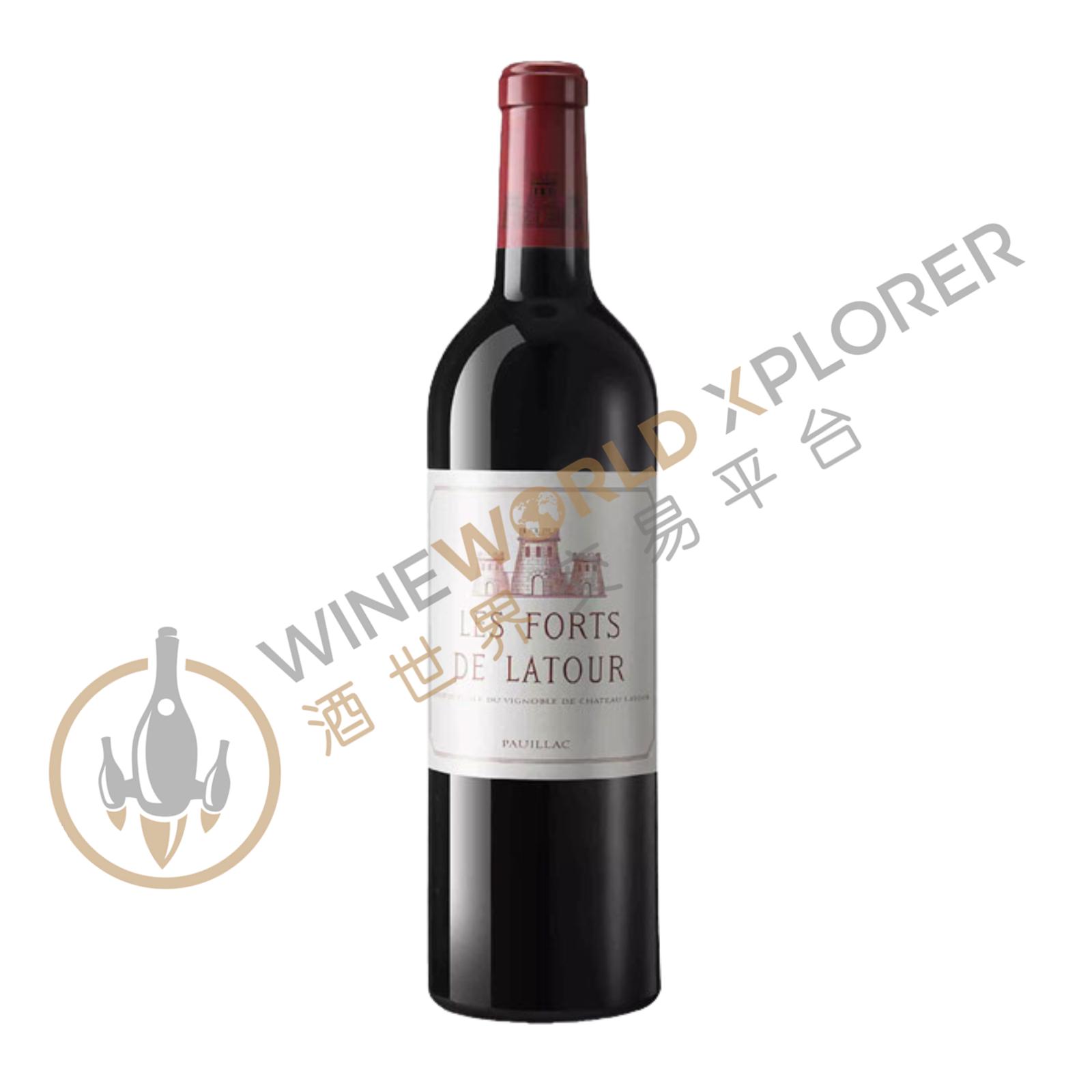
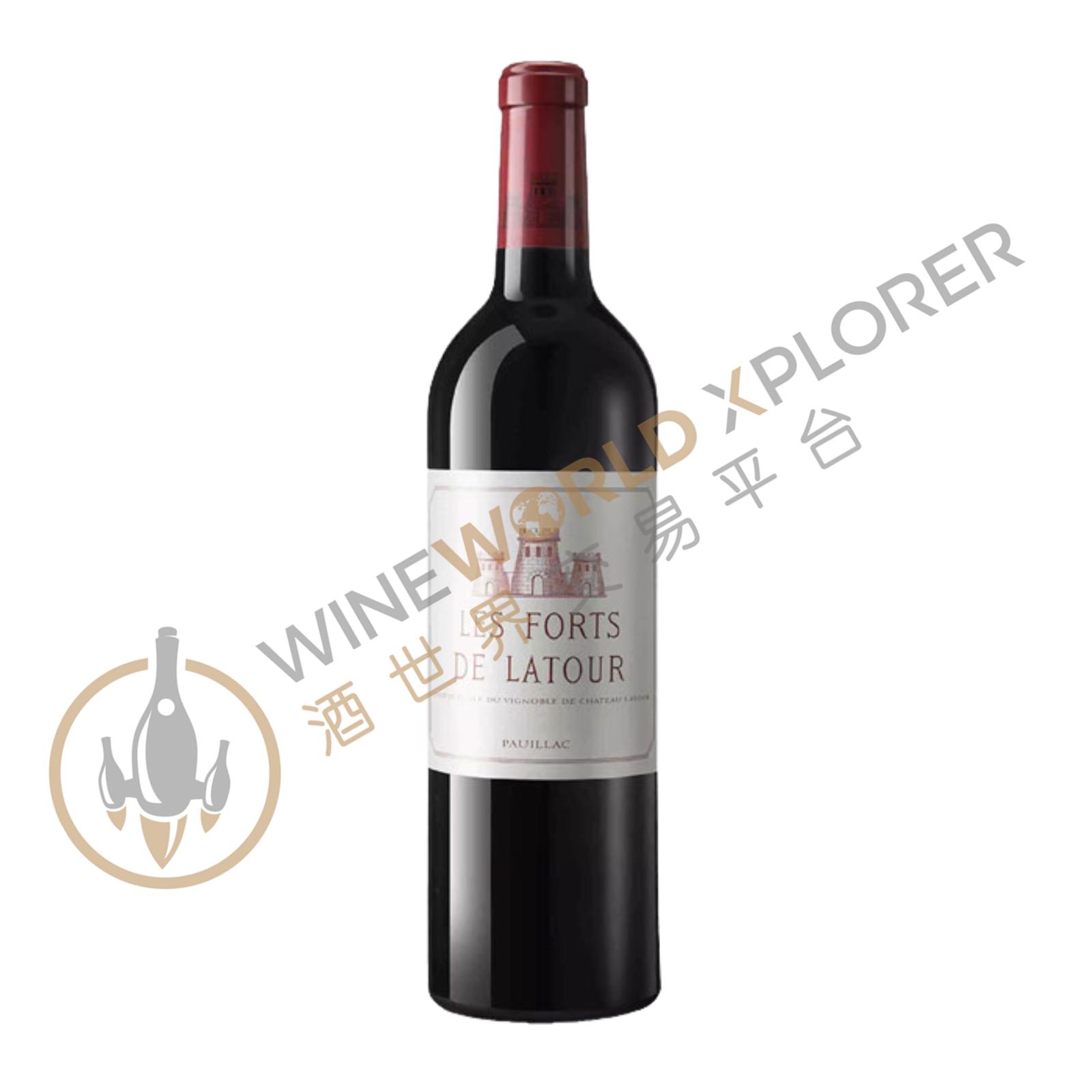
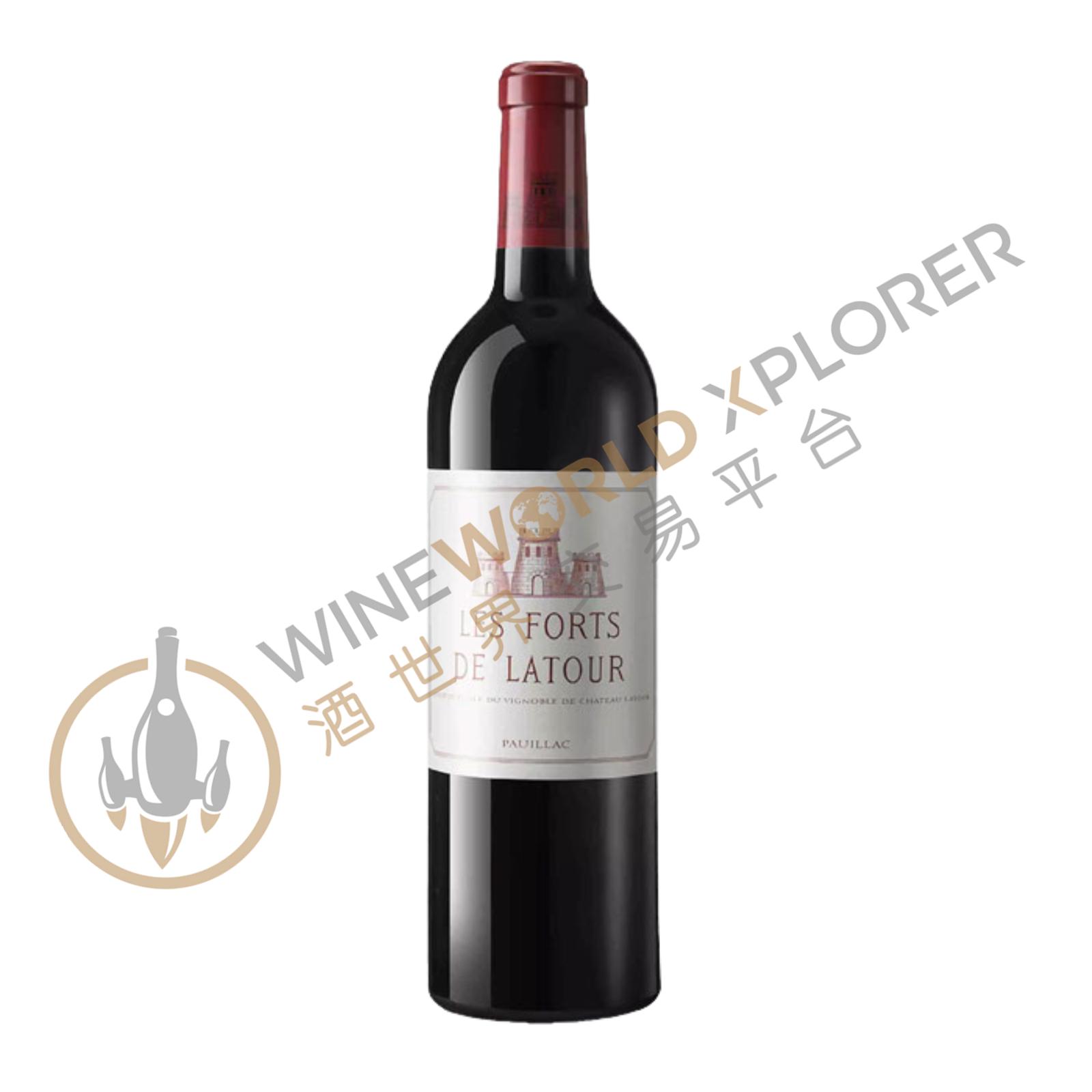
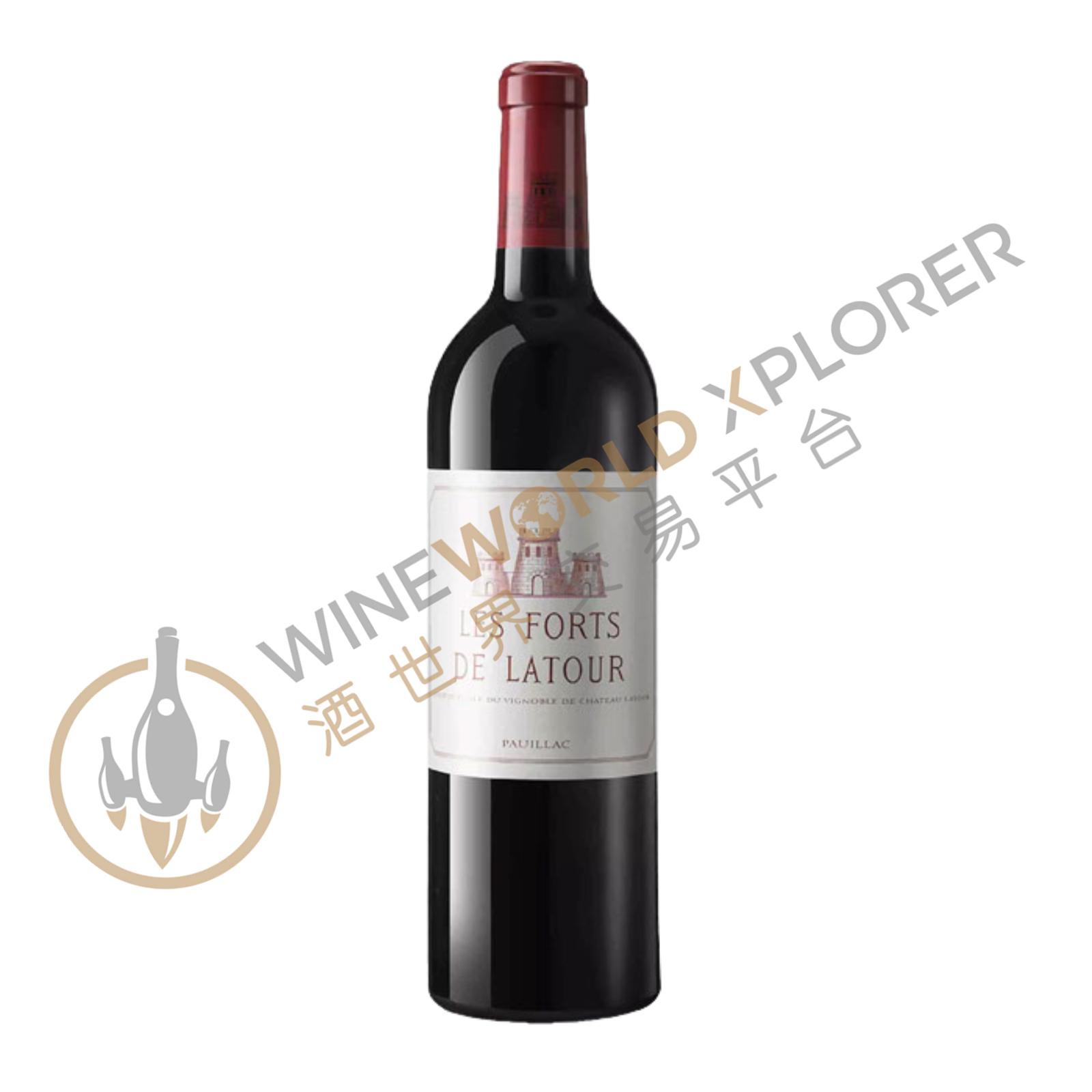
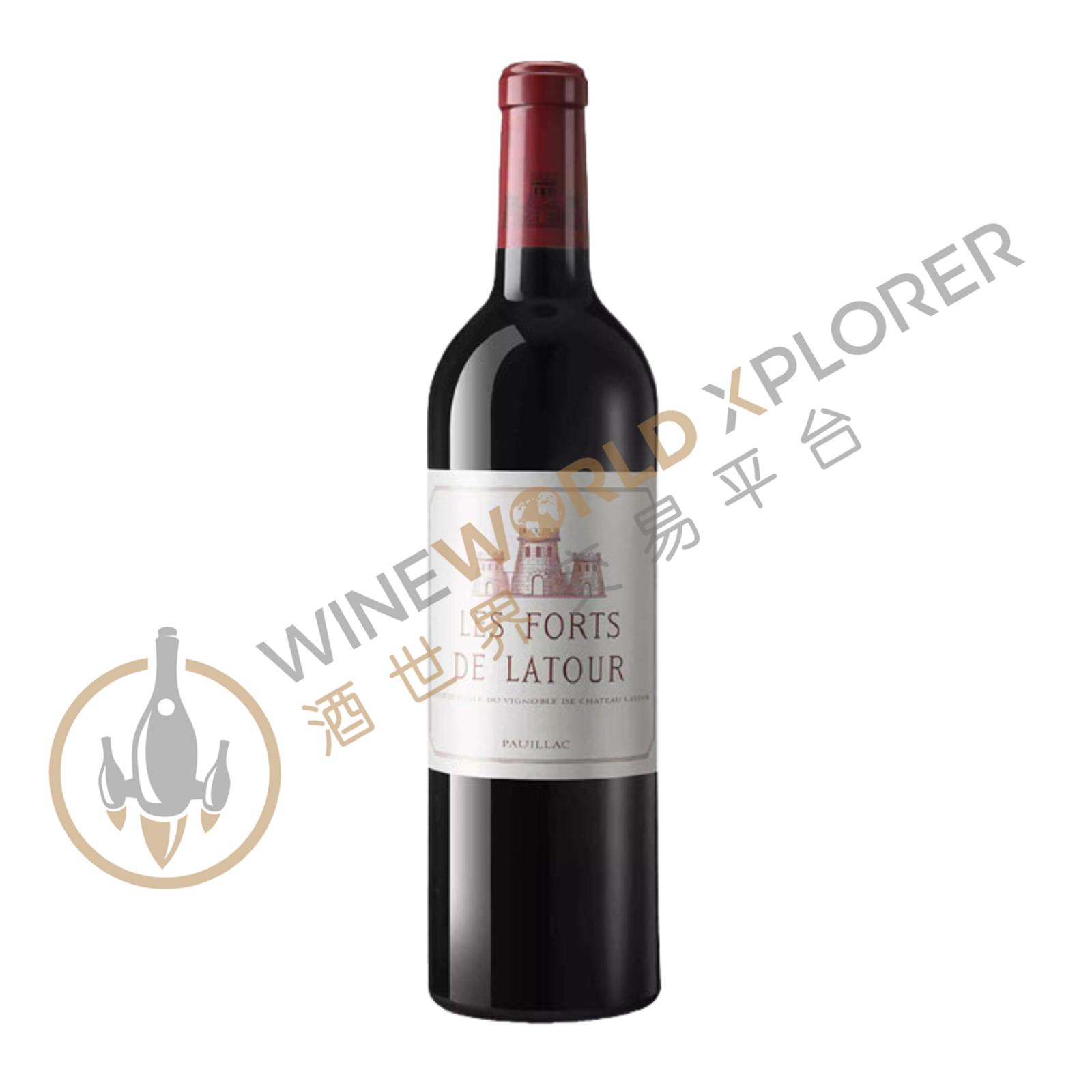
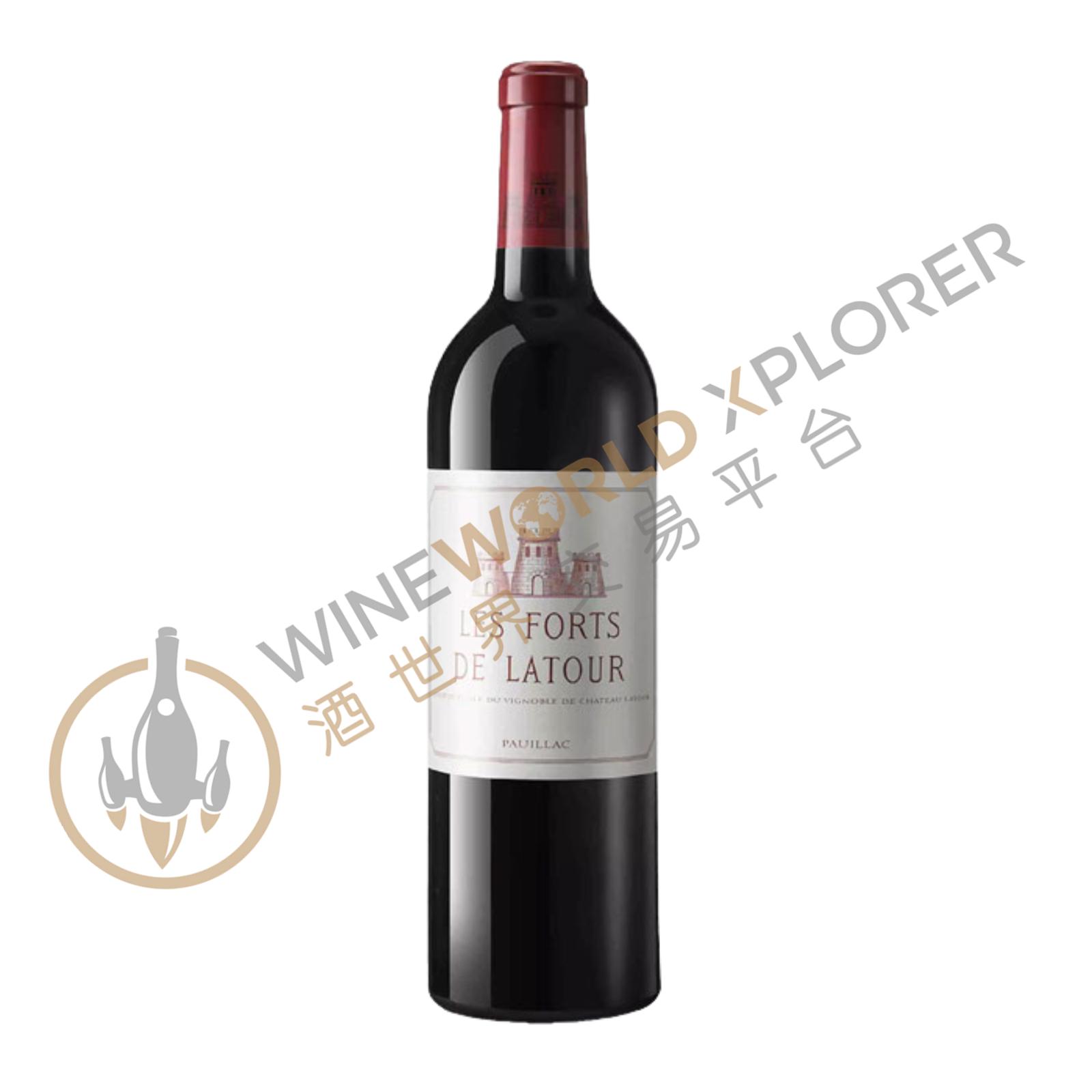
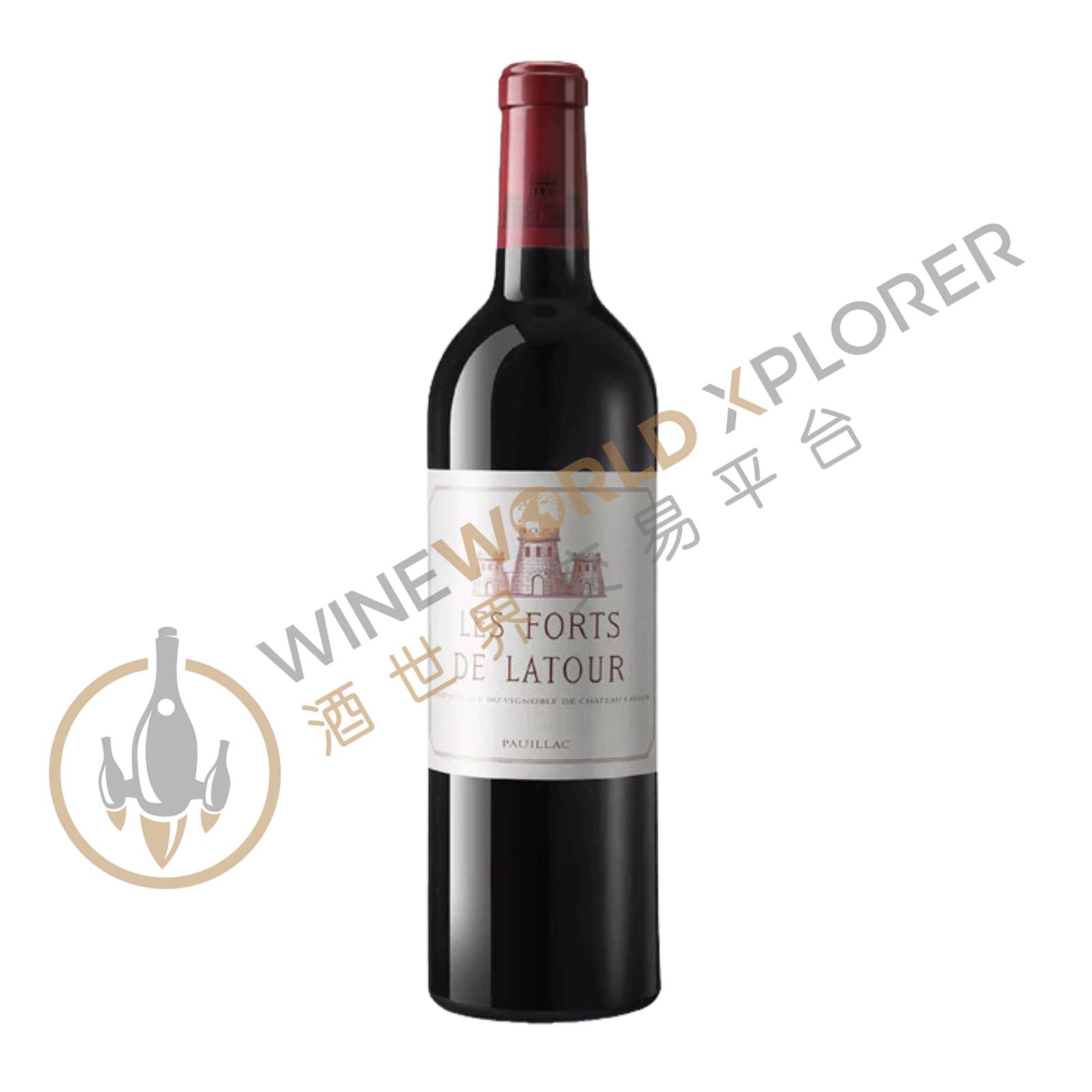
Les Forts de Latour 2006
 View analysis
Description
Tasting notes

Reviewed by: Neal Martin
Tasted blind at Southwold ’06 Bordeaux tasting. The Les Forts ’06 is comparatively generous on the nose at this stage, although it does not have the same degree of complexity than a first class Les Forts. Touches of cedar, mulberry and wild hedgerow infuse opulent black fruits, but it does not quite have the same level of definition. The palate is medium-bodied with firm tannins, nice grip, insistent but linear on the finish with the puppy fat beginning to melt away. A competent, rather than stunning wine. Tasted January 2010.
Reviewed by: Robert M. Parker, Jr.
Latour’s second wine, the 2006 Les Forts de Latour, a blend of 70% Cabernet Sauvignon and 30% Merlot, does not possess the depth of its bigger sibling. Nevertheless, it offers sweet, ripe berry fruit, crushed rock, smoke, and earth characteristics along with good precision and savoriness. It should drink nicely for 15-20 years.
Reviewed by: Neal Martin
Tasted at Latour. To be honest, I was a little nonplussed by this normally excelling Second label. The nose is closed at first, before rigorous swirling reveals cedar, blackberry and raspberry with a touch of cassis. The palate has an unusually soft mouth feel, making it much more approachable than other vintages. More puppy fat than I expected. Good length, this Forts de Latour just lacks the breeding I have come to expect. Tasted April 2007.
Reviewed by: Neal Martin
Tasted at Bordeaux Index's annual 10-Year On tasting in London. The 2006 Les Forts de Latour has a much more precise and lively bouquet than the Le Petit Mouton: blackberry, briary and vanilla emerging from the glass, suggesting that it needs another couple of years to reach its peak. The palate is medium-bodied with fine tannin, commendable depth of fruit and tangible mineralité. This is better than some of the Pauillac Grand Vins, such is the detail and energy on the finish. Superb. Tasted January 2016.
Reviewed by: Robert M. Parker, Jr.
The brilliant second wine, the 2006 Les Forts de Latour, a blend of 70% Cabernet Sauvignon and 30% Merlot, possesses a dense ruby/purple color, a beautiful bouquet of asphalt, cassis, cedar, truffles, and earth, and a full-bodied, dense, beautiful style that is similar to a 1996 Pauillac. It will age effortlessly for 15 years. Latour's brilliant manager, Frederic Engerer, has purchased 15 hectares of old vine Grenache and Syrah in the Cotes du Rhone region, the Drome, at a cool-climate elevation. I can't wait to see the first vintage from this Cotes du Rhone project.
Reviewed by: Stephen Tanzer
Deep ruby-red. Black fruits, licorice, minerals, tobacco and iron on the complex nose. The wine's sweetness almost comes as a shock, but the creamy blueberry and blackberry fruit flavors are given lift and clarity by firm acidity and solid underlying minerality. Finishes with sweet tannins and subtle persistence. An unusually accessible young Forts de Latour, and riper than it appeared to be in the early going: as I recall, its supple character is partly attributable to the fact that it includes a good bit of declassified Latour merlot but less Latour press wine than usual.
Reviewed by: Stephen Tanzer
Deep ruby-red. Redcurrant, cherry and licorice on the nose. Juicy and a bit lean but pure and energetic, with a bright acid spine framing the black cherry, mineral and licorice flavors. In 2006 we picked almost with a pinot level of acidity, said estate manager Engerer, but a lot of malic and tartaric acidity precipitated out of the wines. The spicy fruit spreads out nicely on the finish, which shows a faint peppery quality and excellent lift.
Reviewed by: James Suckling
A firm and juicy Les Forts with blueberry and chili character. Medium to full body, with linear tannins and a crisp finish. A little too austere to be outstanding. Drink now or hold.
About the Producer
Latour was a jointly held lord's domain until the end of the 16th century, At that time, the property was not entirely covered by vines and yet production largely exceeded requirements. There was no proper storage for the wine and it had to be drunk within the year. The estate remained in the hands of the Mullet family until the late 17th century, and while direct use of the land gradually replaced the leasing system, the wine-making situation changed very little. In the early 18th century, England's aristocracy and wealthy middle classes developed refined tastes, particularly for wine, from Bordeaux, Oporto, Jerez and other southern vineyards. Wine exports had been restricted by various blockades imposed by the wars, but now enjoyed a period of relative freedom and trade with Bordeaux grew rapidly. As a result of this flourishing trade, the estate gradually came to specialise in wine production, with 38 hectares of vines in 1759 and then 47 hectares by 1794.
1975(2)1976(1)1979(1)1981(1)1982(1)1983(2)1990(1)1992(2)1994(2)1995(1)1996(2)1998(3)1999(2)2000(4)2001(6)2002(8)2003(5)2004(8)2005(5)
Package Size