Wine Advisor



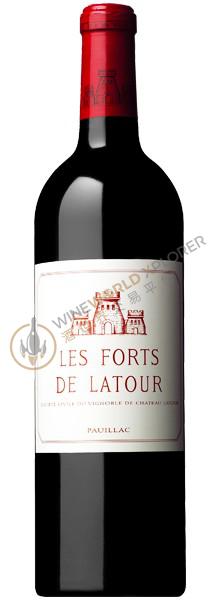
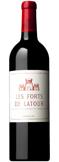
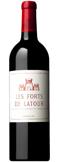
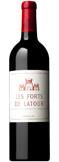
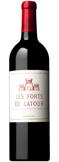
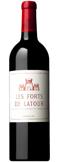
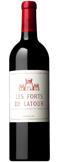
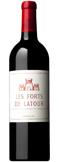
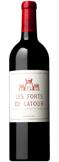
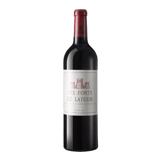
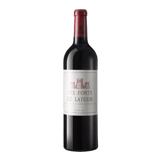
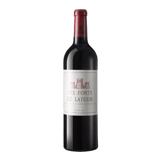
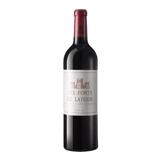
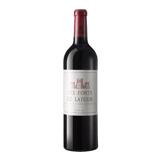
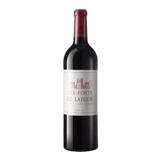
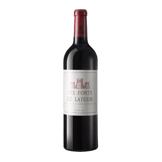
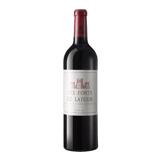
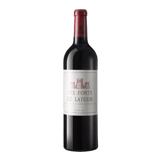
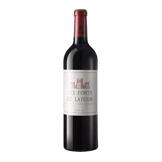
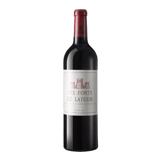
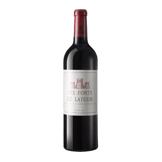
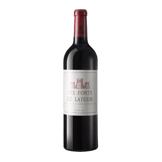
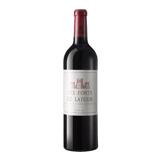
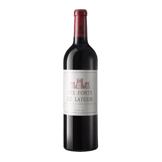
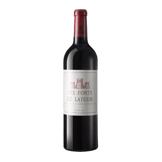
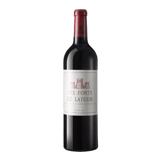
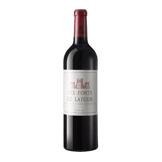
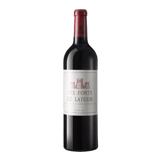
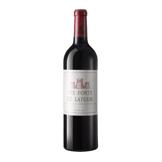
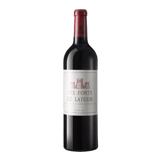
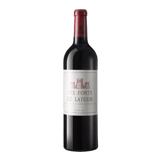
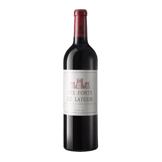
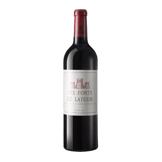
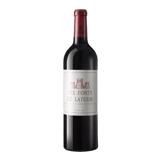
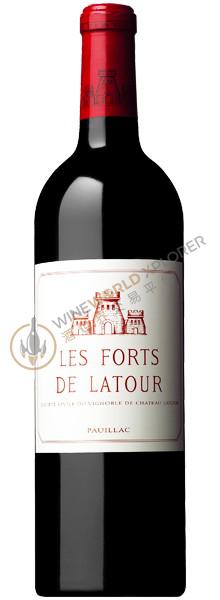
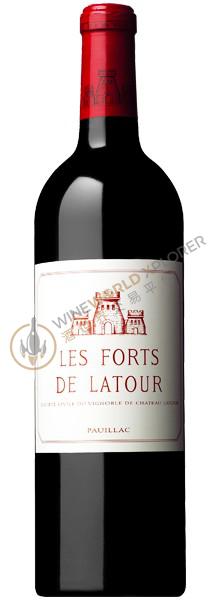
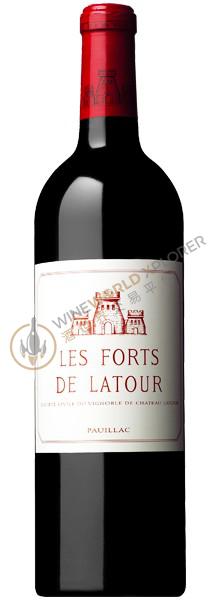
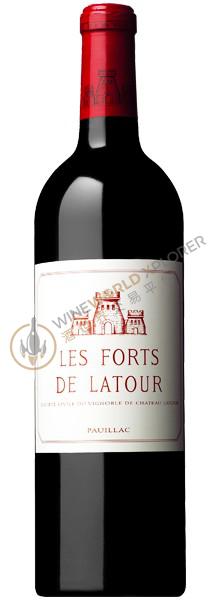
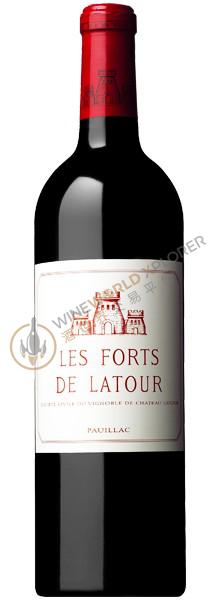
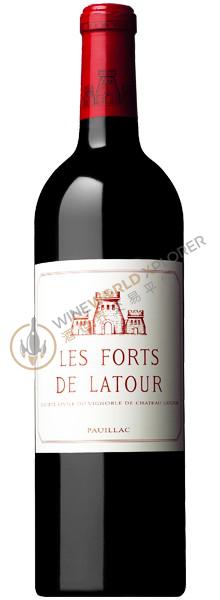
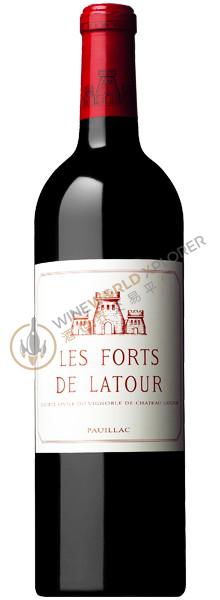
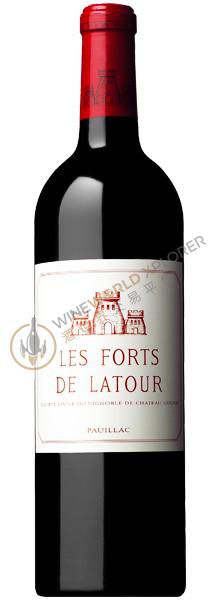
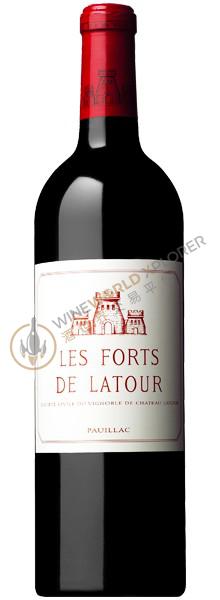
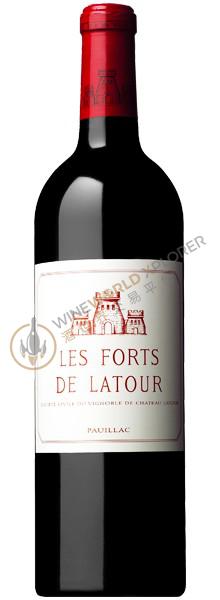
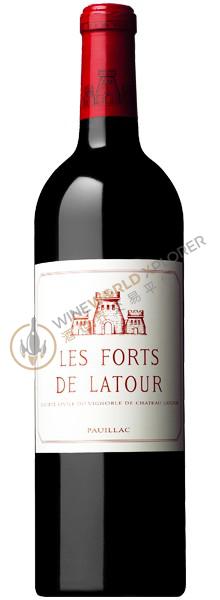
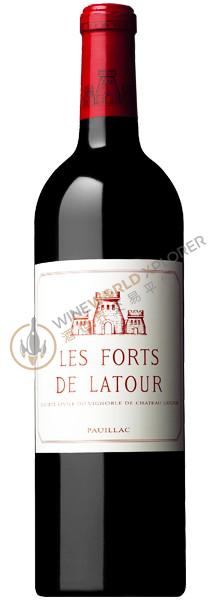
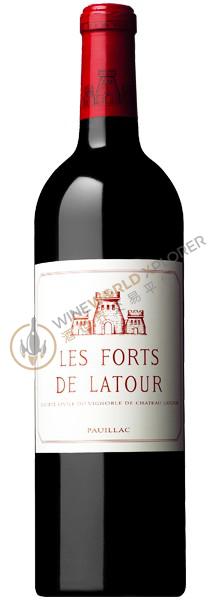
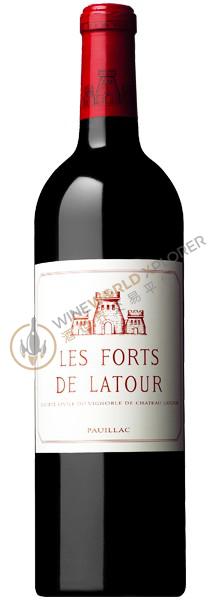
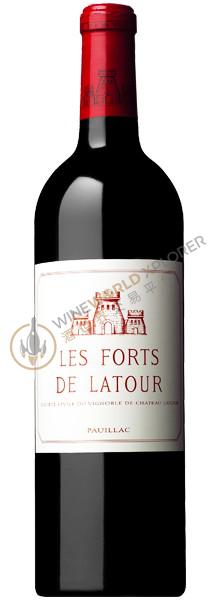
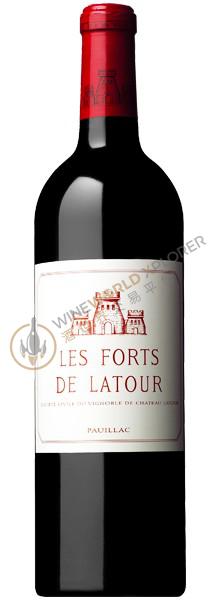
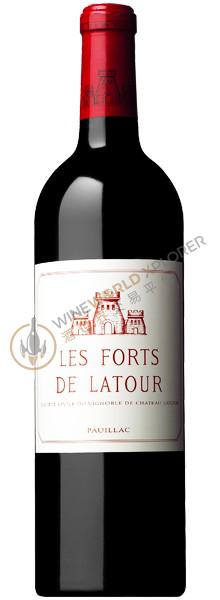
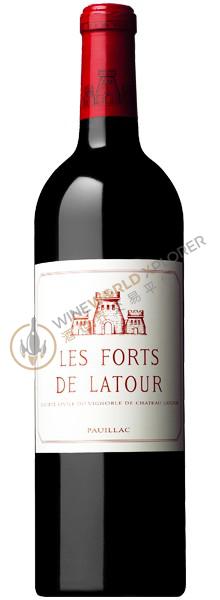
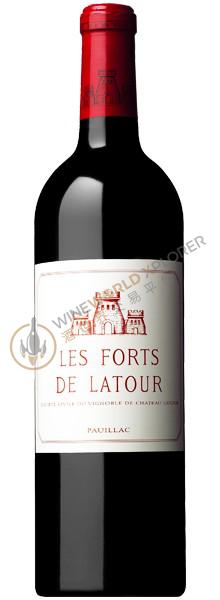
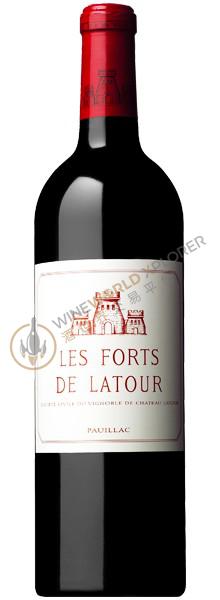
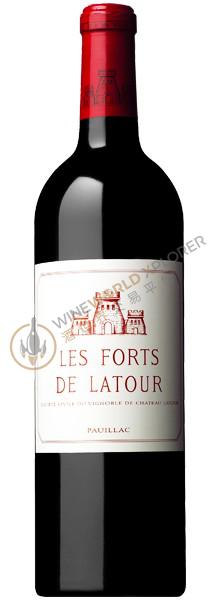
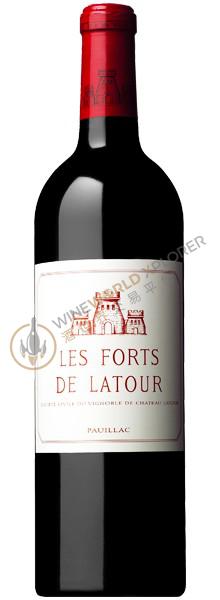
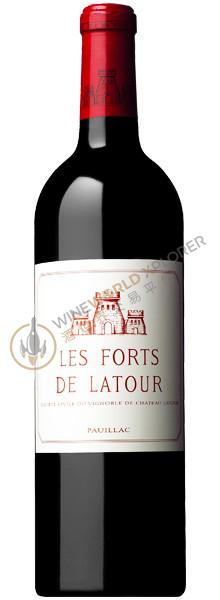
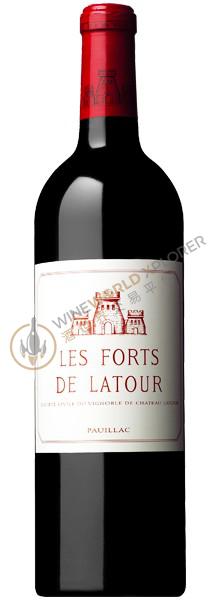
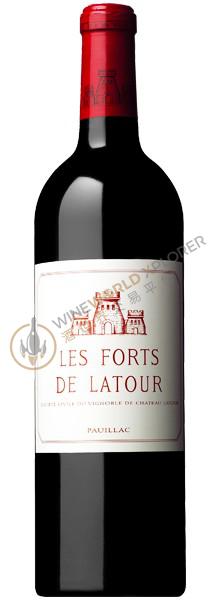
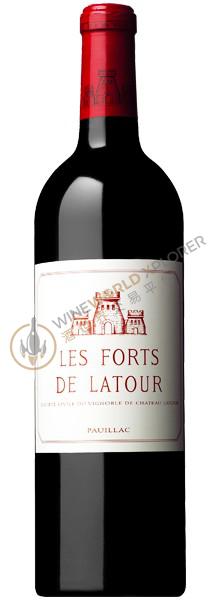
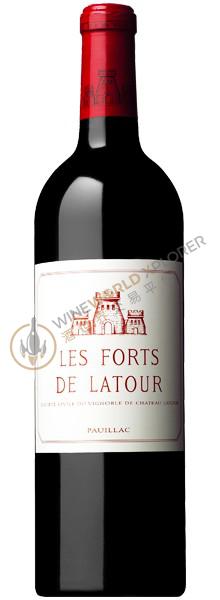
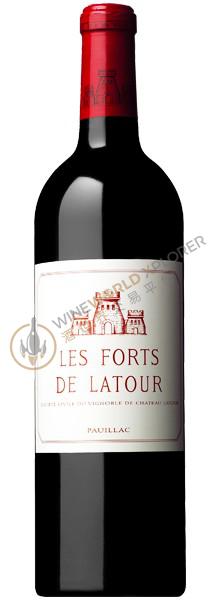
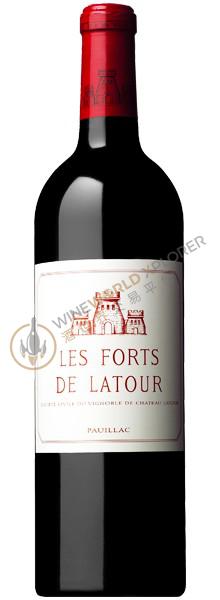
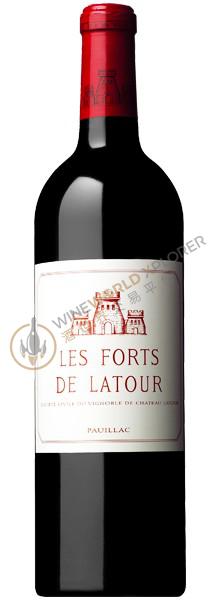
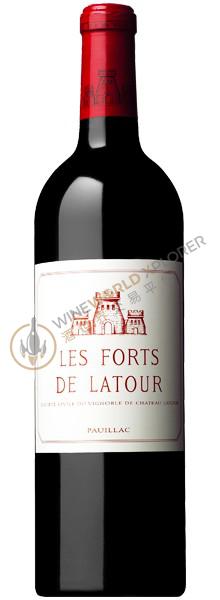
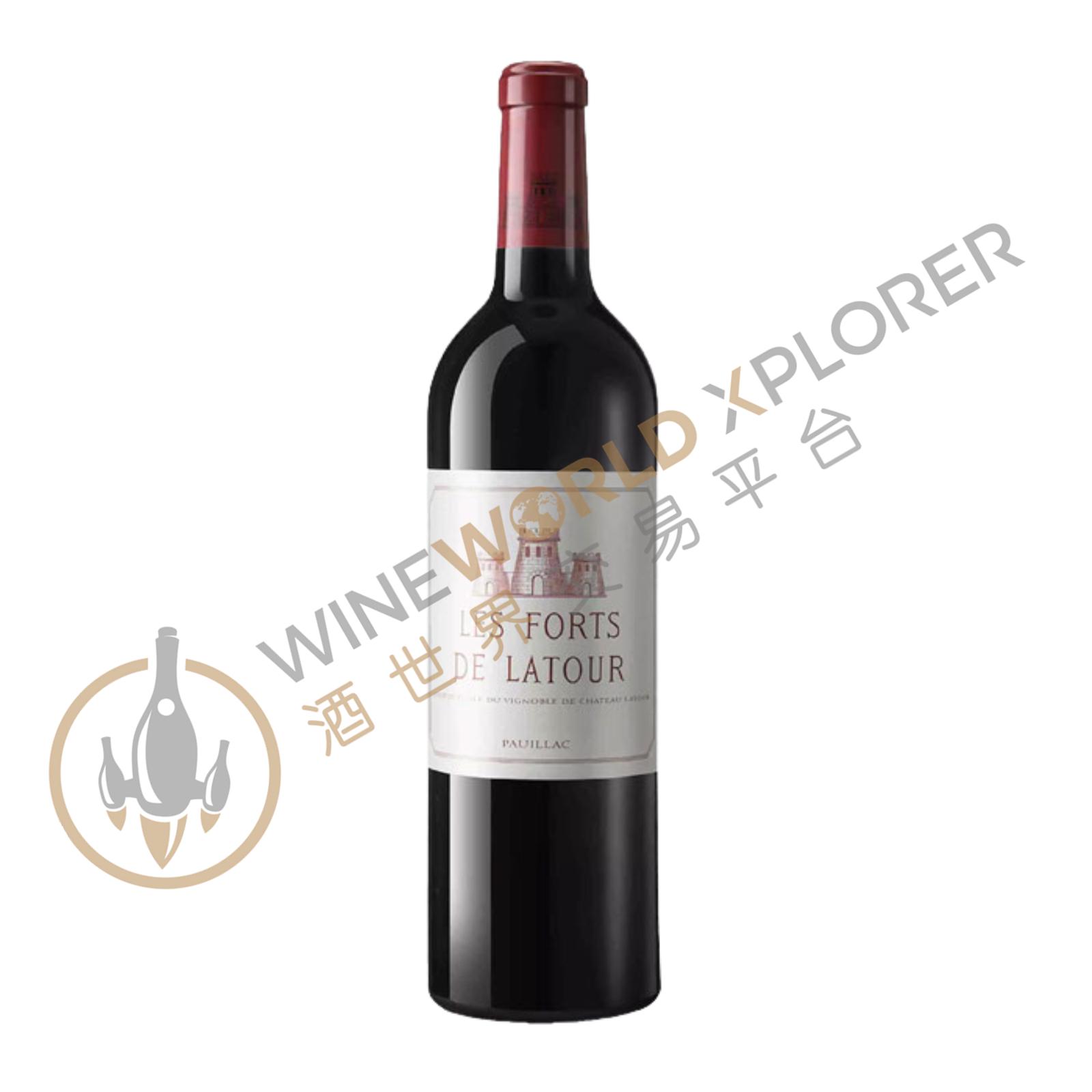
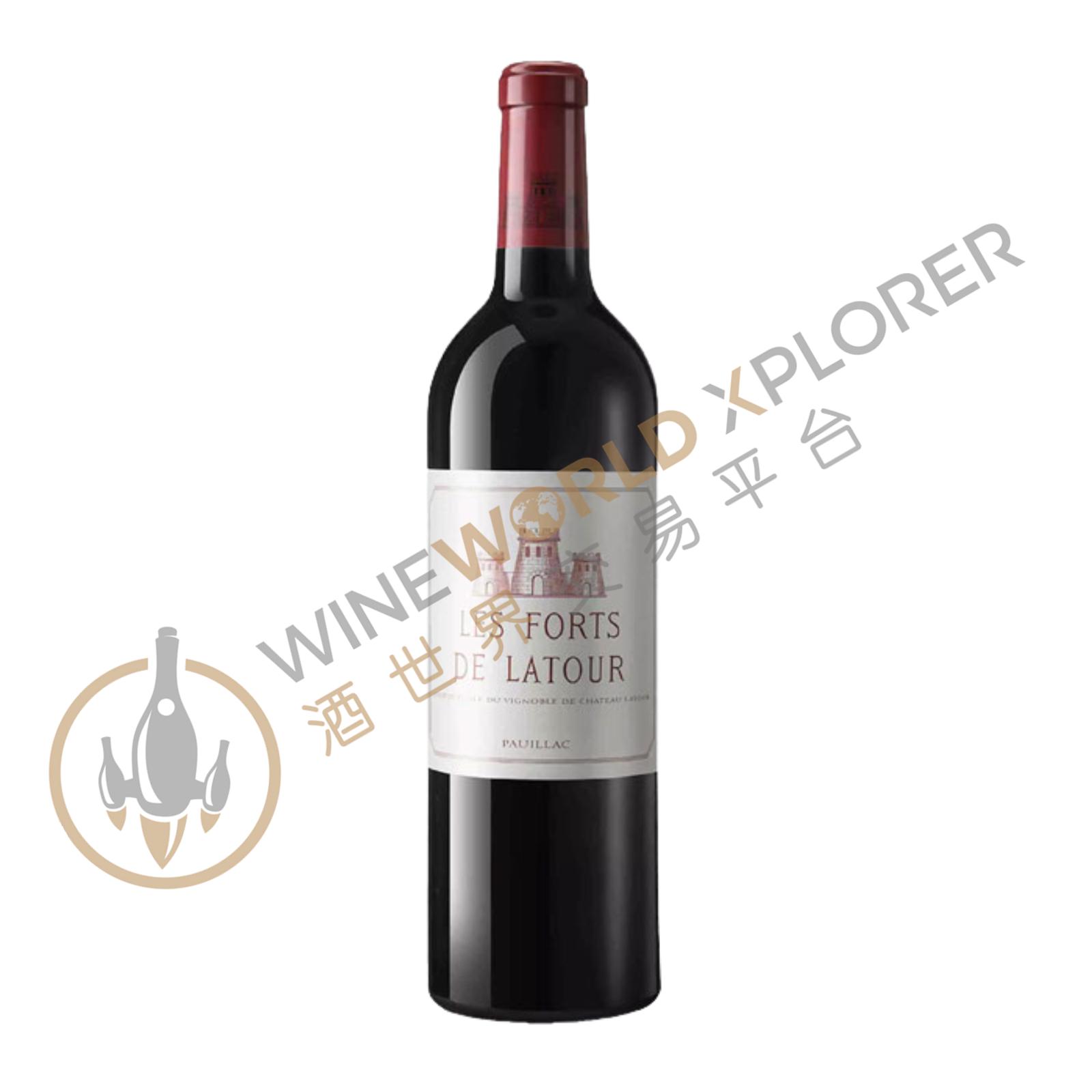
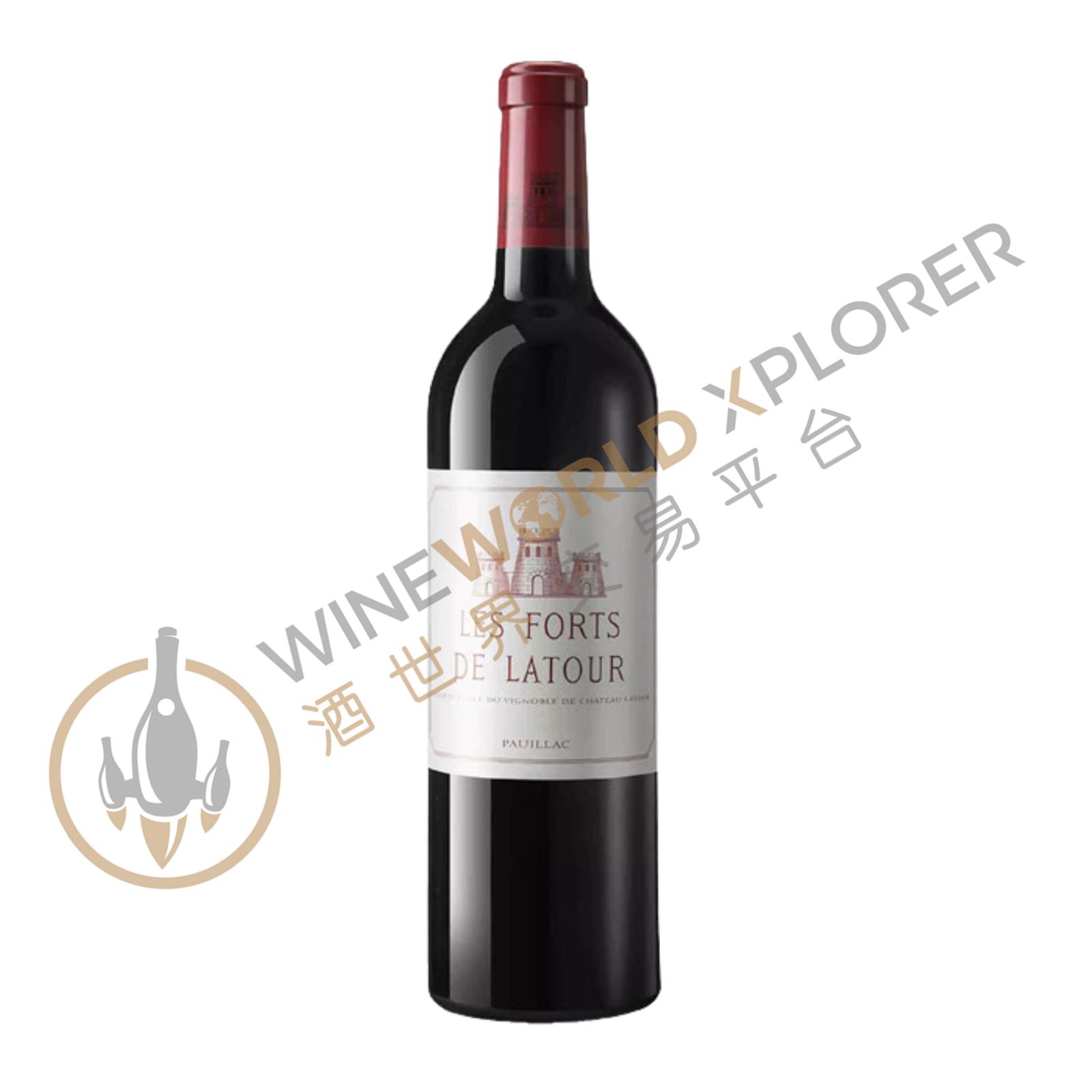
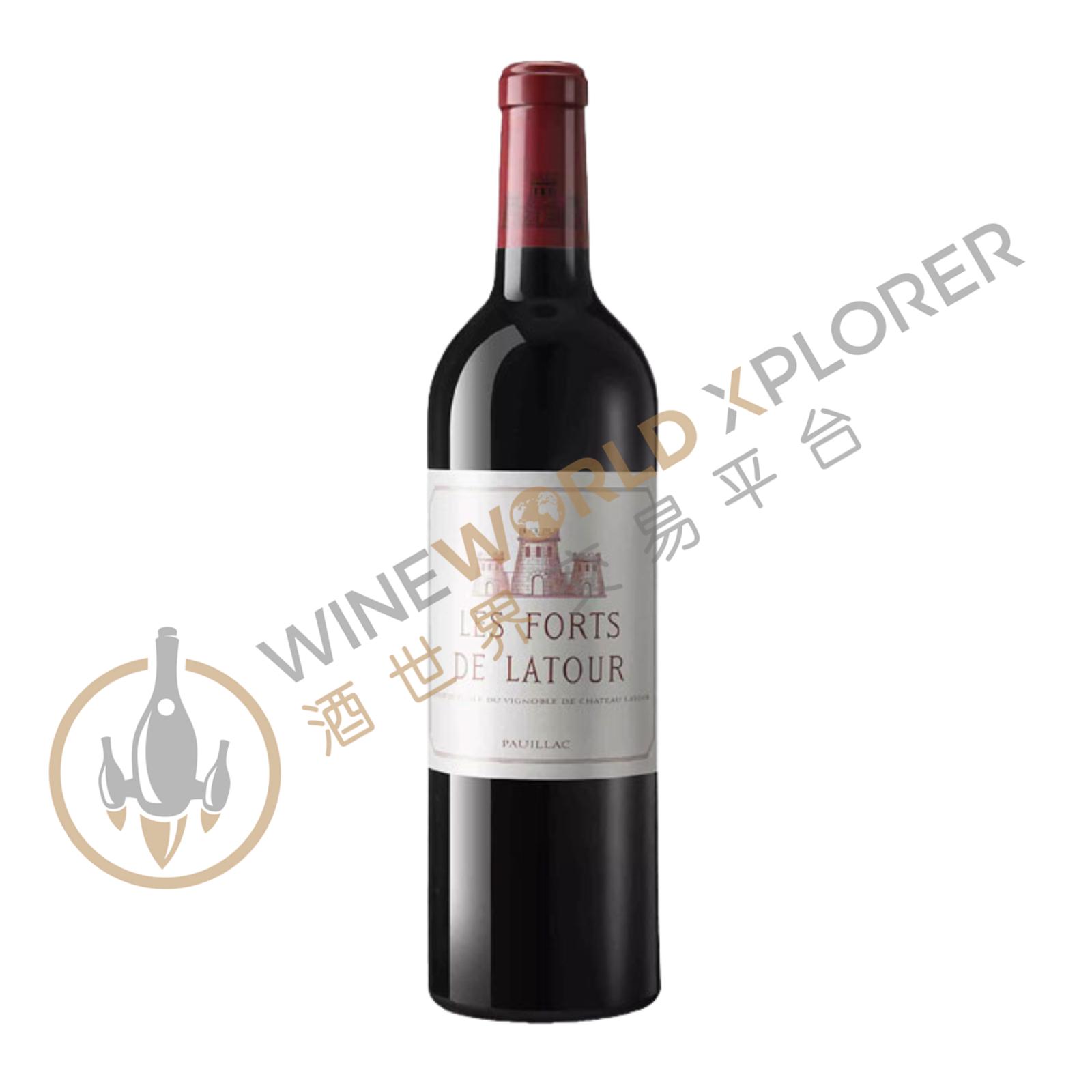
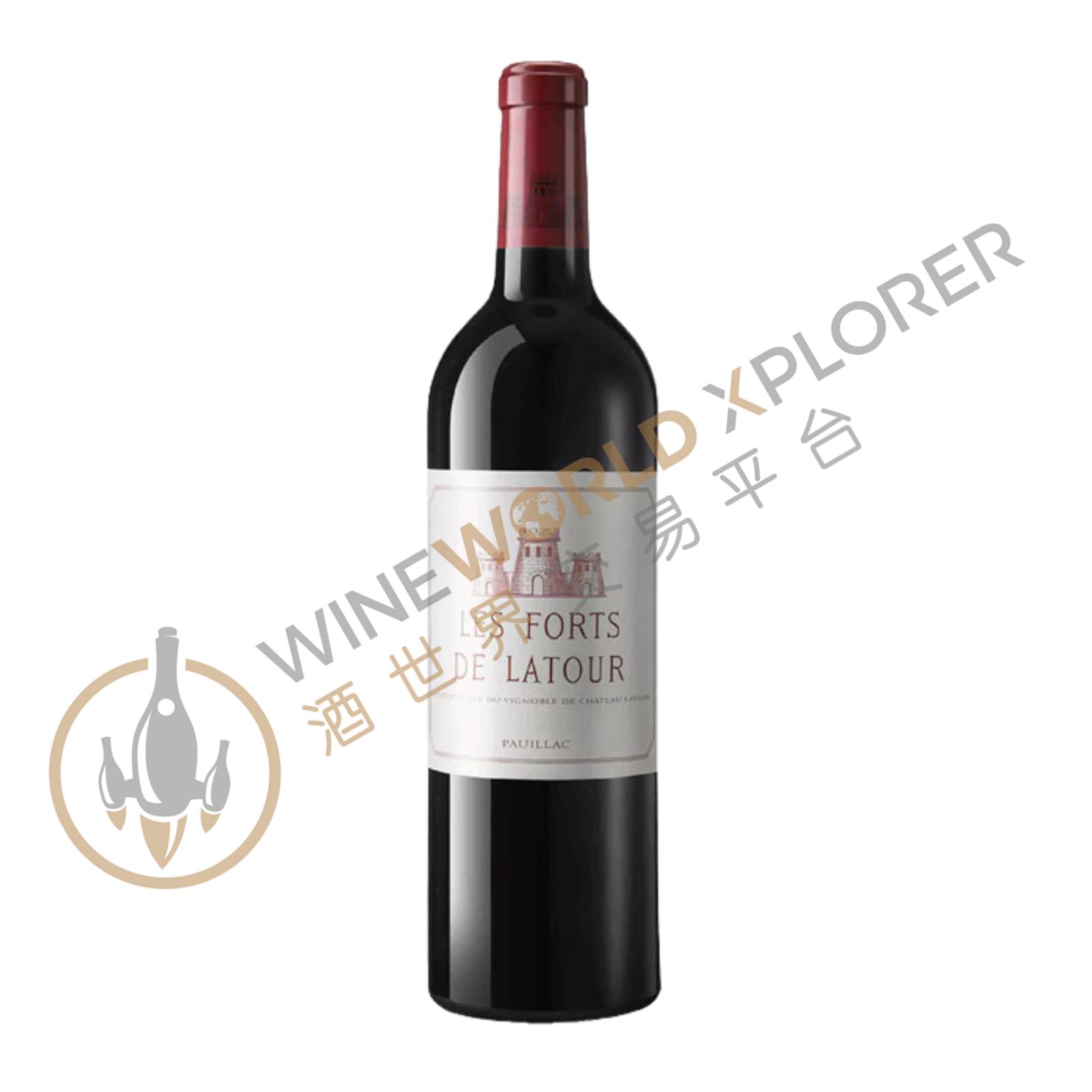
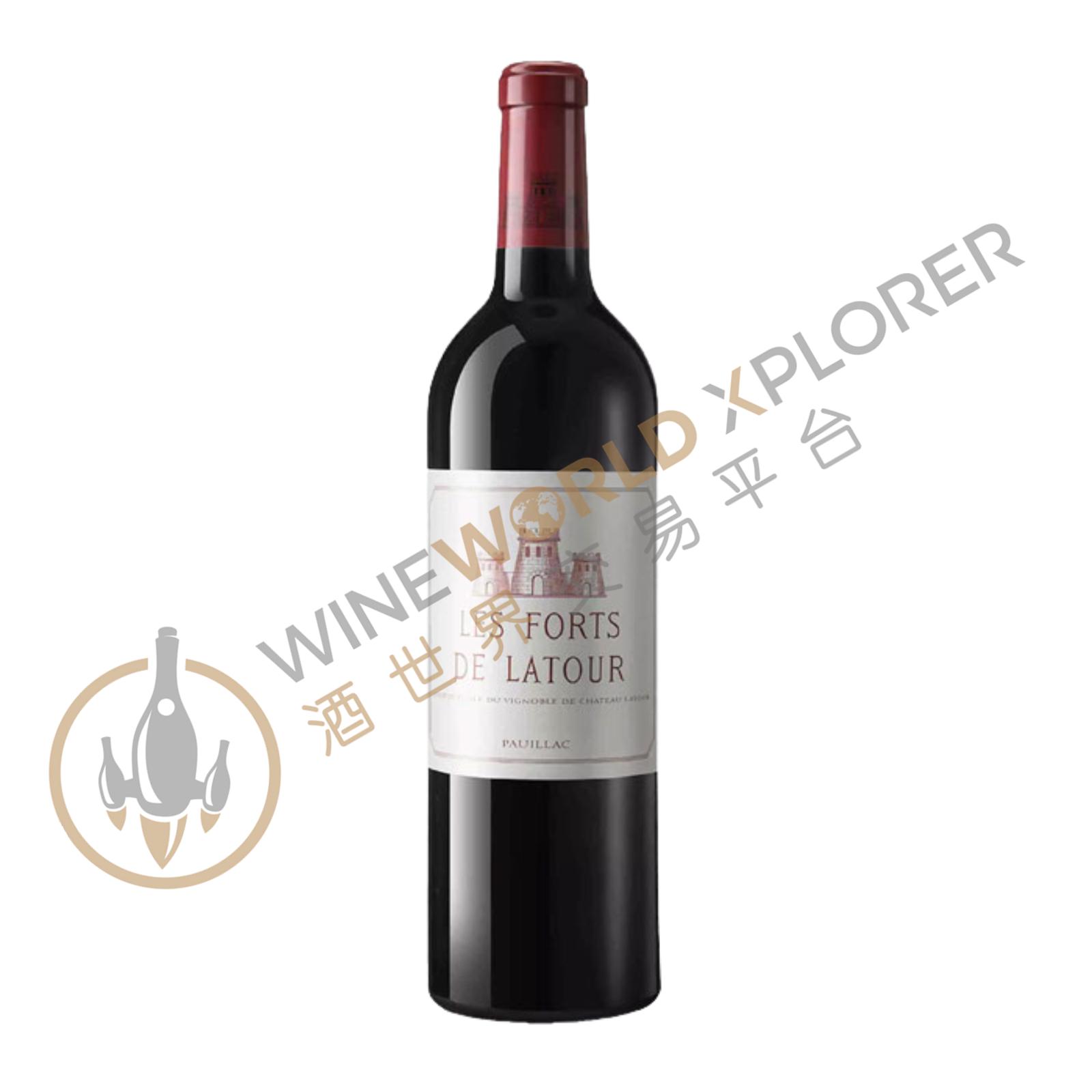
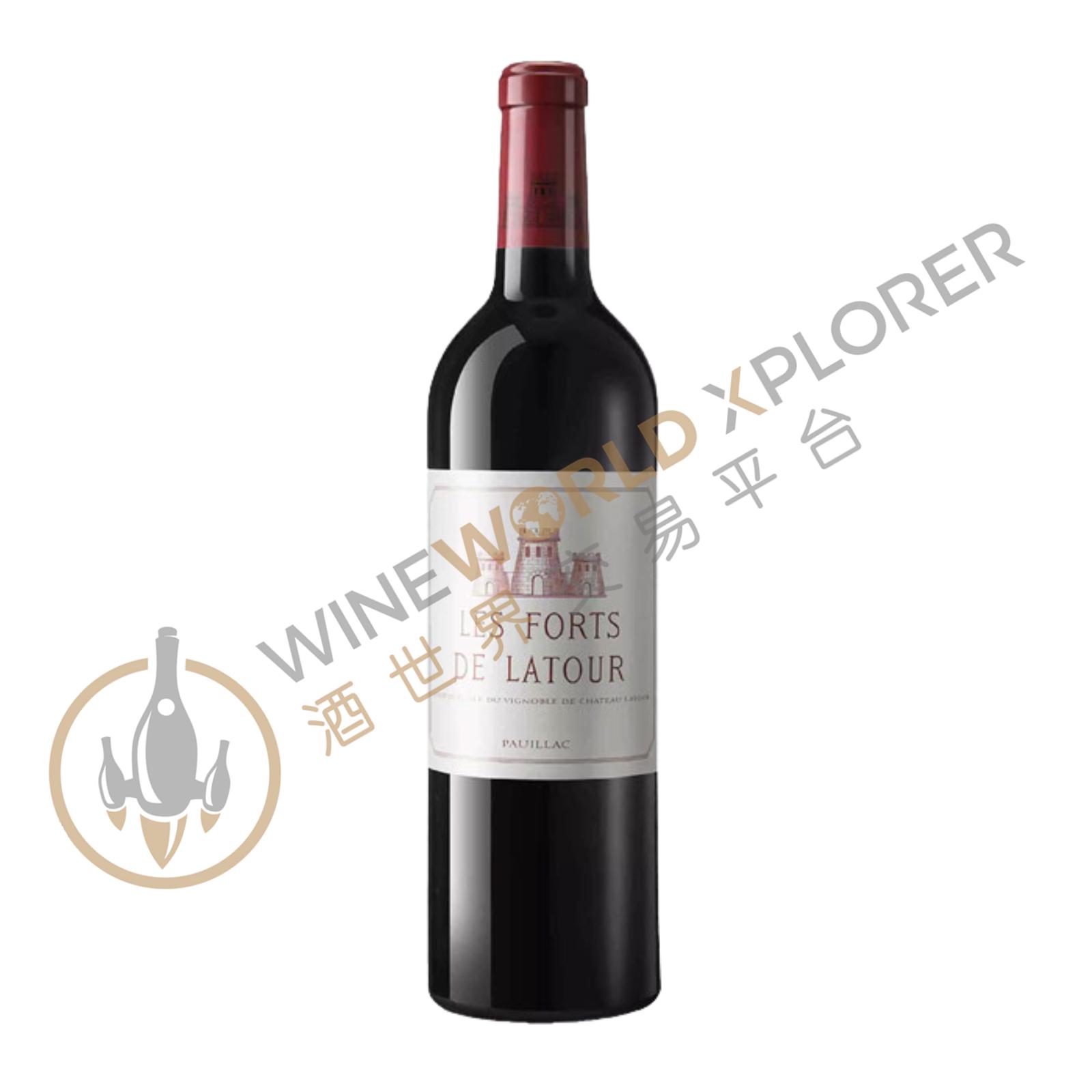
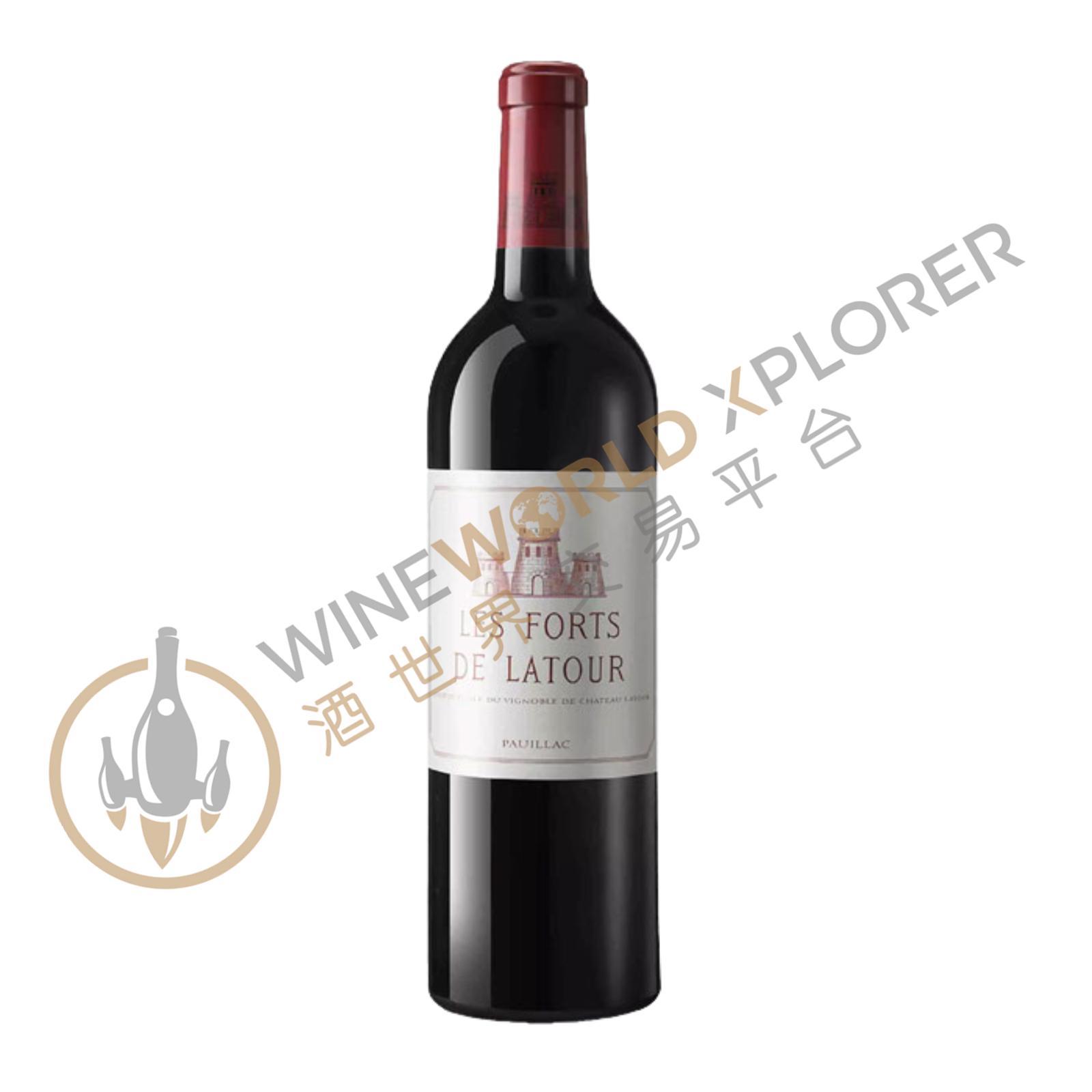
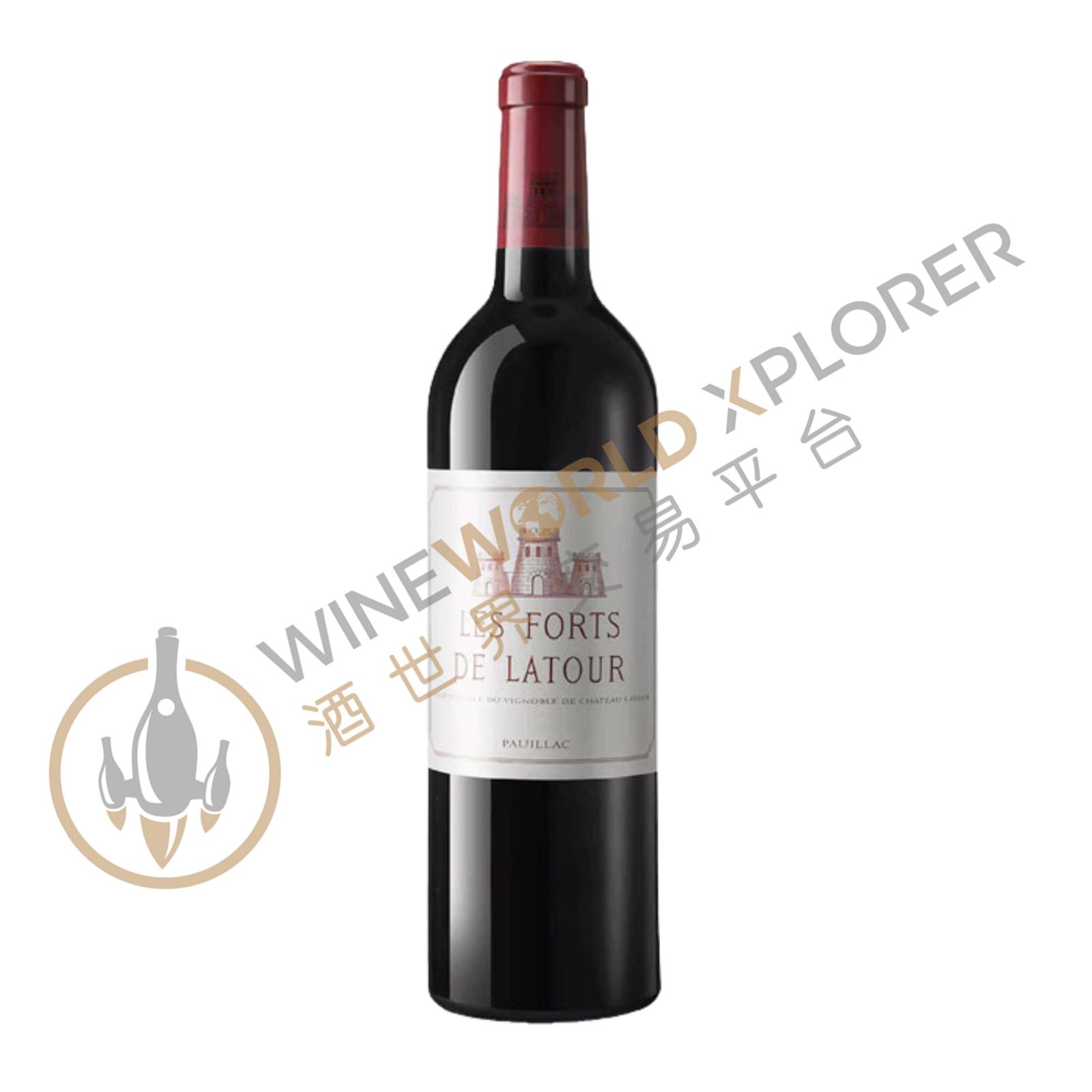
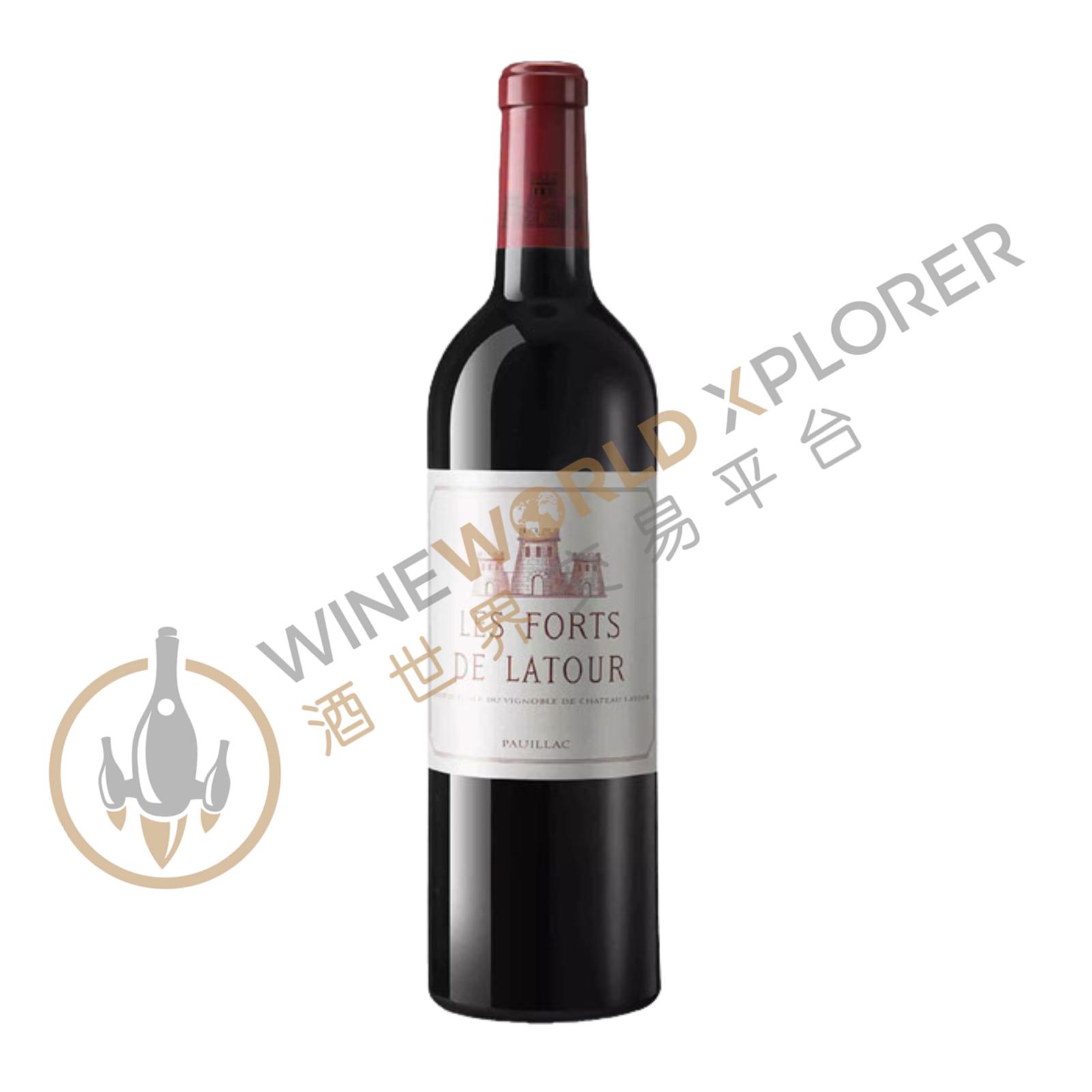
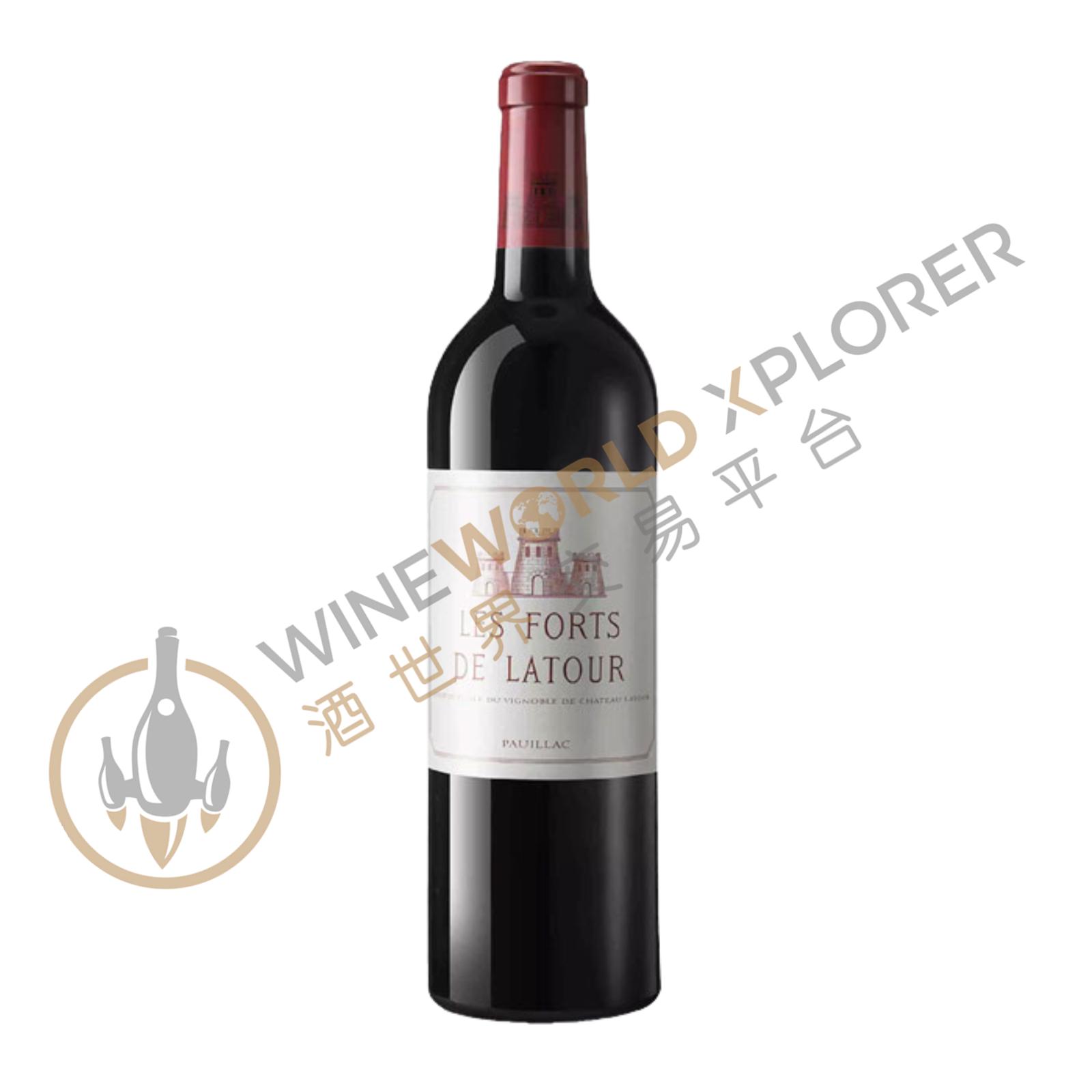
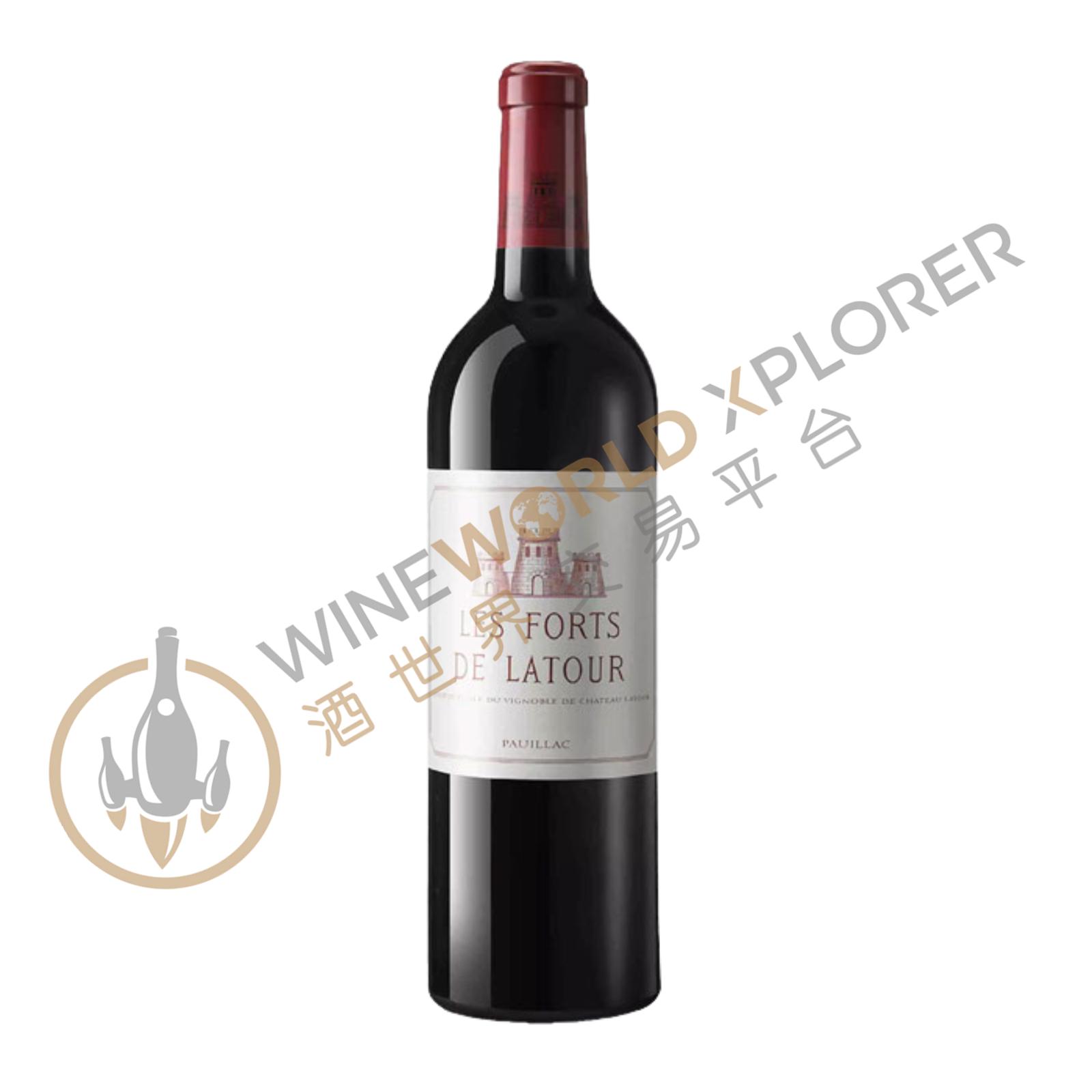
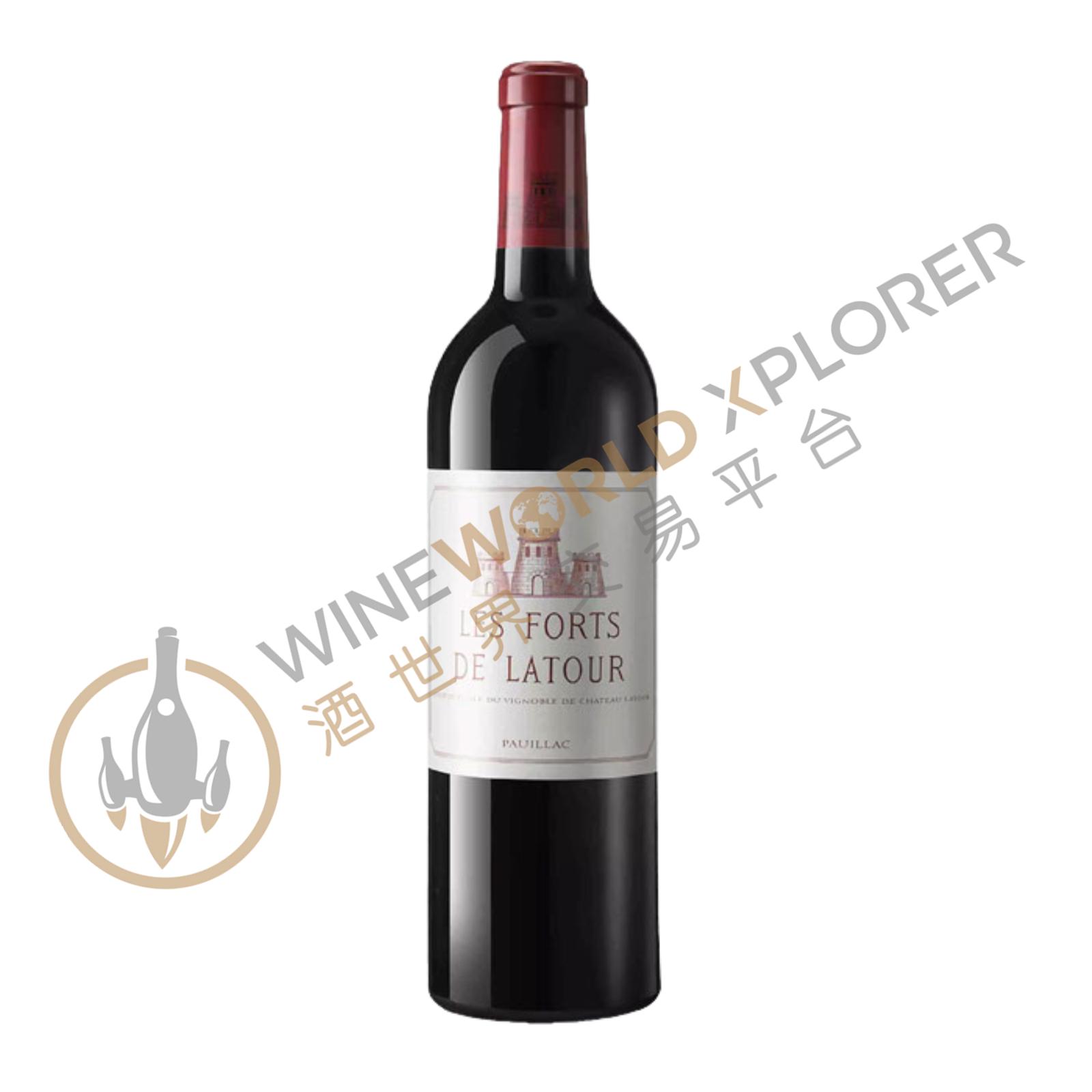
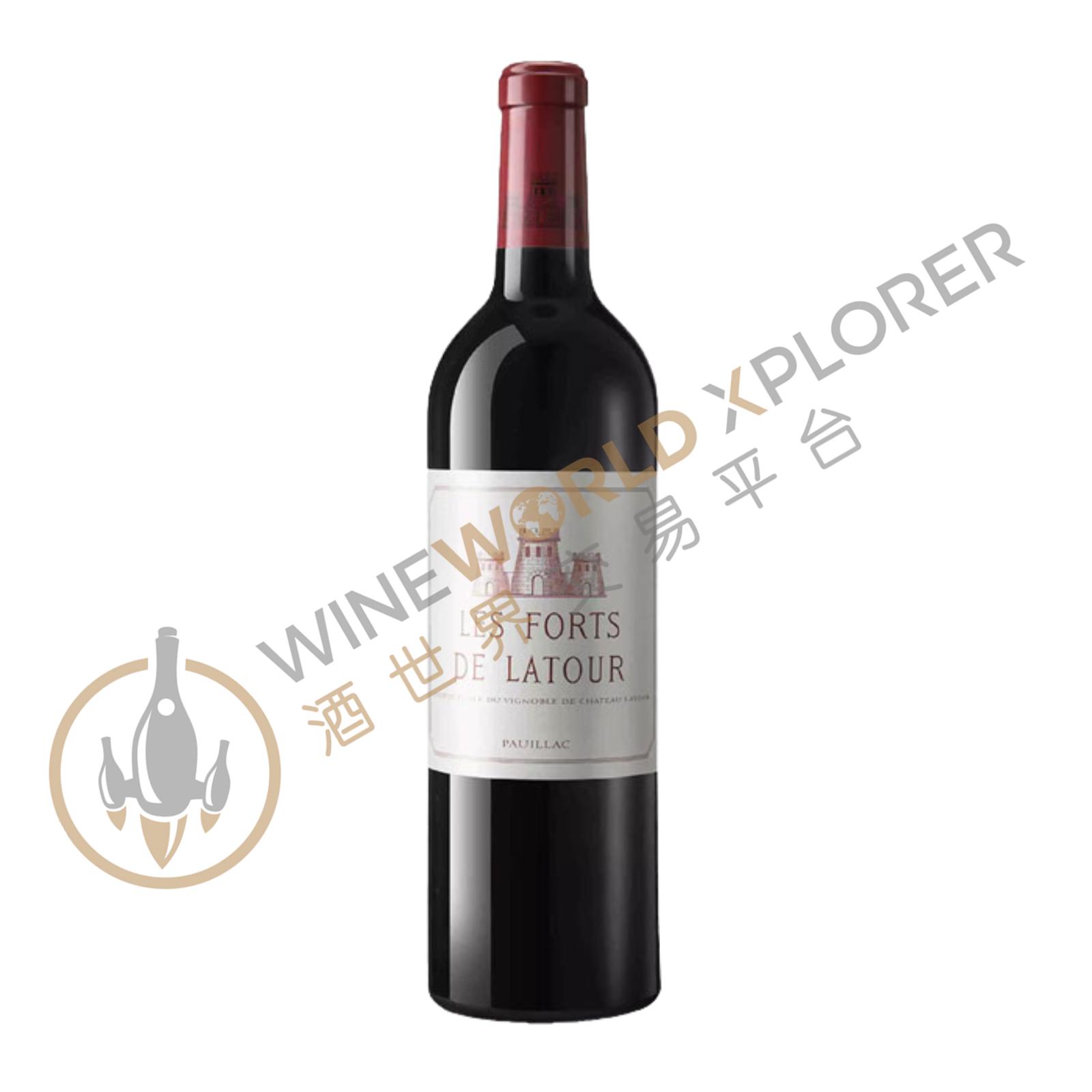
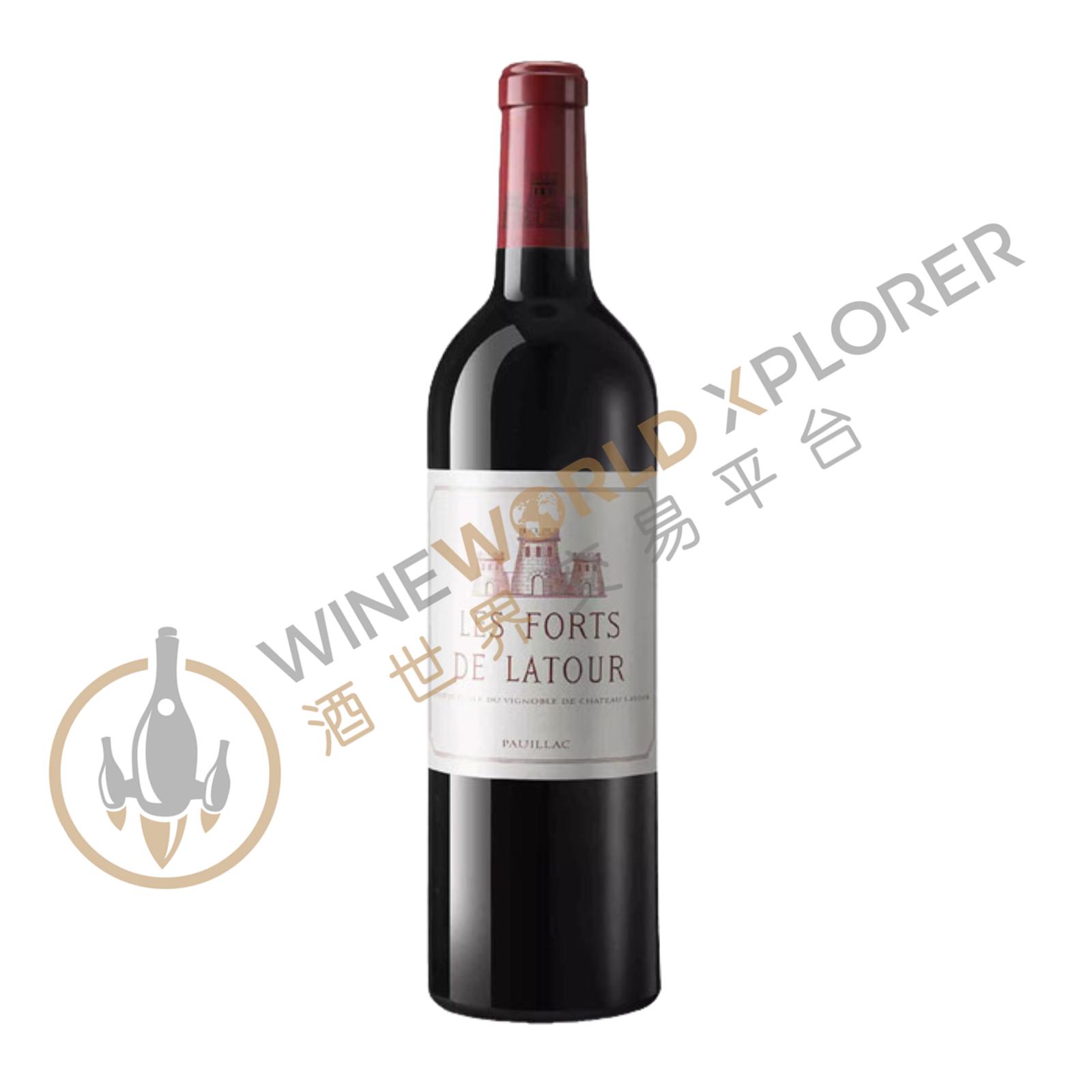
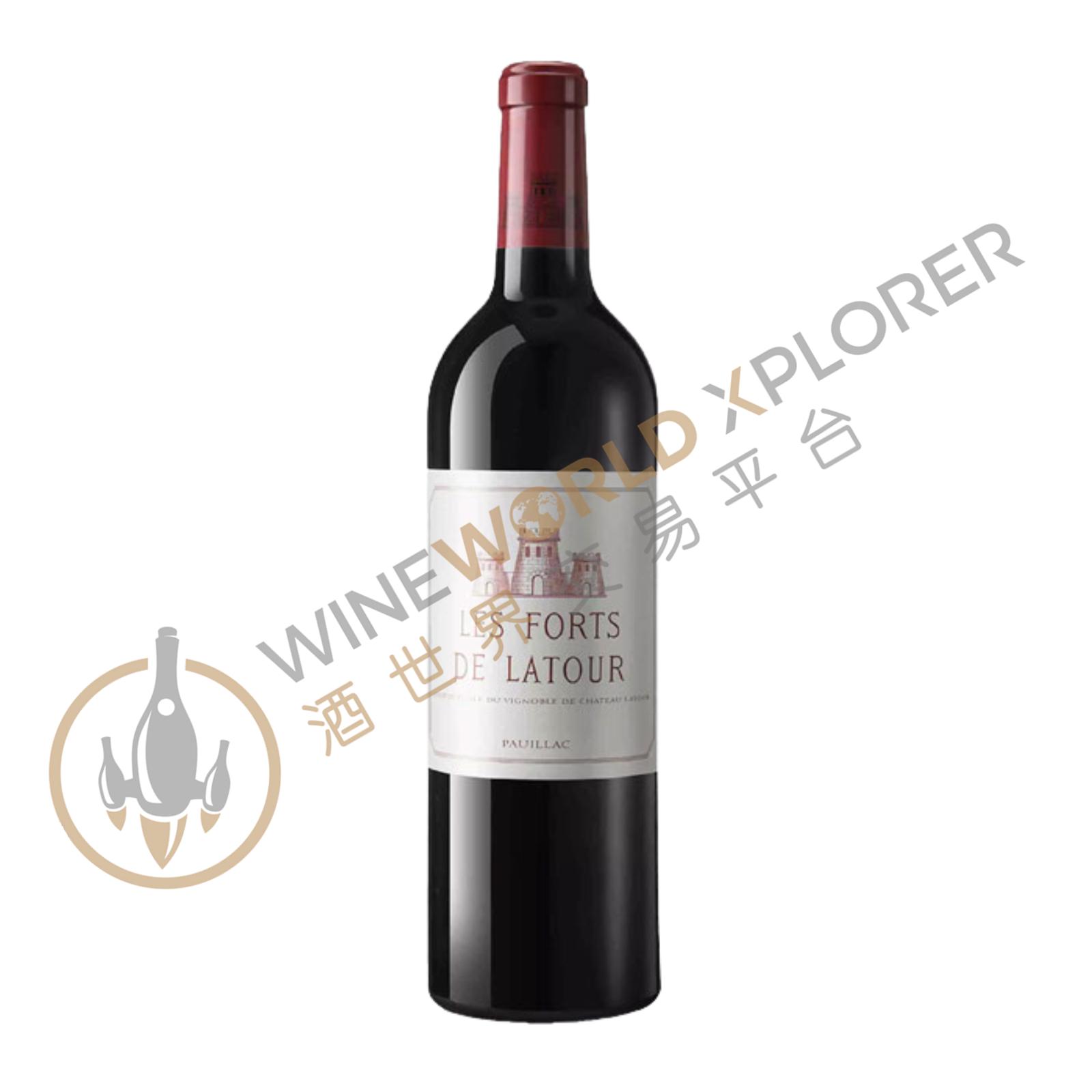
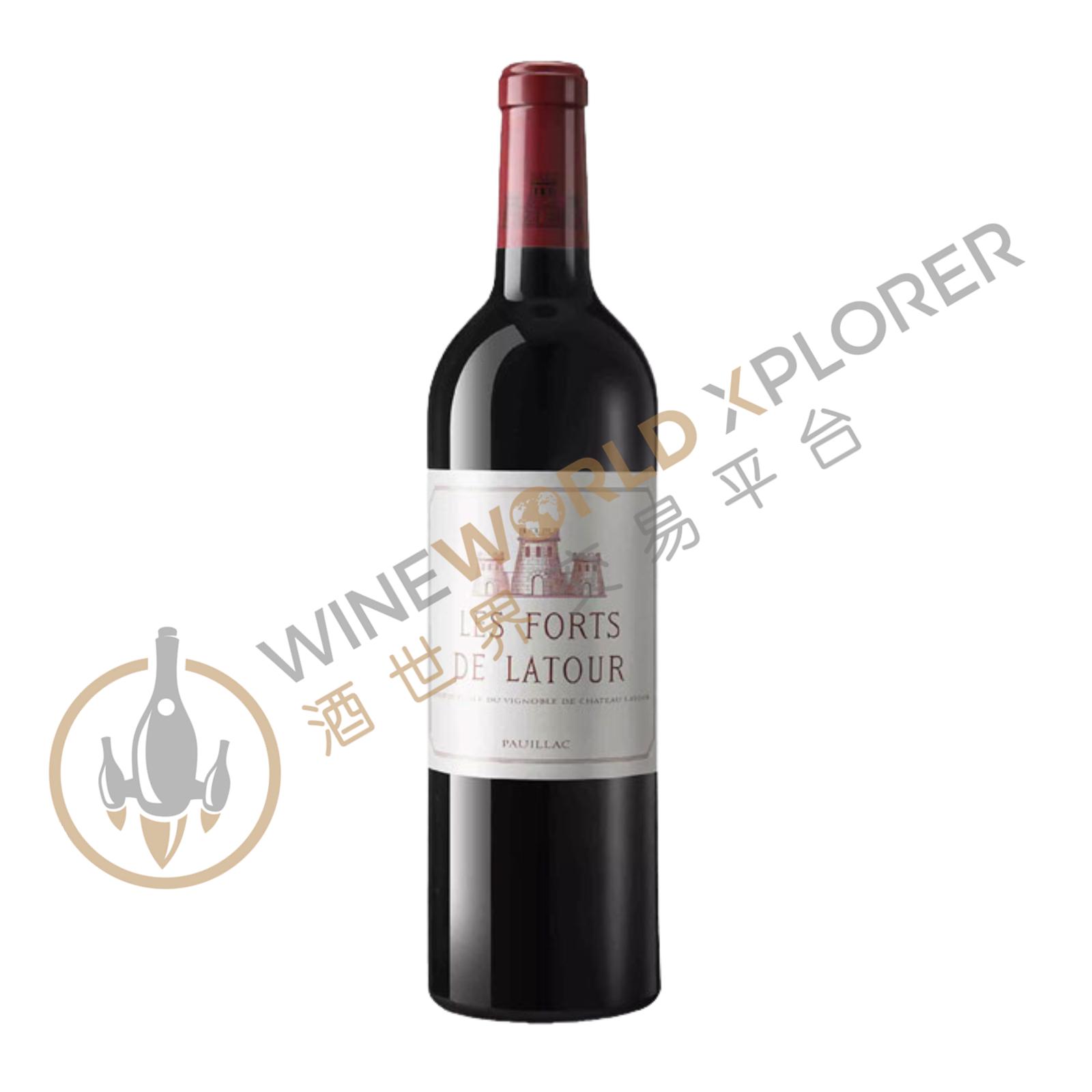
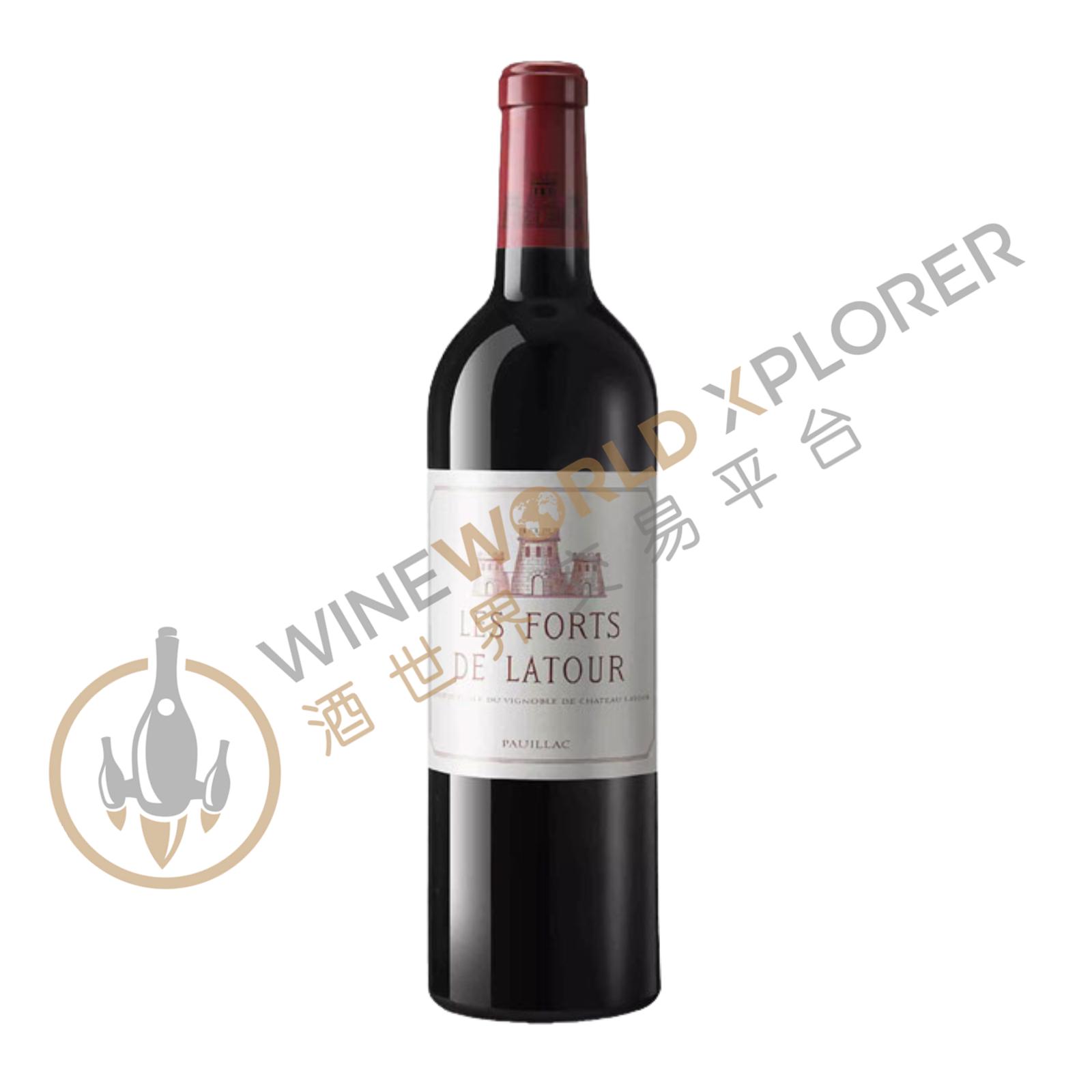
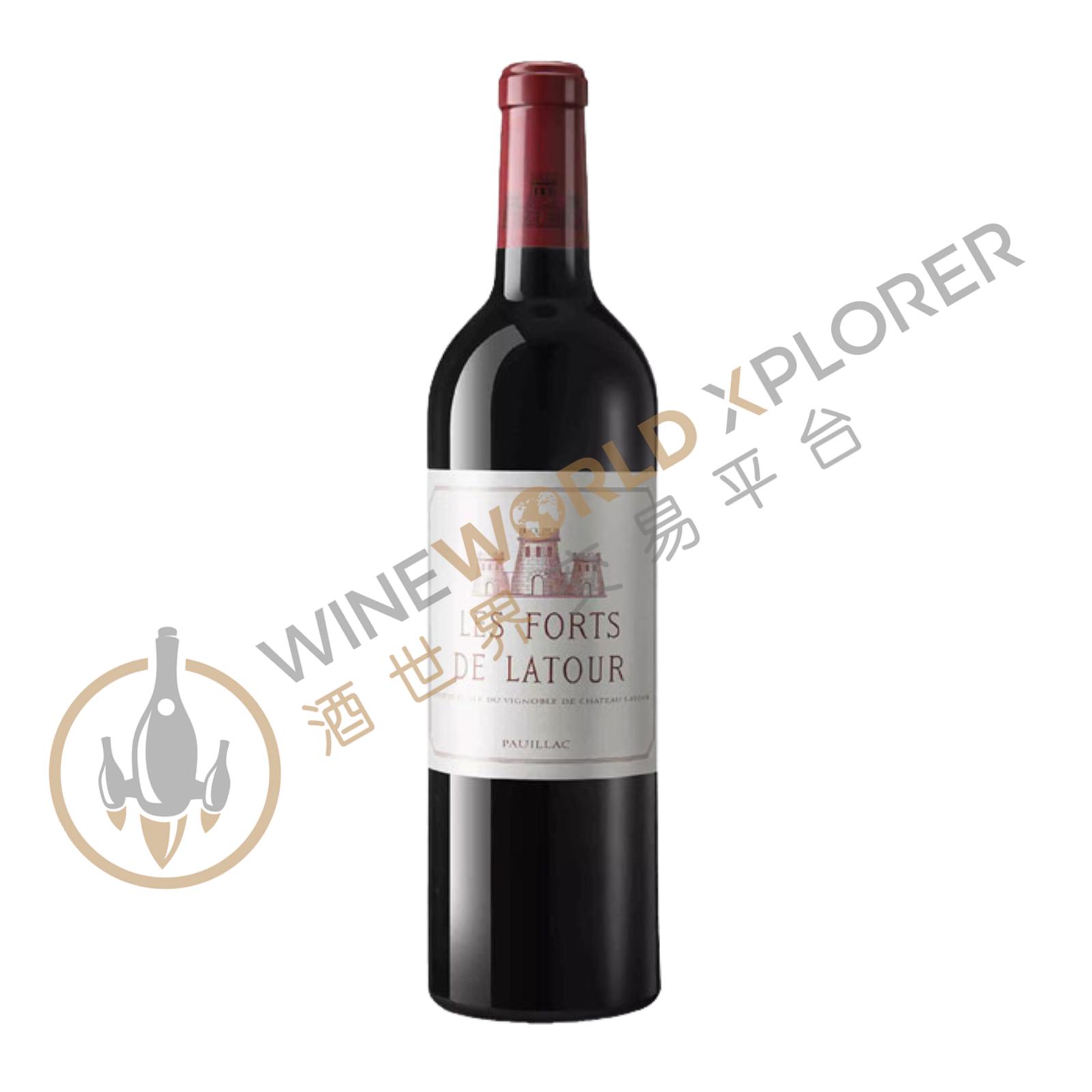
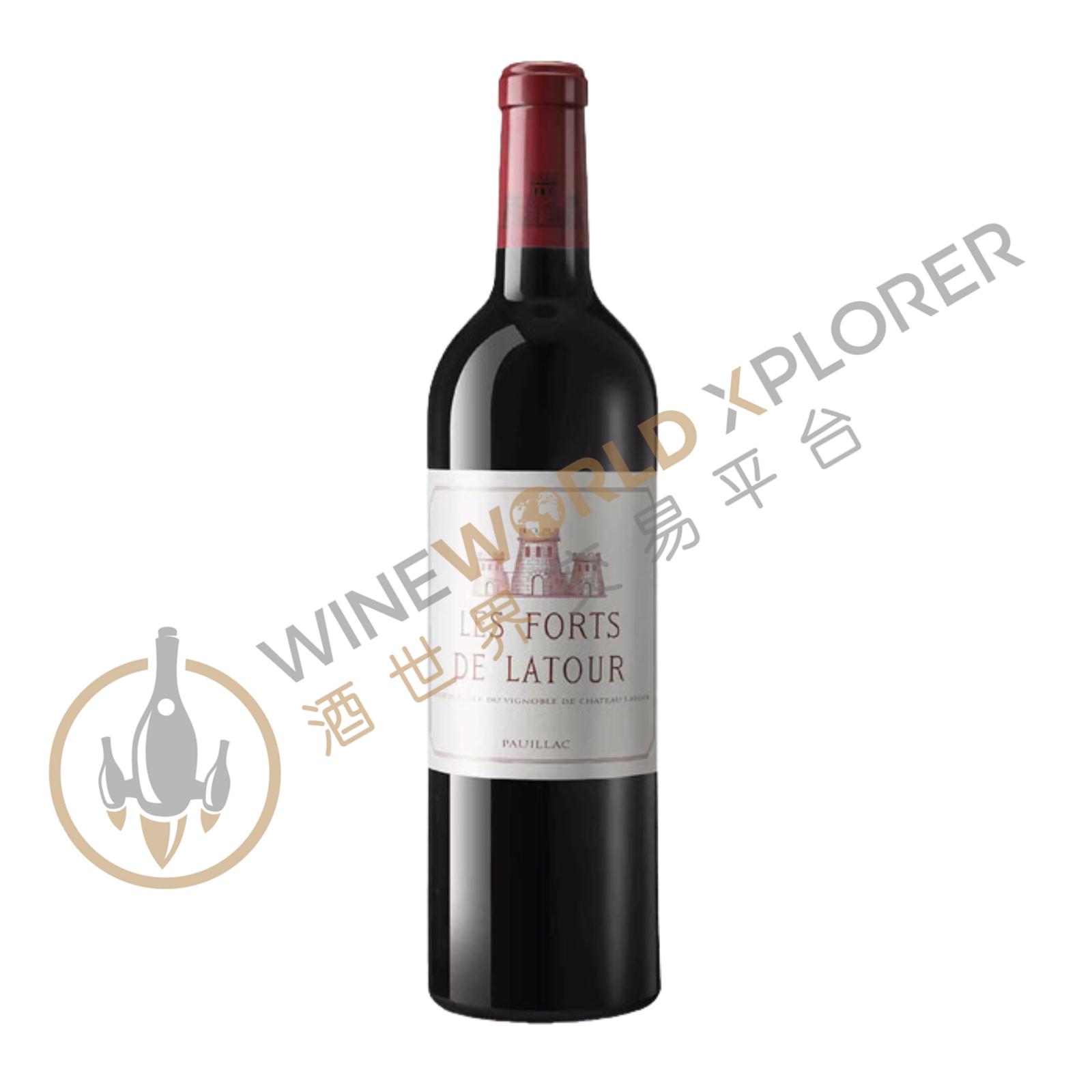
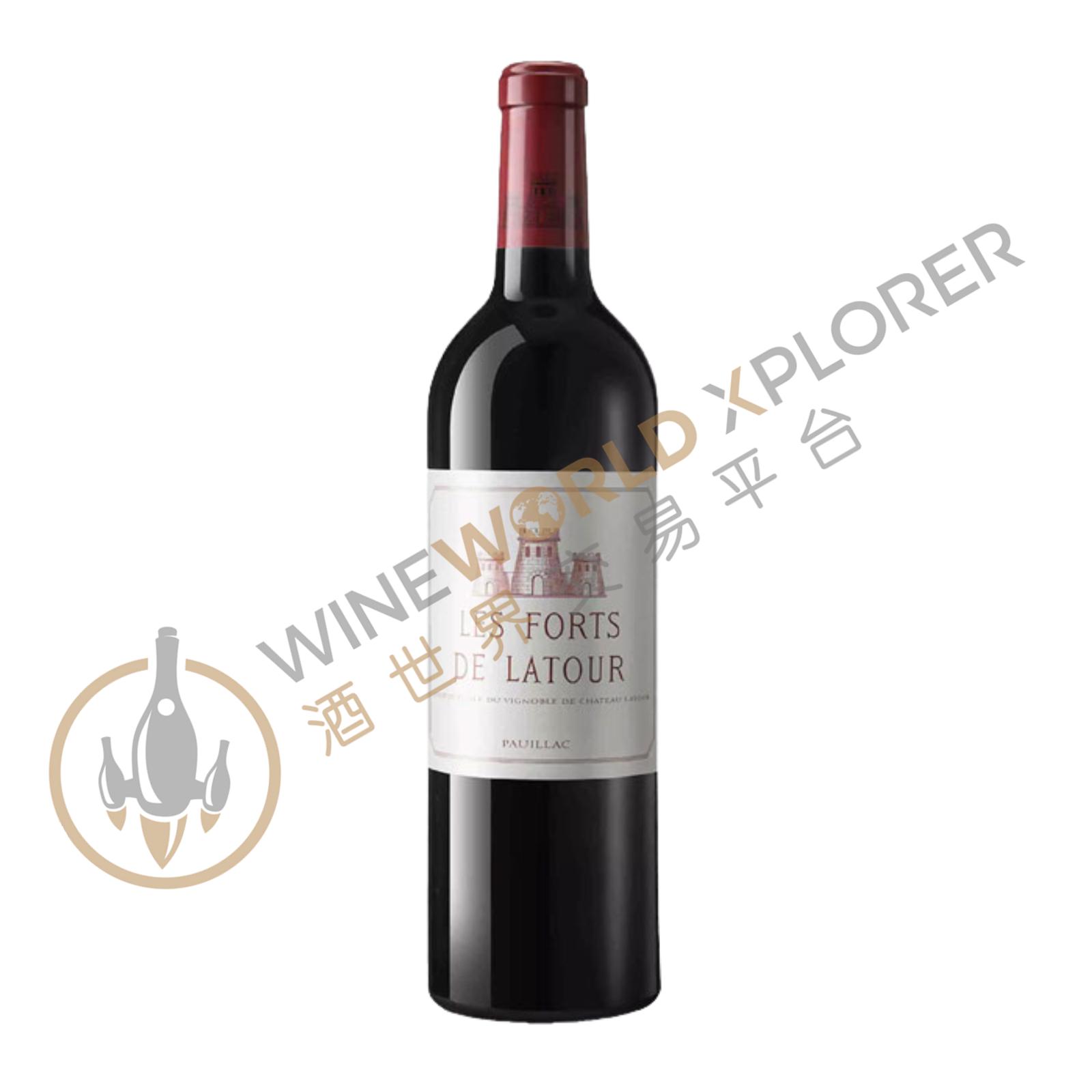
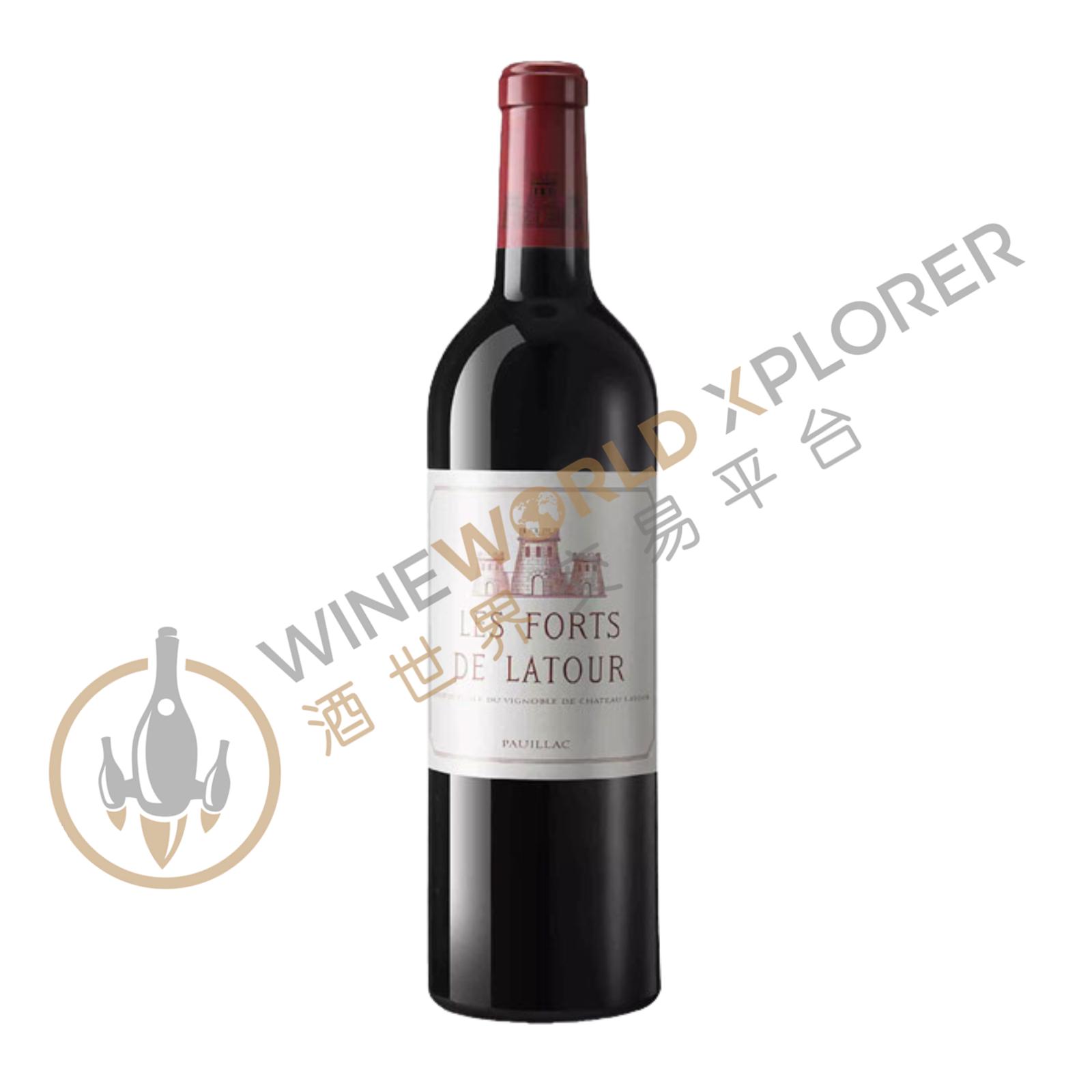
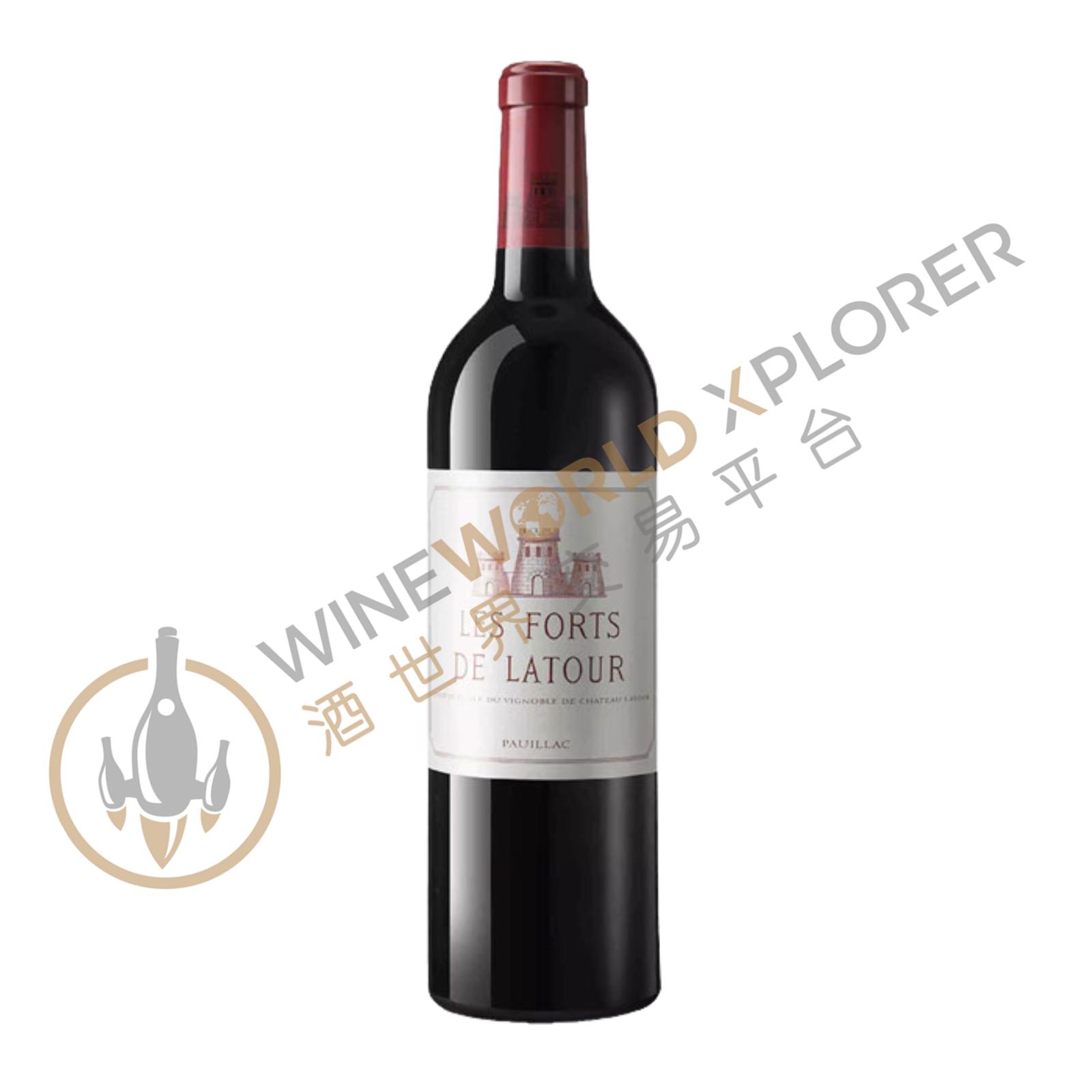
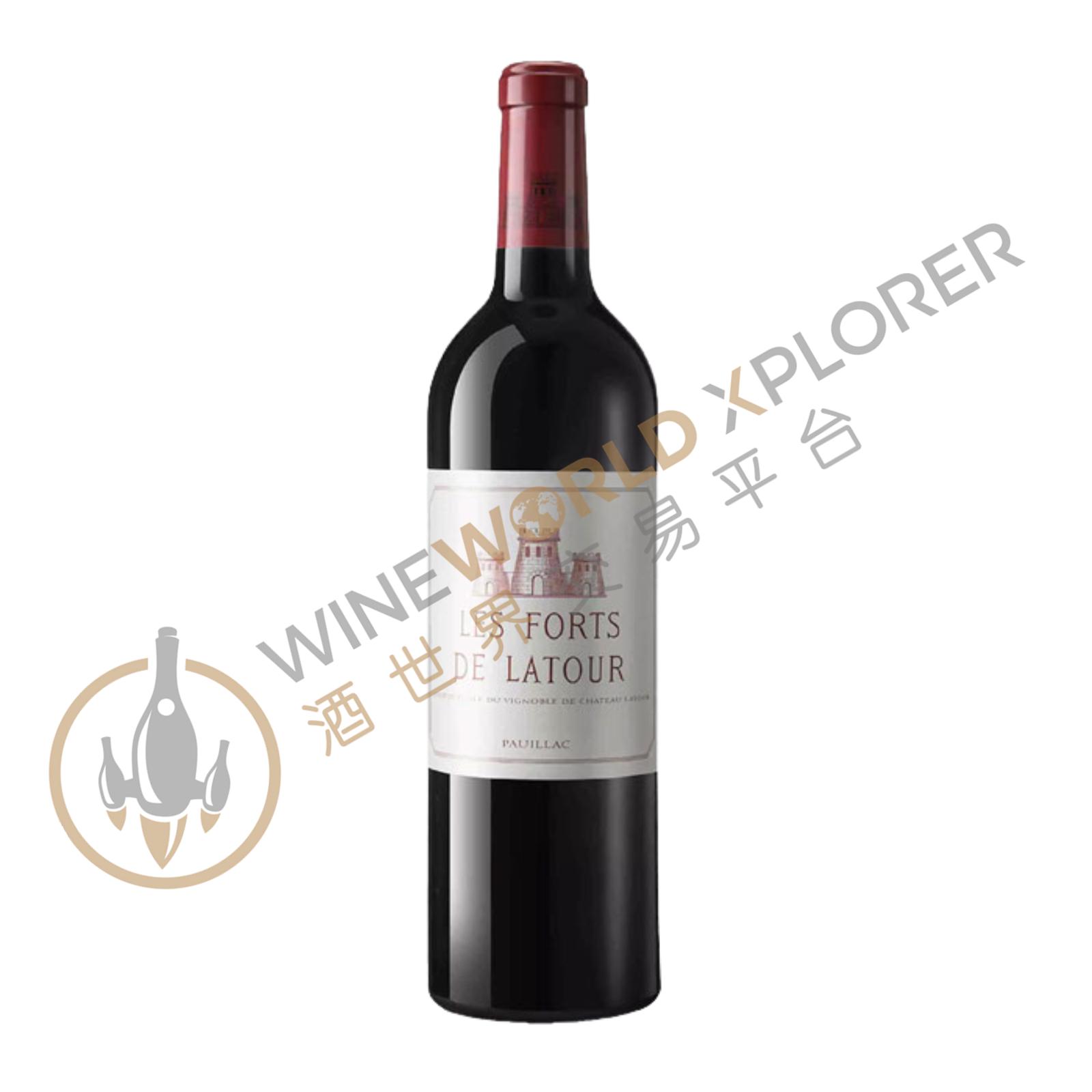
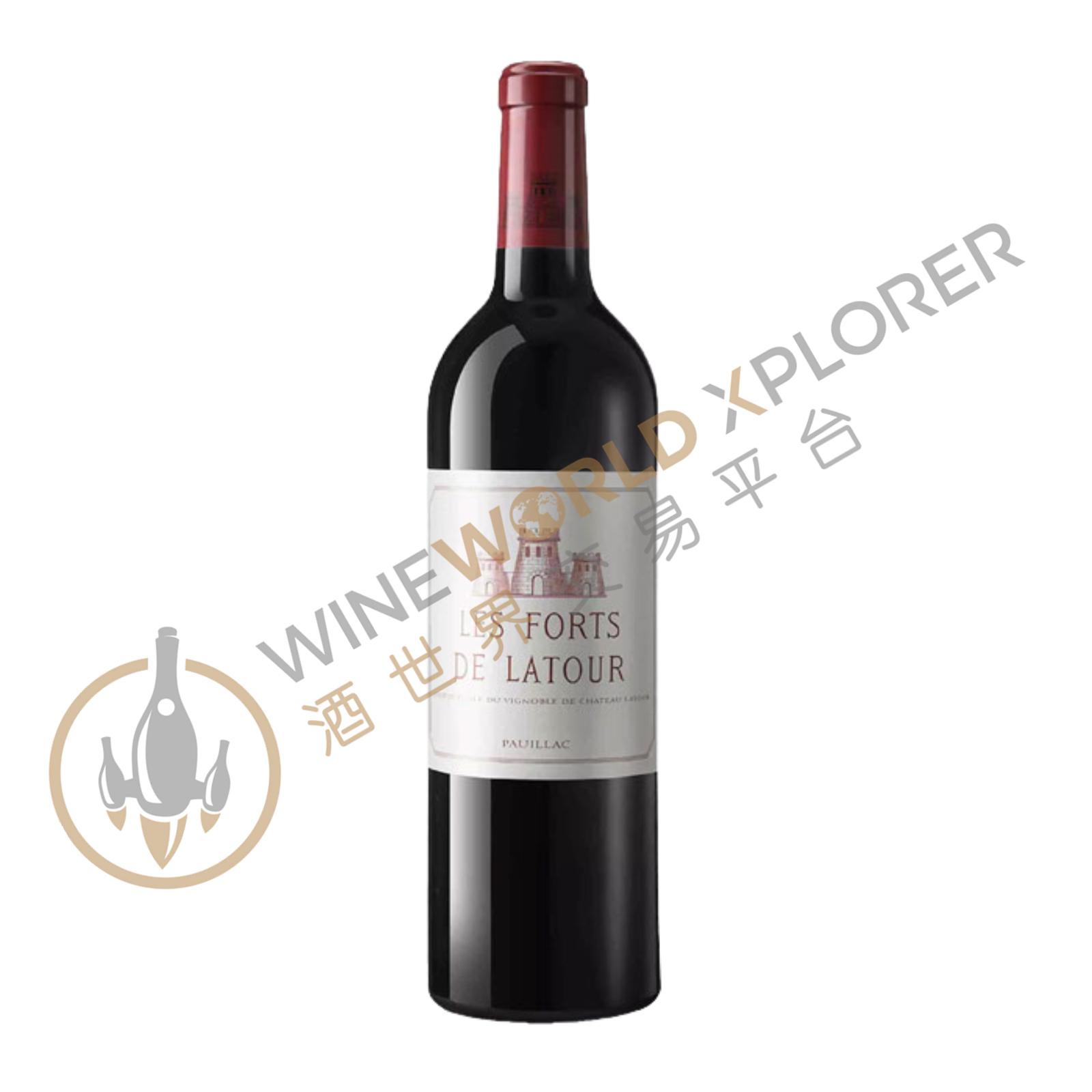
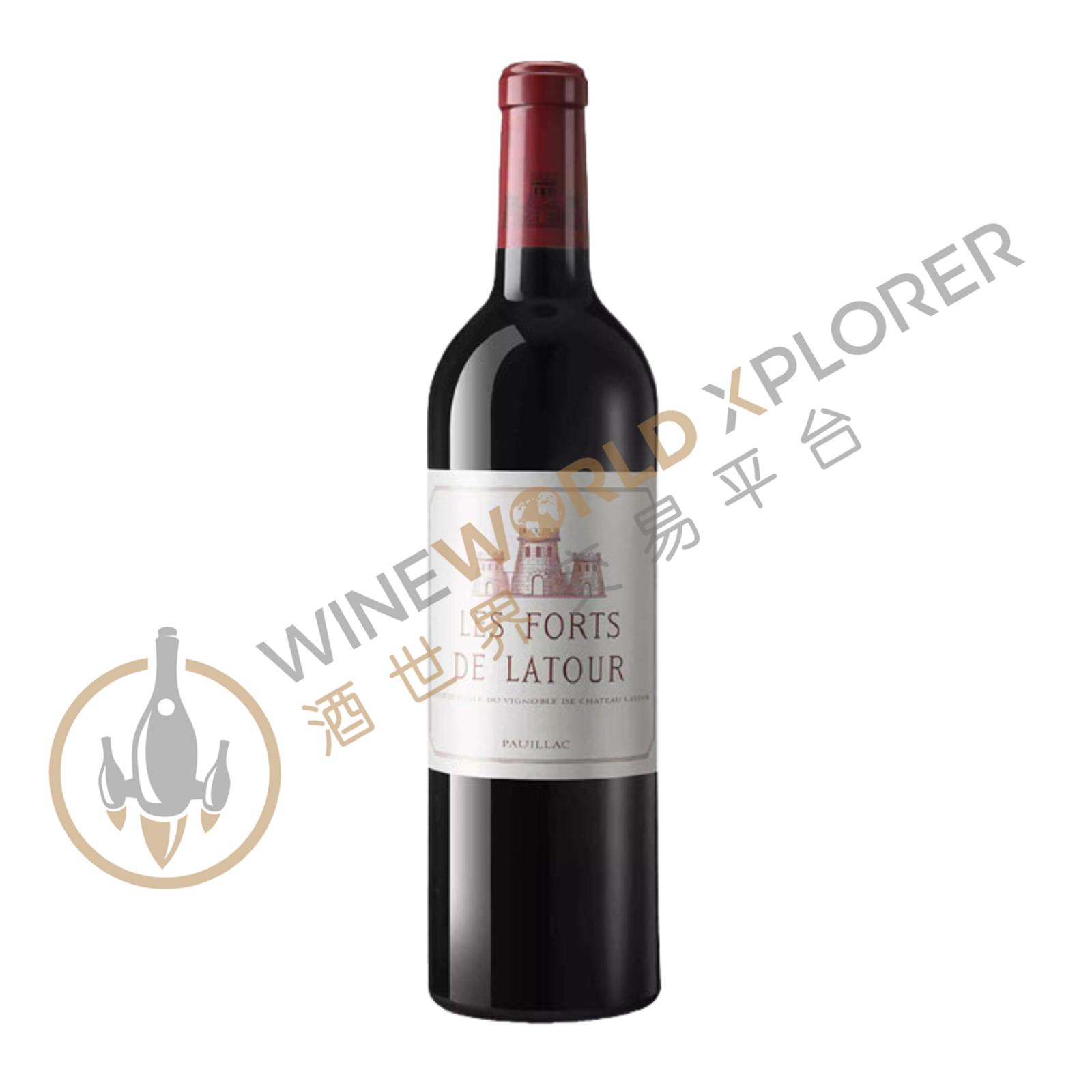
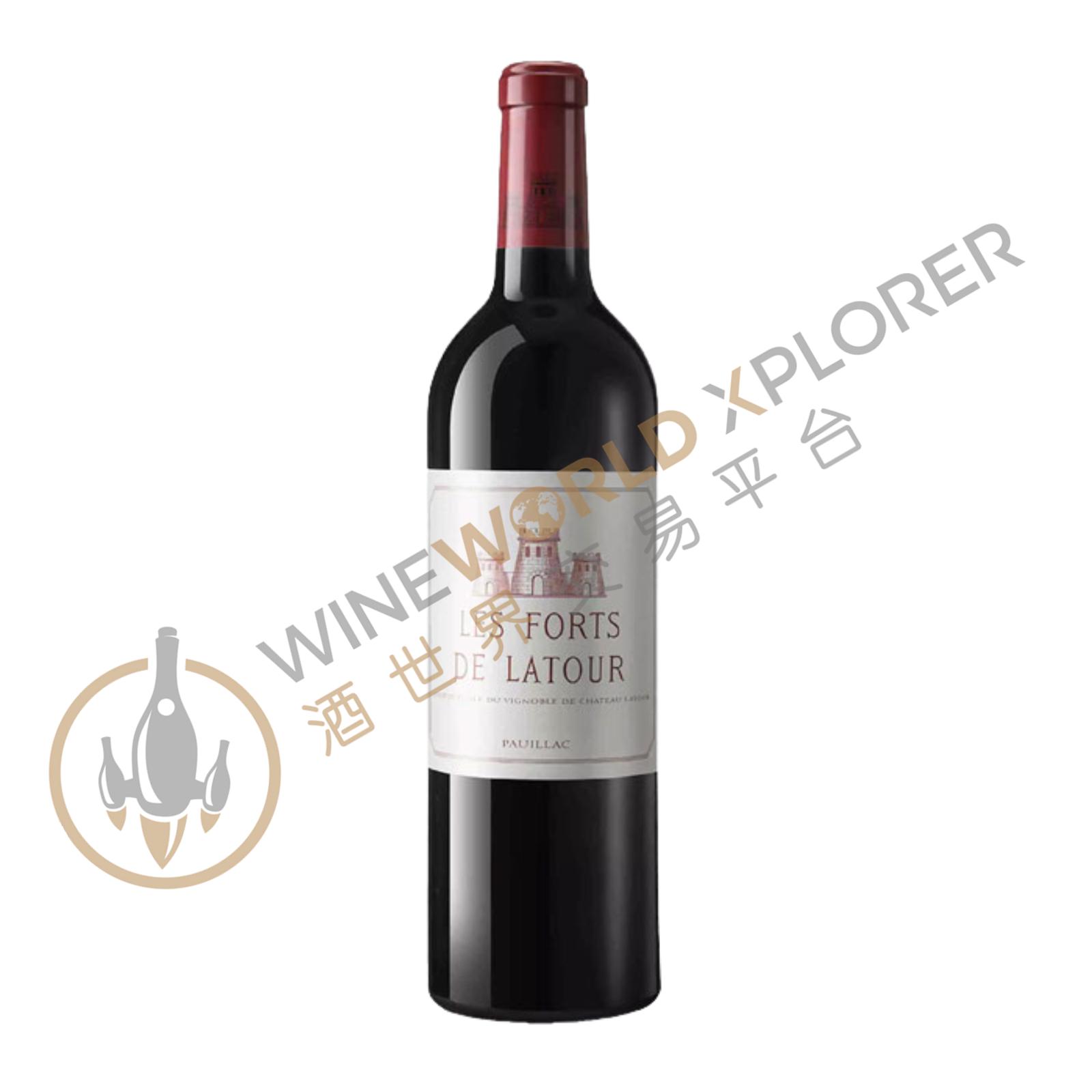
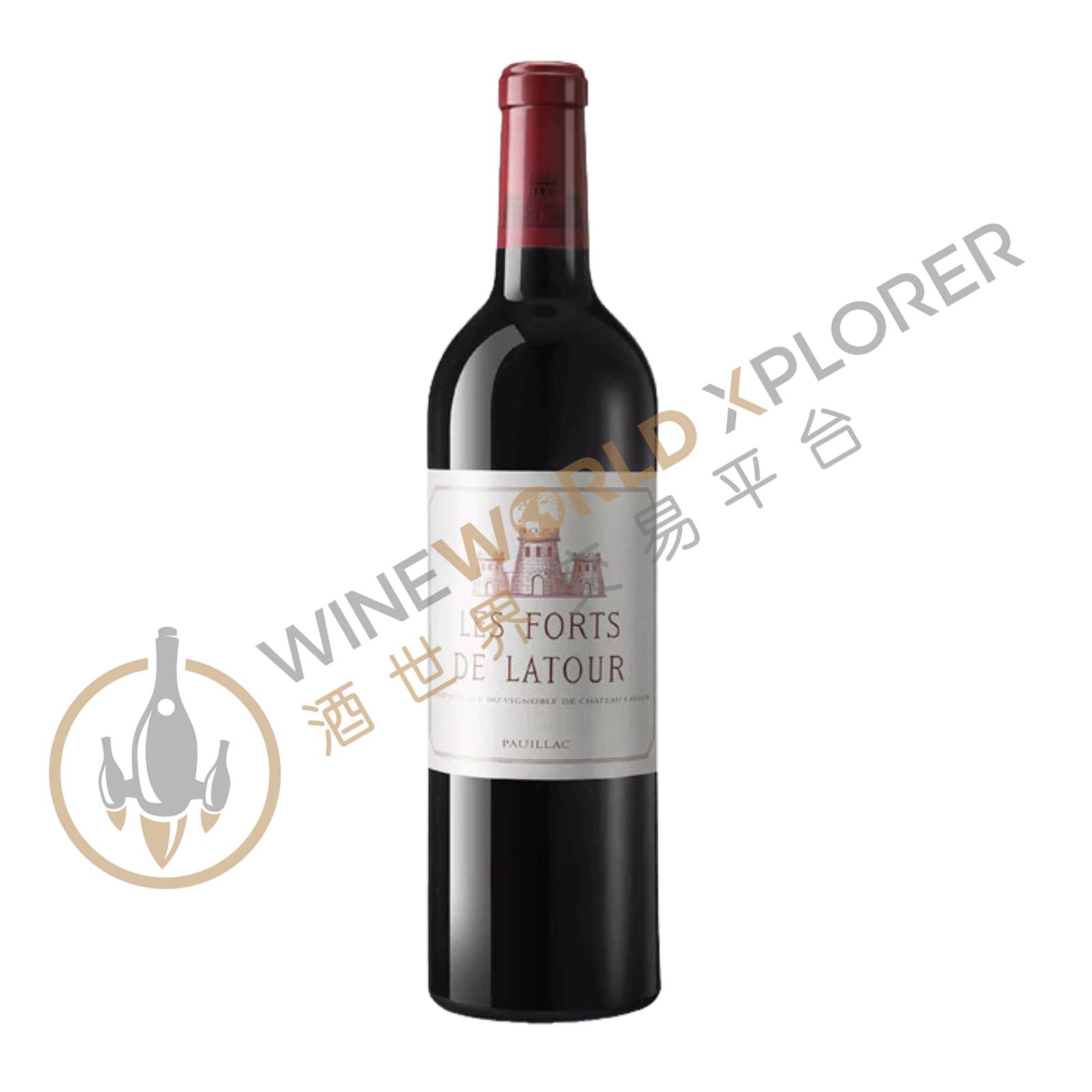
Les Forts de Latour 2016
 View analysis
Description
Tasting notes

Reviewed by: William Kelley
The 2016 Les Forts de Latour is superb, unwinding in the glass with notions of blackcurrants, wild berries, sweet loamy soil, cigar wrapper and English walnuts. Medium to full-bodied, deep and layered, it’s concentrated and tightly wound, with superb depth at the core, lively acids and ripe, powdery tannins. This is an impeccably balanced, utterly classical Forts de Latour worth a special effort to seek out.
Reviewed by: Lisa Perrotti-Brown
Very deep garnet-purple colored, the 2016 Les Forts de Latour opens with cinnamon stick, cloves and star anise scents with hints of crème de cassis, kirsch, wild blueberries and hints of black tea and violets. Medium to full-bodied, it has very firm, grainy tannins and is wonderfully intense with layers of bright fruit and loads of red berry sparks, finishing long and minerally. This is a superb showing for Les Forts and I would not be at all surprised if it far exceeds my conservative drinking window estimation!
Reviewed by: Neal Martin
The 2016 Les Forts de Latour is a blend of 64.3% Cabernet Sauvignon, 35.3% Merlot and 0.4% Cabernet Franc, and it represents 37.5% of production this year. It has a surprisingly opulent bouquet, almost a lushness to it thanks to the power of the Merlot, lending it an almost Right Bank allure (possibly due to one parcel in Artigues being declassified from the Grand Vin into the Les Forts de Latour). The palate is very well balanced with supple tannin. Occasionally this Deuxième Vin can be austere like the Château Latour, but this year I find this to be lithe in the mouth, quite sensual with the structure surfacing towards the graphite tinged finish. The length is very impressive here. It will be interested to see when the estate eventually release this wine. This is a plump 'n lovely Les Forts de Latour!
Reviewed by: Antonio Galloni
The 2016 Les Forts de Latour is the clear highlight among these new releases from Latour. The first thing that is evident about the 2016 is the pedigree of the vintage. Undisputedly great. Readers will find a potent, dark Forts de Latour endowed with massive concentration and tons of depth. The 2016 won't be ready to drink anytime soon, but it holds tons of promise. Hints of gravel, sage, licorice and pencil shavings linger. The 2016 was impressive a few years ago. It is even better today.
Reviewed by: Antonio Galloni
The 2016 Les Forts de Latour is fabulous. Dark, rich and expansive on the palate, the 2016 Forts boasts superb depth and intensity. Gravel, smoke, sage, grilled herbs, licorice, plum, pencil shavings and crème de cassis all run through the 2016. Readers should expect a somber, brooding wine that is going to need time to be at its best. Today, the tannins are imposing.
Reviewed by: Neal Martin
The 2016 Les Forts de Latour has a gorgeous bouquet, extremely pure and floral, veins of blue fruit, cassis permeating the blackberry fruit. The palate is beautifully balanced, again, very saline and a little spicier than I expected. There is a veneer of black fruit that makes it seem quite approachable, yet the tannins and backbone are there behind it. This is a superb Les Forts de Latour. Frédéric Engerer opined that it will drink in two or three years, though its substance and complexity suggests that those with the wherewithal to cellar this Les Fort will be amply rewarded.
Reviewed by: Neal Martin
The 2016 Les Forts de Latour offers a pure, seductive bouquet of gorgeous, graphite-tinged black fruit, focused and full of tension. The palate is medium-bodied with fine-grained tannins and good balance and grip. This is a classic, tobacco- and graphite-driven Pauillac with a very persistent finish. There is something regal about this Les Forts de Latour, one of the finest vintages in recent years. Tasted blind at the Southwold tasting.
Reviewed by: Neal Martin
The 2016 Les Forts de Latour is a wine that I remember as lush when I tasted it from barrel. Now in bottle, it has more Pauillac expression on the nose instead of that nascent lushness, offering copious black fruit infused with graphite and a touch of chalk. The palate is medium-bodied with fine-grained tannin, almost symmetrical in terms of balance, and shows beautiful definition toward the finish. This would frankly surpass some of the Grand Vins elsewhere. A wonderful Les Forts de Latour that may improve further with bottle age. 13.5% alcohol.
Reviewed by: Antonio Galloni
The 2016 Les Forts de Latour is the clear highlight among these new releases from Latour. The first thing that is evident about the 2016 is the pedigree of the vintage. Undisputedly great. Readers will find a potent, dark Forts de Latour endowed with massive concentration and tons of depth. The 2016 won't be ready to drink anytime soon, but it holds tons of promise. Hints of gravel, sage, licorice and pencil shavings linger. The 2016 was impressive a few years ago. It is even better today.
Reviewed by: Neal Martin
The 2016 Les Forts de Latour is superb, unwinding in the glass with notions of blackcurrants, wild berries, sweet loamy soil, cigar wrapper and English walnuts. Medium to full-bodied, deep and layered, it’s concentrated and tightly wound, with superb depth at the core, lively acids and ripe, powdery tannins. This is an impeccably balanced, utterly classical Forts de Latour worth a special effort to seek out.
Reviewed by: James Suckling
This builds slowly on the palate, but it’s worth it. Medium to full body, firm and silky tannins and lots of currants, berries and minerals on the finish. On and on. Better than the 2015?
Reviewed by: James Suckling
The fresh currant and violet aromas are so complex and beautiful on the nose. Full body, ultra-refined tannins and lovely tannin tension. Shows focus and such finesse. Beautiful finish. Try after 2024.
Reviewed by: James Suckling
Lots of blueberries, ripe blackberries, violets, peppercorns, olives and cloves on the nose. It’s medium-to full-bodied with firm, fleshy tannins. Beautiful blue fruit and flowers. Layered and long. Drink after 2023.
About the Producer
Latour was a jointly held lord's domain until the end of the 16th century, At that time, the property was not entirely covered by vines and yet production largely exceeded requirements. There was no proper storage for the wine and it had to be drunk within the year. The estate remained in the hands of the Mullet family until the late 17th century, and while direct use of the land gradually replaced the leasing system, the wine-making situation changed very little. In the early 18th century, England's aristocracy and wealthy middle classes developed refined tastes, particularly for wine, from Bordeaux, Oporto, Jerez and other southern vineyards. Wine exports had been restricted by various blockades imposed by the wars, but now enjoyed a period of relative freedom and trade with Bordeaux grew rapidly. As a result of this flourishing trade, the estate gradually came to specialise in wine production, with 38 hectares of vines in 1759 and then 47 hectares by 1794.
1975(2)1976(1)1979(1)1981(1)1982(1)1983(2)1990(1)1992(2)1994(2)1995(1)1996(2)1998(3)1999(2)2000(4)2001(6)2002(8)2003(5)2004(8)2005(5)2006(24)2007(13)2008(13)2009(24)2010(25)2011(9)2012(23)2013(9)2014(15)2015(22)
Package Size