Wine Advisor



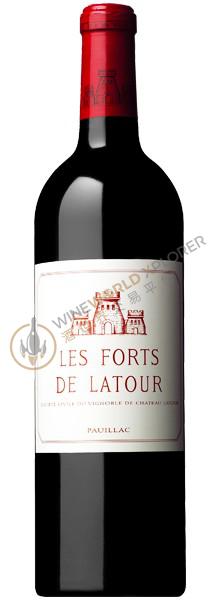
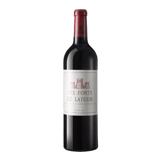
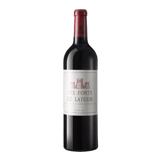
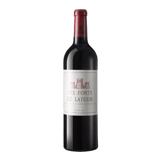
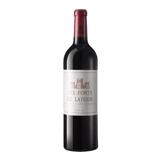
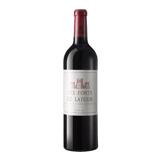
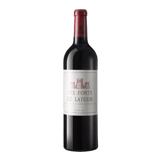
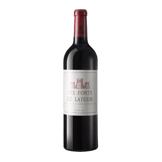
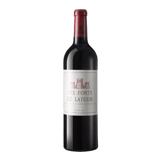
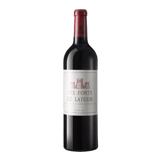
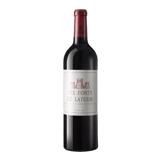
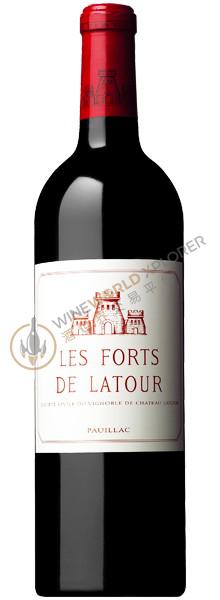
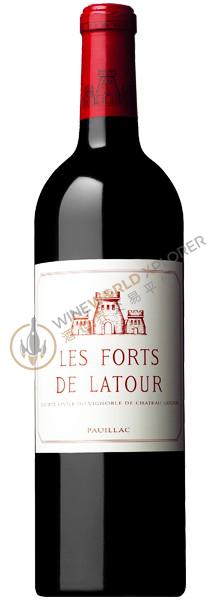
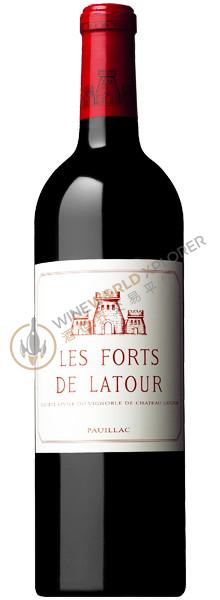
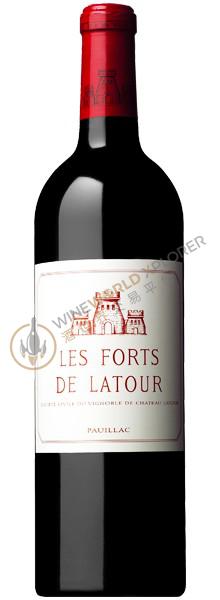
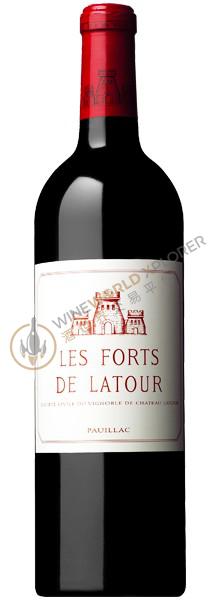
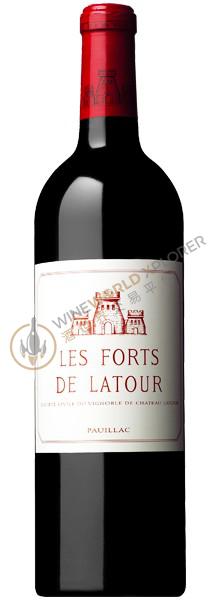
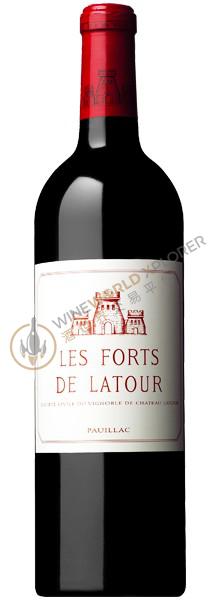
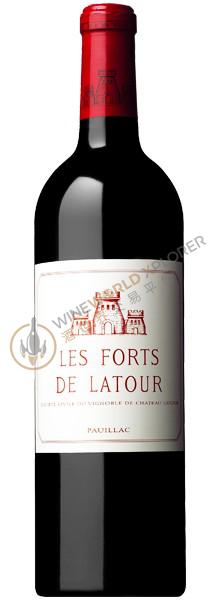
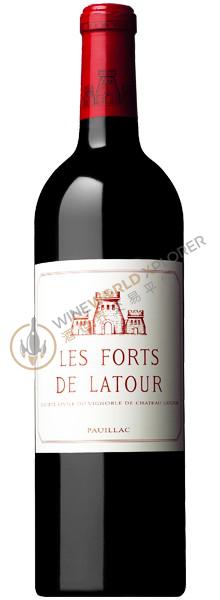
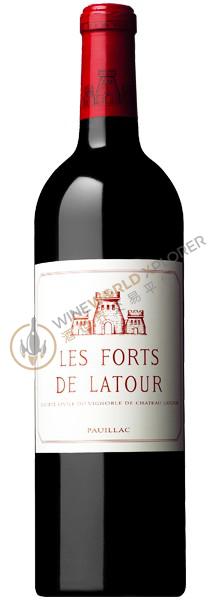
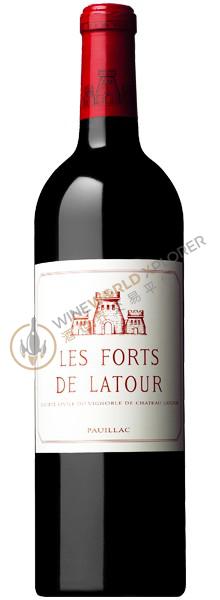
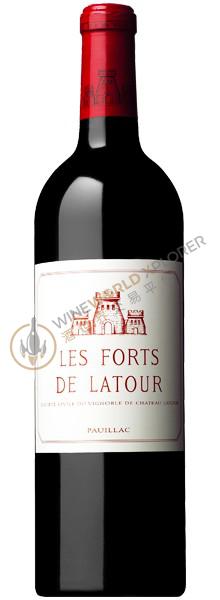
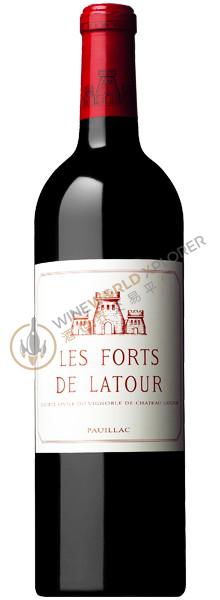
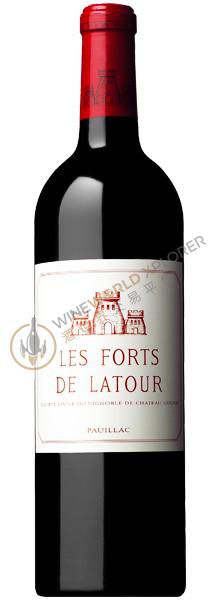
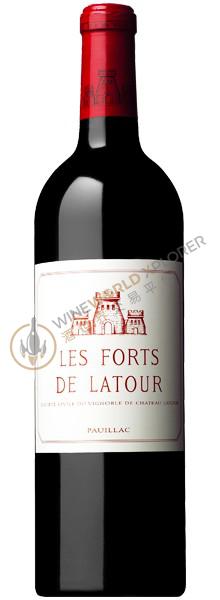
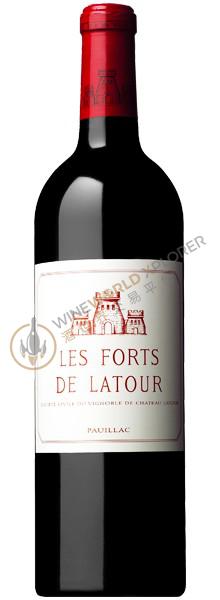
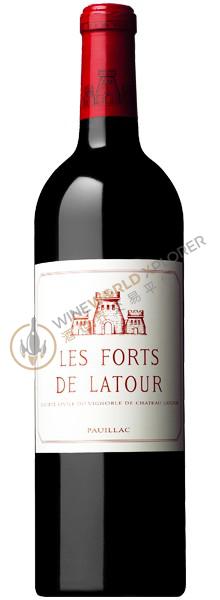
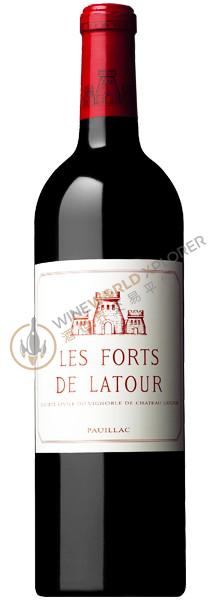
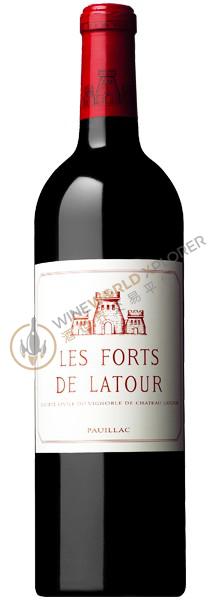
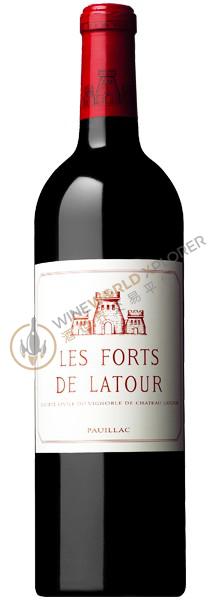
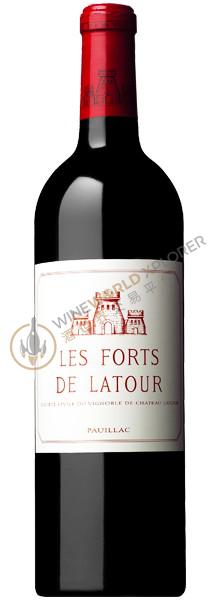
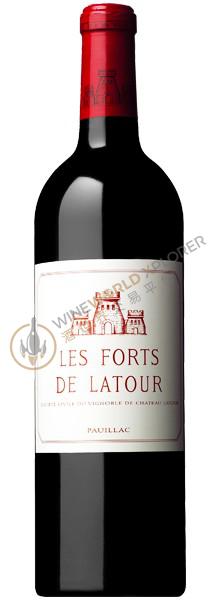
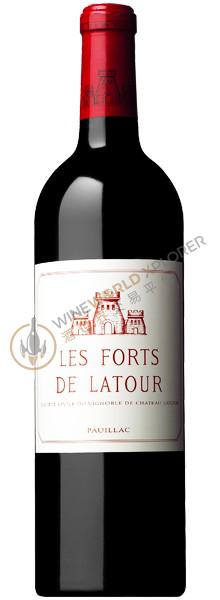
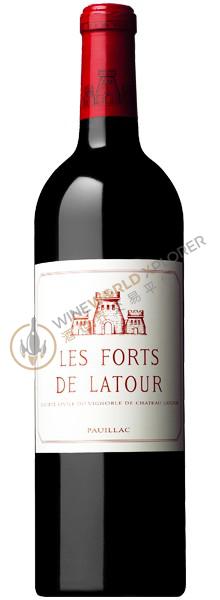
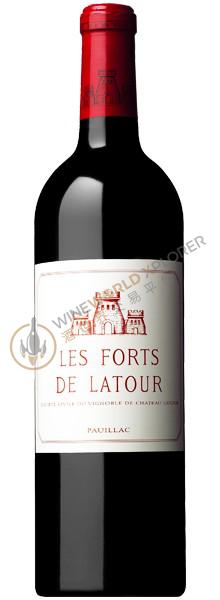
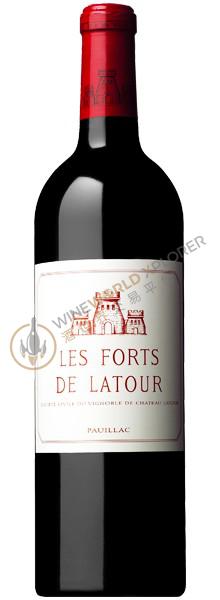
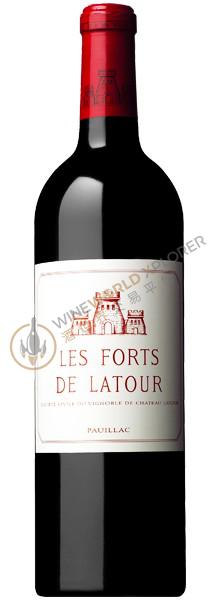
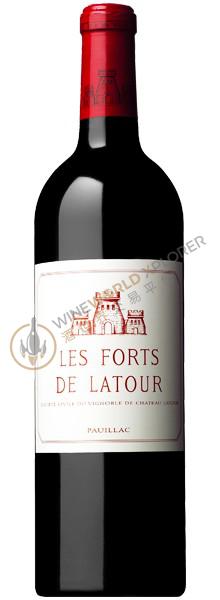
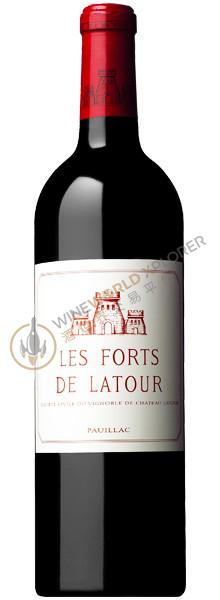
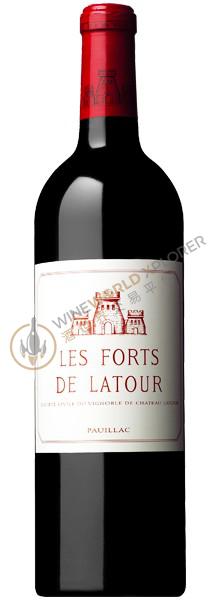
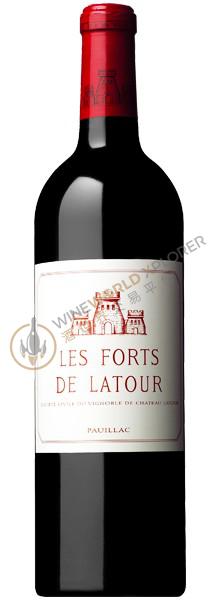
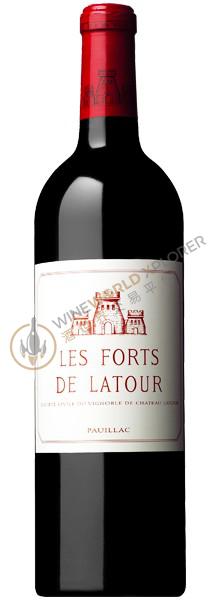
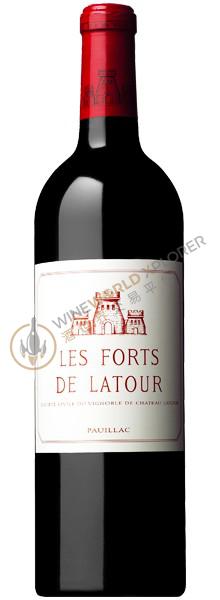
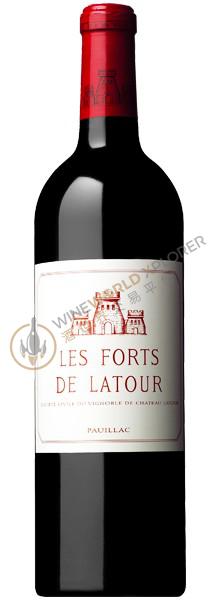
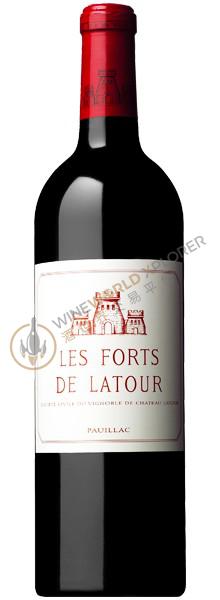
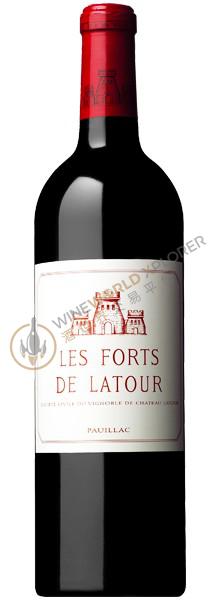
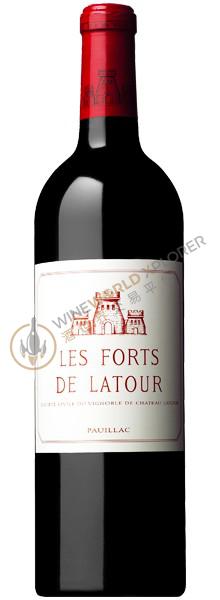
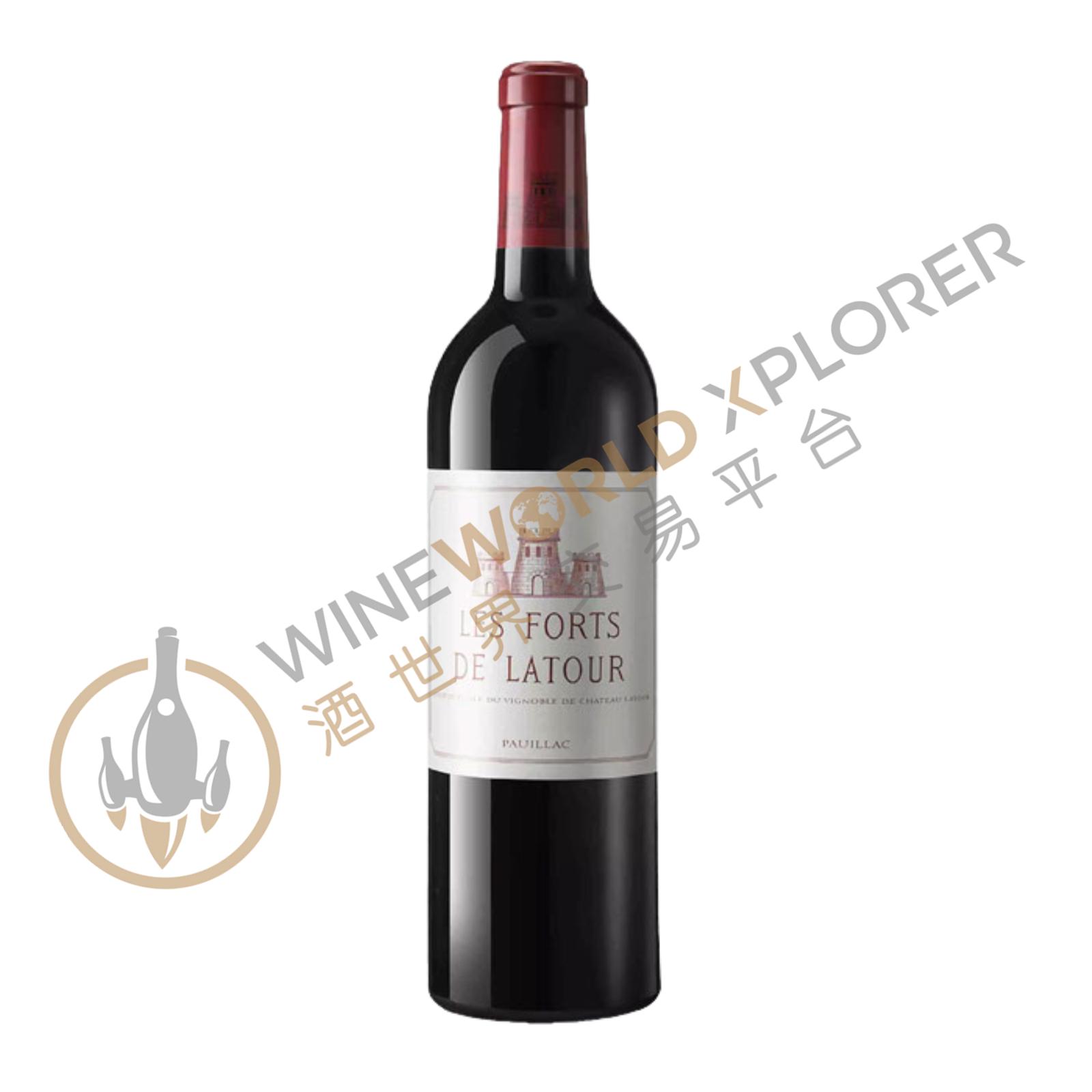
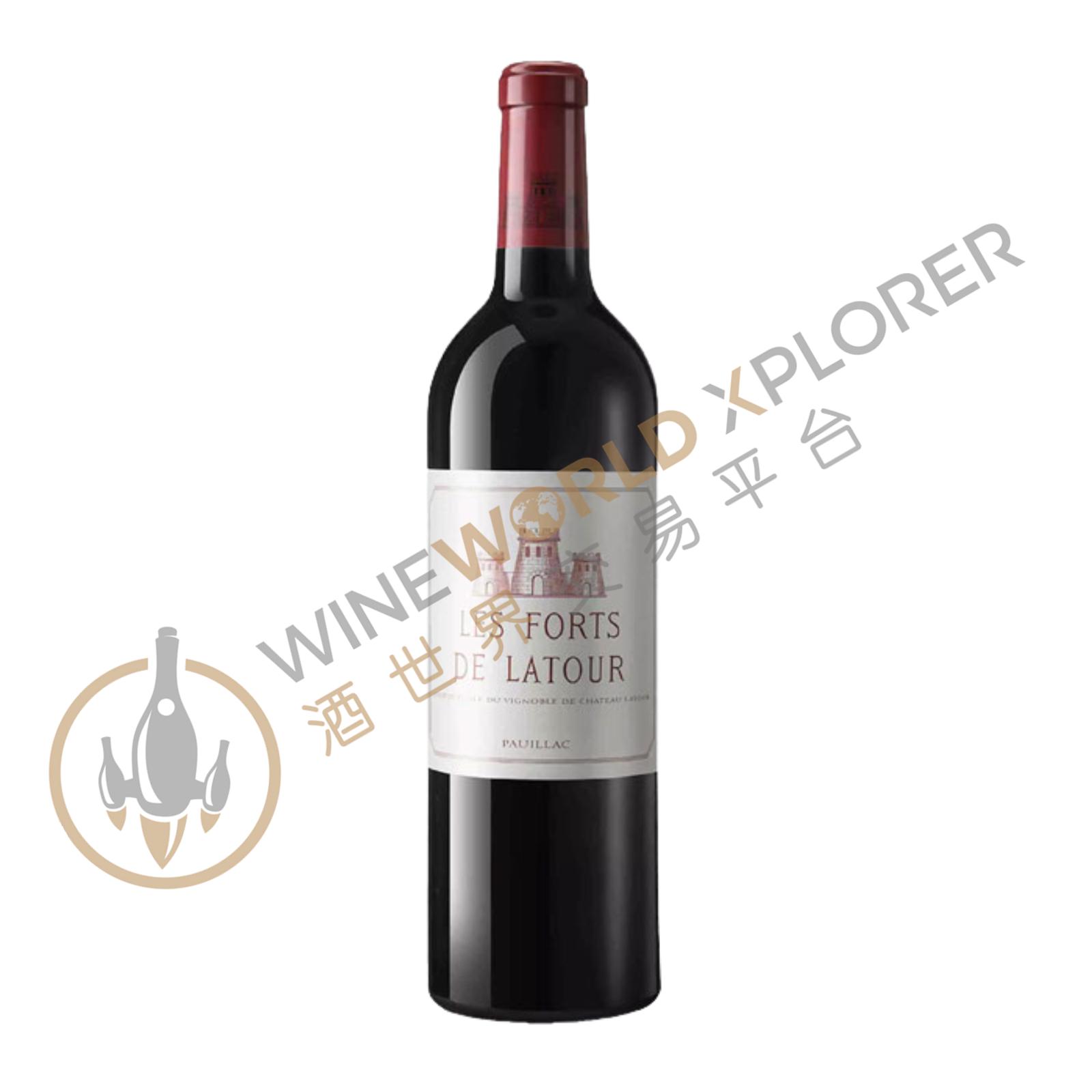
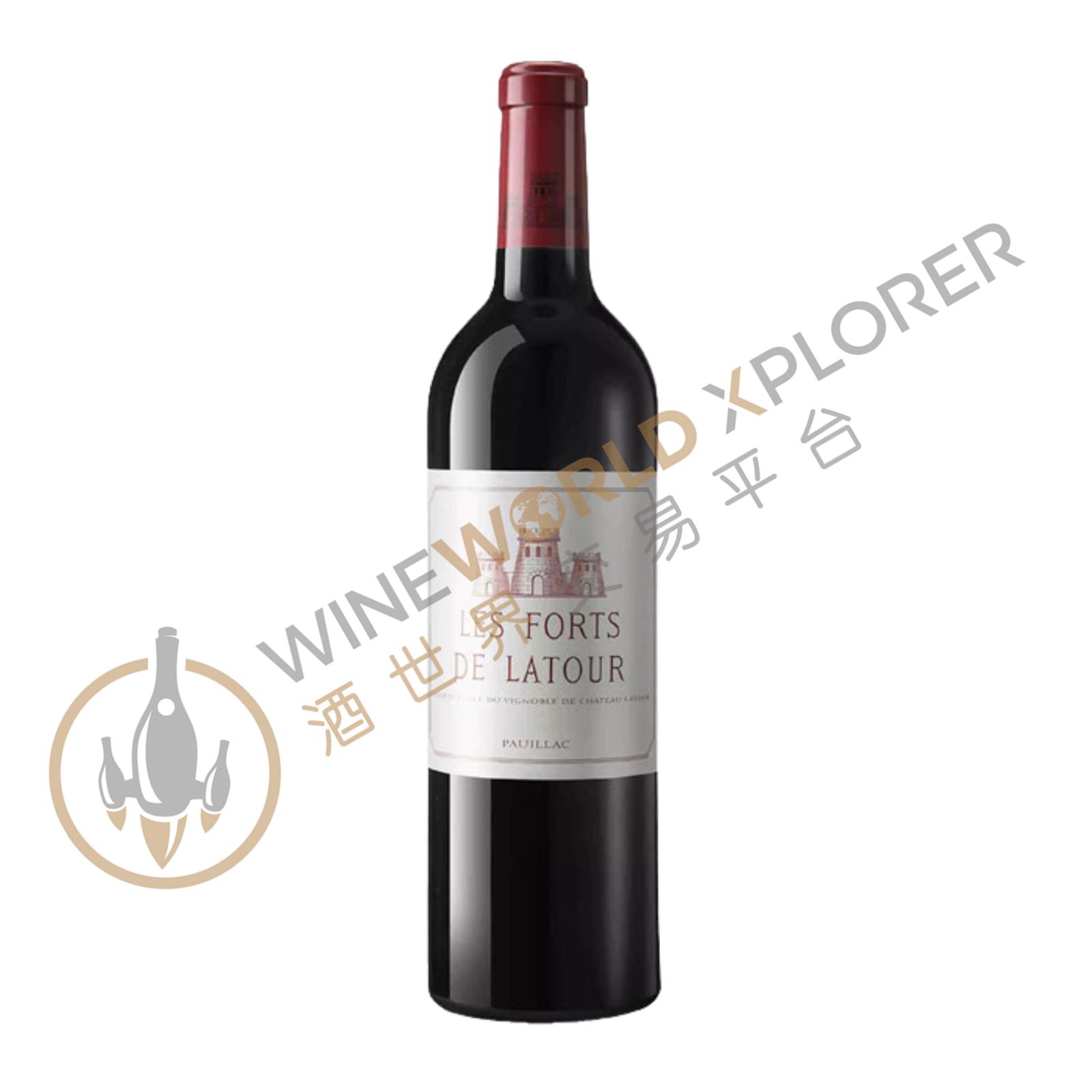
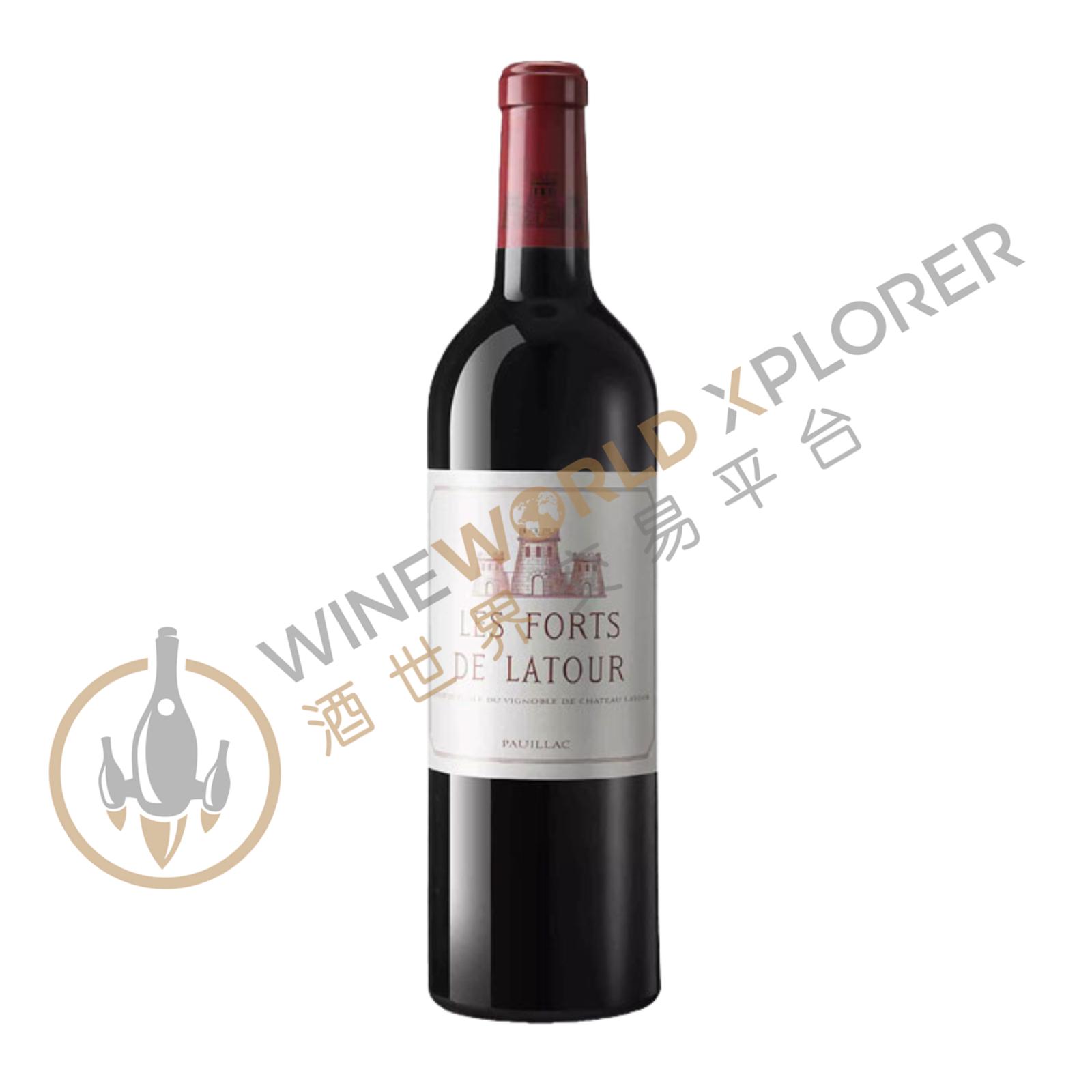
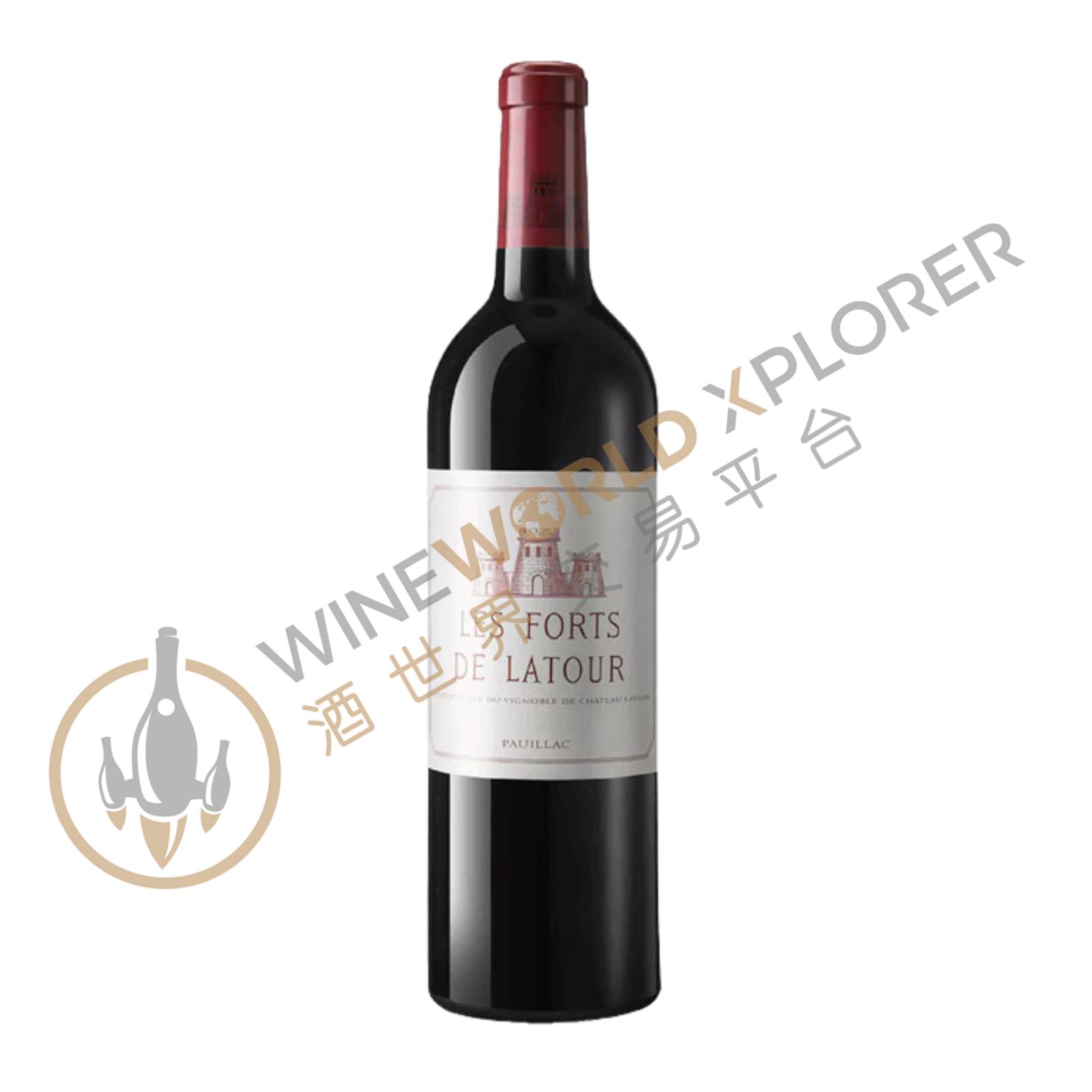
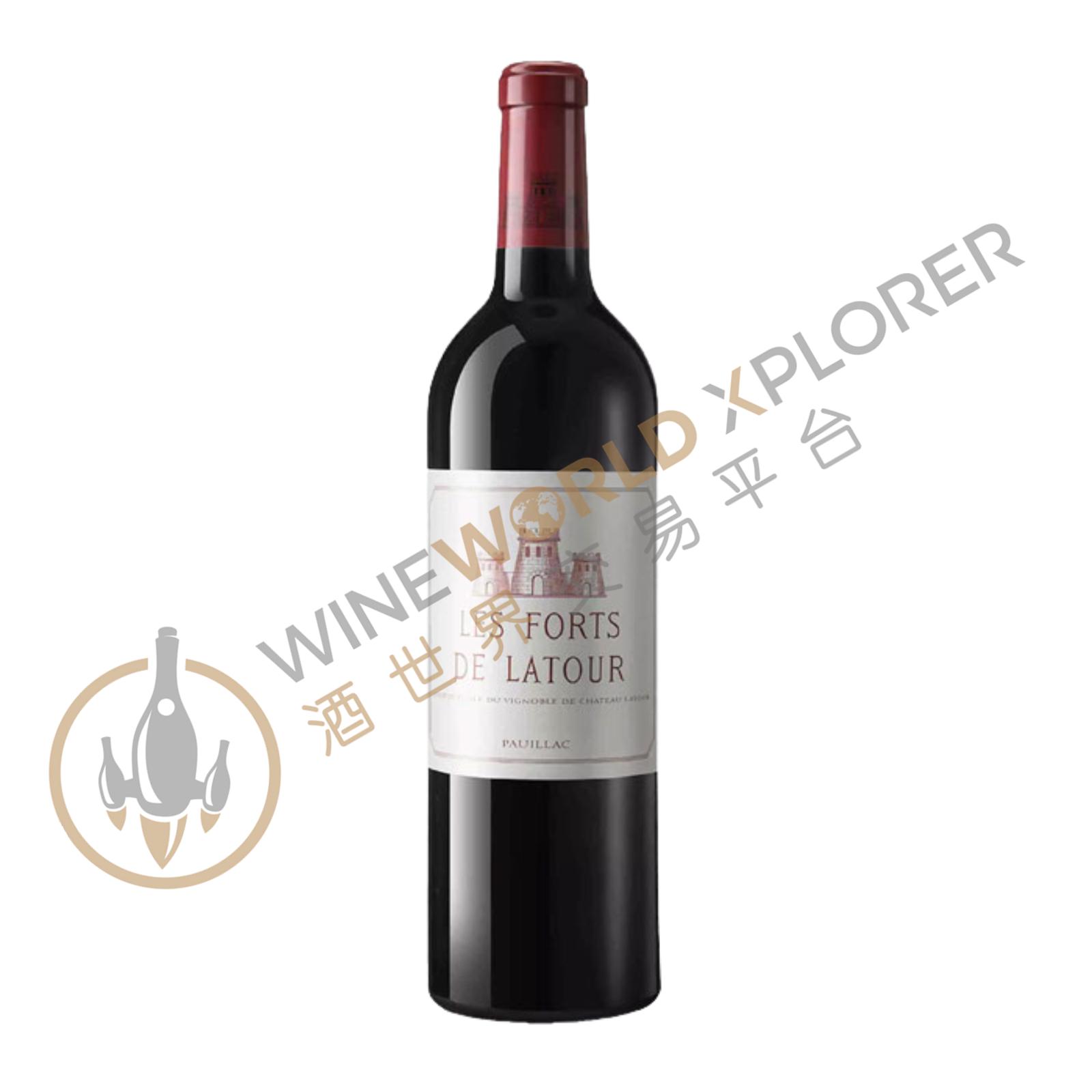
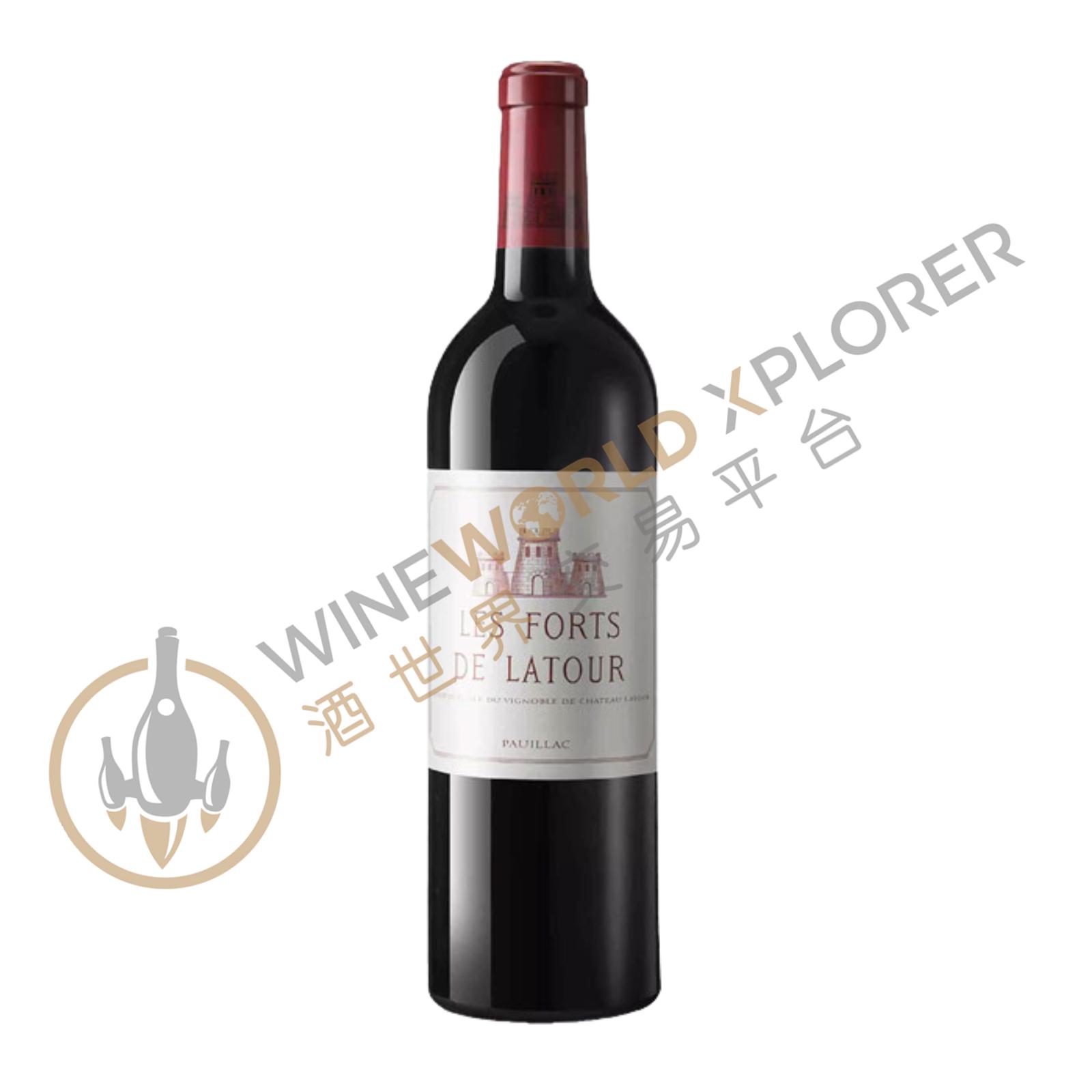
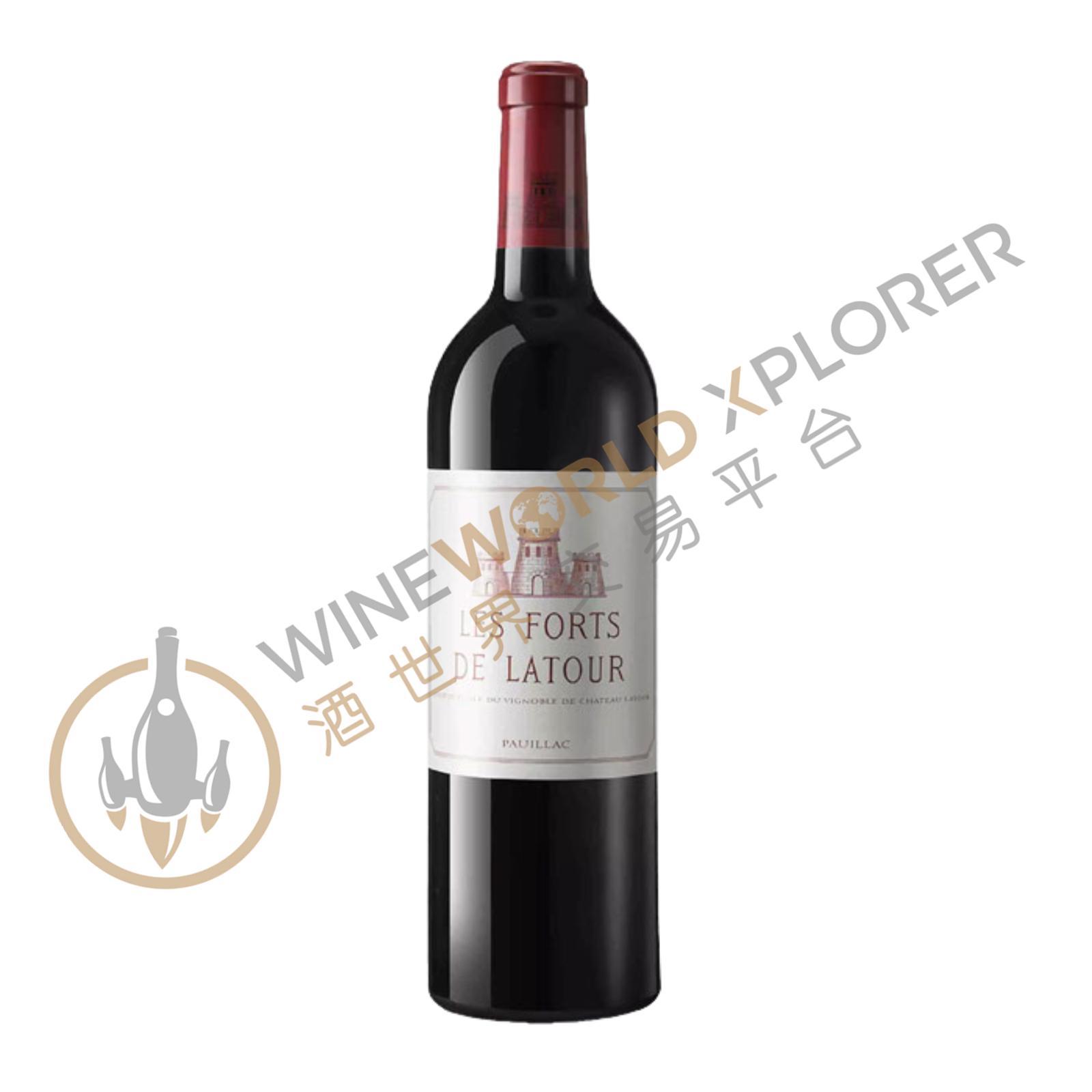
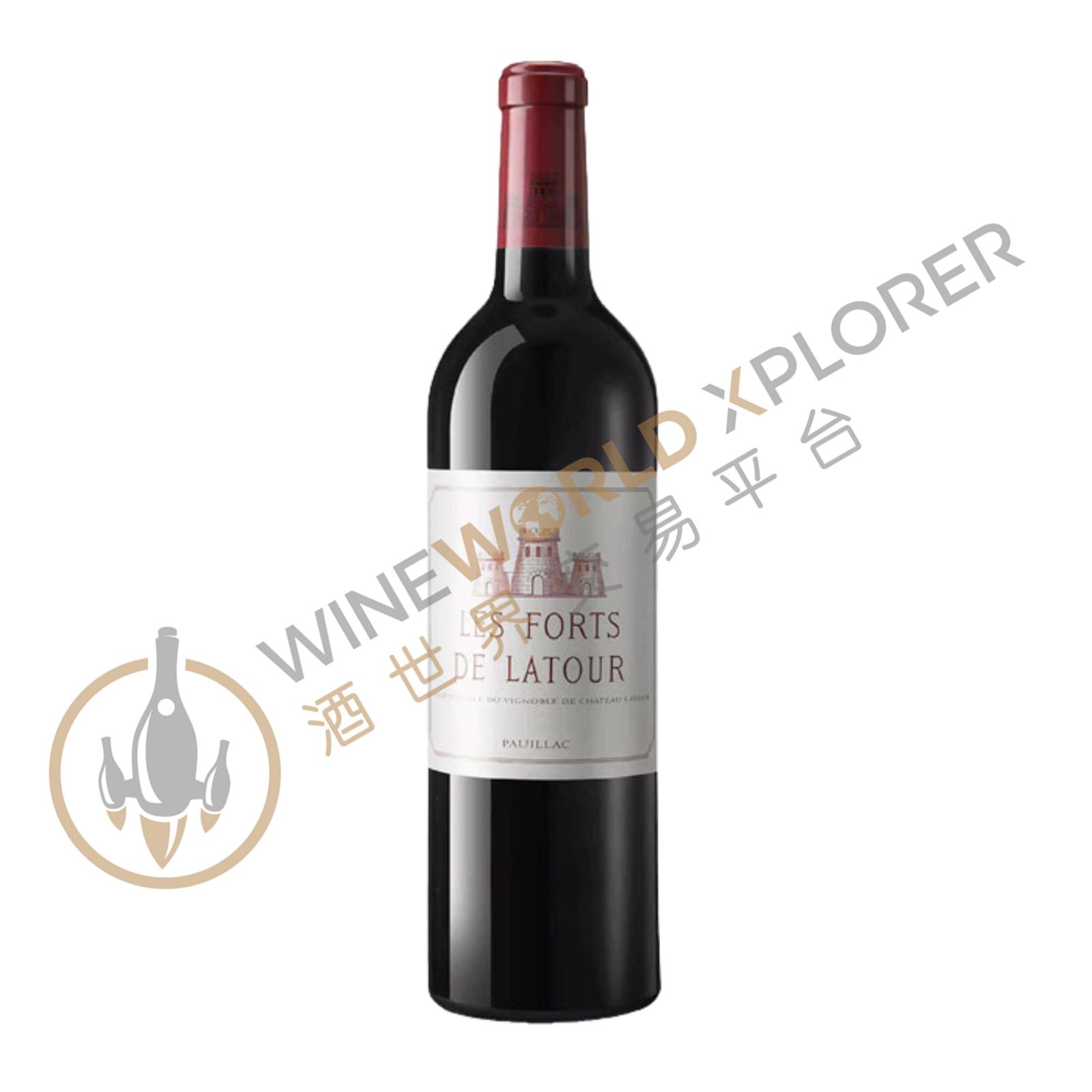
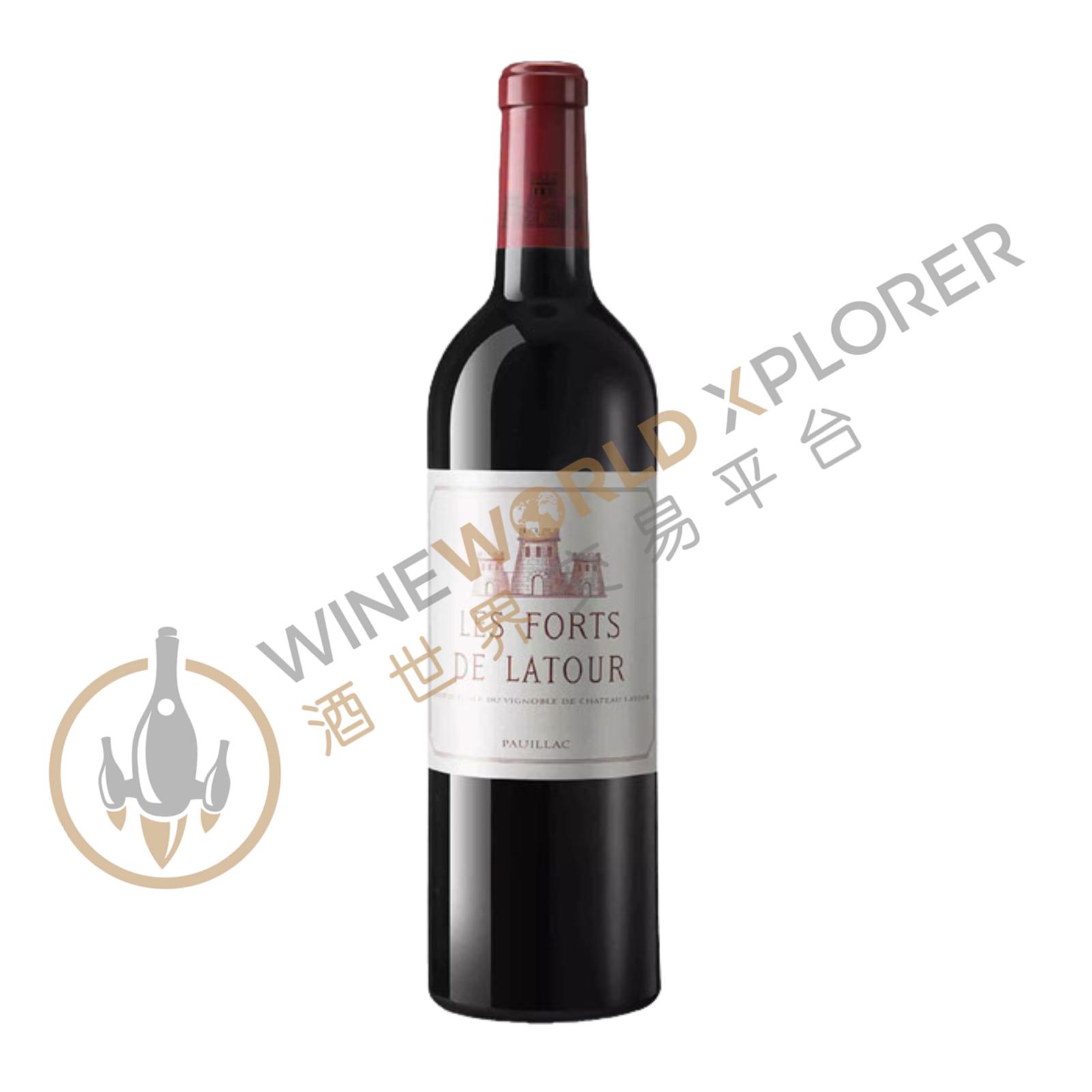
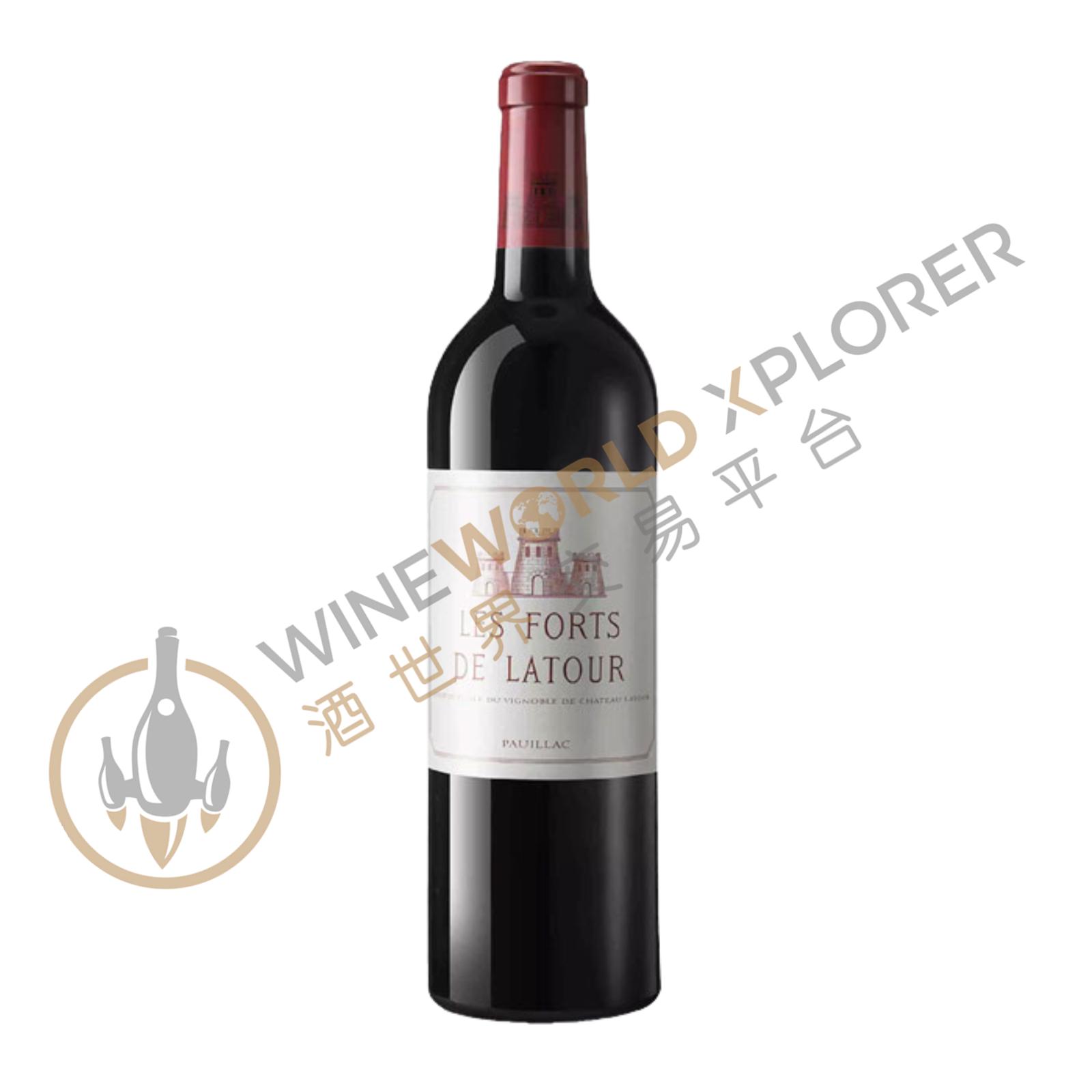
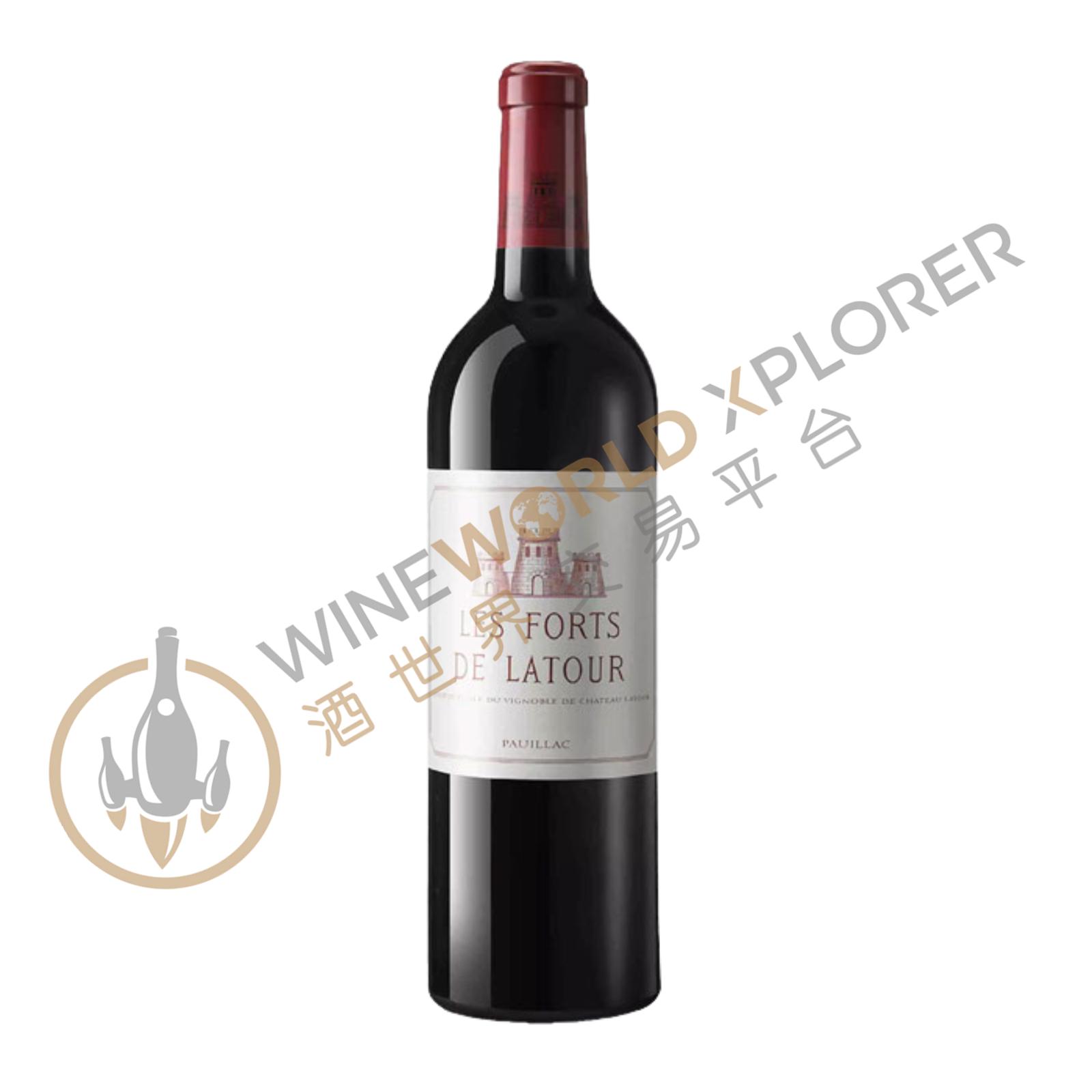
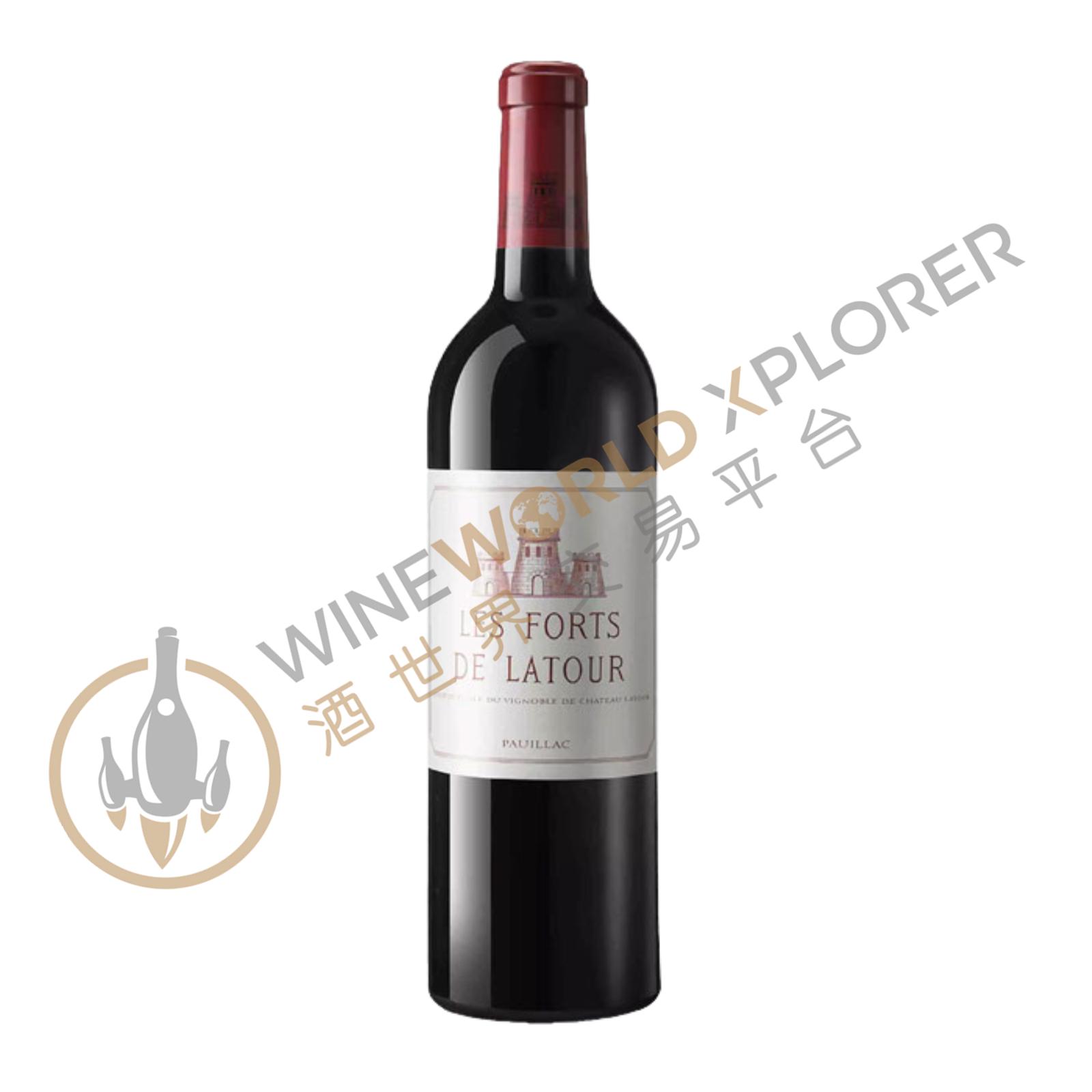
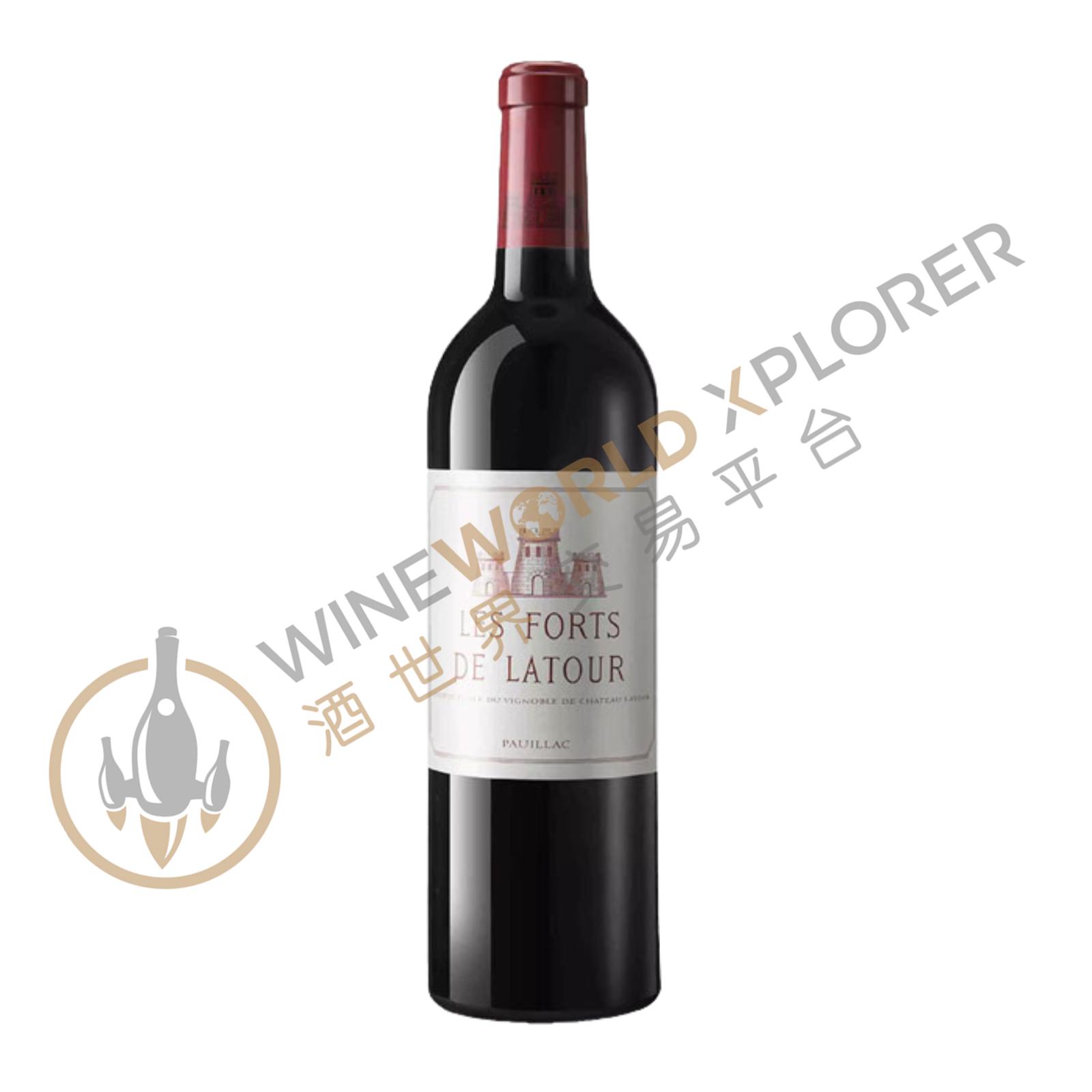
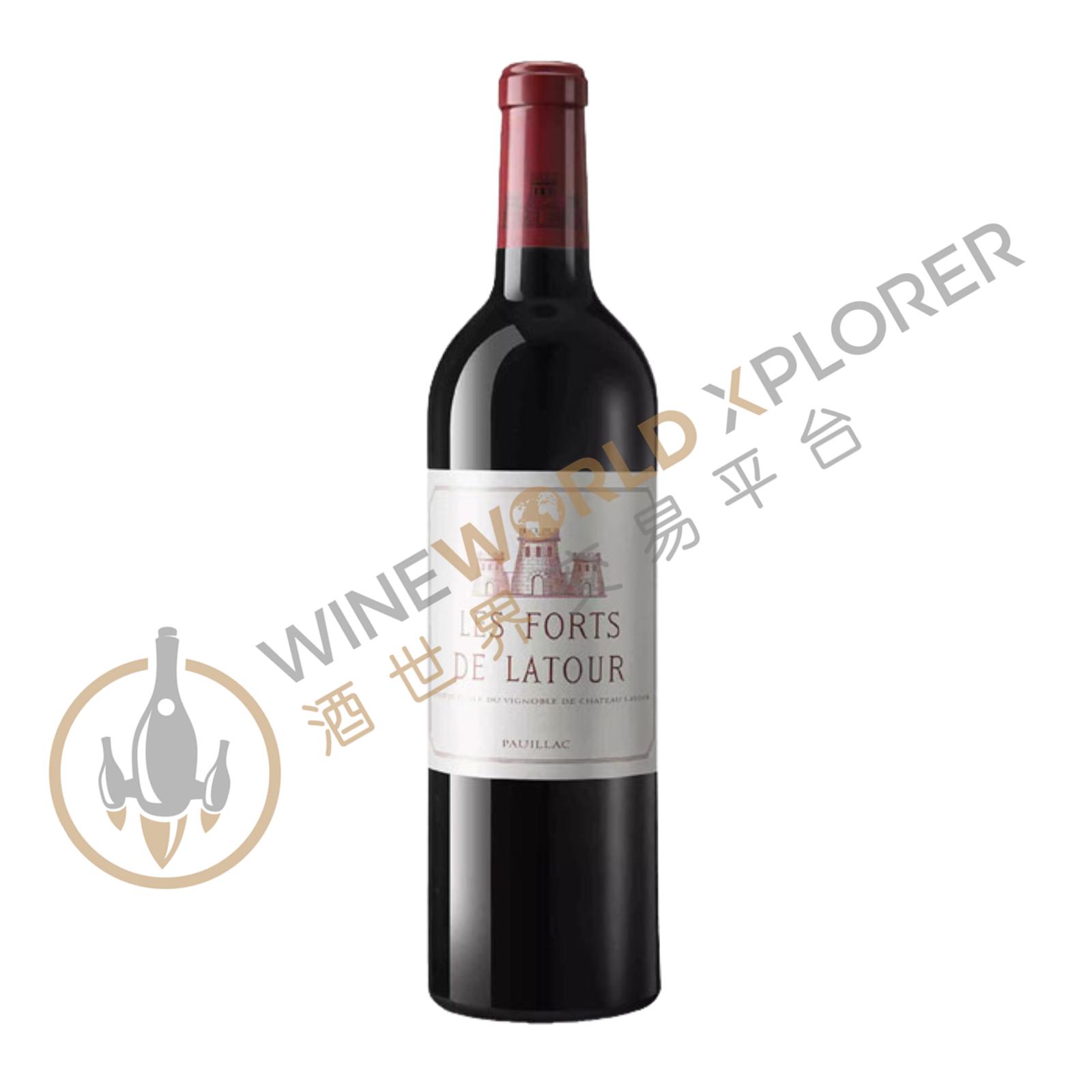
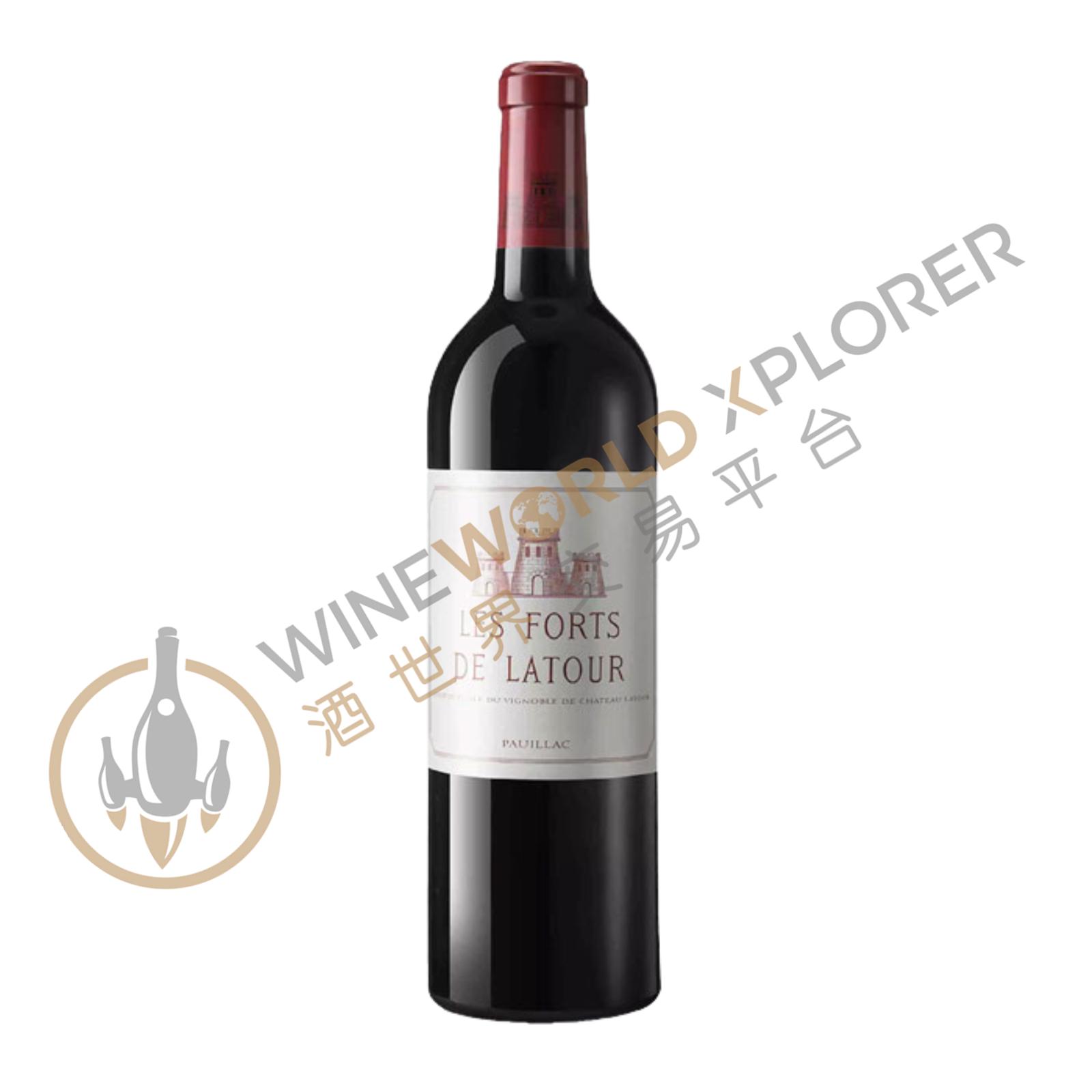
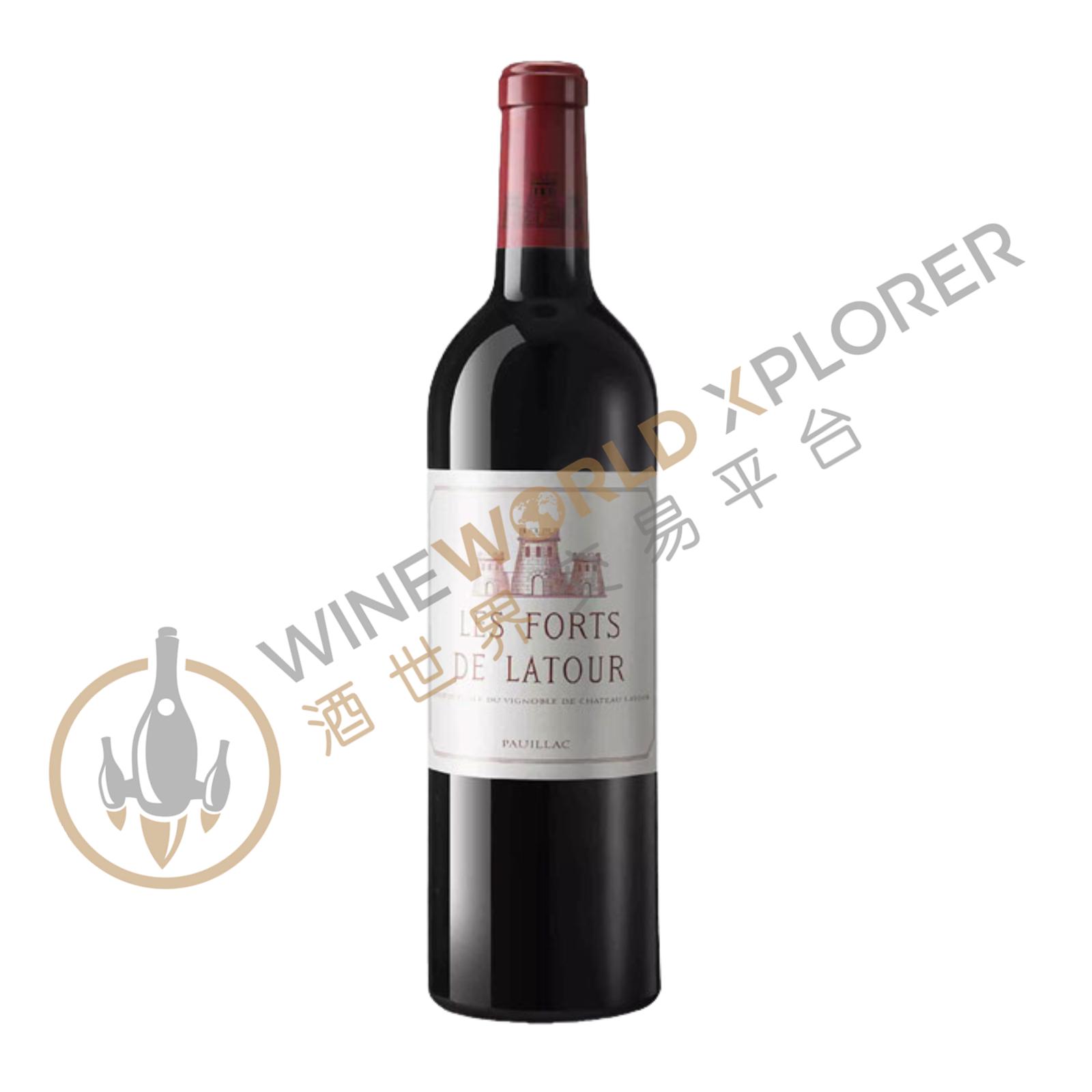
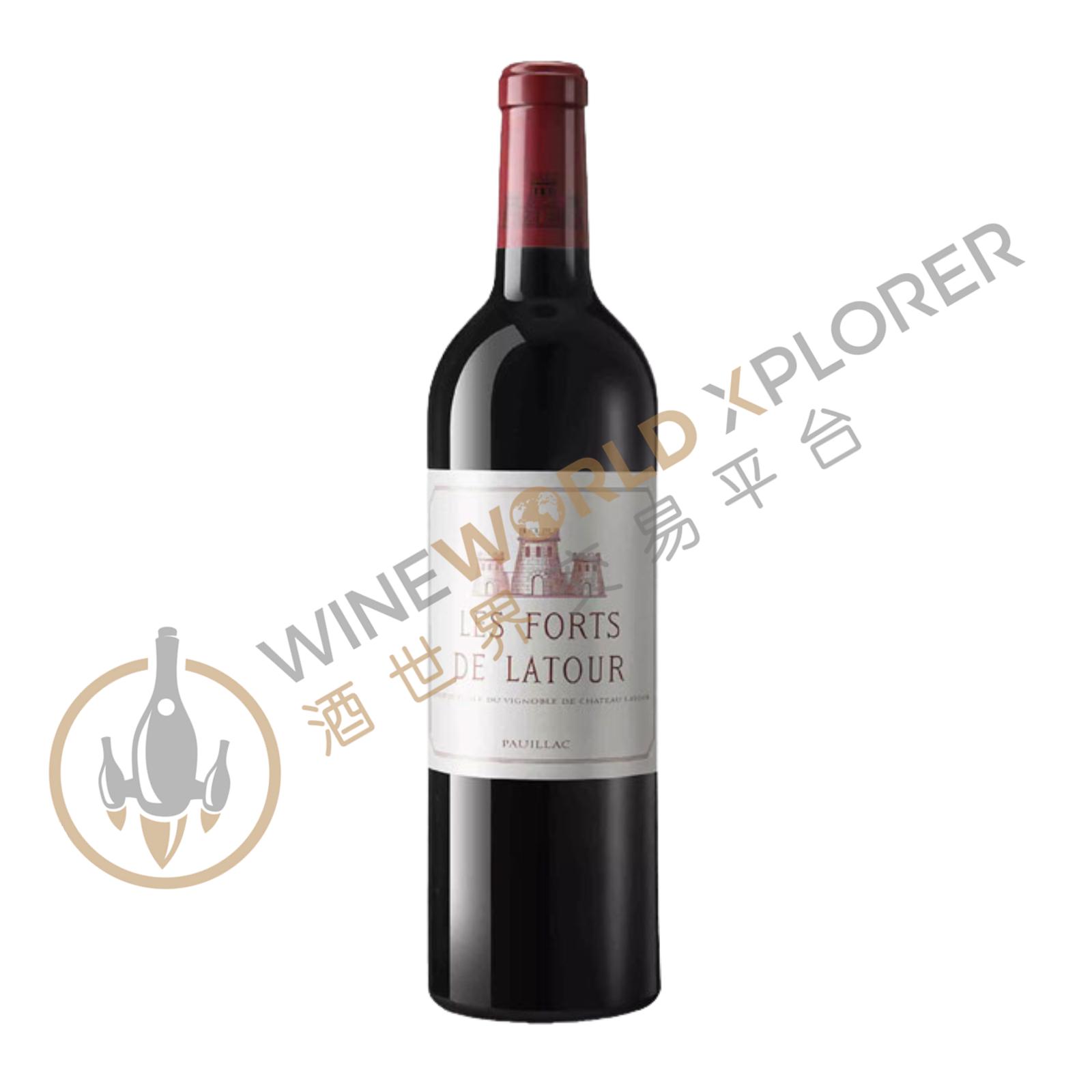
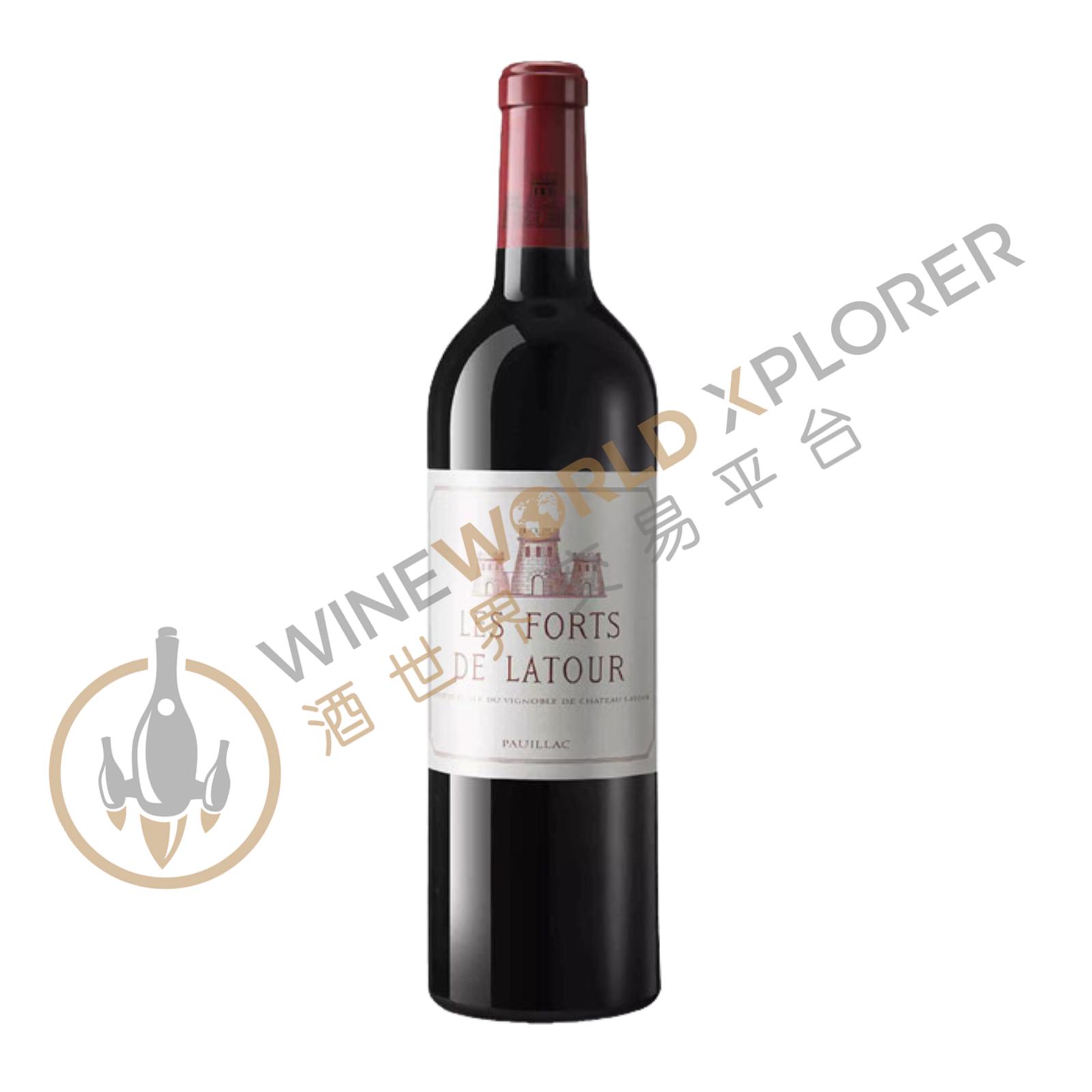
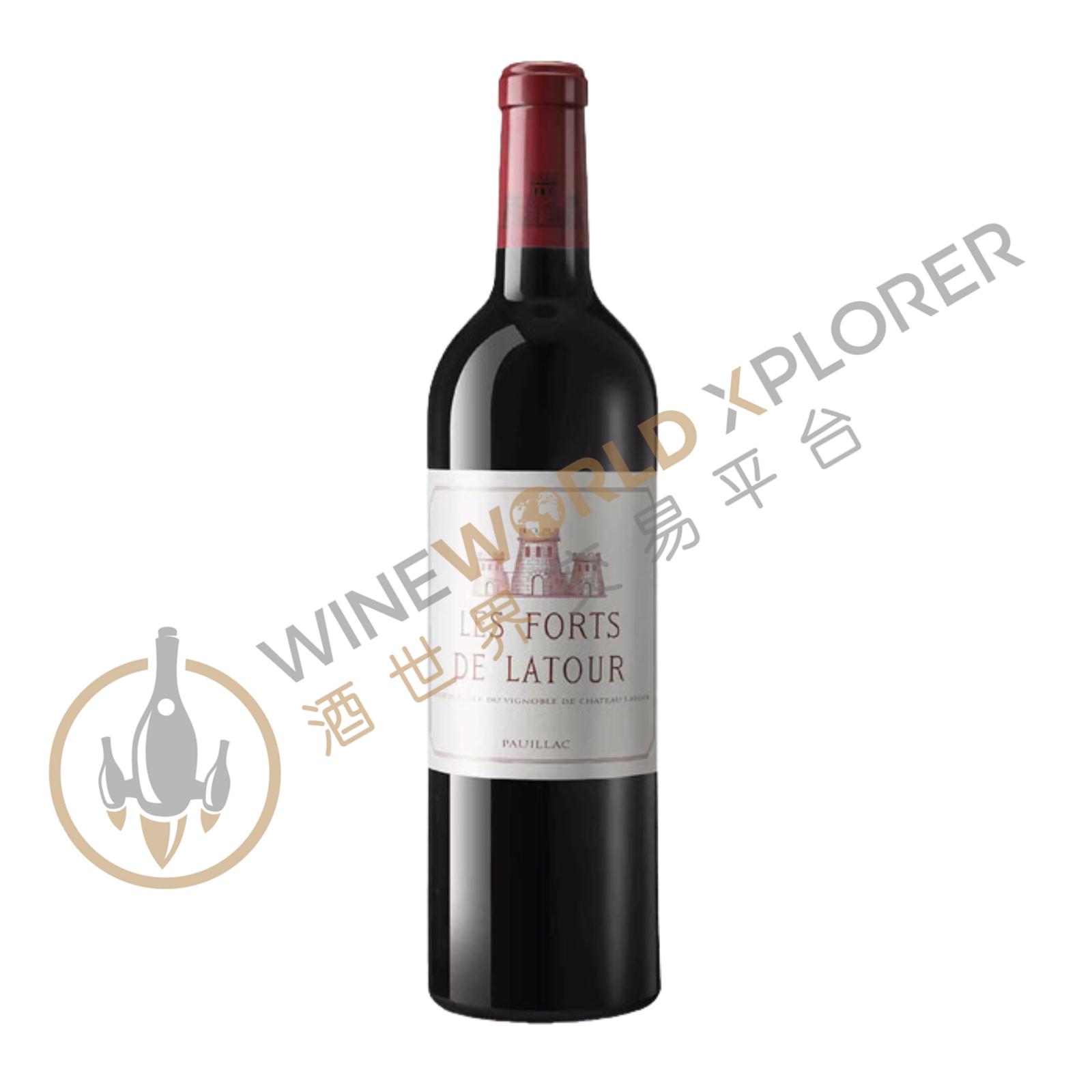
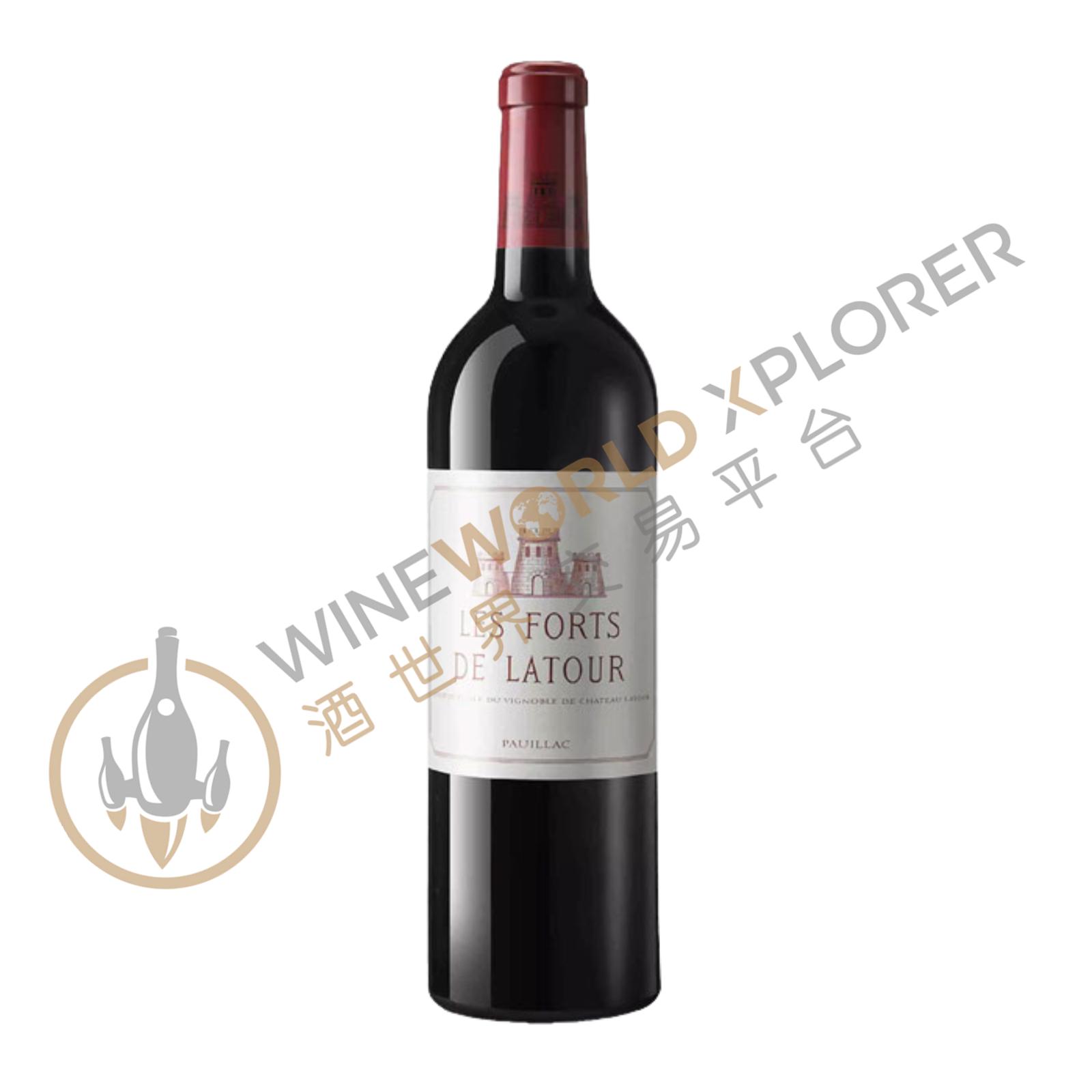
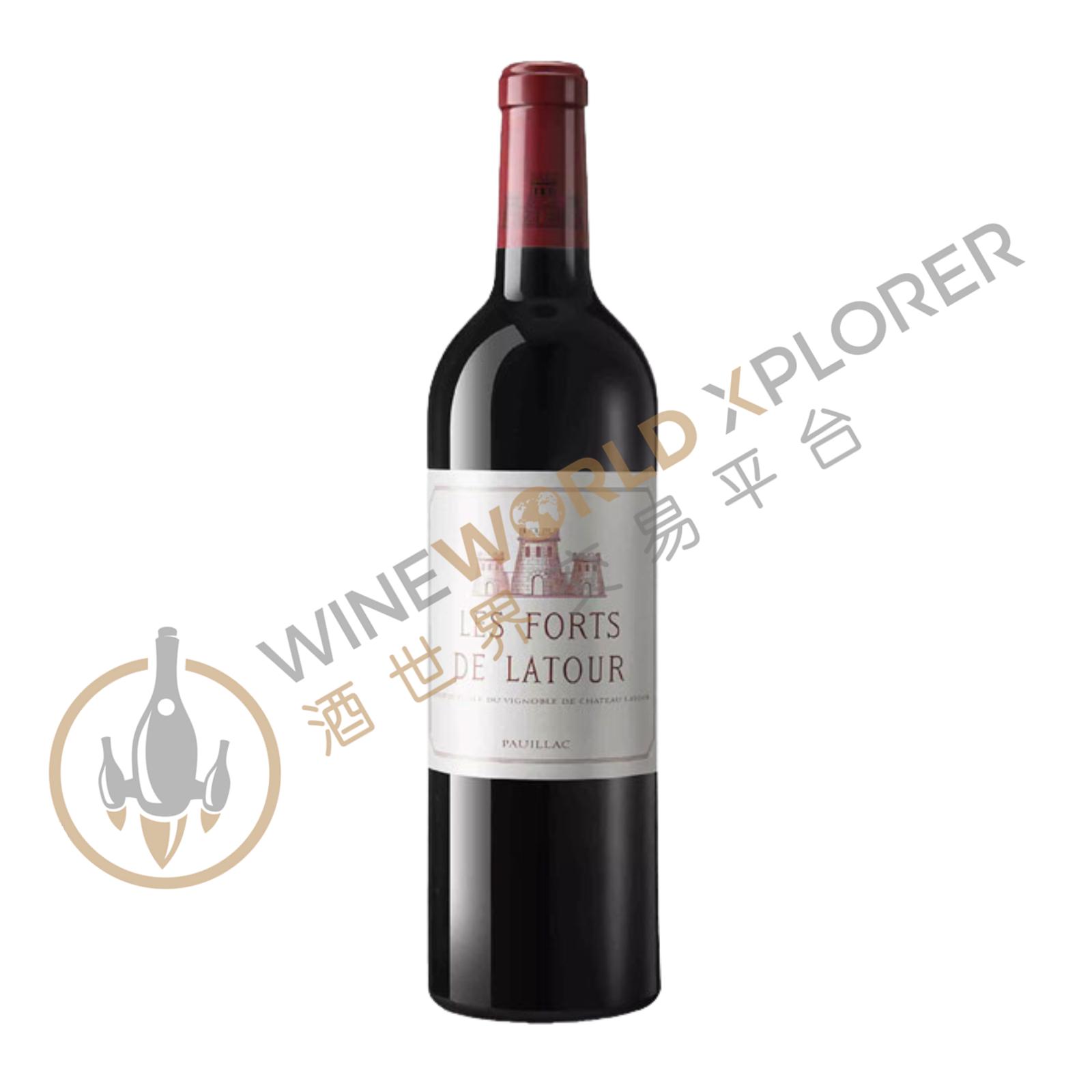
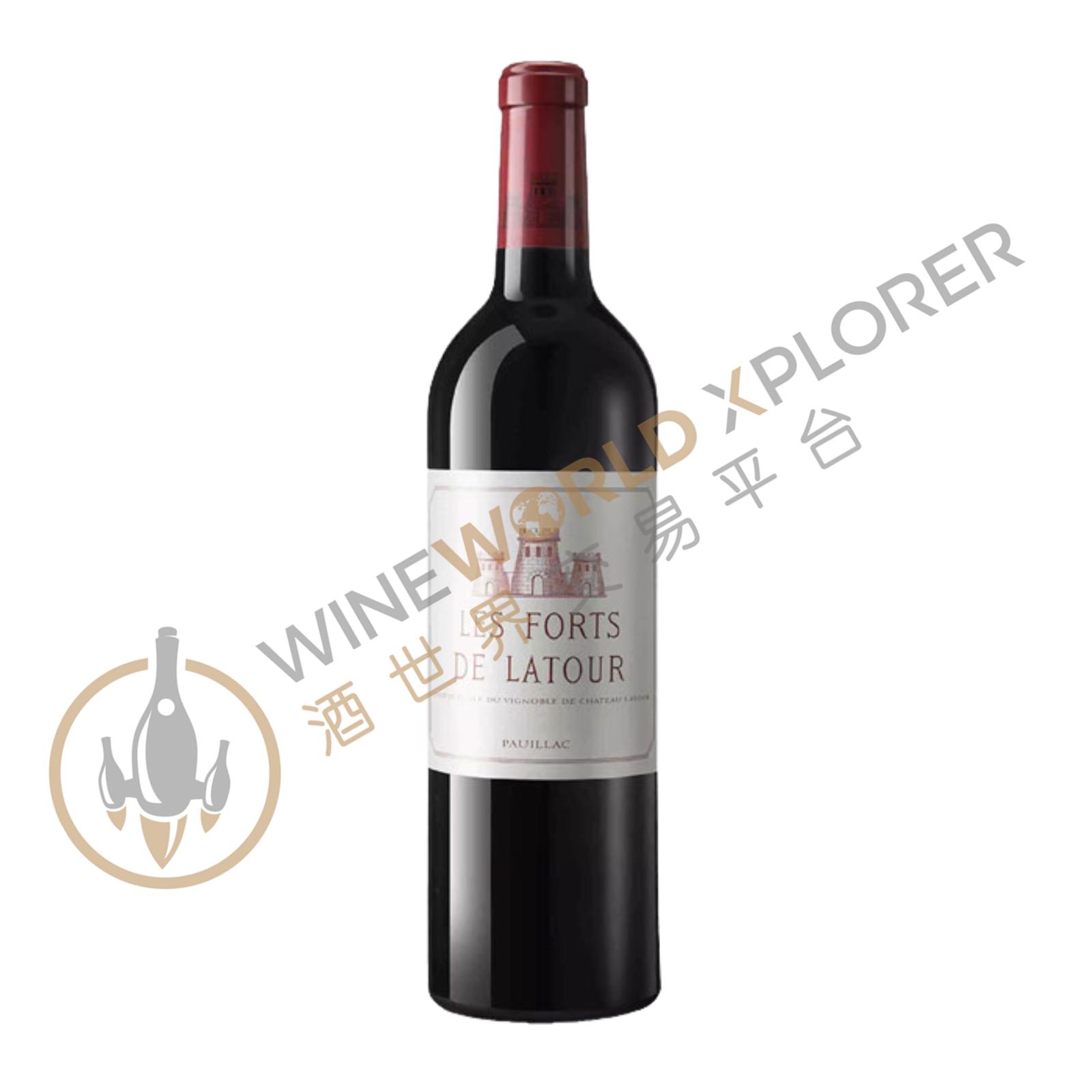
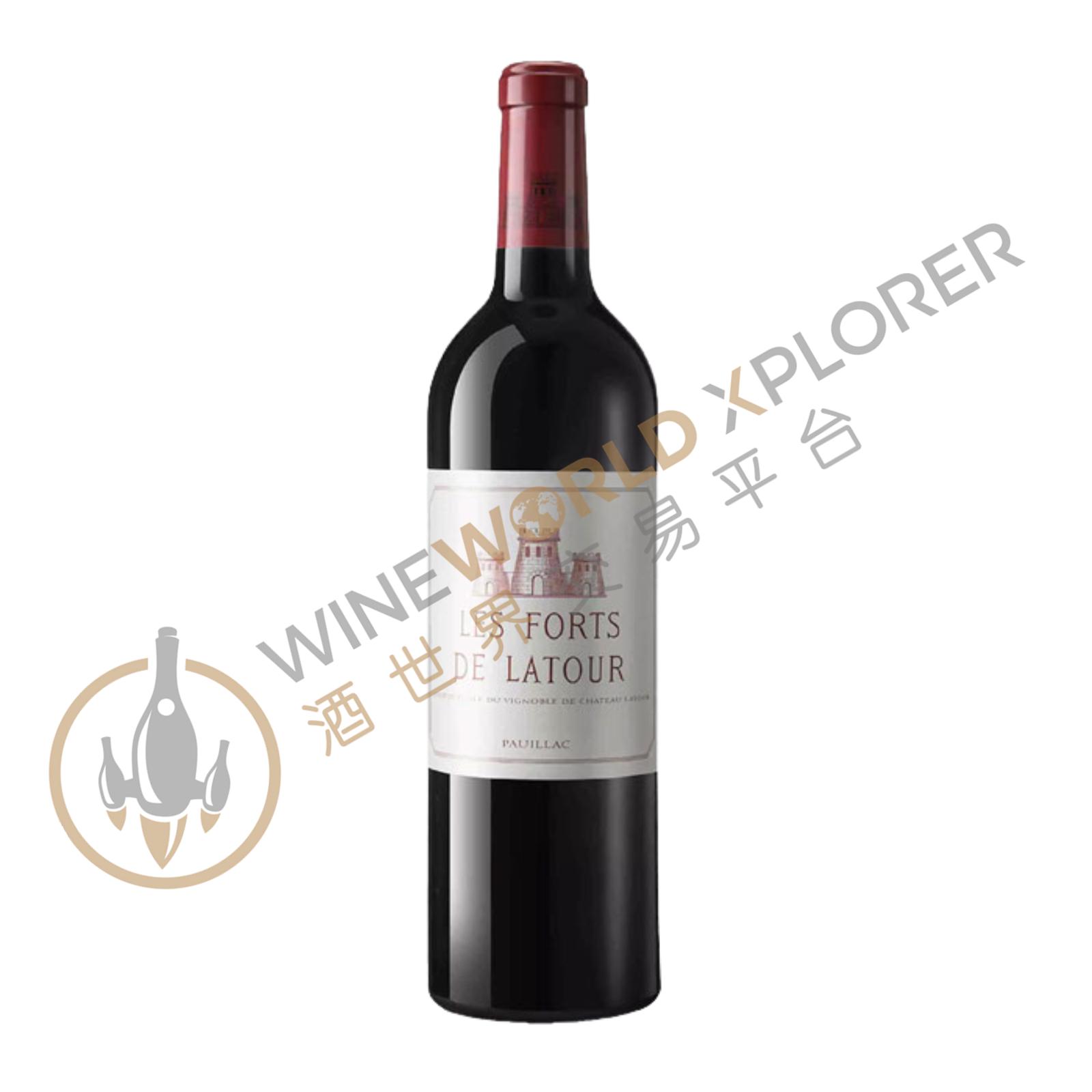
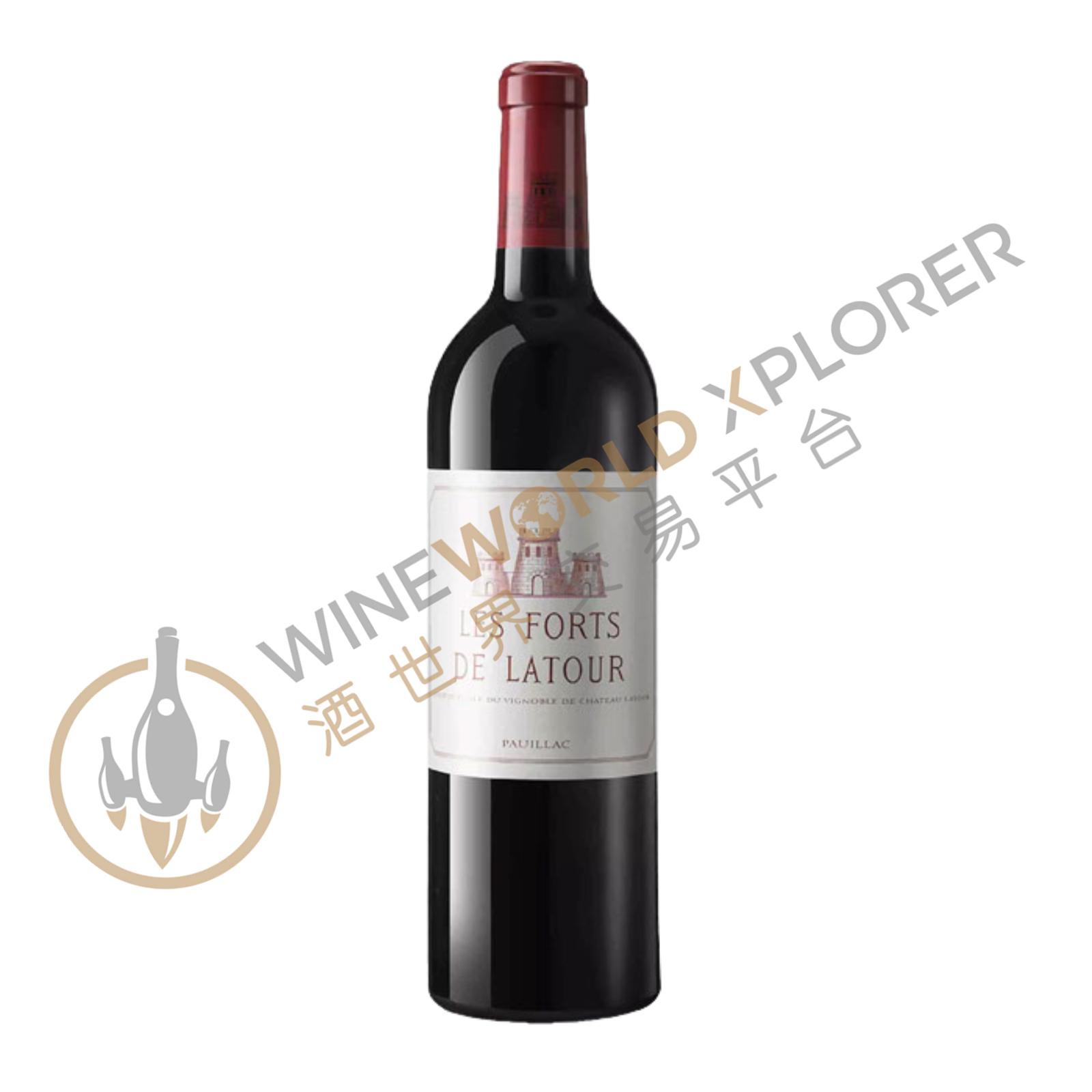
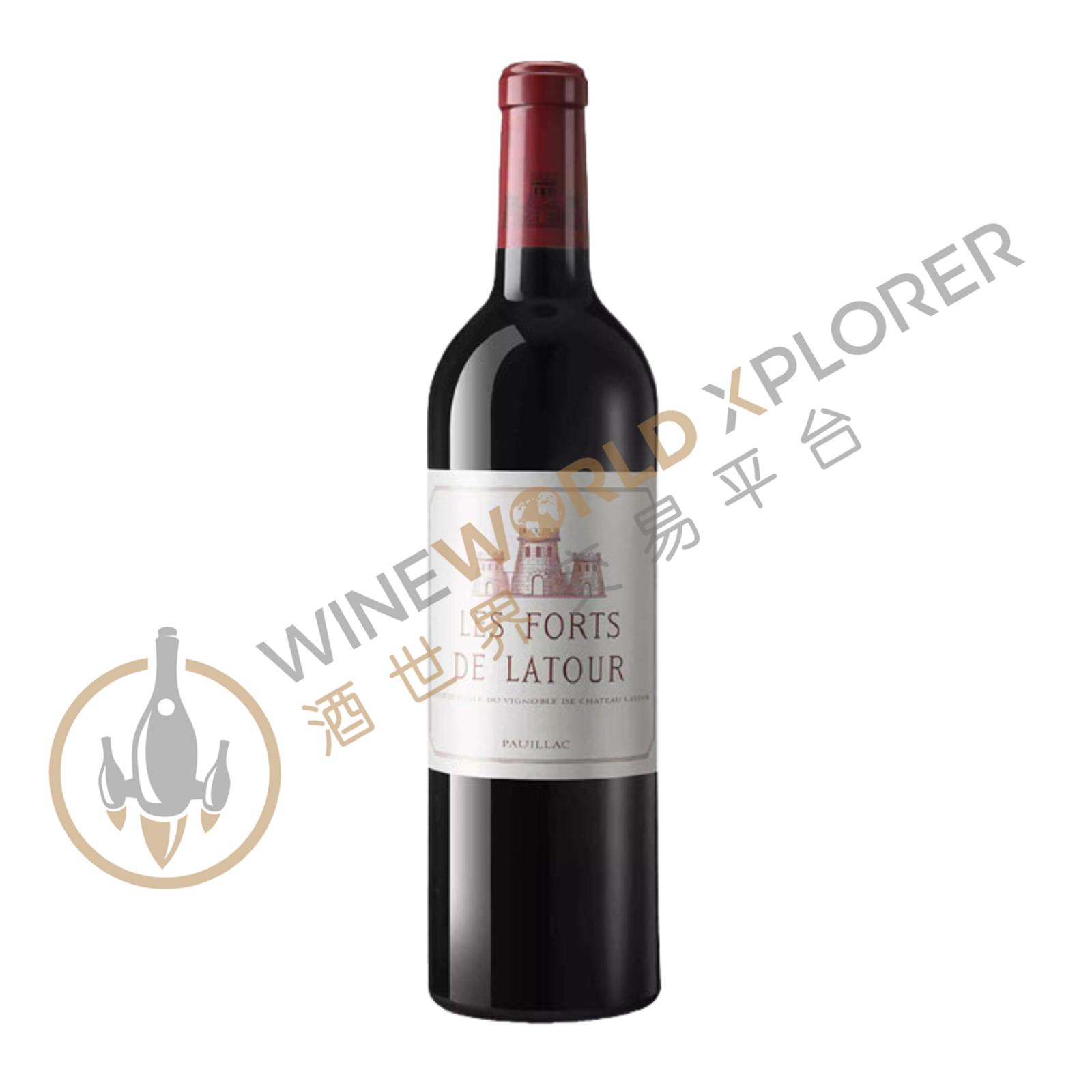
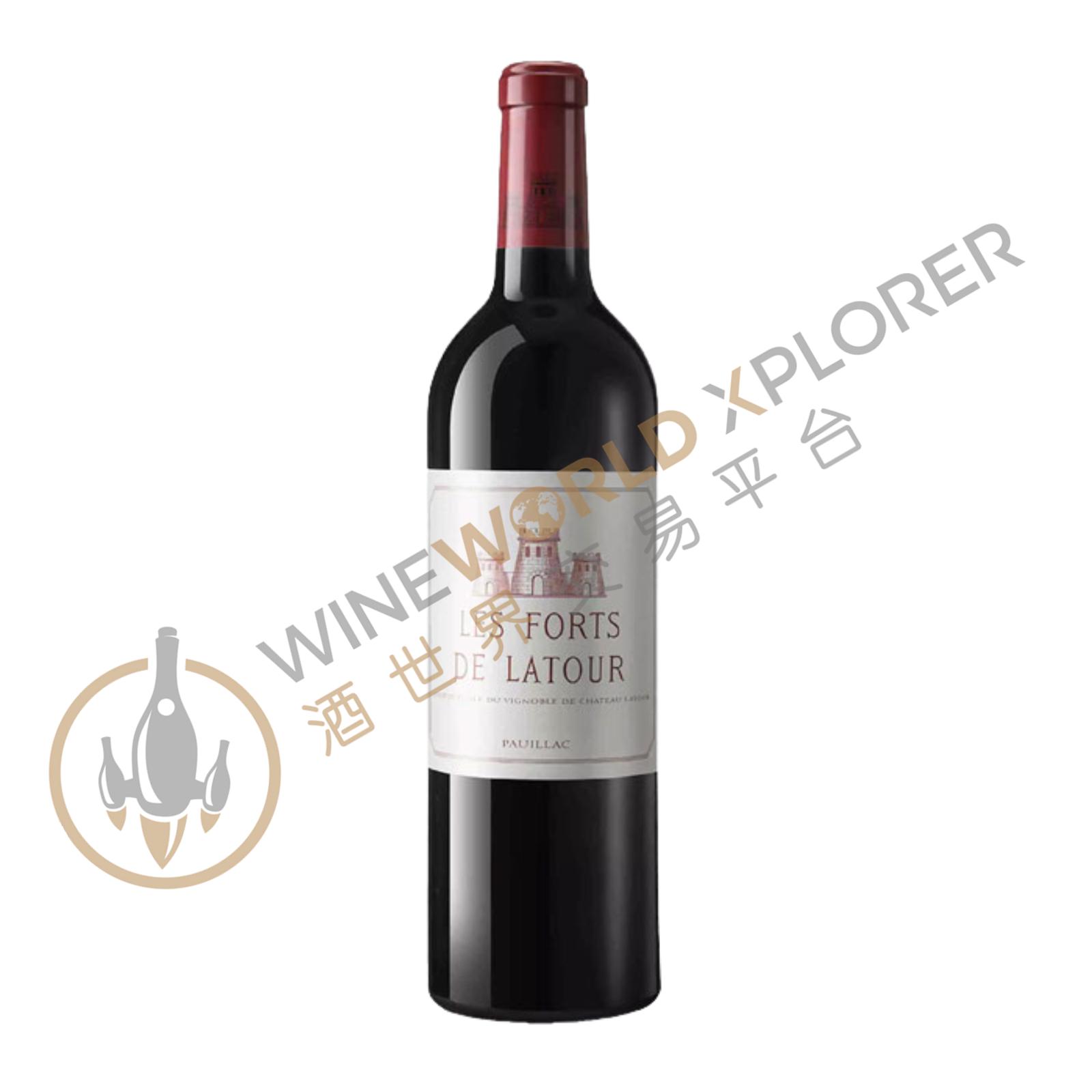
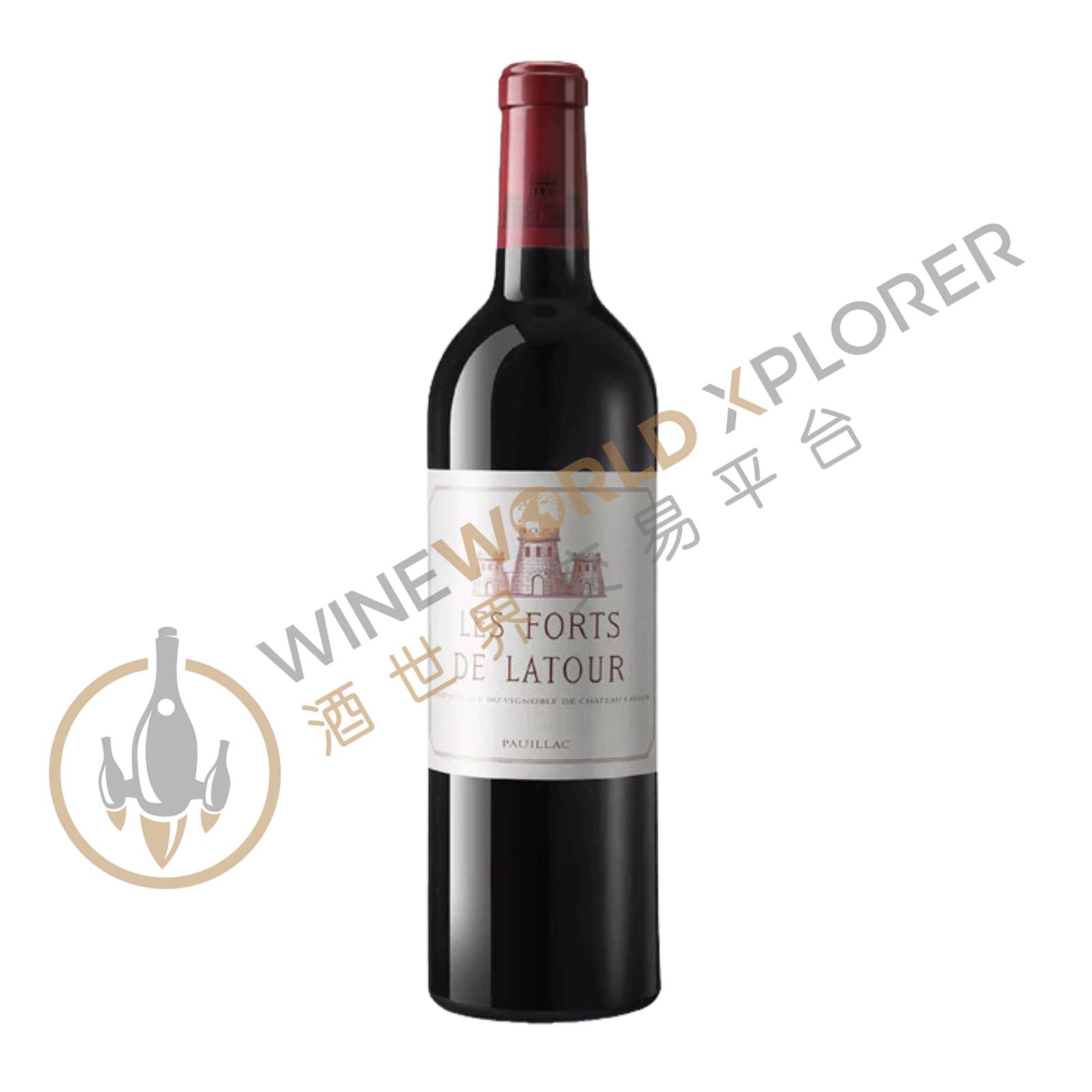
Les Forts de Latour 2013
 View analysis
Description
Tasting notes

Reviewed by: Robert M. Parker, Jr.
The second wine, the 2013 Les Forts de Latour, is a blend of 62.7% Cabernet Sauvignon, 35.1% Merlot and the rest Cabernet Franc. Approximately 44.5% of the production made it into this wine. Easygoing and supple, it reveals cedary, tobacco leaf notes intermixed with notions of black currants and fresh walnuts. It possesses a Pauillac-like character, but it is neither deep nor long. Drink it over the next 5-6 years.
Reviewed by: Lisa Perrotti-Brown
Medium to deep garnet with a slight, remaining hint of purple, the 2013 Les Forts de Latour (a blend of 63% Cabernet Sauvignon, 35% Merlot and 2% Petit Verdot) gives up earthy notions of mossy bark, underbrush and fertile loam with a core of warm red and black currants, dried mulberries and mincemeat pie, plus hints of potpourri and dried bay leaves. Medium-bodied, it delivers a lot of earthy/savory freshness with mineral nuances lifting the muscular red fruit core, finishing long and fragrant.
Reviewed by: Antonio Galloni
An attractive wine, the 2013 Les Forts de Latour has turned out beautifully, even if it is a bit more angular than it was en primeur. Bright acids and sharp tannins give certain edginess that suggest the Forts de Latour might need more time, but then again, the 2013 probably doesn't have the stuffing to support more than medium term aging. Hints of sweet spice, herbs, leather, tobacco, grilled herbs, and menthol accent the nuanced finish. All in all, this is a very pretty 2013. The blend is 63% Cabernet Sauvignon, 35% Merlot and 2% Petit Verdot.
Reviewed by: James Suckling
A solid red for the vintage with blueberry and currant character. Medium to full body, firm tannins and a juicy finish. Serious energy.
Reviewed by: James Suckling
A tannic and savory red with currant, blackberry and stone character. Full body, chewy texture and a fresh finish. Bright acidity. Iodine, oyster shell and black currant. Drink in 2019.
About the Producer
Latour was a jointly held lord's domain until the end of the 16th century, At that time, the property was not entirely covered by vines and yet production largely exceeded requirements. There was no proper storage for the wine and it had to be drunk within the year. The estate remained in the hands of the Mullet family until the late 17th century, and while direct use of the land gradually replaced the leasing system, the wine-making situation changed very little. In the early 18th century, England's aristocracy and wealthy middle classes developed refined tastes, particularly for wine, from Bordeaux, Oporto, Jerez and other southern vineyards. Wine exports had been restricted by various blockades imposed by the wars, but now enjoyed a period of relative freedom and trade with Bordeaux grew rapidly. As a result of this flourishing trade, the estate gradually came to specialise in wine production, with 38 hectares of vines in 1759 and then 47 hectares by 1794.
1975(2)1976(1)1979(1)1981(1)1982(1)1983(2)1990(1)1992(2)1994(2)1995(1)1996(2)1998(3)1999(2)2000(4)2001(6)2002(8)2003(5)2004(8)2005(5)2006(24)2007(13)2008(13)2009(24)2010(25)2011(9)2012(23)
Package Size