Wine Advisor



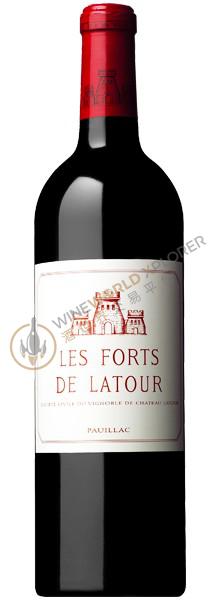
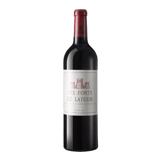
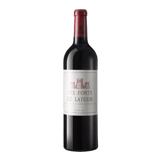
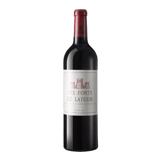
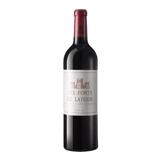
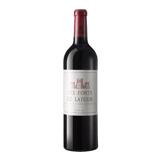
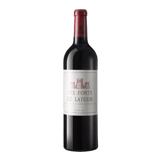
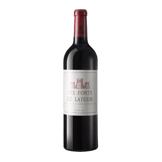
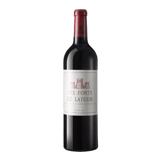
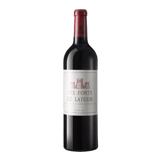
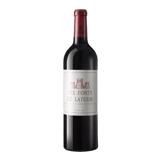
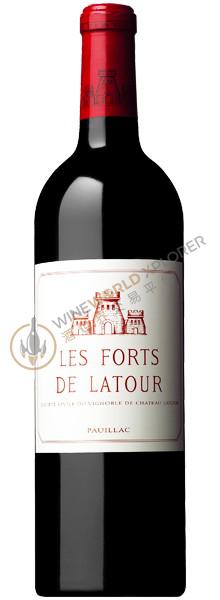
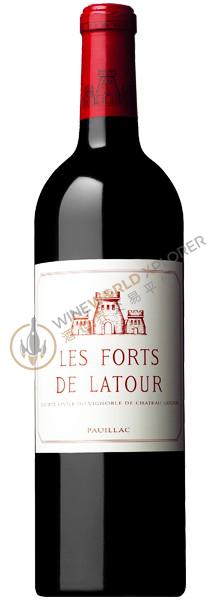
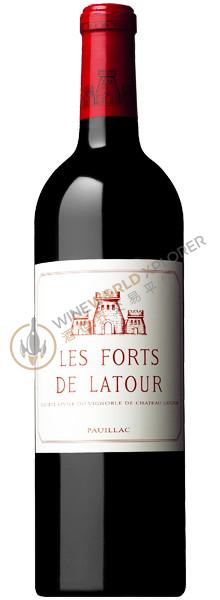
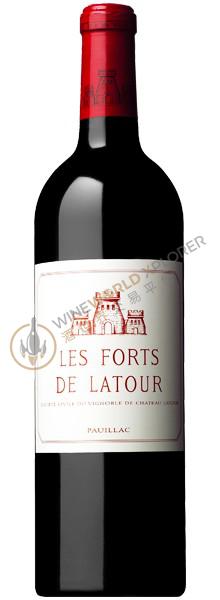
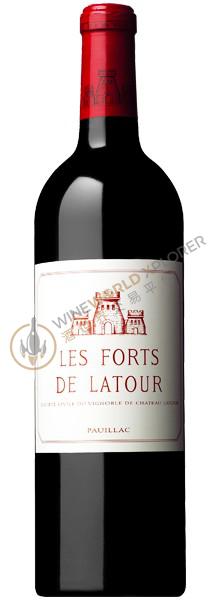
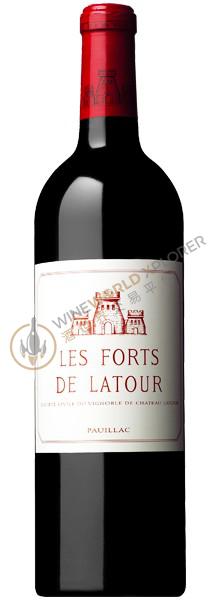
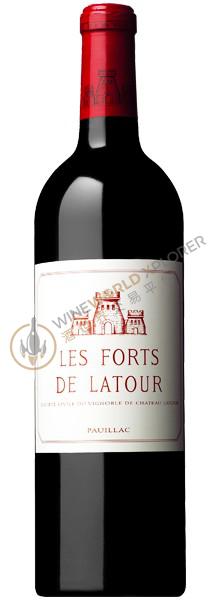
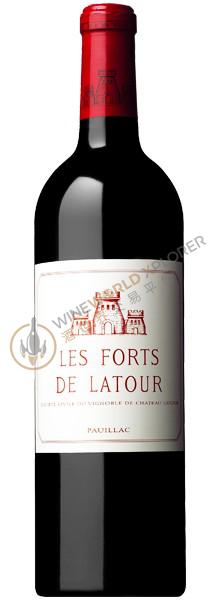
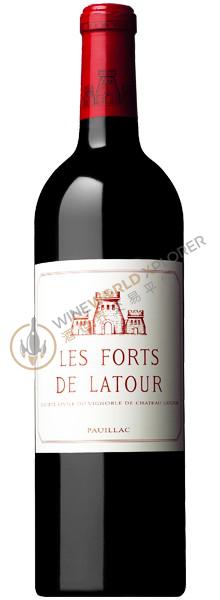
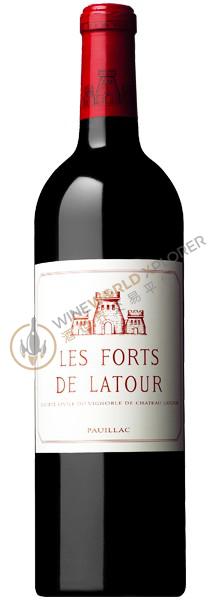
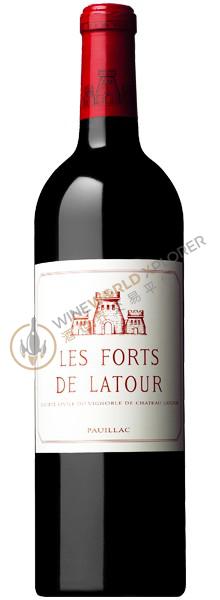
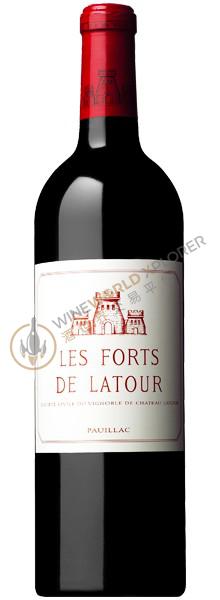
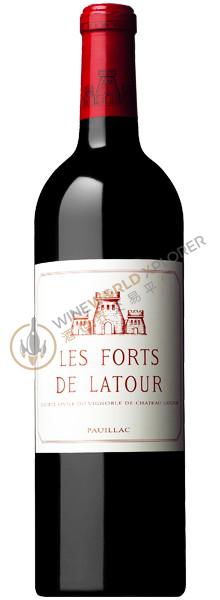
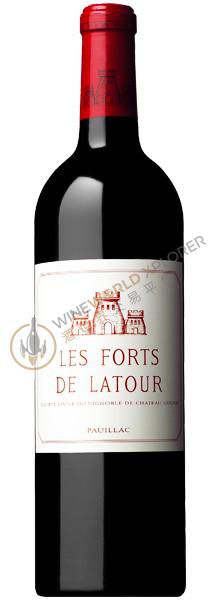
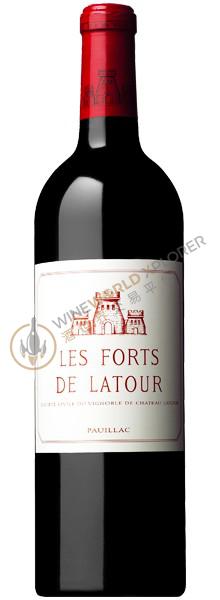
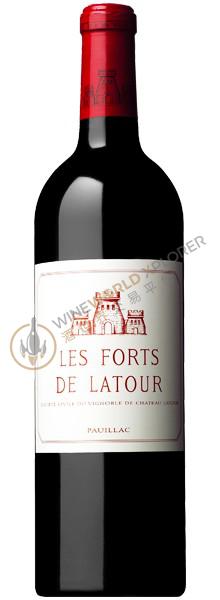
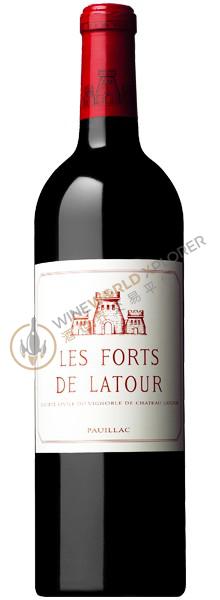
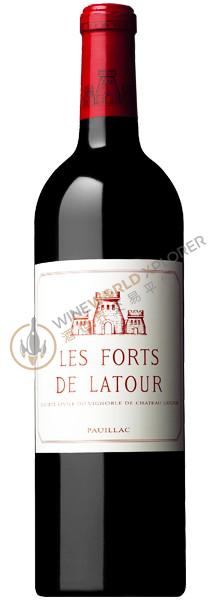
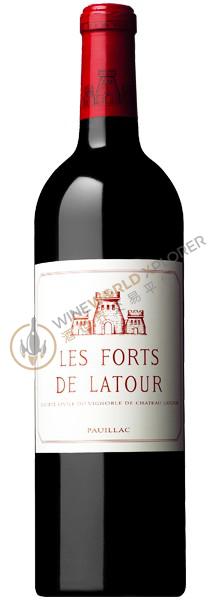
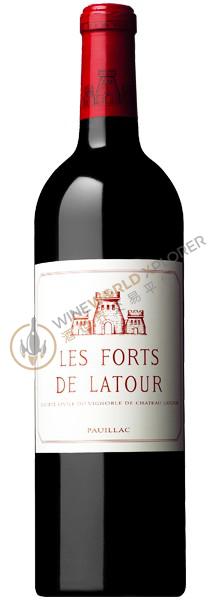
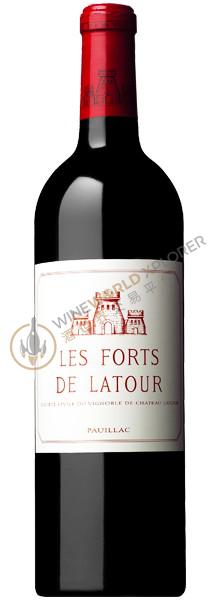
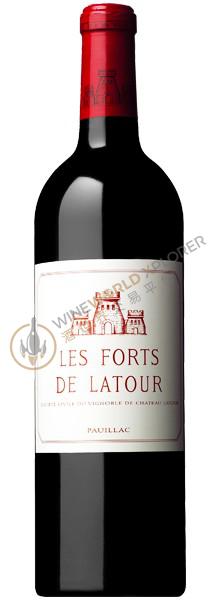
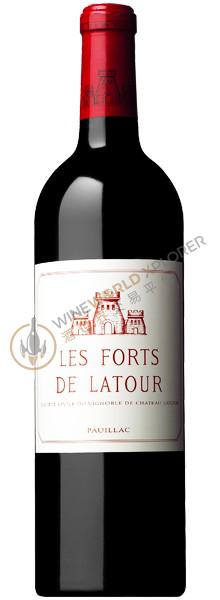
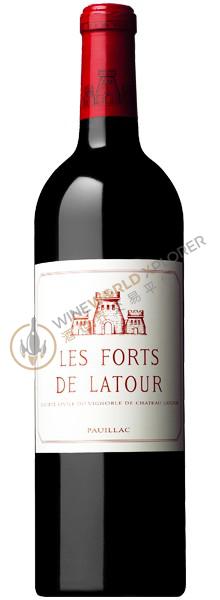
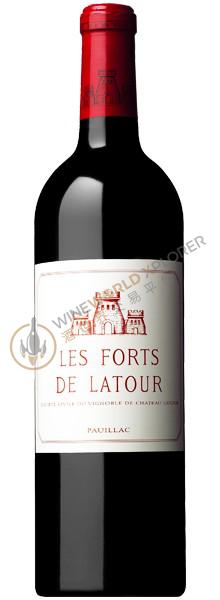
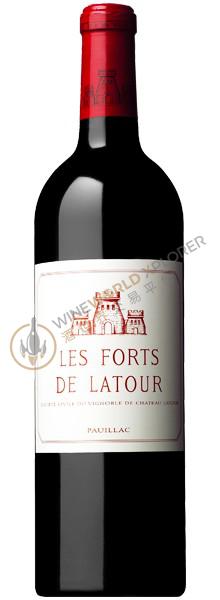
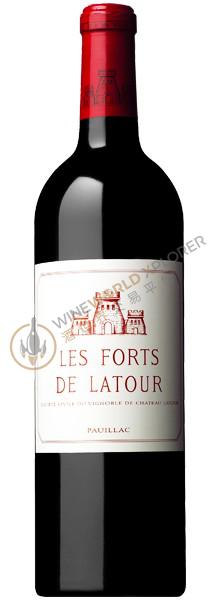
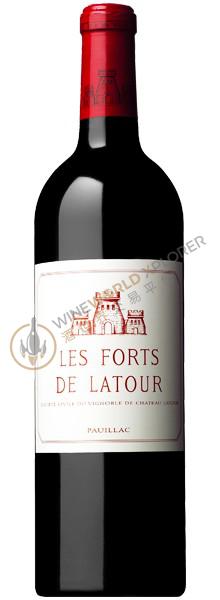
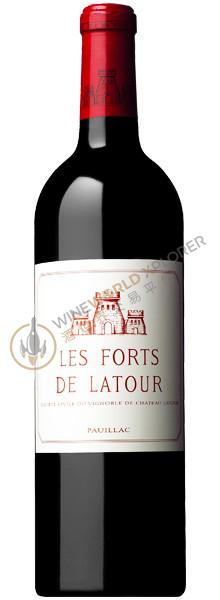
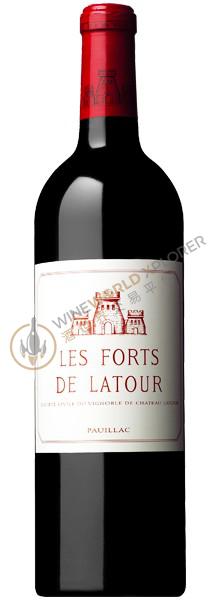
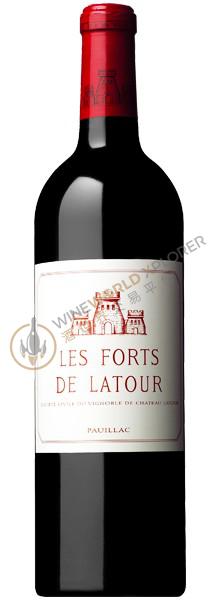
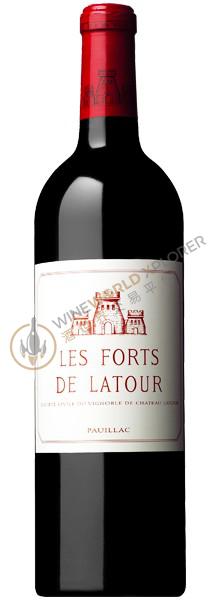
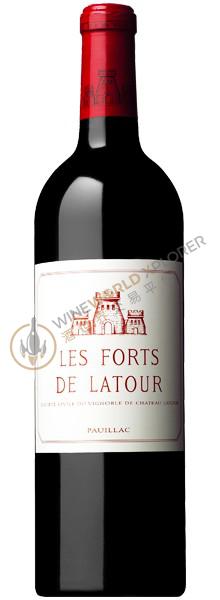
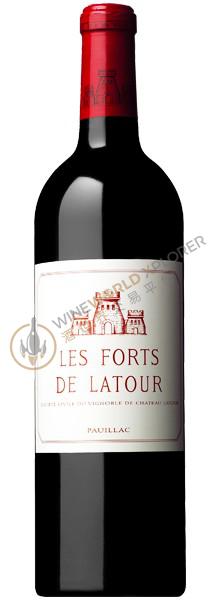
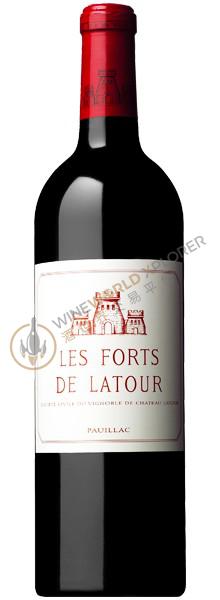
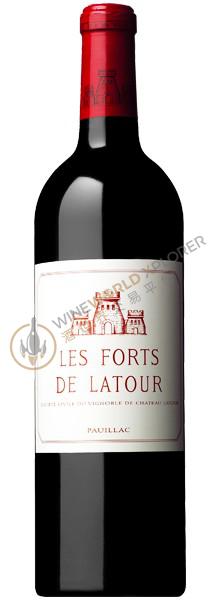
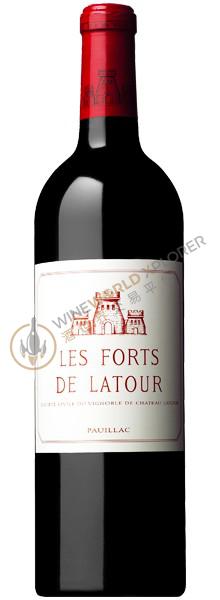
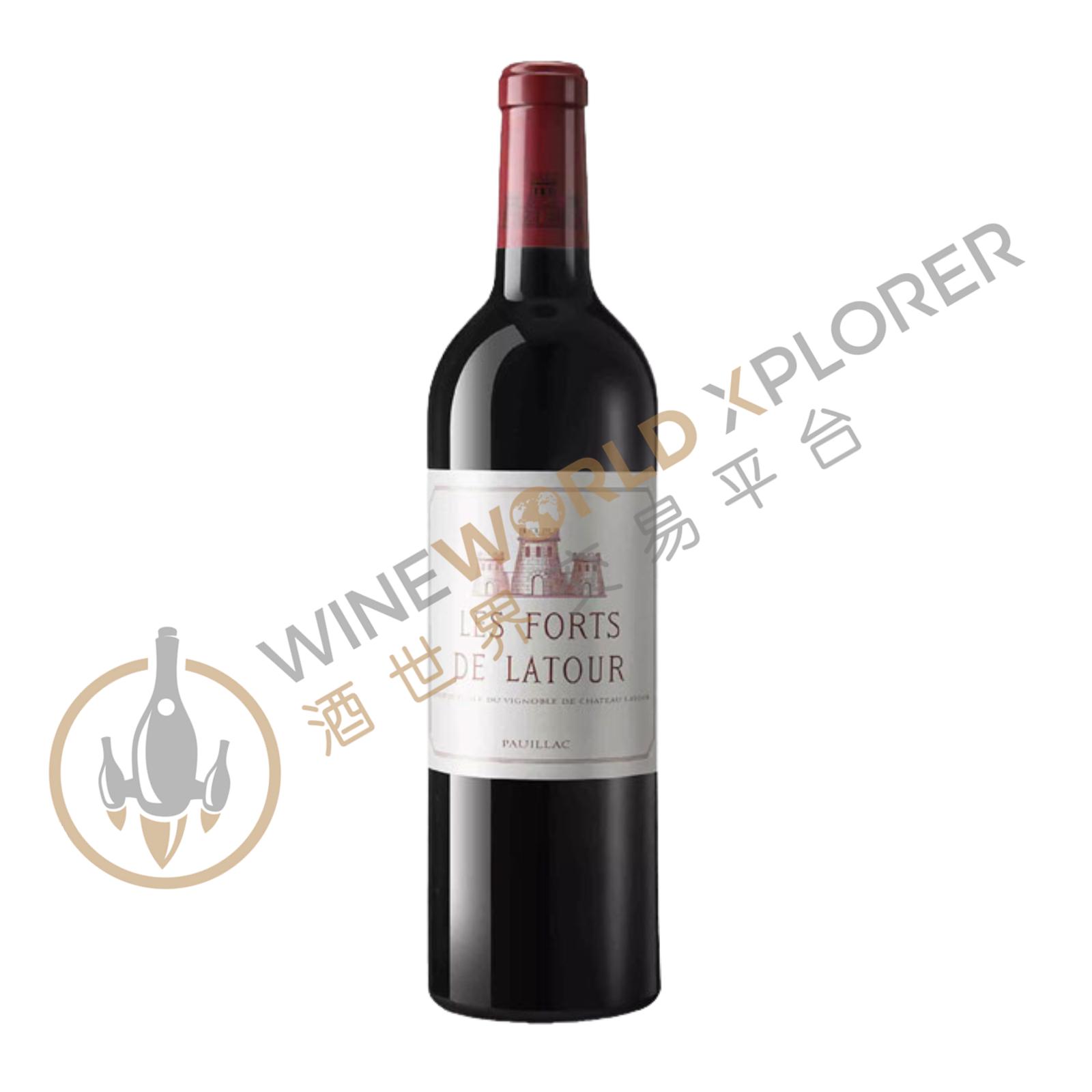
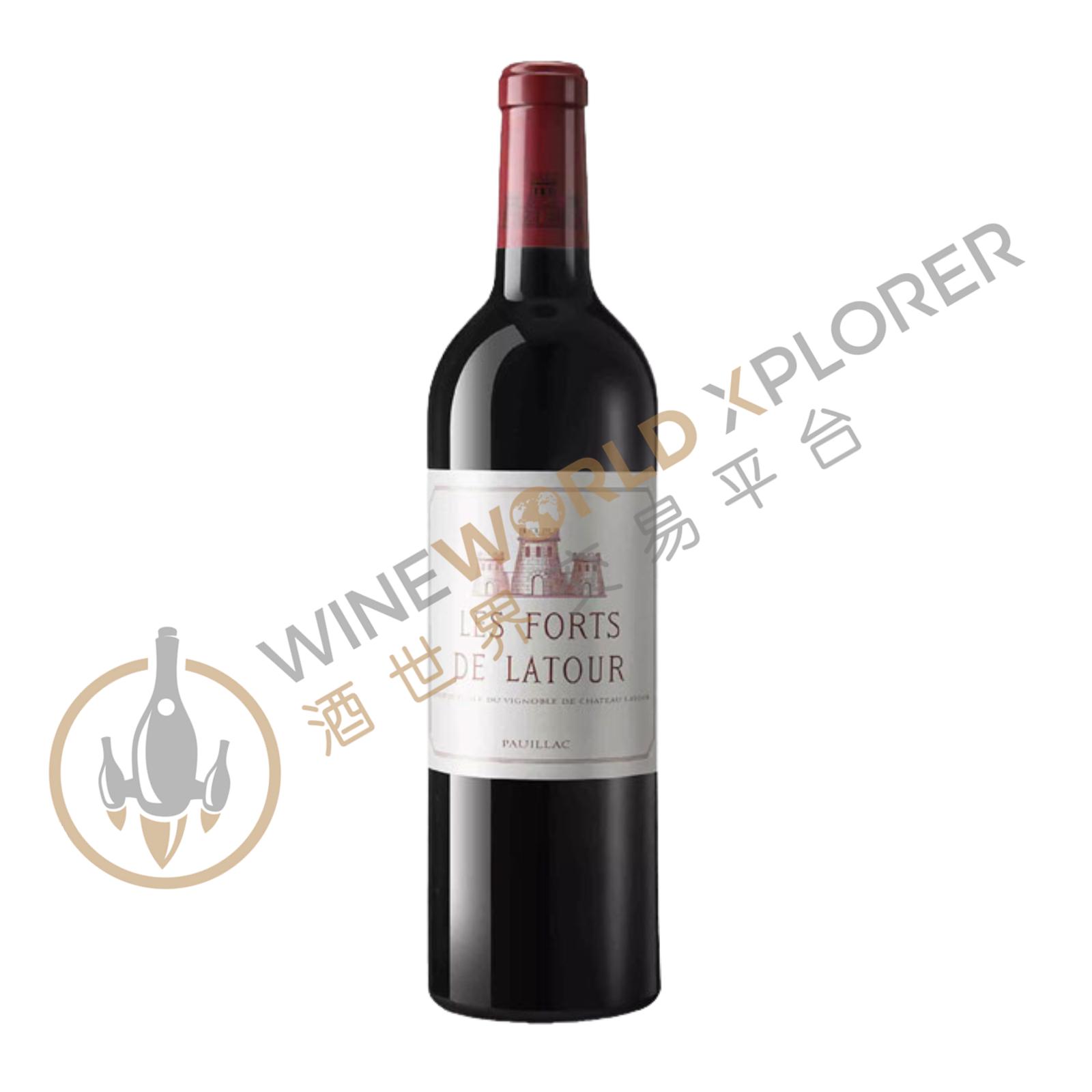
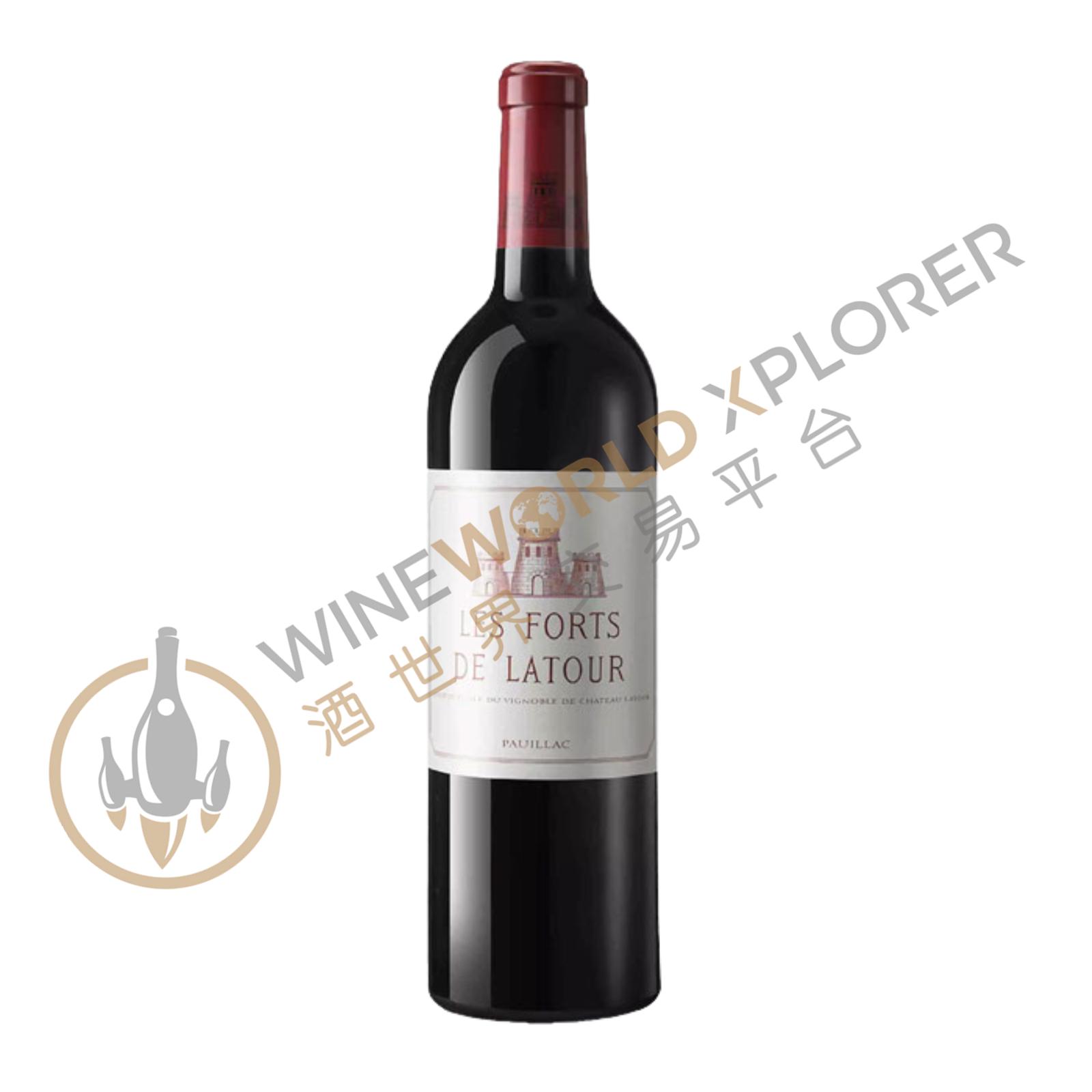
Les Forts de Latour 1995
 View analysis
Description
Tasting notes

Reviewed by: Neal Martin
Tasted at Roberson’s in London. The Les Forts ’95 has a much more sumptuous, almost decadent bouquet compared to the Carraudes and Pavillon ’95 with red-berried fruit, blueberry and violets. Good definition. The palate is medium-bodied, well balanced, fresh and lively and very pure with notes of wild strawberry, redcurrant and cranberry. Not a complex Les Forts and certainly fleshier compared to recent vintages with a sappy, just slightly attenuated finish. Drink now-2015. Tasted April 2009.
Reviewed by: Neal Martin
Not tasted for a few years. This is in complete contrast to the 2000, a traditional, classic Pauillac nose with smoke, leather, a faint hint of liquorice. Far less fruit-driven, much more open-knit. The palate is medium-bodied, smooth on the entry, supple and harmonious but far less extraction and fruit concentration. Leather, damson fruit. Not complex, a nice herbaceous finish. A wine for someone who likes traditional claret. Tasted July 2006.
Reviewed by: Robert M. Parker, Jr.
Latour's second wine, Forts de Latour, is now one of the two or three finest second wines of Bordeaux (Bahans-Haut-Brion and the Clos du Marquis of Leoville Las-Cases are two other personal favorites). The terrific, dark ruby/purple-colored 1995 possesses a sweet, jammy black fruit-scented nose intertwined with smoky minerals, earth, and spicy oak. The wine is surprisingly thick and rich in the mouth, with its glycerin and concentration of fruit largely concealing the moderate tannin. This excellent, sweet wine is less powerful, but more accessible than the 1996. Anticipated maturity: 2001-2015.
Reviewed by: Robert M. Parker, Jr.
Latour's second wine contains more Cabernet Sauvignon (70%) than the grand vin. The deep purple-colored 1995 looks to be the finest "second" wine since the superb 1982. Very rich blackcurrant and wet stone scents dominate the aromatics. Rich, sweet, dense, full, and tannic, the high quality of this wine provides a glimpse of what the "grand cru" Latour achieved in 1995. It should mature well for 15-20+ years. All of the wines in this segment were tasted between March 19 and March 28 in Bordeaux. Most of the important wines from both the 1994 and 1995 vintages were tasted three separate times during my ten-day stay in Bordeaux. (No tasting note was provided in Issue 109. We have instead included the text of the tasting note from Issue 104)
Reviewed by: Robert M. Parker, Jr.
A ripe, mineral, crushed stone, black currant-scented nose is followed by a dense, medium to full-bodied wine with coarse tannin, and gobs of fruit, glycerin, and ripeness. It will benefit from 6-8 years of cellaring, and last for 20 years. Last tasted 1/97
Reviewed by: Robert M. Parker, Jr.
Latour's second wine contains more Cabernet Sauvignon (70%) than the grand vin. The deep purple-colored 1995 looks to be the finest "second" wine since the superb 1982. Very rich blackcurrant and wet stone scents dominate the aromatics. Rich, sweet, dense, full, and tannic, the high quality of this wine provides a glimpse of what the "grand cru" Latour achieved in 1995. It should mature well for 15-20+ years. All of the wines in this segment were tasted between March 19 and March 28 in Bordeaux. Most of the important wines from both the 1994 and 1995 vintages were tasted three separate times during my ten-day stay in Bordeaux.
Reviewed by: Stephen Tanzer
Very unforthcoming on the nose; opened to show a whiff of shoe polish. Also quite closed in on itself in the mouth; hints of black cherry and dark chocolate. Rather powerfully structured and tough to taste today, but conveys an impression of of excellent concentration. As I noted last year, the substantial tannins coat the insides of the cheeks. May ultimately merit a 90+ rating.
Reviewed by: Stephen Tanzer
Very backward, austere nose of cassis, graphite, and shoe polish. Dense but fresh, with a penetrating spiciness. Has a Pauillac austerity I did not find in the '94 on this occasion. Subtle and persistent finish; more tannic than the '94, but the tannins here are finer.
About the Producer
Latour was a jointly held lord's domain until the end of the 16th century, At that time, the property was not entirely covered by vines and yet production largely exceeded requirements. There was no proper storage for the wine and it had to be drunk within the year. The estate remained in the hands of the Mullet family until the late 17th century, and while direct use of the land gradually replaced the leasing system, the wine-making situation changed very little. In the early 18th century, England's aristocracy and wealthy middle classes developed refined tastes, particularly for wine, from Bordeaux, Oporto, Jerez and other southern vineyards. Wine exports had been restricted by various blockades imposed by the wars, but now enjoyed a period of relative freedom and trade with Bordeaux grew rapidly. As a result of this flourishing trade, the estate gradually came to specialise in wine production, with 38 hectares of vines in 1759 and then 47 hectares by 1794.
1975(2)1976(1)1979(1)1981(1)1982(1)1983(2)1990(1)1992(2)1994(2)
Package Size