Wine Advisor



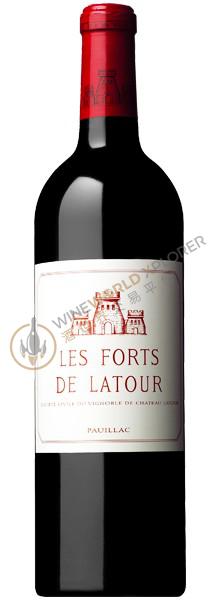
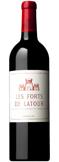
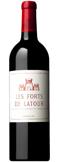
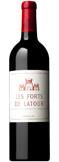
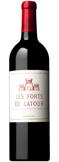
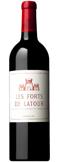
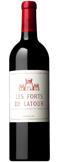
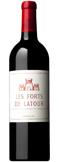
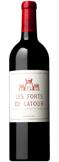
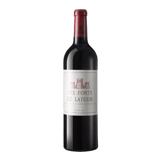
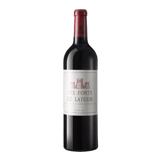
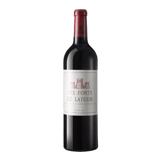
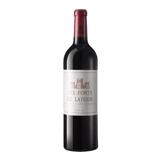
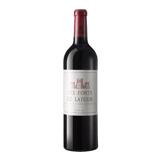
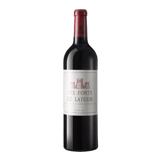
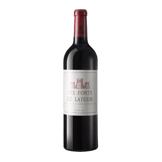
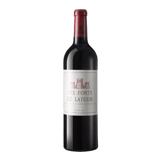
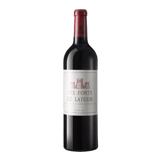
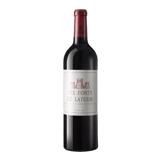
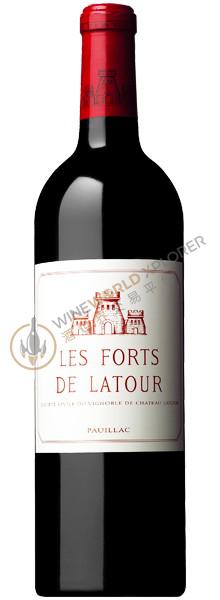
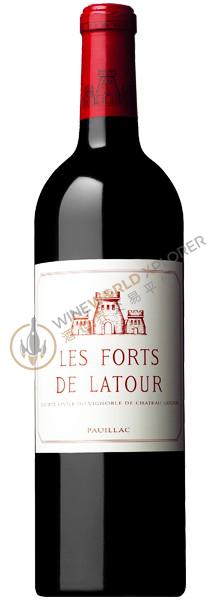
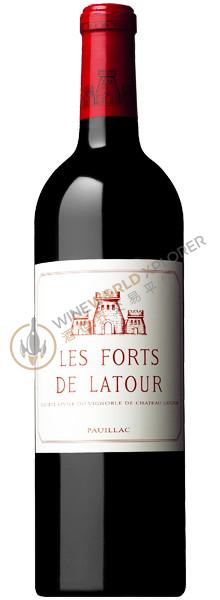
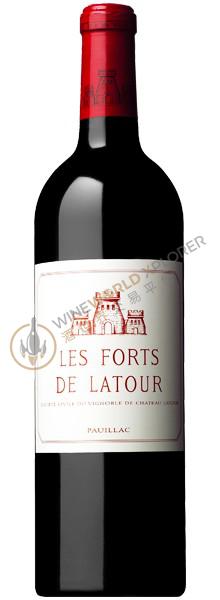
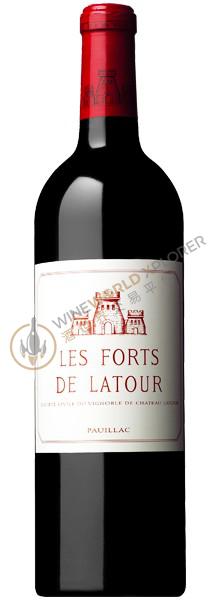
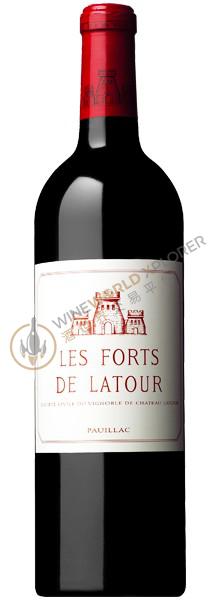
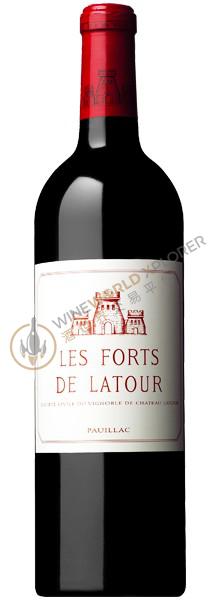
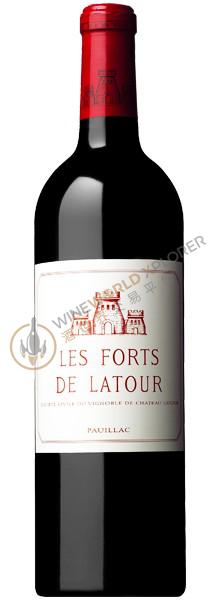
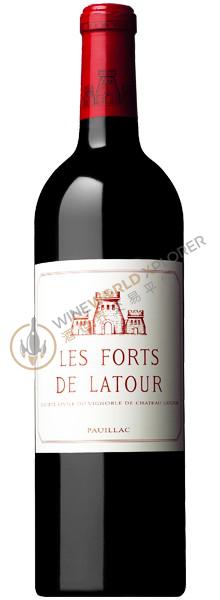
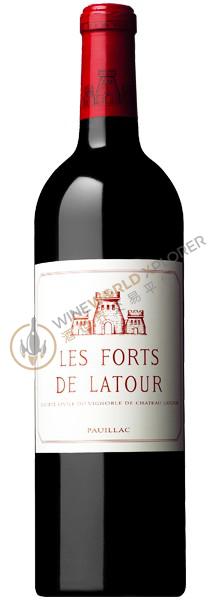
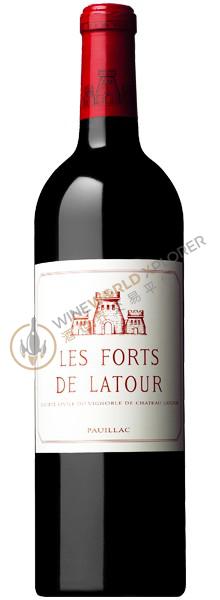
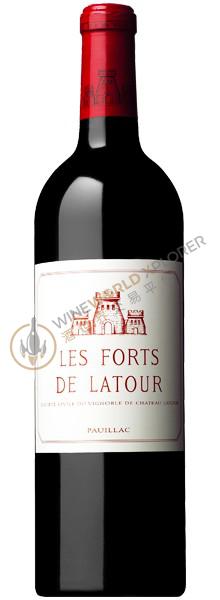
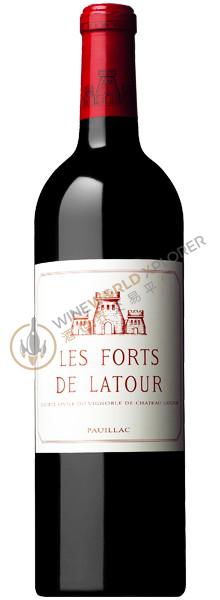
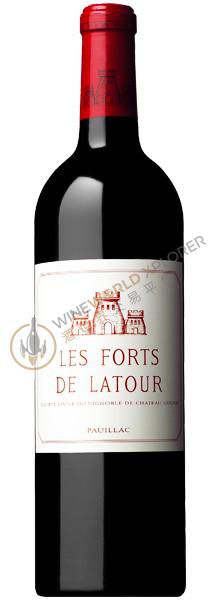
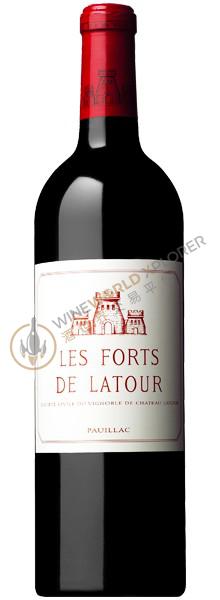
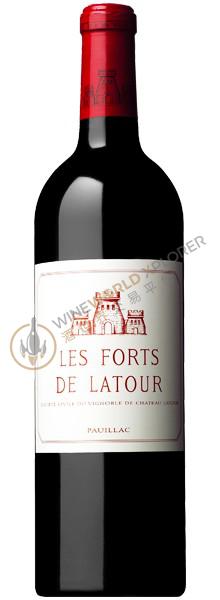
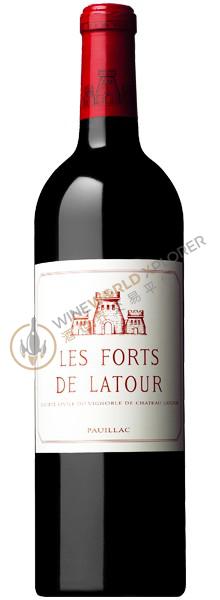
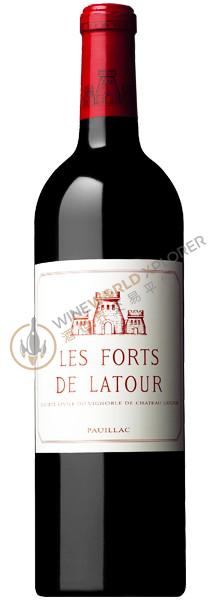
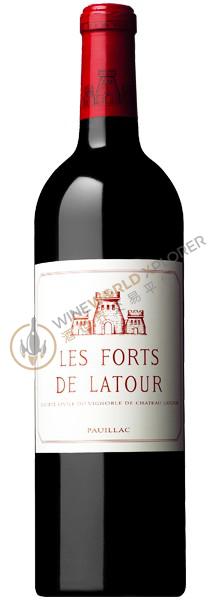
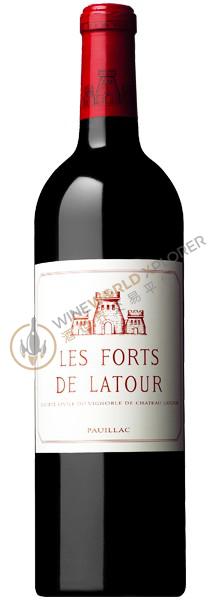
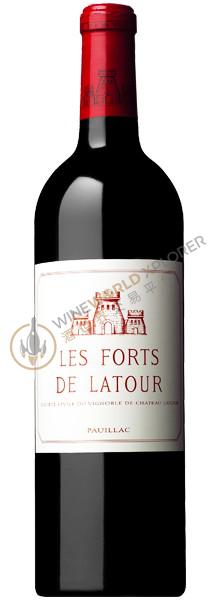
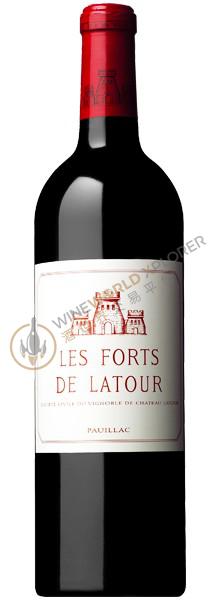
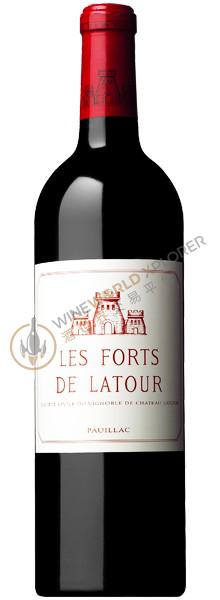
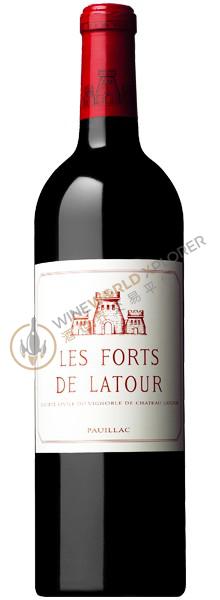
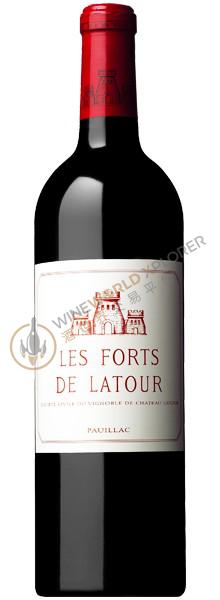
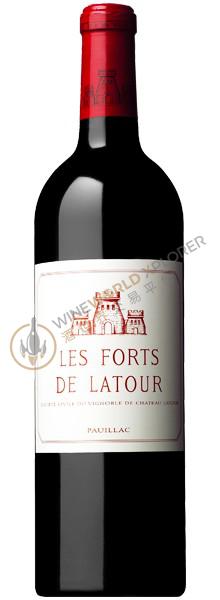
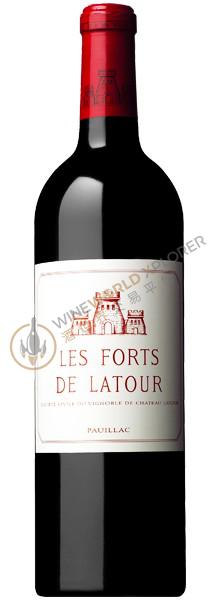
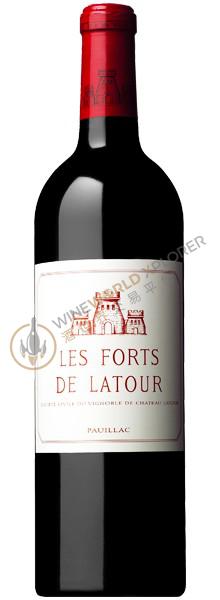
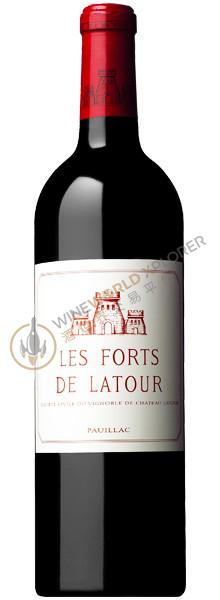
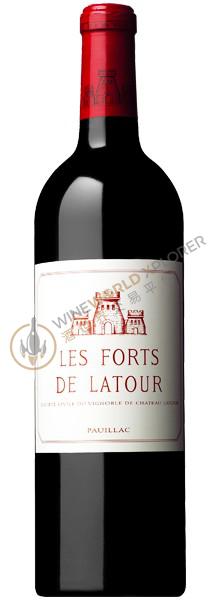
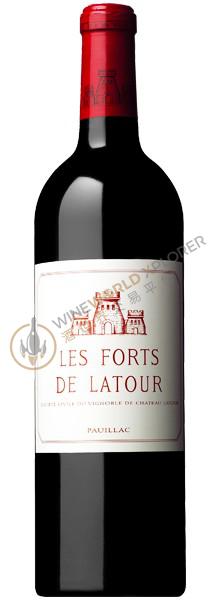
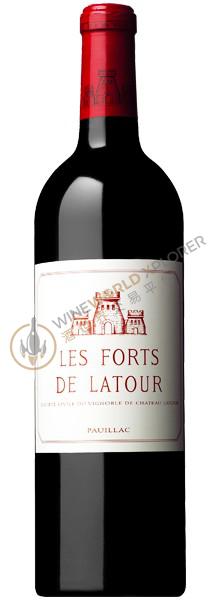
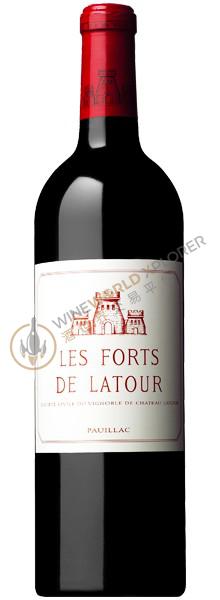
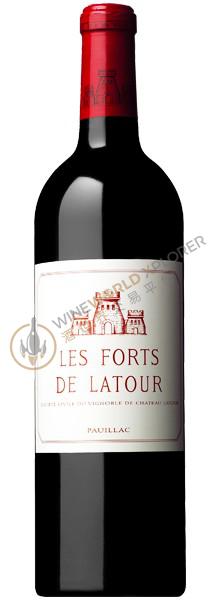
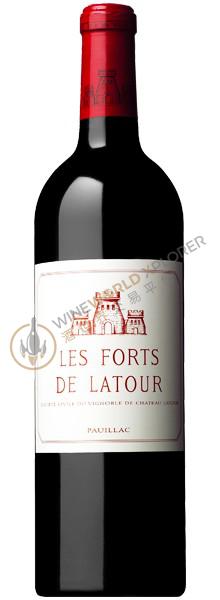
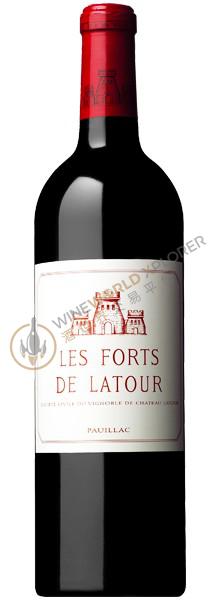
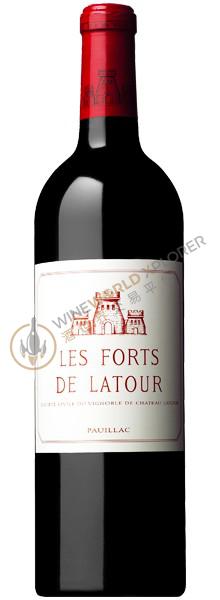
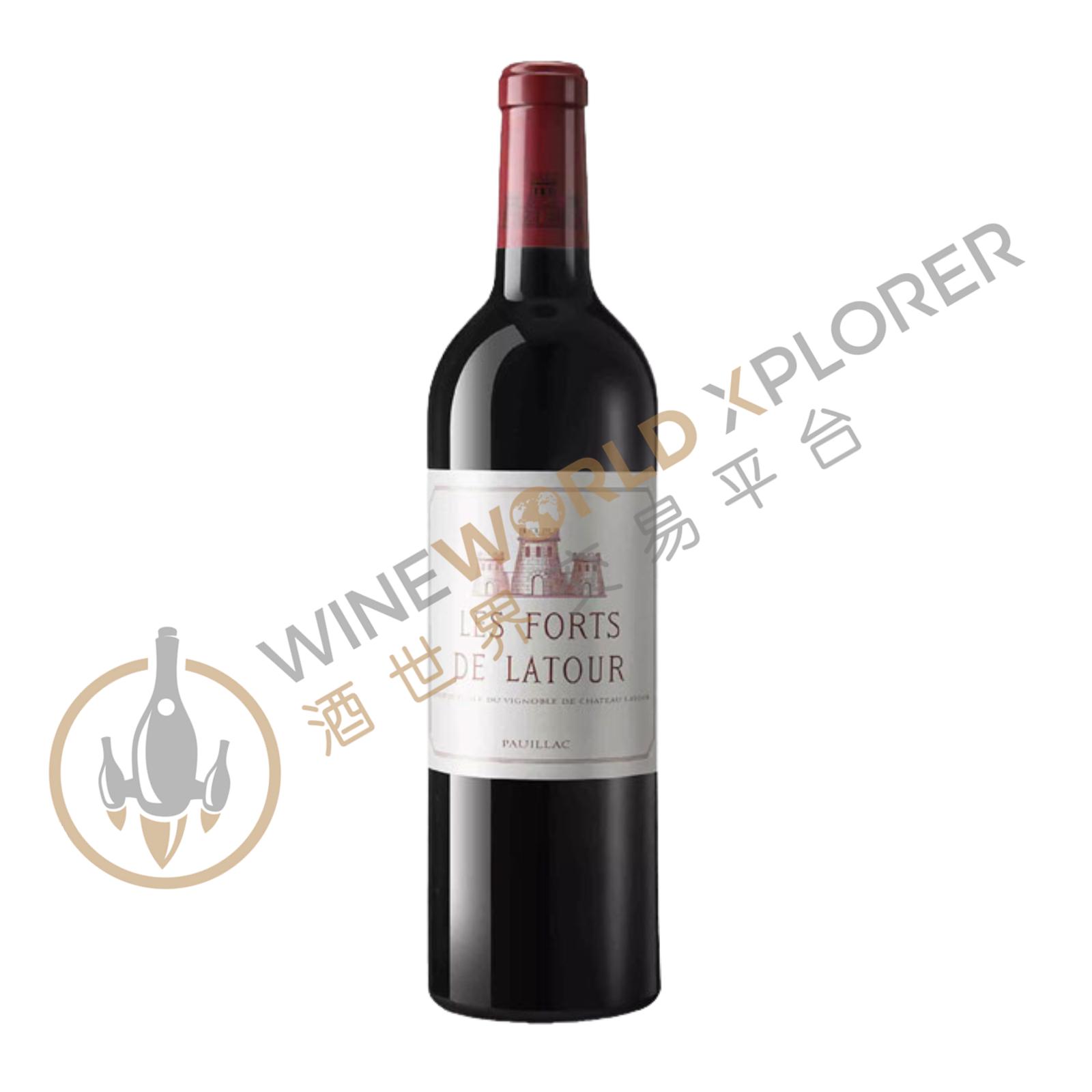
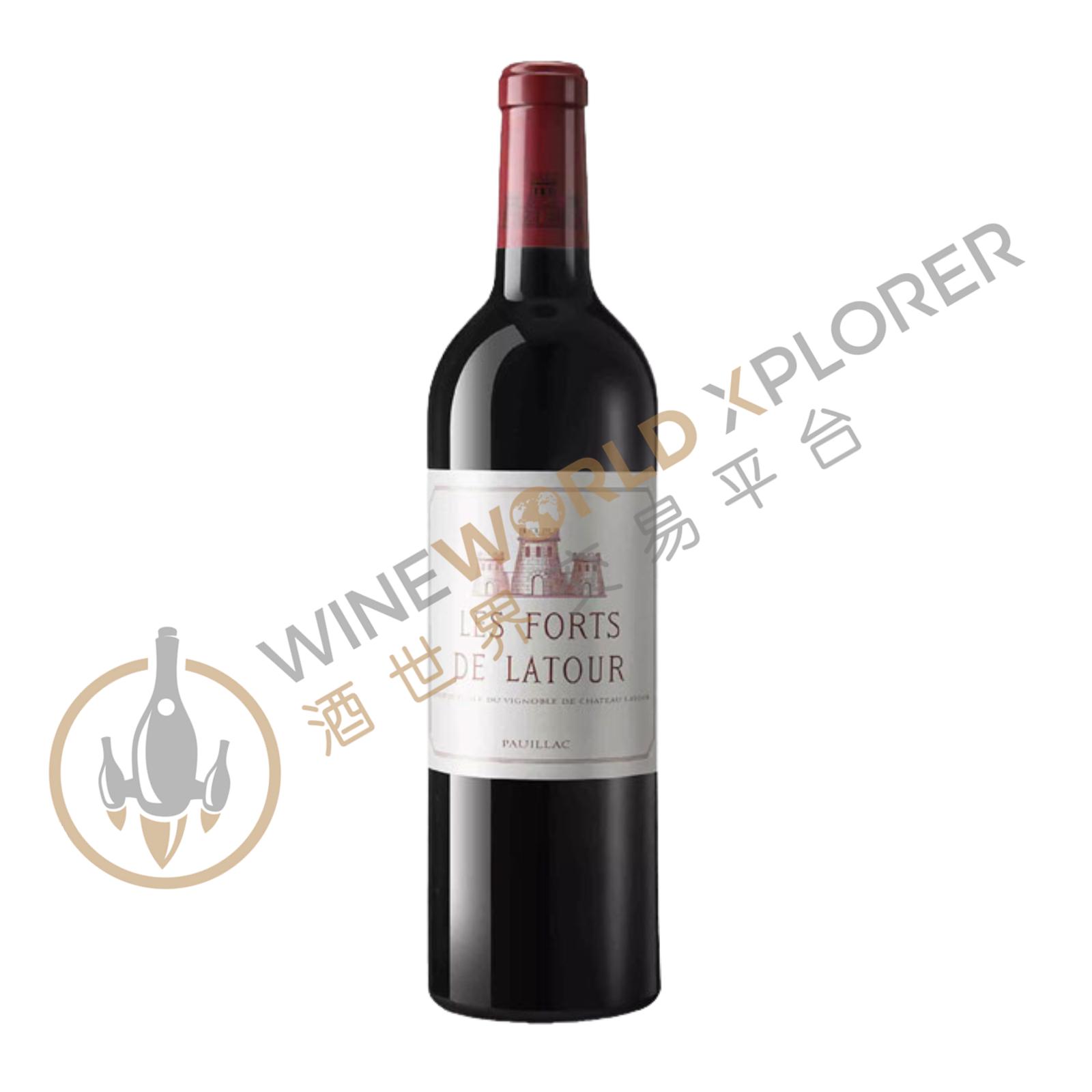
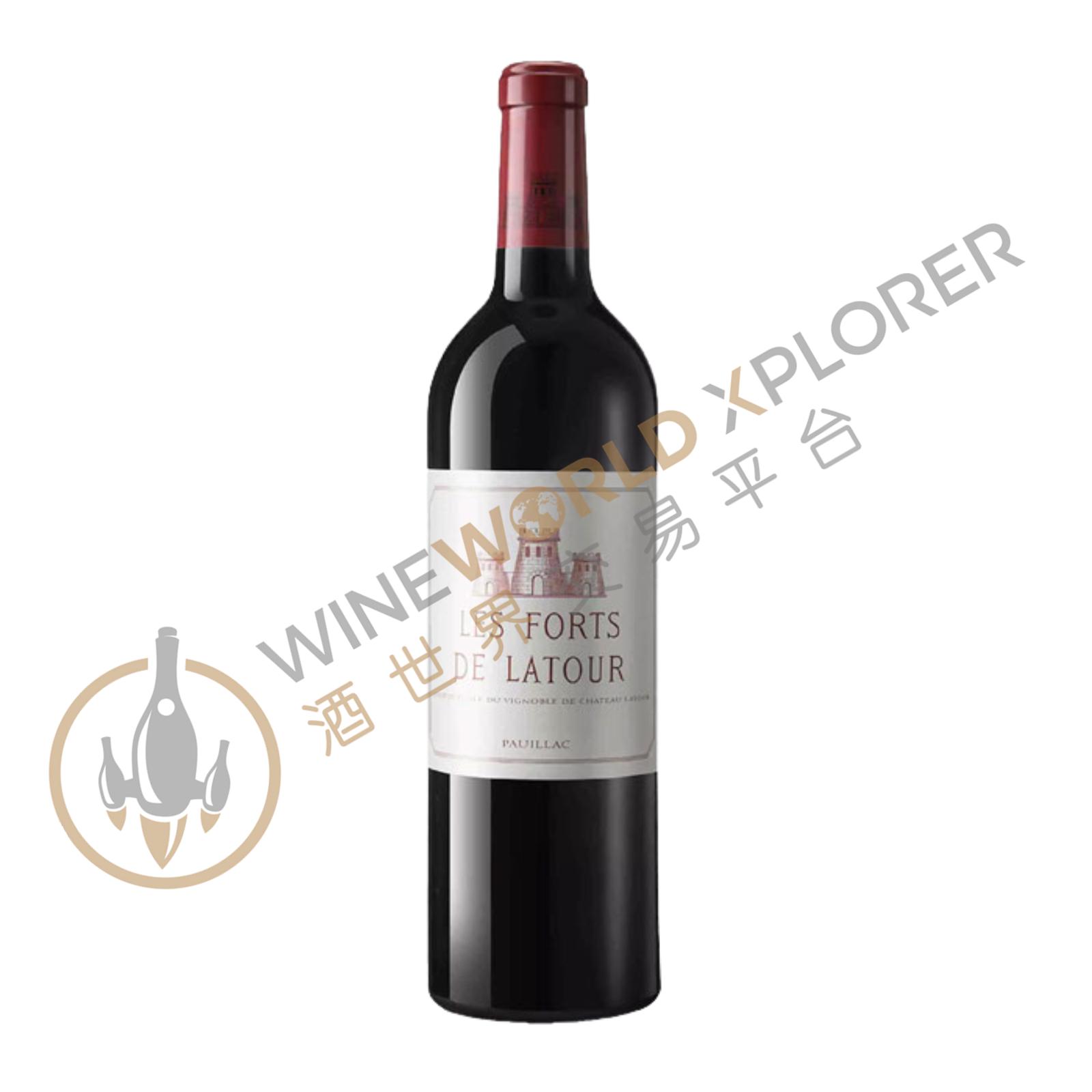
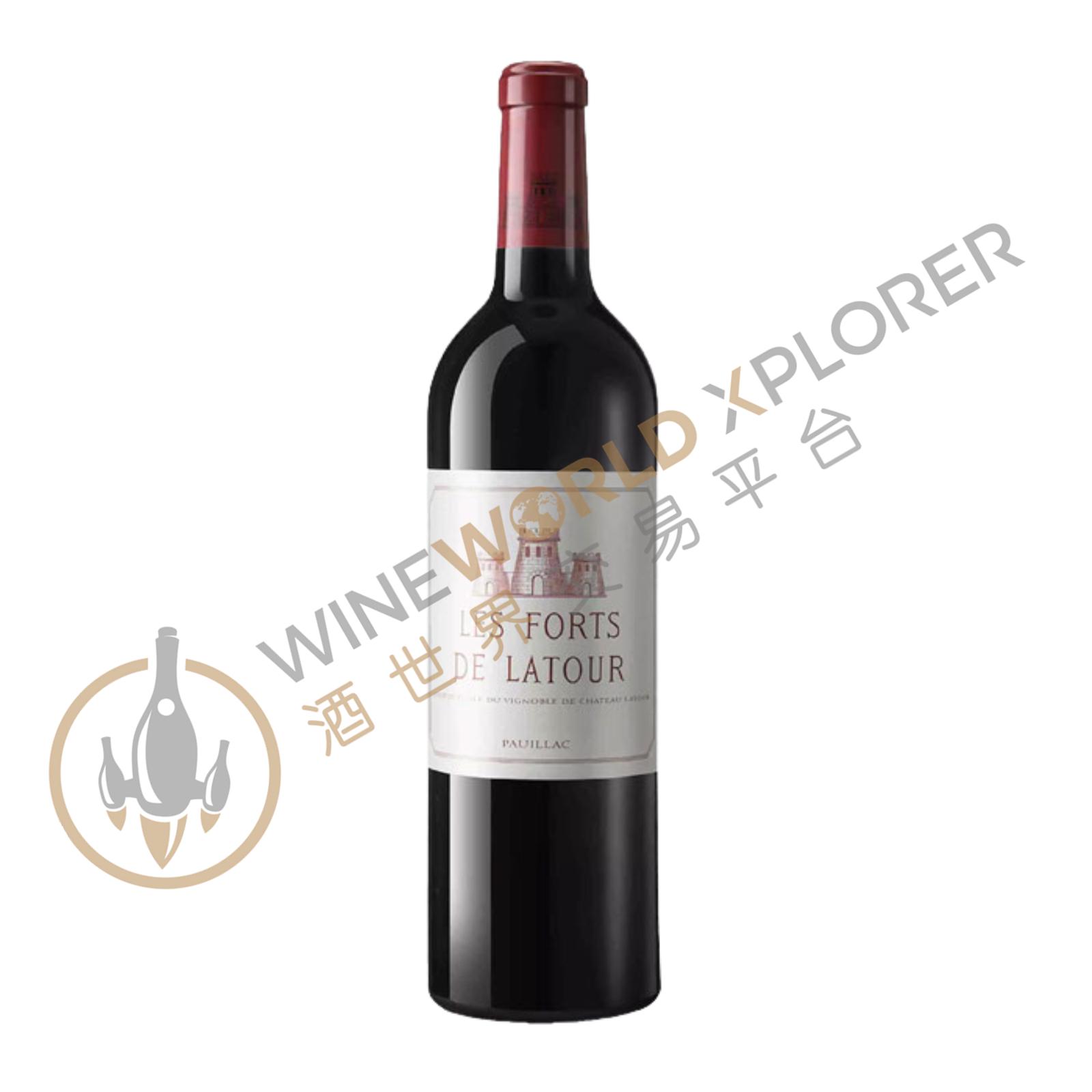
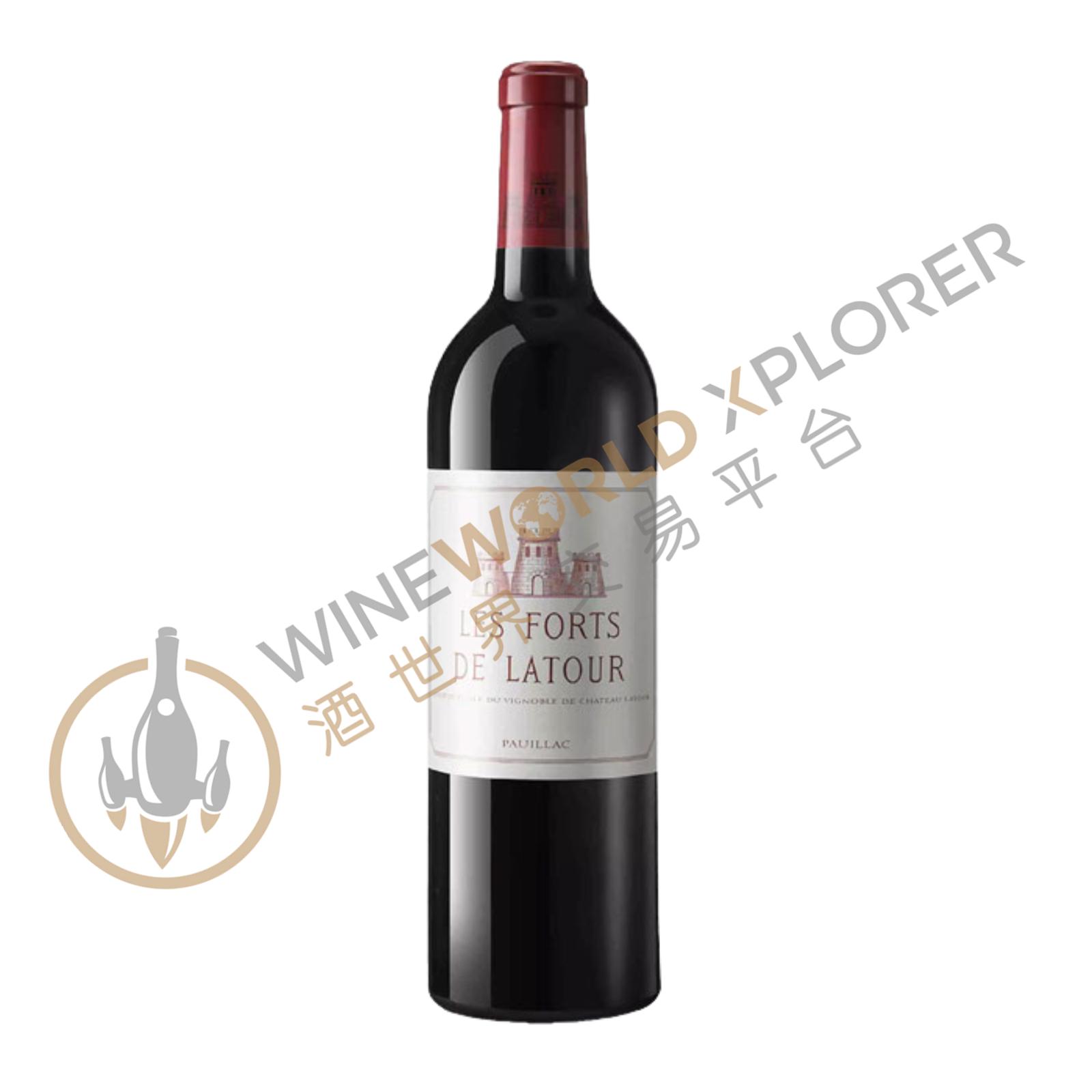
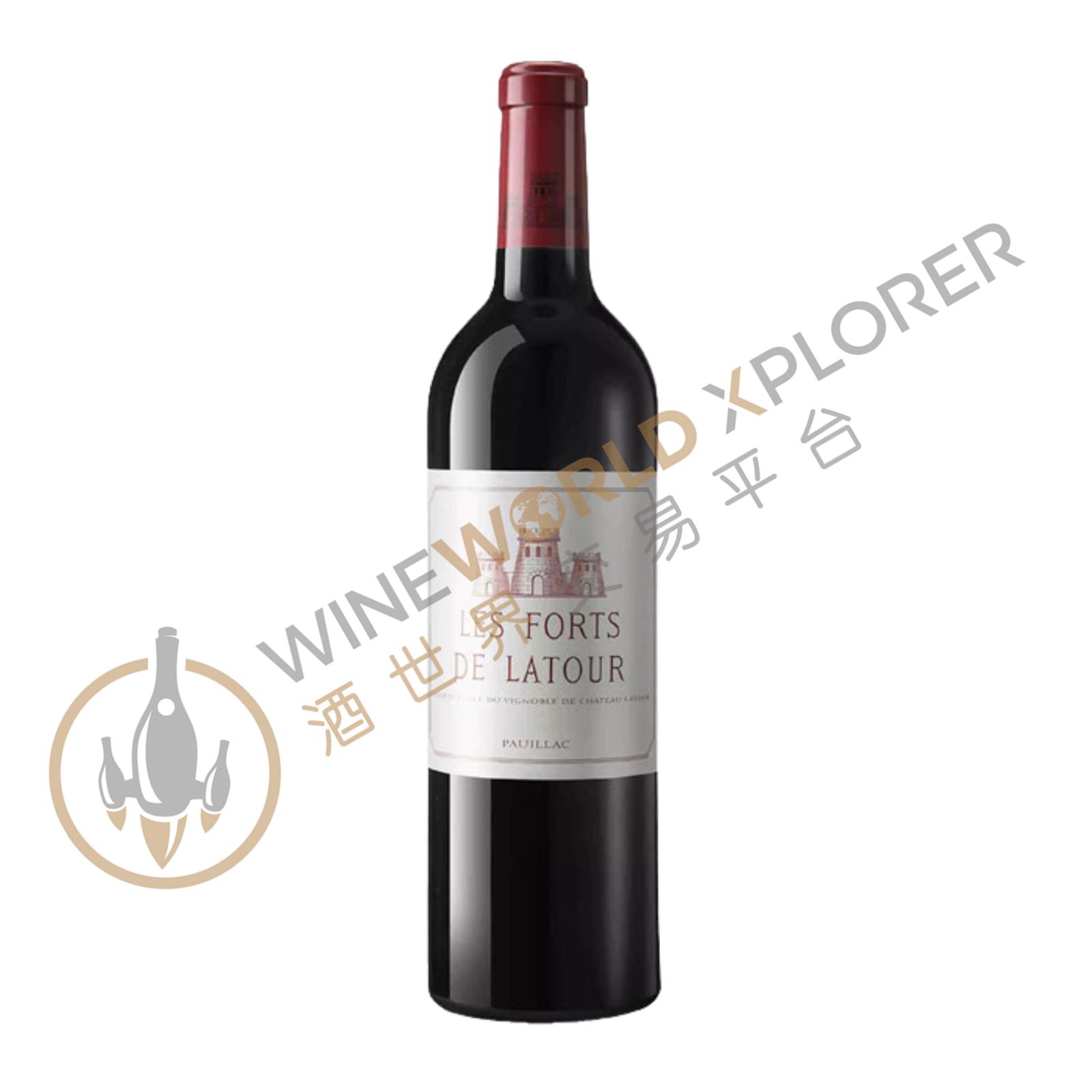
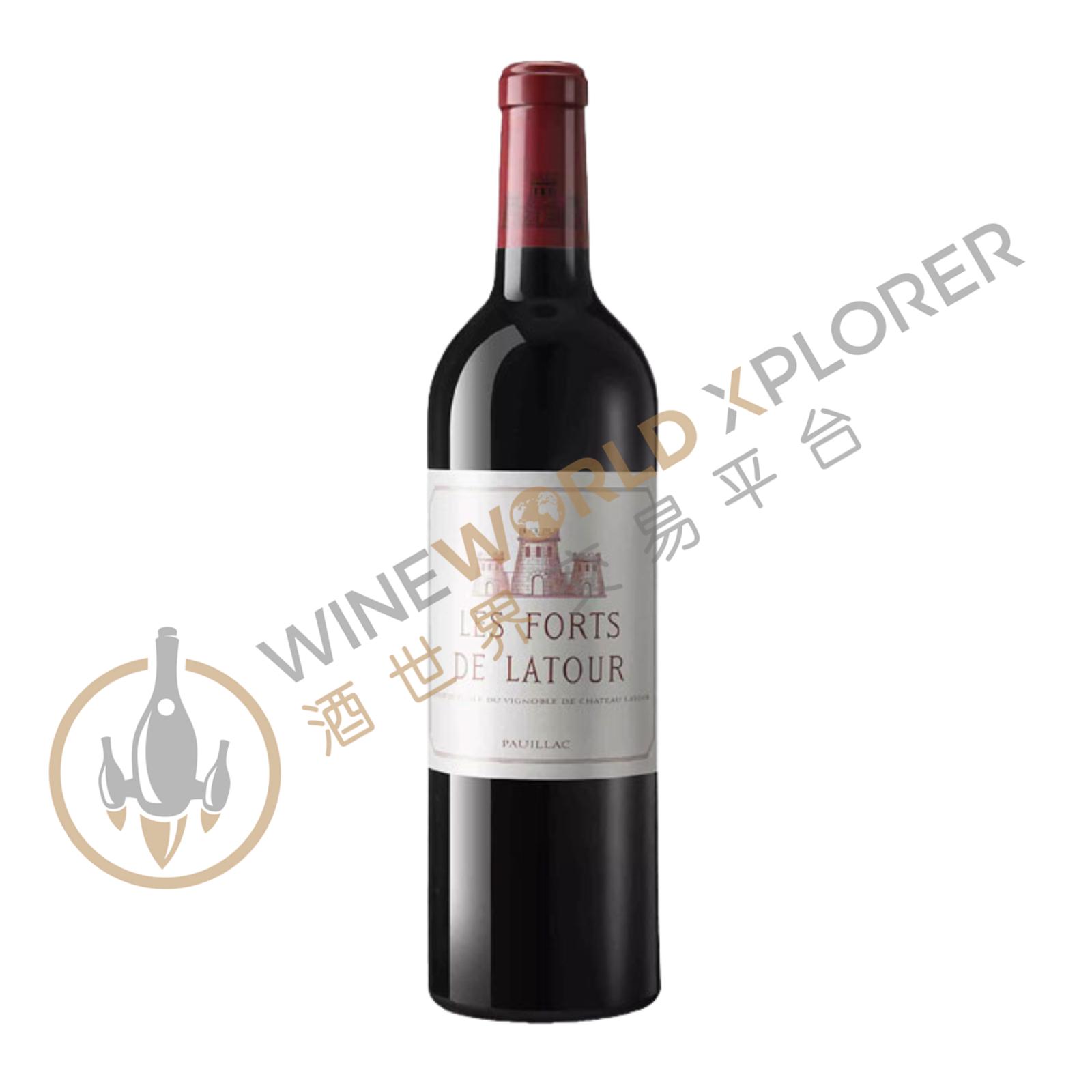
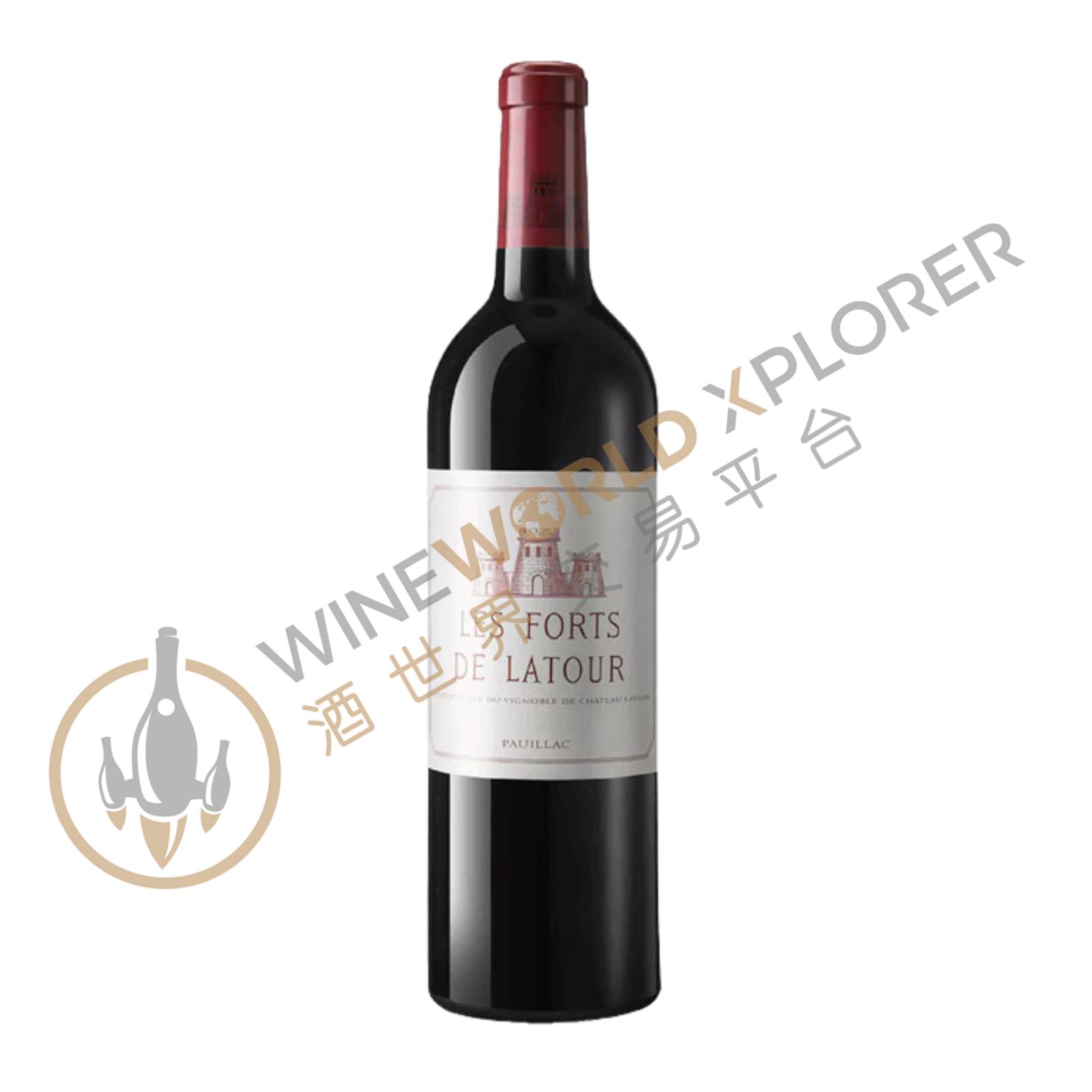
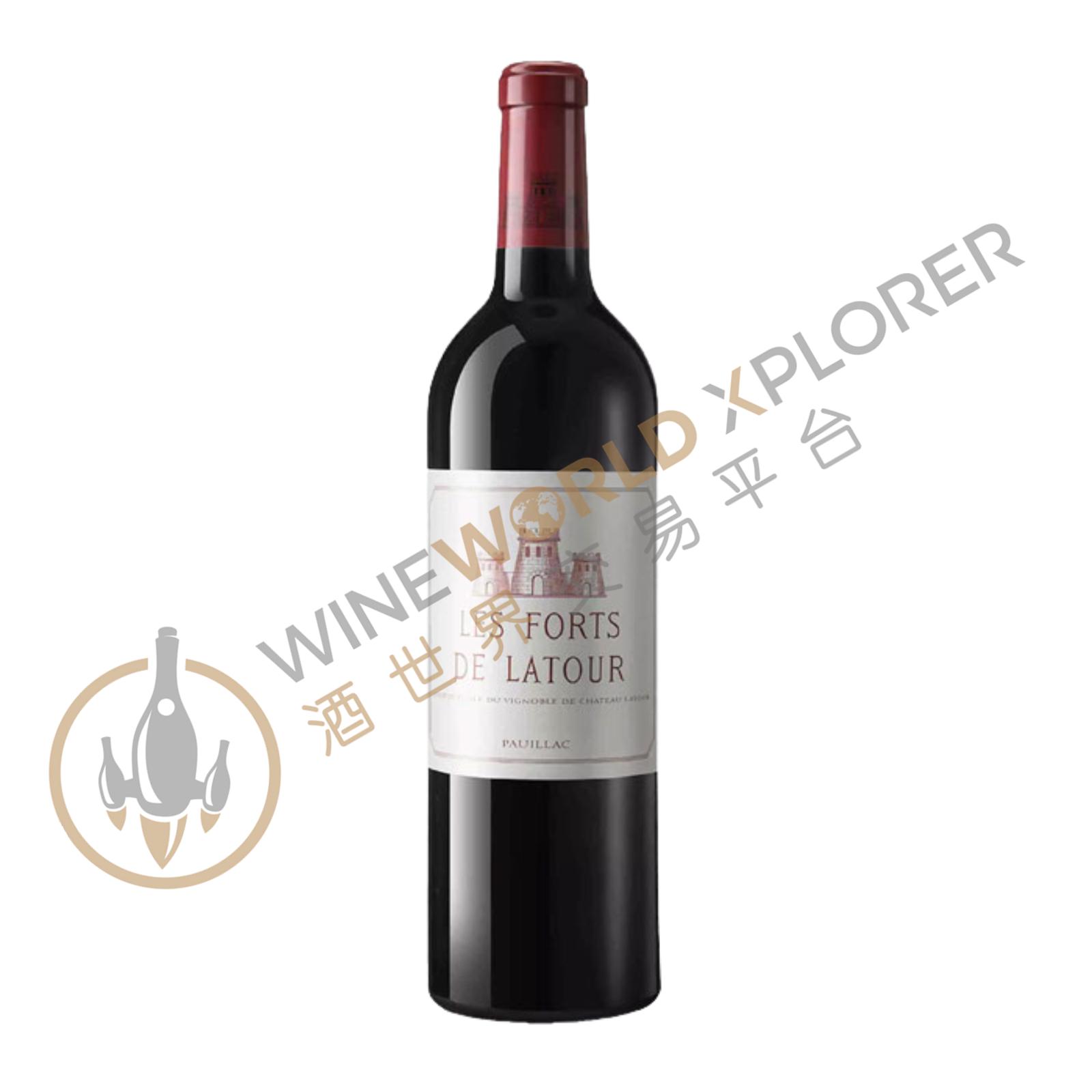
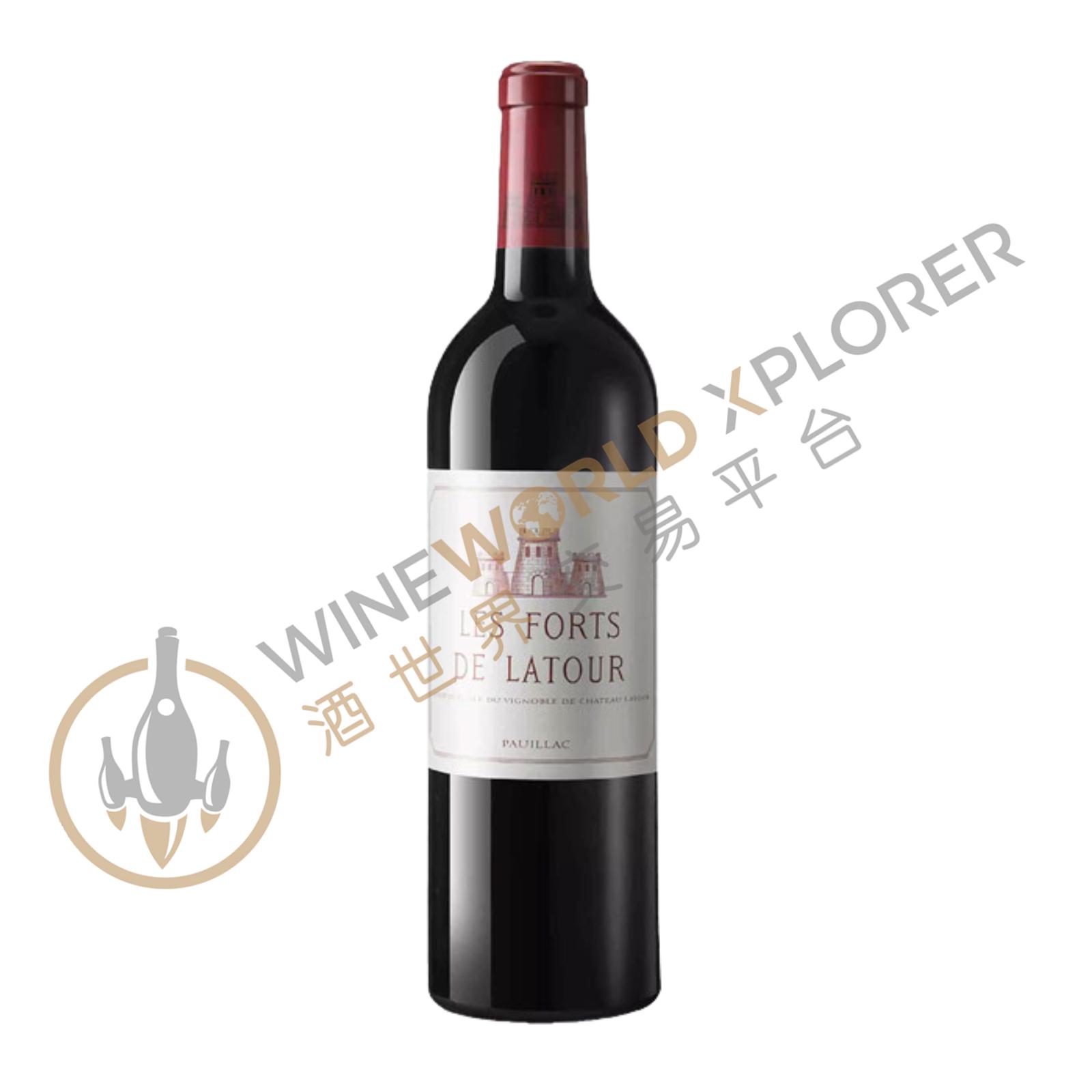
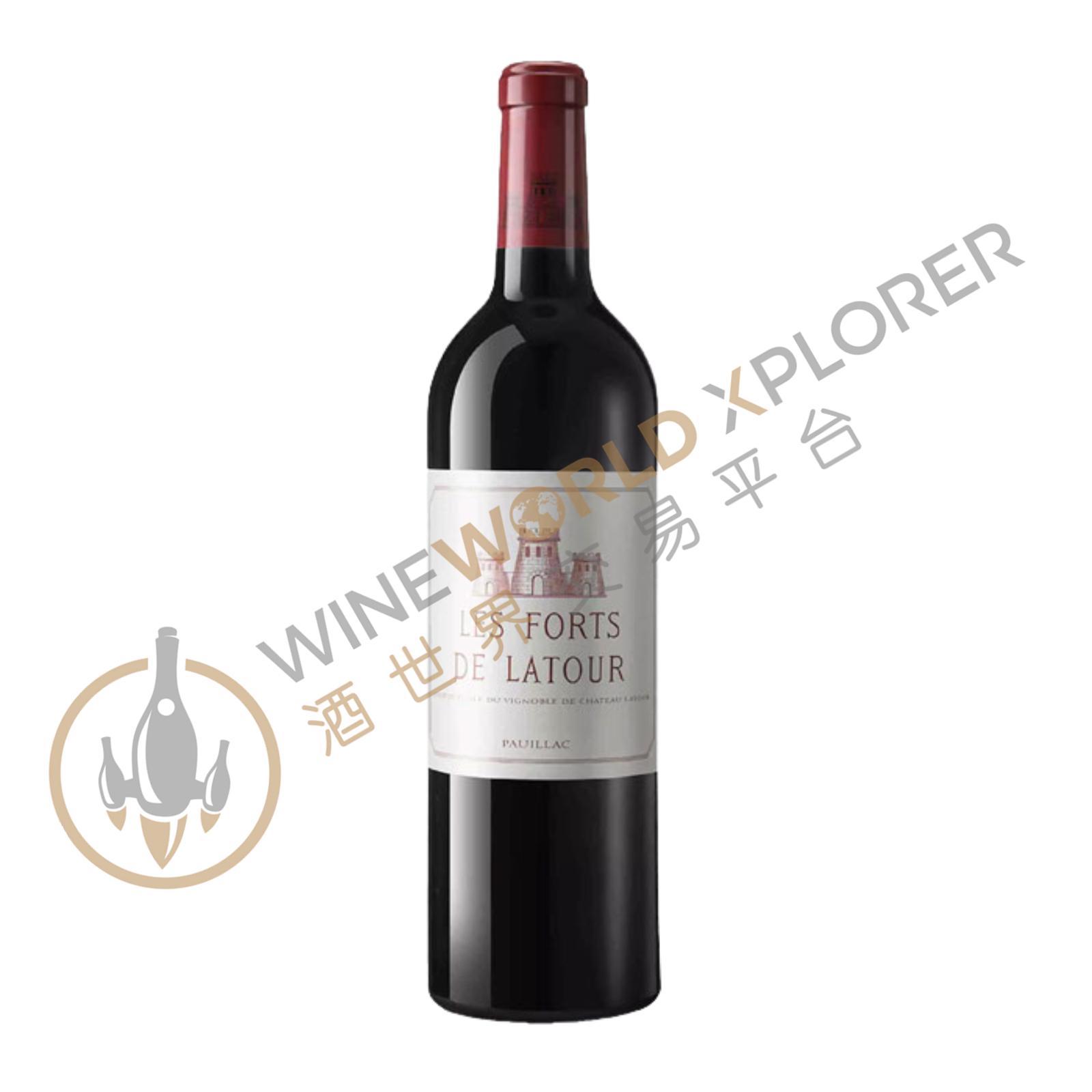
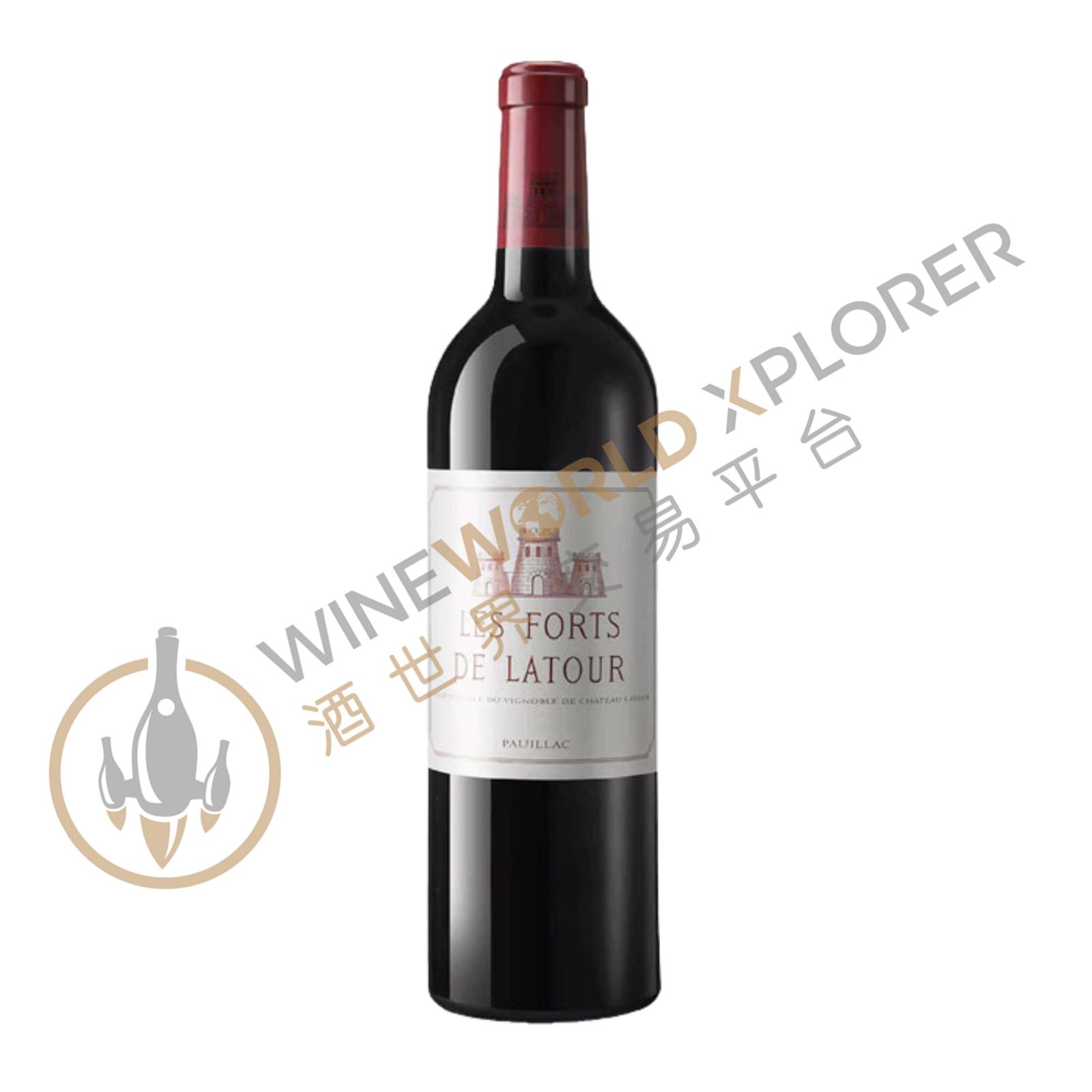
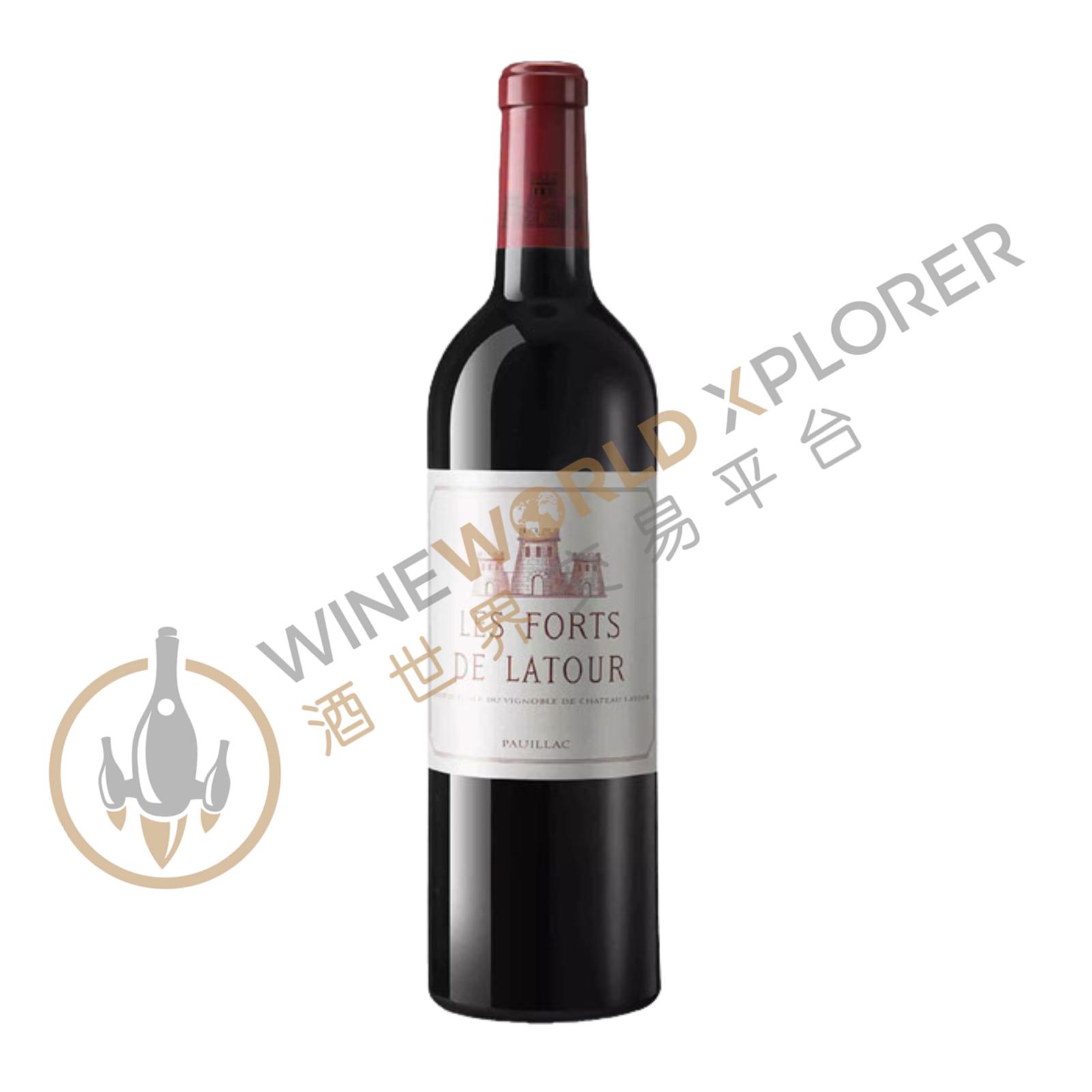
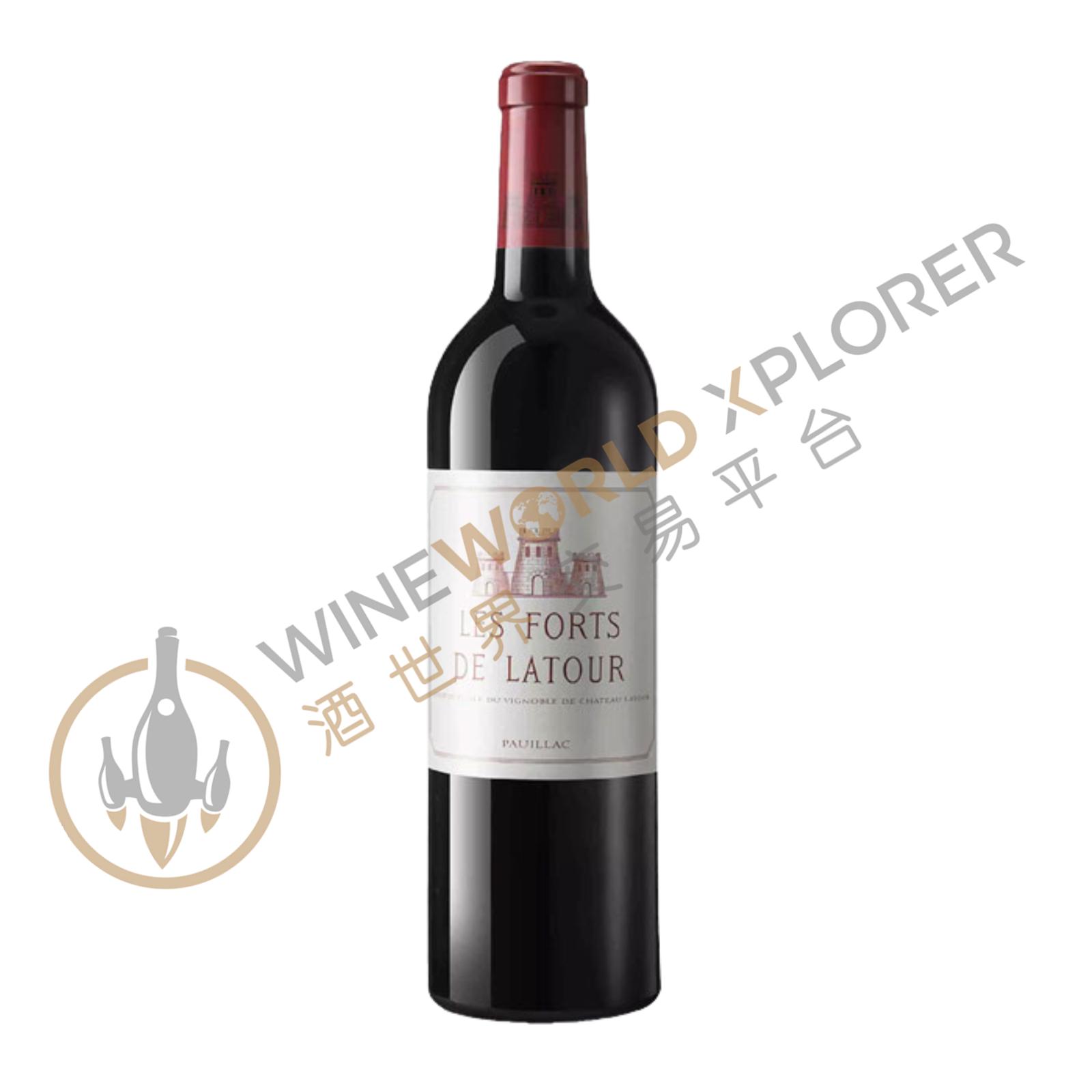
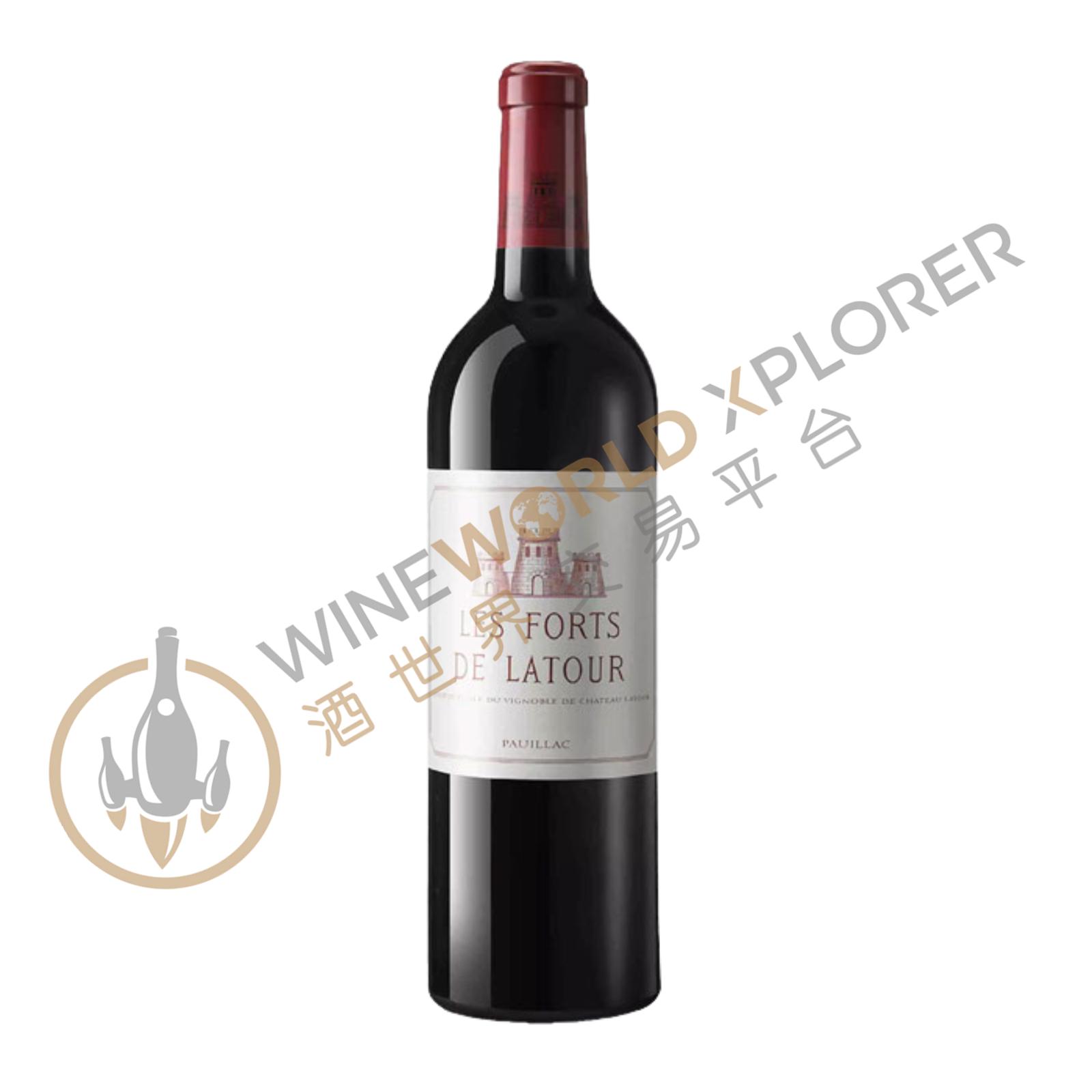
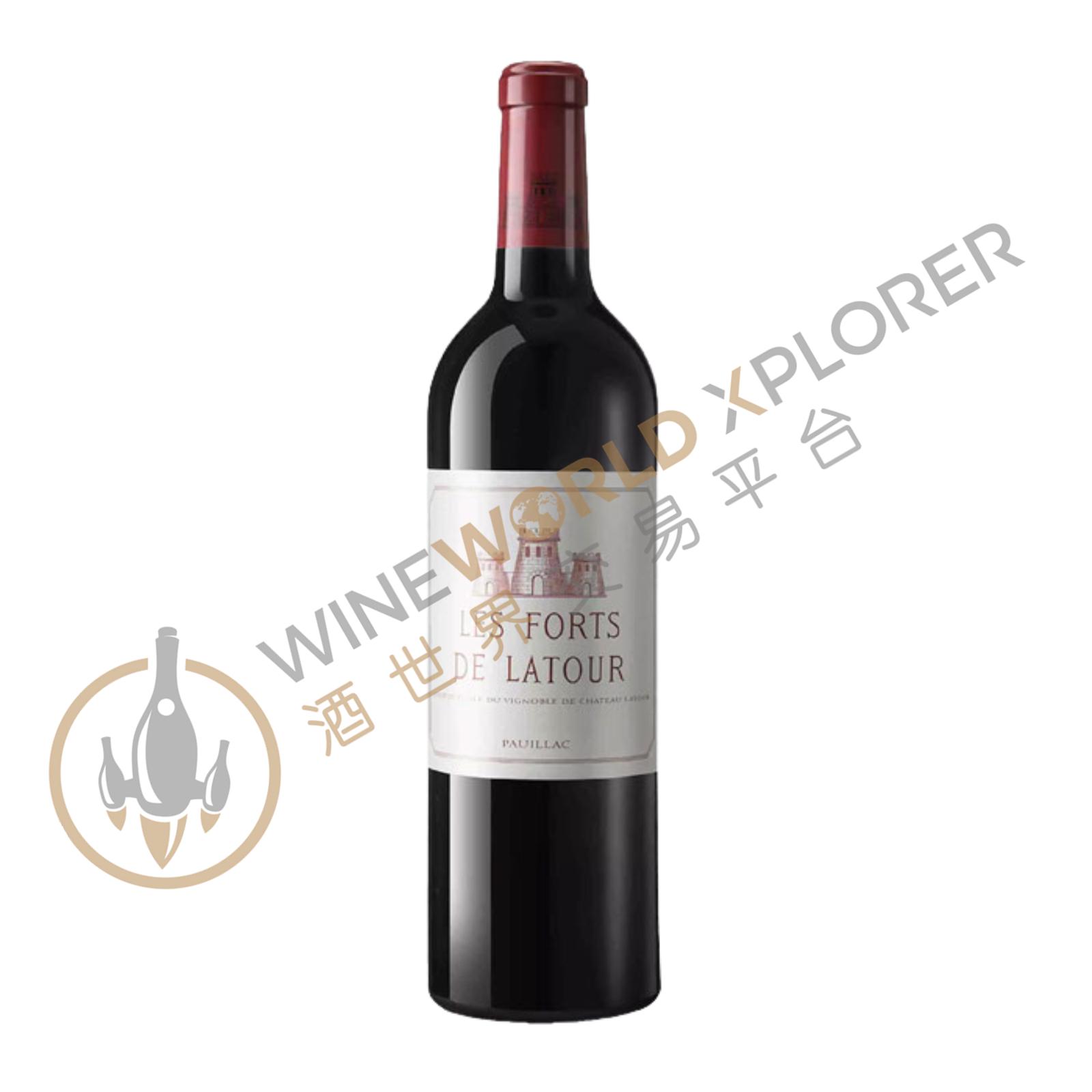
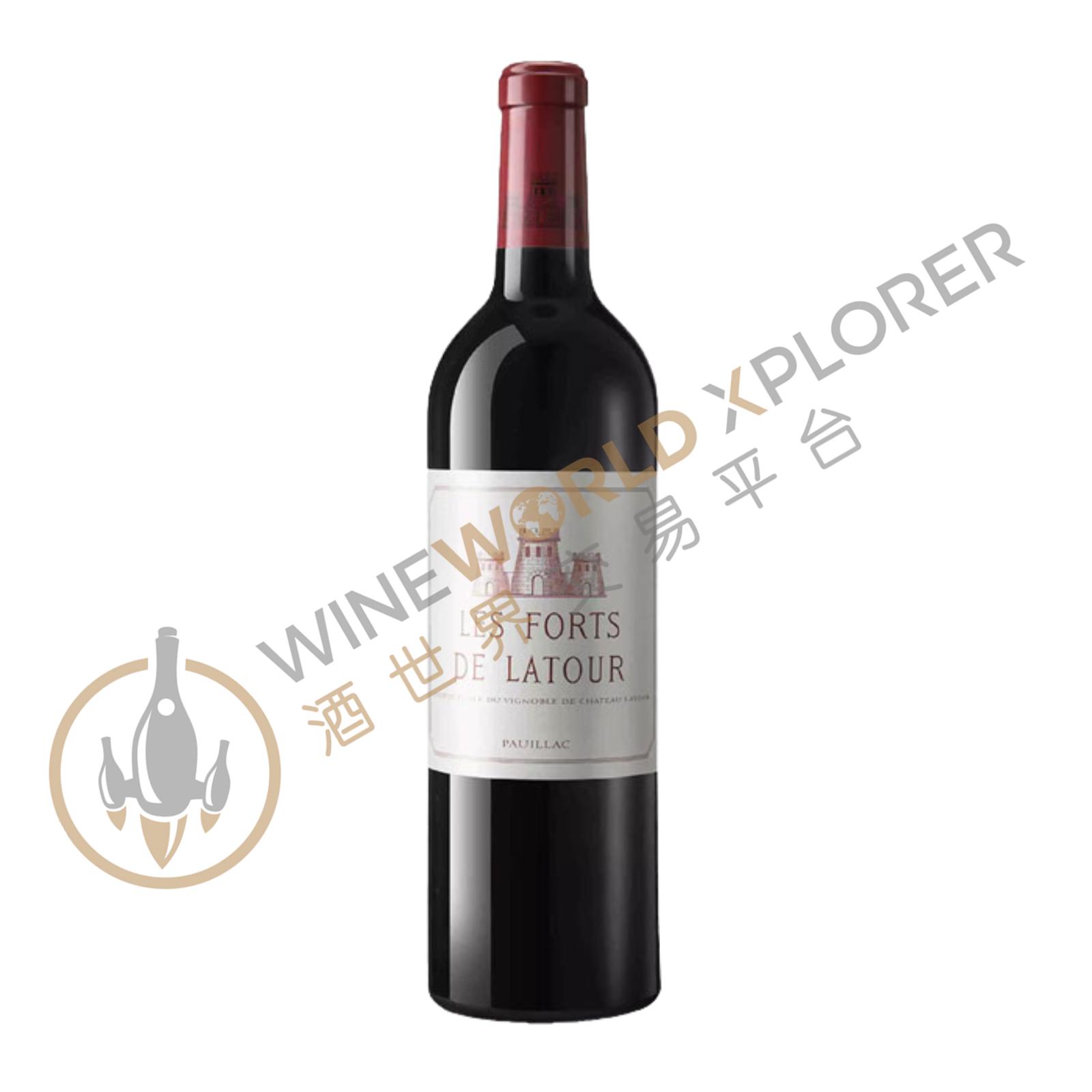
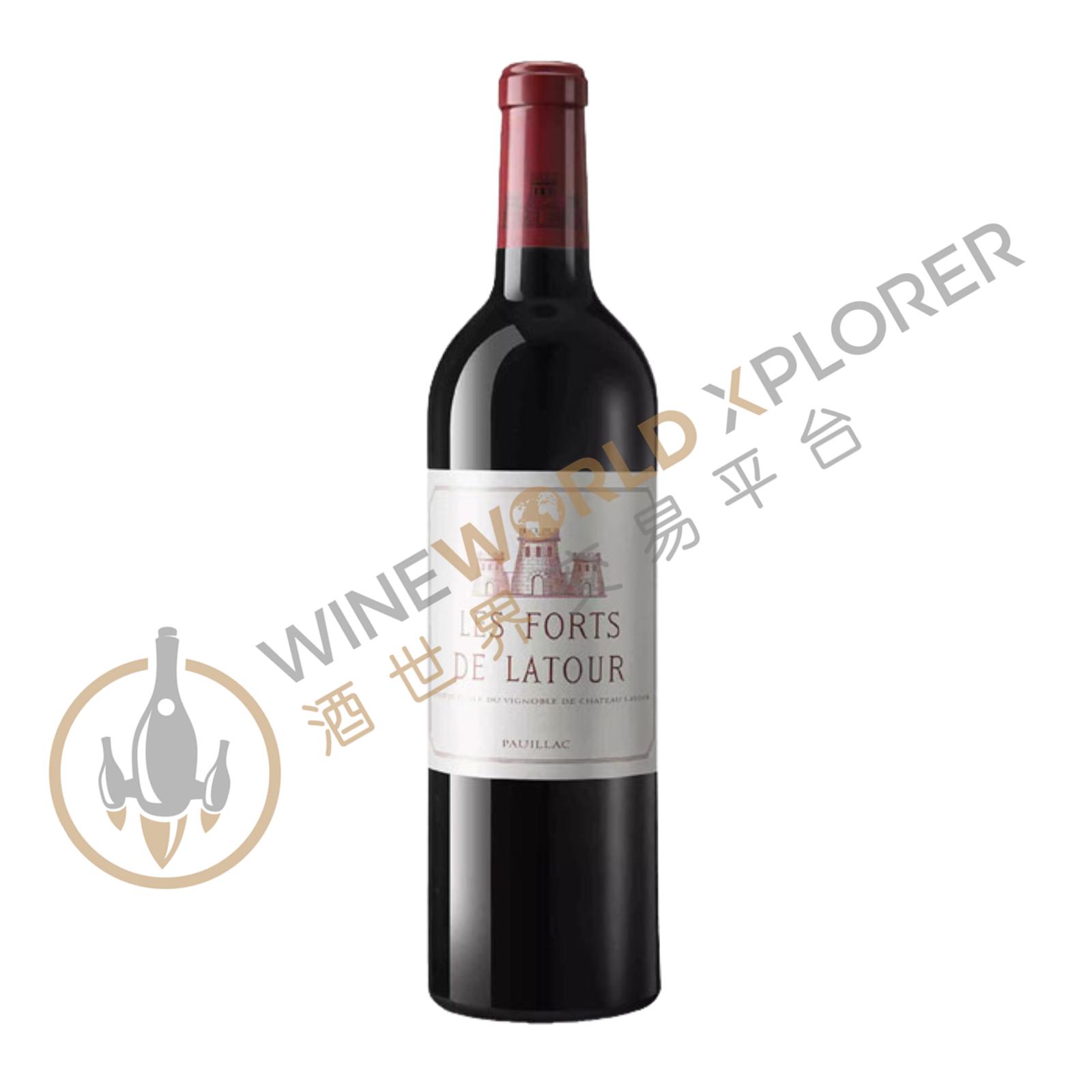
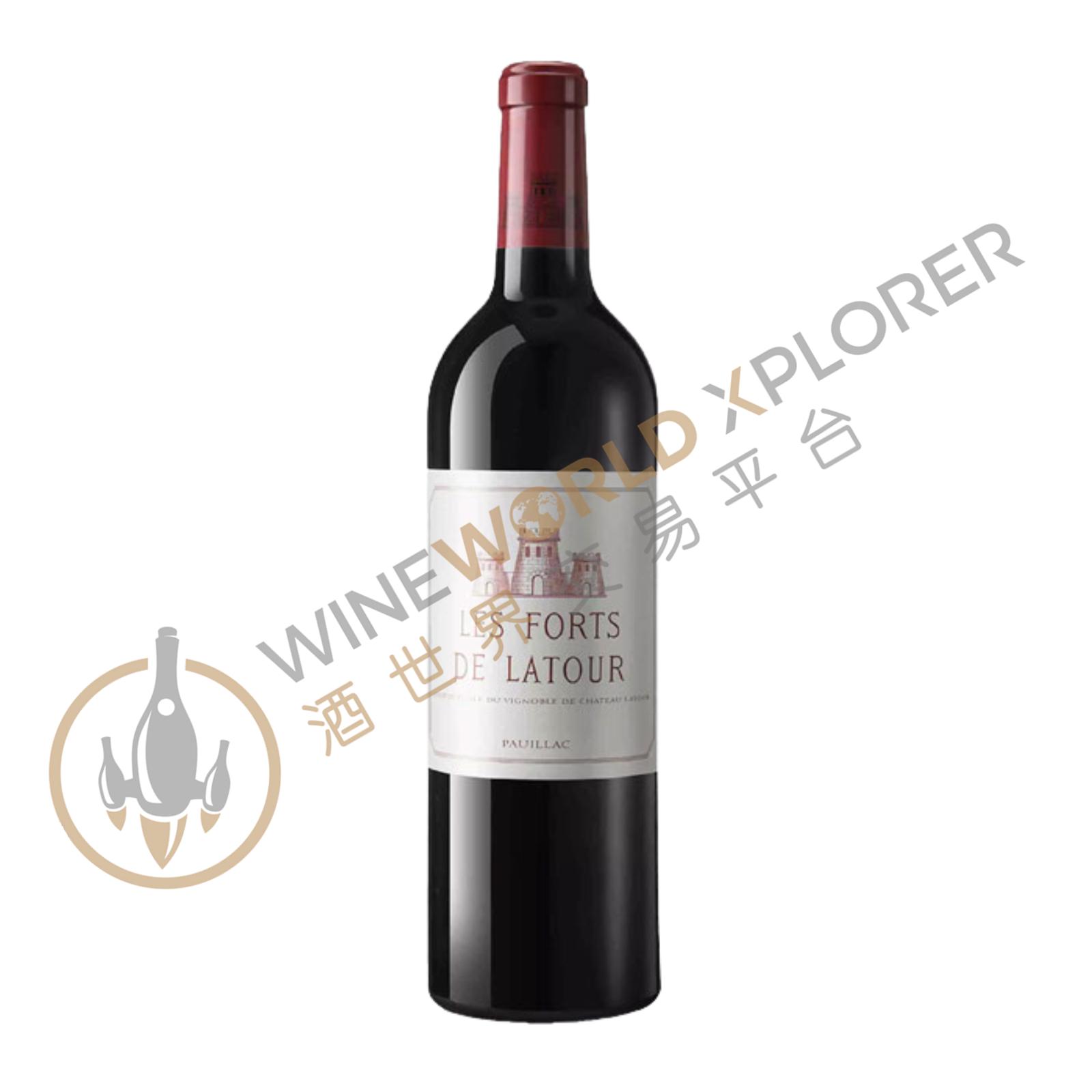
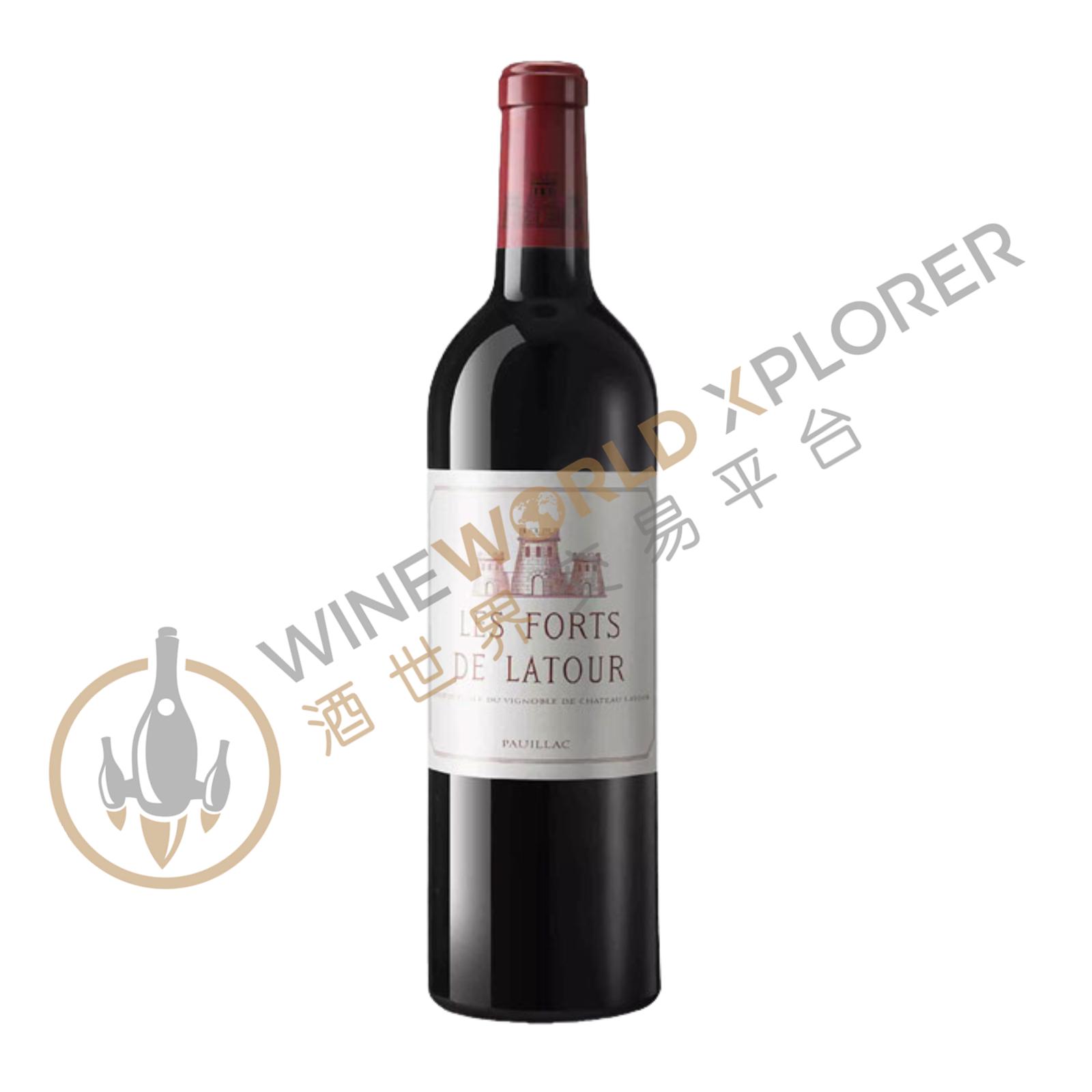
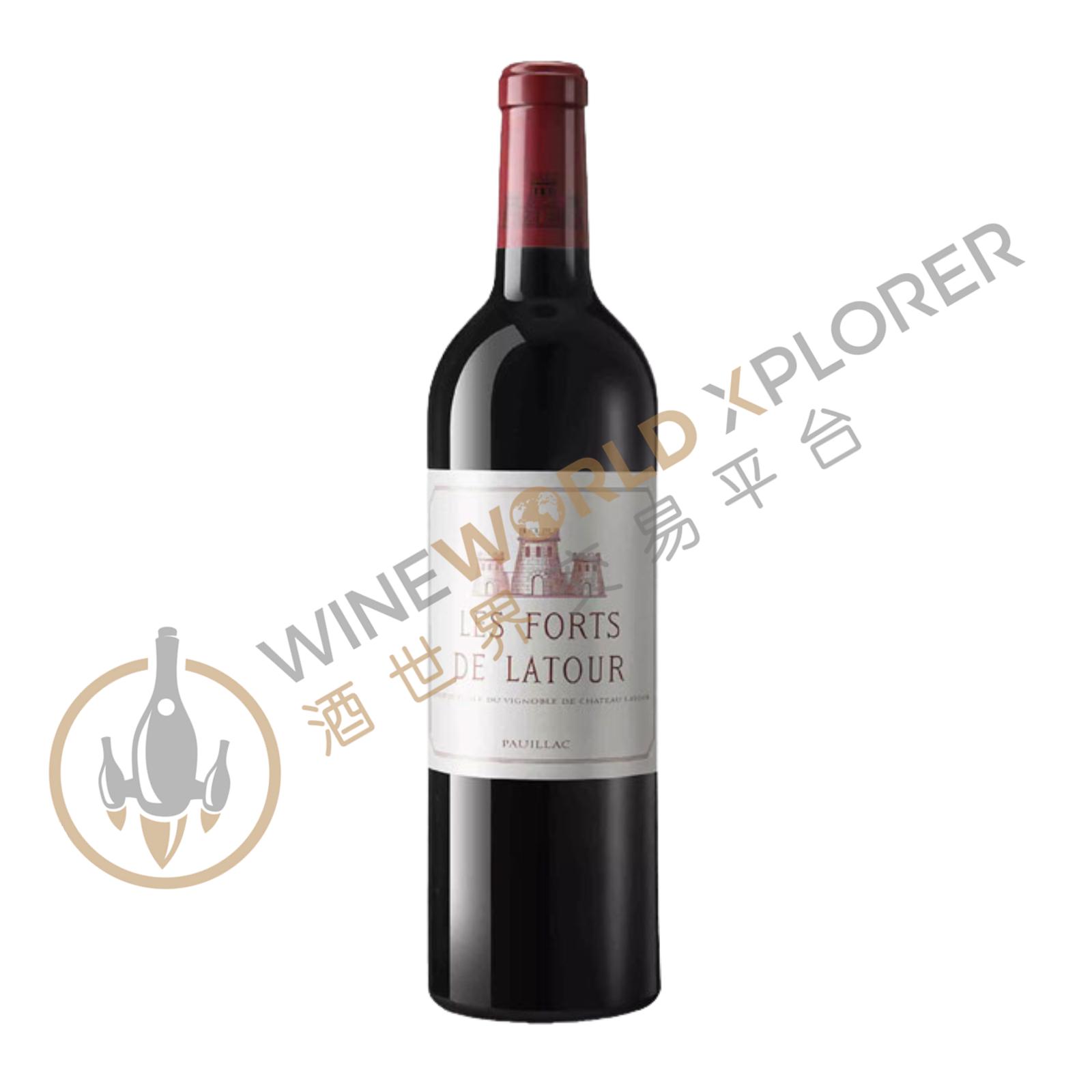
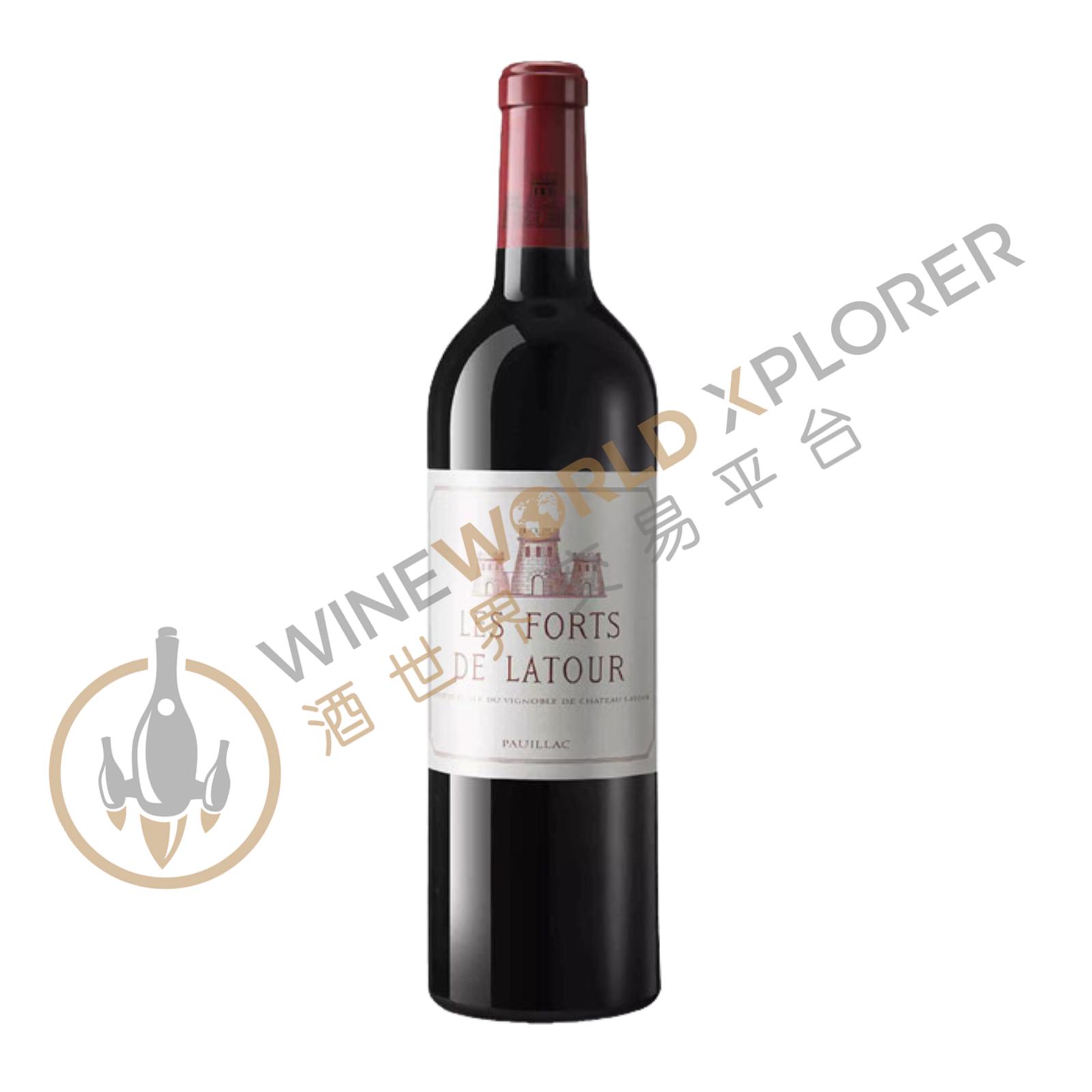
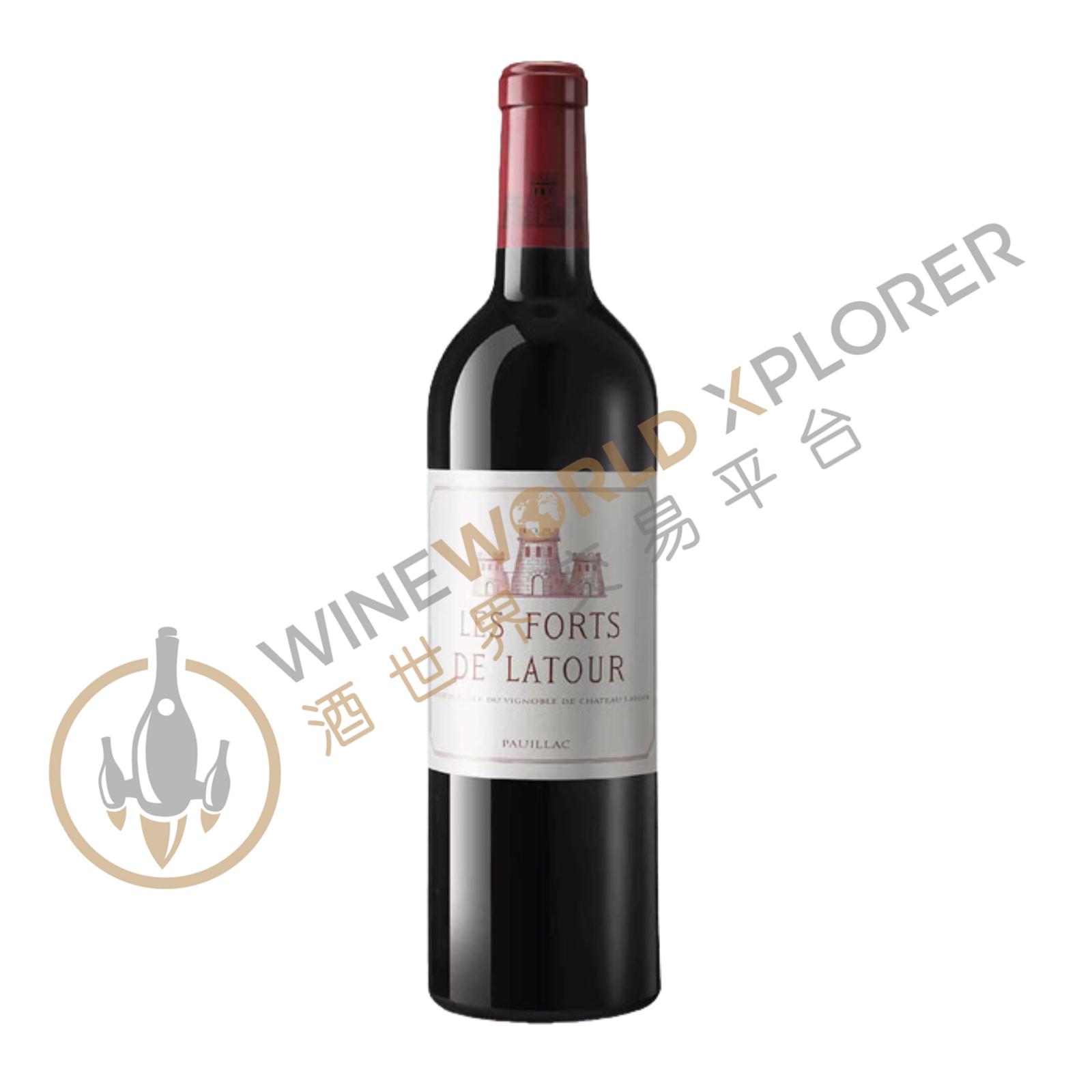
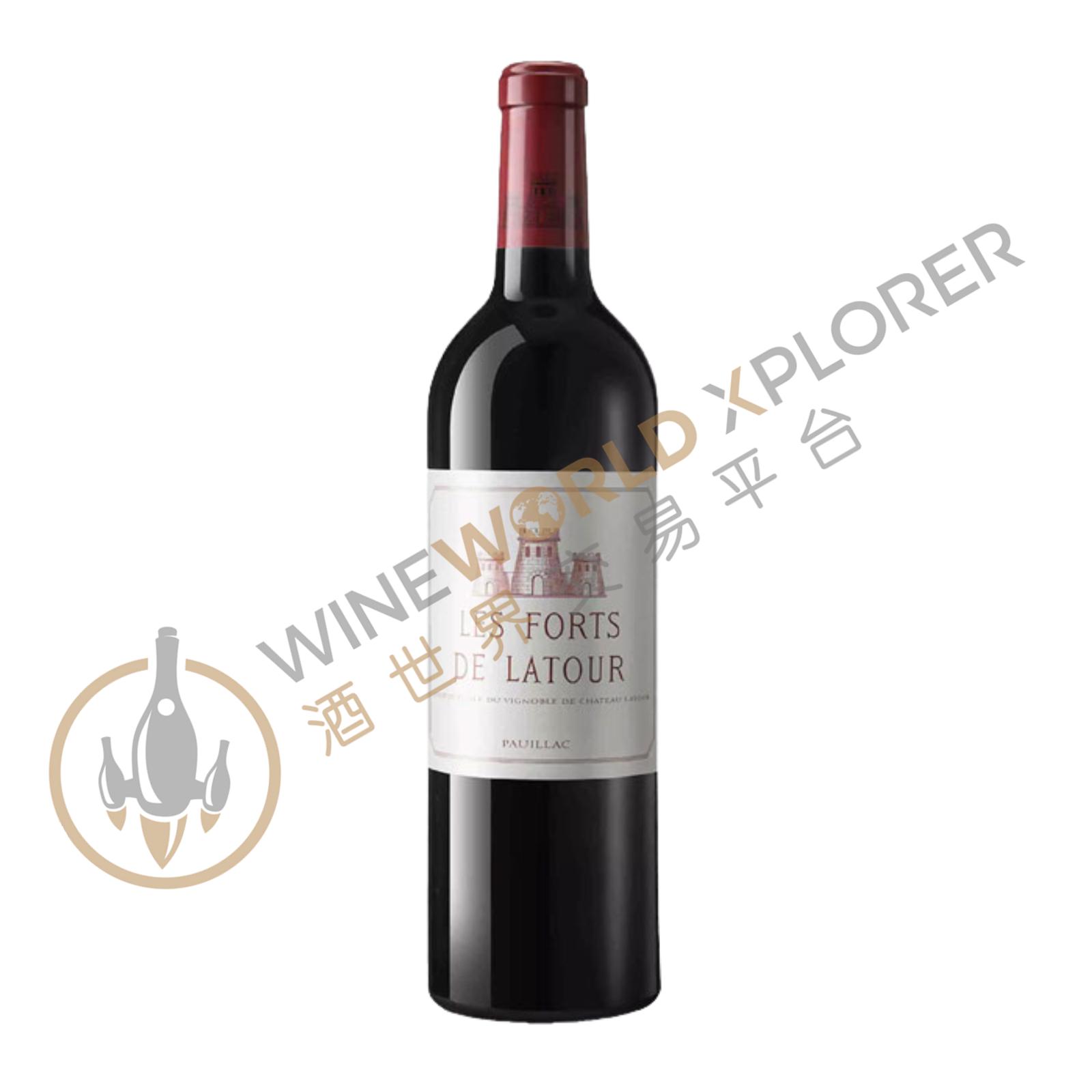
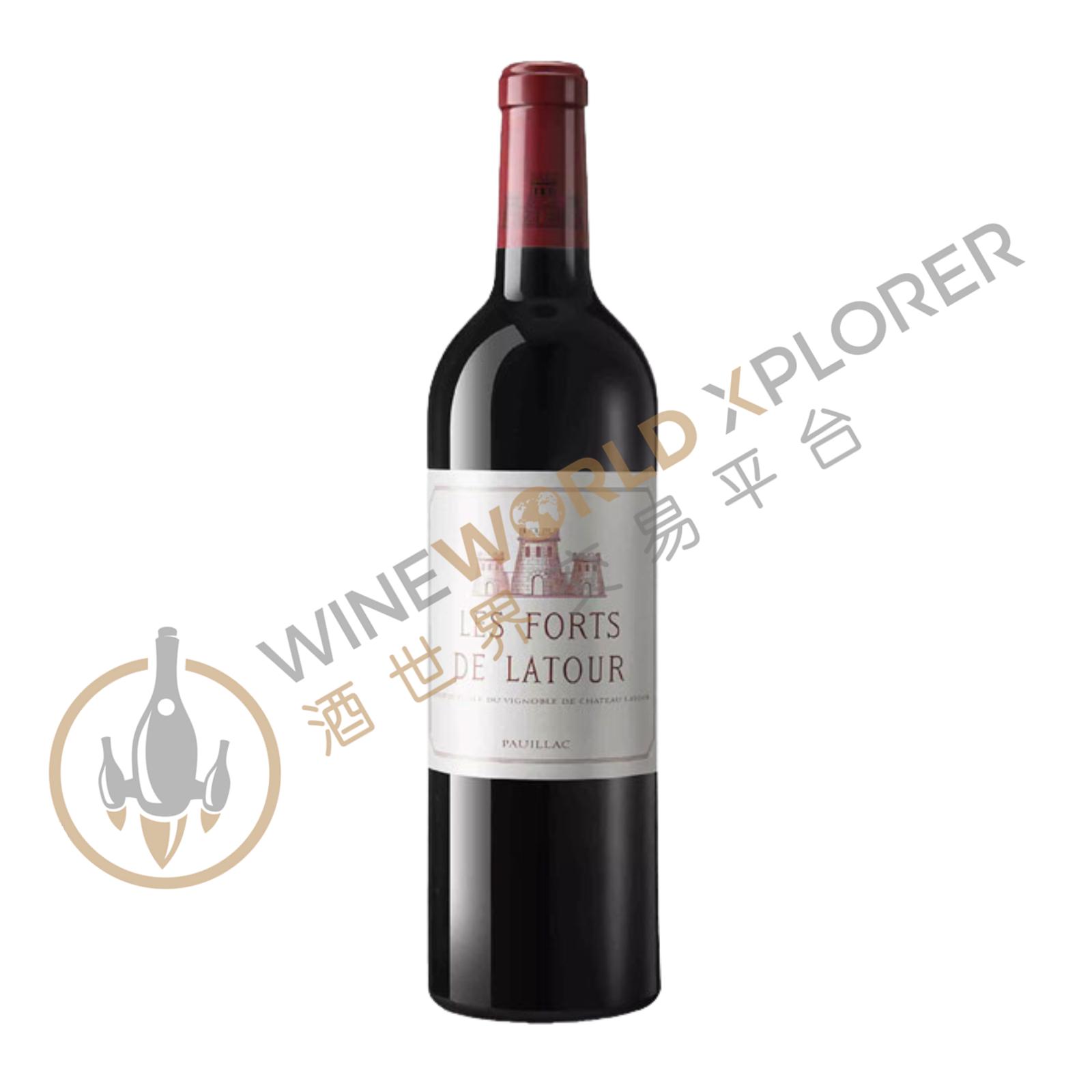
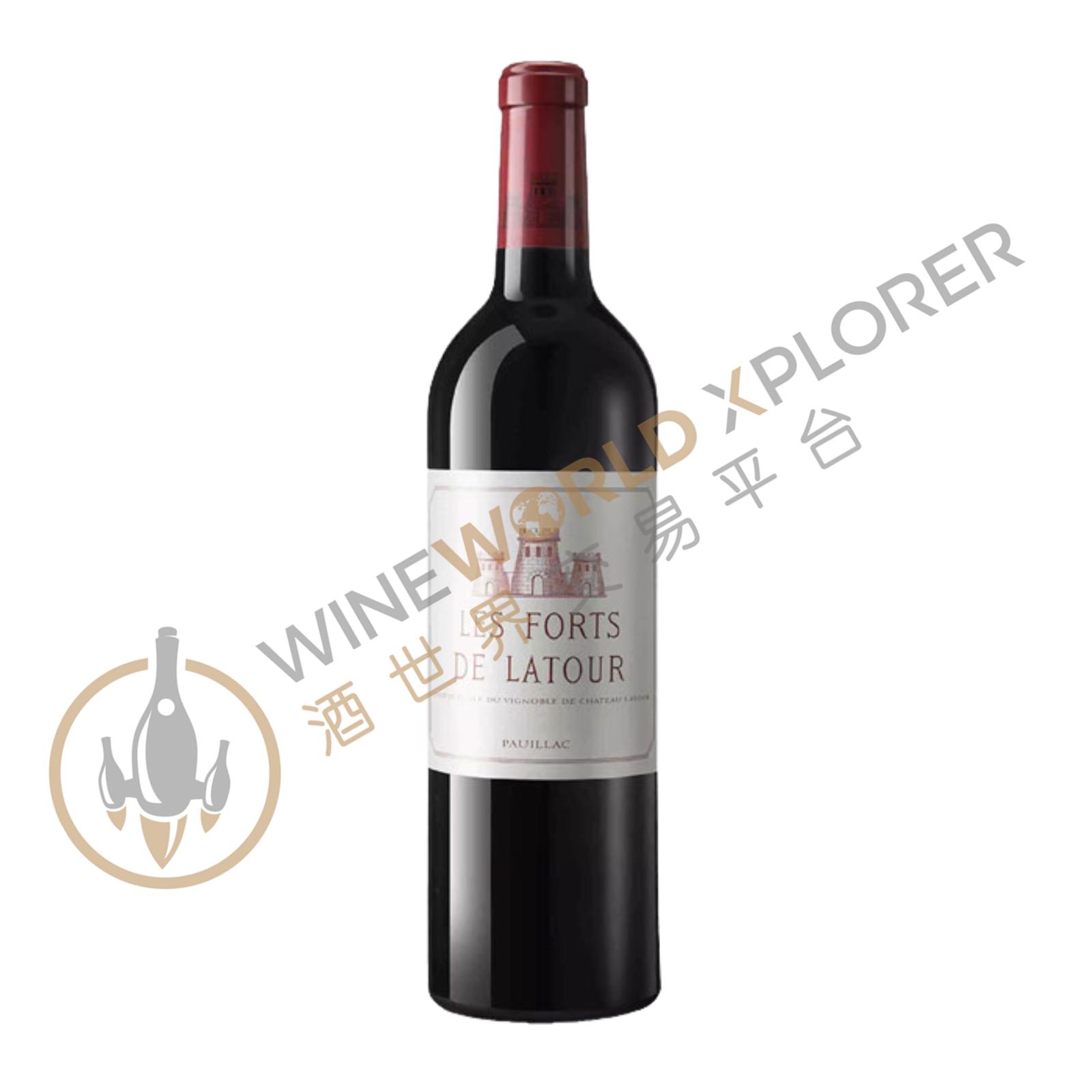
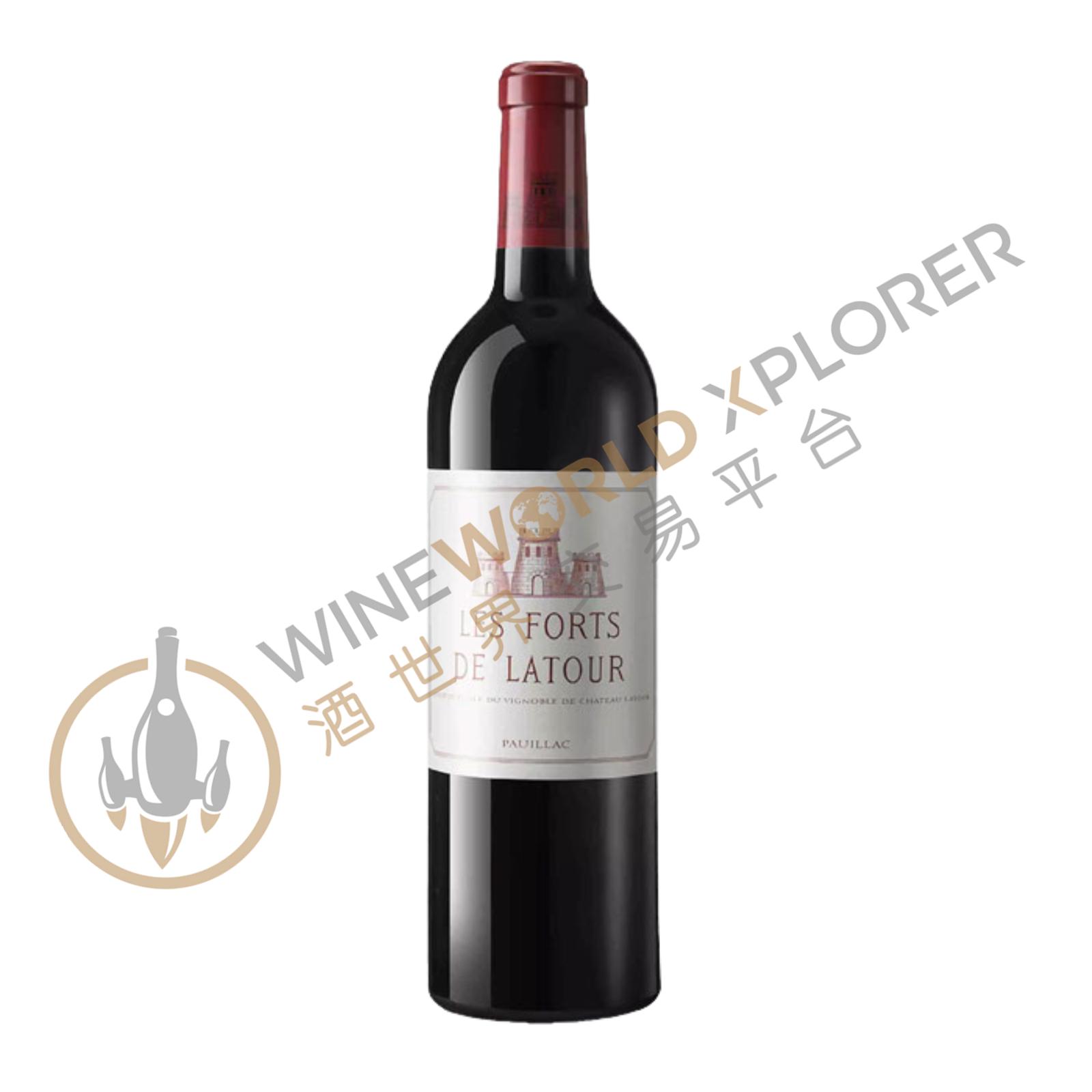
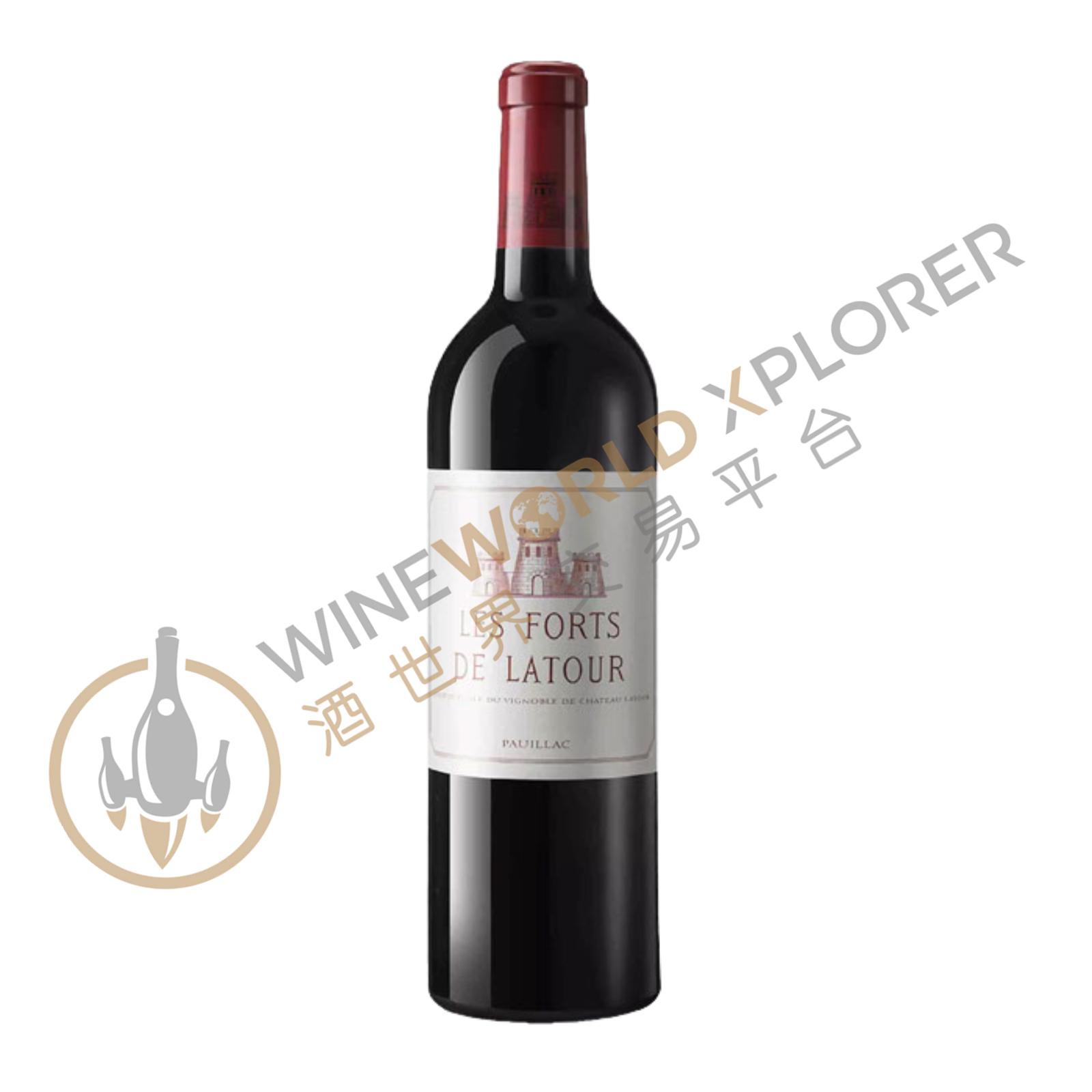
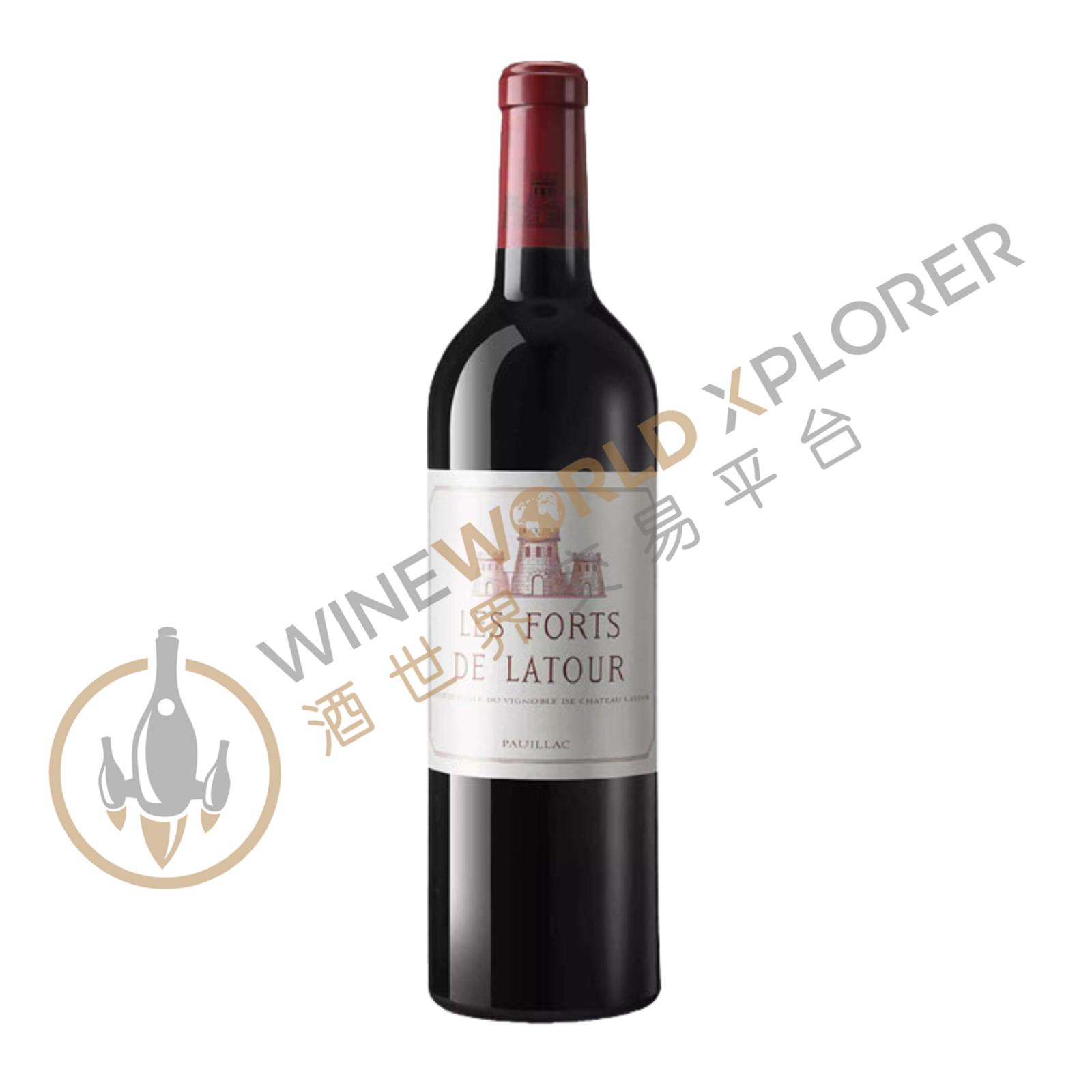
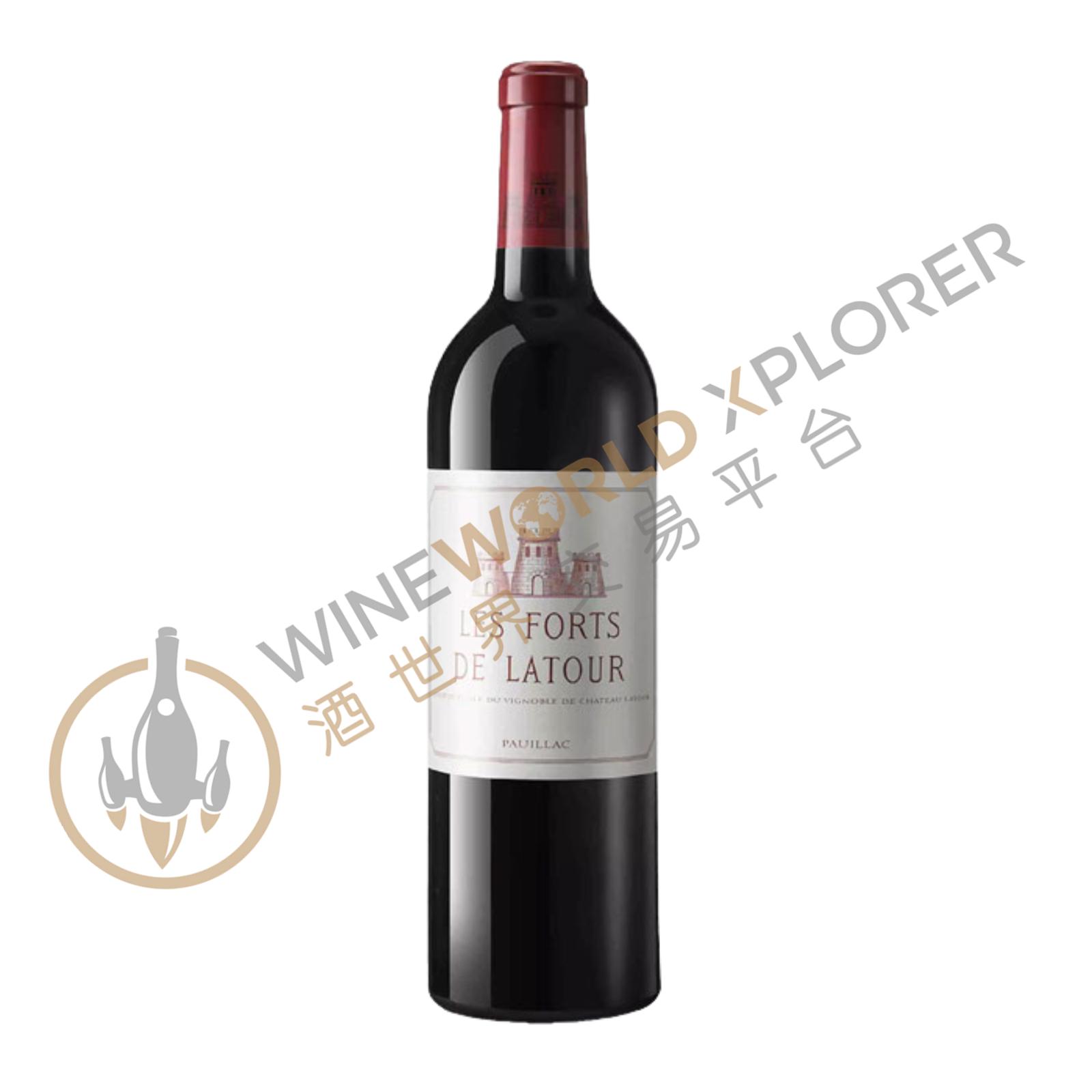
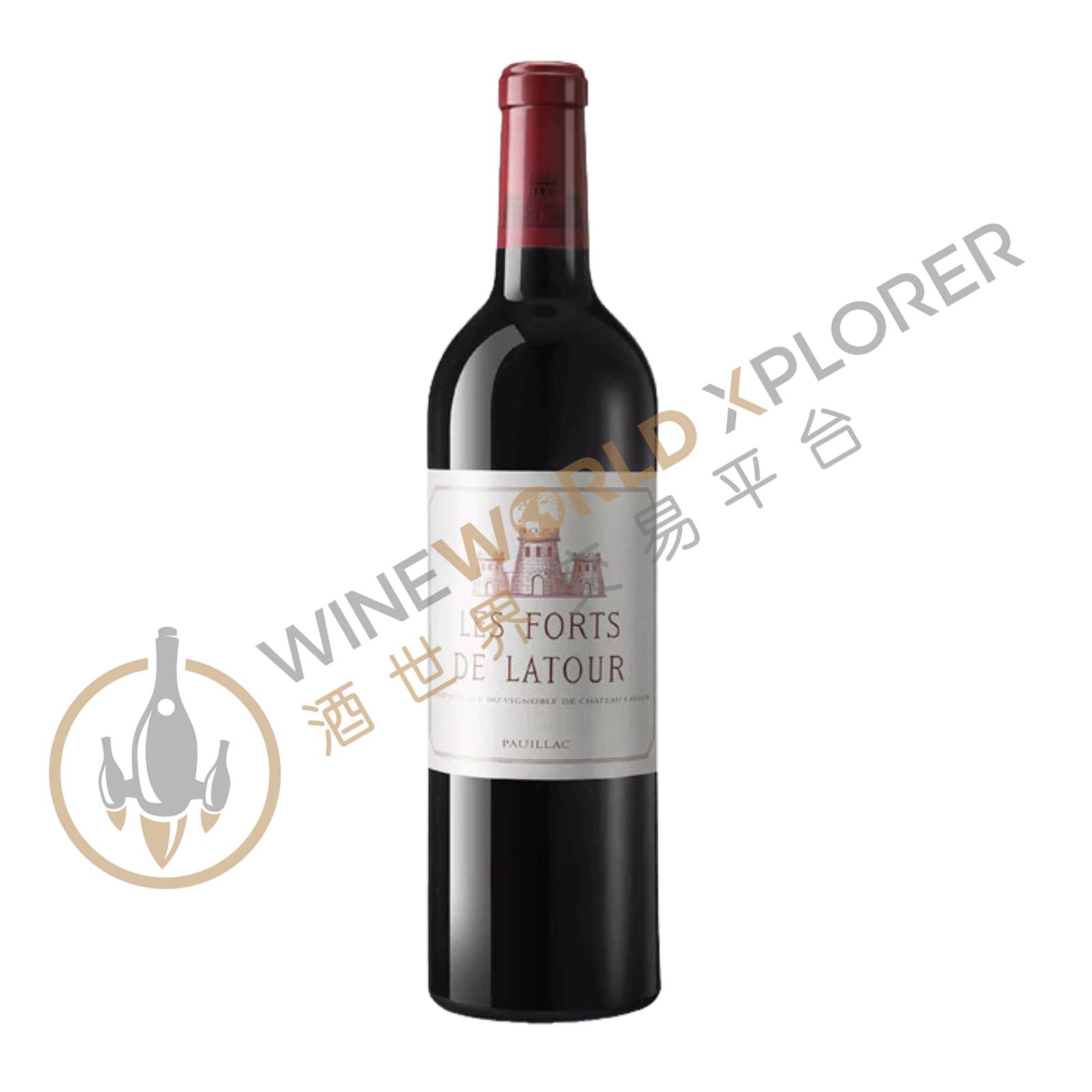
Les Forts de Latour 1994
 View analysis
Description
Tasting notes

Reviewed by: Neal Martin
Dark ruby core with slight aging on rim. Meaty aromas. Drinking now. Moderate tannins. Good depth with sweet cherry/redcurrant finish. Excellent. Tasted June 1999.
Reviewed by: Robert M. Parker, Jr.
Latour's second wine contains more Cabernet Sauvignon (70%) than the grand vin. The 1994 is a very impressive second wine with a dense purple color, a rich, moderately intense nose of sweet cassis, minerals, and vanilla, medium to full body, and a moderately tannic, long finish. It requires 5-7 years of cellaring and should last for 15+ years. All of the wines in this segment were tasted between March 19 and March 28 in Bordeaux. Most of the important wines from both the 1994 and 1995 vintages were tasted three separate times during my ten-day stay in Bordeaux. (No tasting note was provided in Issue 109. We have instead included the text of the tasting note from Issue 104)
Reviewed by: Robert M. Parker, Jr.
Dark purple-colored, with a moderately intense walnut, black currant, and mineral-scented nose, this is a formidably tannic, backward wine with fine density. It needs another 7-10 years of cellaring, after which it may merit an even higher score. Last tasted 1/97
Reviewed by: Robert M. Parker, Jr.
Latour's second wine contains more Cabernet Sauvignon (70%) than the grand vin. The 1994 is a very impressive second wine with a dense purple color, a rich, moderately intense nose of sweet cassis, minerals, and vanilla, medium to full body, and a moderately tannic, long finish. It requires 5-7 years of cellaring and should last for 15+ years. All of the wines in this segment were tasted between March 19 and March 28 in Bordeaux. Most of the important wines from both the 1994 and 1995 vintages were tasted three separate times during my ten-day stay in Bordeaux.
Reviewed by: Robert M. Parker, Jr.
Latour's second wine contains more Cabernet Sauvignon (70%) than the grand vin. It is a very impressive second wine with a dense purple color, a rich, moderately intense nose of sweet cassis, minerals, and vanilla, medium to full body, and a moderately tannic, long finish. It requires 5-7 years of cellaring and should last for 15+ years.
Reviewed by: Stephen Tanzer
Good medium color, with a slightly pale rim. Subdued blackcurrant, spice and cedar nose. Rather musclebound in the mouth and revealing little today, but fresh for the vintage. Finishes with ripe tannins and good length. Rather gently styled for this wine. This wine includes fruit from Latour's young vines, and, in '92 and '94, wine that was not considered strong enough to be bottled as Latour.
About the Producer
Latour was a jointly held lord's domain until the end of the 16th century, At that time, the property was not entirely covered by vines and yet production largely exceeded requirements. There was no proper storage for the wine and it had to be drunk within the year. The estate remained in the hands of the Mullet family until the late 17th century, and while direct use of the land gradually replaced the leasing system, the wine-making situation changed very little. In the early 18th century, England's aristocracy and wealthy middle classes developed refined tastes, particularly for wine, from Bordeaux, Oporto, Jerez and other southern vineyards. Wine exports had been restricted by various blockades imposed by the wars, but now enjoyed a period of relative freedom and trade with Bordeaux grew rapidly. As a result of this flourishing trade, the estate gradually came to specialise in wine production, with 38 hectares of vines in 1759 and then 47 hectares by 1794.
1975(2)1976(1)1979(1)1981(1)1982(1)1983(2)1990(1)1992(2)
Package Size