Wine Advisor



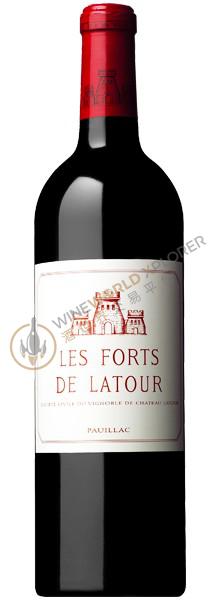
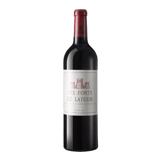
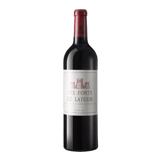
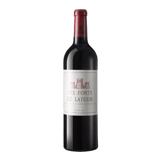
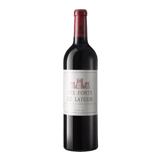
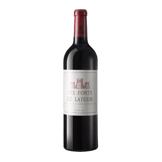
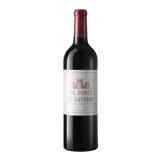
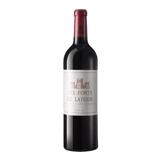
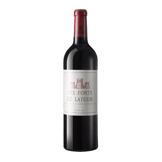
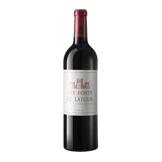
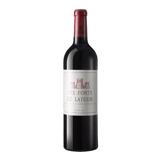
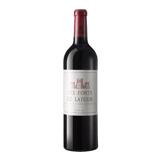
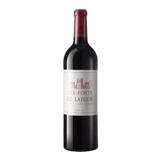
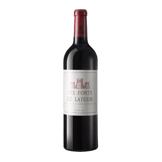
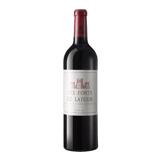
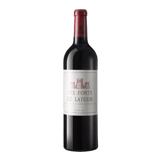
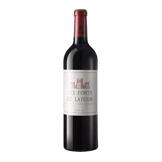
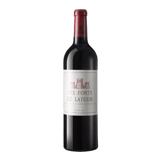
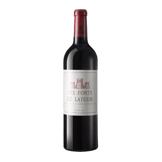
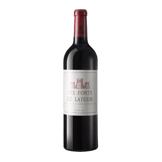
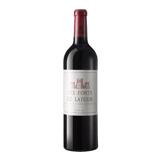
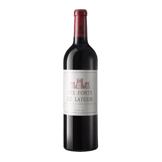
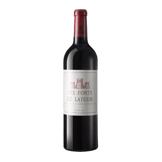
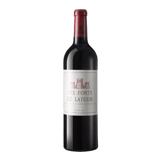
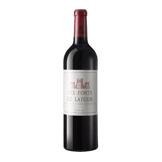
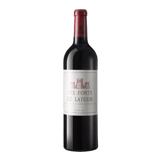
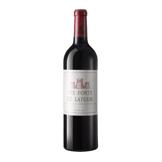
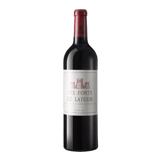
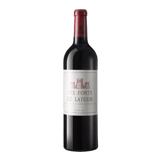
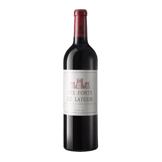
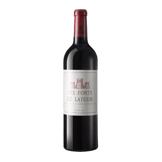
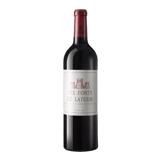
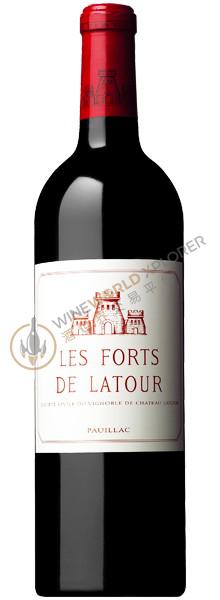
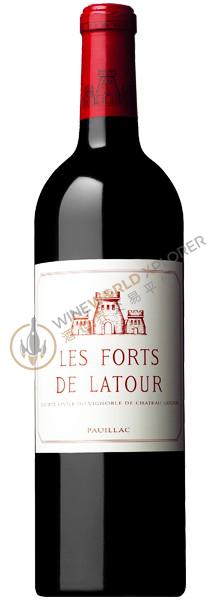
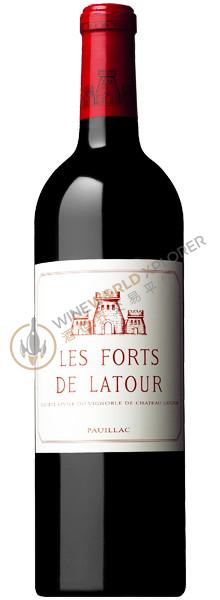
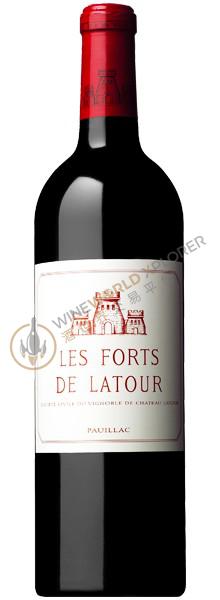
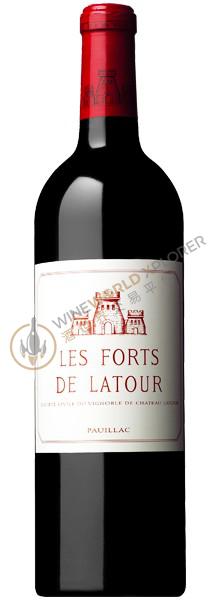
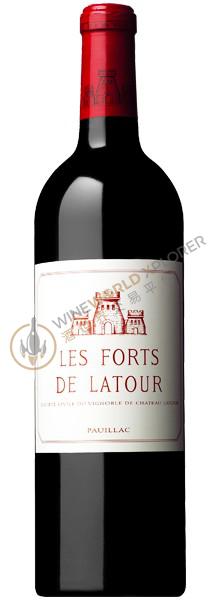
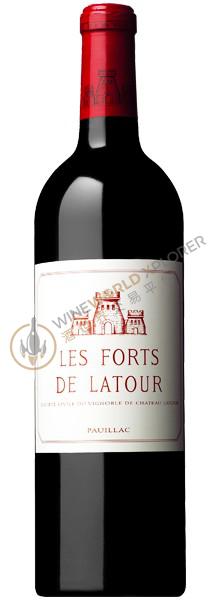
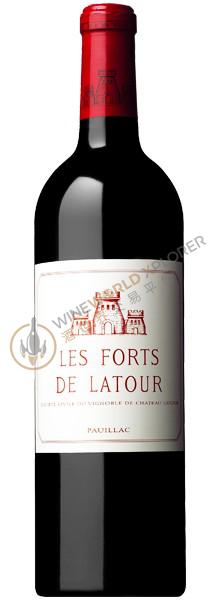
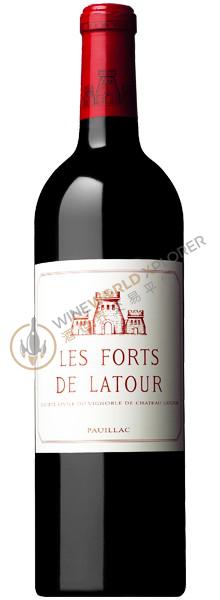
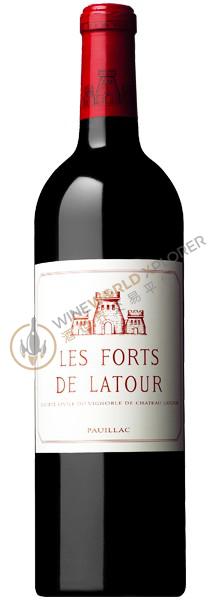
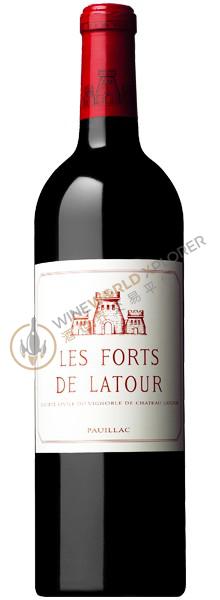
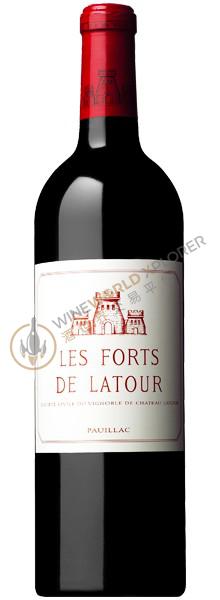
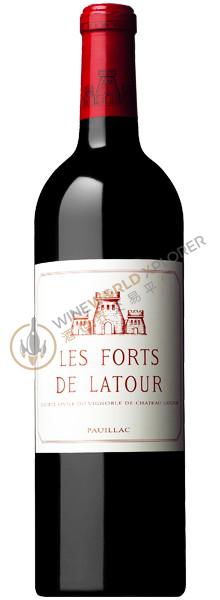
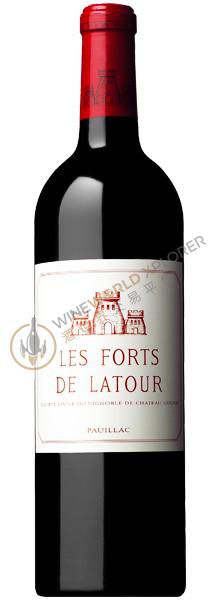
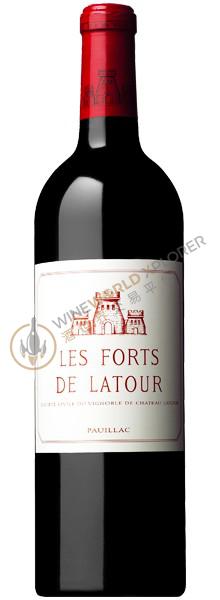
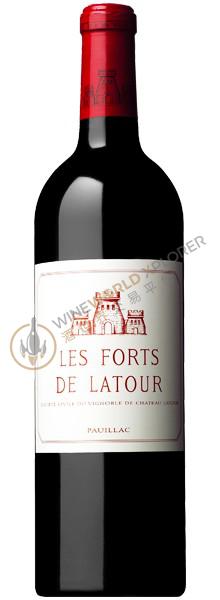
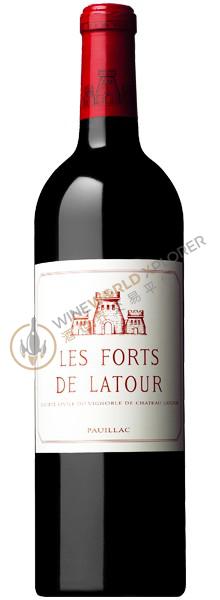
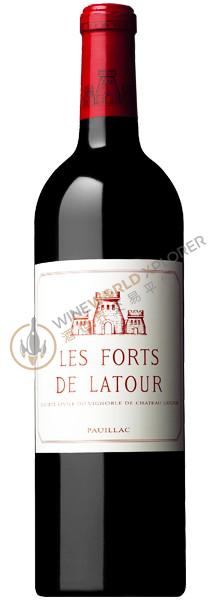
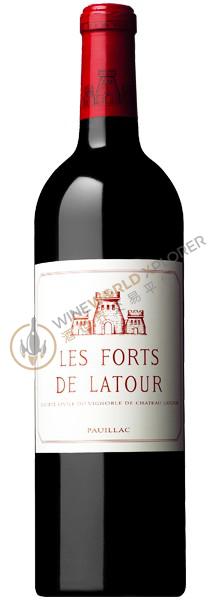
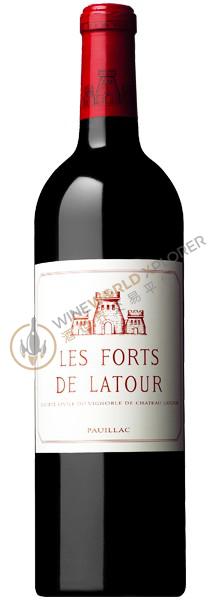
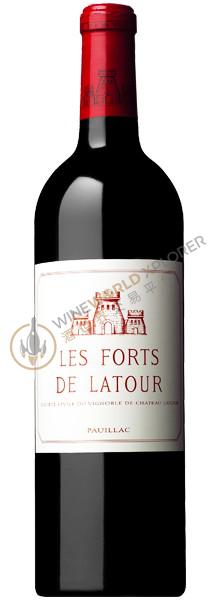
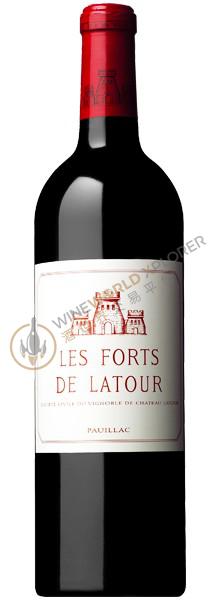
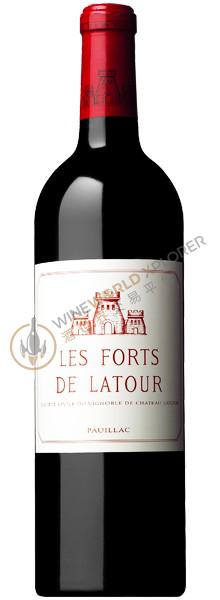
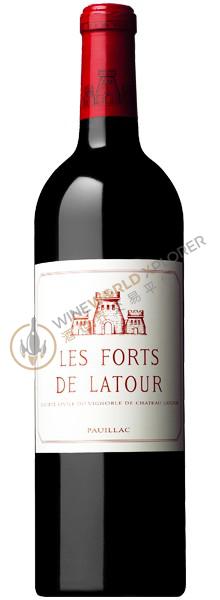
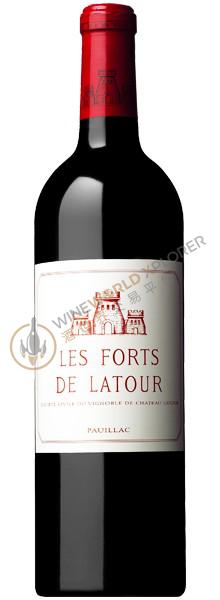
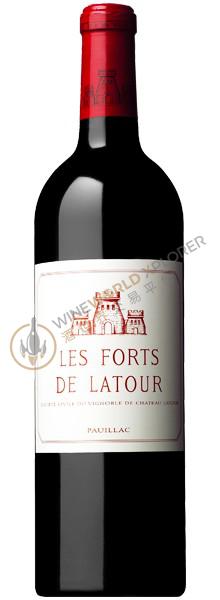
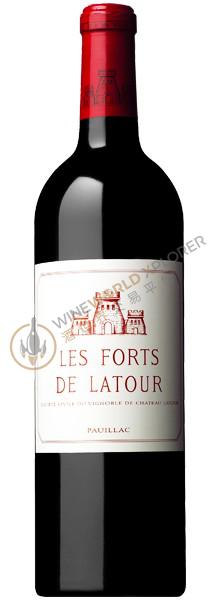
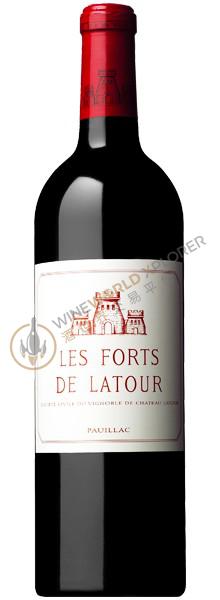
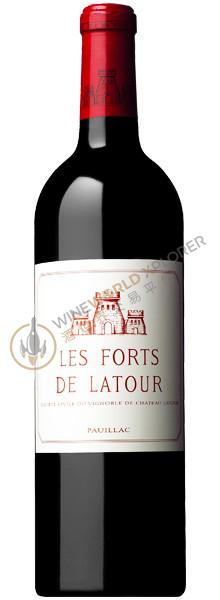
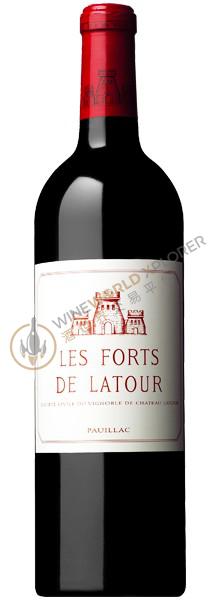
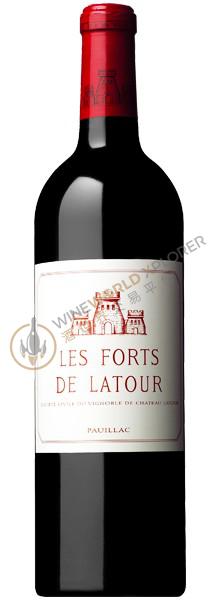
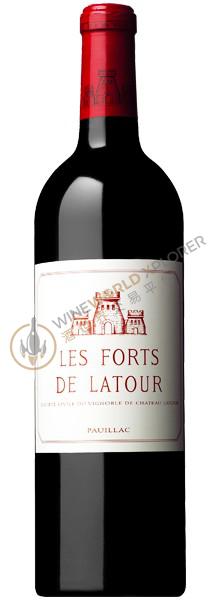
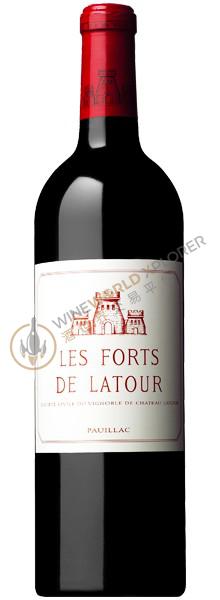
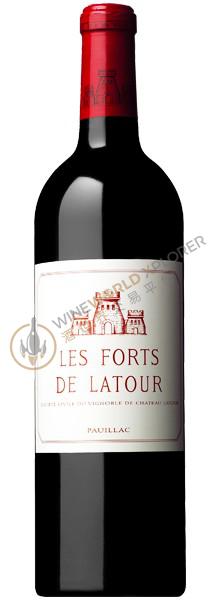
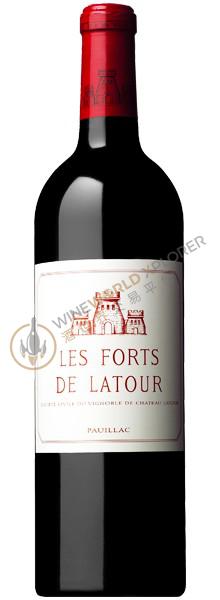
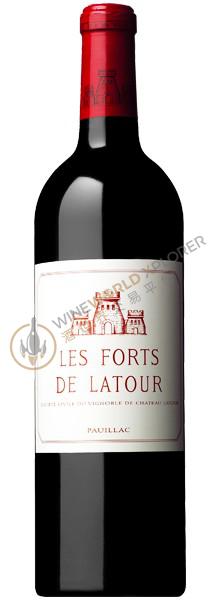
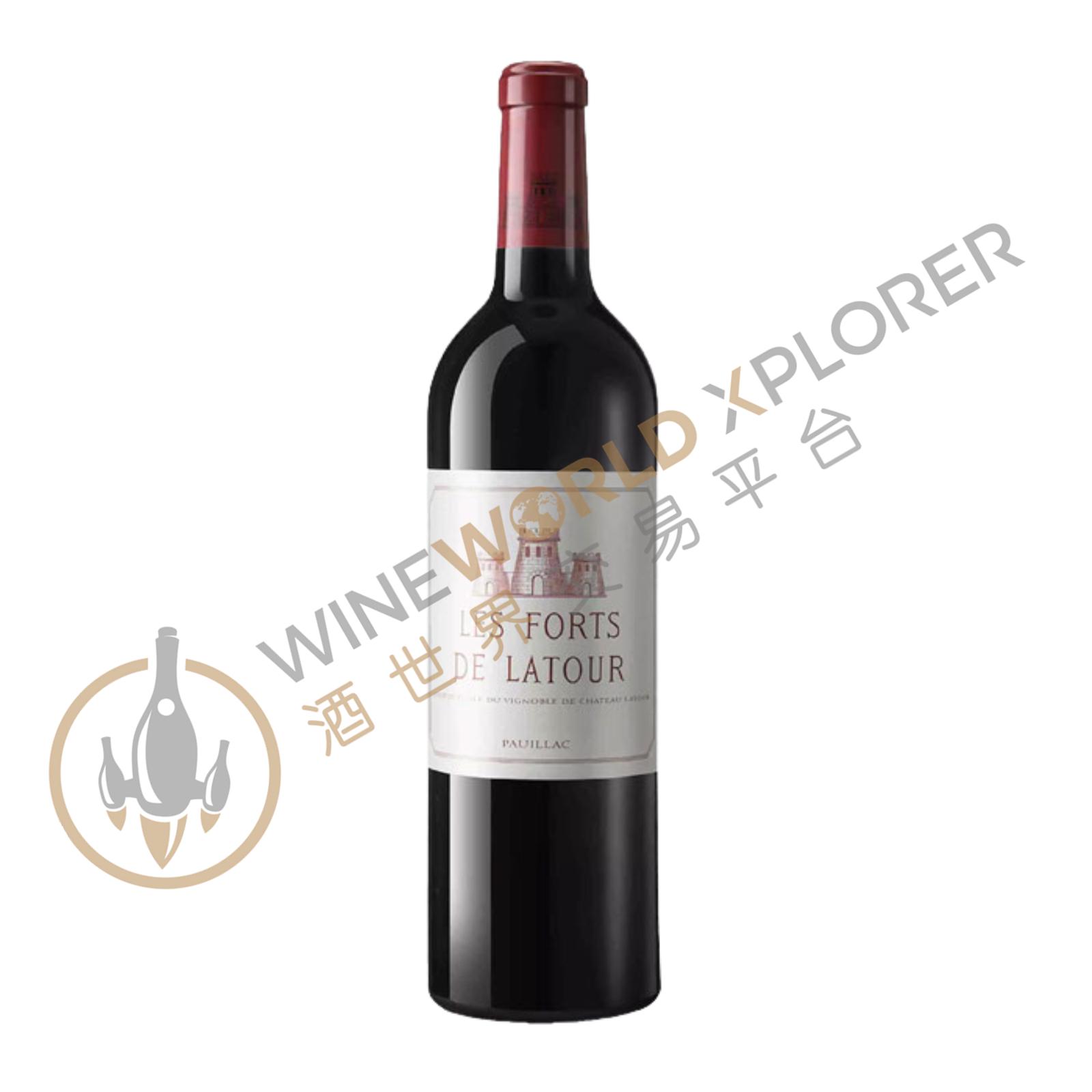
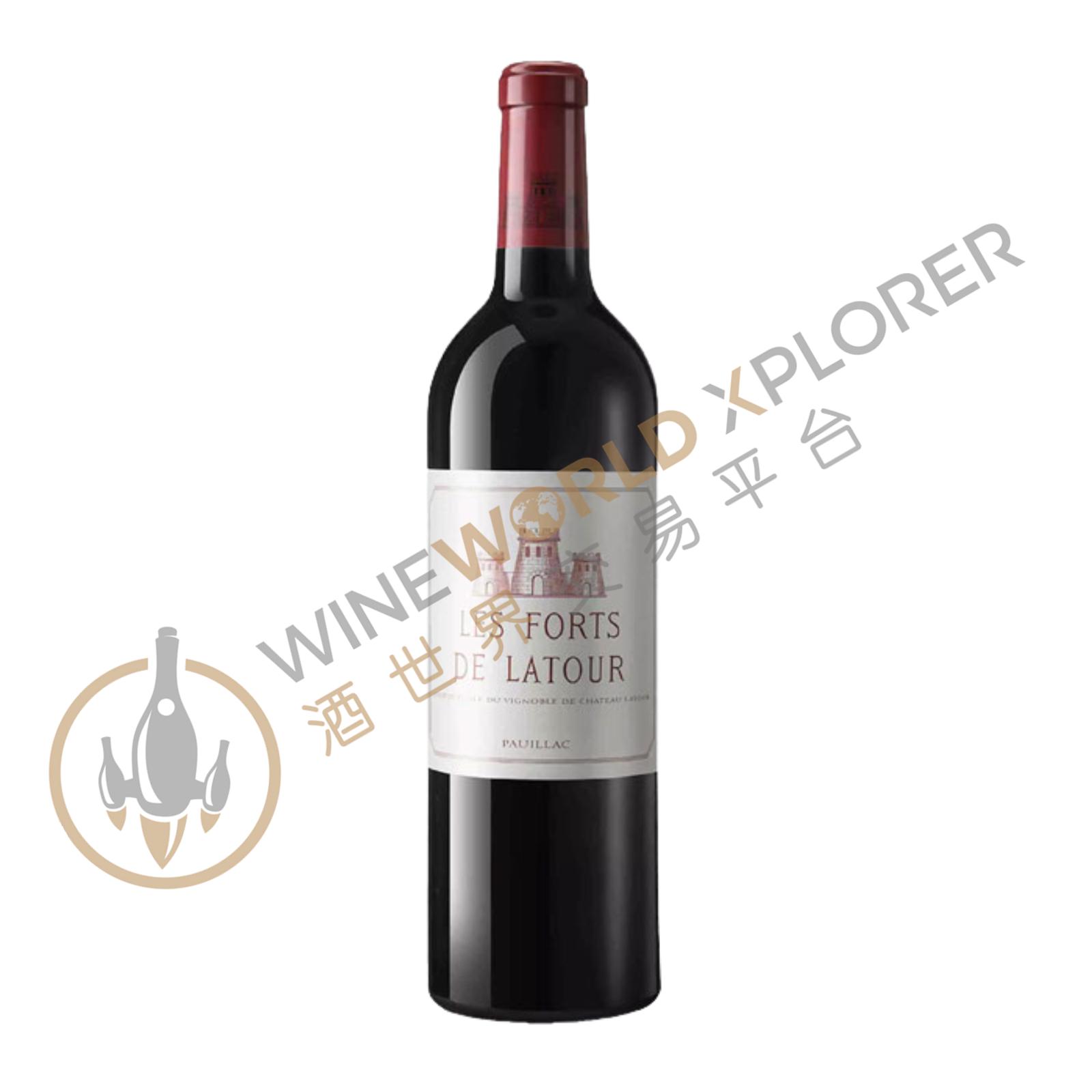
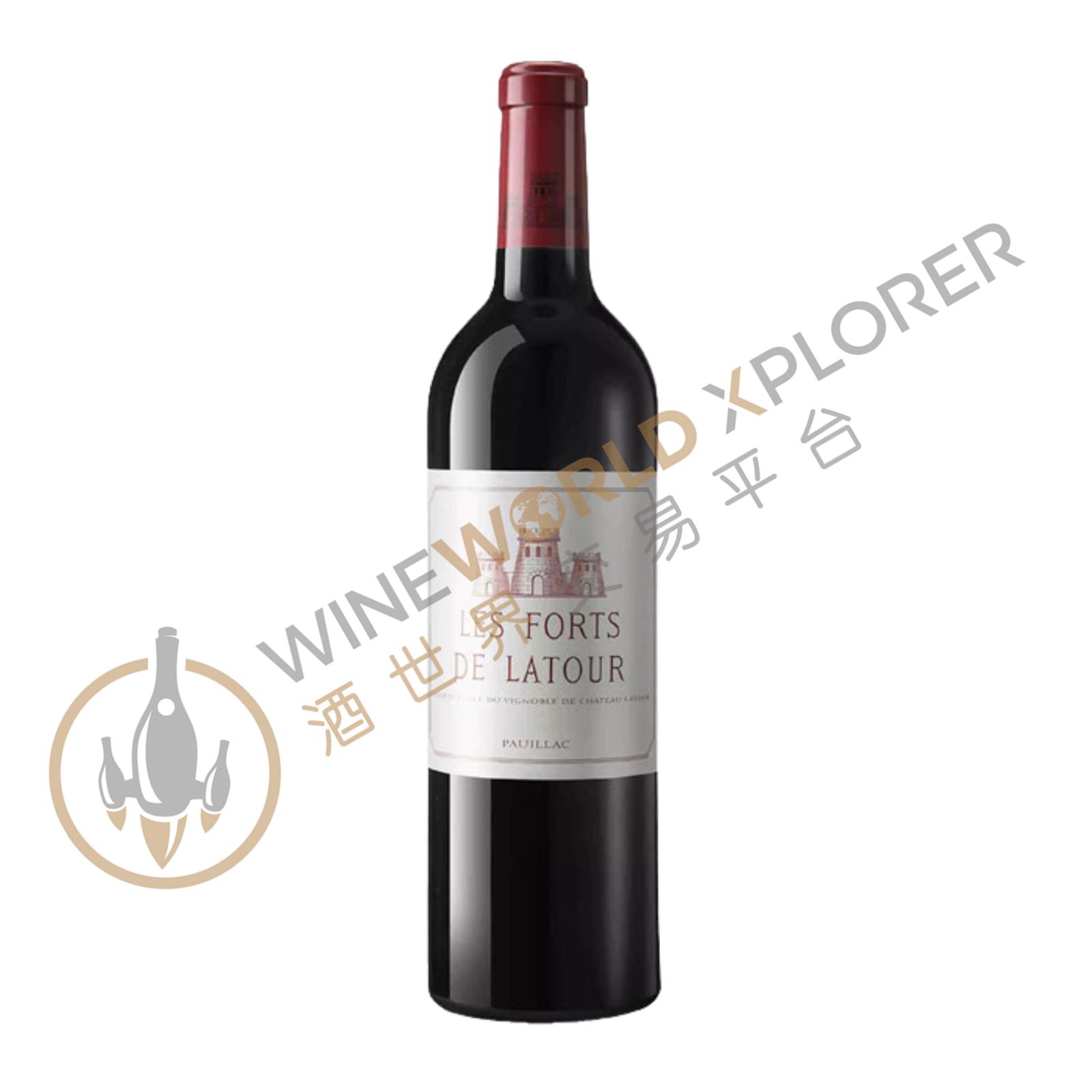
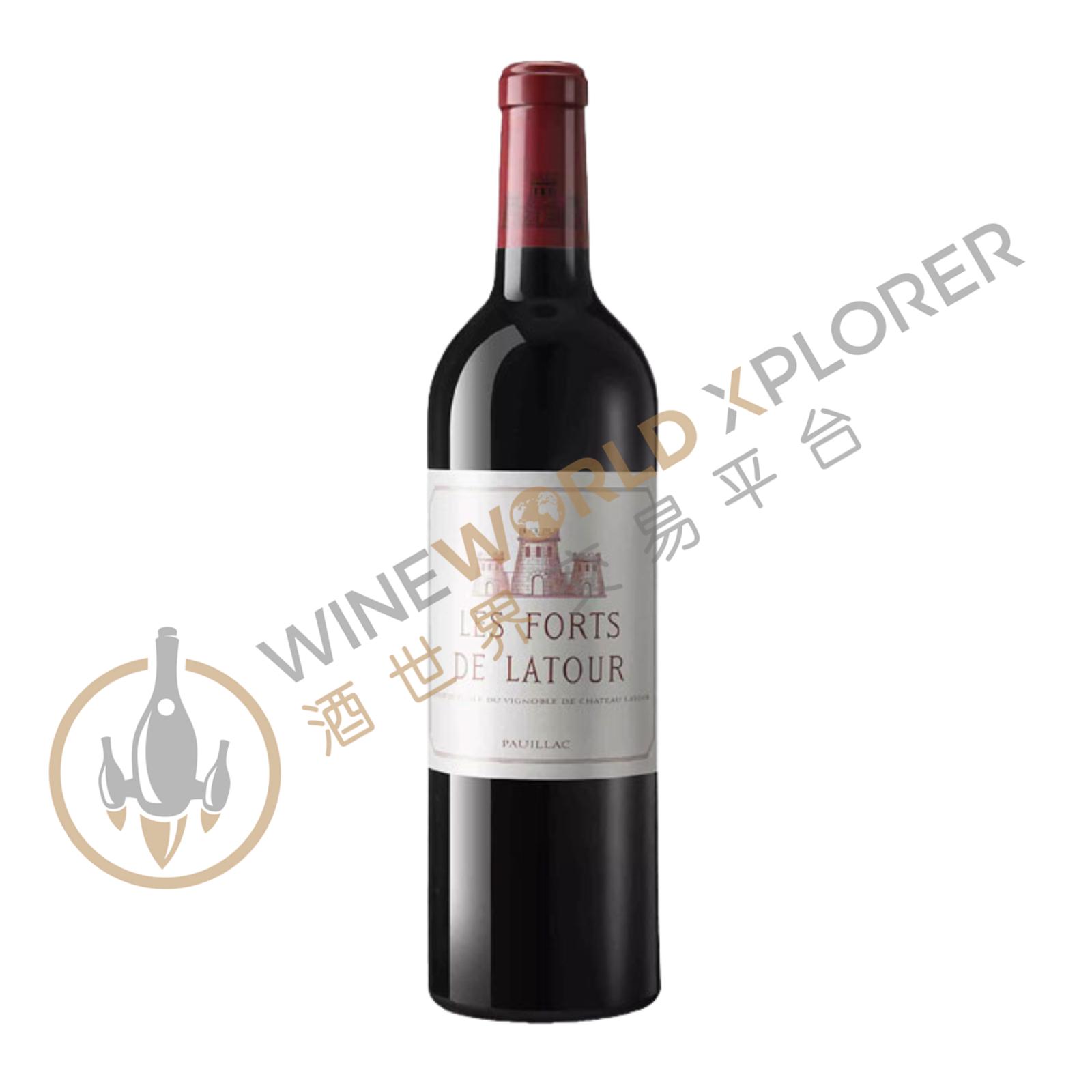
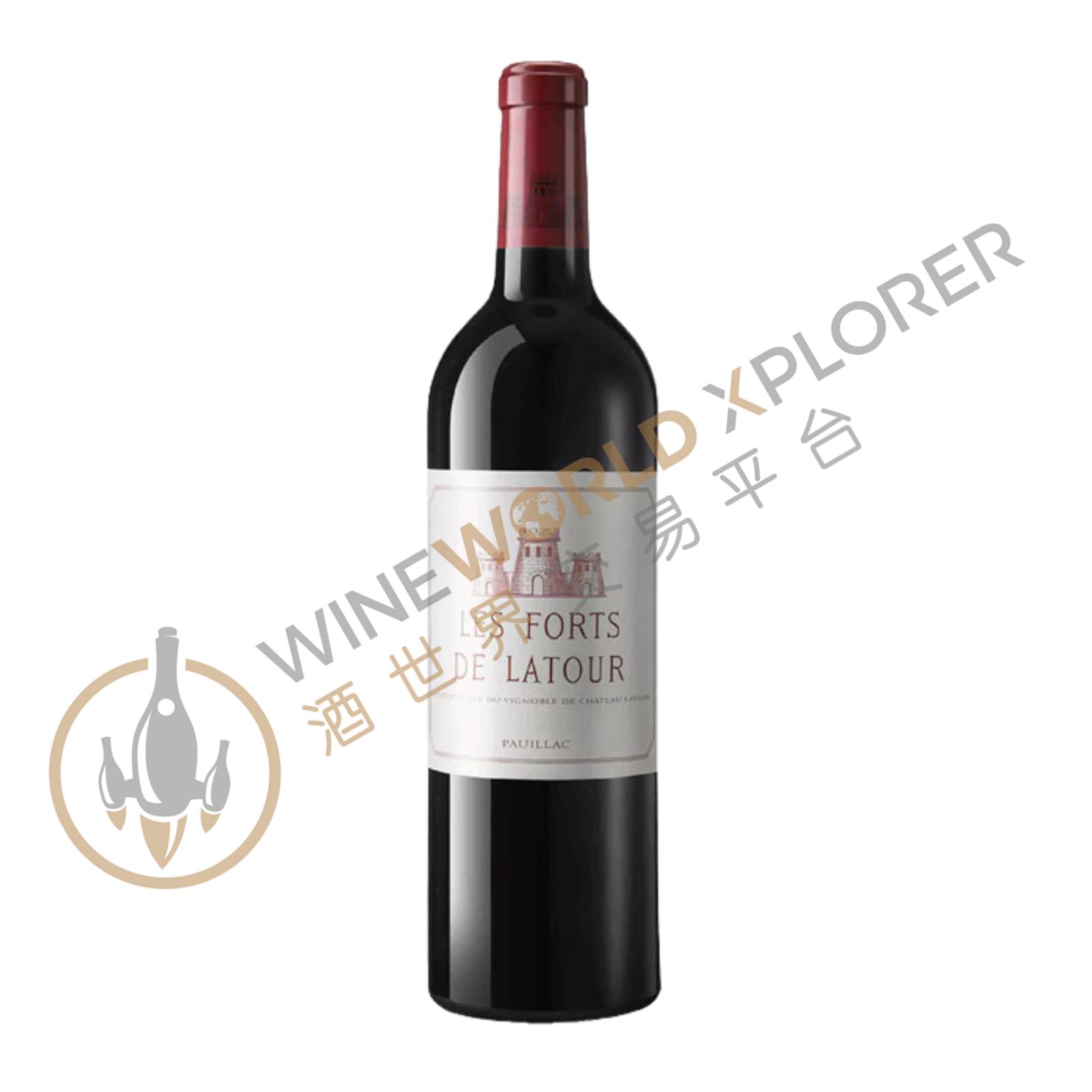
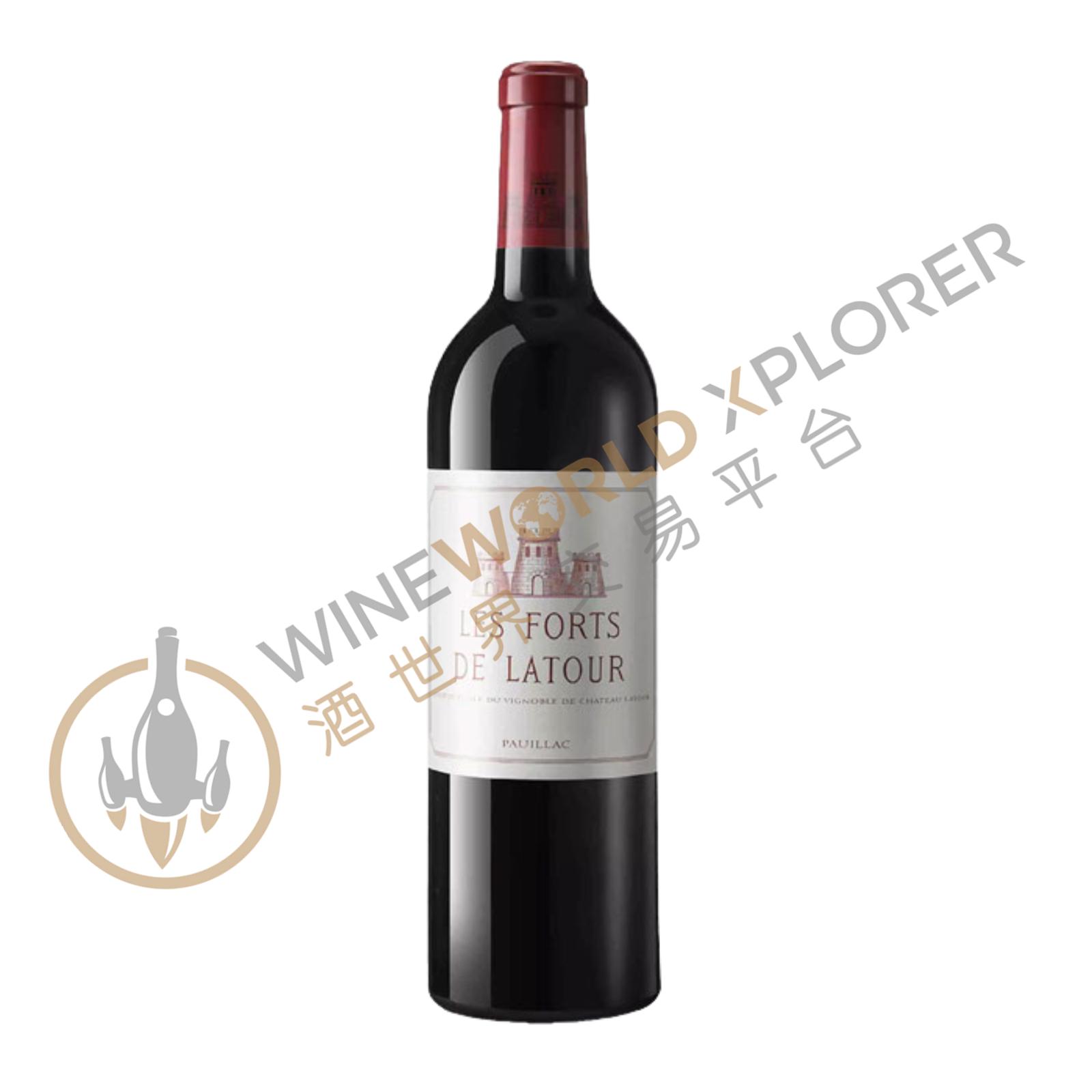
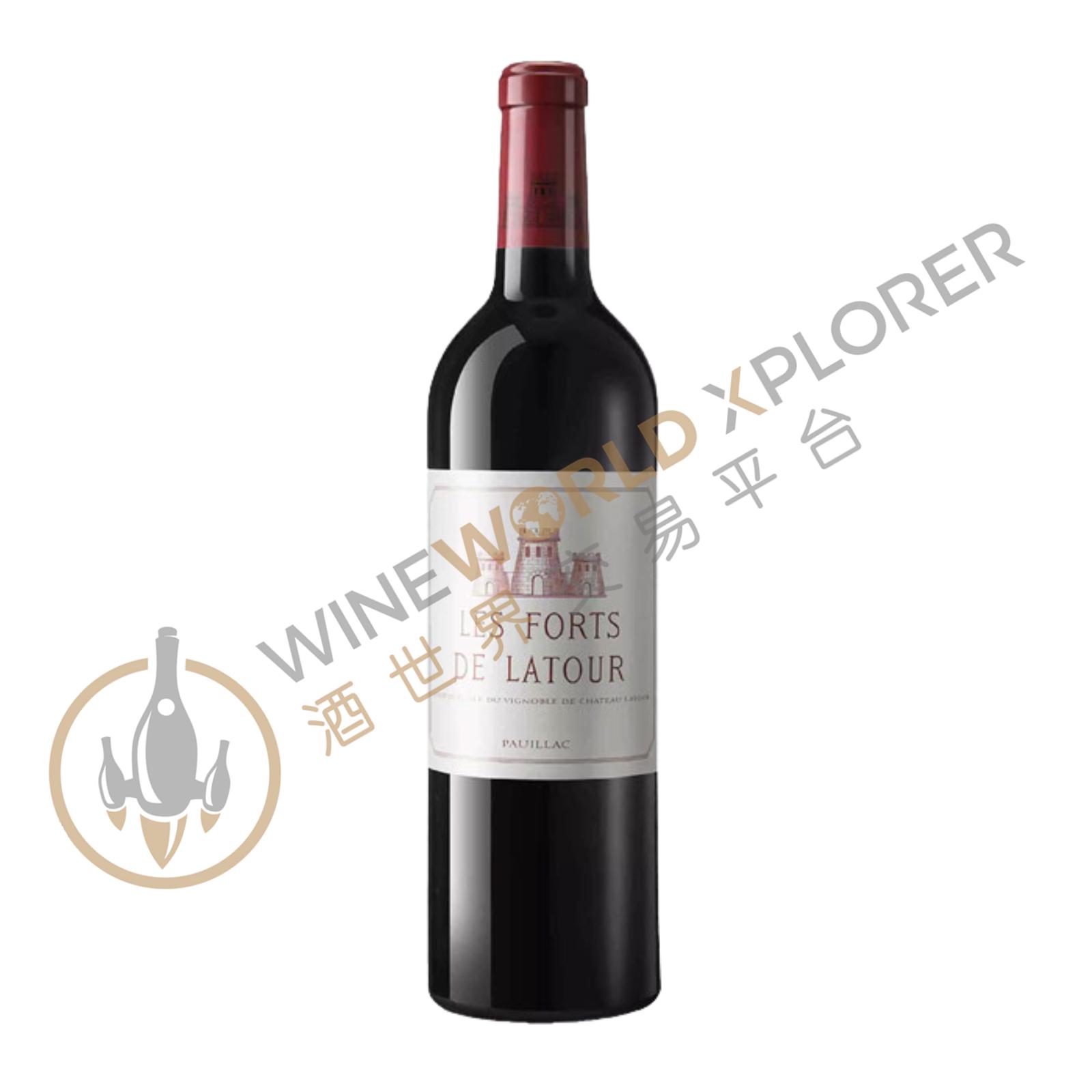
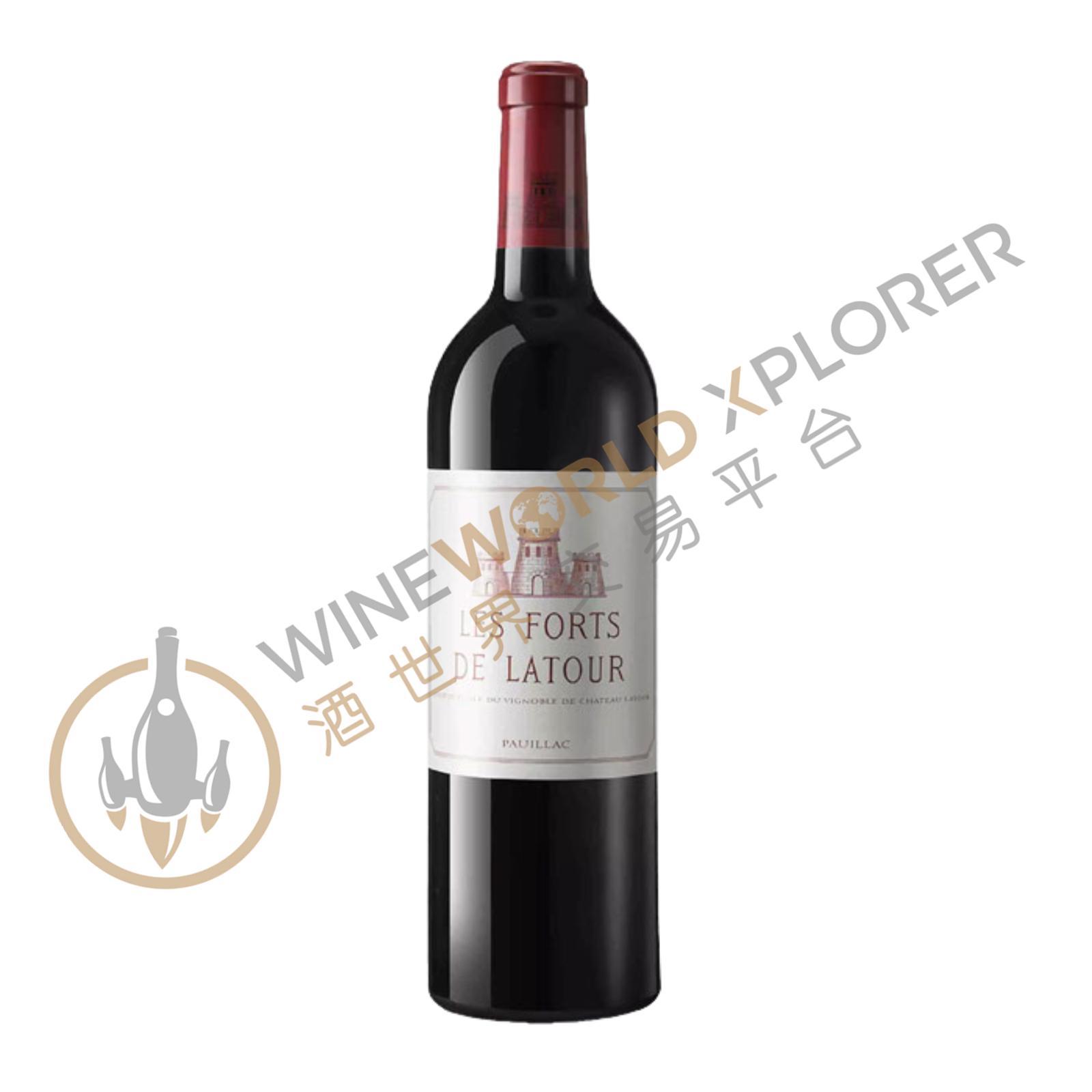
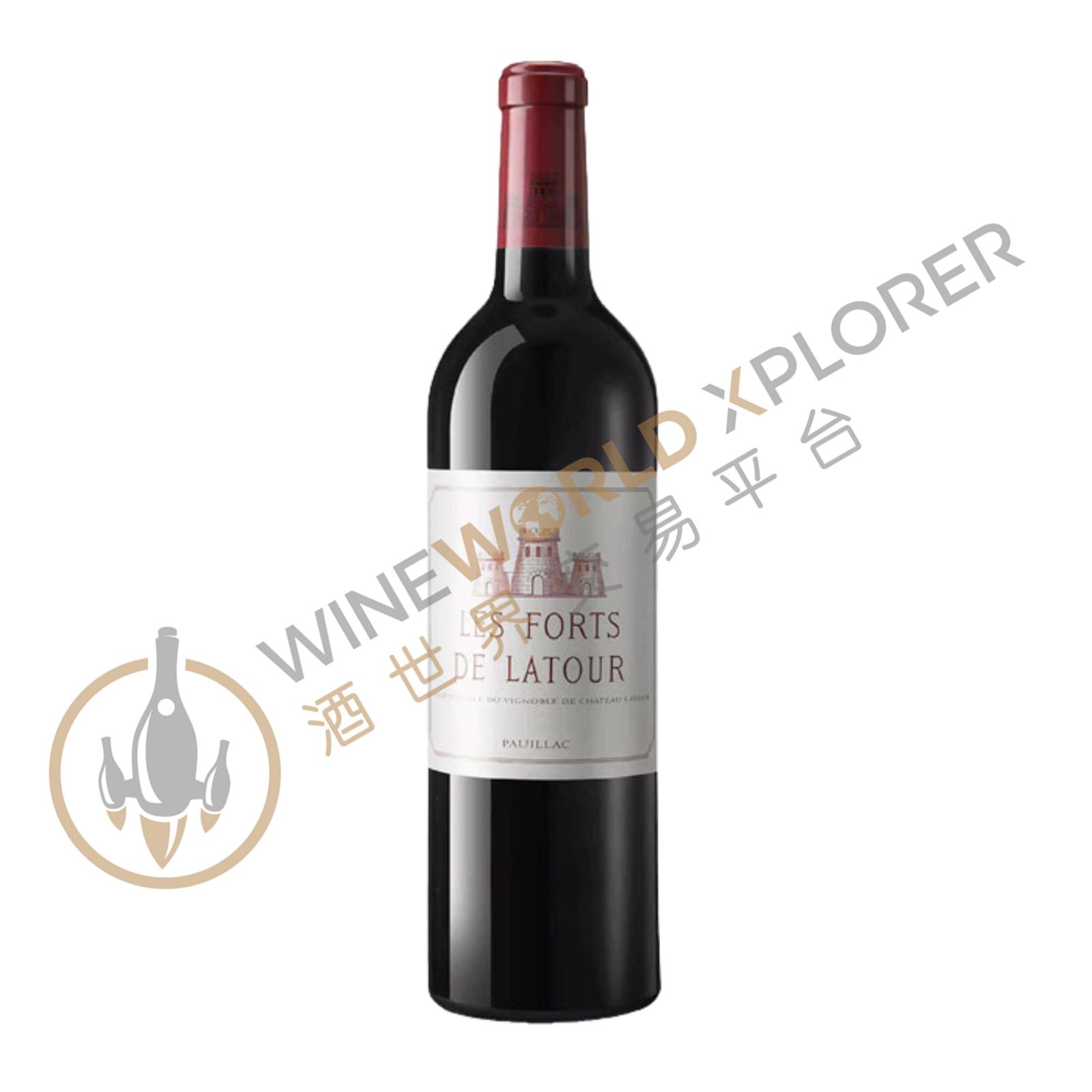
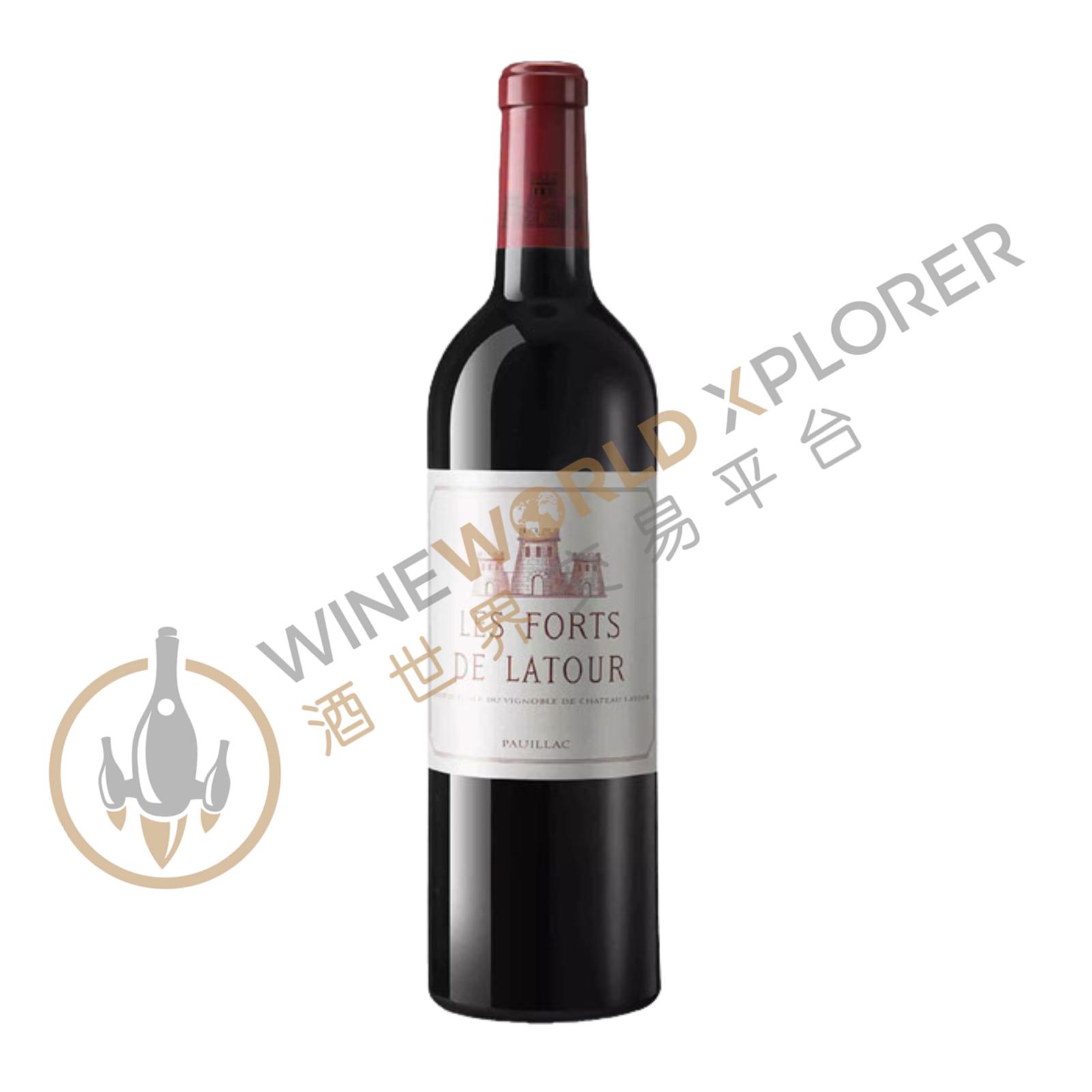
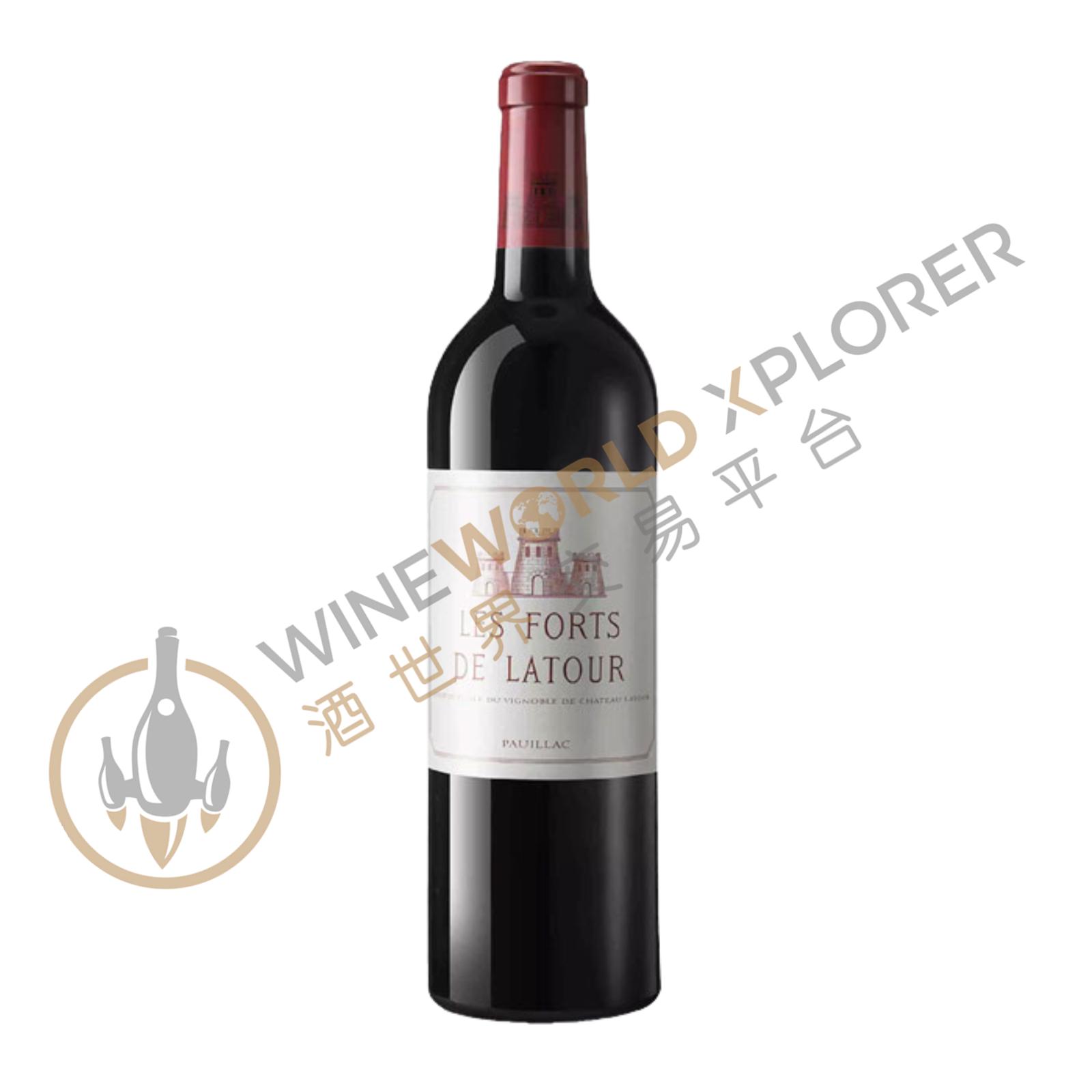
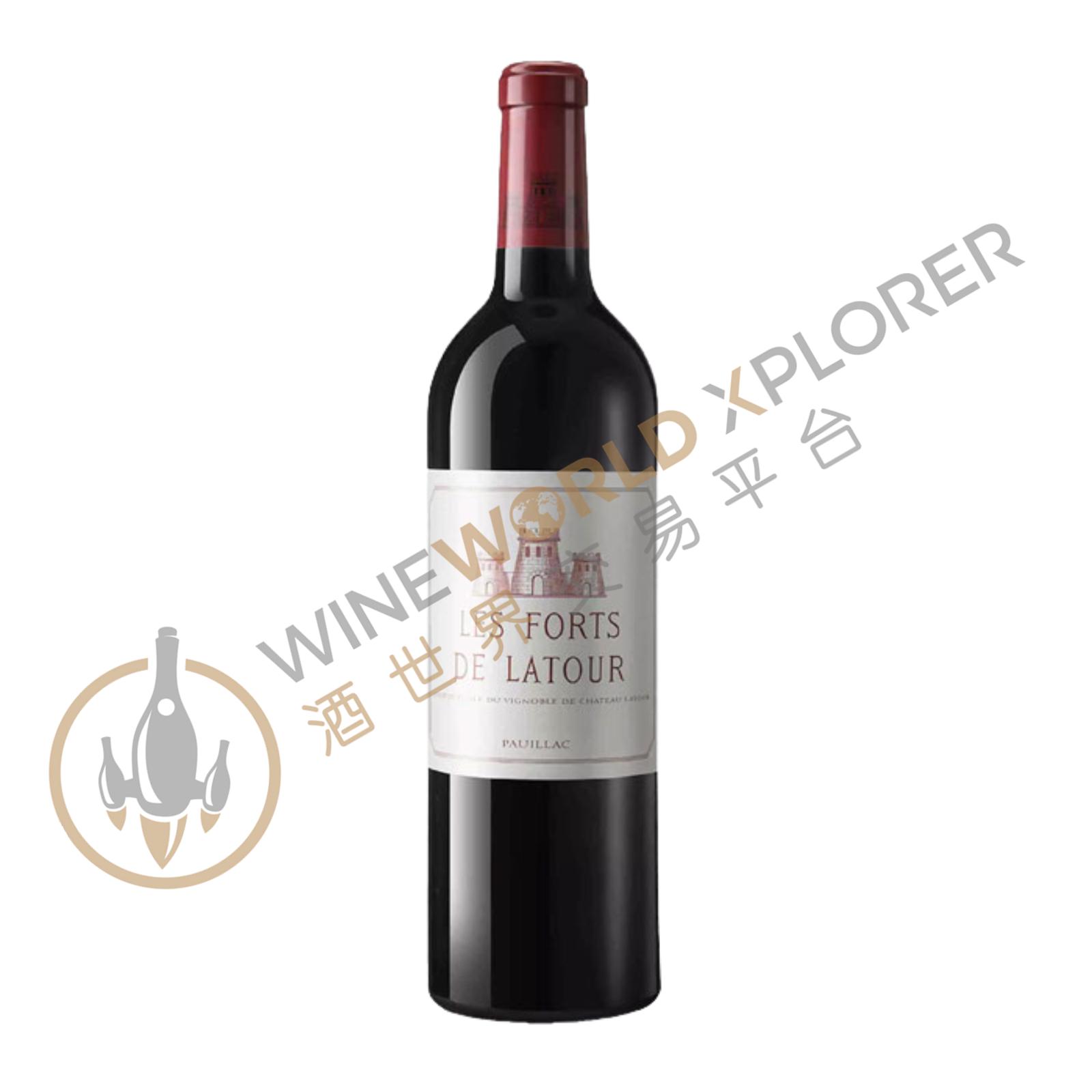
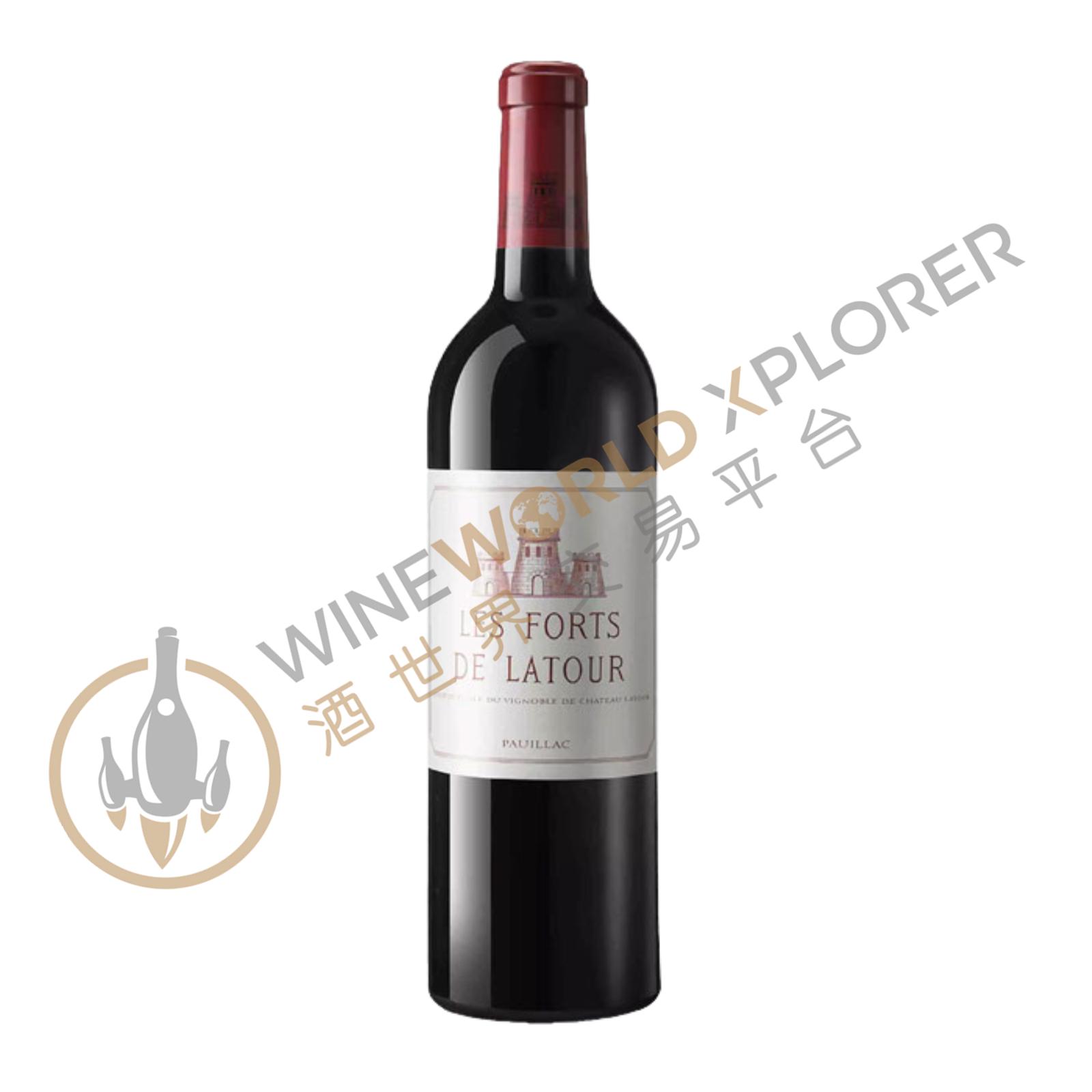
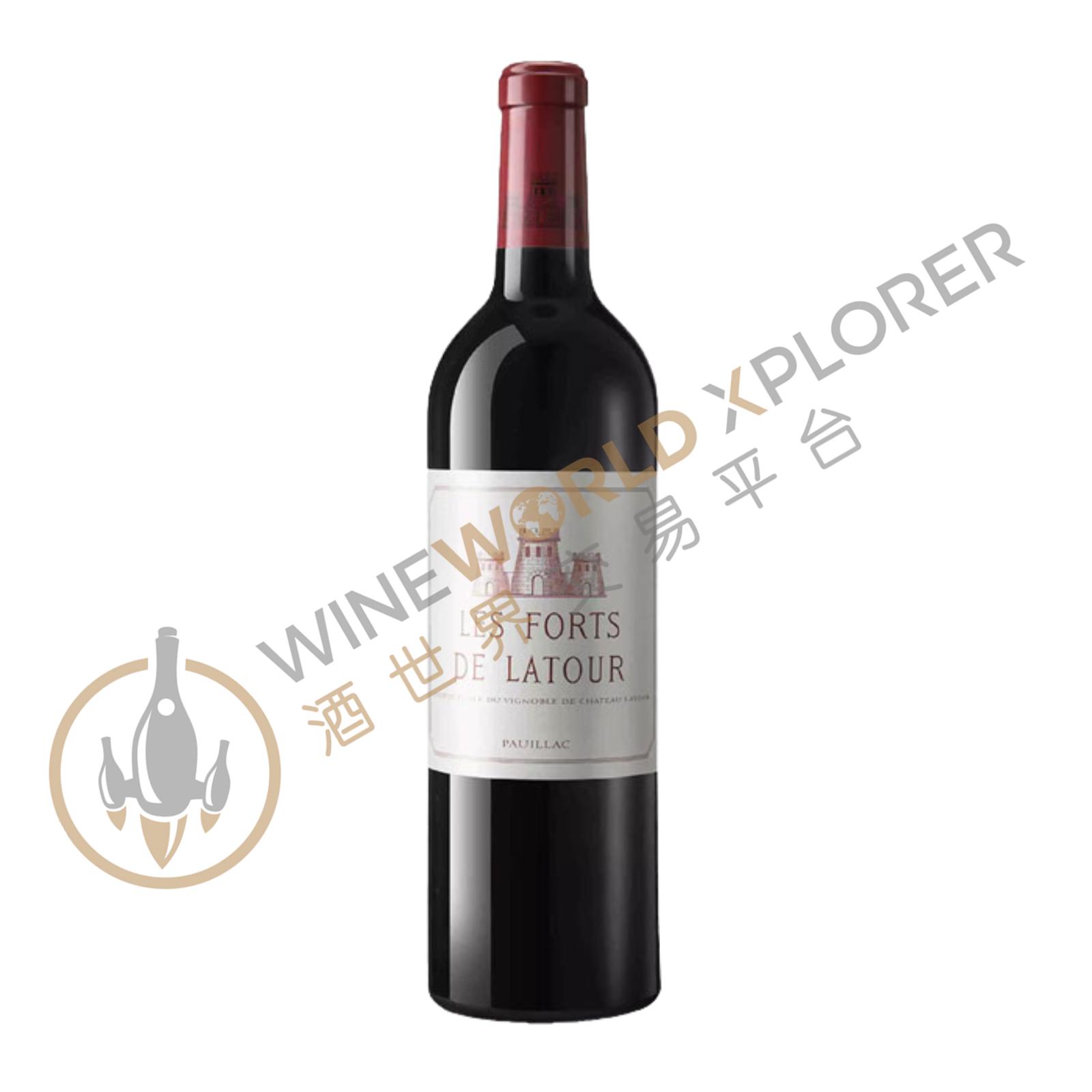
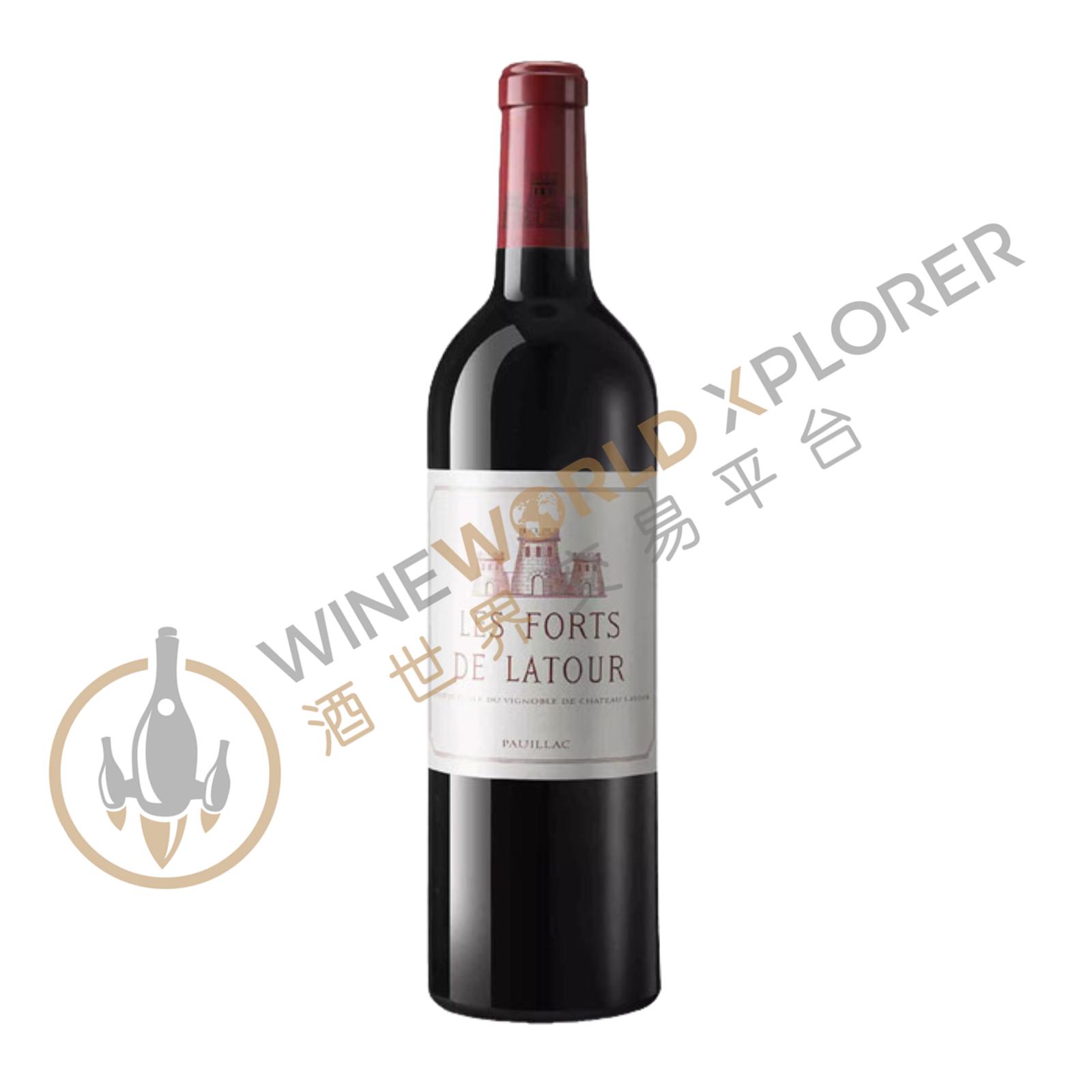
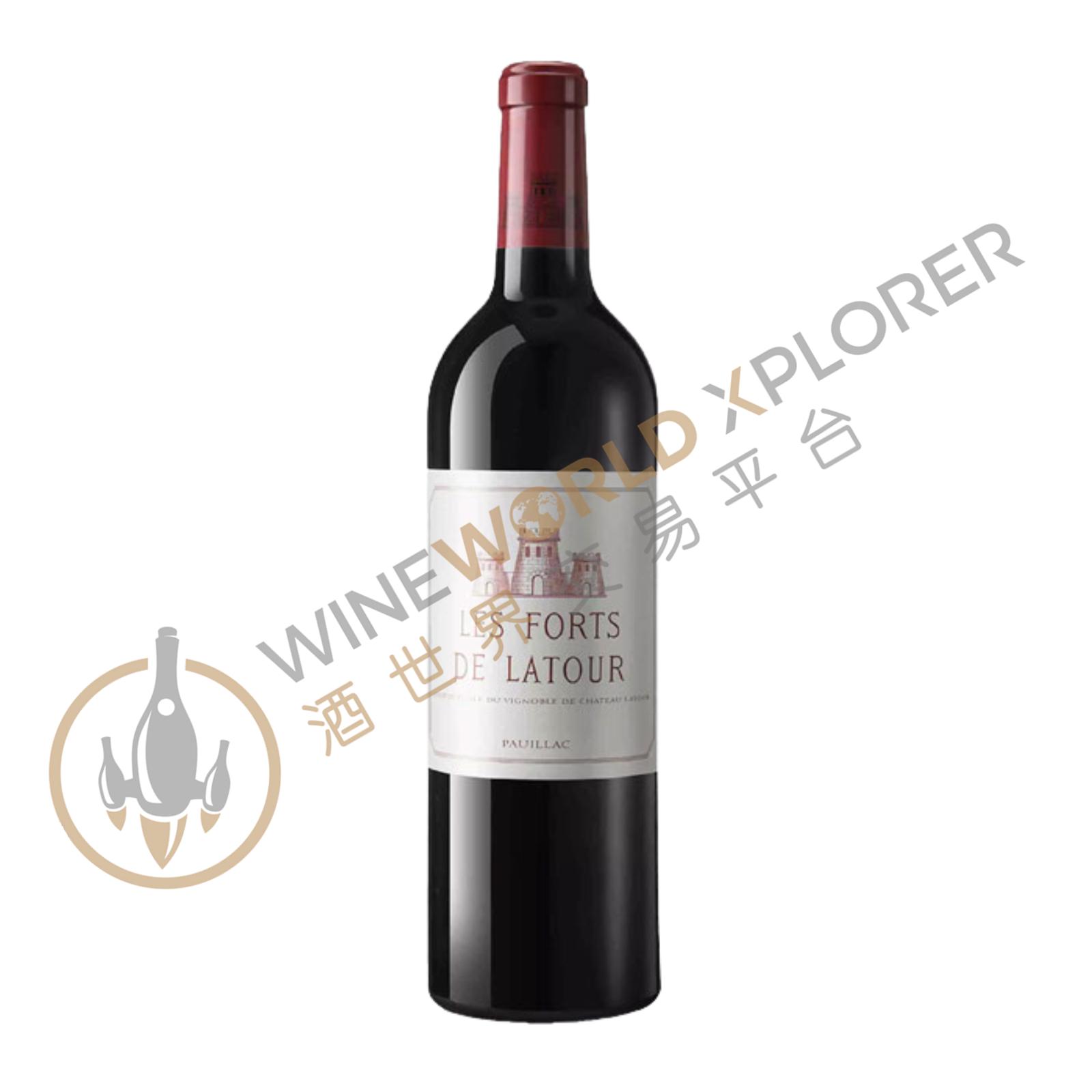
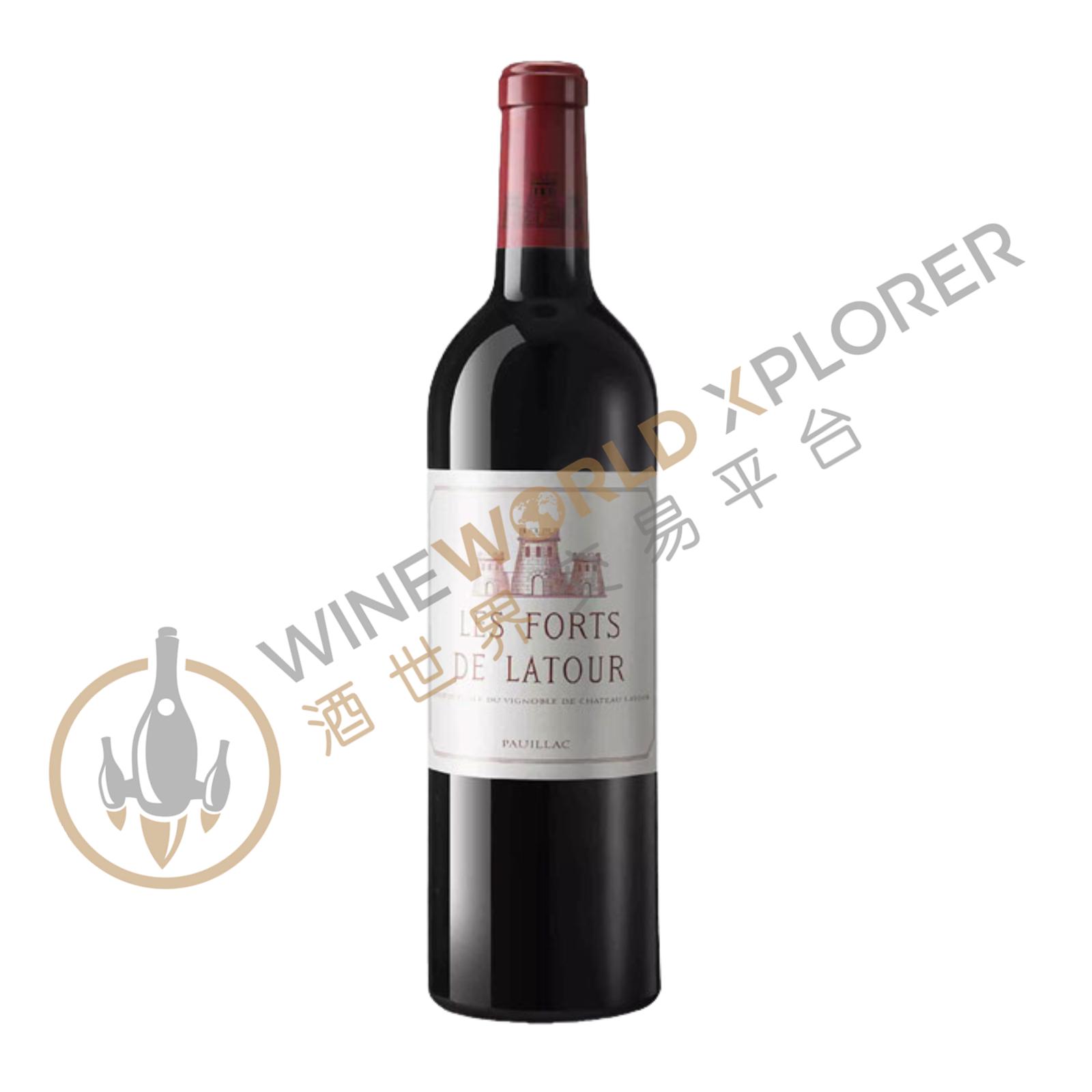
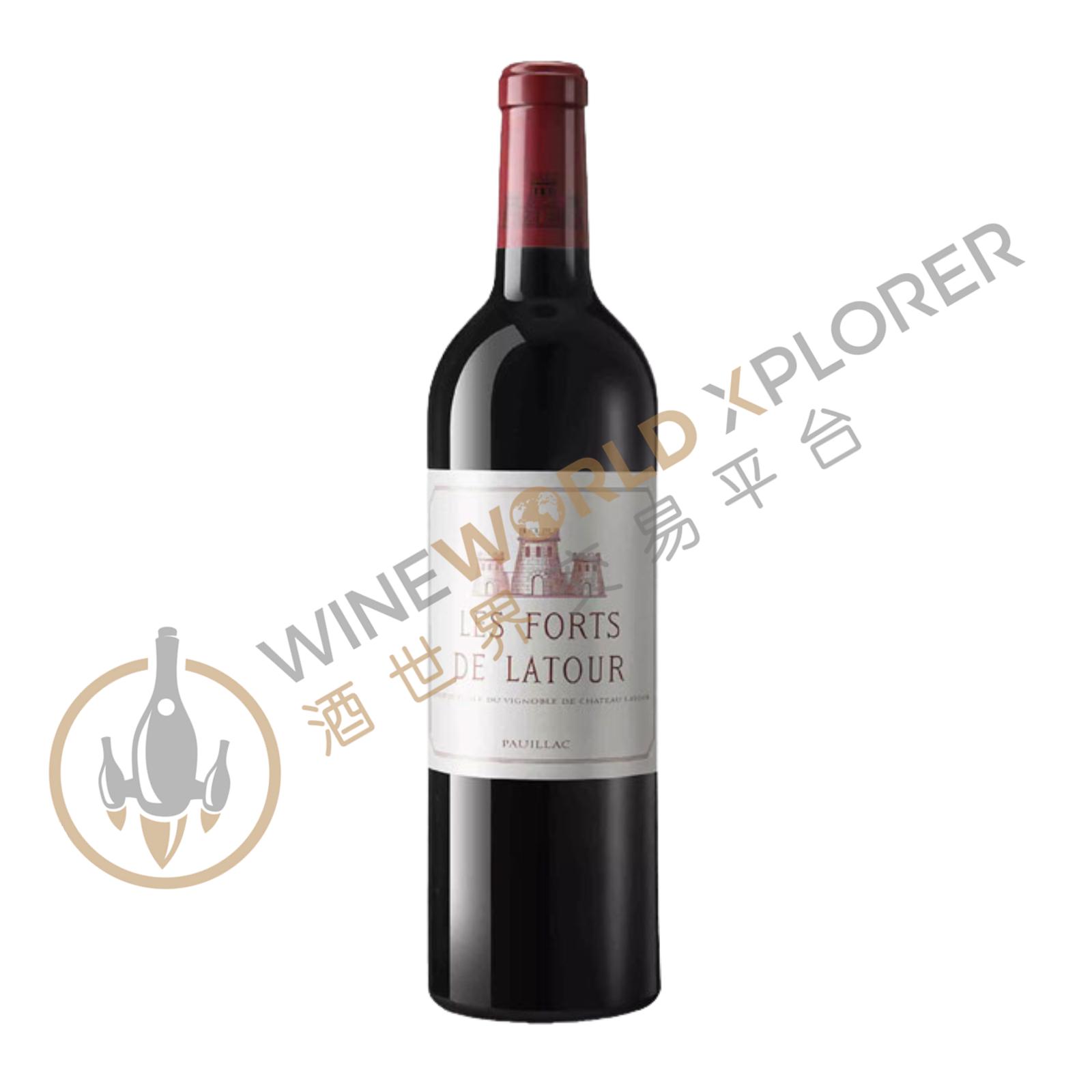
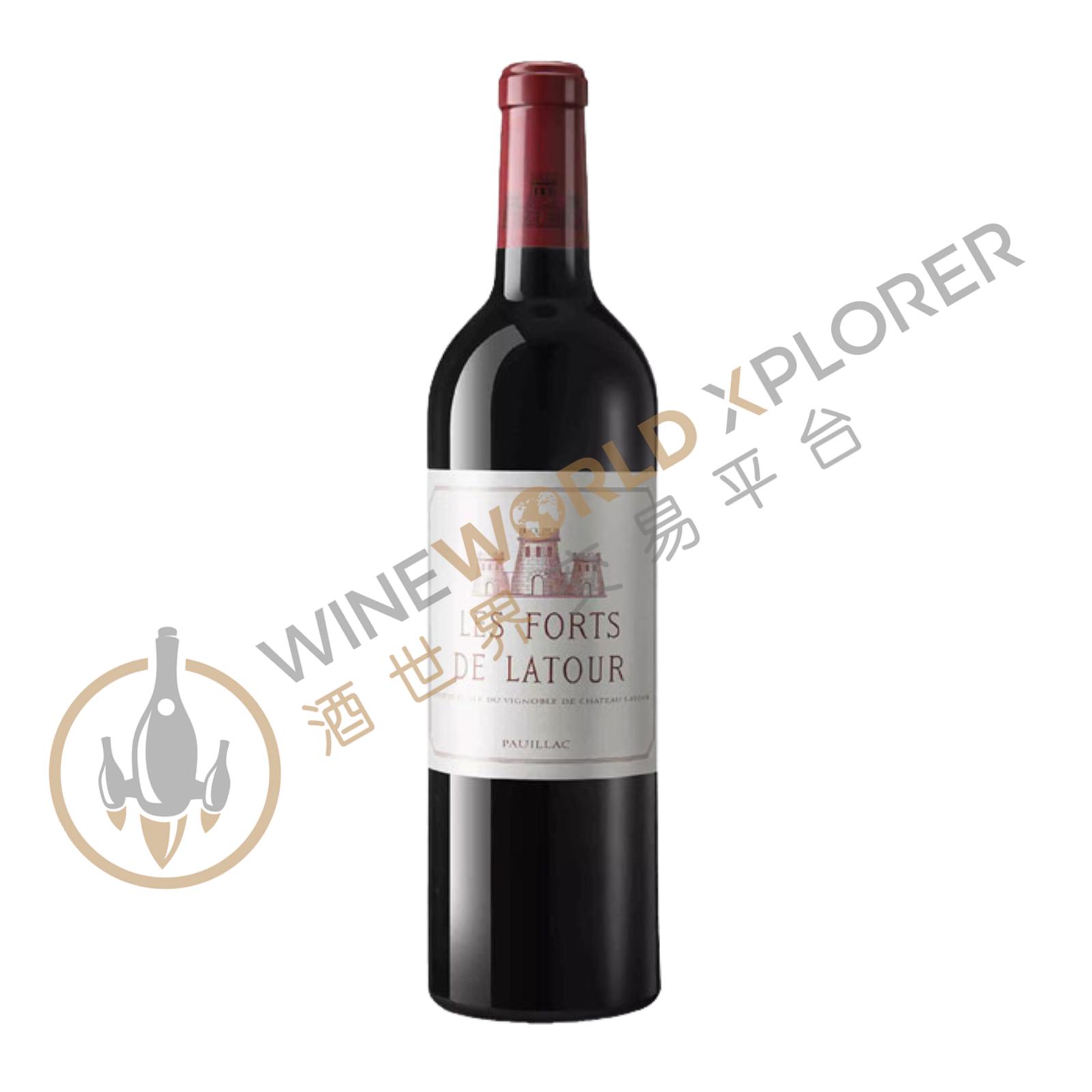
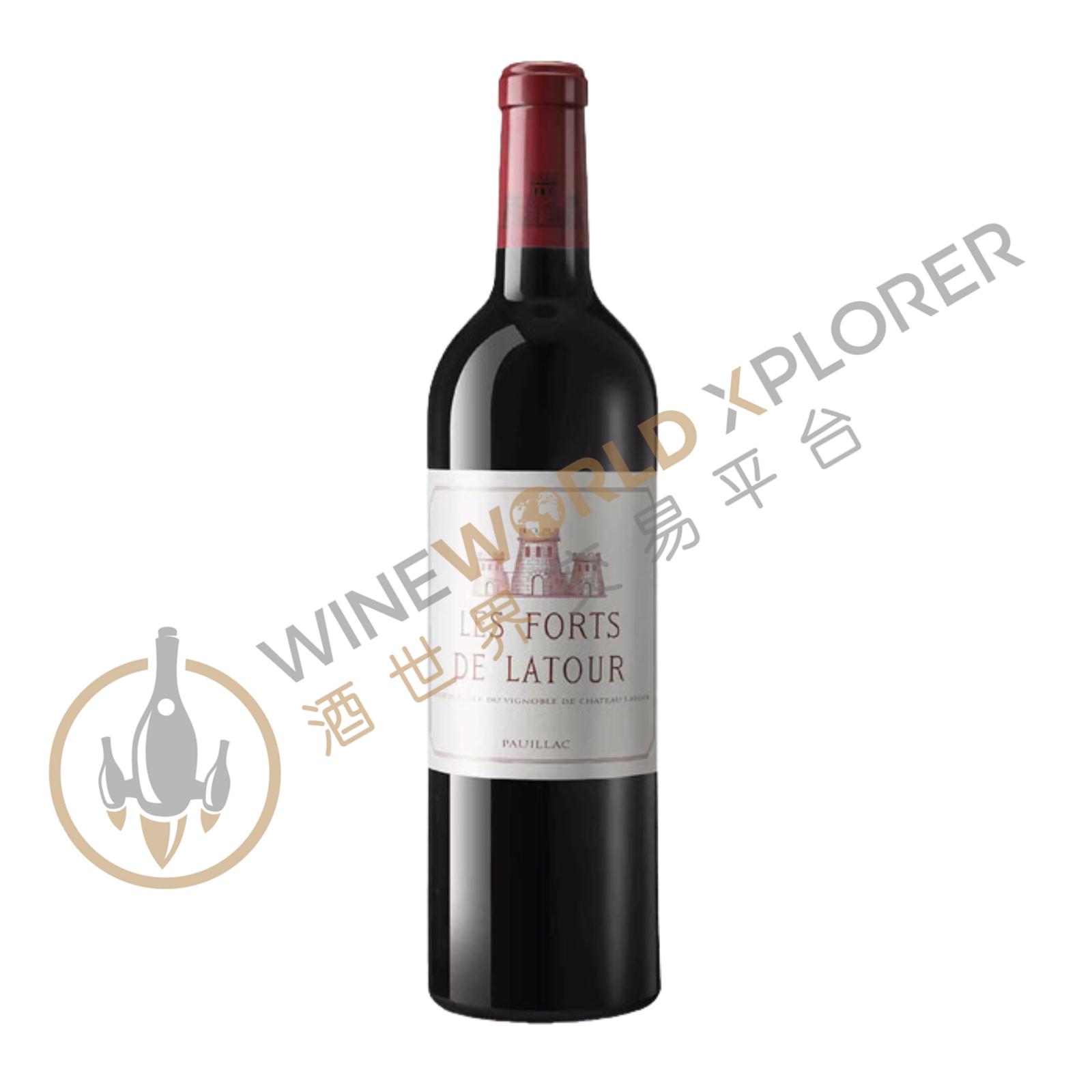
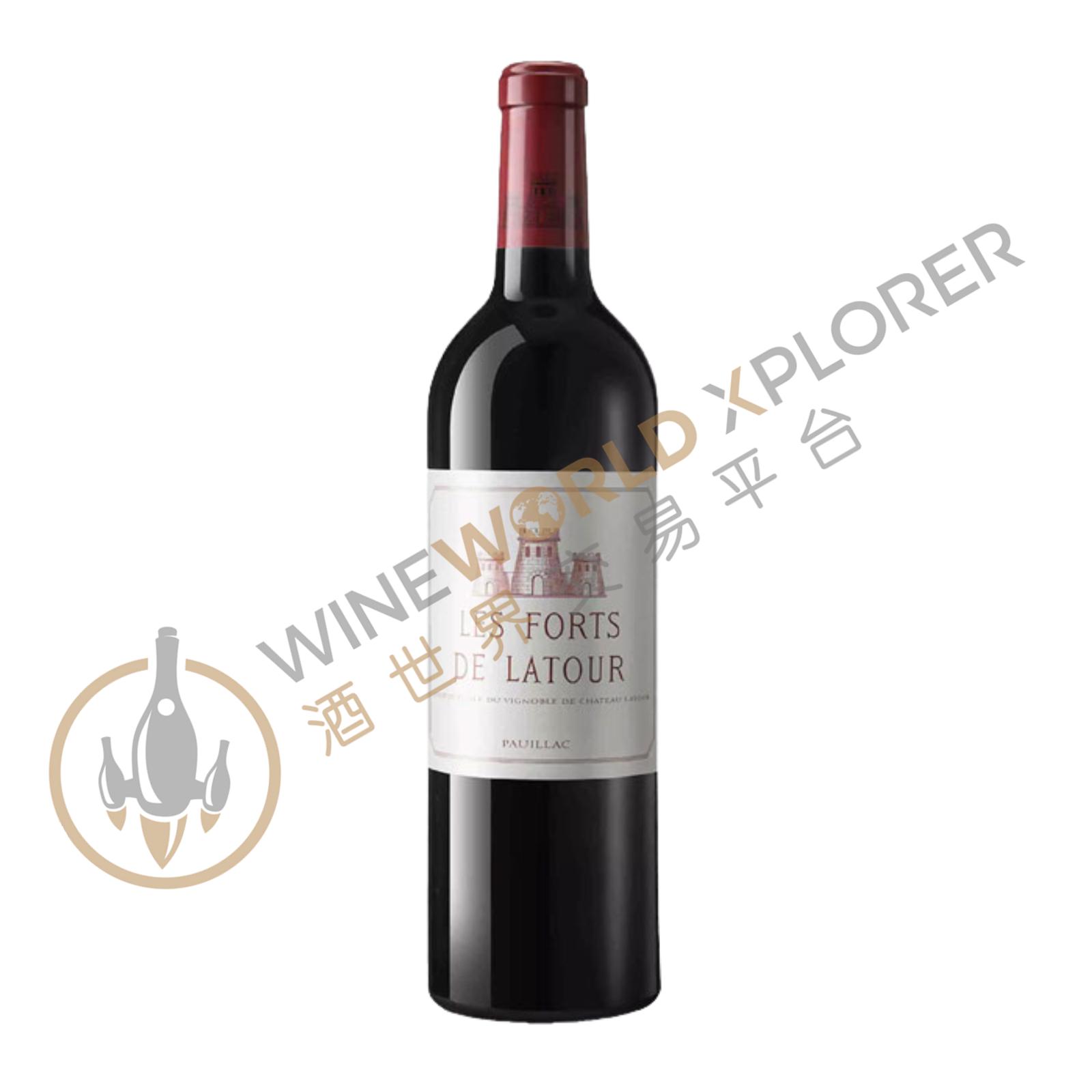
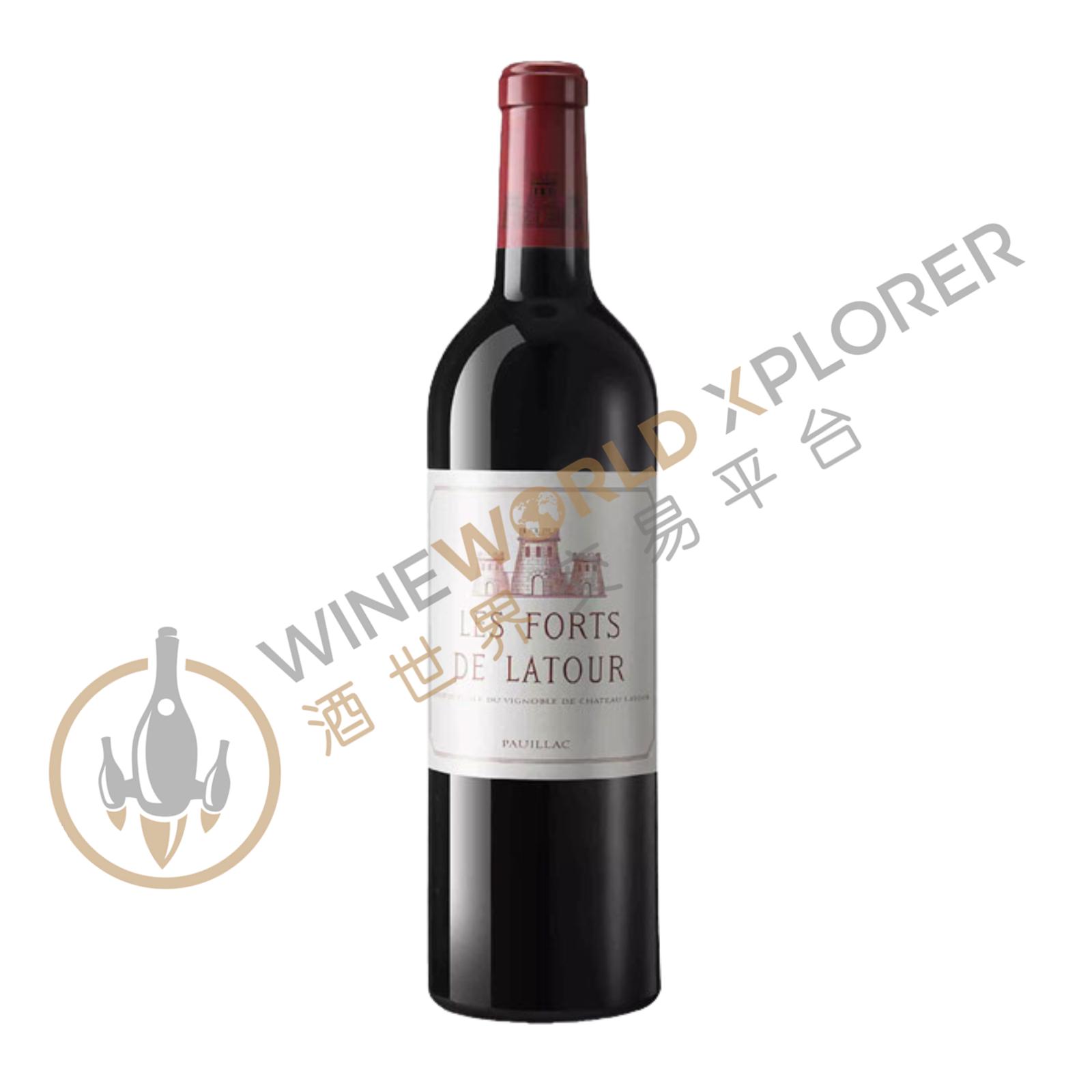
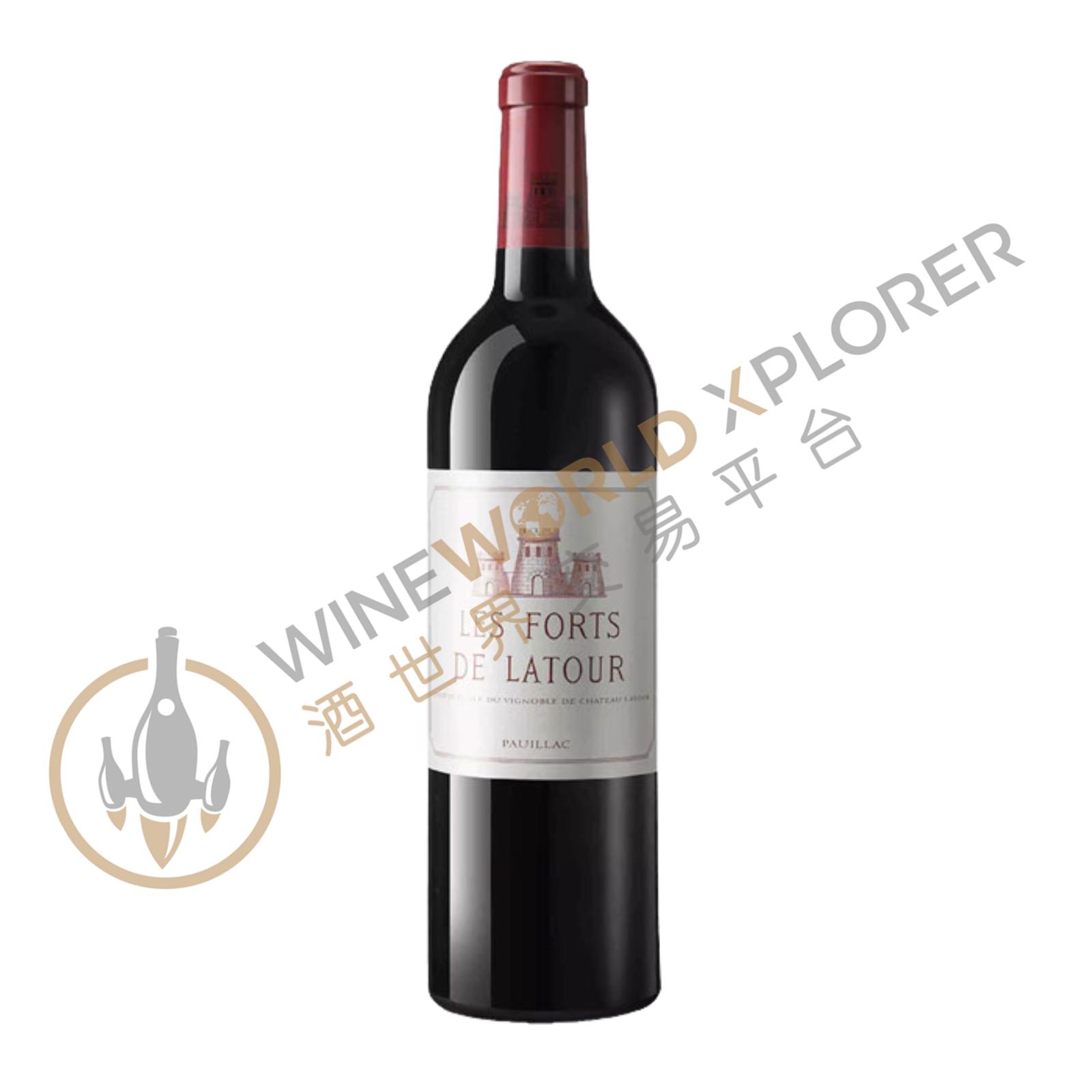
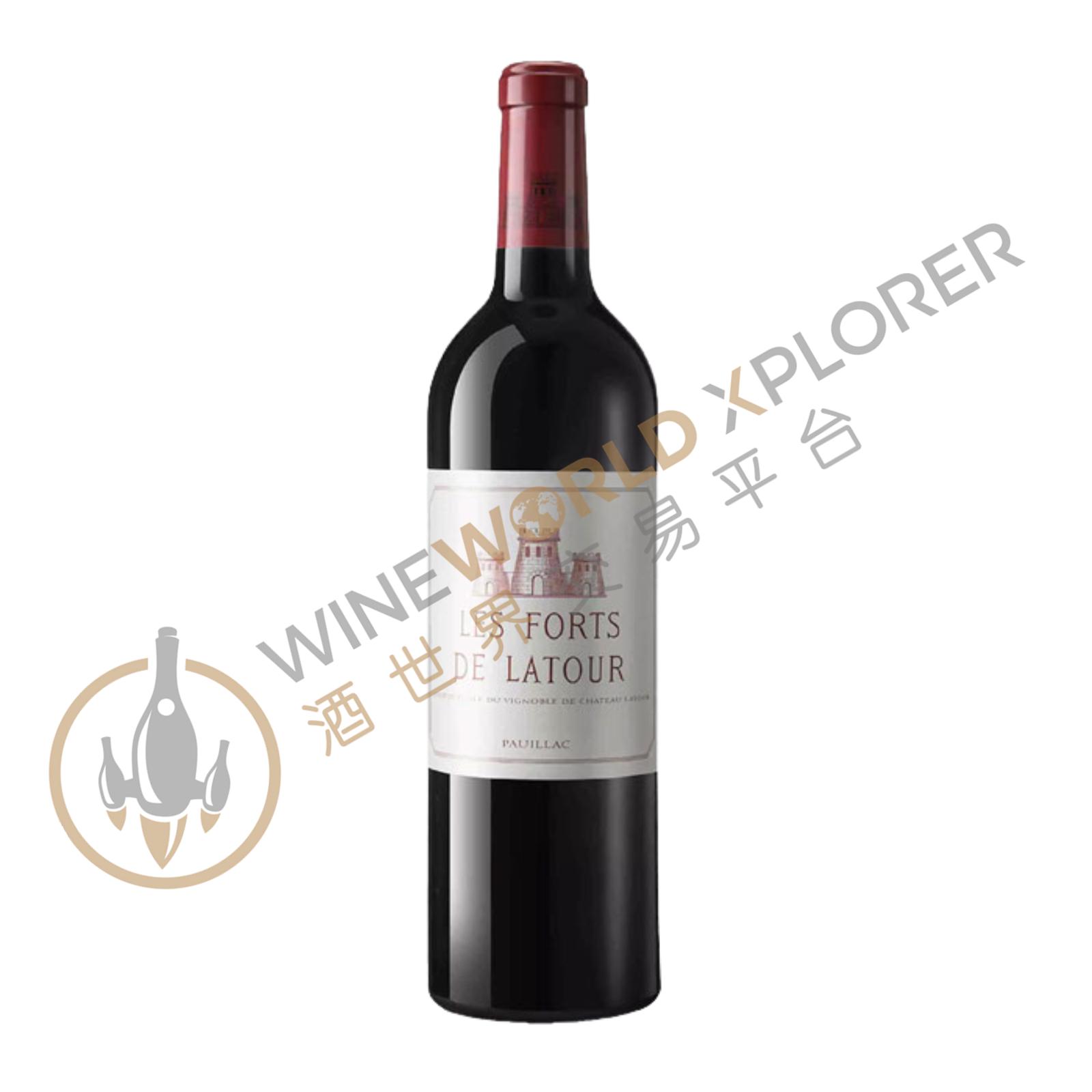
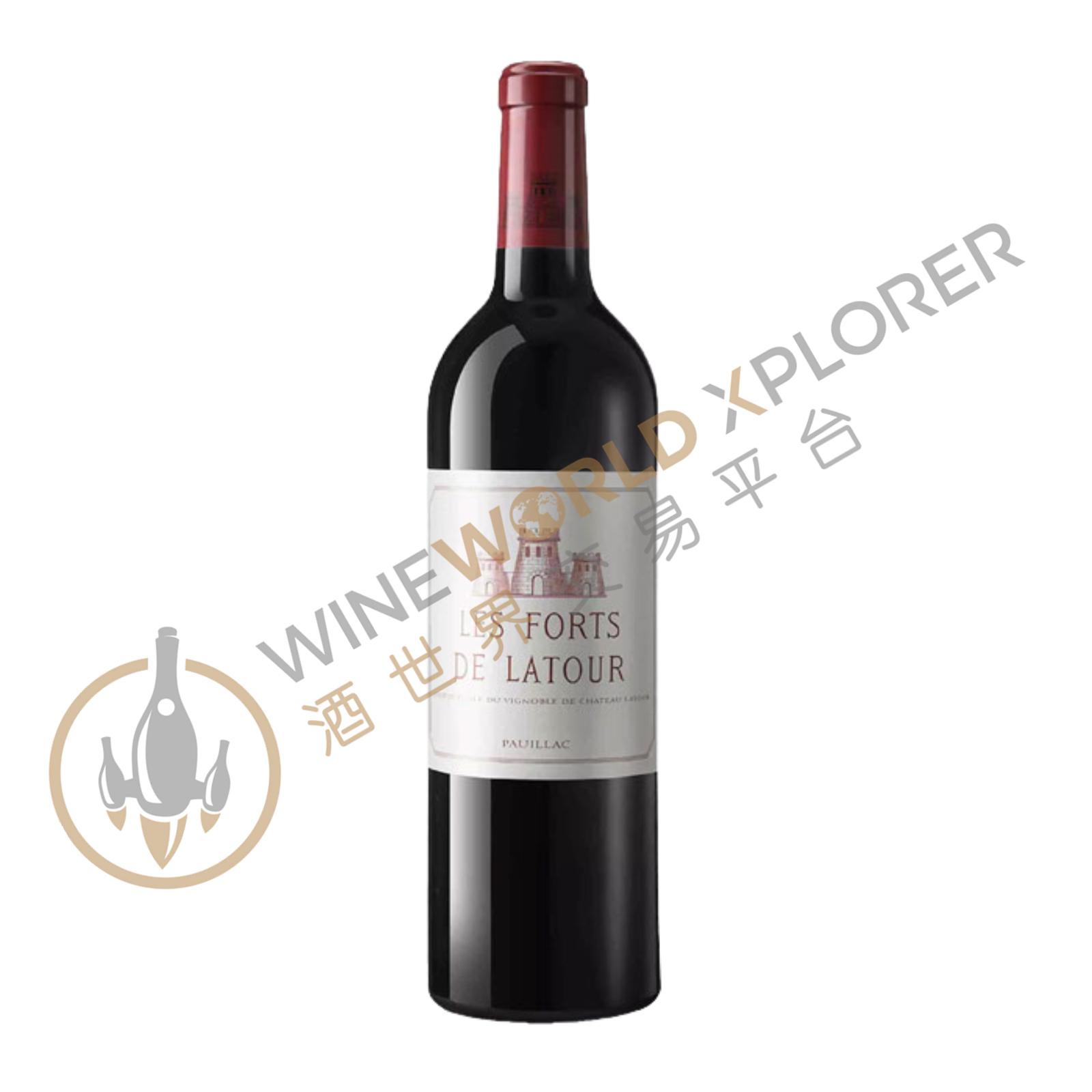
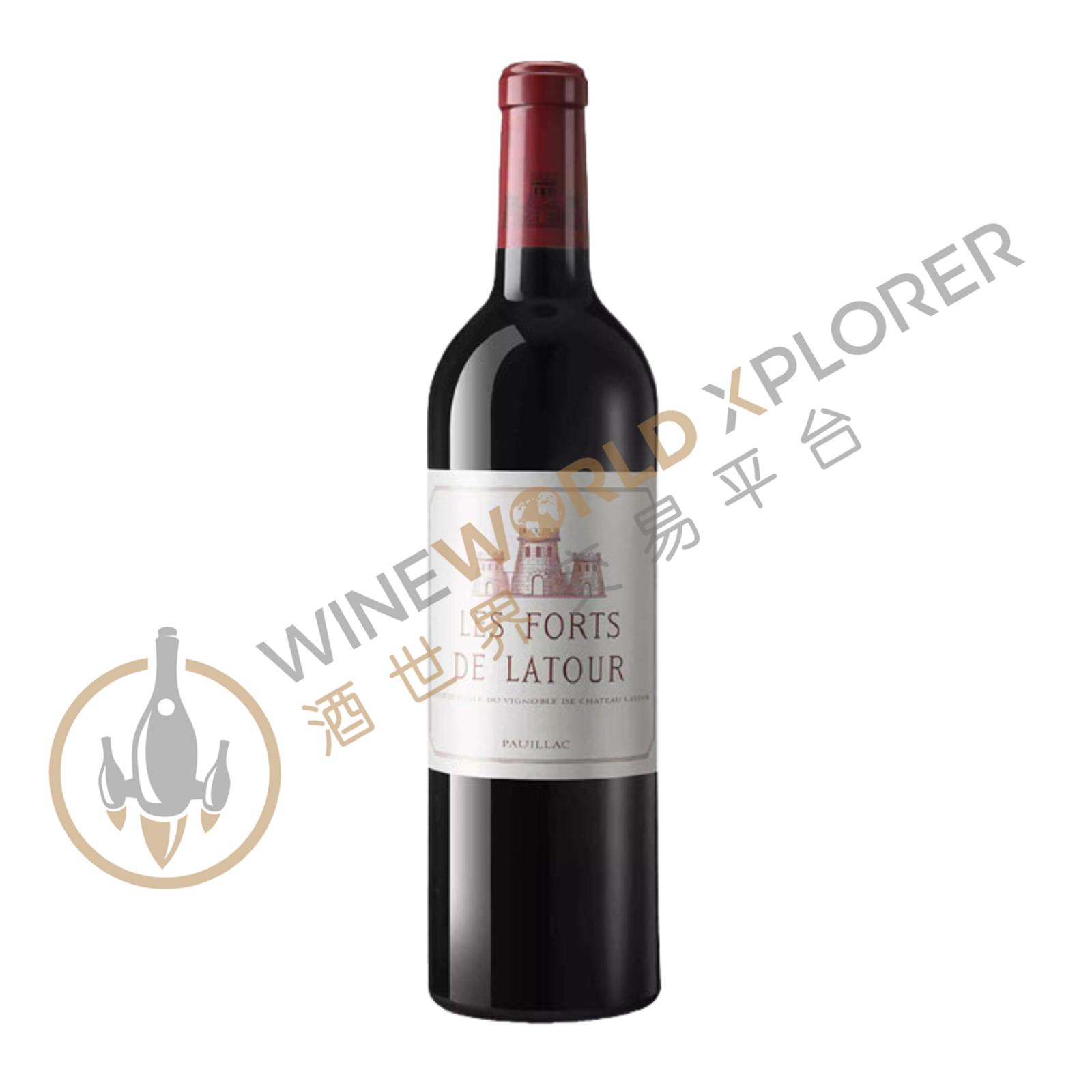
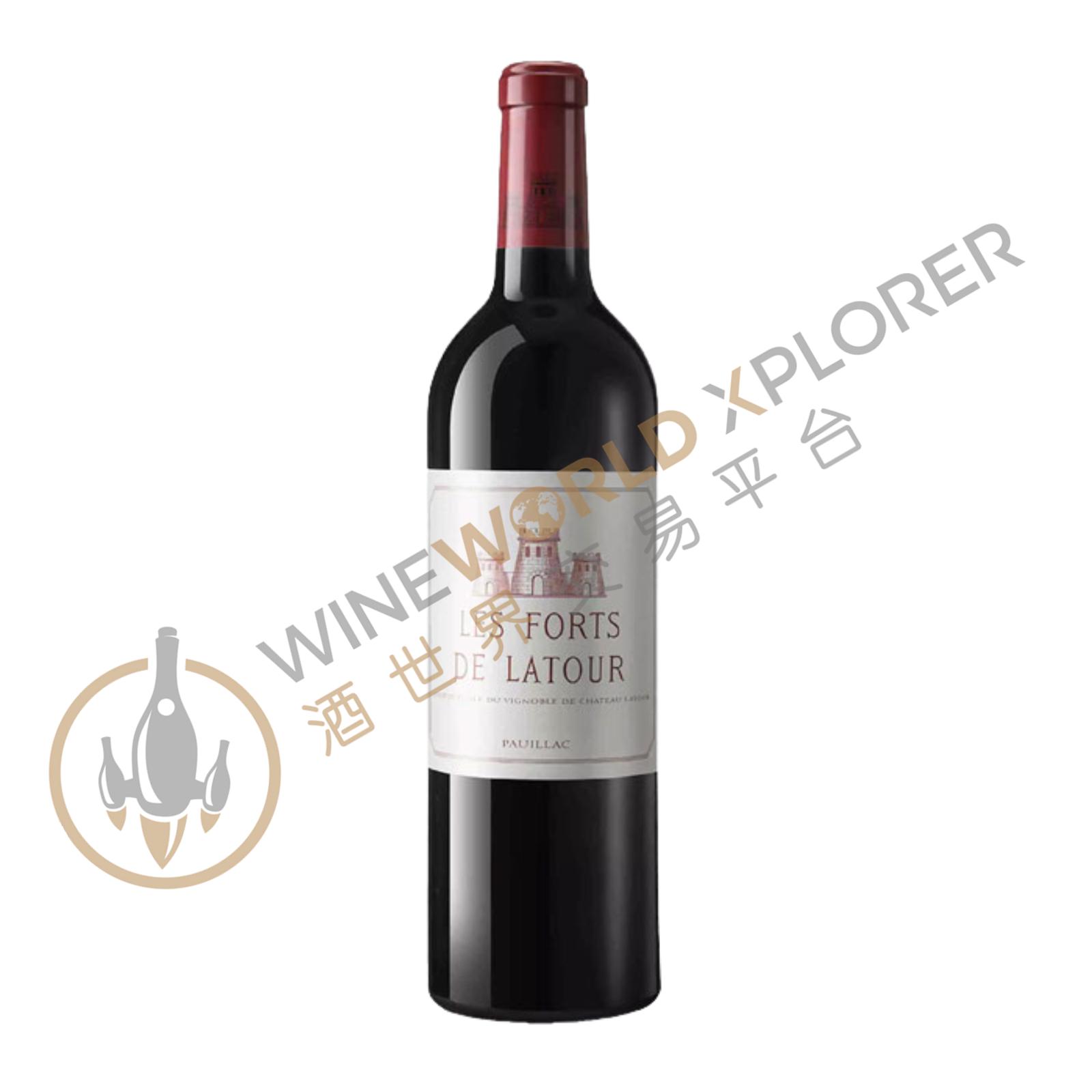
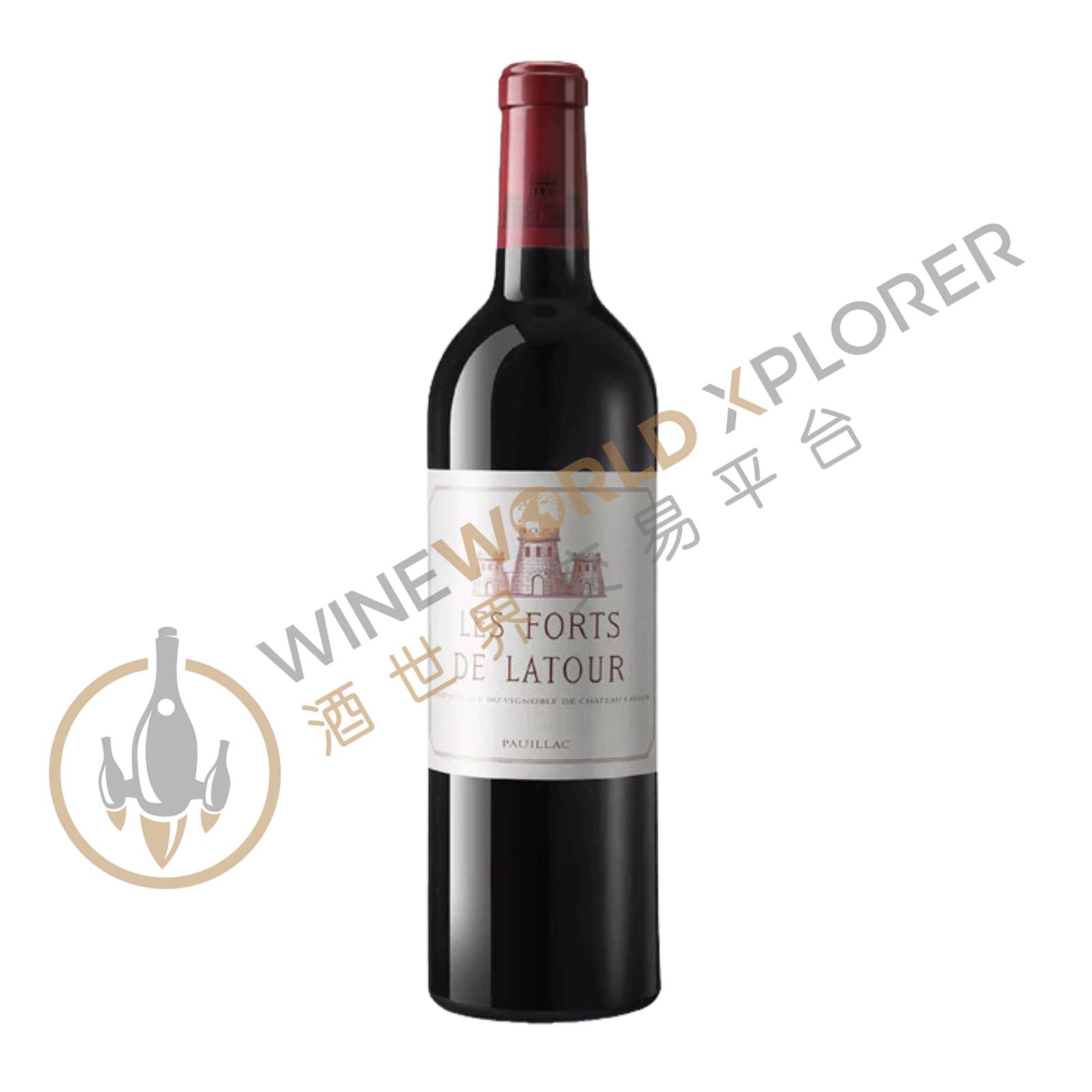
Les Forts de Latour 2004
 View analysis
Description
Tasting notes

Reviewed by: Lisa Perrotti-Brown
Deep garnet colored, the 2004 is intensely perfumed of warm blackcurrant, pencil lead, black olives and a hint of dried Mediterranean herbs. The palate is drinking nicely now with a firm structure balanced by plenty of mid-palate flesh and finishing long.
Reviewed by: Neal Martin
A very dark colour. A dark broody nose, quite earthy and damson and even sloes. The palate is medium-bodied with grainy tannins, blackberries, a touch of soy, a slight earthiness on the finish. Almost savoury on the off-dry finish. Needs time to mellow out, much more unresolved than the ’02 but I would suggest a better long-term prospect. Drink 2013-2025. Tasted September 2008.
Reviewed by: Neal Martin
This is a very impressive Les Forts. A smooth, opulent floral nose. The palate is lithe and velvety thanks to the higher than usual Merlot content. Very supple with fabulous definition. Still a bit four-square on the finish, but this is a sensual experience. Drink from 2007. Tasted April 2005.
Reviewed by: Robert M. Parker, Jr.
A brilliant effort, the deep ruby/purple-tinged 2004 Les Forts de la Tour exhibits aromas of lead pencil shavings, cedar, sweet black cherries, and currants. It possesses elegance, freshness, and beautiful texture as well as length. Drink this beauty between 2008-2025.
Reviewed by: Robert M. Parker, Jr.
Latour’s second wine, the 2004 Les Forts de Latour, is a blend of 74% Cabernet Sauvignon and 26% Merlot that represents 41% of the production. Medium to full-bodied with good density, it is the finest second wine I tasted. It exhibits a dark ruby/purple color, plenty of black currant and cherry fruit, and fine length. It should drink well for 15+ years.
Reviewed by: Robert M. Parker, Jr.
The estate’s second wine continues to go from strength to strength. The 2004 Forts de Latour (includes 75% Cabernet Sauvignon) reveals a deep ruby/purple hue, classic evolved cedary, lead pencil, and cassis characteristics, medium body, beautiful sweetness of fruit, and a more forward, evolved character than its big sibling. Enjoy it over the next 15+ years. Also tasted: 2004 Pauillac (87; $38.00)
Reviewed by: Stephen Tanzer
Deep red. Aromas of blueberry, plum, leather, tobacco and mocha. Sweet, plummy and pliant, with a creamy, fine-grained texture for the vintage. Very plush wine, richer than the 2006 and at least as long. Finishes with big but ripe tannins.
Reviewed by: Stephen Tanzer
Good full ruby-red. Currant and graphite aromas lifted by enticing spice character. Supple, spicy and sweet, offering an uncanny combination of vibrancy, fat and density. Finishes wonderfully suave and long, with very fine, sweet tannins and terrific lift. This and the 2005 Forts de Latour will make a great pair of vintages to follow.
Reviewed by: Stephen Tanzer
(a 74/26 blend of cabernet sauvignon and merlot; this year's wine includes some 50-year-old merlot from the clos, which normally goes into the grand vin Good red-ruby. Sweet currant, tobacco, graphite, flowers, minerals and sexy oak on the nose. Lush, dense and fine-grained, with lovely lift in the mouth. At once suave and solidly structured. Finishes with very sweet tannins and excellent length.
About the Producer
Latour was a jointly held lord's domain until the end of the 16th century, At that time, the property was not entirely covered by vines and yet production largely exceeded requirements. There was no proper storage for the wine and it had to be drunk within the year. The estate remained in the hands of the Mullet family until the late 17th century, and while direct use of the land gradually replaced the leasing system, the wine-making situation changed very little. In the early 18th century, England's aristocracy and wealthy middle classes developed refined tastes, particularly for wine, from Bordeaux, Oporto, Jerez and other southern vineyards. Wine exports had been restricted by various blockades imposed by the wars, but now enjoyed a period of relative freedom and trade with Bordeaux grew rapidly. As a result of this flourishing trade, the estate gradually came to specialise in wine production, with 38 hectares of vines in 1759 and then 47 hectares by 1794.
1975(2)1976(1)1979(1)1981(1)1982(1)1983(2)1990(1)1992(2)1994(2)1995(1)1996(2)1998(3)1999(2)2000(4)2001(6)2002(8)2003(5)
Package Size