Wine Advisor



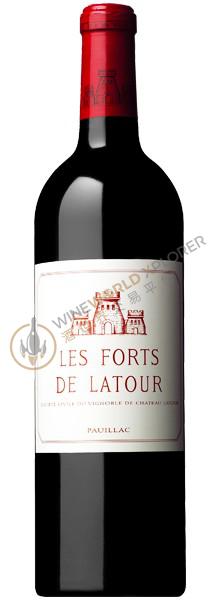
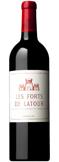
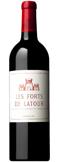
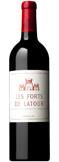
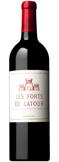
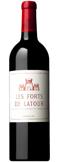
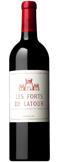
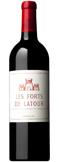
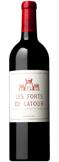
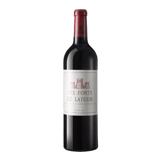
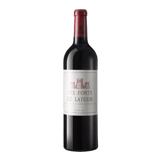
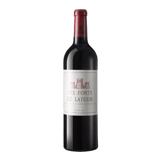
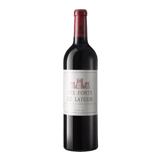
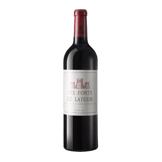
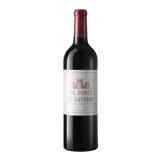
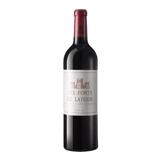
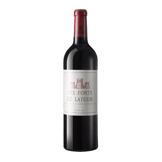
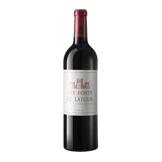
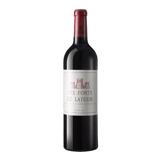
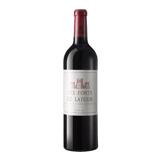
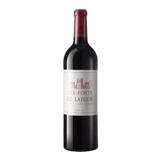
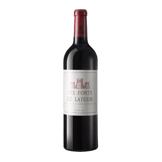
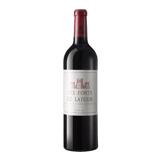
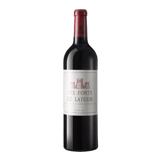
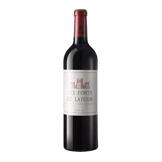
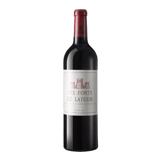
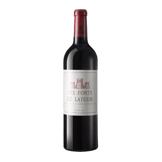
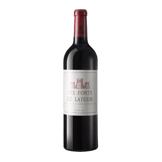
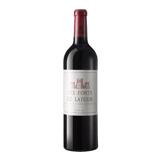
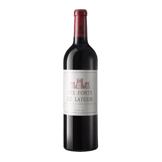
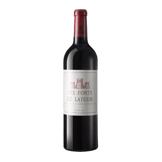
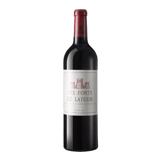
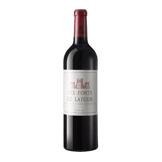
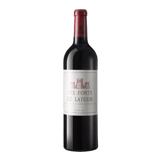
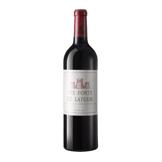
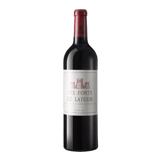
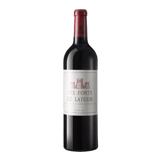
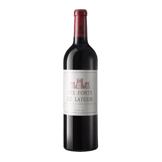
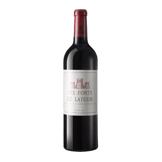
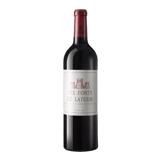
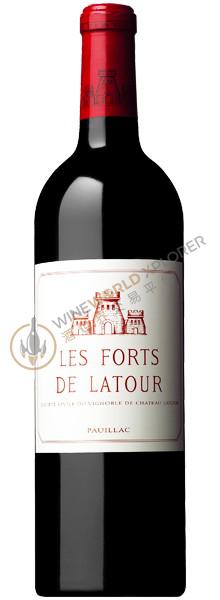
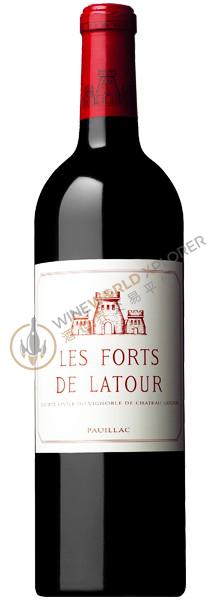
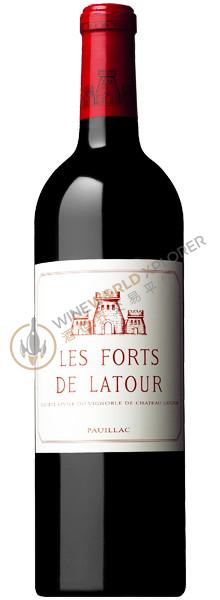
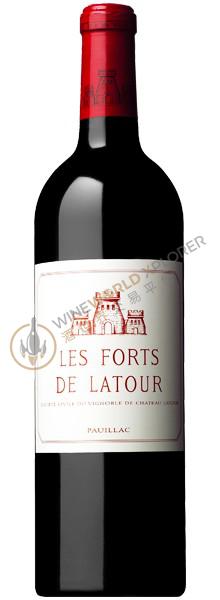
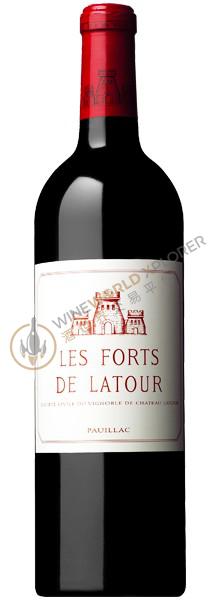
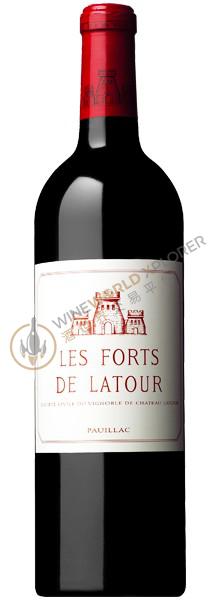
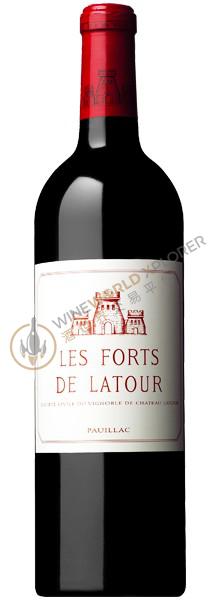
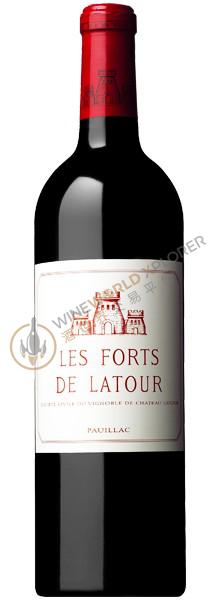
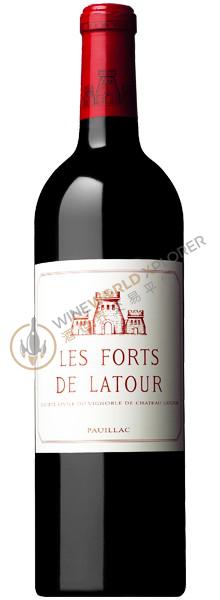
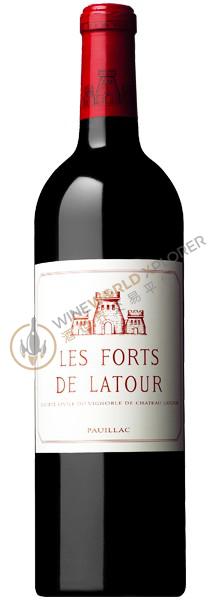
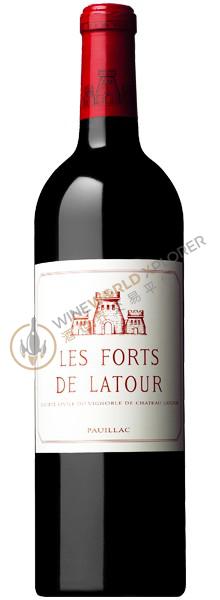
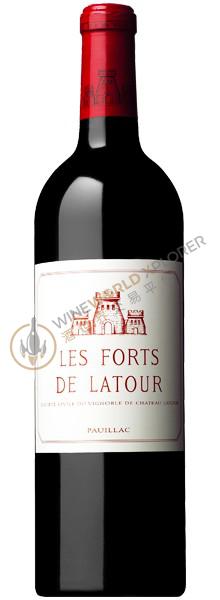
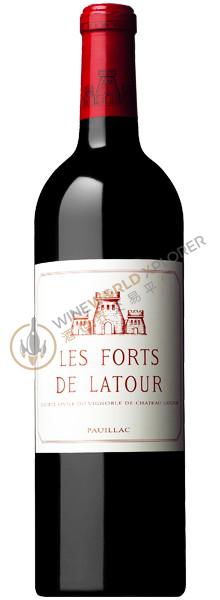
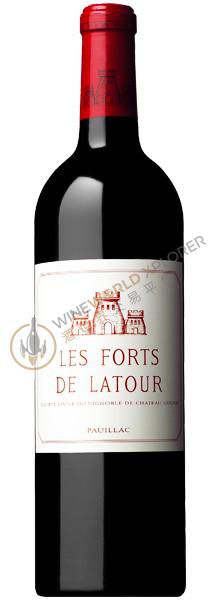
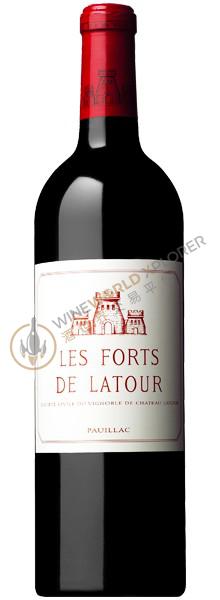
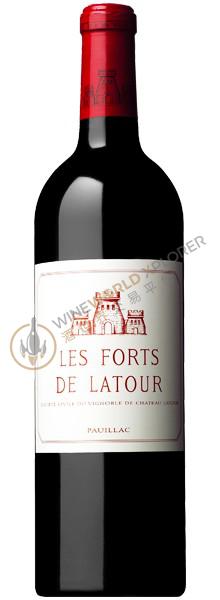
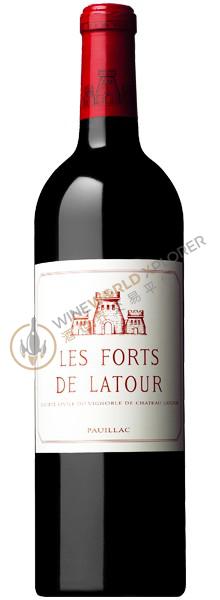
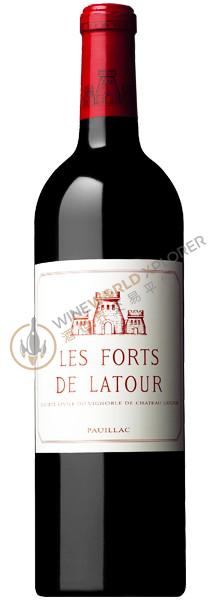
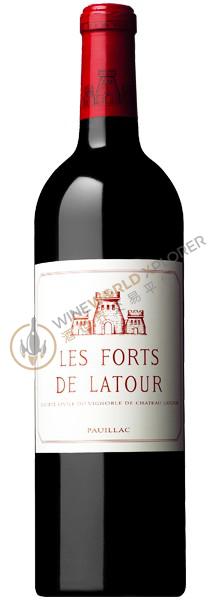
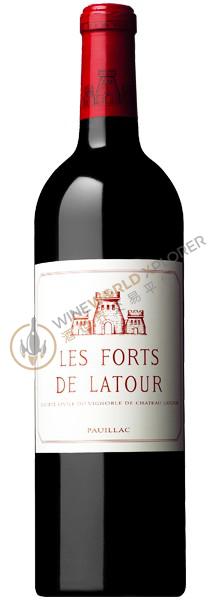
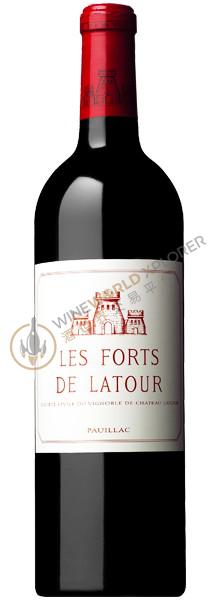
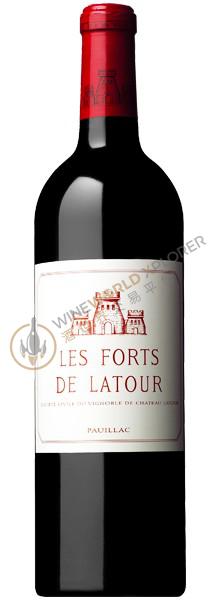
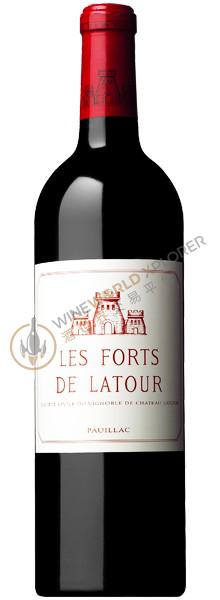
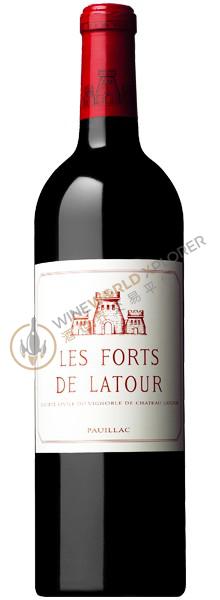
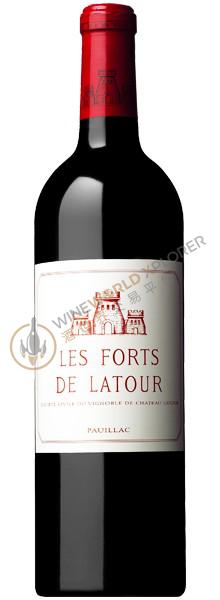
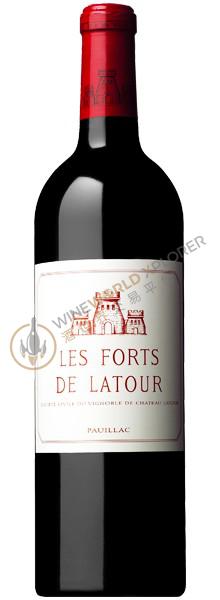
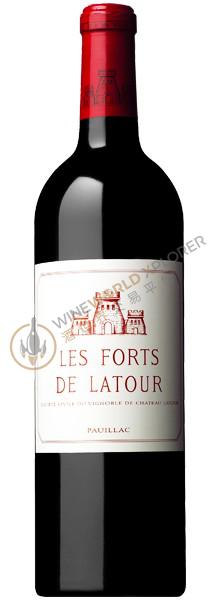
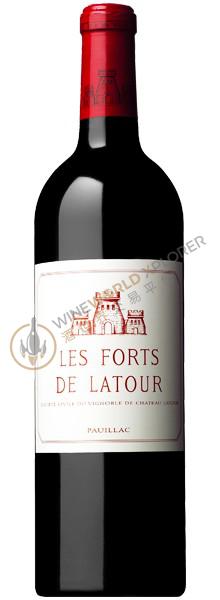
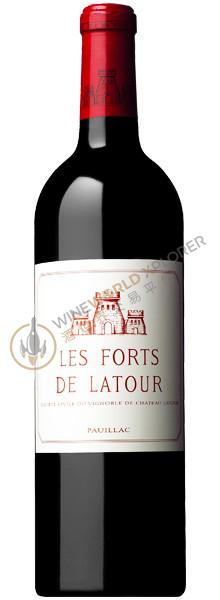
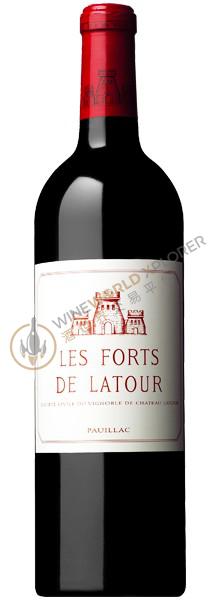
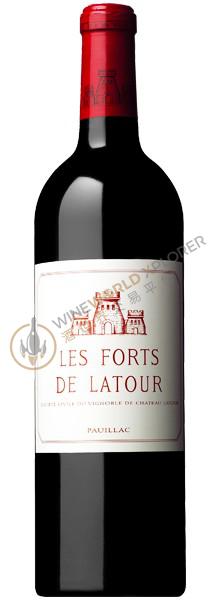
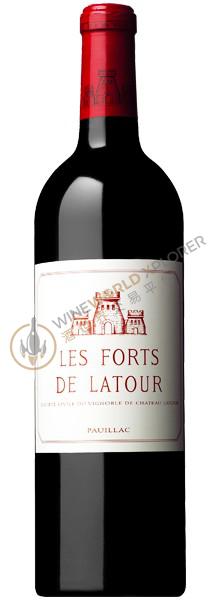
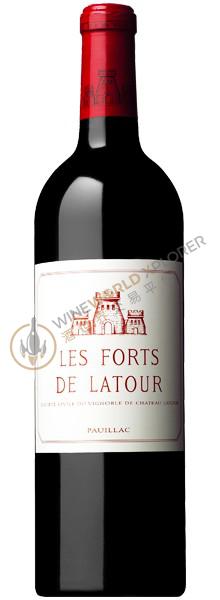
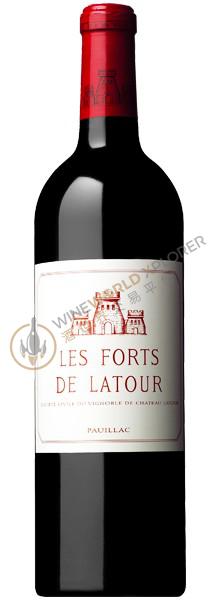
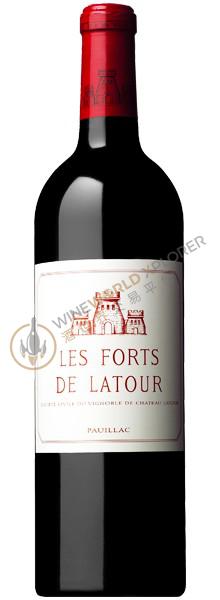
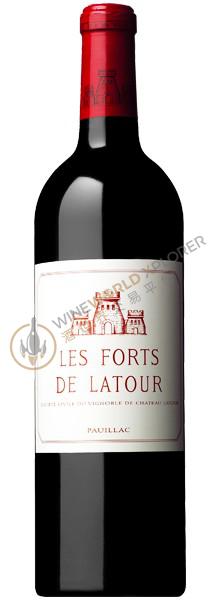
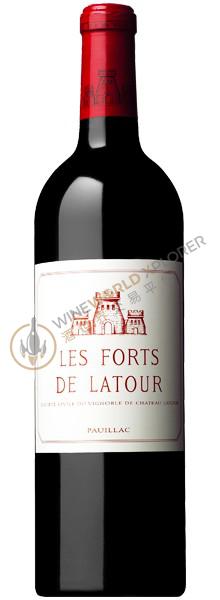
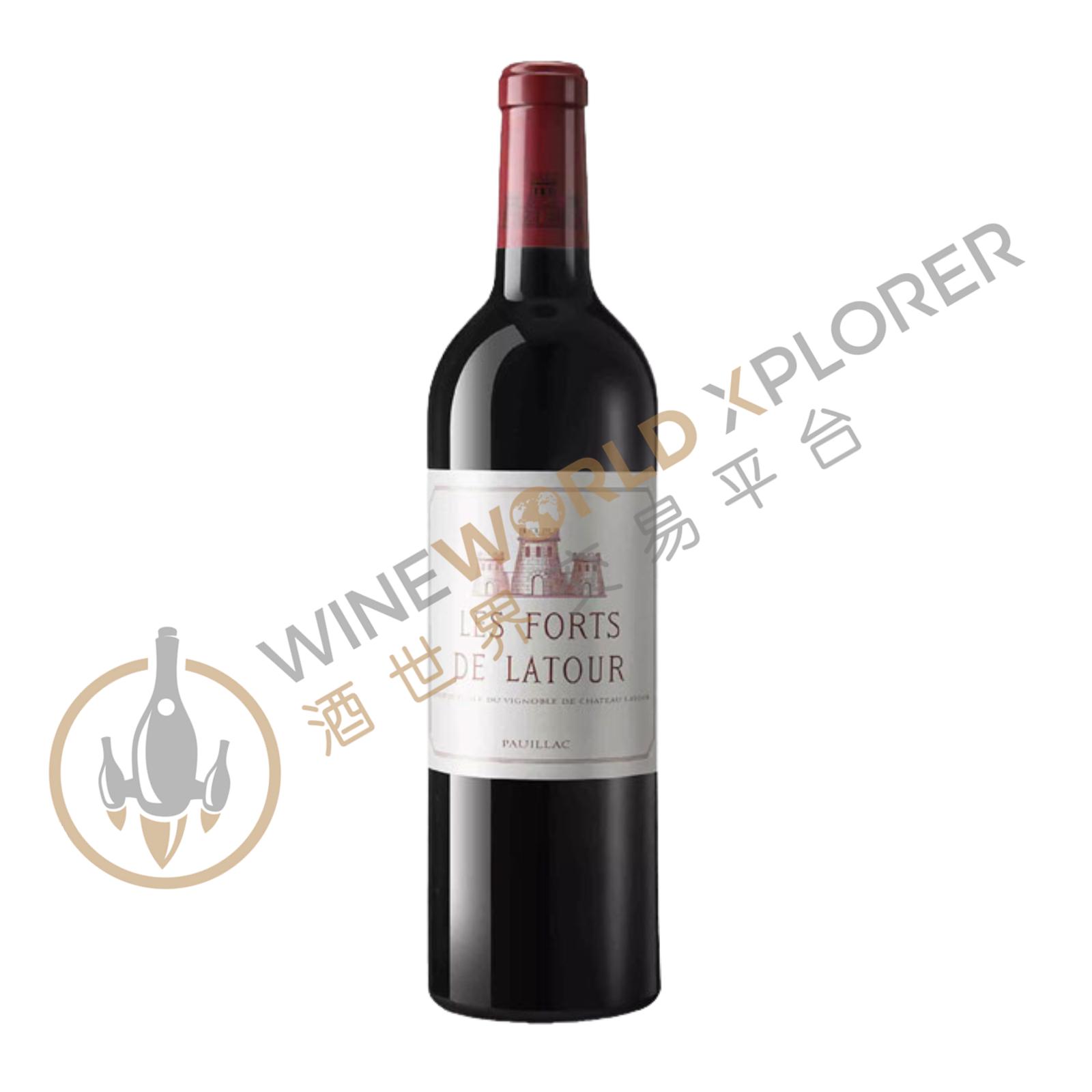
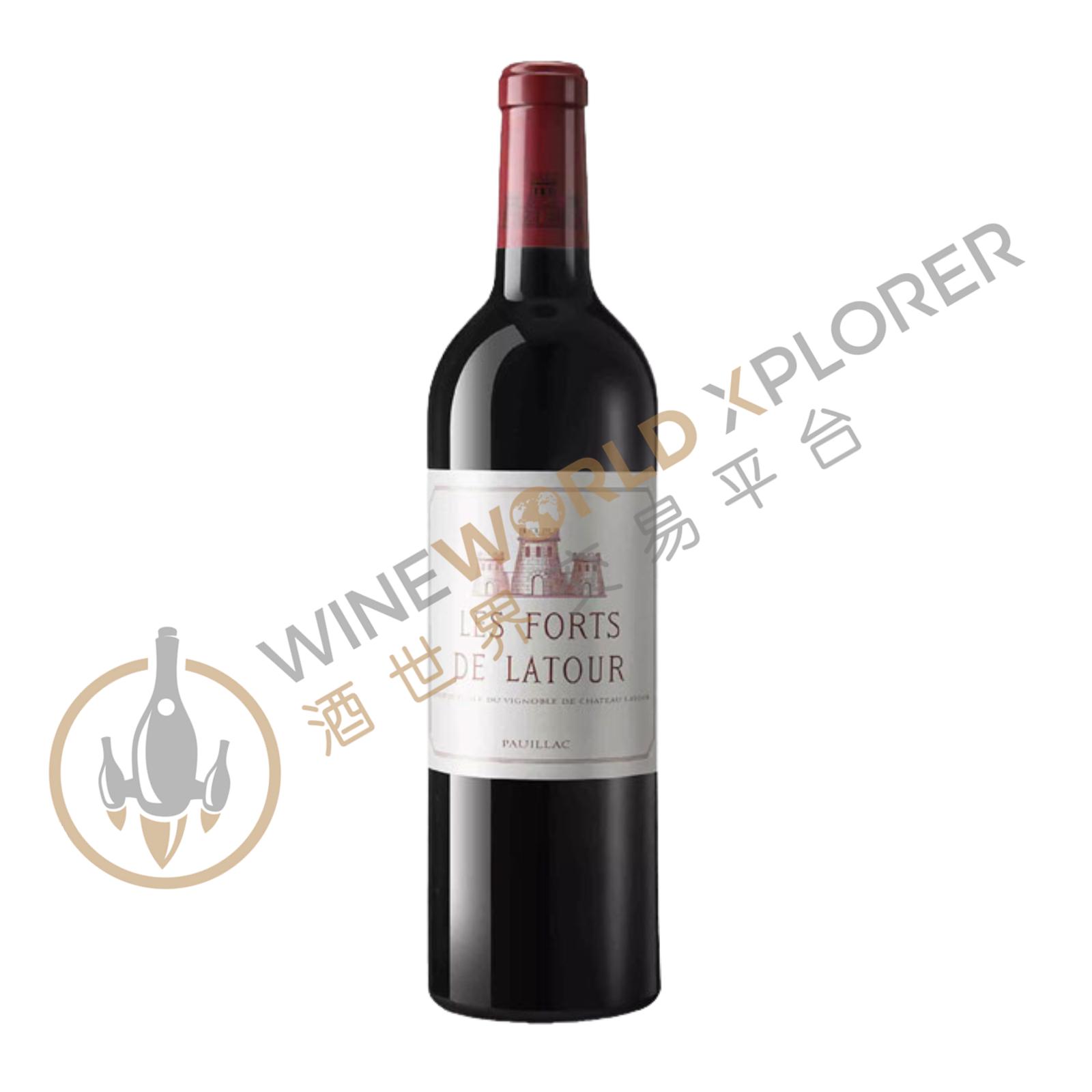
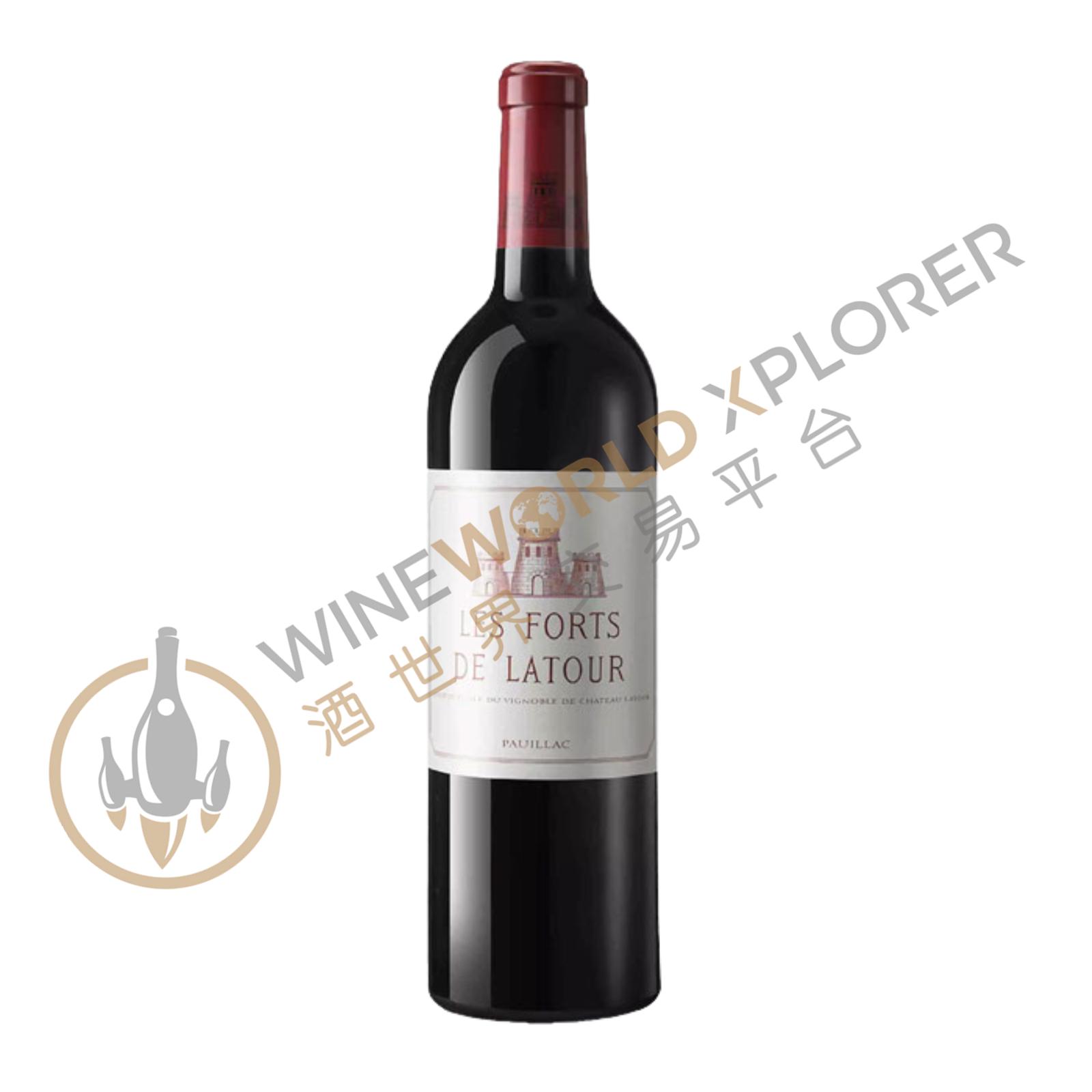
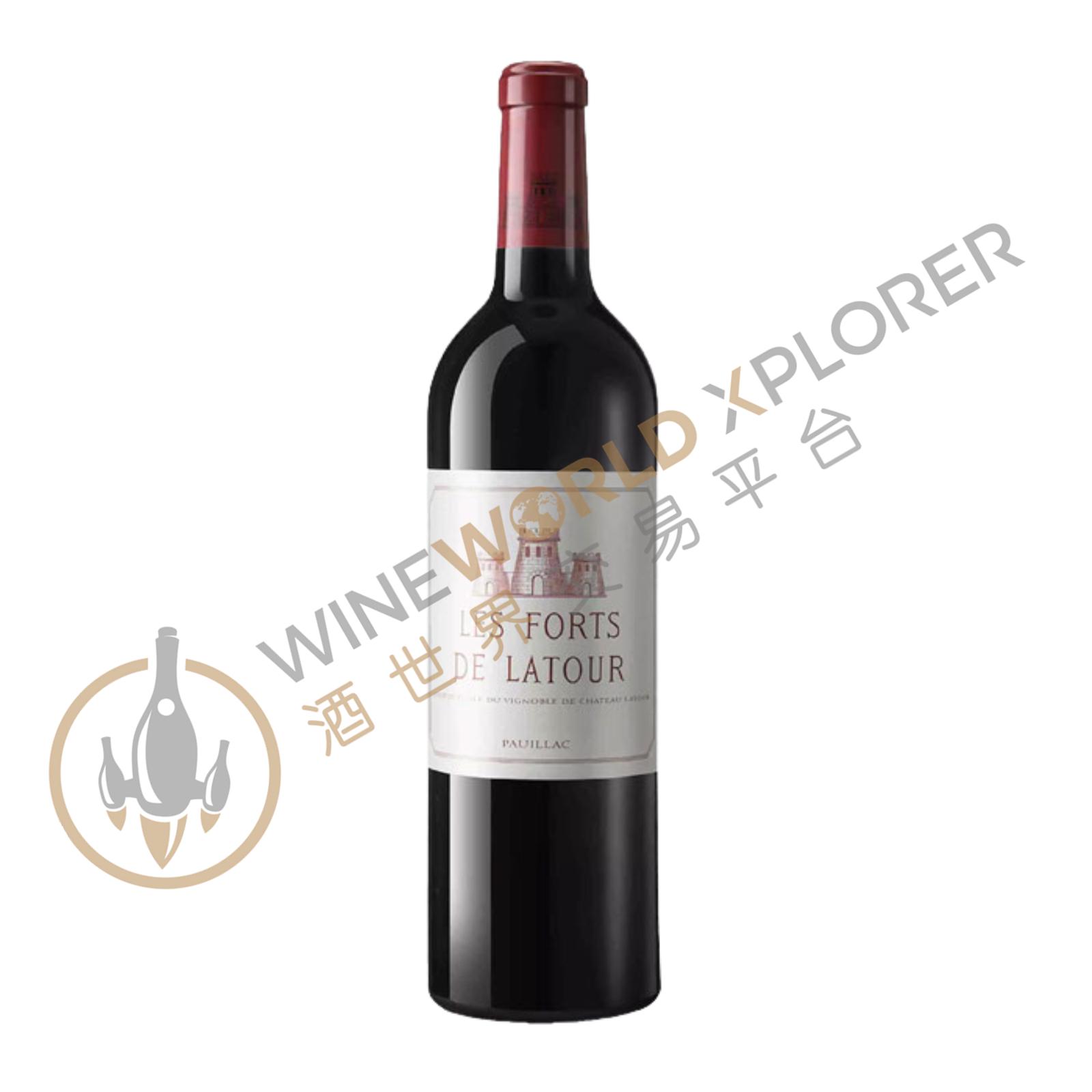
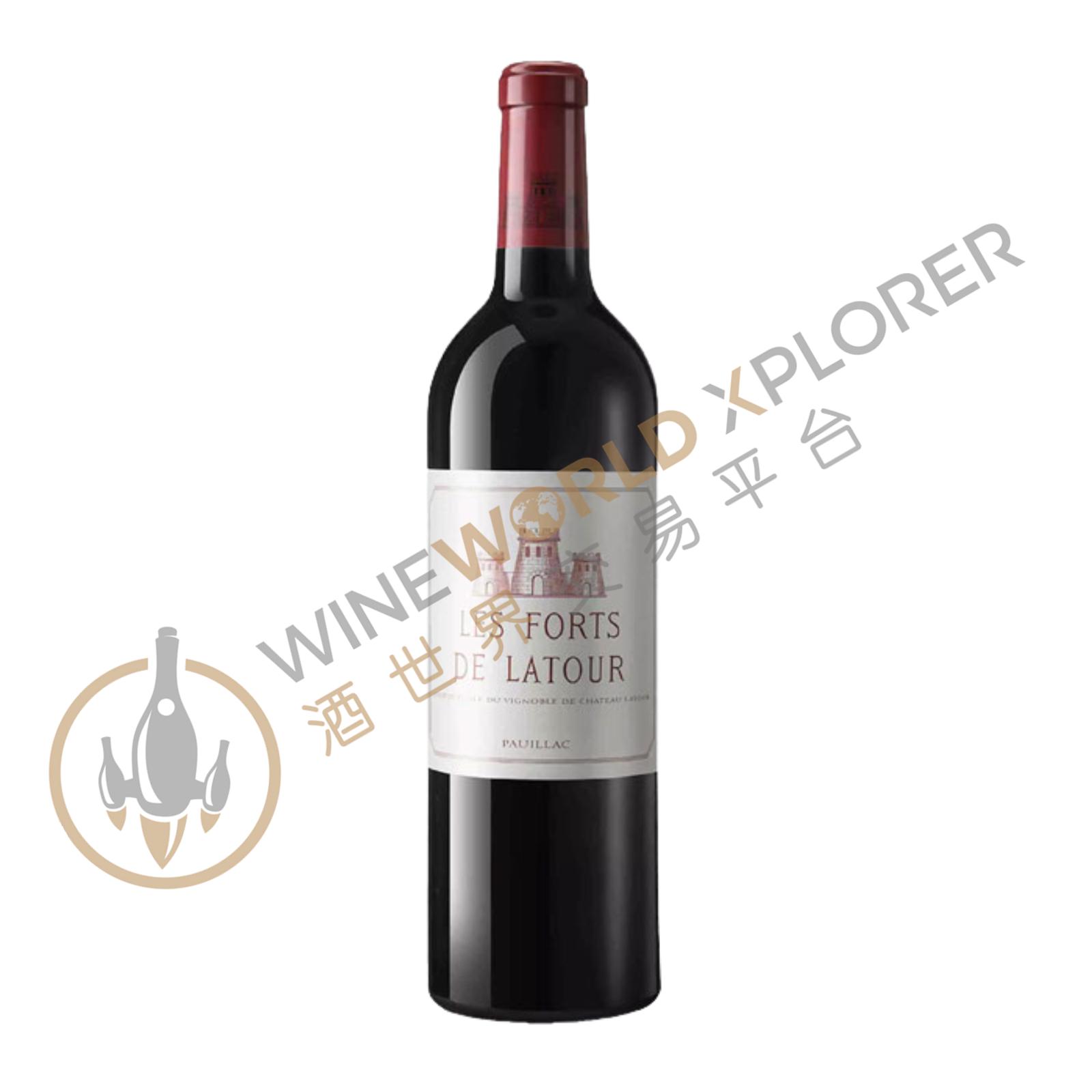
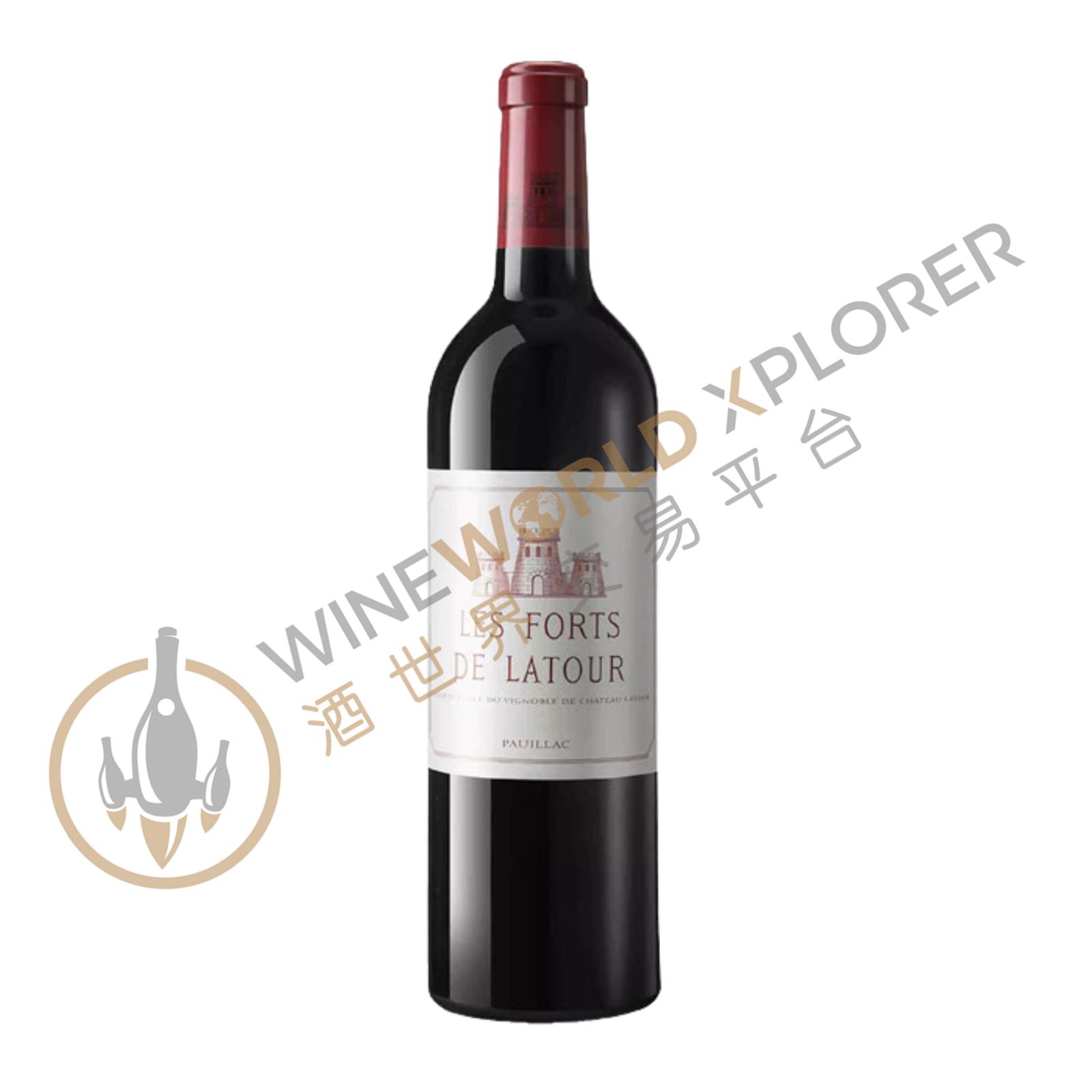
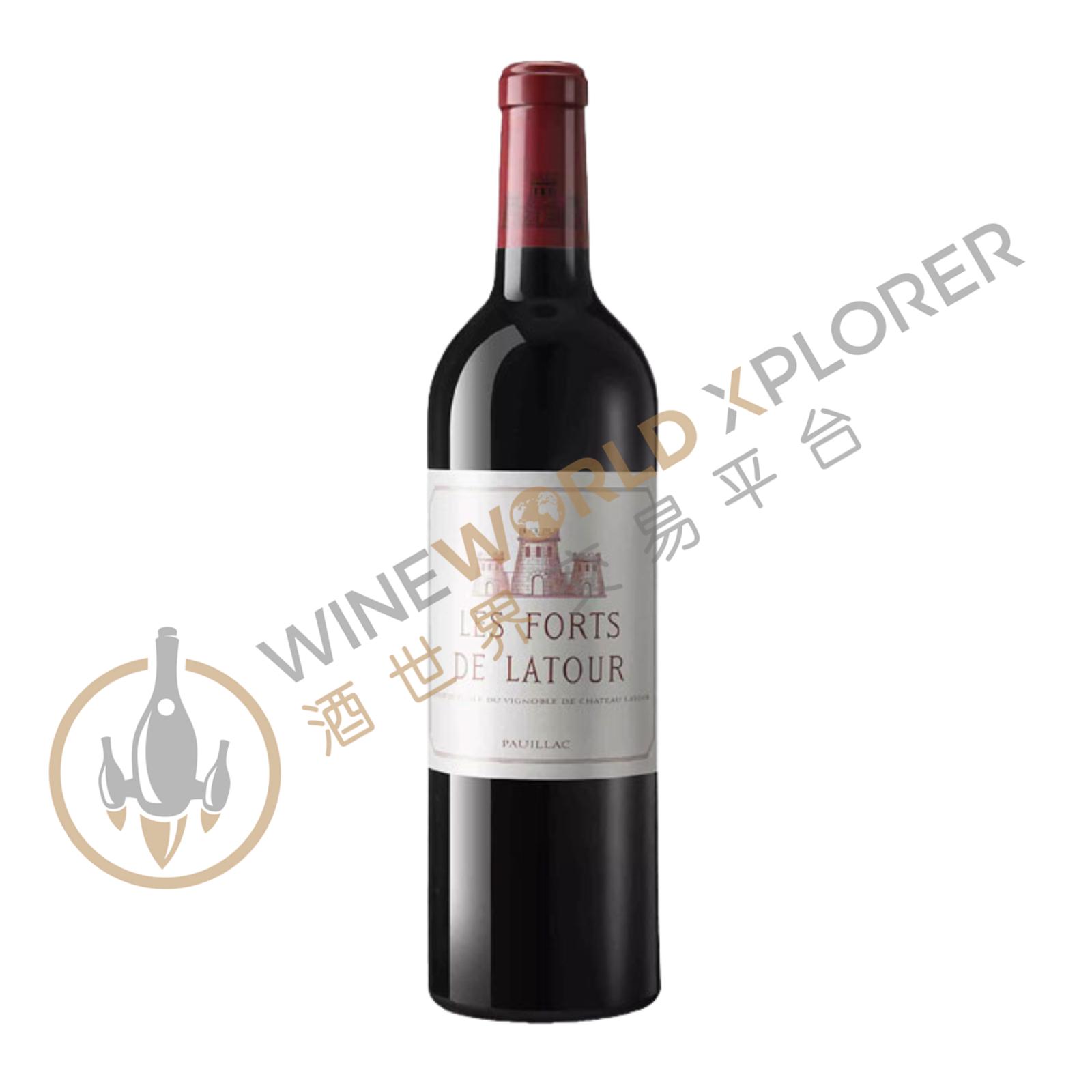
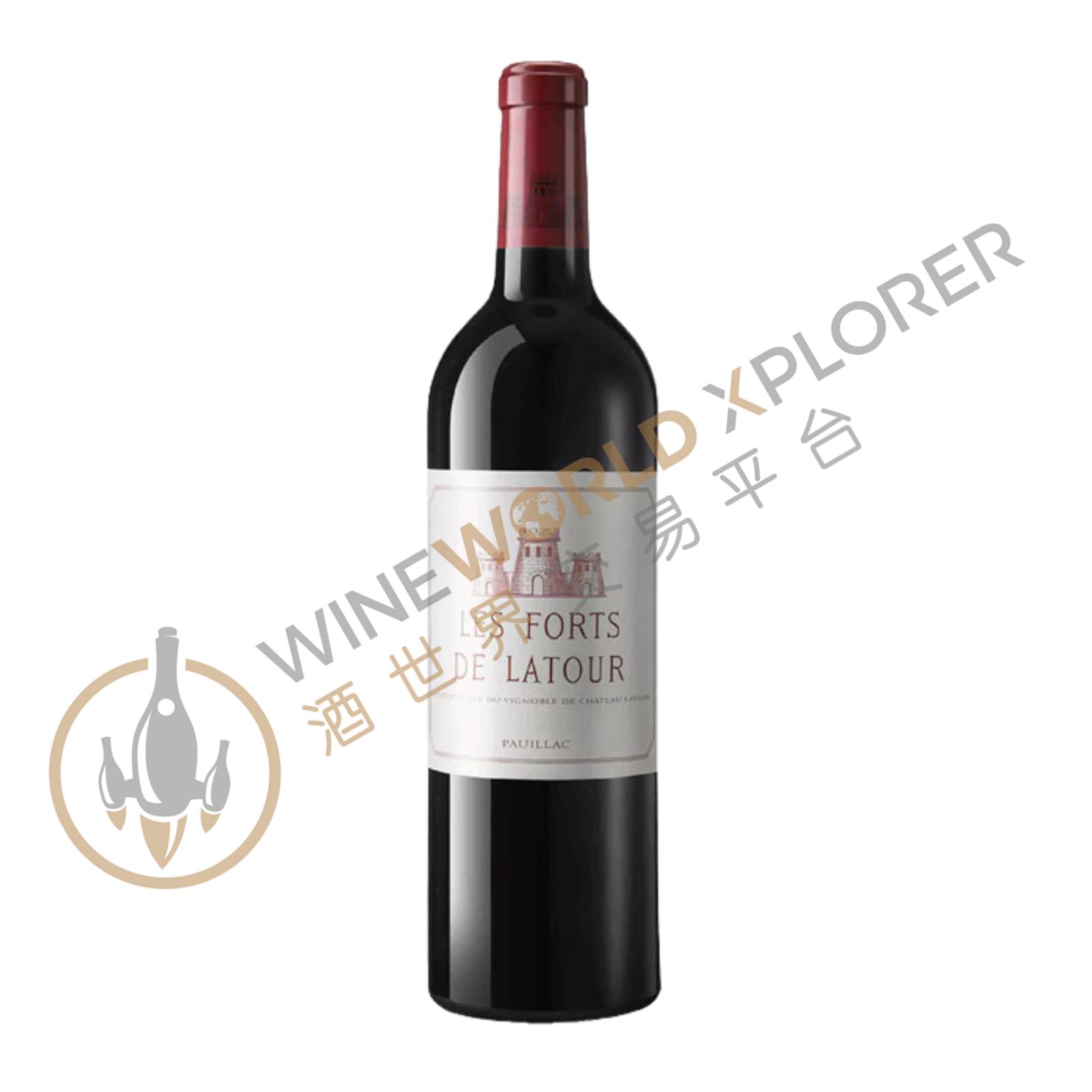
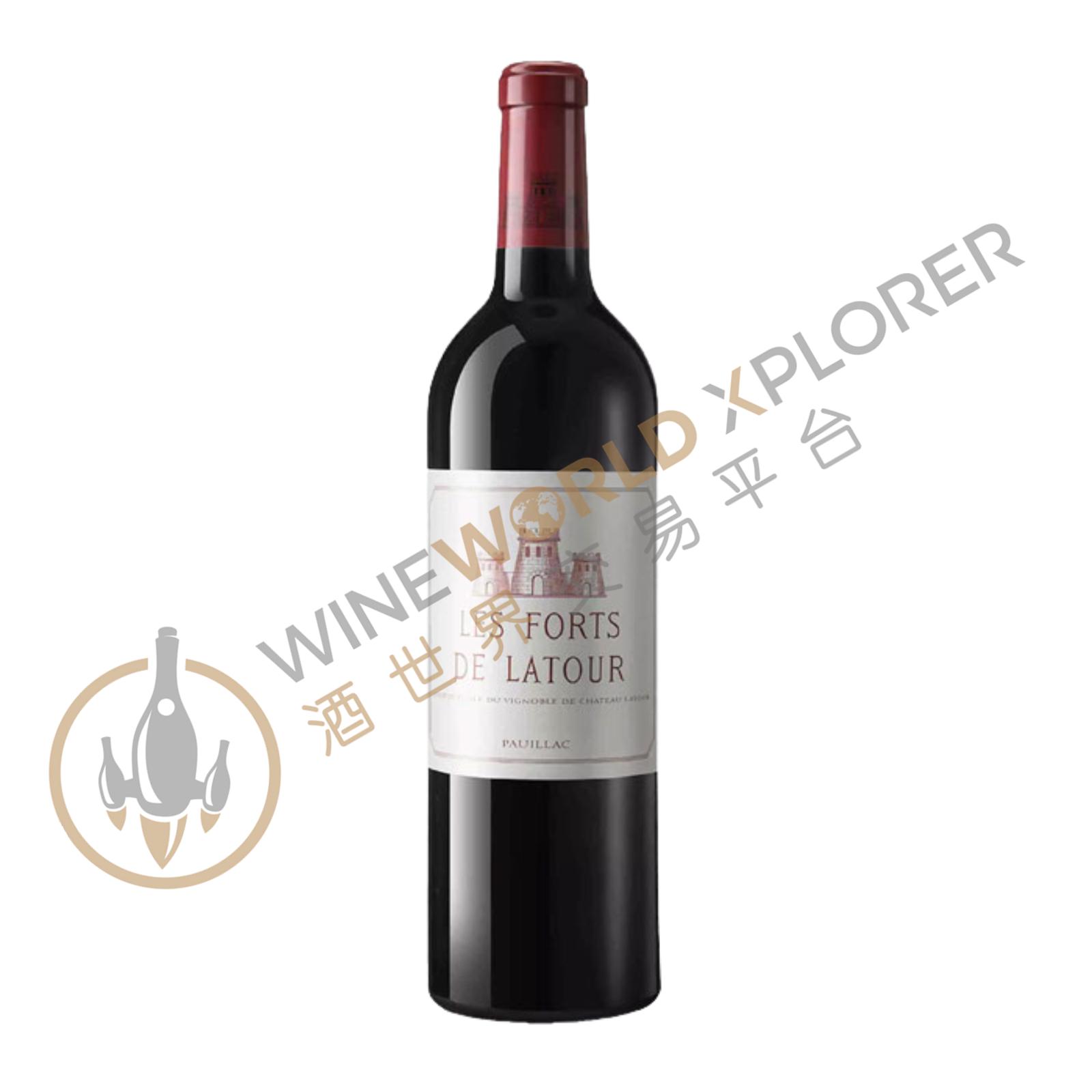
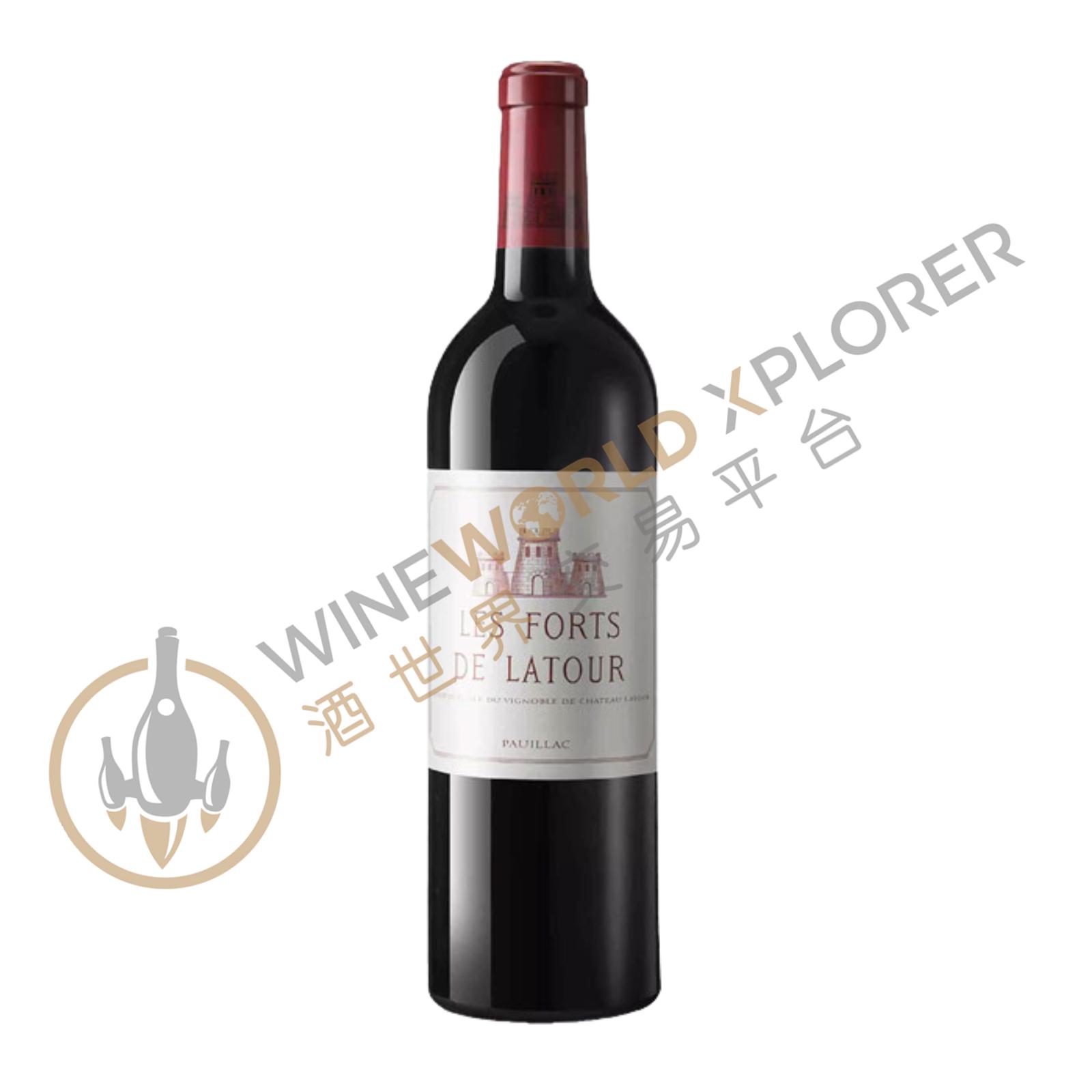
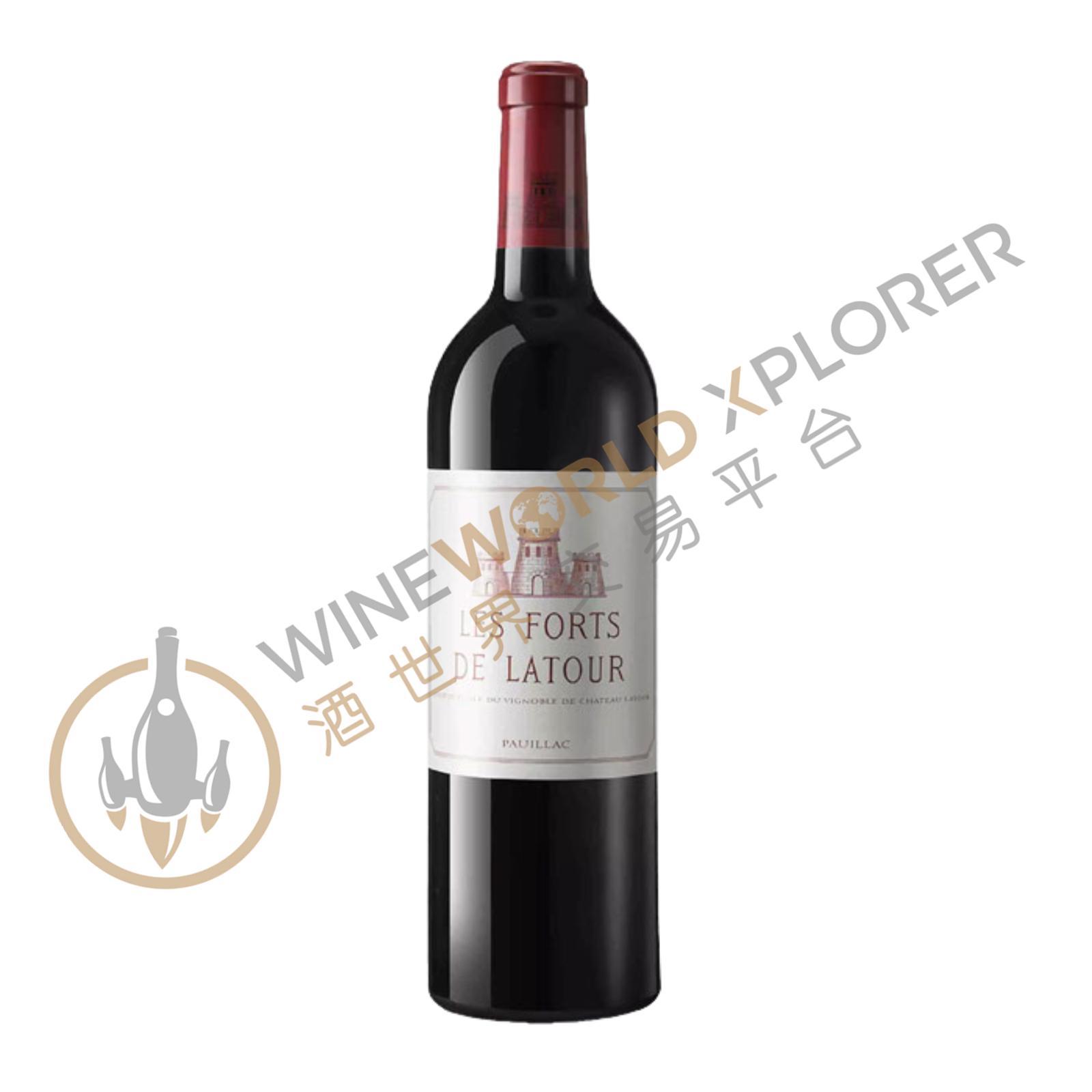
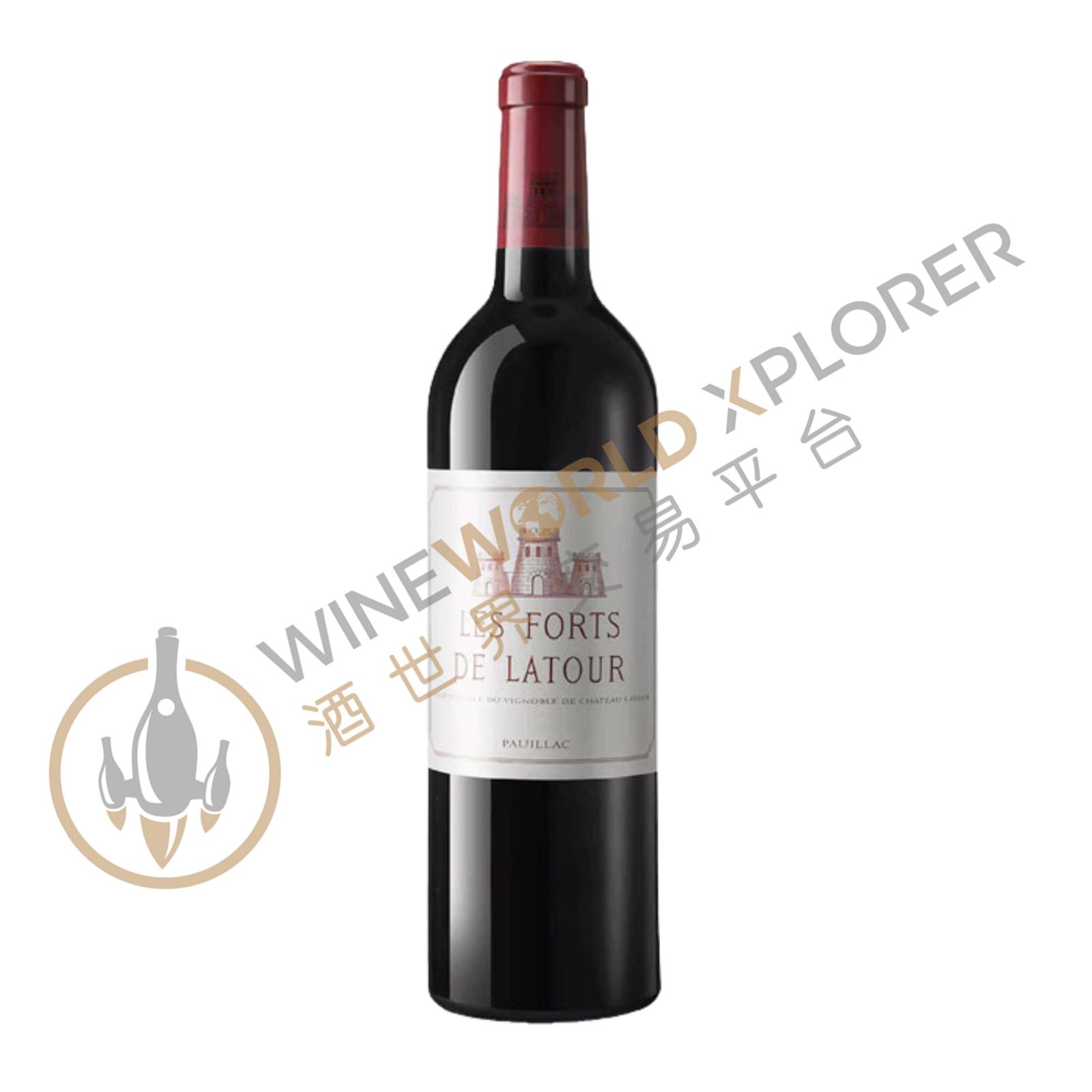
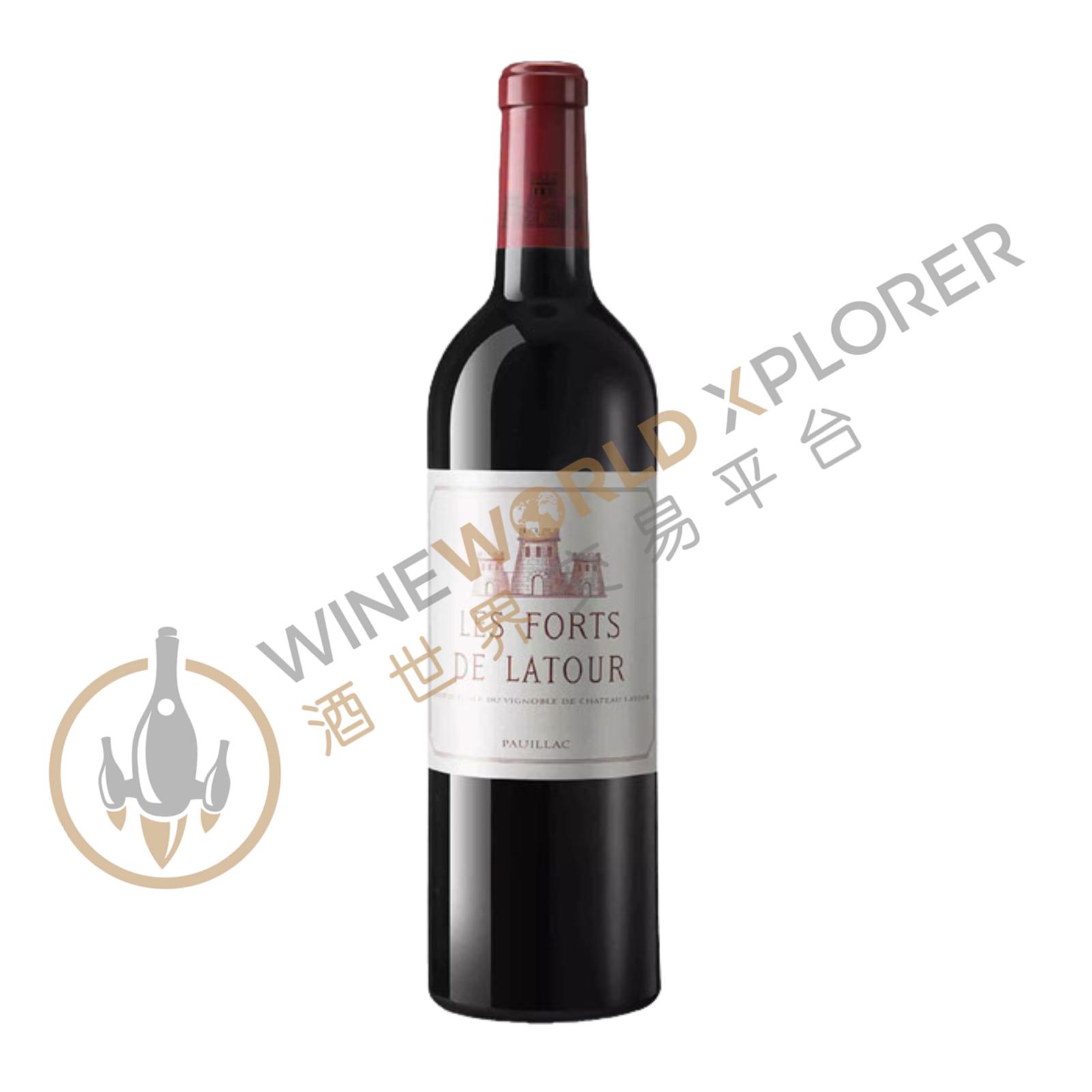
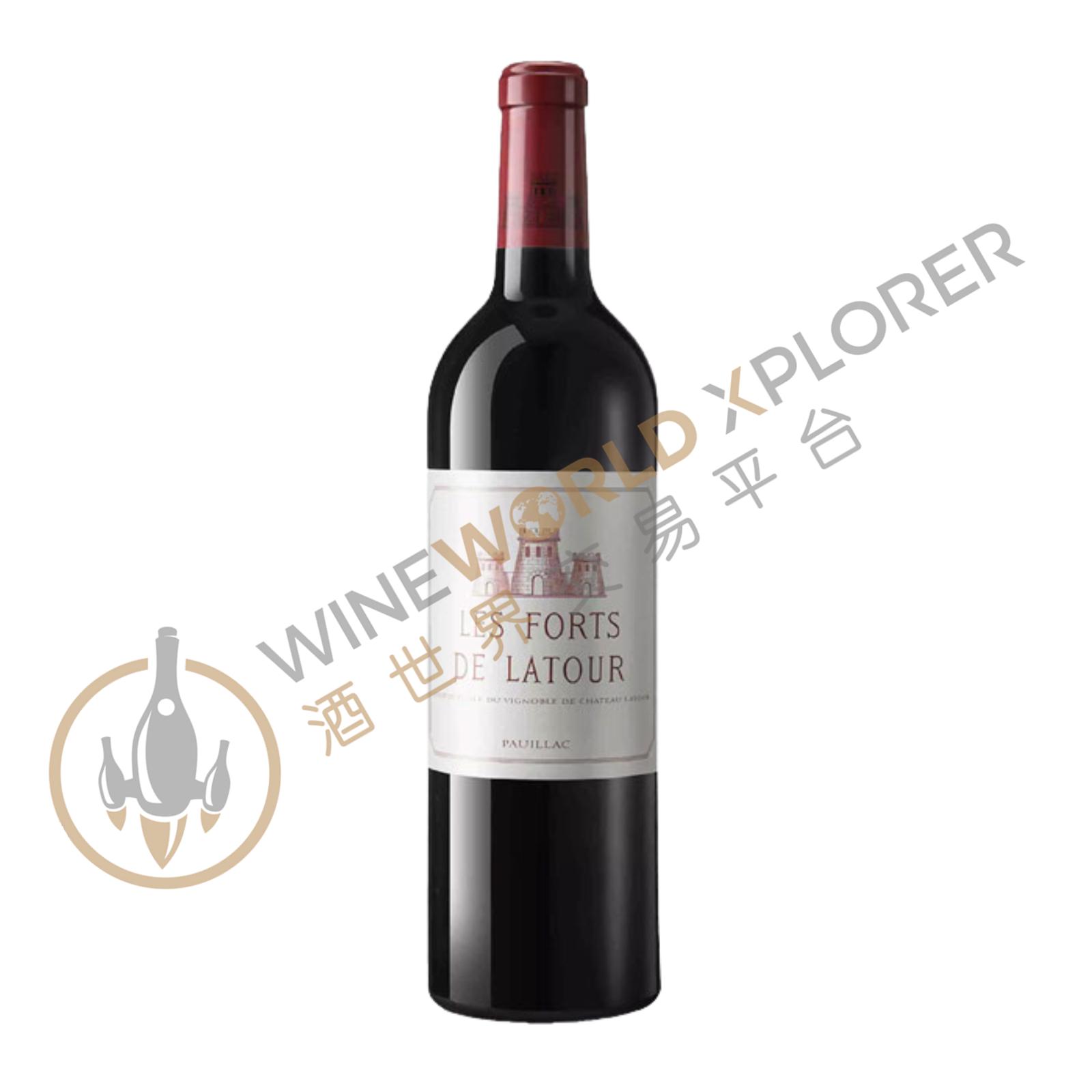
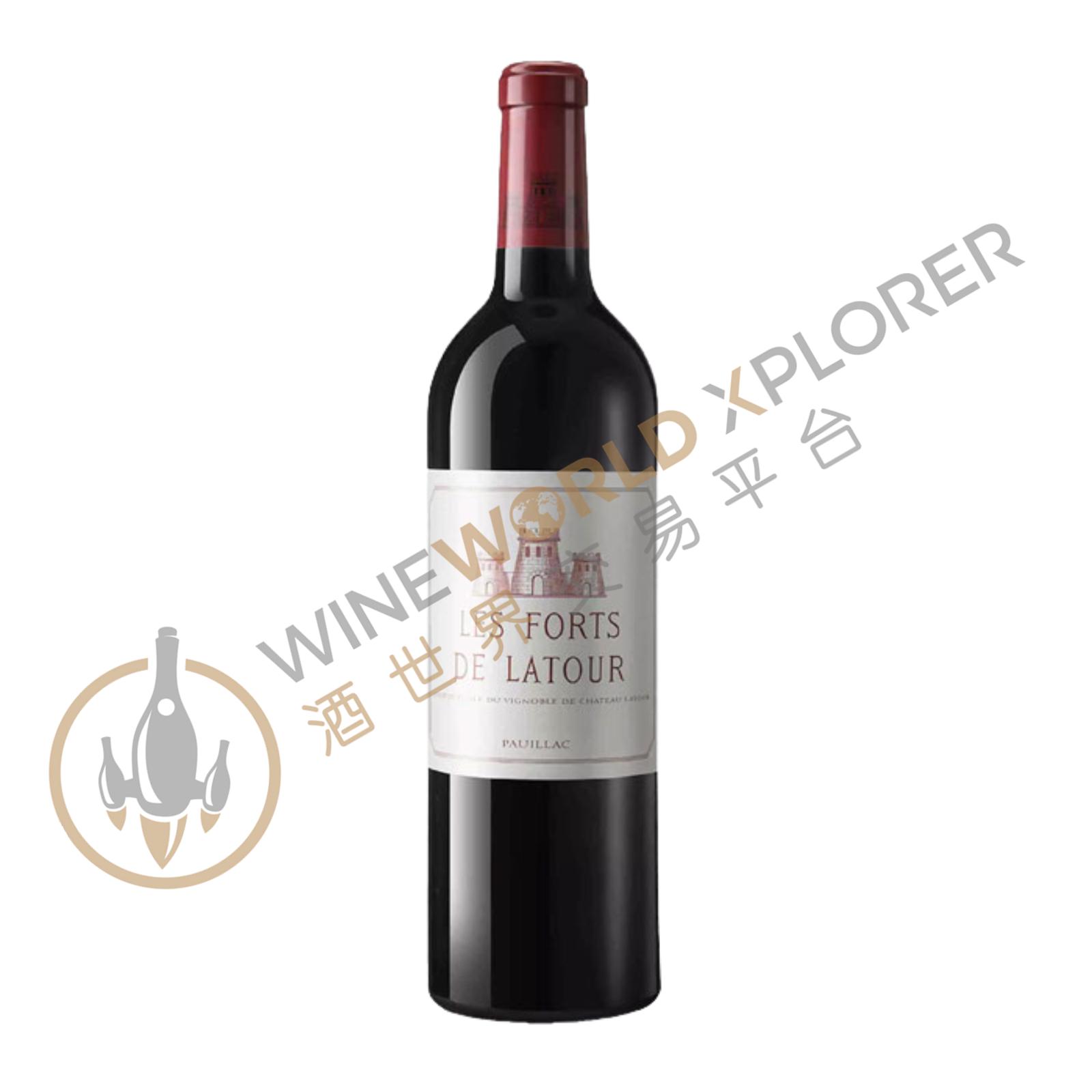
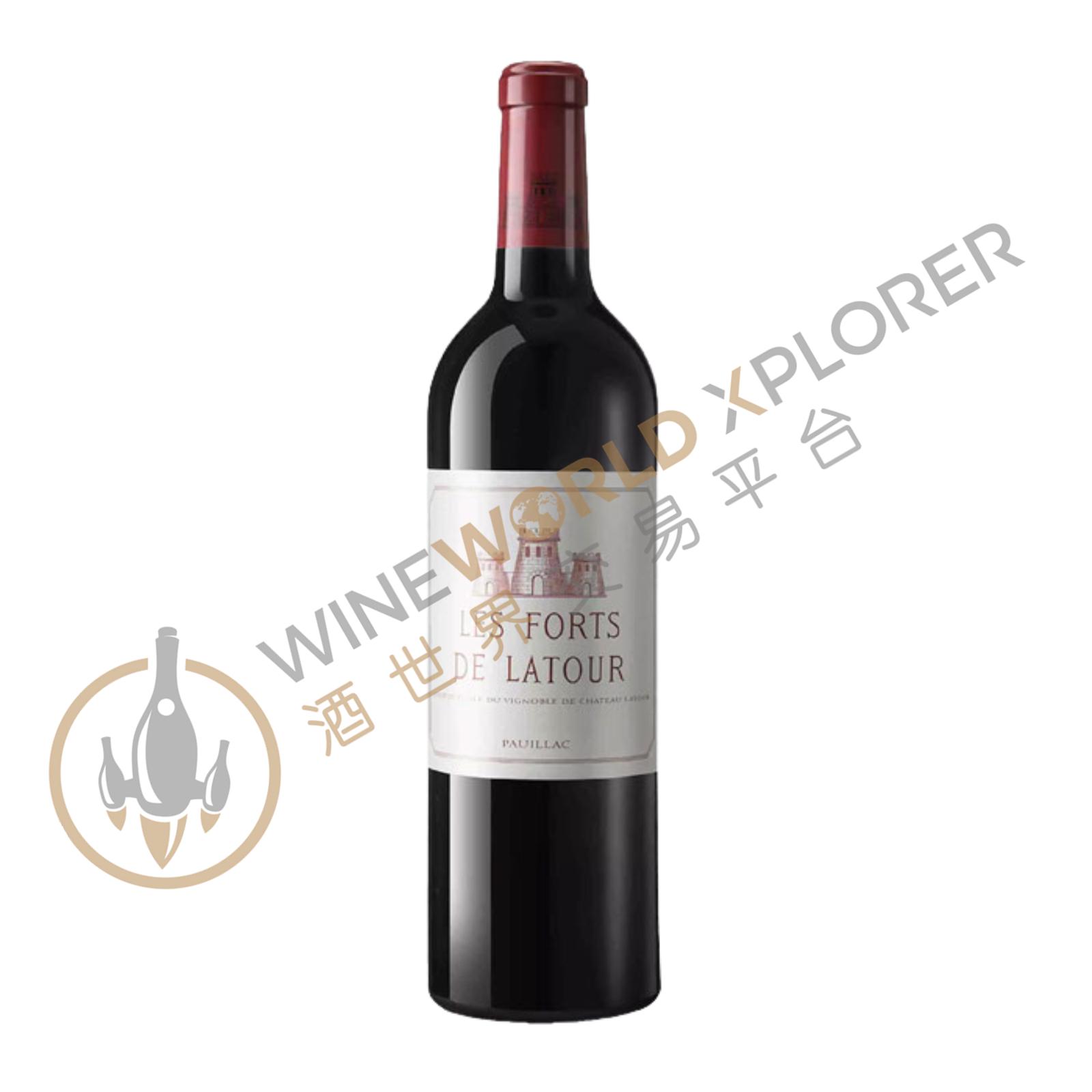
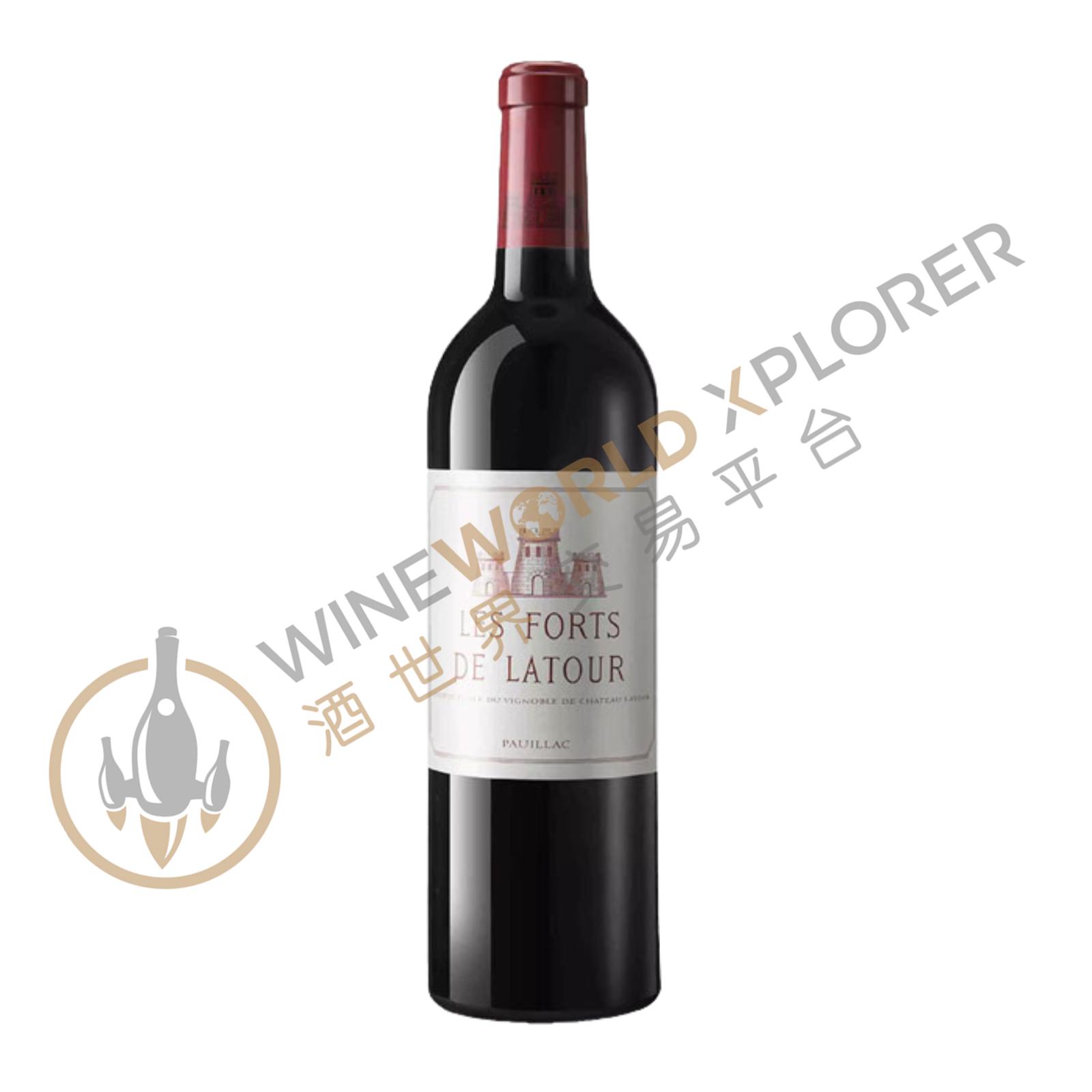
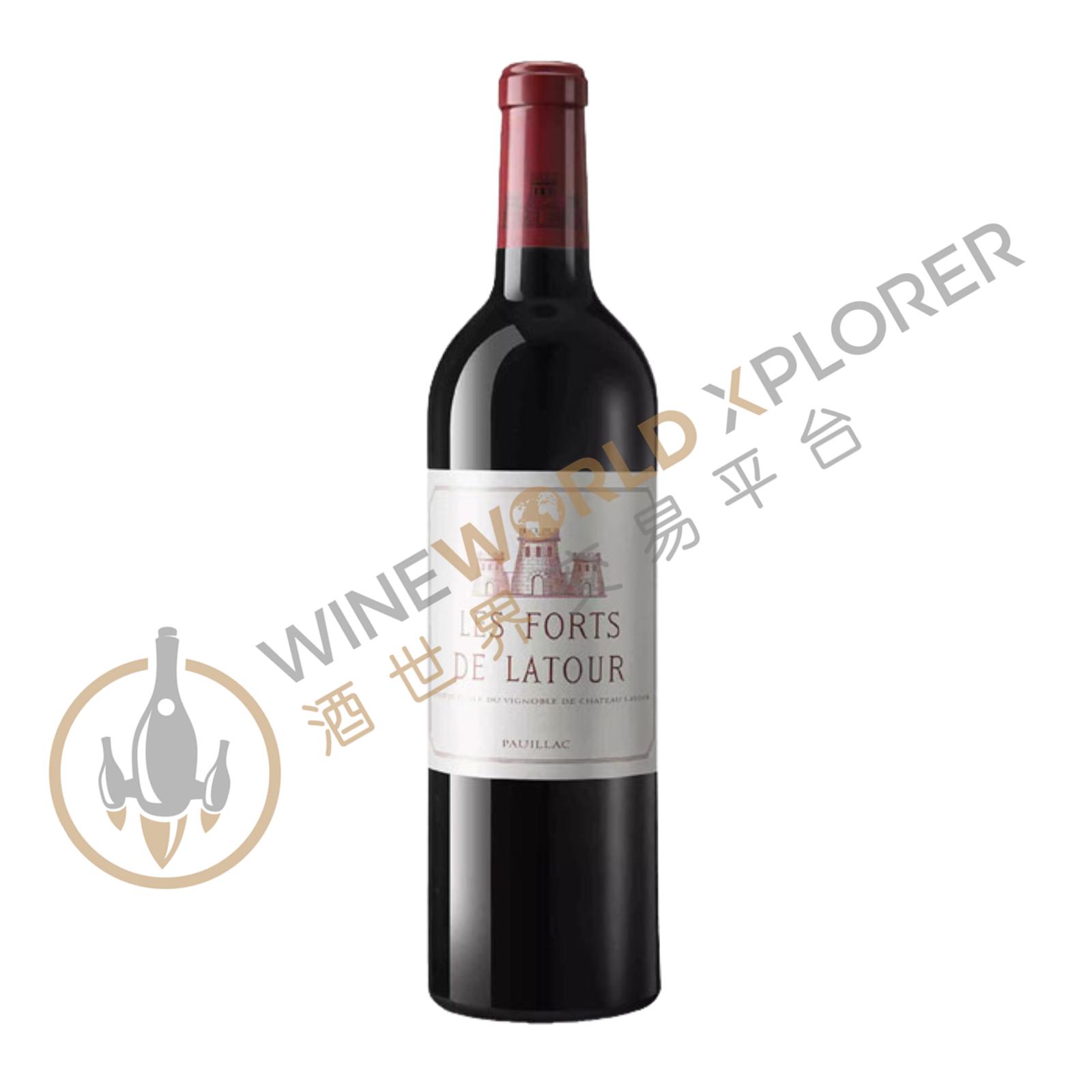
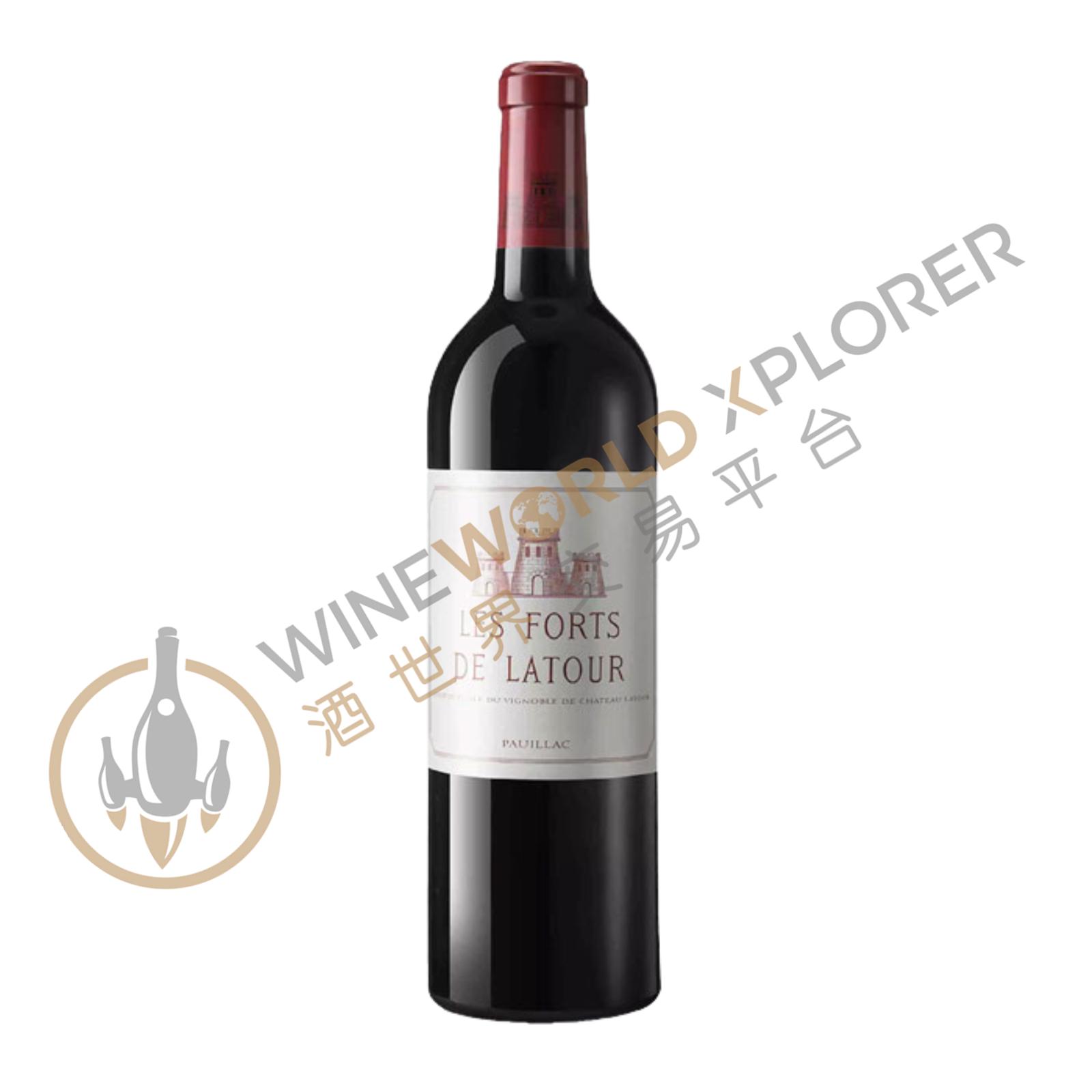
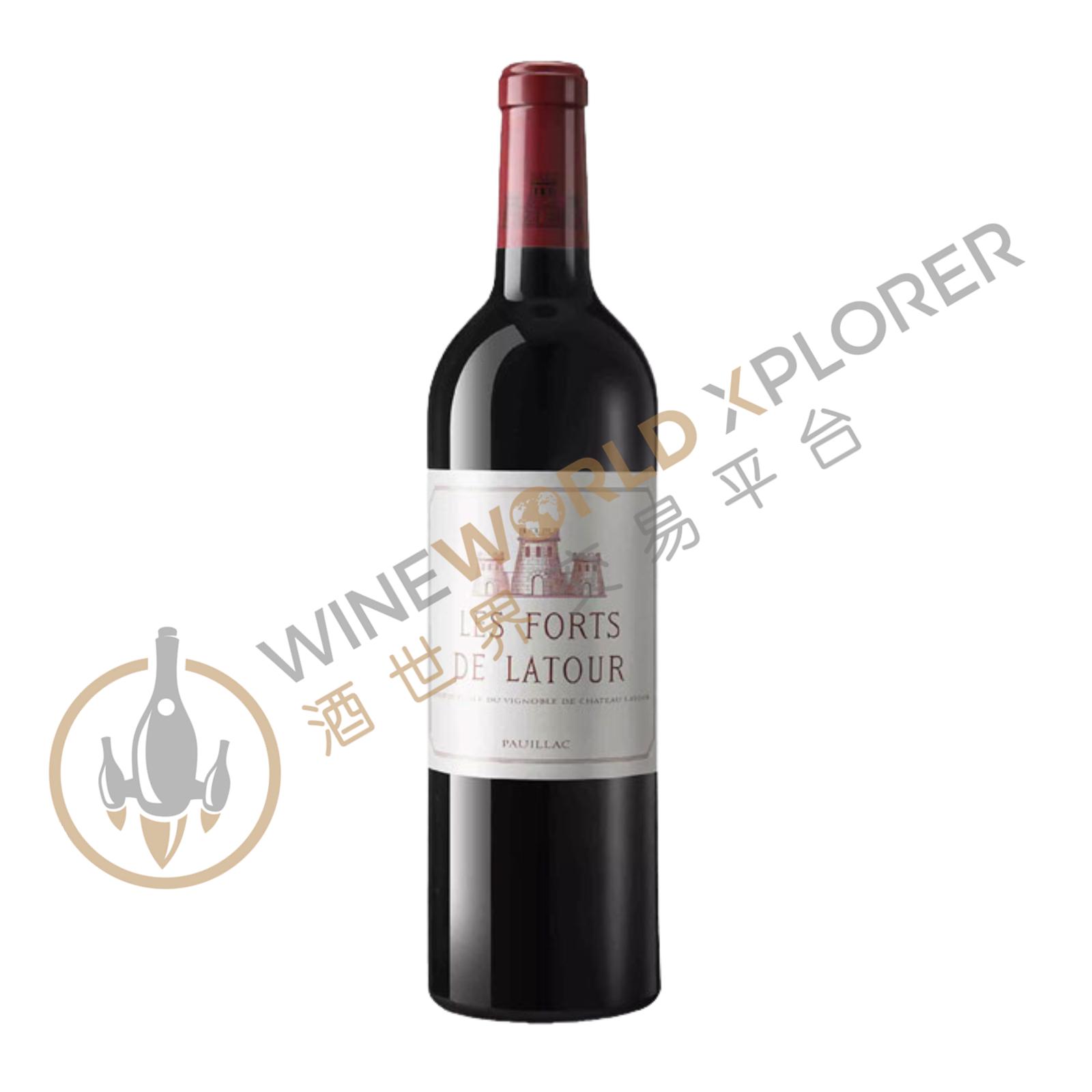
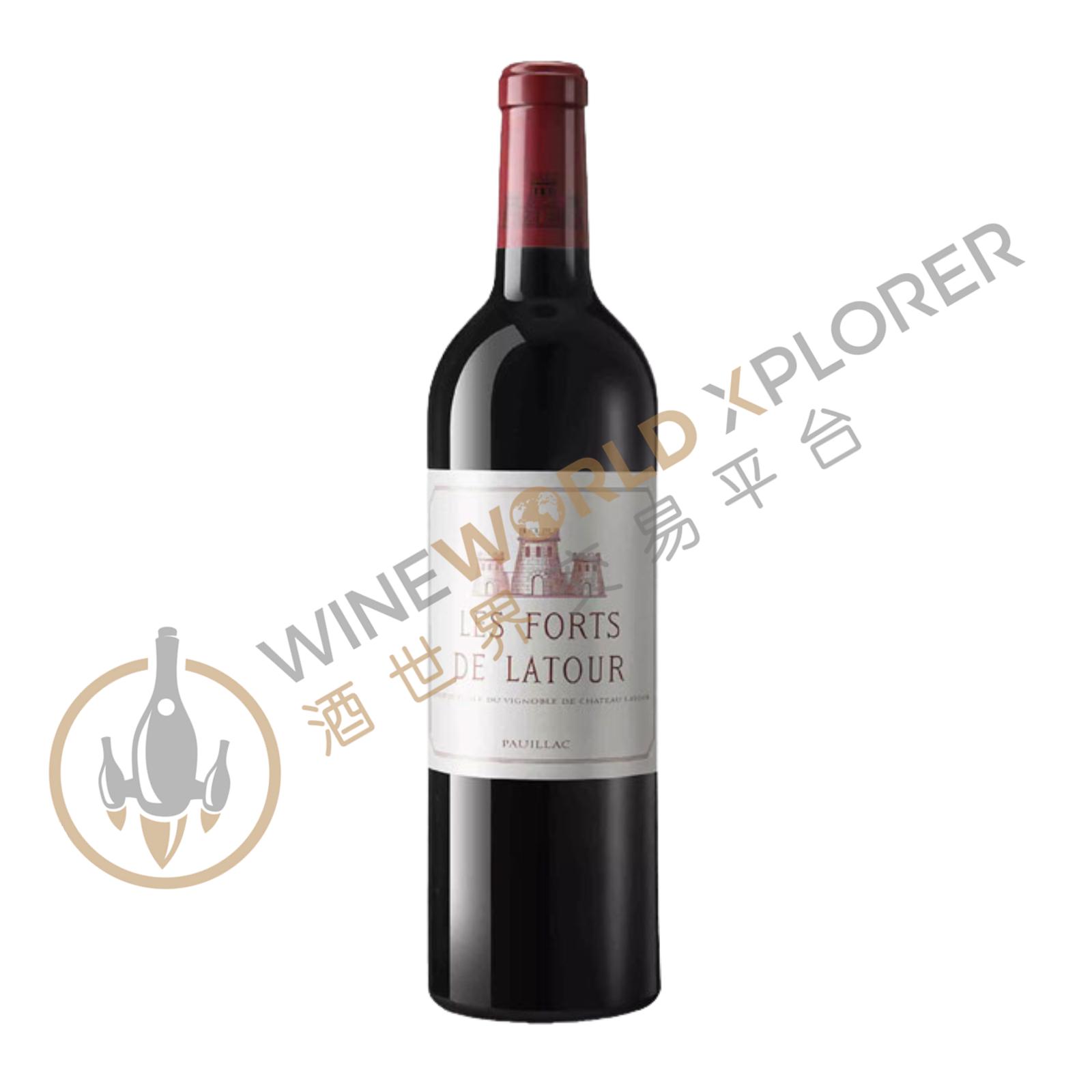
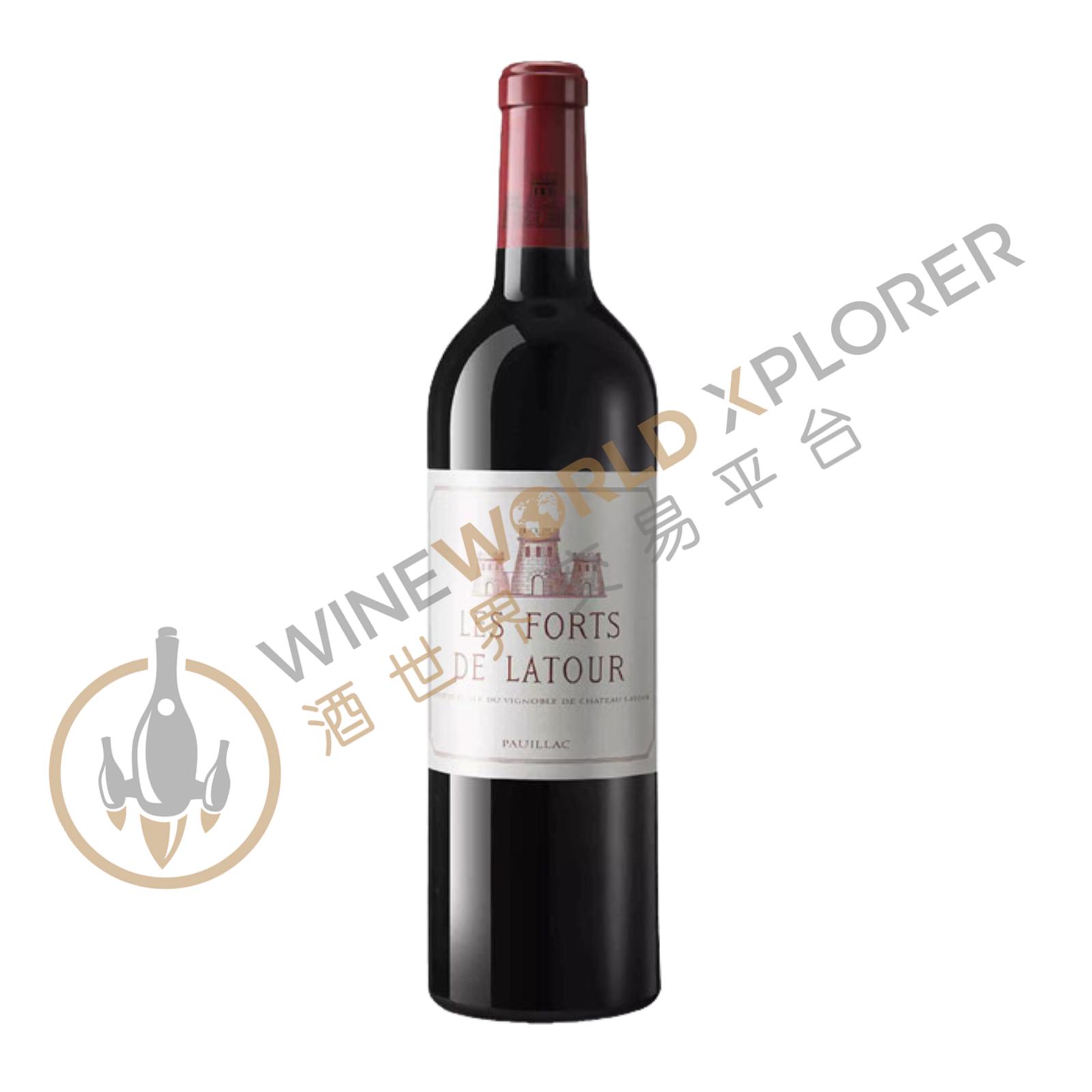
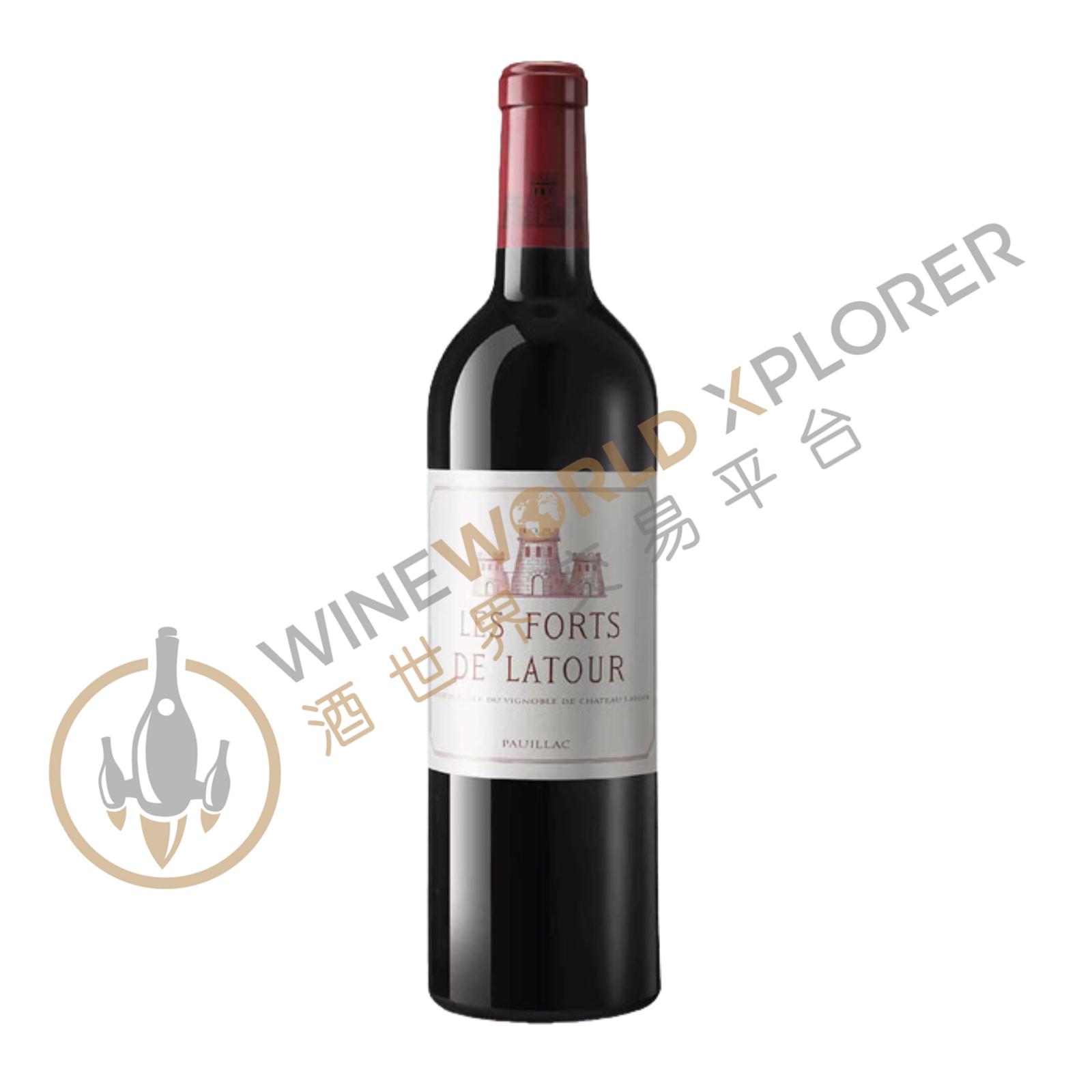
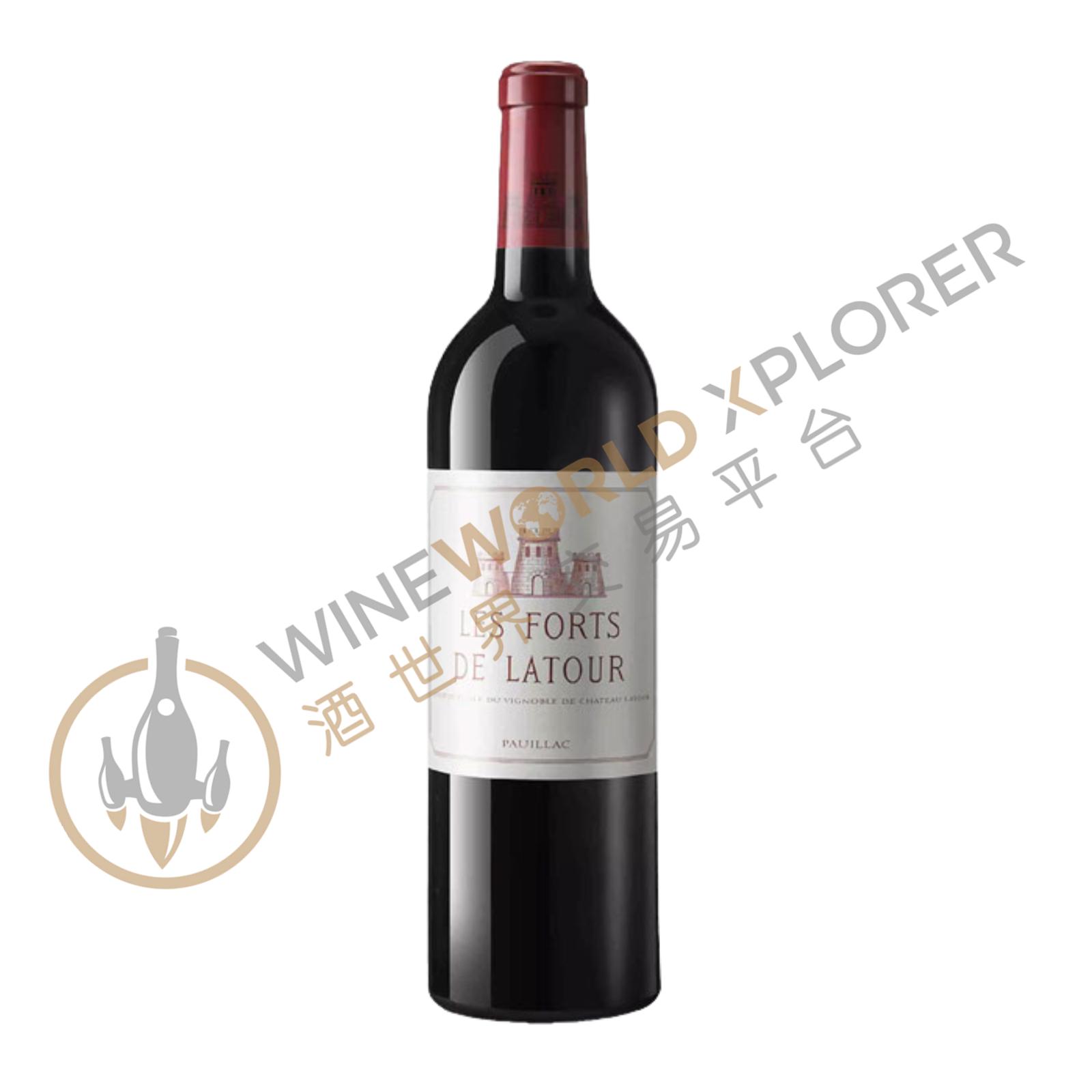
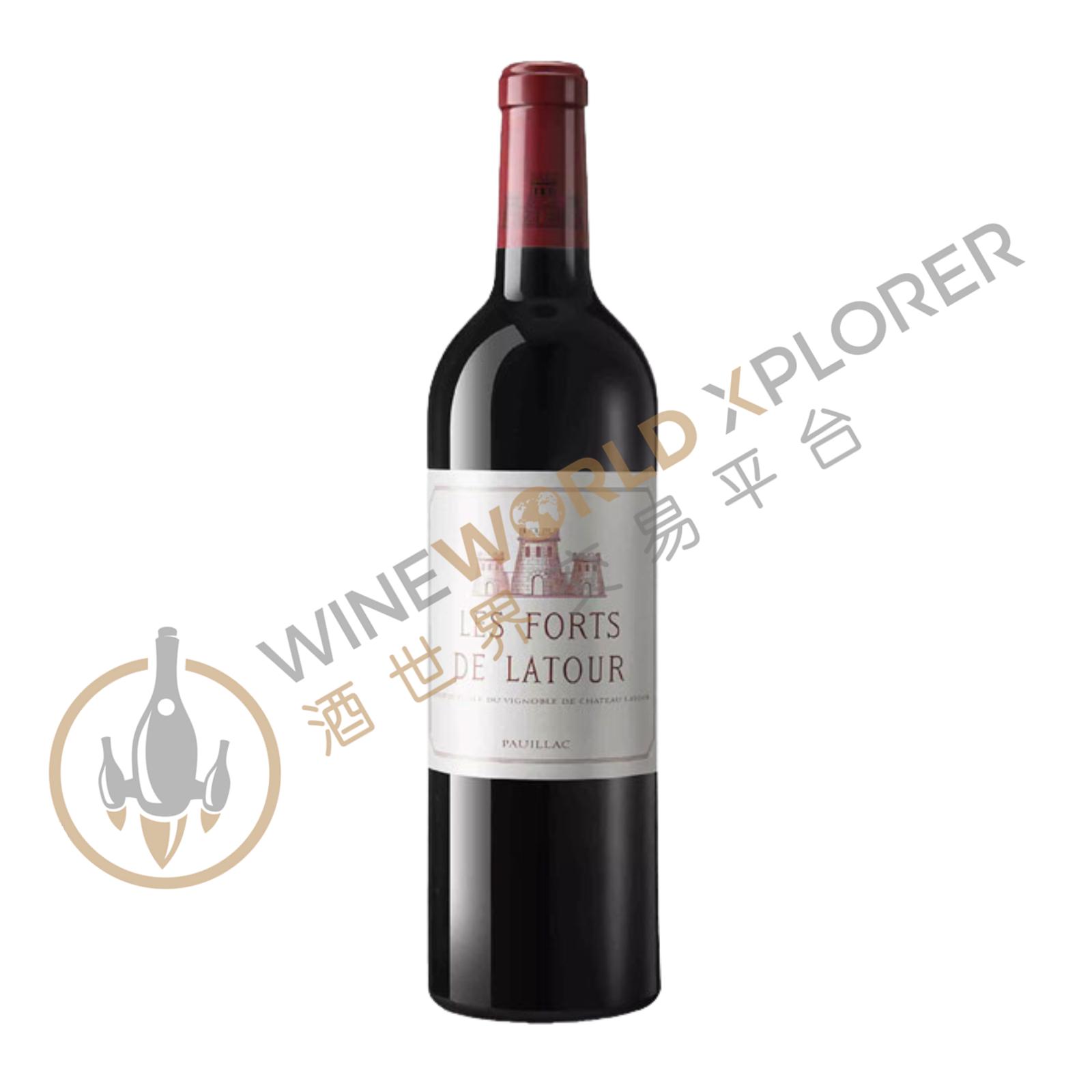
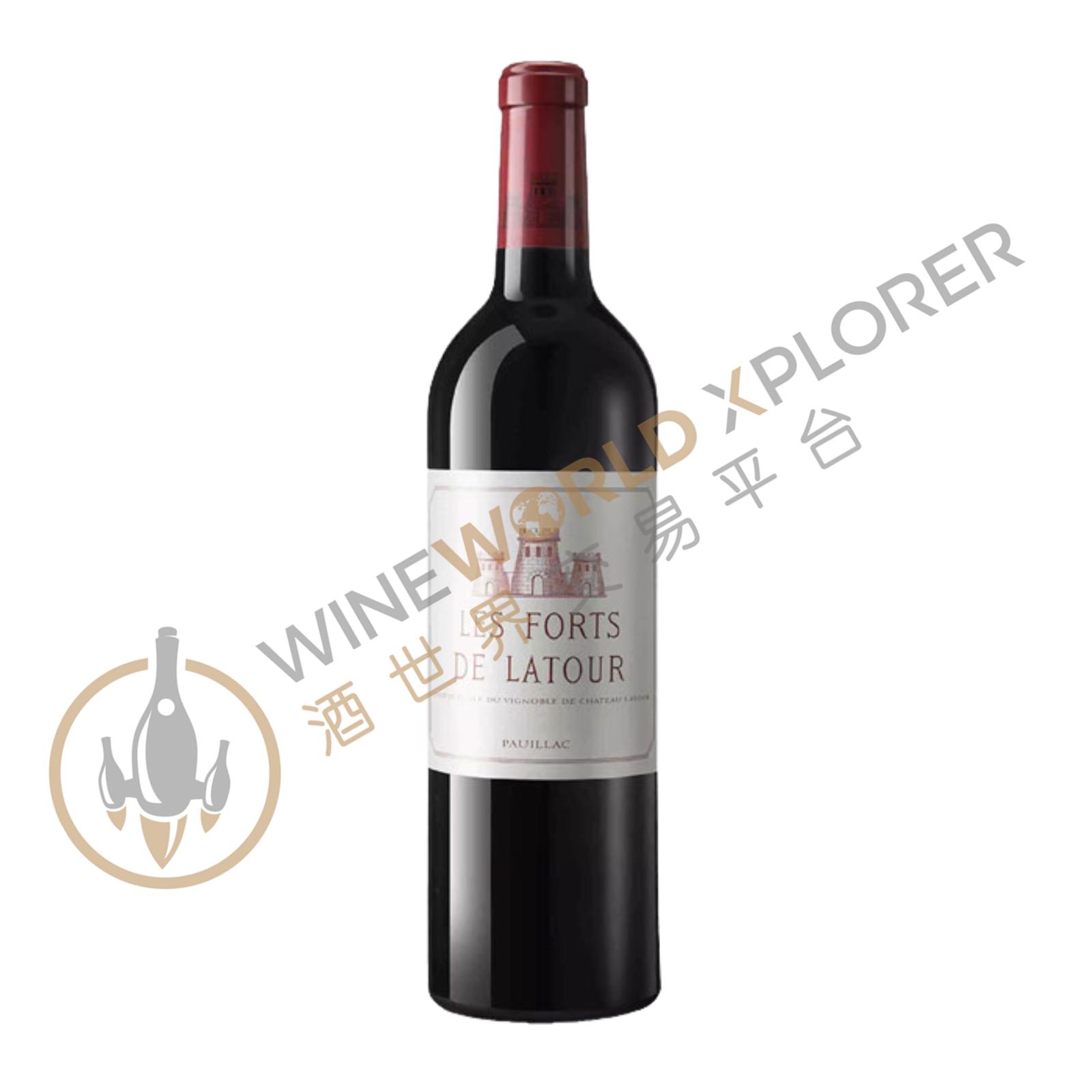
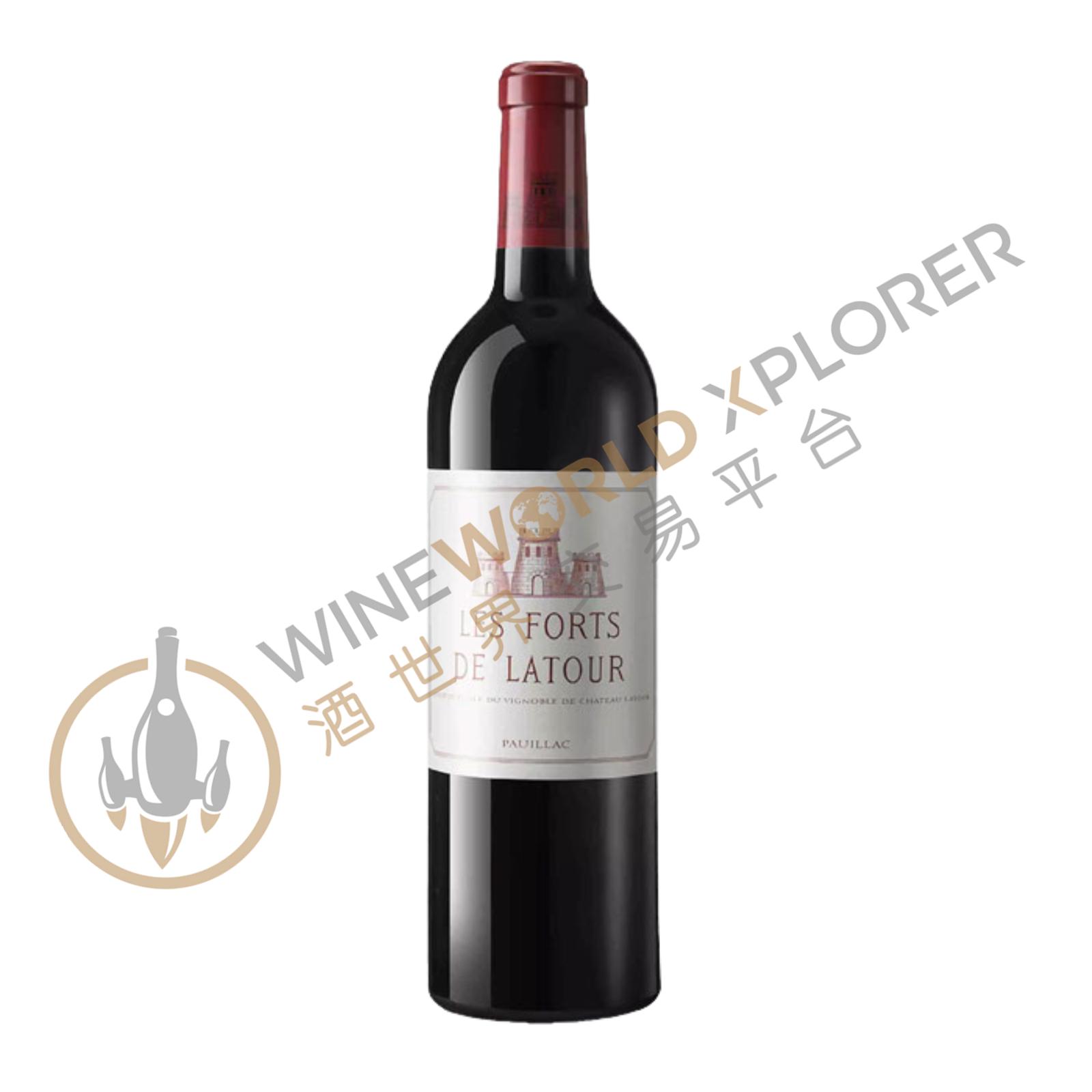
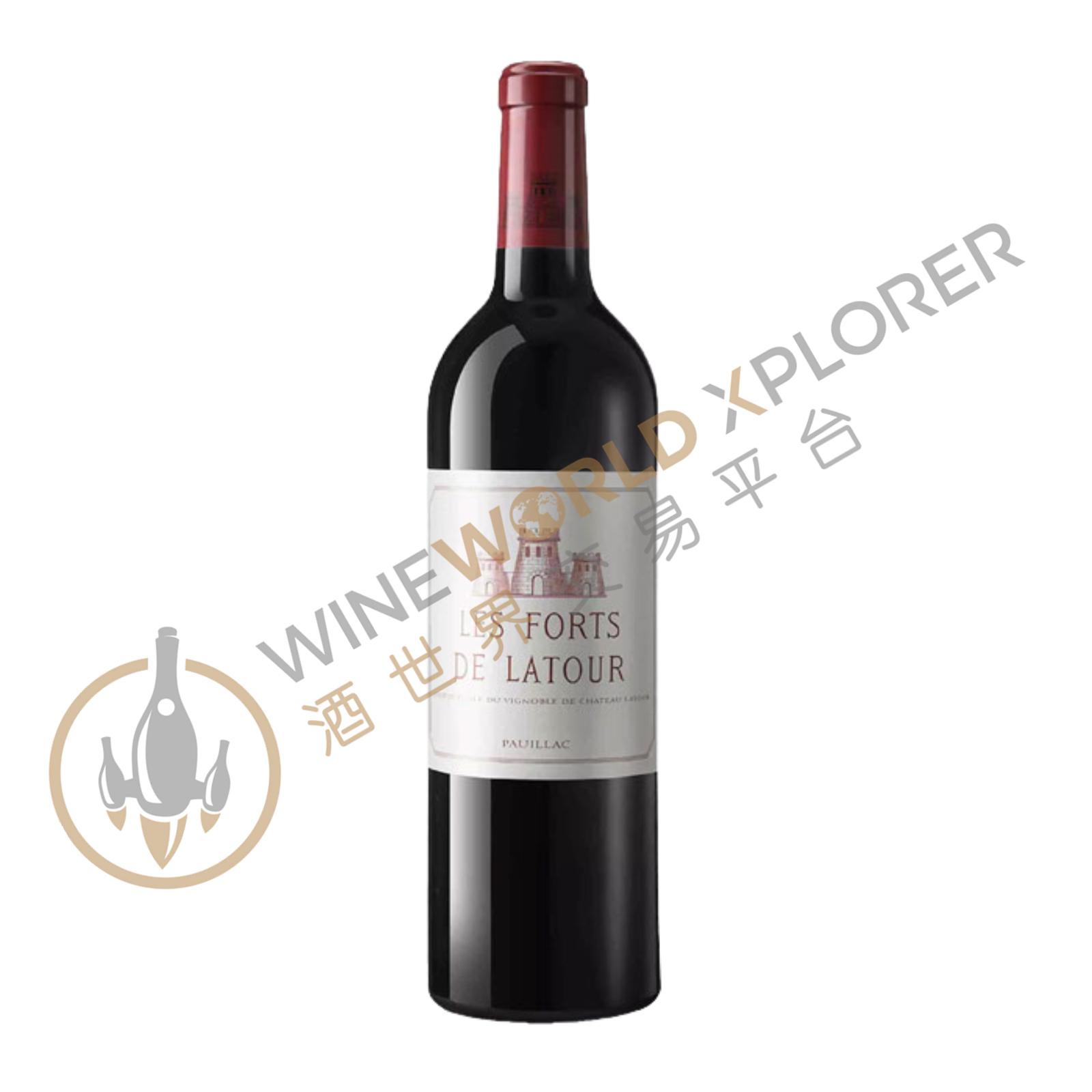
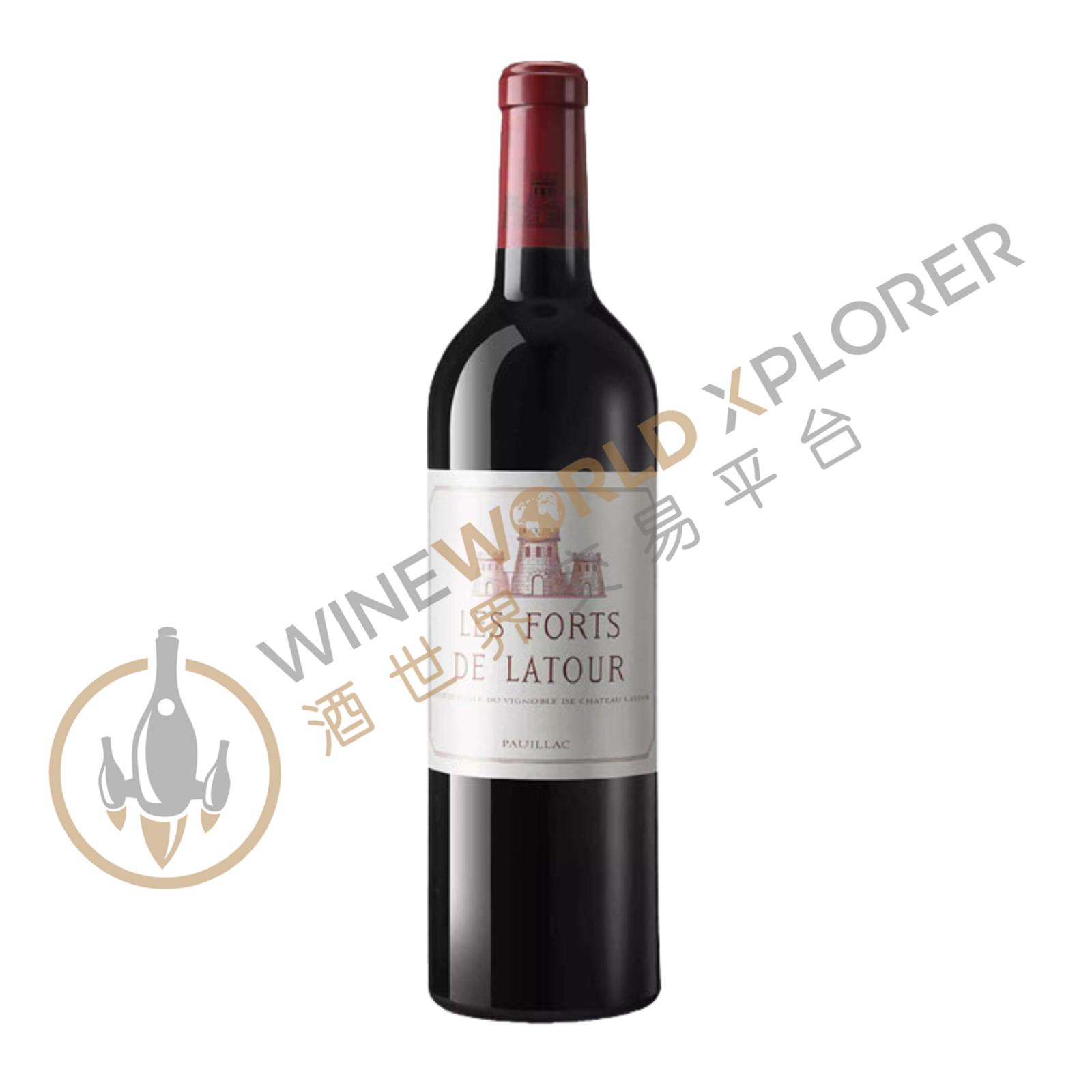
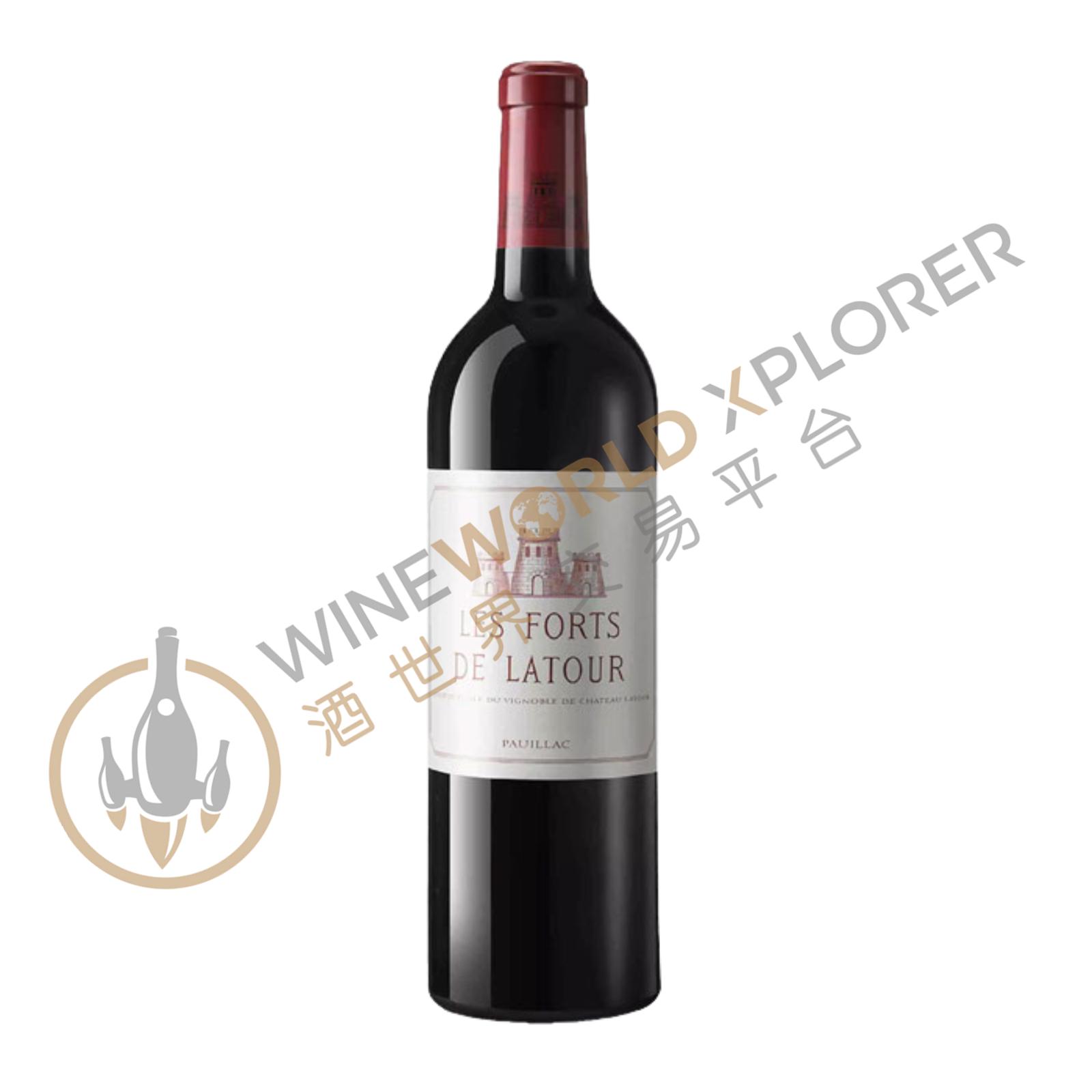
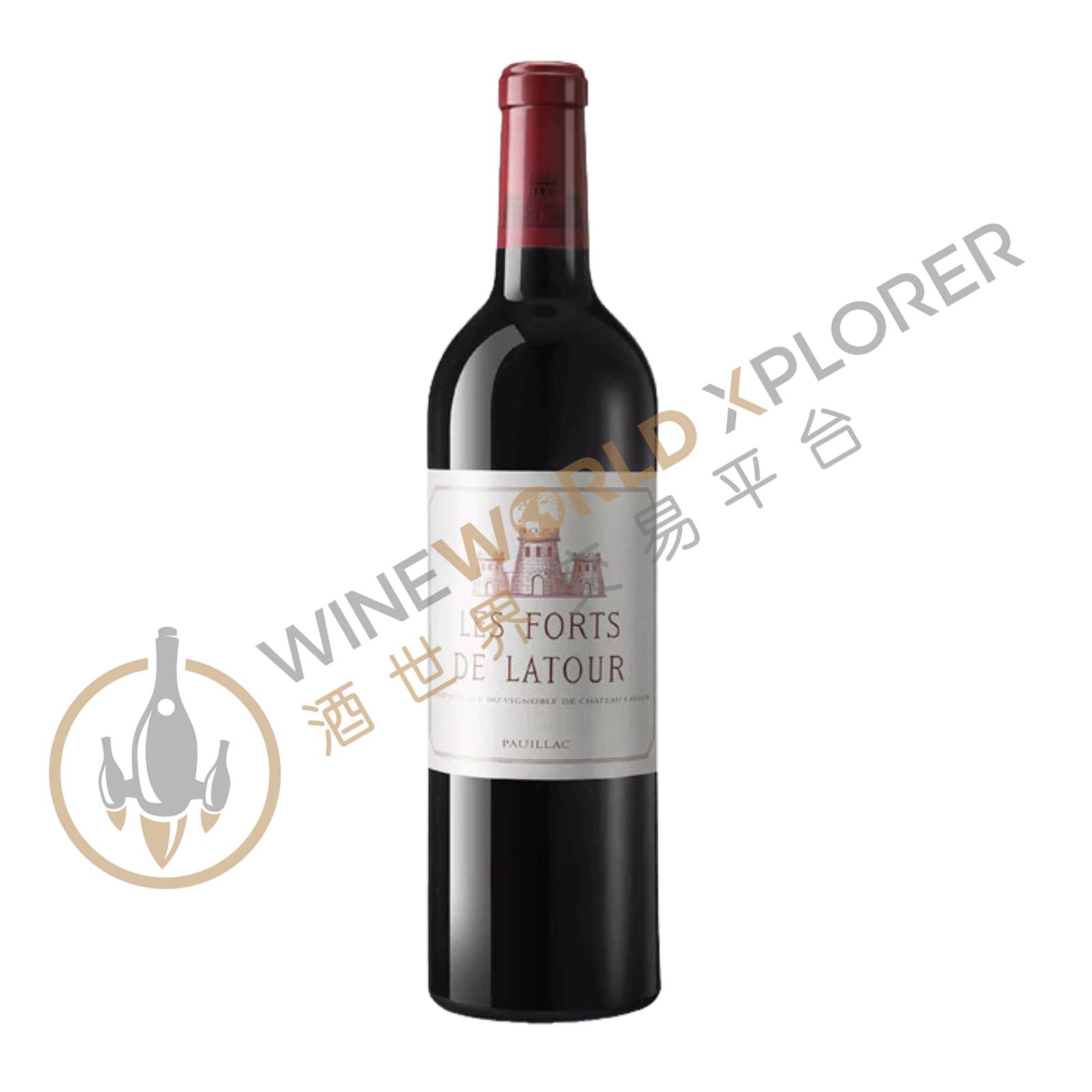
Les Forts de Latour 1981
 View analysis
Description
Tasting notes

Reviewed by: Neal Martin
Deep brick core with a thin tawny rim. The nose is quite muted with saddle-leather and dried herbs. The palate displays high acidity with mature tannins. Still some fruit: strawberry and bitter cherry but the wine is creaking at the seams and becomes very disjointed. Finish is dry and abrupt with an odd tomato ketchup after taste. Past its best. Tasted November 2003.
Reviewed by: Robert M. Parker, Jr.
While this wine lacks muscle, weight, and the compelling concentration of the 1982, it is still an elegantly wrought, stylish wine that indeed resembles the grand vin. Medium to deep ruby color, with an emerging bouquet of wet stones, cassis, and oak, this medium-bodied, gracefully made Latour is just beginning to drink well, but should last for another 5-7 years. It is restrained, but attractive and well-balanced. Anticipated maturity: Now. Last tasted, 4/88.
About the Producer
Latour was a jointly held lord's domain until the end of the 16th century, At that time, the property was not entirely covered by vines and yet production largely exceeded requirements. There was no proper storage for the wine and it had to be drunk within the year. The estate remained in the hands of the Mullet family until the late 17th century, and while direct use of the land gradually replaced the leasing system, the wine-making situation changed very little. In the early 18th century, England's aristocracy and wealthy middle classes developed refined tastes, particularly for wine, from Bordeaux, Oporto, Jerez and other southern vineyards. Wine exports had been restricted by various blockades imposed by the wars, but now enjoyed a period of relative freedom and trade with Bordeaux grew rapidly. As a result of this flourishing trade, the estate gradually came to specialise in wine production, with 38 hectares of vines in 1759 and then 47 hectares by 1794.
1975(2)1976(1)1979(1)
Package Size