Wine Advisor



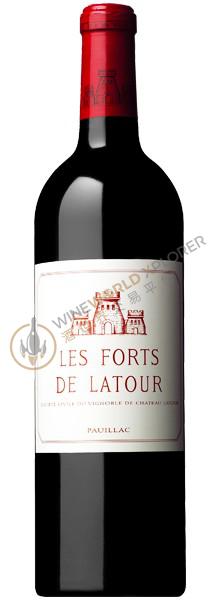
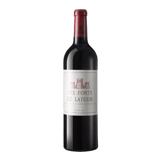
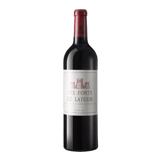
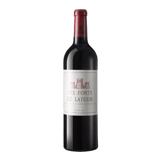
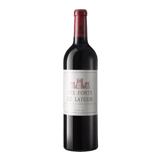
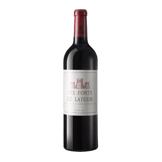
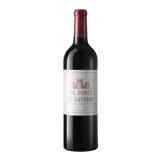
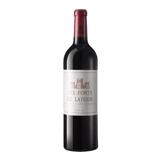
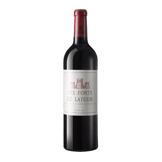
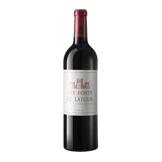
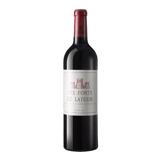
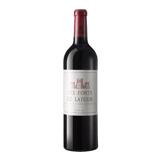
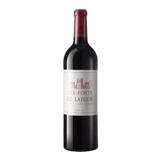
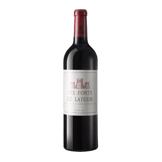
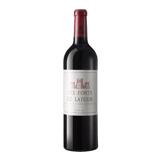
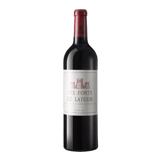
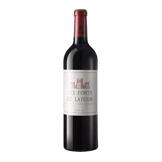
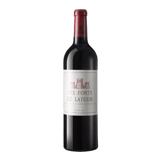
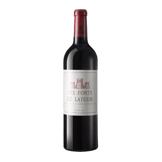
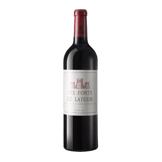
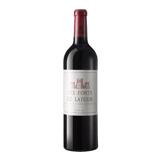
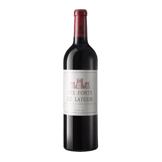
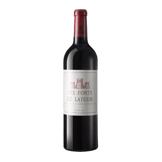
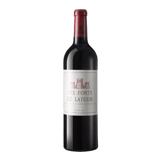
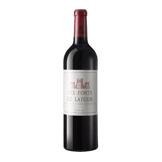
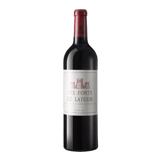
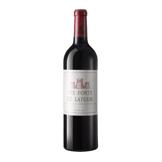
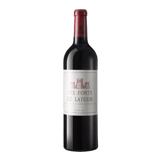
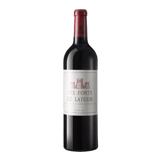
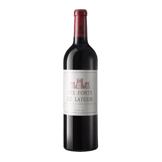
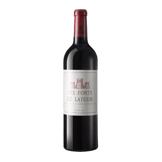
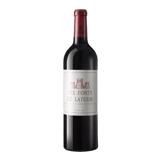
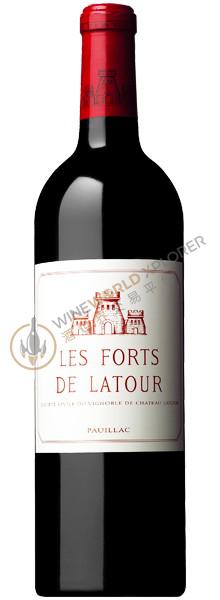
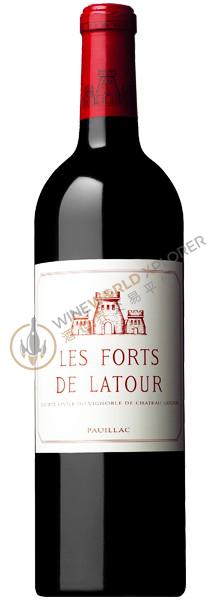
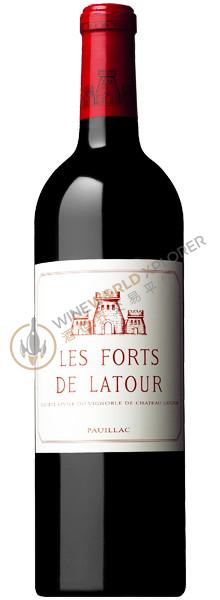
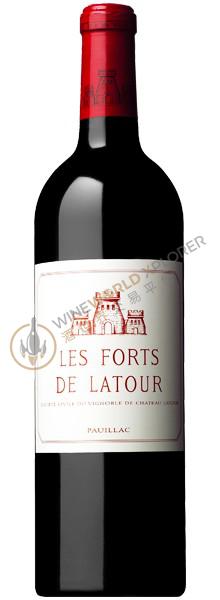
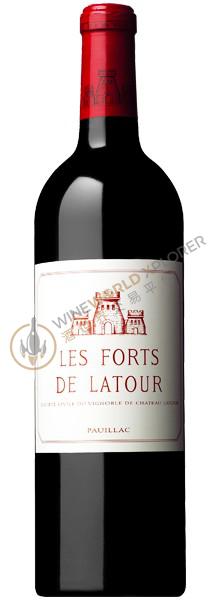
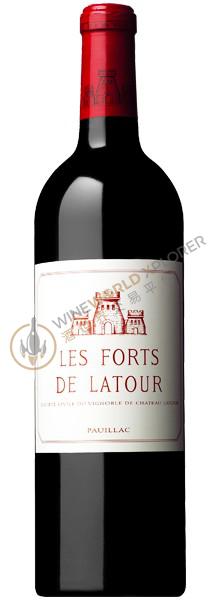
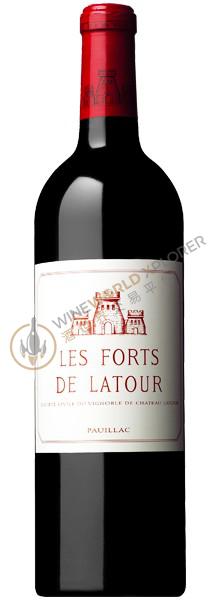
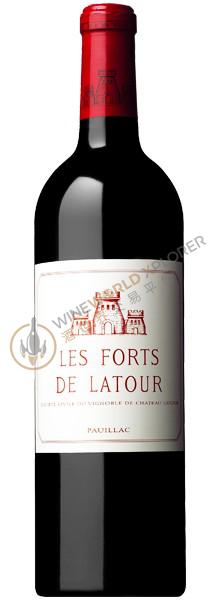
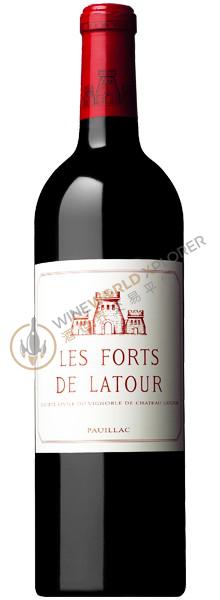
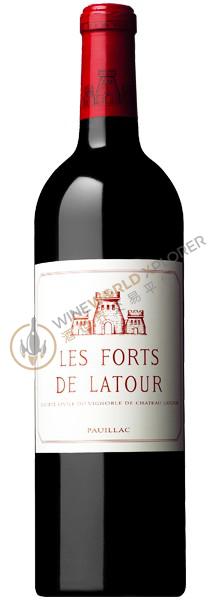
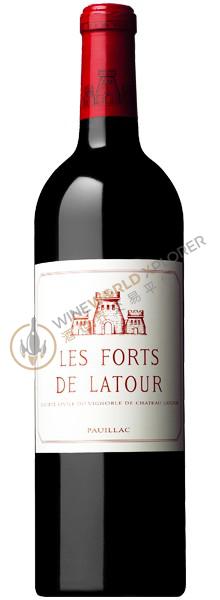
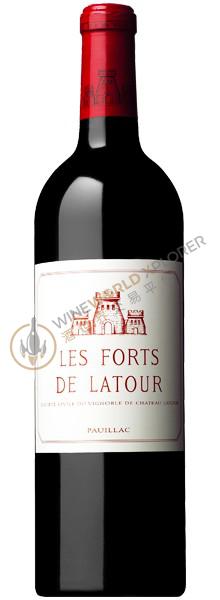
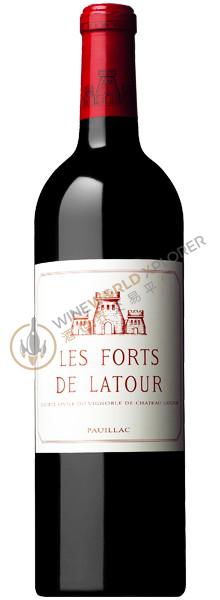
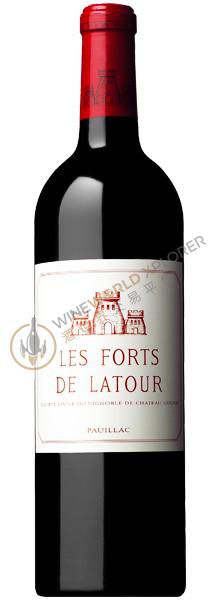
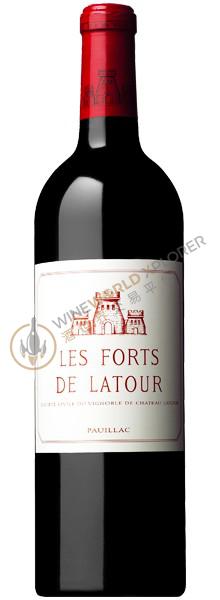
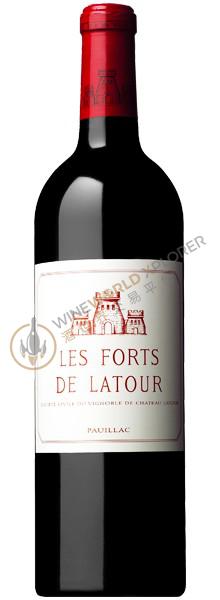
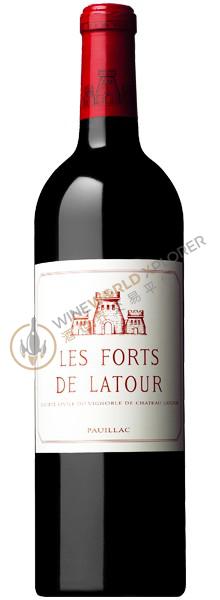
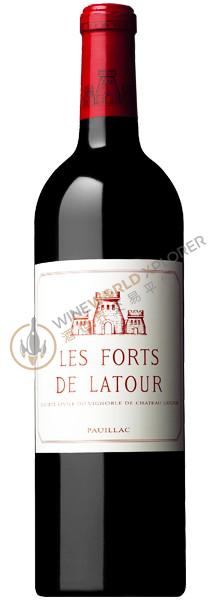
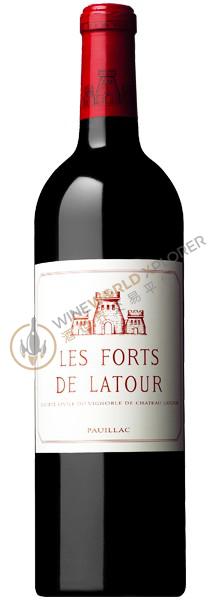
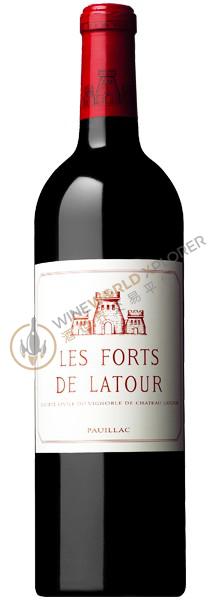
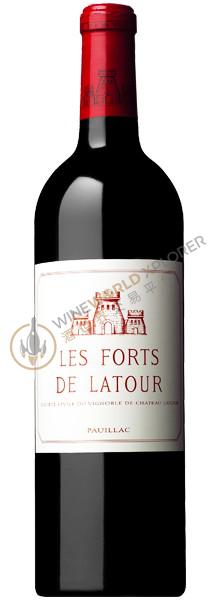
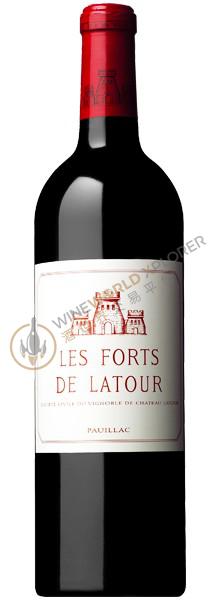
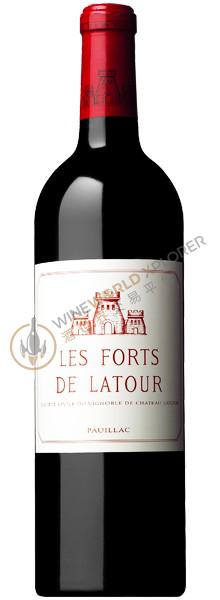
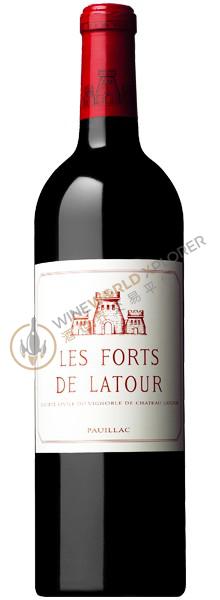
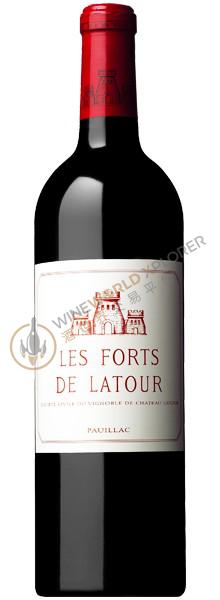
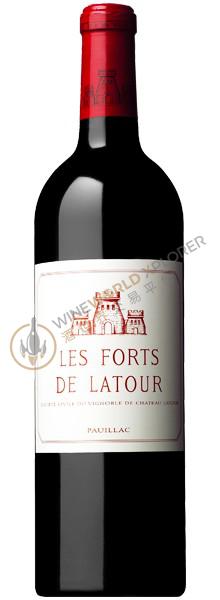
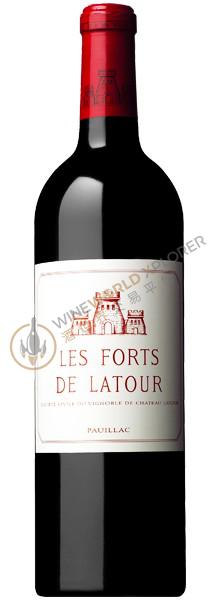
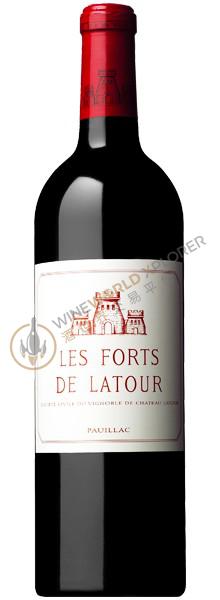
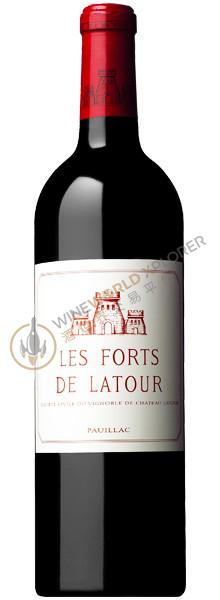
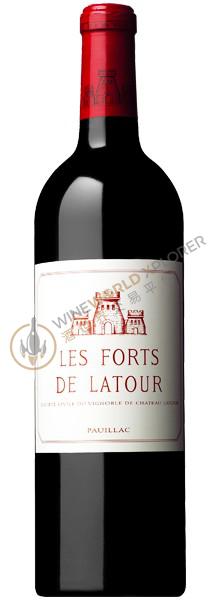
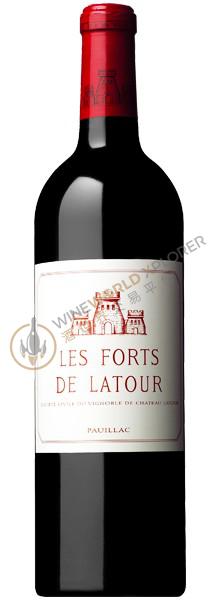
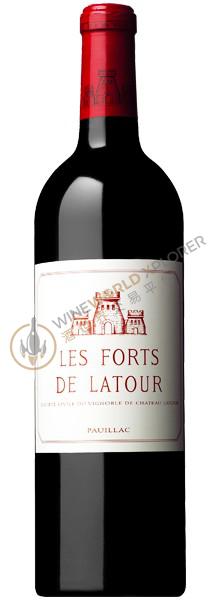
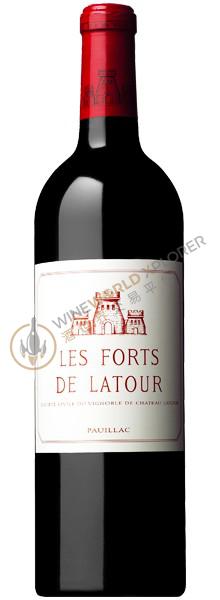
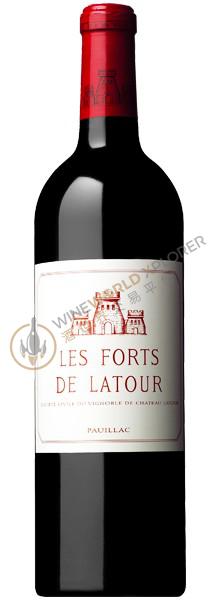
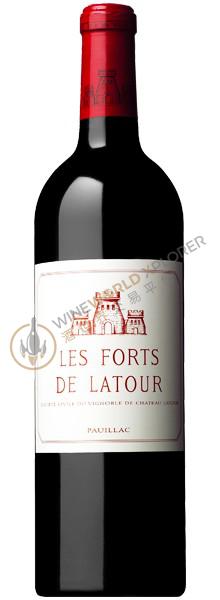
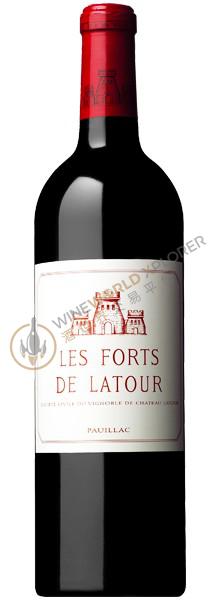
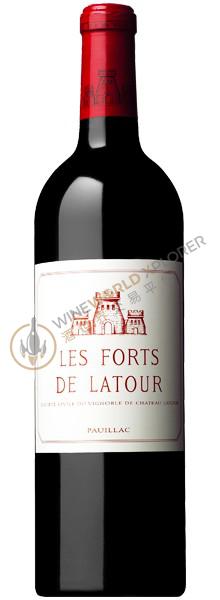
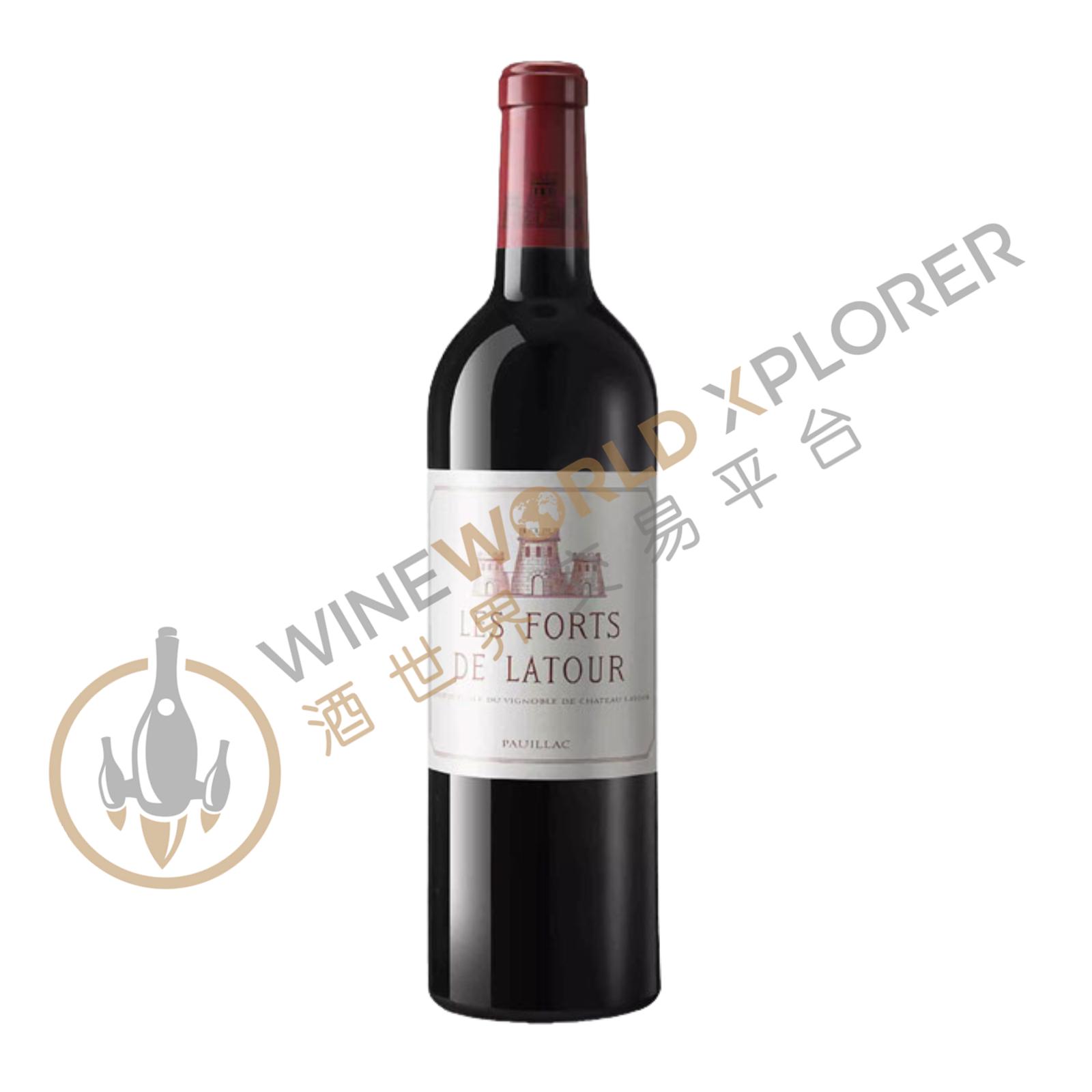
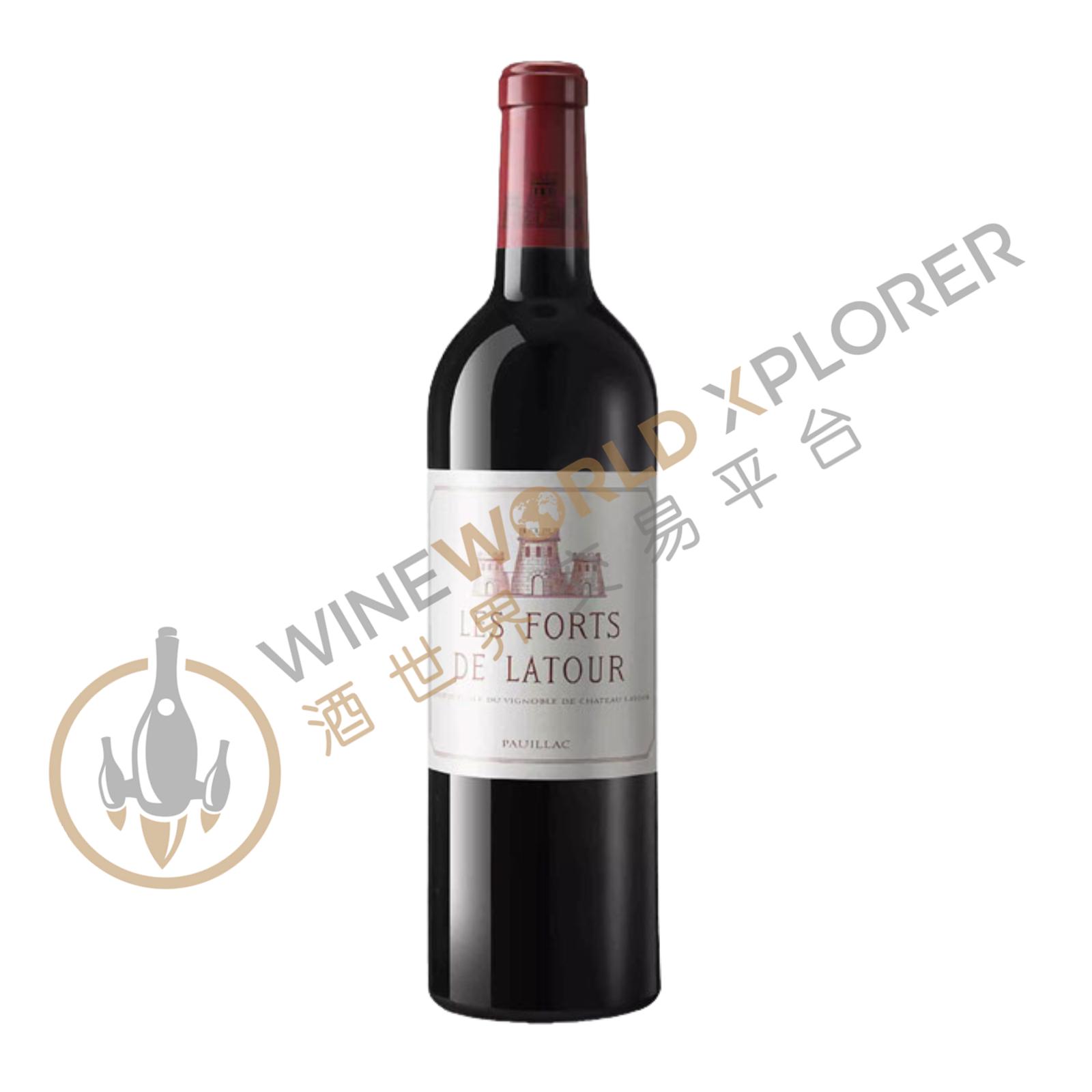
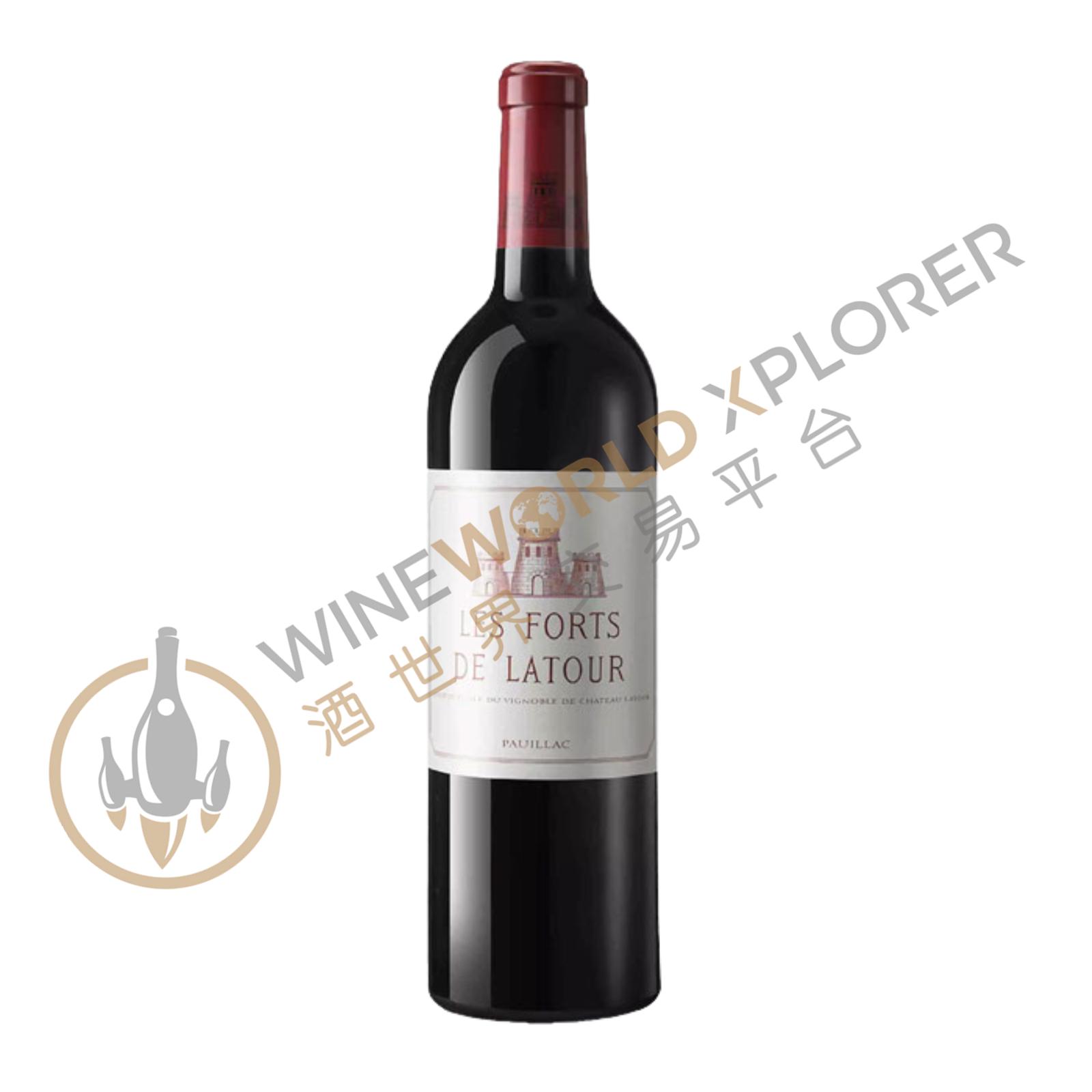
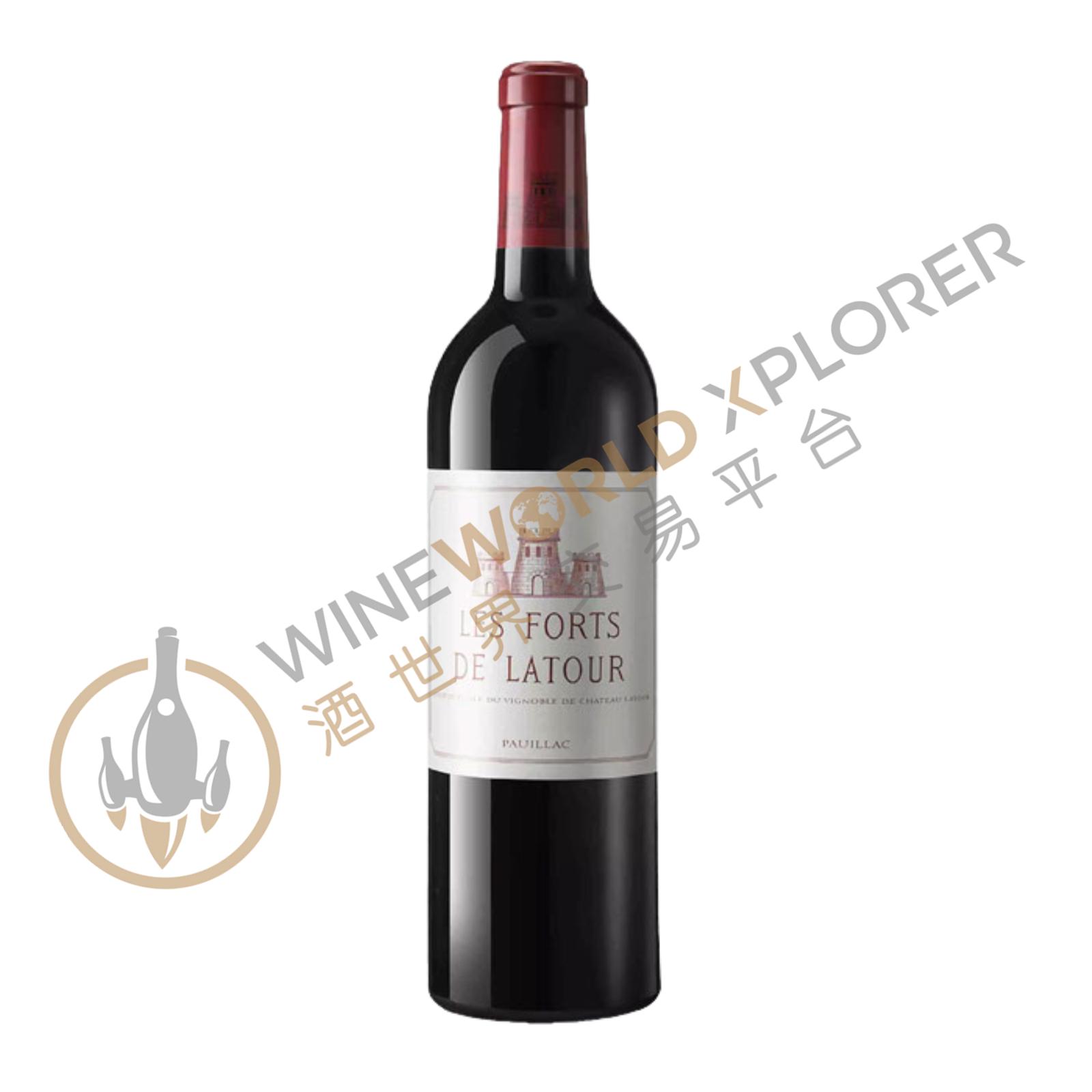
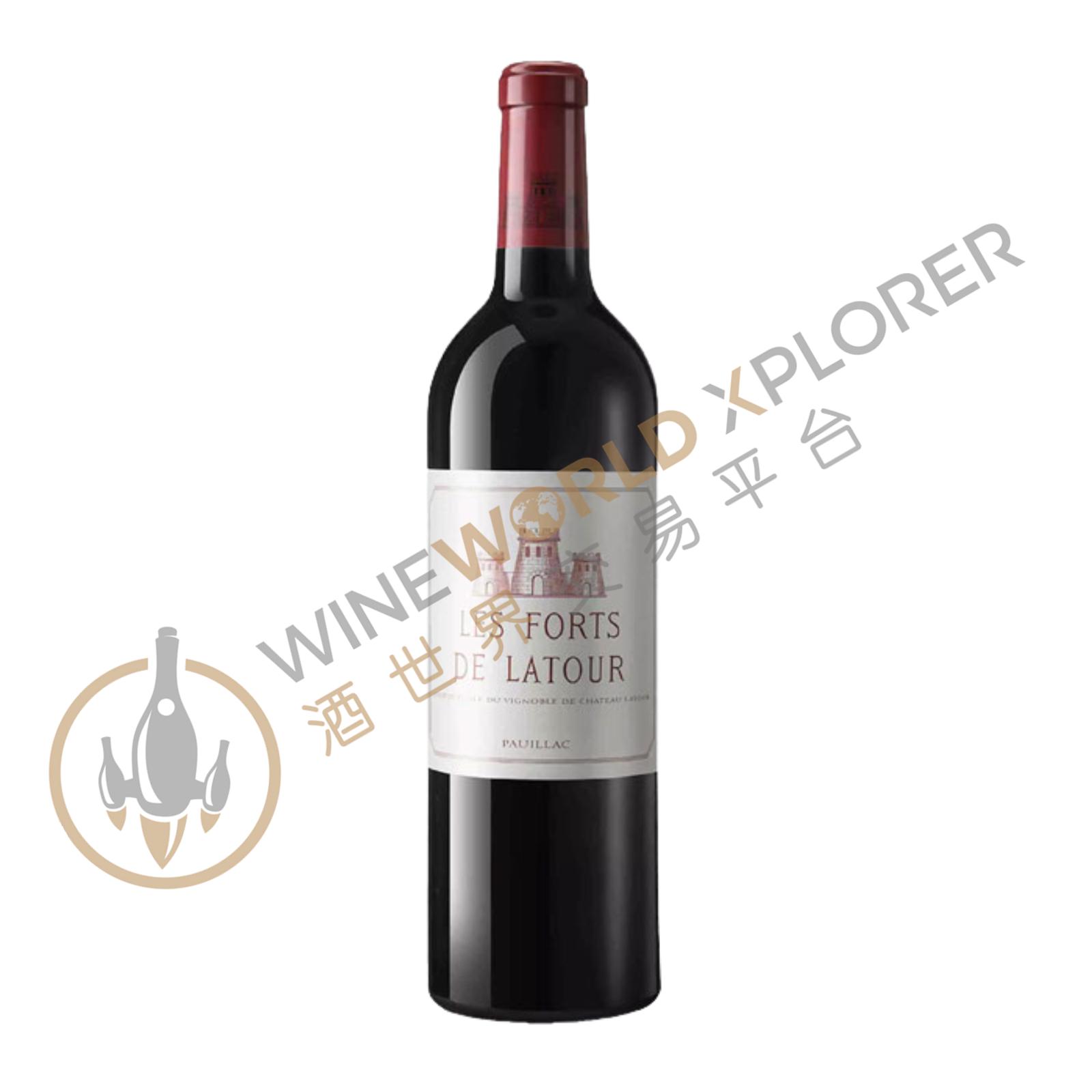
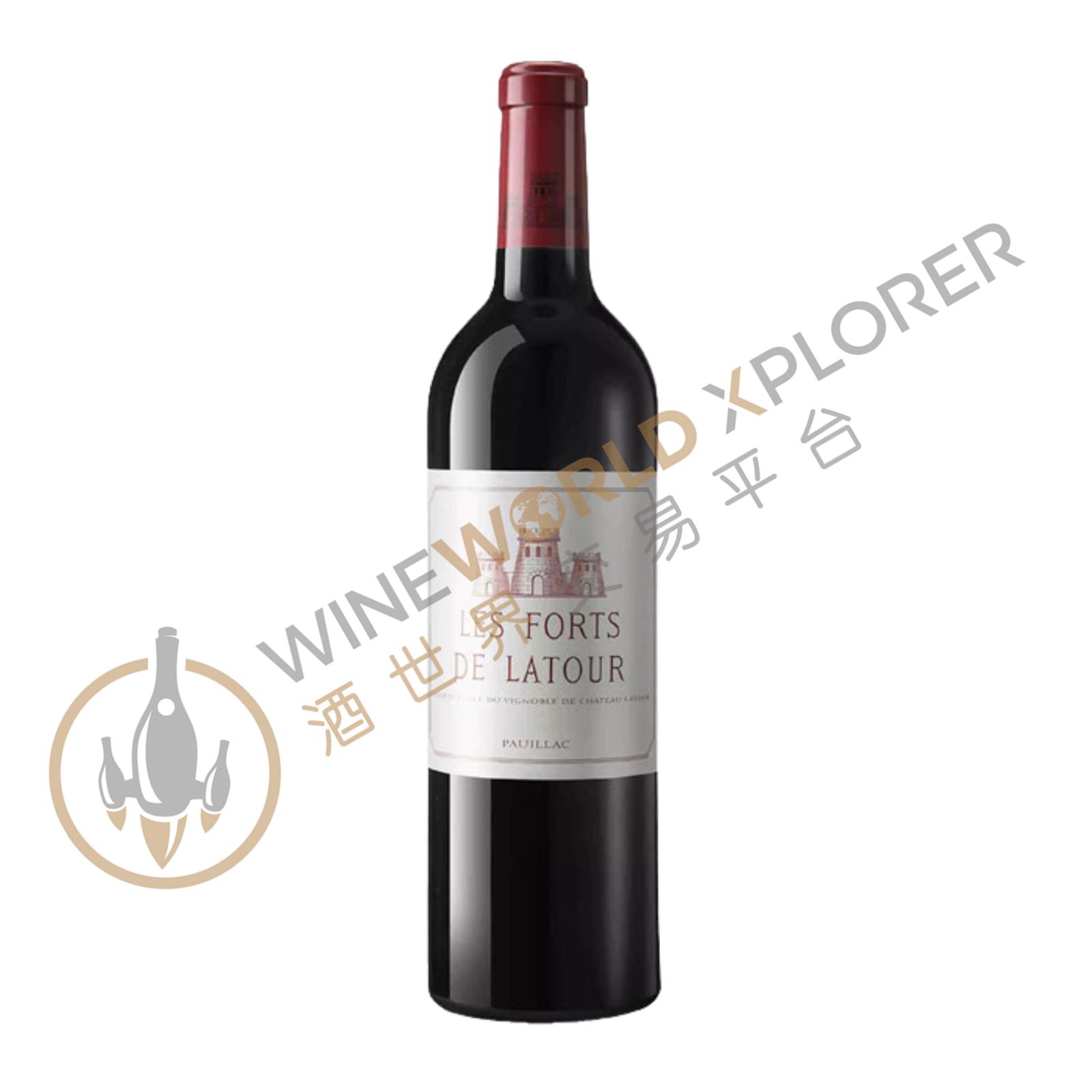
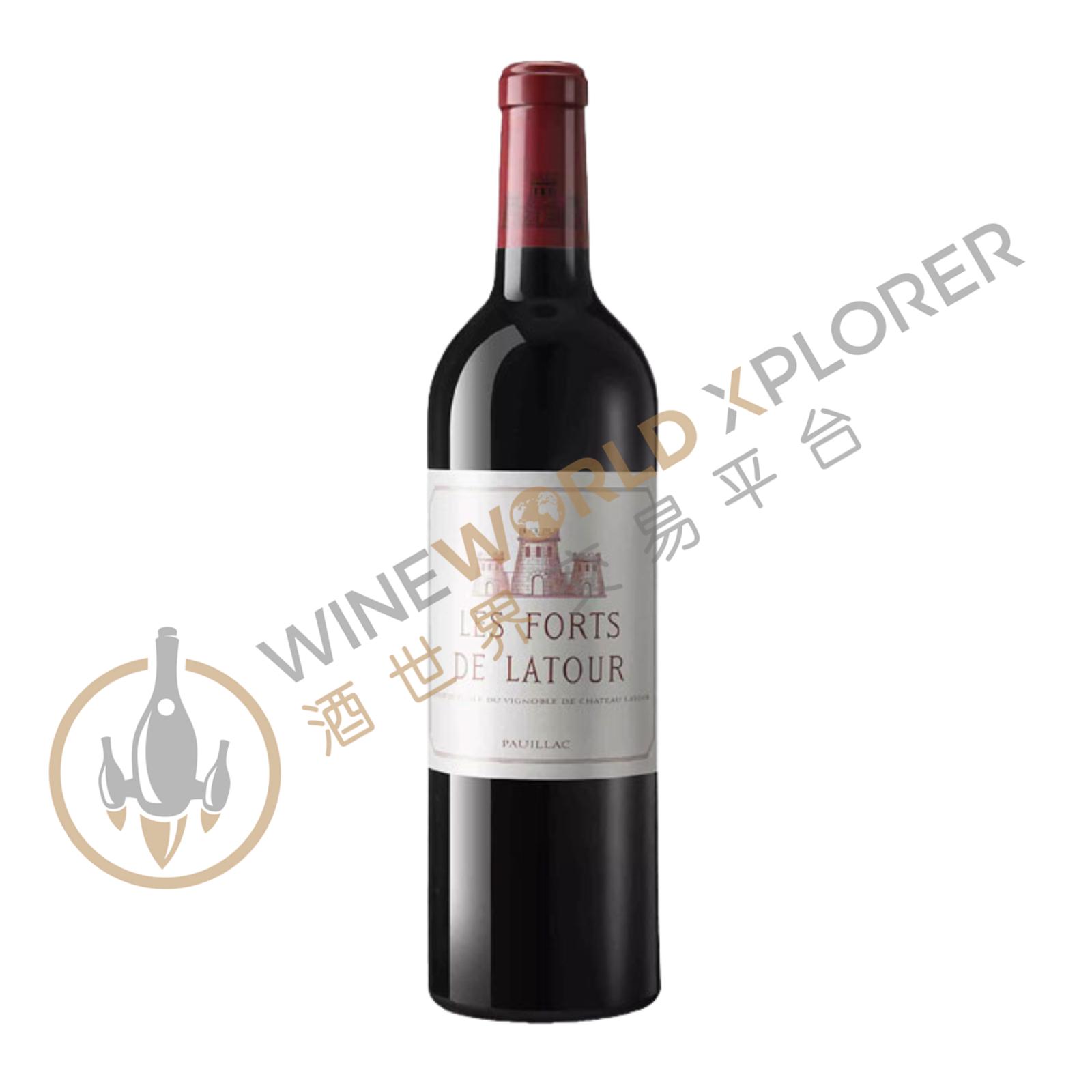
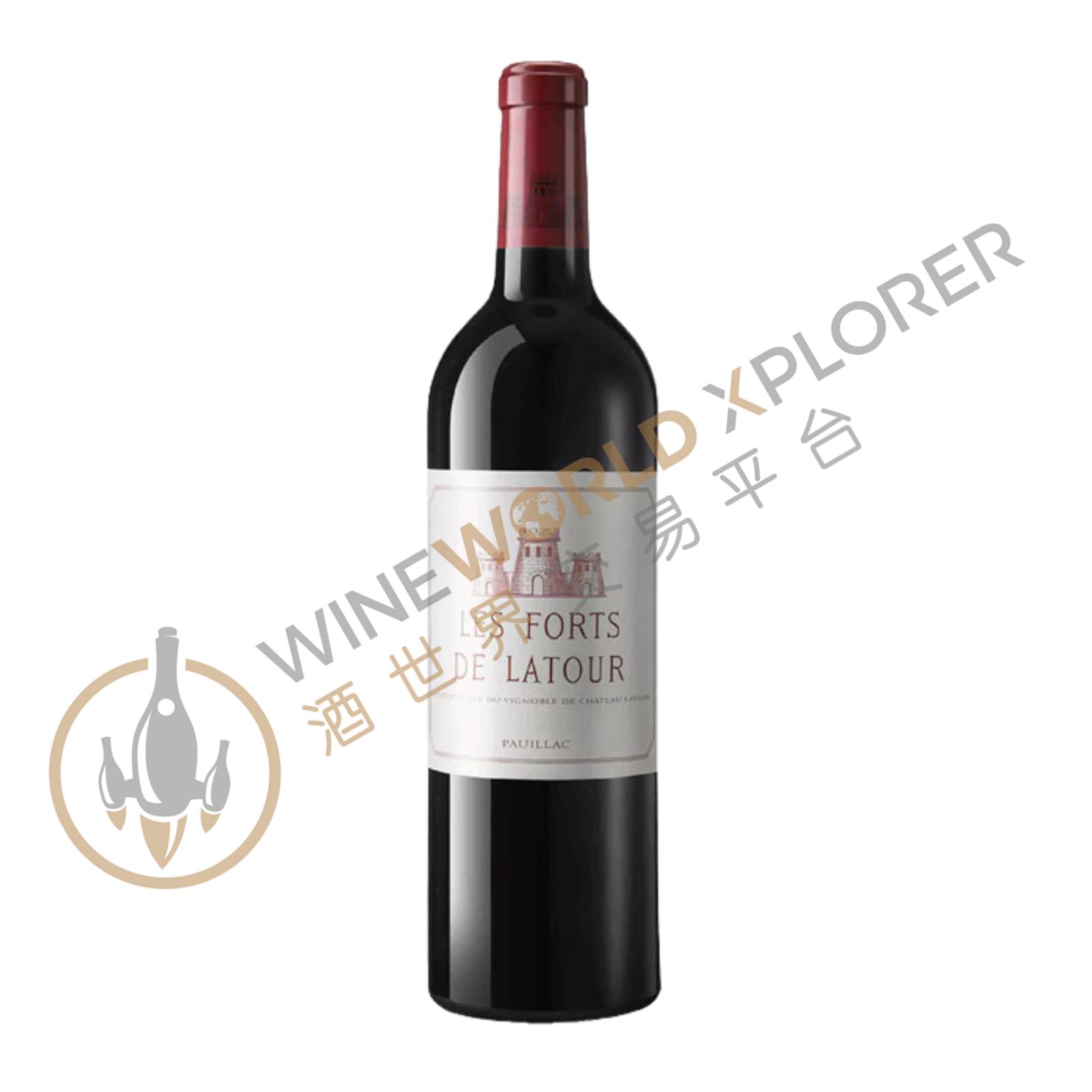
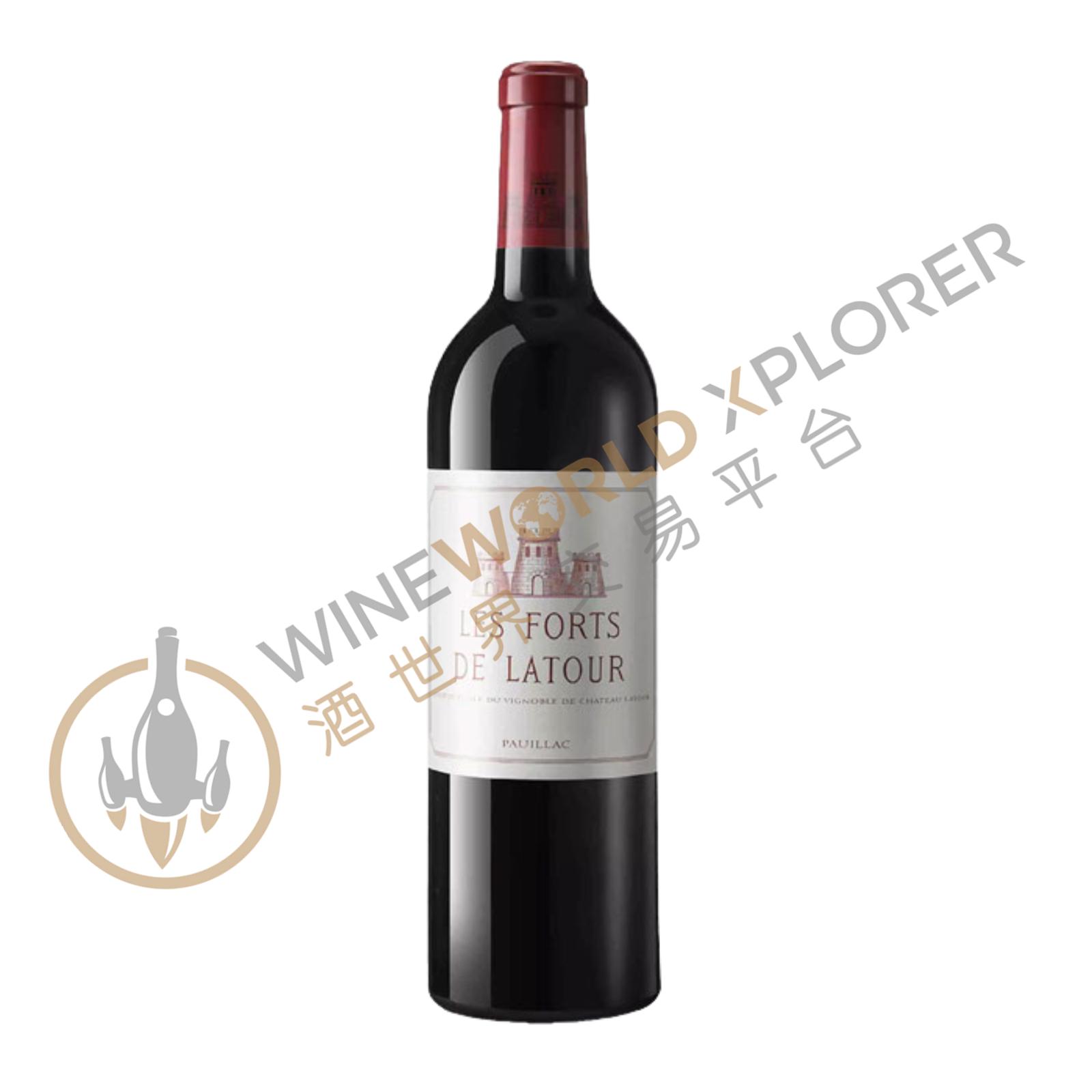
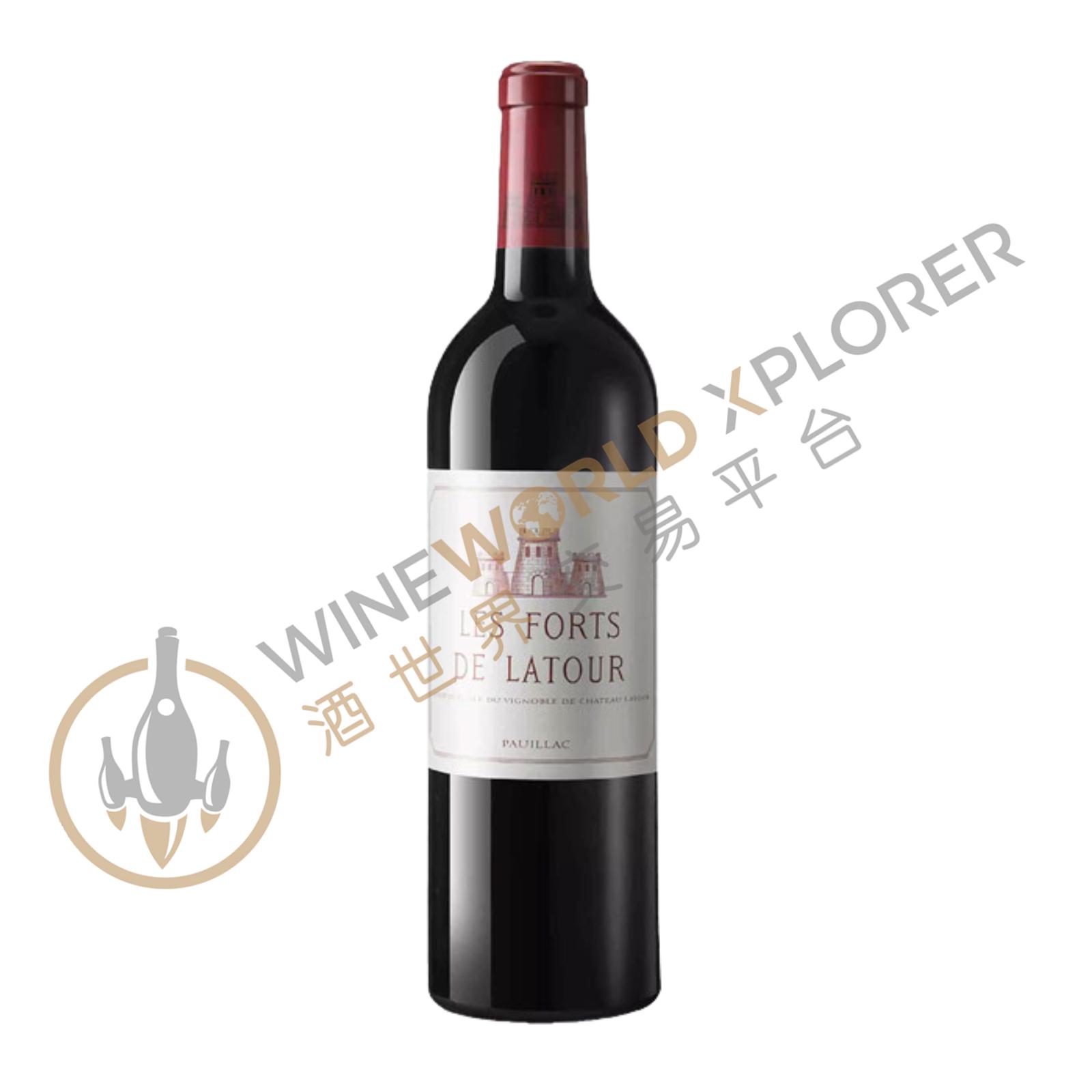
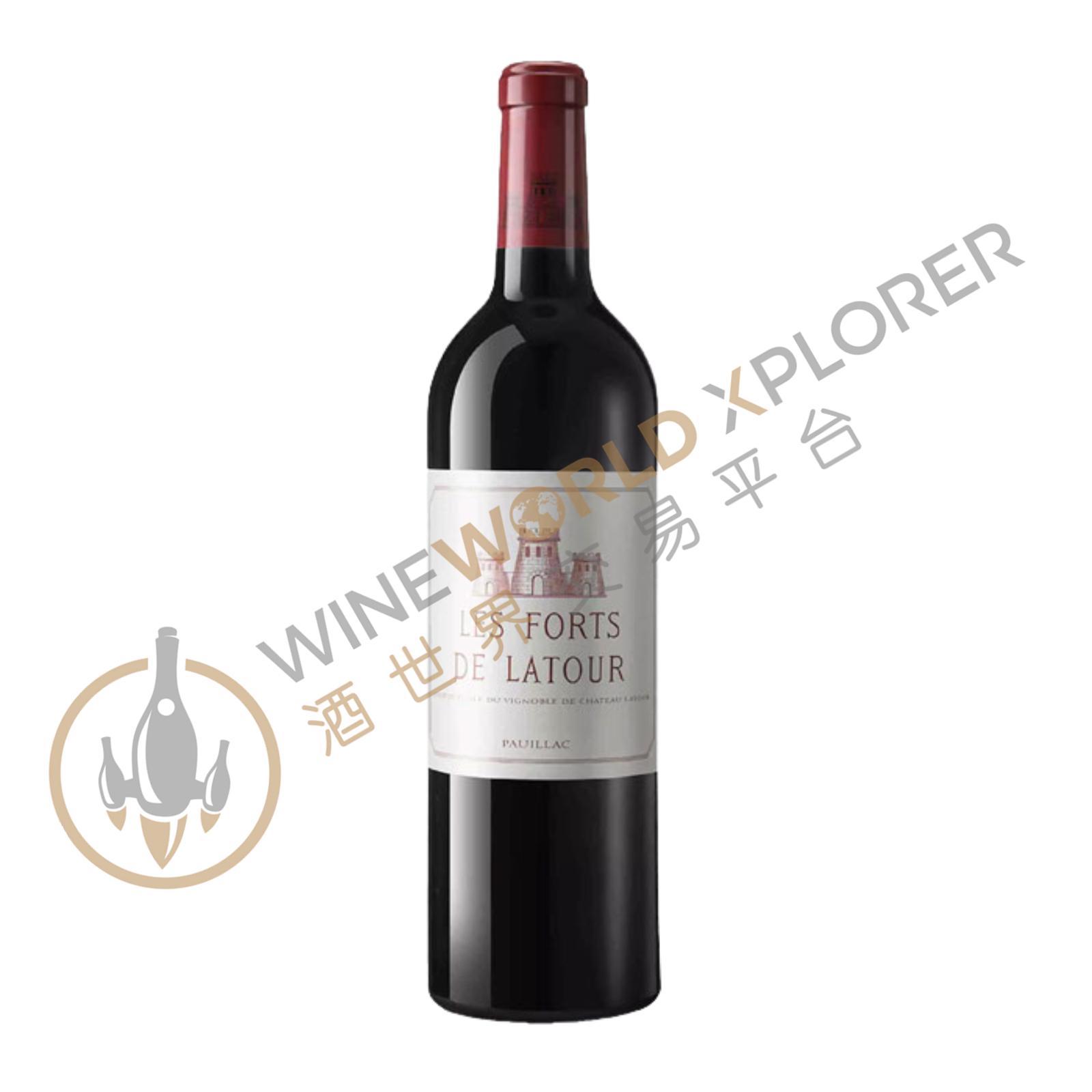
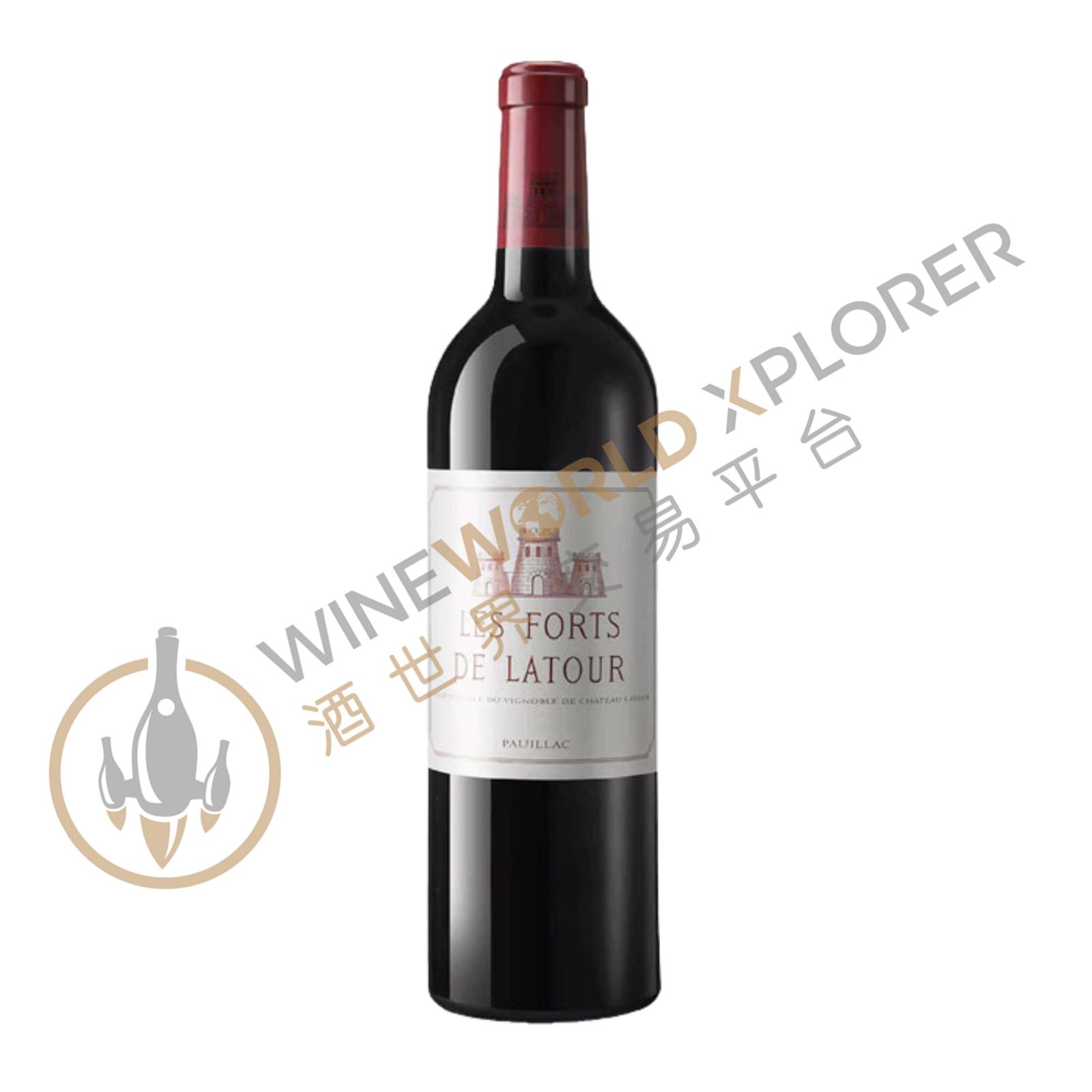
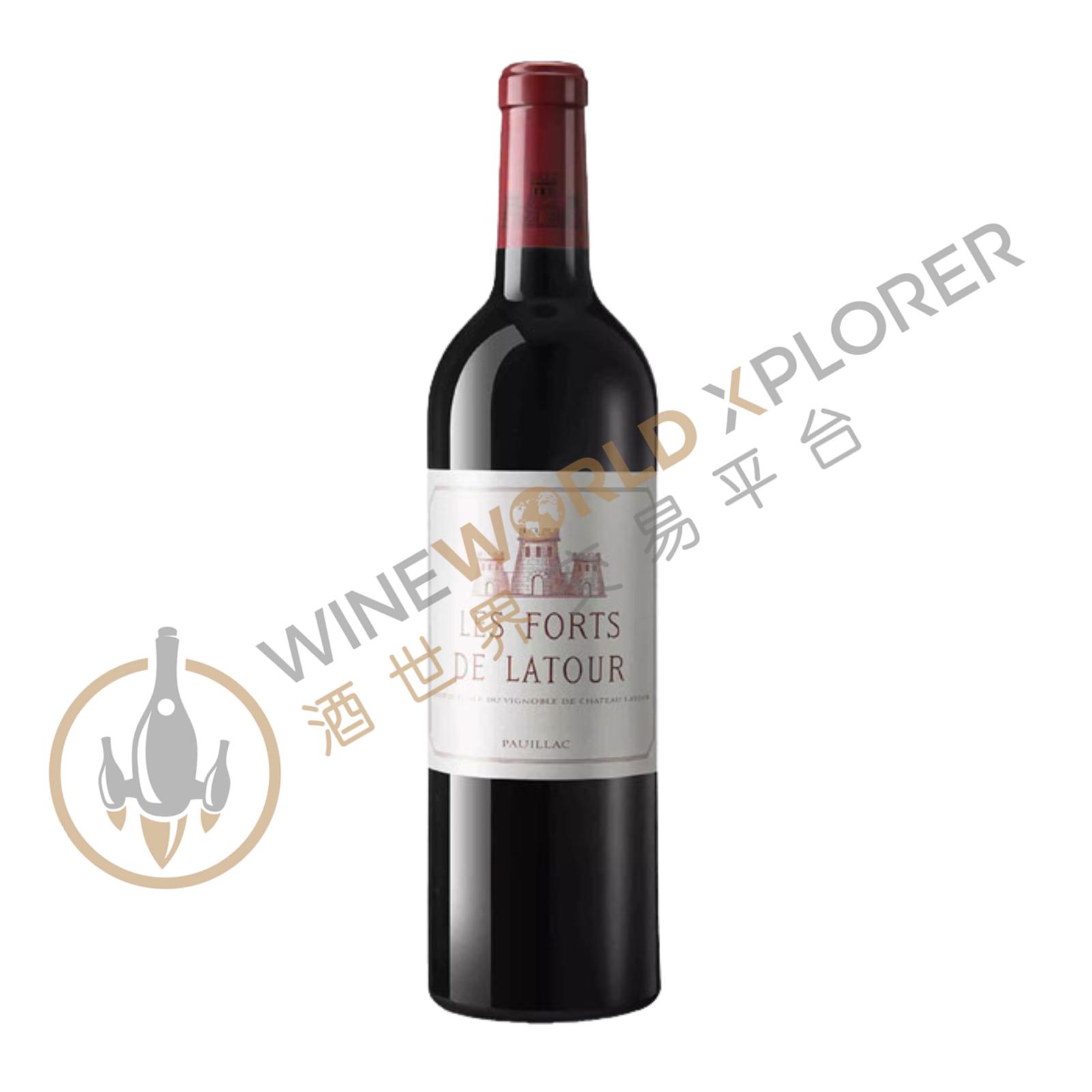
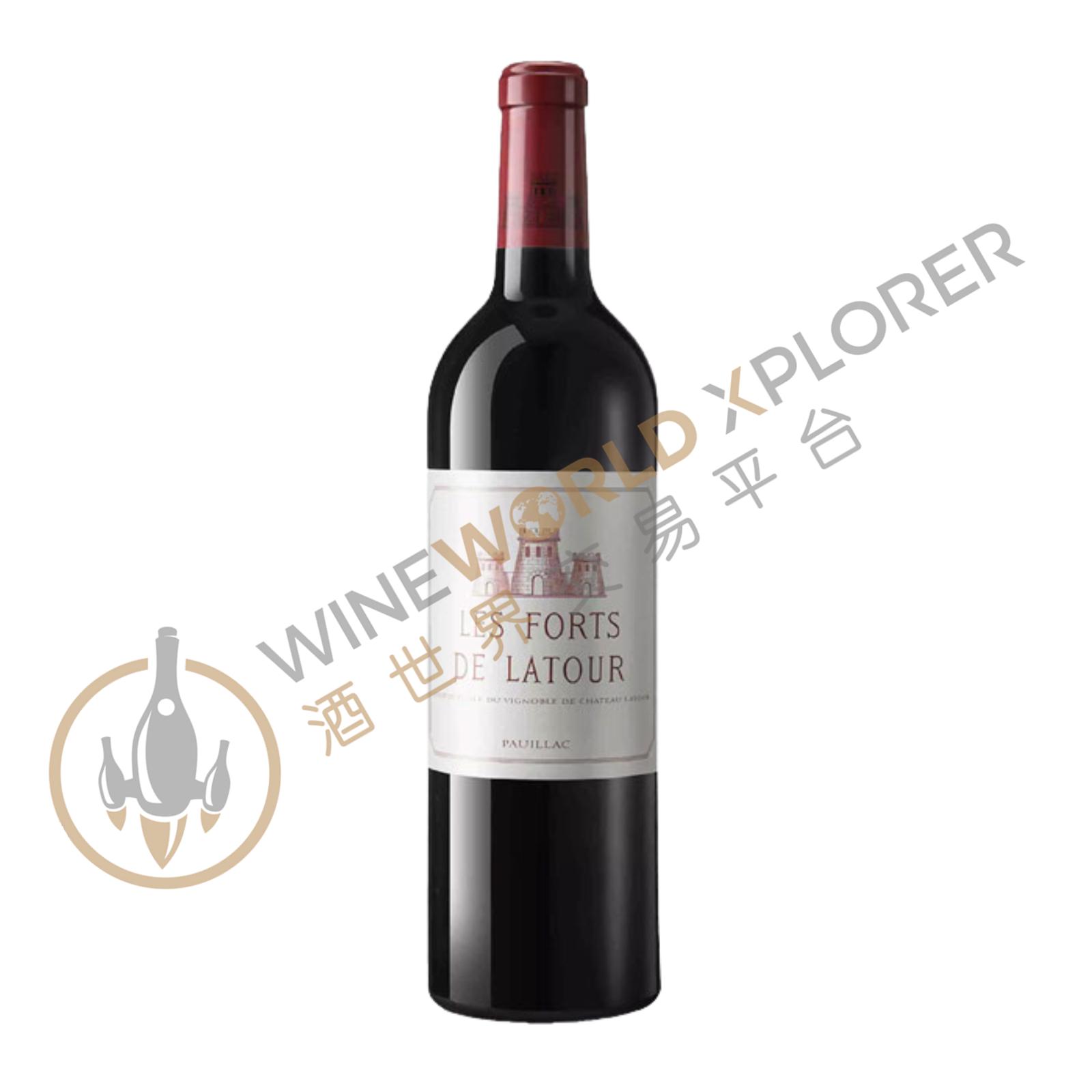
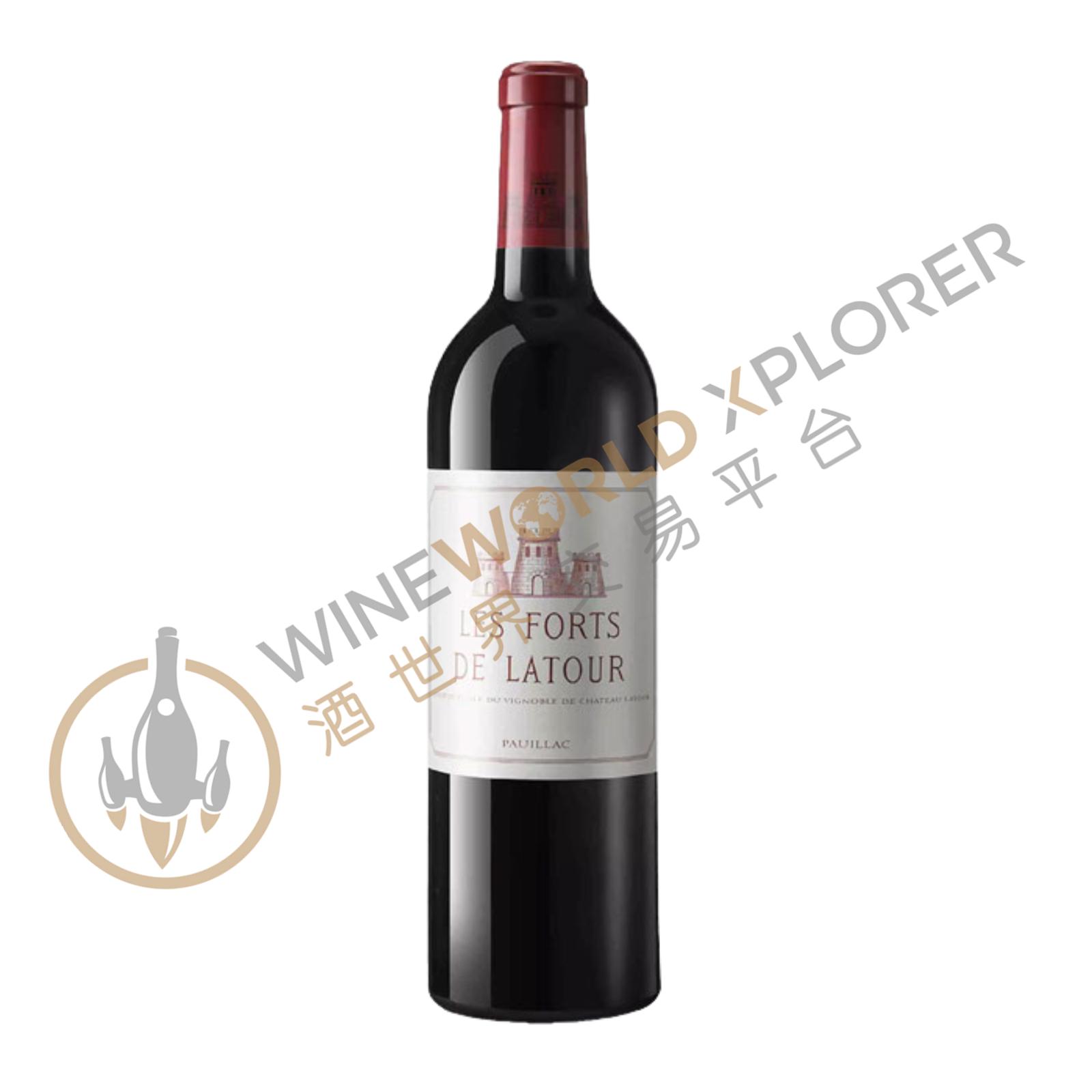
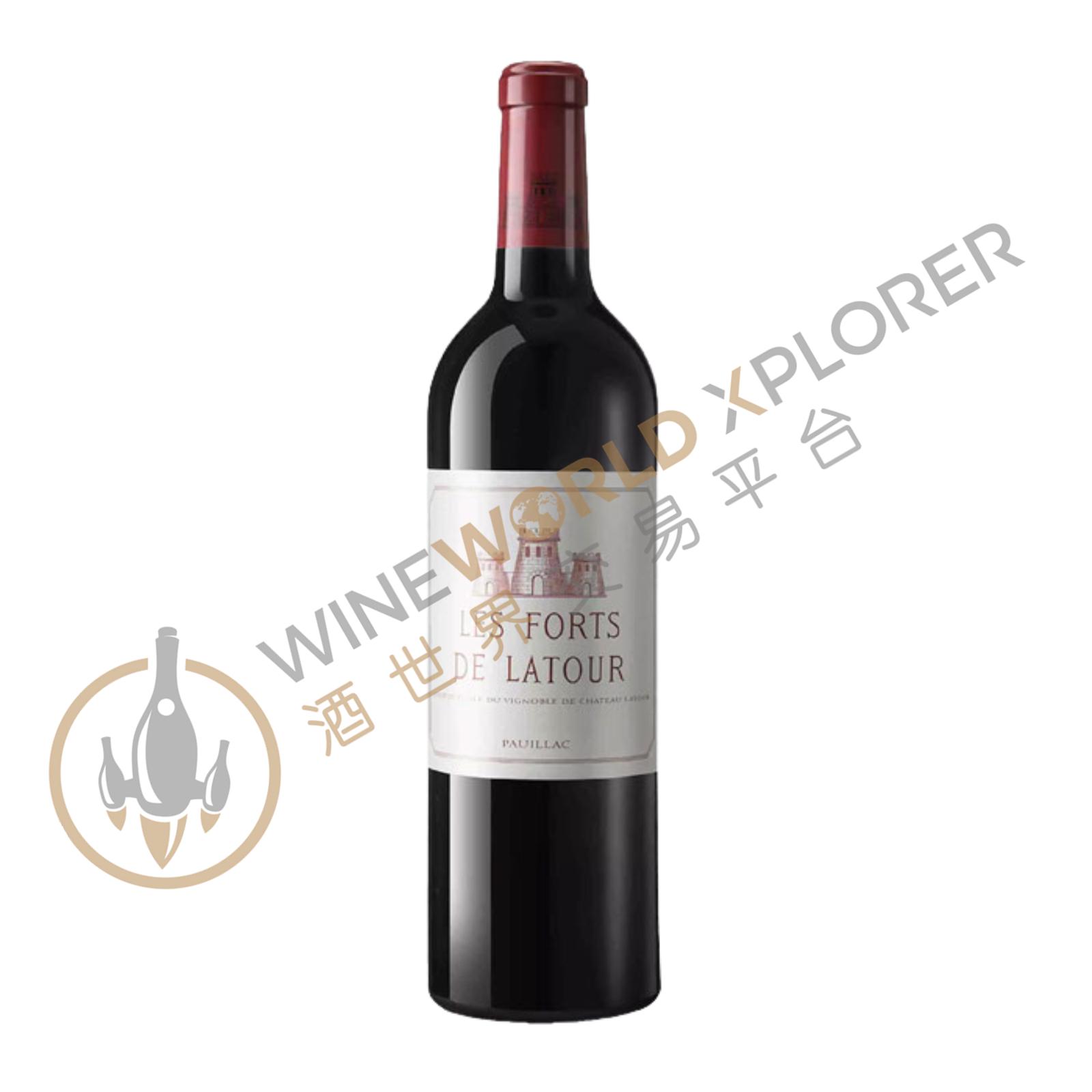
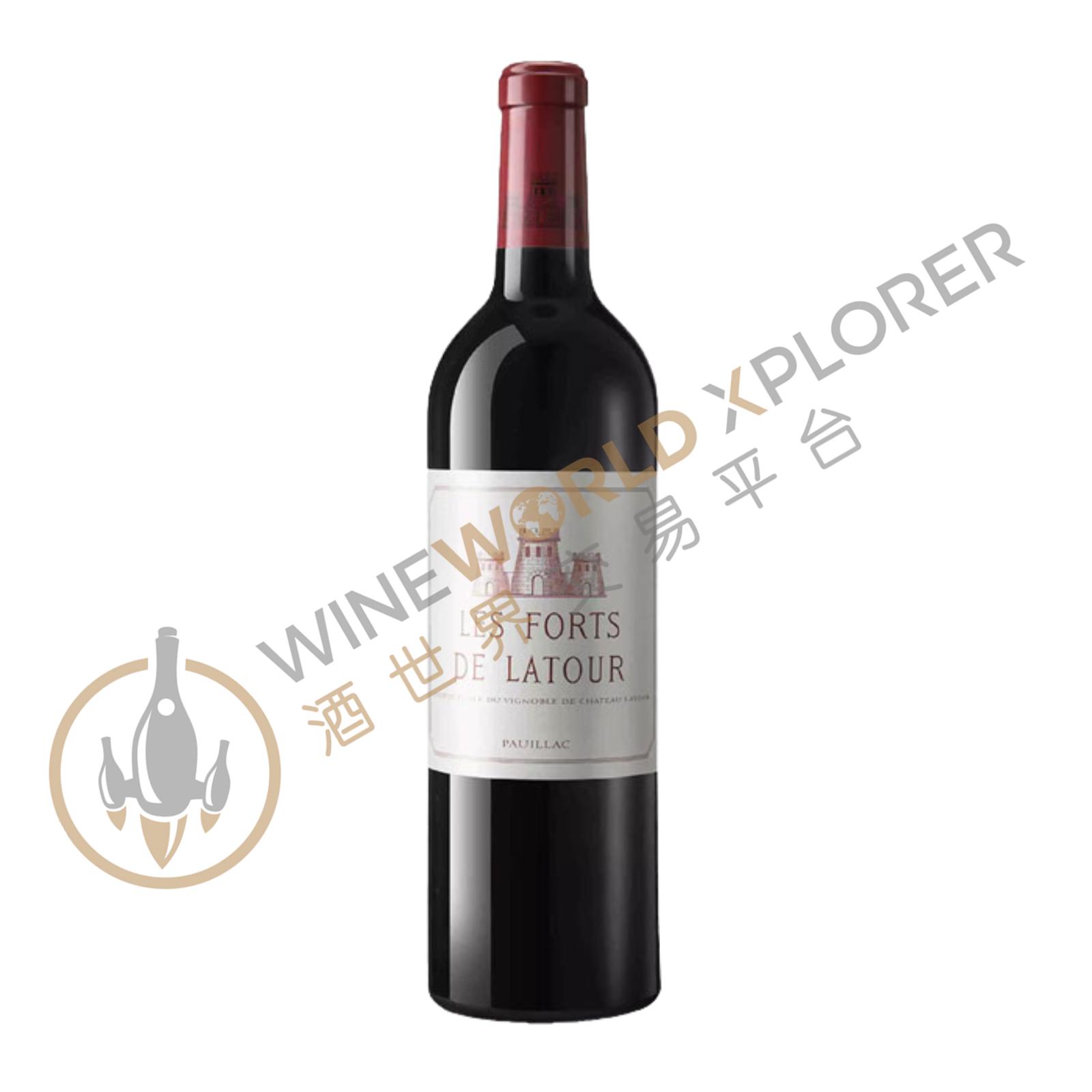
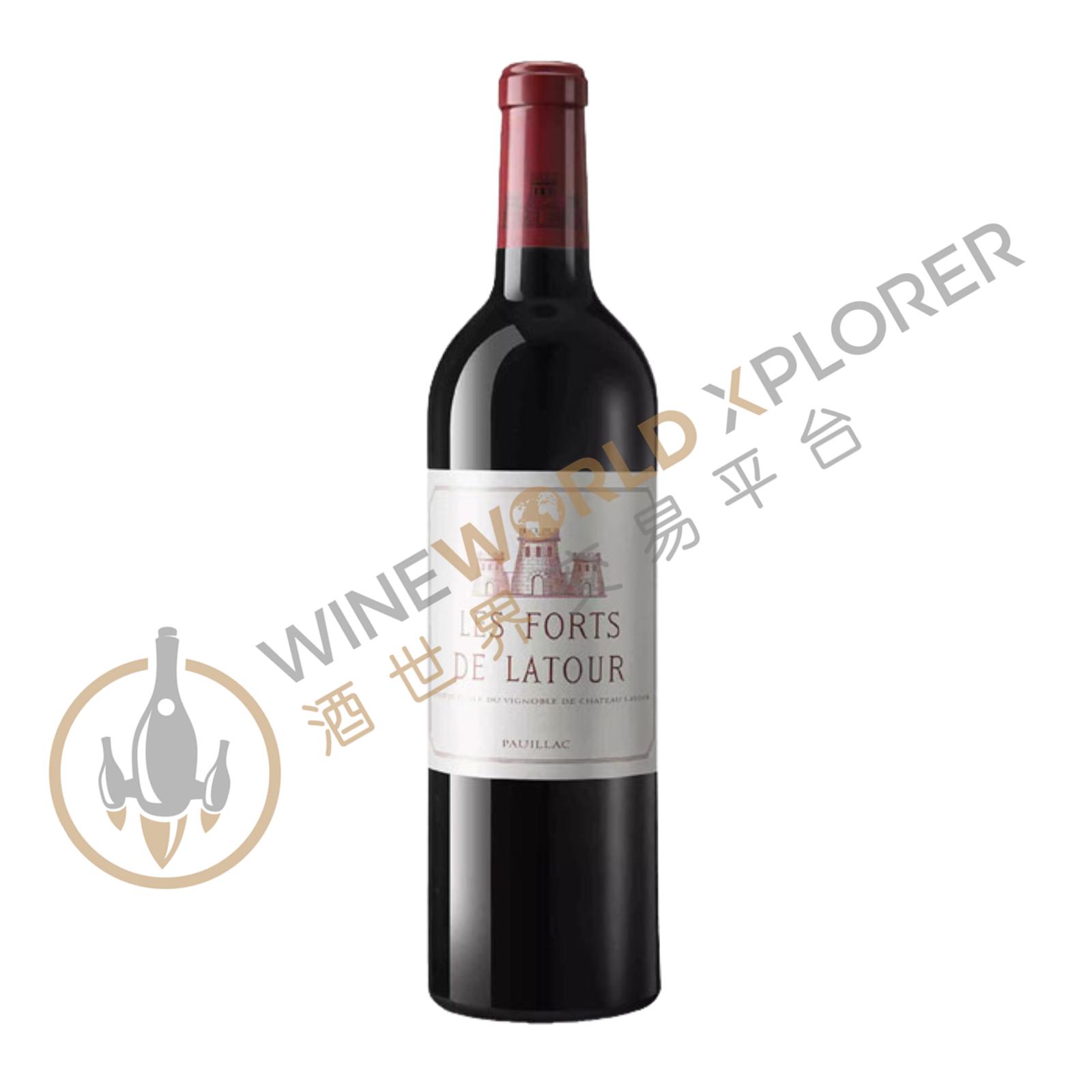
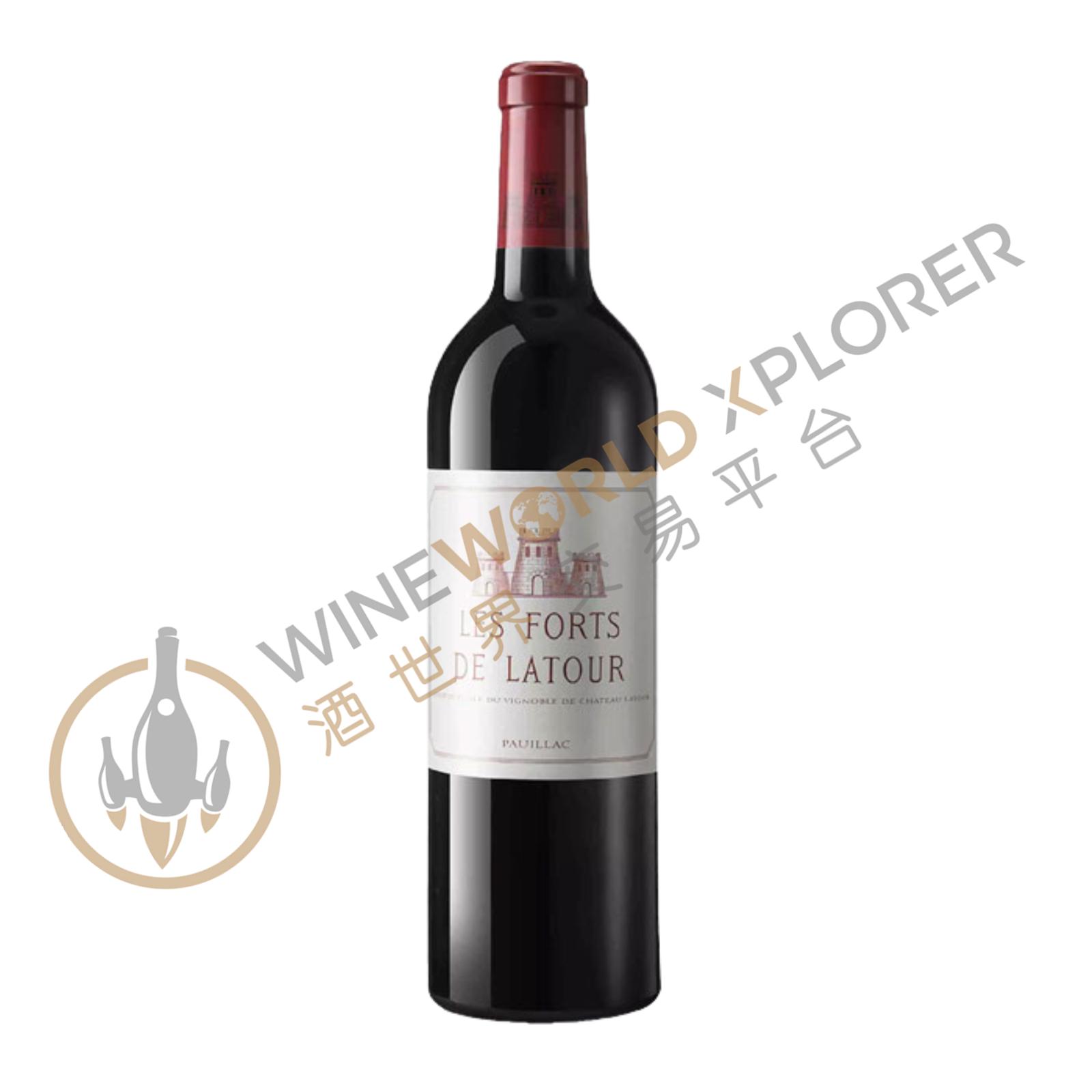
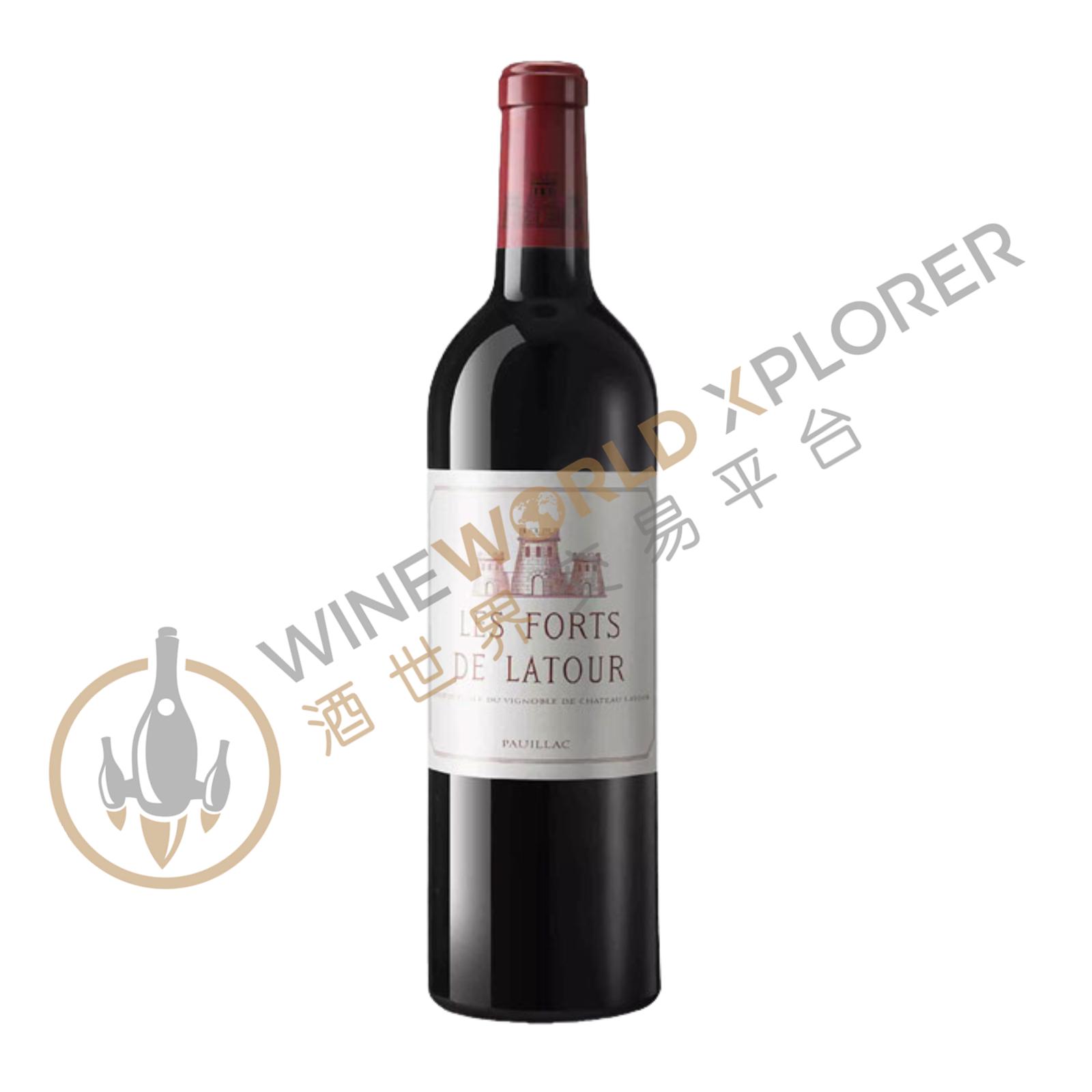
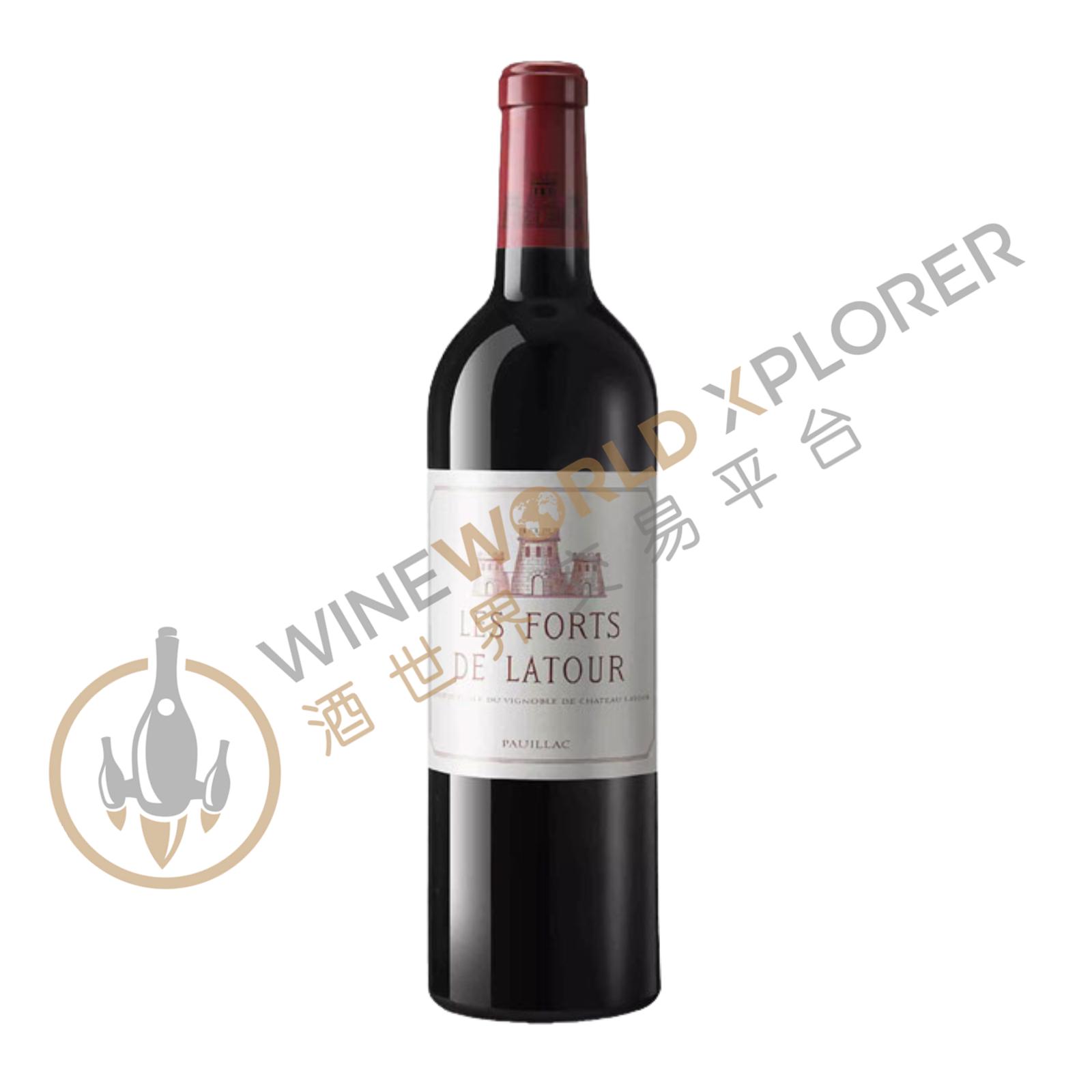
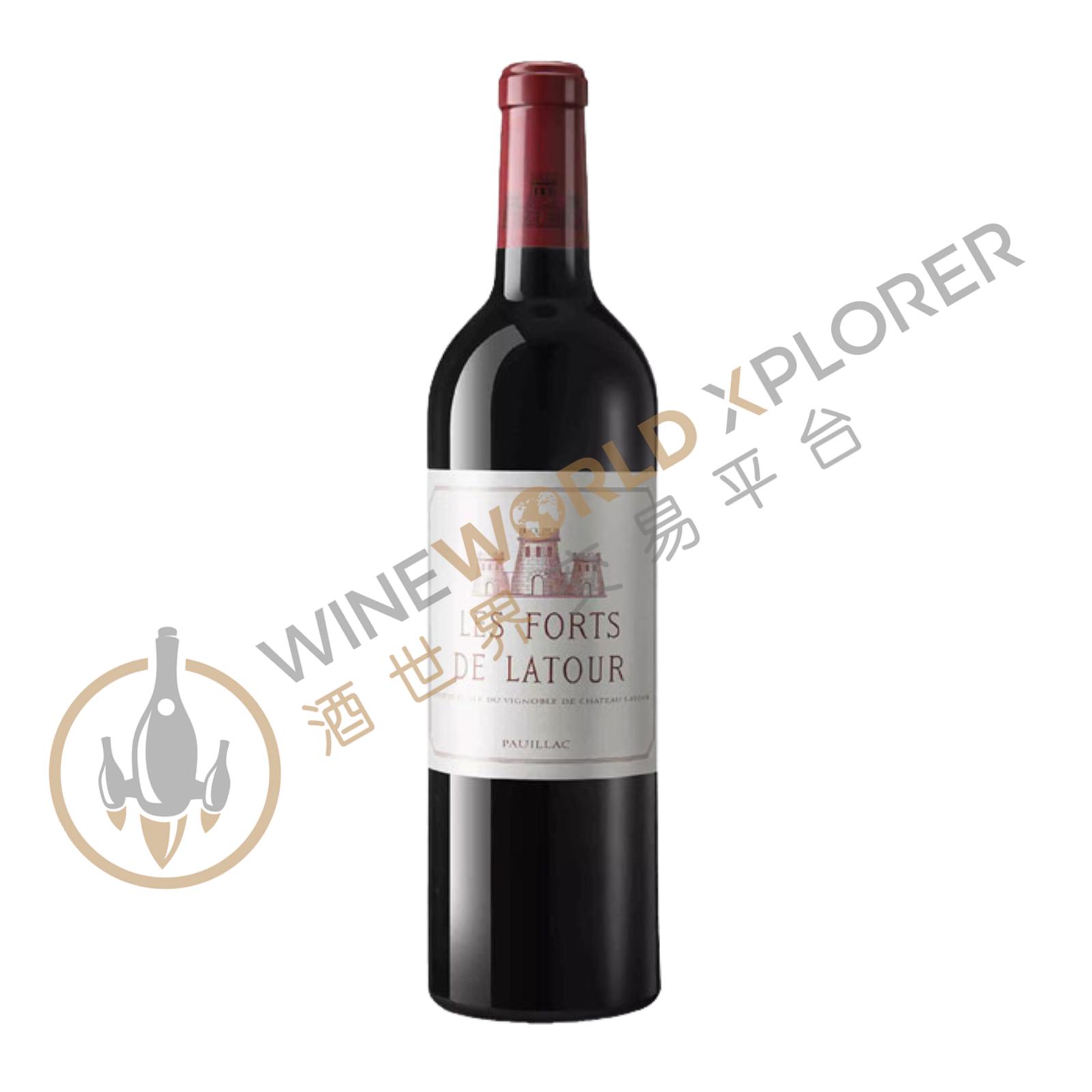
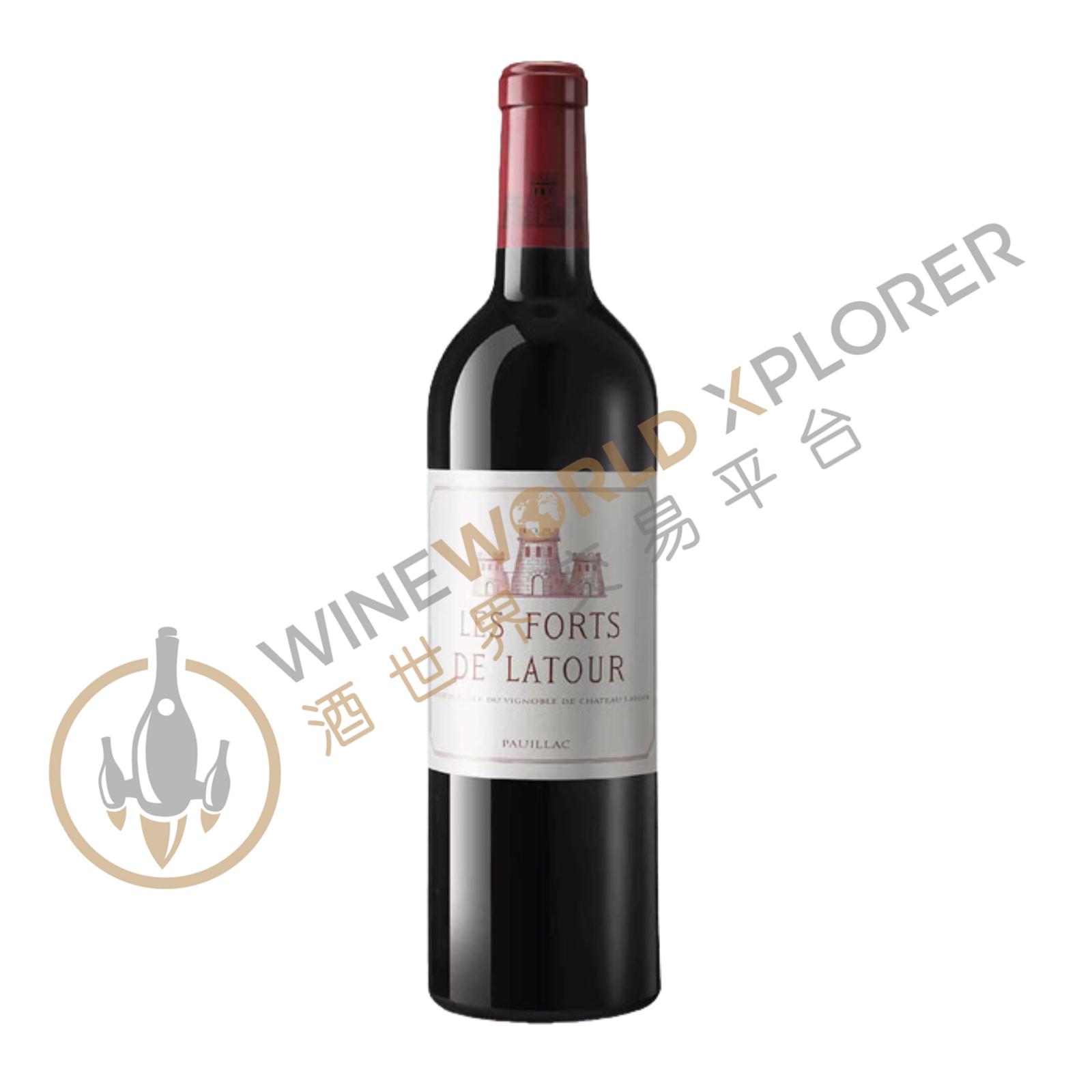
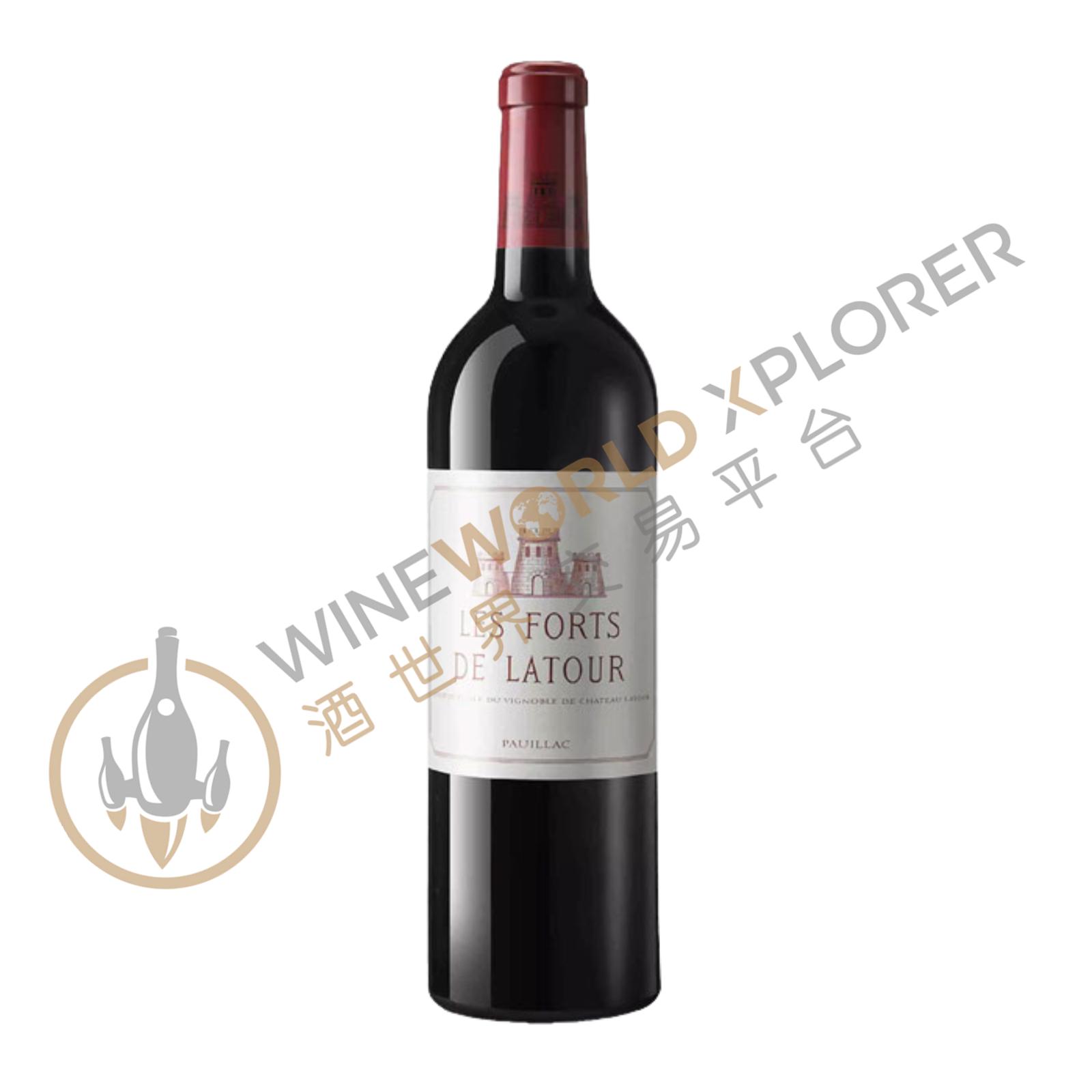
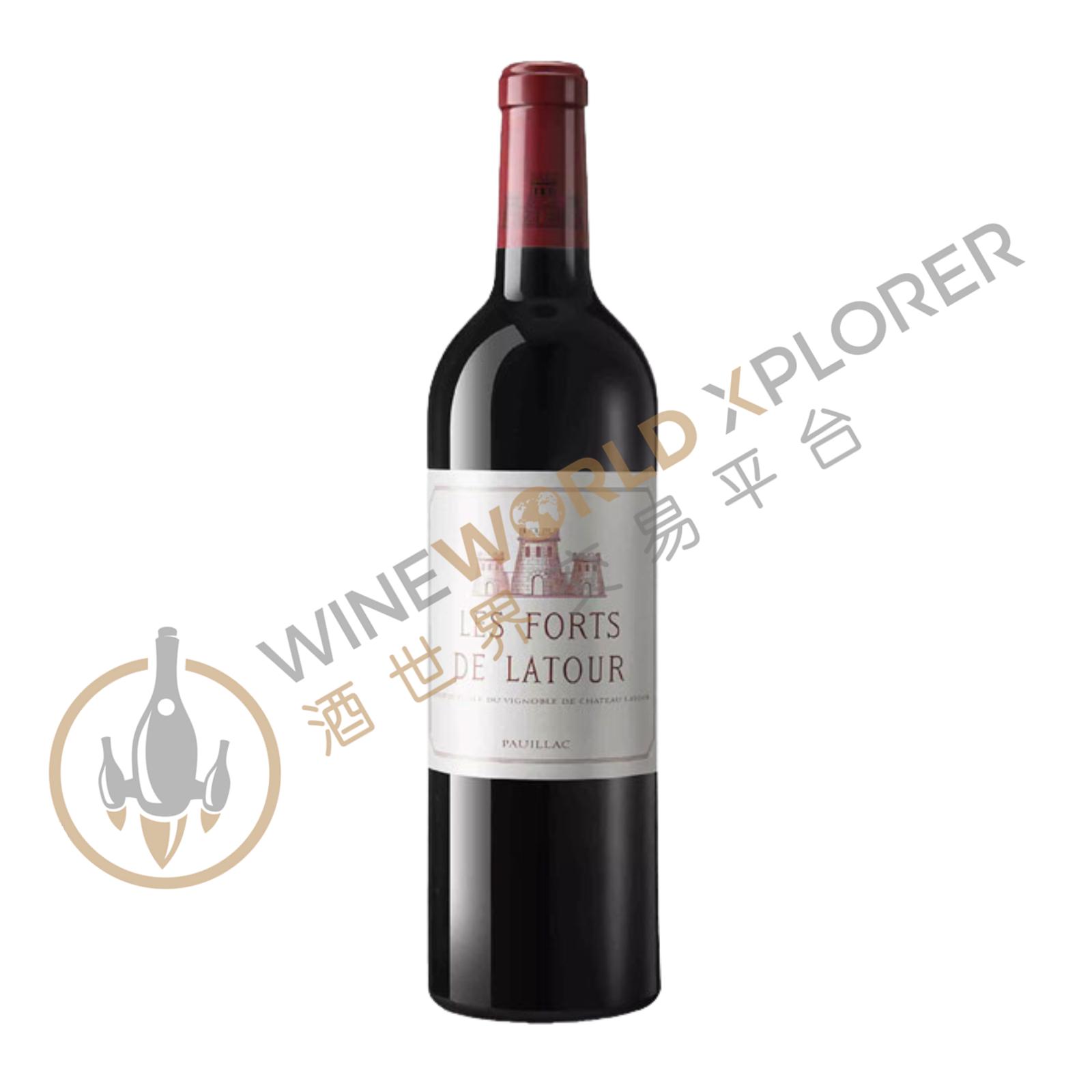
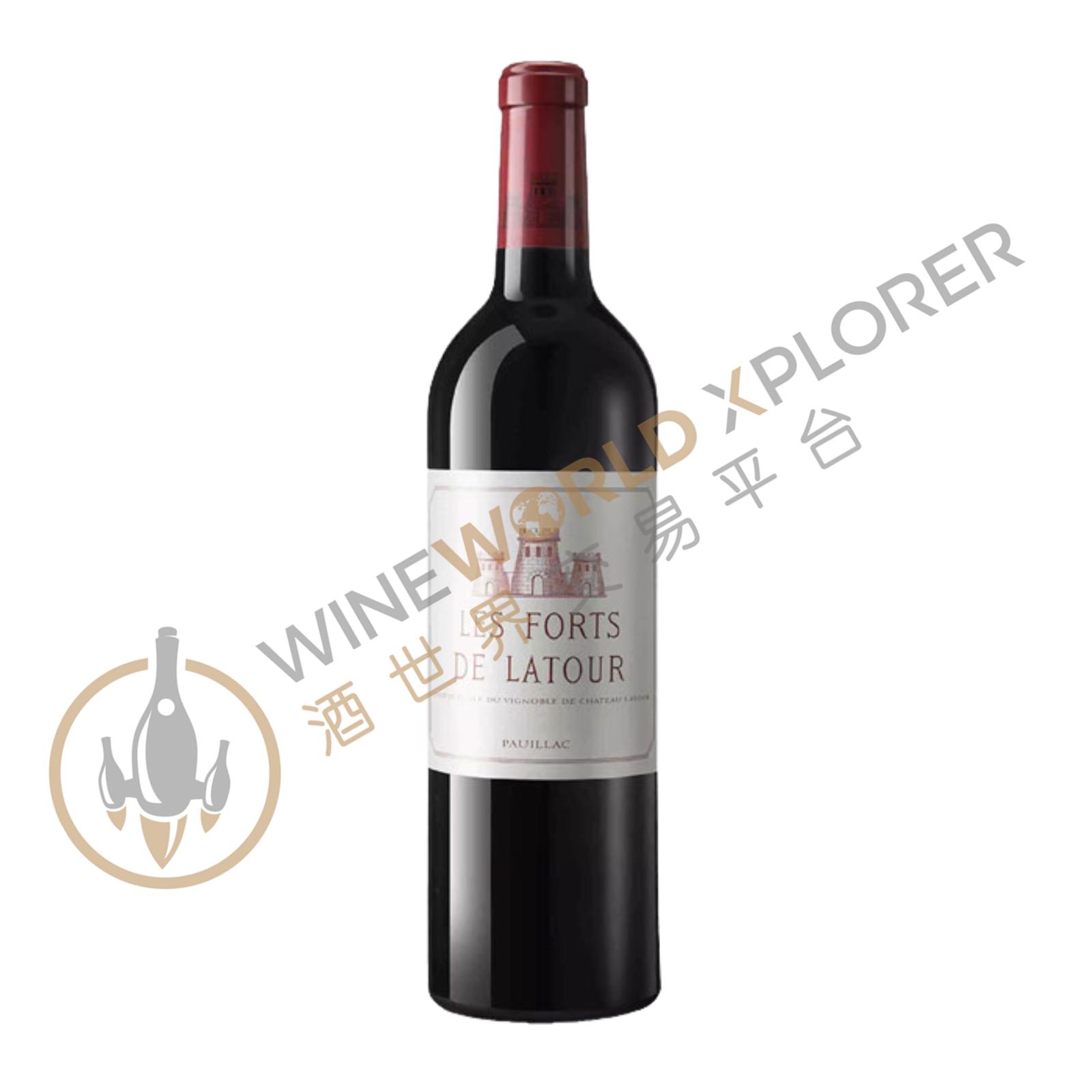
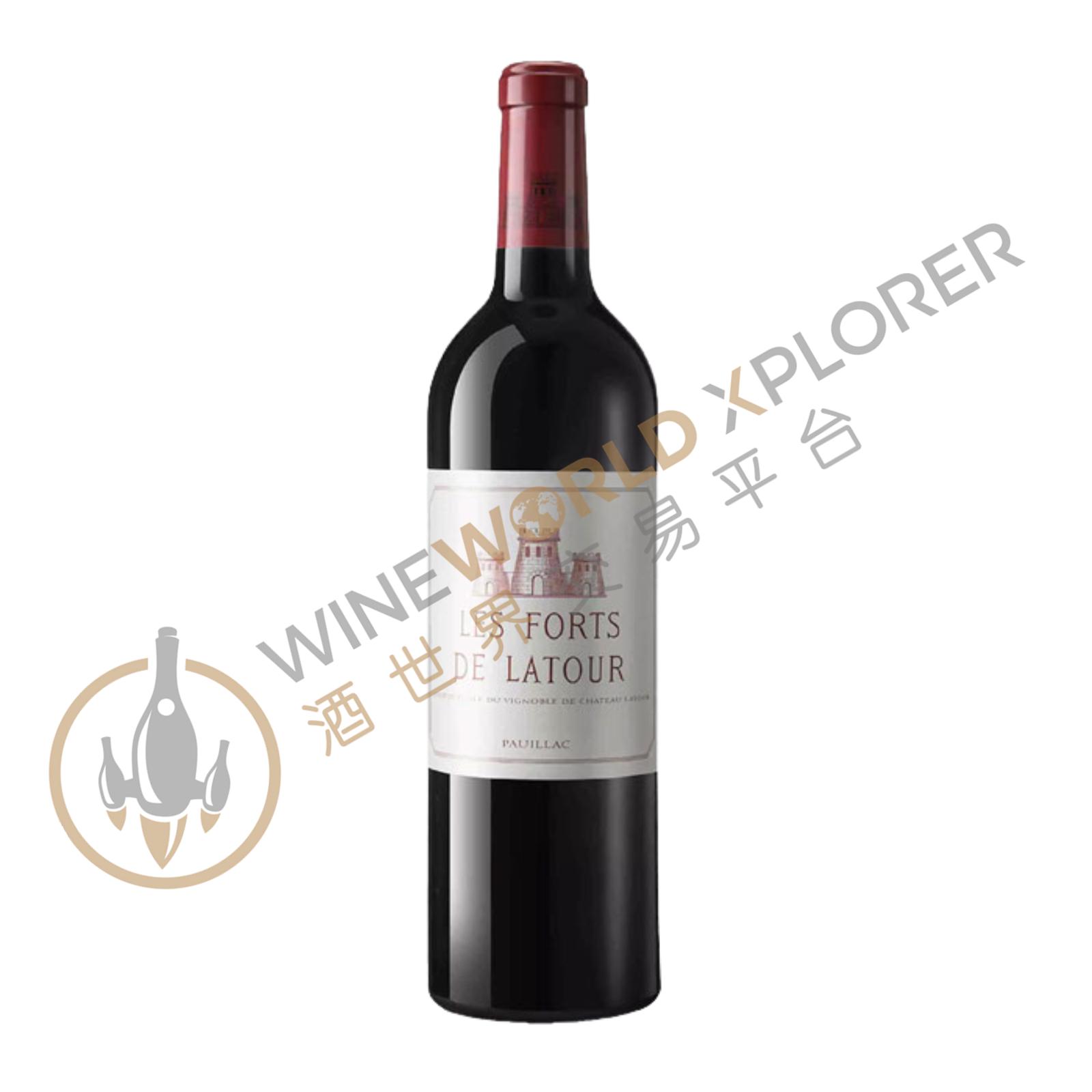
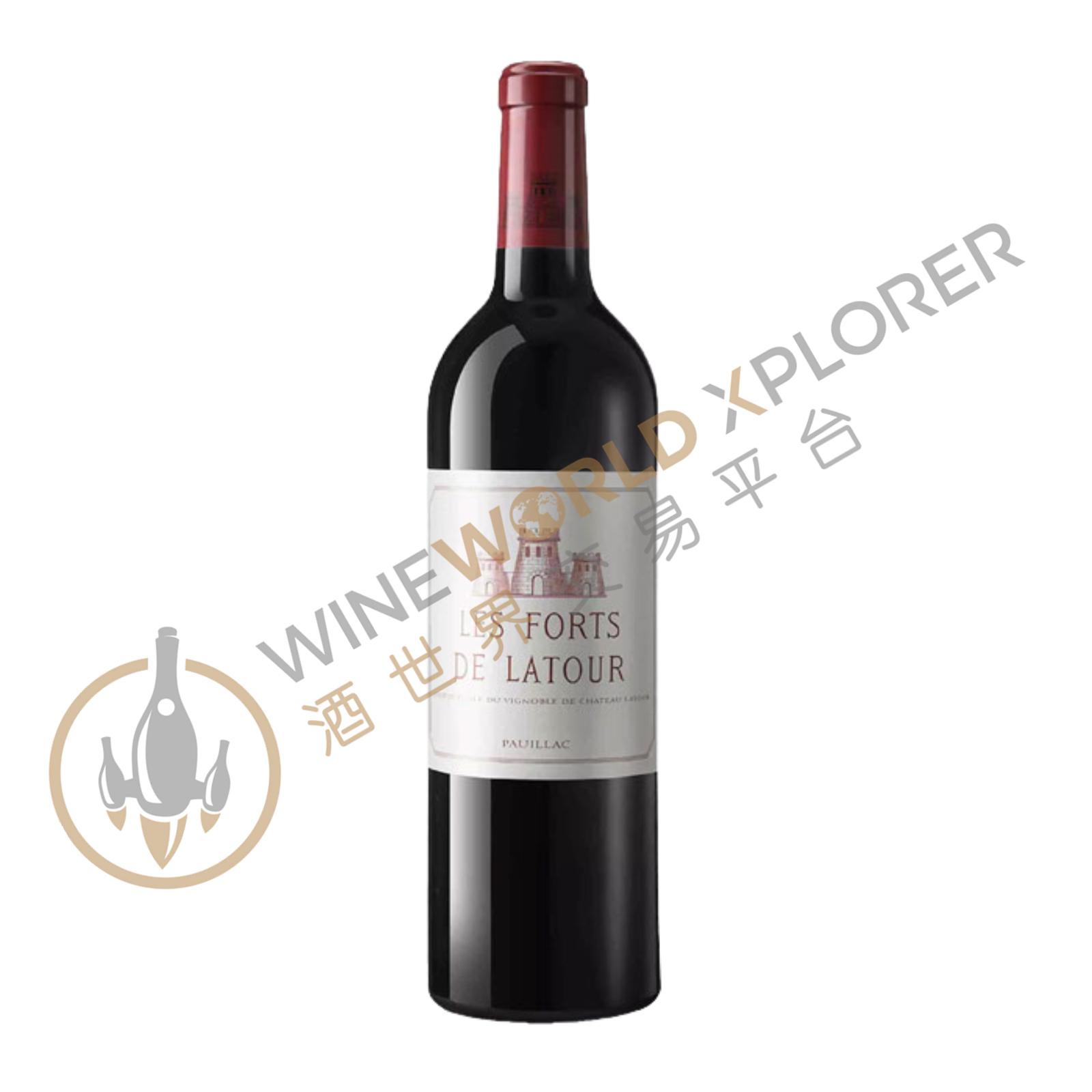
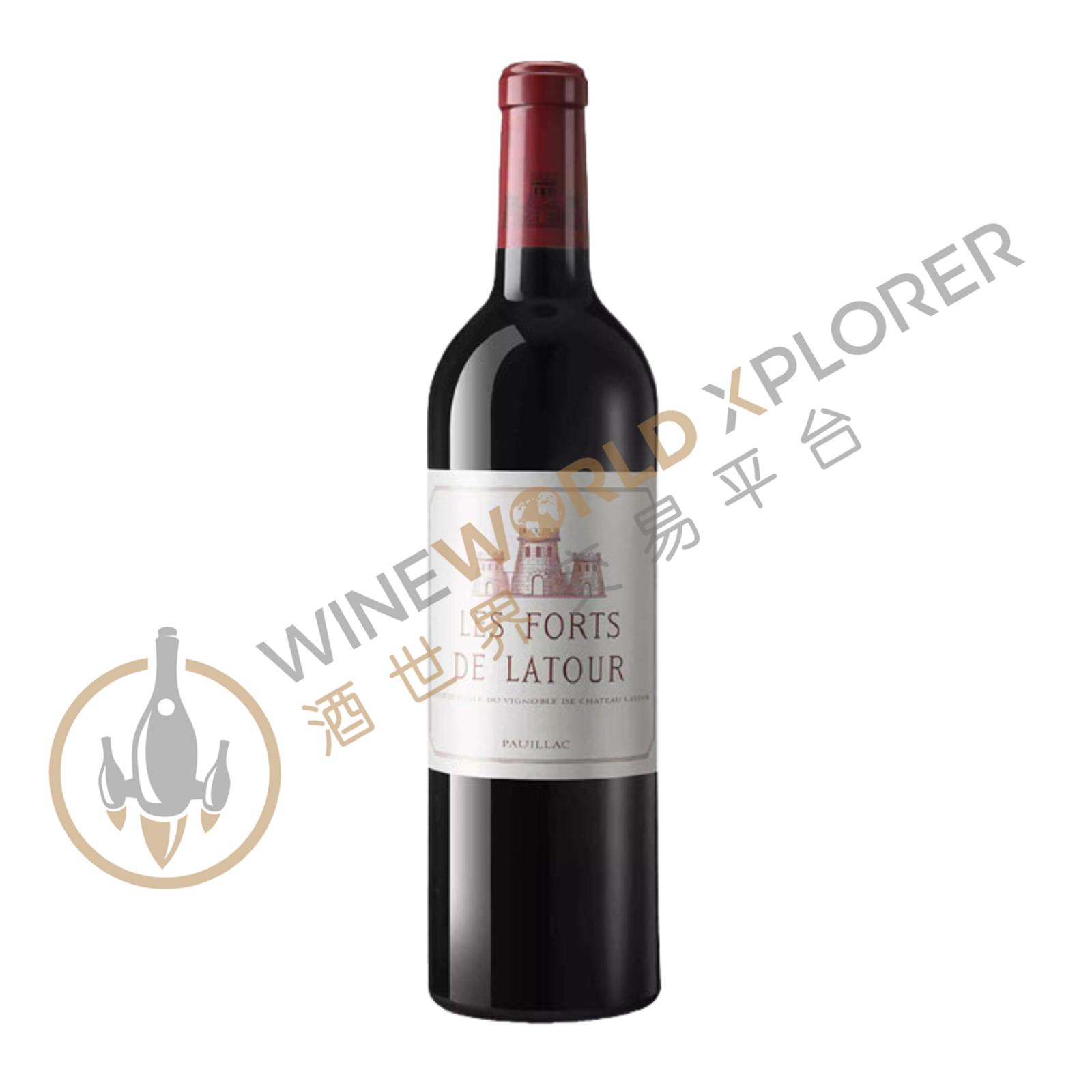
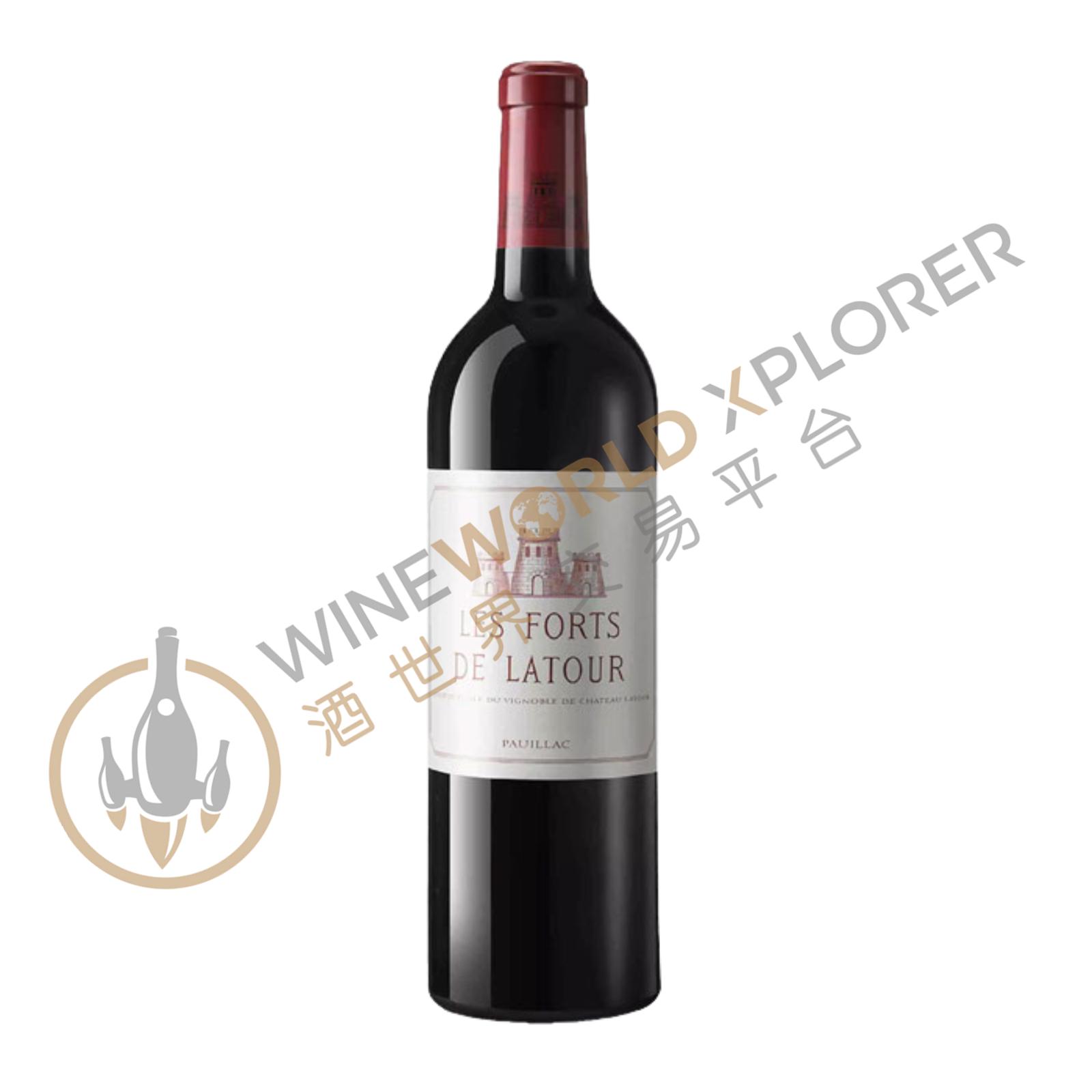
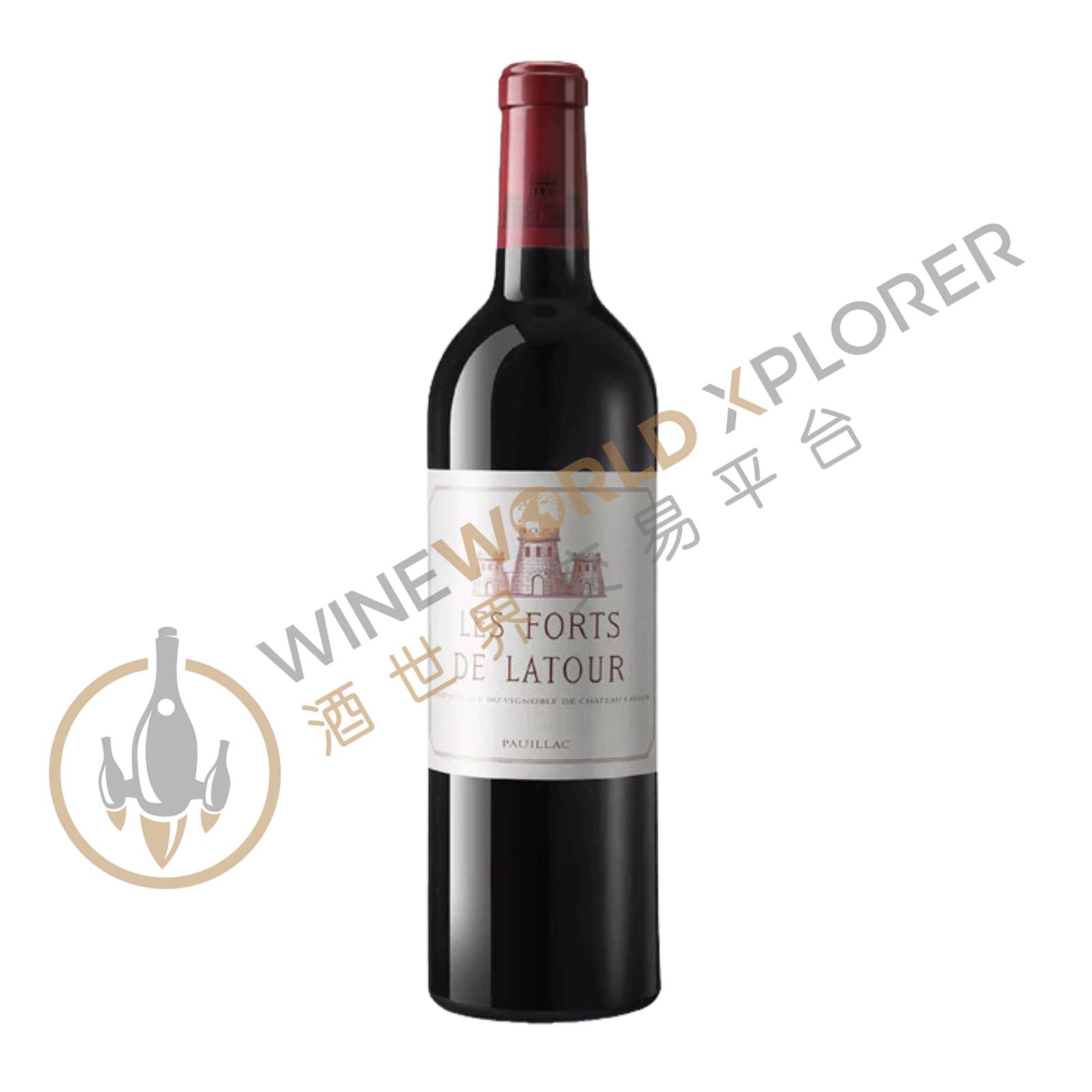
Les Forts de Latour 1999
 View analysis
Description
Tasting notes

Reviewed by: Neal Martin
Nose is closed with faint smoky black fruits/tobacco aromas. Quite tough at first with firm sturdy black fruit tannins. Tarry finish. A fine robust wine but without the finesse of top vintage. Tasted March 2000.
Reviewed by: Neal Martin
Tasted at the 1999 horizontal at Bordeaux Index. A deep garnet core. The bouquet is foursquare, straight-laced, a little white pepper, tertiary with a hint of sandalwood. The palate is medium-bodied, cedar-infused fruit on the entry, touches of iodine, bilberry, quite sharp and edgy towards the finish, without the precocity of more recent vintages. Drink now-2012. Tasted June 2009.
Reviewed by: Robert M. Parker, Jr.
Latour has long produced one of Bordeaux's greatest second wines. The beautiful, pure, deep purple-colored 1999 Forts de Latour reveals sweet, cedary, cassis scents, medium to full body, ripe tannin, and a long finish. It should drink well for 15+ years.
Reviewed by: Stephen Tanzer
Full deep red. Aromas of redcurrant, cedar and licorice. Lush, sweet and harmonious; boasts the round, silky texture of the better '99s. Finishes with lush tannins and excellent length. Very successful for the year.
Reviewed by: Stephen Tanzer
Dark red. Roasted currant, tobacco and minerals on the nose. Dense, gutsy and concentrated but quite bright and firmly structured for the year. Lovely restrained sweetness. Finishes long, with lush tannins.
Reviewed by: Stephen Tanzer
Bright ruby. Lively aromas of currant, violet and graphite. Intensely flavored, sweet and dense, with solid underlying structure. Finishes quite spicy, with sweet fruit notes of currant and raspberry. This wine includes two vats that normally go into the grand vin.
Reviewed by: Neal Martin
The 1999 Les Forts de Latour was cropped at 38hl/ha. It is noticeably deep in color with just faint signs of bricking on the rim. It offers an impressive array of aromas: raspberry preserve, wild strawberry, cedar and light tobacco scents, probably more intense than I would anticipate after 20 years. The palate is medium-bodied with a fresh, quite tensile opening. There is a little more sharpness here compared to the 1989 Les Fort de Latour, and slightly higher acidity (at a surprising pH of 3.73). The compact but lively finish reveals hints of charcoal and tobacco. This is aging very gracefully – quite punchy compared to the 1989 yet thoroughly enjoyable.
About the Producer
Latour was a jointly held lord's domain until the end of the 16th century, At that time, the property was not entirely covered by vines and yet production largely exceeded requirements. There was no proper storage for the wine and it had to be drunk within the year. The estate remained in the hands of the Mullet family until the late 17th century, and while direct use of the land gradually replaced the leasing system, the wine-making situation changed very little. In the early 18th century, England's aristocracy and wealthy middle classes developed refined tastes, particularly for wine, from Bordeaux, Oporto, Jerez and other southern vineyards. Wine exports had been restricted by various blockades imposed by the wars, but now enjoyed a period of relative freedom and trade with Bordeaux grew rapidly. As a result of this flourishing trade, the estate gradually came to specialise in wine production, with 38 hectares of vines in 1759 and then 47 hectares by 1794.
1975(2)1976(1)1979(1)1981(1)1982(1)1983(2)1990(1)1992(2)1994(2)1995(1)1996(2)1998(3)
Package Size