Wine Advisor



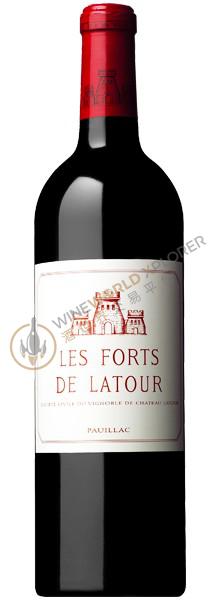
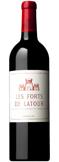
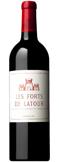
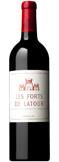
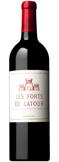
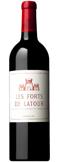
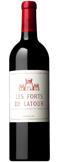
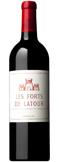
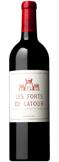
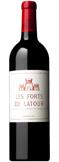
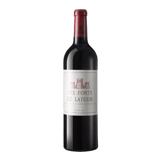
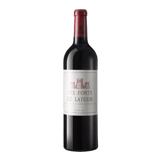
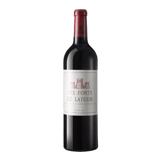
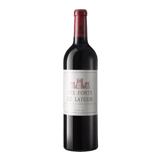
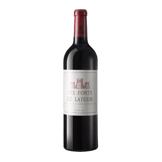
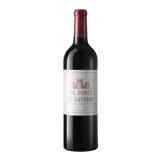
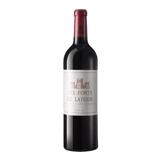
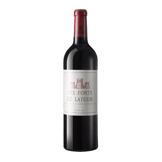
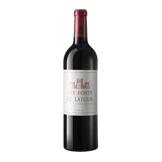
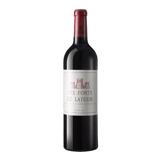
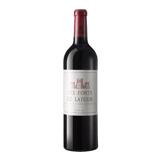
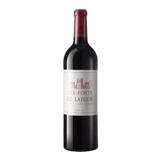
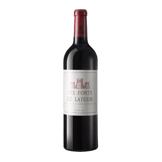
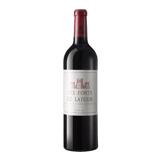
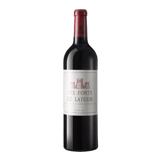
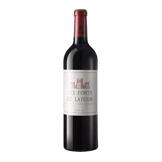
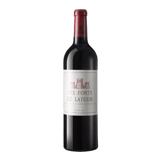
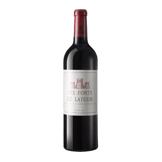
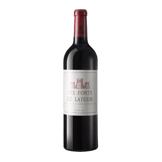
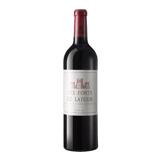
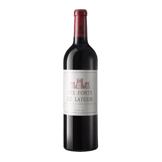
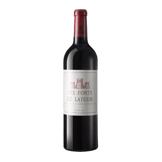
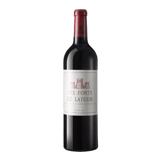
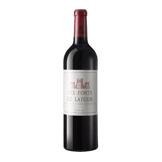
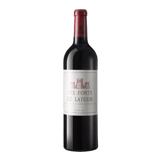
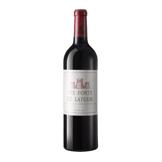
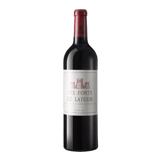
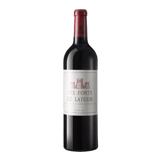
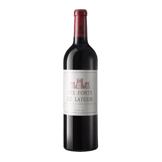
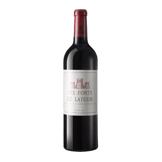
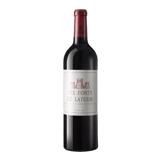
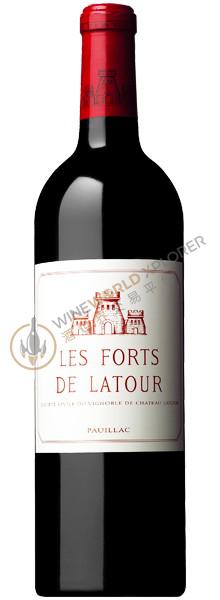
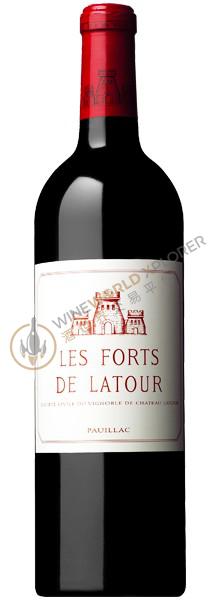
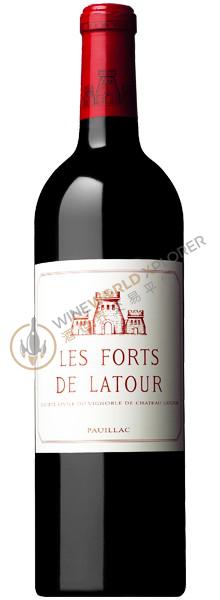
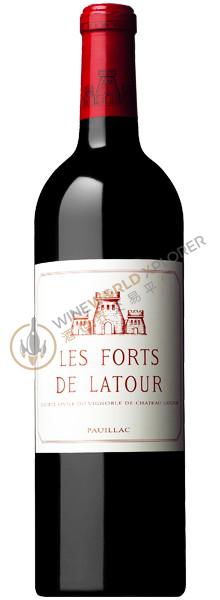
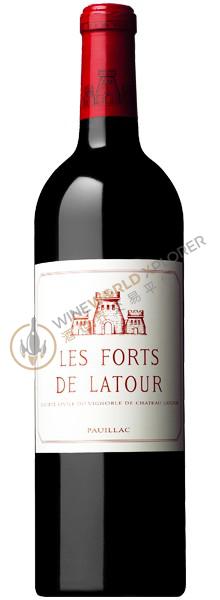
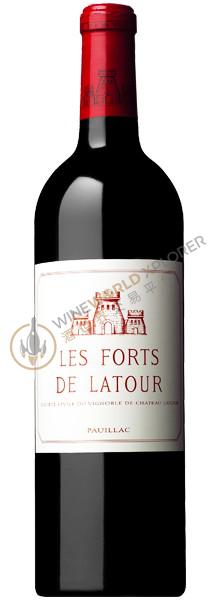
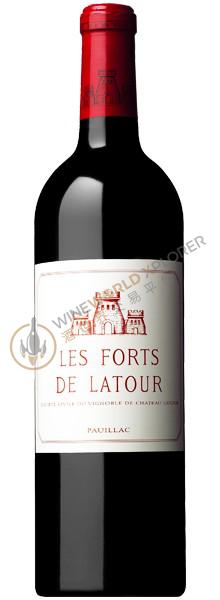
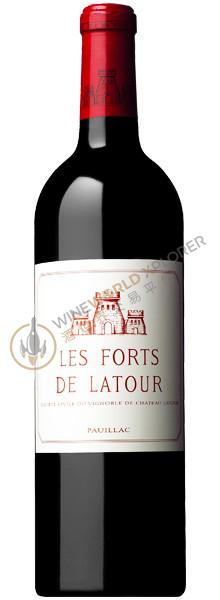
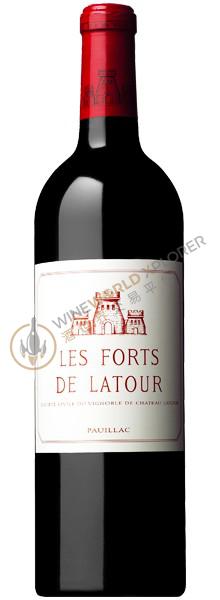
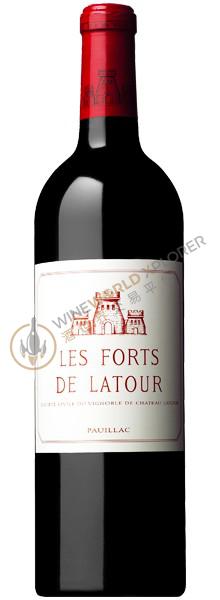
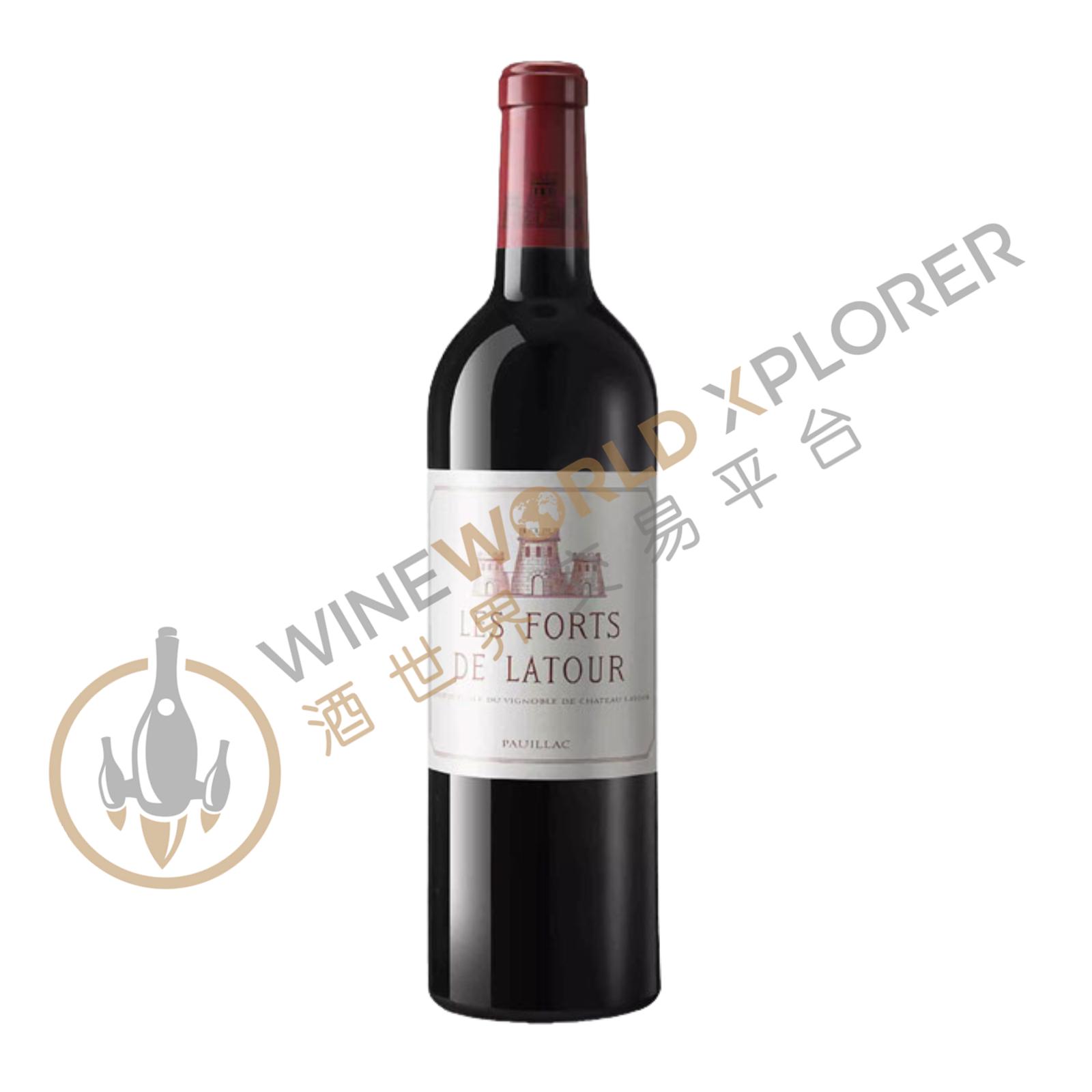
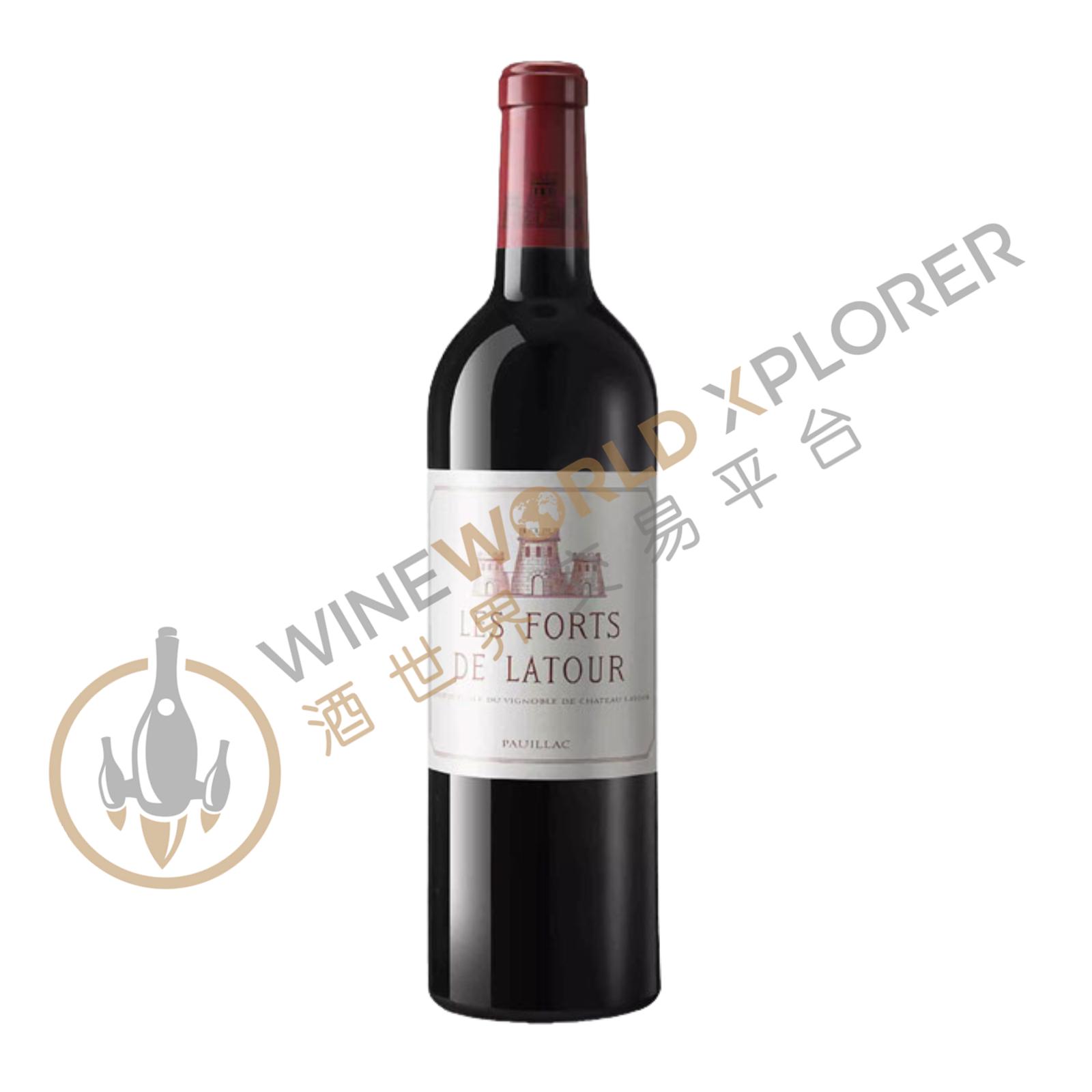
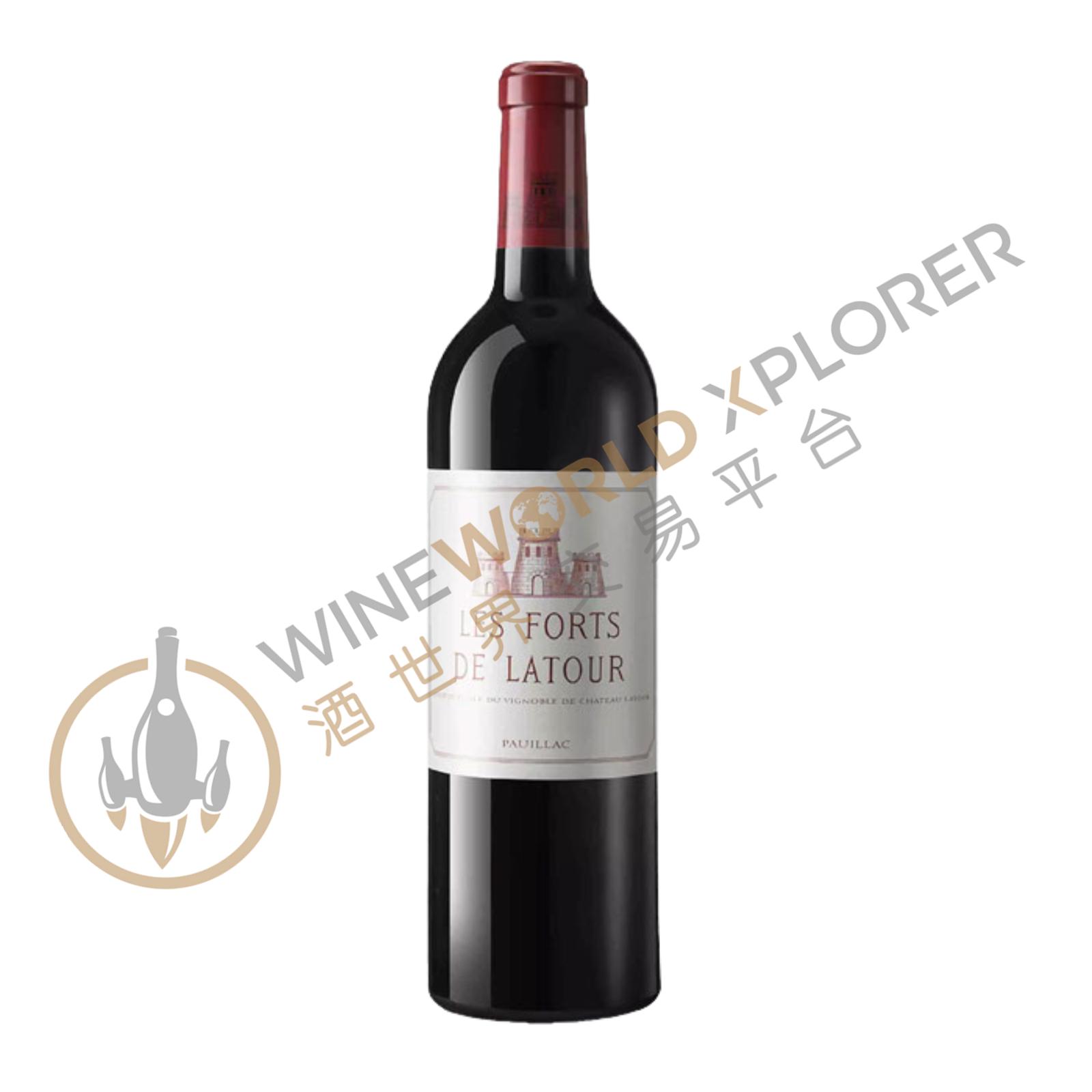
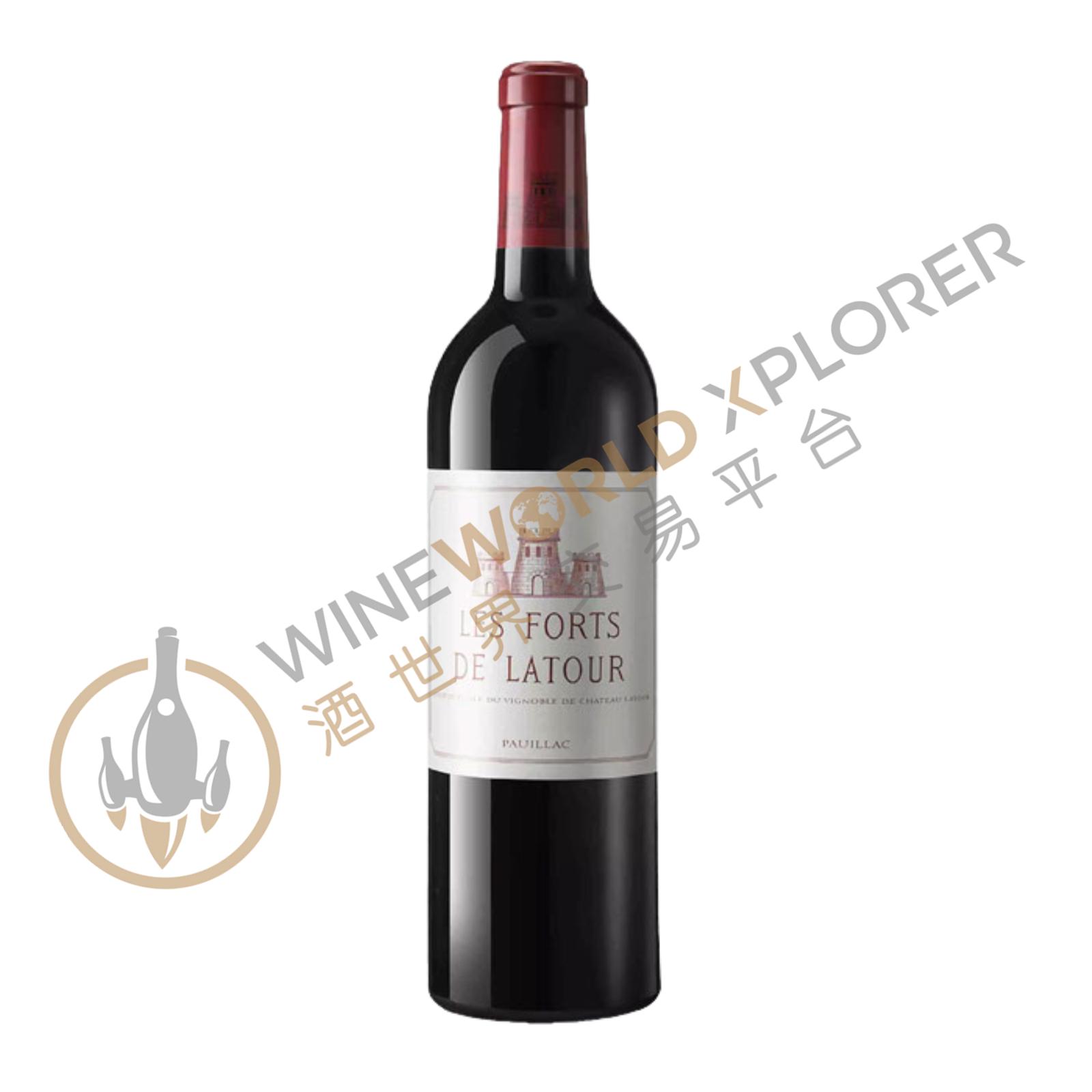
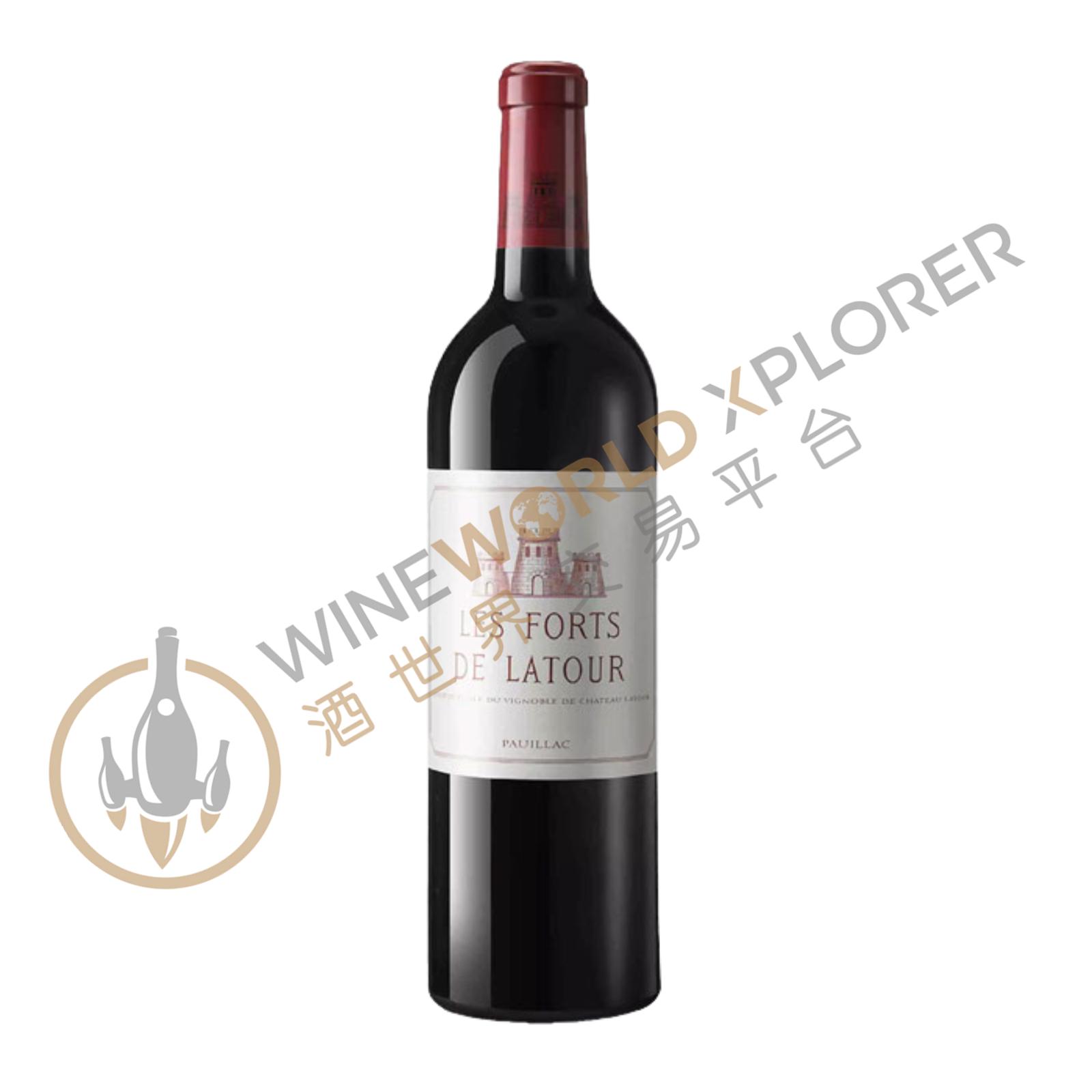
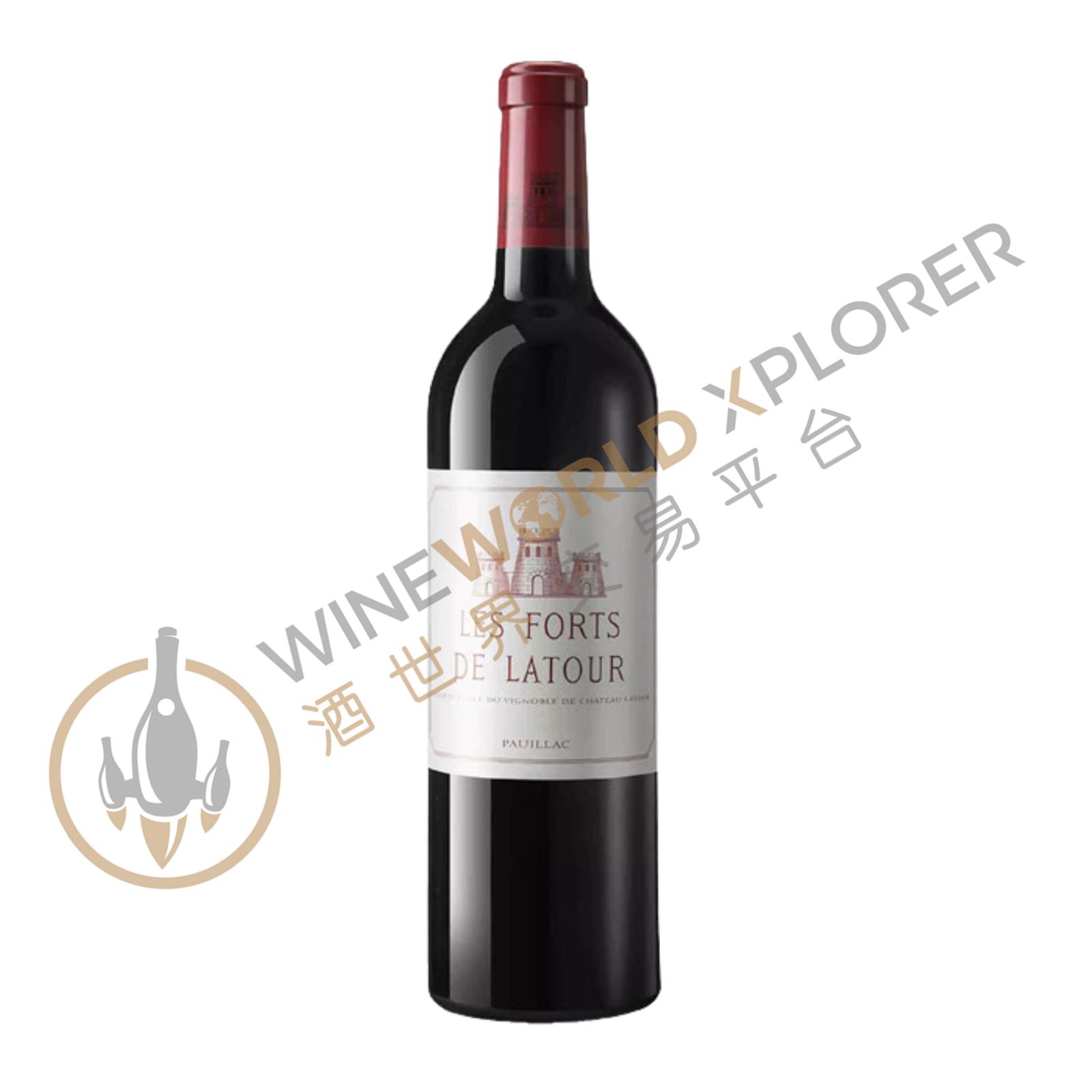
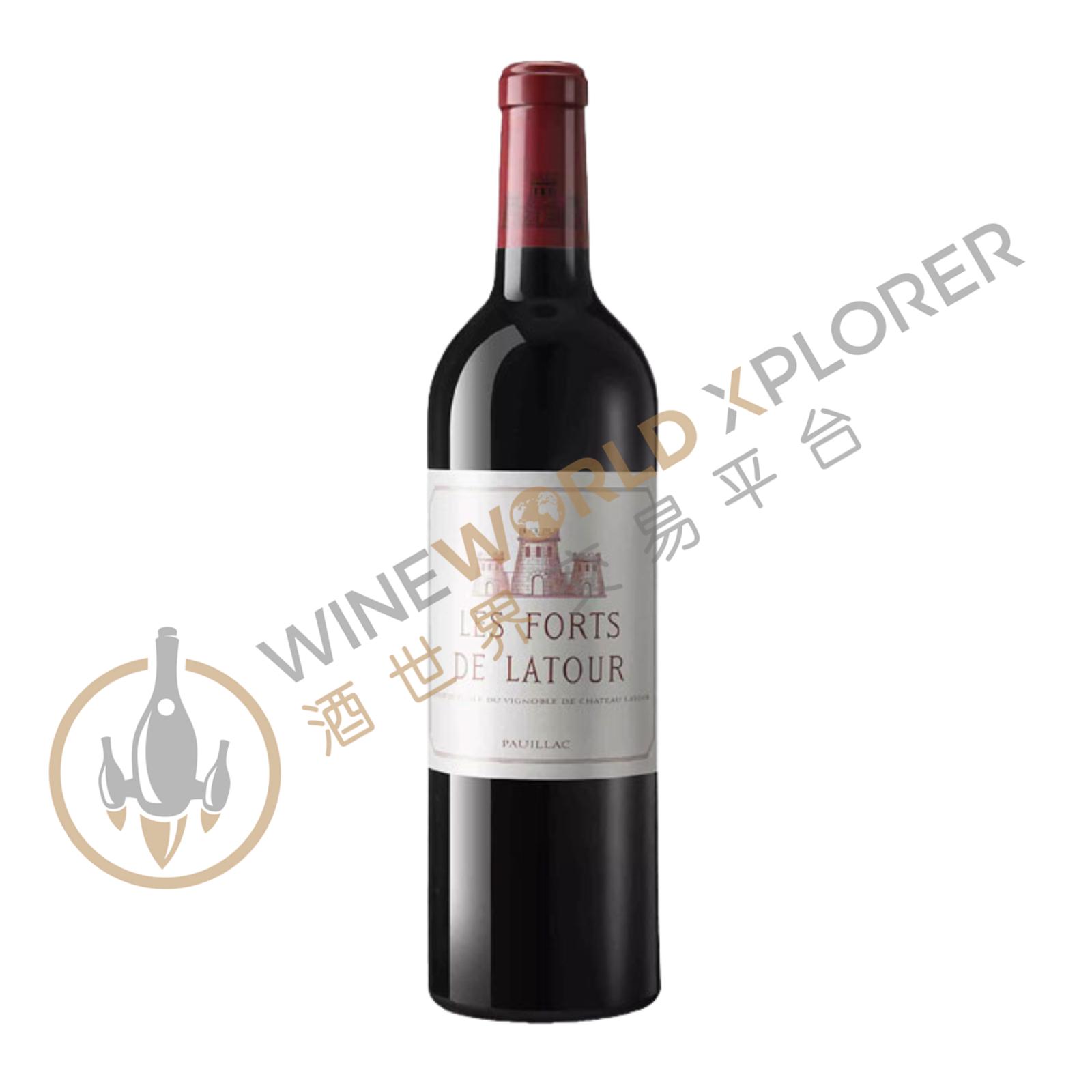
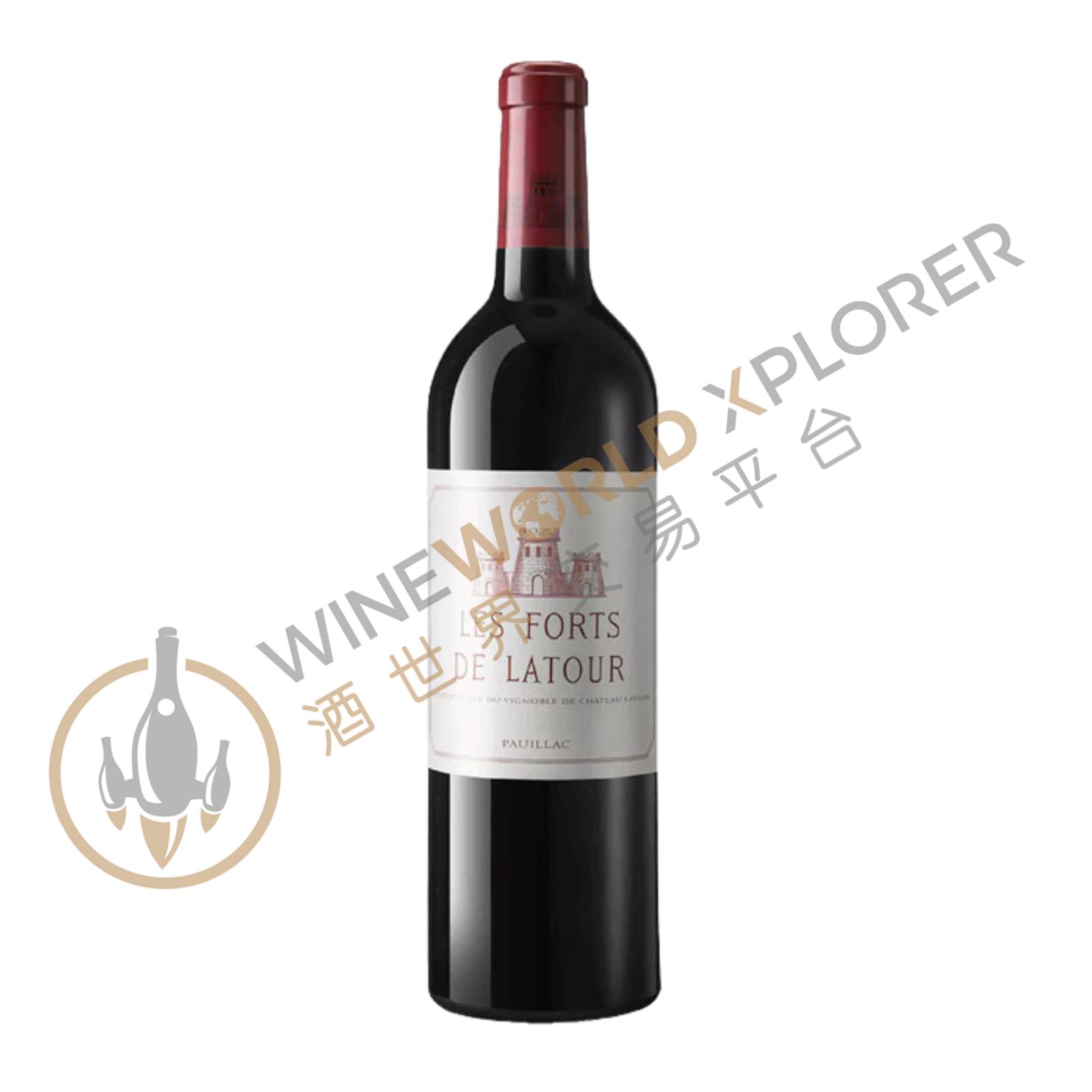
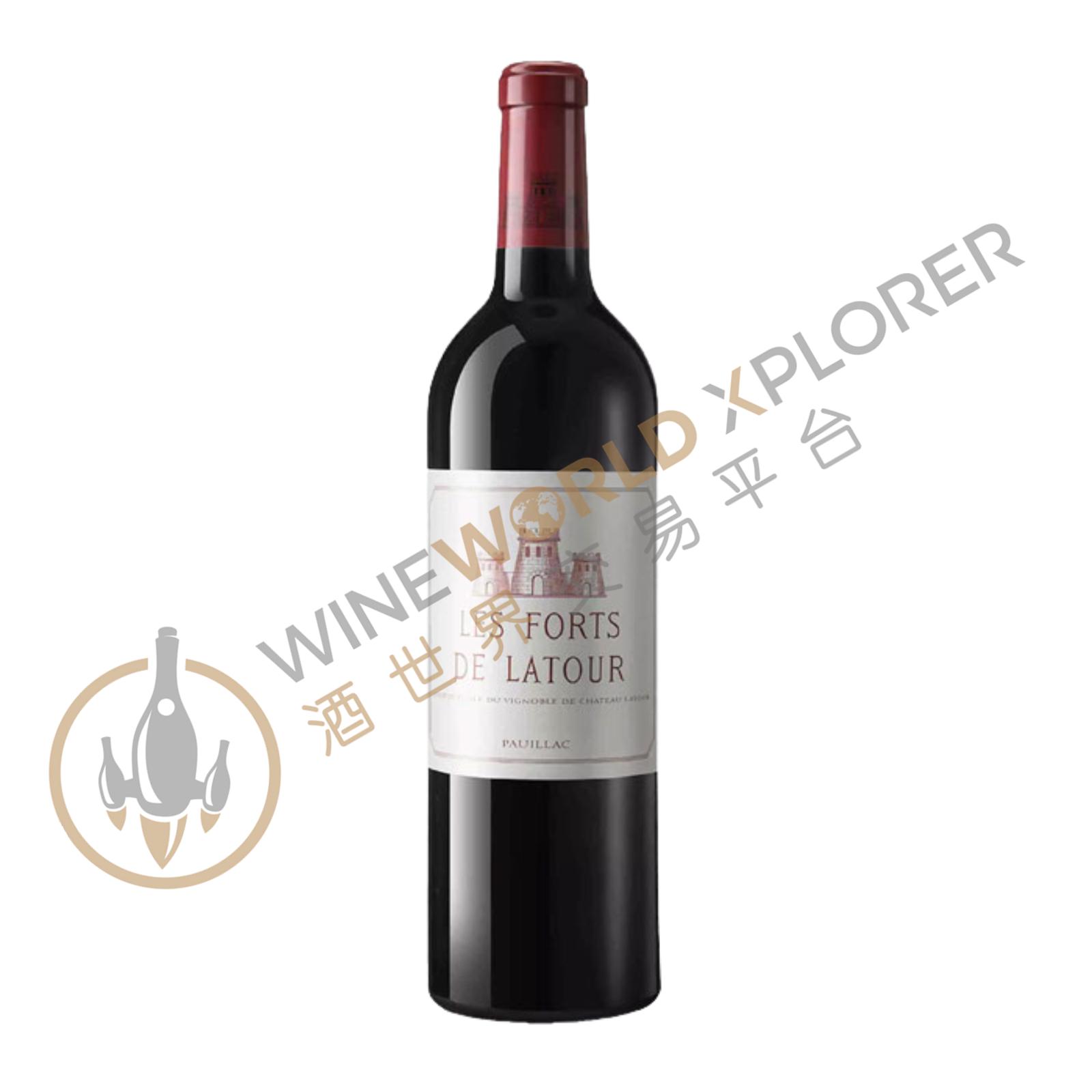
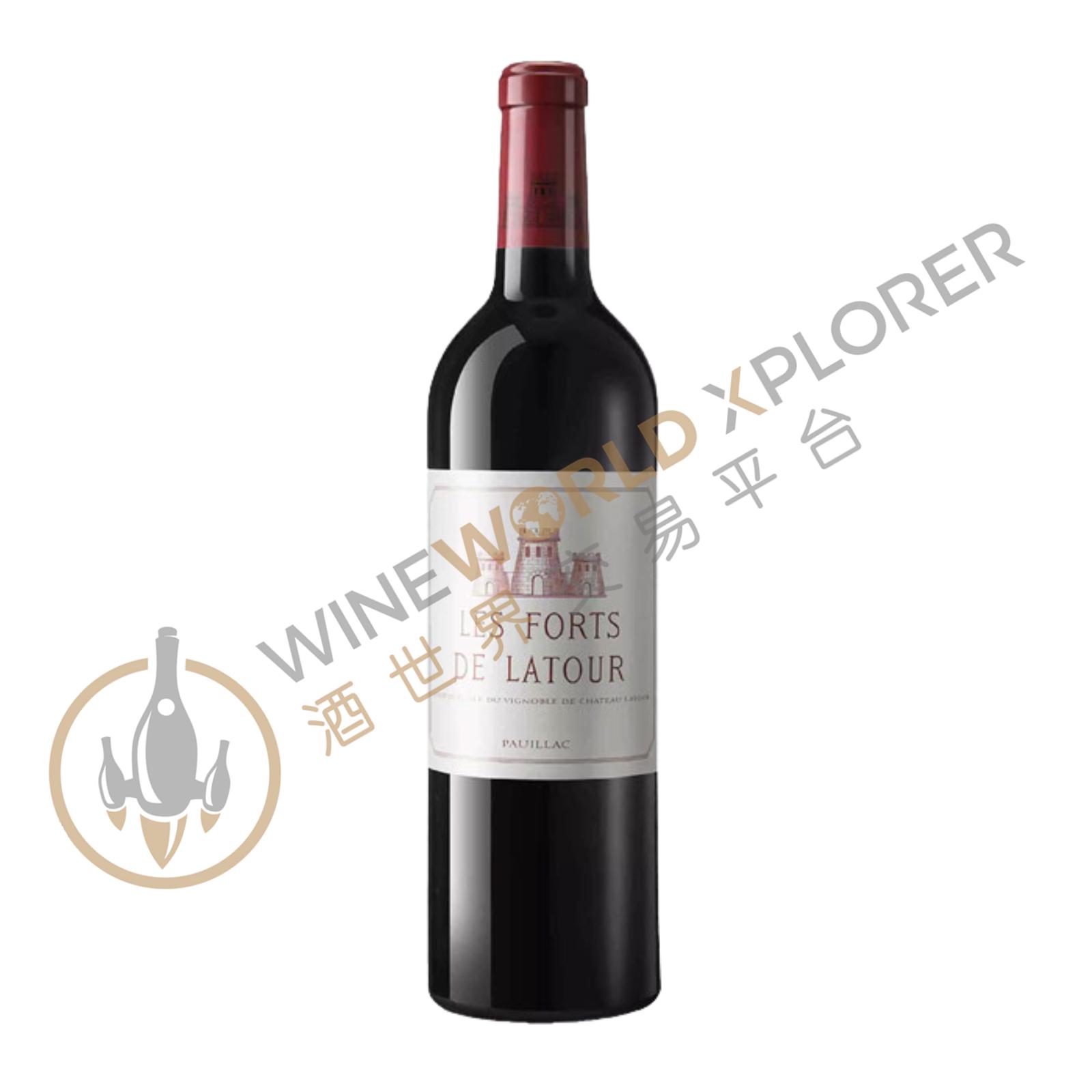
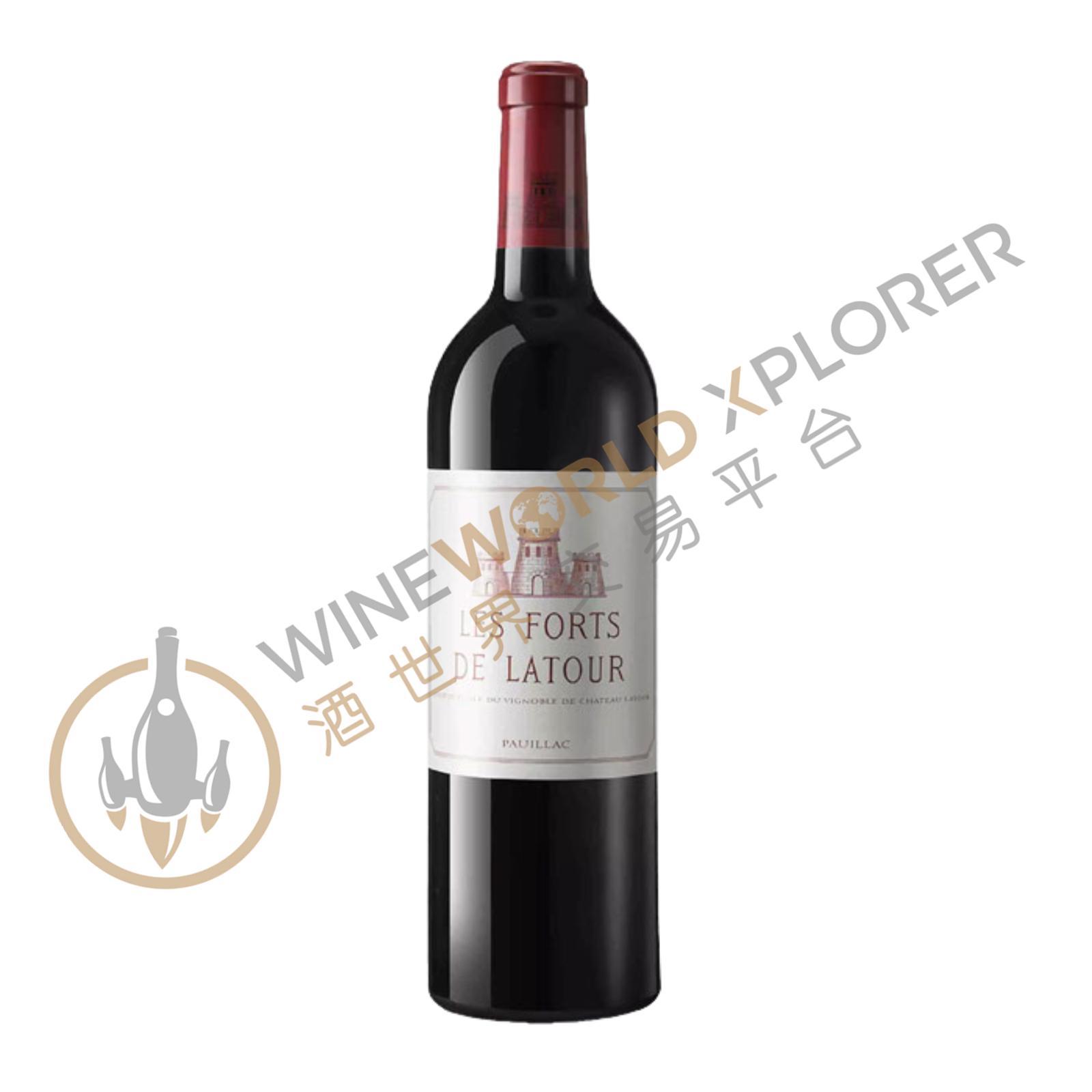
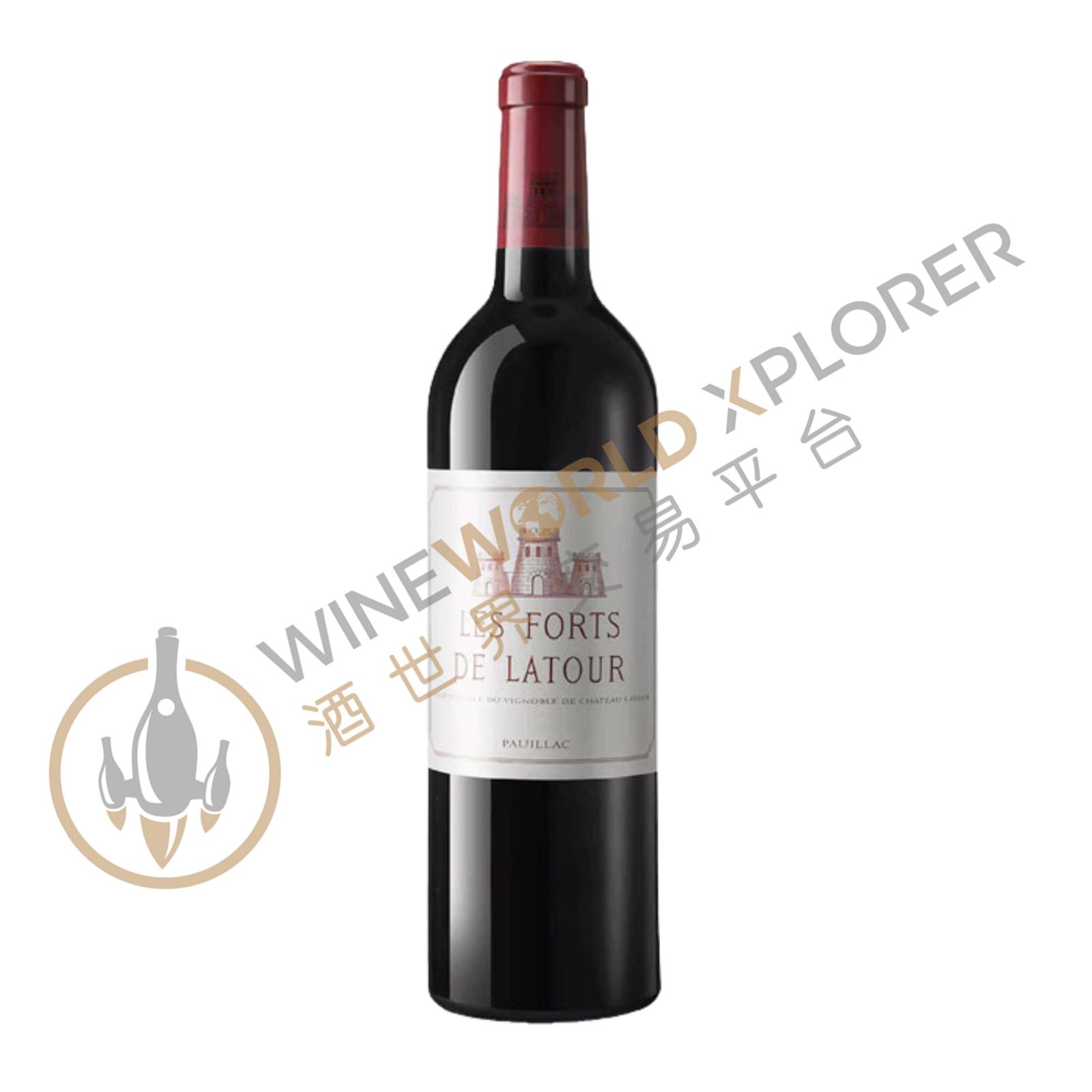
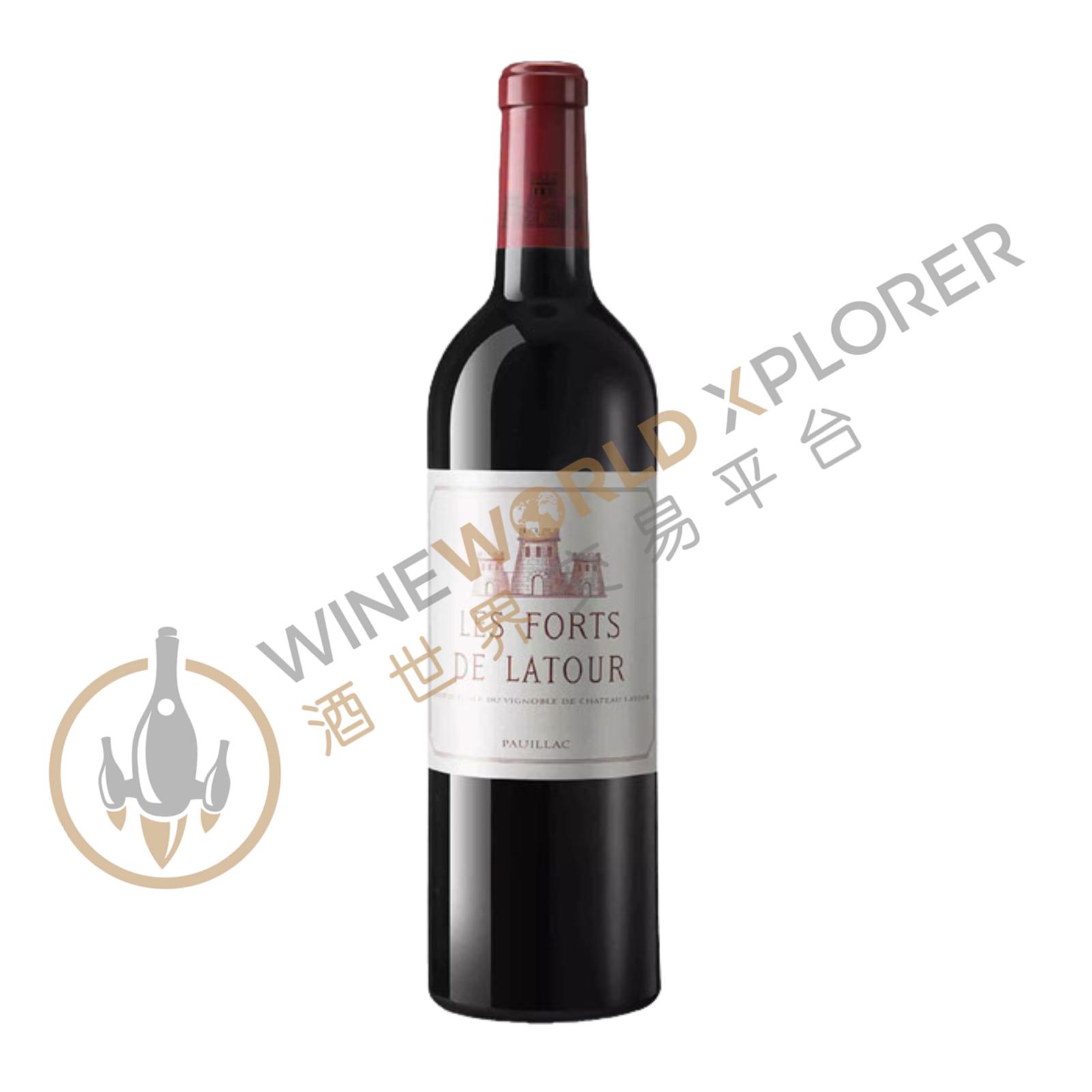
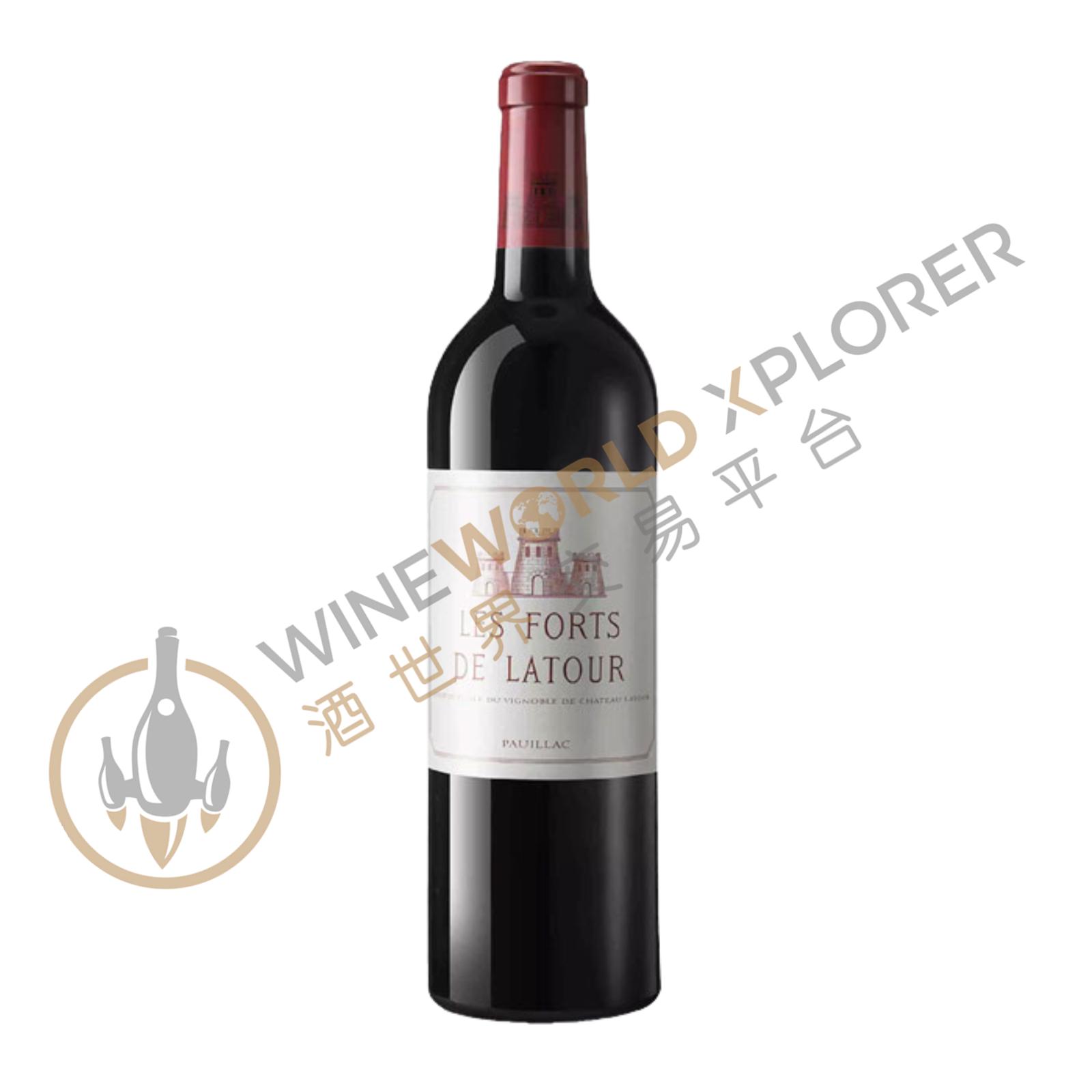
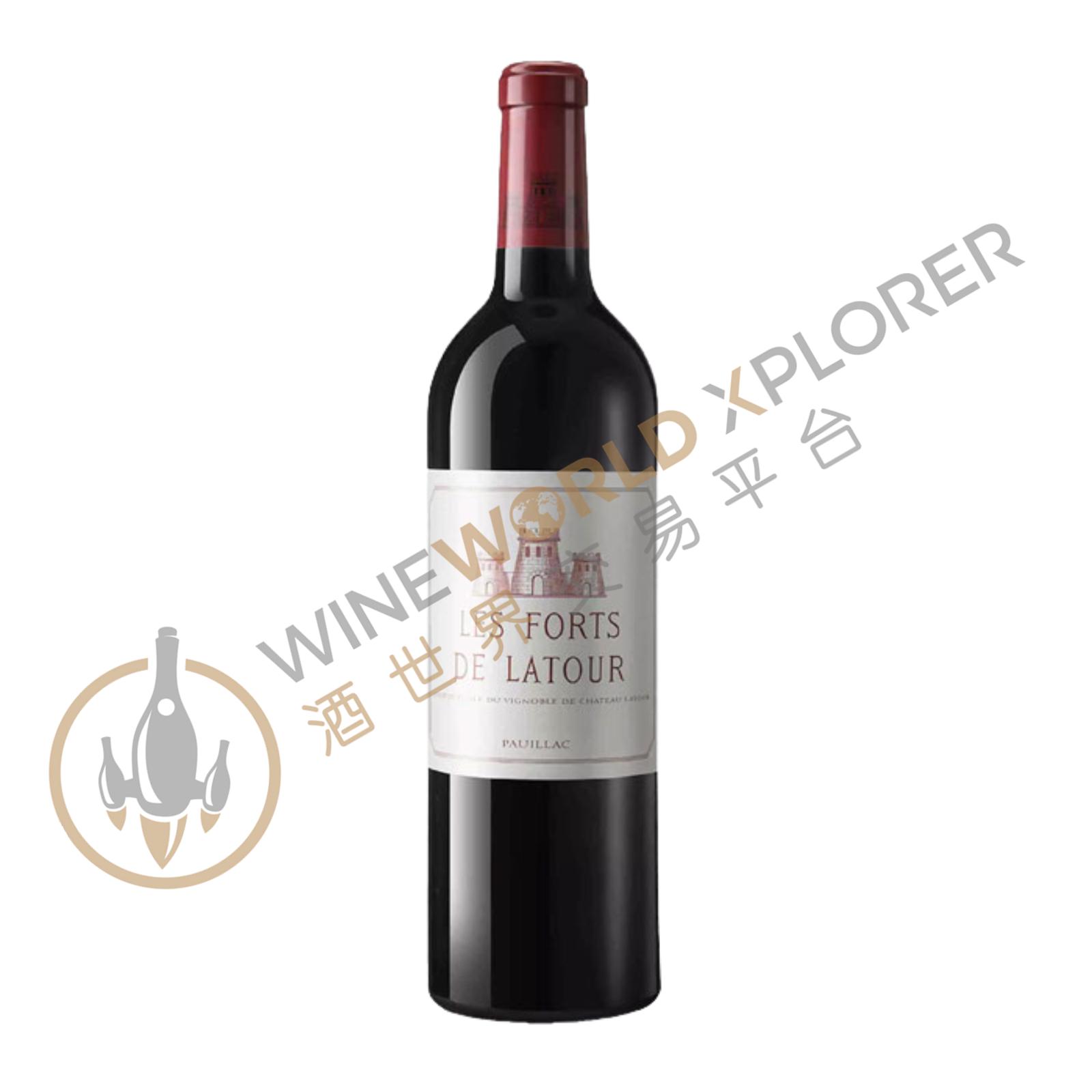
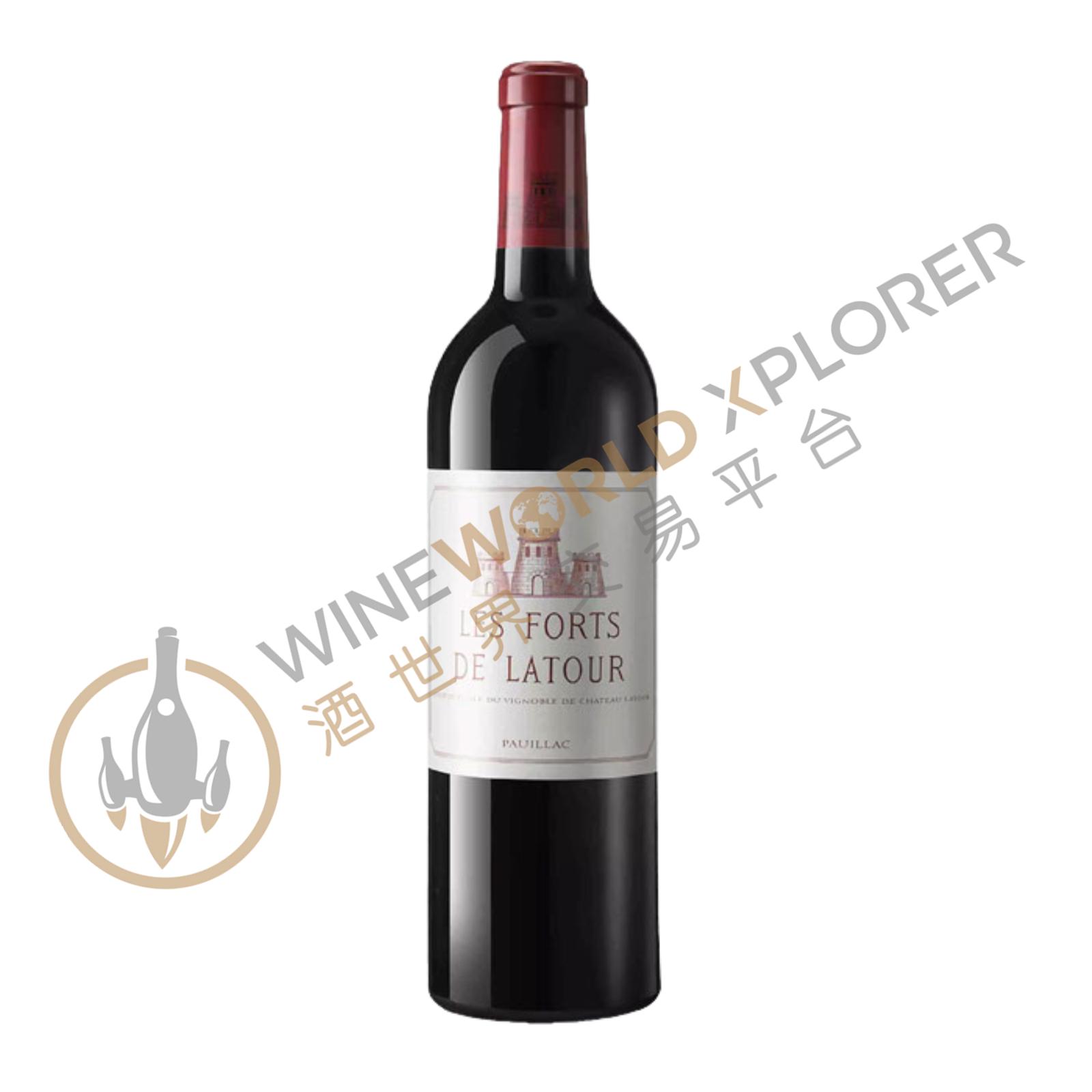
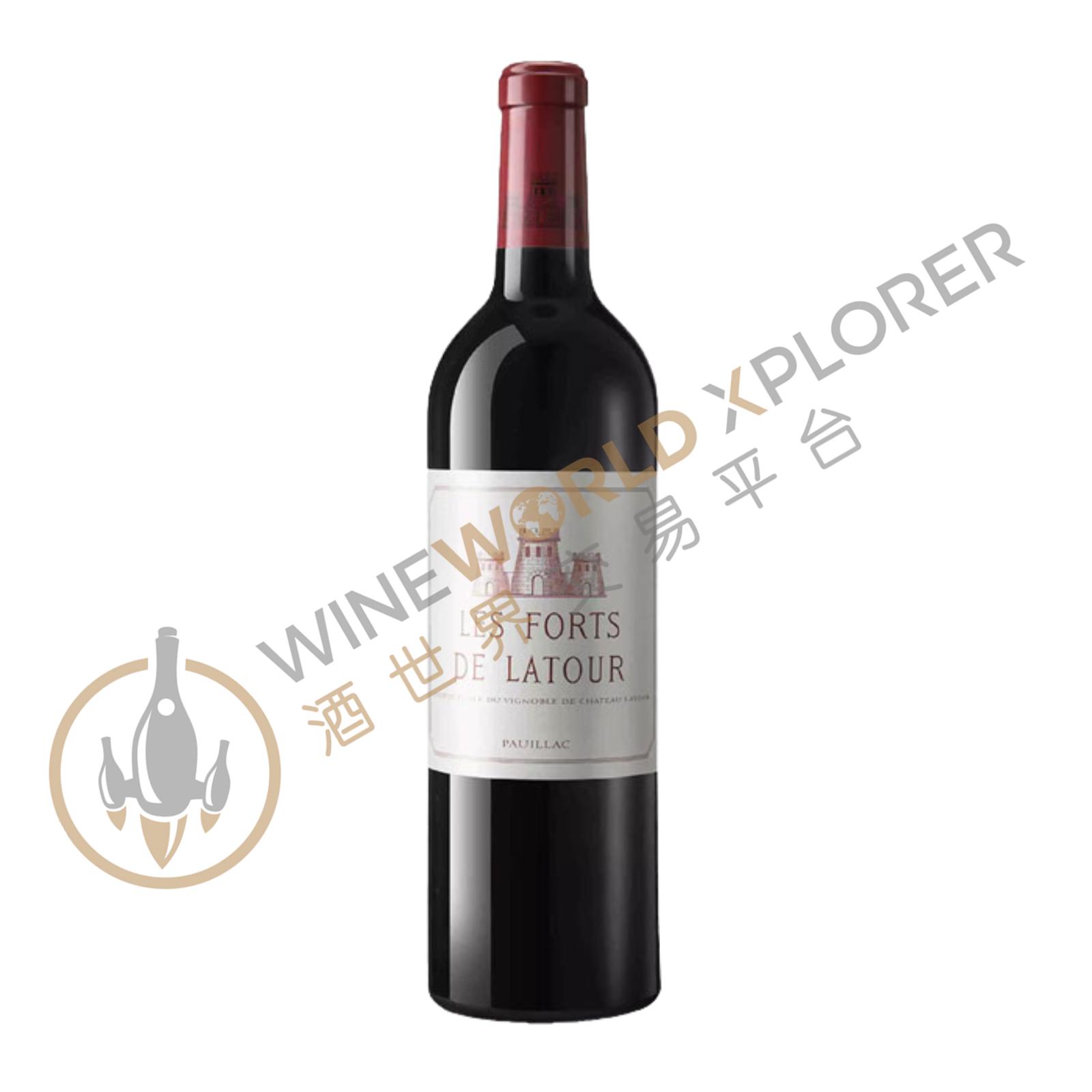
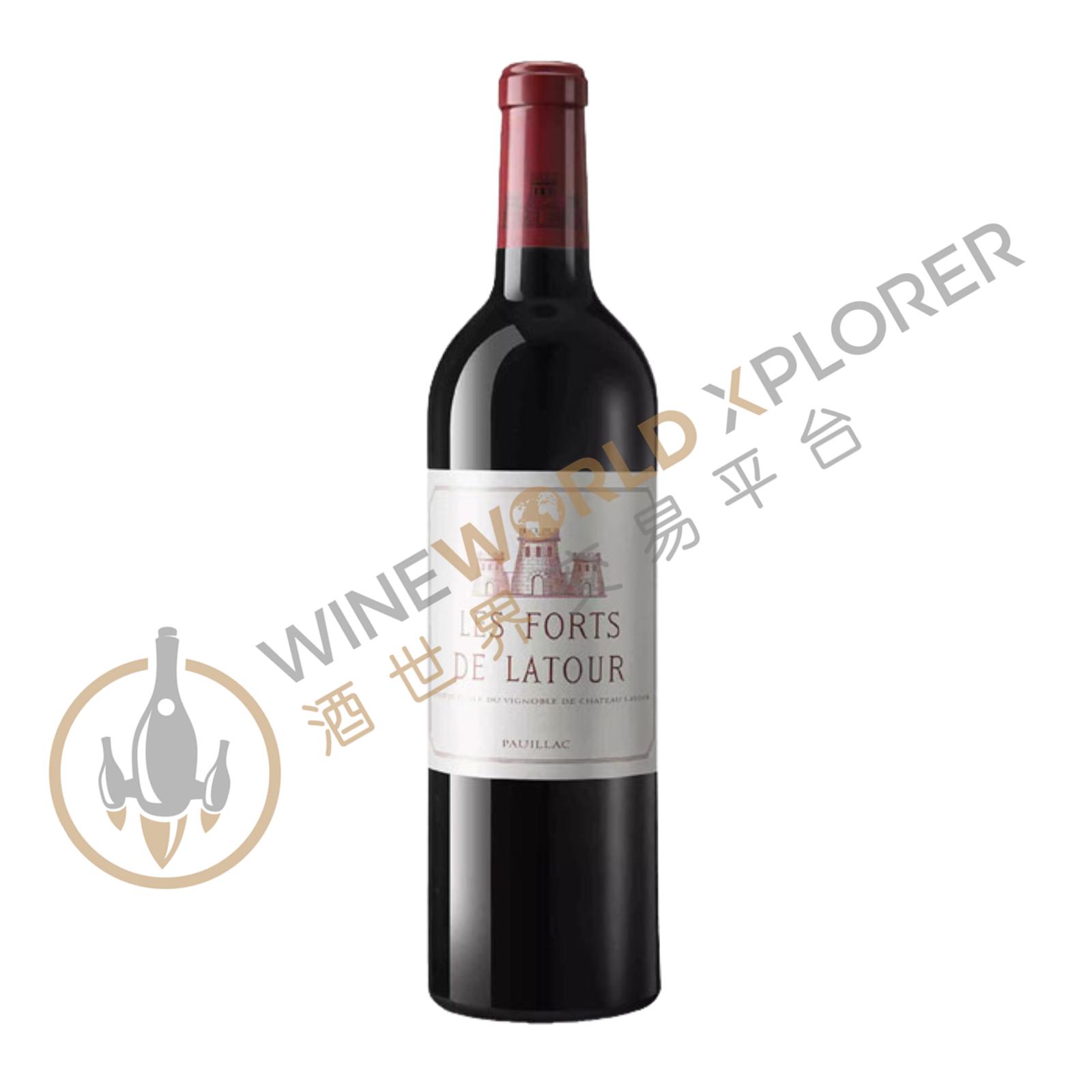
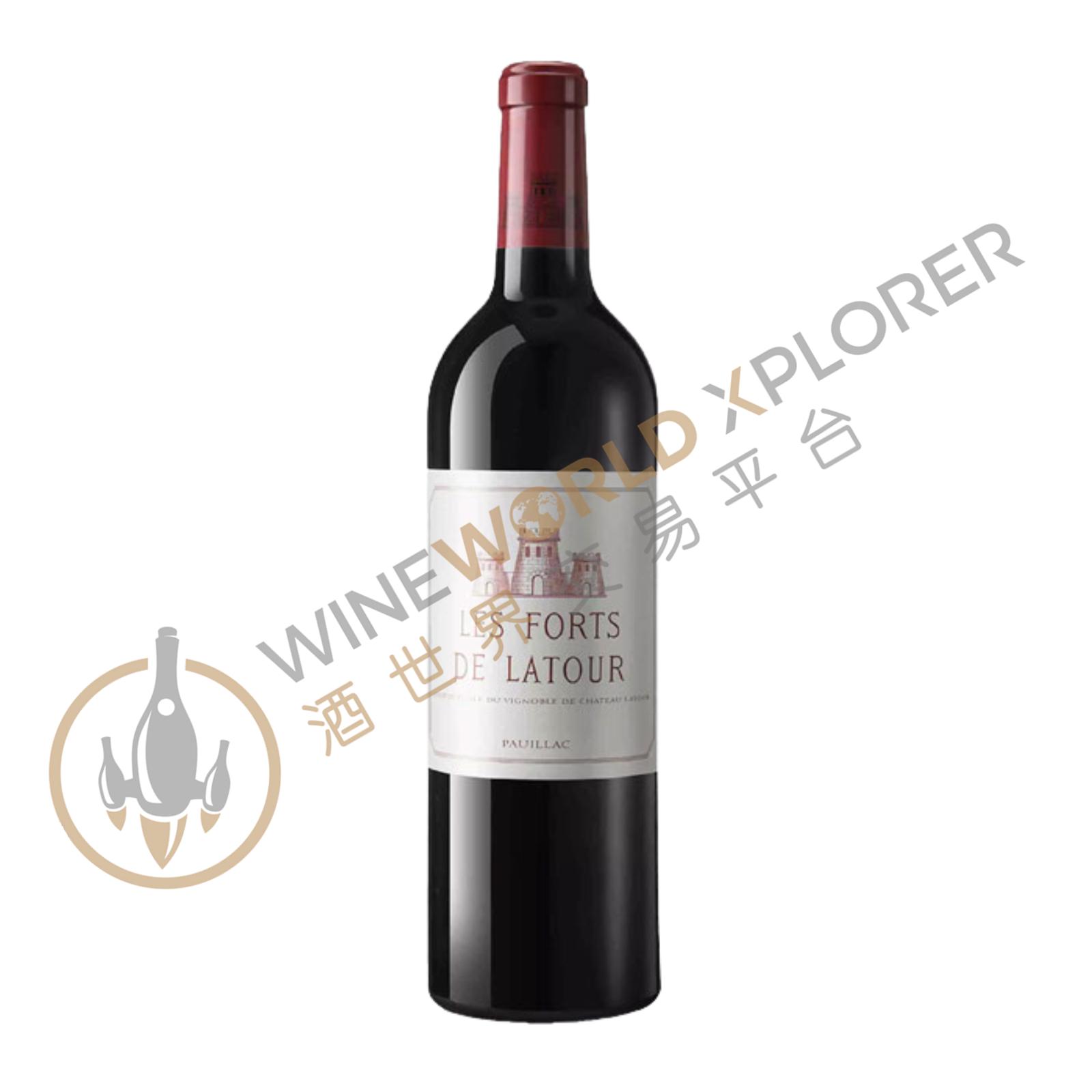
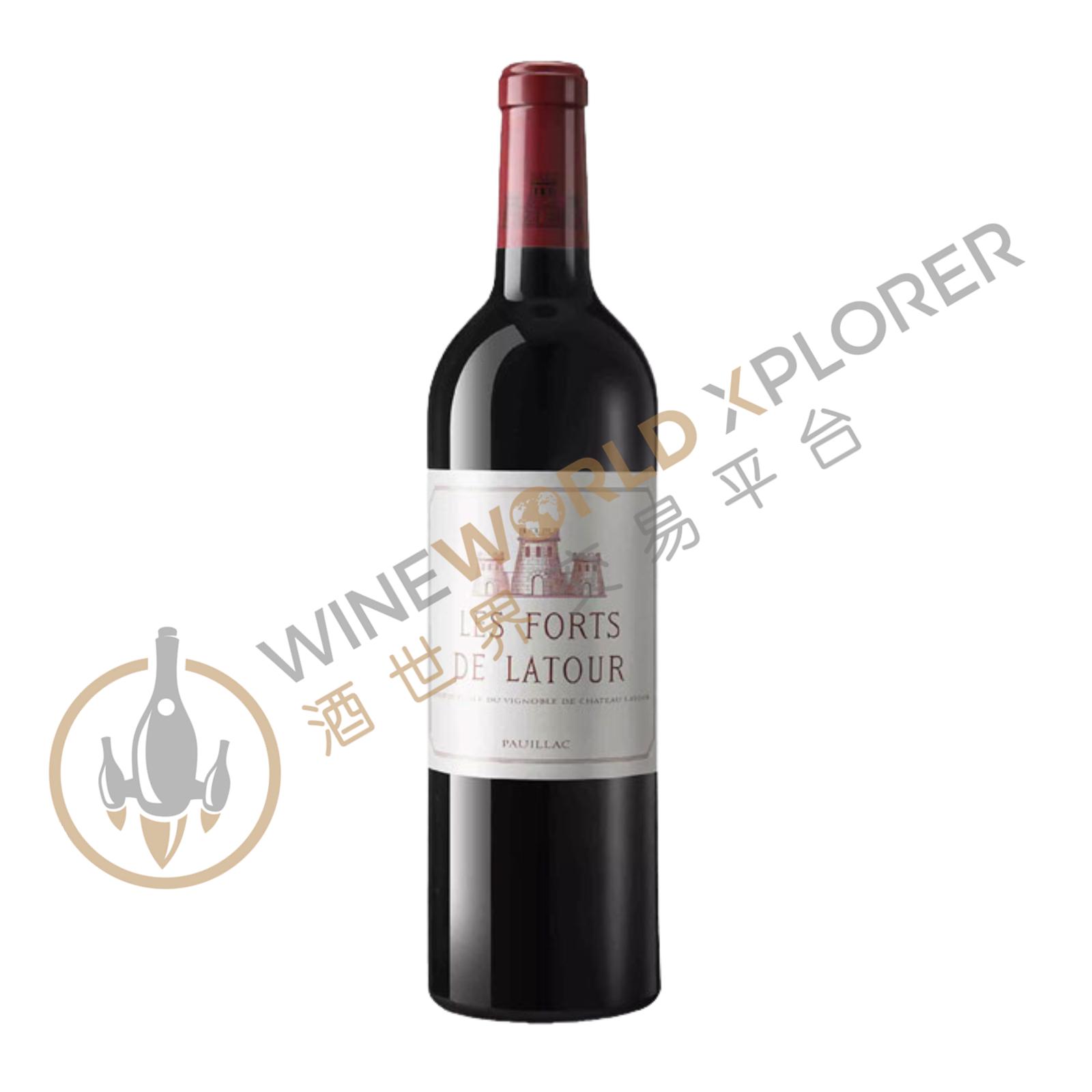
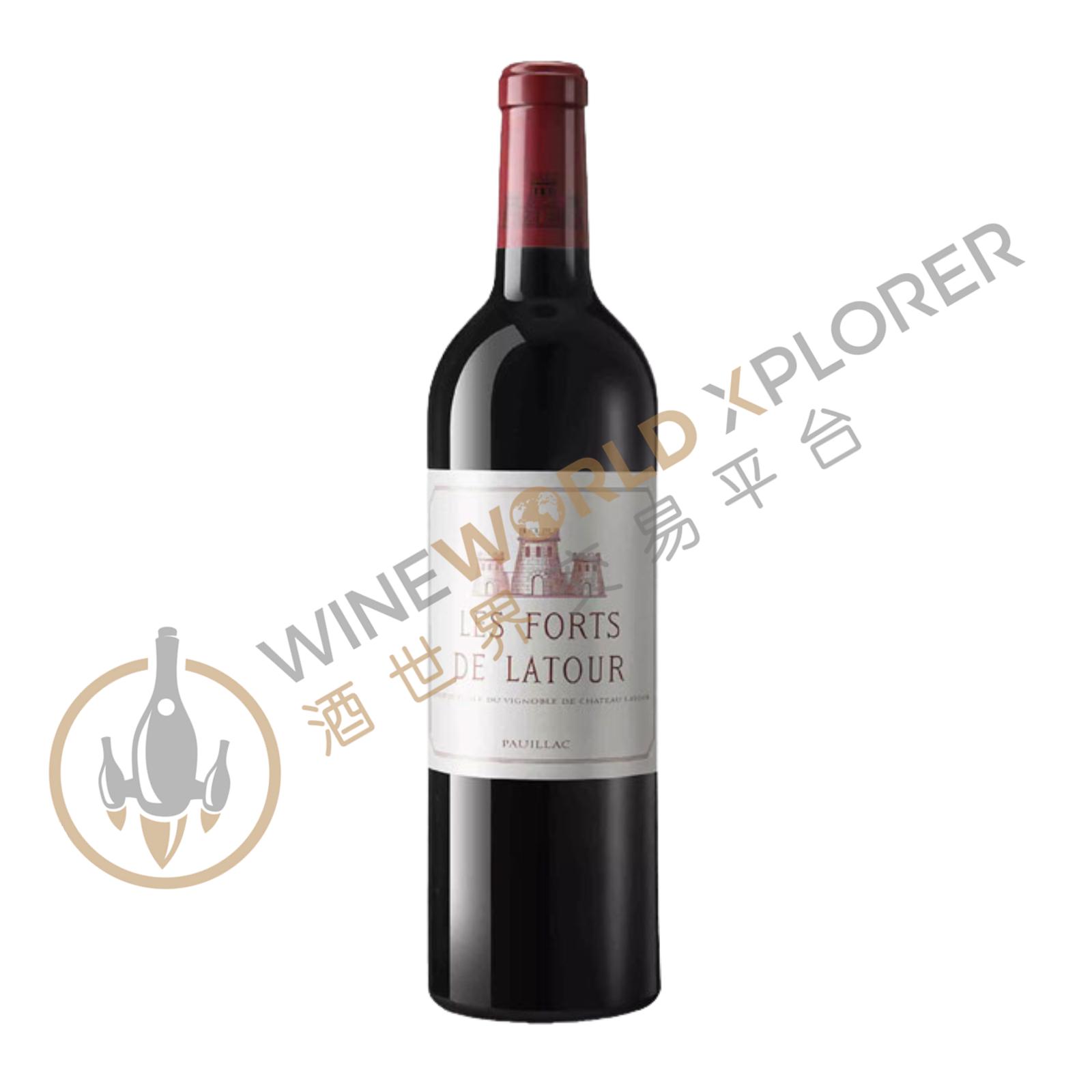
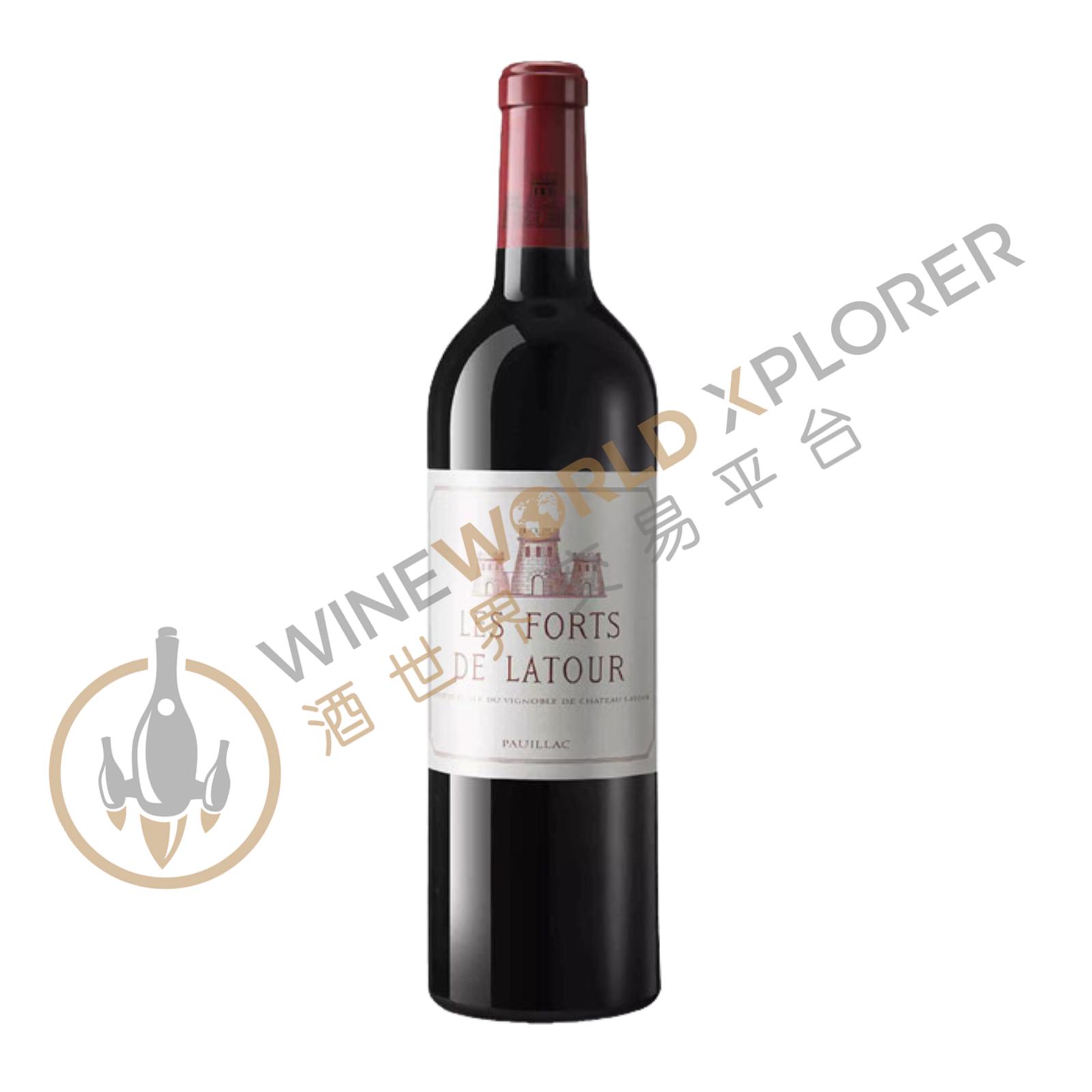
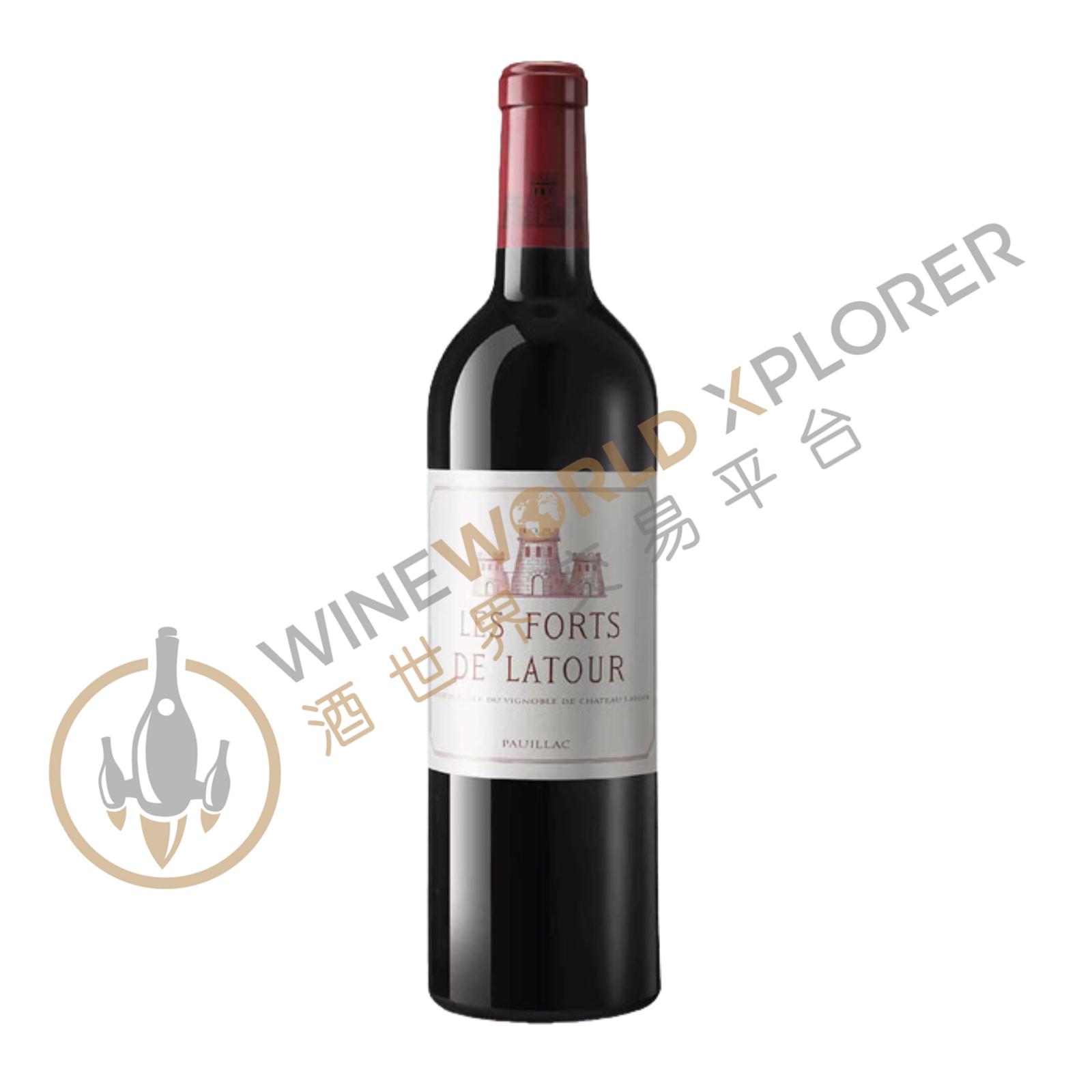
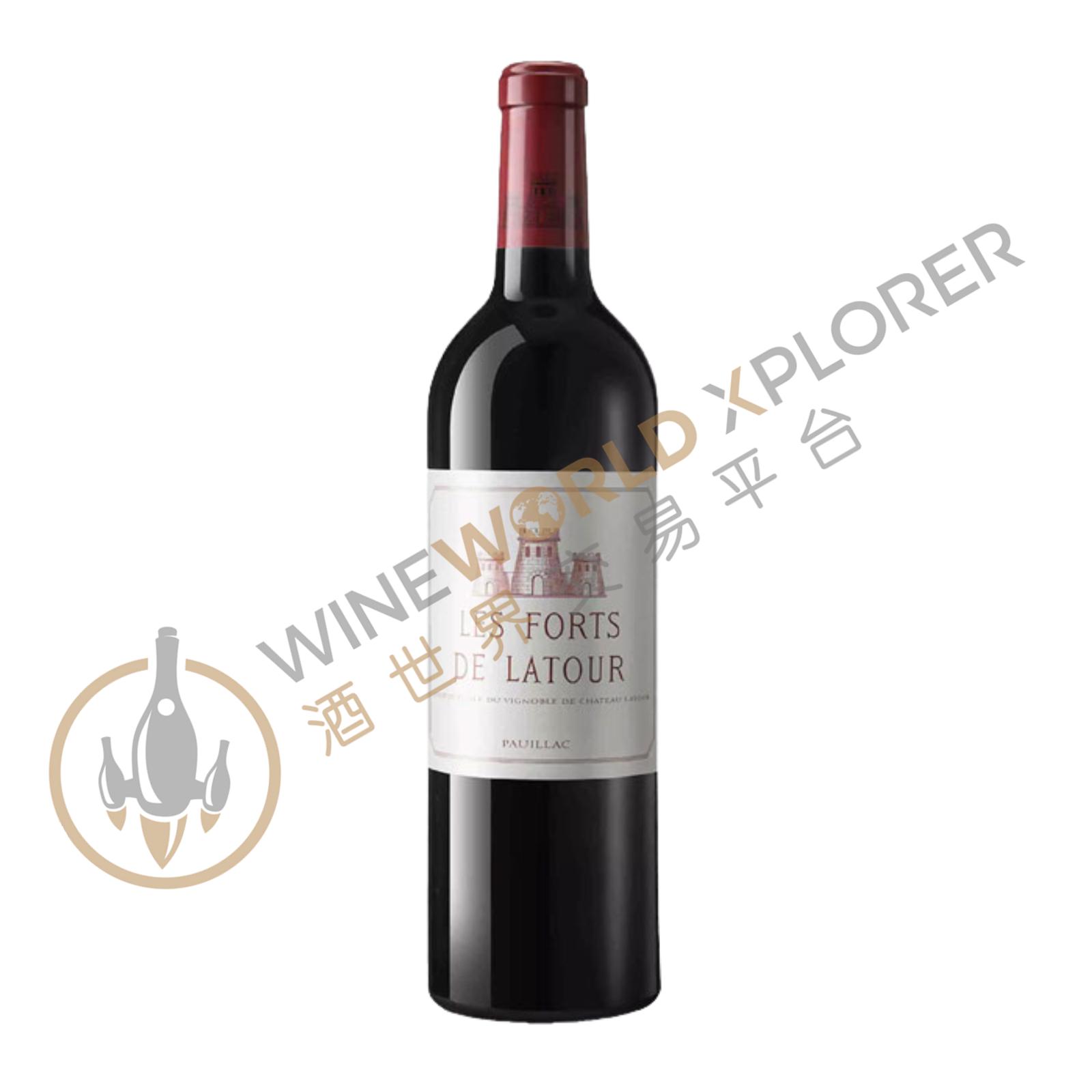
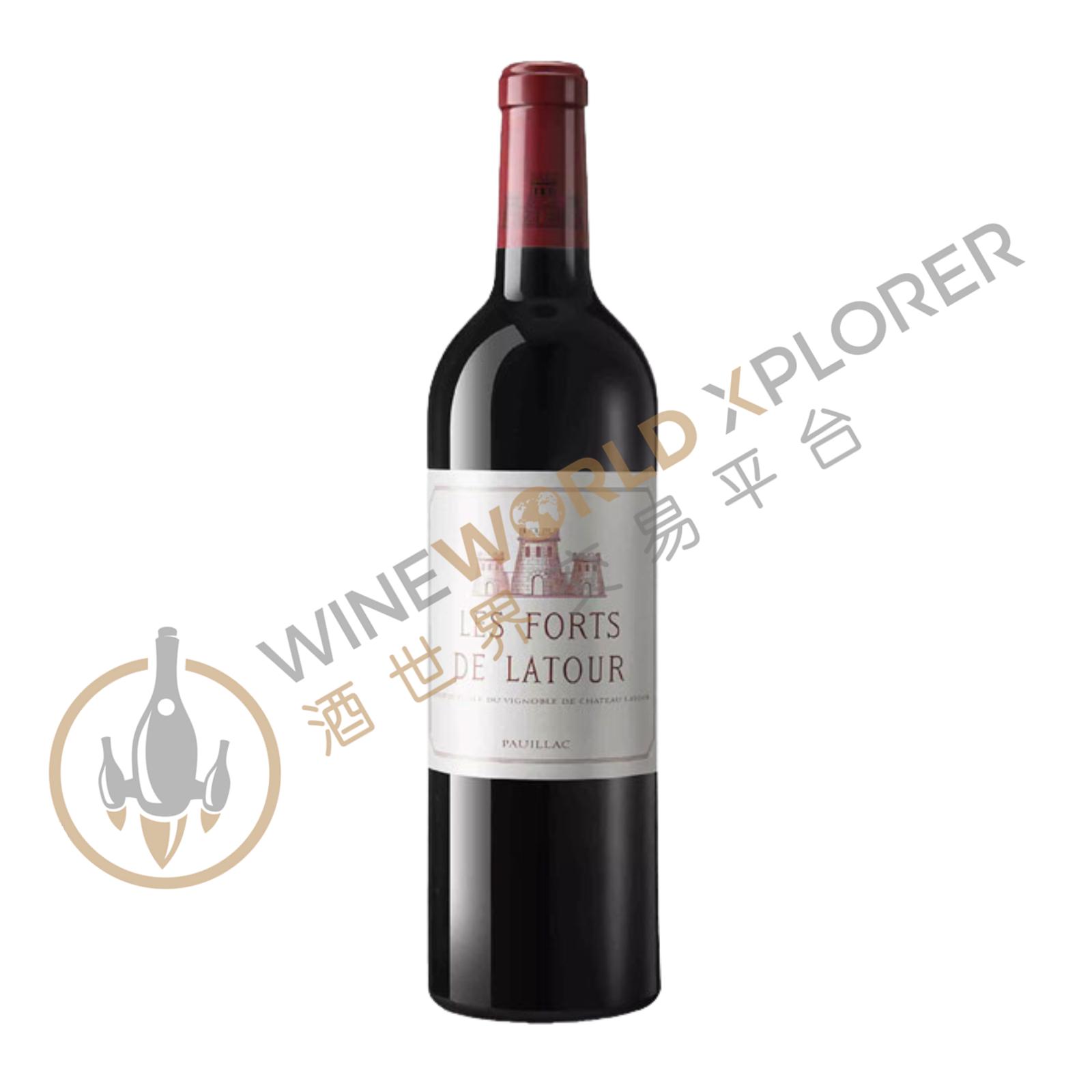
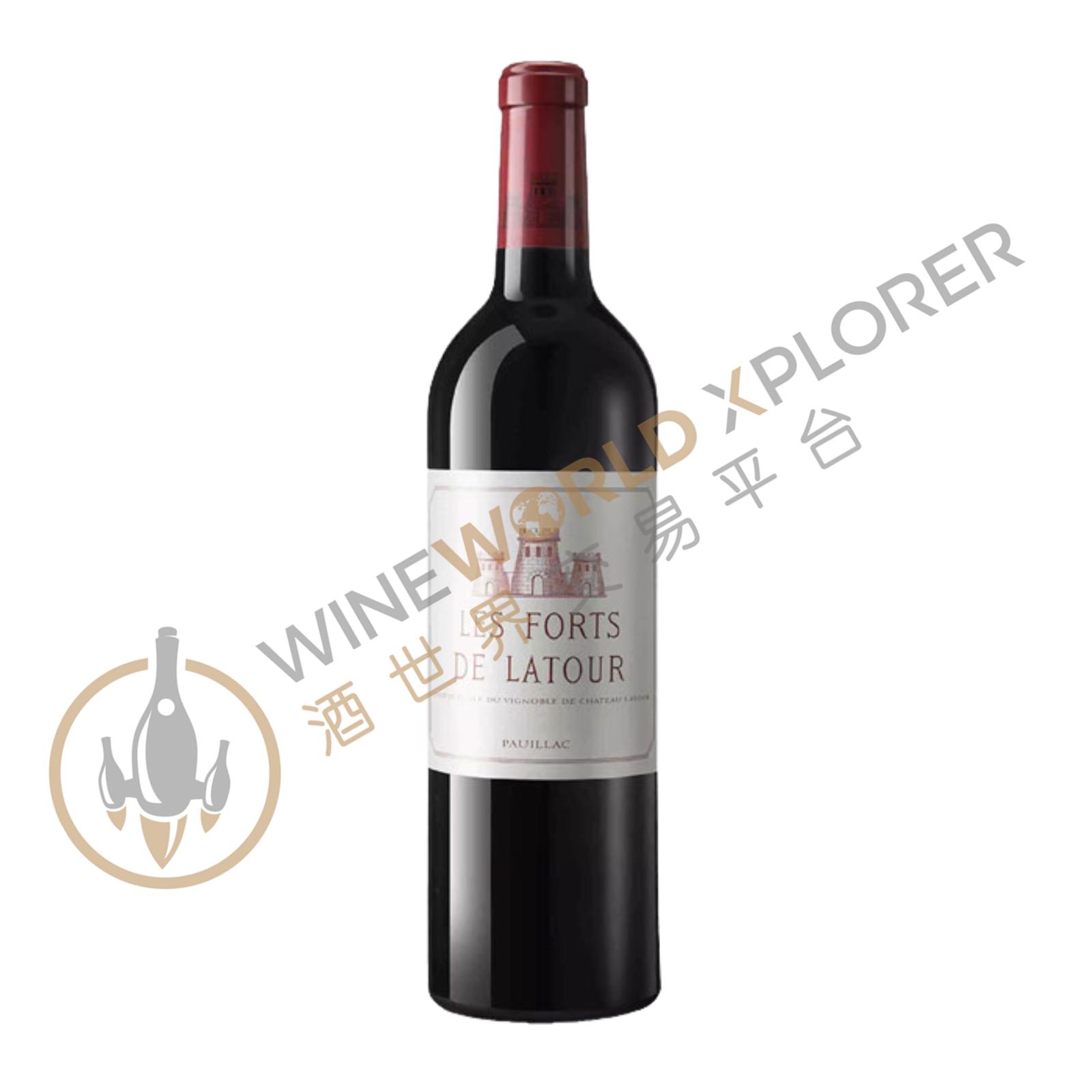
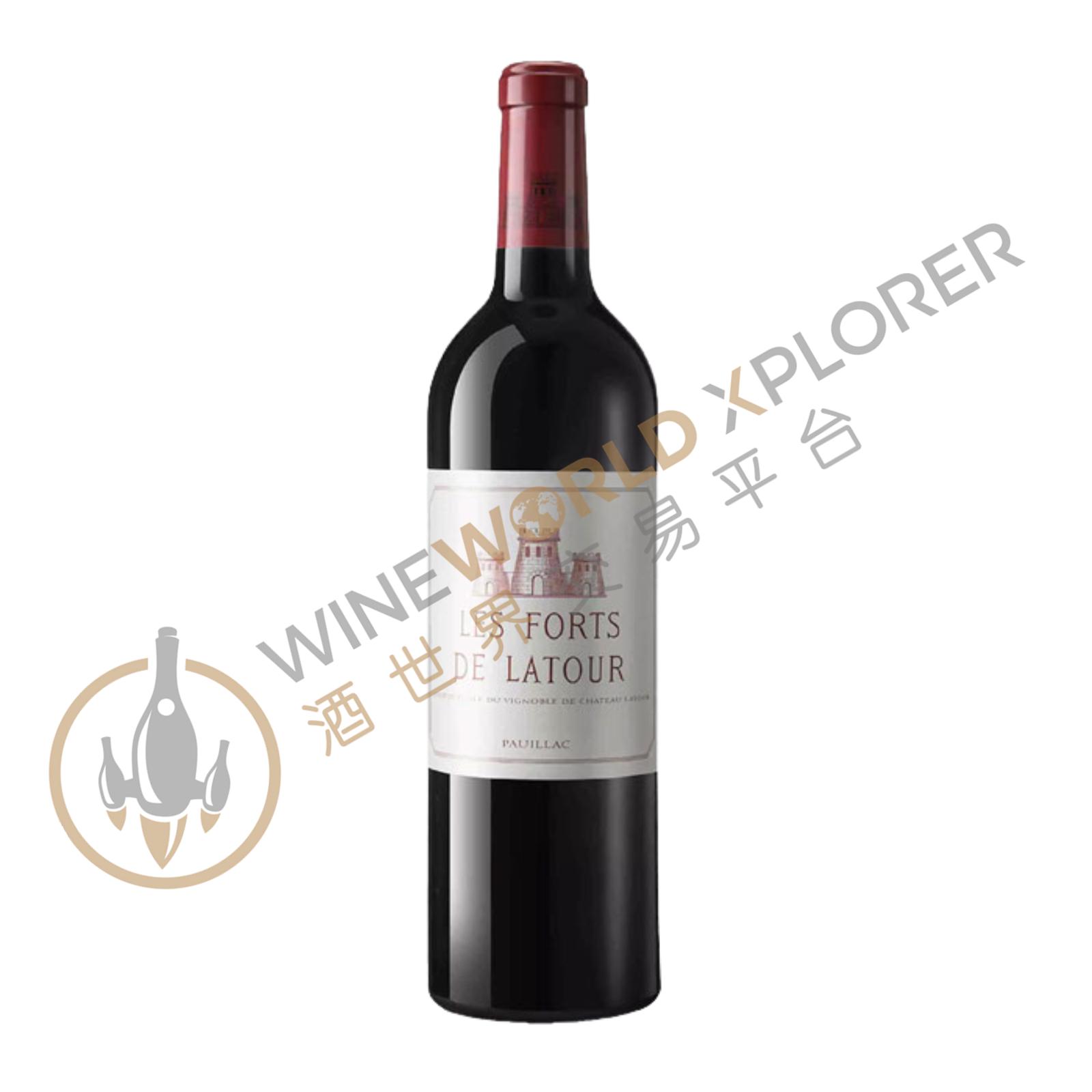
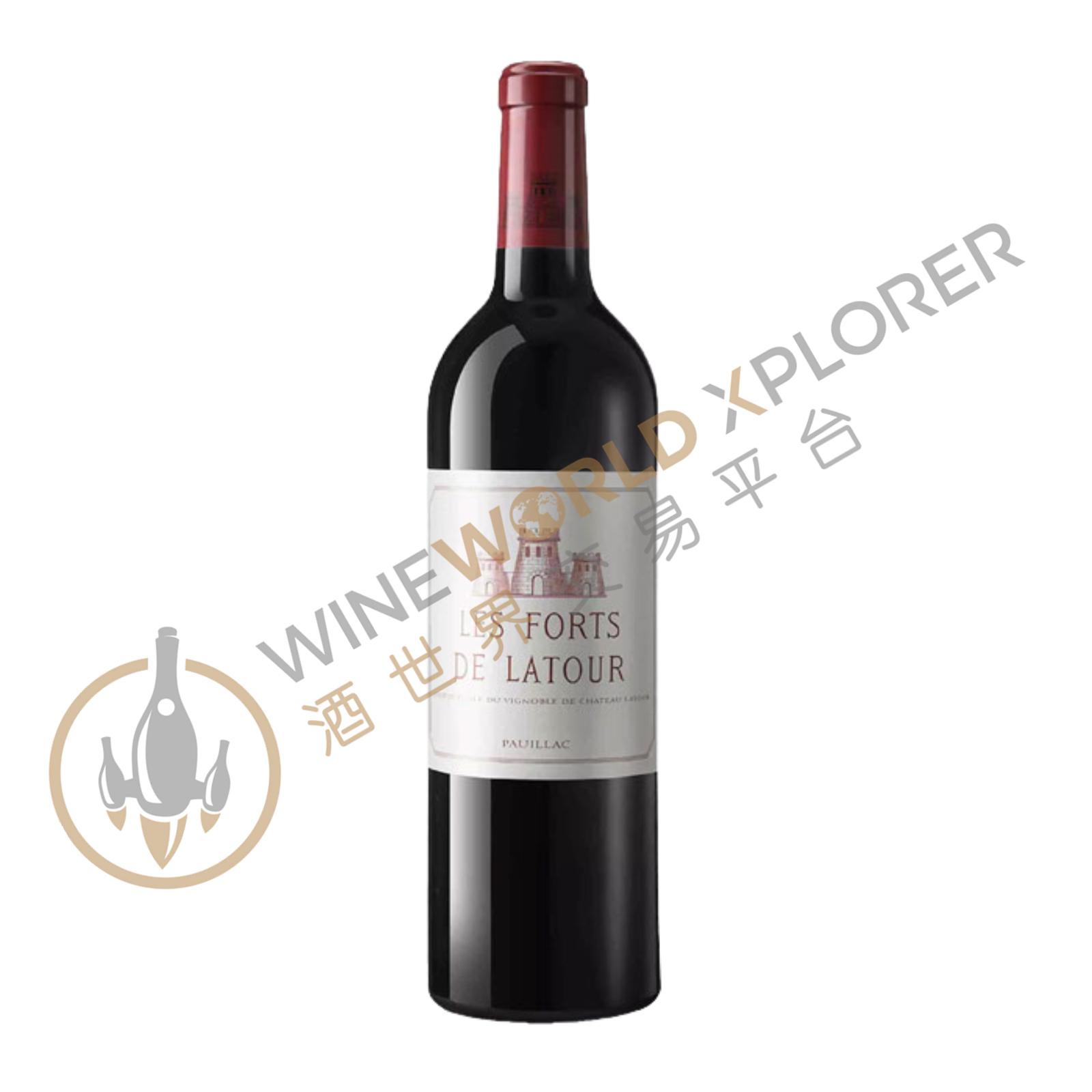
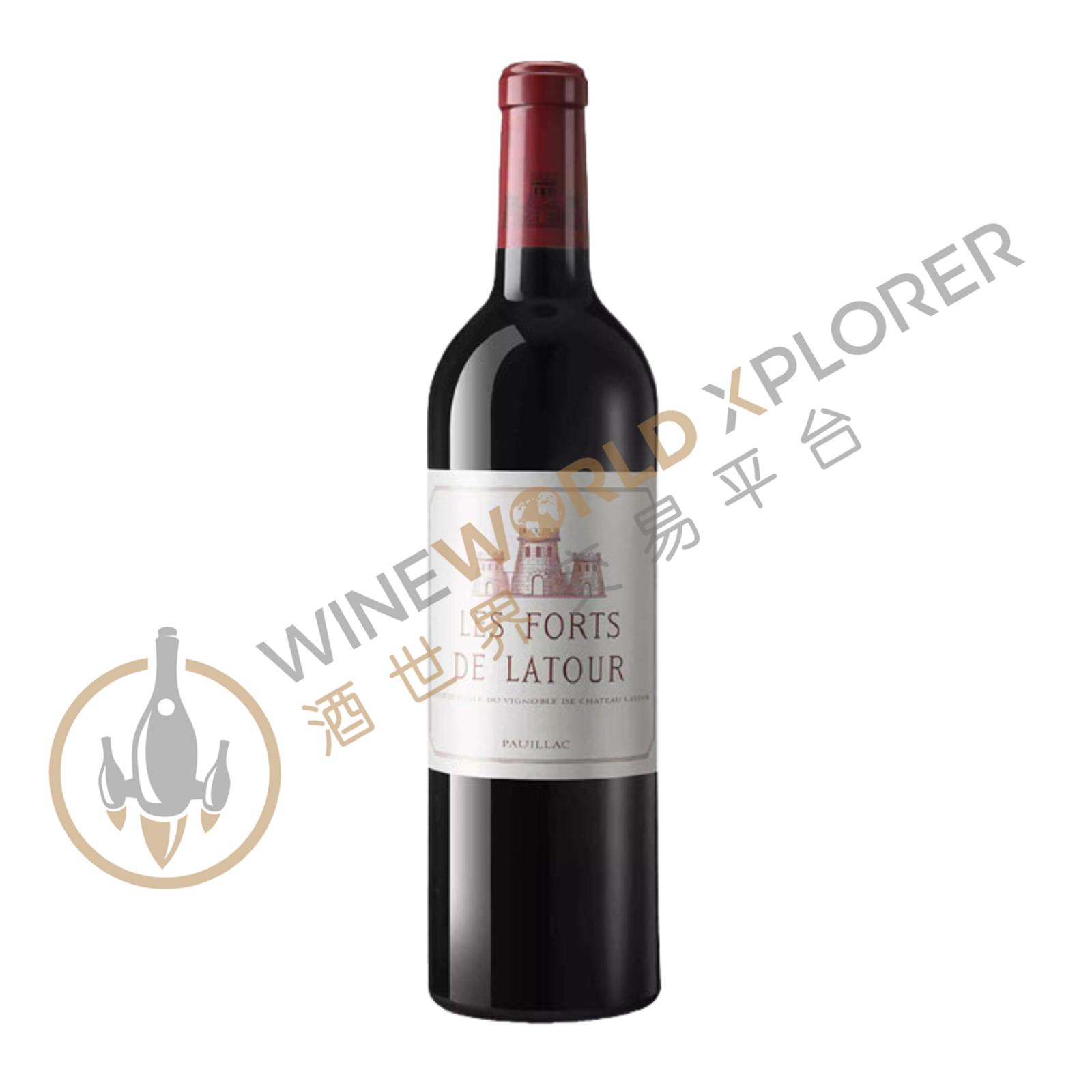
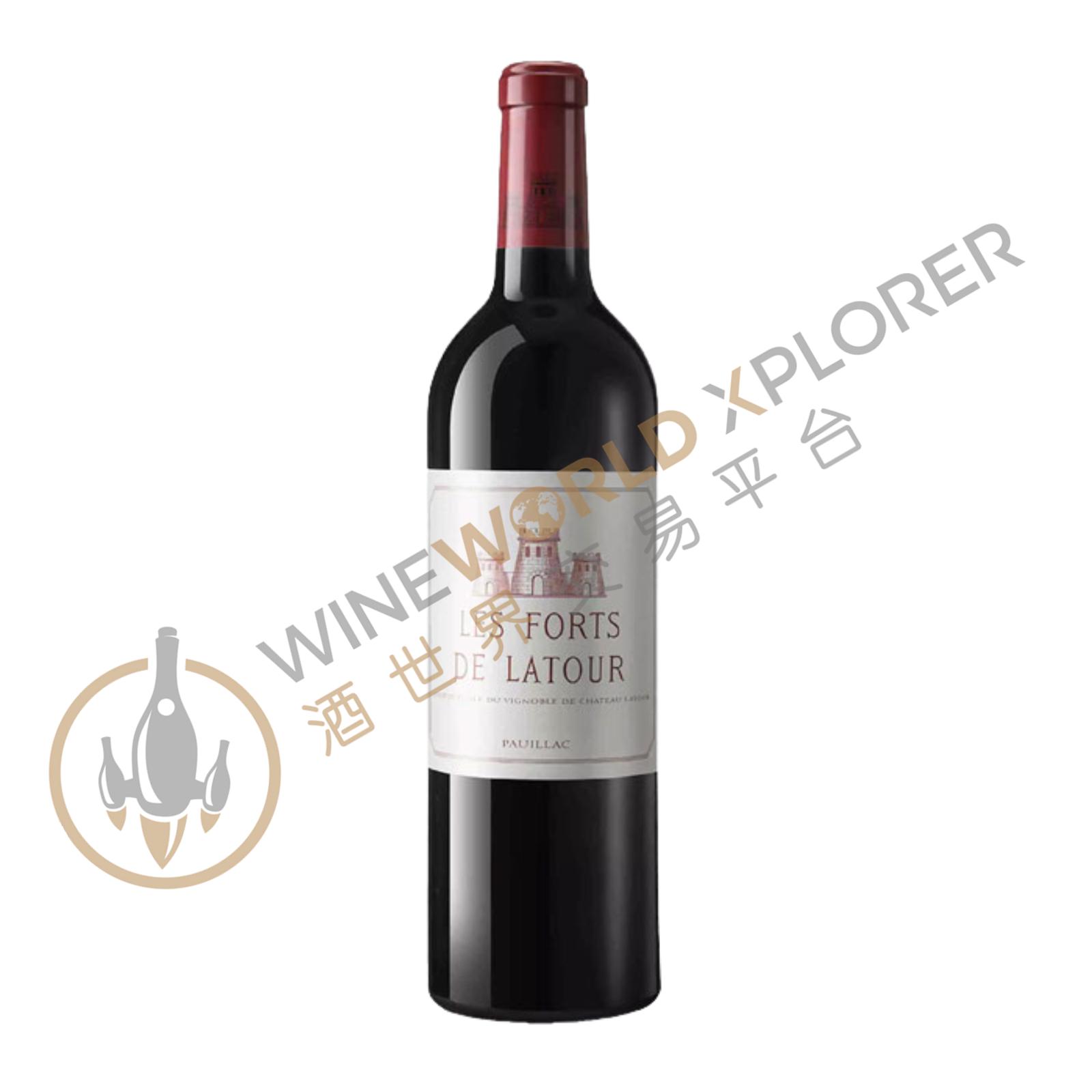
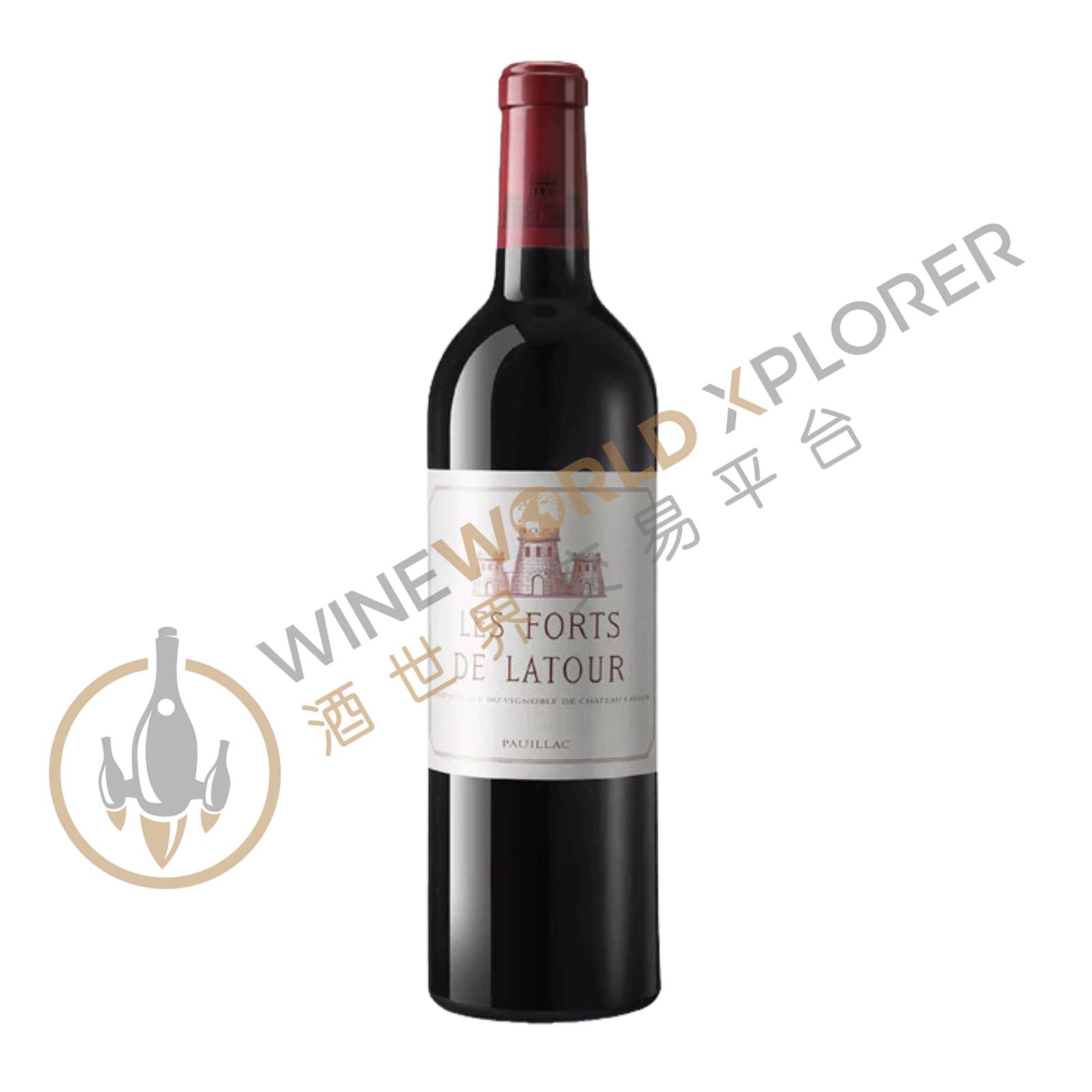
Les Forts de Latour 2005
 View analysis
Description
Tasting notes

Reviewed by: Robert M. Parker, Jr.
The 2005 Les Forts de Latour is another beautiful wine from this estate. Medium to full-bodied, with a dense ruby/purple color, loads of blackcurrant fruit, earth, and spice, the wine is extremely pure, broad, savory, and quite expensive. This is a fabulous second wine, but in essence, this is really of classified growth quality. Drink it over the next 20+ years.
Reviewed by: Neal Martin
A deep garnet colour. The nose has tightened up a little since I last tasted it in January. But it retains that exquisite, complex bouquet of blackberry, bilberry, damson, cedar and here, just a hint of sandalwood. It opens up further after ten minutes, gaining intensity and vigour and yet still holding something back. Medium-bodied, superbly balanced with fine but firm tannins. Very pure. Blackberry, bilberry, a touch of hoi sin…yes, something slightly Oriental evolving here, an element that lends it another dimension. Wonderful. Drink 2012-2030. Tasted June 2009.
Reviewed by: Robert M. Parker, Jr.
A sleeper of the vintage, the 2005 Les Forts de Latour (10,000 cases produced) is made in the style of its big brother, offering notes of blue and black fruits, crushed rocks, and flowers, sweeter tannins, but not the weight, depth, or extract of Latour. This impressive second wine will drink well in 4-5 years, and last for 20+ years. Ask just about anybody which first-growth is pushing quality to the highest level, and the majority will claim it is Latour. With owner Francois Pinault giving perfectionist administrator Frederic Engerer carte blanche, this estate has been producing spectacular wines since 2000. New cellars, winemaking facilities, and barrel rooms only add to their ability to produce classic wines. Production is much smaller than at other Medoc first-growths with only 44% of the 2005 production making it into the grand vin.
Reviewed by: Lisa Perrotti-Brown
Deep garnet in color, this is scented of warm black berries, anise, oolong tea and smoked meat. The palate is a little restrained and though just beginning to open into some layers, is still quite taut with a solid structure supporting the generous flesh.
Reviewed by: Neal Martin
Again, very deep garnet, purple hue. A very fresh nose, blackberry leaf. Touch of cassis, touch of mint. Again, superb definition. The palate is very well balanced, again, so much freshness and vitality. Good acidity, quite masculine, that coolness suffusing the wine. Very tight and tannic on the finish. Good length. This is going to need a few year cellaring. Excellent. Tasted April 2006.
Reviewed by: Robert M. Parker, Jr.
The second wine, the 2005 Les Forts de Latour, represents 45% of the production. A blend of 76% Cabernet Sauvignon and 24% Merlot, it appears to be the finest Forts de Latour since the 1982 (which I had the good fortune of drinking out of an Imperiale and Jeroboam at Restaurant Daniel on the occasion of Daniel Boulud’s receipt of France’s Legion of Honor on March 12th). The 2005 Les Forts de Latour reveals a striking minerality in addition to gorgeous notes of creme de cassis, forest floor, plum, minerals, and subtle oak. This full-bodied, superbly concentrated, fresh wine should evolve gracefully for two decades.
Reviewed by: Robert M. Parker, Jr.
The 2005 Forts de Latour (10,000 cases produced) possesses much of the same character as Latour, but sweeter tannins, more obvious and forward fruit, medium to full body, and a more seductive, plusher style, but not the great stature, richness, and architectural precision of its bigger brother. Nevertheless, it is a gorgeous Pauillac that should drink well for two decades or more. Latour is always the most difficult Medoc first-growth to find, largely because the vineyard and production are much smaller than its’ peers and because of the severe selection routinely done by owner Francois Pinault and administrator Frederic Engerer.
Reviewed by: Neal Martin
The Les Forts de La Tour 2005 has a more complex bouquet compared to the Petit Mouton, with blackberries, wild strawberry and floral scents that just blossom in the glass. The palate is medium-bodied with fine tannin, almost symmetrical in the mouth with great precision and intensity towards the finish that gently caresses the mouth. There is a tang of soy on the aftertaste that imparts a sense of tension, an edginess, completing a bona fide classy Deuxième Vin built for the long-term.
Reviewed by: Neal Martin
Tasted single blind at Southwold. Very complex on the nose, a little more generous than the others, macerated black cherries, bilberry, damson, cedar and graphite. Superb definition. The palate is beautifully controlled, wonderful sleek tannins, real femininity, lither, supple, pure, vibrant and vivacious towards the cedar and blackberry finish. This is an ebullient, vivacious Les Forts de Latour. Drink 2012-2030. Tasted January 2009.
Reviewed by: Antonio Galloni
Open-knit yet deep and powerful, the 2005 Les Forts de Latour is striking today. The pedigree of the vintage comes through in spades. Expressive, perfumed aromatics meld into a core of supple, open-knit fruit in a mid-weight, impeccably balanced Forts de Latour. Hints of red fruit, iron, smoke and tobacco add lovely shades of nuance. Latour's President Frédéric Engerer adds that that 2005 was the easiest and most balanced growing season (including 2009 and 2010) he has seen because his team had the total flexibility of choosing when to harvest.
Reviewed by: Stephen Tanzer
Good red-ruby. Exotic aromas of roasted plum, currant and graphite. Big, round and sweet but with the broad shoulders of the year. The silky flavors of currant, tobacco and sweet oak show extraordinary baby fat and volume. Wonderfully rich, expressive wine with a very long, silky, aromatic back end. Better than the 2007 Latour today, and almost as long, says Engerer. (The 2006 Forts de Latour had just been fined.)
Reviewed by: Stephen Tanzer
Dark red. Superripe aromas of plum, graphite and smoke. Sweet, lush and rich, but with sappy acidity framing the flavors of dark fruits, minerals and bitter chocolate. Atypically broad for this label, finishing with sweet tannins and outstanding persistence. A great vintage in the making for this bottling.
Reviewed by: Stephen Tanzer
(76% cabernet sauvignon and 24% merlot) Ruby-red. Cool aromas of crunchy blueberry, black cherry, flowers and minerals. Suave, precise and vibrant, with cabernet-dominated flavors of black cherry and minerals. Offers superb subtle sweetness, and finishes with outstanding backbone and length. This will be approachable far earlier than Latour; even today the tannins are firm but not hard. Latour recently purchased 12 hectares of cabernet vines between 30 and 40 years of age, and much of this parcel went into Les Forts de Latour in 2005.
Reviewed by: Antonio Galloni
Open-knit yet deep and powerful, the 2005 Les Forts de Latour is striking today. The pedigree of the vintage comes through in spades. Expressive, perfumed aromatics meld into a core of supple, open-knit fruit in a mid-weight, impeccably balanced Forts de Latour. Hints of red fruit, iron, smoke and tobacco add lovely shades of nuance. Latour's President Frédéric Engerer adds that that 2005 was the easiest and most balanced growing season (including 2009 and 2010) he has seen because his team had the total flexibility of choosing when to harvest.
About the Producer
Latour was a jointly held lord's domain until the end of the 16th century, At that time, the property was not entirely covered by vines and yet production largely exceeded requirements. There was no proper storage for the wine and it had to be drunk within the year. The estate remained in the hands of the Mullet family until the late 17th century, and while direct use of the land gradually replaced the leasing system, the wine-making situation changed very little. In the early 18th century, England's aristocracy and wealthy middle classes developed refined tastes, particularly for wine, from Bordeaux, Oporto, Jerez and other southern vineyards. Wine exports had been restricted by various blockades imposed by the wars, but now enjoyed a period of relative freedom and trade with Bordeaux grew rapidly. As a result of this flourishing trade, the estate gradually came to specialise in wine production, with 38 hectares of vines in 1759 and then 47 hectares by 1794.
1975(2)1976(1)1979(1)1981(1)1982(1)1983(2)1990(1)1992(2)1994(2)1995(1)1996(2)1998(3)1999(2)2000(4)2001(6)2002(8)2003(5)2004(8)
Package Size