Wine Advisor



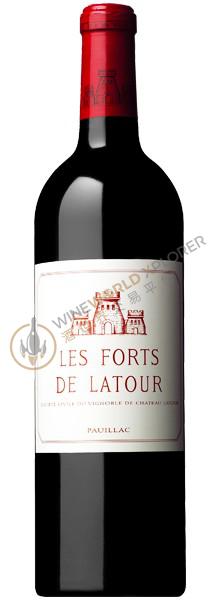
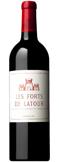
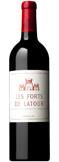
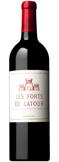
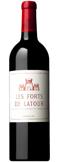
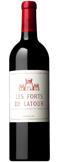
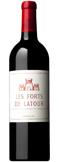
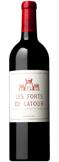
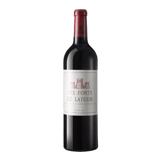
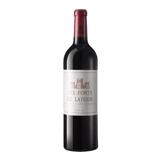
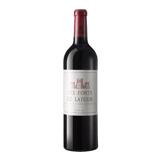
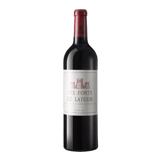
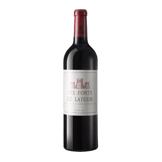
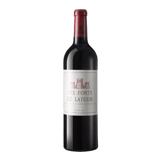
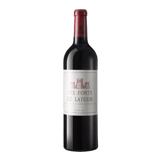
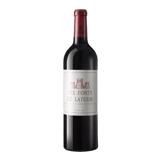
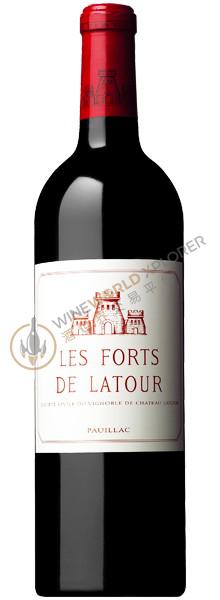
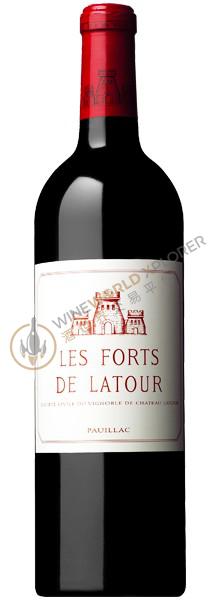
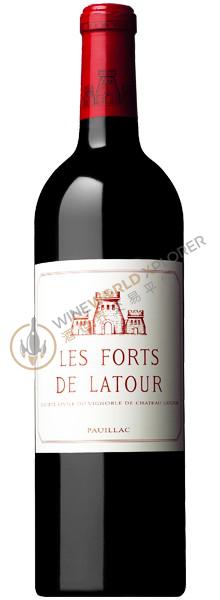
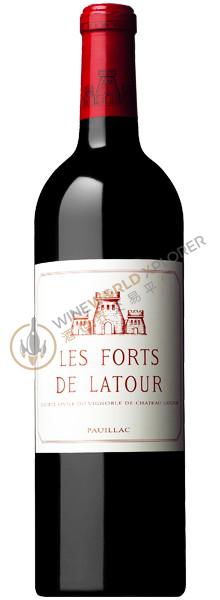
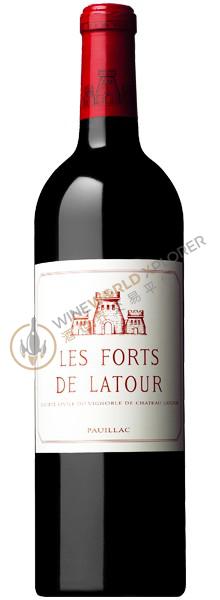
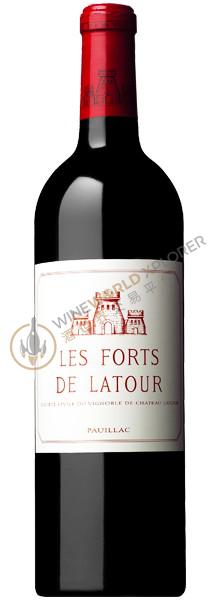
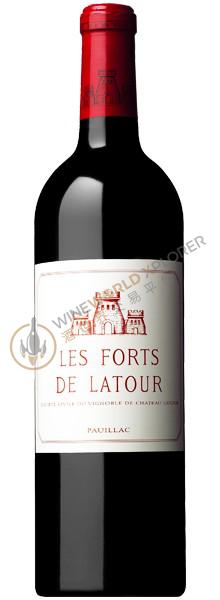
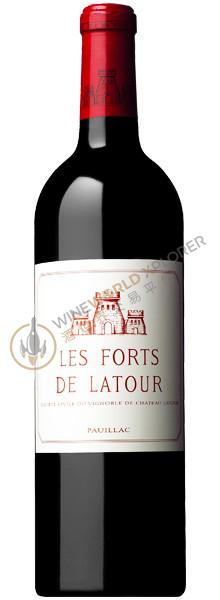
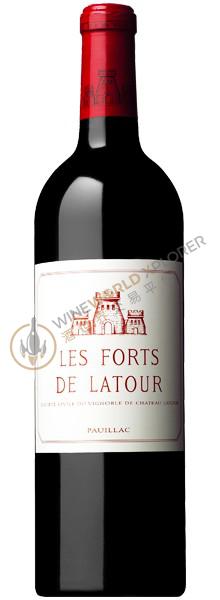
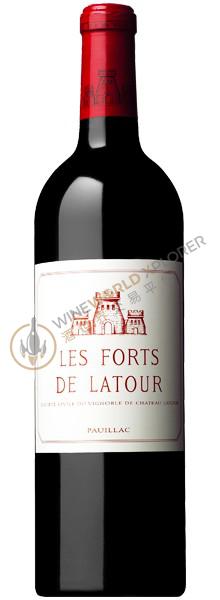
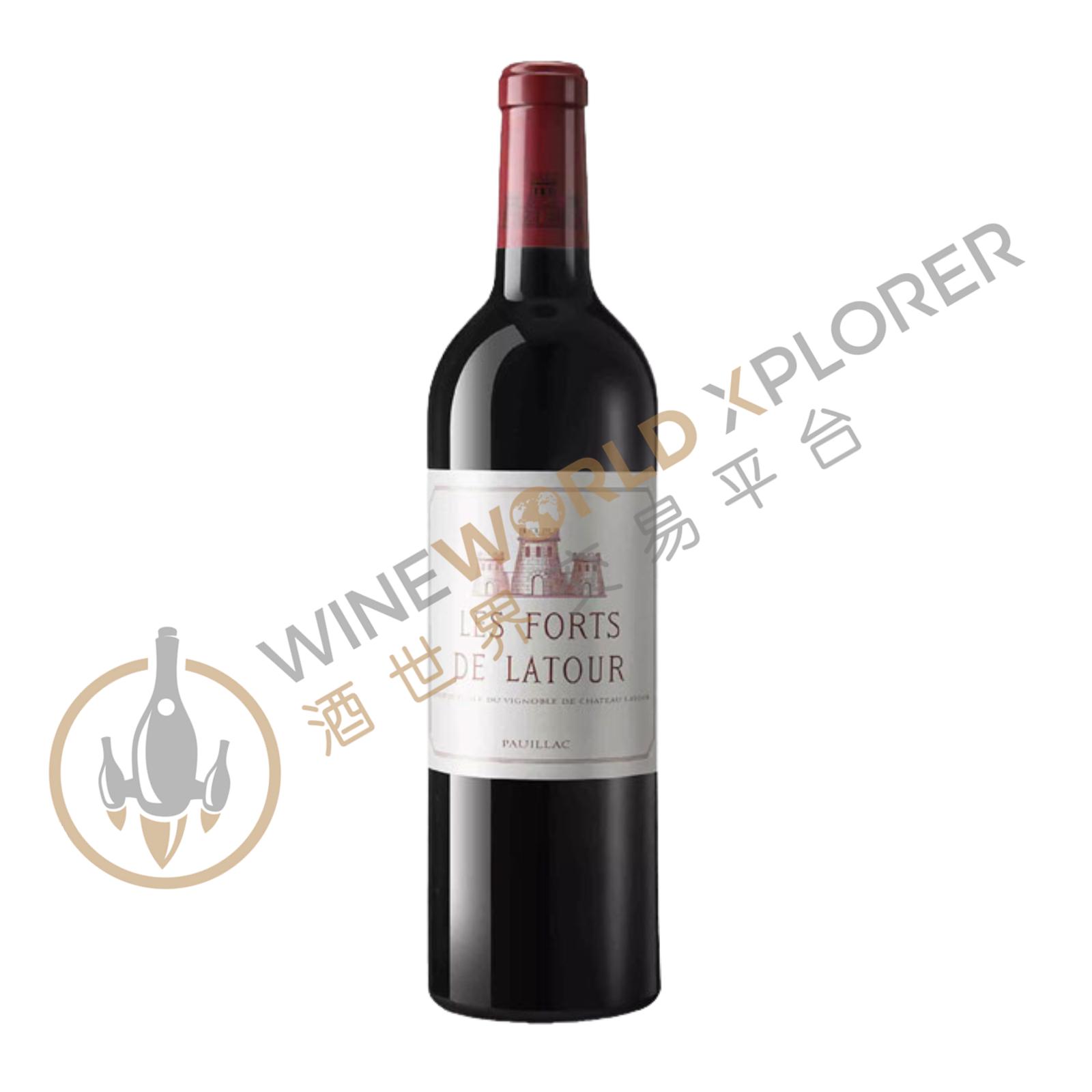
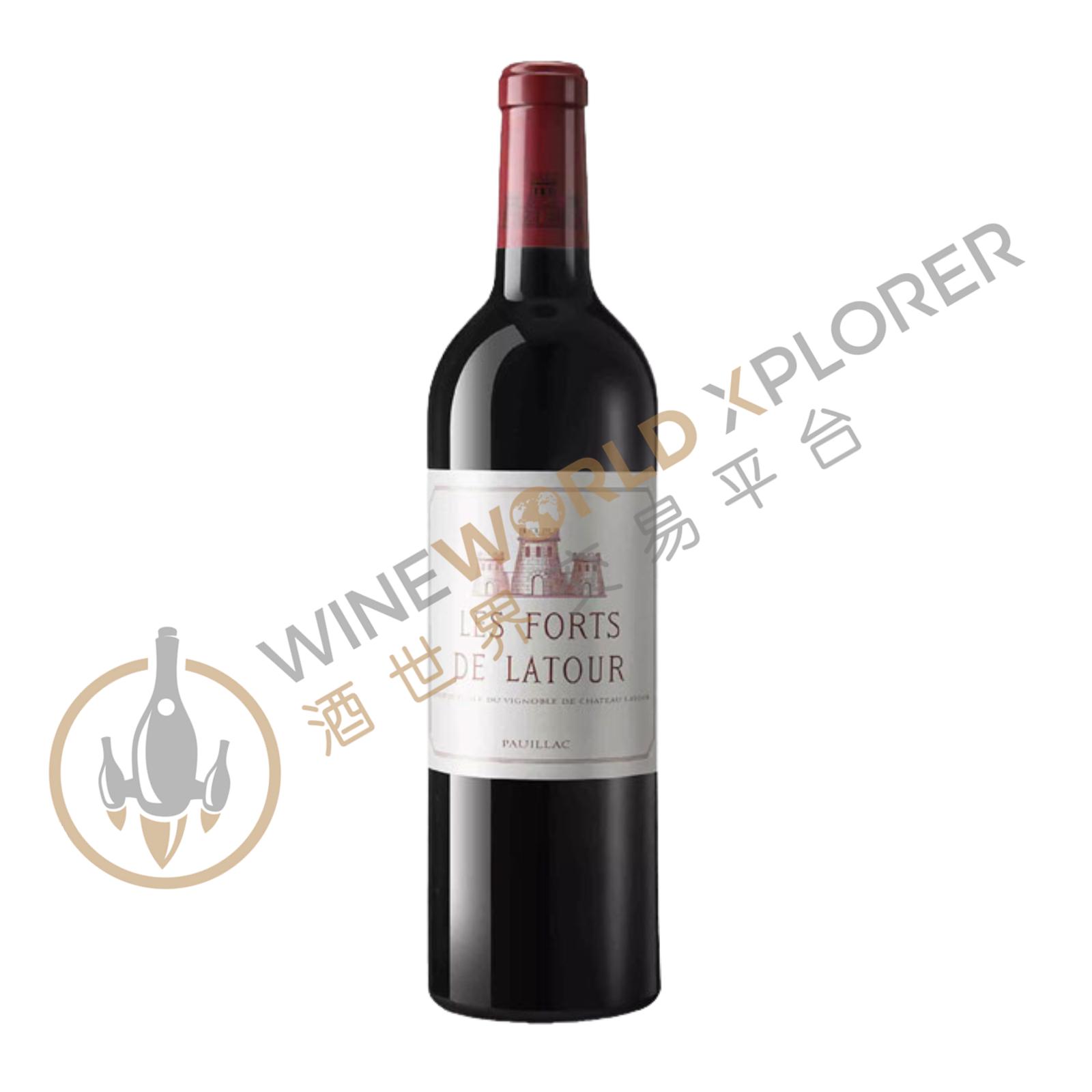
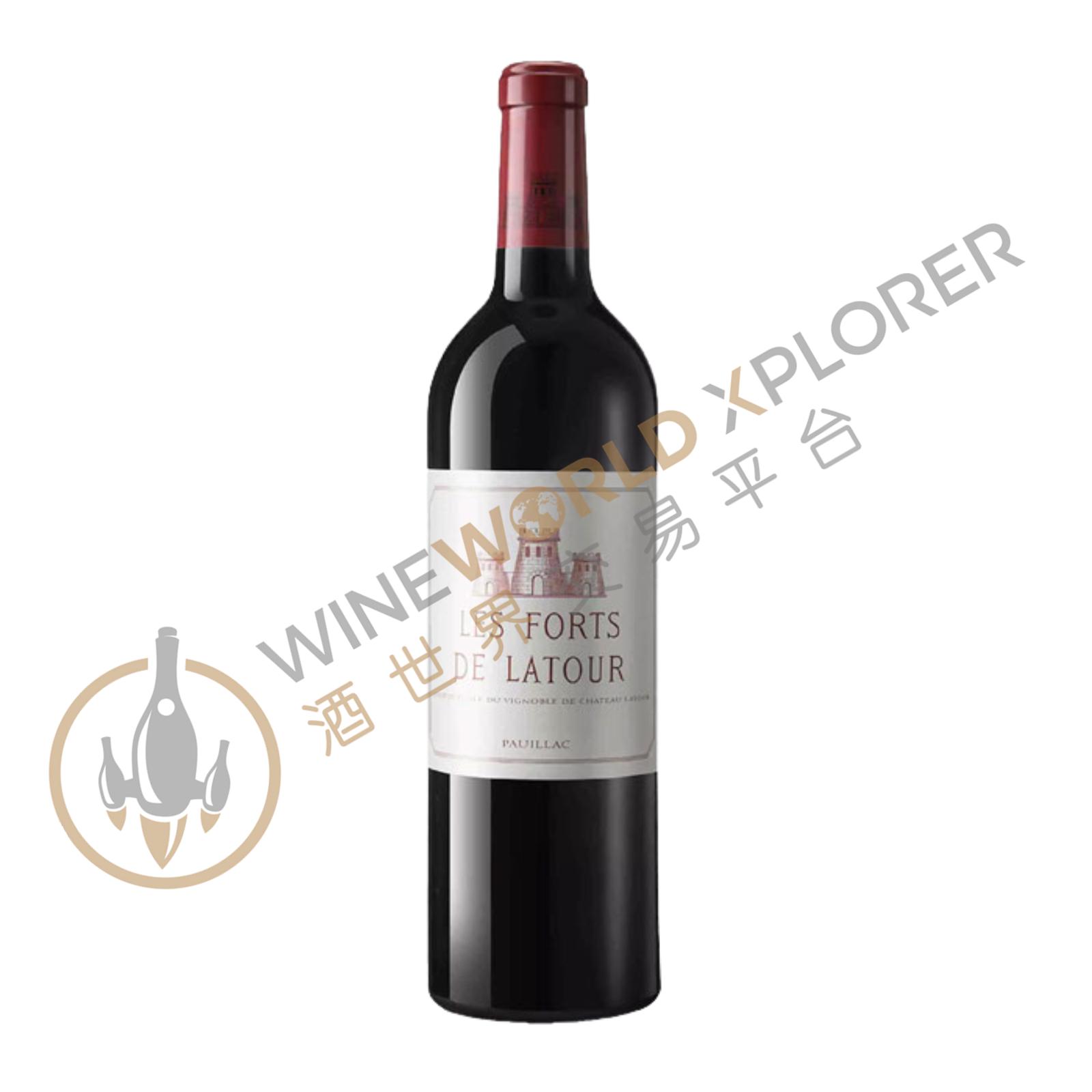
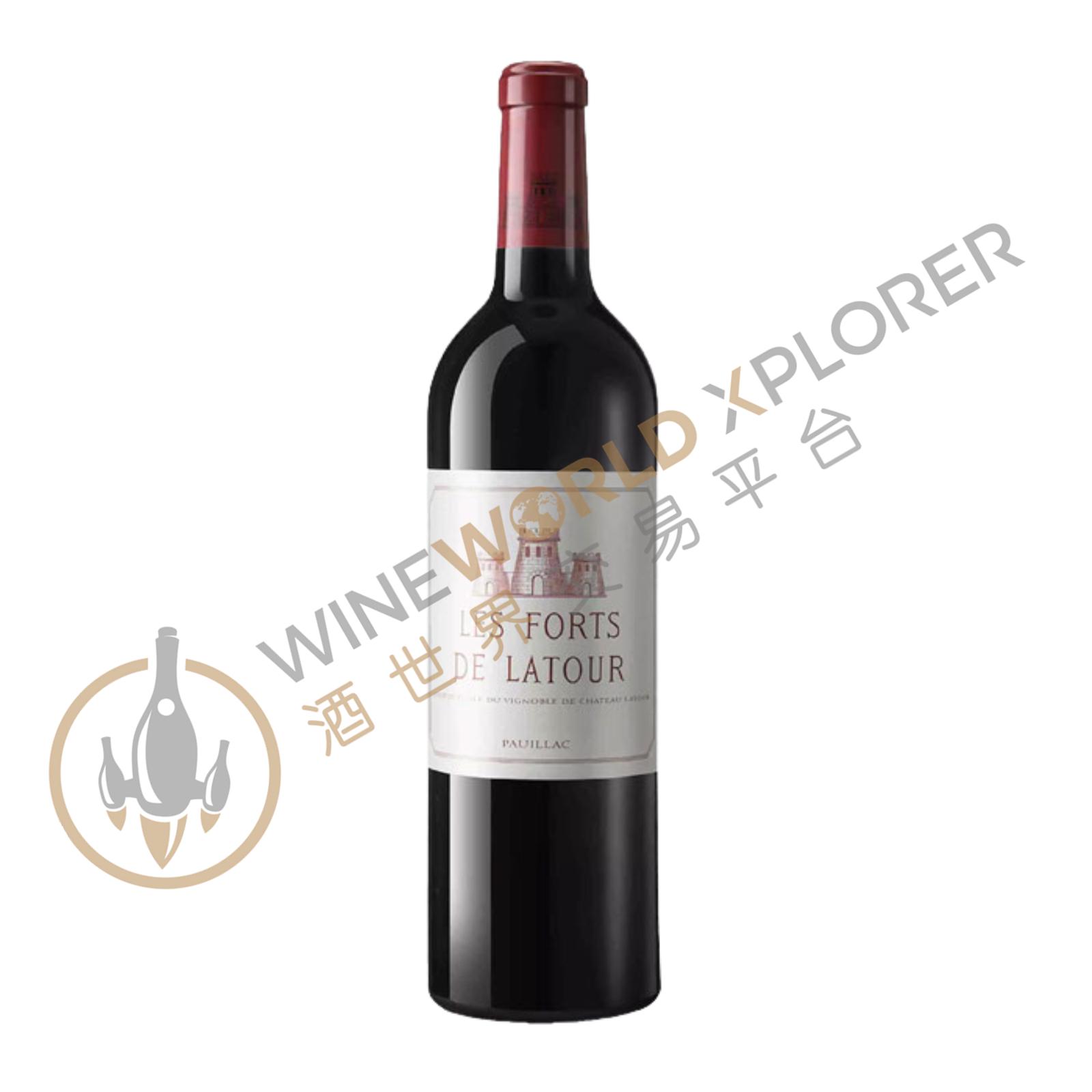
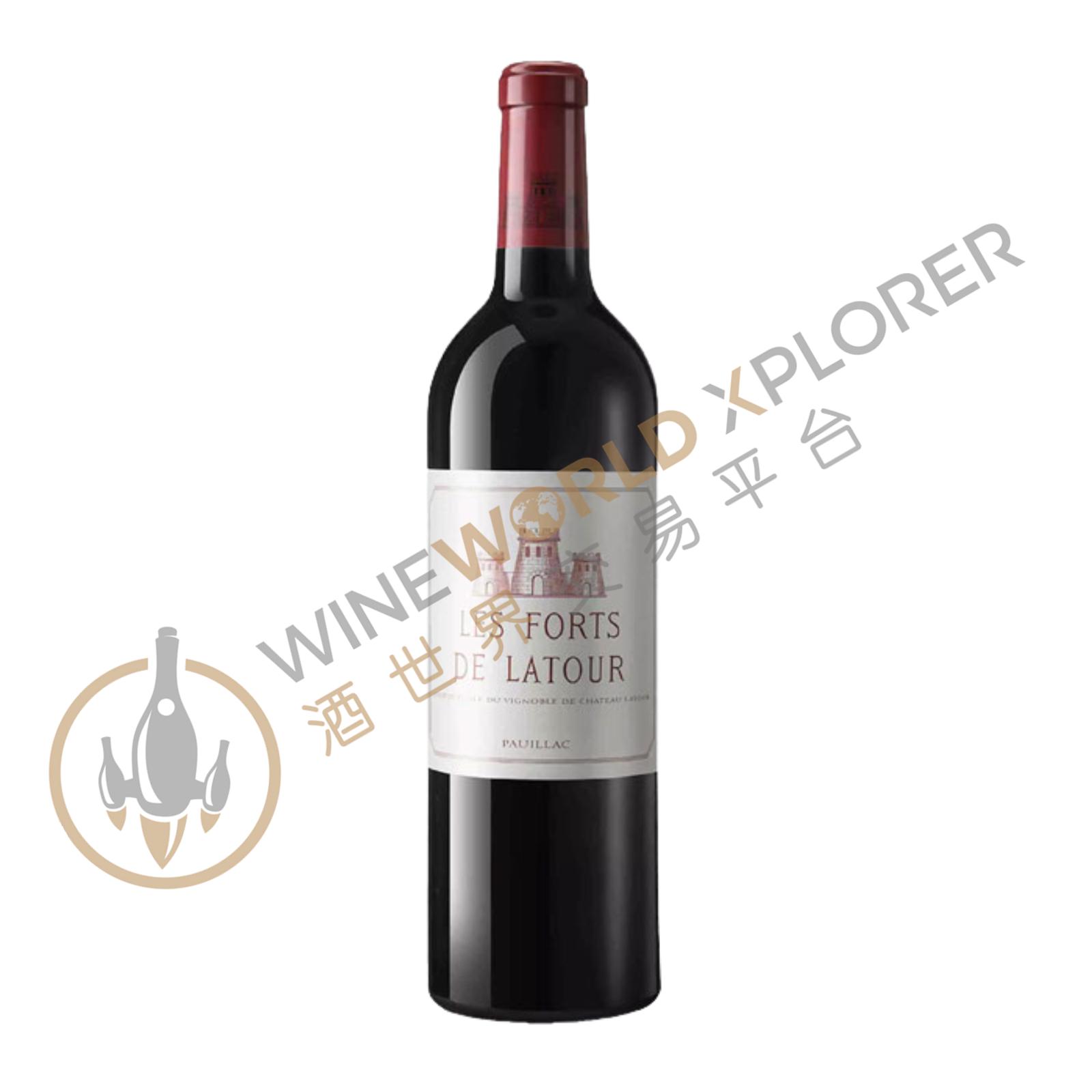
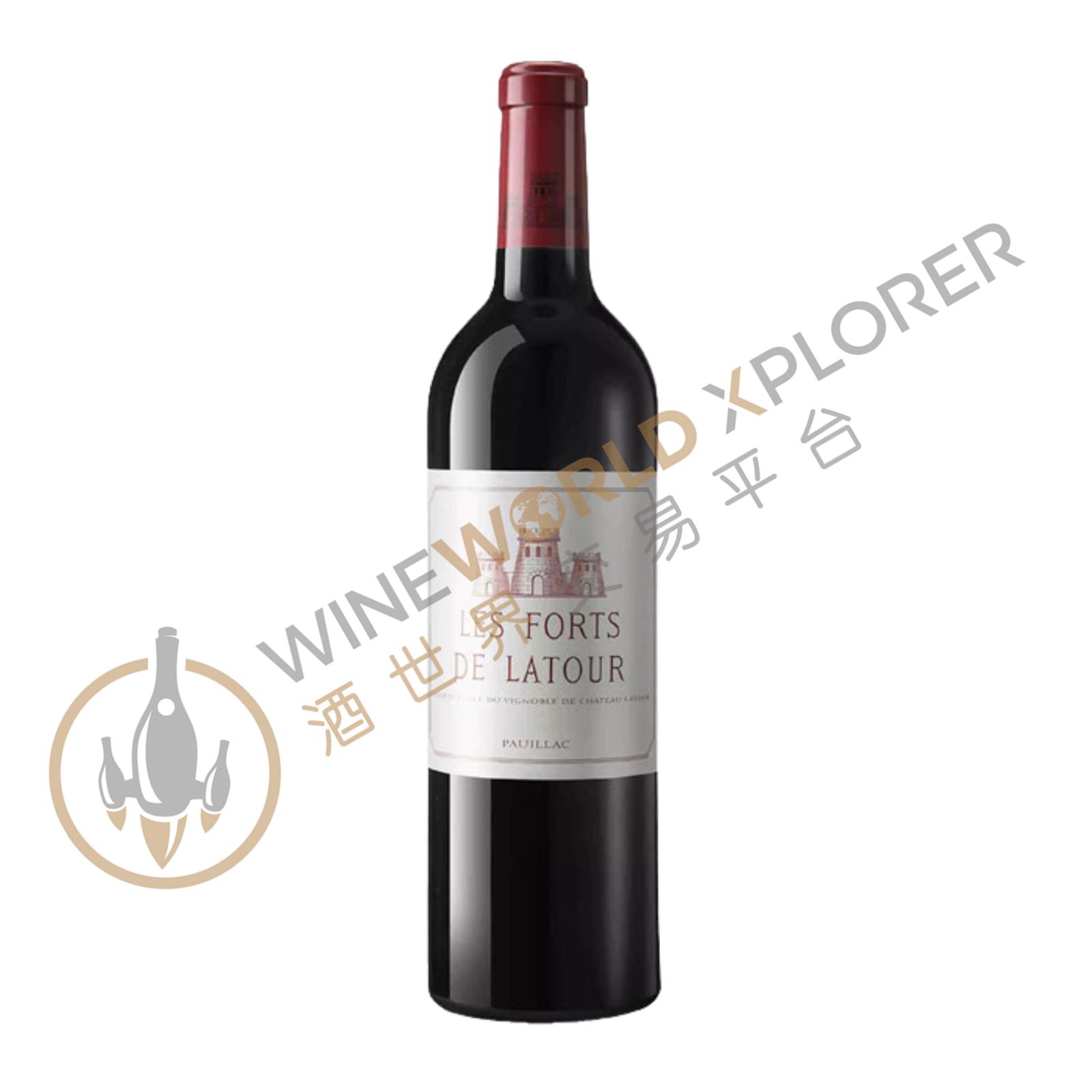
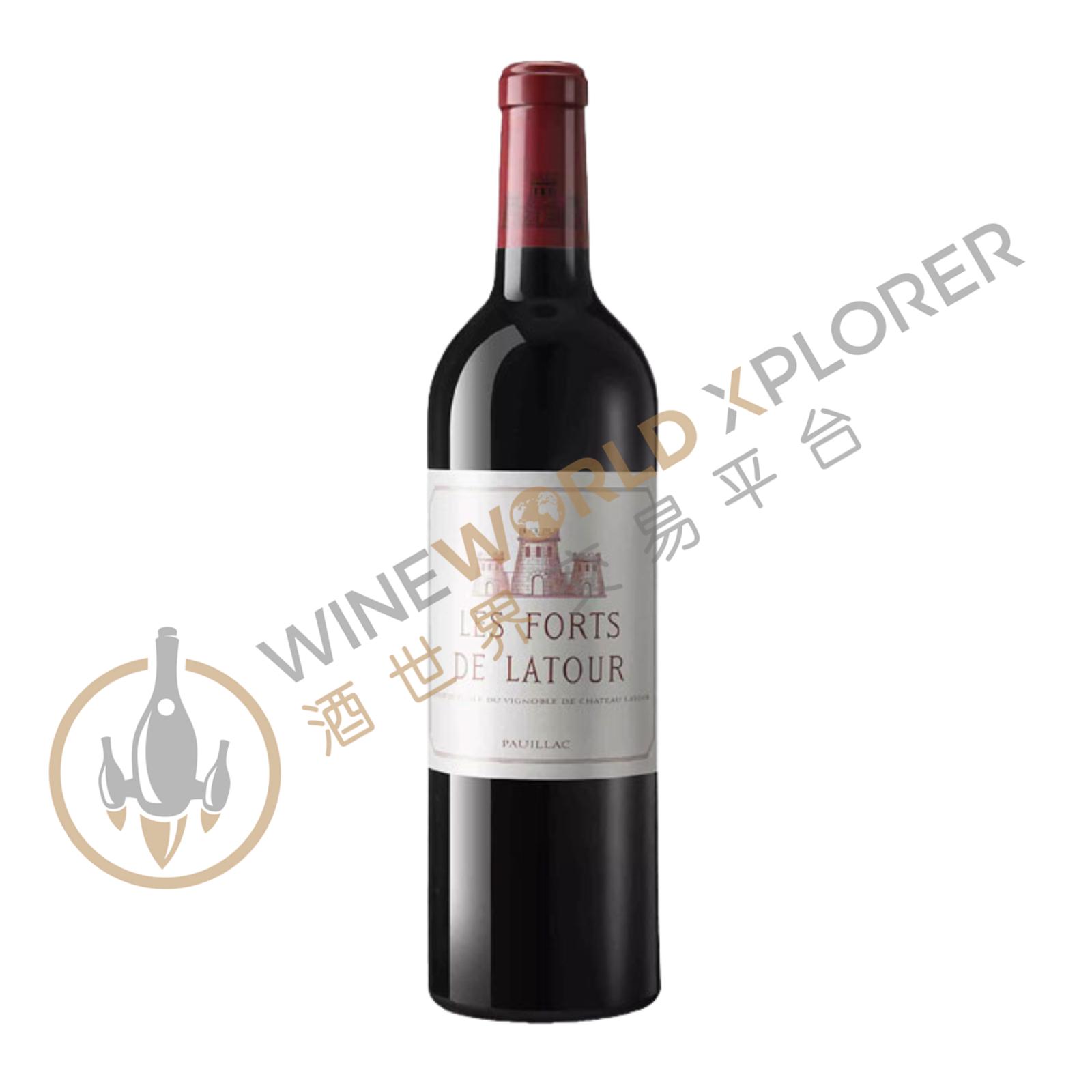
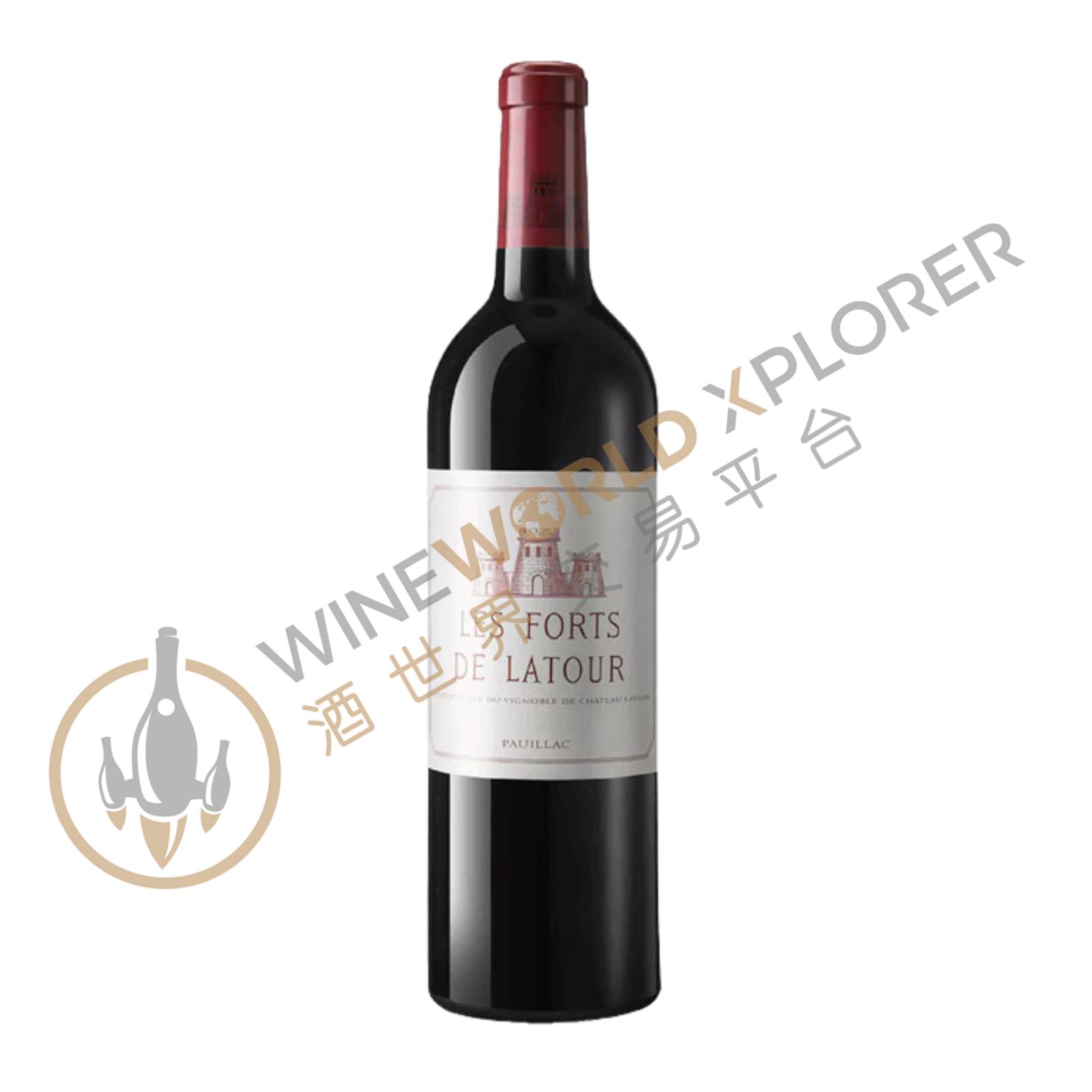
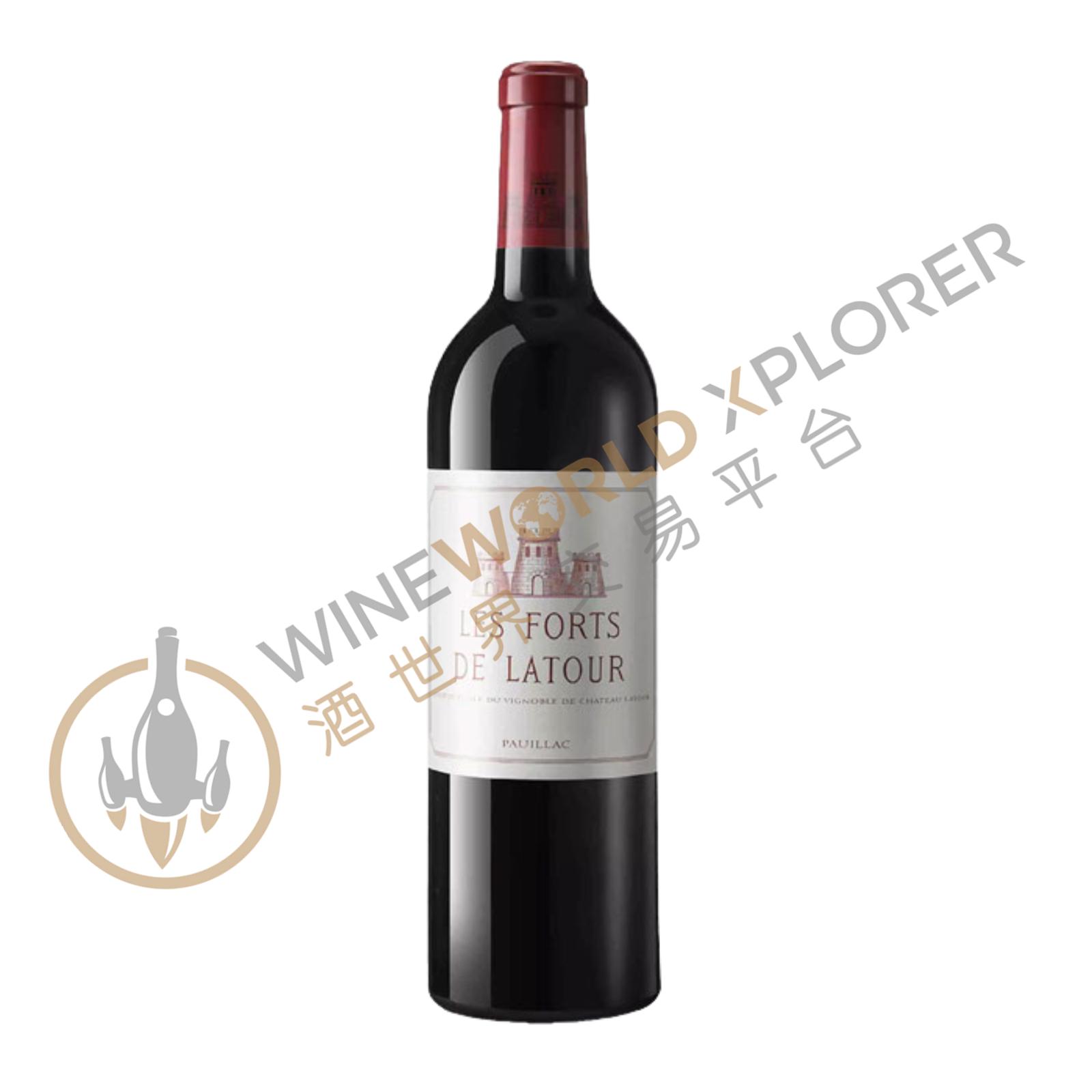
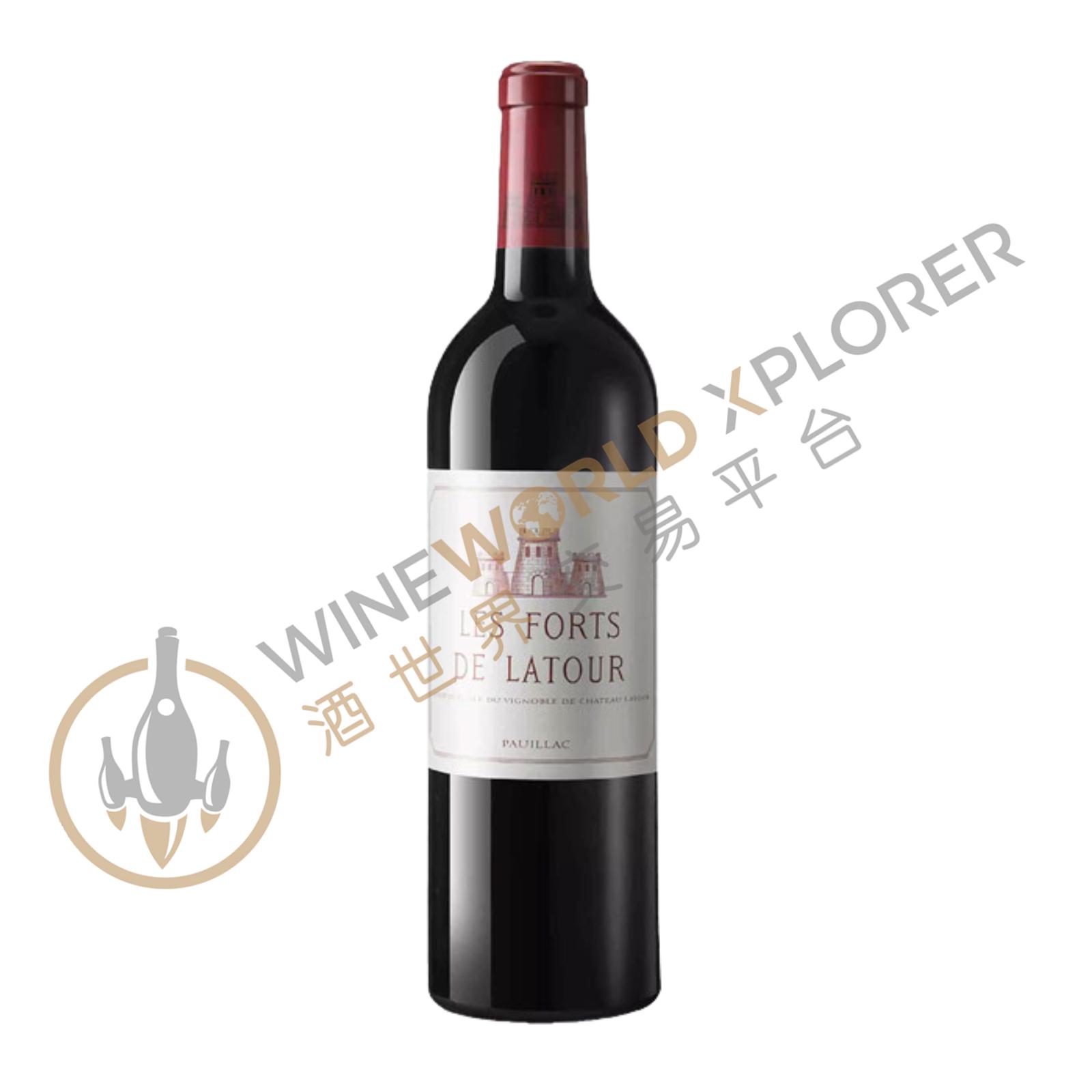
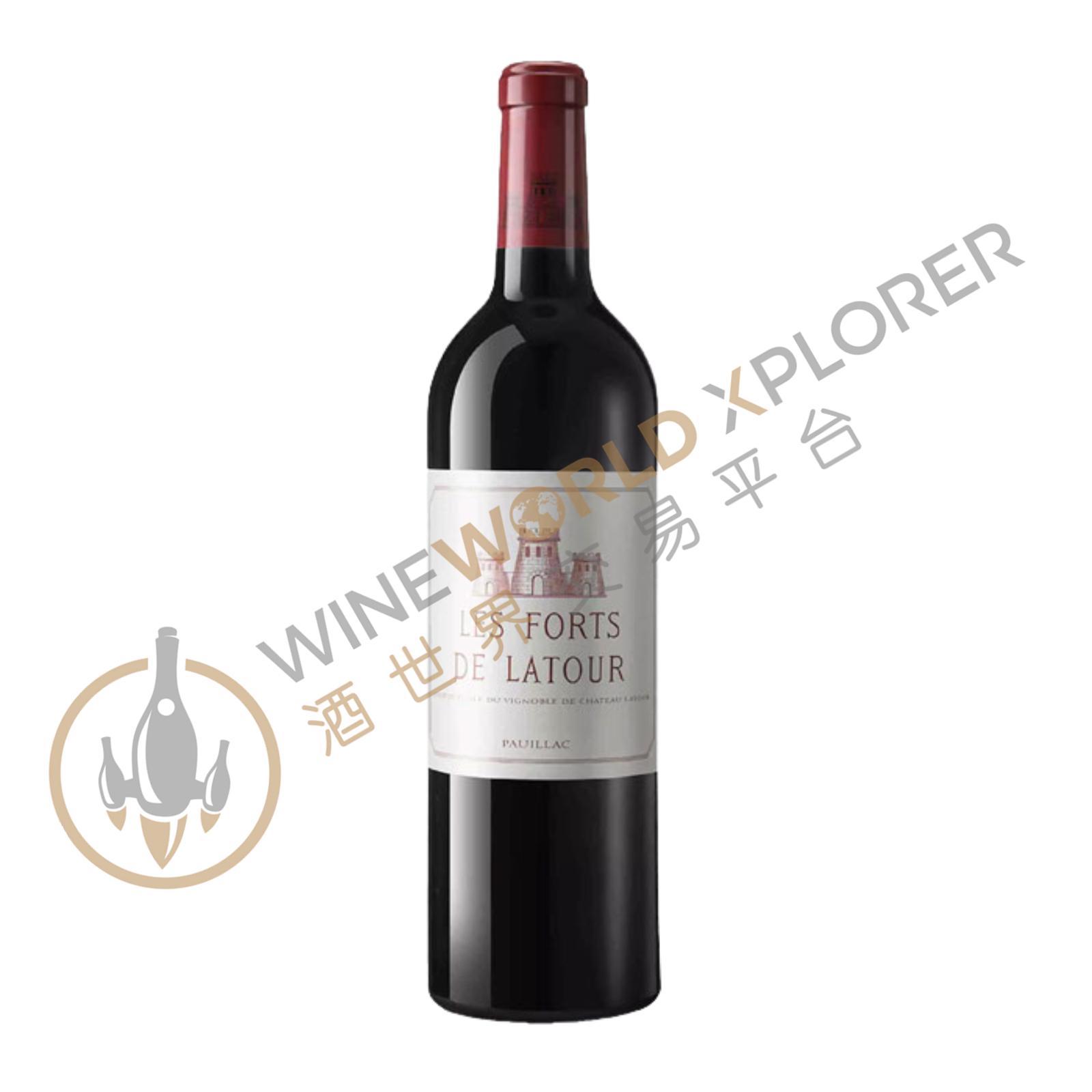
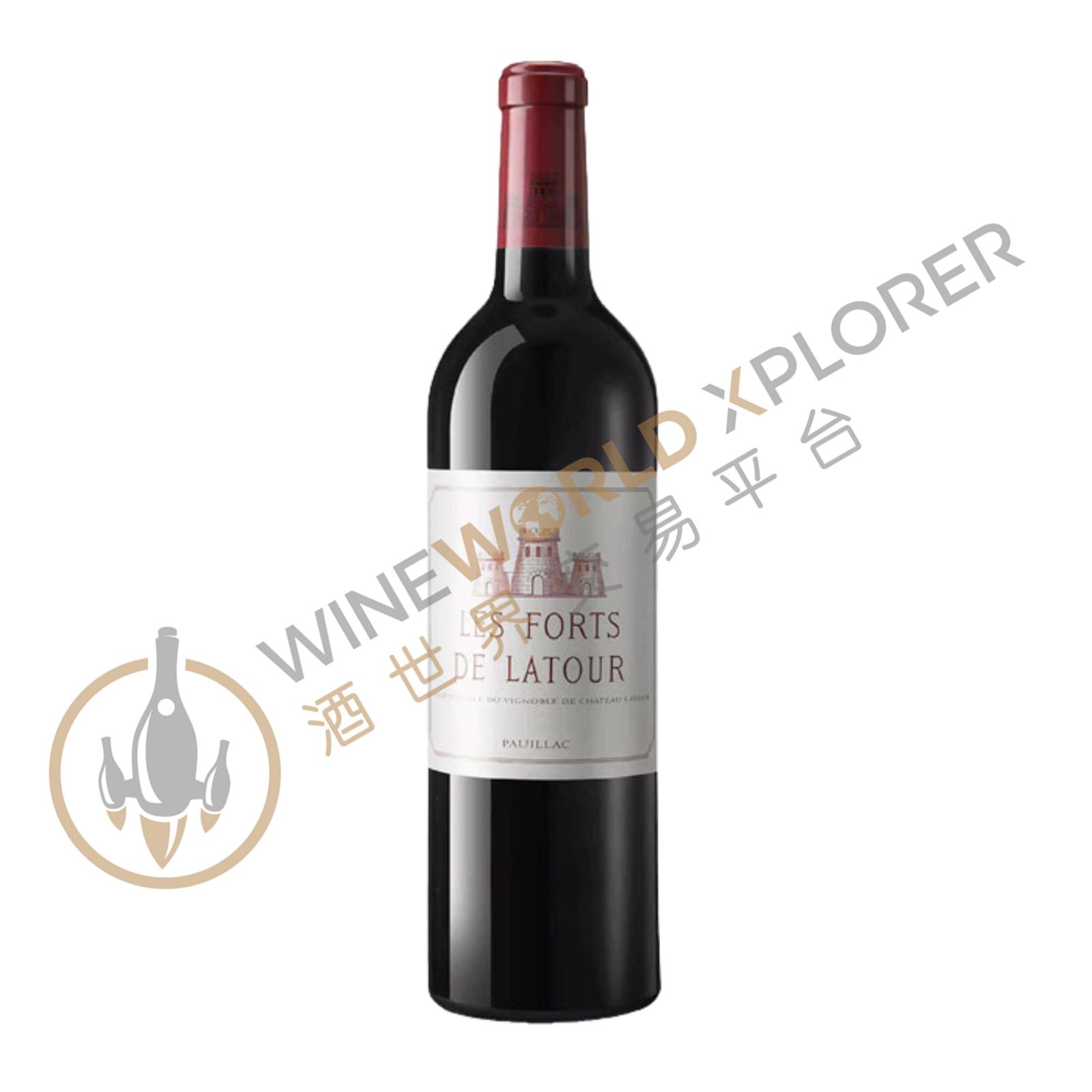
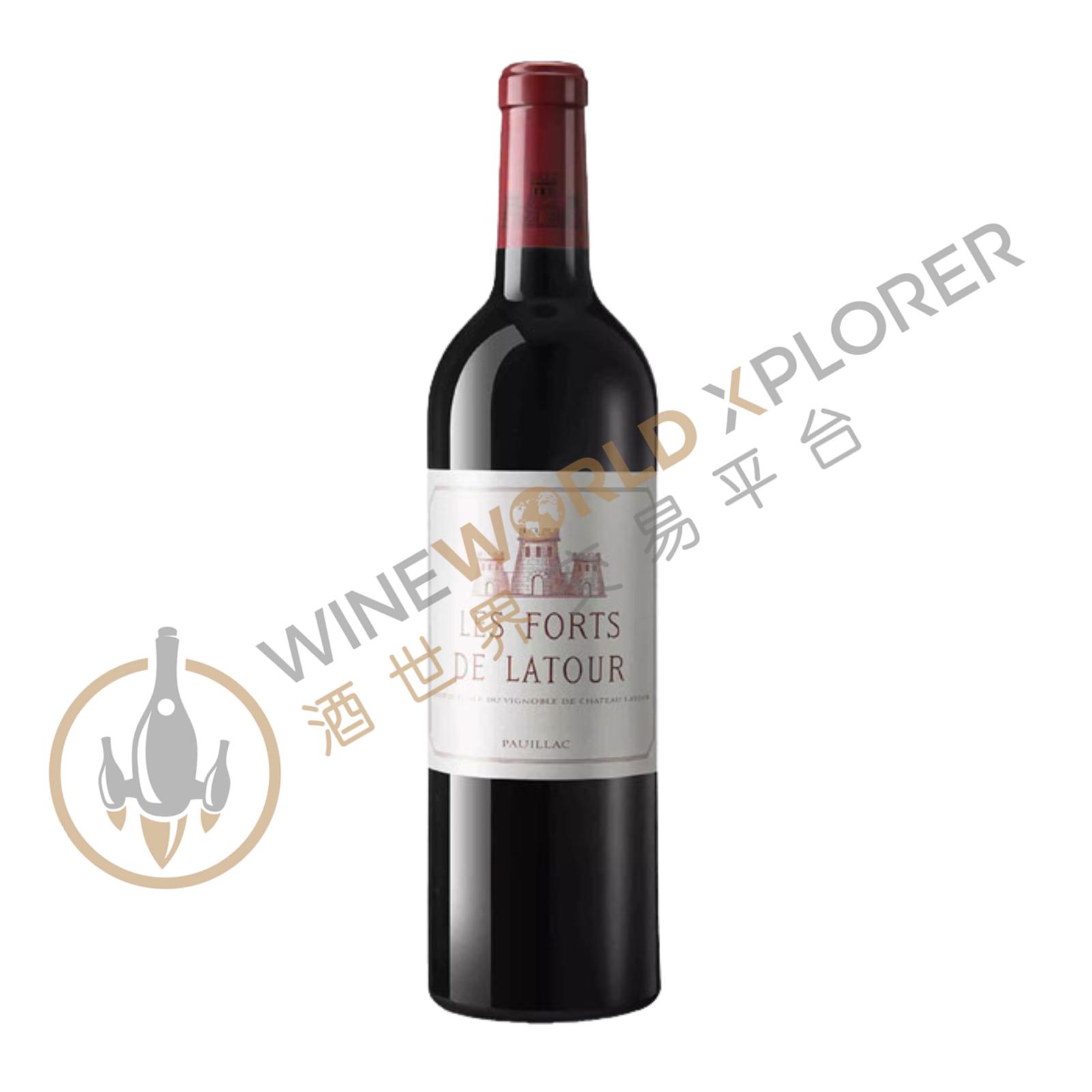
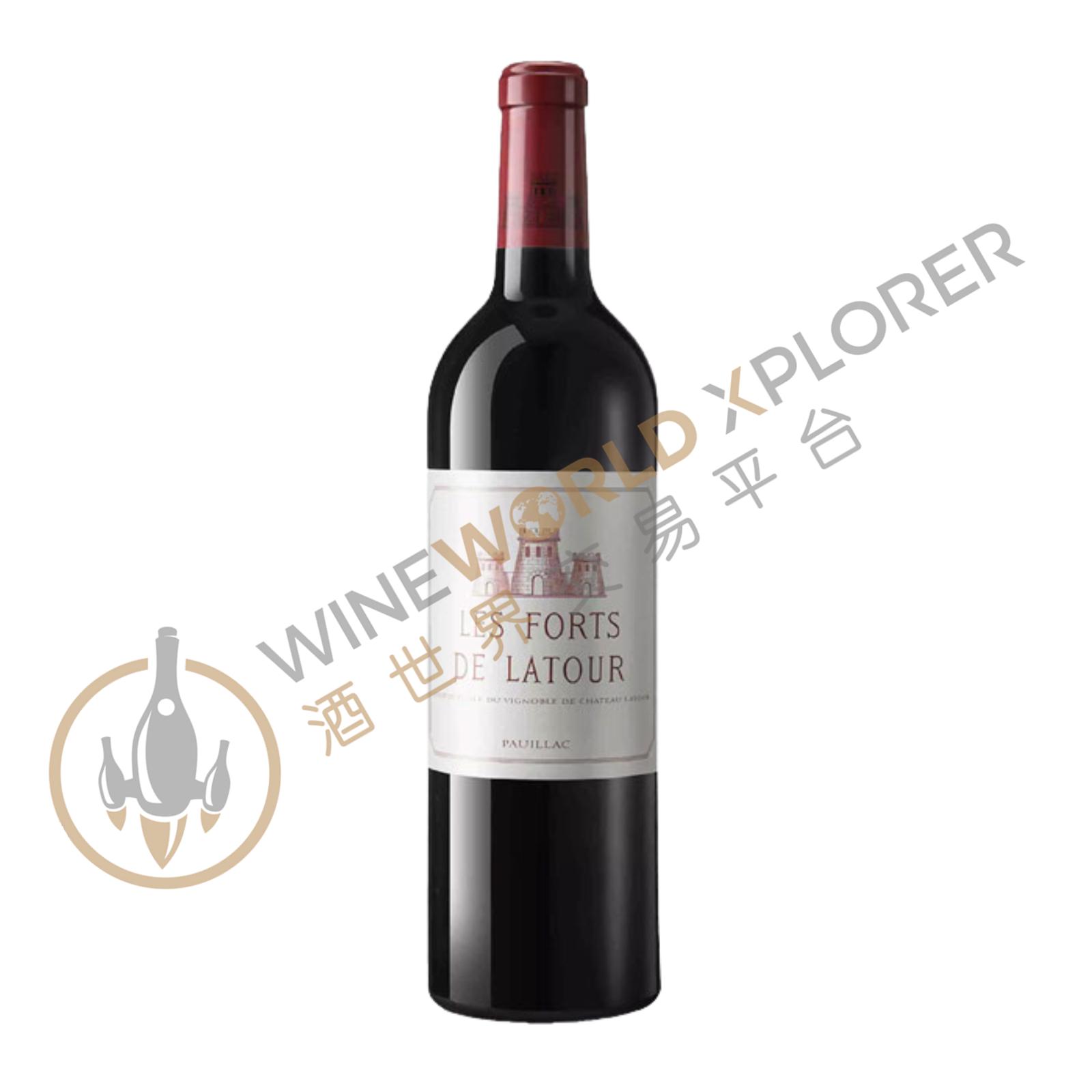
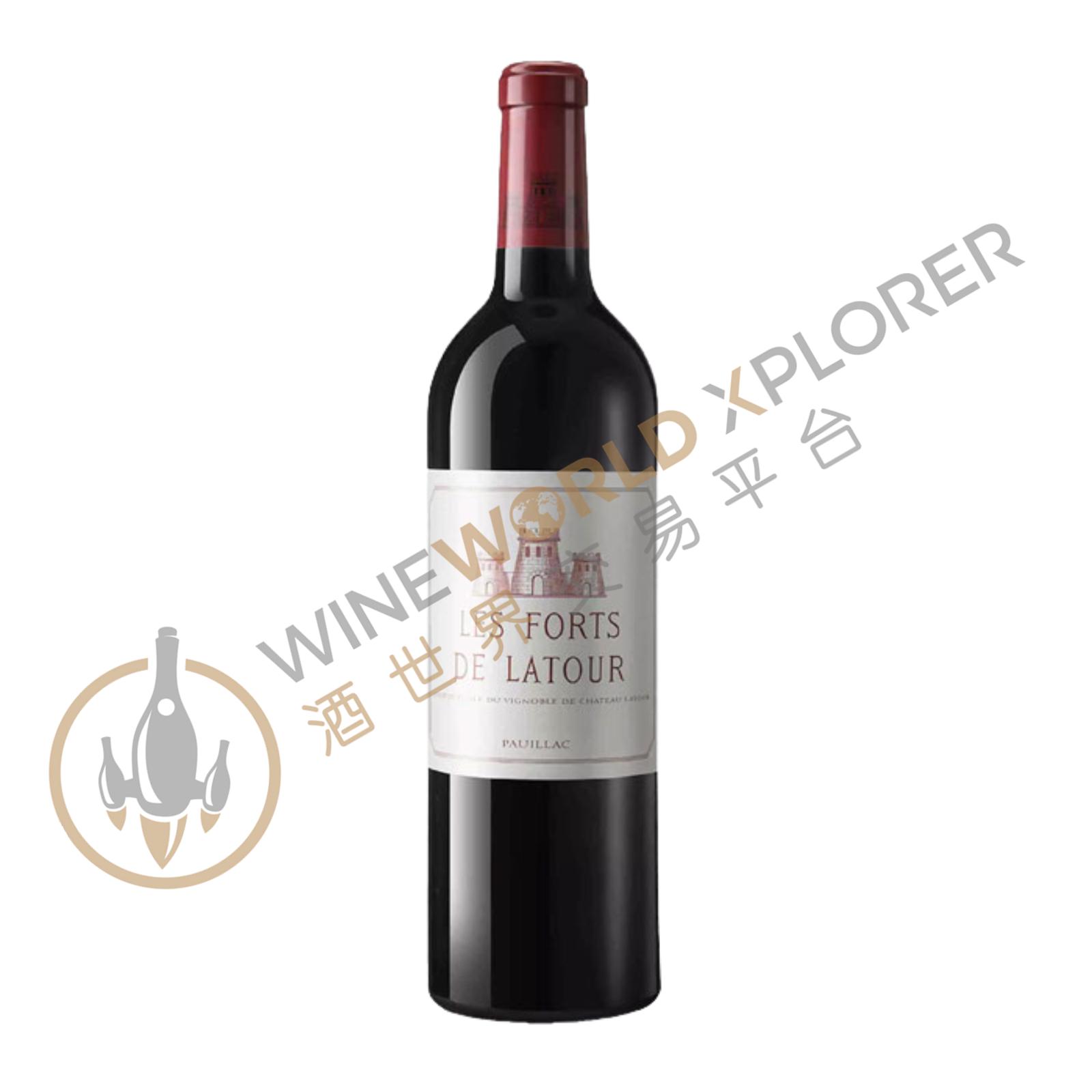
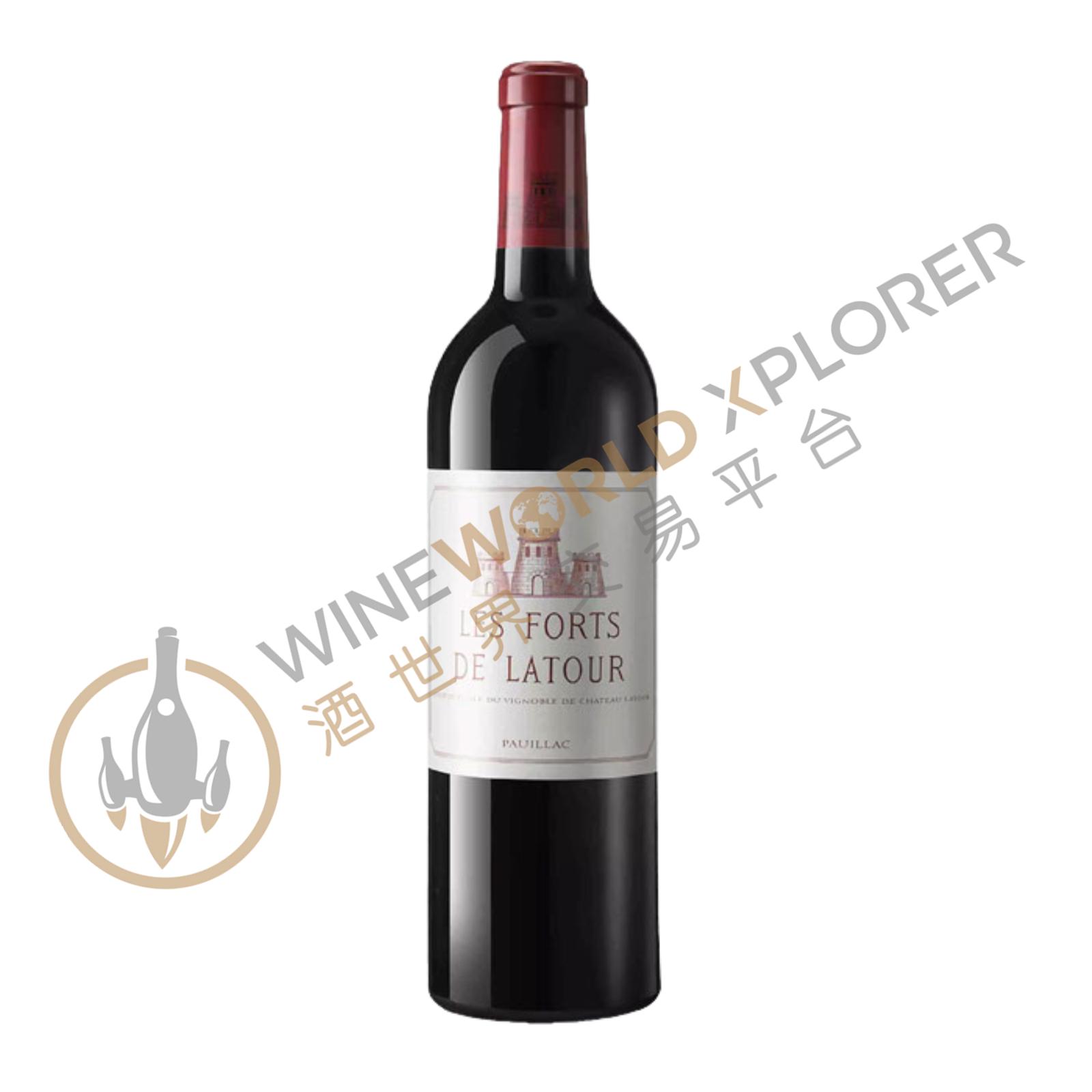
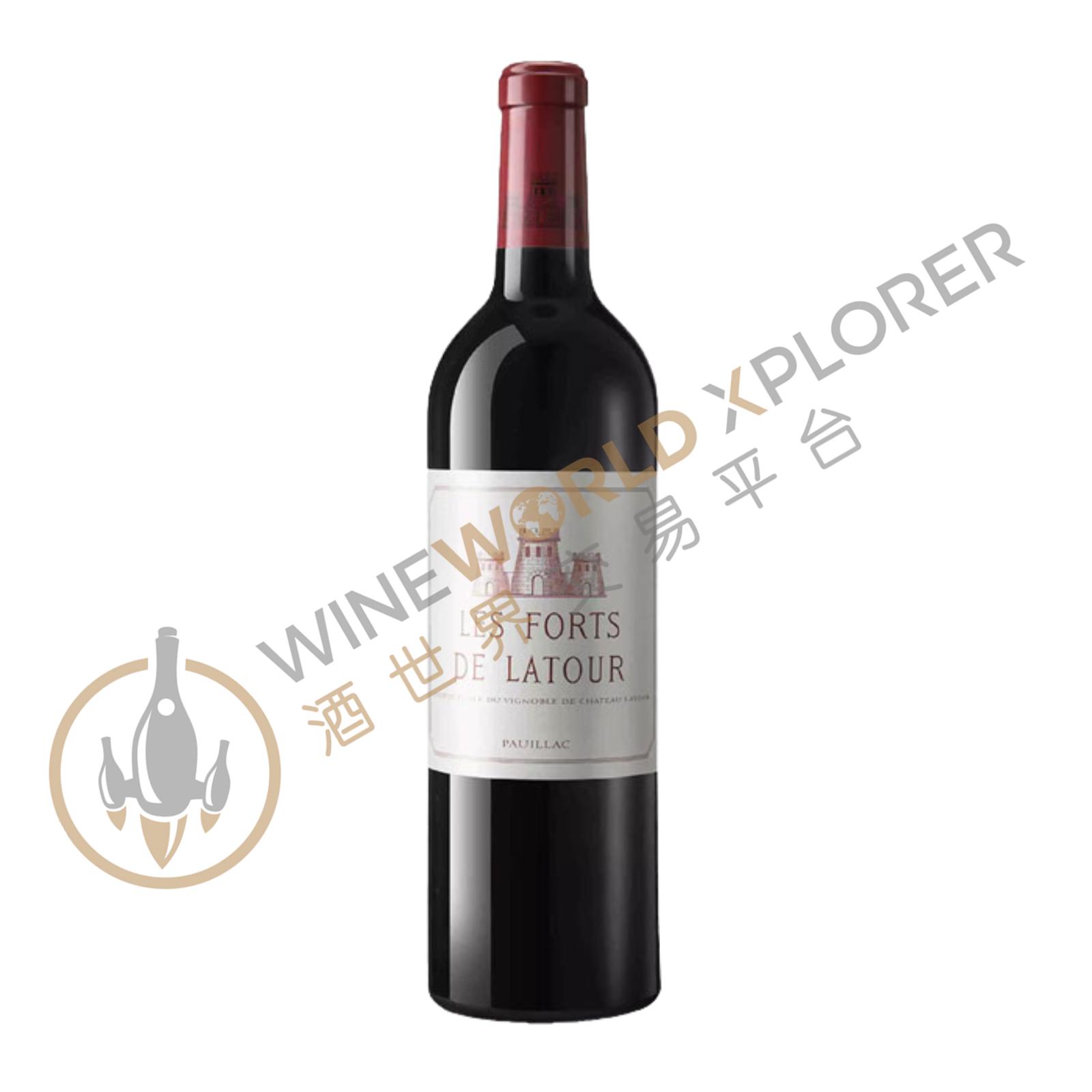
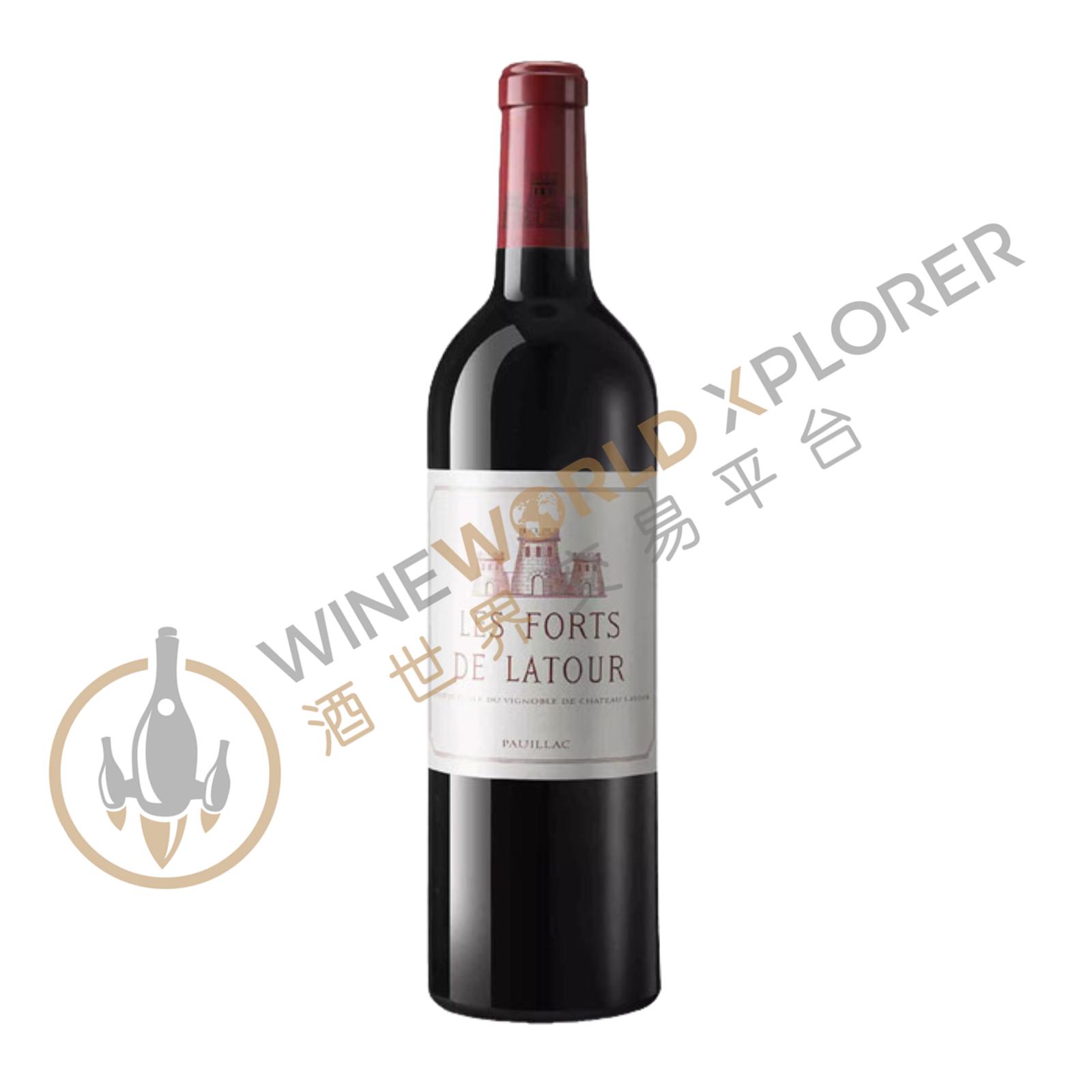
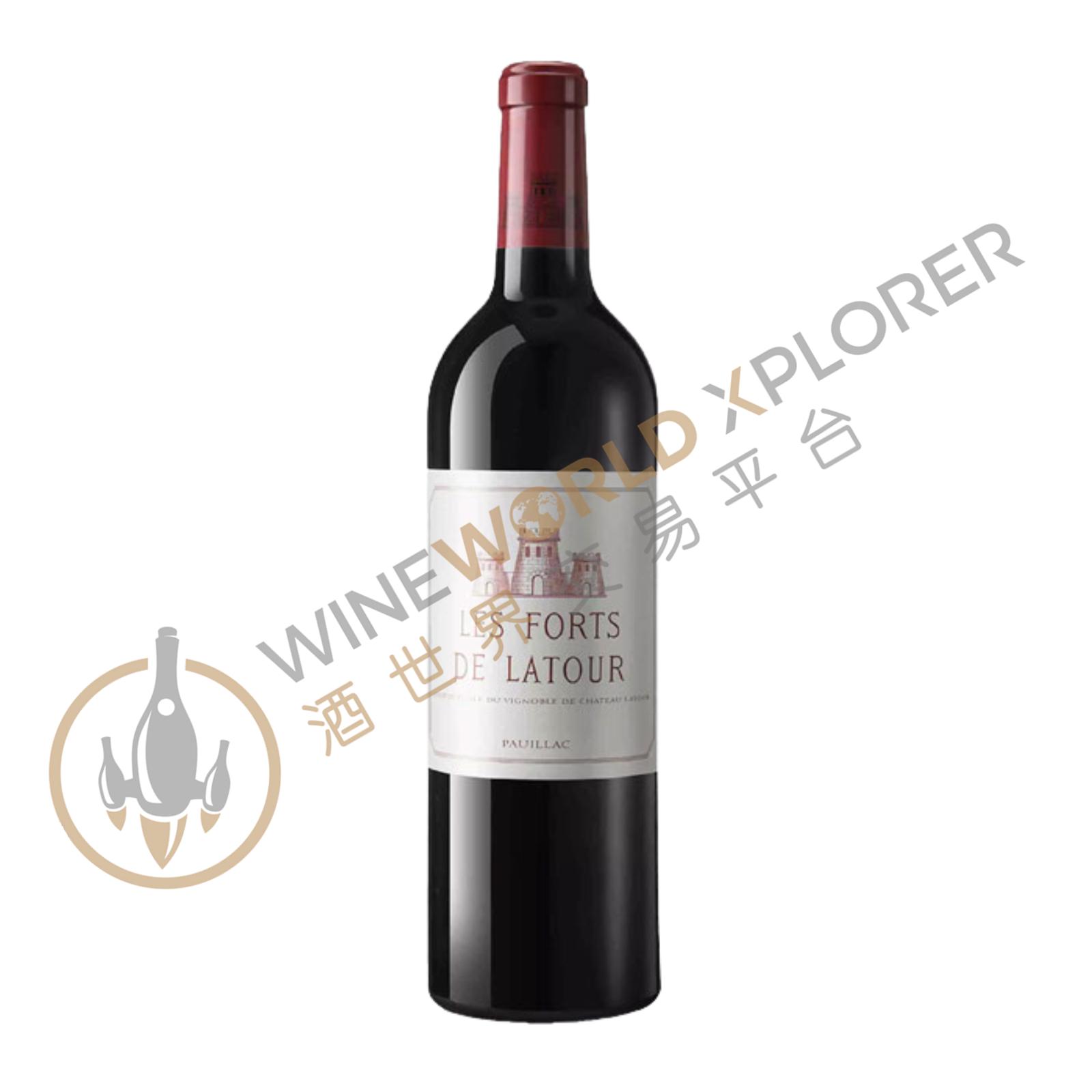
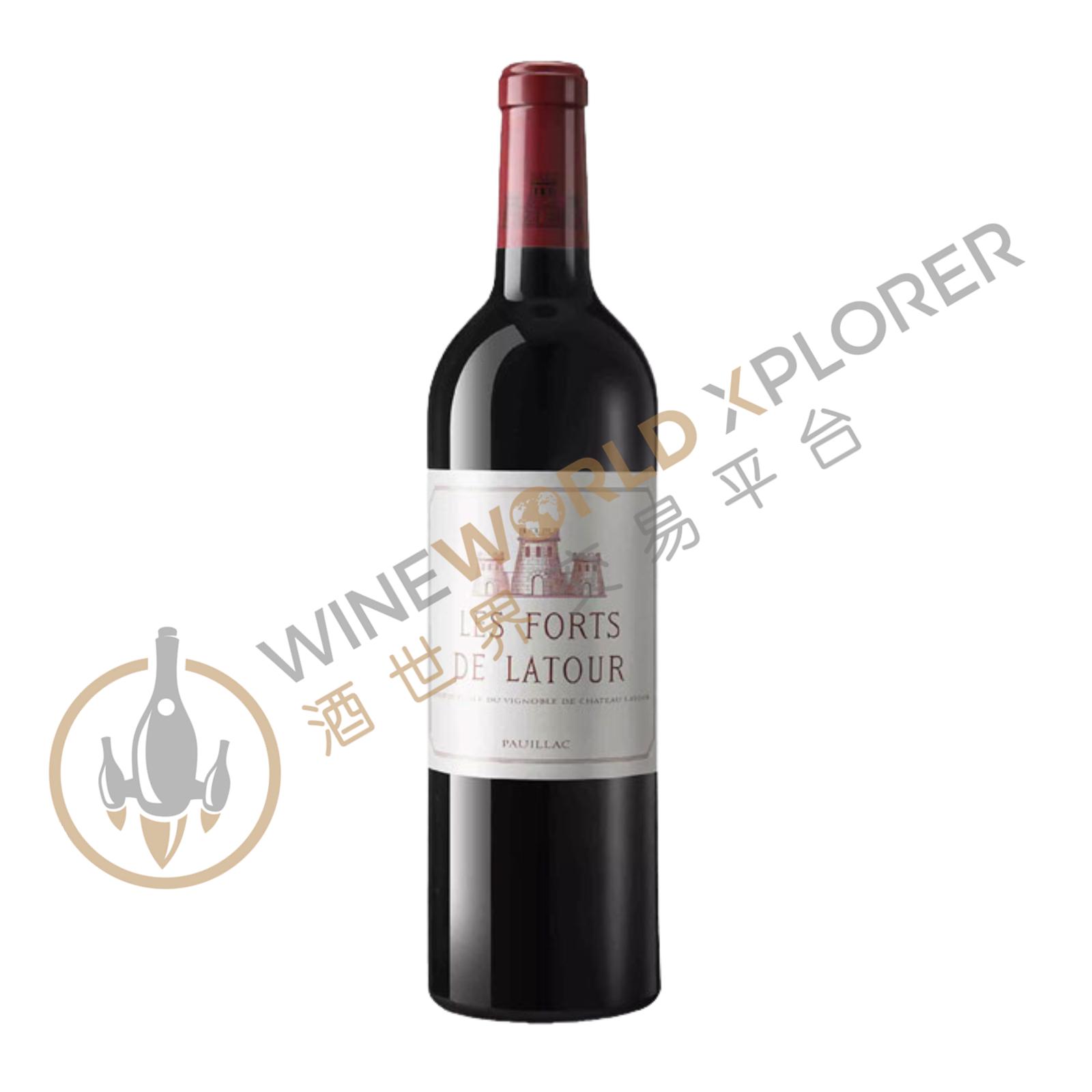
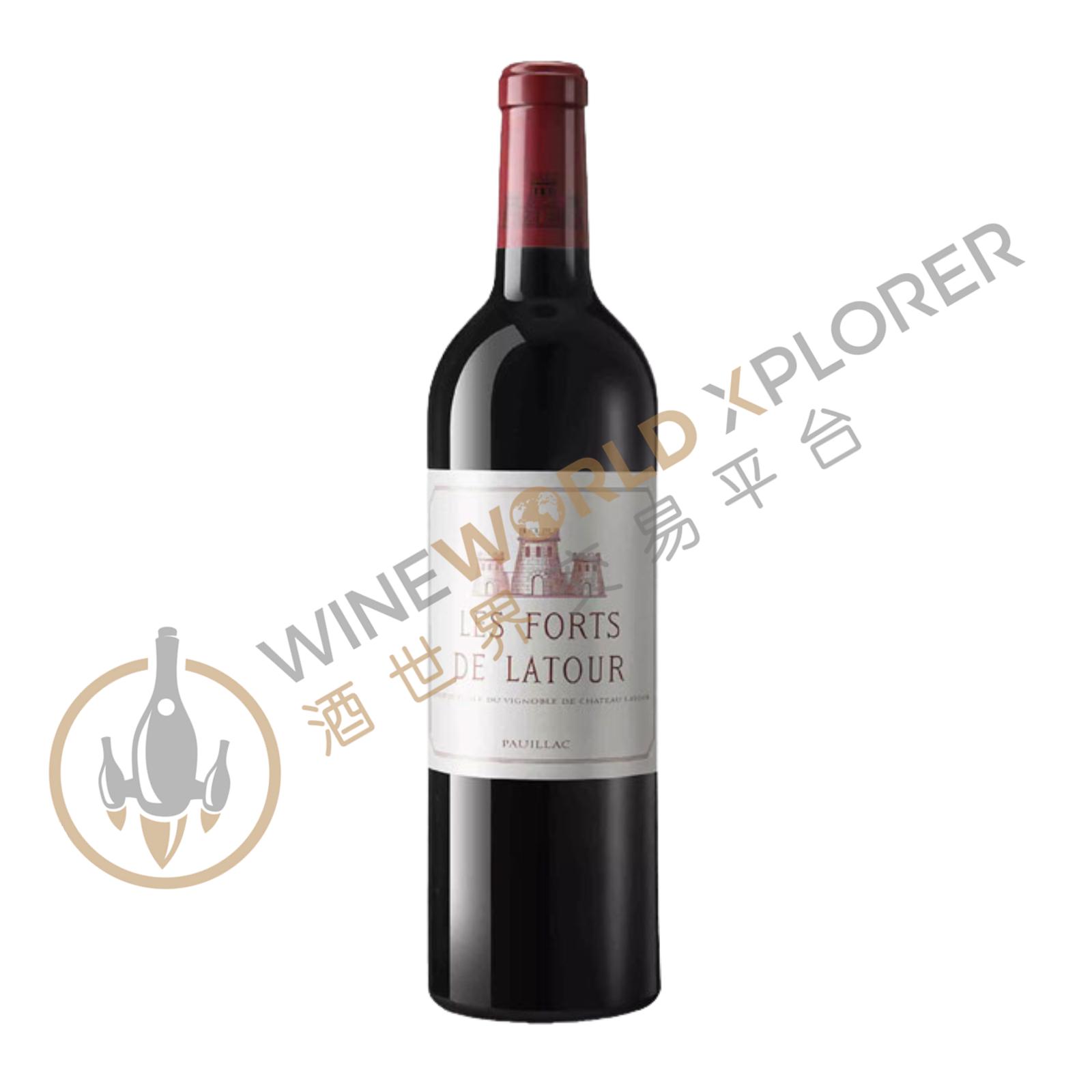
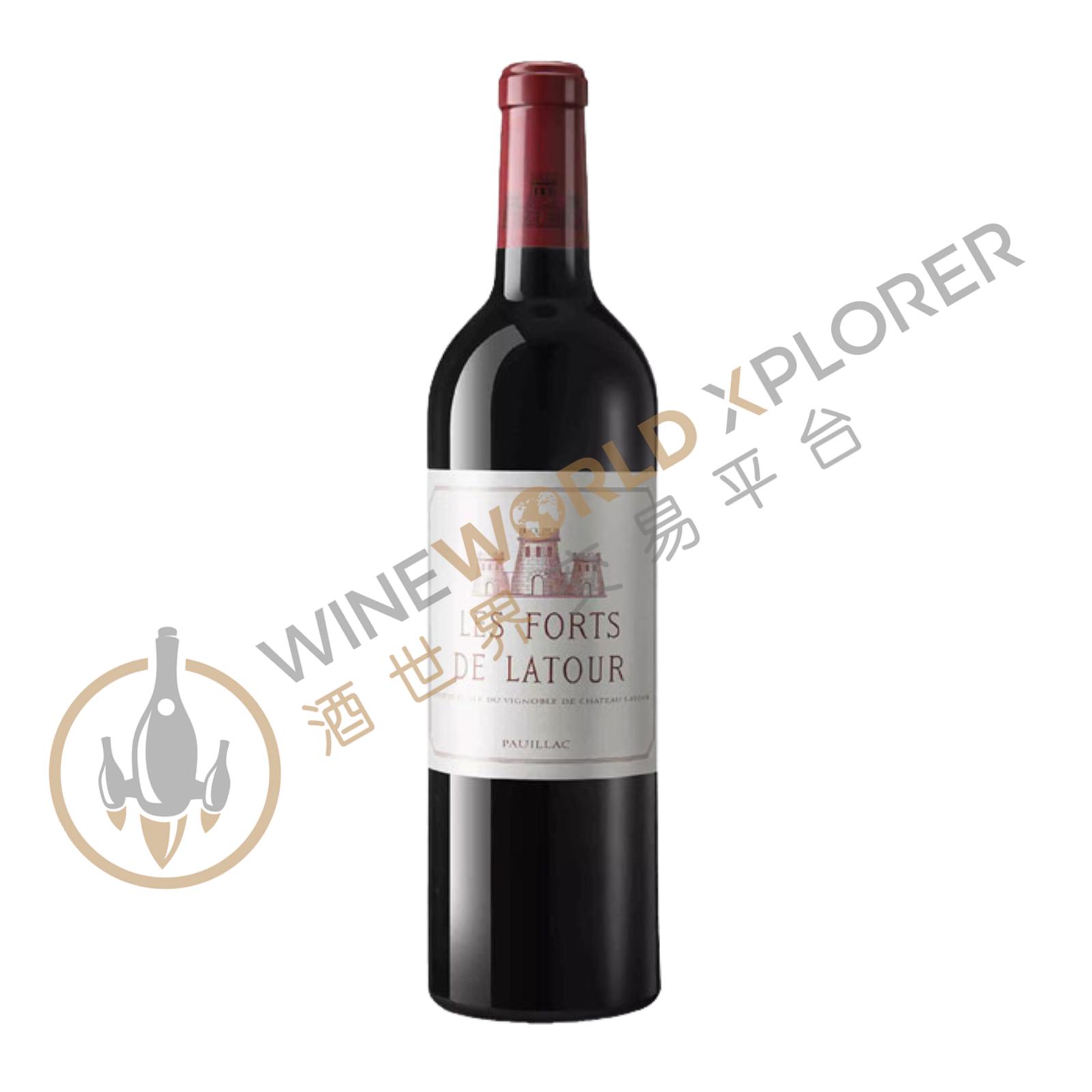
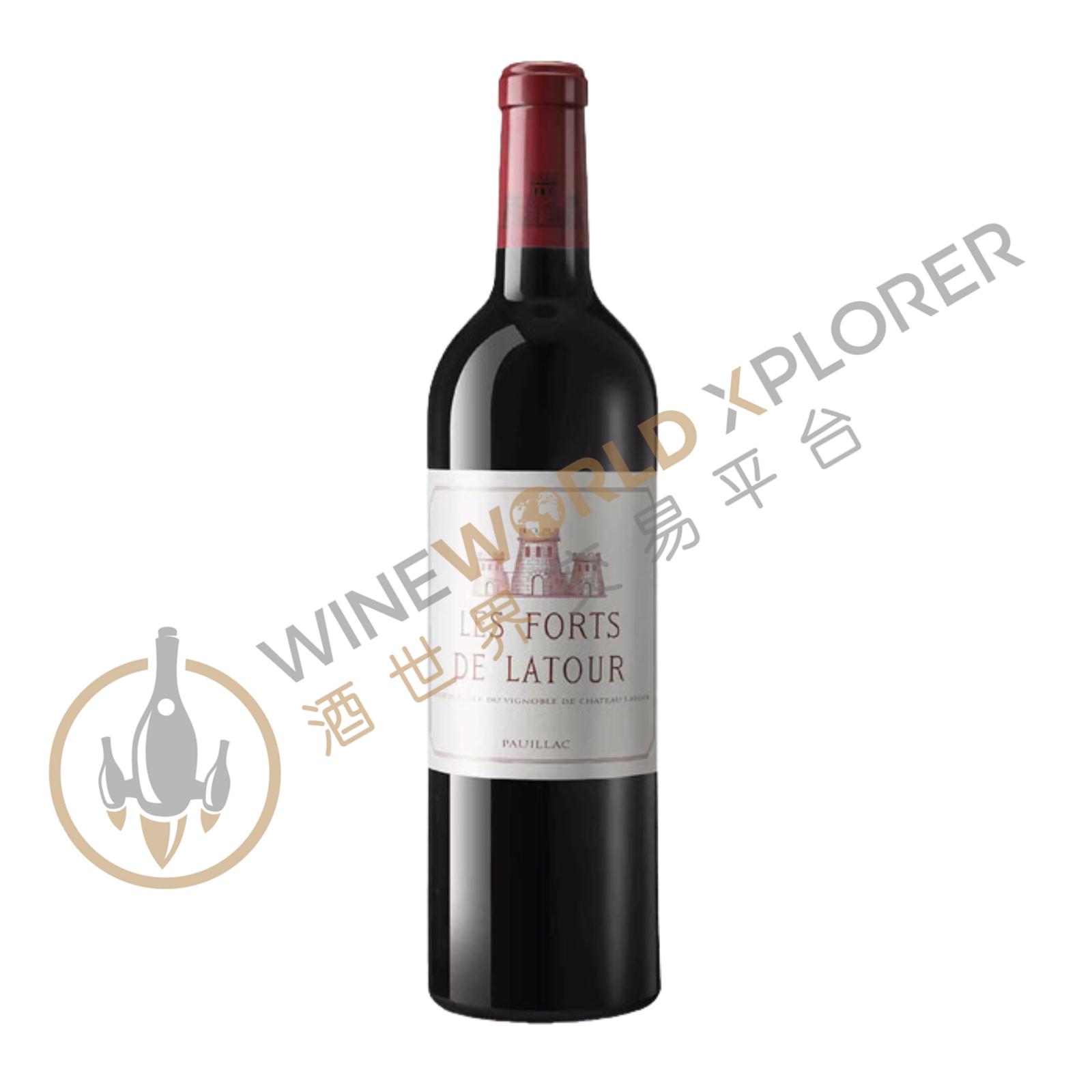
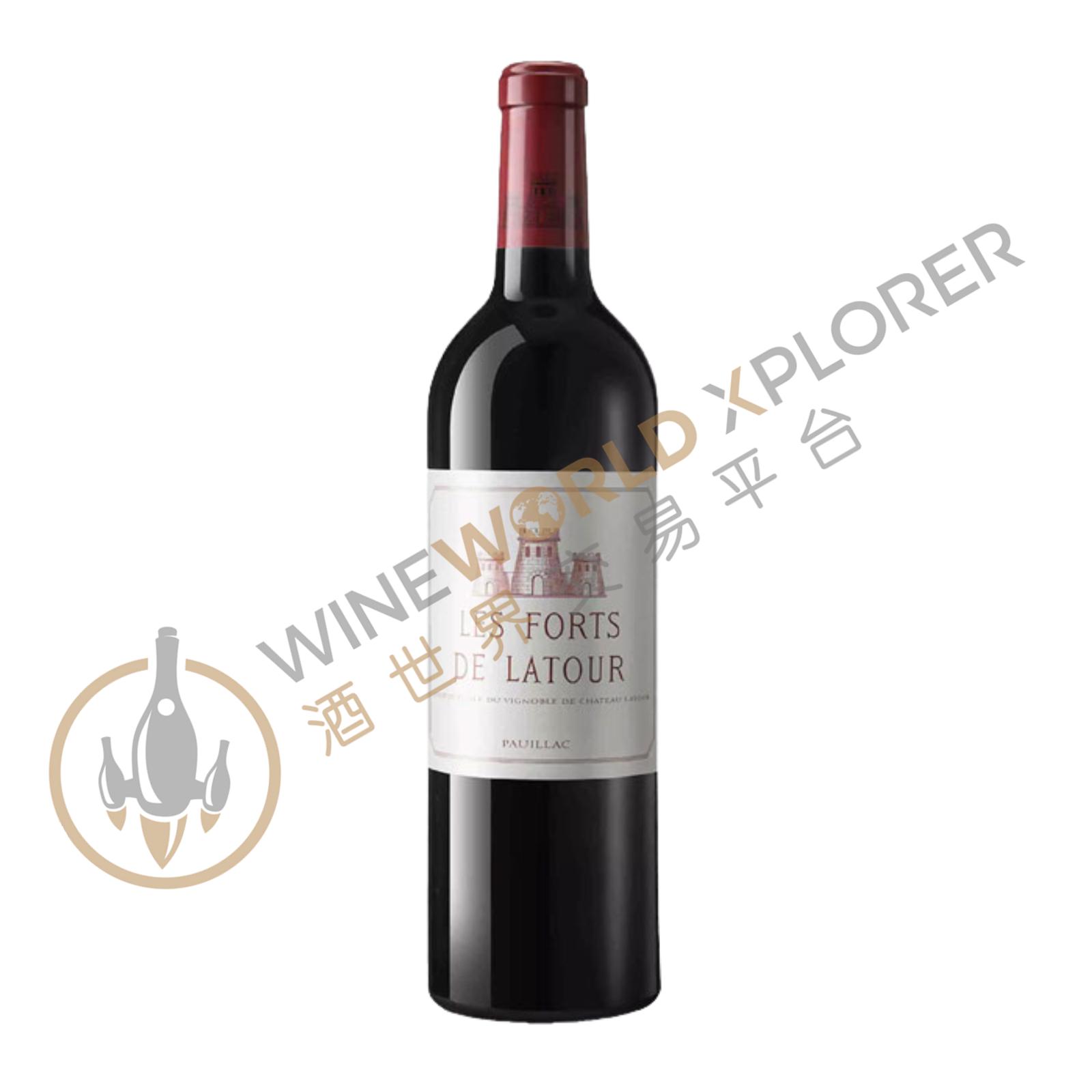
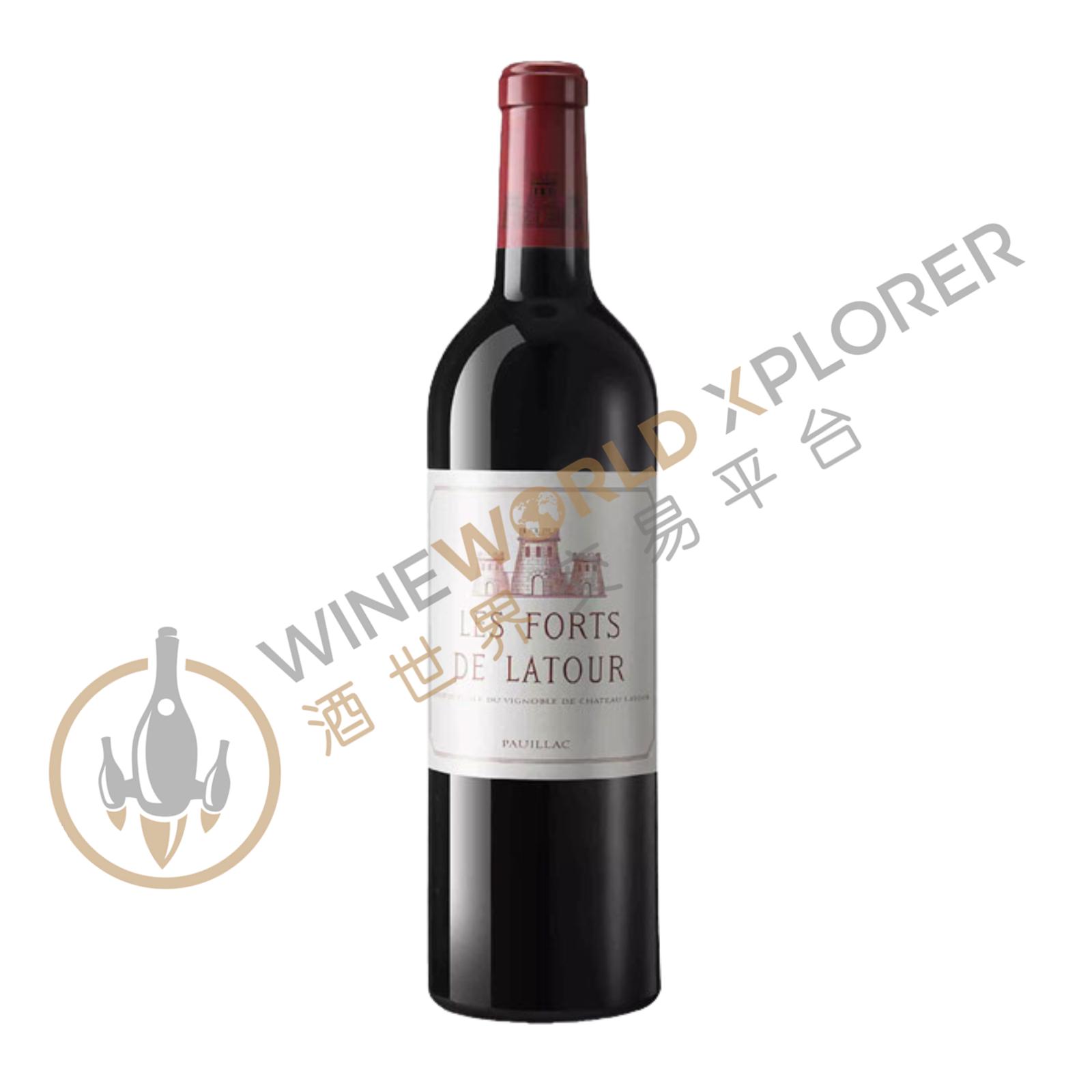
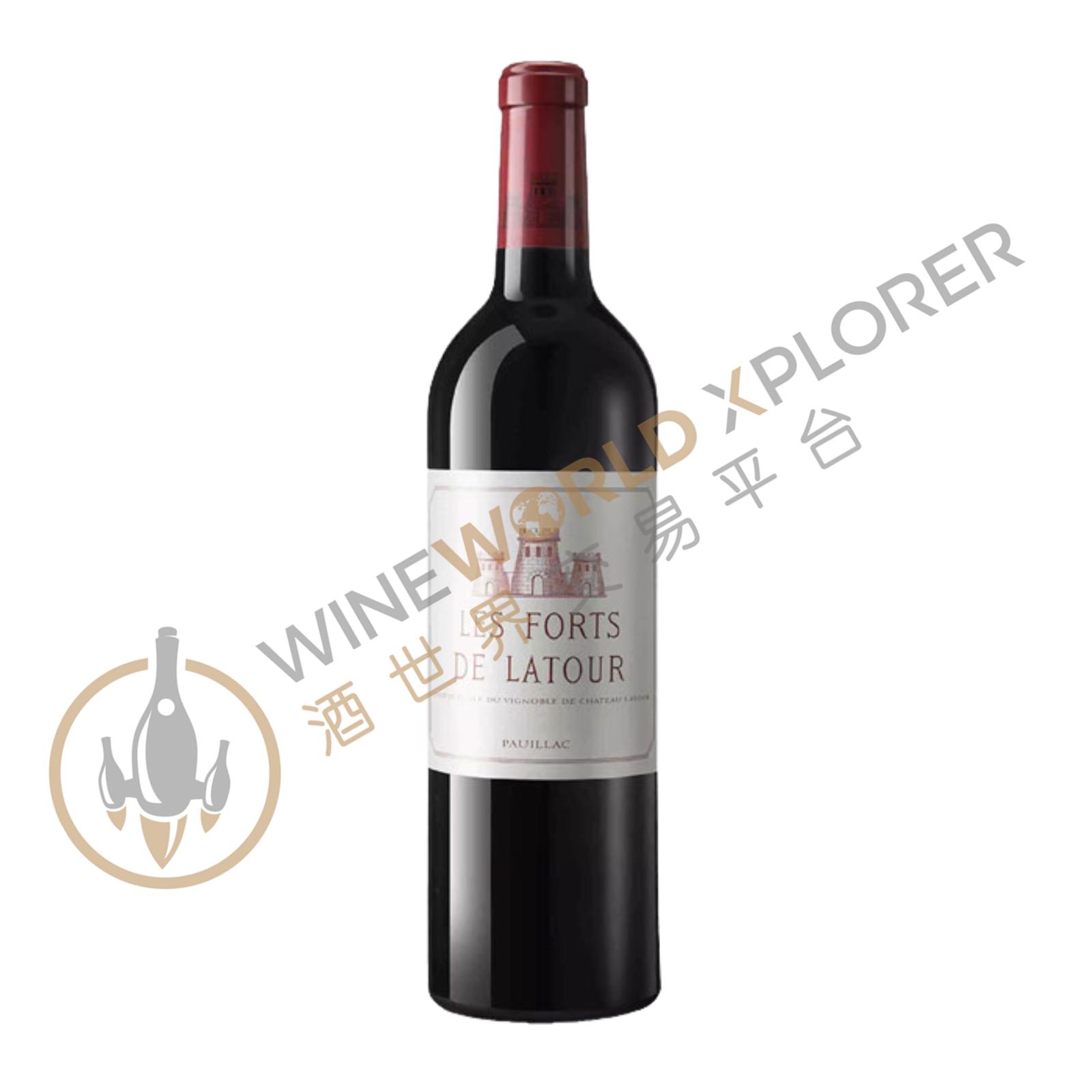
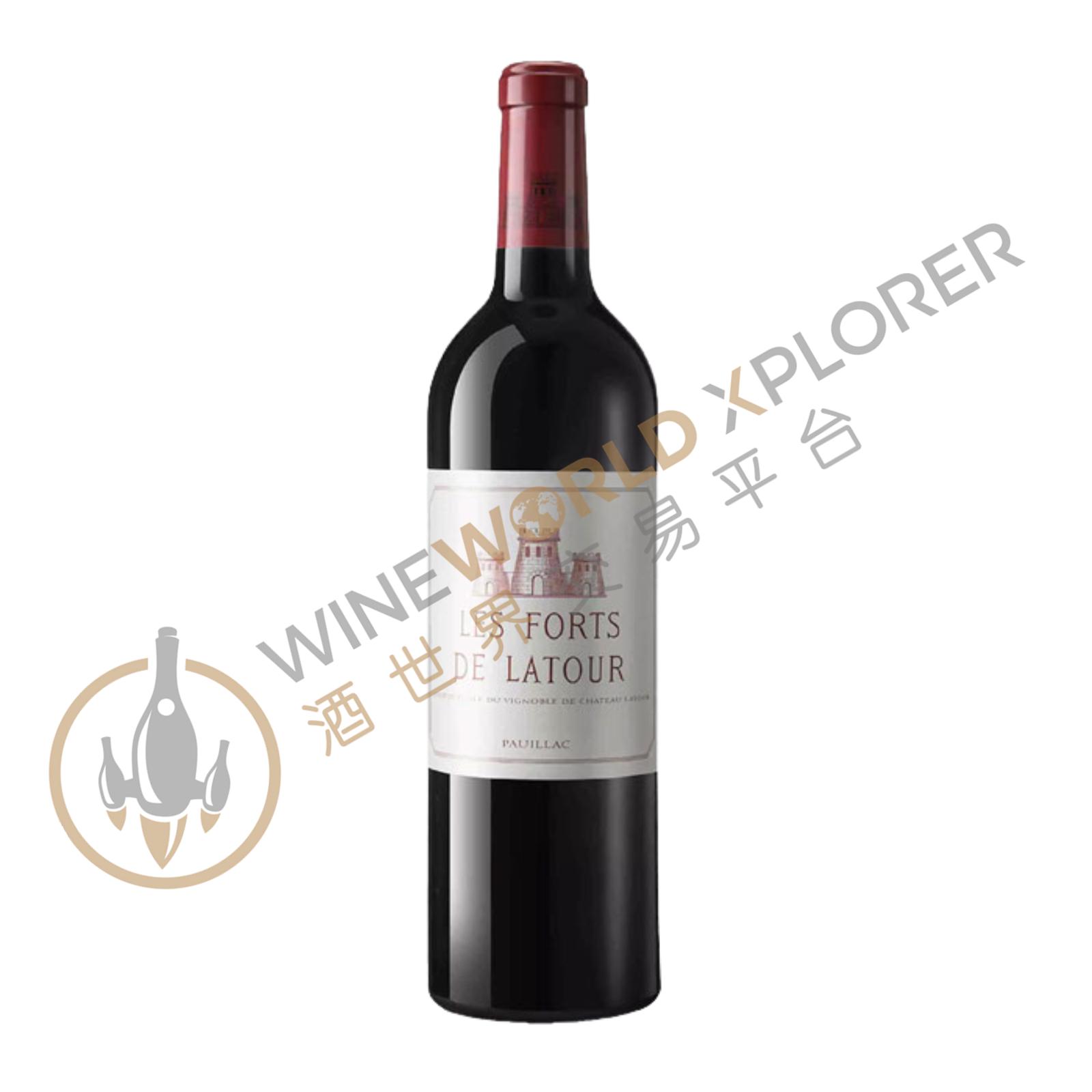
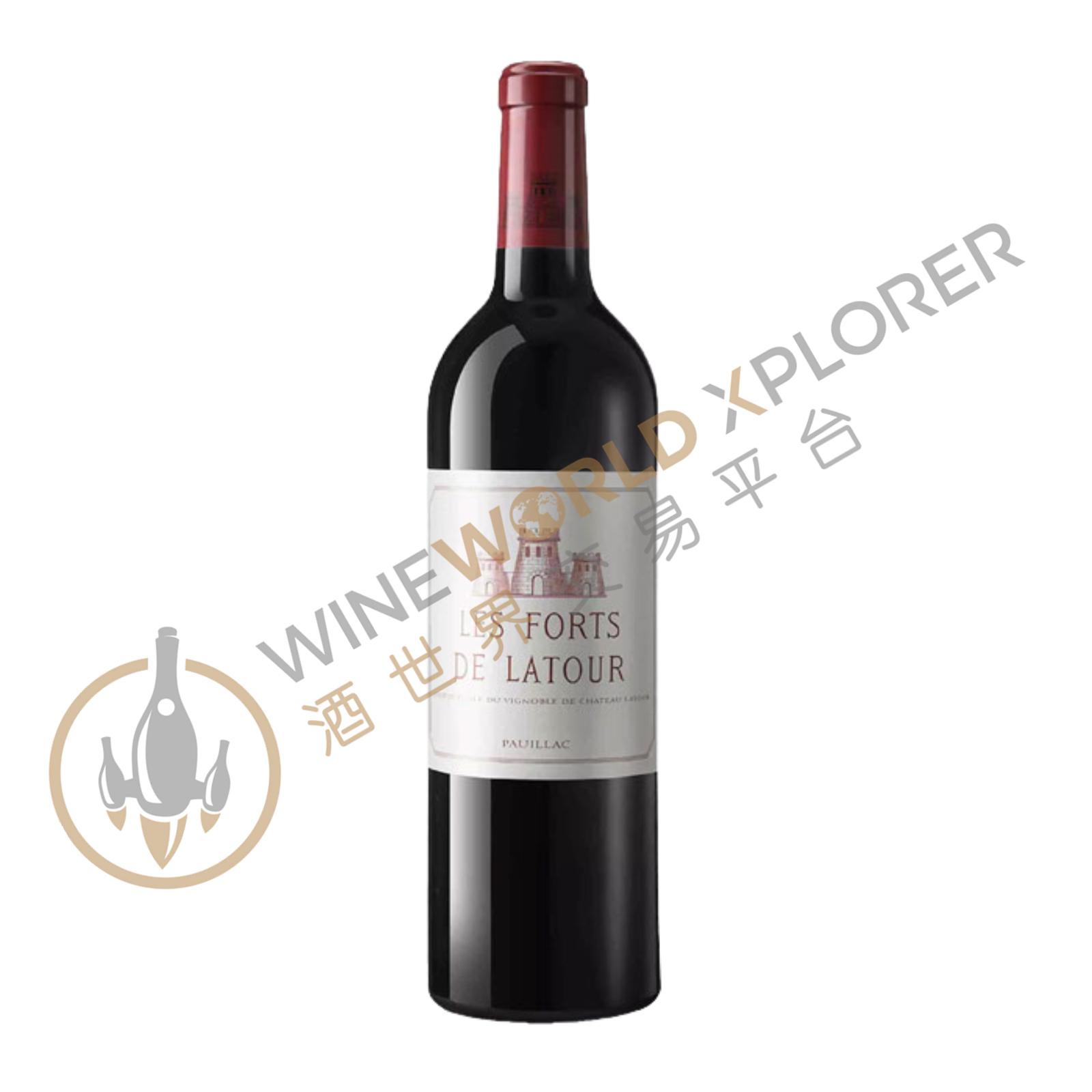
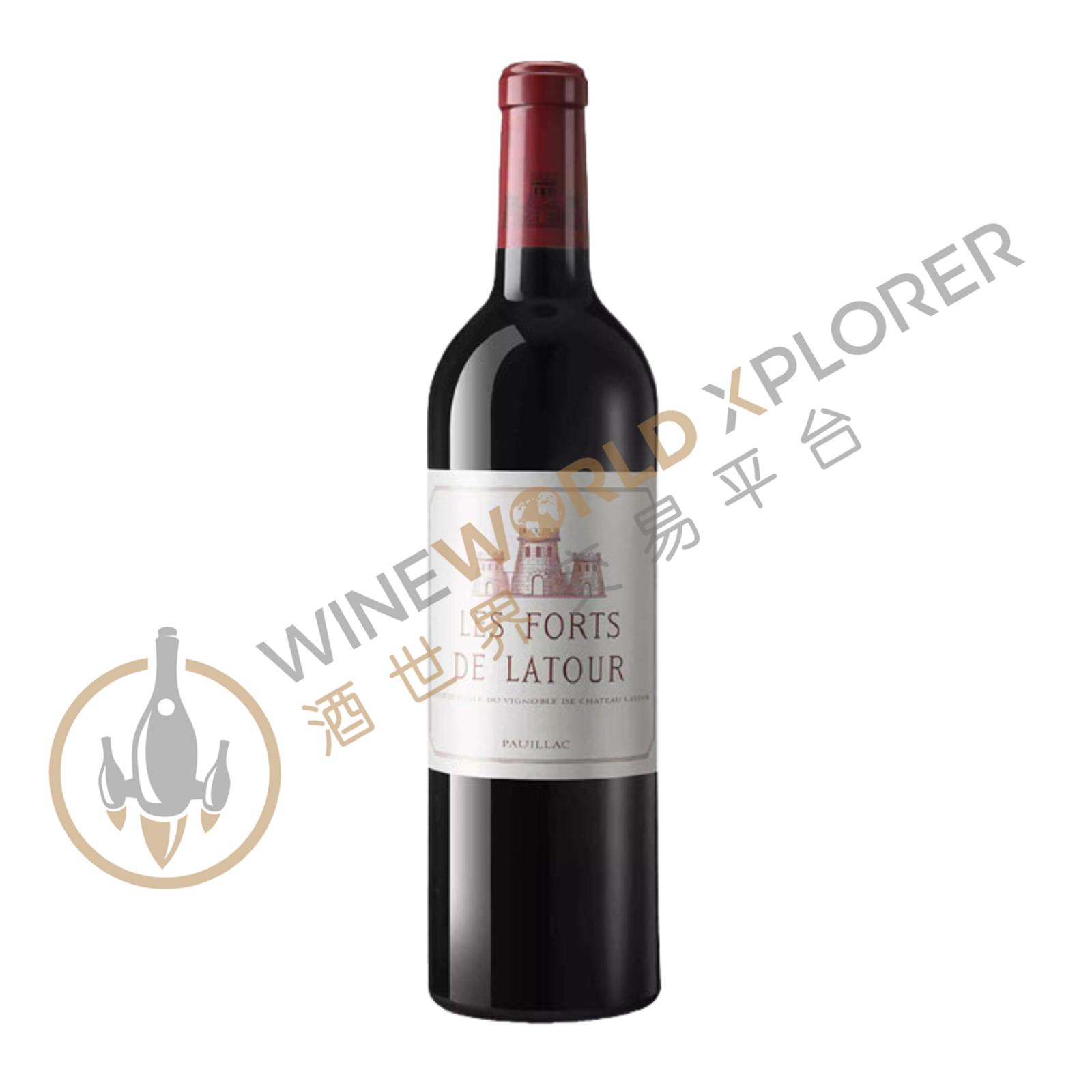
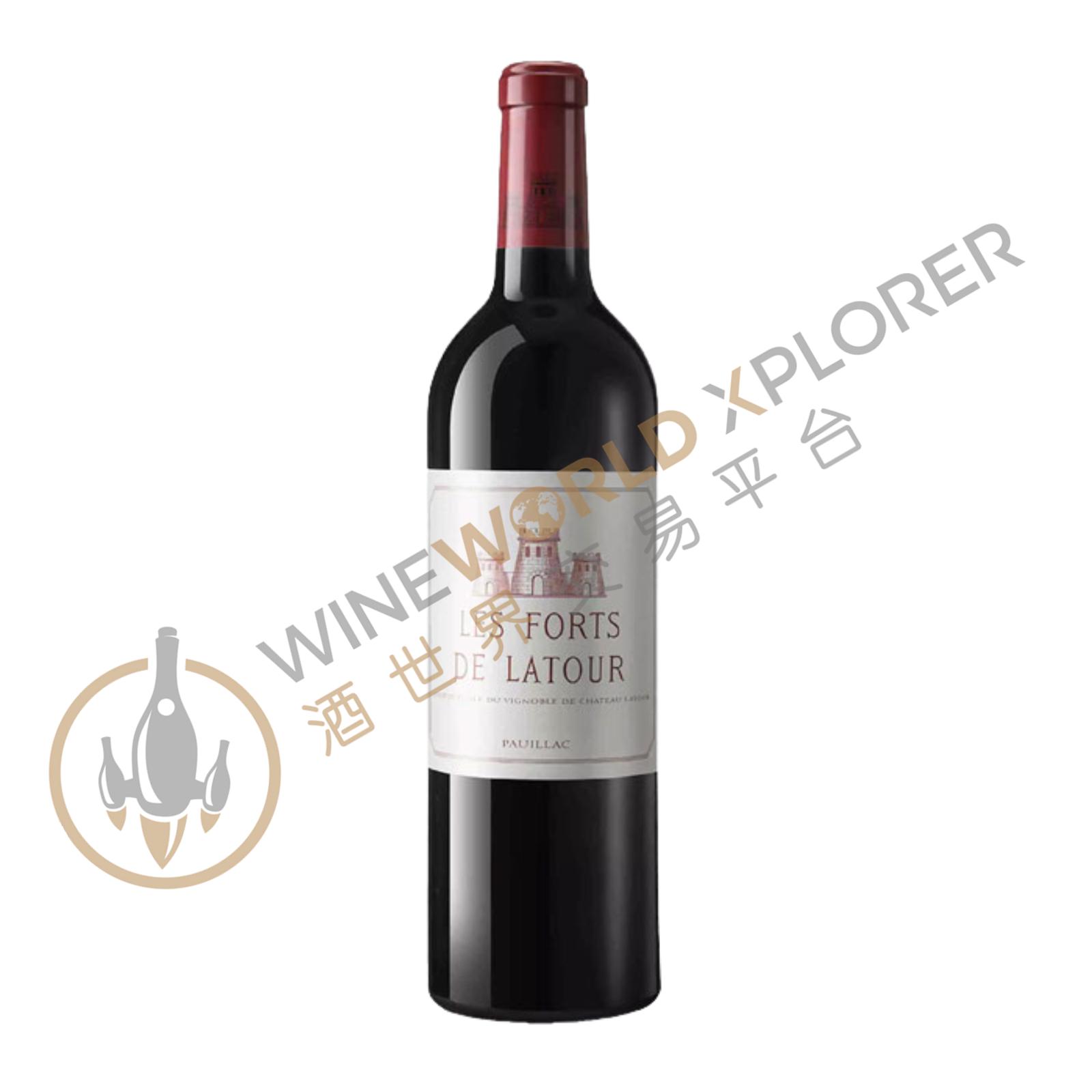
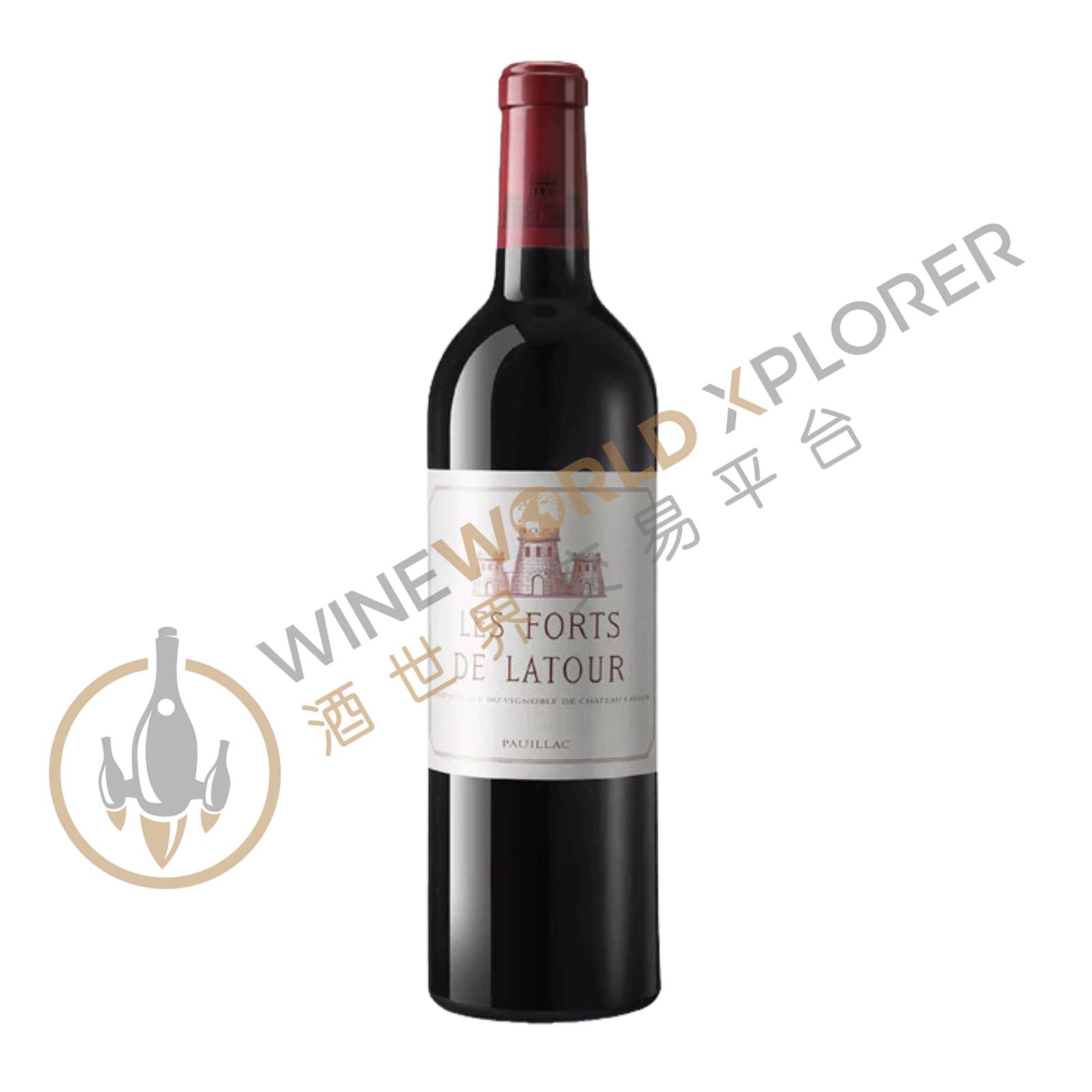
Les Forts de Latour 2019
 View analysis
Description
Tasting notes

Reviewed by: William Kelley
The 2019 Les Forts de Latour opens in the glass with aromas of cassis, wild berries, sweet spices, cigar wrapper and a deft application of creamy new oak. Full-bodied, layered and velvety, it’s a deep, muscular wine with rich tannins, lively acids and a long, resonant finish. As readers will know, it mostly derives from dedicated parcels located further inland from Latour's famous "Enclos," next to Château Haut-Batailley. It's a fabulous effort that would clearly merit classified growth status in its own right were the 1855 classification ever to be revised.
Reviewed by: Antonio Galloni
The 2019 Les Forts de Latour has an open nose, strangely perhaps a little more expressive than the 2020 Pauillac de Latour at the moment. Scents of blackberry, cassis and iris flower unfold in the glass. The palate is medium-bodied with crushed stone infusing the black fruit. This has attained more linearity since I encountered it in January 2023. The 2019 will give two or three decades of pleasurable drinking.
Reviewed by: William Kelley
The 2019 Les Forts de Latour appears to have tightened up a little since I last tasted it a few years ago. Unwinding in the glass with aromas of sweet cassis fruit mingled with hints of cedar, iris, orange zest and new oak, it's medium to full-bodied, lively and nicely concentrated, with a ripe core of fruit underpinned by chalky structuring tannins. While it's approachable after a decant, it certainly merits additional patience. As readers will remember, this bottling mostly derives from dedicated parcels located further inland from Latour's famous "Enclos," next to Château Haut-Batailley.
Reviewed by: James Suckling
Exquisite aromas of lavender, cigar ash and Spanish cedar with dried citrus follow through to a medium body and a solid palate with powerful, ultrafine and linear tannins. The muscle and long finish are so beautiful. Give it two or three years but already a solid wine. Drink after 2028.
About the Producer
Latour was a jointly held lord's domain until the end of the 16th century, At that time, the property was not entirely covered by vines and yet production largely exceeded requirements. There was no proper storage for the wine and it had to be drunk within the year. The estate remained in the hands of the Mullet family until the late 17th century, and while direct use of the land gradually replaced the leasing system, the wine-making situation changed very little. In the early 18th century, England's aristocracy and wealthy middle classes developed refined tastes, particularly for wine, from Bordeaux, Oporto, Jerez and other southern vineyards. Wine exports had been restricted by various blockades imposed by the wars, but now enjoyed a period of relative freedom and trade with Bordeaux grew rapidly. As a result of this flourishing trade, the estate gradually came to specialise in wine production, with 38 hectares of vines in 1759 and then 47 hectares by 1794.
1975(2)1976(1)1979(1)1981(1)1982(1)1983(2)1990(1)1992(2)1994(2)1995(1)1996(2)1998(3)1999(2)2000(4)2001(6)2002(8)2003(5)2004(8)2005(5)2006(24)2007(13)2008(13)2009(24)2010(25)2011(9)2012(23)2013(9)2014(15)2015(22)2016(46)2017(33)2018(22)
Package Size
1 x 3L1 x 6L12 x 37.5cl12 x 75cl3 x 1.5L