Wine Advisor



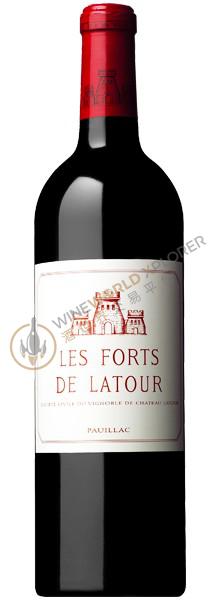
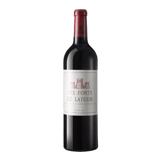
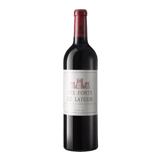
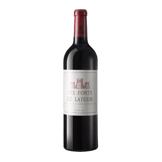
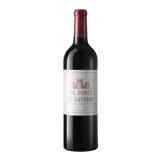
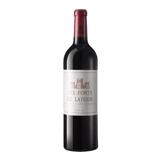
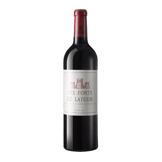
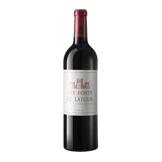
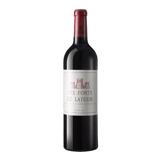
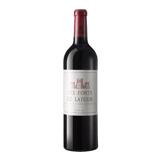
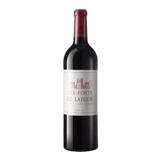
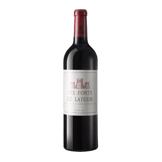
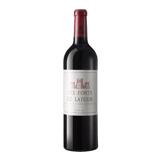
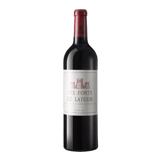
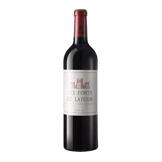
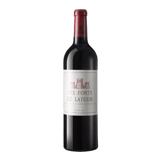
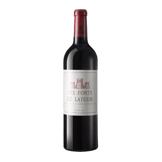
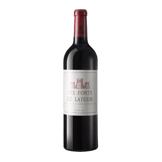
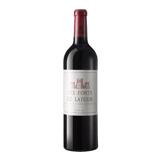
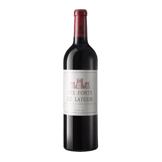
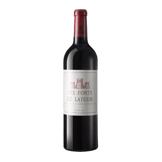
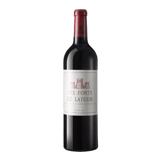
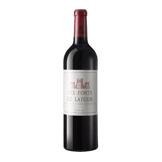
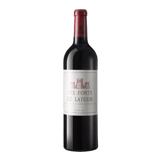
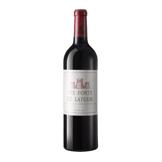
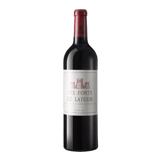
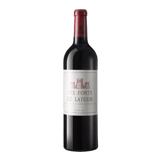
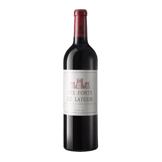
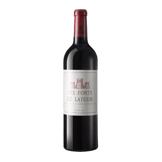
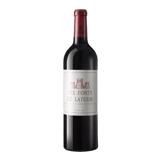
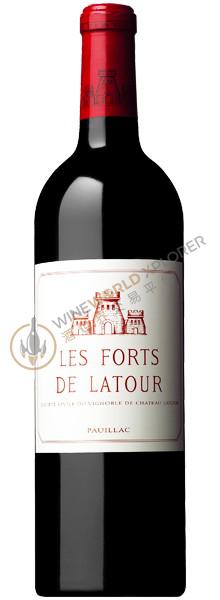
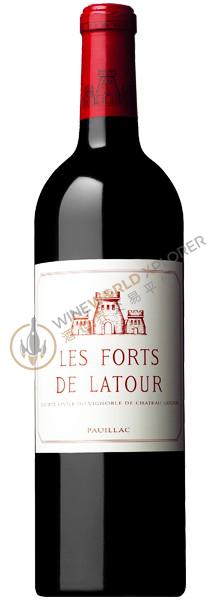
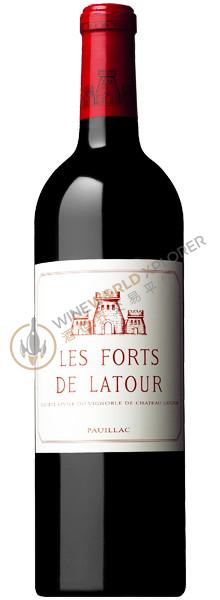
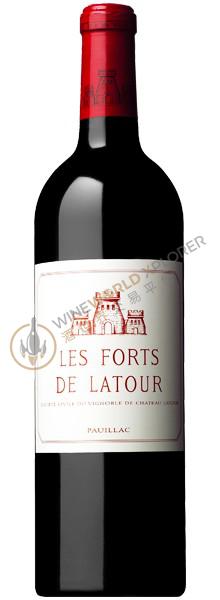
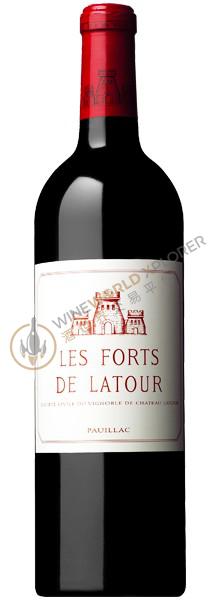
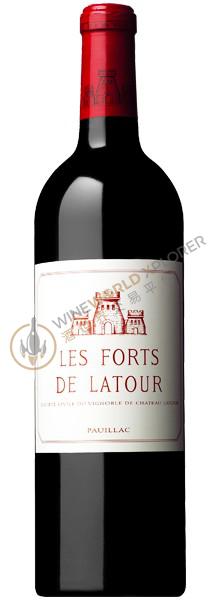
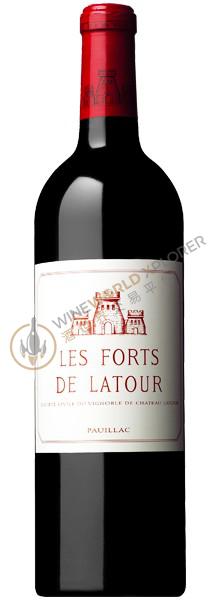
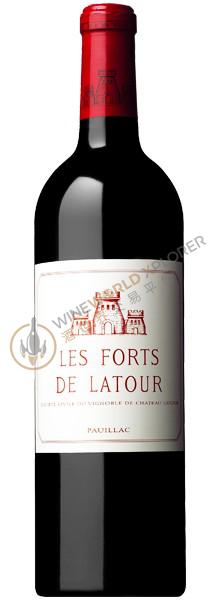
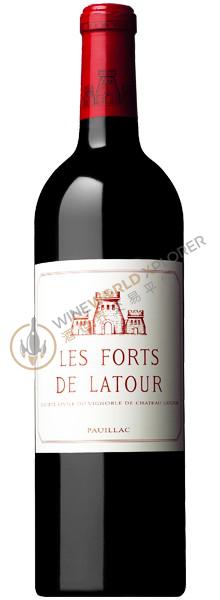
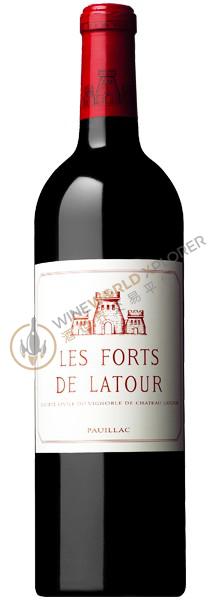
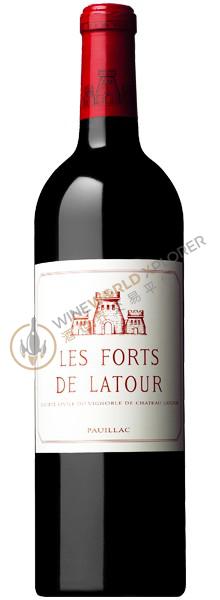
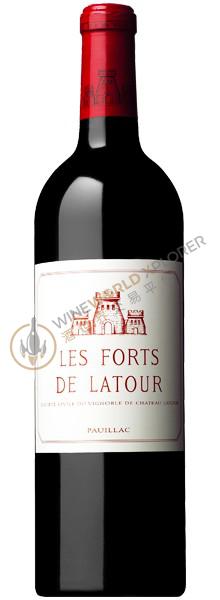
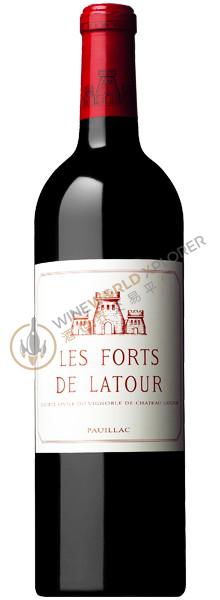
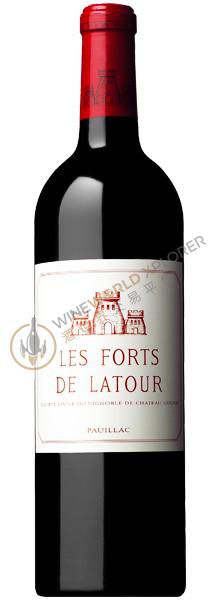
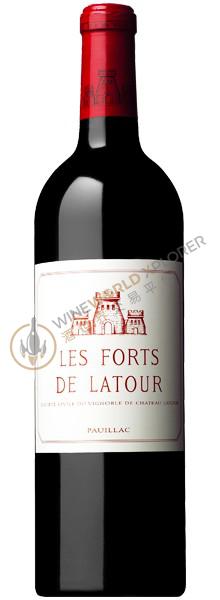
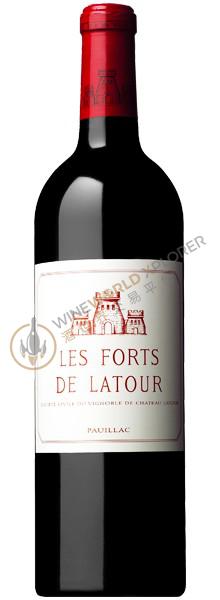
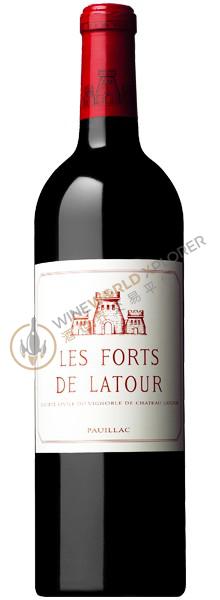
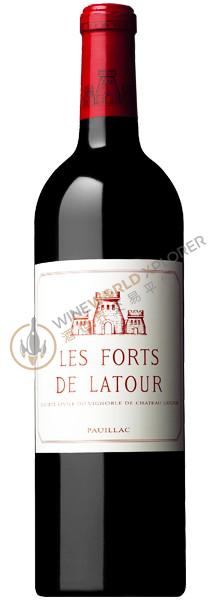
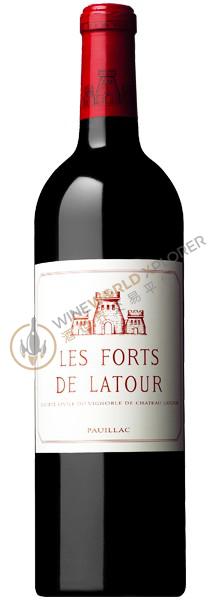
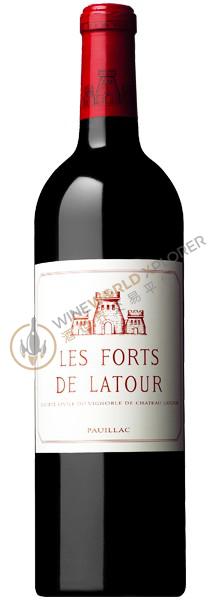
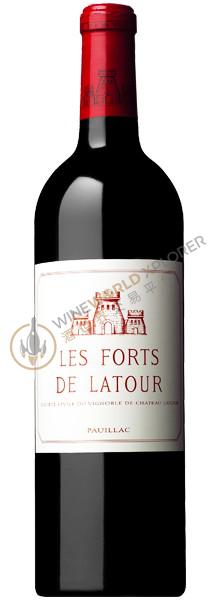
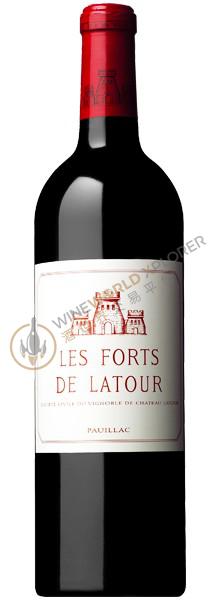
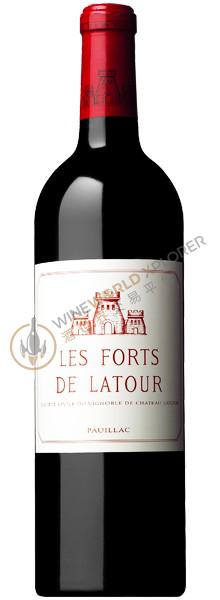
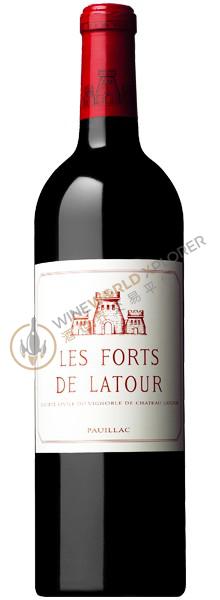
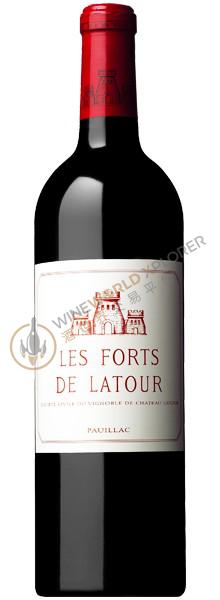
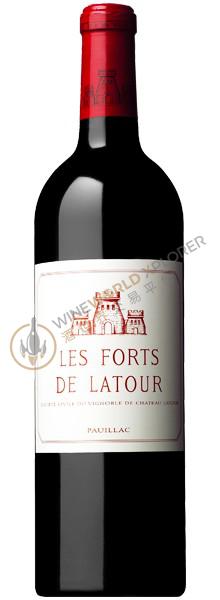
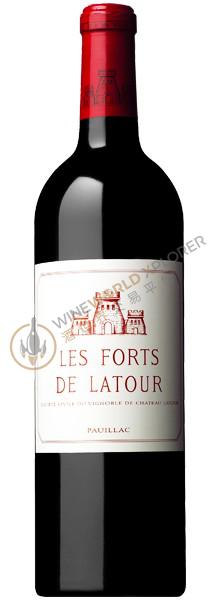
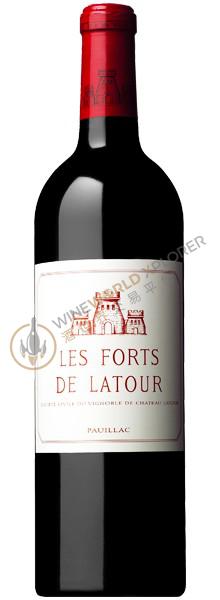
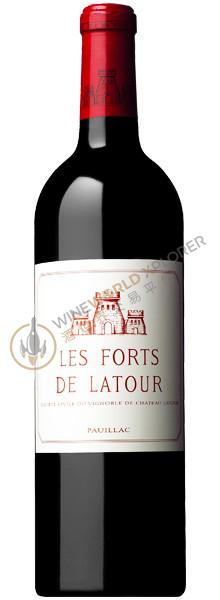
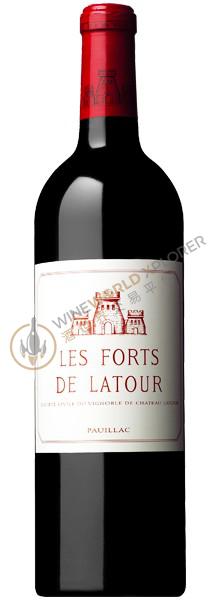
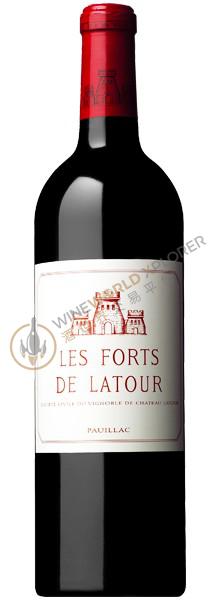
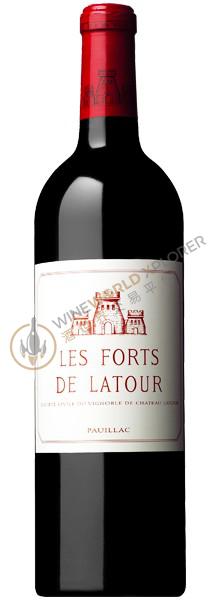
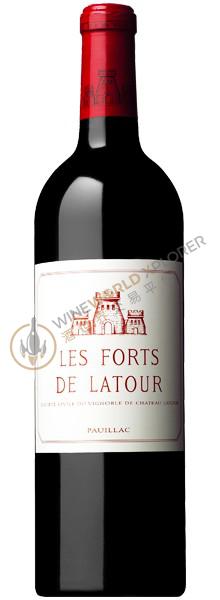
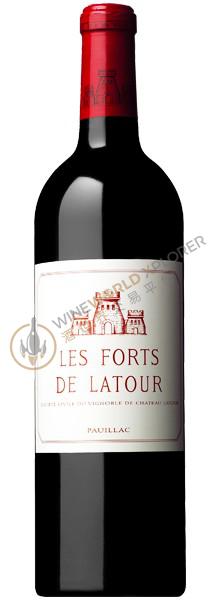
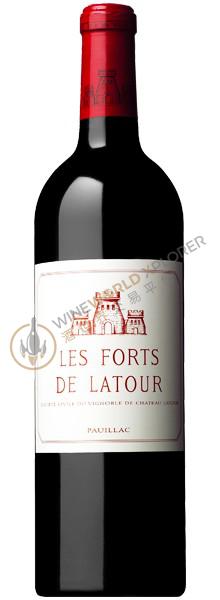
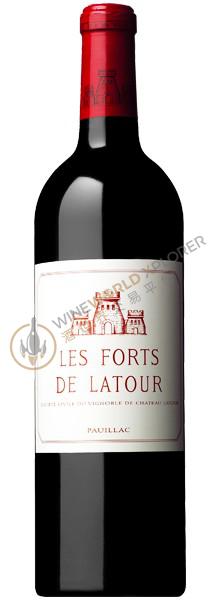
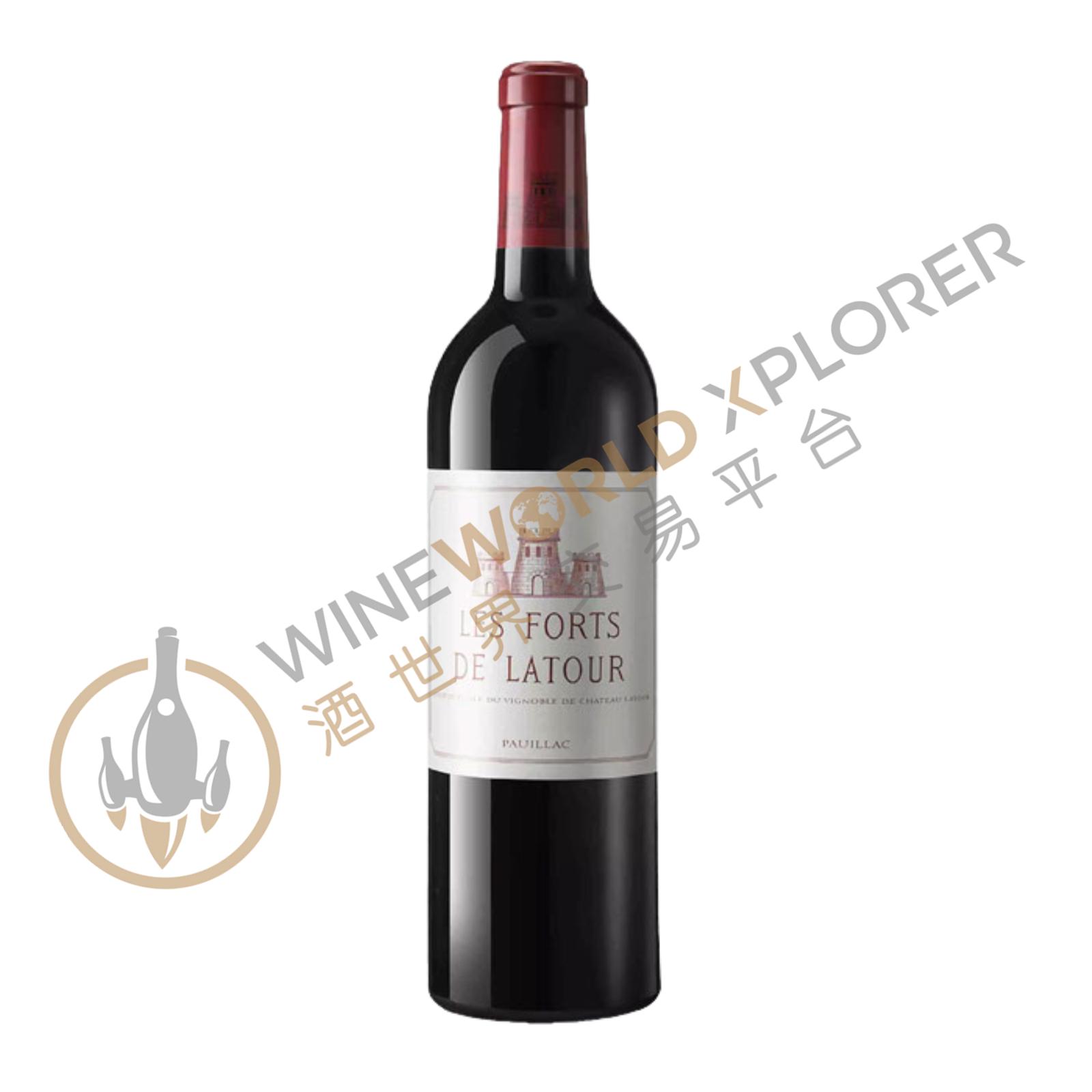
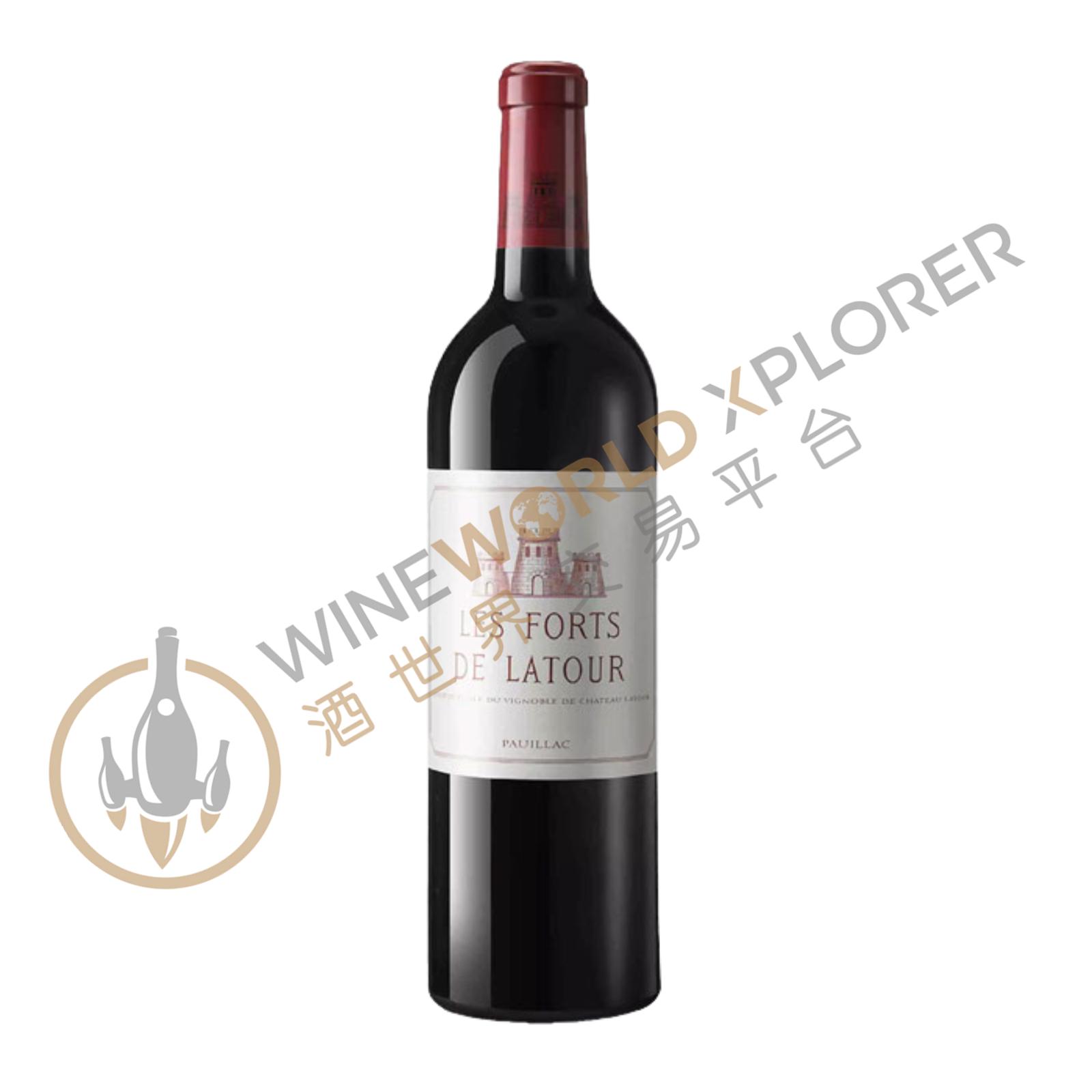
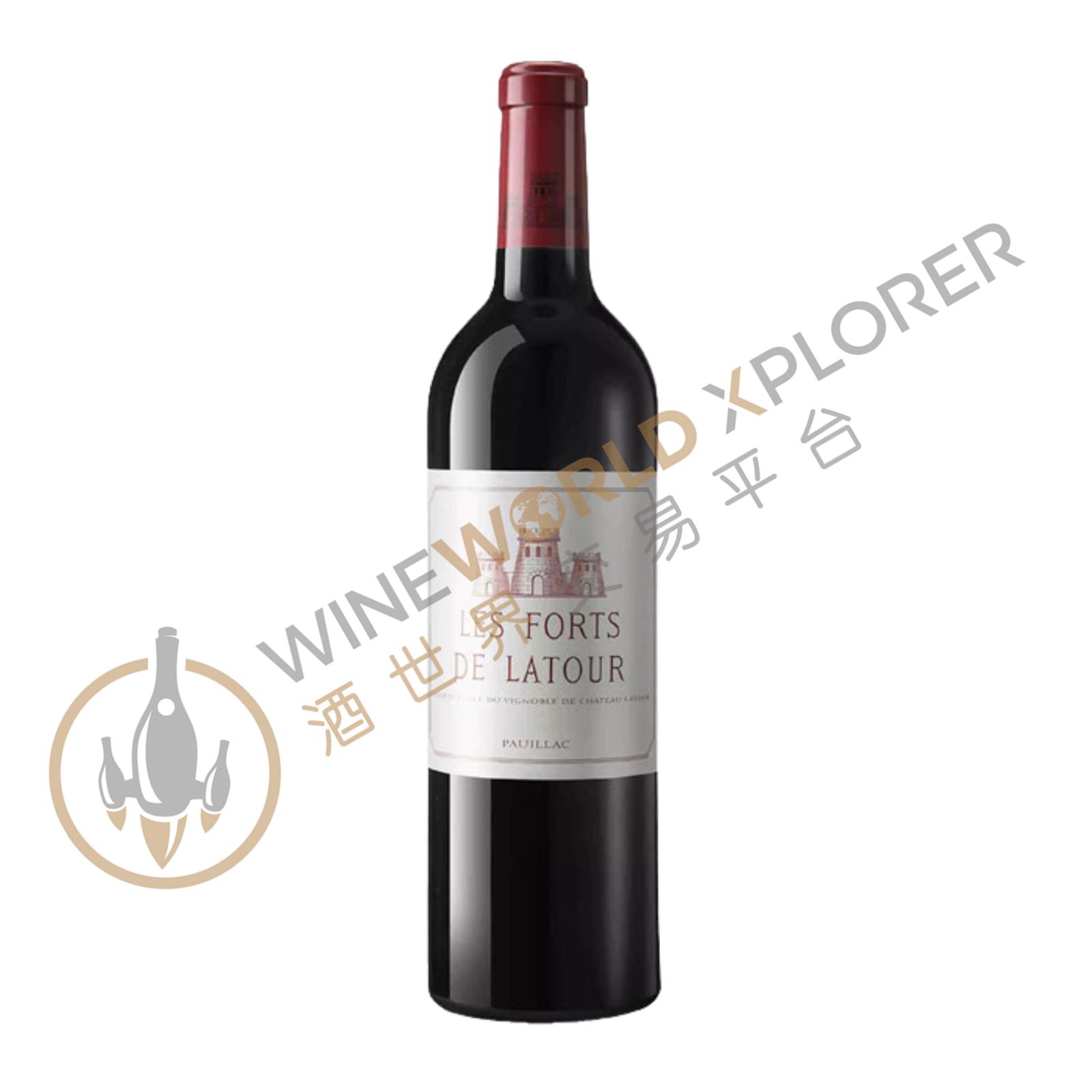
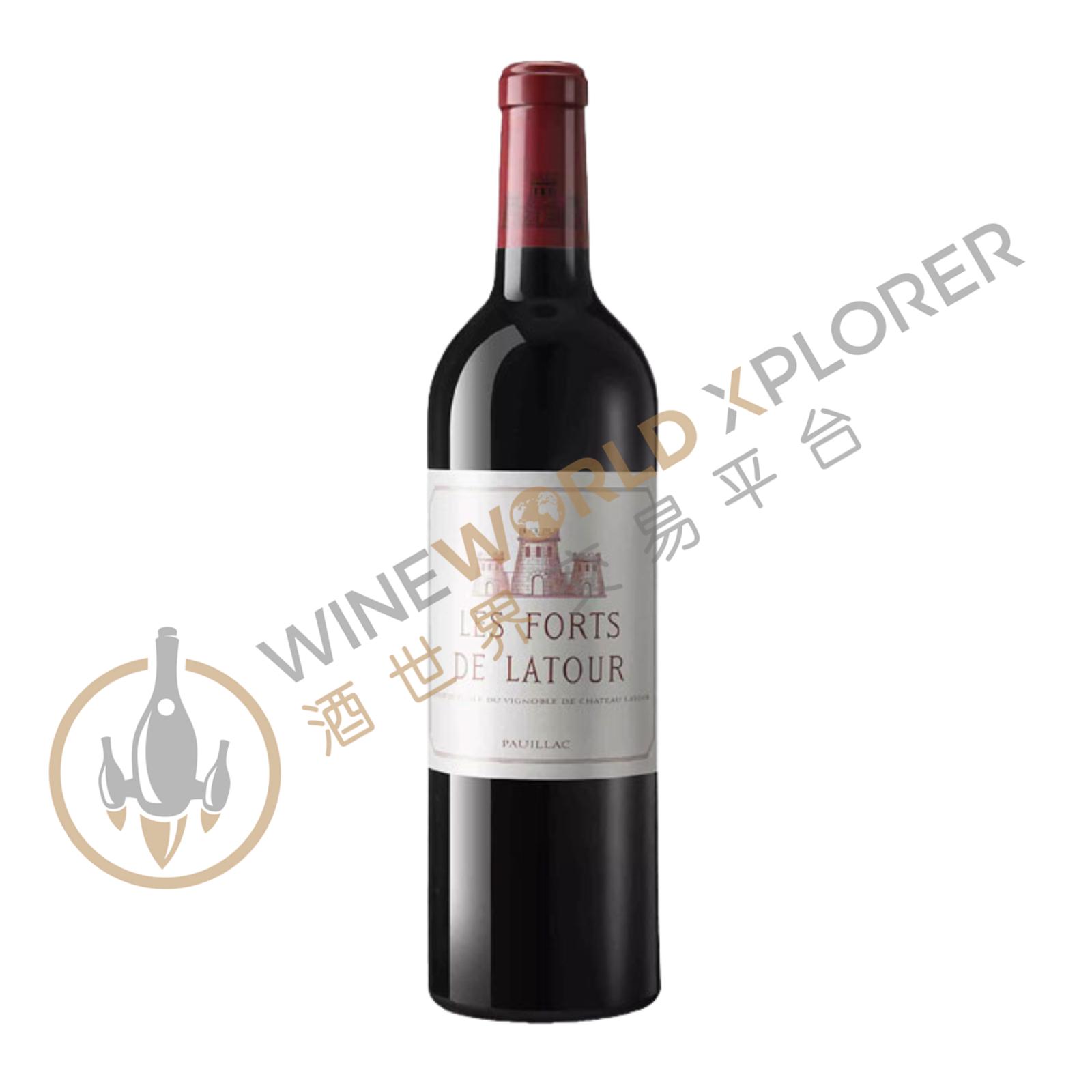
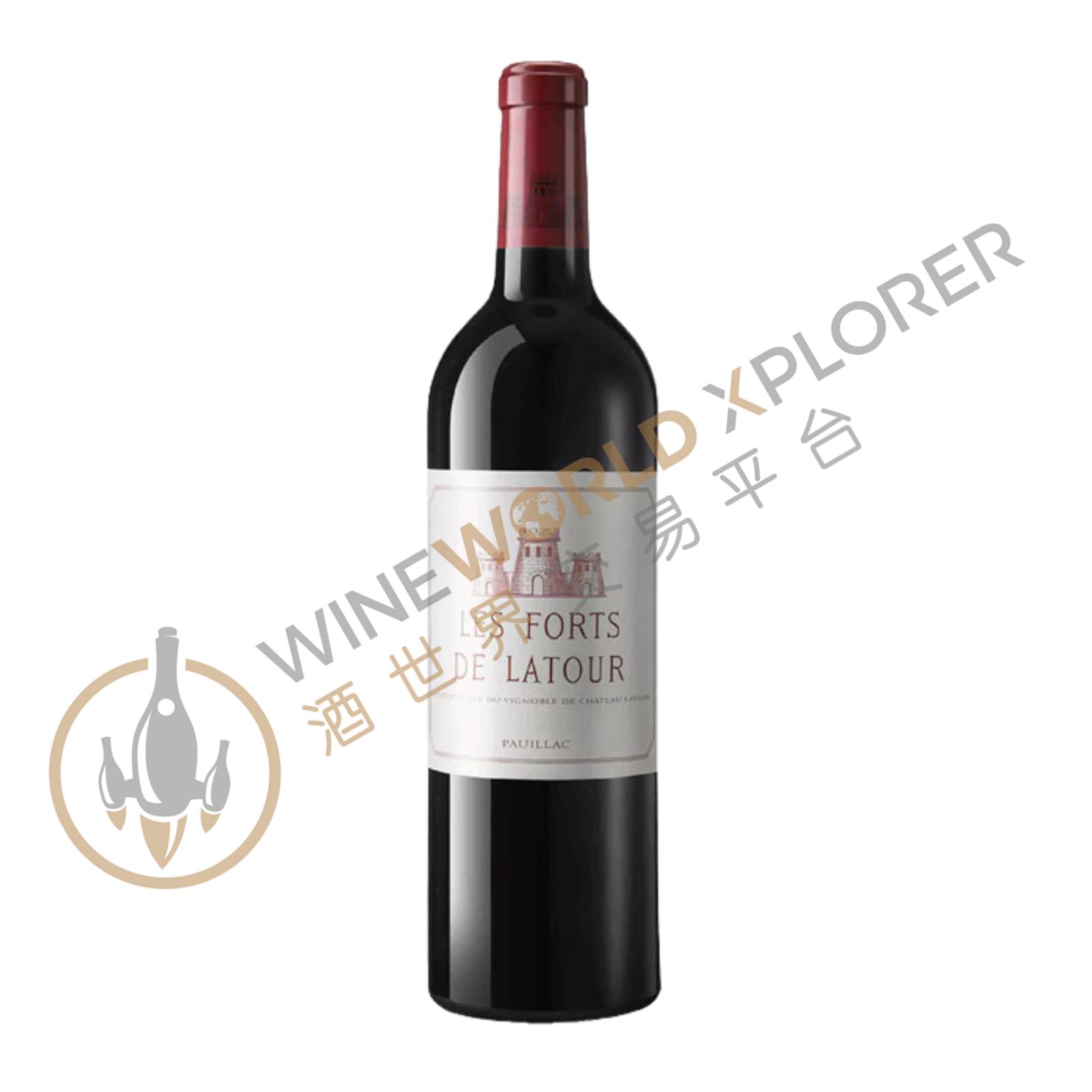
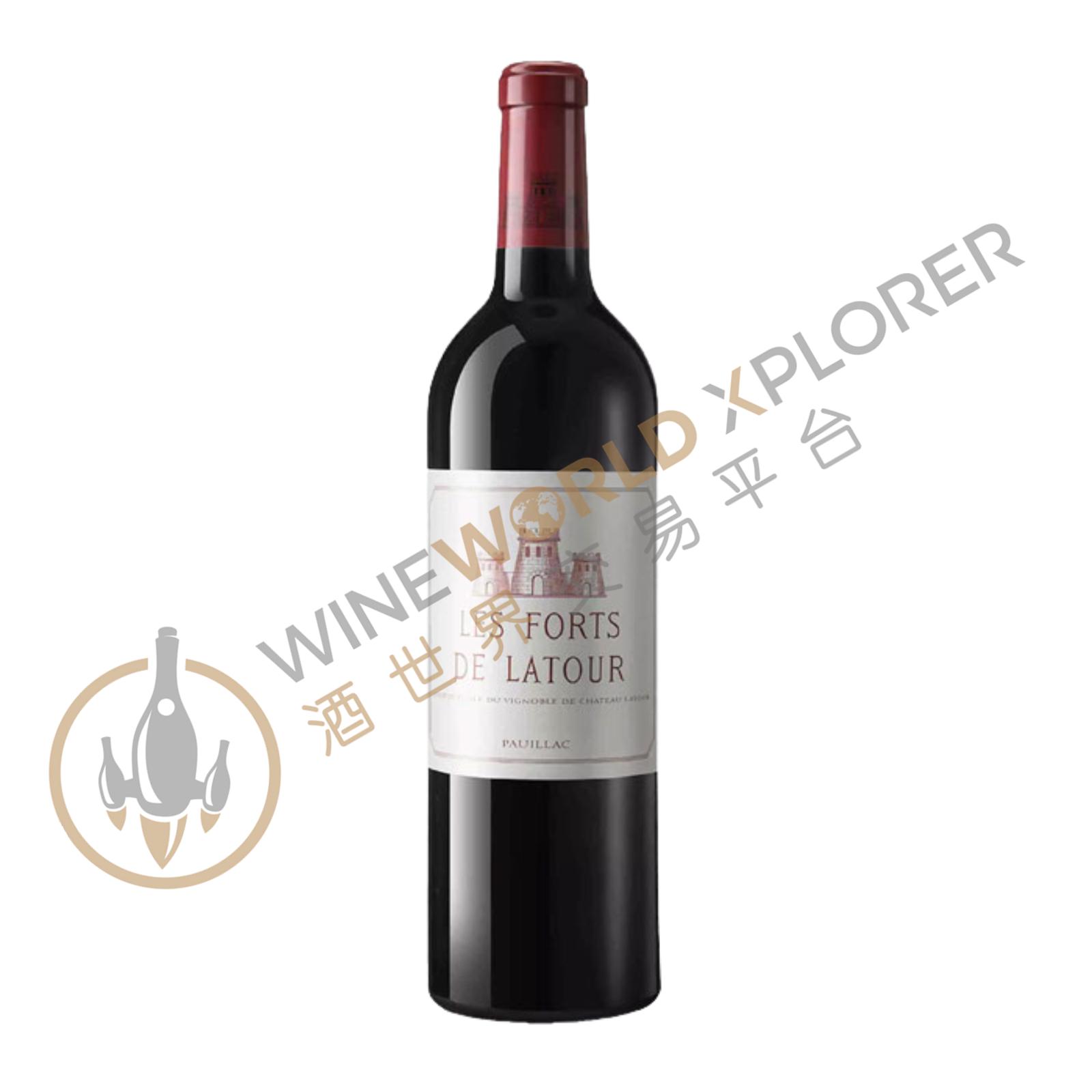
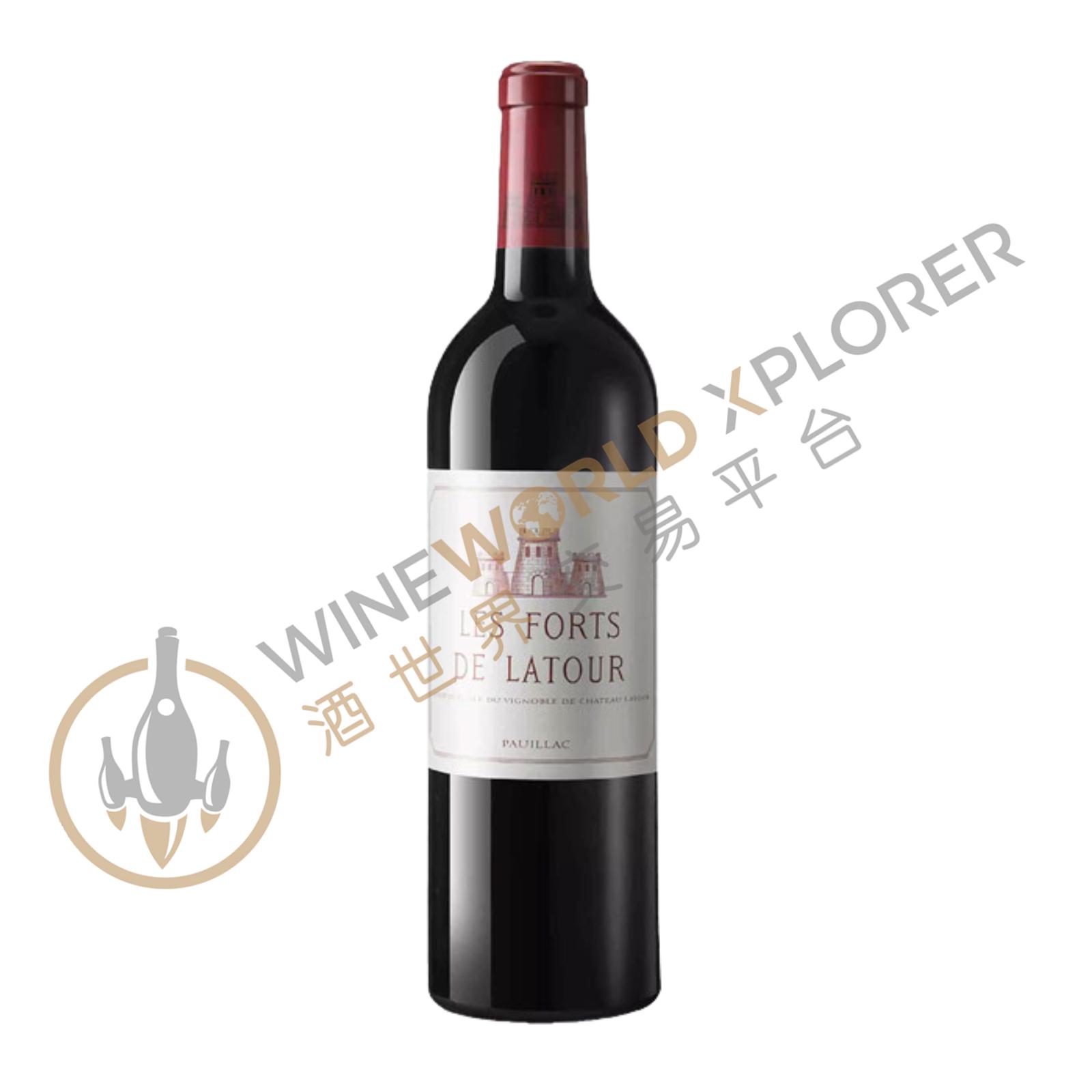
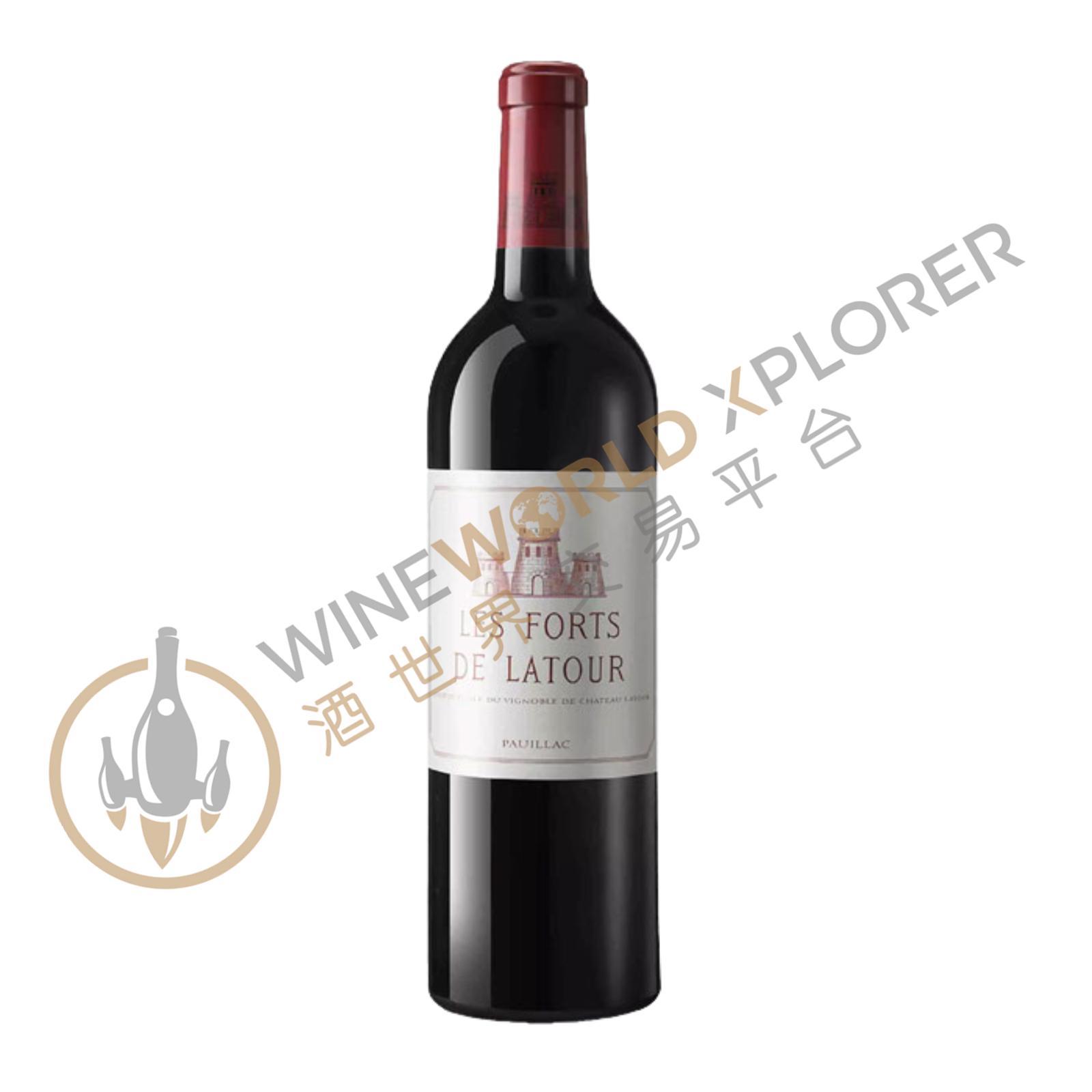
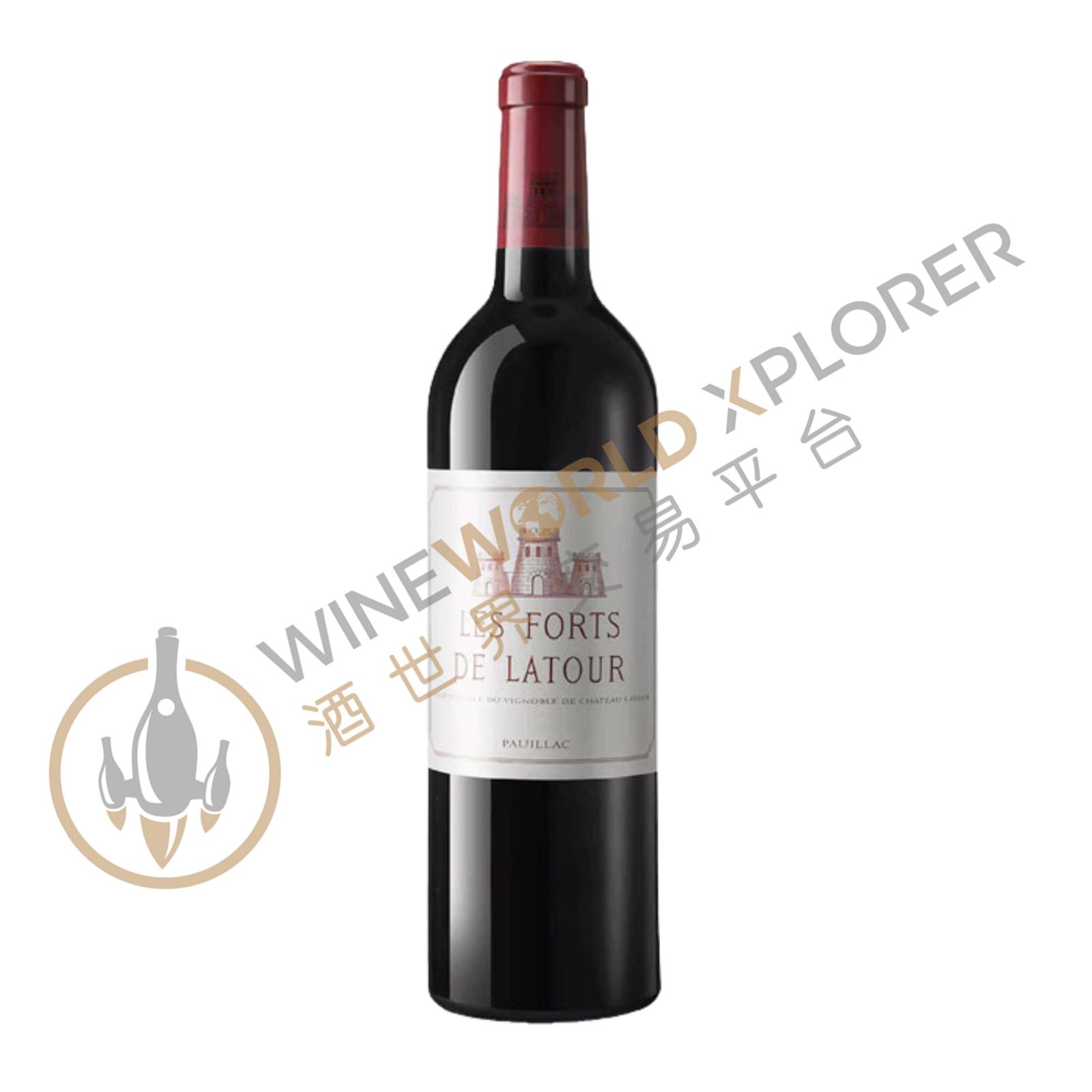
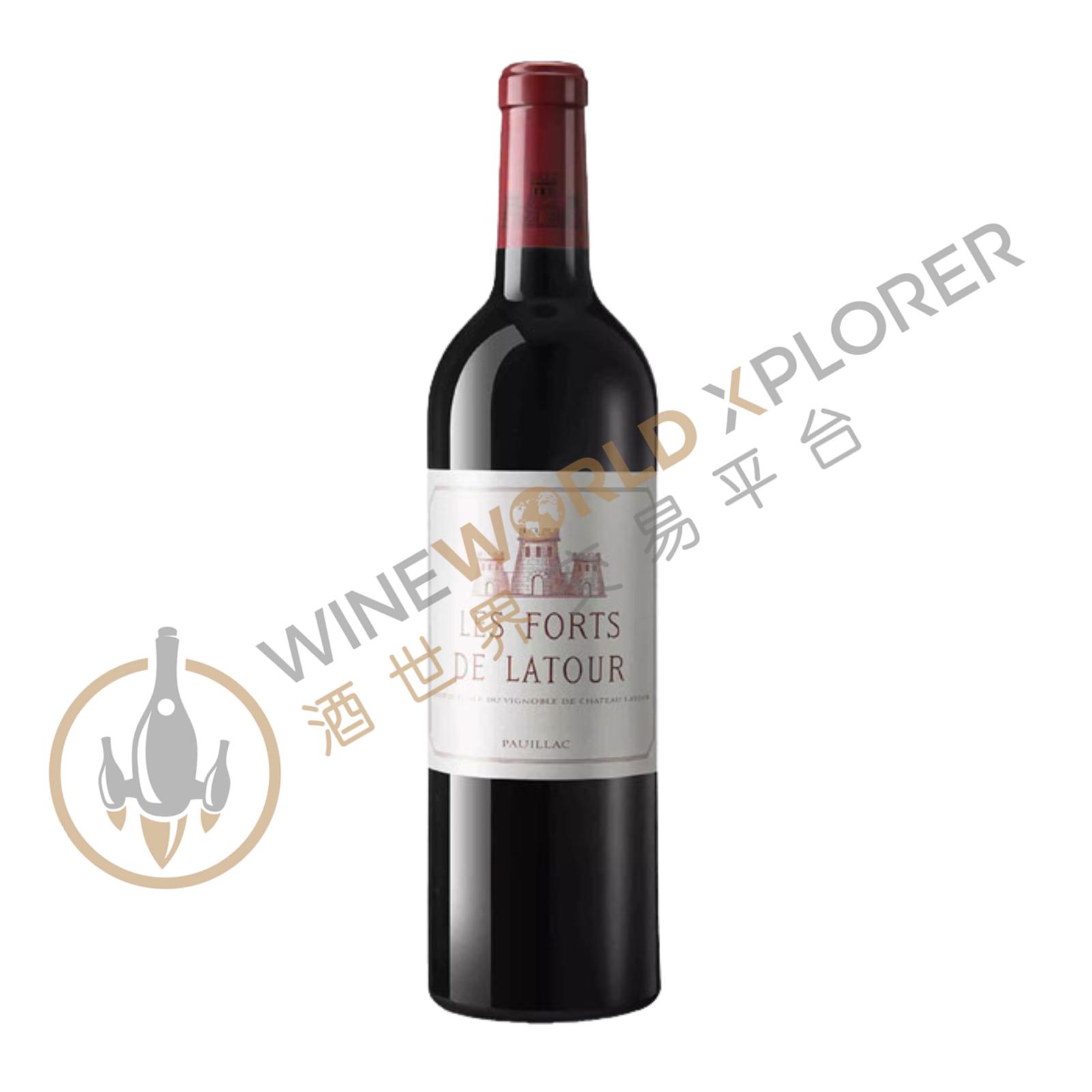
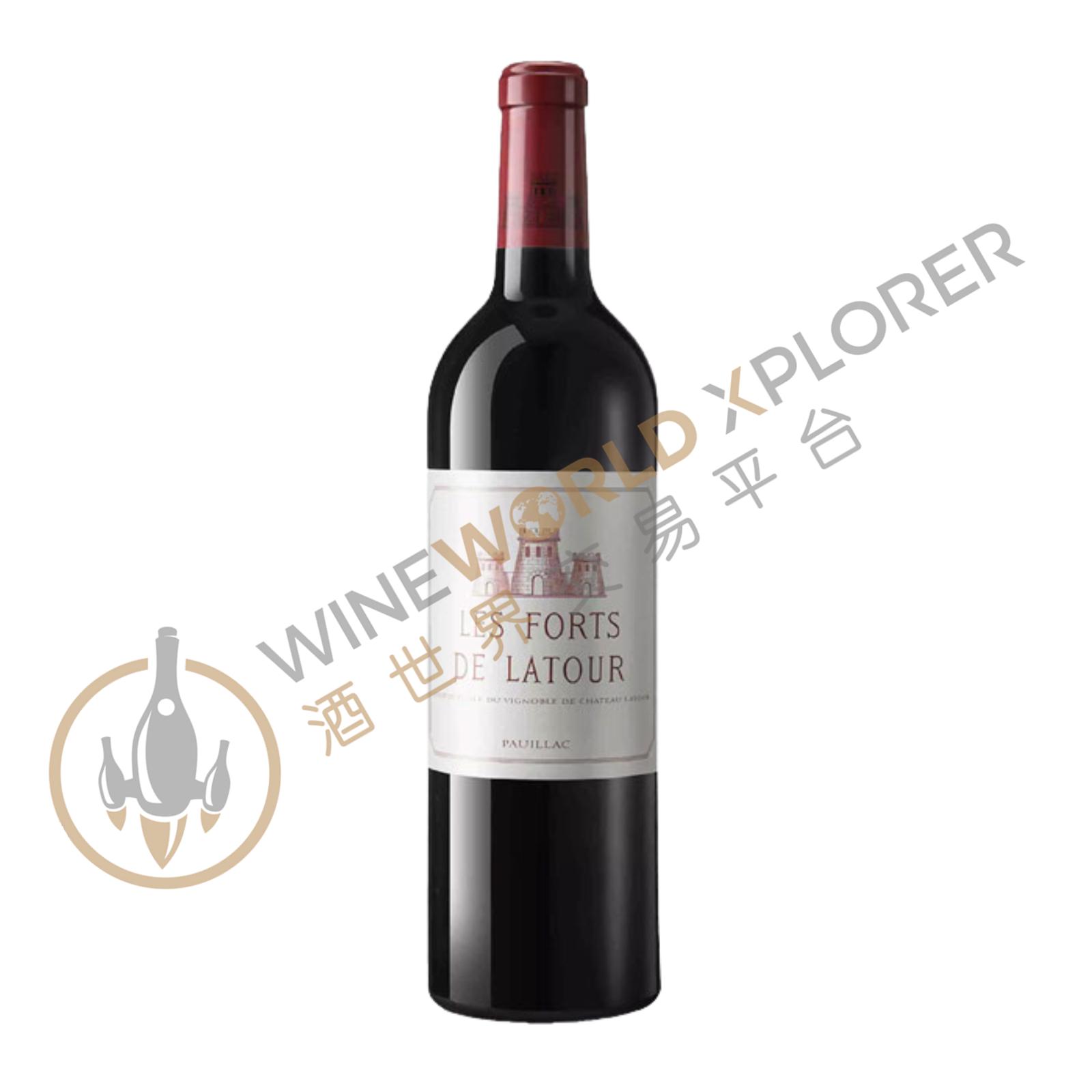
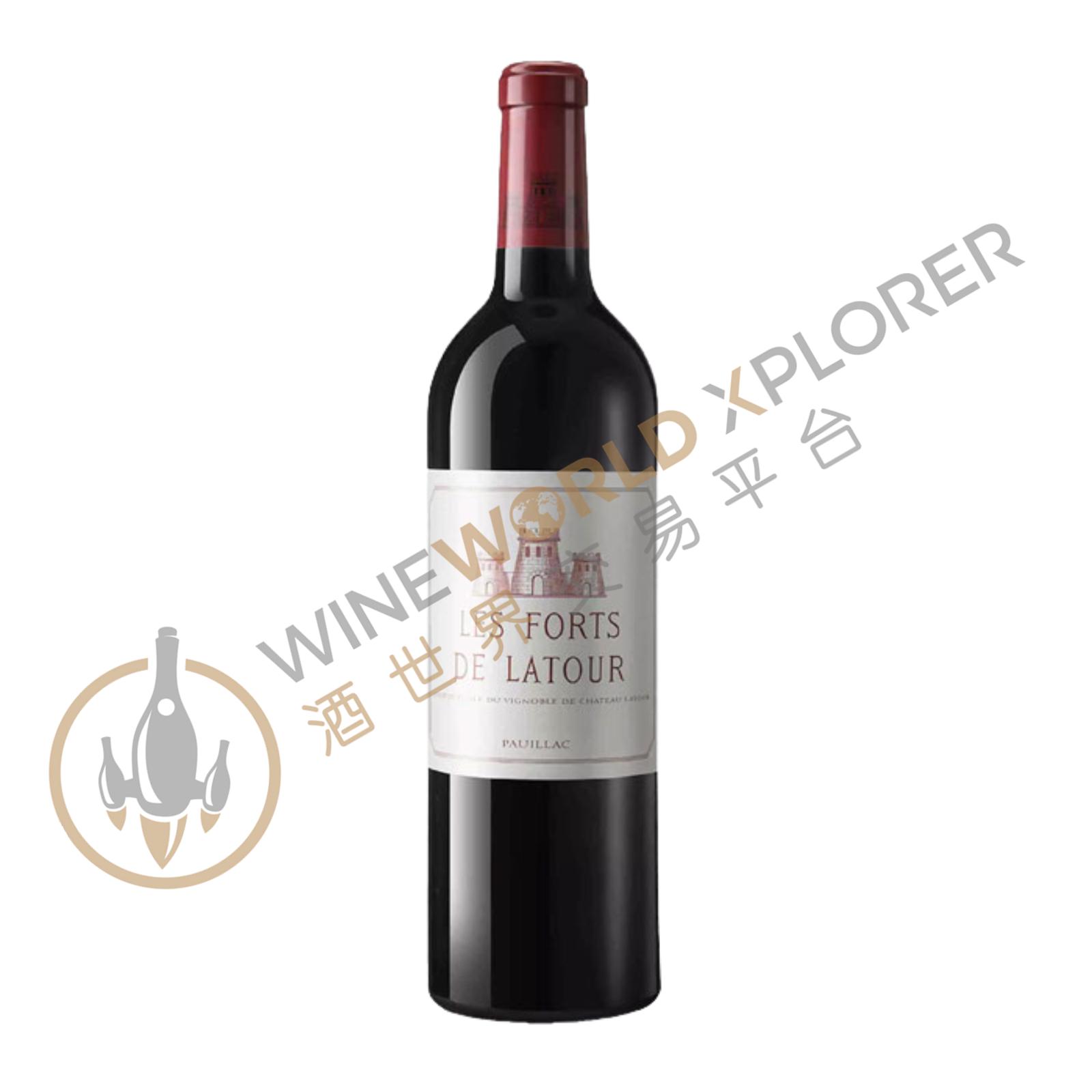
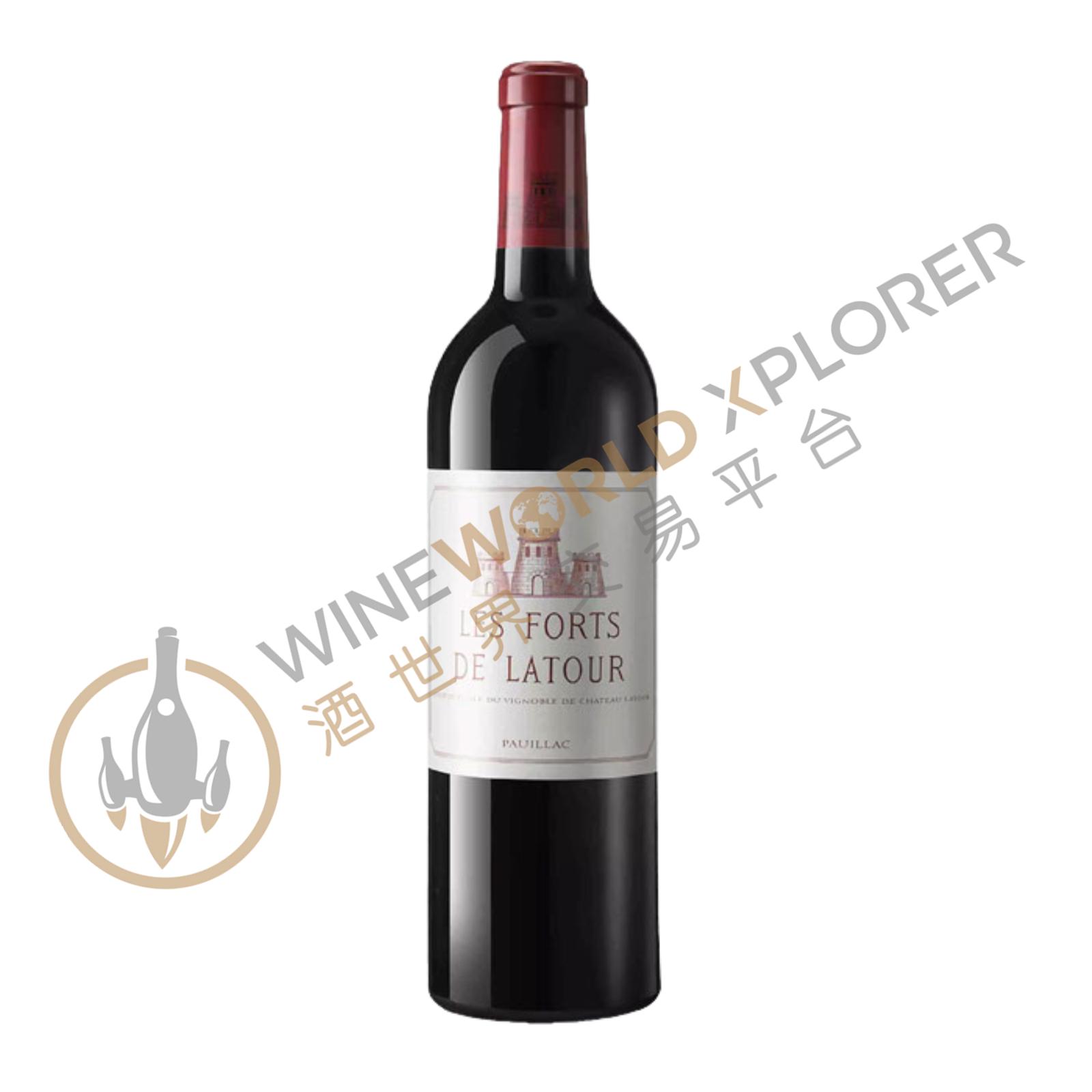
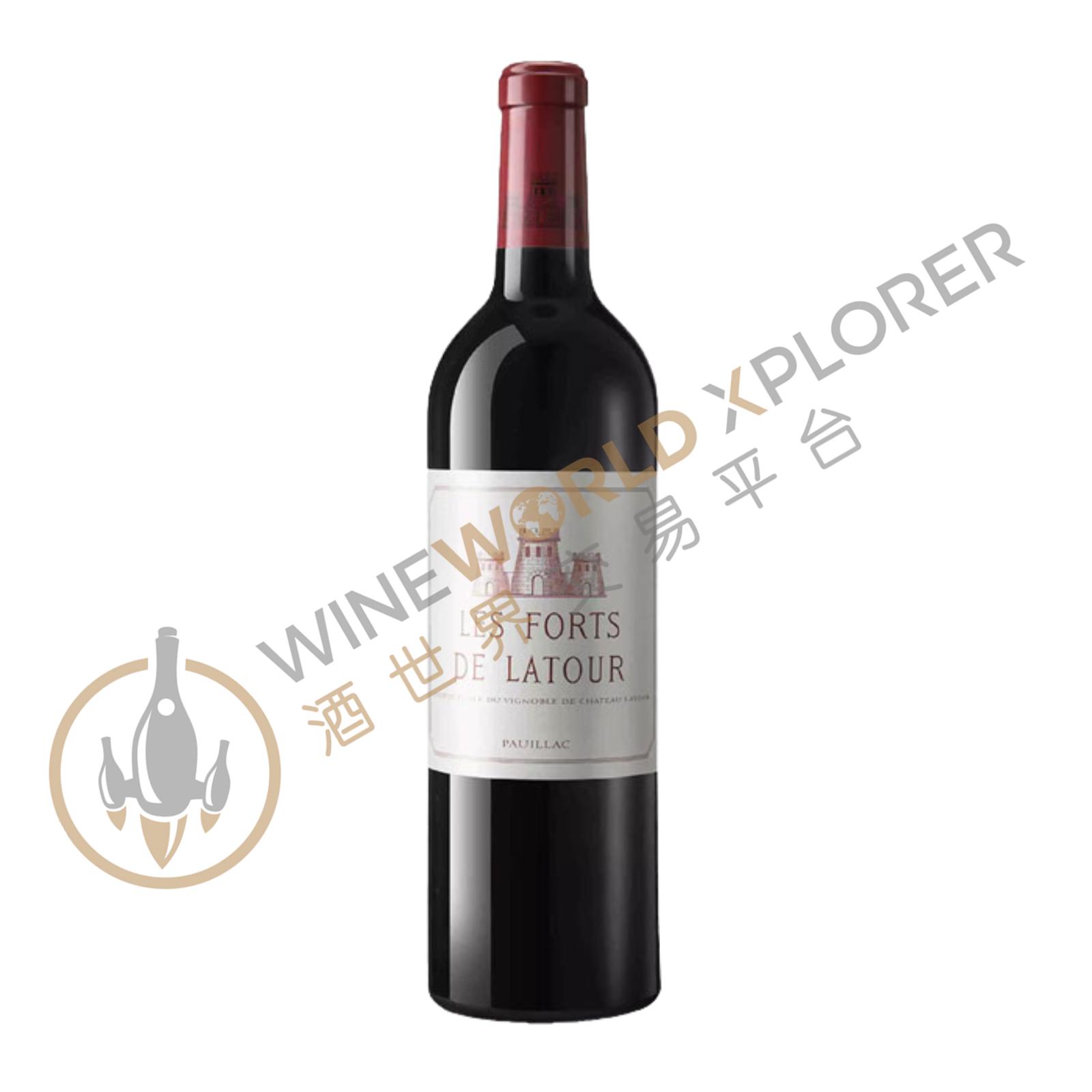
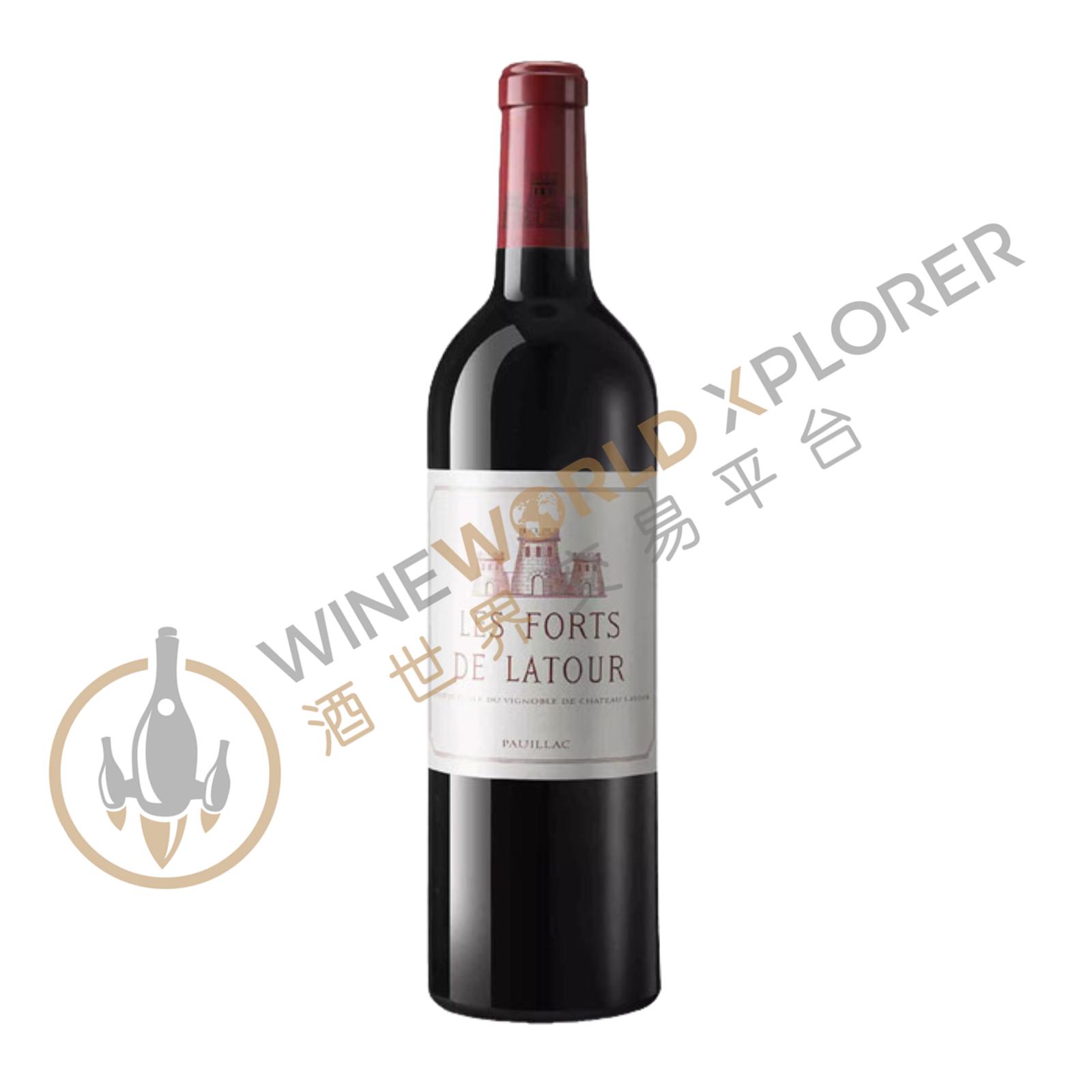
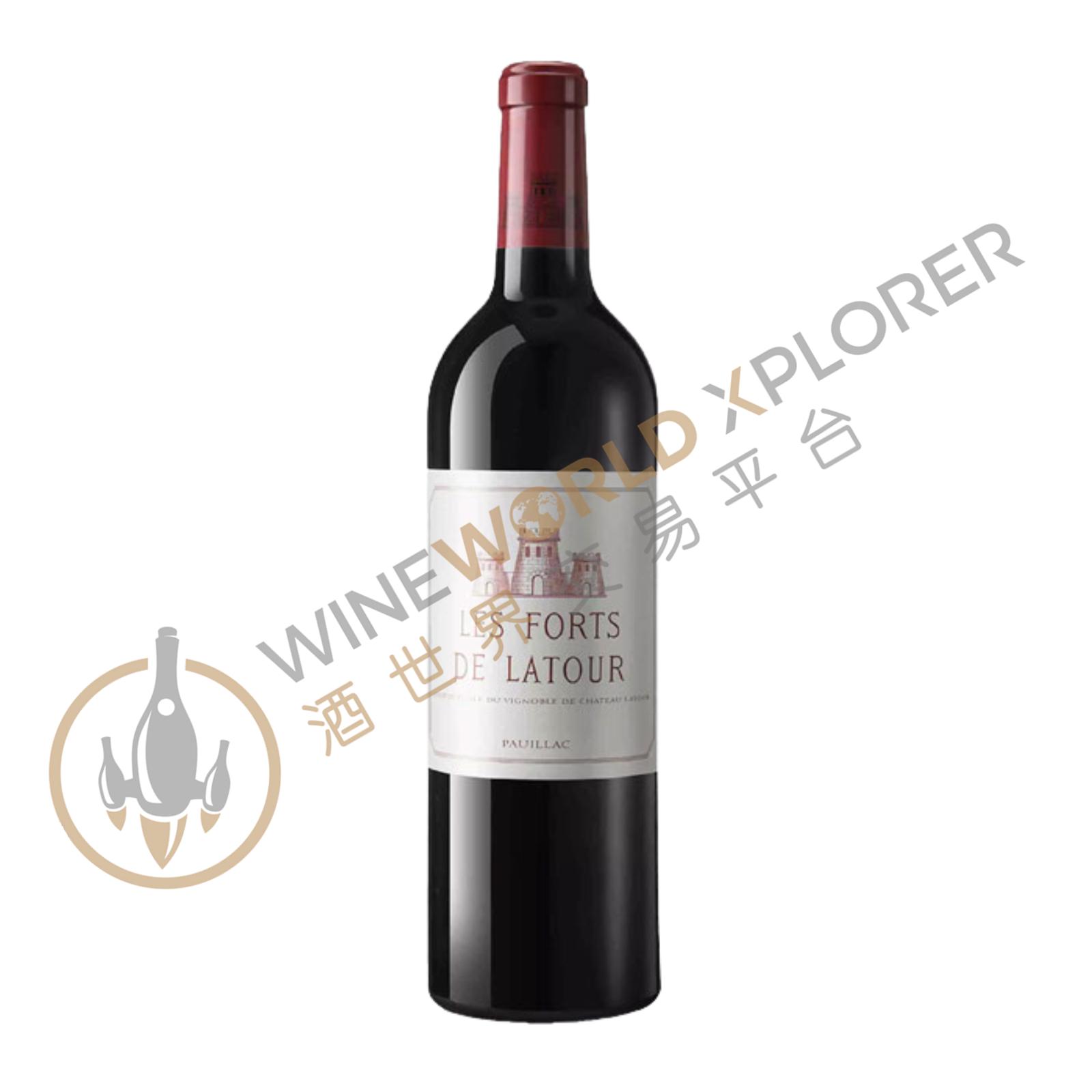
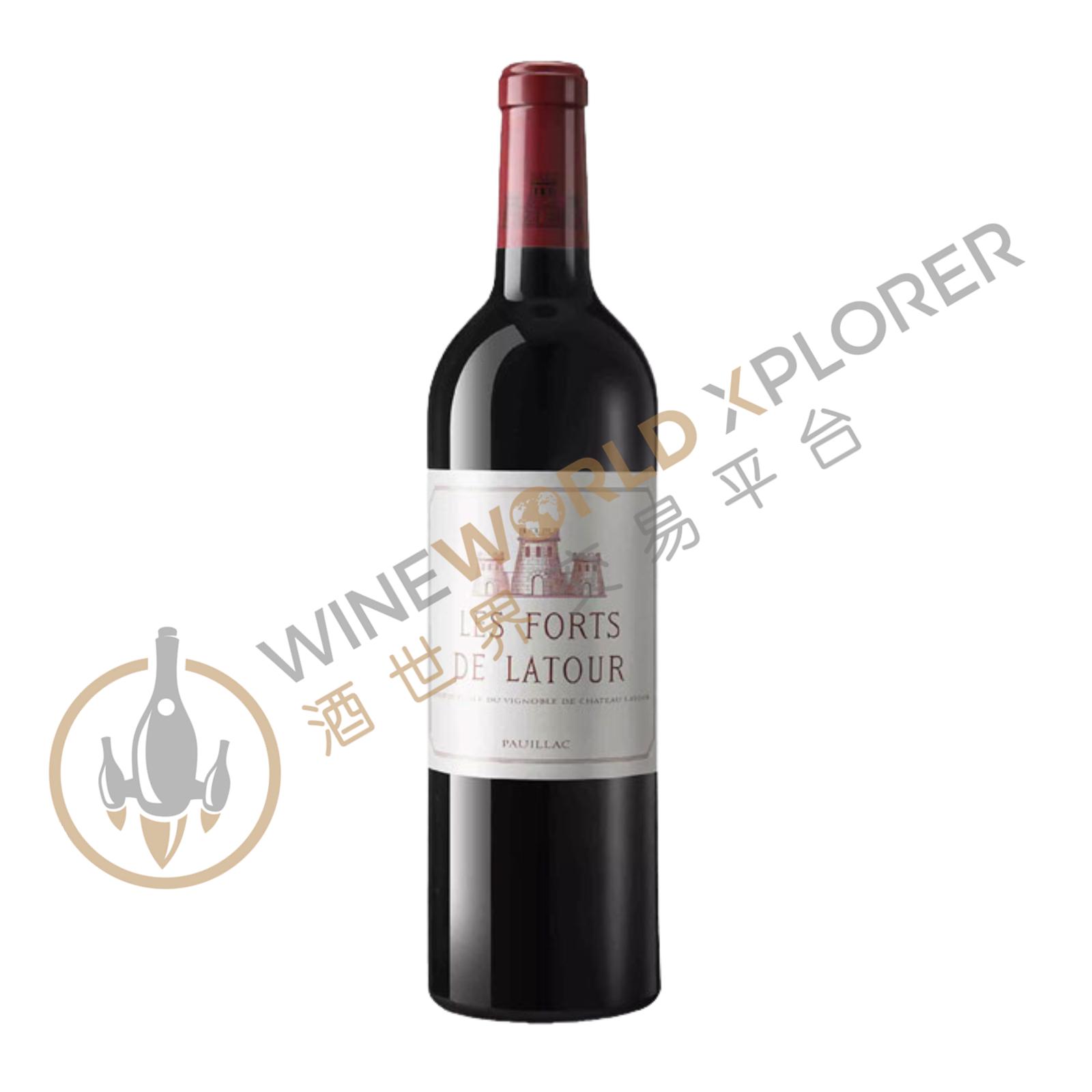
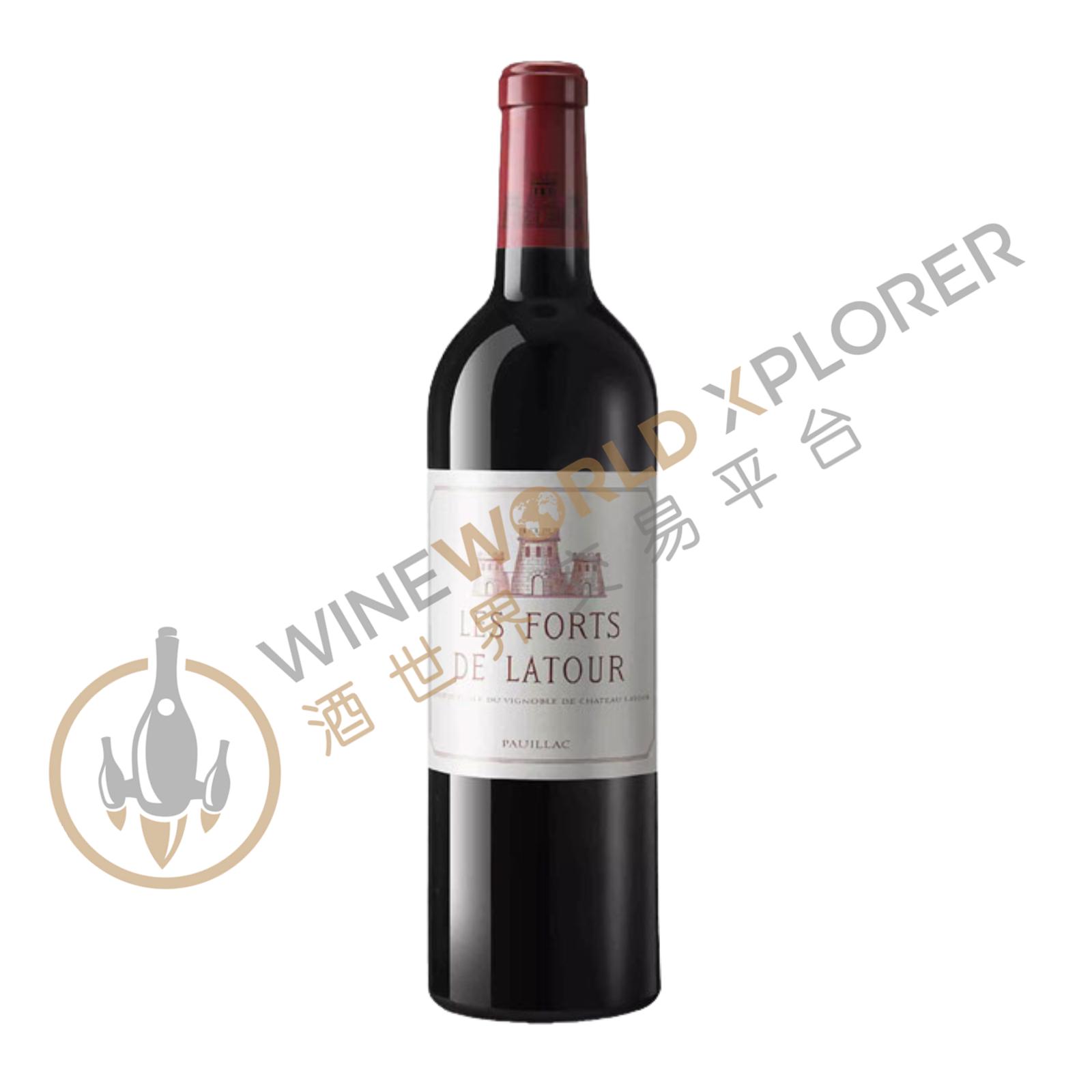
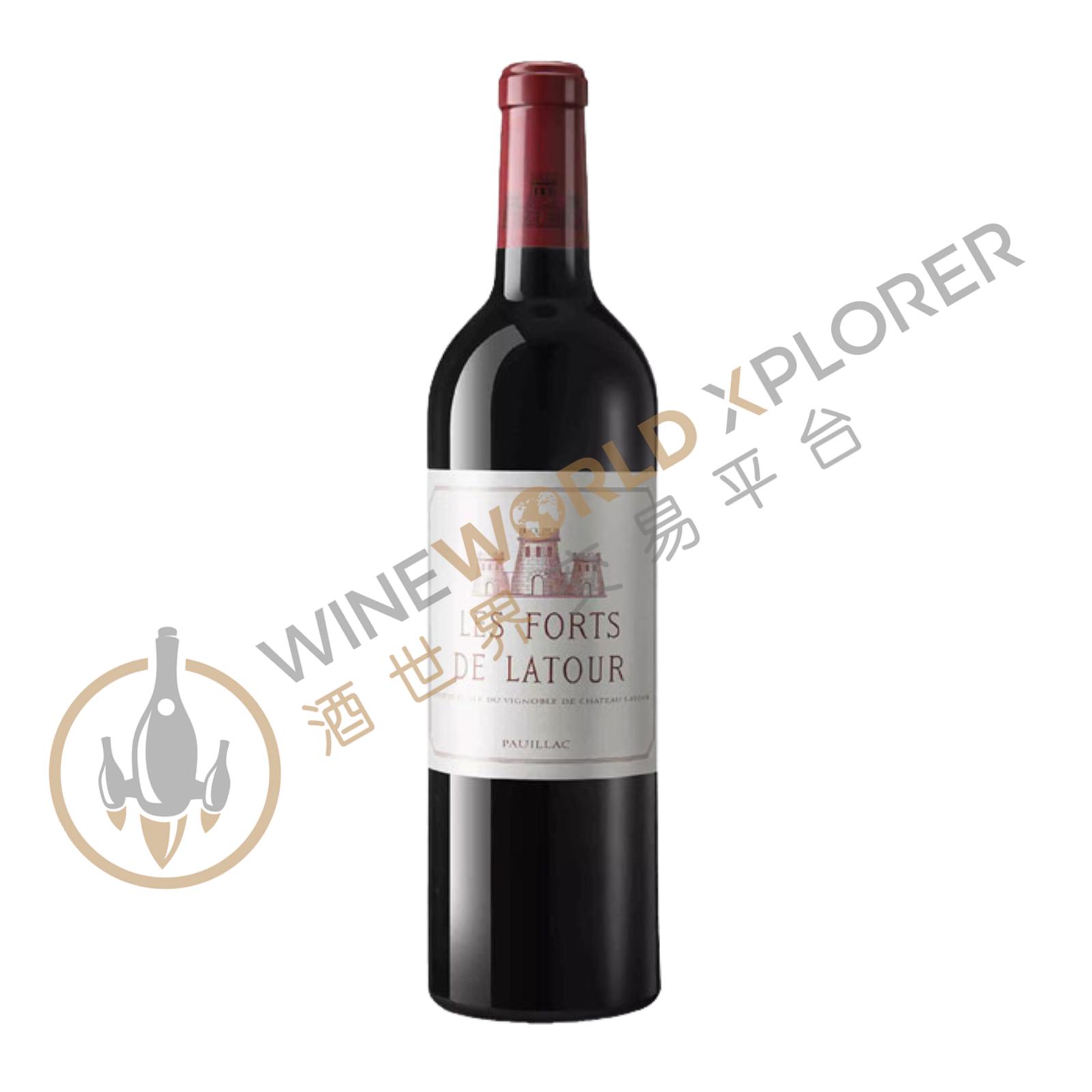
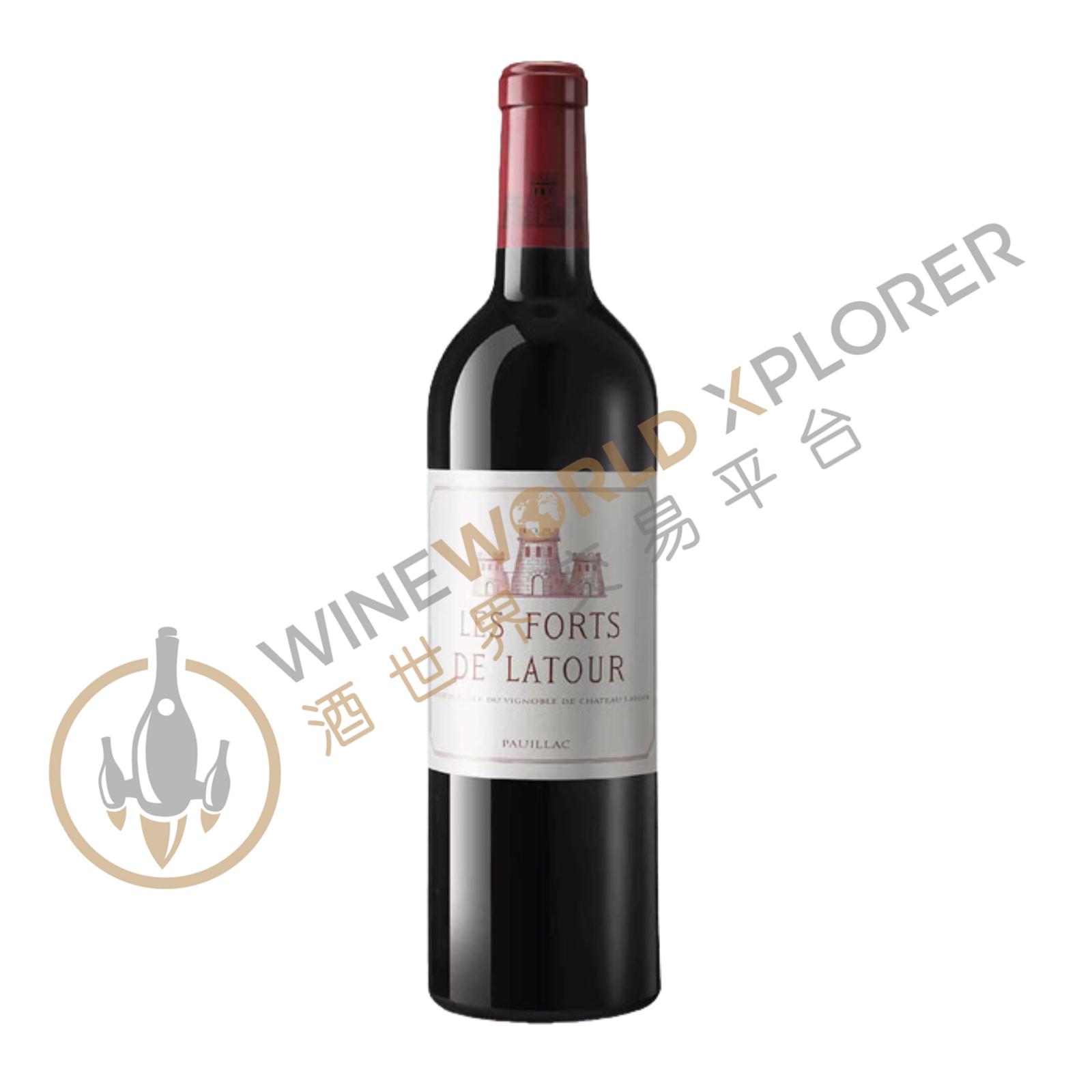
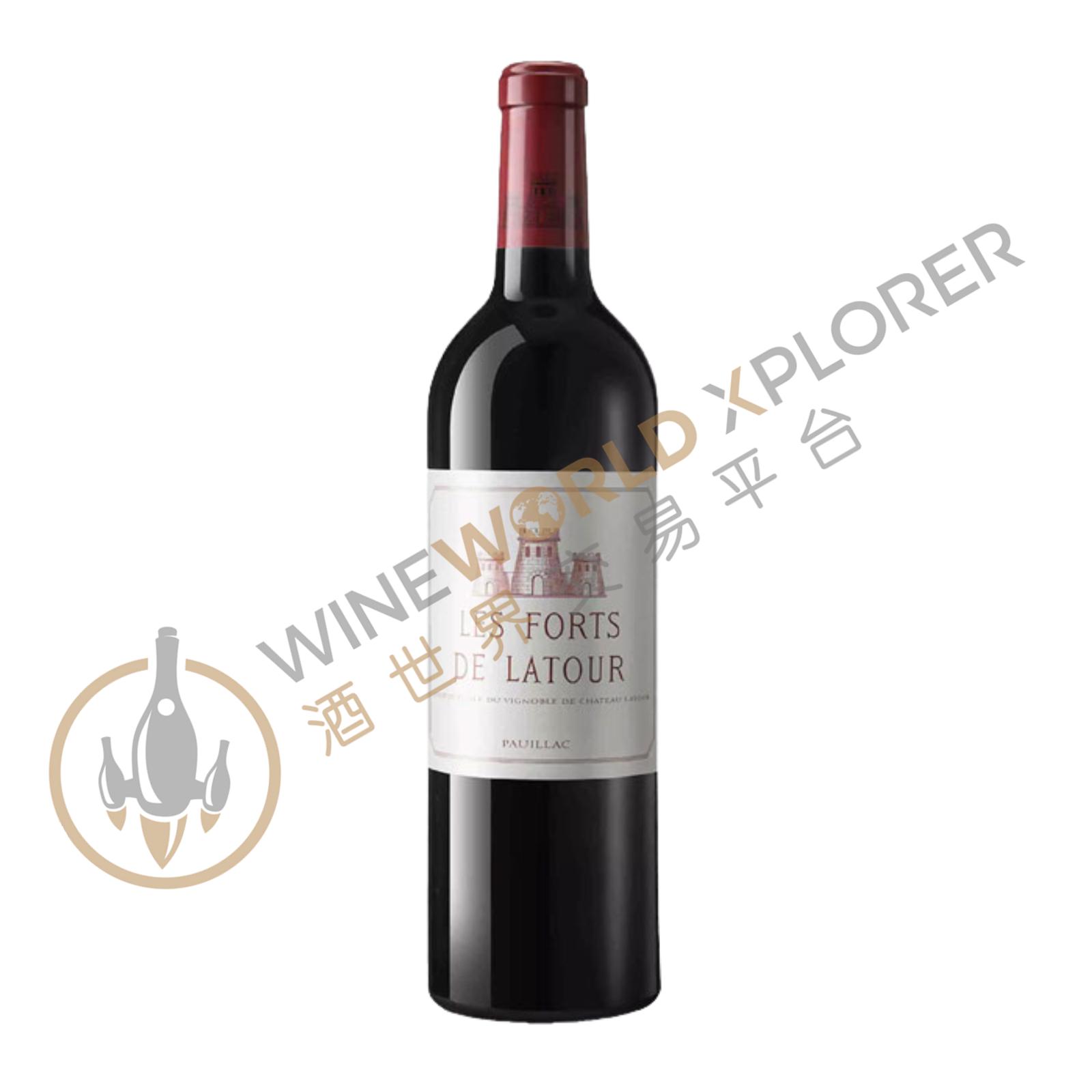
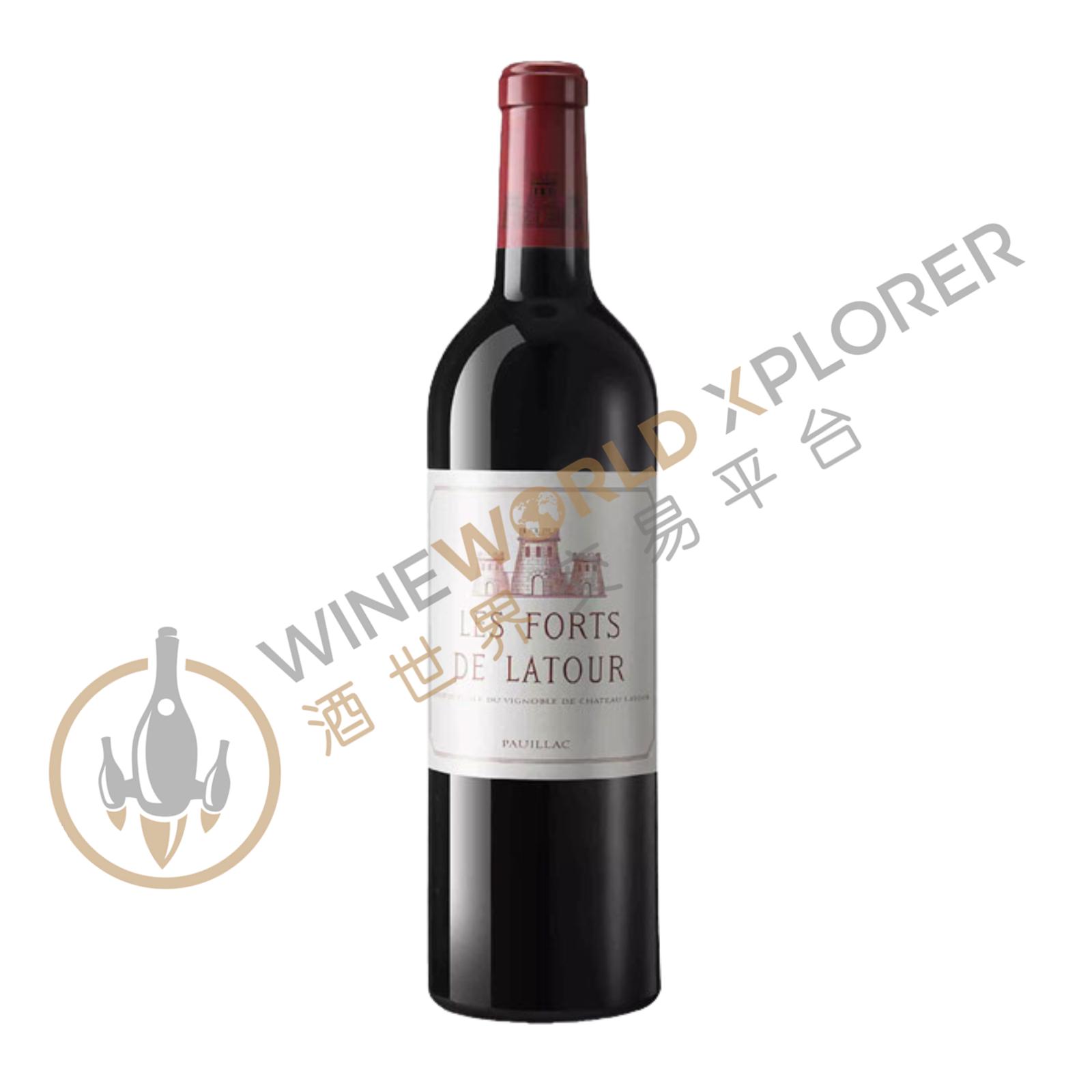
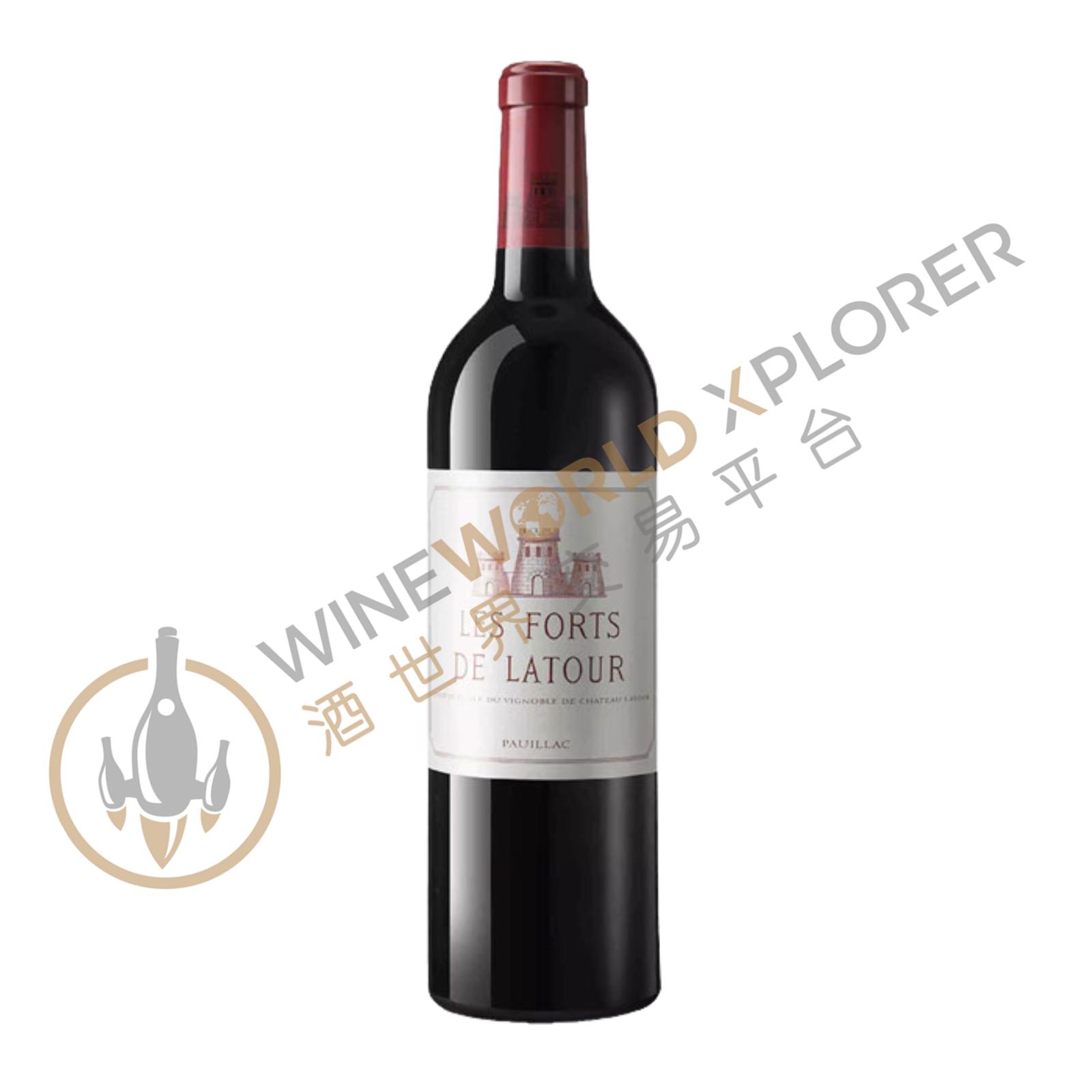
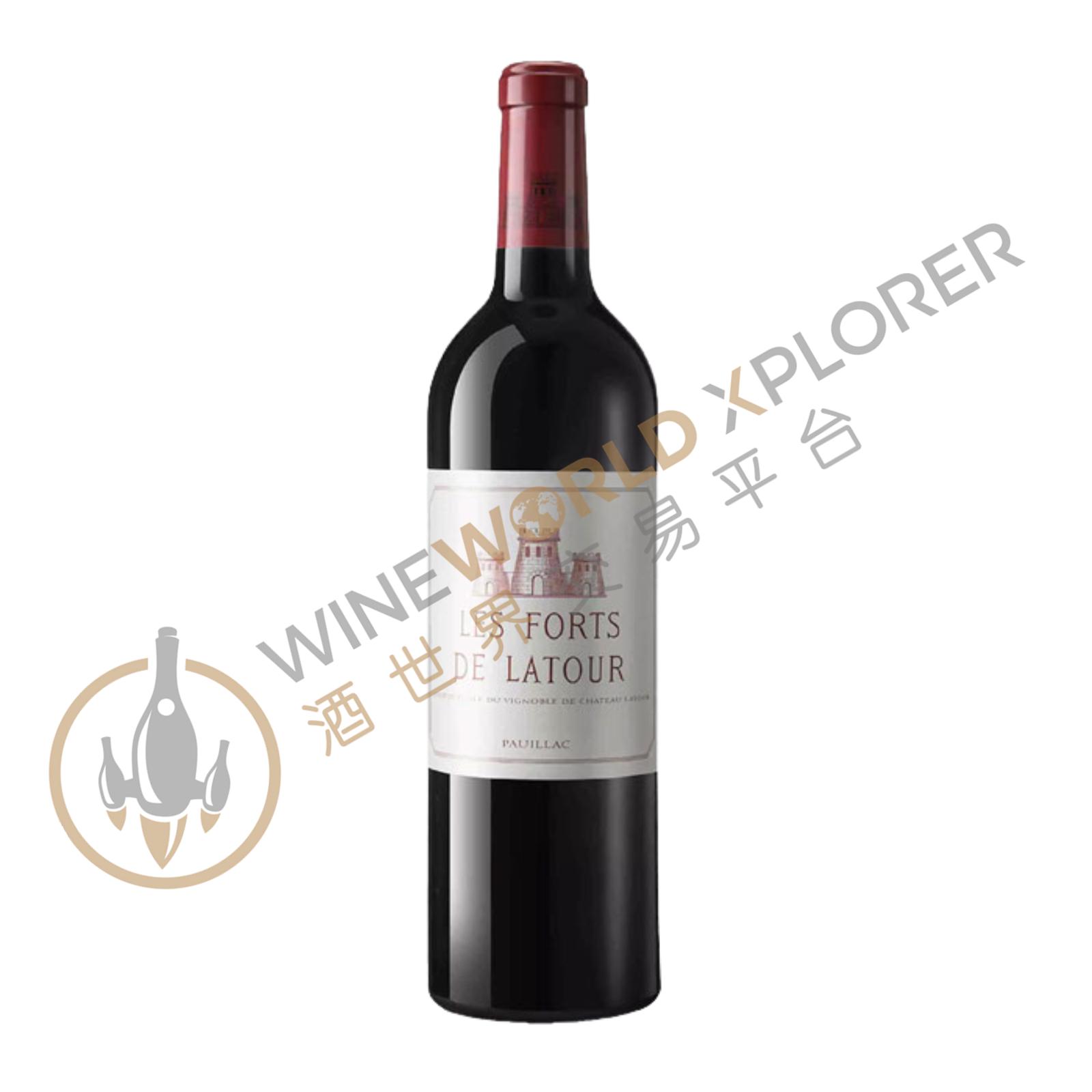
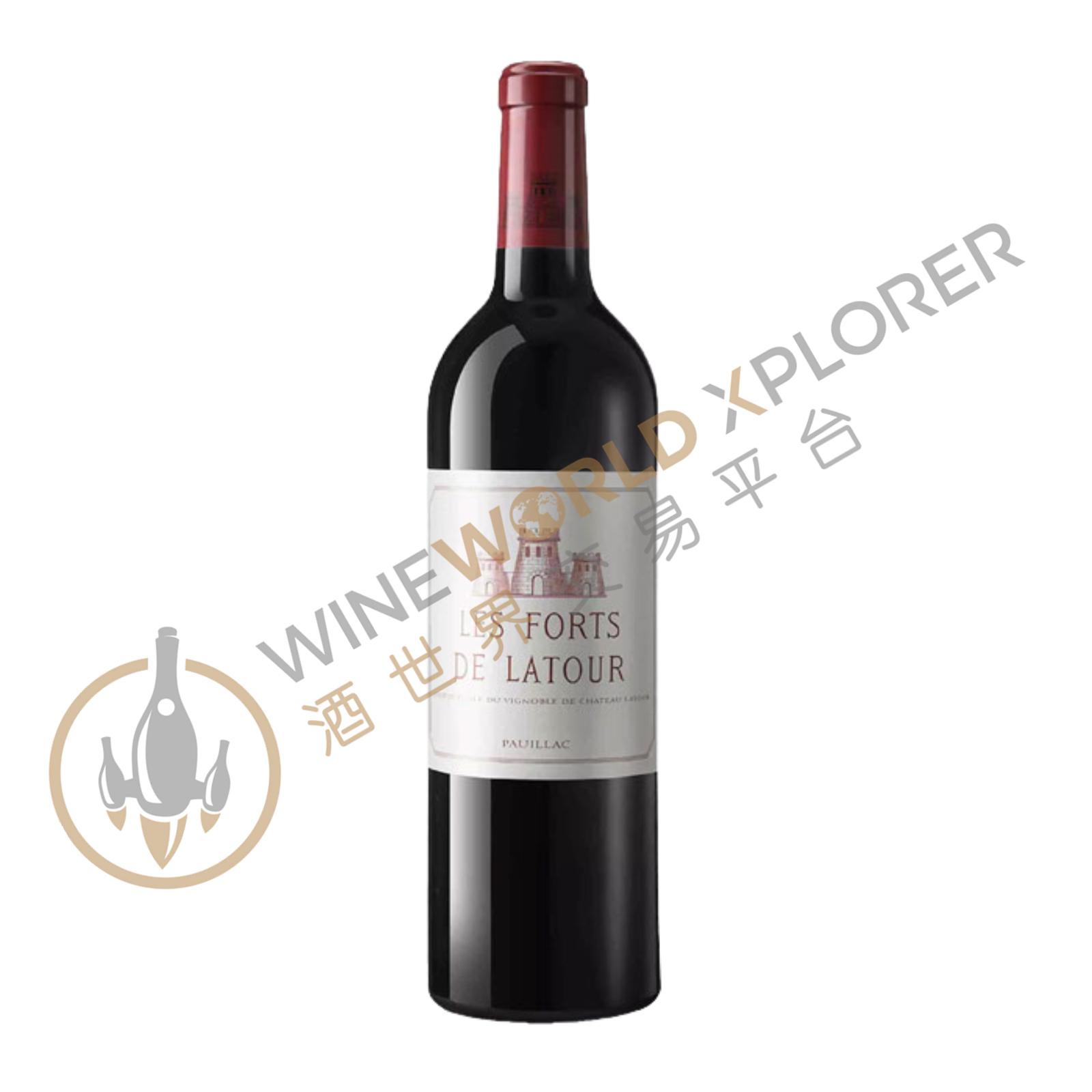
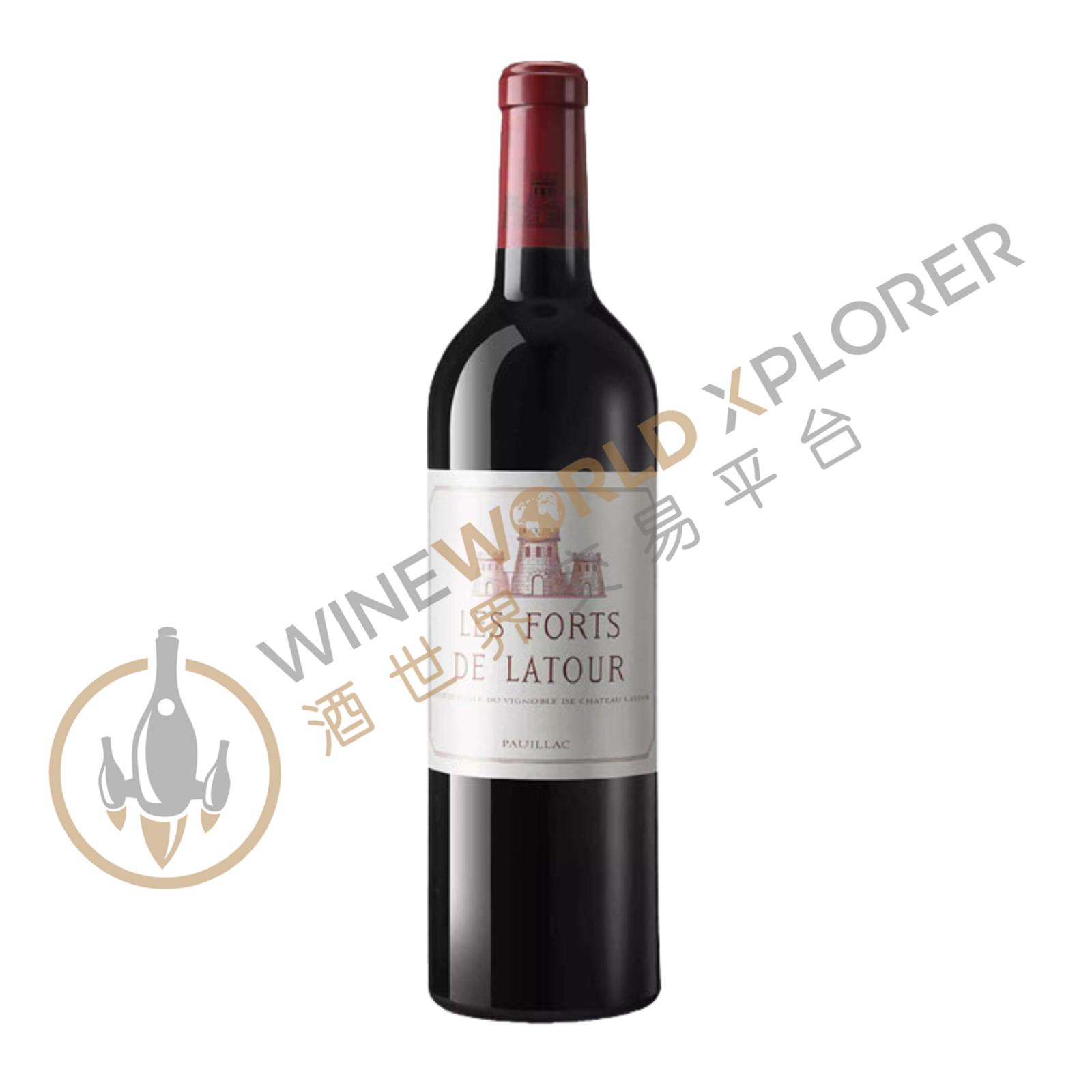
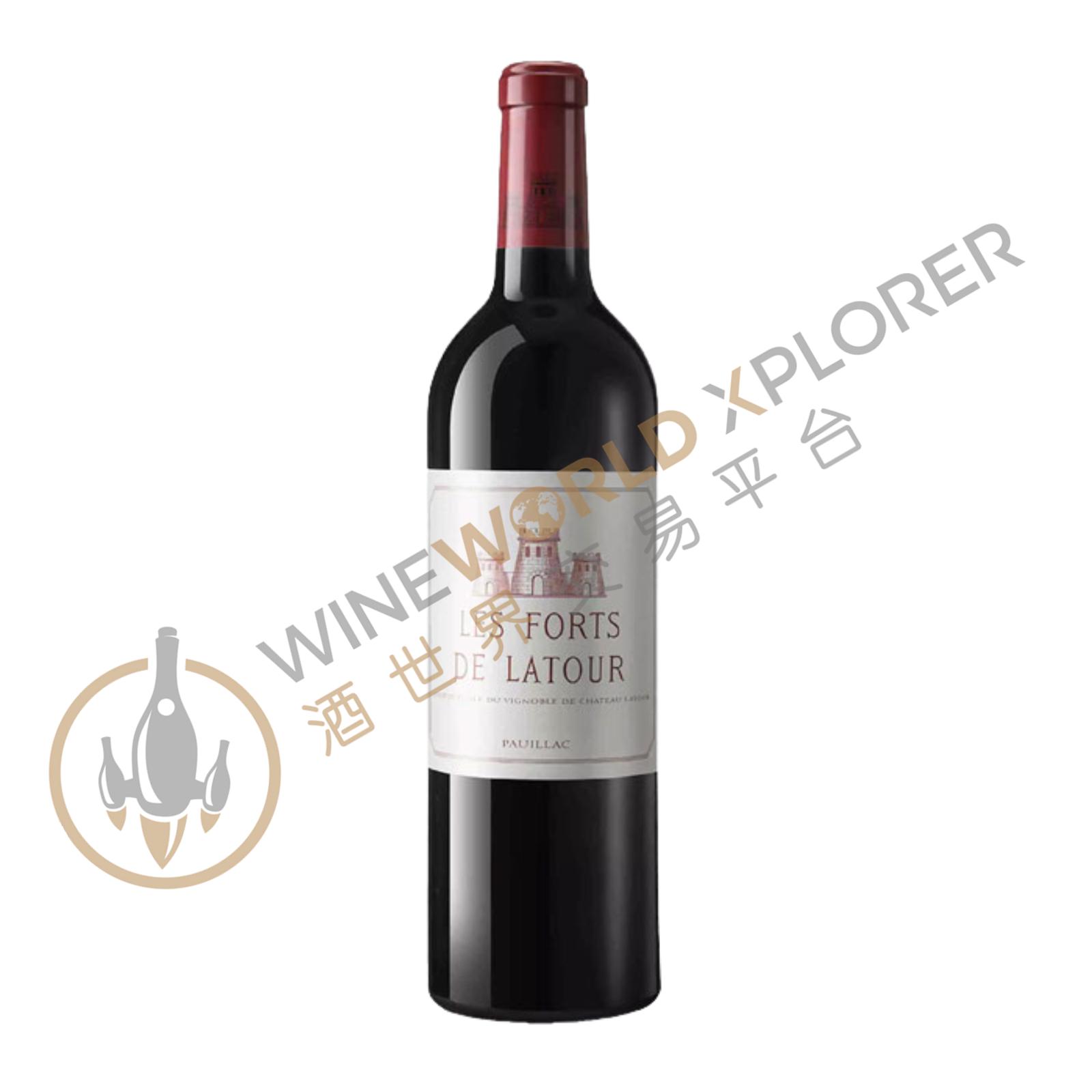
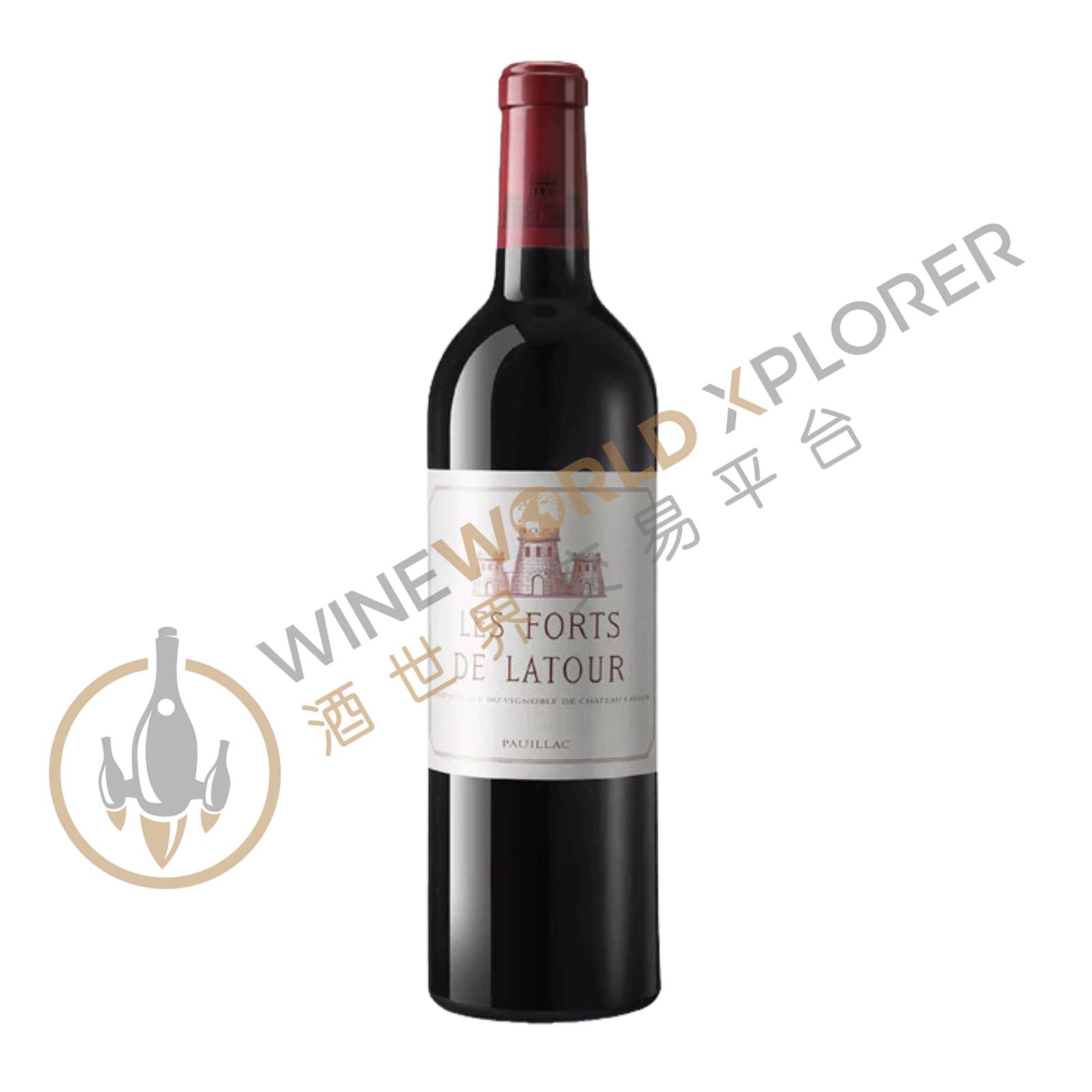
Les Forts de Latour 2015
 View analysis
Description
Tasting notes

Reviewed by: Lisa Perrotti-Brown
A blend of 63% Cabernet Sauvignon, 35.6% Merlot, 0.5% Cabernet Franc and 0.9% Petit Verdot, the 2015 Les Forts de Latour features a deep garnet-purple color and quite an earthy nose of black soil and crushed rocks with a core of red and black currants, mulberries and pencil lead plus hints of lavender and cloves. Tightly wound, firm, fine grained and lively in the medium-bodied mouth, it concludes with loads of energy and great poise.
Reviewed by: Lisa Perrotti-Brown
Composed of 63% Cabernet Sauvignon, 35.6% Merlot, 0.5% Cabernet Franc and 0.9% Petit Verdot, the 2015 Les Forts de Latour needs a fair bit of air to unlock a profound, powerhouse nose of blackcurrant cordial, boysenberries, plum preserves and dark chocolate, with suggestions of Chinese five spice, clove oil, violets and crushed rocks. The palate packs an absolute flavor wallop, bursting with rich, ripe black fruits and loads of spicy sparks, while framed by beautifully plush tannins, finishing long and minerally. Not at all heavy, on the contrary, the Les Forts is both expansive AND tantalizingly refreshing. In terms of evolution, it has barely budged since I last tasted it in 2017. While it's drinking very well right now, it easily has a good 20 years of cellaring ahead, maybe more. Impressive.
Reviewed by: Neal Martin
The 2015 Les Forts de Latour is a blend of 63% Cabernet Sauvignon, 35.6% Merlot, 0.5% Cabernet Franc and 0.9% Petit Verdot, representing 40% of the production. It has a very succinct bouquet, quite understated for Les Forts de Latour with a marine influence filtering through the dark plum and briary fruit. The palate is medium-bodied and beautifully balanced, not huge depth here but harmonious and sensual, fanning out gently with graphite-tinged black fruit that linger long in the mouth. This is a classy Les Forts de Latour that will age gracefully over 20 years or more.
Reviewed by: Neal Martin
The 2015 Les Forts de Latour has a very sophisticated bouquet with that subtle marine-like influence upon the black fruit, hints of graphite and pencil box, all extremely well defined if much tighter and more backward than I was anticipating. The palate is medium-bodied with fine-grain tannin, denser than the 2014 Les Forts de Latour, yet still quite sensual for a Pauillac with a caressing texture. There is excellent freshness here, partly due to the fact that these days they are picking some parcels a little earlier. As it did in barrel, it fans out wonderfully toward the finish, but what I really like here is the unusually long aftertaste, residues of graphite and black fruit lingering for 45+ seconds after the wine has departed. Superb.
Reviewed by: Antonio Galloni
The 2015 Les Forts de Latour is a dark, authoritative wine. Graphite, smoke, gravel, menthol, violet and creme de cassis build as this powerful, virile wine shows off its brooding, virile personality. The 2015 finishes with a burst of explosive energy that only adds to its considerable allure. Readers will have to be patient, as the 2015 is likely to require a number of years in bottle to be approachable. Even at this early stage, the 2015 Forts de Latour is simply gorgeous. The 2015 is 63% Cabernet Sauvignon, 35.6% Merlot, 0.5% Cabernet Franc and 0.9% Petit Verdot.
Reviewed by: Antonio Galloni
The 2015 Les Forts de Latour is both super-expressive and quite representative of the house style. A host of graphite, licorice, menthol, and herb notes flesh out in an effortless, deep wine oozing with class. Scents of lavender, mint and rose petal add the closing shades of nuance. Beams of supporting tannin give the wine its energy, while there is more than enough freshness to convey tension and vivacity. This is a strong showing. Tasted two times.
Reviewed by: Neal Martin
The 2015 Les Forts de Latour has a little more fruit intensity than its peers, offering blackberry, graphite and cedar – all quintessential Pauillac – though it would benefit from a tad more precision. The palate is medium-bodied with fine grip, beautiful balance and polished blackberry and bilberry fruit toward the finish, where a tang of salinity lends tension. This is an outstanding Les Forts de Latour. Tasted blind at the Southwold 2015 Bordeaux tasting.
Reviewed by: Vinous
The 2015 Les Forts de Latour is silky, perfumed and wonderfully nuanced from the very first taste. Crushed red berry, cedar, tobacco, mint and blood orange lend striking aromatic nuance. Ample and resonant in feel, yet with mid-weight structure, the 2015 is a total pleasure to taste today. All of the natural radiance of the warm year comes through in the wine's generous, inviting personality. Drink it over the next 15 years or so. (AG)
Reviewed by: Neal Martin
The 2015 Les Forts de Latour has a little more fruit intensity than its peers, offering blackberry, graphite and cedar – all quintessential Pauillac – though it would benefit from a tad more precision. The palate is medium-bodied with fine grip, beautiful balance and polished blackberry and bilberry fruit toward the finish, where a tang of salinity lends tension. This is an outstanding Les Forts de Latour. Tasted blind at the Southwold 2015 Bordeaux tasting.
Reviewed by: Antonio Galloni
The 2015 Les Forts de Latour was picked from 15 September to 10 October, commencing with the Merlot and finishing with the Cabernet Sauvignon. This bottle correlates closely to the one that I tasted blind in January 2019. There is a mixture of blackberry, graphite and cedar on the nose, very well defined and focused. The palate is medium-bodied with very fine tannins, a mixture of red and black fruit with superb mineralité and lip-smacking salinity. Velvety in texture, this is wonderfully poised with great persistence on the finish. Excellent. (NM)
Reviewed by: Neal Martin
Composed of 63% Cabernet Sauvignon, 35.6% Merlot, 0.5% Cabernet Franc and 0.9% Petit Verdot, the 2015 Les Forts de Latour needs a fair bit of air to unlock a profound, powerhouse nose of blackcurrant cordial, boysenberries, plum preserves and dark chocolate, with suggestions of Chinese five spice, clove oil, violets and crushed rocks. The palate packs an absolute flavor wallop, bursting with rich, ripe black fruits and loads of spicy sparks, while framed by beautifully plush tannins, finishing long and minerally. Not at all heavy, on the contrary, the Les Forts is both expansive AND tantalizingly refreshing. In terms of evolution, it has barely budged since I last tasted it in 2017. While it's drinking very well right now, it easily has a good 20 years of cellaring ahead, maybe more. Impressive.
Reviewed by: James Suckling
Very fruity and lifted with bright and floral aromas and flavors. Full and velvety. Gorgeous finish. Very pure and focused. Pretty Les Forts.
Reviewed by: James Suckling
Aromas of iron, rust and hot stones with currants and dark berries follow through to a full body, firm and ultra-silky tannins and a long and polished finish. Racy and driven. Drink in 2022.
Reviewed by: James Suckling
Aromas of blackcurrants, sweet tobacco, fresh herbs, licorice and cigar box follow through to a full body with tannins that are totally integrated and ultra, ultra fine, framing the wine and highlighting the subtle, pretty fruit. All about grace and beauty. Keeps getting better. Drink or hold.
About the Producer
Latour was a jointly held lord's domain until the end of the 16th century, At that time, the property was not entirely covered by vines and yet production largely exceeded requirements. There was no proper storage for the wine and it had to be drunk within the year. The estate remained in the hands of the Mullet family until the late 17th century, and while direct use of the land gradually replaced the leasing system, the wine-making situation changed very little. In the early 18th century, England's aristocracy and wealthy middle classes developed refined tastes, particularly for wine, from Bordeaux, Oporto, Jerez and other southern vineyards. Wine exports had been restricted by various blockades imposed by the wars, but now enjoyed a period of relative freedom and trade with Bordeaux grew rapidly. As a result of this flourishing trade, the estate gradually came to specialise in wine production, with 38 hectares of vines in 1759 and then 47 hectares by 1794.
1975(2)1976(1)1979(1)1981(1)1982(1)1983(2)1990(1)1992(2)1994(2)1995(1)1996(2)1998(3)1999(2)2000(4)2001(6)2002(8)2003(5)2004(8)2005(5)2006(24)2007(13)2008(13)2009(24)2010(25)2011(9)2012(23)2013(9)2014(15)
Package Size
1 x 1.5L