Wine Advisor



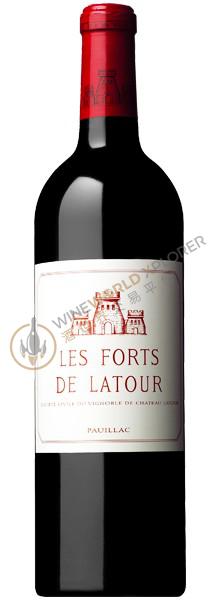
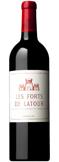
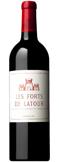
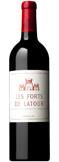
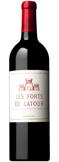
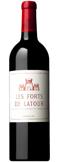
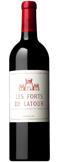
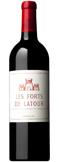
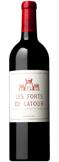
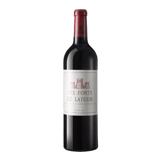
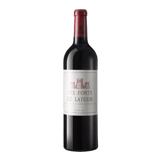
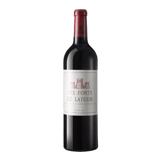
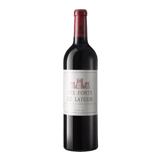
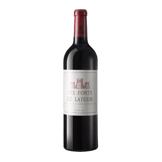
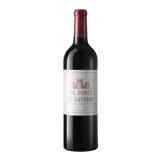
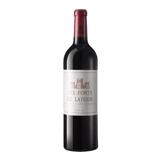
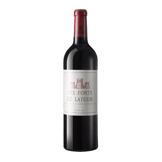
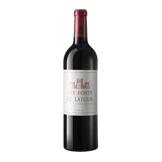
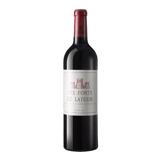
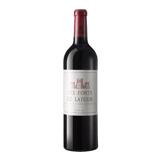
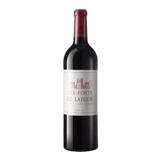
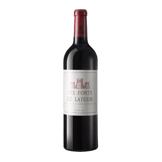
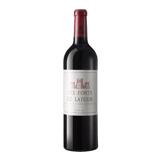
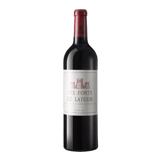
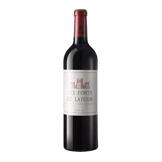
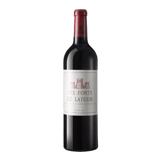
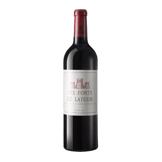
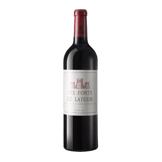
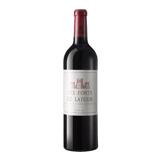
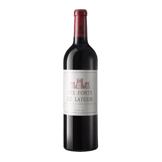
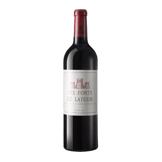
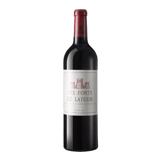
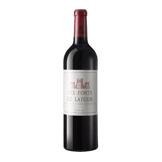
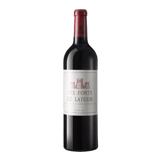
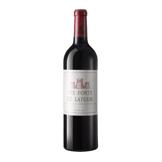
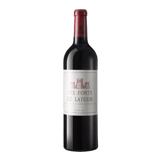
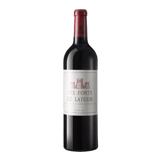
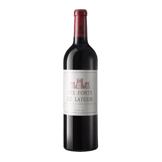
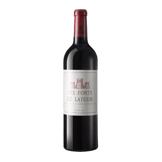
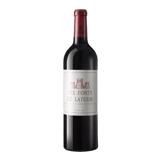
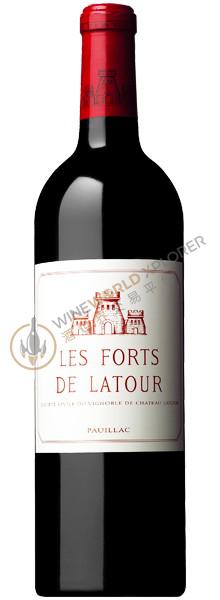
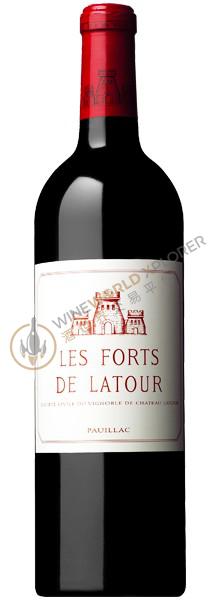
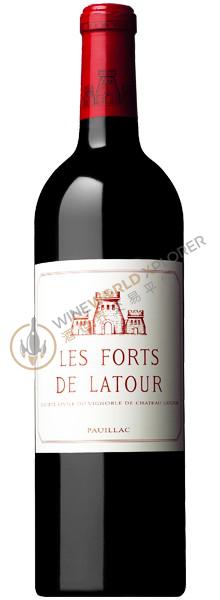
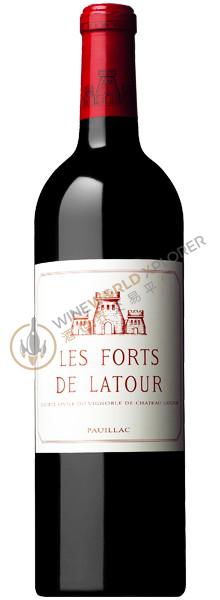
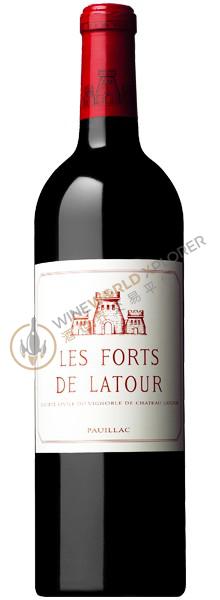
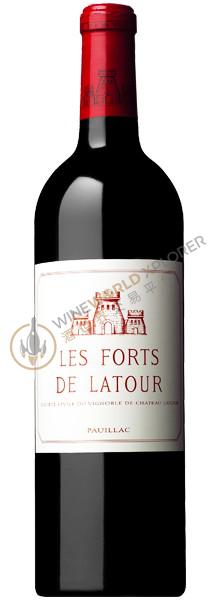
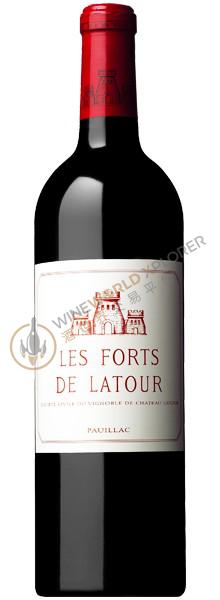
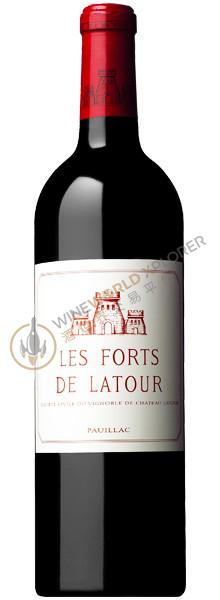
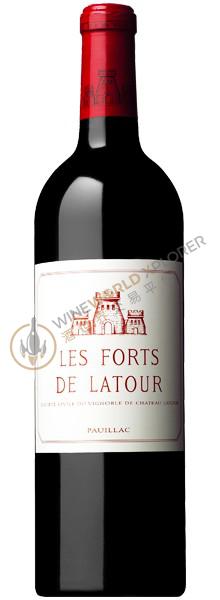
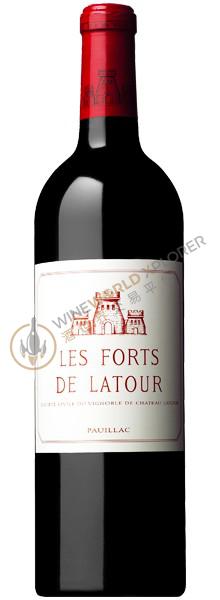
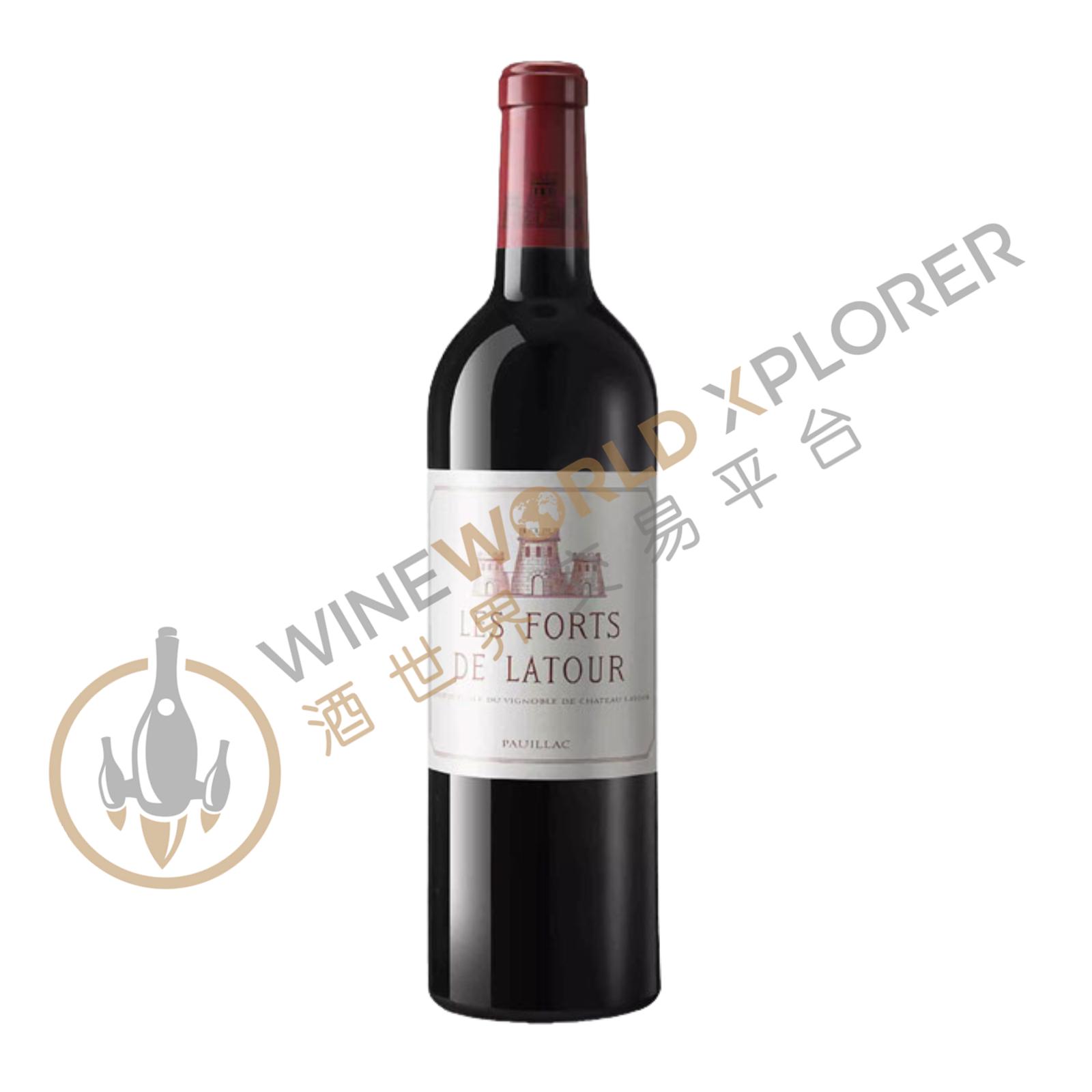
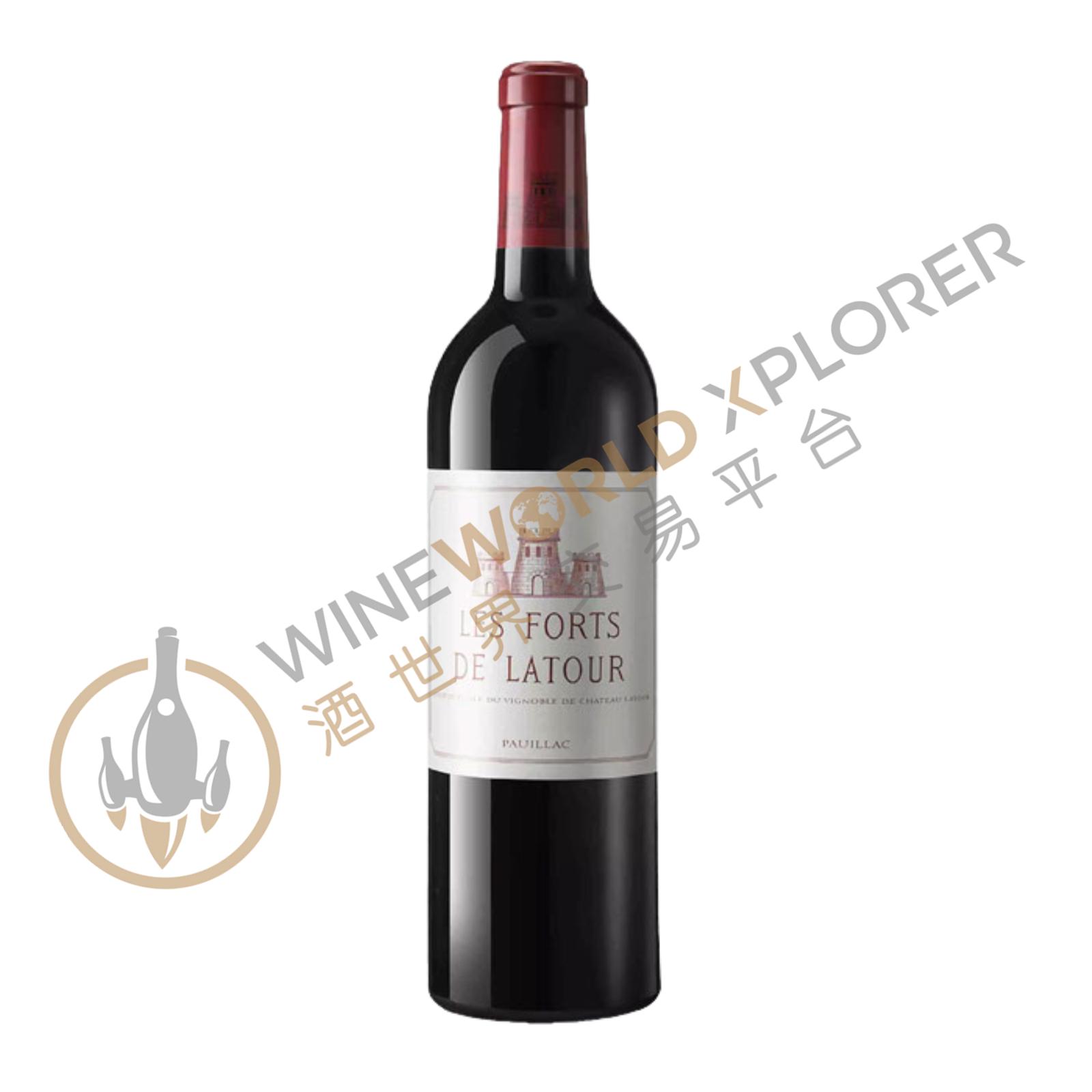
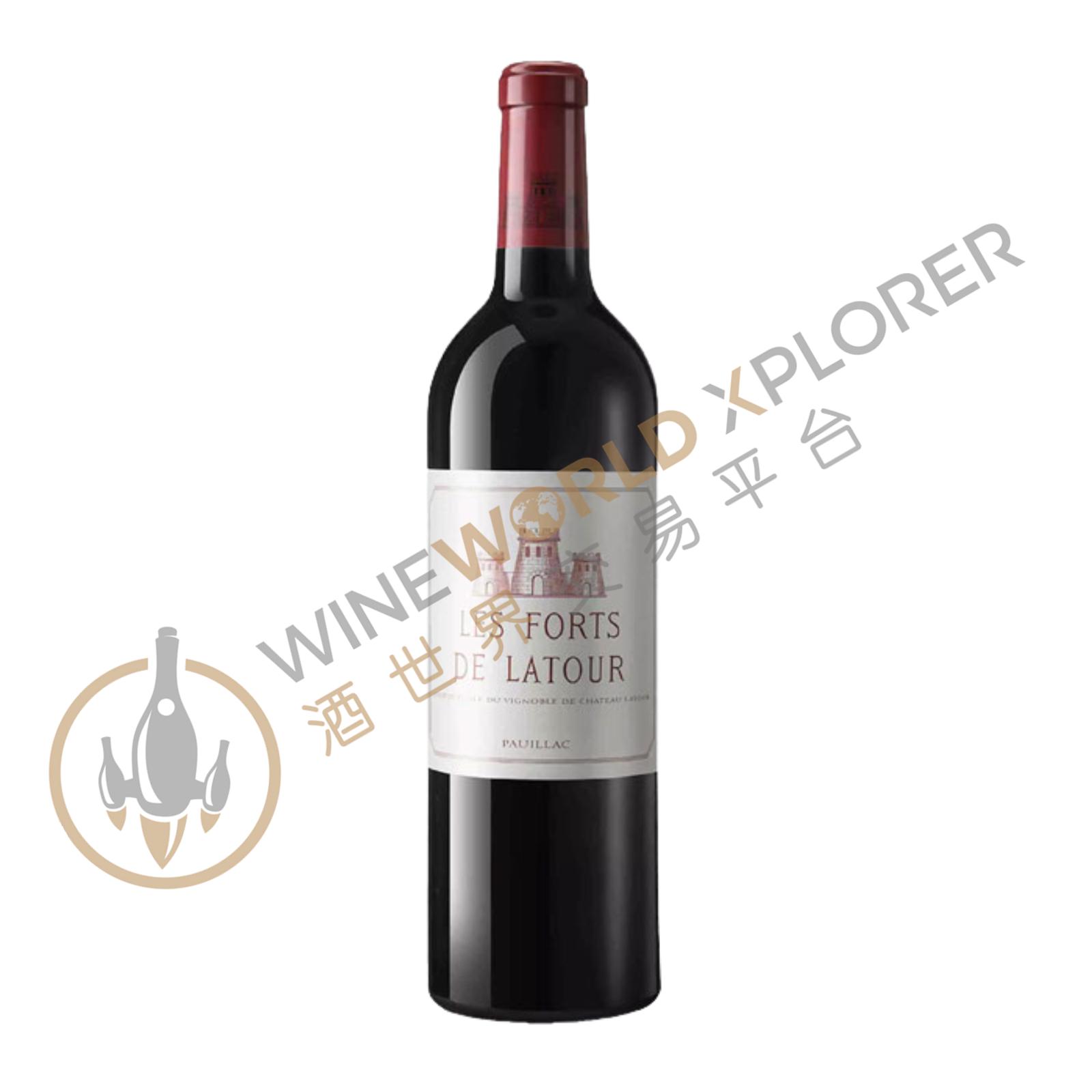
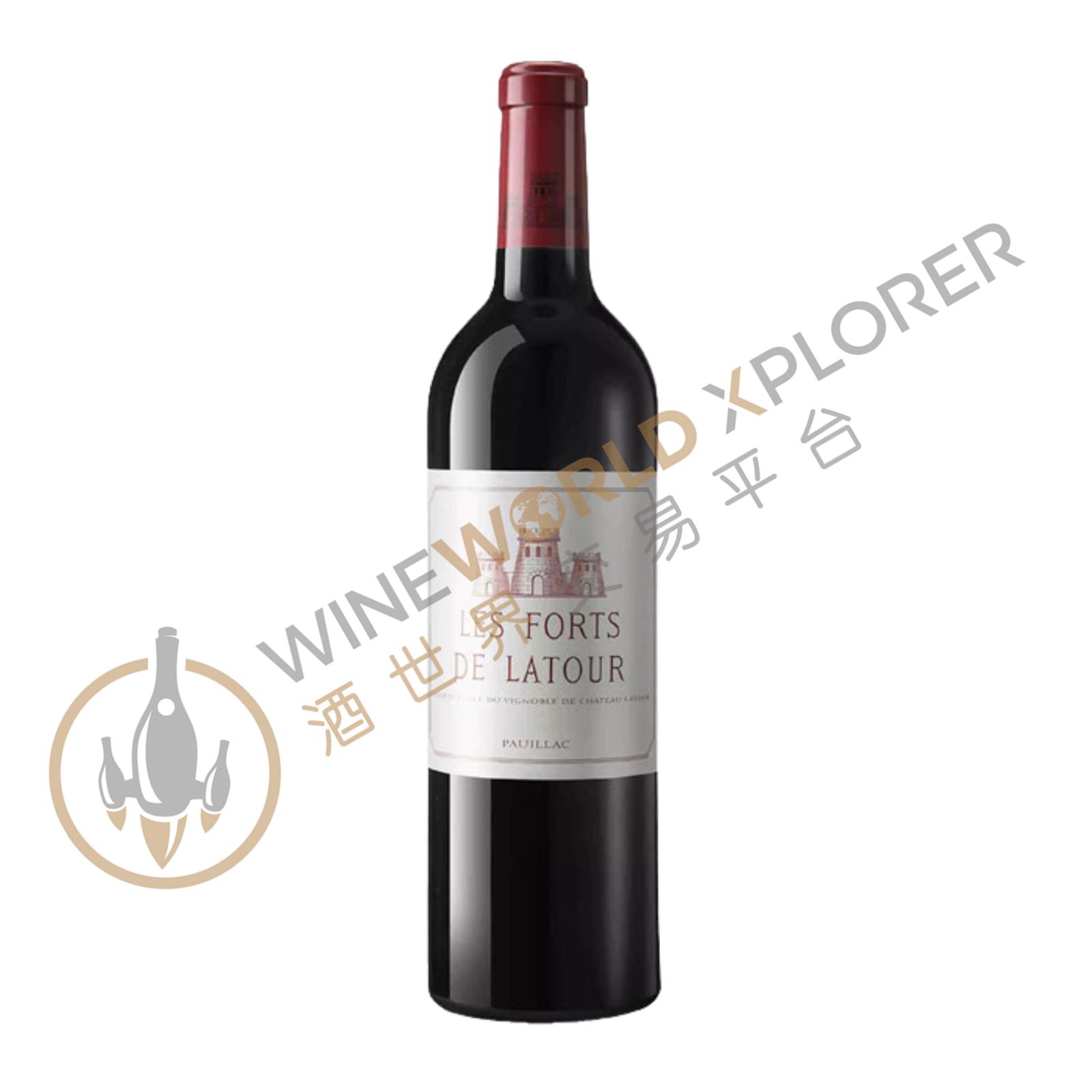
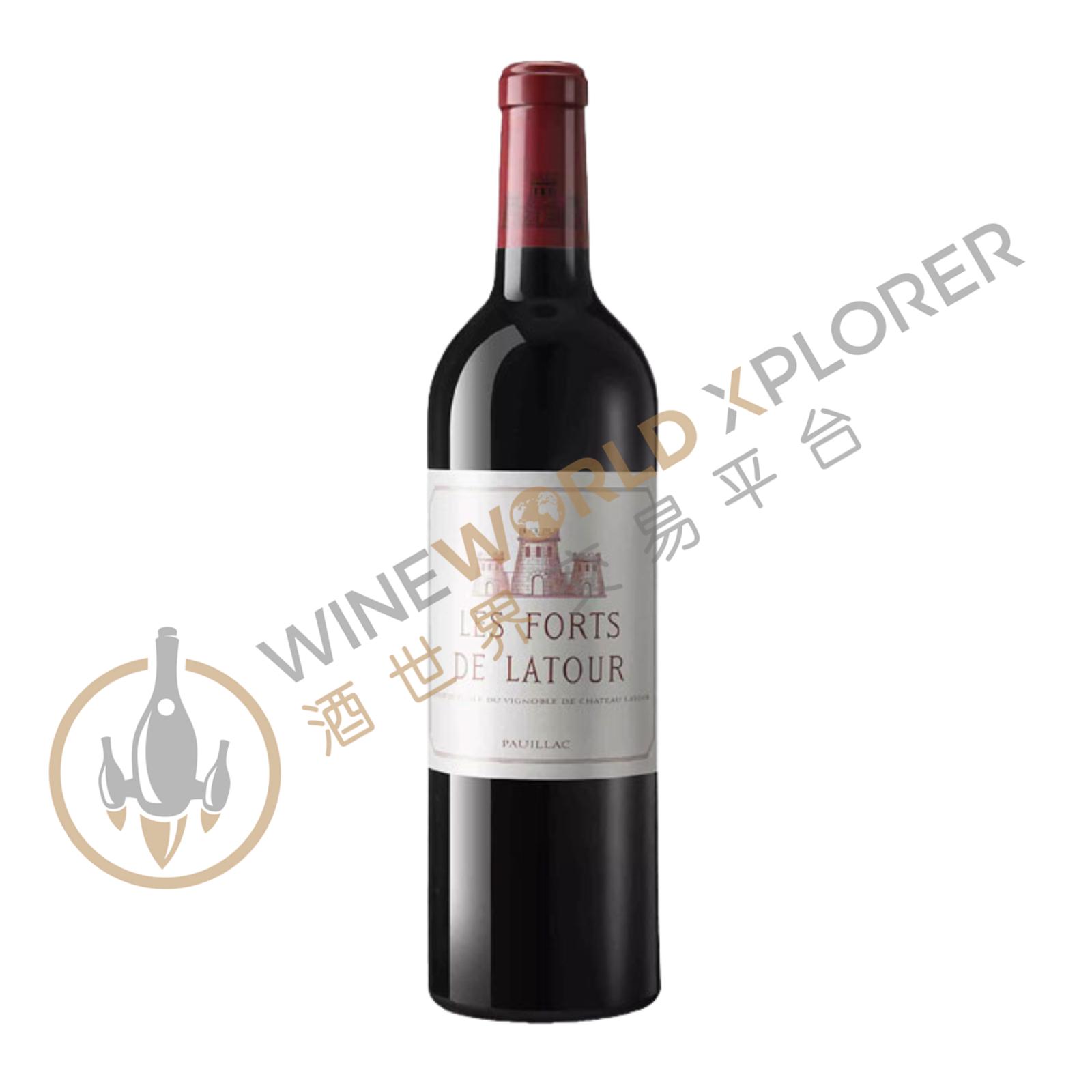
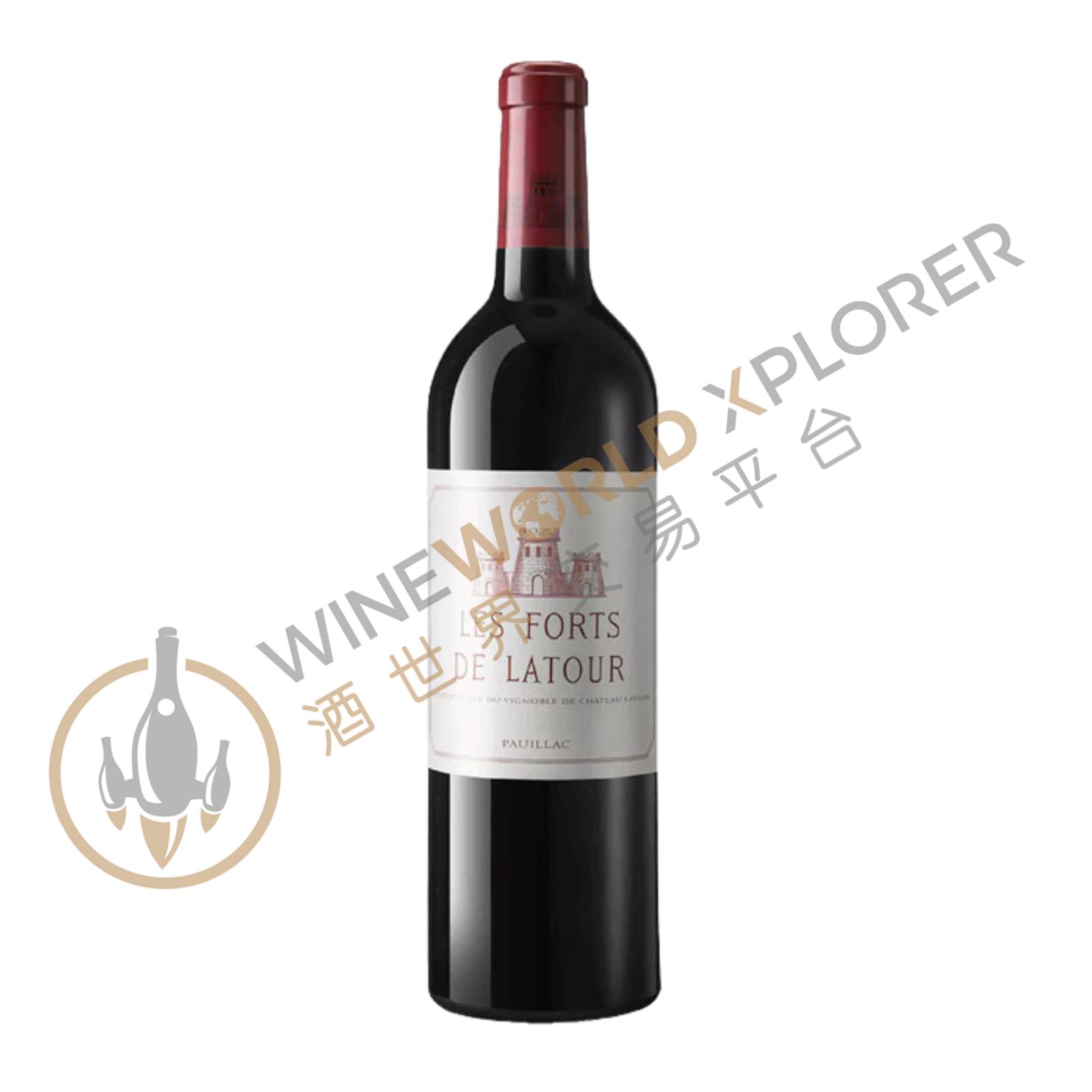
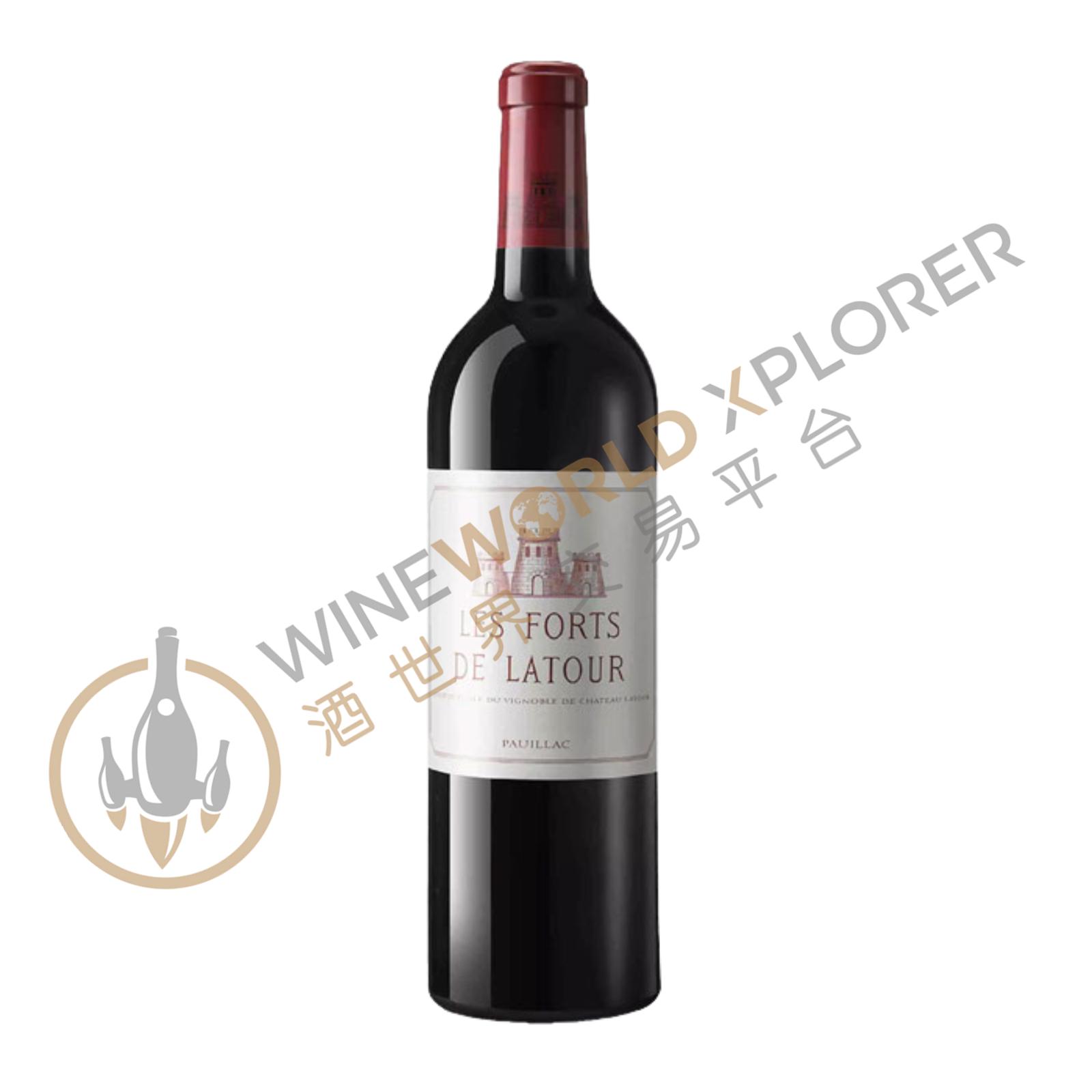
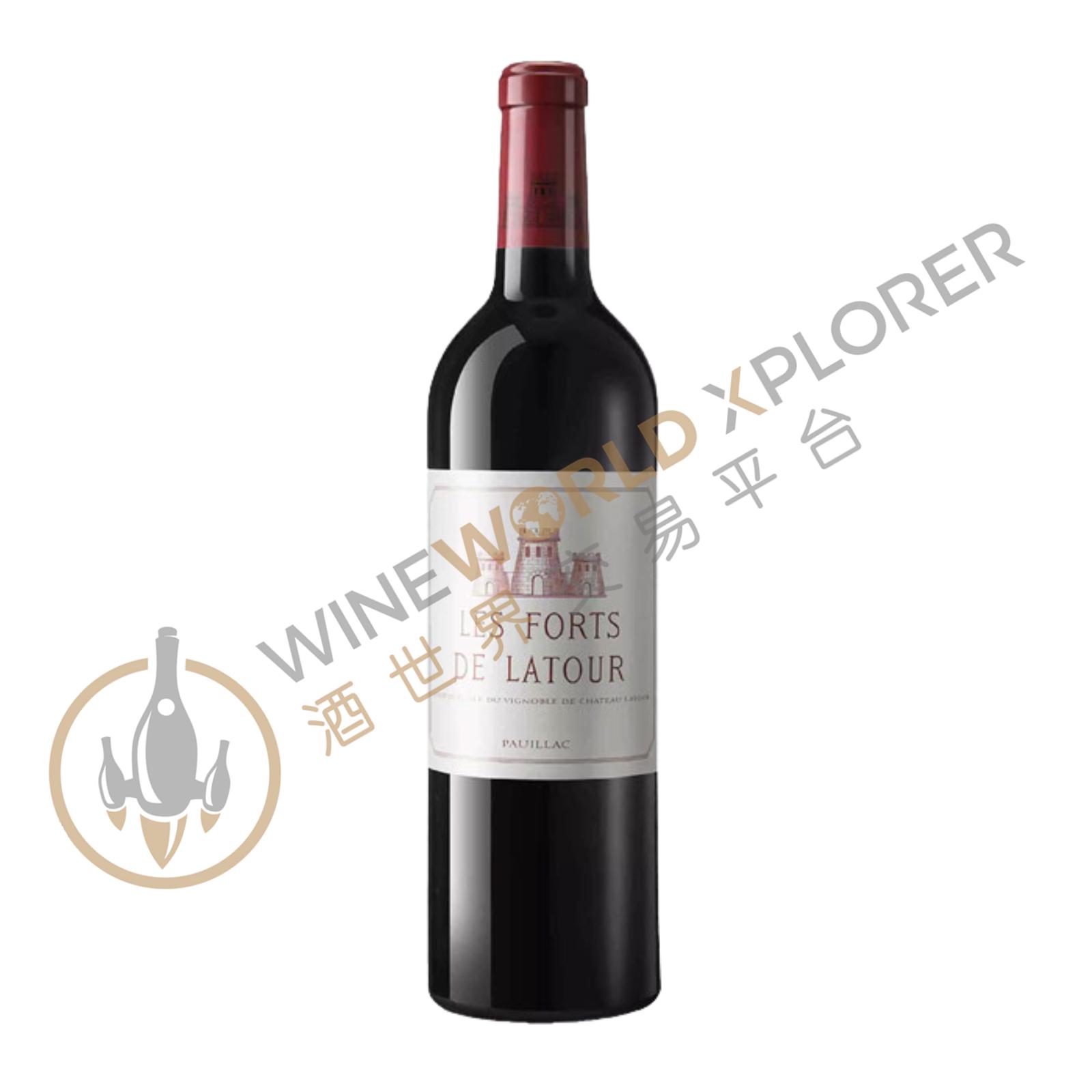
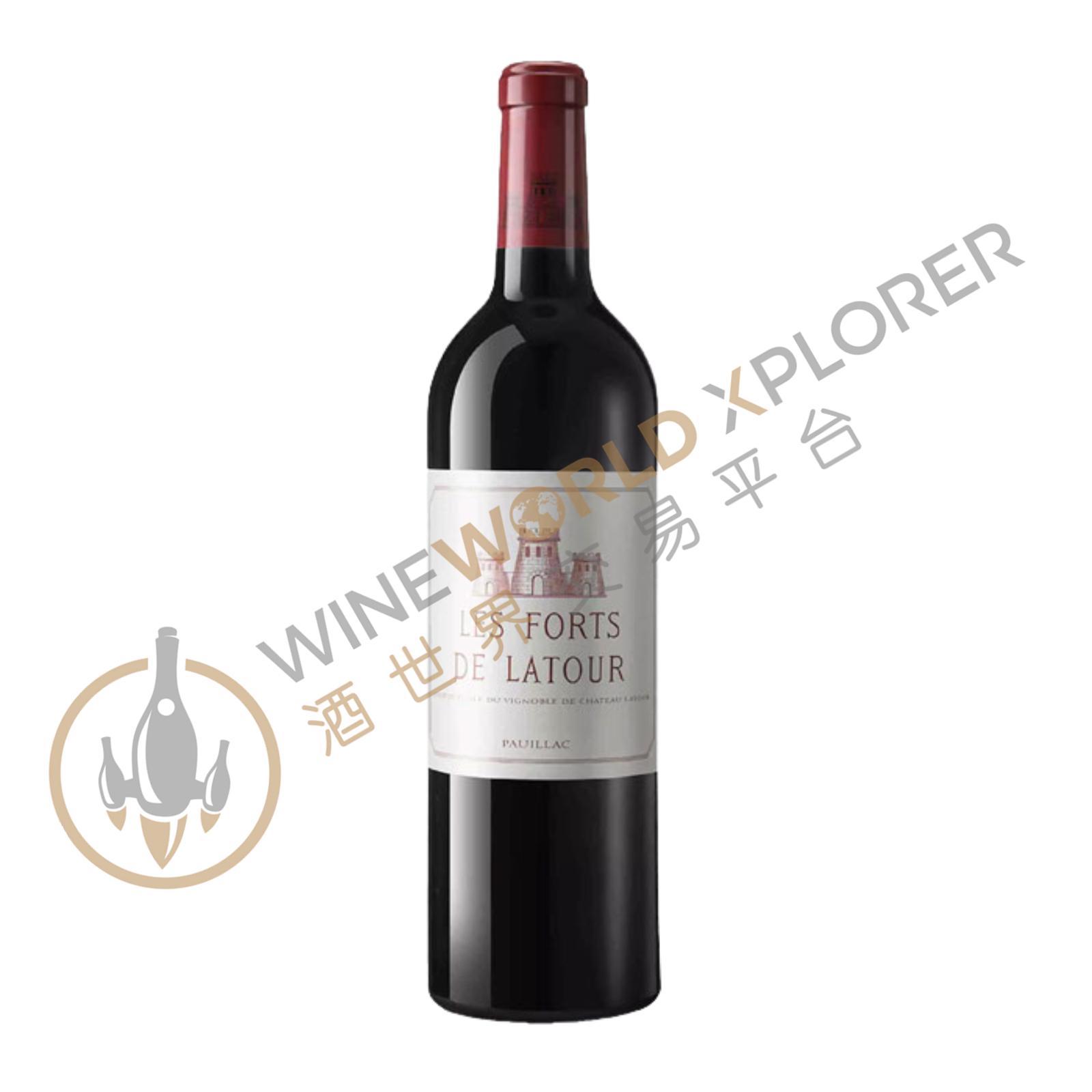
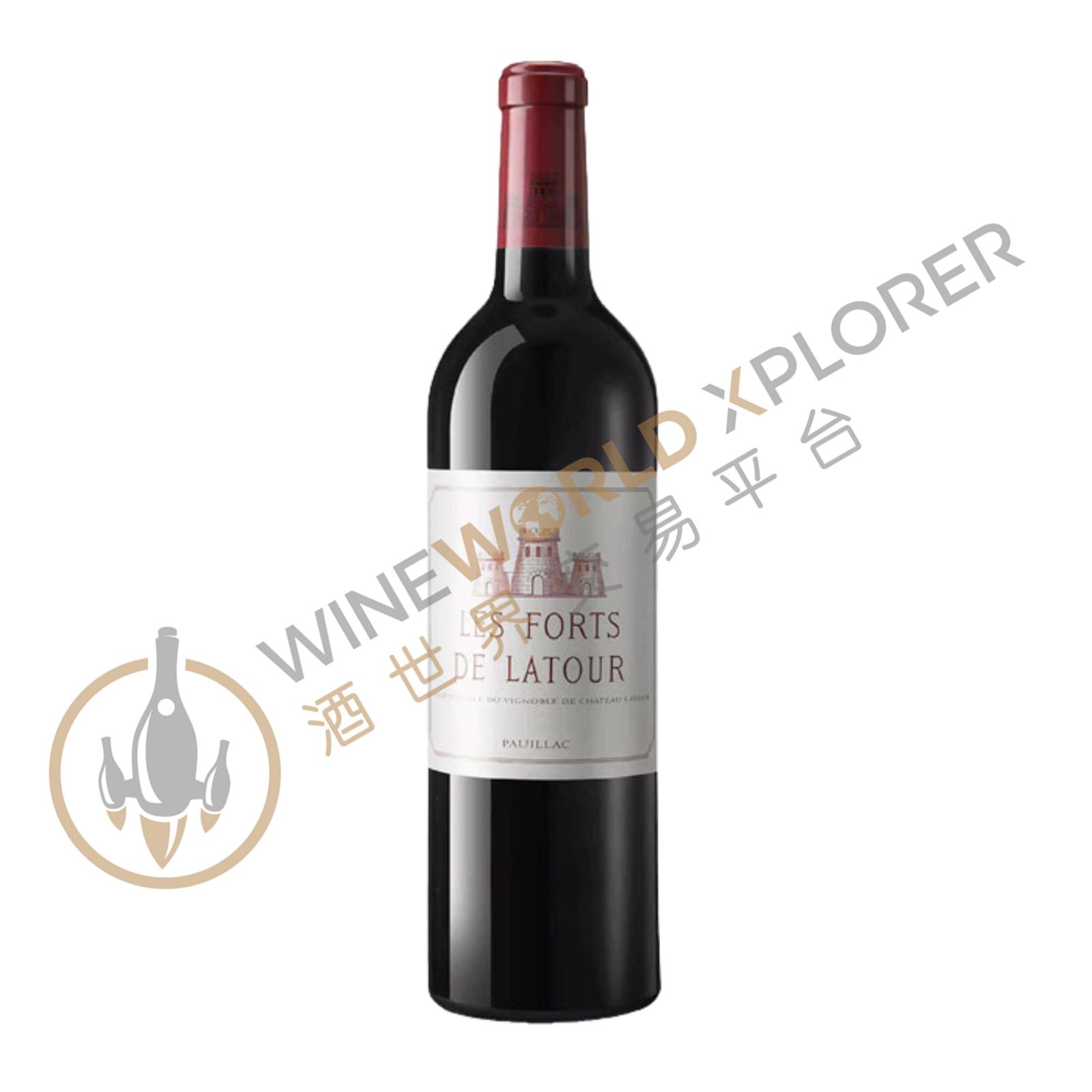
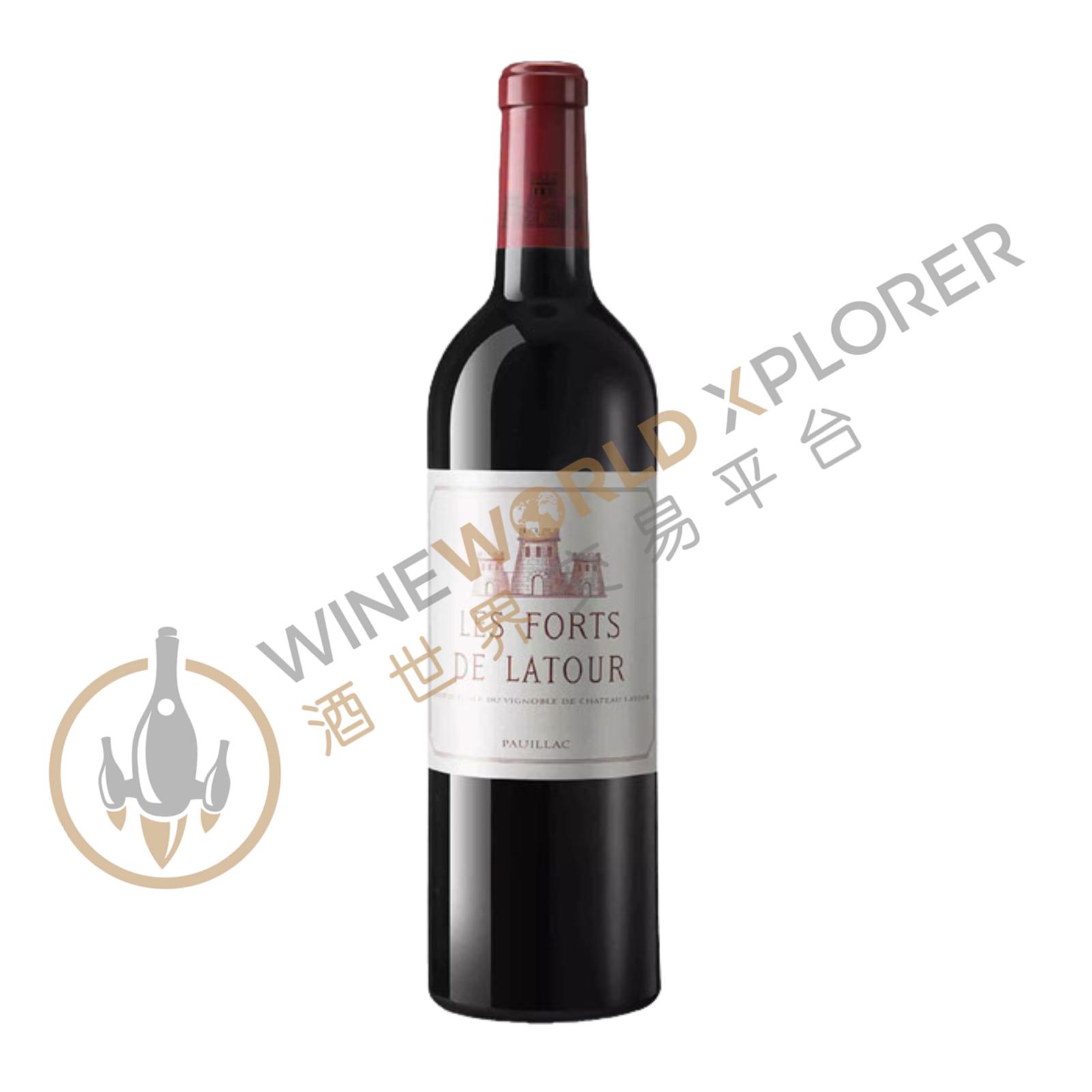
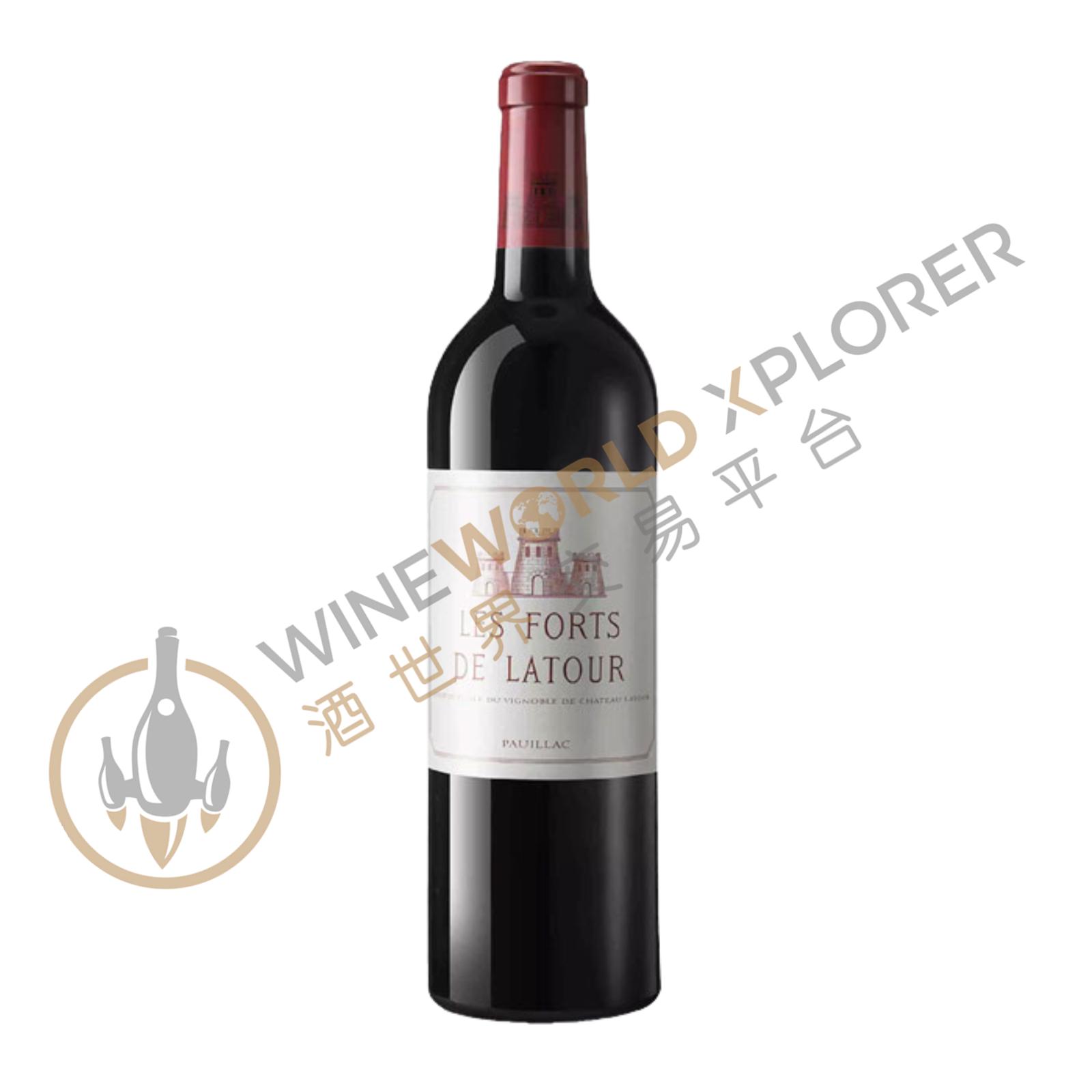
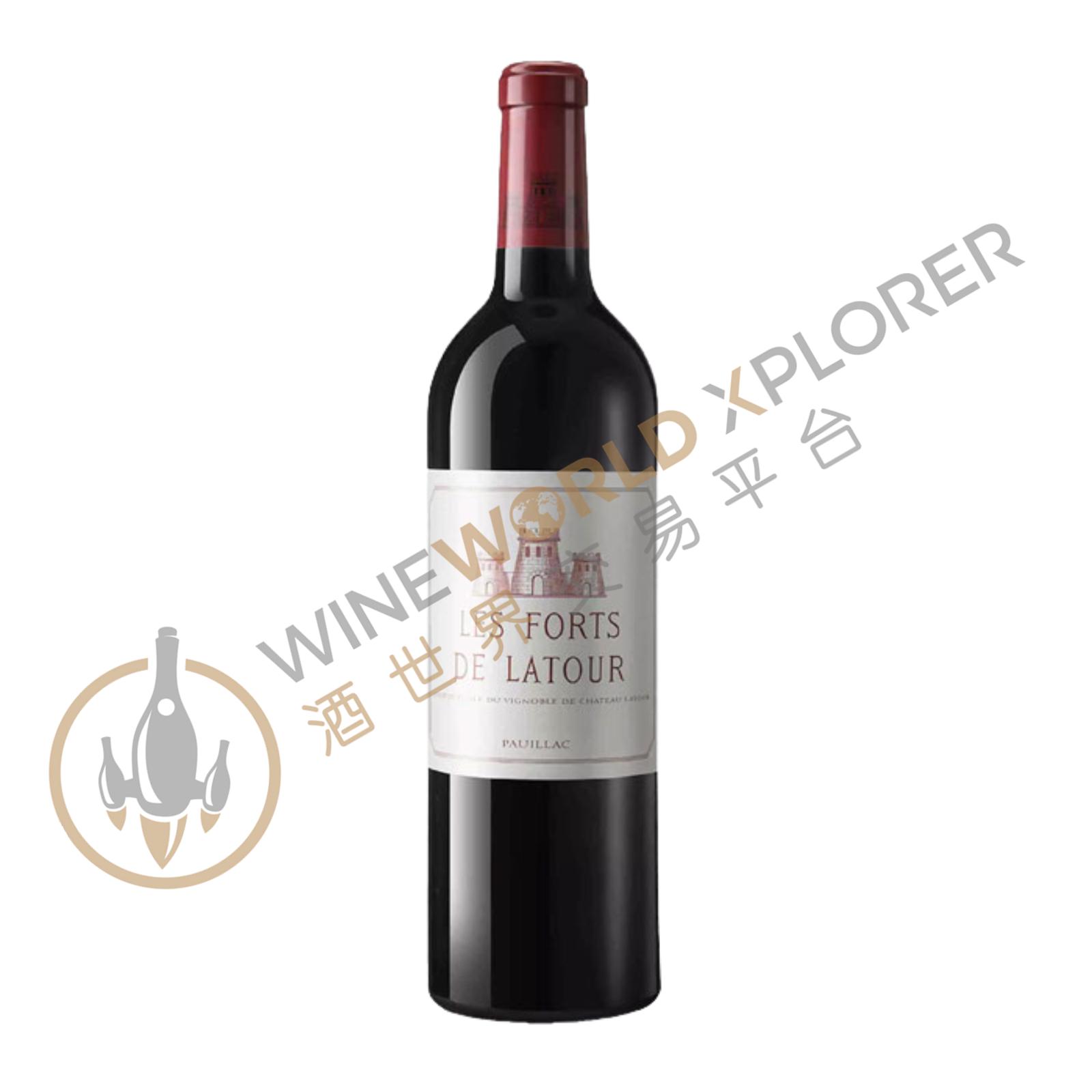
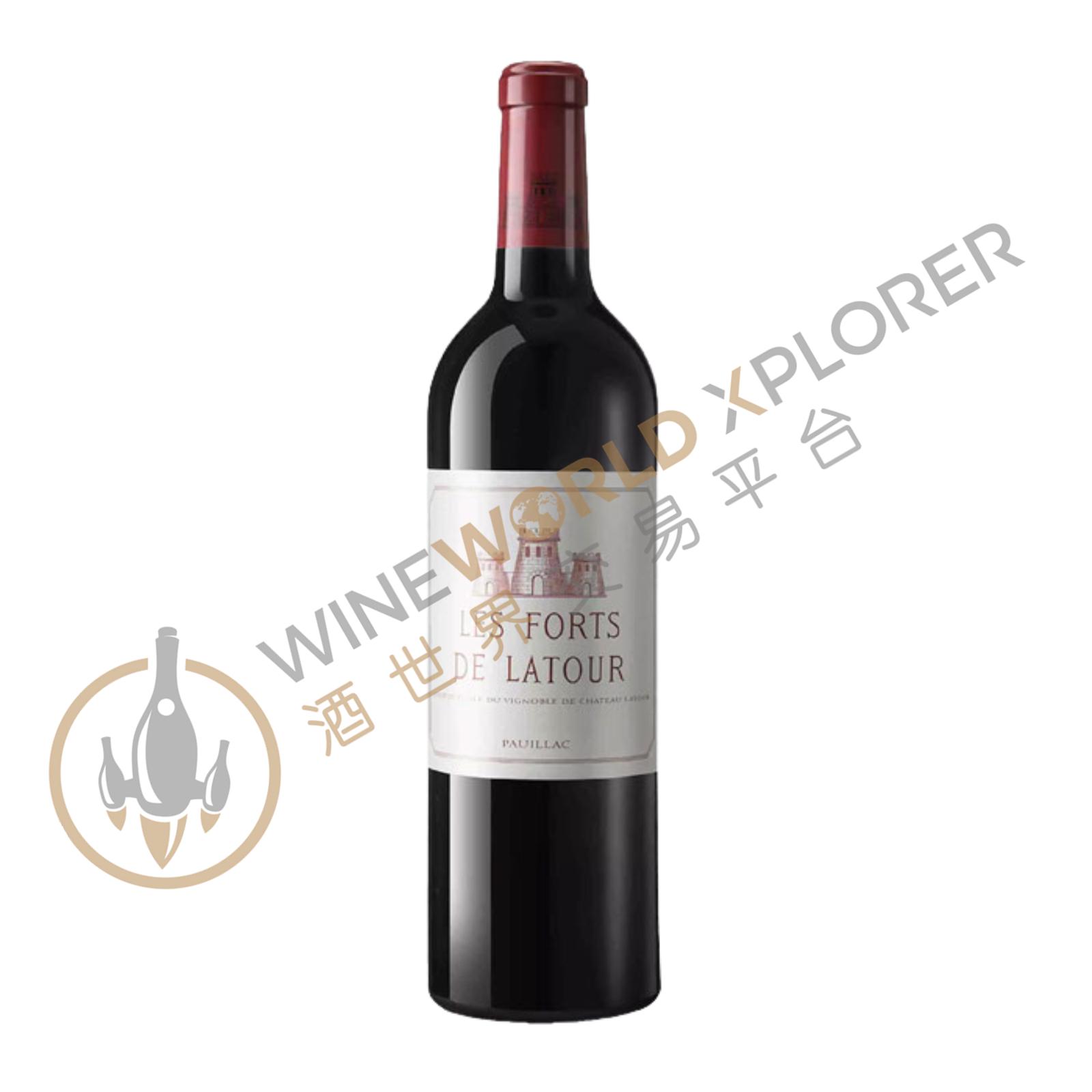
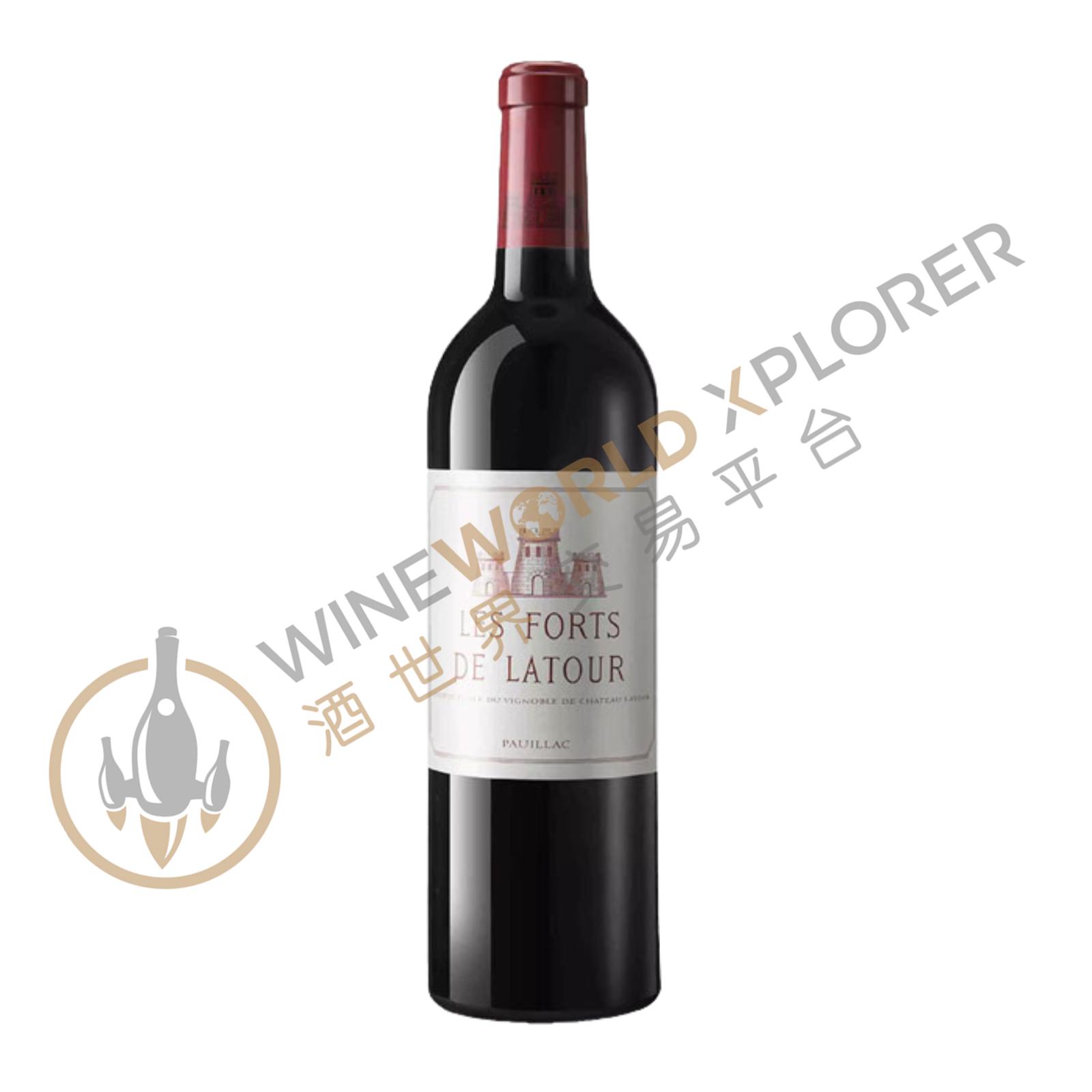
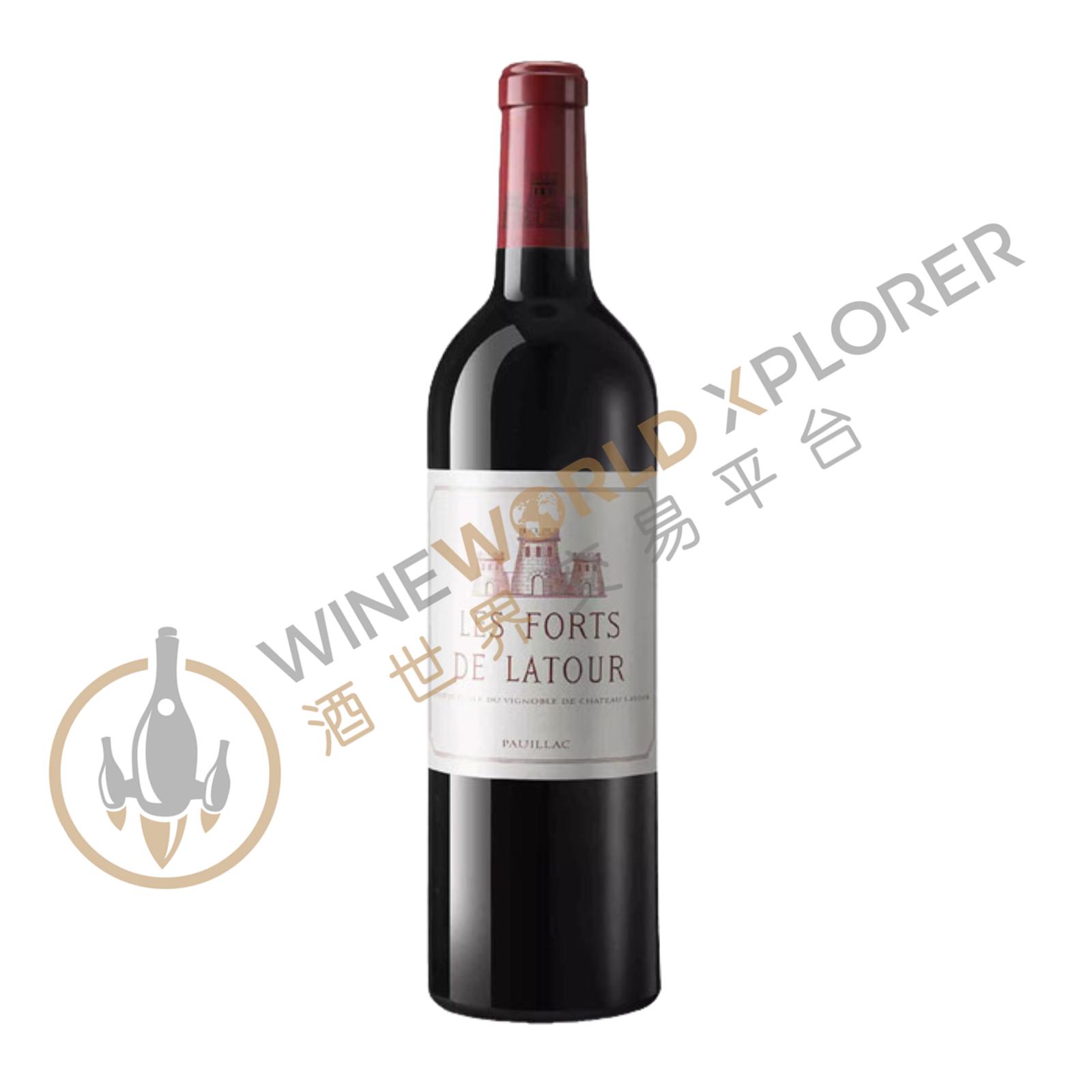
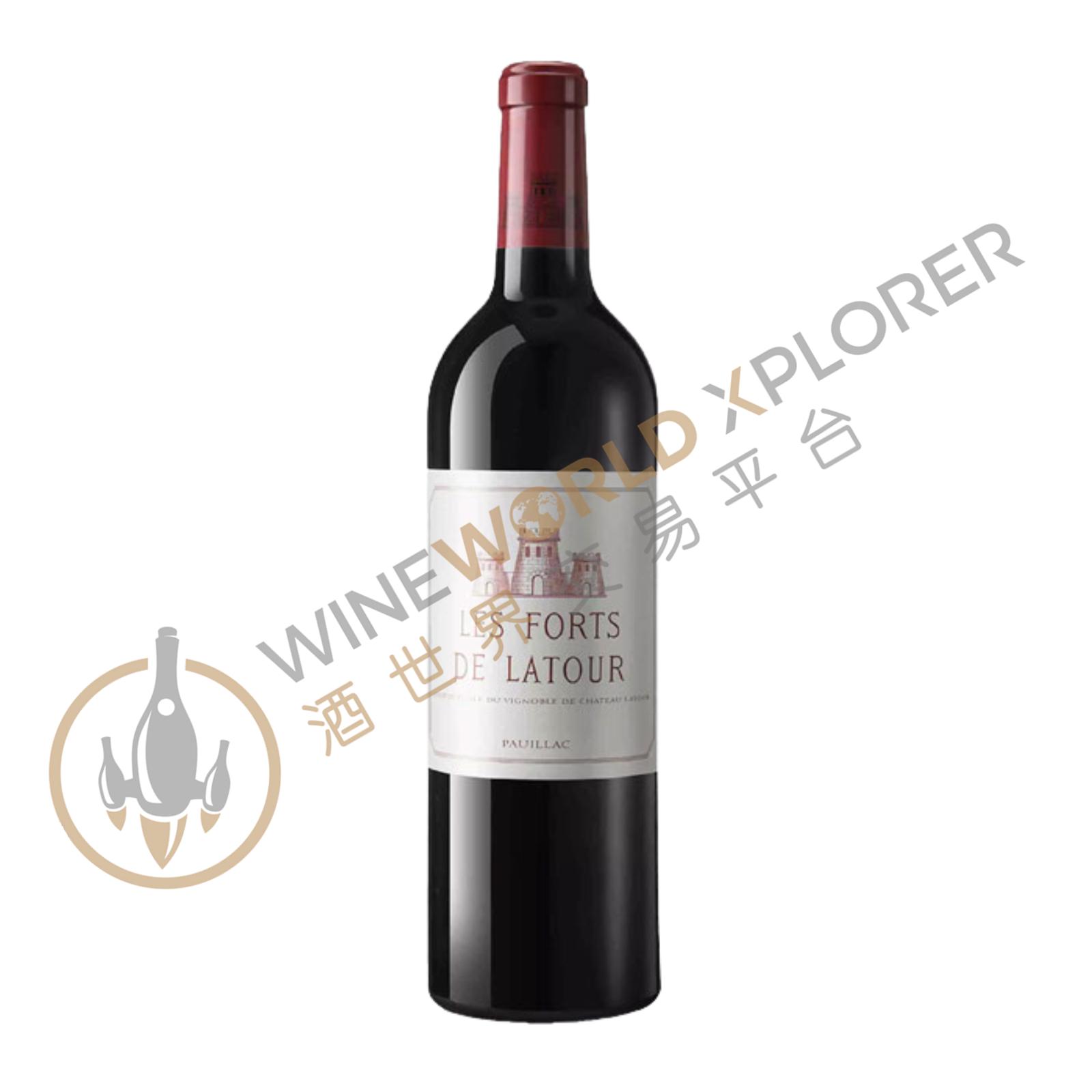
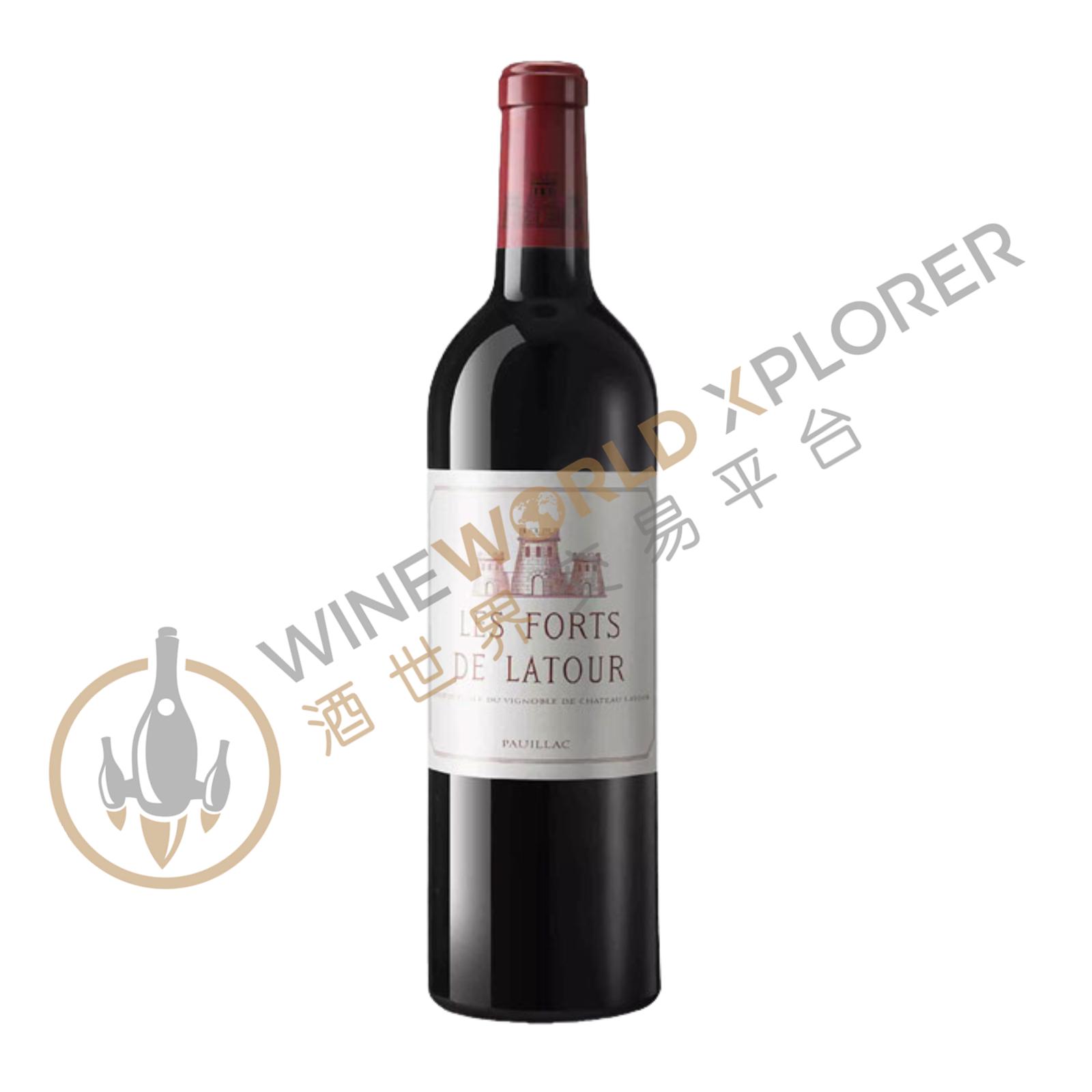
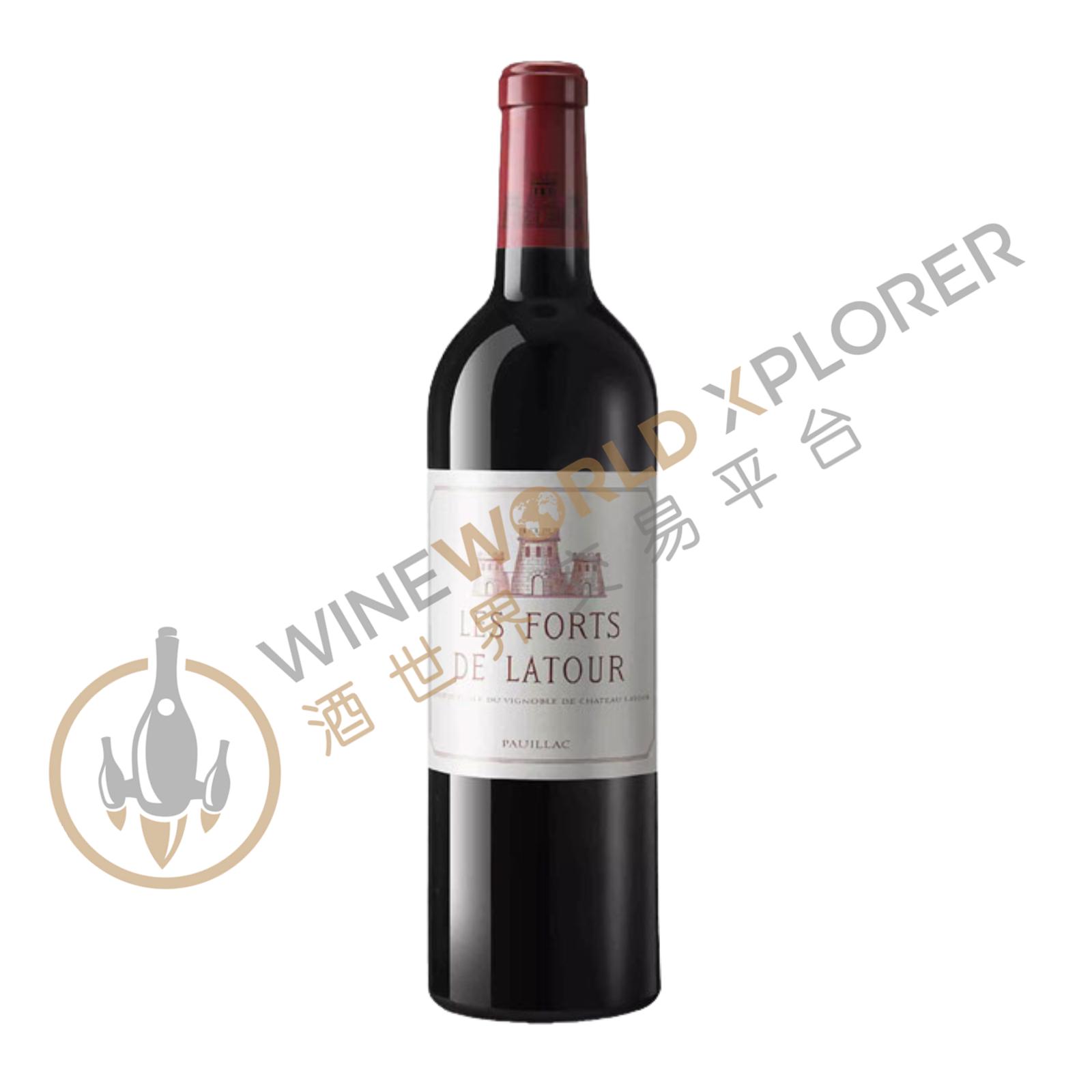
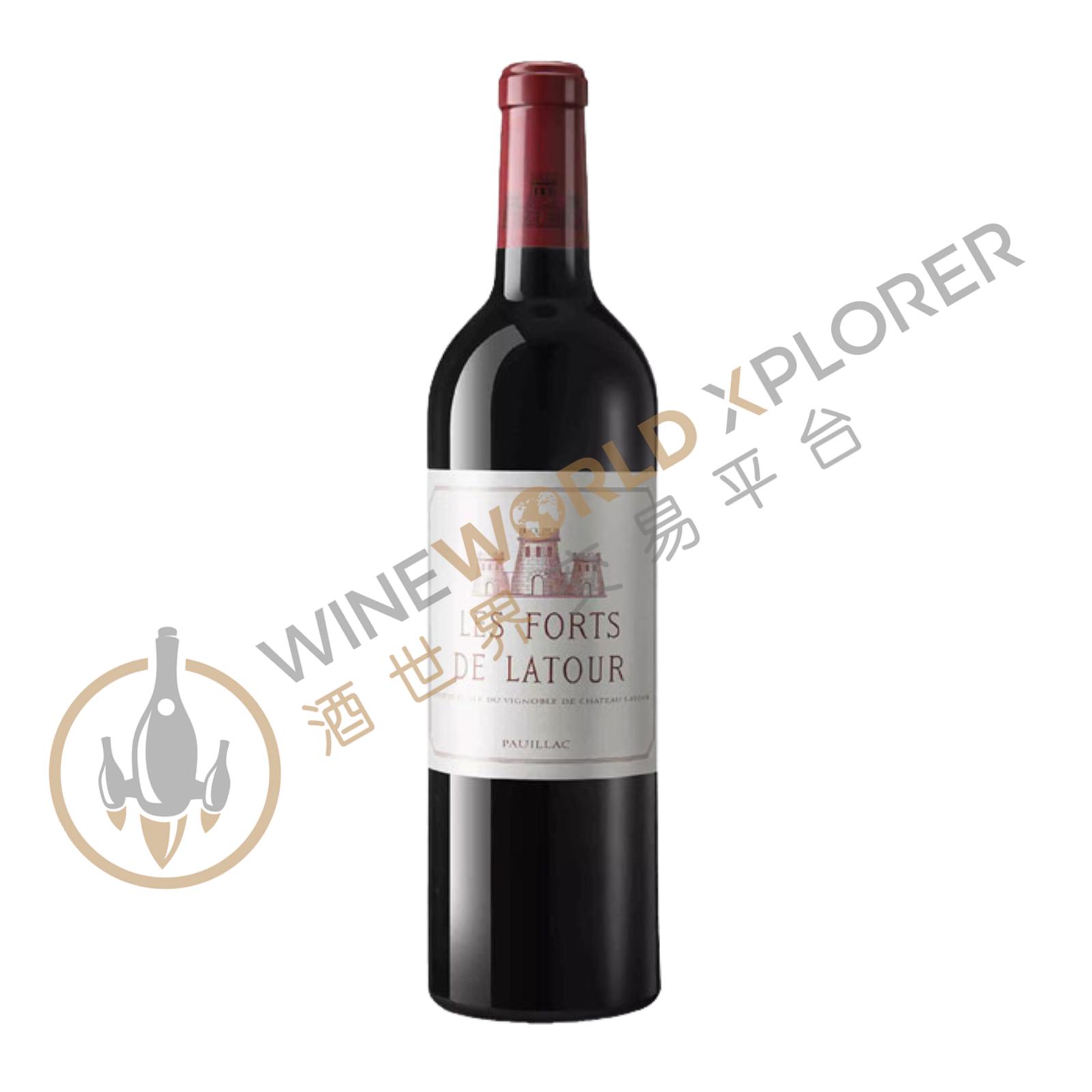
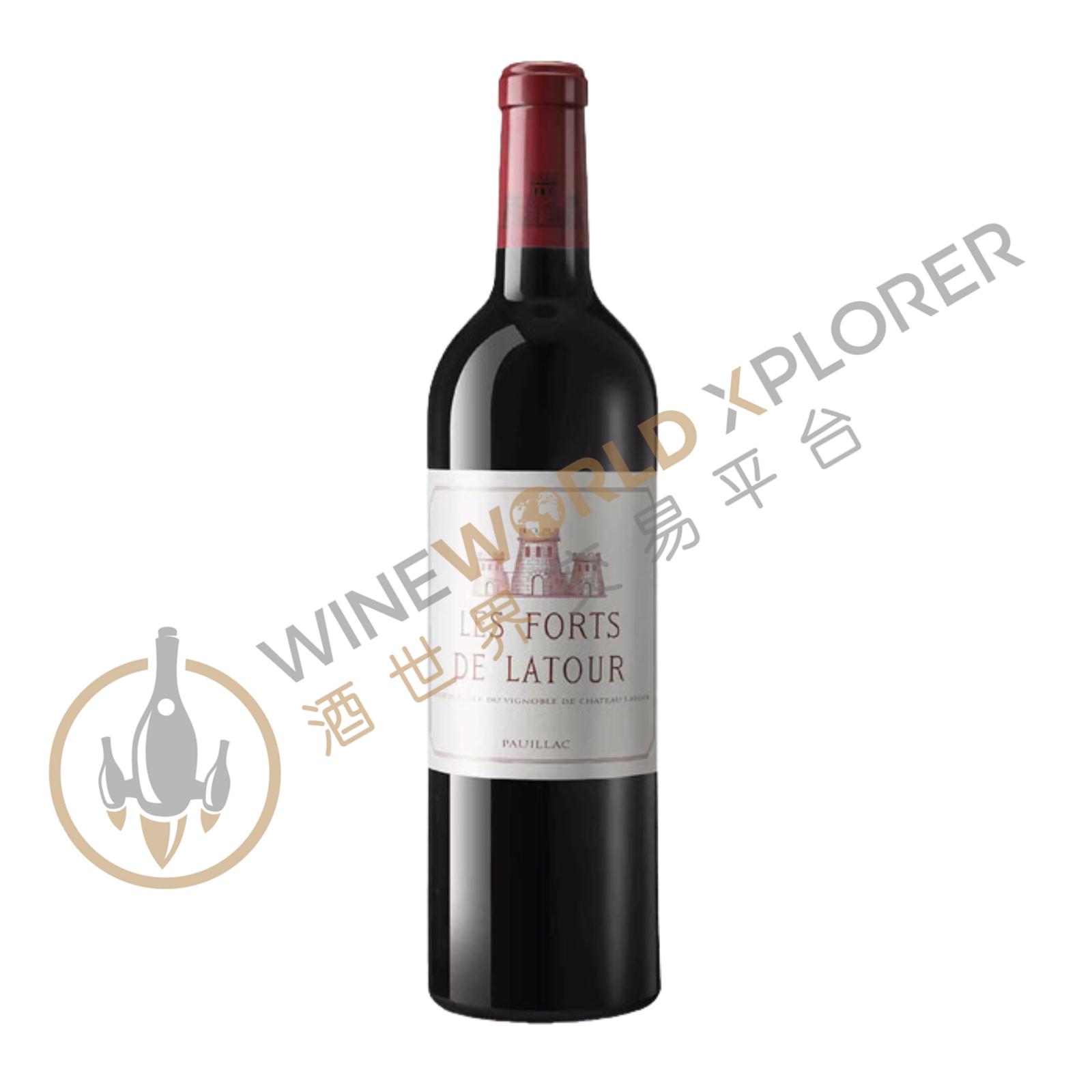
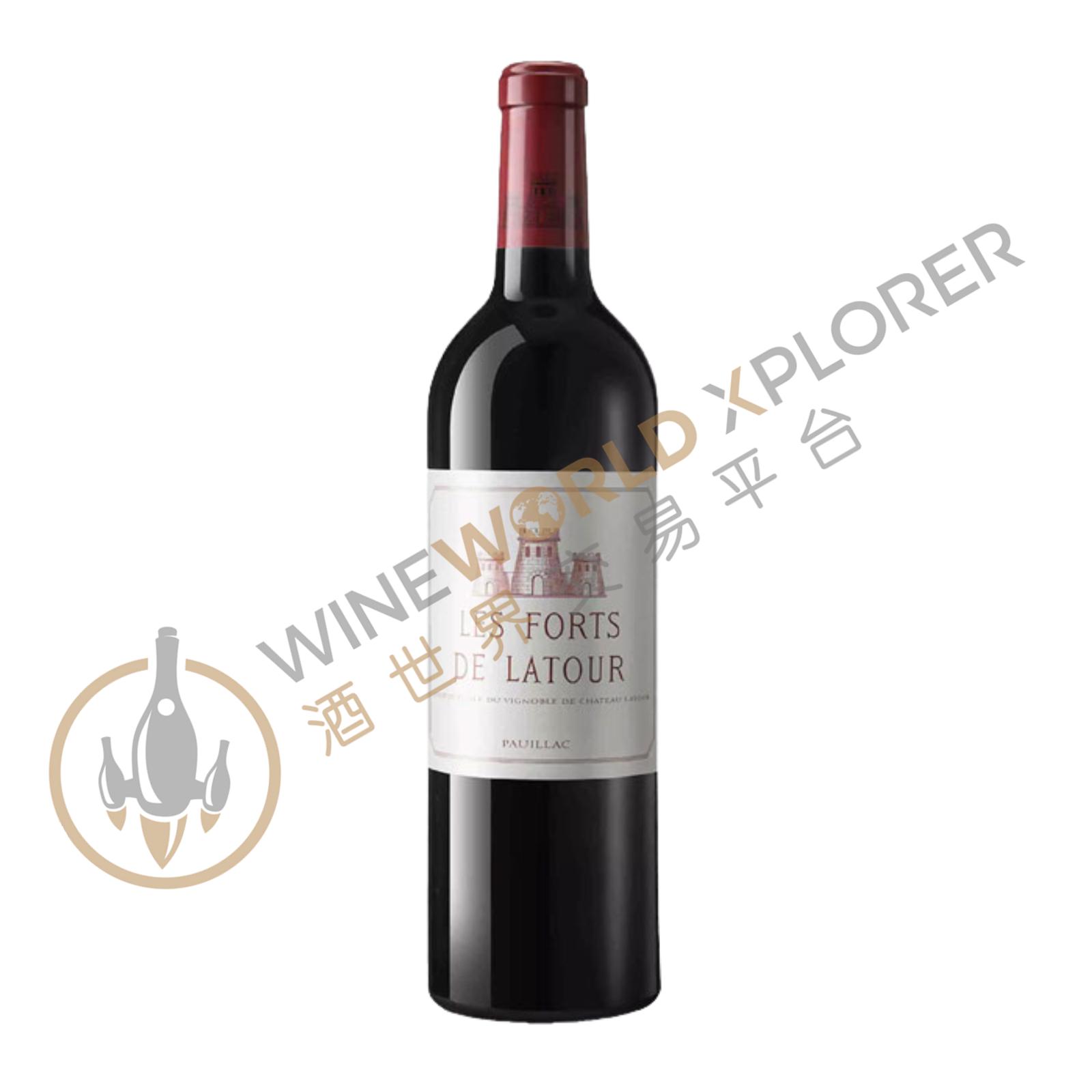
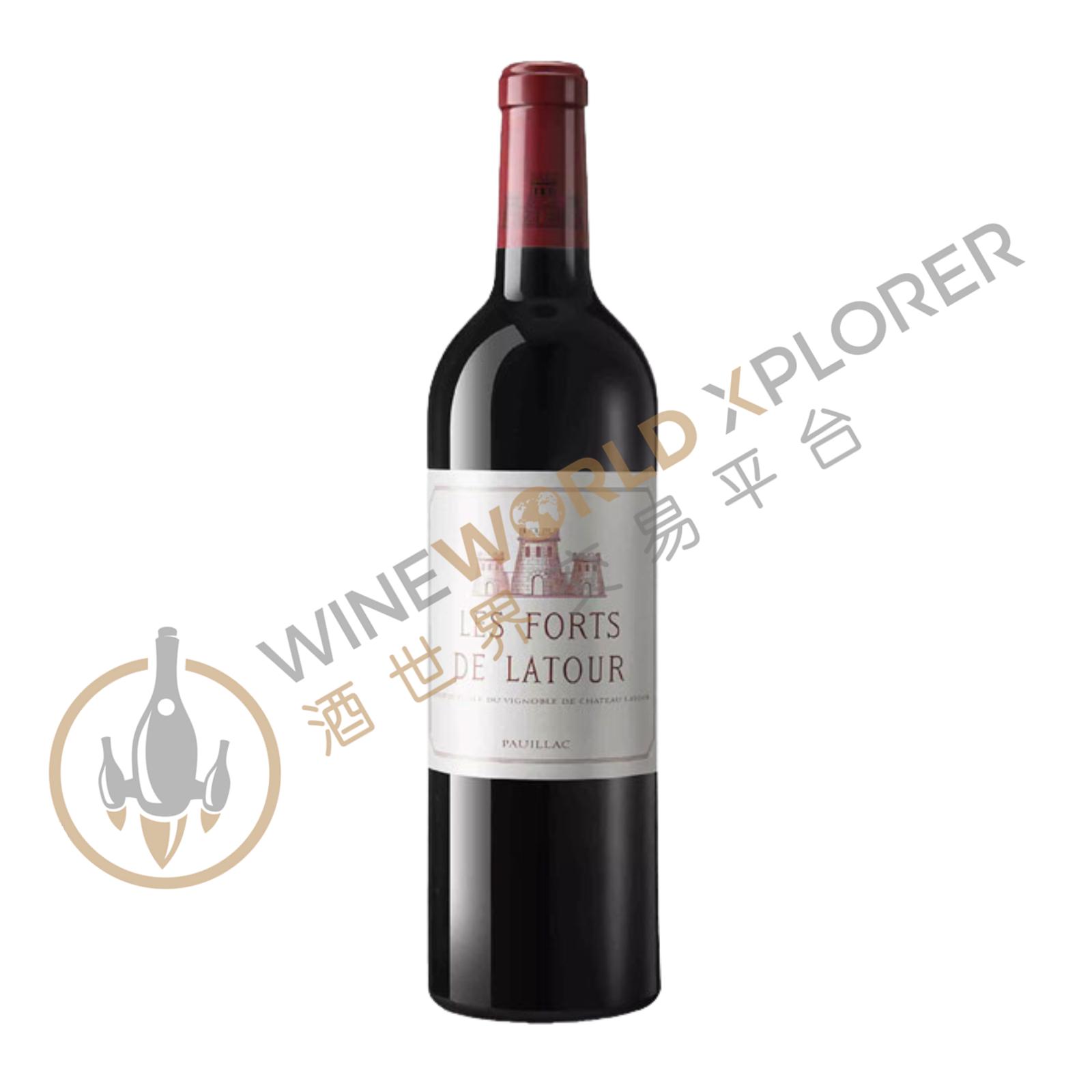
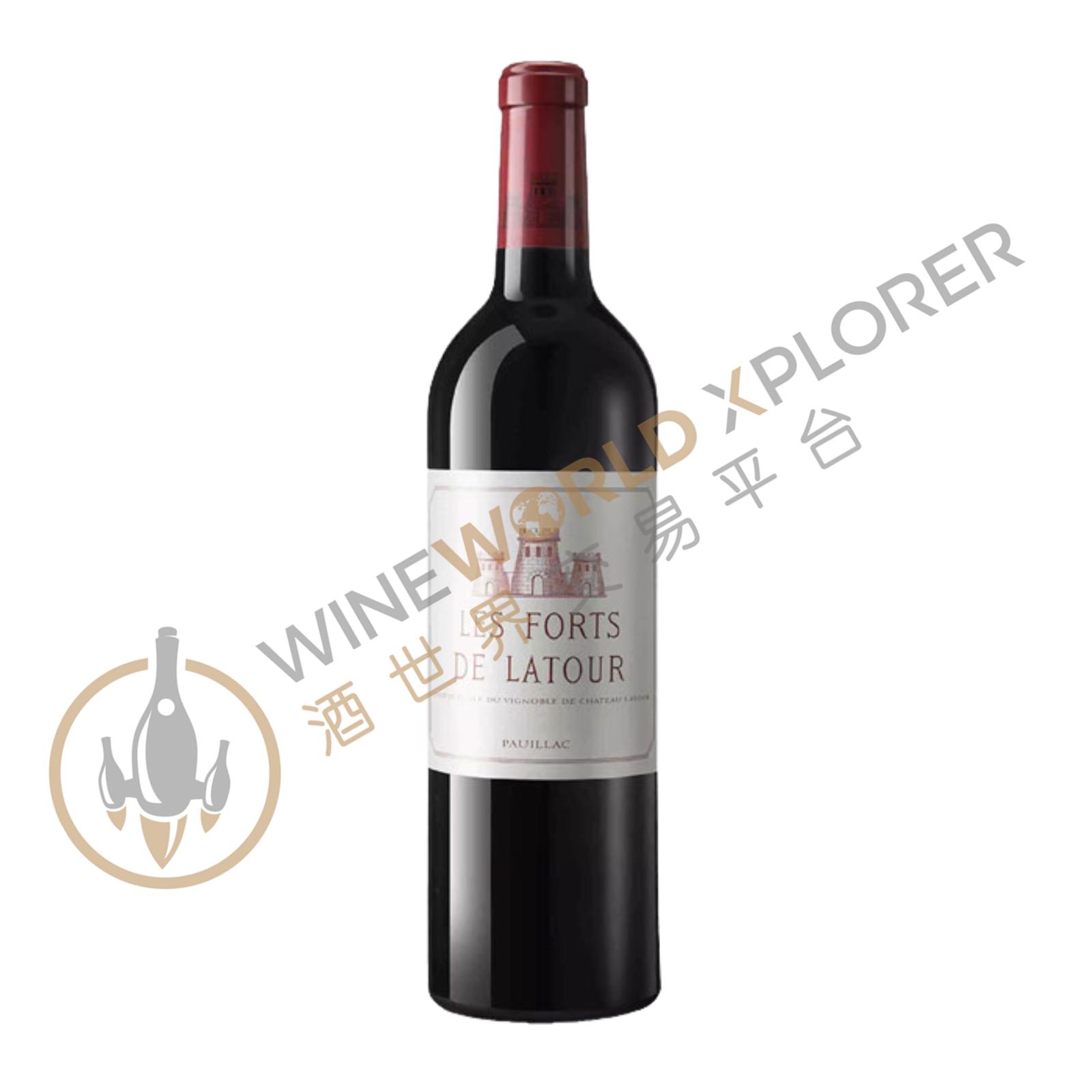
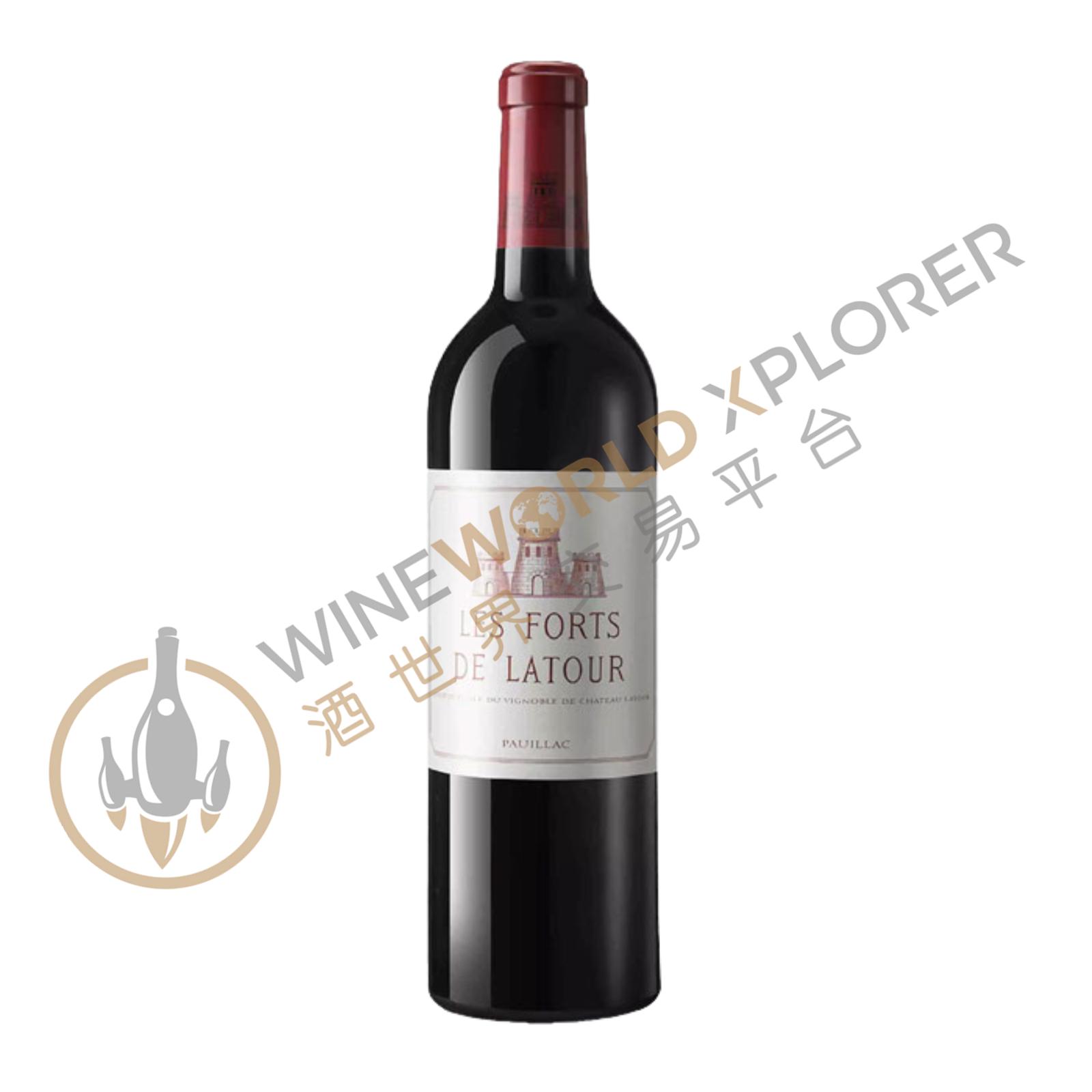
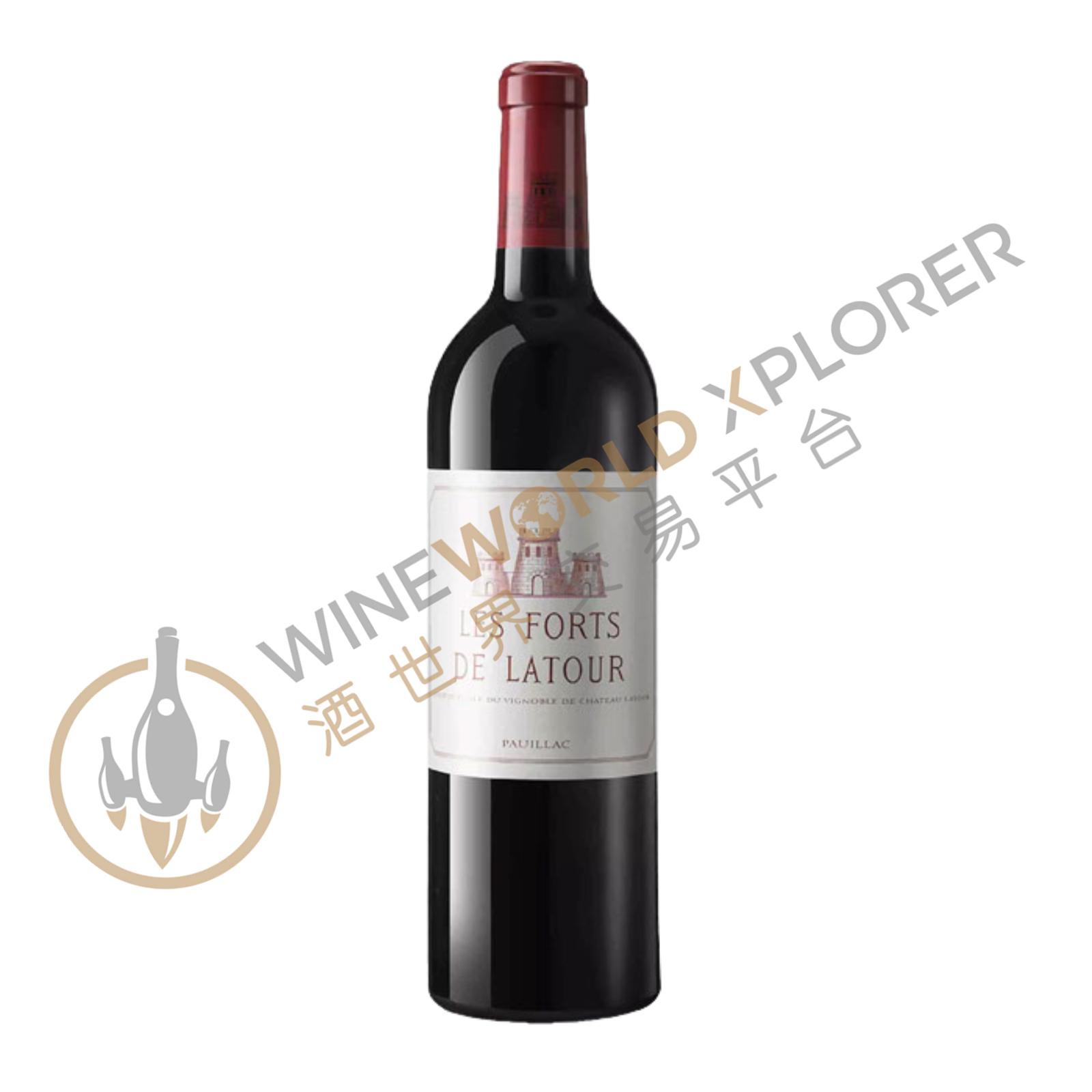
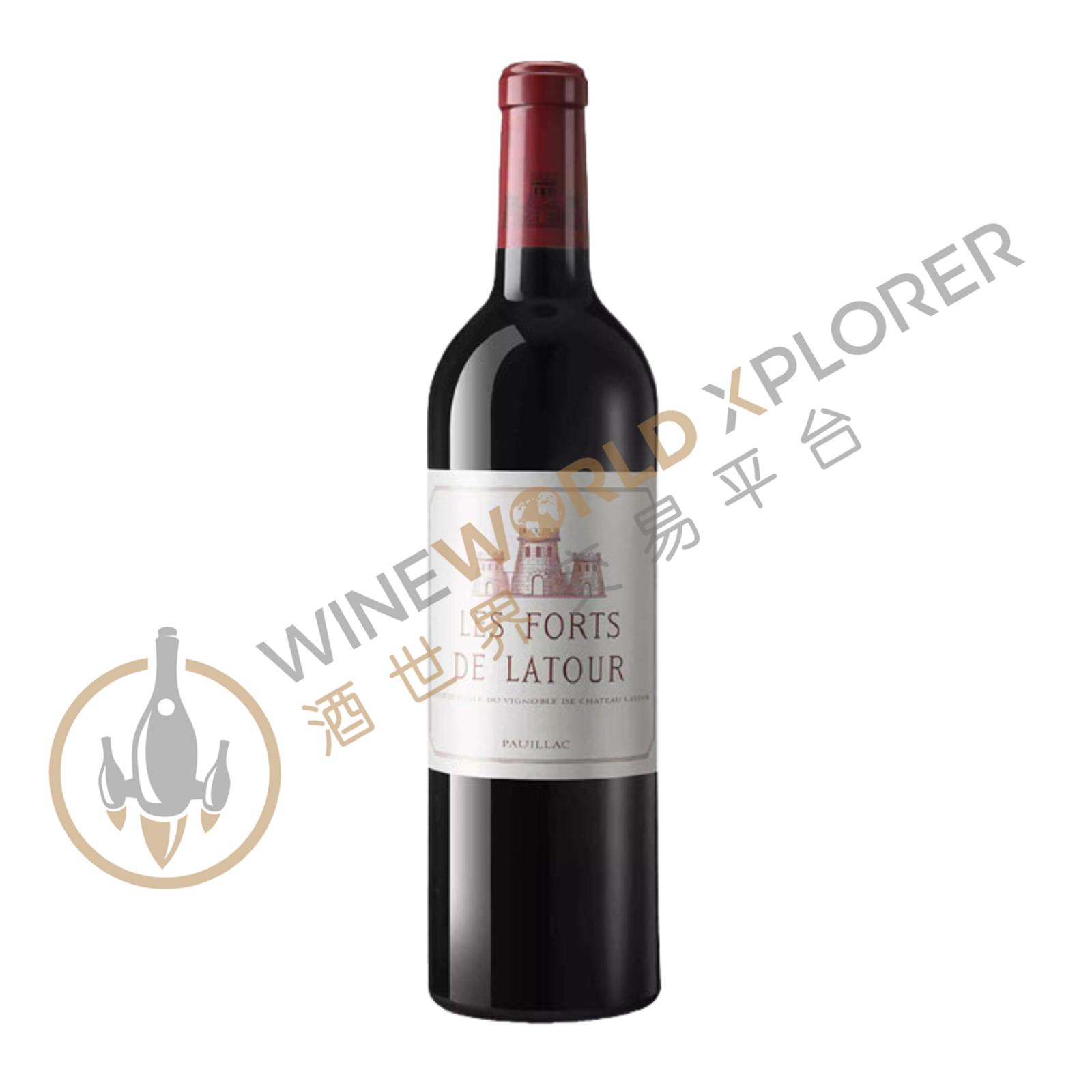
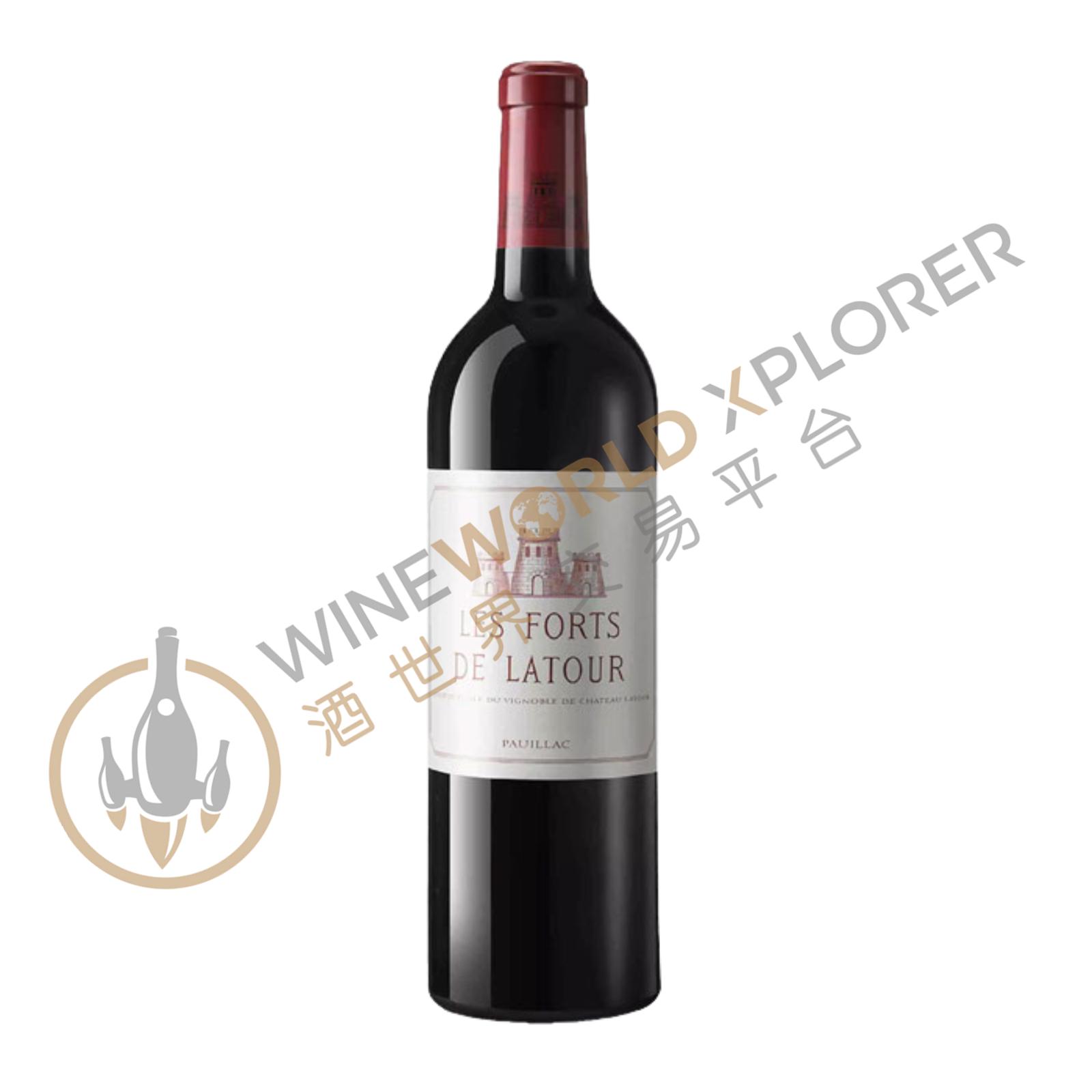
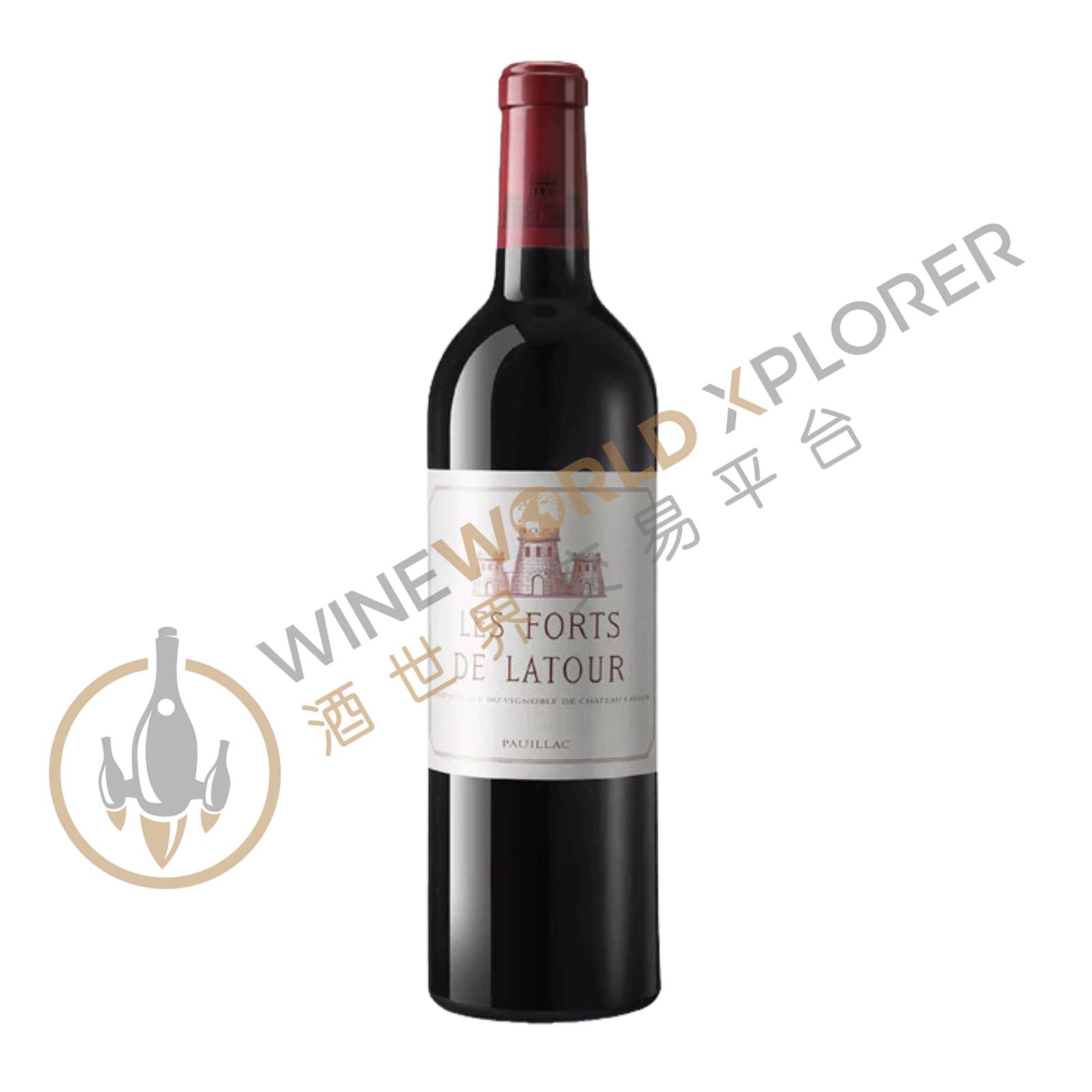
Les Forts de Latour 2014
 View analysis
Description
Tasting notes

Reviewed by: Neal Martin
The 2014 Les Forts de Latour has a very pretty and well defined bouquet with graphite infused black fruit that reveals more red fruit as it opens up in the glass. There is still a little wood to be assimilated, although the day of my visit coincided with a low pressure system. The palate is medium-bodied with grainy tannin. The acidity is well judged and there is harmony and cohesion here. Graphite, allspice, a touch of cedar all suffuse that black fruit towards the finish that has real density and persistence. This actually shoots above my expectations in barrel, so it will be fascinating to revisit once released.
Reviewed by: Lisa Perrotti-Brown
The 2014 Les Forts de Latour is a blend of 71.4% Cabernet Sauvignon and 28.6% Merlot. Deep garnet-purple colored, it needs a little coaxing to reveal expanding scents of blackcurrant pastilles, baked plums and boysenberries with suggestions of wood smoke, fragrant earth, cast-iron pan and charcuterie plus a faint waft of black truffles. Medium-bodied, the earthy/savory palate has loads of lively black fruit with a refreshing line and firm, grainy tannins, finishing on a lingering ferrous note.
Reviewed by: Neal Martin
The Les Forts de Latour 2014 is a blend of 71.4% Cabernet Sauvignon and 28.6% Merlot that represents 40.1% of the production. Now this has a very perfumed bouquet, almost Margaux-like in style with wilted violet petals complementing the fresh black cherries and graphite aromas. The definition here is impressive. The palate is medium-bodied with a strong thead of pencil lead, crisp acidity, a dash of black pepper towards the finish. It is actually reminiscent of the Lynch Bages '14 tasted on the previous visit. Good persistency in the mouth, this is a fine Les Forts de Latour.
Reviewed by: Antonio Galloni
The 2014 Forts de Latour has turned out beautifully. Pliant, supple and open-knit, the wine is super-expressive, even at this early stage. There is lovely depth to the dark red cherry, plum and leather nuances, all in the vivid, articulate style that is found in the best 2014s. Best of all, the 2014 Forts de Latour will drink well with minimal cellaring.
Reviewed by: Antonio Galloni
The 2014 Forts de Latour is very pretty. Sweet floral and herbal notes meld into a core of expressive dark red cherry and plum in a supple, open-knit wine endowed with superb purity. Here the Cabernet Sauvignon-inflected aromatics and flavors are super-expressive. The finessed, silky finish is striking.
Reviewed by: Neal Martin
The 2014 Les Forts de Latour is one of those wines that deserves an hour to open and then observe it coalescing in the glass. The bouquet is initially high-toned and then mellow to reveal attractive scents of red fruit, cedar and incense. The palate is maybe a more malleable than I anticipated, clearly a Les Forts that is primed for drinking, although there is sufficient depth to suggest that it will give 15 years of pleasure, maybe more. Suave and surprisingly rounded for a 2014, this is a fine late released Deuxième Vin from the First Growth although I uphold my remark in my previous notes that I would have liked more Pauillac DNA. Tasted from ex-château bottle.
Reviewed by: Neal Martin
The 2014 Les Forts de Latour has a smudged, quite opulent bouquet with lavish red fruit, leather and undergrowth scents, more forward than I would expect from a wine this youthful. The palate is medium-bodied with soft tannin and a little chewy in the mouth. Like the nose, this Les Forts de Latour feels unusually decadent for the vintage with a sweet finish that needs to muster more reserve and breeding. It is not unlikeable, quite the opposite, but it needs to develop more Pauillac characteristics. Tasted blind at the annual Southwold tasting.
Reviewed by: Neal Martin
The 2014 Les Forts de Latour is one of those wines that deserves an hour to open and then observe it coalescing in the glass. The bouquet is initially high-toned and then mellow to reveal attractive scents of red fruit, cedar and incense. The palate is maybe a more malleable than I anticipated, clearly a Les Forts that is primed for drinking, although there is sufficient depth to suggest that it will give 15 years of pleasure, maybe more. Suave and surprisingly rounded for a 2014, this is a fine late released Deuxième Vin from the First Growth although I uphold my remark in my previous notes that I would have liked more Pauillac DNA. Tasted from ex-château bottle.
Reviewed by: Neal Martin
The 2014 Les Forts de Latour is a blend of 71.4% Cabernet Sauvignon and 28.6% Merlot. Deep garnet-purple colored, it needs a little coaxing to reveal expanding scents of blackcurrant pastilles, baked plums and boysenberries with suggestions of wood smoke, fragrant earth, cast-iron pan and charcuterie plus a faint waft of black truffles. Medium-bodied, the earthy/savory palate has loads of lively black fruit with a refreshing line and firm, grainy tannins, finishing on a lingering ferrous note.
Reviewed by: James Suckling
Glorious aromatics with currants, flowers, stones and light mushrooms. Medium to full body and fine tannins that are long and polished. Super linear, structured and long. Drink in 2019.
About the Producer
Latour was a jointly held lord's domain until the end of the 16th century, At that time, the property was not entirely covered by vines and yet production largely exceeded requirements. There was no proper storage for the wine and it had to be drunk within the year. The estate remained in the hands of the Mullet family until the late 17th century, and while direct use of the land gradually replaced the leasing system, the wine-making situation changed very little. In the early 18th century, England's aristocracy and wealthy middle classes developed refined tastes, particularly for wine, from Bordeaux, Oporto, Jerez and other southern vineyards. Wine exports had been restricted by various blockades imposed by the wars, but now enjoyed a period of relative freedom and trade with Bordeaux grew rapidly. As a result of this flourishing trade, the estate gradually came to specialise in wine production, with 38 hectares of vines in 1759 and then 47 hectares by 1794.
1975(2)1976(1)1979(1)1981(1)1982(1)1983(2)1990(1)1992(2)1994(2)1995(1)1996(2)1998(3)1999(2)2000(4)2001(6)2002(8)2003(5)2004(8)2005(5)2006(24)2007(13)2008(13)2009(24)2010(25)2011(9)2012(23)2013(9)
Package Size