Wine Advisor



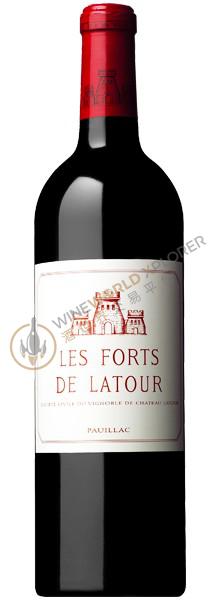
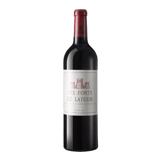
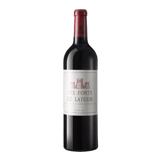
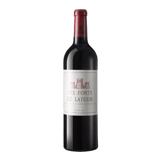
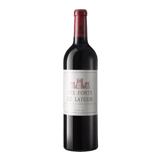
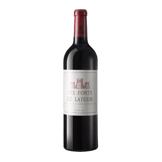
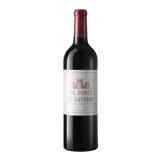
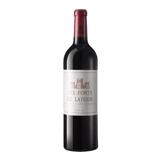
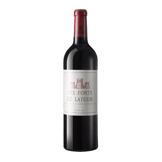
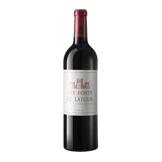
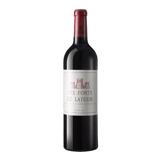
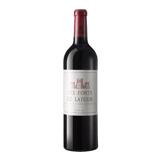
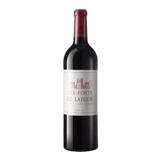
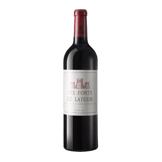
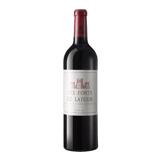
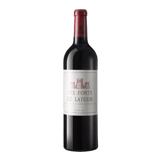
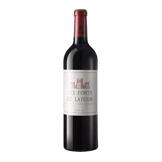
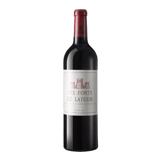
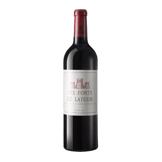
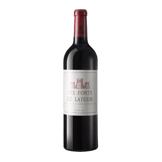
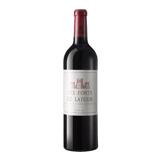
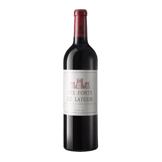
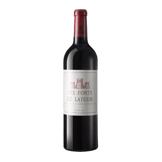
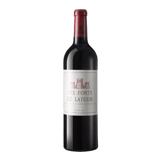
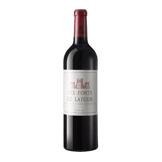
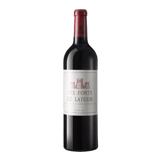
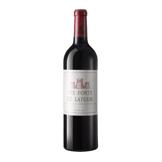
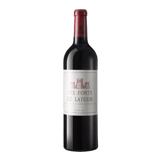
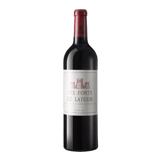
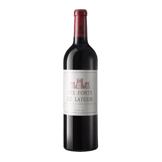
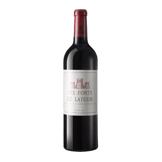
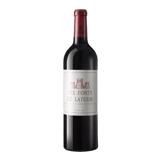
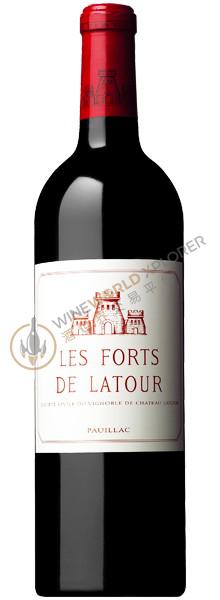
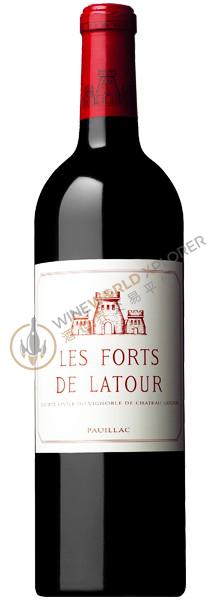
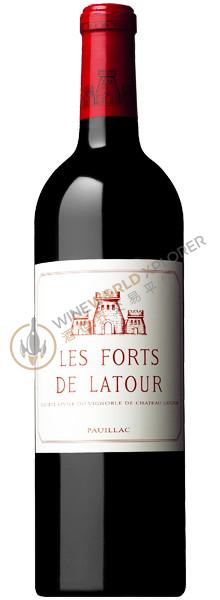
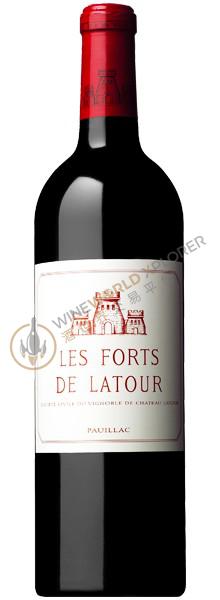
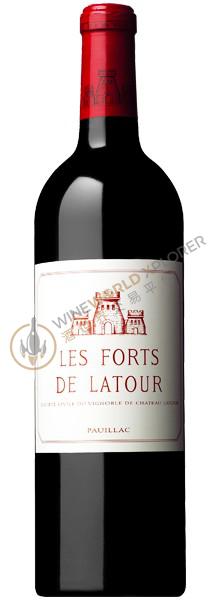
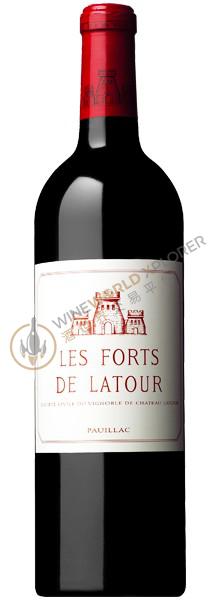
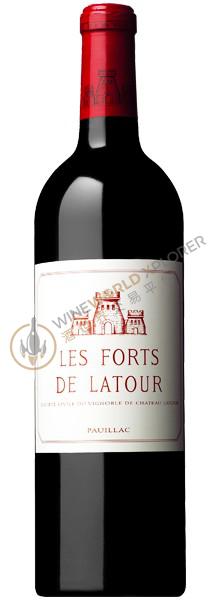
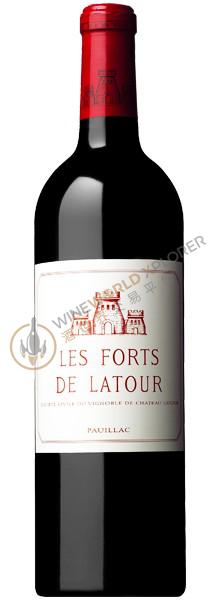
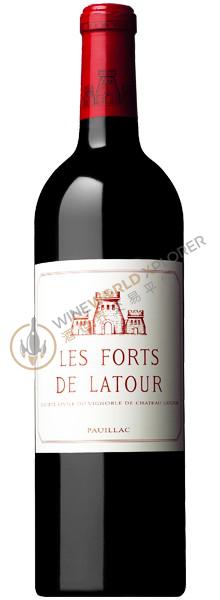
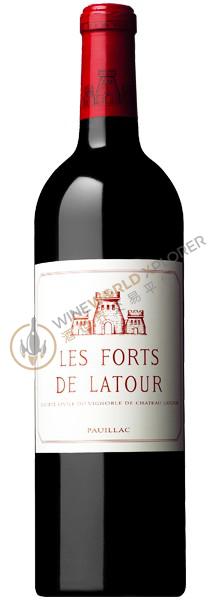
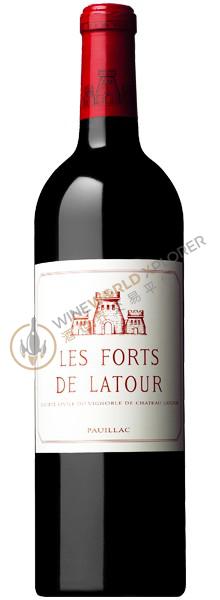
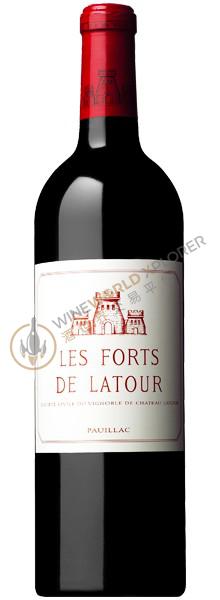
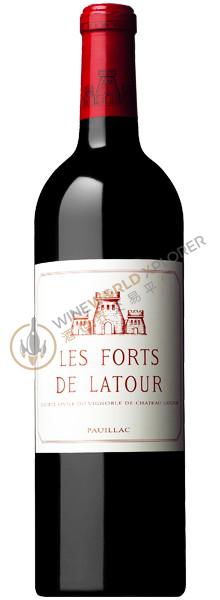
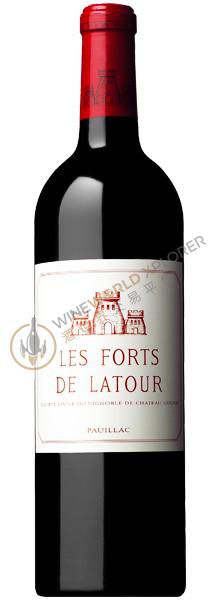
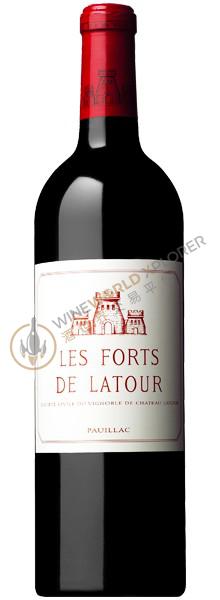
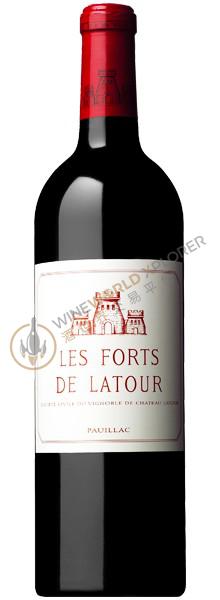
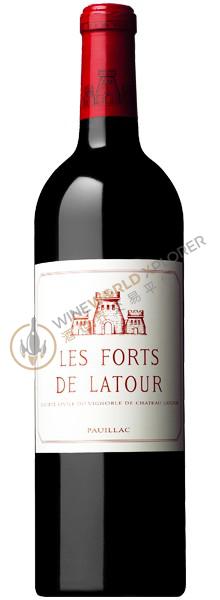
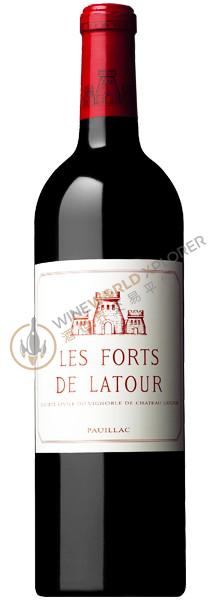
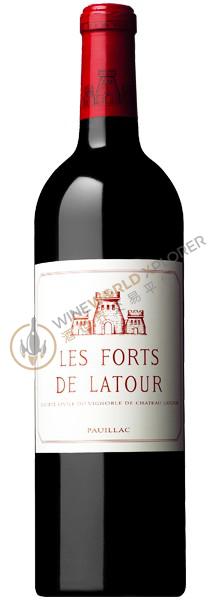
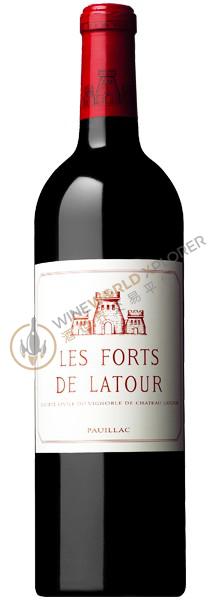
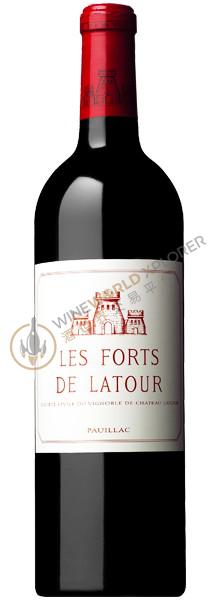
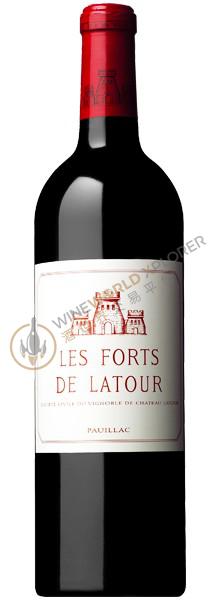
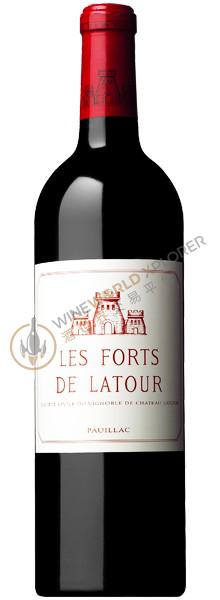
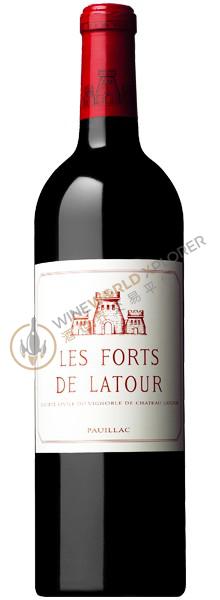
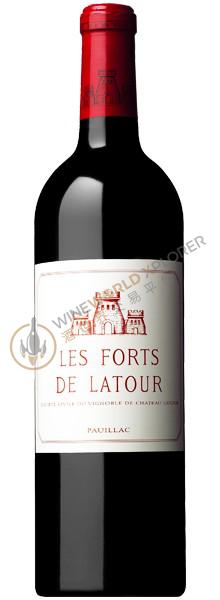
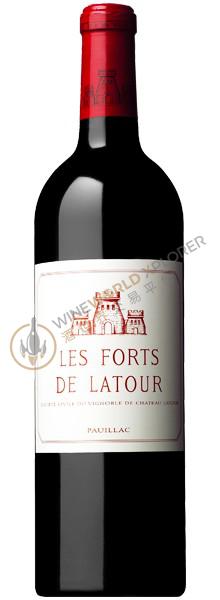
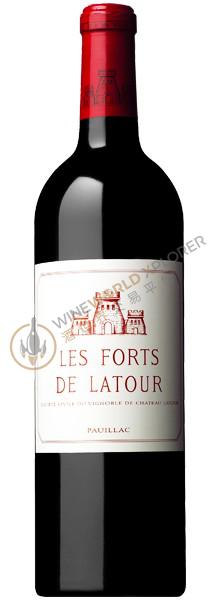
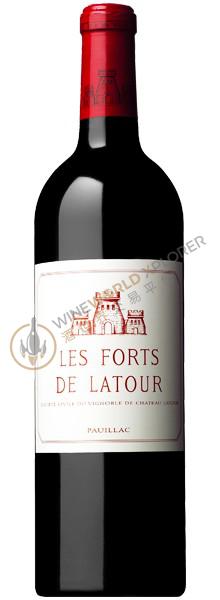
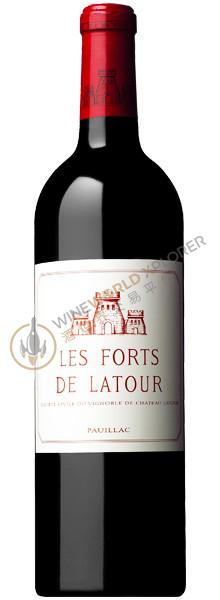
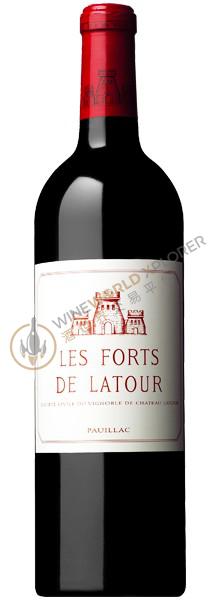
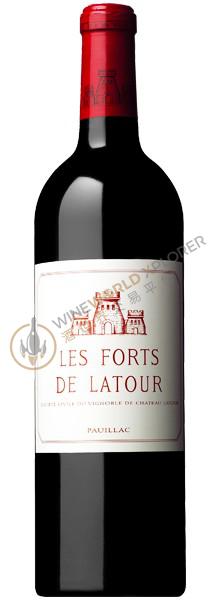
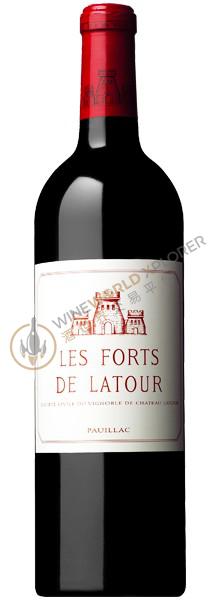
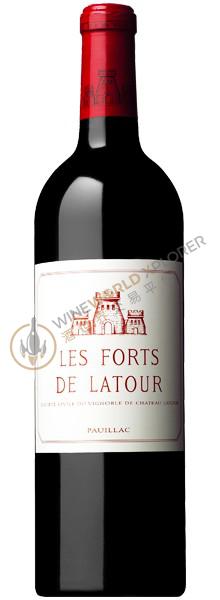
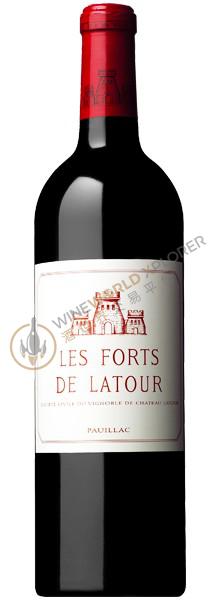
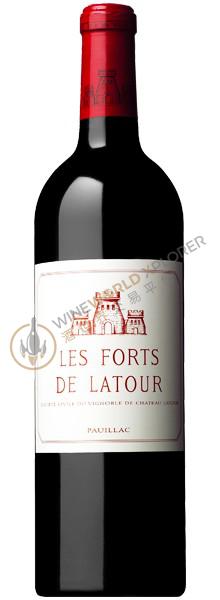
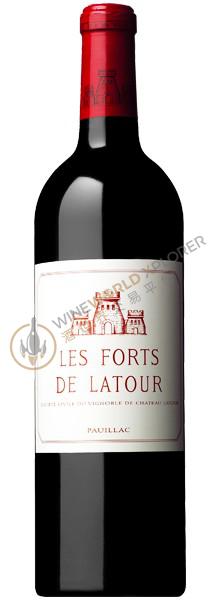
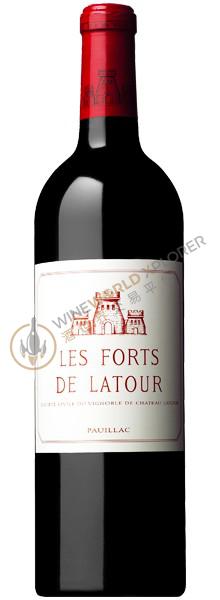
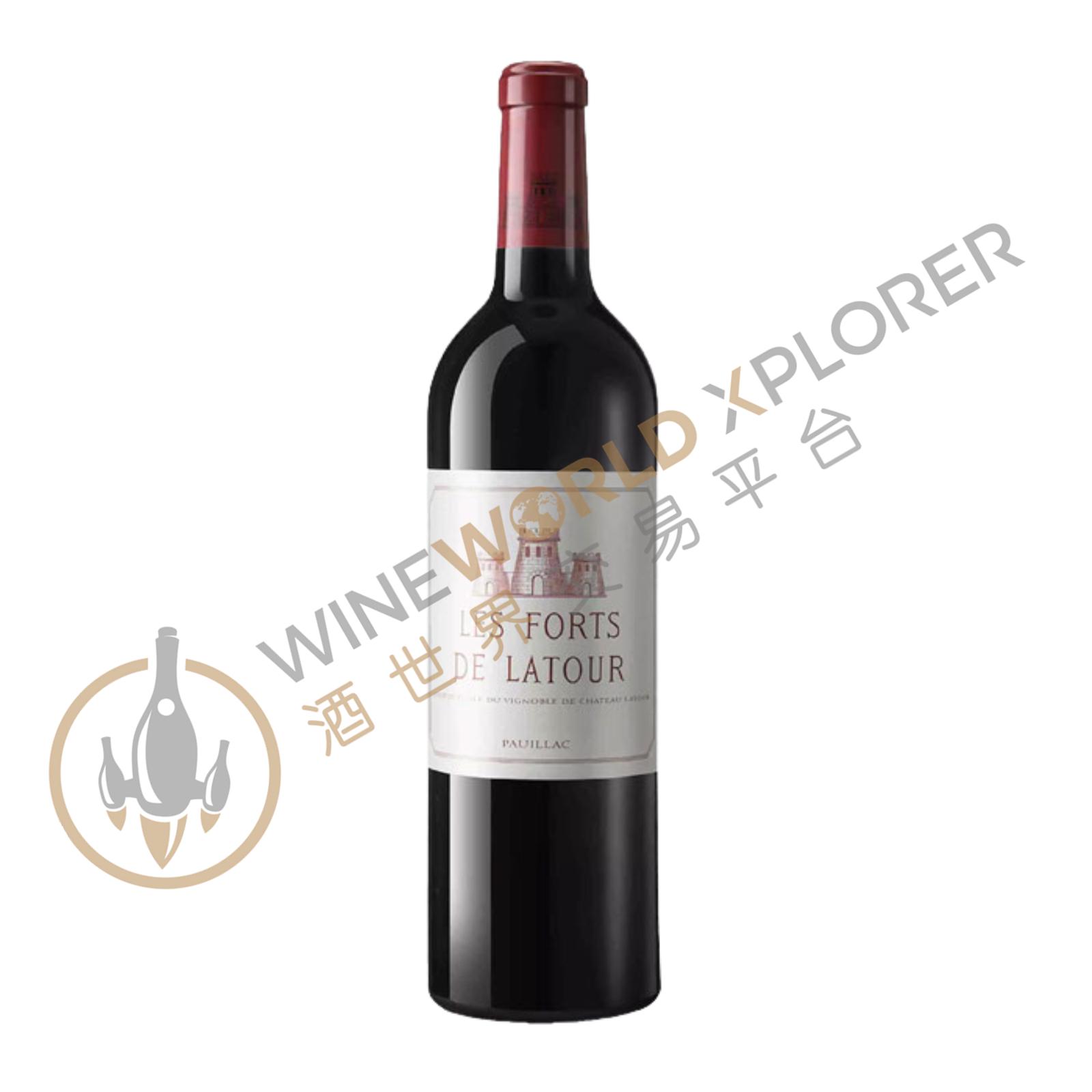
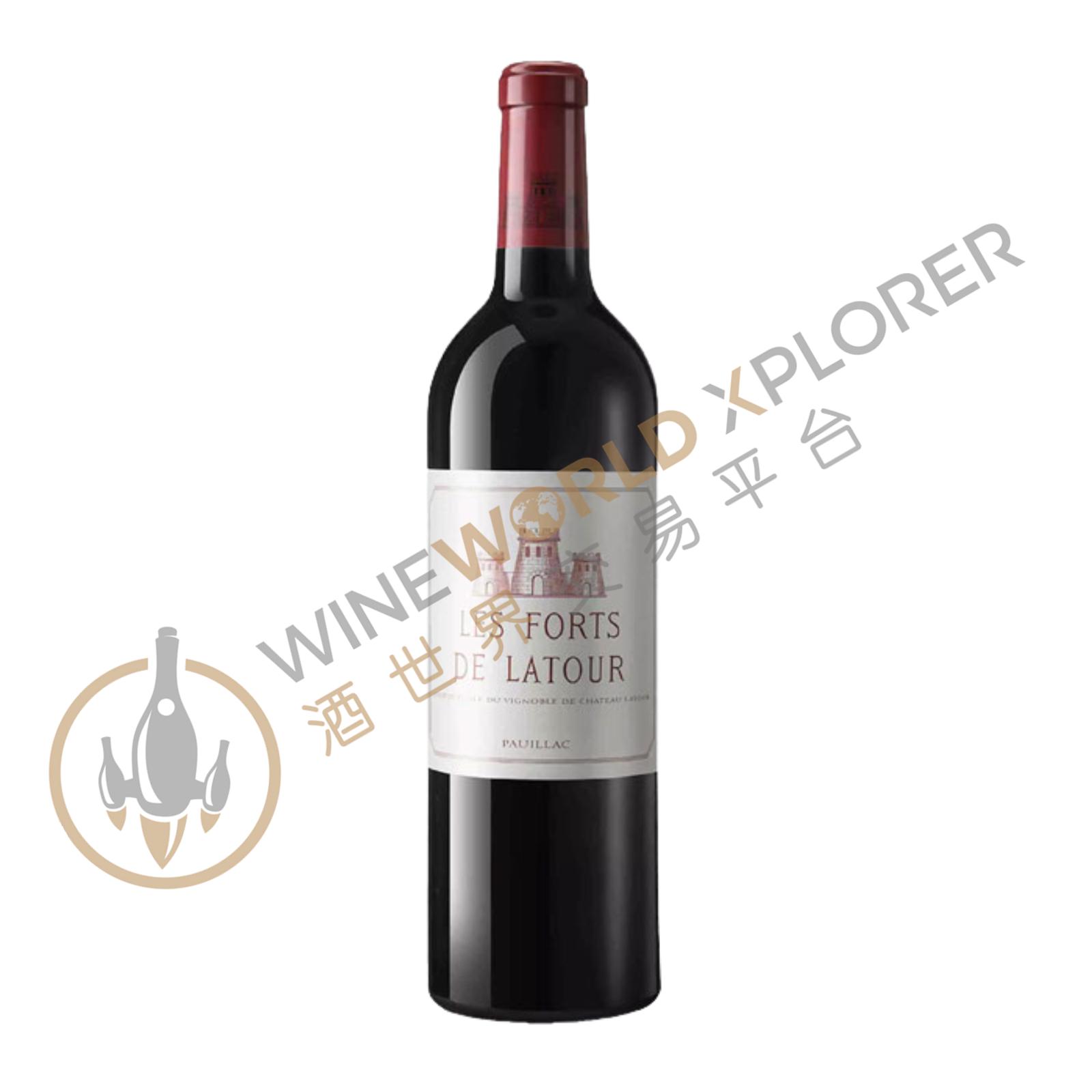
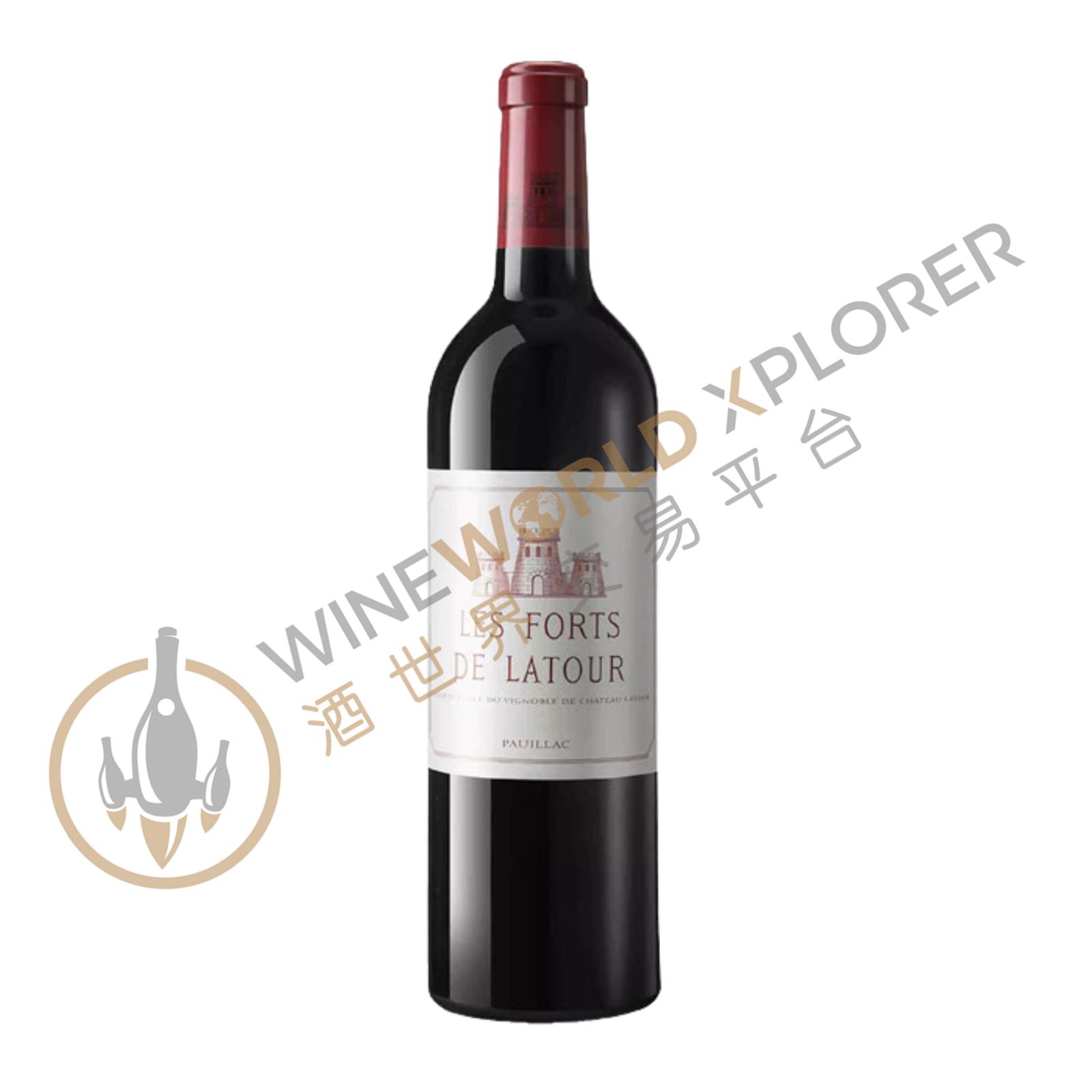
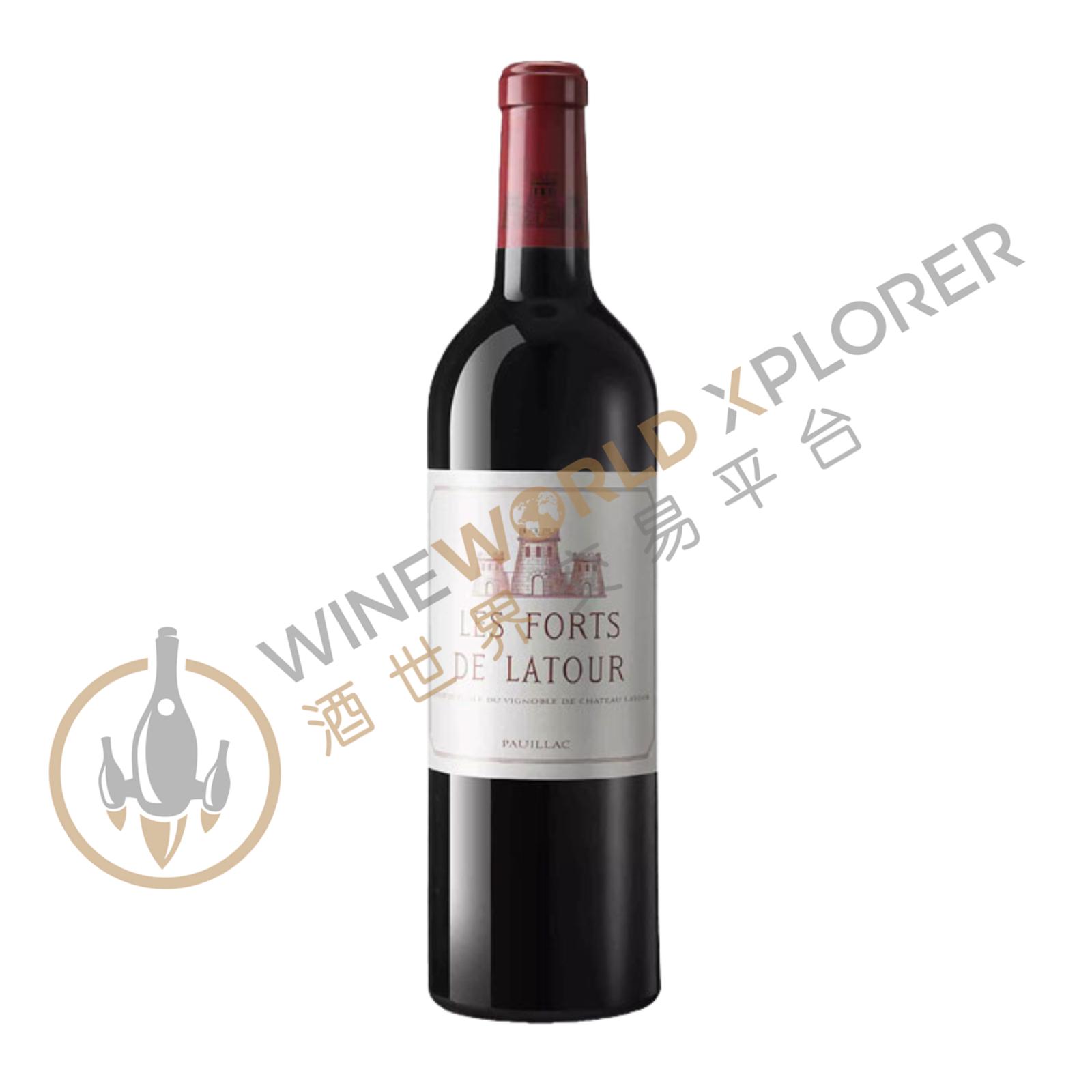
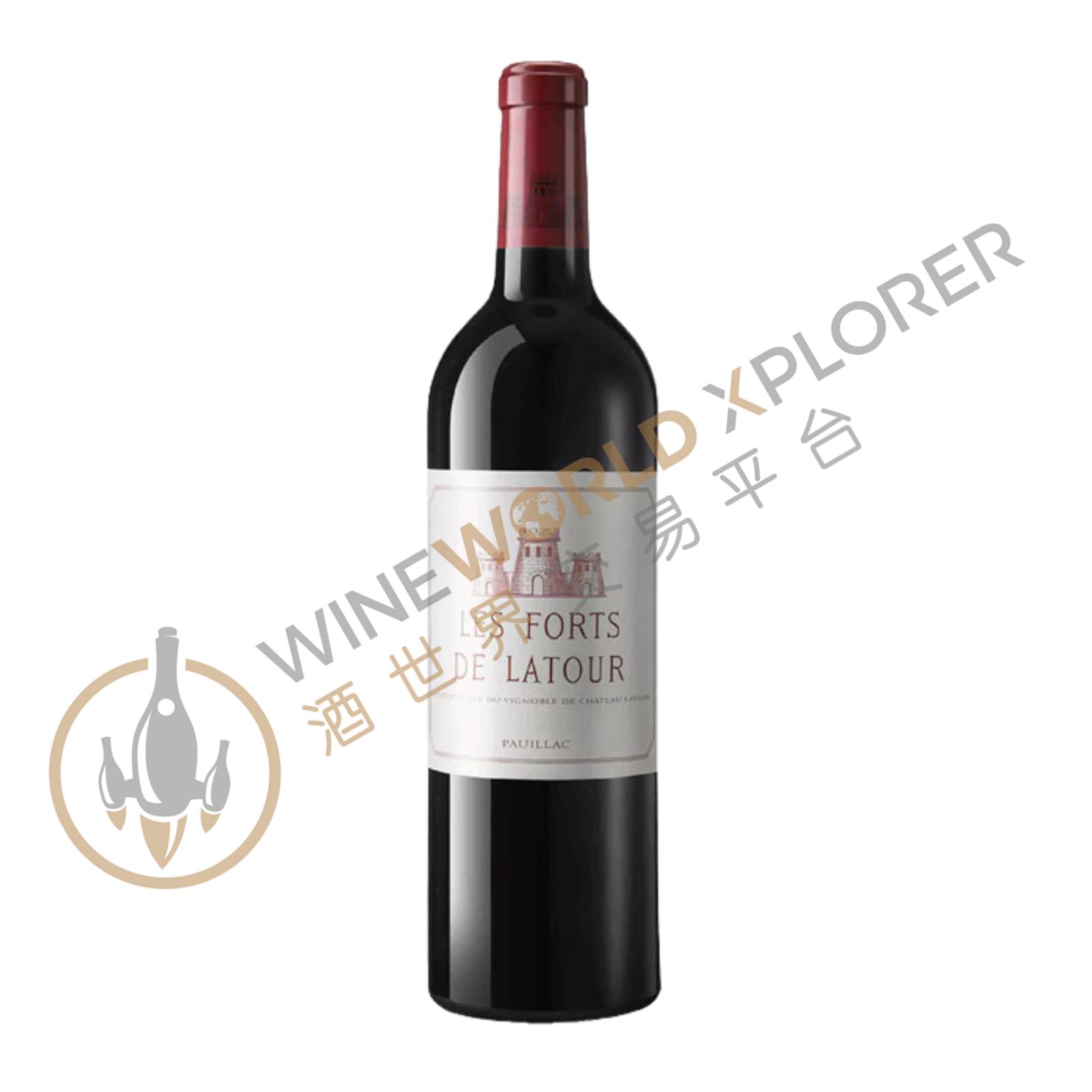
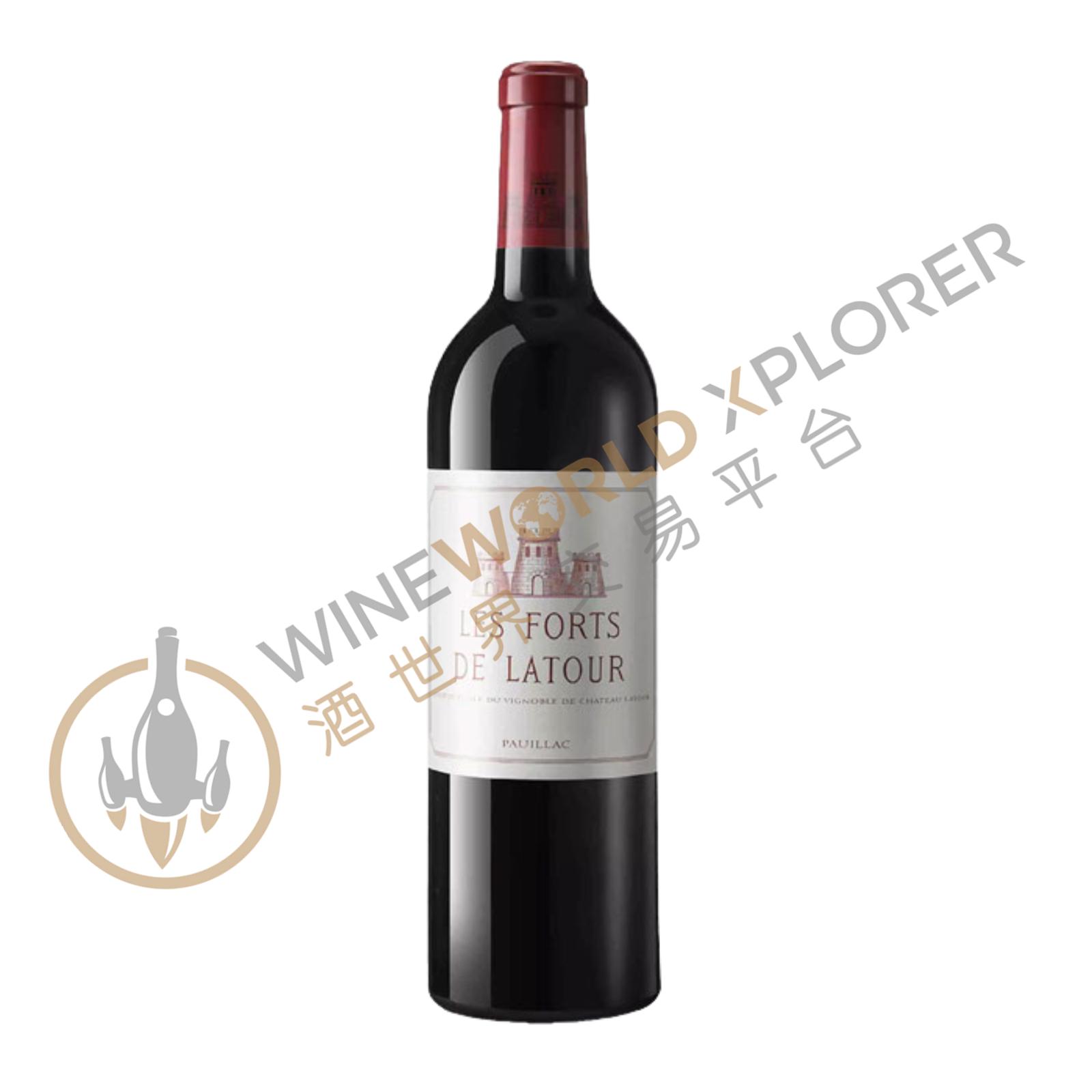
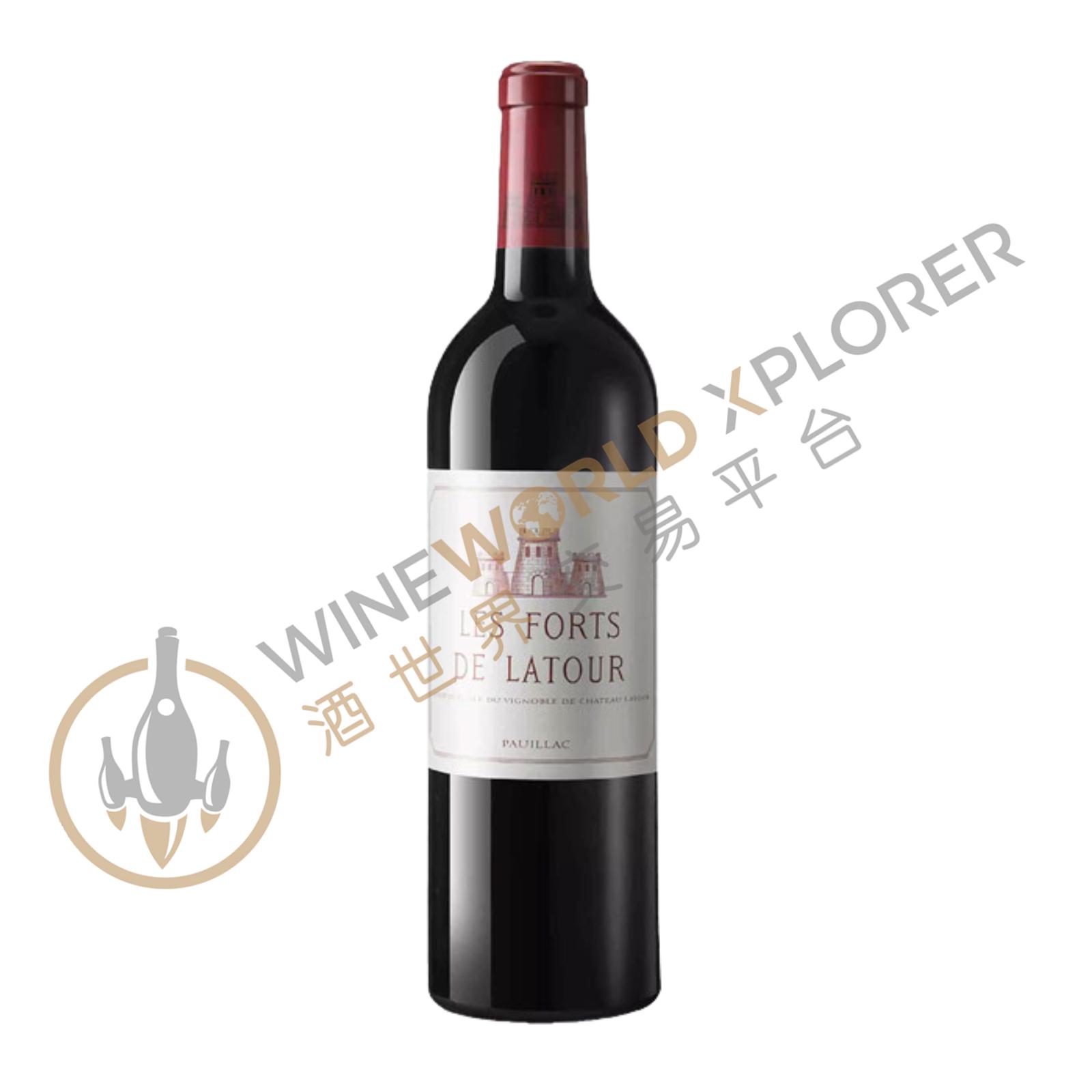
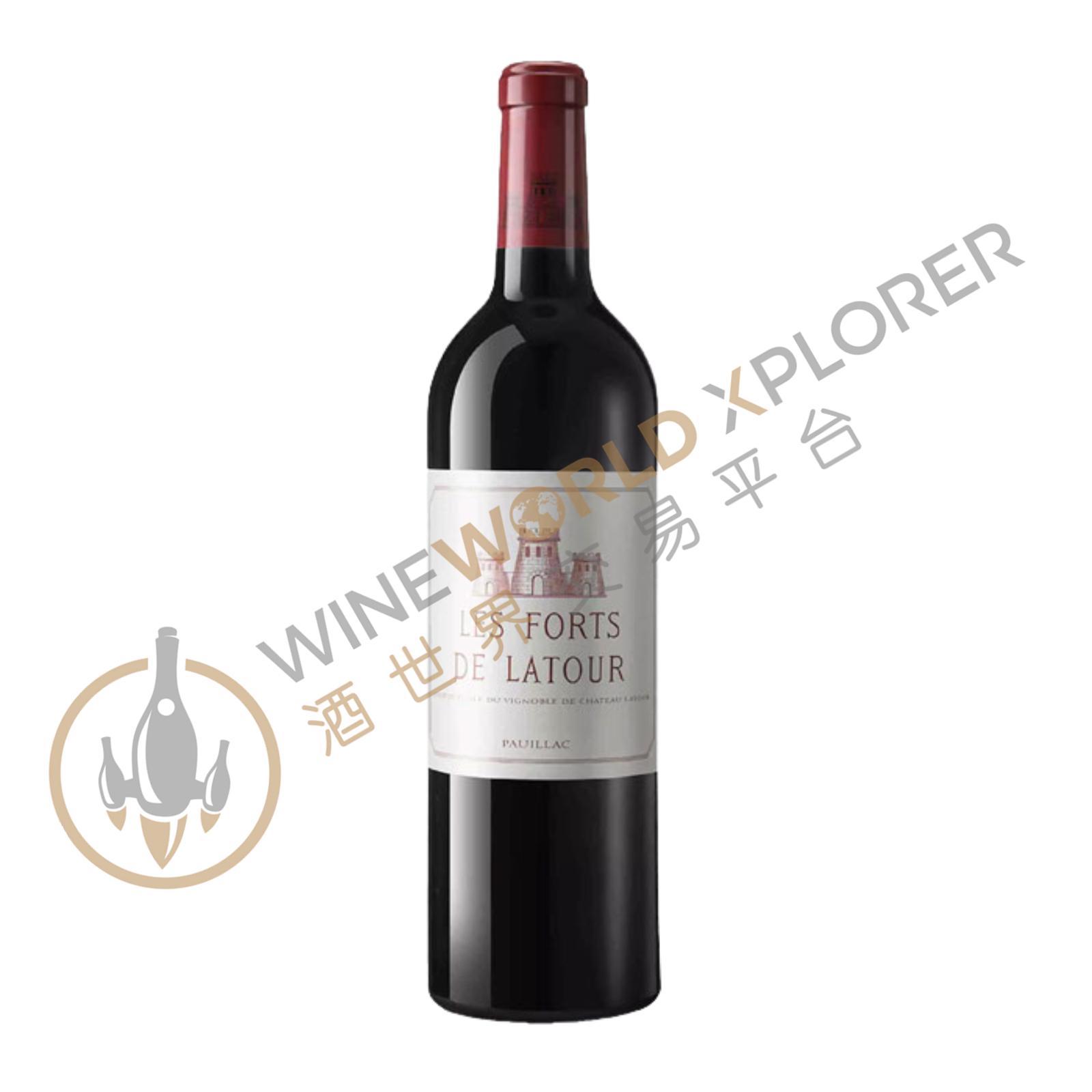
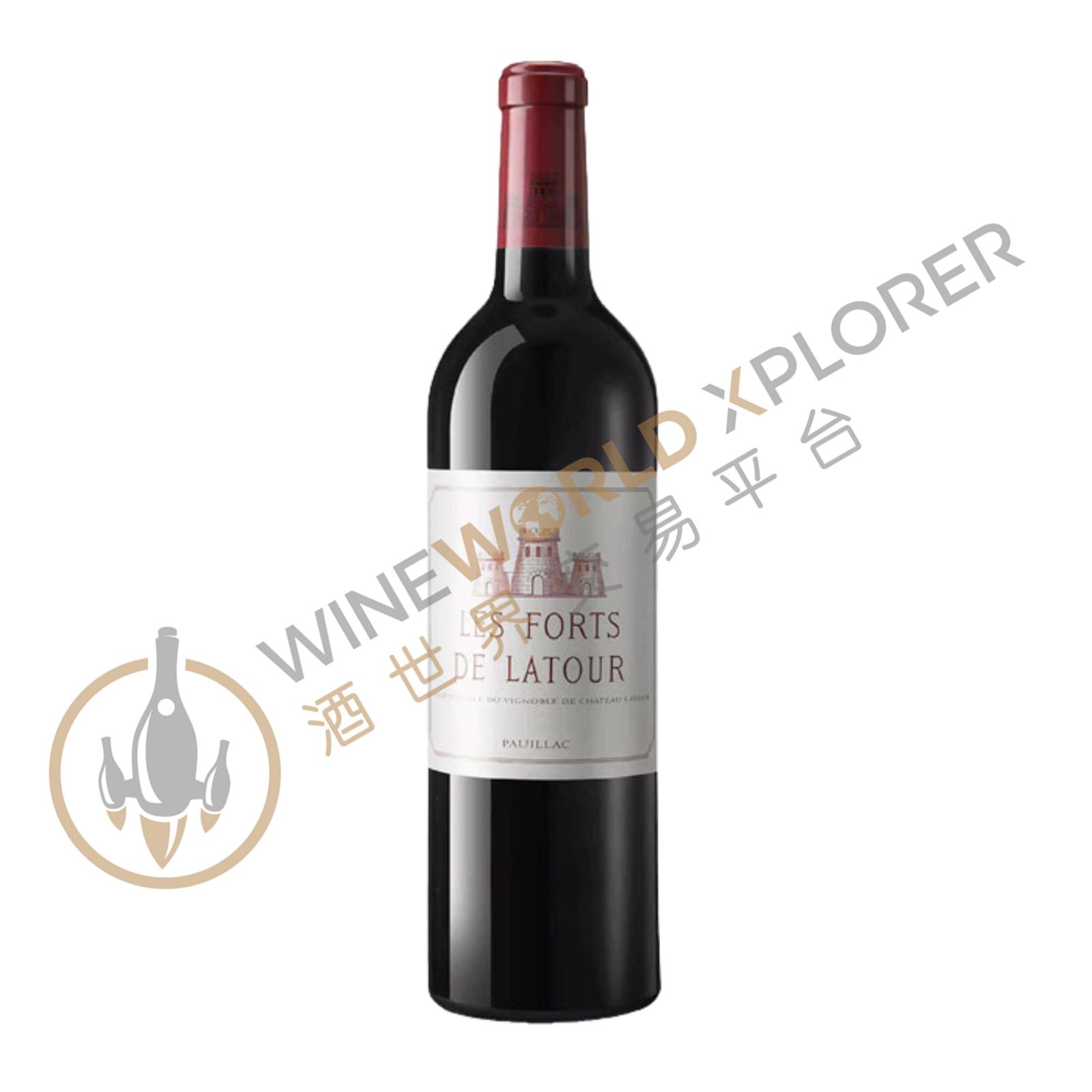
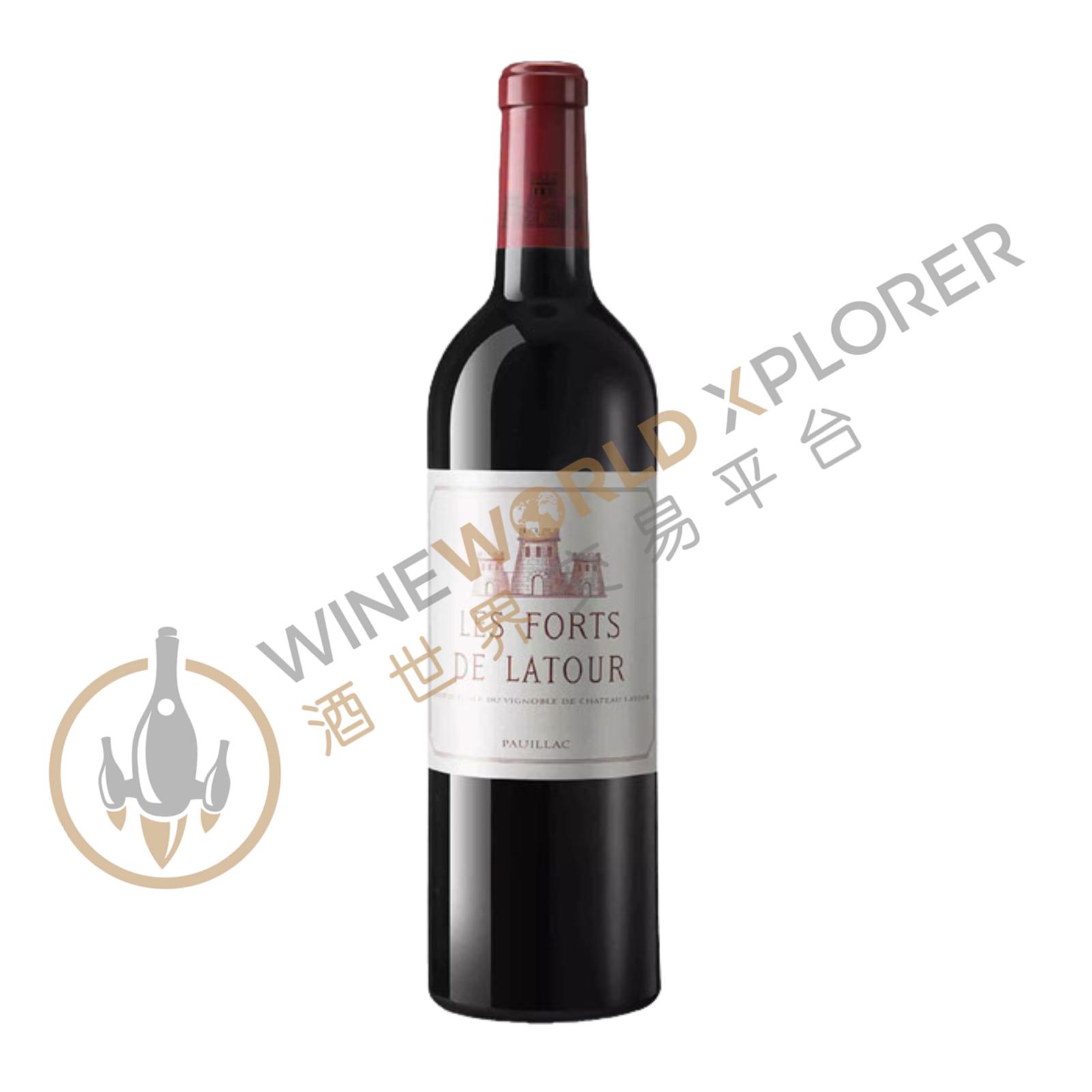
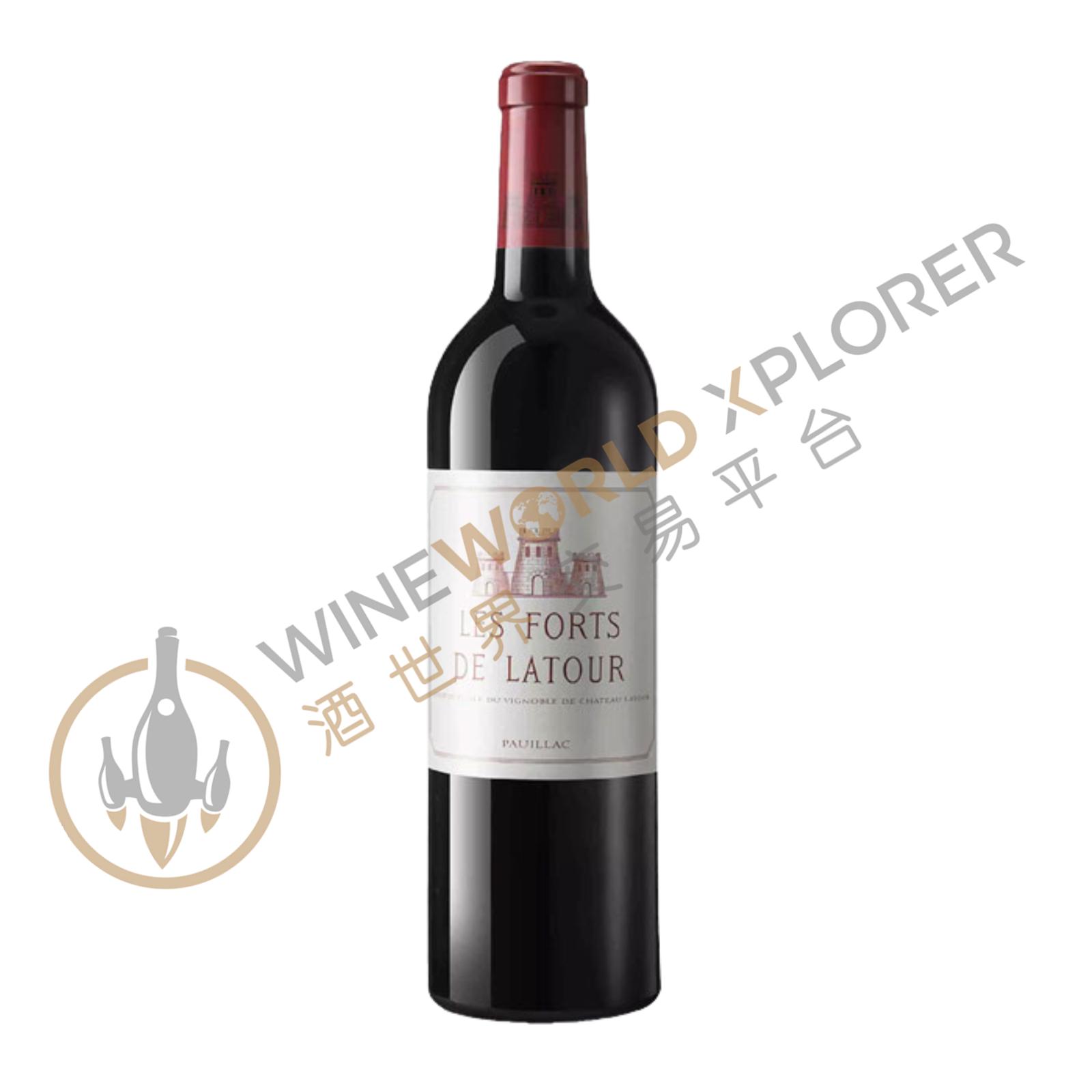
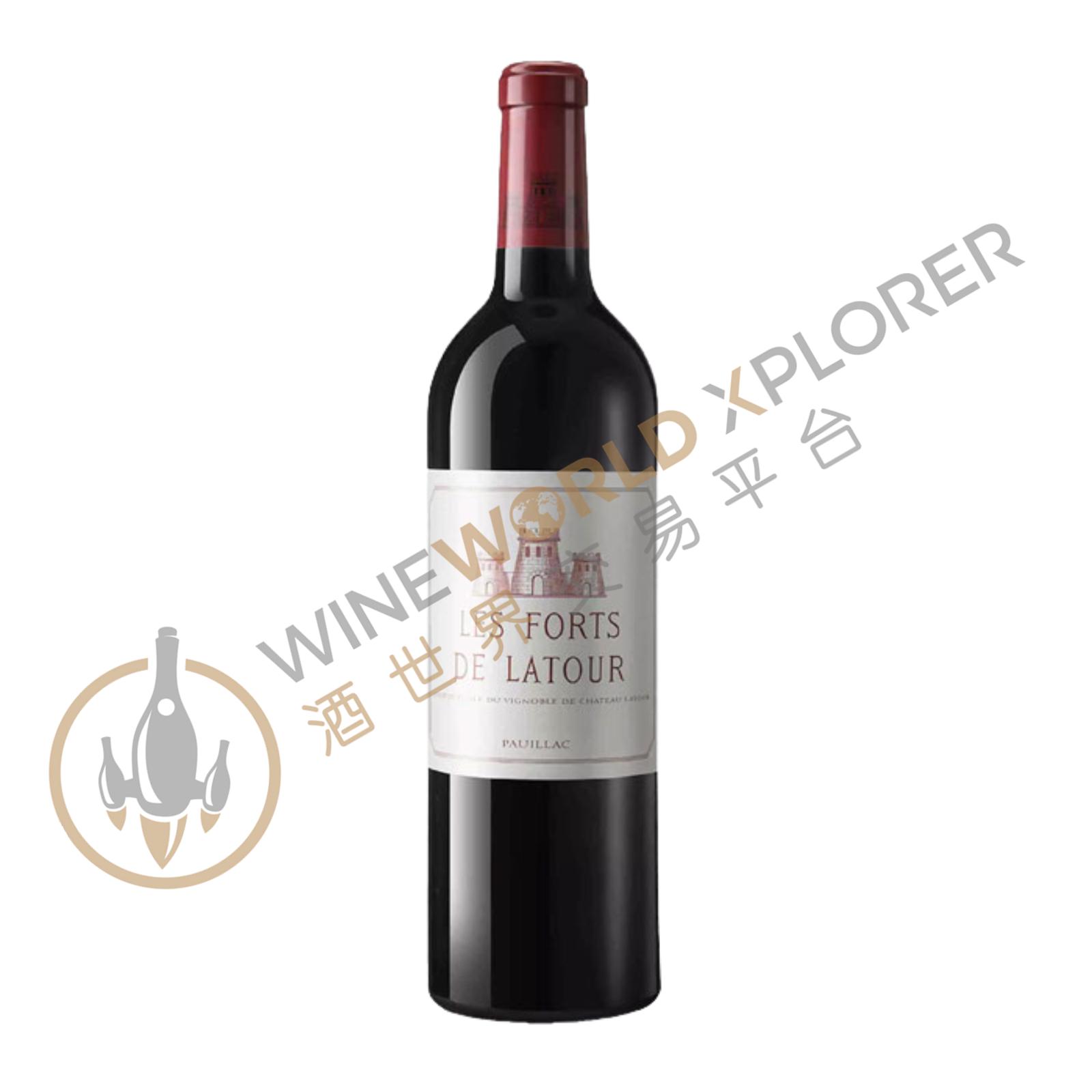
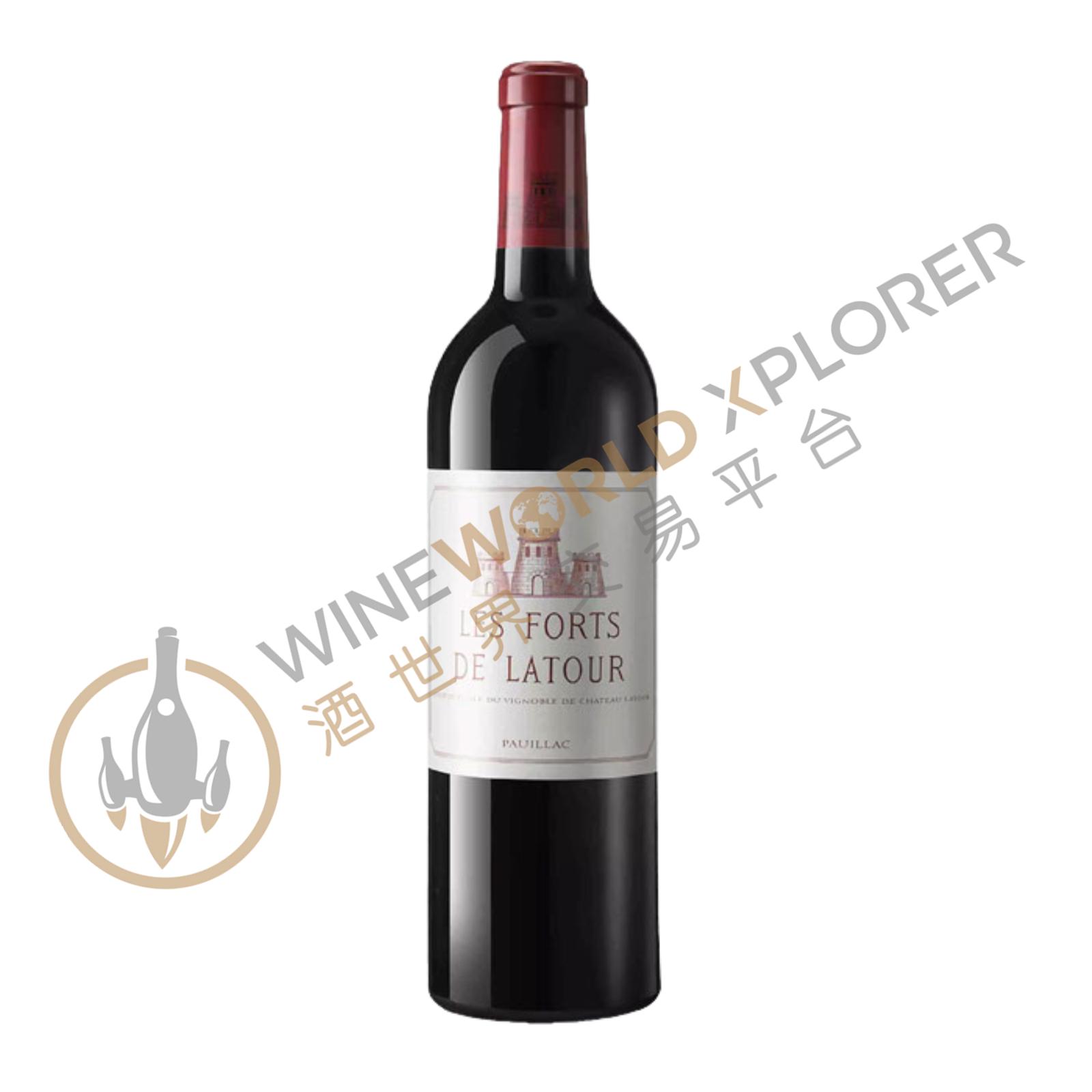
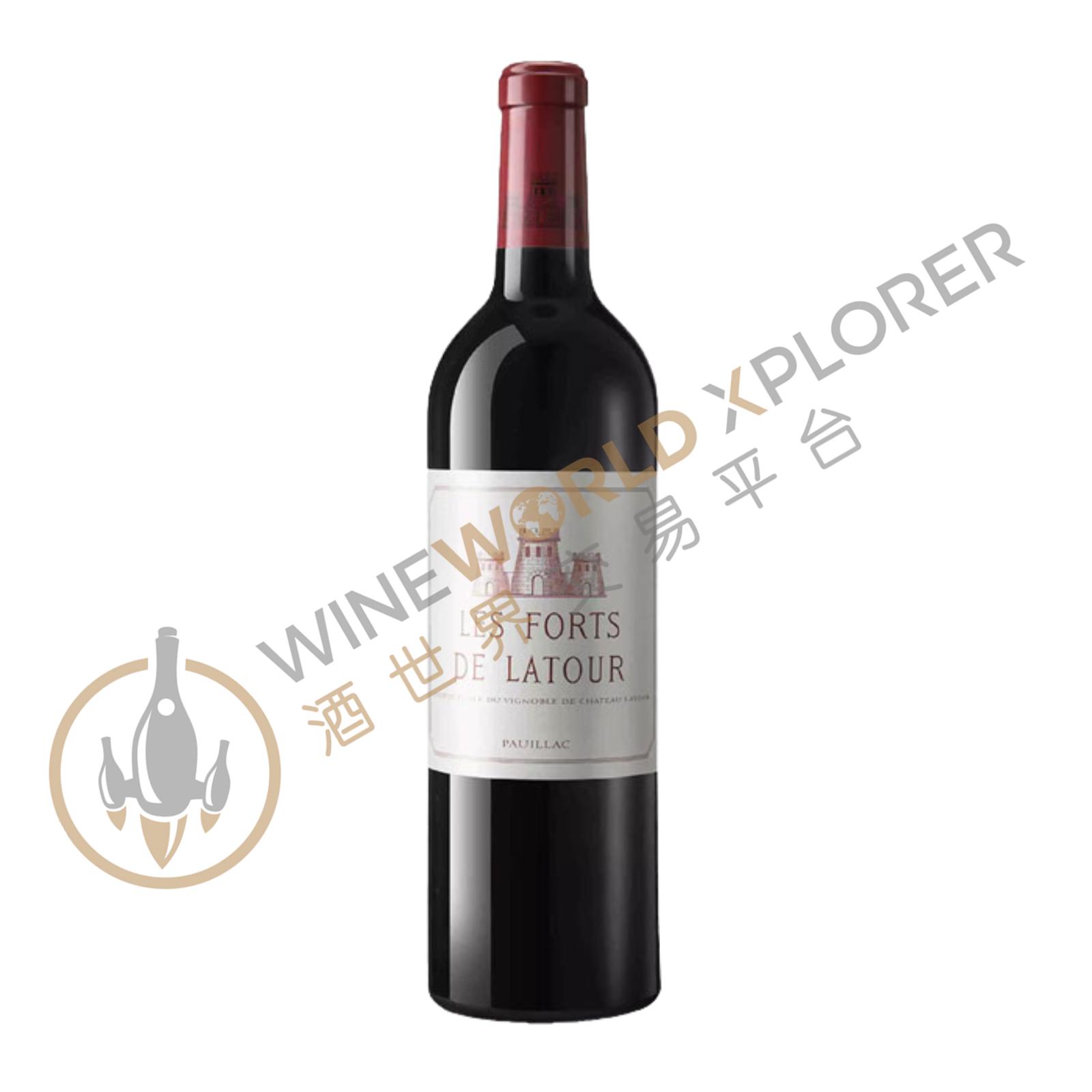
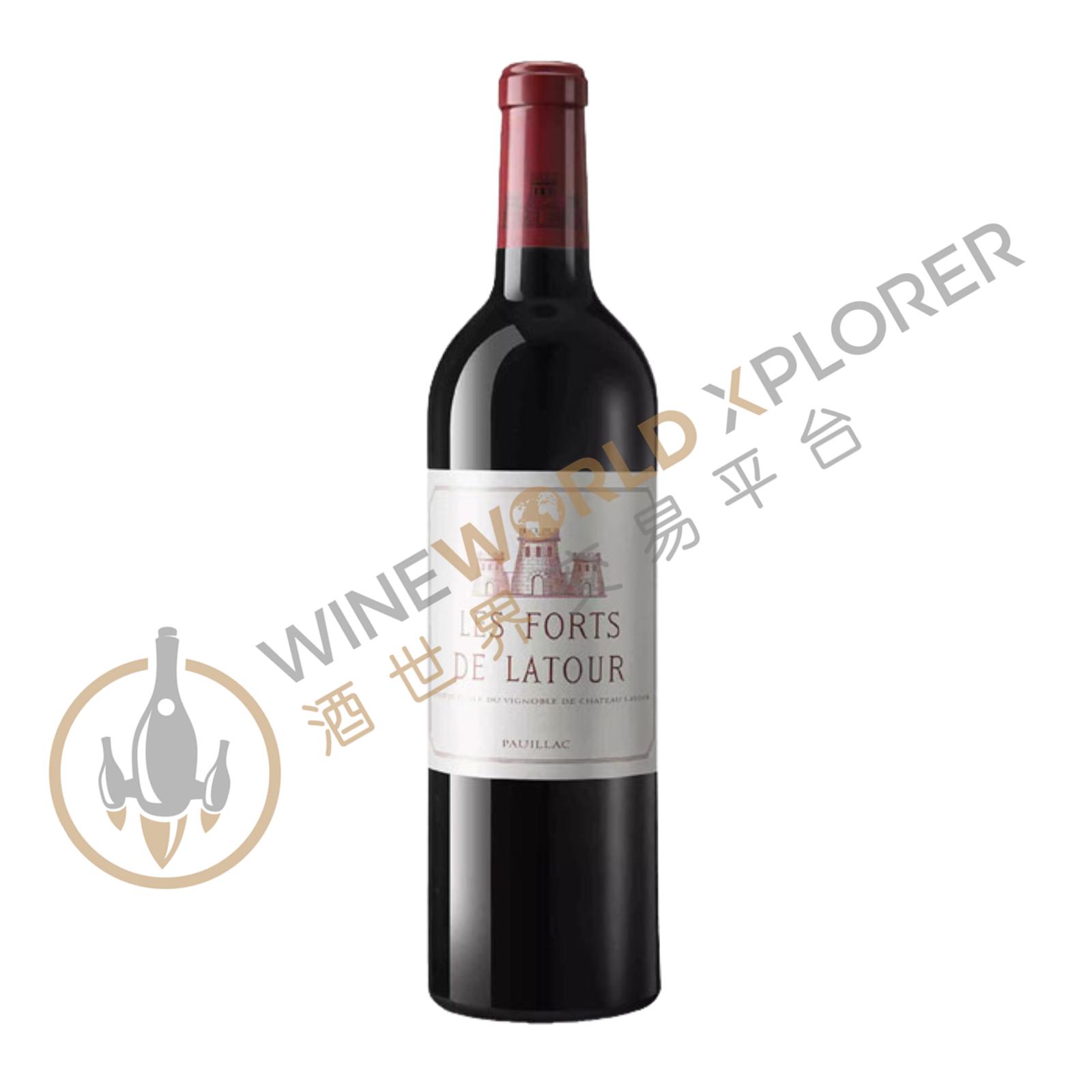
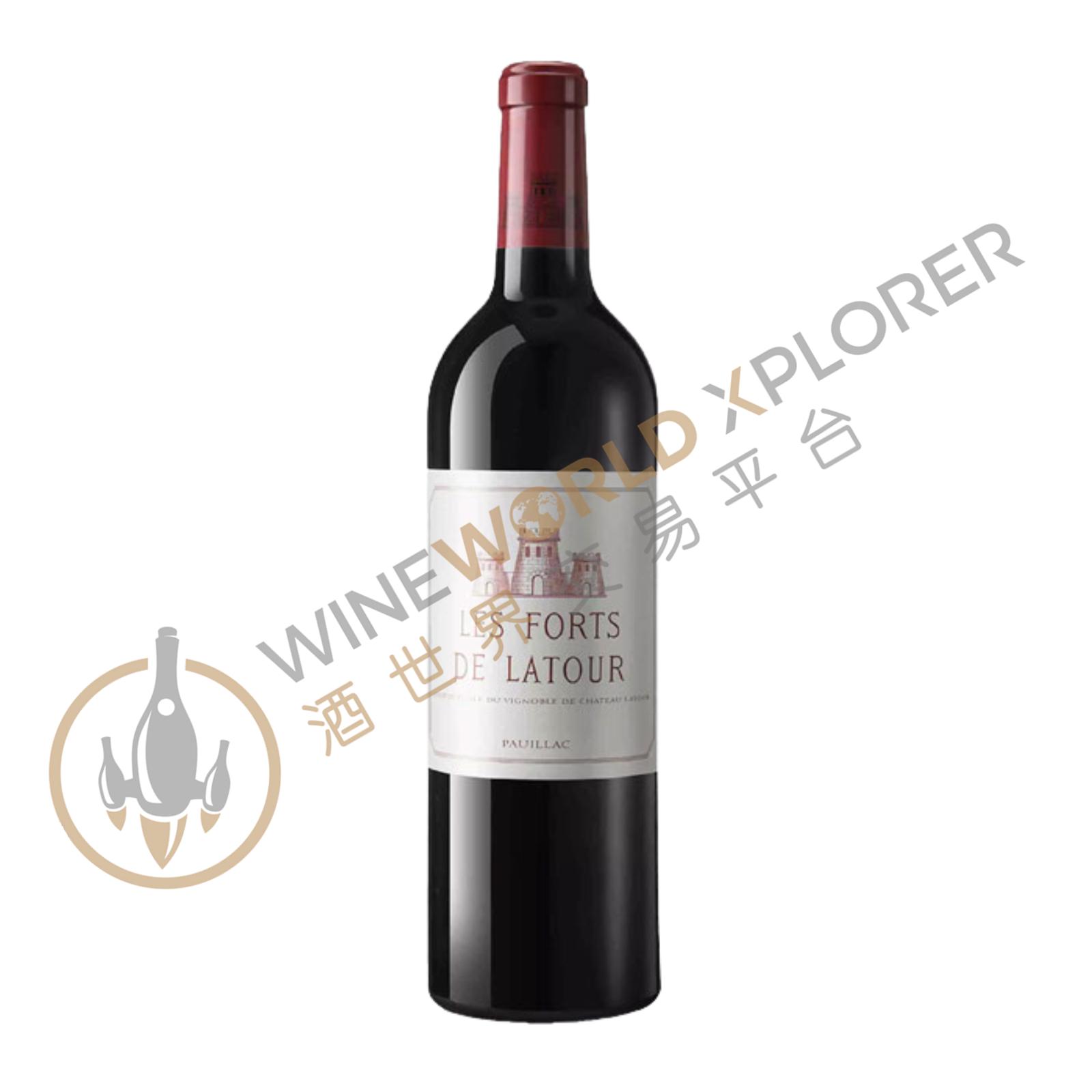
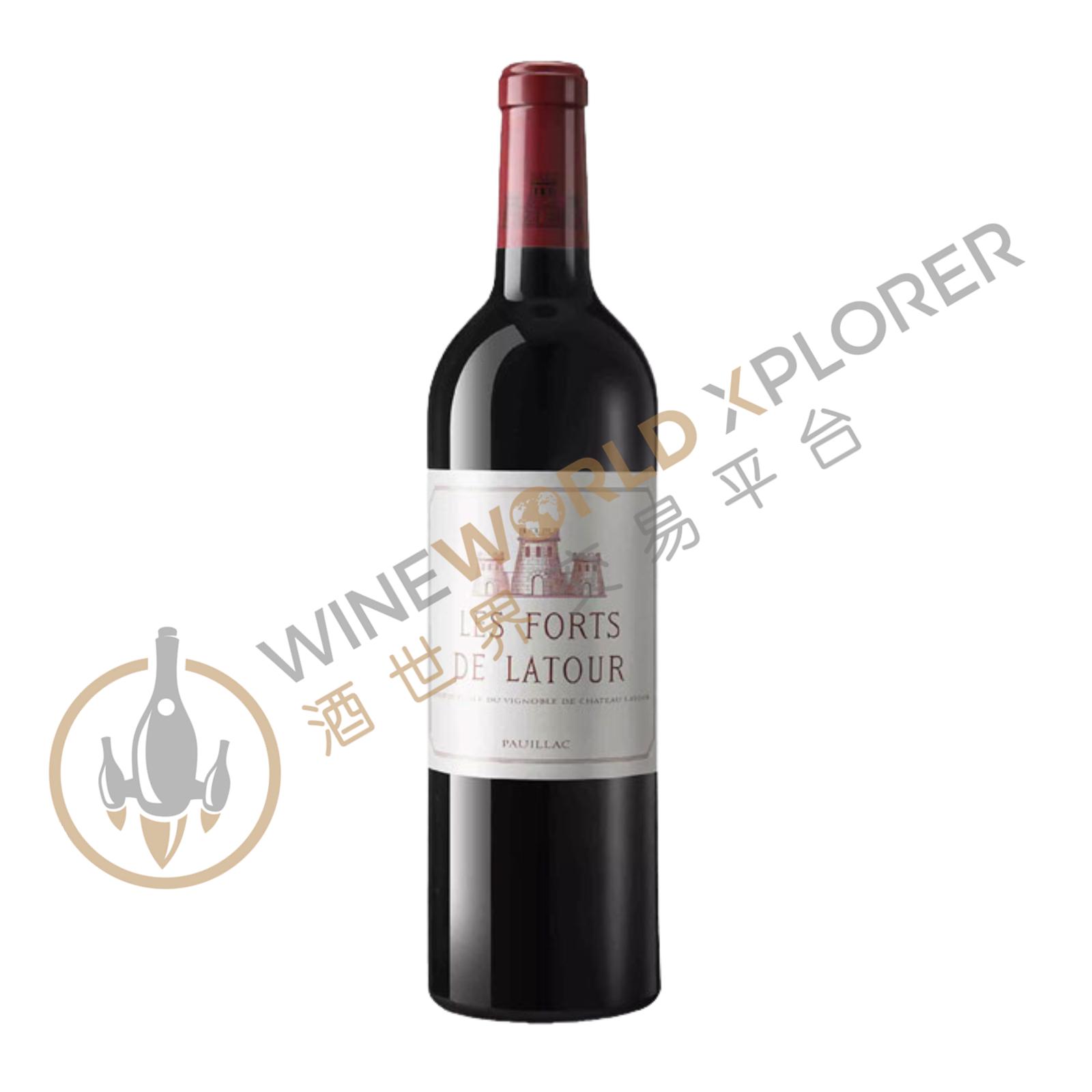
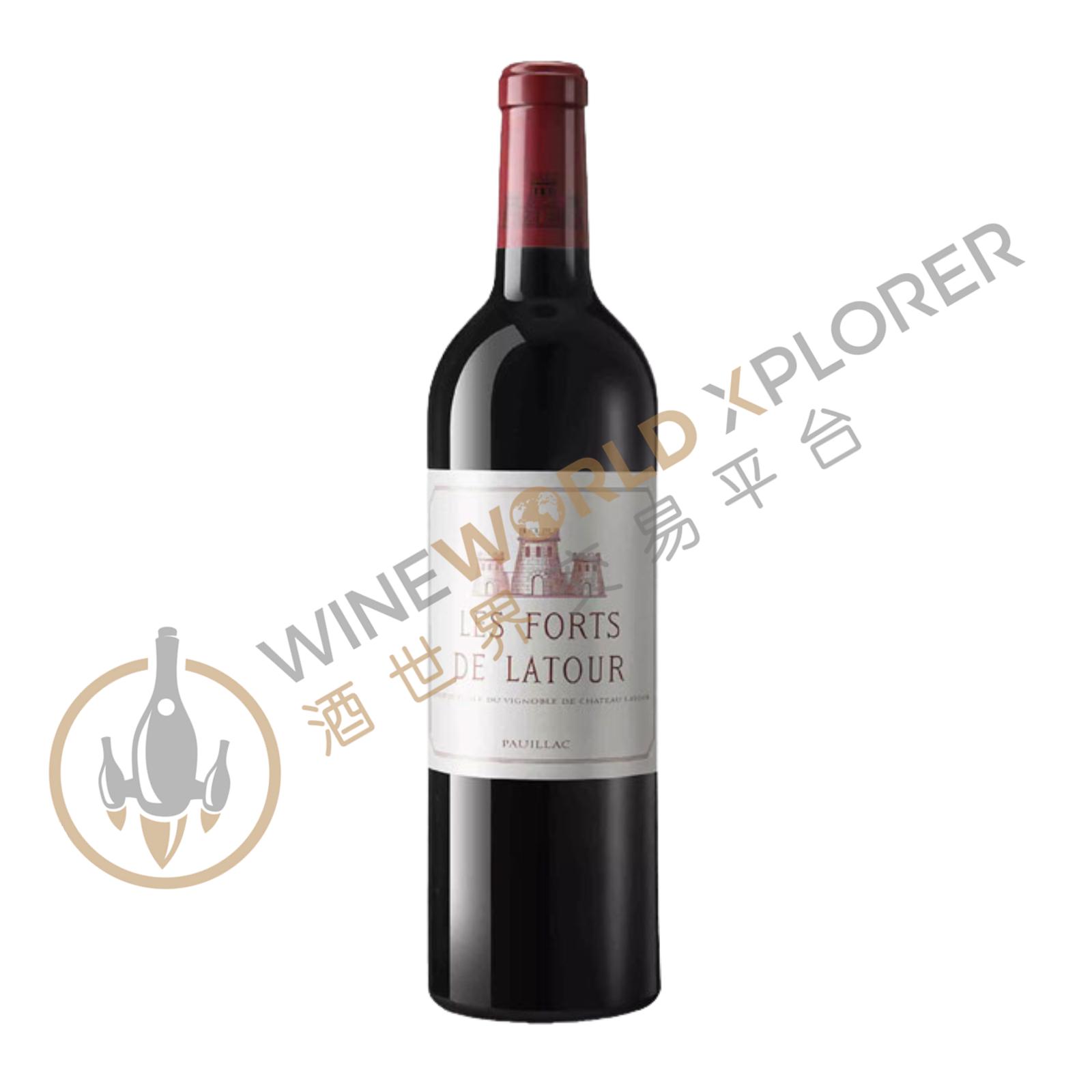
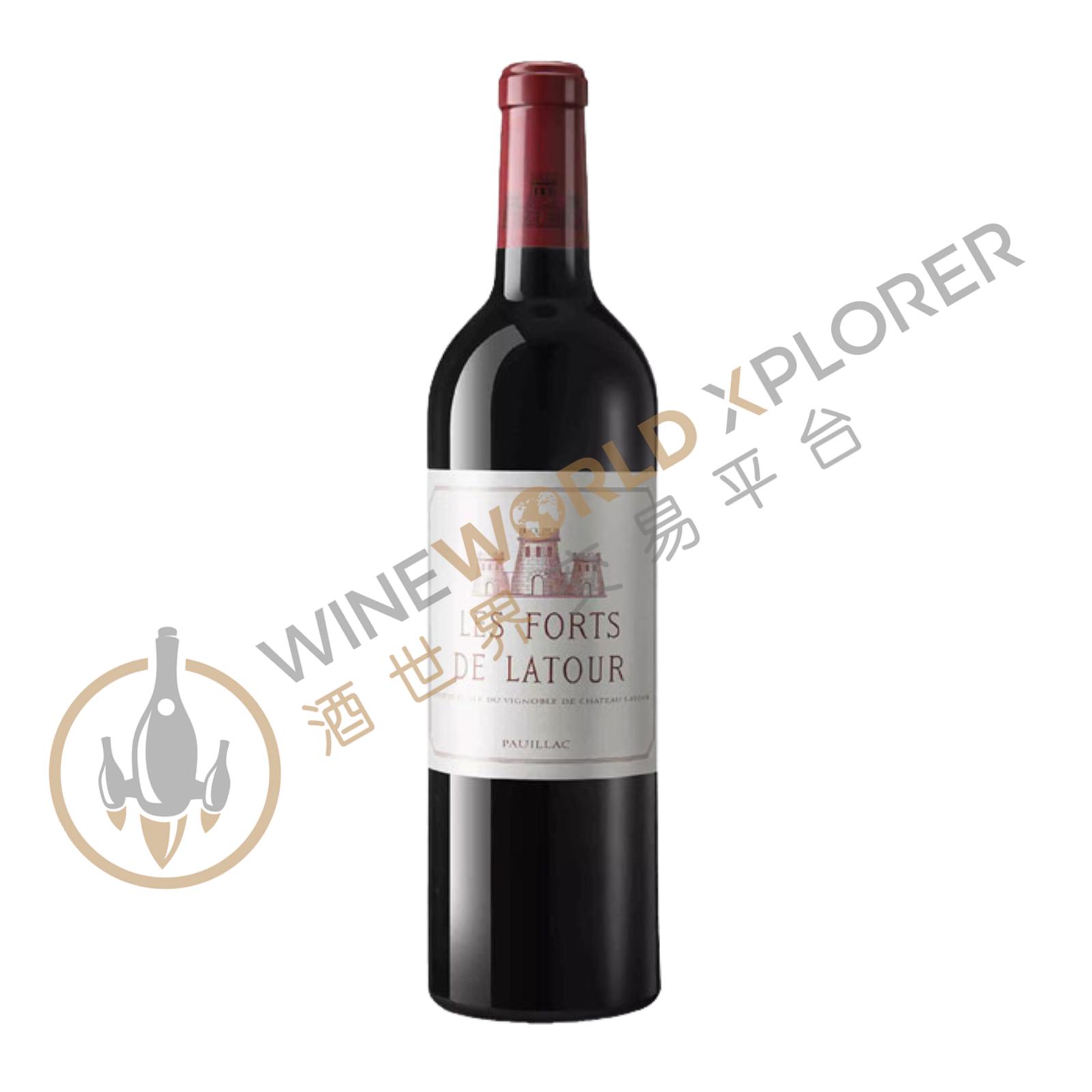
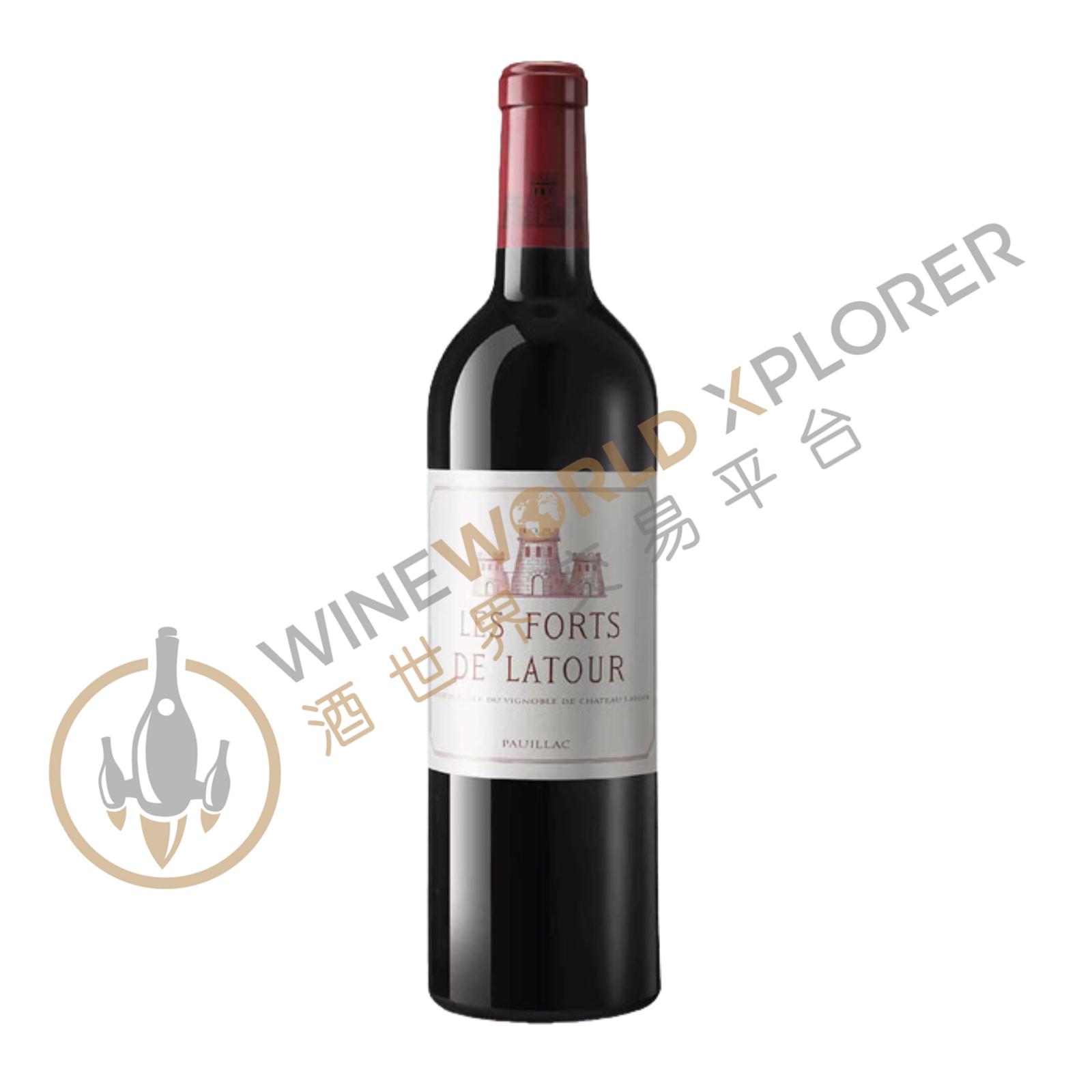
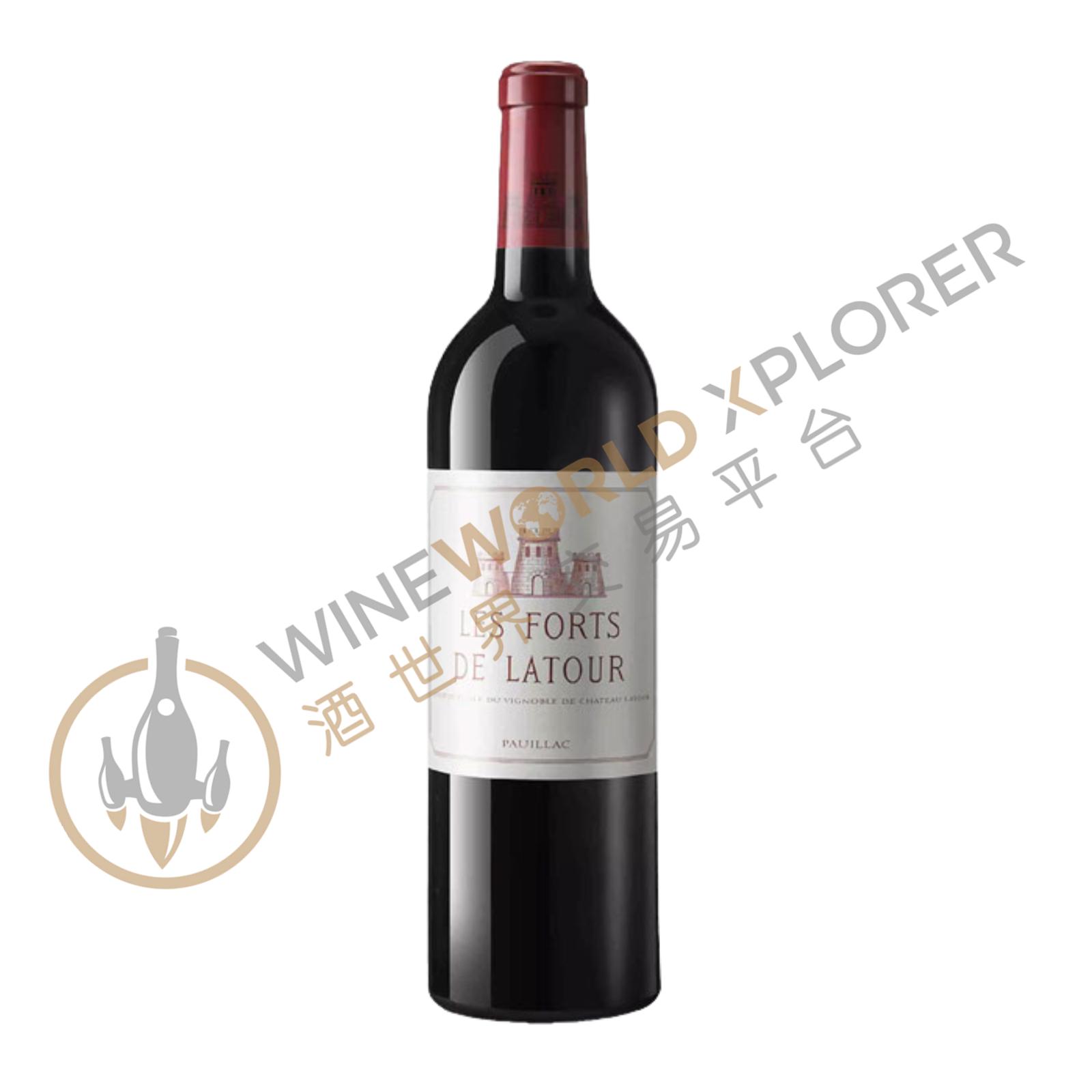
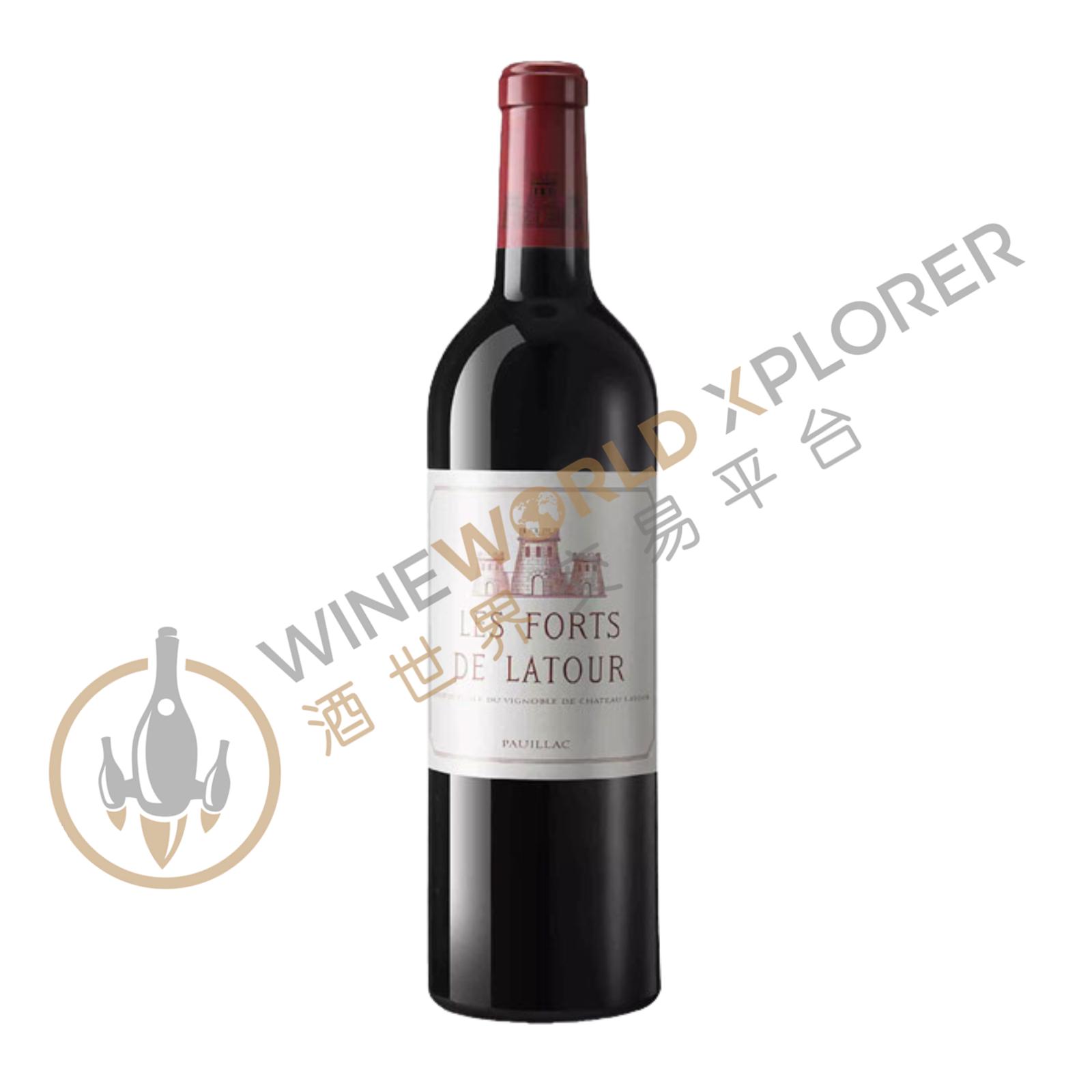
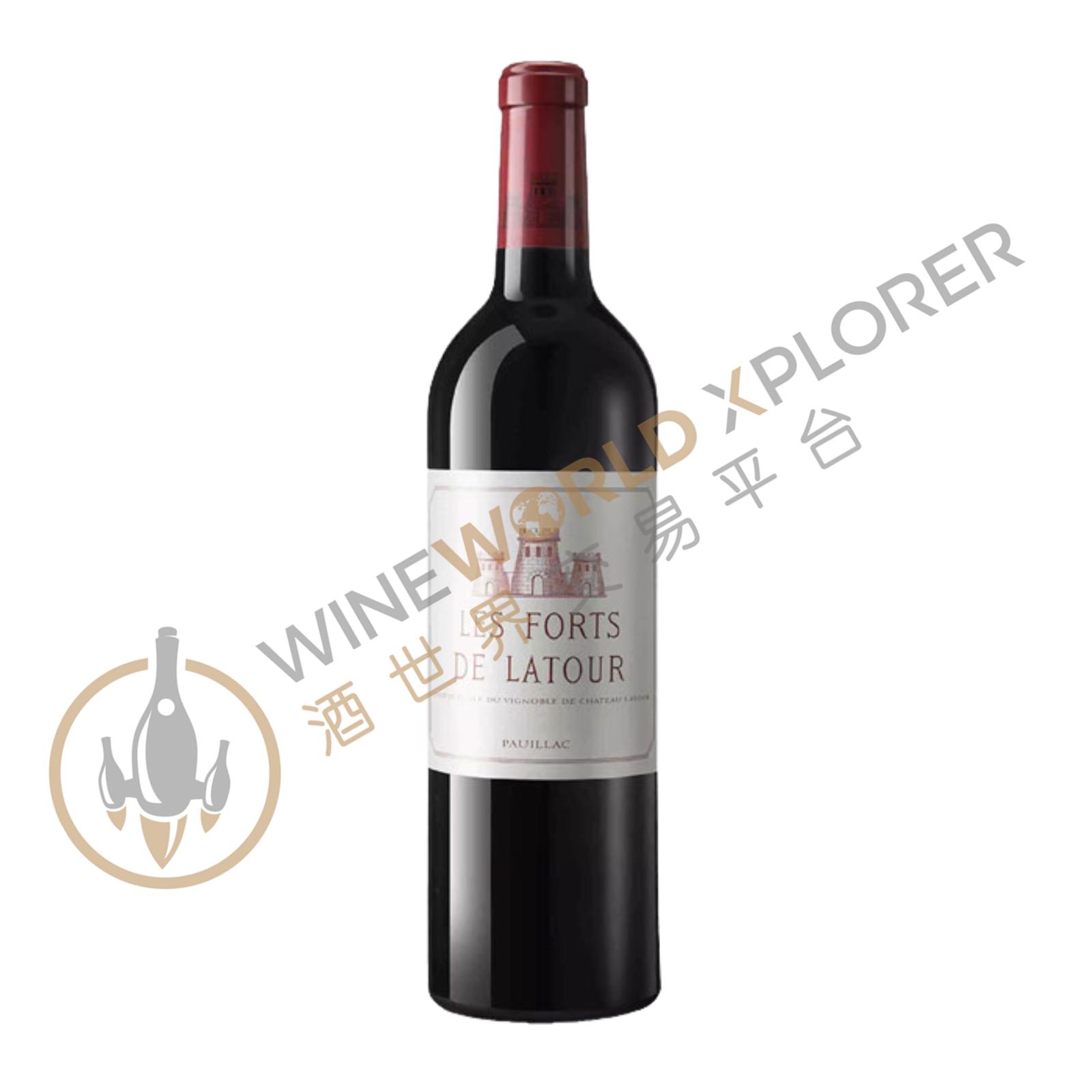
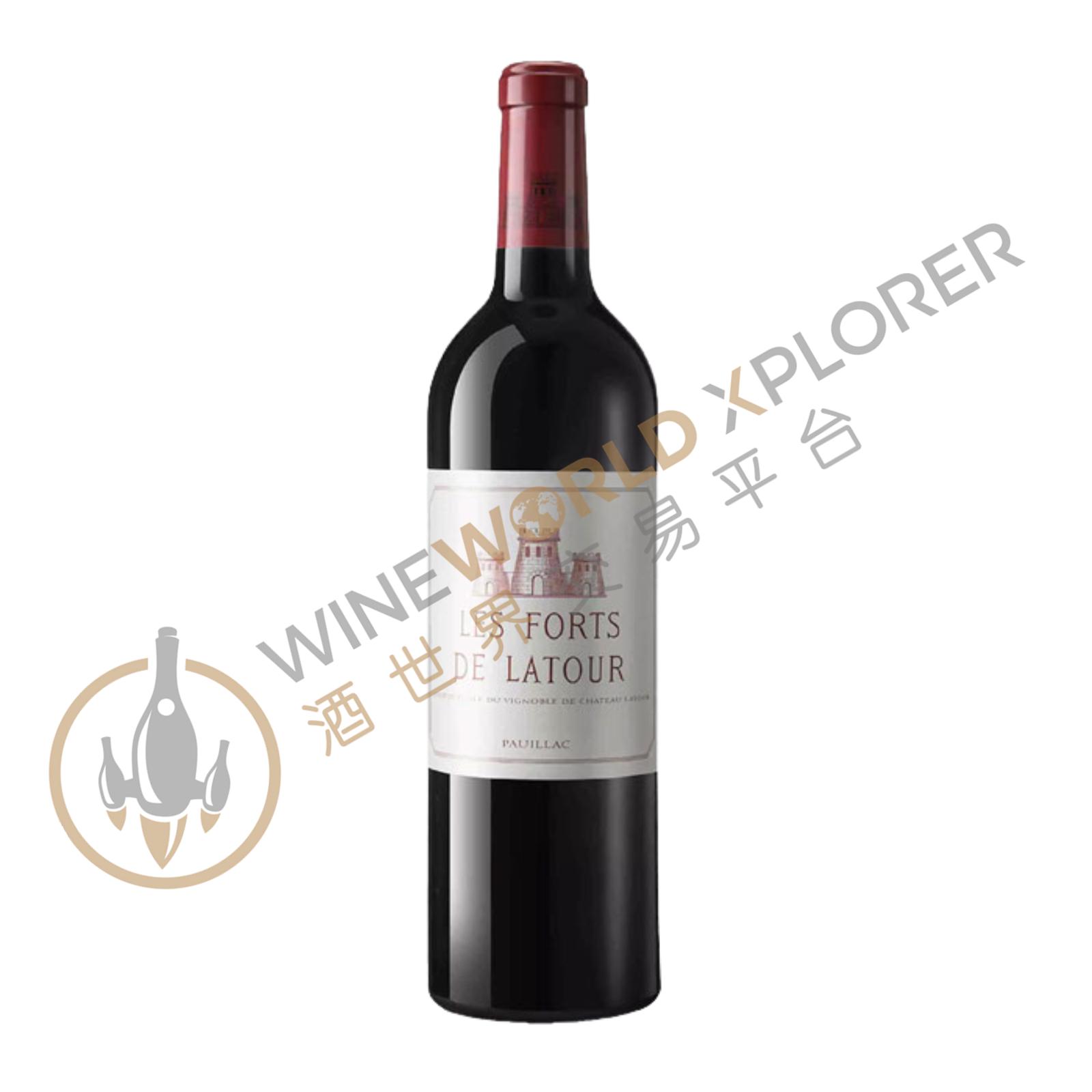
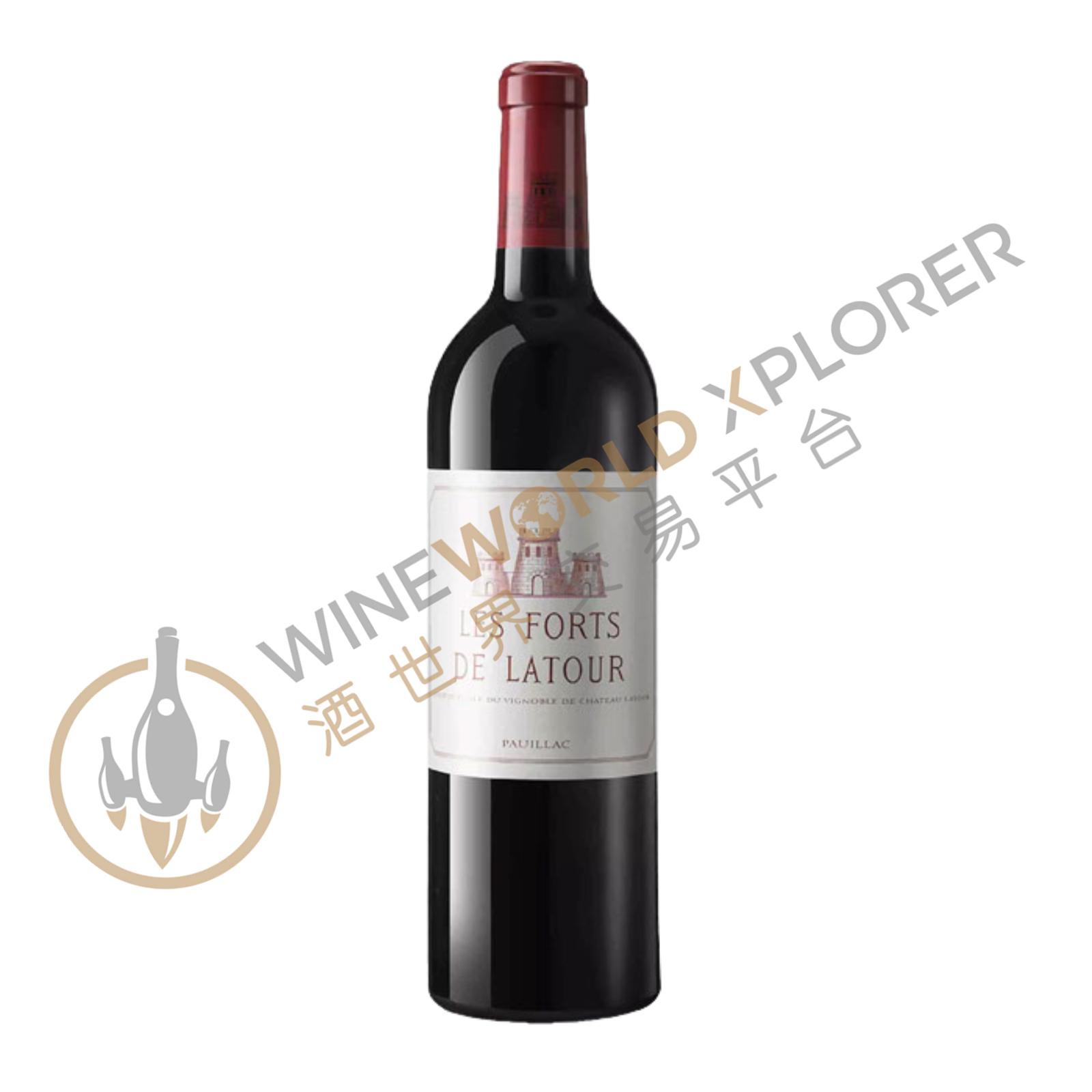
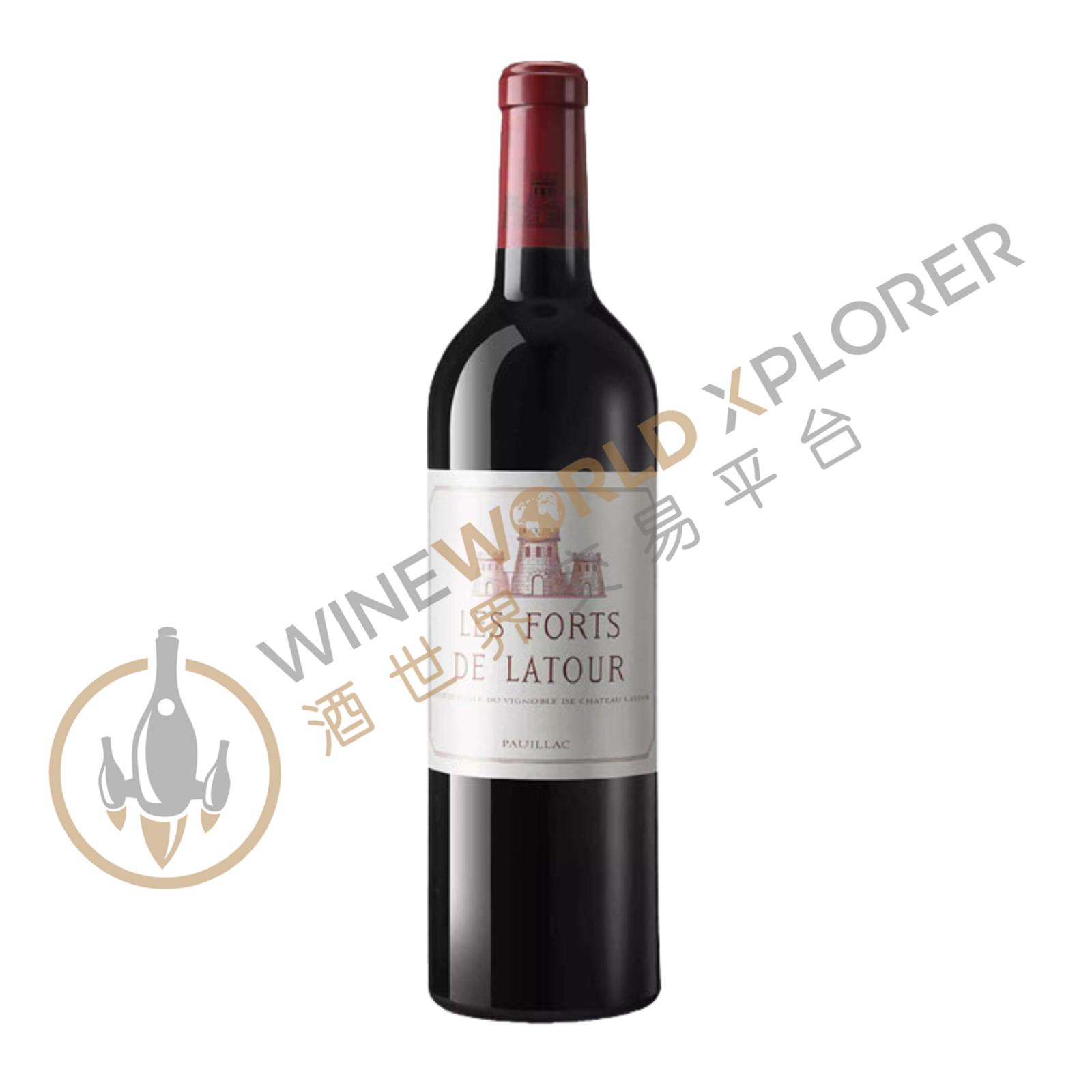
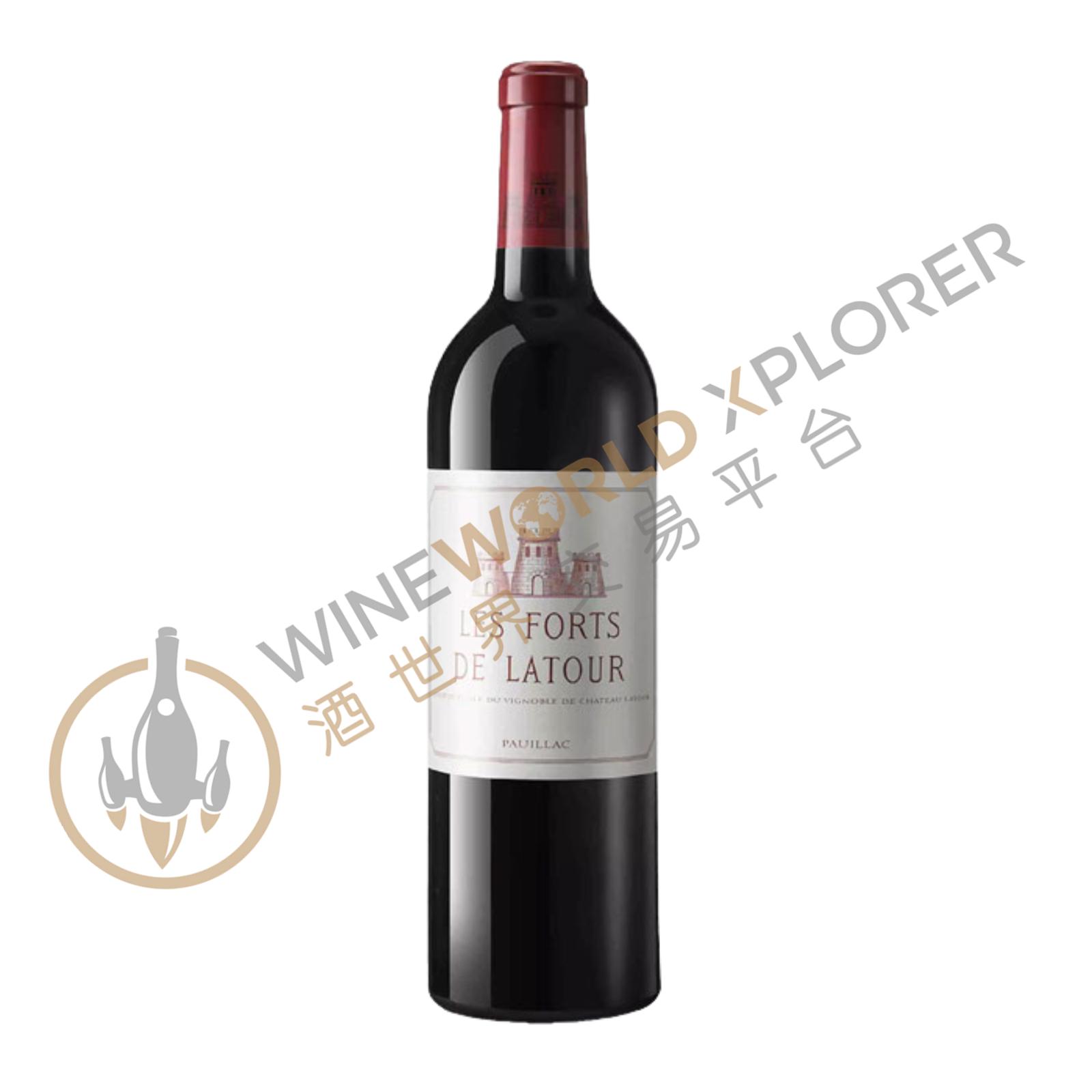
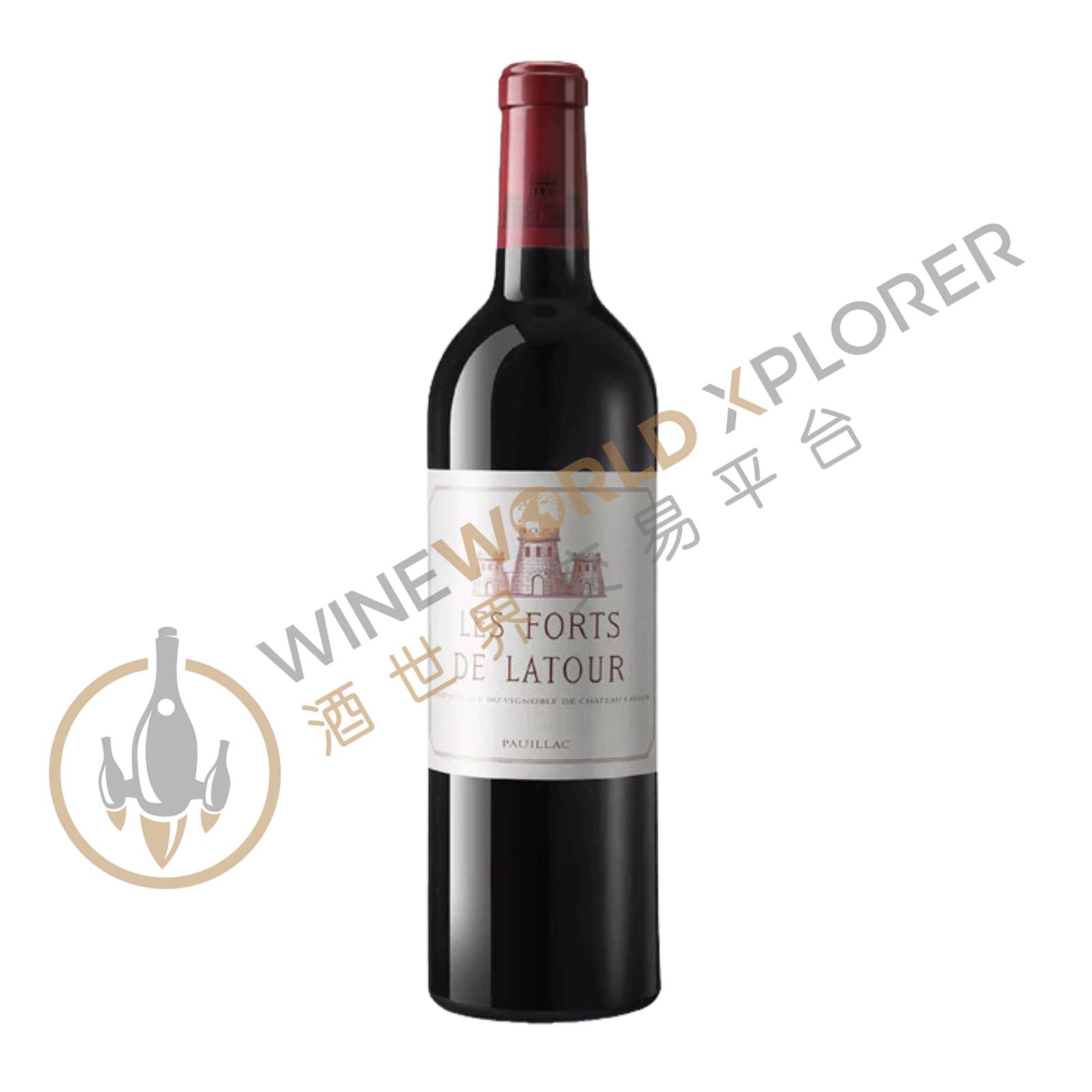
Les Forts de Latour 2012
 View analysis
Description
Tasting notes

Reviewed by: Lisa Perrotti-Brown
Composed of 76% Cabernet Sauvignon, 22% Merlot and 2% Petit Verdot, the 2012 Les Forts de Latour has a medium to deep garnet-purple color and nose of redcurrants, black cherries and kirsch with menthol, cigars and dried herbs. Medium to full-bodied, the palate is soft and vibrant with a lively line and an herbal lift on the finish.
Reviewed by: Robert M. Parker, Jr.
The 2012 Les Forts de Latour is a blend of 75% Cabernet Sauvignon and the rest mostly Merlot and a bit of Petit Verdot. 42.4% of the crop made it into this second wine. It is a lighter-styled, medium-bodied effort exhibiting notes of graphite, black currants and wet rocks along with an attractive mid-weight and freshness. There is a lot of precision and elegance to this 2012, which, like its bigger brother, is lighter than most vintages. Chateau Latour harvested its Merlot between September 24 and October 4, and most of the crop ended up in Les Forts de Latour and Pauillac. The Cabernet Sauvignon was picked between October 5 and 16, the Cabernet Franc on October 8 (obviously a wet harvest), and the Petit Verdot on October 12. The 2012 Latour, which is off the market as a wine future until the Pinault family and Frederic Engerer agree on when to release it (probably 7-8 years from now), is a blend of 90.2% Cabernet Sauvignon, 9.6% Merlot and the rest a tiny dollop of Petit Verdot. Only 36% of the crop was utilized in the grand vin, which achieved 12.8% natural alcohol.
Reviewed by: Neal Martin
Tasted en primeur at the chateau. The Les Forts de Latour is a blend of 76.1% Cabernet Sauvignon, 22% Merlot and 2% Petit Verdot. It has a more harmonious bouquet than the Pauillac de Latour with ripe blackberry, dark plum and black olive. The palate is medium-bodied with fine definition. There is a crisp seam of acidity, silky smooth and more approachable that recent vintages, with a graphite tinged, slightly savoury, salty finish. Tasted April 2013.
Reviewed by: Robert M. Parker, Jr.
The second wine, from vineyards outside of their famous walled l’enclos, the 2012 Les Forts de Latour (75% Cabernet Sauvignon and the balance mostly Merlot) is a beautiful, elegant wine with a dense purple color, notes of sweet black cherries and blackcurrants, subtle background minerality and no evidence of oak. This medium to full-bodied, beautifully constructed and layered Les Forts de Latour should drink nicely for 15 or more years.
Reviewed by: Lisa Perrotti-Brown
This is the first vintage to not be offered En Primeur, meaning this is the first commercial release for this wine. It is composed of 76% Cabernet Sauvignon, 22% Merlot and 2% Petit Verdot. Deep garnet-purple in color, it opens with expressive notes of crème de cassis, unsmoked cigars, charcuterie and tapenade on the nose with hints of kirsch and fertile loam plus a waft of menthol. Medium to full-bodied, the palate displays great concentration, sporting beautifully ripe, finely grained tannins, wonderful freshness and a long, savory finish. Just entering its drinking window and still possessing bags of fruit, it should continue to evolve and cellar for a further 15+ years.
Reviewed by: Neal Martin
The 2012 Les Forts de Latour has a light minty bouquet, more red than black fruit, touches of orange peel and light pencil shaving scents. The palate is medium-bodied with good density, fine tannins, becoming increasingly precise towards the finish, graphite and black pepper lingering on the aftertaste. Wonderful breeding here, a step ahead of other Deuxième Vins. Tasted twice at Bordeaux Index's Ten Year-On tasting and blind at the Southwold Ten-Year On tasting.
Reviewed by: Neal Martin
Though I tasted the 2012 Les Forts de Latour, a blend of 76% Cabernet Sauvignon, 22% Merlot and 2% Petit Verdot, during en primeur back in 2013, this marks the first commercial release for this vintage. It boasts devilishly attractive pencil lead bouquet with blackberry, bilberry and a light sea spray influence. The palate is clean and fresh with very fine, almost edgy tannins. The precision here is undeniable, a tensile Les Forts de Latour that similar to many 2012s has blossomed during its bottle maturation. There is a mote of signature Pauillac mintiness that pop up towards the persistent finish, completing an assured Les Forts de Latour that might tempt those whose pockets are not deep enough for the co-released 2006 Latour.
Reviewed by: Neal Martin
Though I tasted the 2012 Les Forts de Latour, a blend of 76% Cabernet Sauvignon, 22% Merlot and 2% Petit Verdot, during en primeur back in 2013, this marks the first commercial release for this vintage. It boasts devilishly attractive pencil lead bouquet with blackberry, bilberry and a light sea spray influence. The palate is clean and fresh with very fine, almost edgy tannins. The precision here is undeniable, a tensile Les Forts de Latour that similar to many 2012s has blossomed during its bottle maturation. There is a mote of signature Pauillac mintiness that pop up towards the persistent finish, completing an assured Les Forts de Latour that might tempt those whose pockets are not deep enough for the co-released 2006 Latour.
Reviewed by: James Suckling
A firm and fresh Les Forts. A pretty sample with bright fruit. Full body, with a racy backbone of tannins and a long, excellent finish.
Reviewed by: James Suckling
Perfumed and bright with mineral, currant, raspberry and citrus character. Full body, fine tannins and a crisp finish. Orange peel. Better in 2017.
Reviewed by: James Suckling
A juicy and rich red, offering chocolate and hazelnuts. Plum and berry undertones. Full-bodied with angular tannins that are firm and muscular. Needs a year or two to soften still.
About the Producer
Latour was a jointly held lord's domain until the end of the 16th century, At that time, the property was not entirely covered by vines and yet production largely exceeded requirements. There was no proper storage for the wine and it had to be drunk within the year. The estate remained in the hands of the Mullet family until the late 17th century, and while direct use of the land gradually replaced the leasing system, the wine-making situation changed very little. In the early 18th century, England's aristocracy and wealthy middle classes developed refined tastes, particularly for wine, from Bordeaux, Oporto, Jerez and other southern vineyards. Wine exports had been restricted by various blockades imposed by the wars, but now enjoyed a period of relative freedom and trade with Bordeaux grew rapidly. As a result of this flourishing trade, the estate gradually came to specialise in wine production, with 38 hectares of vines in 1759 and then 47 hectares by 1794.
1975(2)1976(1)1979(1)1981(1)1982(1)1983(2)1990(1)1992(2)1994(2)1995(1)1996(2)1998(3)1999(2)2000(4)2001(6)2002(8)2003(5)2004(8)2005(5)2006(24)2007(13)2008(13)2009(24)2010(25)2011(9)
Package Size
1 x 3L