Wine Advisor



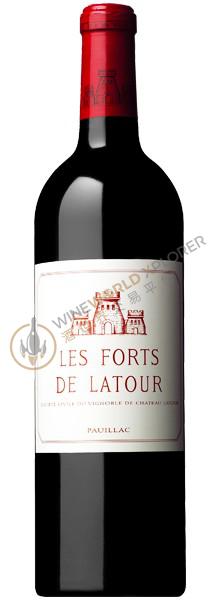
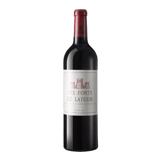
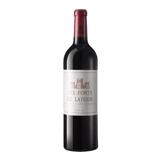
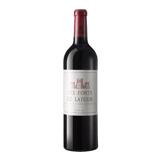
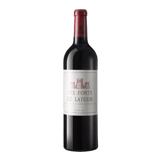
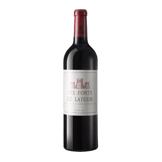
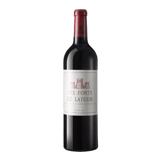
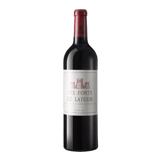
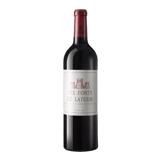
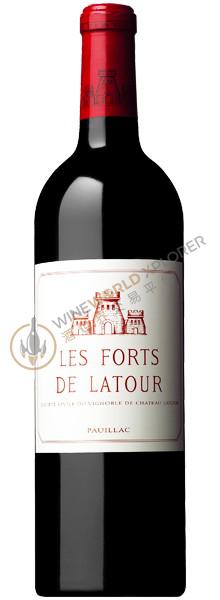
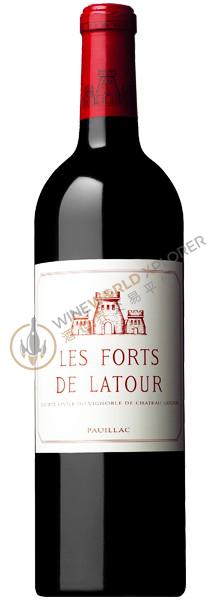
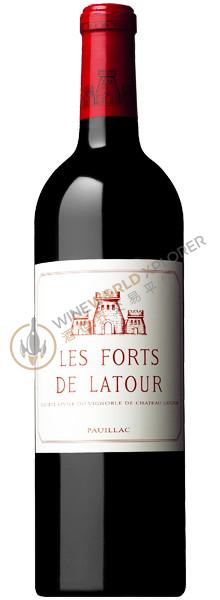
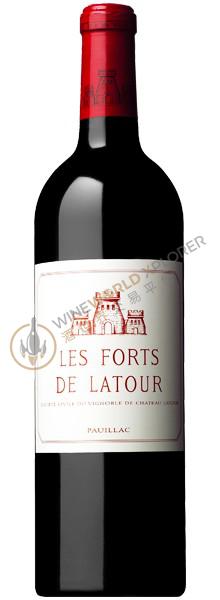
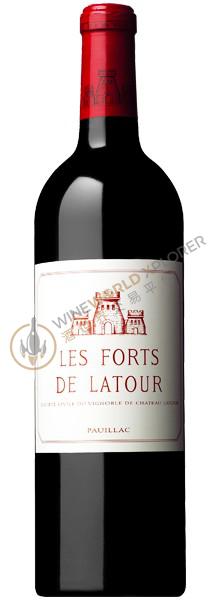
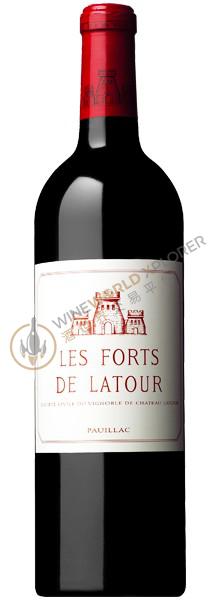
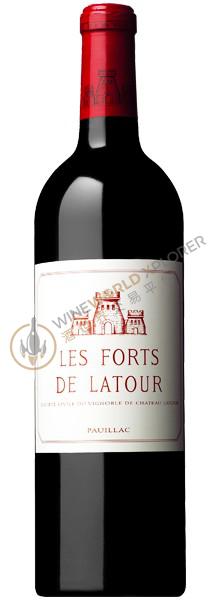
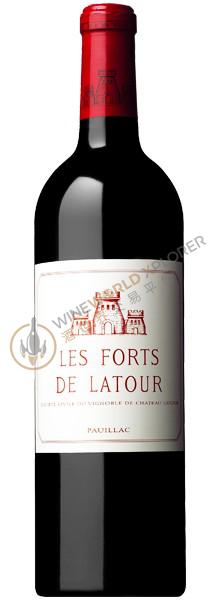
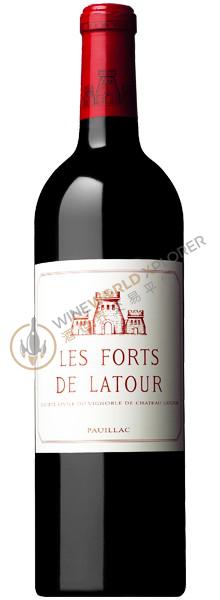
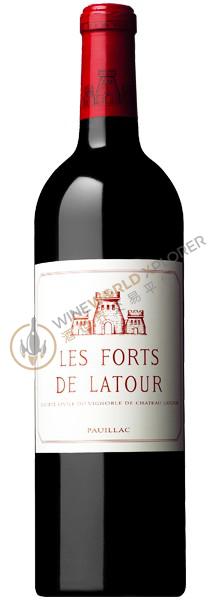
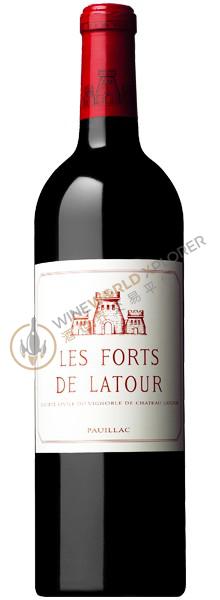
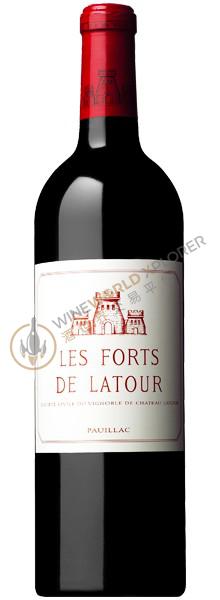
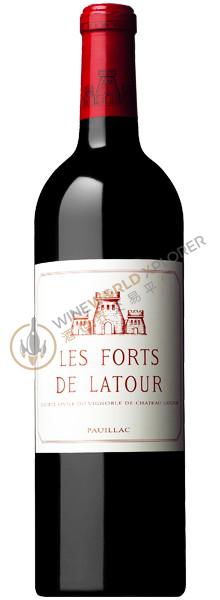
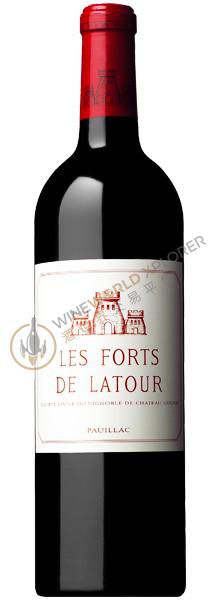
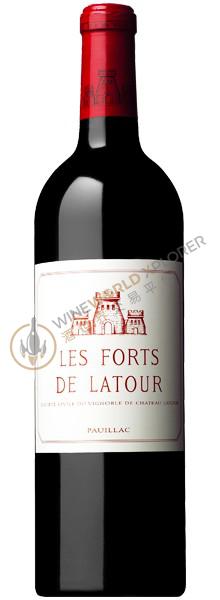
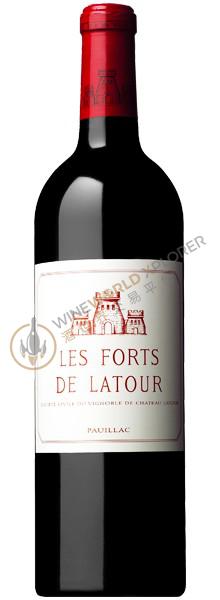
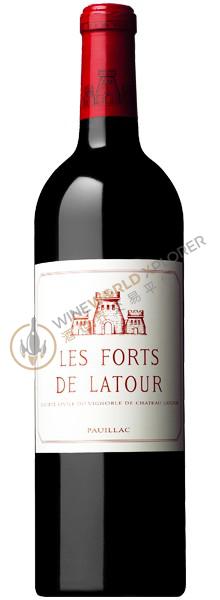
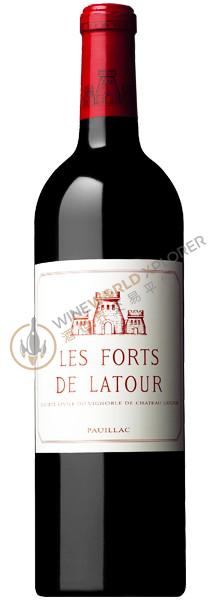
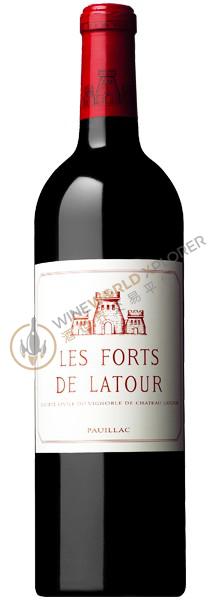
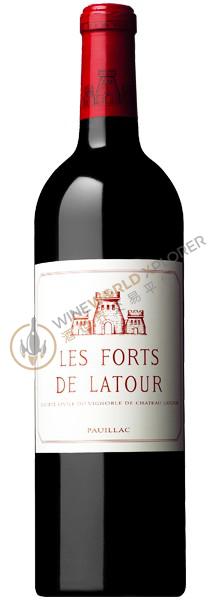
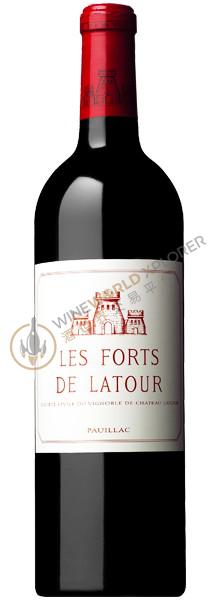
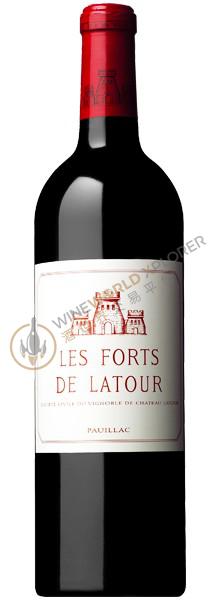
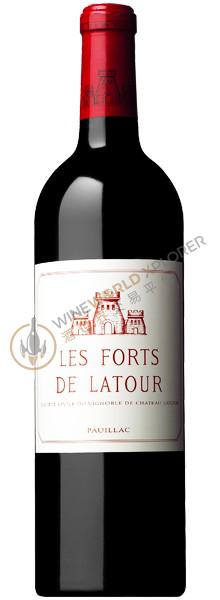
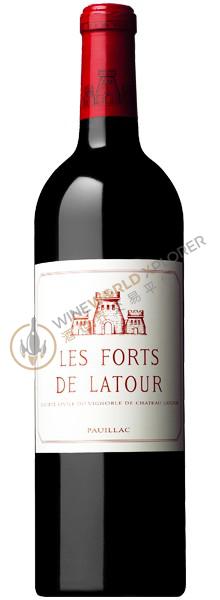
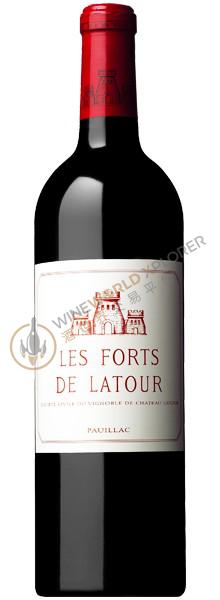
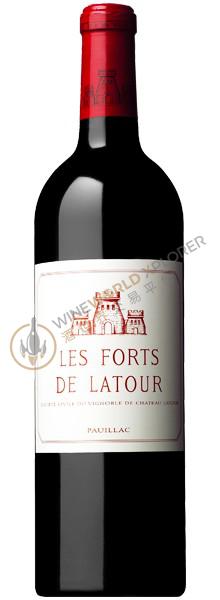
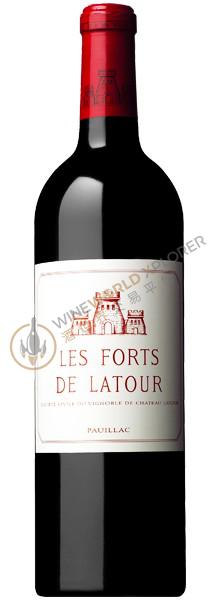
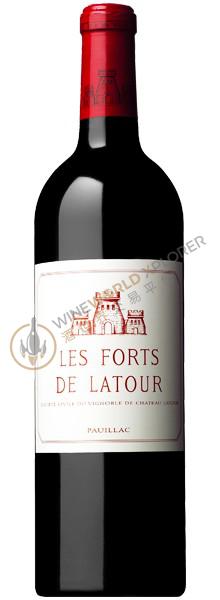
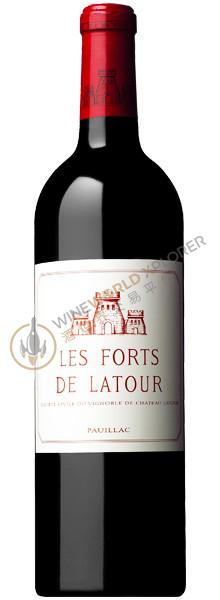
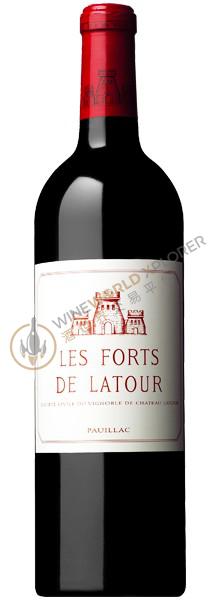
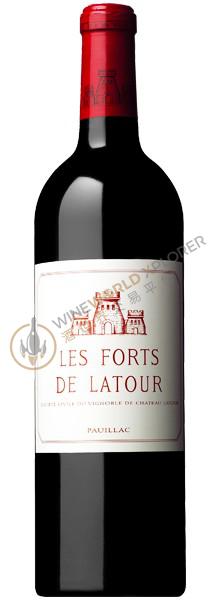
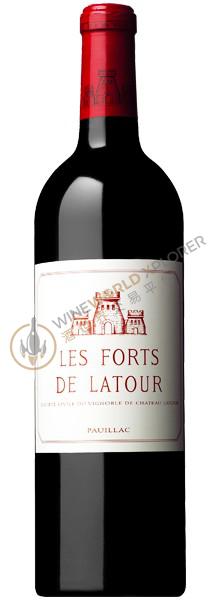
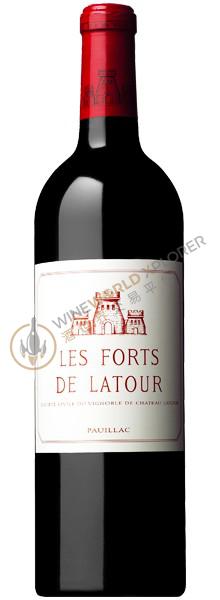
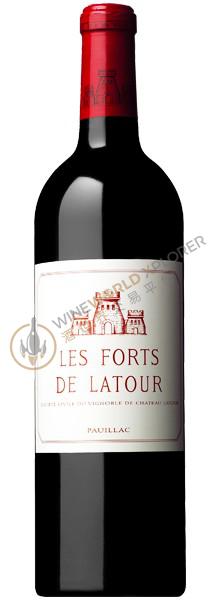
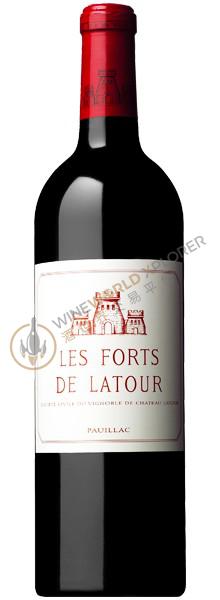
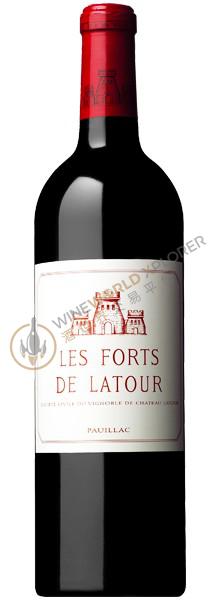
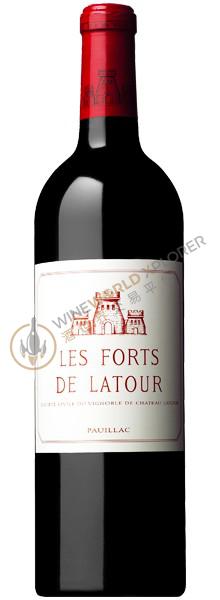
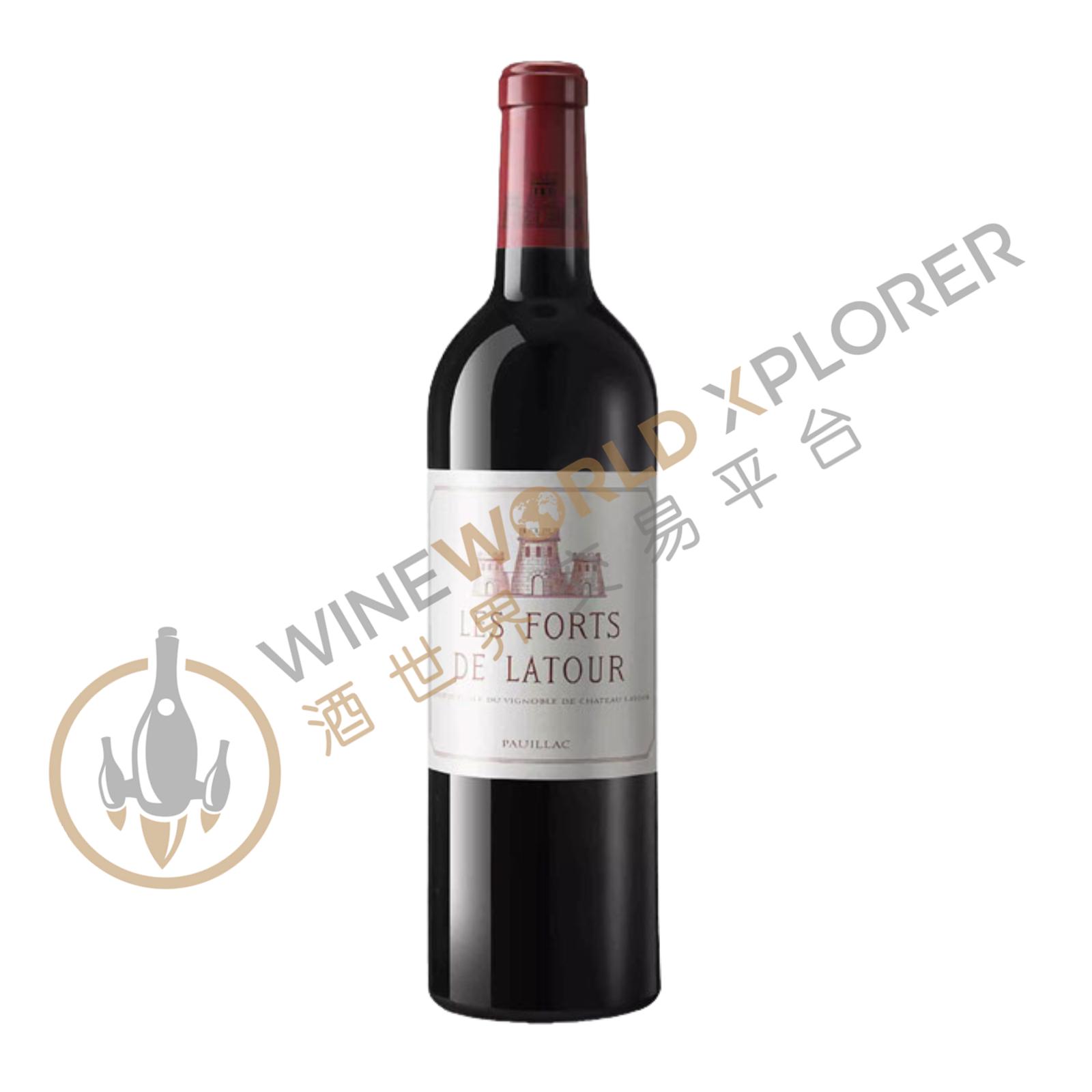
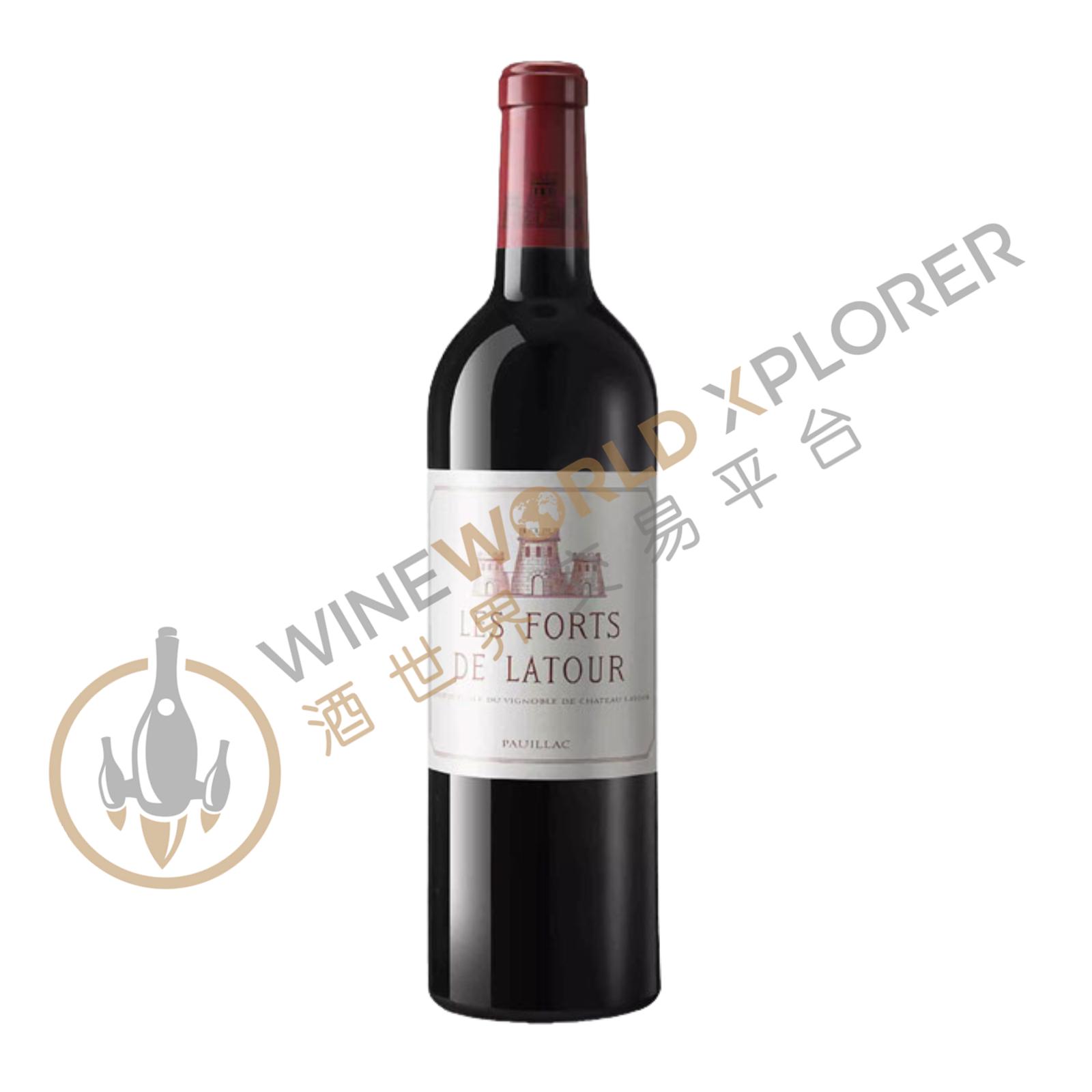
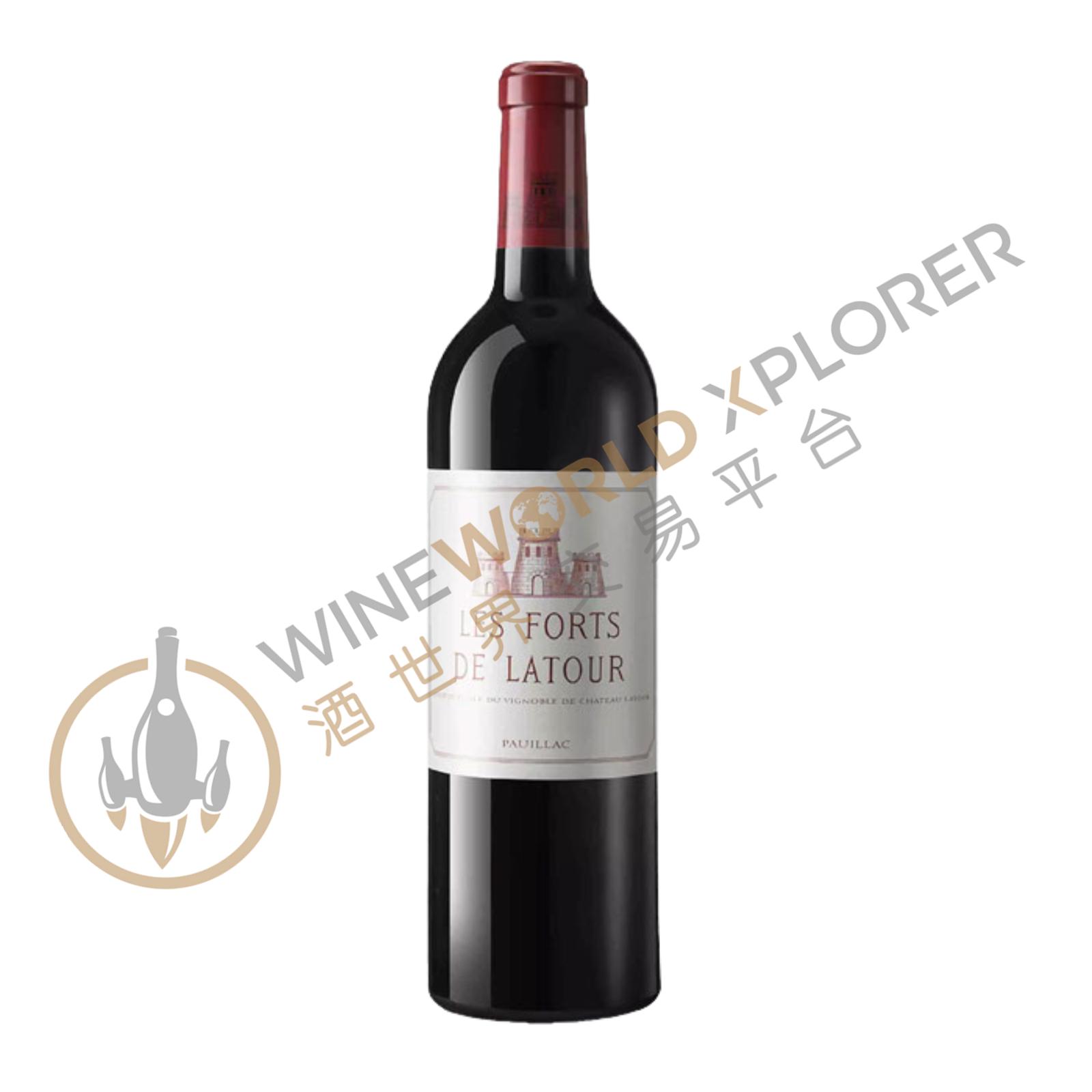
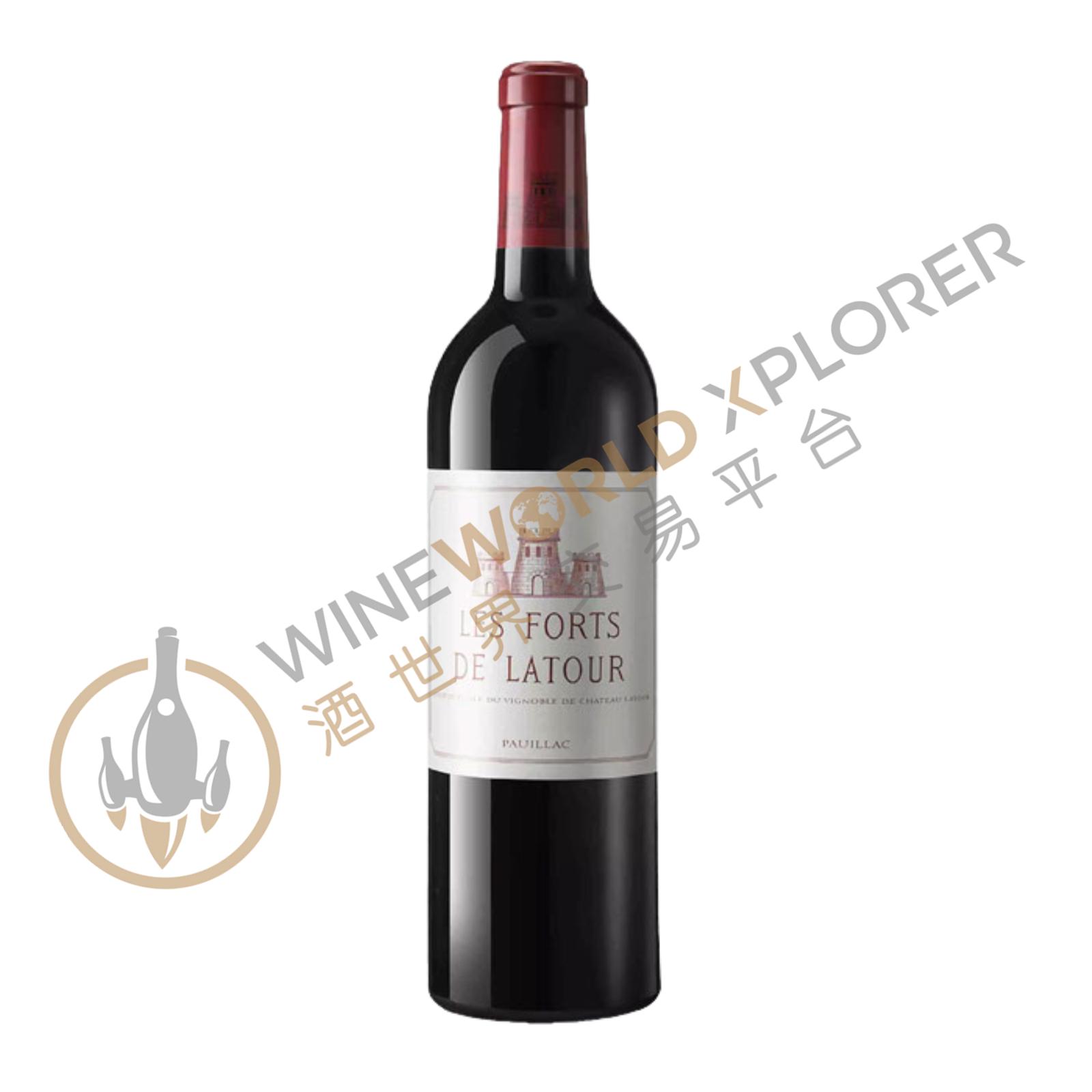
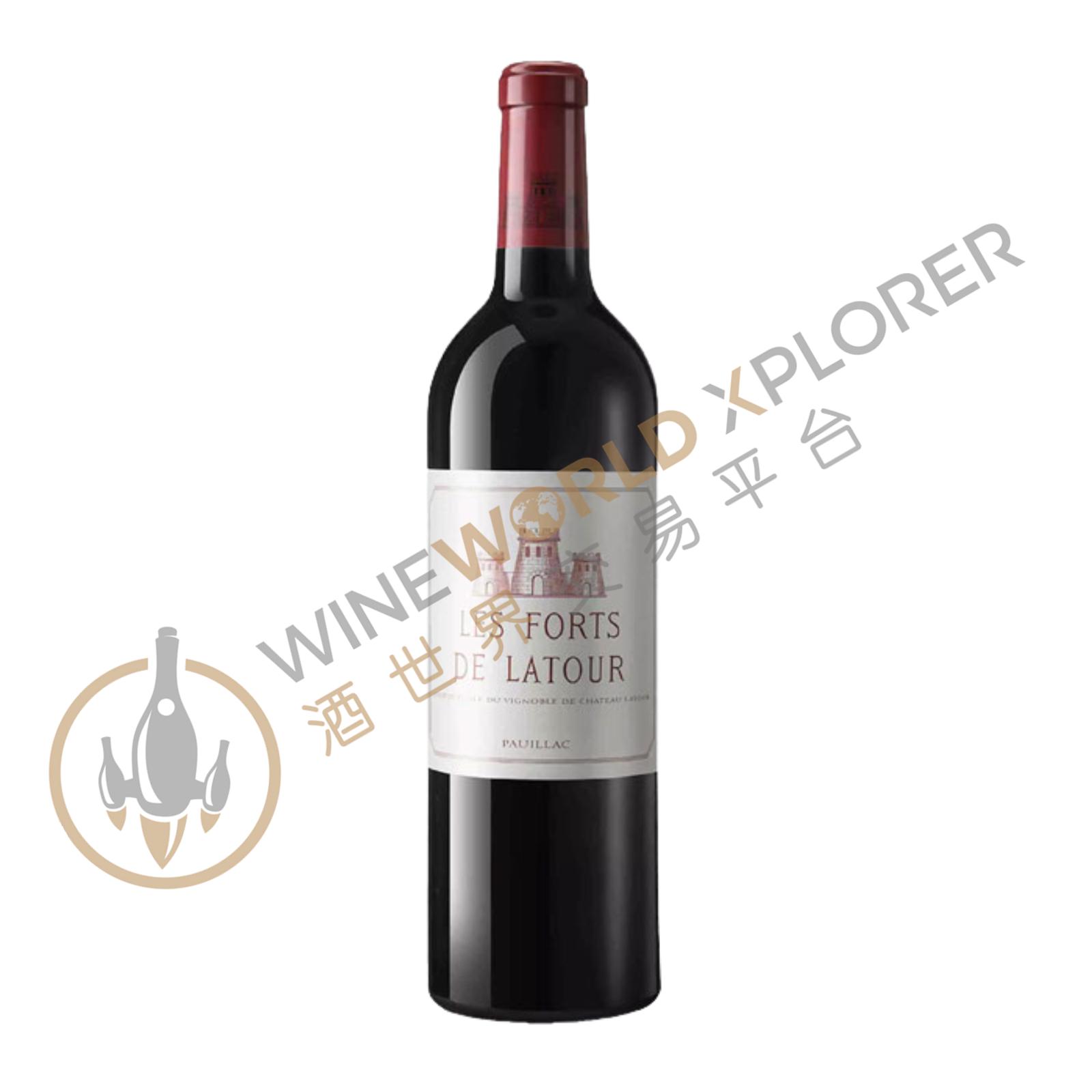
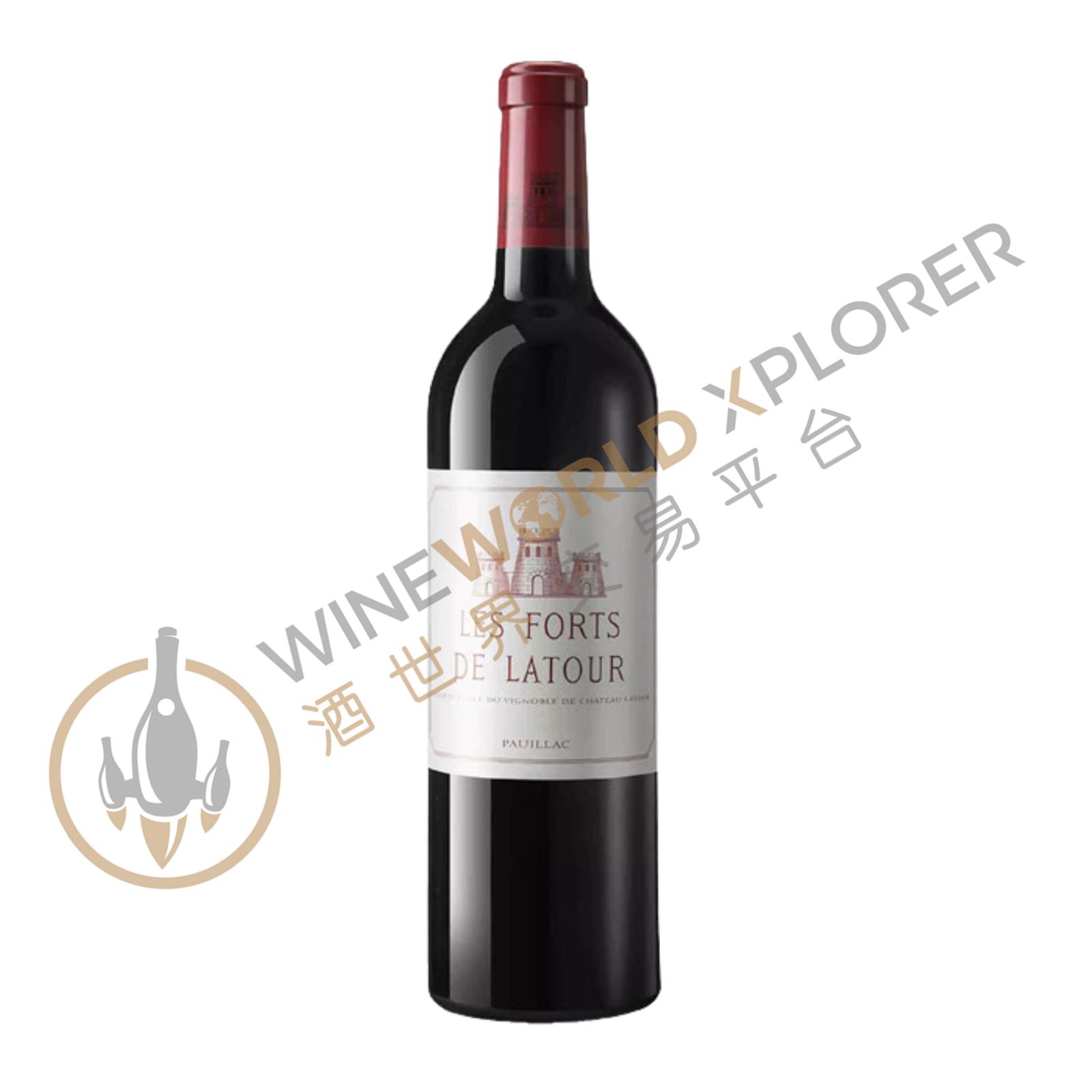
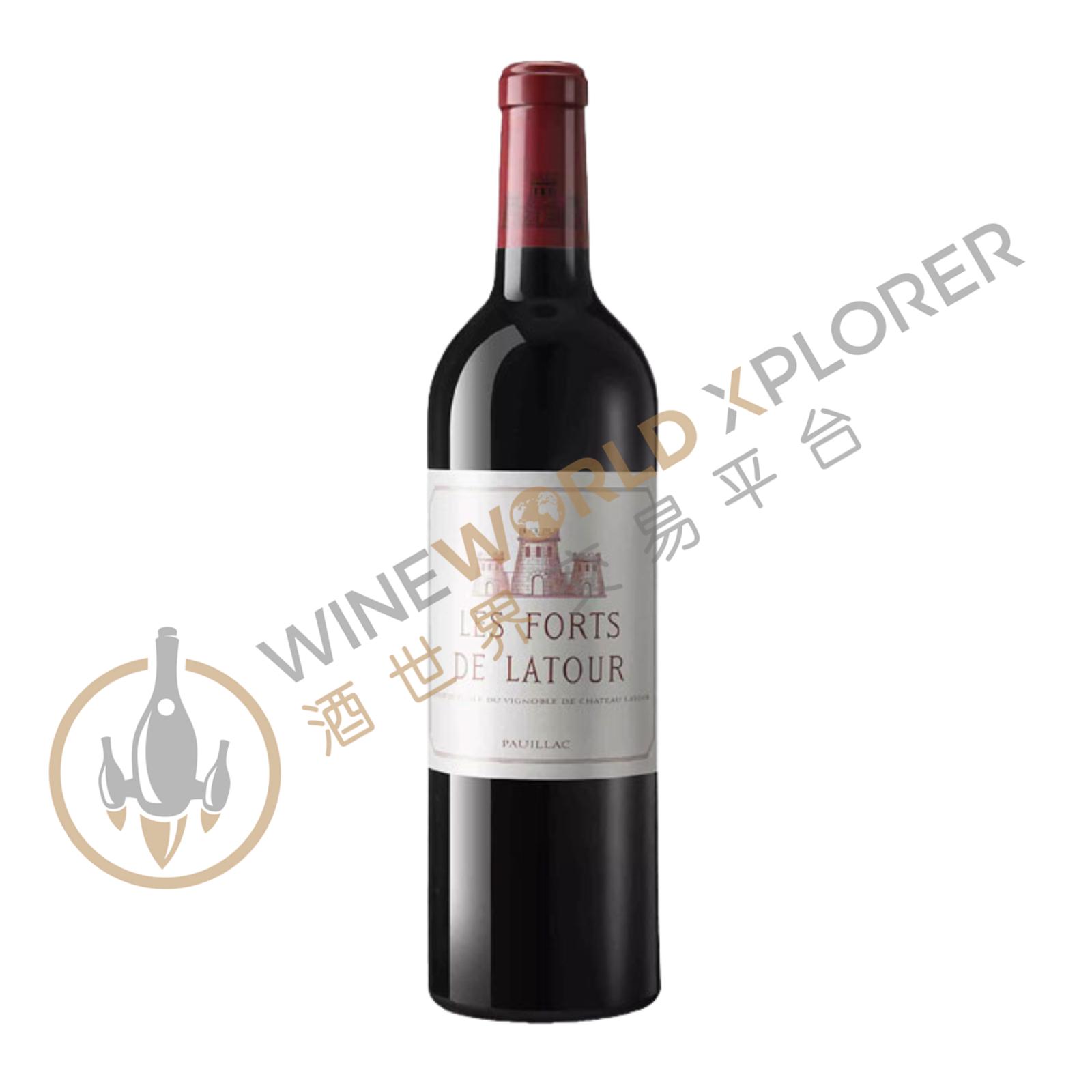
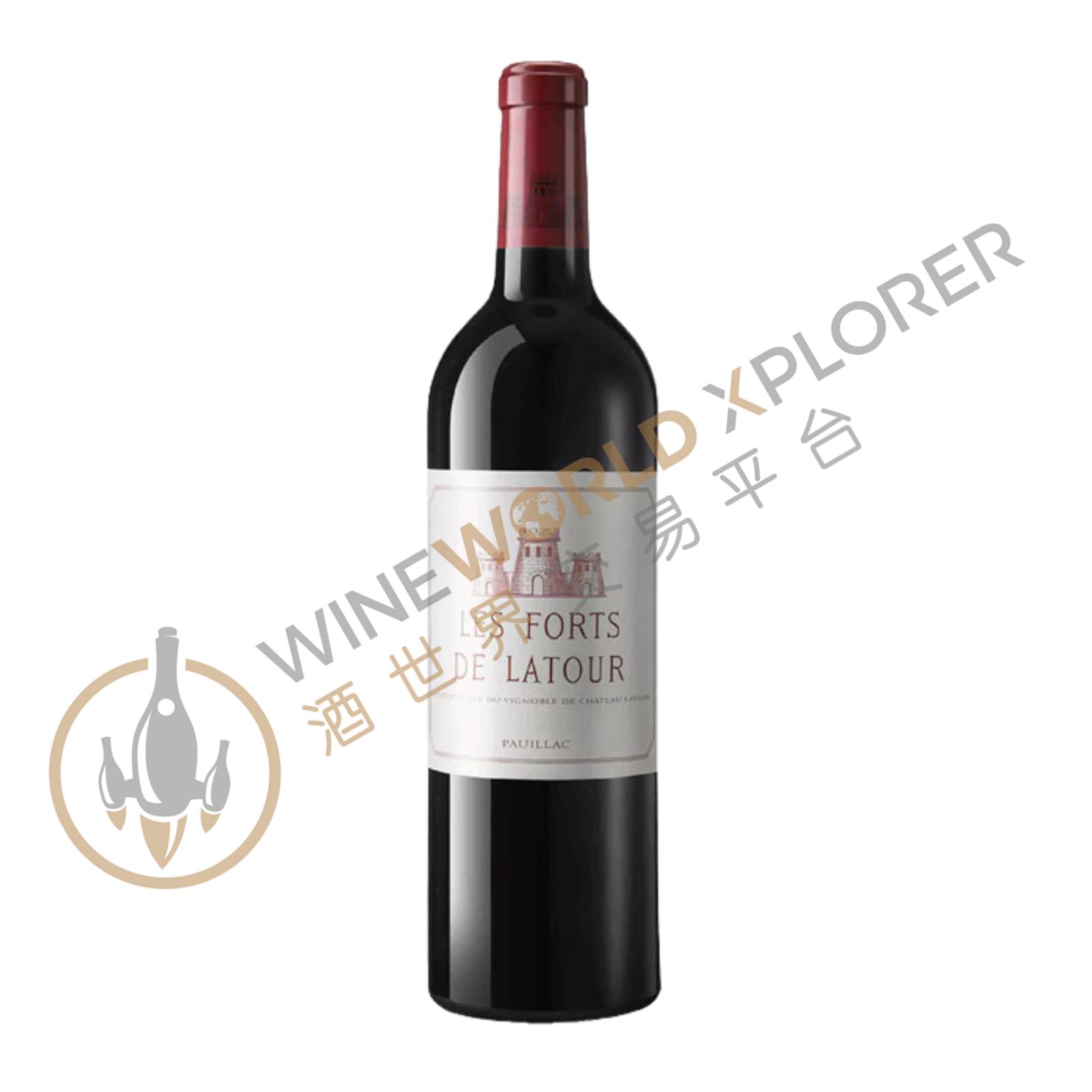
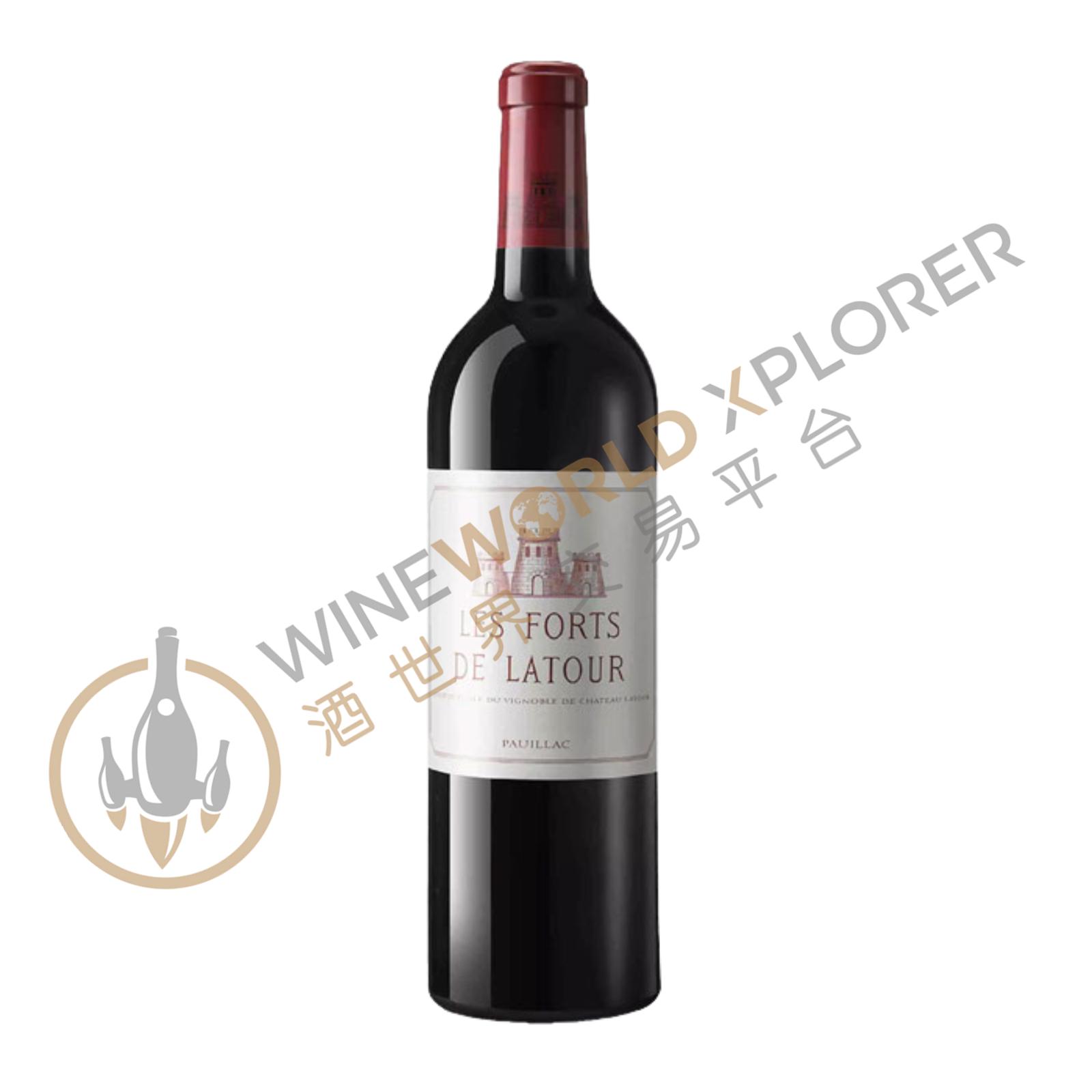
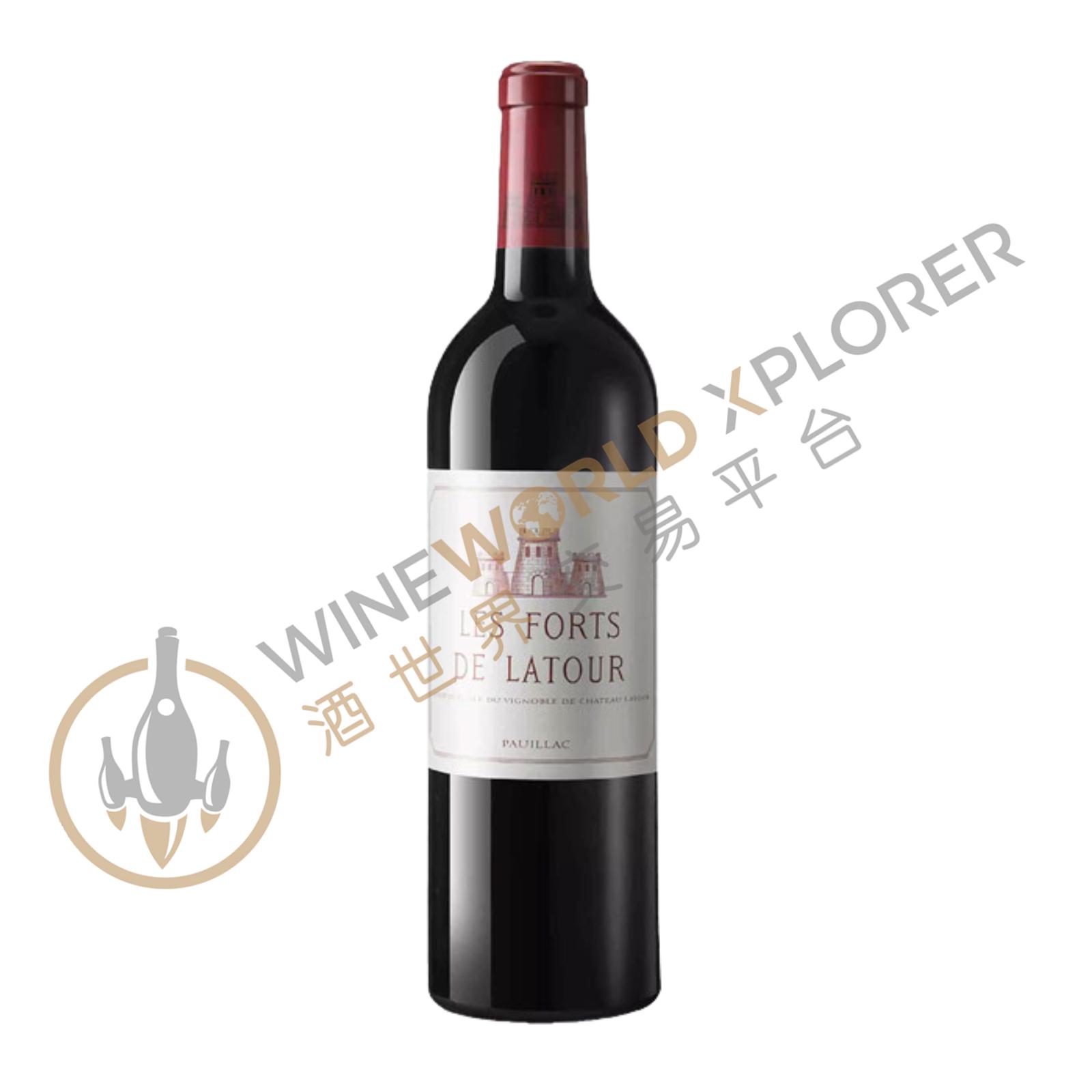
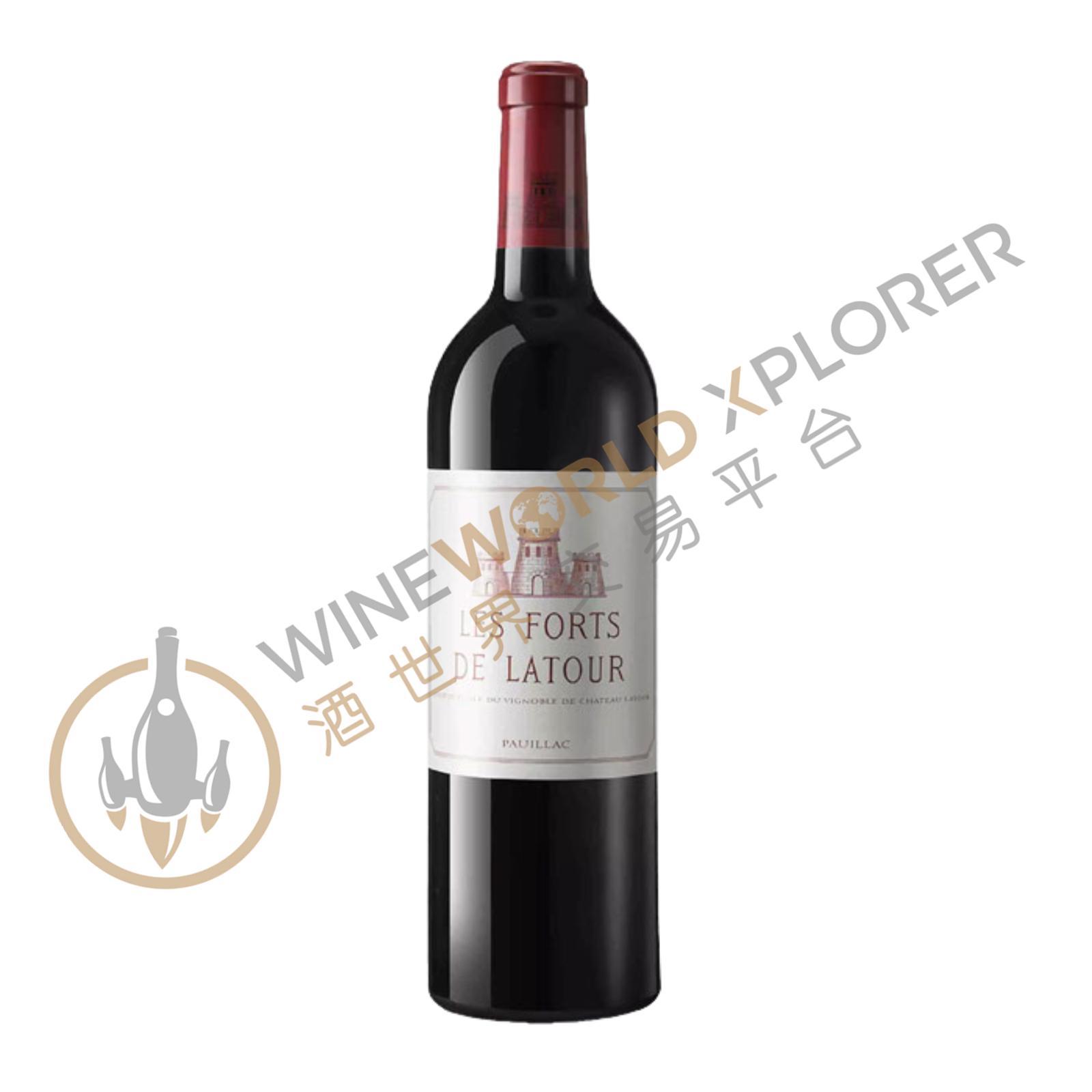
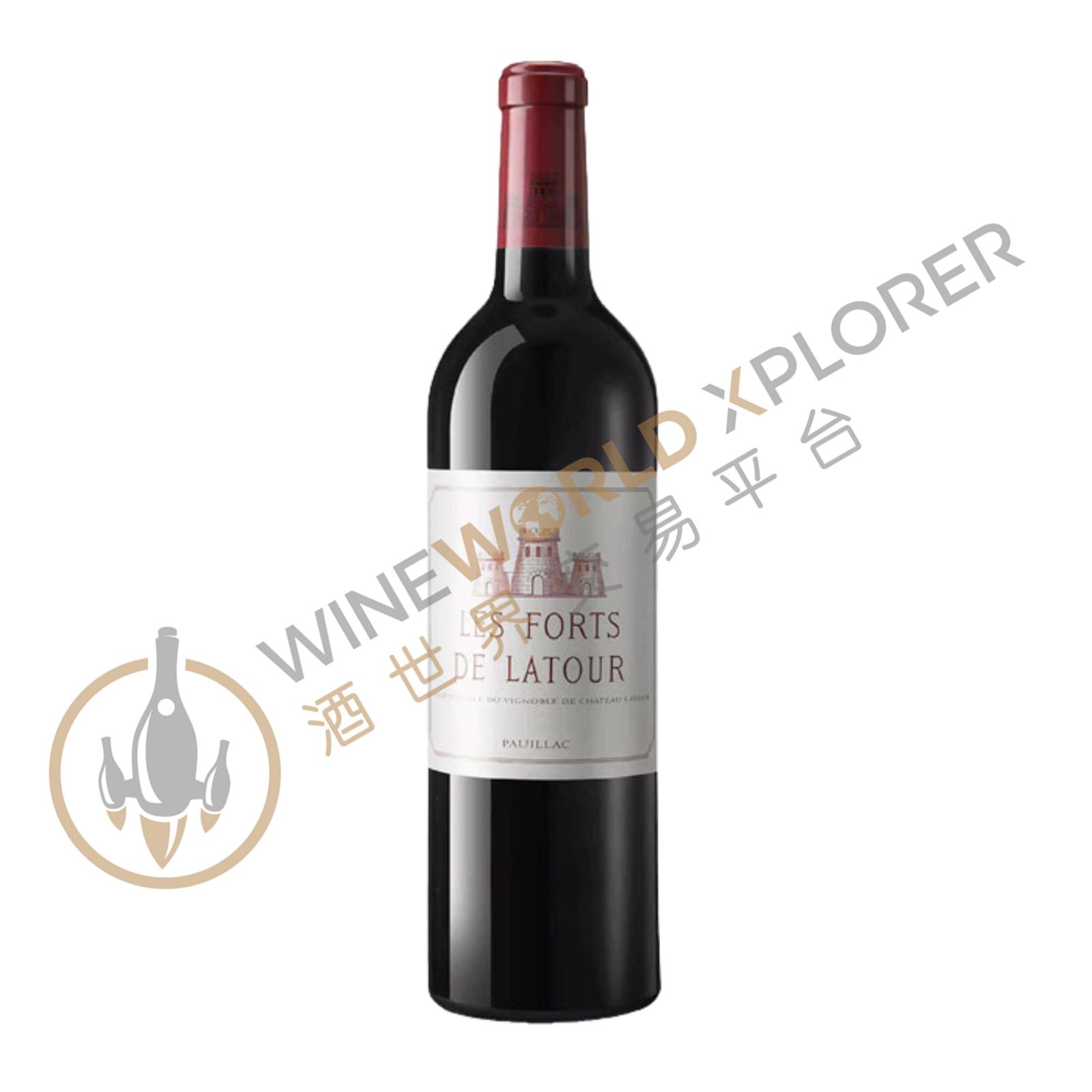
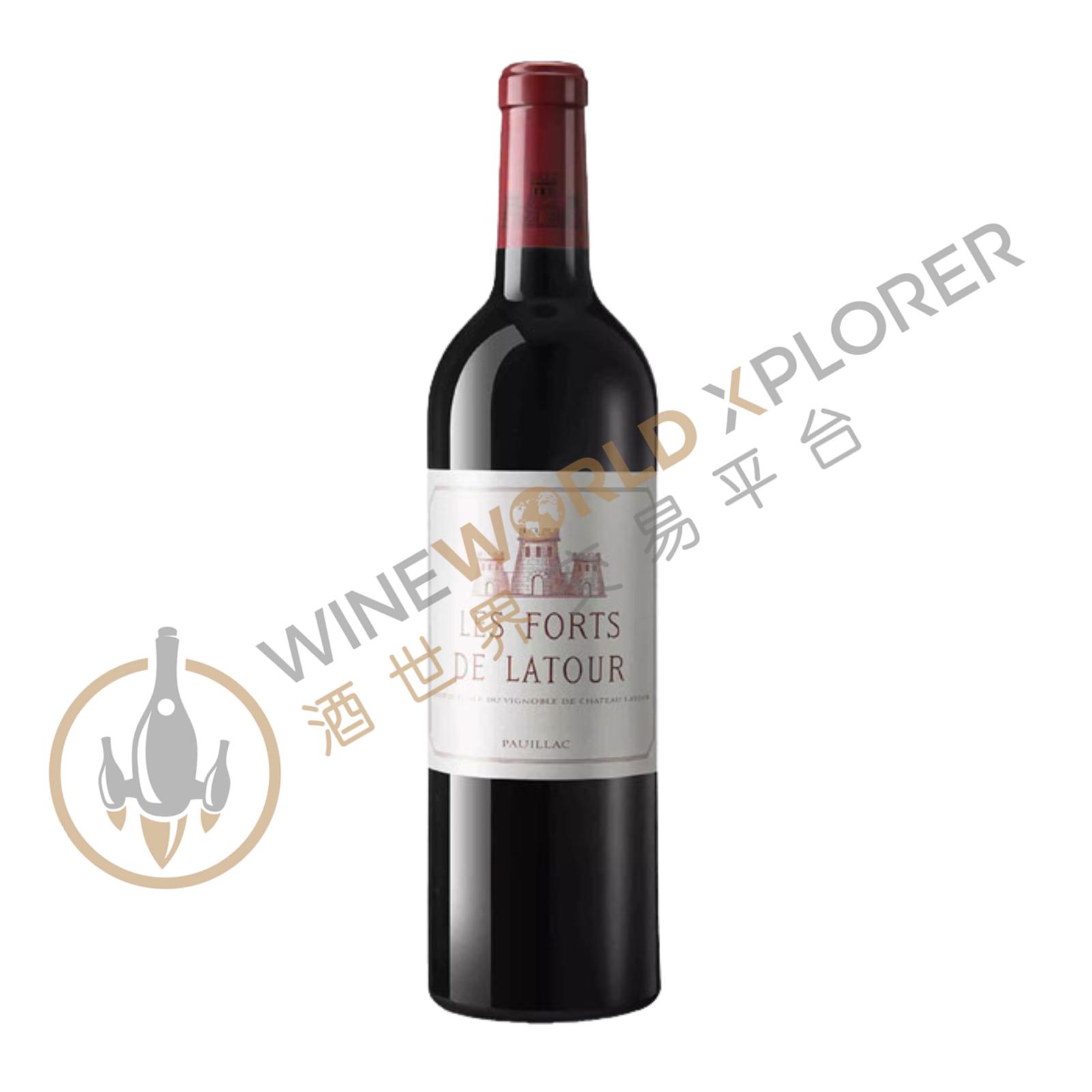
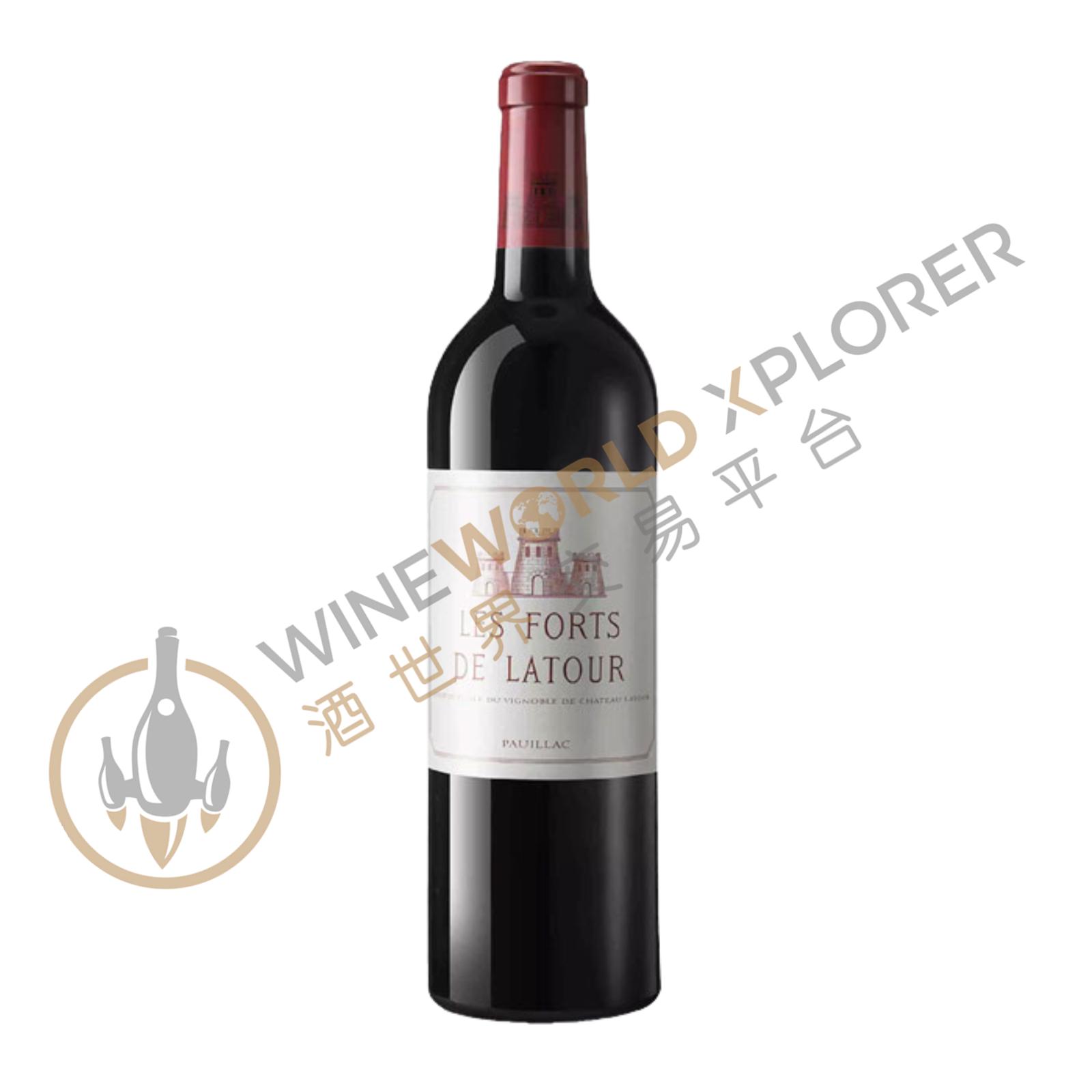
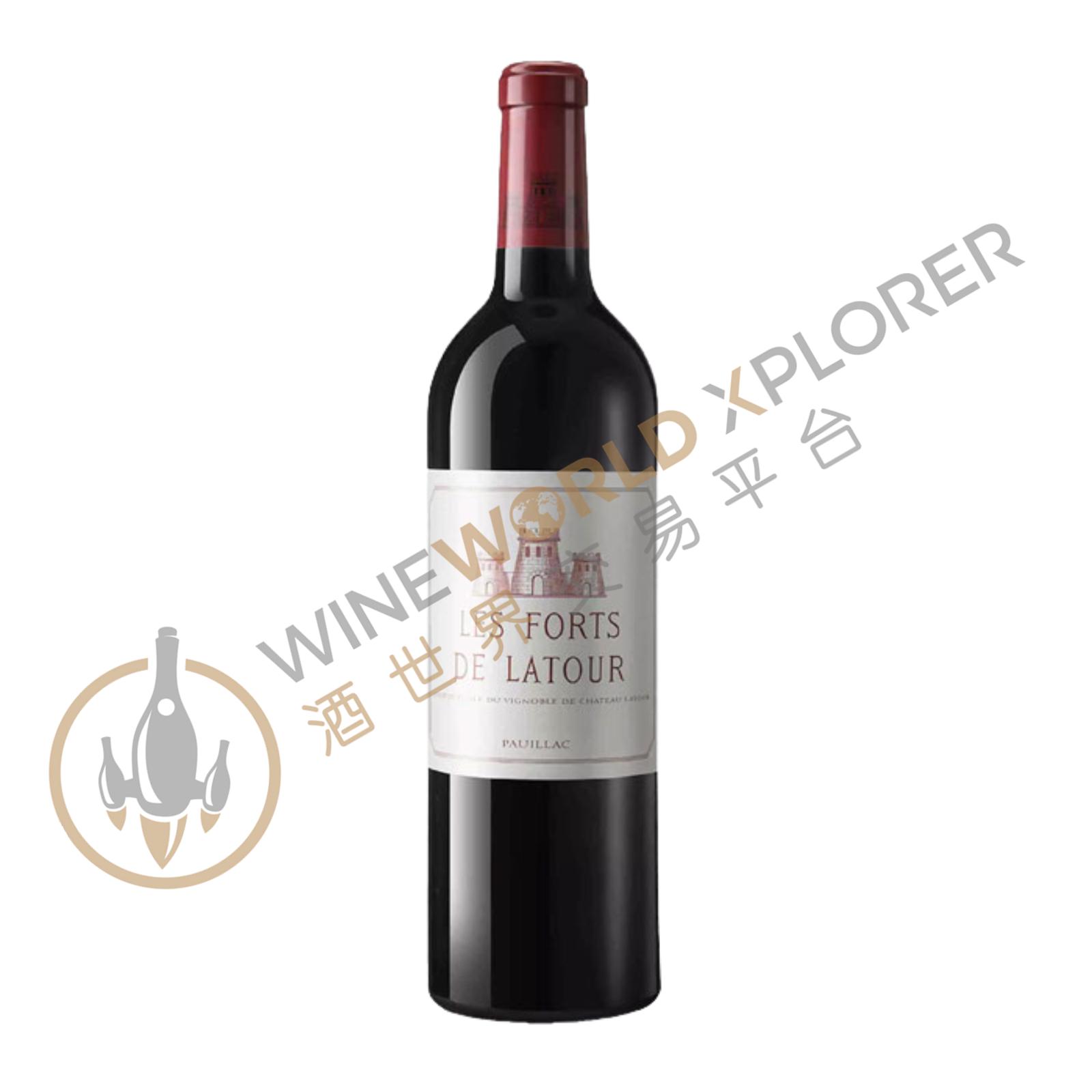
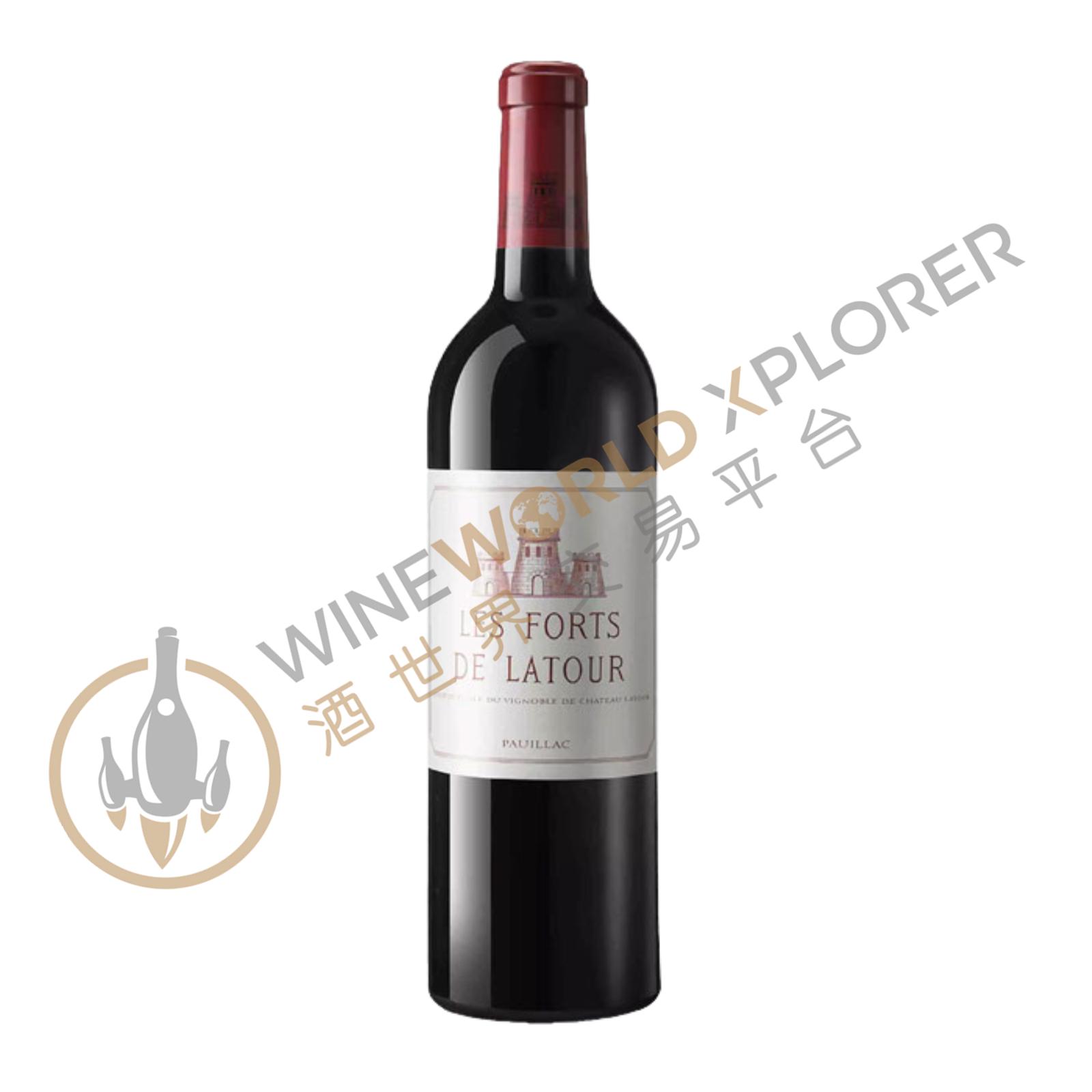
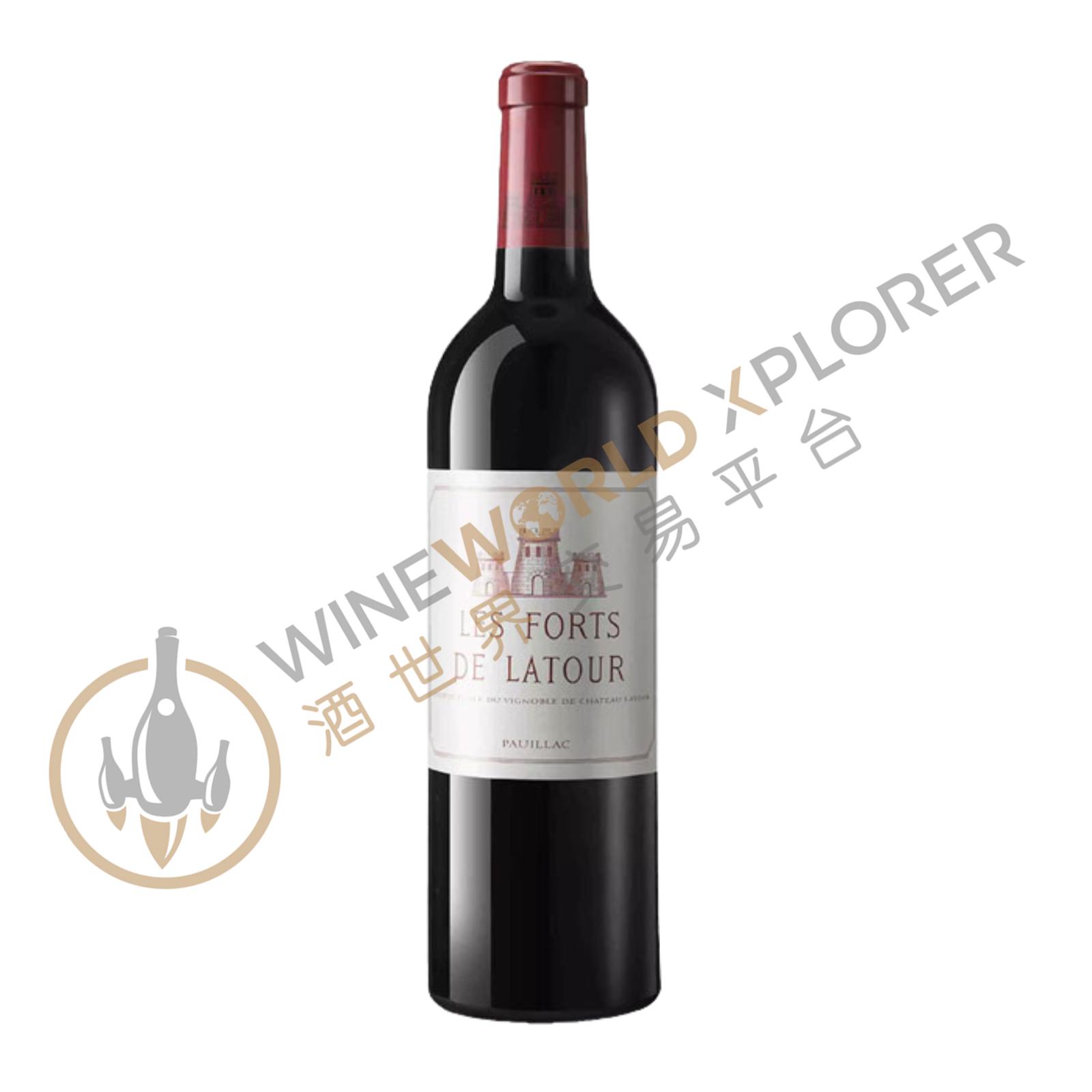
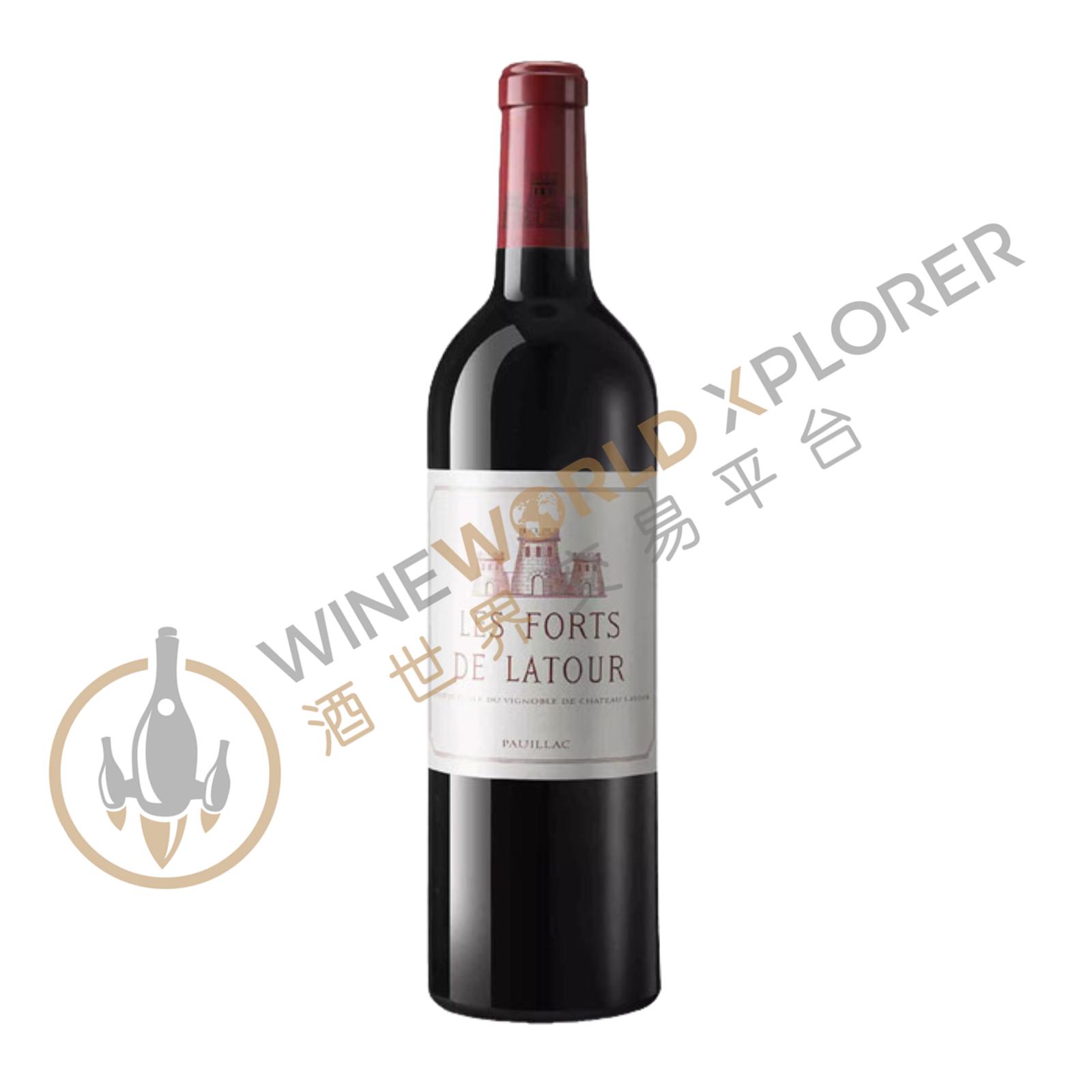
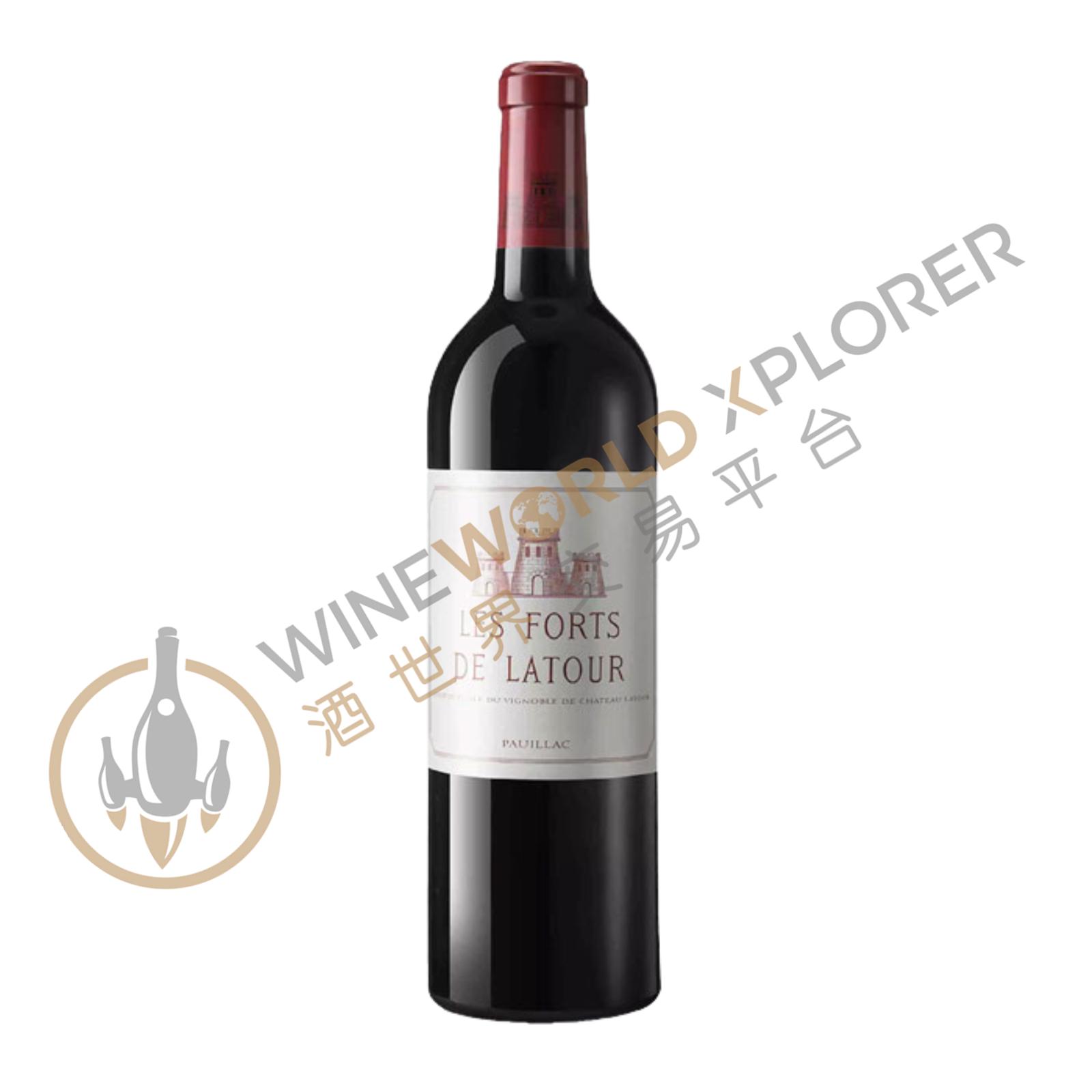
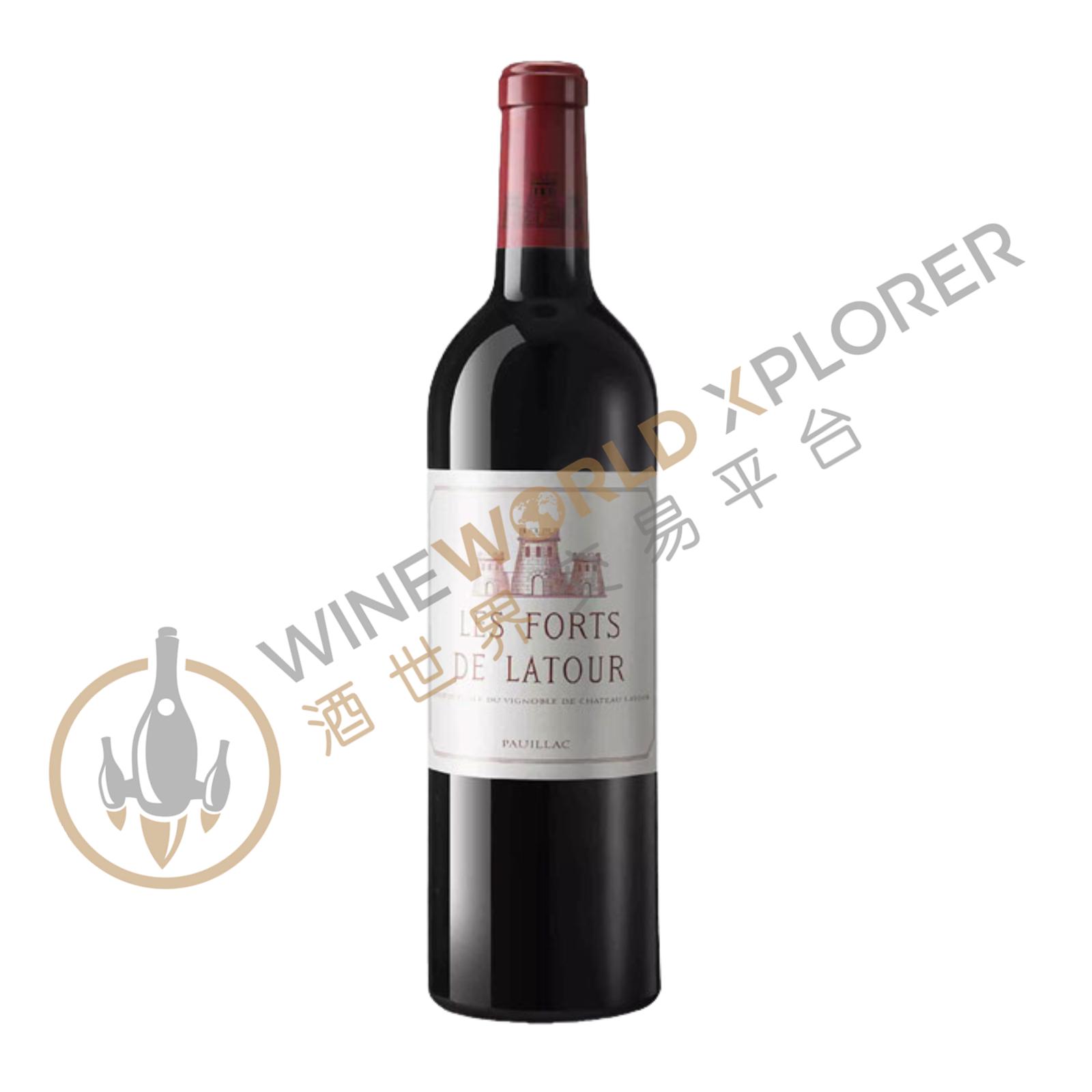
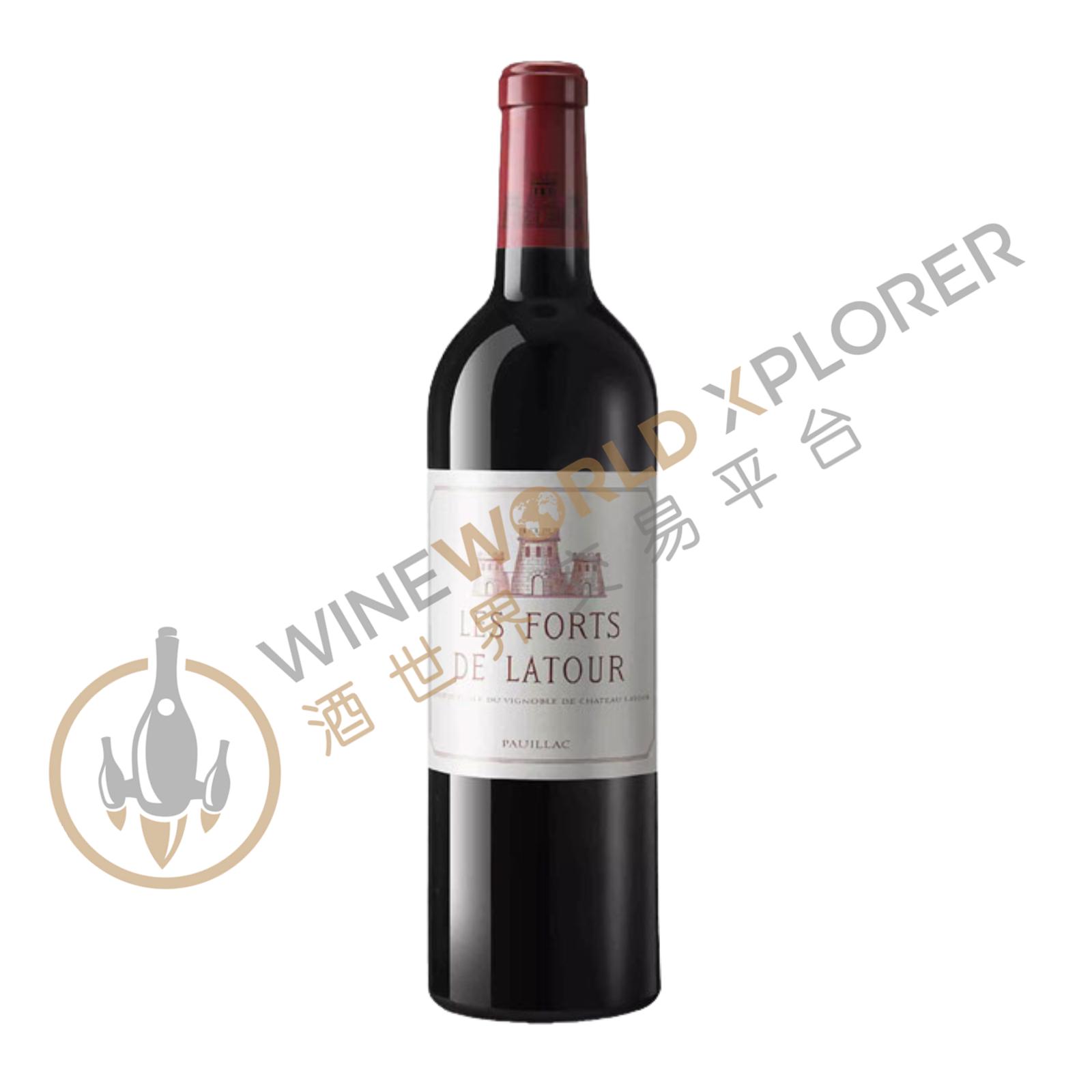
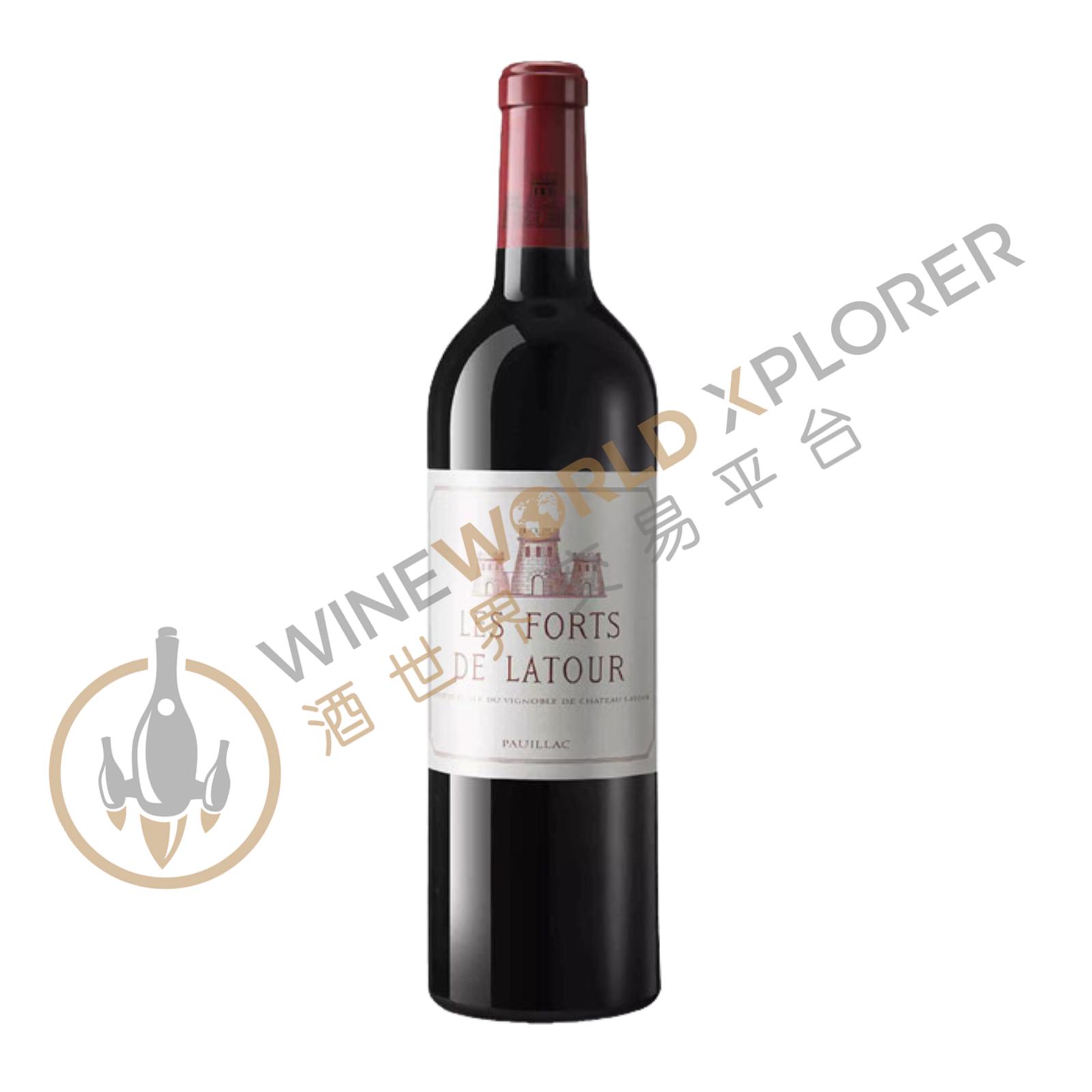
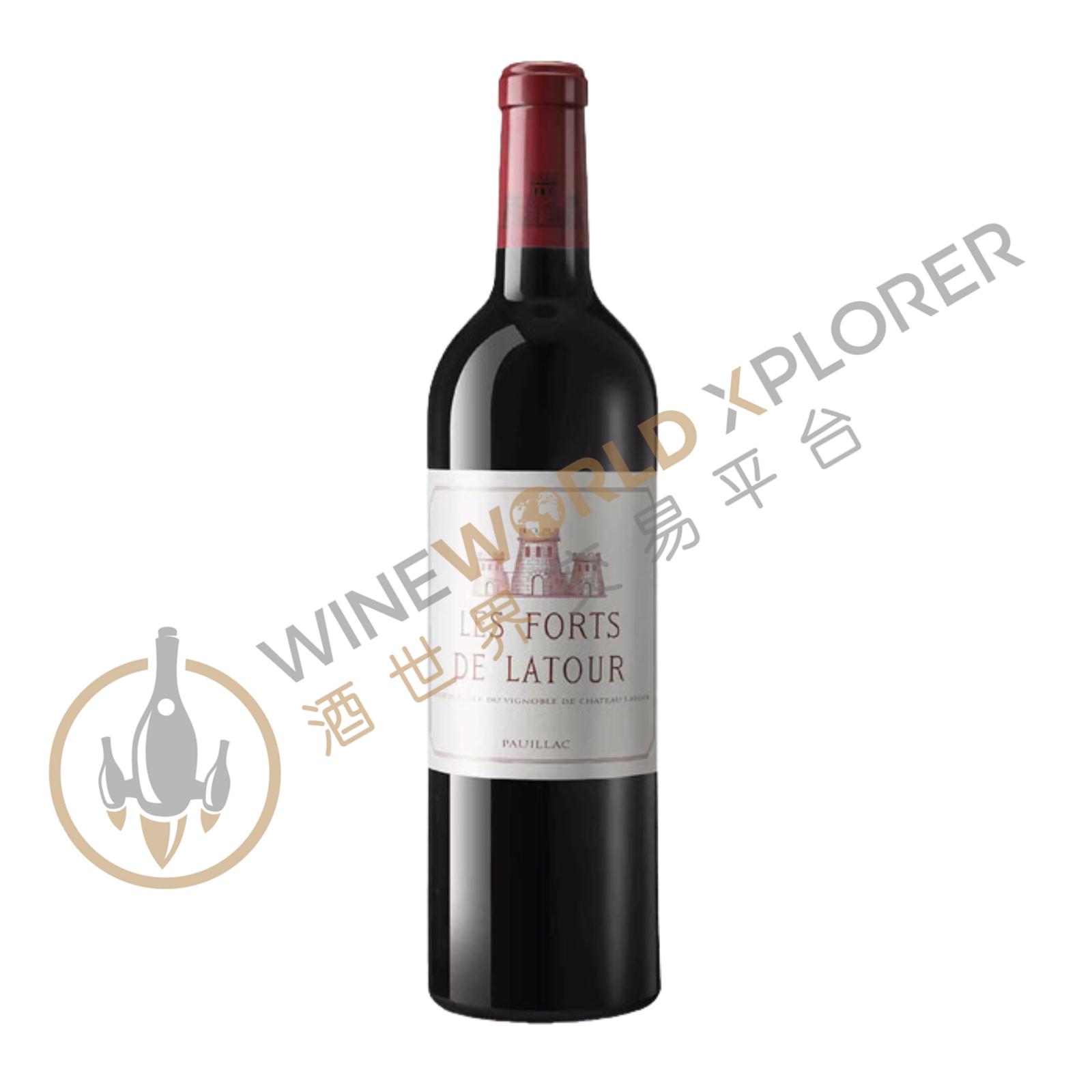
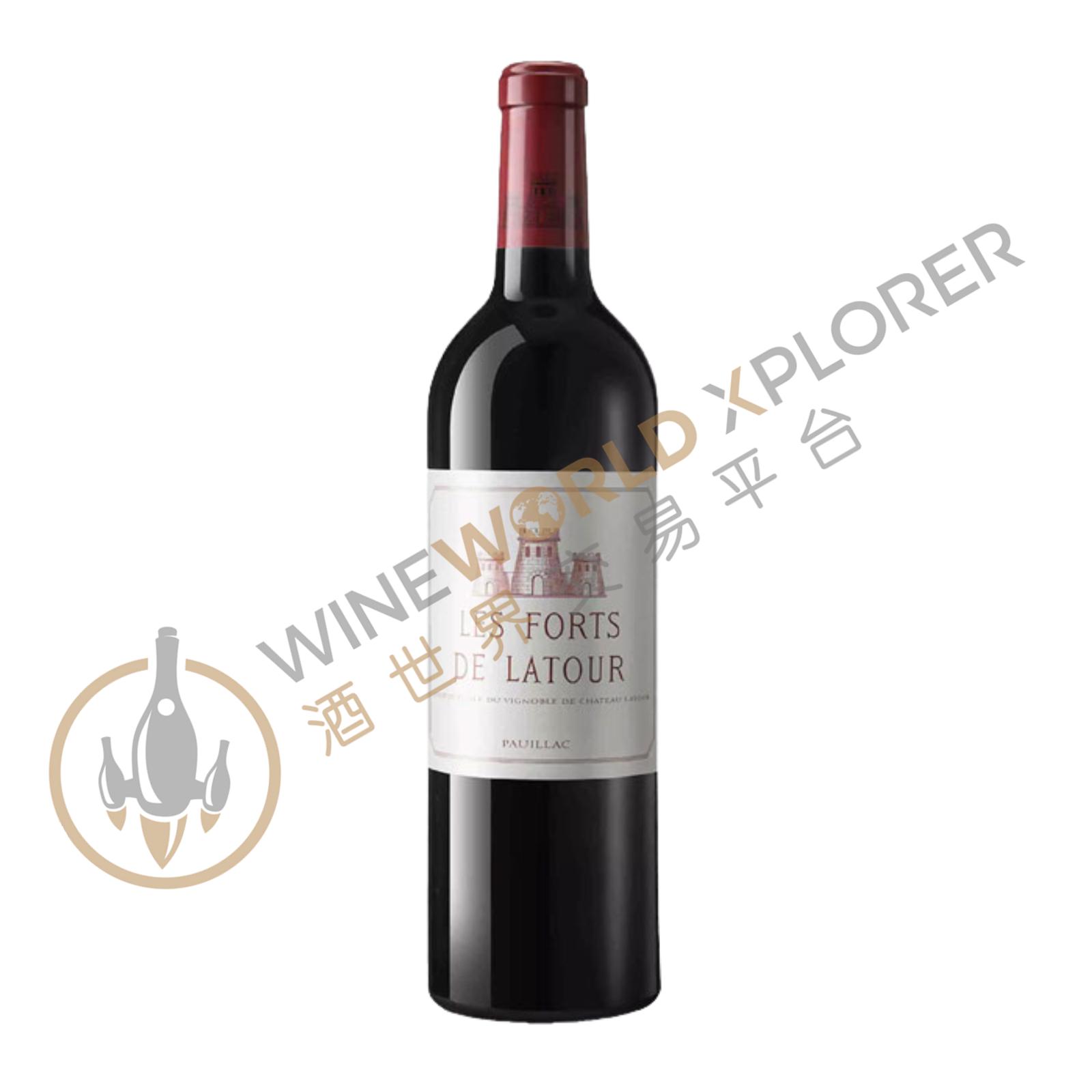
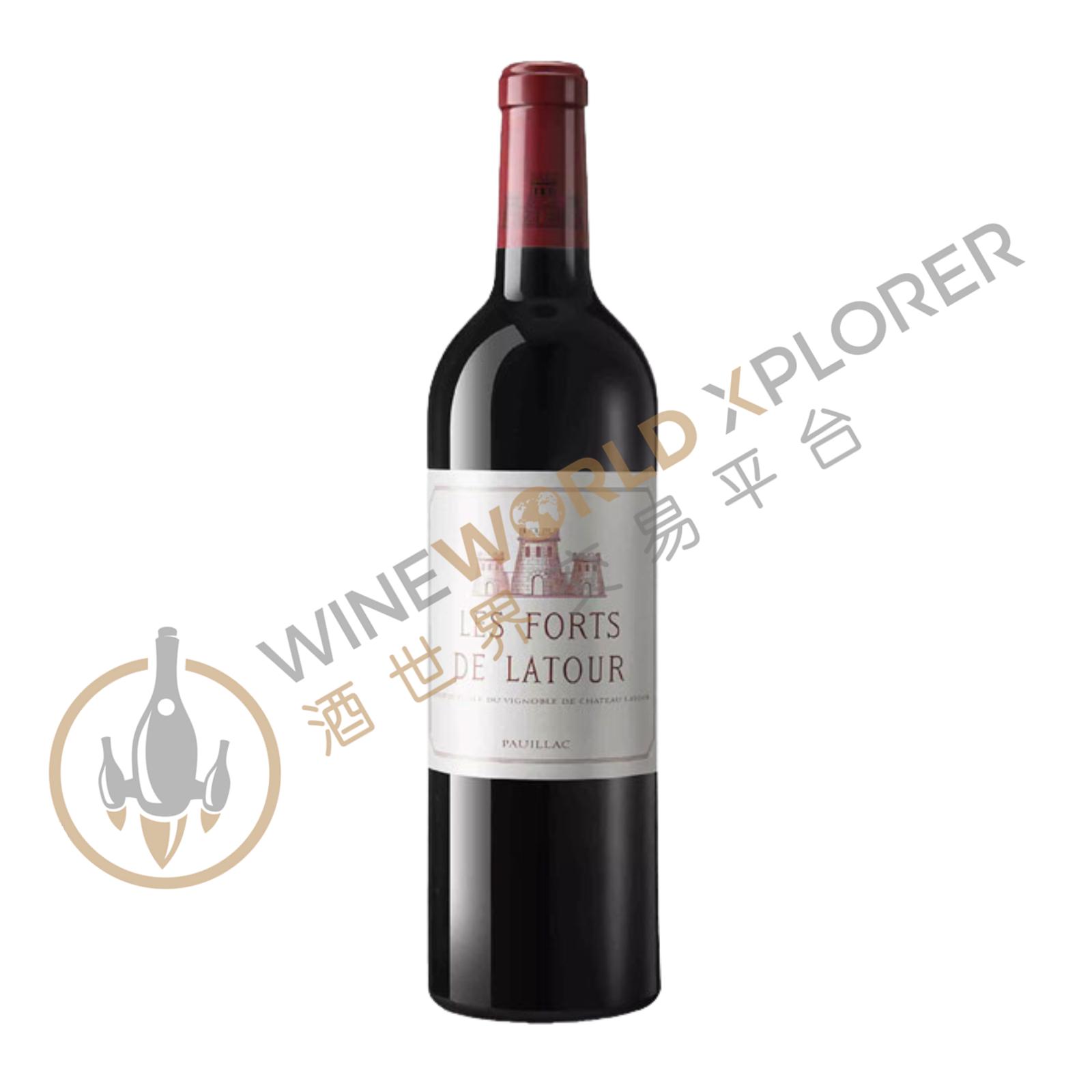
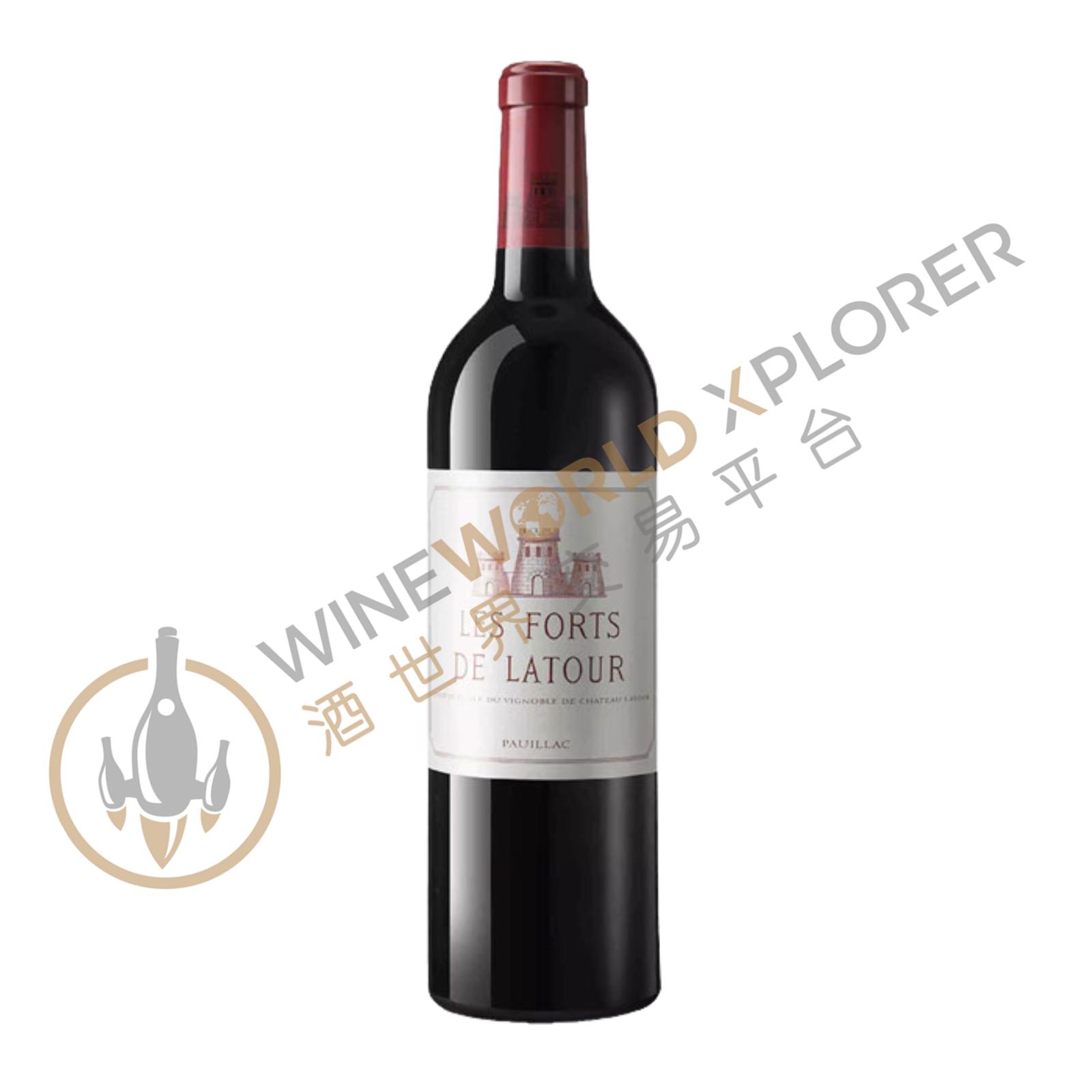
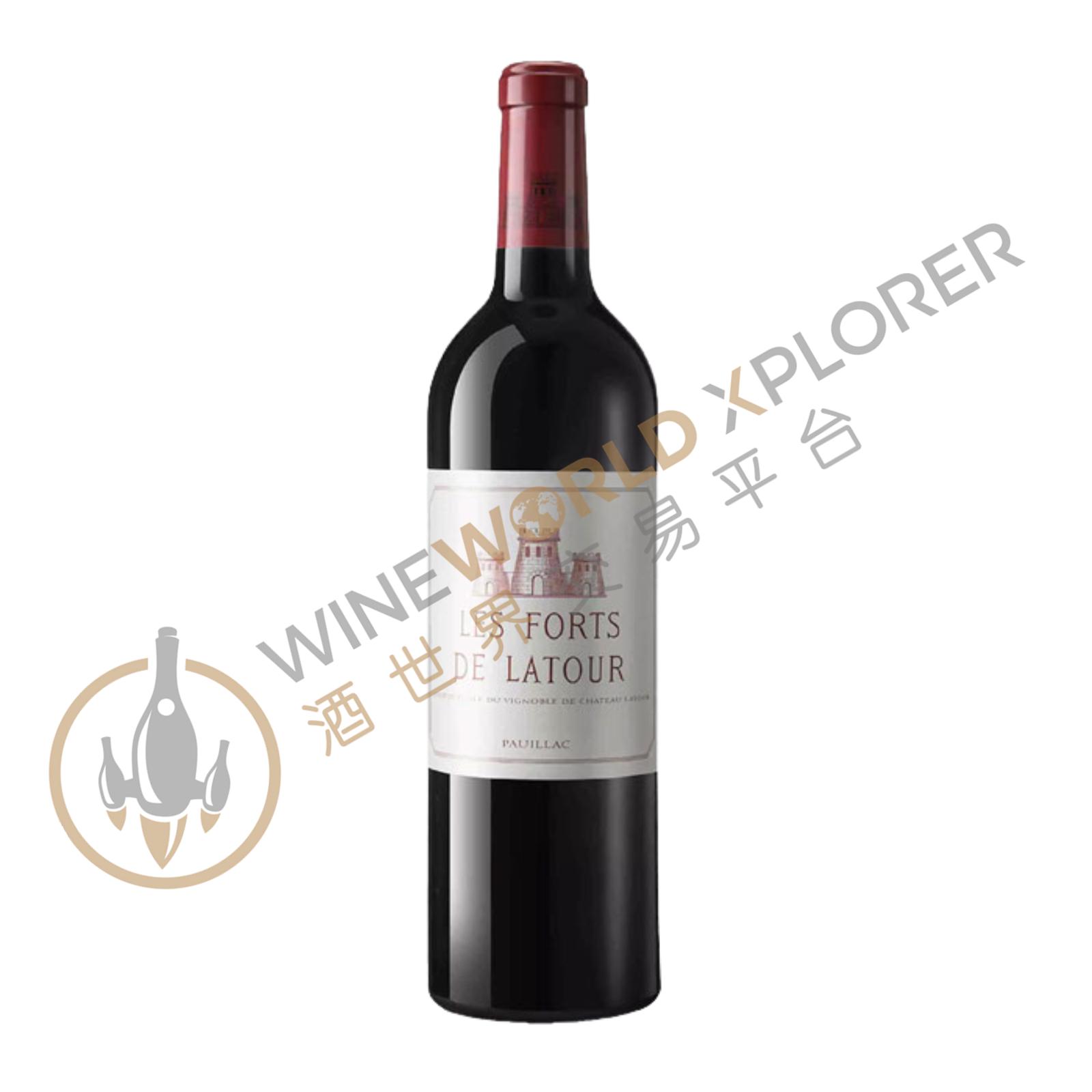
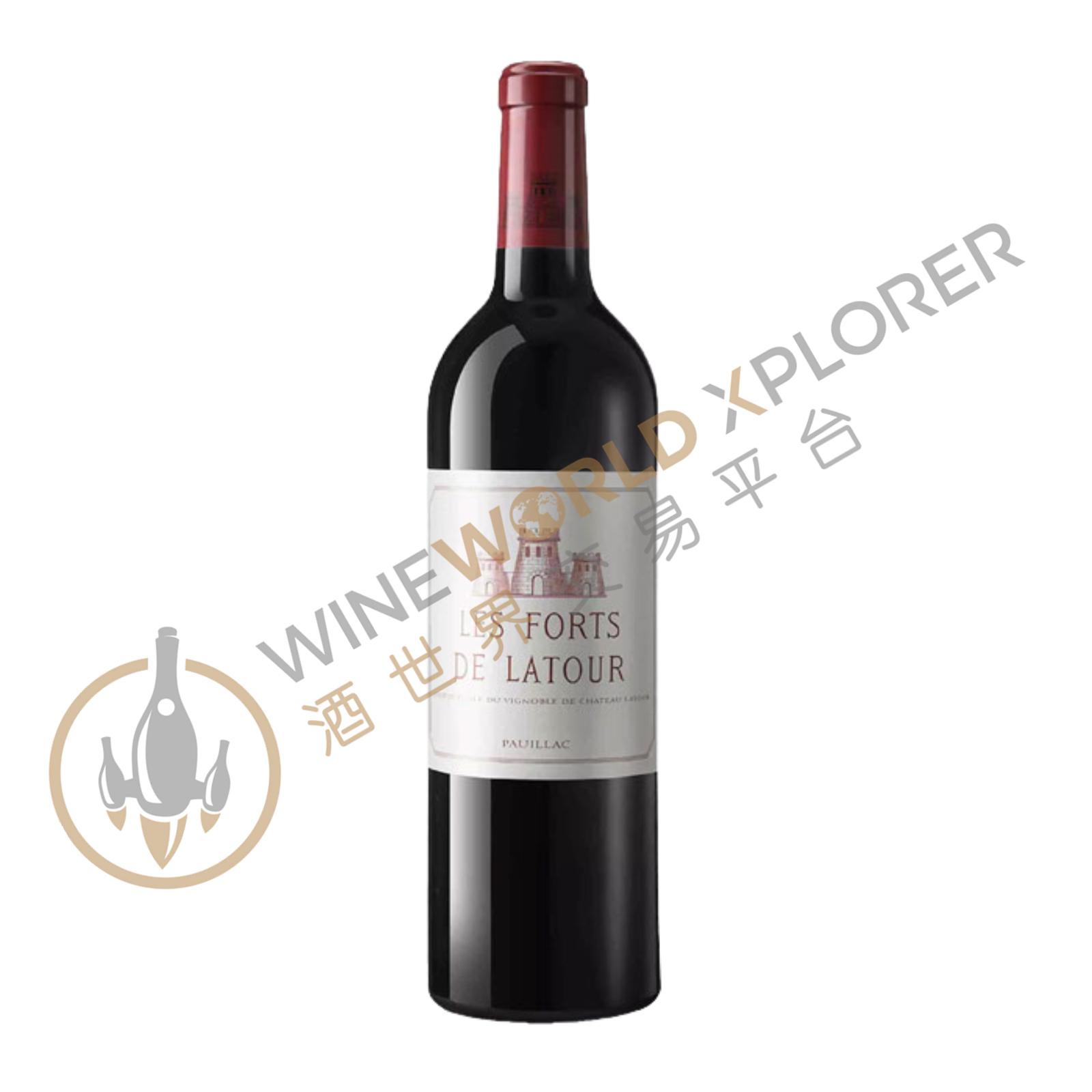
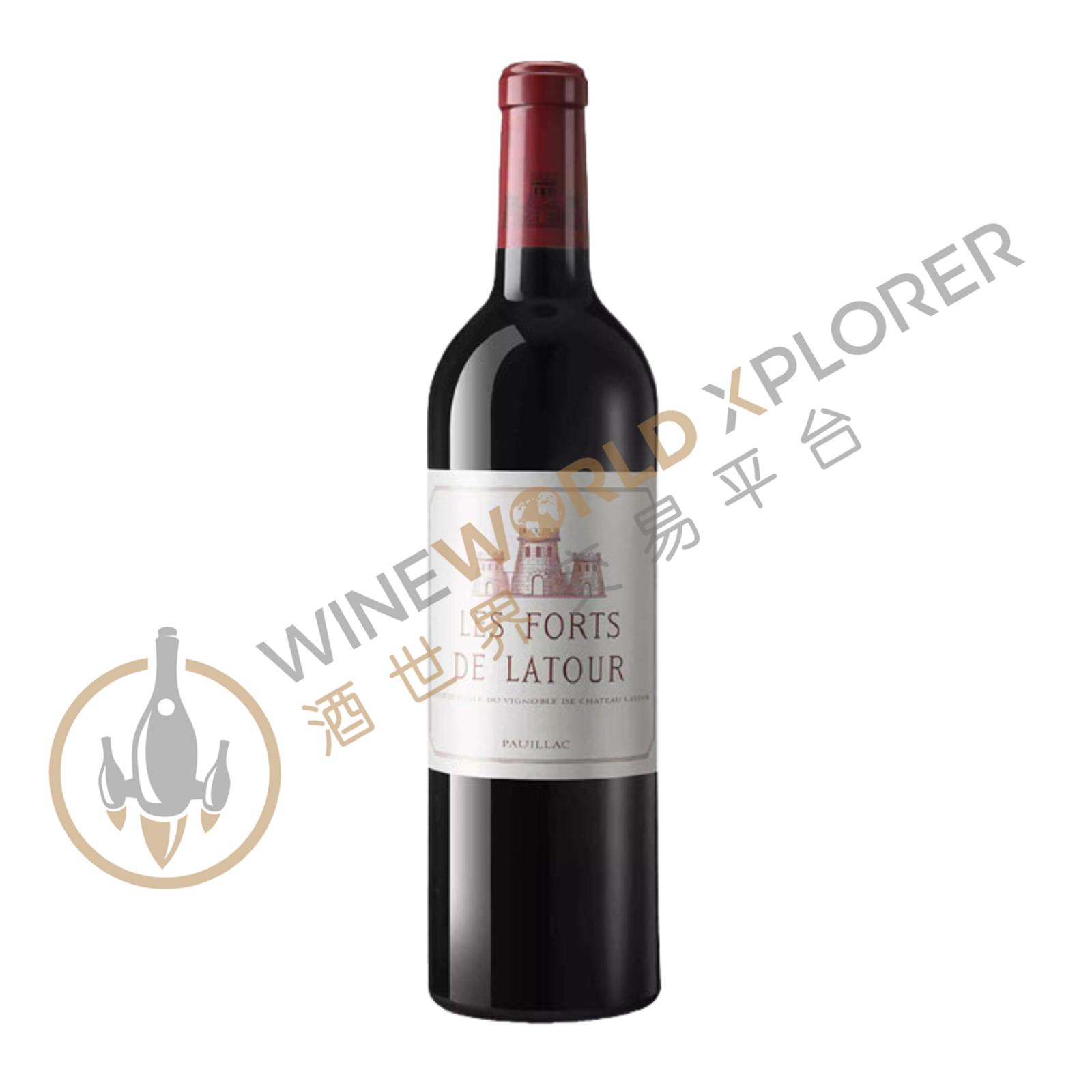
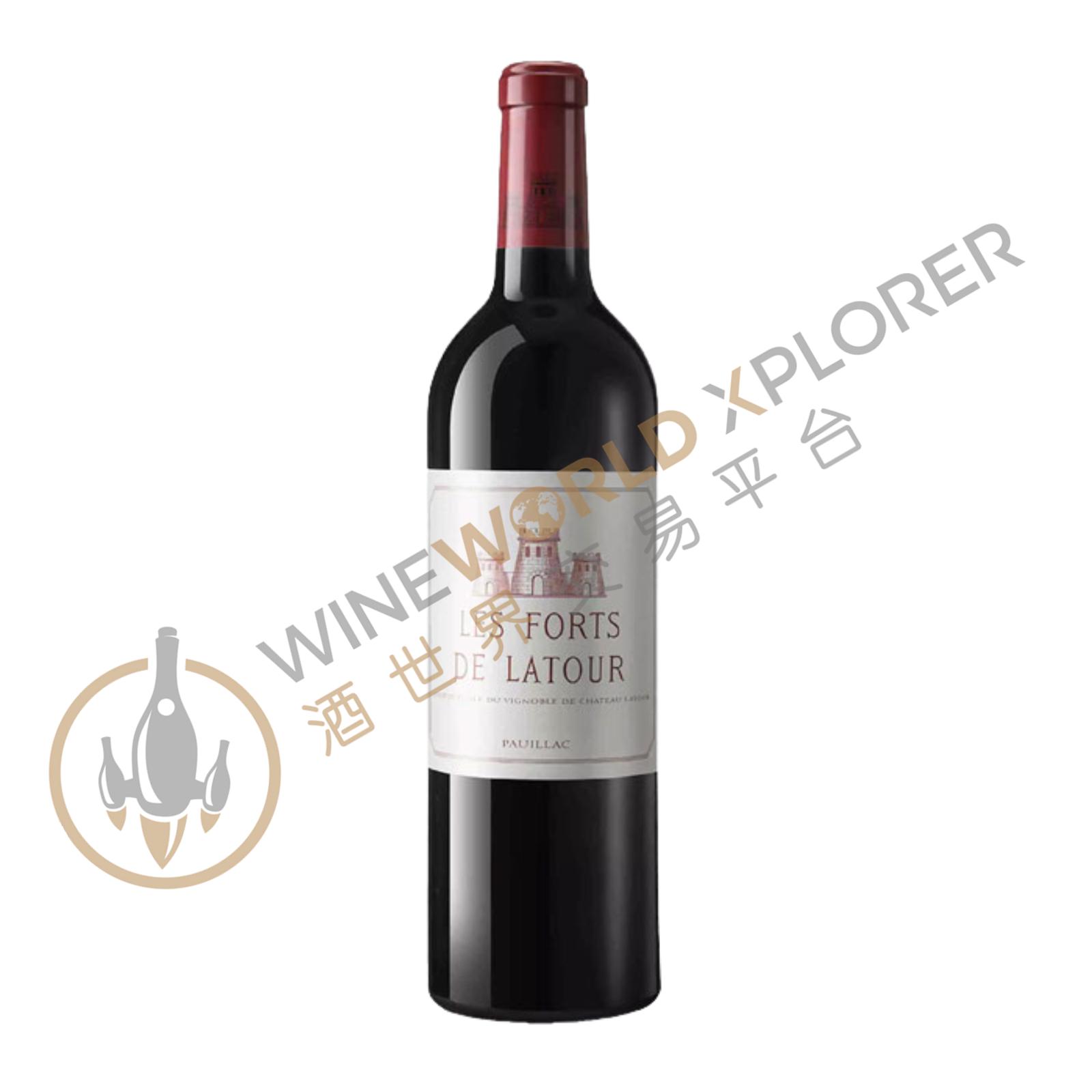
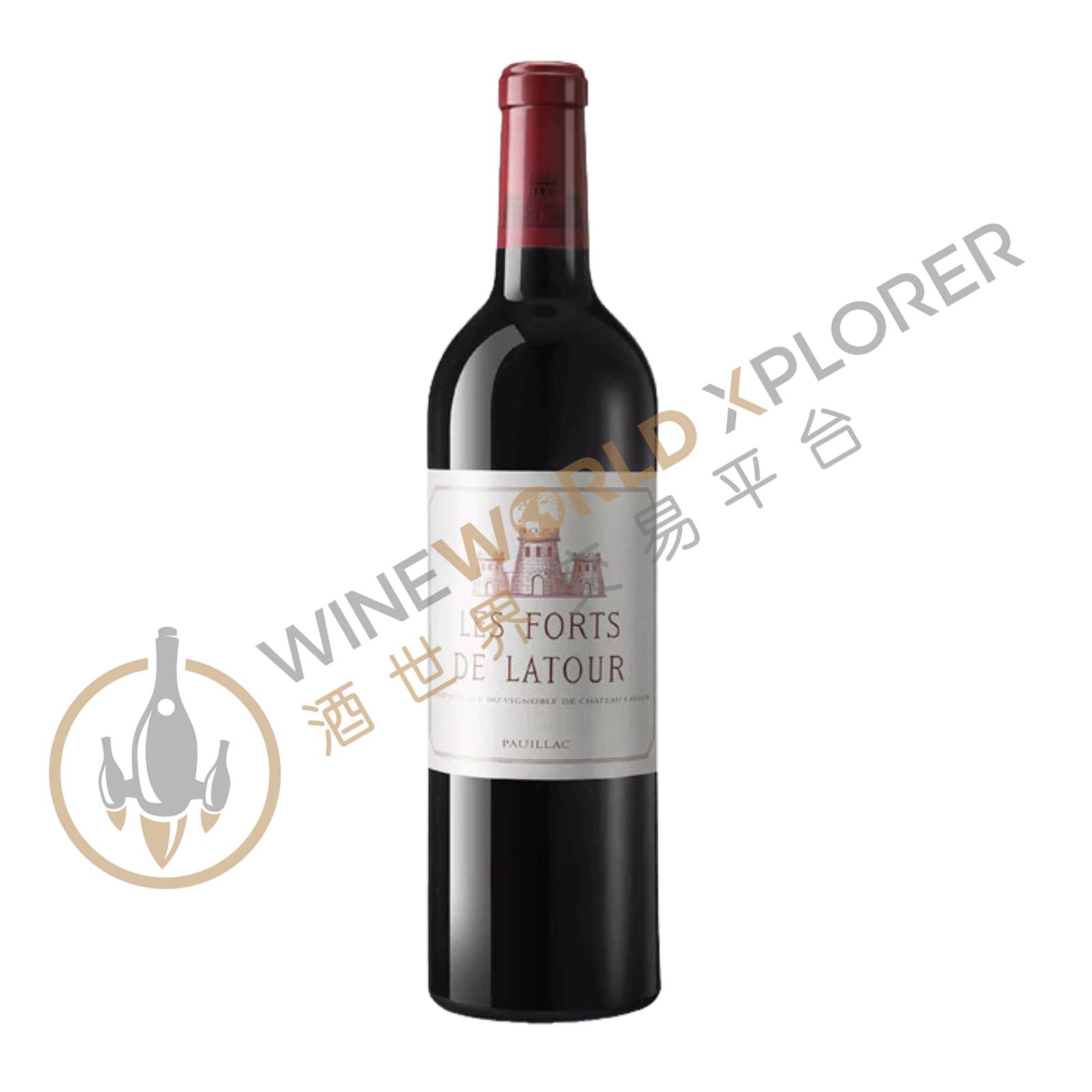
Les Forts de Latour 2010
 View analysis
Description
Tasting notes

Reviewed by: Neal Martin
Tasted blind at the Southwold Bordeaux 2010 tasting. This is a very strong performance from Les Forts de Latour. It has a vivacious bouquet with ripe blackcurrant, raspberry, cedar and mint scents, very ripe and opulent with layers of discretely embroidered vanillary new oak. The palate is medium-bodied with very fine tannins, well judged acidity and a sophisticated, graphite finish with a long cedar and sous-bois influenced tail. Excellent. Tasted January 2014.
Reviewed by: Robert M. Parker, Jr.
Possibly the most profound Forts de Latour ever produced, the 2010, like its bigger brother, Latour, was harvested between the third week of September and October 11. Representing 40% of the production and tipping the scales at 14.3% alcohol, it is a blend of 72.5% Cabernet Sauvignon and the rest Merlot. Super-concentrated as well as unctuously textured and opulent, this pure, deep Forts de Latour should drink well for 25-30 years. It is as great as the prodigious 1982, which is still drinking well at age 29.
Reviewed by: Neal Martin
A blend of 72.5% Cabernet Sauvignon, 25.5% Merlot and 2% Petit Verdot, 14.3% alcohol and representing 40% of the production. It has a glorious bouquet with stupendous delineation: blackberry, cedar, mint and a touch of pot pourri. The palate has a tannic entry, the Cabernet Sauvignon is very pronounced with cedar, tobacco and pencil lead. Very classic and very pure, symmetrical towards the finish. Great focus and length. Superb. Tasted March 2011.
Reviewed by: Lisa Perrotti-Brown
2010 was a very dry vintage of exceptional quality, producing incredibly structured and complex wines that are a little formidable when young but should age incredibly. Deep garnet-purple colored, the nose of the 2010 Les Forts de Latour is broody with subtle notes of licorice, tar, crushed black berries and plums with hints of spice cake and hoisin. Full-bodied, firm and grainy with an impenetrable core of muscular fruit, it finishes with fantastic persistence. Give it 5-7 years at least, and then it may well outlive the 1970 Les Forts that I recently tasted with Latour's CEO, Frédéric Engerer!
Reviewed by: Neal Martin
The Les Forts de Latour has a very complex nose with subtle notes of raspberry preserve, blackcurrant, graphite and a very faint, almost marmalade-like scents. The palate is medium bodied with great tension and poise, the acidity slicing through the dense blackberry fruit laced with white pepper and graphite. This is a sense of “solidity” to this Les Forts that is paradigmatic of the vintage. Excellent - although it deserves a decade in bottle. Tasted November 2012.
Reviewed by: Robert M. Parker, Jr.
Bizarre as it may sound, the 2010 Les Forts de Latour is also the finest I have ever tasted from this selection, which comes from specific vineyards, not really so much a second wine as just another wine from estate holdings. A blend of 72.5% Cabernet Sauvignon and 27.5% Merlot that represents 40% of the production, this astonishing wine hit 14.3% natural alcohol. Extremely ripe and rich, it reminds me of the 1982 on steroids (and that wine is still drinking great 30 years after the vintage). Sensational notes of graphite, crushed rocks, black fruits, camphor and damp forest notes are present in this expansive, savory, full-throttle wine, which is better than many vintages of the great Latour itself from the past. (That may be a heretical statement, but it’s the truth as I see it.) This wine needs a good 5-6 years of cellaring and should age for three decades at minimum, given the fact that the 1982 is in terrific form and wasn’t this concentrated or prodigious. There is no denying the outrage and recriminations over the decision by the Pinault family and their administrator, Frederic Engerer, to pull Latour off the futures market next year. However, you can still buy these 2010s, although the first two wines are not likely to be released until they have more maturity, which makes sense from my perspective. Perhaps Latour may have offended a few loyal customers who were buying wines as futures, but they are trying to curtail all the interim speculation that occurs with great vintages of their wines (although only God knows what a great vintage of future Latour will bring at seven or eight years after the harvest). As a set of wines, the 2010s may be the Pinaults’ and Engerer’s greatest achievements to date. Of course, I suspect the other first-growth families won’t want to hear that, nor will most of the negociants in Bordeaux, but it’s just the way things are. Frederic Engerer, by no means the most modest of administrators at the first growths, thinks it would be virtually impossible to produce a wine better than this, and he may well be correct. If they gave out Academy Awards for great performances in wine, the Pinaults and Engerer would certainly fetch a few in 2010. P.S. Just so you don’t worry, Engerer offered up the 2009 next to the 2010 to see if I thought it was still a 100-point wine, and yes, ladies and gentlemen, it still is.
Reviewed by: Lisa Perrotti-Brown
Deep garnet in color, the 2010 Les Forts de Latour seems just a little tired compared to the last time I tried it, offering a core of dried mulberries, fruitcake and Chinese five spice followed by scents of balsamic, woodsmoke and fragrant earth. Full-bodied, the palate has chewy, rugged tannins and evolved black fruits, finishing spicy. While still very delicious, I think this bottle may have been a bit oxidized, ergo the question mark after the score.
Reviewed by: Ian d'Agata
(72.5% cabernet sauvignon, 25.5% merlot and 2% petit verdot; 87 IPT, 14.3% alcohol, 40% of total production) Deep, almost opaque glass-staining ruby. Clove, cedar and herb notes on the nose, with black fruit aromas lurking underneath. Clean and fresh but presently dominated by oak, with black fruit and cedar flavors currently held in check. The lingering finish shows mounting dryish tannins, which this big, structured Les Forts de Latour will need extended bottle aging to shed. Still, I wonder if the tannins aren't a little too much.
Reviewed by: Neal Martin
The 2010 Les Forts de Latour puts the Carruades de Lafite in the shade with its fabulous and disarmingly pure black fruit laced with tobacco and smoke. The palate is medium-bodied with supple tannins, a fine bead of acidity and an unerring and inspiring sense of symmetry towards the finish. This is a Deuxième Vin with a surfeit of pedigree and frankly puts some of the Grand Vins in the shade. Tasted from an ex-château bottle at the BI Wines & Spirits 10-Year On tasting.
Reviewed by: Stephen Tanzer
Deep red. Sweet red cherry, cassis, cedar and graphite on the showy nose. Sweet and chewy in the mouth, with red fruit liqueur and Oriental spice elements carrying through on the tactile, long finish. Much better than the Pauillac, which is the estate's third wine.
Reviewed by: Neal Martin
The 2010 Les Forts de Latour has a compelling bouquet with intense black fruit, black tea, graphite and subtle earthy aromas. There is wonderful precision here and it is amazingly well focused. The palate is medium-bodied with fine tannins, a killer line of acidity, fanning out with confidence and chutzpah towards the finish that conveys an unerring sense of symmetry. What a fantastic 2010 Pauillac that will give decades of drinking pleasure. Tasted blind at Farr Vintners 10-Year On Bordeaux horizontal.
Reviewed by: James Suckling
Aromas of currants, blueberries and blackberries with a dark chocolate undertone. Perfumes and beautiful. Full body, with velvety tannins that are fine-tuned and tentative. It lasts for minutes. Gorgeous fruit and richness. Perhaps the greatest Les Fort ever? Try in 2018.
About the Producer
Latour was a jointly held lord's domain until the end of the 16th century, At that time, the property was not entirely covered by vines and yet production largely exceeded requirements. There was no proper storage for the wine and it had to be drunk within the year. The estate remained in the hands of the Mullet family until the late 17th century, and while direct use of the land gradually replaced the leasing system, the wine-making situation changed very little. In the early 18th century, England's aristocracy and wealthy middle classes developed refined tastes, particularly for wine, from Bordeaux, Oporto, Jerez and other southern vineyards. Wine exports had been restricted by various blockades imposed by the wars, but now enjoyed a period of relative freedom and trade with Bordeaux grew rapidly. As a result of this flourishing trade, the estate gradually came to specialise in wine production, with 38 hectares of vines in 1759 and then 47 hectares by 1794.
1975(2)1976(1)1979(1)1981(1)1982(1)1983(2)1990(1)1992(2)1994(2)1995(1)1996(2)1998(3)1999(2)2000(4)2001(6)2002(8)2003(5)2004(8)2005(5)2006(24)2007(13)2008(13)2009(24)
Package Size
12 x 75cl