Wine Advisor



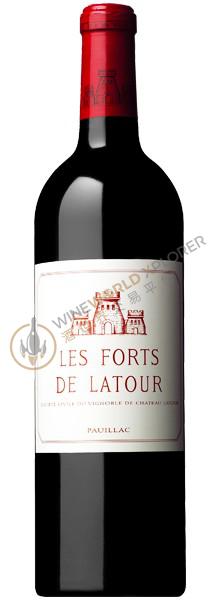
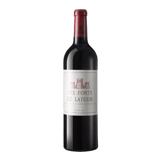
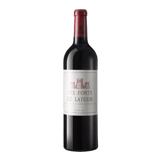
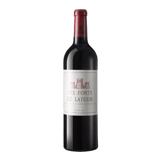
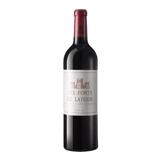
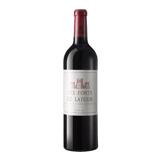
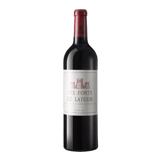
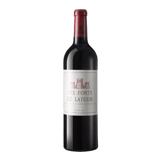
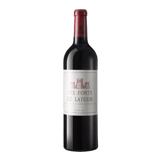
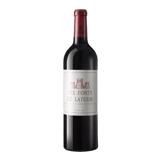
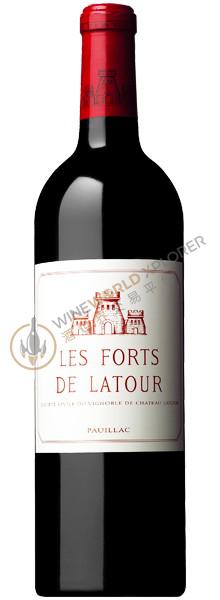
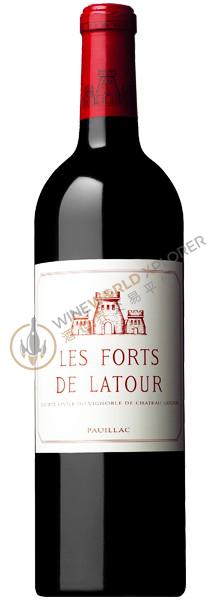
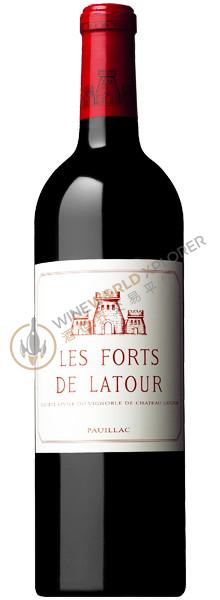
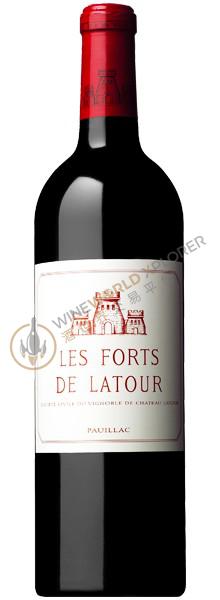
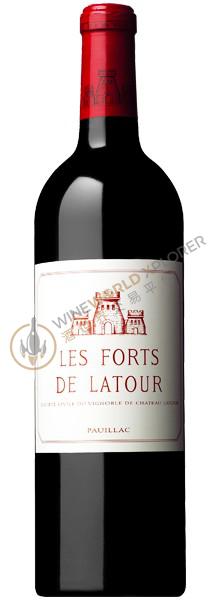
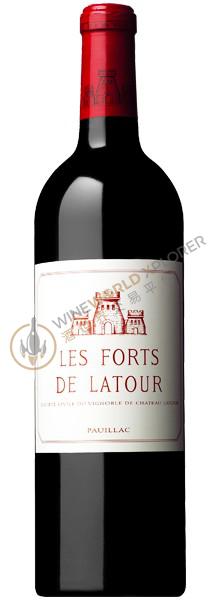
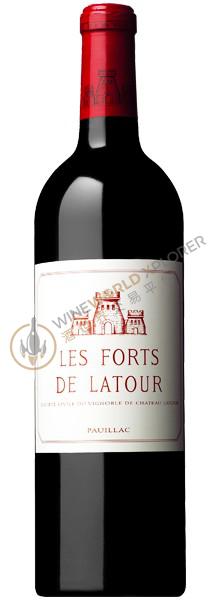
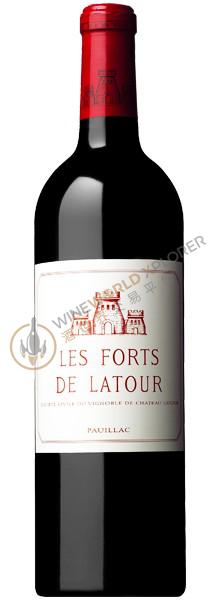
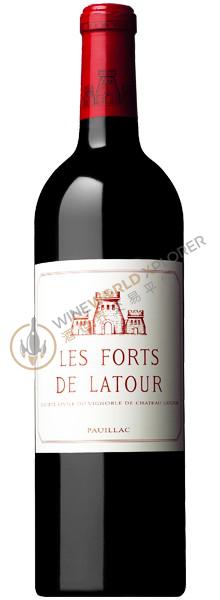
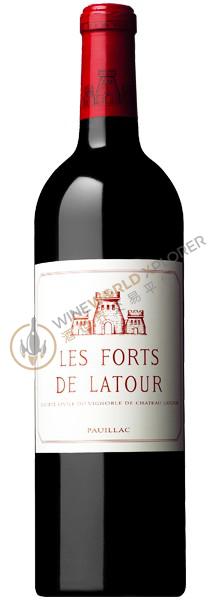
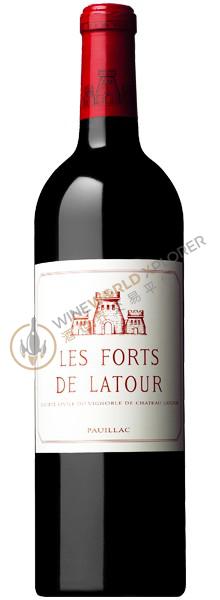
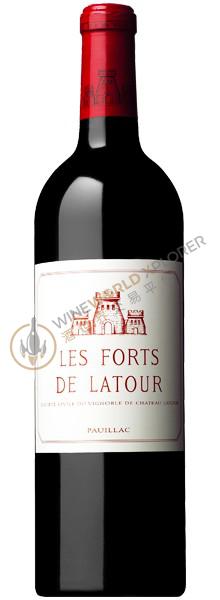
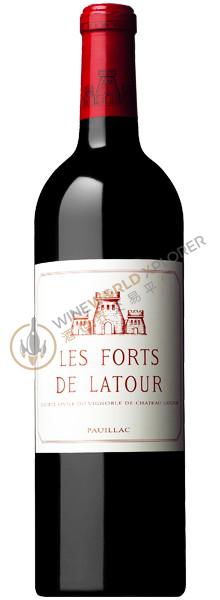
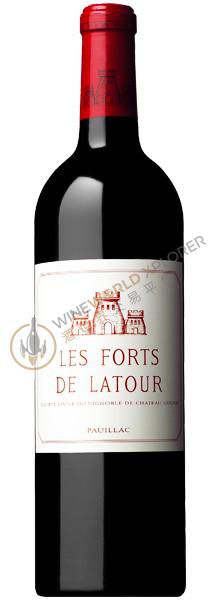
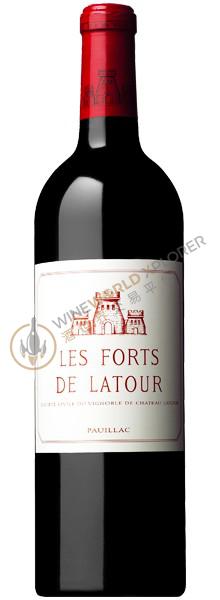
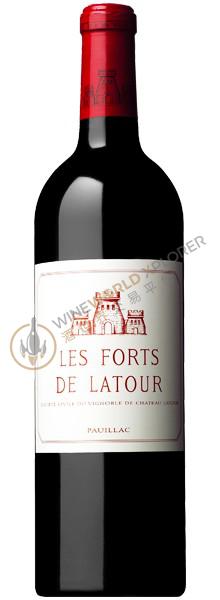
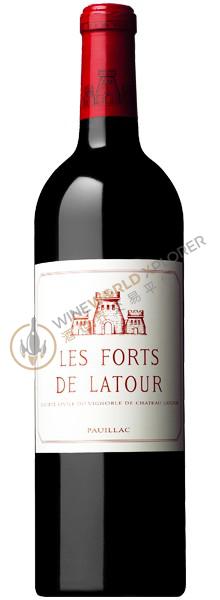
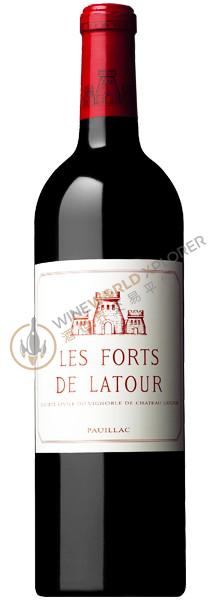
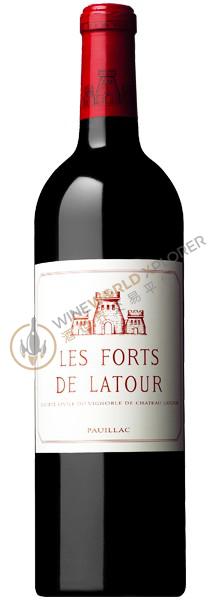
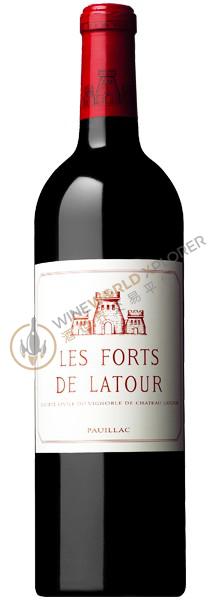
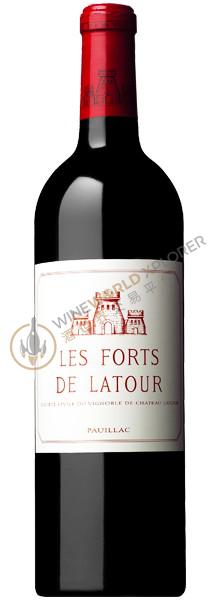
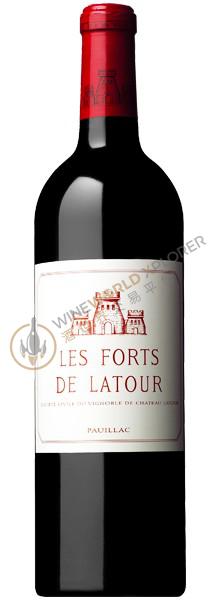
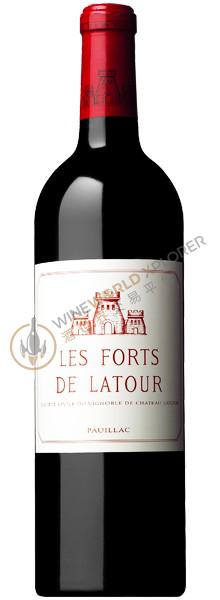
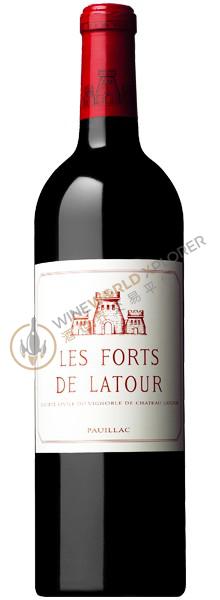
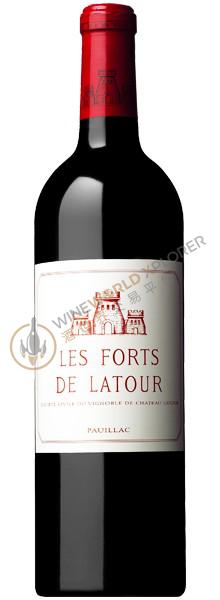
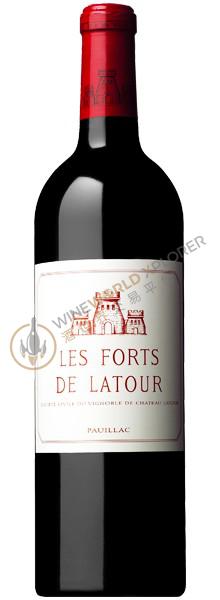
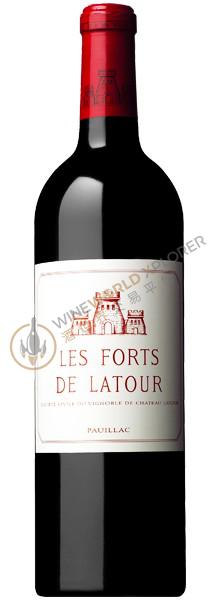
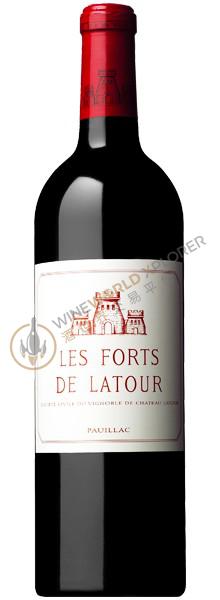
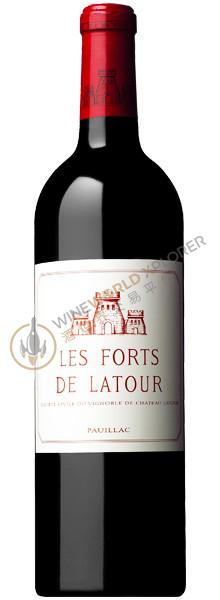
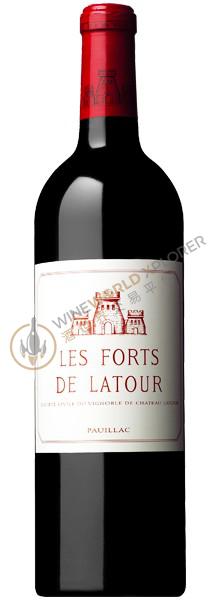
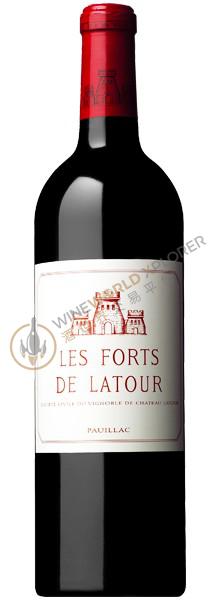
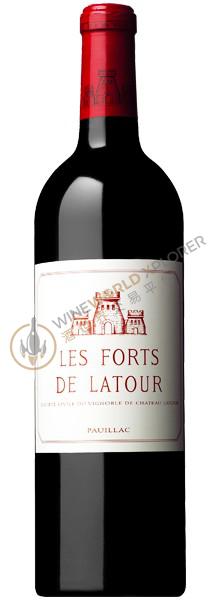
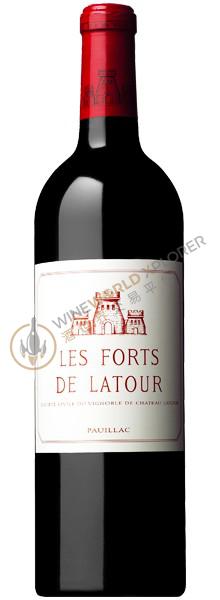
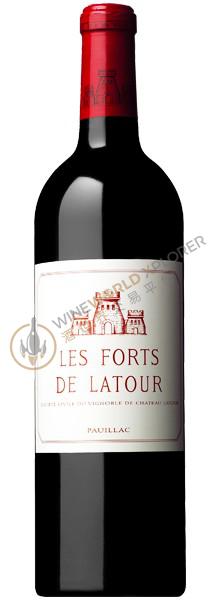
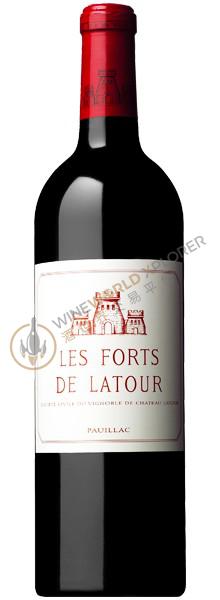
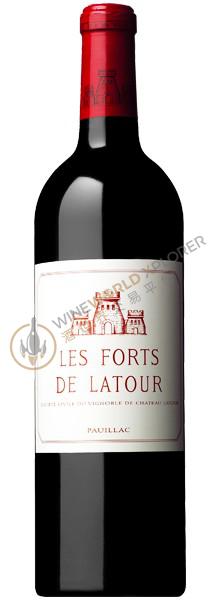
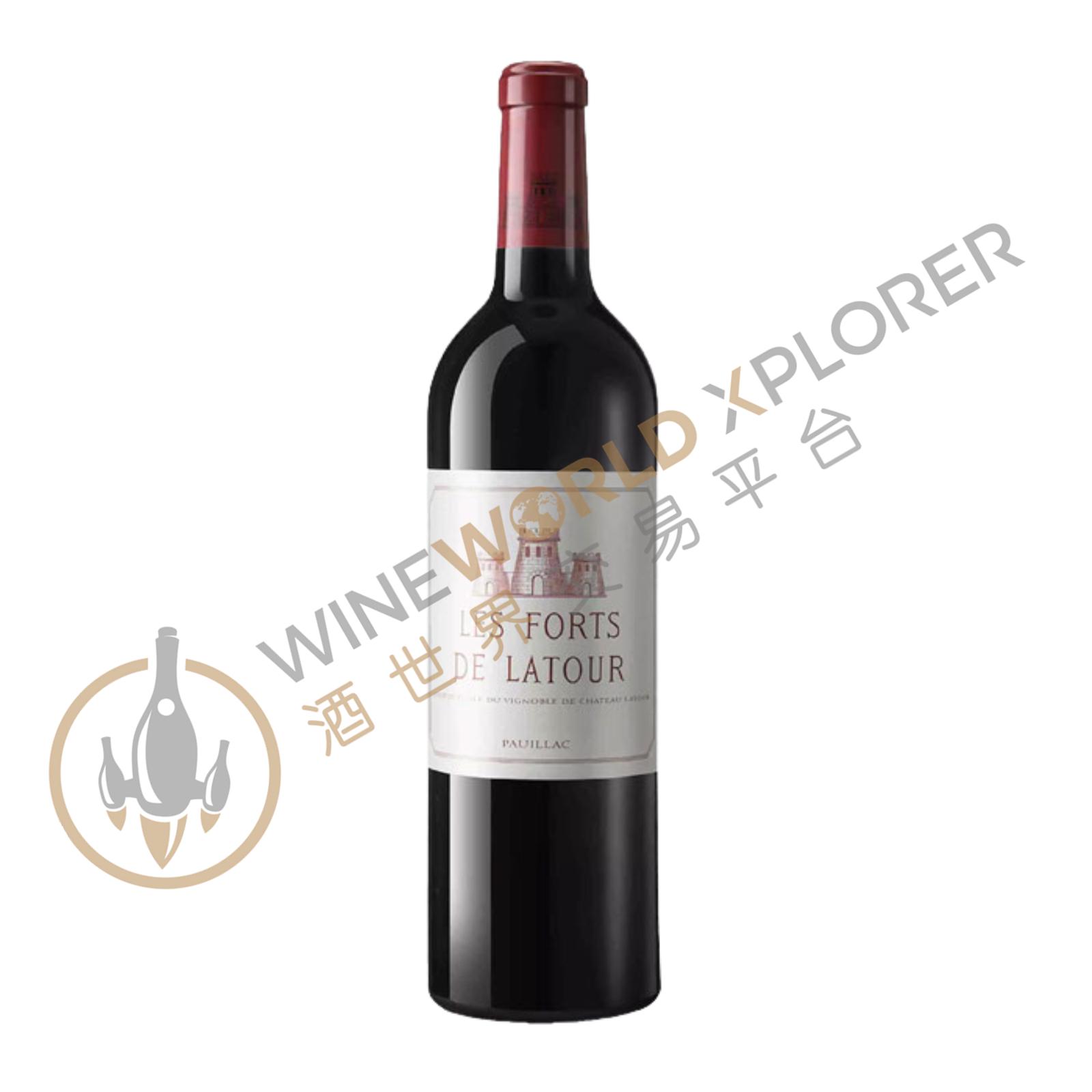
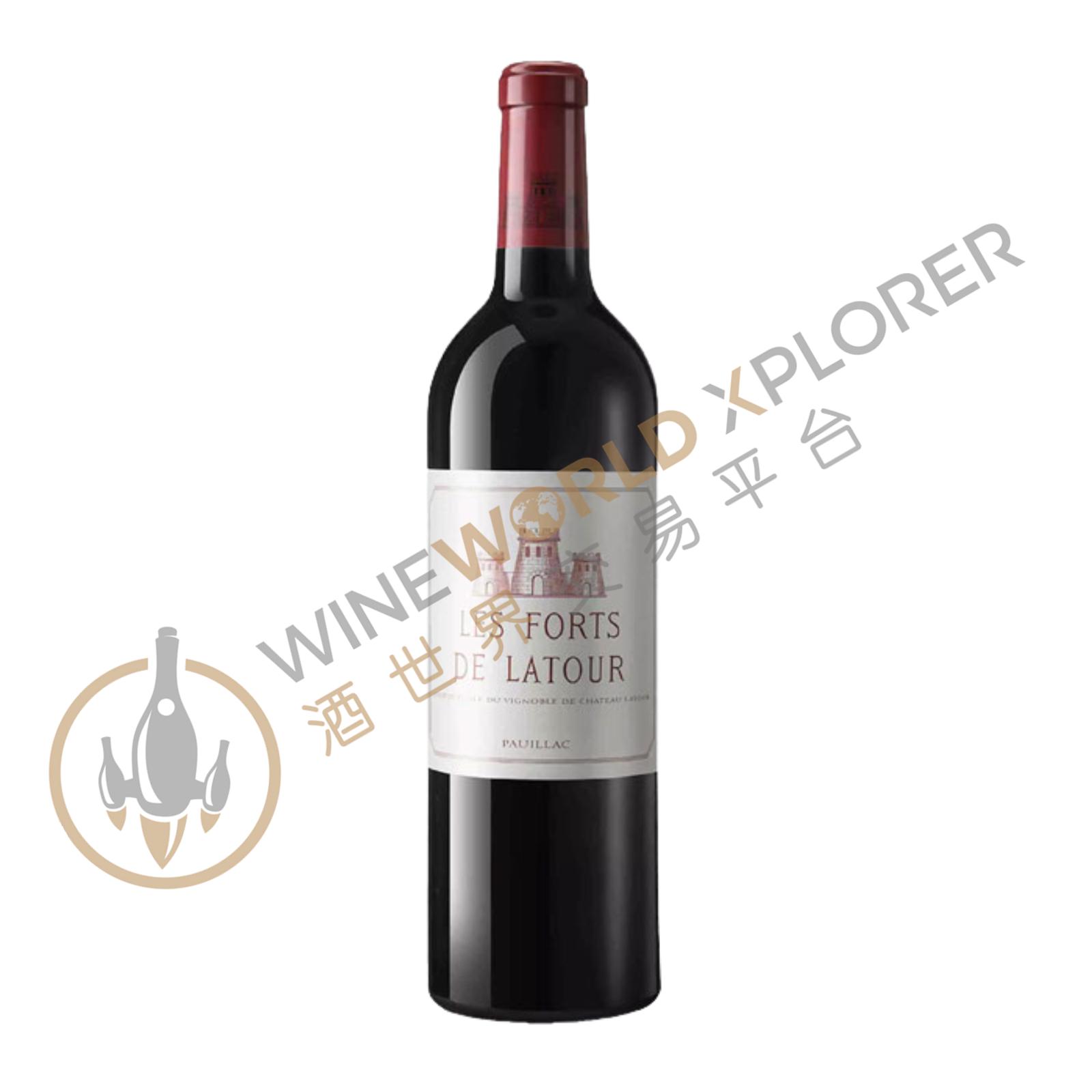
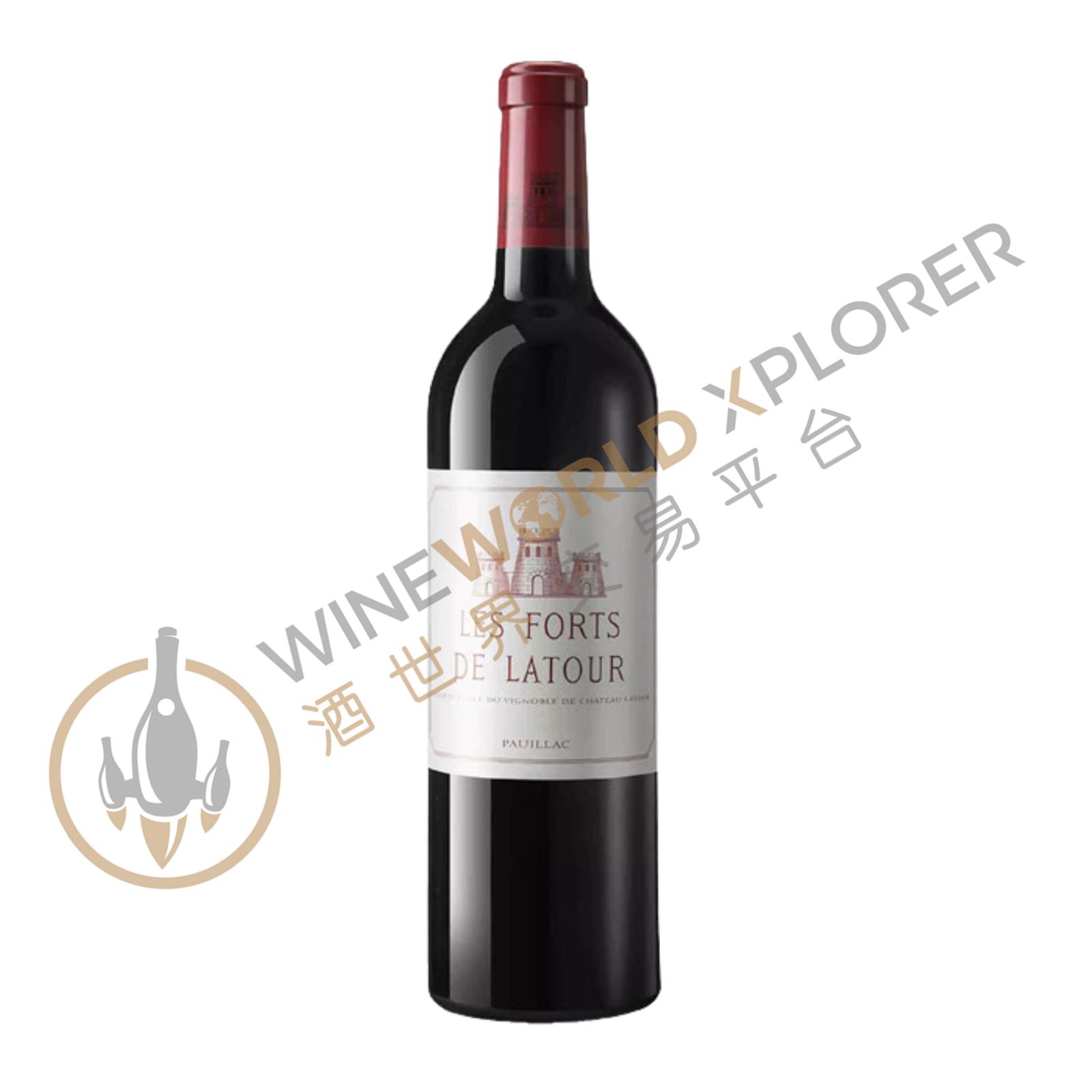
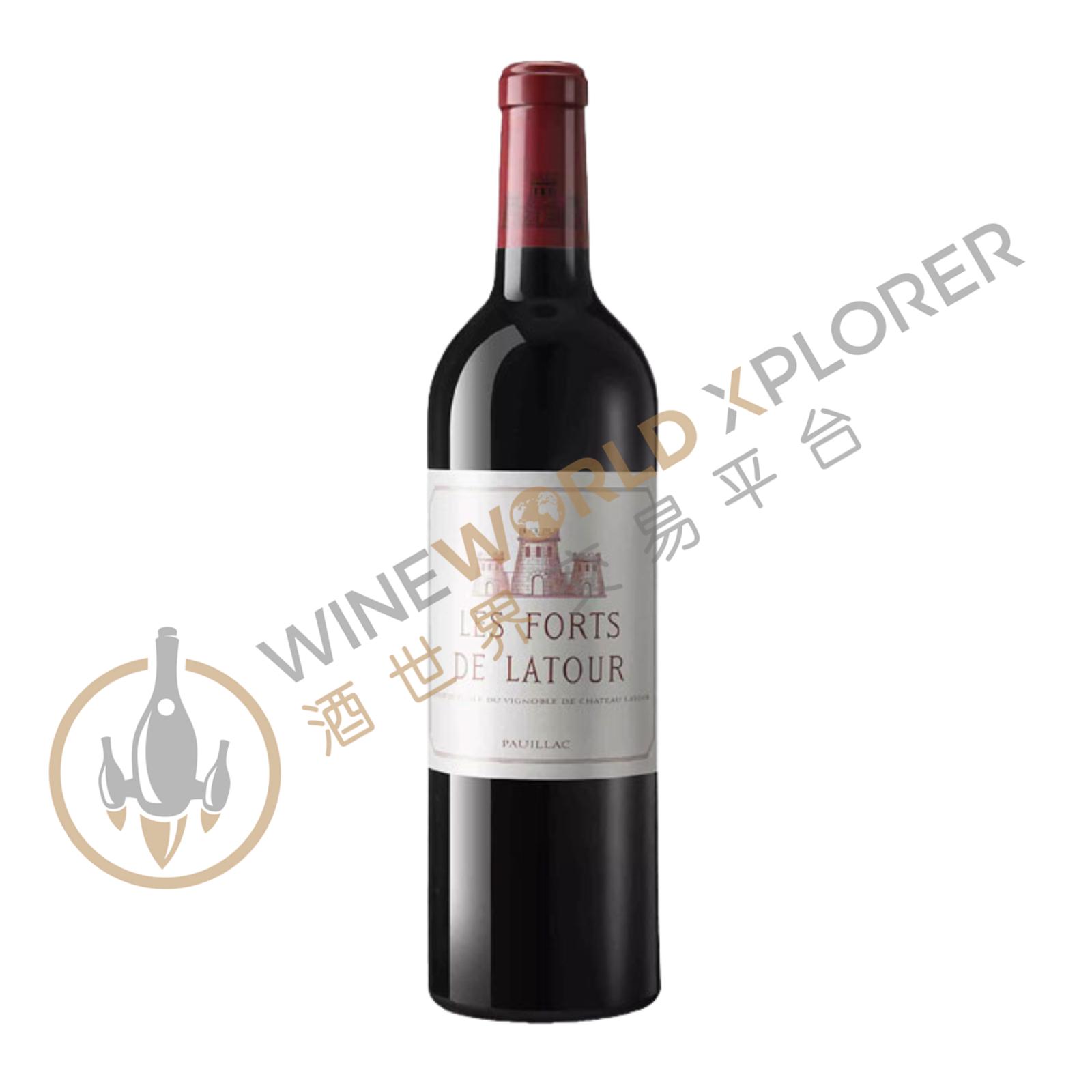
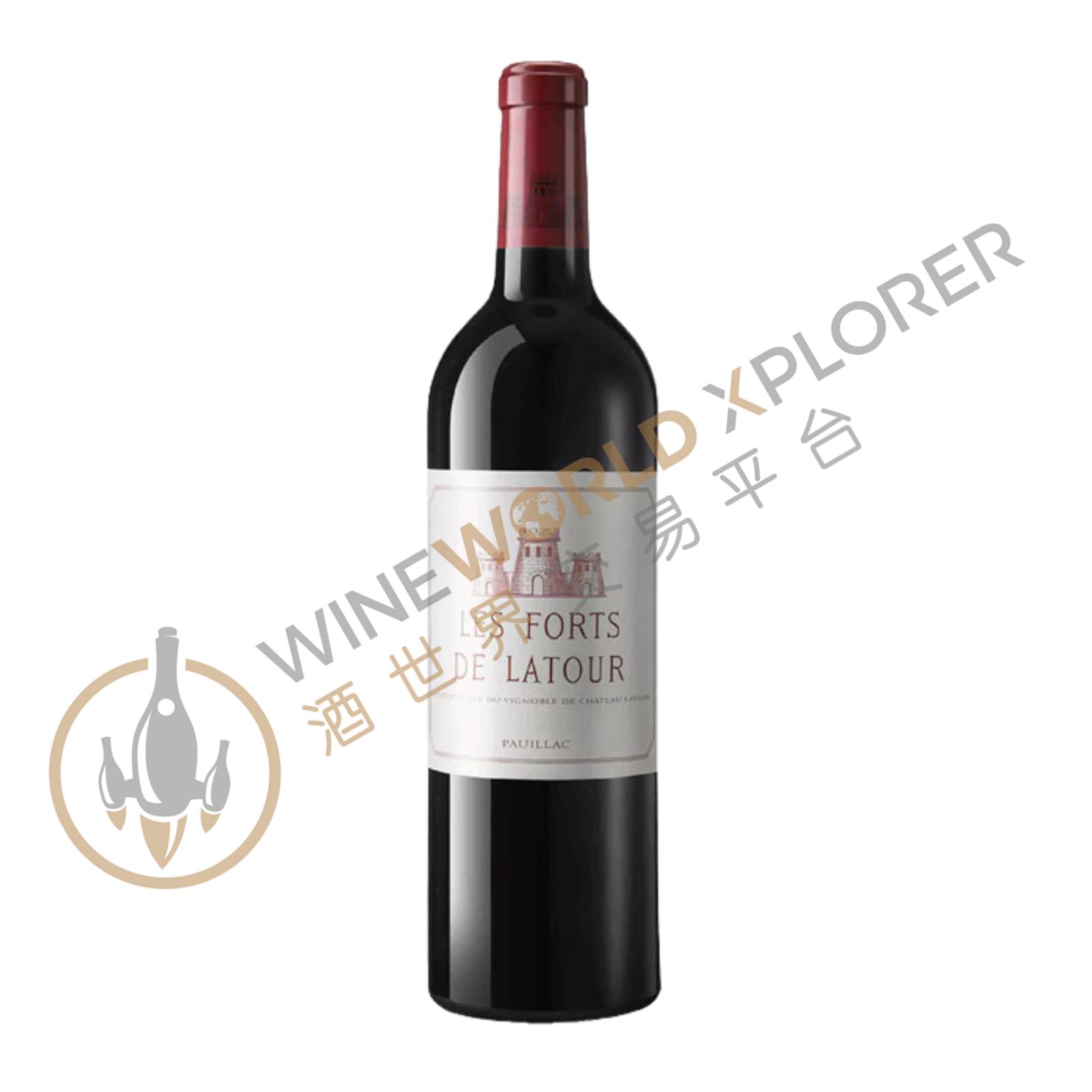
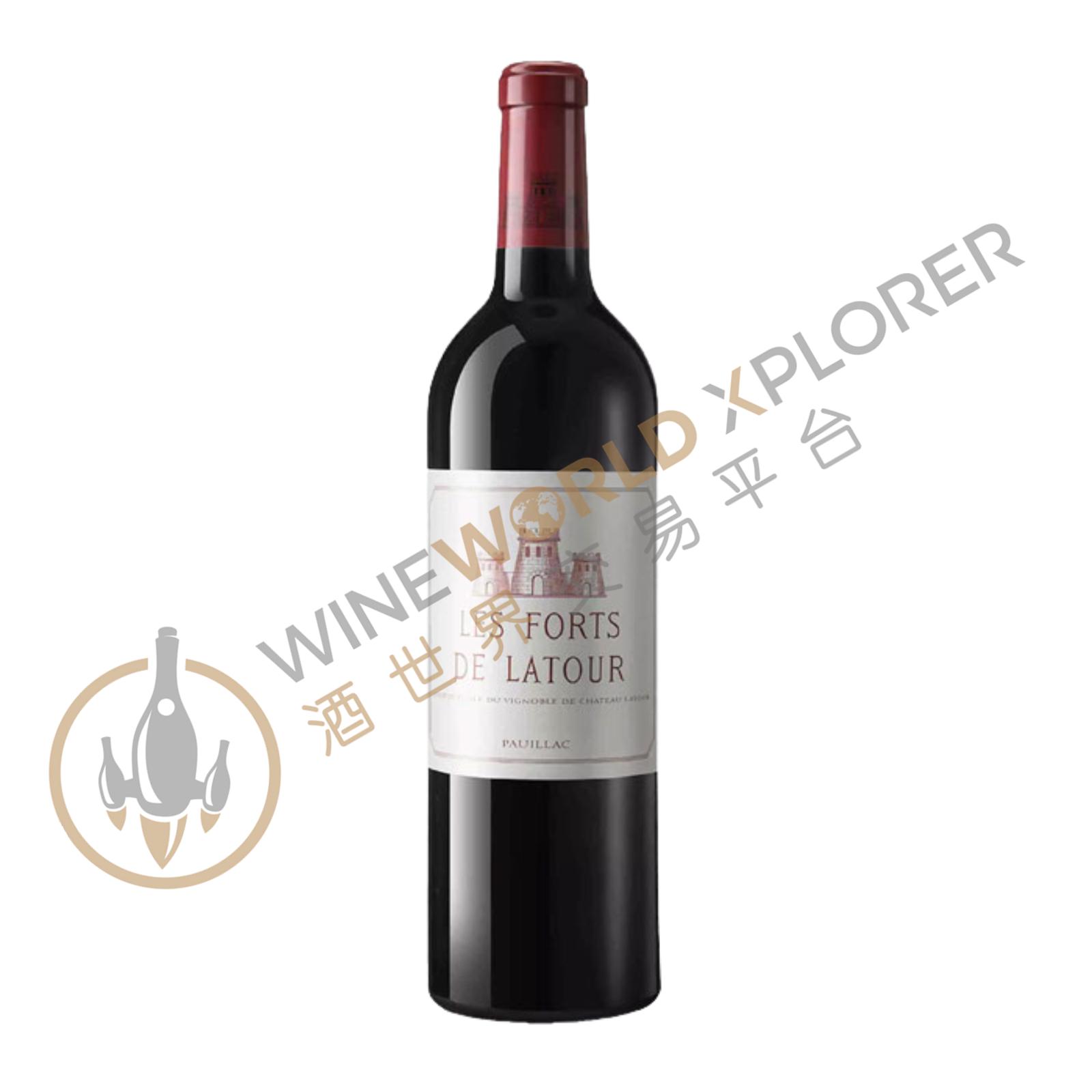
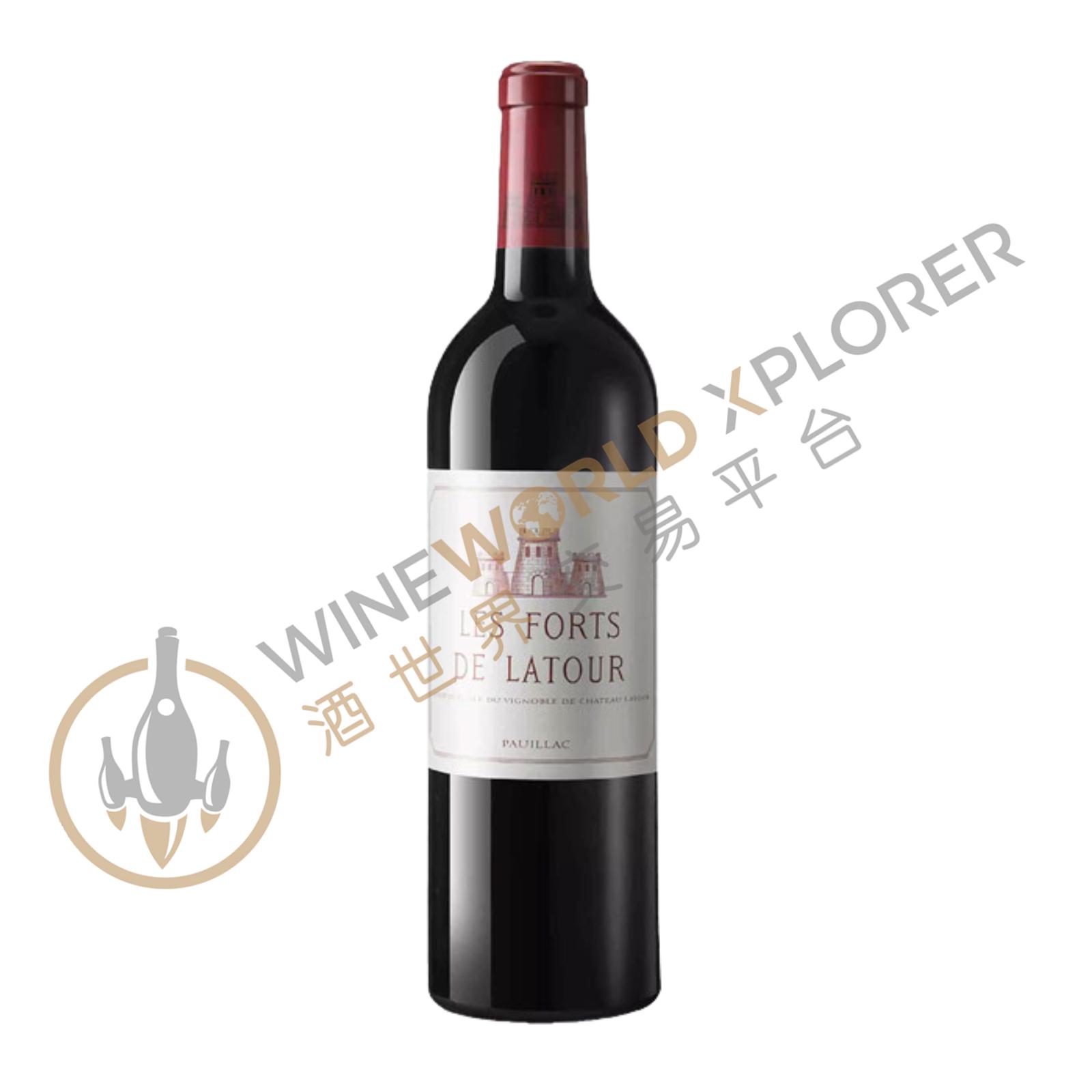
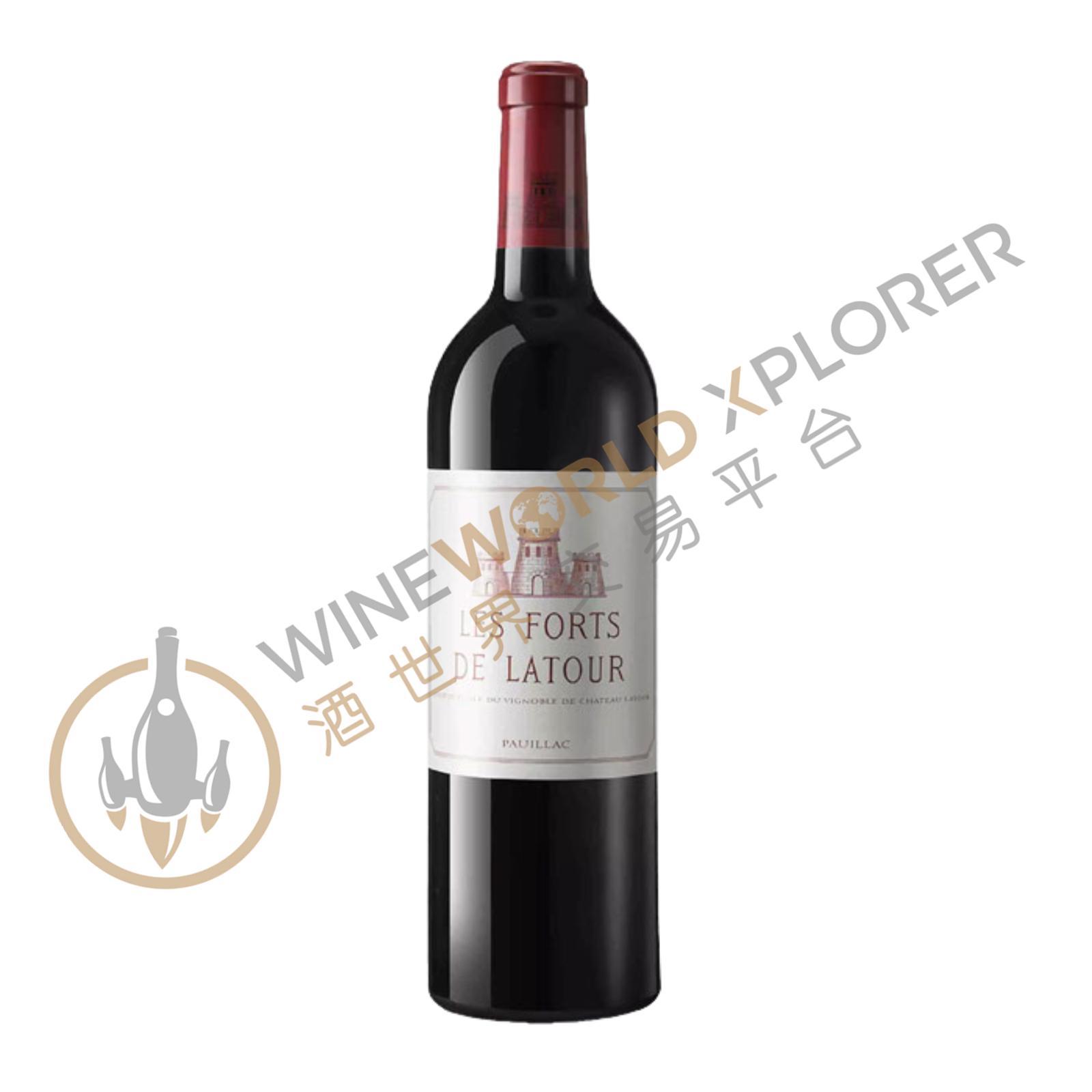
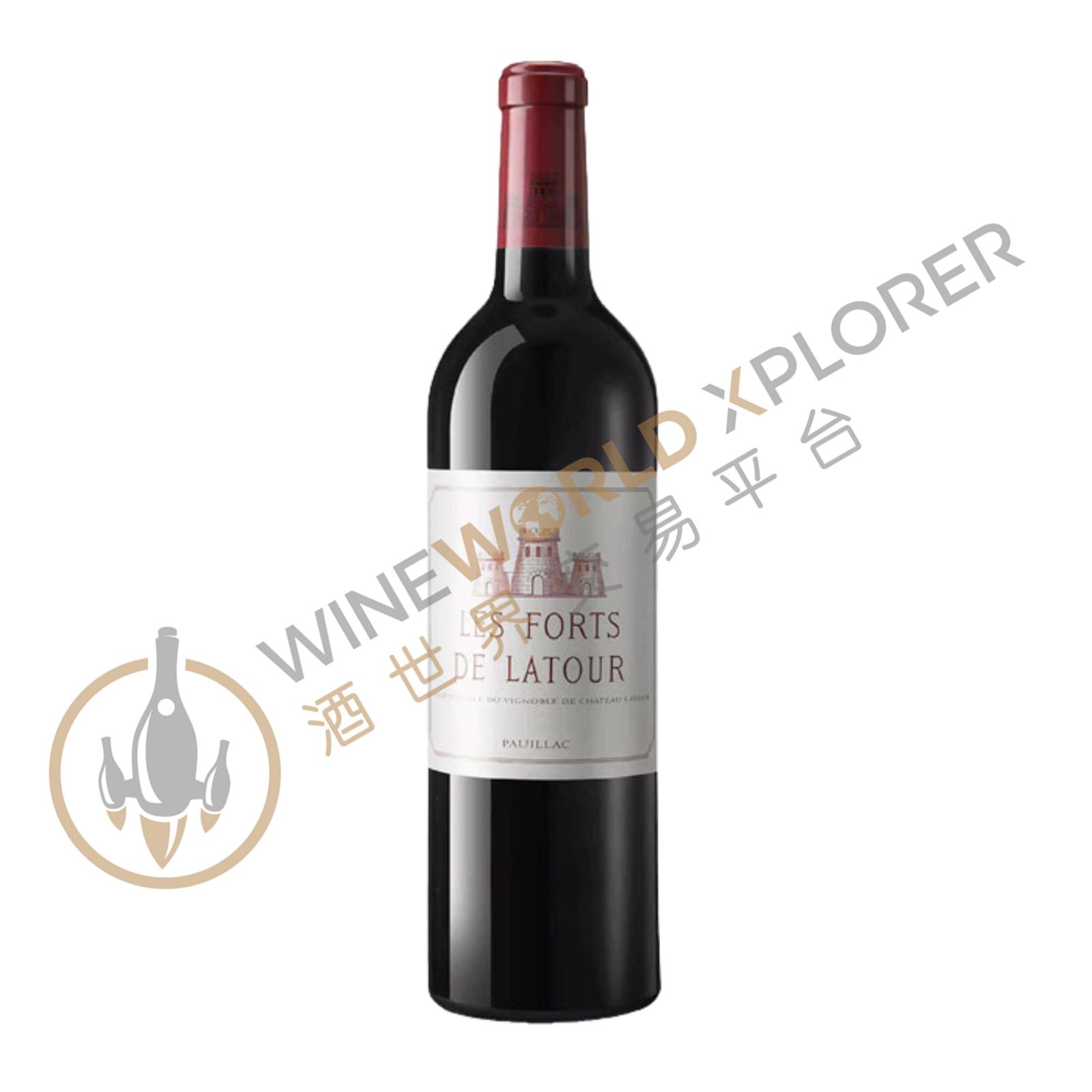
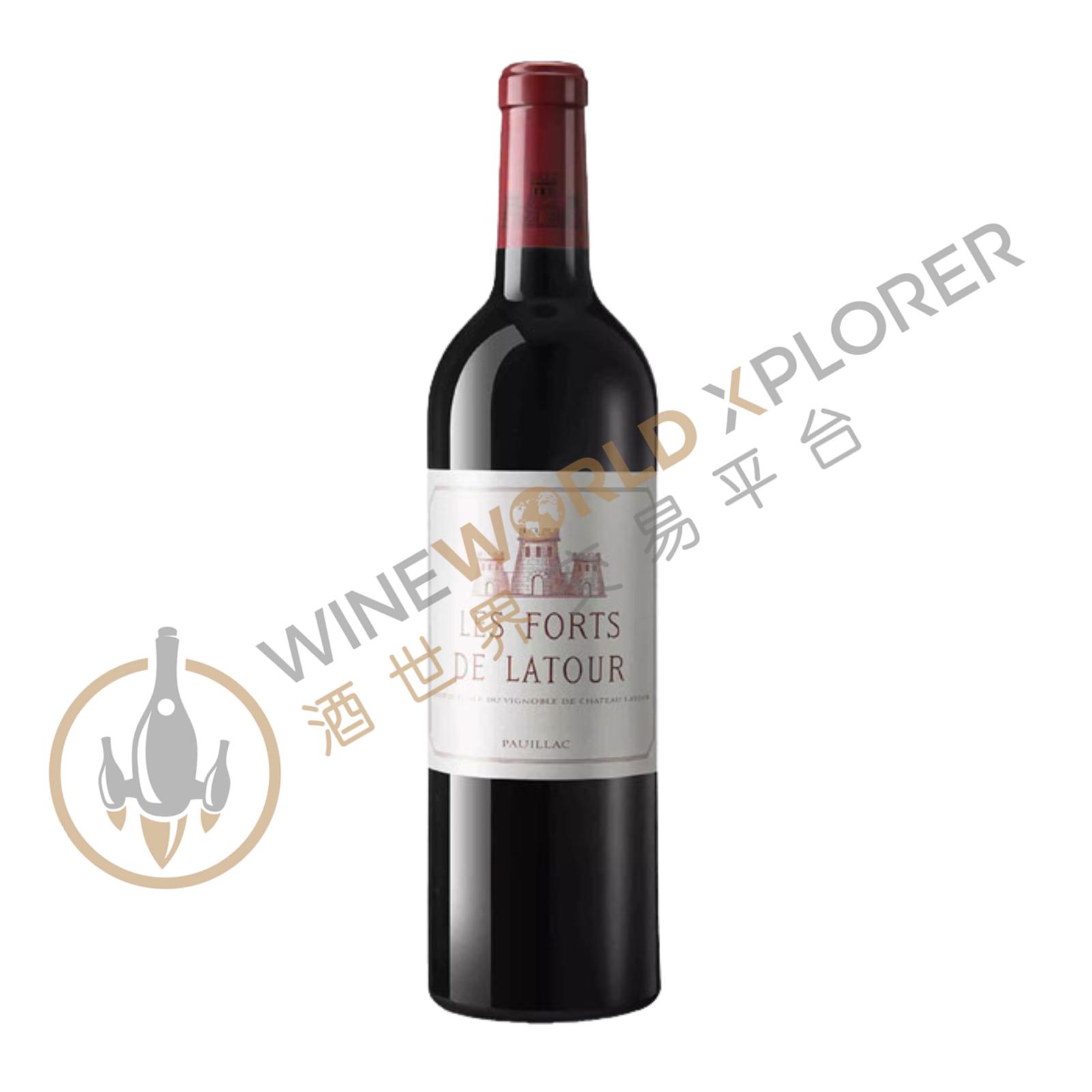
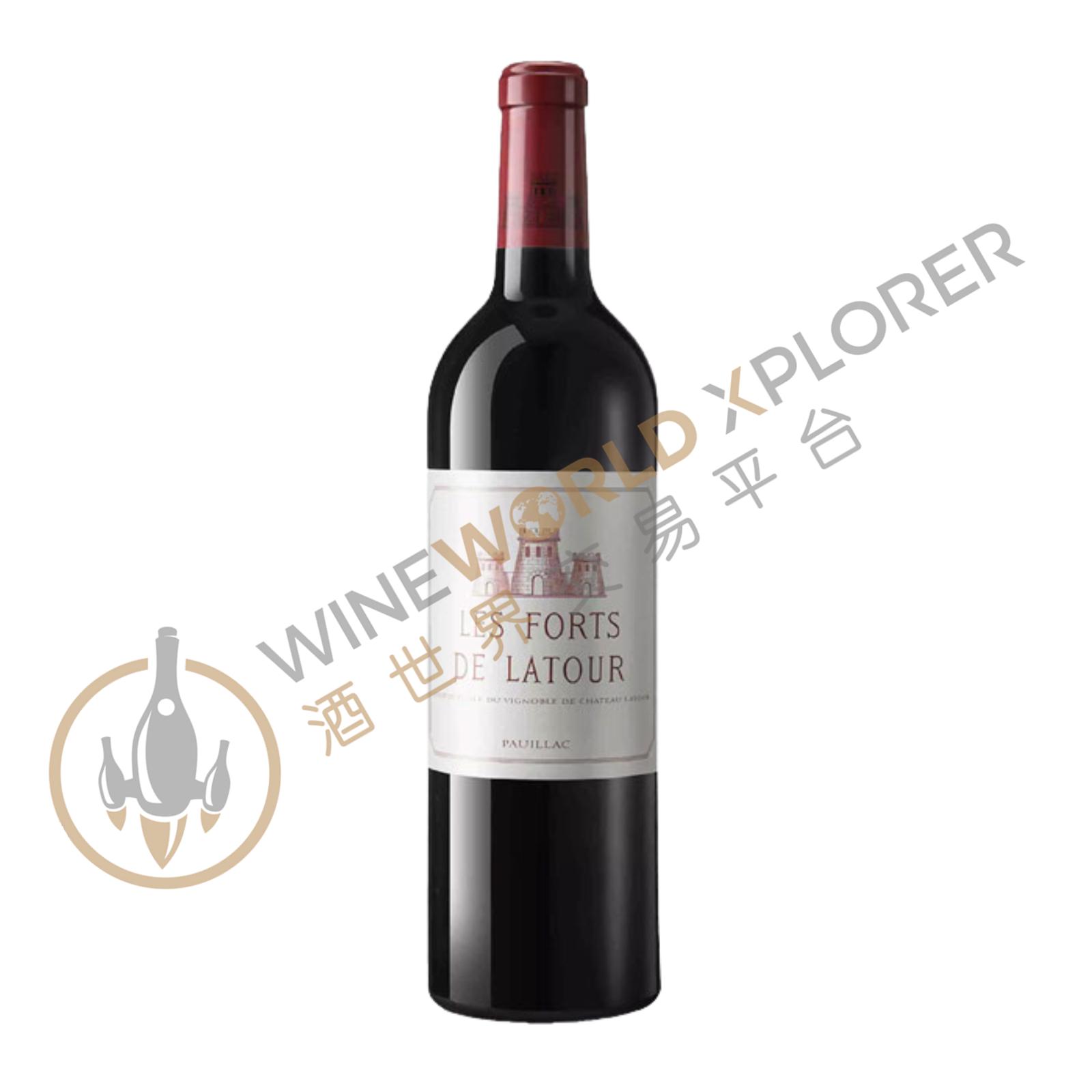
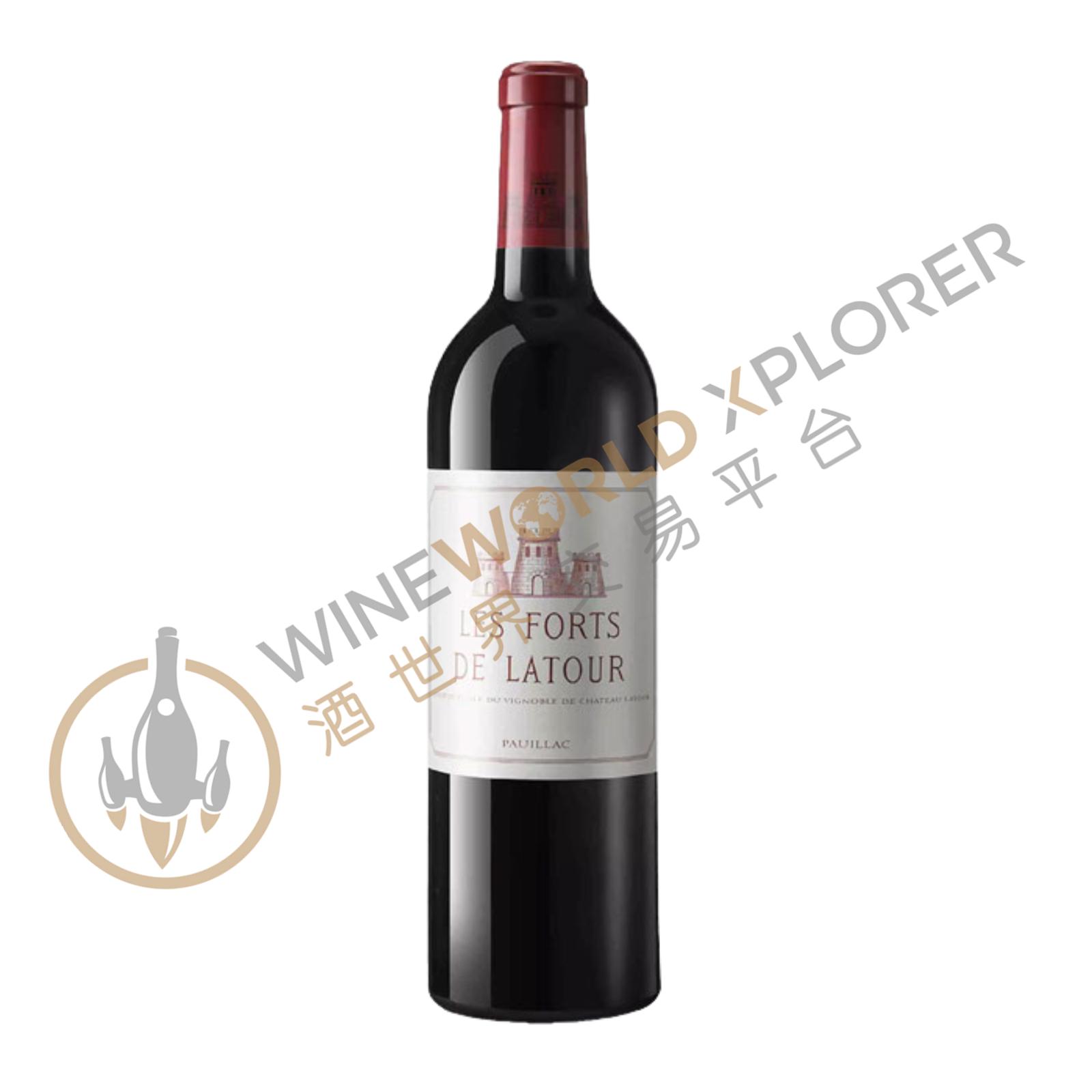
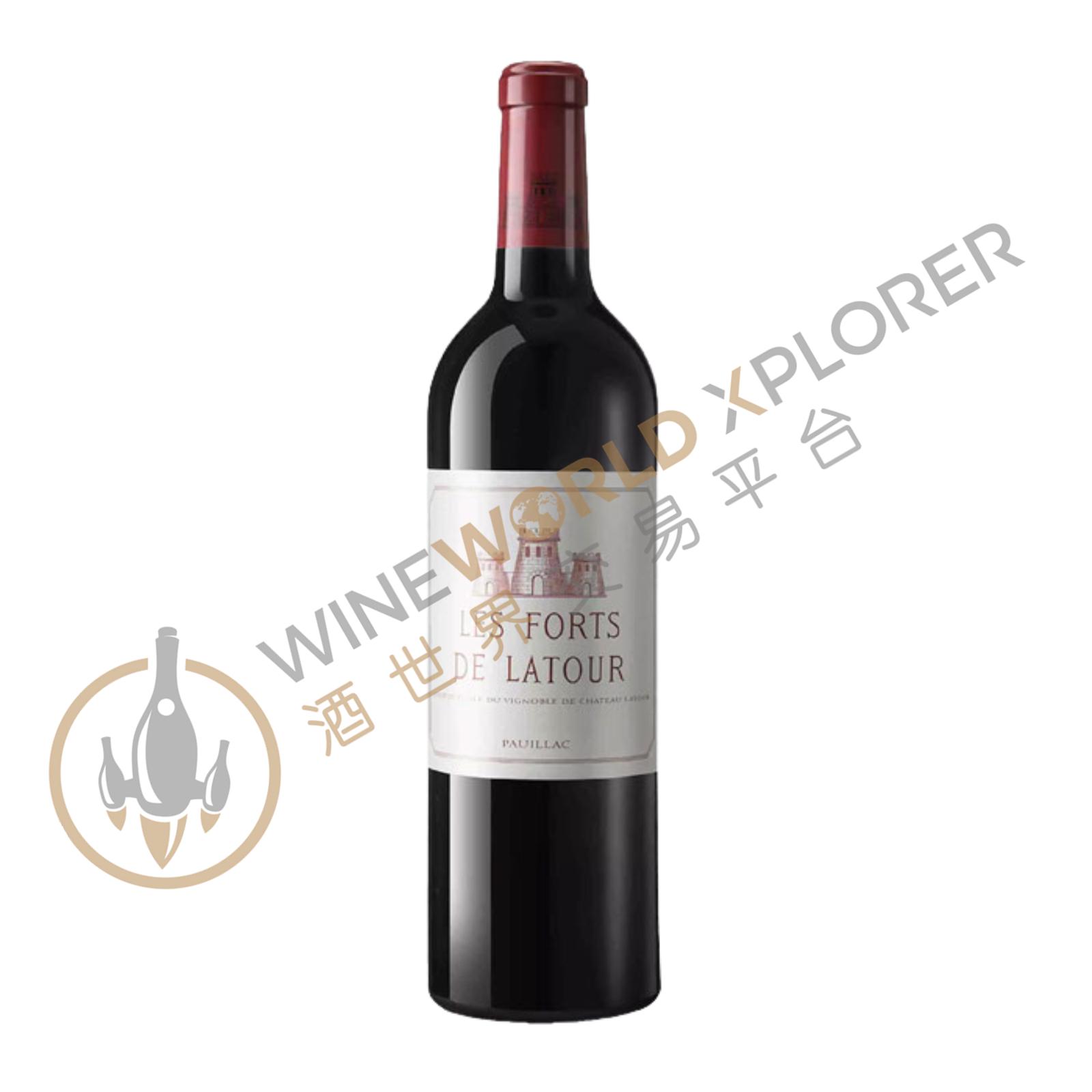
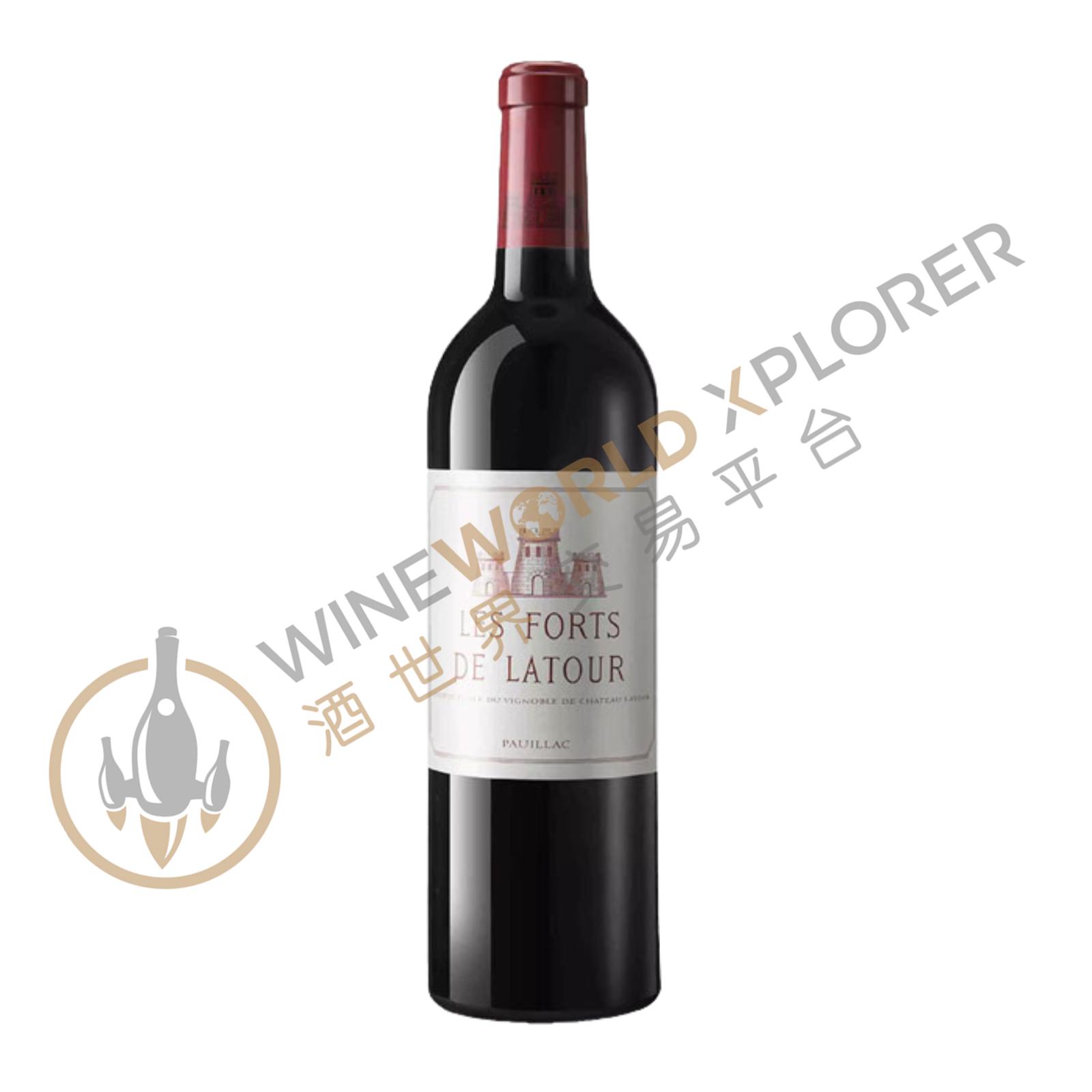
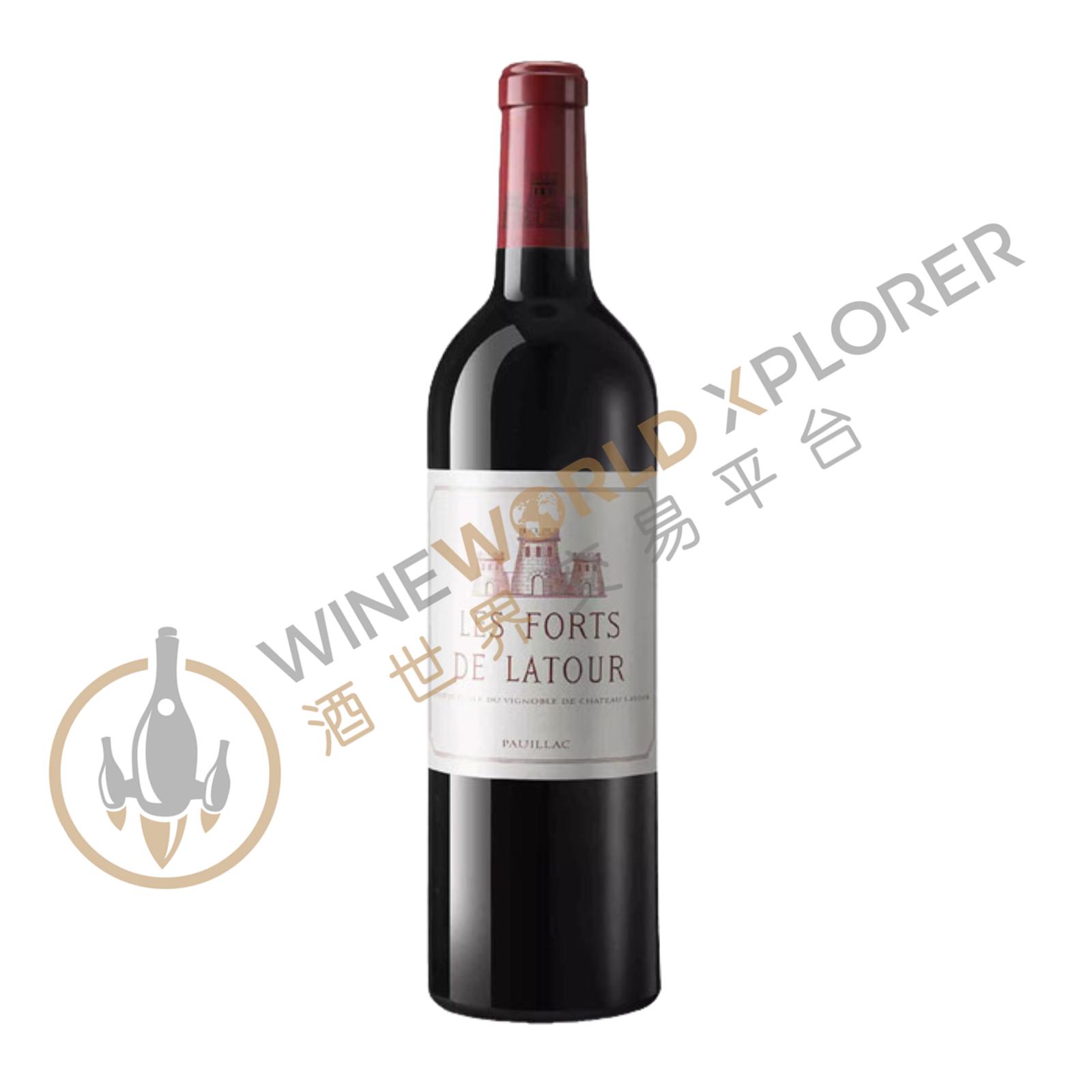
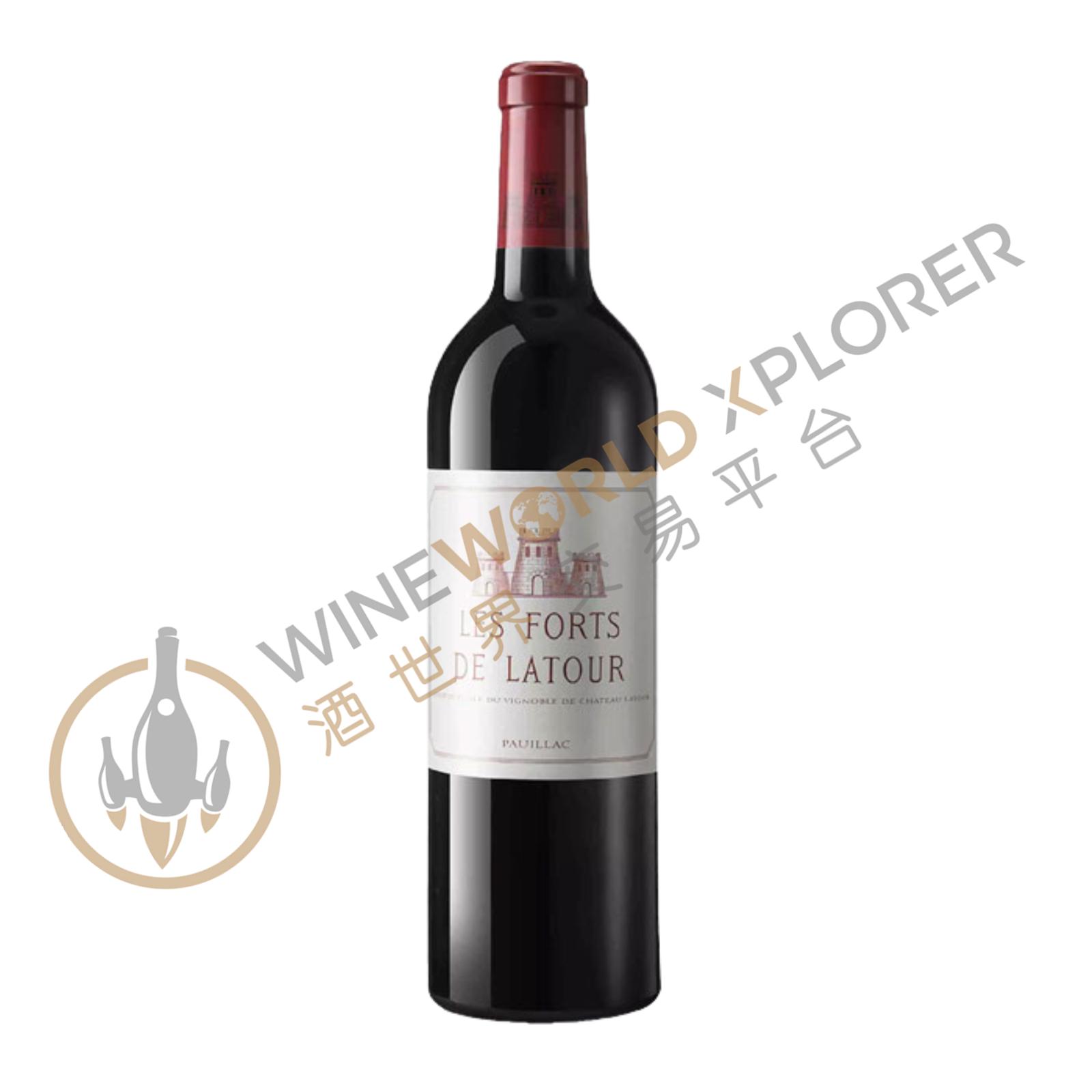
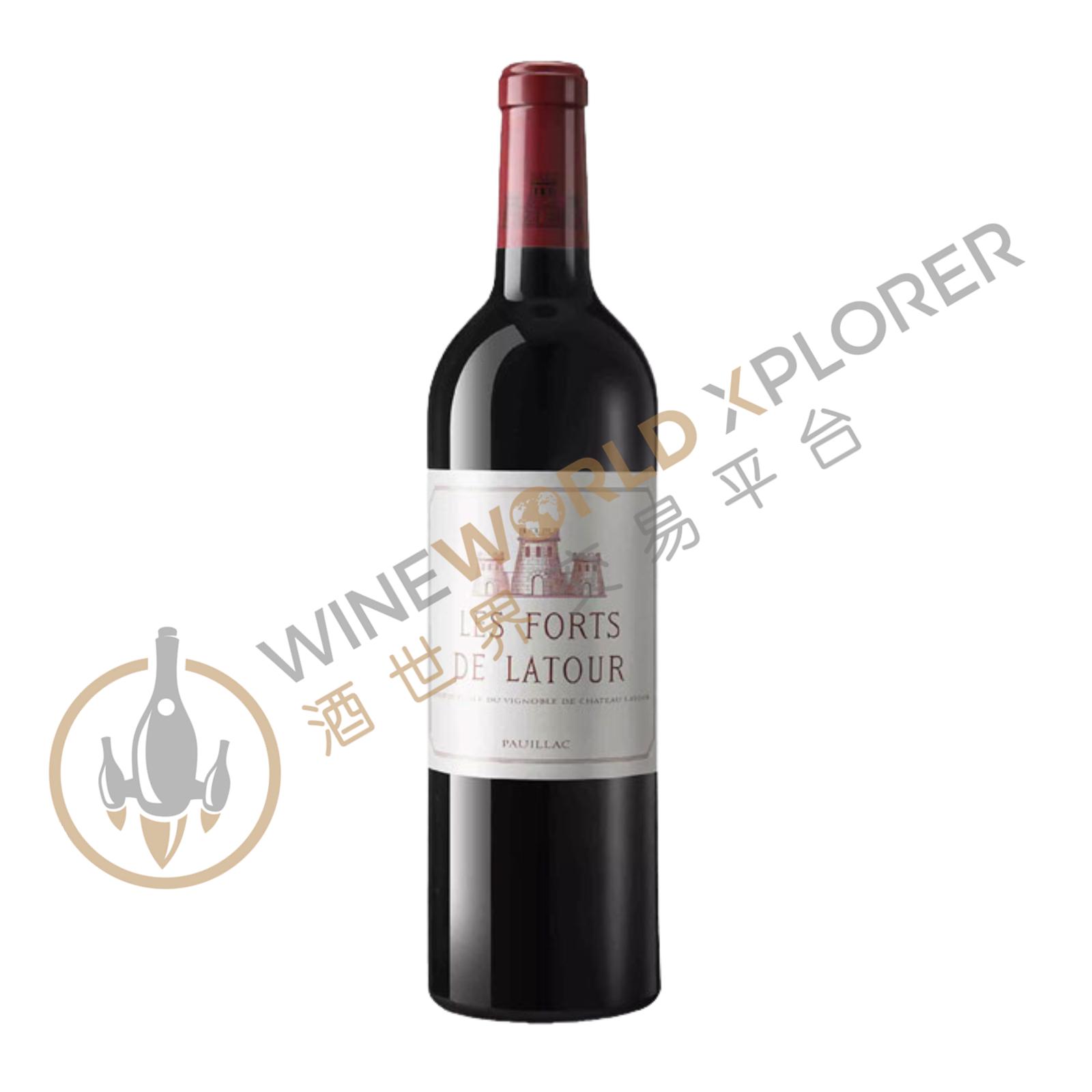
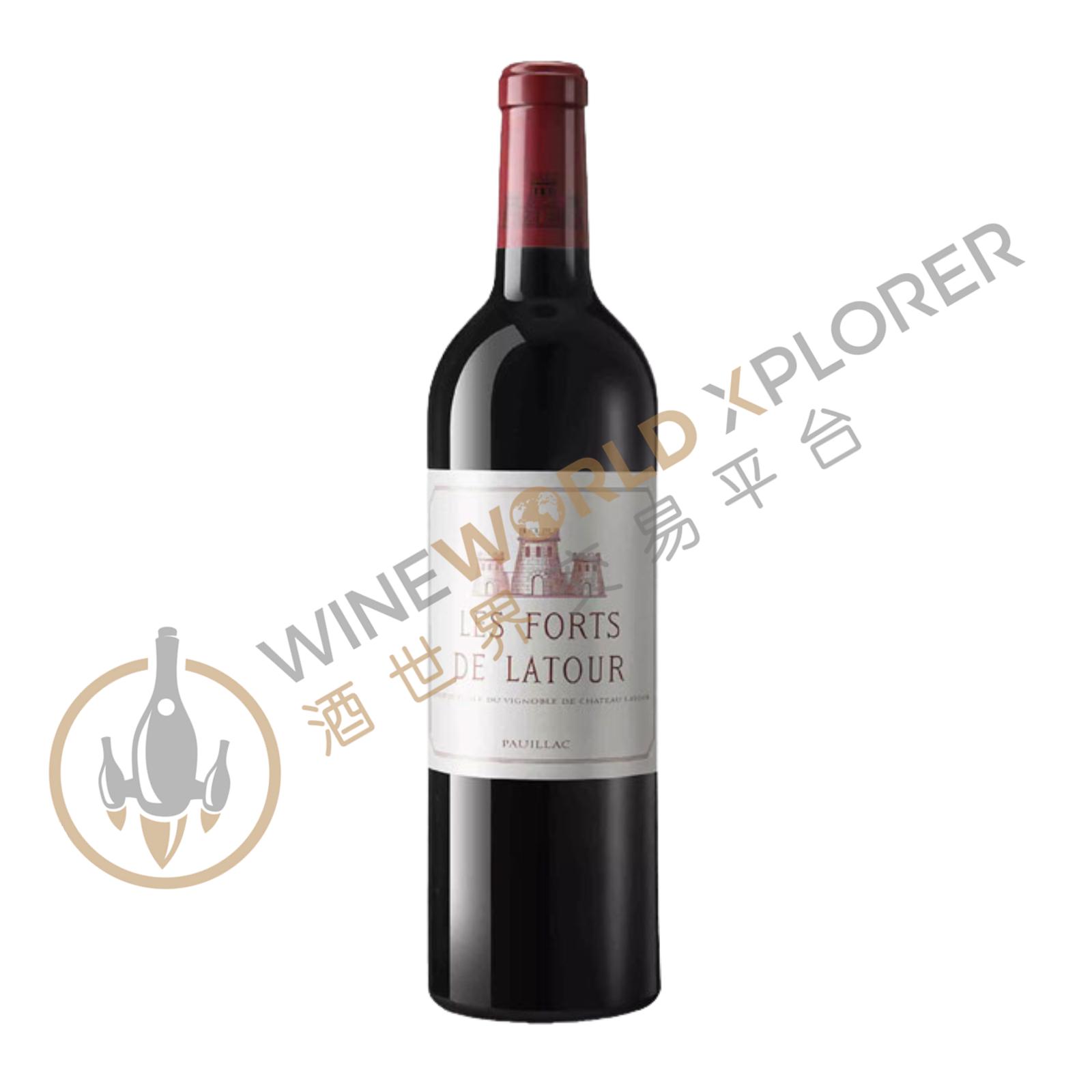
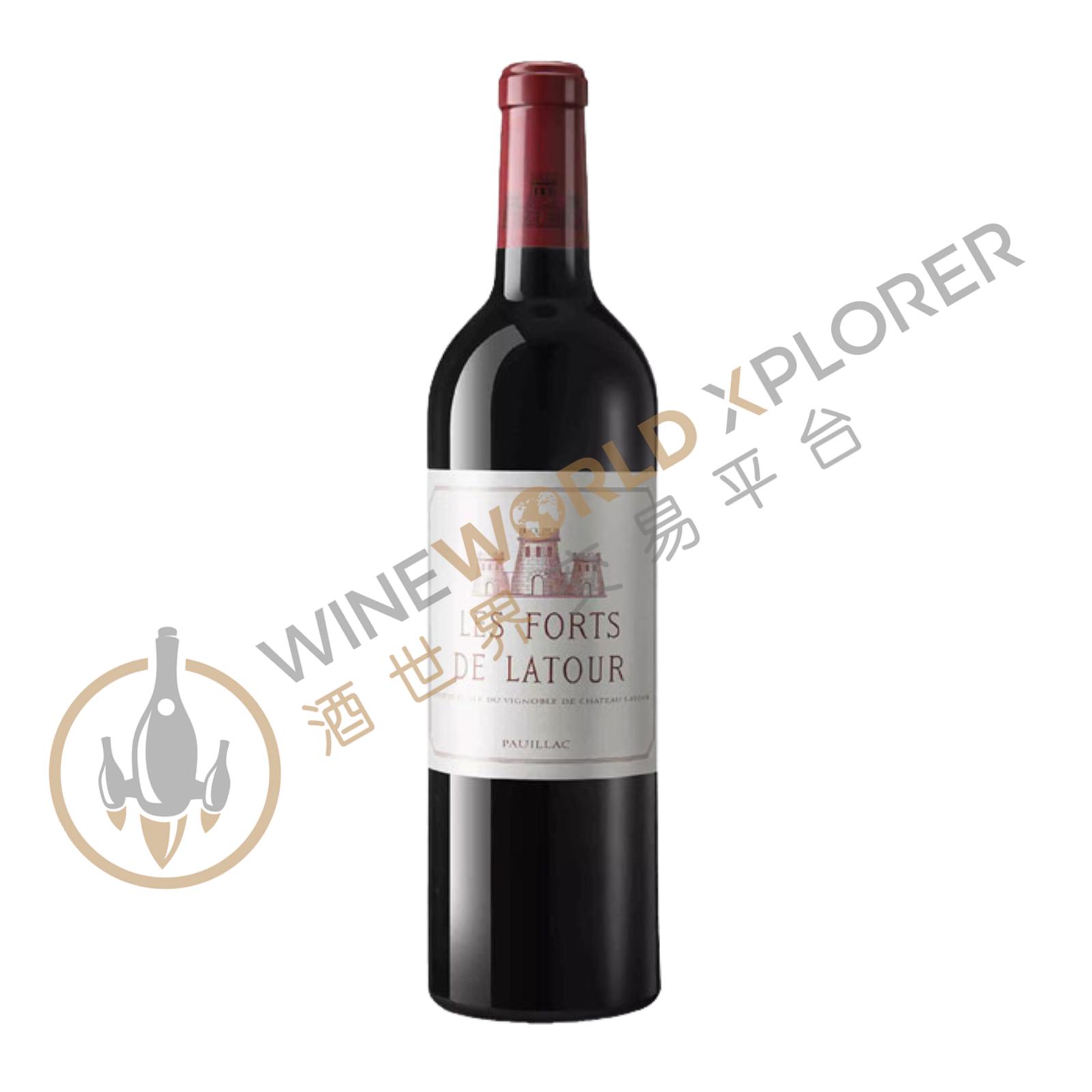
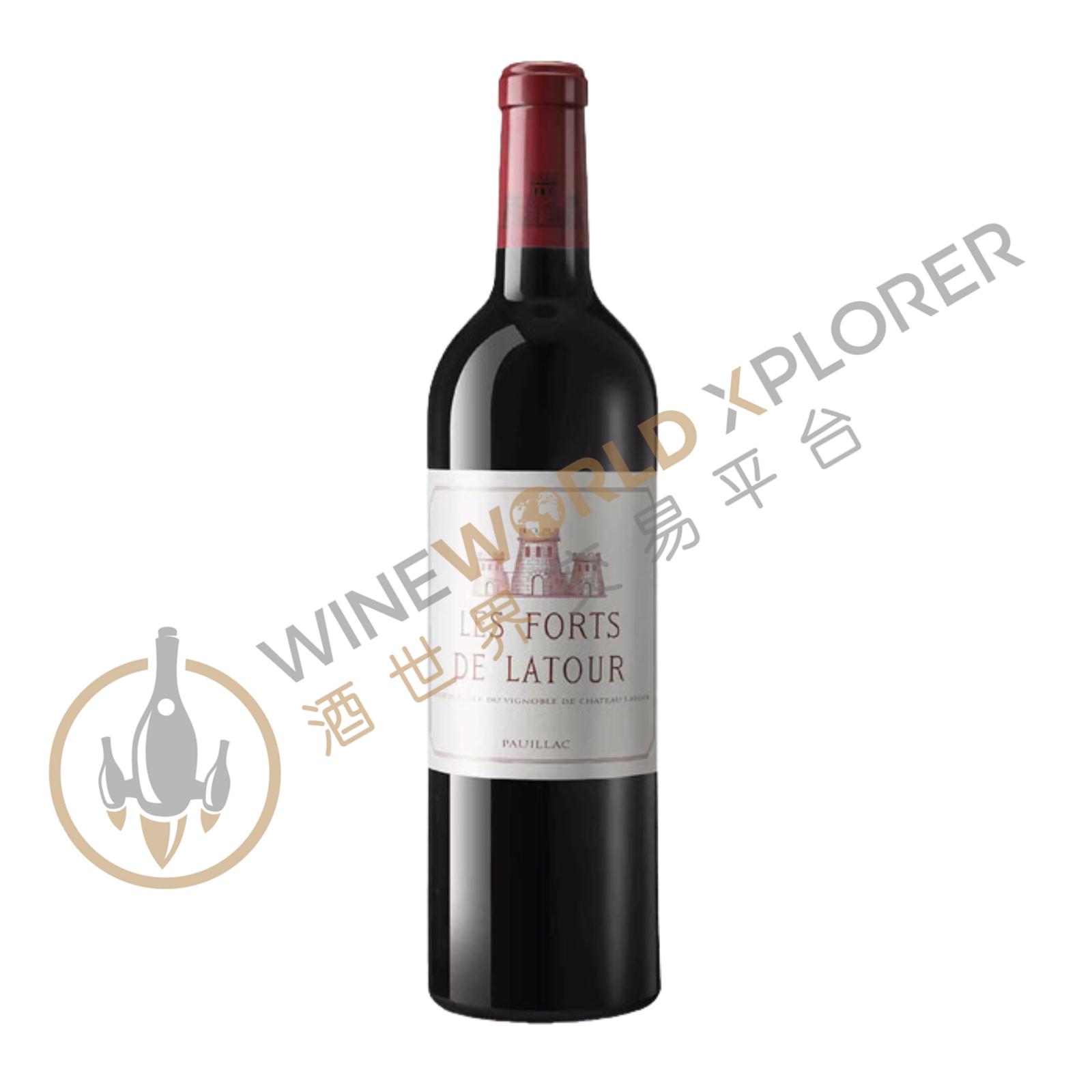
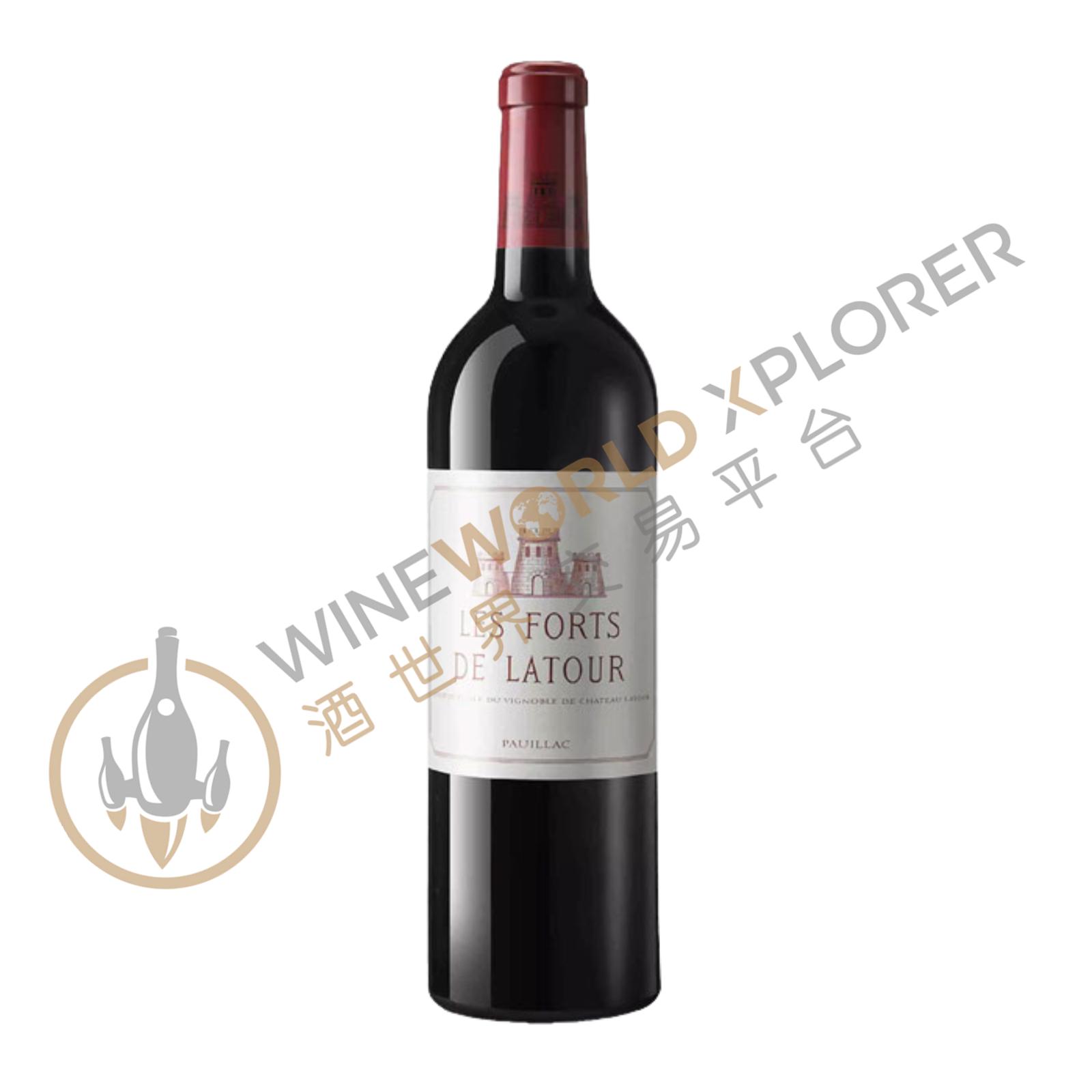
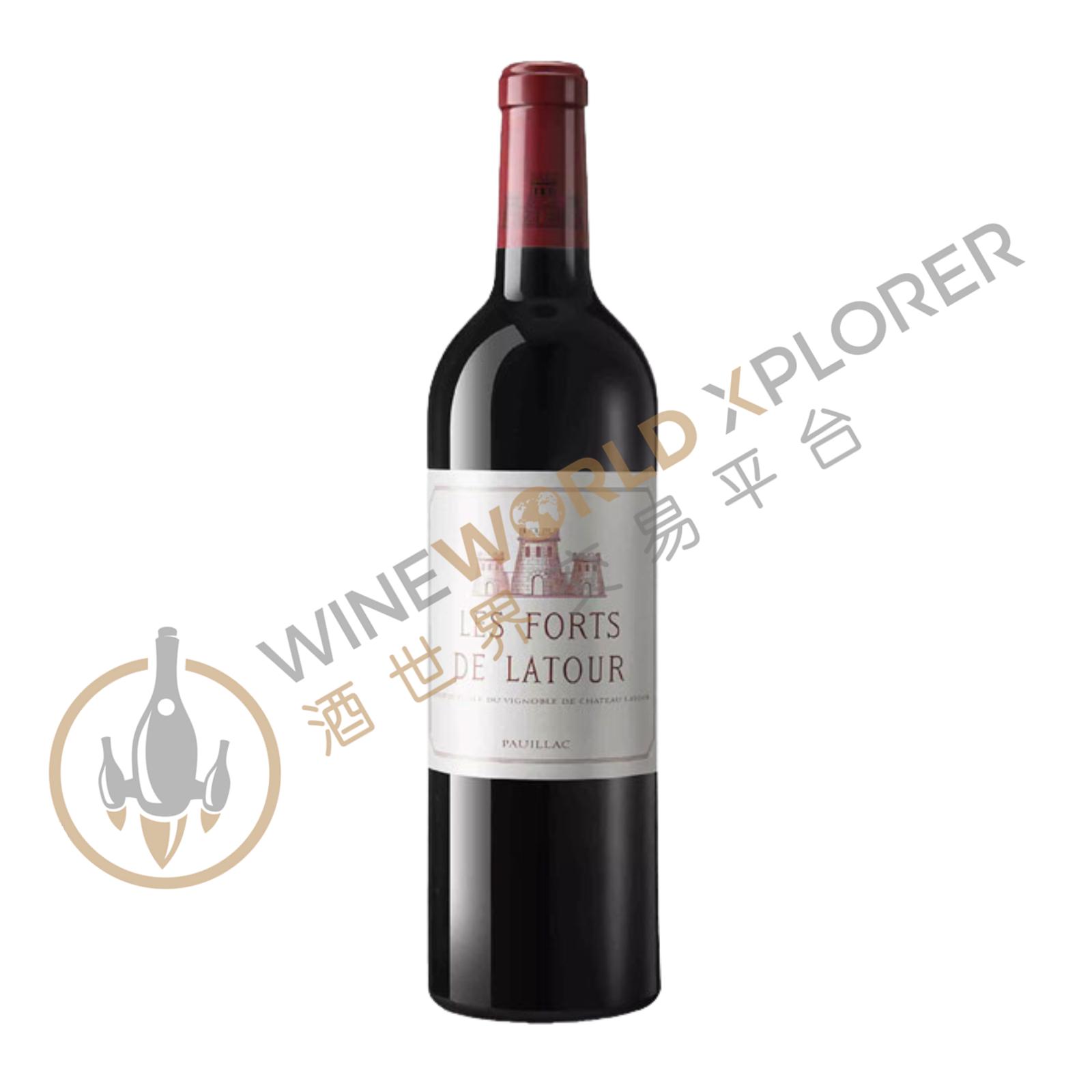
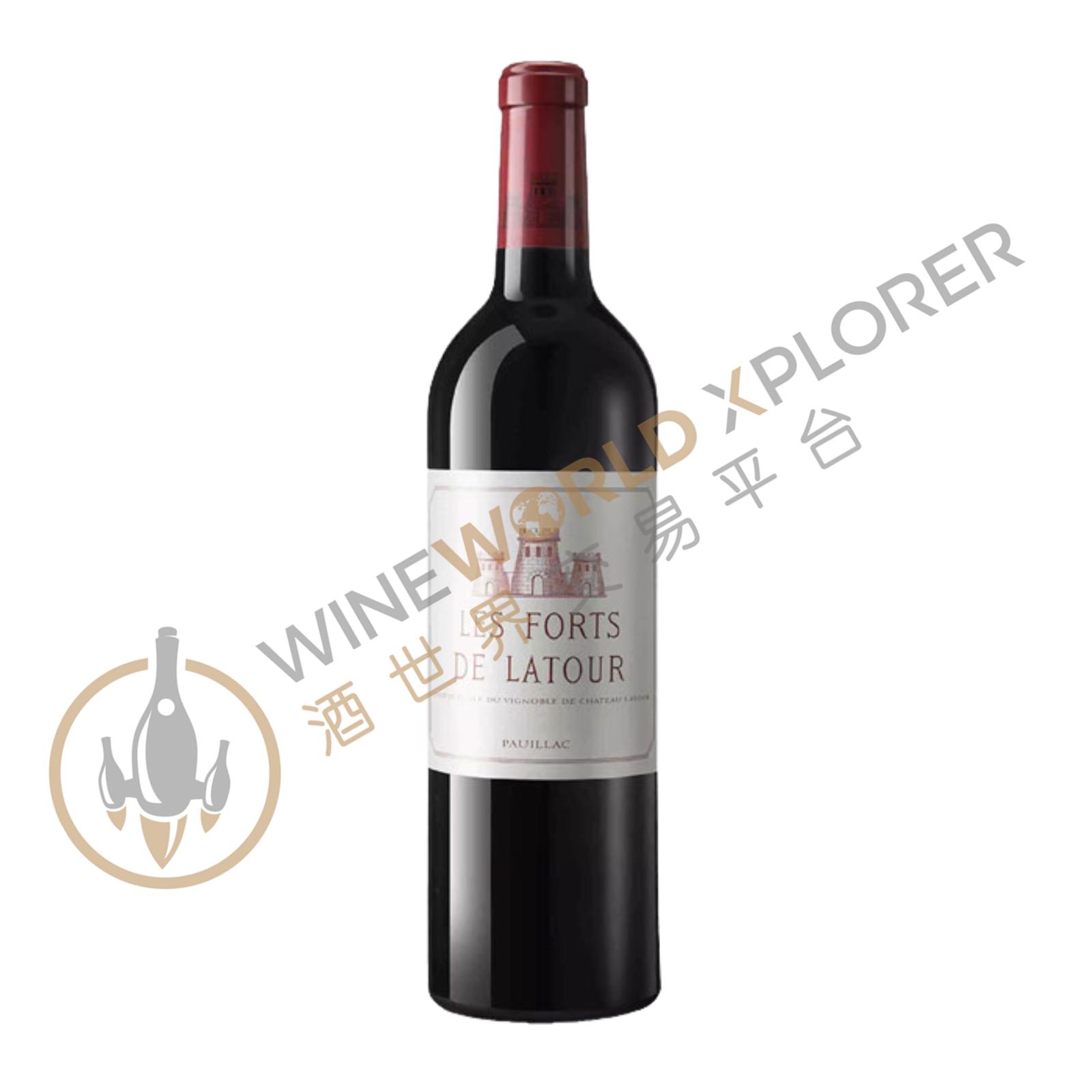
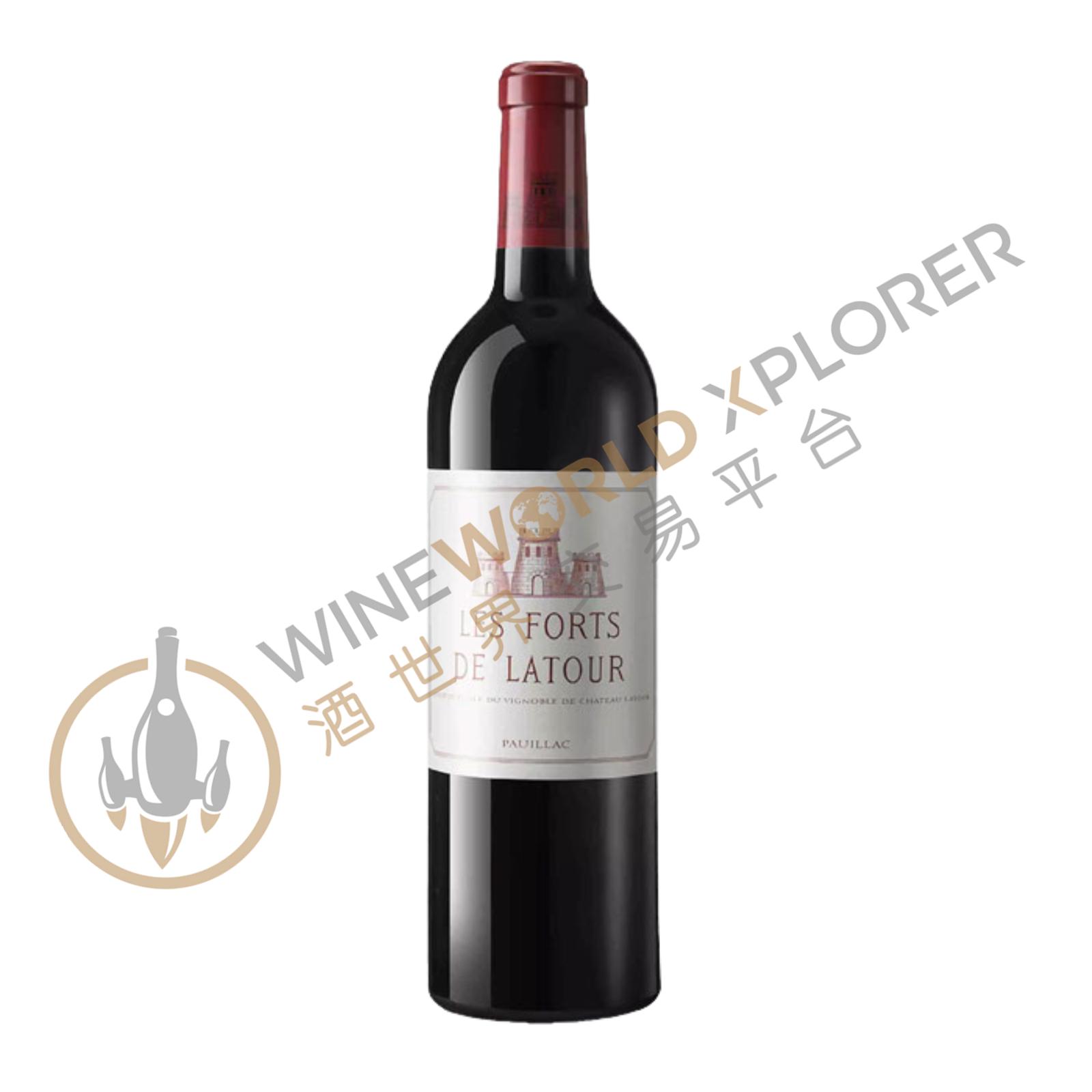
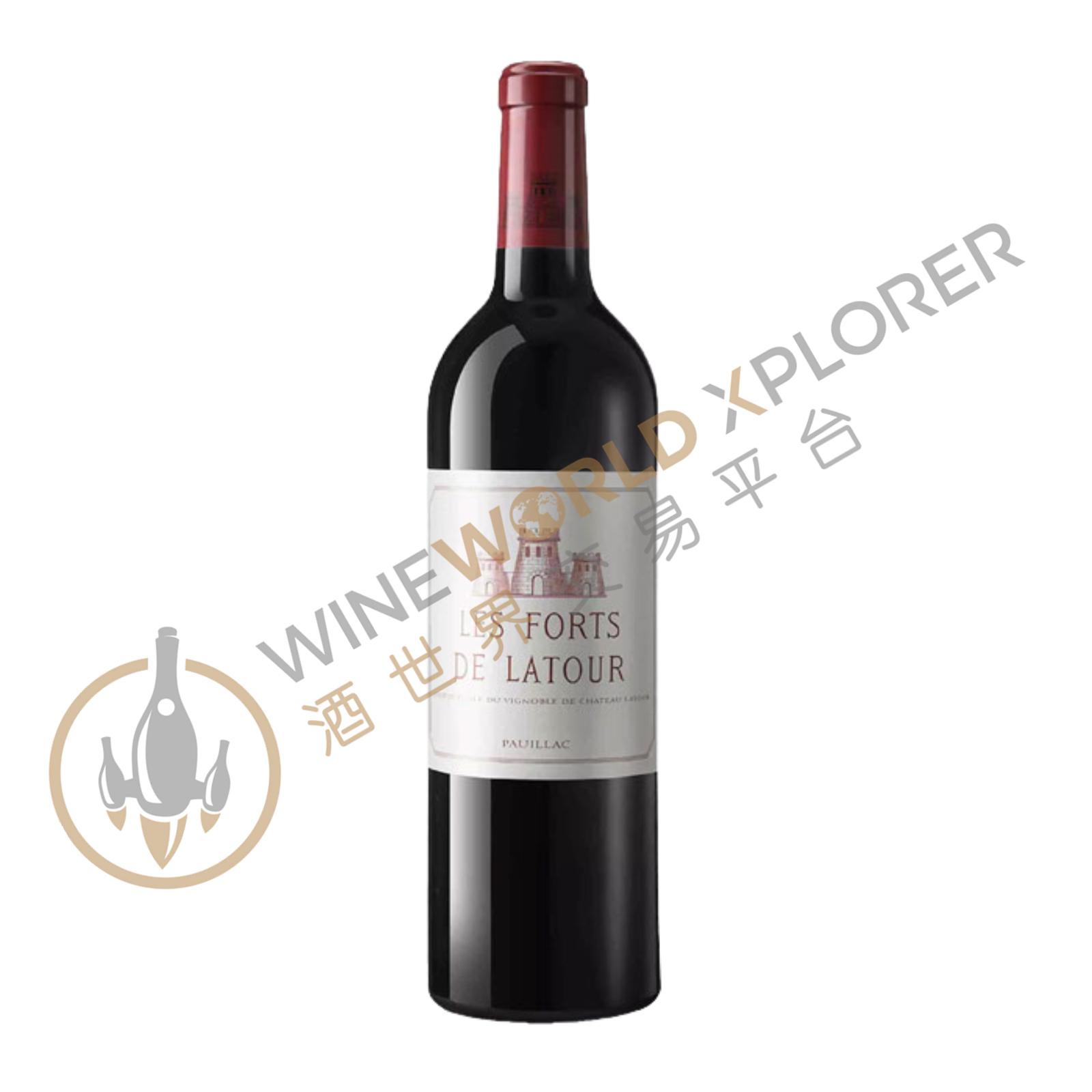
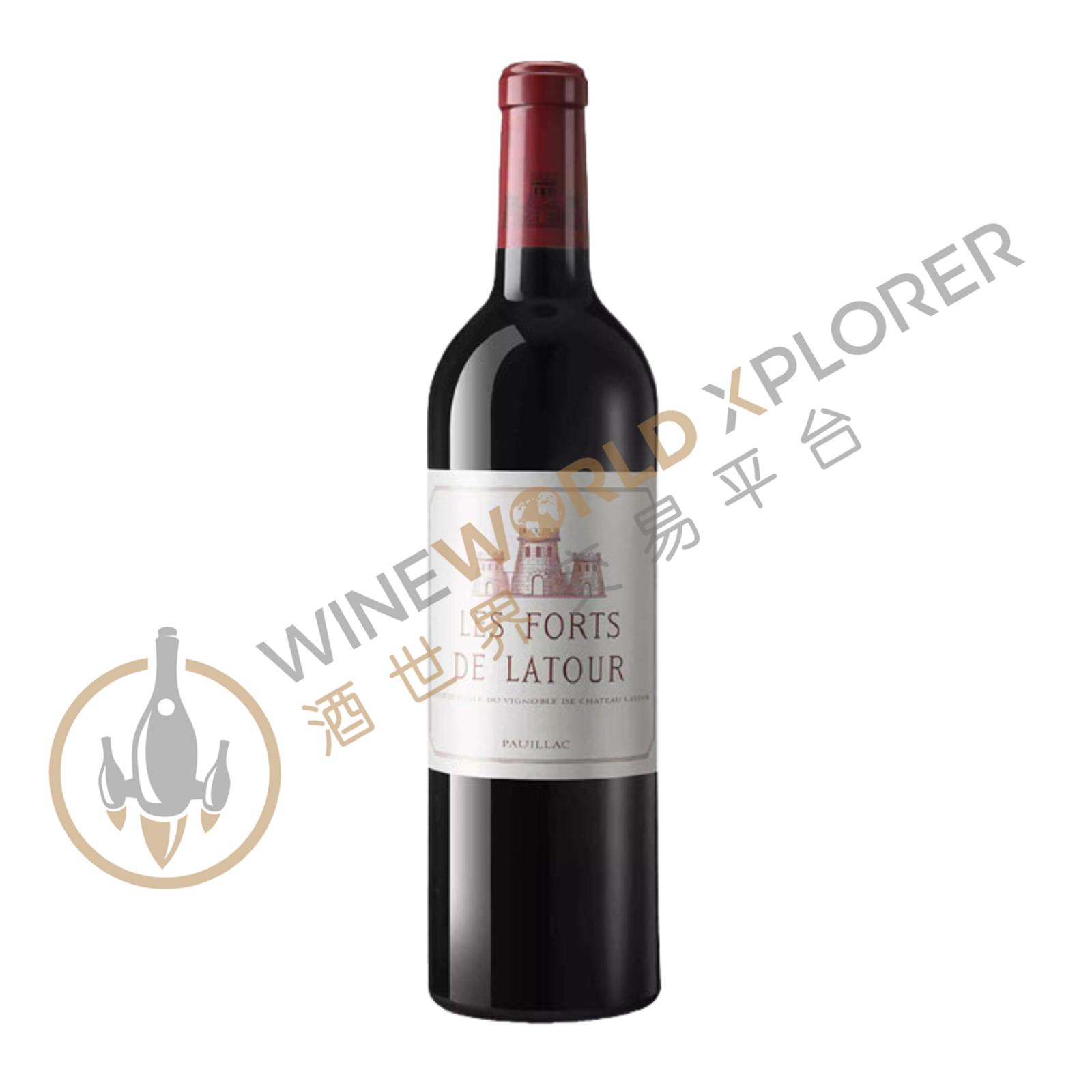
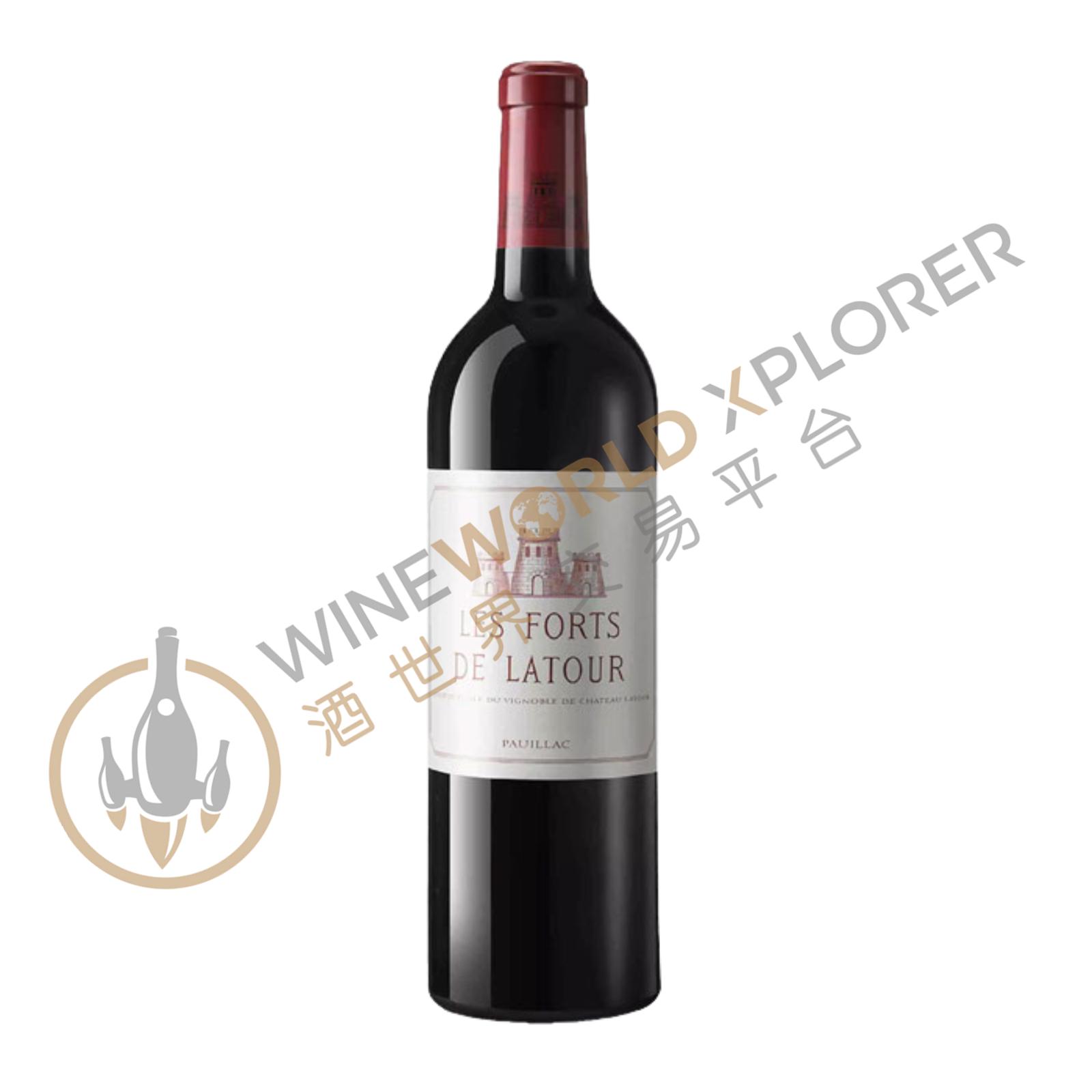
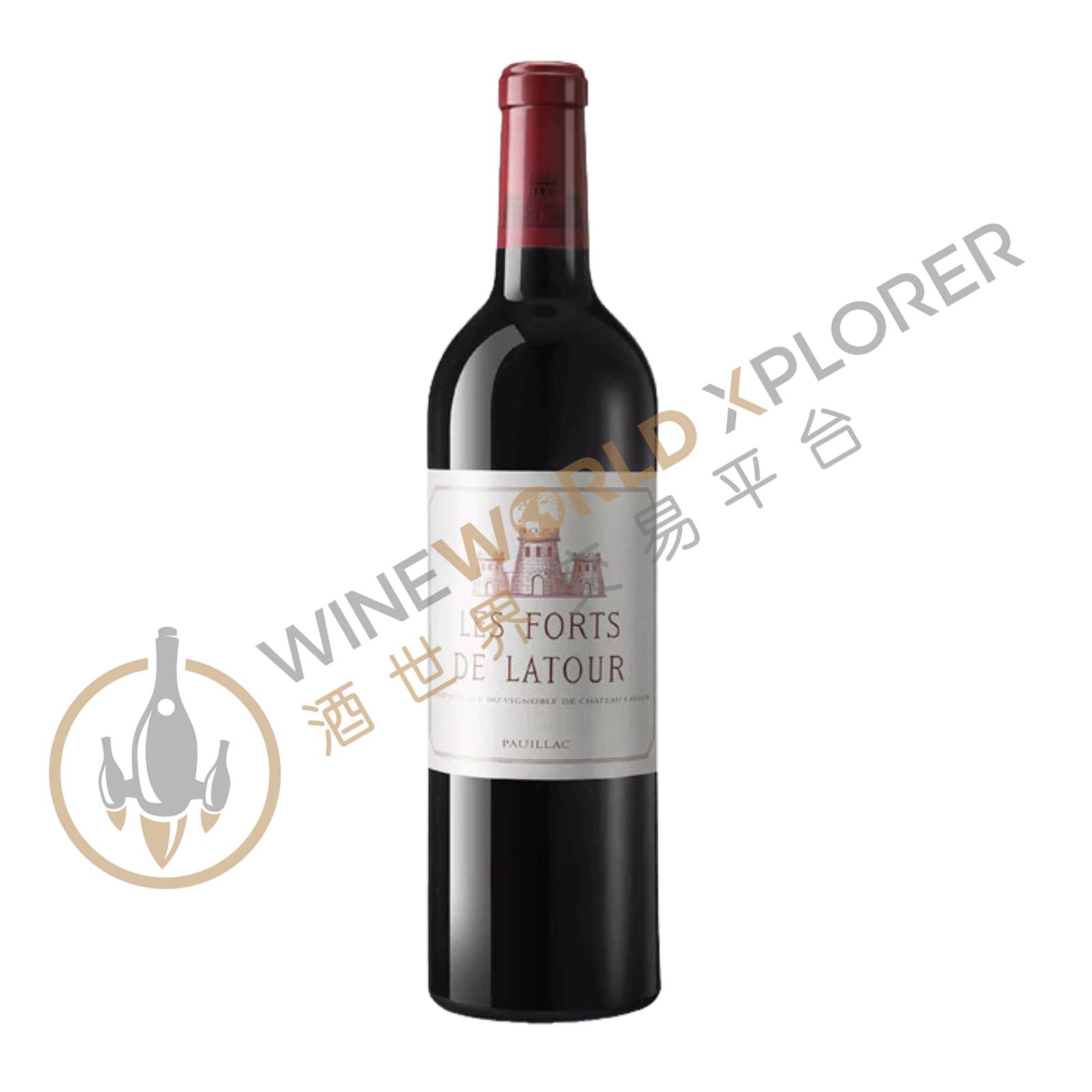
Les Forts de Latour 2007
 View analysis
Description
Tasting notes

Reviewed by: Neal Martin
Tasted blind at the 2007 Bordeaux horizontal in Southwold. This was a disappointing showing from the reliable second wine of Latour but hey…that’s blind tasting for you. It has a fragrant nose of wild strawberry and dark cherries laced with graphite and a touch of mocha, well-integrated oak. The palate is smooth on the entry, quite soft and rounded for a Pauillac, generous but lacking some structure towards the fleshy finish. Slips down the throat easily enough, but not an intellectual proposition. I was expected a little more despite the vintage. Tasted January 2011.
Reviewed by: Neal Martin
Including 8.5% pressed wine. Very deep purple/garnet core with pink rim. A lighter nose than usual, like the Pauillac de Latour there is fine definition, a certain femininity and gracefulness about the nose, almost akin to a Margaux. The palate is medium-bodied, good acidity with fine tannins. There is not the volume of previous Les Forts de Latour, this is certainly more streamlined, perhaps a stripped down version of the 2005. Very Cabernet dominated on the finish with touches of pencil lead and cedar, cigar box on the aftertaste. Fine. Tasted April 2008.
Reviewed by: Robert M. Parker, Jr.
The outstanding 2007 Les Forts de Latour reveals a touch of graphite and black currant fruit intermixed with an unmistakable minerality. It is a generous, silky textured, medium to full-bodied, evolved, elegant, and pure offering that is ideal for drinking over the next 10-12+ years.
Reviewed by: Neal Martin
A deep garnet core. Very good ripeness on the nose, macerated blackberries, good sense of minerality, certainly less greenness and austerity than was showing at primeur. The palate is medium- to full-bodied, very firm tannins, good acidity, masculine with cedar, minerals, a touch of blackberry leaf and black plum. But the finish is a little clipped, off-dry as before. Drink 2015-2025. Tasted September 2008
Reviewed by: Neal Martin
Tasted at BI Wine & Spirits' 10-Years-On tasting, the 2007 Les Forts de Latour has a fully mature bouquet with melted tar, graphite and black fruit scents, with a touch of tobacco in the background. The palate is medium-bodied with grainy tannin, a little chewy, with white pepper and a tobacco-stained finish that is very classic and unapologetically conservative in style. This is probably at its peak now, although it has the body to suggest it will hold in there for several years. Tasted February 2017.
Reviewed by: Robert M. Parker, Jr.
Rated - No tasting note given.
Reviewed by: Stephen Tanzer
Good full, deep red. Aromas of cassis, licorice and pepper. Supple and sweet but serious, with a slightly medicinal cast to the flavors of cassis, tobacco leaf, sassafras and leather. Finishes with supple tannins, a subtly sappy quality and very good length.
Reviewed by: Stephen Tanzer
(a 59/41 blend of cabernet sauvignon and merlot) Good red-ruby. Cassis, graphite and flowers on the nose. Juicy and nicely delineated, with good energy to the pretty flavors of dark fruits and spices. Just a hint of leafiness. Nicely balanced, essentially gentle wine with rather suave tannins.
About the Producer
Latour was a jointly held lord's domain until the end of the 16th century, At that time, the property was not entirely covered by vines and yet production largely exceeded requirements. There was no proper storage for the wine and it had to be drunk within the year. The estate remained in the hands of the Mullet family until the late 17th century, and while direct use of the land gradually replaced the leasing system, the wine-making situation changed very little. In the early 18th century, England's aristocracy and wealthy middle classes developed refined tastes, particularly for wine, from Bordeaux, Oporto, Jerez and other southern vineyards. Wine exports had been restricted by various blockades imposed by the wars, but now enjoyed a period of relative freedom and trade with Bordeaux grew rapidly. As a result of this flourishing trade, the estate gradually came to specialise in wine production, with 38 hectares of vines in 1759 and then 47 hectares by 1794.
1975(2)1976(1)1979(1)1981(1)1982(1)1983(2)1990(1)1992(2)1994(2)1995(1)1996(2)1998(3)1999(2)2000(4)2001(6)2002(8)2003(5)2004(8)2005(5)2006(24)
Package Size
12 x 75cl