Wine Advisor



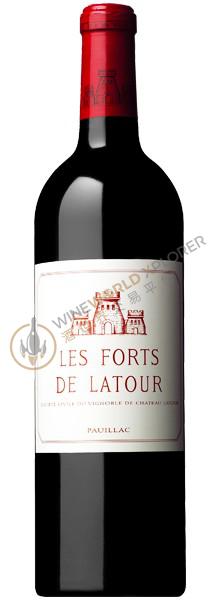
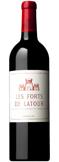
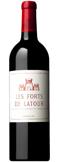
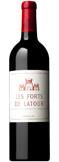
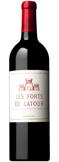
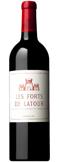
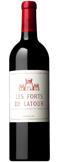
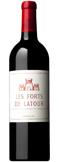
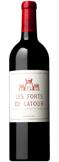
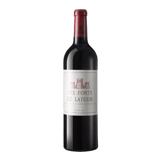
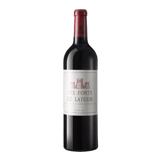
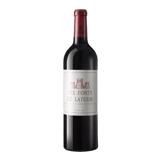
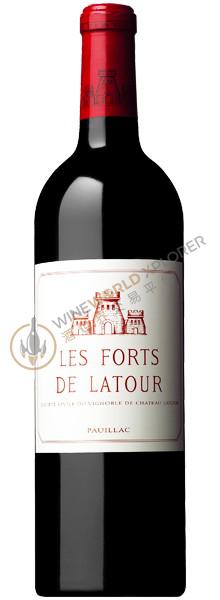
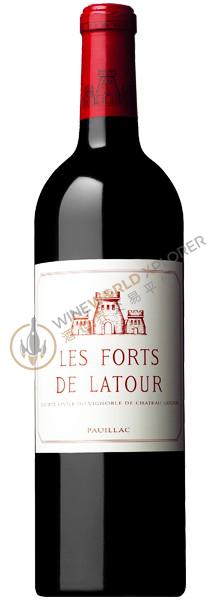
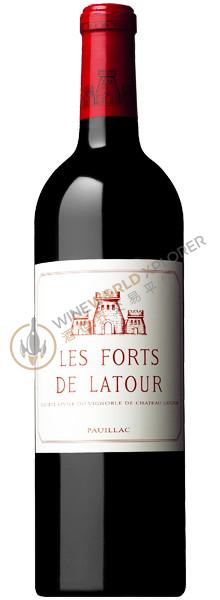
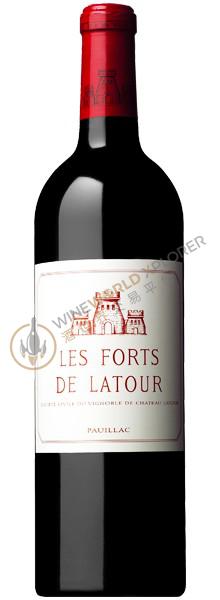
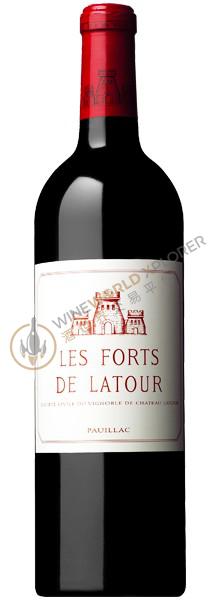
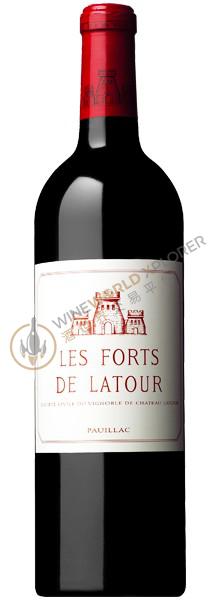
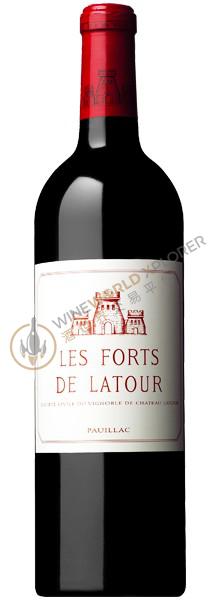
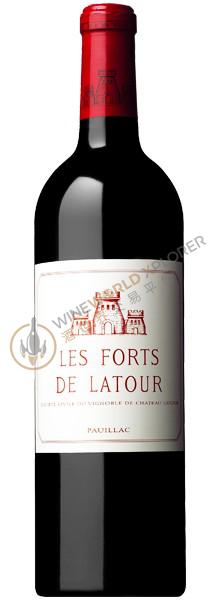
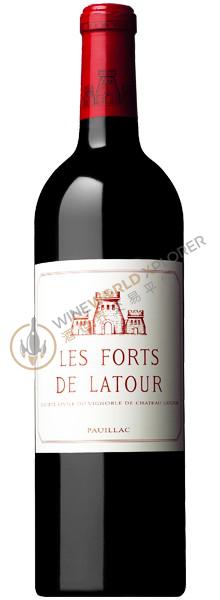
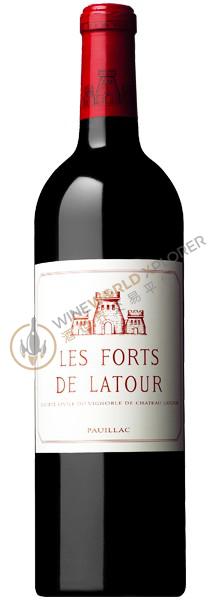
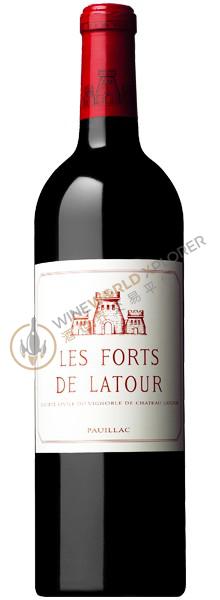
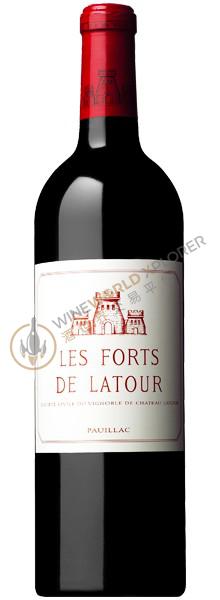
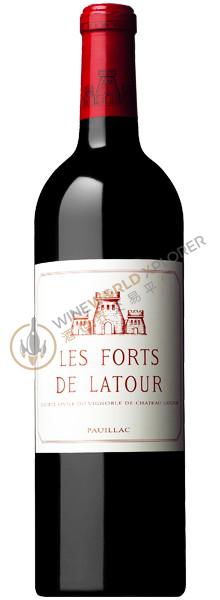
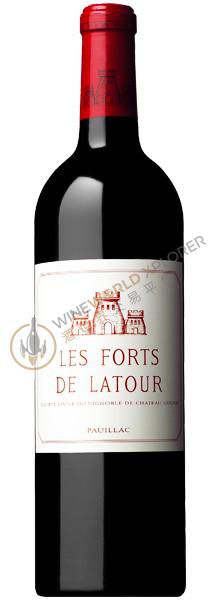
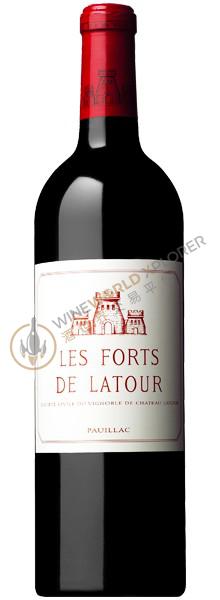
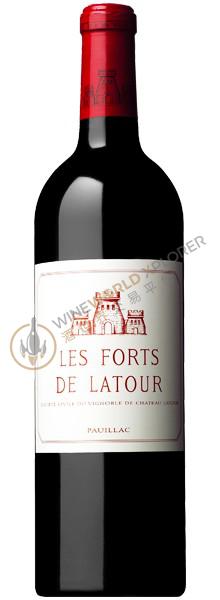
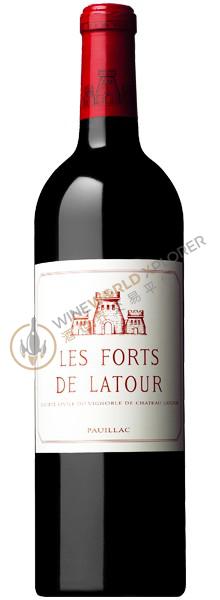
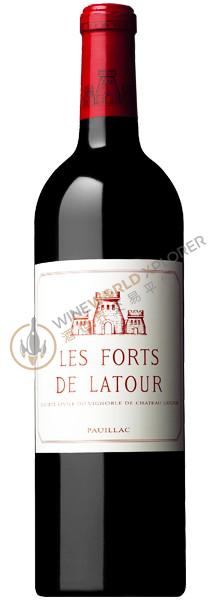
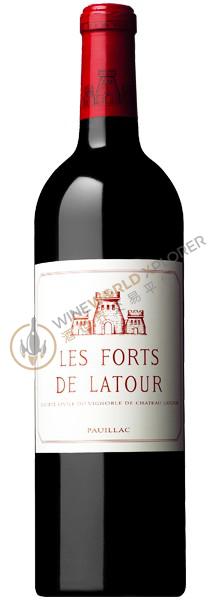
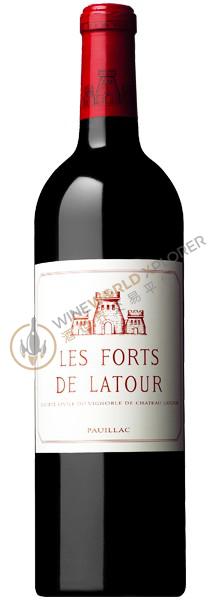
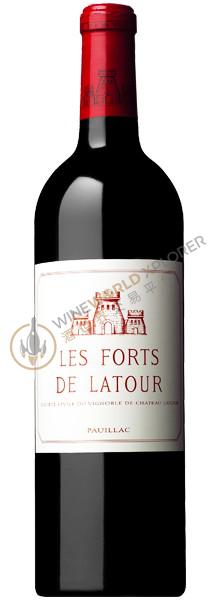
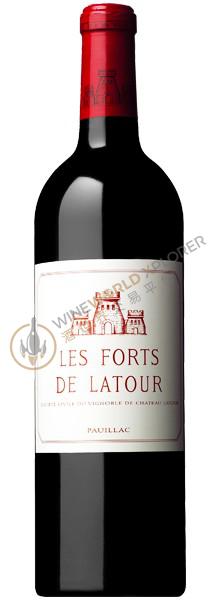
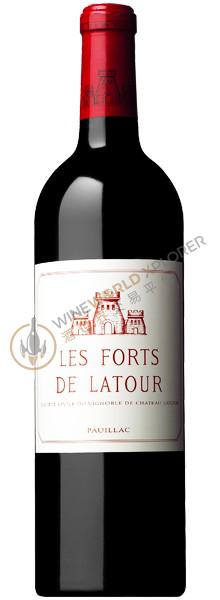
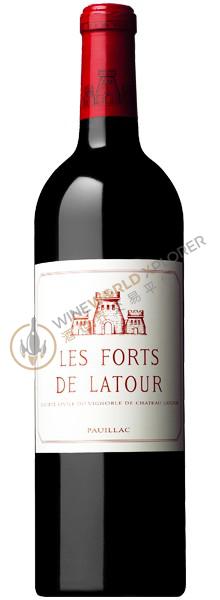
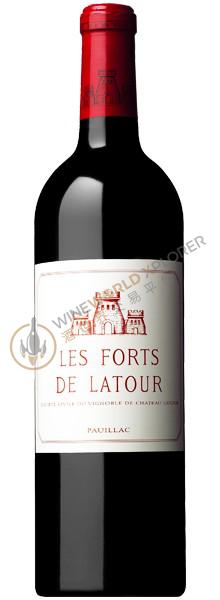
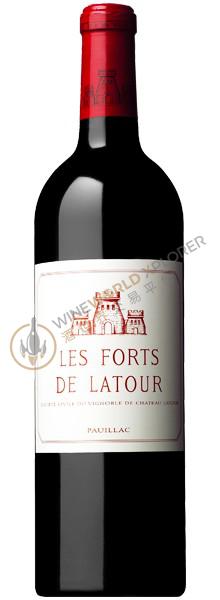
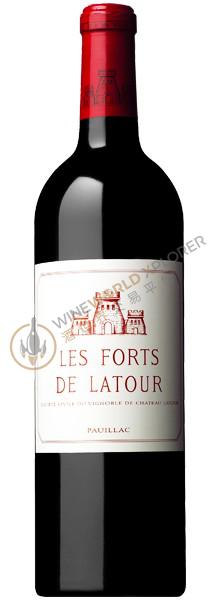
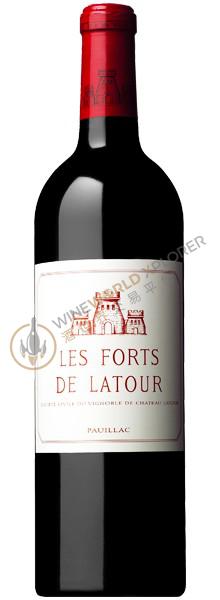
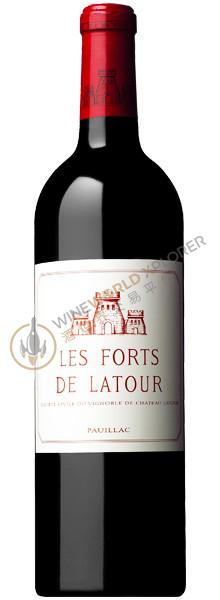
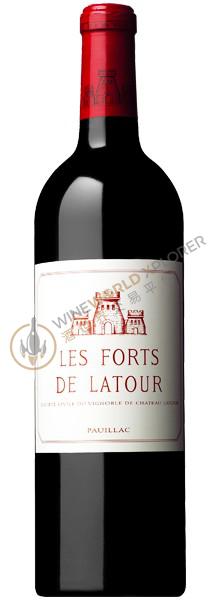
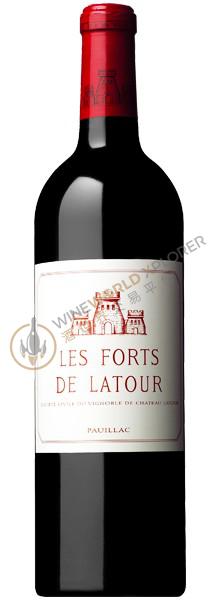
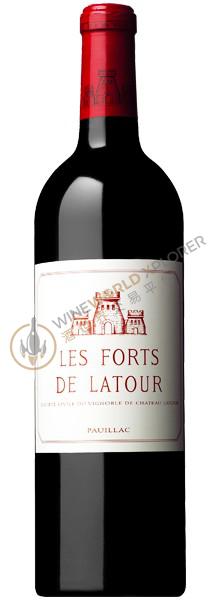
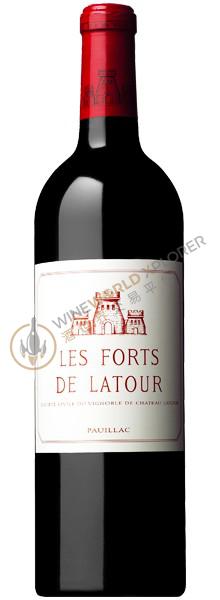
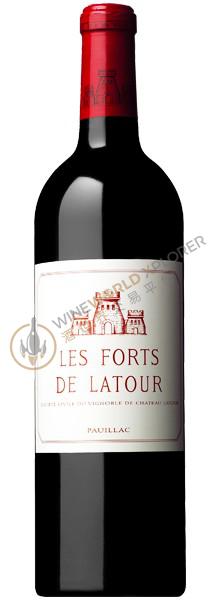
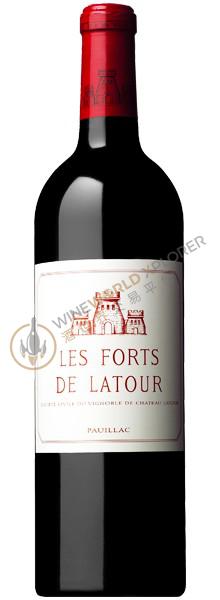
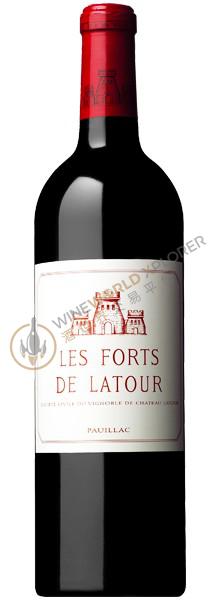
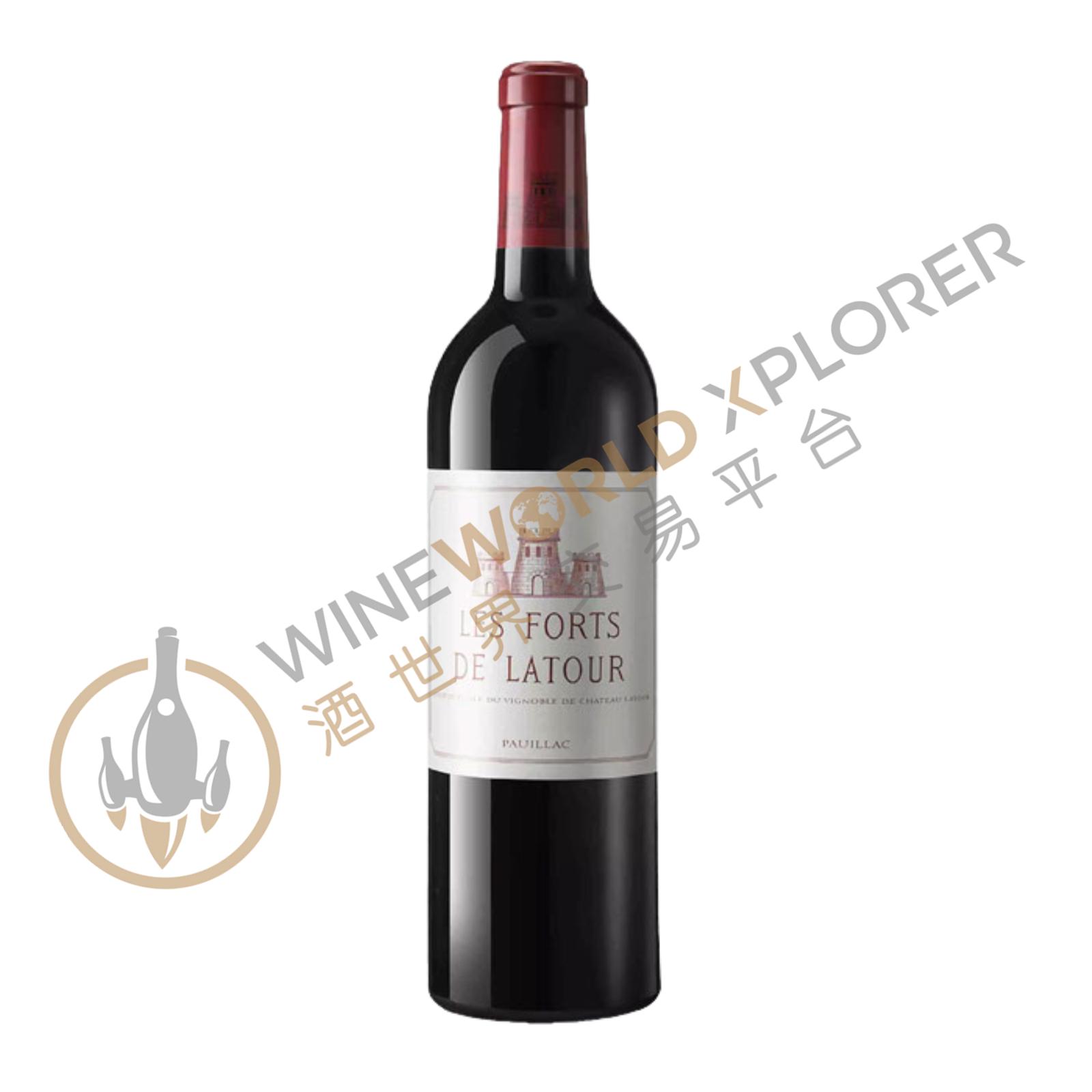
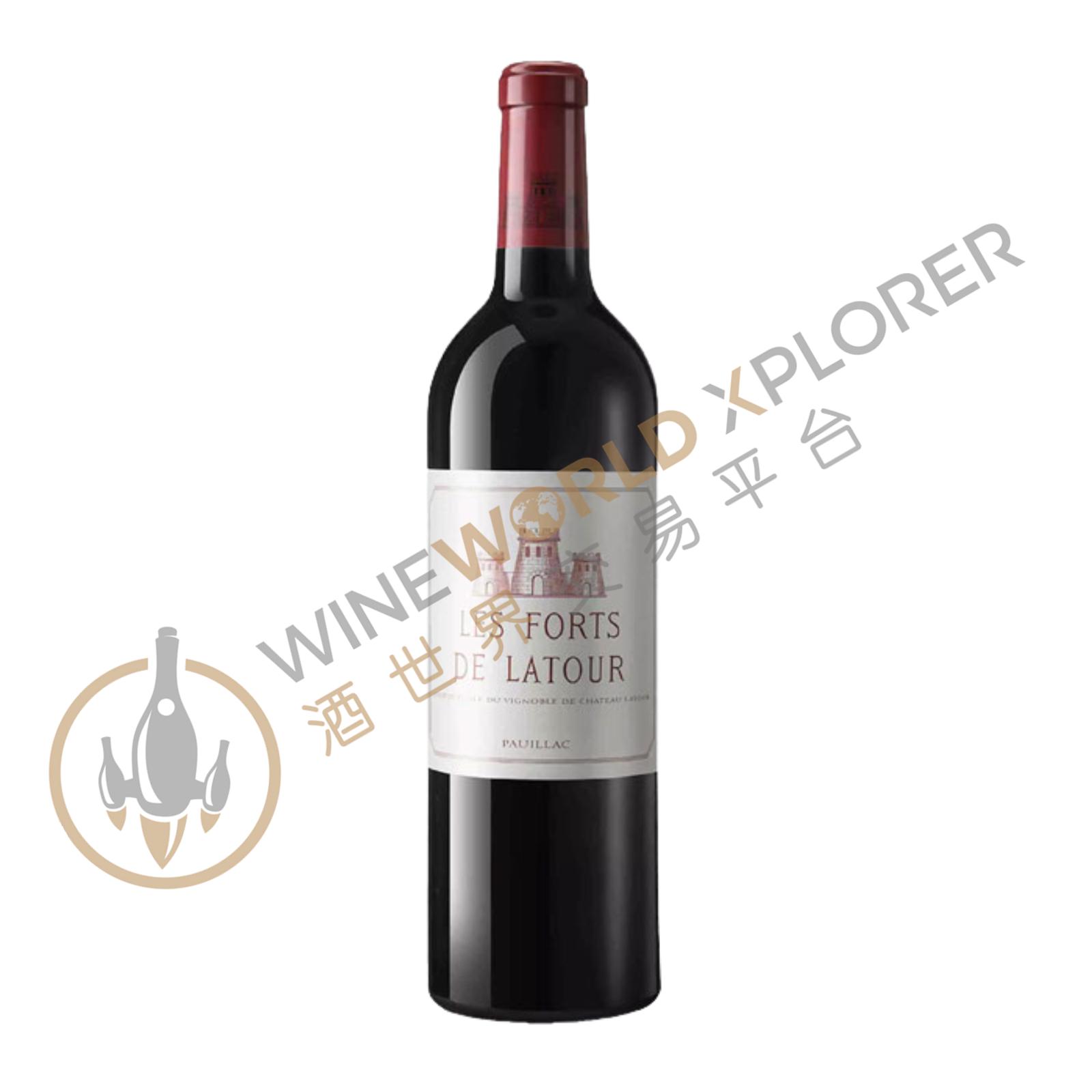
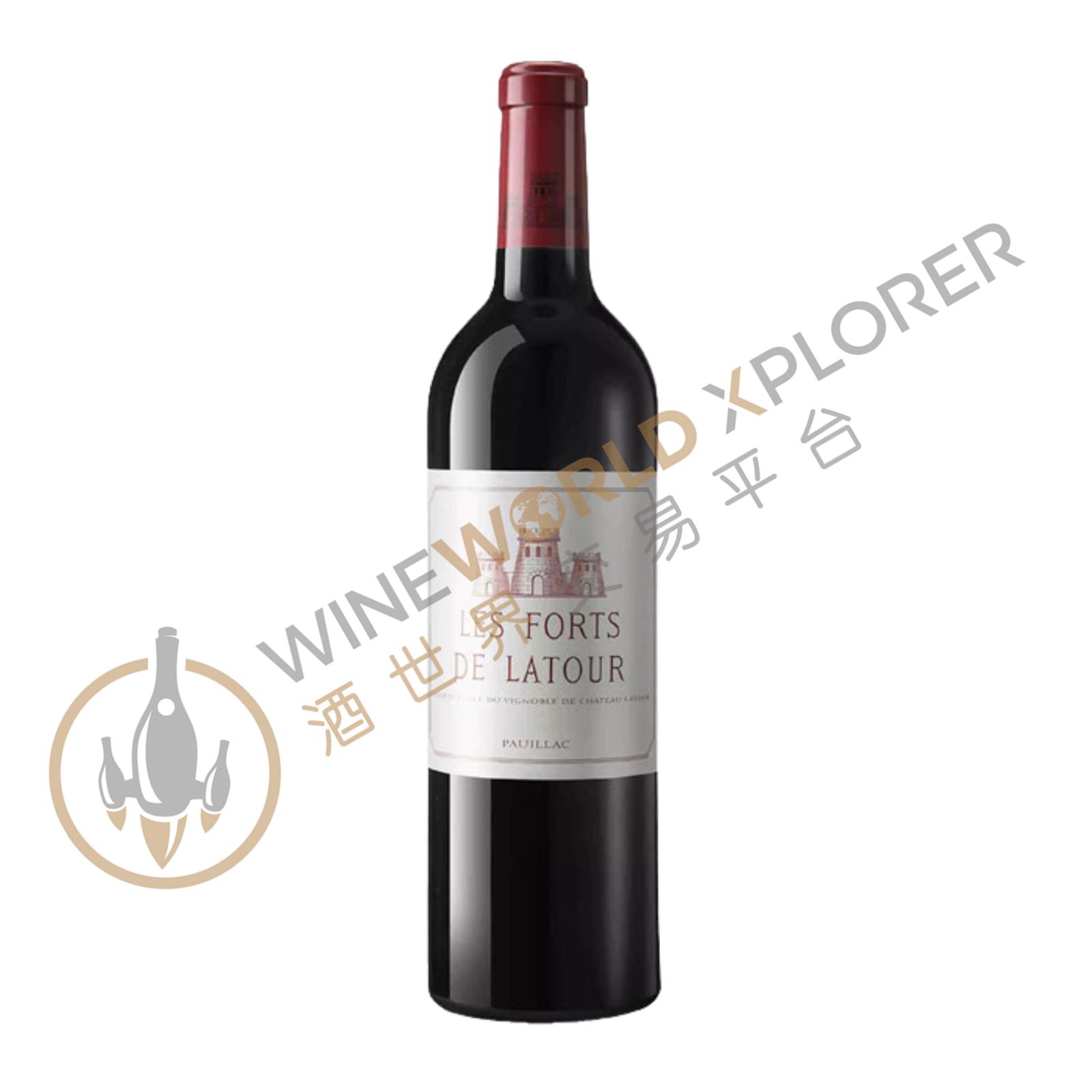
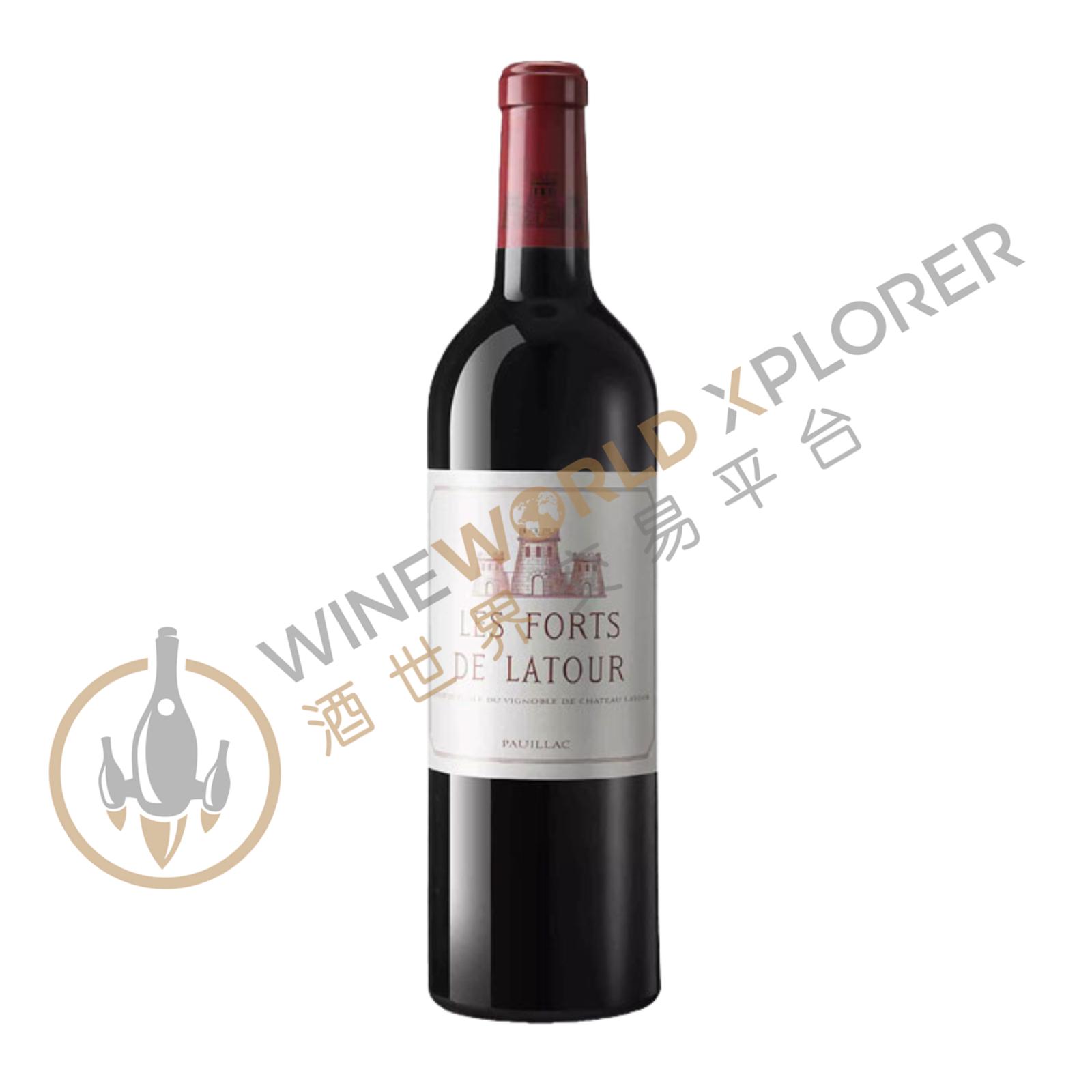
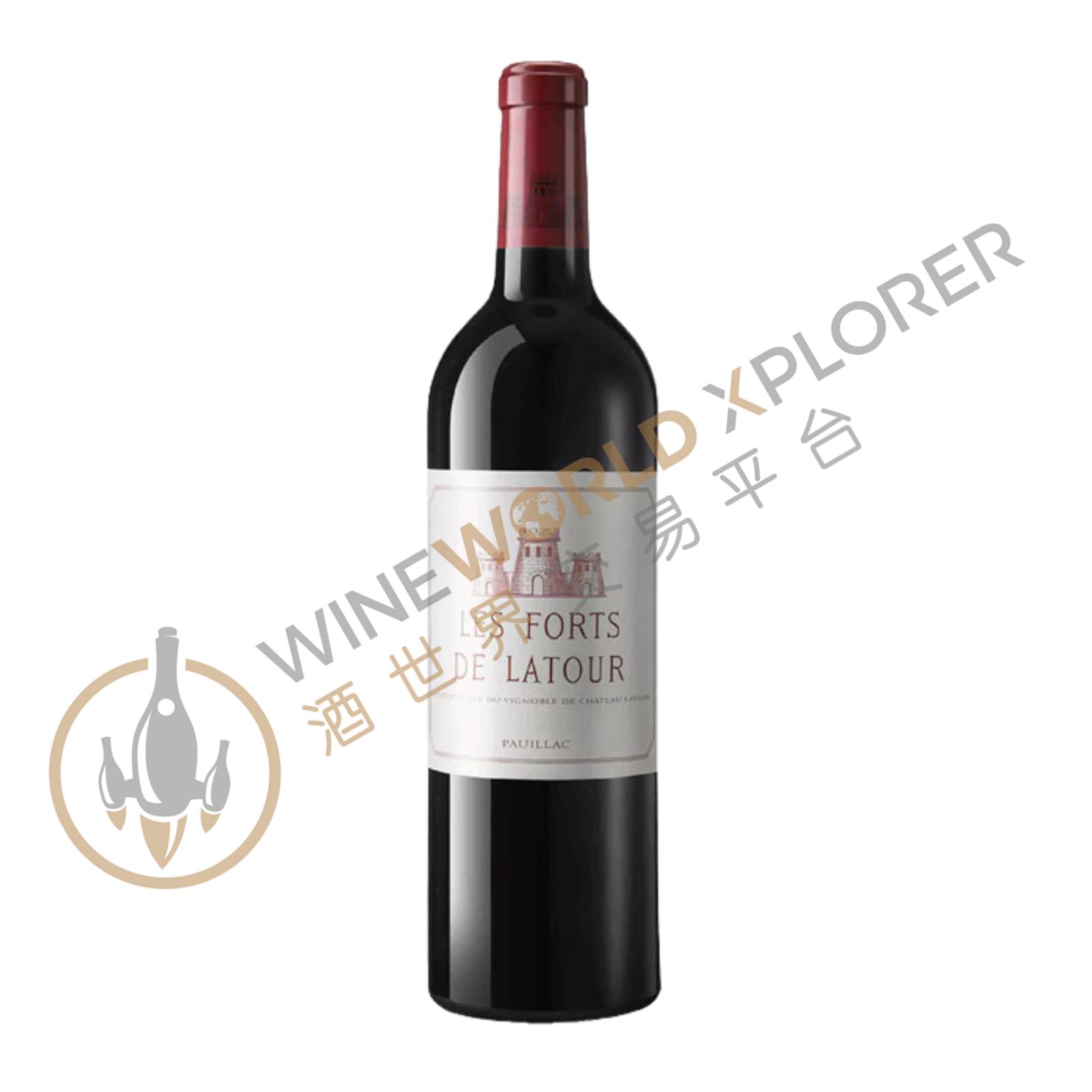
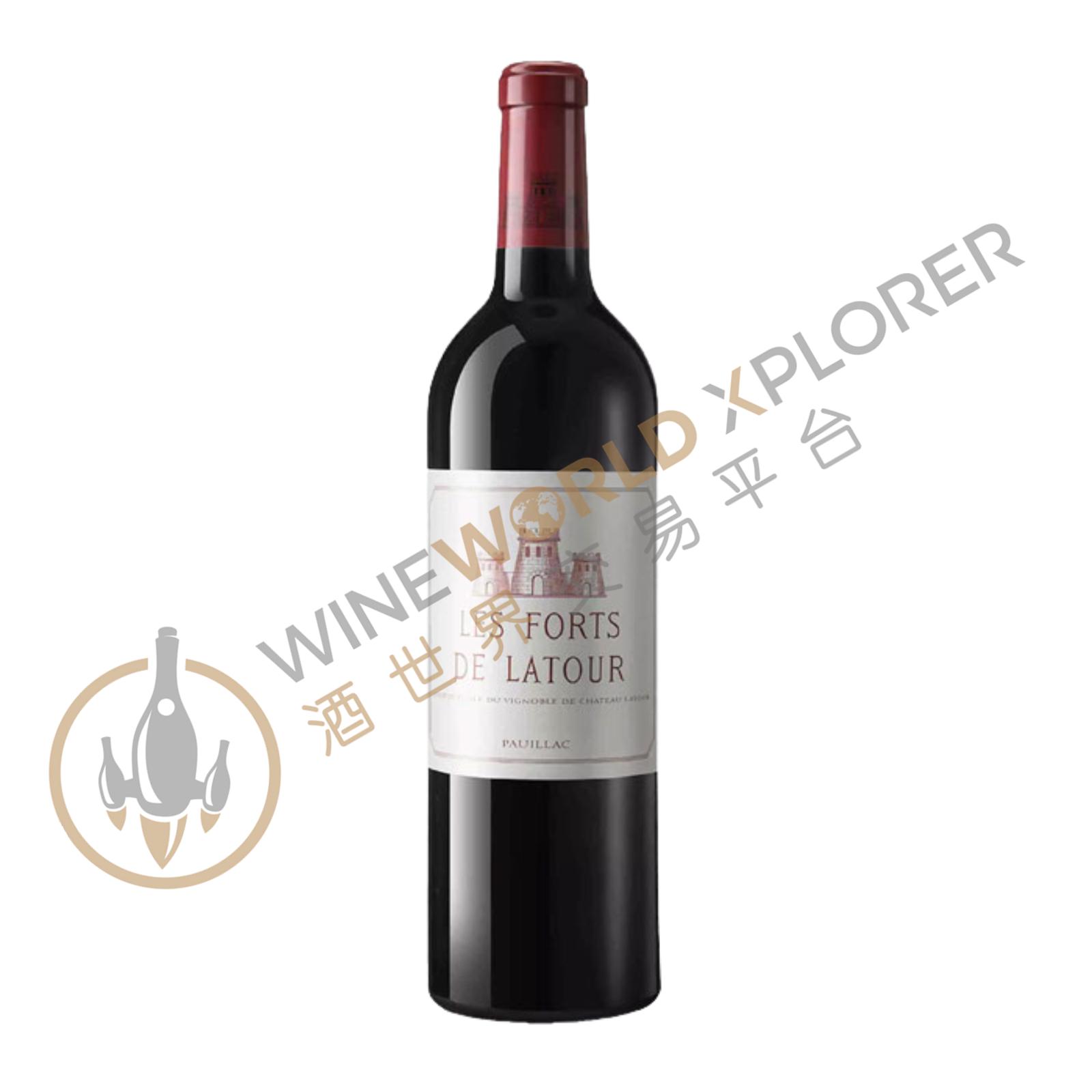
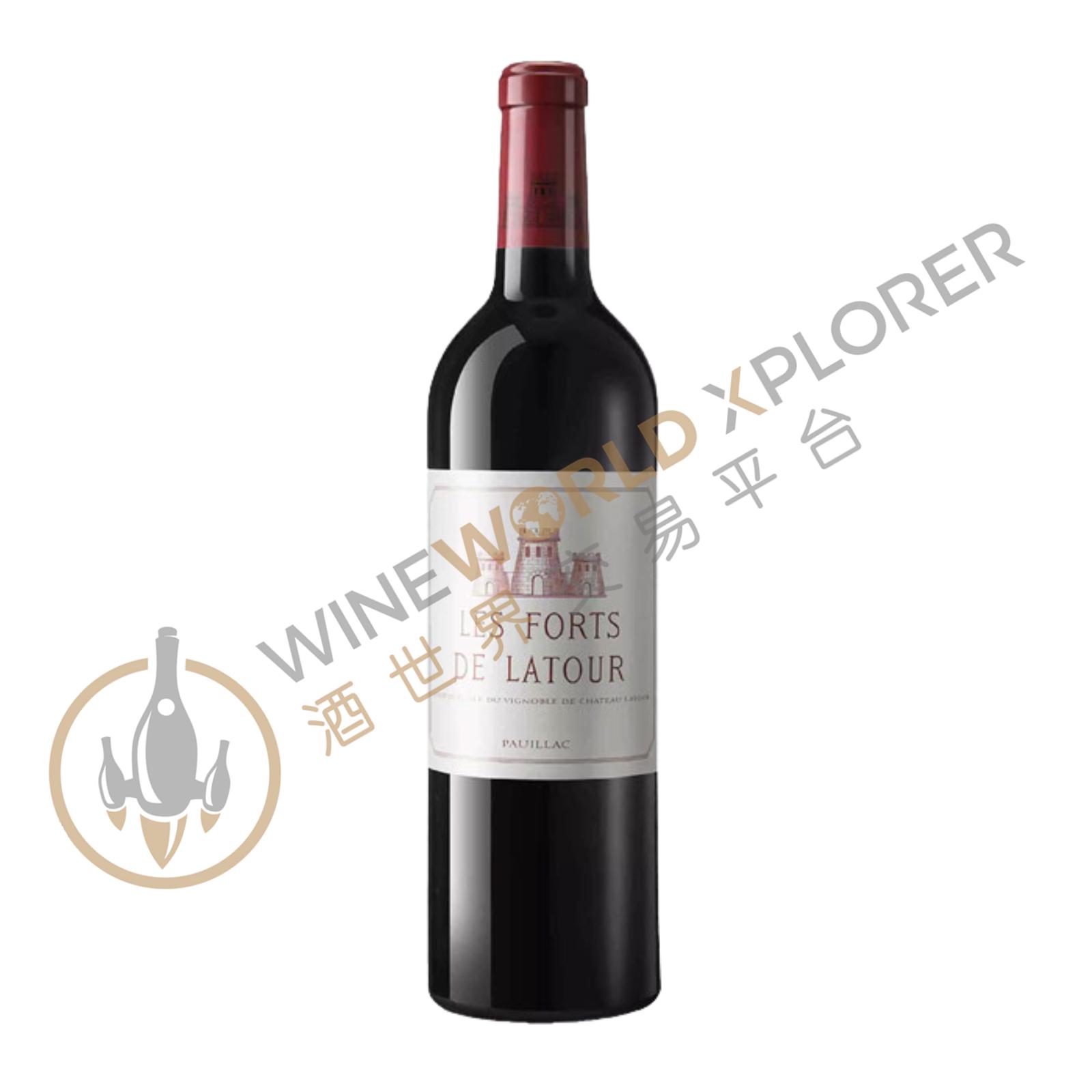
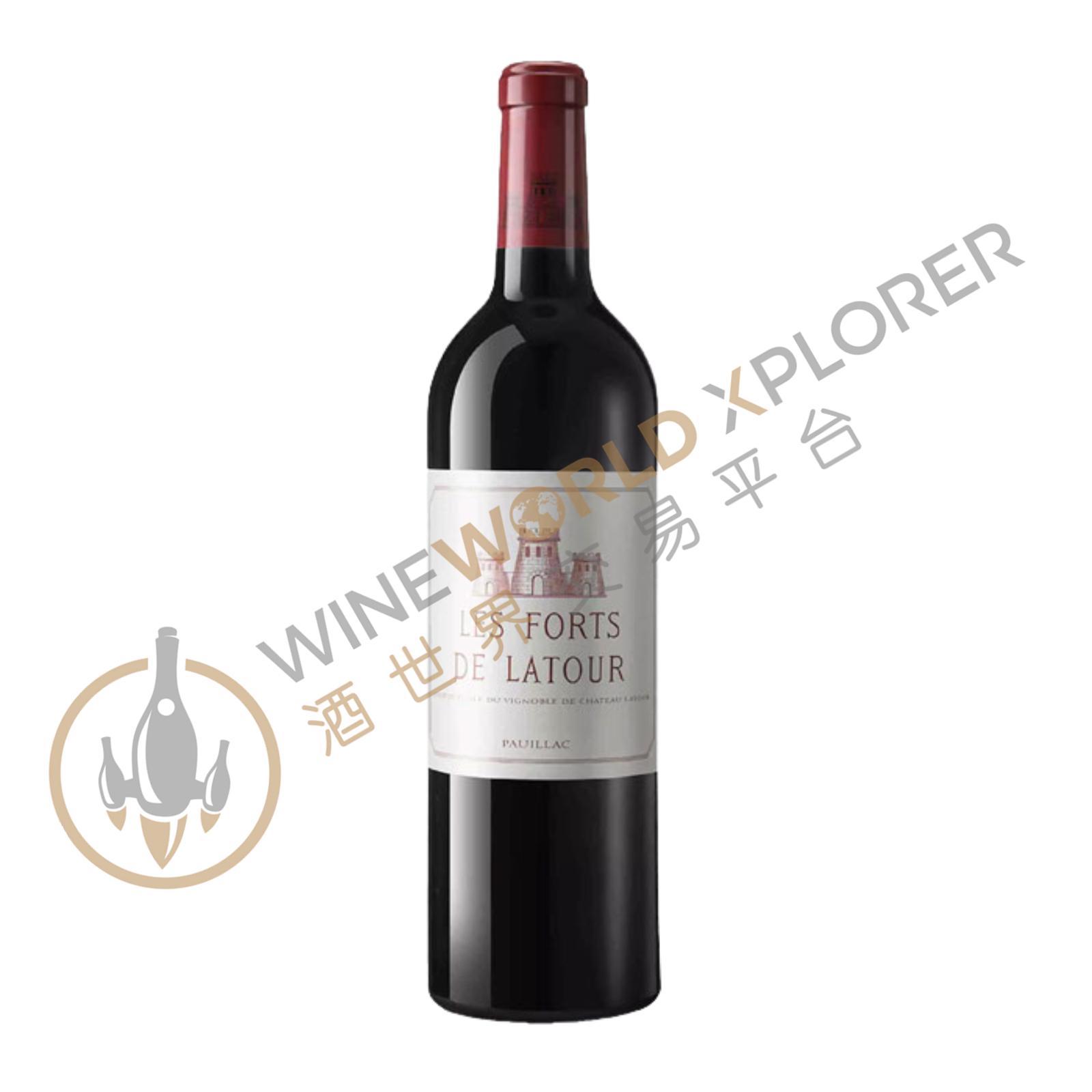
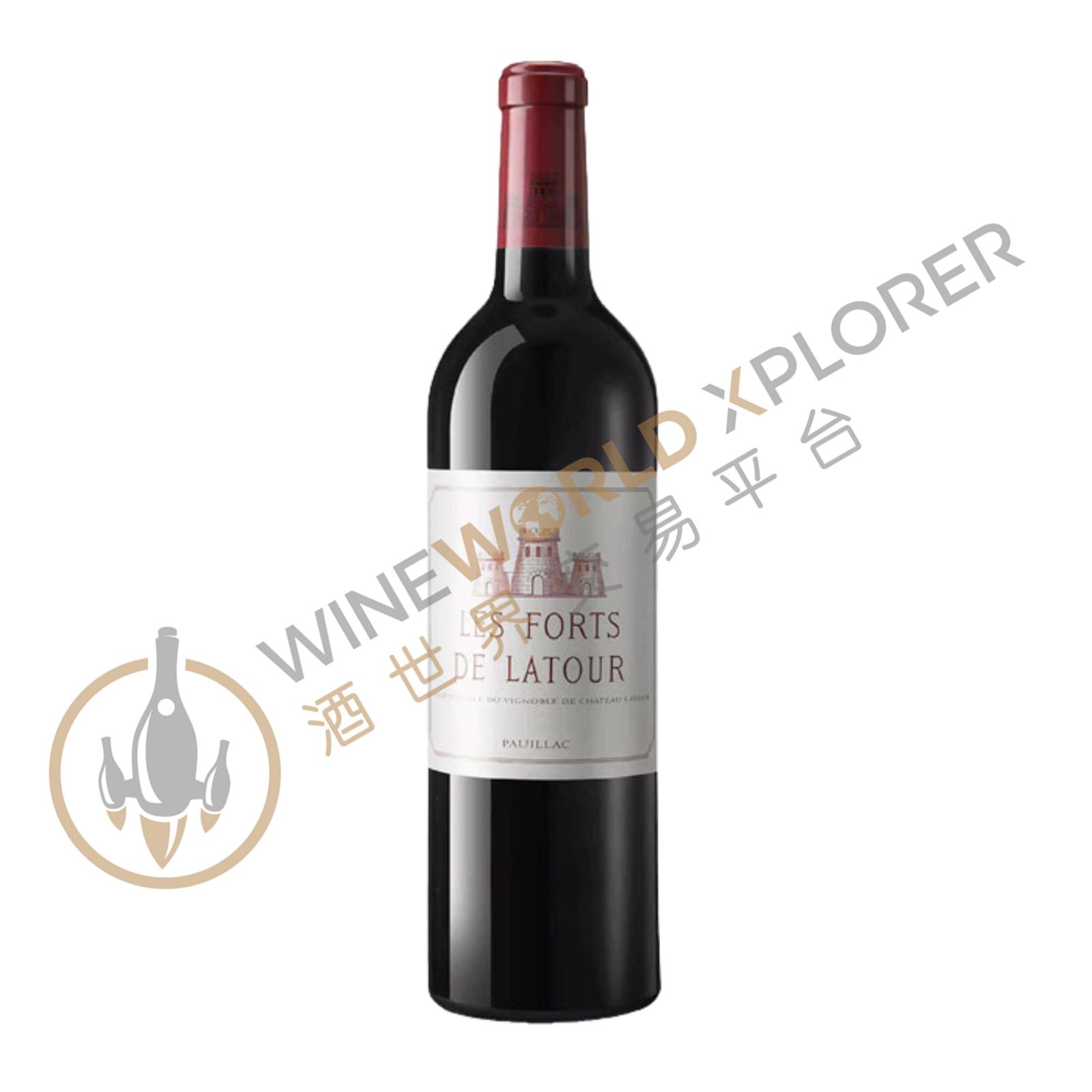
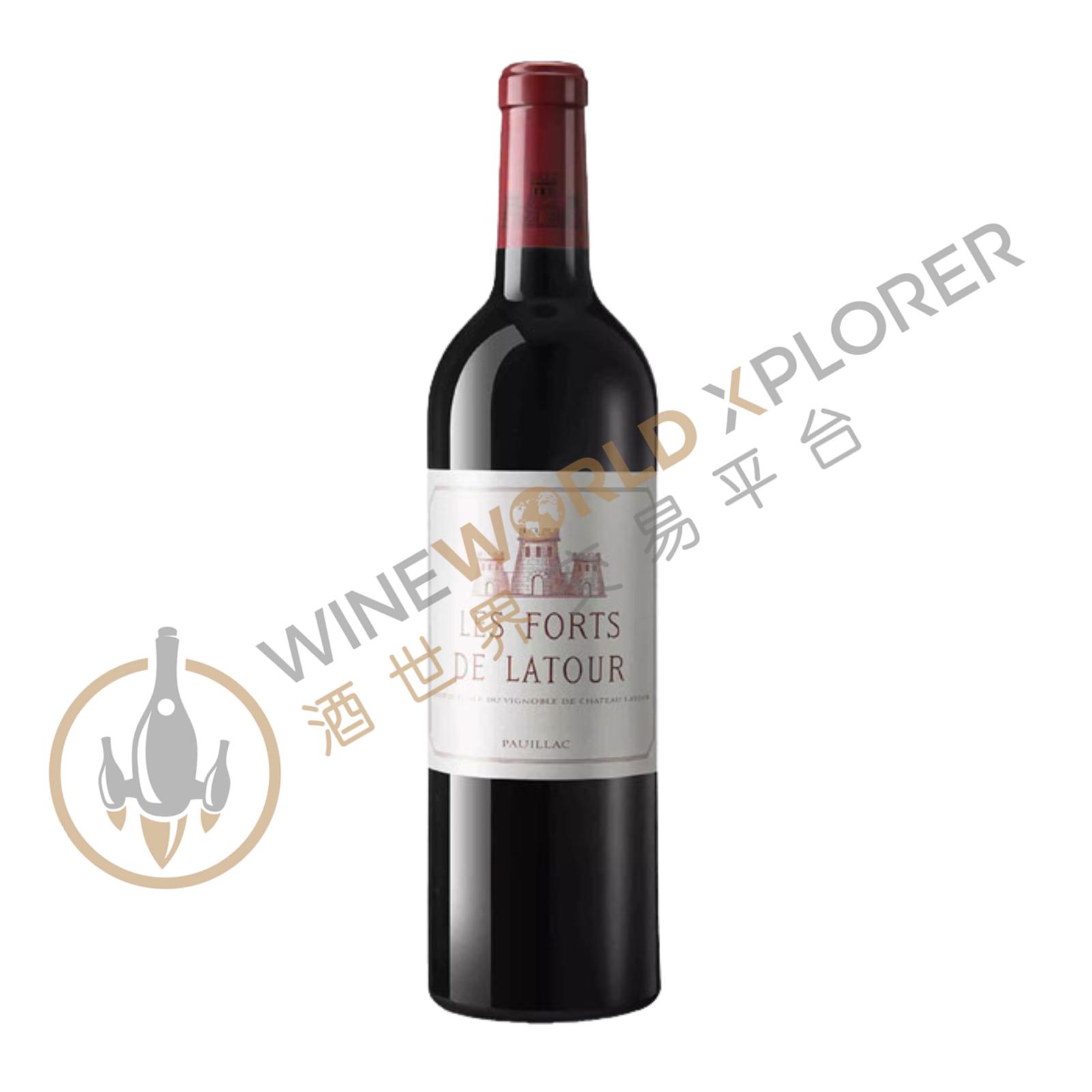
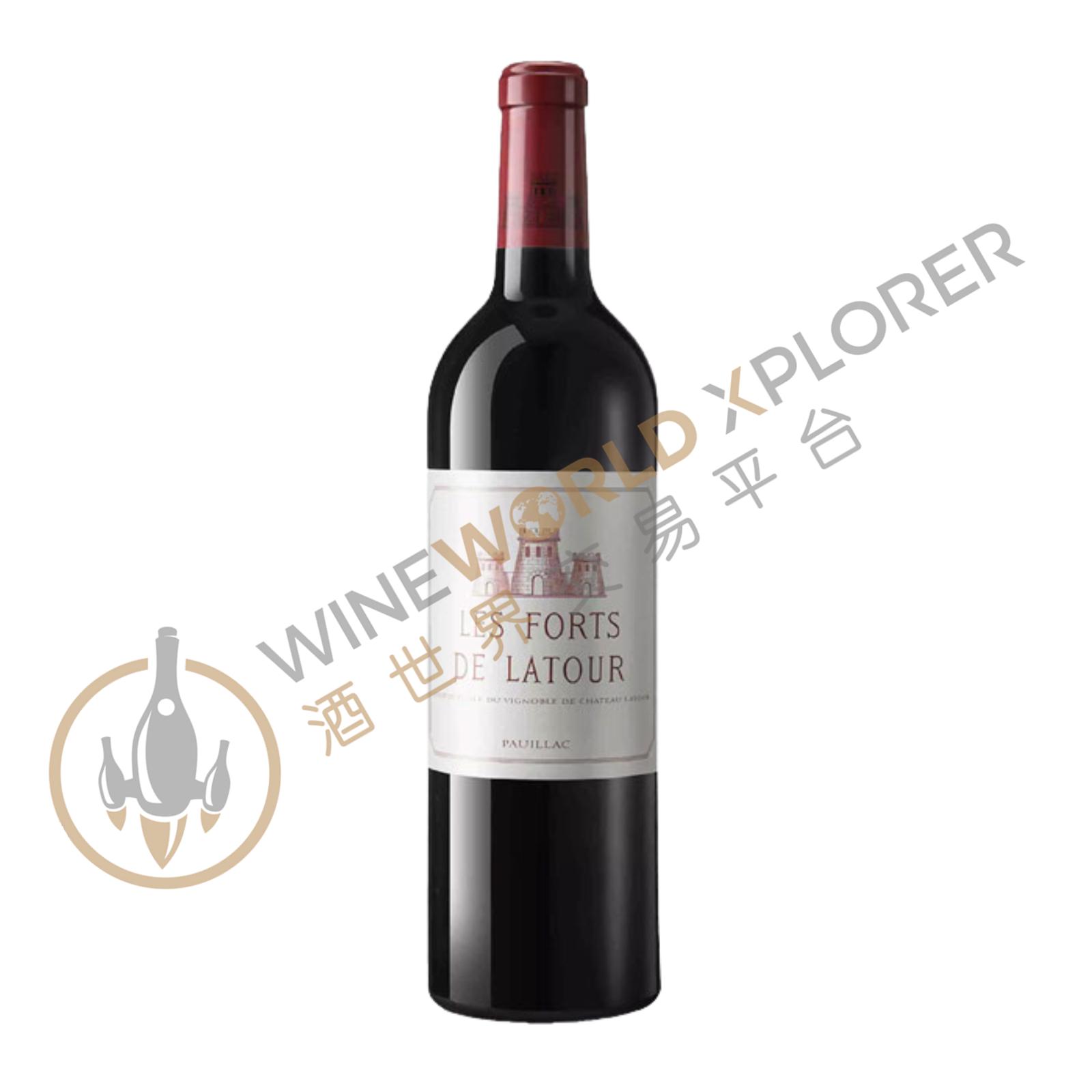
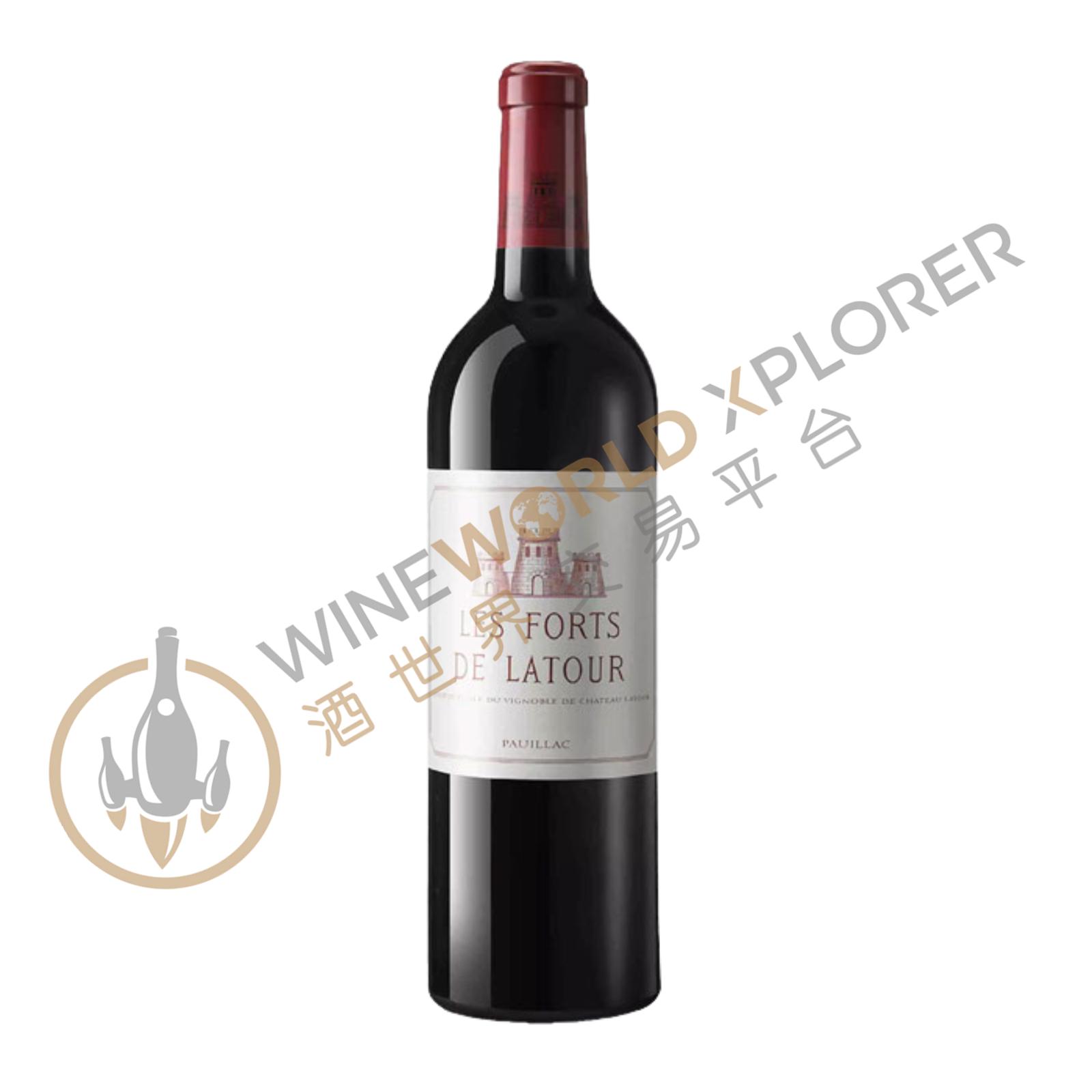
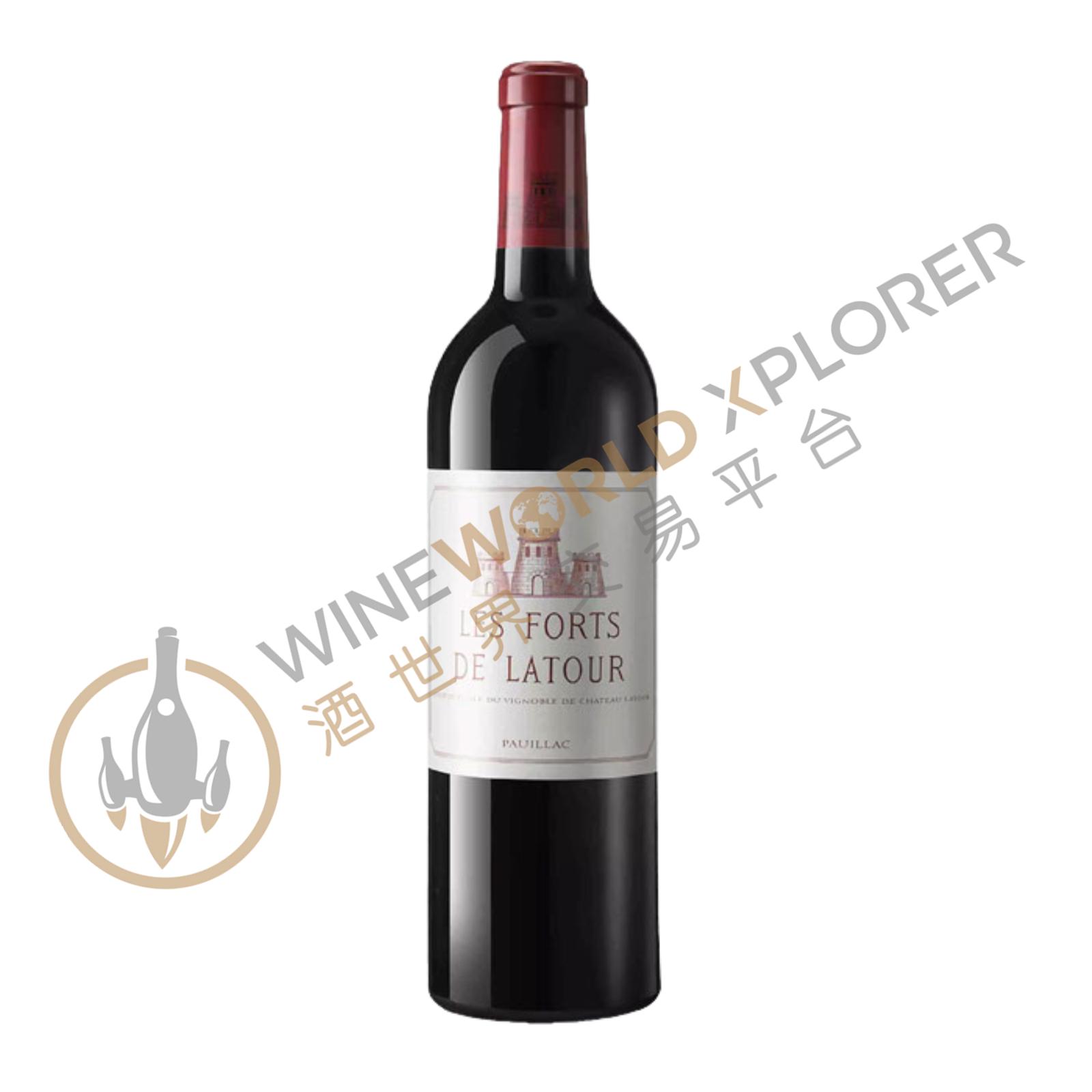
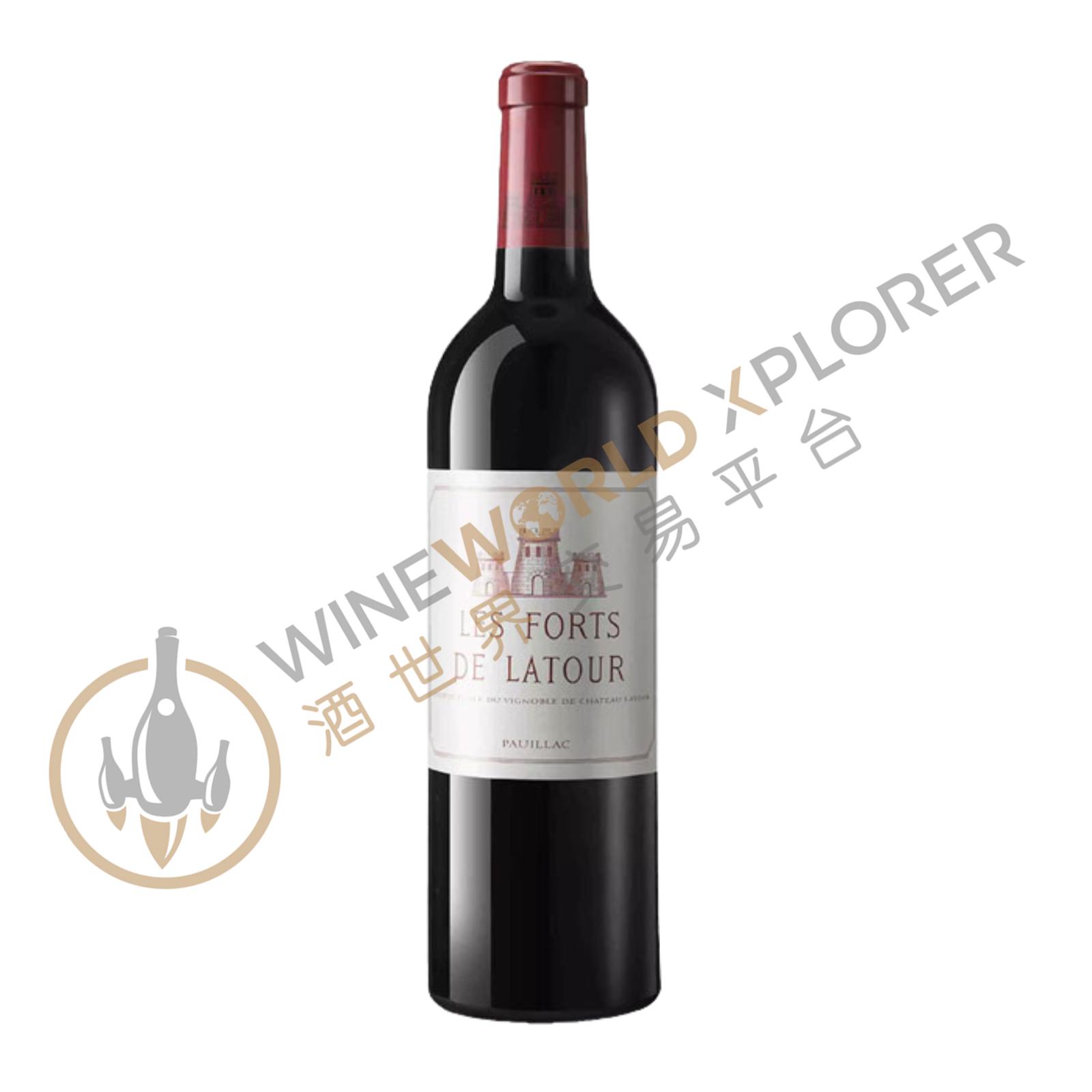
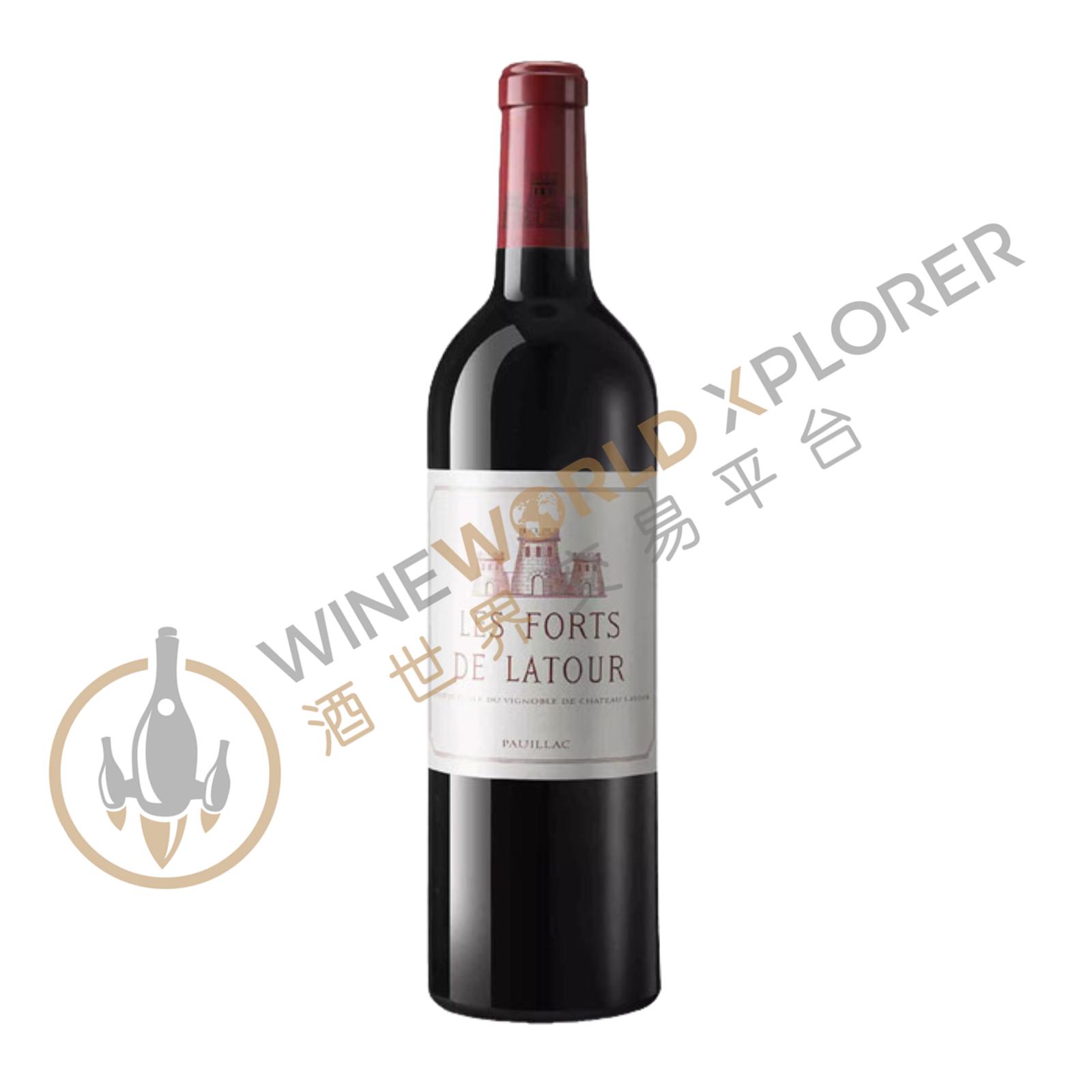
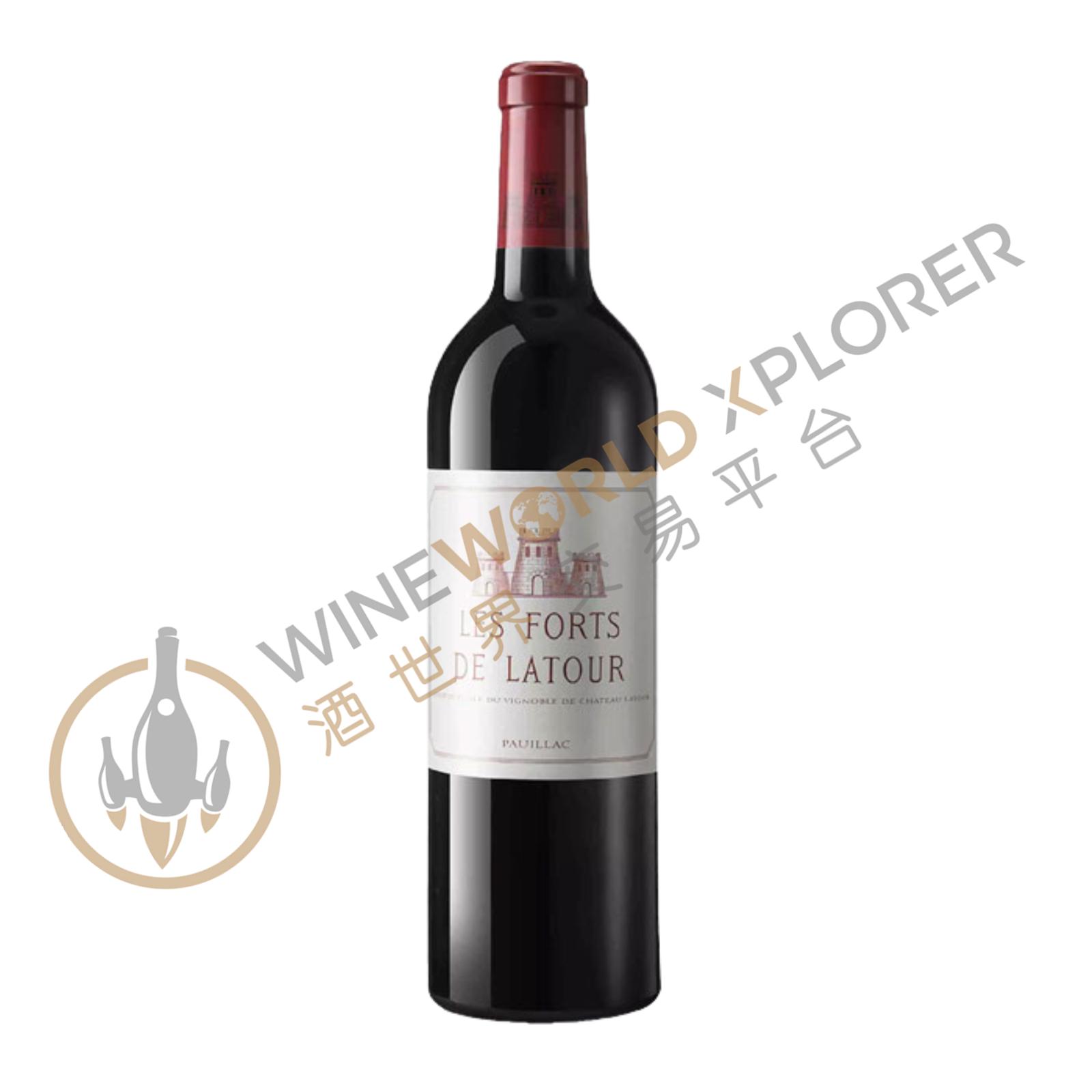
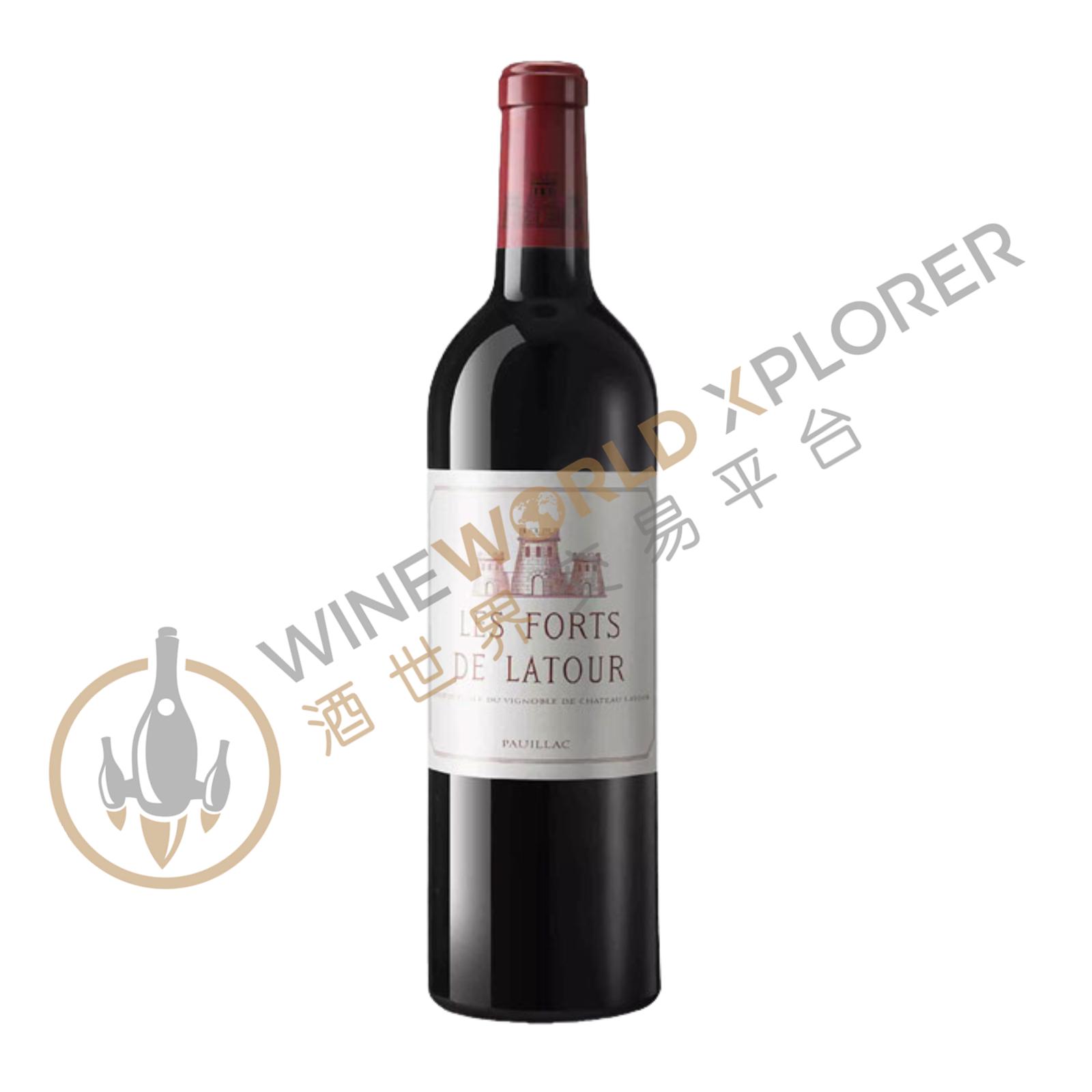
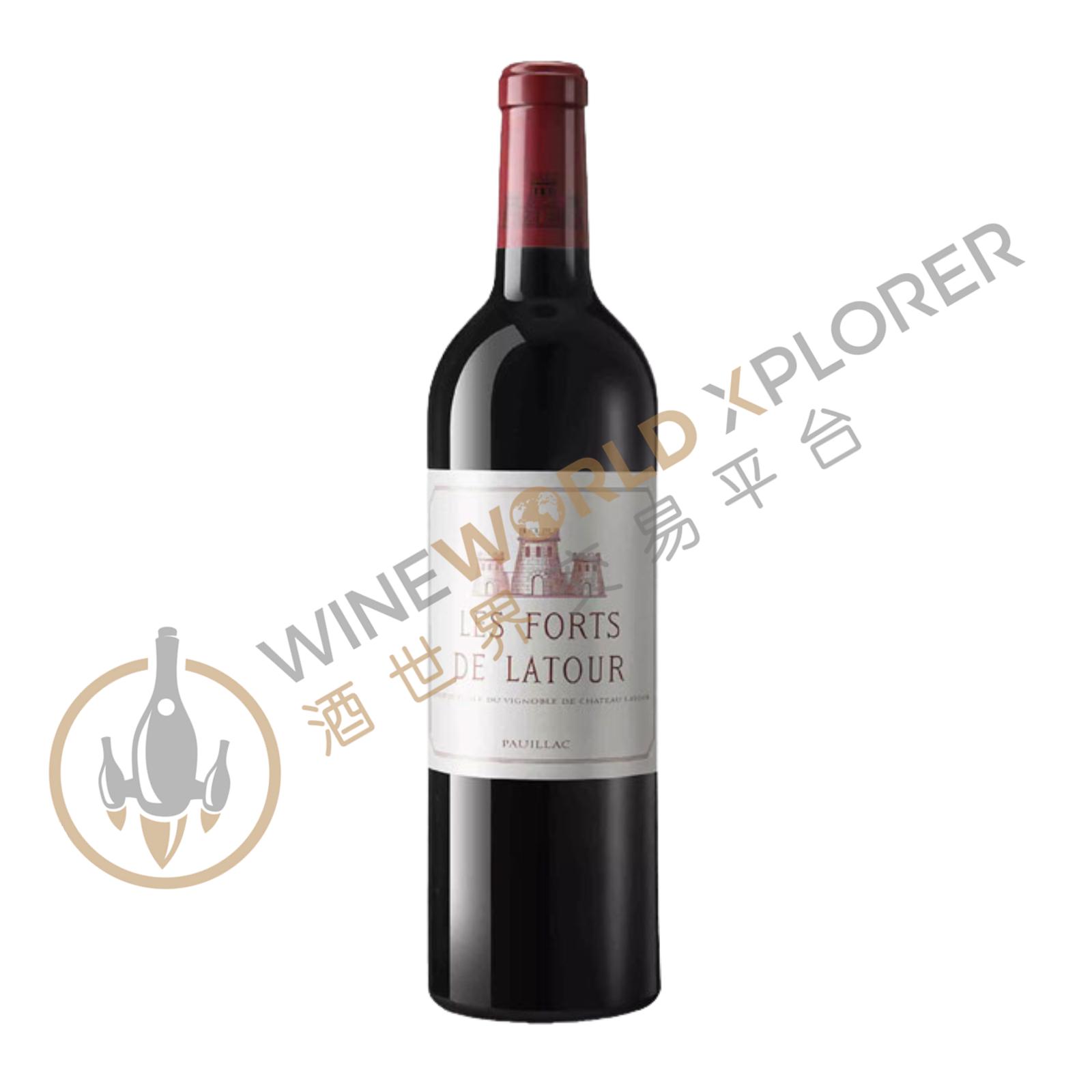
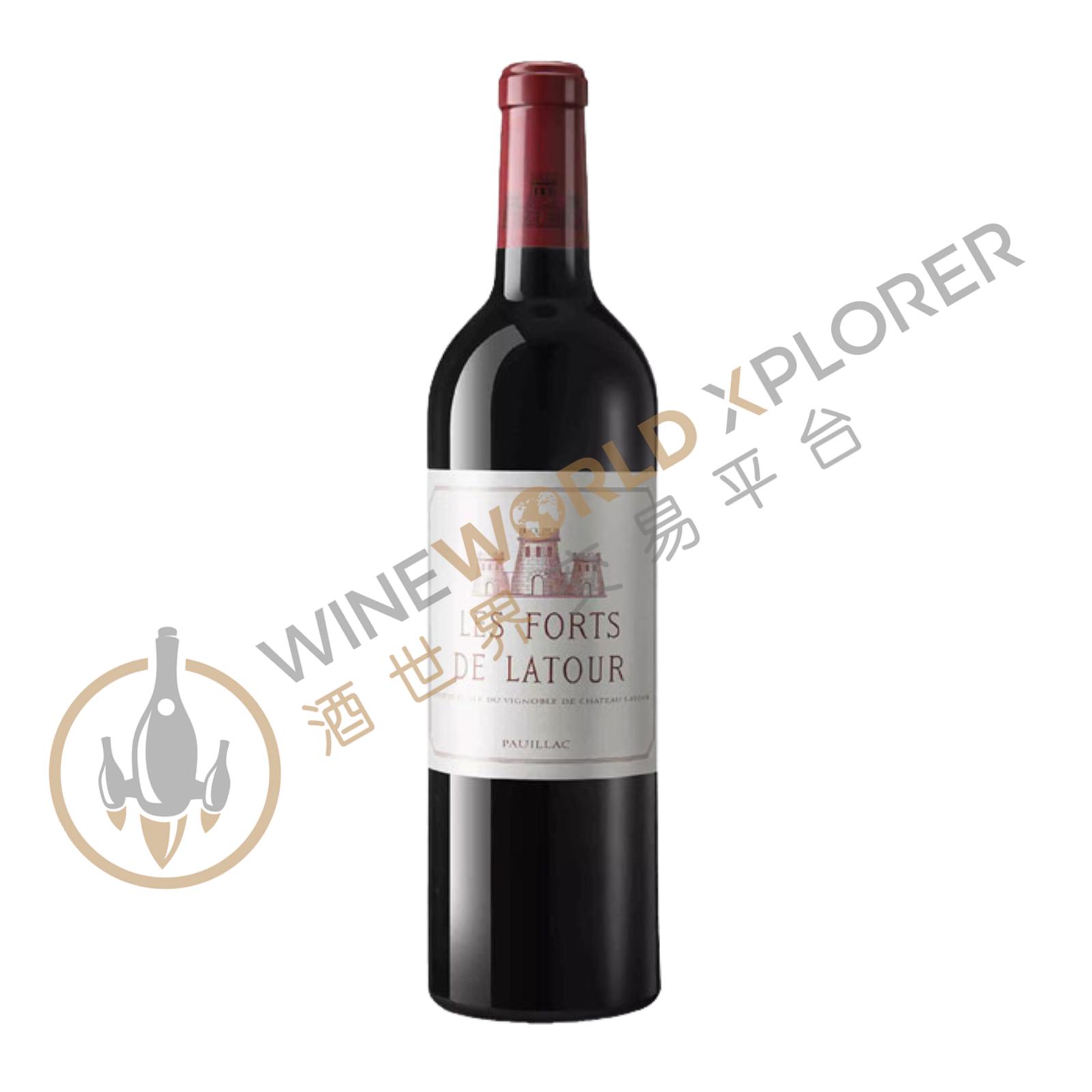
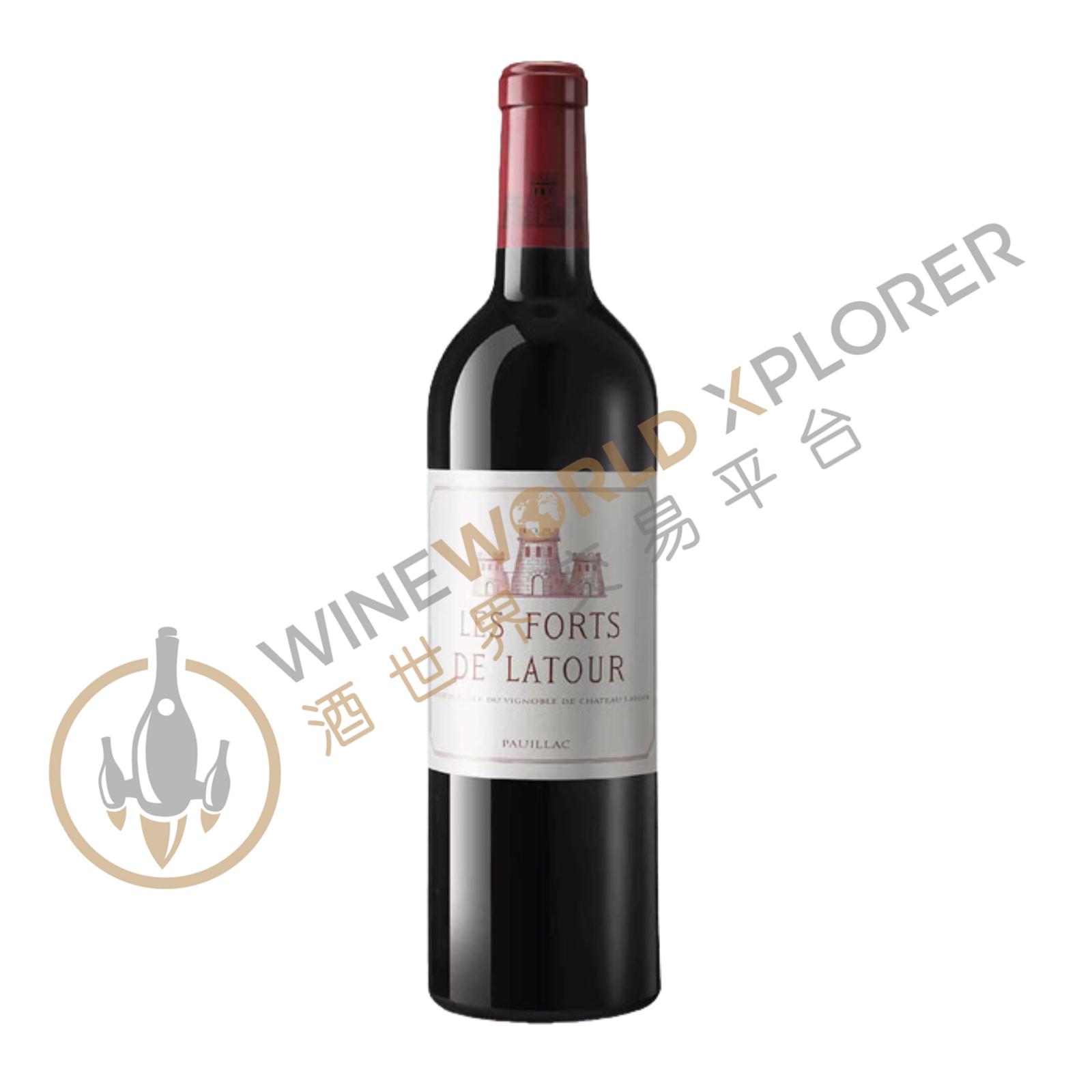
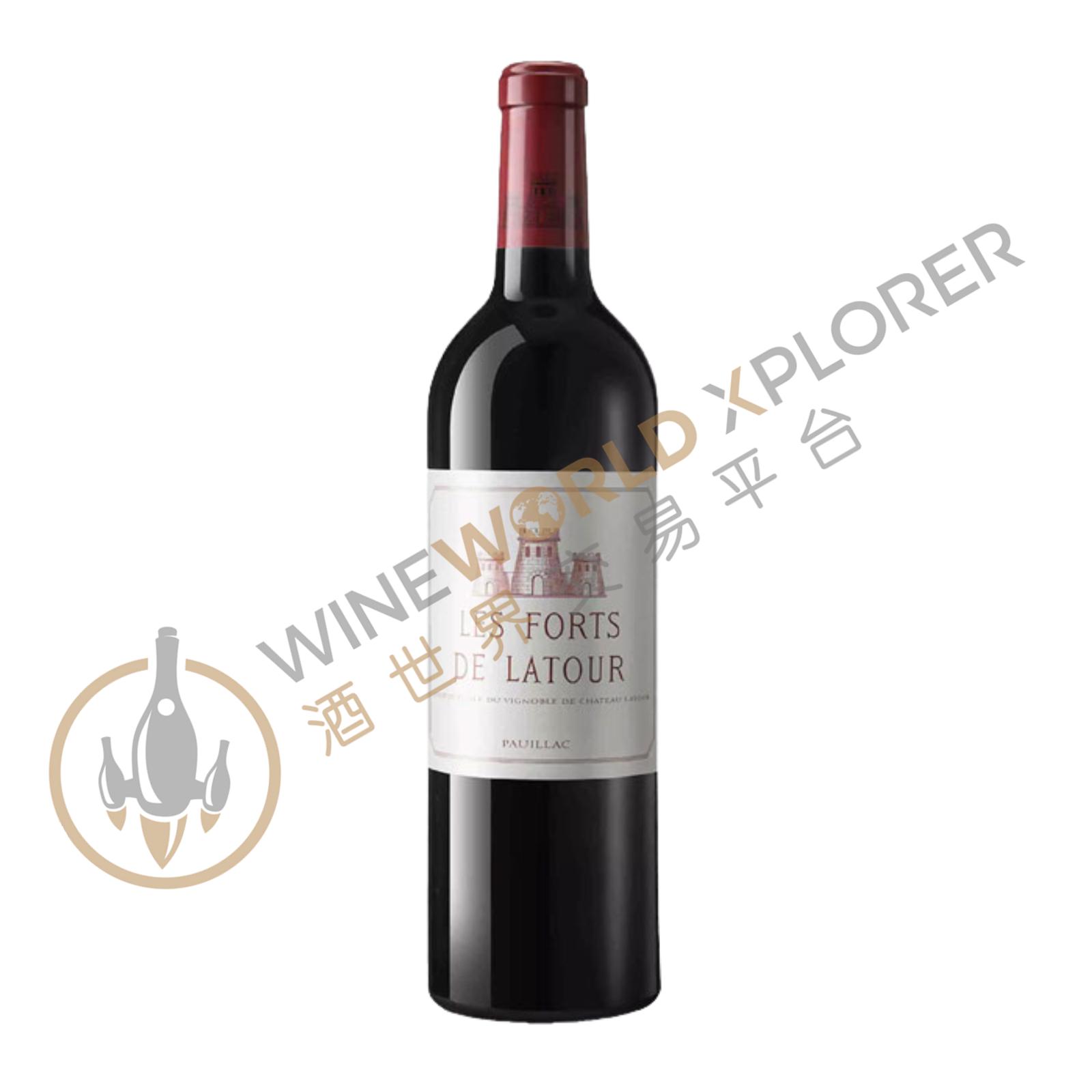
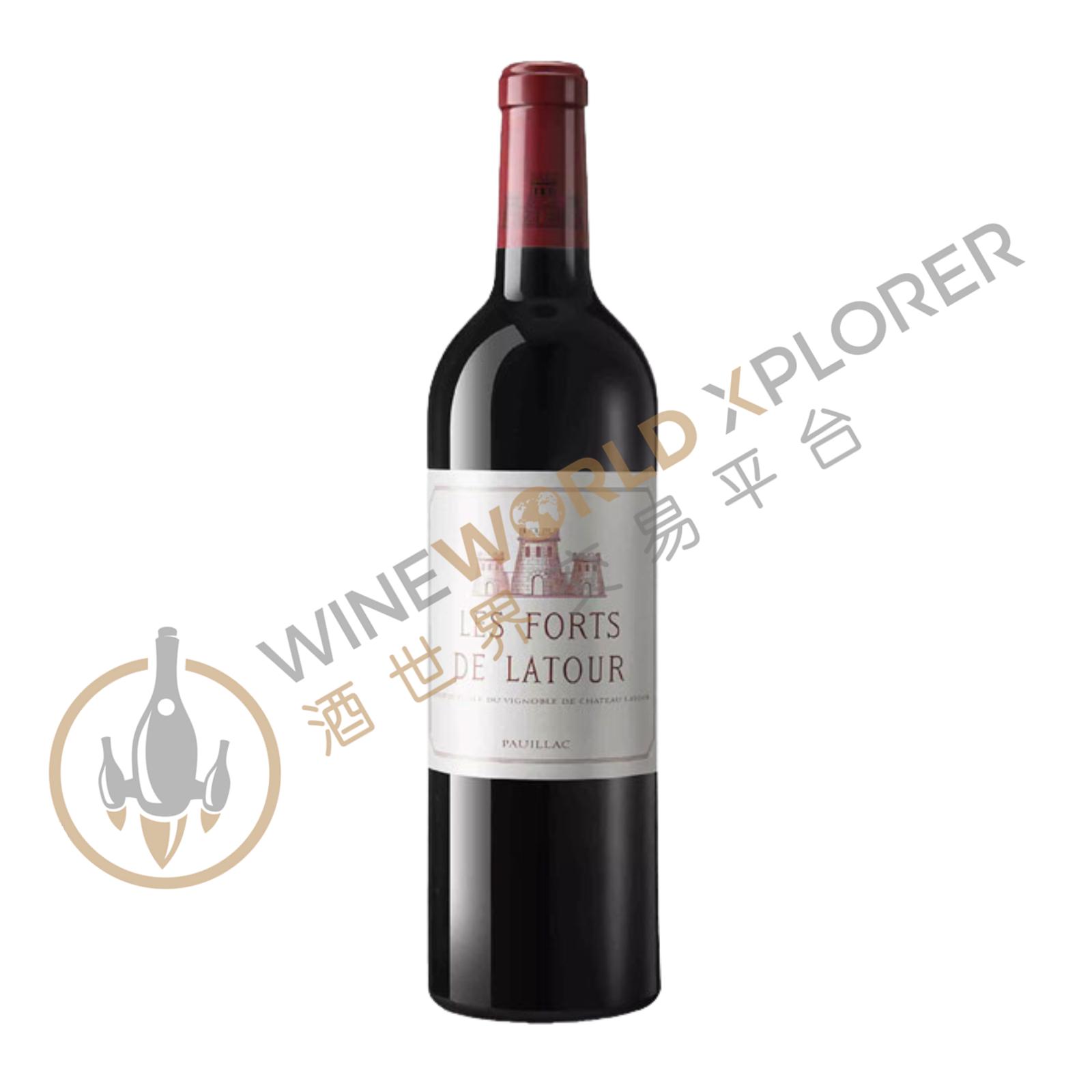
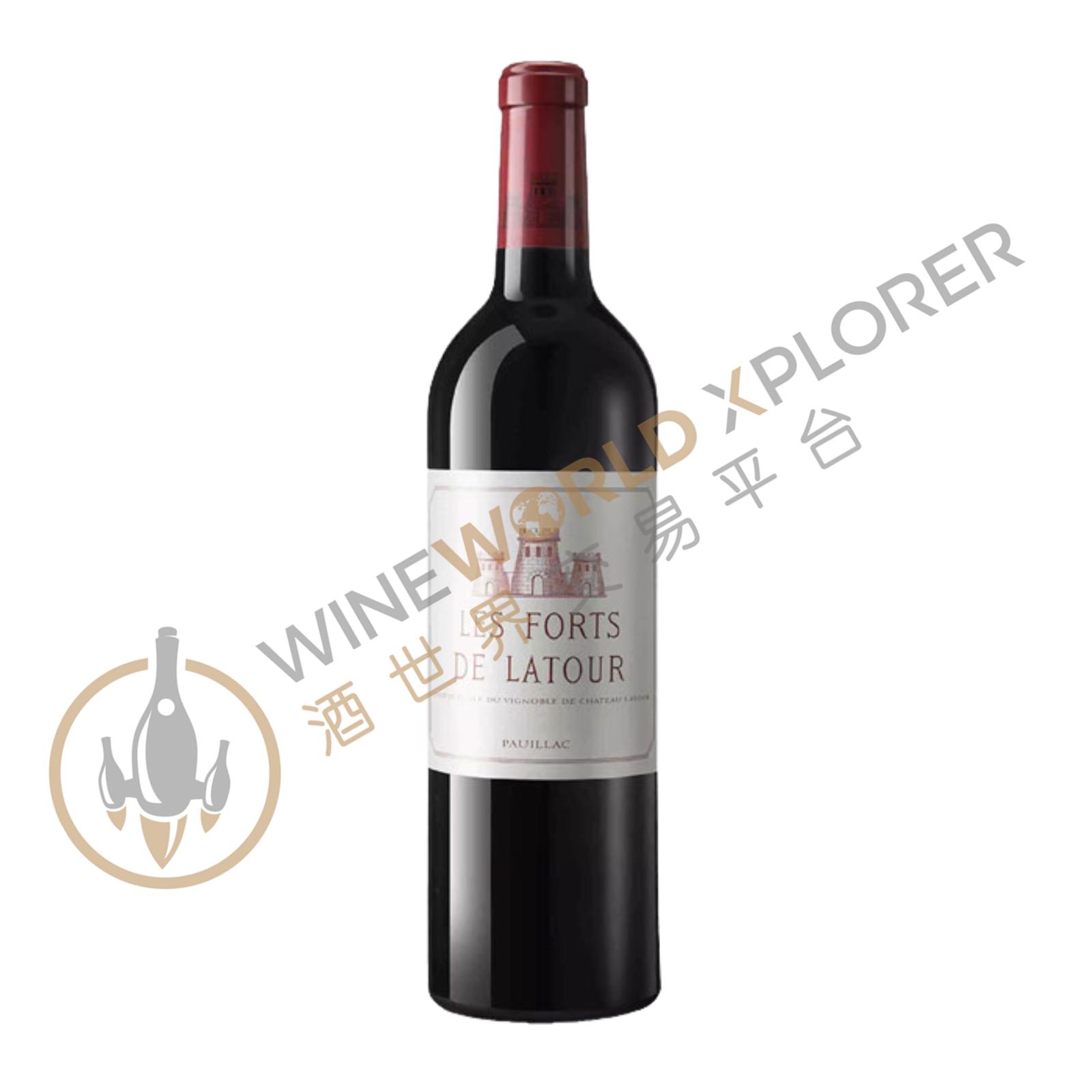
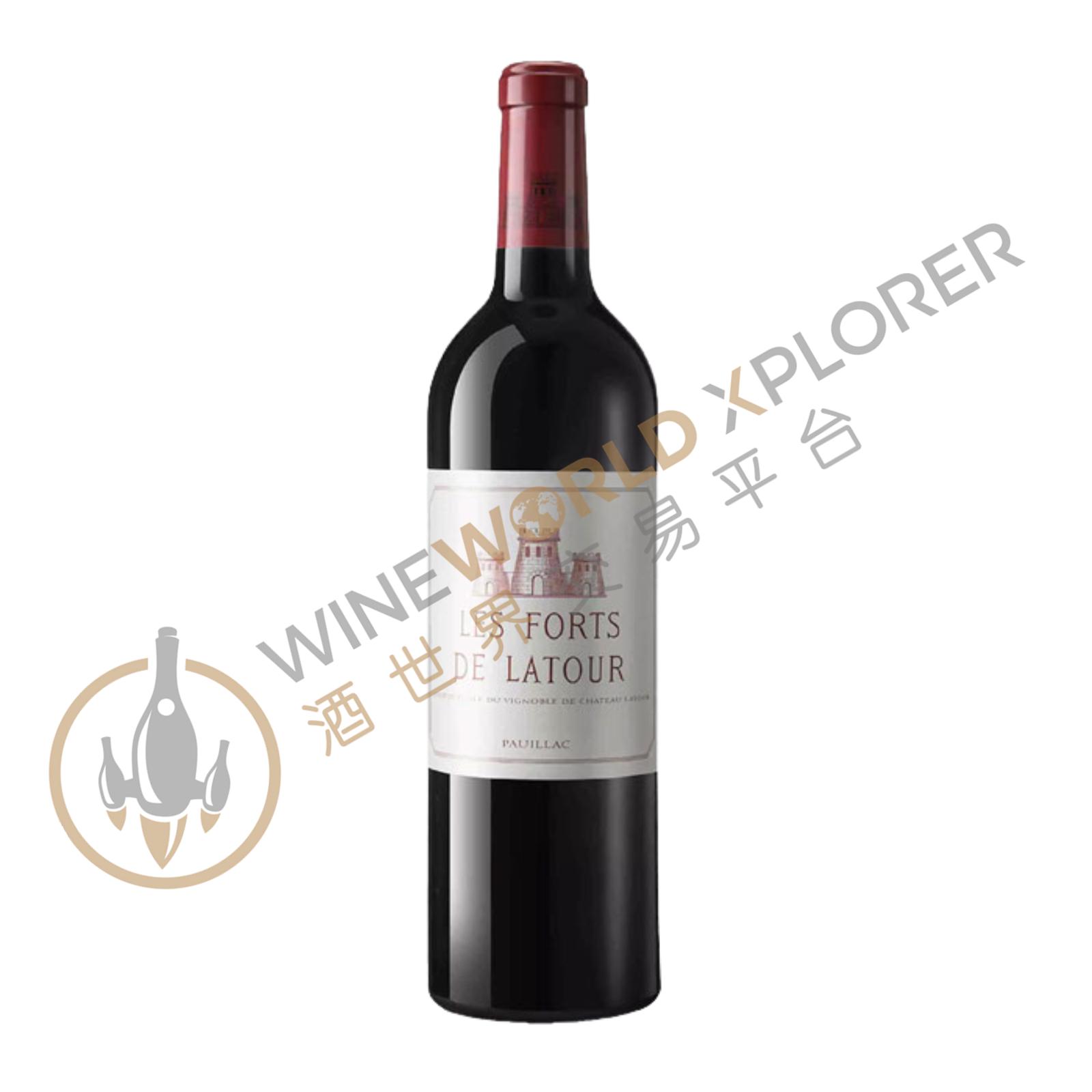
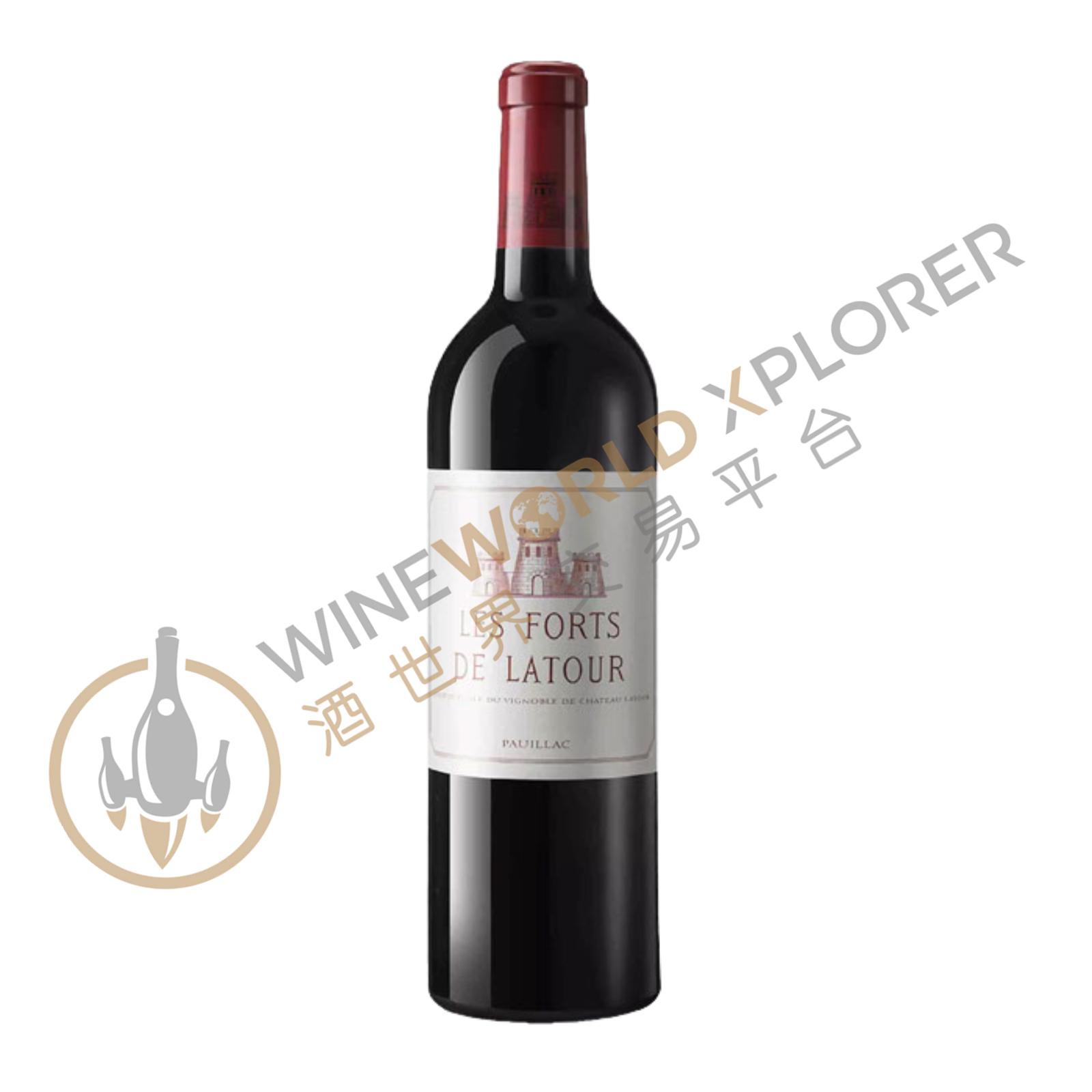
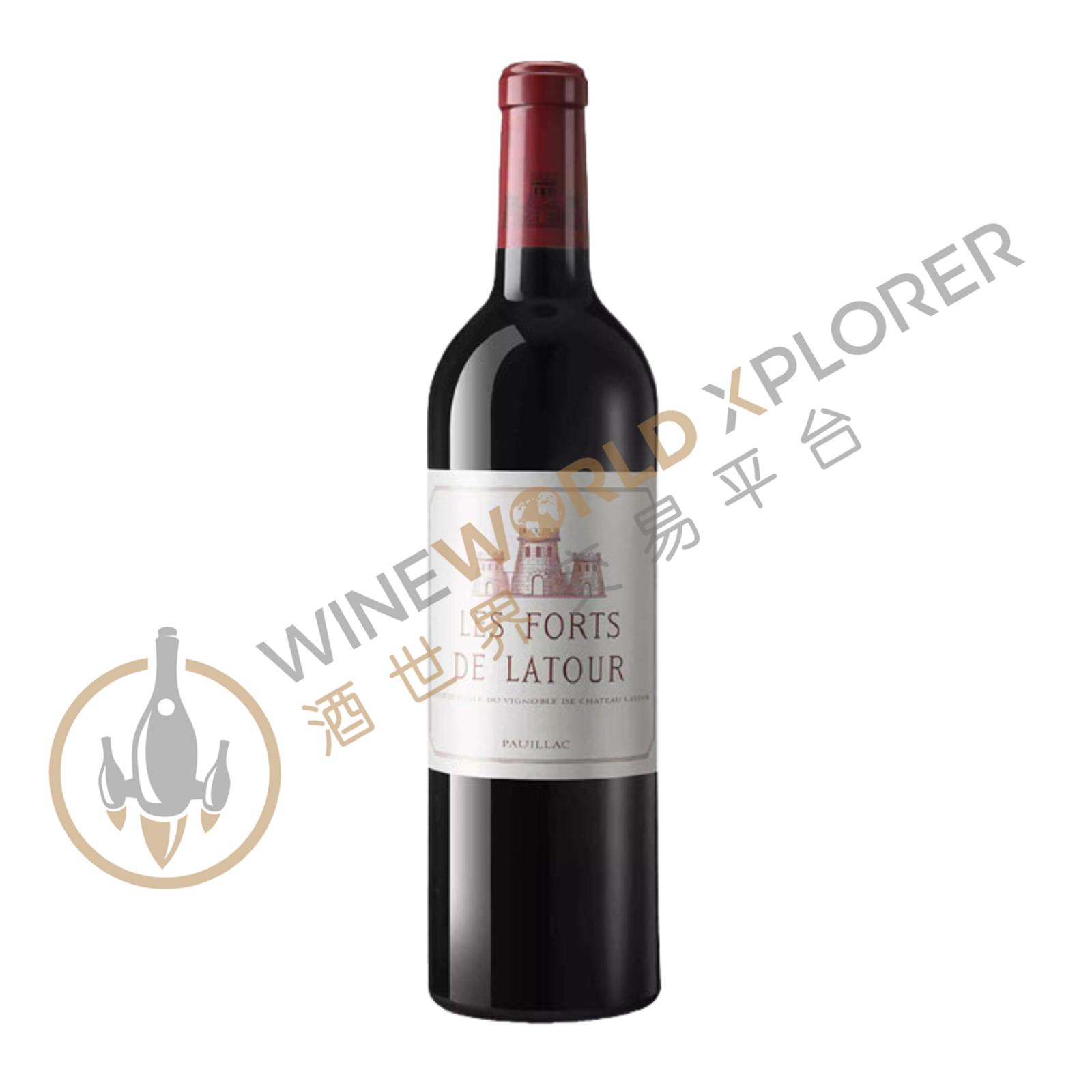
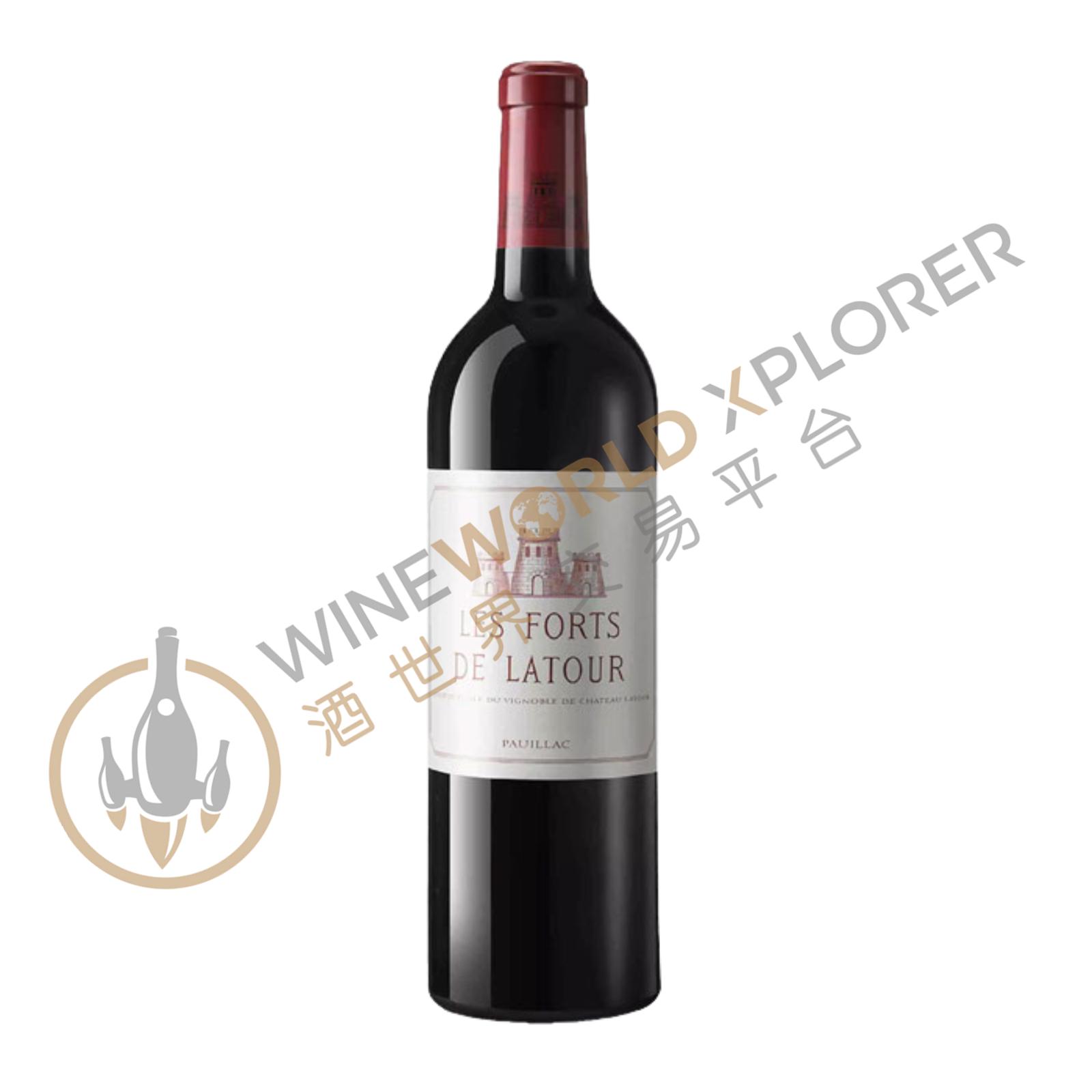
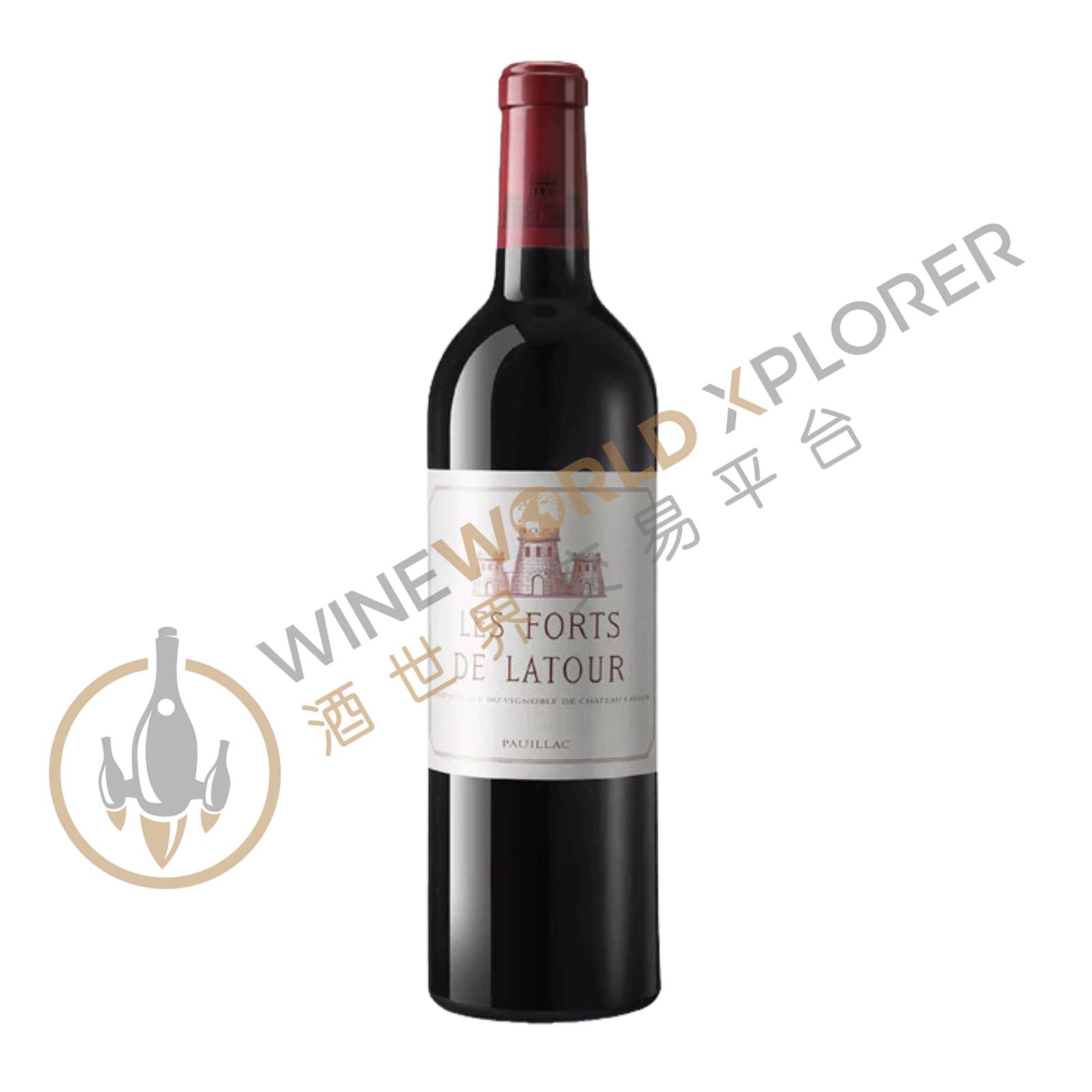
Les Forts de Latour 2003
 View analysis
Description
Tasting notes

Reviewed by: Neal Martin
Quite a contrast, this bottle following from the ’05. As expected, much warmer and alcoholic on the nose, but reflecting the vintage rather than excessive. Macerated black cherries, Doris plum, a hint of thyme and tobacco developing in the glass. Soft and round. The palate is rich on the entry, smooth and generous with cashmere tannins that seem to “tighten” in the mouth. Hints of pain grille towards the finish, that shows more structure and reserve than I was expecting. A very assured Les Forts in a challenging vintage. Drink now-2018.
Reviewed by: Lisa Perrotti-Brown
Very deep garnet-black colored, this vintage offers a seriously ripe and expressive nose of creme de cassis and dried plum with a savory, meaty, gamey undercurrent. The palate is medium to full-bodied with a good density and firm, grainy tannins plus a refreshing backbone of acid giving lift through the long earthy finish. It’s great to drink now but there’s certainly no rush to drink-up.
Reviewed by: Neal Martin
A rich, plump, decadent nose with tobacco, plum and cedar fruits. The palate is voluptuous, plump and supple with fleshy red berries, raspberry, cedar, redcurrants and a touch of wild strawberry lingering on the finish. A majestic wine suffused with class. Drink 2009-2018. Tasted January 2007.
Reviewed by: Neal Martin
A superb second wine (although it really should not be described as such, since it comes from its own section of vineyard at Latour.) A very sweet feminine nose with a touch of violets. Not over-extracted but well-balanced, harmonious with smooth rounded black fruits. Elegant and restrained. Superb. Tasted March 2004.
Reviewed by: Robert M. Parker, Jr.
A great second wine, the 2003 Les Forts de Latour is a blend of 78% Cabernet Sauvignon and 22% Merlot (36% of the production was utilized). It possesses a pH of 3.8 and is slightly lower in alcohol (12.7%) than its big sister. Revealing tremendous opulence, flesh, and fat, for my taste it is the greatest Forts de Latour produced since the 1982. It should drink well in 3-4 years, and last for 15-20.
Reviewed by: Robert M. Parker, Jr.
The 2003 Les Forts de la Tour possesses a dense ruby/plum/purple color in addition to notions of cold steel, lead pencil shavings, and creme de cassis. Full-bodied, opulent, heady, rich, and lush, it can be drunk now or cellared for 15+ years. What can one say about proprietor Francois Pinault and his manager, Frederic Engerer? A strong argument can be made that in 2001, 2002, 2003, and 2004, Latour produced the wine of the vintage, although it has plenty of competition in the Northern Medoc in 2003. Moreover, the bargains are the estate’s least expensive cuvee, Pauillac, followed by Les Forts de Latour, Latour’s second wine which continues to increase in quality.
Reviewed by: Neal Martin
Tasted blind at Farr Vintner’s Left Bank tasting. Fine clarity on the nose: blackberry leaf, raspberry and just a touch of rose petals. The palate has a grippy entry, nice build in the mouth with notes of raspberry, strawberry, cedar and leather, finishing dry, foursquare. This starts to come out of its shell as moment pass in the glass. Tasted October 2010.
Reviewed by: Robert M. Parker, Jr.
A wine of great texture and intensity, extremely fleshy and opulent, this is a real sexpot, and ideal for drinking early on, although it is certainly going to last for 15 or so years. Just a cut below its big brother, the 2003 Les Forts de Latour is wonderfully sweet, succulent, and fleshy with copious fruit, glycerin, and alcohol.
Reviewed by: Neal Martin
Tasted at Bordeaux Index's "10-Year On" tasting in London. The 2003 Les Forts de Latour has a classy bouquet that is very well defined: graphite infused black fruit that offers wonderful focus. The palate is medium-bodied with fine tannins, plenty of pure black fruit mingling with pencil shavings and cedar. The finish has a sweet supple, pastille-like generosity that makes this a very appealing Les Forts. A Grand Vin in all but name. Tasted March 2013.
Reviewed by: Stephen Tanzer
Deep ruby-red. Wonderfully vinous and sappy for the vintage, with aromas of redcurrant, mineral and spice. Sweet, rich, lush and exotic but with good spice character giving lift to the flavors. A very fine-grained wine that will give relatively early pleasure, but it can't match the 2004 or 2005 for backbone. Finishes dry and classic, with plenty of richness.
Reviewed by: Stephen Tanzer
Deep ruby-red. Liqueur-like nose shows a candied sweetness. Very rich, creamy and layered, but without this wine's normal mineral spine. Exotic notes of fruit liqueur and licorice. Finishes with terrific sweetness and lush tannins. For Les Forts de Latour, Engerer prefers the 2004, but he gives the nod to the 2003 Latour.
Reviewed by: Stephen Tanzer
Ruby-red. Sweet aromas of cassis, violet and currant leaf. Dense, fleshy and sweet but lively, with lovely energy in the mouth. This has excellent purity and delineation of fruit. Finishes very long and subtle, with very fine tannins and noteworthy vibrancy.
About the Producer
Latour was a jointly held lord's domain until the end of the 16th century, At that time, the property was not entirely covered by vines and yet production largely exceeded requirements. There was no proper storage for the wine and it had to be drunk within the year. The estate remained in the hands of the Mullet family until the late 17th century, and while direct use of the land gradually replaced the leasing system, the wine-making situation changed very little. In the early 18th century, England's aristocracy and wealthy middle classes developed refined tastes, particularly for wine, from Bordeaux, Oporto, Jerez and other southern vineyards. Wine exports had been restricted by various blockades imposed by the wars, but now enjoyed a period of relative freedom and trade with Bordeaux grew rapidly. As a result of this flourishing trade, the estate gradually came to specialise in wine production, with 38 hectares of vines in 1759 and then 47 hectares by 1794.
1975(2)1976(1)1979(1)1981(1)1982(1)1983(2)1990(1)1992(2)1994(2)1995(1)1996(2)1998(3)1999(2)2000(4)2001(6)2002(8)
Package Size
12 x 75cl