Wine Advisor



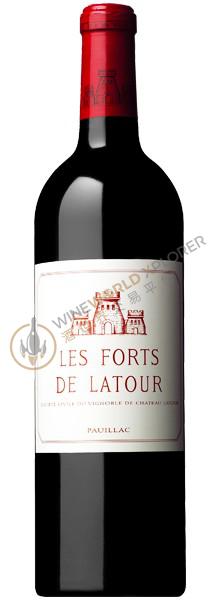
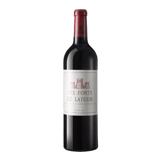
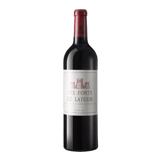
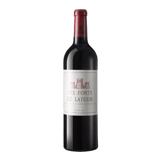
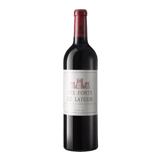
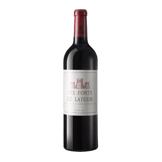
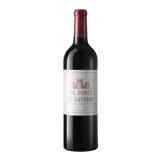
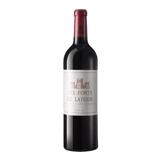
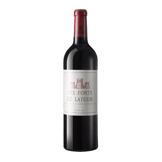
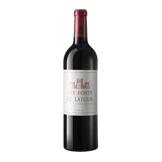
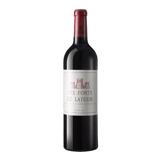
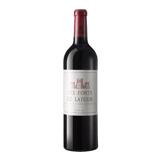
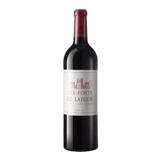
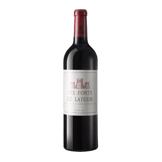
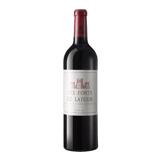
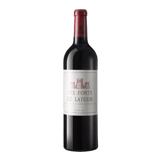
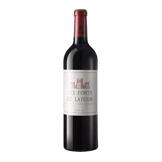
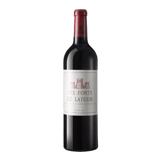
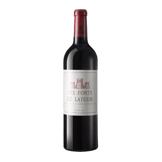
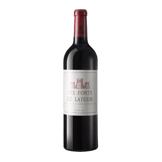
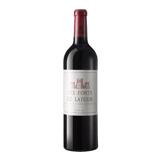
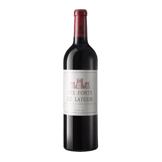
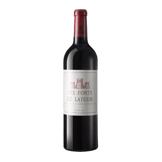
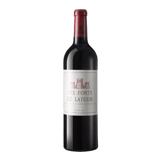
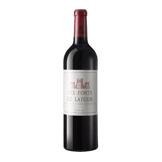
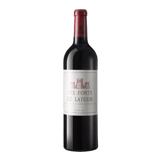
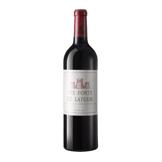
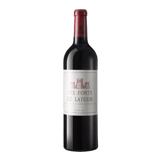
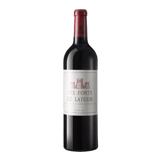
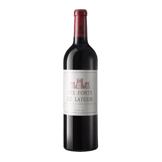
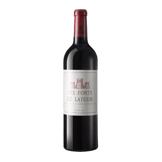
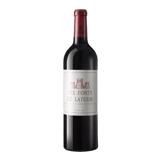
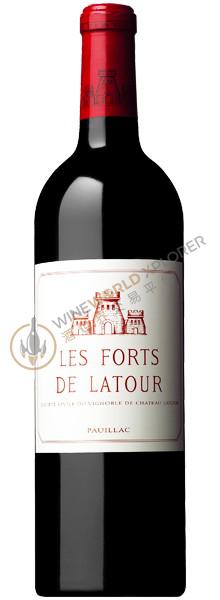
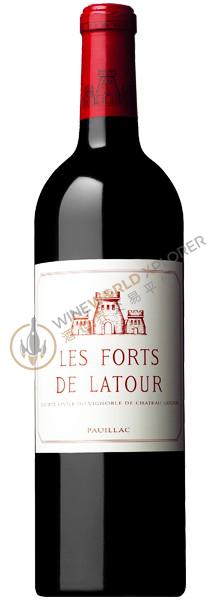
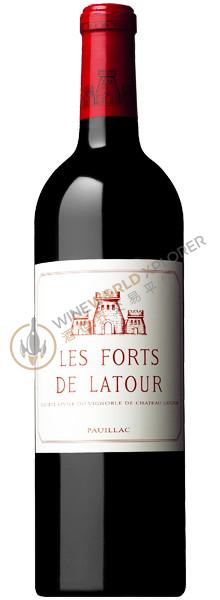
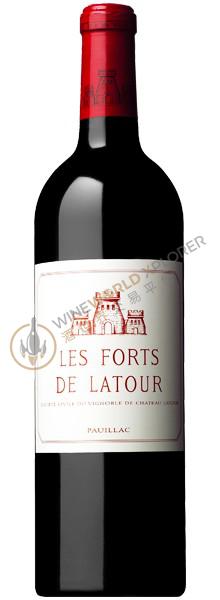
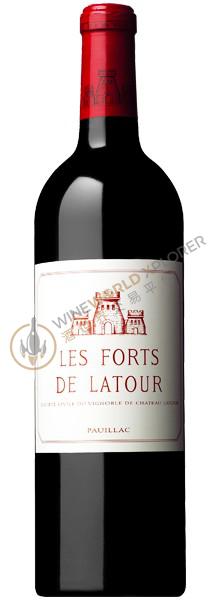
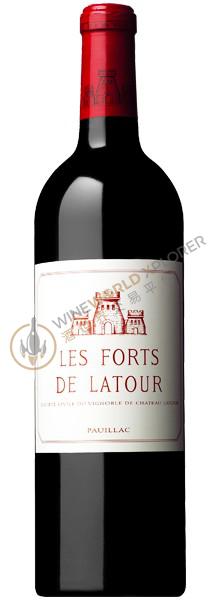
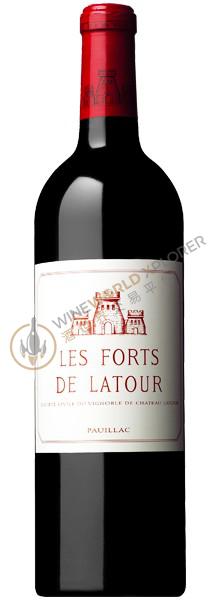
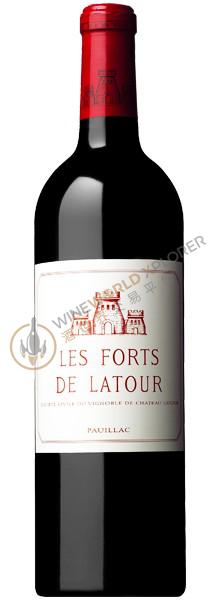
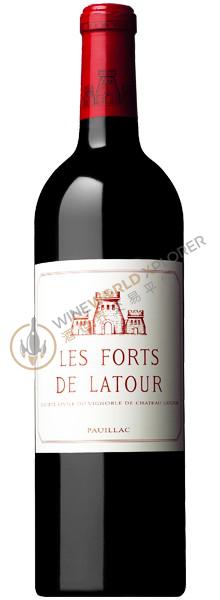
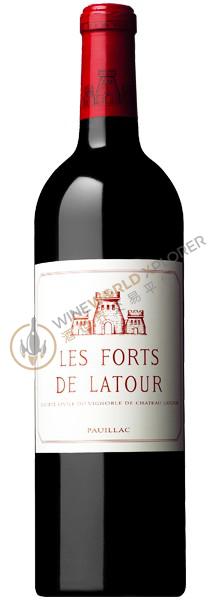
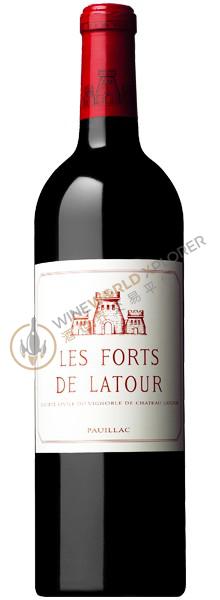
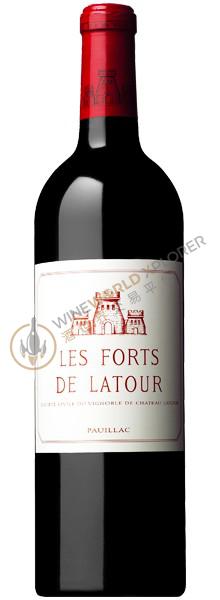
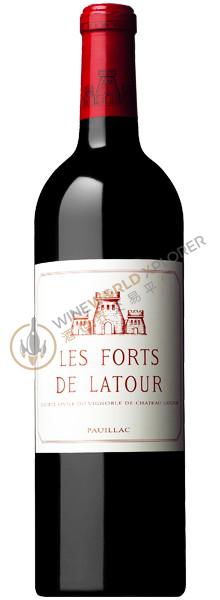
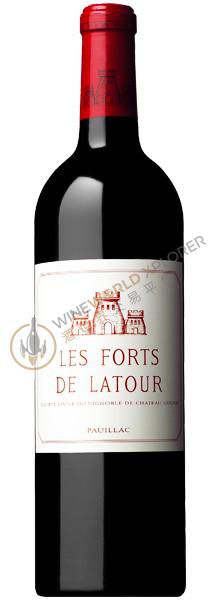
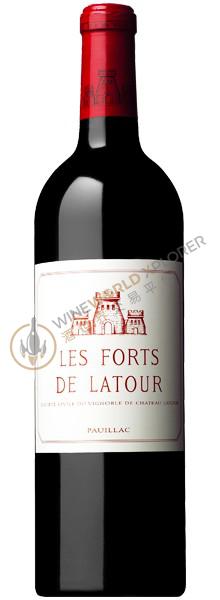
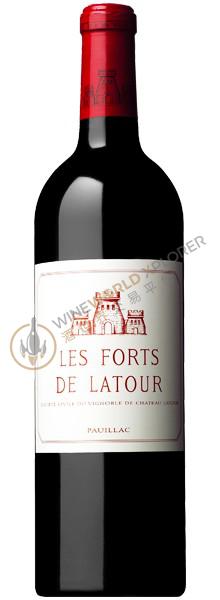
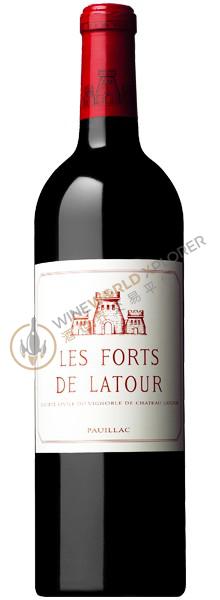
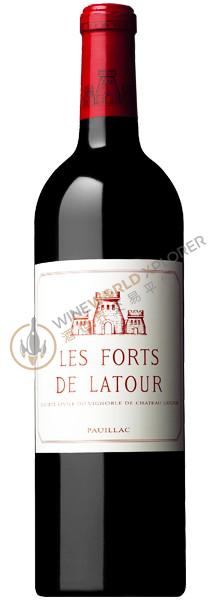
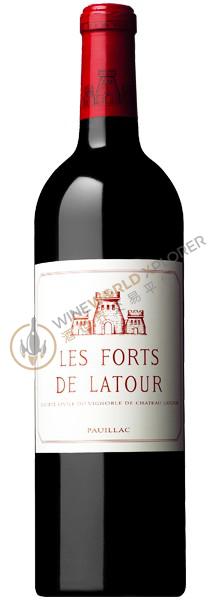
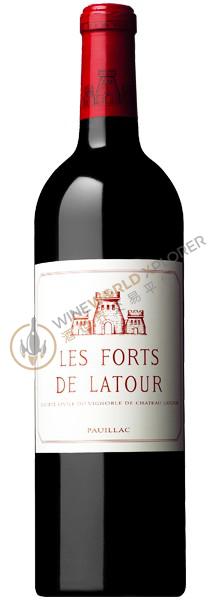
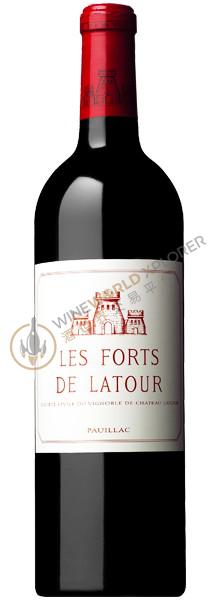
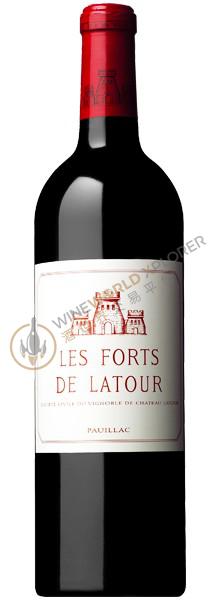
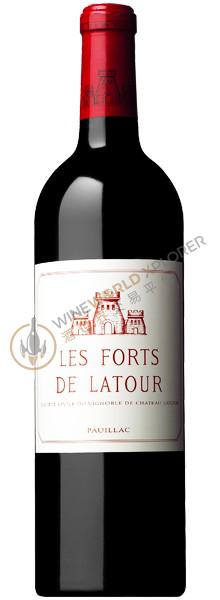
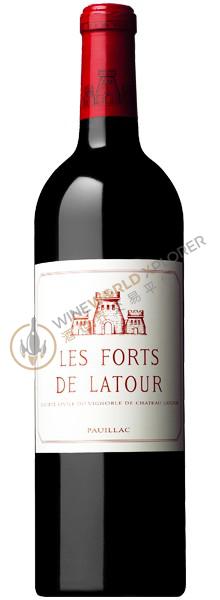
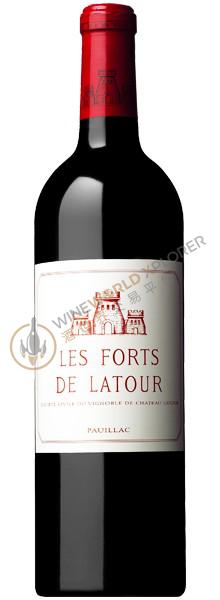
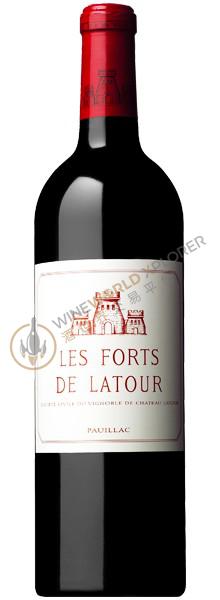
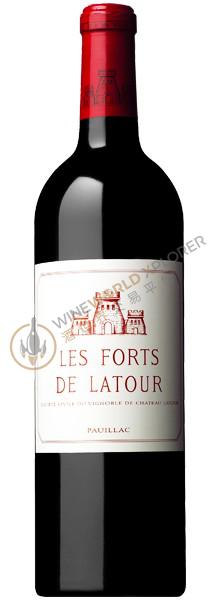
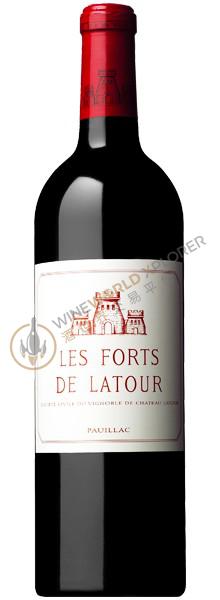
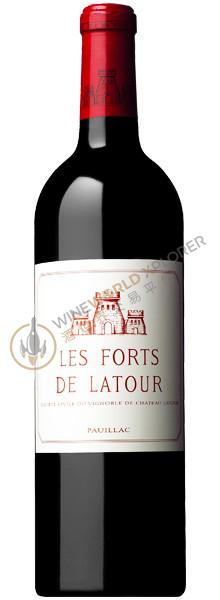
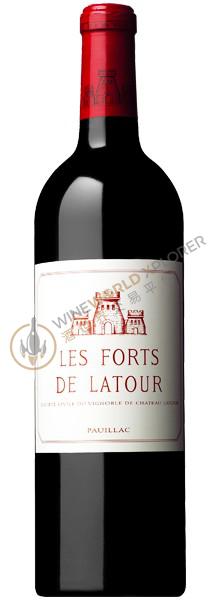
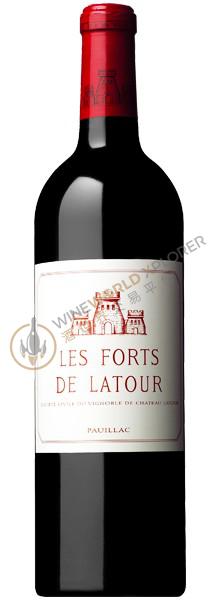
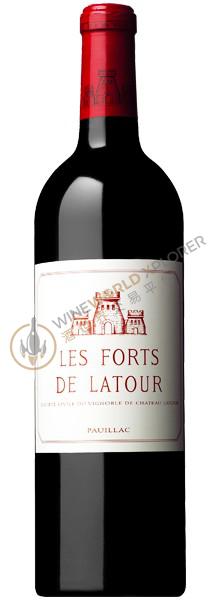
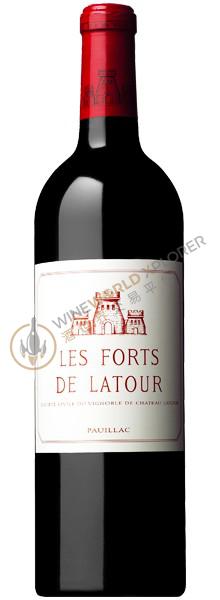
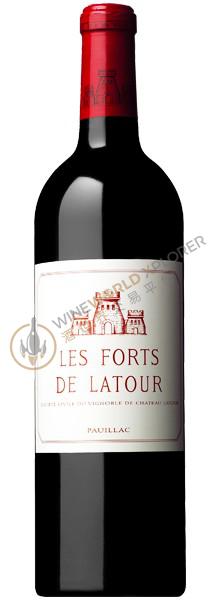
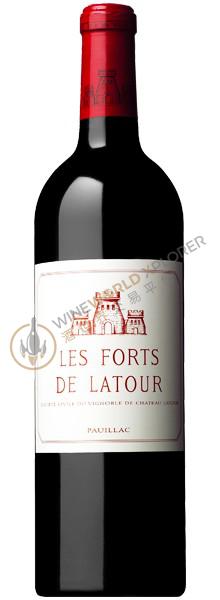
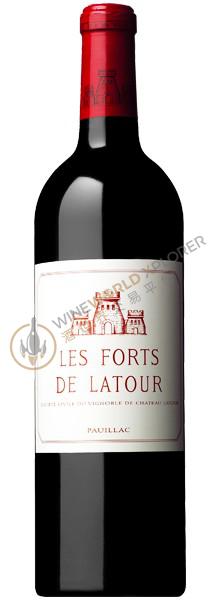
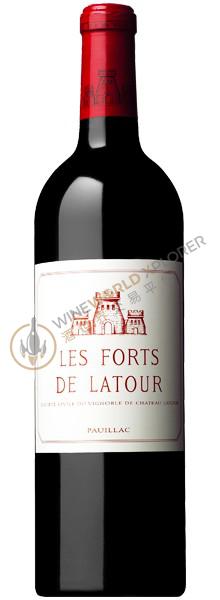
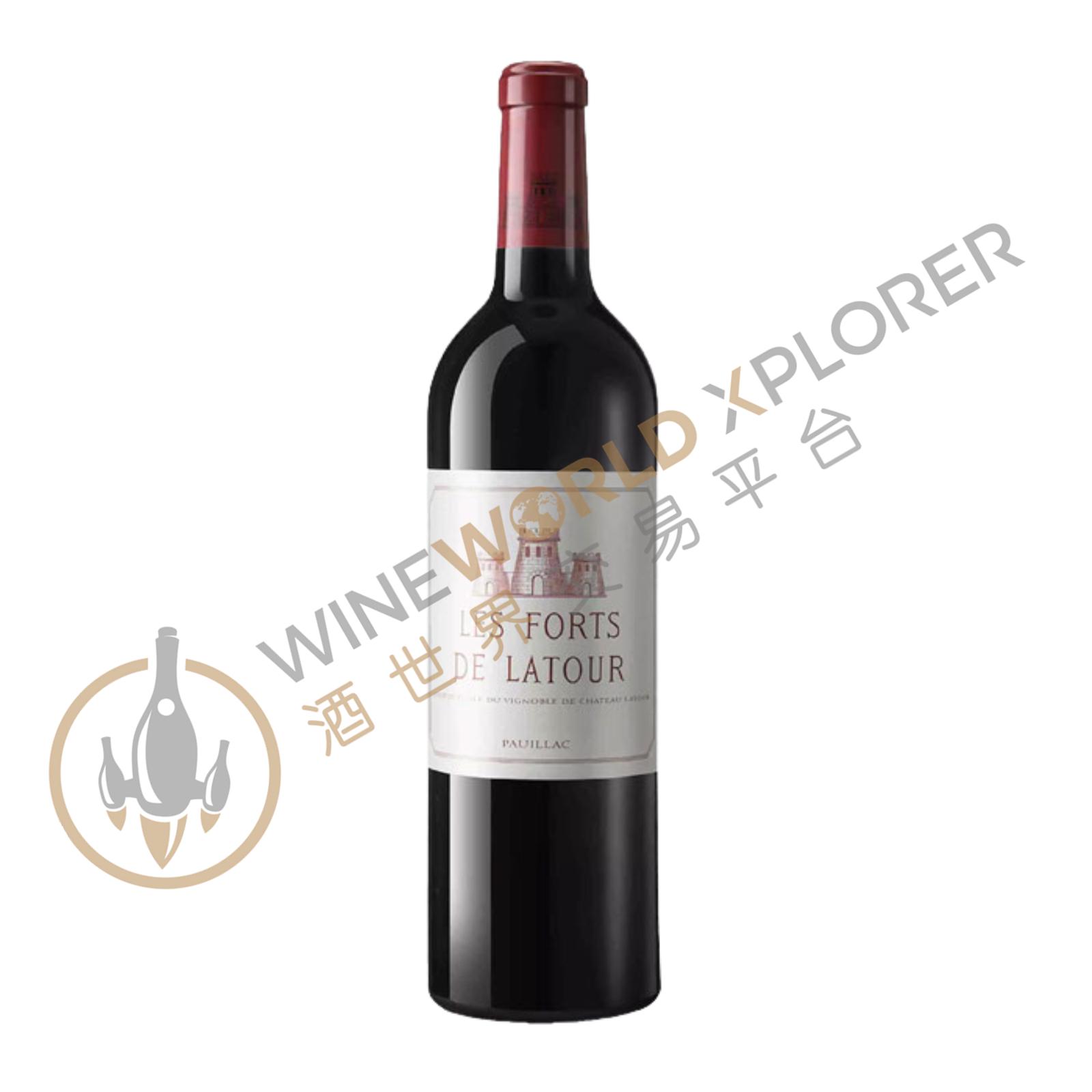
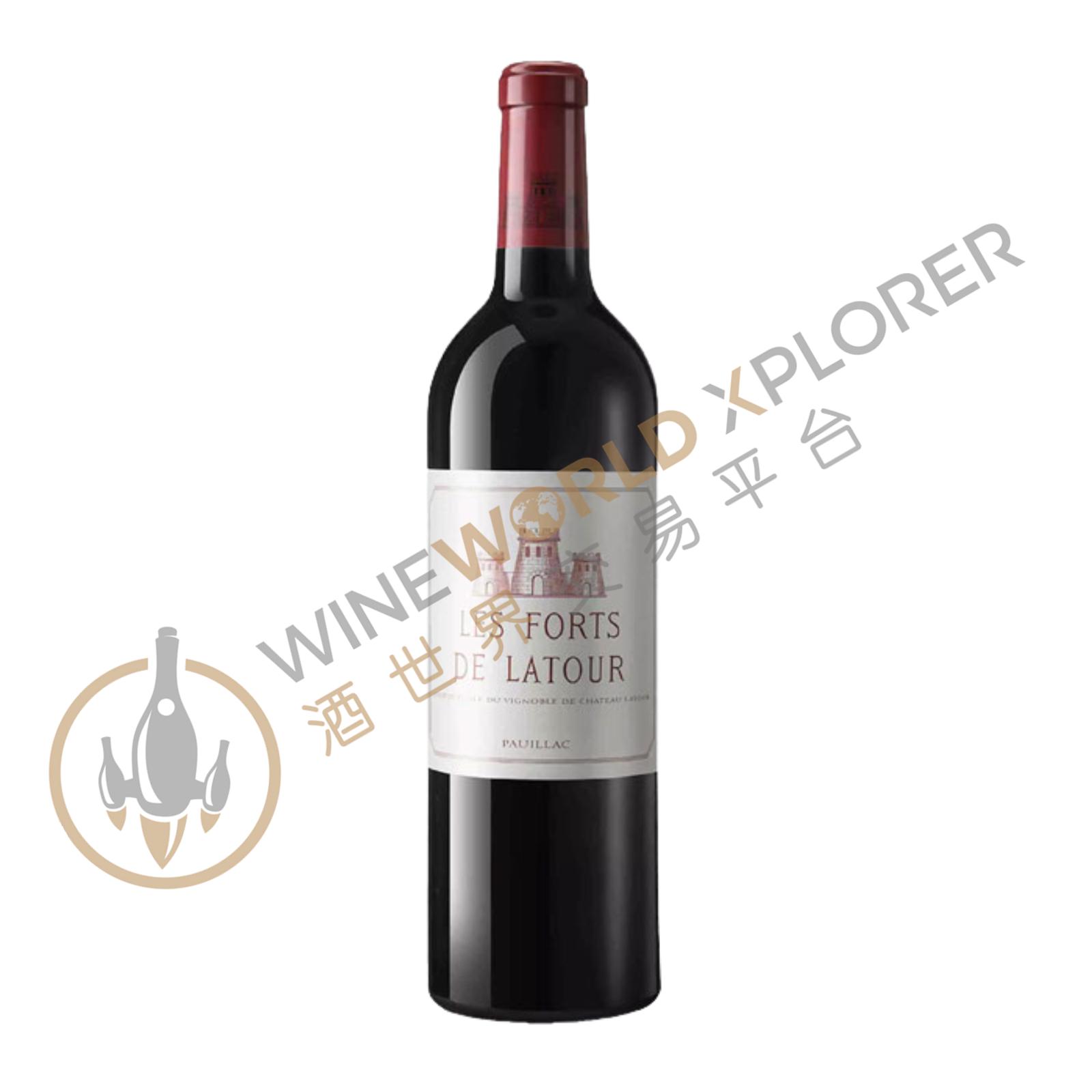
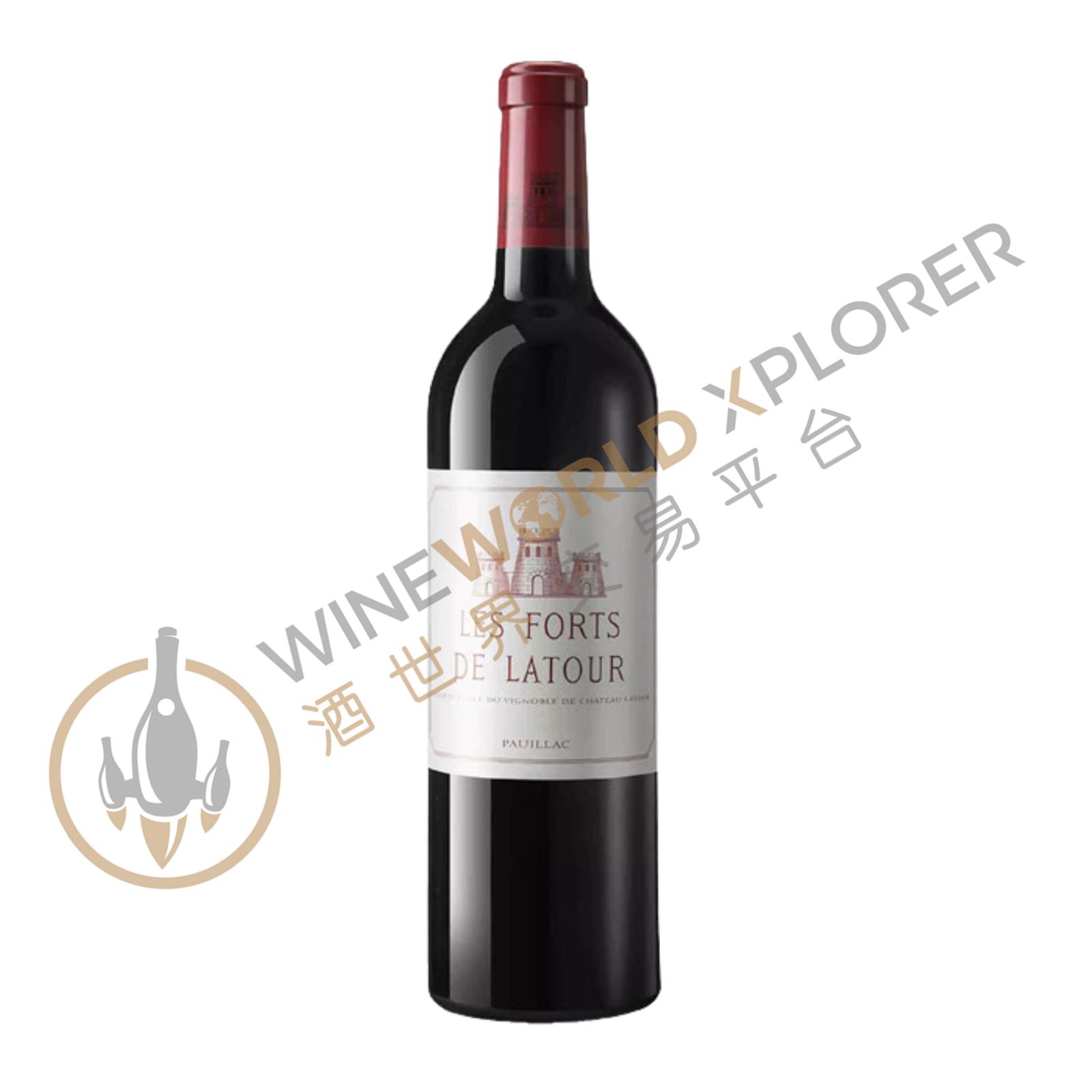
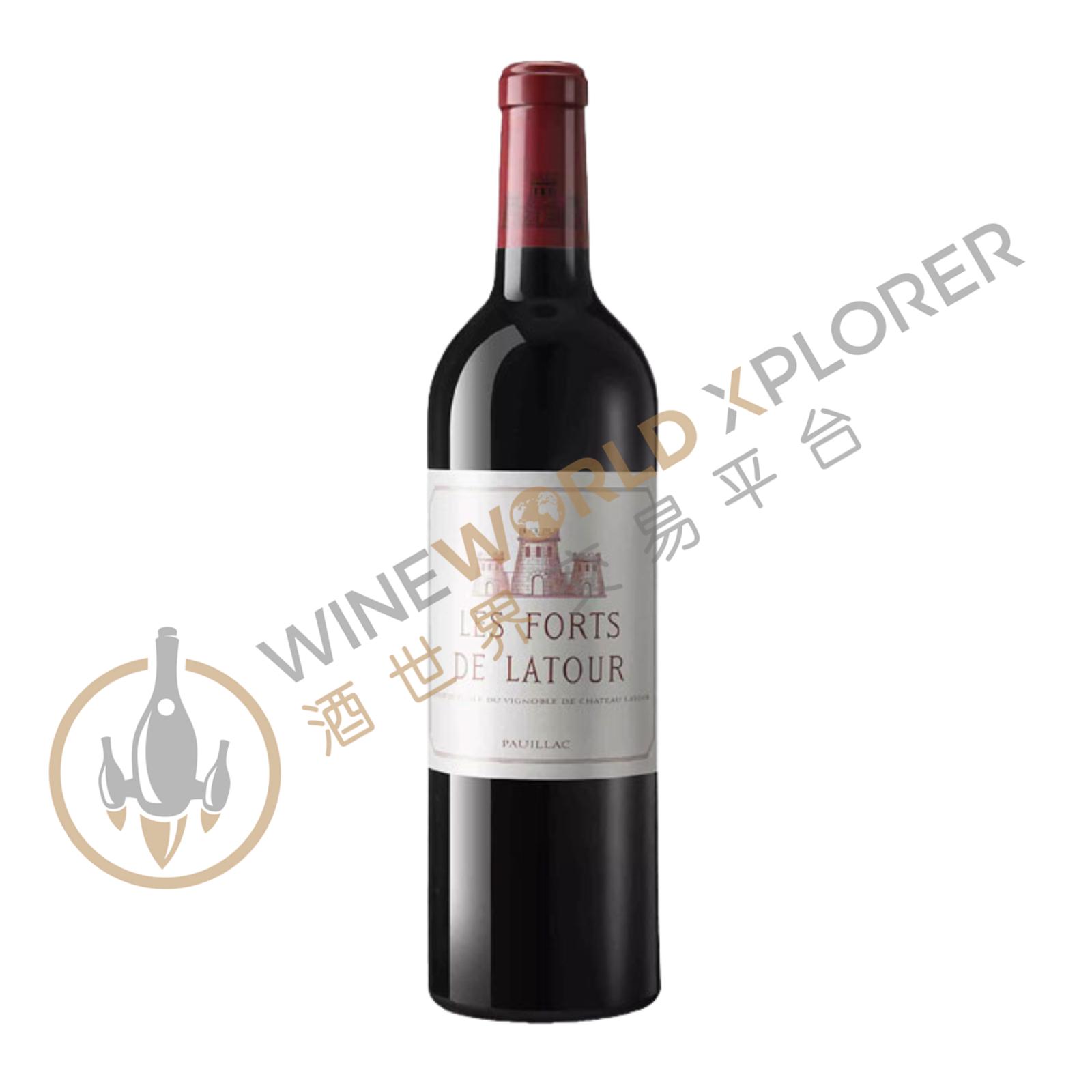
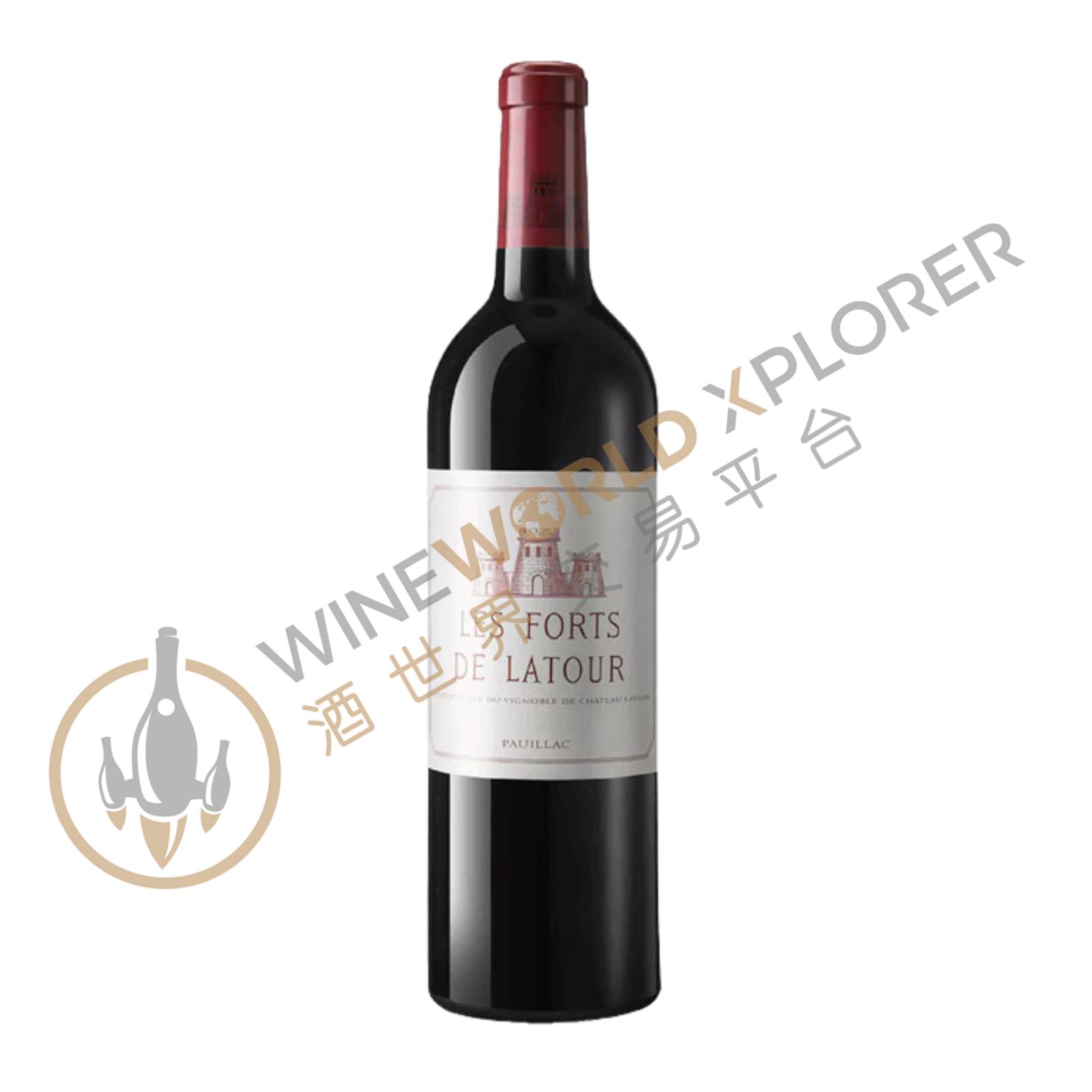
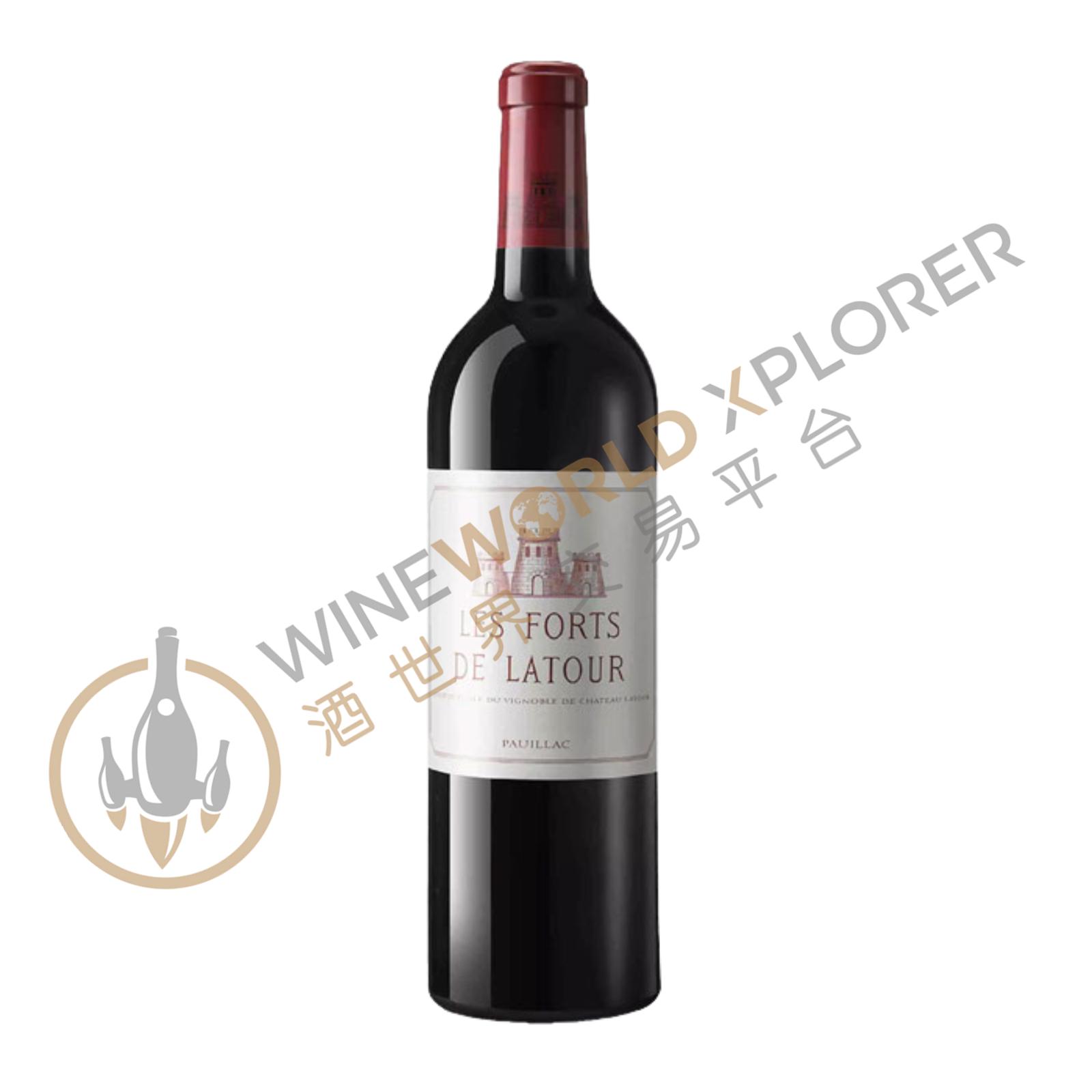
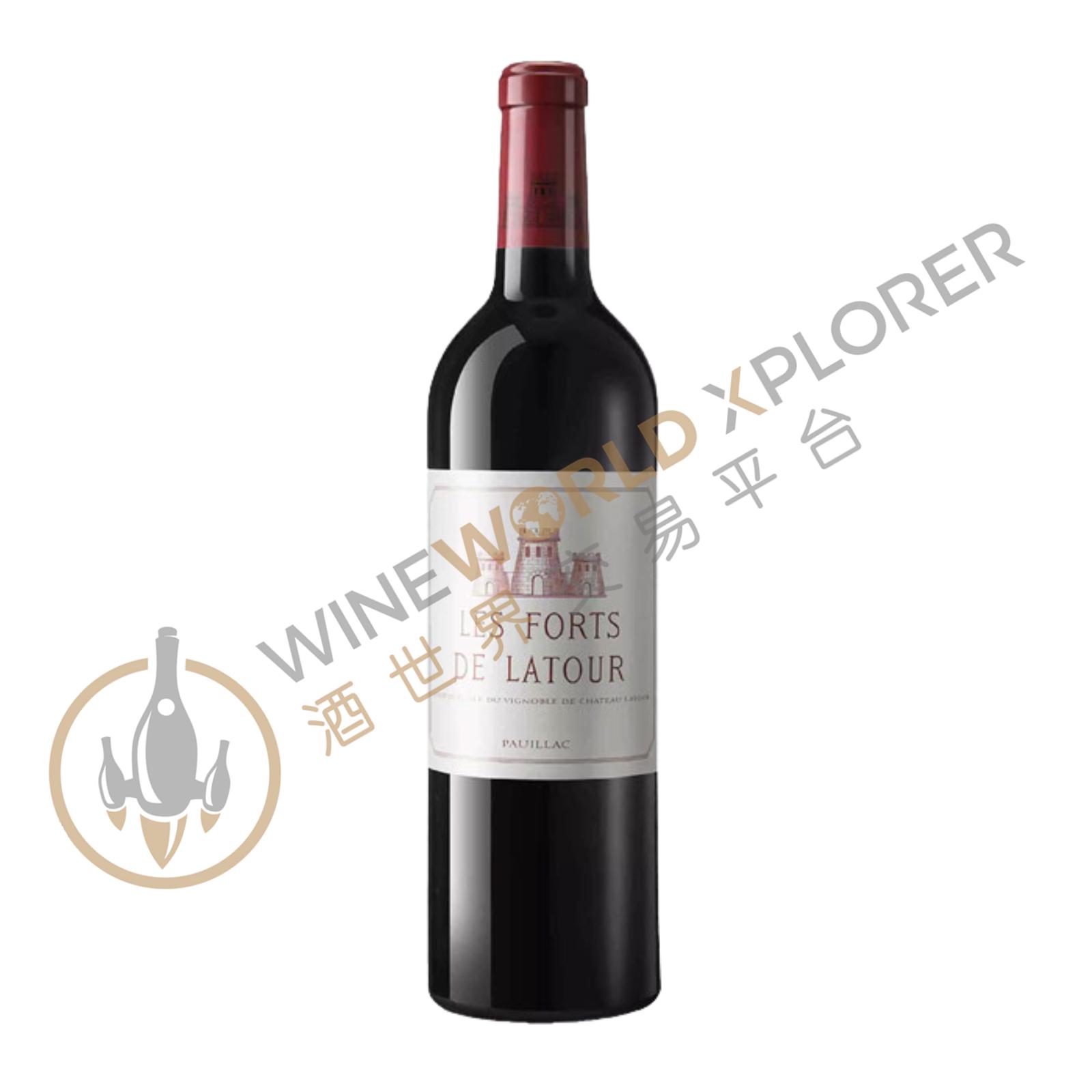
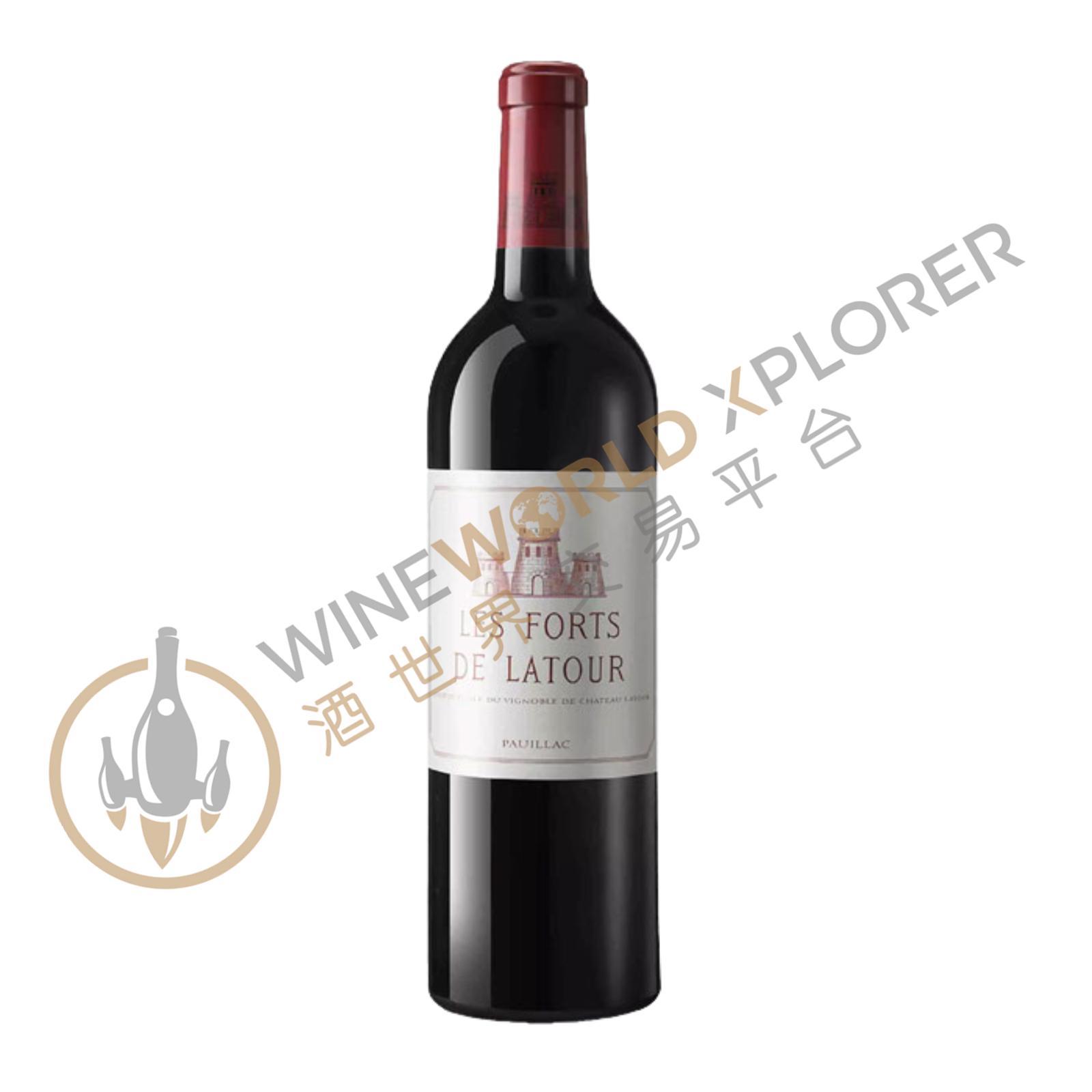
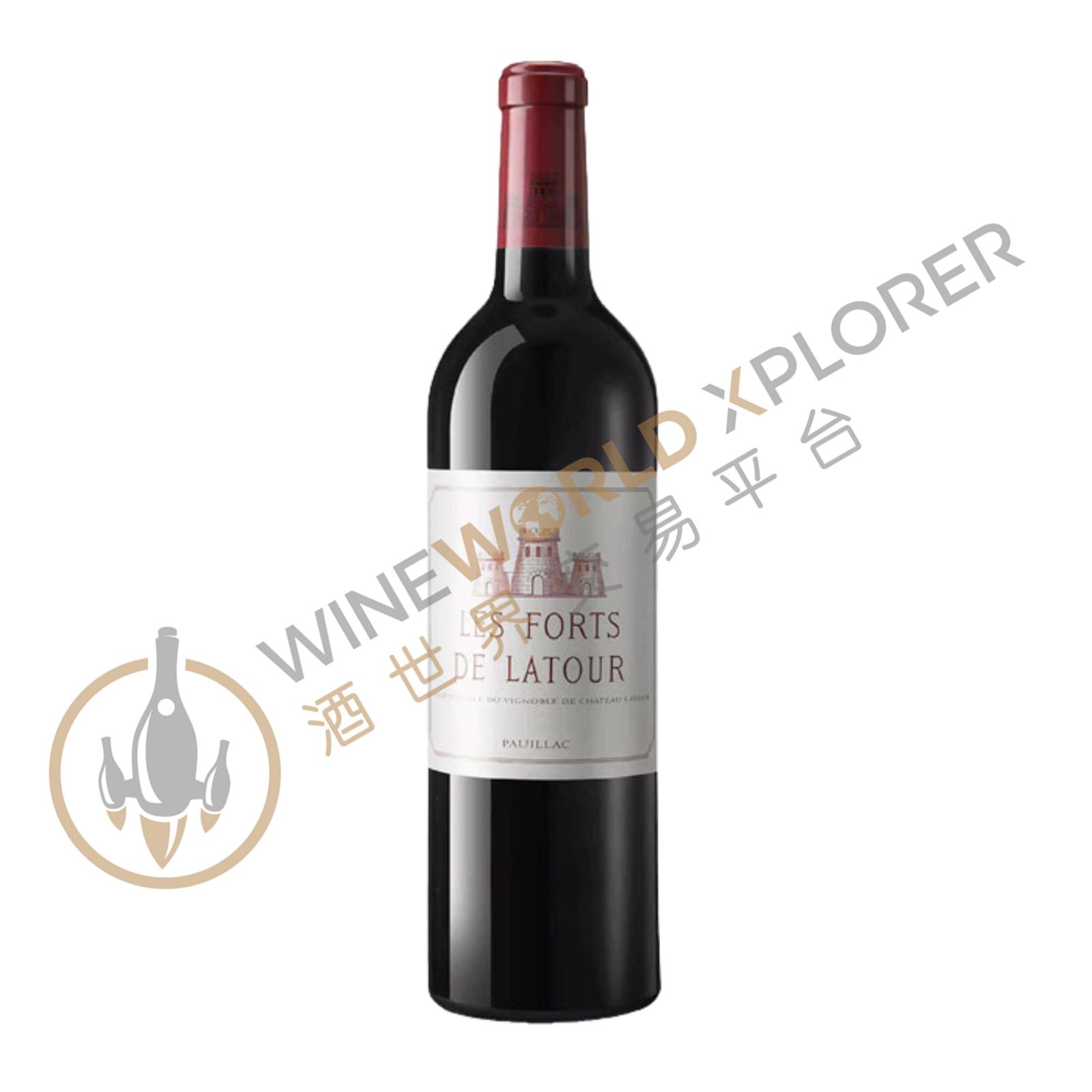
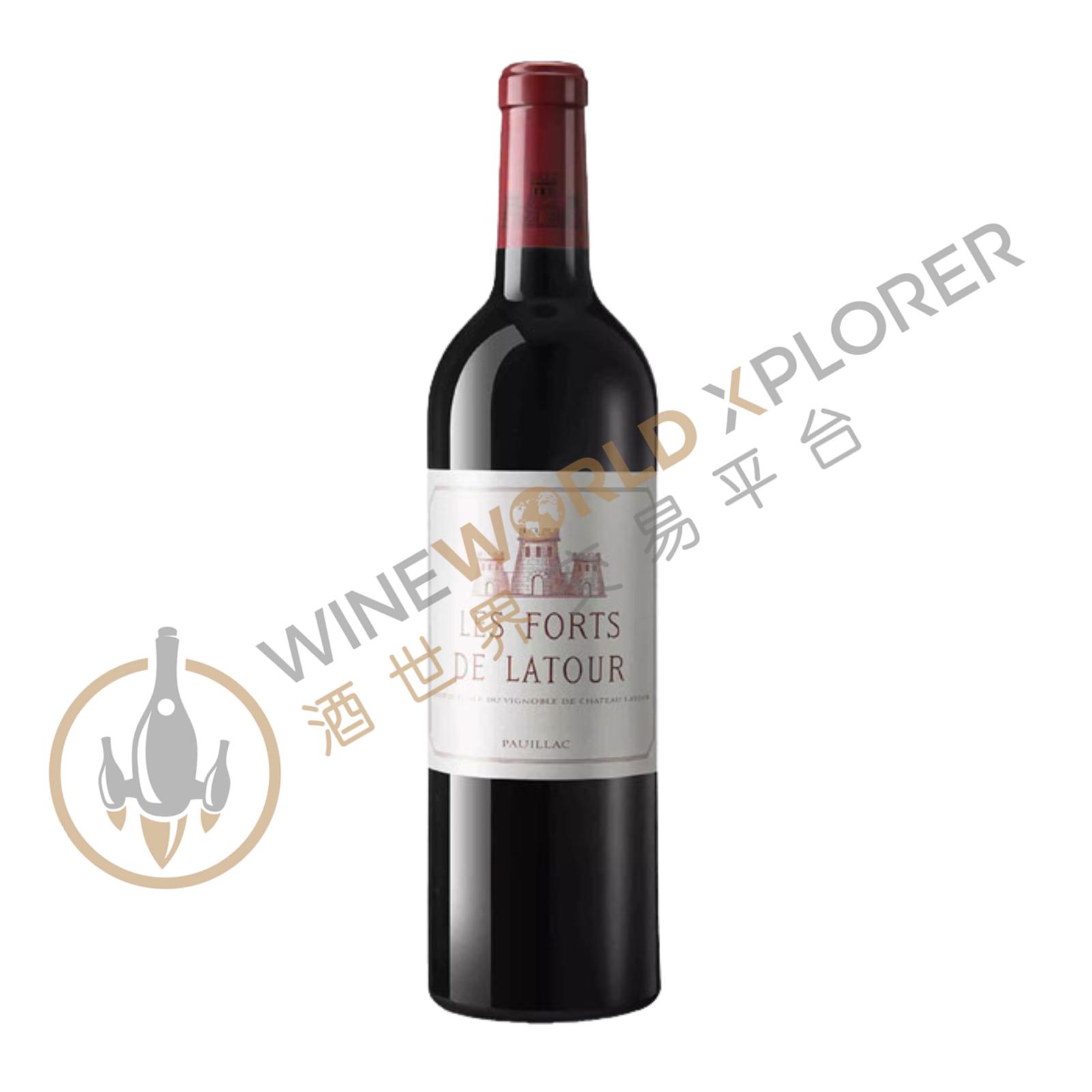
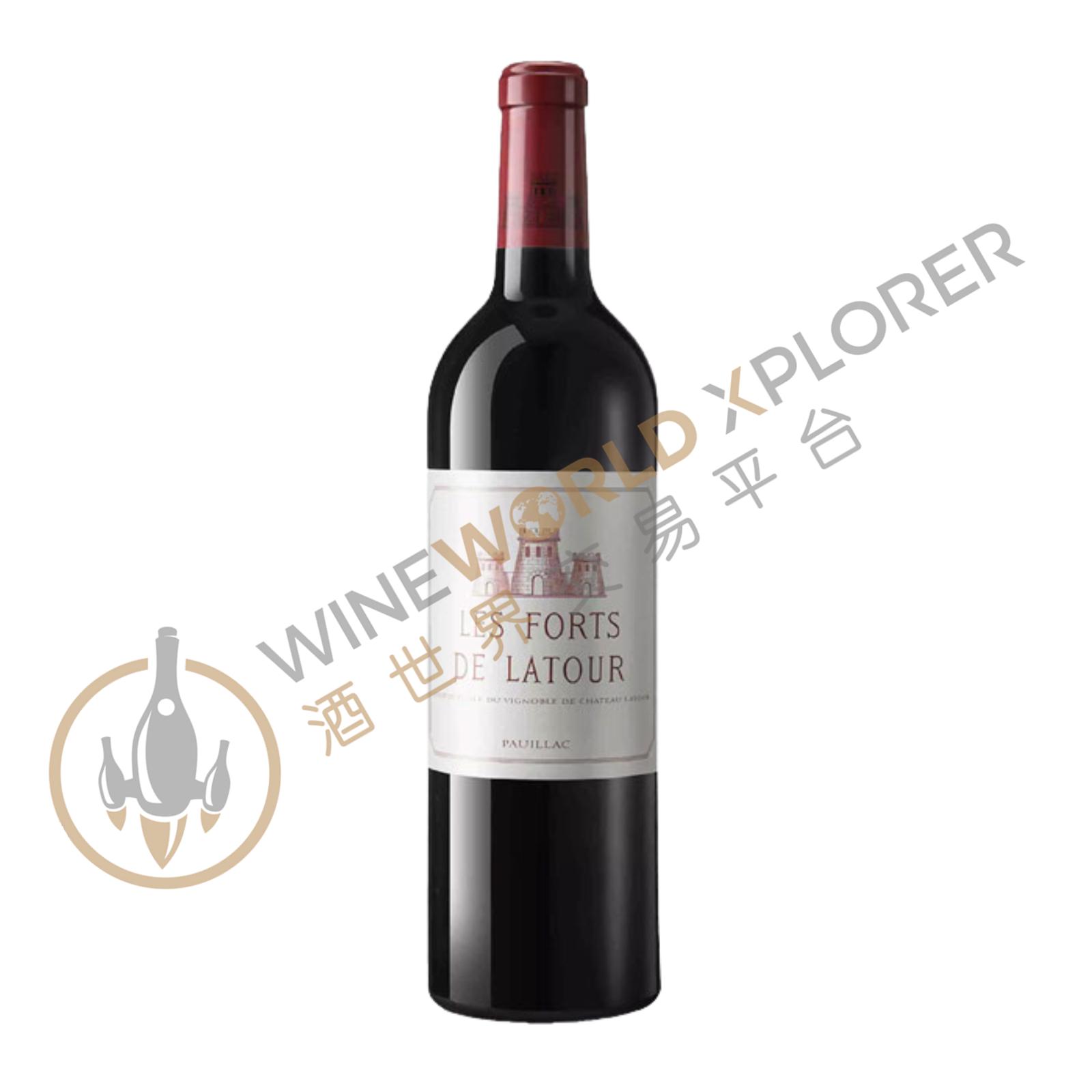
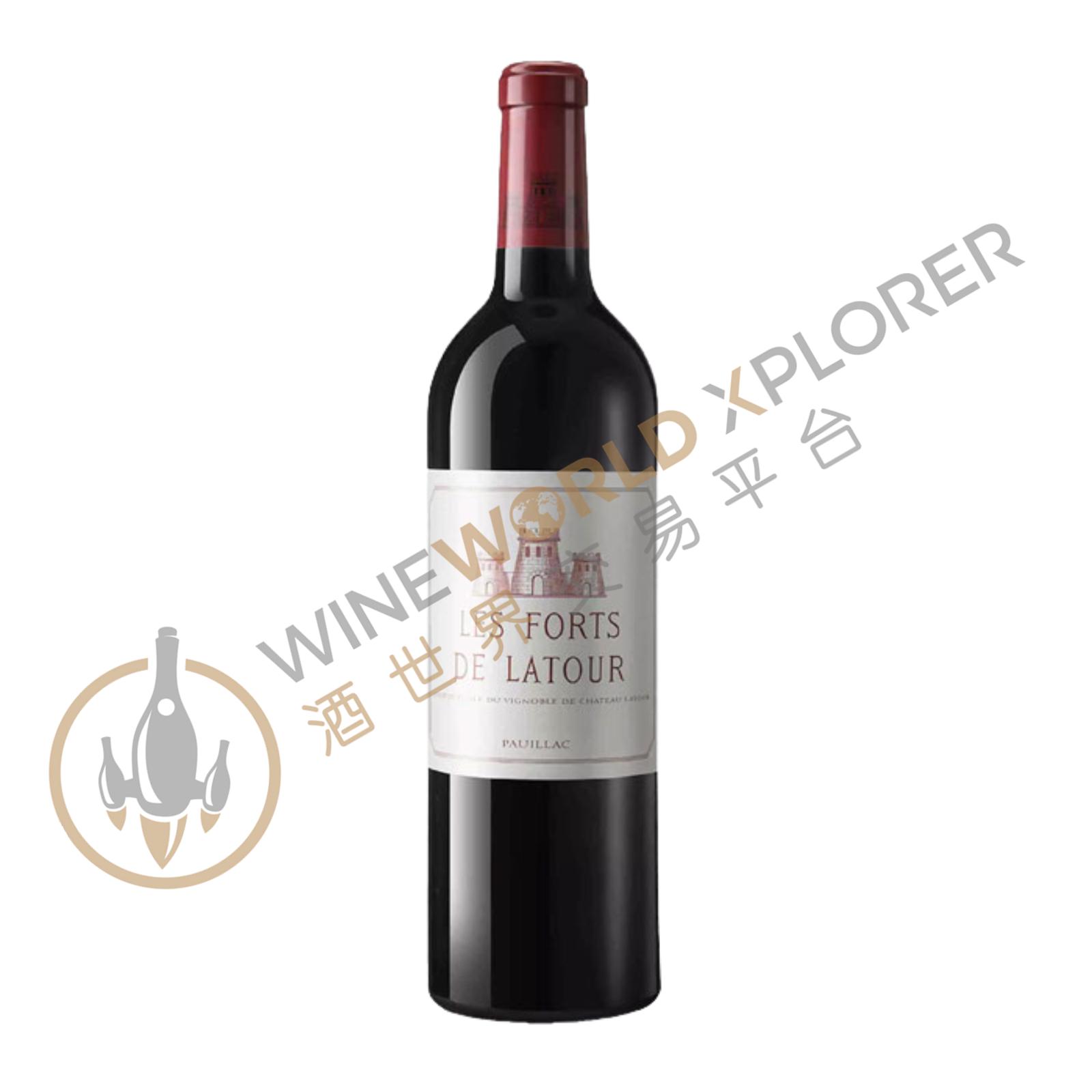
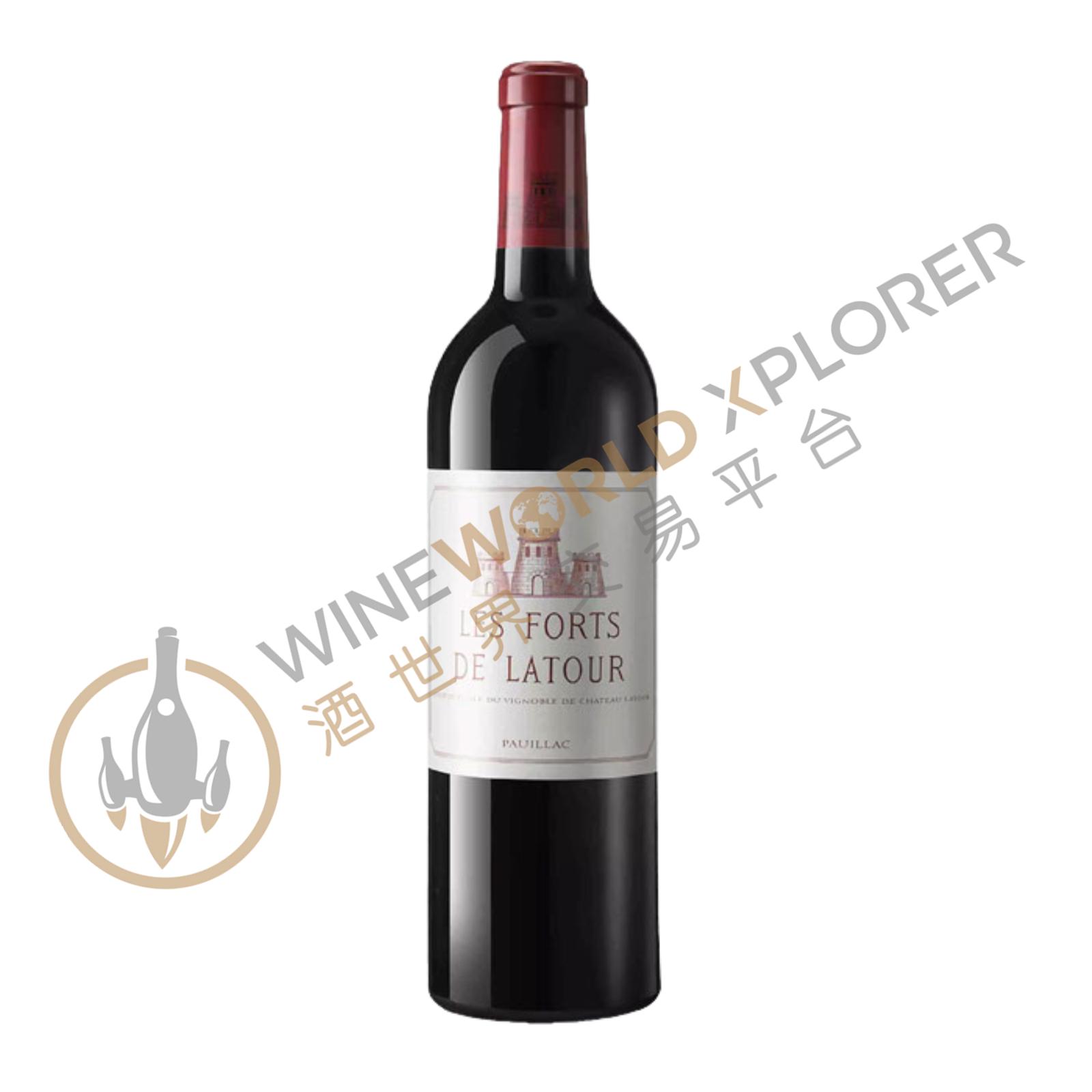
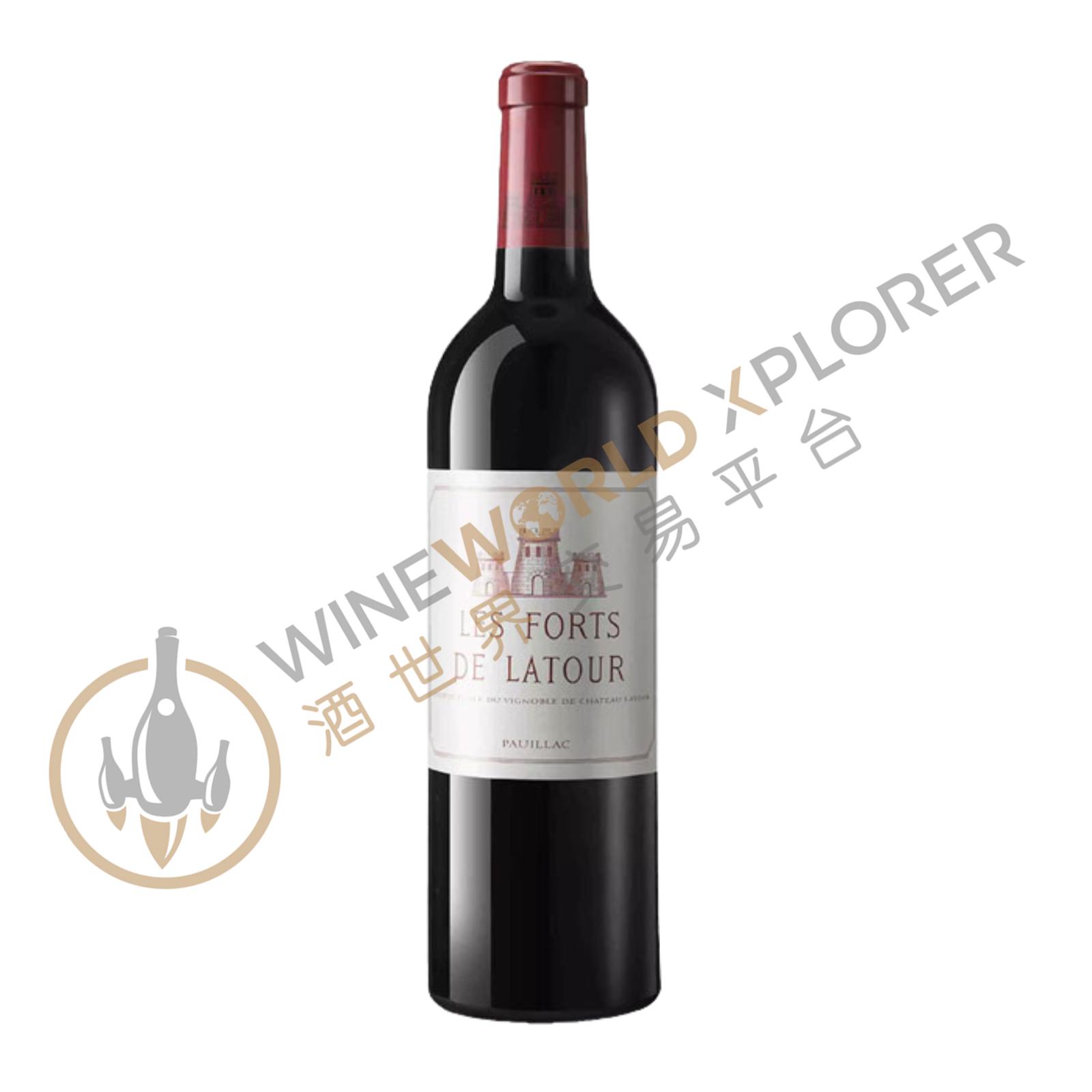
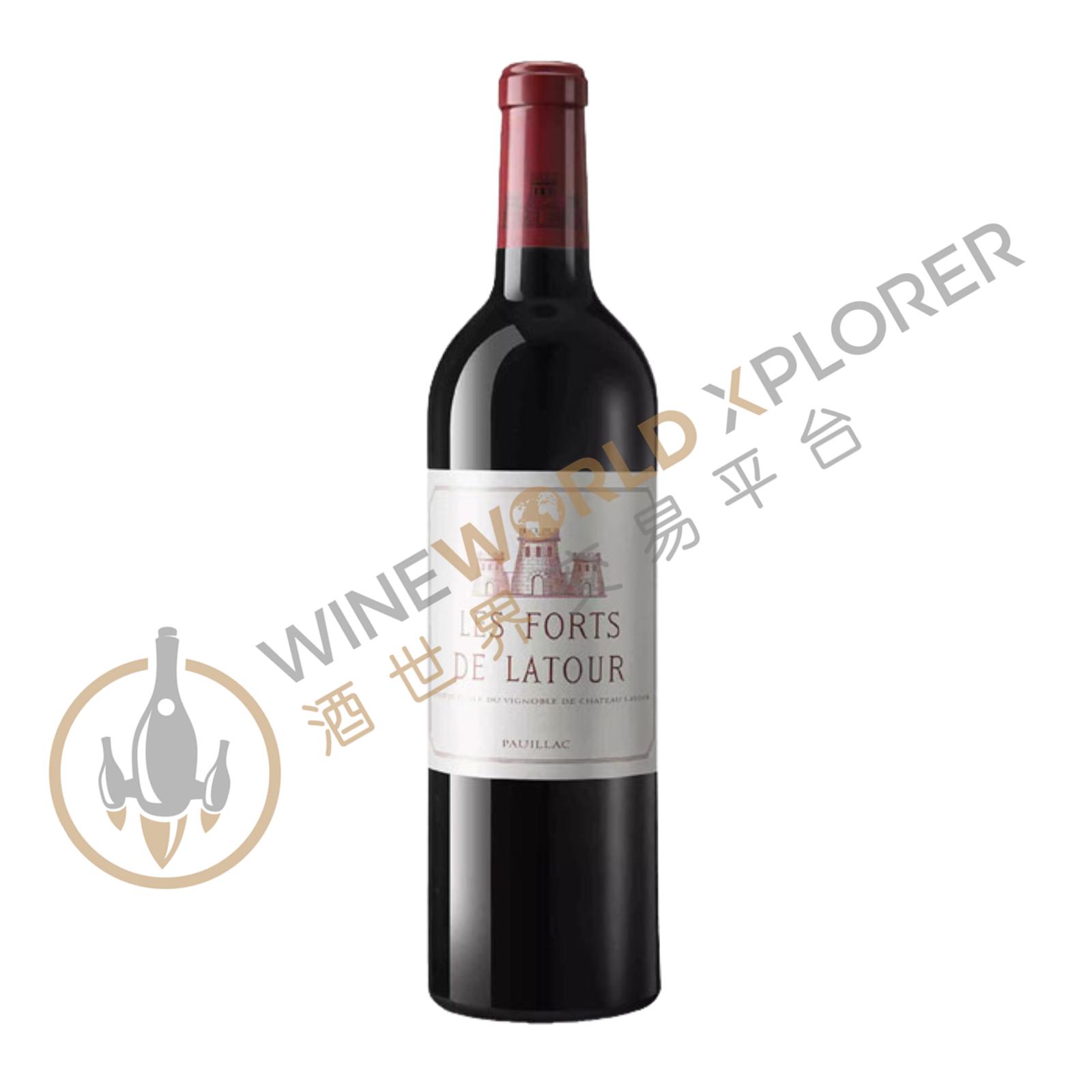
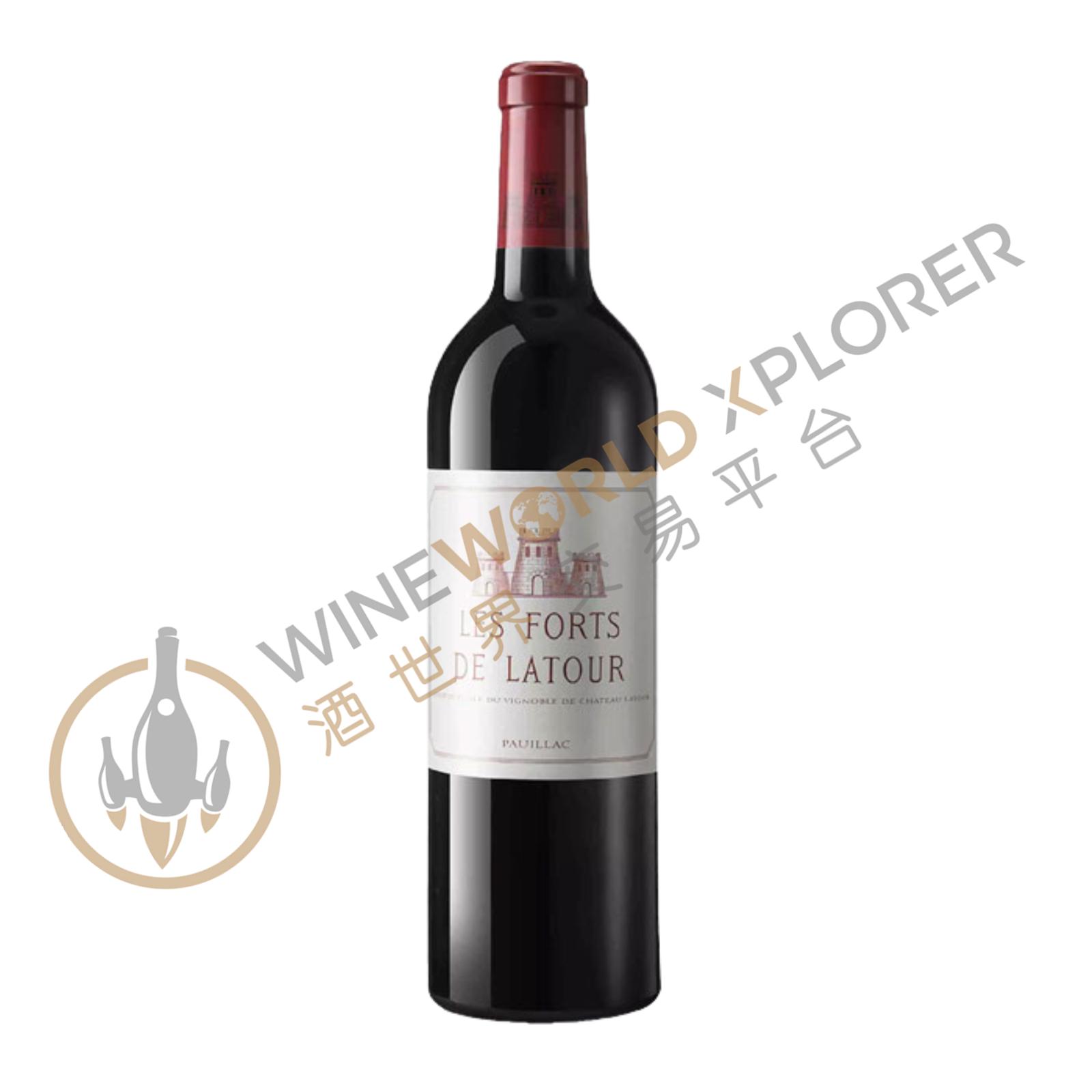
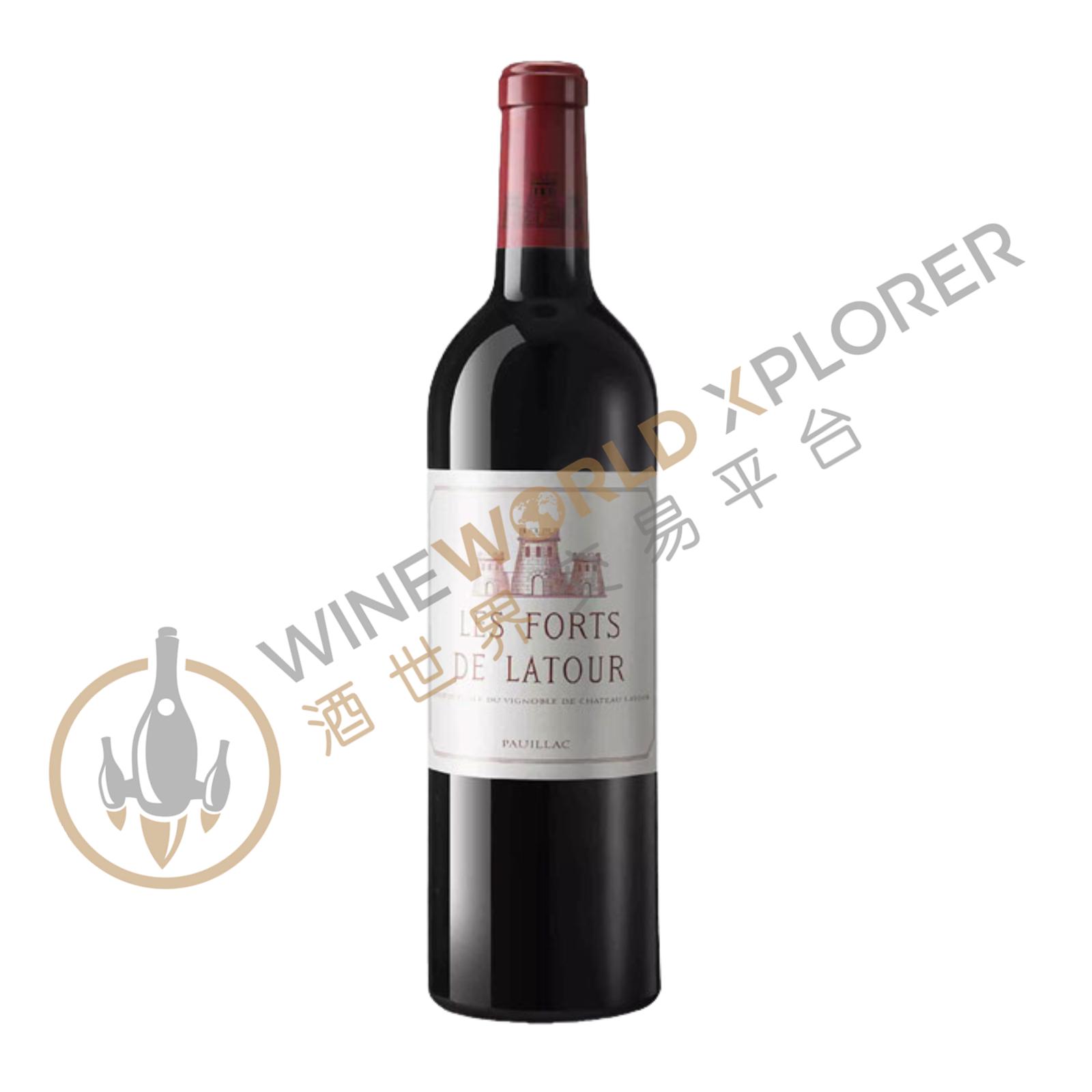
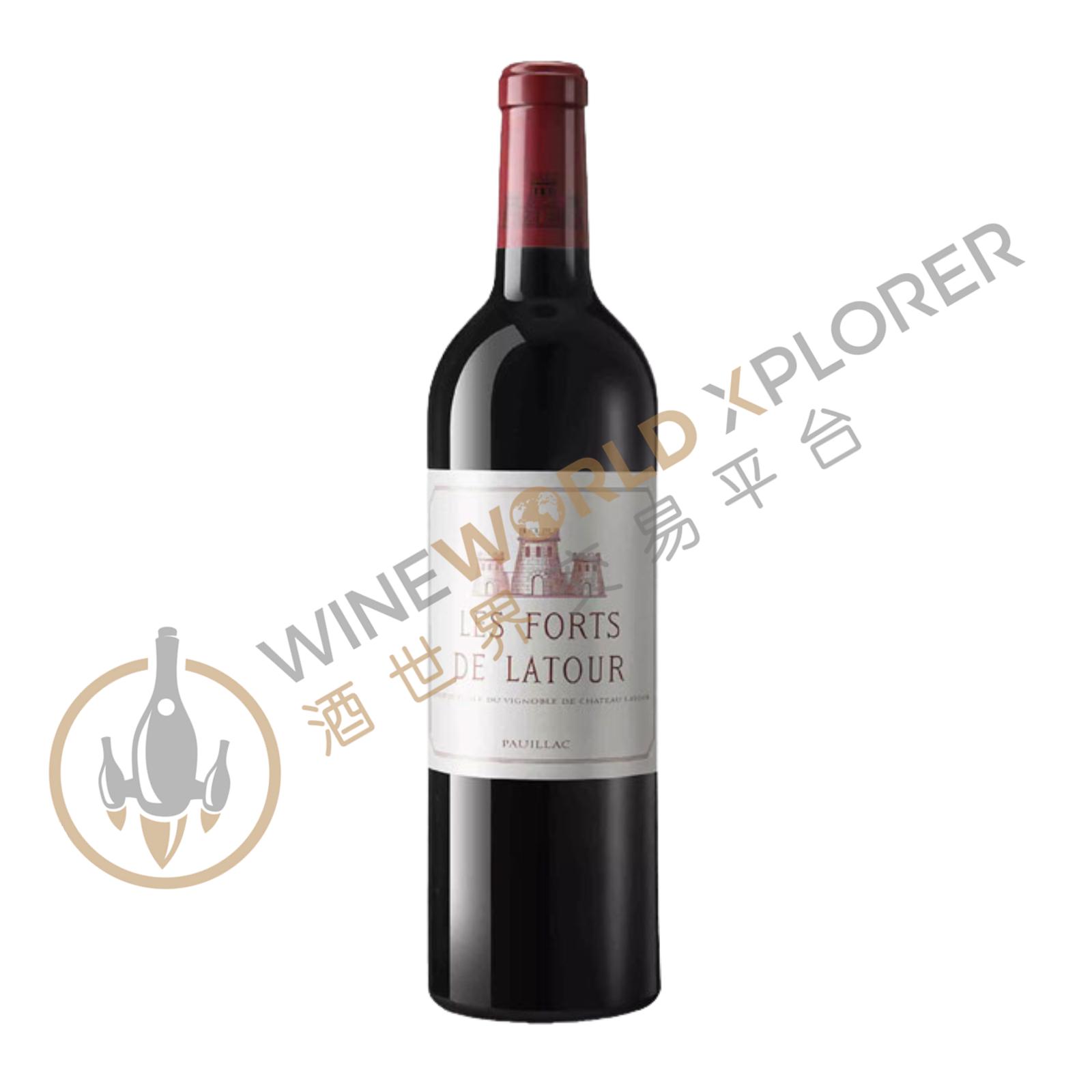
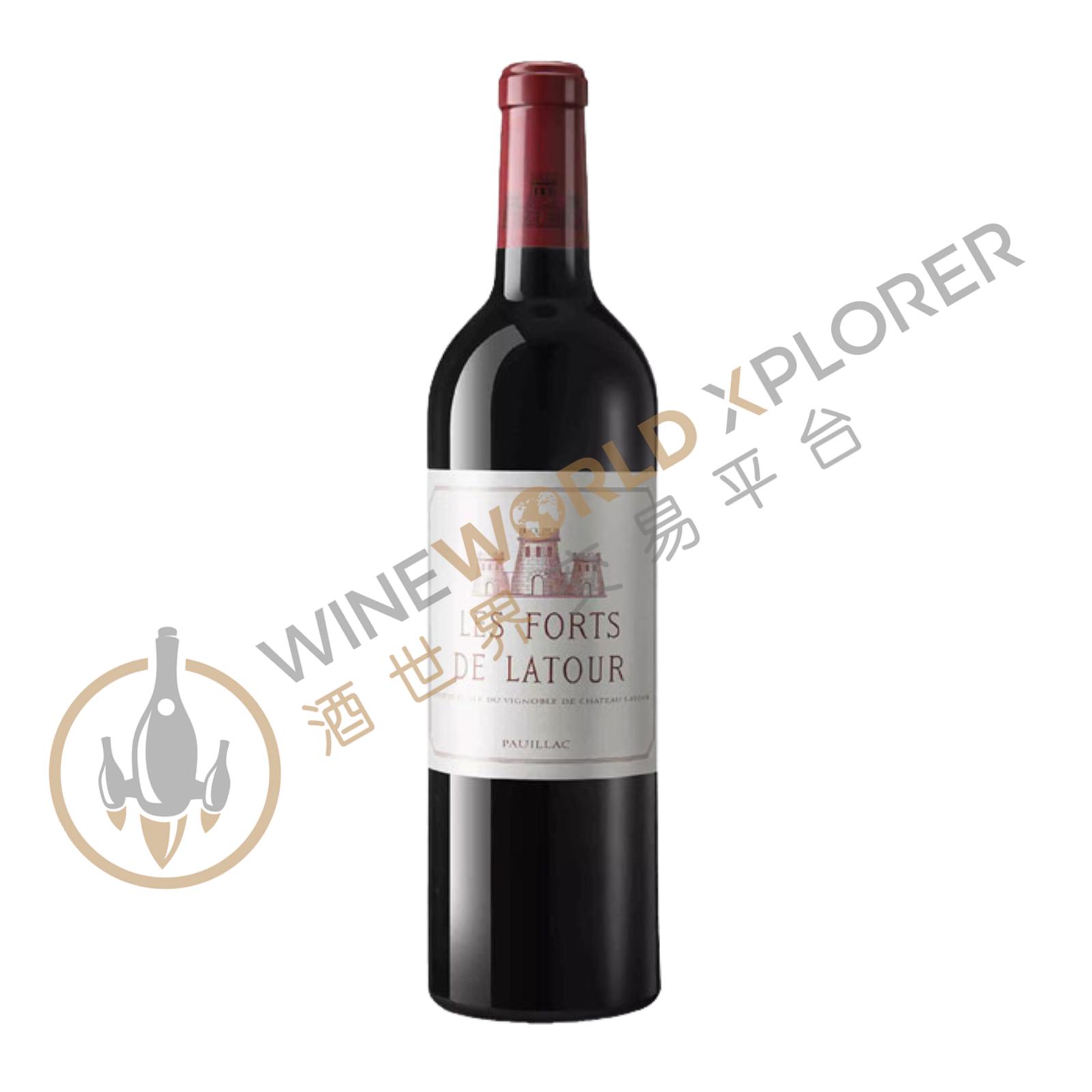
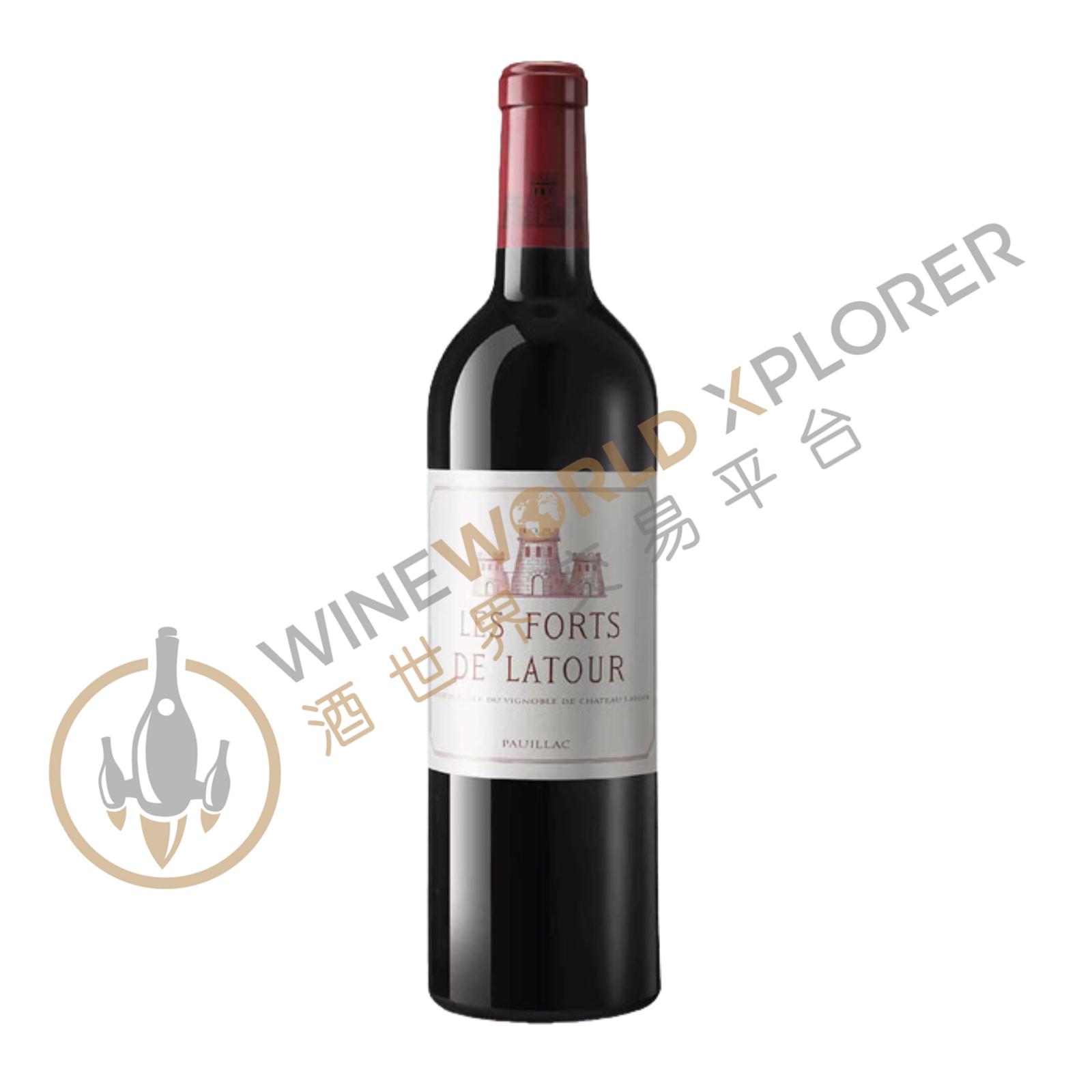
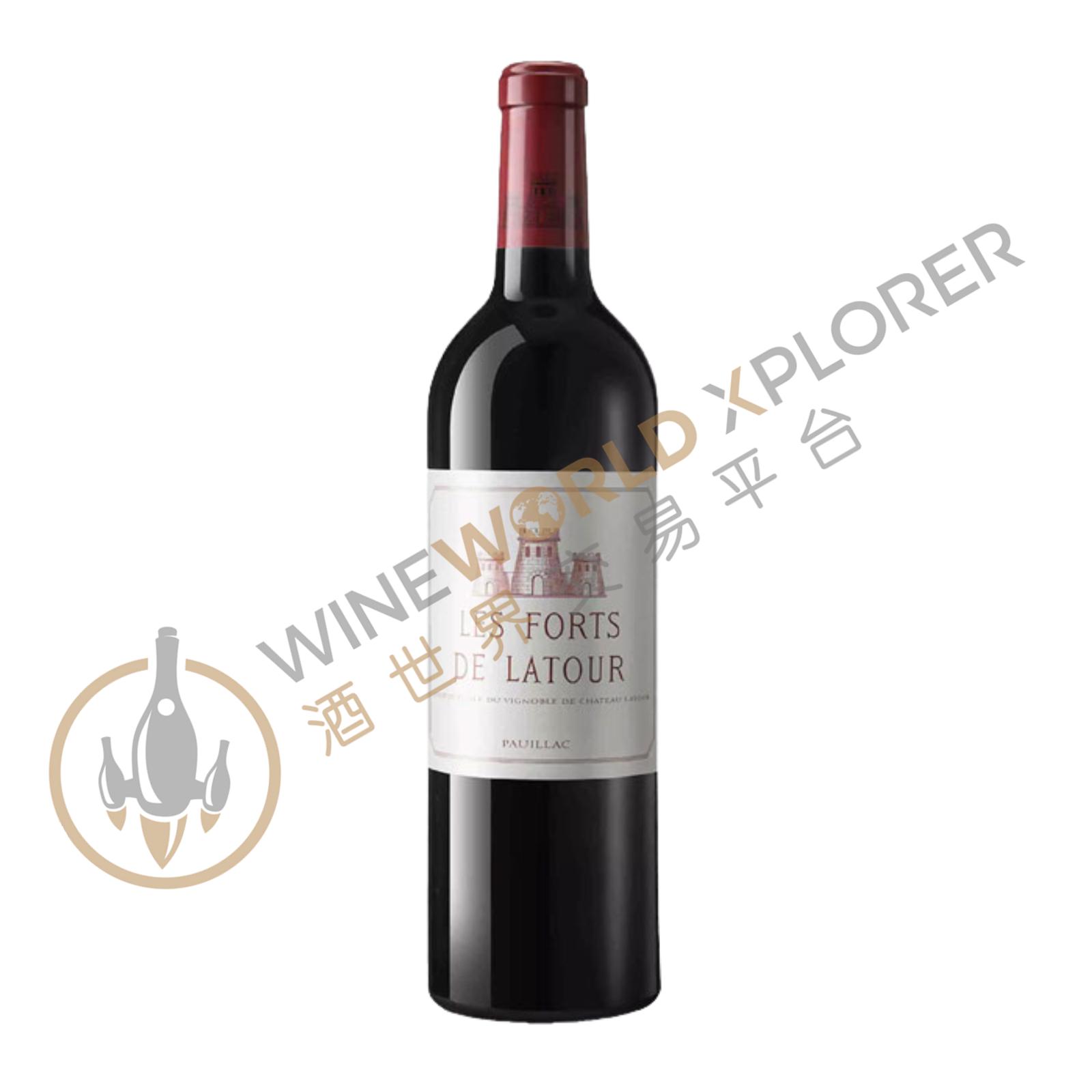
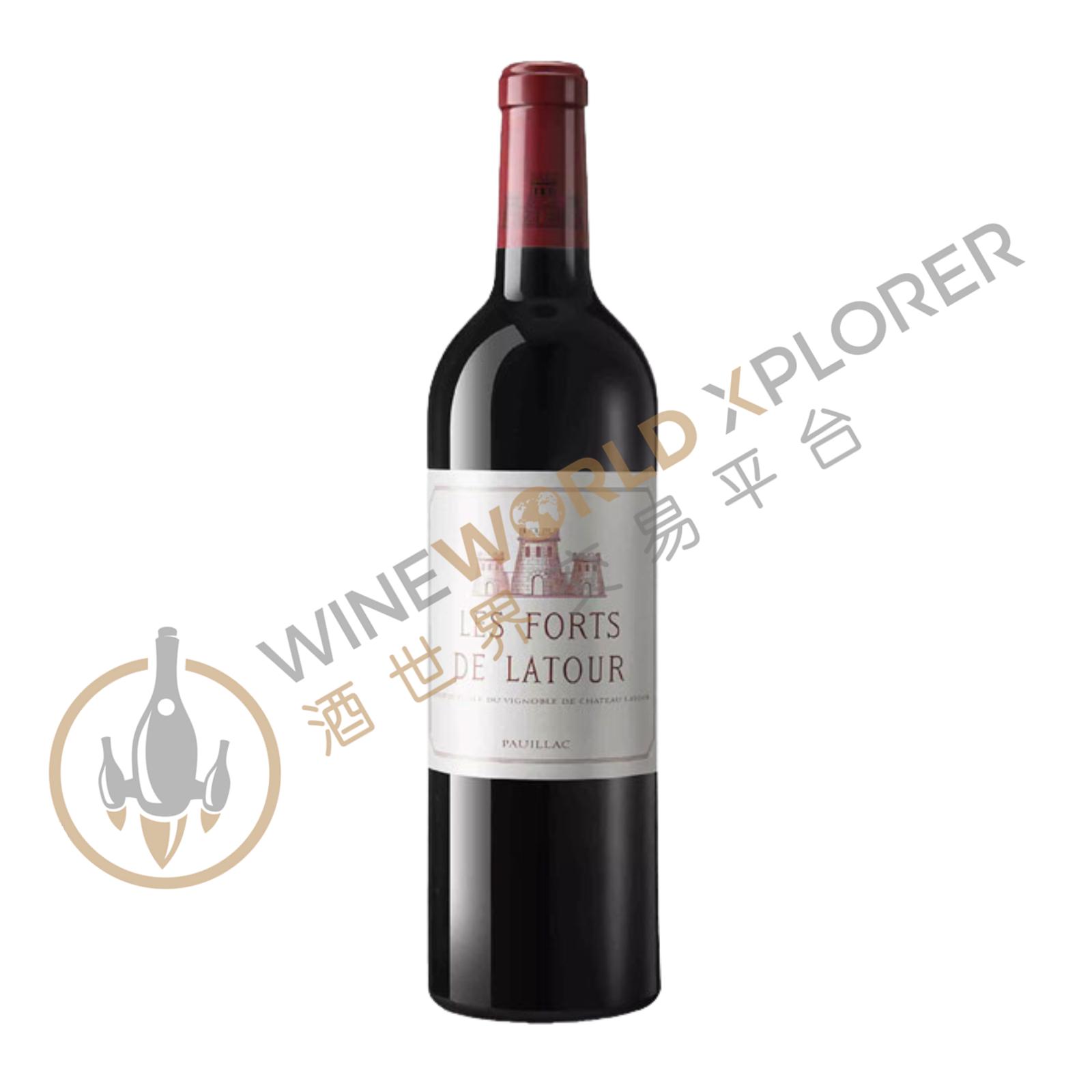
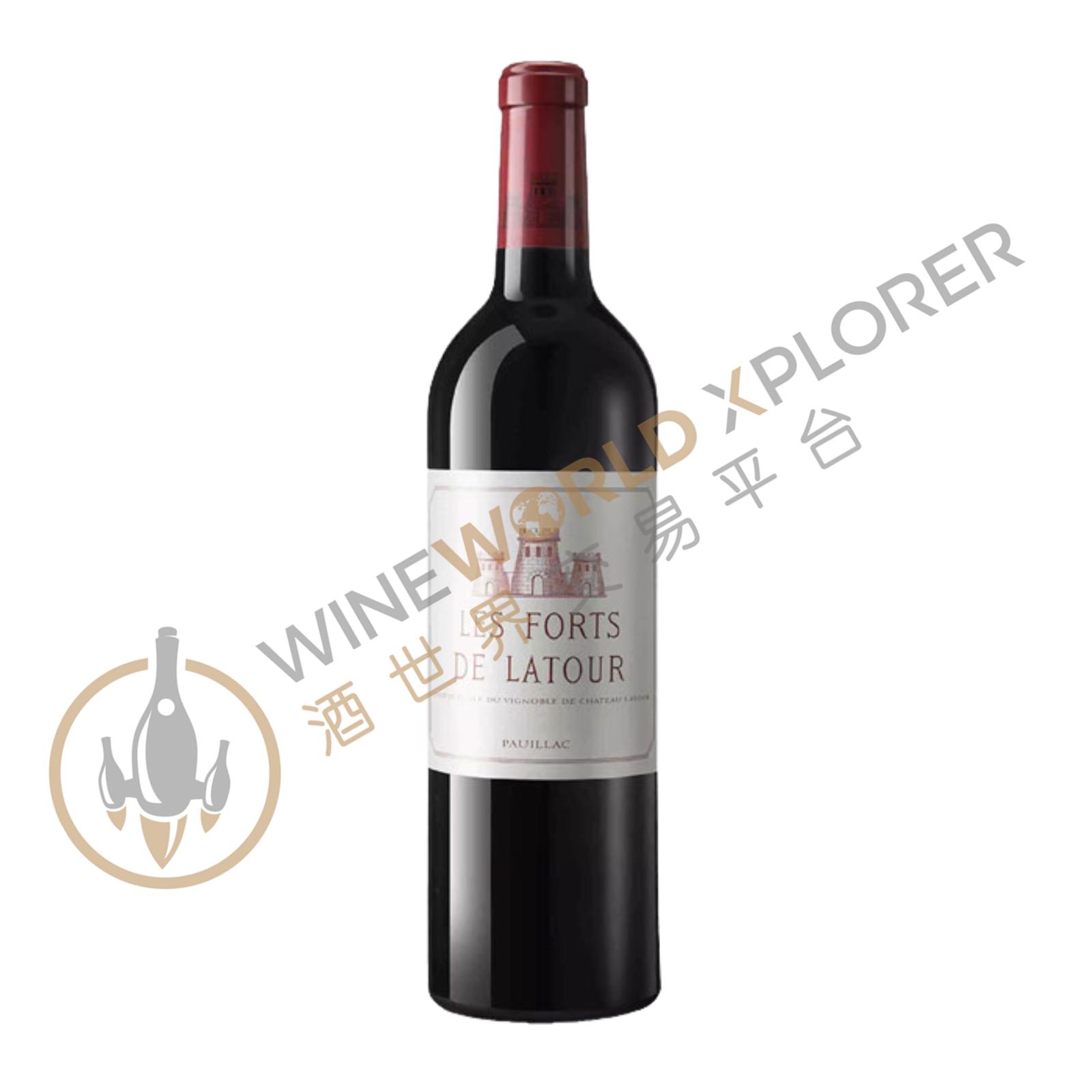
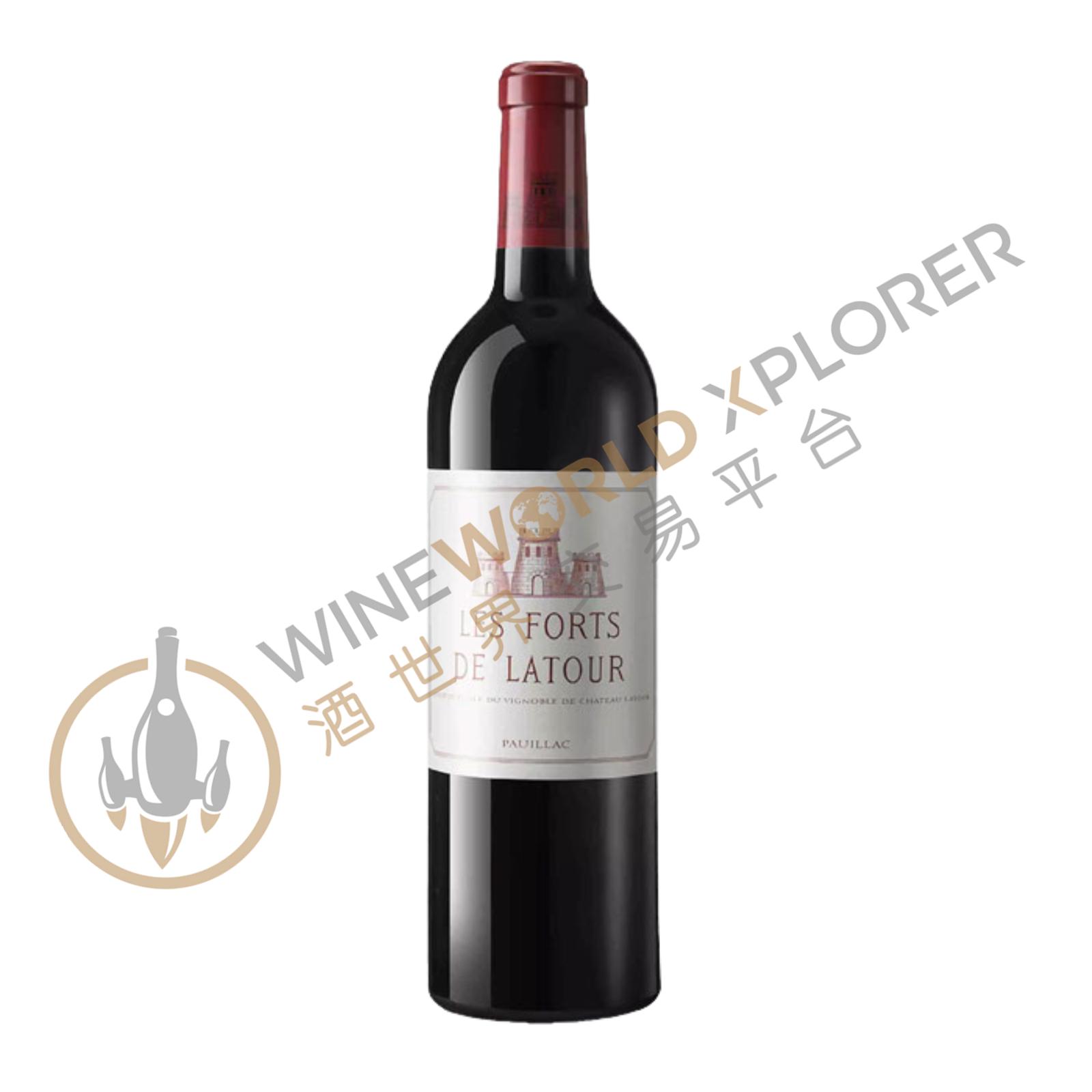
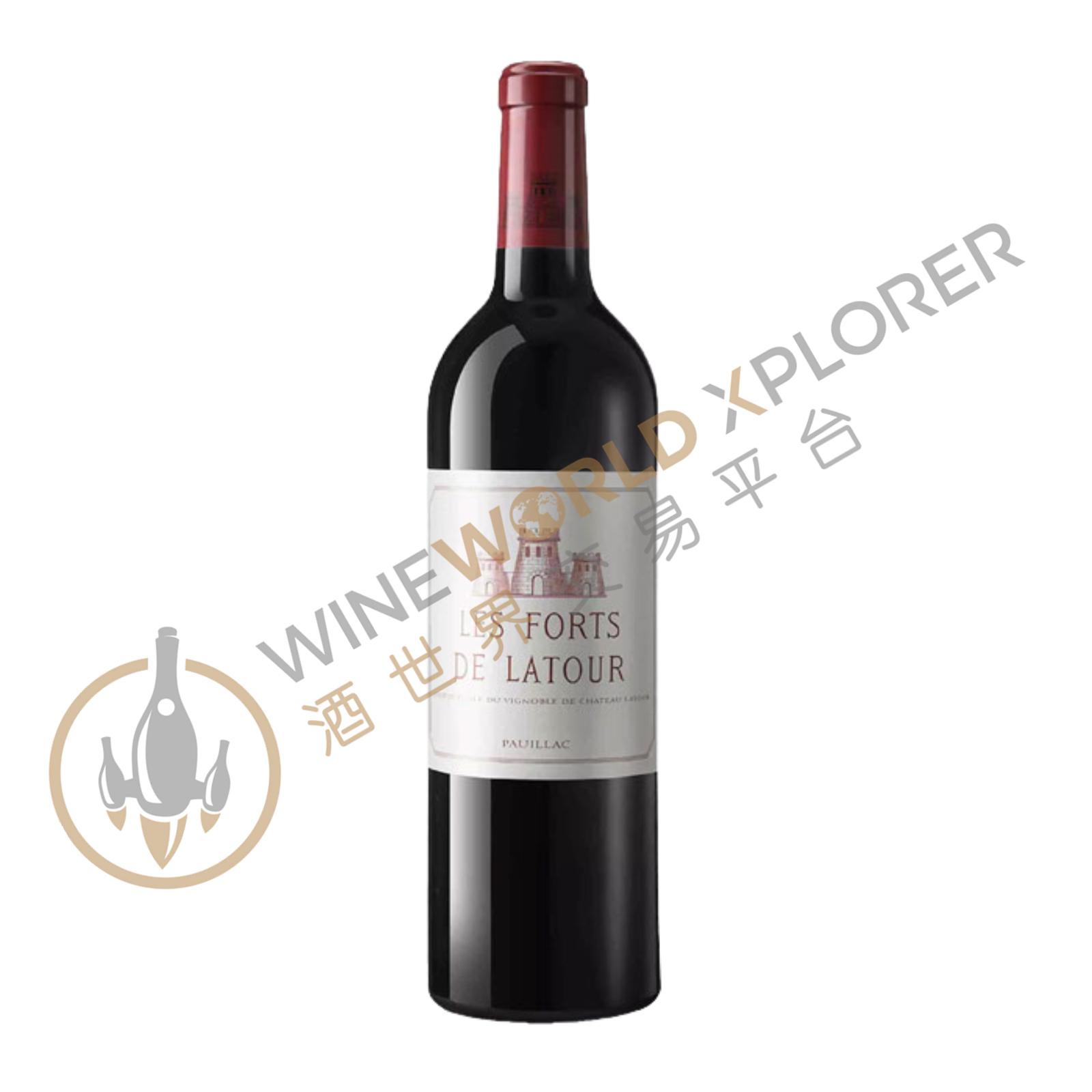
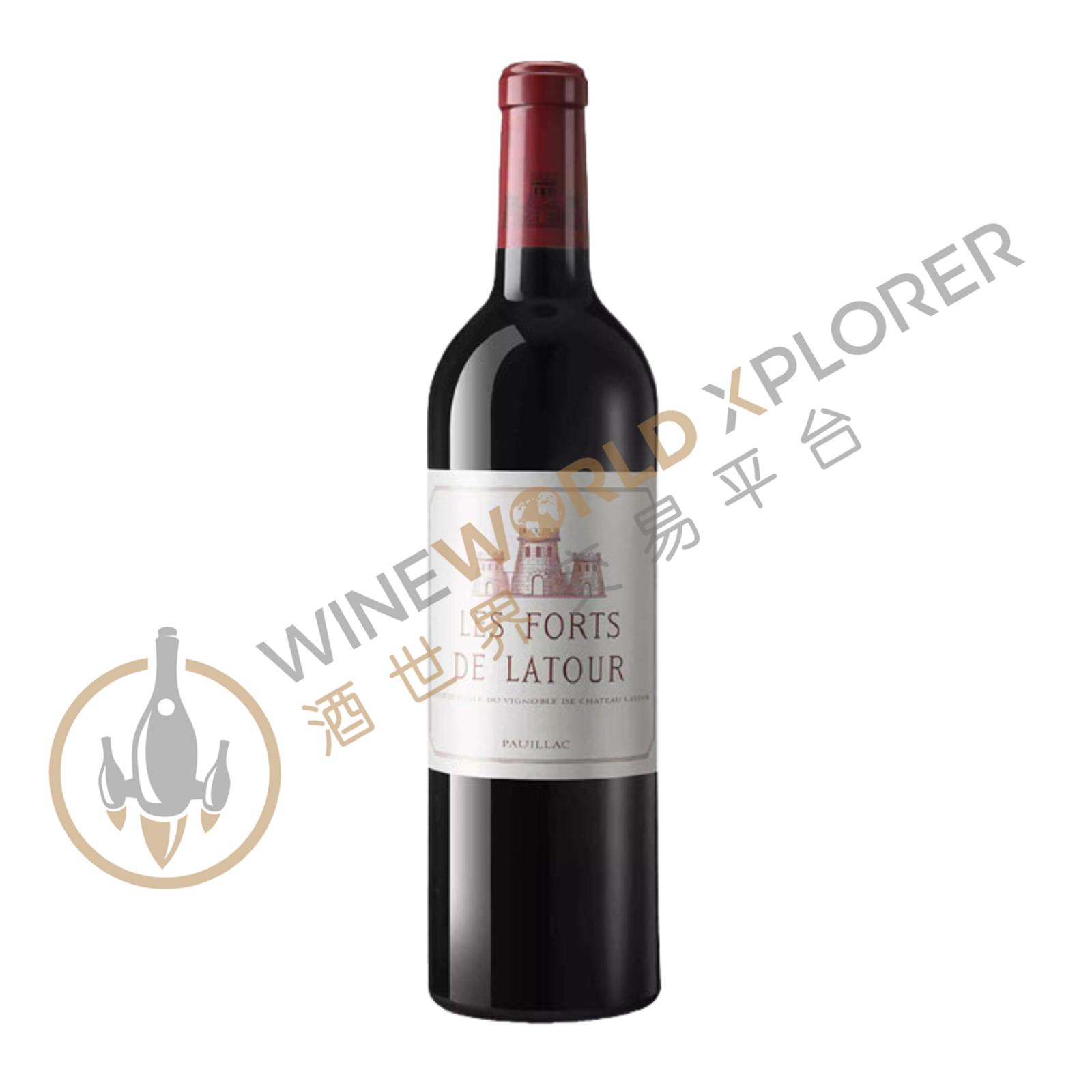
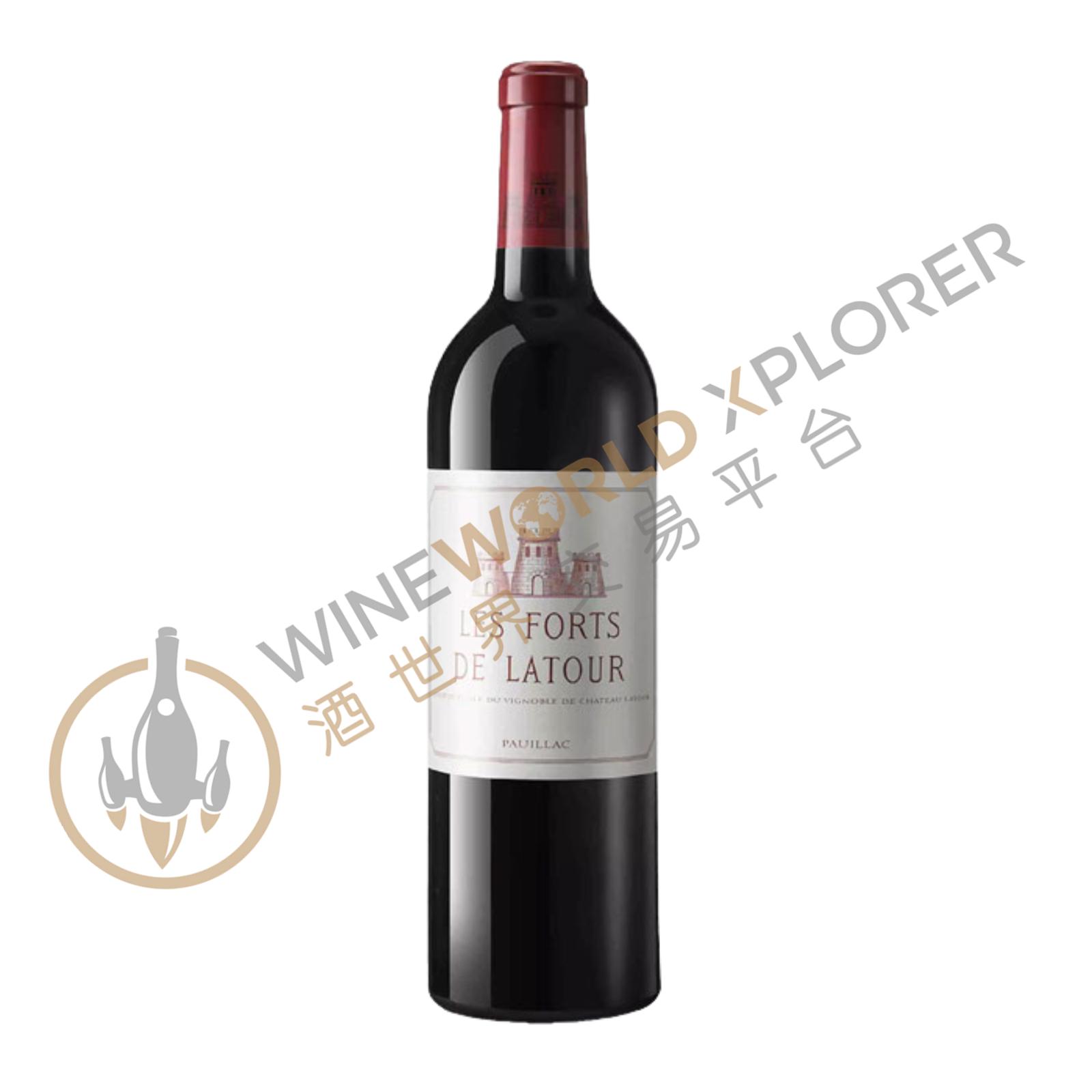
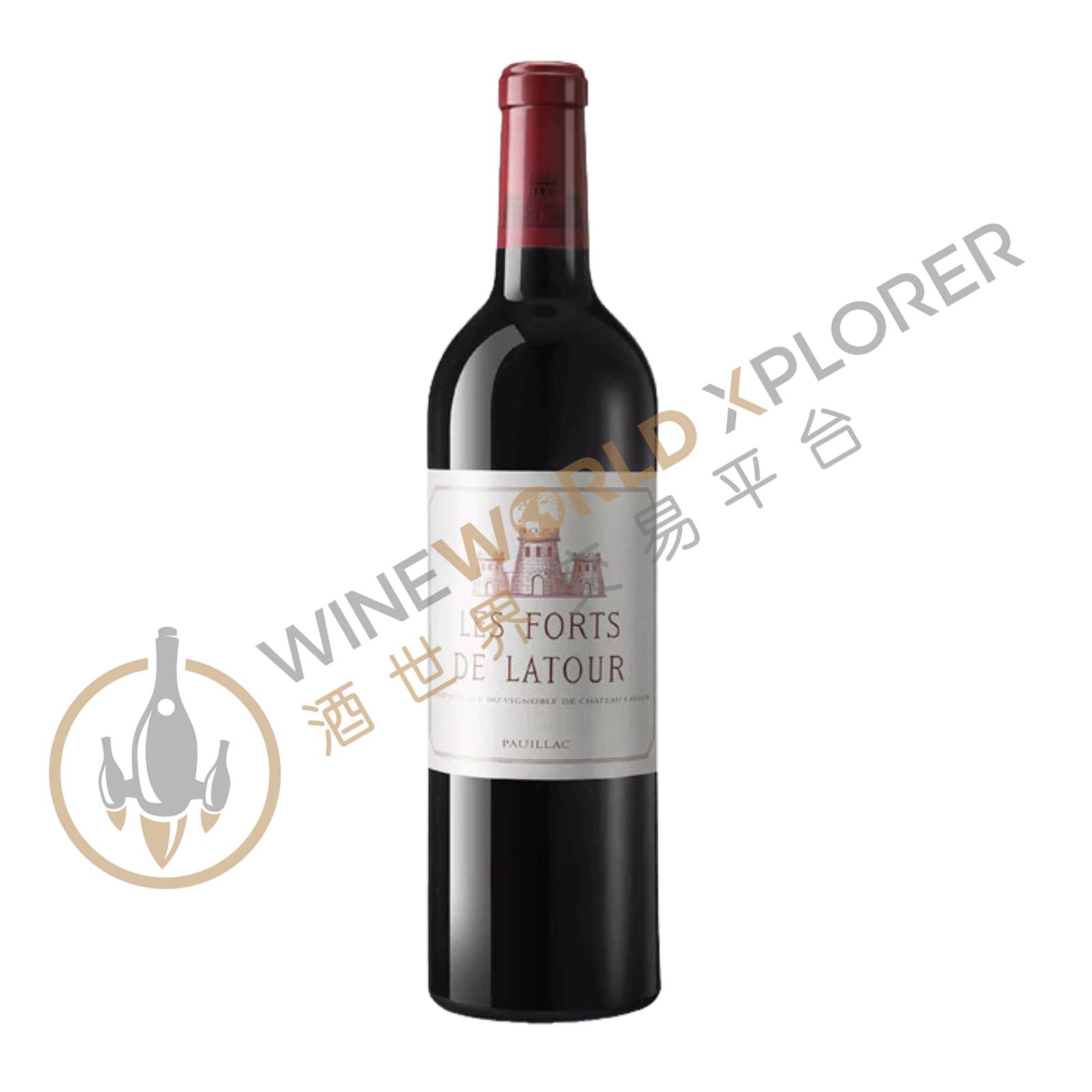
Les Forts de Latour 2002
 View analysis
Description
Tasting notes

Reviewed by: Robert M. Parker, Jr.
A candidate for the top second wine from the first-growth chateaux is the 2002 Forts de Latour. It exhibits an inky purple color as well as big, concentrated, sweet aromas of cassis and cherry fruit, spice box, and cedar. Full-bodied and terrifically endowed, this blend of 82% Cabernet Sauvignon and 18% Merlot should hit its prime in 4-5 years, and drink well for two decades. Bravo!
Reviewed by: Neal Martin
This is much more opulent on the nose than the 2004 Les Forts with aromas of violets, dried figs and a touch of dates. As Frederic Engerer mentioned, there is something almost Burgundy about it. The palate is medium-bodied, svelte tannins, damson, blackberry, Doris plum and a hint of orange cut marmalade. Complex and very well defined on the feminine and finely tuned finish. Drink 2012-2022. Tasted September 2008.
Reviewed by: Neal Martin
Very closed on the nose. Lovely toasty palate: very pure with great balance. Well-knit tannins, quite robust and bullish but with more finesse than Le Petit Mouton. Very fine. Tasted April 2003.
Reviewed by: Neal Martin
Tasted blind at Farr's 2002 Bordeaux tasting. This has a lifted, ebullient liquorices-scented nose with ripe black cherries and blueberries to the fore. Good definition. Full-bodied on the palate with a succulent entry, very ripe and sweet with noticeable glycerine and spice the cloaks the structure underneath. Very smooth and succulent on the finish. Moderate length. This is a polished, you could almost say over-polished, Pauillac, but it hits the spot. Tasted October 2009.
Reviewed by: Robert M. Parker, Jr.
A classic second wine that shows outstanding potential, the dark ruby/purple-colored 2002 has notes of cedar wood, black currants, earth, and truffles in a medium to full-bodied, supple-textured, beautifully concentrated style that can be drunk now or cellared for 10-15 years.
Reviewed by: Stephen Tanzer
Good deep red-ruby. Cool aromas of raspberry, currant, black olive and spicy oak. Sweet, sexy flavors of redcurrant, tobacco, nuts and dried herbs. A bit more compact today than the 2004, but finishes with suave tannins and very good grip. Showing a bit of an acid edge following the bottling.
Reviewed by: Stephen Tanzer
Red-ruby. Cherry, plum, tobacco and a floral note on the nose. Juicy, lively and pure, with gripping flavors of redcurrant and tobacco enlivened by harmonious acidity. Boasts terrific grip and length. Should make an outstanding Les Forts de Latour.
Reviewed by: Stephen Tanzer
(a blend of 82% cabernet sauvignon and 18% merlot) Bright ruby-red. Nose dominated by cassis, mulberry and licorice. Juicy, sweet and bright, with the floral cassis flavor enlivened by racy acidity. This has a rather sensual texture and considerable opulence (almost too good today, notes Engerer). The crushed dark berry and violet flavors linger on the long, firm finish.
About the Producer
Latour was a jointly held lord's domain until the end of the 16th century, At that time, the property was not entirely covered by vines and yet production largely exceeded requirements. There was no proper storage for the wine and it had to be drunk within the year. The estate remained in the hands of the Mullet family until the late 17th century, and while direct use of the land gradually replaced the leasing system, the wine-making situation changed very little. In the early 18th century, England's aristocracy and wealthy middle classes developed refined tastes, particularly for wine, from Bordeaux, Oporto, Jerez and other southern vineyards. Wine exports had been restricted by various blockades imposed by the wars, but now enjoyed a period of relative freedom and trade with Bordeaux grew rapidly. As a result of this flourishing trade, the estate gradually came to specialise in wine production, with 38 hectares of vines in 1759 and then 47 hectares by 1794.
1975(2)1976(1)1979(1)1981(1)1982(1)1983(2)1990(1)1992(2)1994(2)1995(1)1996(2)1998(3)1999(2)2000(4)2001(6)
Package Size