Wine Advisor



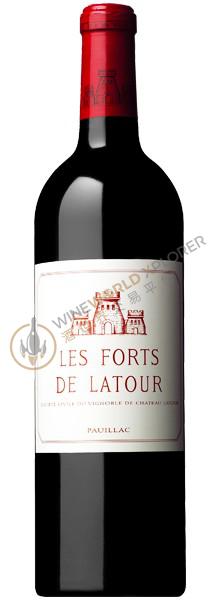
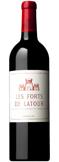
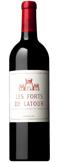
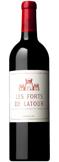
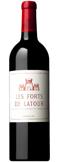
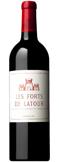
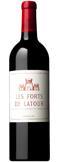
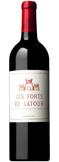
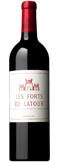
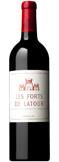
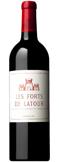
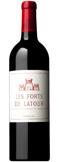
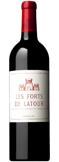
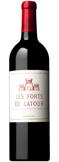
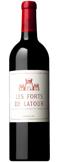
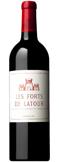
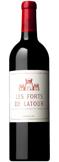
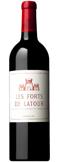
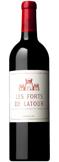
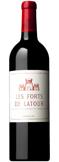
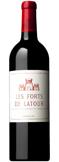
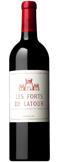
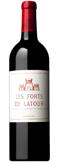
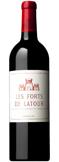
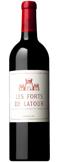
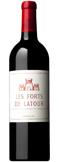
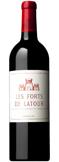
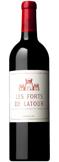
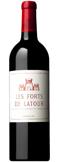
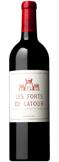
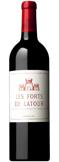
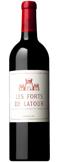
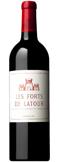
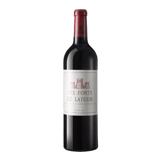
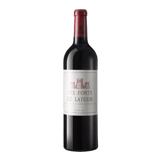
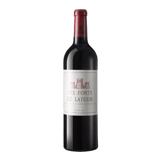
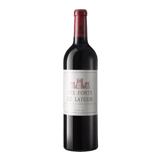
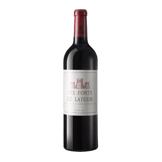
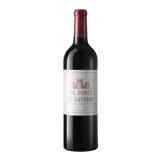
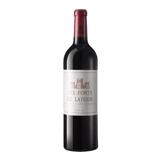
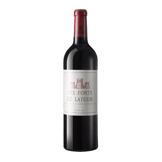
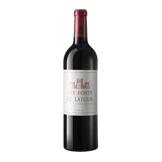
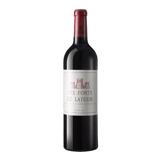
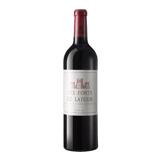
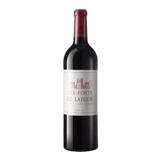
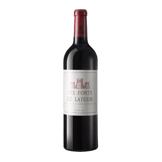
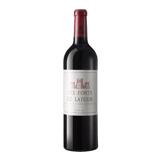
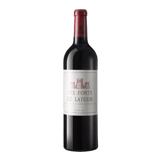
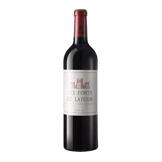
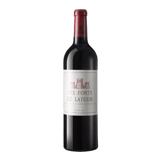
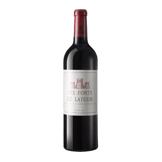
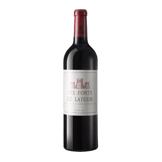
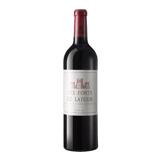
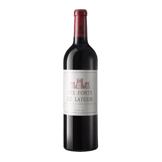
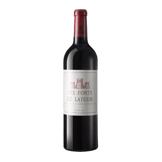
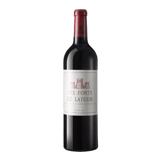
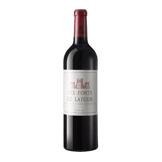
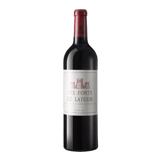
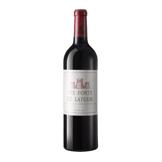
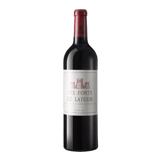
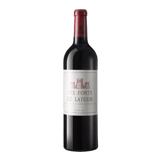
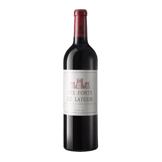
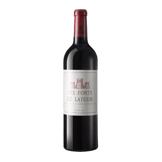
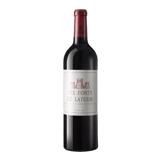
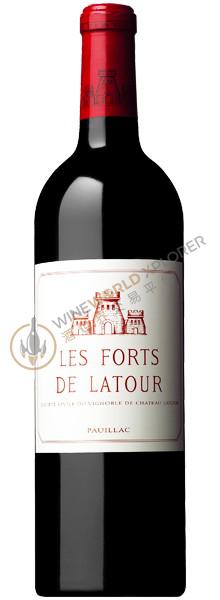
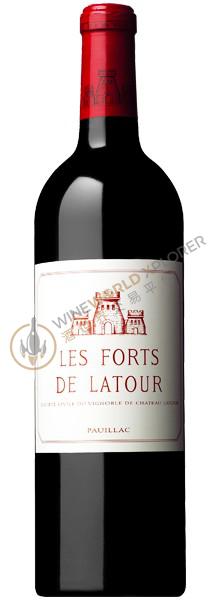
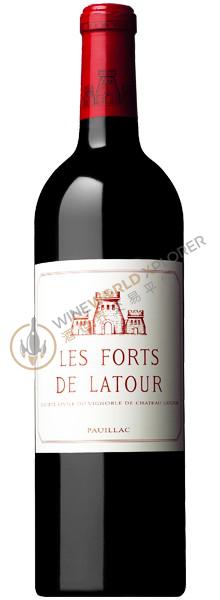
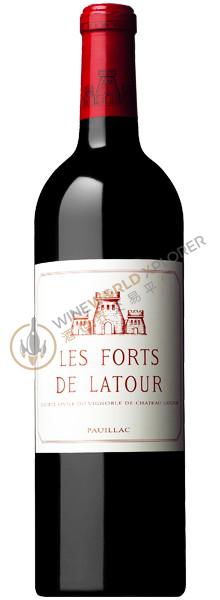
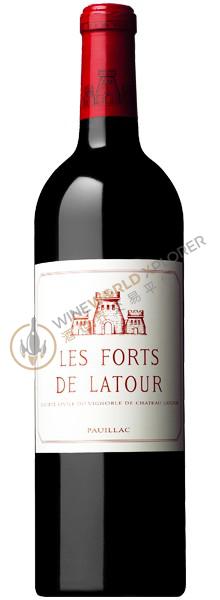
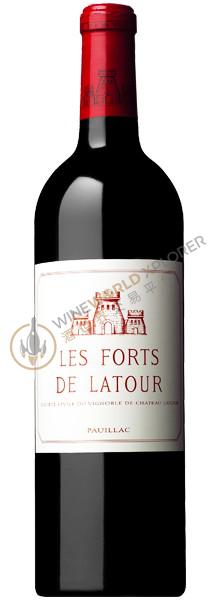
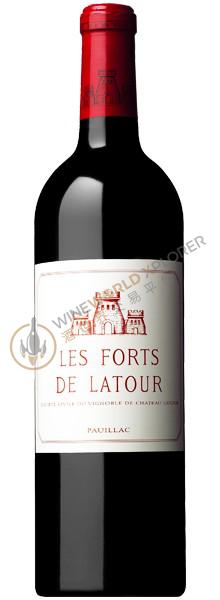
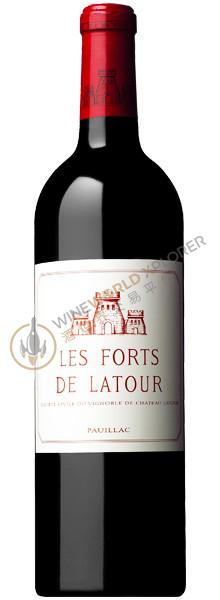
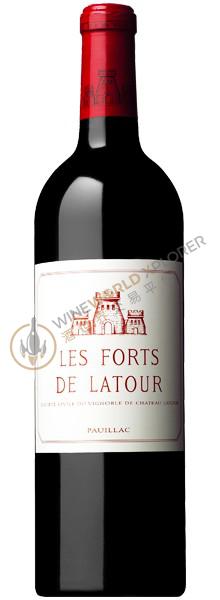
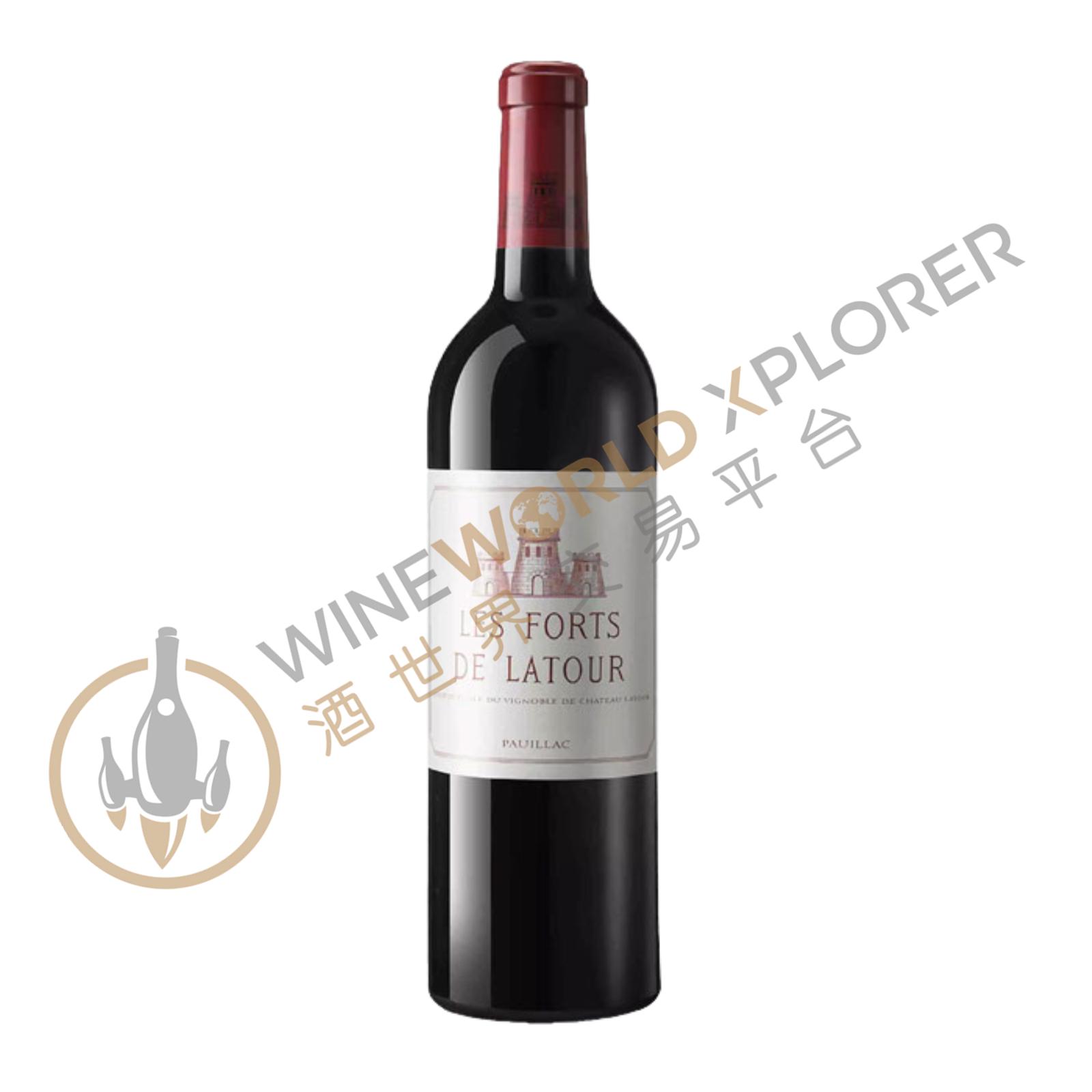
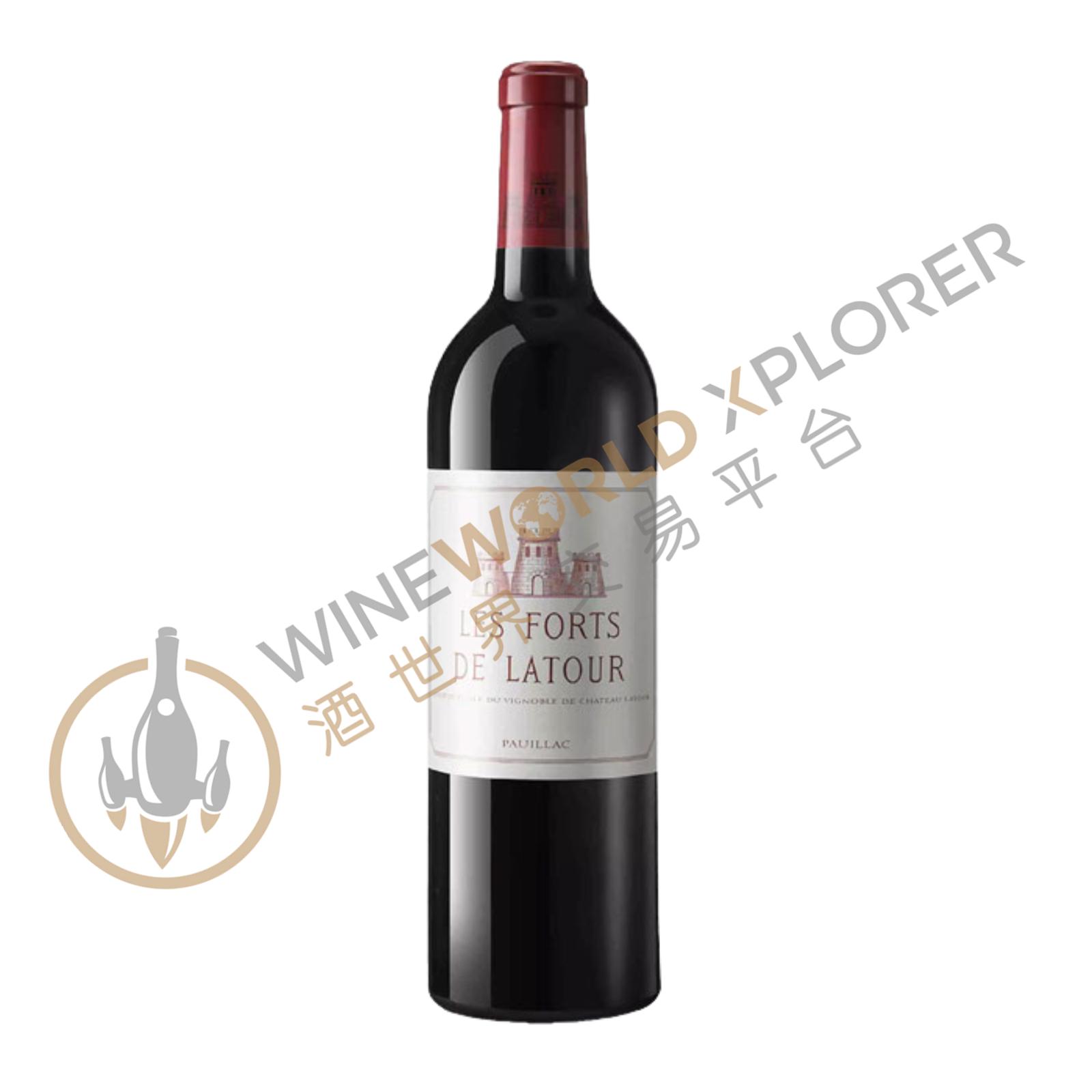
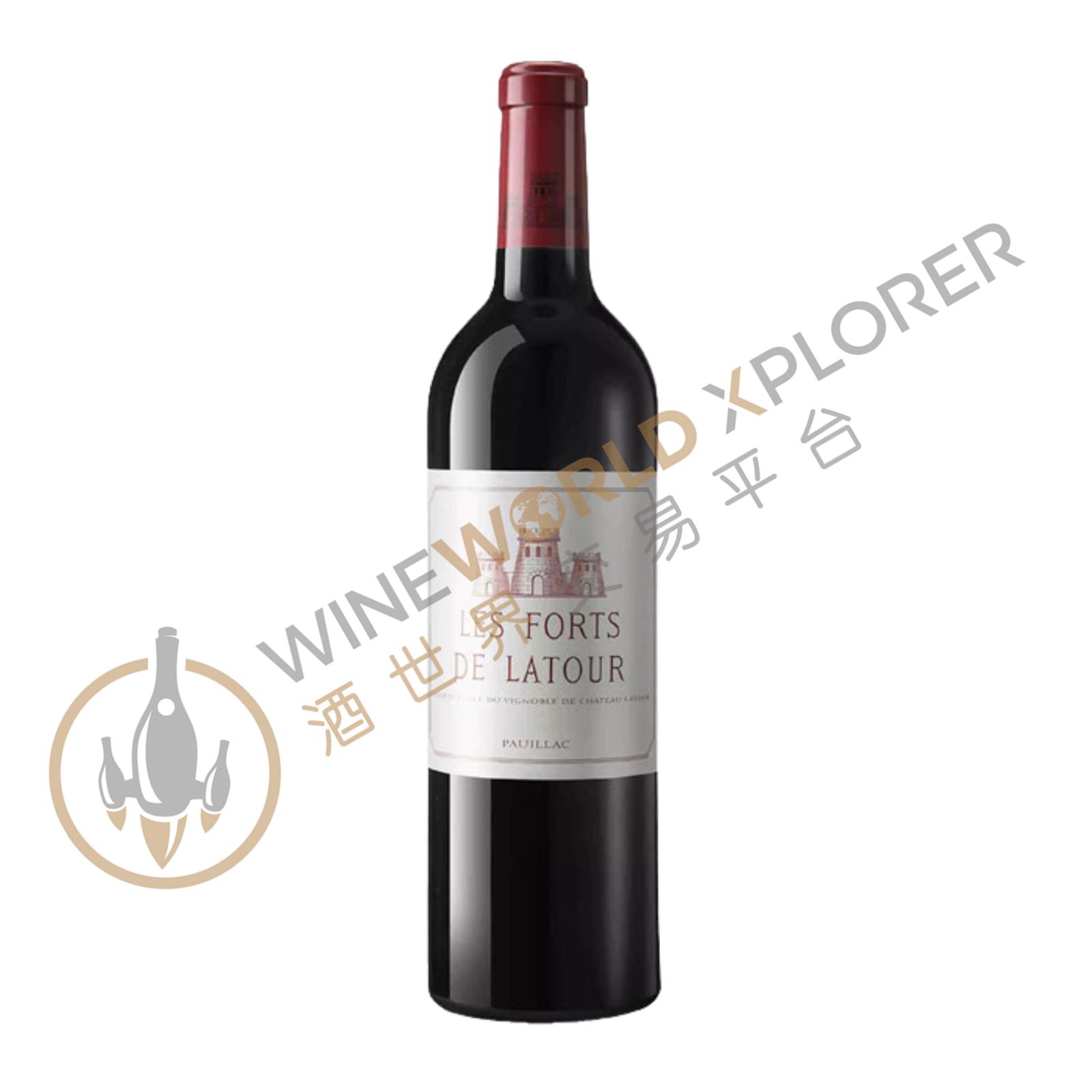
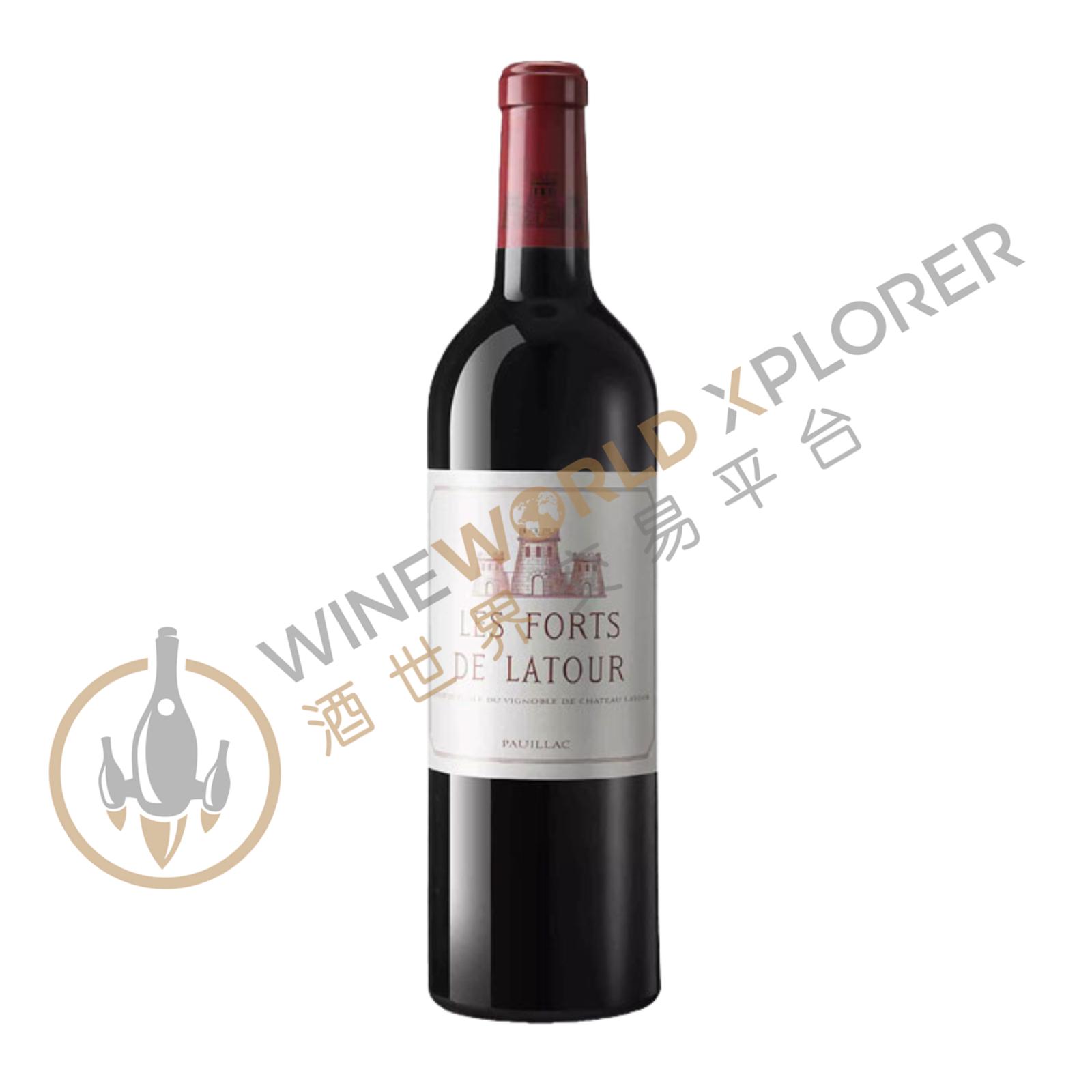
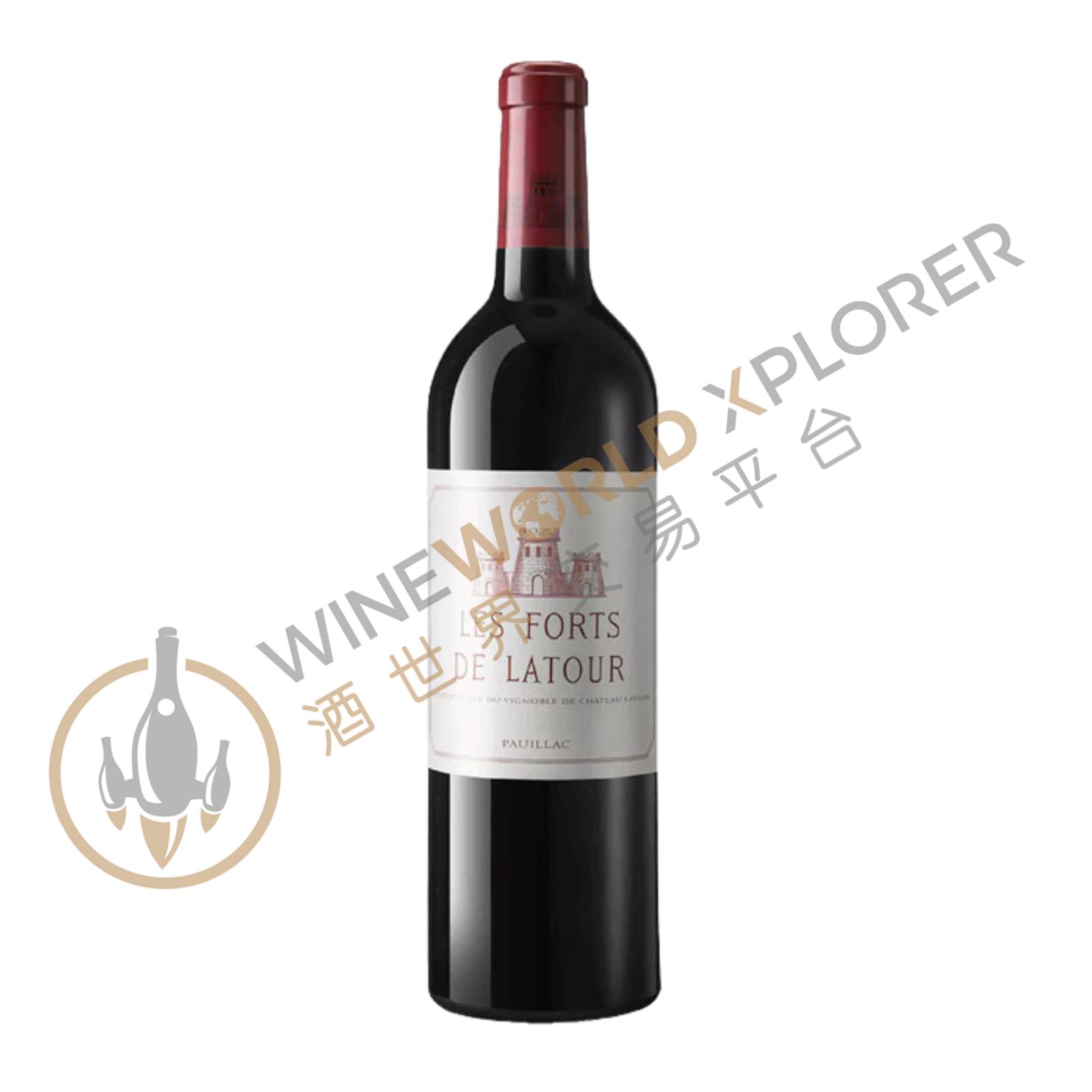
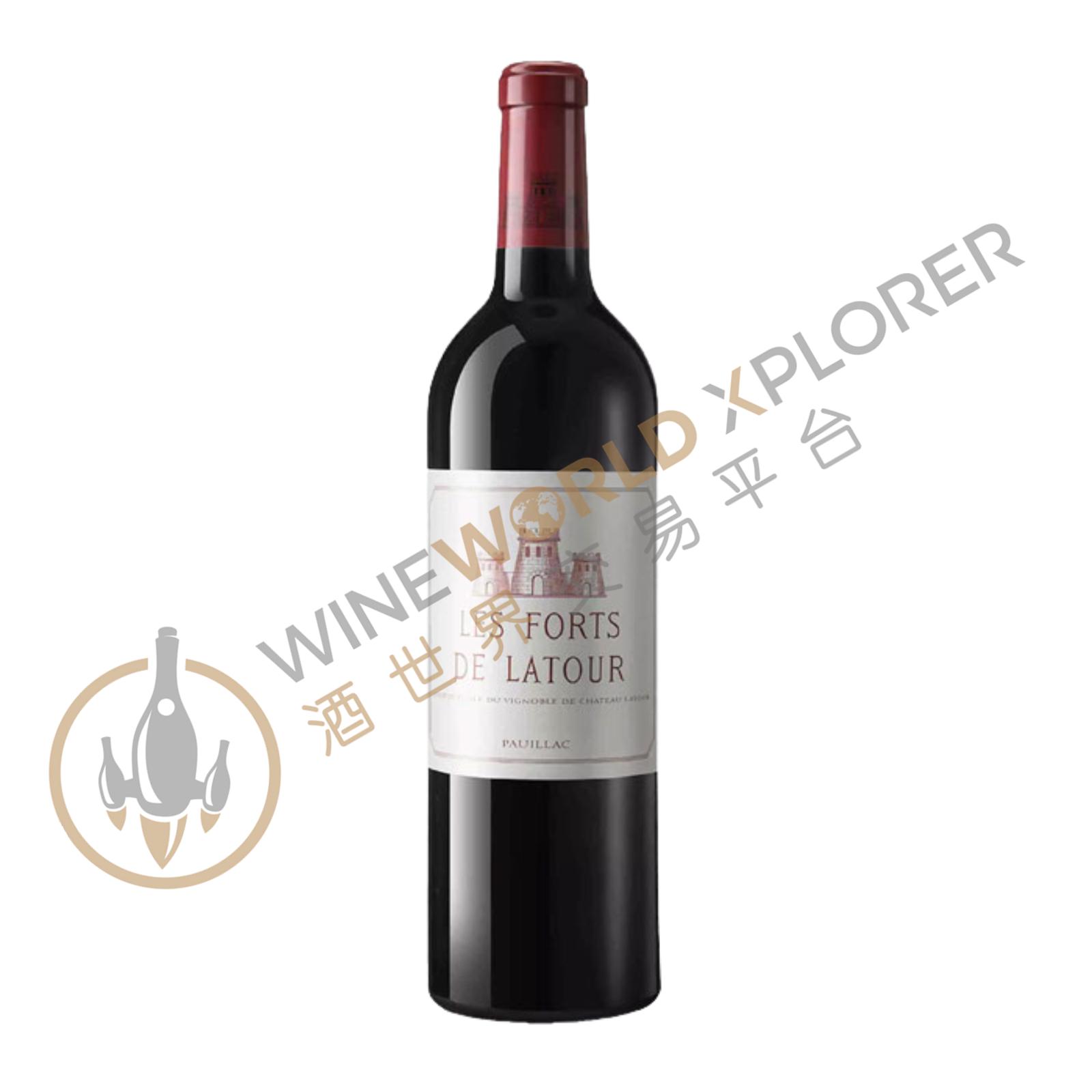
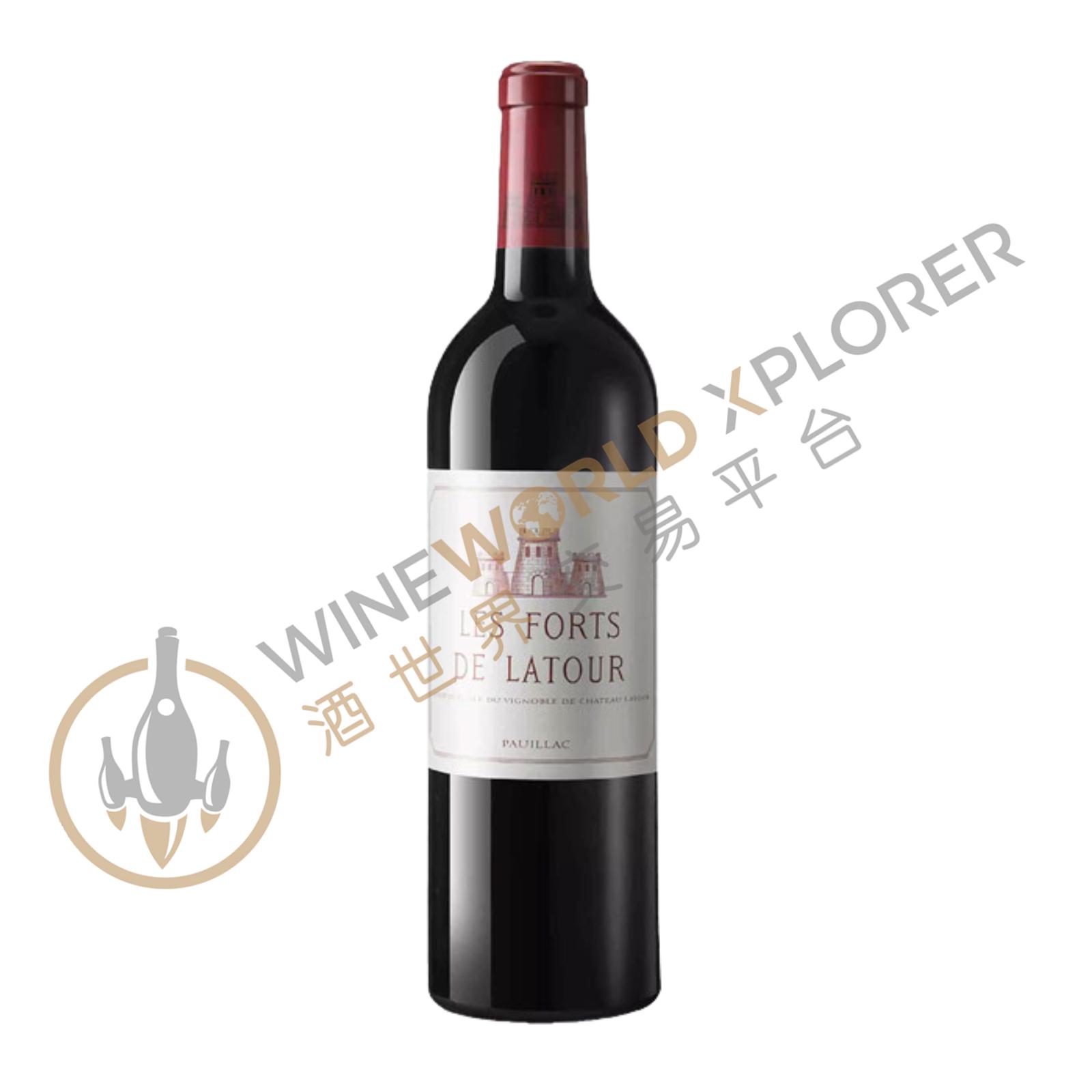
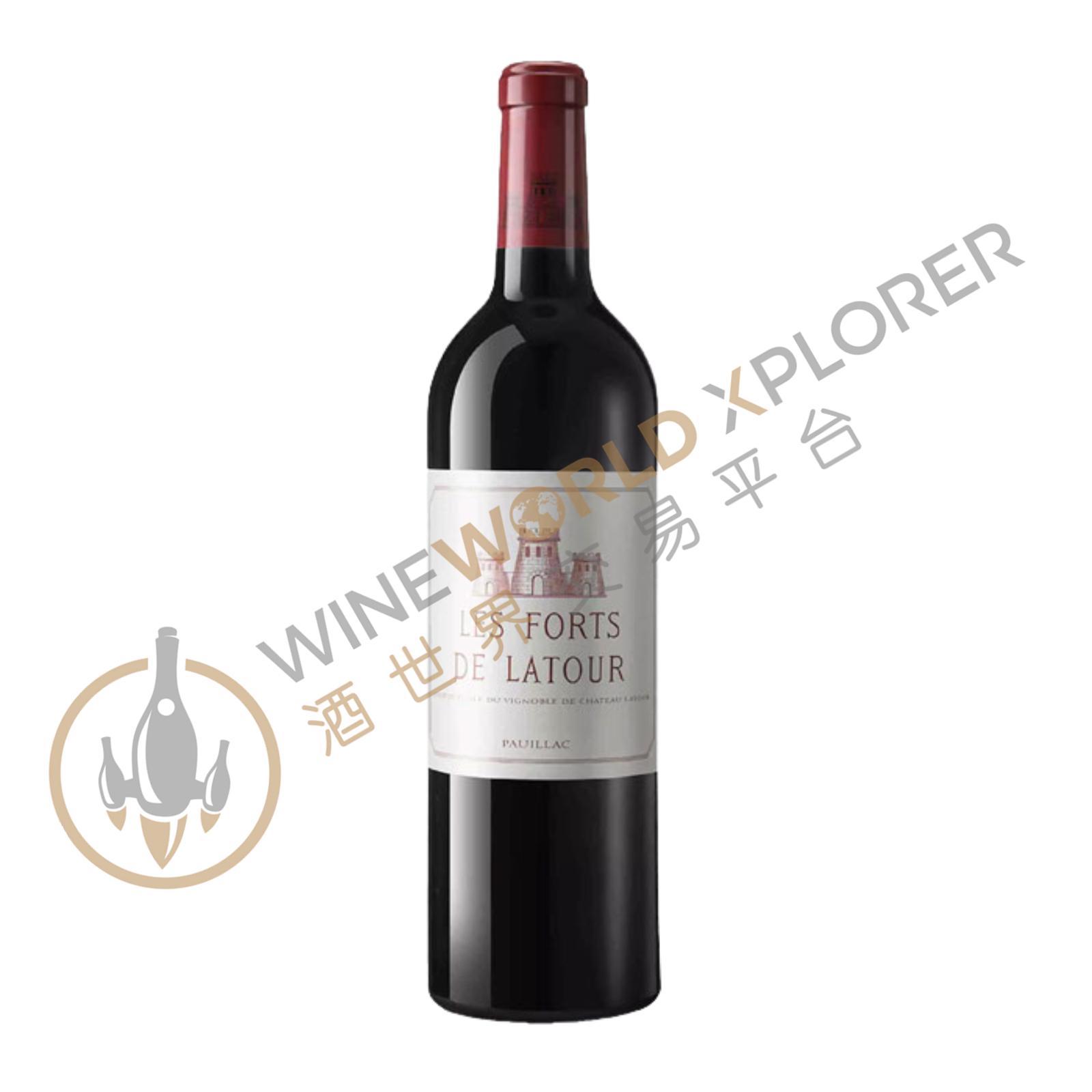
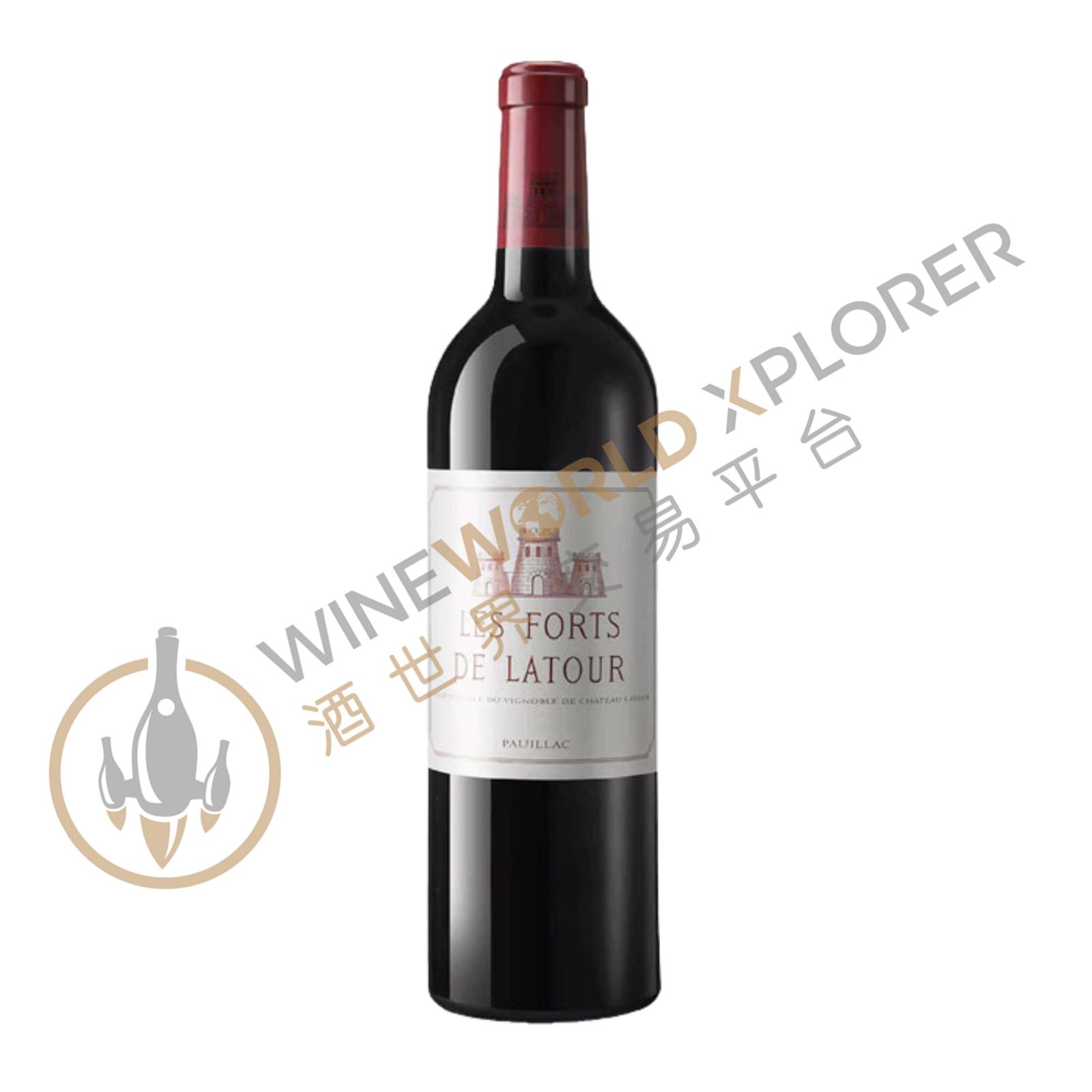
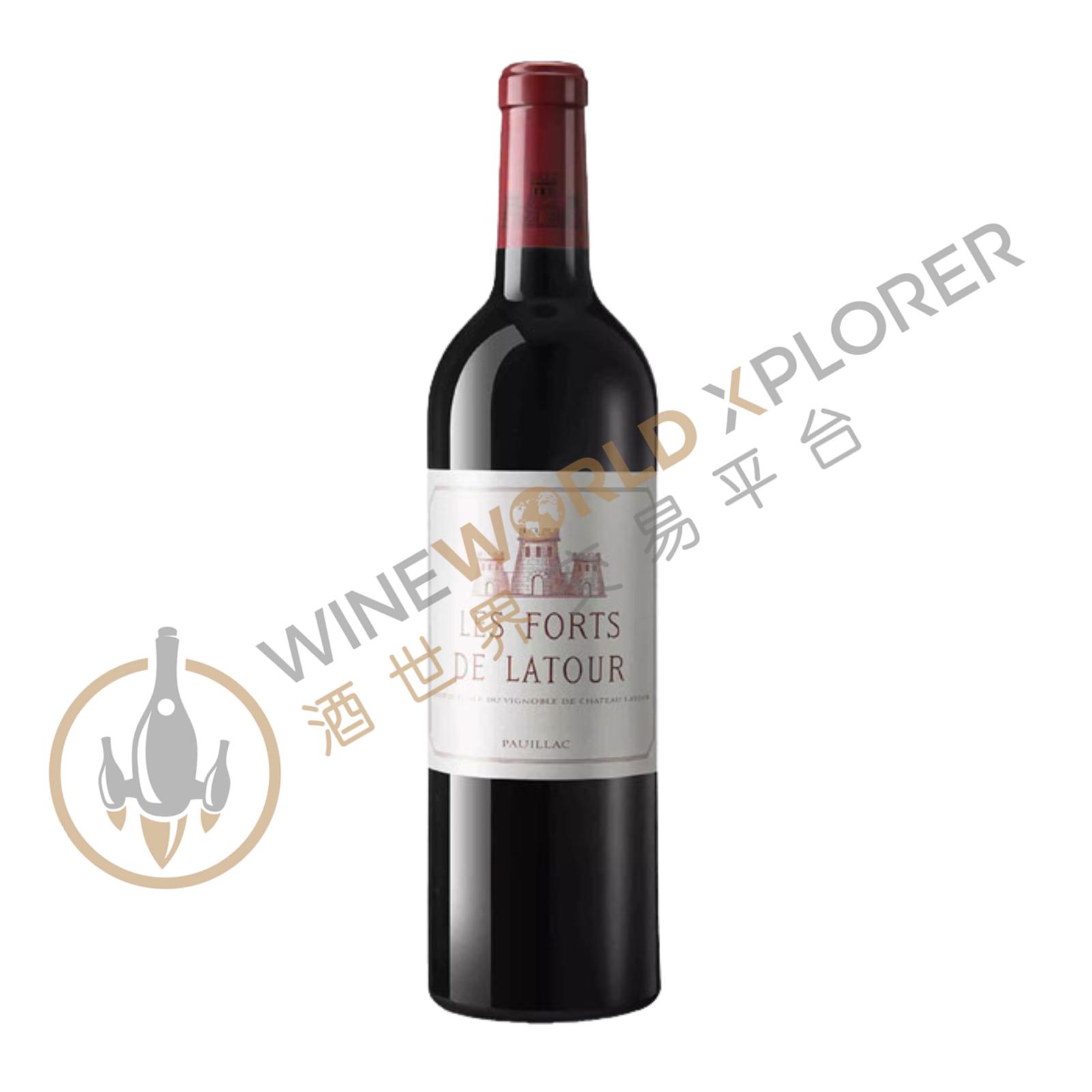
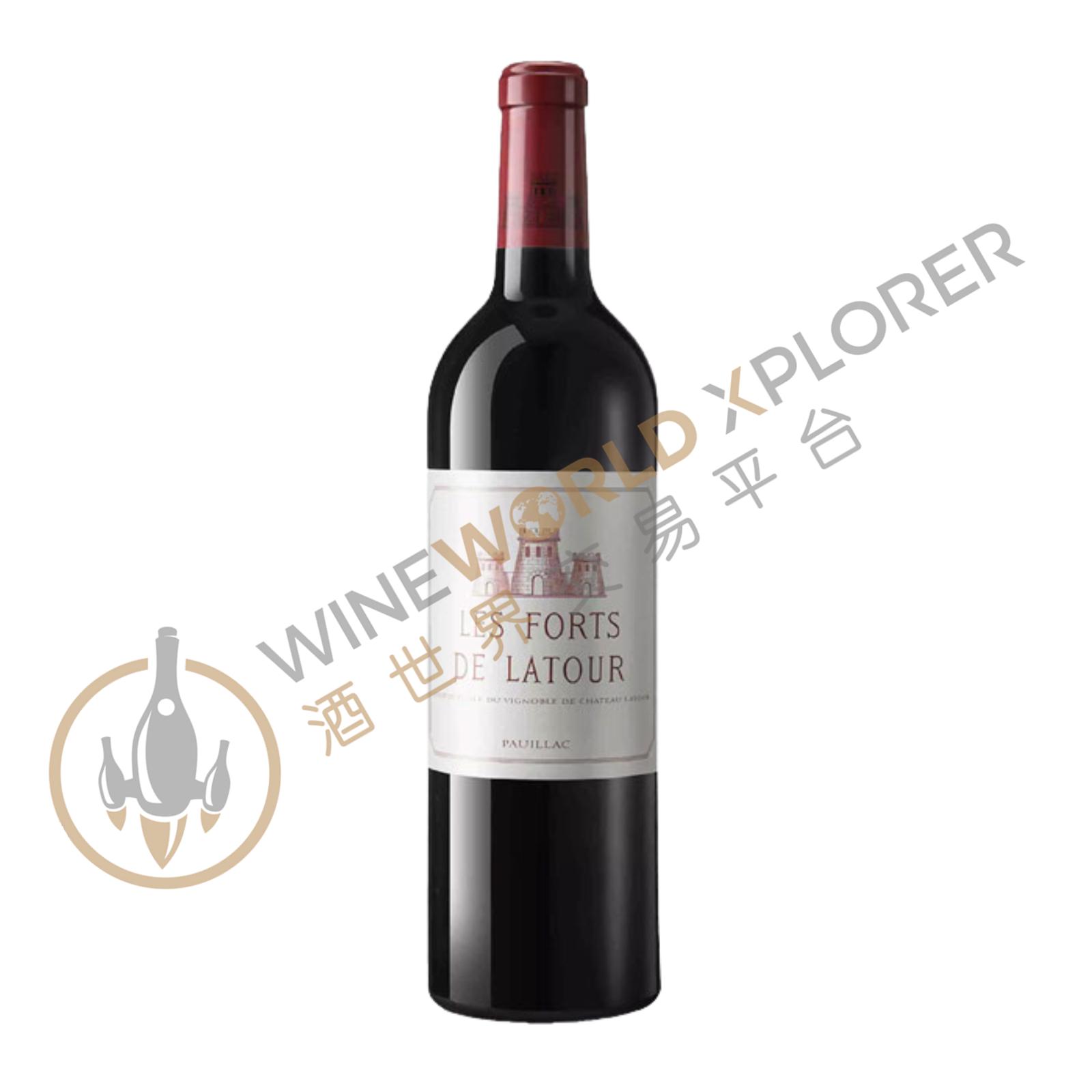
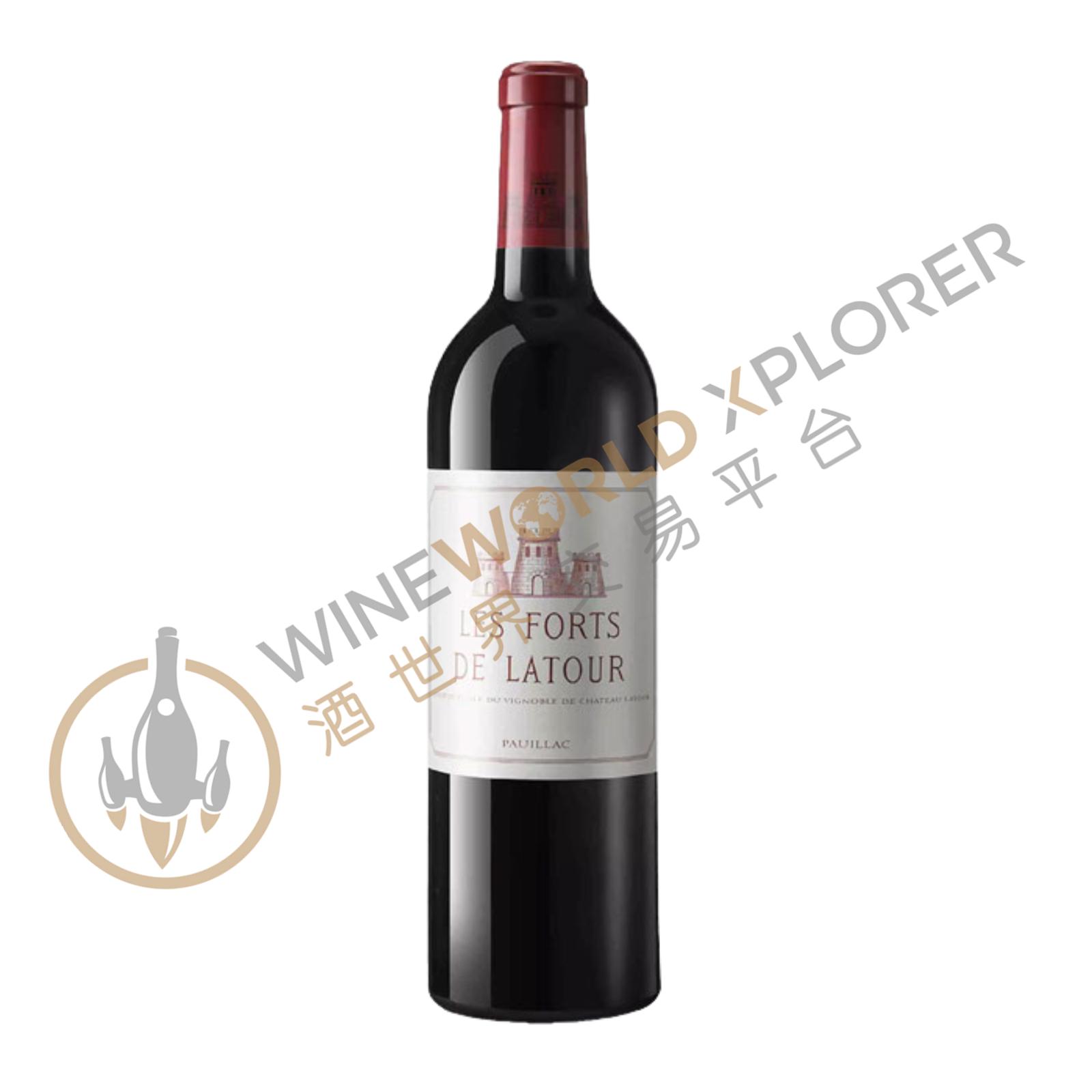
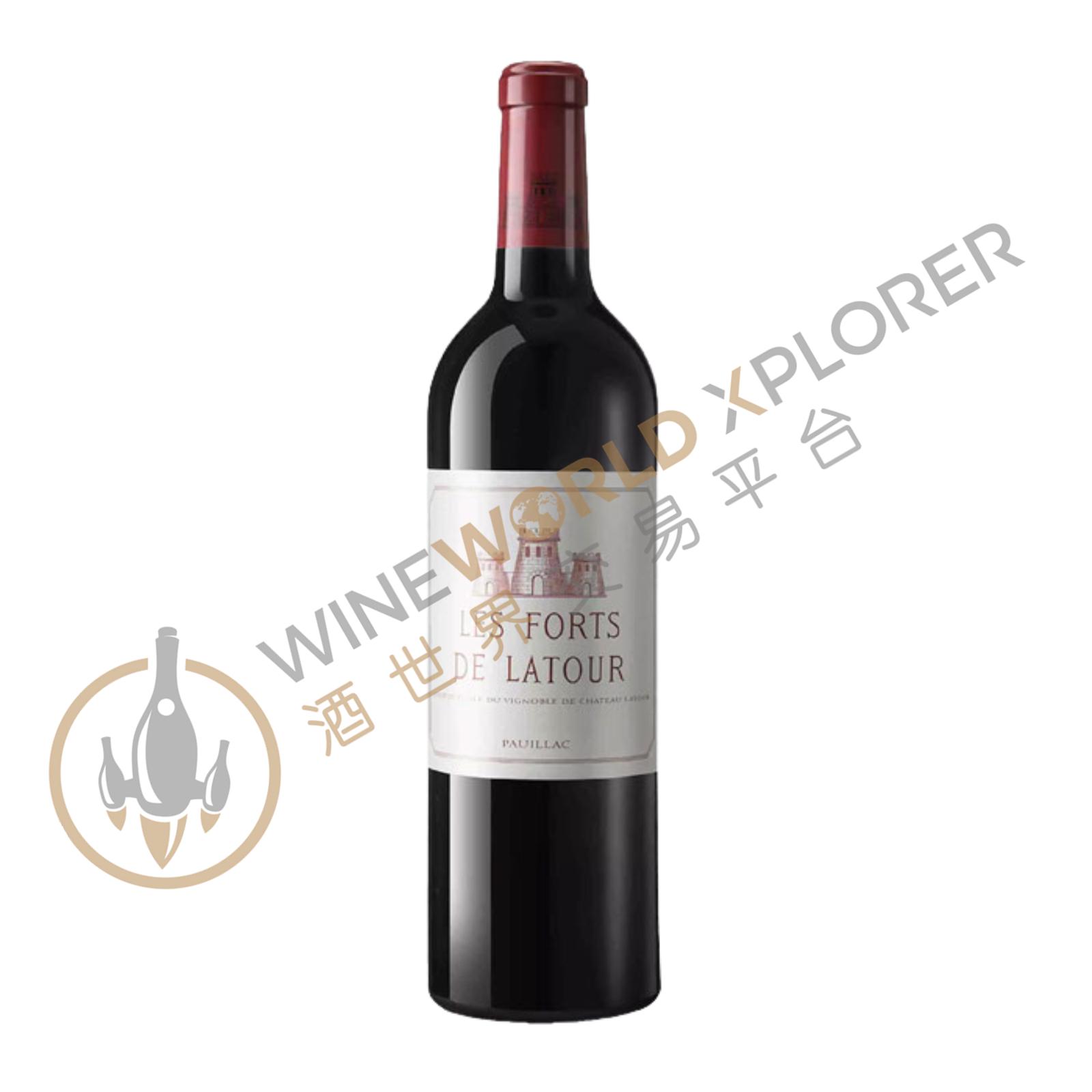
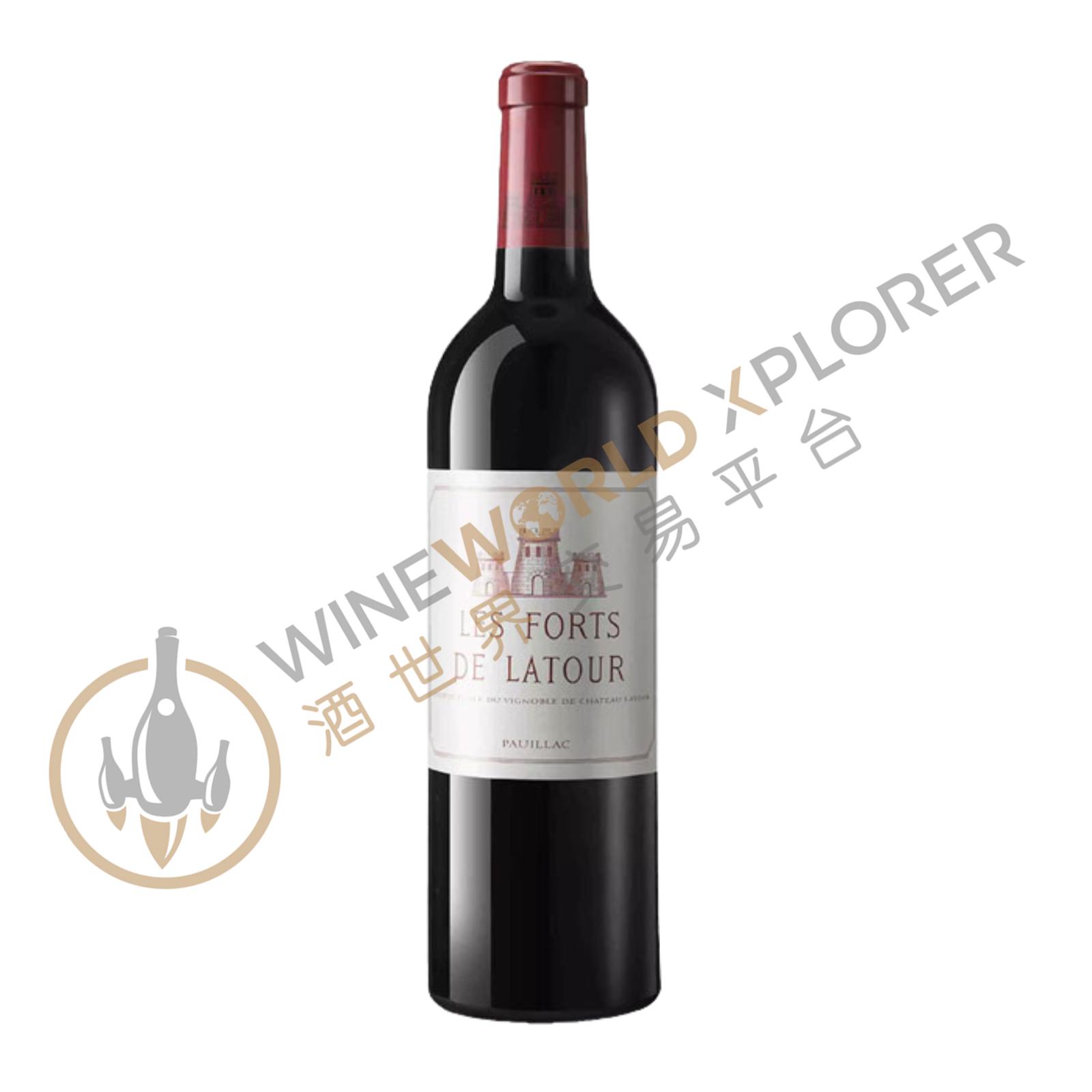
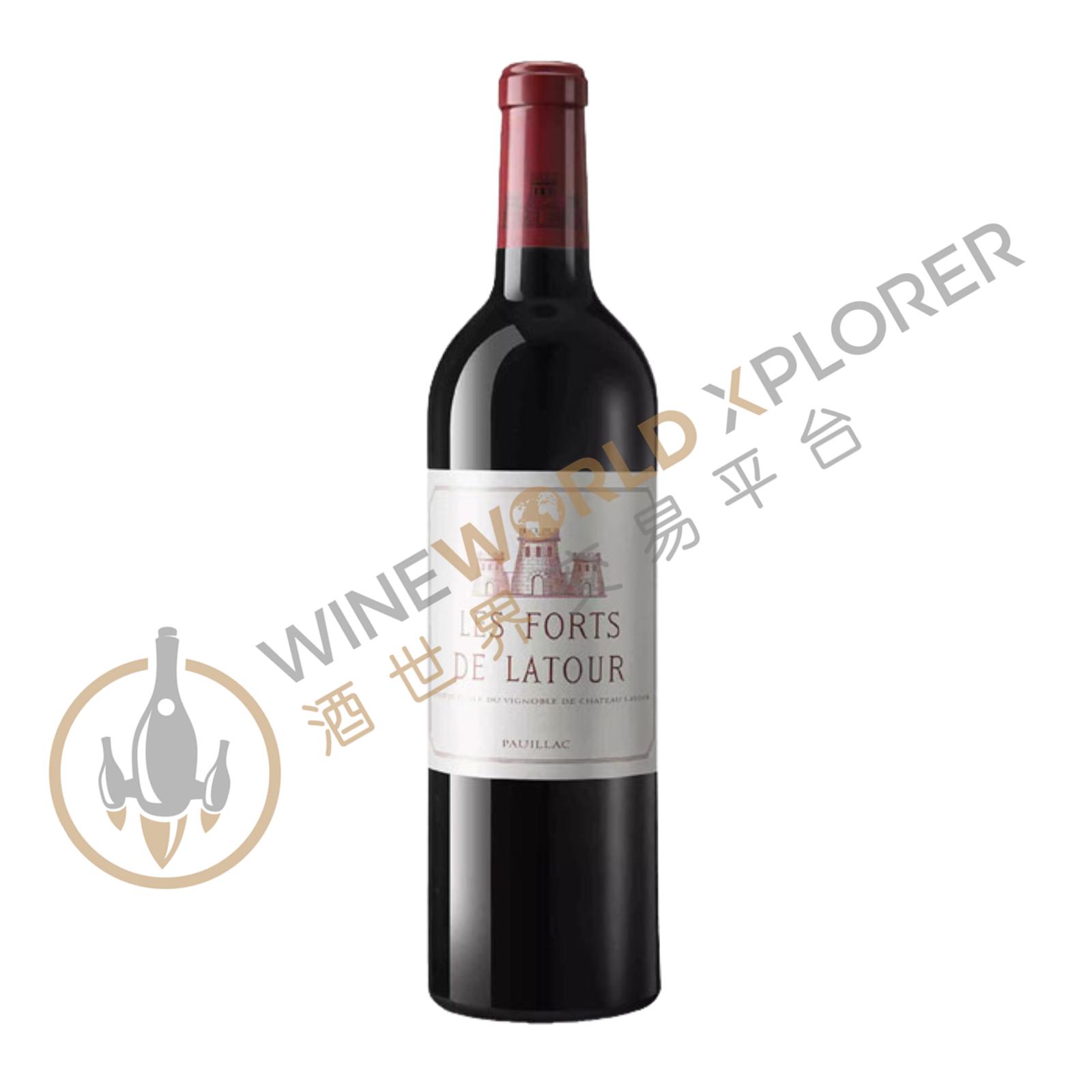
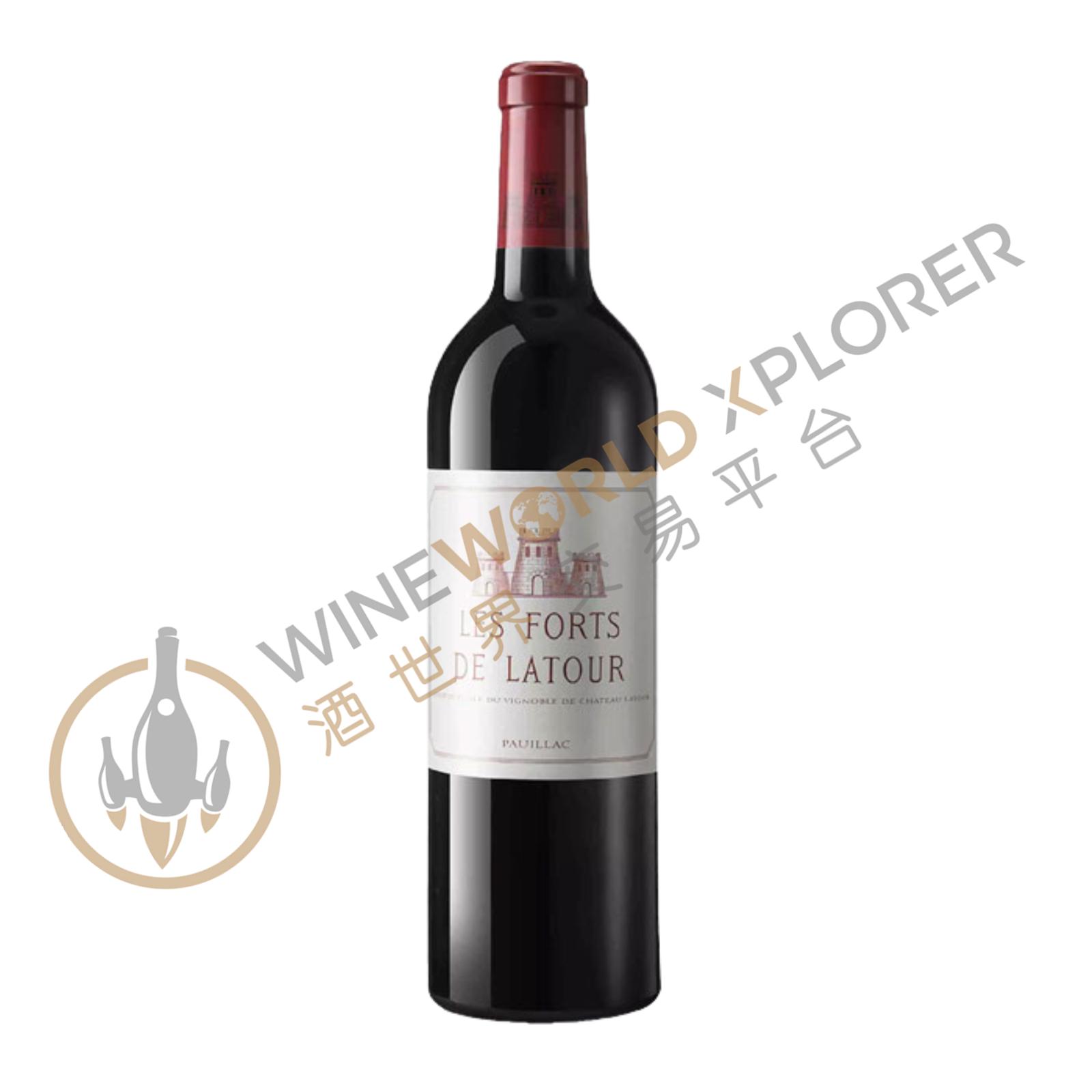
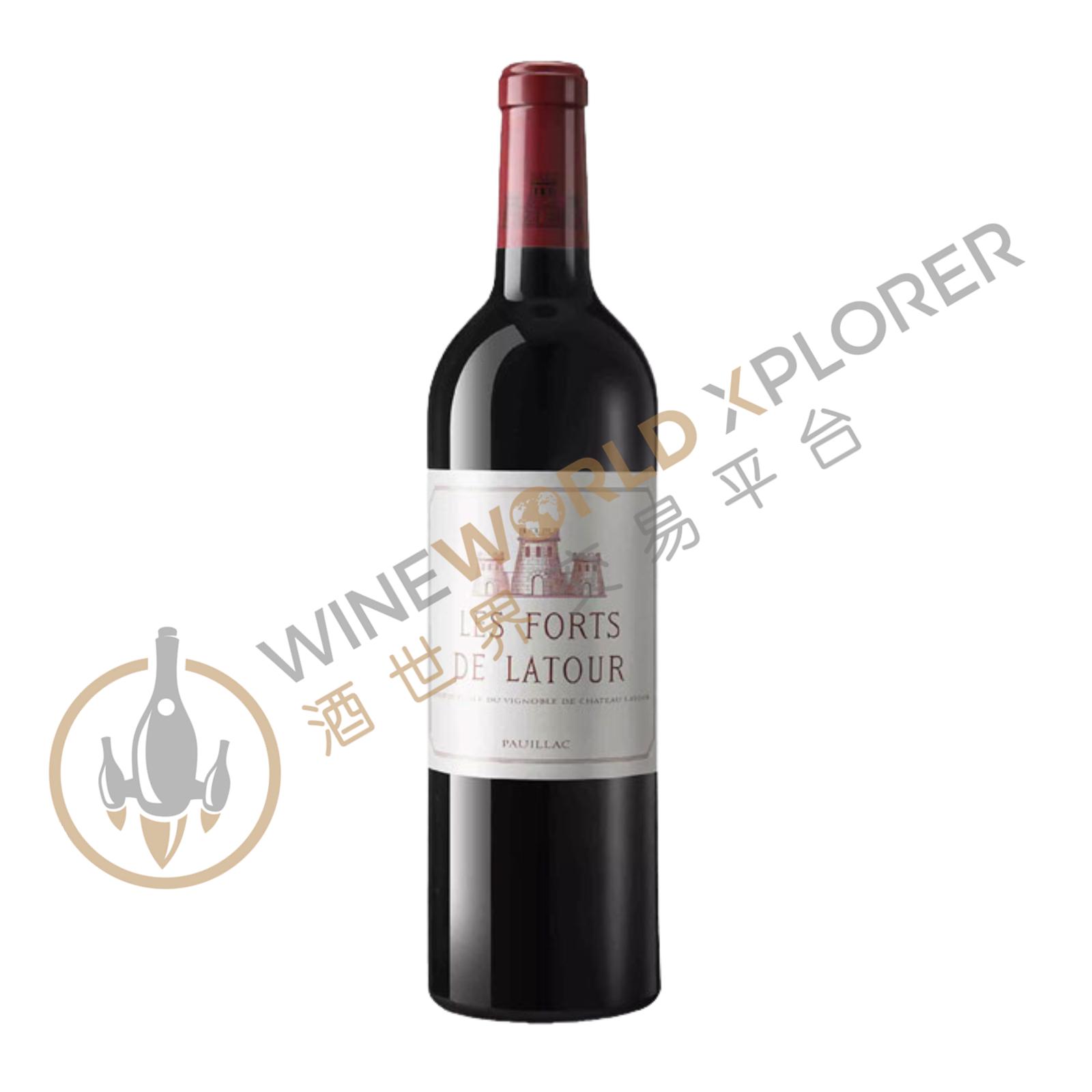
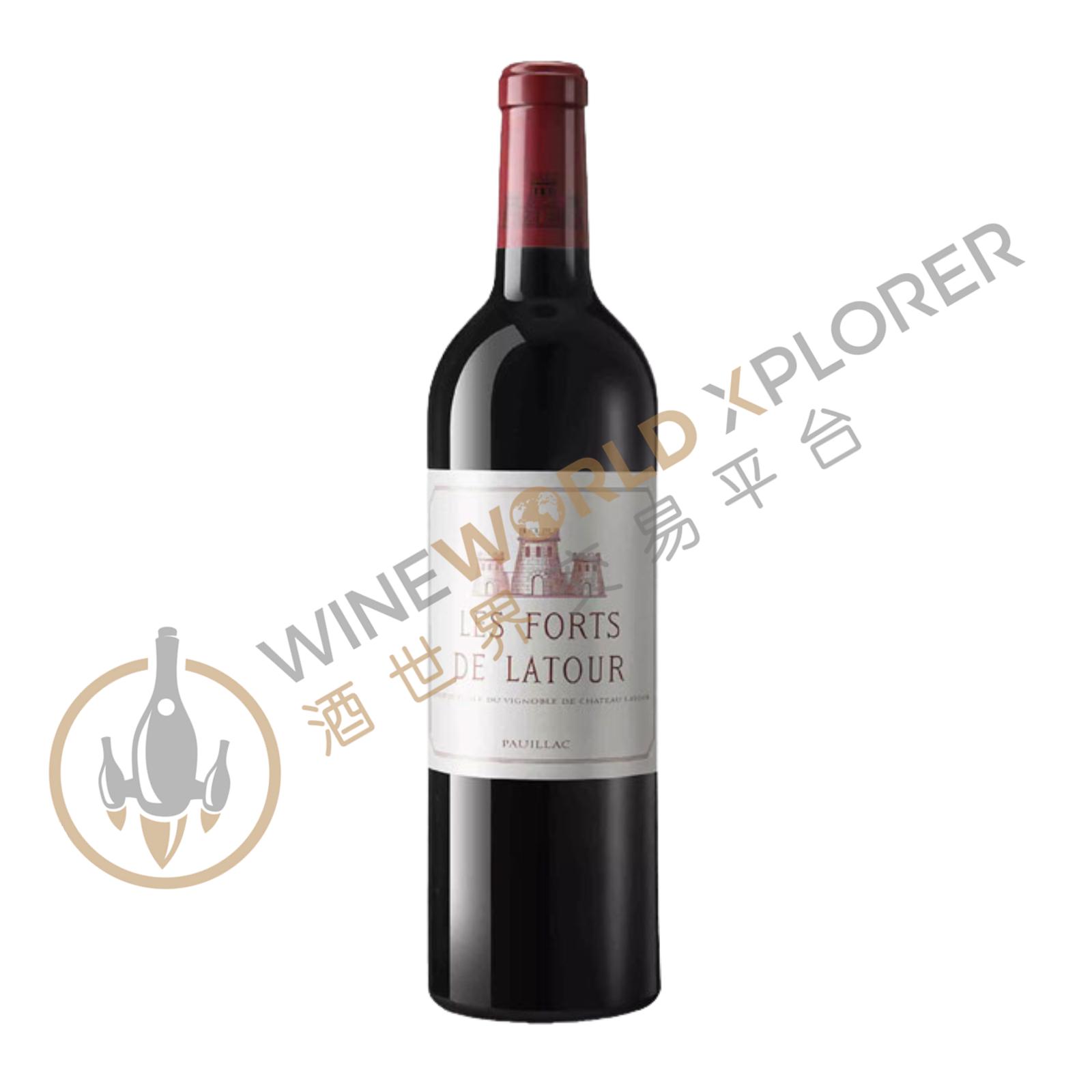
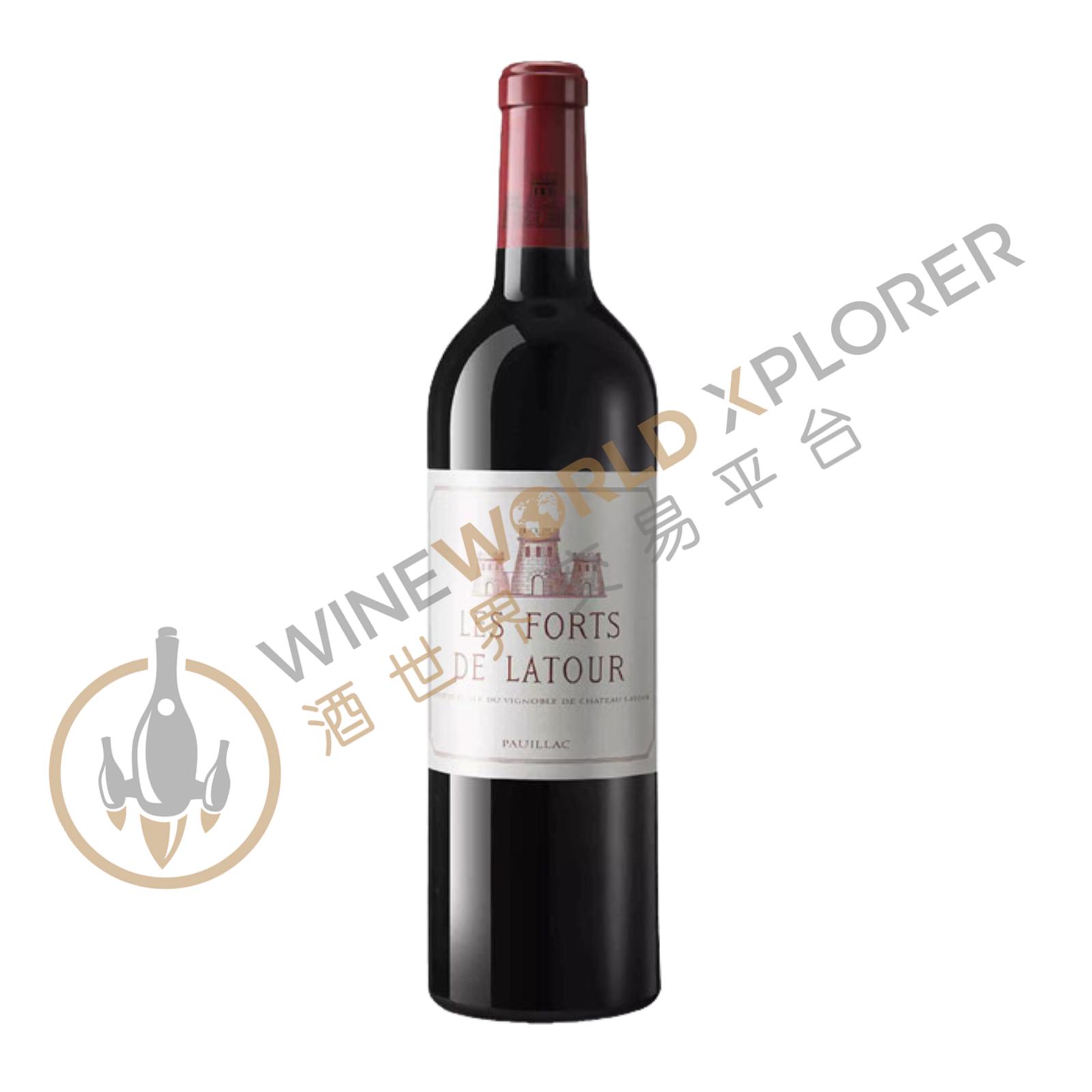
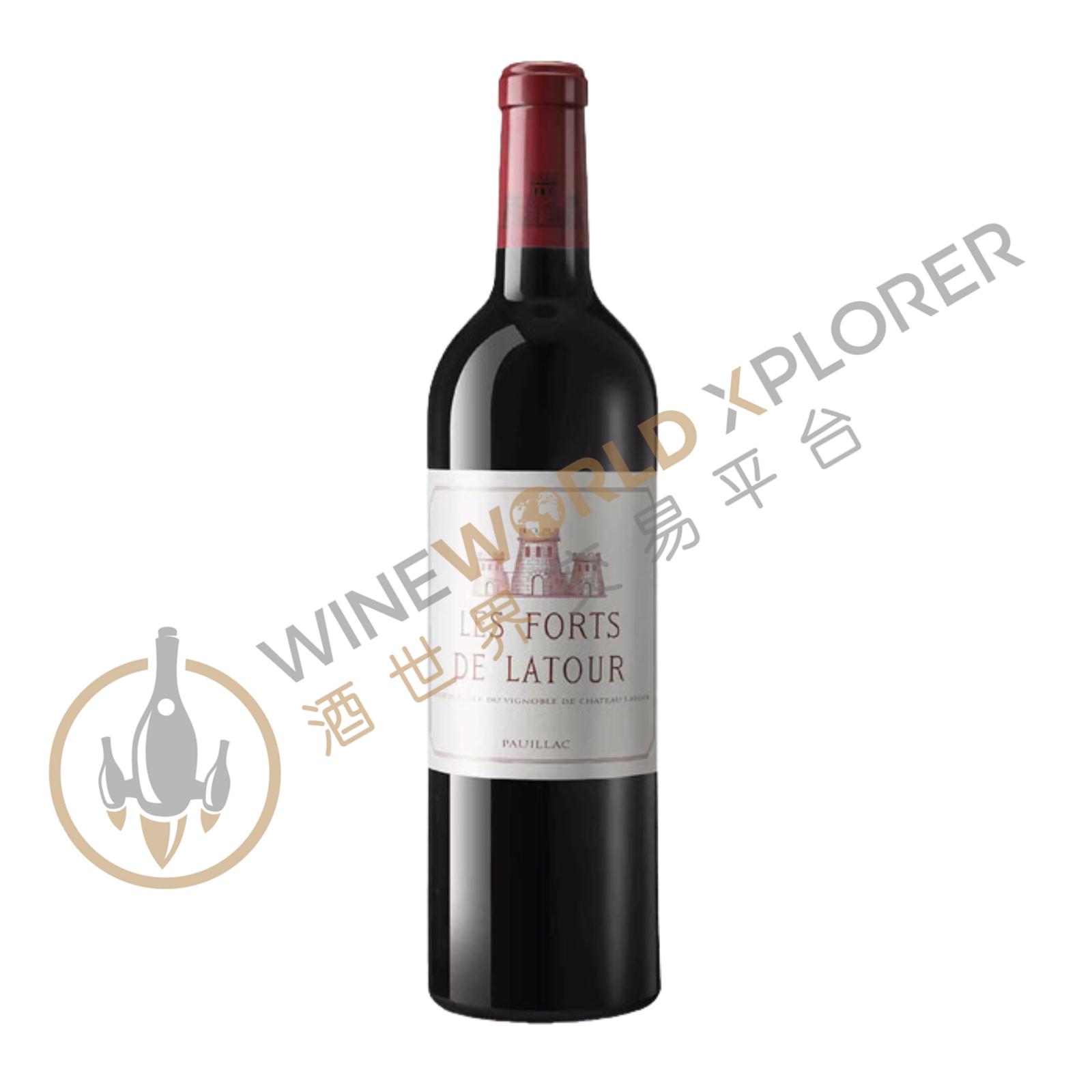
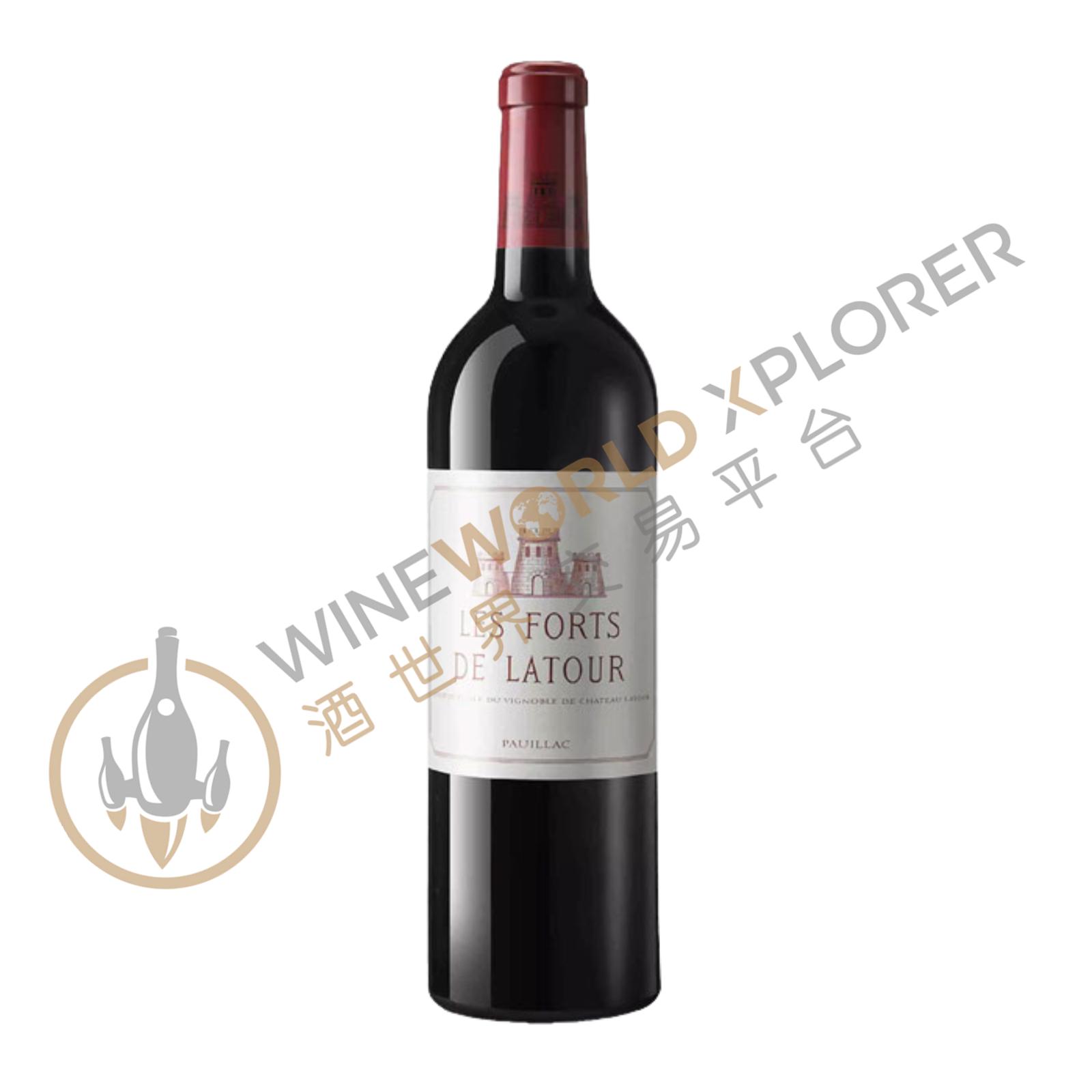
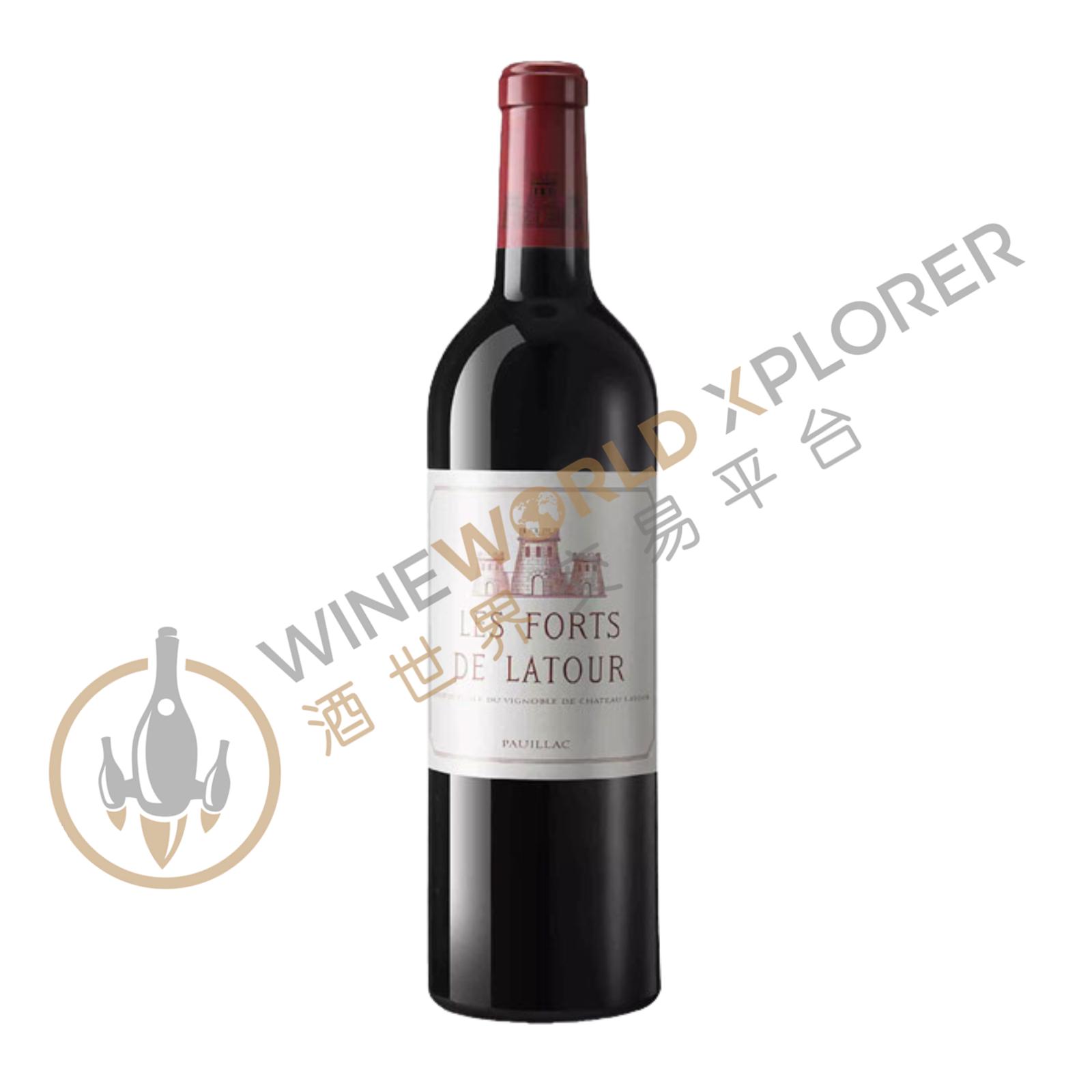
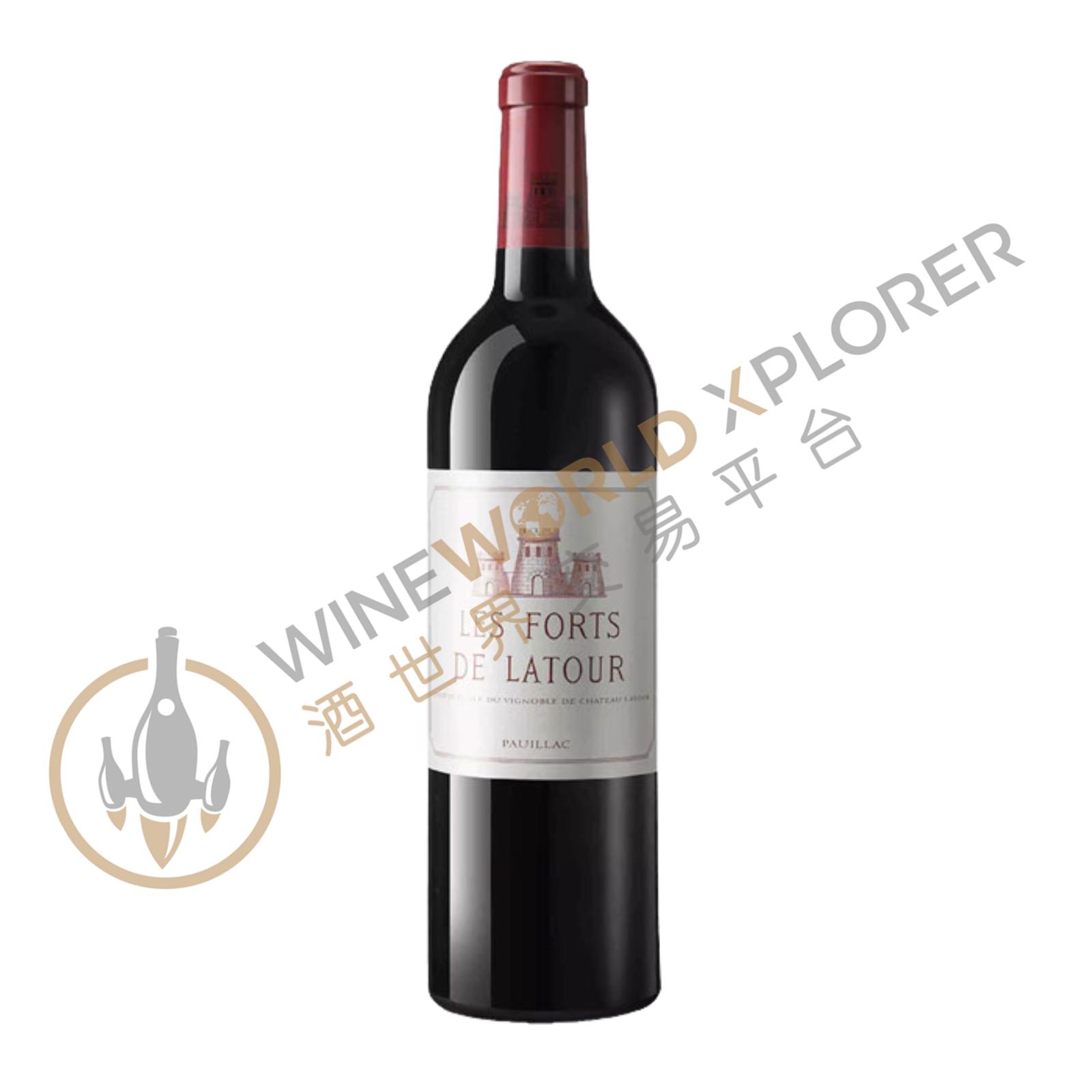
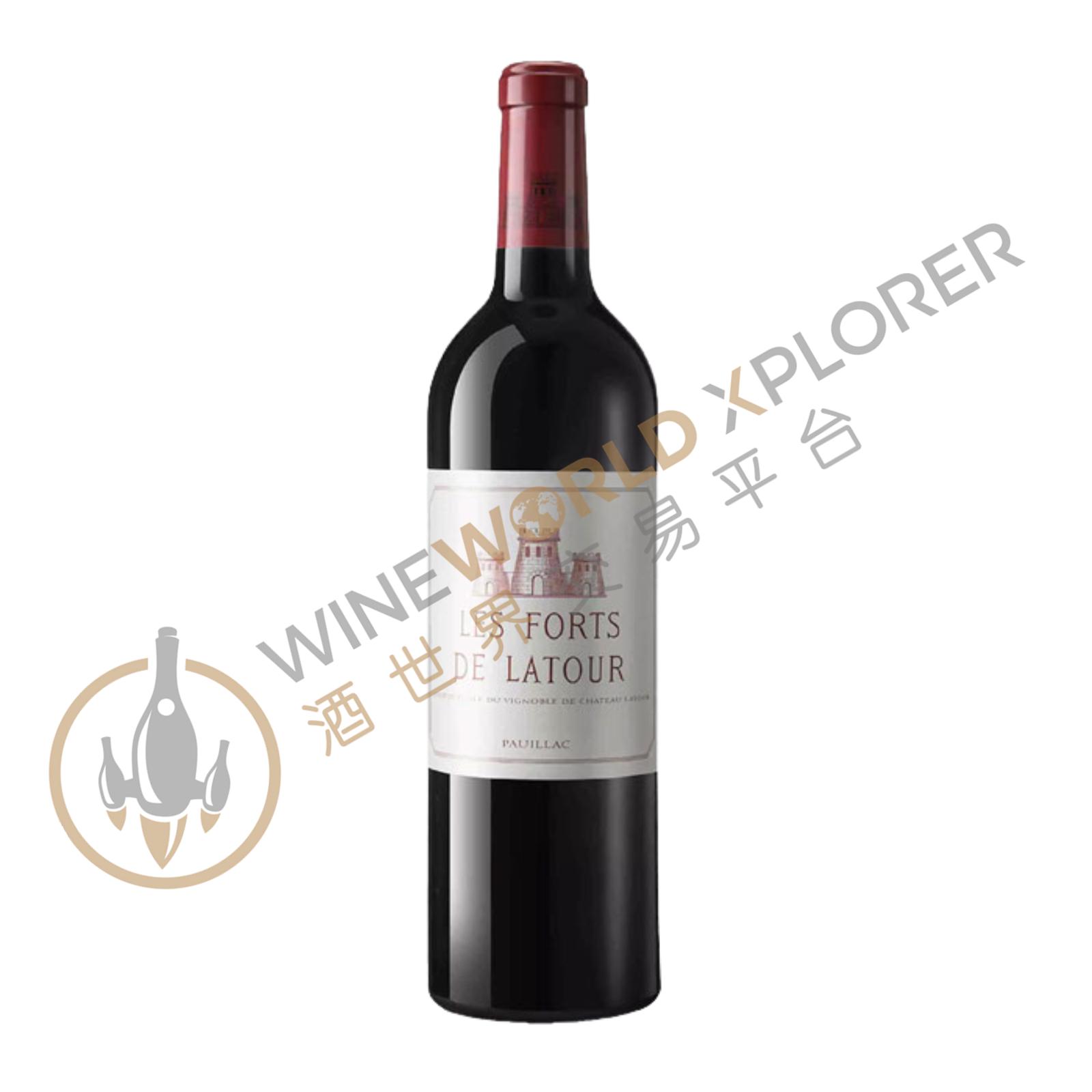
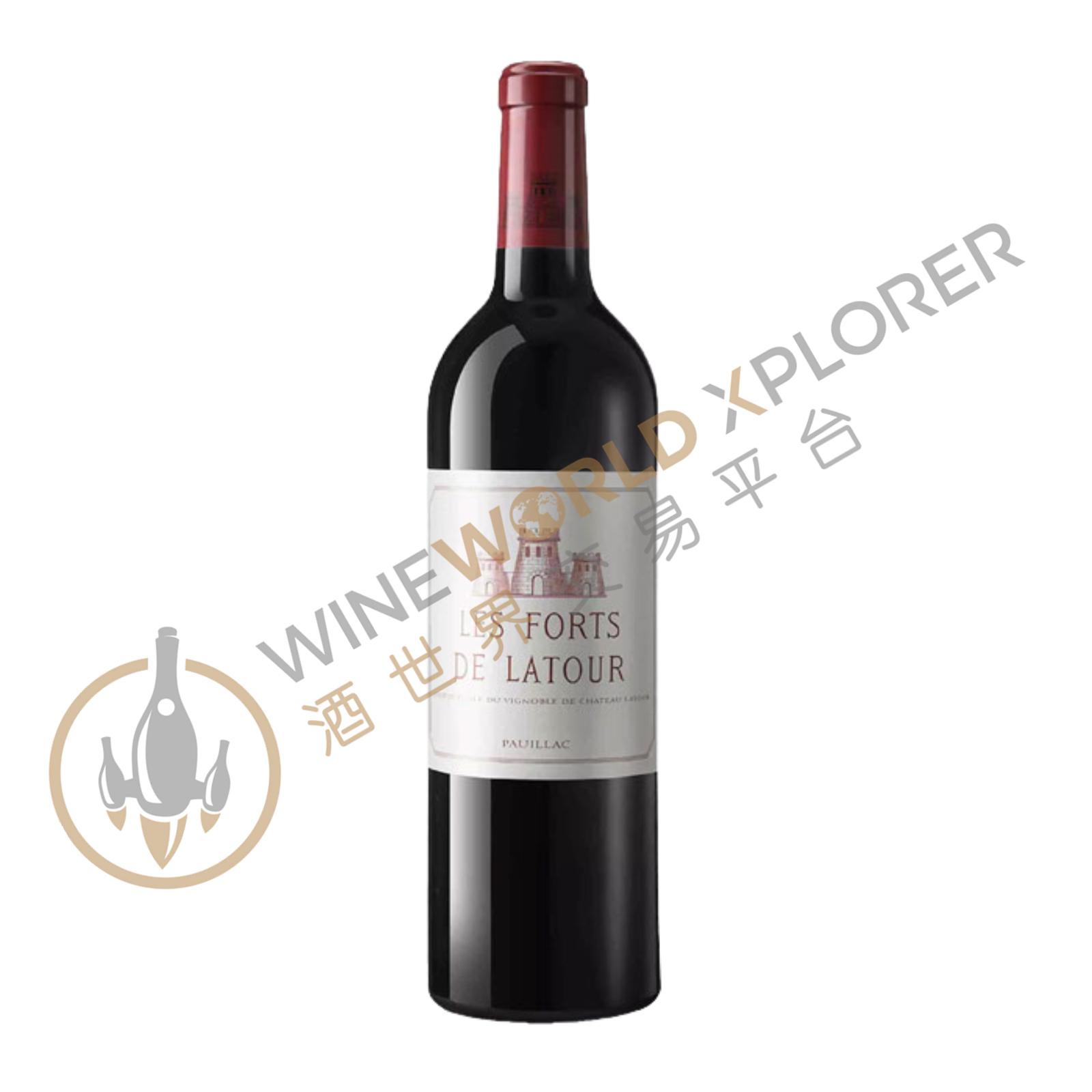
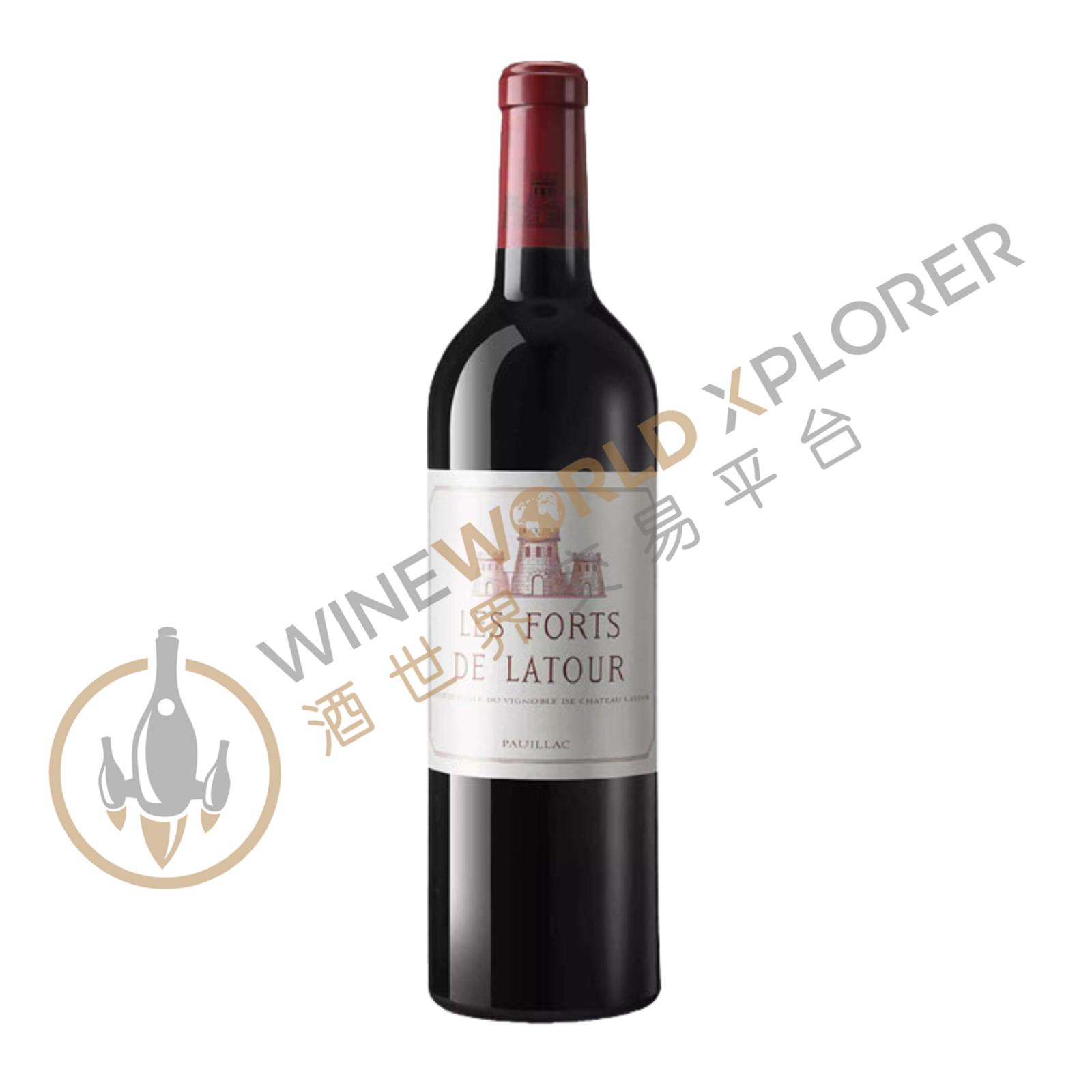
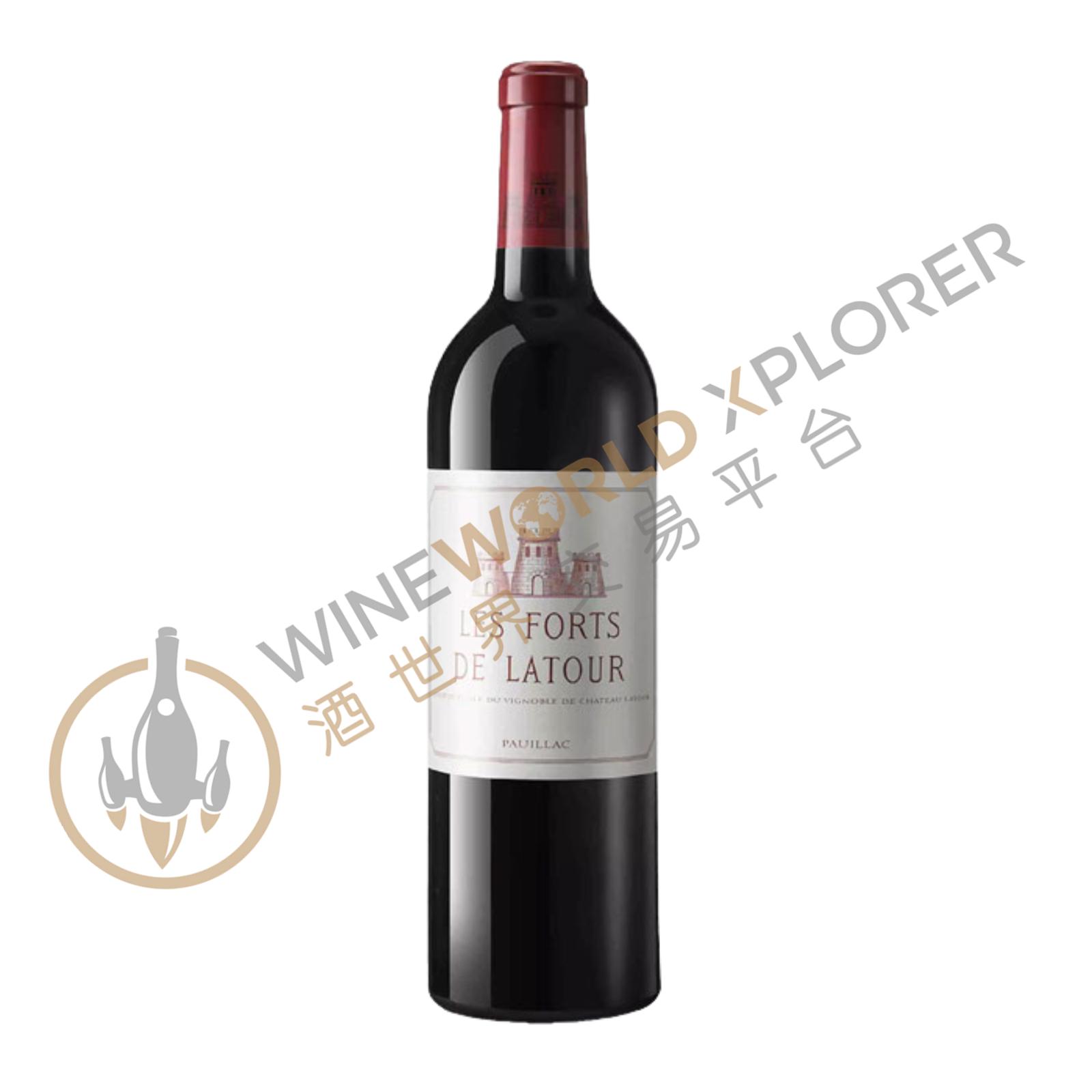
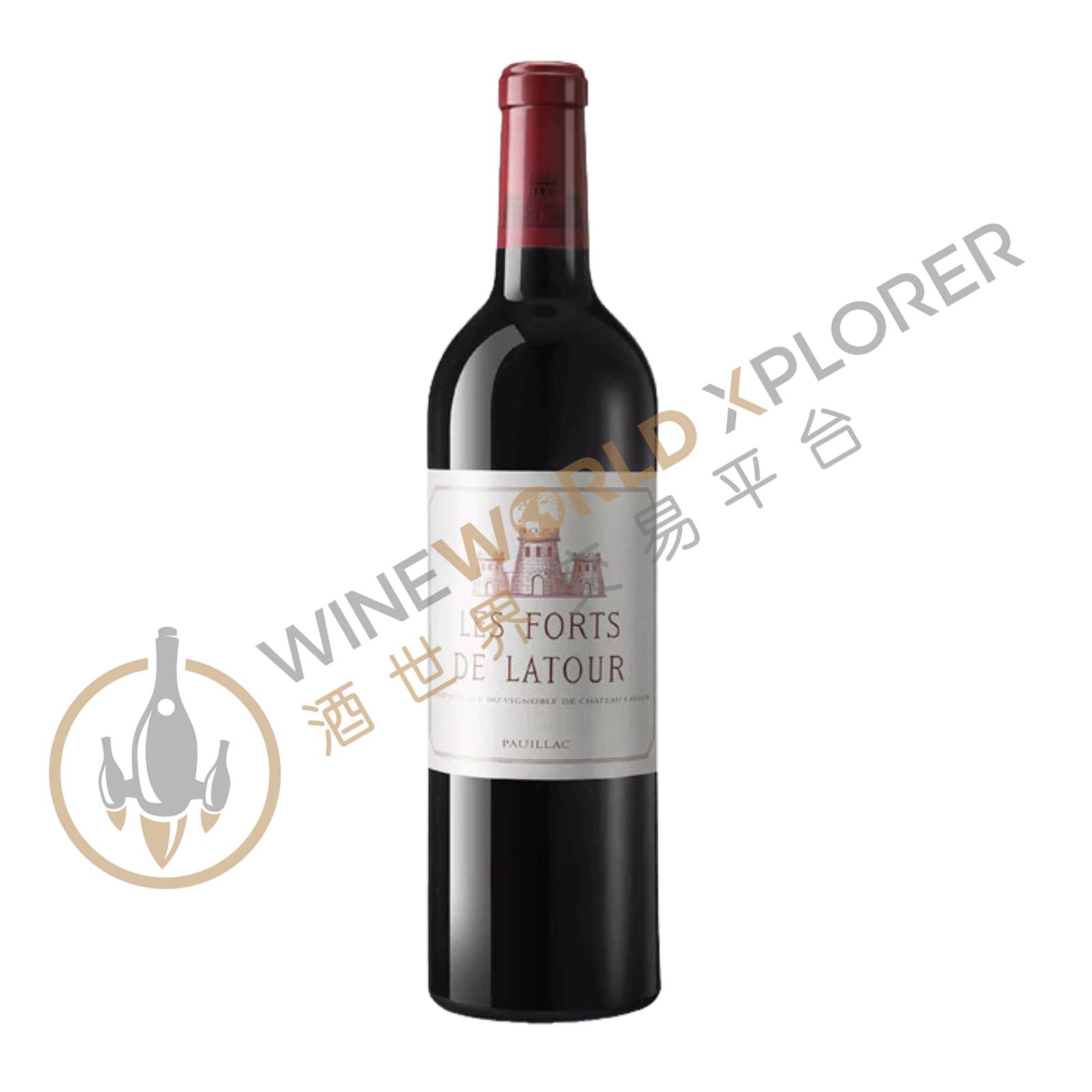
Les Forts de Latour 2001
 View analysis
Description
Tasting notes

Reviewed by: Neal Martin
The 2001 Les Forts de Latour is one of many that I had not tasted for a decade. Now at 20 years old, it has a lovely, almost melted bouquet of black fruit laced with tar, cedar and pine, rose petal, occupying that liminal point between primary and secondary stages. The well-balanced palate offers a dash of black pepper on the entry and shows good weight and tension. It’s lively yet classic in style, and fans out wonderfully toward the persistent, saline finish.
Reviewed by: Stephen Tanzer
Good deep red. Slightly leafy aromas of currant, licorice and eucalyptus. Sweet, sexy flavors of currant, minerals and tobacco; comes across as more pliant than the 2002, with a suggestion of more merlot. But can't quite match that wine for definition or grip.
Reviewed by: Stephen Tanzer
Good ruby-red. High-pitched, nuanced nose combines cassis, violet, black licorice, lead pencil, shoe polish and bitter chocolate. Perfumed and fine in the middle palate, with cabernet-dominated dark fruit and mineral flavors and very suave tannins. Already shows lovely finesse.
Reviewed by: Stephen Tanzer
Full ruby-red. Youthfully grapey aromas of currant and flowers. Sweet and dense, with cabernet-dominated flavors of currant and fresh herbs (this wine is normally a 60/40 blend of cabernet sauvignon and merlot, but in '01 includes only 20% merlot). Firm acids give the wine good shape and grip.
Reviewed by: Neal Martin
A light sweet almost Margaux like redcurrant and cherry-scented nose. Very pure, good extraction but not jammy. The palate is full-bodied with good extraction with cherry, raspberry a touch of kirsch. Dense, tannic finish that is demonstrative and persistent Very fine. Tasted October 2007.
Reviewed by: Robert M. Parker, Jr.
This wine was showing slightly less impressively in 2003 than it was last year. Nevertheless, it possesses sweet cherry and black currant fruit along with notes of earth, herbs, and tobacco leaf. While elegant, it is less like its bigger sibling than one would expect. It should drink well for 10-12 years.
Reviewed by: Neal Martin
Tasted blind at Bordeaux Index’s 10-Year On horizontal. This has a light nose of red-berried fruit, sandalwood and undergrowth. It might benefit from a little more delineation and vigour, developing aromas of cooked meat/dried blood with time in the glass. The palate is medium-bodied with very good fruit intensity, powdery tannins, great sense of poise and focus. The finish is a little foursquare but demonstrating great clarity with cedar and pencil shaving lingering on the aftertaste. Very well crafted and admirable for a Second label. Tasted March 2011.
Reviewed by: Robert M. Parker, Jr.
Increasingly one of Bordeaux’s finest second wines, the lush 2001 Forts de Latour exhibits a personality similar to its bigger sibling. Its deep ruby/plum color is accompanied by aromas of smoke, earth, black currants, and notions of walnuts as well as spice box. Round and generous, it should drink well for 10-12 years.
Reviewed by: Neal Martin
The nose has completely shut down (unlike the First wine!) Well-balanced, medium-bodied with solid, sturdy tannins. It's a bit too correct and foursquare at the moment. Tasted April 2003.
Reviewed by: Robert M. Parker, Jr.
The undeniably reliable second wine, the 2001 Forts de Latour, is a blend of 79% Cabernet Sauvignon and 21% Merlot, and represents 35% of the production. It exhibits abundant quantities of sweet tannin, medium body, admirable fruit extraction as well as ripeness, and plenty of cedar, black currant, and earthy fruit. It should drink well for 14-15 years. Latour's harvest occurred between October 1-10. Administrator Frederic Engerer sees similarities in the quality of the Cabernet Sauvignon fruit with that harvested in 1996. The grand vin's final blend of 79% Cabernet Sauvignon, 18% Merlot, 2% Petit Verdot, and 1% Cabernet Franc constitutes 53% of the total production.
Reviewed by: Neal Martin
The 2001 Les Forts de Latour is one of many that I had not tasted for a decade. Now at 20 years old, it has a lovely, almost melted bouquet of black fruit laced with tar, cedar and pine, rose petal, occupying that liminal point between primary and secondary stages. The well-balanced palate offers a dash of black pepper on the entry and shows good weight and tension. It’s lively yet classic in style, and fans out wonderfully toward the persistent, saline finish.
About the Producer
Latour was a jointly held lord's domain until the end of the 16th century, At that time, the property was not entirely covered by vines and yet production largely exceeded requirements. There was no proper storage for the wine and it had to be drunk within the year. The estate remained in the hands of the Mullet family until the late 17th century, and while direct use of the land gradually replaced the leasing system, the wine-making situation changed very little. In the early 18th century, England's aristocracy and wealthy middle classes developed refined tastes, particularly for wine, from Bordeaux, Oporto, Jerez and other southern vineyards. Wine exports had been restricted by various blockades imposed by the wars, but now enjoyed a period of relative freedom and trade with Bordeaux grew rapidly. As a result of this flourishing trade, the estate gradually came to specialise in wine production, with 38 hectares of vines in 1759 and then 47 hectares by 1794.
1975(2)1976(1)1979(1)1981(1)1982(1)1983(2)1990(1)1992(2)1994(2)1995(1)1996(2)1998(3)1999(2)2000(4)
Package Size