Wine Advisor



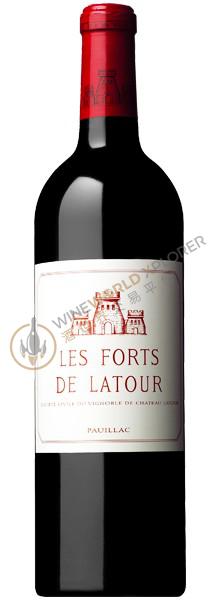
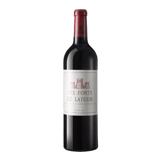
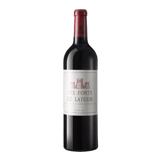
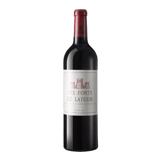
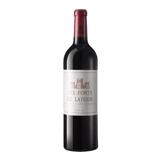
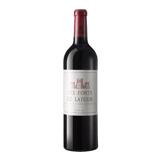
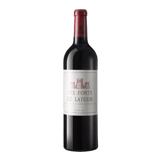
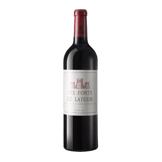
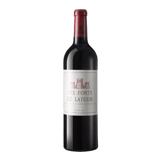
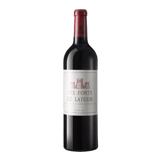
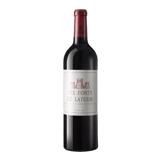
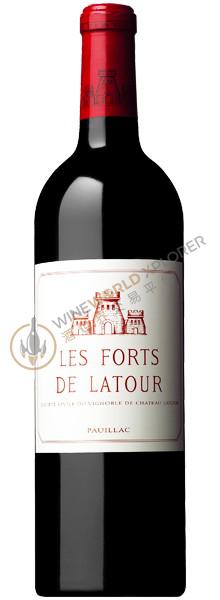
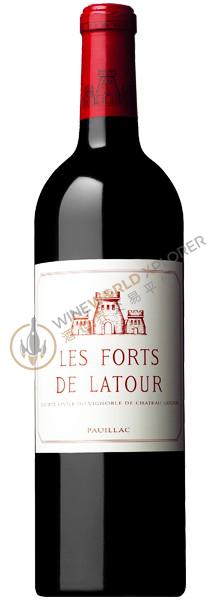
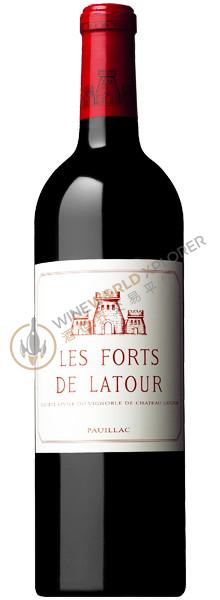
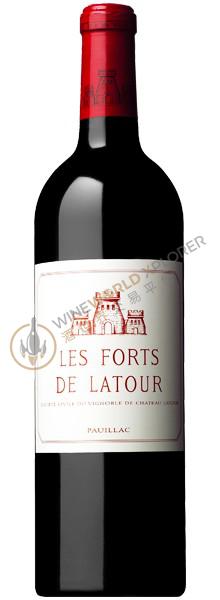
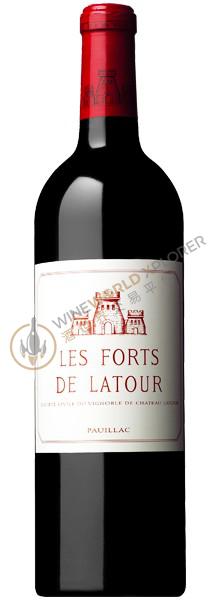
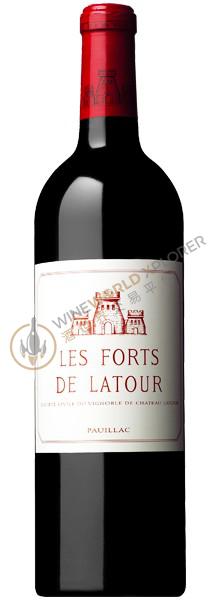
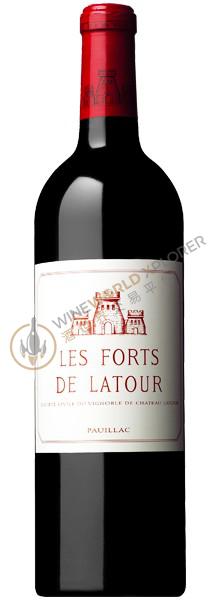
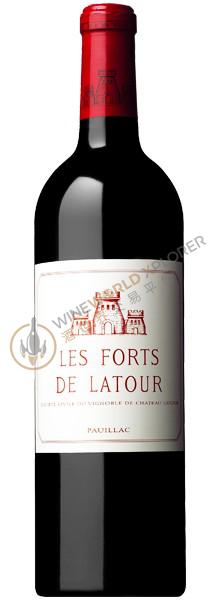
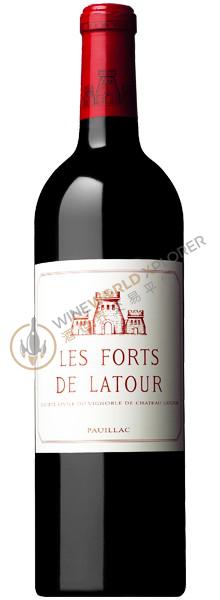
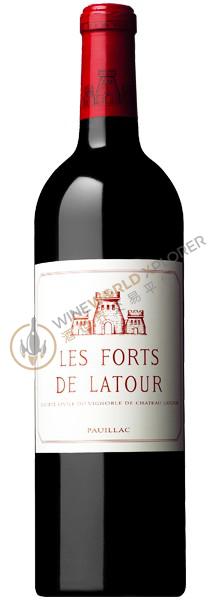
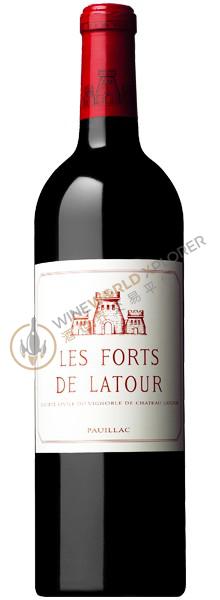
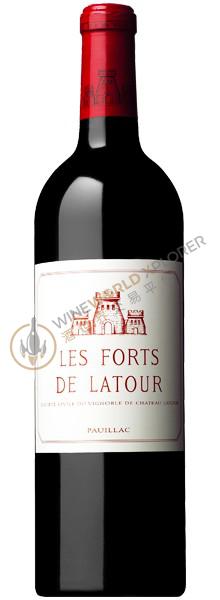
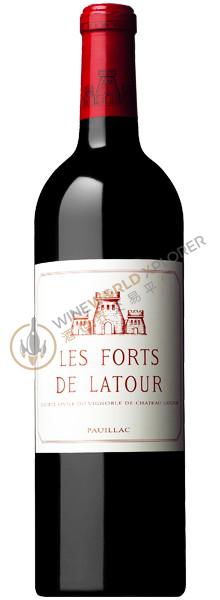
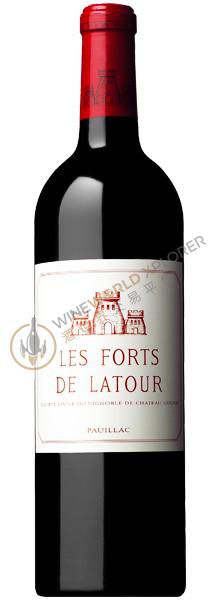
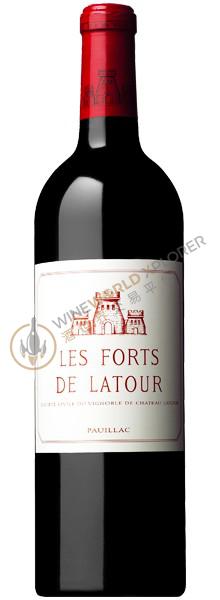
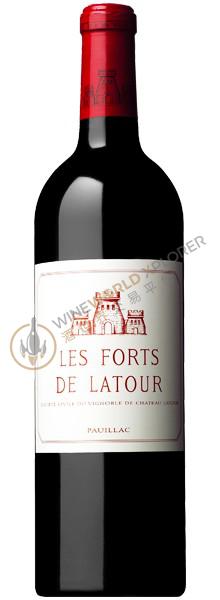
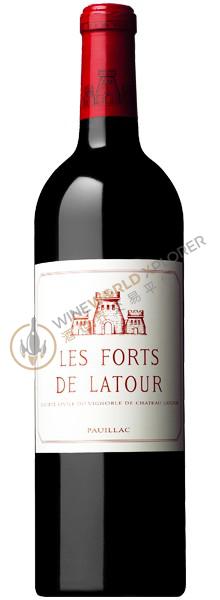
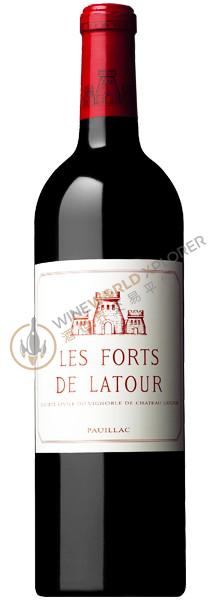
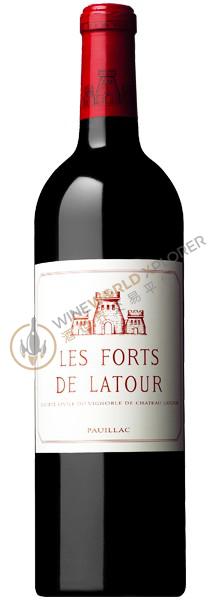
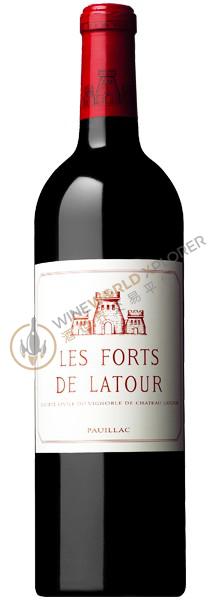
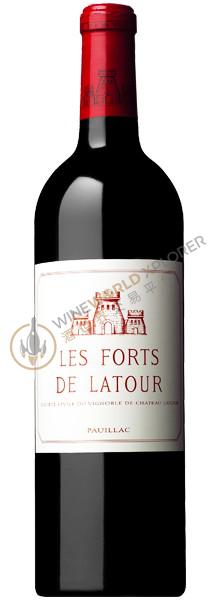
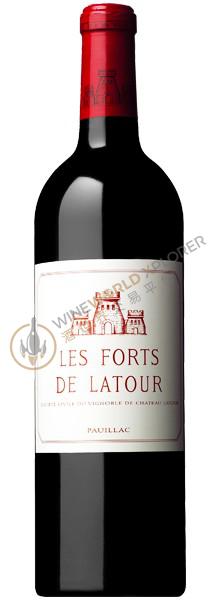
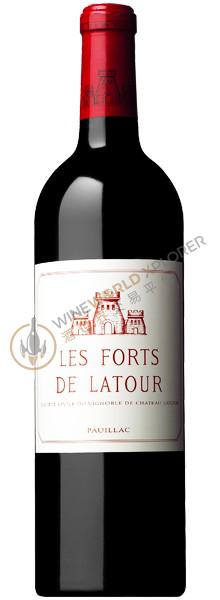
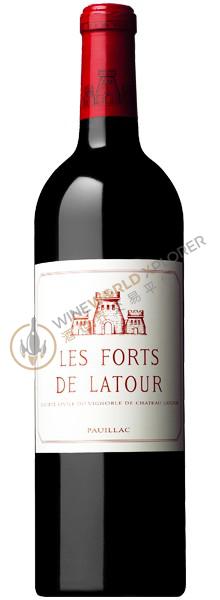
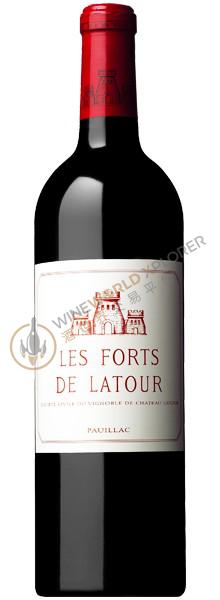
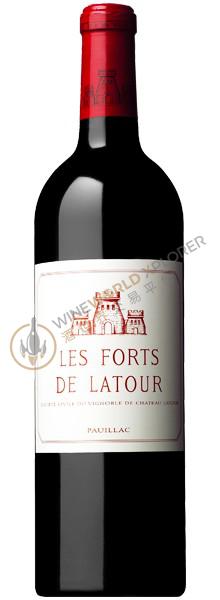
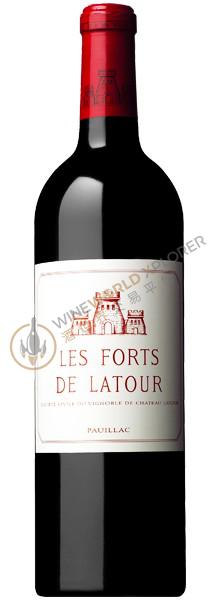
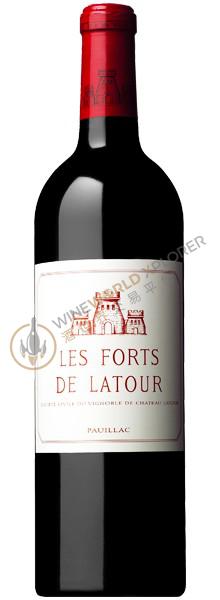
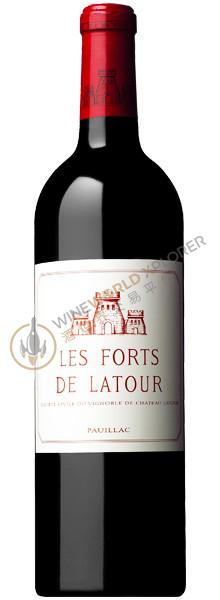
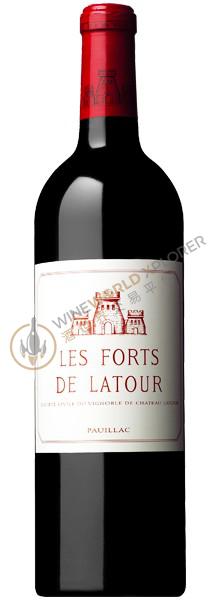
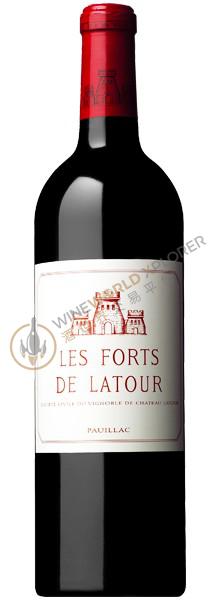
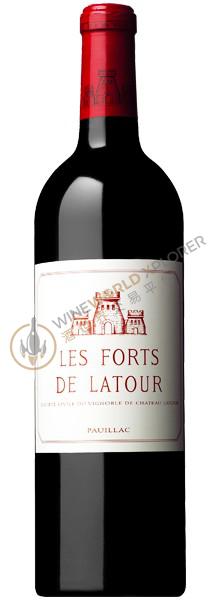
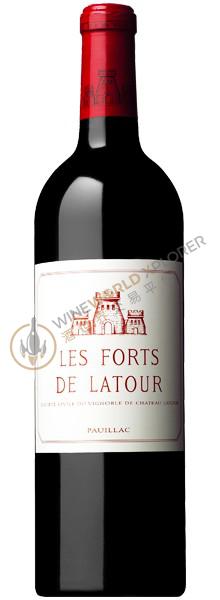
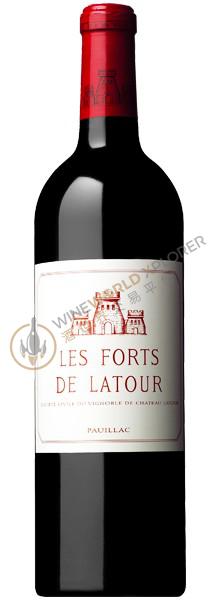
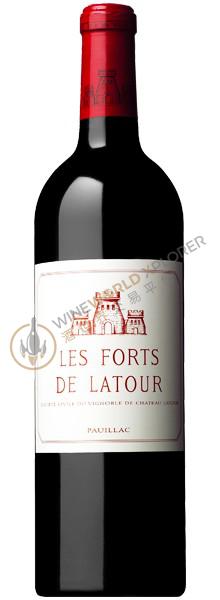
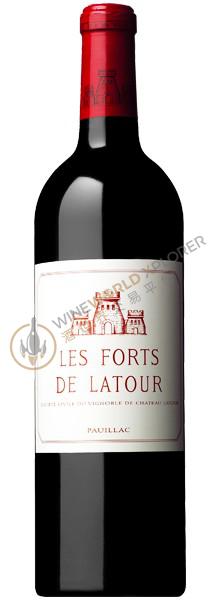
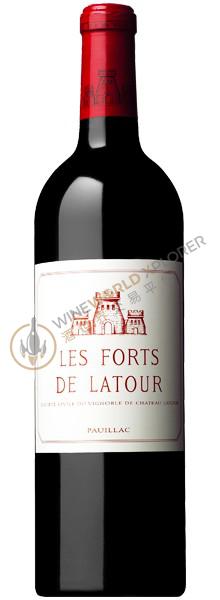
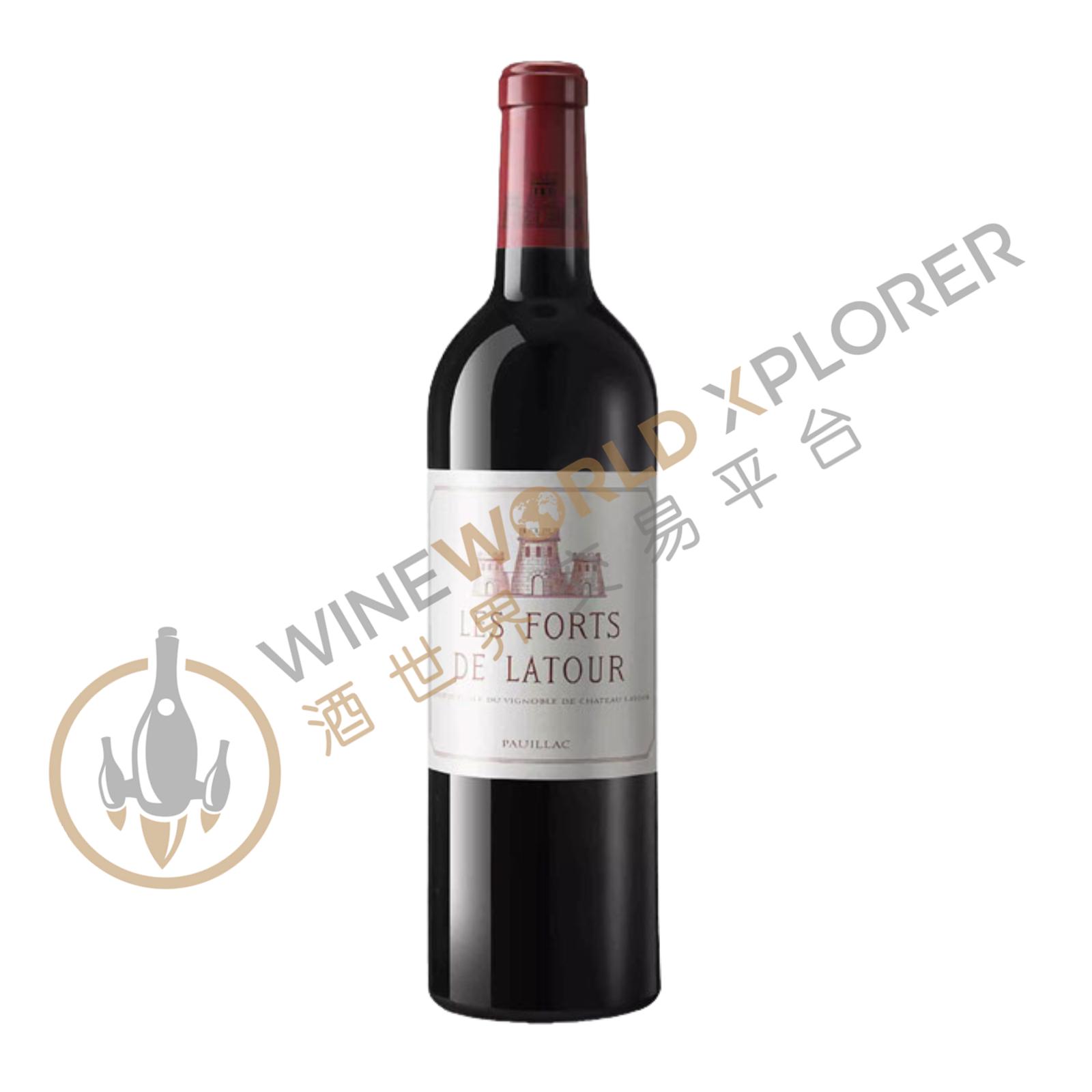
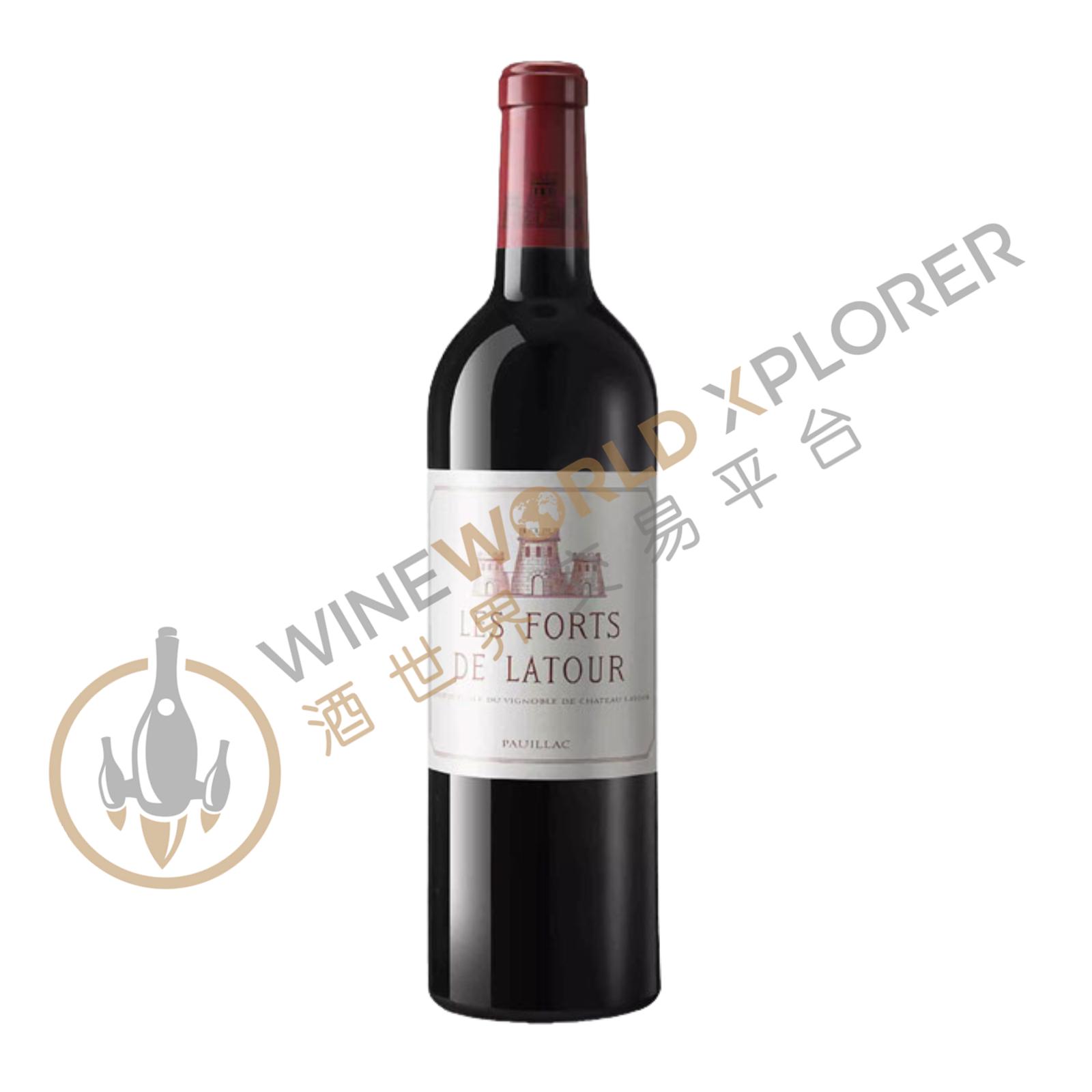
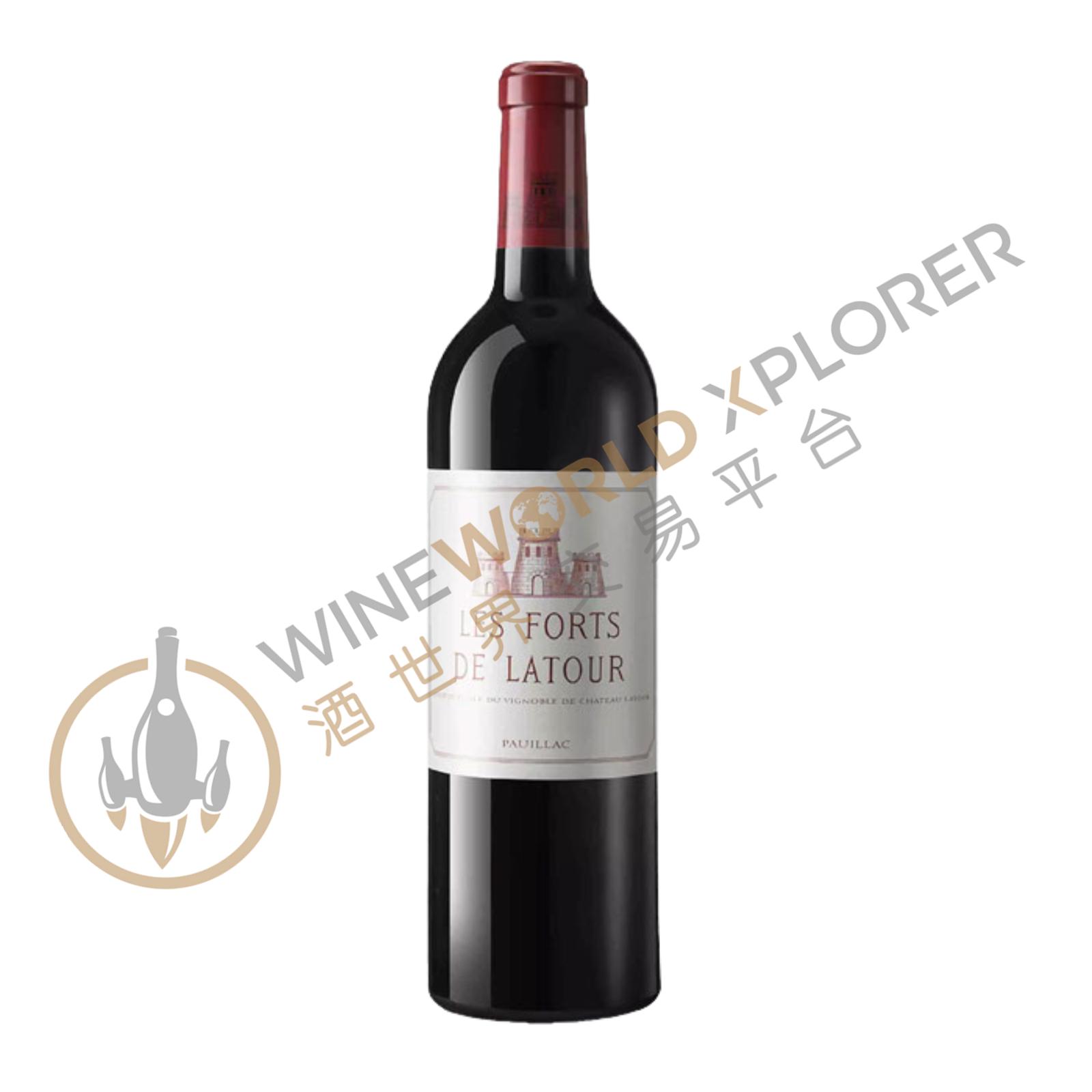
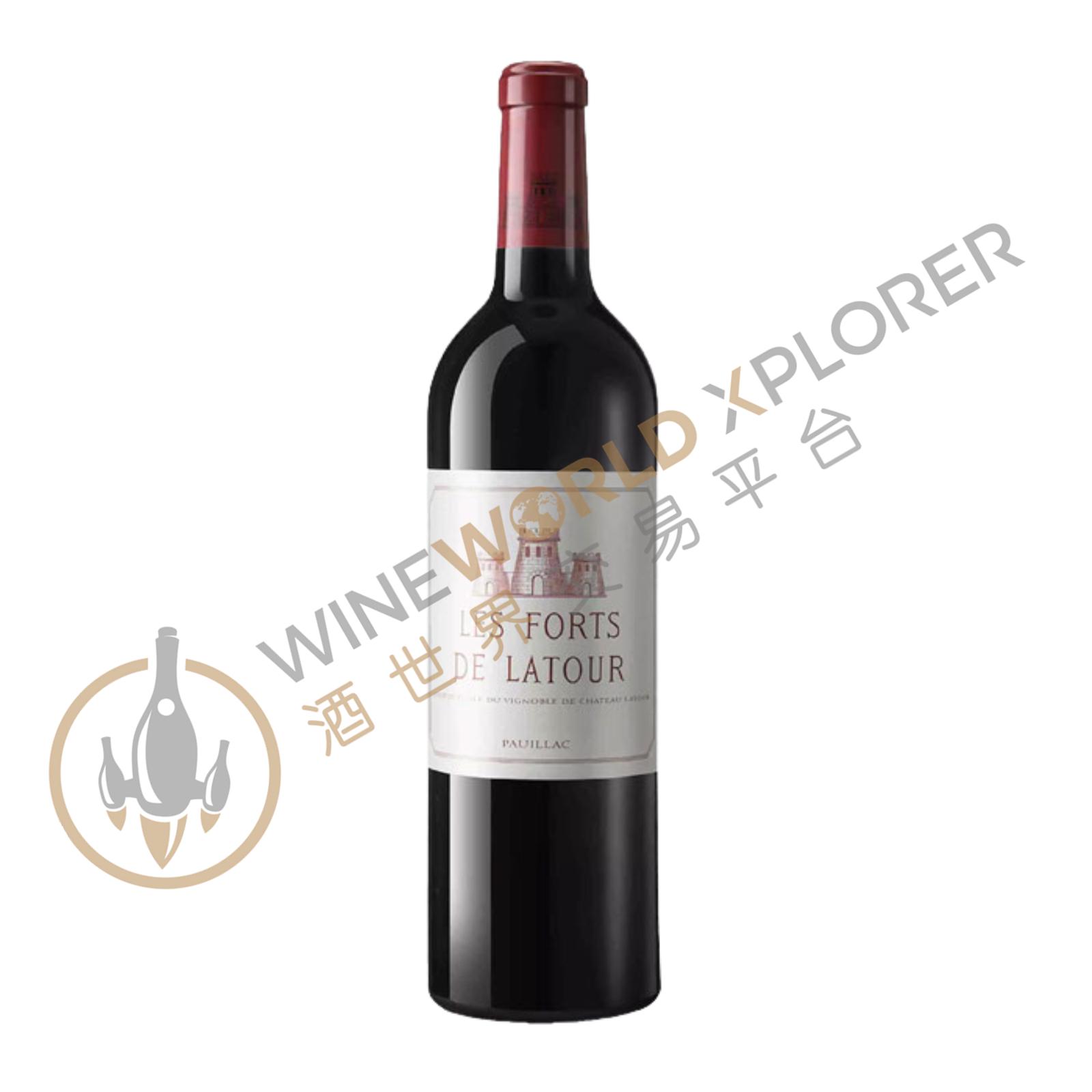
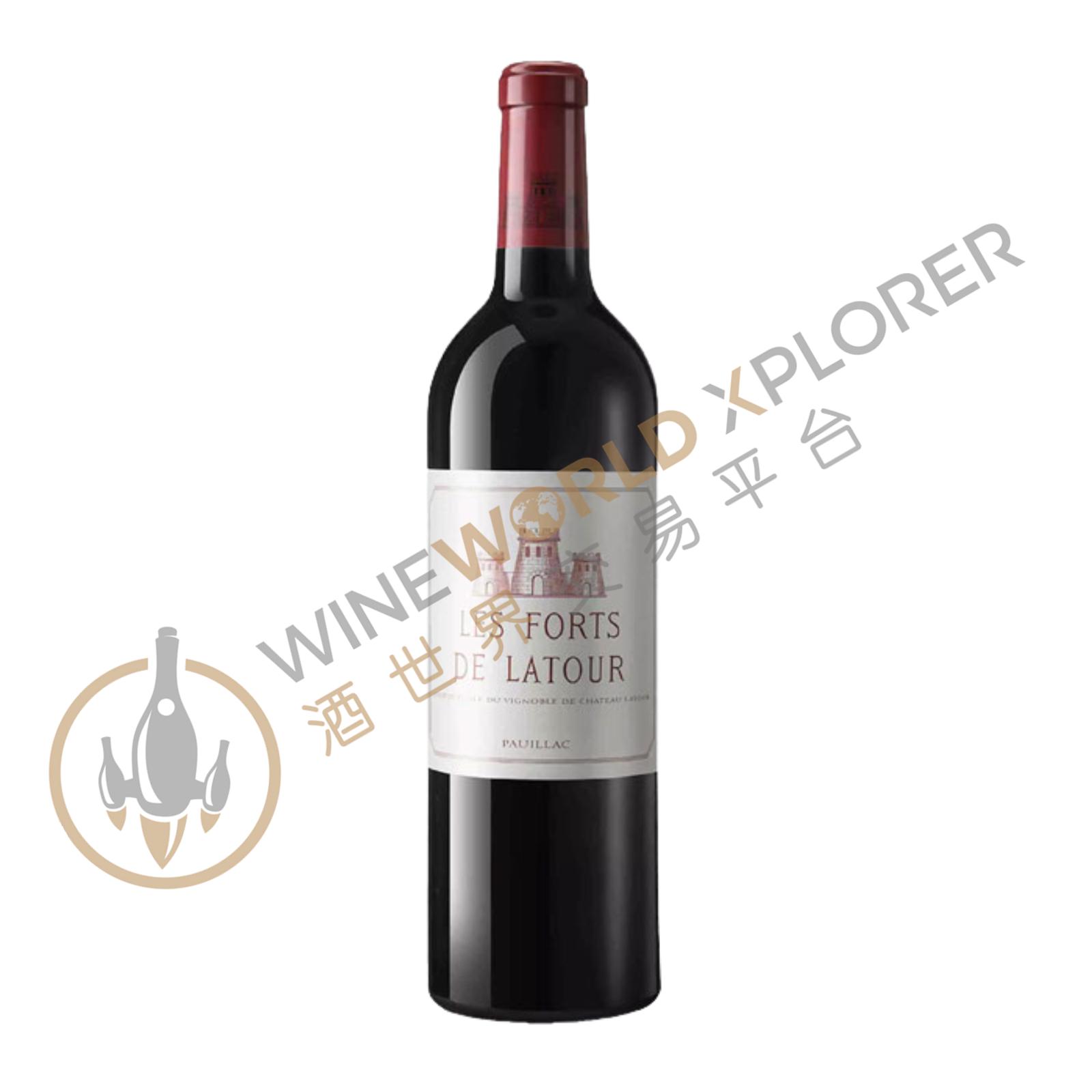
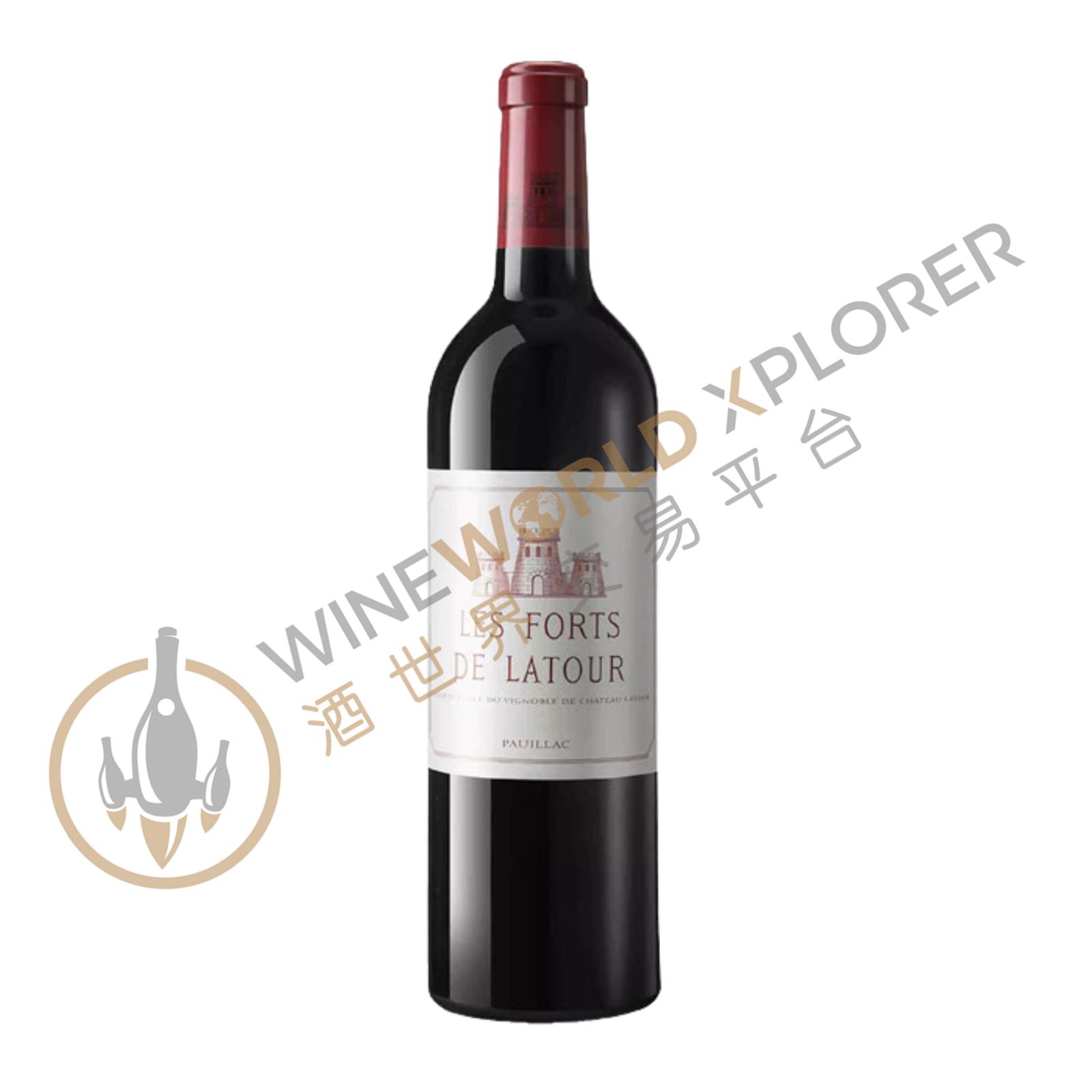
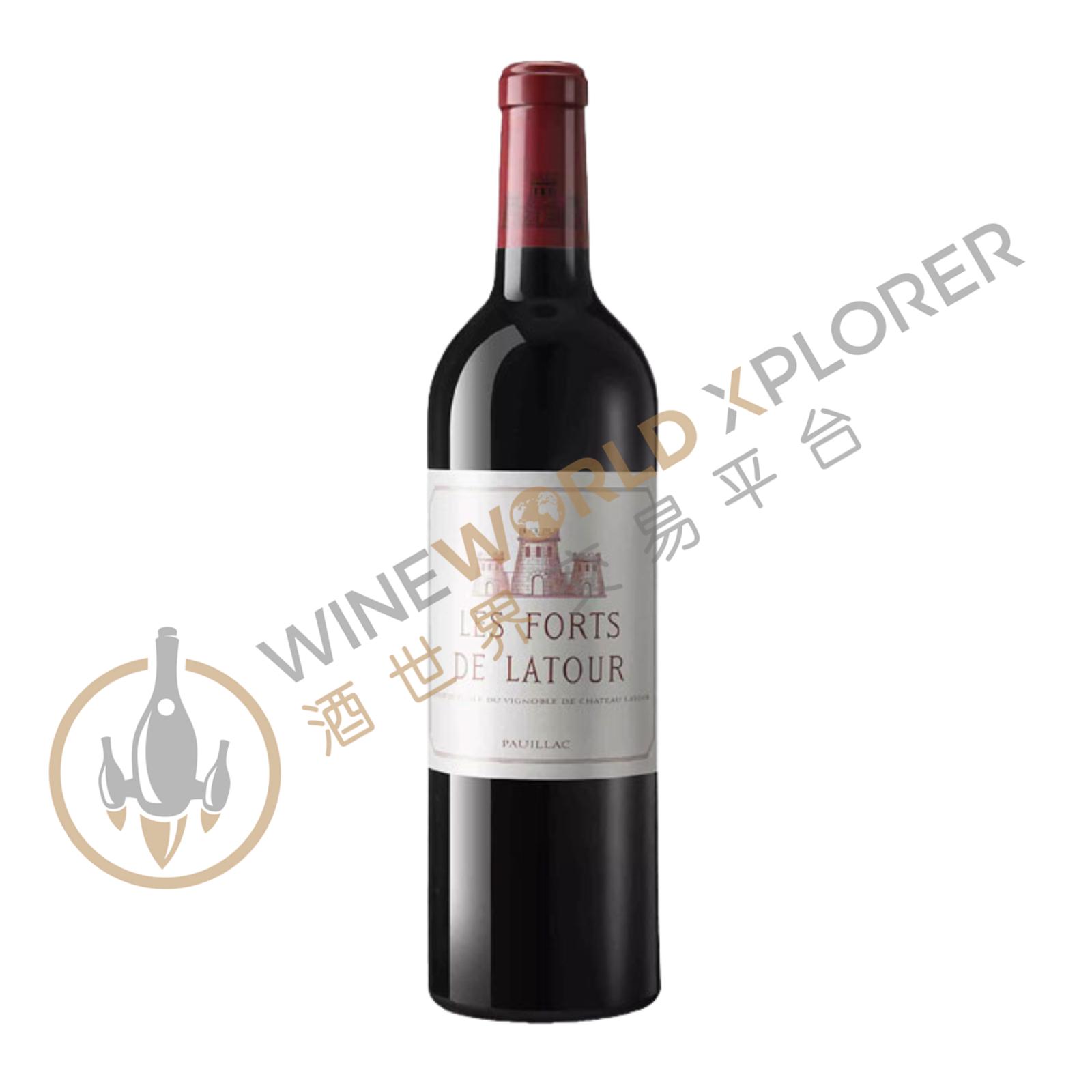
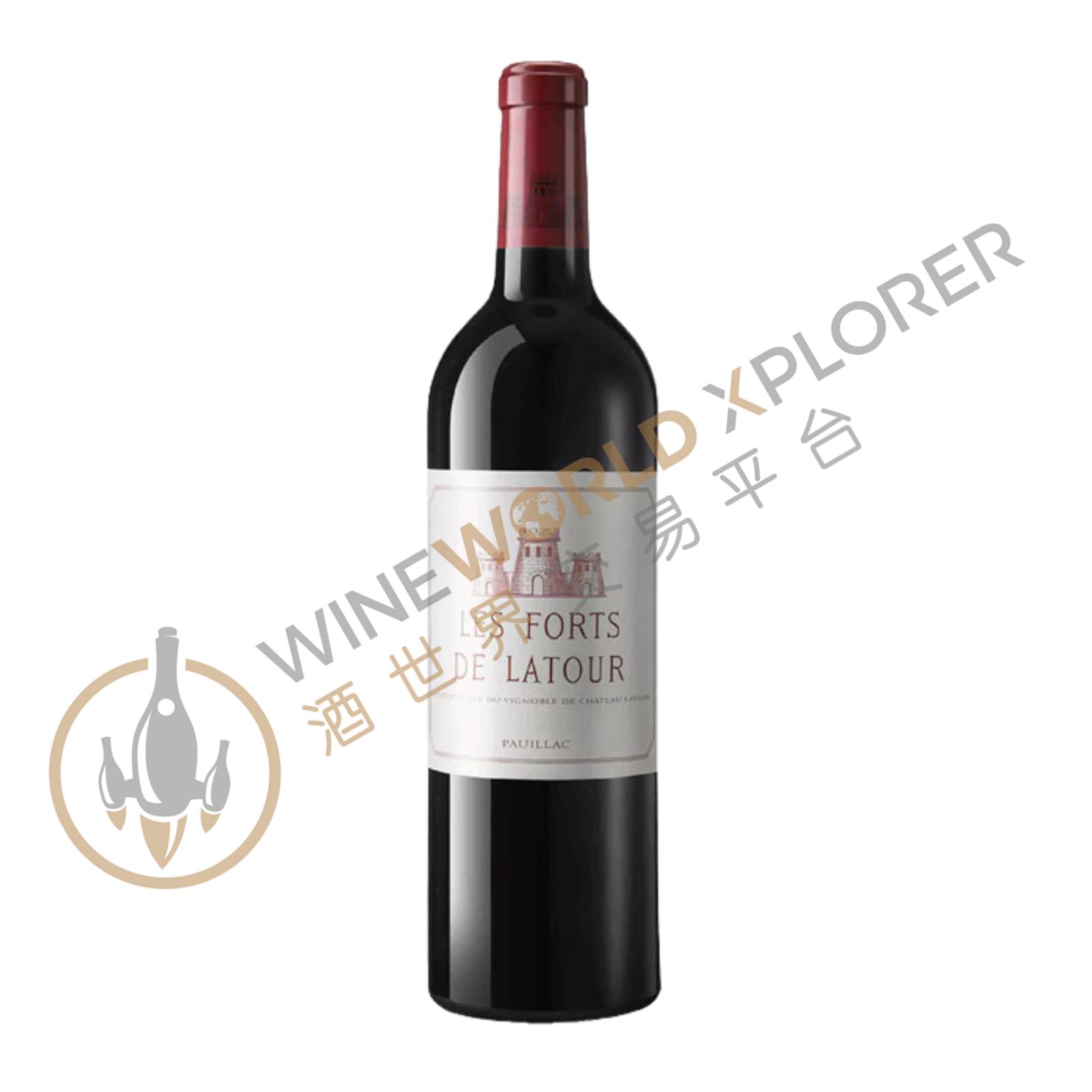
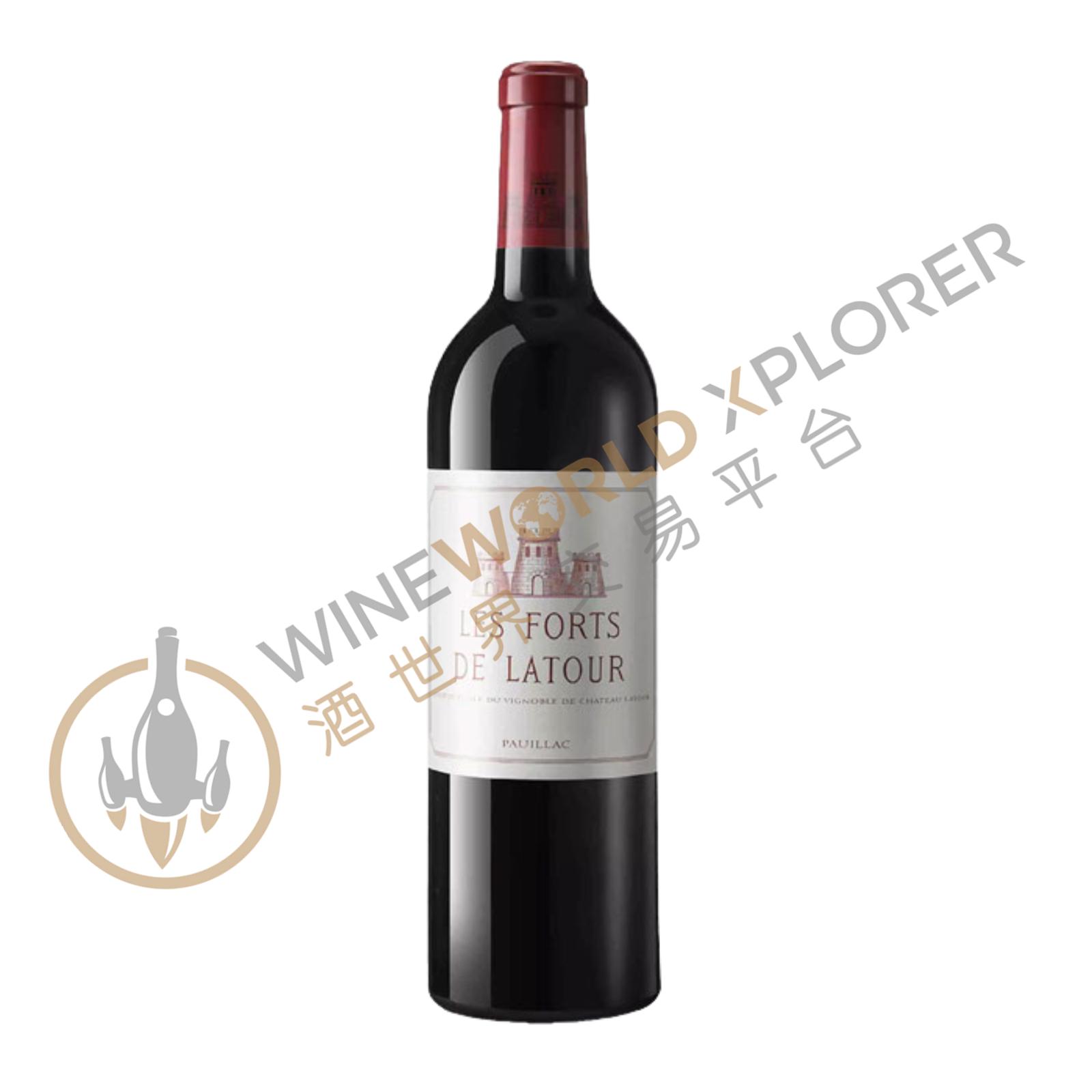
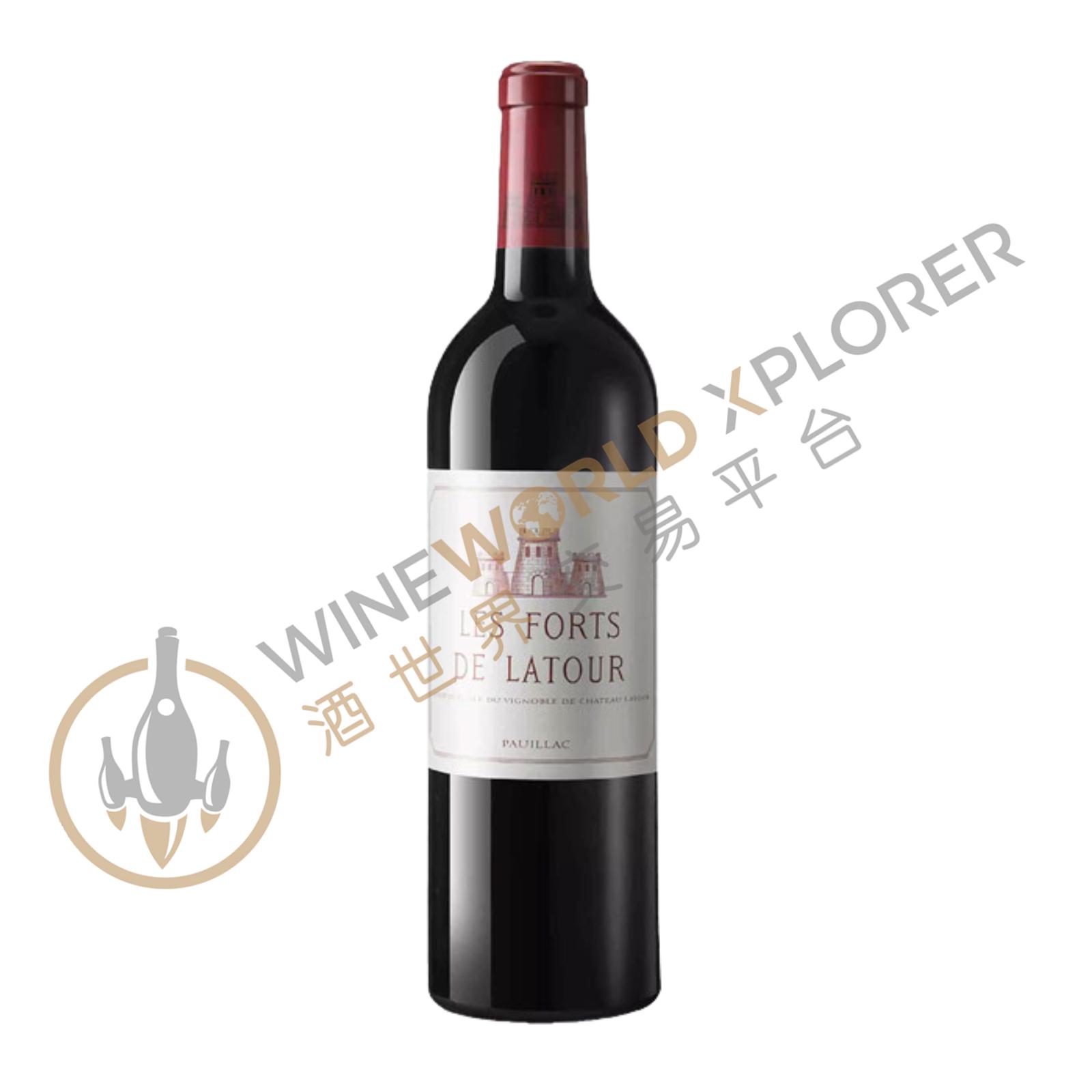
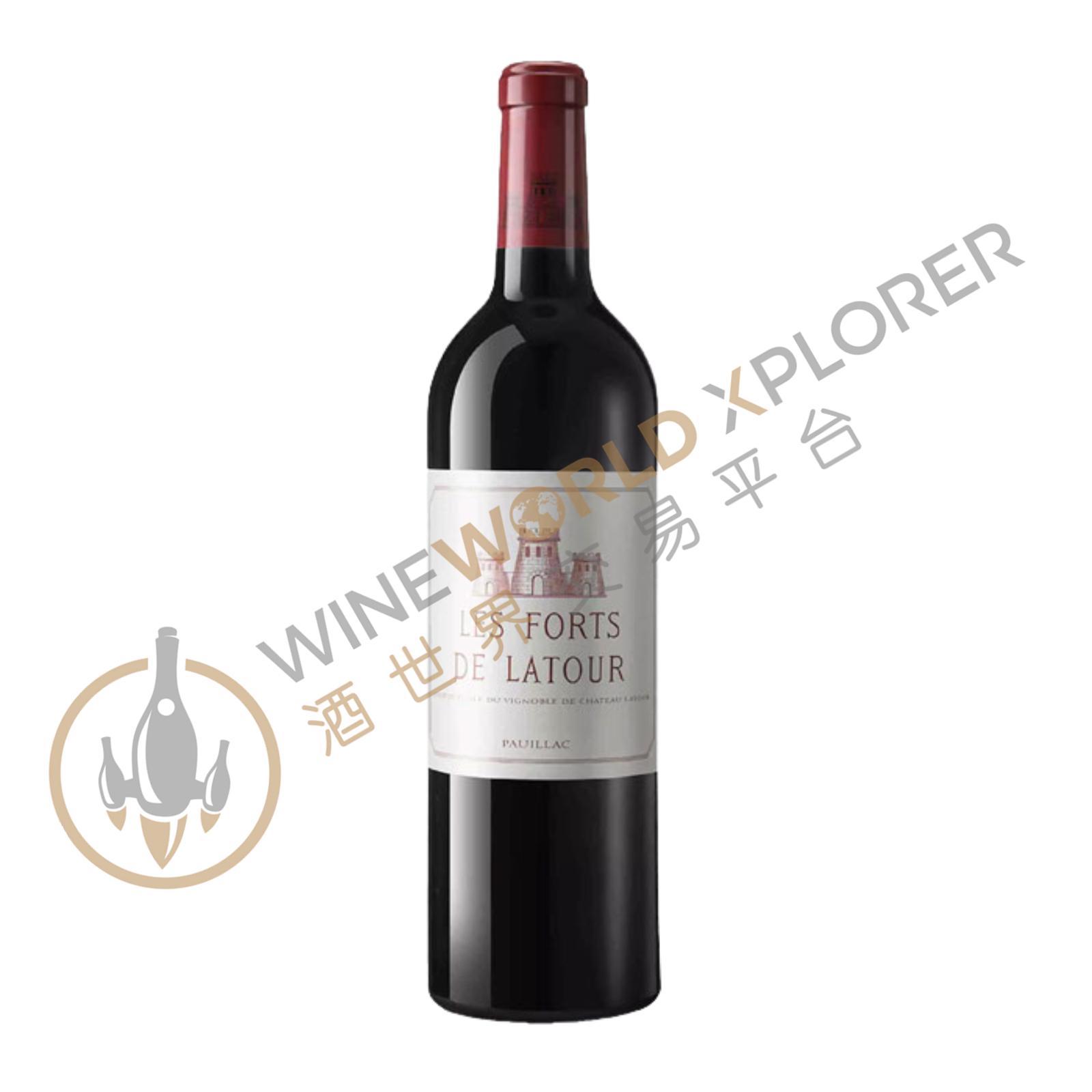
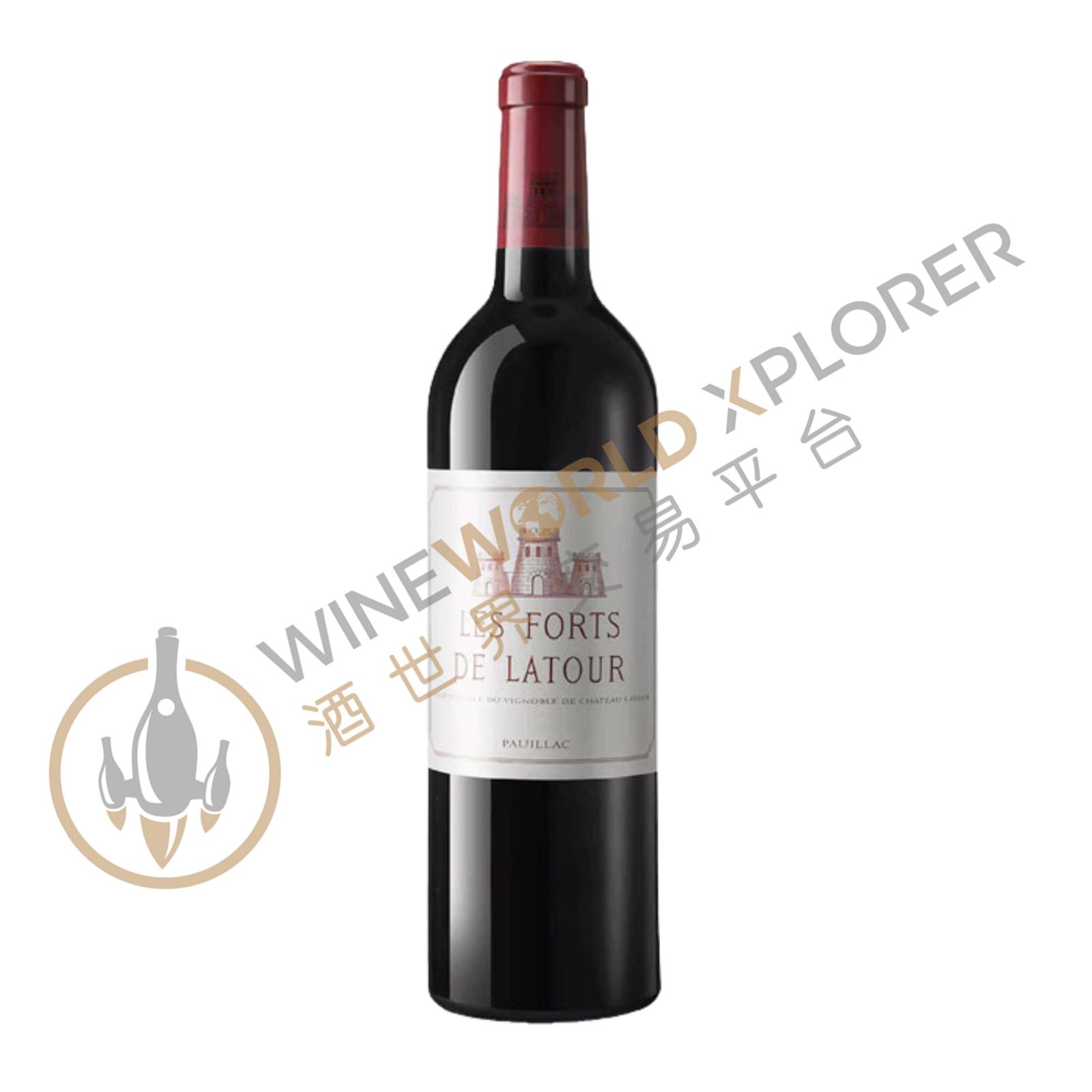
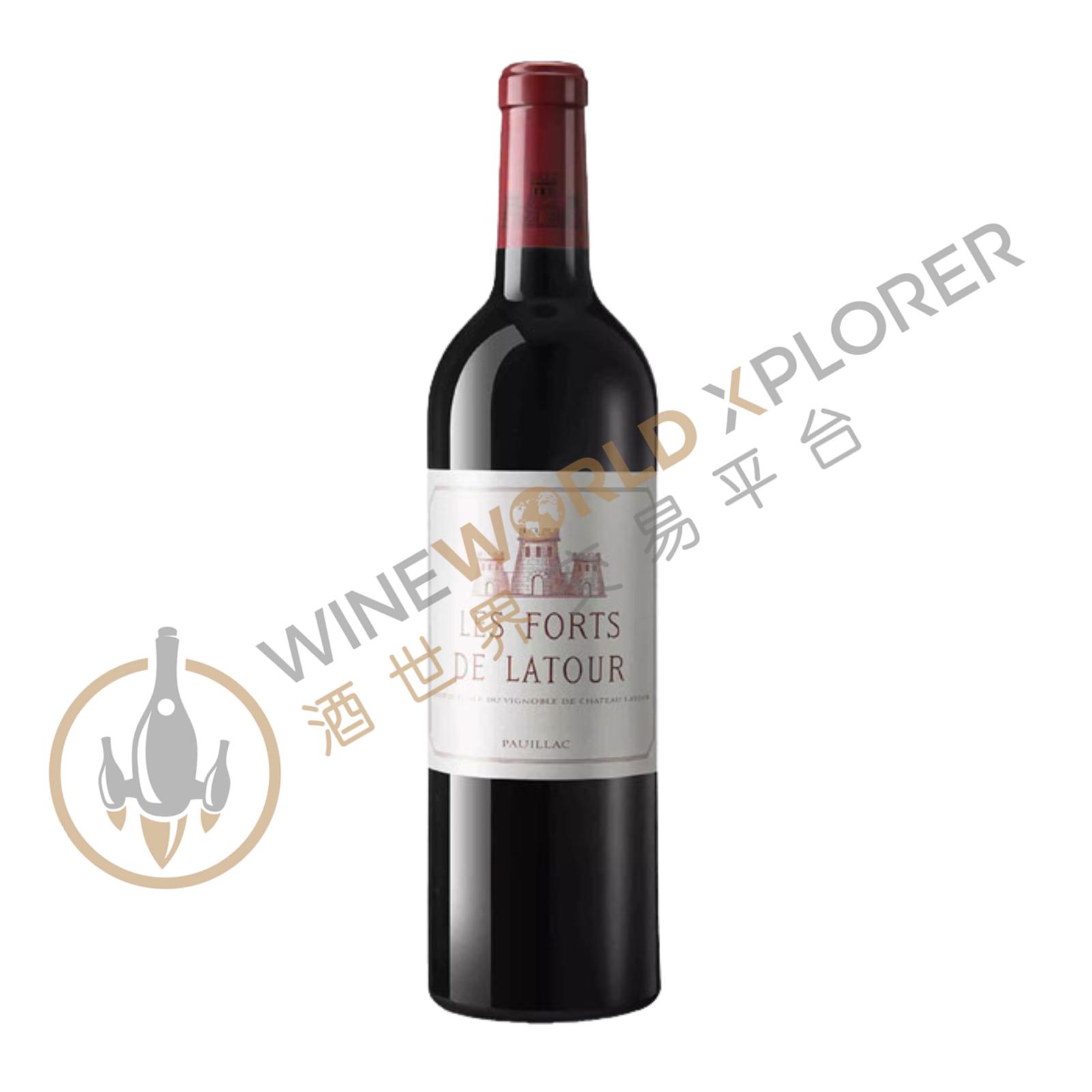
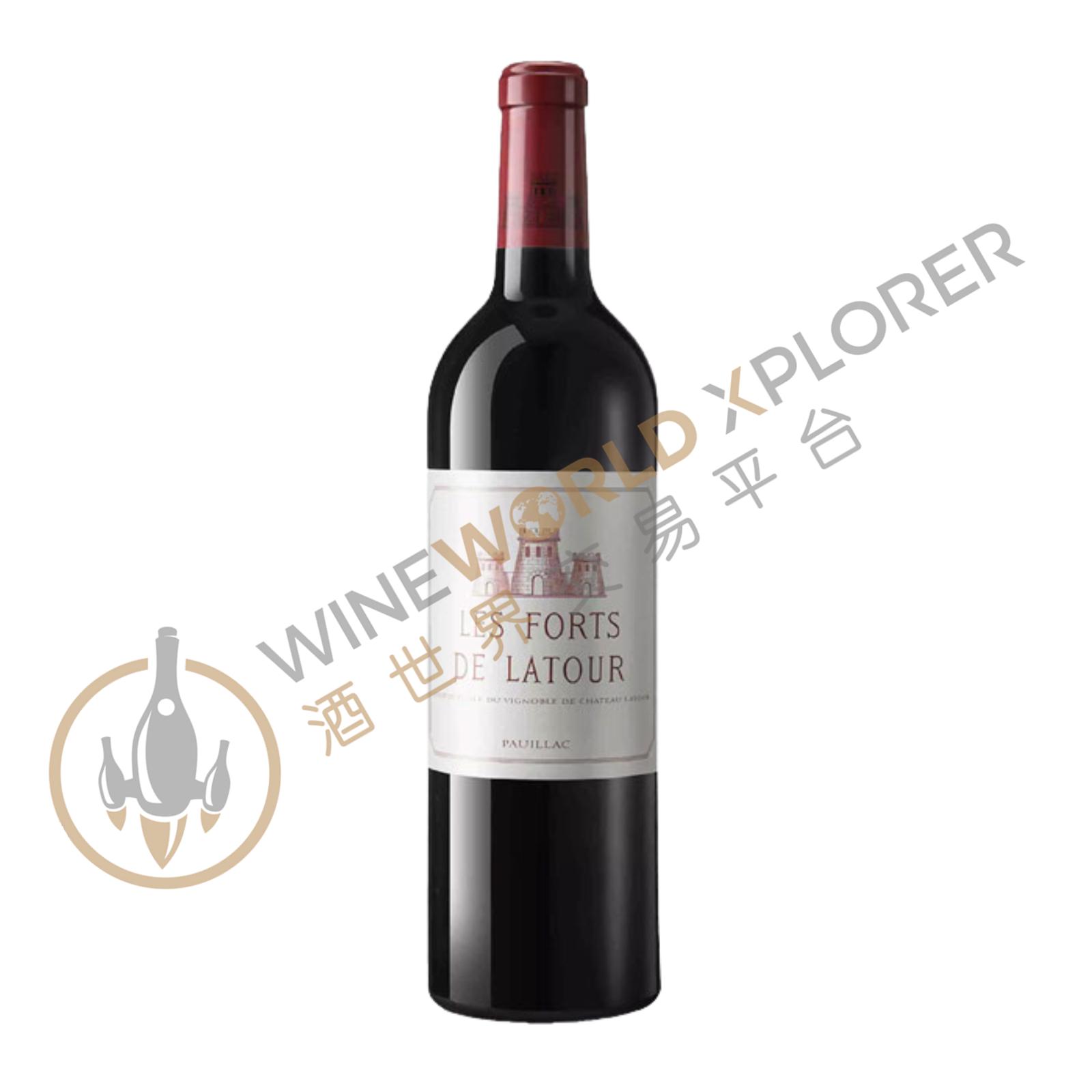
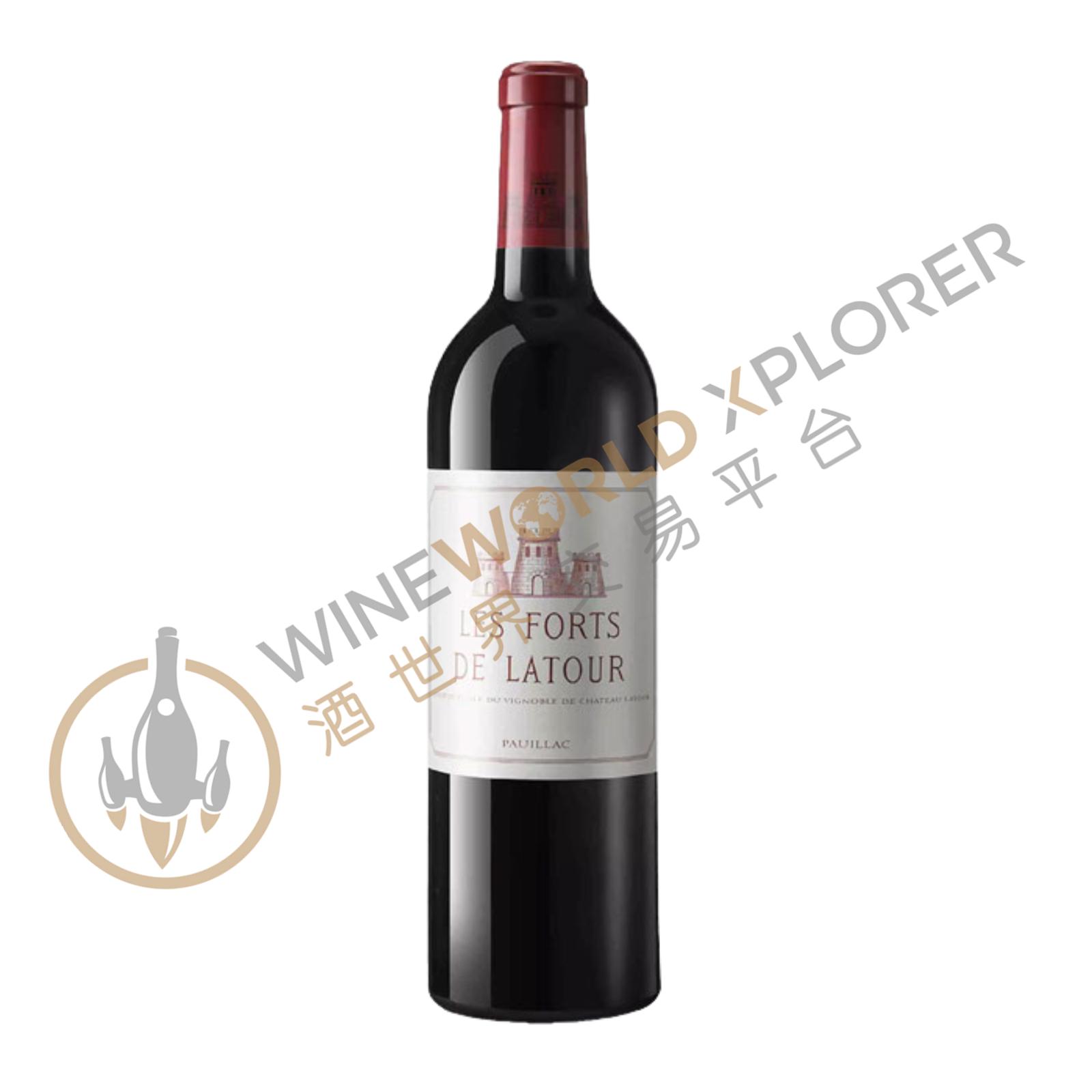
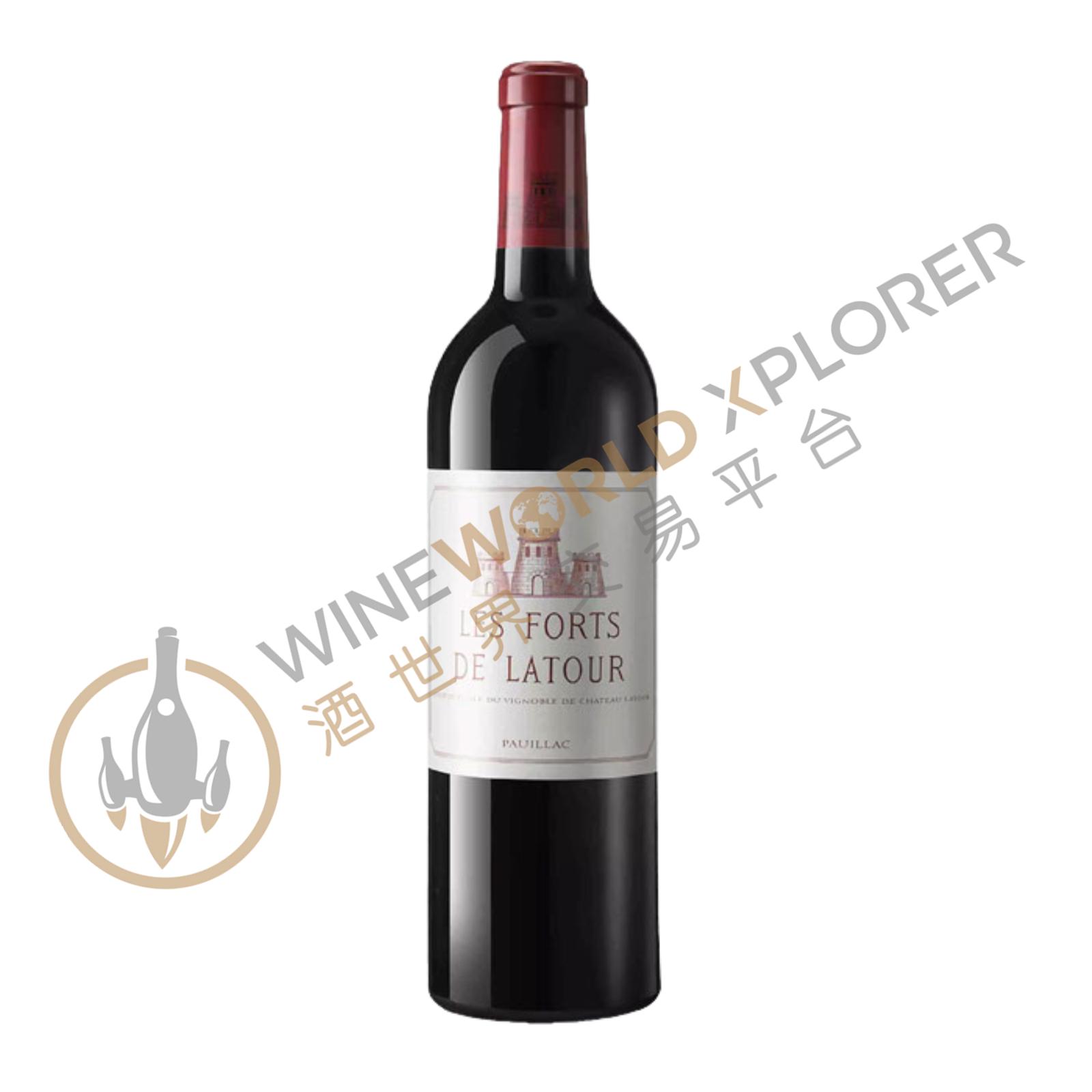
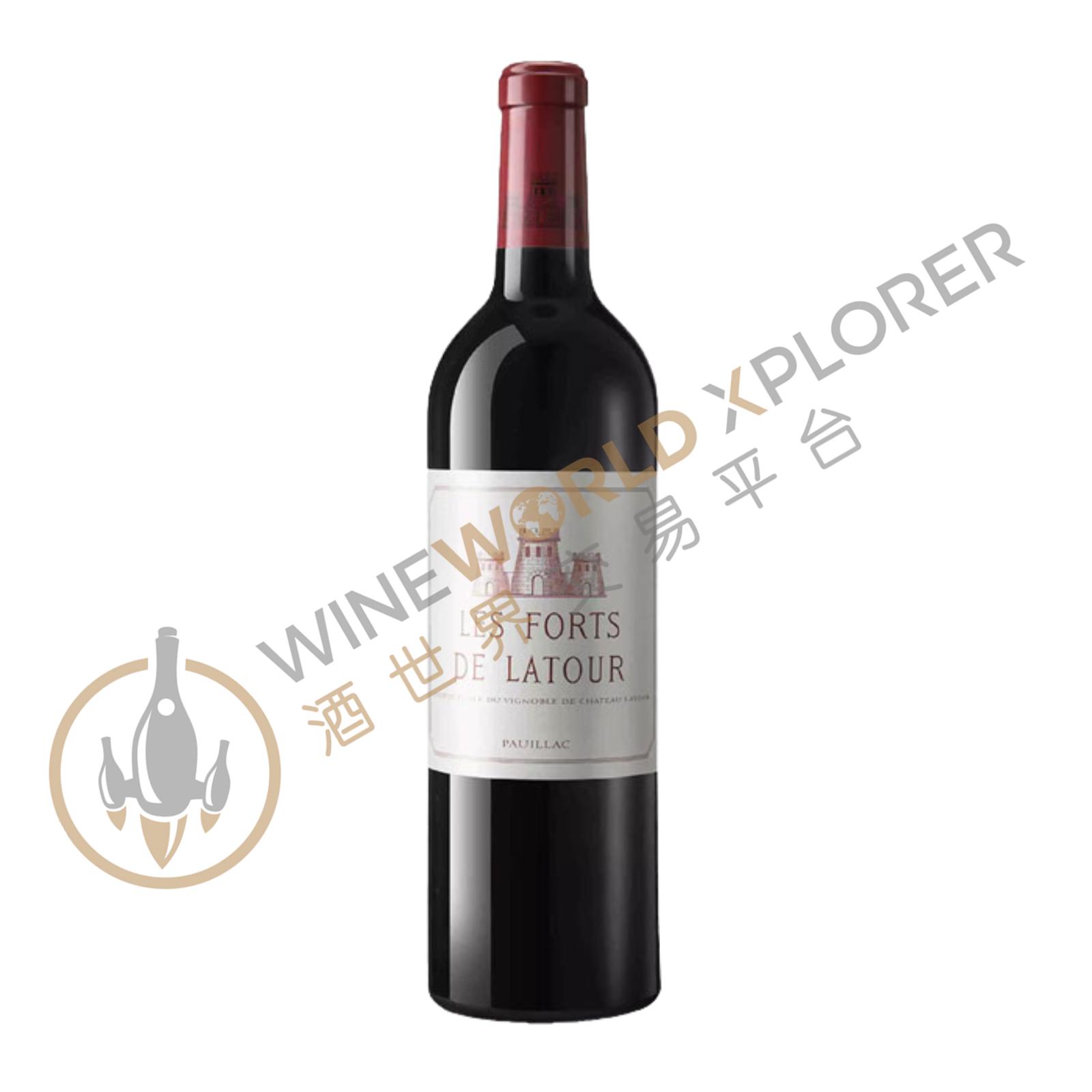
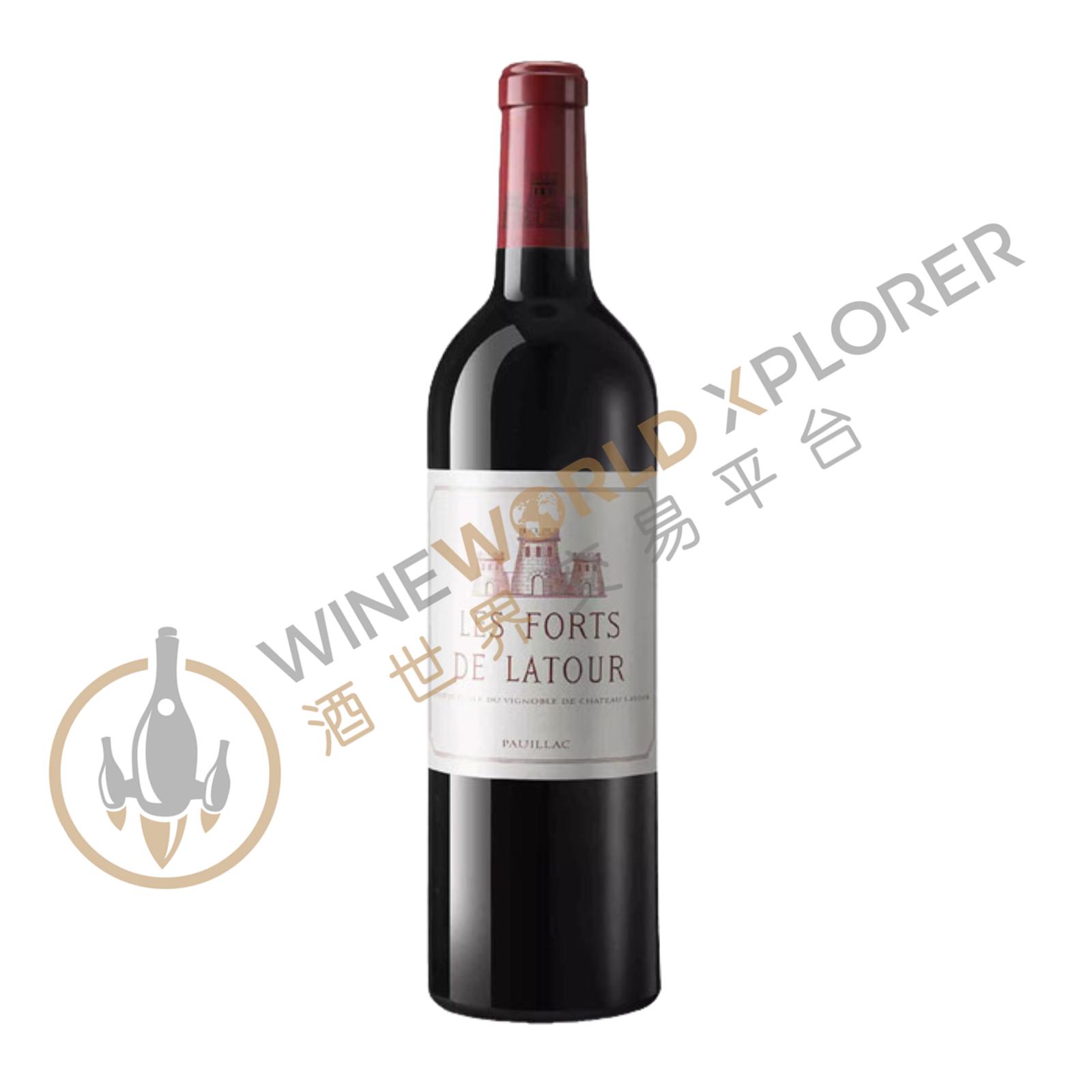
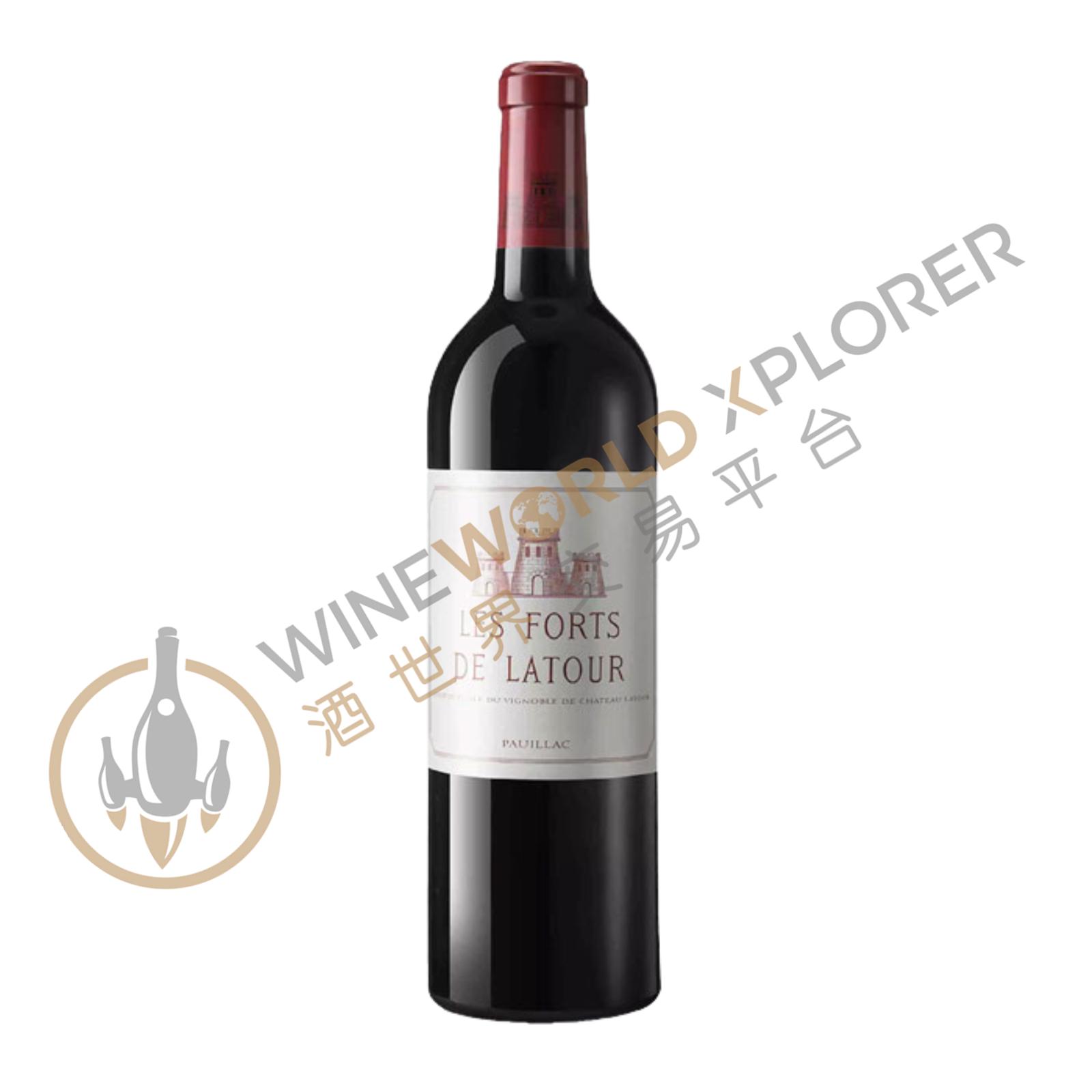
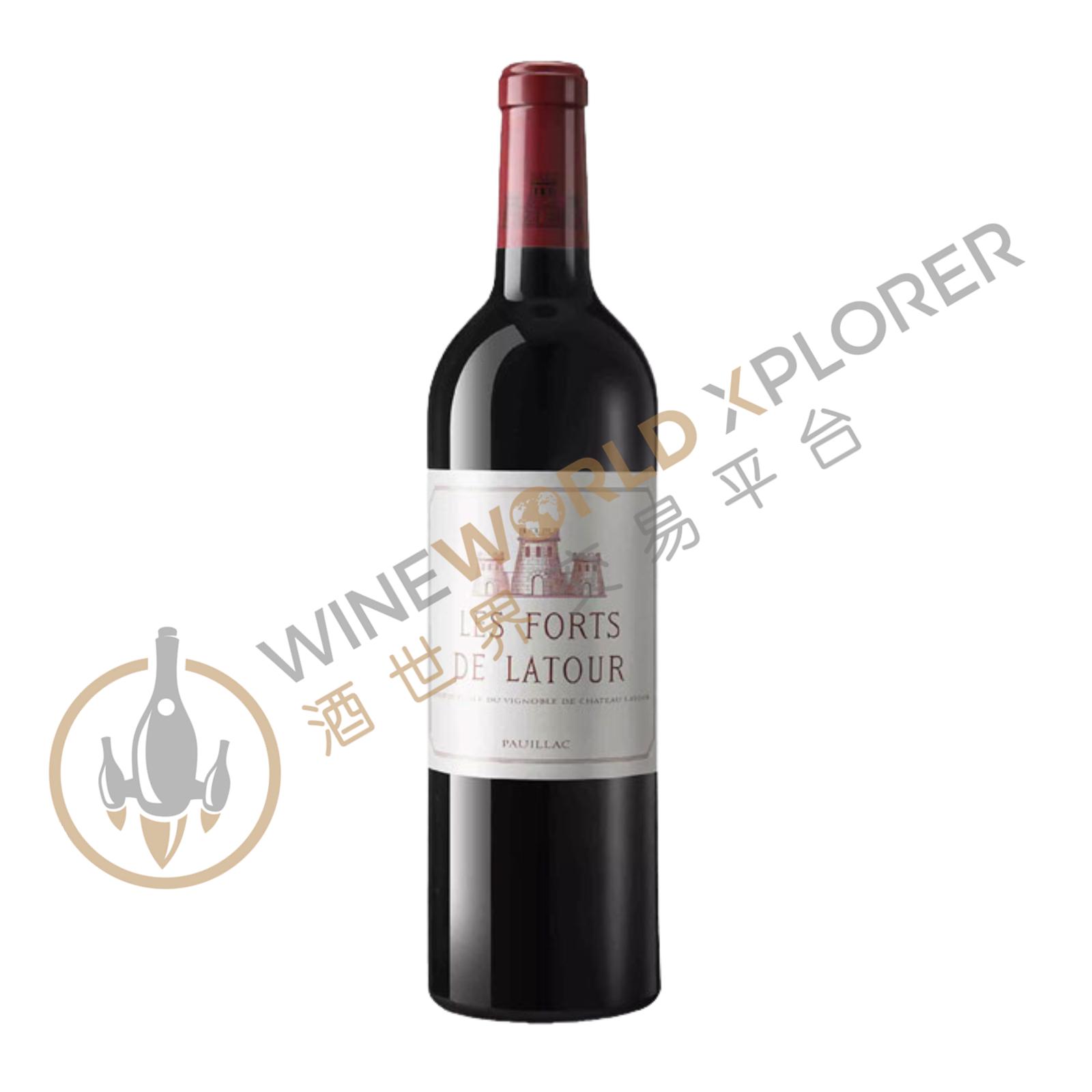
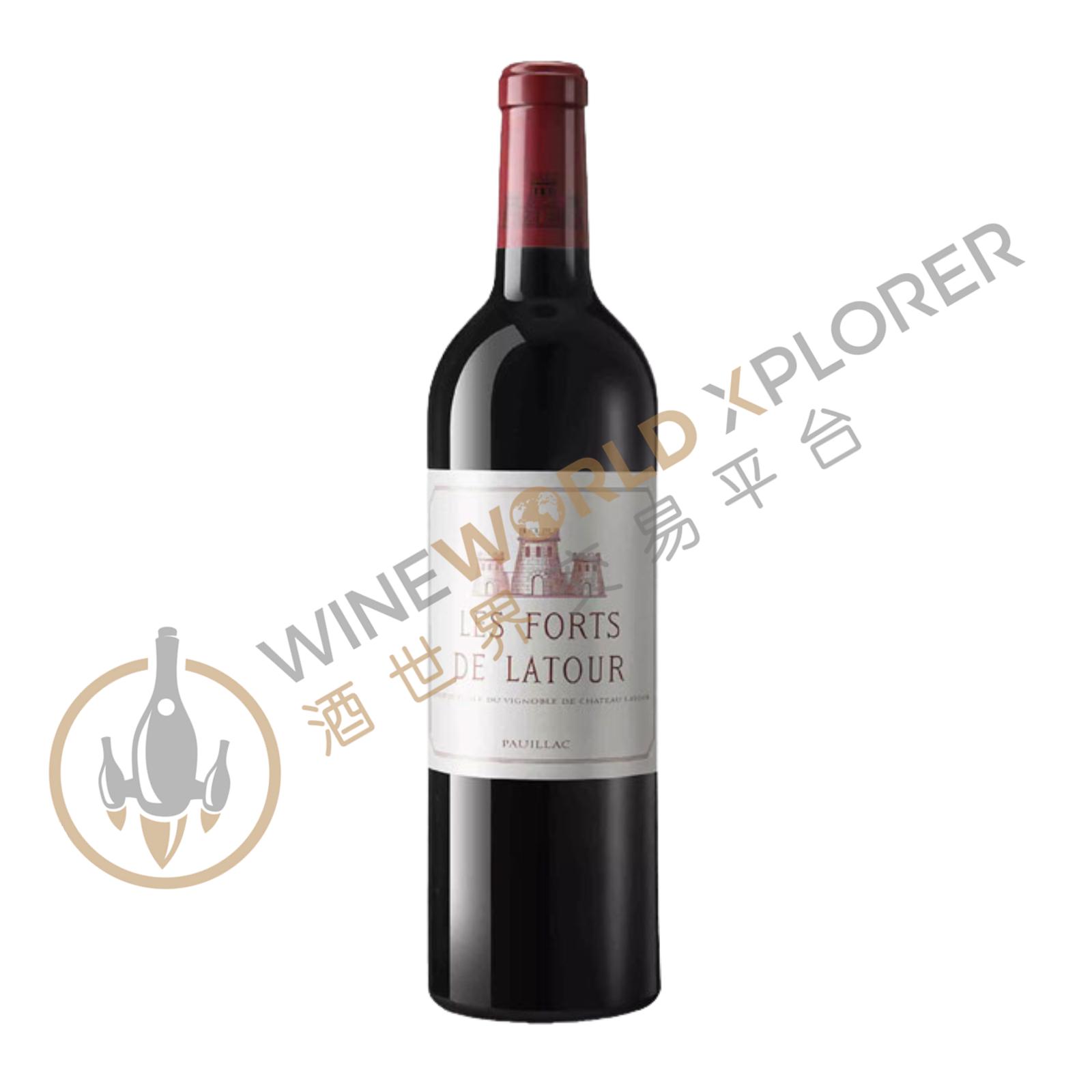
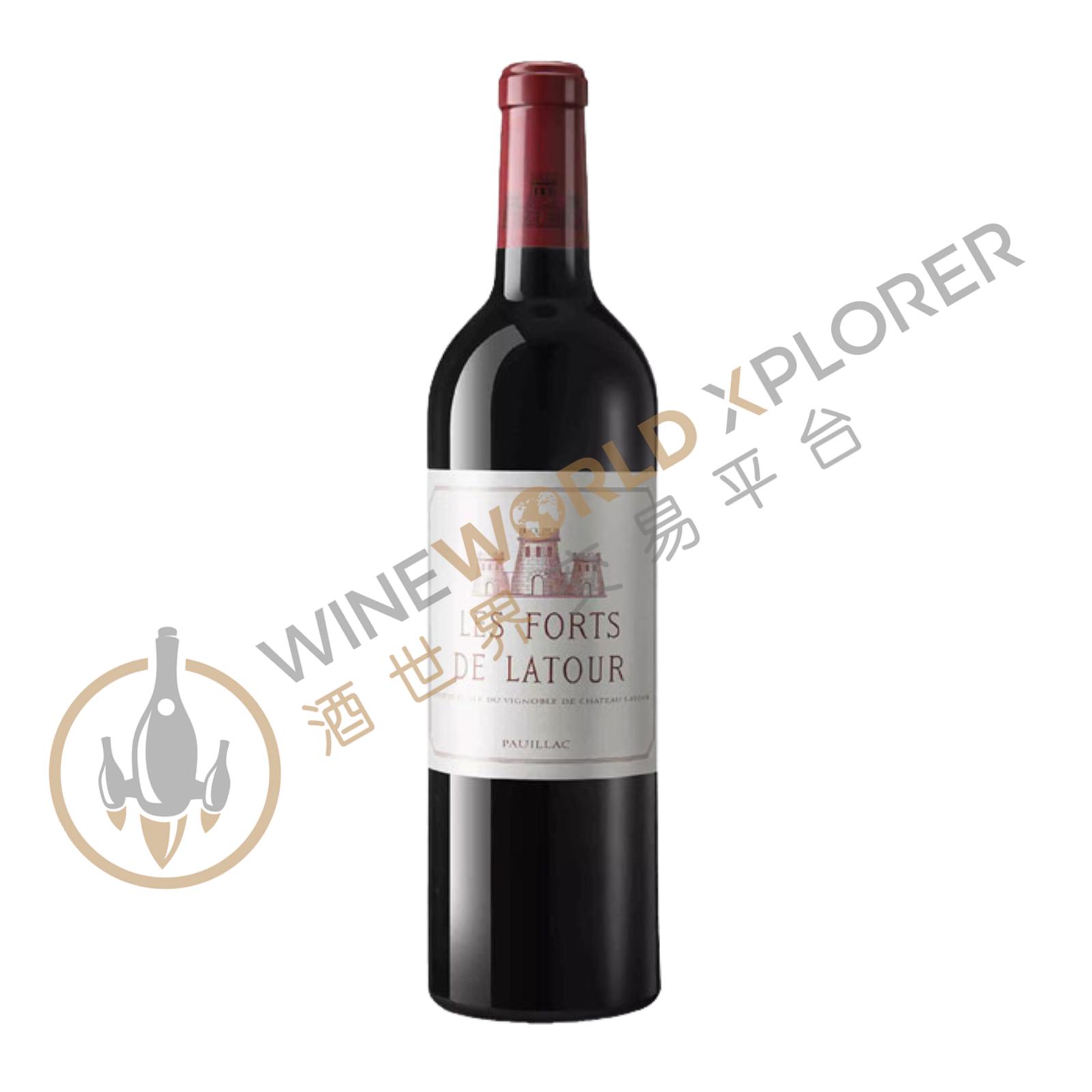
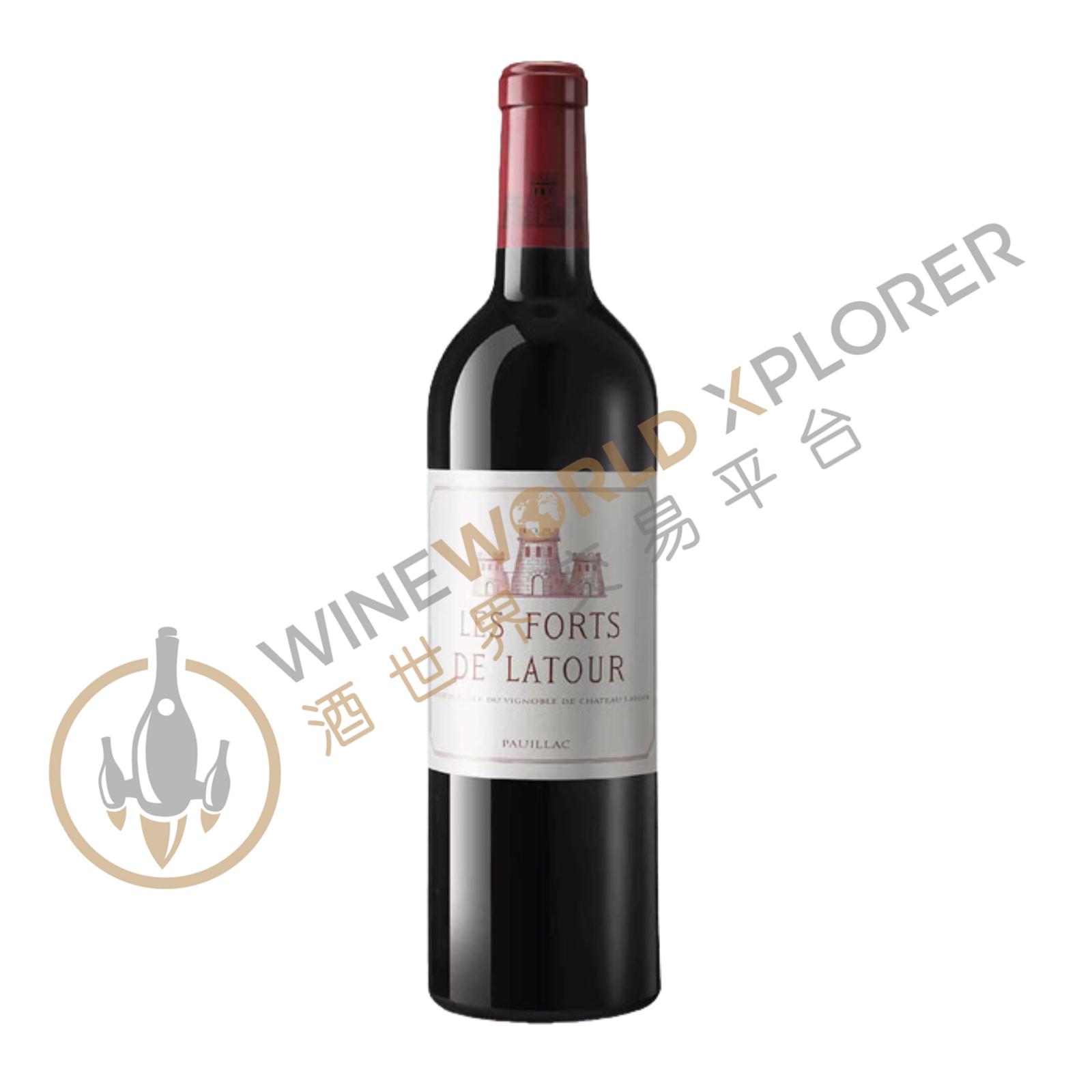
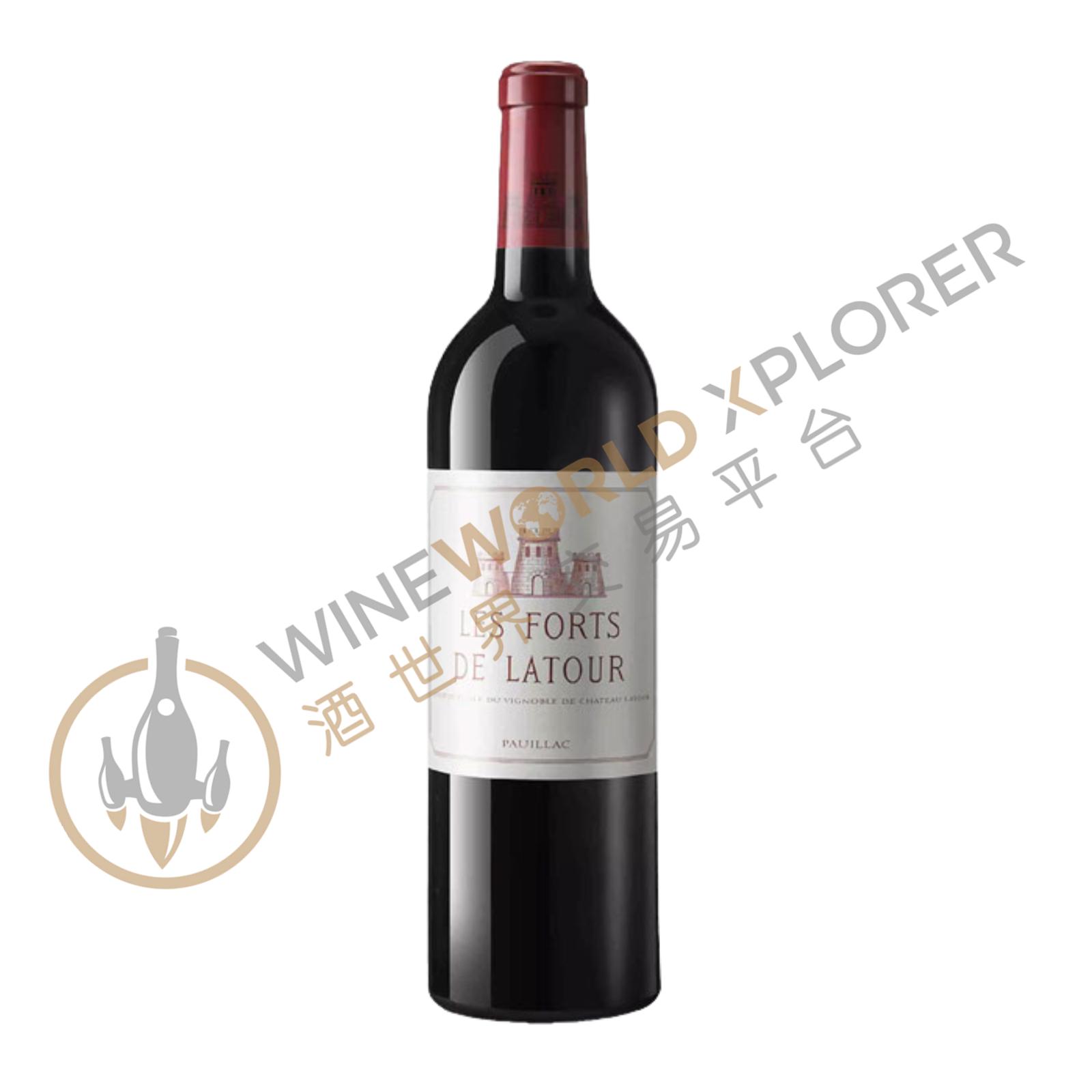
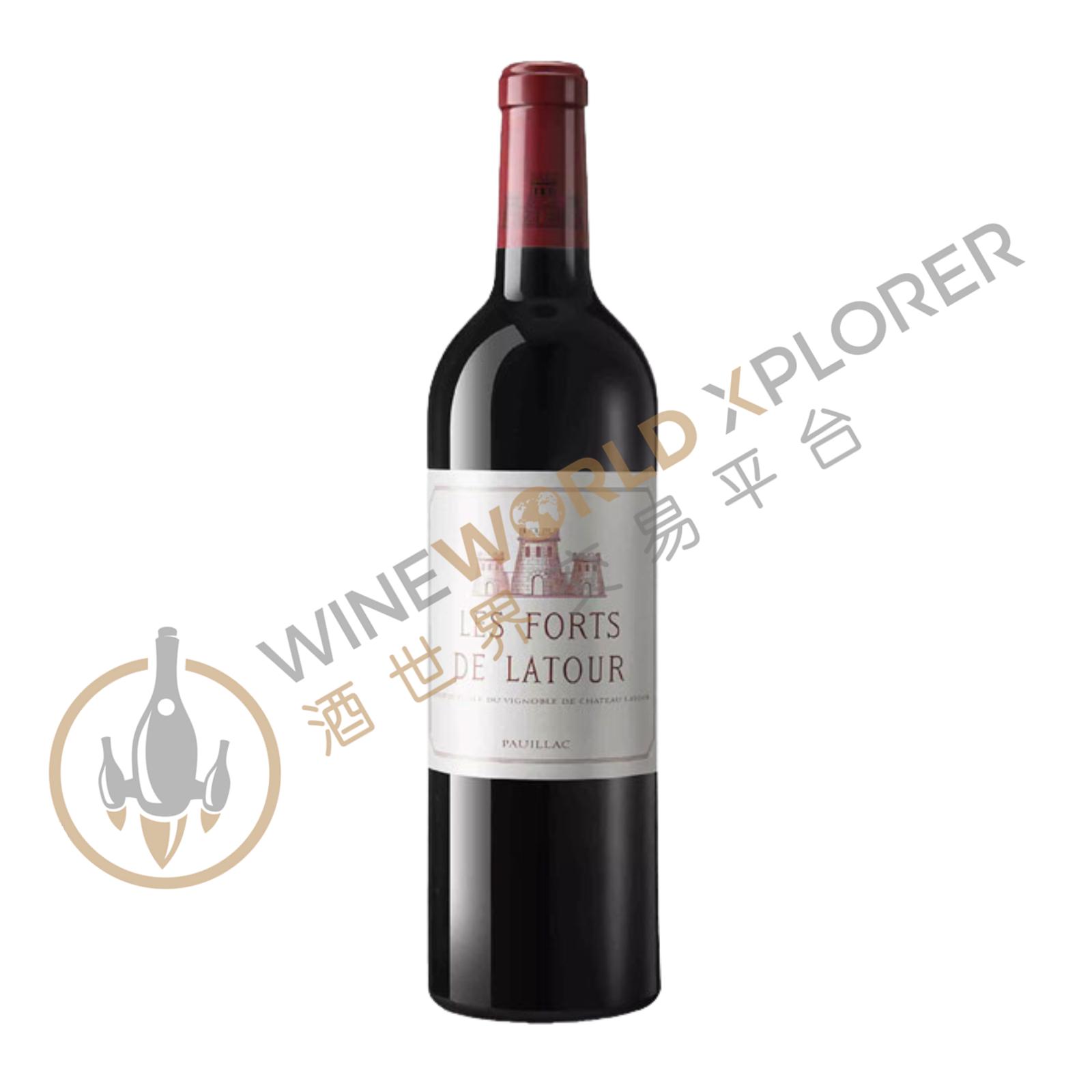
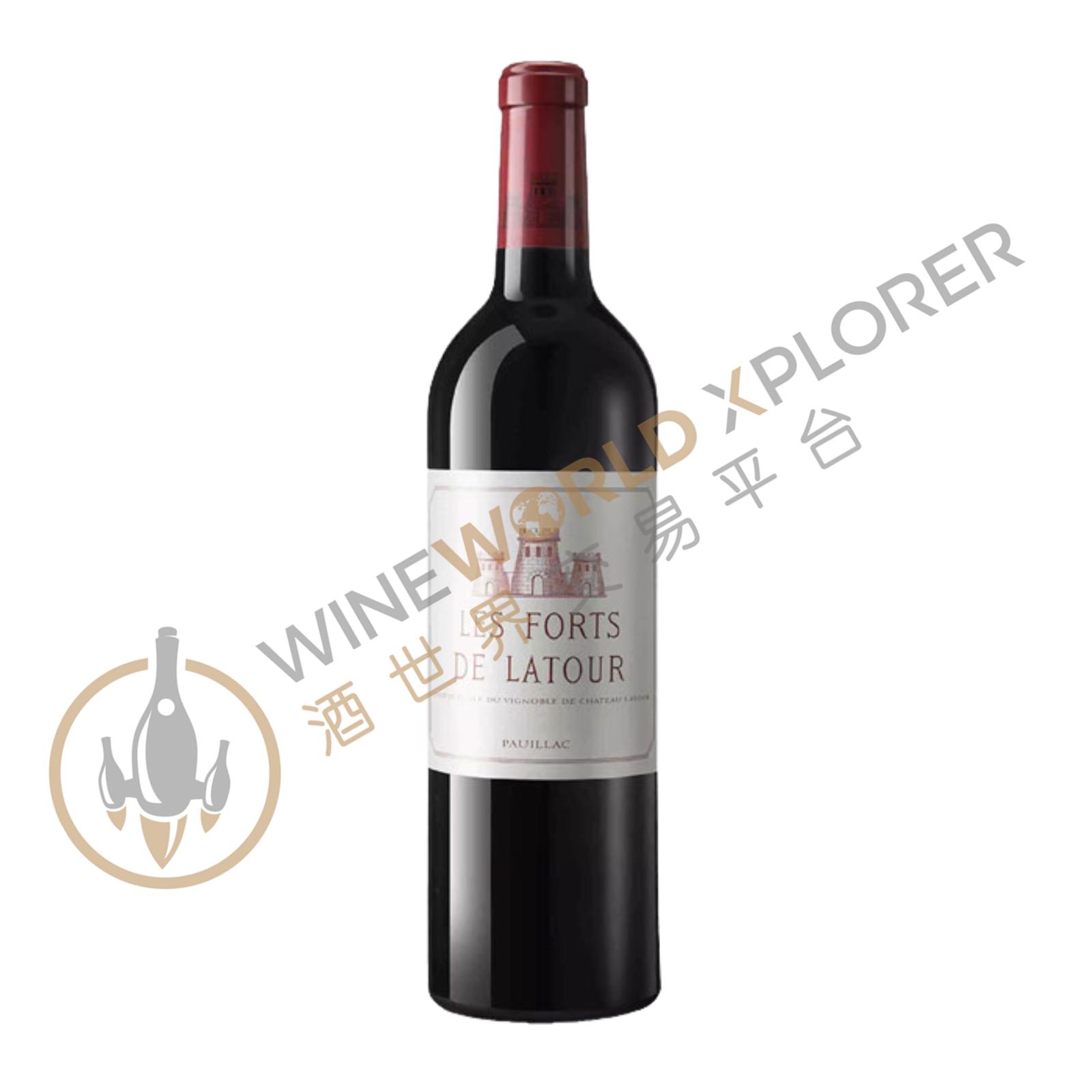
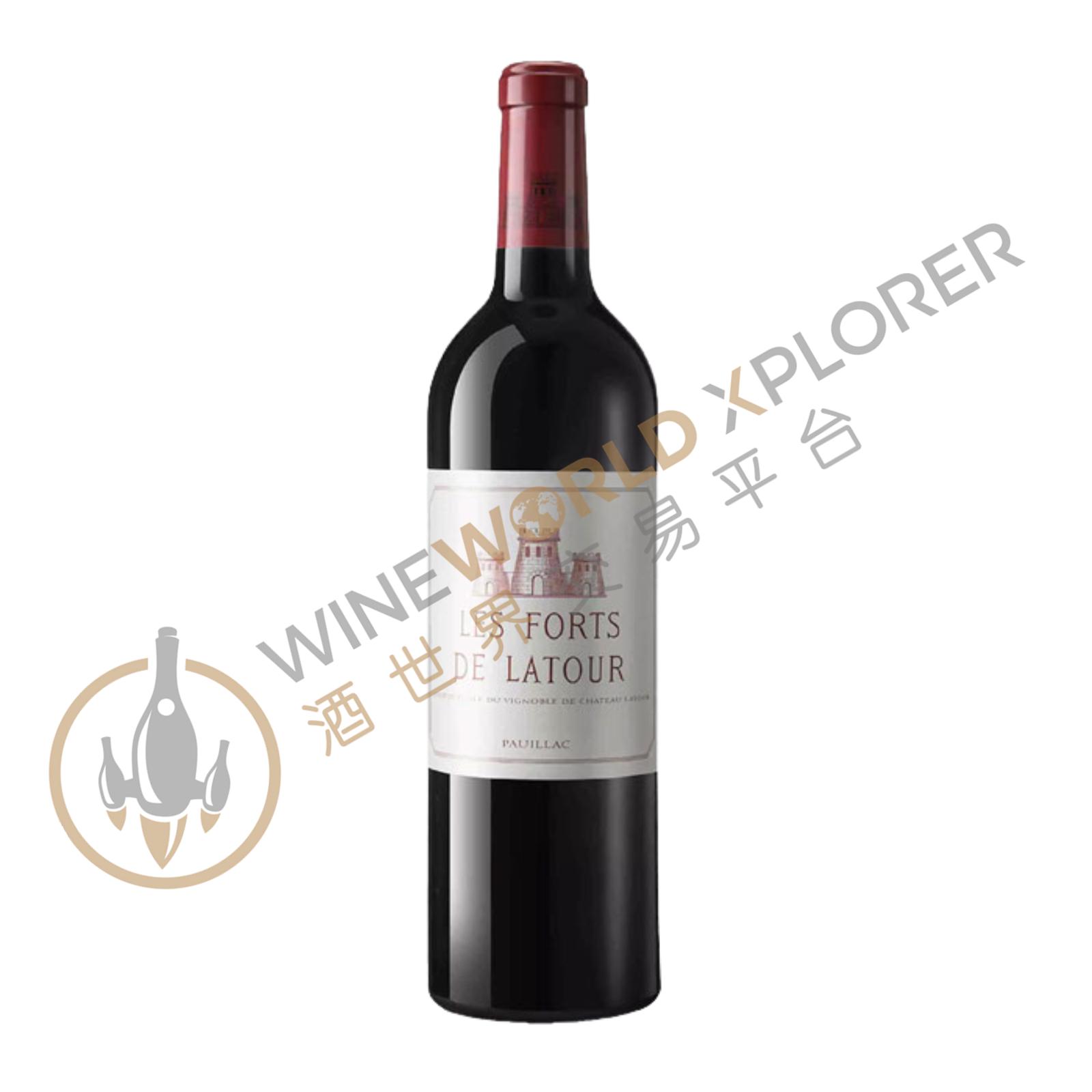
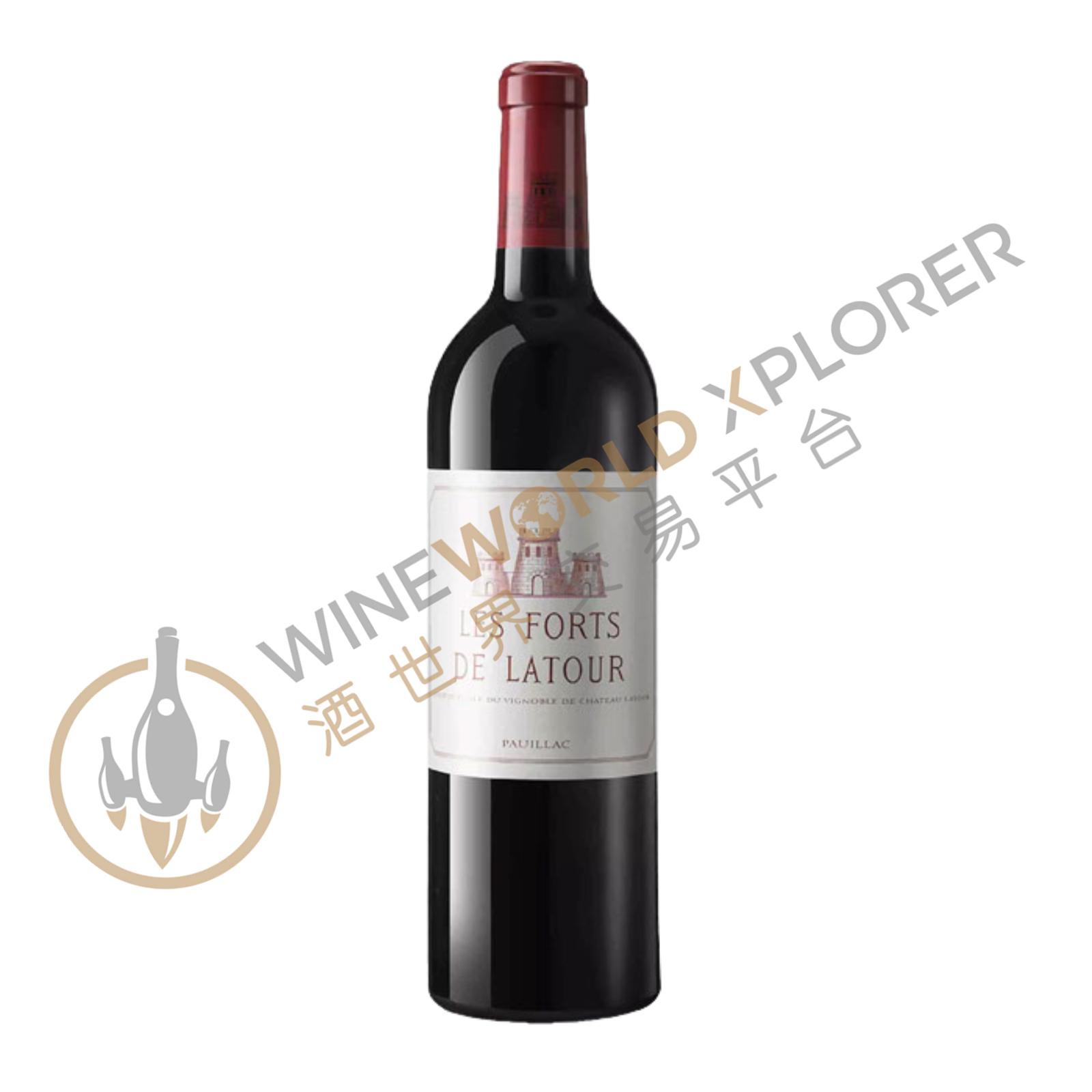
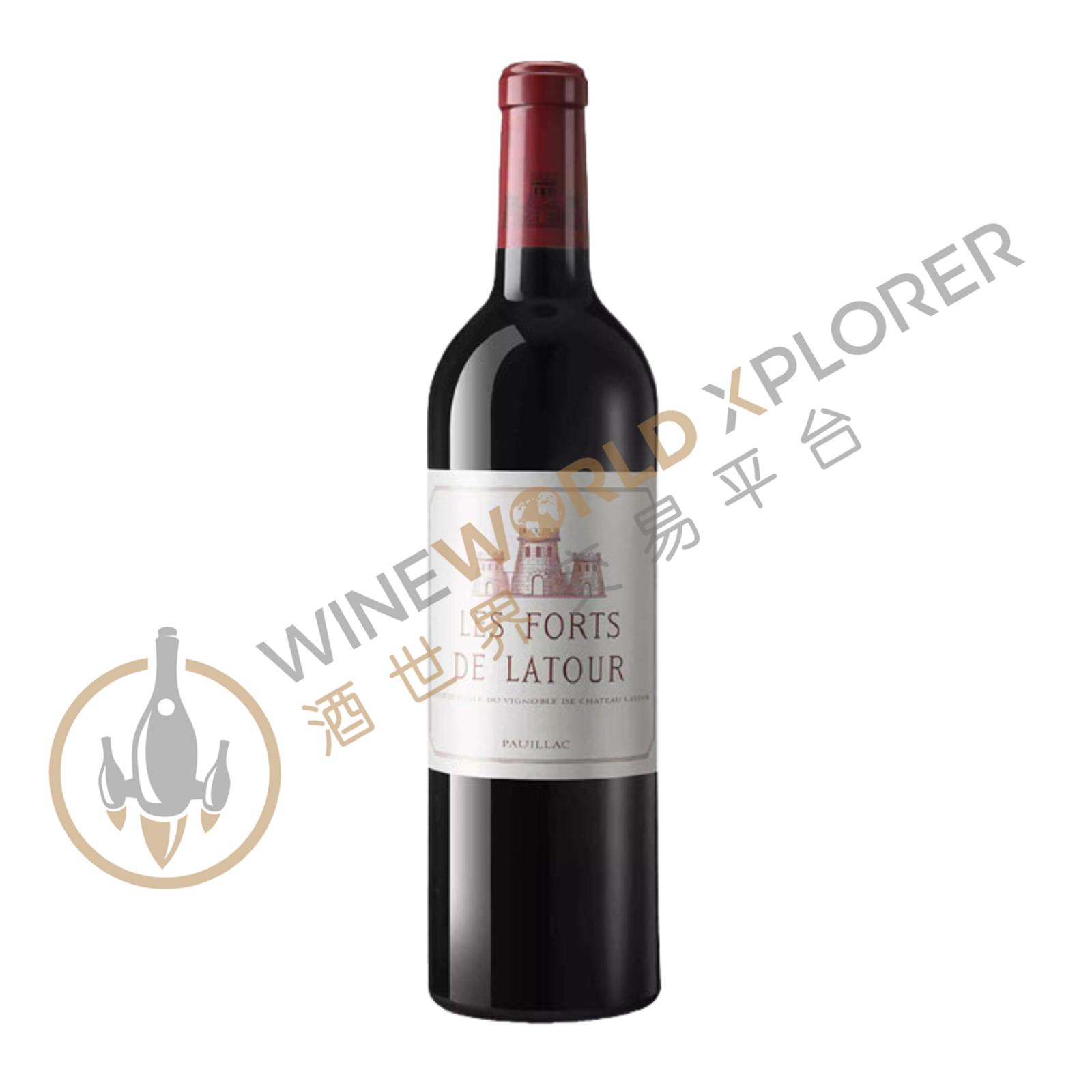
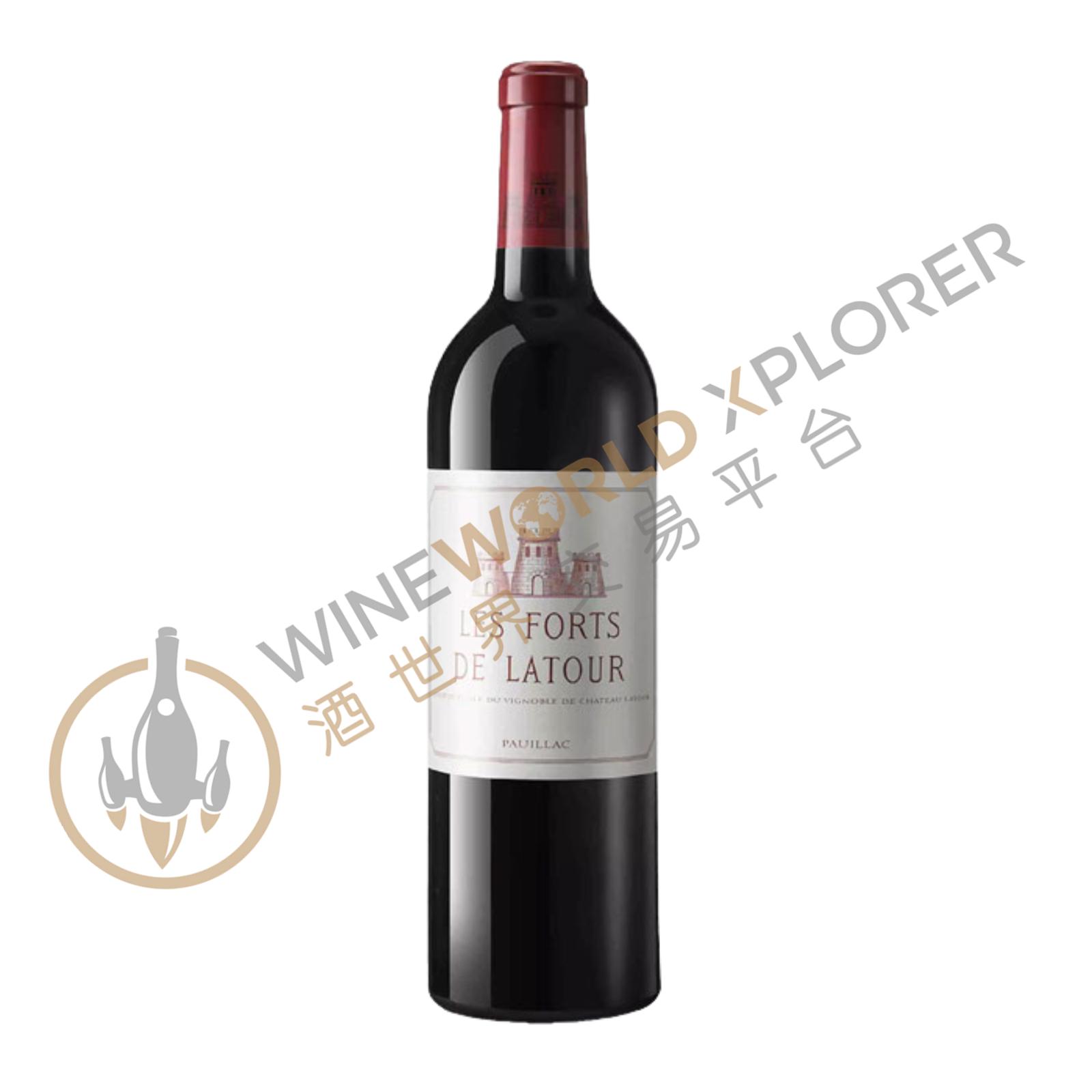
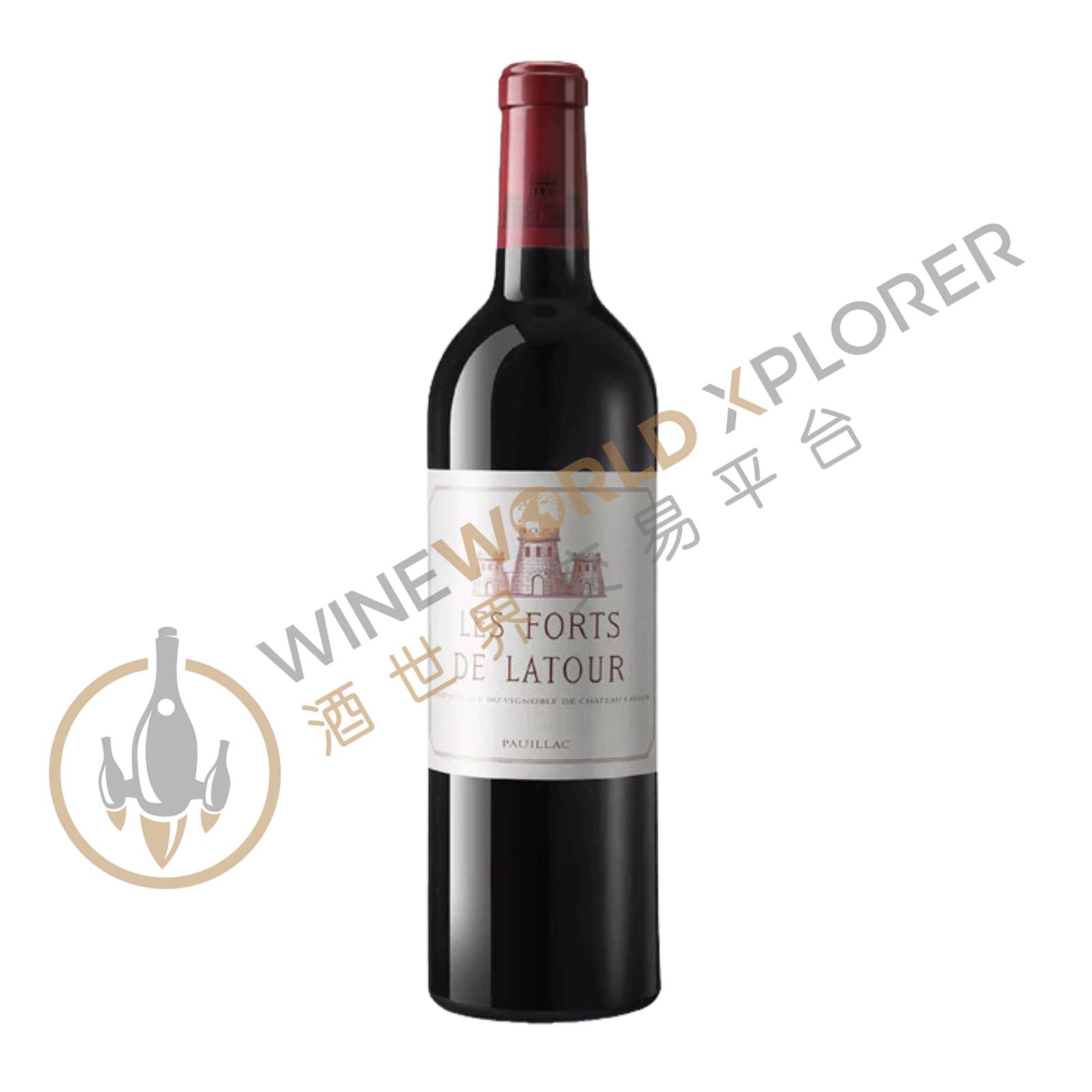
Les Forts de Latour 2000
 View analysis
Description
Tasting notes

Reviewed by: Neal Martin
As one would predict, a deeply impressive millennial Les Forts de Latour. Very deep, almost opaque in colour. The nose is vigorous and expressive, high-toned with black cherries, boysenberry, graphite, asphalt and a faint touch of oyster shell that becomes more prominent with time. Wonderful definition. Returning to the glass after an hour, some autumn bonfire/smoky scents emerge, touches of blueberry jam. The palate displays very fine tannins, lovely poise and sense of unabashed femininity. There is something almost Burgundian about the smoothness of texture, yet Bordeaux in terms of weight. Wondrously harmonious on the finish. This is a stellar Second Wine (if you can call it that.) Drink 2012-2030. Tasted June 2009.
Reviewed by: Neal Martin
Tasted blind at Bordeaux Index’s 2000 tasting in London. This Les Forts de Latour is quite hard to fathom out and at first, it was difficult to pin down. But returning after a couple of hours, the wine is finally starting to coalesce, with ripe strawberry, blackcurrant and mint on the nose with just a hint of graphite. The palate, hard at first, softens and finds its rhythm, sensuous and beautifully balanced on the pure finish. Approach with caution...but do approach. Drink 2014-2025+ Tasted March 2010.
Reviewed by: Robert M. Parker, Jr.
A brilliant Forts de Latour, the 2000 boasts a dense ruby/purple color along with a vibrant nose of black currants intermixed with minerals, tobacco, and spice box. Medium to full-bodied, with loads of glycerin and fat (that nearly obscure some serious tannin), it will be drinkable between 2007-2020.
Reviewed by: Neal Martin
A dark garnet hue with just a little ageing on the rim. It has a very closed nose at first, but it reluctantly unfurls to reveal notes of blackberry, melted tar, graphite and pencil box. Primal, broad-shouldered, not rustic but very broody and surly. It really clams up on the finish so this is going to need anther decade in bottle. Great balance, but patience is needed. In many ways, the apex of so-called “Deuxieme Vin”, but really a Grand Vin in all but name. Drink 2015-2030. Tasted September 2008.
Reviewed by: Robert M. Parker, Jr.
The 2000 Forts de Latour (a blend of 60% Cabernet Sauvignon and 40% Merlot) elicited a big "wow" from me. Potentially one of the finest Forts de Latour ever made (clearly on a qualitative par with the 1982), it is extremely concentrated, powerful, dense. This sensational second wine should be at its best in 8-10 years, and drink well for twenty-five.
Reviewed by: Neal Martin
Tasting fabulous at en primeur Again at the Christies Master class: a deep ruby core with pink rim - still very youthful. A lovely nose that soars from the glass and opens up over an hour. Baked black cherries, minerals and blackcurrant. Very intense and pure. Superb definition. The palate has lovely balanced, softening more rapidly than expected. Quite toasty and spicy with a ripe plum cassis finish. So concentrated you could drink it now. Probably the best Les Forts de Latour ever. Then in July 2006. A deep ruby hue. The nose is unashamedly modern in style with plum, blackberry and a touch of cinnamon (not noted hitherto.) Very pure on the deep, plush, velvety palate that is dominated by Cabernet Sauvignon. Masculine with firm tannins and huge, unrelenting grip. This is a monster of a Second Wine and needs another ten years before it becomes drinkable.
Reviewed by: Robert M. Parker, Jr.
The 2000 Les Forts de Latour is a seriously endowed wine with notes of black walnuts, black currants, crushed rock, tobacco and spice box. Full-bodied, luscious but still in need of another 2-3 years to hit full maturity, it certainly can evolve for another 15 or more years, and looks to be slightly richer and longer-lived than I originally predicted. My original ratings appear to have been dead on the money for both of these efforts from Chateau Latour.
Reviewed by: Robert M. Parker, Jr.
Latour's second wine, the 2000 Forts de Latour, a blend of 65% Cabernet Sauvignon and 35% Merlot, is also top-flight. It boasts a dense ruby/purple color as well as aromas of chocolate, minerals, earth, cedar, and black fruits. The wine possesses refreshing underlying acidity, sweet tannin, and a full-bodied, long finish. It will be delicious young, but keep for two decades.
Reviewed by: Neal Martin
The 2000 Les Forts de Latour has a very perfumed and floral bouquet, beautifully defined, precise and precocious; hints of eucalyptus emerge with time. The palate is well balanced and intense, delivering black fruit laced with mint and tar. The concentrated finish gently grips the mouth. This is only just beginning to show what it can do.
Reviewed by: James Suckling
Some call it the second wine of the great first growth of Latour. But it’s a unique wine on its own. It shows blueberry, raspberry and other dark-berry character. It’s so round and delicious, why wait?
About the Producer
Latour was a jointly held lord's domain until the end of the 16th century, At that time, the property was not entirely covered by vines and yet production largely exceeded requirements. There was no proper storage for the wine and it had to be drunk within the year. The estate remained in the hands of the Mullet family until the late 17th century, and while direct use of the land gradually replaced the leasing system, the wine-making situation changed very little. In the early 18th century, England's aristocracy and wealthy middle classes developed refined tastes, particularly for wine, from Bordeaux, Oporto, Jerez and other southern vineyards. Wine exports had been restricted by various blockades imposed by the wars, but now enjoyed a period of relative freedom and trade with Bordeaux grew rapidly. As a result of this flourishing trade, the estate gradually came to specialise in wine production, with 38 hectares of vines in 1759 and then 47 hectares by 1794.
1975(2)1976(1)1979(1)1981(1)1982(1)1983(2)1990(1)1992(2)1994(2)1995(1)1996(2)1998(3)1999(2)
Package Size
12 x 75cl