Wine Advisor



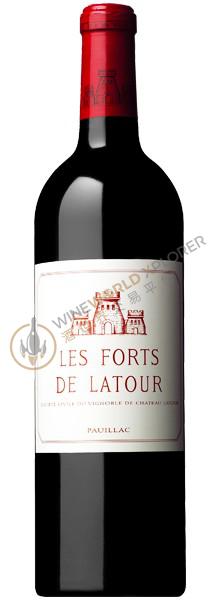
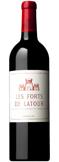
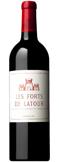
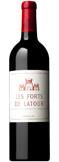
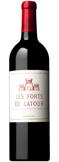
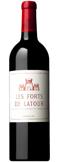
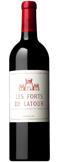
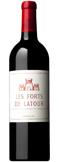
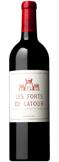
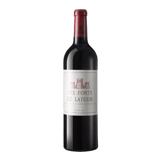
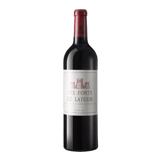
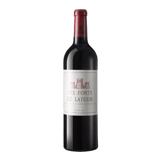
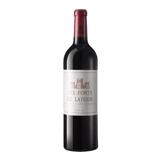
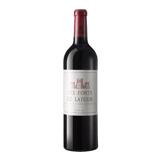
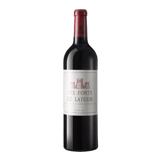
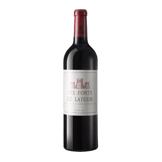
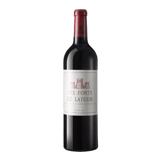
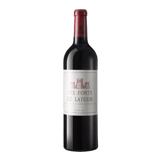
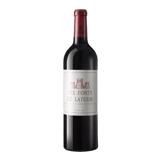
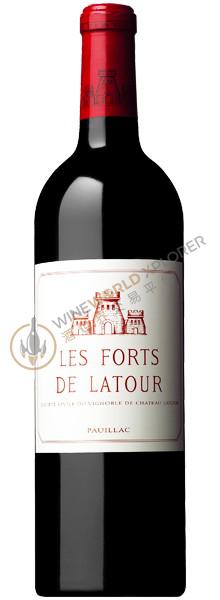
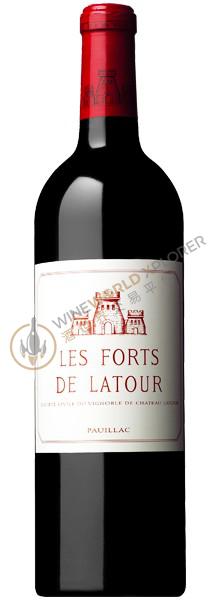
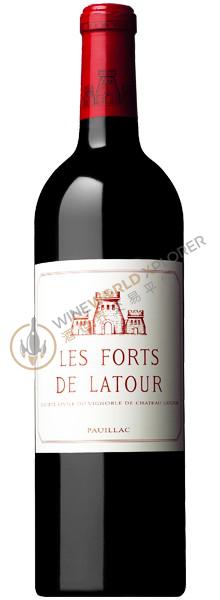
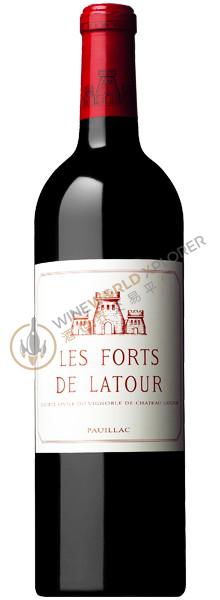
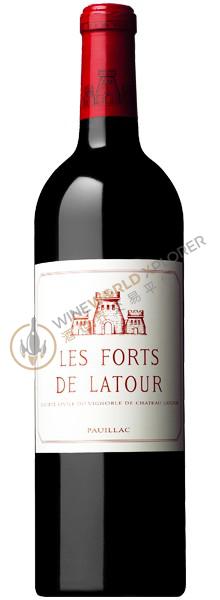
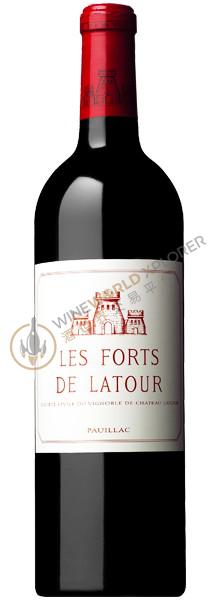
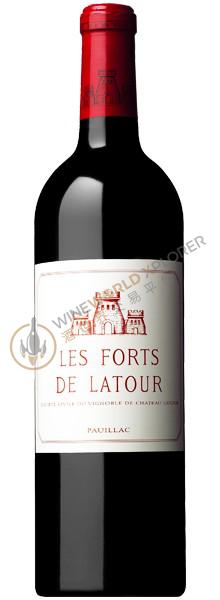
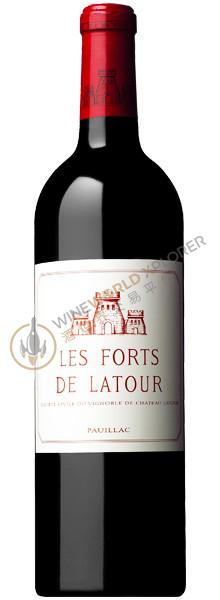
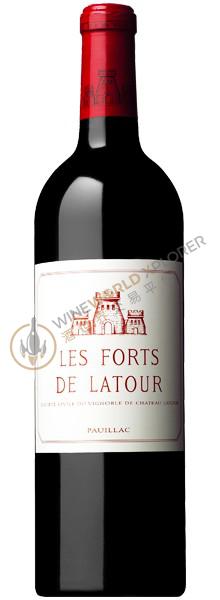
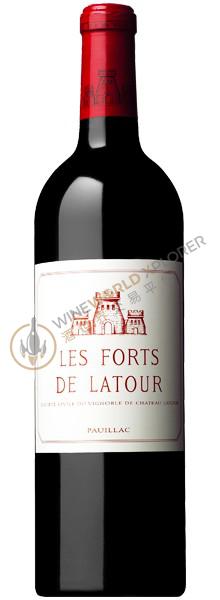
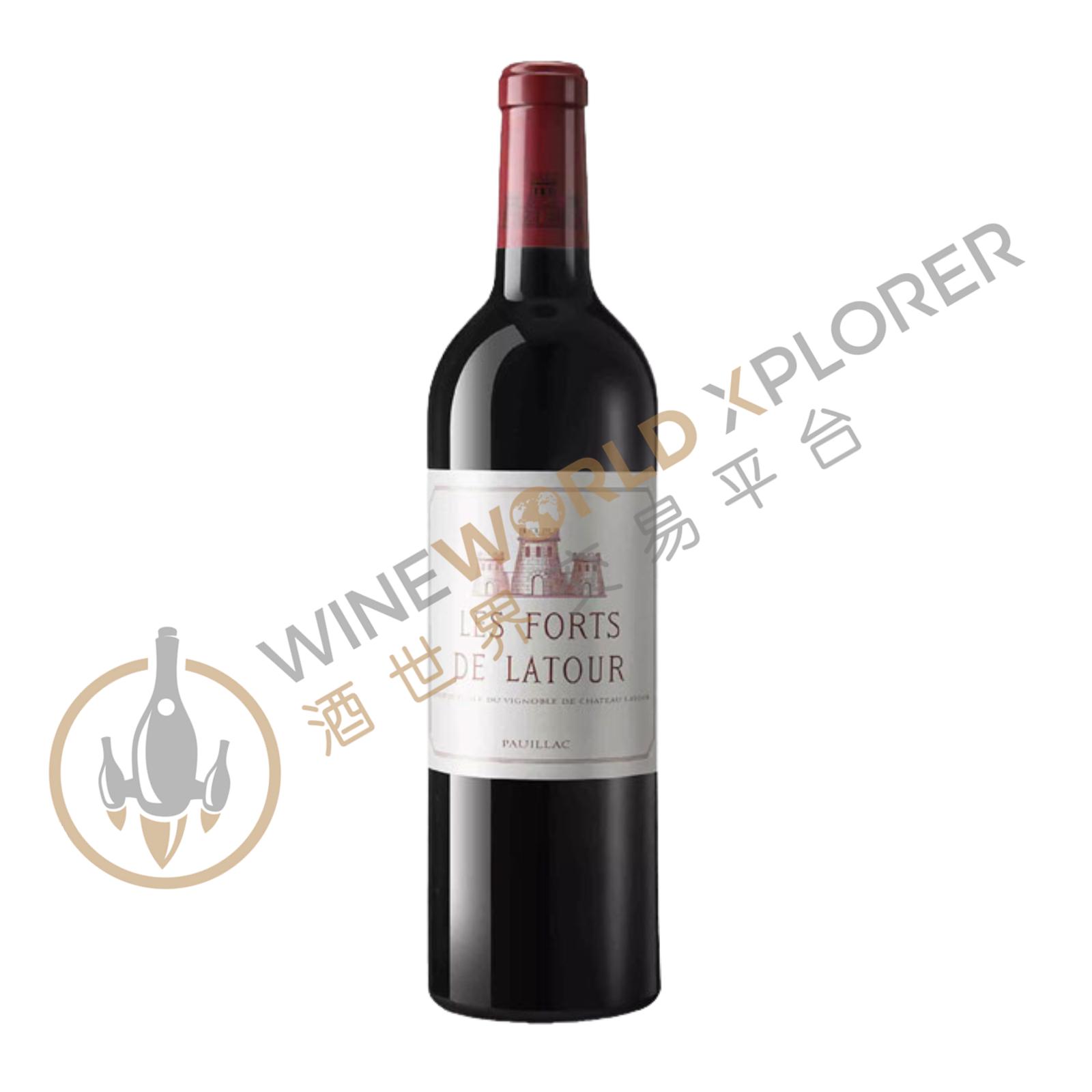
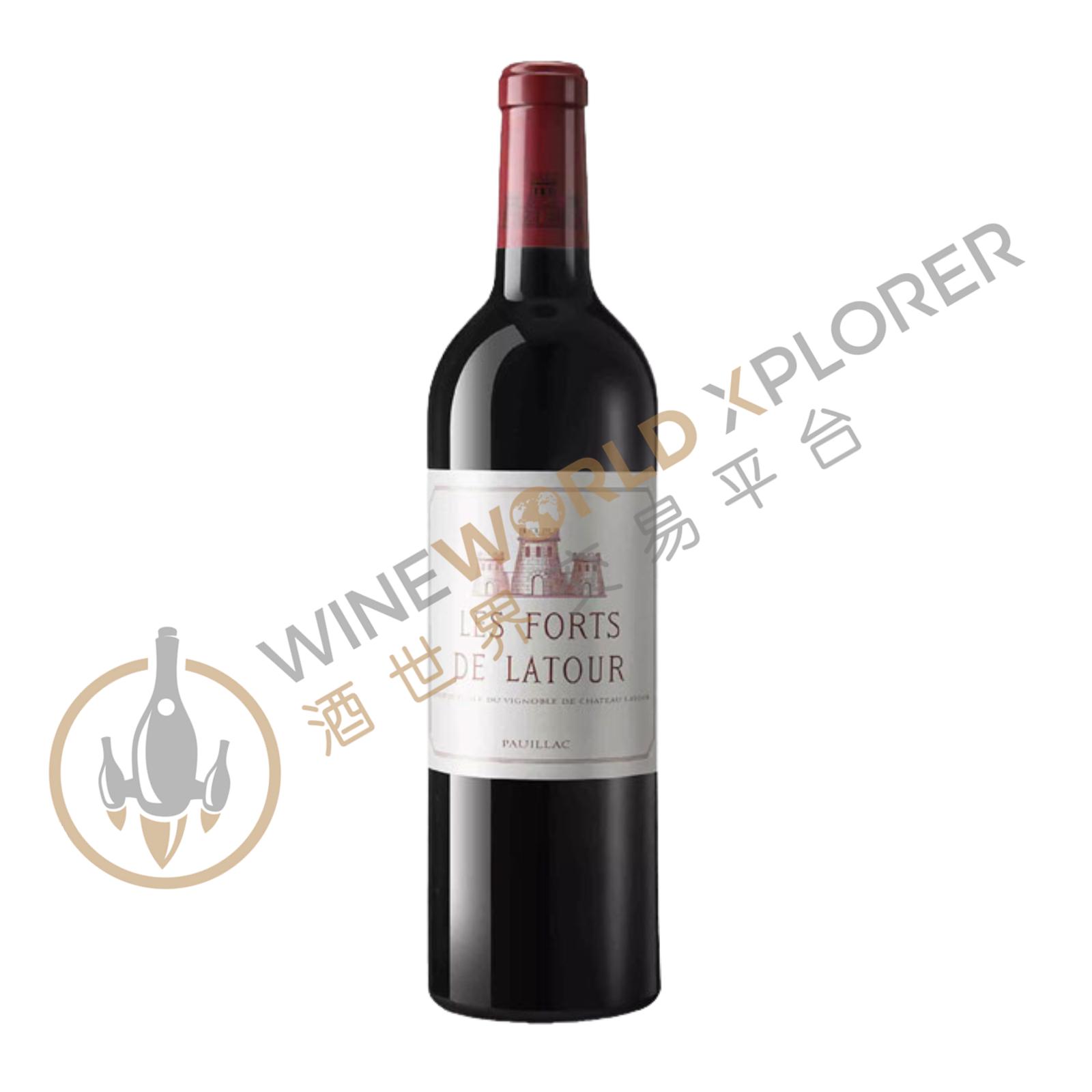
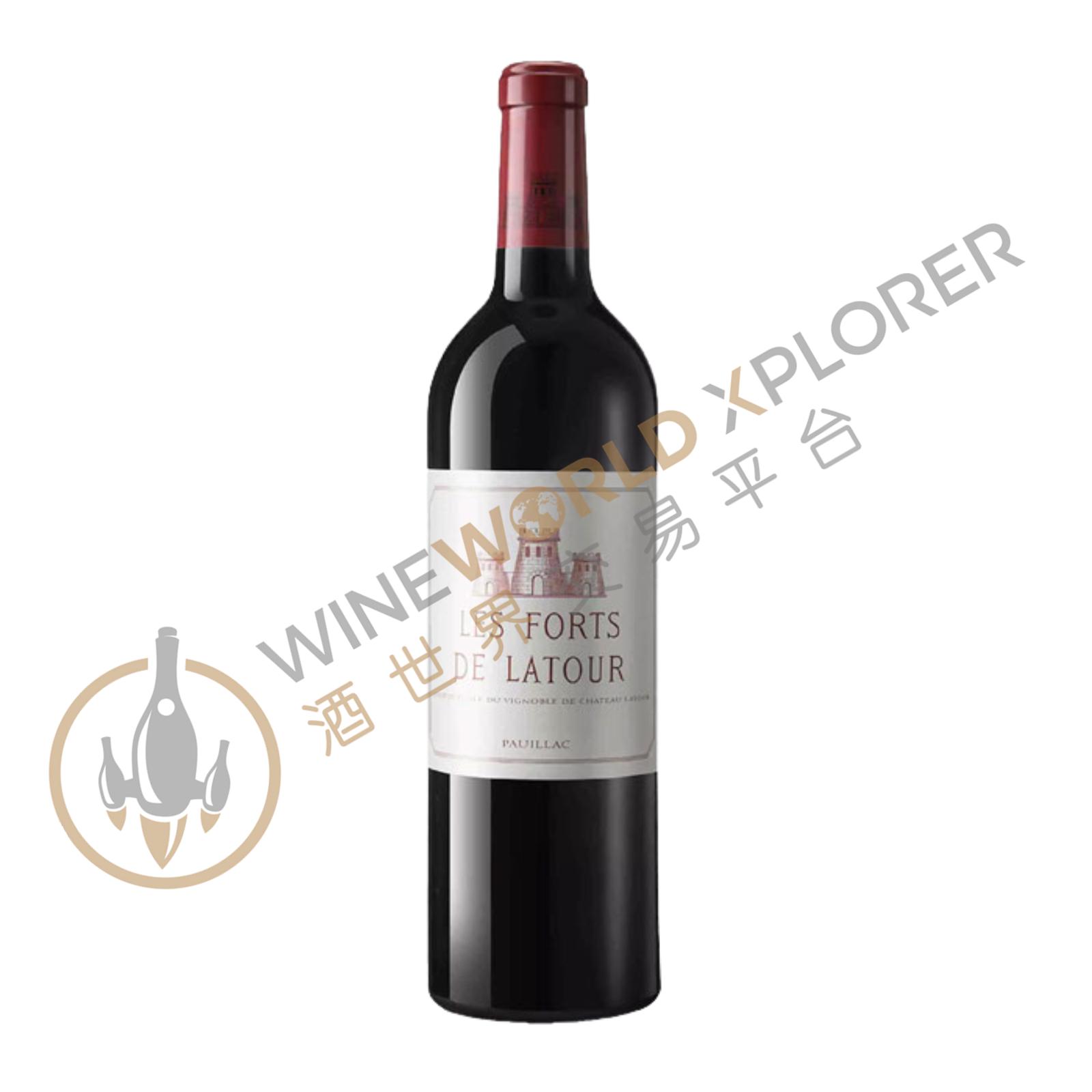
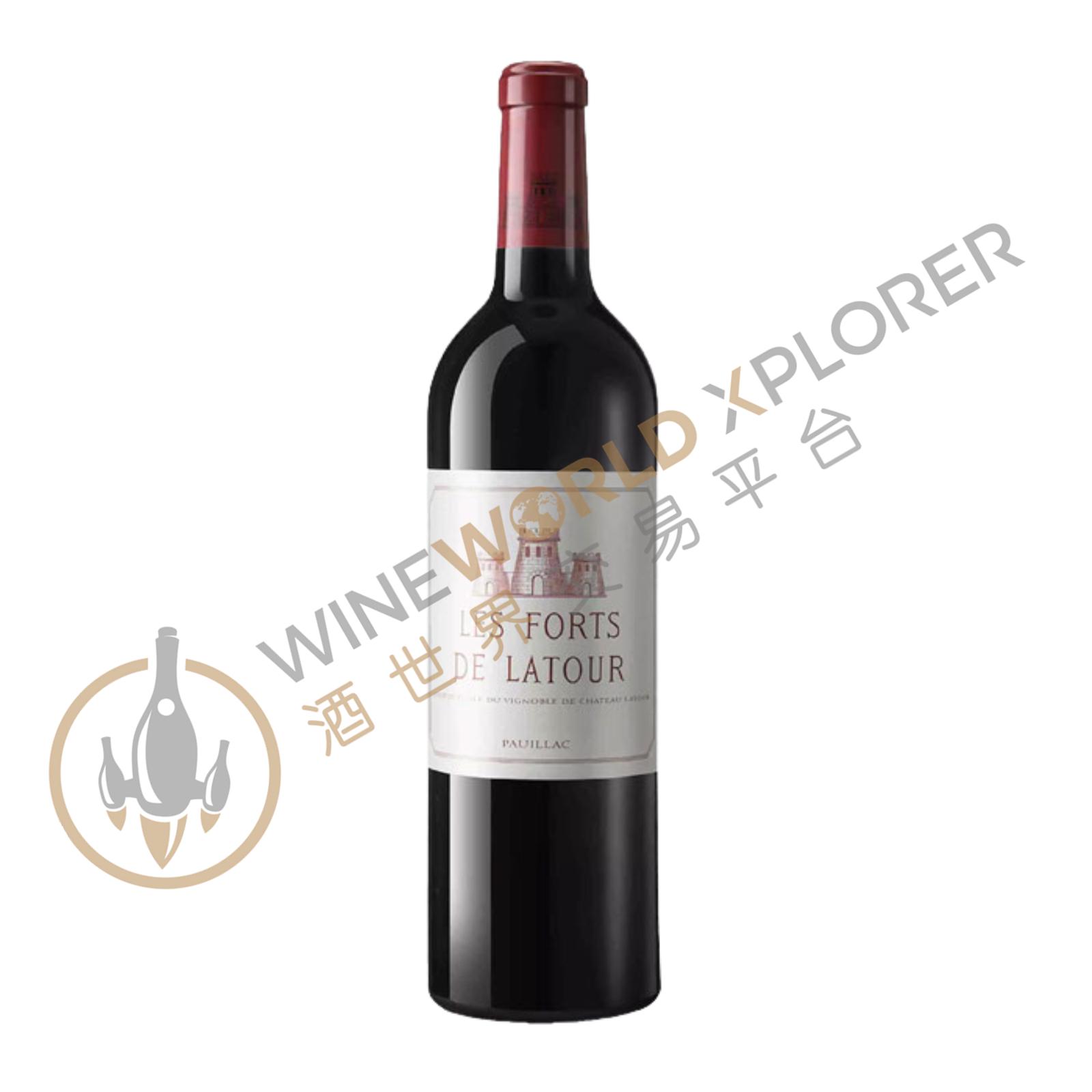
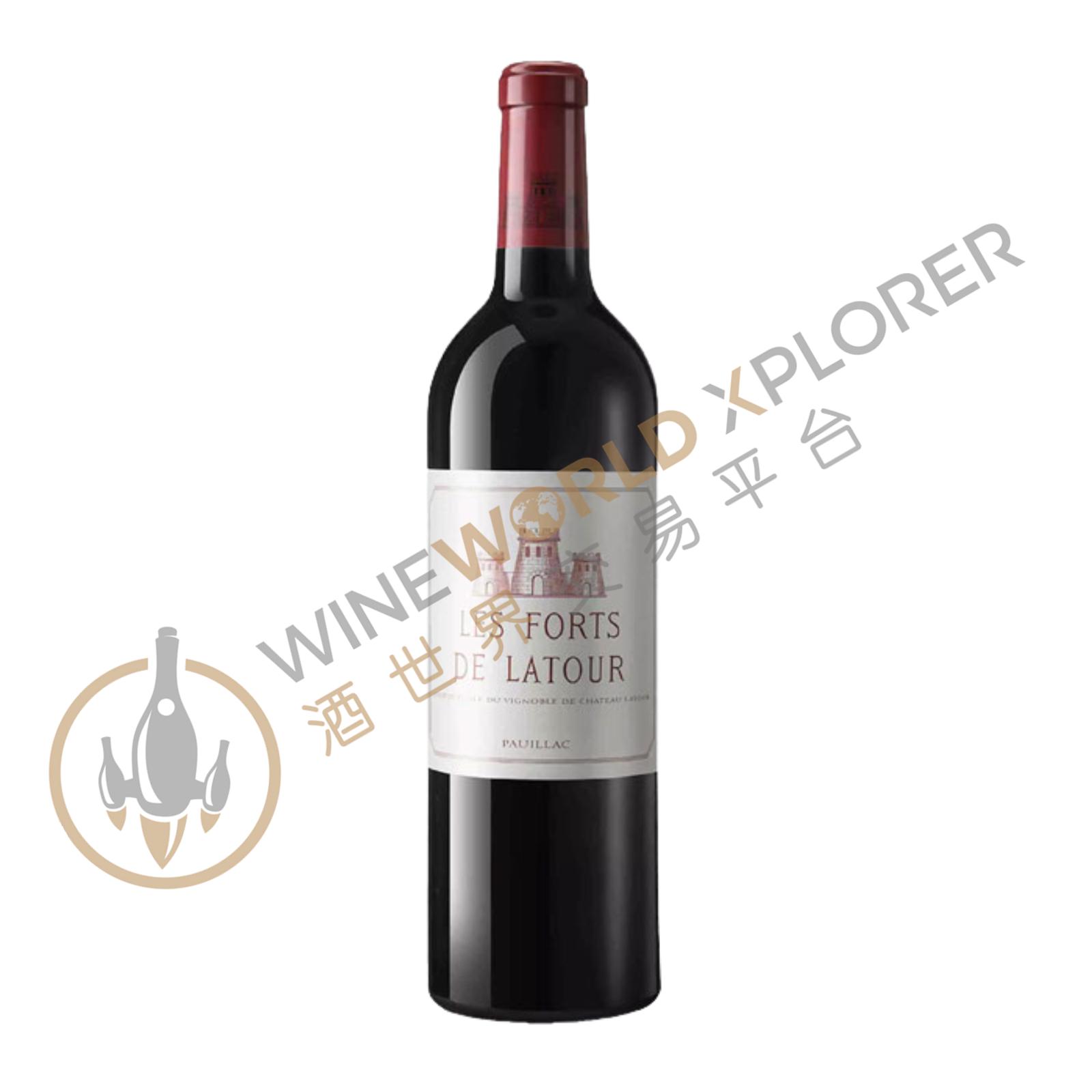
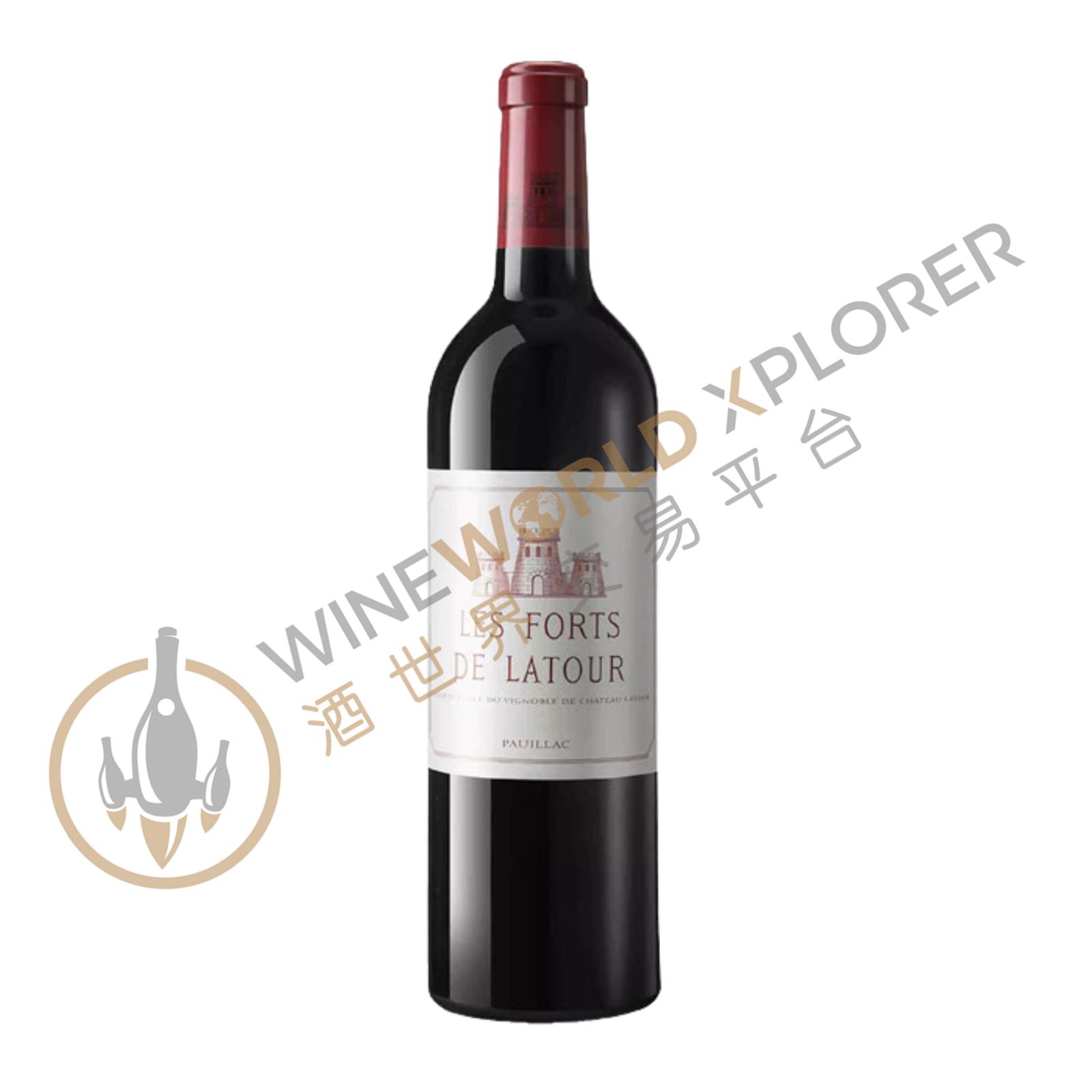
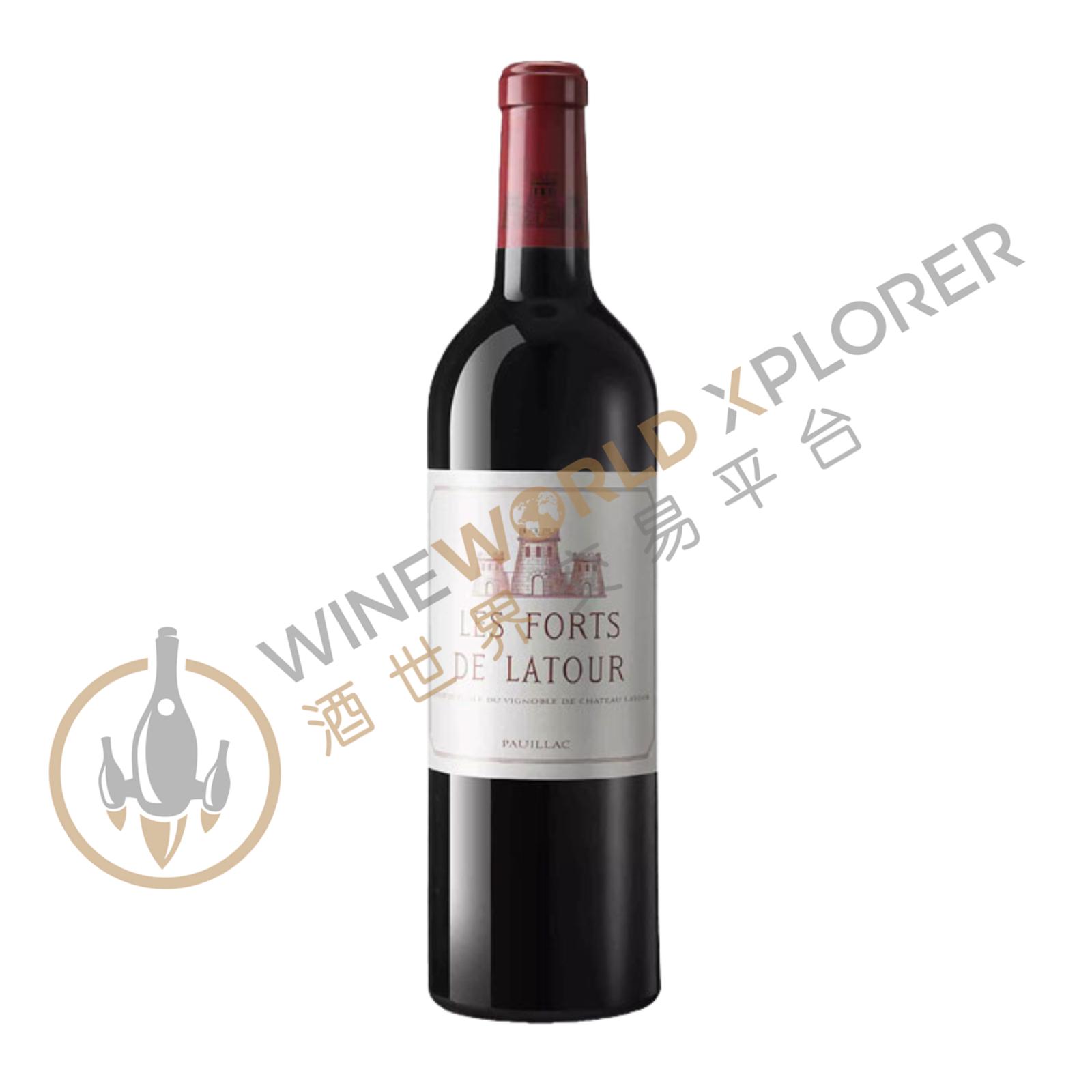
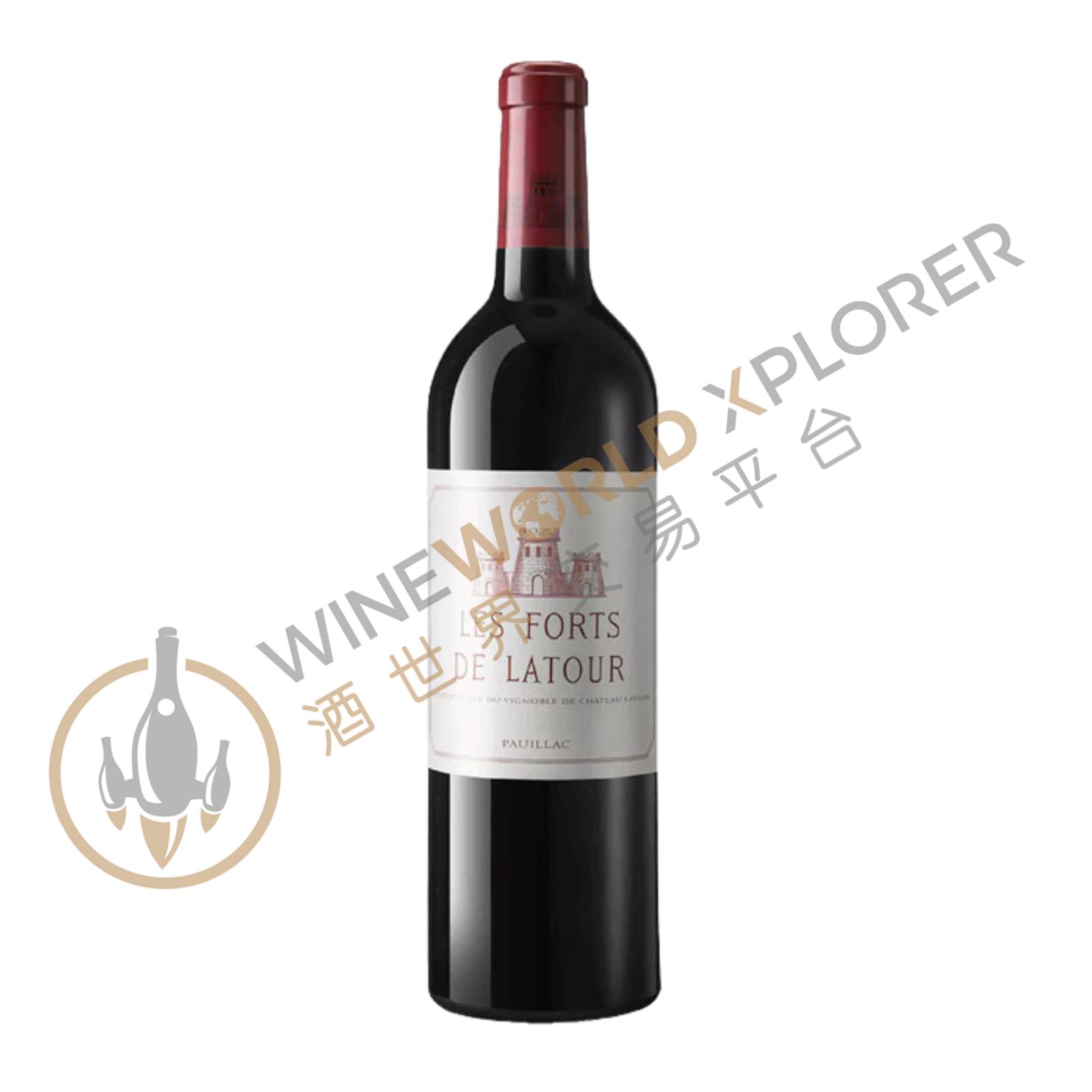
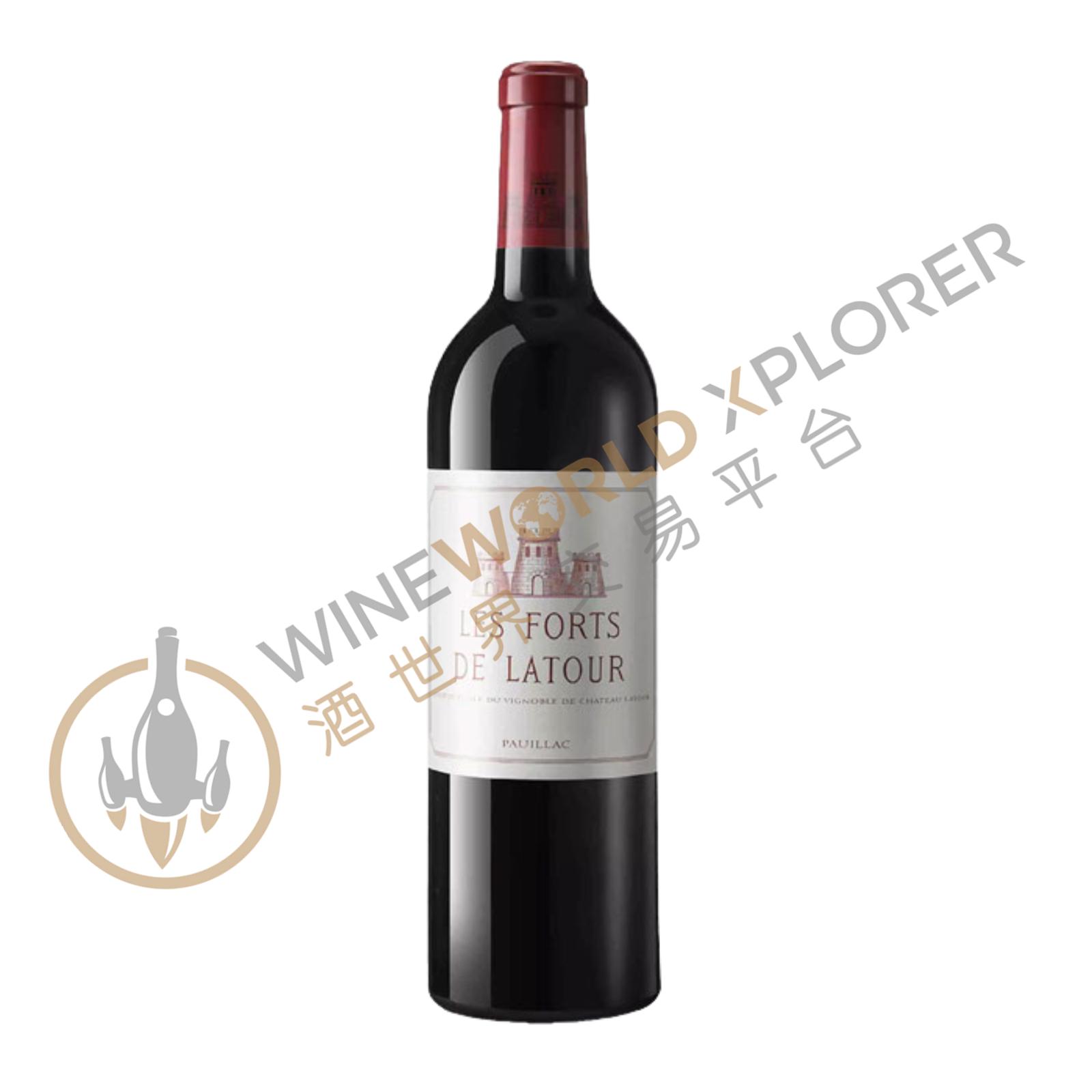
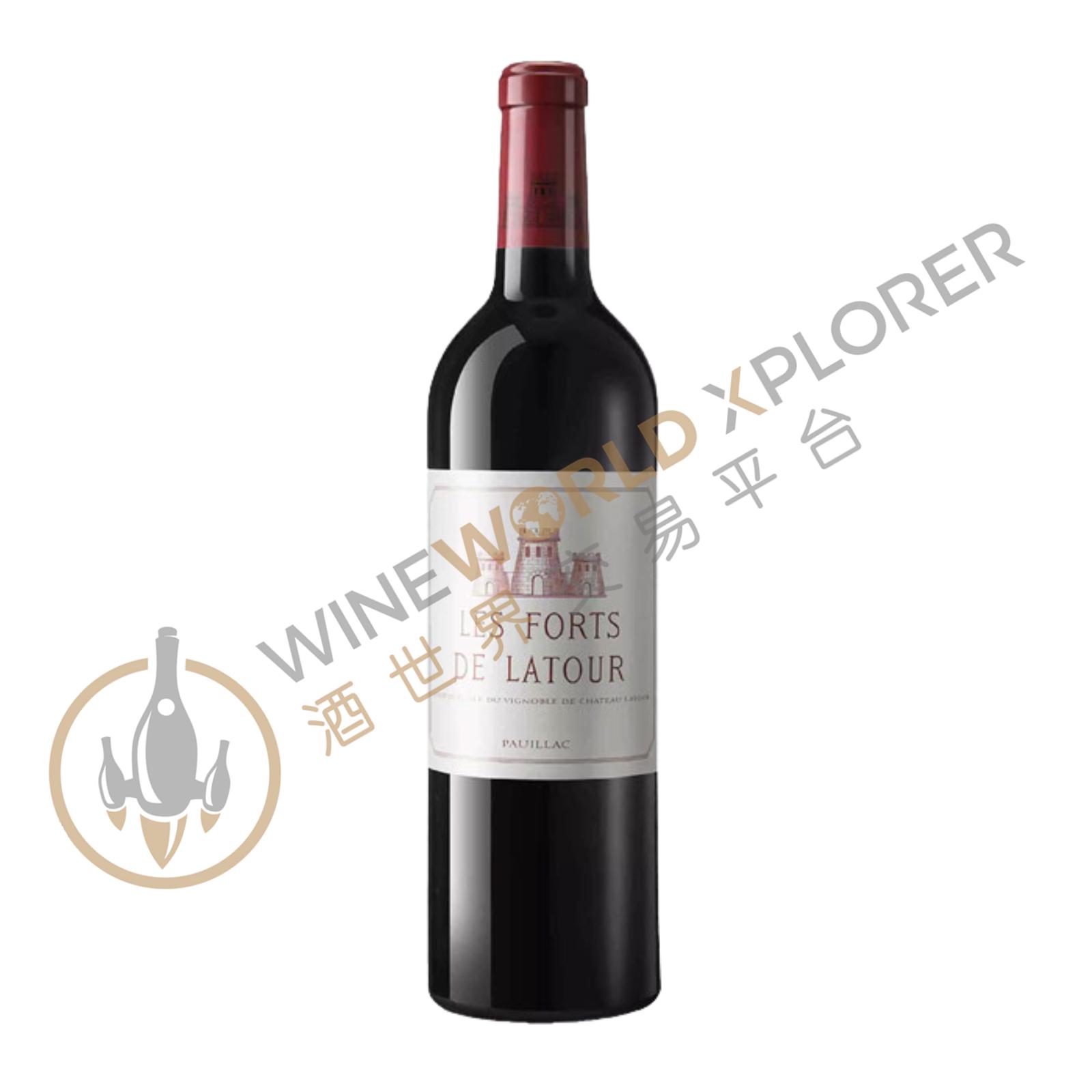
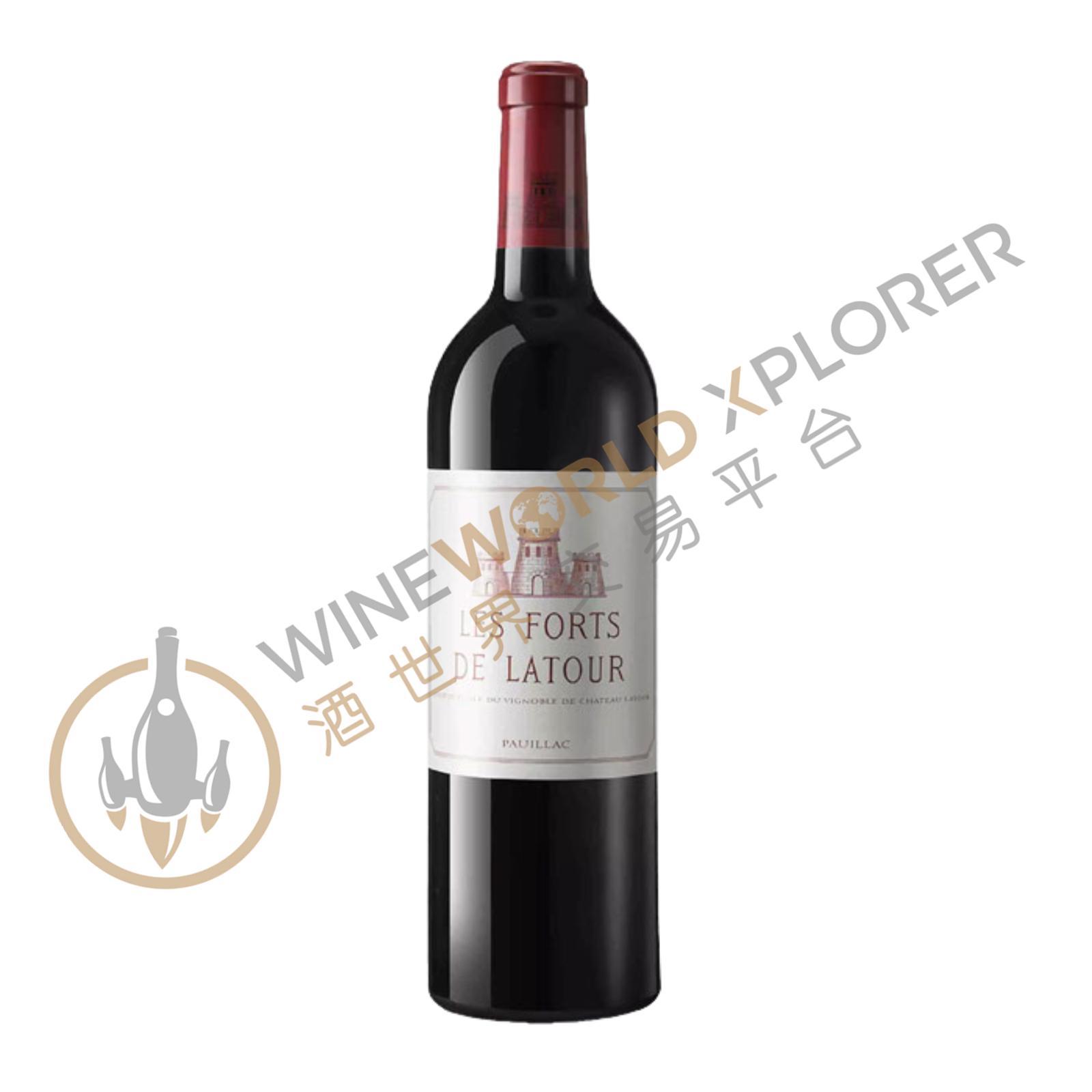
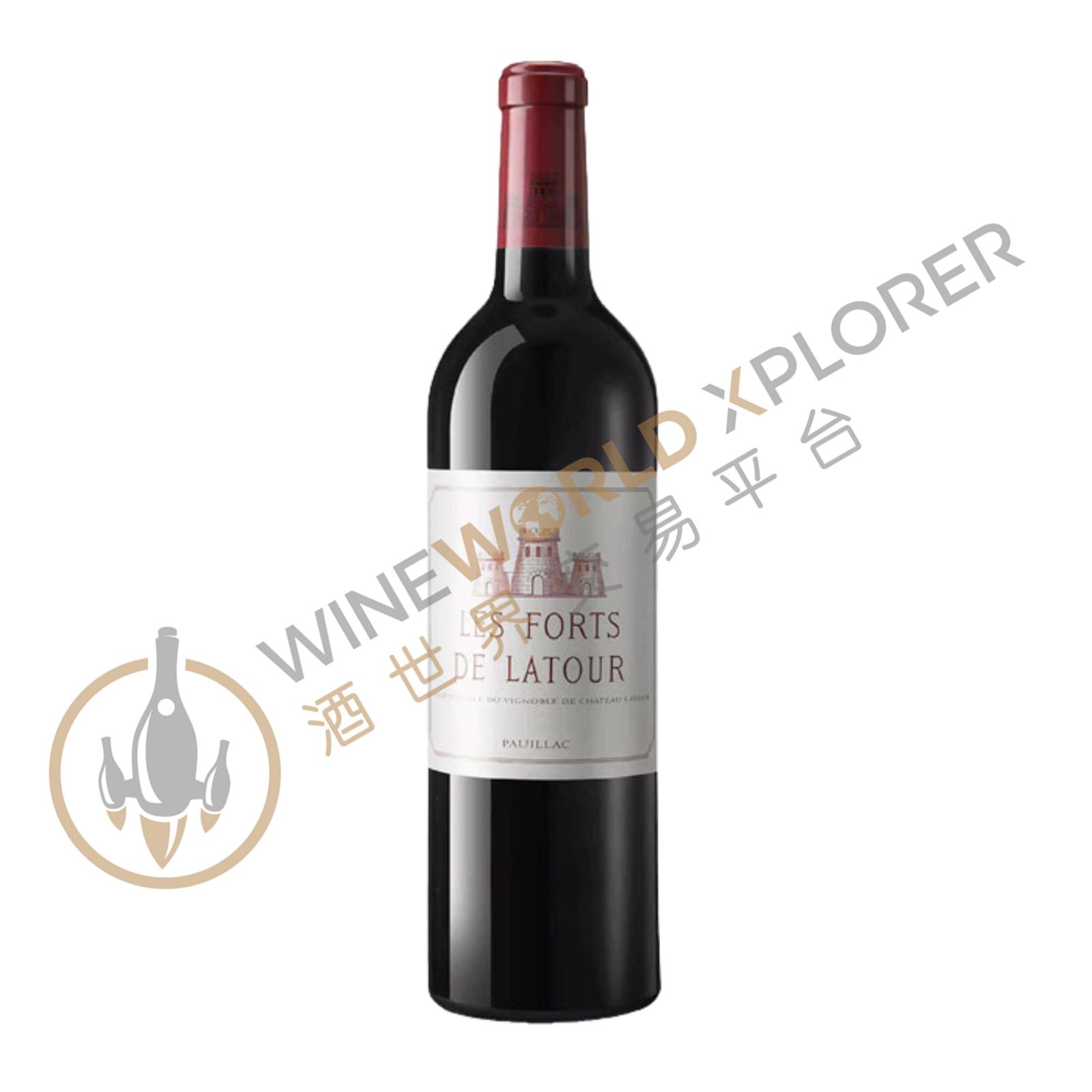
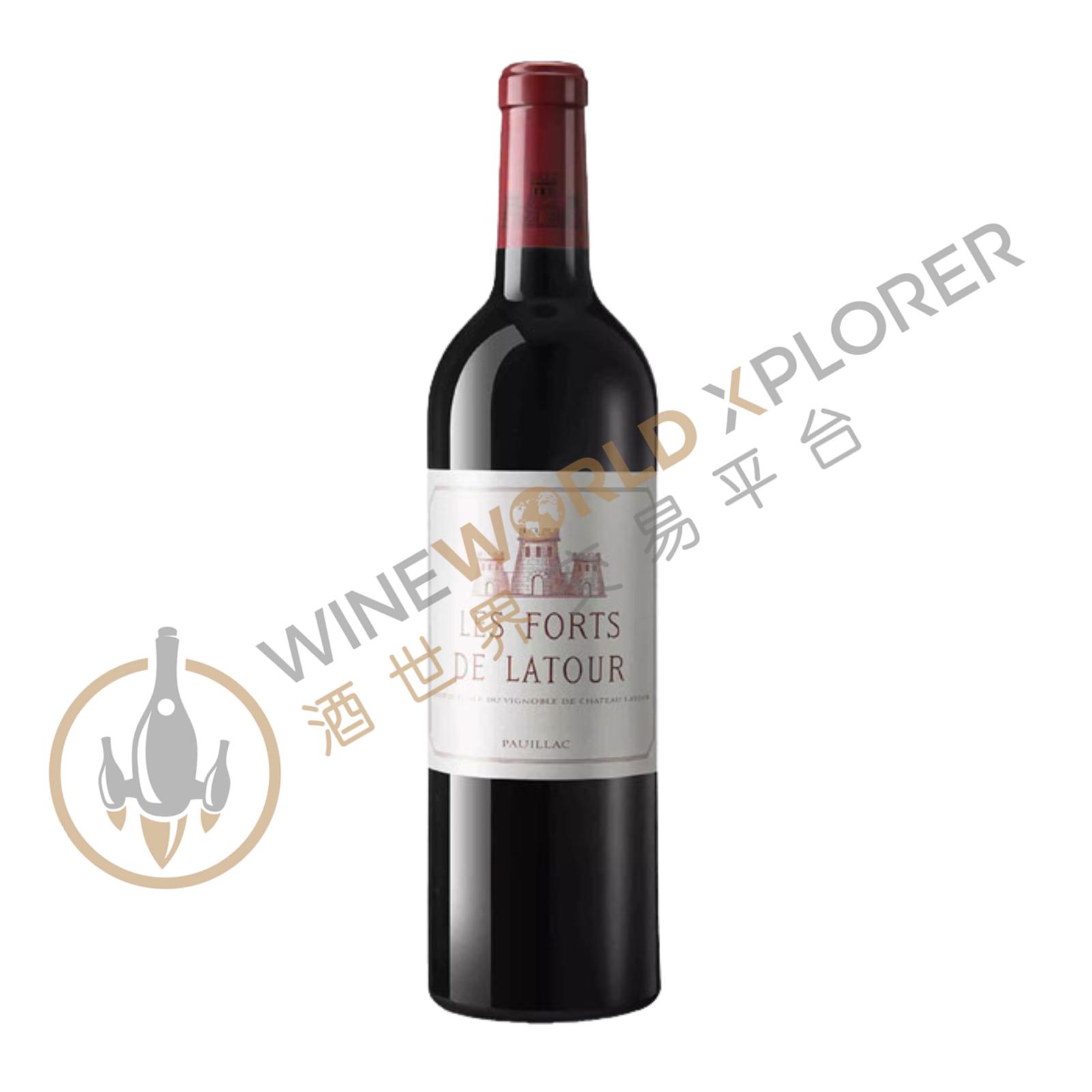
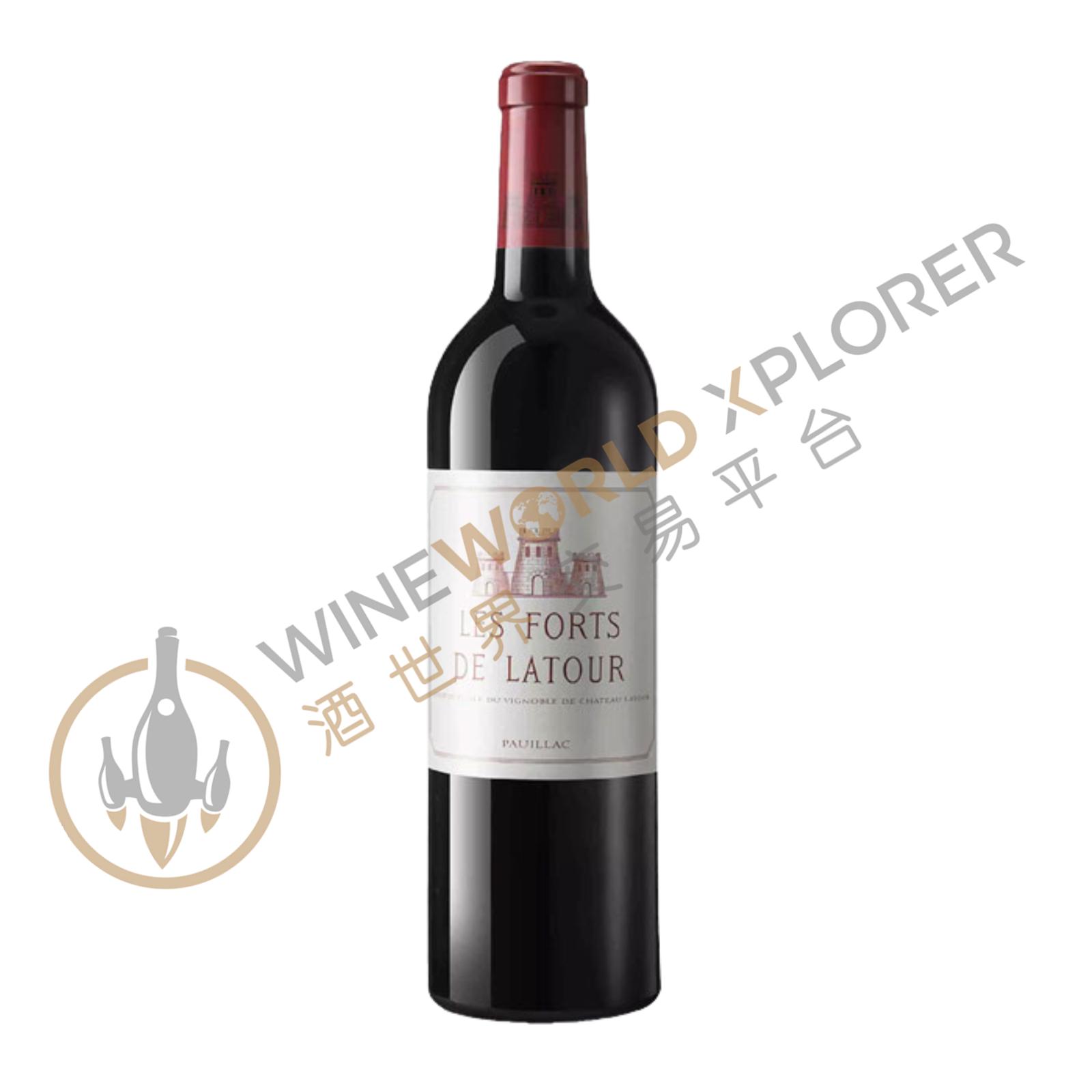
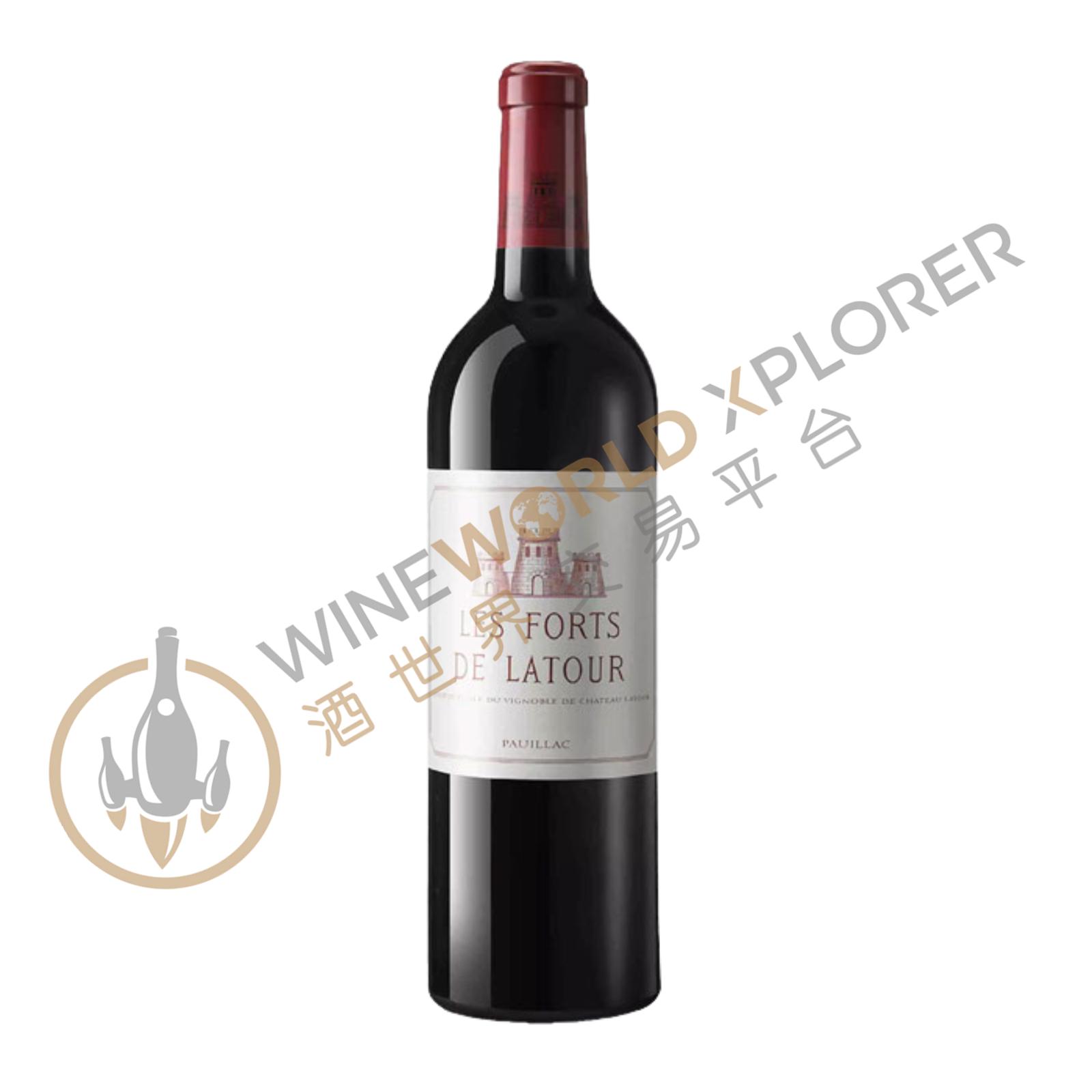
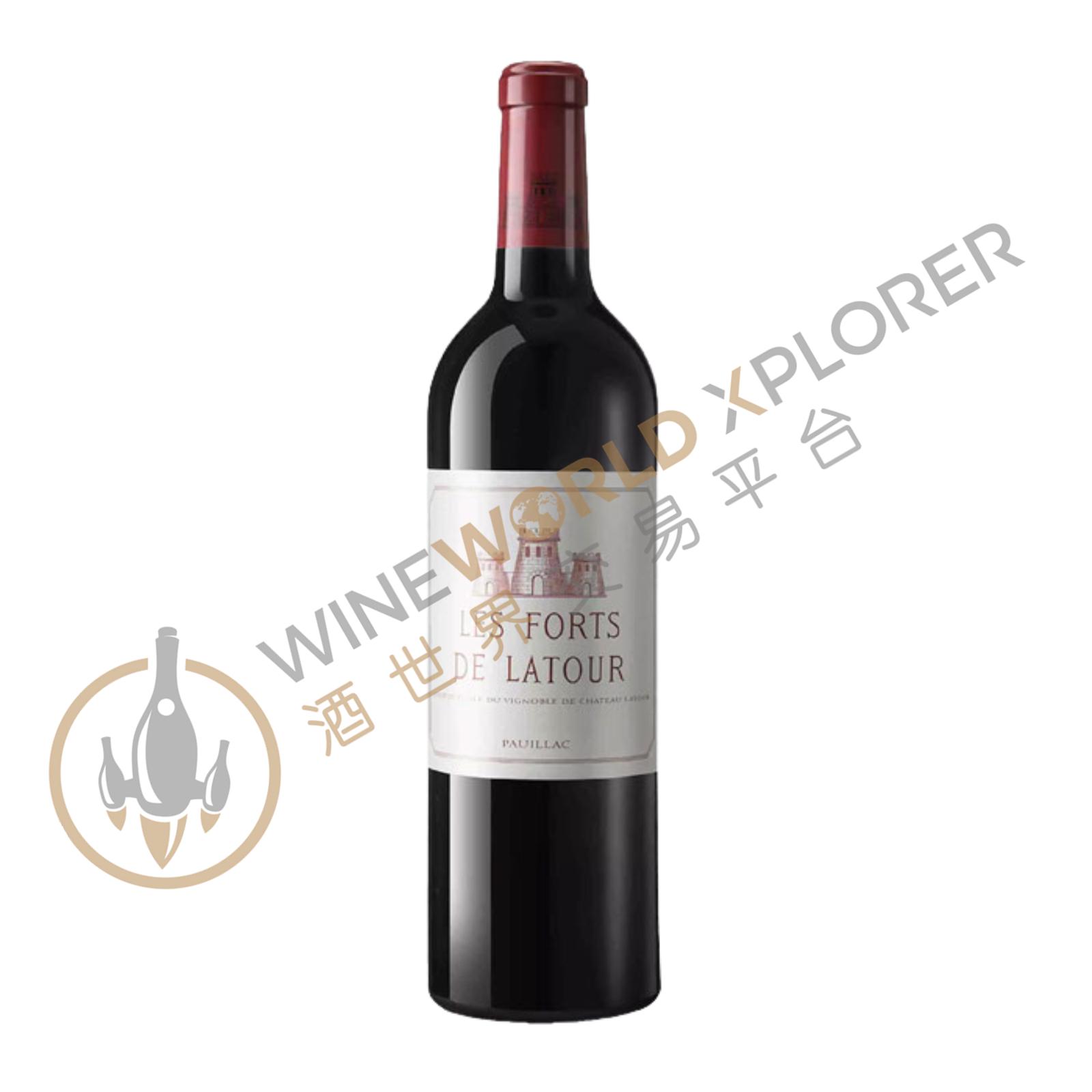
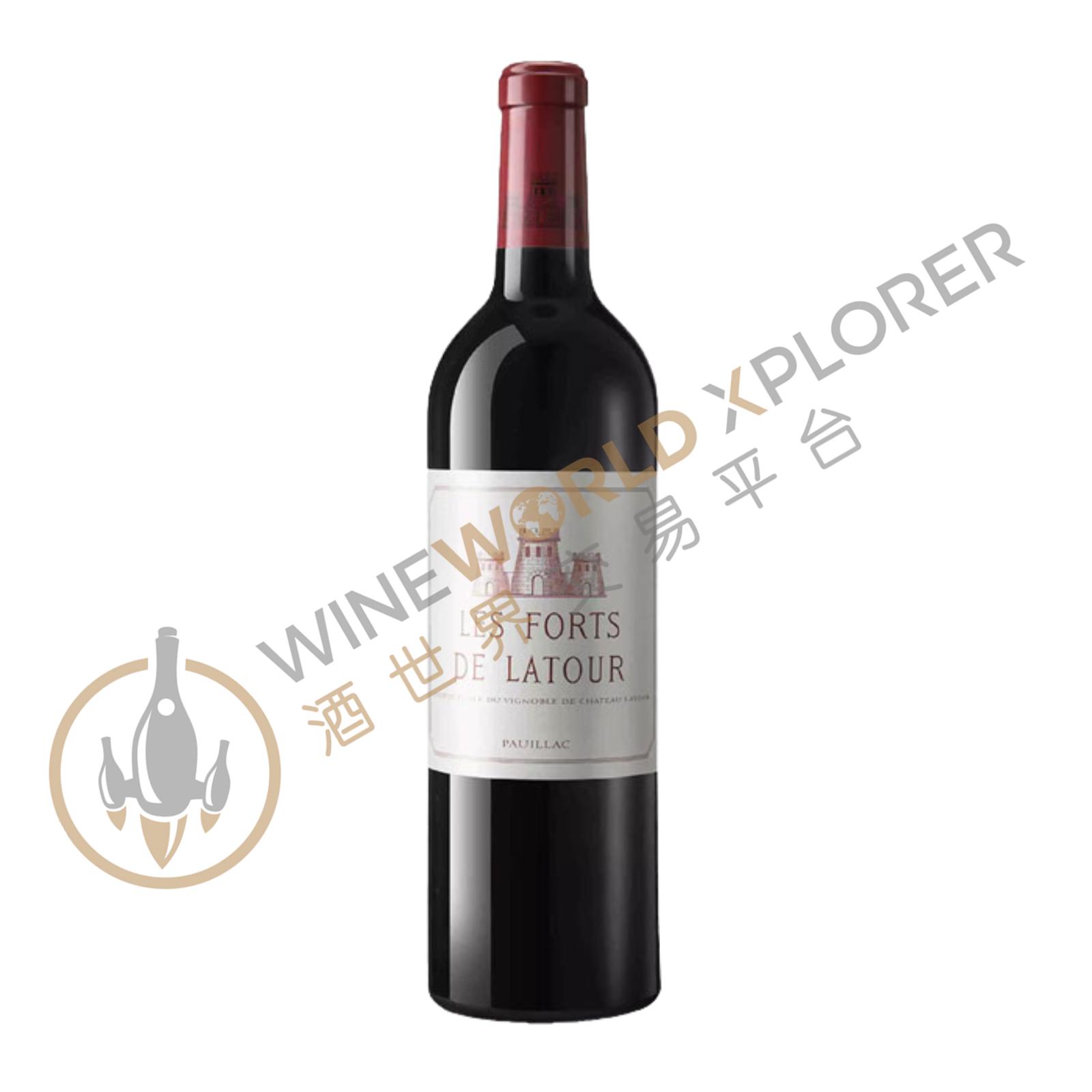
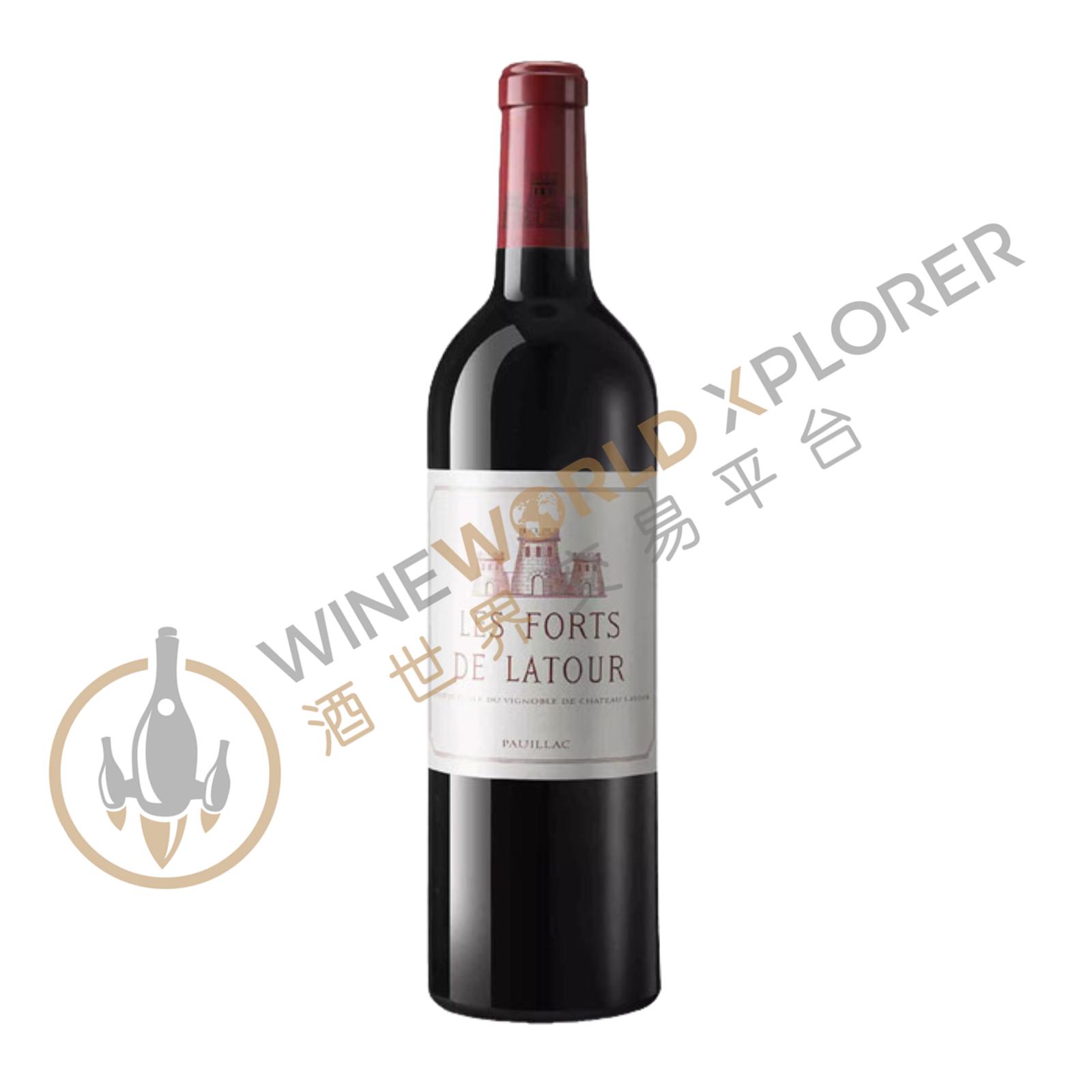
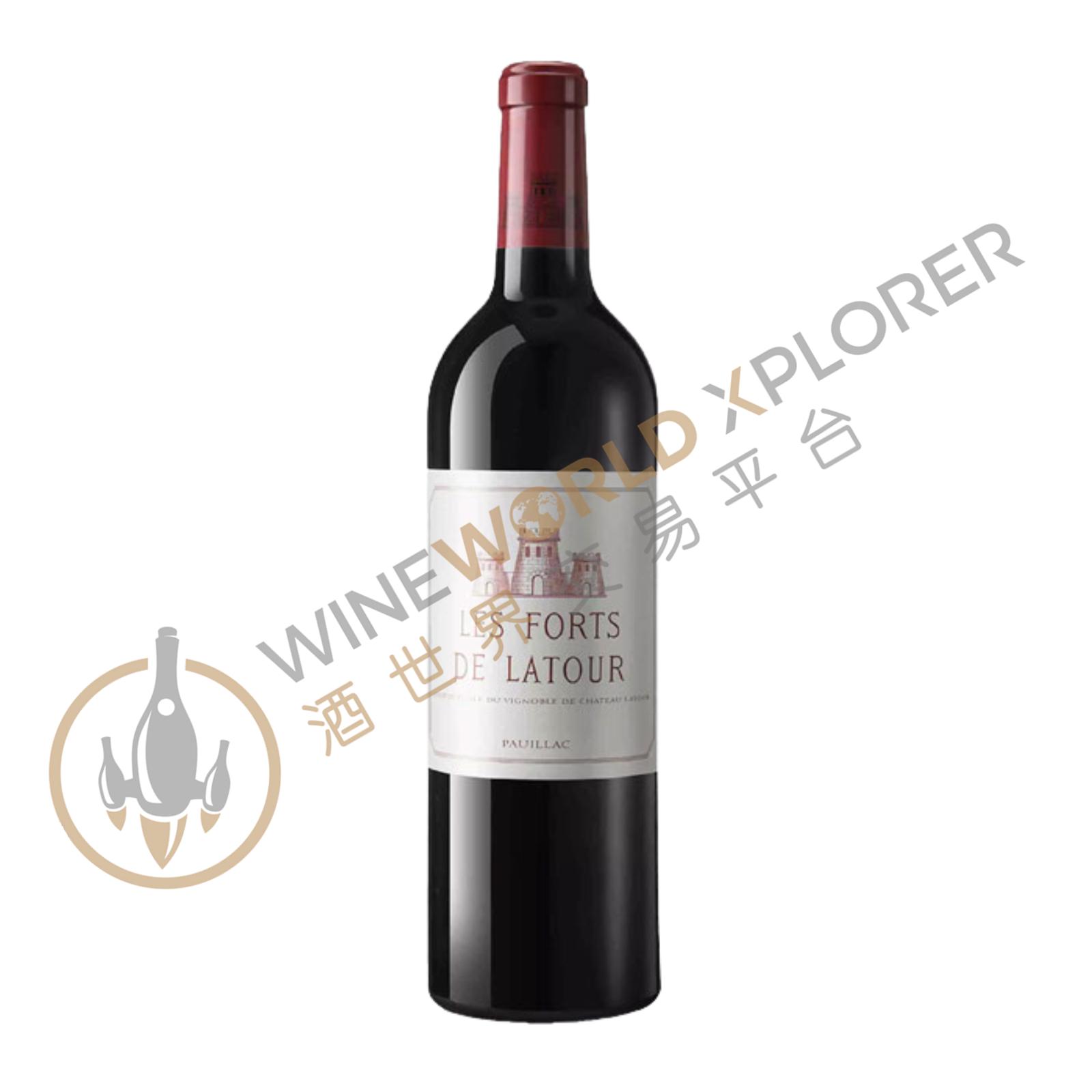
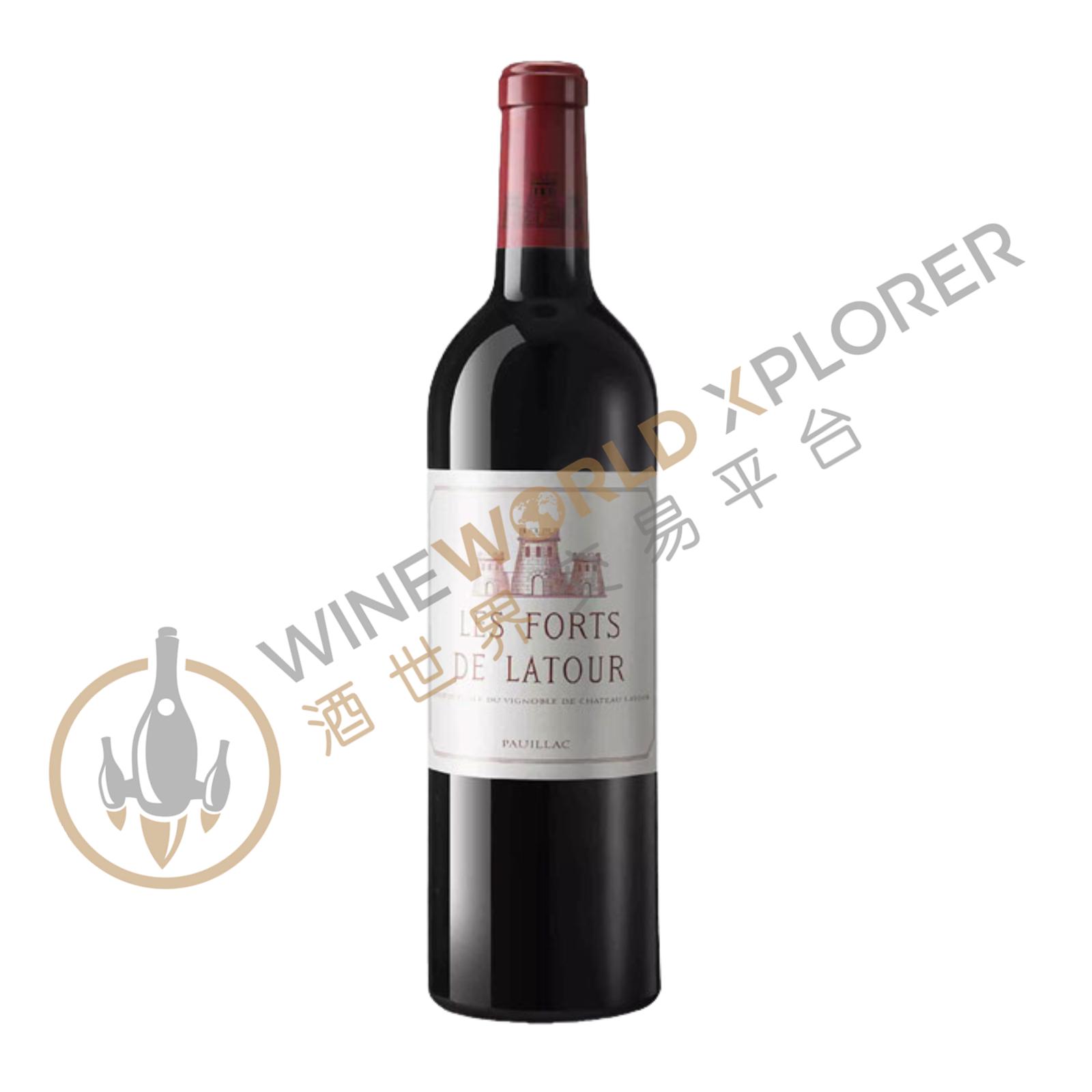
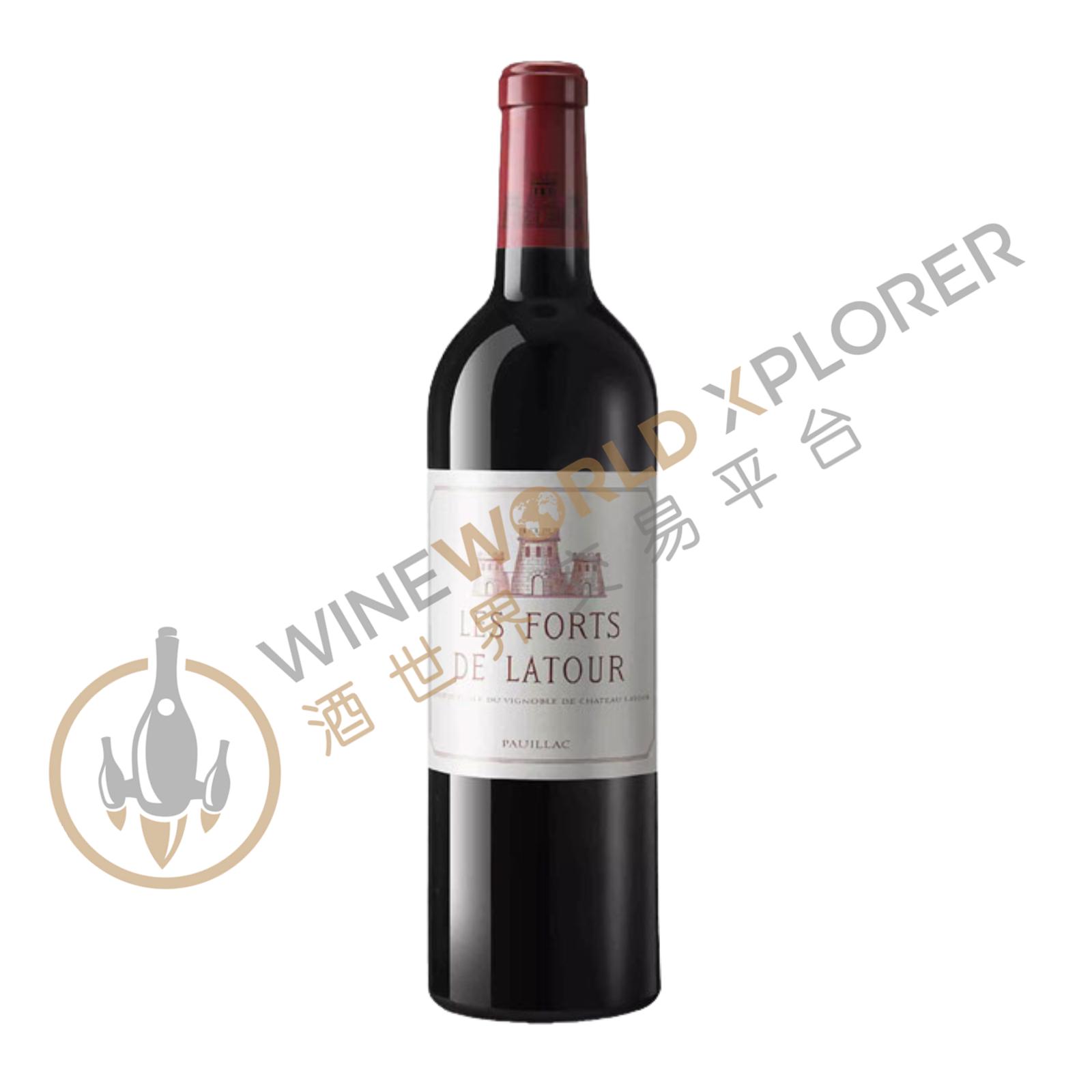
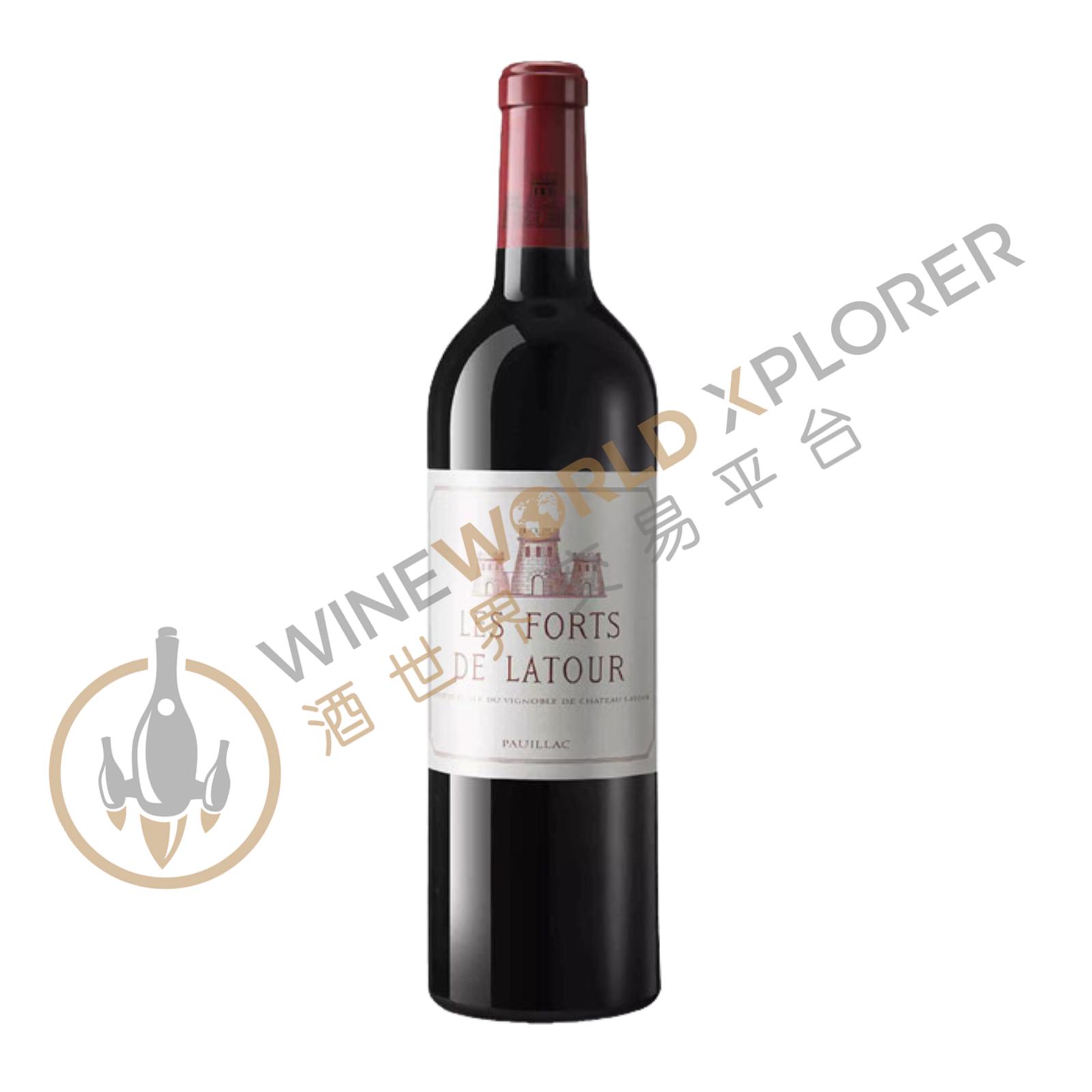
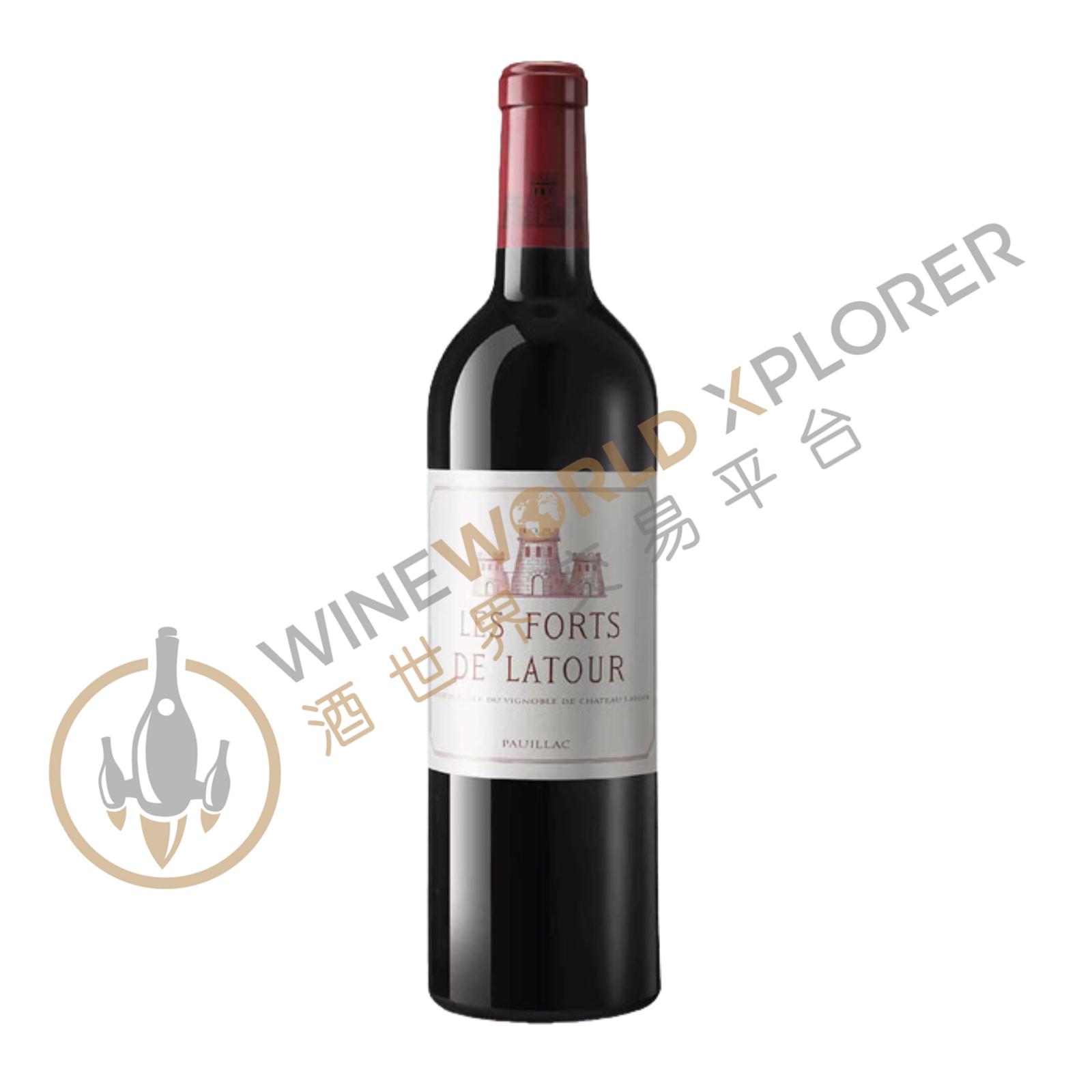
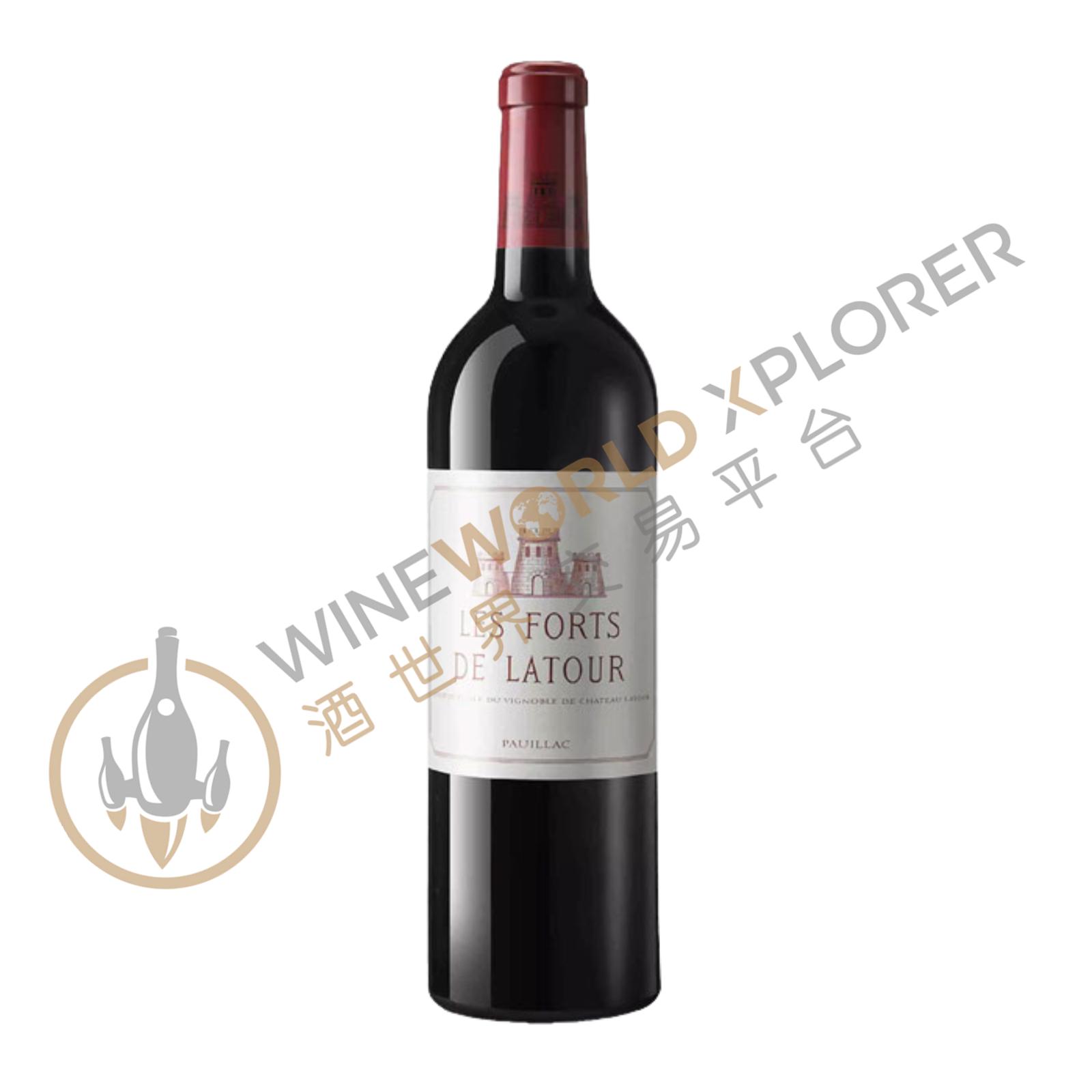
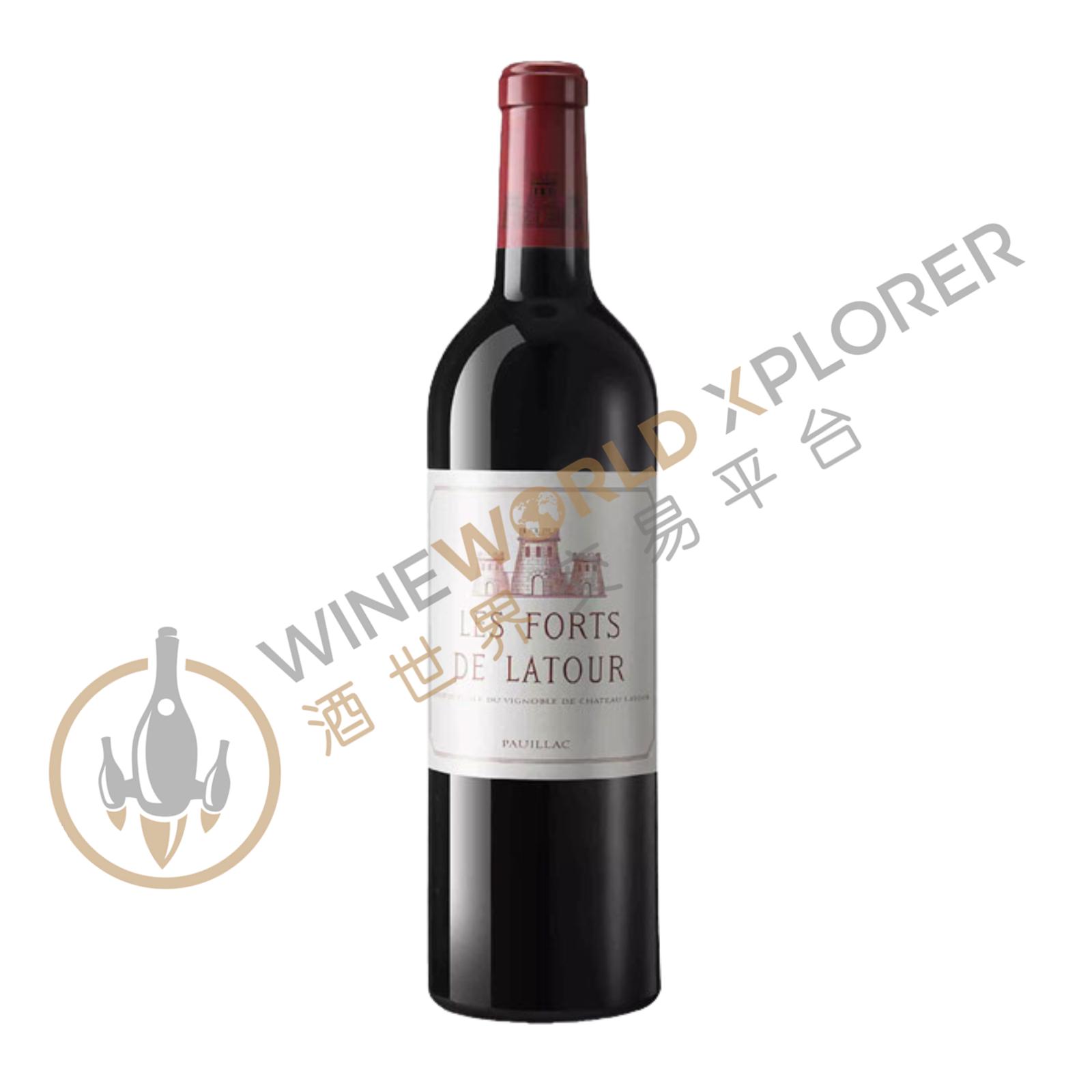
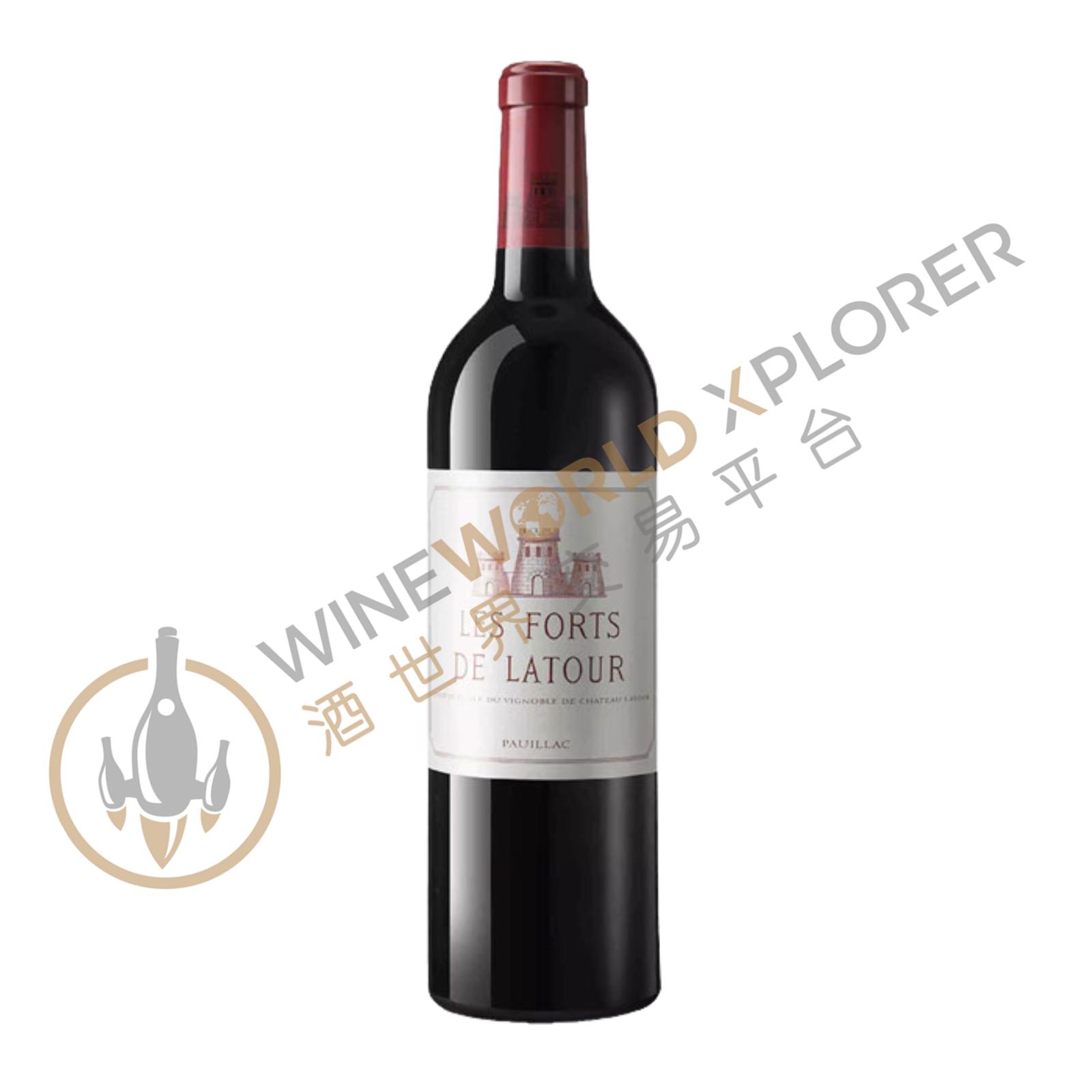
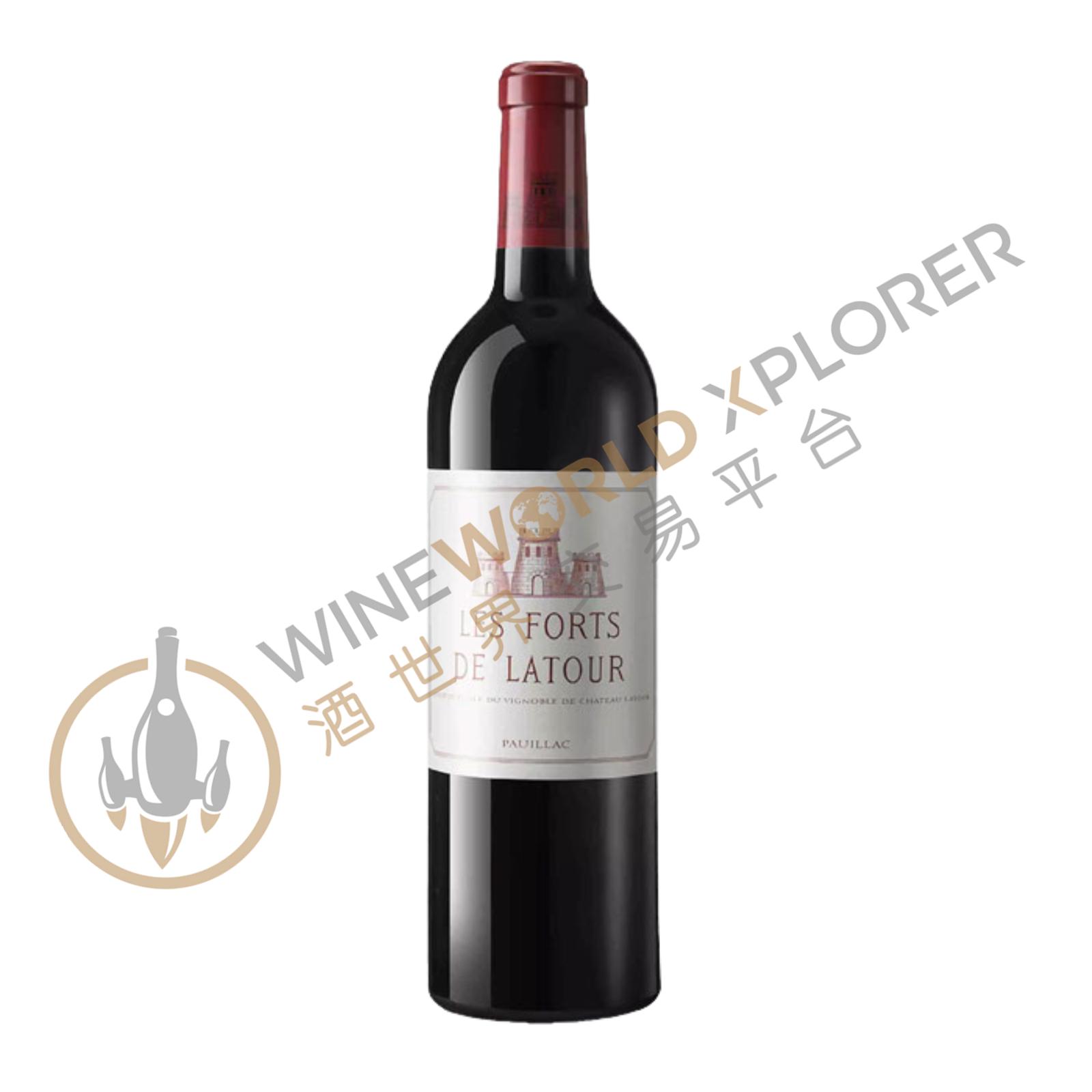
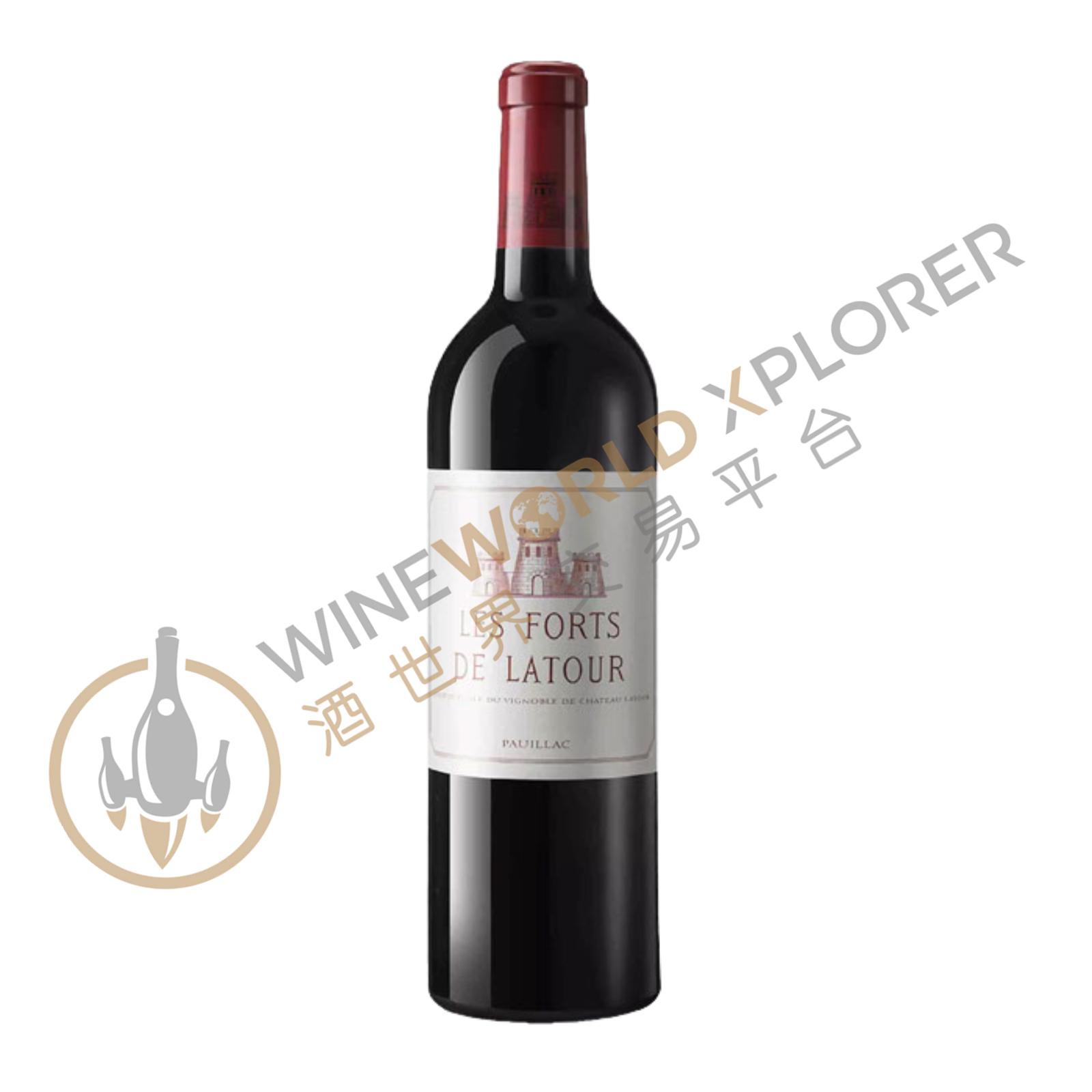
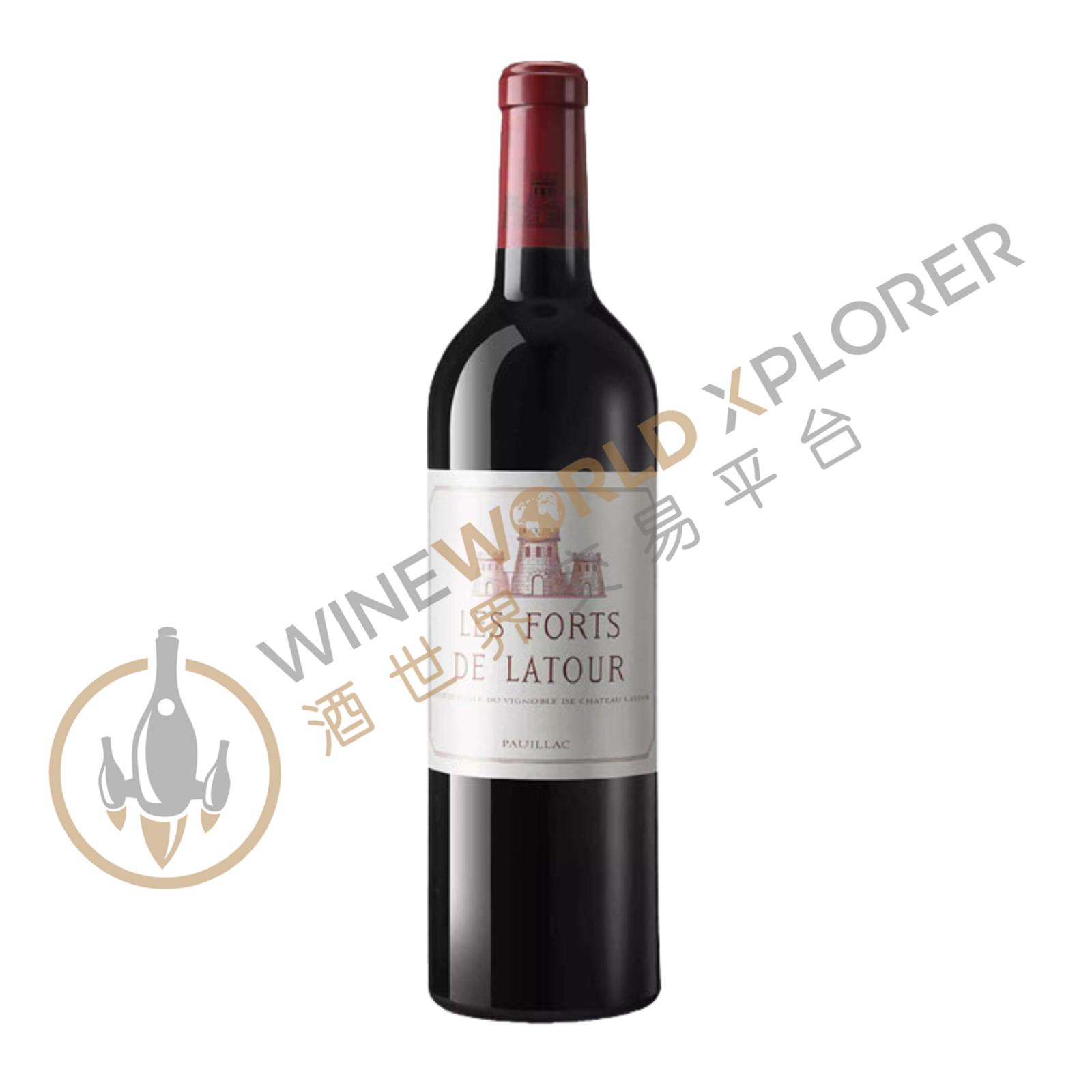
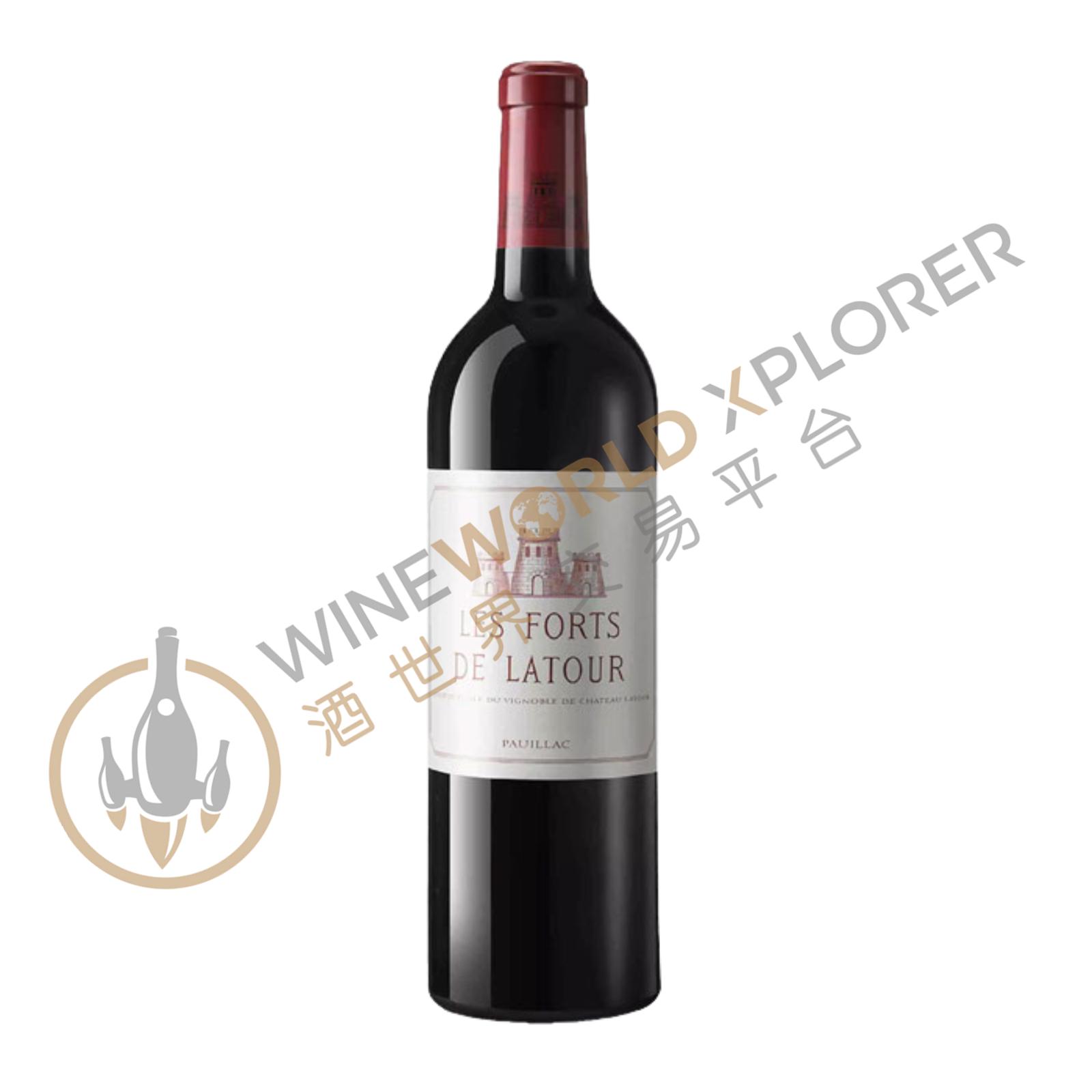
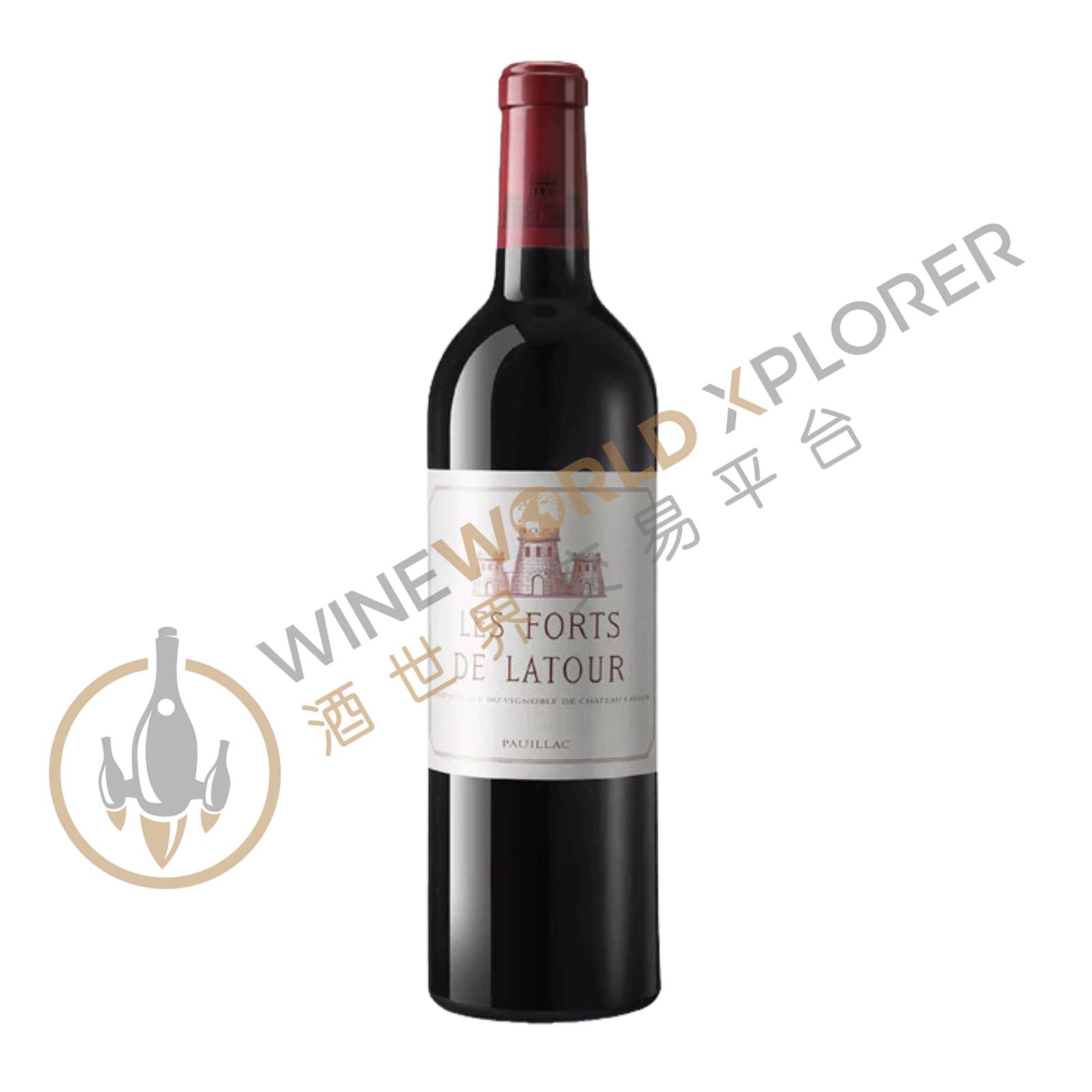
Les Forts de Latour 1996
 View analysis
Description
Tasting notes

Reviewed by: Neal Martin
Tasted at an off-line lunch at The Ledbury. A completely different bottle to the one in September 2006. A very deep black/purple colour. At thirteen years of age, it is evolving a lovely cedar, tobacco bouquet with touches of cooked meat, bilberry and a slight salty tang. The palate is full-bodied but with fine tannins, firm backbone, a little furry towards the masculine finish that suggests this Les Forts needs a few more years in bottle. Impressive young sibling to the Grand Vin. Drink 2014-2025. Tasted October 2009.
Reviewed by: Robert M. Parker, Jr.
The dense ruby/purple-colored 1996 Les Forts de Latour is exceedingly tannic, with cassis and mushroom-like notes in the aromatics. This full-bodied wine is impressively constituted and one of the finest Forts de Latours of the last two decades. Anticipated maturity: 2005-2018.
Reviewed by: Robert M. Parker, Jr.
Retasting the 1996 (rated 91-93) suggests to me that it is the finest Forts de Latour since the astonishing 1982.
Reviewed by: Neal Martin
The 1996 Les Forts de Latour has a deep garnet color with just a thin rim of bricking on the rim. The bouquet is fully mature but demonstrated good fruit concentration after 20 years, mulberry, red plum, plenty of cloves and an almost garrigue-like scent. The palate does not quite have the charm of the nose, the tannins a little brusque and perhaps compared to this deuxième vin nowadays, without the finesse and then it just tapers towards a cedar-infused finish. Drink bottles now and over the next 10 years. Tasted July 2016.
Reviewed by: Neal Martin
Tasted blind at Farr's horizontal, this failed to really impress. A very sweet, fragrant almost Tuscan like nose. Black cherries, dates and a little prune juice. Good definition. A bit over-extracted on the palate. Medium-bodied. Just a little ersatz. Tasted September 2006.
Reviewed by: Robert M. Parker, Jr.
Latour's second wine, Forts de Latour, is now one of the two or three finest second wines of Bordeaux (Bahans-Haut-Brion and the Clos du Marquis of Leoville Las-Cases are two other personal favorites). The 1996 appears to be the finest example of this wine since the 1982, although readers should not pass up the 1995 should it be available. The 1996 is a bigger wine than the 1995, exhibiting an opaque ruby/purple color, much of the same character as its bigger, more forceful sibling, but more accessible fruit, a rich, medium to full-bodied, spicy character, and plenty of black currants and minerals in its personality. Anticipated maturity: 2002-2015.
Reviewed by: Robert M. Parker, Jr.
The 1996 Forts de Latour (a blend of 73% Cabernet Sauvignon and 27% Merlot) is a very fine effort. This wine possesses excellent sweetness, crisp acidity, and a deep, black/purple color. It is much more forward than the grand vin, but it still needs 7-8 years of cellaring; it will last for 25 or more years. Last tasted 3/97
About the Producer
Latour was a jointly held lord's domain until the end of the 16th century, At that time, the property was not entirely covered by vines and yet production largely exceeded requirements. There was no proper storage for the wine and it had to be drunk within the year. The estate remained in the hands of the Mullet family until the late 17th century, and while direct use of the land gradually replaced the leasing system, the wine-making situation changed very little. In the early 18th century, England's aristocracy and wealthy middle classes developed refined tastes, particularly for wine, from Bordeaux, Oporto, Jerez and other southern vineyards. Wine exports had been restricted by various blockades imposed by the wars, but now enjoyed a period of relative freedom and trade with Bordeaux grew rapidly. As a result of this flourishing trade, the estate gradually came to specialise in wine production, with 38 hectares of vines in 1759 and then 47 hectares by 1794.
1975(2)1976(1)1979(1)1981(1)1982(1)1983(2)1990(1)1992(2)1994(2)1995(1)
Package Size
12 x 75cl