Wine Advisor



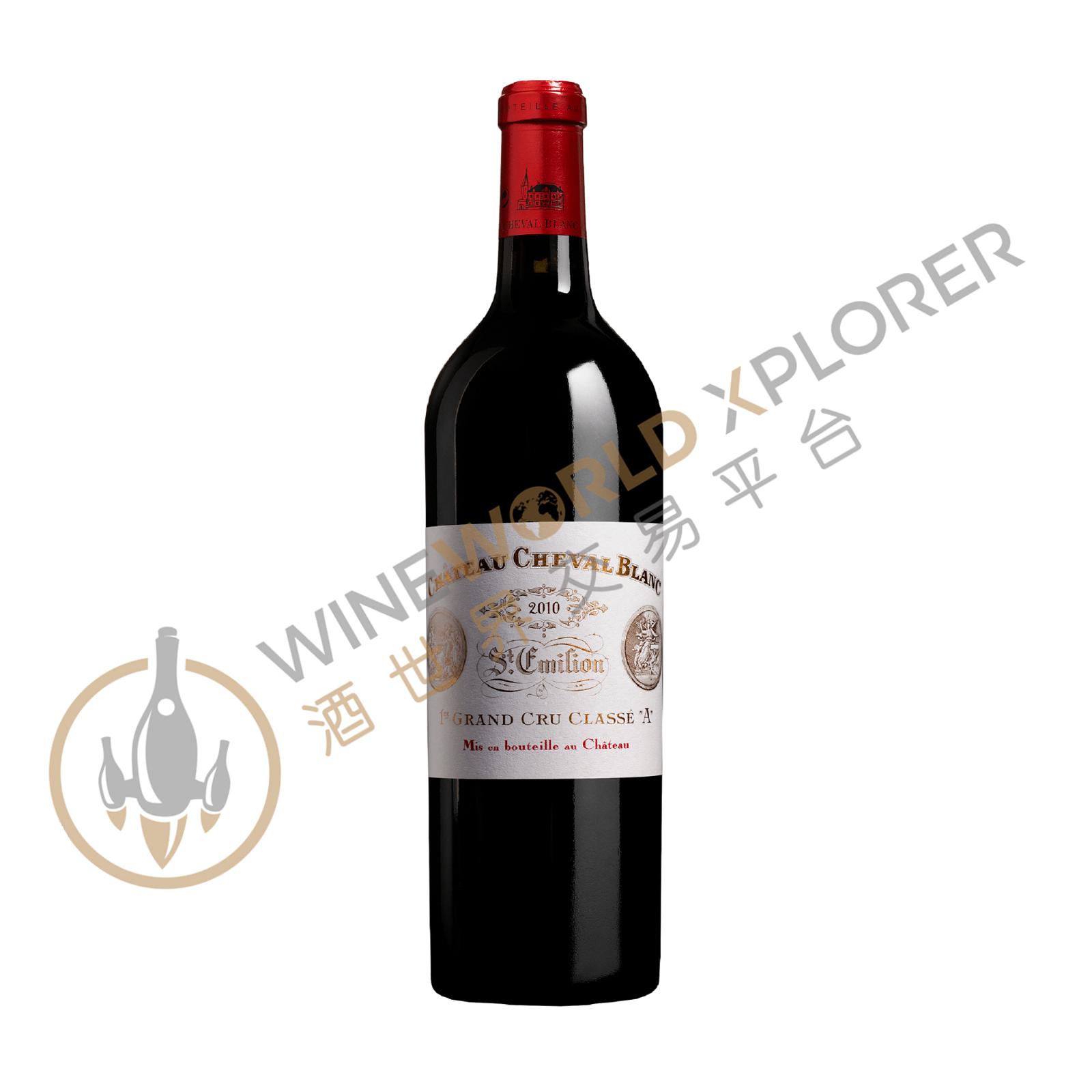
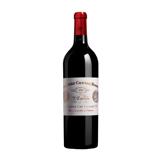
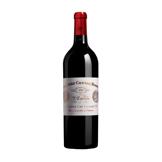
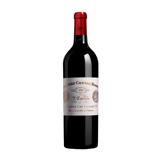
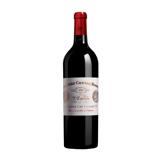
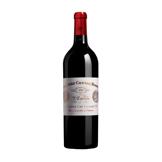
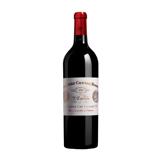
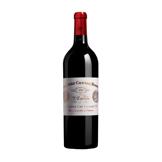
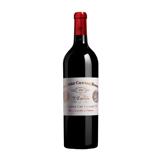
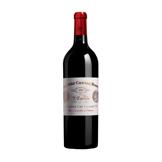
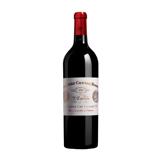
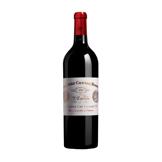
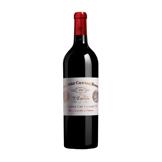
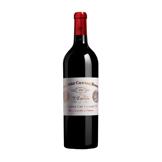
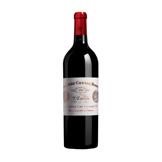
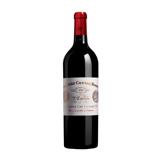
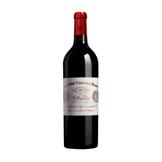
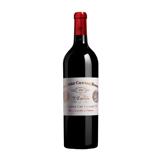
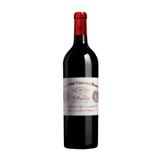
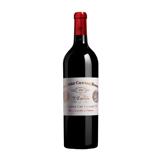
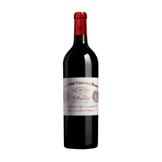
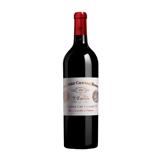
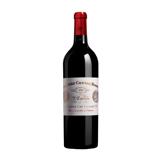
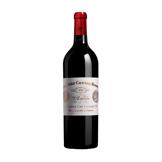
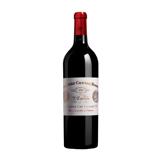
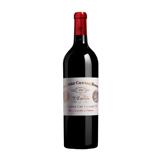
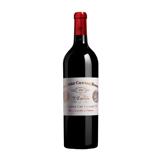
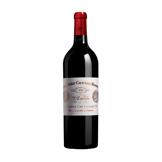
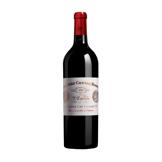
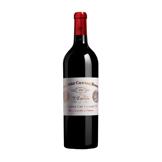
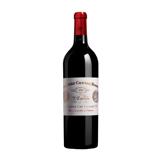
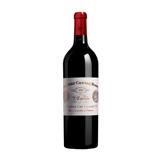
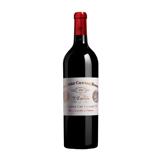
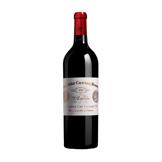
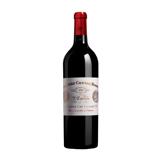
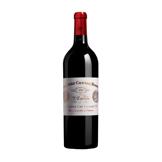
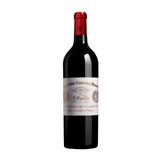
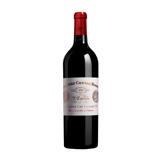
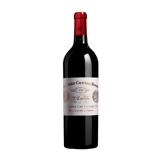
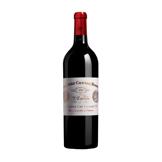
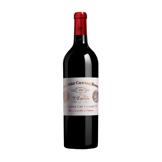
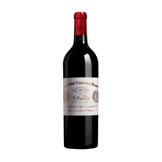
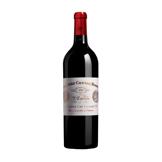
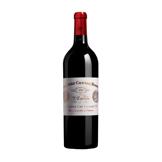
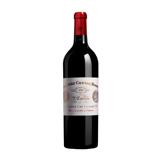
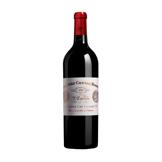
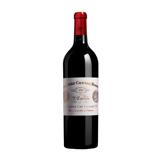
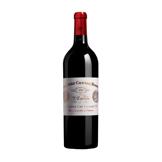
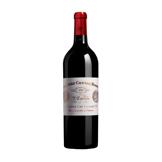
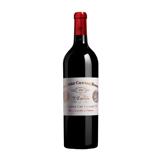
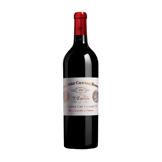
Cheval Blanc 2018
 View analysis


Description
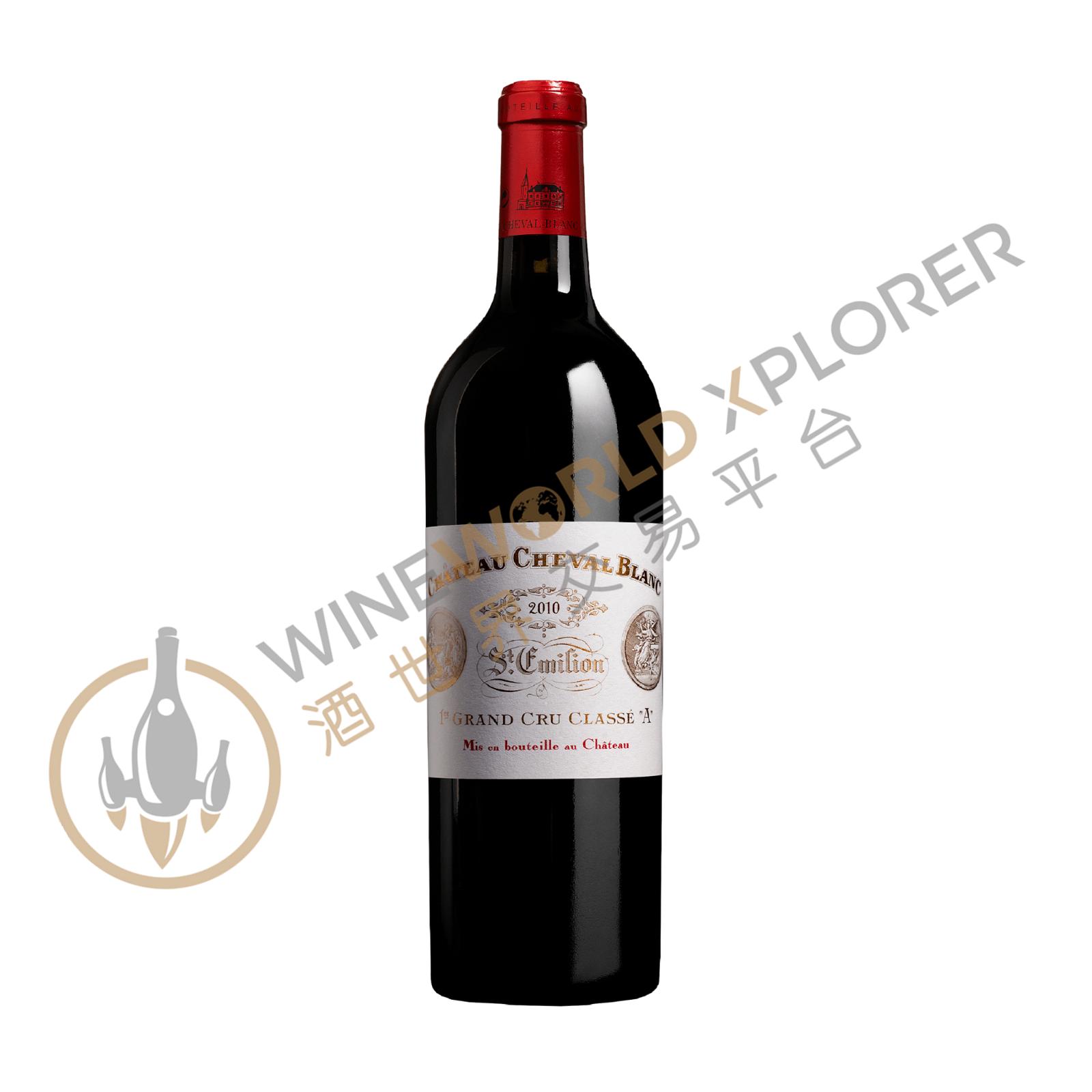
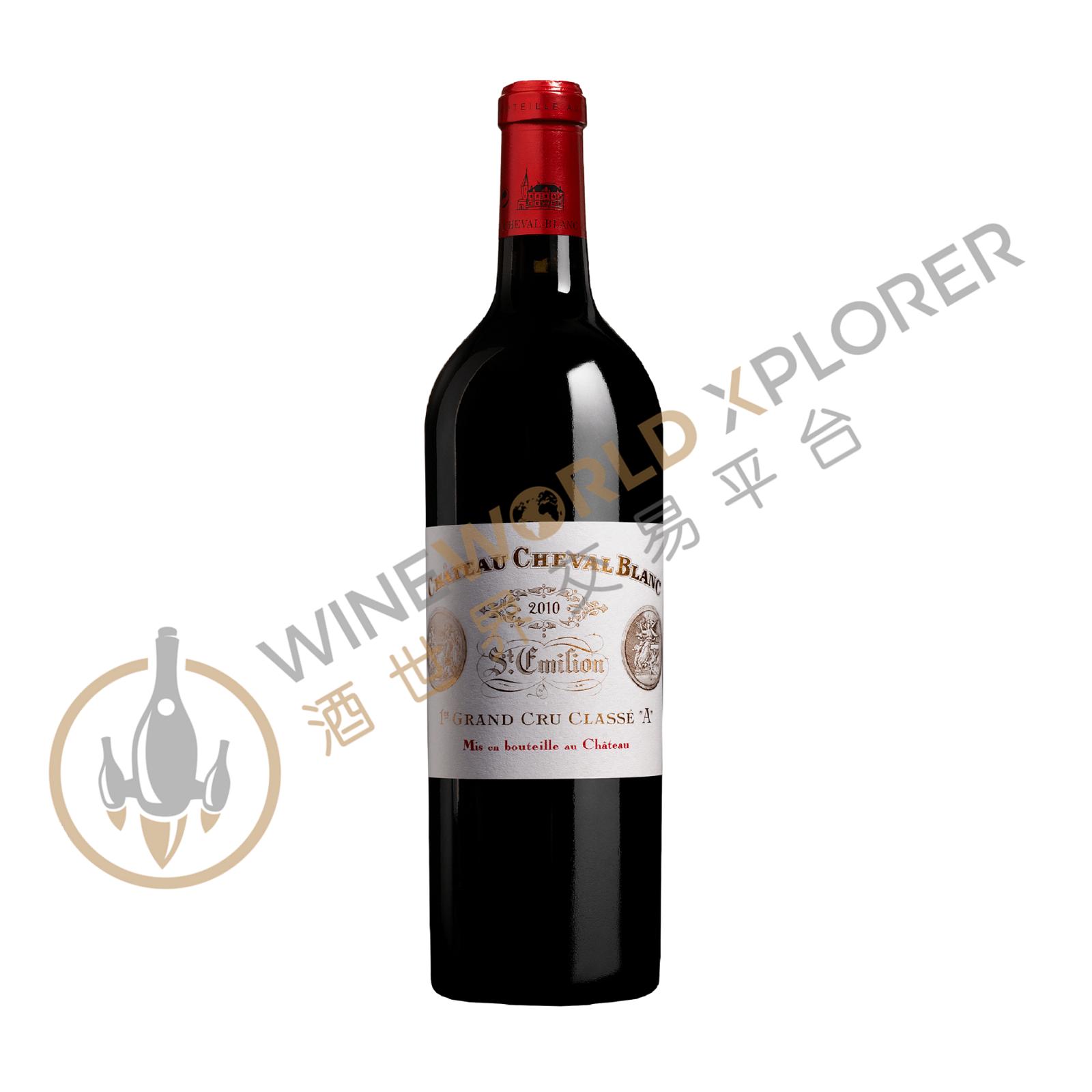
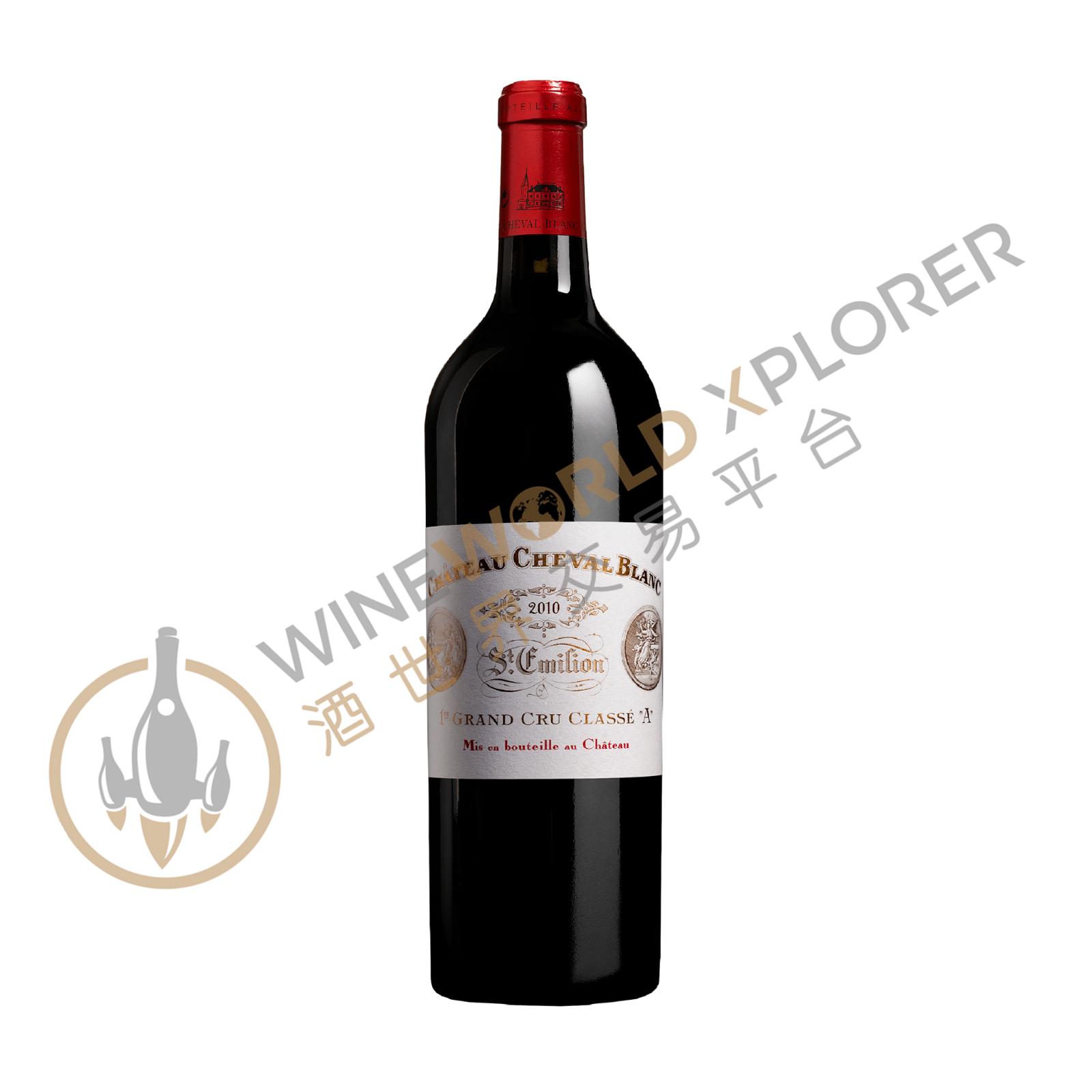
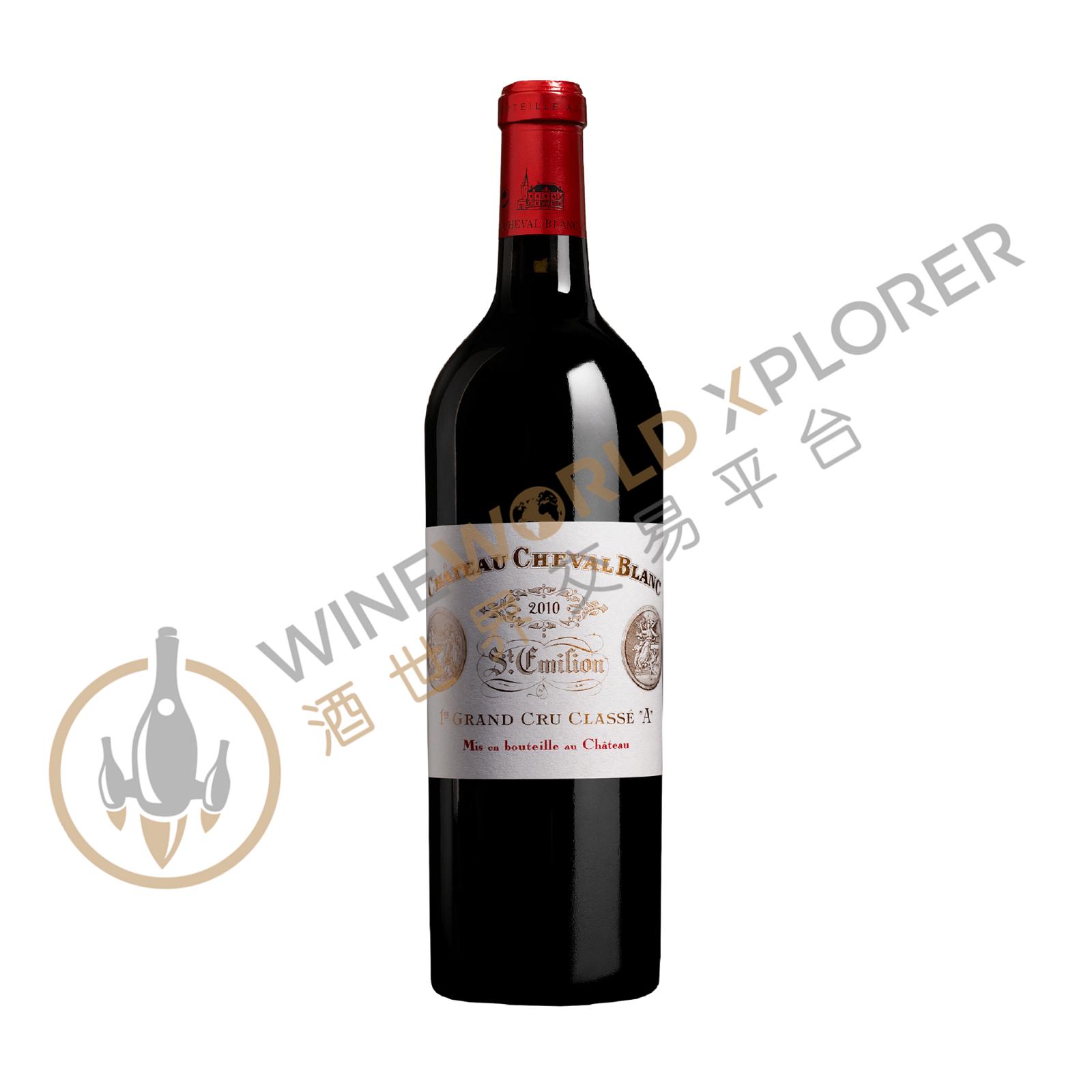
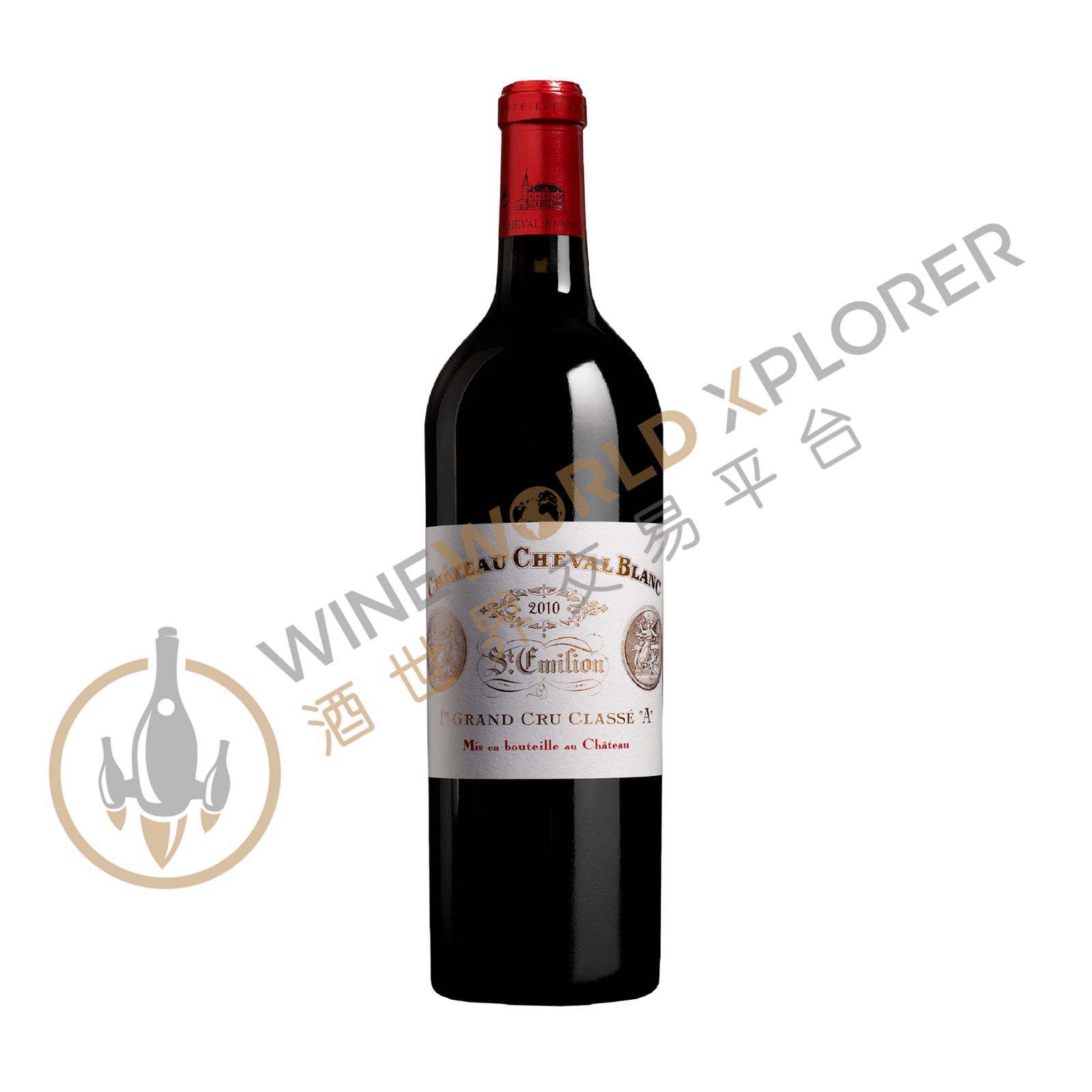
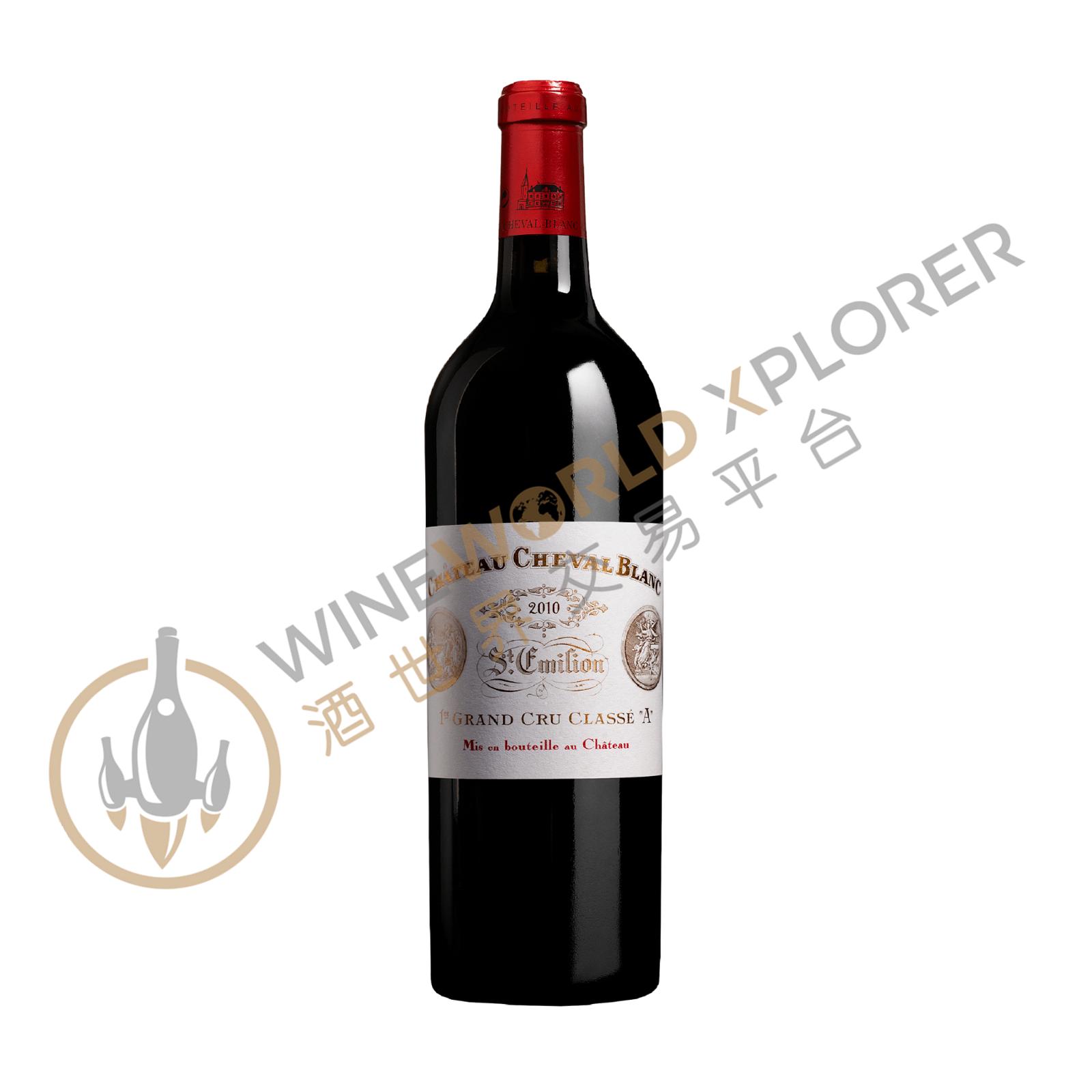
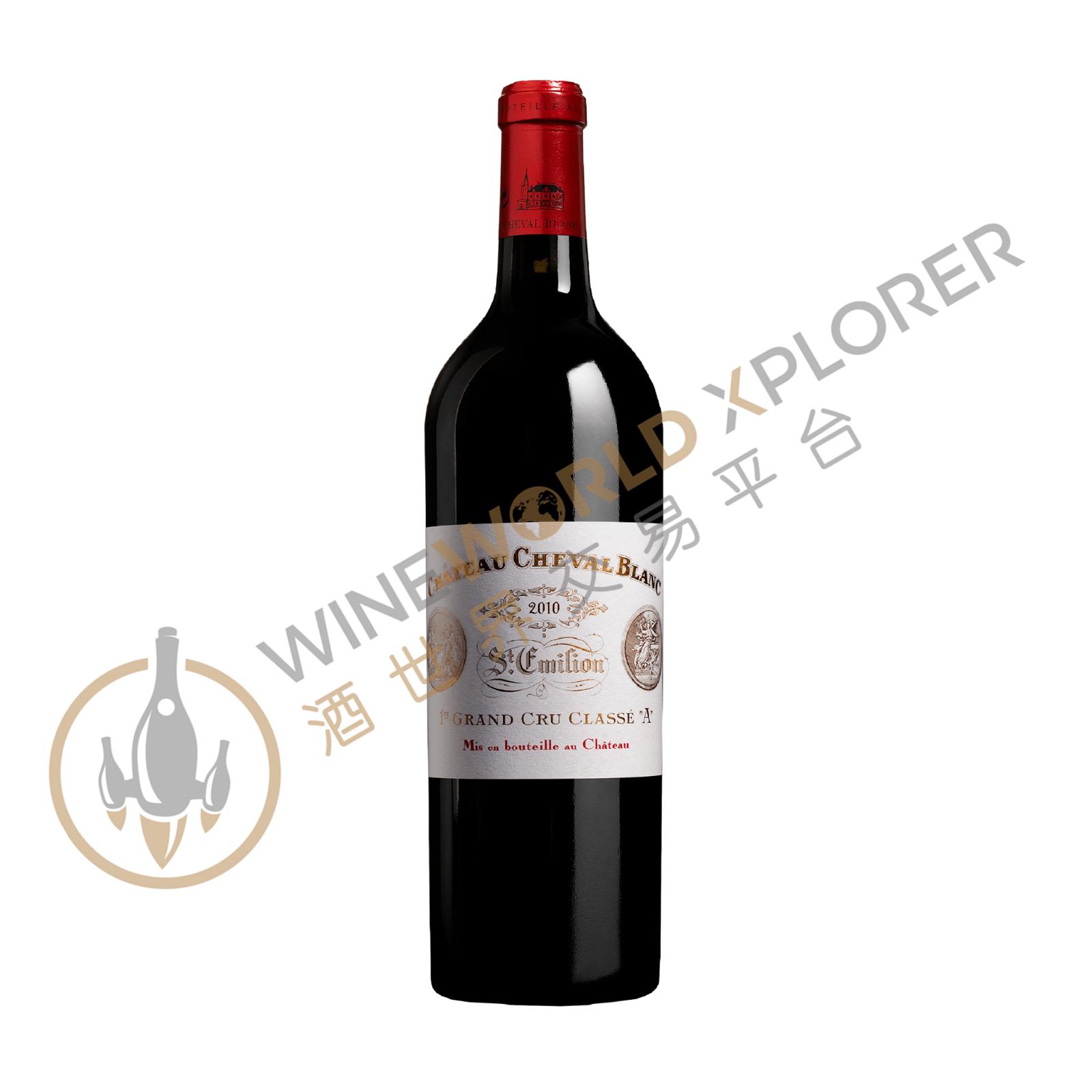
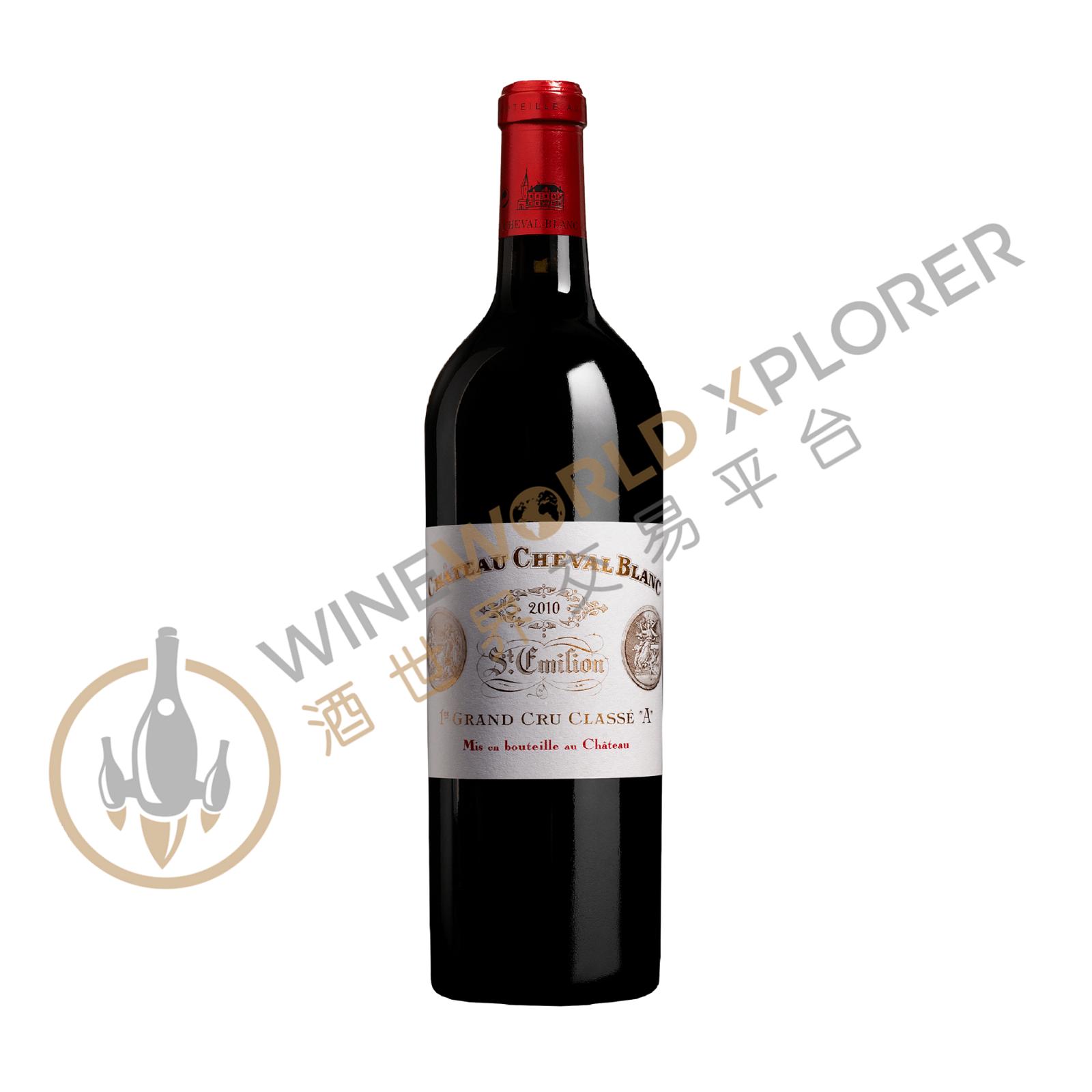
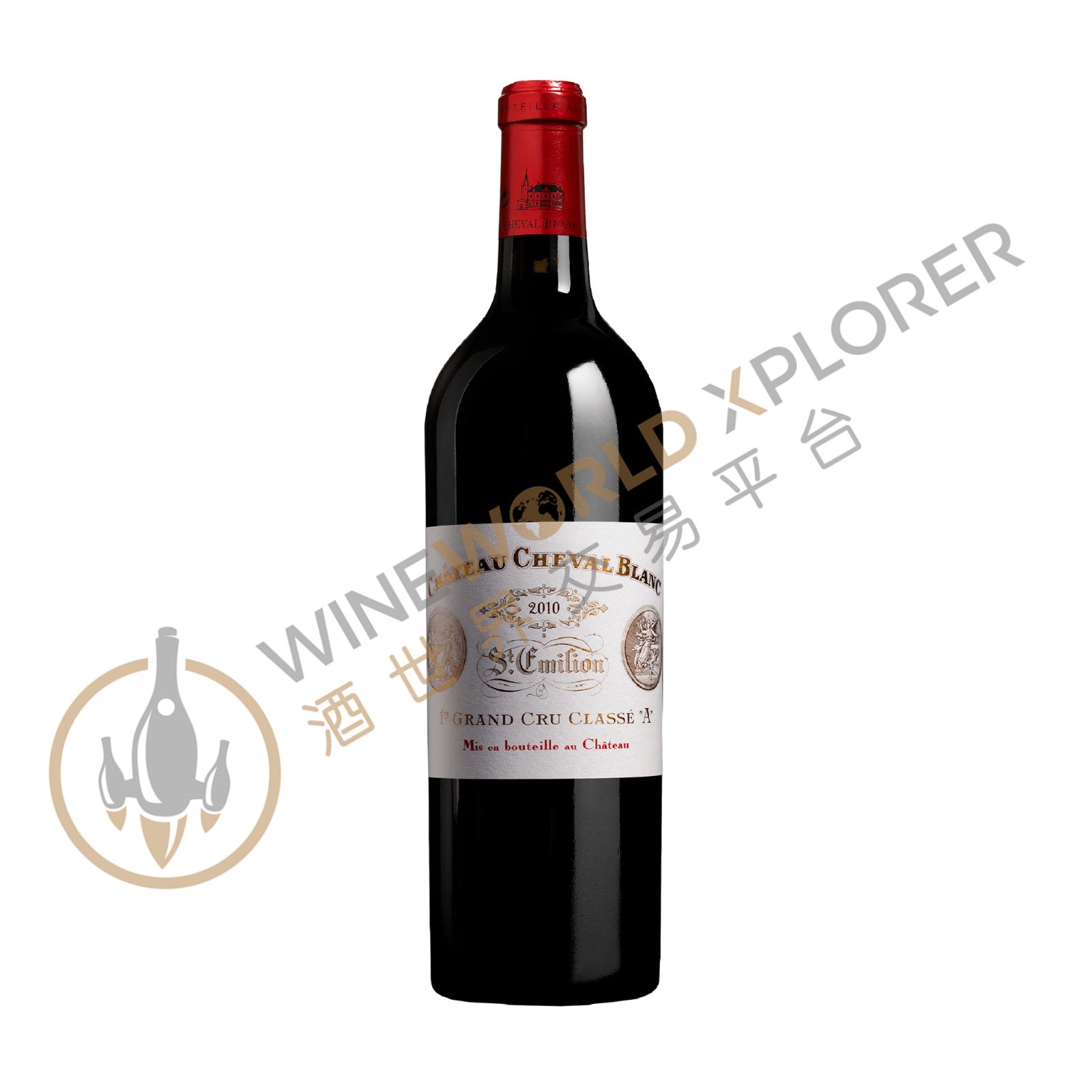
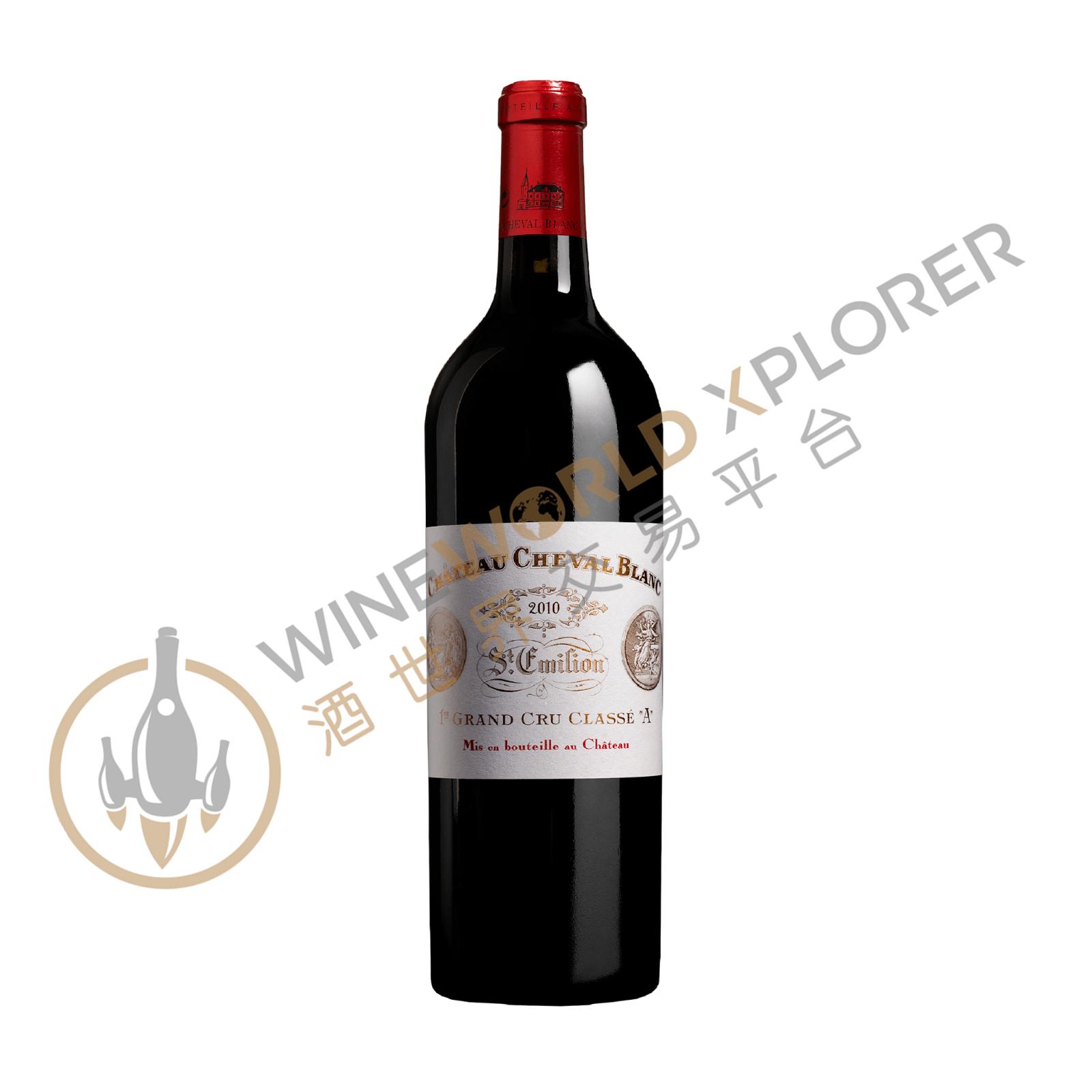
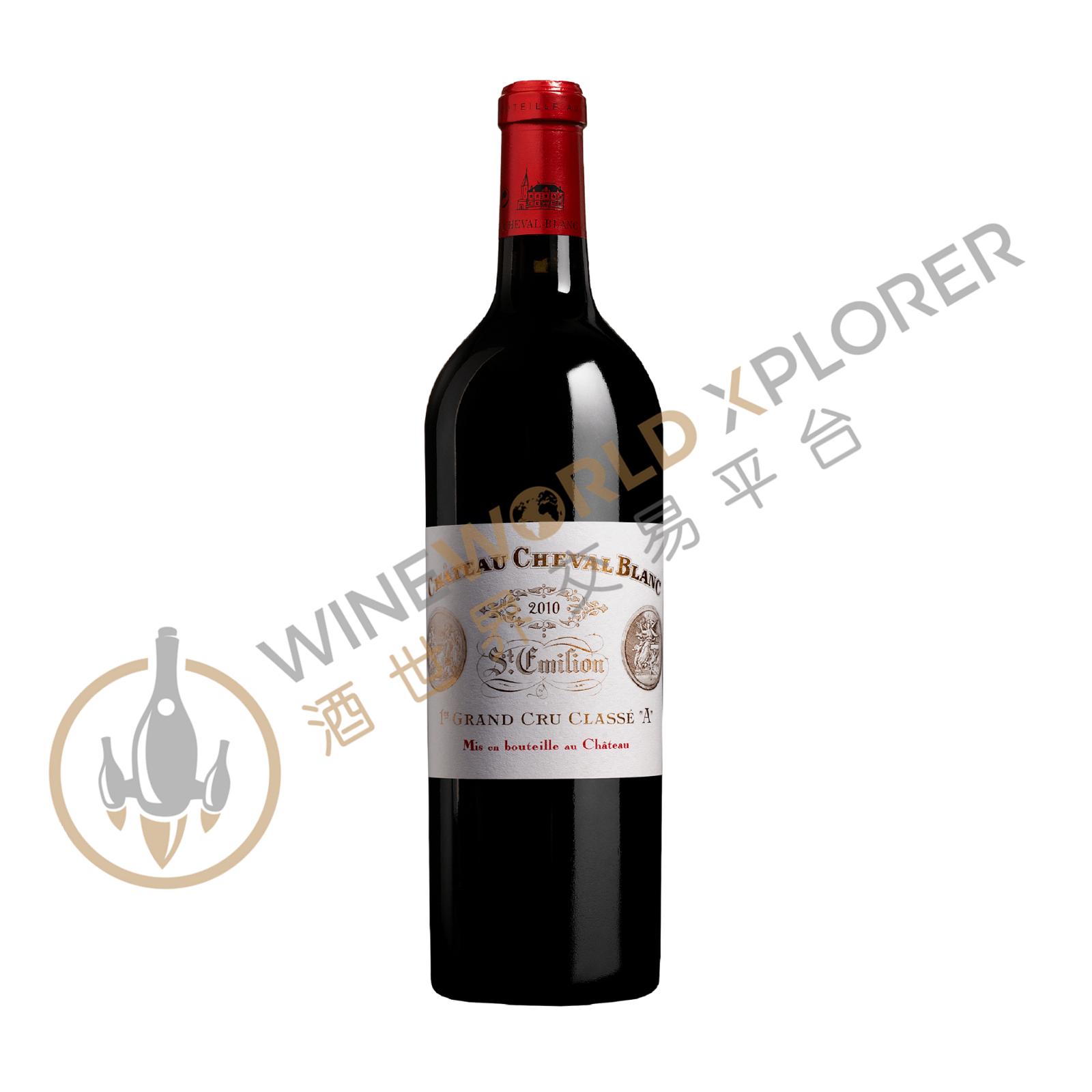
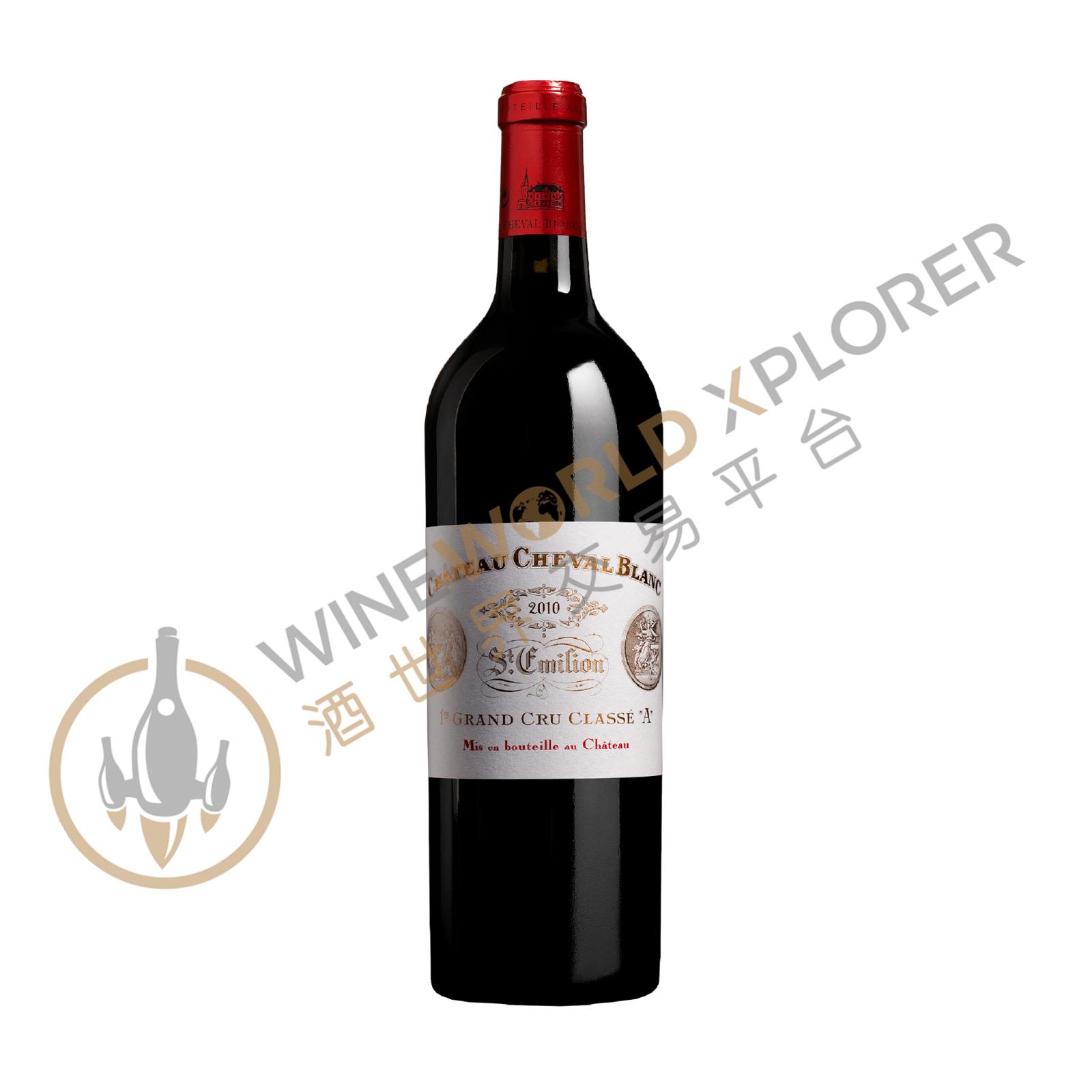
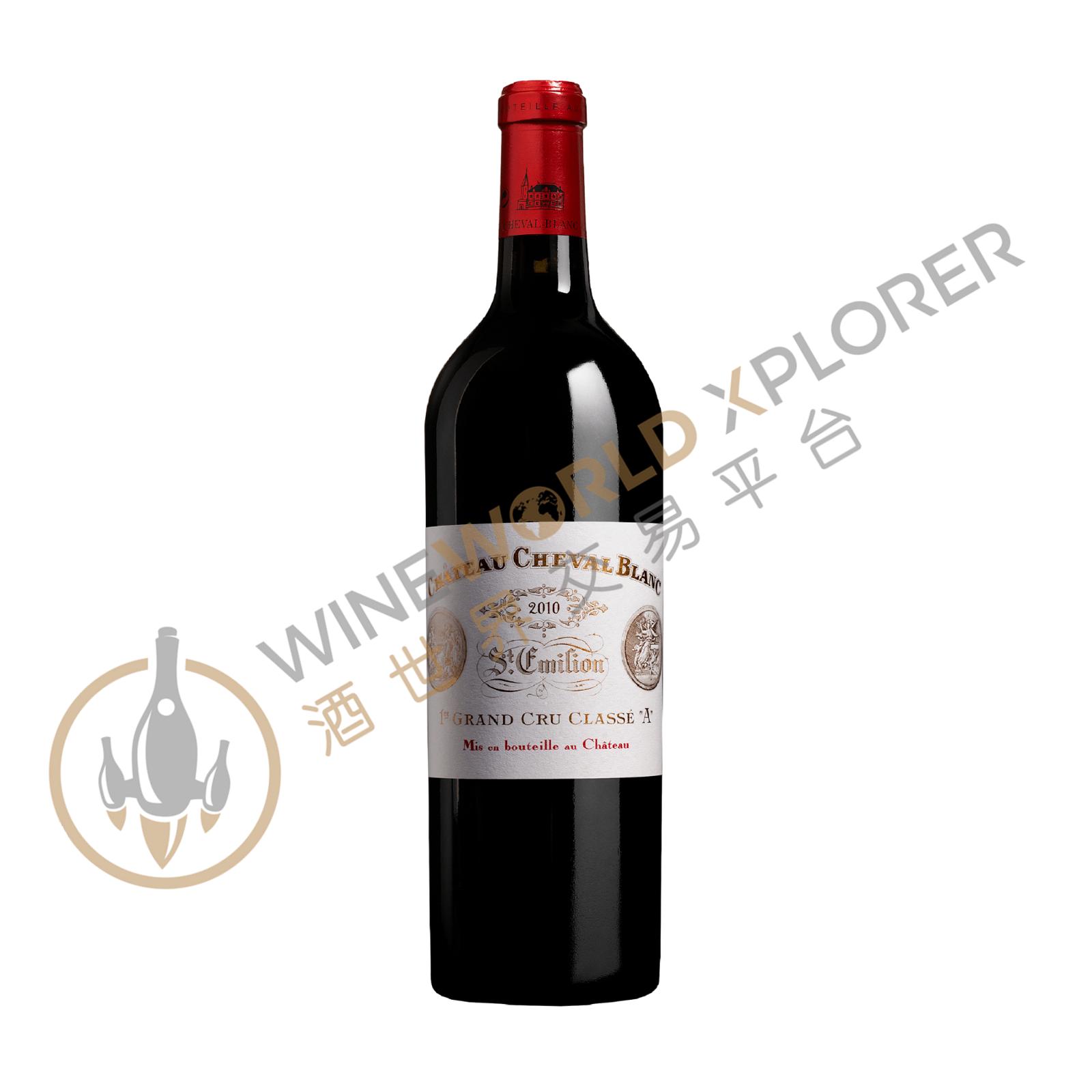
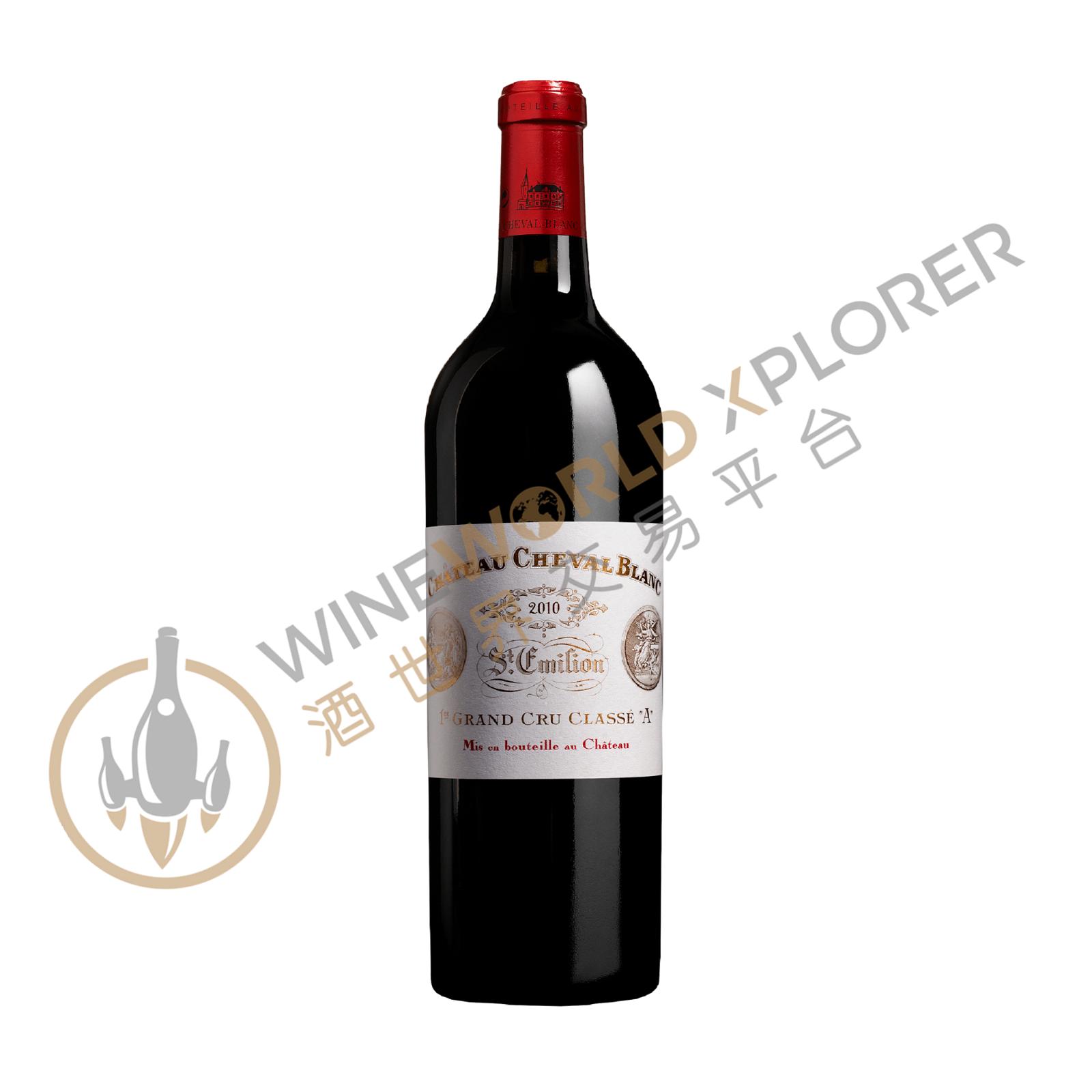
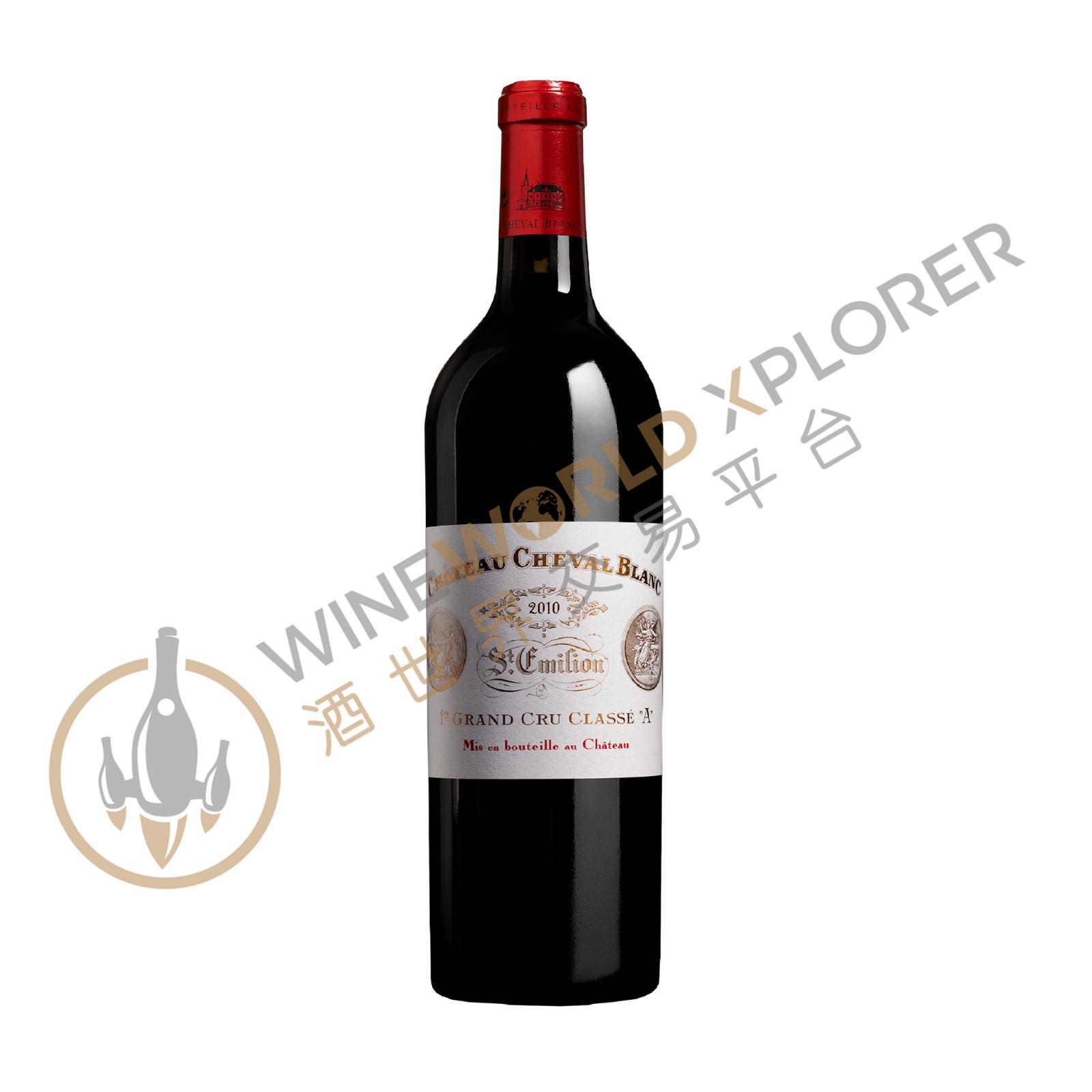
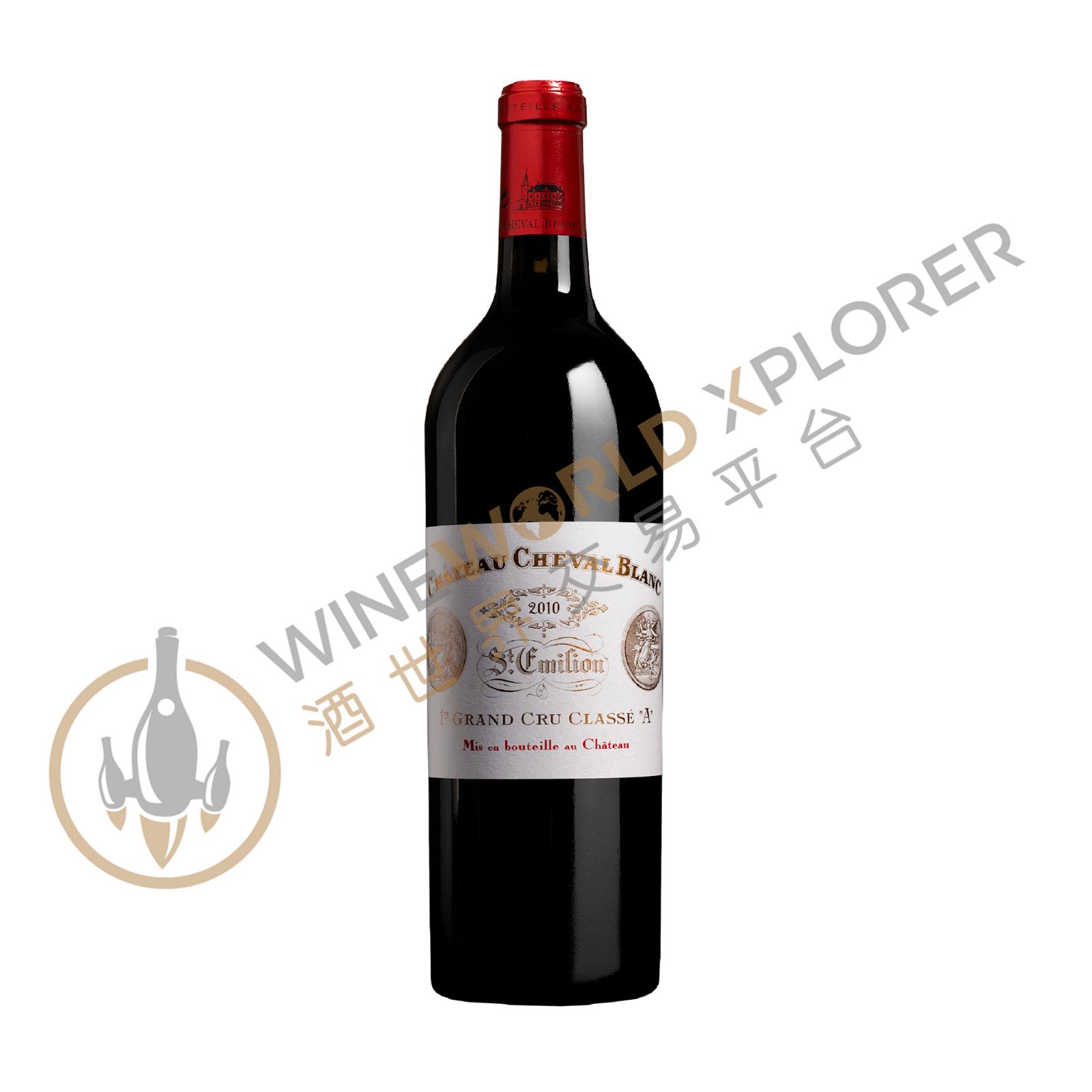
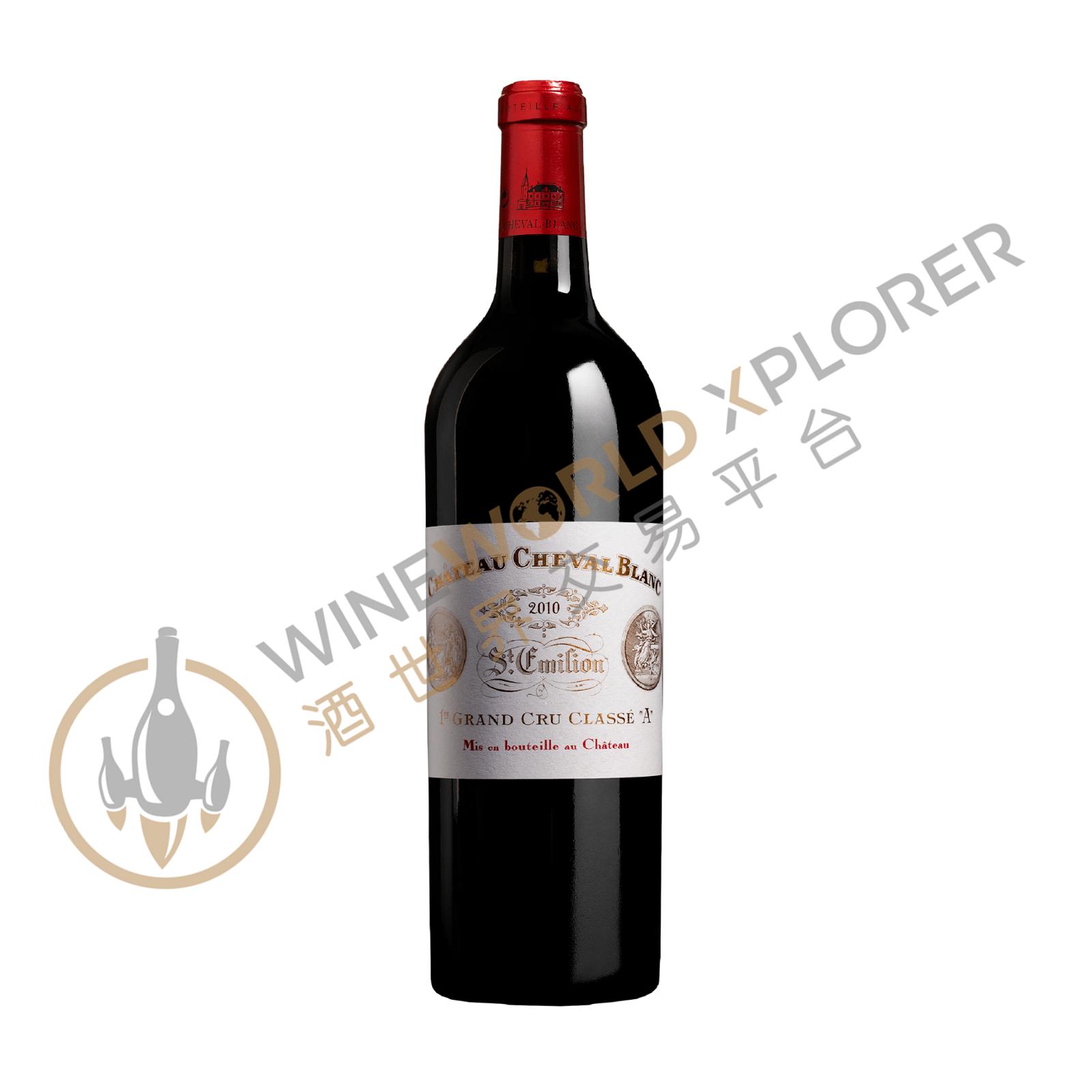
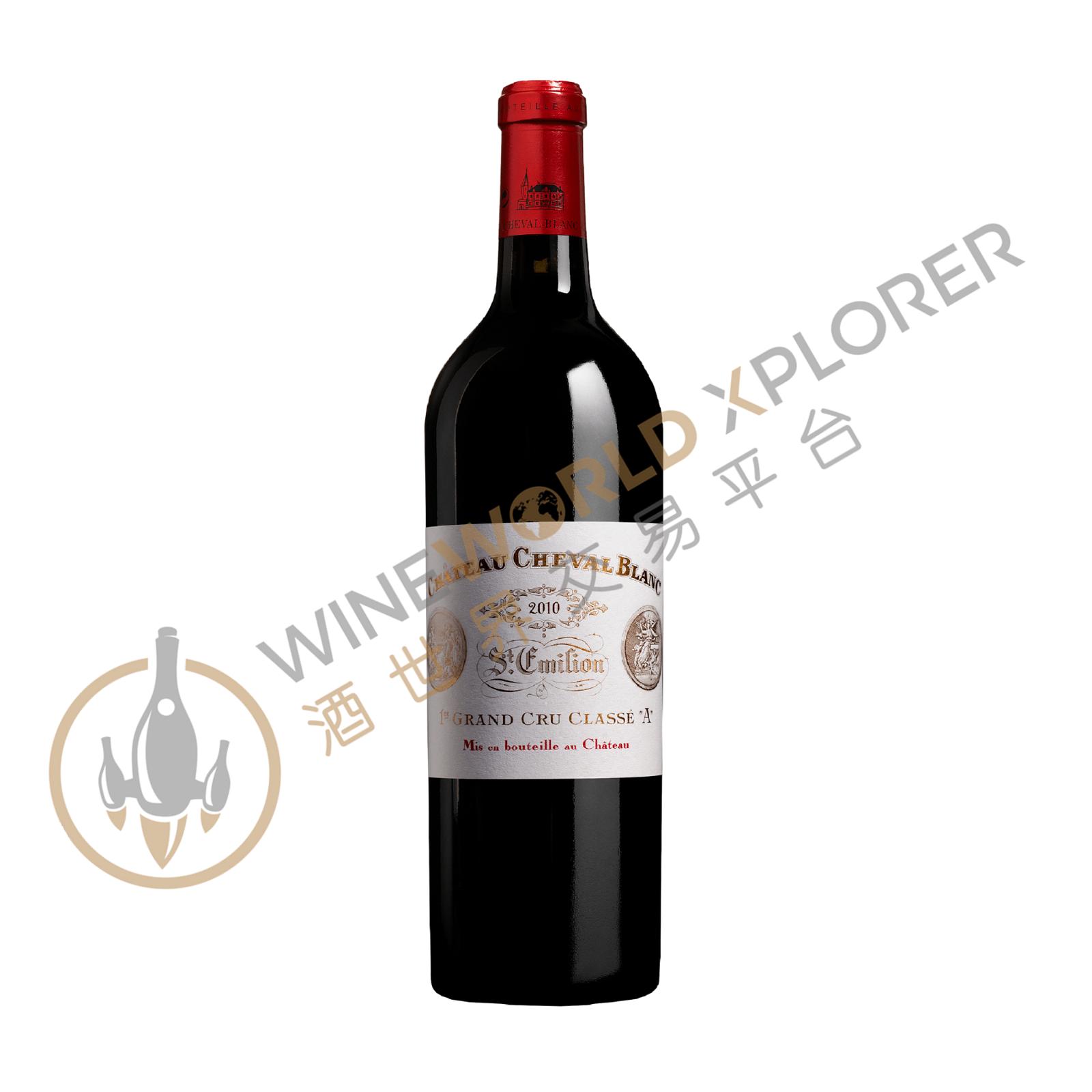
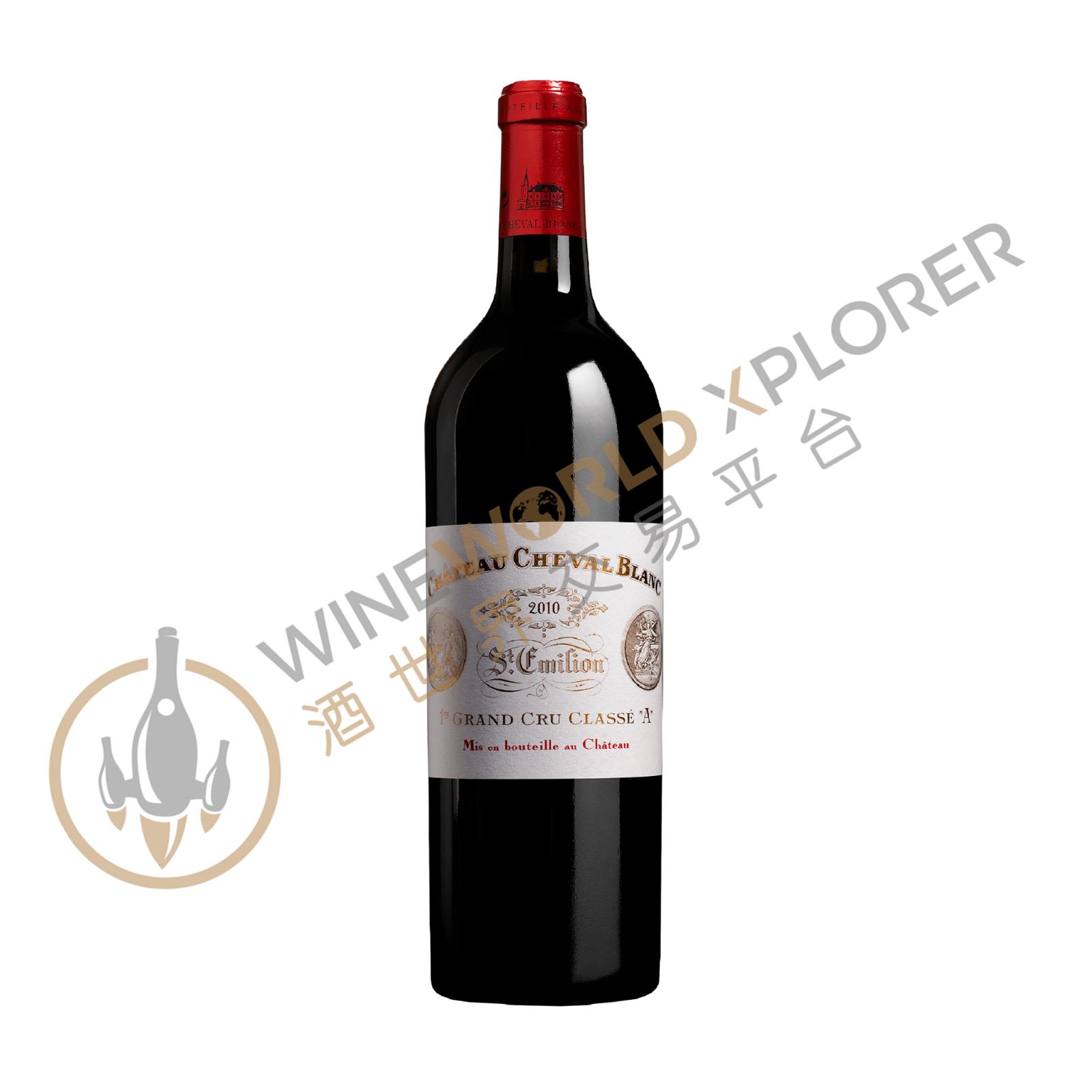
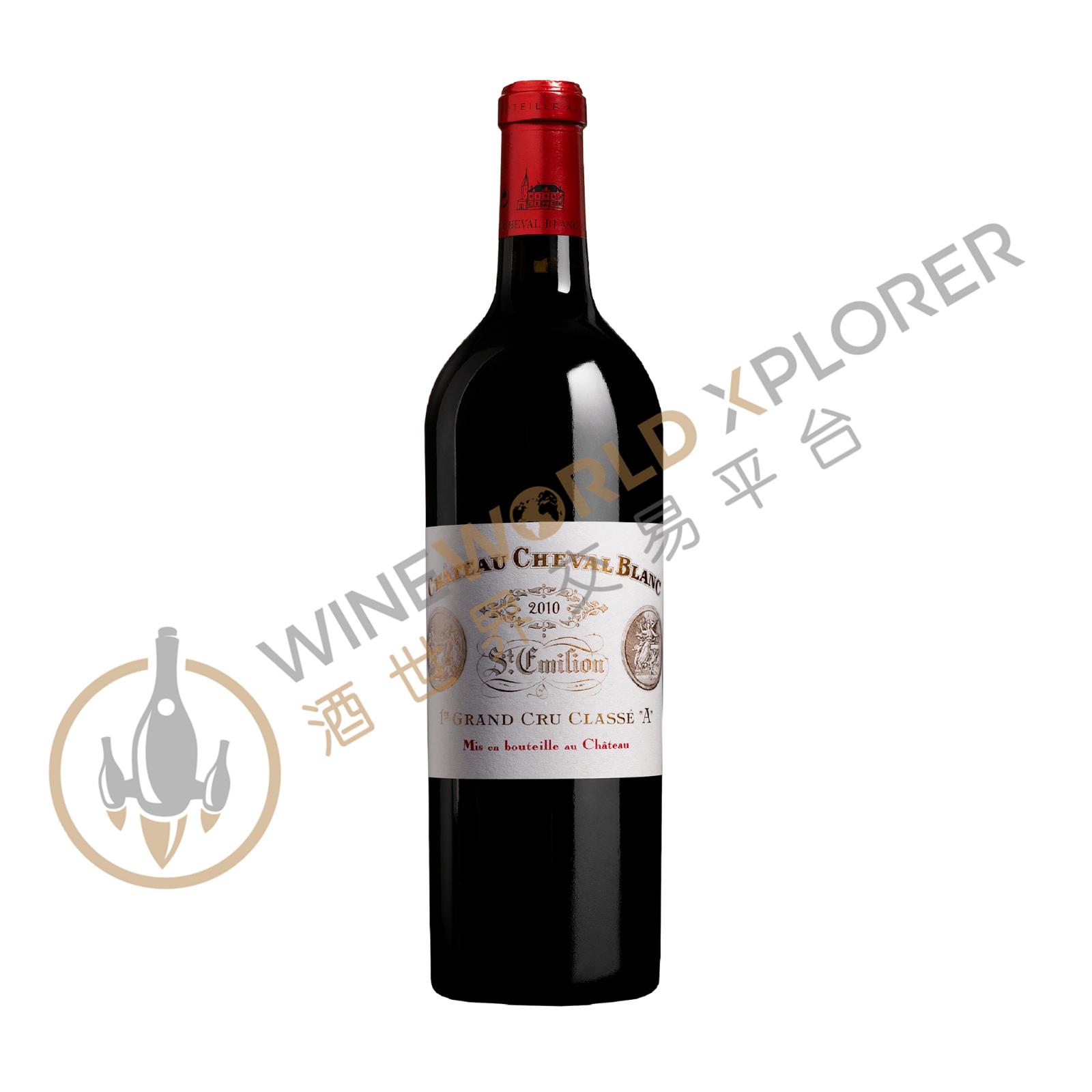
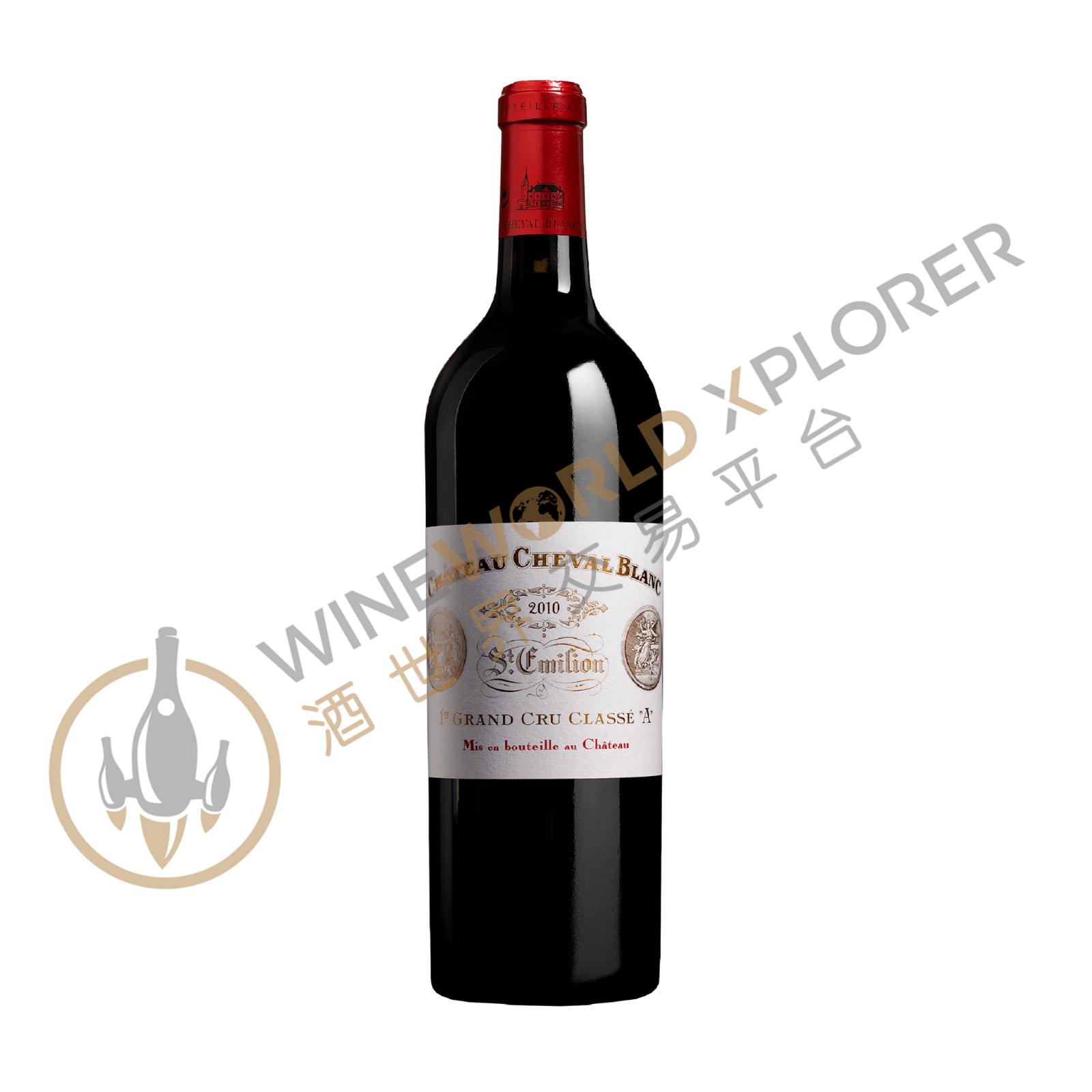
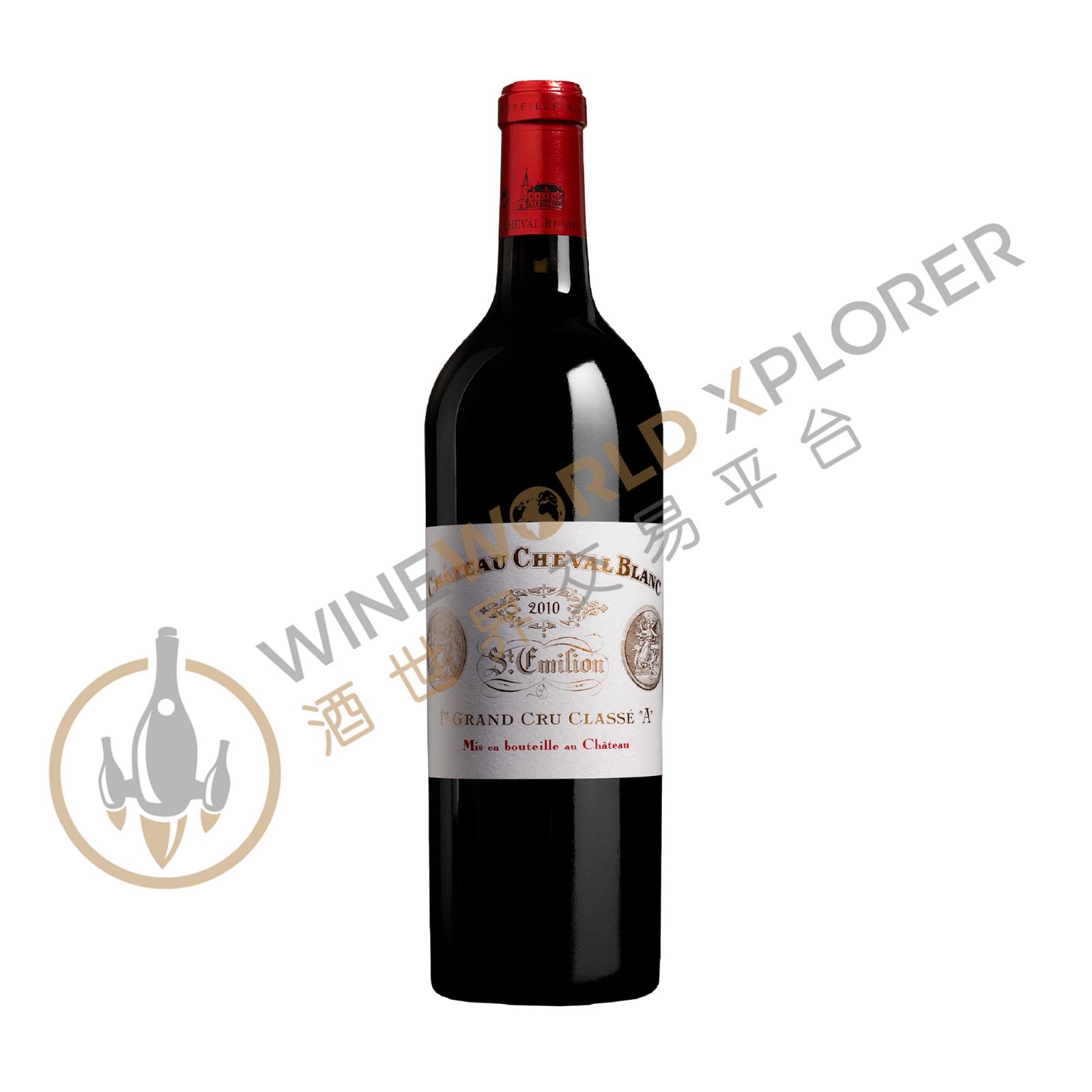
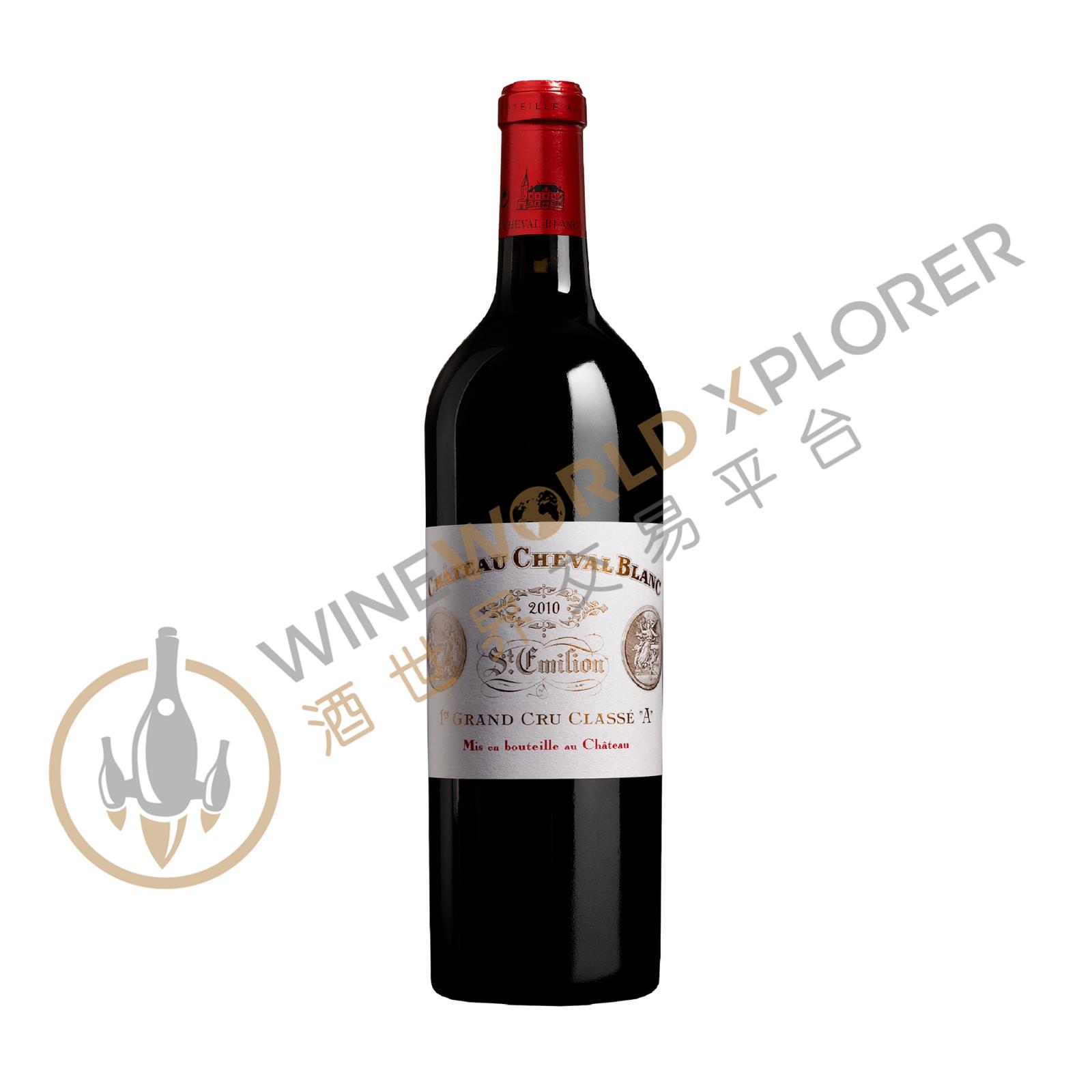
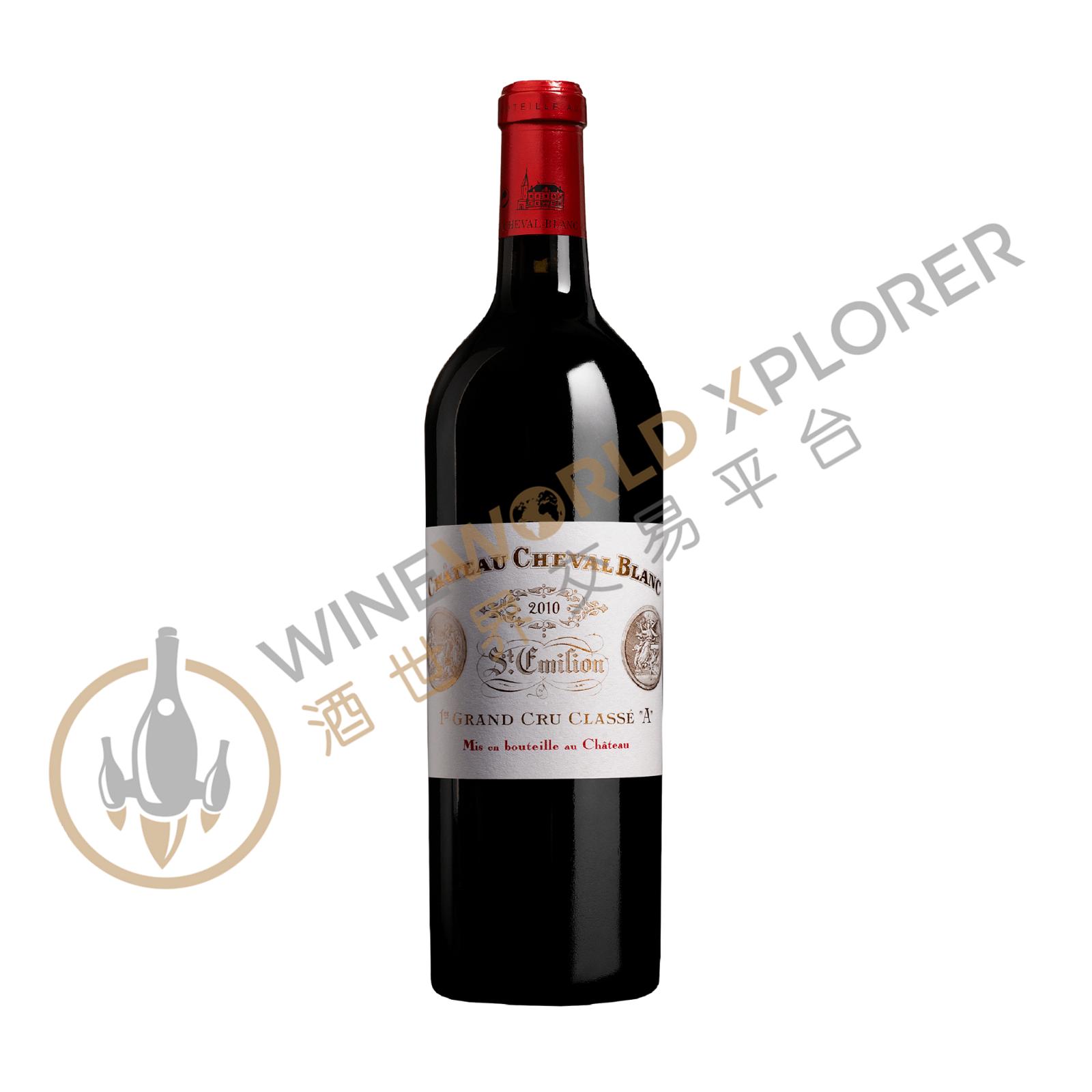
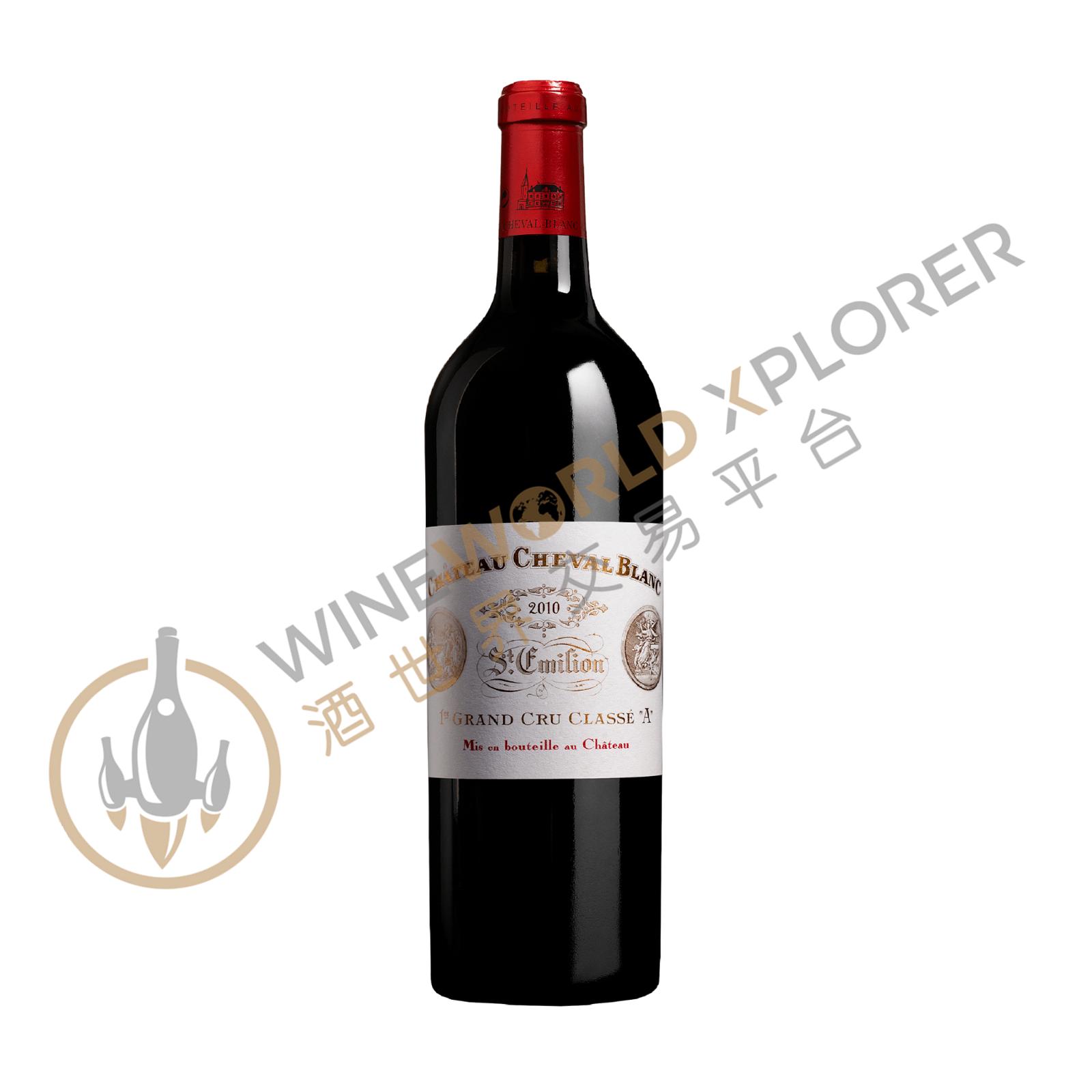
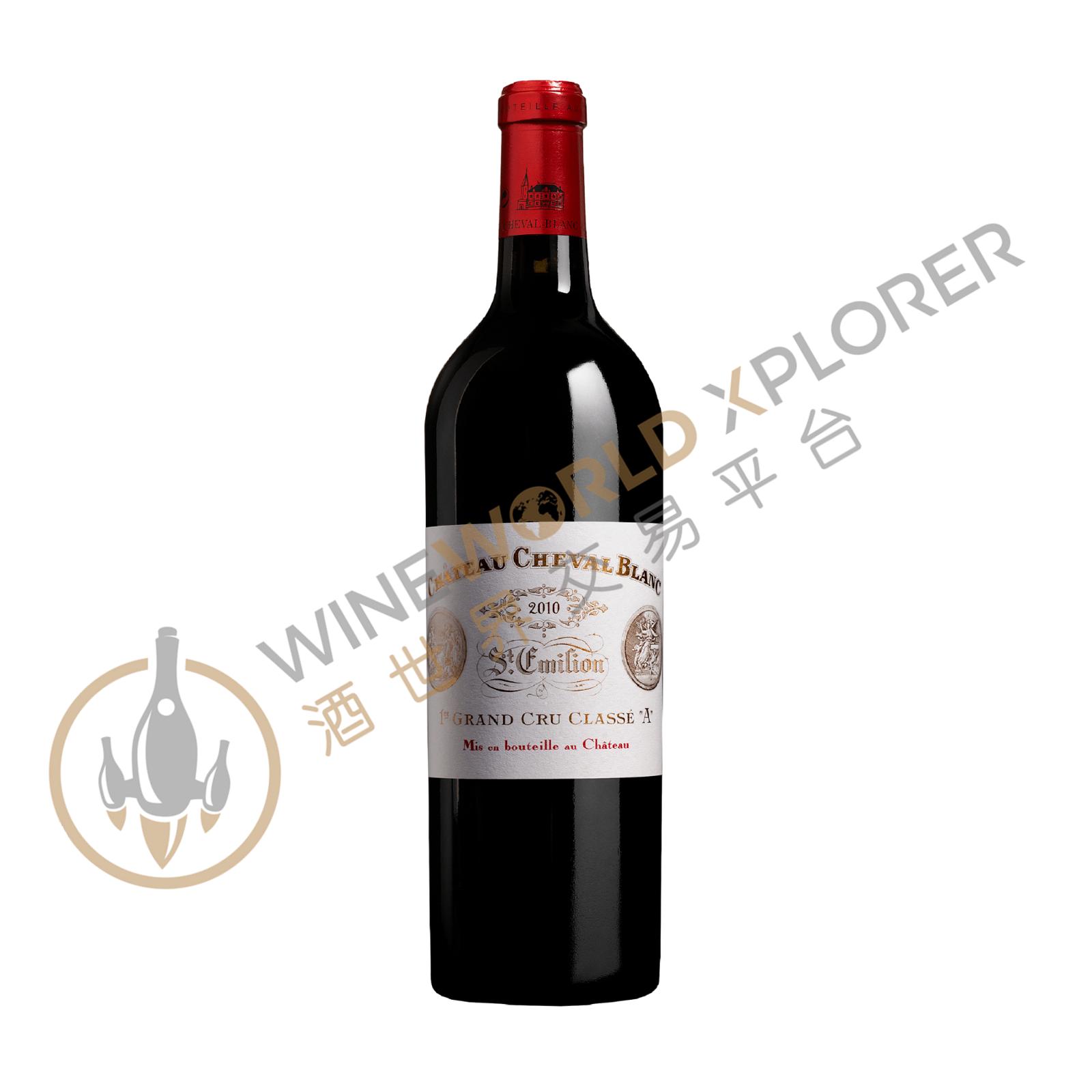
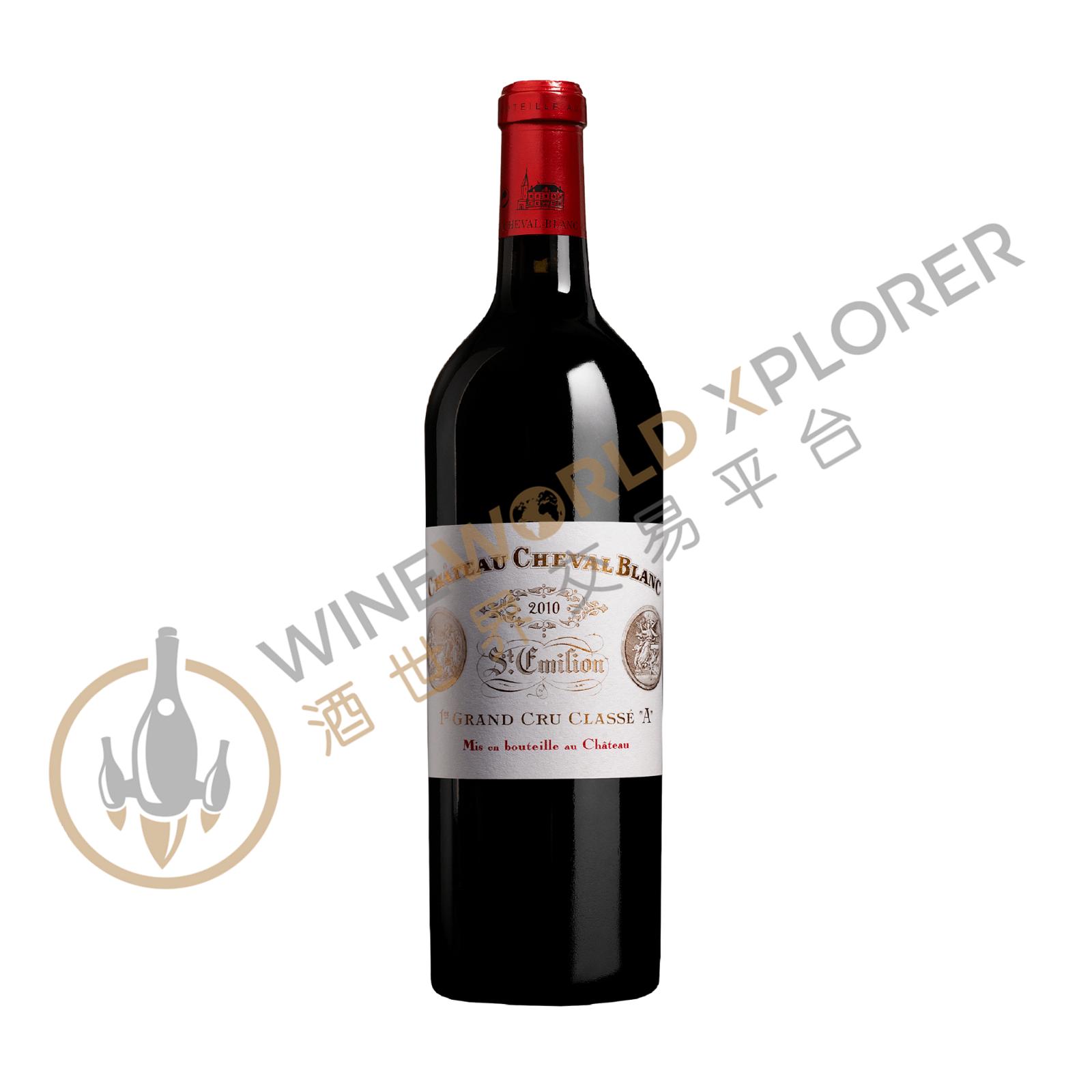
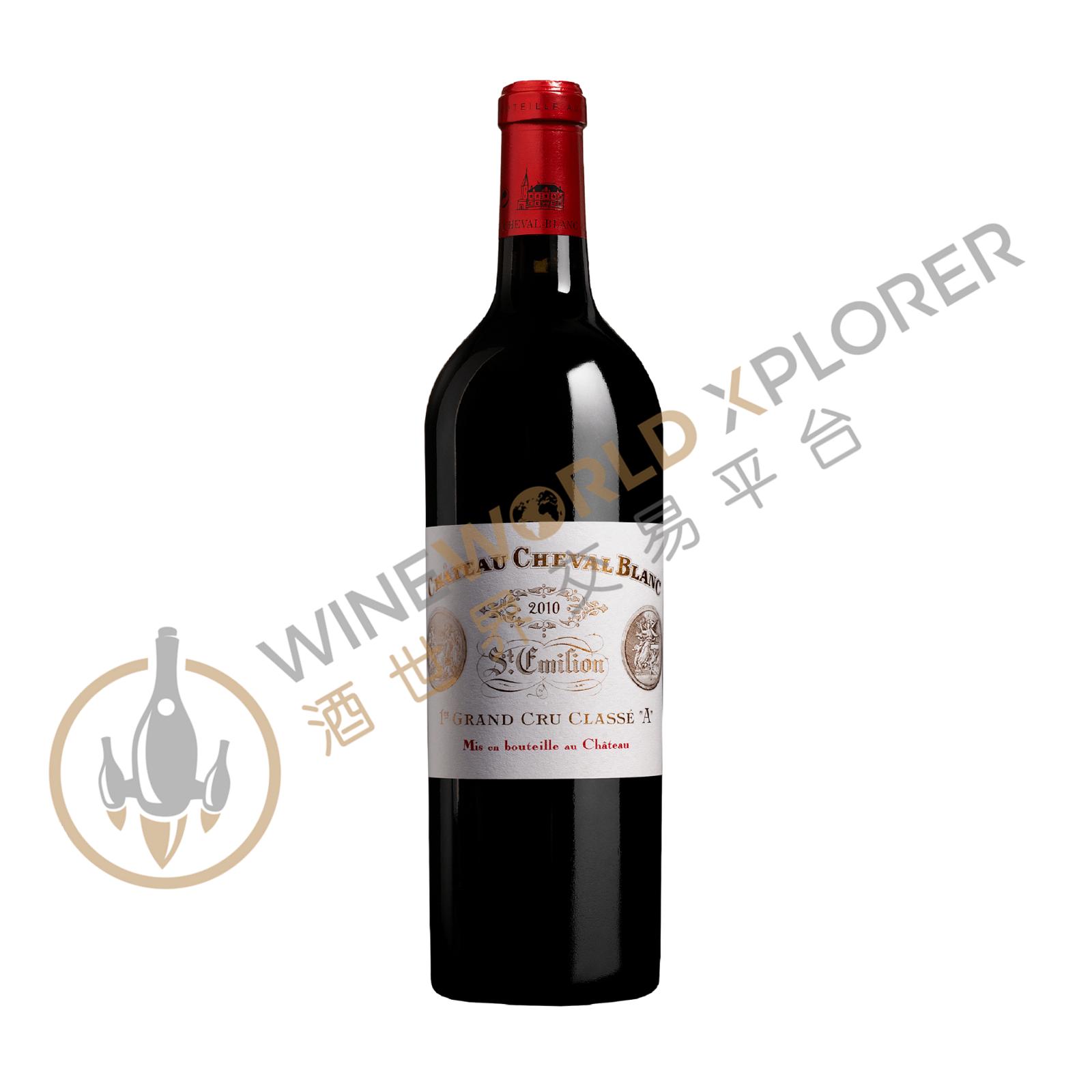
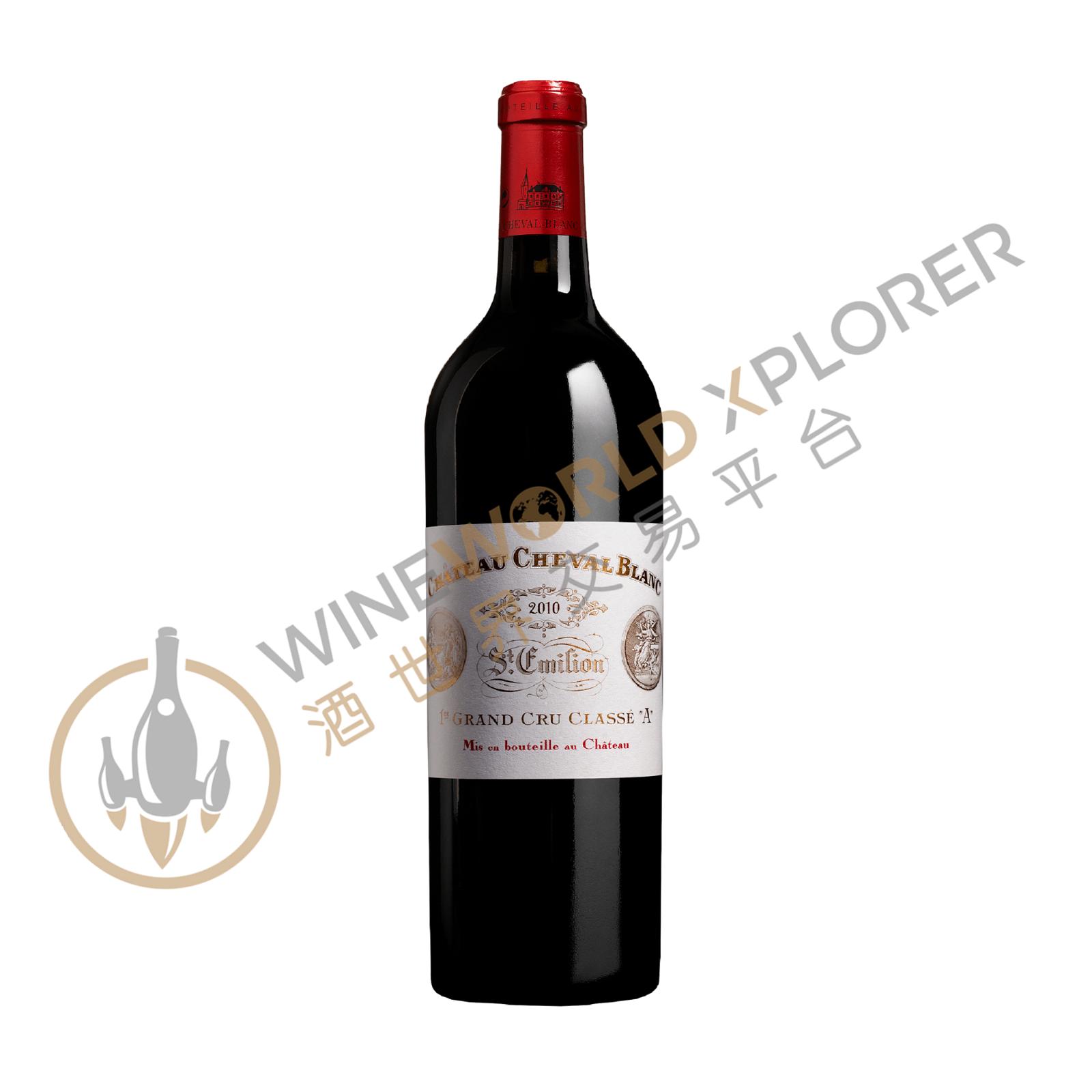
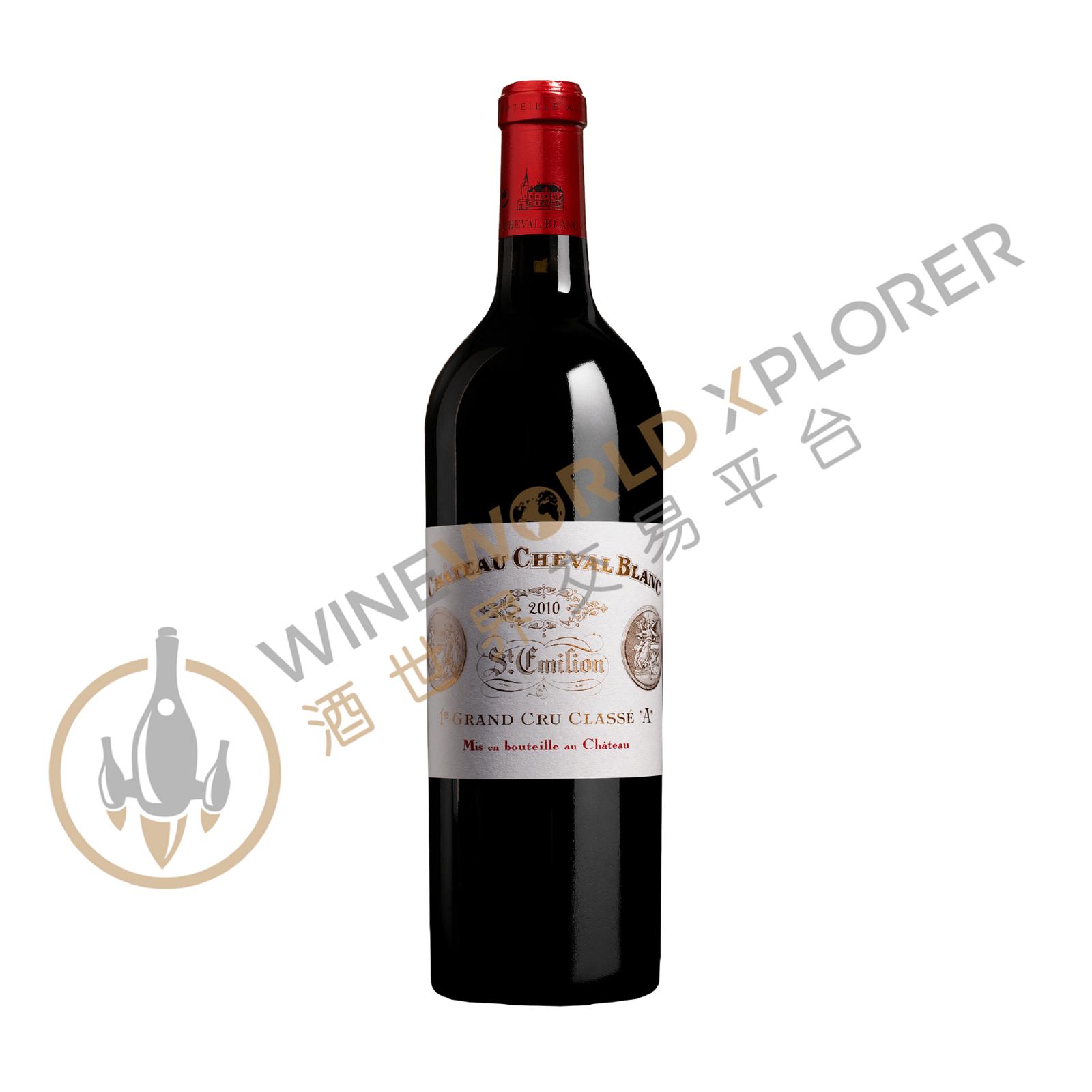
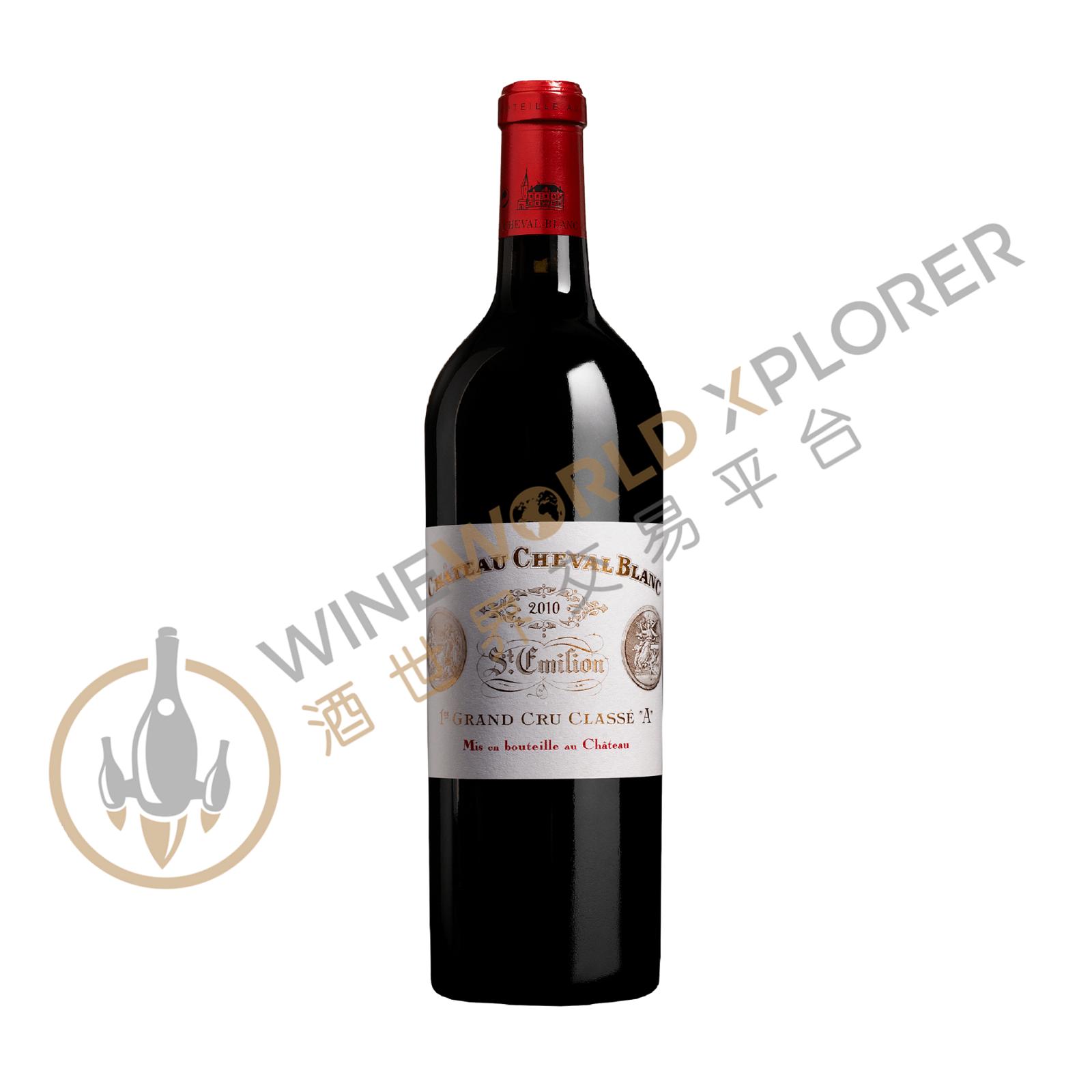
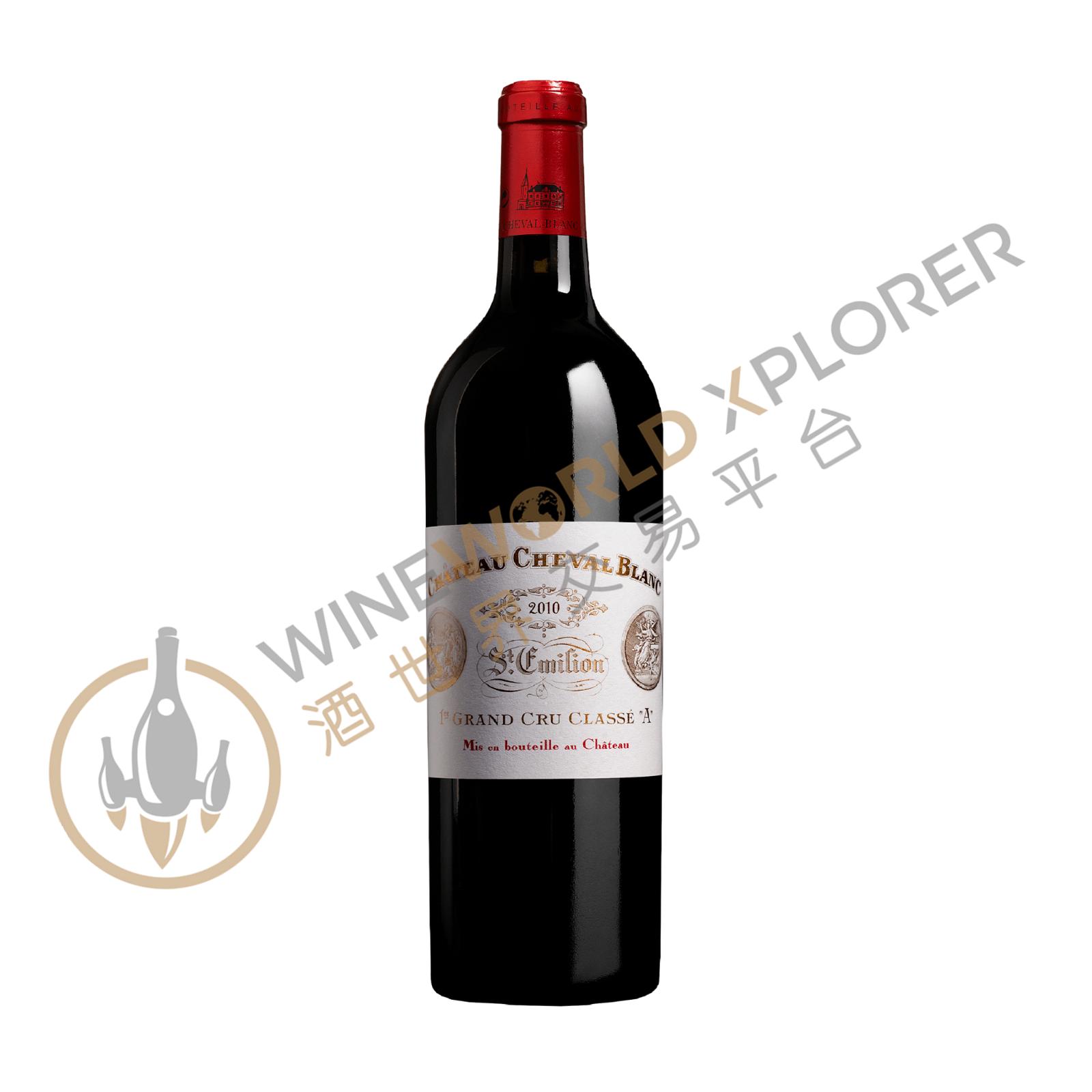
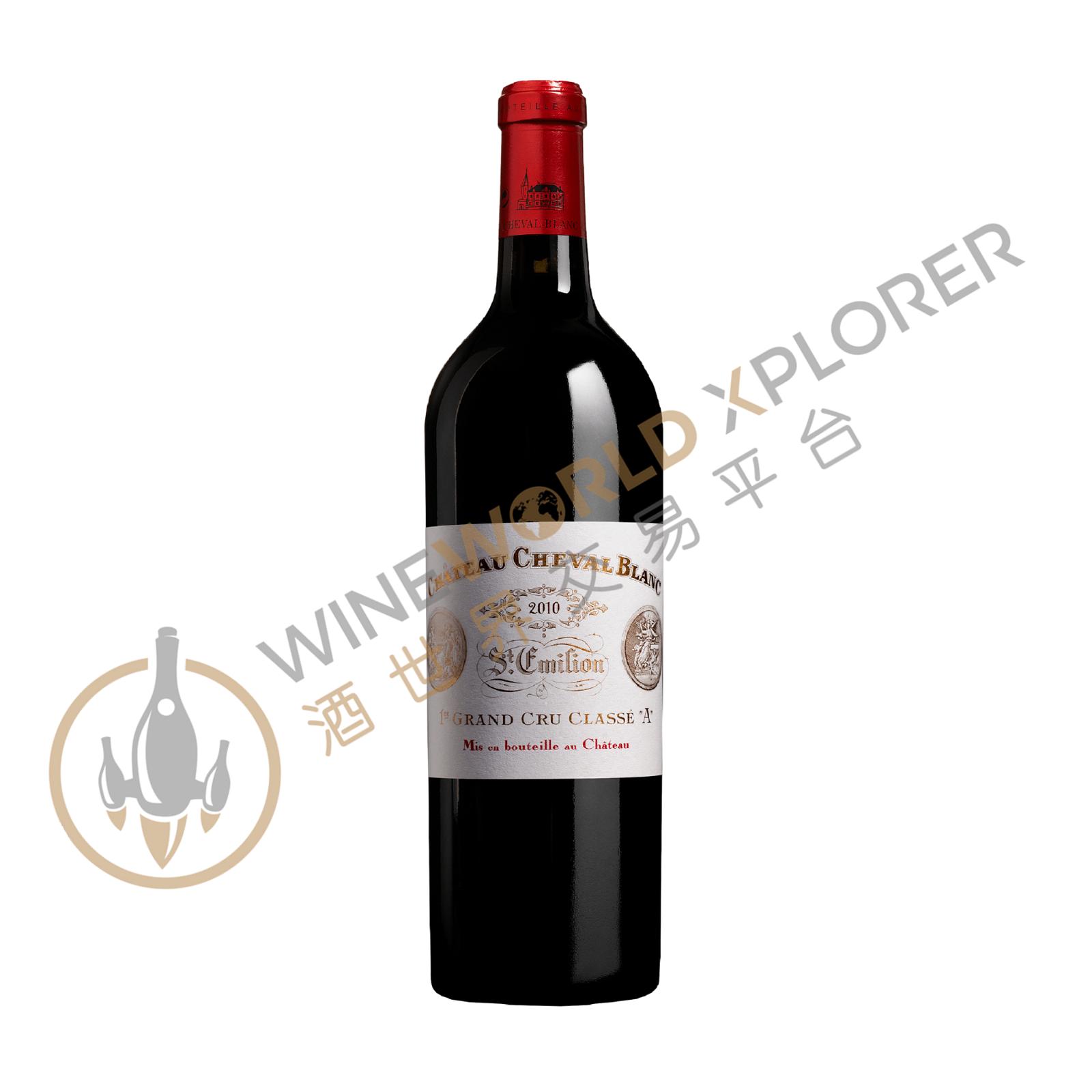
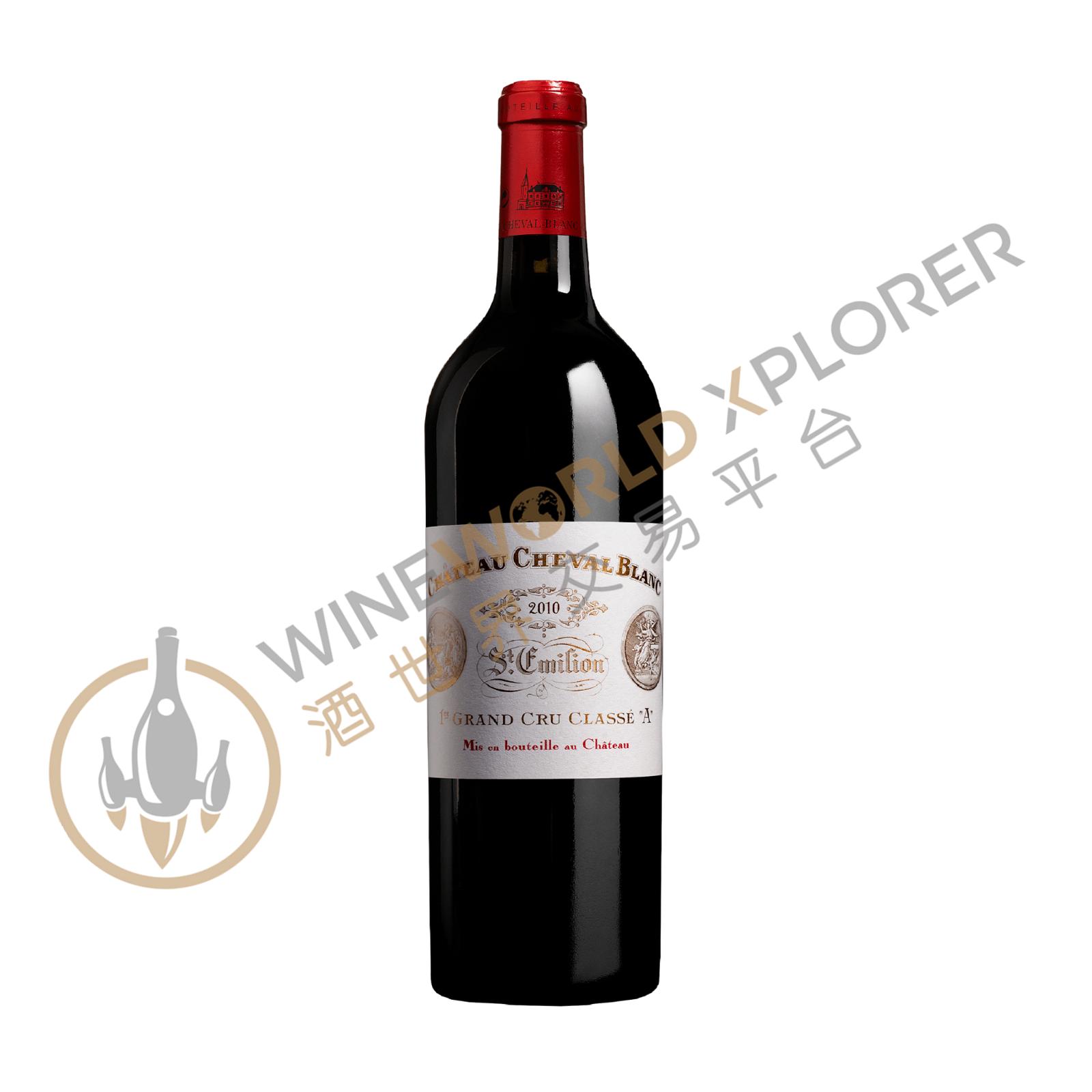
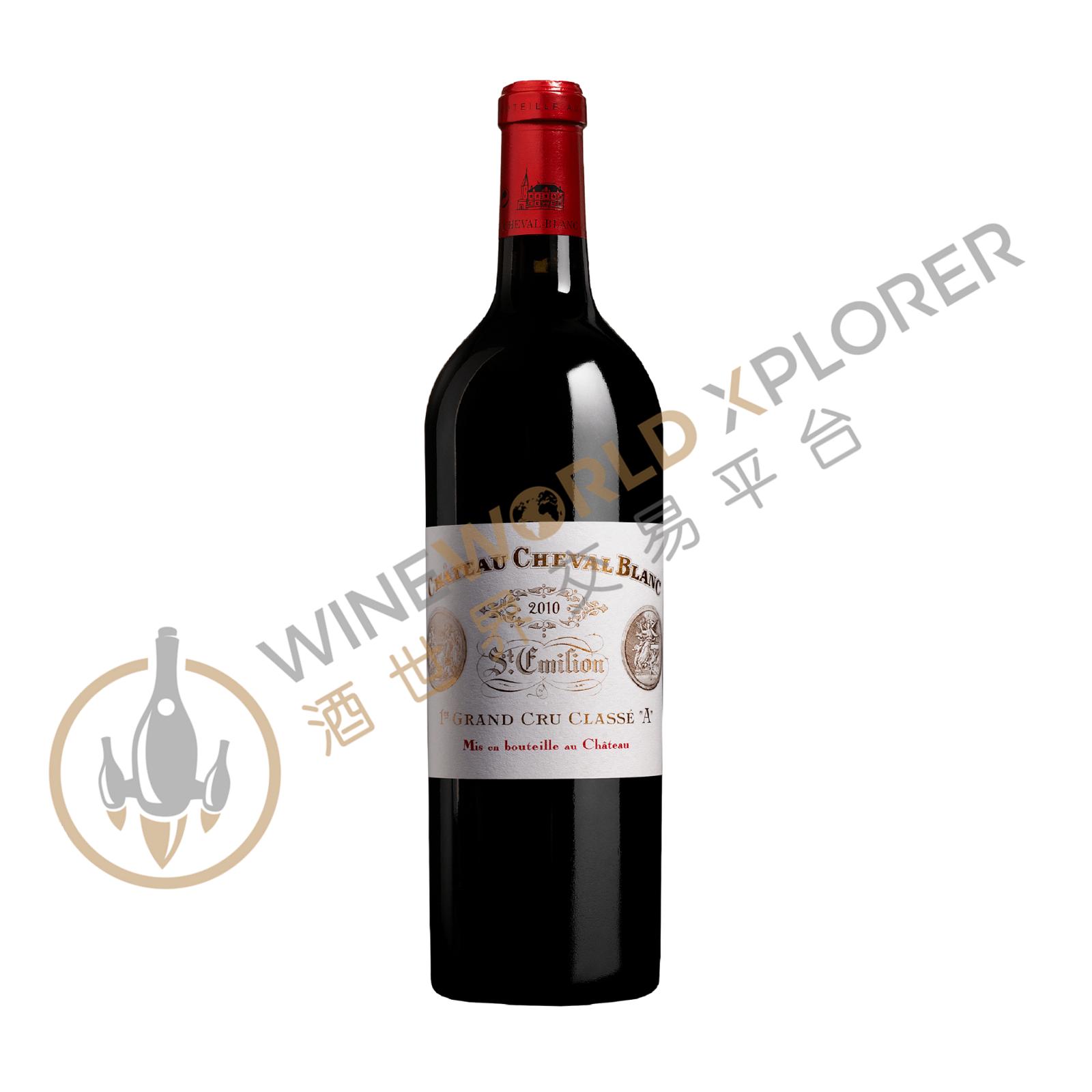
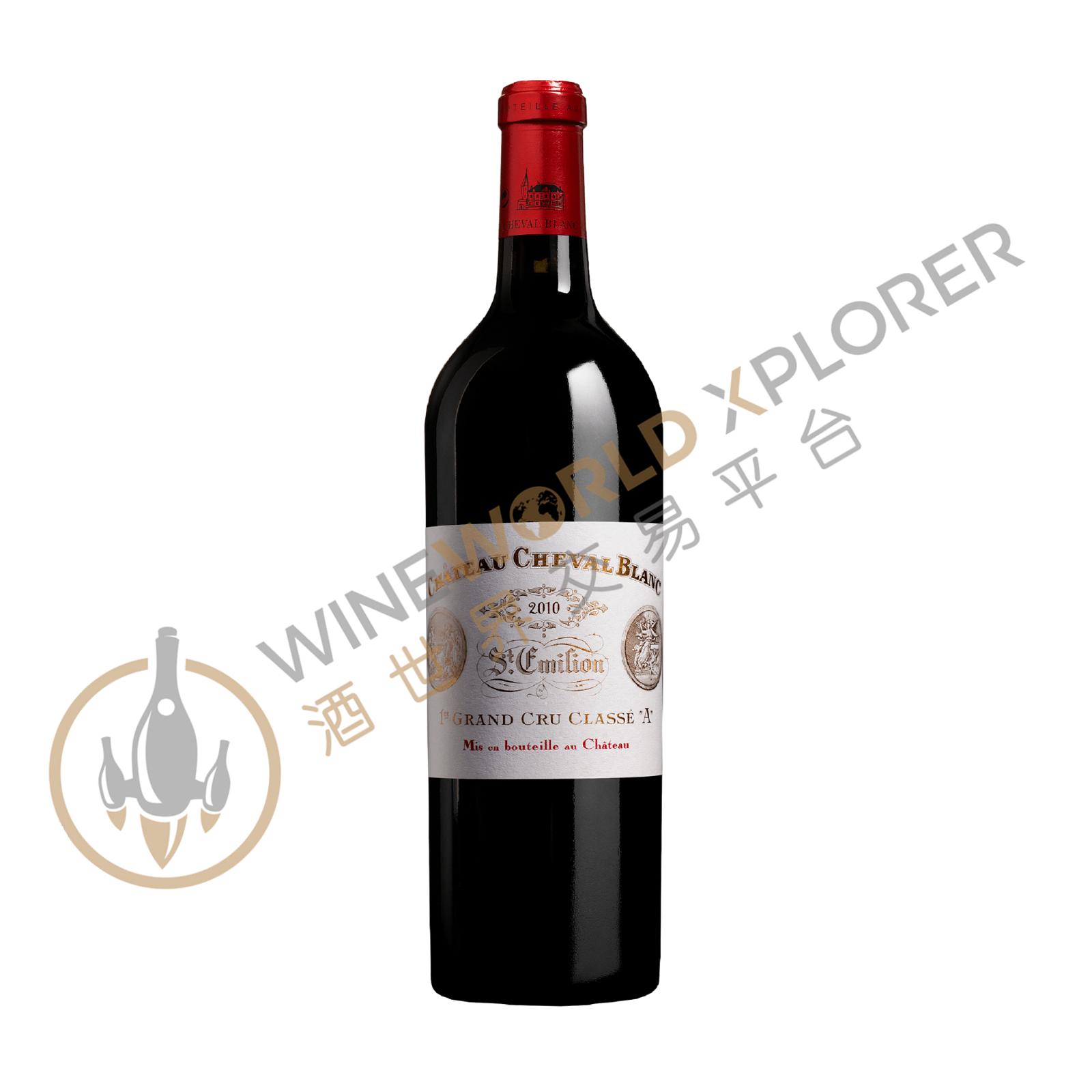
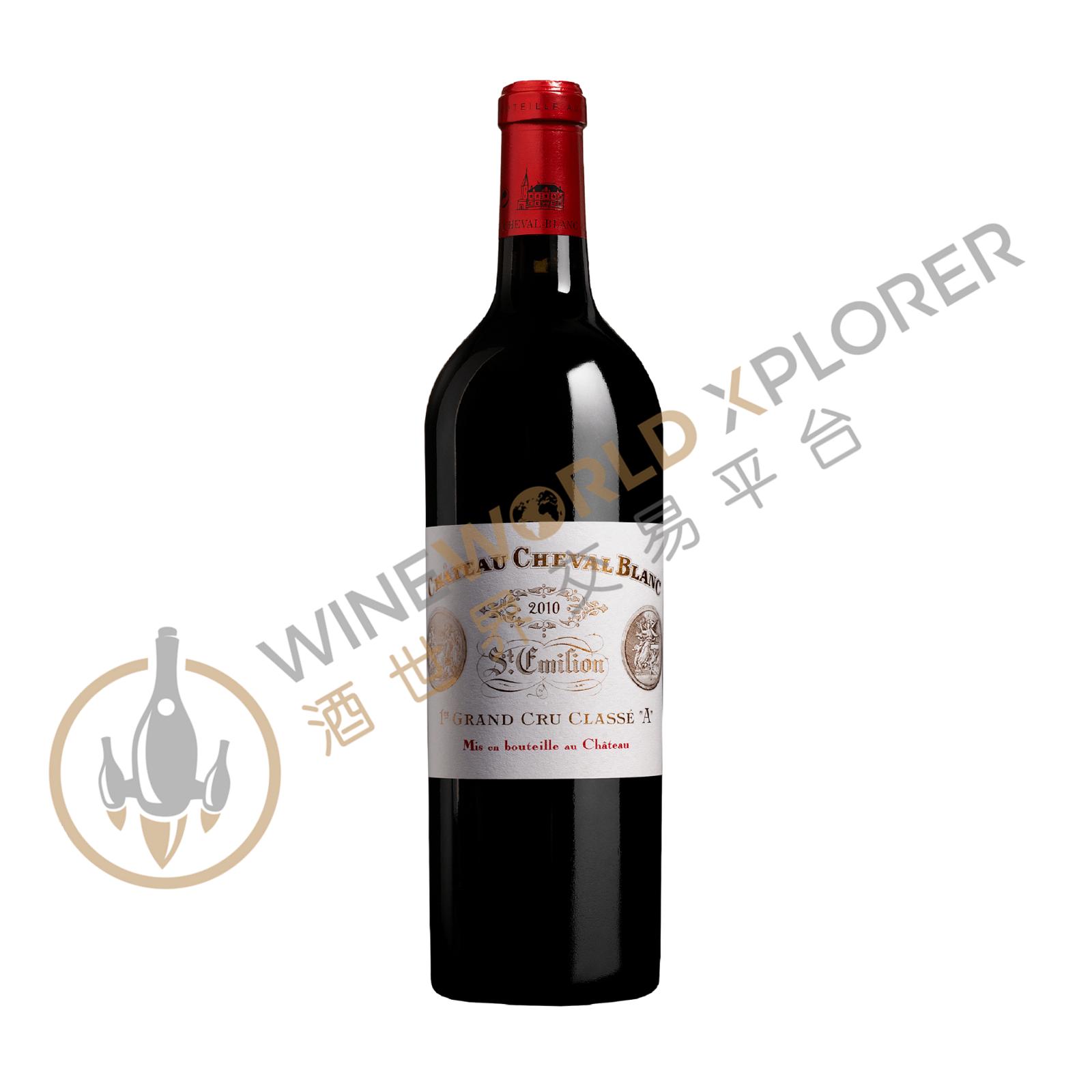
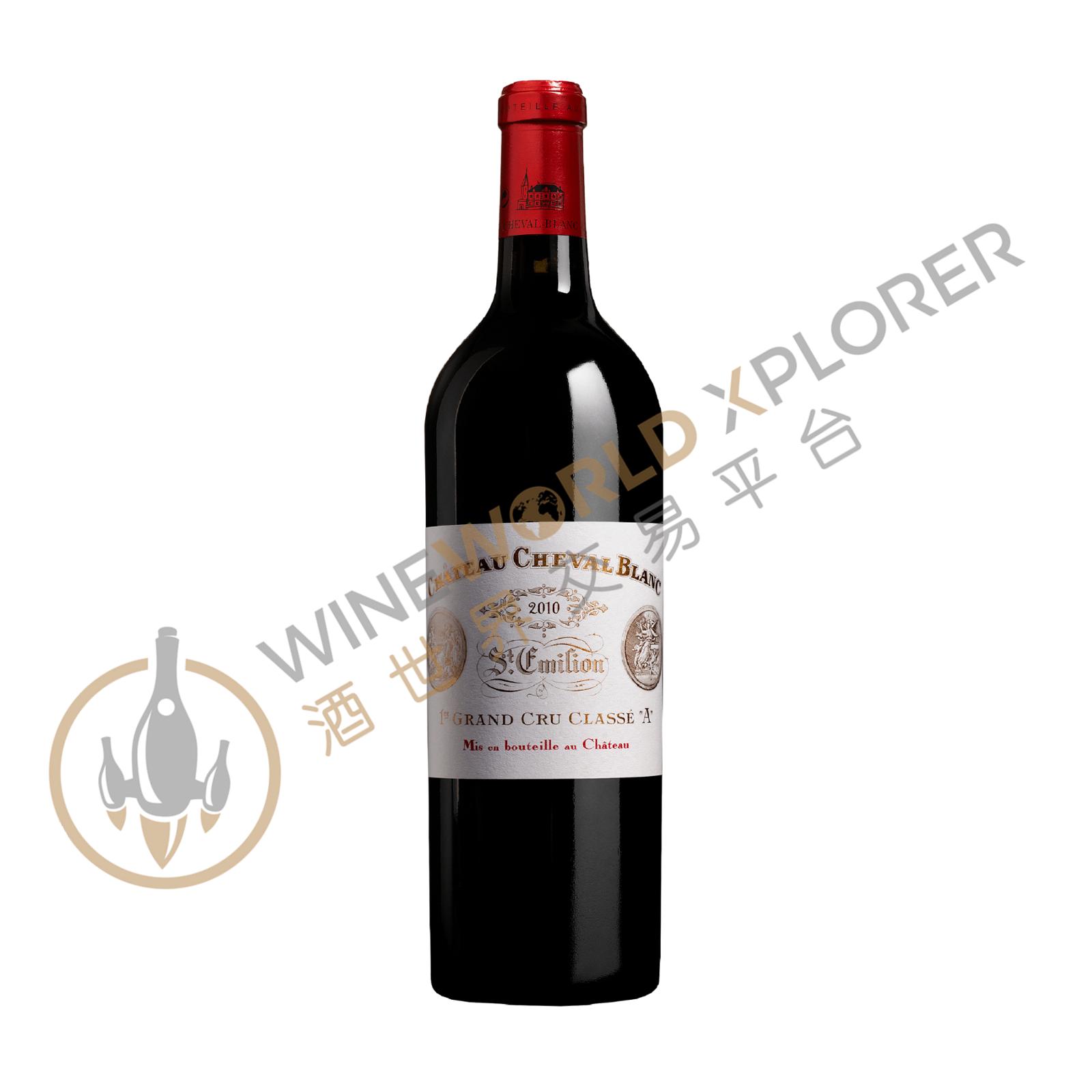
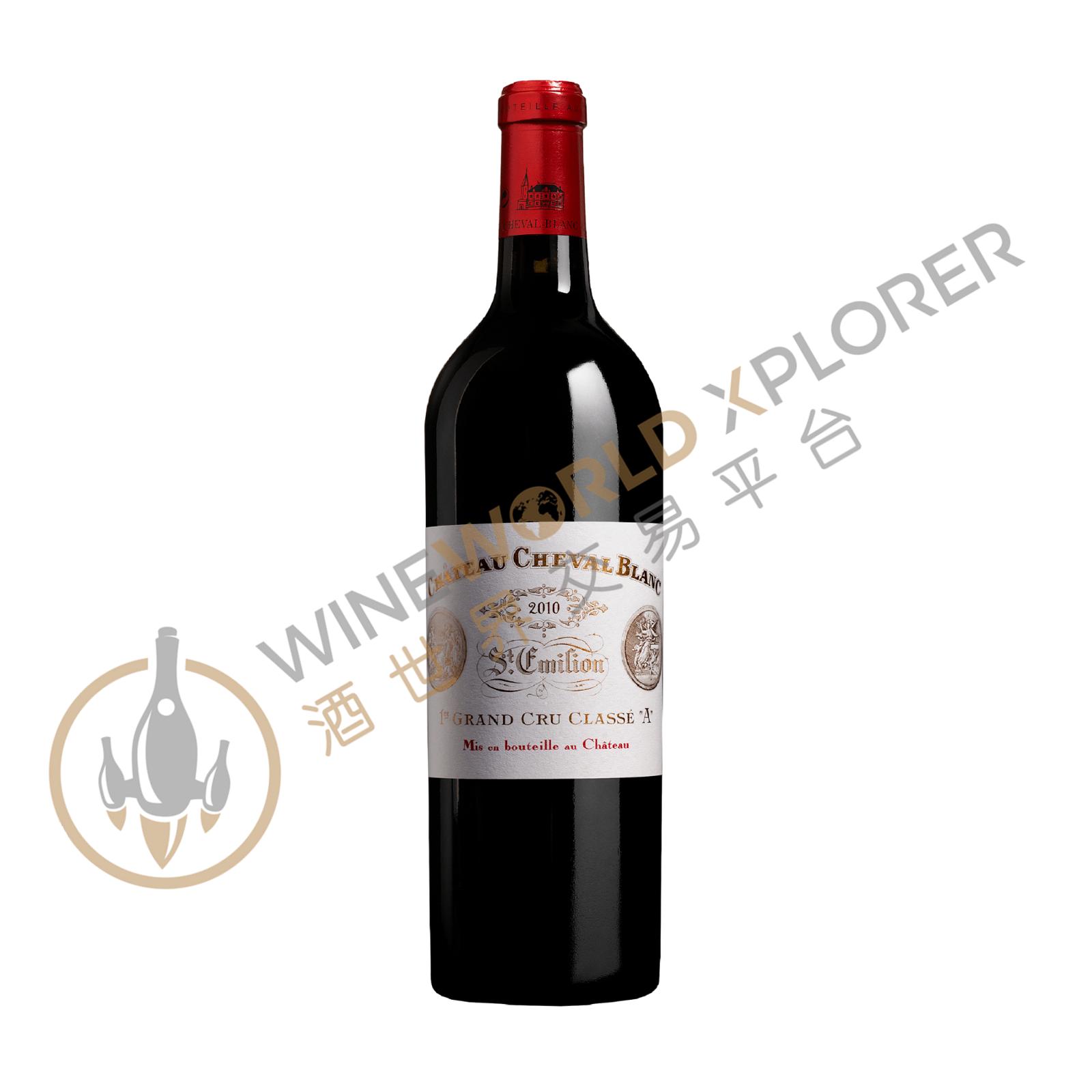
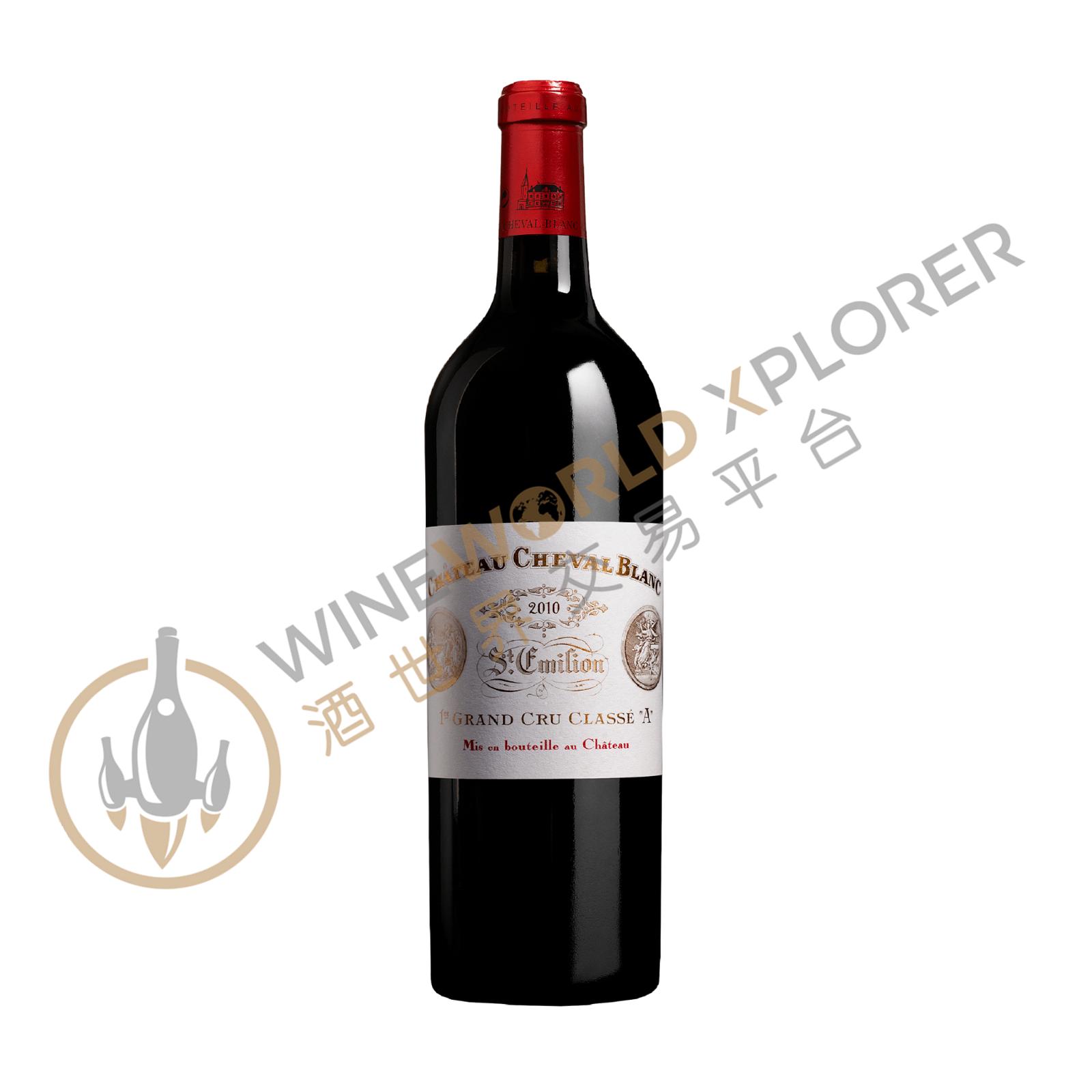
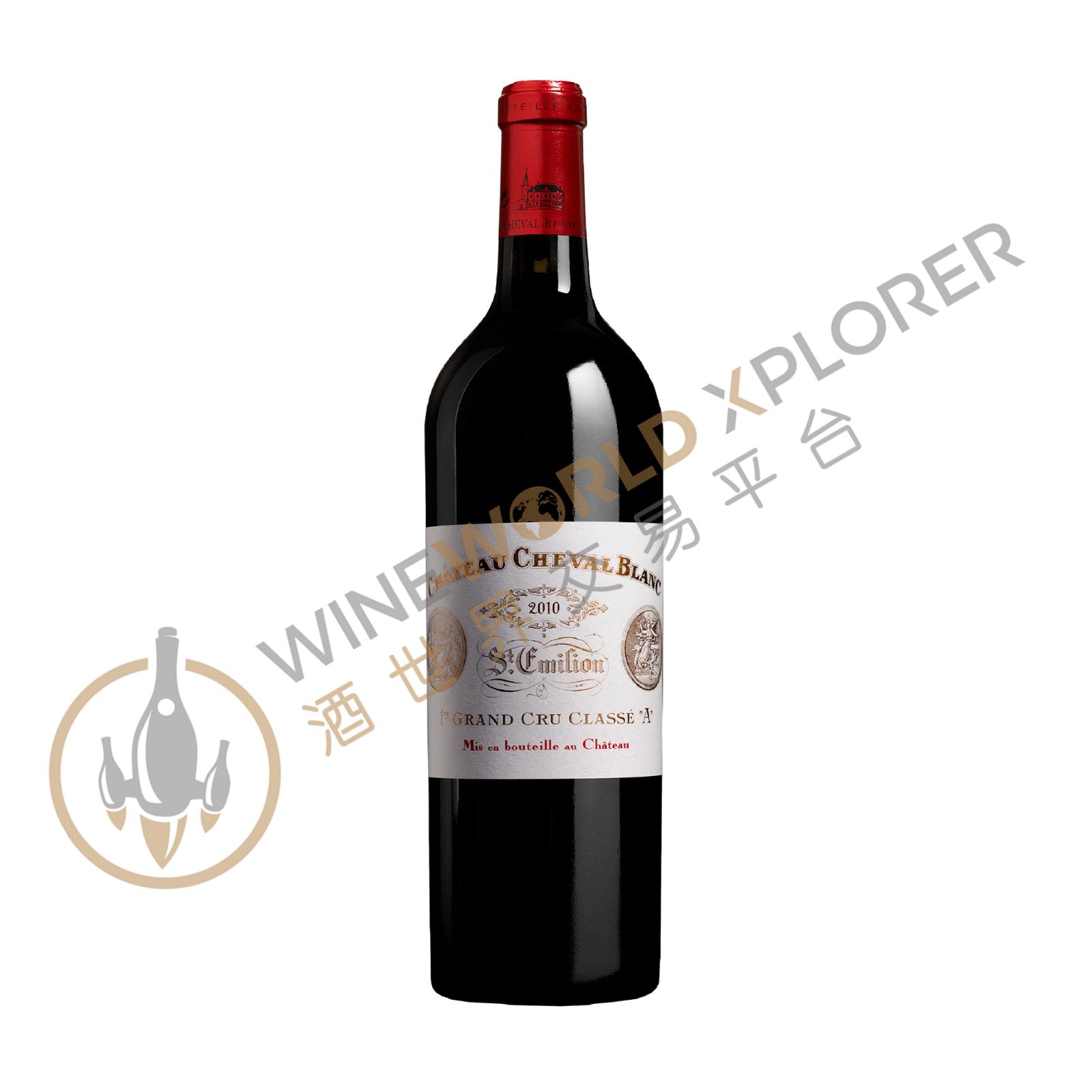
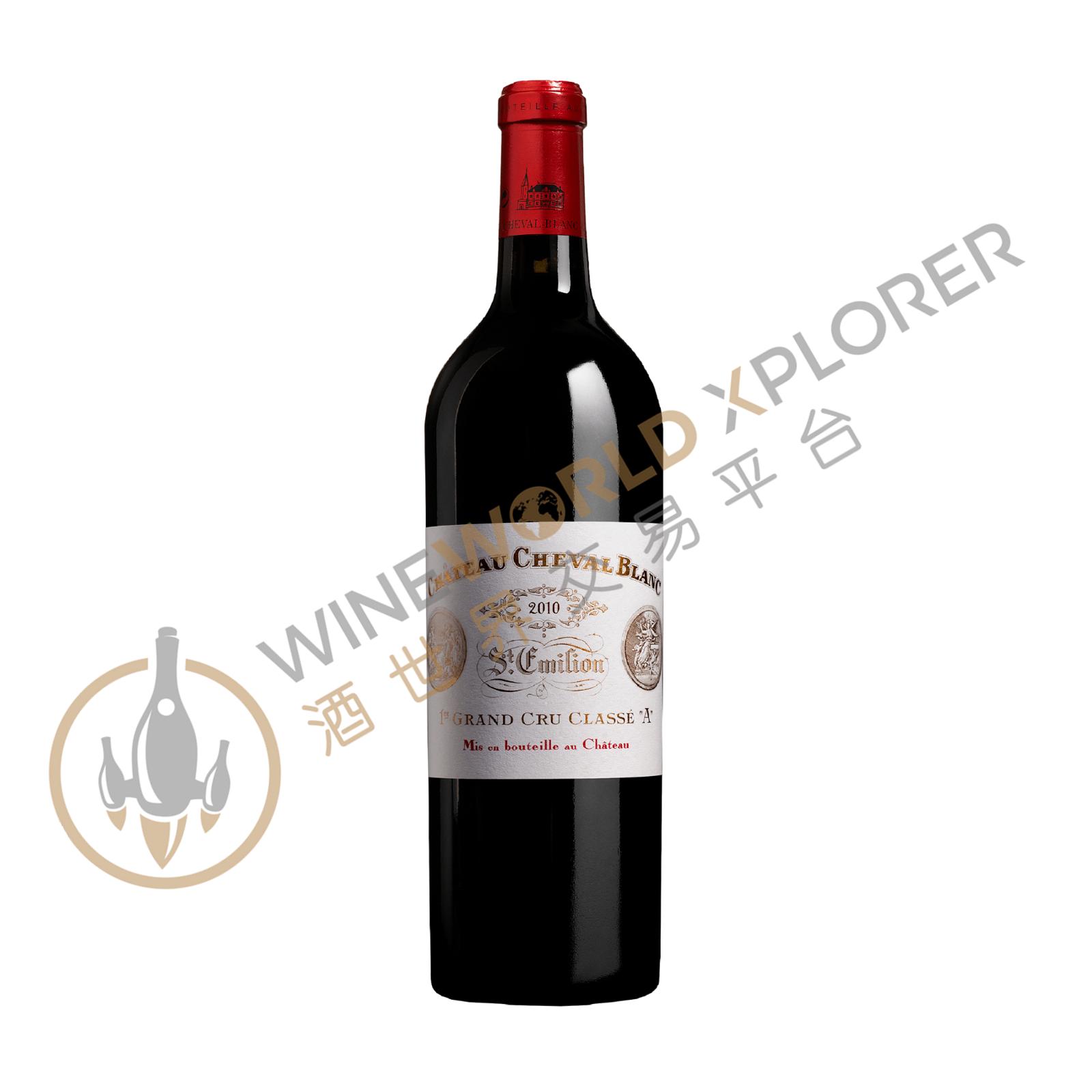
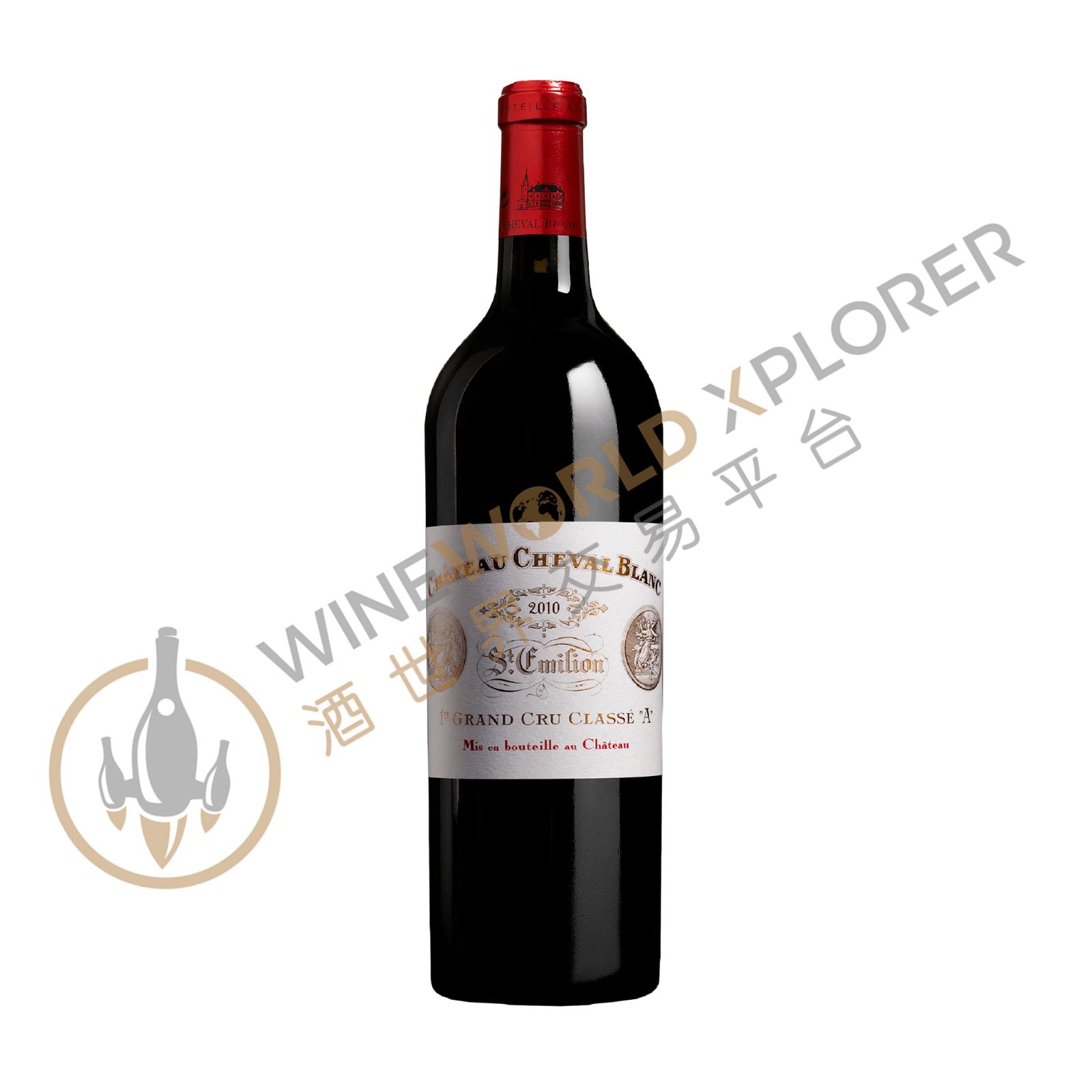
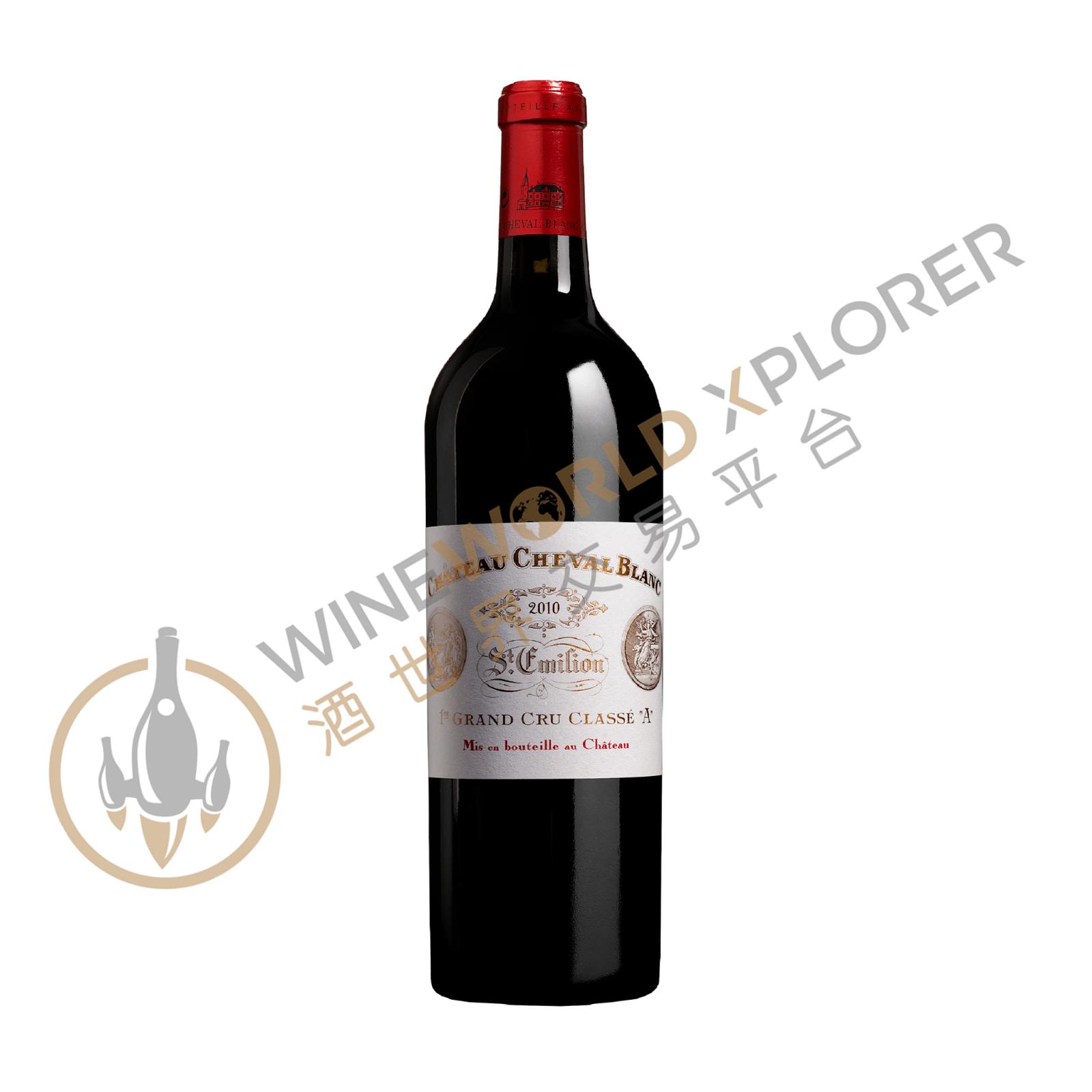
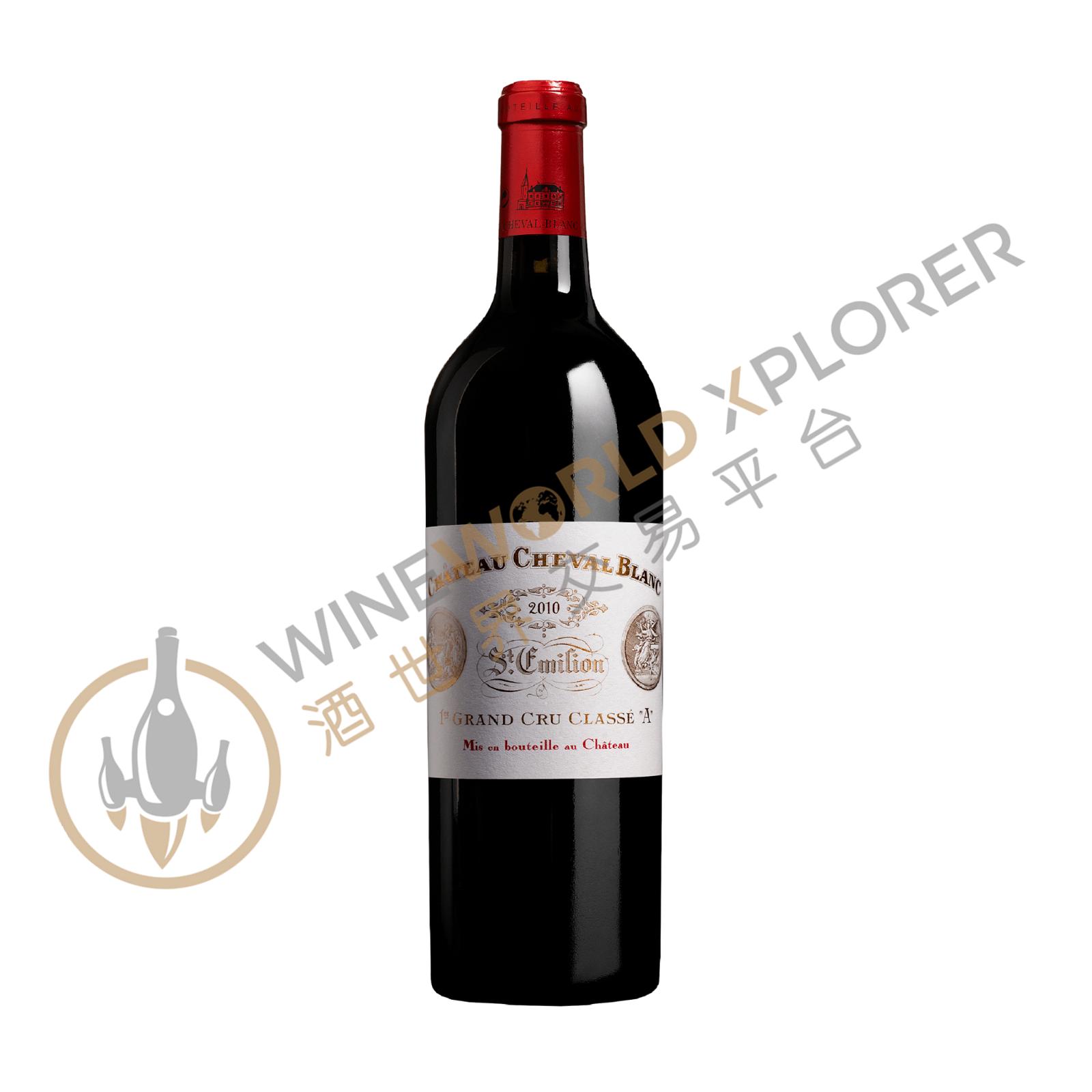
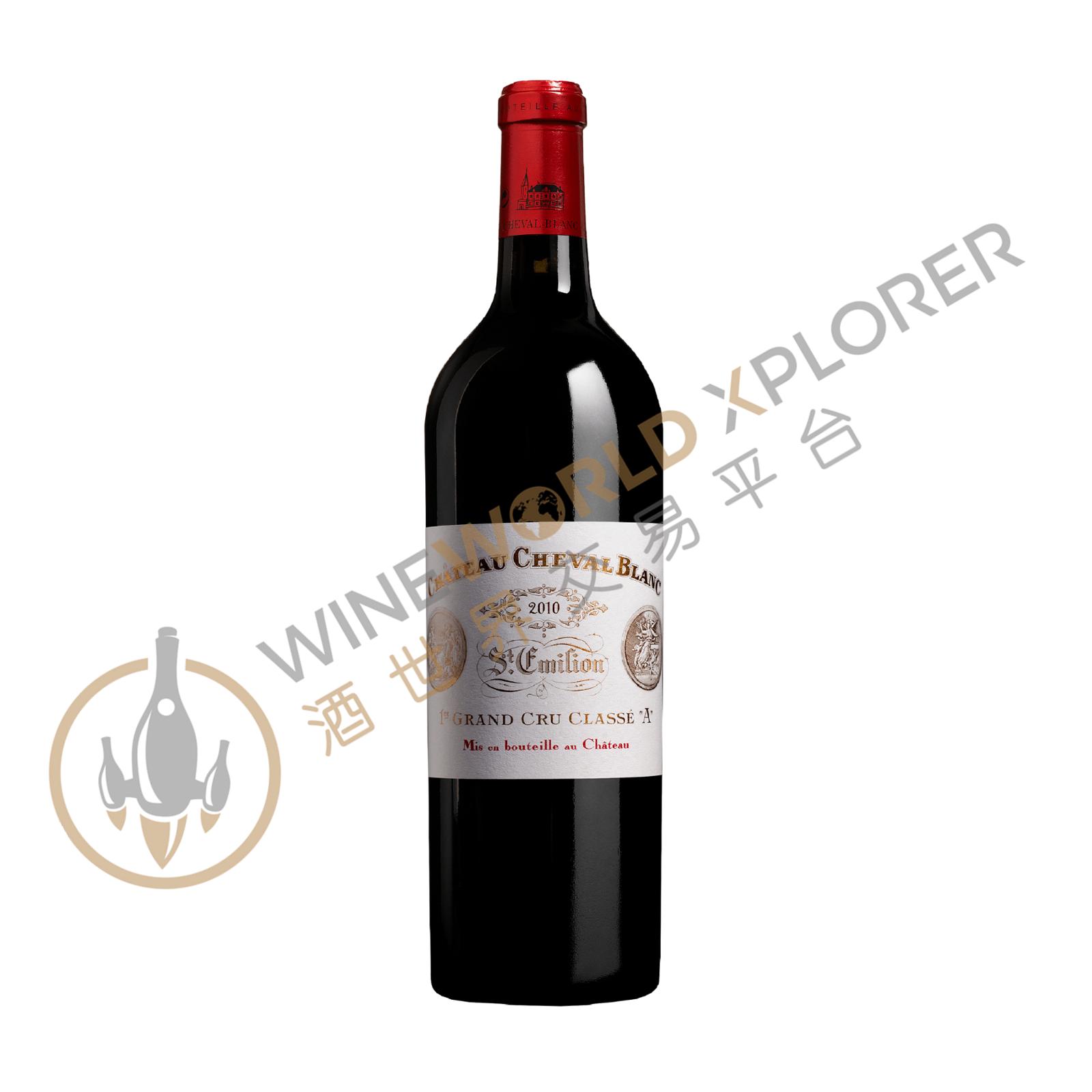
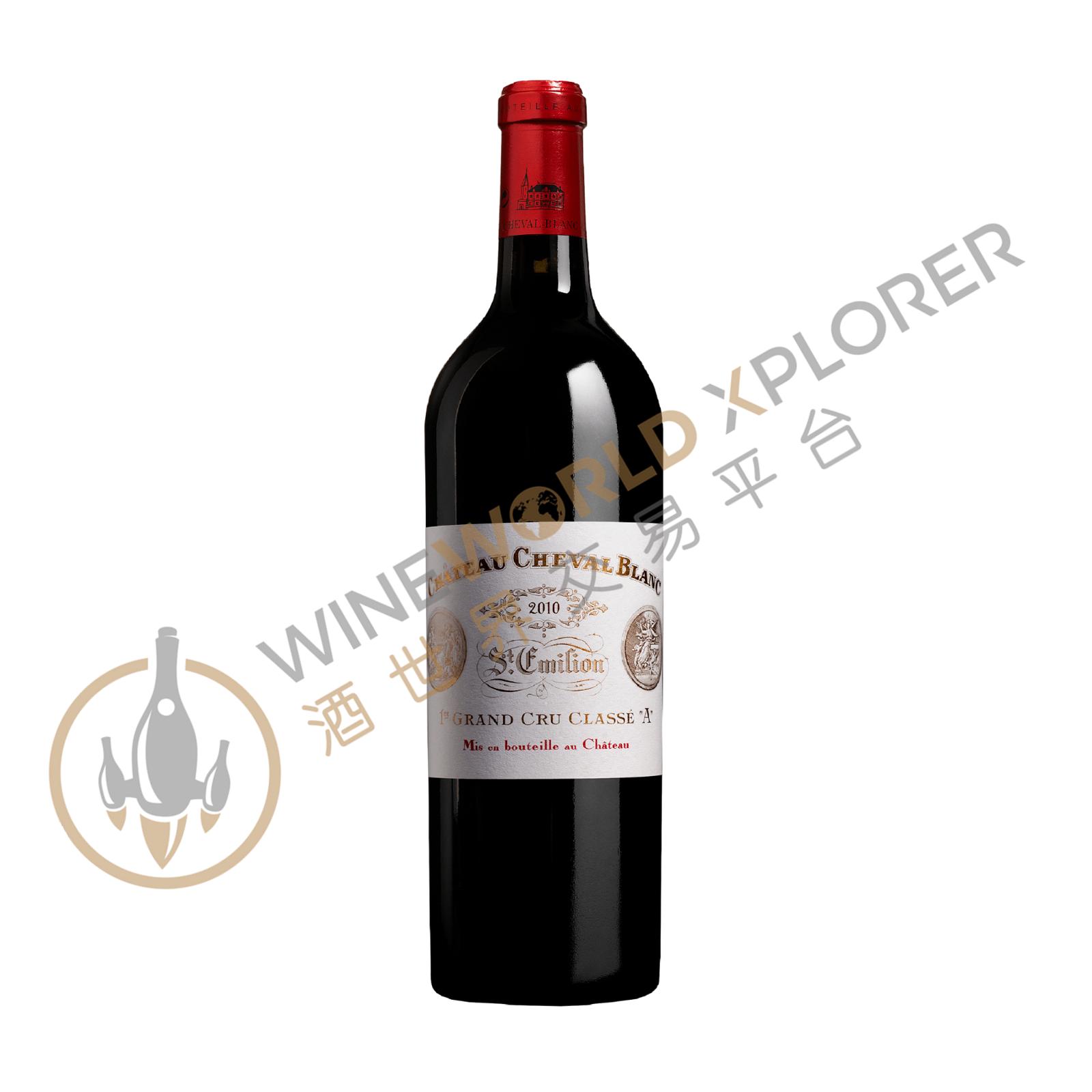
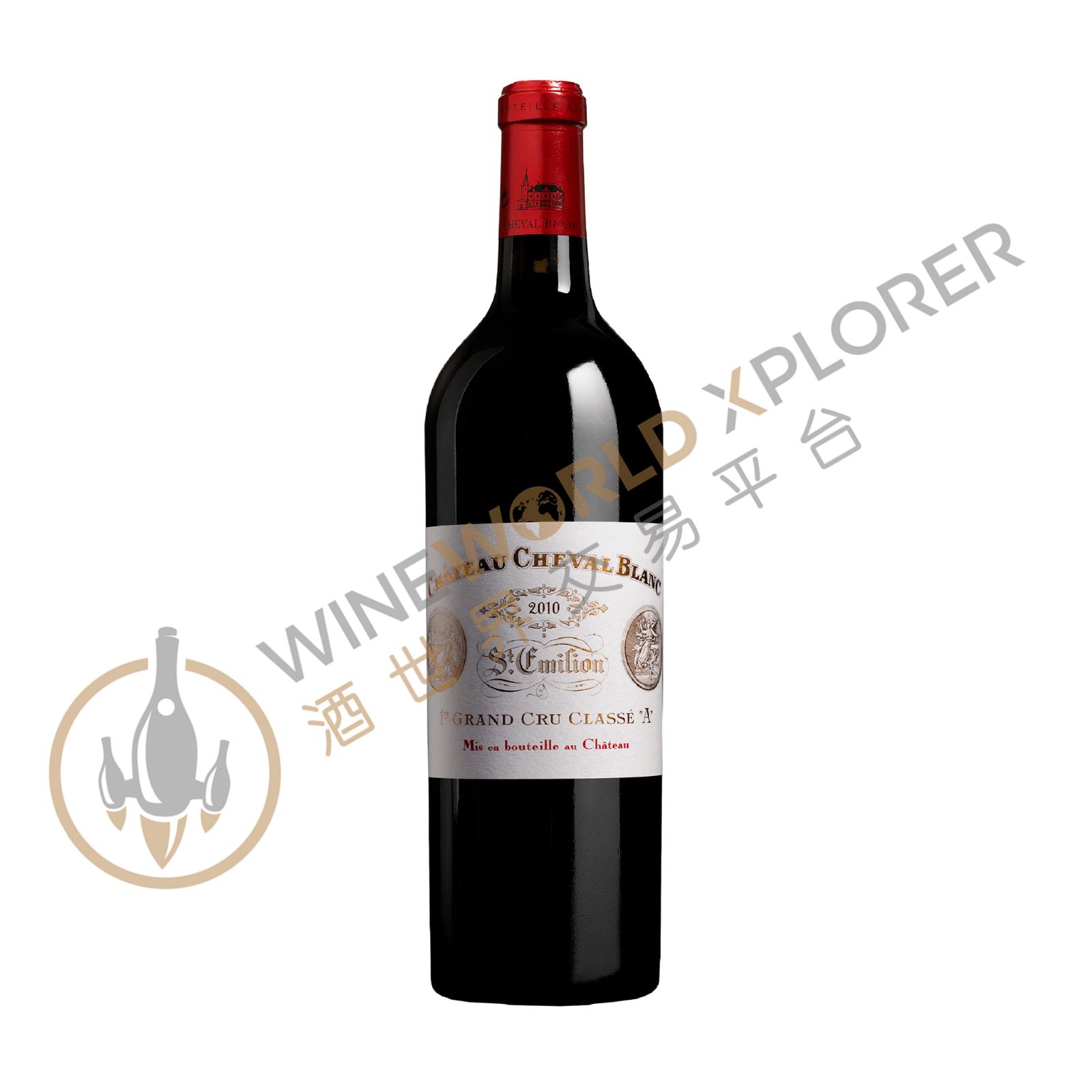
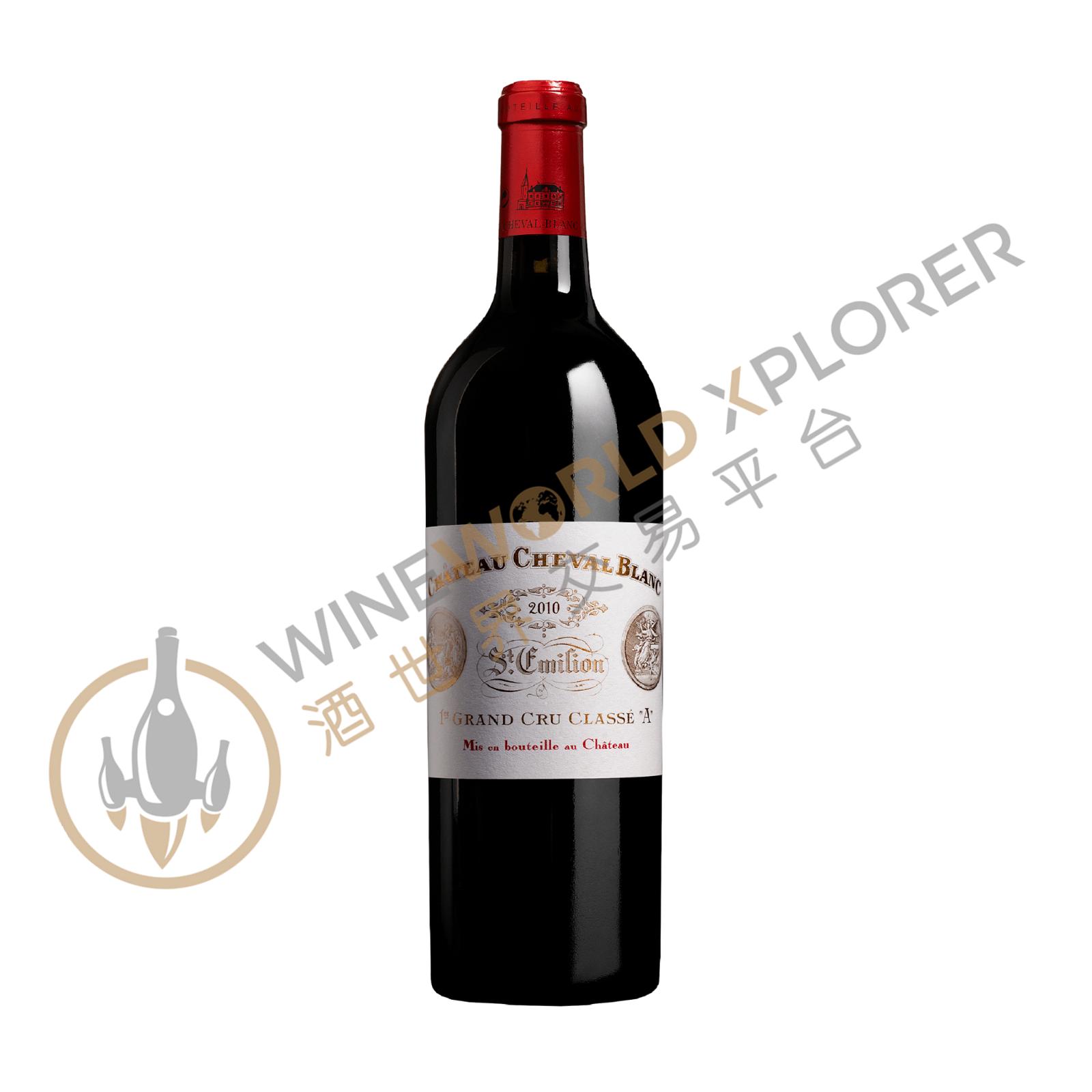
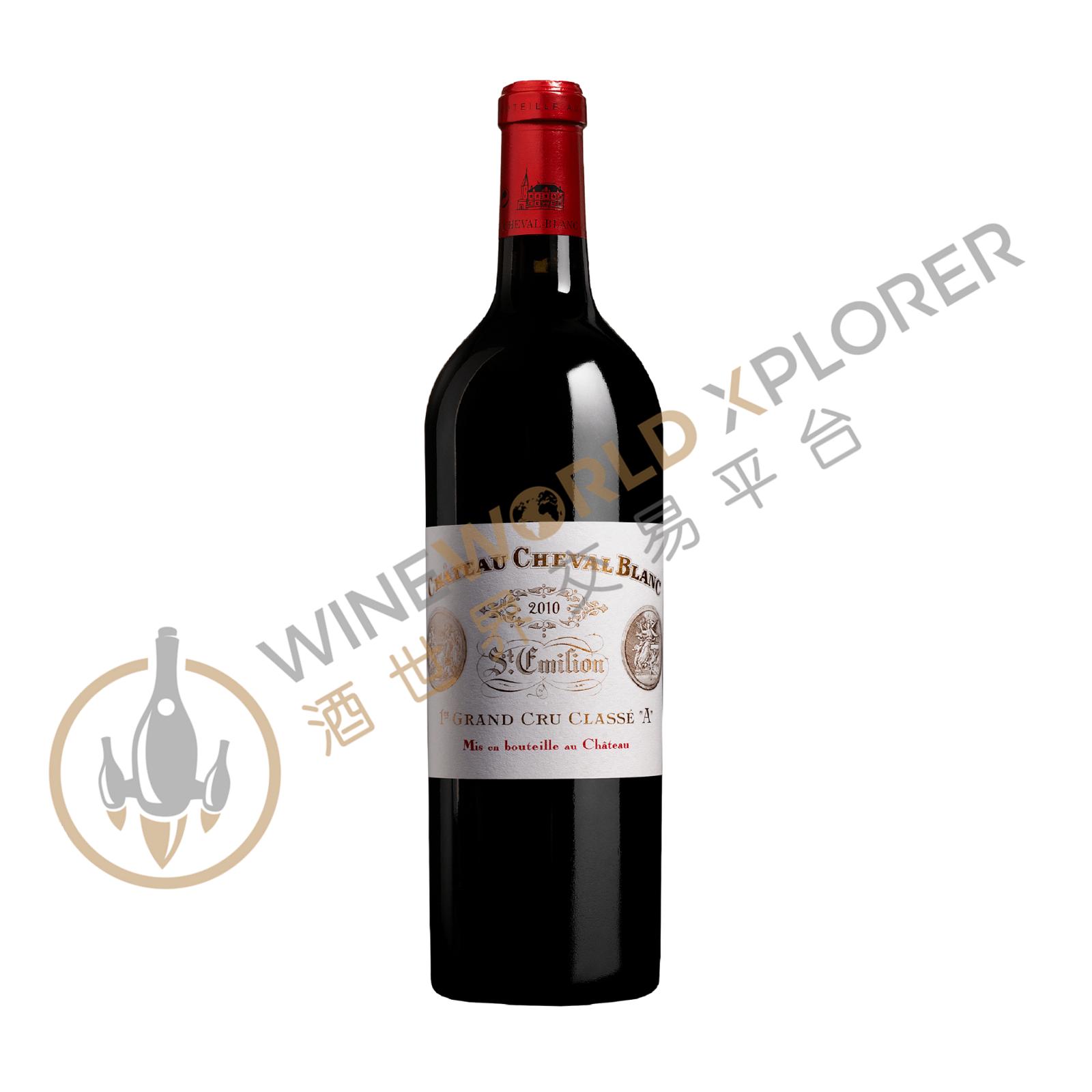
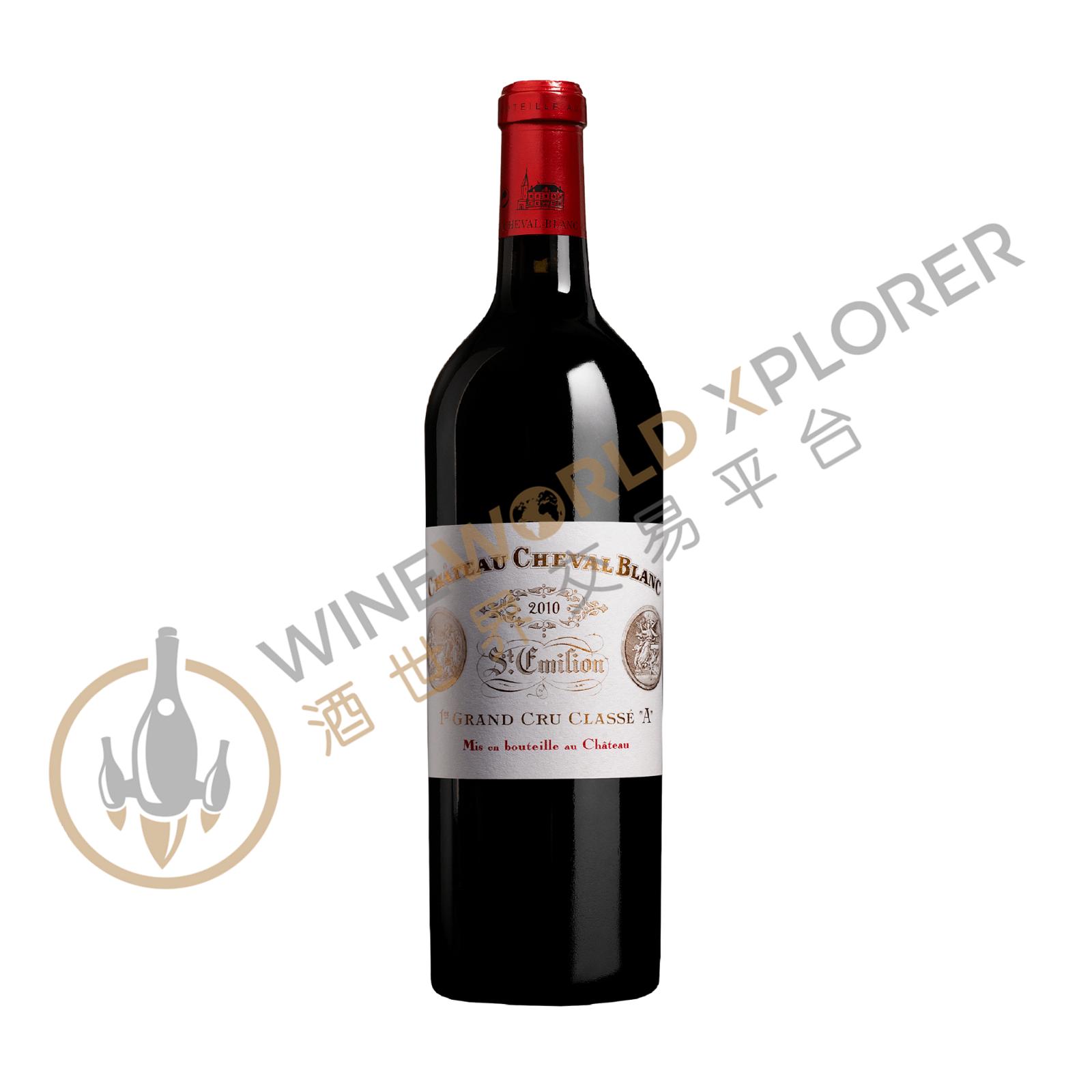
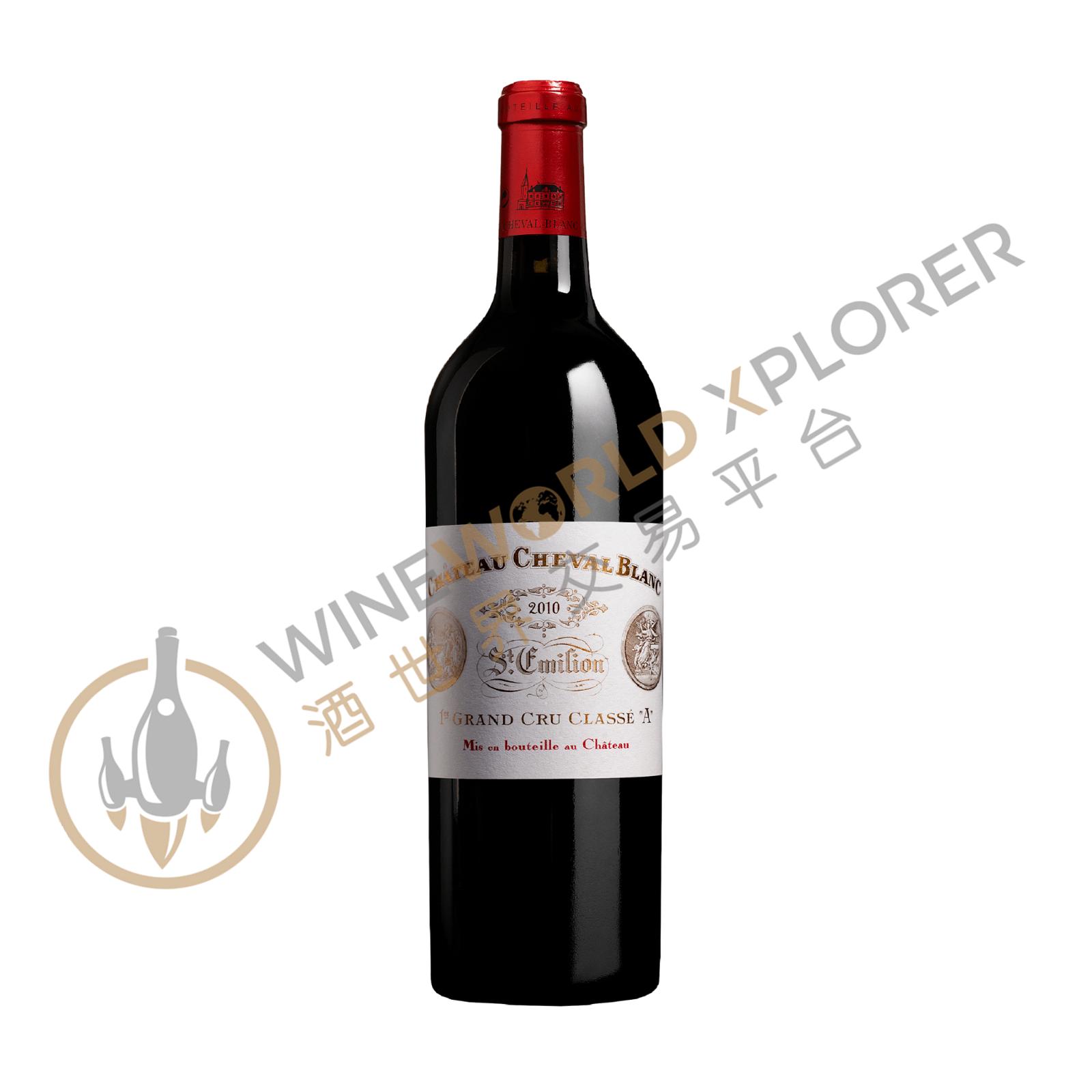
Château Cheval Blanc, a 1er Grand Cru Classé (A) is unquestionably the leading estate in St. Emilion. It is located in the north-west of the St. Emilion appellation, bordering Pomerol. Cheval Blanc obtained its first medal at the 1862 Universal Exhibition in London. In fact, a representation of this bronze medal is found on the château’s present-day label. Cheval Blanc won their first gold medal at the 1878 Universal Exhibition in Paris, and this new distinction also appeared on the label. In 1886, Cheval Blanc won a second gold medal at the Universal Exhibition in Antwerp. Reflecting this series of successes and a wine well on the way to achieving international recognition, a château was built on the estate.
Tasting notes

Reviewed by: Lisa Perrotti-Brown
The 2018 Cheval Blanc is a blend of 54% Merlot, 40% Cabernet Franc and 6% Cabernet Sauvignon, with a 3.75 pH and 14.5% alcohol. Deep garnet-purple colored, it needs considerable swirling and air to releases fragrant notes of stewed plums, juicy black cherries and ripe blackberries with underlying suggestions of damp soil, black truffles, rose oil and cardamom with wafts of underbrush and iron ore. The medium to full-bodied palate is densely packed with rich black fruits and loads of earthy accents, framed by super firm, grainy tannins and seamless freshness to balance, finishing with amazing length and a beautiful array of floral and mineral sparks. Thirty-three plots contributed to this wine, out of the forty-three in production. Of the rest, five went into Petit Cheval and five into bulk. It will need a good 6-7 years at least to really start to strut its stuff and should cellar for a further 30 years or more.
Reviewed by: Lisa Perrotti-Brown
Thirty-three plots contributed to this wine, out of the 43 in production. Five went into Petit Cheval and five into bulk. The 2018 Cheval Blanc is a blend of 54% Merlot, 40% Cabernet Franc and 6% Cabernet Sauvignon, with a 3.75 pH and 14.5% alcohol. Deep purple-black in color, the nose is more open at the core of the wine than the Le Petit Cheval, strutting out of the glass with bold, ripe black cherries, cassis, warm plums and raspberry preserves notes. With coaxing, a whole array of fragrant spice, floral and earth notes emerge, followed by candied violets, star anise, powdered cinnamon, iron ore, tapenade and truffles plus wafts of camphor and mocha. Medium to full-bodied, the palate is firm yet possesses a beautifully plush structure of velvety tannins wrapping round the densely packed, complex, fragrant fruit, with seamless freshness and a very long, layered finish.
Reviewed by: Antonio Galloni
The 2018 Cheval Blanc is magnificent. In a vintage in which so many wines are opulent and dense, Cheval Blanc maintains striking translucence while conveying the natural radiance of the year. Silky, perfumed and exceptionally vivid, the 2018 pulses with energy from start to finish. Sage, mint, lavender and mocha all meld together on the sumptuous finish. Cabernet Franc, such a Cheval signature, has probably never been so ripe. In a word: dazzling.
Reviewed by: Antonio Galloni
The 2018 Cheval Blanc is dazzling. Creamy, supple and inviting, the 2018 is endowed with phenomenal balance. The tannins and overall structure are imposing, and yet the richness of the fruit and perfect ripeness of the tannin really stand out. In 2018, Cheval is a bit richer than is often the case, but that is not at all a bad thing. I am struck by how much freshness and energy the 2018 has. Hints of lavender, spice and licorice add shades of nuance, but it is the wine's overall sense of harmony that leaves the strongest impression. A precise counterpoint of fruit richness and finesse makes for a truly unforgettable Cheval Blanc.
Reviewed by: Neal Martin
When I tasted the 2018 Cheval Blanc from barrel, I felt that it deserved a very good score, though not one that implied potential perfection. The bottle was tasted upon opening, but I only began to pen my tasting note after 3–4 hours’ decanting. I still find the bouquet more open than many recent vintages, the ripe brambly red fruit intermingling with clove, sage and light graphite notes originating from the Cabernet components (46% of the final blend). It is a really seductive bouquet, though not as complex or as nuanced as, say, the astonishing 2016 or the impressive 2015. The palate is medium-bodied with refined tannins. A harmonious and elegant Cheval Blanc that has retained the linearity I remarked upon in barrel. So it is not a flamboyant Cheval Blanc like the Cabernet-dominated 2017, but it is a far better wine thanks to the Merlot imparting flesh and <em>rondeur</em>. The finish is extremely precise but never powerful, almost Burgundy-like in weight, with a lightly spiced aftertaste. As the hours pass in the decanter, it gains depth and a little more precision on the finish. This does not possess the otherworldly profundity to equal legends such as the 1934, 1964 or 2016; it is simply a wonderful Cheval Blanc to sit back and savor as a Saint-Émilion par excellence.
Reviewed by: Neal Martin
The 2018 Cheval Blanc was harvested from 10 September to 11 October, with only 14 days of picking. The yield was 44.8hL/ha, which they believe moderated the level of alcohol and pH. It has a ripe and more open bouquet compared to the Le Petit Cheval with pixelated black cherries, wild strawberry and subtle orange pith aromas. The palate is medium-bodied with supple tannins and very good acidity that maintains freshness. This is quite compact and linear at the moment, gentle in terms of grip with an underlying spiciness that develops towards the finish. It is not a flamboyant Cheval Blanc, stricter than expected and in some ways overriding the excessive tendencies of the growing season.
Reviewed by: James Suckling
Love the floral character to the aromas of dark fruit, such as blueberries and black cherries. Red and black licorice, too. The full-bodied palate starts slowly and then expands with super polished, searing tannins that lead you up the palate into a place of grandeur. Lightly chewy at the end. Such great purity and presence here. 6% cabernet sauvignon in the blend with franc and merlot. Try after 2028.
Reviewed by: James Suckling
Deep, dense and chocolatey, this is a lush and concentrated St.-Emilion. Enormous depth of fine tannins here, and the lively acidity lifts all this beautifully on the almost opulent palate. Very long, surprisingly supple finish. Drink or hold. Château Quintus vertical tasting. SP.
About the Producer
Château Cheval Blanc is a highly lauded wine estate in the Saint-Émilion region of northeast Bordeaux. Classified with the top ranking of Premier Grand Cru Classé A, it is regarded by many as one of the greatest wines of the appellation – if not, the greatest. It is certainly the most famous Cabernet Franc-based wine in the world, albeit often alongside very similar levels of Merlot. Typically, the "grand vin" (the estate's eponymous wine) is lush and full bodied with great weight of fruit. It tends to require ten years of bottle age and the best vintages can last half a century or more. The second wine of the estate is Le Petit Cheval. The vineyard is located in the northwest of the region, bordering Pomerol (La Conseillante is a neighbor) and consists of 39 hectares (96 acres) divided into 45 plots. There is an unusually large amount of Cabernet Franc planted – about 49 percent – with 47 percent Merlot and four percent Cabernet Sauvignon. The unusual planting proportions reflect the terroir; most vineyards in the region are either clay or gravel-based over impermeable sedimentary rock, but Cheval Blanc is unique in having a patchwork of soils with the two types in roughly equal proportions. The clay soils provide base wines with velvety tannins, while those from gravel soils are more aromatic and elegant. Vines have been grown since the 14th Century at this spot but the vineyard as it is known today took shape in the 19th Century when the core plots were added to by purchases from the nearby Figeac estate. Subsequent replantings established the atypical half-Merlot, half-Cabernet Franc proportions. Cheval Blanc gained its first medal at the 1862 Universal Exhibition in London – the first of a series of successes building its reputation and achieving price levels comparable to the Médoc first growths, which paved the way for a château to be built on the estate. In the first classification of Saint-Émilion wines in 1955, Cheval Blanc was awarded the highest possible rating and remains a Premier Grand Cru Classé A. In 1998, after 166 years of continuous family ownership, Bernard Arnault, the head of luxury goods firm LVMH, and the late Baron Albert Frère (a Belgian billionaire investor) jointly purchased the estate. The spectacular new cellar opened in 2011, with 52 concrete vats (replacing stainless steel) of differing sizes corresponding to different vineyard plots. The grand vin spends 16 to 18 months in new oak barrels from a variety of cooperages.
1949(1)1953(1)1955(4)1958(1)1962(1)1966(1)1967(2)1970(2)1973(1)1974(2)1975(3)1976(1)1977(1)1978(1)1979(2)1980(1)1981(2)1982(5)1983(1)1984(1)1985(1)1986(5)1988(4)1989(4)1990(13)1992(3)1993(1)1994(4)1995(7)1996(9)1997(2)1998(11)1999(5)2000(13)2001(4)2002(1)2003(1)2004(15)2005(11)2006(11)2007(11)2008(10)2009(10)2010(12)2011(8)2012(11)2013(10)2014(14)2015(18)2016(27)2017(9)
Package Size
1 x 1.5L1 x 6L1 x 75cl12 x 75cl3 x 1.5L3 x 75cl6 x 1.5L