Wine Advisor



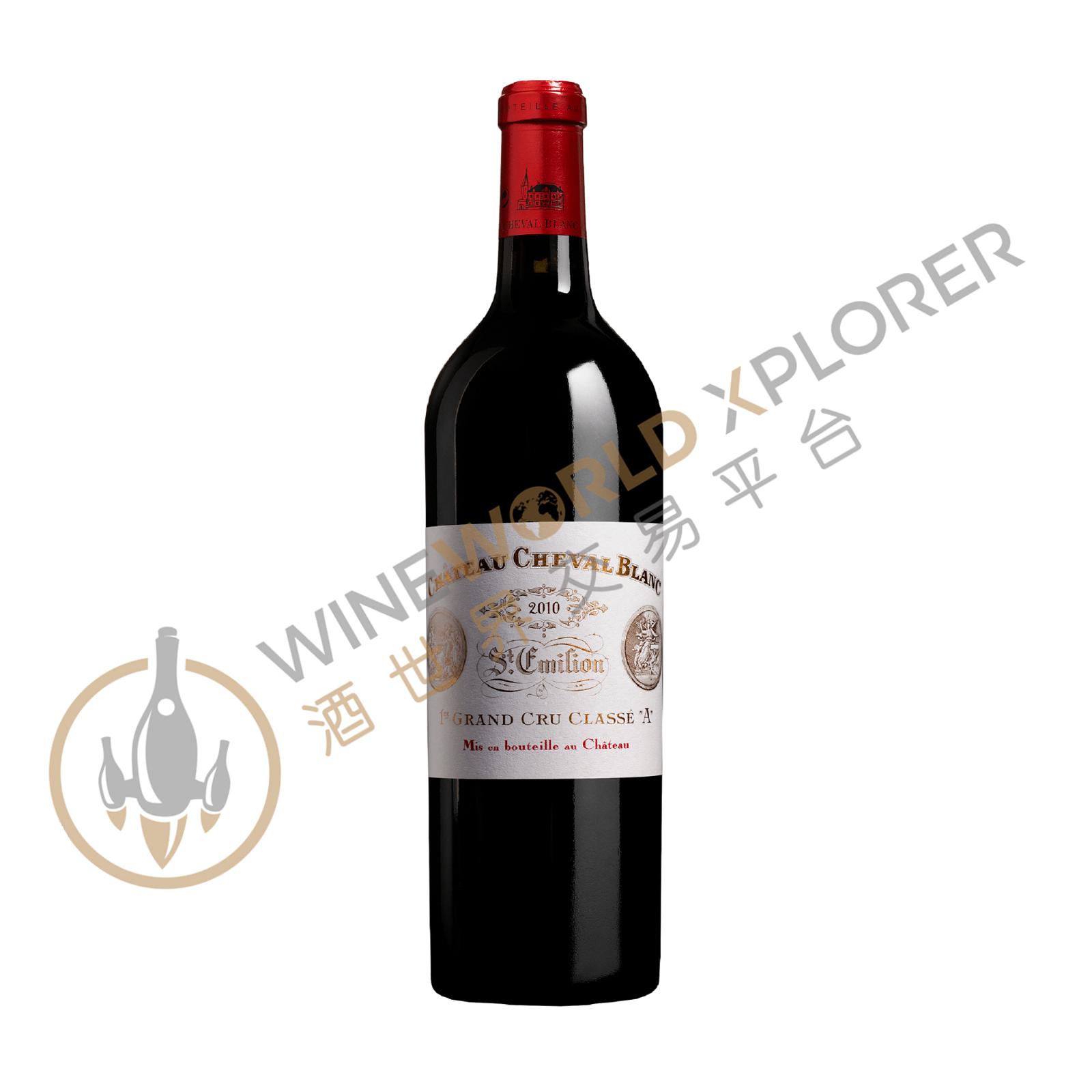
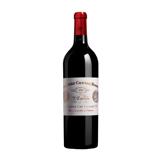
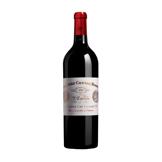
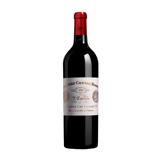
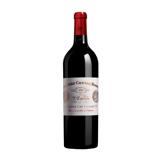
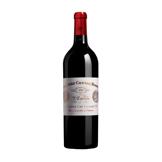
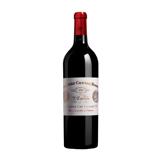
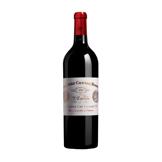
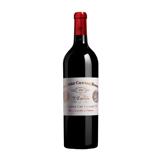
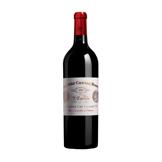
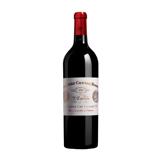
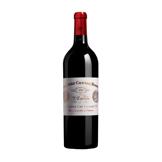
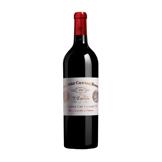
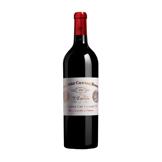
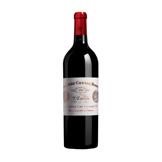
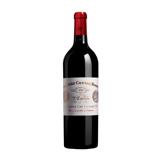
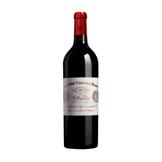
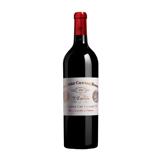
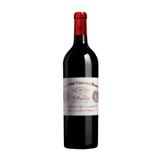
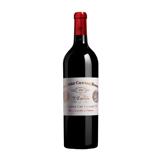
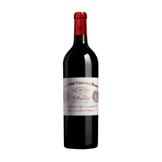
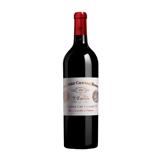
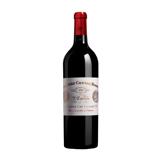
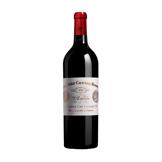
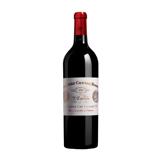
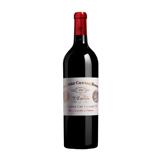
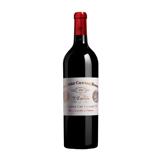
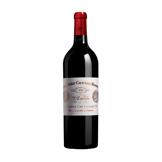
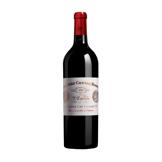
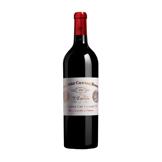
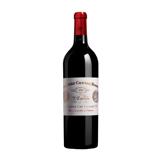
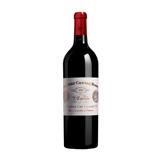
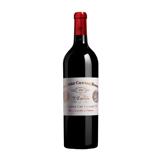
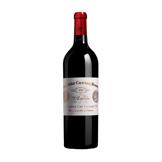
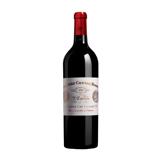
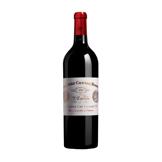
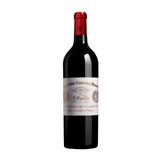
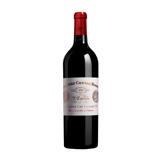
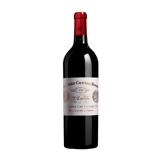
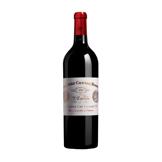
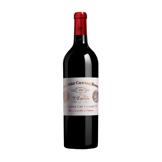
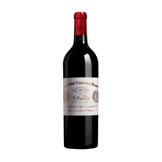
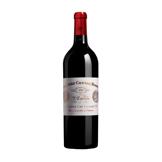
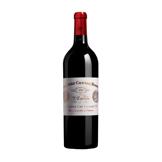
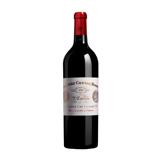
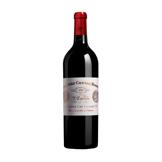
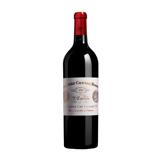
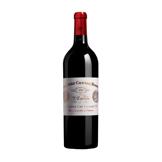
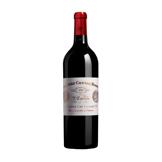
Cheval Blanc 1978
 View analysis


Description
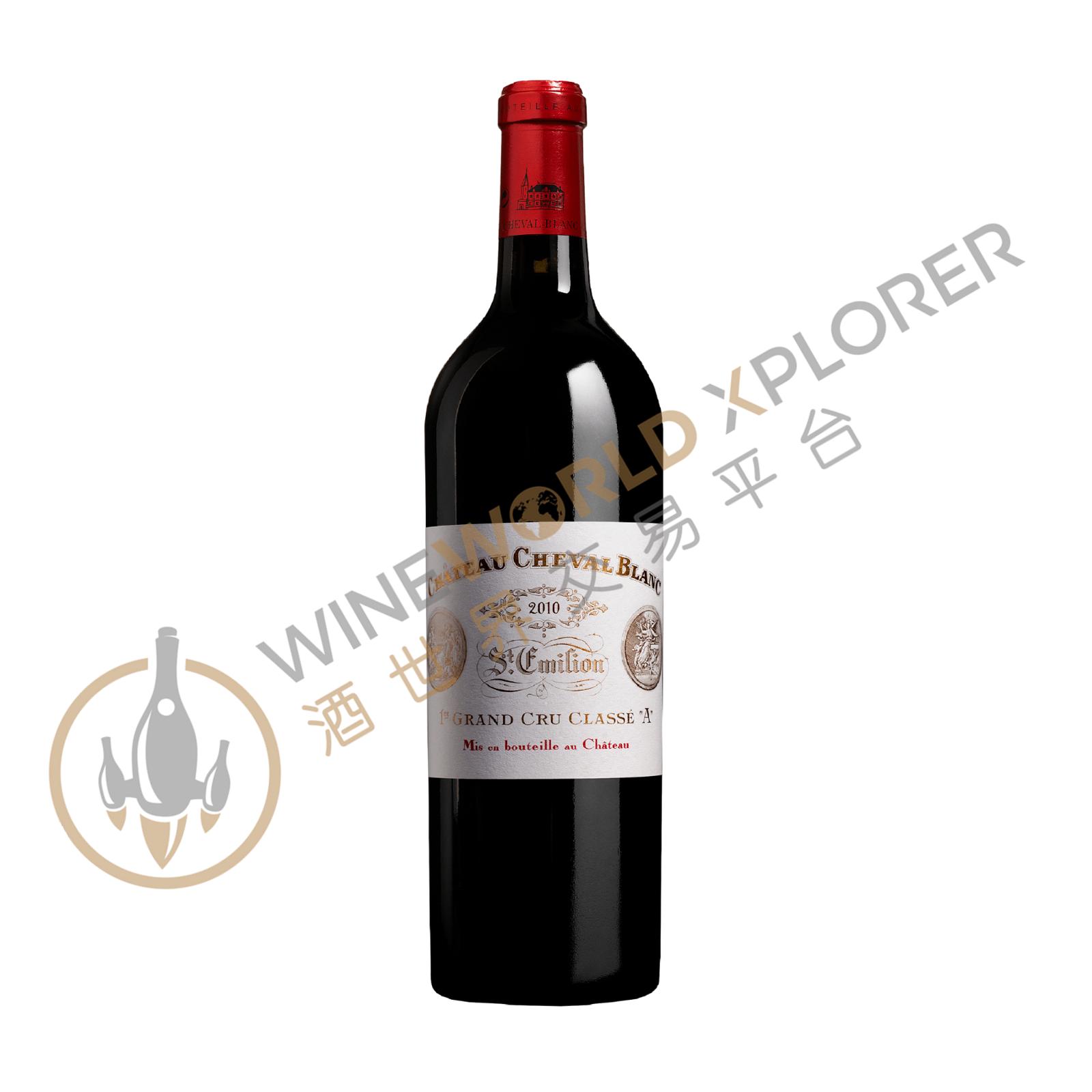
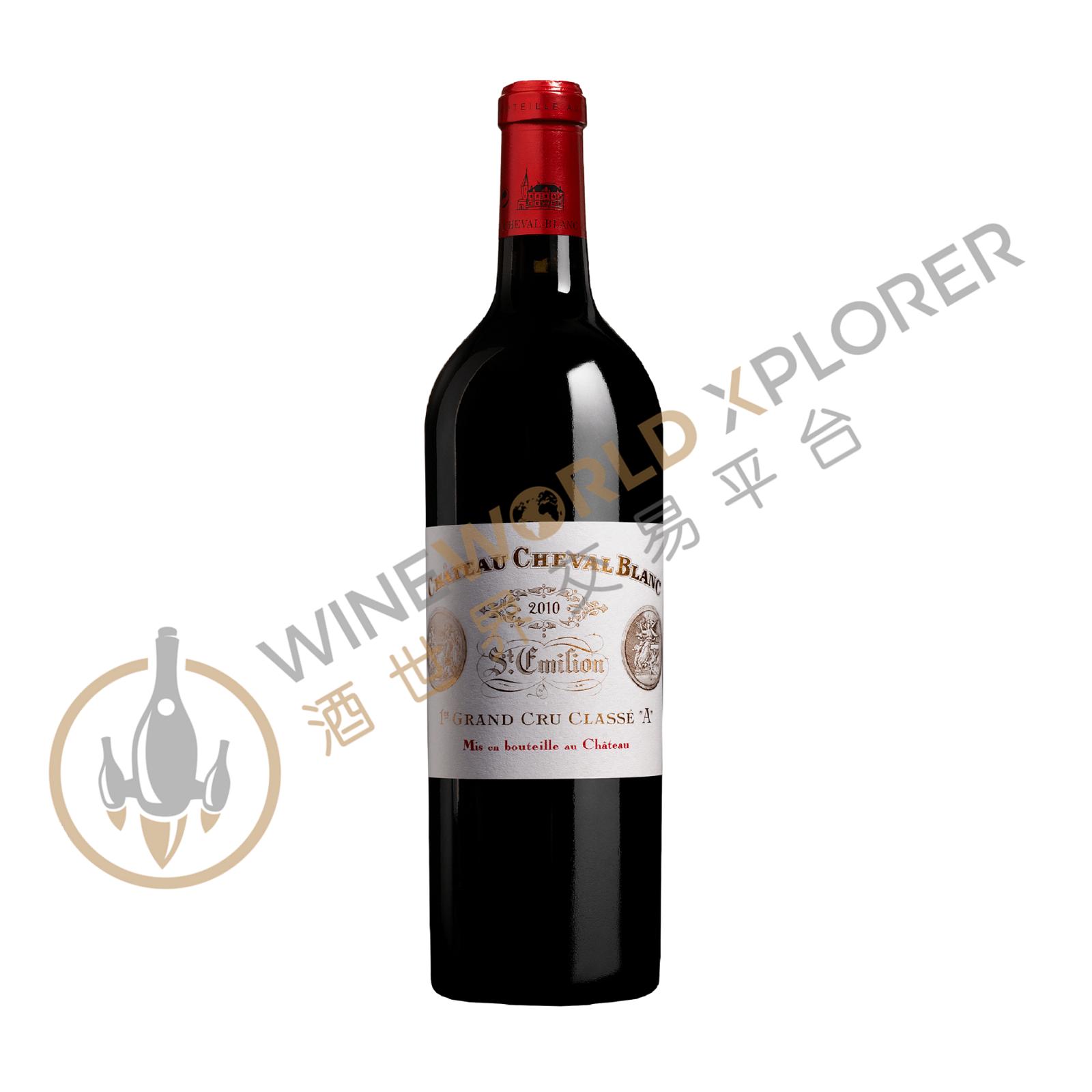
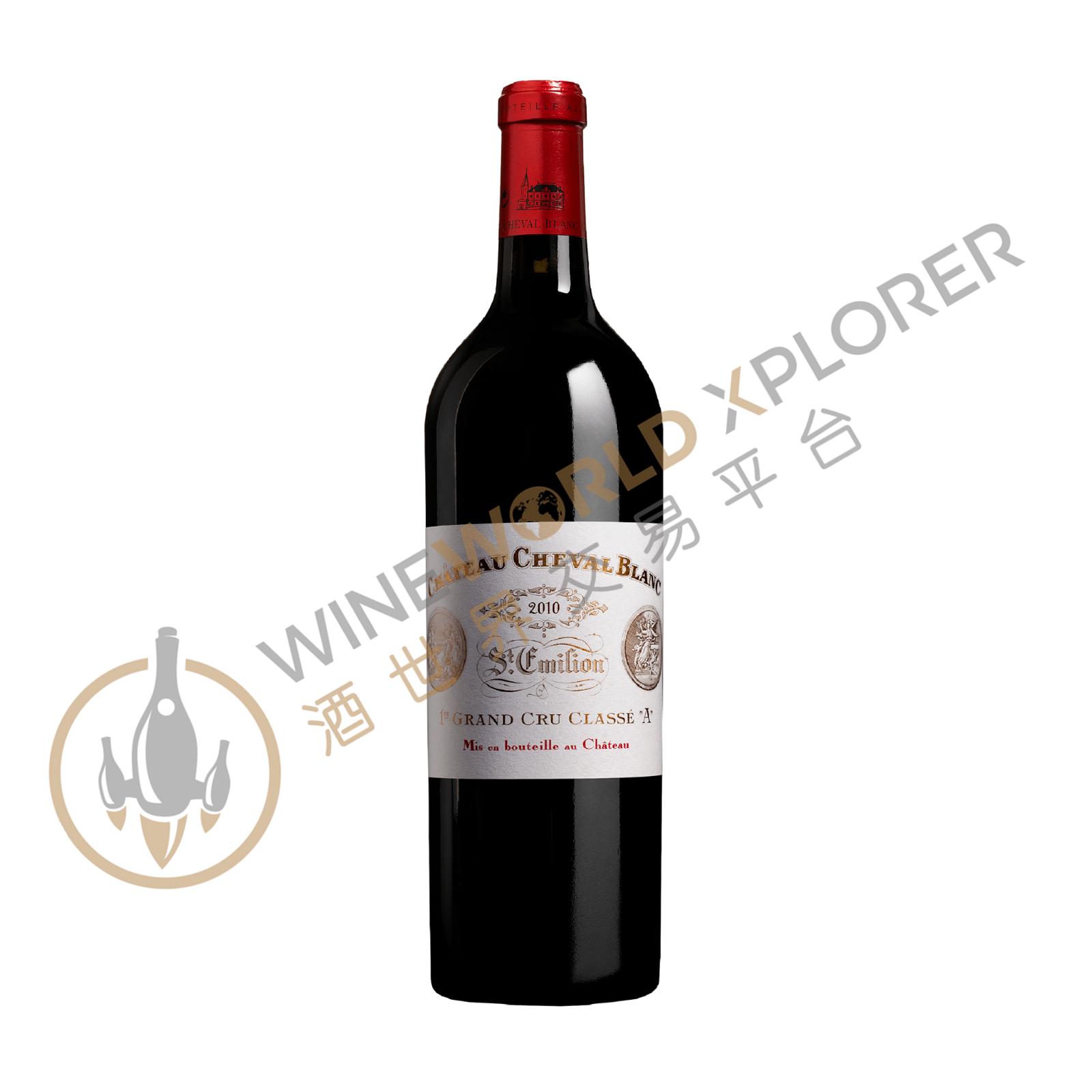
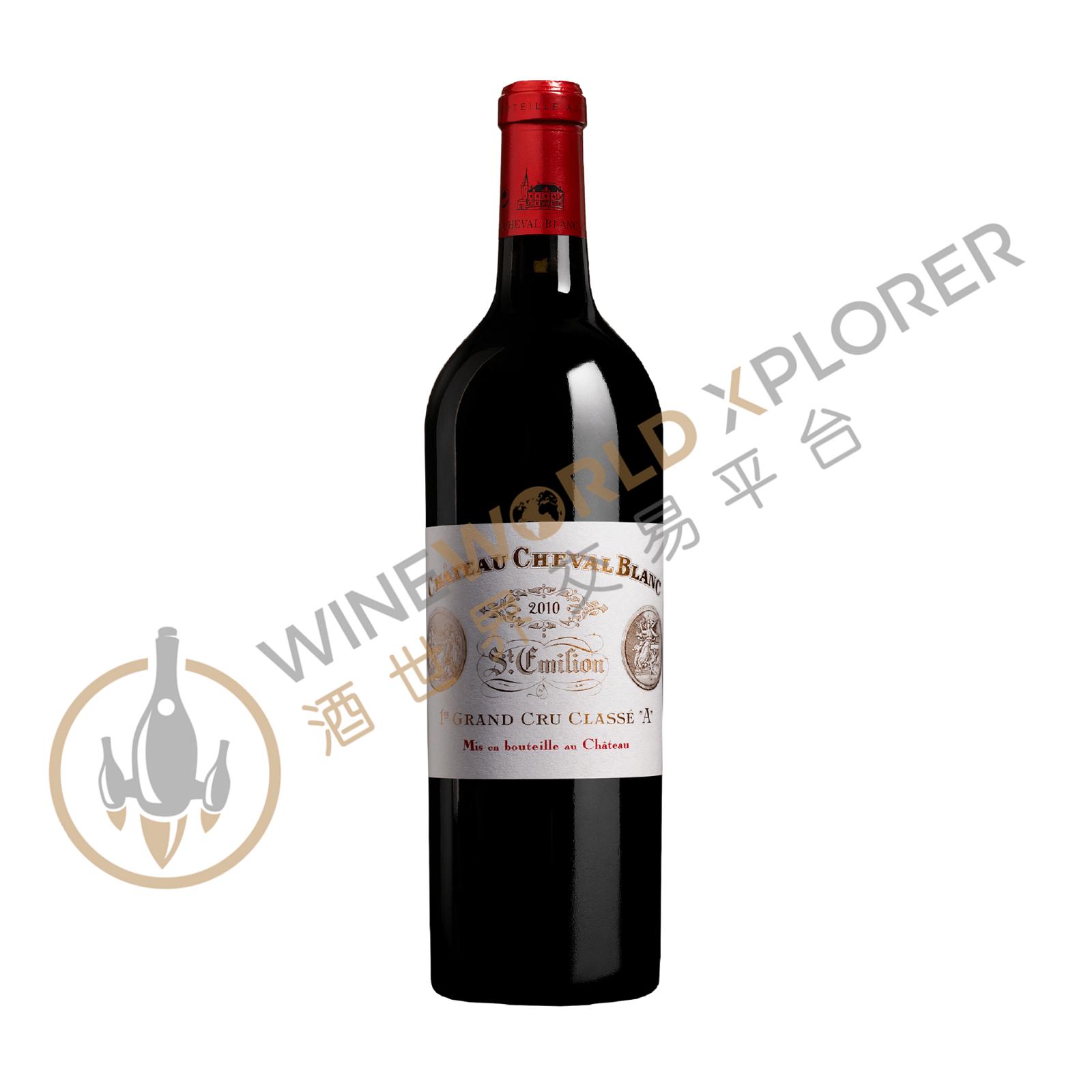
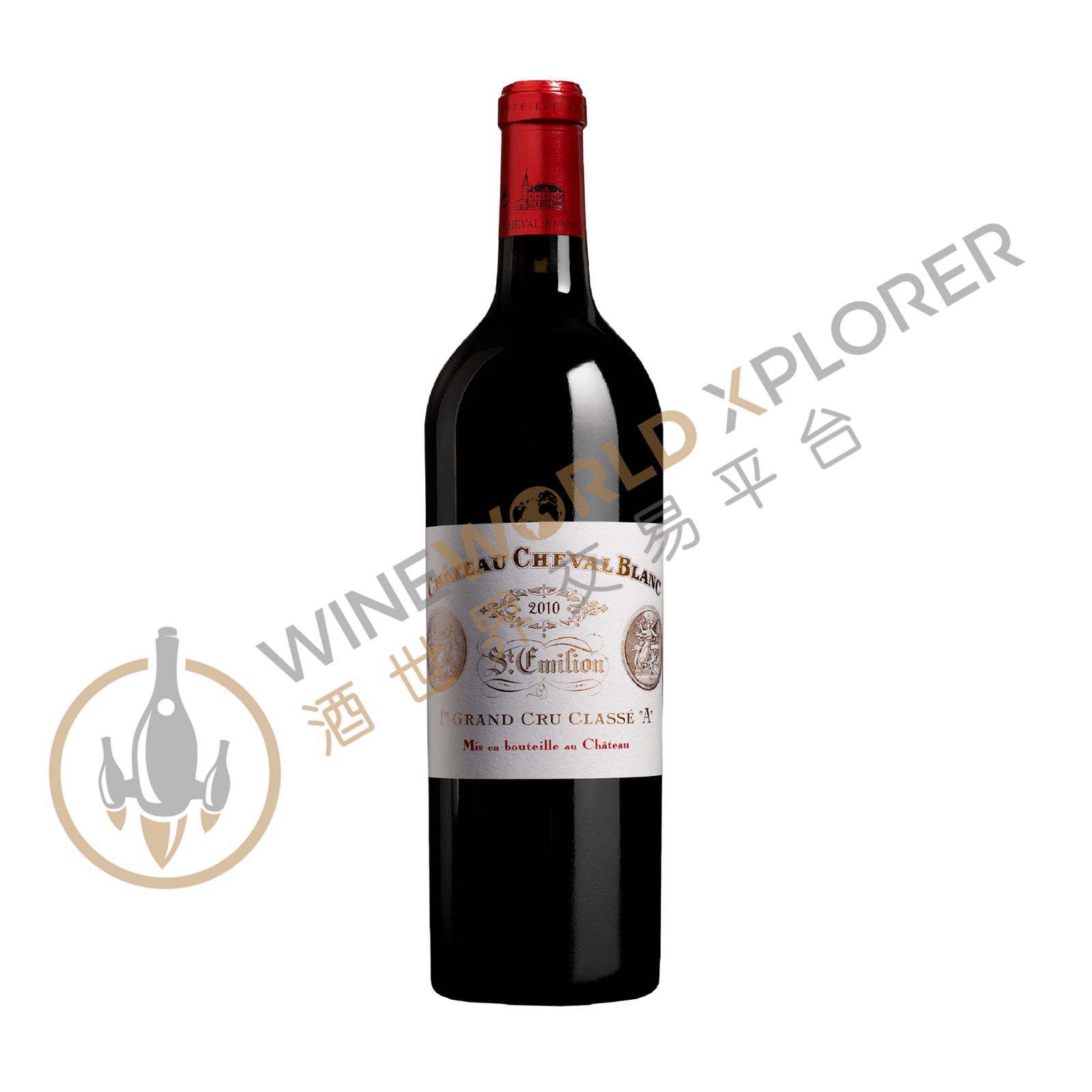
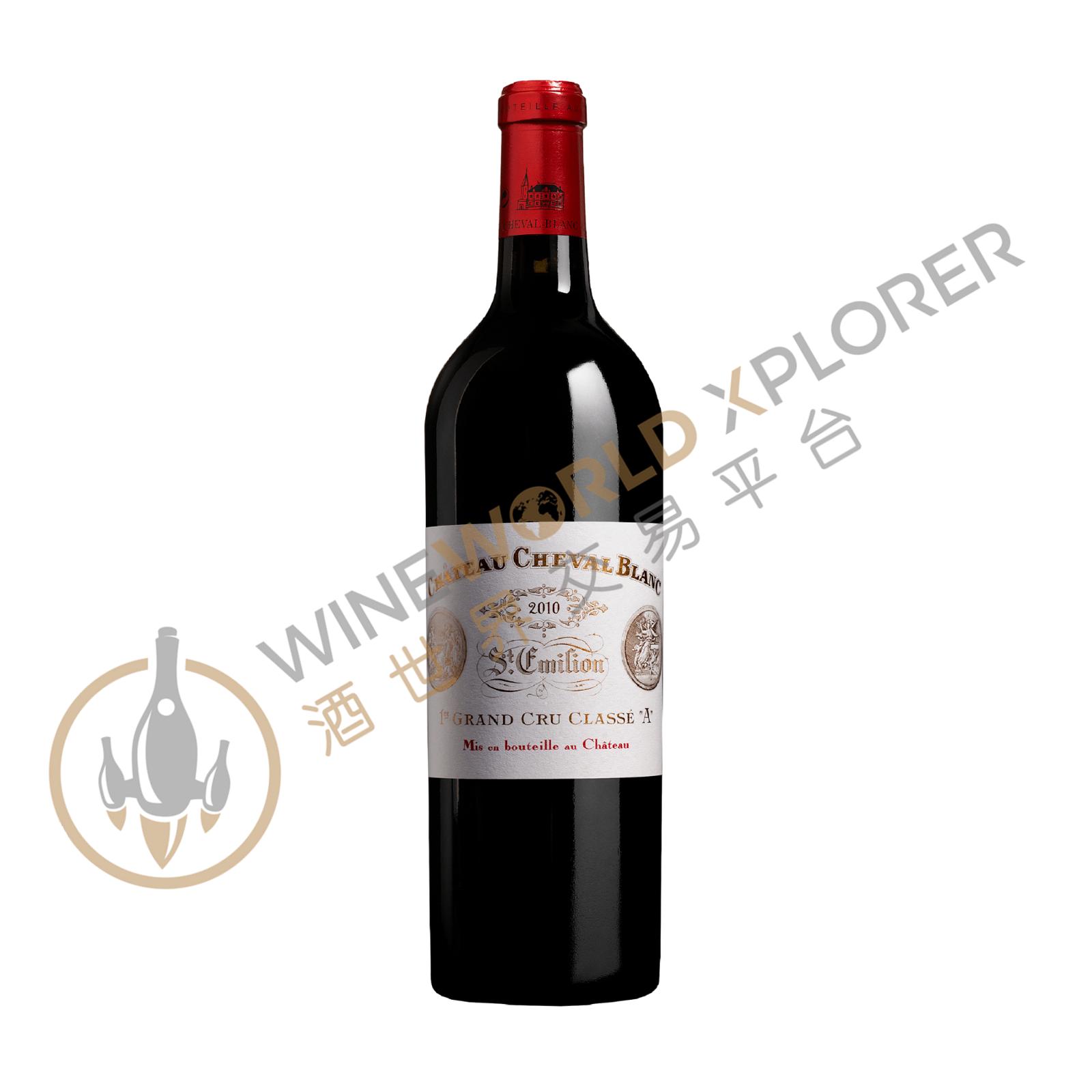
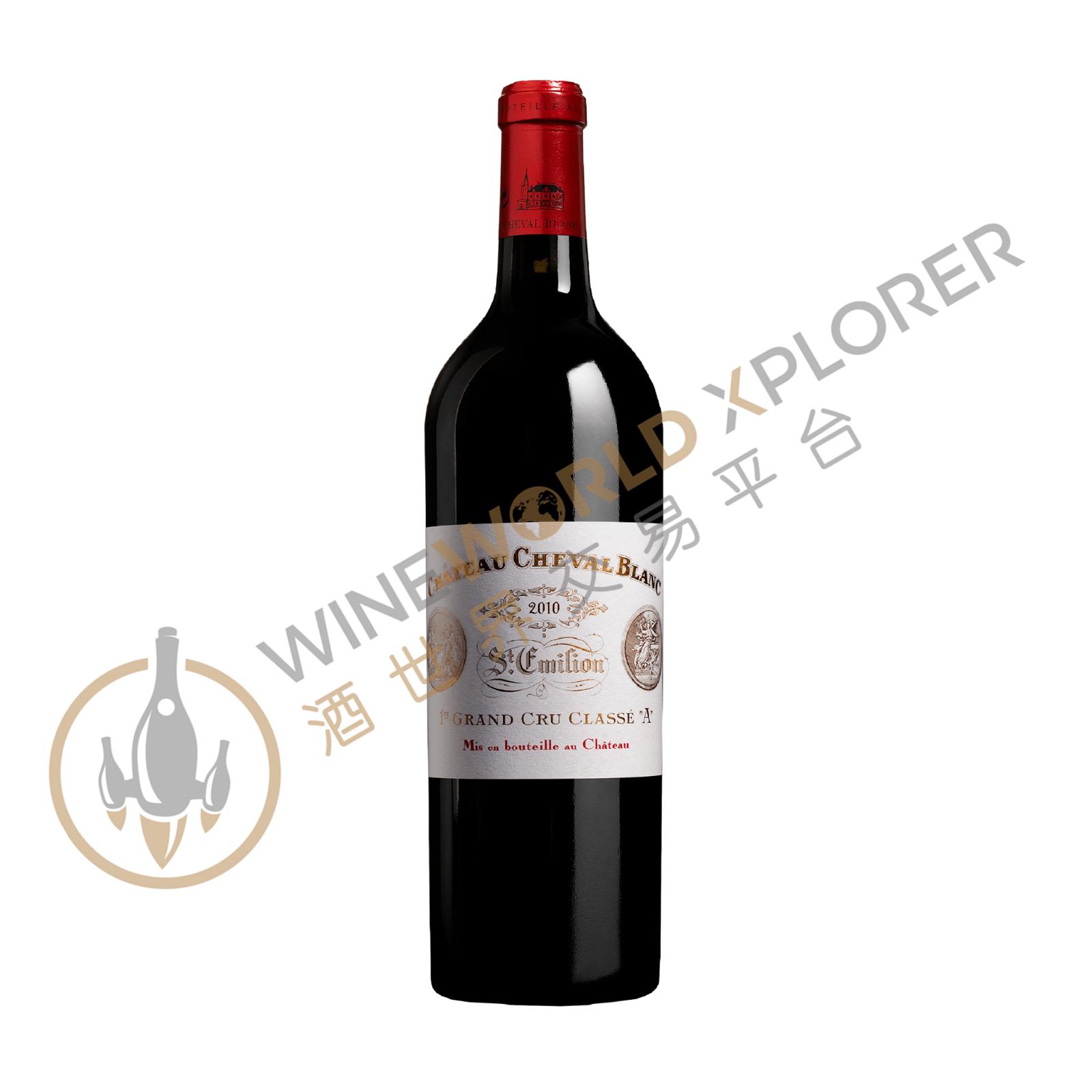
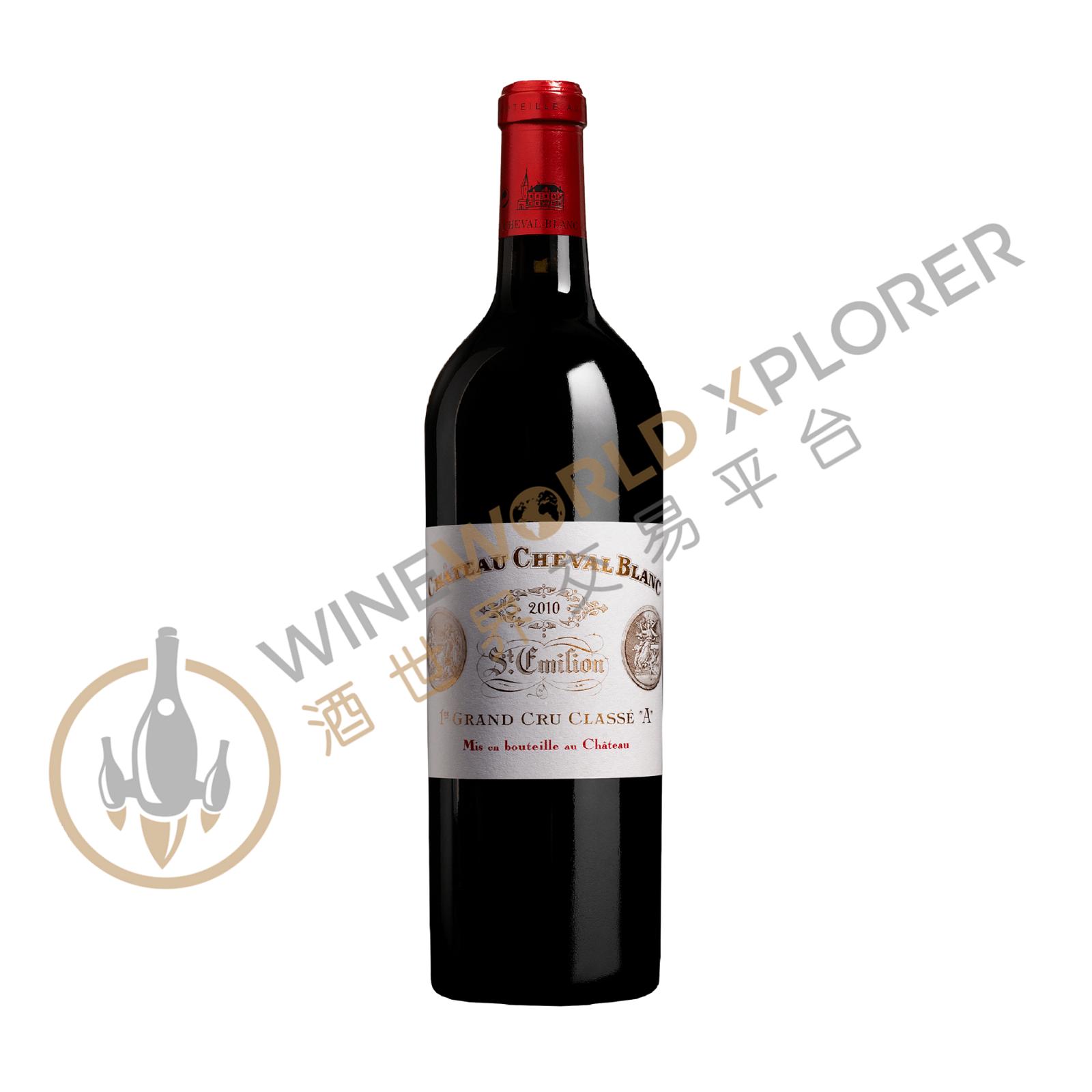
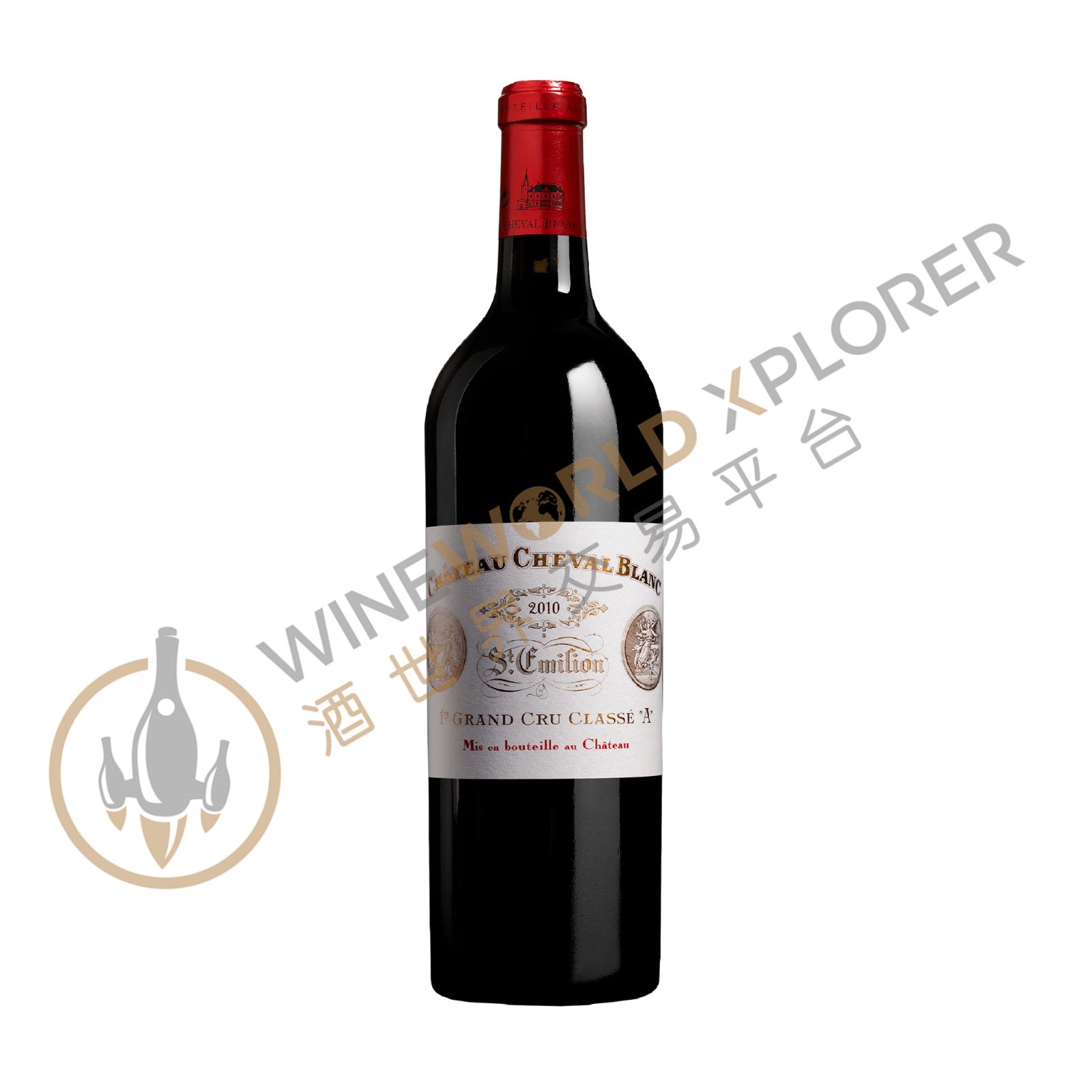
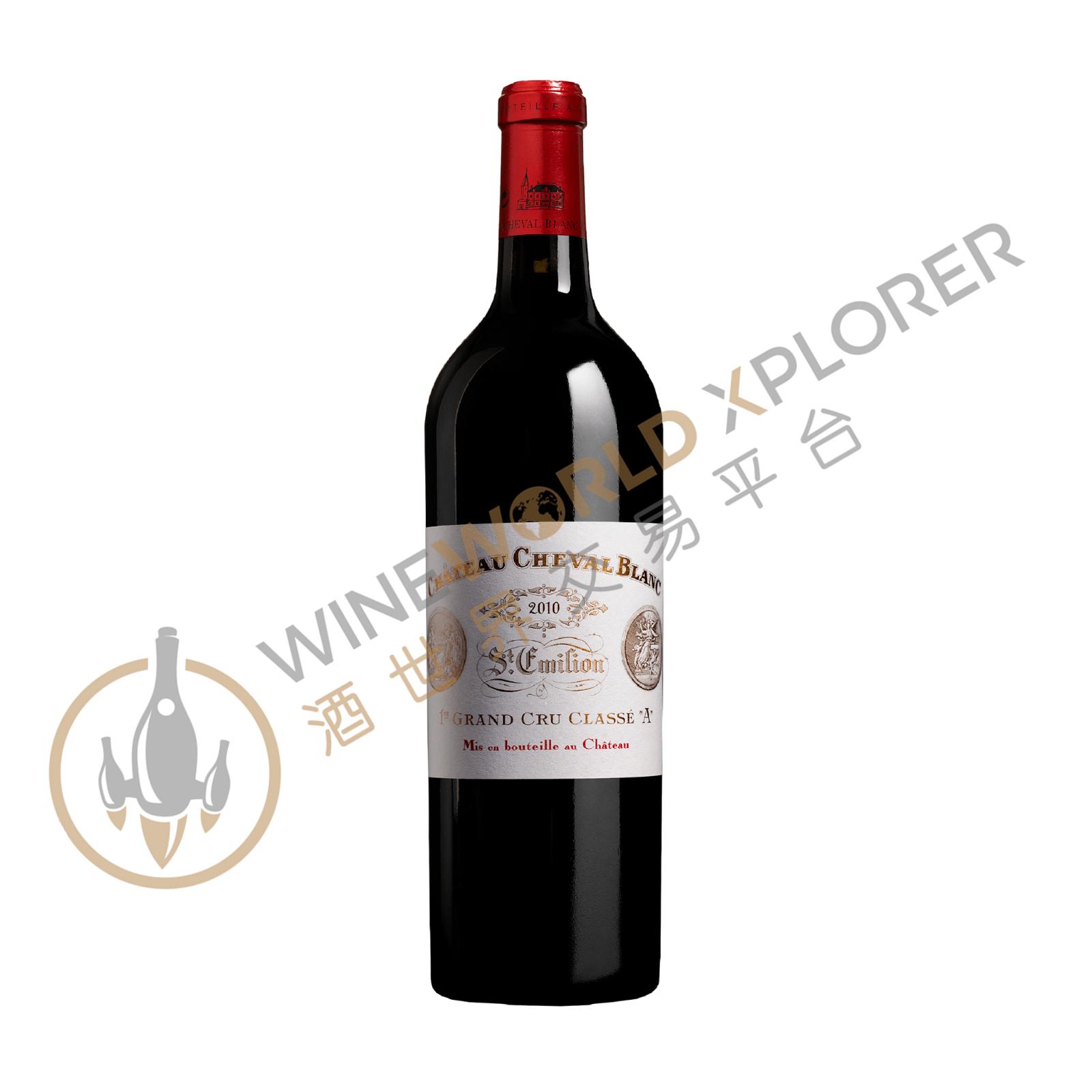
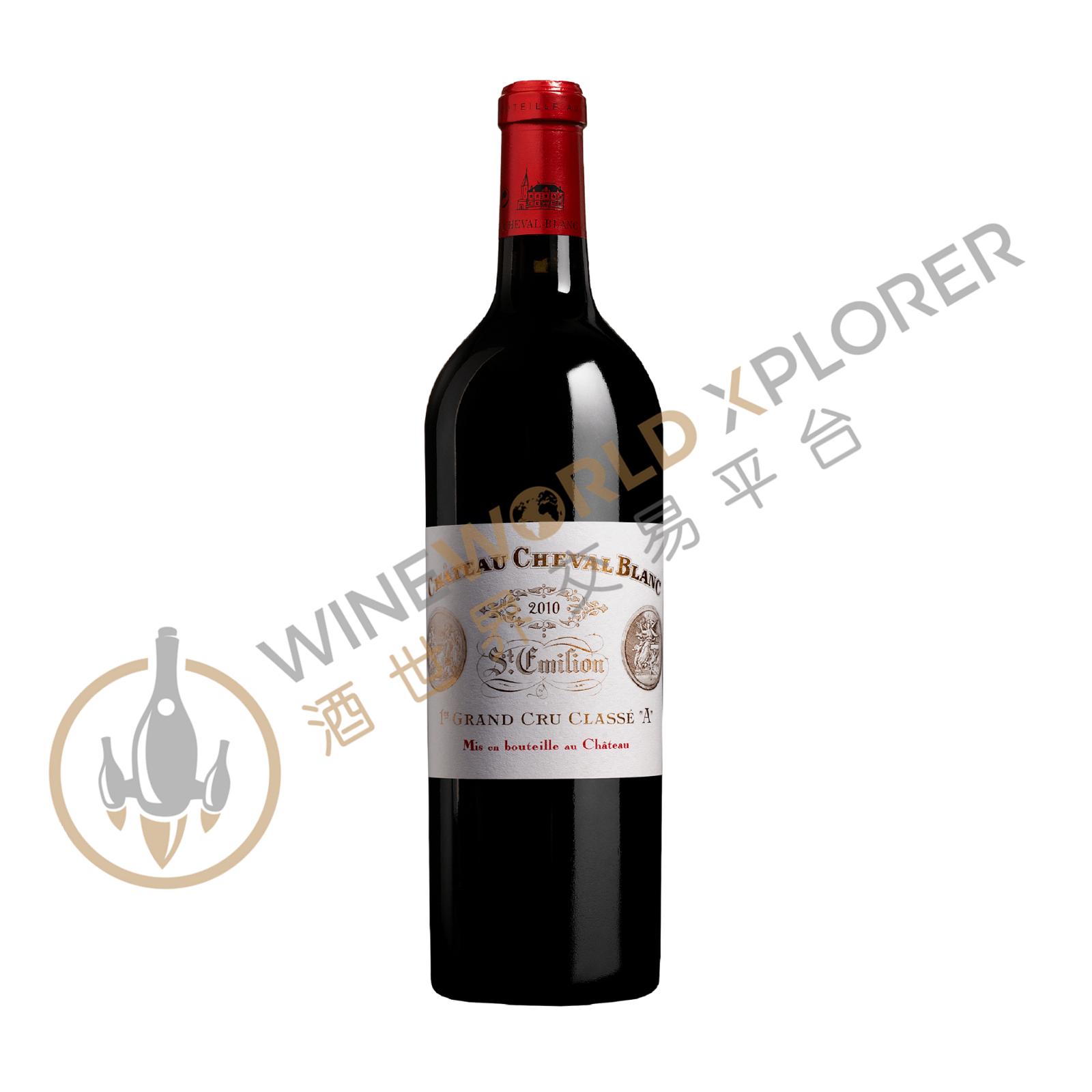
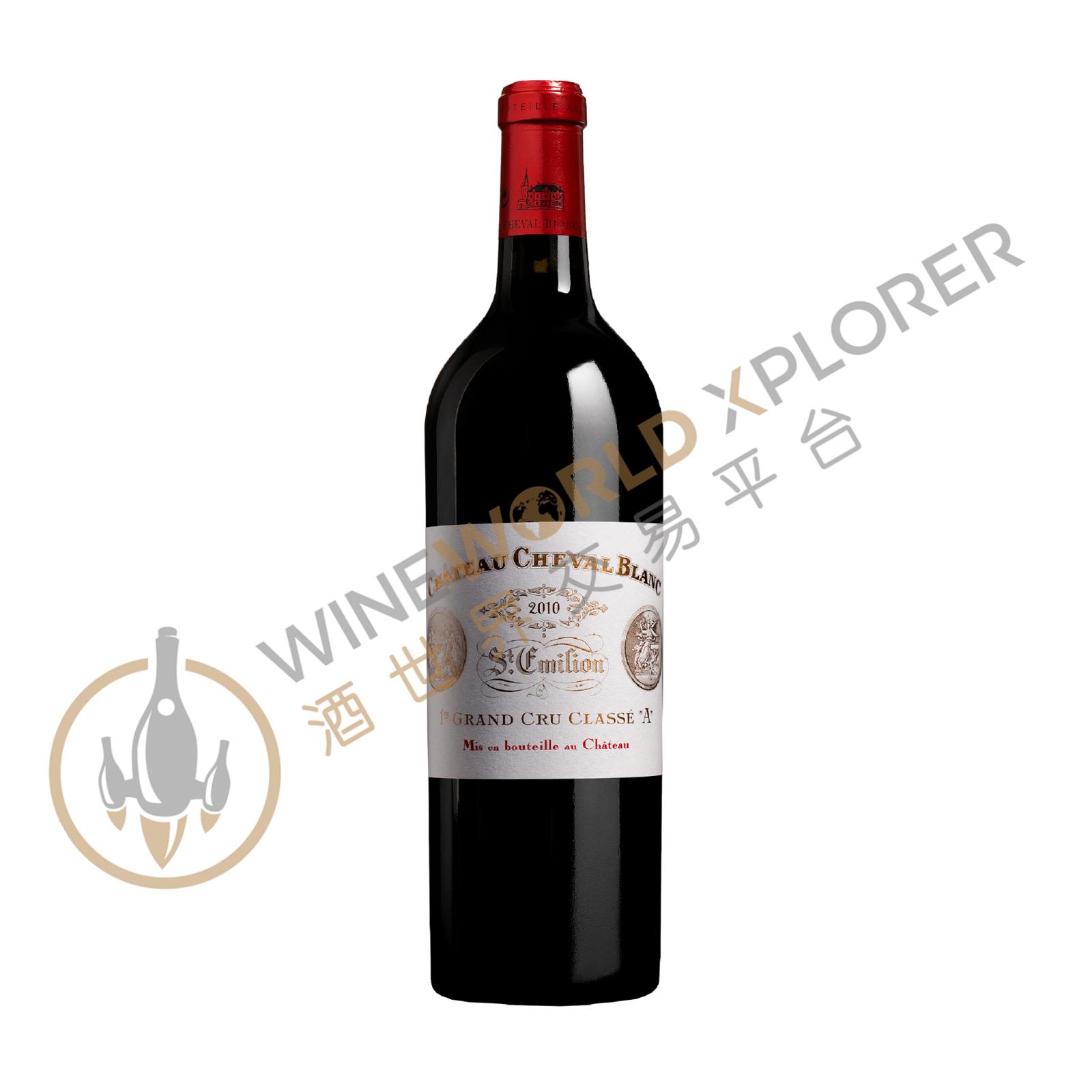
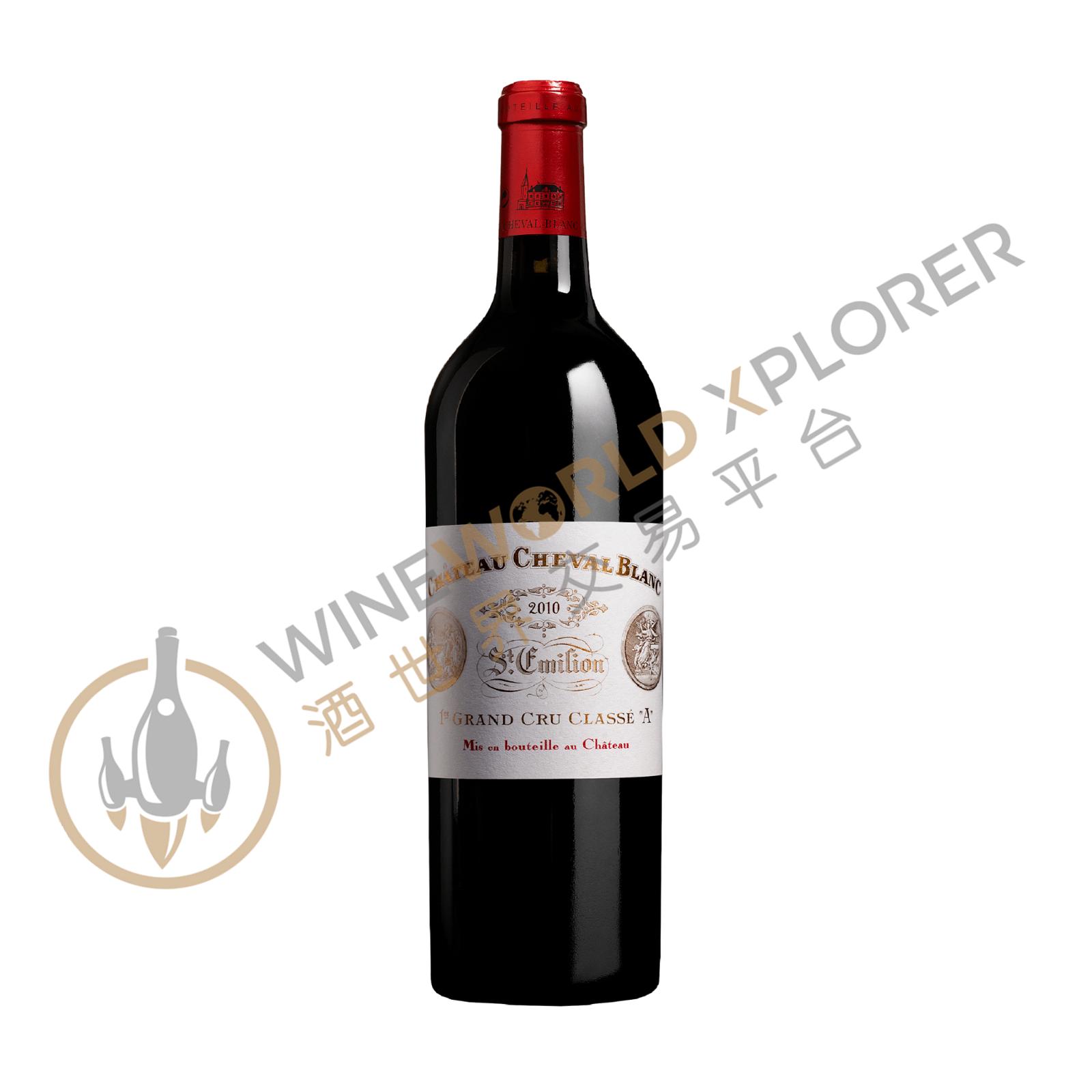
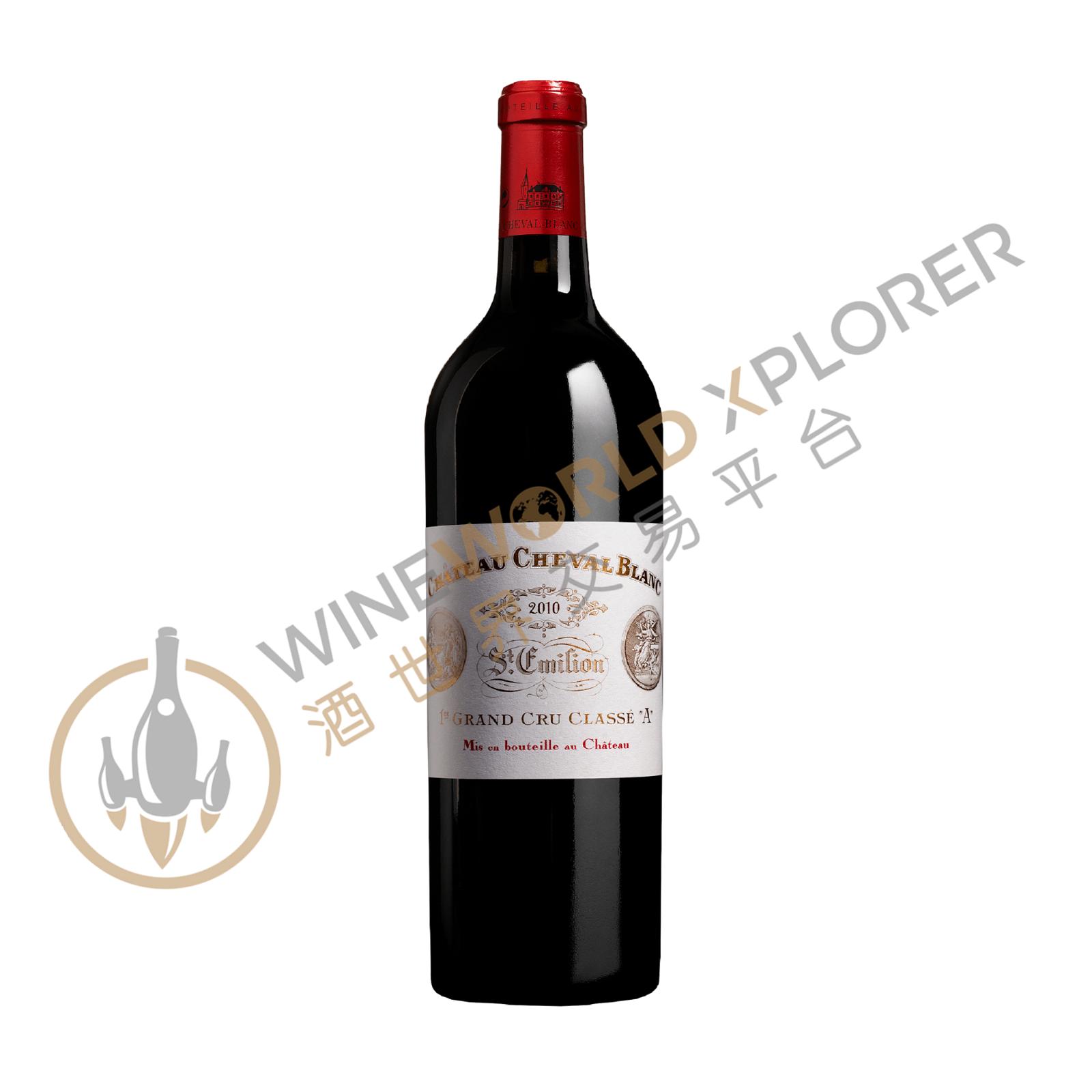
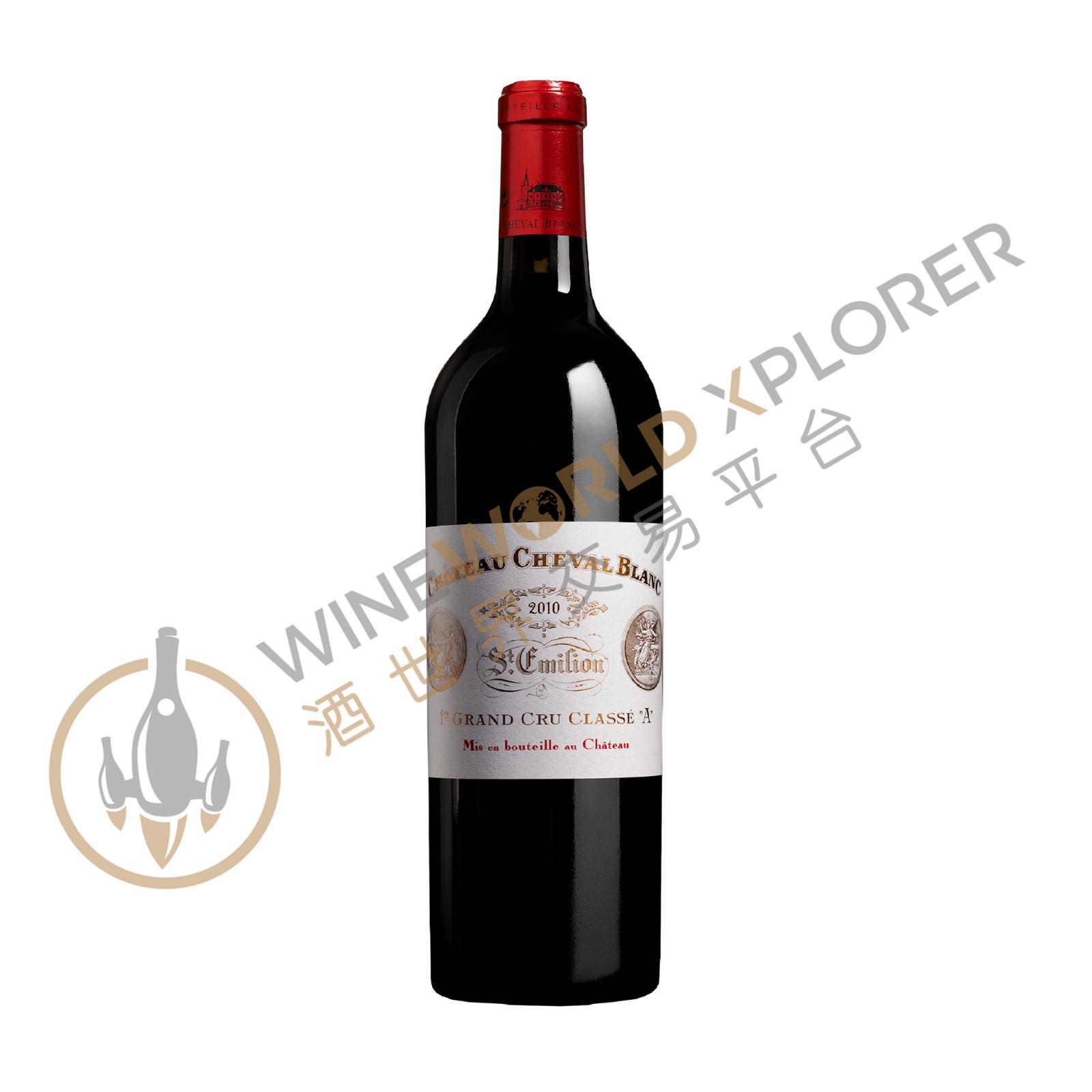
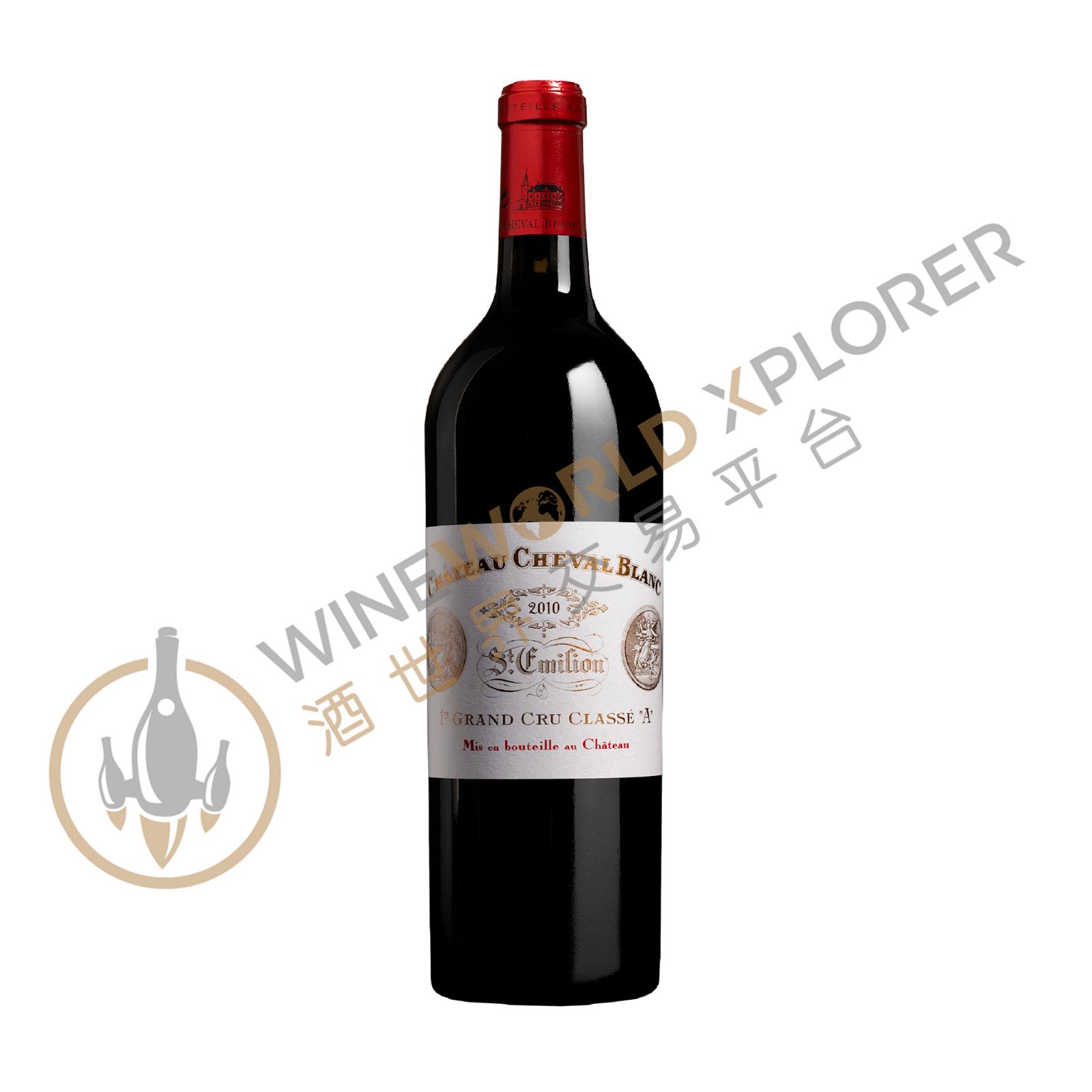
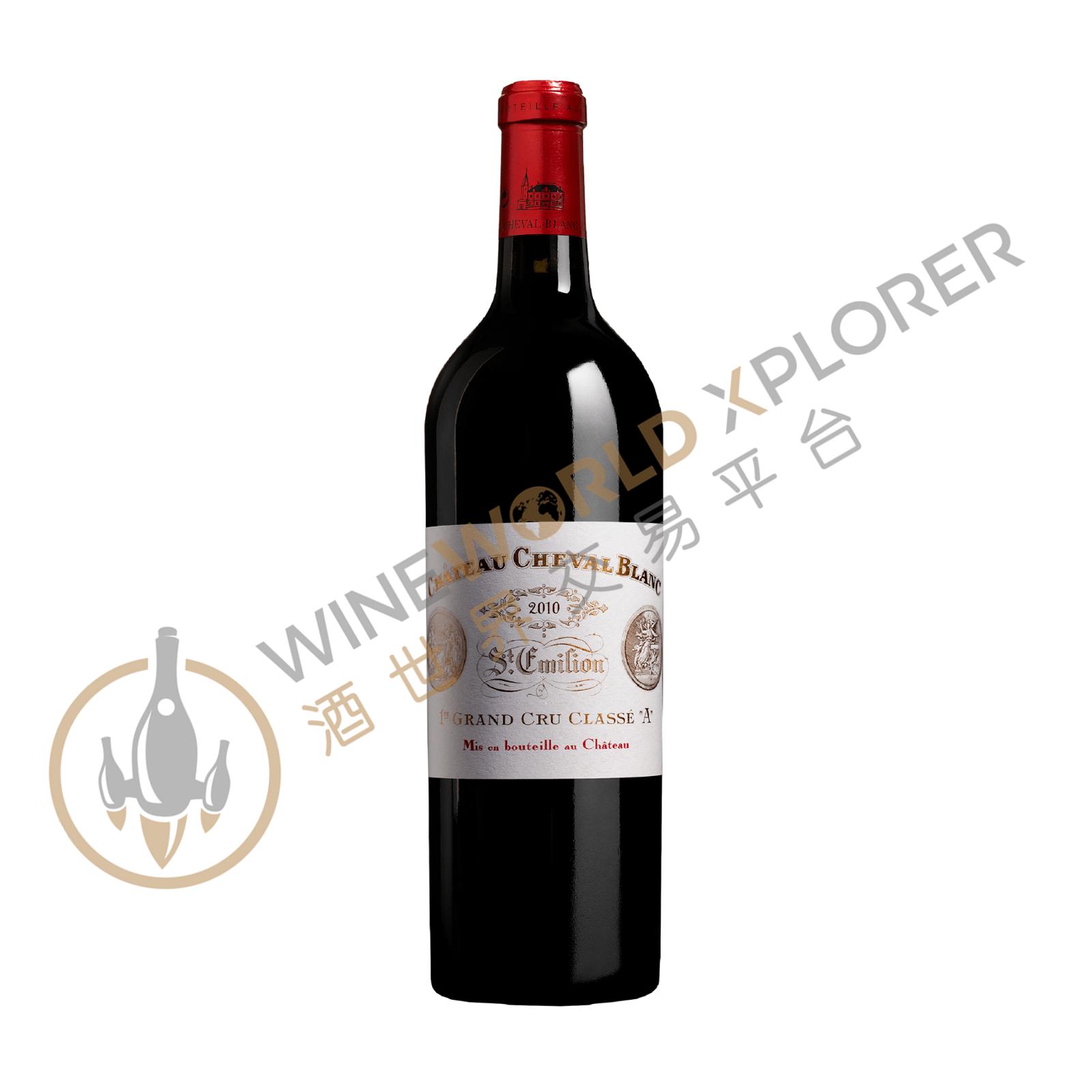
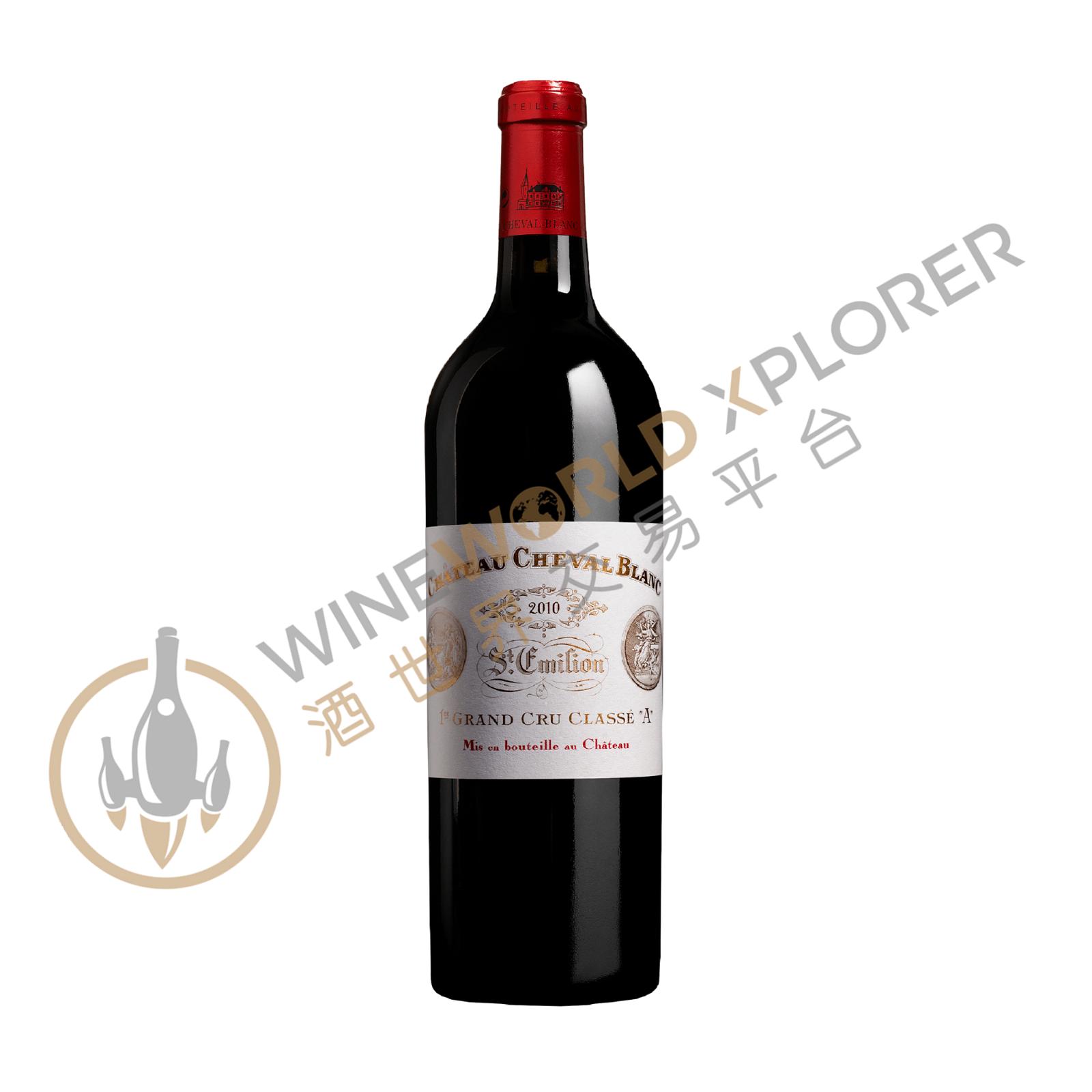
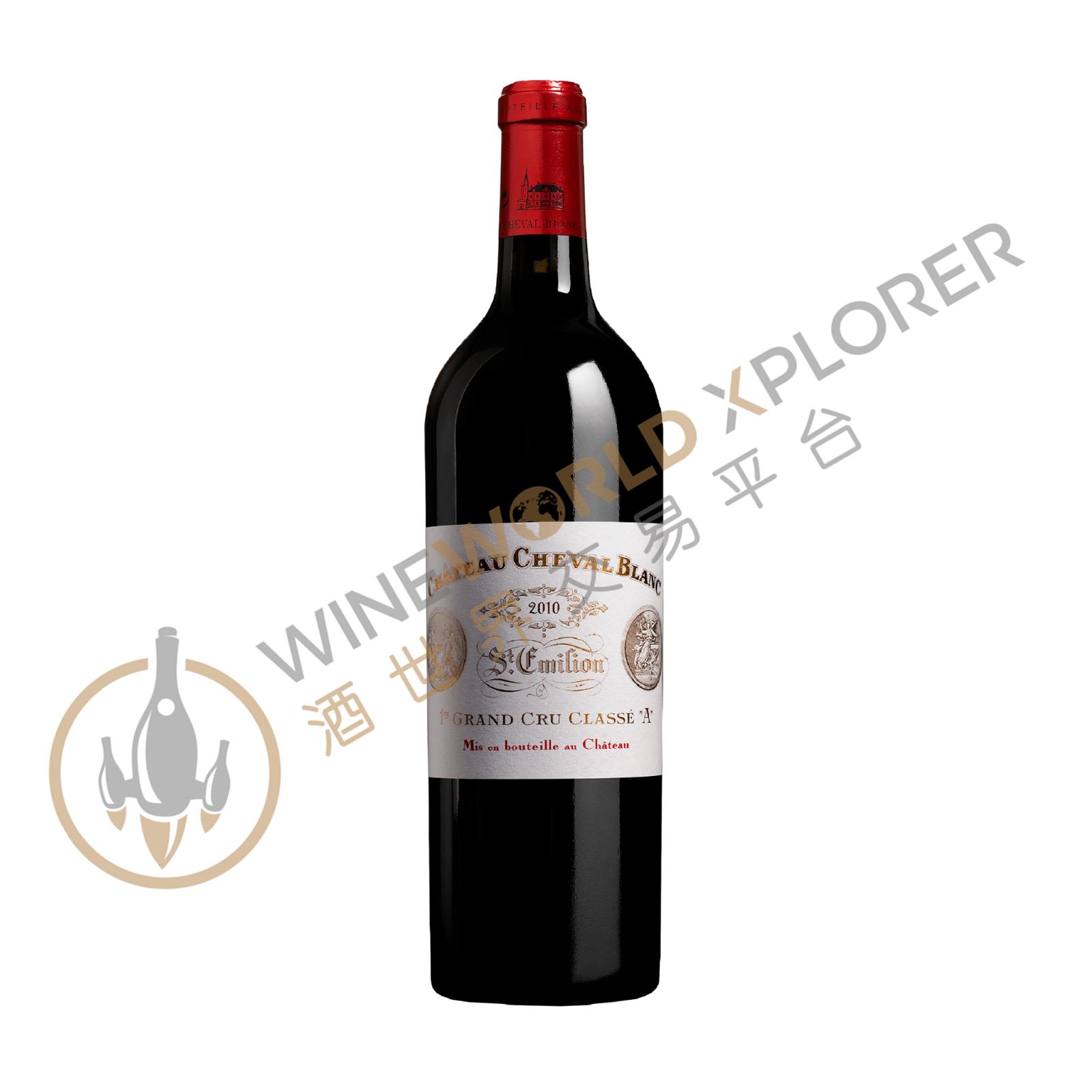
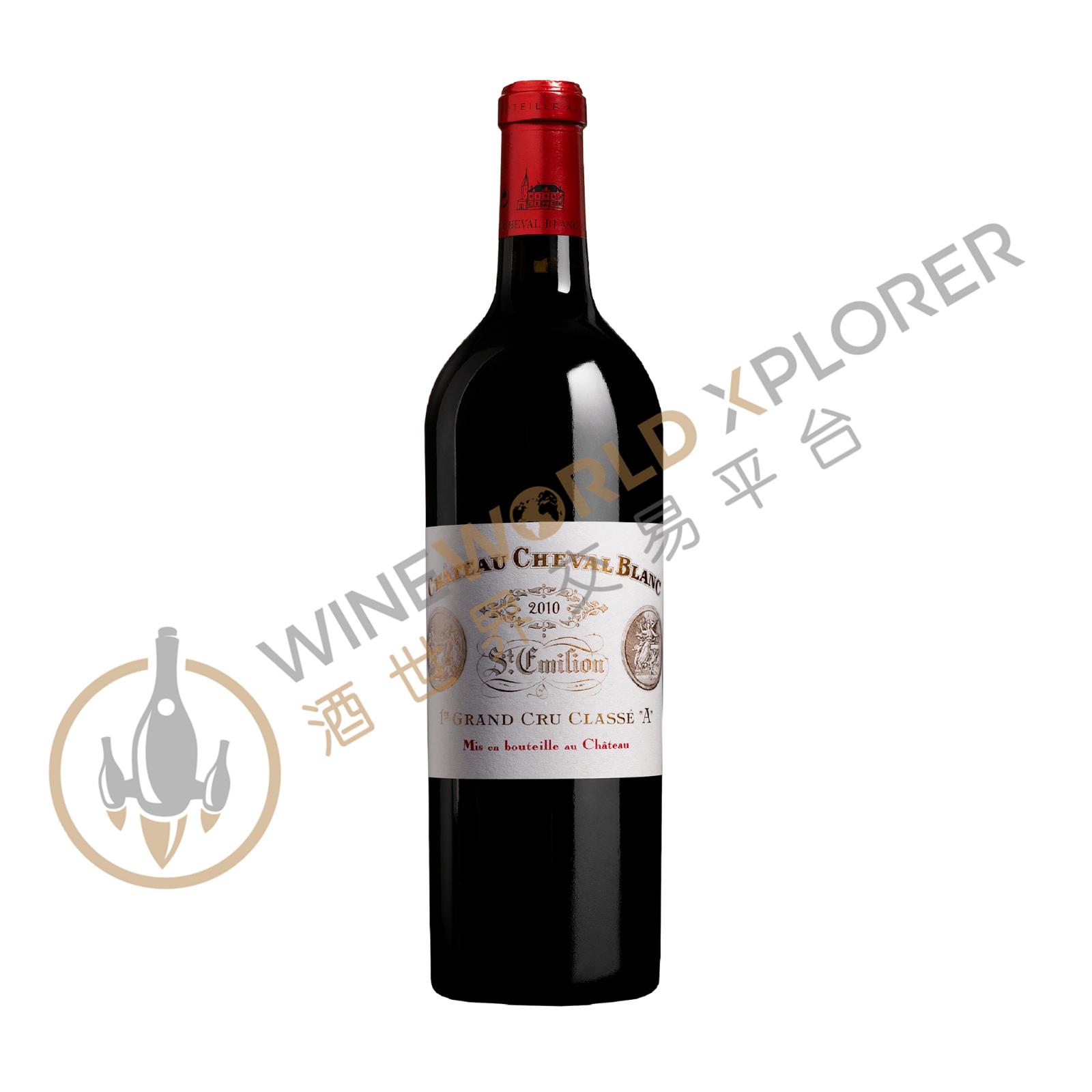
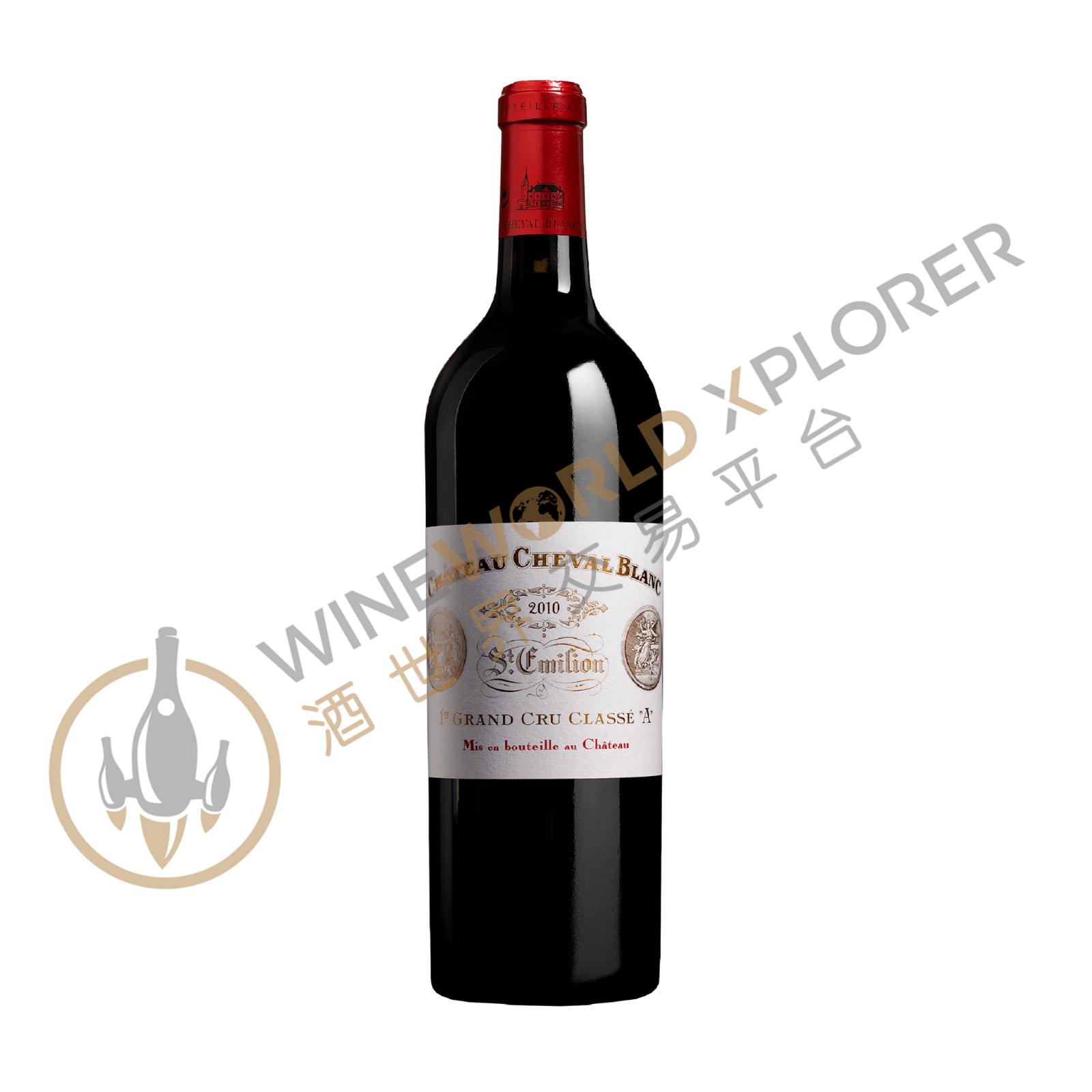
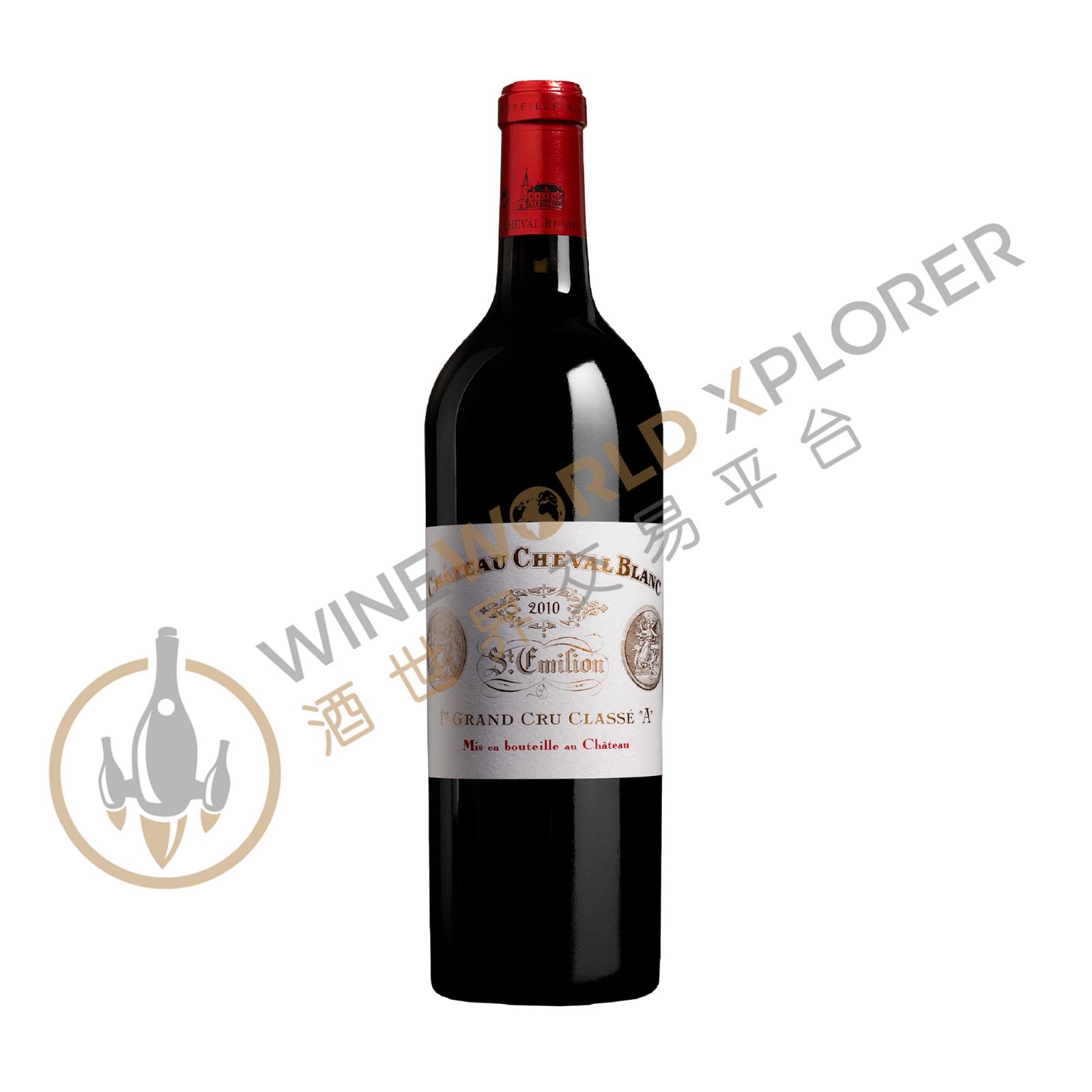
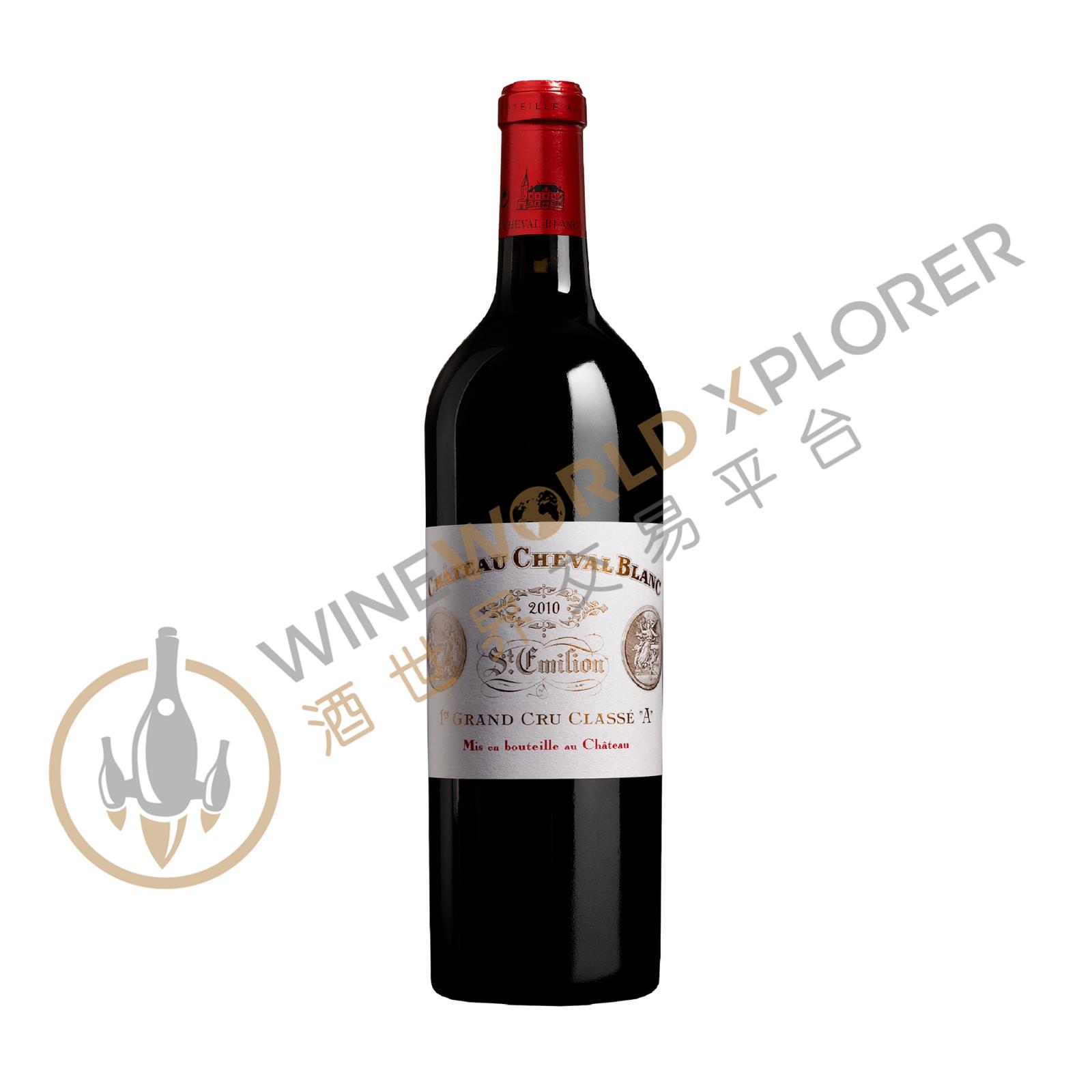
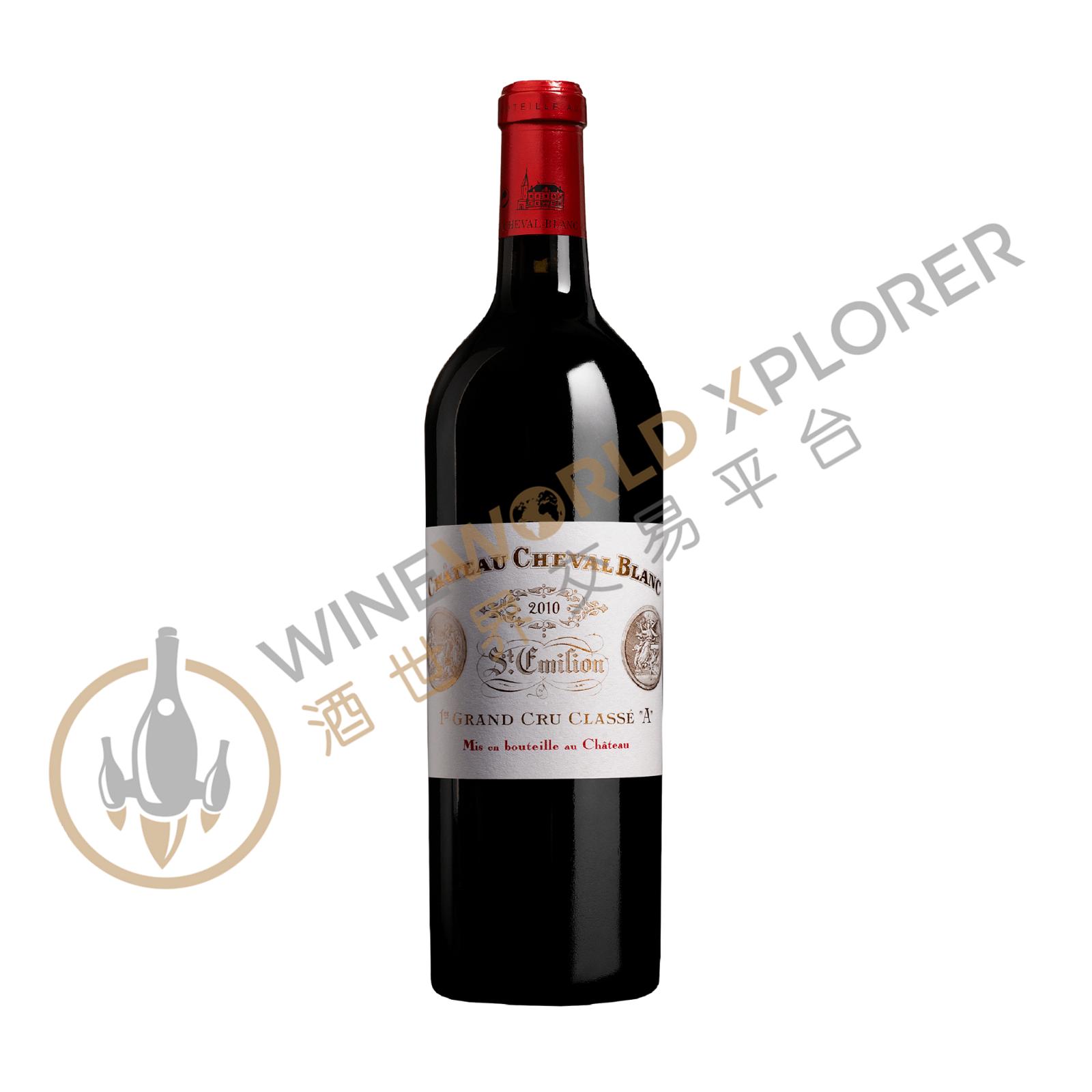
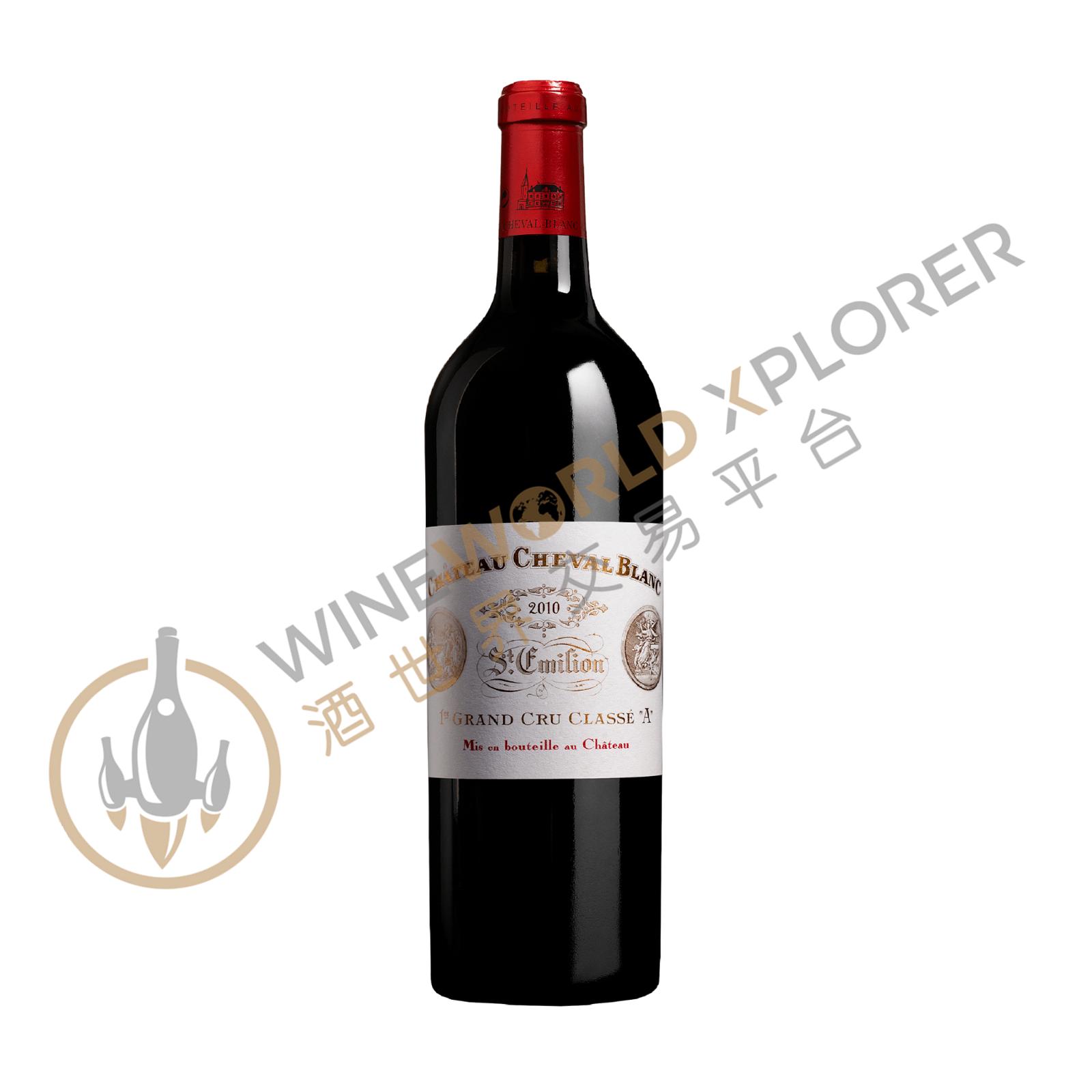
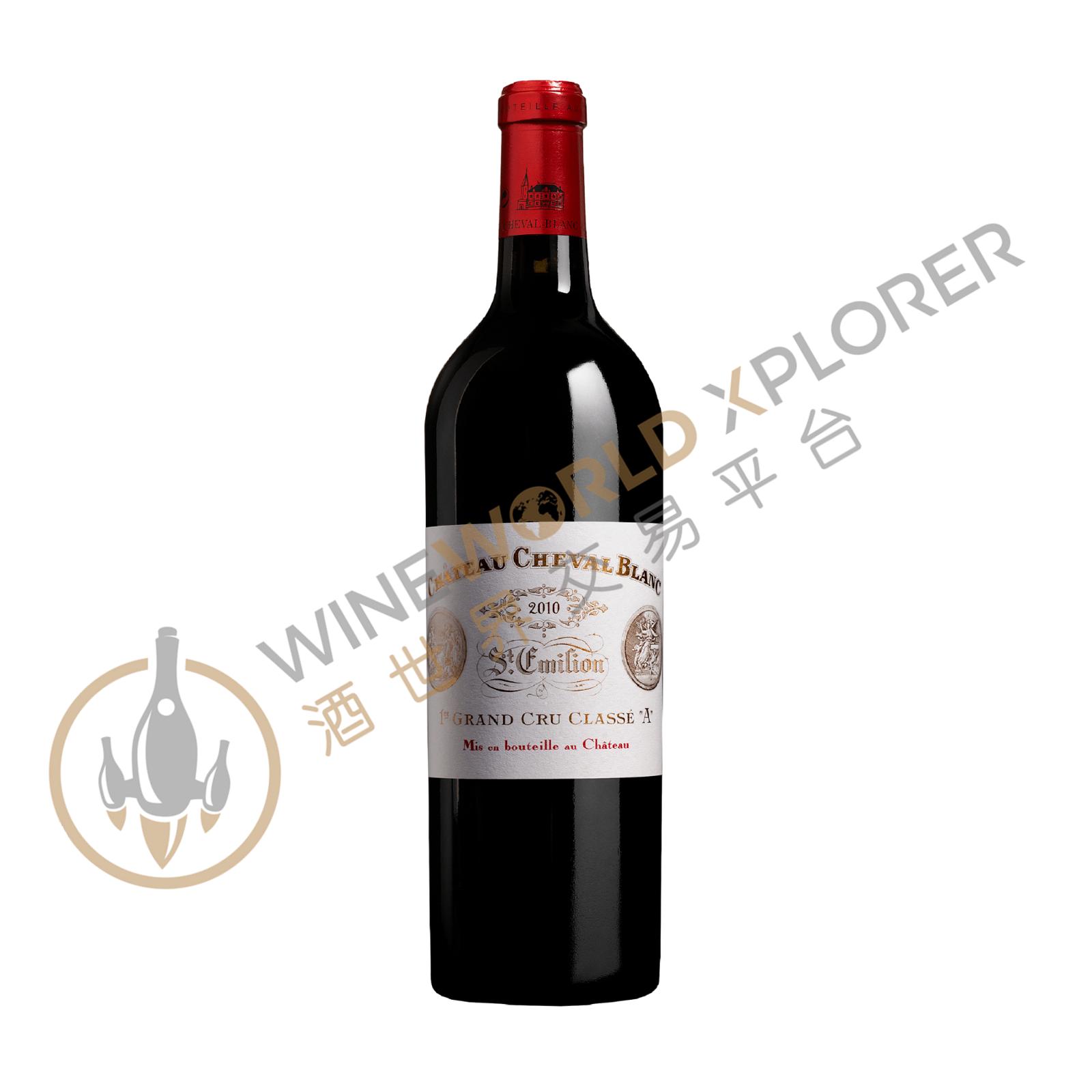
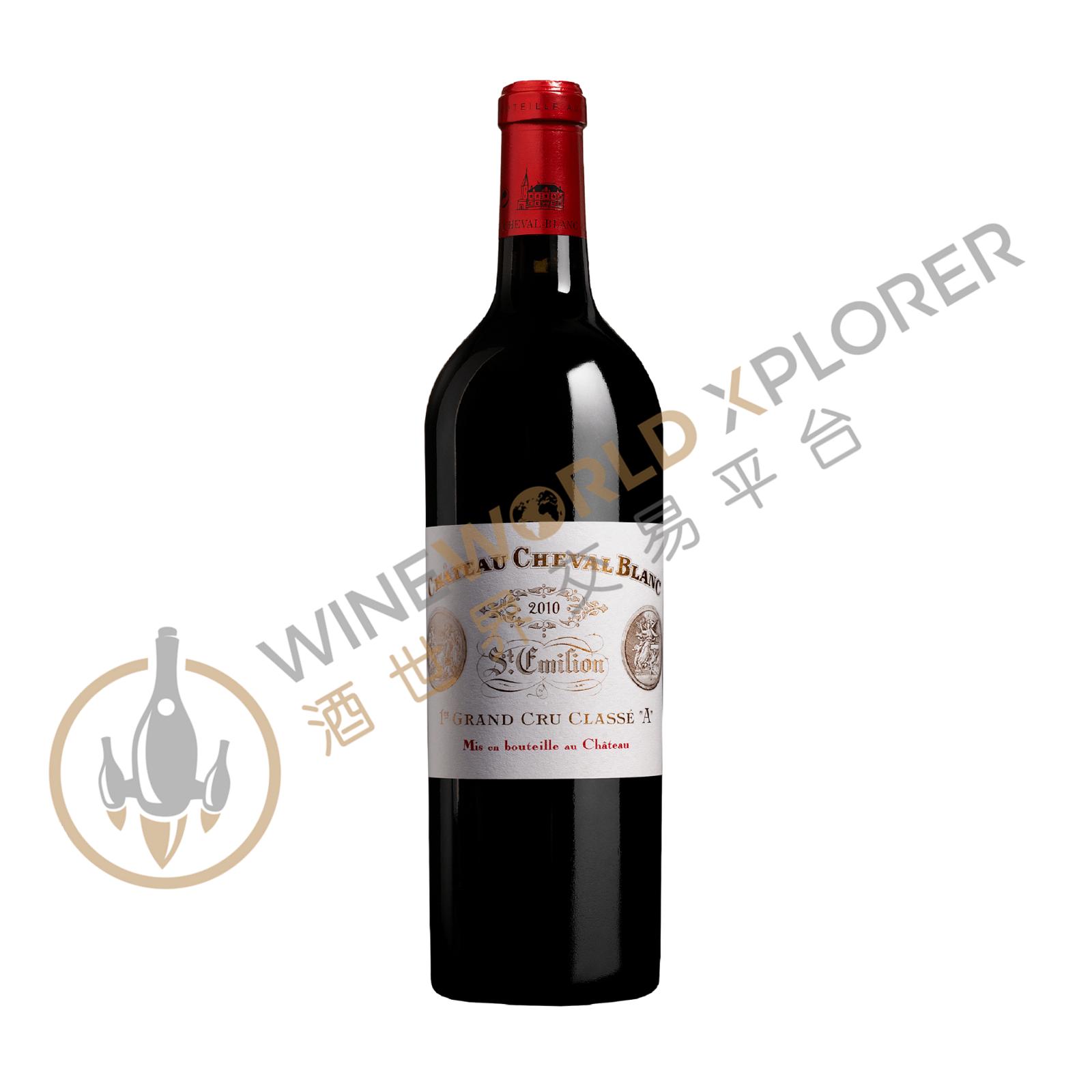
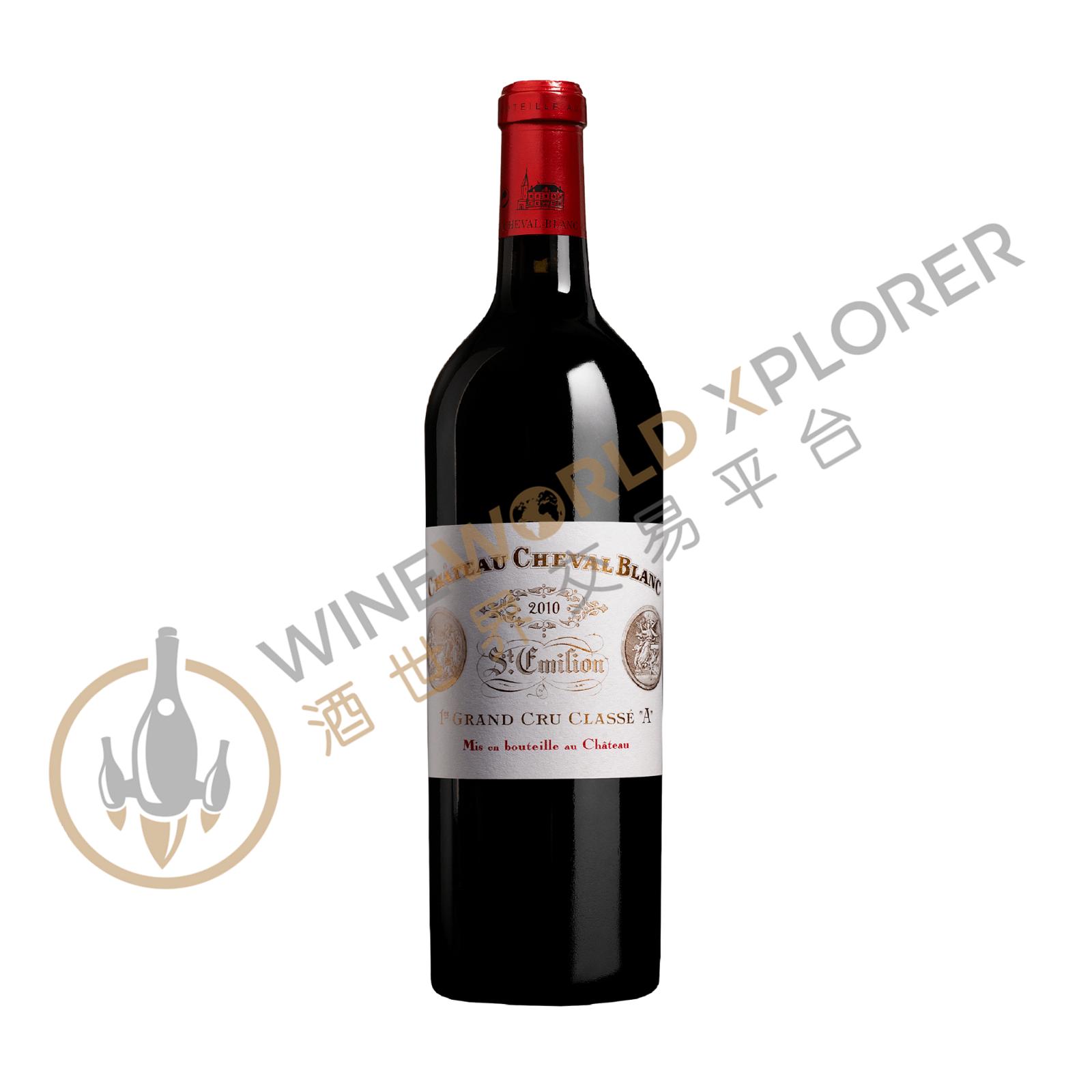
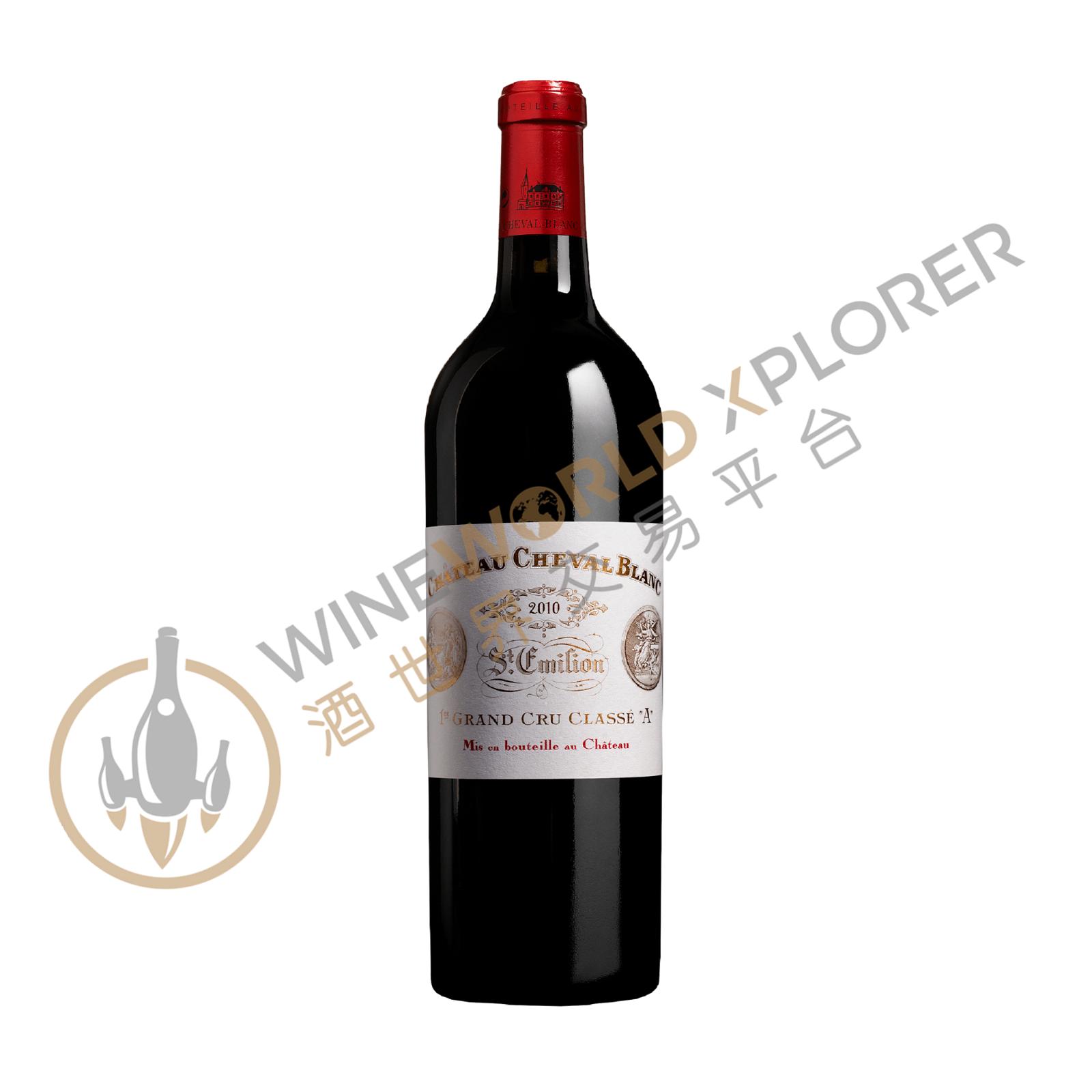
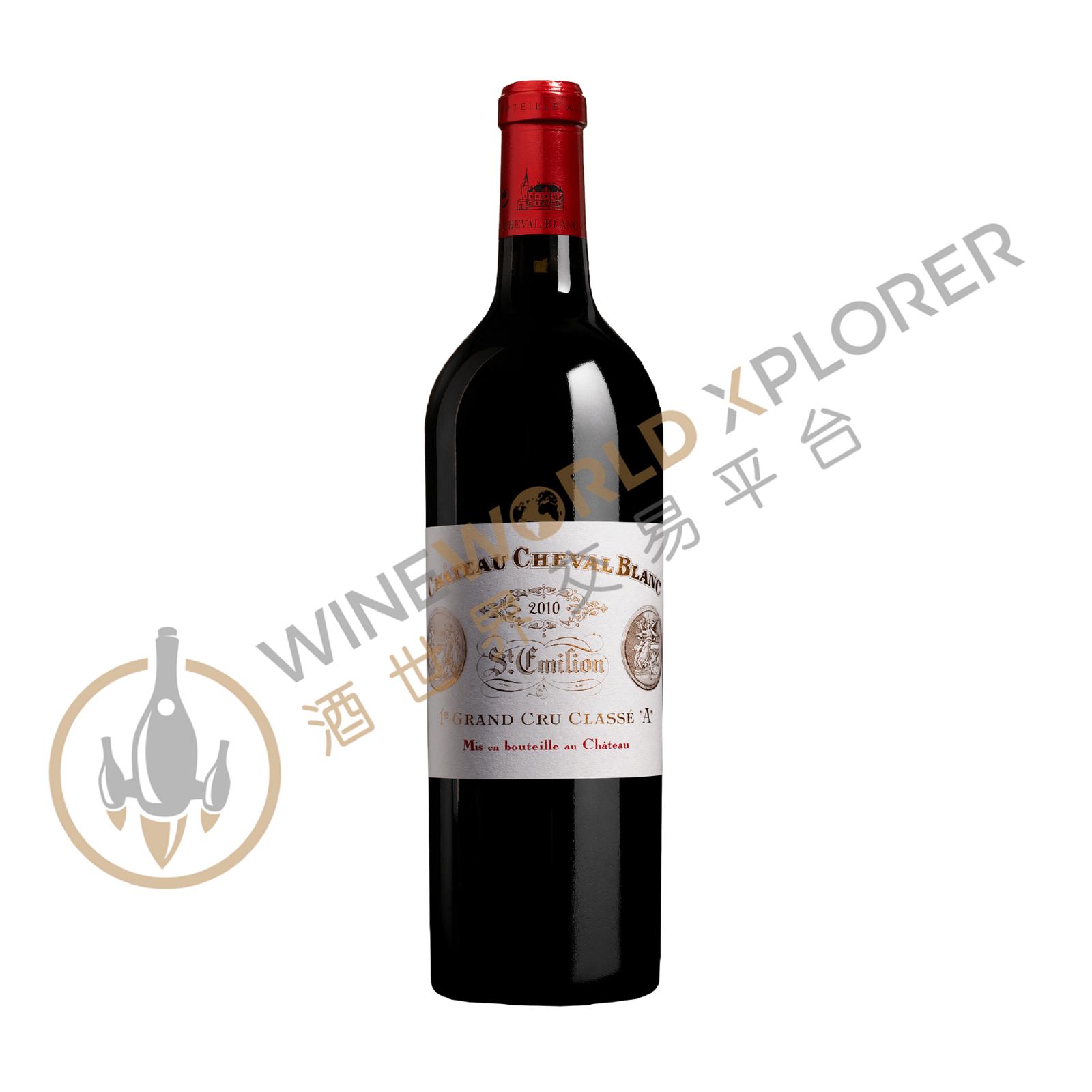
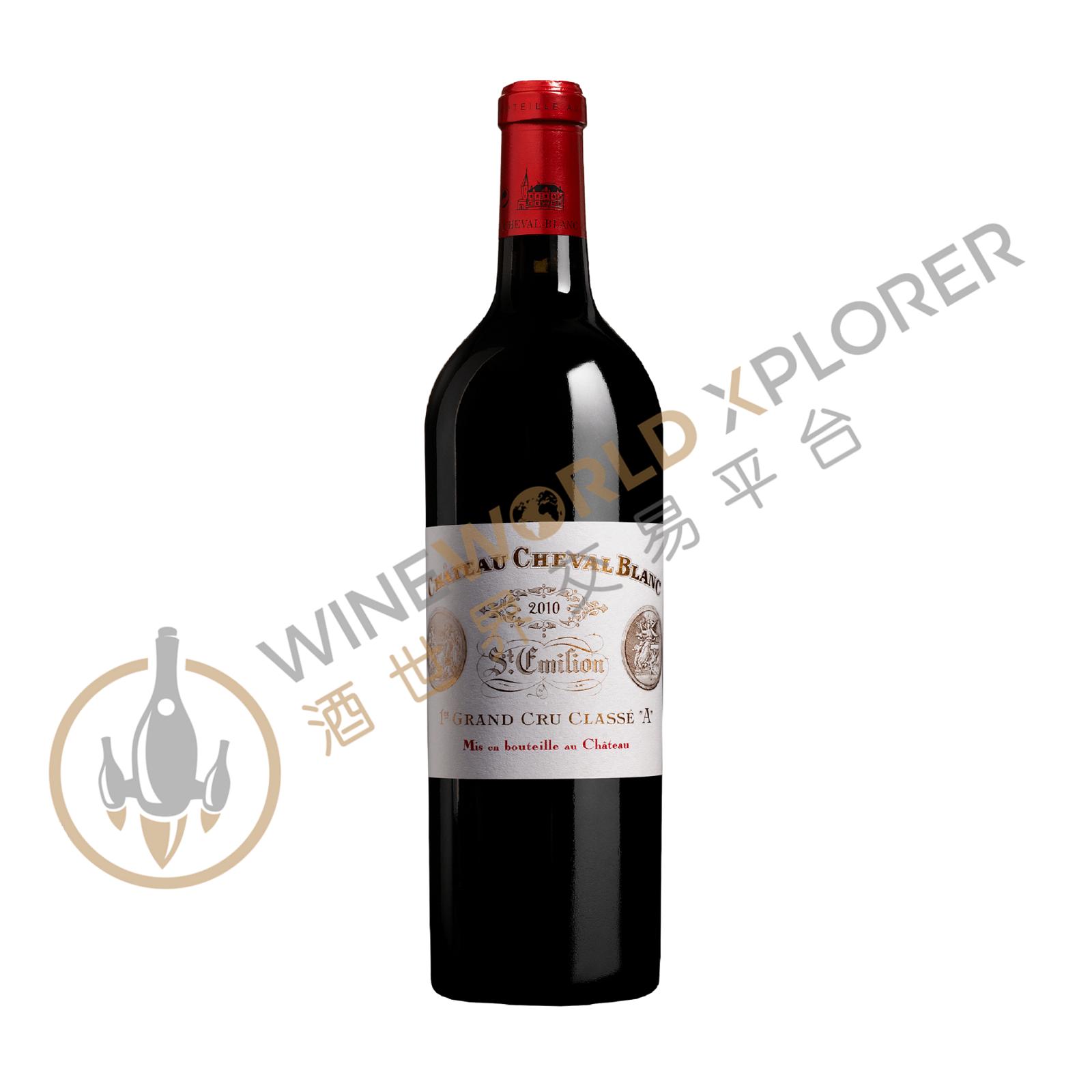
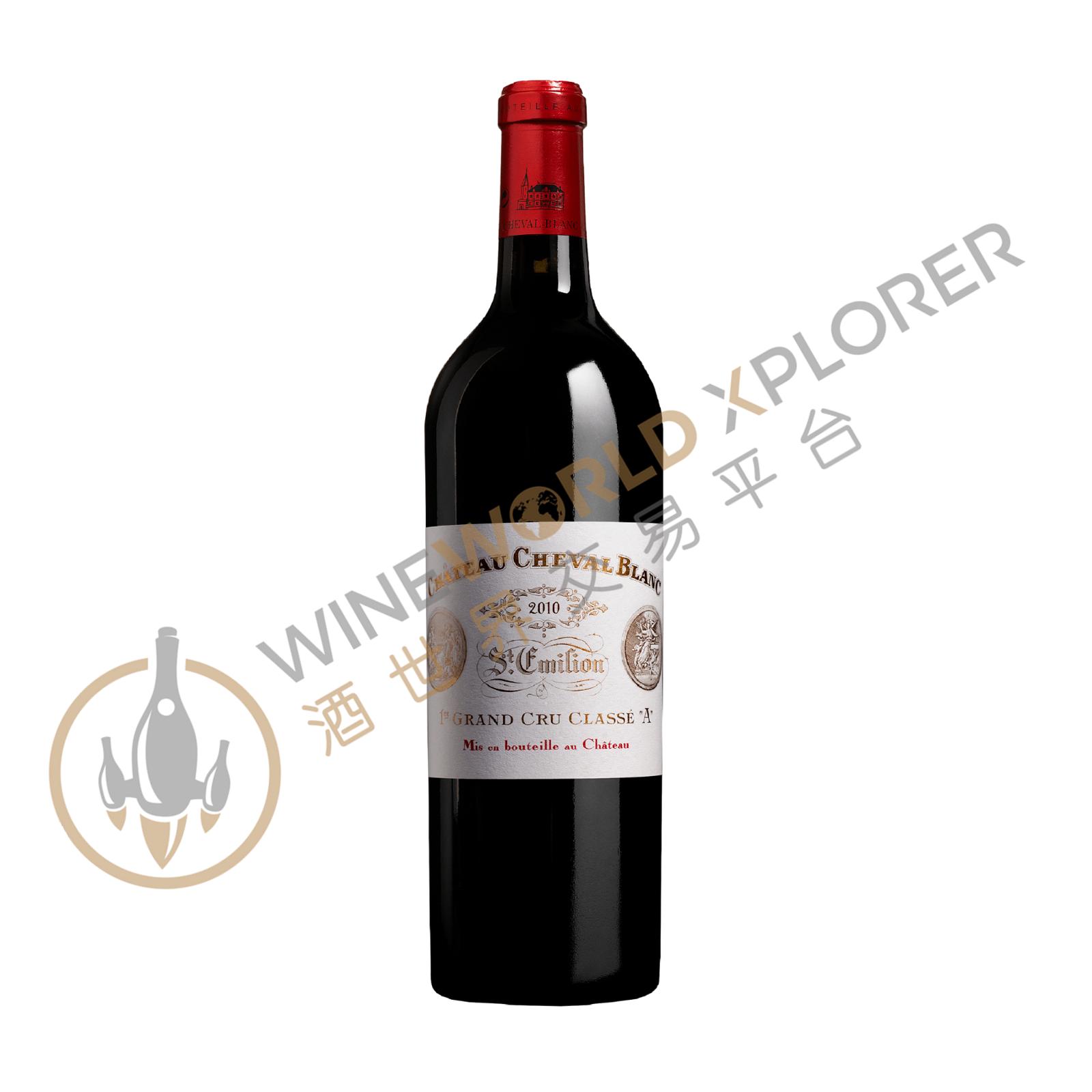
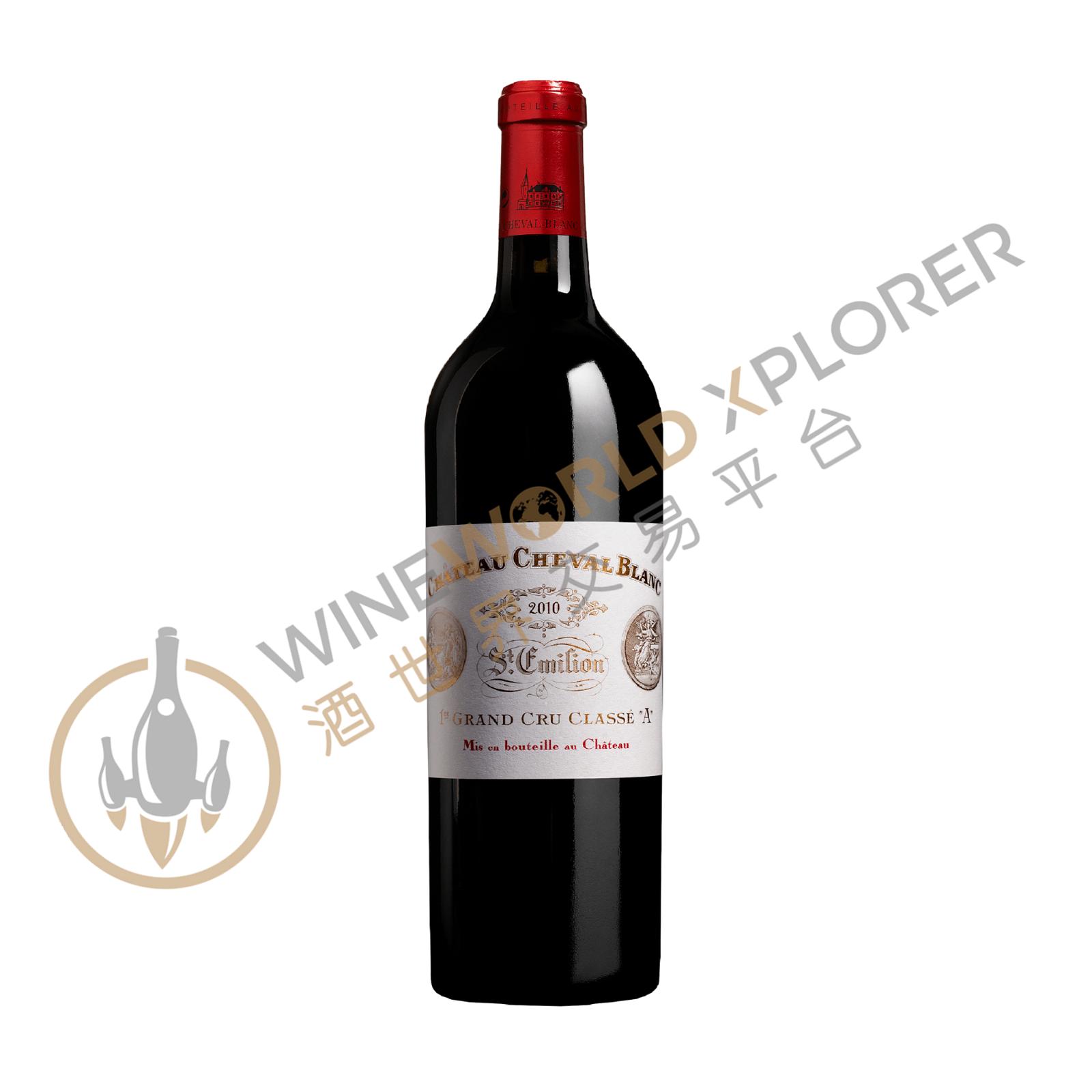
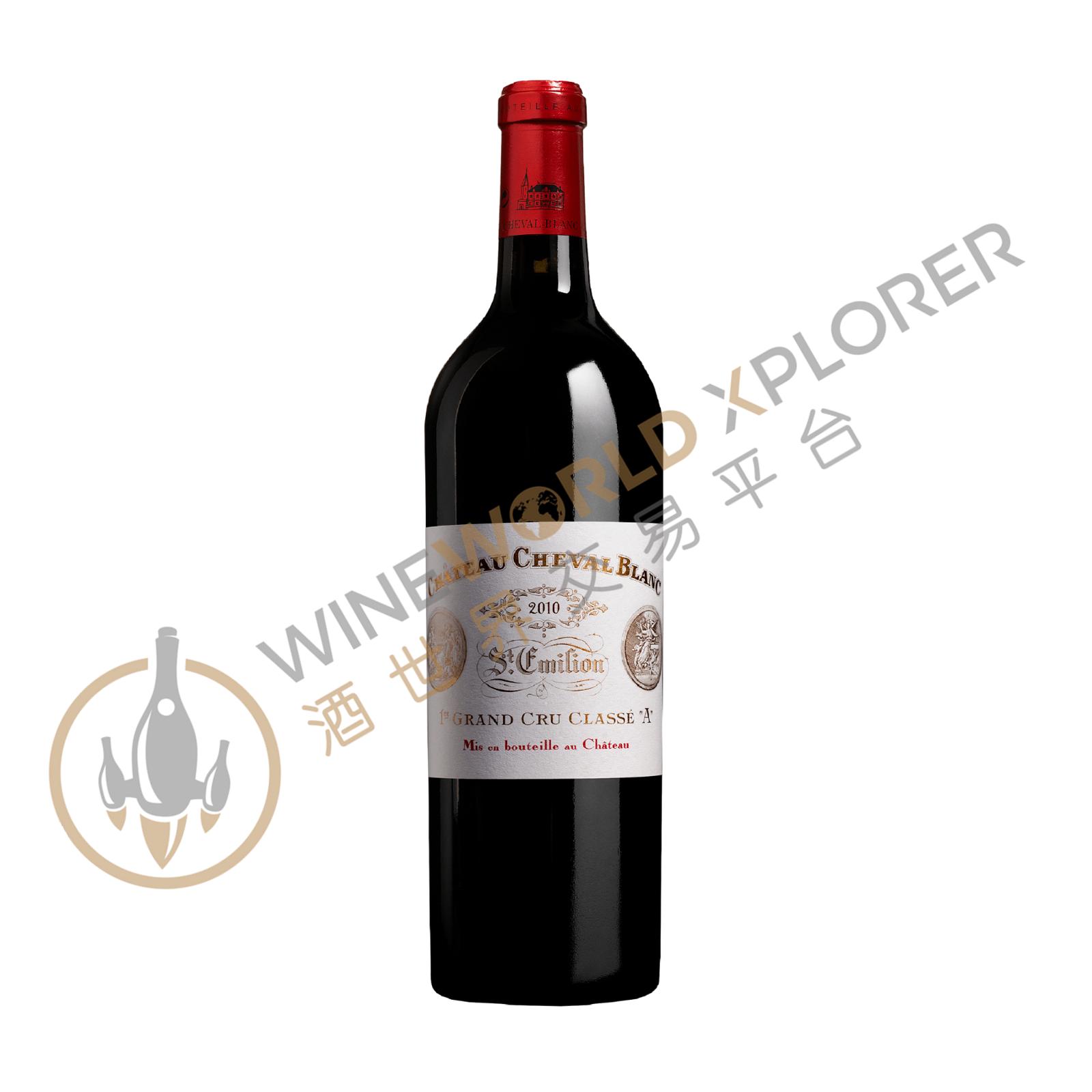
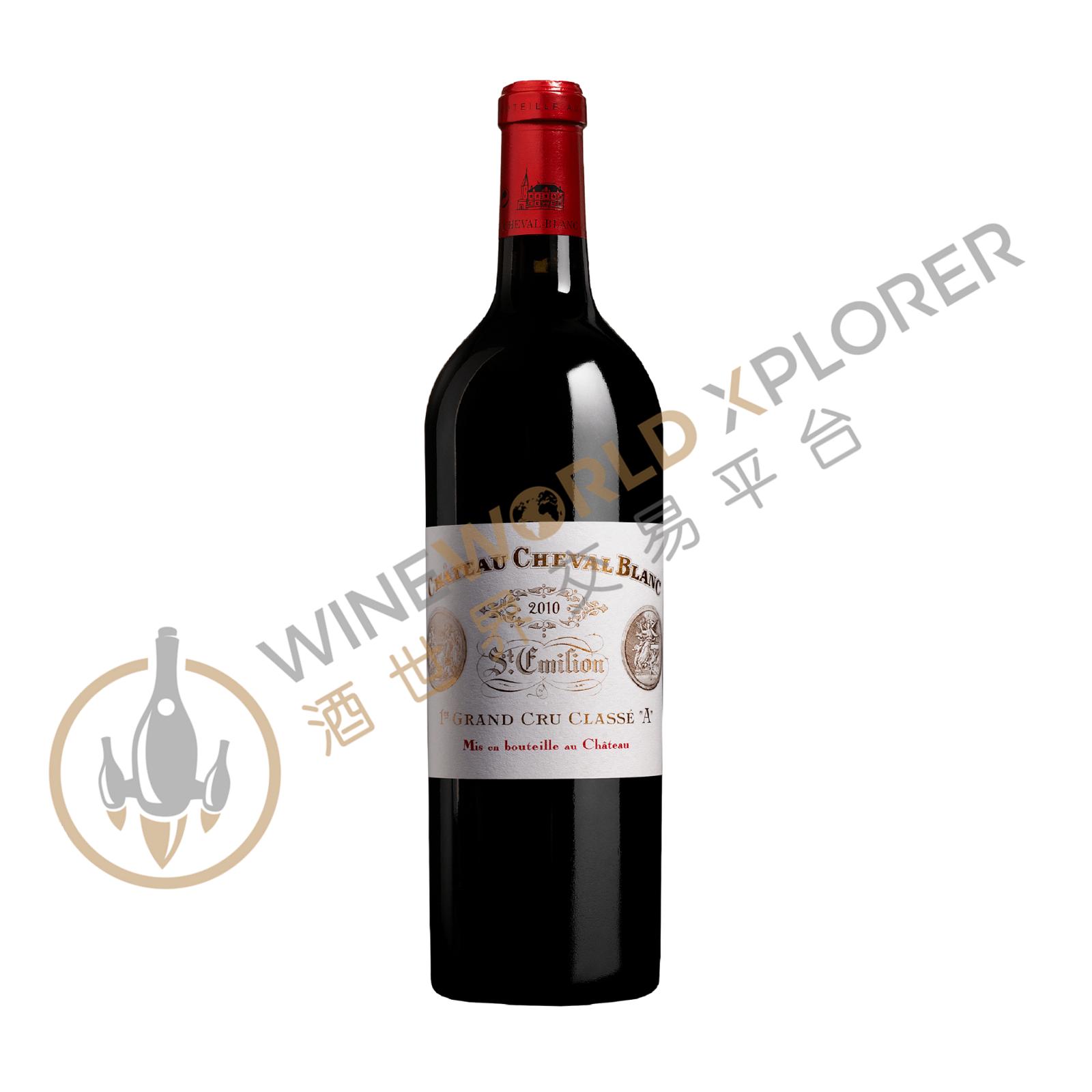
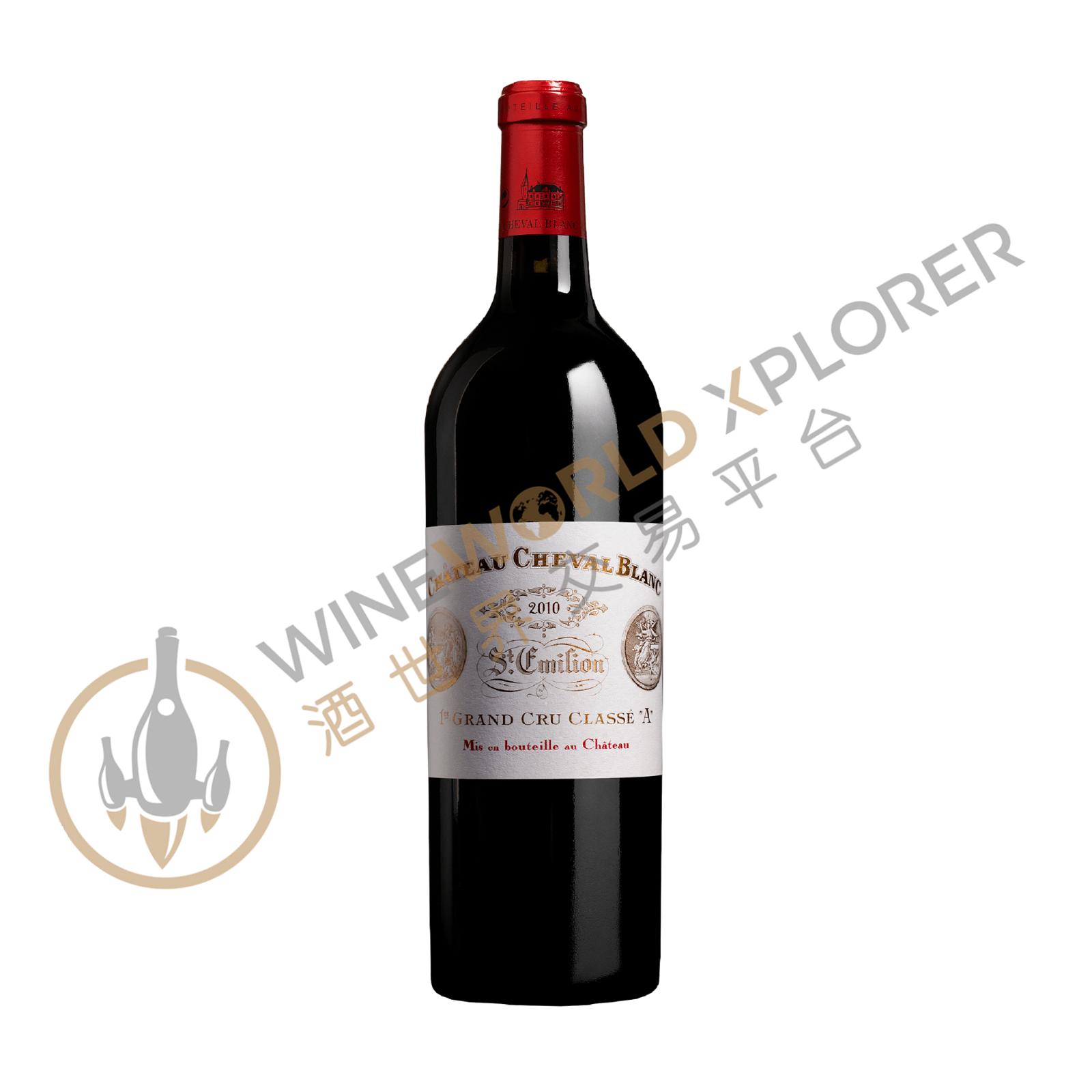
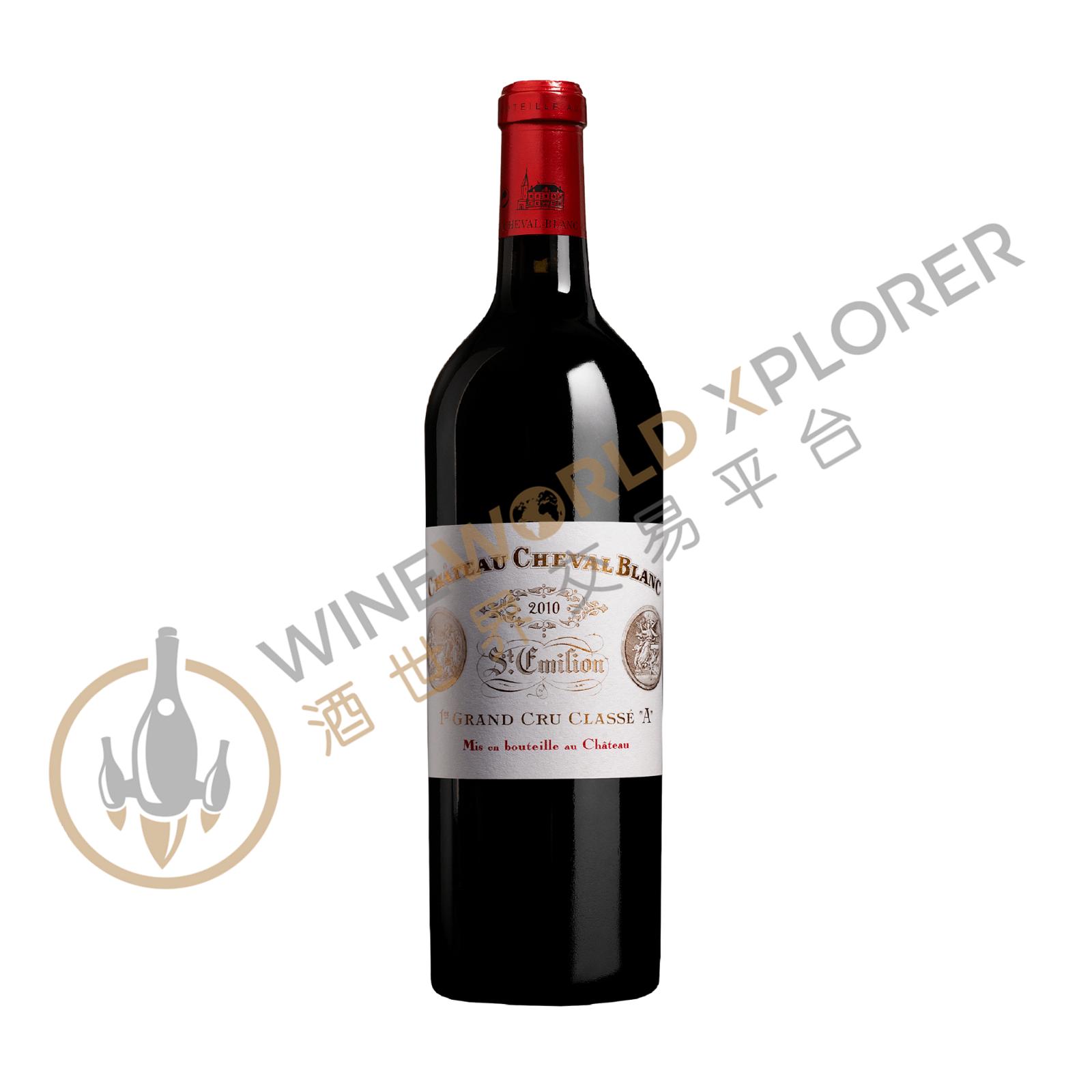
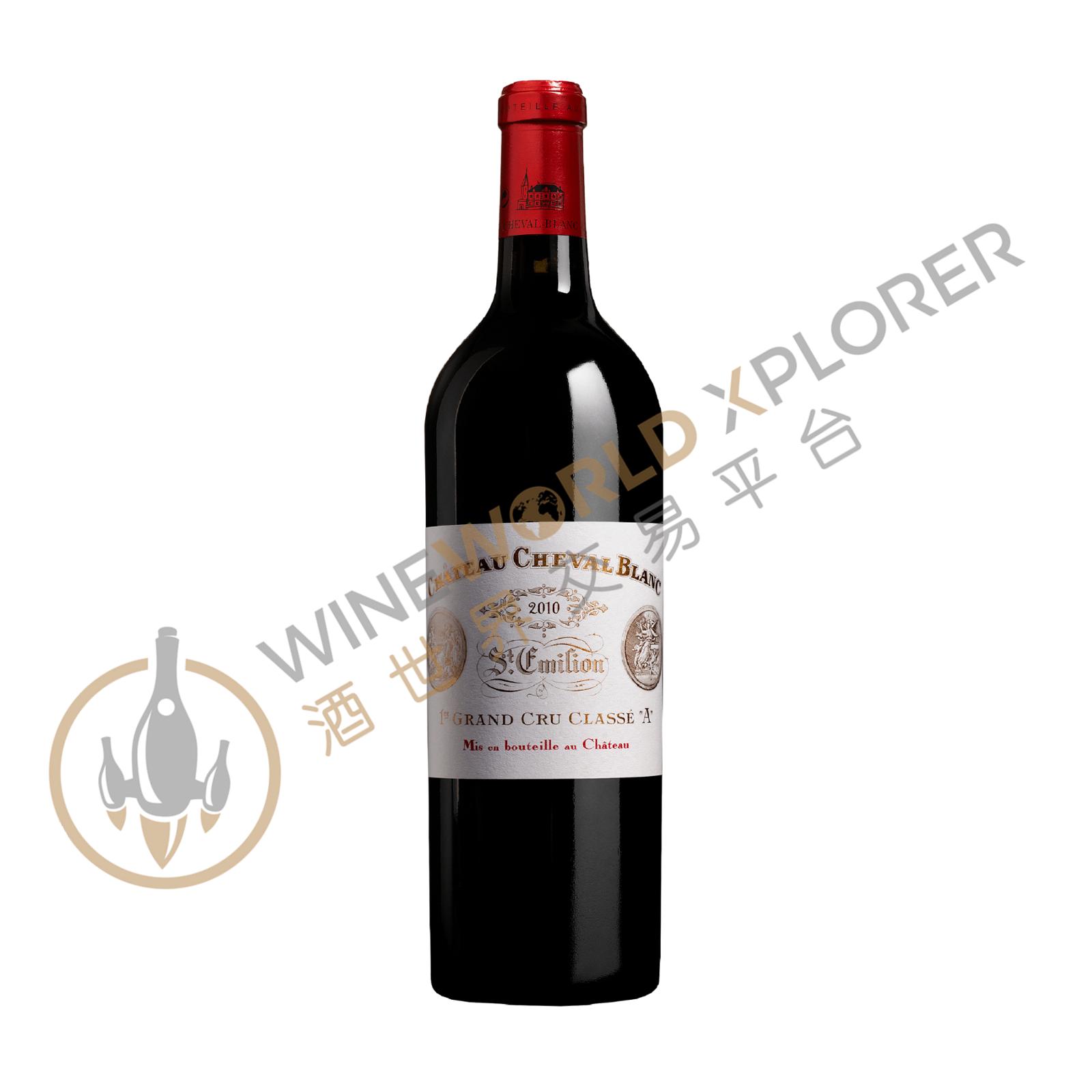
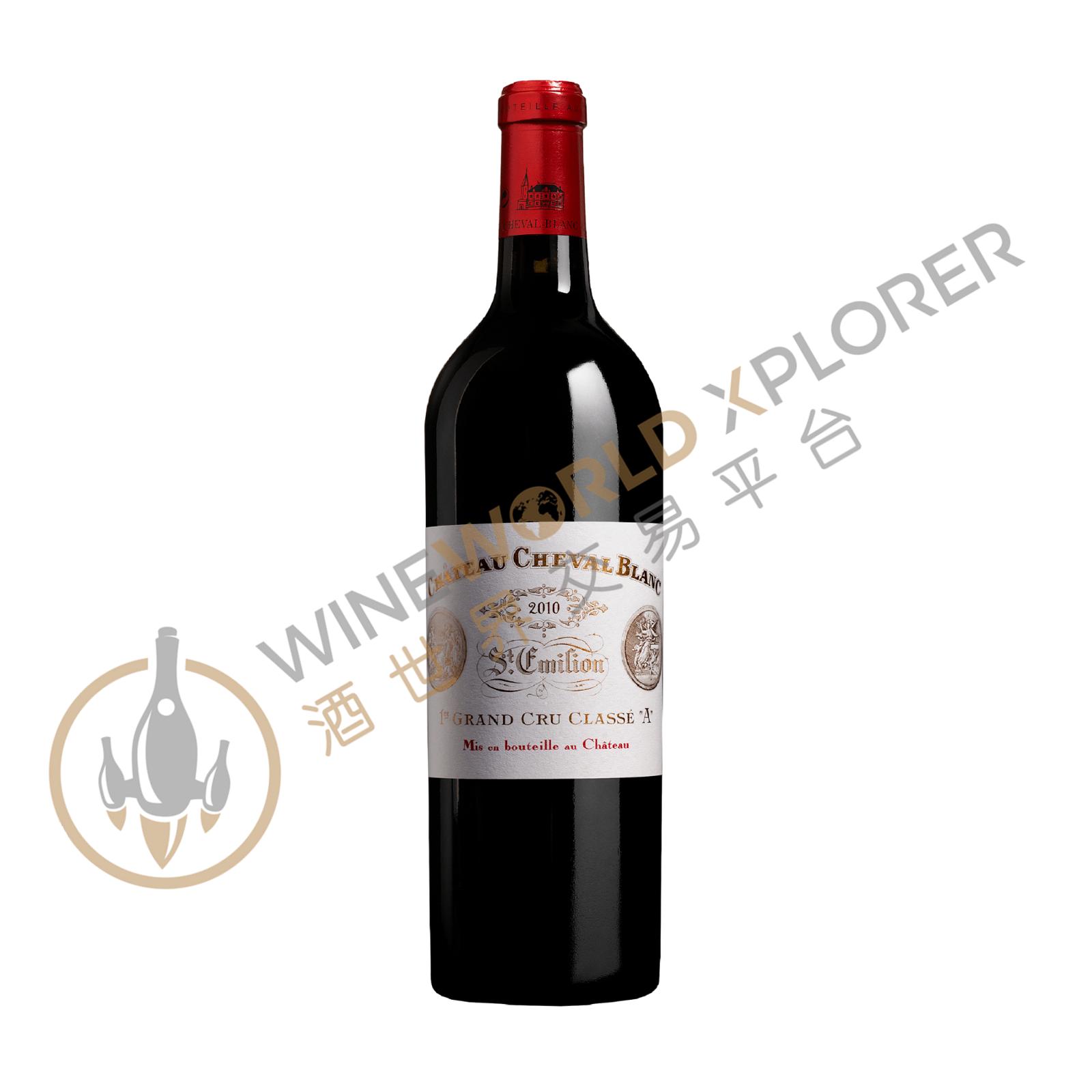
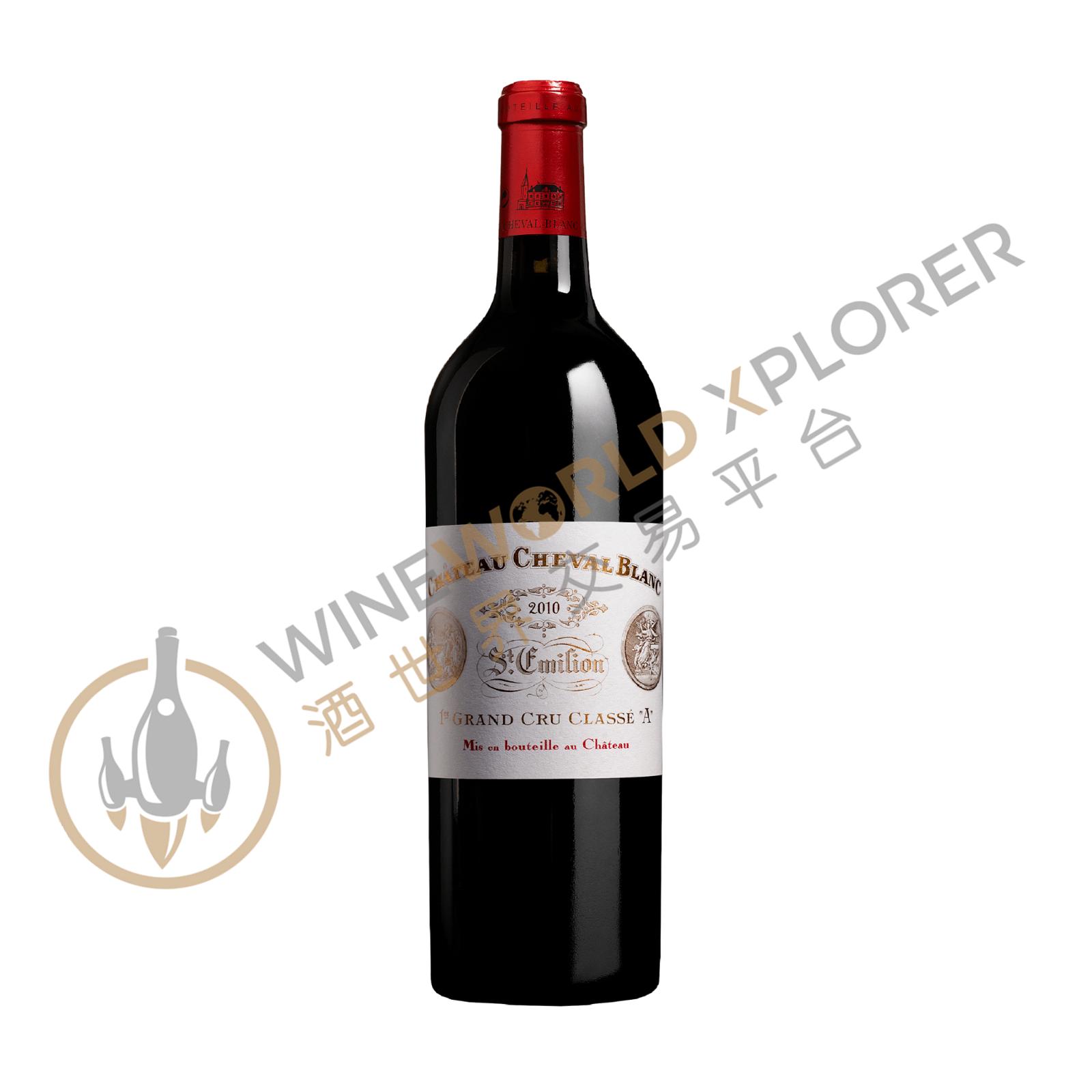
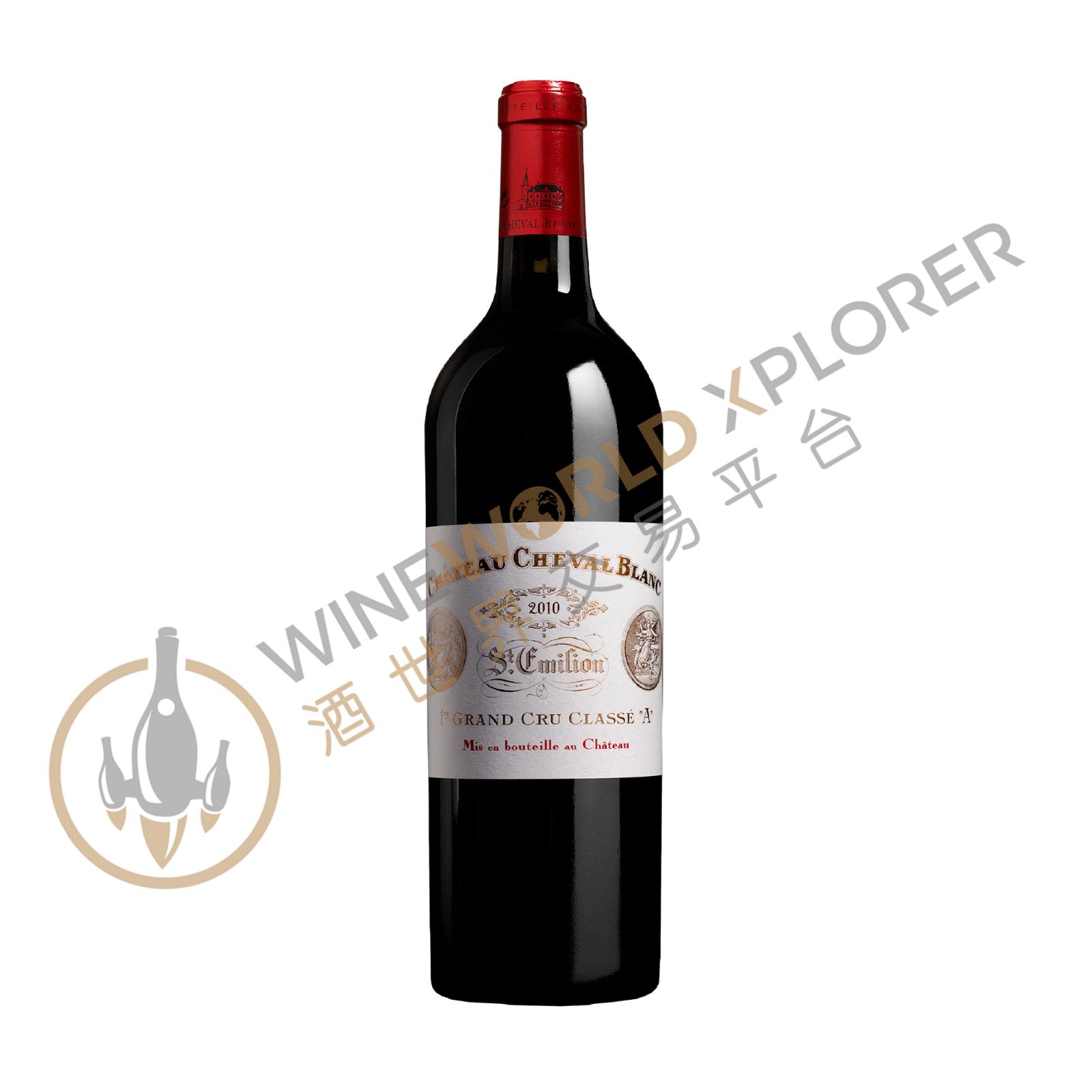
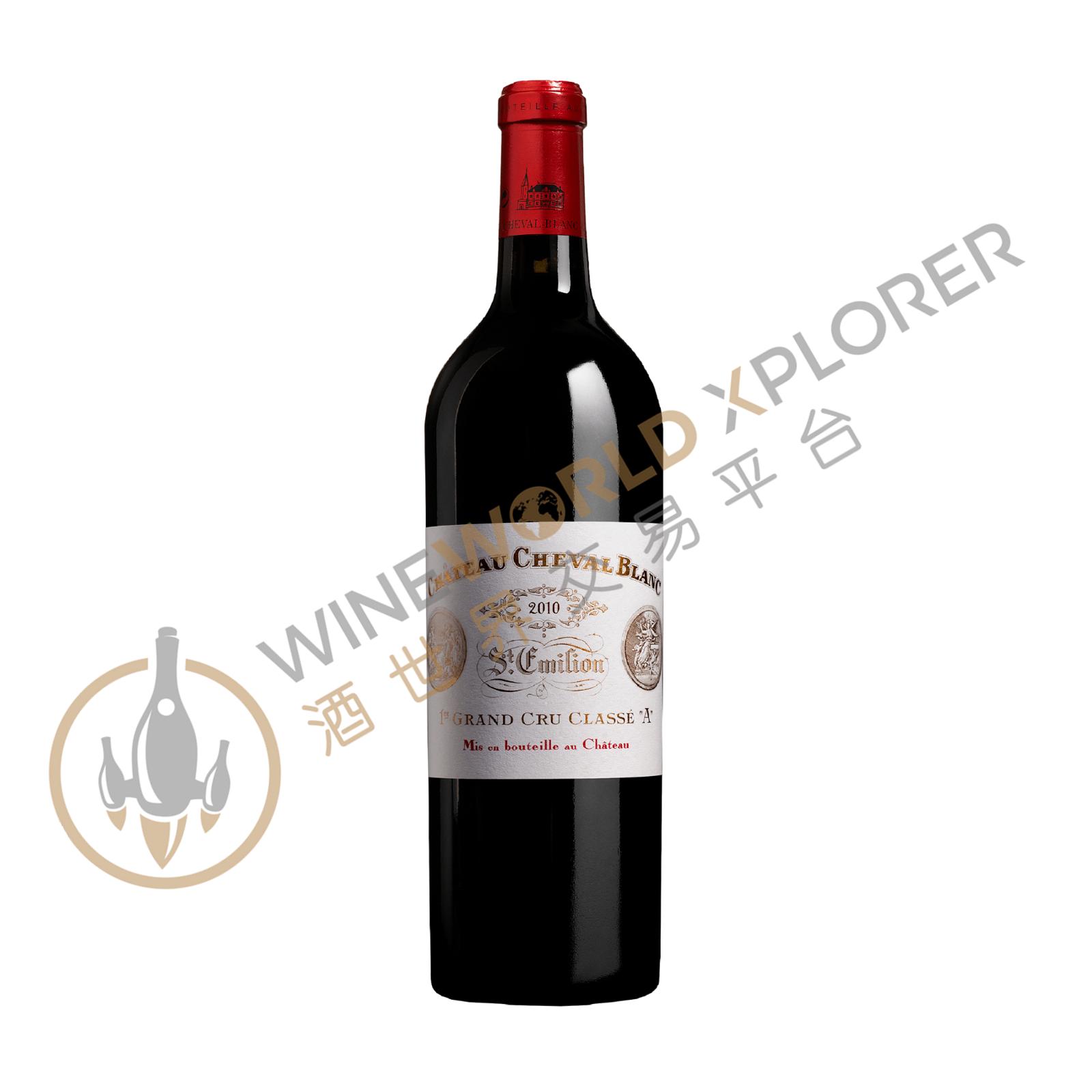
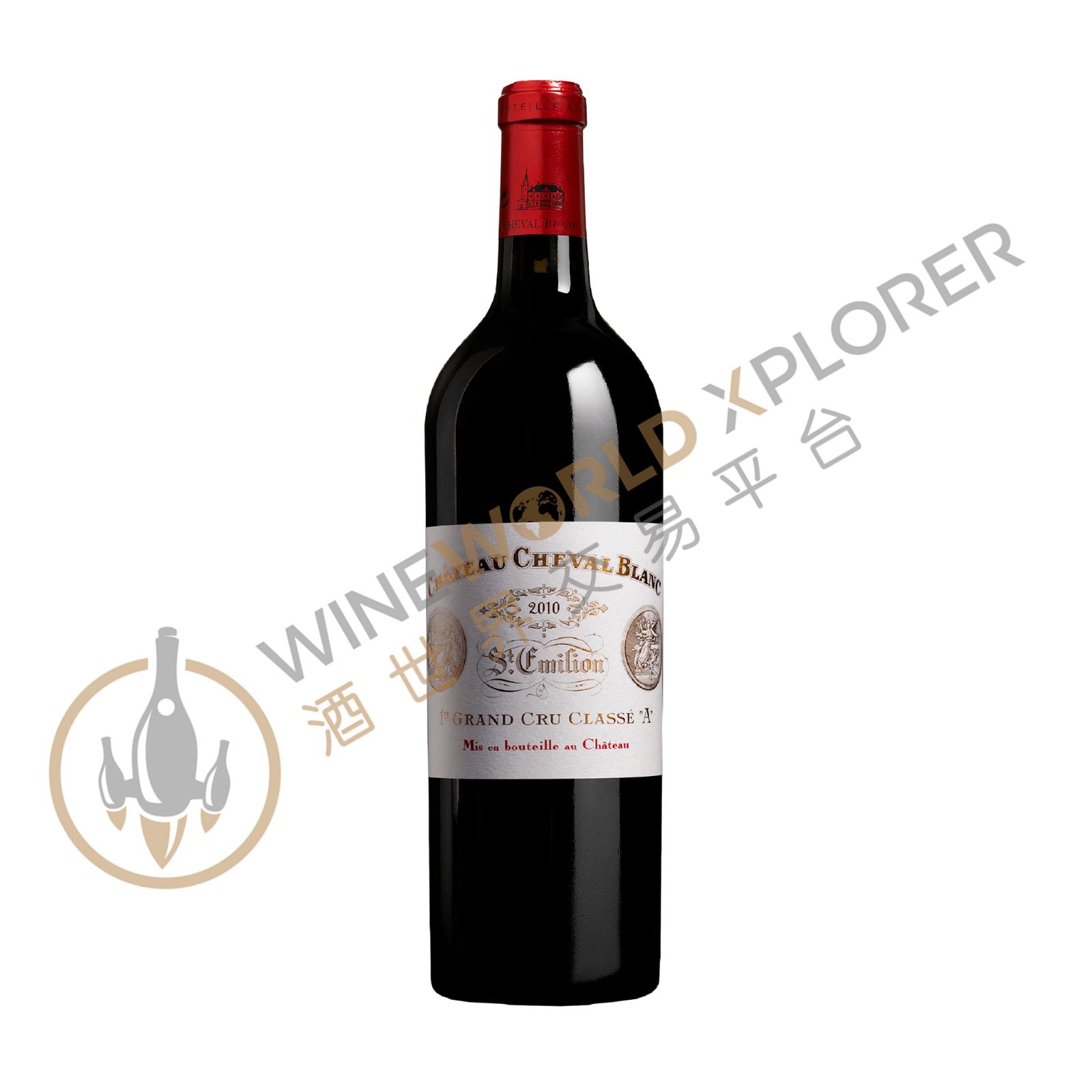
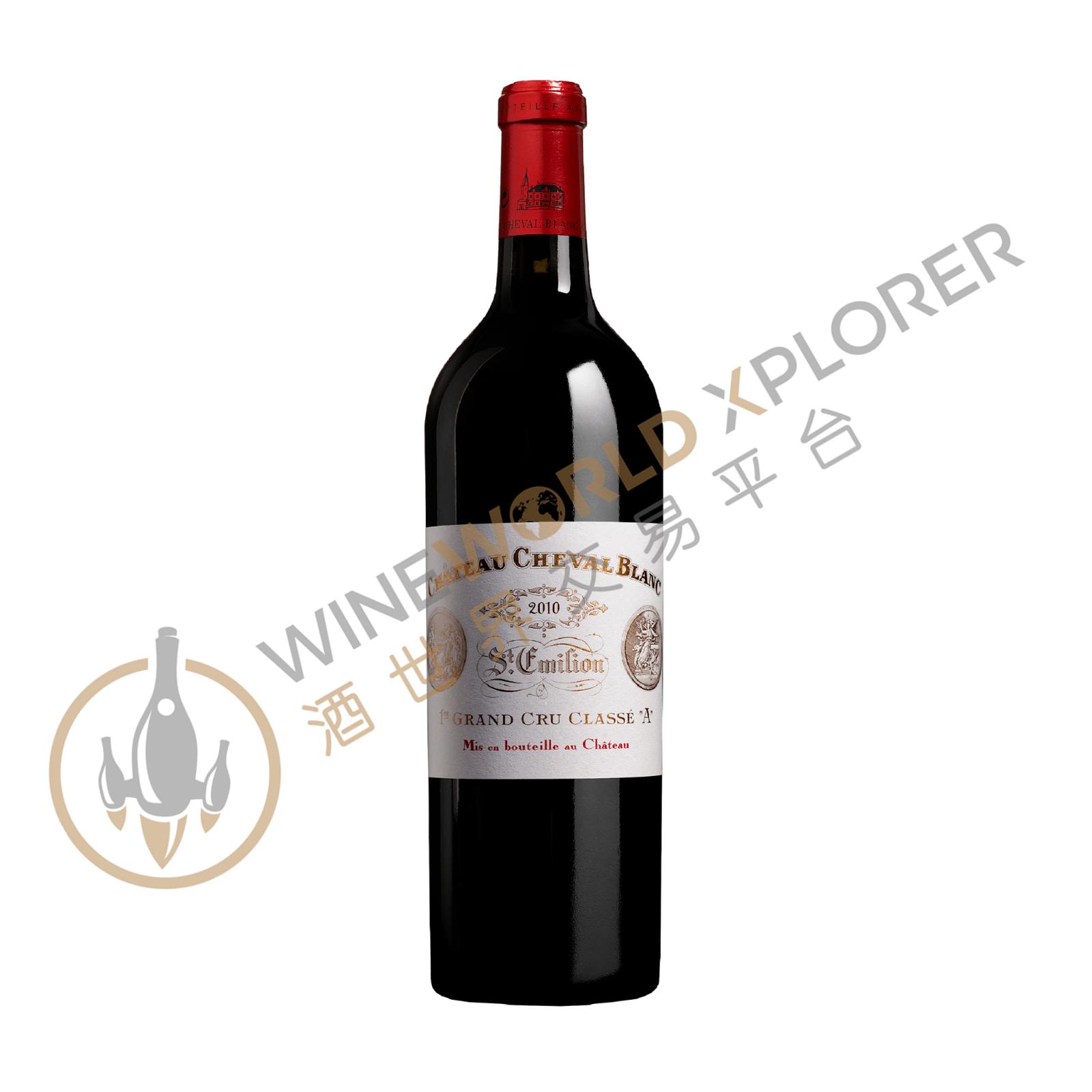
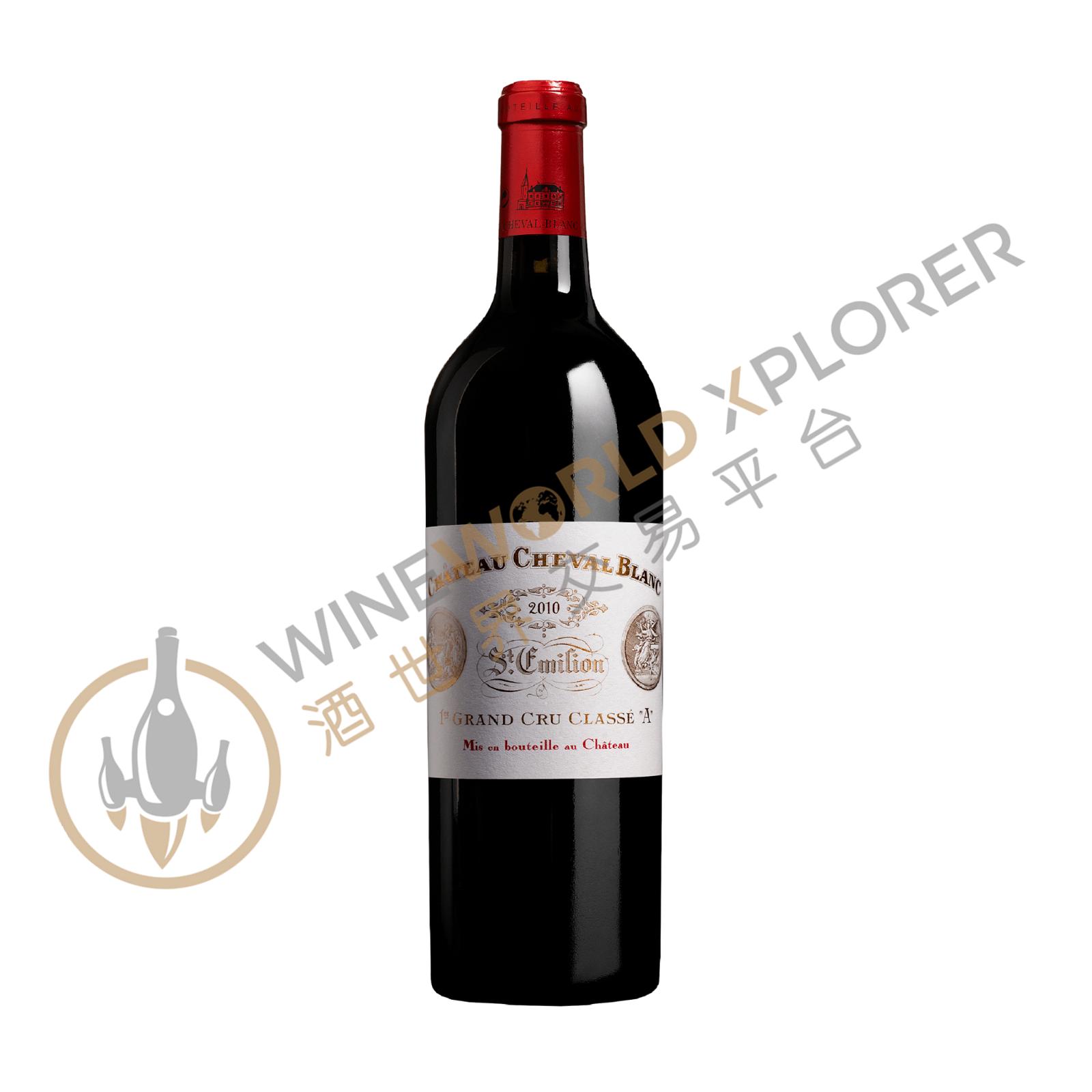
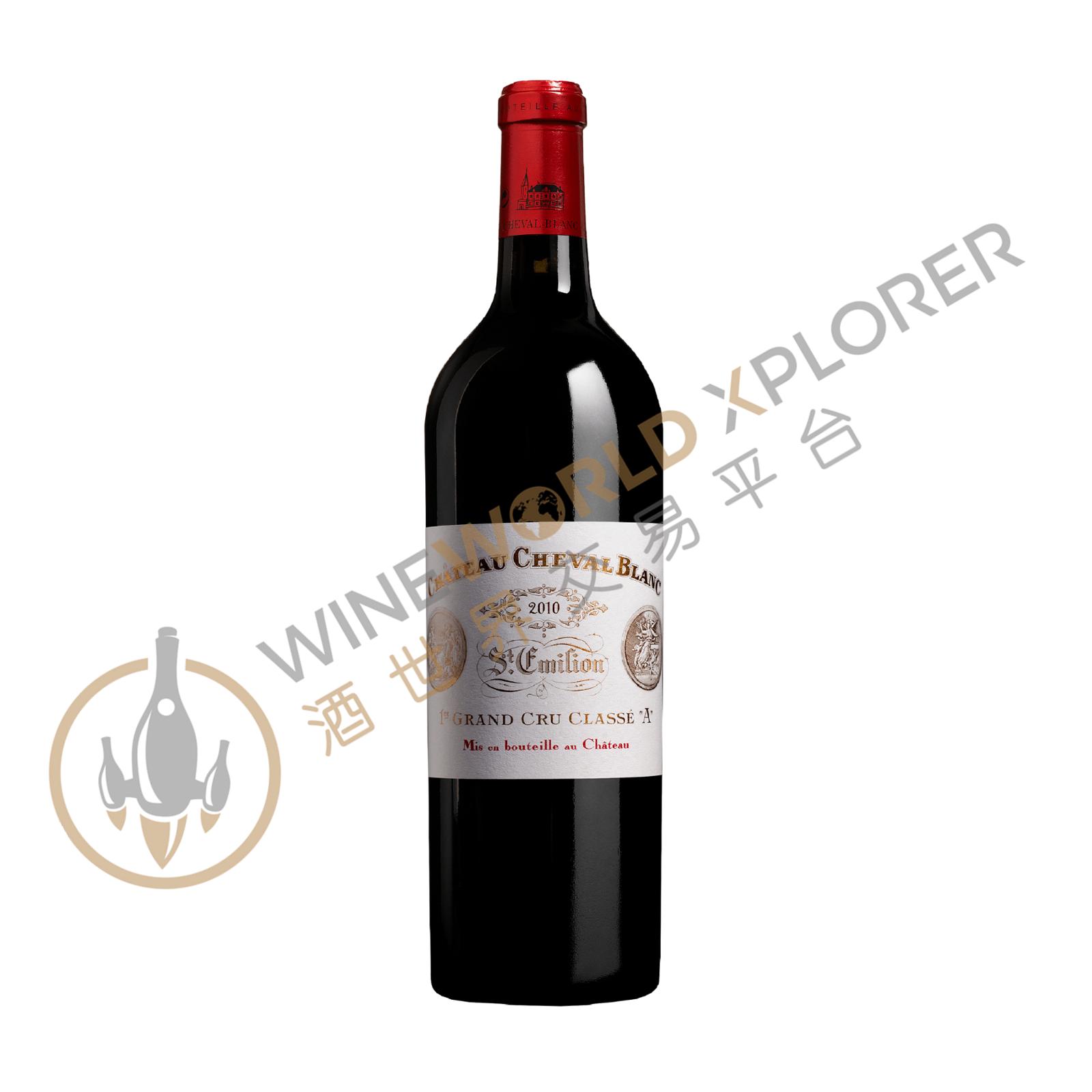
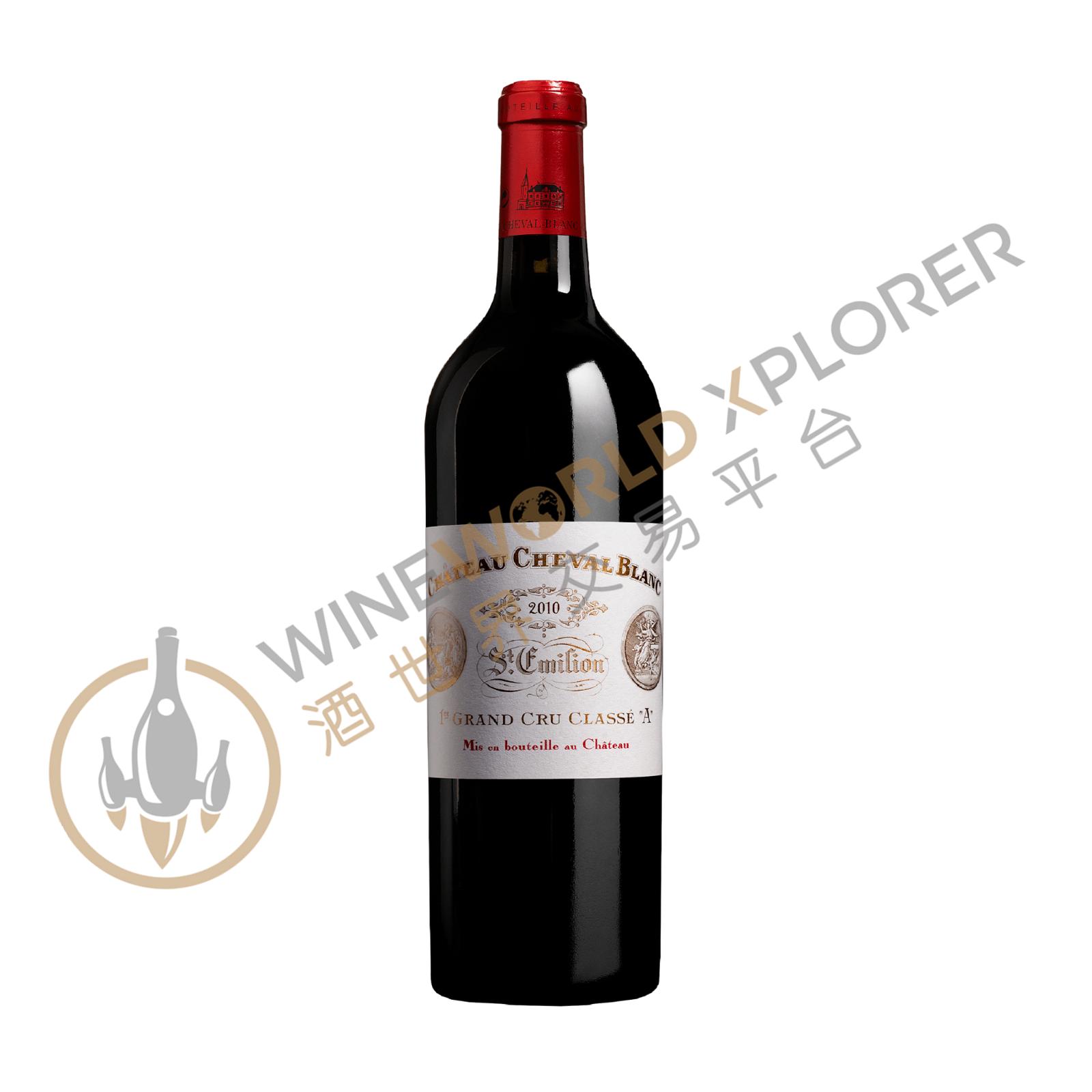
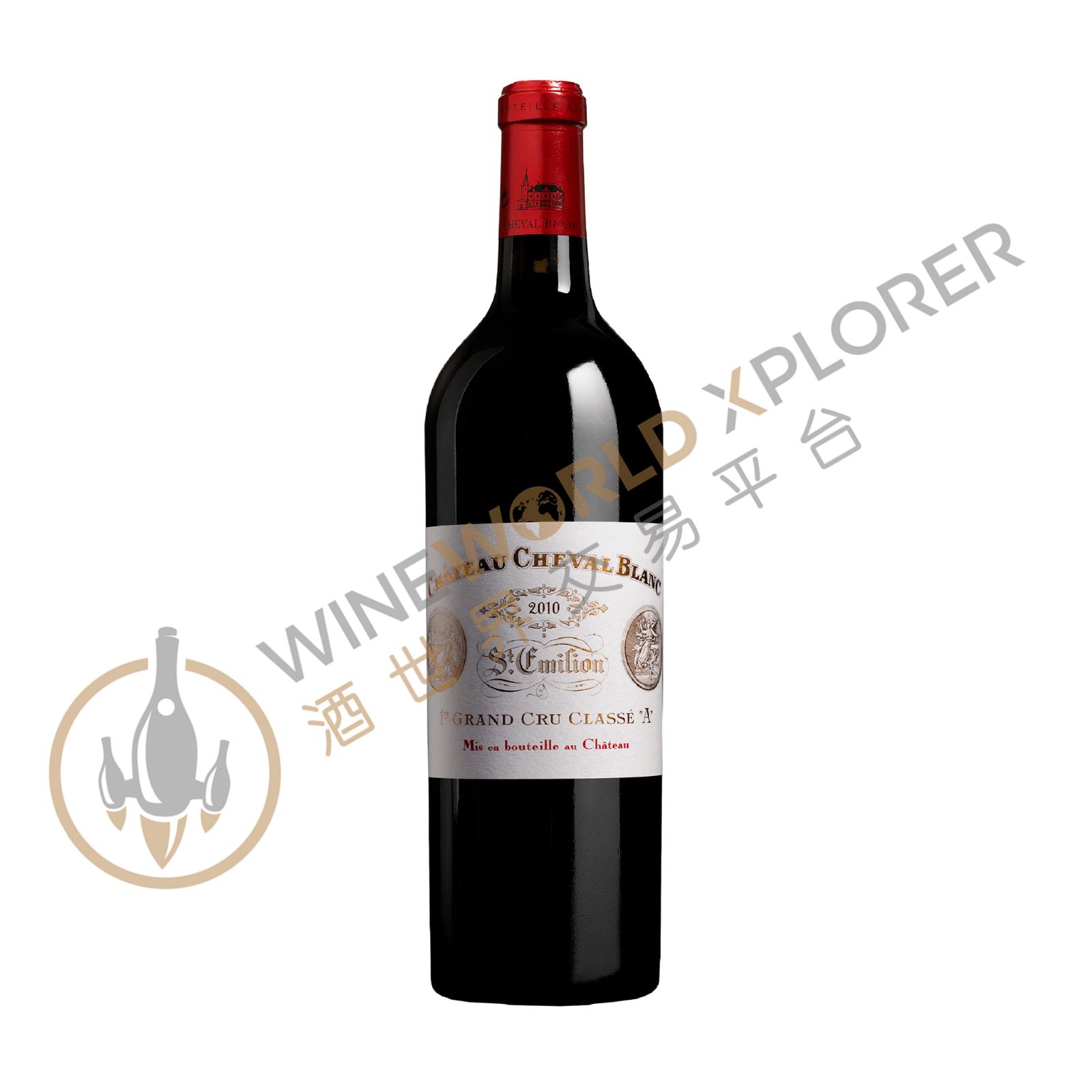
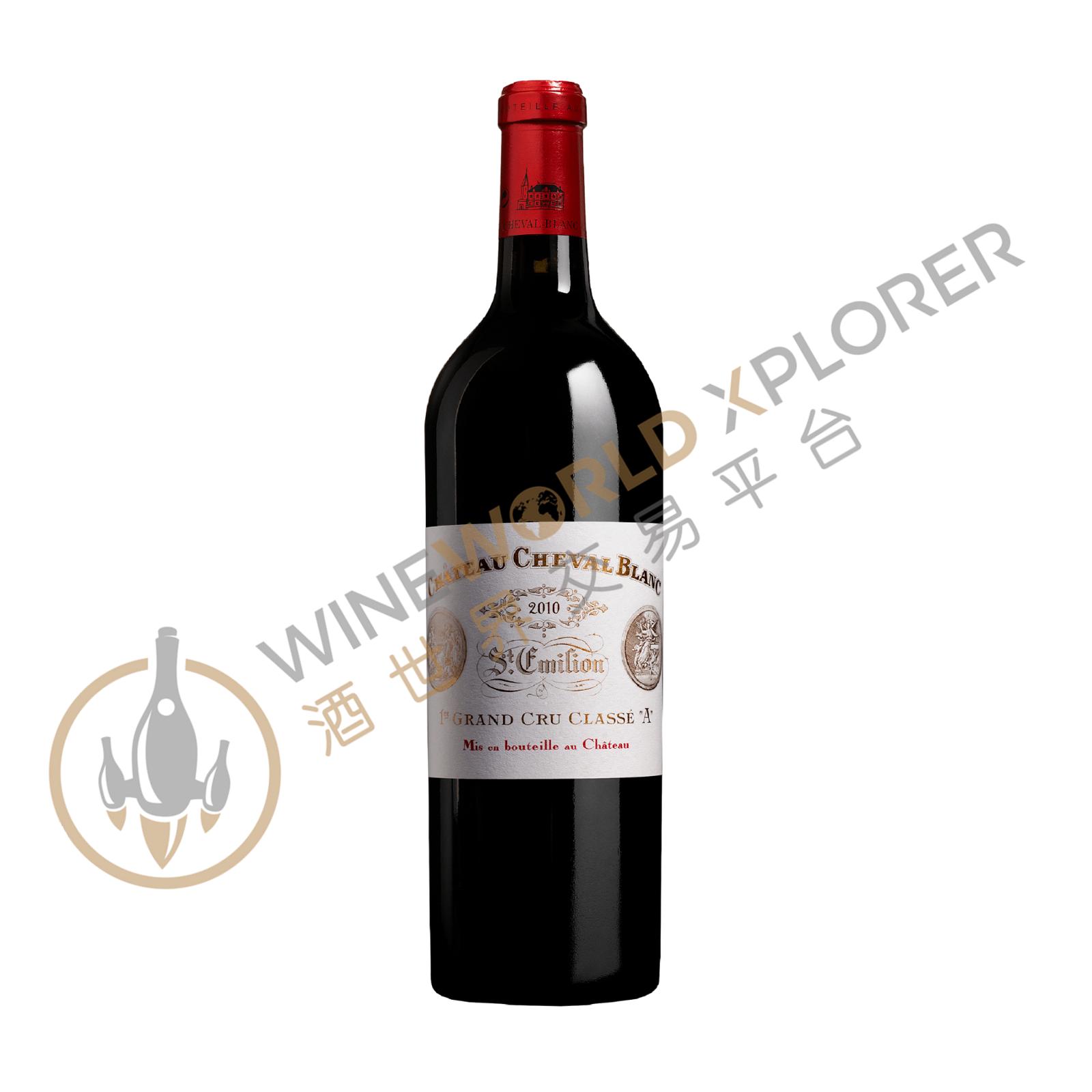
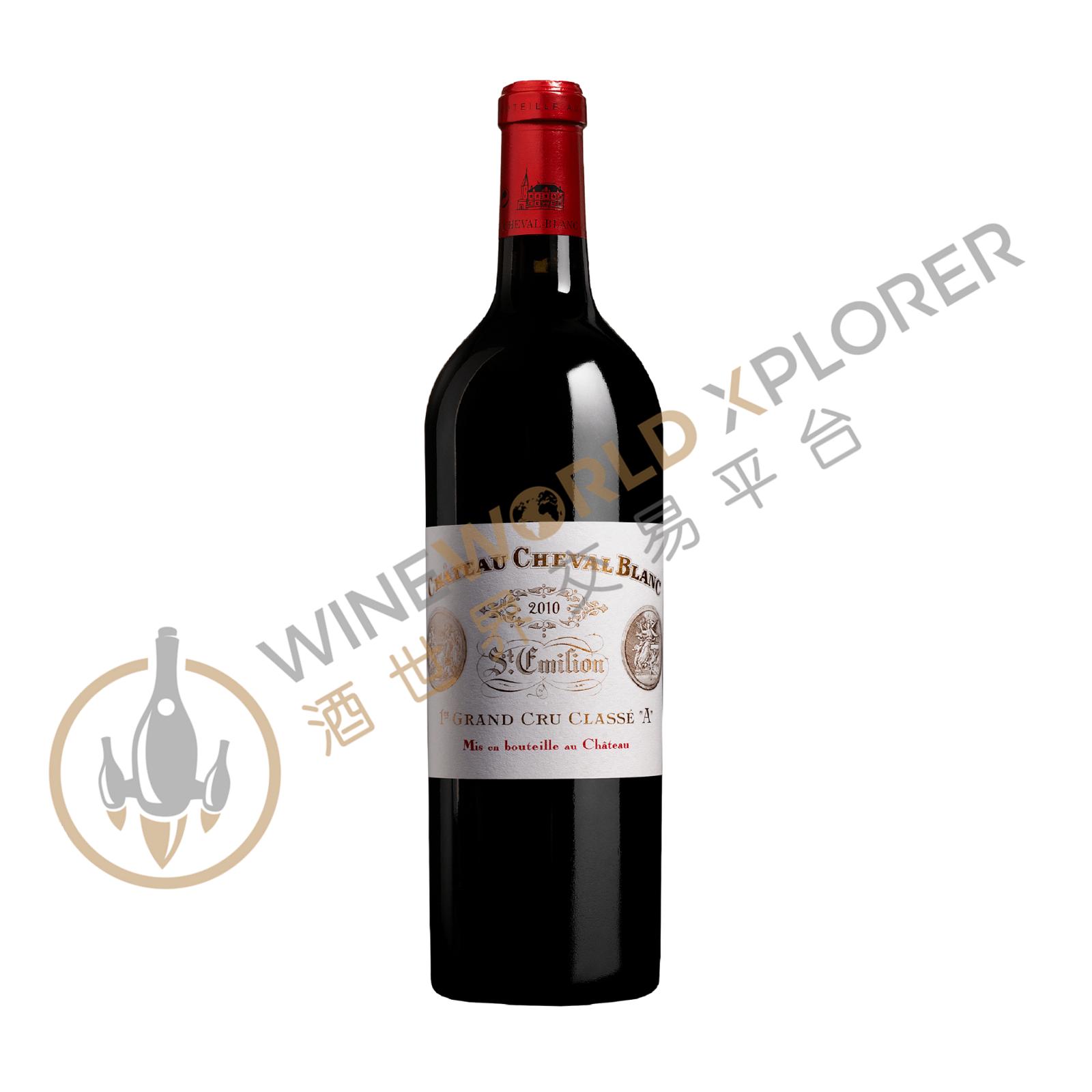
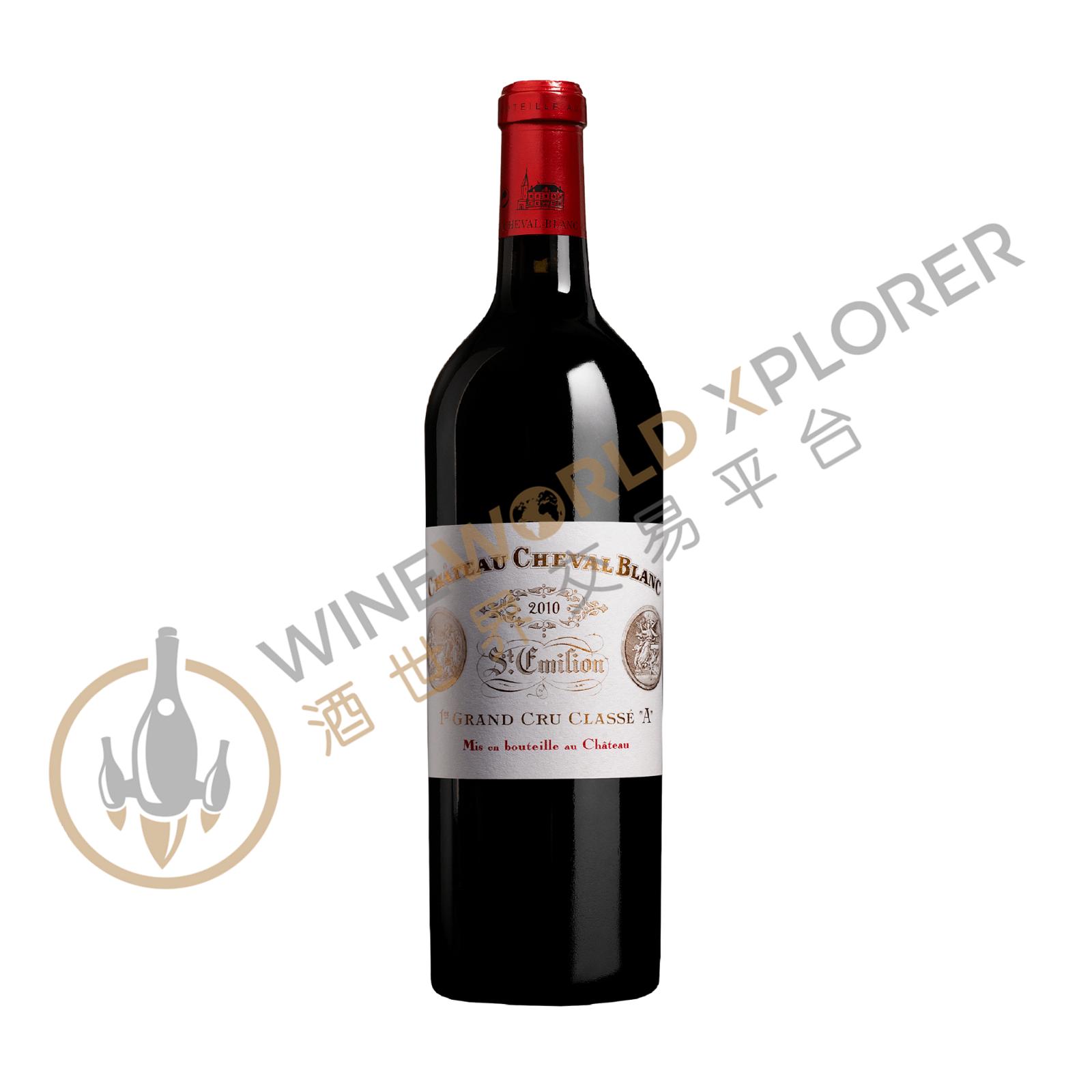
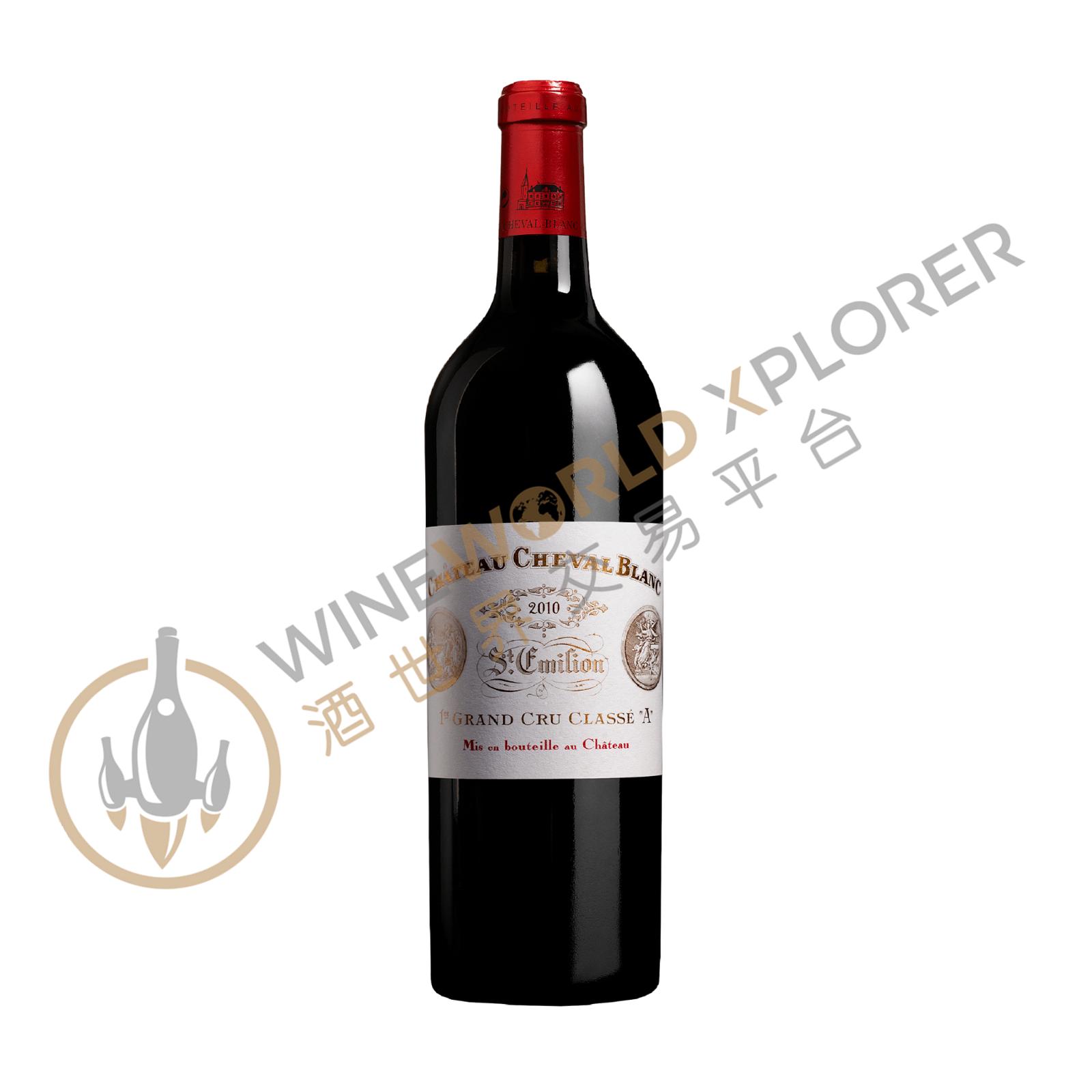
Château Cheval Blanc, a 1er Grand Cru Classé (A) is unquestionably the leading estate in St. Emilion. It is located in the north-west of the St. Emilion appellation, bordering Pomerol. Cheval Blanc obtained its first medal at the 1862 Universal Exhibition in London. In fact, a representation of this bronze medal is found on the château’s present-day label. Cheval Blanc won their first gold medal at the 1878 Universal Exhibition in Paris, and this new distinction also appeared on the label. In 1886, Cheval Blanc won a second gold medal at the Universal Exhibition in Antwerp. Reflecting this series of successes and a wine well on the way to achieving international recognition, a château was built on the estate.
Tasting notes

Reviewed by: Neal Martin
Tasted at Cheval Blanc dinner at The Ledbury. The ’78 Cheval has an intriguing bouquet where, like the 1981, the Cabernet Franc is driving the nose along: rustic, earthy savory fruit, wild hedgerow, rusty piping and a touch of charcoal. Yet it has fine definition and over the course of dinner it develops an attractive powdered dark chocolate accent. The palate is medium-bodied with furry tannins on the entry, but with time in the glass it coalesces and gains elegance. Paradigmatic of the vintage, it cannot disguise a tangible masculinity and dryness towards its well-defined but fresh finish. Very fine and very classic but conservative. Drink now-2015+ Tasted November 2010.
Reviewed by: Robert M. Parker, Jr.
As the 1979 Cheval Blanc becomes less and less attractive, the 1978 has gained in stature. Although it would suffer in a blind tasting against such legends as the 1982 and 1983, the 1978 offers a smoky, herbaceous, curranty bouquet, medium-bodied, ripe, herbaceous, rich, roasted flavors, and moderate tannins in the austere yet classy finish. This fine Cheval Blanc may merit an outstanding rating as it reaches full maturity. Could this be a replay of the 1966? Last tasted, 5/93.
Reviewed by: Neal Martin
This is certainly showing more maturity on the rim, fresh and very classic in style with cigar box, dried blood and game. Good definition, this is very attractive. Mint develops with time although there is a touch of under-ripeness. The palate does not quite match up to the quality of the nose: medium-bodied, sharp acidity, a little soft on the entry but there is certainly good tannic structure here. Foursquare, old-style wine, like the previous wine with a touch of game towards the decayed but elegant, meaty finish. Drink now. Tasted September 2008.
Reviewed by: Neal Martin
The Cheval '78 has always been, what you might call a "respectable" wine for the vintage, although it clearly lacks the quality of vintages in the 1980s. Here, purchased from Sothebys in the UK, it has a pleasant if rather conservative tobacco-infused bouquet, not dissimilar to the '66, but with the same degree of panache. The palate is marked by dry tannins but a fine line of acidity, a solid and linear Cheval that shows just a touch of greenness towards the finish. Whilst it continues to drink well, it has not improved for many years. Tasted February 2014.
Reviewed by: Robert M. Parker, Jr.
The 1978 is a rather green, herbal style of Cheval Blanc with a dark garnet color, some cedar and spice box, but medium-bodied and tough-textured, with an absence of charm, fruit, and glycerin. Drink it up. Last tasted, 12/02.
Reviewed by: Robert M. Parker, Jr.
This is a firmly built, concentrated Cheval Blanc that, curiously, has not displayed the precocious, fleshy, charming fruit in its early life that most vintages of Cheval Blanc exhibit. The wine is still dark ruby, with a relatively stubborn and backward bouquet suggestive of rich, ripe blackcurrants, mineral scents, herbs, and grilled nuts. On the palate, the wine is tannic, medium bodied, and admirably concentrated. It resembles the stylish, austere 1966, but appears more concentrated. Anticipated maturity: Now-2008. Last tasted, 10/90.
Reviewed by: Neal Martin
The 1978 Château Cheval Blanc, which was served from magnum, has an endearing and you could almost describe it as "dainty," iron-scented nose with undergrowth and just a speck of Moroccan spice coming through. It is pleasant, even if I noticed how it lost some vigor over the course of 45 minutes. The palate is medium-bodied with tobacco-infused black fruit and a crisp line of acidity, though not a complex Saint Emilion. It is certainly what you might describe as "old school" Claret, because it is unashamedly austere and foursquare, yet you will still find yourself finishing the glass and pouring another. Not a Cheval for the hedonists for sure, but it deserves respect all the same. Tasted March 2015.
Reviewed by: William Kelley
An underrated vintage for this estate that has aged with grace, the 1978 Cheval Blanc exhibits a deep bouquet of vine smoke, dark berries, incense, black truffle, loamy soil, mint and wilted rose petals. Medium to full-bodied, velvety and lively, it's an elegant, seamless middleweight framed by largely melted tannins.
About the Producer
Château Cheval Blanc is a highly lauded wine estate in the Saint-Émilion region of northeast Bordeaux. Classified with the top ranking of Premier Grand Cru Classé A, it is regarded by many as one of the greatest wines of the appellation – if not, the greatest. It is certainly the most famous Cabernet Franc-based wine in the world, albeit often alongside very similar levels of Merlot. Typically, the "grand vin" (the estate's eponymous wine) is lush and full bodied with great weight of fruit. It tends to require ten years of bottle age and the best vintages can last half a century or more. The second wine of the estate is Le Petit Cheval. The vineyard is located in the northwest of the region, bordering Pomerol (La Conseillante is a neighbor) and consists of 39 hectares (96 acres) divided into 45 plots. There is an unusually large amount of Cabernet Franc planted – about 49 percent – with 47 percent Merlot and four percent Cabernet Sauvignon. The unusual planting proportions reflect the terroir; most vineyards in the region are either clay or gravel-based over impermeable sedimentary rock, but Cheval Blanc is unique in having a patchwork of soils with the two types in roughly equal proportions. The clay soils provide base wines with velvety tannins, while those from gravel soils are more aromatic and elegant. Vines have been grown since the 14th Century at this spot but the vineyard as it is known today took shape in the 19th Century when the core plots were added to by purchases from the nearby Figeac estate. Subsequent replantings established the atypical half-Merlot, half-Cabernet Franc proportions. Cheval Blanc gained its first medal at the 1862 Universal Exhibition in London – the first of a series of successes building its reputation and achieving price levels comparable to the Médoc first growths, which paved the way for a château to be built on the estate. In the first classification of Saint-Émilion wines in 1955, Cheval Blanc was awarded the highest possible rating and remains a Premier Grand Cru Classé A. In 1998, after 166 years of continuous family ownership, Bernard Arnault, the head of luxury goods firm LVMH, and the late Baron Albert Frère (a Belgian billionaire investor) jointly purchased the estate. The spectacular new cellar opened in 2011, with 52 concrete vats (replacing stainless steel) of differing sizes corresponding to different vineyard plots. The grand vin spends 16 to 18 months in new oak barrels from a variety of cooperages.
1949(1)1953(1)1955(4)1958(1)1962(1)1966(1)1967(2)1970(2)1973(1)1974(2)1975(3)1976(1)1977(1)
Package Size