Wine Advisor



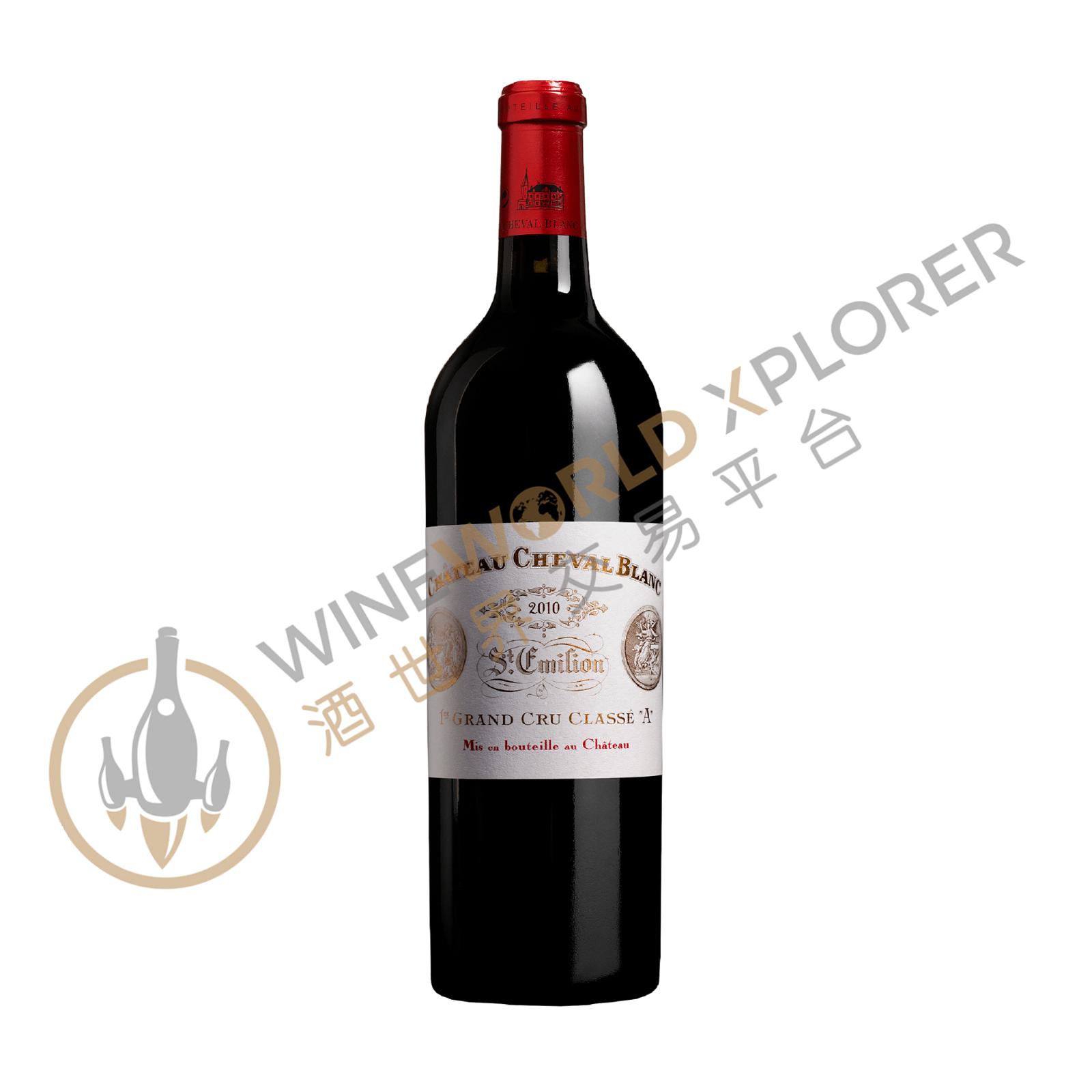
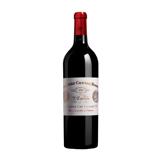
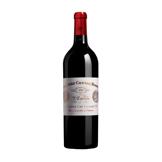
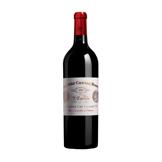
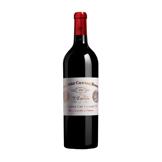
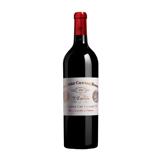
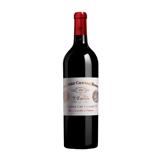
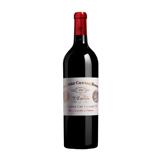
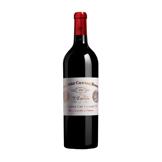
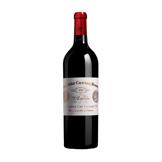
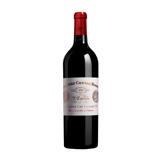
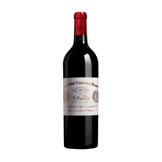
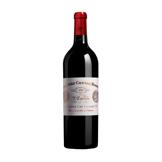
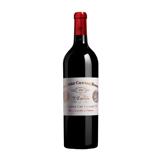
Cheval Blanc 1989
 View analysis


Description
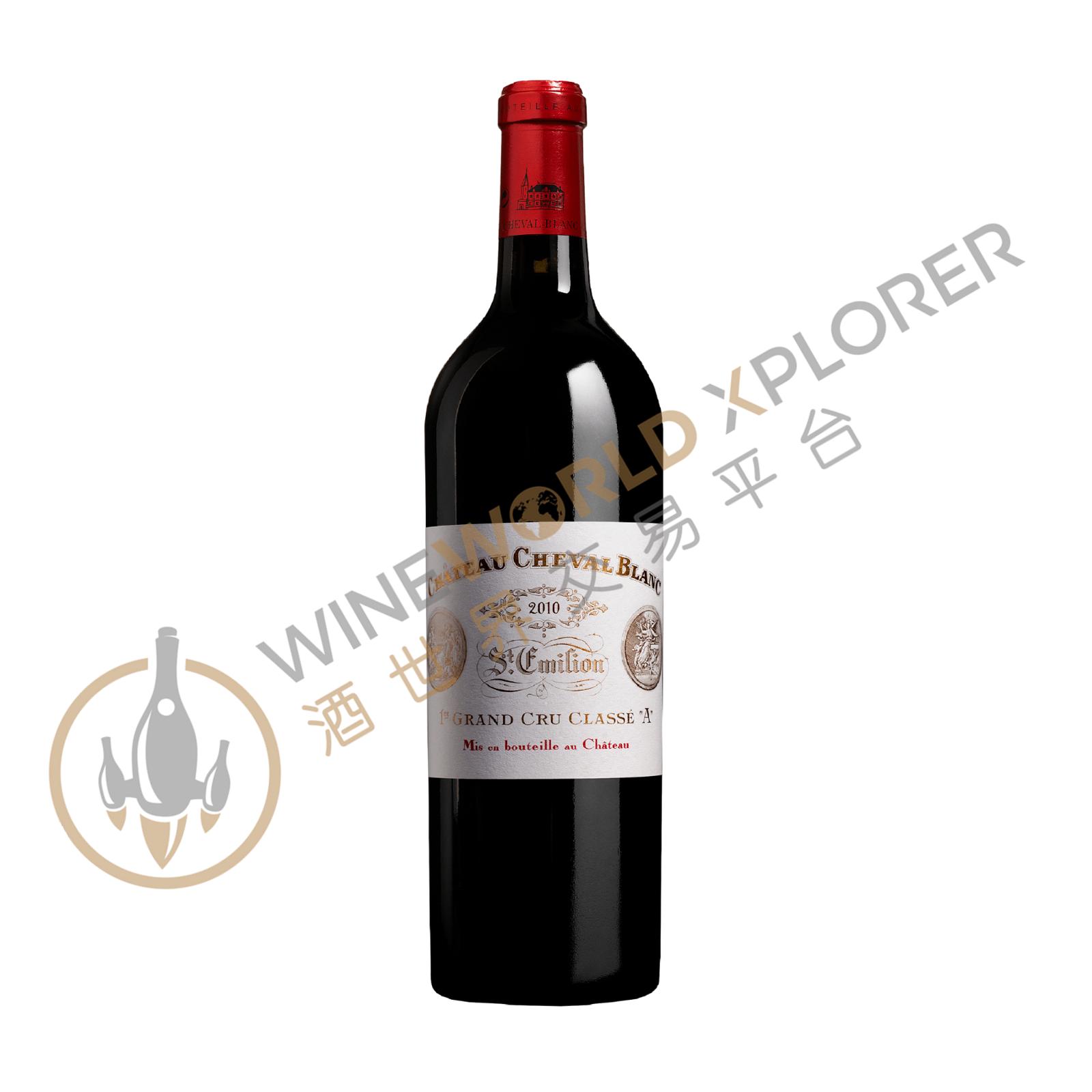
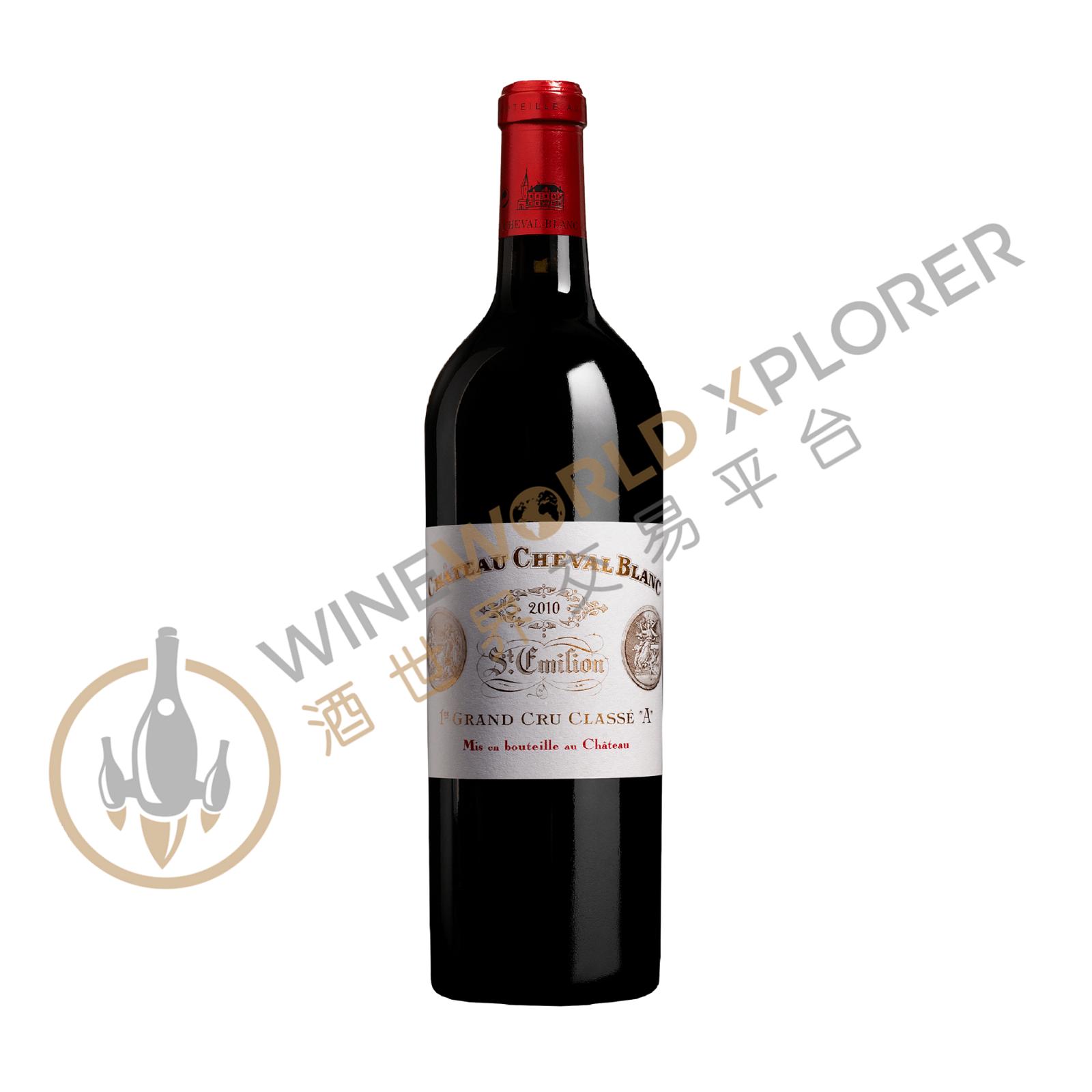
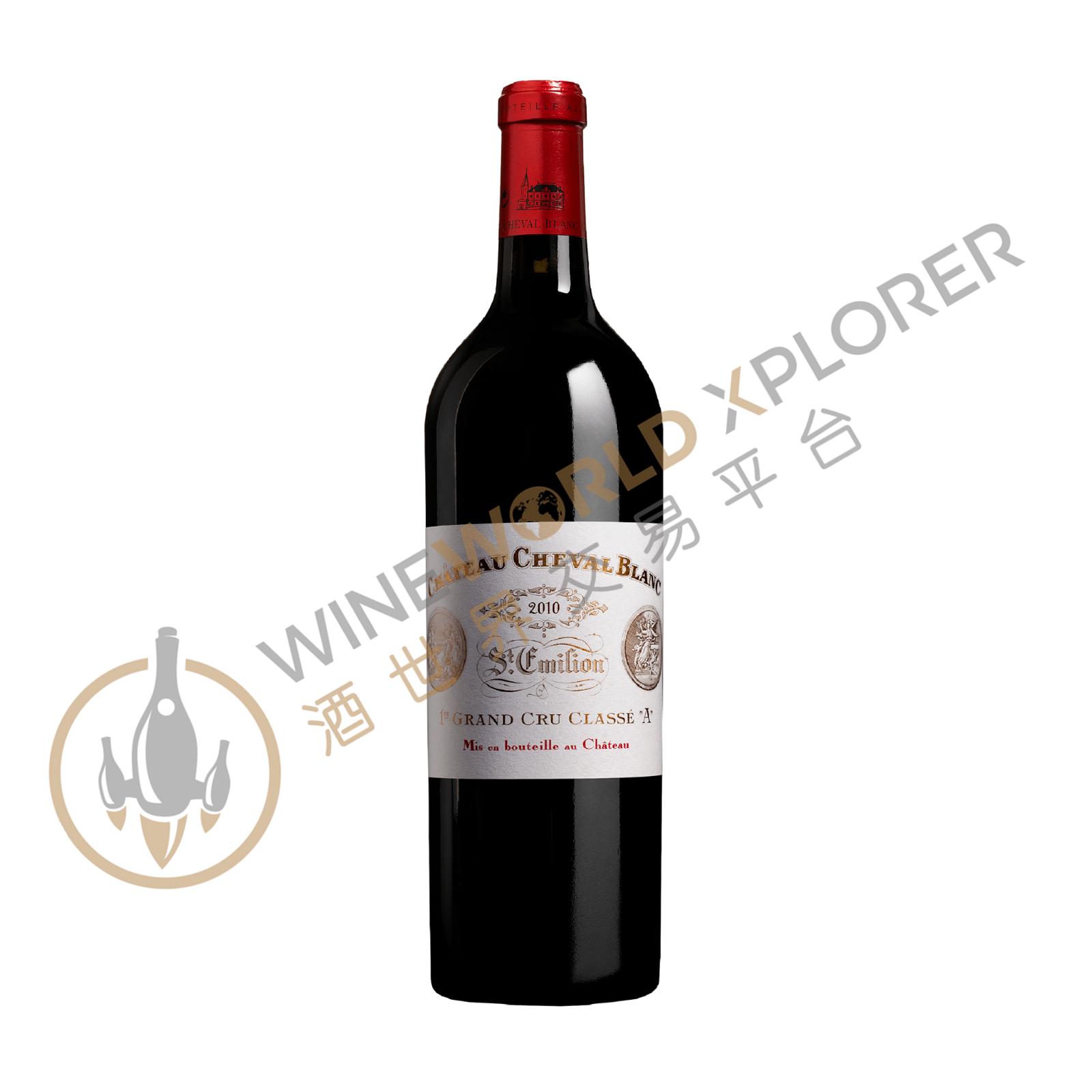
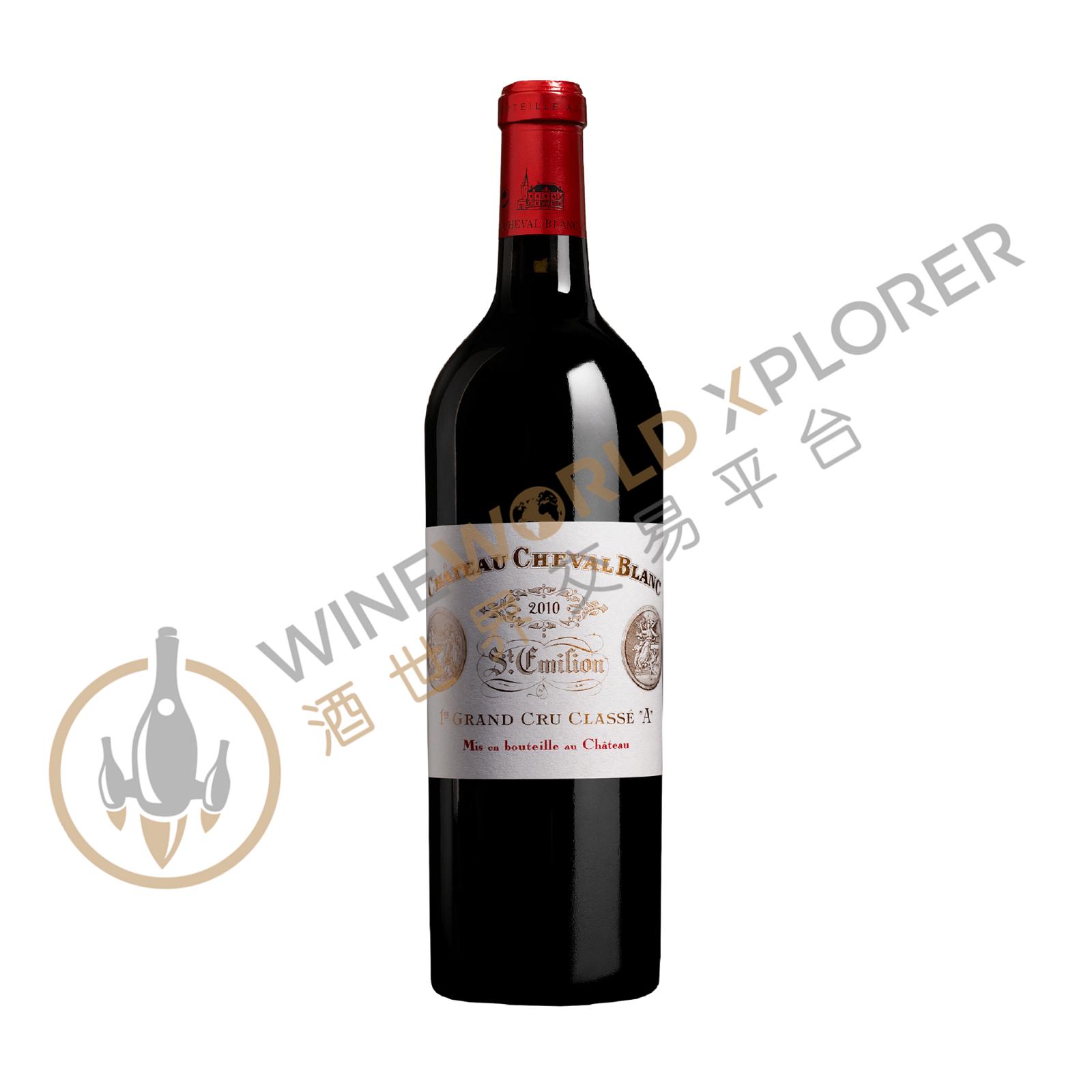
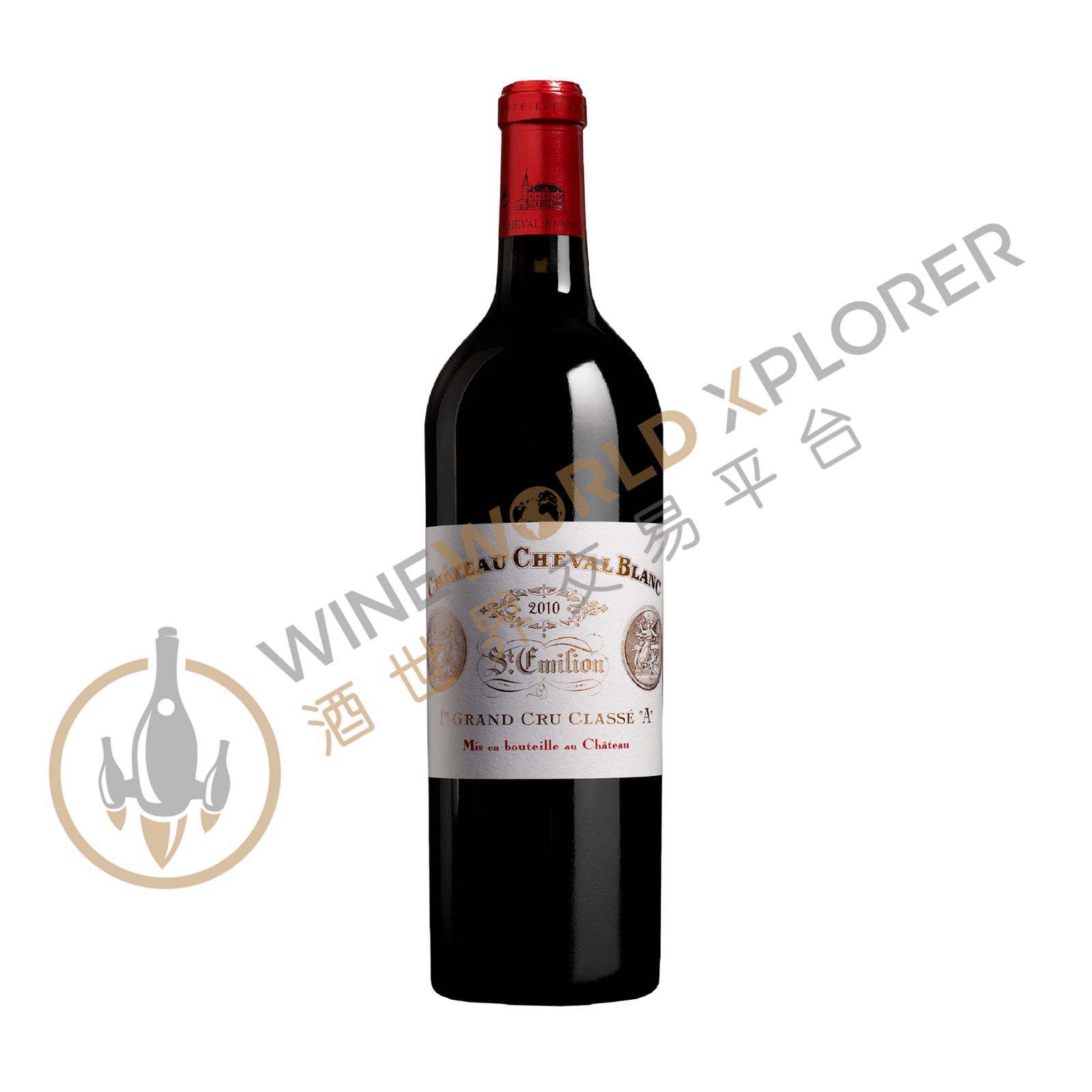
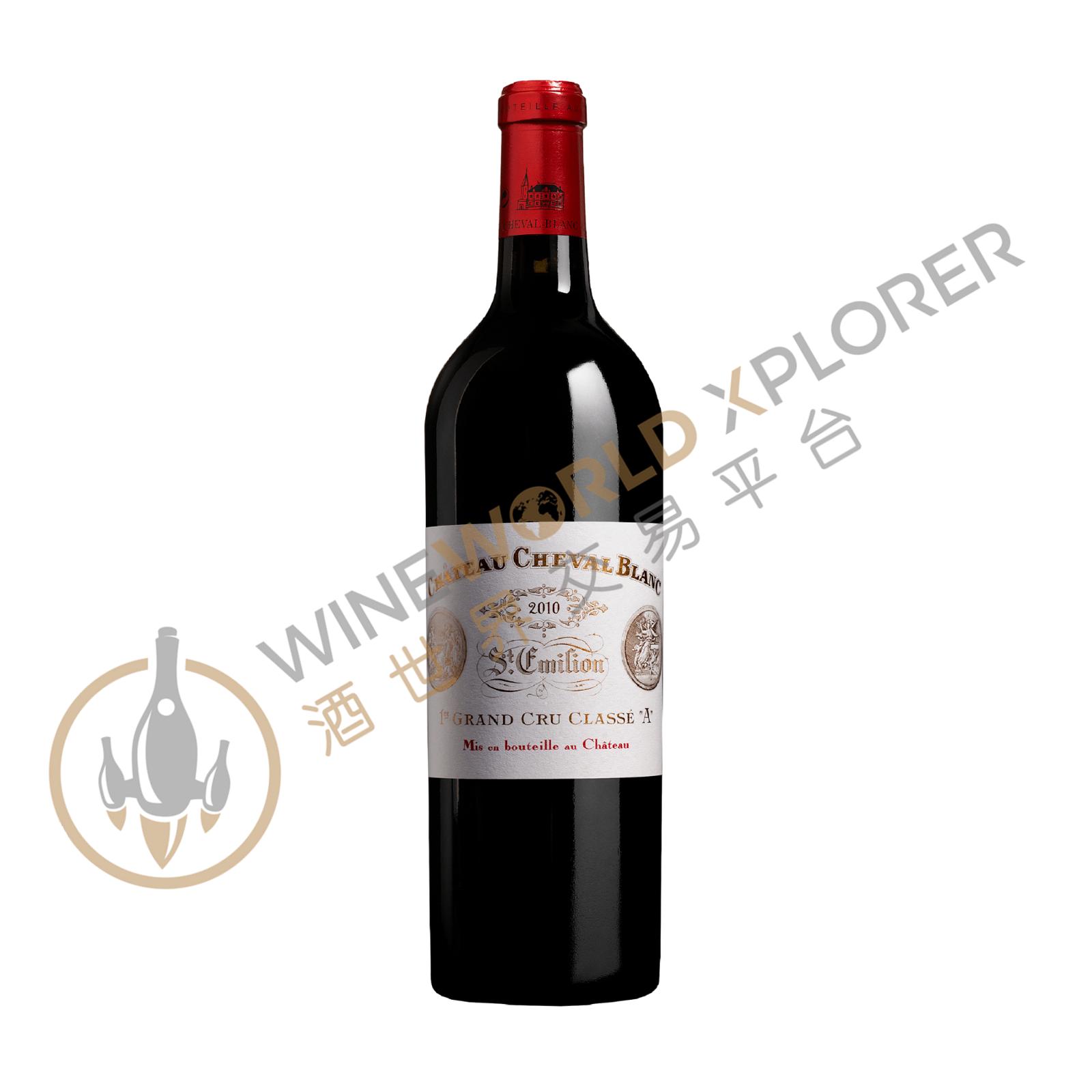
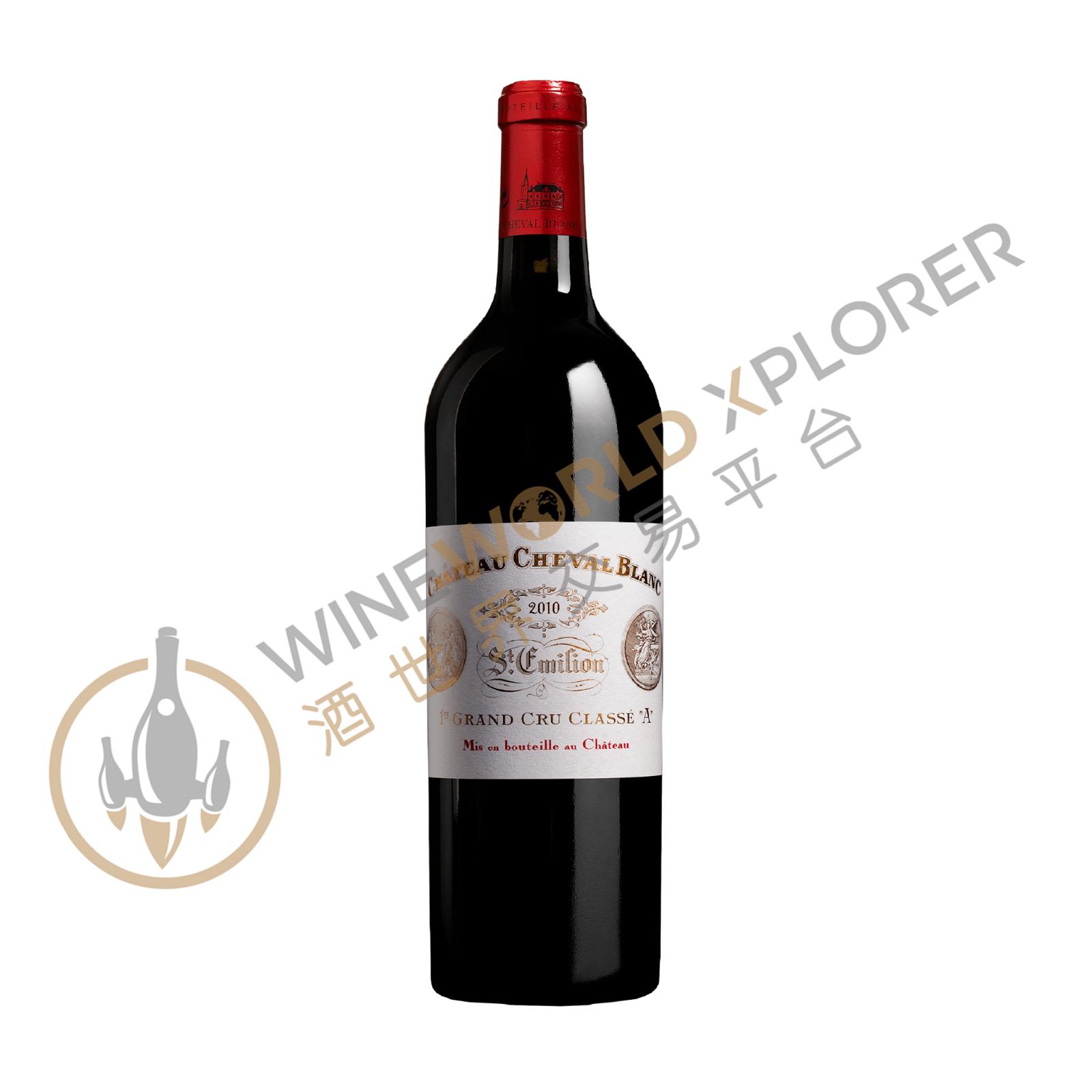
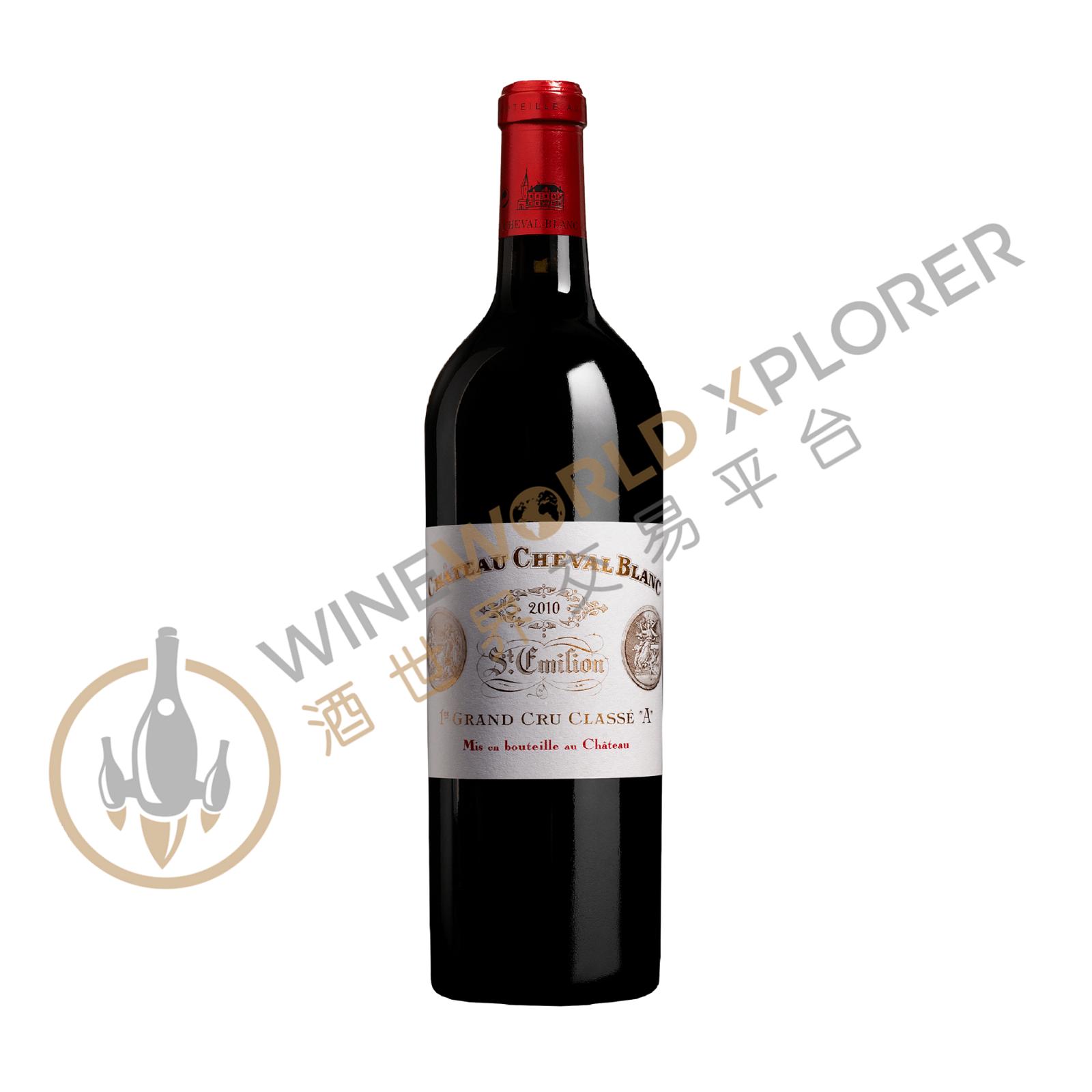
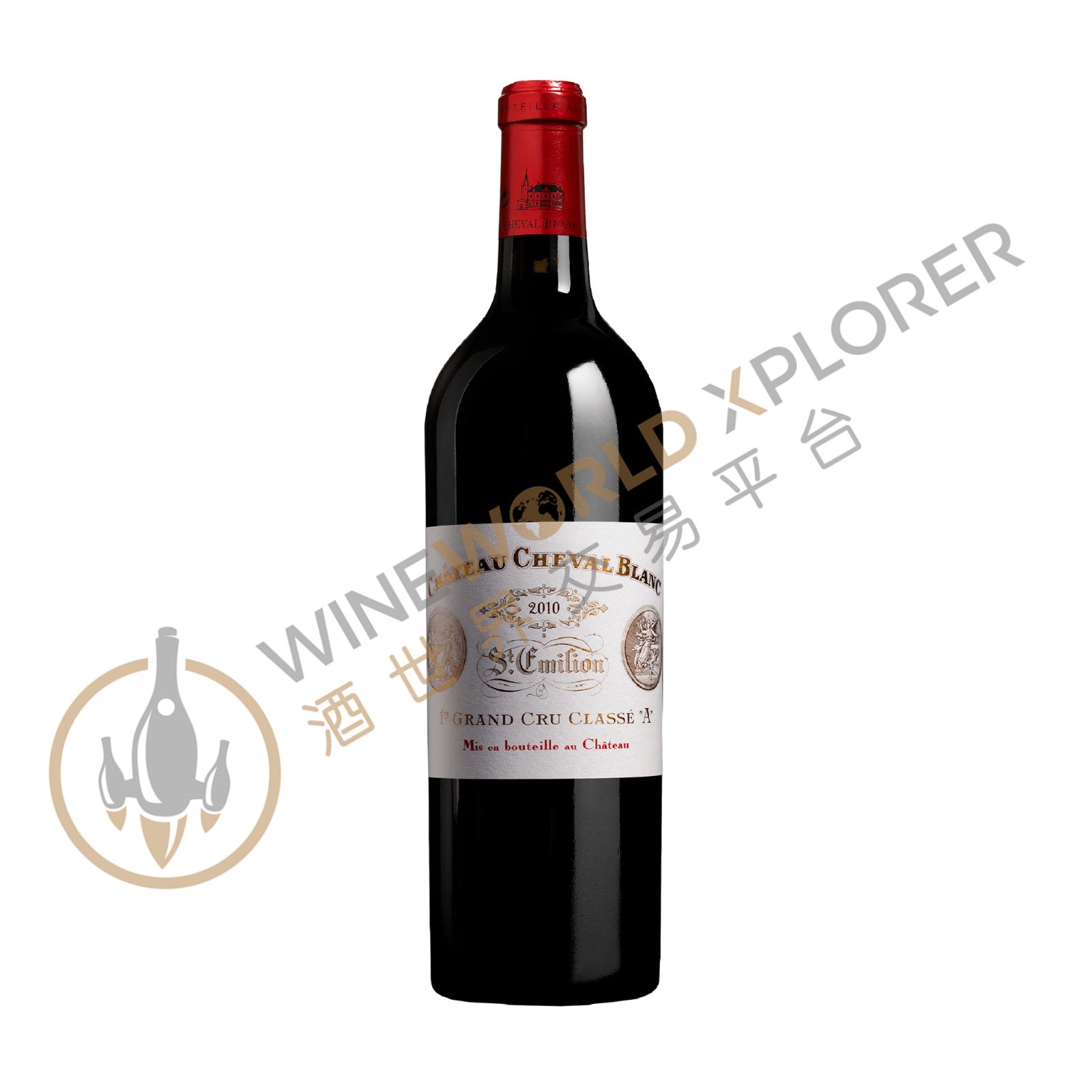
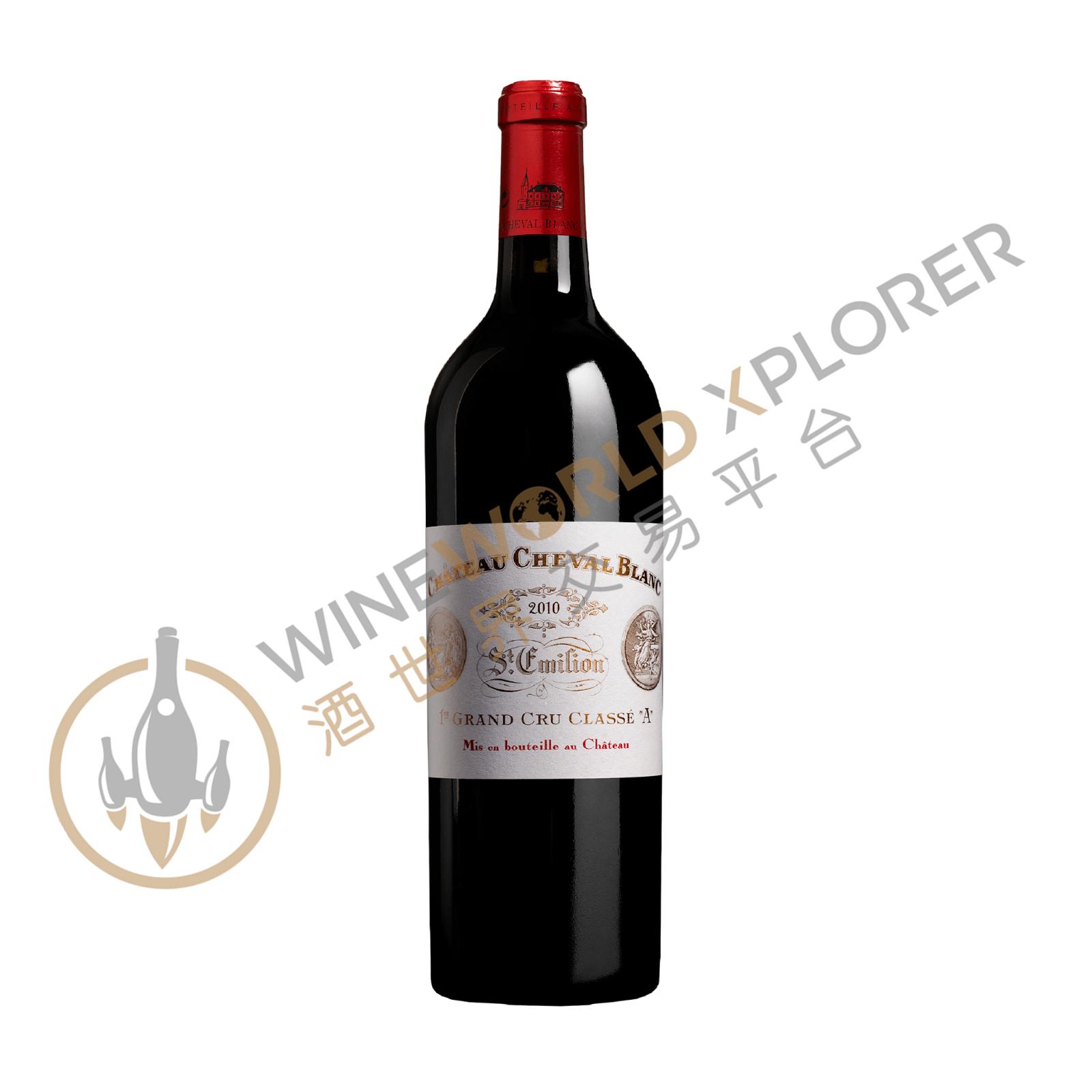
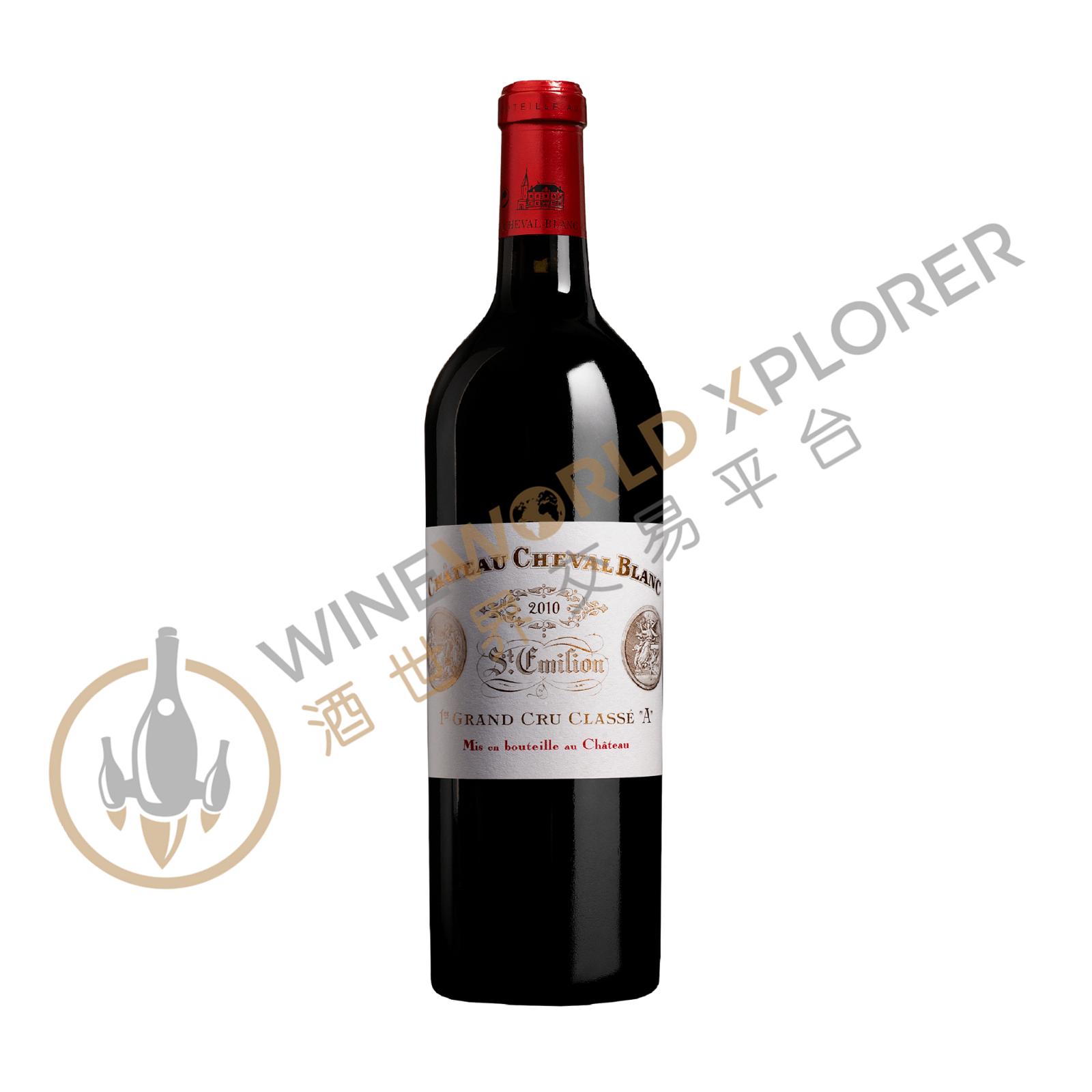
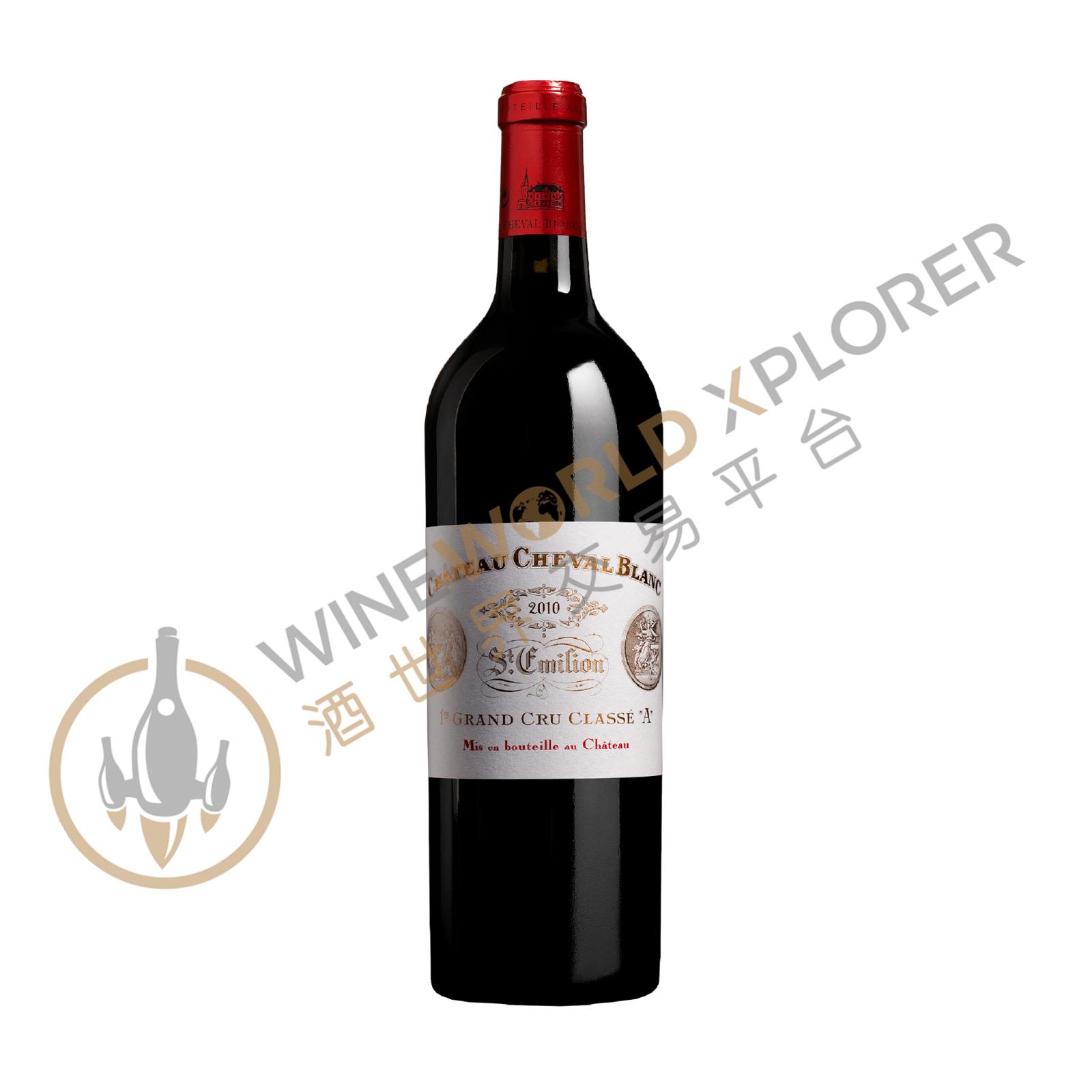
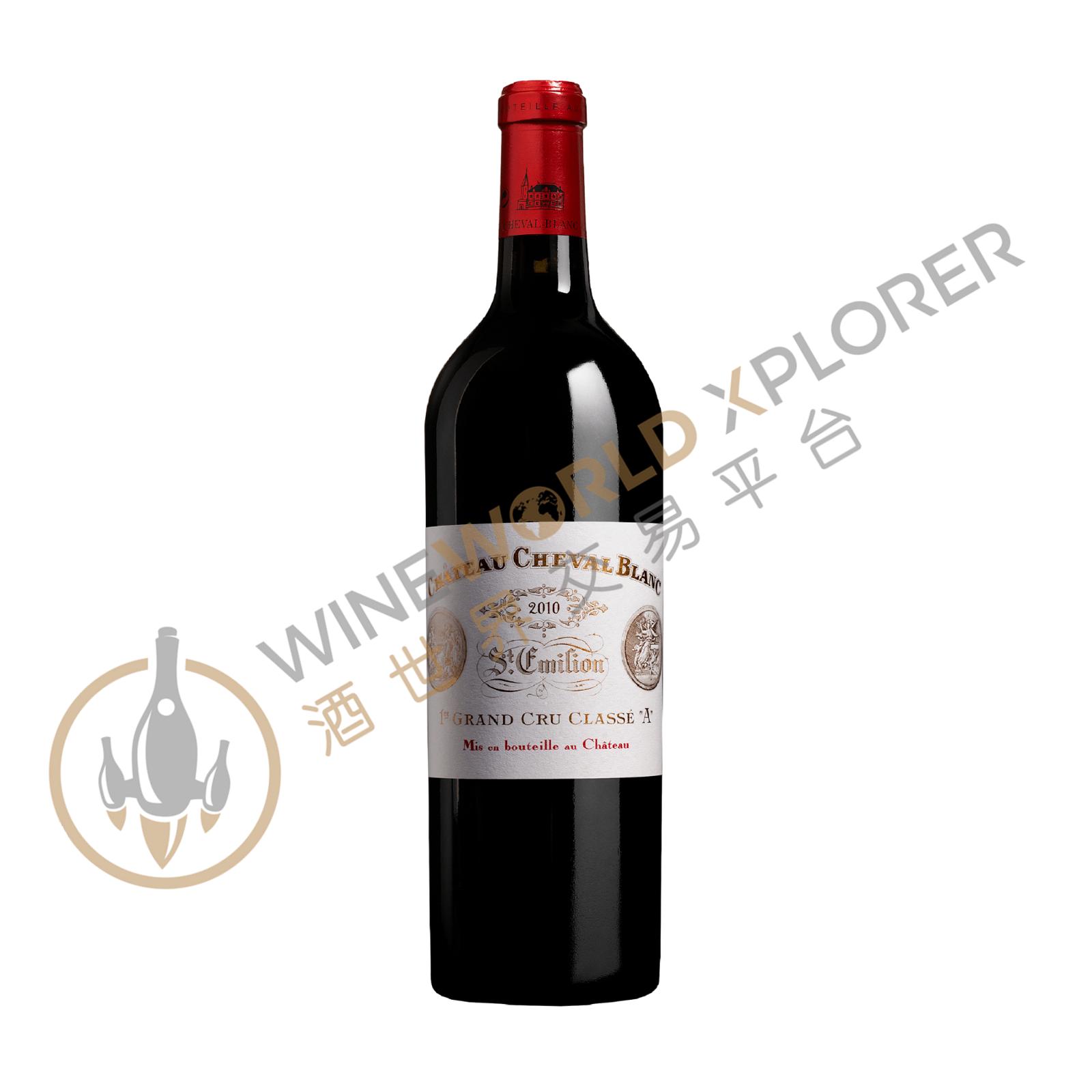
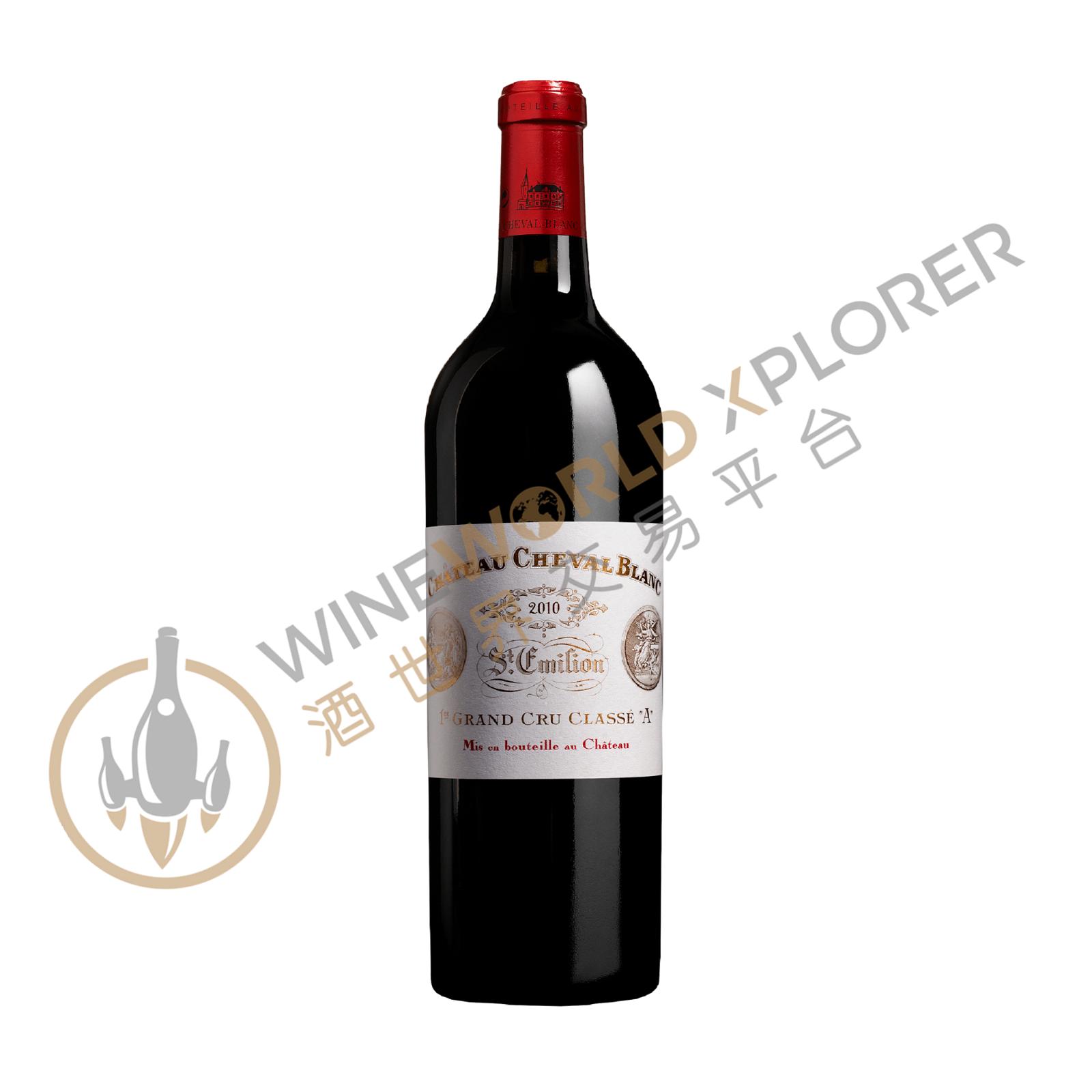
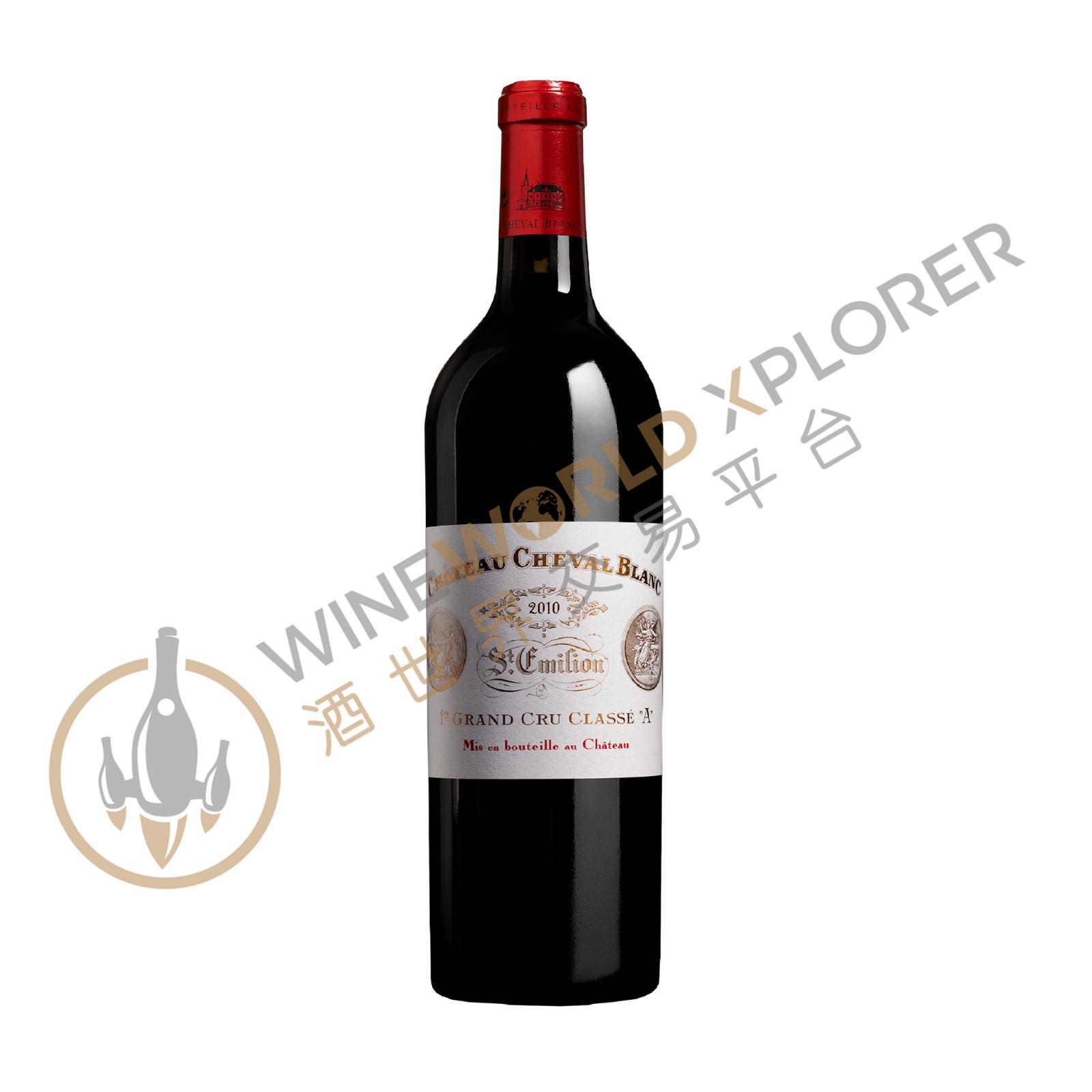
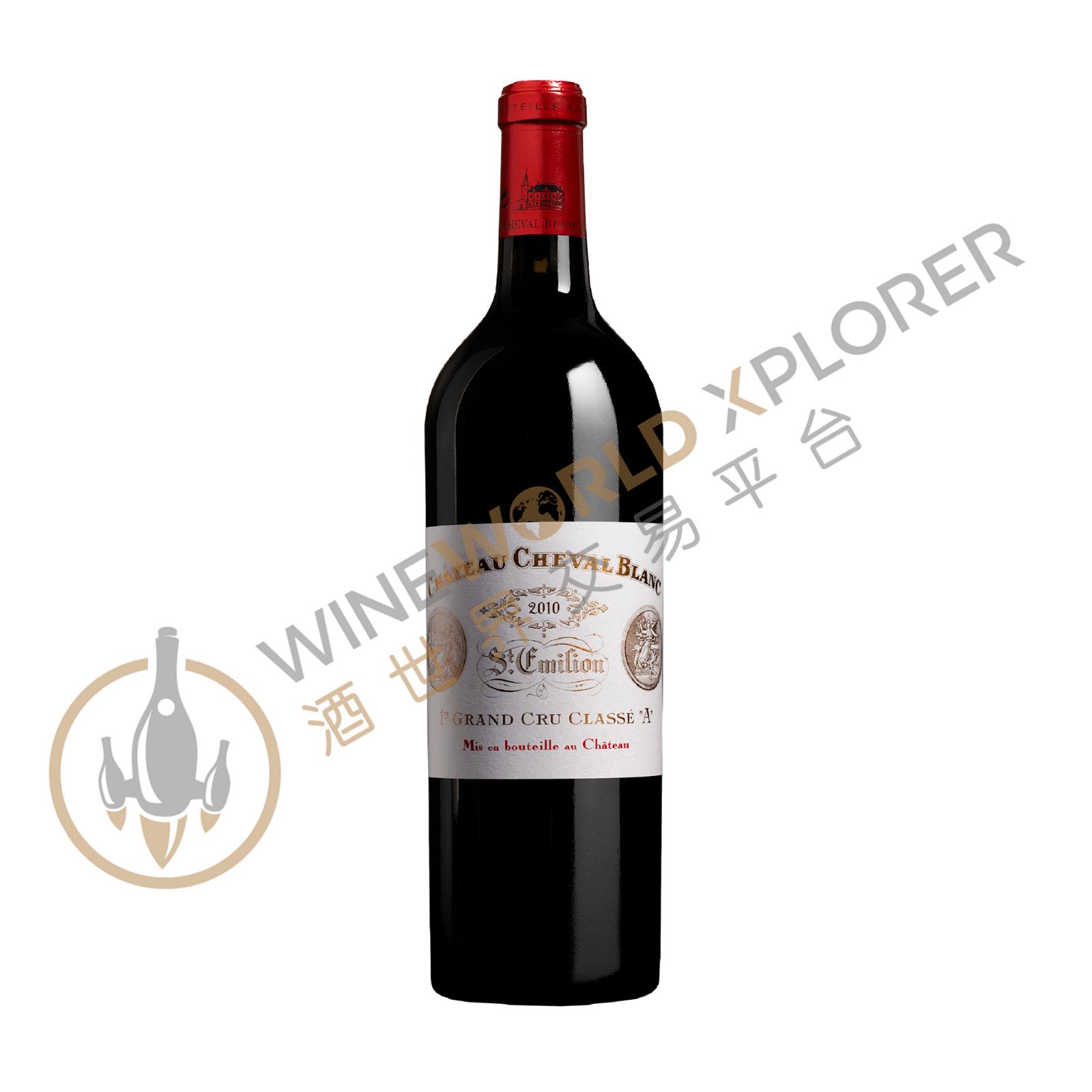
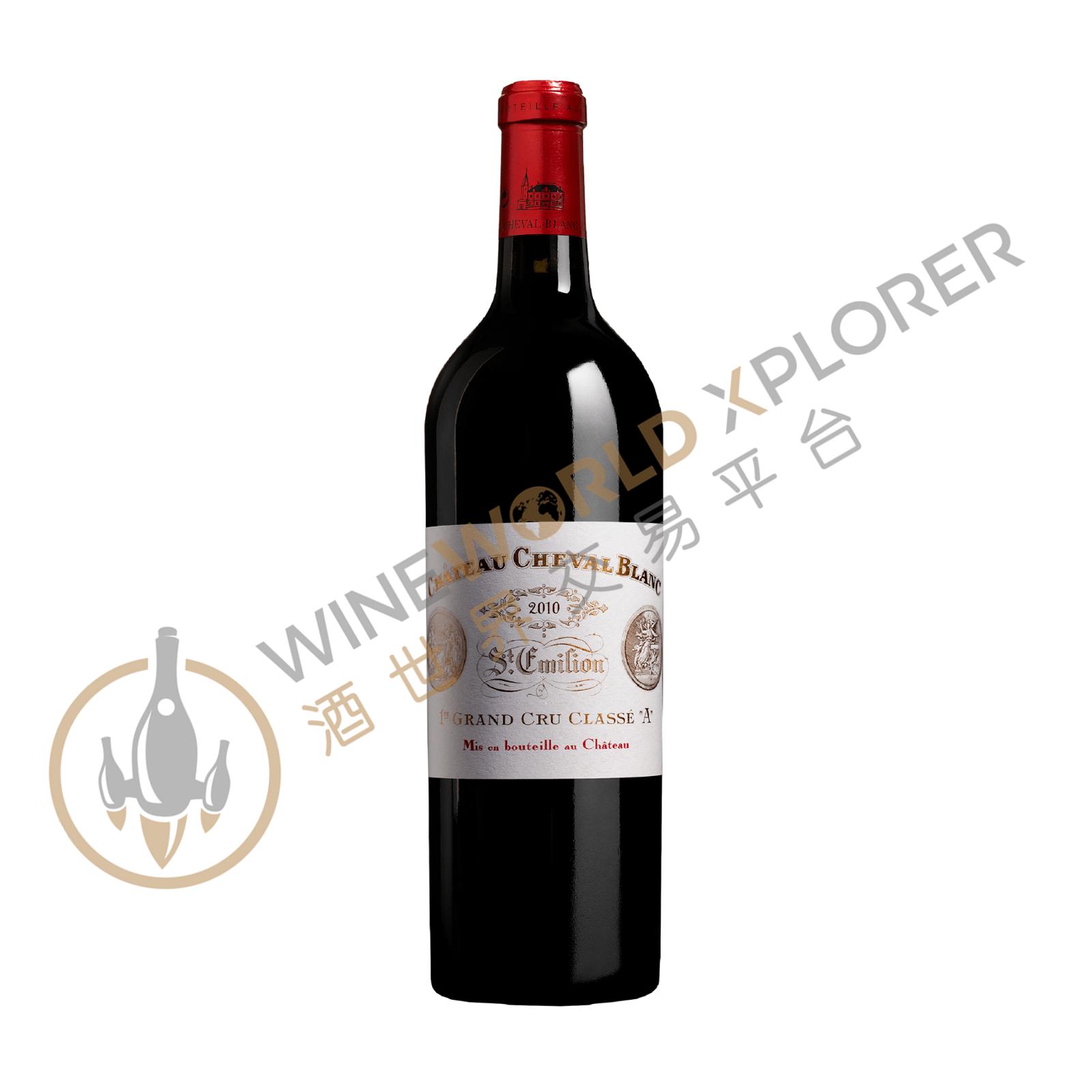
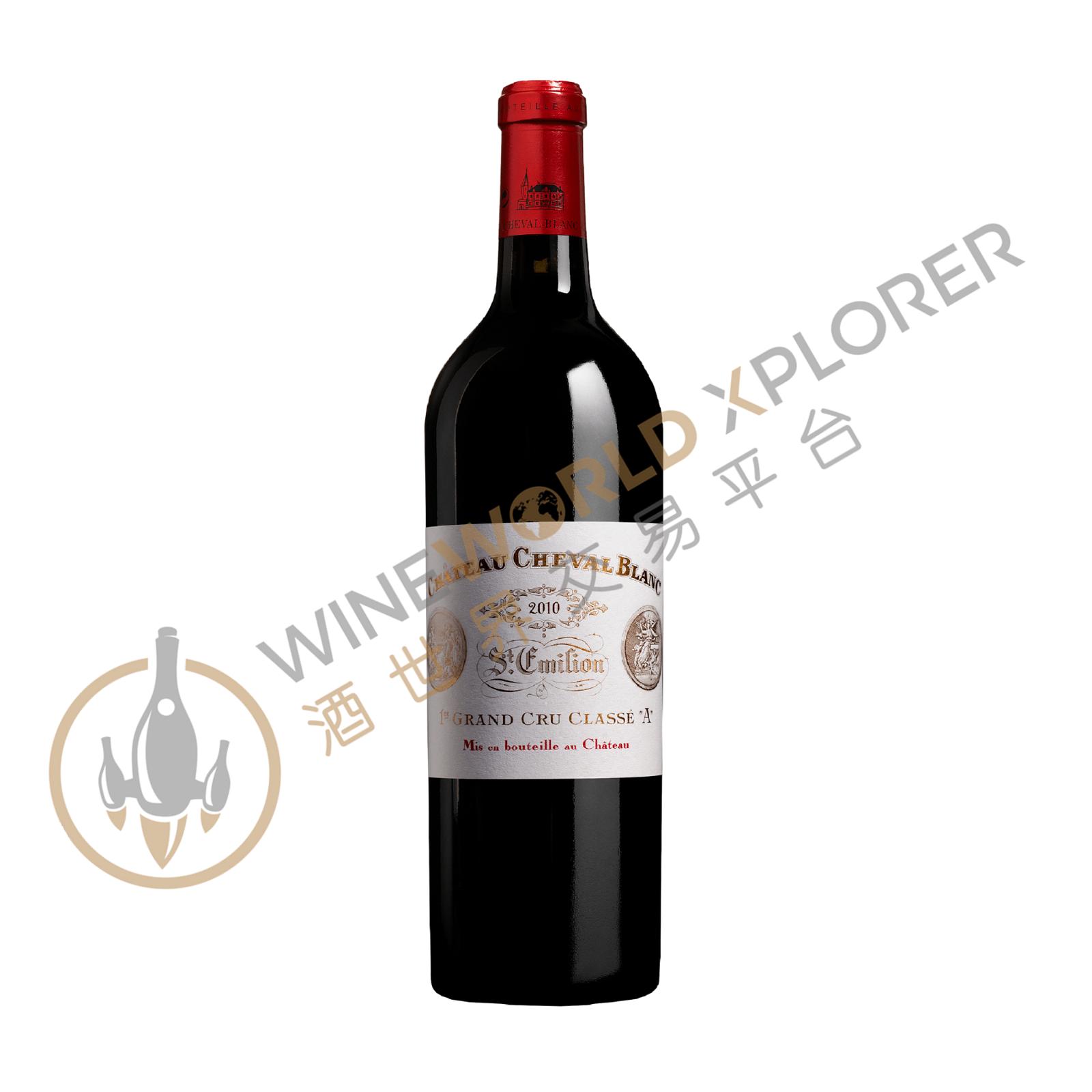
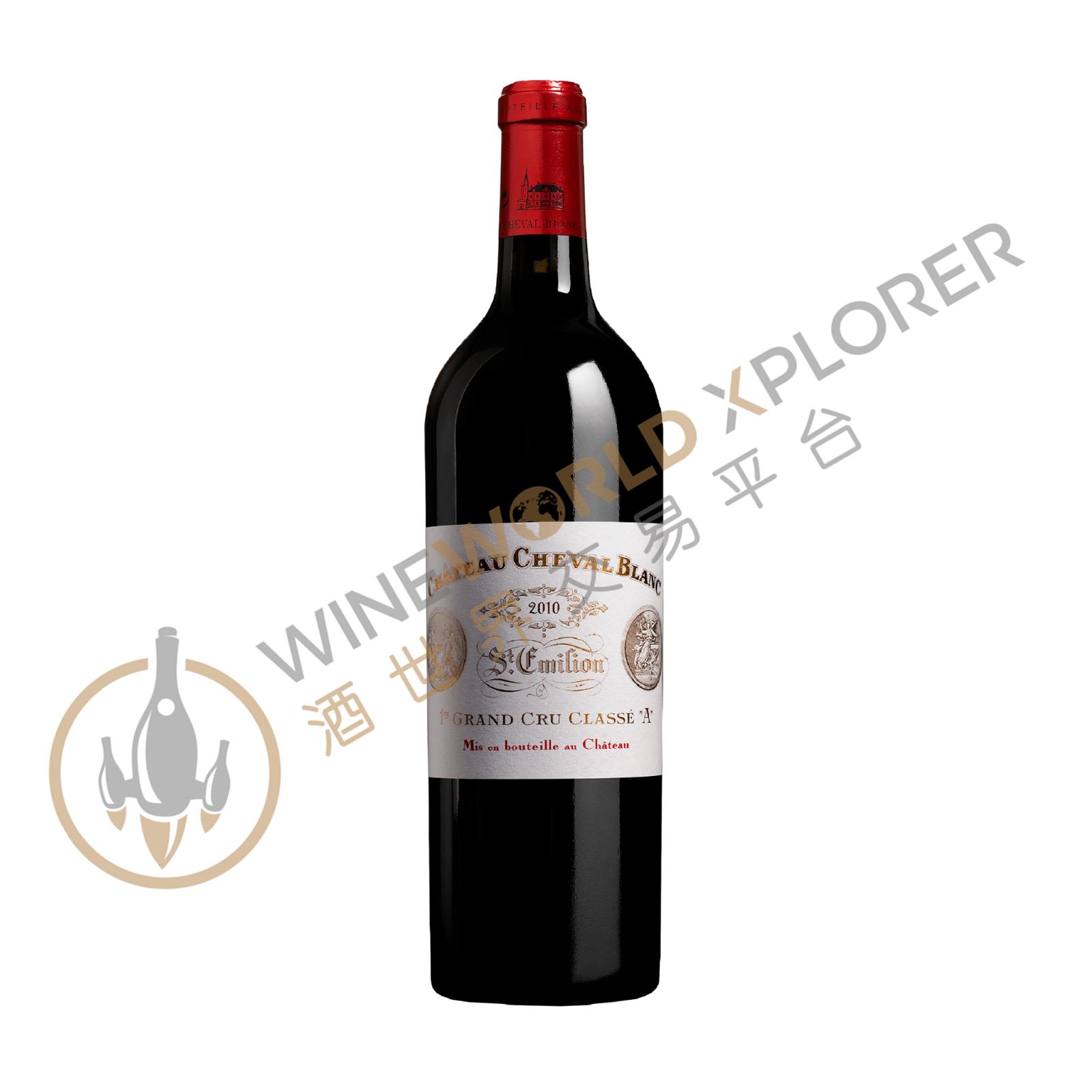
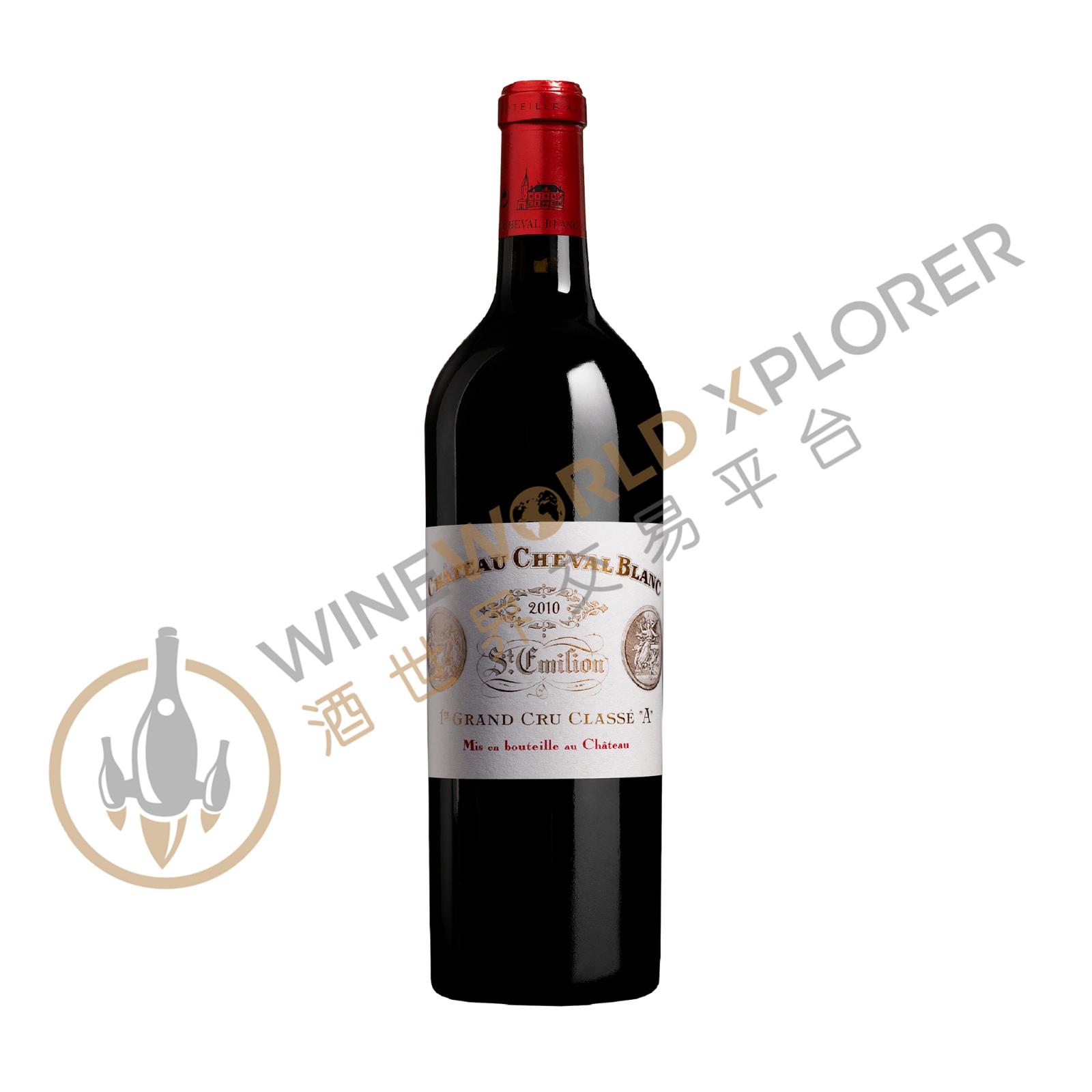
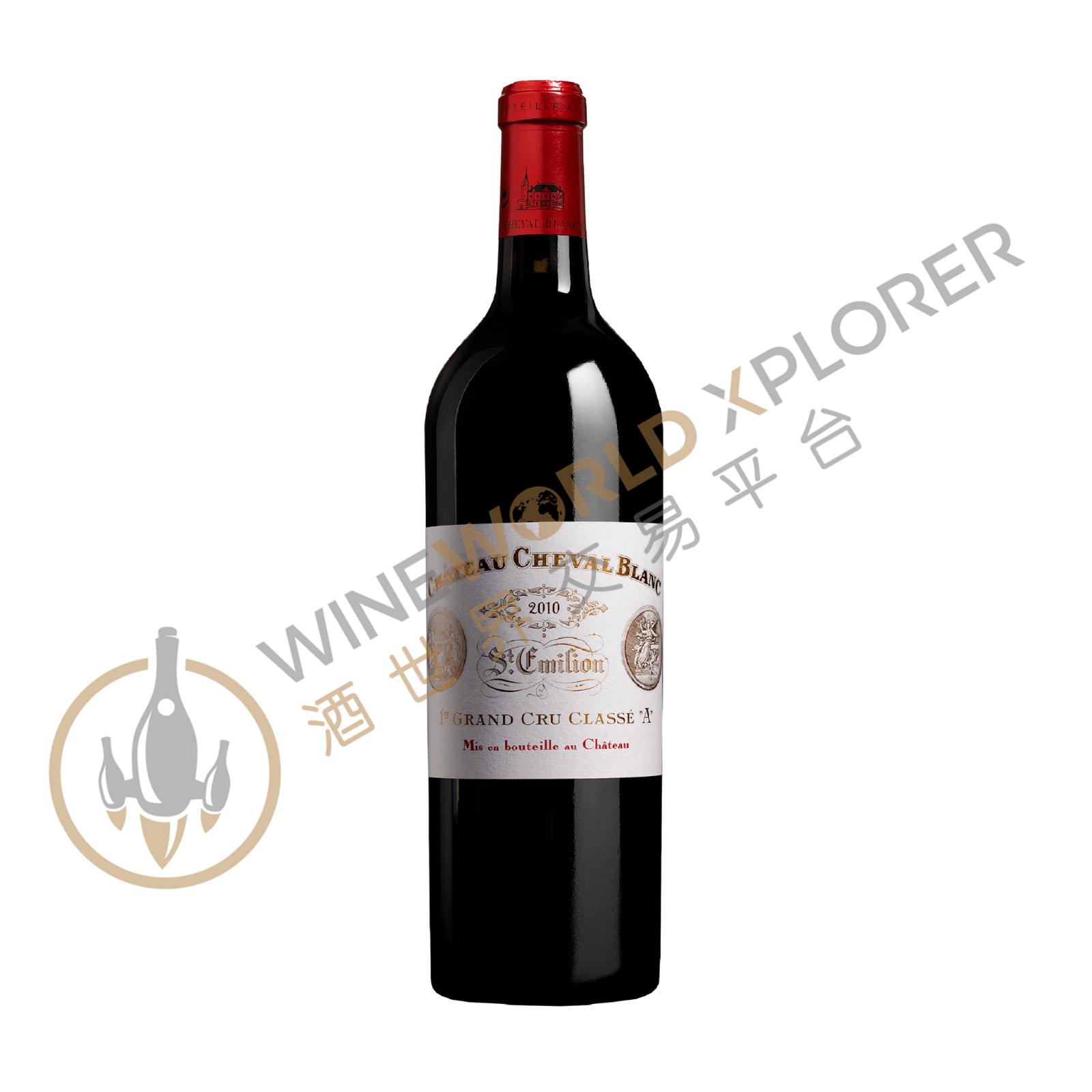
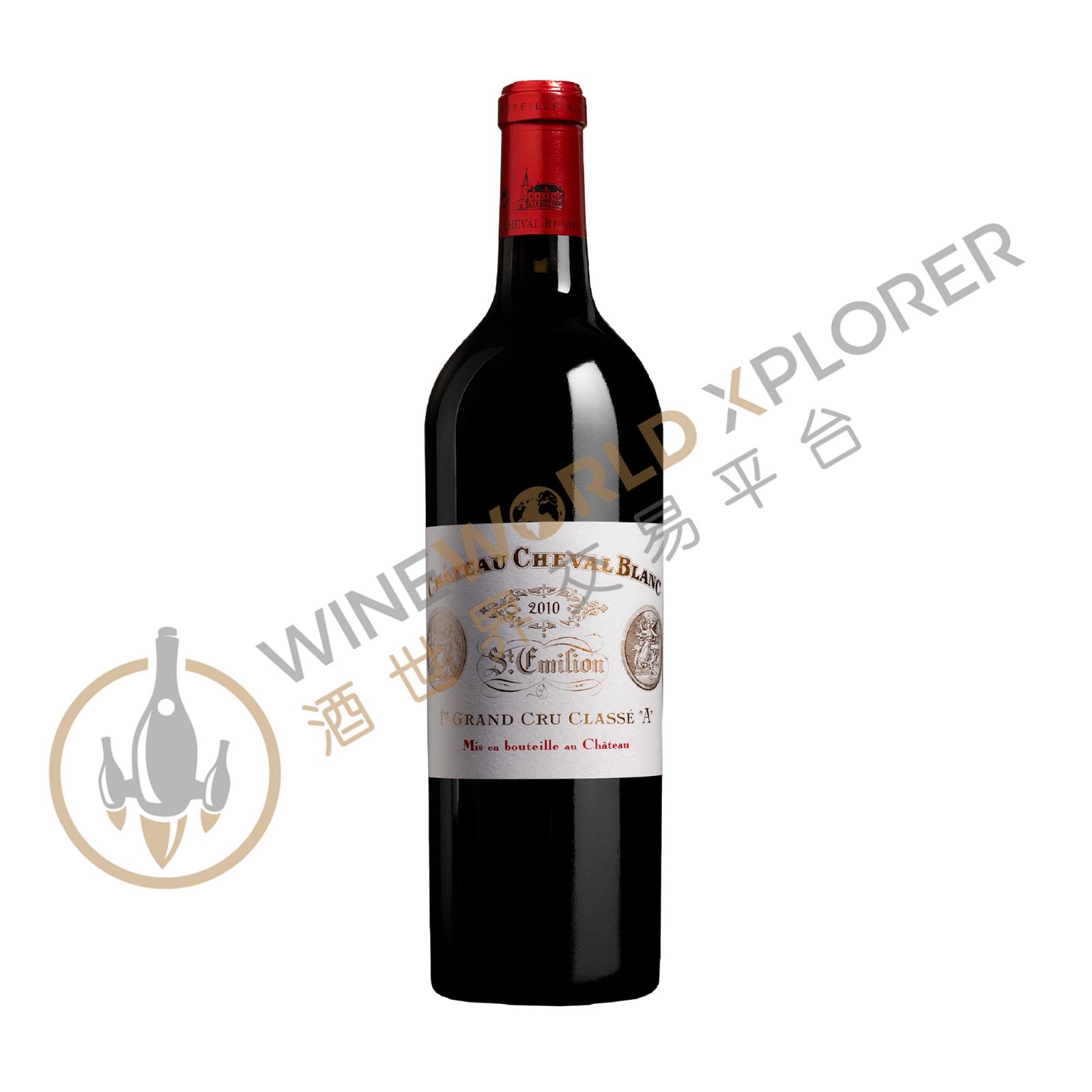
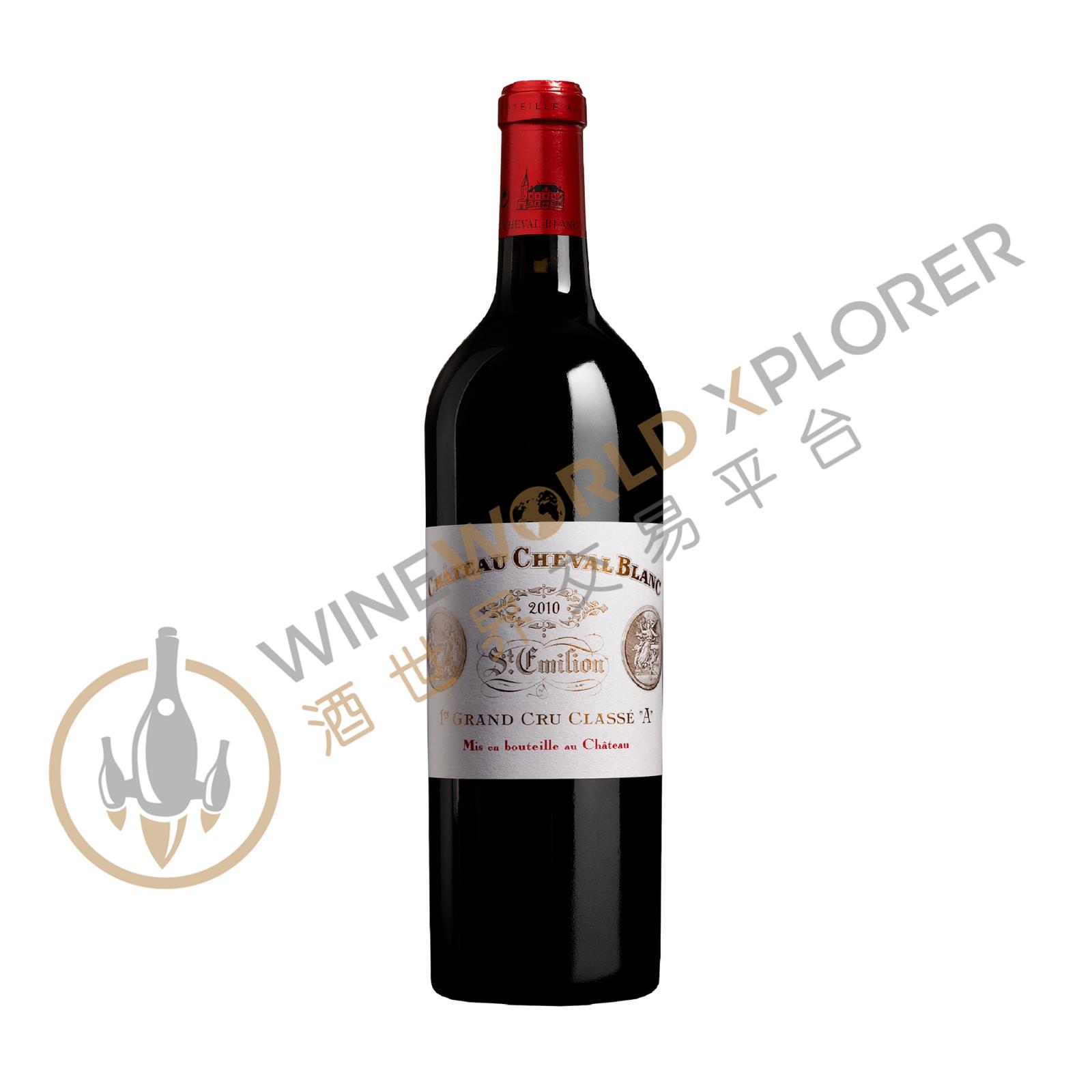
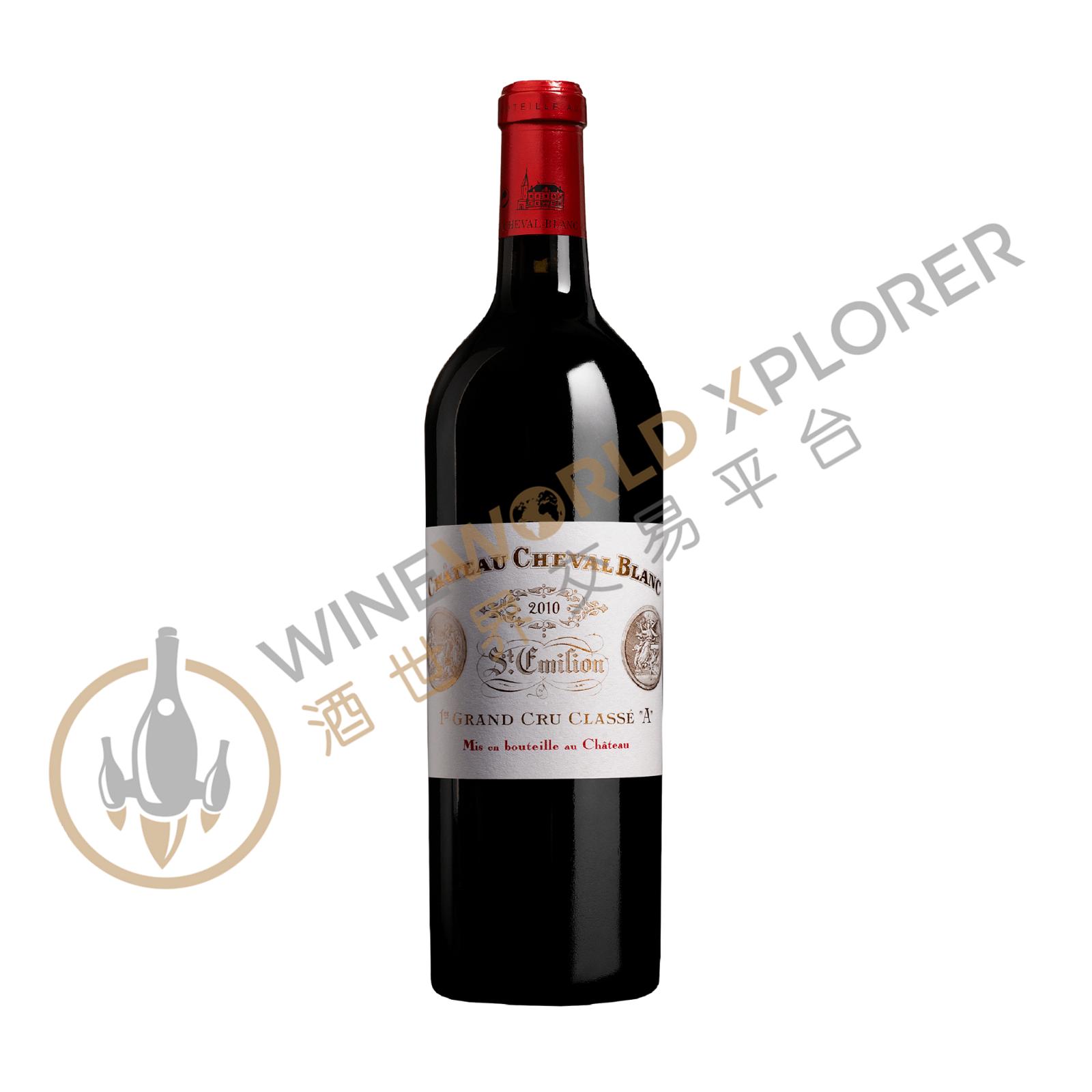
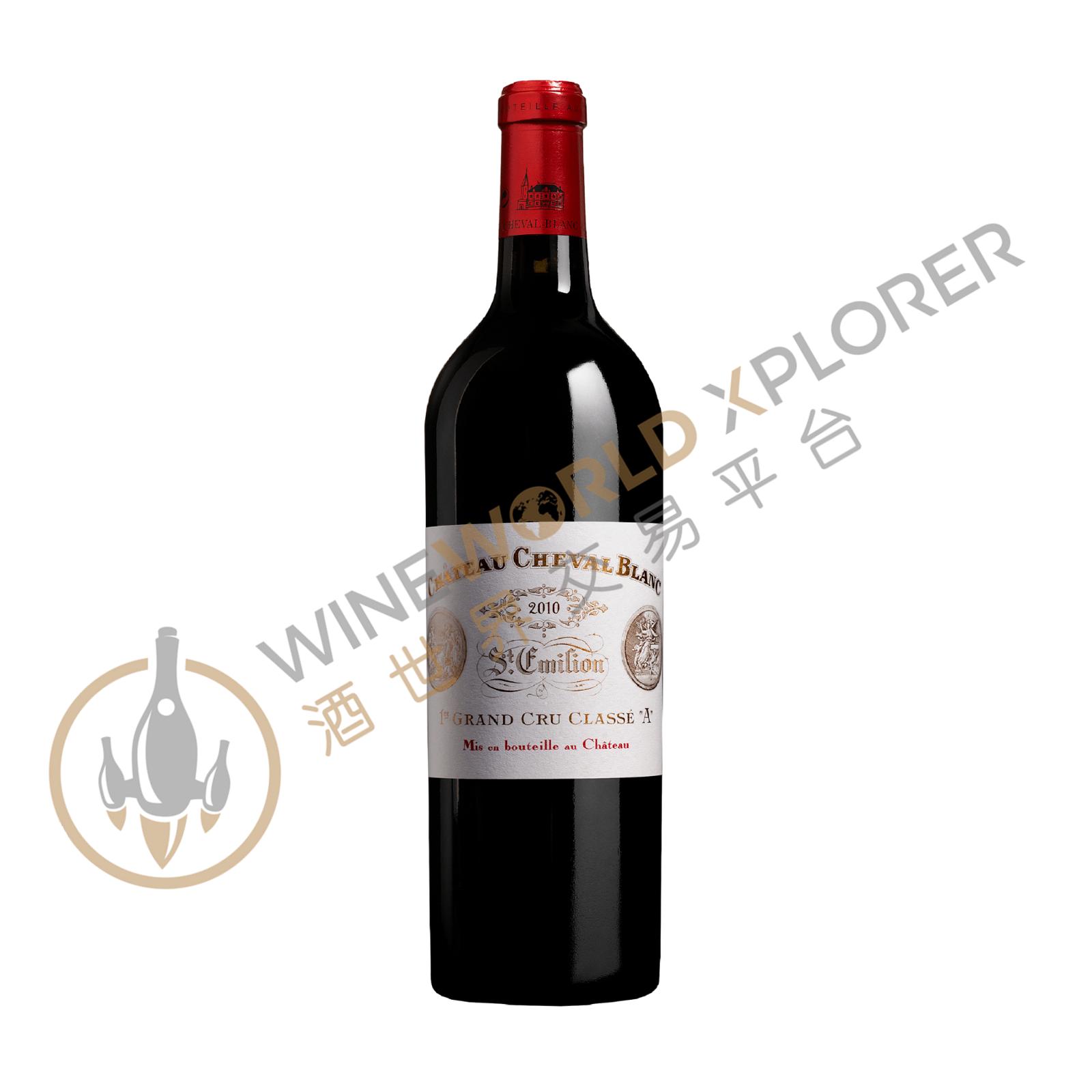
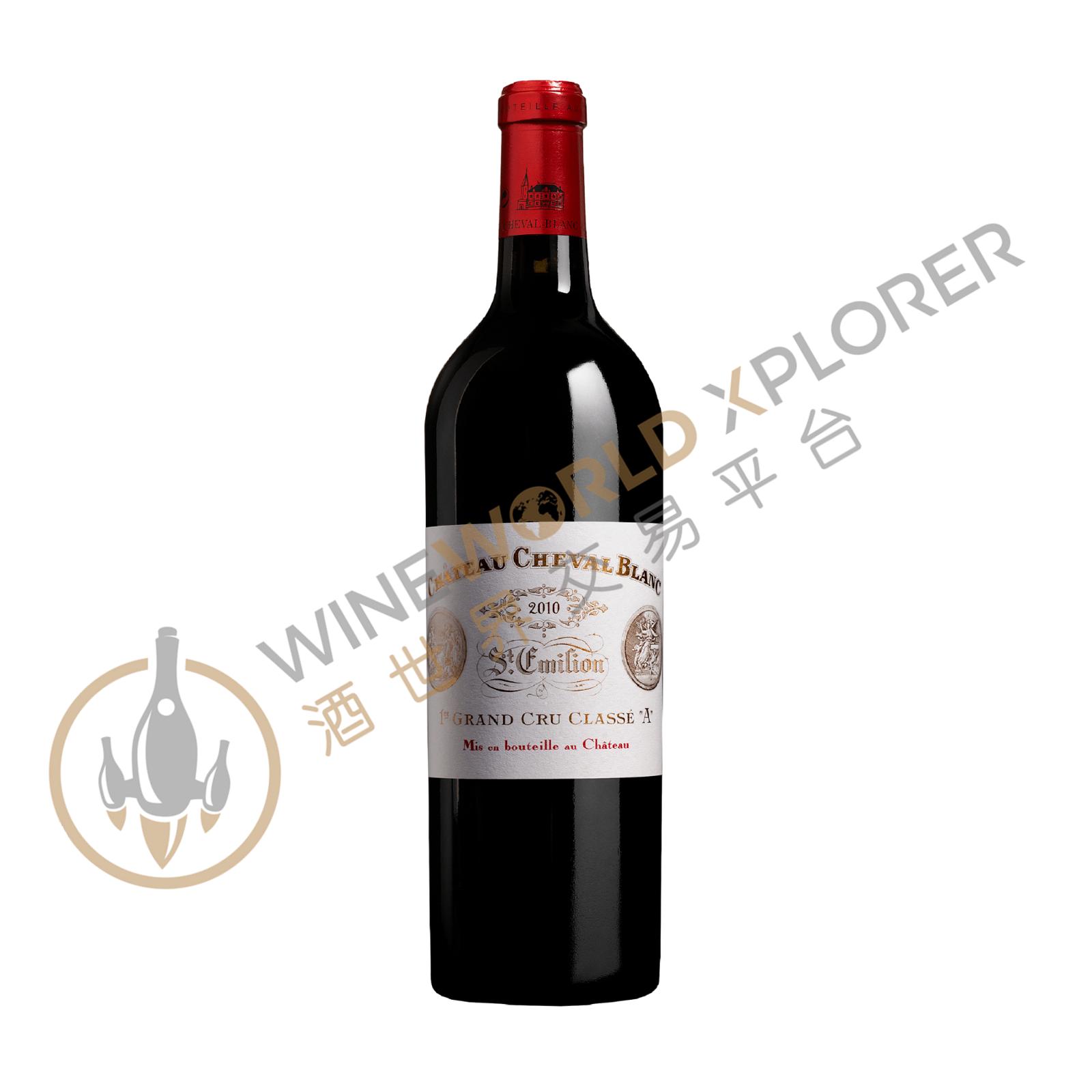
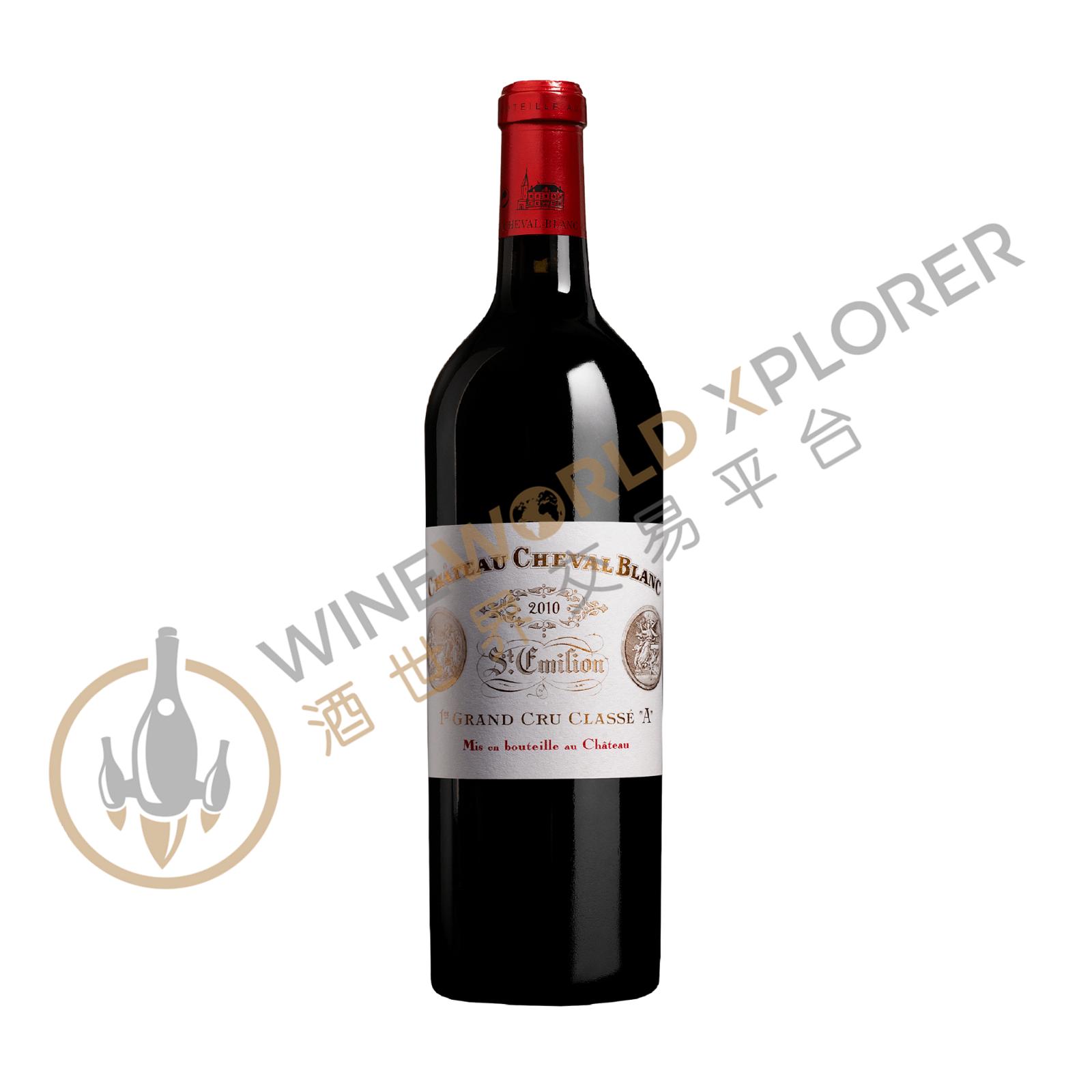
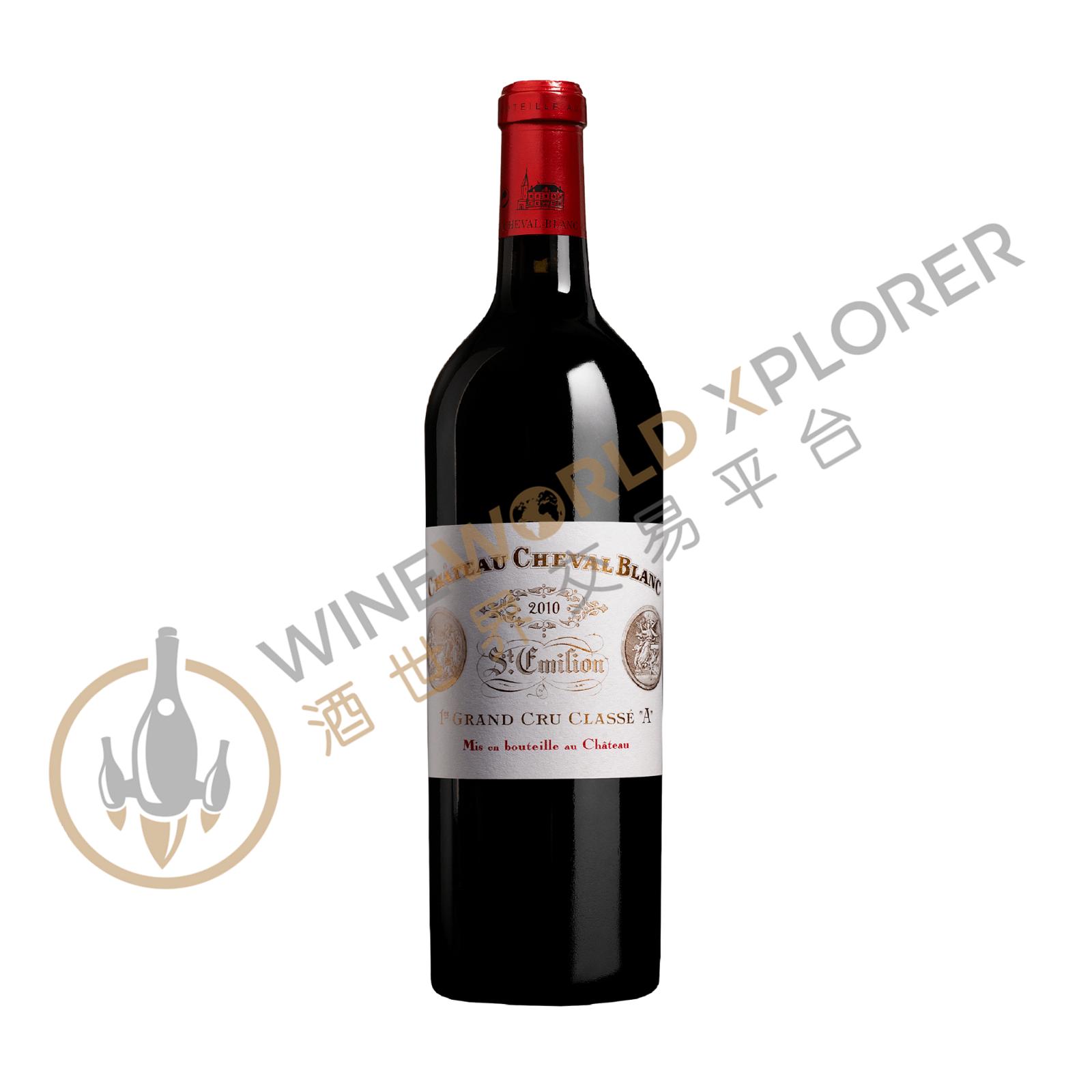
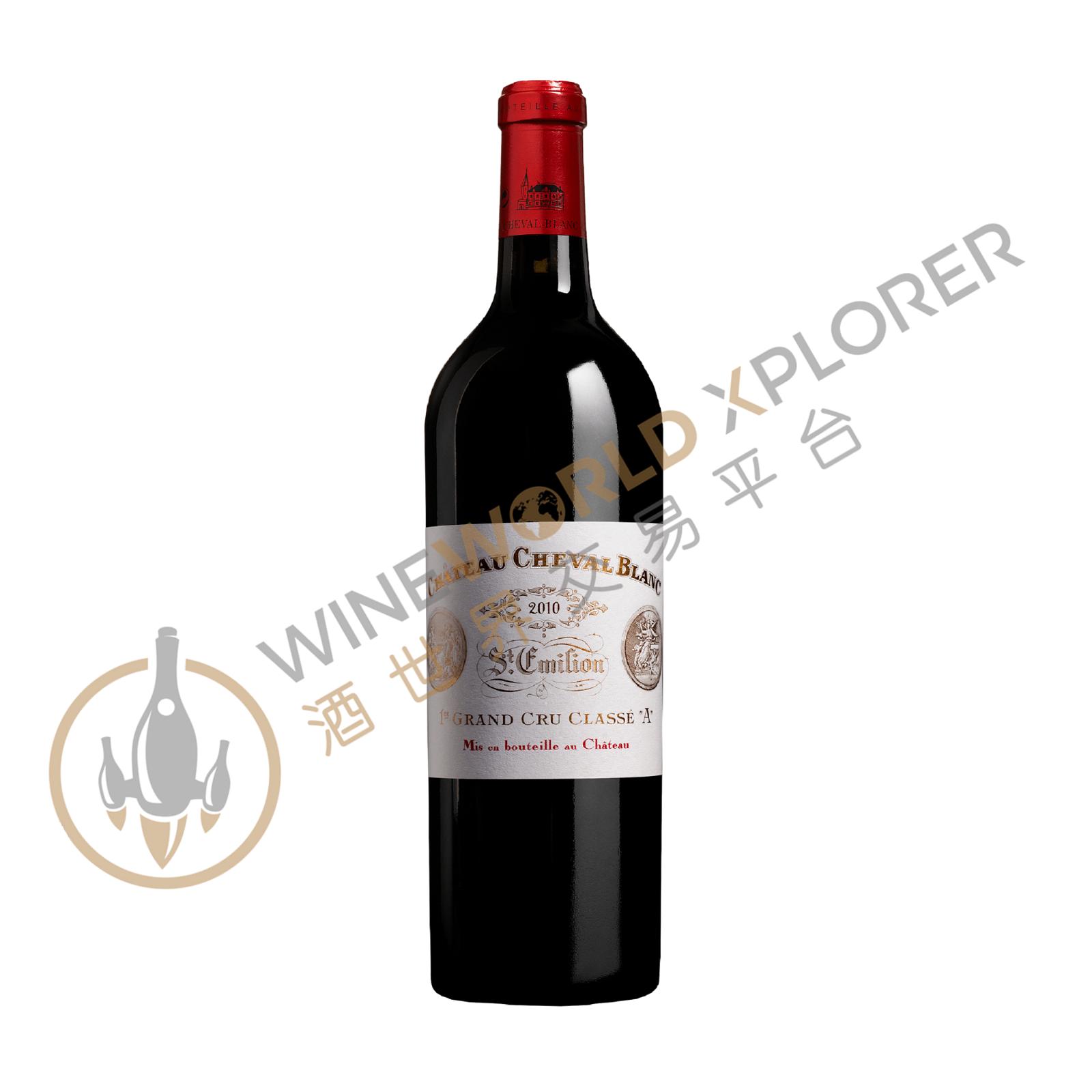
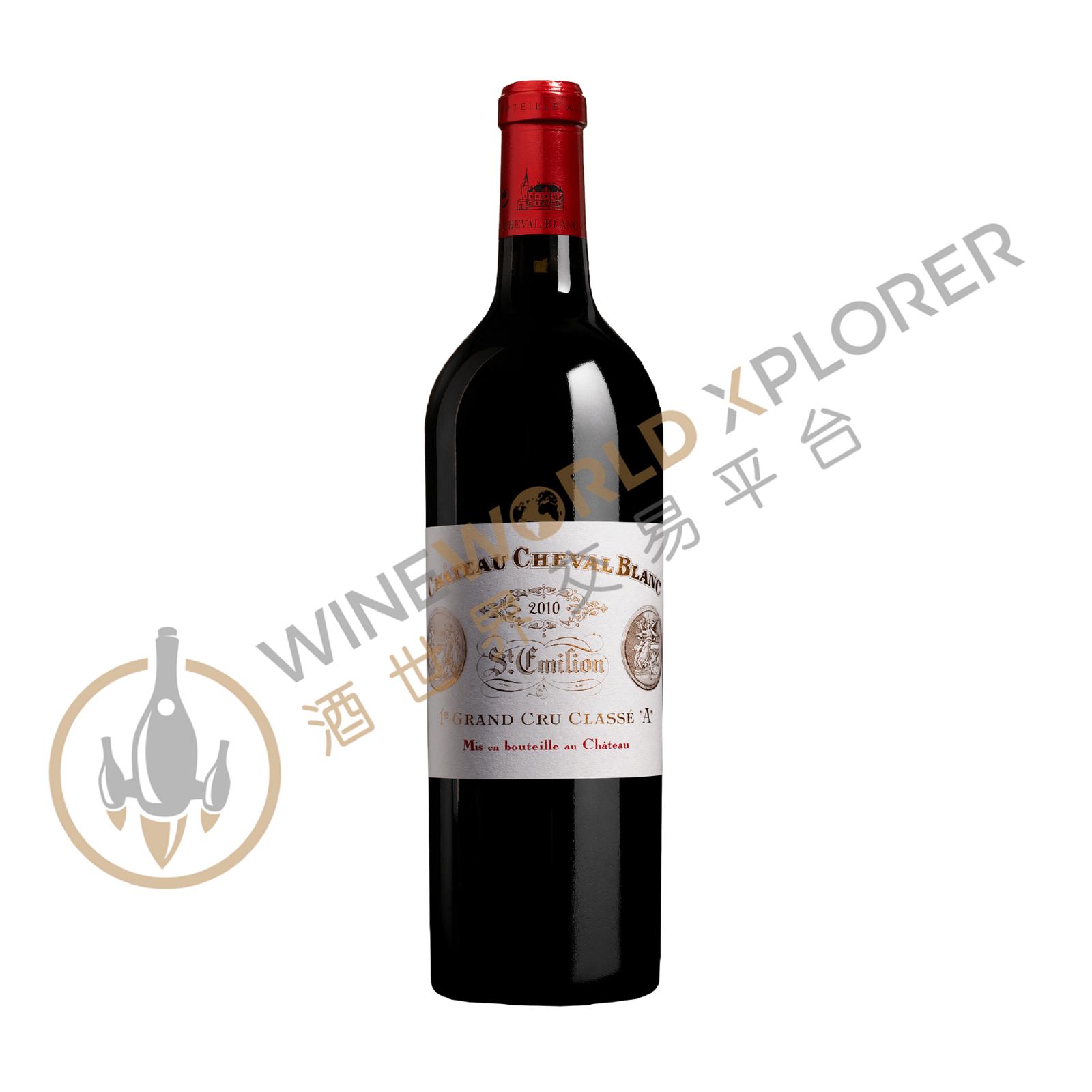
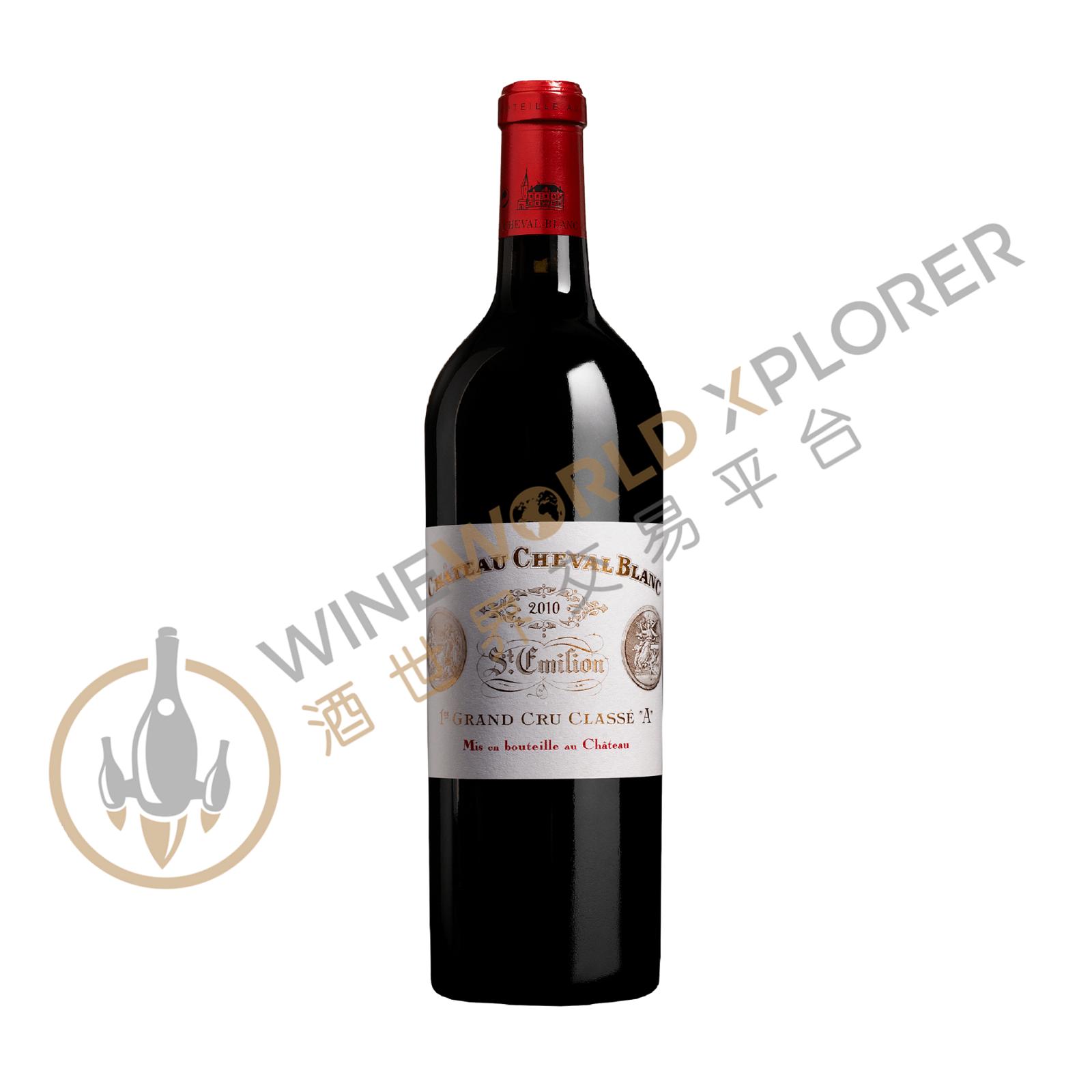
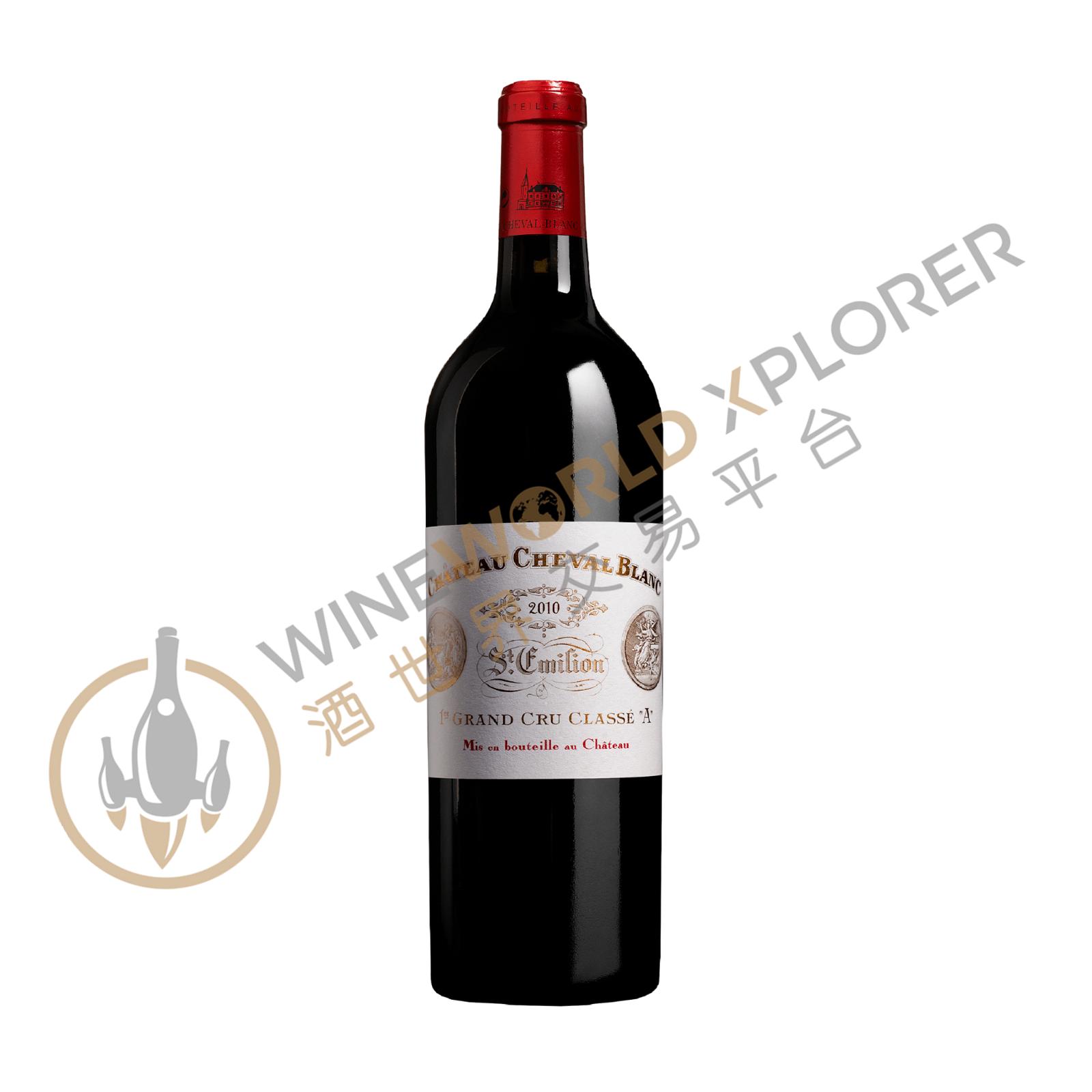
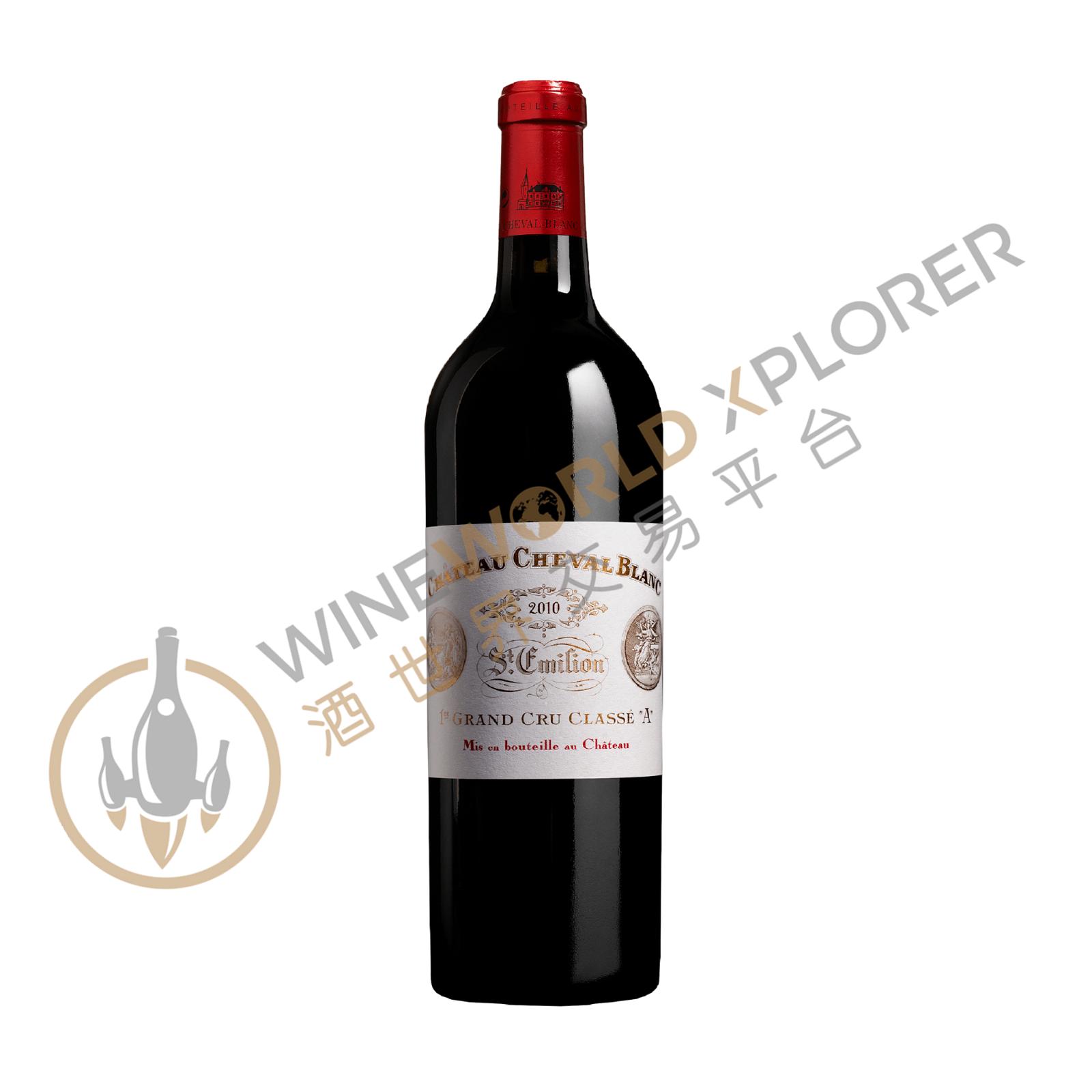
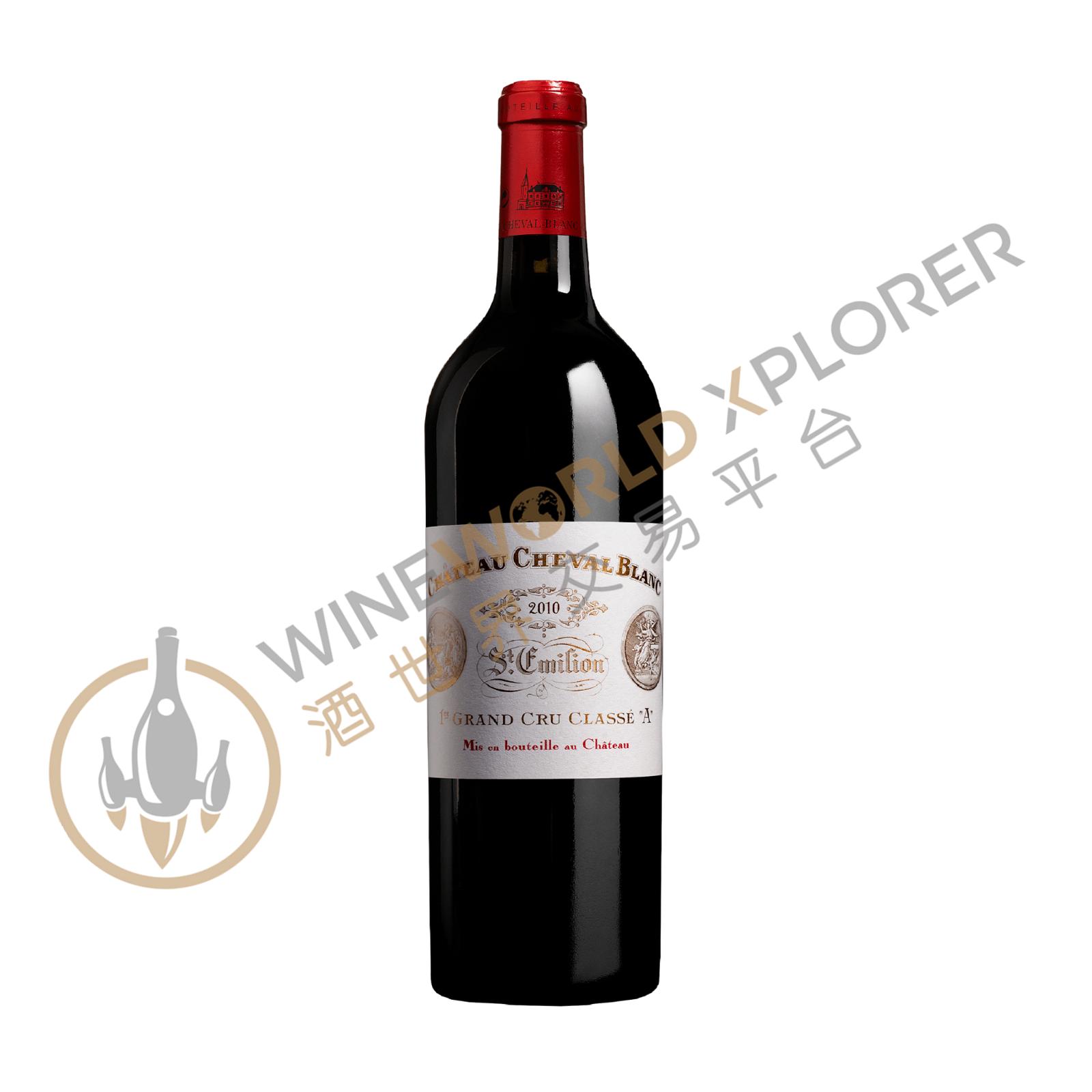
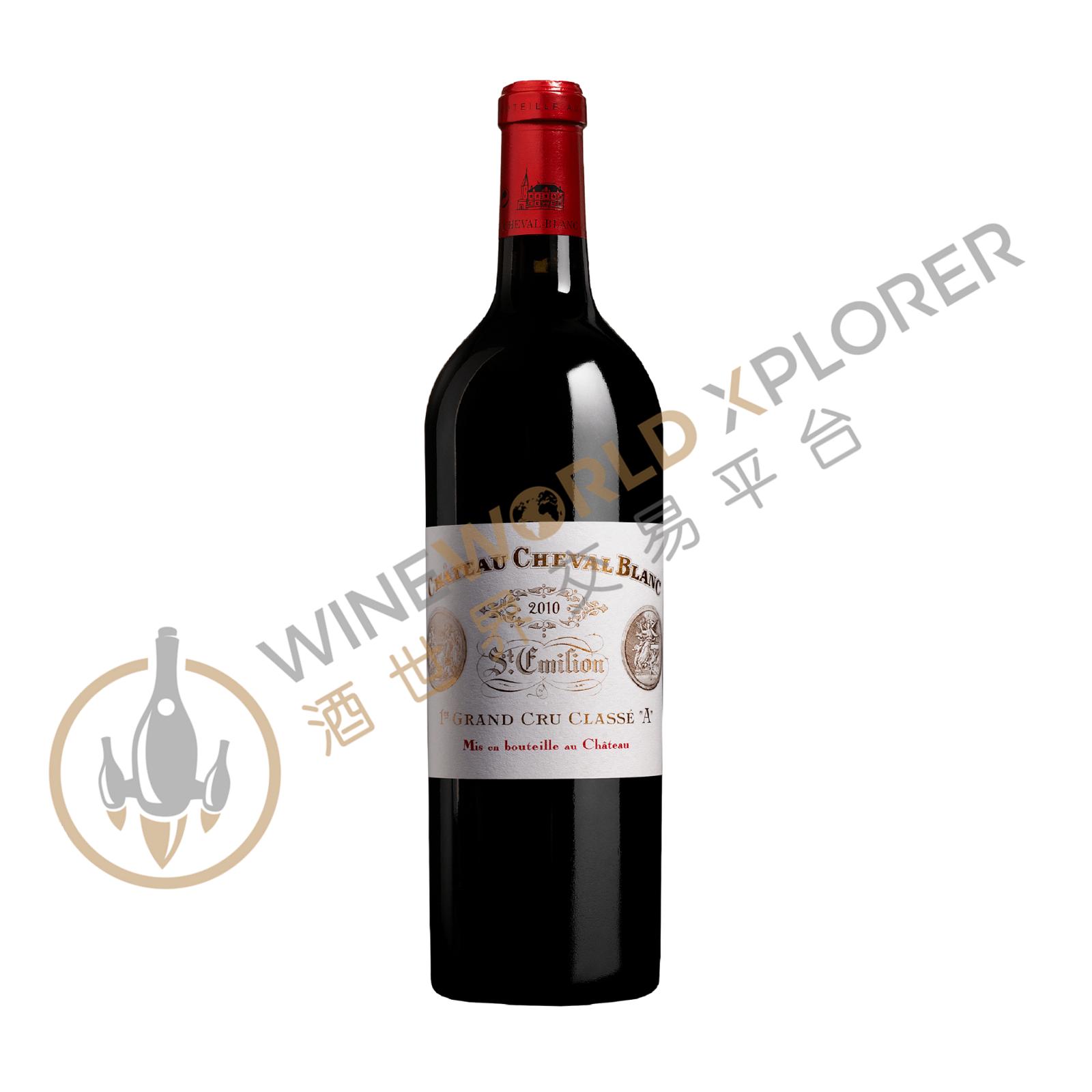
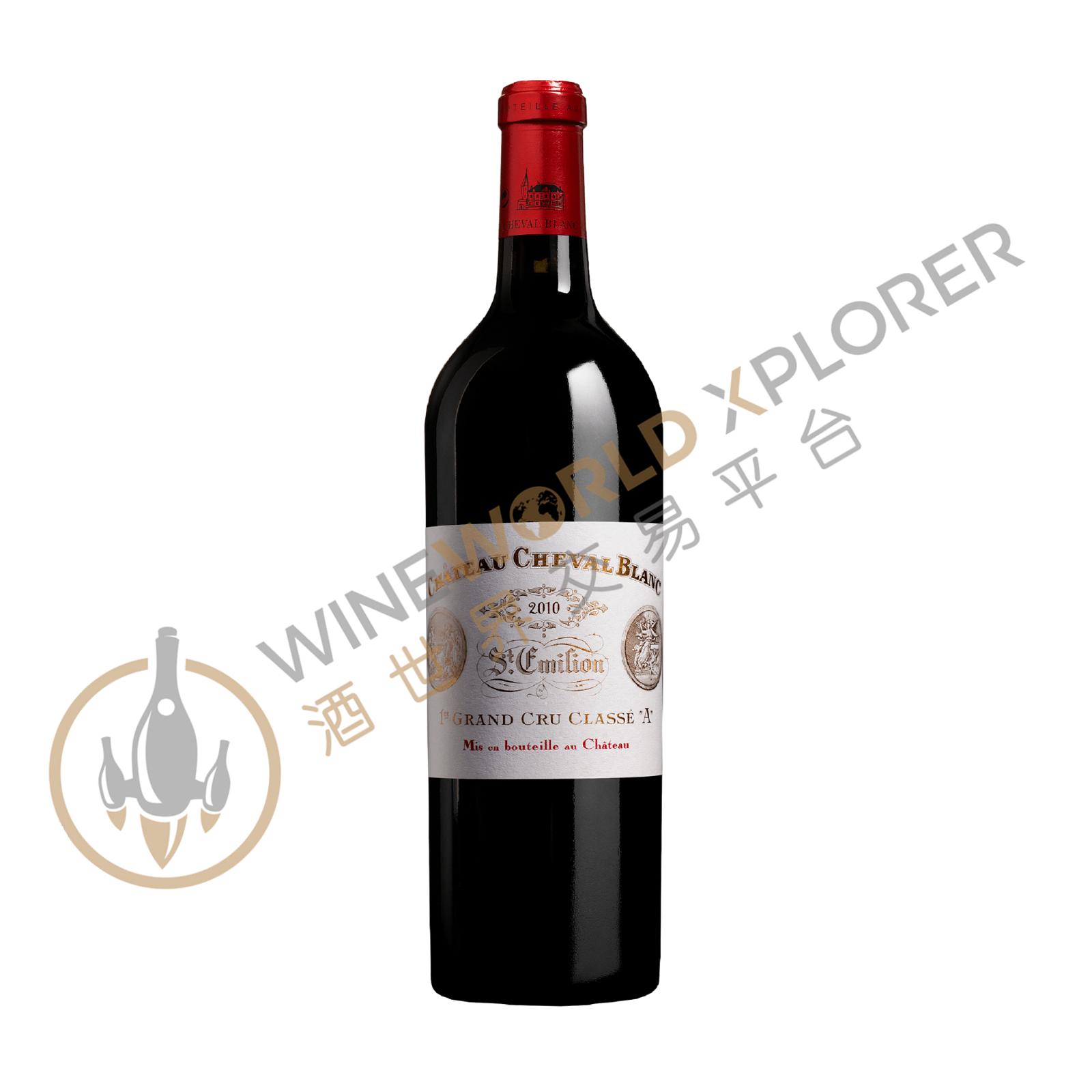
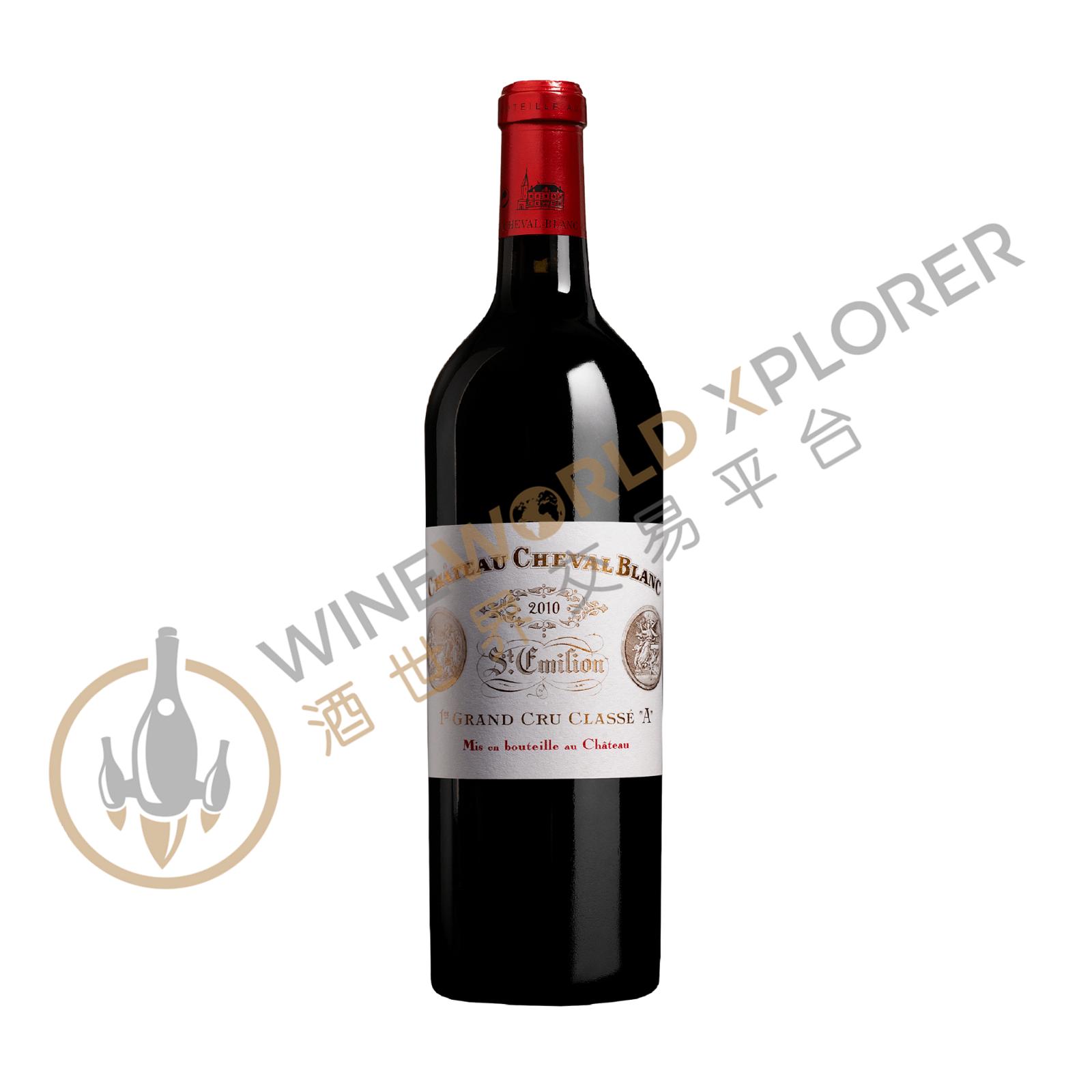
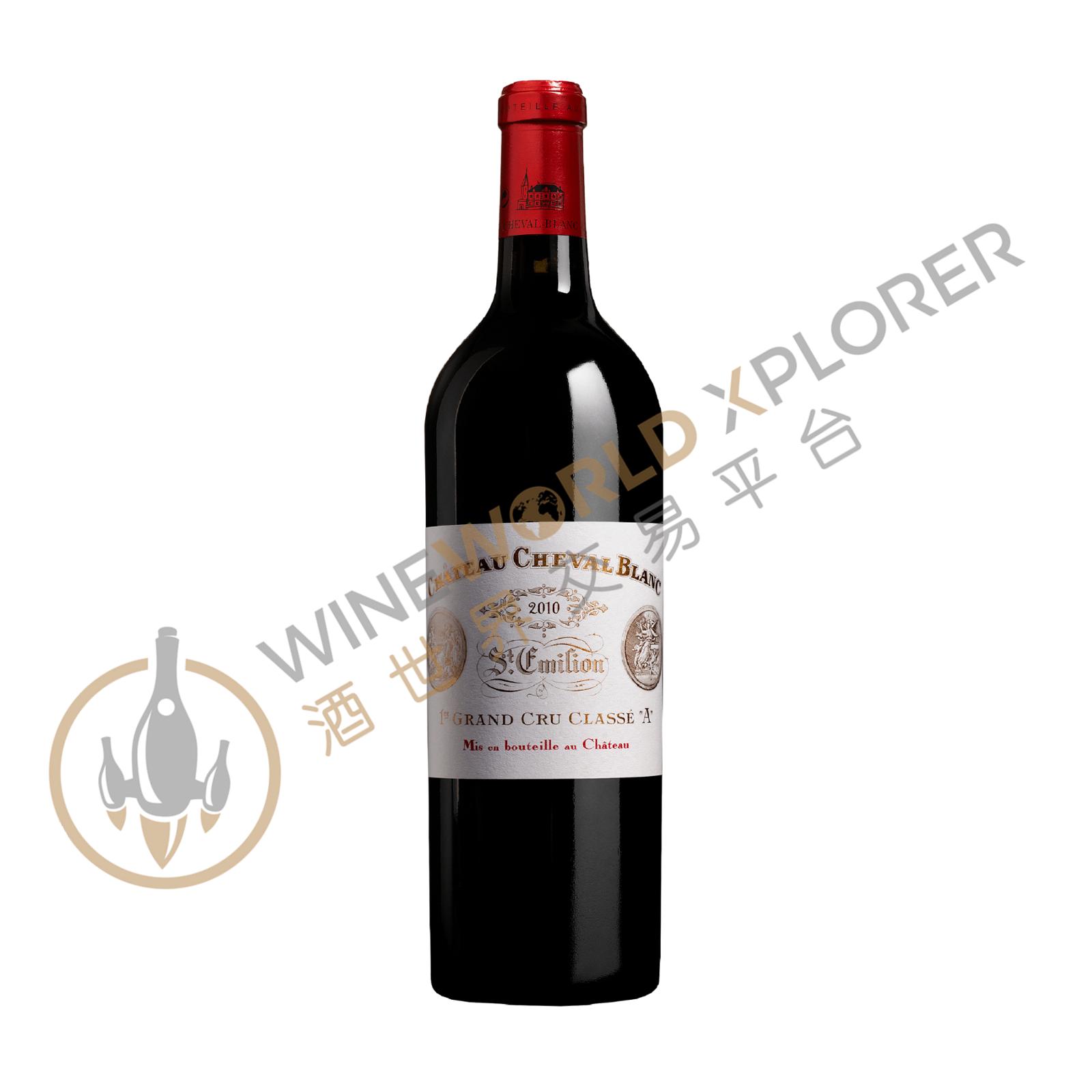
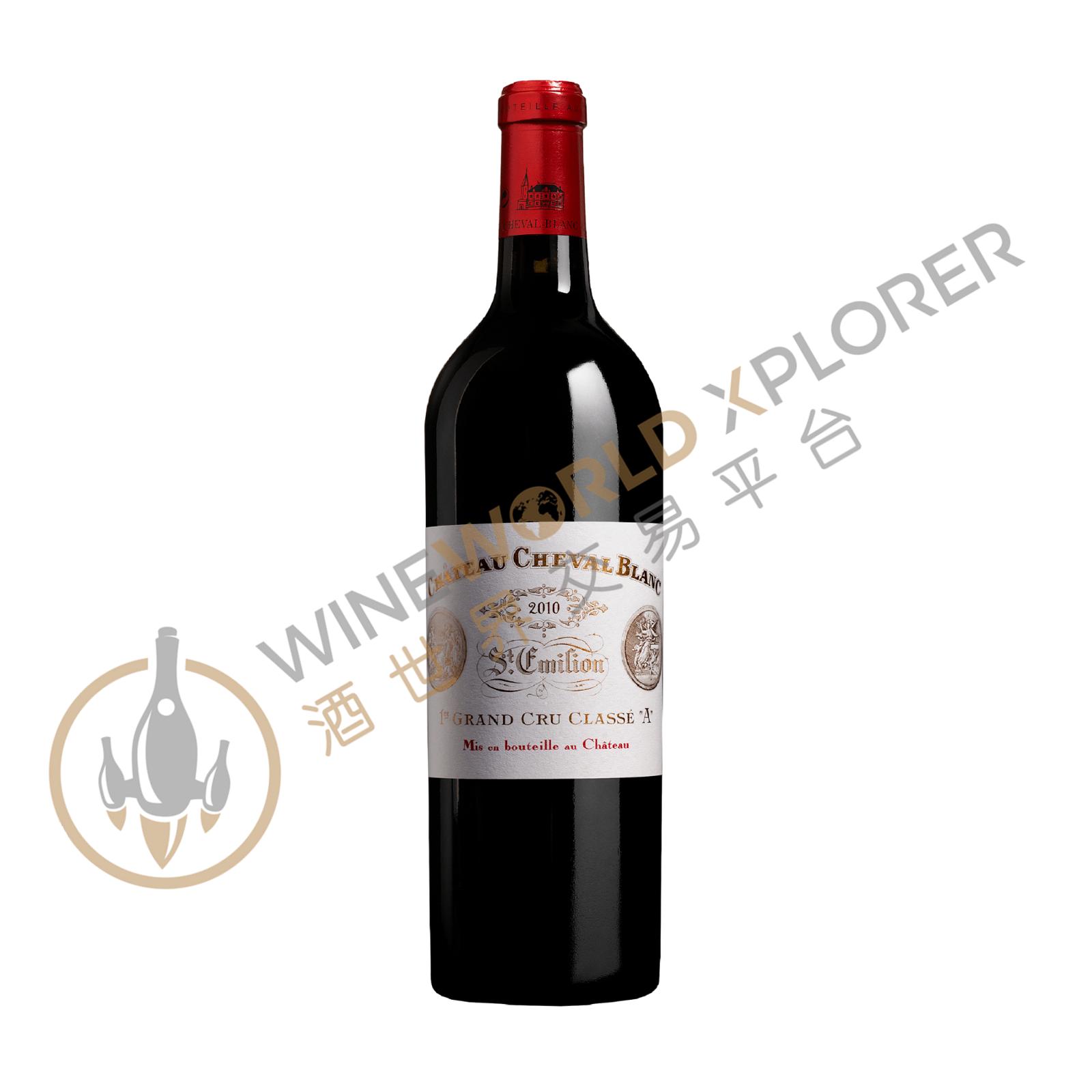
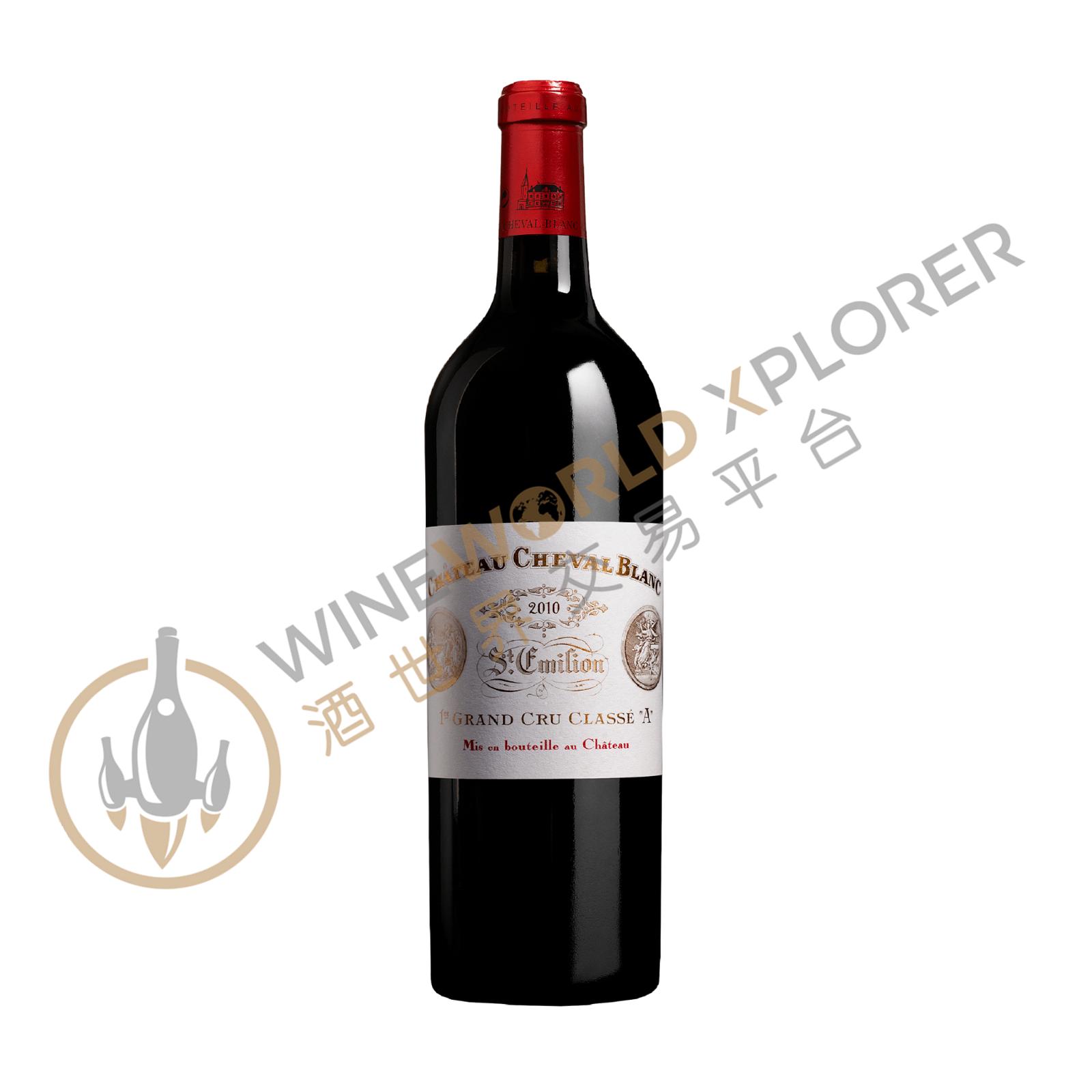
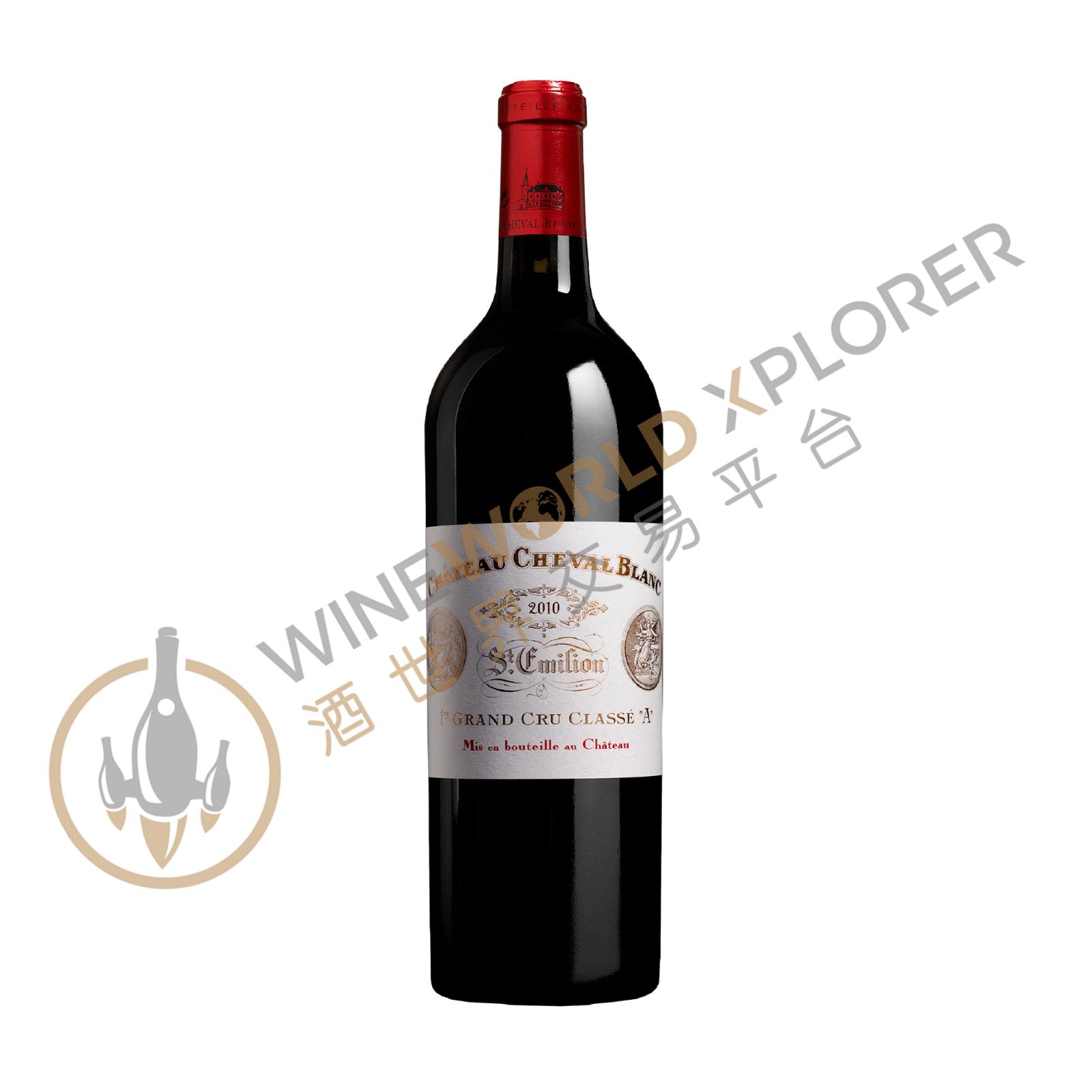
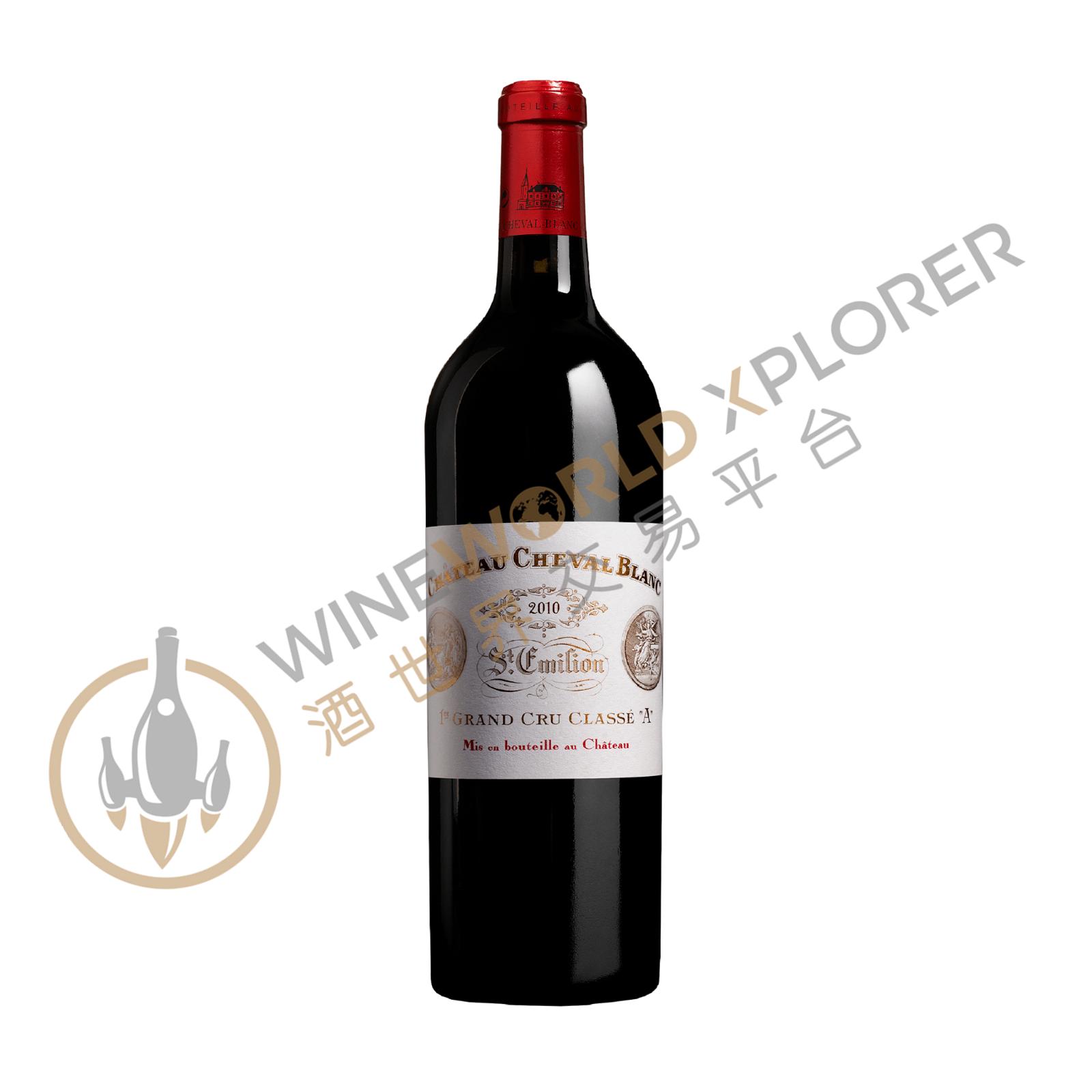
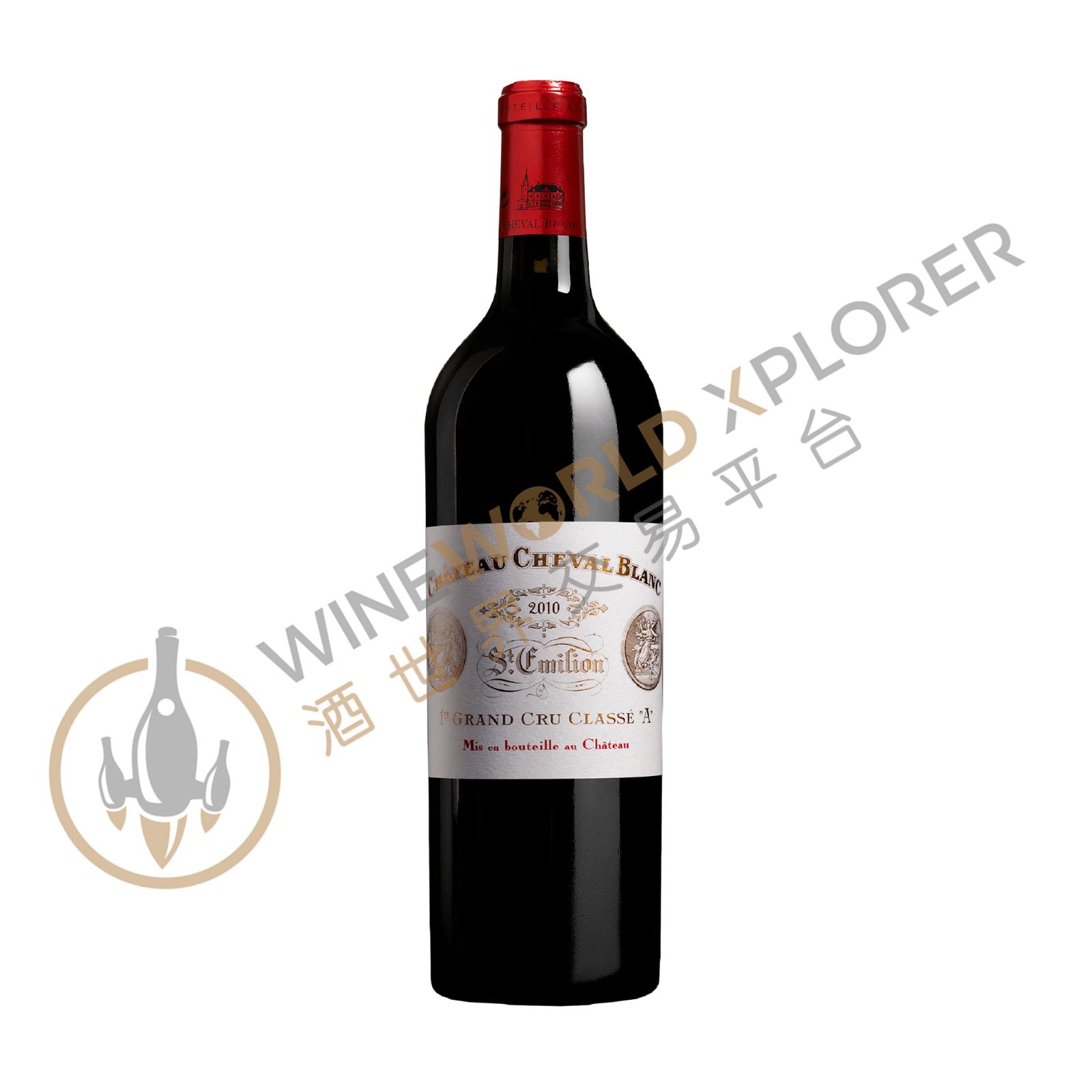
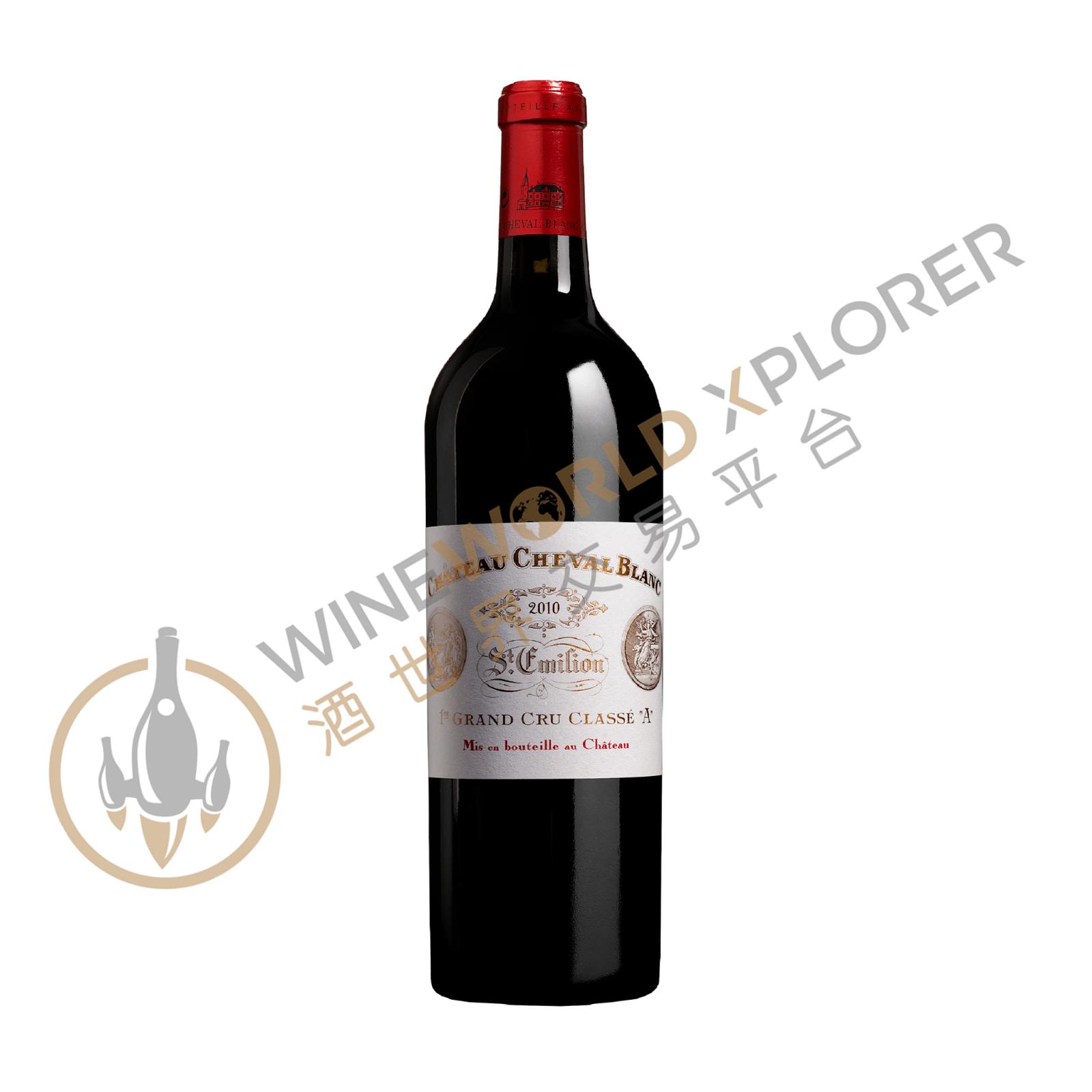
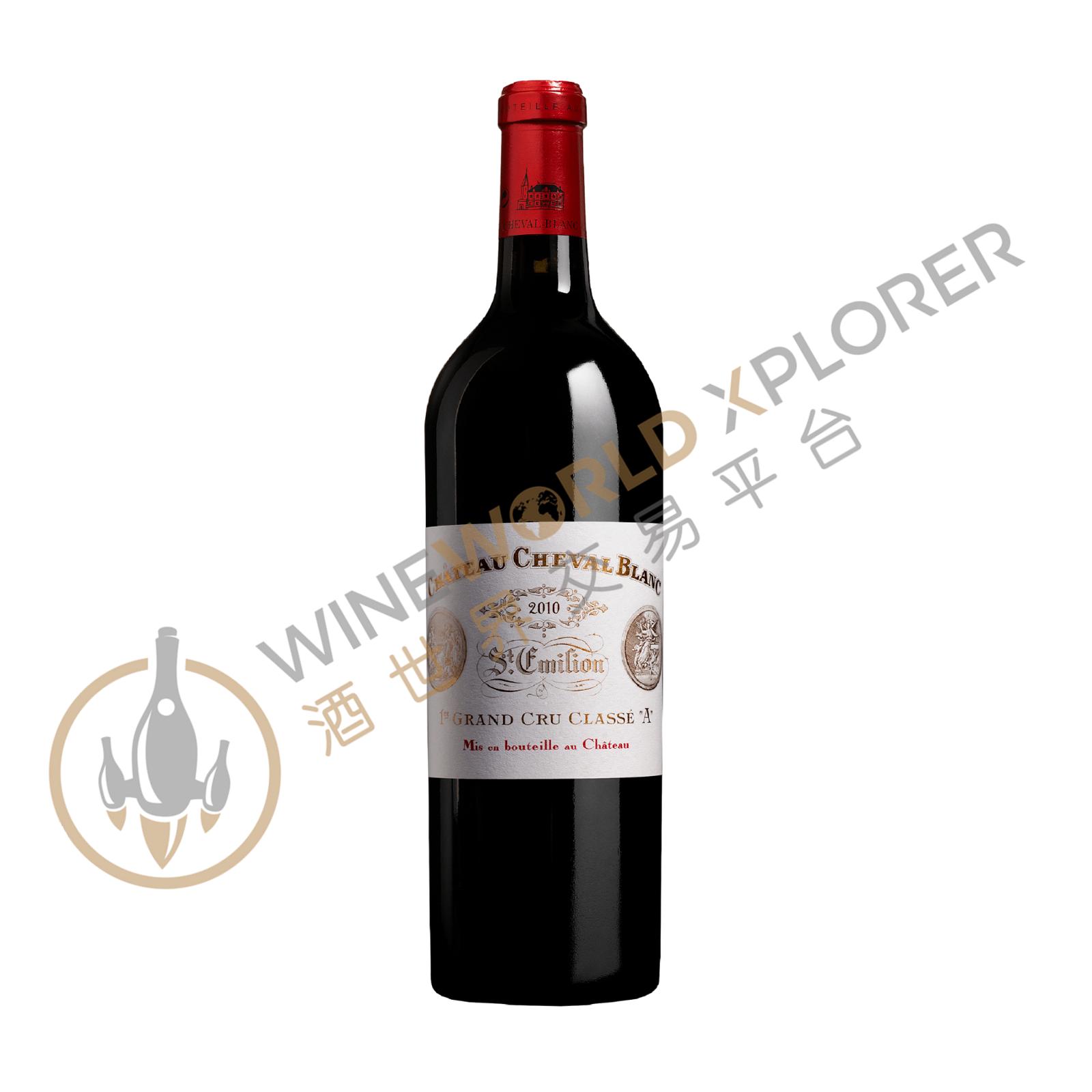
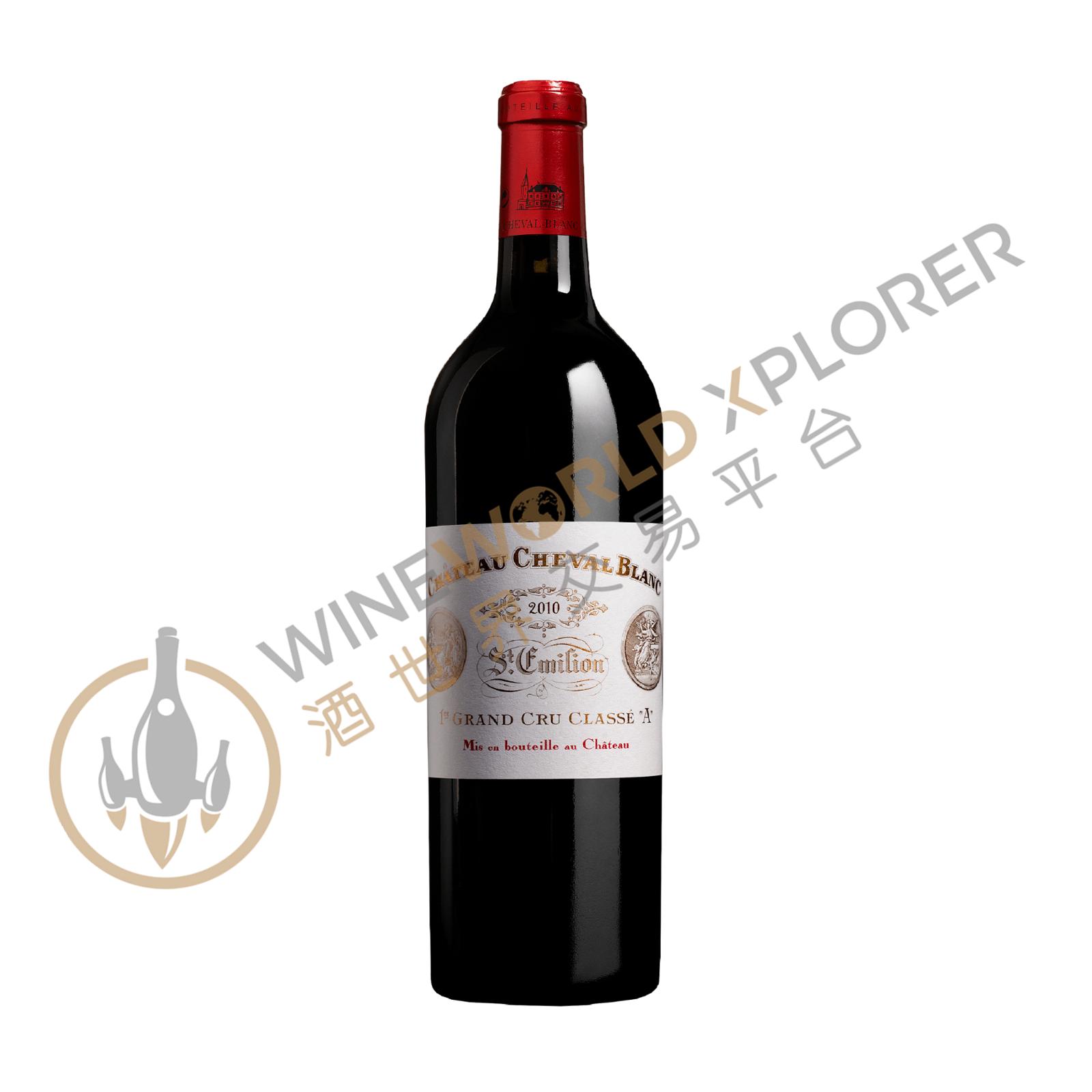
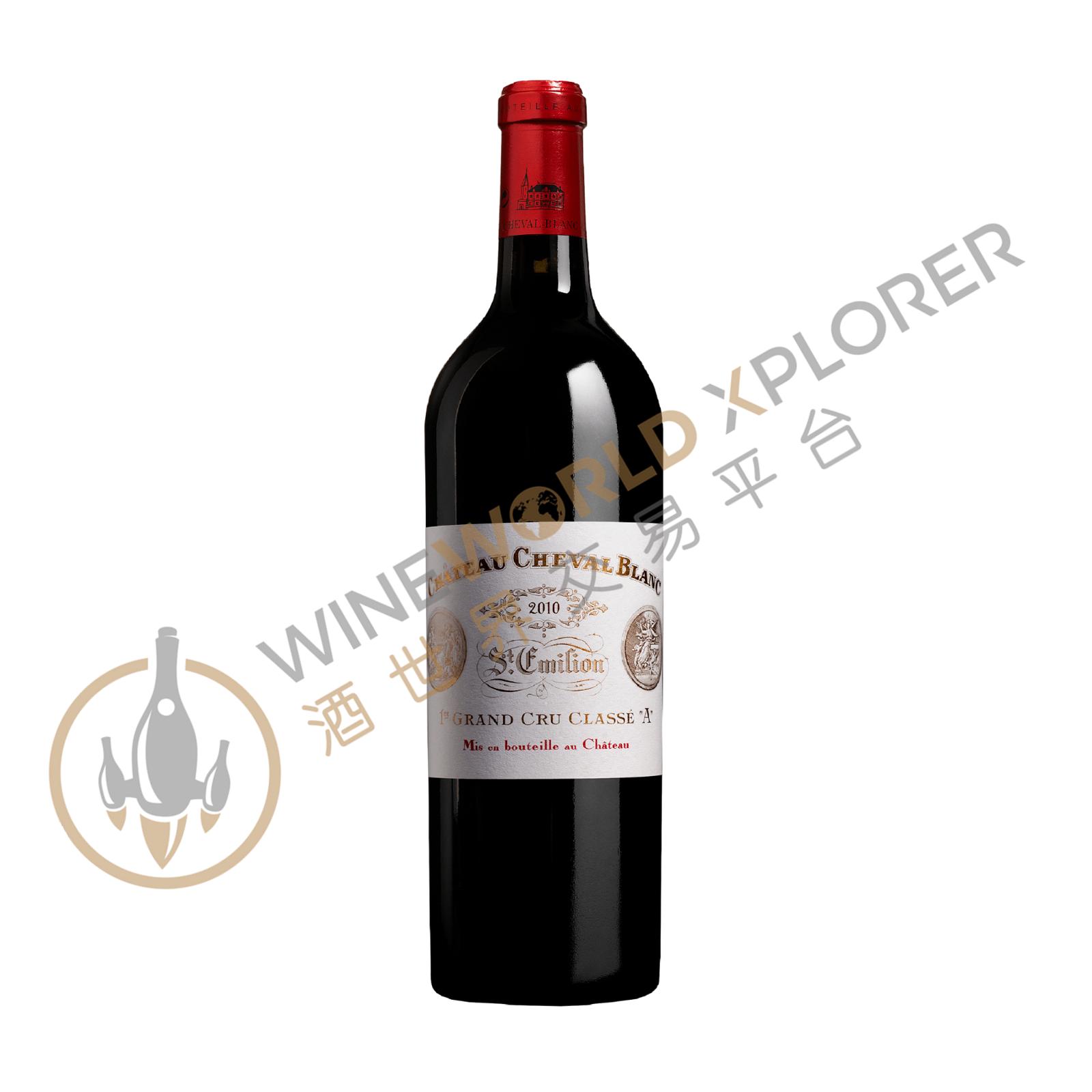
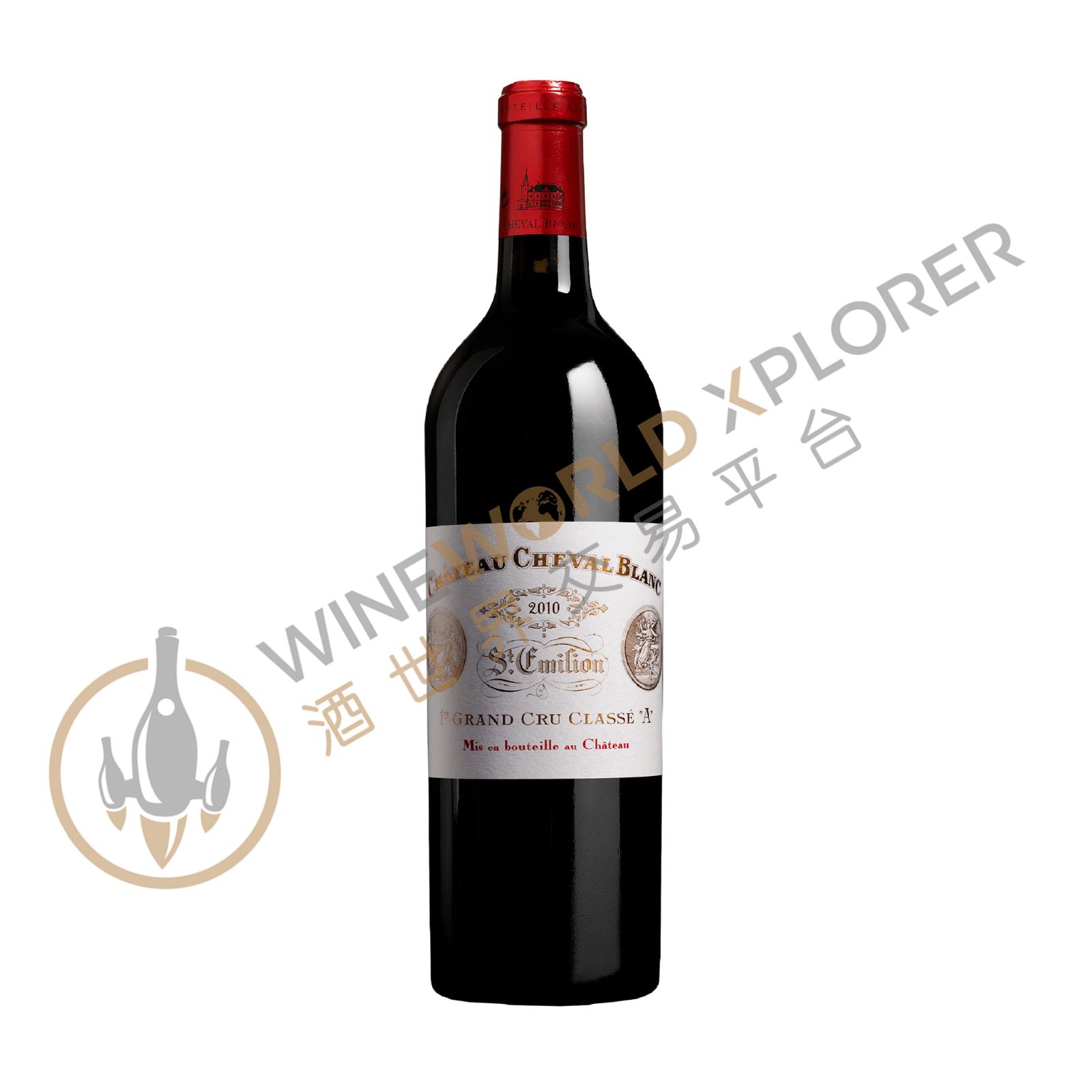
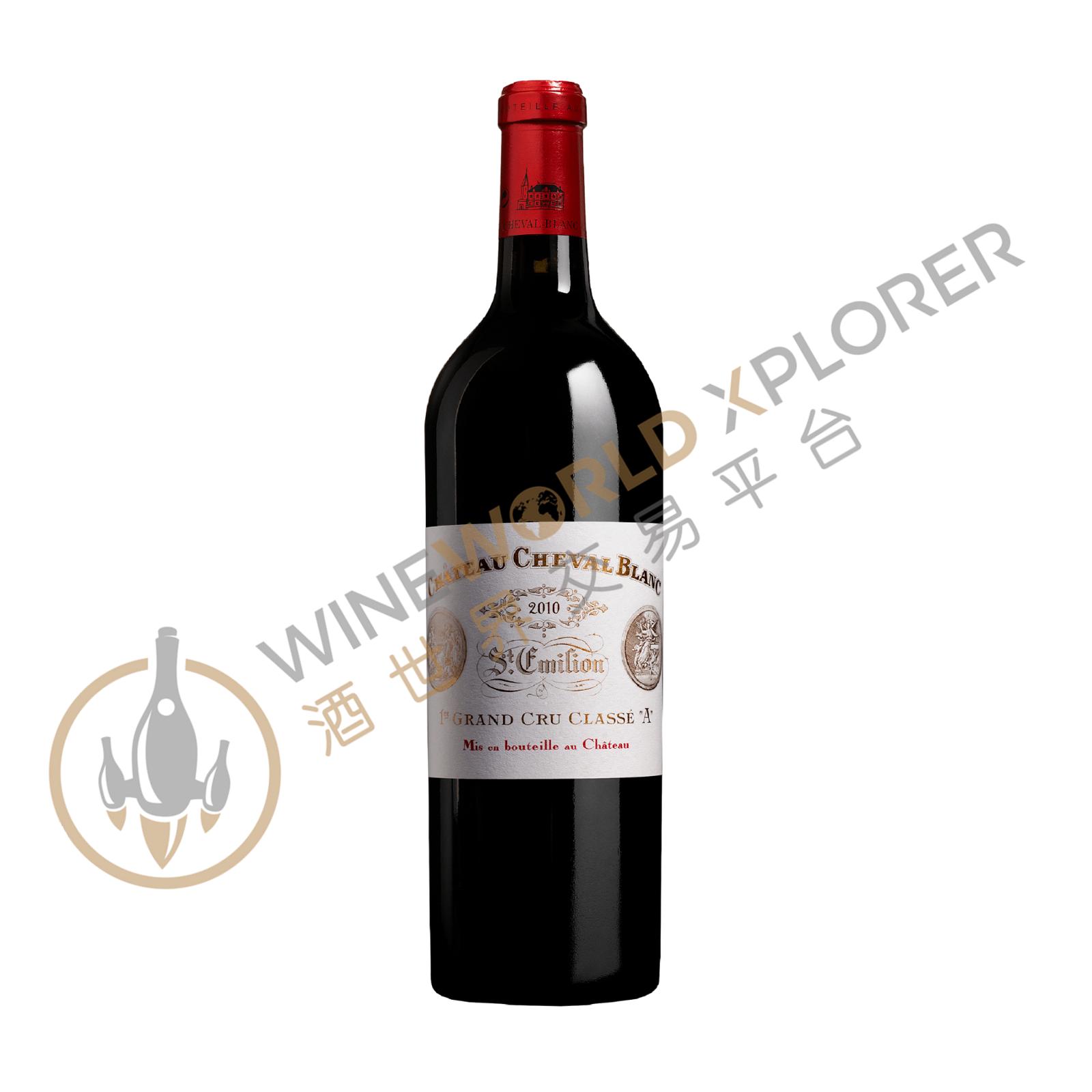
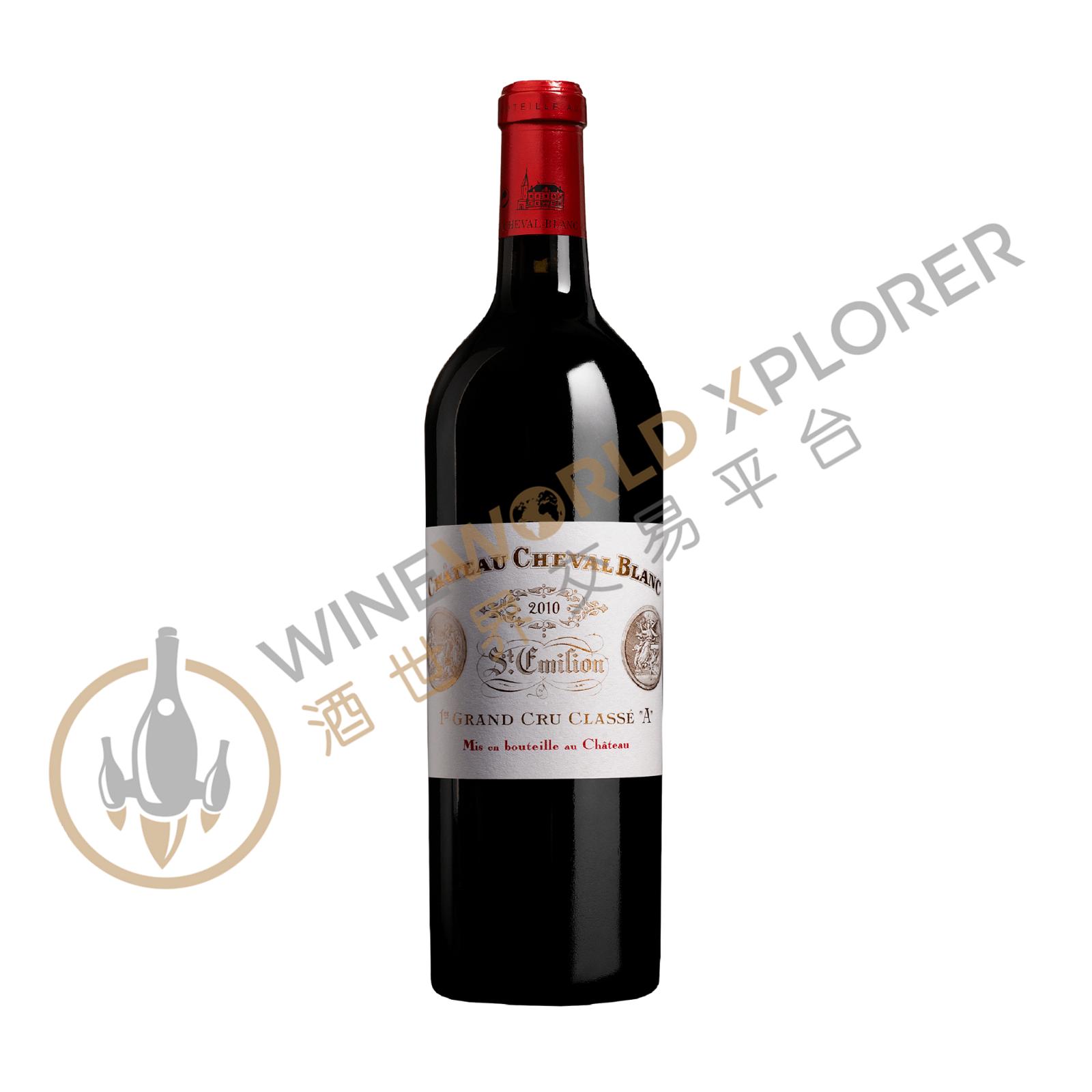
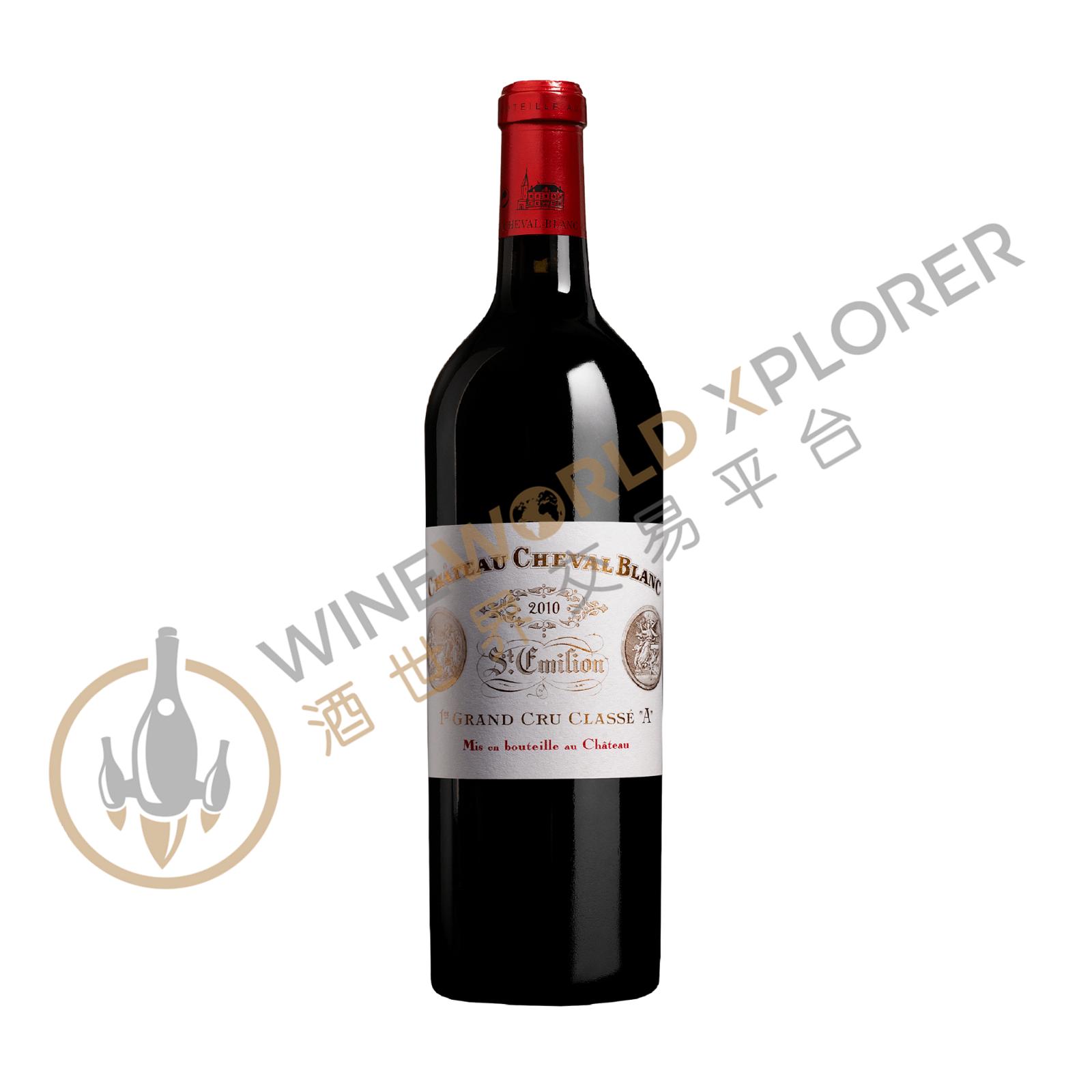
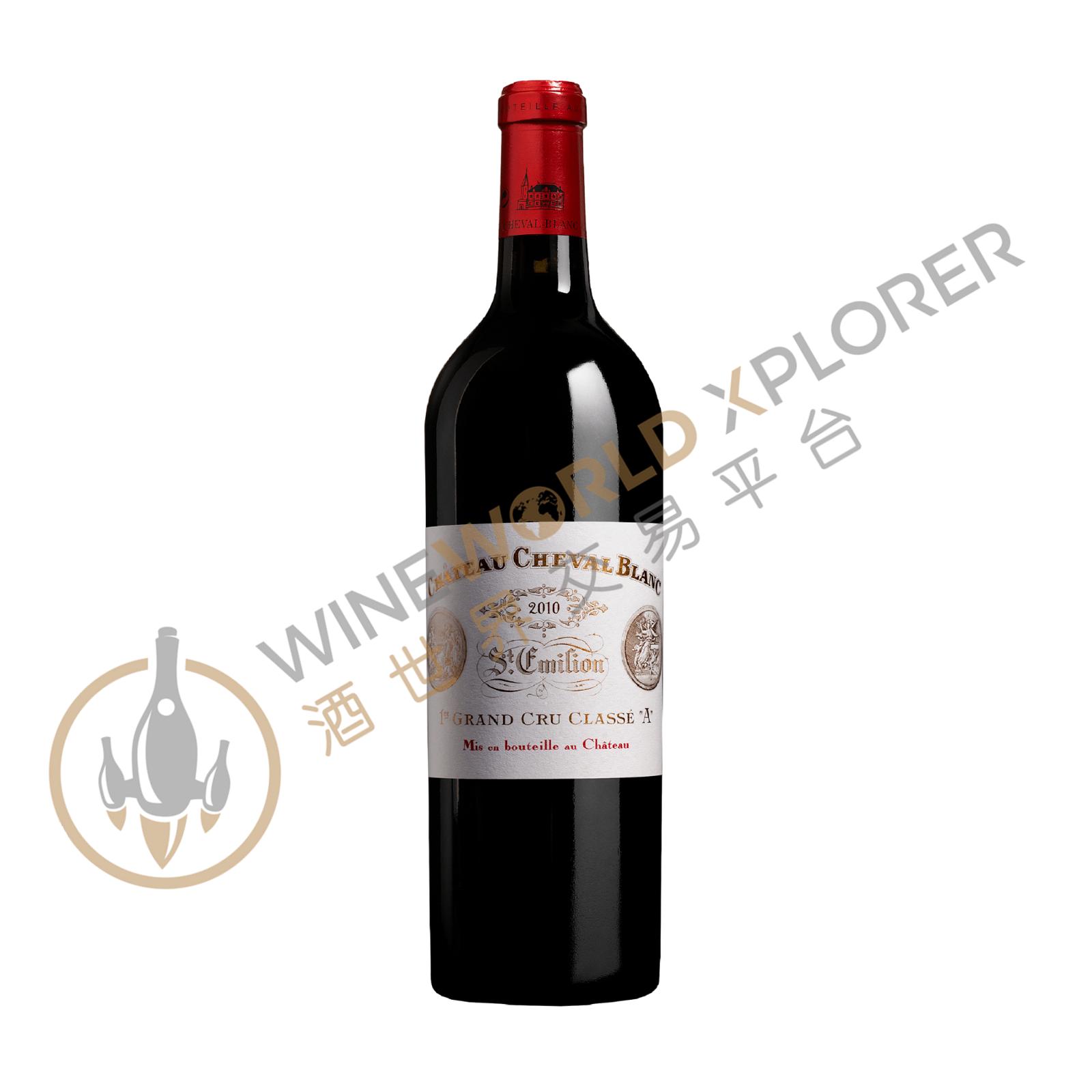
Château Cheval Blanc, a 1er Grand Cru Classé (A) is unquestionably the leading estate in St. Emilion. It is located in the north-west of the St. Emilion appellation, bordering Pomerol. Cheval Blanc obtained its first medal at the 1862 Universal Exhibition in London. In fact, a representation of this bronze medal is found on the château’s present-day label. Cheval Blanc won their first gold medal at the 1878 Universal Exhibition in Paris, and this new distinction also appeared on the label. In 1886, Cheval Blanc won a second gold medal at the Universal Exhibition in Antwerp. Reflecting this series of successes and a wine well on the way to achieving international recognition, a château was built on the estate.
Tasting notes

Reviewed by: Ian d'Agata
(yield of 51 h/h; 13% alcohol): Garnet-tinged red. Leafy aromas of green and red bell pepper, bay leaf and sweeter milk chocolate and superripe plum. Then sweeter and smoother in the mouth than the nose suggests, showing very ripe red cherry, blackberry, milk chocolate and mineral flavors. This boasts a lovely creamy texture and a nice spicy finish, with chewy tannins. A lovely wine, with a sexy personality that grew on me as it opened in the glass, but it's much inferior to the stellar 1990. Make sure you decant this at least a couple hours ahead. A precocious year, 1989 registered only 450 millimeters of rainfall (or half the normal amount) during the growth cycle, with the flowering taking place in the last week of May and veraison during the first week of August. Harvest was from September 7 to 27, the earliest start ever at Cheval Blanc.
Reviewed by: Neal Martin
The 1989 Cheval Blanc is a vintage that I have not encountered since 2010. One bottle opened was rustic and fatigued, and Pierre-Olivier Clouet opened a second that was much better. It has a gorgeous bouquet of ample red fruit, morels, black truffle, cigar box and hints of brown sugar, all very well defined and charming. The palate is medium-bodied with grainy tannin and approaching full maturity; brown spices, bay leaf and clove infuse the red berry fruit. At 30 years of age, I suspect this 1989 will not improve further, but its robustness suggests that any decline will be graceful. Tasted from an ex-cellar bottle at the château.
Reviewed by: Neal Martin
Tasted at Cheval Blanc dinner at The Ledbury. One of the finest vintages of Cheval Blanc in recent years, this is the best bottle that I have encountered. It has a show-stopping bouquet of bacon fat, roasted chestnut, blackberry and still that heavenly tincture of Italian meats. The palate is medium-bodied with very fine tannins, so vigorous and “confident” with a tangible meatiness to that ebullient red fruit that is degrading at a glacial pace. Lovely poise on the finish with that walnut notes once again, although I did remark that over time in the glass it relinquished some of its harmony. Still, this is a Cheval that oozes charisma. Drink now-2020+ Tasted November 2010.
Reviewed by: Robert M. Parker, Jr.
The 1989 is an excellent wine, but I had expected more power, depth, and intensity than the wine currently reveals. The big, very precocious, forward bouquet displays aromas of herbs, tobacco, sweet blackcurrants, and the telltale smoky, exotic character that often sets Cheval Blanc apart. The wine tastes like candy, given its sweet palate impression. There is excellent depth, but when you compare the 1989 with the 1990, 1986, 1985, 1983, and 1982 (the best vintages of the eighties), the 1989 does not possess similar concentration or complexity. If the 1989 Cheval Blanc does indeed broaden out and take on an extra dimension of flavor and character, my rating will look ungenerous. Anticipated maturity: Now-2005. Last tasted, 6/93.
Reviewed by: Neal Martin
Tasted at Robersons’ 1989 Bordeaux horizontal. Despite its age, the nose takes a great deal of coaxing from the glass, but it unfurls to reveal dark broody black fruit, Italian meats, roasted chestnut and a touch of iodine. Very good definition and far more vigorous than the Figeac. The palate is medium-bodied with fine but firm tannins, great balanced and power, savoury with touches of game, white pepper, walnut and sandalwood on the finish that demonstrates great persistency. Superb. Drink now-2025. Tasted June 2010.
Reviewed by: Neal Martin
A bottle courtesy of the generosity of “Big Steve”, this compensated for the odd Scandinavian-bottled ’62 Cheval! A decadent, ravishing nose of blackberry, dark Valrona chocolate, mocha and brown sugar with brilliant delineation. The palate is full-bodied, very savoury with that Cabernet Franc in full flow. Fine, firm tannins, superb depth, a real mouthful of Cheval Blanc with a touch of plum and yes, “Bovril” on the aftertaste. Drinking superbly now, but it has a few more years ahead of it yet. Tasted February 2008.
Reviewed by: Robert M. Parker, Jr.
The 1989 is an excellent wine, but I had expected more power, depth, and intensity. The big, exotic, precocious, forward bouquet displays aromas of herbs, tobacco, sweet blackcurrants, mint, and the telltale smoky character that sets Cheval Blanc apart. The wine tastes like candy, given its expansive, sweet palate impression. There is excellent depth, but a surprisingly quick finish. Anticipated maturity: Now-2005.
Reviewed by: Neal Martin
Deep ruby. Stunning ample nose: chocolate, mocha and iron filings/granite. Not massive body but so elegant and classy. Interwoven rich tannins. Long stylish chocolate finish. Still quite tight and only just beginning to blossom. A beautiful wine. Tasted November 2002.
Reviewed by: Robert M. Parker, Jr.
Since its bottling, the 1989 has frequently been disappointing. In this tasting, it showed better than it has over the last several years. The 1989 is not a great effort for this chateau. The color is already revealing an amber edge, and the lead pencil, cedar, spicy, black fruit, and vanillin-scented nose is more reminiscent of a young Lafite, than the exotic style associated with Cheval Blanc in a hot, dry, ripe year. This medium weight, lightly tannic wine is very approachable. I have rated the 1989 Cheval Blanc consistently between 87 and 89, which is indicative of an excellent wine, but given the vintage terroir, this is not one of the star's of the 1989 vintage. It should continue to drink well for 10-15+ years, as there is moderate tannin in the wine's elegant framework, but readers should not expect any miracles.
Reviewed by: Robert M. Parker, Jr.
The 1989 is an excellent wine, but I had expected more power, depth, and intensity than the wine reveals. The big, exotic, precocious, forward bouquet displays aromas of herbs, tobacco, sweet blackcurrants, mint, and the telltale smoky character that often sets Cheval Blanc apart. In the mouth, the wine tastes like candy, given its expansive, sweet palate impression. There is excellent depth, but a surprisingly quick finish. Compared to the 1983 and 1982 (the two top vintages of the eighties), the 1989 does not possess nearly the concentration of those two vintages. If it indeed broadens out and takes on an extra dimension of flavor and character, my rating my seem ungenerous. Anticipated maturity: 1993-2005. Tasted seven times. Inconsistent notes.
Reviewed by: Robert M. Parker, Jr.
Somewhat of a disappointment in a sometimes great yet variable vintage, the color a dark ruby with amber at the edge, this wine shows sweet plum, fig, and currant notes, along with some herbs and earth. In the mouth, it is surprisingly lightweight for a wine from a superior year, medium-bodied, relatively lush, but an essentially one-dimensional wine with a spicy, surprisingly short finish. Drink it over the next 10-15 years. Last tasted, 12/02.
About the Producer
Château Cheval Blanc is a highly lauded wine estate in the Saint-Émilion region of northeast Bordeaux. Classified with the top ranking of Premier Grand Cru Classé A, it is regarded by many as one of the greatest wines of the appellation – if not, the greatest. It is certainly the most famous Cabernet Franc-based wine in the world, albeit often alongside very similar levels of Merlot. Typically, the "grand vin" (the estate's eponymous wine) is lush and full bodied with great weight of fruit. It tends to require ten years of bottle age and the best vintages can last half a century or more. The second wine of the estate is Le Petit Cheval. The vineyard is located in the northwest of the region, bordering Pomerol (La Conseillante is a neighbor) and consists of 39 hectares (96 acres) divided into 45 plots. There is an unusually large amount of Cabernet Franc planted – about 49 percent – with 47 percent Merlot and four percent Cabernet Sauvignon. The unusual planting proportions reflect the terroir; most vineyards in the region are either clay or gravel-based over impermeable sedimentary rock, but Cheval Blanc is unique in having a patchwork of soils with the two types in roughly equal proportions. The clay soils provide base wines with velvety tannins, while those from gravel soils are more aromatic and elegant. Vines have been grown since the 14th Century at this spot but the vineyard as it is known today took shape in the 19th Century when the core plots were added to by purchases from the nearby Figeac estate. Subsequent replantings established the atypical half-Merlot, half-Cabernet Franc proportions. Cheval Blanc gained its first medal at the 1862 Universal Exhibition in London – the first of a series of successes building its reputation and achieving price levels comparable to the Médoc first growths, which paved the way for a château to be built on the estate. In the first classification of Saint-Émilion wines in 1955, Cheval Blanc was awarded the highest possible rating and remains a Premier Grand Cru Classé A. In 1998, after 166 years of continuous family ownership, Bernard Arnault, the head of luxury goods firm LVMH, and the late Baron Albert Frère (a Belgian billionaire investor) jointly purchased the estate. The spectacular new cellar opened in 2011, with 52 concrete vats (replacing stainless steel) of differing sizes corresponding to different vineyard plots. The grand vin spends 16 to 18 months in new oak barrels from a variety of cooperages.
1949(1)1953(1)1955(4)1958(1)1962(1)1966(1)1967(2)1970(2)1973(1)1974(2)1975(3)1976(1)1977(1)1978(1)1979(2)1980(1)1981(2)1982(5)1983(1)1984(1)1985(1)1986(5)1988(4)
Package Size