Wine Advisor



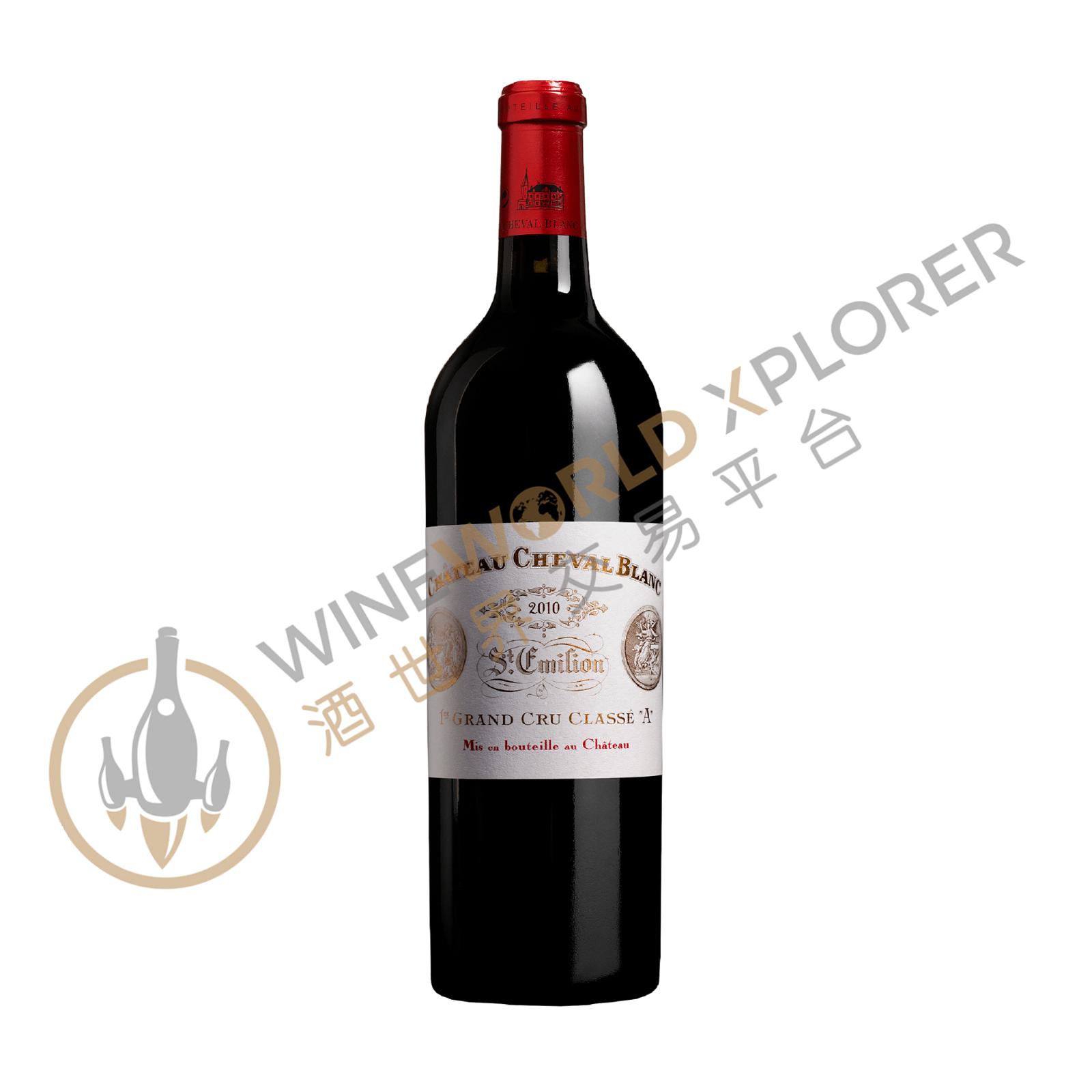
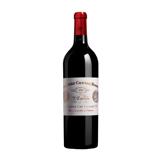
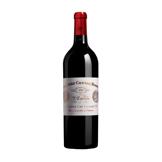
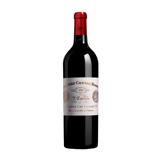
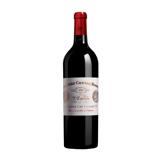
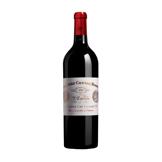
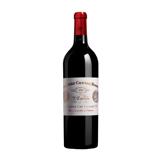
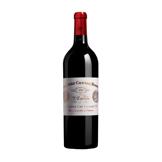
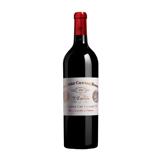
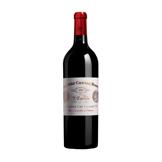
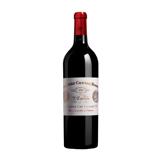
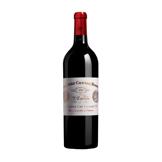
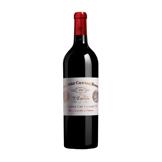
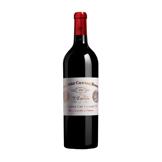
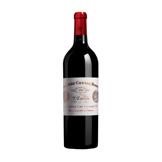
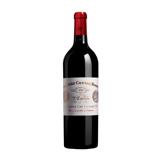
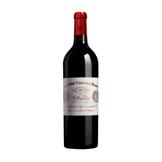
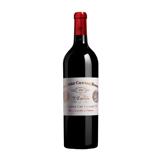
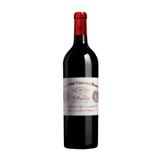
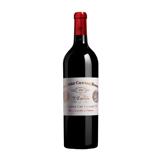
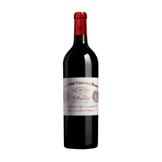
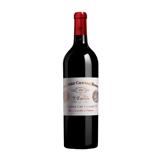
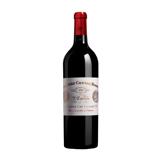
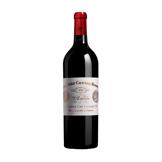
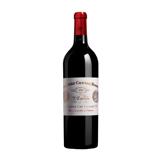
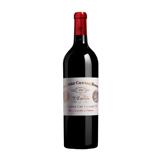
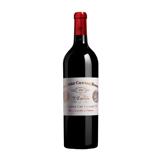
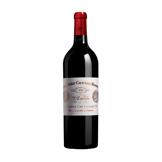
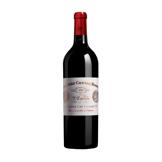
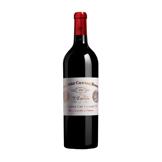
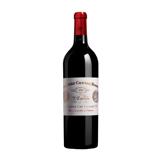
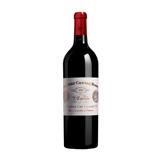
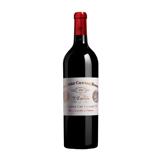
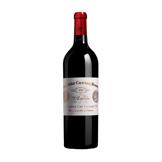
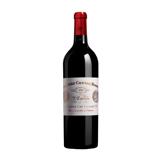
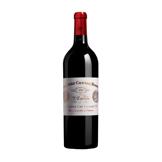
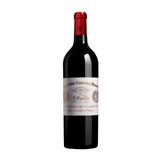
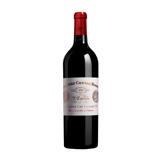
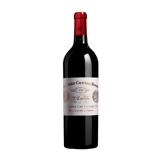
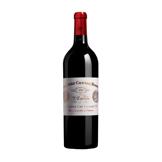
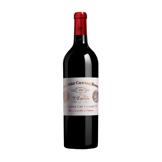
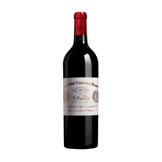
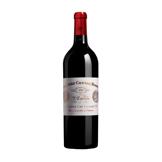
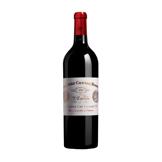
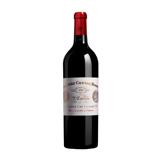
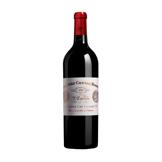
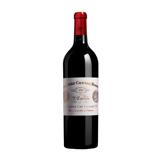
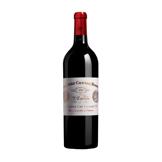
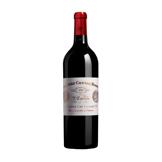
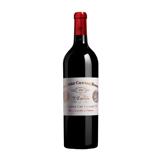
Cheval Blanc 1949
 View analysis


Description
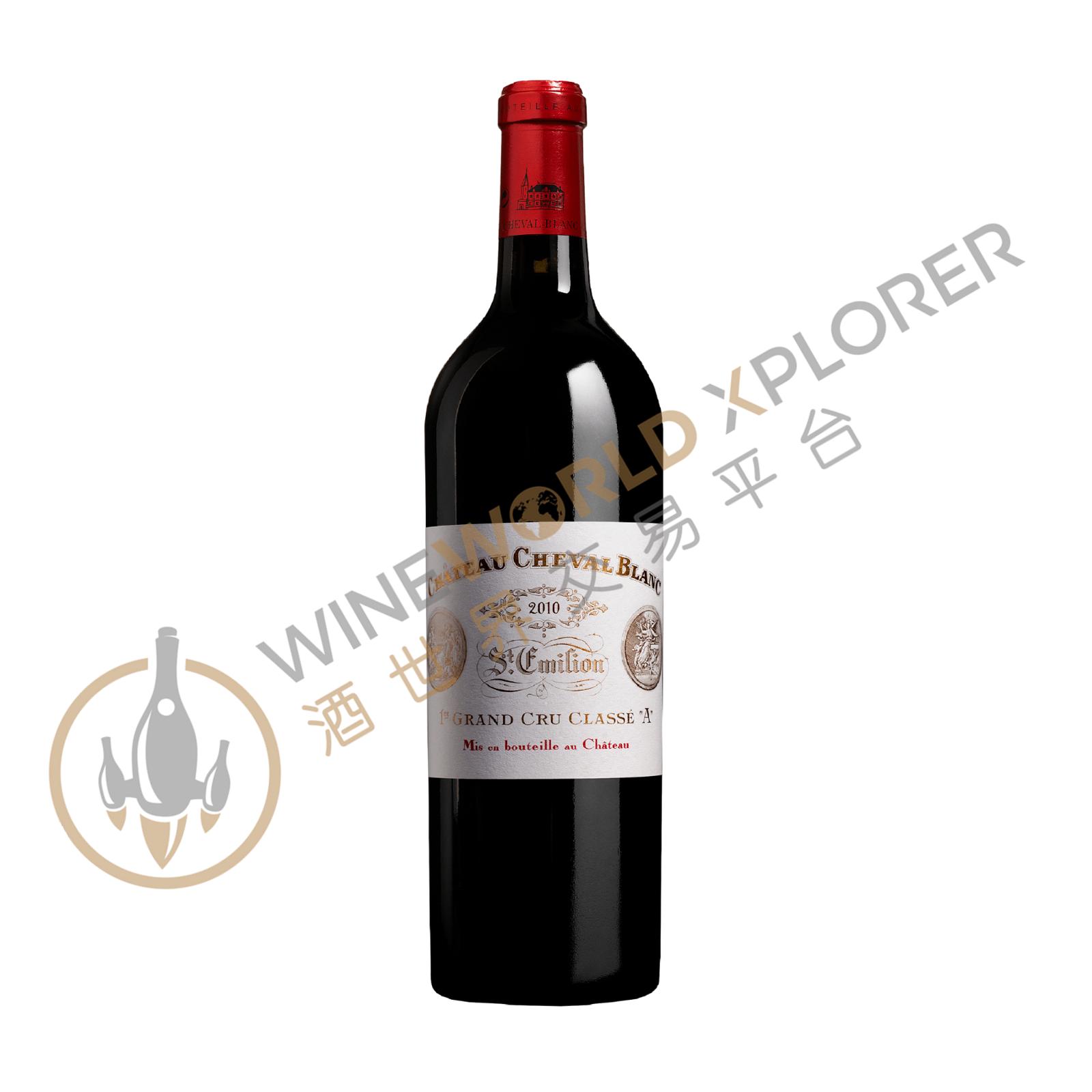
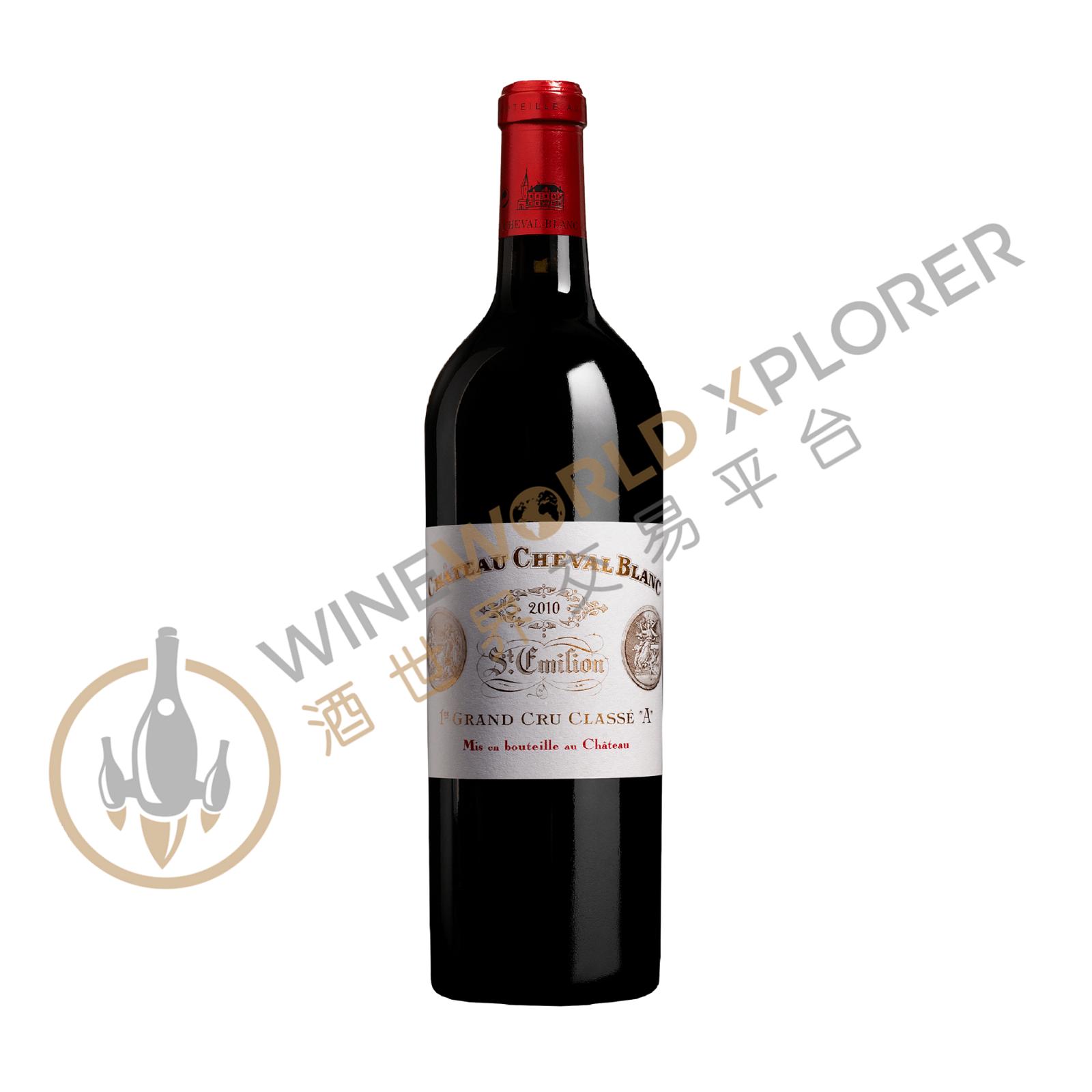
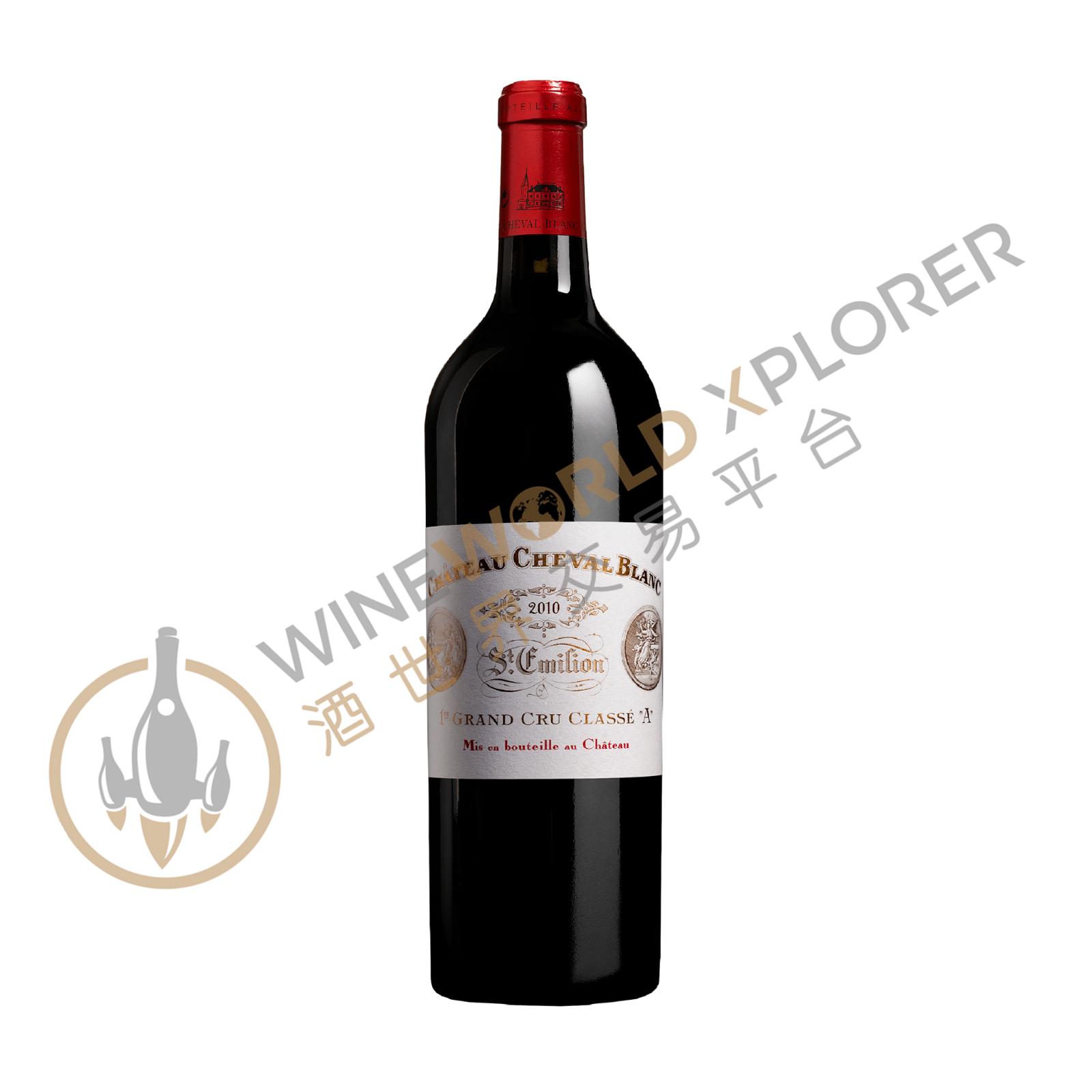
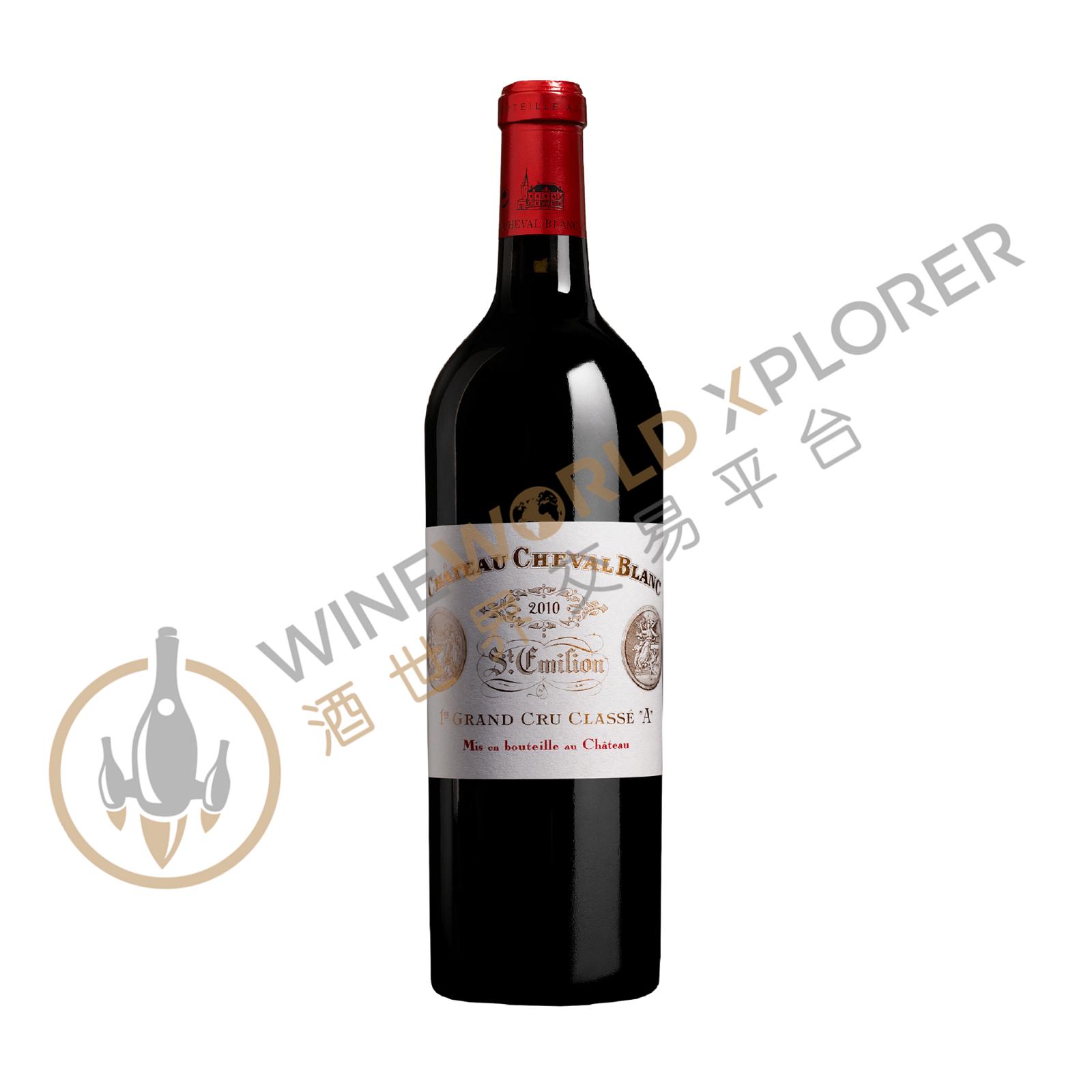
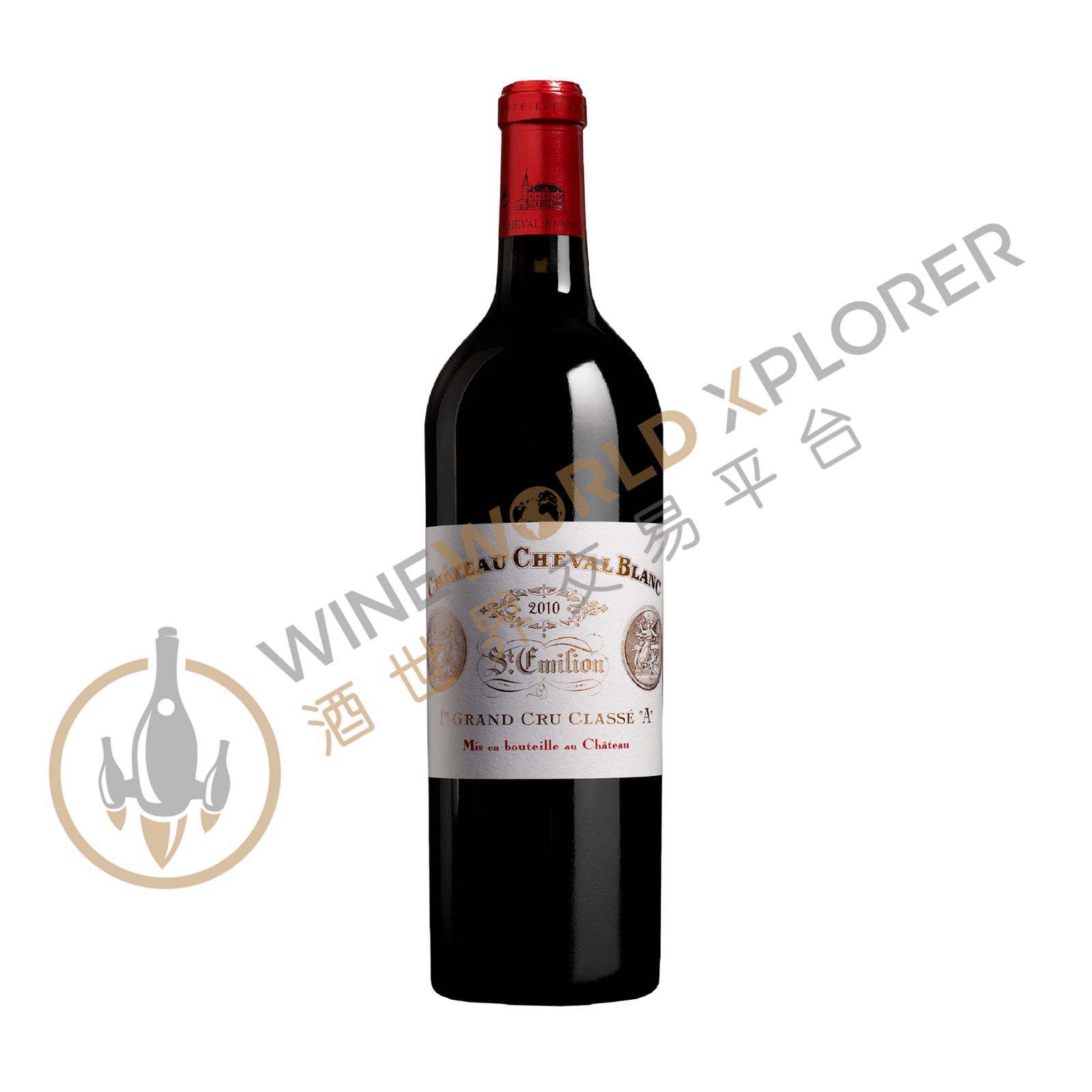
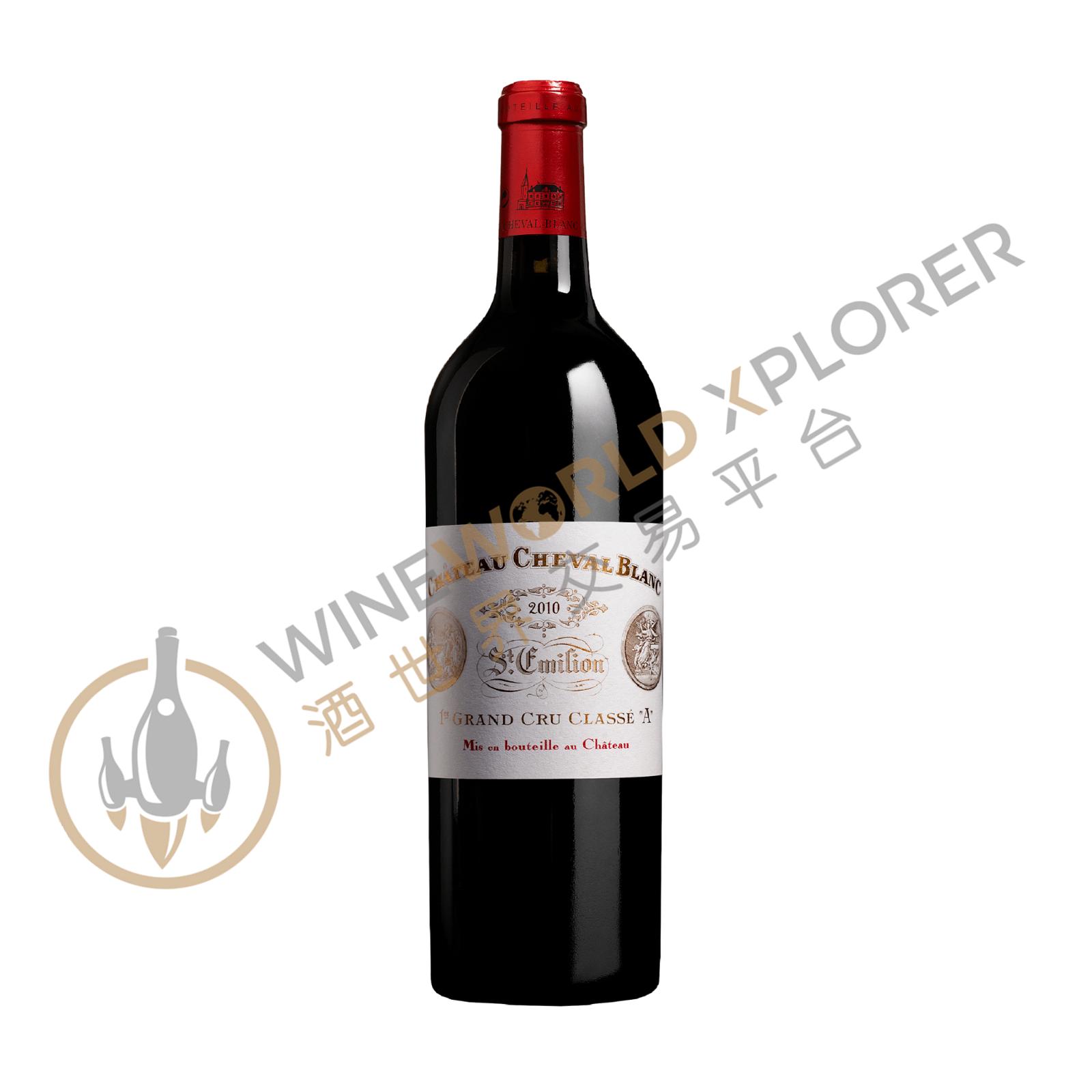
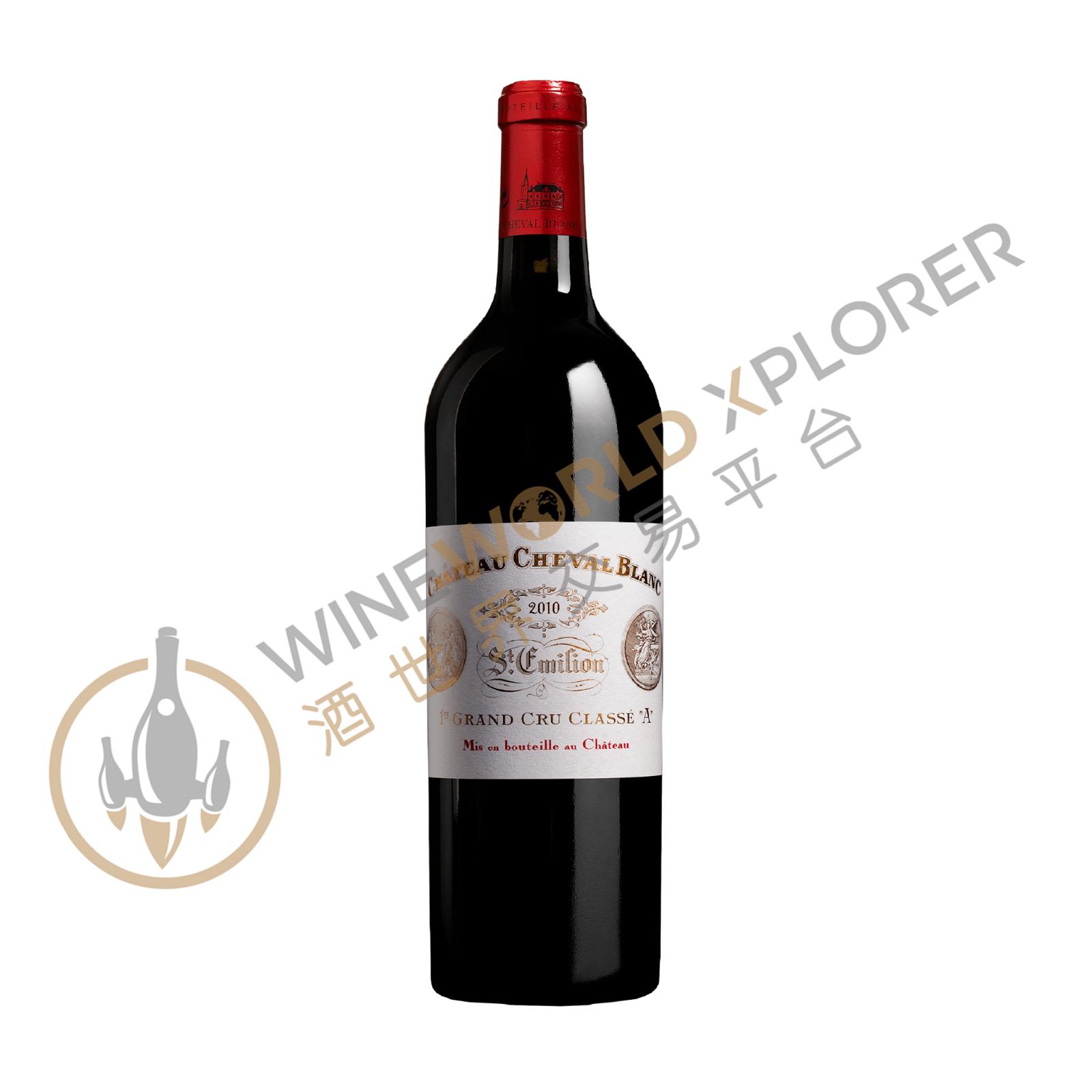
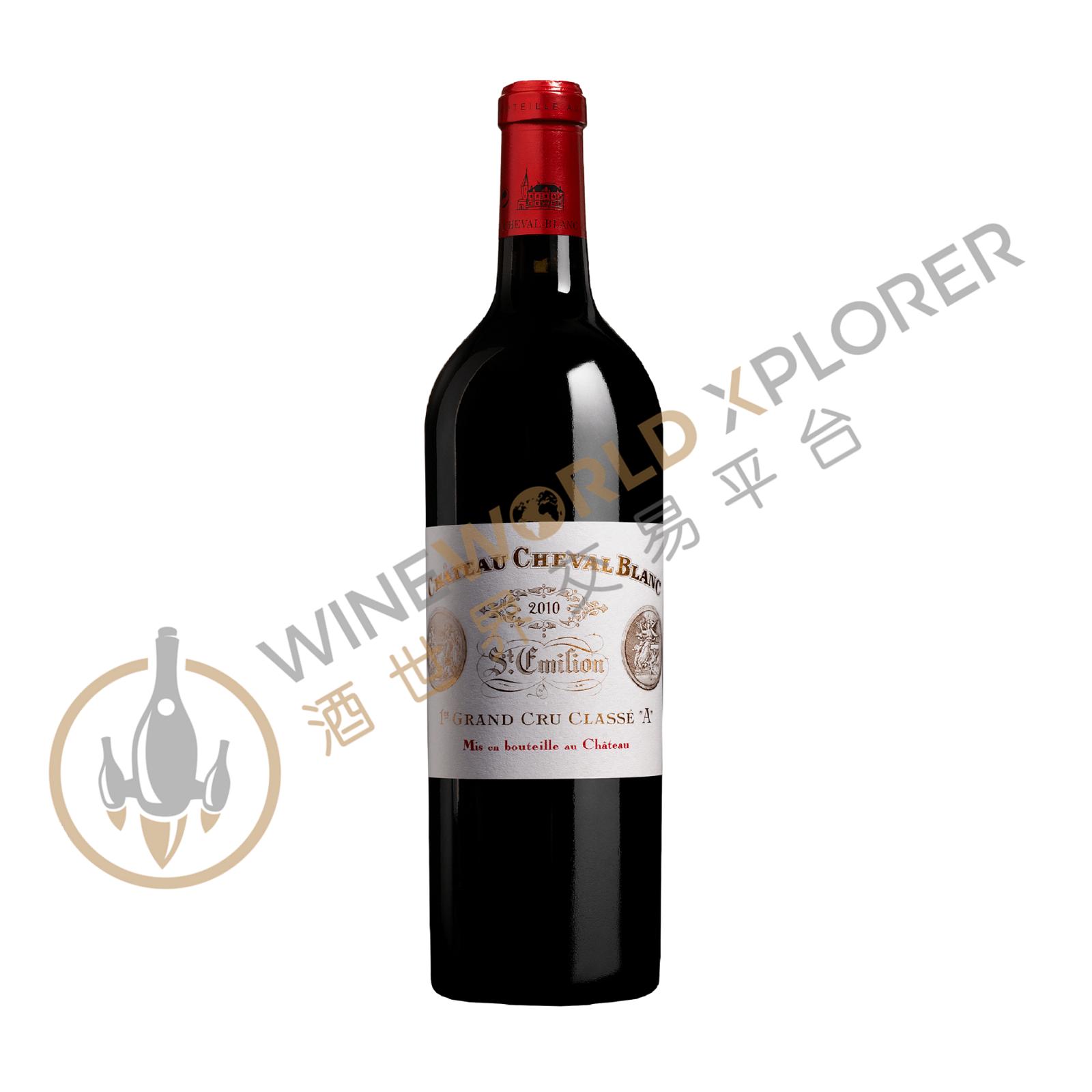
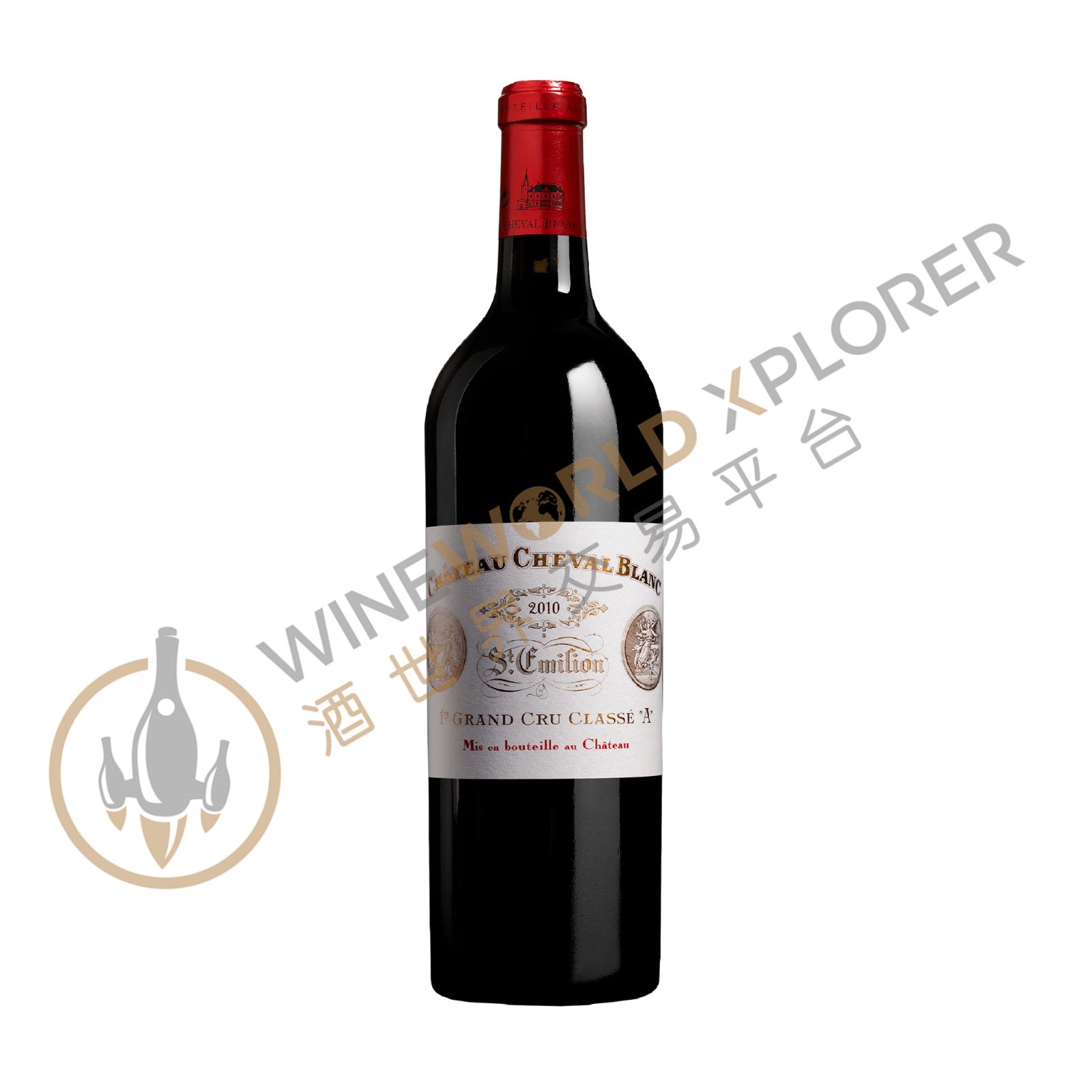
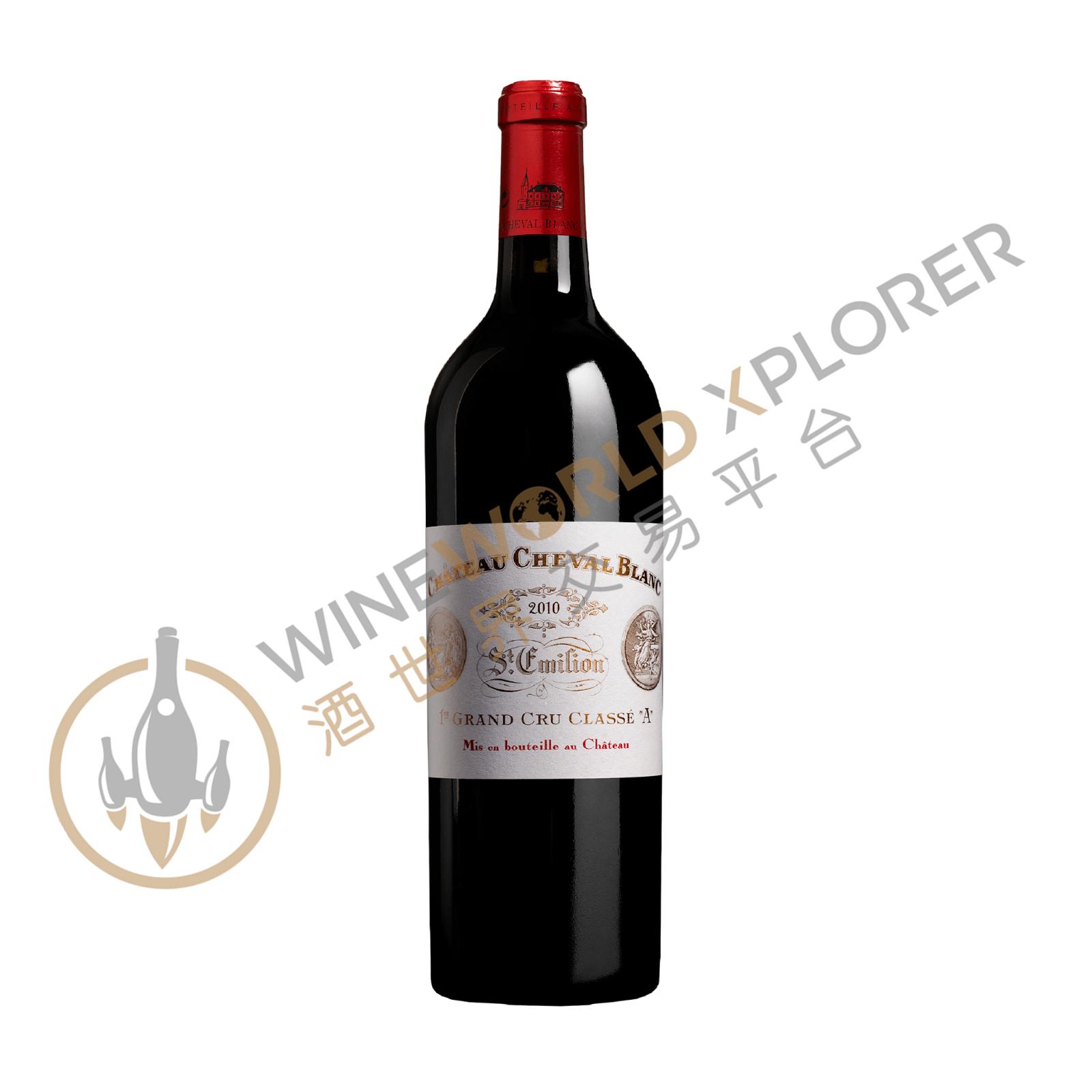
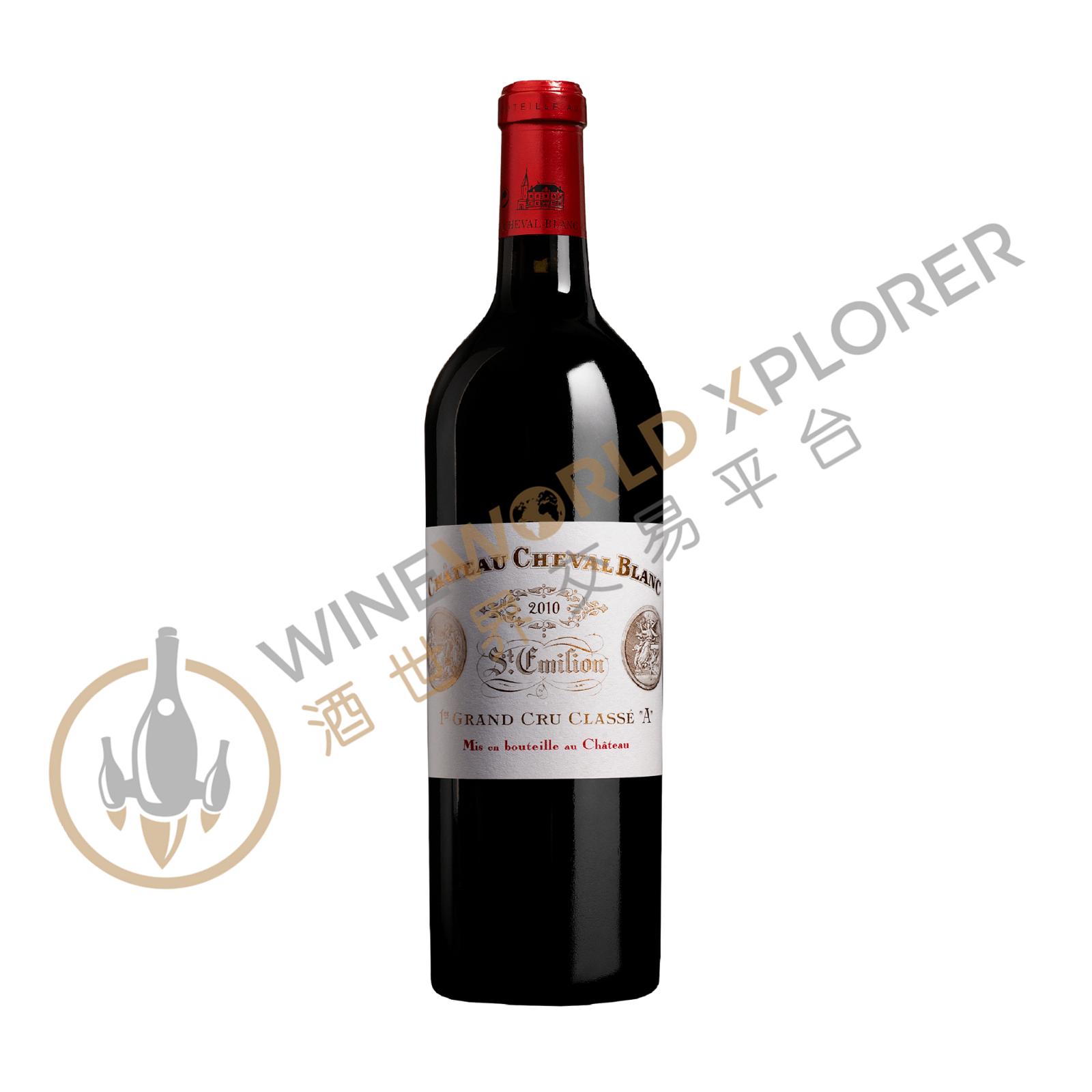
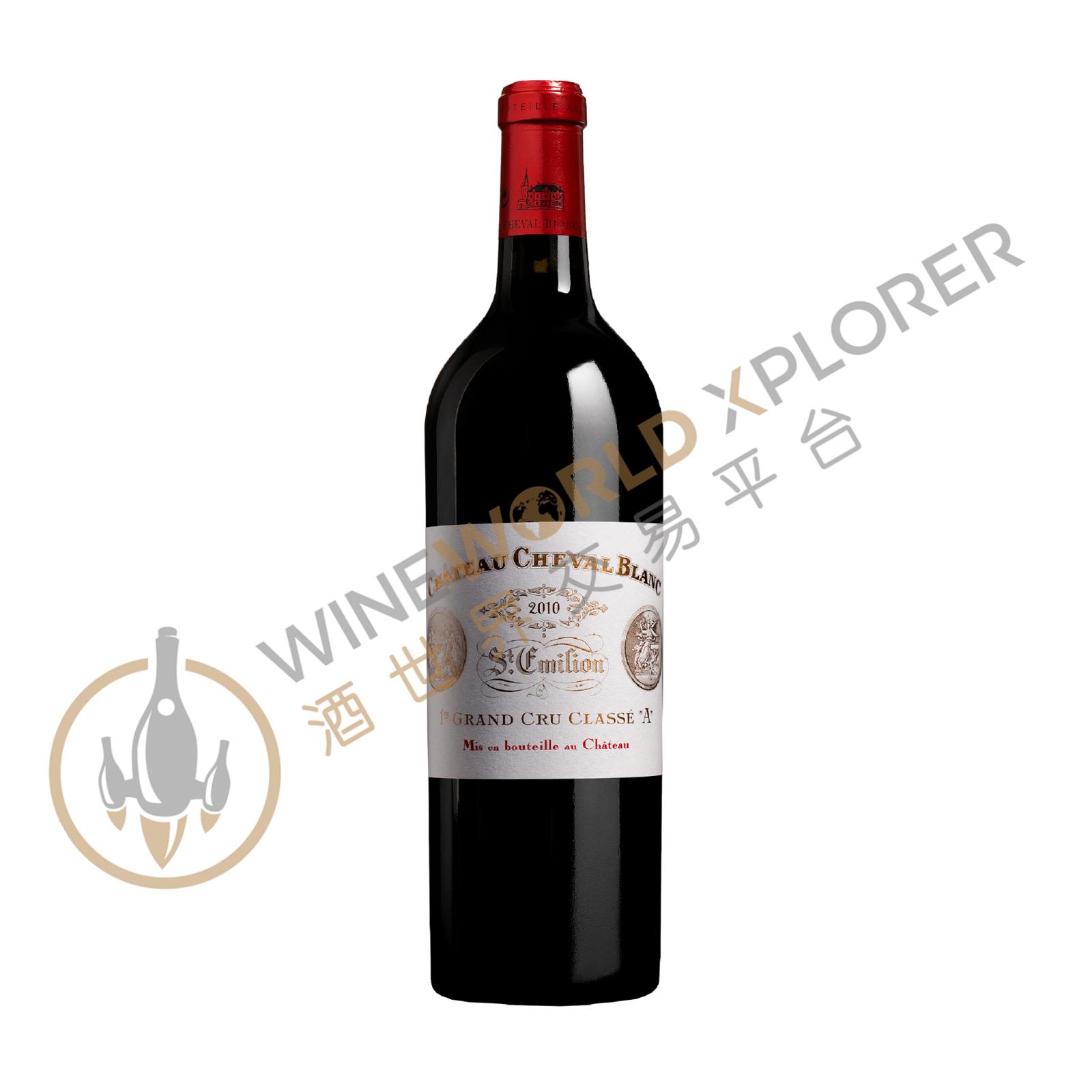
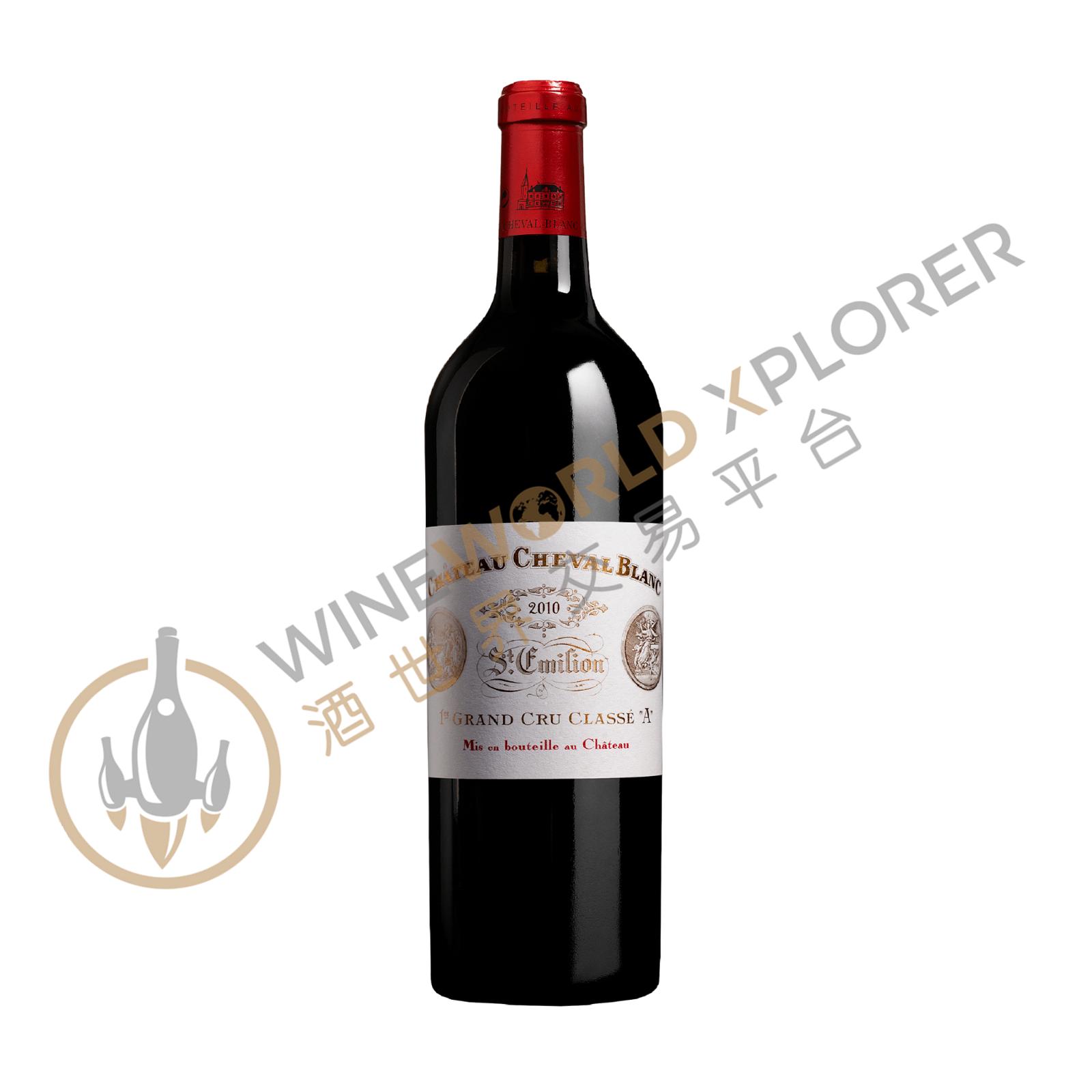
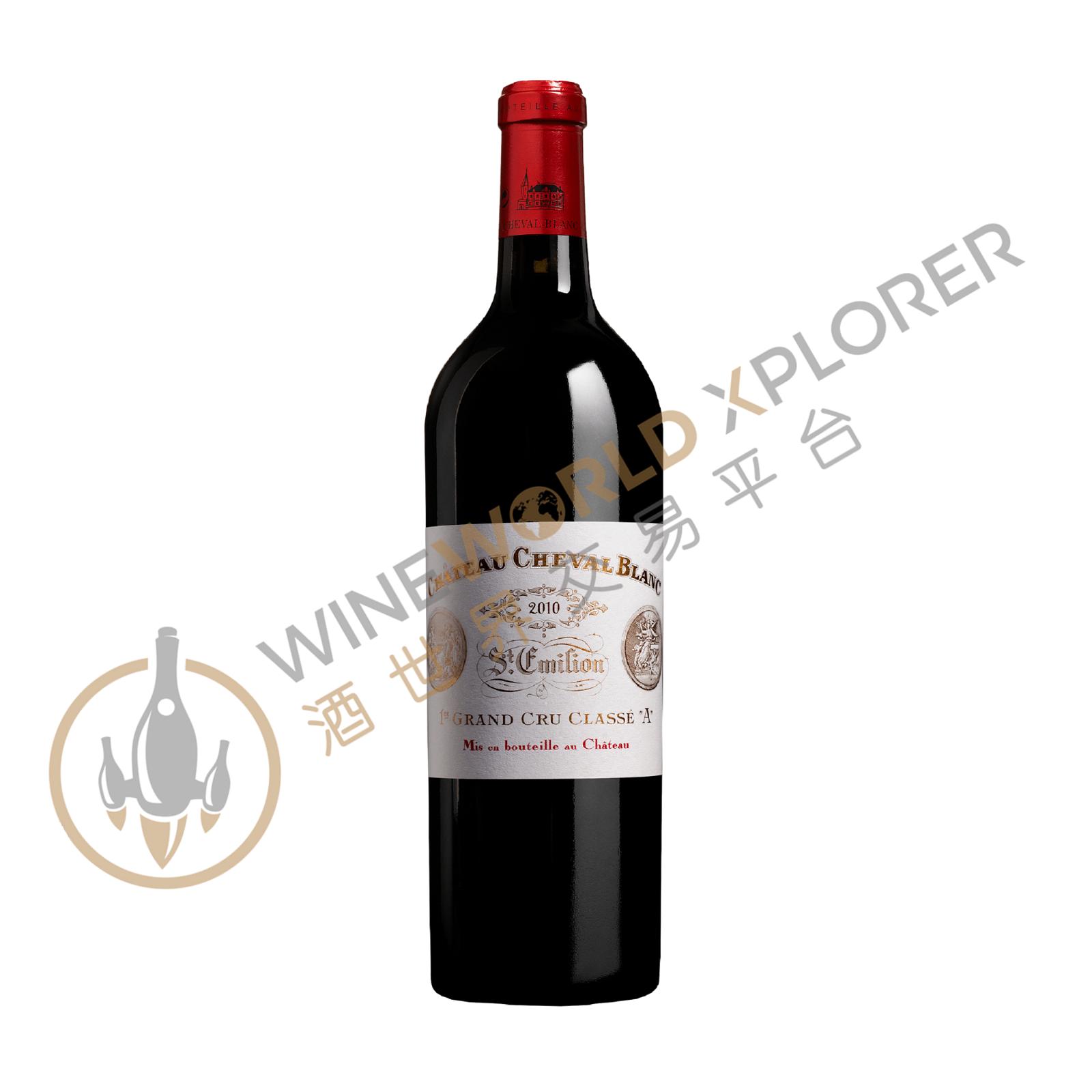
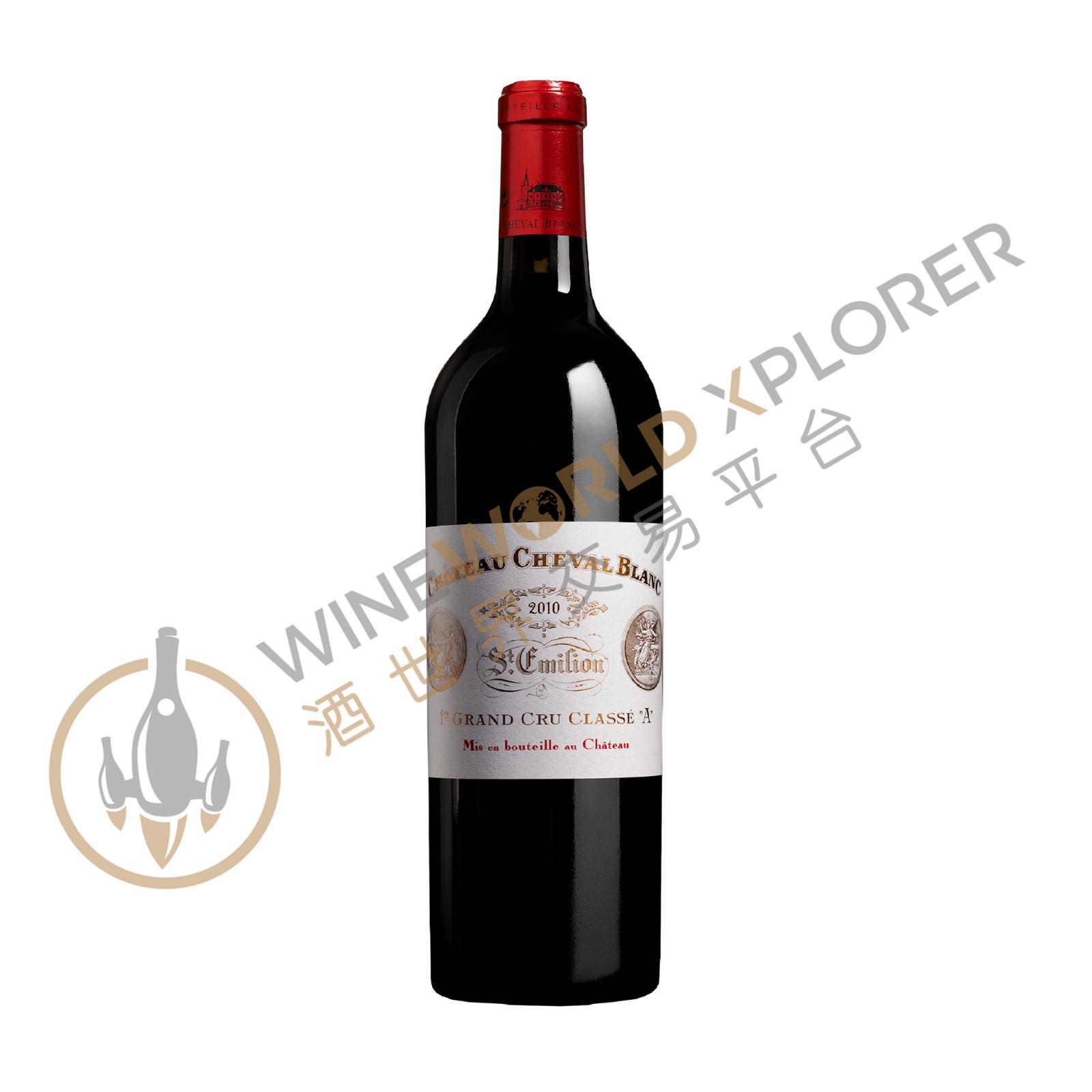
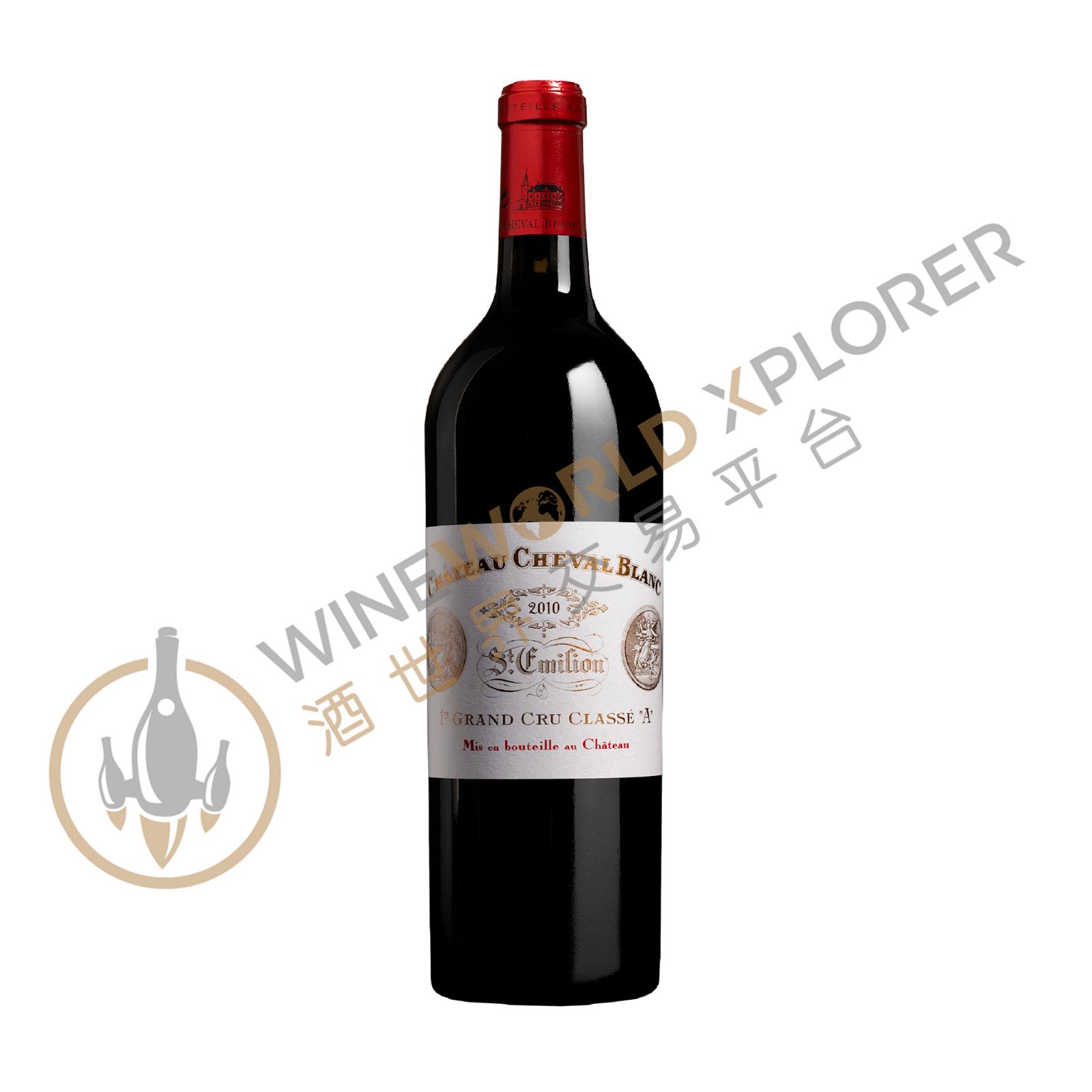
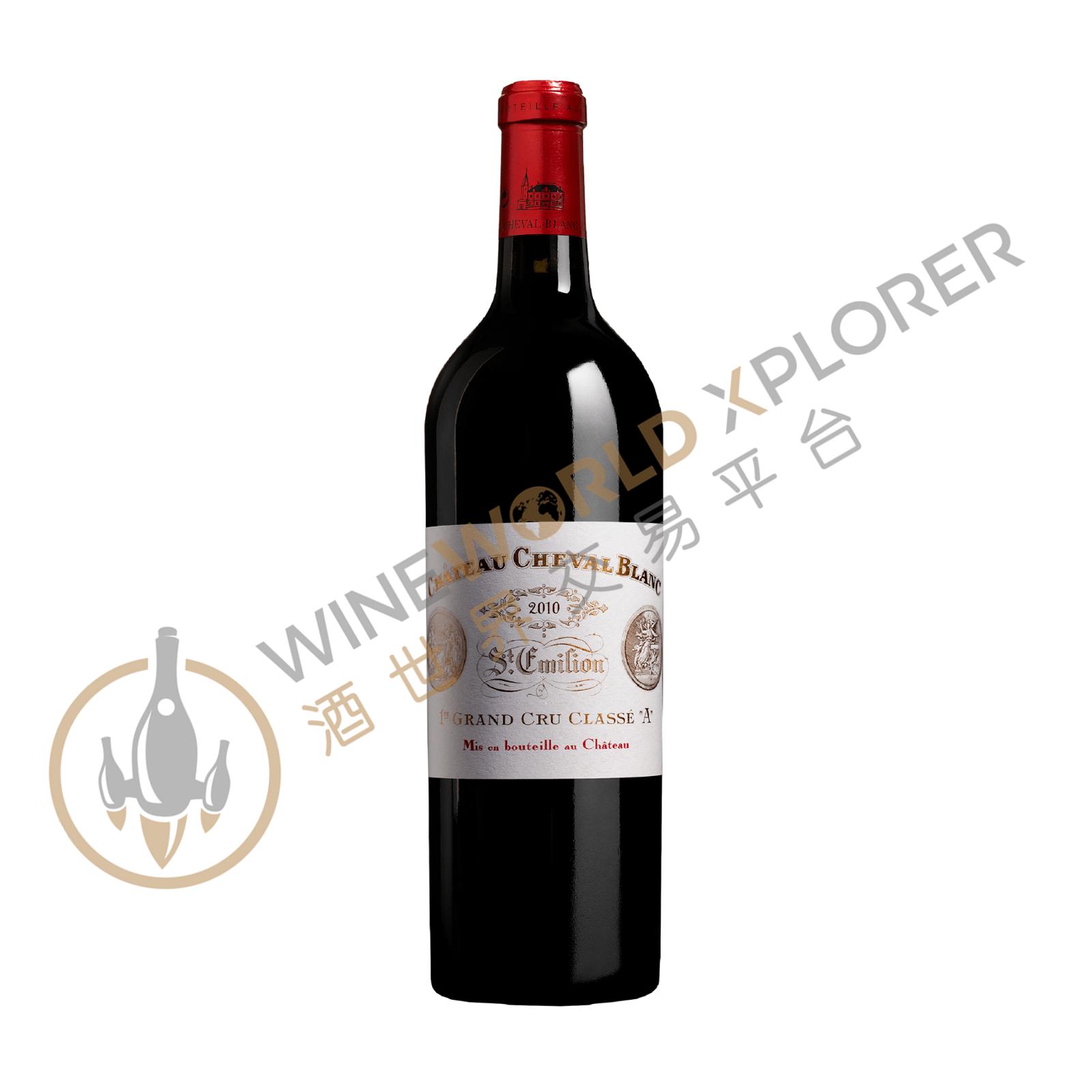
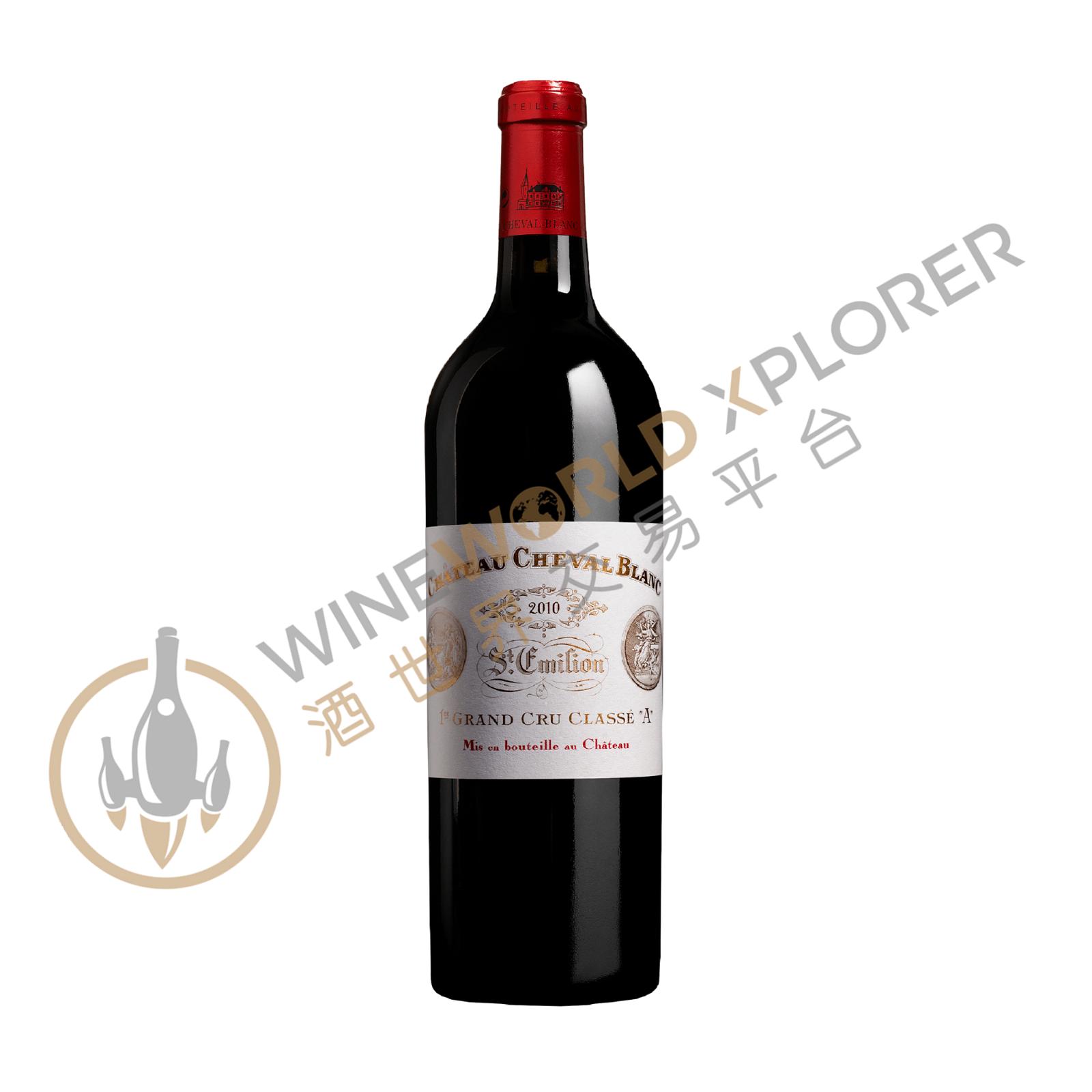
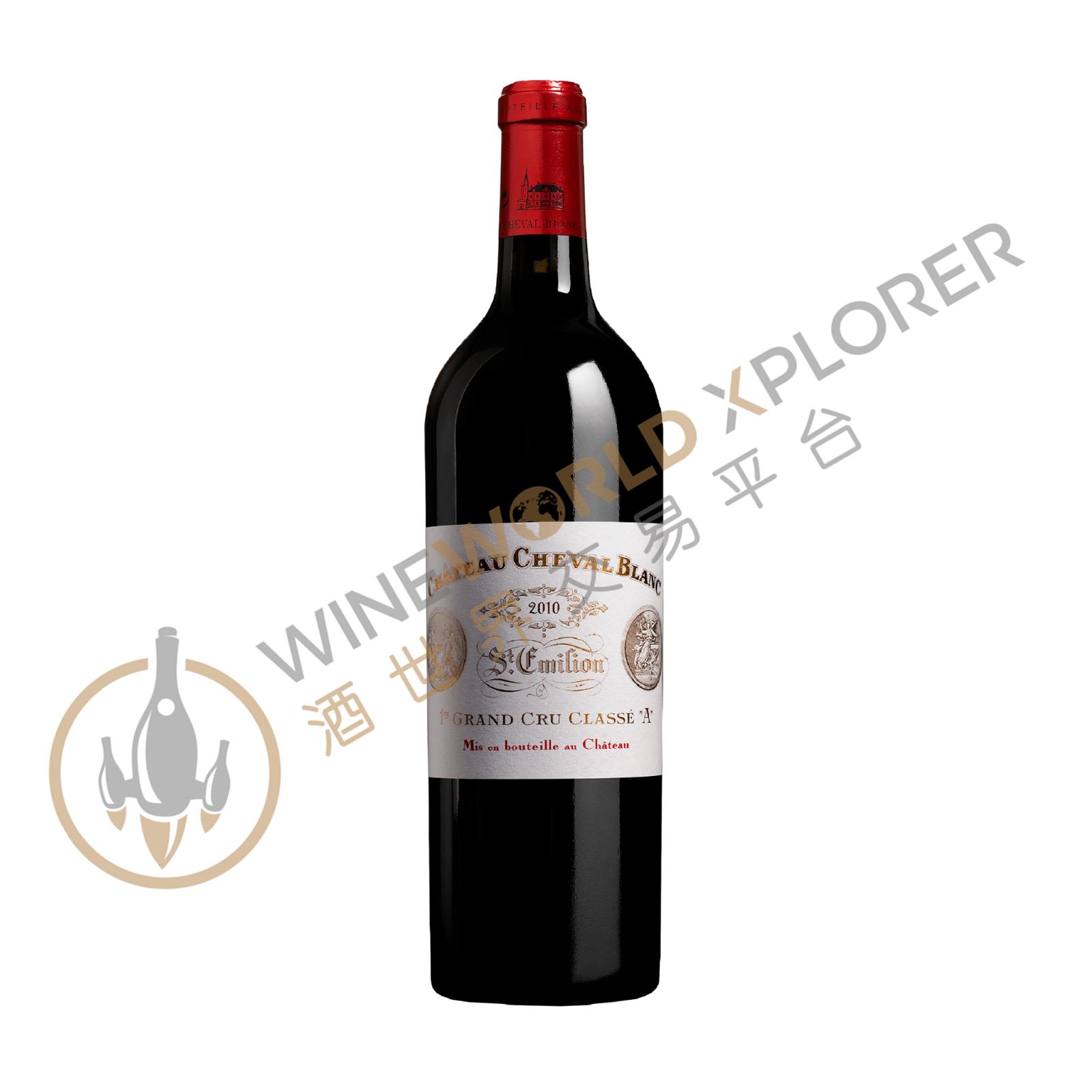
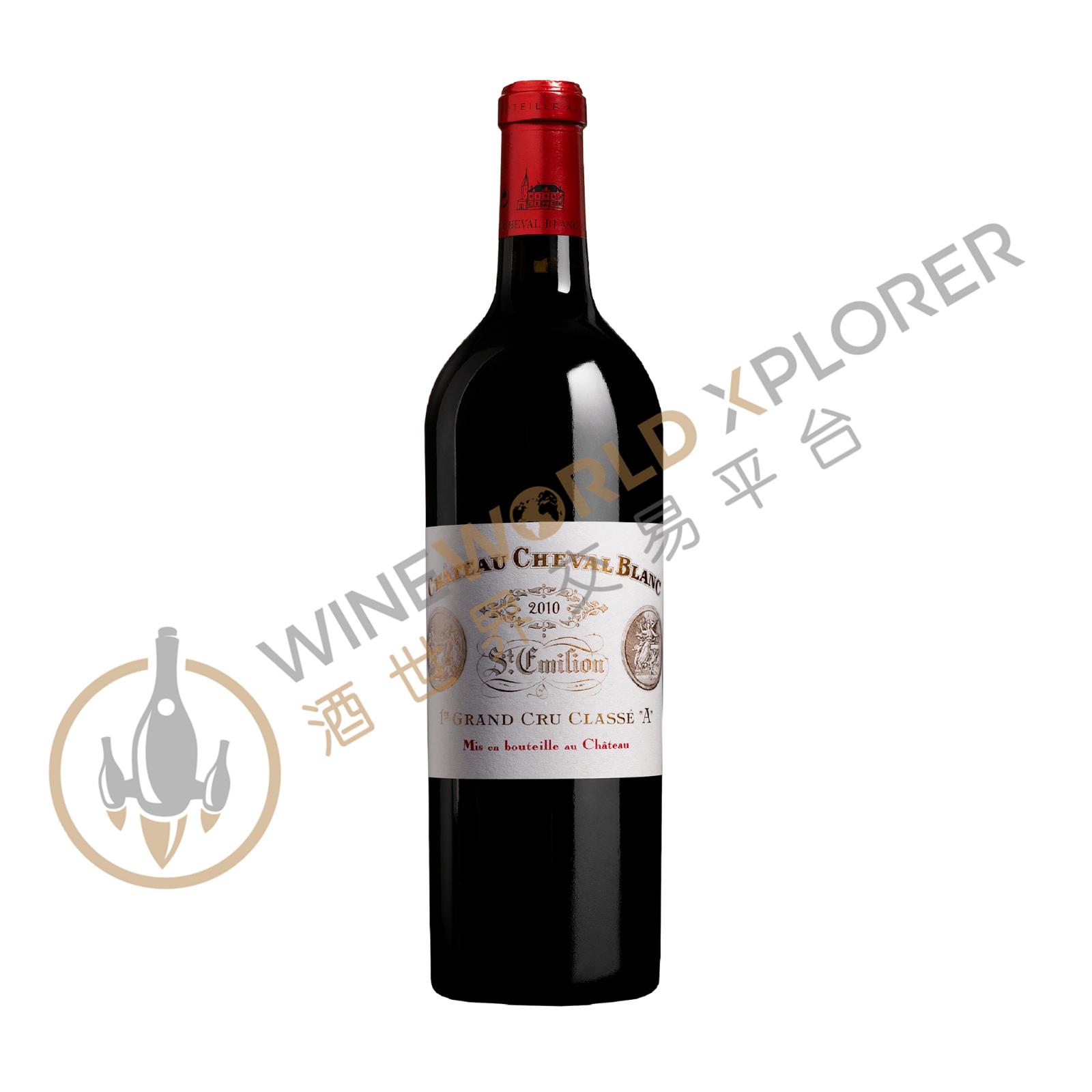
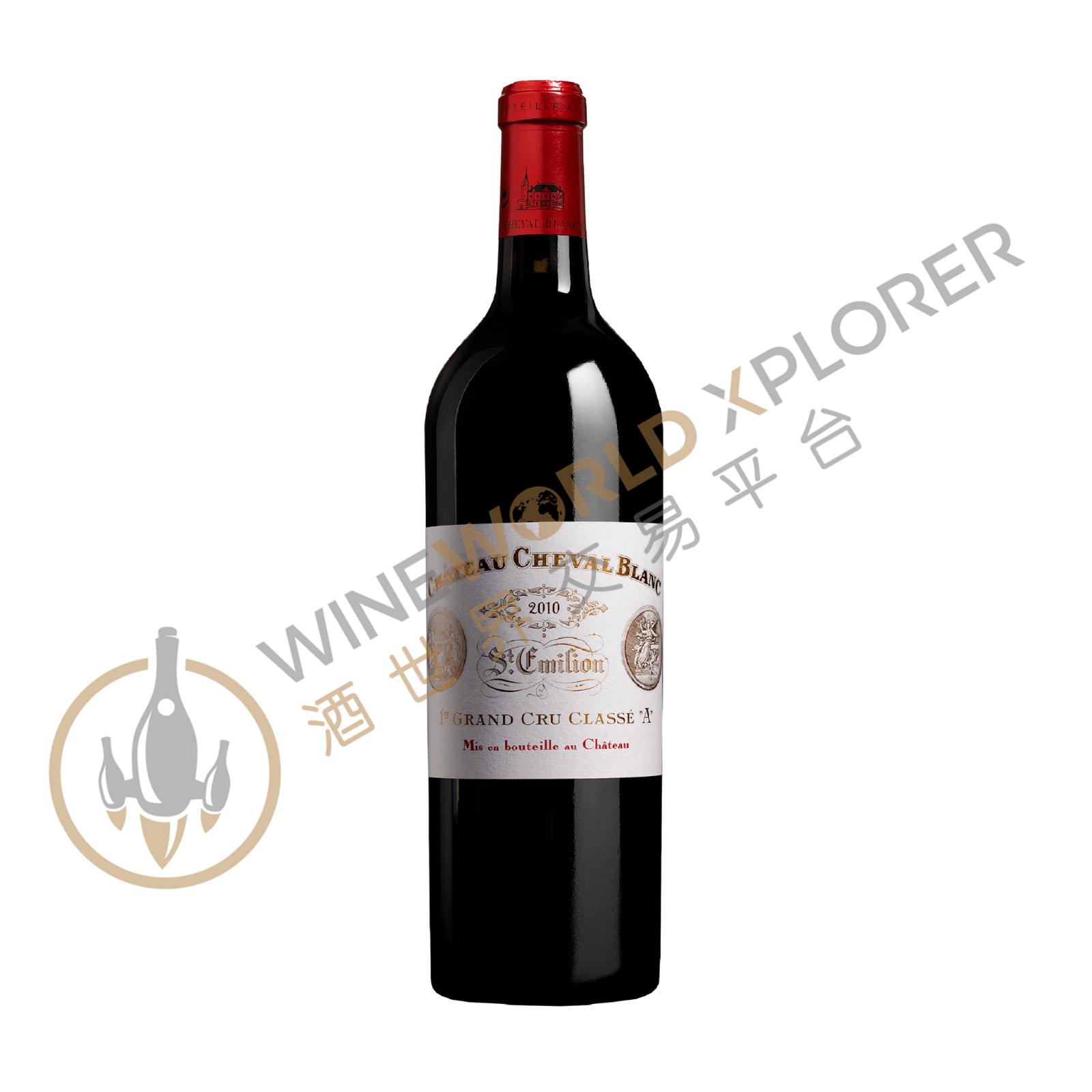
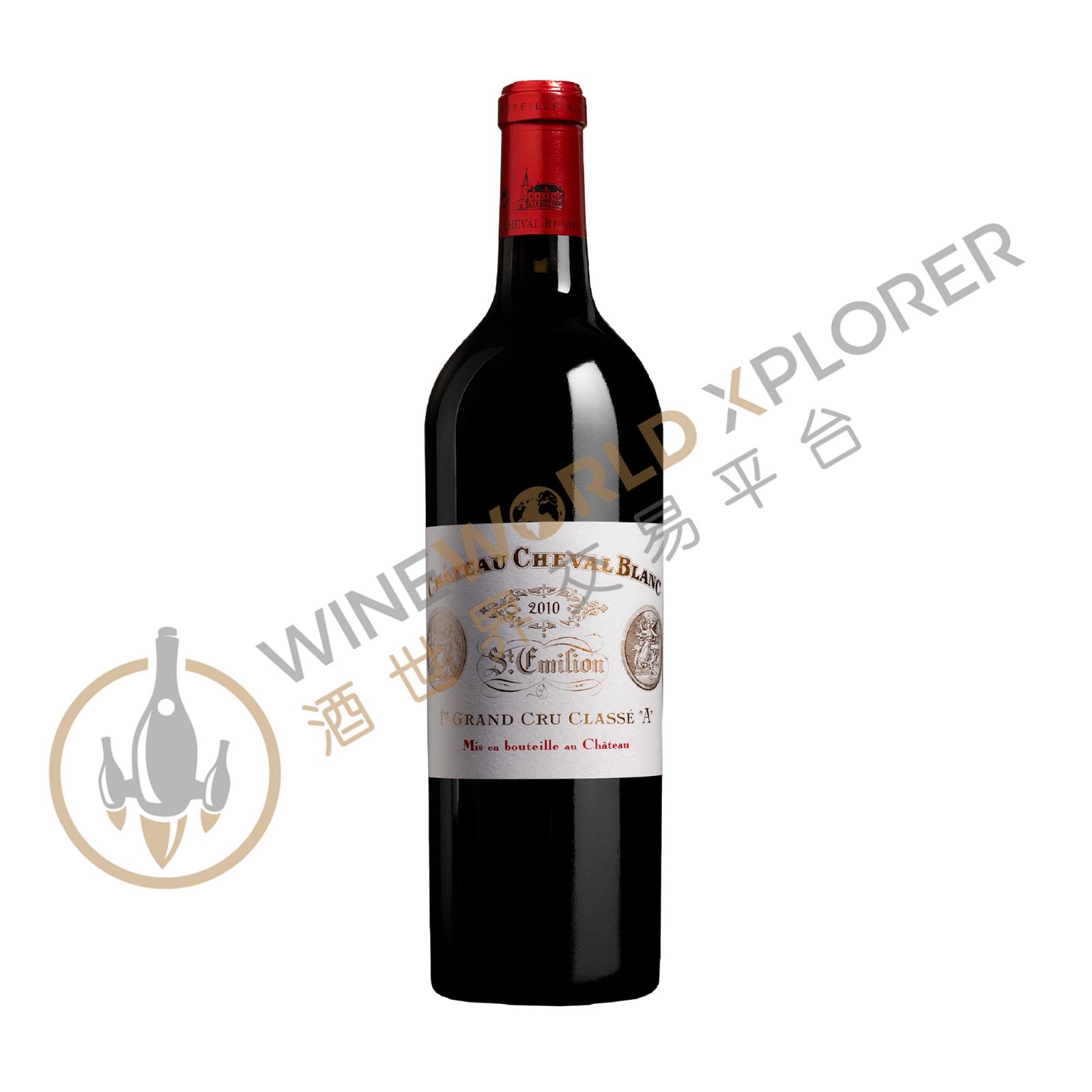
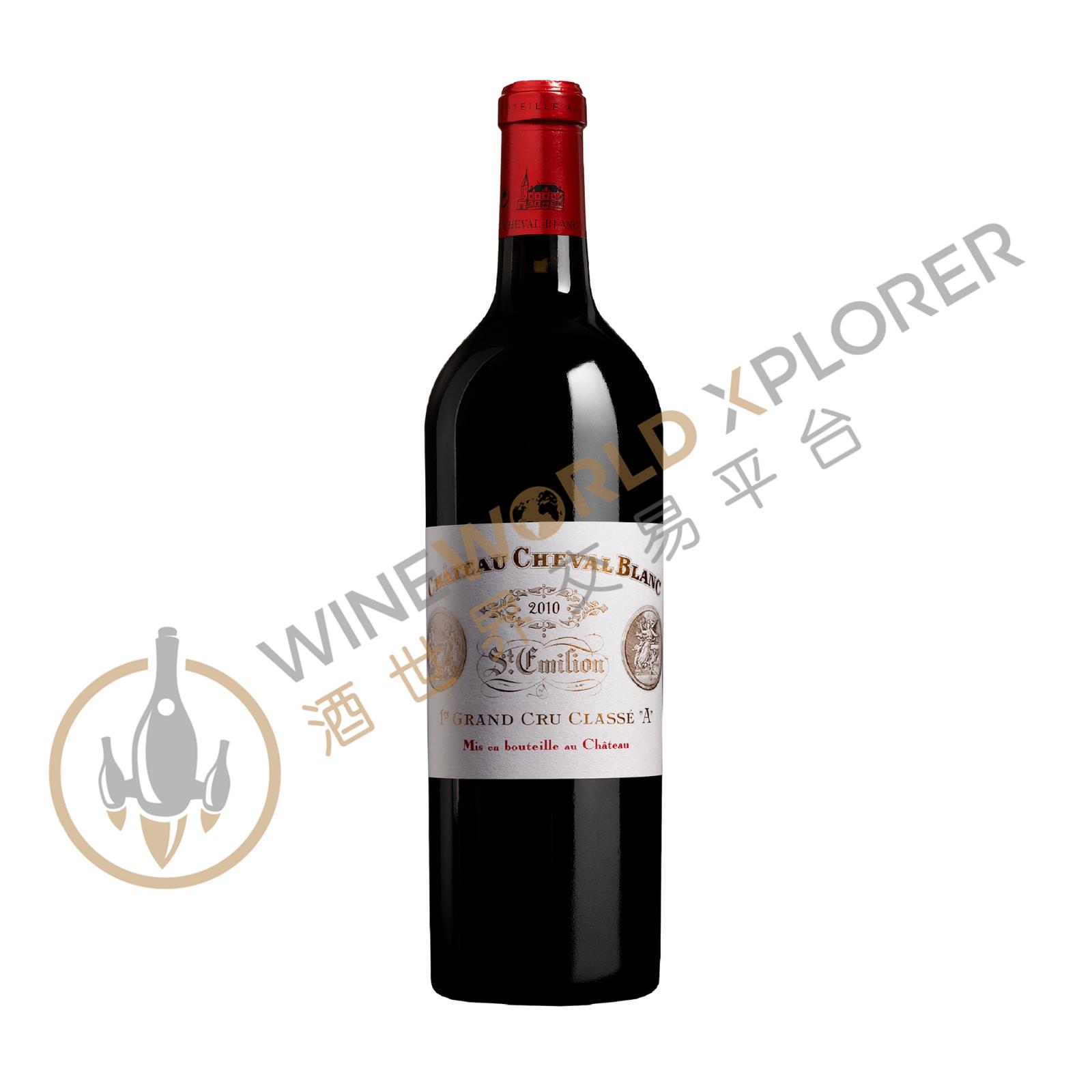
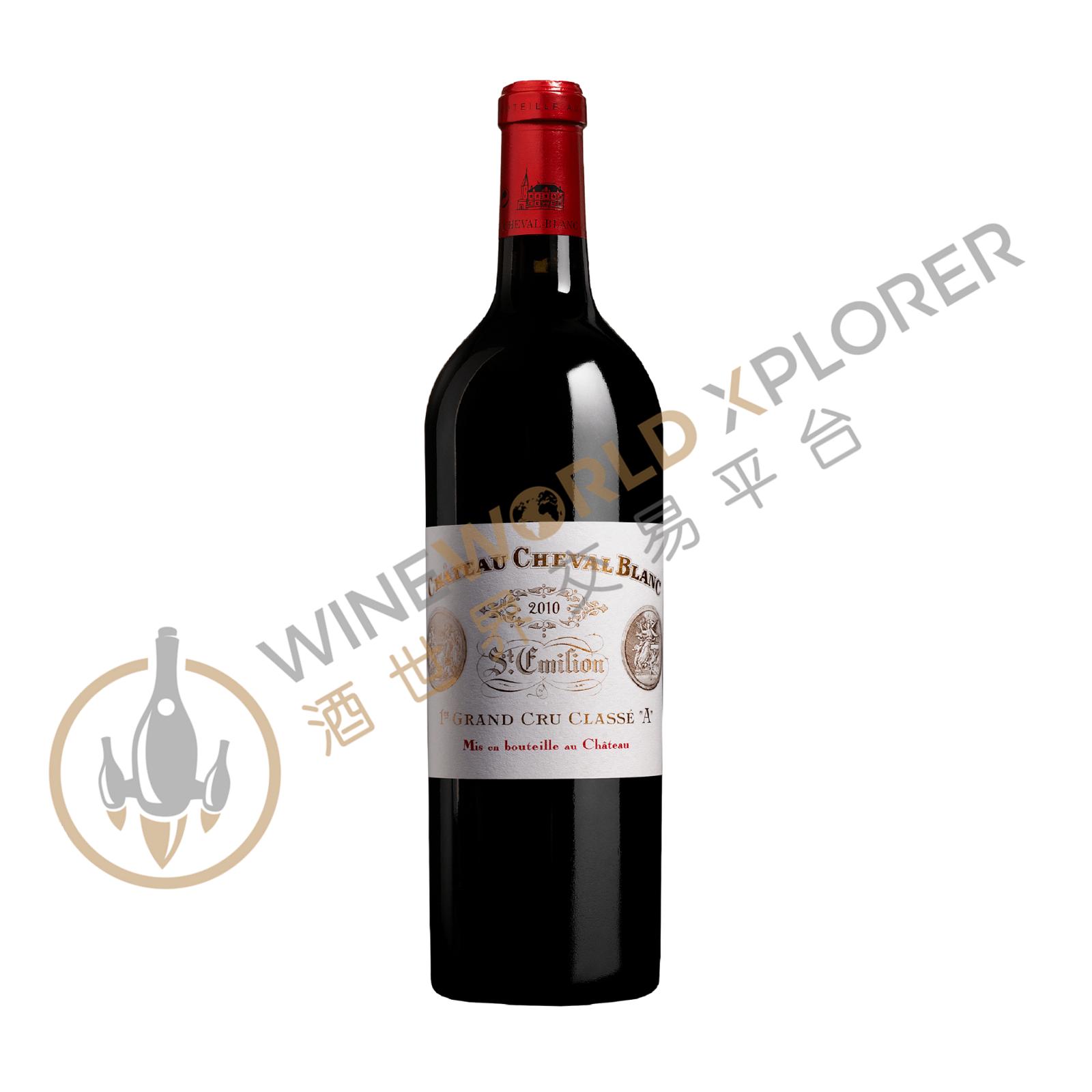
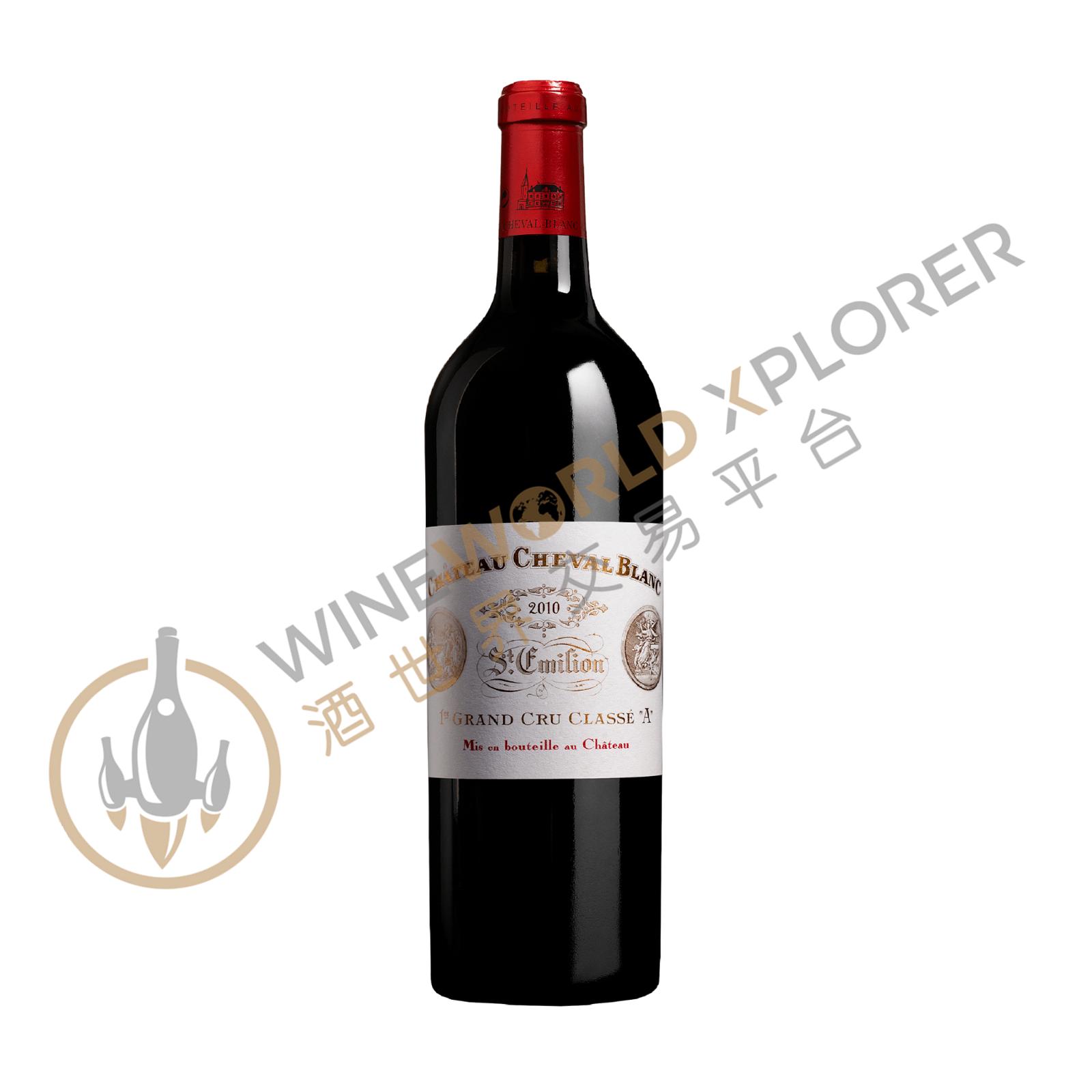
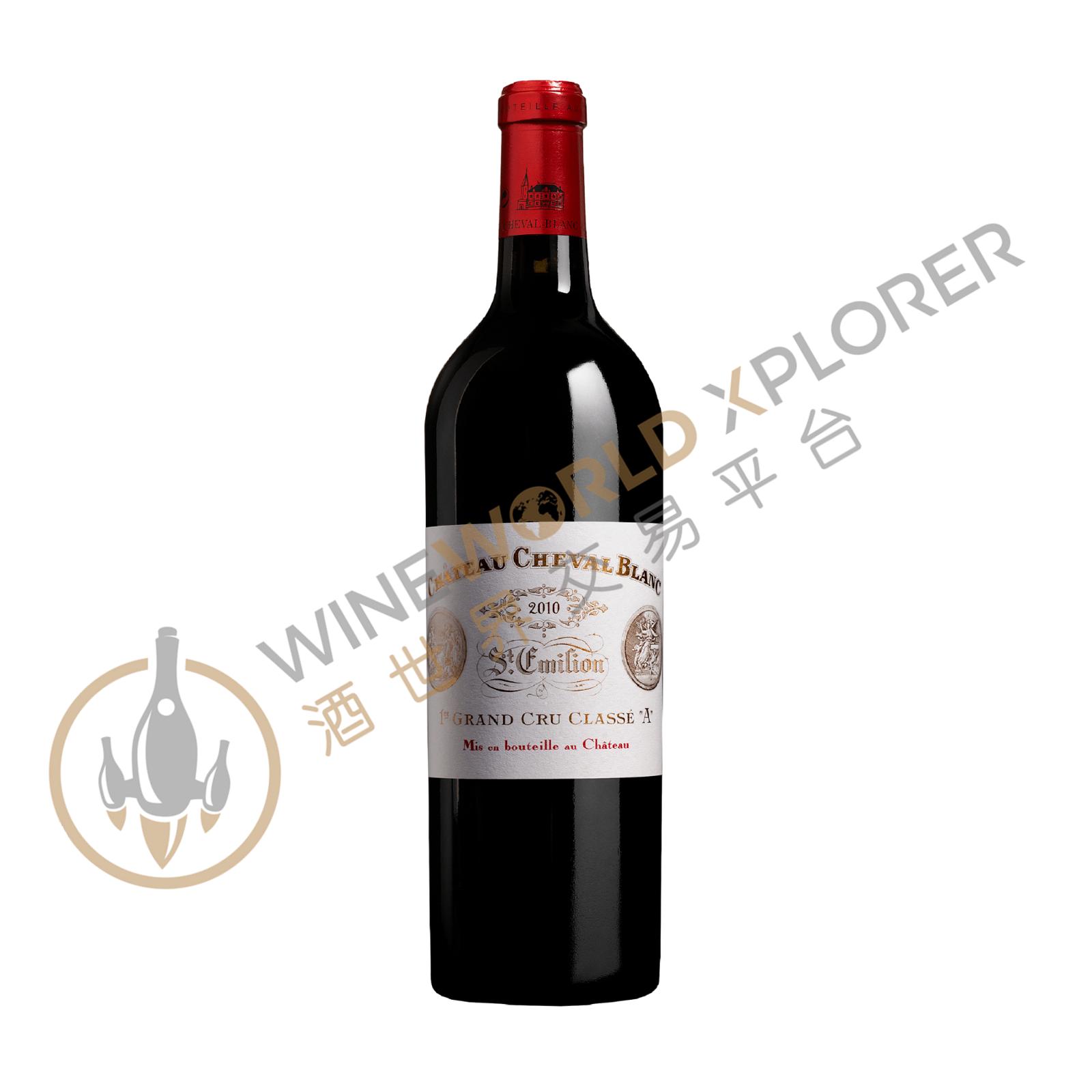
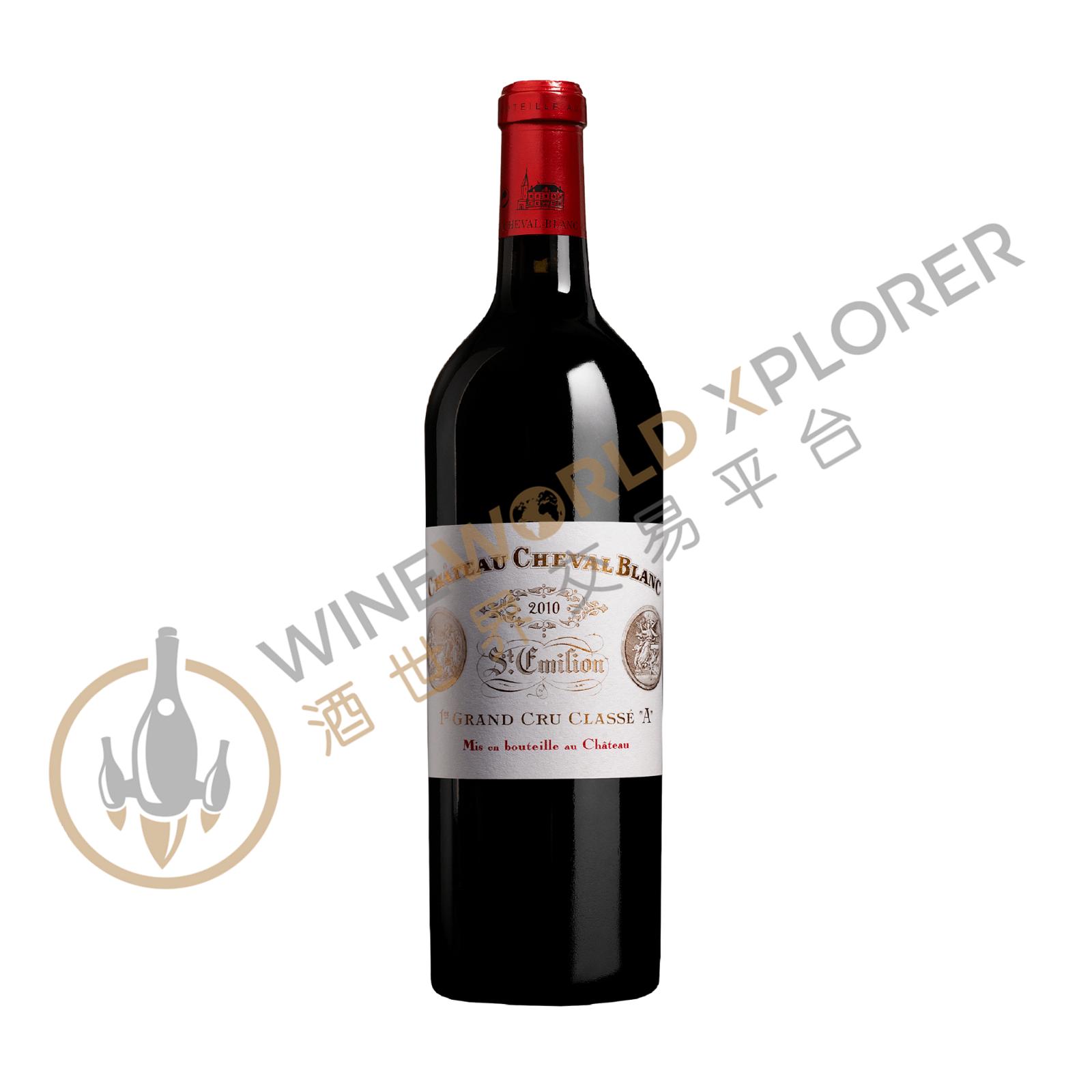
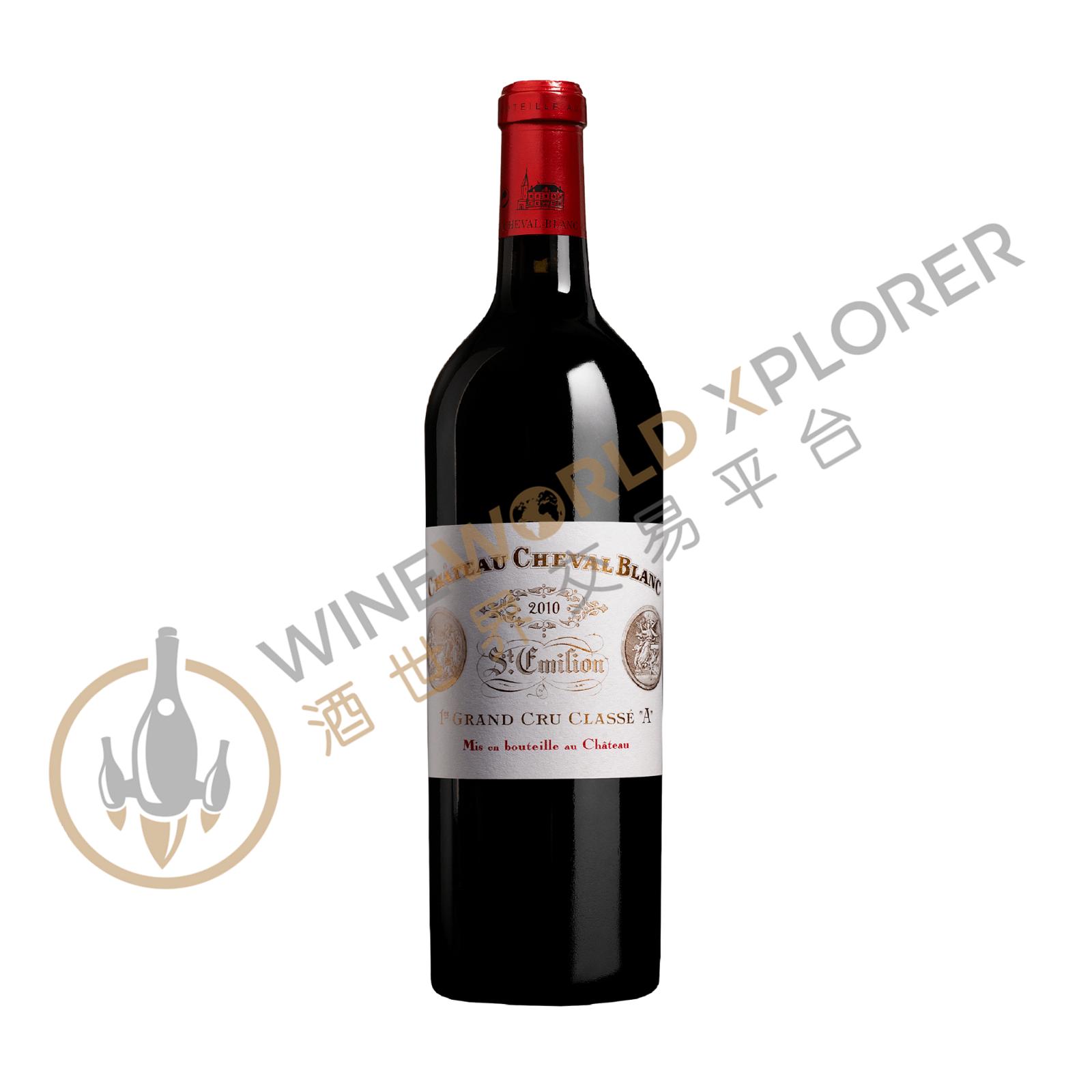
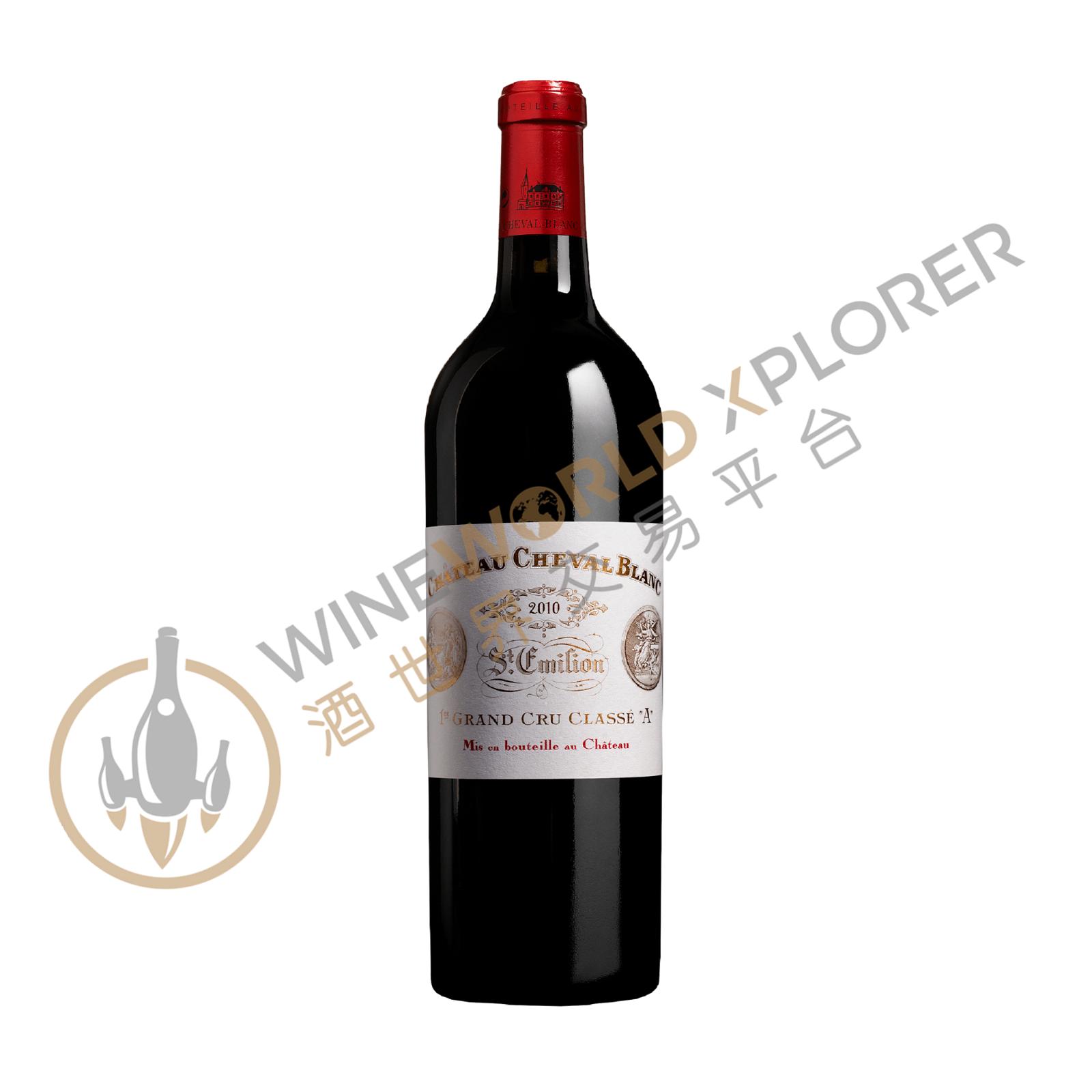
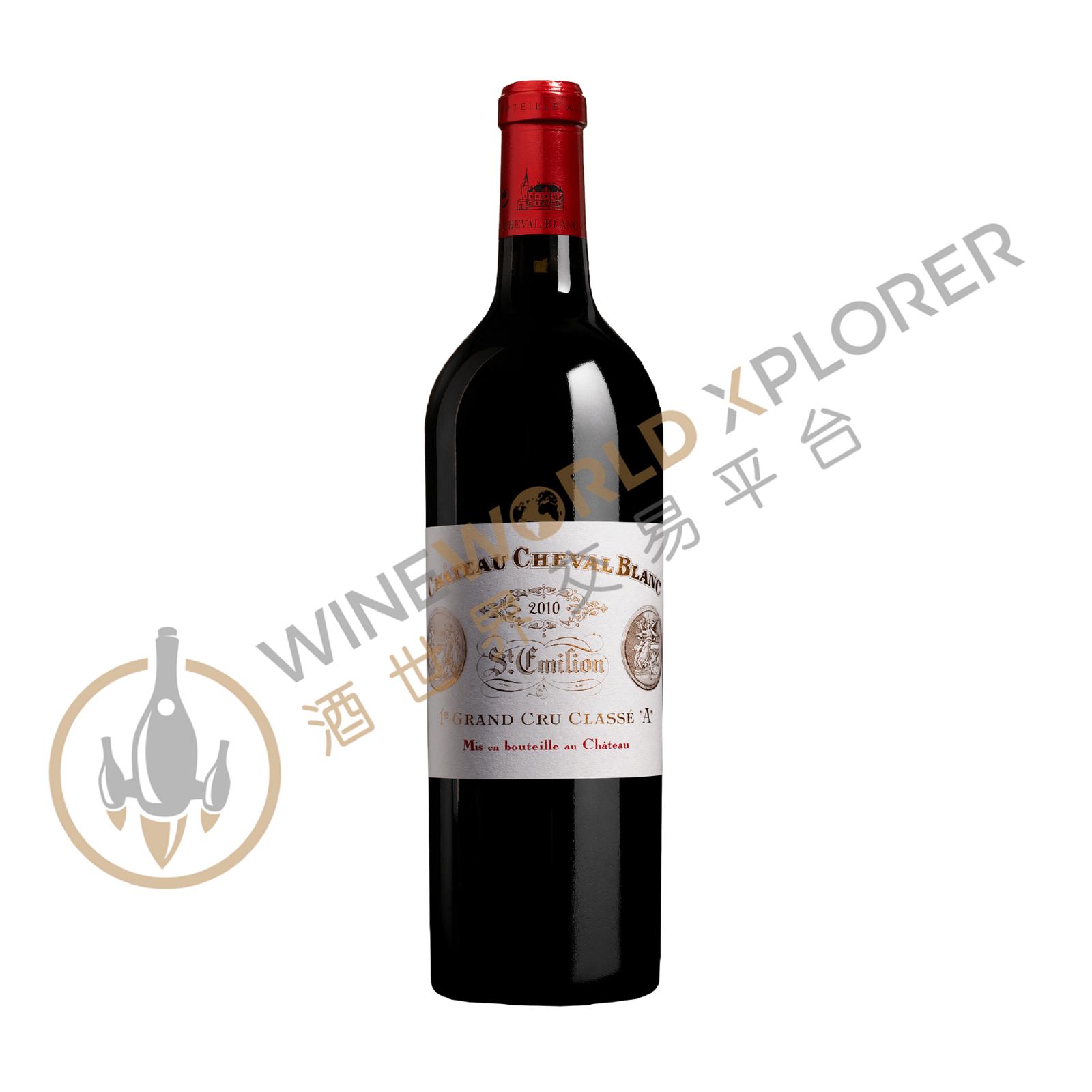
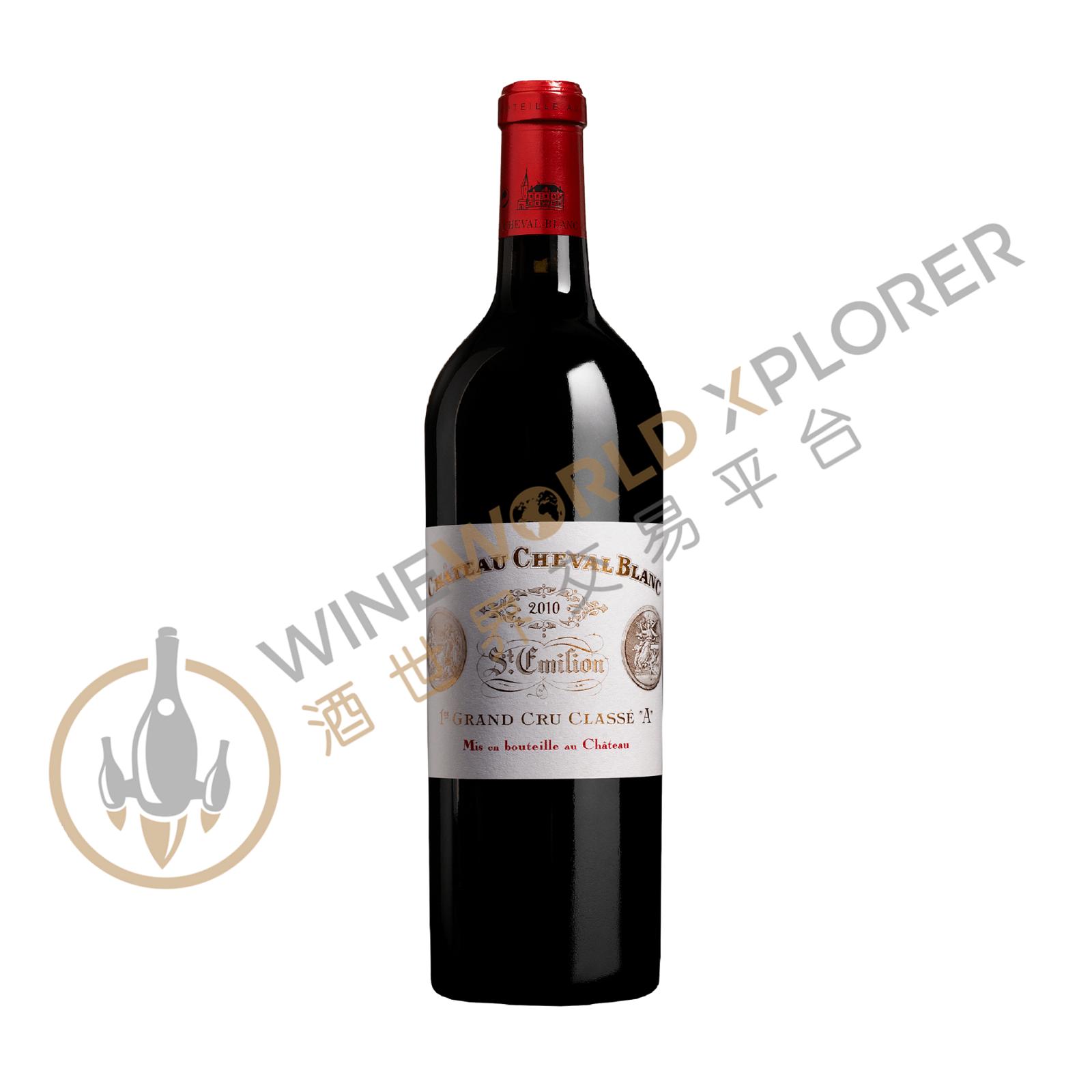
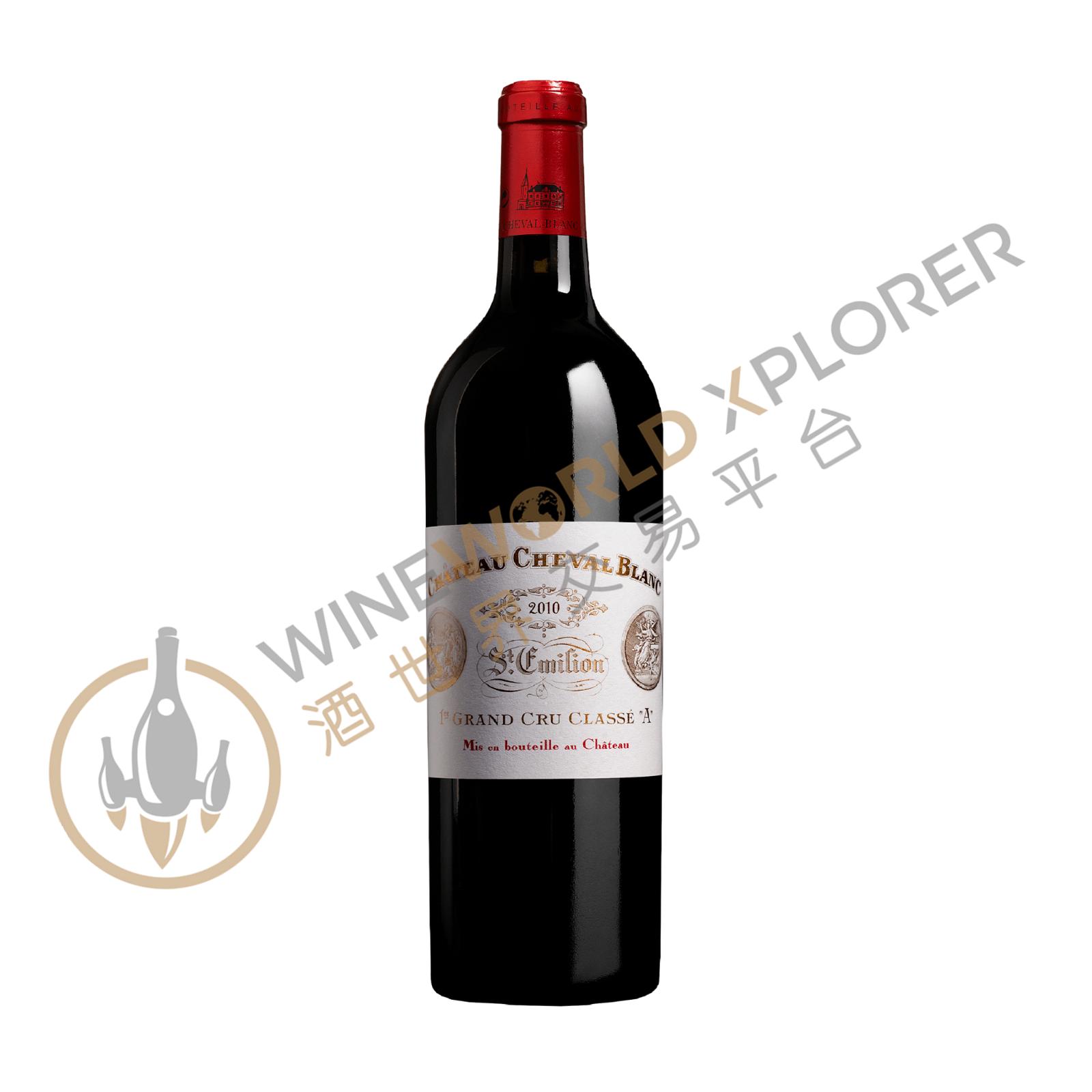
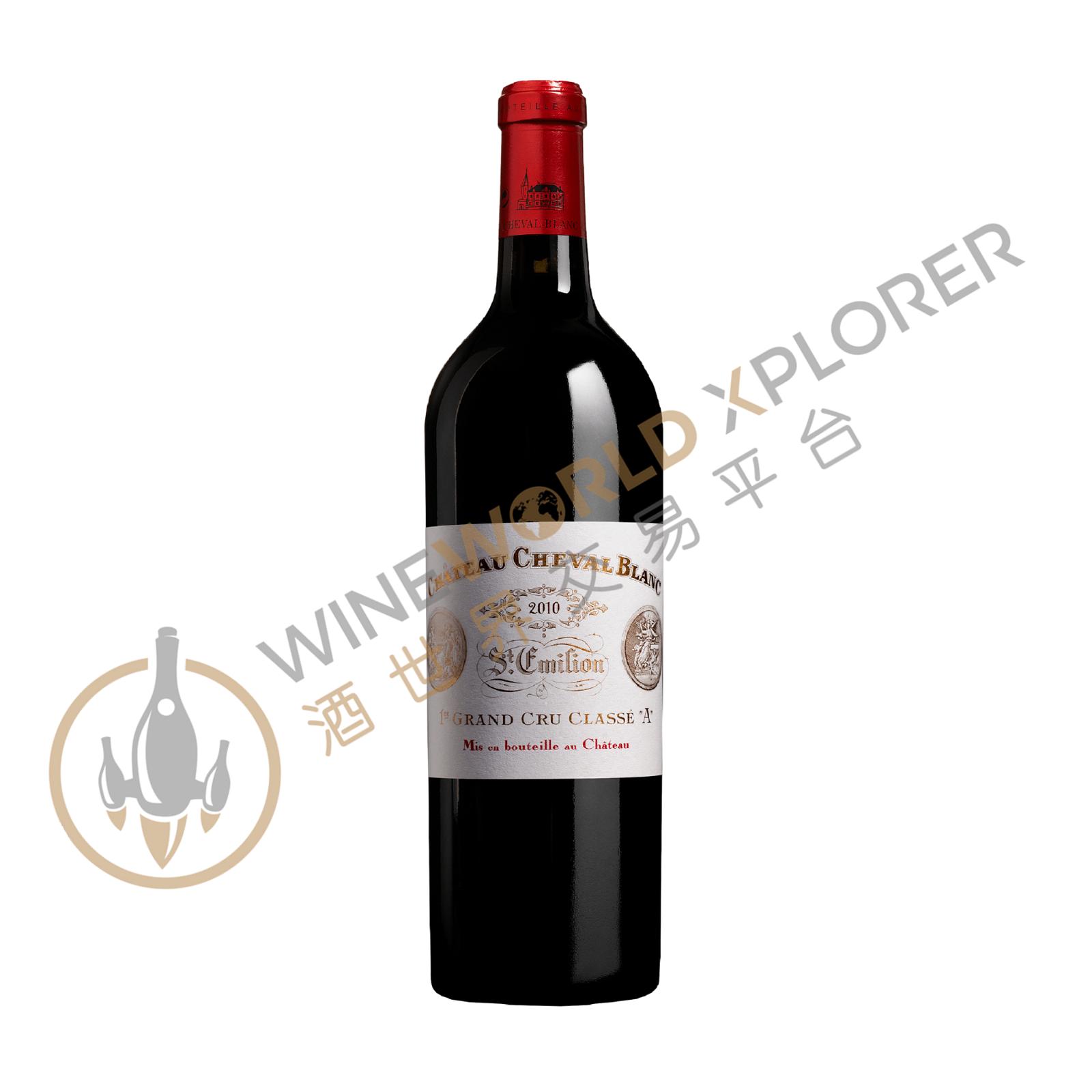
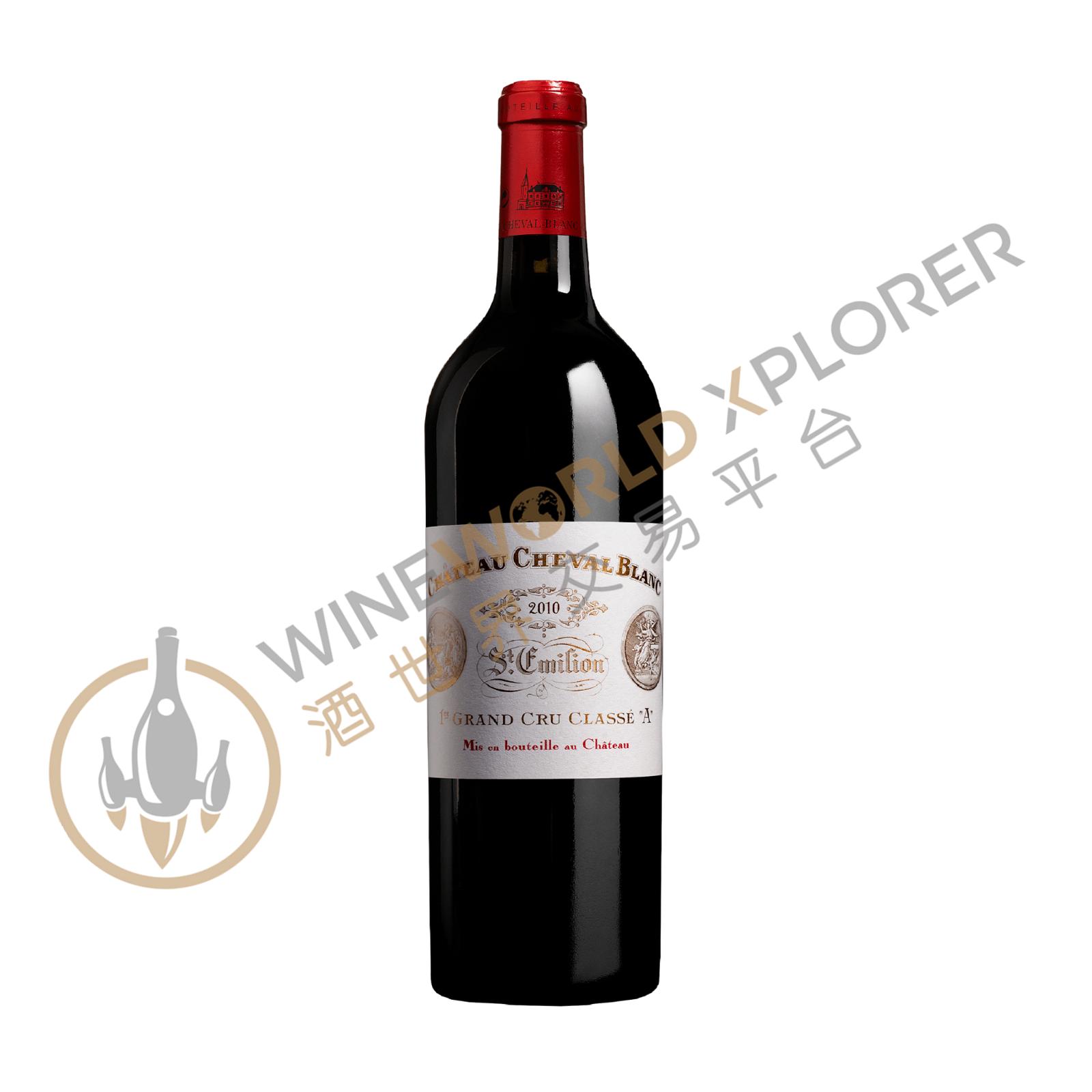
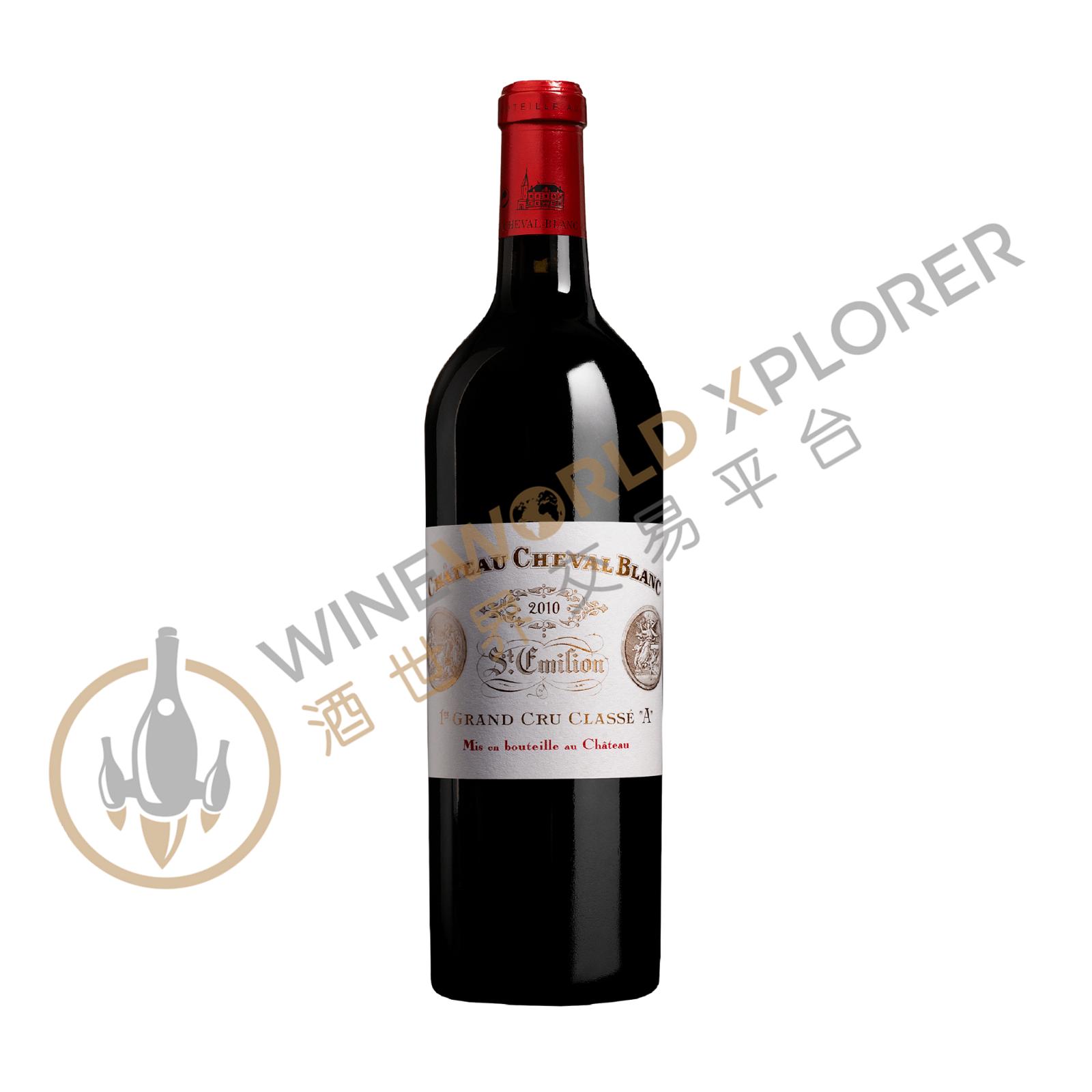
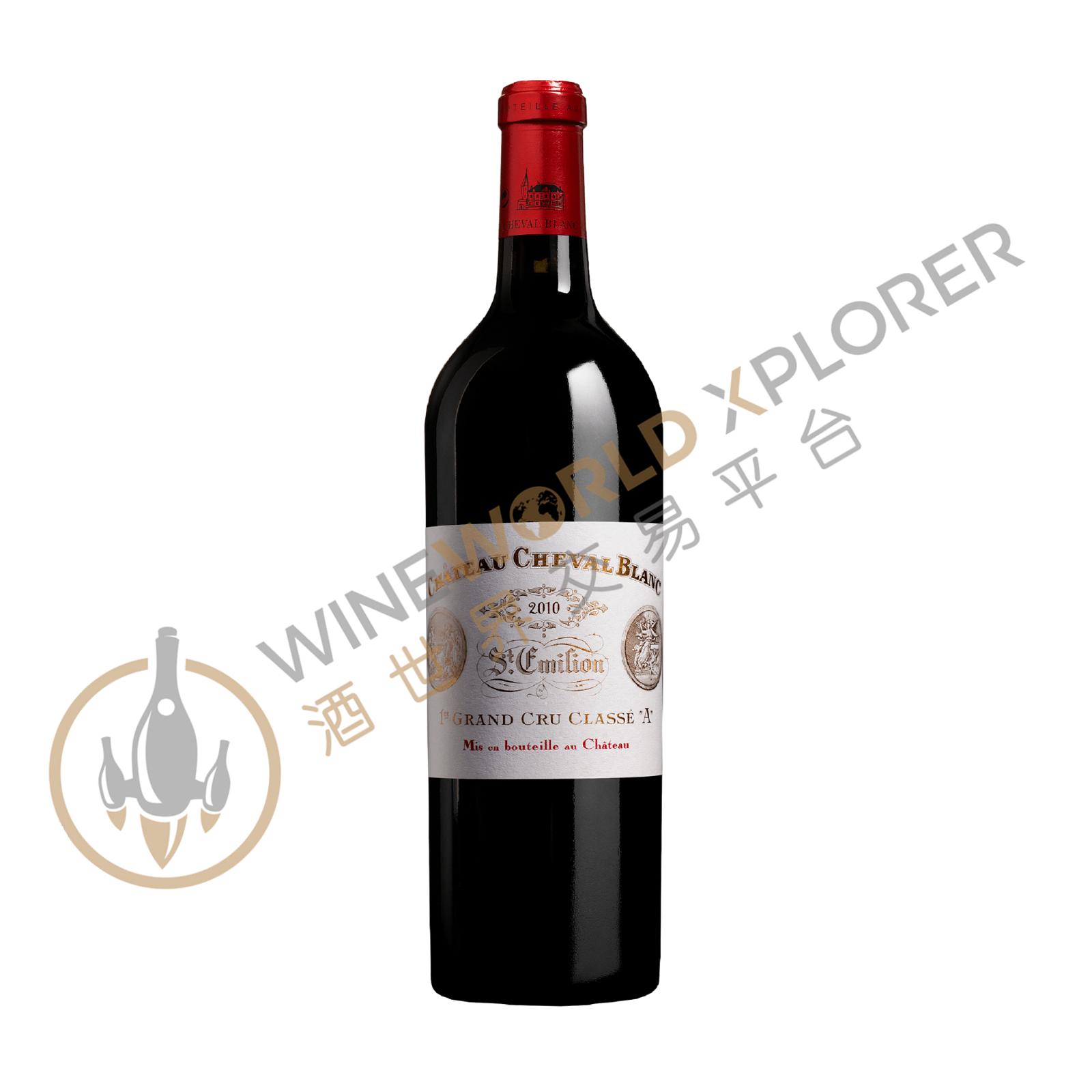
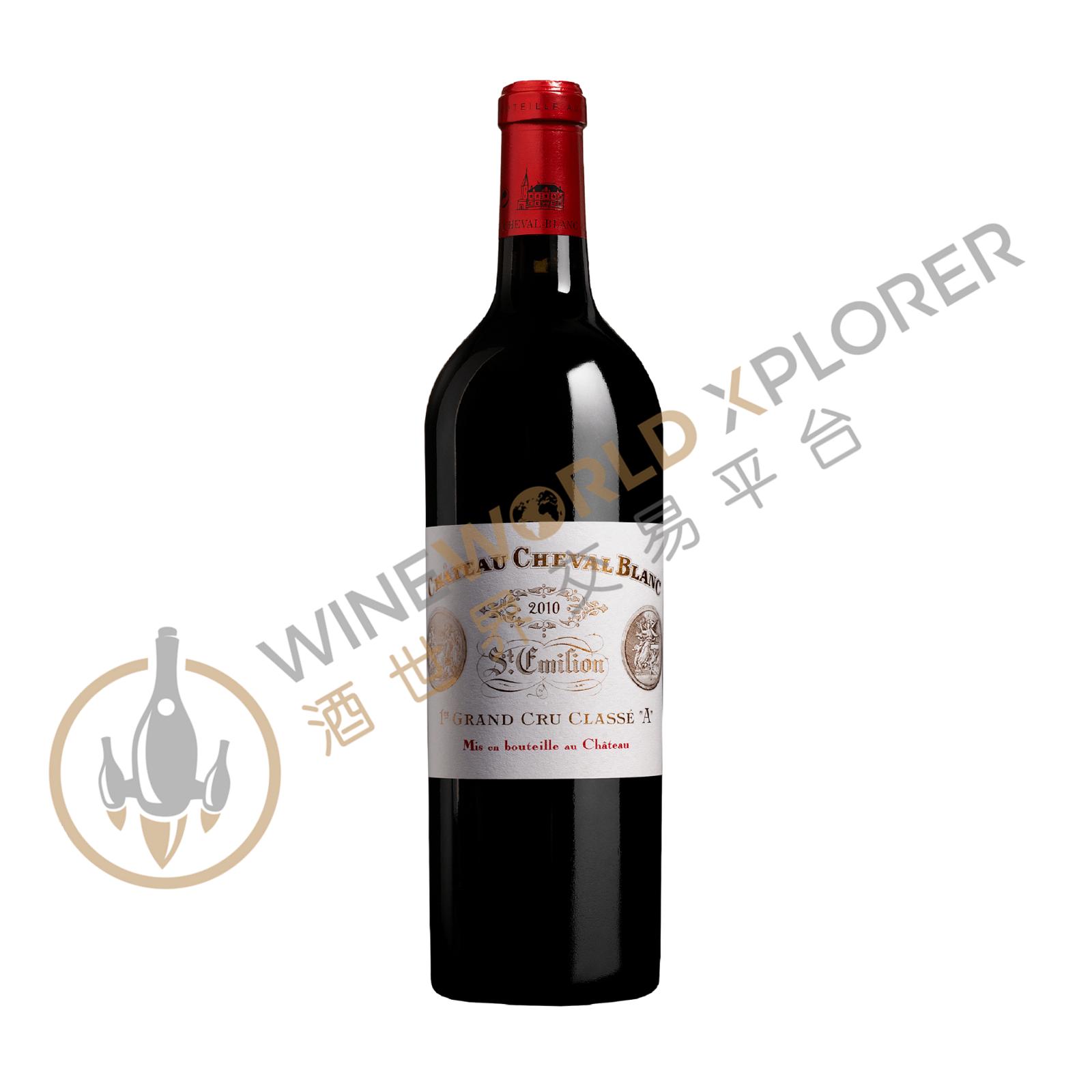
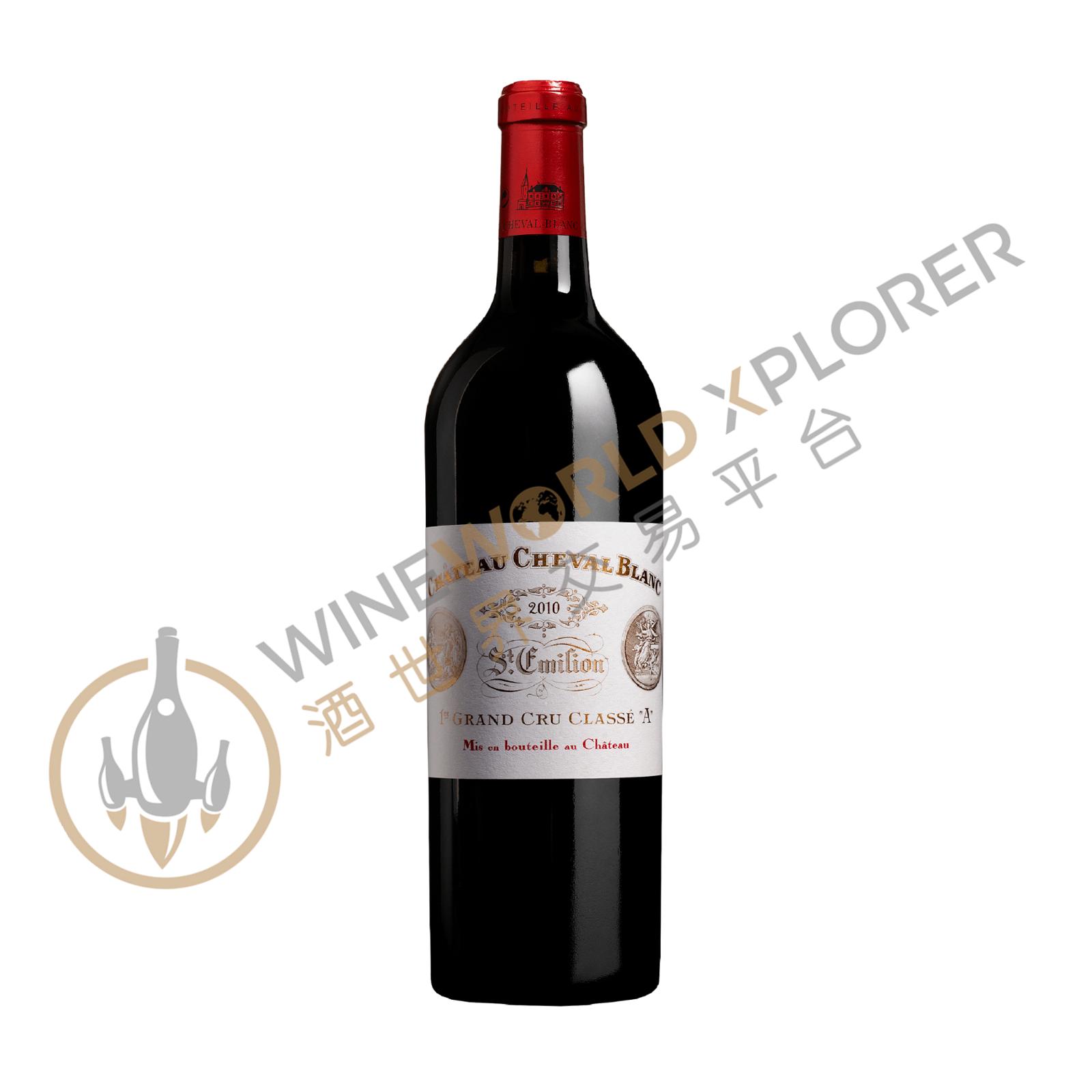
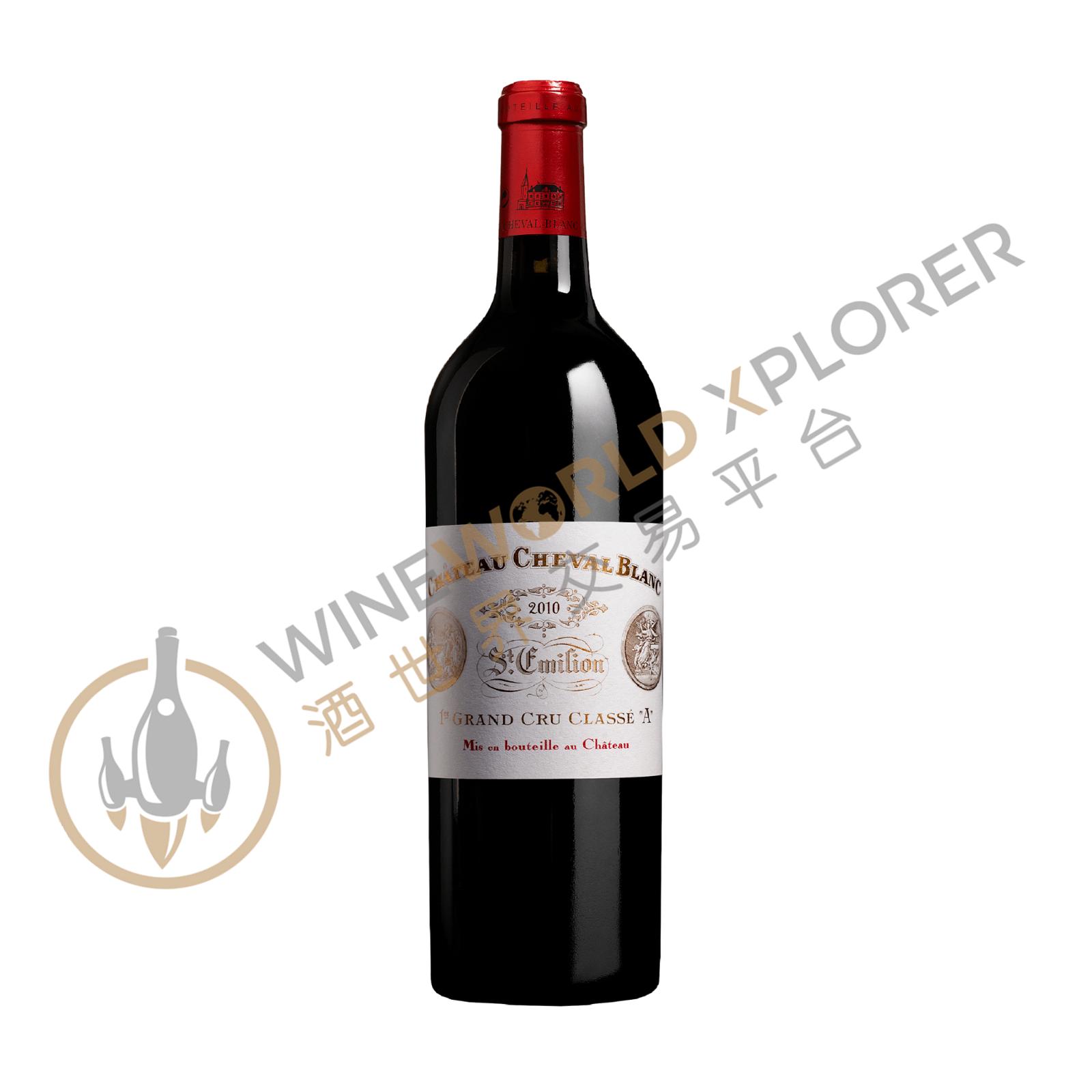
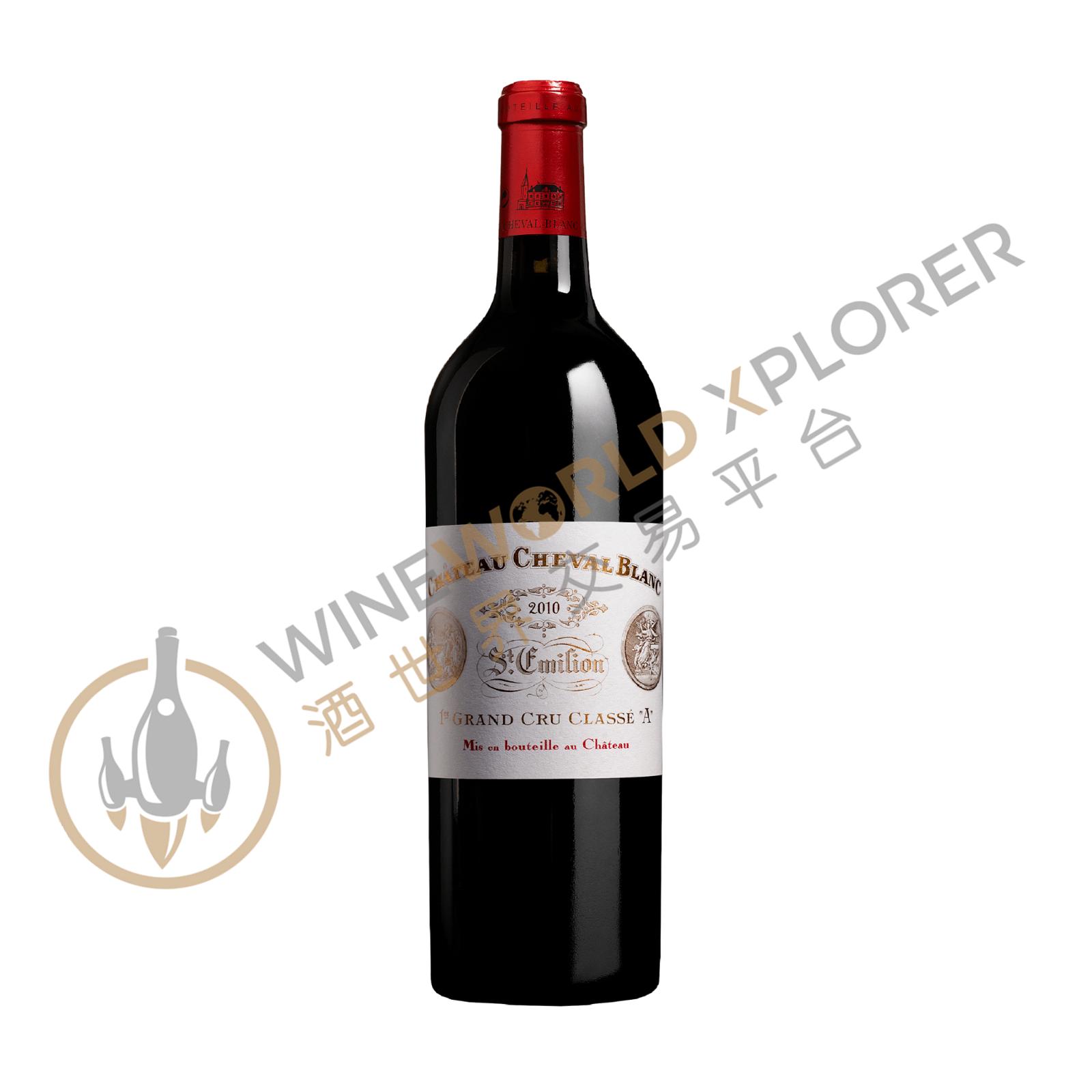
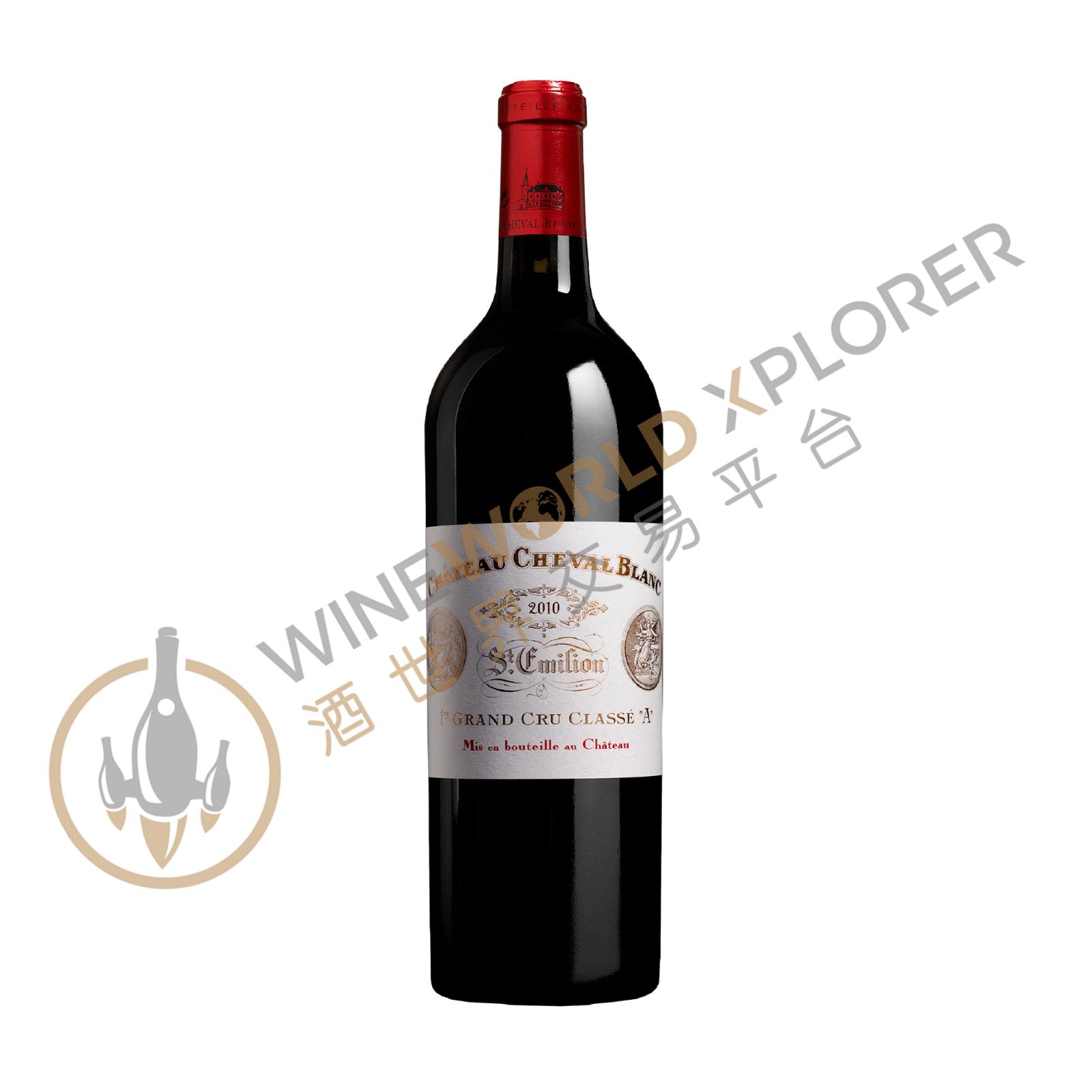
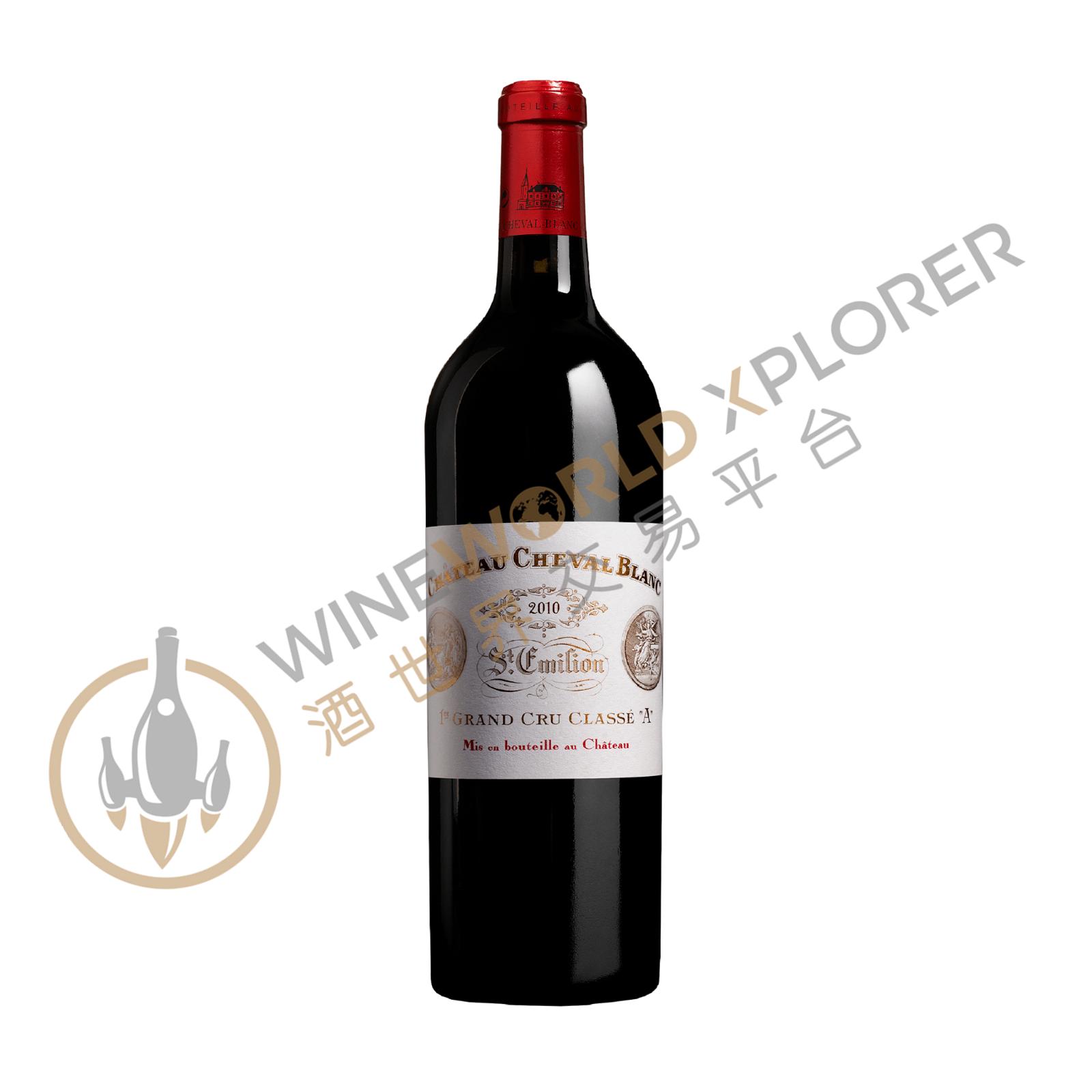
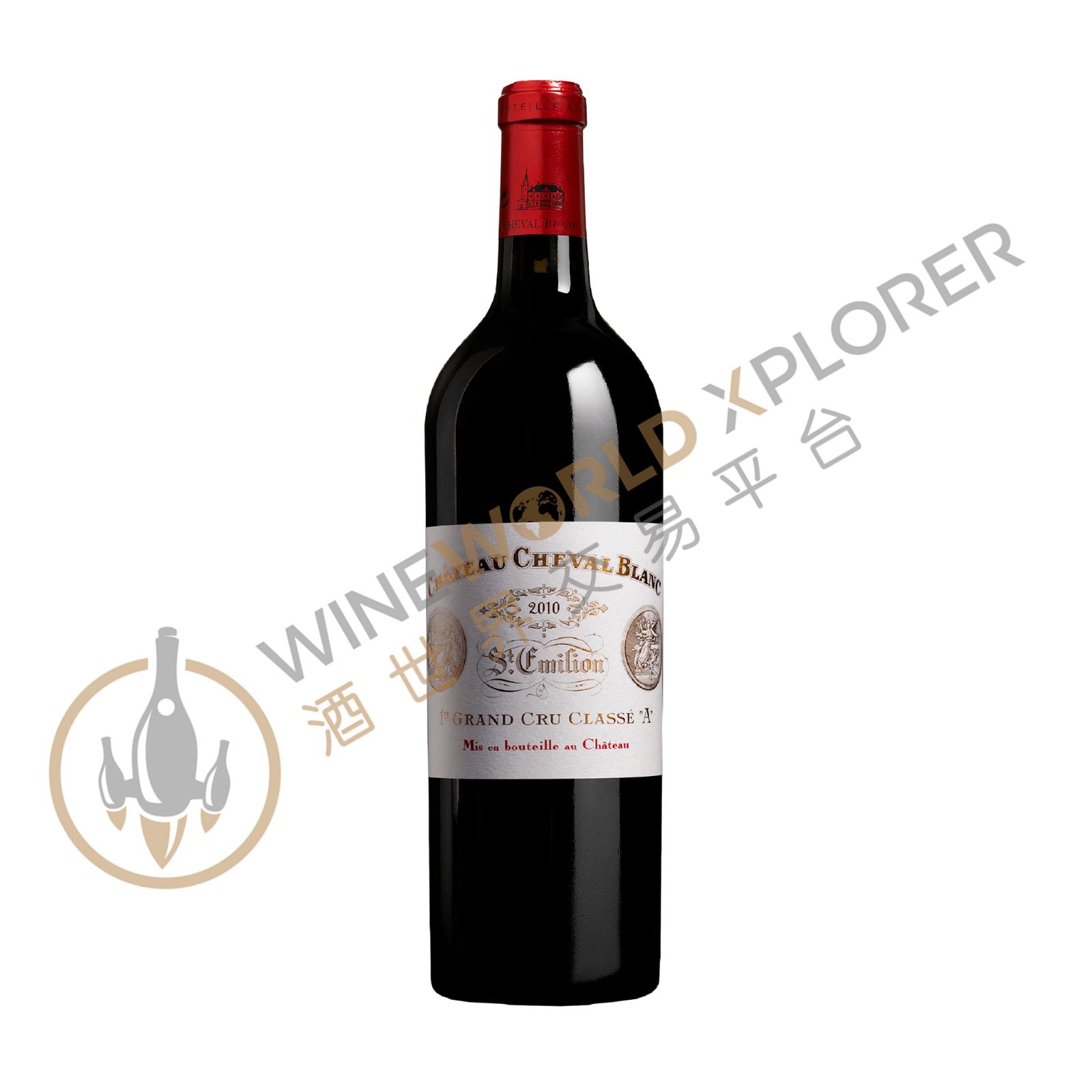
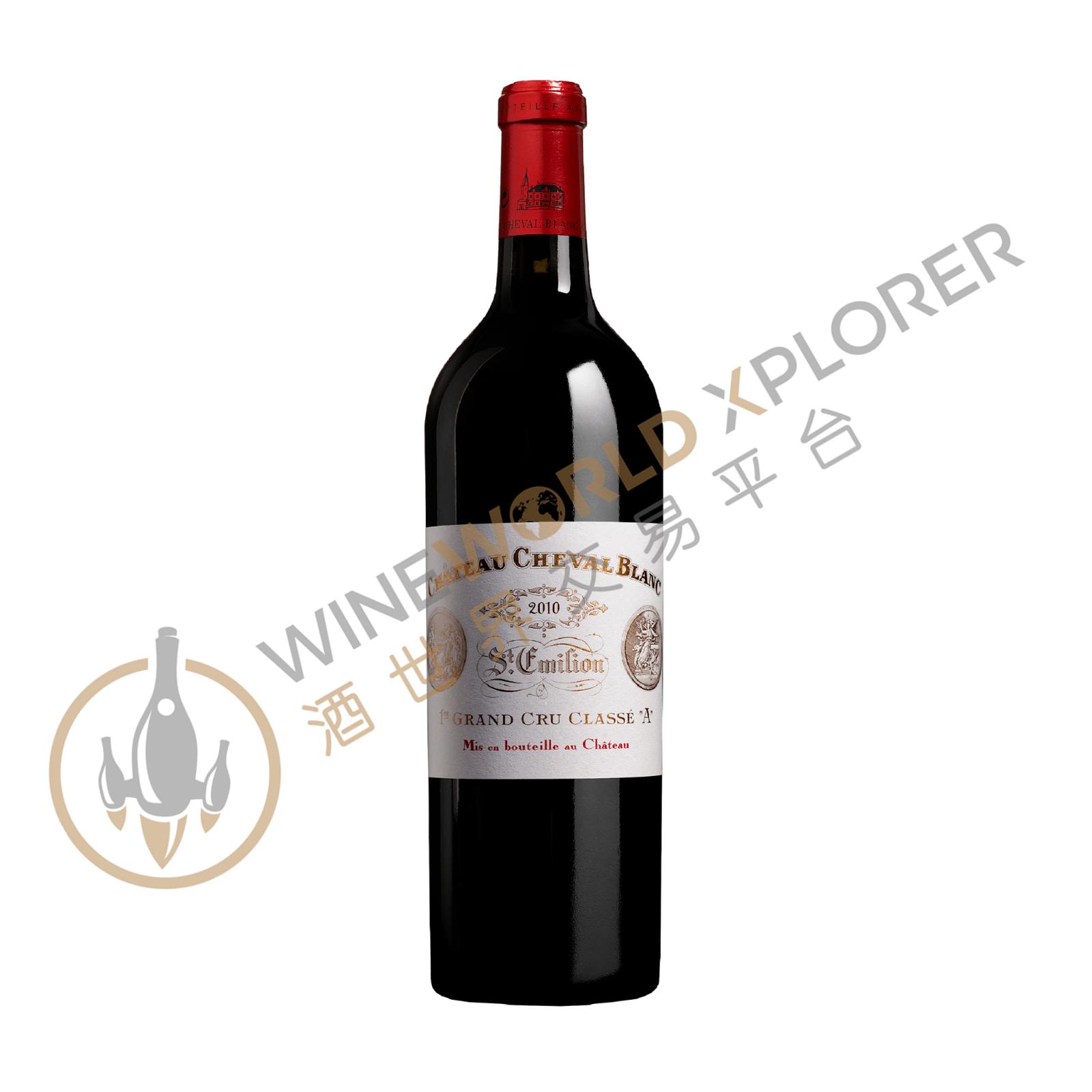
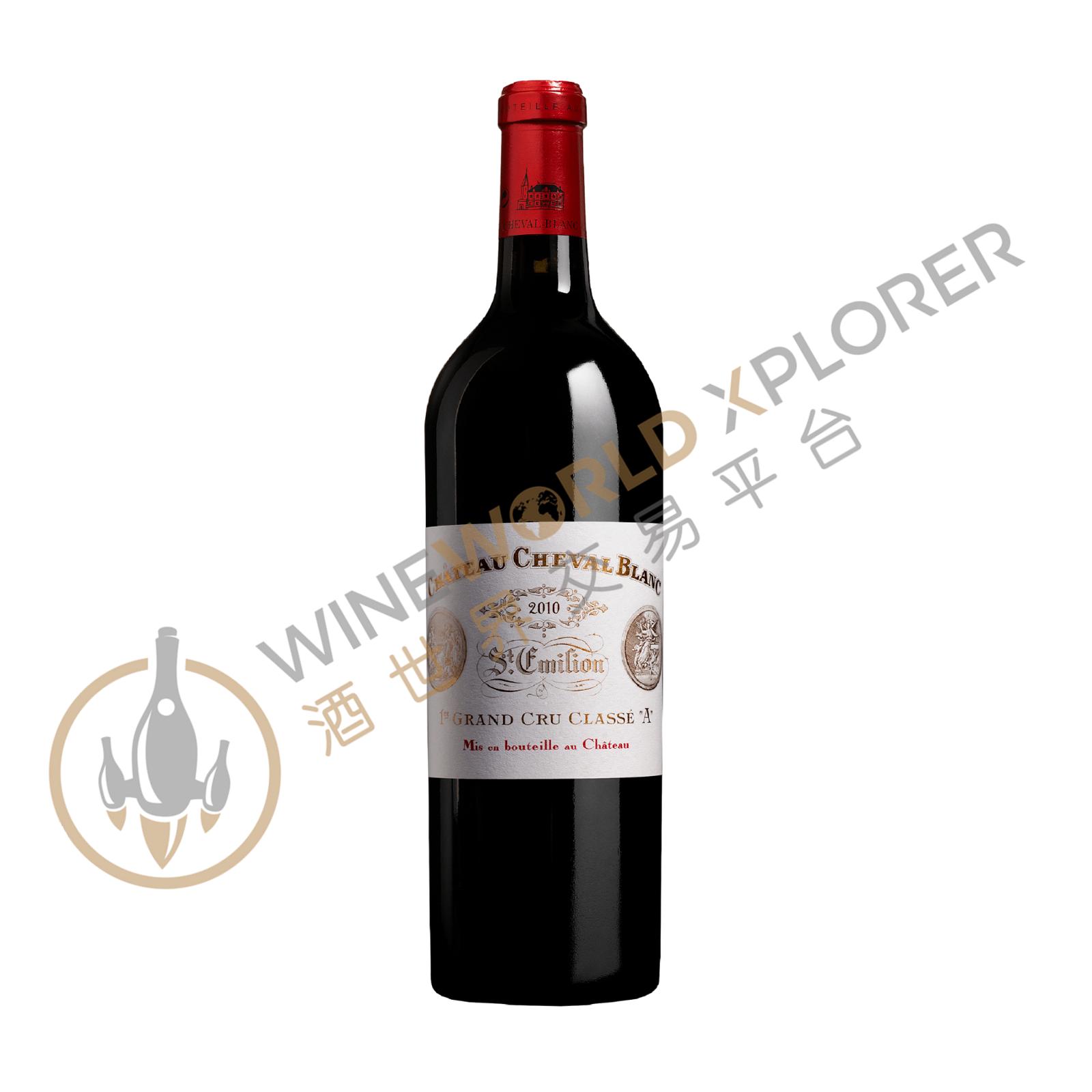
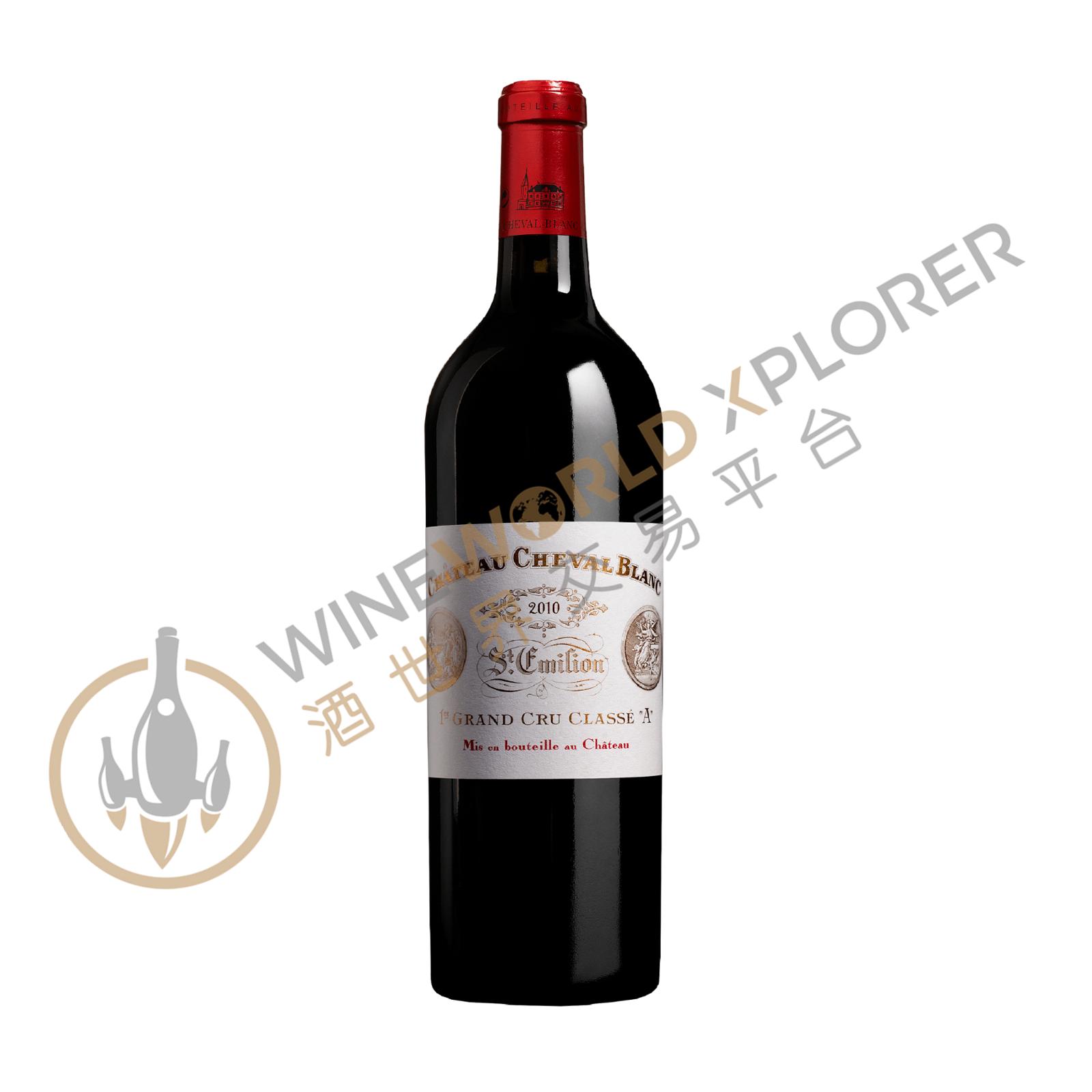
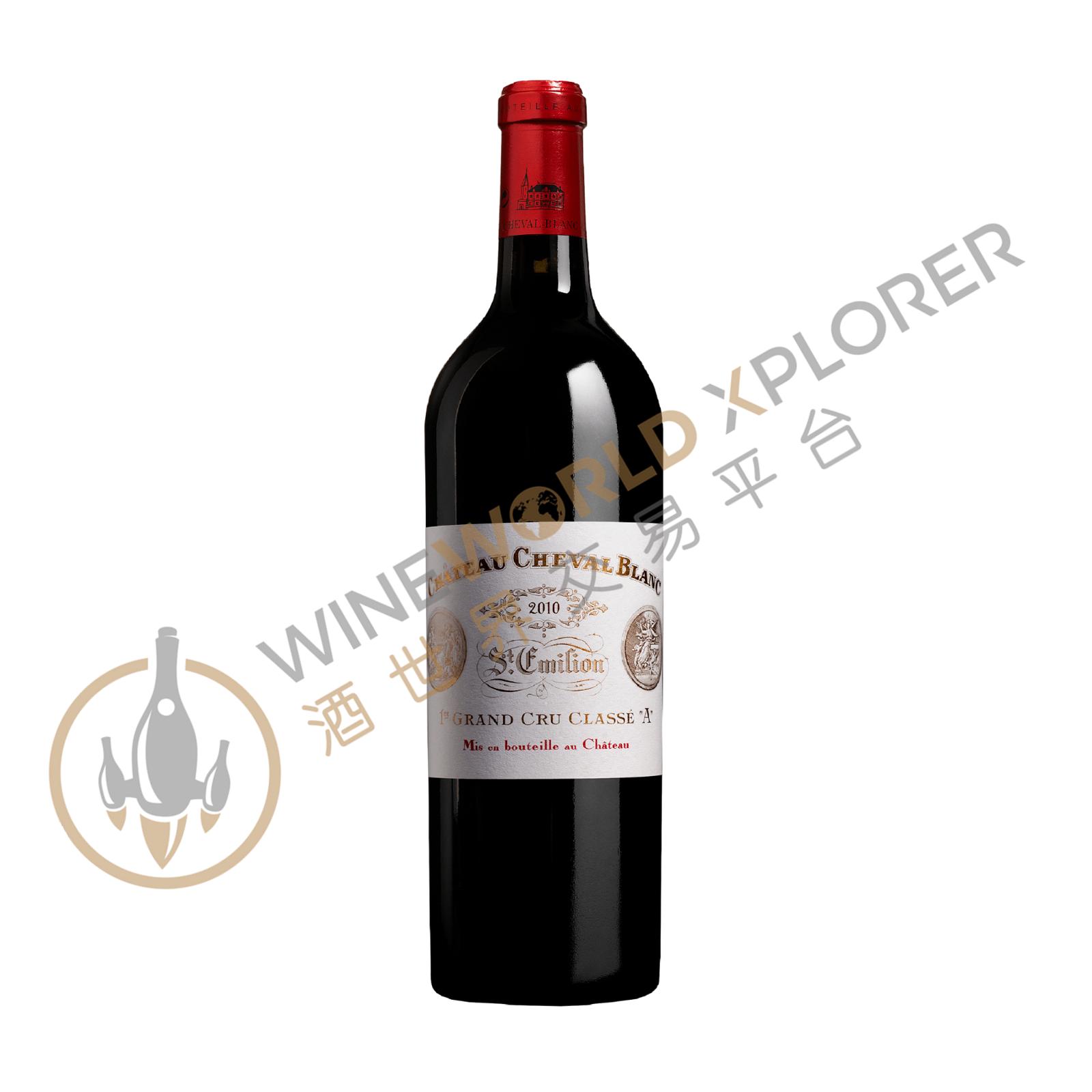
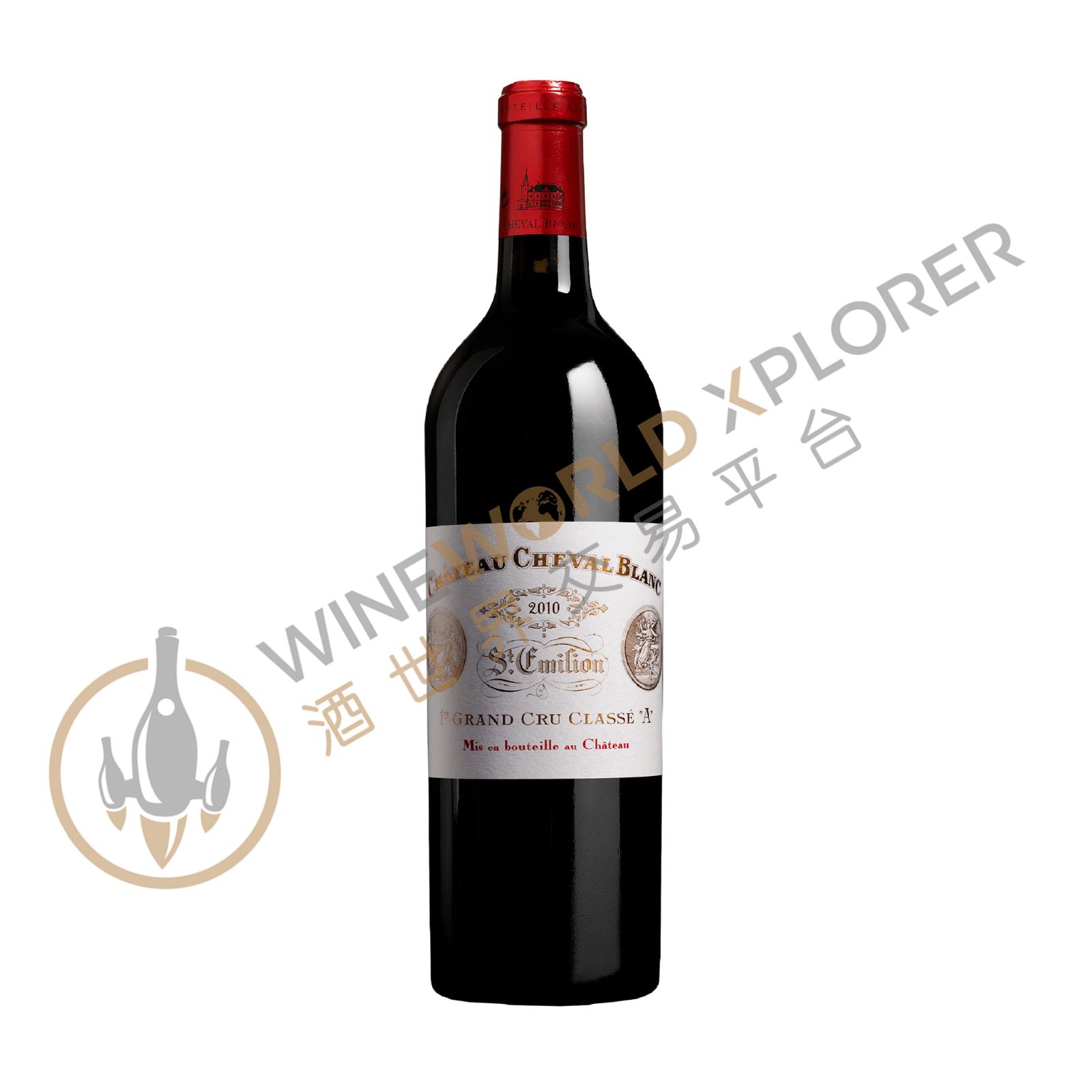
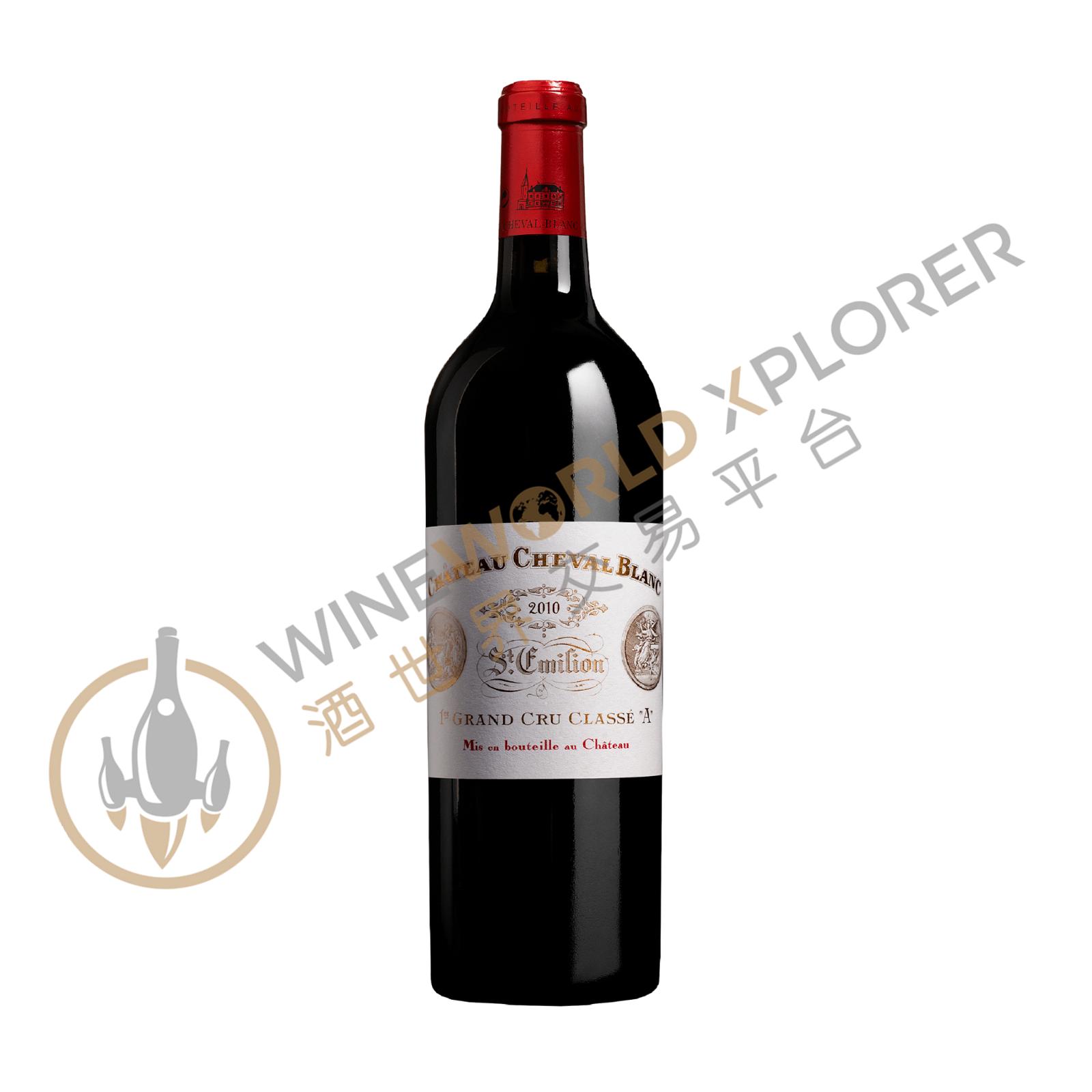
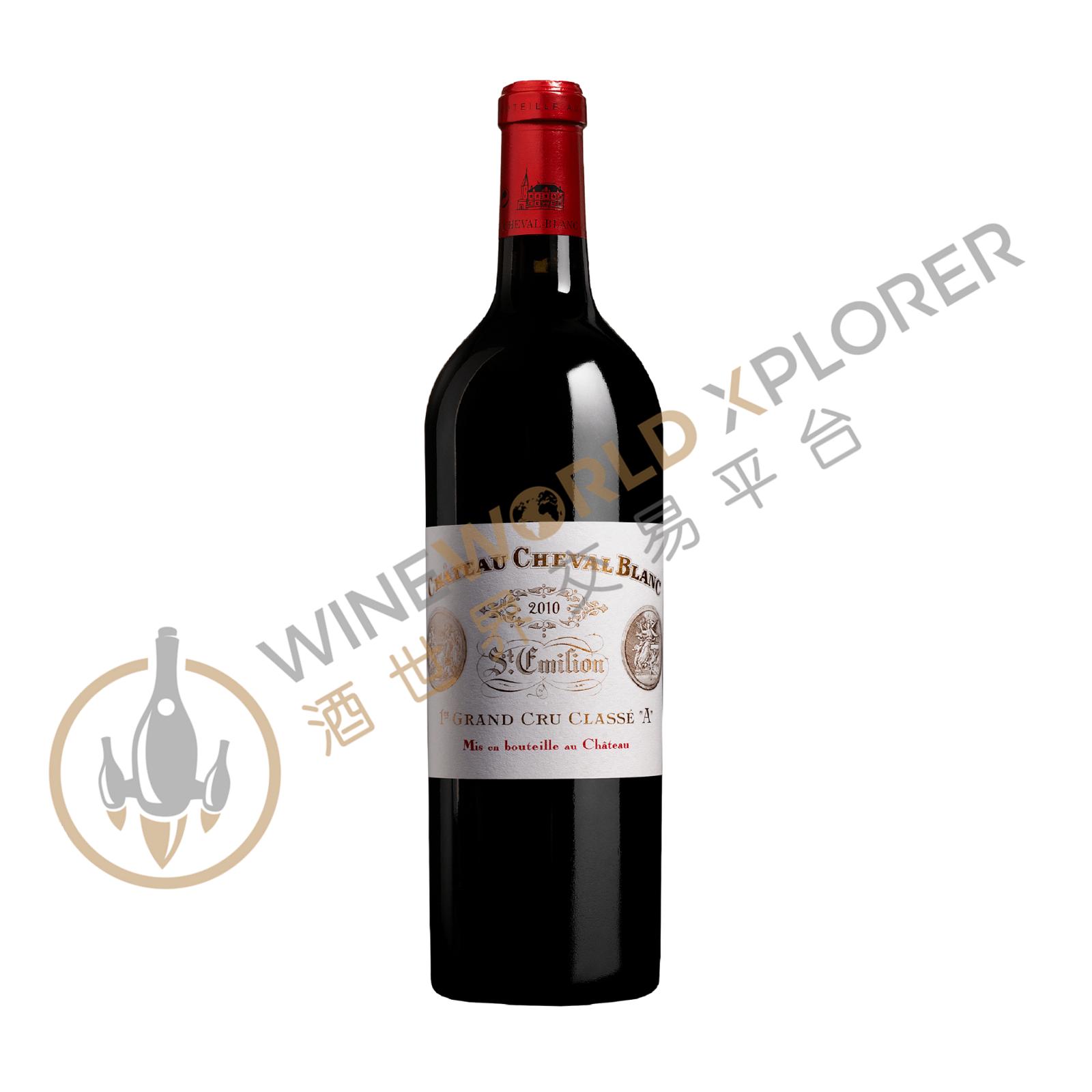
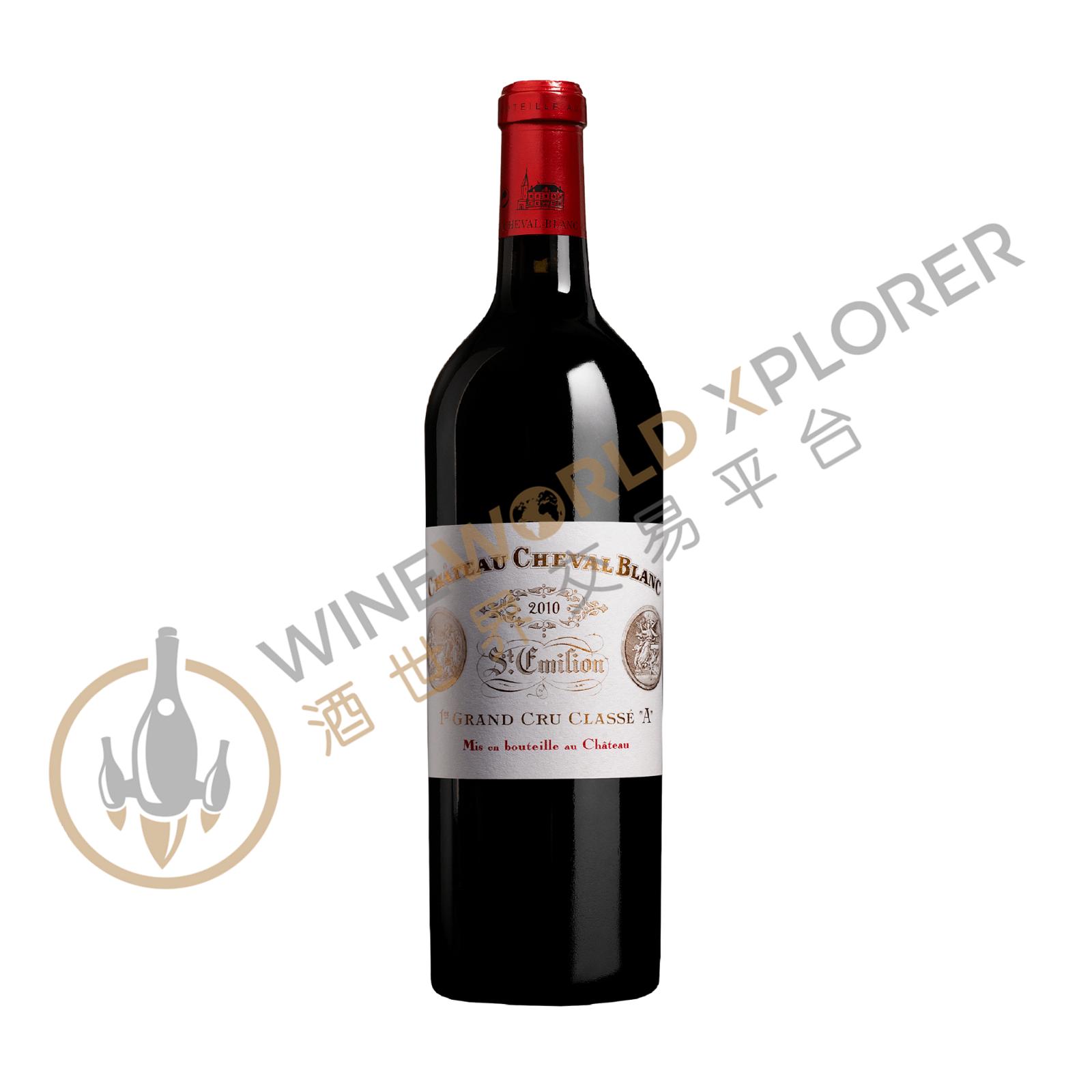
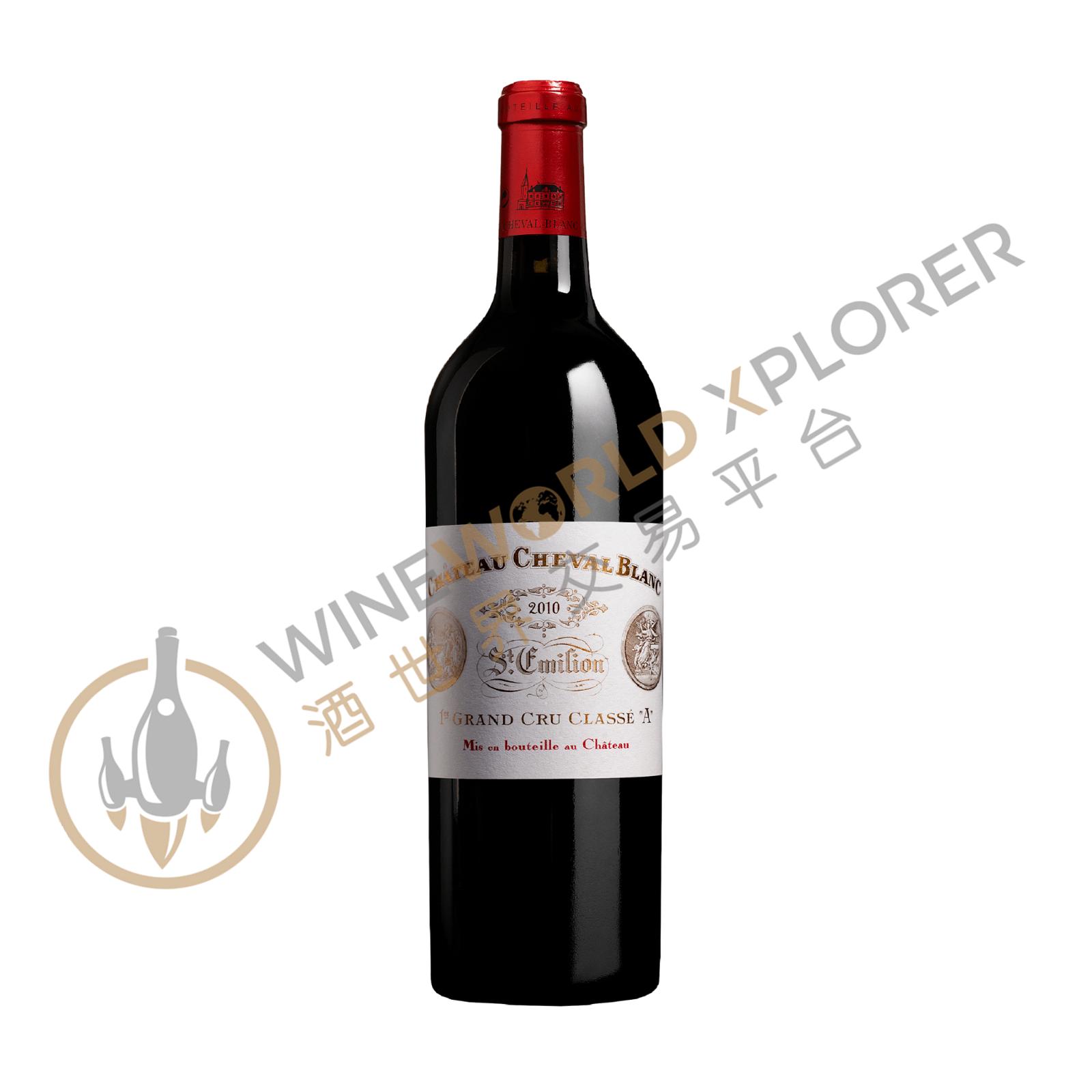
Château Cheval Blanc, a 1er Grand Cru Classé (A) is unquestionably the leading estate in St. Emilion. It is located in the north-west of the St. Emilion appellation, bordering Pomerol. Cheval Blanc obtained its first medal at the 1862 Universal Exhibition in London. In fact, a representation of this bronze medal is found on the château’s present-day label. Cheval Blanc won their first gold medal at the 1878 Universal Exhibition in Paris, and this new distinction also appeared on the label. In 1886, Cheval Blanc won a second gold medal at the Universal Exhibition in Antwerp. Reflecting this series of successes and a wine well on the way to achieving international recognition, a château was built on the estate.
Tasting notes

Reviewed by: Neal Martin
Although we had the privilege of tasting this same wine from half bottles and courtesy of a negociant bottling, it is the chateau-bottled '49 that soars (bought at auction from Bonhams.) Deep in colour, it has exquisite definition on the nose with mulberry,-sous-bois, tobacco and mint. There is a sense of animation here, an energy undimmed by the passing years. The palate is medium-bodied and packed full of intense black and red fruit intermingling with bay leaf, clove and mineral. The Cabernet Franc feel is very expressive and there's swagger and bravura on the Left Bank inspired finish. What a majestic Cheval Blanc. Tasted February 2014.
Reviewed by: Neal Martin
I had very high expectations of this wine. A deep garnet core with deep tawny rim. Yet again, the nose seems a little subdued at first, smoked meats, some black truffle and decayed leaves. Gains in intensity in the glass. The palate is remarkably tannic, stern and masculine. Yet well-balanced. That black tea not creeping in again on the mid-palate. Austere, quite dry on the finish. Lacks a bit of elegance and vitality. I would love to taste an entire bottle, because it is one of those wines that could dramatically change in the glass. I'll have to ask Vladimir Putin. Tasted July 2005
Reviewed by: Robert M. Parker, Jr.
Tasted 5 Times With Consistent Notes Although the extraordinary 1949 does not have the port-like unctuosity and heaviness of the 1947, it is an enormously rich, concentrated wine. It is better-balanced than the heavyweight 1947, yet as complex and extraordinary, both from an aromatic and flavor perspective. The wine exhibits a phenomenally fragrant bouquet of overripe red and black fruits, cedar, Asian spices, and minerals. Decadently rich and jammy, it has an amazing plum/garnet color with very little amber or rust at the edge. It may out-live the heavier, thicker, more exotic 1947.
Reviewed by: Robert M. Parker, Jr.
I have rated the 1949 Cheval Blanc as high as 100, but more consistently in the mid to upper 90s. It is one of the great Cheval Blancs - not as port-like and syrupy as the 1947, but more classically rendered. But do not take that to mean this is a wimpish wine. It is an unbelievably rich, sweet, expansive, full-bodied style of Cheval Blanc with enormous quantities of glycerin, fruit, alcohol, and extract. Although it has been drinkable for decades, it continues to offer that exotic, Asian spice, cedar, and huge, sweet fruit-scented nose. Unctuously-textured, thick, rich, vibrant, pure, and compelling, it should drink well for another 10-20 years. The notes for this wine are taken from the description of Series II - Flight C of the 1995 tasting conducted in Munich by Helga and Hardy Rodenstock. Many years after the tasting from which this note derives allegations were made concerning the authenticity of old and rare bottles of wine sold by Hardy Rodenstock to collectors around the world. The matter has been the subject of numerous articles, litigation and at least one book. Mr. Parker believes that the wines served to him at this tasting were authentic so this note and the others from that specific tasting continue to be posted on eRobertParker.com.
Reviewed by: Neal Martin
The 1949 Cheval Blanc was a négociant-bottling purchased from Sotheby's, though the label was too dirty to discern exactly by whom. But this is a fine example. Taut and linear on the nose, it offers kirsch, blackberry and pencil box aromas, with the Cabernet components perhaps more expressive than the Merlot. Just a whiff of kelp emerges with time. The palate is finely structured with a core of rich yet controlled red fruit. Very harmonious, poised and ripe with hints of espresso toward the finish, this is as good as a couple of château-bottlings that I have drunk over the years. Tasted at the 1940s/1950s dinner at Epure in Hong Kong.
About the Producer
Château Cheval Blanc is a highly lauded wine estate in the Saint-Émilion region of northeast Bordeaux. Classified with the top ranking of Premier Grand Cru Classé A, it is regarded by many as one of the greatest wines of the appellation – if not, the greatest. It is certainly the most famous Cabernet Franc-based wine in the world, albeit often alongside very similar levels of Merlot. Typically, the "grand vin" (the estate's eponymous wine) is lush and full bodied with great weight of fruit. It tends to require ten years of bottle age and the best vintages can last half a century or more. The second wine of the estate is Le Petit Cheval. The vineyard is located in the northwest of the region, bordering Pomerol (La Conseillante is a neighbor) and consists of 39 hectares (96 acres) divided into 45 plots. There is an unusually large amount of Cabernet Franc planted – about 49 percent – with 47 percent Merlot and four percent Cabernet Sauvignon. The unusual planting proportions reflect the terroir; most vineyards in the region are either clay or gravel-based over impermeable sedimentary rock, but Cheval Blanc is unique in having a patchwork of soils with the two types in roughly equal proportions. The clay soils provide base wines with velvety tannins, while those from gravel soils are more aromatic and elegant. Vines have been grown since the 14th Century at this spot but the vineyard as it is known today took shape in the 19th Century when the core plots were added to by purchases from the nearby Figeac estate. Subsequent replantings established the atypical half-Merlot, half-Cabernet Franc proportions. Cheval Blanc gained its first medal at the 1862 Universal Exhibition in London – the first of a series of successes building its reputation and achieving price levels comparable to the Médoc first growths, which paved the way for a château to be built on the estate. In the first classification of Saint-Émilion wines in 1955, Cheval Blanc was awarded the highest possible rating and remains a Premier Grand Cru Classé A. In 1998, after 166 years of continuous family ownership, Bernard Arnault, the head of luxury goods firm LVMH, and the late Baron Albert Frère (a Belgian billionaire investor) jointly purchased the estate. The spectacular new cellar opened in 2011, with 52 concrete vats (replacing stainless steel) of differing sizes corresponding to different vineyard plots. The grand vin spends 16 to 18 months in new oak barrels from a variety of cooperages.
Package Size